Minnesota Prairie Roots

Writing and photography by Audrey Kletscher Helbling

Reflecting on fatherhood June 16, 2017

Filed under: Uncategorized — Audrey Kletscher Helbling @ 5:00 AM
Tags: , , , , , ,

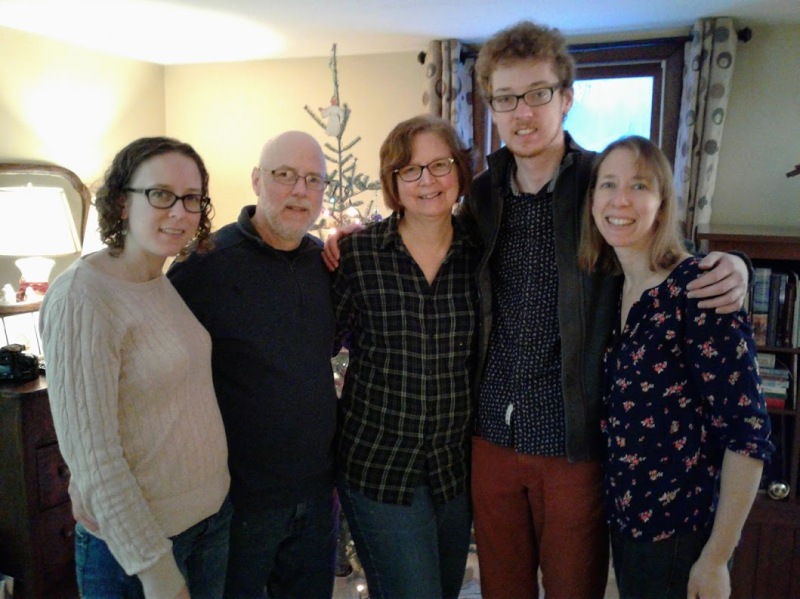
My husband and I with our three children, taken last Christmas. Rare are the times now when we are all together given the son lives in greater Boston and one daughter lives nearly six hours distant. Minnesota Prairie Roots file photo.


“HAS YOUR DAD ever thanked you for saving his life?” I asked my husband. I doubted my father-in-law had, yet I had to ask.

“No,” Randy answered.

“You know, if this would have happened today, you would be in the news, considered a hero.” Randy agreed.

Fifty years ago this coming October 21, the then 11-year-old central Minnesota farm boy shut off the power take-off to the corn chopper that trapped his father’s arm. With the power off, Randy then raced across the field to a neighboring farm for help. His actions saved his dad’s life.

Why do I share this story just days before Father’s Day? It is an extreme example of how relationships between fathers and their children have changed. In the 1960s, the time frame in which this accident occurred, the rural men I knew worked long hard hours on the farm. By the time they exited the barn or field, they were too exhausted to interact much with their kids. They worked tirelessly to provide for families that often included a half dozen or more children. Rare were the two-kid families.

It was, too, the norm of the times for men to be distant, uninvolved and unemotional. I remember how I craved any time with my dad that didn’t involve farm work. Taking lunch to him and my Uncle Mike in the field provided some one-on-one contact. So did the few minutes I could grab to show Dad my latest sewing project. And I loved the Sunday afternoon drives our family took to look at crops.

The generation that followed—my generation—started an evolution of change. We were more opinionated, challenging of past stereotypes and undaunted by the past. Farm boys like my husband left the farm for jobs in town. And so the subtle changes in father-child relationships began.
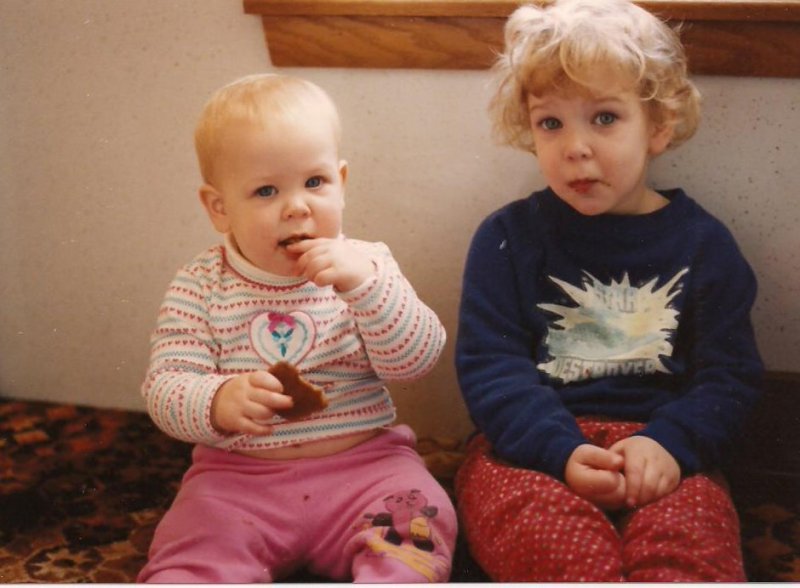
 

A photo of our daughters in 1988.


When my husband became a dad 31 years ago, he forged relationships with his two daughters and son early one. Among my fondest memories is that of Randy sprawled on the living room carpet reading the Sunday comics to his children. He also read books and played infinite games of Monopoly with our son. One sweet photo shows him painting his daughter’s toe nails.

 

Watching our son graduate from Tufts University School of Engineering with a bachelor of science degree in computer science. Minnesota Prairie Roots file photo 2016.


Our kids have always known they can count on their dad—to stick on a band-aid, cheer them on at a spelling bee, fix their cars, move them into and out of countless dorm rooms and apartments…

Randy has always been there—through the second daughter’s fitting of a back brace to treat her scoliosis, through the son’s being struck by a car, through the school programs in stuffy auditoriums, through the tears and joys and anguish.
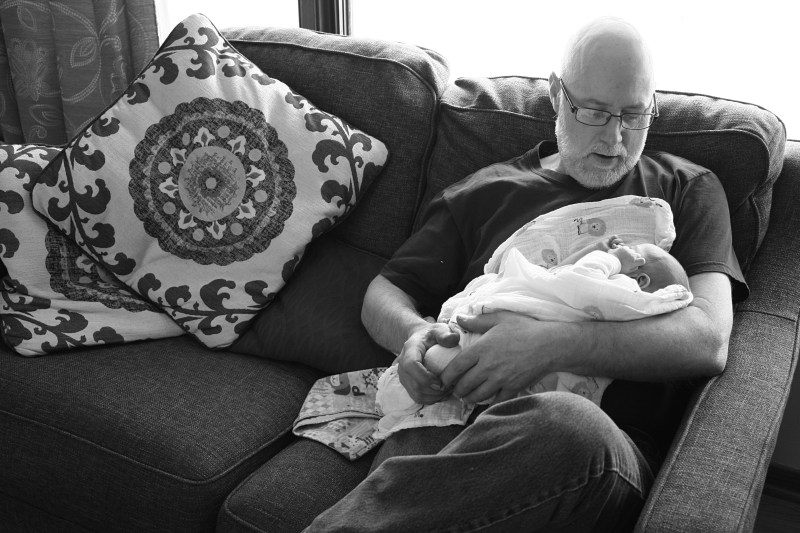
 

My favorite photo of my husband holding our then 10-day-old granddaughter, Isabelle. Minnesota Prairie Roots file photo April 2016.


I am grateful for the strength my husband exhibits as a father and now a grandfather. Already 50 years ago, on that central Minnesota cornfield, he showed incredible strength by saving his dad’s life. Like his father before him, Randy is often quiet and unemotional. But I see at his core the love he holds for his family. And that is what matters most.

TELL ME: How do you think fatherhood has evolved? What makes a father? Or share a memory.

© Copyright 2017 Audrey Kletscher Helbling


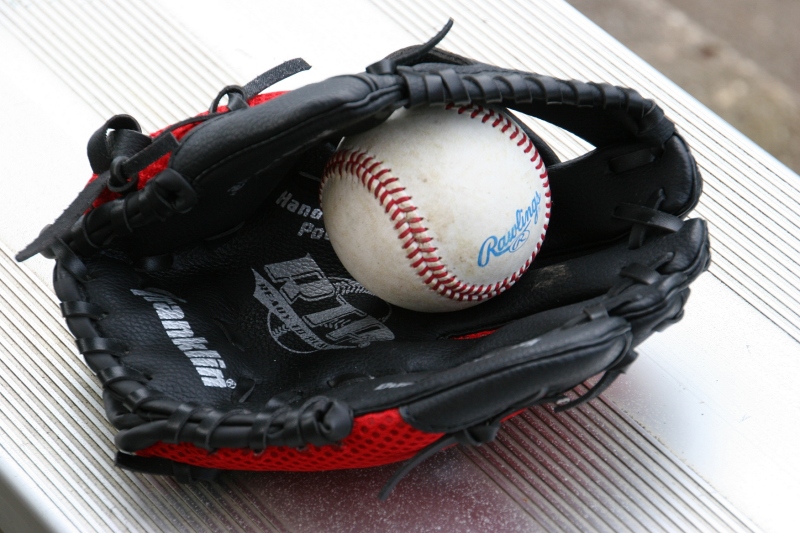
A fitting quote as we heal from the baseball field shootings June 15, 2017

This plaque marks a baseball player sculpture at Memorial Park in Dundas, Minnesota. Minnesota Prairie Roots file photo 2014.


THREE YEARS AGO I photographed a plaque at Memorial Park Baseball Field in Dundas. It marks a woodcarving of a Dundas Dukes baseball player.


Minnesota Prairie Roots file photo 2016.


Today, the day after the shooting of House Republican leader Steve Scalise, four others and a gunman on a baseball field near our nation’s capitol, these words by John Thorn seem especially fitting. Thorn is the official historian for major league baseball.


My great niece Kiera painted this stone, which sits on my office desk as a constant reminder to hold onto hope. Minnesota Prairie Roots file photo.


Now, more than ever, as attacks and tragedies like this continue in the U.S. and throughout the world, we need our spirits replenished, our hope restored, our losses repaired, our journeys blessed.


Batter up for the Faribault Lakers. Minnesota Prairie Roots file photo 2016.


We must continue to play ball. Violence can change us. But it cannot steal away the freedom we hold dear.

© Copyright 2017 Audrey Kletscher Helbling


At the library: Making Faribault a better place June 14, 2017

Filed under: Uncategorized — Audrey Kletscher Helbling @ 5:00 AM
Tags: , , , , , , , ,

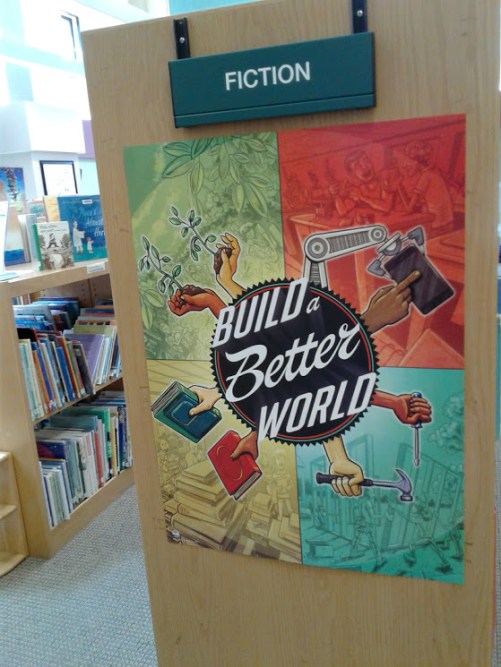
This poster at Buckham Memorial Library in Faribault promotes the theme of the summer reading program.


BUILD A BETTER WORLD.


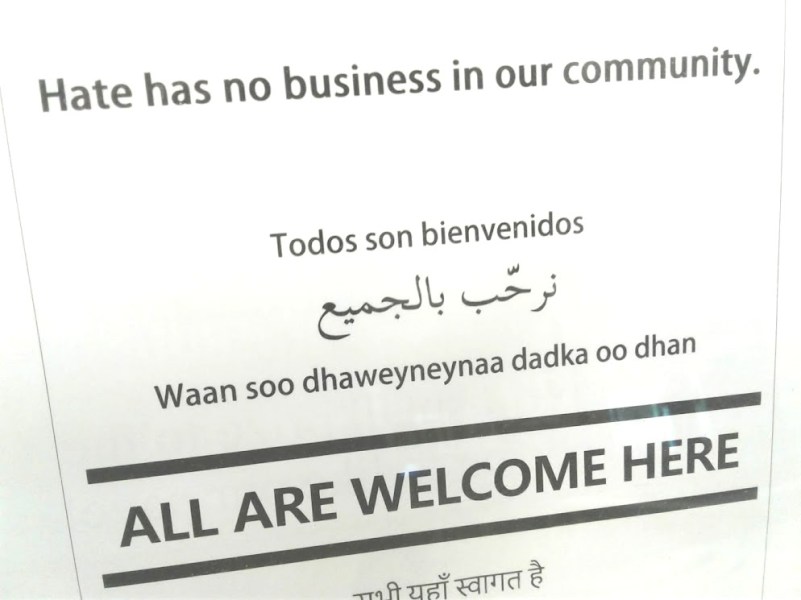
This sign rests on the check-out desk at the library for all to read.


Hate has no business in our community.


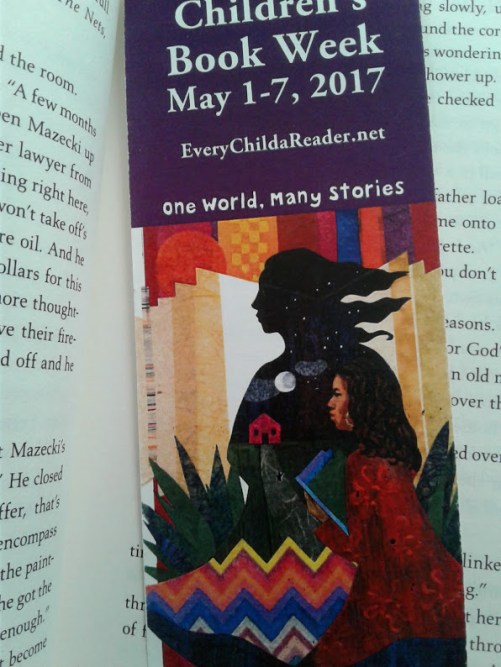
I picked up this bookmark at the library several days ago.


One world, many stories.

I appreciate these three messages, shared on a poster, on a sign and on a bookmark at my local library.


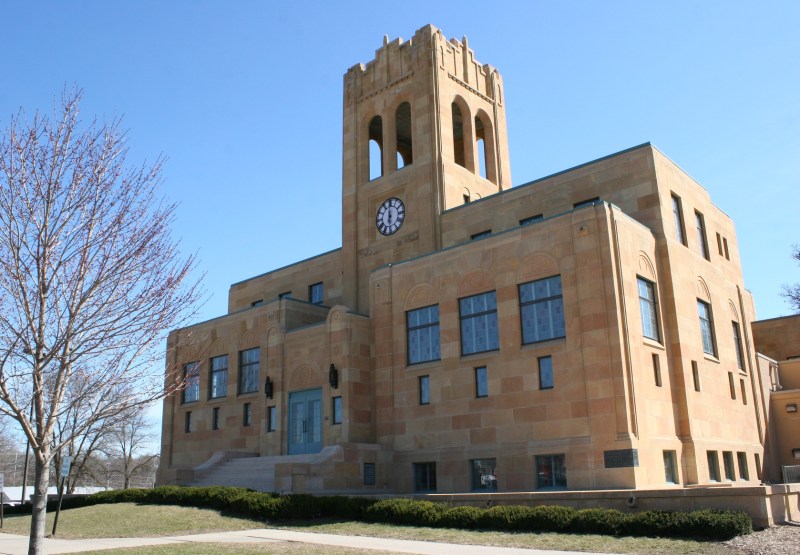
Buckham Memorial Library, Faribault, Minnesota. Minnesota Prairie Roots file photo.


In this public place along Division Street in Faribault, local residents of all ages, all colors, all backgrounds, gather. While there are certainly divisions and differences, there is also a coming together here facilitated by library staff.


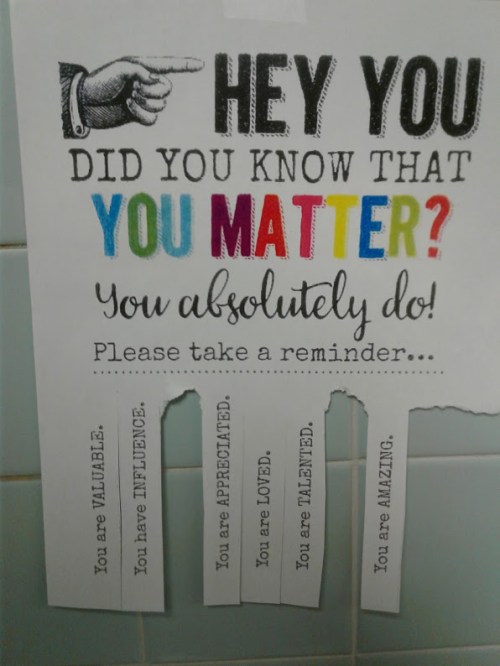
These signs were previously (and may still be) posted in the library restrooms. Minnesota Prairie Roots file photo.


Words matter. When I read words that encourage building up rather than tearing down, choosing love over hatred and fostering of unity instead of division, I am hopeful. I am hopeful that we can learn to get along, to appreciate the individual stories we each bring to our community. Once we begin to see each other as individuals, the building begins, the love flows, our world widens.

© Copyright 2017 Audrey Kletscher Helbling
 

From Minneapolis neighborhood to prison, one inmate’s life story June 13, 2017


NOT ALL THAT FAR from my home, across the historic viaduct spanning the Straight River, past the hospital and down the road a bit, razor wire tops fences surrounding the Minnesota Correctional Facility, Faribault.

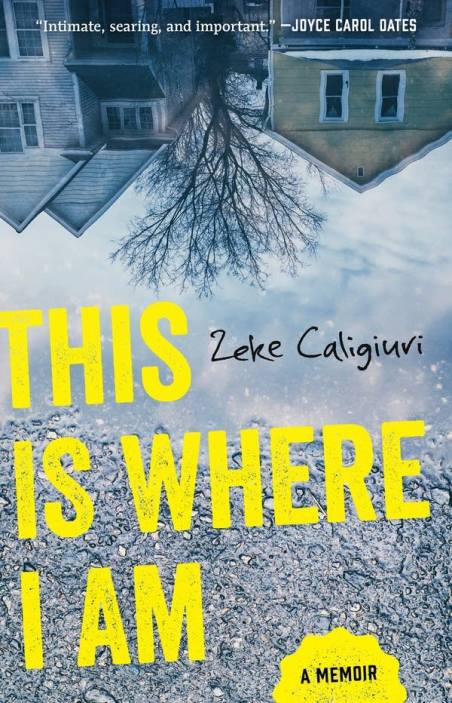
Among the men incarcerated there is Zeke Caligiuri, prisoner and author.

I recently read his book, This Is Where I Am, a memoir that takes the reader from Caligiuri’s growing up years in the Powderhorn Park neighborhood of south Minneapolis to a prison cell. His urban life was marked by school truancy, drug use and dealing, crime, violence, and a lack of purpose. All this despite loving parents and a grandmother who never gave up on him, who wanted and expected so much more. He doesn’t blame them for the choices he made.

I’ve never read a book like this because, well, I’ve never read a book written by an inmate. His story is both revealing and yet not so. I kept waiting for Caligiuri to share information on the crime that landed him a 34-year prison sentence in 1999. He never did. To me, the absence of that presents a gaping hole in an otherwise revealing read. For the record, he is in prison for robbery and second-degree murder with a scheduled release in 2022.

A threading theme throughout Caligiuri’s story seems to be an innate desire to change. Yet, the pull of environment, the pull of long-time friends, the pull of drugs, the pull of darkness overwhelmed him. Depression defined that darkness. Given the recent public shift toward addressing mental health issues, this particular part of the story is especially enlightening in its in-depth details. My heart hurt for the young adult overcome by an illness that is too often not addressed by society (although that seems to be changing).

Caligiuri doesn’t write about daily prison life as much as he writes about his feelings and his struggles to maintain his sanity within the confines of a penal institution. When he throws food out of his cell and when he hides a banned something (which he fails to identify) in his cell during a lockdown, I feel no sympathy for the rebellion, defiance and anger he holds. Perhaps I should. But then my thoughts trace back to his crime.

How you view this book depends, I think, on your experiences. If you have been personally affected by violent crime either directly or indirectly through a family member or friend as I have been, you will probably react differently than a reader who has never been victimized.

I appreciate, though, this honesty in Caligiuri’s book: I looked around and everyone had a story about getting f****d by the system, or by their best friend, or the mother of their kids.

Blame, blame, blame…anyone but themselves for their incarceration. That this inmate-writer recognizes that lack of responsibility and accountability is noteworthy.

The author considers himself a much different person than the young adult who entered prison nearly two decades ago. That is evident through the telling of his story. He’s clearly proven himself as an author with a unique voice. He can write. He’s educated himself. He’s matured. In five years he’ll leave prison, trying to determine his new role in the world away from the men who have become his family and away from the place that’s been home for so long.


© Copyright 2017 Audrey Kletscher Helbling


Patio art June 12, 2017

Filed under: Uncategorized — Audrey Kletscher Helbling @ 5:00 AM
Tags: , , , ,


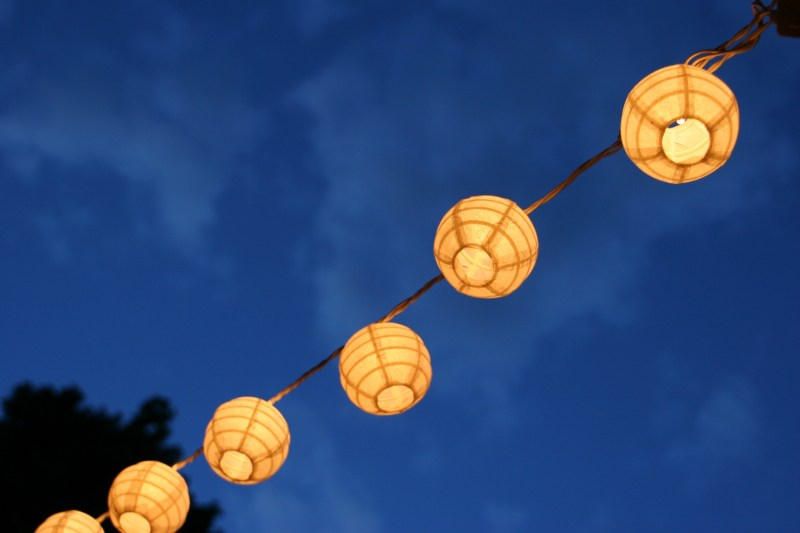
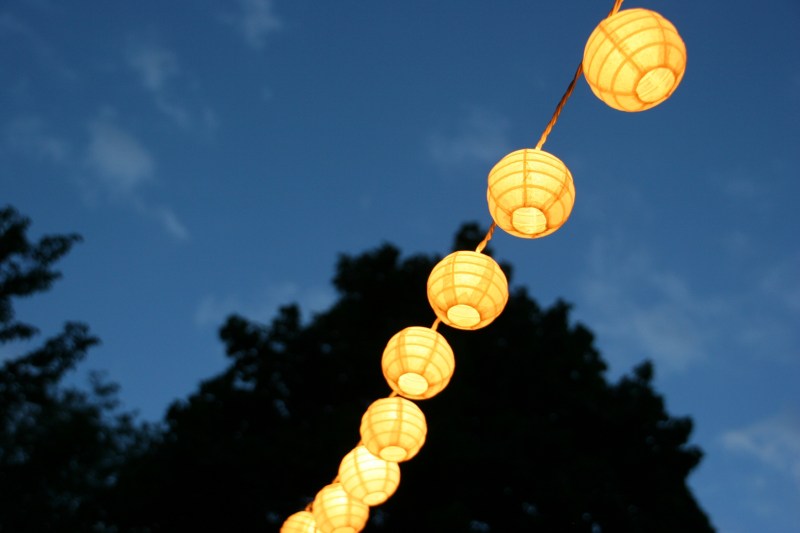
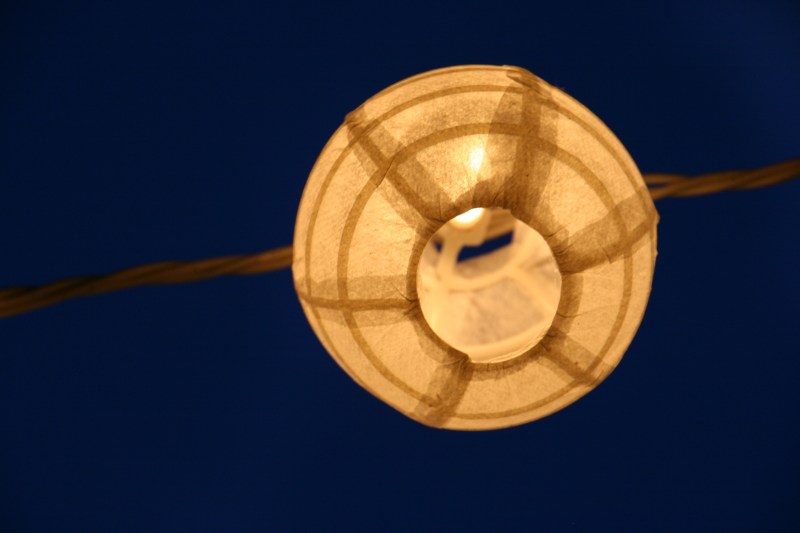
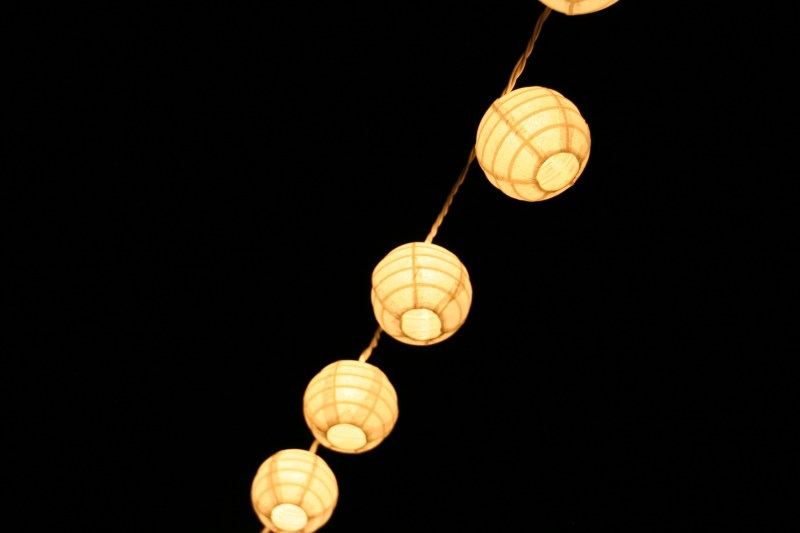
THE WHITE GLOBES stretch across the patio in a string of lights creating a party ambiance.


There’s nothing remarkable really about the lights purchased years ago in the end of summer discount aisle at Target. They add a mood setting touch to our backyard and practical functionality once the sun sets.


Beyond that and the inconvenience of hanging and removing them after each usage—they’re not waterproof—I hadn’t thought much about the patio lights.


But that changed one recent evening when, relaxing in my lawn chair, I tipped my head back, eyes drawn skyward.. The white orbs glowed golden against inky blue. In that moment, I saw art.


Do you ever experience delights like that, when the ordinary transitions into something more, something so lovely that you pause and appreciate? Or, if you’re me, you dash indoors to grab your camera.

© Copyright 2017 Audrey Kletscher Helbling

 

On the road to recovery, an update June 9, 2017

Filed under: Uncategorized — Audrey Kletscher Helbling @ 5:00 AM
Tags: , , , , , , ,

“I DON’T LIKE YOU,” I told him.

“Most people don’t,” he answered.

And we both laughed. Laughed because I really did like him and he wasn’t to blame for the bad news he shared. As a former journalist, I understand well the habit readers have of blaming the messenger. And now I was doing that to a medical professional.


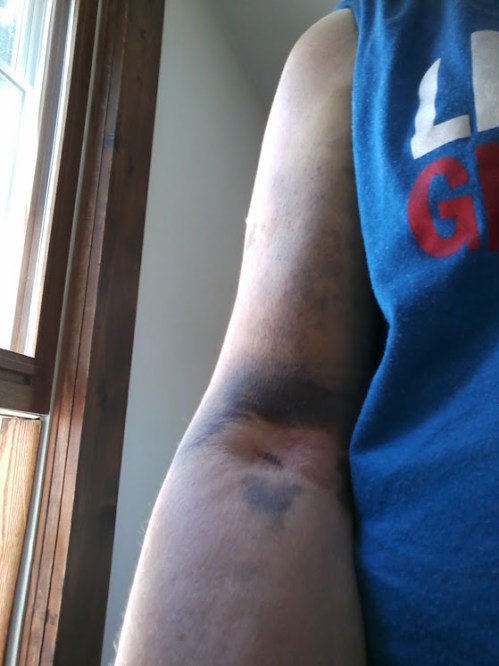
The bruising on my injured right arm has decreased considerably on the front with the bruising (not shown here) shifting to the back of my elbow.


What could I do except joke and laugh when my ortho doctor on Wednesday afternoon revealed that total healing and recovery time from my broken shoulder could stretch up to 16 weeks? That’s four more than he told me during our initial visit two weeks ago. Sigh.

And then, as we chatted about the elbow flexing and pendulum exercises I am now doing at home, I found myself in a bit of trouble. I had been doing more than three flex sessions and arm swings daily. “More is not better,” he said, noting that he had me pegged as someone who would do just that. More. Busted.

I like my doctor. He has a great sense of humor, empathy and a personality that is down-to-earth approachable and friendly. I never feel rushed with him. He listens and he answers. And I’m trying to abide by his admonition to “stop when it hurts.” I’m trying, like he says, to rest. I don’t want my bone break, which widened a bit to 2.8 millimeters, to crack wider. Shoulders apparently take a long time to heal.

After that bit of news yesterday, I felt a tad discouraged. But then, because I can choose to be positive, I remembered his words of “everything looks good” upon viewing my latest x-rays. Good is good.

Good is also the continuing encouragement of family and friends. My eldest daughter sends me photos of my granddaughter nearly daily and that makes me happy. I used Google Hang-outs for the first time the other day and that was great, to see and hear darling Isabelle.


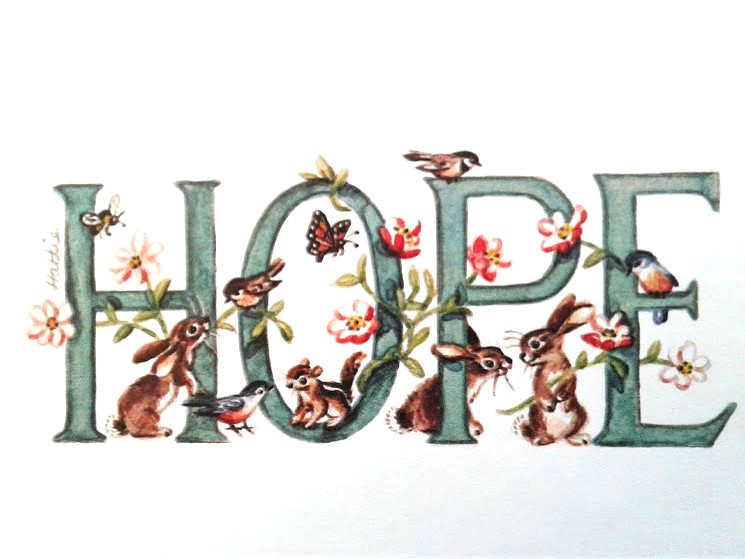
My friend Kathleen sent a lovely vintage card along with the sweetest message. The thing about the card is the specific selection just for me. Kathleen knows I have chosen hope as a focus word in my life. Long before this accident. She remembered.


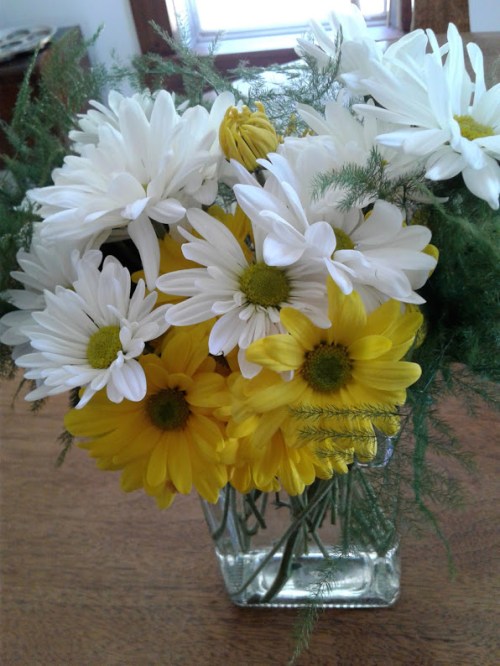
And then Thursday afternoon, I received a bouquet of sunny yellow and white daisies from my sister Lanae and her husband, my niece Tara and her husband and their baby and the couples’ cats.


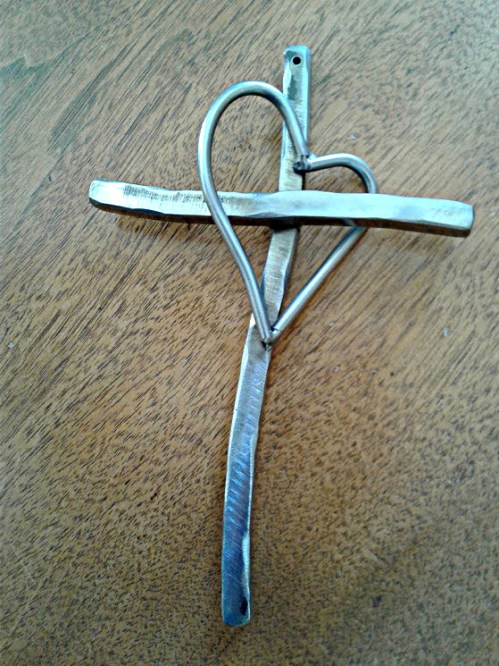
And recently I received a handcrafted metal cross from my artist friend Steve, who in his own quiet and creative way offers such encouragement and support.

We all have our burdens to bear in life. That’s a given. I don’t care who you are. But we are not alone. It is in times like this that I fully realize the importance of being there for each other—whether through a card sent, a word spoken, a gift given, a bouquet of flowers sent, prayers offered, well wishes written.

Thank you, dear readers, for being here for me. I will continue to update you occasionally on my recovery.

Have a wonderful weekend and take the time today to encourage someone inside or outside your circle who is going through a difficult time.

© Copyright 2017 Audrey Kletscher Helbling
 

Scenes from the road in Iowa June 8, 2017

Filed under: Uncategorized — Audrey Kletscher Helbling @ 5:00 AM
Tags: , , , , , , , ,

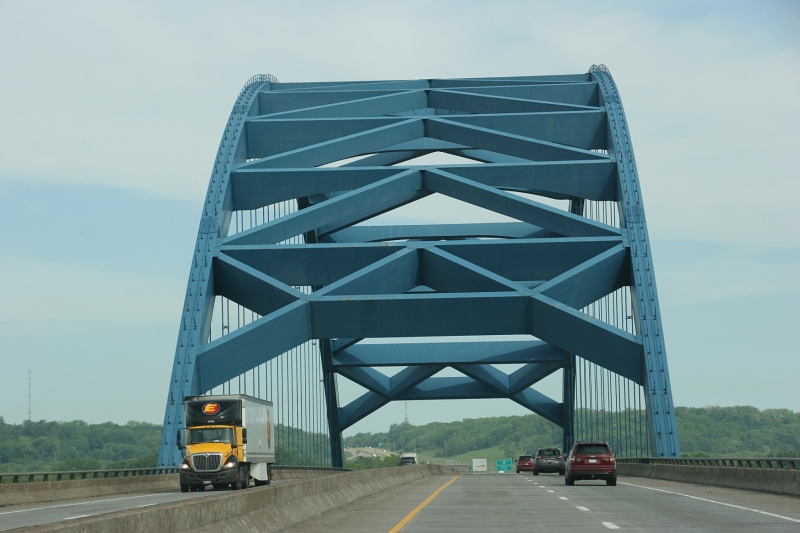
Westbound from Illinois into Iowa along Interstate 80. Minnesota Prairie Roots file photo May 2016.


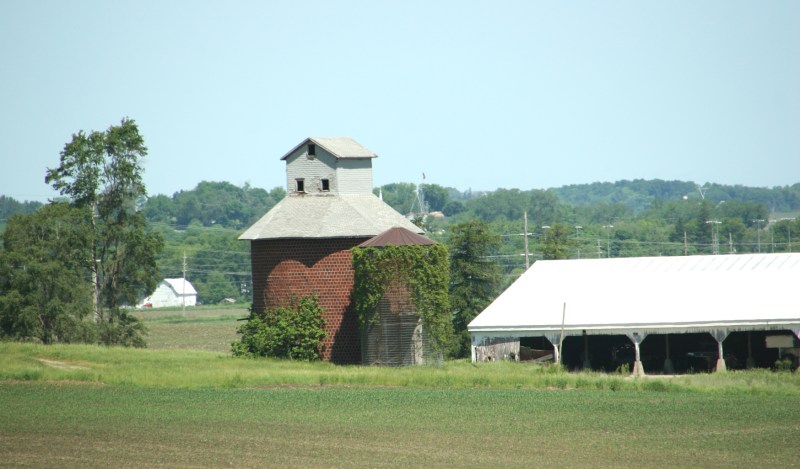
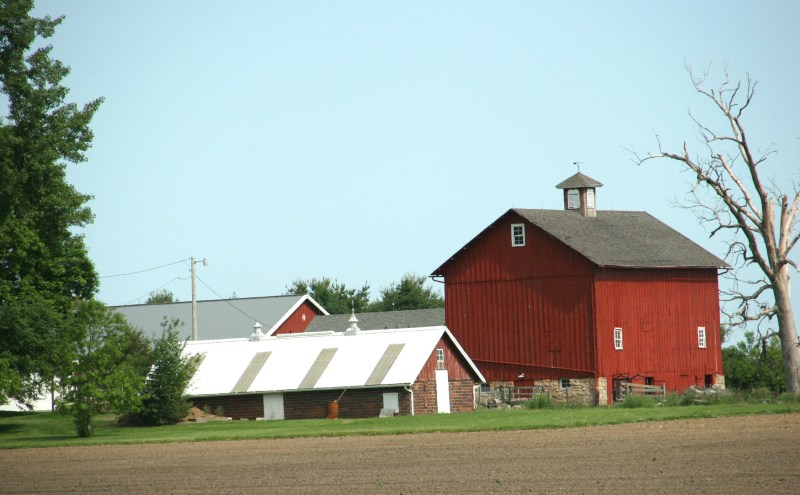
IN IOWA EXISTS a comfortable familiarity for me. It’s not that I’ve explored much of this state, except the northern fringes. But Iowa feels like a friendly next door neighbor or cousin, the ruralness of this land creating an instant bond.


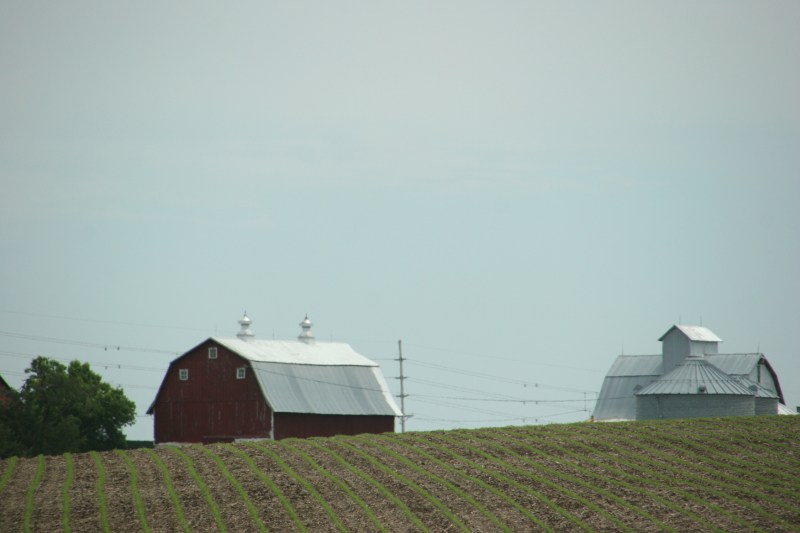
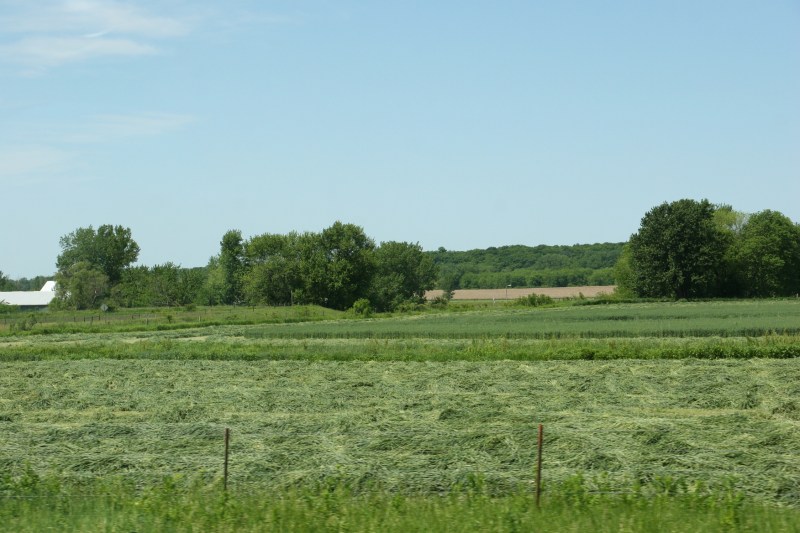
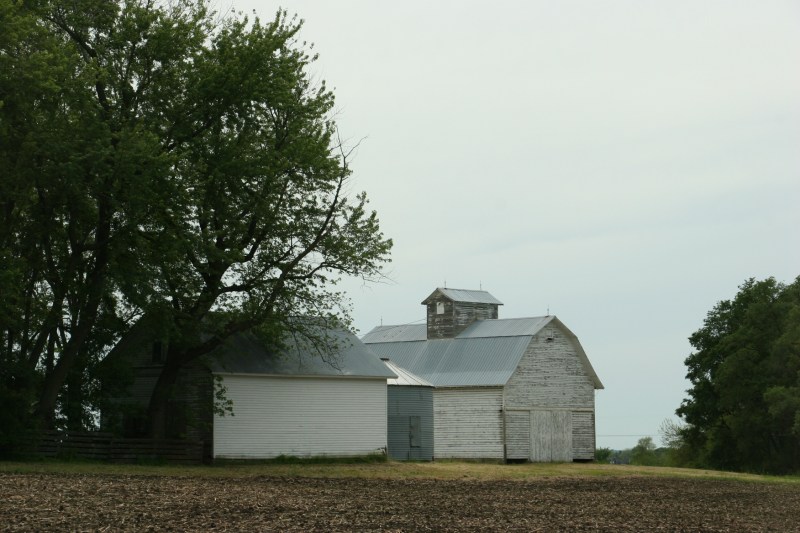
For in Iowa—the Iowa I’ve seen—the lay of the land, the length of the sky, the scenes of barns and fields and small towns connect to my rural southwestern Minnesota roots.


I feel at home in Iowa, the place that is often the butt of Minnesota jokes. Outside the Twin Cities metro and the lakes and woods of northern Minnesota, our landscape mostly duplicates that of our southern neighbor.


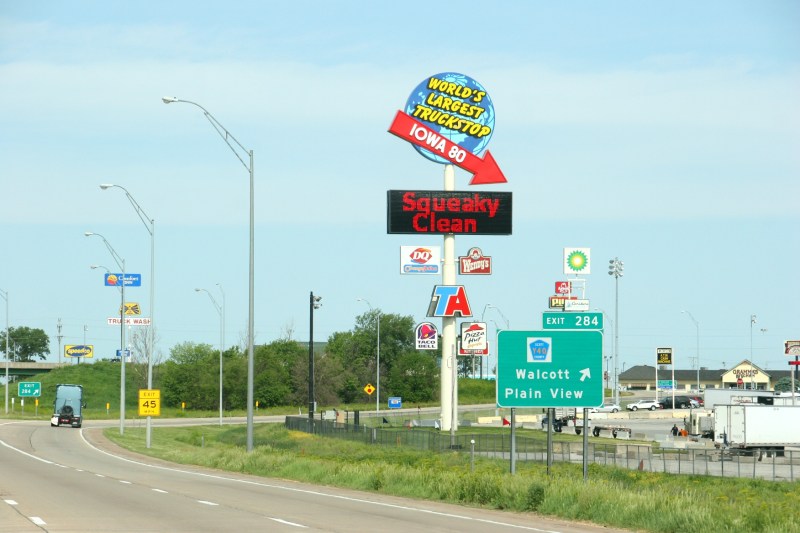
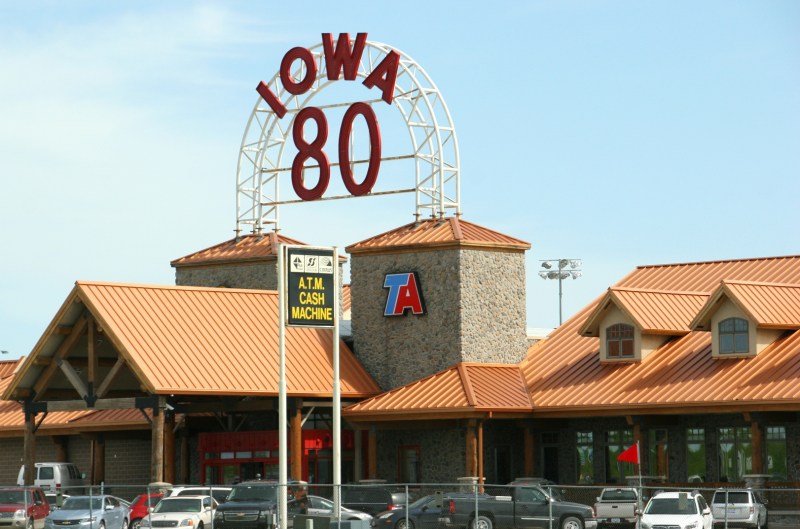
The world’s largest truck stop, with eight restaurants, a movie theater, dentist and much more, has been open near Walcott off I-80 in eastern Iowa since 1964.


It’s OK to admit you like Iowa. Some of my favorite trips have been to Iowa communities—Clear Lake, Mason City, Decorah, McGregor, Marquette and Dubuque. These towns possess character and hold natural and historic interest for me.


Iowa 80, the world's largest truck stop.

Iowa 80, the world’s largest truck stop.


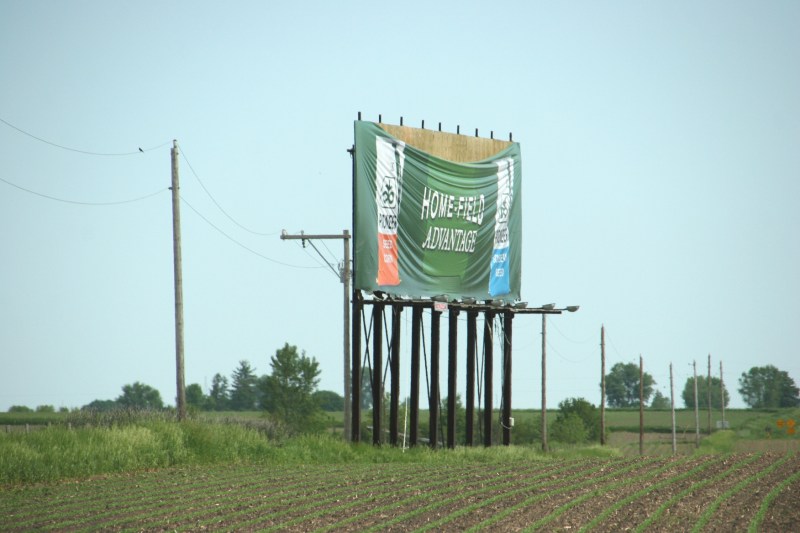
You know you’re in America’s agricultural heartland when you see a billboard advertising Pioneer seed.


Sometimes we need to step outside our boxes of preconceived ideas about a place and simply explore. Leave the metro and drive a gravel road, stop in a small town, delight in the simplicity of a rural landscape. Iowa and many parts of Minnesota are more than the middle of nowhere. If we choose to slow down, we begin to notice the nuances that define a place, that make it worth our time to visit and to appreciate.


TELL ME: If you’ve traveled to Iowa, what community would you suggest visiting and why? Or, if you haven’t been there, tell me what a visitor should see in your state or country?

© Copyright 2017 Audrey Kletscher Helbling
NOTE: All images were taken in late May 2016 on a return trip from Minnesota to Boston.


The art of an interstate rest stop in Iowa June 7, 2017


PRIME VACATION SEASON is almost upon us and that means many of you will soon hit the roads. And when you travel, especially long-distance, rest stops hold necessary importance.

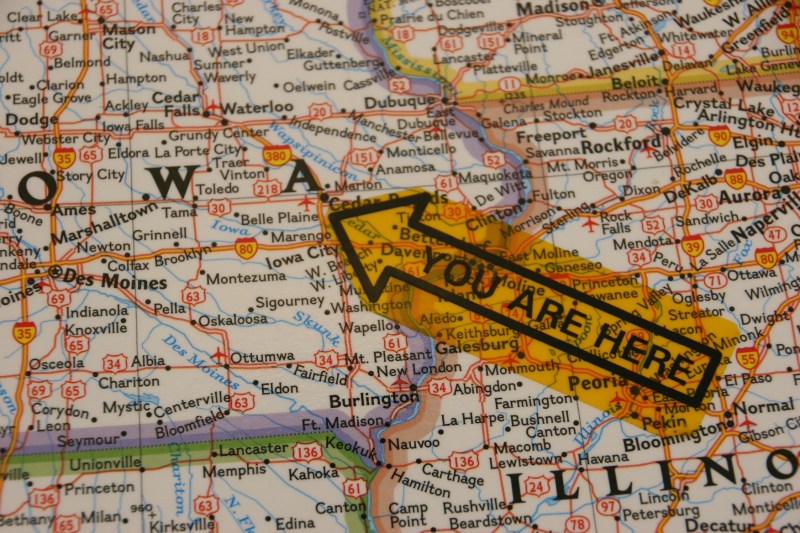
A year ago, my husband and I drove 2,800 miles from Minnesota to Boston and back to attend our son’s graduation from Tufts University. Some days we spent up to 10 hours in the van. The need to stretch our legs, to pee and to take a break from roadway fatigue led us to many an interstate rest stop.

Hands down, Iowa has the best rest areas. Indiana, not so much.


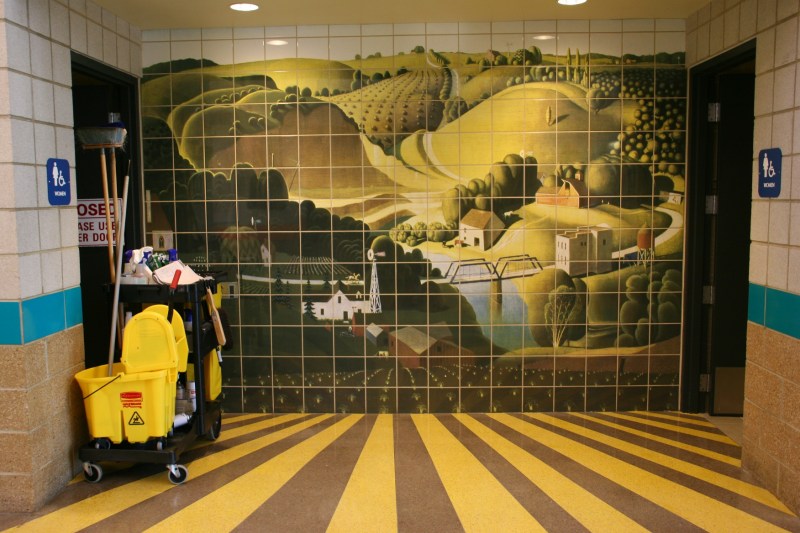
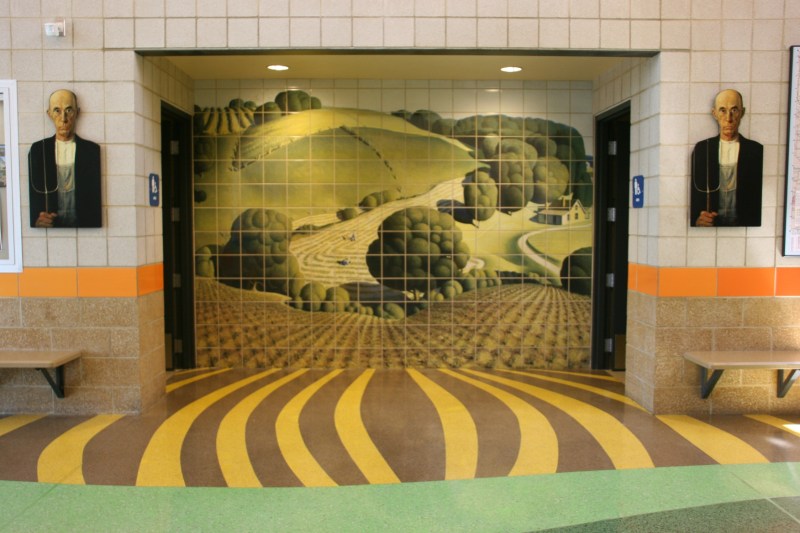
The rest stop along Interstate 380 near Cedar Rapids honors artist Grant Wood and features his rural themed work on ceramic tile. The floor design mimics crop rows.


So what makes Iowa’s interstate rest areas so appealing? Themed rest stops, of which there are 16. These are centers of art and history as much as places to take a bathroom break, to picnic, to gather travel info and to stretch. And bonus, the sole facility we visited was clean.


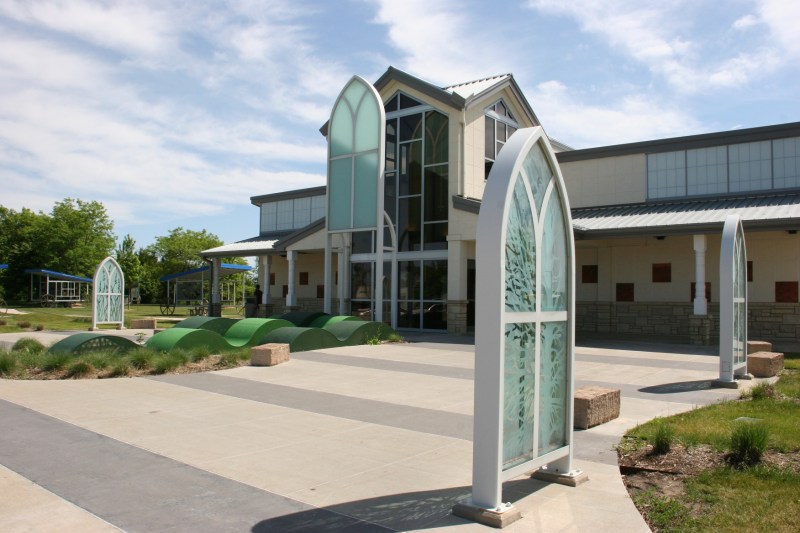
My first view of the rest stop focusing on Iowa artist Grant Wood, who was born 40 miles to the northeast and then moved to Cedar Rapids with his family in 1901.


On our return trip from Boston, we stopped at the Grant Wood Rest Area northbound along I-380 south of Cedar Rapids in Linn County. At the time, I knew nothing of these unique stops for travelers. So imagine my surprise when we pulled off the interstate and into a place that looked like a cultural art center in the middle of, well, Iowa fields.


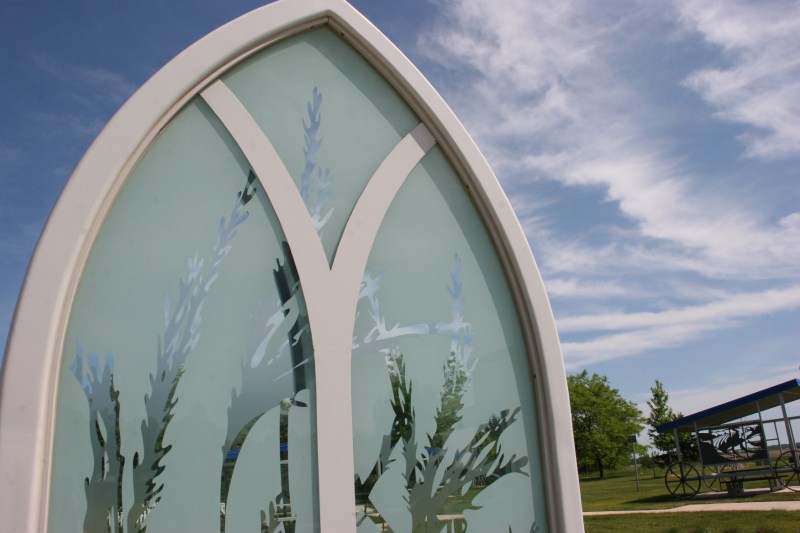
The many windows incorporated into the rest stop mimic the farmhouse windows in Wood’s “American Gothic” painting.


Wood’s work featured the rural Iowa landscape. Here his art is showcased in ceramic tile inside the rest area building.


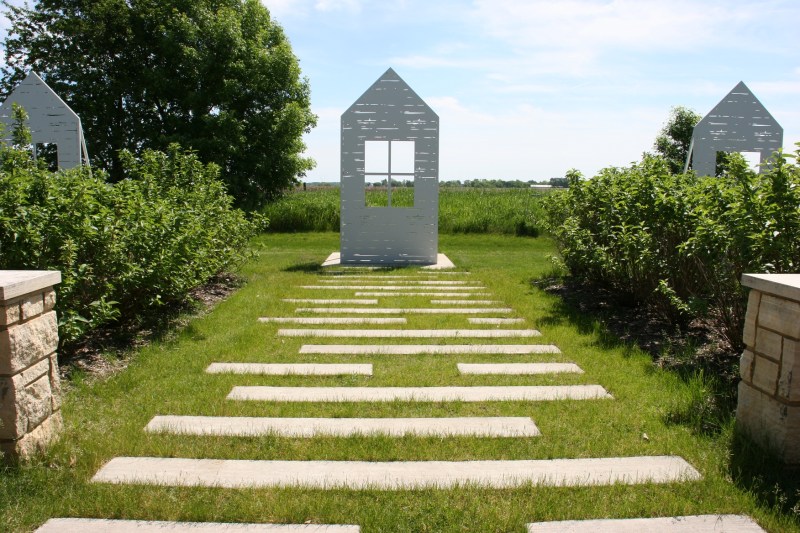
Behind the rest stop building, visitors can consider the view through these window props.


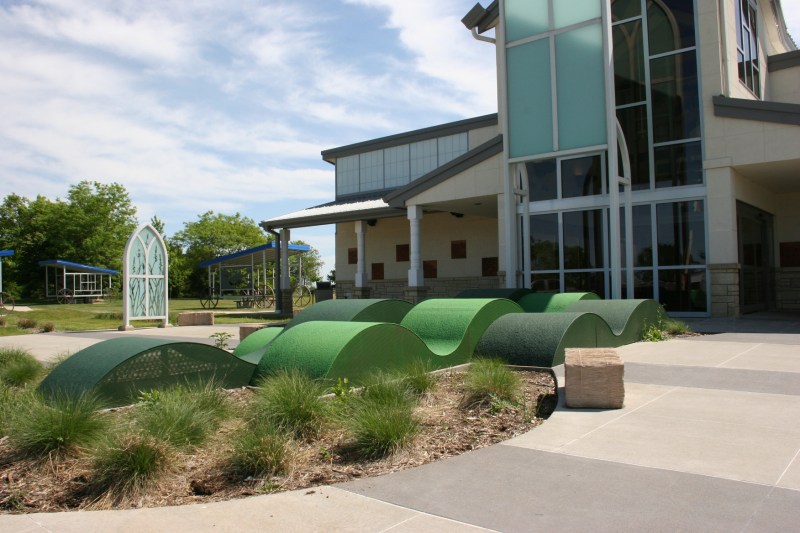
Completed four years ago, “The View From Our Window: Grant Wood in Iowa” rest area honors Wood, painter of “American Gothic.” In my limited knowledge of Iowa art, this painting of a farm couple standing in front of a farmhouse is symbolic of Iowa as I view it. Rural, through and through. David Dahlquist of RDG Dahlquist Design Studio in Des Moines created the art at this interstate stop.


The green “waves” represent Iowa cropland.


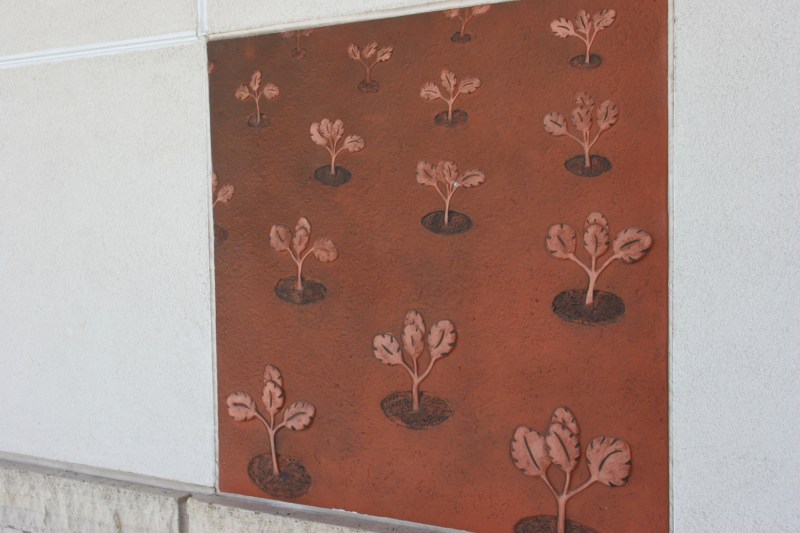
Emerging soybean art inside the rest stop structure.


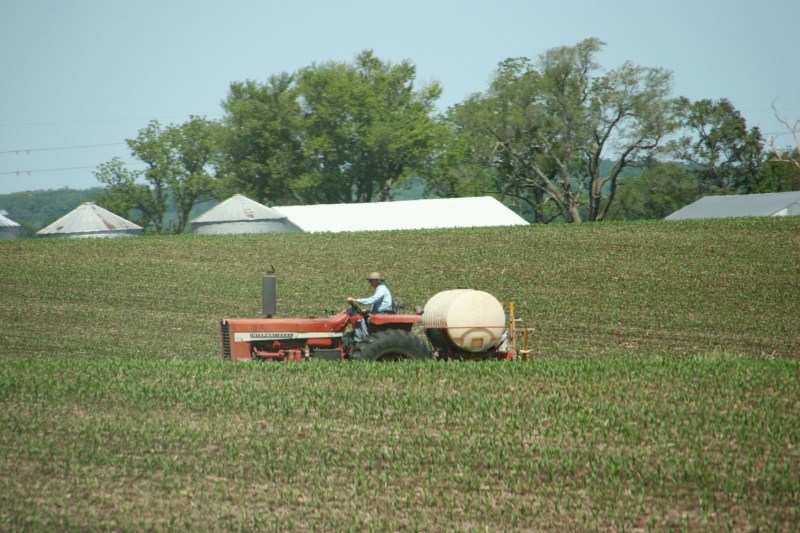
Real life farming in Iowa.


For this weary traveler, the Grant Wood rest area proved a welcome respite from the interstate and from the countless other rest stops that were nothing more than functional spaces to meet travelers’ basic needs. Expanding that purpose beyond—to include art and history—made an impression upon me.


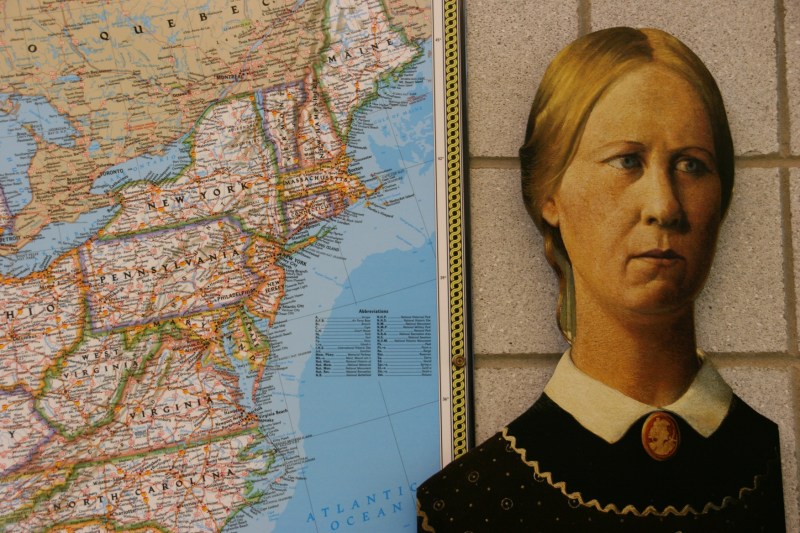
Travelers can get a view of the U.S. on a map situated next to a duplicate of the farm woman Wood painted in “American Gothic.”


In other sections of Iowa, you can, for example, learn about Lewis and Clark at the southbound I-29 rest area at Sergeant Bluff.


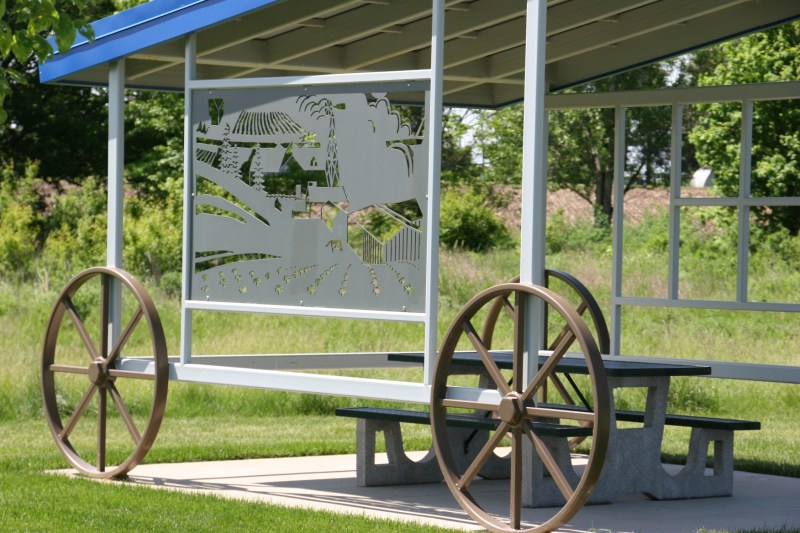
Picnic areas are sheltered by machinery like structures.


These themed Iowa rest areas are most prolific along I-80. The Mississippi River is the focal point of the westbound stop in the Davenport area. Eastbound, the rest area at Grinnell highlights pioneers while one in Cedar County focuses on the Underground Railroad.


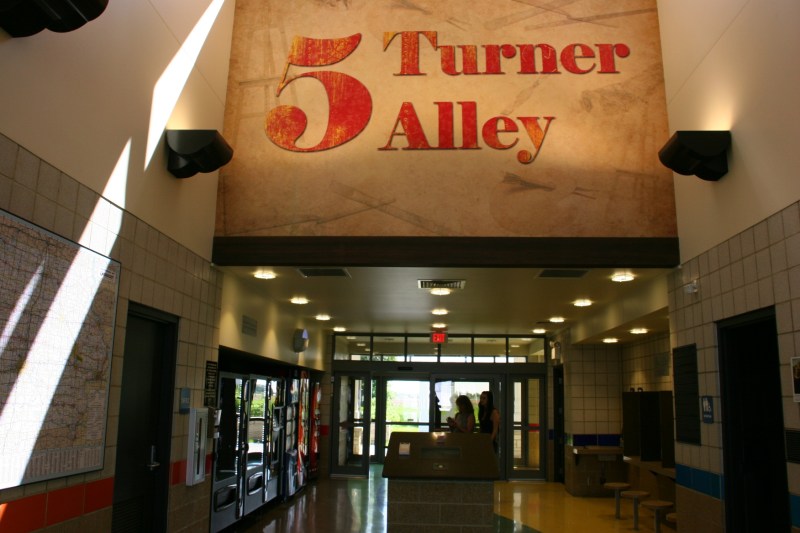
This sign inside the rest stop building honors Wood’s artist’s loft, 5 Turner Alley, in Cedar Rapids.


If you’re so inclined and looking for an inexpensive way to view public art and learn history in Iowa, you could plan a trip around visiting Iowa’s themed rest areas. If anything, it would be quite the unique vacation story.


TELL ME: Have you come across other such unique public interstate rest areas in your travels across the country? Or, offer your opinion of these Iowa rest areas.

FYI: Click here to visit the Iowa Department of Transportation website showcasing Iowa’s themed rest areas.

© Copyright 2017 Audrey Kletscher Helbling
 

Grateful for my right hand man, literally June 6, 2017

Filed under: Uncategorized — Audrey Kletscher Helbling @ 5:00 AM
Tags: , , , , , ,


AWHILE AGO my friend Patty gave a white board to Randy and me and to others in our circle of friends. She advised us to exchange loving, caring and encouraging messages with our spouses, just as she does with her husband, Doug. Their white board is posted in their kitchen.

This couple inspires me with their love, their positive attitudes and their resilience. They have been through many difficulties, losing their first spouses to cancer and dealing with their own serious health issues.

Yet, they are not defeated and exude joy in living a happy, faith-filled life.

Following Patty’s directive, I previously penned words of gratitude to Randy, propping the white board on the dresser where he drops his billfold, change and pocket knife after a long, hard day of work. But it’s been awhile since I messaged him via marker.

A few days ago, not quite two weeks into my recovery from a right shoulder fracture, Patty suggested I jot a note of thanks to my husband. I’d forgotten about the board hidden behind a pile of decorative pillows on the bedroom floor. Our bed doesn’t get made now given more important tasks consume Randy’s time.

Patty was right. I needed to thank my husband in writing, not just verbally. So with great effort and some pain, I managed to print my thanks.

It is during times like this that I fully realize how vulnerable we all are, how one minute we can be walking down a flight of stairs and then the next moment our legs are fighting air and we are plunging into a hurting heap upon concrete.

But, in the afterward, love rises to new heights—beyond a kiss or a dozen roses or dinner out. It rises to easing my arm into a sling to swabbing deodorant under my armpit to putting earrings in my lobes to carrying my stack of library books to closing the van door to simply being there when tears of frustration occasionally overtake me.

To my husband, my right hand man, thank you.


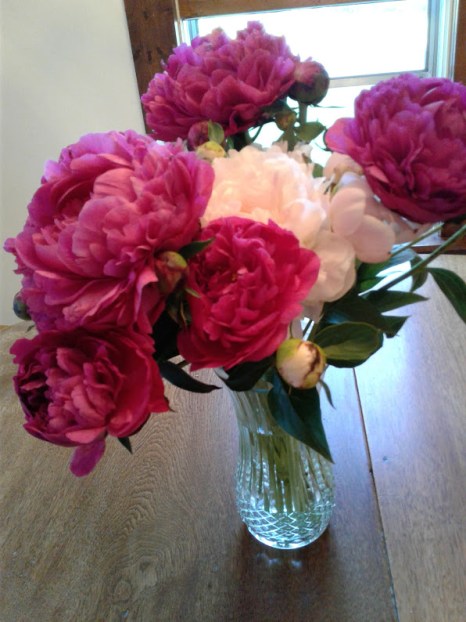
And to Patty and Doug, who Monday evening delivered a bouquet of garden peonies to me, thank you. I am blessed by your care, your love, your prayers and your friendship.

TELL ME: How have you expressed your thanks to a family member or friend who has helped you through an especially difficult time?

© Copyright 2017 Audrey Kletscher Helbling
 

Along Highway 52: About that popcorn & cheese June 5, 2017

SIGNAGE INTERESTS ME. For many reasons. The graphics. The message. The marketing influence. The persuasive power.

Occasionally signage can confuse or present an unclear message.

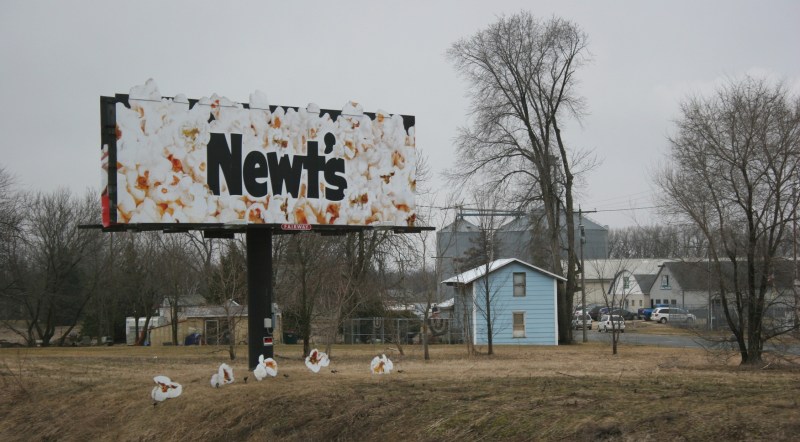
Let’s consider three signs along U.S. Highway 52, a high traffic four-lane that I sometimes travel between Cannon Falls and Rochester. On my most recent trek along this roadway, I photographed two signs by Pine Island.


The first grabbed my visual attention because of the oversized popcorn kernels scattered on the ground below a popcorn billboard and the single word, Newt’s. What is this sign advertising? A popcorn place? Not quite. Newt’s does have, according to online reviews, some of the tastiest popcorn around. But Newt’s is a beer and burger place that also serves popcorn.

Digging deeper into the popcorn pile, I read on Newt’s Facebook page that the business pops an average of 20,000 pounds (or 10 tons) of popcorn kernels in a year at its north, south and downtown Rochester locations. Now that’s a lot of popcorn. I wonder how much beer is served.


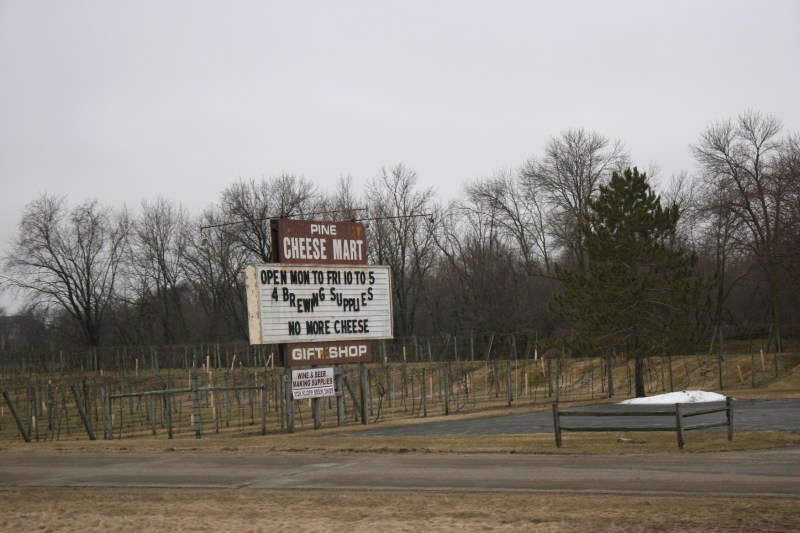
The second sign I photographed promotes a cheese mart. But if you look closely, you will see that the Pine Cheese Mart no longer sells cheese. That’s right. Tacked onto the bottom of the sign is the notation that you can purchase beer and wine making supplies at Von Klopp Brew Shop, once also a marketer of cheese.

When the northbound highway access to the cheese mart was closed, the business took such a hit that it stopped selling cheese and closed its restaurant and gift shop, according to the business website. I wonder how many travelers catch the cheese mart part of this sign and miss the details.


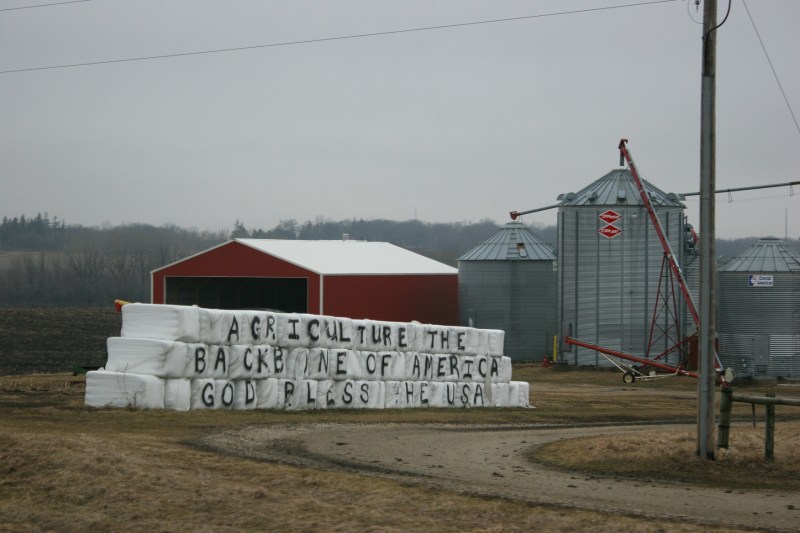
The last “sign” I photographed is farther north on 52 and visible from the southbound lane. There’s nothing fancy about this handcrafted message. It’s simple and to the point. The landowner appreciates farmers and loves his country. Perfect.

© Copyright 2017 Audrey Kletscher Helbling
NOTE: I photographed these signs several months ago. They may or may not still be in place.