Minnesota Prairie Roots

Writing and photography by Audrey Kletscher Helbling

Three stories of kindness in my community July 30, 2025

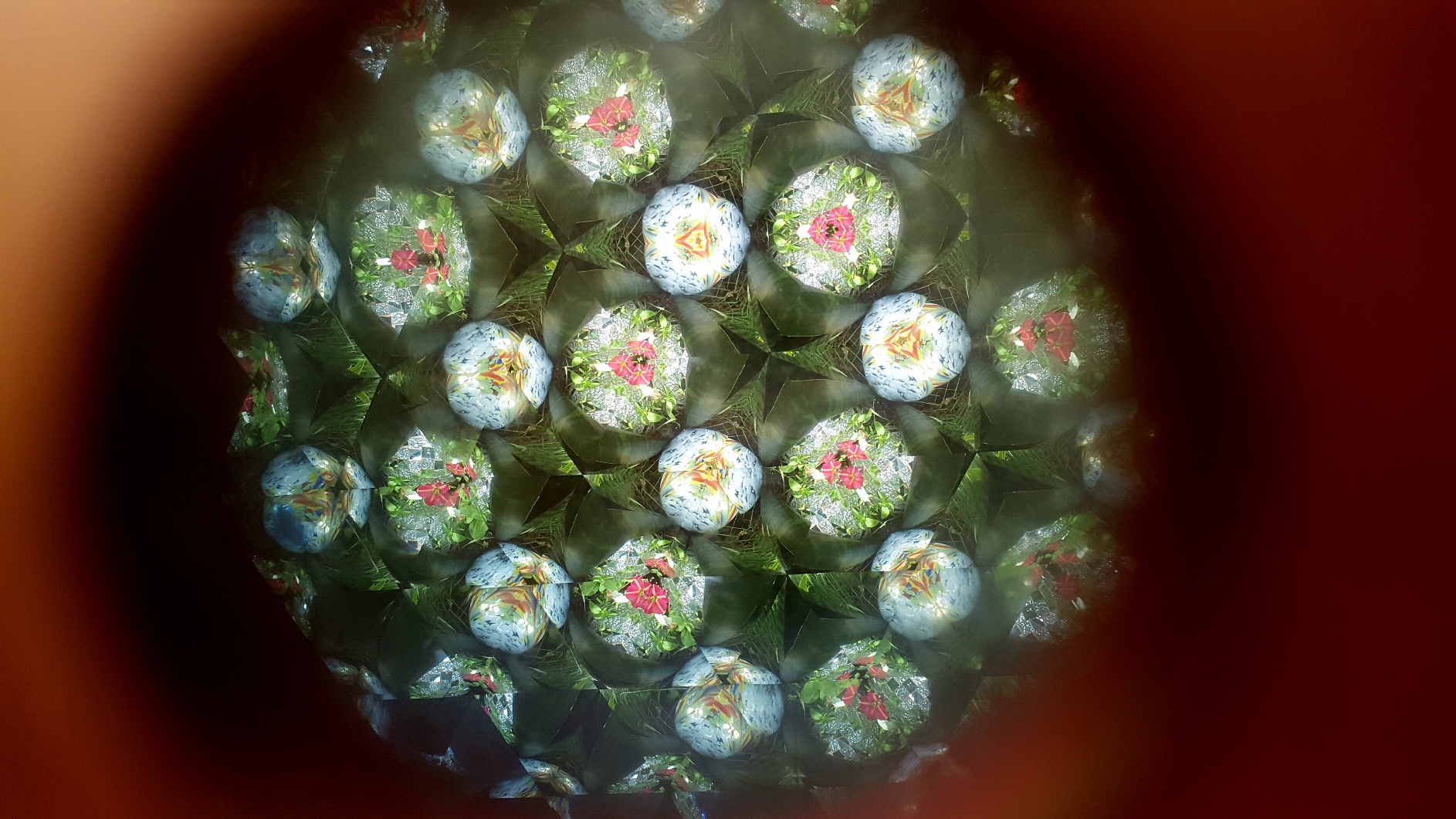
A look through a garden kaleidoscope at The Paine Art Center & Gardens in Oshkosh, WI. (Photo courtesy of Miranda Boyd)

IN SOME WAYS, kindness resembles a kaleidoscope. It’s ever-changing, surprising and delightfully-beautiful. So is music. Combine the two, and you have a harmony of kindness.

A harmonica and instructions given away recently following at a concert in Faribault. (Minnesota Prairie Roots copyrighted photo July 2025)

Attendees at a recent blues concert in Faribault’s Central Park were extended a kindness by the Minnesota Blues Society via the gift of a free harmonica and a short lesson in playing techniques. The Everett Smithson Band had just completed its performance when folks gathered in the park’s center for the give-away. I grabbed two harps (a synonym for harmonica) for my elementary-aged grandchildren, but didn’t stick around for the lesson. An interested group of concert-goers, though, circled Smithson, a Minnesota Blues Society Hall of Fame inductee, for instructions.

Decades ago as a child, I had a metal toy harmonica, with not a clue how to play it. My attempts at music were more noise than anything. Yet here I was, many years later in the presence of a professional harmonica player and vocalist willing to teach a bunch of strangers harmonica basics through the Blues Society’s “Harmonica Lessons for All Ages” program. The group, with a mission in part of promoting blues music in Minnesota, has given away more than 500 harmonicas. That’s a whole lot of kindness spread to music lovers across the state, including right here in Faribault.
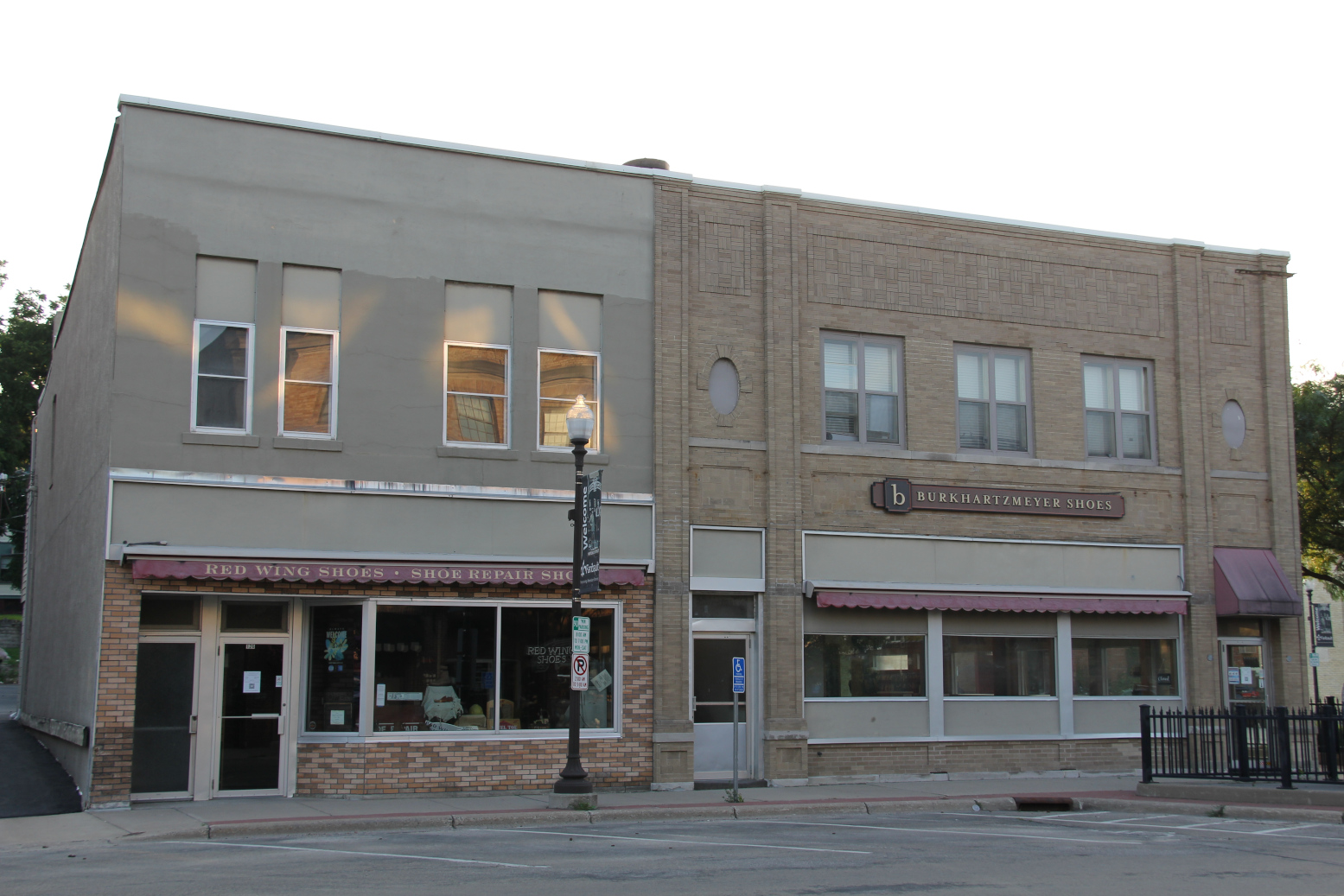
Burkhartzmeyer Shoes, in business since 1949. (Minnesota Prairie Roots copyrighted photo July 2025)

KINDNESS IN A SHOE STORE

It was during a previous concert in the same Faribault park that I once again witnessed kindness, this time in the words of a 10-year-old, the daughter of a friend. I don’t recall how the subject turned to shoes. But this young girl, who’d been cartwheeling across the grass and playing Frisbee and kick ball with her sister and friends, declared that her favorite store is Burkhartzmeyer Shoes. That’s a third-generation family-owned shoe store and repair shop in Faribault.

Now when a kid tells you they like a shoe store better than a certain Big Box retailer (which shall remain unnamed), you take notice. Turns out Bruce at Burkhartzmeyer Shoes allowed my young friend entry to the shoe storage space behind the curtains. She was impressed by all the shoes in the back room and by the free sucker you get whenever you buy a pair of shoes. Oh, and by the fact the Burkhartzmeyers know your shoe size just by looking at your feet.

So here I was in the park listening to a story about a kind shop owner who left such an impression on a 10-year-old that she was now promoting “Shop Local” without even realizing it. Kindness in action repaid with kind words.
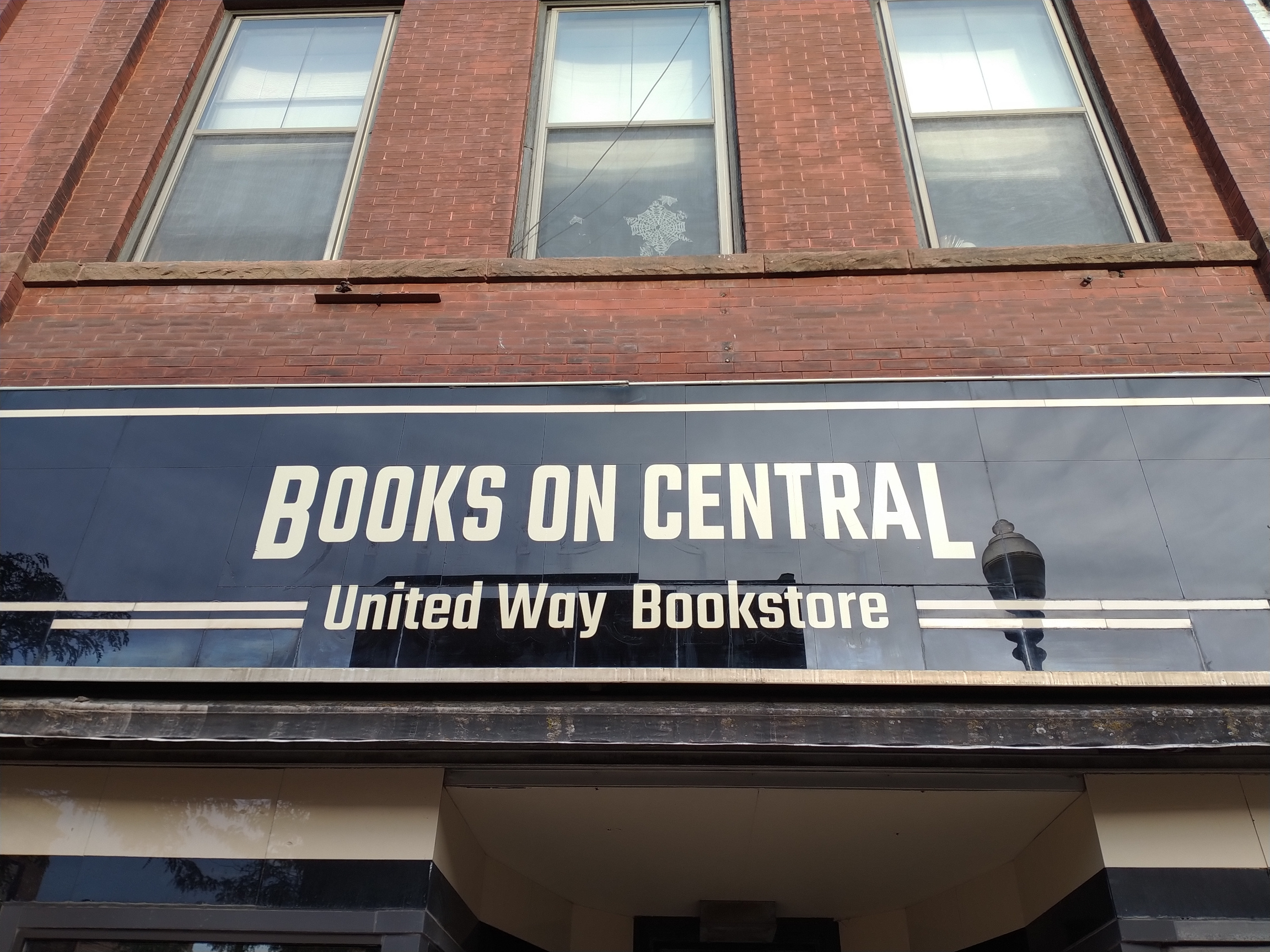
Books on Central is located along Central Avenue in downtown Faribault. (Minnesota Prairie Roots copyrighted photo 2024)

KINDNESS IN A BOOKSHOP

Another shop in Faribault, this one open not even two years, also excels in exceptional customer service and kindness. Last week, when the grandkids were staying with us, we popped into Books on Central, a used bookstore run by Rice County Area United Way. All proceeds benefit non-profits which the local United Way supports. My granddaughter, who is very much in to dragons, was looking for a dragon book she hadn’t yet read. There were none to be found despite the best efforts of the volunteer staff and myself to locate one.

The next day, though, I received an email from volunteer Dave Campbell that the graphic novel, The Dragonet Prophecy, was just donated. Did I want it for my granddaughter? Izzy, who previously wanted nothing to do with graphic novels, quickly said, “Yes.” Did I mention she loves dragons?

Dave said he would hold the book for me. If not for his wife, Jeanne, who was volunteering on the day we shopped at Books on Central, the Wings of Fire graphic novel would have been processed, shelved and quickly sold. It’s a popular series. But Jeanne remembered Izzy’s dragon interest and, in this act of kindness, a girl who loves to read now has one more dragon book in her collection.

Kindness exists everywhere. I saw it in a harmonica give-away. I heard it in the story of a 10-year-old praising a local shoe shop. And I received it in a book held for the granddaughter I love, the girl I want to live and grow and thrive in a world of kindness.

© Copyright 2025 Audrey Kletscher Helbling


Shining kindness, beginning in Minnesota July 29, 2025

Visit makekind.org to learn the story behind this kindness button and how to order assorted buttons. (Minnesota Prairie Roots copyrighted photo July 2025)

WHEN MY FRIEND SUE rummaged in her purse for something she wanted to give me, she pulled out a button with the message “Make America KIND.” Perfect. I am all for kindness. Sue’s simple act of gifting me with that button, which I pinned to the faded 1970s vintage denim jacket I was wearing, was an act of kindness in itself.

That got me thinking about kindness, not only because of the button, but because Sue and I, along with our husbands, had just finished lunch at the Damsite Supper Club in Pine River. Every Wednesday from 11 a.m.-2 p.m., veterans eat for free. So Sue’s spouse, Charley, enjoyed a complimentary meal as did other vets. The restaurant honors the veterans for their service with the kindness of a meal and then by inviting them to sign a dining room wall.

Signage at the Kindness Rocks Garden explains how the garden works. (Minnesota Prairie Roots copyrighted file photo 2024)

Right across the road, my friend reminded me, sits the Kindness Rocks Inspiration Garden. The memorial garden honors Bryce Mink, 11, who died in 2023 of undiagnosed lymphoma. Painted stones decorated with inspiring words and art fill the rock garden. The garden is a visual of kindness.

Before we went on our way, Sue had another gift for me. A bag of books. Fiction, nonfiction and poetry books she felt a “Prairie Lady” would appreciate. She’s downsizing and set aside Visibility: Ten Miles—A Prairie Memoir in Photography and Poetry, Light on the Prairie, Pioneer Girl—The Annotated Autobiography of Laura Ingalls Wilder and several other books. Sue knows me well and I’m grateful for her kindness.

An encouraging message in the Kindness Garden.(Minnesota Prairie Roots copyrighted file photo July 2024)

KINDNESS DEFINED

What does it really mean to be kind? By my definition, the word means “being nice.” In actions and/or in words. Being generous, caring, compassionate. Being thoughtful. Giving without expecting anything in return. Doing what is right and good. Listening. Encouraging. Supporting. Many words define kindness.

My sister-in-law Rosie showed kindness to Randy and me when she surprised us with a homemade caramel roll upon our recent arrival at her lake cabin. She knows how much we love these rolls from Valeri Ann’s Family Foods, an eatery just down the highway in Merrifield. What a thoughtful gesture given these sweet treats sell out quickly. Rosie got the last two, saving one for us.

In the Pine River kindness garden, one simple message written on a stone by Finley. (Minnesota Prairie Roots copyrighted file photo 2024)

KINDNESS IN A HUG

Then there’s the kindness Randy and I recently extended to a stranger via a vintage desk we carried to the curb. When a passerby stopped a while later, I stepped outside to greet her. She wanted the free desk. I also invited her into my living room to look at a table we no longer need. Because the woman spoke limited English, we struggled to communicate, finally resorting to pen and paper until her friend arrived to interpret.

Eventually, the woman decided she wanted the desk only. So Randy helped load it into her friend’s car. And then I spontaneously hugged this Somali immigrant who graciously and gratefully thanked me. It felt like the right thing to do. We held each other for a moment, our embrace warm, genuine.

Kindness came full circle. It didn’t take much effort for me, Randy, Sue, Rosie and the Damsite Supper Club to “Make America KIND” in our own unique ways. Just imagine if every single person extended kindness to family, friends and strangers. This would be a much gentler, compassionate and caring country.

TELL ME: I’d like to hear about a recent act of kindness you either gave or received.

© Copyright 2025 Audrey Kletscher Helbling
 

An eye for eagles July 22, 2025

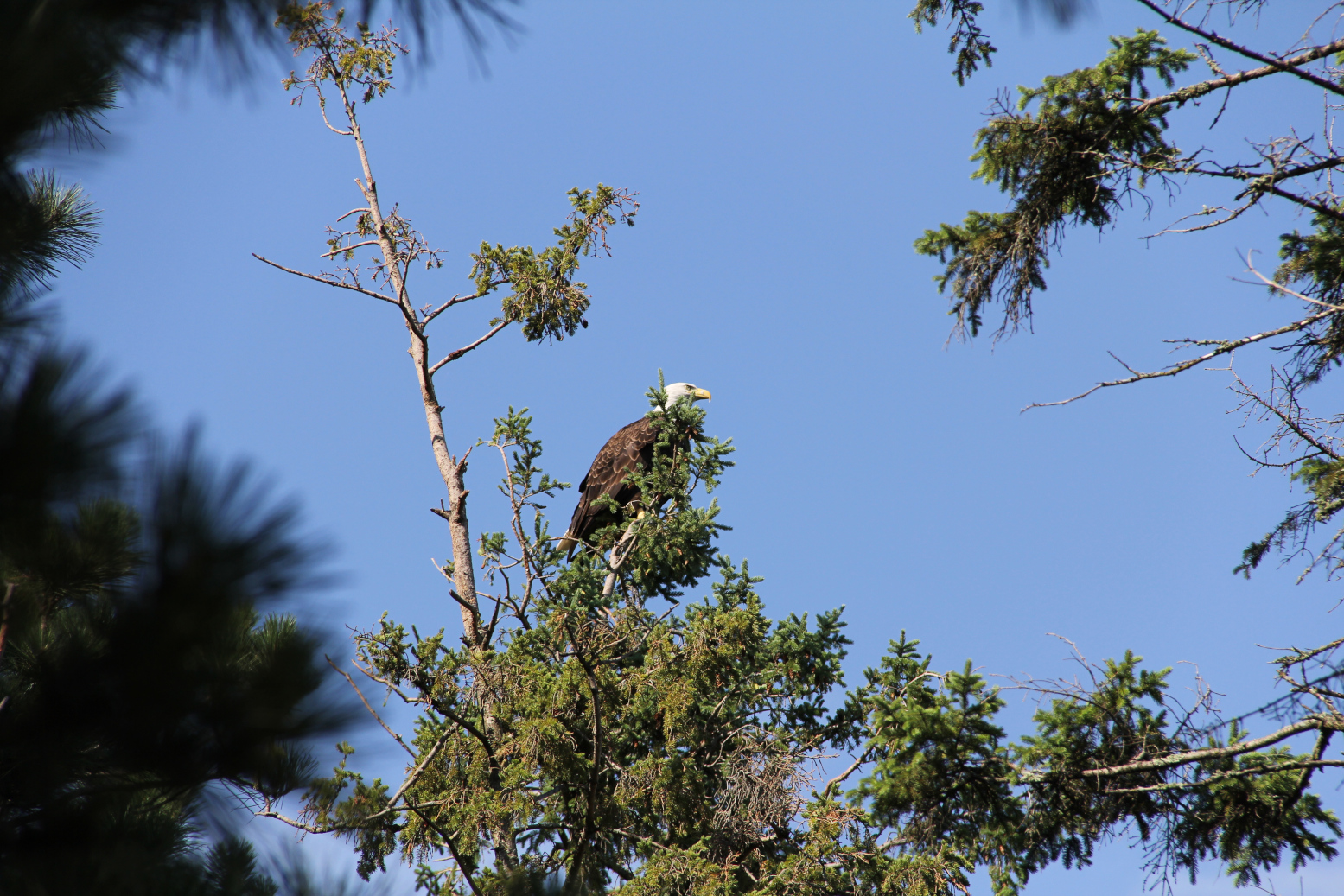
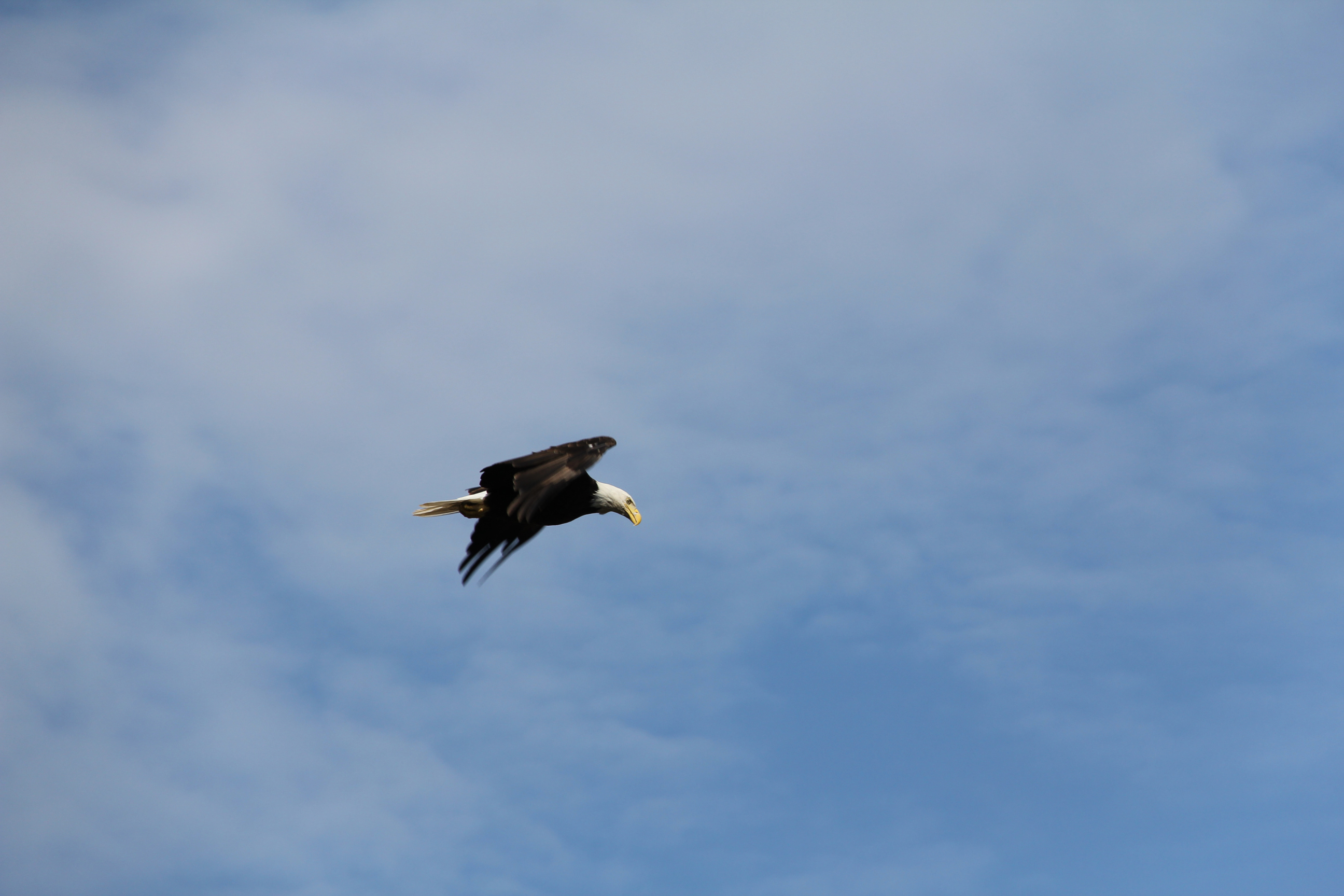
The bald eagle I saw nearby within hours of arriving at a central Minnesota lake cabin. (Minnesota Prairie Roots copyrighted photo July 2025)

LAST SUMMER, LOON sightings proved common at a family member’s lake cabin south of Crosslake in north central Minnesota. This summer, not so much. While Randy and I heard the haunting call of loons during a recent stay, we only saw them twice—once a threesome swimming near shore and then two flying westward before a thunderstorm rolled in.

But bald eagle sightings more than made up for the absence of loons. We’d been at the cabin only hours when one swooped onto the top of a towering pine near the patio where we were enjoying late afternoon drinks with my sister-in-law. Randy pulled out his cellphone to snap a few photos. I stayed put since my 35 mm camera was back at the cabin. I reasoned that, by the time I walked to the cabin and back, the eagle would have flown away. That’s my usual luck.

And so we continued to chat and catch up on family news, the eagle all the while perched atop the tree like some silent eavesdropper. Finally I couldn’t stand it any longer. I headed to the cabin for my Canon, cautiously optimistic that the eagle would still be in the tree upon my return. It was.

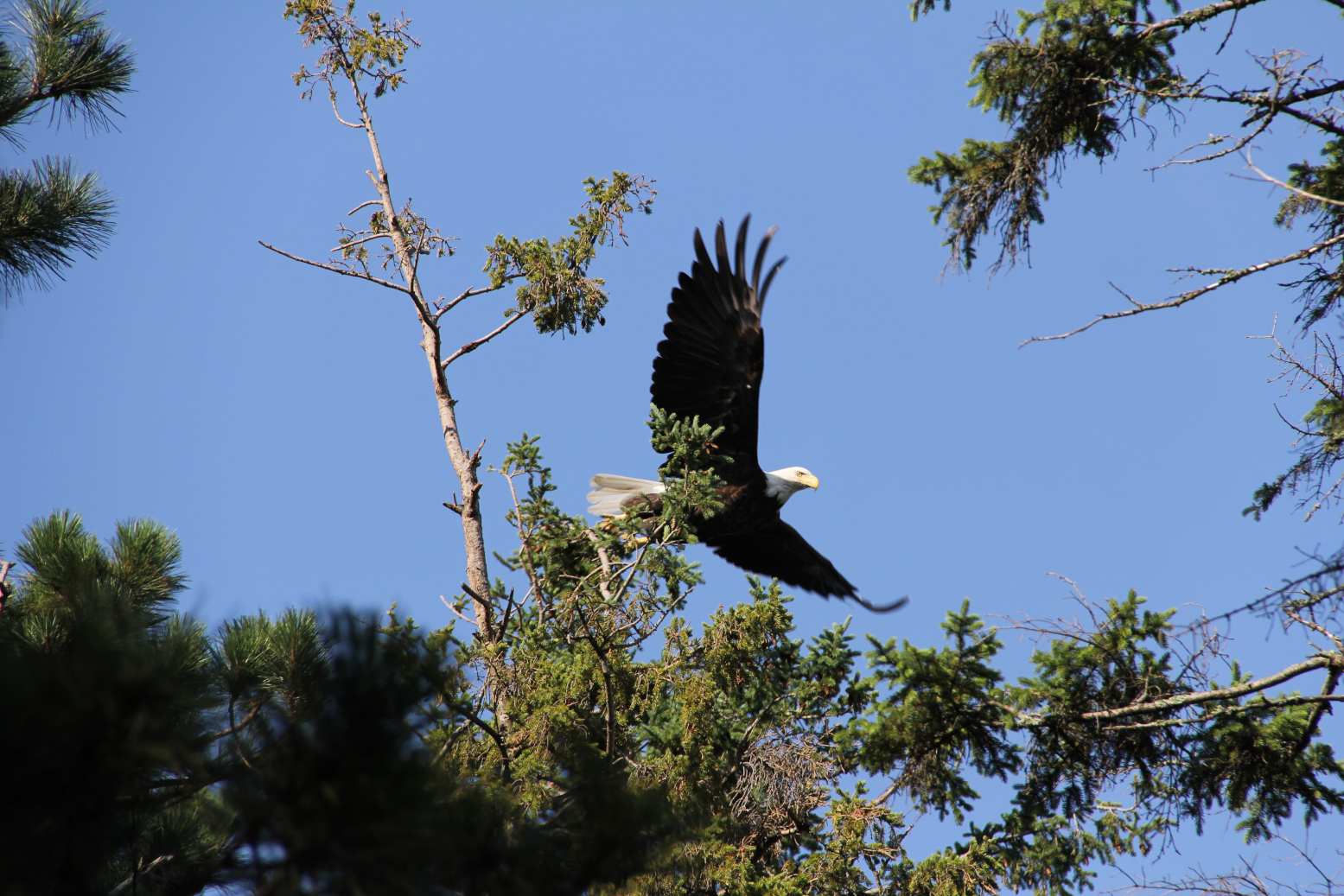
Wings spread wide, the bald eagle lifts off from the treetop. (Minnesota Prairie Roots copyrighted photo July 2025)

I moved slowly away from the patio, pine tree and eagle in view, aimed my telephoto lens skyward and snapped a single frame before the eagle lifted off. I can only surmise that my camera lens appeared threatening to the observant bird with exceptional vision. An eagle can see an animal the size of a rabbit running from three miles away, according to the Wabasha-based National Eagle Center.

Nine minutes later, that same eagle was back, but in a different pine near the lake and on the other side of the patio. Once again, I managed one photo before the majestic bird took flight.

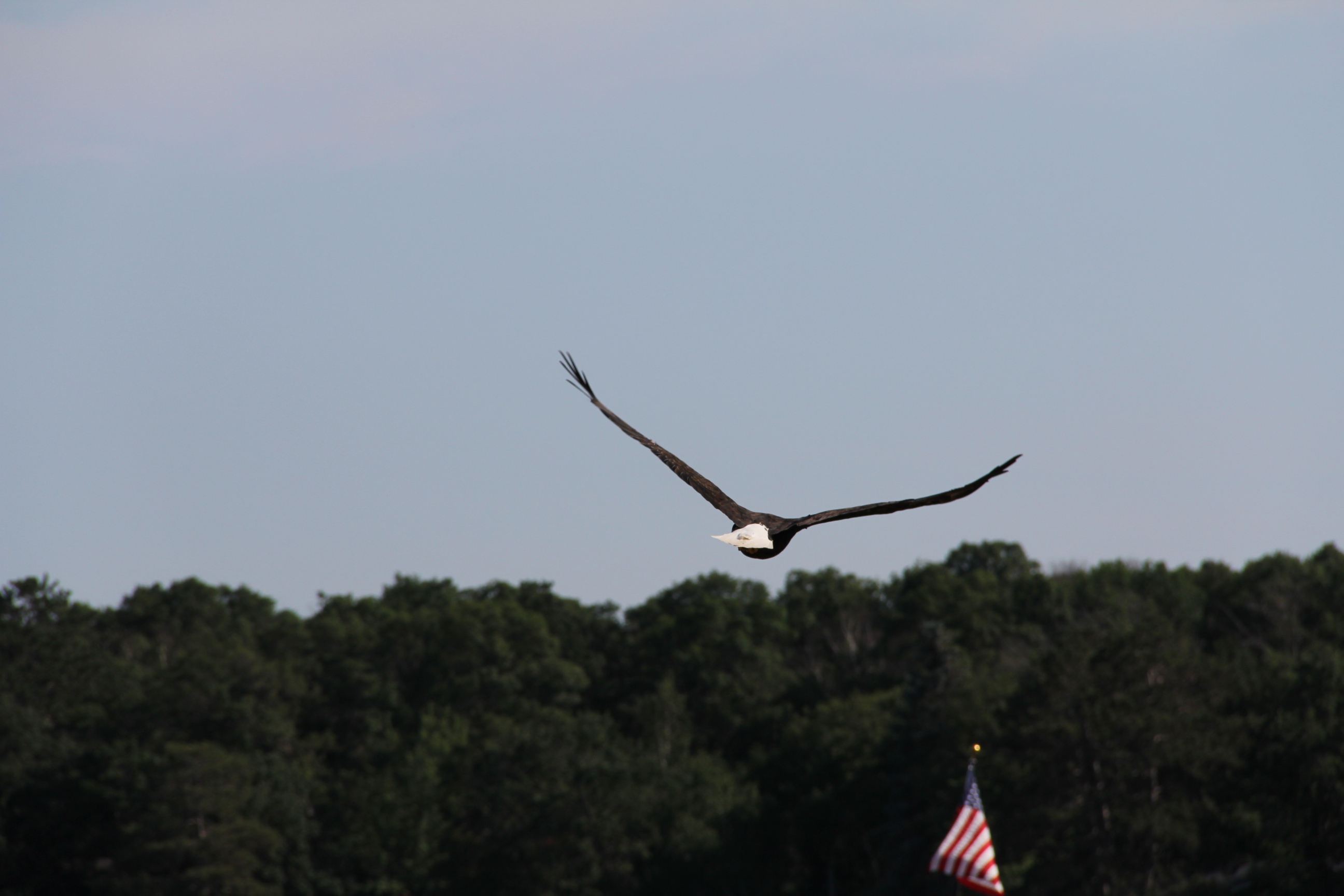
Two symbols of America: the flag and a bald eagle. (Minnesota Prairie Roots copyrighted photo July 2025)

I never tire of seeing eagles, whether flying or statue still. They are truly majestic. Regal. Commanding respect. And they are our national bird, a designation officially signed into law on December 23, 2024.

Throughout our week-long cabin stay, I observed bald eagles flying above Horseshoe Lake multiple times. Sometimes high above the water. Other times descending toward the surface, fishing for fish. I hoped I would see a fish grasped in eagle talons. I didn’t. Nor did I see the eagles any closer than that first afternoon at the lake.

On the drive back to Faribault, Randy and I spotted many eagles soaring above the land, especially around Mille Lacs Lake. I couldn’t help but think of the eagle’s spiritual and cultural importance among Native Americans. Strength. Courage. Wisdom. All are equated with eagles.

A bald eagle flies over Horseshoe Lake in the Brainerd lakes area. (Minnesota Prairie Roots copyrighted photo July 2025)

This wondrous national bird is so common now that I’m no longer surprised when I see one flying in and around Faribault or elsewhere in Rice County or in Minnesota. Yet, despite frequent sightings, I never tire of seeing a bald eagle. There’s something about this bird with an average wingspan of 6-7 ½ feet, piercing eyes and curved beak that makes me pause, take notice and appreciate their fierce, unyielding strength and beauty.

© Copyright 2025 Audrey Kletscher Helbling
 

In praise of monarchs, milkweeds & fireflies July 16, 2025

A monarch butterfly feeds on a milkweed flower. (Minnesota Prairie Roots copyrighted file photo)

ON A RECENT AFTERNOON, I looked up from washing dishes and out the kitchen window to see a solitary monarch butterfly flitting among milkweeds. Something as common as a butterfly remains, for me, one of summer’s simplest delights. Along with milkweeds and fireflies.

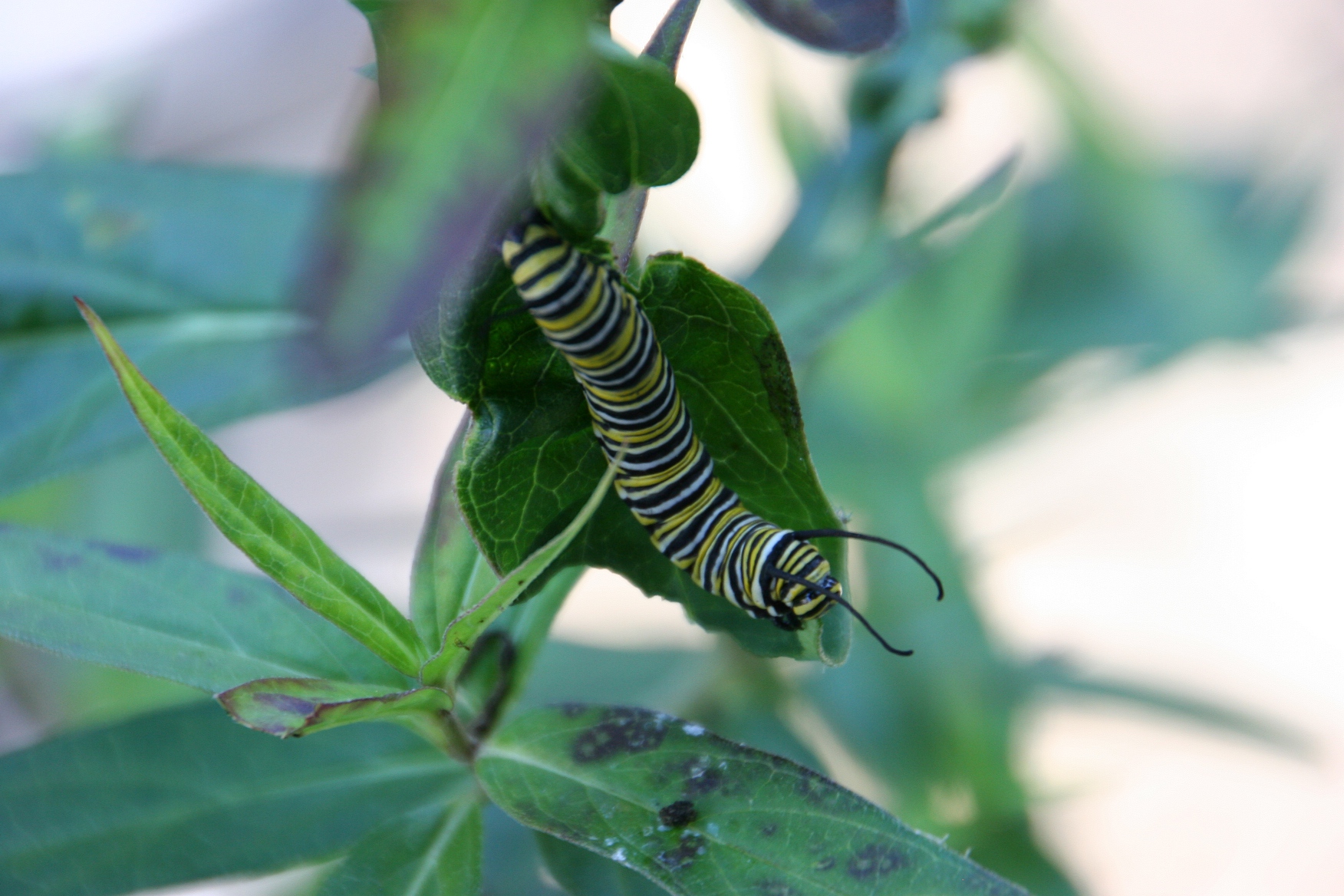
A monarch caterpillar on milkweed. (Minnesota Prairie Roots copyrighted file photo)

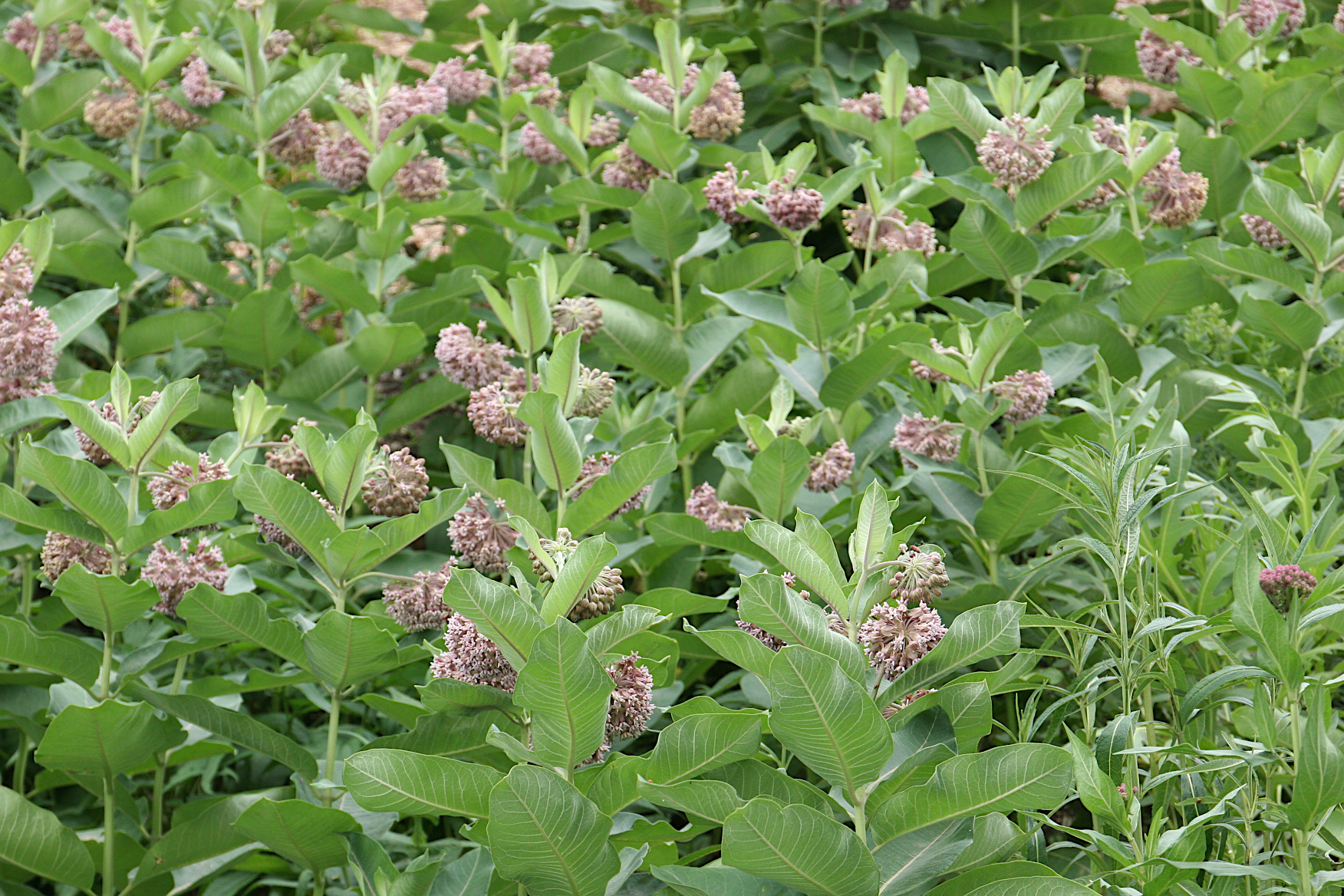
This year I have a bumper crop of milkweed plants growing in and along flowerbeds and retaining walls. I stopped counting at 24 plants. I have no idea why the surge in milkweeds. But I am happy about their abundance given monarchs need milkweed. It is the only plant upon which the monarch lays eggs and the sole source of food for monarch caterpillars.

A crop of milkweeds in a public garden. (Minnesota Prairie Roots copyrighted file photo)

My farmer dad, if he was still alive, would likely offer a different opinion about milkweeds. As children, my siblings and I walked rows of soybean fields eradicating milkweeds, thistles and the notorious cocklebur. This was called “walking beans,” a job that we hated, but was necessary to keep fields mostly weed-free without the use of chemicals.

I never considered then that I might some day appreciate milkweeds, the “weed” I pulled from the rich dark soil of southwestern Minnesota. On many a hot and humid afternoon, sweat rolled off my forehead and dirt filtered through the holes of my canvas tennis shoes while hoeing and yanking unwanted plants from Dad’s soybean fields and on my cousin John’s farm.

Today I instruct my husband not to pull or mow any milkweed plants in our Faribault yard. Randy understands their value, even if he didn’t walk beans on his childhood farm. He more than made up for that lack of field work by picking way more rocks than I ever did. Morrison County in central Minnesota sprouts a bumper crop of rocks compared to my native Redwood County, where I also picked rocks.

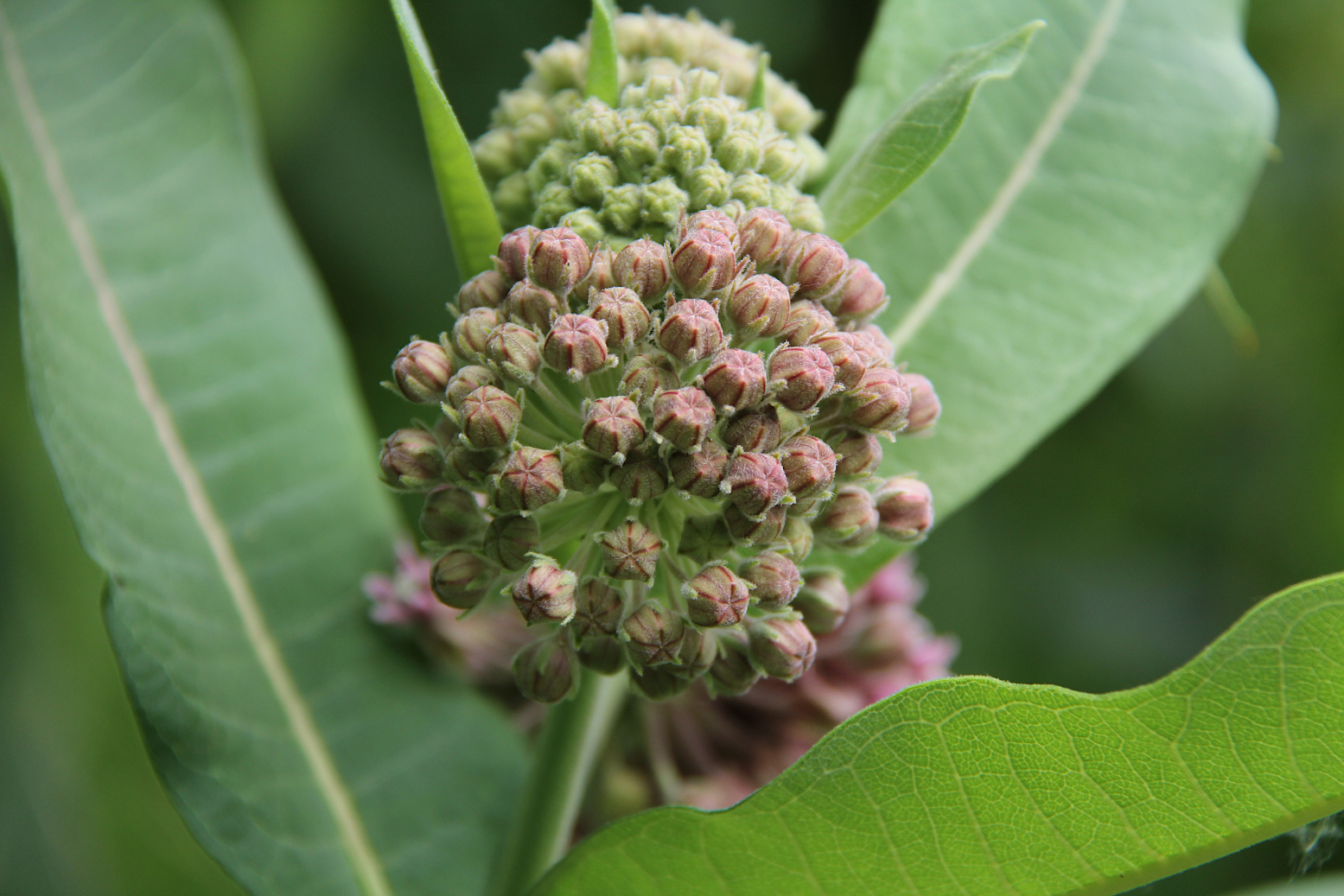
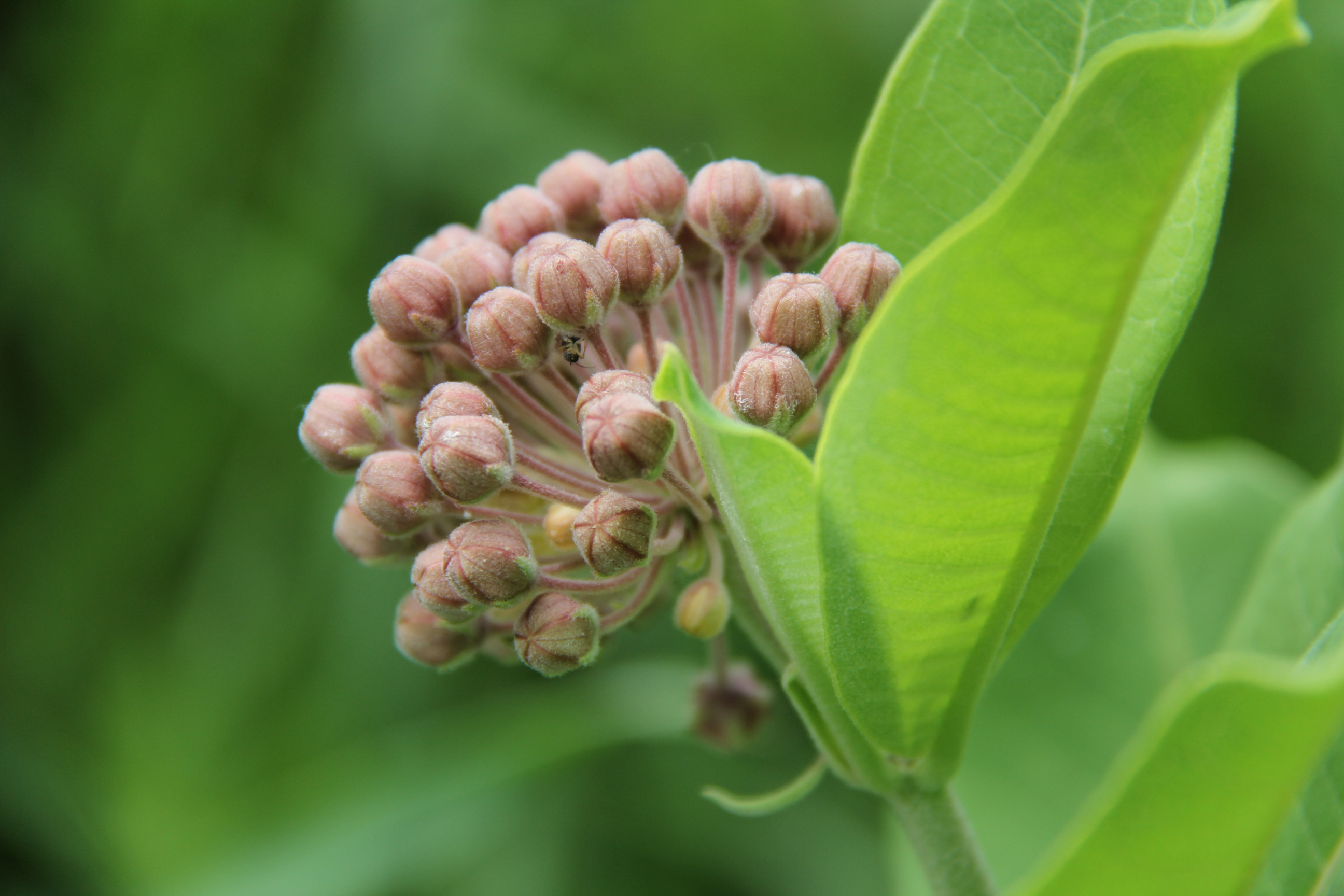
A milkweed about to open. (Minnesota Prairie Roots copyrighted file photo)

But back to milkweeds. I love the scent of the dusty rose-colored common milkweed. So if you drive by my Faribault home or walk through River Bend Nature Center or Central Park or past Buckham Memorial Library and see me dipping my nose into a cluster of milkweed flowers, that’s why.

As summer progresses, I’m curious to see how many monarchs soar among the milkweeds in the tangled messes of plants that define my untamed flowerbeds. Thankfully our next door neighbor appreciates milkweeds also and is OK if the wind carries seeds onto his property.

Fireflies glow in the garden art honoring my nephew Justin. (Minnesota Prairie Roots copyrighted file photo)

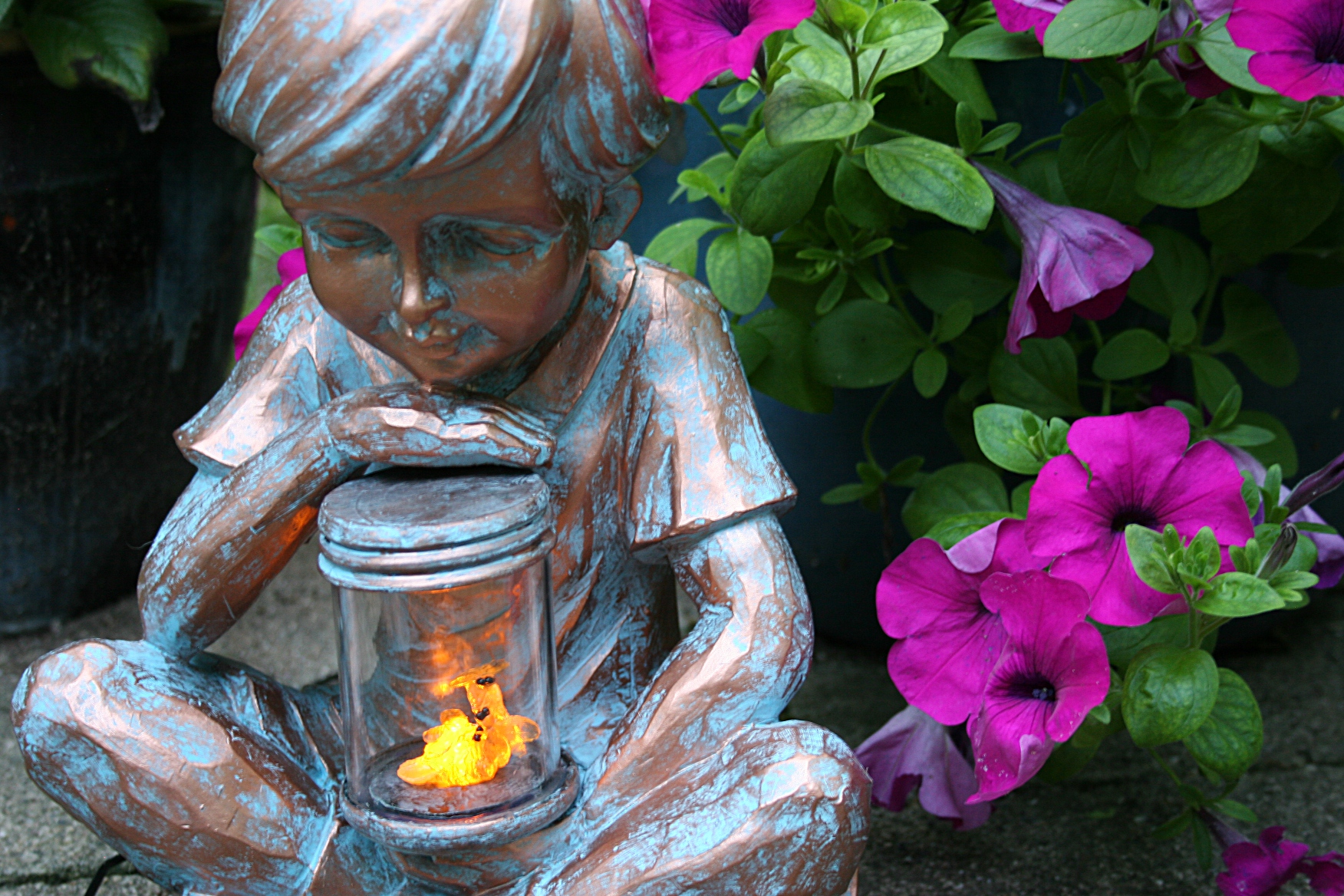
I’ve already seen fireflies aplenty in our backyard, which abuts a wooded hillside. And recently, while driving home in the early dark of a summer evening, Randy and I saw hundreds of fireflies lighting up grassy road ditches. It was truly magical, reminding me of childhood sightings and of Eric Carle’s children’s picture book, The Very Lonely Firefly. I had a copy for my kids, battery included to light up firefly illustrations. And, until it stopped working, I had a solar-powered firefly garden sculpture honoring my nephew Justin, who loved light and fireflies and died at age 19 in 2001 of Hodgkins disease.

Often what we love is about much more than simply whatever we love. I see, in writing this story, that my love of milkweeds, monarchs and fireflies connects to memories. Summer memories. Farm memories. Family memories. These are the stories we carry within us, that help define who we are, whether we consider a milkweed to be a weed, or a flower.

TELL ME: What simple summer things delight you and why?

© Copyright 2025 Audrey Kletscher Helbling
 

Honoring the legacy of Congressman John Lewis July 15, 2025

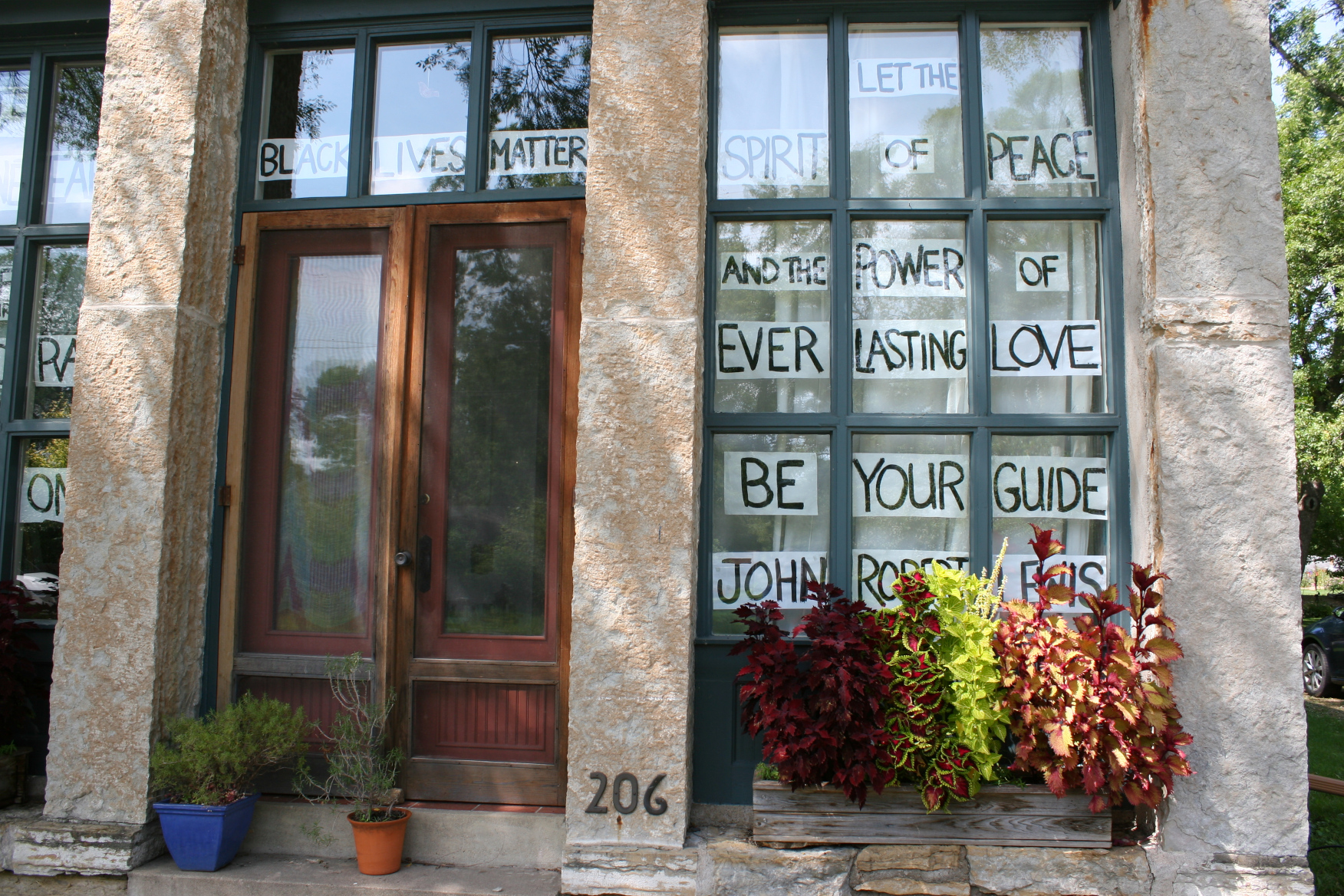
In 2020, I photographed this inspirational message, right, by John Lewis on a home in Dundas, a small town just south of Northfield. (Minnesota Prairie Roots copyrighted file photo August 2020)

HIS WORDS AND ACTIONS should inspire all of us to do better, be better, both as individuals and as Americans. “He” is Georgia Congressman and civil rights leader John Lewis, who died five years ago on July 17.

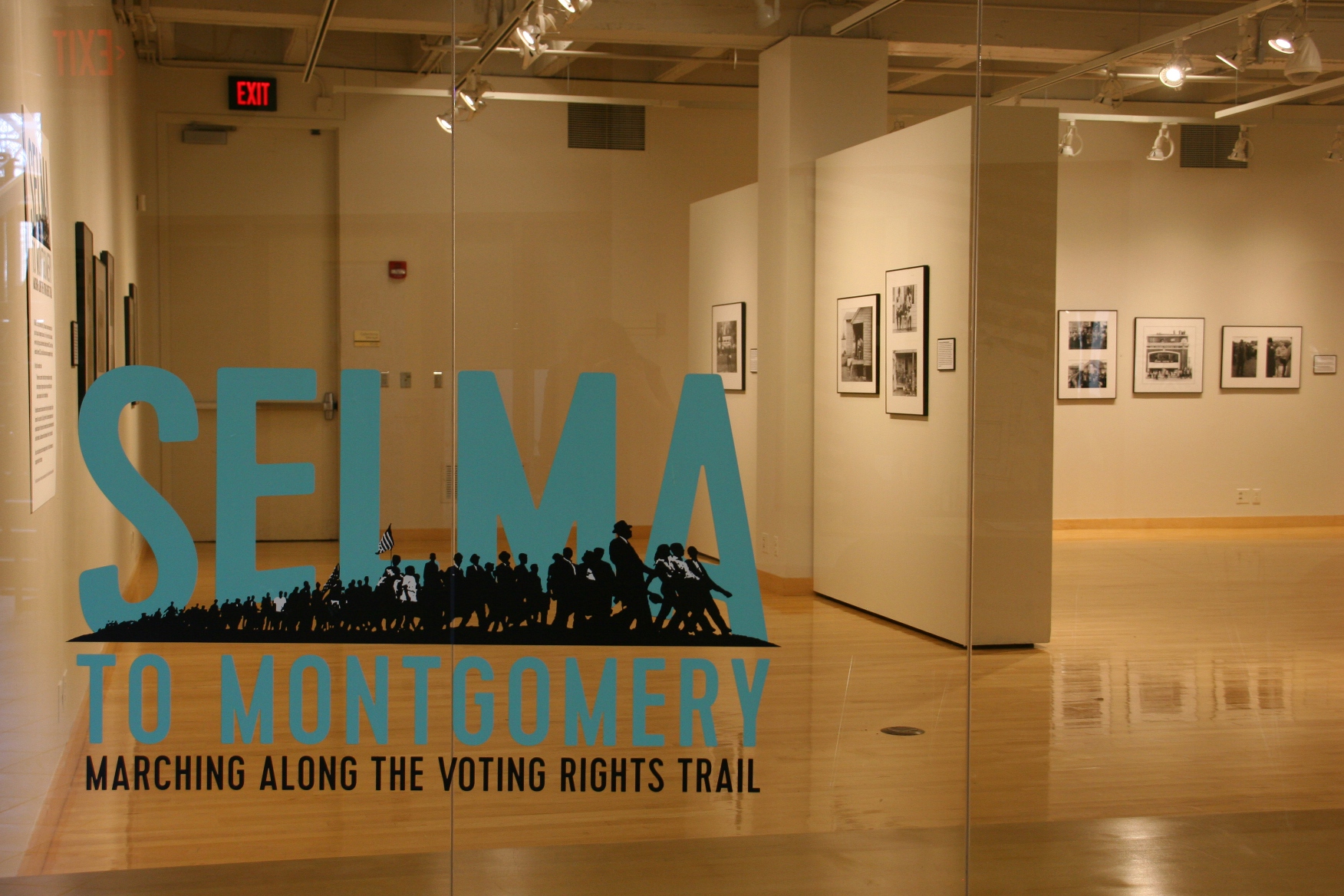
Looking through a window into an exhibit space at Flaten Art Museum at St. Olaf College, Northfield, where I toured this photo exhibit 10 years ago. (Minnesota Prairie Roots copyrighted file photo 2015)

Today I honor this man who left a legacy of strength in voice, power in actions and examples of righting racial injustices. In 1965, Lewis marched across the Edmund Pettus Bridge in Selma, Alabama, for voting rights for Blacks. He coordinated voter registration drives, led the Student Nonviolent Coordinating Committee. And in 1986, Lewis was elected a U.S. Congressman, a post he held until his death.

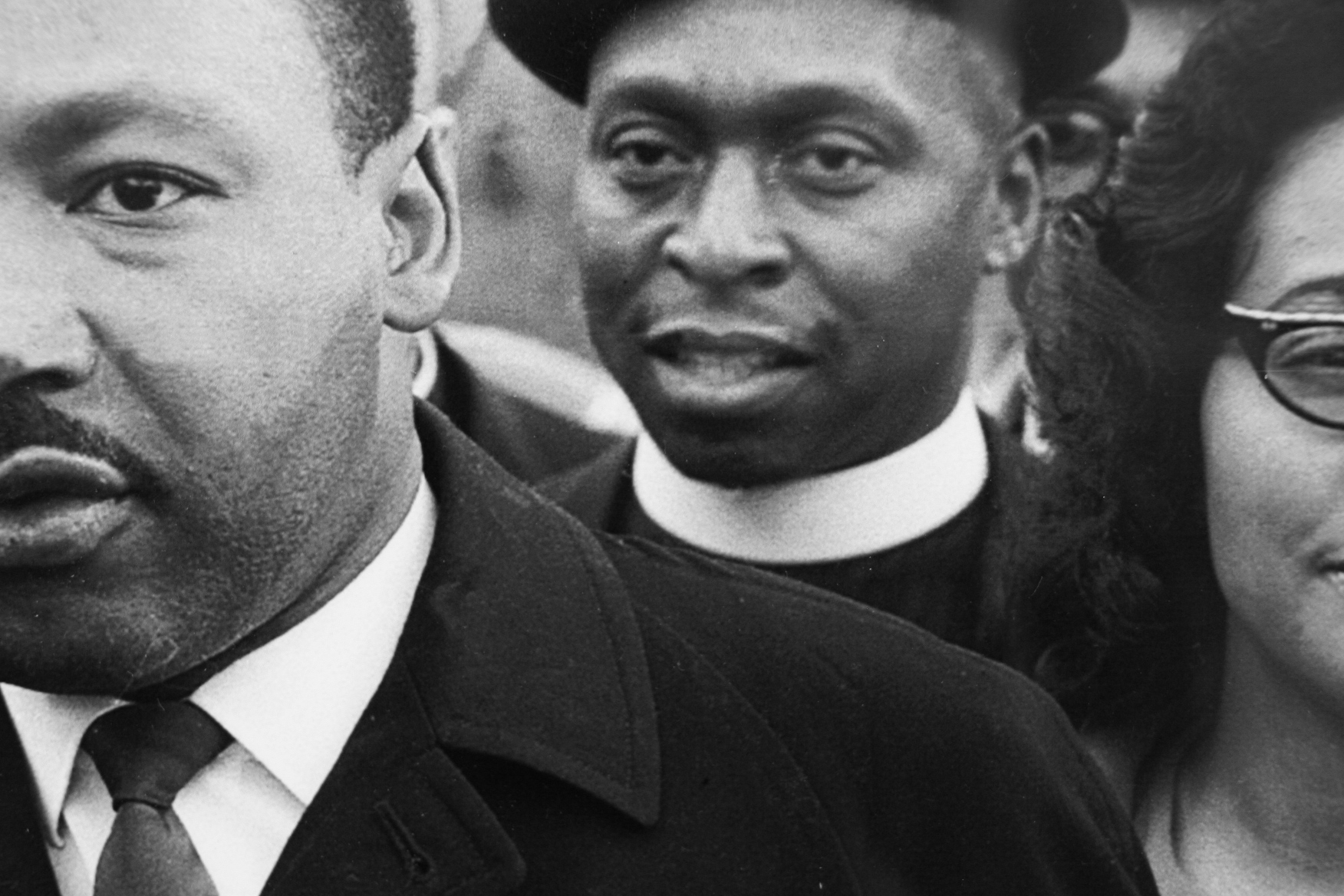
A portion of a photo by Steve Somerstein whose work focused the traveling exhibit I saw at St. Olaf in 2015)

This son of Alabama sharecroppers and recipient of the Presidential Medal of Freedom in 2011 was remarkable in his determination, in his commitment, in his desire to right wrongs and improve the lives of Blacks.

But what Lewis brought to this country extends beyond a singular issue. He understood the value of each individual voice and used his voice to make sure others understood that what they say and do matters.

In the years since his death, I’ve researched the congressman. And in doing so, I’ve discovered statements he’s made that resonate strongly. Here are a few examples:

“…get in good trouble, necessary trouble and help redeem the soul of America.”

“You must be bold, brave, and courageous and find a way…to get in the way.”

“My greatest fear is that one day we may wake up and our democracy is gone.”

“Never let anyone—any person or force—dampen, dim or diminish your light.”

I find each of those four statements especially empowering. They are calls to action. Messages meant to end complacency. Encouragement to each of us to speak up, to be heard. To shine our lights in our neighborhoods, communities, state, nation and world.

The faces of the Civil Rights Marches and Movement include Dr. Martin Luther King, Jr. This photo by Stephen Somerstein was part of the Selma exhibit.

And if we ever feel that our voice is only one, that our words aren’t heard, that our actions don’t matter, Lewis offers this message: “Do not get lost in a sea of despair. Be hopeful. Be optimistic.” Hope and optimism. Such positive words that are easy to read, but not always easy to believe. Yet, Lewis would want us to believe that things can get better.

In honor of Lewis, “Good Trouble Lives On” rallies are planned nationwide on Thursday, July 17, including here in Minnesota. The event is a national day of nonviolent action to respond to the current attacks on civil and human rights. From small towns like Madison in far western Minnesota to the Twin Cities metro and many other communities across the state, people will gather to let their voices be heard. Rallies in southeastern Minnesota are set in New Ulm, St. Charles, Winona, Stillwater and Northfield, the nearest to me. The Northfield protest is from 6-7:30 p.m. at Ames Park in the downtown area.

For more information about “Good Trouble Lives On” and to find a rally site, click here.

“Get in good trouble” and honor U.S. Representative John Lewis, a remarkable human being whose light still shines in America, strong and radiant.

© Copyright 2025 Audrey Kletscher Helbling
 

Songs of Hope brings messages of peace, love & respect to Minnesota July 9, 2025

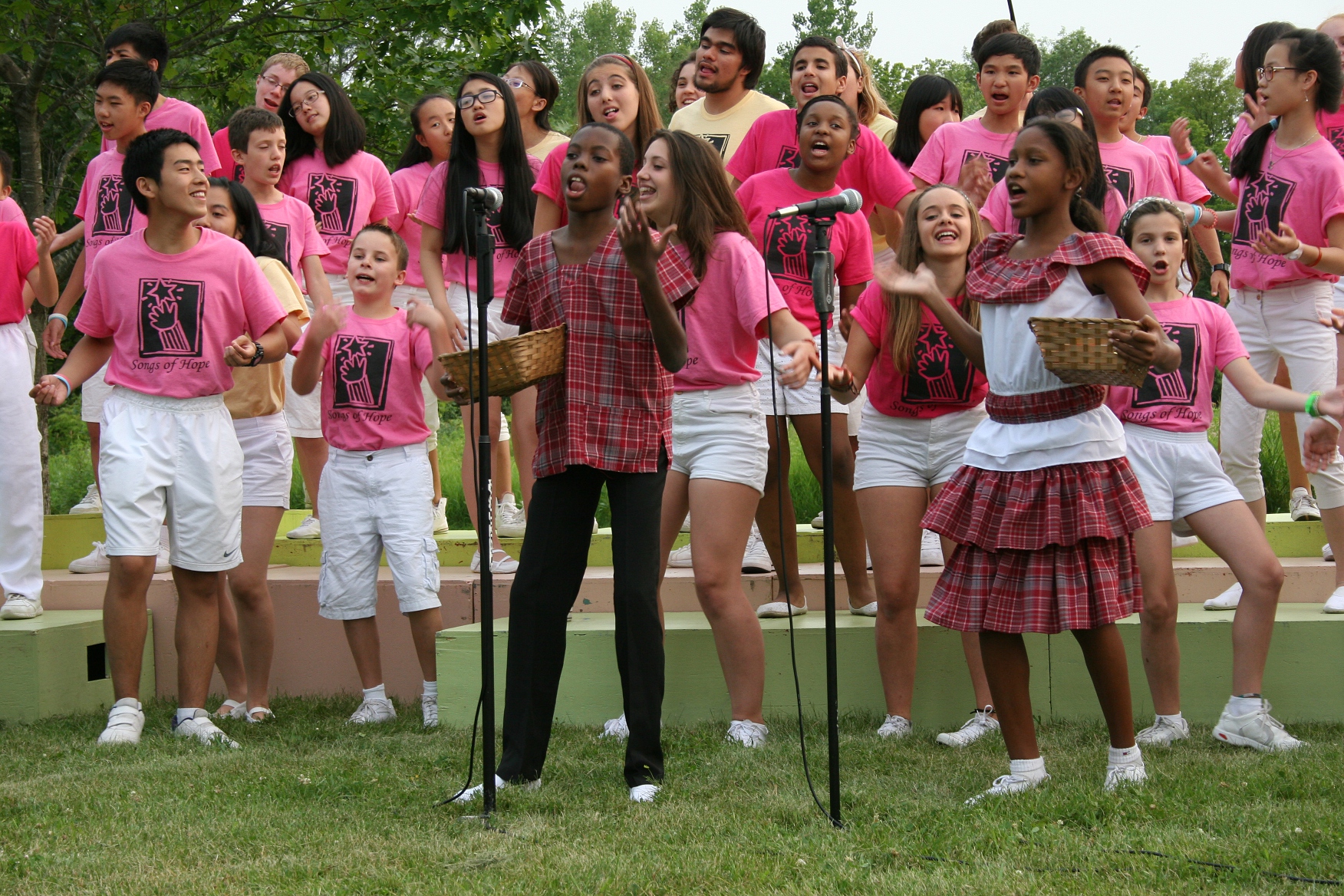
Selections from Jamaica included “Linstead Market” and “Stand Up For Your Rights” at a 2014 Songs of Hope concert in Faribault. (Minnesota Prairie Roots copyrighted file photo)

HOPE. IT’S A POWERFUL WORD. A universal word. A word that is both noun and verb. Likewise, music is universal in the power it holds.

On Tuesday, July 15, the power of those two words comes to Faribault in a 7 p.m. free performance (donations are encouraged) by Songs of Hope at the Cathedral of Our Merciful Saviour. The high-energy international performing arts group, which is part of a six-week summer camp in St. Paul, presents songs with messages of peace, love and respect. Therein lies the hope. You’ll leave this show feeling hopeful, that perhaps we can all get along if we work at it, embrace one another and our differences, and follow the lead of these young people.

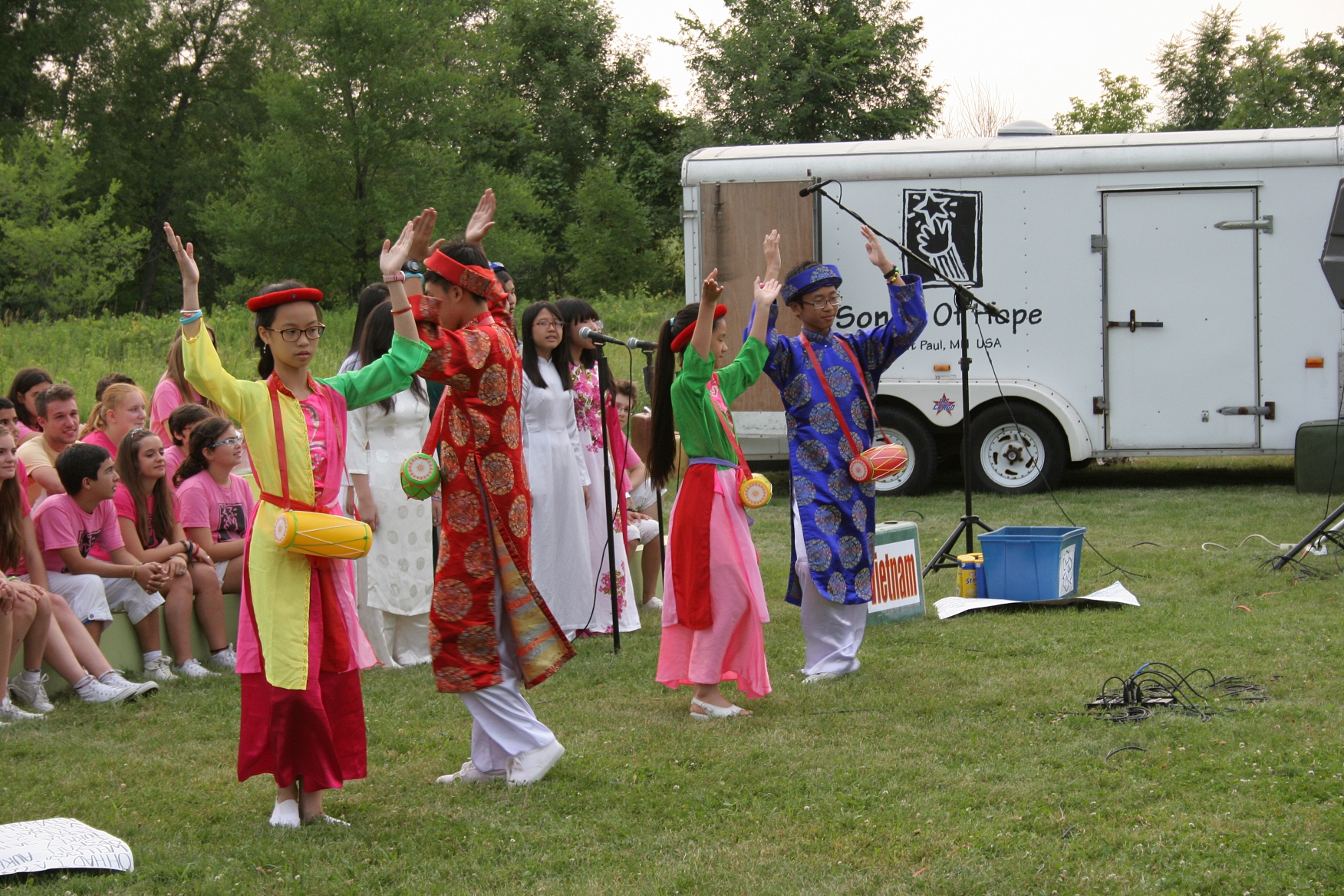
Song and dance from Vietnam. (Minnesota Prairie Roots copyrighted file photo 2014)

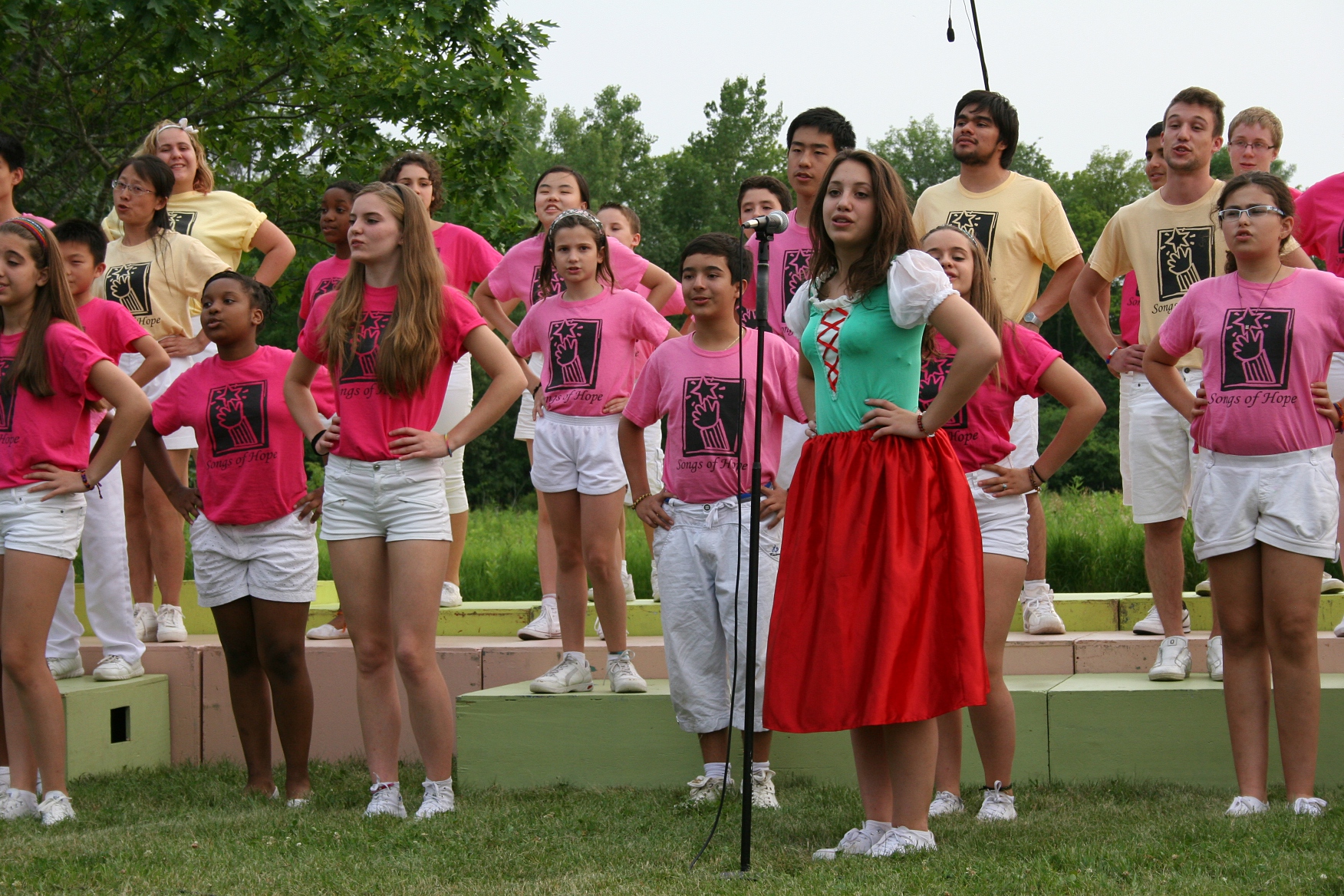
Youth performers from Italy, Vietnam, Guatemala, Jamaica, Turkey, Israel, China and the USA will sing and dance their way into your hearts. I know. I’ve seen this global group perform locally. They’ve been to Faribault multiple times on their out-state Minnesota tour. They uplifted me and gave me hope, along with joy.

The group’s mission is “to share musically the global cultures of its young singers in concerts that mix traditional and popular songs from many countries with English-language songs chosen sometimes to entertain and sometimes to provoke thought.”

Artistic Director Jeanne Junge says, “…when we’re choosing the songs in English, we are careful to include a rich mix of messages, because we feel strongly that audiences need to know that young people in every country see the violence and injustices around them, and they want a better world.”

Isn’t that what we all want? A better world. These select youth, some as young as ten, make this a better world via their concerts. Yet, that they even have to think about, witness and/or experience violence and injustices troubles me. But that is reality world-wide today.

From Italy… (Minnesota Prairie Roots copyrighted file photo 2014)

I encourage you to take in the Songs of Hope show with its song, dance and cultural dress if you have the opportunity. Additional public performances in southeastern Minnesota are set for 11:45 a.m. Wednesday, July 16, at LARK Toys in Kellogg (a 20-minute show) and full shows at 7 p.m. Thursday, July 17, at the State Theatre in Zumbrota and Friday, July 18, at Potter Auditorium in Chatfield. To see a list of all upcoming Songs of Hope concerts, click here.

© Copyright 2025 Audrey Kletscher Helbling


Immersed in summer at River Bend July 8, 2025

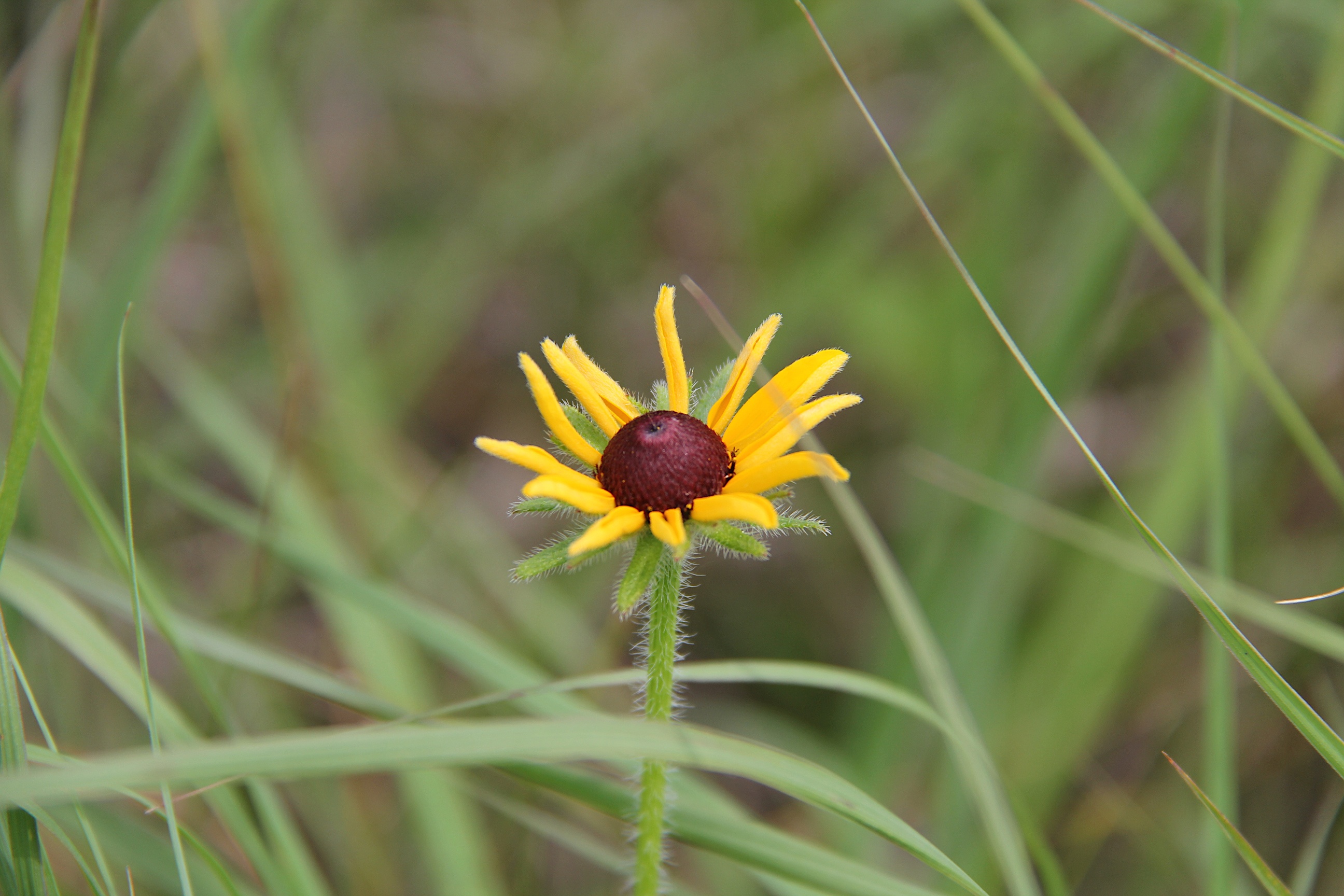
A black-eyed Susan at River Bend Nature Center, Faribault. (Minnesota Prairie Roots copyrighted photo July 2025)

SUMMER, EVEN WITH ITS SOMETIMES excessive heat, humidity and storms, is a glorious season. Especially in Minnesota, when many months of the year are cold and colorless.

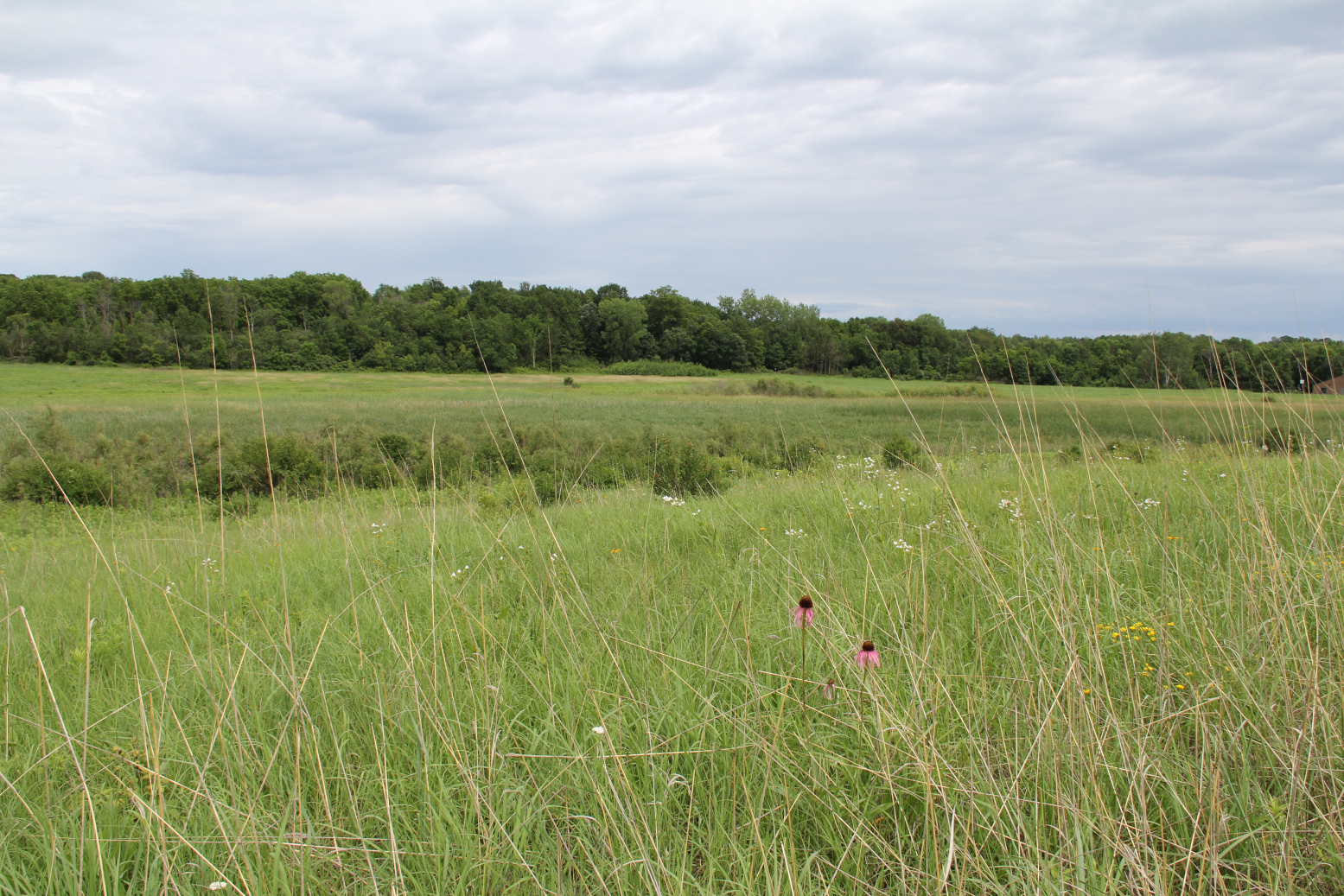
A view of and from the prairie at River Bend. (Minnesota Prairie Roots copyrighted photo July 2025)

This time of year brings a natural world teeming with life in a landscape flush with color. It takes a walk into the woods and onto the prairie—for me at River Bend Nature Center in Faribault—to fully immerse myself in the delights of these July days.

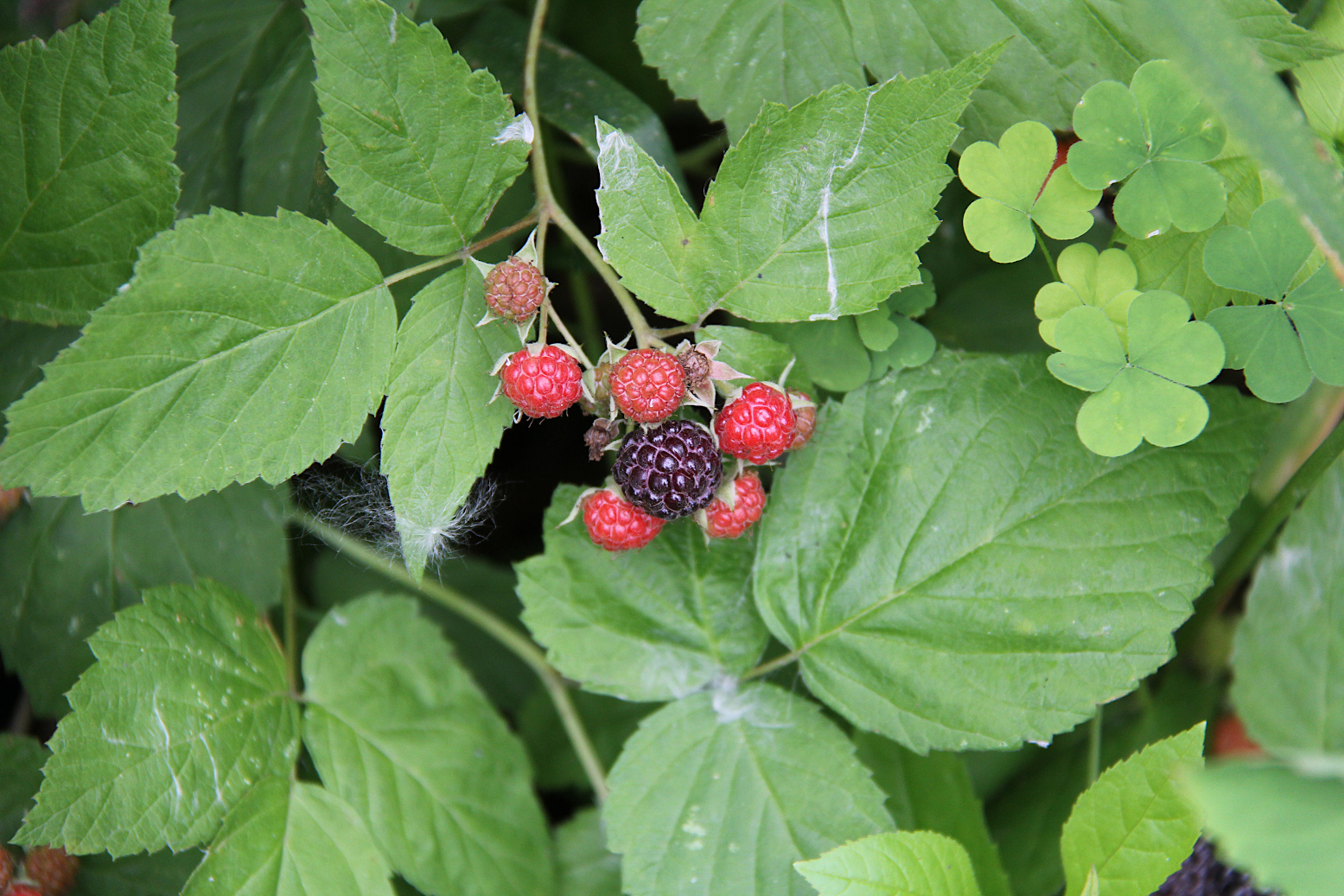
Ripe and ripening black raspberries. (Minnesota Prairie Roots copyrighted photo July 2025)

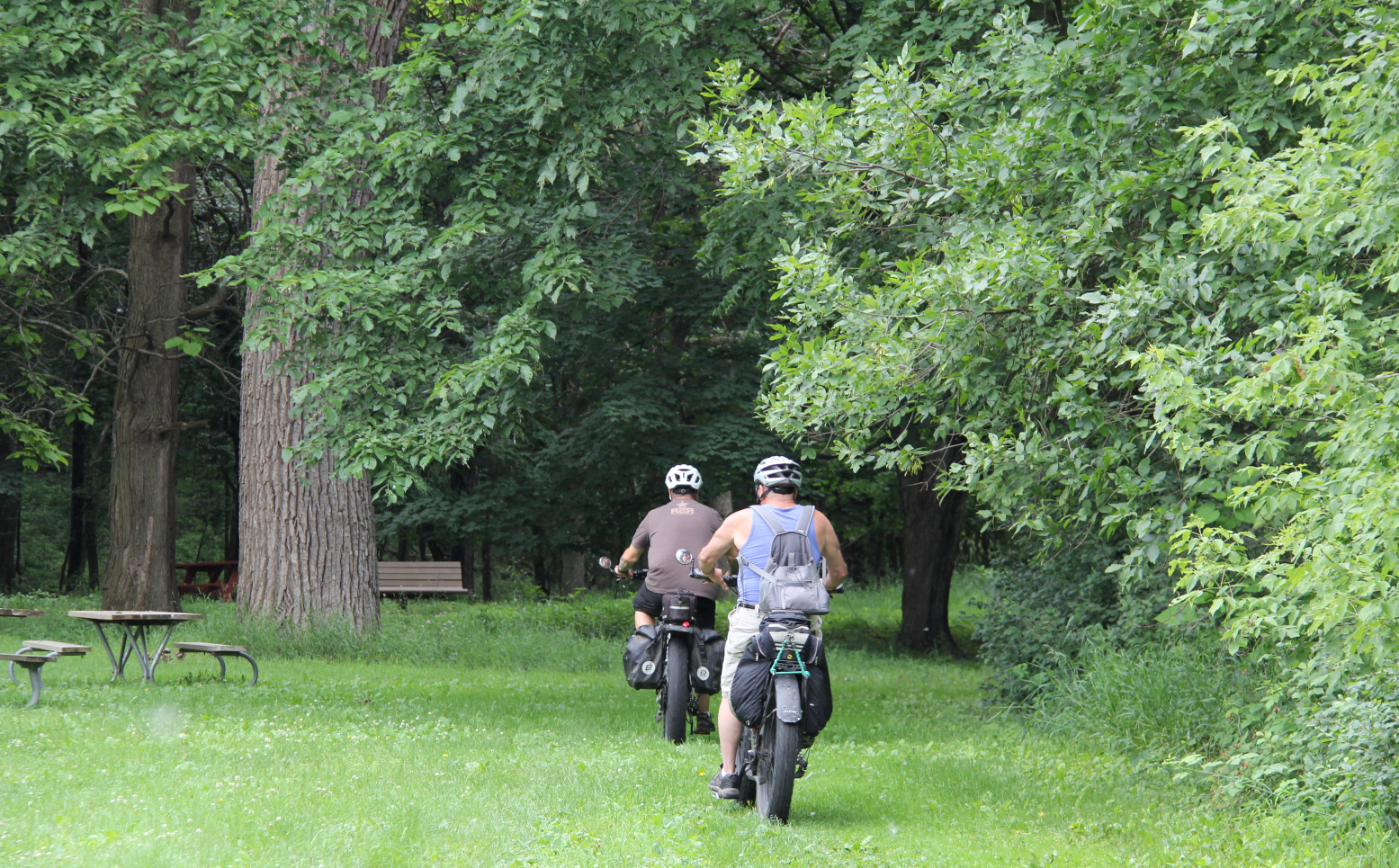
During a recent hike on River Bend’s north side, I paused early on to sample black raspberries plucked from trailside bushes. I spotted the first ripe ones as Randy and I were about to cross a walkway bridge leading to a trail edging the Minnesota Correctional Facility, Faribault. But before I could get there, two guys on fat tire bikes barreled over the bridge, scaring me. I didn’t see them, so focused was I on picking berries.

Fat tire bikers head for a trail on River Bend’s north side. (Minnesota Prairie Roots copyrighted photo July 2025)

On the other side of the bridge, a deer stood, trapped between the double fencing of the prison. While many deer at the nature center show no concern for hikers, this one was skittish, bounding away before I could even lift my camera to shoot a picture.

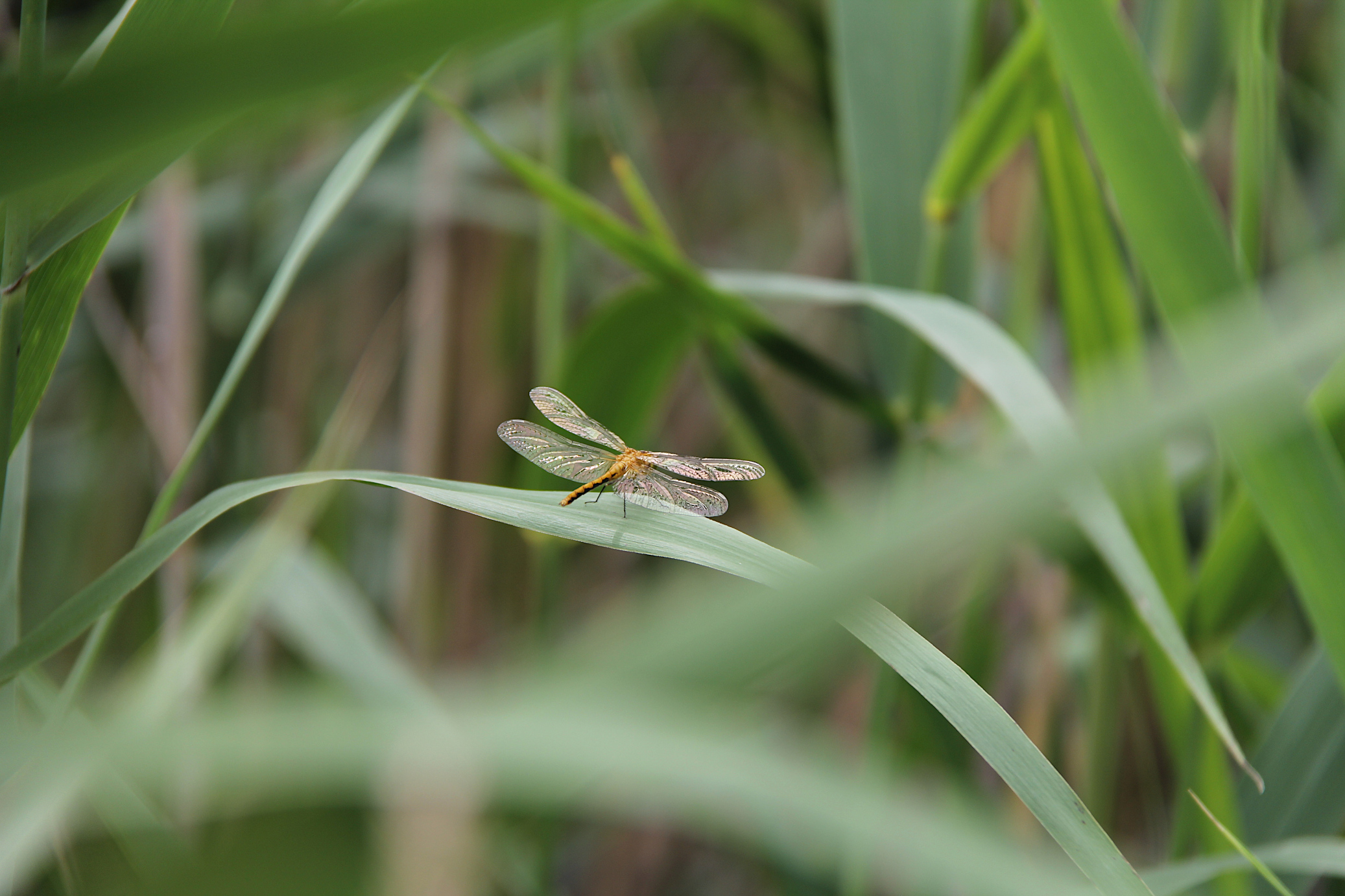
Dragonflies, all in the same hue, flitted about. (Minnesota Prairie Roots copyrighted photo July 2025)

Instead, I focused on the brownish dragonfly flitting, then landing, upon a twig. Later I would spot numerous of these same-hued insects among blades of tall grasses. I find them fascinating with their gossamer wings hearkening of fairies and magic and a child’s imagination.

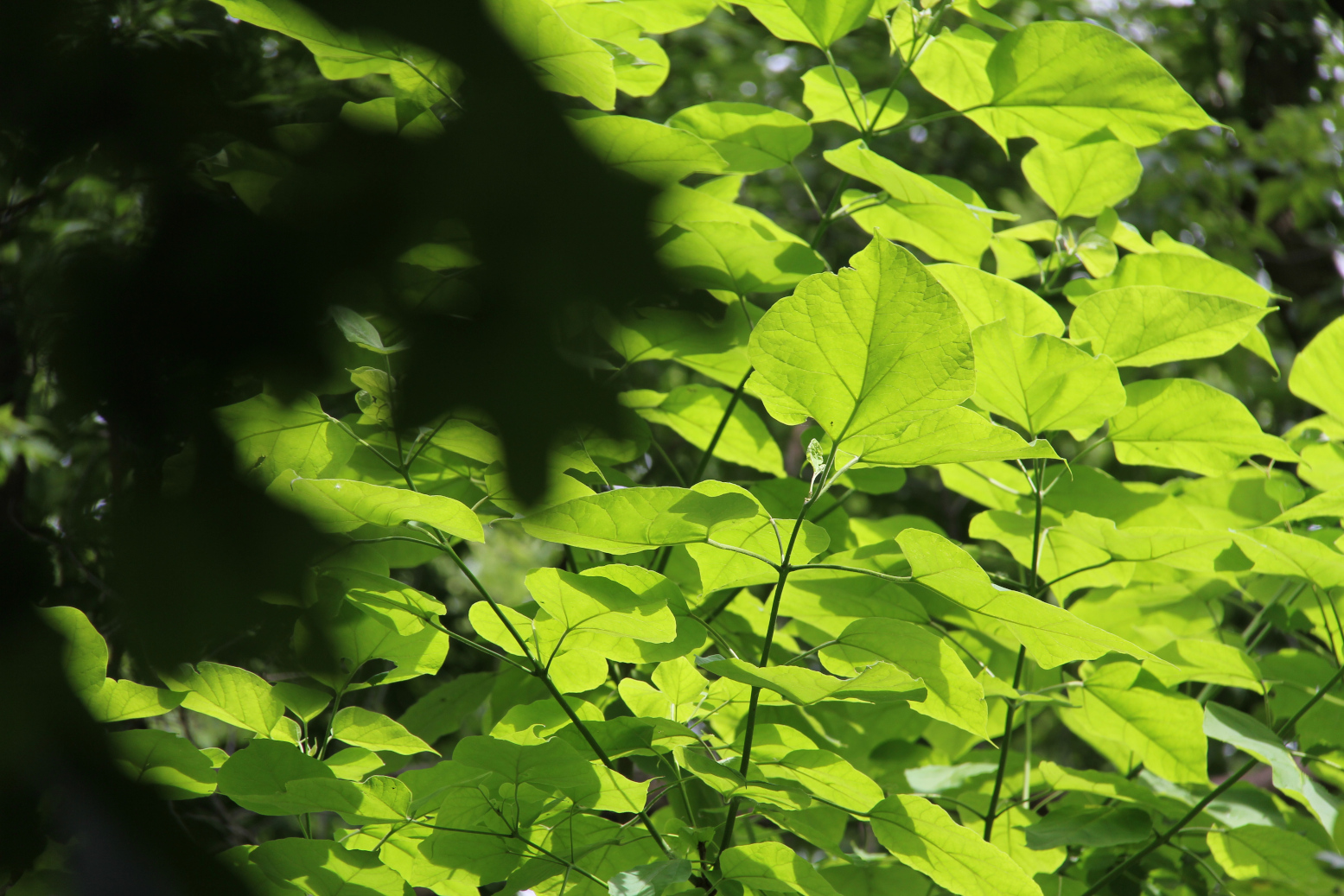
Sunlight plays on leaves in light and shadows. (Minnesota Prairie Roots copyrighted photo July 2025)

Backtracking across the road and into the woods, I observed unidentifiable slimy white fungi lining fallen limbs and trees. I’m always hopeful I will find an intensely bright yellow or orange mushroom like the vivid ones I saw several years ago in the woods of north central Minnesota. But I don’t think those grow in southern Minnesota. I know little about mushrooms except that I like them and buy eight ounces of baby bellas every week at the grocery store. I also know that a fairly-new business, Forest to Fork, grows a variety of mushrooms inside a former Faribault Foods plant on the north side of town.

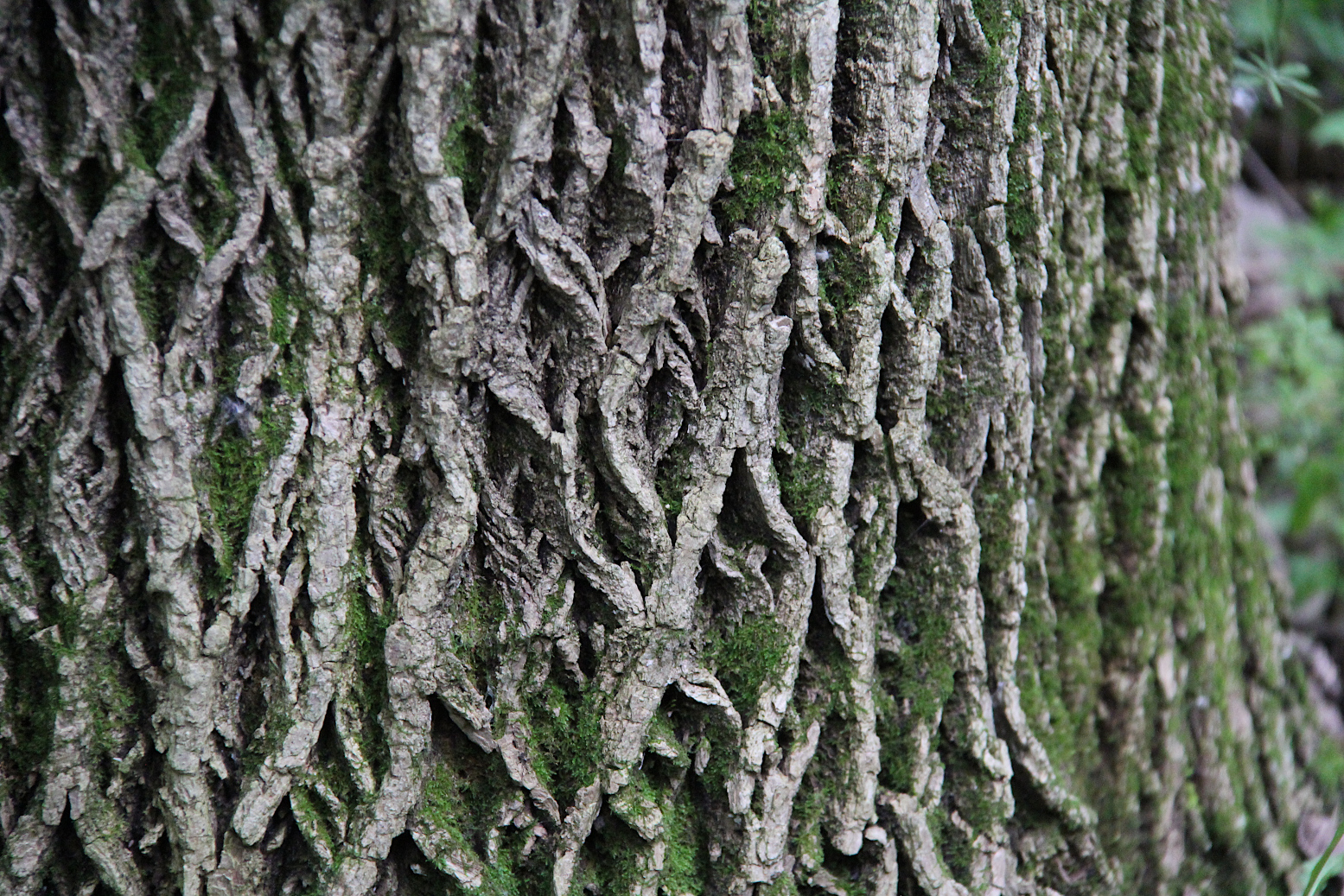
A textured tree trunk up close. (Minnesota Prairie Roots copyrighted photo July 2025)

Also in the woods, I noticed the texture of tree trunks. Natural art. At least to me.

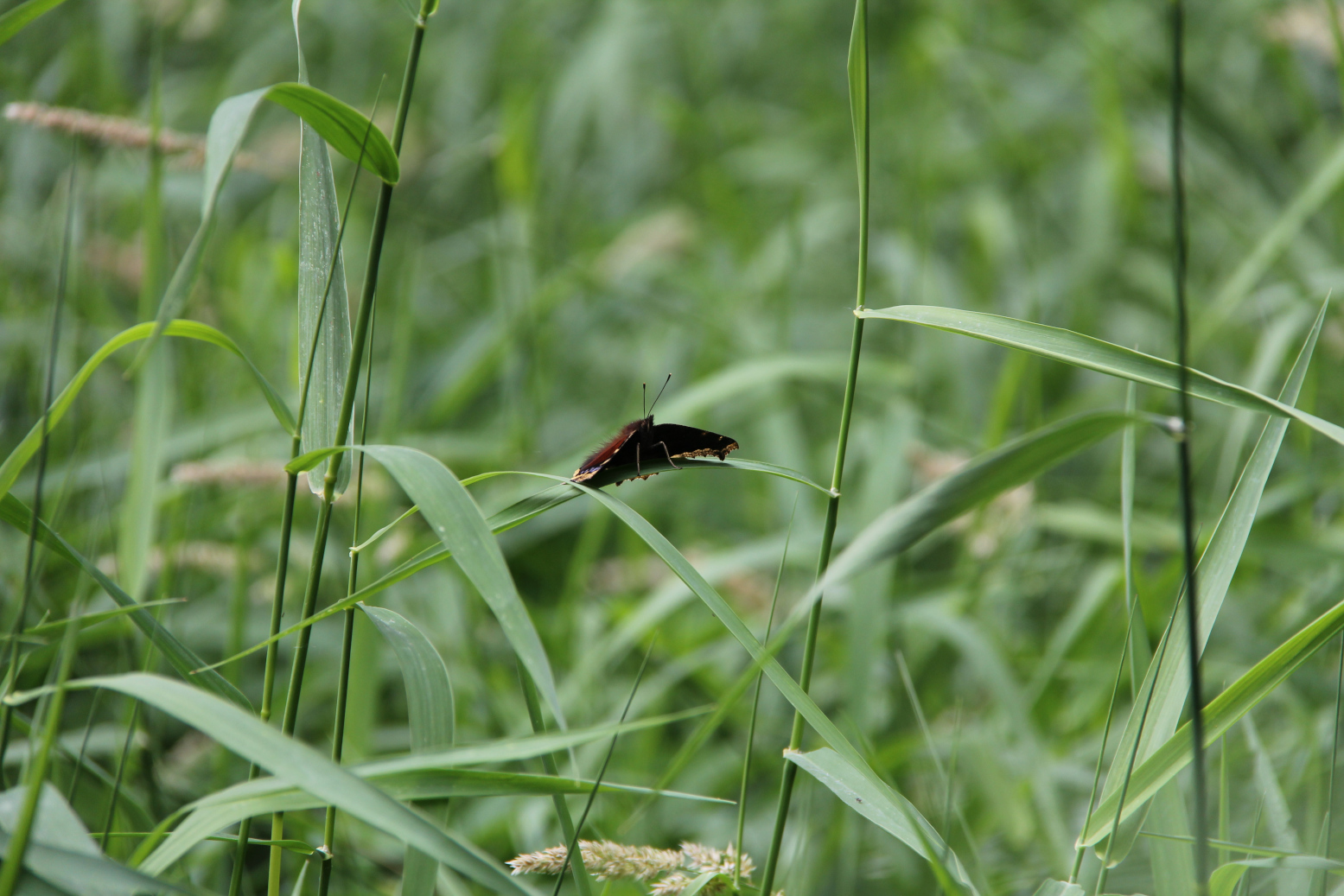
There, among the weave of grasses, a butterfly. (Minnesota Prairie Roots copyrighted photo July 2025)

As we looped back to a main trail, the woods began to open to swampland and then to prairie. Birds raised raucous sound, although I failed to see many. That was until I noticed and attempted to photograph a lone bird on a bush. And failed. The bird took flight. “It’s a bluebird,” Randy exclaimed. He was right given the flash of blue, the smallish size and the nearby bluebird houses. It was my first bluebird sighting. Ever. Rice County is a haven for bluebirds thanks to the efforts of Keith Radel, known as Mr. Bluebird. Keith hails from my hometown of Vesta on the southwestern Minnesota prairie. He’s placed and tended houses throughout the county for 40-plus years, tracking, counting and caring for bluebirds. On this afternoon, numerous bluebirds swooped and danced across the summer sky.

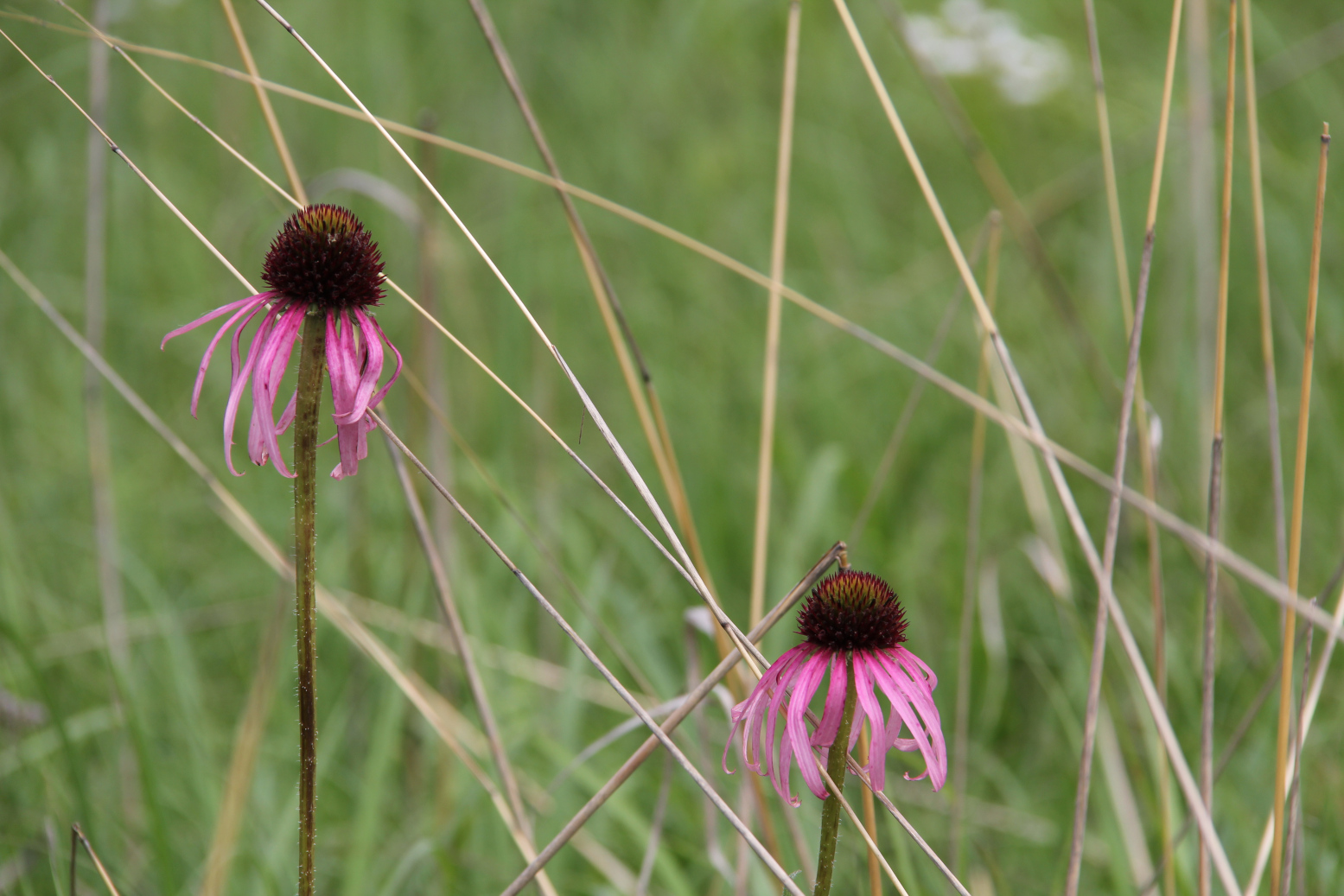
Coneflowers on the prairie. (Minnesota Prairie Roots copyrighted photo July 2025)

Nowhere does summer appear more like summer to me than in the tall grasses of swampland or among prairie wildflowers. I love the messiness of flowers tangled among grasses. I love the wide sky.

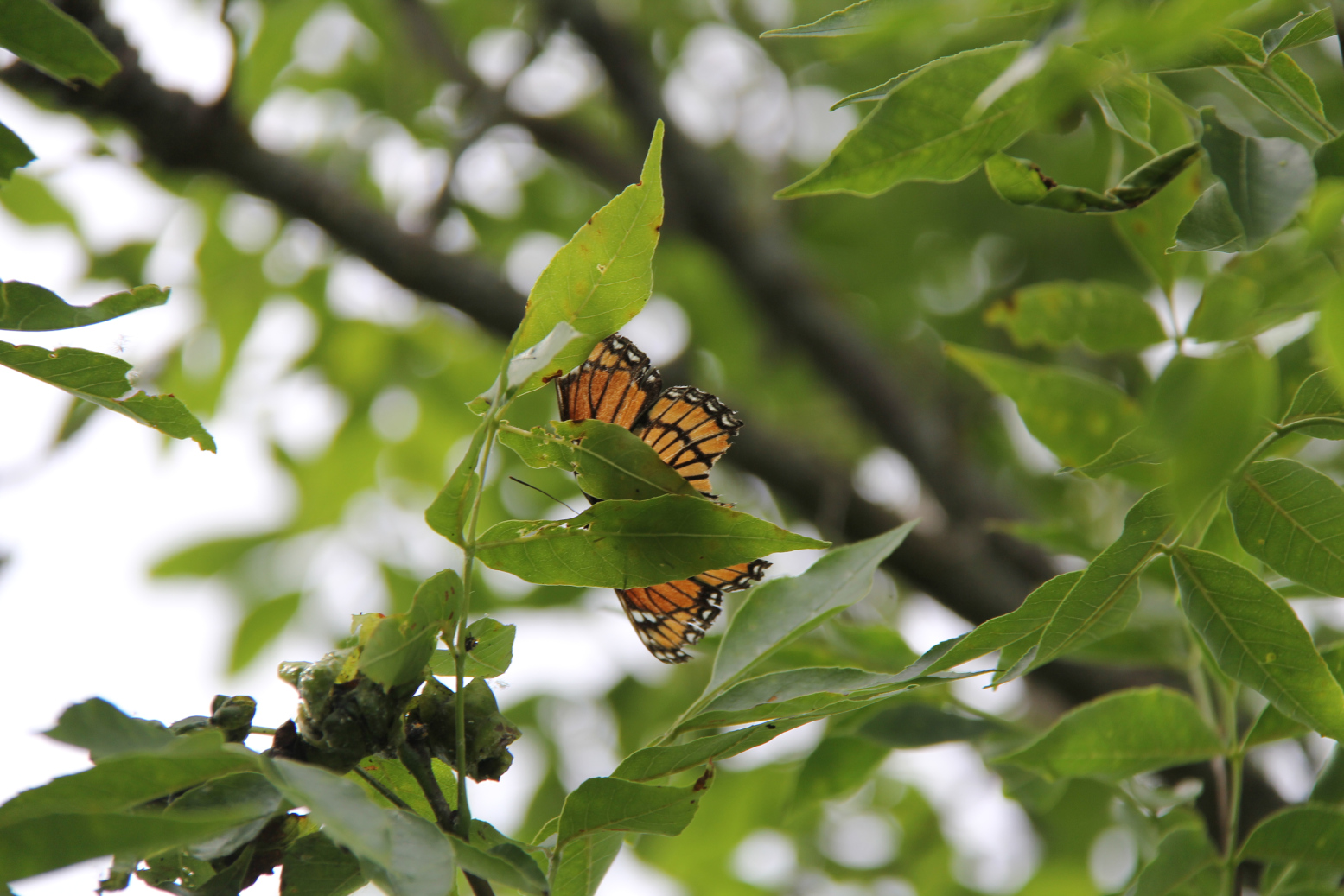
A Monarch, with parts of its wings missing, flies among leaves. (Minnesota Prairie Roots copyrighted photo July 2025)

And I love, too, the flitting of butterflies and moths. A flash of orange. Antenna and spindly legs. And on this afternoon, a Monarch with wings partially-eaten by a predator.

A milkweed flower beginning to open. (Minnesota Prairie Roots copyrighted photo July 2025)

All of this I discovered on a July afternoon at River Bend. Here I dipped my nose into deeply-scented, dusty pink milkweed flowers. Here I tasted sunshine and rain in berries. And here I honored summer in southern Minnesota. Glorious and beautiful.

© Copyright 2025 Audrey Kletscher Helbling
 

Commentary: Floods, alligators & an email July 7, 2025

Minnesota Prairie Roots copyrighted file photo used for illustration only)

I HAVE SEVERAL THINGS on my mind today which are roiling my emotions. Not on a personal level. But on a broader, national scale.

First, I feel heartbroken over the loss of lives in Texas following flash flooding. The latest death count I’ve read is eighty-five, 27 of those children. Dozens remain missing. Most heart-rending are the deaths of the young campers at a summer camp. I think many parents, myself included, can relate to dropping a child off at camp with the full expectation that they will be there when we come to pick them up at camp’s end. For too many, a parent’s absolute worst nightmare—that of losing a child—is now reality. I feel for anyone who has lost a loved one in these floods, no matter their age. I am thankful for the 850 rescued thus far.

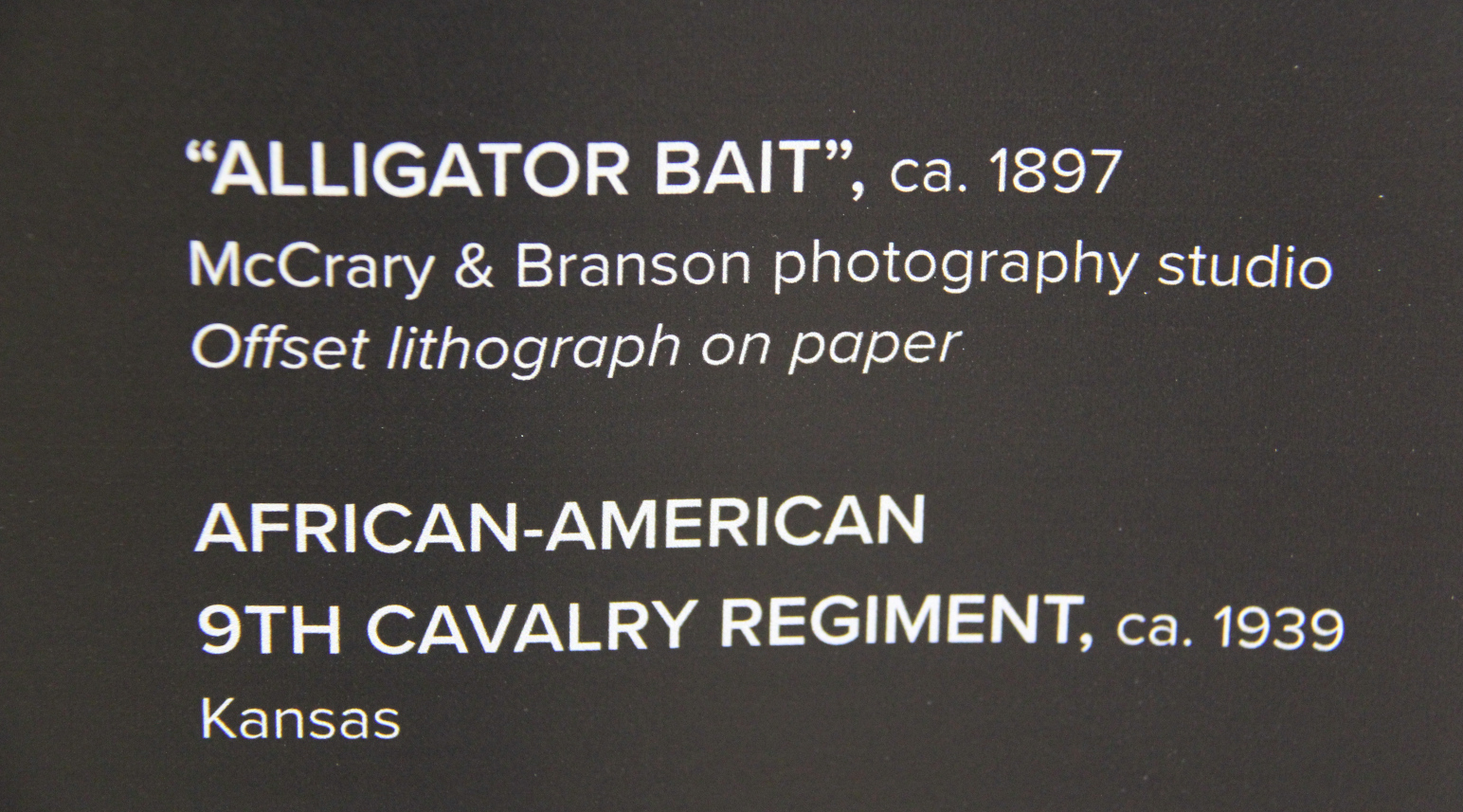
Titles of two photos in the “Testify” exhibit I saw. (Minnesota Prairie Roots copyrighted file photo April 2025)

ALLIGATORS

Secondly, I’m deeply-troubled by the gloating and hype about “Alligator Alcatraz,” a deportation detention facility in Florida. Those in power have been flaunting the name, stating quite clearly what will happen to anyone who tries to escape. There’s nothing remotely “funny” about alligators attacking and devouring human beings. There’s nothing “funny” either about placing people in cages. But neither seems to bother those who are vocally promoting this facility in such a vile way.

As soon as I heard the words “Alligator Alcatraz,” I was reminded of a traveling exhibit, “Testify—Americana Slavery to Today,” that I saw at my local library in April. Within that exhibit was a studio portrait of nine unclothed Black babies and toddlers sitting or standing in one long line. The circa 1897 image by a photography studio was simply titled “ALLIGATOR BAIT.” I remember standing there, my jaw dropping in disbelief. The photo was right above another image, that one of the African-American 9th Calvary Regiment, ca. 1939.

Then I read the text below the two photos: The juxtaposition of photos heightens the irony of being hawked as unwanted, or “alligator bait,” while at the same time being drafted into a calvary regiment to serve in the name of the United States’ highest ideals. Historians have actually investigated to determine if African-American children were indeed used by hunters to lure alligators. The results were somewhat inconclusive, but the fact that research was needed is telling.

I wondered when I saw the “ALLIGATOR BAIT” photo how humans can be so cruel? I wonder the same today.

Hands of an octogenarian used for illustration only. (Minnesota Prairie Roots copyrighted file photo)

A TROUBLING EMAIL

Lastly, a few days ago I received an email from the Social Security Administration, which I initially thought to be phishing given the title, “Social Security Applauds Passage of Legislation Providing Historic Tax Relief for Seniors.” Turns out this was legit. I’m sure many of you got the same email.

As I read on, I couldn’t quite believe what I was reading—a clearly partisan piece of propaganda from an agency I thought was non-partisan. Not only that, the content was not complete or accurate.

Whoever crafted this email and thought it was OK to mass-send, it is not OK.

LET’S DO BETTER

There you go. This is what’s on my mind today, just days after celebrating the Fourth of July in a country I love, even with all its faults, atrocities, injustices and troubles. But we can, and must, do better. I believe we can.

© Copyright 2025 Audrey Kletscher Helbling
 

Happy birthday, America! July 4, 2025

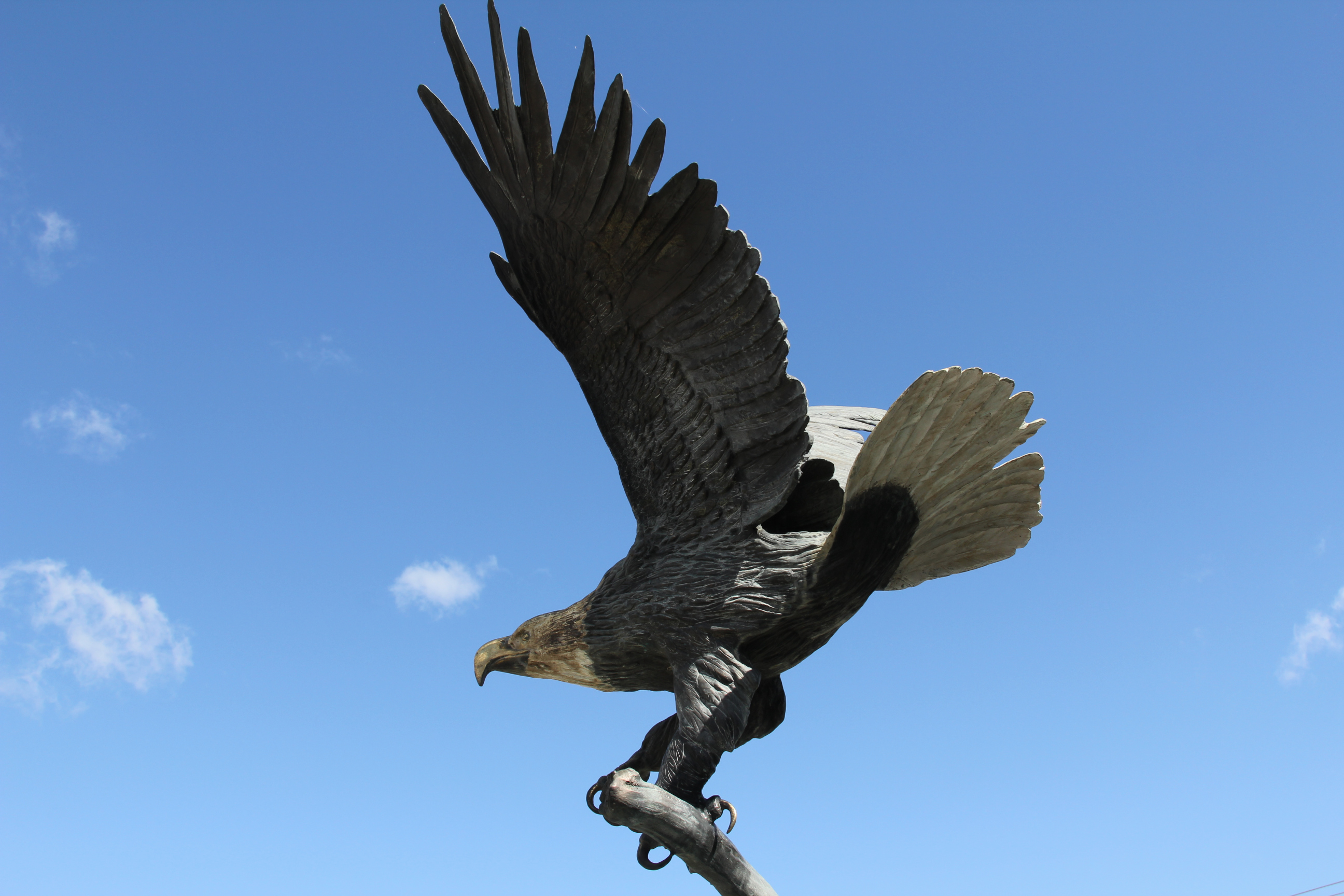
The eagle is a symbol of freedom in the U.S., here in sculpture form at small town Minnesota memorial. (Minnesota Prairie Roots copyrighted file photo)

IN CONSIDERING AMERICA’S 249th BIRTHDAY, I decided to write down words that immediately popped into my mind relating to this holiday, America and the current state of our country. I limited myself to 20 individual words or phrases. Here’s what flowed from my brain to pen to paper before I typed this list into my computer for you to read:

freedom

democracy

liberty

voting rights

free and fair elections

divisiveness

fear

deportations

due process

freedom of speech

freedom of the press

protests

my voice

threats

intimidation

injustice

checks and balances

life

melting pot

history

I could easily take each word or phrase and expound on how I feel about these topics in current-day America. But for today, I will allow the words to mostly stand alone while you ponder their meaning or create a list of your own. I will only state that I am saddened some of these words found their way into my brain as I think about our country on its 249th birthday. What words would be on your list?

Have a wonderful Fourth of July, everyone!

© Copyright 2025 Audrey Kletscher Helbling
 

Reflecting on freedom & more as we celebrate the Fourth in southern Minnesota July 2, 2025

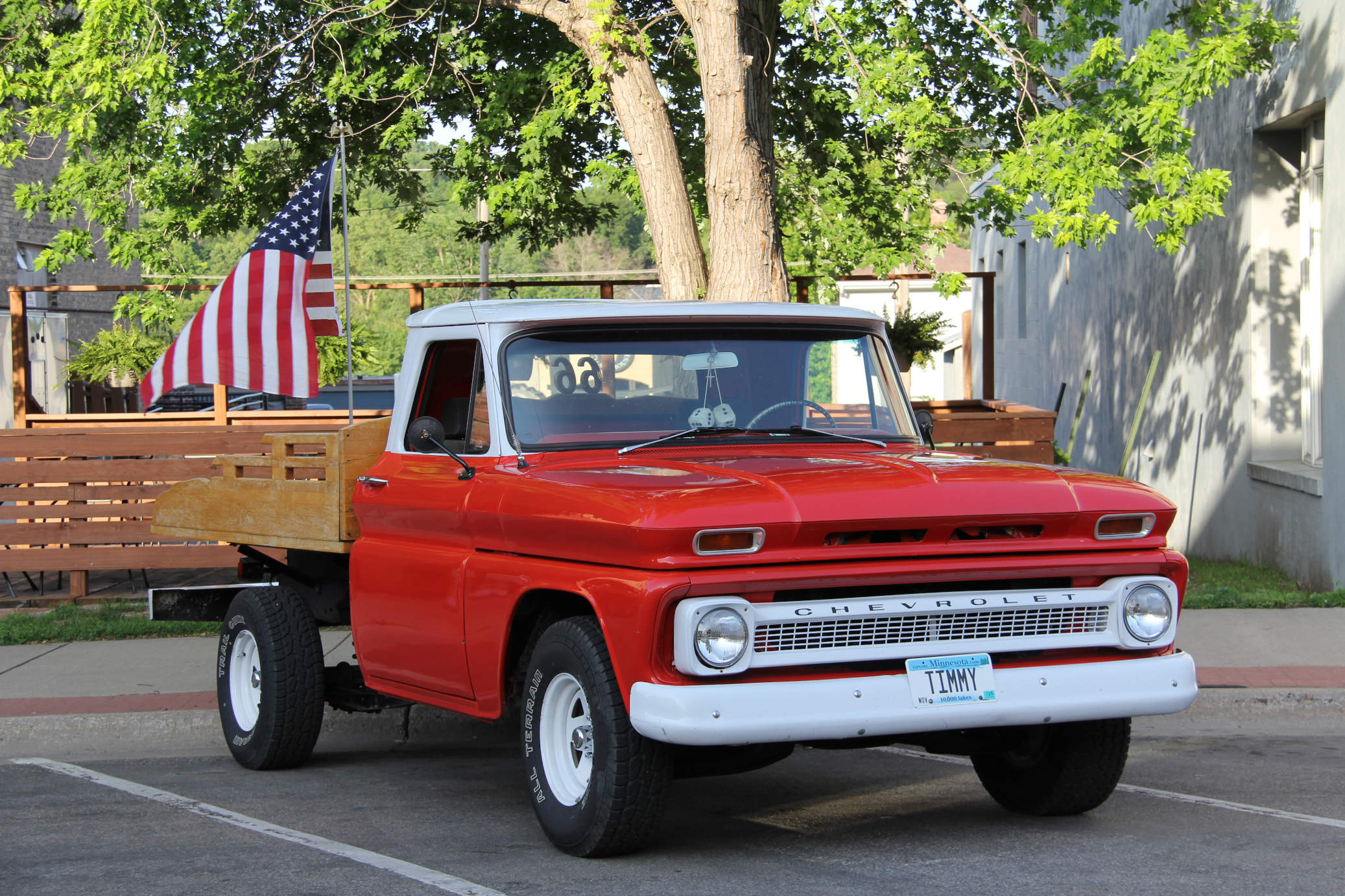
At a recent Faribault Car Cruise Night, I spotted several vehicles sporting American flags, including this Chevy pick-up truck. (Minnesota Prairie Roots copyrighted photo June 2025)

PARADES. GET TOGETHERS. FIREWORKS. All define the Fourth of July as we gather over the long holiday weekend to mark America’s 249th birthday. I hope, in the all of this, that we never lose focus of why we are celebrating. It is, in one word, “freedom.”

In light of that, I reread The Declaration of Independence, signed on July 4, 1776, declaring our independence from British rule. It’s worthy of annual review to remind us of the past and to warn us lest we stray back to that which oppressed and suppressed us.

This document is also about our rights to life, liberty and the pursuit of happiness. In fact, those are the words we most often recall when thinking about The Declaration of Independence. As an American, I value my freedoms as an individual and as a writer and photographer.

When I walk or drive through my community, I see a diversity of peoples. Those who grew up here and have deep roots in Faribault. Those who, like me, moved here from other parts of Minnesota (or the United States). And those who flew across an ocean or crossed a border for new opportunities and/or to escape war, violence, oppression and more in their homeland. I’ve talked to immigrants who have fled violence to settle in America, in my community. Their stories are heartbreaking. They just want better, safer lives for themselves and their families. What we all want.

(Minnesota Prairie Roots copyrighted file photo)

Decades ago while attending grade school during the Cold War, each day began with The Pledge of Allegiance. My classmates and I turned to the American flag hanging in the corner of our rural southwestern Minnesota classroom, placed our hands upon our hearts and recited, “I pledge allegiance to the flag of the United States of America and to the Republic for which it stands, one nation under God, indivisible, with liberty and justice for all.” I always wanted to end with “Amen.” The pledge felt like a prayer to me as we spoke in a unified, reverent voice.

But now, in adulthood, I recognize that the wording of the Pledge no longer truly fits America.

Still, I feel pride in the American flag, which flies on street corners in downtown Faribault, in parks, outside government buildings, outside the Legion, in residential yards and elsewhere throughout the city. It is a visual representation of our country. Fifty stars for 50 states. Thirteen red and white stripes representing the original 13 colonies. Even the colors stand for something—red for valor and bravery, white for purity and innocence, and blue for vigilance, perseverance and justice.

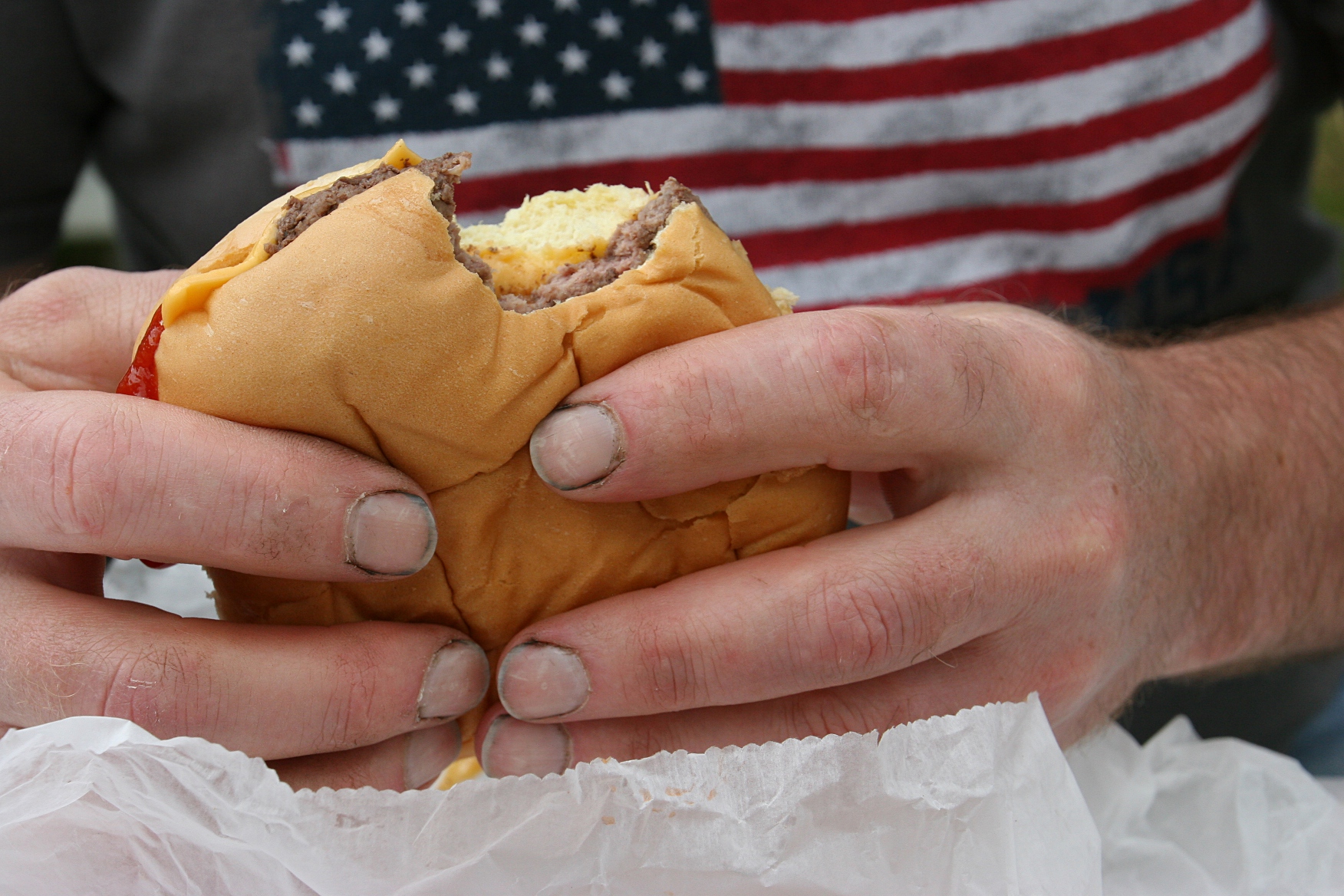
My husband, Randy, enjoys a cheeseburger at a past North Morristown, Minnesota, Fourth of July celebration. This July 4 marks the 132nd year of that event. (Minnesota Prairie Roots copyrighted file photo 2016)

On the Fourth and throughout July and summer, an abundance of flags will fly “o’er the land of the free and the home of the brave.” On Independence Day and in the days thereafter, we’ll don red-white-and-blue attire before stepping out the door for a backyard picnic of grilled burgers and watermelon or heading to an out-of-town celebration or gathering with friends and family.

Among all the food, conversations, music and activities on and around the Fourth, we need to pause and reflect on the word “freedom.” We need to study the long ago words of The Declaration of Independence. Words worth rereading each July in honor of our independence, our freedom.

© Copyright 2025 Audrey Kletscher Helbling