SHE DEFINES SADNESS in these words: an ocean filled with nothing.
That definition comes not from a poet or a songwriter, but rather from 12-year-old Matilda Breimhorst in a May 1, 2020, podcast interview with Michael Barbaro of The New York Times, The Daily.
The Rev. Craig Breimhorst died on April 16, 2020, due to complications of COVID-19. He was the first person in my county of Rice to die of the virus. That county death tally has since risen to 113. As shared in my post yesterday, Breimhorst’s life will be celebrated on Saturday during his funeral.
When I published that post, I was unaware of the podcast. But Minnesota Prairie Roots reader Sandy Varley directed me to the NY Times podcast and for that I feel grateful. Please, take 20 minutes of your time to listen to Tilly talk about her Papa.
About the grandfather who climbed with her onto their special spot on the roof of his house to talk and star gaze. About the grandfather who would show up unexpectedly at school to eat lunch with Tilly (even stealing her chips) and tell stories to her and her friends. About the grandfather whose t-shirt she slept in when he lay dying in the hospital.
I admire the strength of this 12-year-old in telling her story, sharing her grief. Her words are powerful, her insights remarkable for someone so young. Via this podcast, via the bravery and honesty of Tilly, Rice County’s first COVID-19 death transforms from a statistic to a granddaughter remembering and grieving her grandfather. Her beloved Papa.
I remember well the shocking headline in the local newspaper: Faribault pastor dies from COVID-19 complications. That singular head and the story that followed shook me and imprinted upon me the seriousness of this virus. This was no longer a virus an ocean away or half a country away in New York. This was here. In Minnesota. In my county. In my community.
MORE THANNUMBERS, THESE WERE INDIVIDUALS WHO LOVED & WERE LOVED
Now more than ever with the highly-contagious and more serious delta variant, we need to care. And take care. Breimhorst’s online obituary ends with this requirement: Everyone not vaccinated of all ages are requested to wear a mask (at the funeral). Among Rice County residents ages 12 and older, 60.7 percent are fully-vaccinated, according to data listed by the Centers for Disease Control. Additional stats show 52.3 percent of the county’s population fully-vaccinated. That leaves a lot of unvaccinated people in Rice County. Too many by choice. And then those under 12 who are not yet eligible for vaccination and have no choice.
PLEASE, WEAR A FACE MASK
Rice County remains in the high community transmission category for COVID. And that is leading our local school district to rethink its “no masks when school starts” stand of just a few weeks ago. The Faribault School Board will vote soon on whether to require masks of staff and students when classes resume. We, as a community, owe it to our kids to protect them, to offer the safest and healthiest environment possible in which to learn. I cannot even fathom why anyone would object to masks to protect our children, especially. But then I can’t fathom either why people refuse vaccination.
A recent article in the Faribault Daily News quotes local student representatives saying that students feel wearing masks “is a small request…if it means staying in school in person.” Additionally, those reps state that vaccine hesitancy “seems to come from parents more than students themselves.” That doesn’t surprise me. Even though I don’t have kids in school, I still care about kids in Faribault.
I feel thankful for businesses, churches and others who are now asking, even requiring, the public (both vaccinated and unvaccinated) to wear face masks in an effort to stop the spread of COVID. Rice County is once again requiring face coverings to be worn in all county government buildings. And, yes, I’m definitely masking in indoor public places, adding another layer of protection to my vaccine protection. I don’t want to get a break-through case of COVID and then perhaps unknowingly spread COVID to my friends, family, neighbors or strangers. I feel a strong sense of personal, social and community responsibility.
I would like to think that I am also honoring the Rev. Craig Breimhorst by masking. A line in his obit reads: With Craig, love always won and love will always win. Those are words to ponder, to take to heart as this pandemic rages, to remember that love is more than a word. It is an action.
#
NOTE: If you are anti-vaccine or anti-masking, please do not comment. I moderate all comments and will not give voice to those views on this, my personal blog.My stands on wearing face masks and vaccination are rooted in care. And in love.
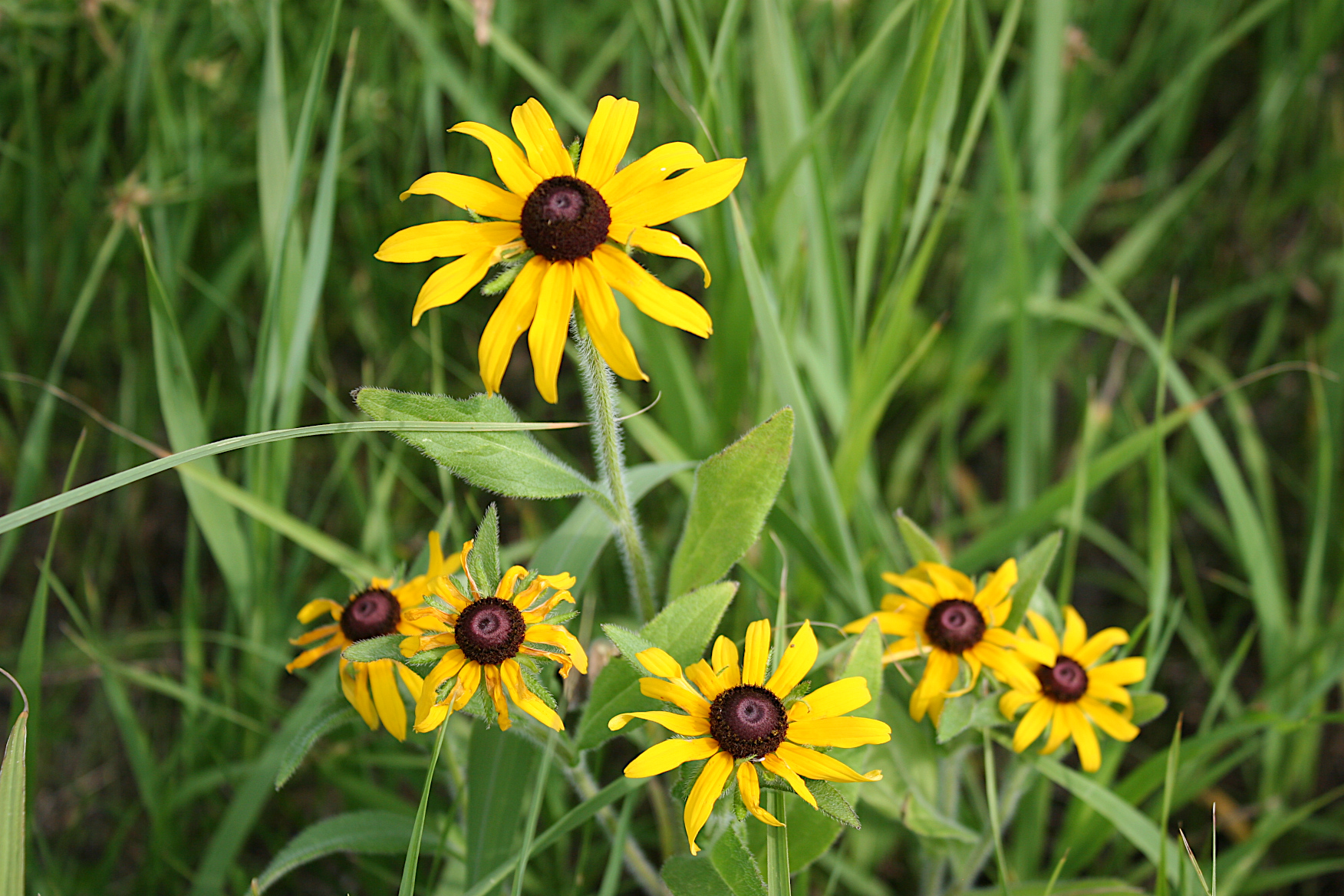
Black-eyed susans on the prairie at River Bend. Minnesota Prairie Roots copyrighted photo 2021.
WHENEVER I NEED TO CONNECT with nature nearby, my go-to destination is River Bend Nature Center, just across the Straight River on Faribault’s east side.
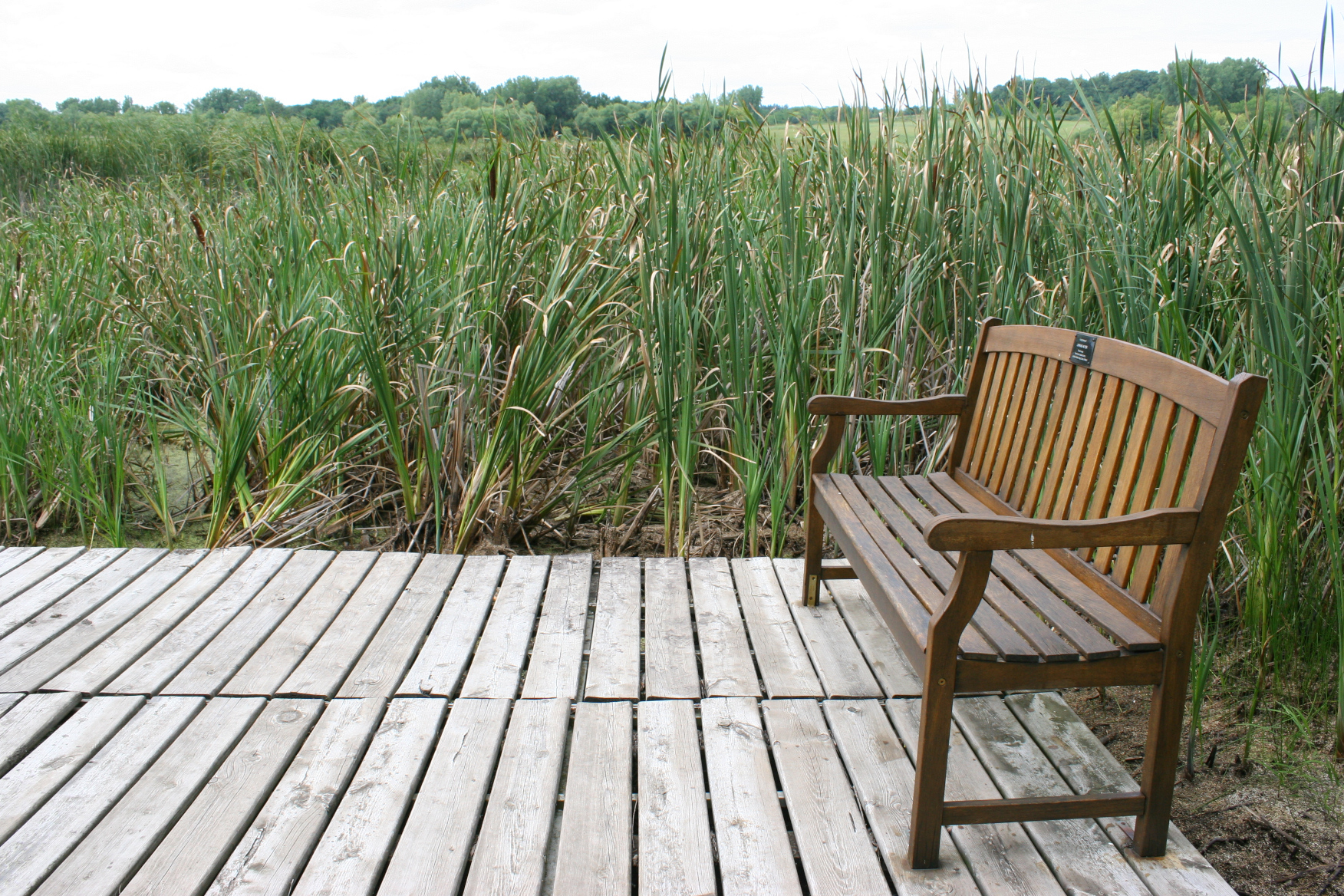
A viewing and resting spot by the prairie wetlands, now drying up due to the drought. Minnesota Prairie Roots copyrighted photo 2021.
In this 743-acre natural space, I can immerse myself in a diverse landscape of woods, prairie and wetland. Each setting provides not only a sensory change from the noise and motion of living along a busy street, but also a much-needed mental break.
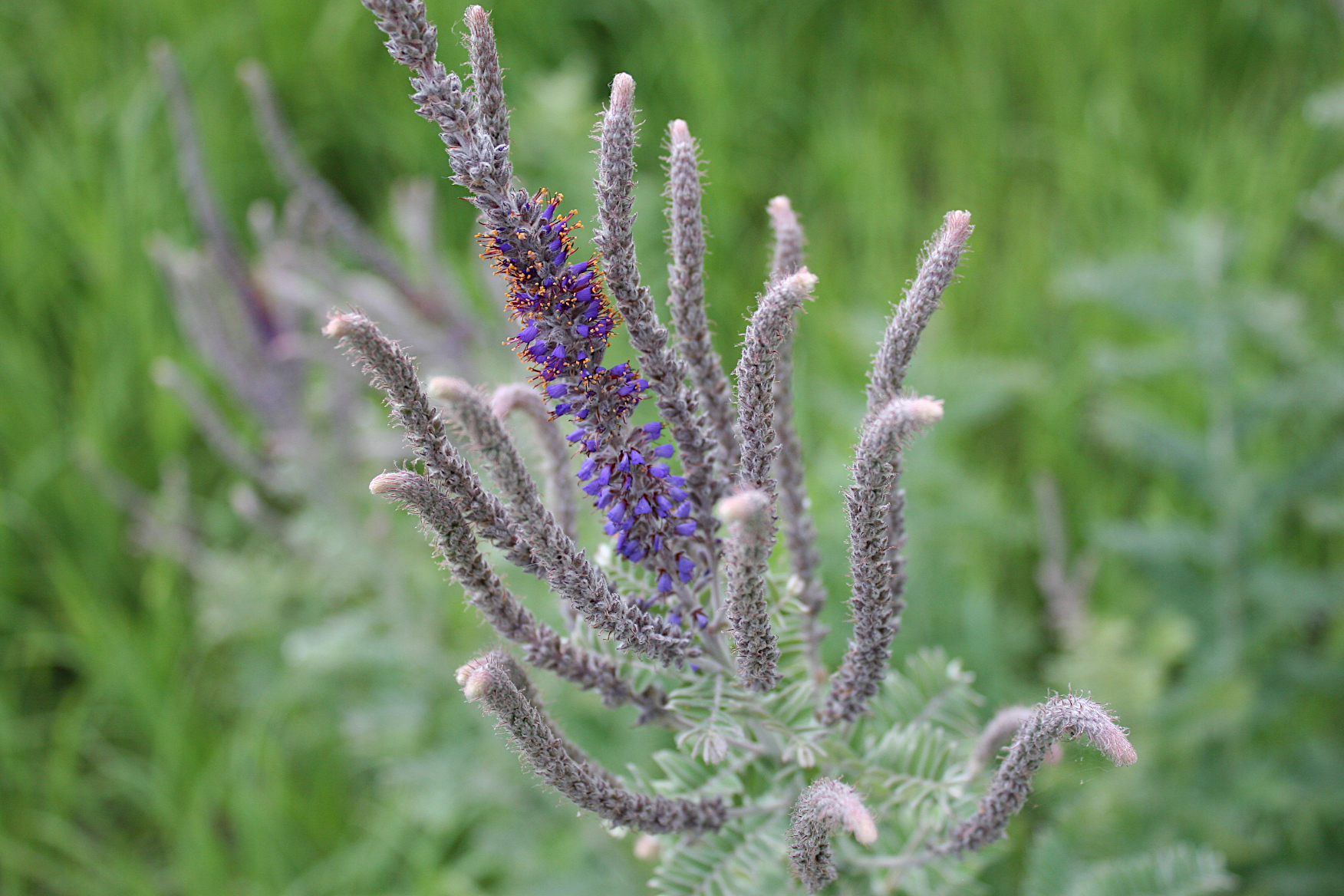
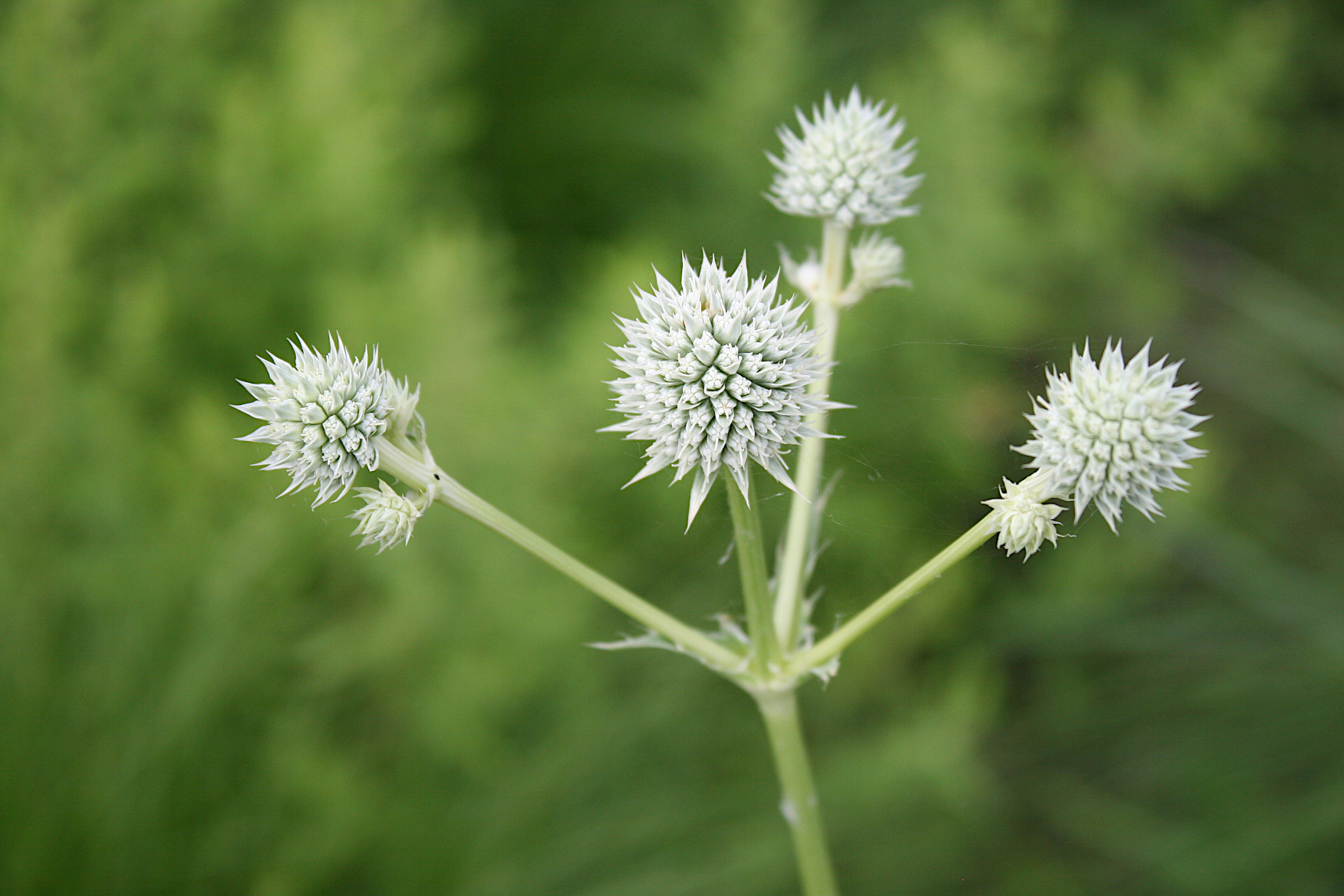
An unknown to me prairie plant. Minnesota Prairie Roots copyrighted photo 2021.
When I’m at River Bend, I forget about what’s happening in my life or the world. Rather, I focus on being present in nature. Listening. Observing. Connecting.
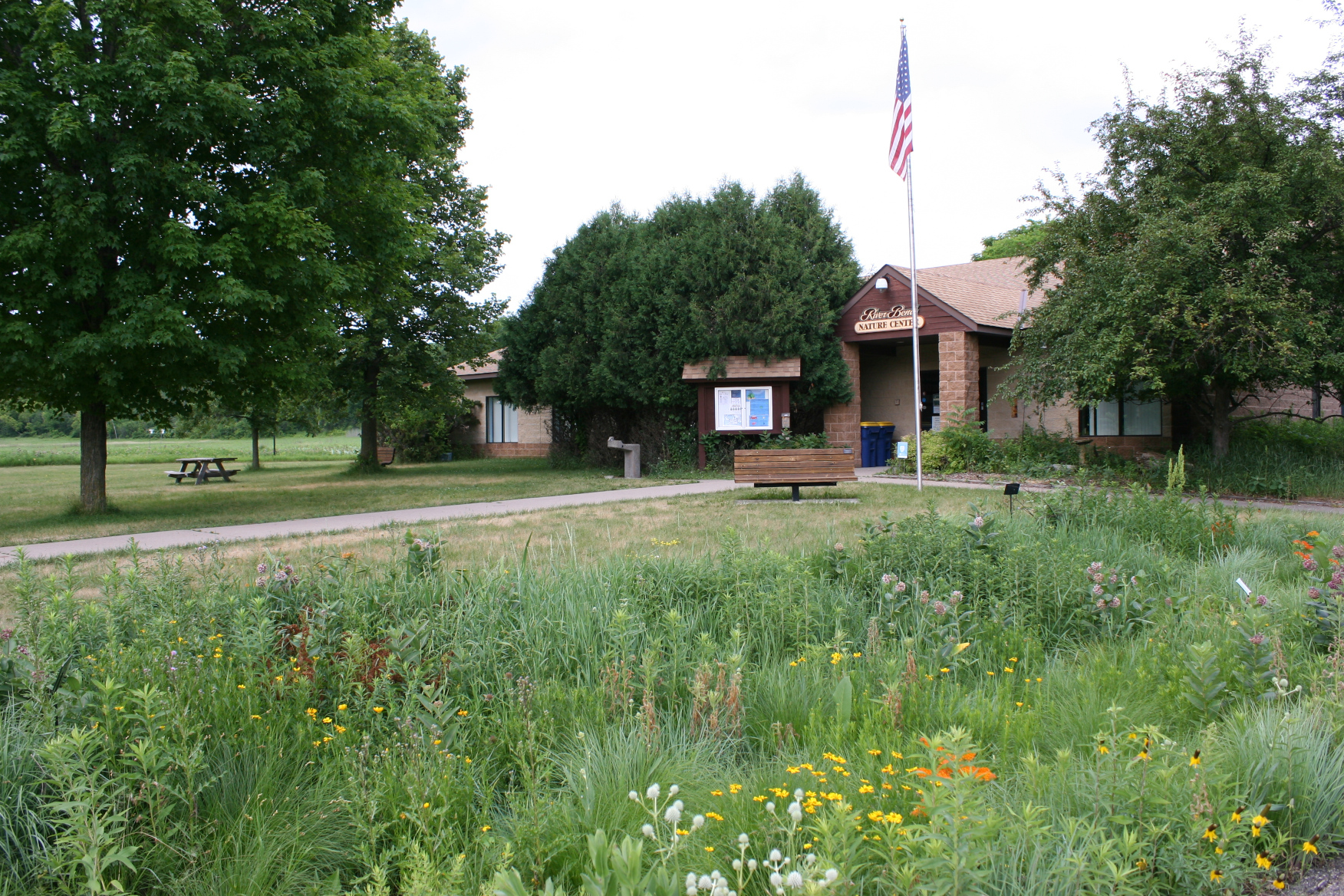
Rain gardens front the RBNC interpretative center. Minnesota Prairie Roots copyrighted photo 2021.
That word, connecting, fits River Bend, which emphasizes its purpose as helping connect people to outdoor education, recreation and natural resource conservation close to home.
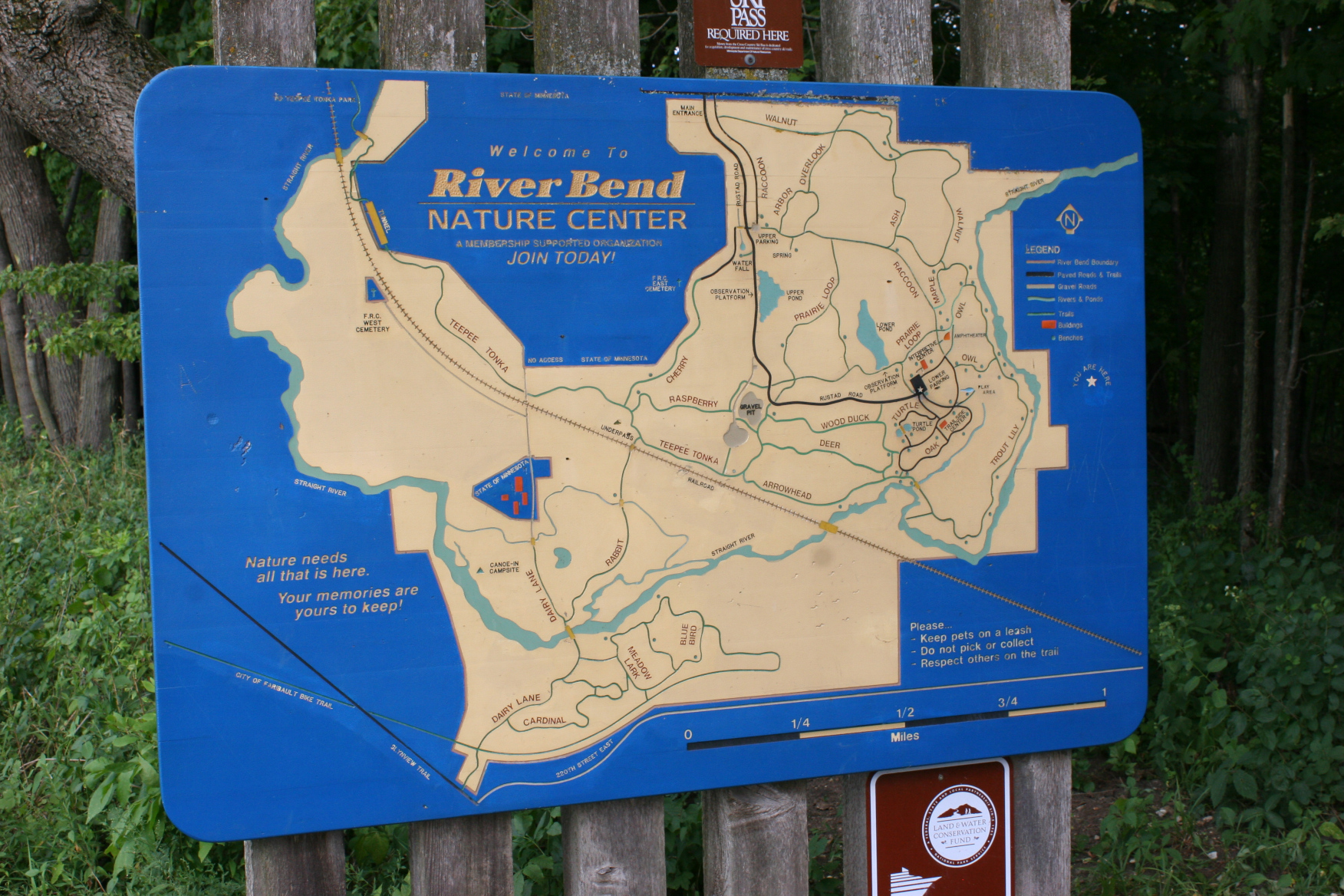
River Bend has an extensive trail system, some paved, some not. Minnesota Prairie Roots copyrighted photo 2021.
My own children, while growing up and attending school in Faribault, went on many field trips to River Bend. I remember also one winter evening when our then-young son delighted in a star-gazing event, complete with telescopes, on prairie’s edge. Today I occasionally take my grandchildren to walk RBNC’s trails. Randy and I also hike the paths.
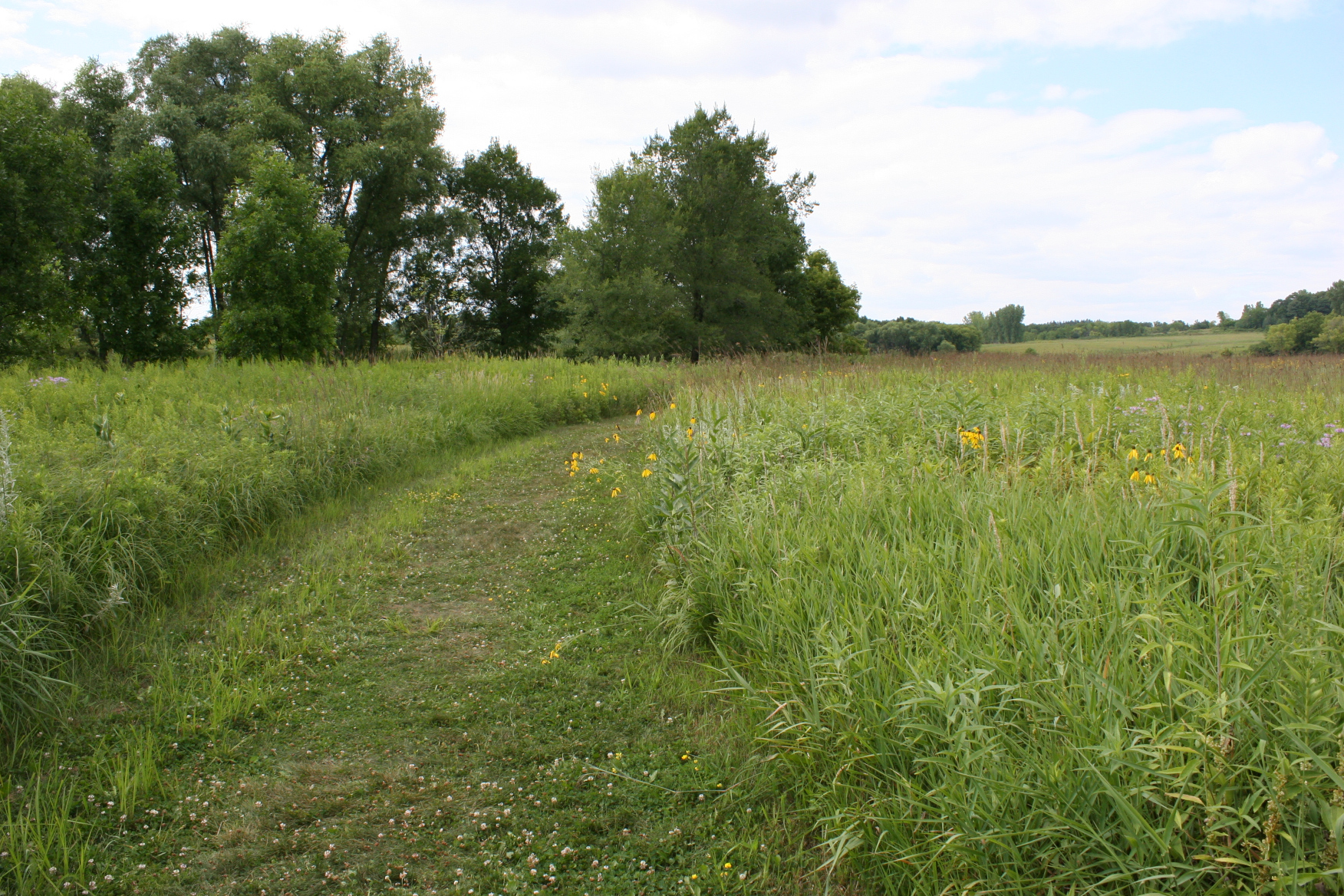
A prairie path. Minnesota Prairie Roots copyrighted photo 2021.
Perhaps my favorite part of this spacious nature center is the prairie. It reconnects me with my prairie roots. With southwestern Minnesota, the land of open spaces and spacious skies. I love to walk through the path sliced into the prairie at River Bend. The path edged by tall prairie grasses and wildflowers. The path where I can pause to take in the vast sky with no trees blocking my view. I need to visually breathe.
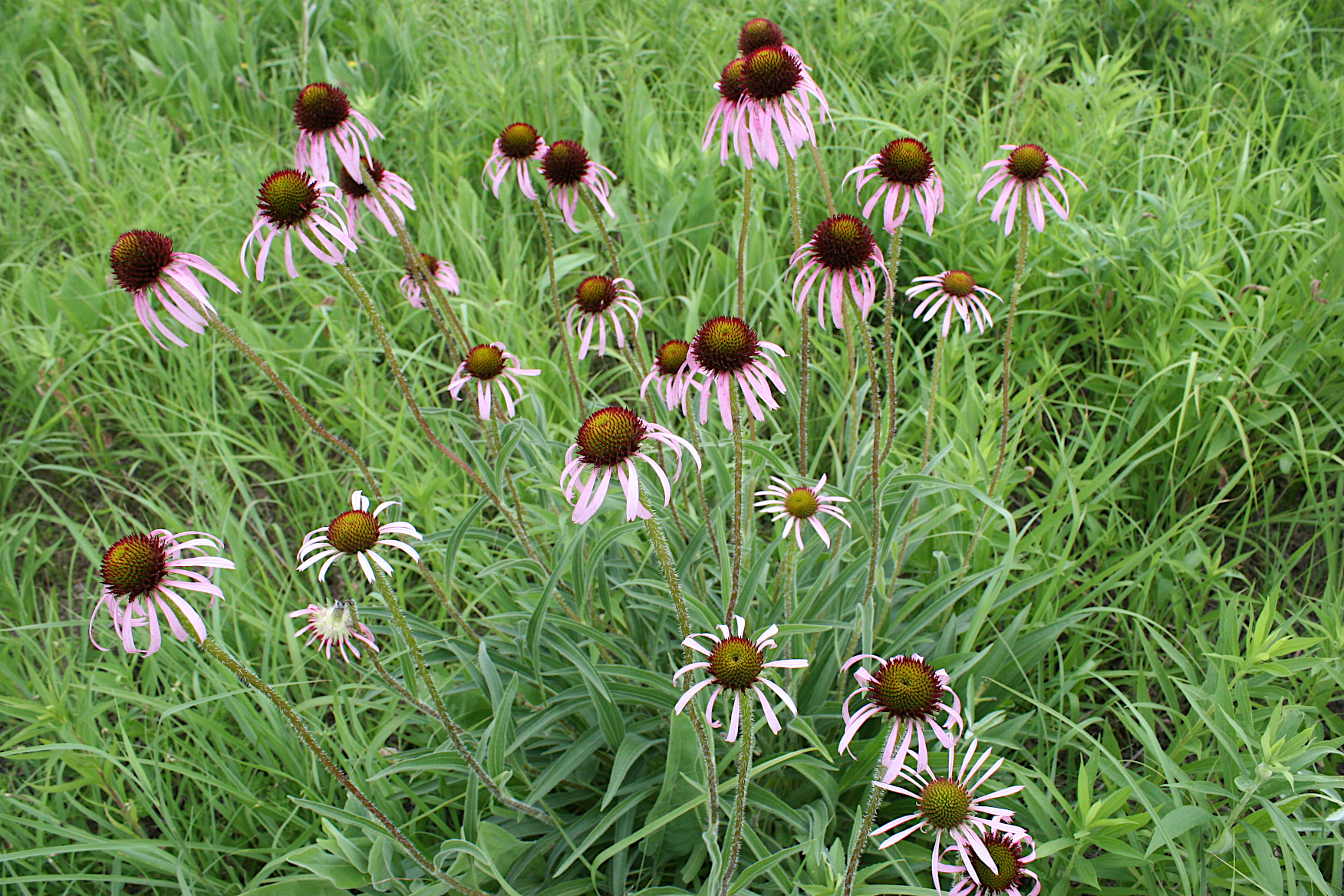
Coneflowers, one of my favorite prairie flowers. Minnesota Prairie Roots copyrighted photo 2021.
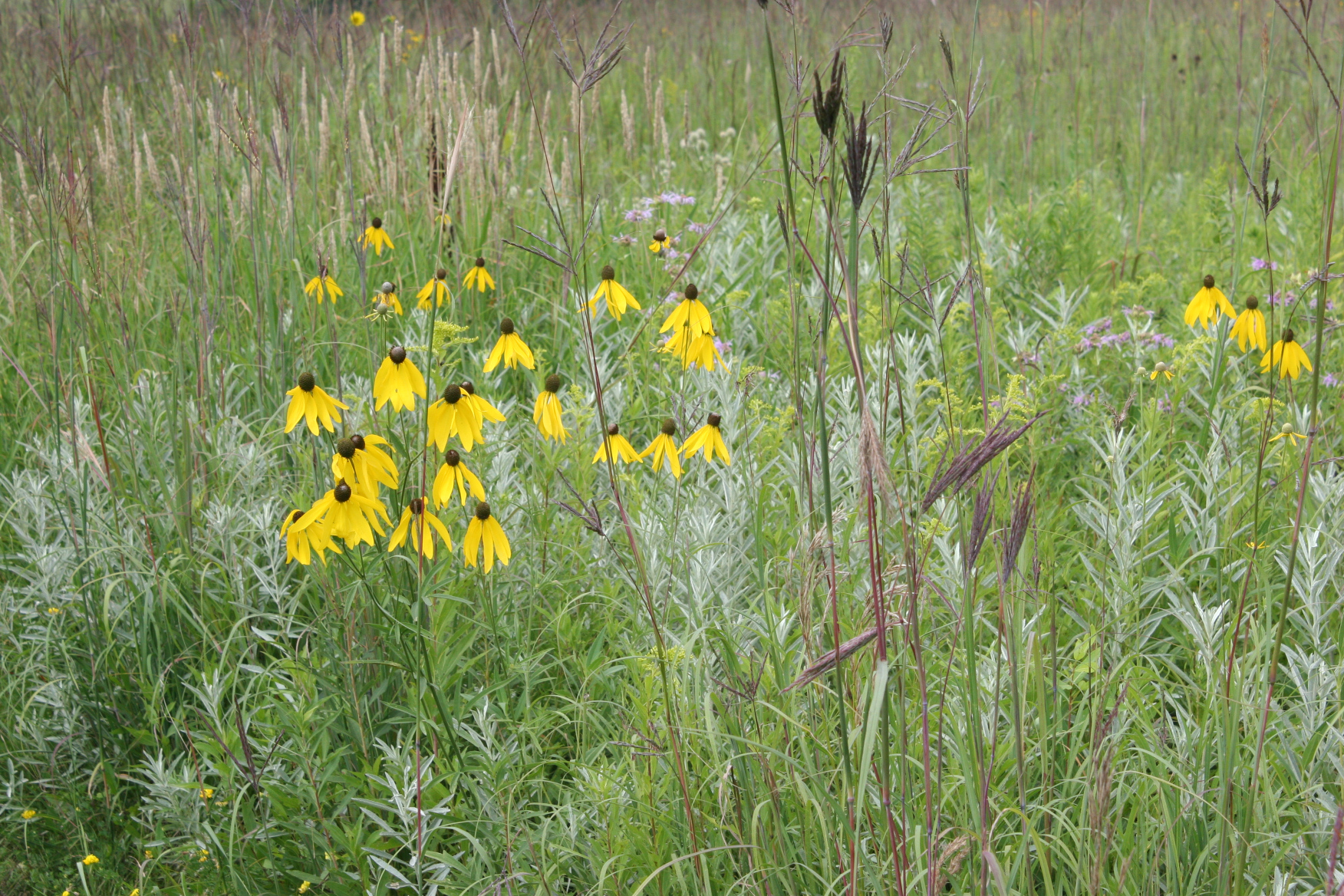
Wildflowers and grasses mix on the prairie. Minnesota Prairie Roots copyrighted photo 2021.
On my most recent visits, the prairie has focused my attention. Specifically the wildflowers—those interspersed among the grass and those planted in the rain garden near the interpretative center. While fading, the flowers remain an integral part of the prairie eco-system as they form seeds and then grow and/or re-sprout in the spring.
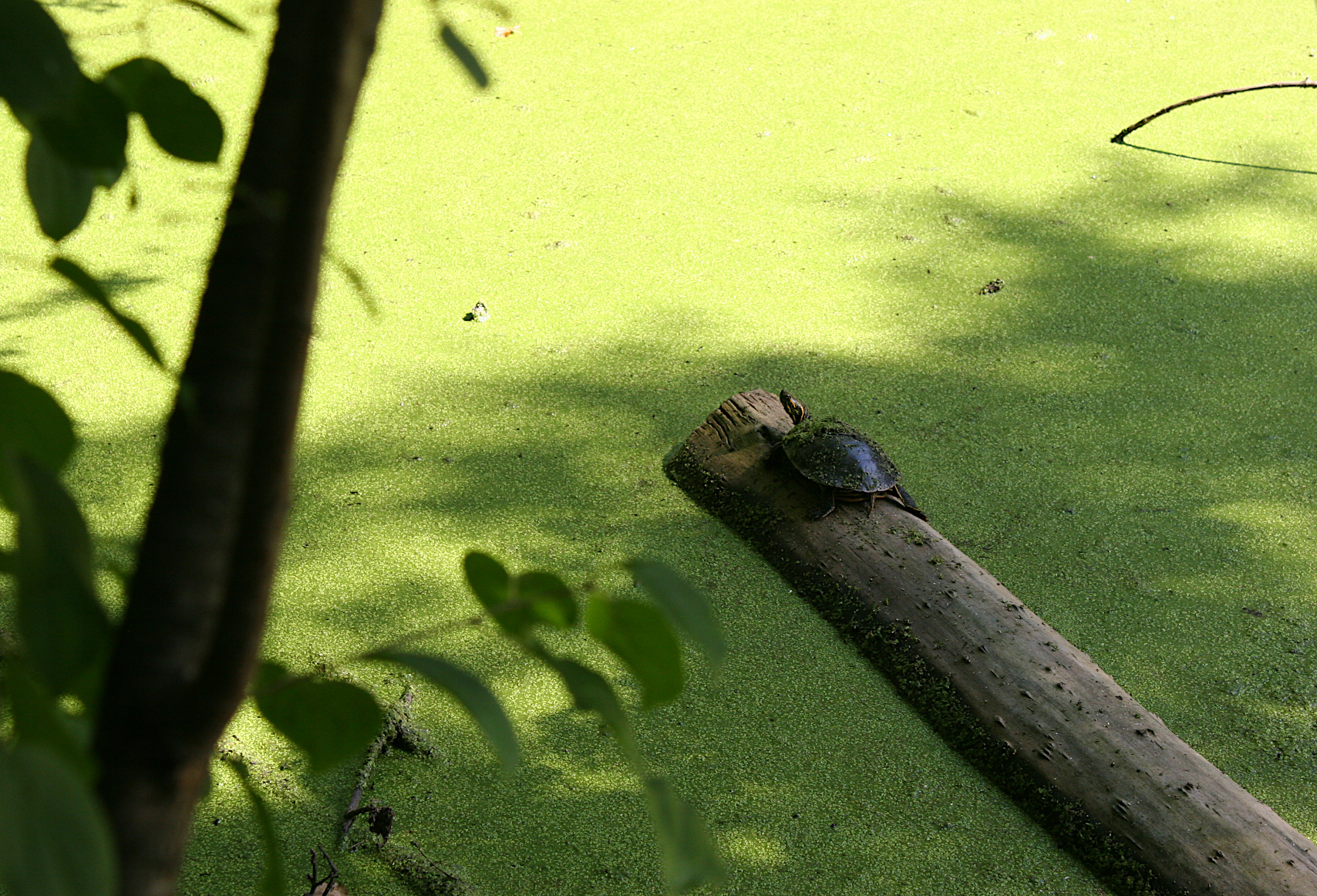
A lone turtle suns itself on a log. Minnesota Prairie Roots copyrighted photo 2021.
I also spent time in the nearby woods, stopping at the Turtle Pond to photograph turtles sunning on logs. They delight me and generations of kids, including mine, fascinated by those lazing turtles.
River Bend holds generational appeal. I’ve seen young families pushing babies in strollers, teens driving remote-controlled vehicles on limestone shelves, older couples like us walking, and much more.
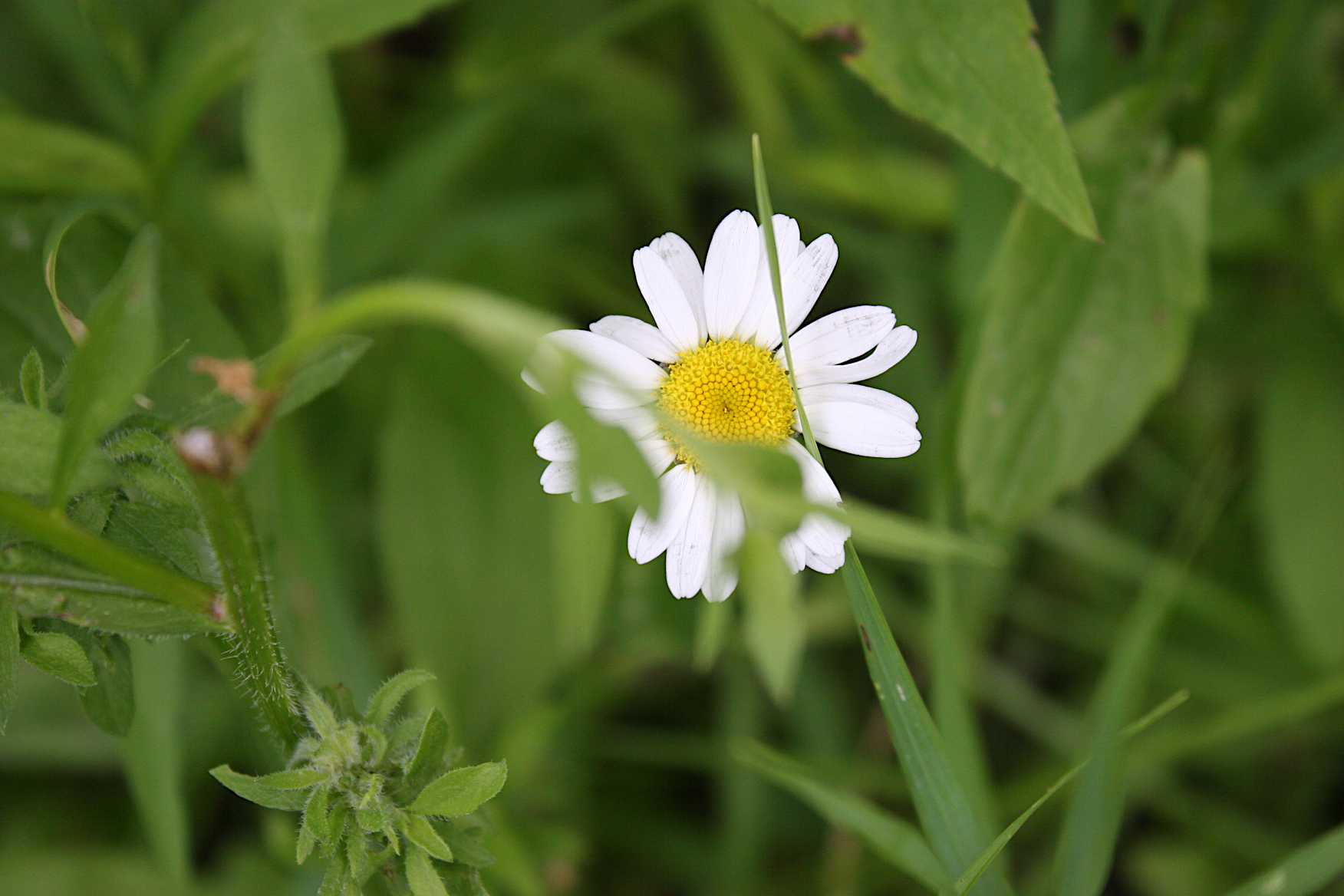
A lone daisy blooms among the prairie grass. Minnesota Prairie Roots copyrighted photo 2021.
Next week, August 16-20, River Bend focuses on its annual Ramble fundraising campaign. As a nonprofit, RBNC relies on fundraising, donations and memberships to keep the center open and operating. For more information about the Ramble, visit the RCNC website.
TELL ME: Where’s your favorite place to escape into nature near your home?
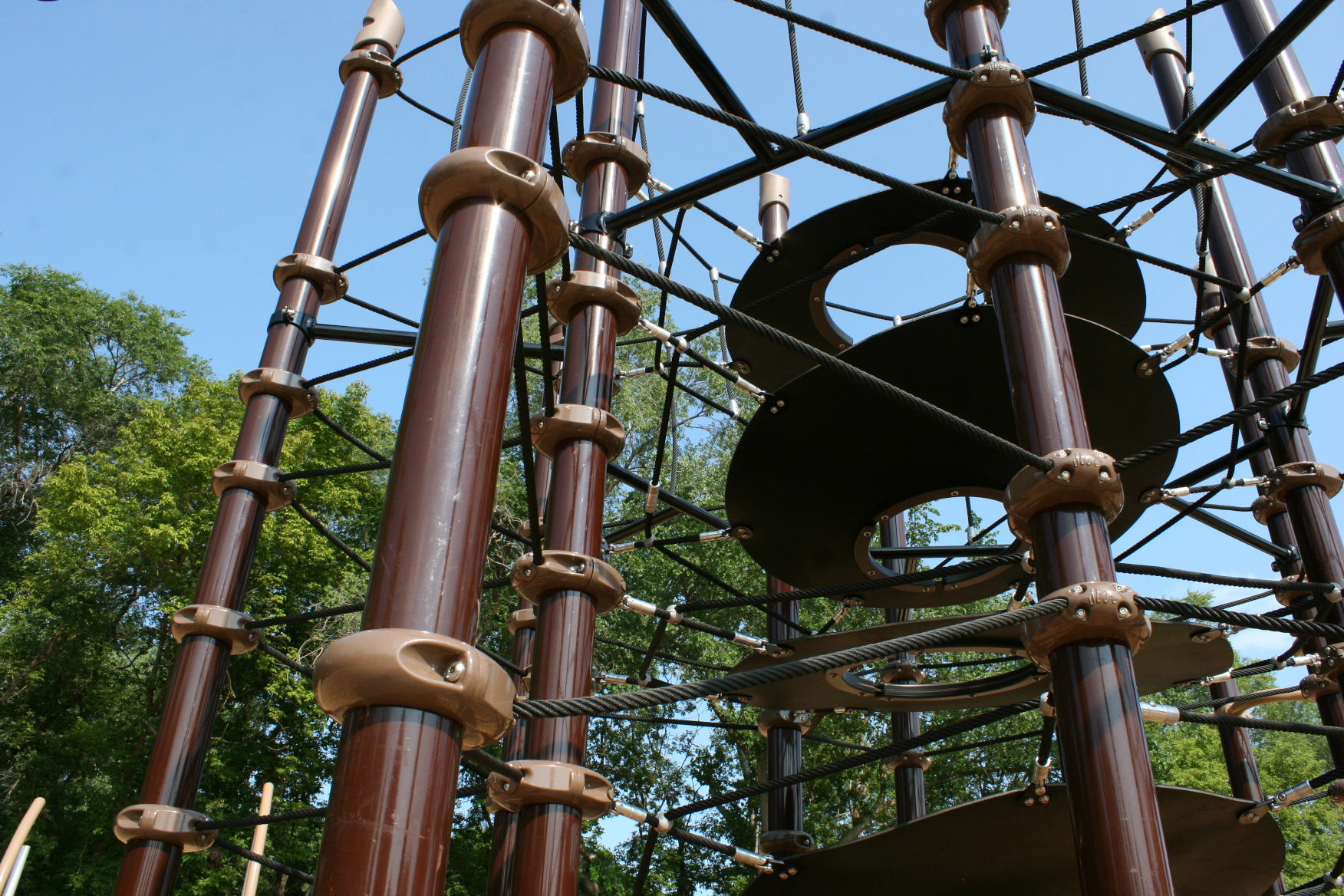
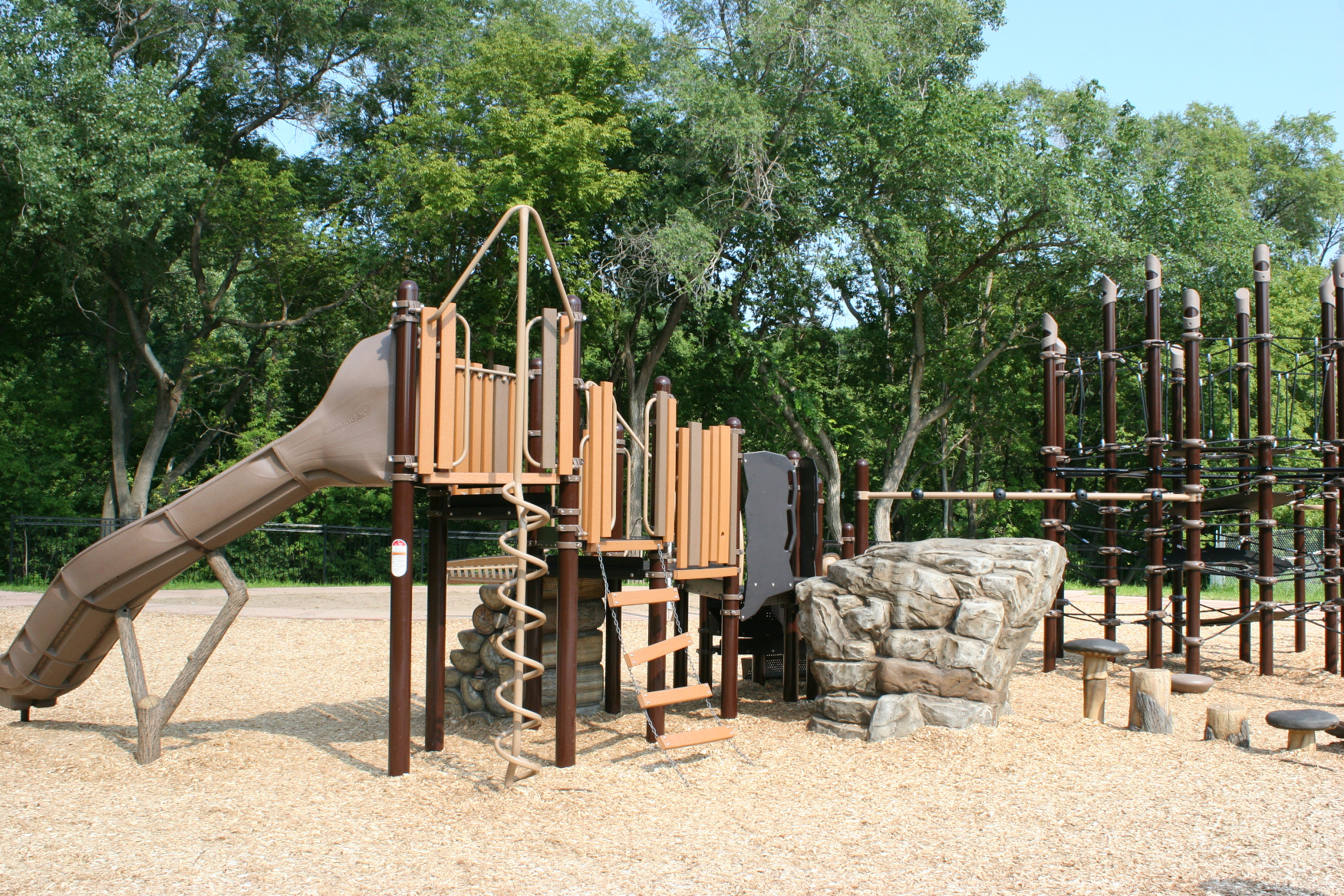
Creative climbing apparatus at Faribault’s newest park, Fleckenstein Bluffs. Minnesota Prairie Roots copyrighted photo.
AS A GRANDMOTHER OF TWO, ages 2 ½ and 5 who sometimes spend the weekend with Randy and me, I’m appreciative of public playground equipment. The City of Faribault is doing a great job of installing/updating playground equipment and other amenities in our city parks. Our park system is growing as our community grows and our needs change.
A paved recreational path, part of the city trail system, runs right next to the park. Minnesota Prairie Roots copyrighted photo.
Among the newest of parks is Fleckenstein Bluffs Park, located near downtown (First Avenue NE) and along the Straight River. Next door sits an under-construction apartment complex. A riverside recreational trail runs nearby. This park is sure to be well-used, especially once a picnic shelter, canoe launch site and river overlook are in place.
Just waiting for kids to discover, hidden animals. Minnesota Prairie Roots copyrighted photo 2021.
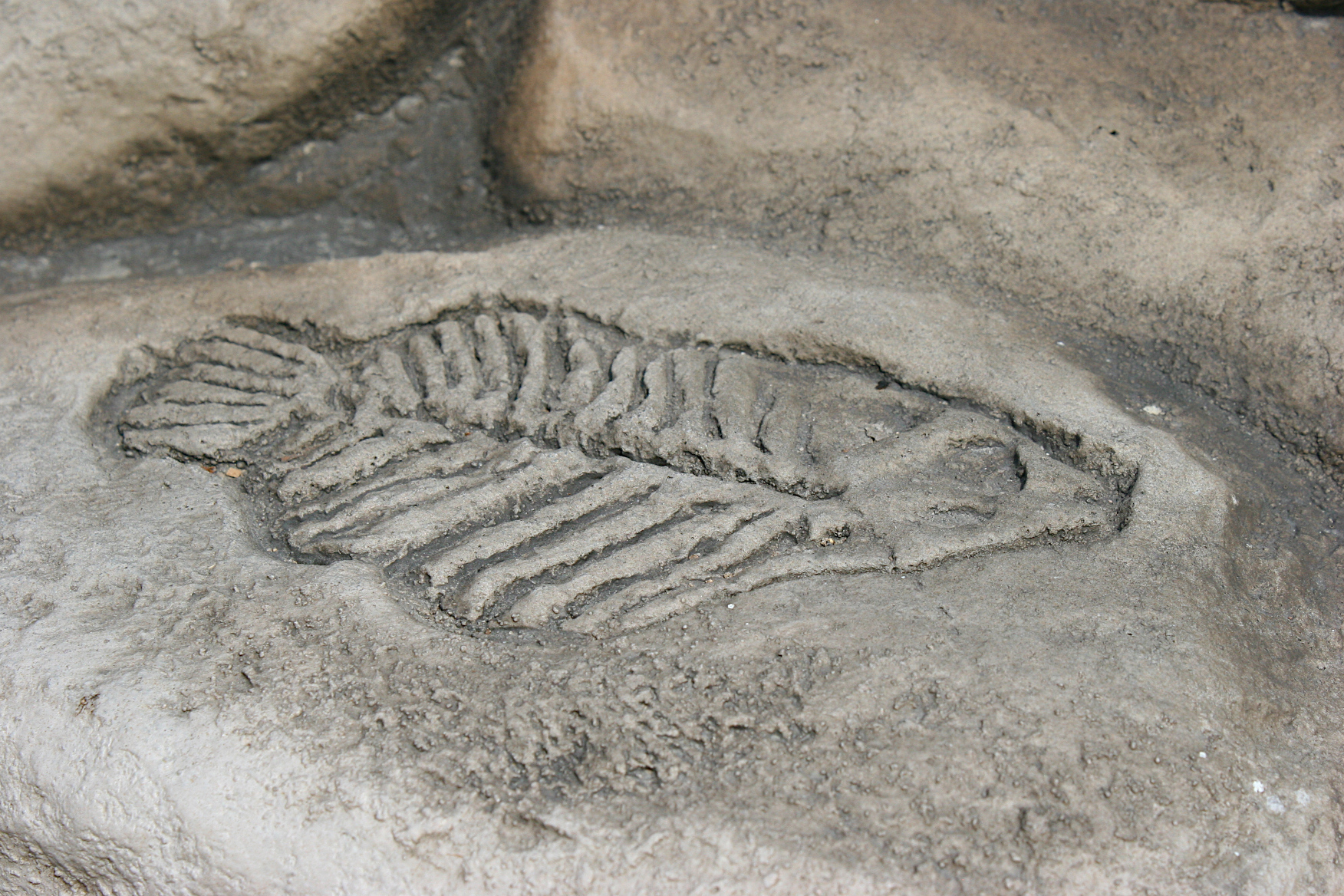
Fossils are imprinted in the “stone” too. Minnesota Prairie Roots copyrighted photo.
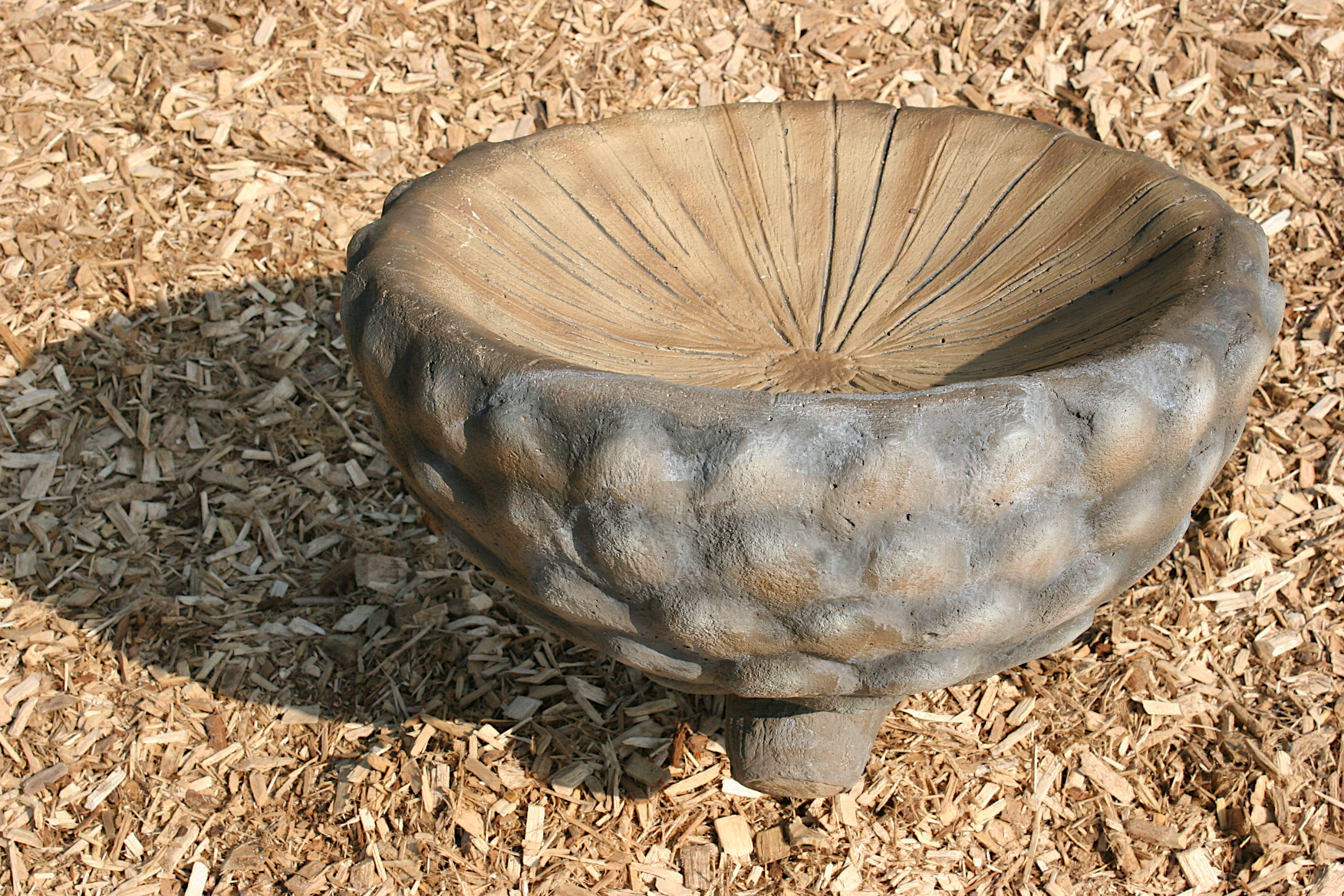
Love these acorn cap seats. Minnesota Prairie Roots copyrighted photo.
Recently, I stopped at the park to check out the nature-themed playground equipment. The closer I looked, the more I discovered—like animals and fossils hidden in the mini rock climbing walls and stacked logs, the acorn caps, the replica branch supports, the toadstool and stump stepping points, and much more. What a creative way to incorporate nature in to play. I expect my grandchildren will delight in finding a chipmunk, for example, among the logs.
Kids can make music at Fleckenstein Bluffs. Minnesota Prairie Roots copyrighted photo.
Opportunities to create music on an over-sized xylophone also impress me.
The natured-themed playground equipment at Fleckenstein Bluffs Park. Minnesota Prairie Roots copyrighted photo.
I appreciate, too, that this playground is subdued in brown hues, fitting into the natural environment rather than splashing bold colors. This spot, after all, highlights the river, the woods, the backdrop bluffs. Nearby, the Fleckenstein Brewery once stood—thus the park name.
Meadows Park on Faribault’s east side. Minnesota Prairie Roots copyrighted photo.
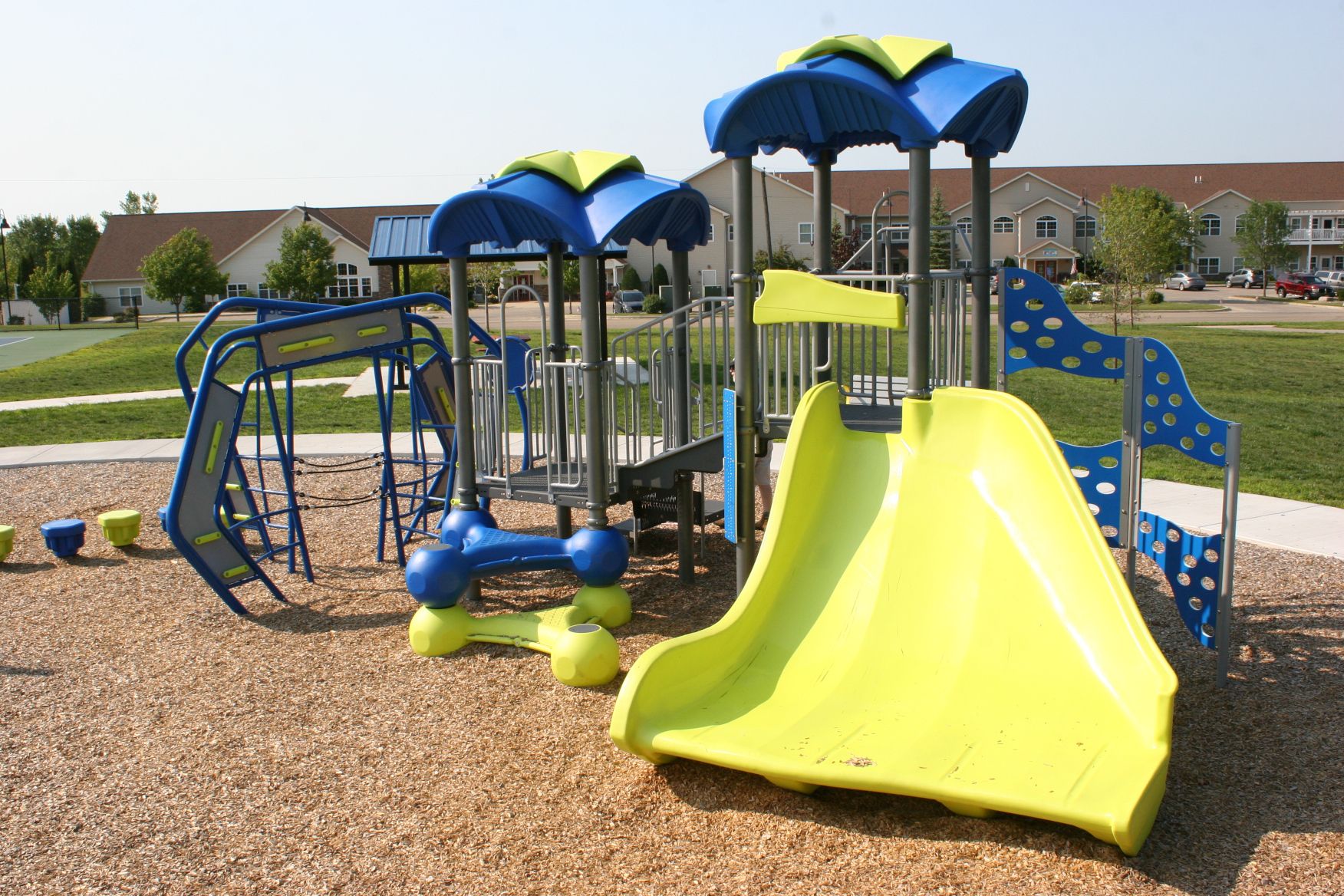
Across the river on the east side of town, another new park offers diverse playground equipment. My friend Brenda, who lived in Faribault until moving to Connecticut with her family, tipped me off to Meadows Park during a summer visit. Her daughter, Lyla, played with friends at this park along 14th Street NE across from Milestone Senior Living Faribault.
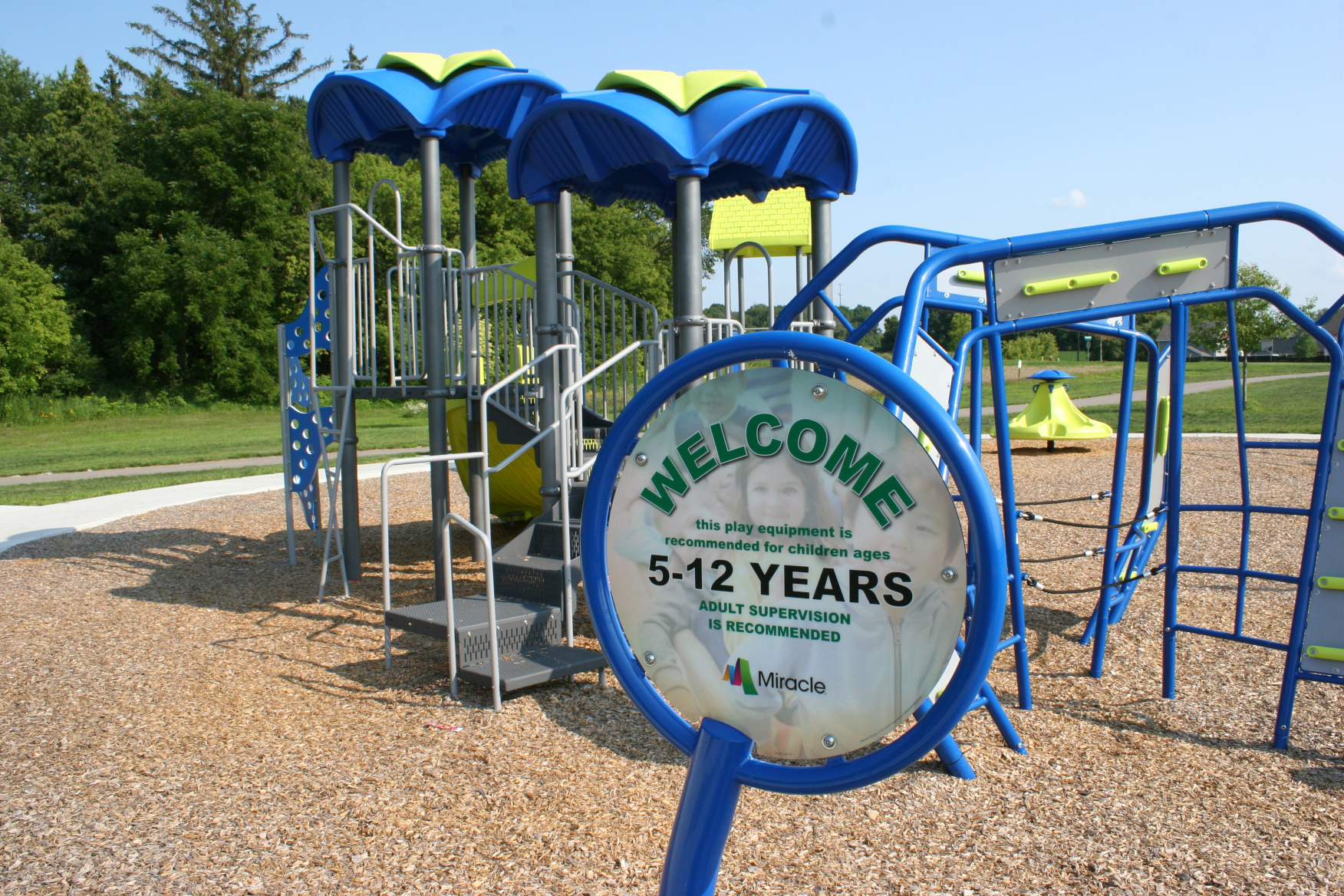
I appreciate that the playground equipment is labeled by age appropriateness. Minnesota Prairie Roots copyrighted photo.
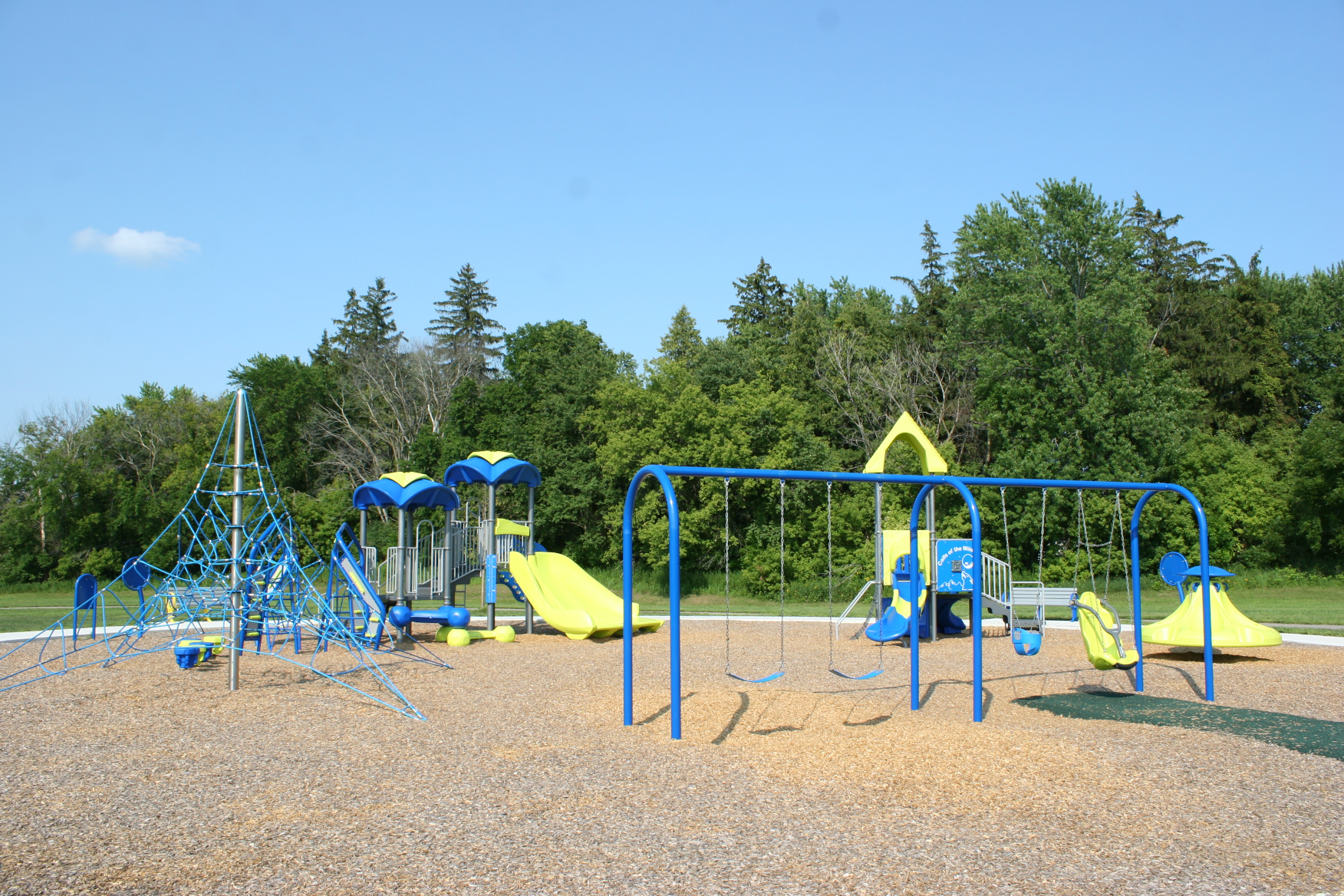
I appreciate Brenda’s recommendation as this will be a good play space for my grandchildren, especially given their age differences. The park offers distinct play areas marked for specific ages—one for ages 2-5 and another for ages 5-12. I don’t always feel comfortable with Isaac playing on the same equipment as his big sister, Isabelle. So this arrangement is ideal.
Up close playground details. Minnesota Prairie Roots copyrighted photo.
And, if I ever decide to pick up pickleball, Meadows Park also has courts.
Age labeled at Meadows Park. Minnesota Prairie Roots copyrighted photo.
Likewise, Windsor Park in south Faribault offers pickleball courts and playground equipment sized to various ages. I liked what I saw from a distance, although I didn’t stop to investigate close-up.
“Call of the Wild” details at Meadows Park. Minnesota Prairie Roots copyrighted photo.
And just up the hill from my home, the city recently installed a basketball court in Wapacuta Park. It was much-needed and is already well-used. In the evening, especially, I hear young people playing basketball, their voices drifting over and down the wooded hillside. I smile thinking of these teens bouncing balls and shooting hoops outdoors rather than locked inside staring at screens. Years ago this park housed basketball and tennis courts, which, for whatever reason, were removed. I’m thankful the tall metal slide that our daughters climbed is gone and replaced with safer playground equipment. The grandkids enjoy Wapacuta, too.
An overview of the Meadows Park playground. Minnesota Prairie Roots copyrighted photo.
Finally, I’m especially excited about another planned park, this one in a green space under and around our historic viaduct. The park, as yet unnamed, will be in a highly-visible location along Minnesota State Highway 60 and just a block from Central Avenue (the main street through our historic downtown). So many possibilities and opportunities exist to make this a community gathering spot. A place for the arts. For enjoying the outdoors. For recreation. For showcasing Faribault.
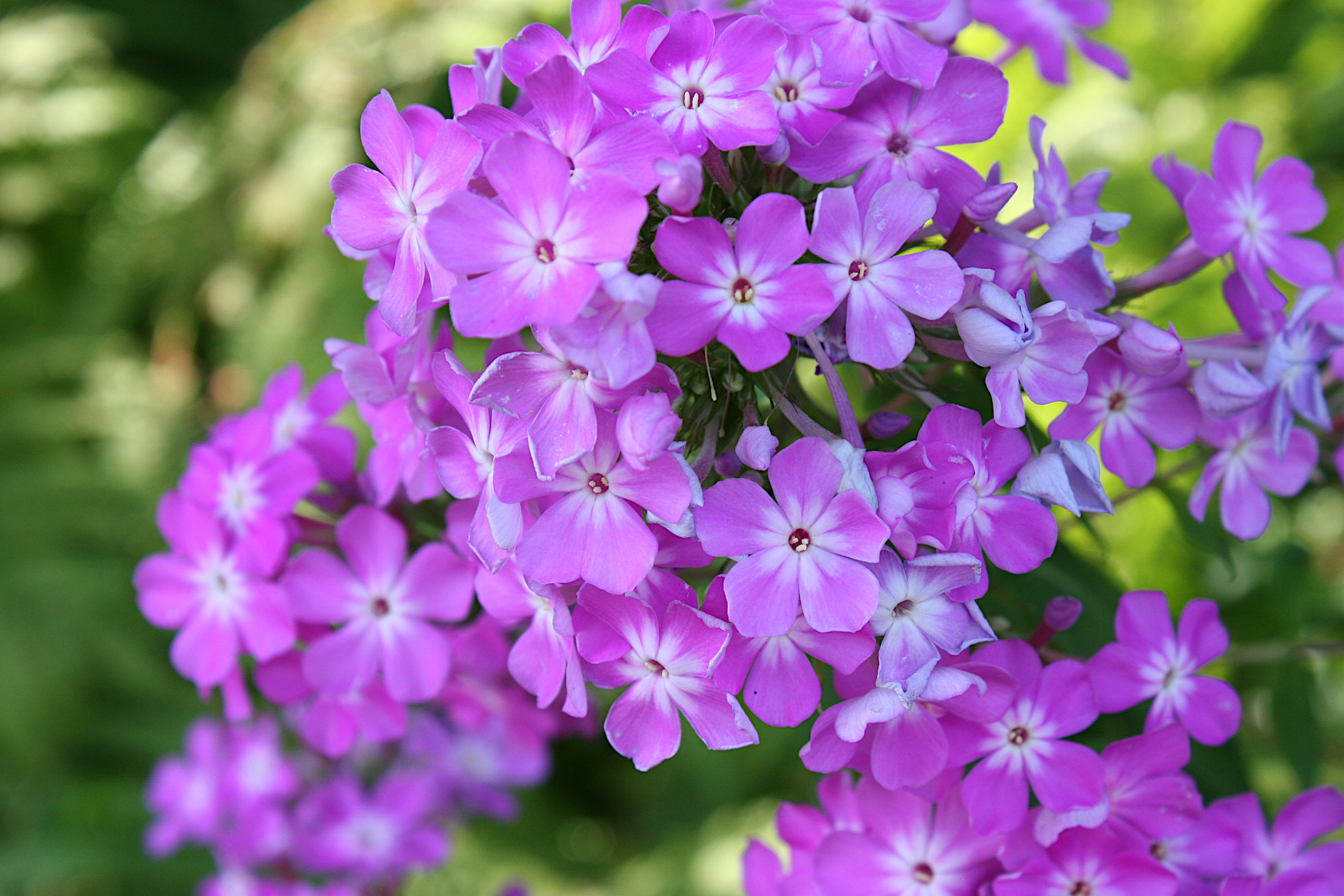
PHLOX IN VIBRANT SHADES of purple and pink, interspersed with occasional white blossoms, fill my flowerbeds. They thrive, their fragrance scenting the air that drifts through my office window.
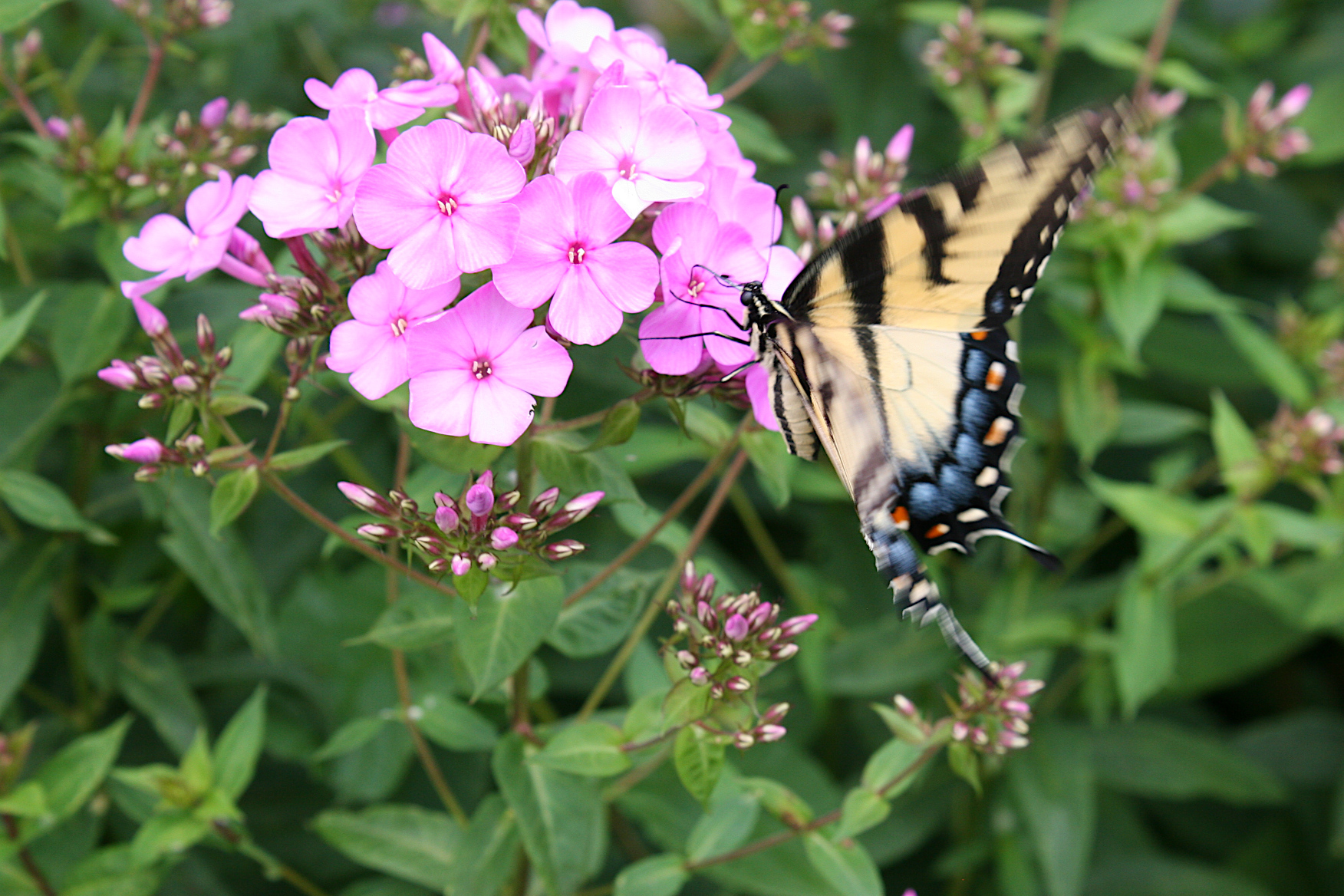
A yellow swallowtail butterfly. Minnesota Prairie Roots copyrighted photo 2021.
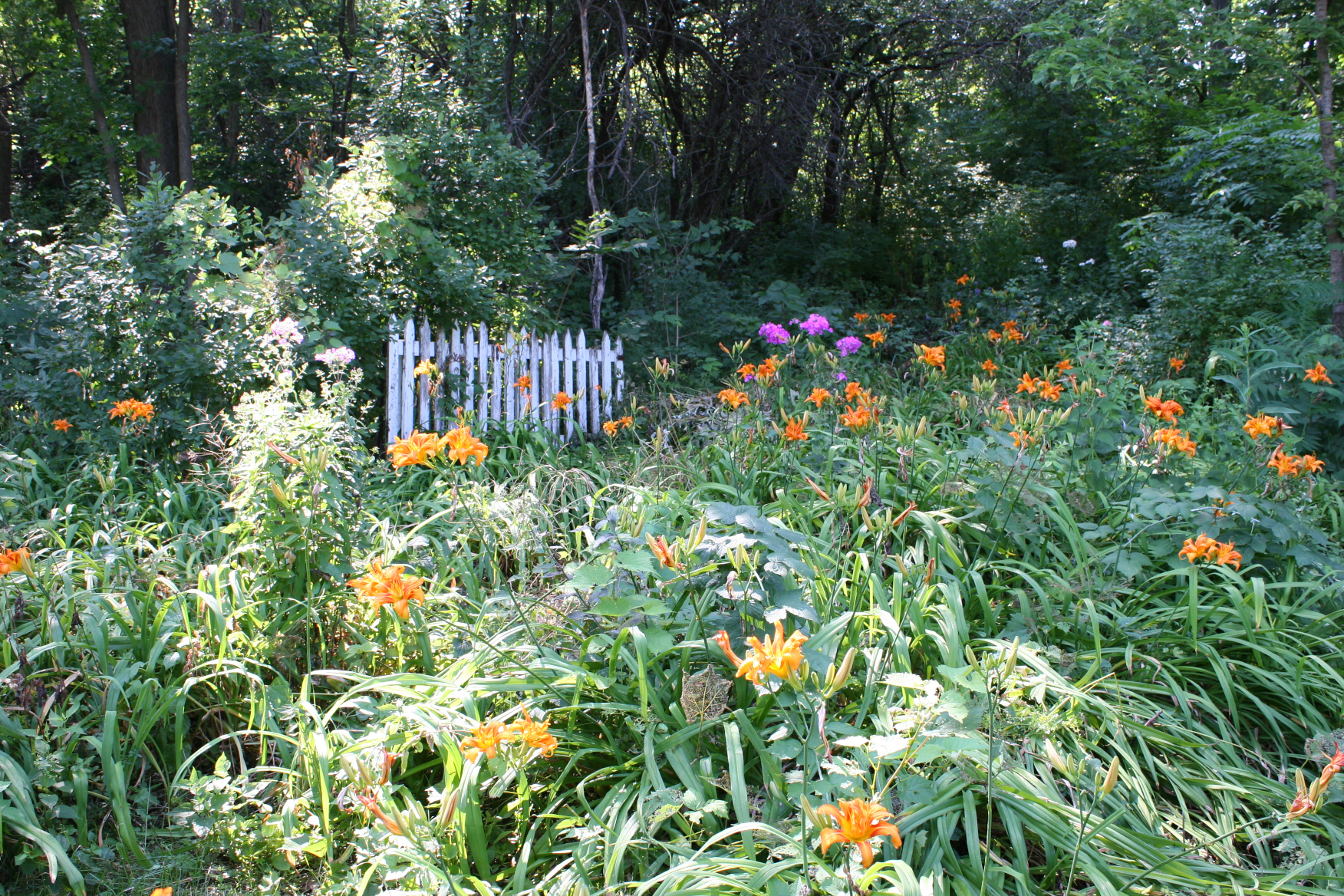
Occasionally I spot butterflies flitting among the phlox, random milkweeds, wild orange tiger lilies, ferns and other unidentified plants growing in a tangled mess of wildness. I love watching them—the monarchs and the swallowtails—their wings flapping with such incredible grace. They swoop and dip and pause. As if dancing. As if performing. As if penning poetry.
A mess of flowers grow on a hillside next to woods in our backyard. Minnesota Prairie Roots copyrighted photo 2021.
Moments like this imprint upon me the importance of pausing to appreciate the beauty of nature. The details of a flower petal. The curve of a butterfly wing. The bend of a milkweed pod.
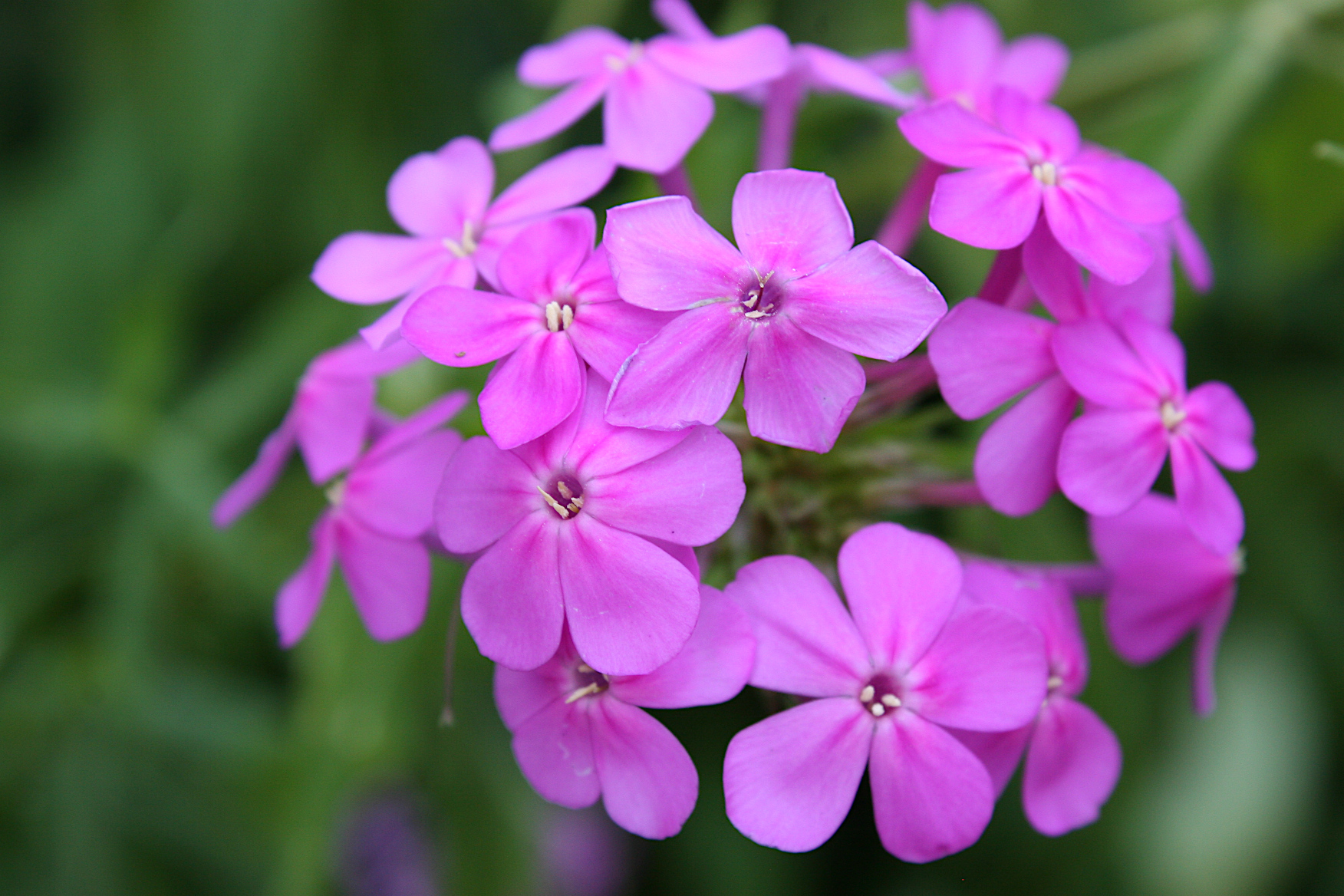
Phlox up close. Minnesota Prairie Roots copyrighted photo 2021.
Now, more than ever, I need this connection to nature, these moments to reset. To see that, even as a pandemic rages, flowers still bloom and butterflies still fly.
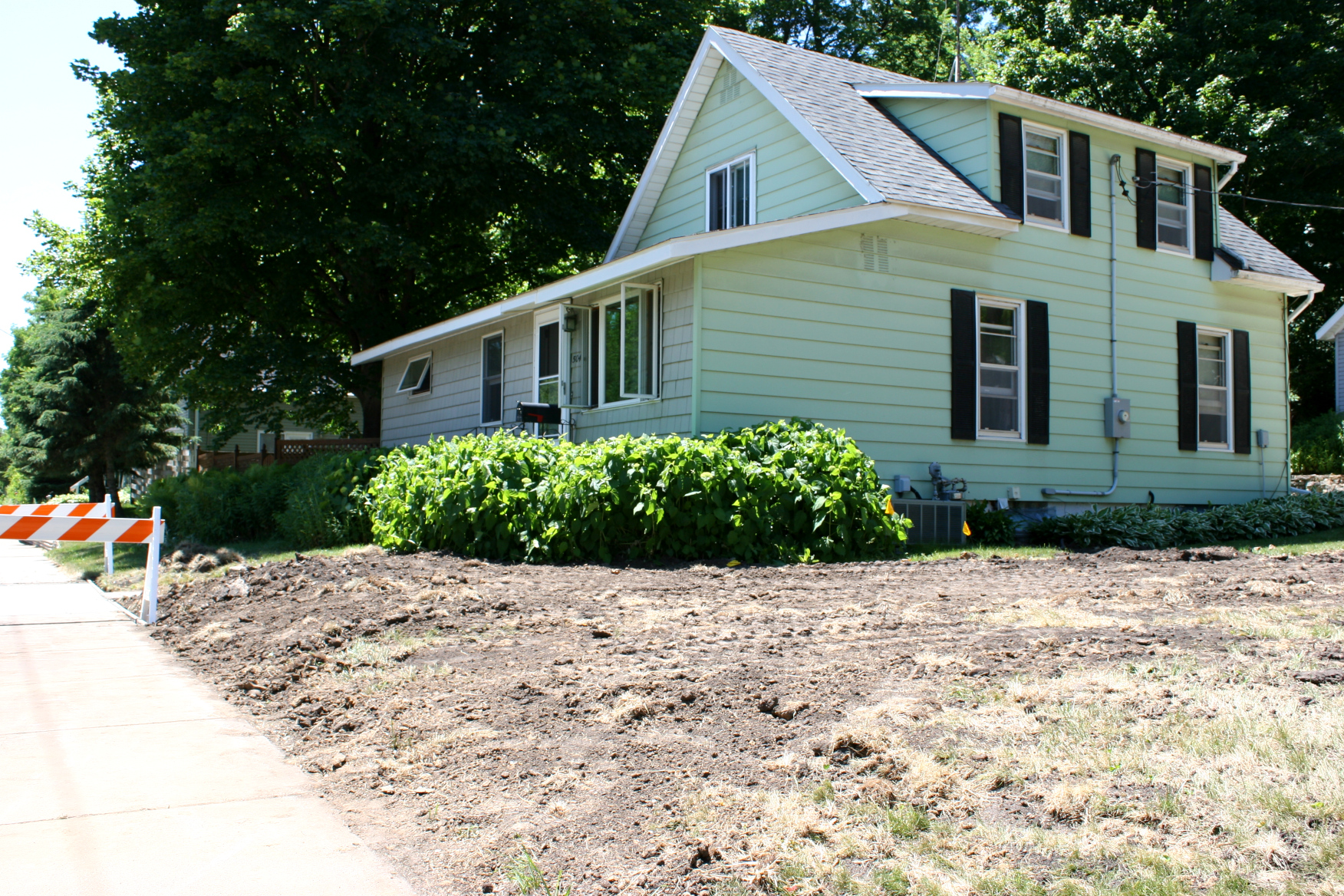
Our side yard, dug up during water line replacement and before it was overgrown with mostly invasive crabgrass. Minnesota Prairie Roots file photo June 2021.
AS I WRITE THIS EARLY WEDNESDAY afternoon, the civil defense siren blares. There’s no emergency, just a monthly routine testing of the system.
This time of day, after lunch, my energy dips. The wail of the siren interrupted my dozing off in the recliner while reading a book. It’s not often I fall asleep during the day, which is revealing in itself. I am tired because I’m not sleeping well. Lots on my mind. I tend to overthink. To ruminate. Uncertainty stresses me.
We’re all different personalities, different in the ways we handle whatever life throws at us. And that’s OK. Some of us are early risers, work best in the morning people while others are evening/night people. Nothing right or wrong about either. I’m up early, focusing on mental tasks in the morning.
Shortly I’m heading outside to pull crabgrass, a job I started last evening and which I found incredibly satisfying, even if labor intensive and sometimes difficult. To dislodge those strong roots from the soil and then toss the clump empowered me. I felt like I was ridding our yard of an unwanted invader. And I was.
Since the digging of our yard and replacement of a water line in June, the crabgrass has had plenty of time to take hold. I was happy just to see green again rather than bare earth as we await the right time to sod or seed in this drought. Randy informed me that the crabgrass needs to go. He wants to use chemicals. I don’t. Thus I am willing to pull weeds, although, in the end, he may still need to apply a weedkiller.
This isn’t about who’s right and who’s wrong, but about eventually solving a problem. About different approaches. About trying and evaluating. And, for me, about satisfaction that comes from doing something with my hands. Touching the soil. Reconnecting with the land. Remembering all the summers I pulled weeds from the family garden and cockleburrs and thistles from my dad’s soybean fields. We didn’t use chemicals back then to eradicate weeds.
But farming has changed. The world has changed. Life has changed. Yet, the satisfaction of pulling weeds by hand has not changed. Not for me.
ON PAGES 444 and 445 of my 2003 Webster’s New World Thesaurus, I read synonyms for the word together. (Jointly) collectively, unitedly, commonly…
Clearly, together means everyone working toward a common goal/purpose for the good of all.
Many times people have come together, especially during disasters, to help others. I recall when my second daughter traveled twice to New Orleans to help with clean-up after Hurricane Katrina. Recently, rescuers worked tirelessly to find victims and survivors following the collapse of a condo in Surfside, Florida. Locally, folks are providing financial support for a professional juggler who broke both wrists after falling from a ladder during a performance.
These examples of togetherness, rooted in genuine care for others, encourage me. They give me hope. They uplift me.
Together and togetherness as defined in the Fourth Edition of Webster’s New World College Dictionary. Minnesota Prairie Roots photo.
DISHEARTENED & FRUSTRATED
As I reflect further, though, I grow disheartened. Disheartened because, as much as the “We’re all in this together” motto defines many official/marketing statements about COVID-19, I don’t feel it. I don’t see it. I don’t experience it. Perhaps it’s time for public health officials and others to ditch the word together as it relates to this global pandemic.
Like many, I feel such frustration that COVID is now back full force in the much more contagious and deadly delta variant. This didn’t need to happen…if only people would get vaccinated. I’m thankful to read that vaccination rates are rising. I hope that continues.
Now some retailers, colleges, entertainment venues and more in Minnesota are embracing those CDC guidelines and reinstating masking. For that I feel great gratitude.
My healthcare provider has also joined a growing number of providers requiring vaccination of all employees. Finally. I have never understood how anyone in the medical profession (and that includes those working in long-term care and assisted living) can, ethically or morally, continue to care for patients/residents while unvaccinated. And, looking at it from a patient perspective, I don’t want an unvaccinated nurse/doctor/lab tech/whoever near me, even if I am vaccinated.
One source for the definition of “together.” Minnesota Prairie Roots copyrighted photo 2021.
WHAT HAPPENED TO KEEPING STUDENTS SAFE?
That brings me to education. I really struggle with preschool-high schools that are not requiring students and staff to wear face masks going into the new school year. I fail to understand that thinking. Our public health officials tell us that masking is one very basic, and easy, way to help stop the spread of COVID. My concern focuses primarily on those under age 12, who can’t yet be vaccinated. Schools owe it to children, like my 5-year-old granddaughter, to implement the strongest health and safety protocols possible. Teachers fought last year for the best protection for themselves, and rightly so. Protecting our kids is equally as important.
When I hear people say, “Well, just keep your child home or send them to school in a mask,” I cringe. Most parents want their kids in the classroom. And putting the burden of protecting himself/herself on a young child seems pretty selfish and childish behavior on the part of adults. Most kids prefer to “fit it” with their peers. A parent may send their child to school with the directive to “wear your mask.” But we all know that doesn’t mean they will, especially if masking is optional and their classmates are mask-less.
Where’s the compassion, the care, the willingness to provide access to education for all in a safe school environment? It’s best, from a health and safety perspective, to require (rather than recommend) face masks in schools for everyone.
So, yeah, I’m not seeing much togetherness during this global pandemic. I’m disheartened. I’m disappointed. And, yes, I’m even angry. I feel like, just as we were making progress in ending the pandemic, we are now back to START, farther than ever from the FINISH LINE. I’m beyond frustrated. (Just like Minnesota Vikings head coach Mike Zimmer.)
That all said, we can decide, right now, to work together. to mask up, to get vaccinated, to make choices that protect ourselves and each other. To end this pandemic sooner rather than later.
NOTE: I welcome readers’ comments. However, if you are anti-vaccine or anti-mask, I will not give voice to those viewpoints on this, my personal blog. As always, with any posts, I screen/moderate comments and determine which I will, or won’t, publish.
Cuyuna City Hall. Minnesota Prairie Roots copyrighted photo July 2021.
During a recent cabin stay in the Brainerd lakes region, Randy and I routed through Cuyuna on our way to Crosby some four miles to the south. We often follow the road less traveled because doing so can lead to fascinating finds.
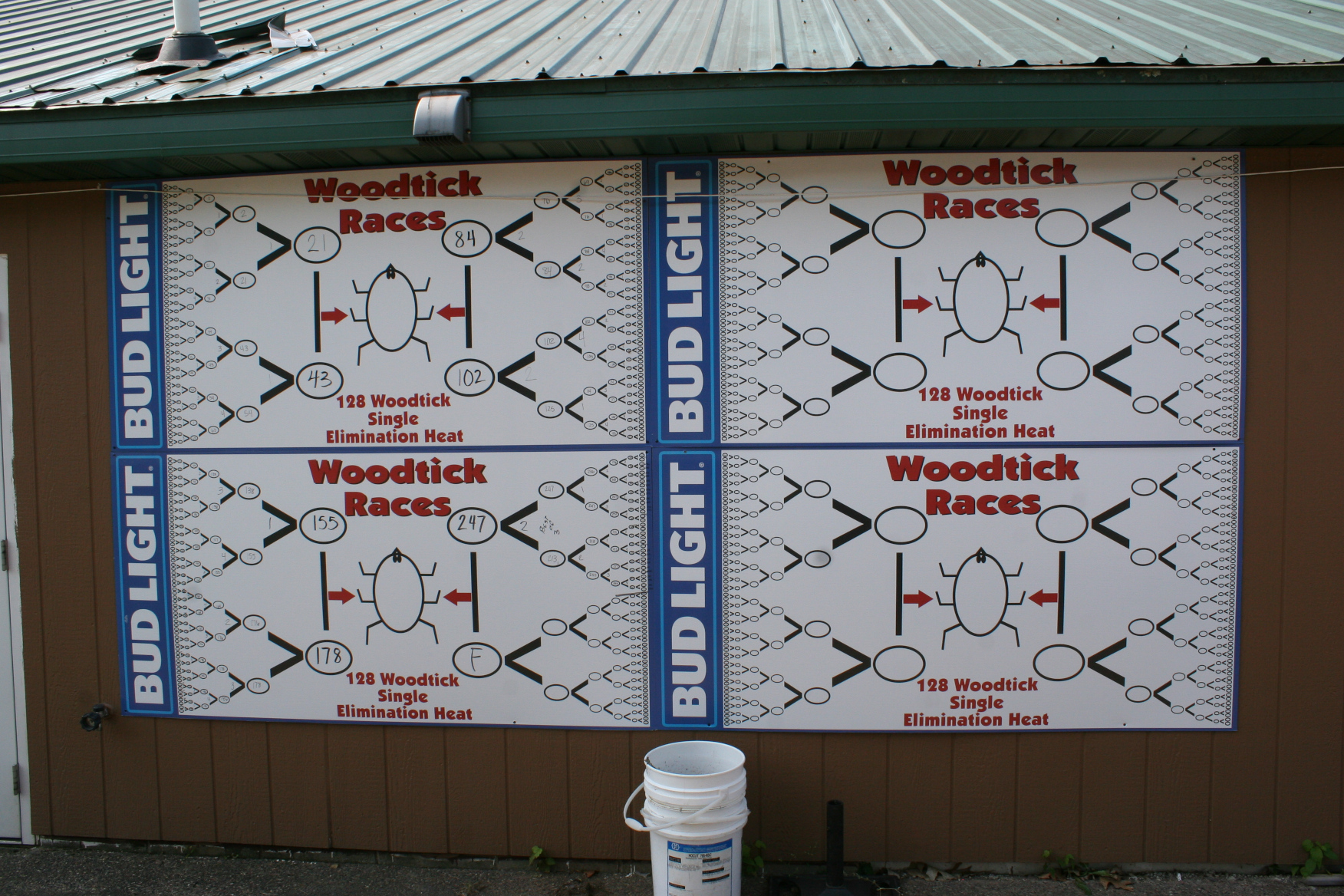
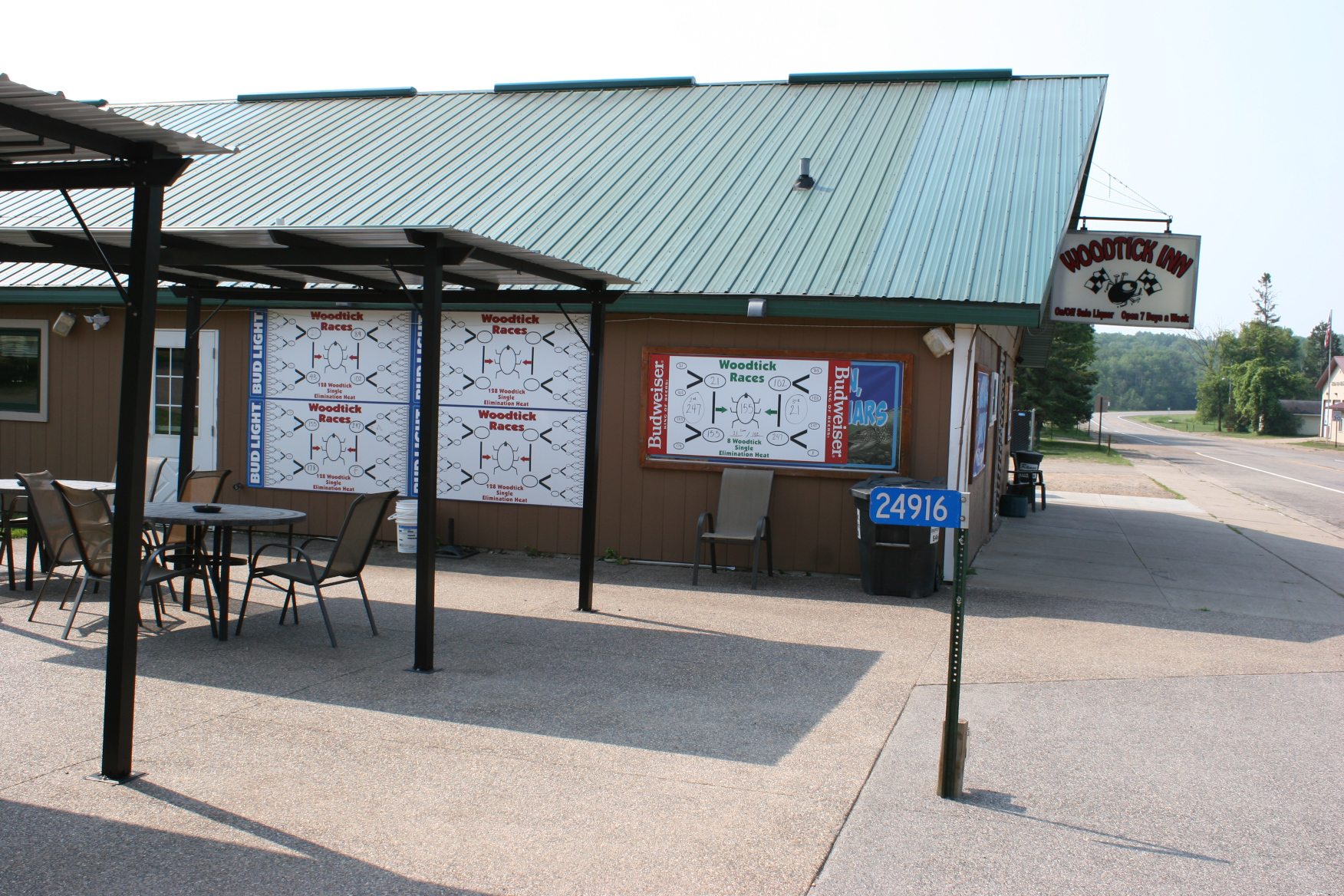
Woodtick Races scoreboards posted on the side of the Woodtick Inn. Minnesota Prairie Roots copyrighted photo July 2021.
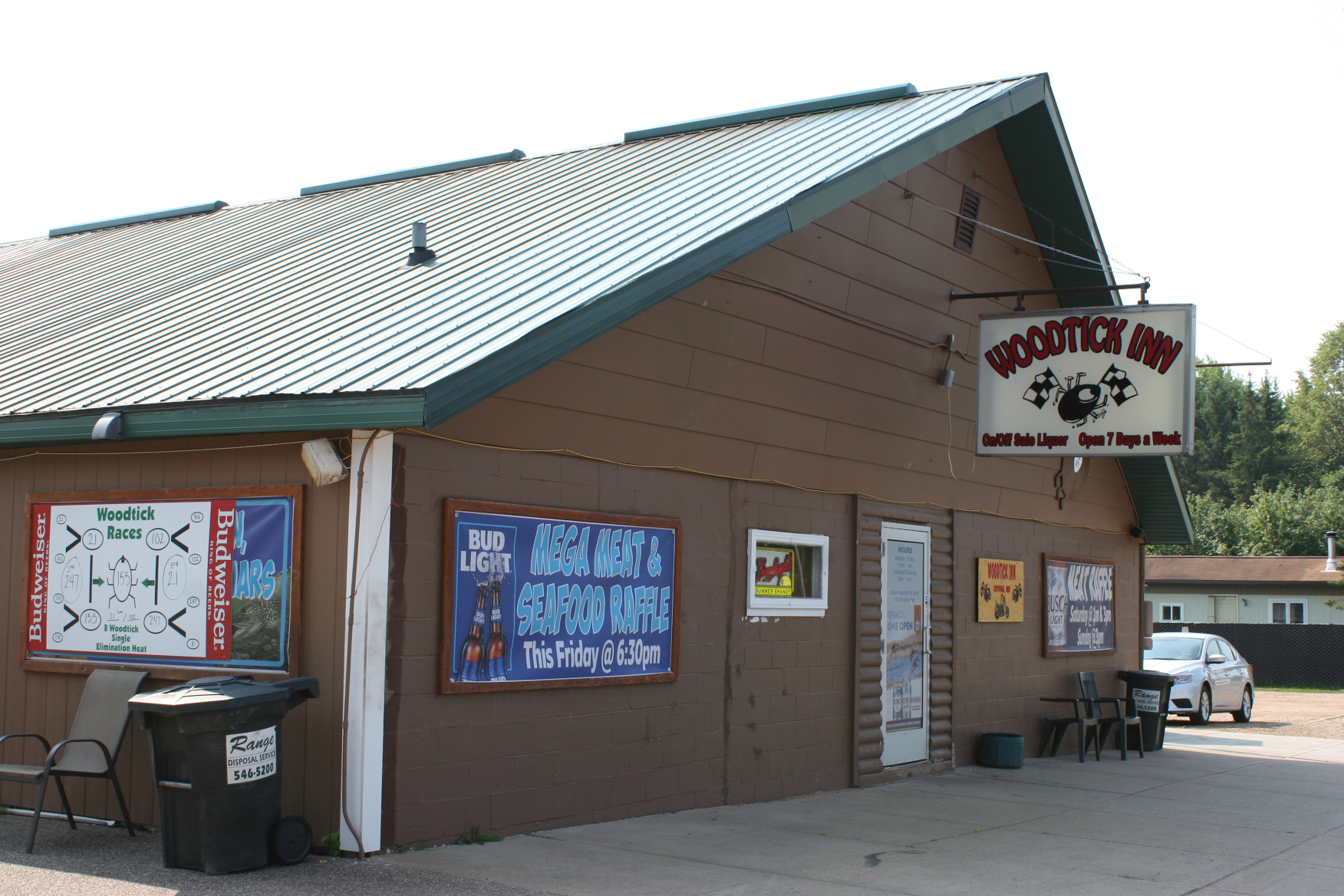
And for us on this day, it was the woodtick-dubbed bar and grill and, of all things, Woodtick Races. The Inn hosts the races annually on the second Saturday of June.
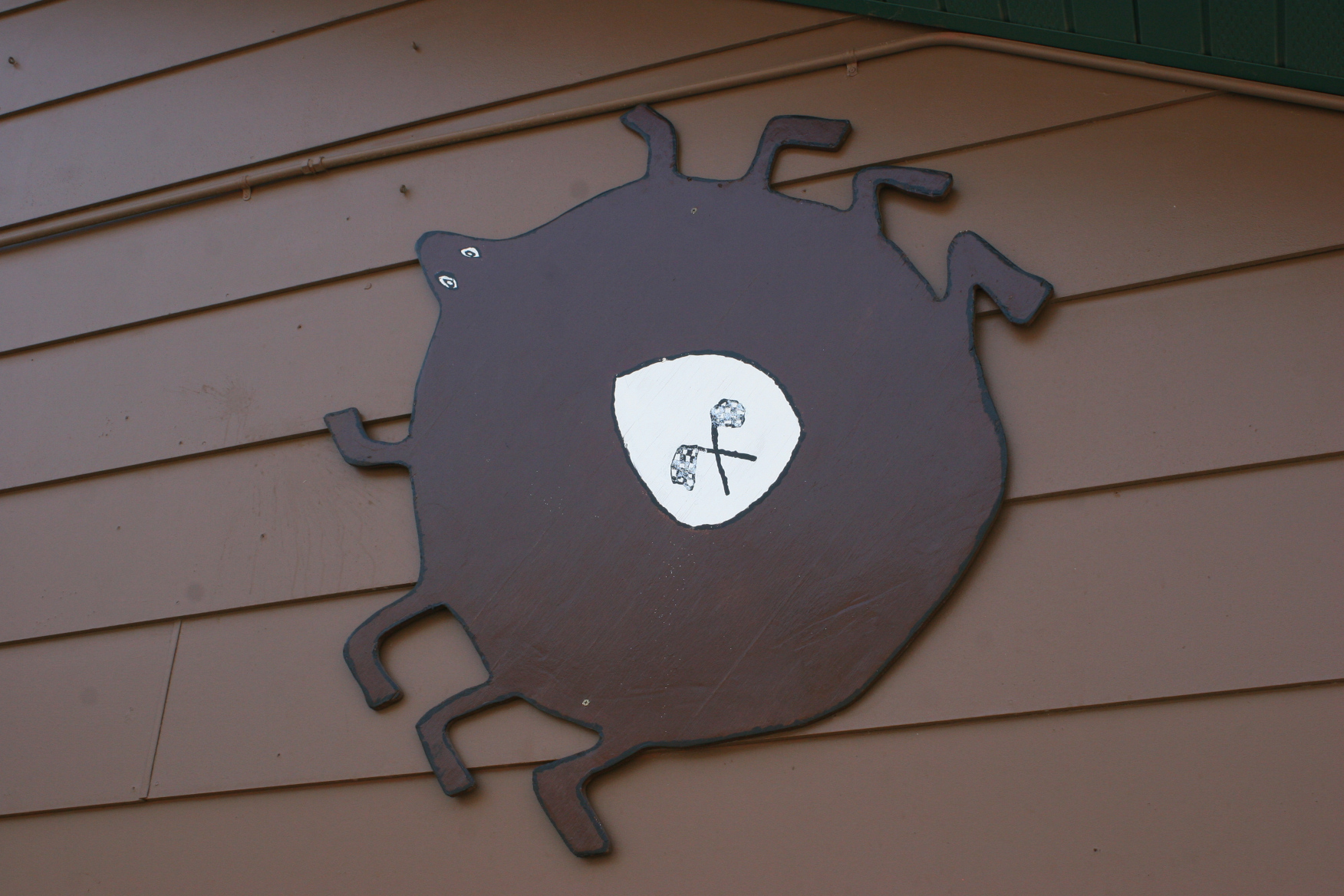
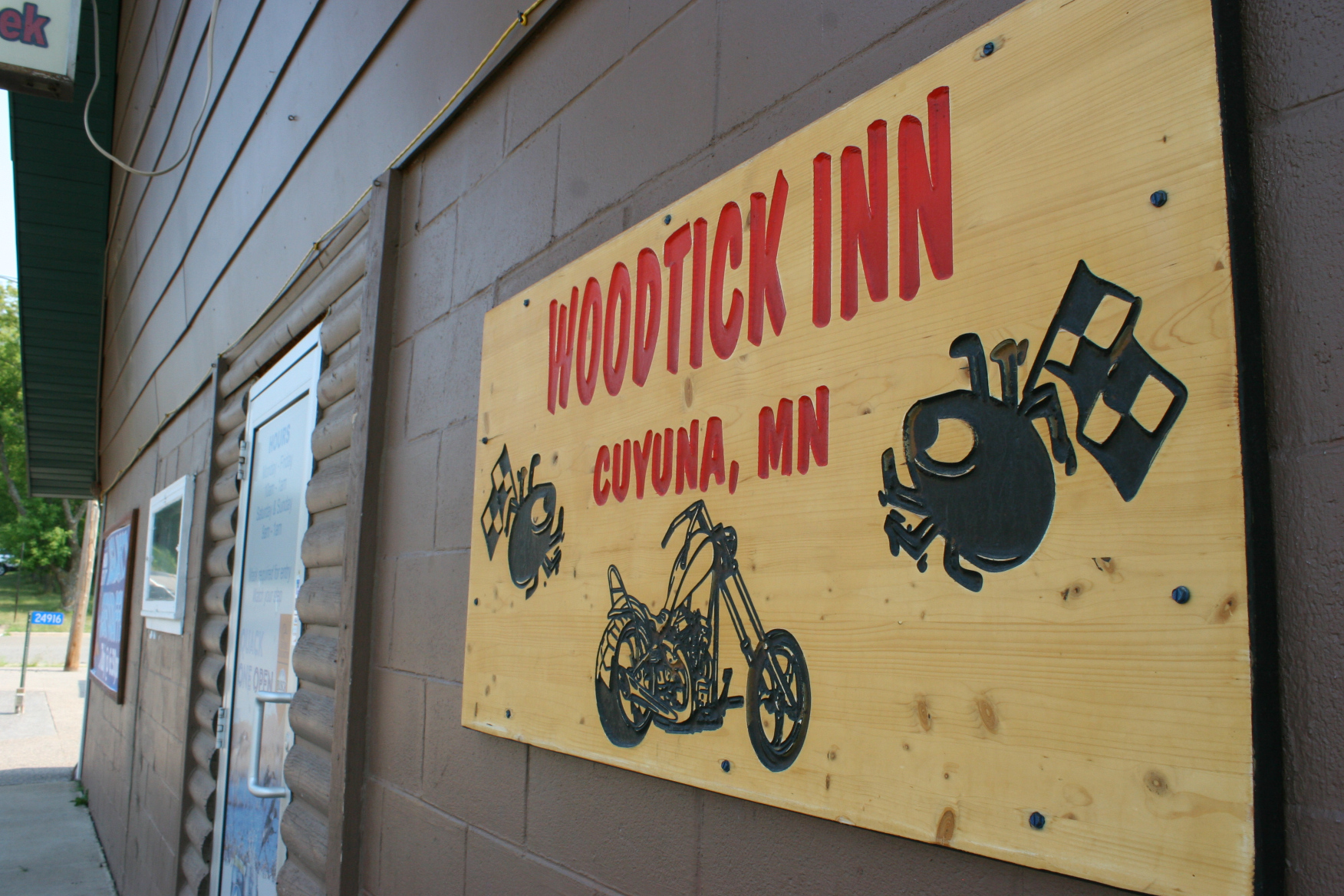
An artist’s rendition of a woodtick hangs on the bar’s exterior. Minnesota Prairie Roots copyrighted photo July 2021.
But let’s back up a minute. What, exactly, is a woodtick? It’s a parasitic arachnid. Yup, a nasty bug that will latch into your skin and suck your blood. Many varieties of woodticks exist. But those raced in Cuyuna are the common American Dog Tick. And, yes, these ticks will find a host in a dog.
The sign which first caught my eye when entering Cuyuna. Minnesota Prairie Roots copyrighted photo July 2021.
Many years have passed since a woodtick determined I would be a good feeding source. But, as a child, I often found ticks stuck to my skin after playing outdoors. And, yes, they can spread diseases. And, no, I don’t like them. Not one bit.
The Woodtick Inn also welcomes anglers in this big fishing region. Minnesota Prairie Roots copyrighted photo July 2021.
There’s plenty of outdoor space for racing woodticks. Minnesota Prairie Roots copyrighted photo July 2021.
And I expect the annual Woodtick Races also draw plenty of participants and curious observers. This year, the 42nd annual event, the top three cash prizes ranged from $224-$560. That’s a good chunk of change for a race with a $5 entry fee and an additional $1 if you buy a “caught” tick rather than bring your own.
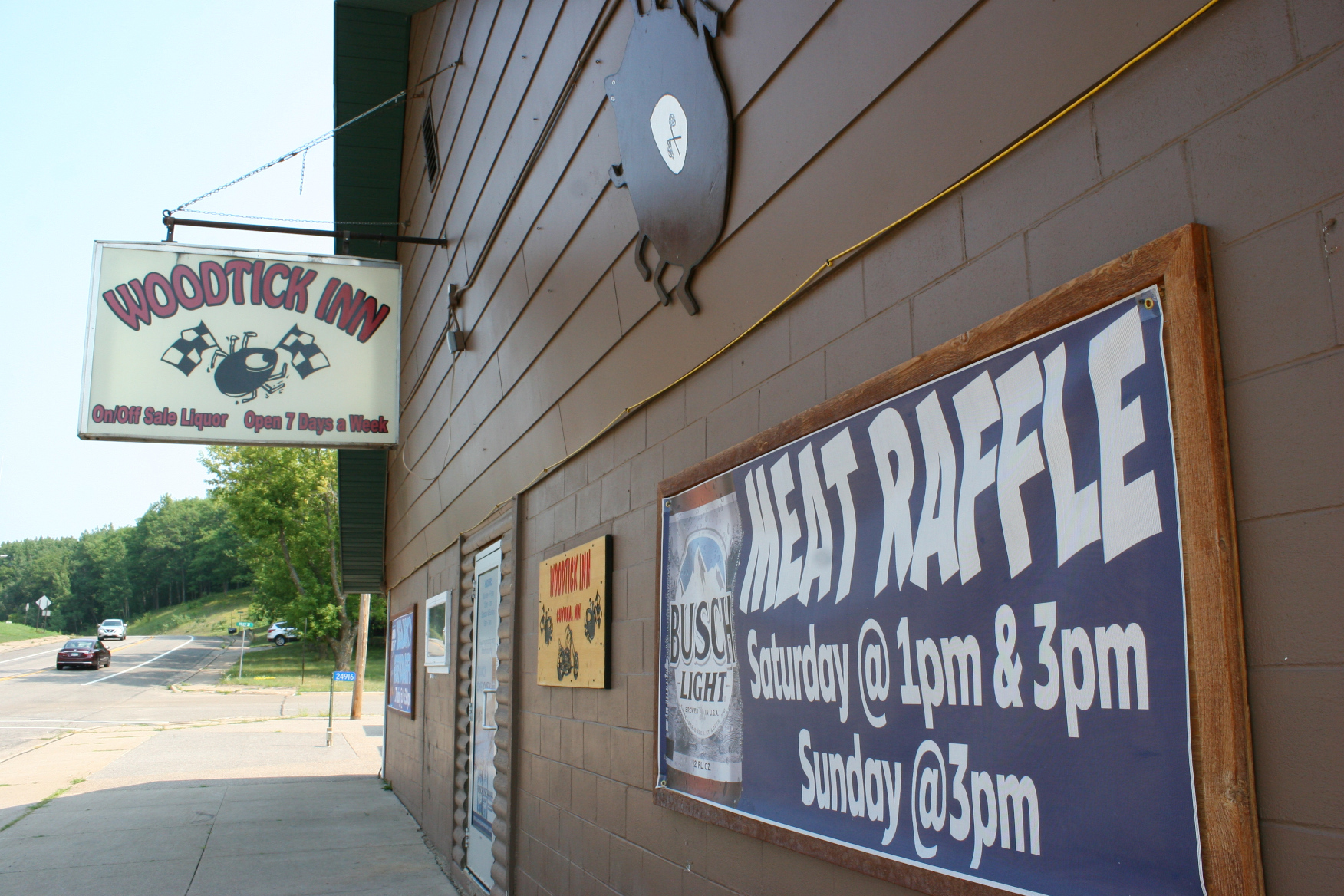
Lots of original signage identifies the Woodtick Inn. Minnesota Prairie Roots copyrighted photo July 2021.
I wondered aloud how event organizers gather woodticks for the races. “Send a kid into the woods,” Randy joked.
Meat raffles are a draw at the Woodtick Inn also. Minnesota Prairie Roots copyrighted photo July 2021.
However those ticks are gathered, the rules call for racers to place their woodticks in the middle of a circle on a table. Whichever tick reaches the outside of the circle first wins. And, yes, referees oversee the races.
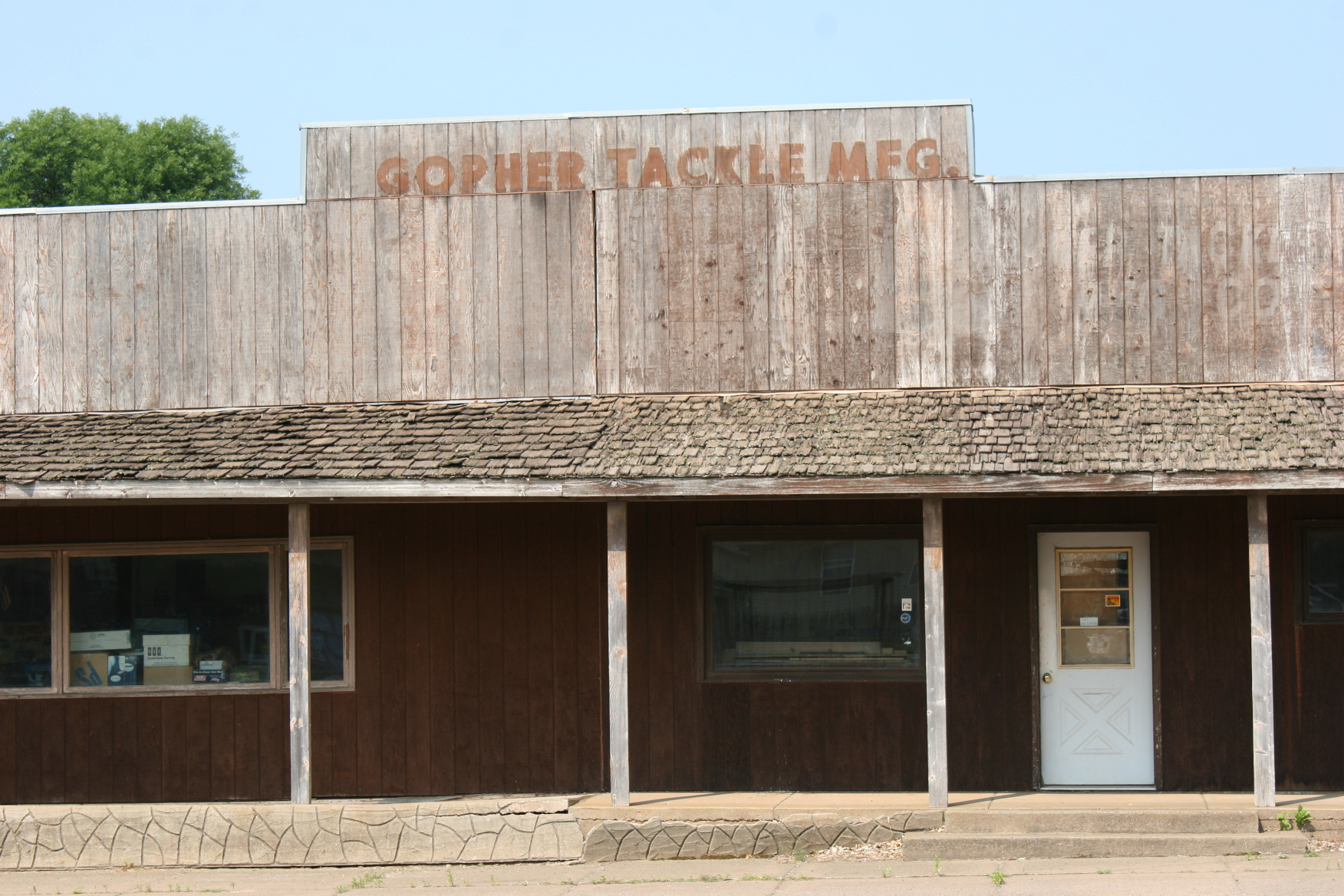
In 2021,Gopher Tackle, based in Cuyuna for 40 years, was sold and relocated to Milford, Iowa. Minnesota Prairie Roots copyrighted photo July 2021.
Some day I hope to witness these races at the Woodtick Inn in Cuyuna. And I need to further explore the spread-out town named after surveyor Cuyler Adams and his Saint Bernard, Una. The Cuyuna I saw is vastly different from a boom town that once housed a hospital, high school, theater, hotels, saloons, grocery stores and much more. A town once teeming with iron ore miners and their families. And today, woodticks.
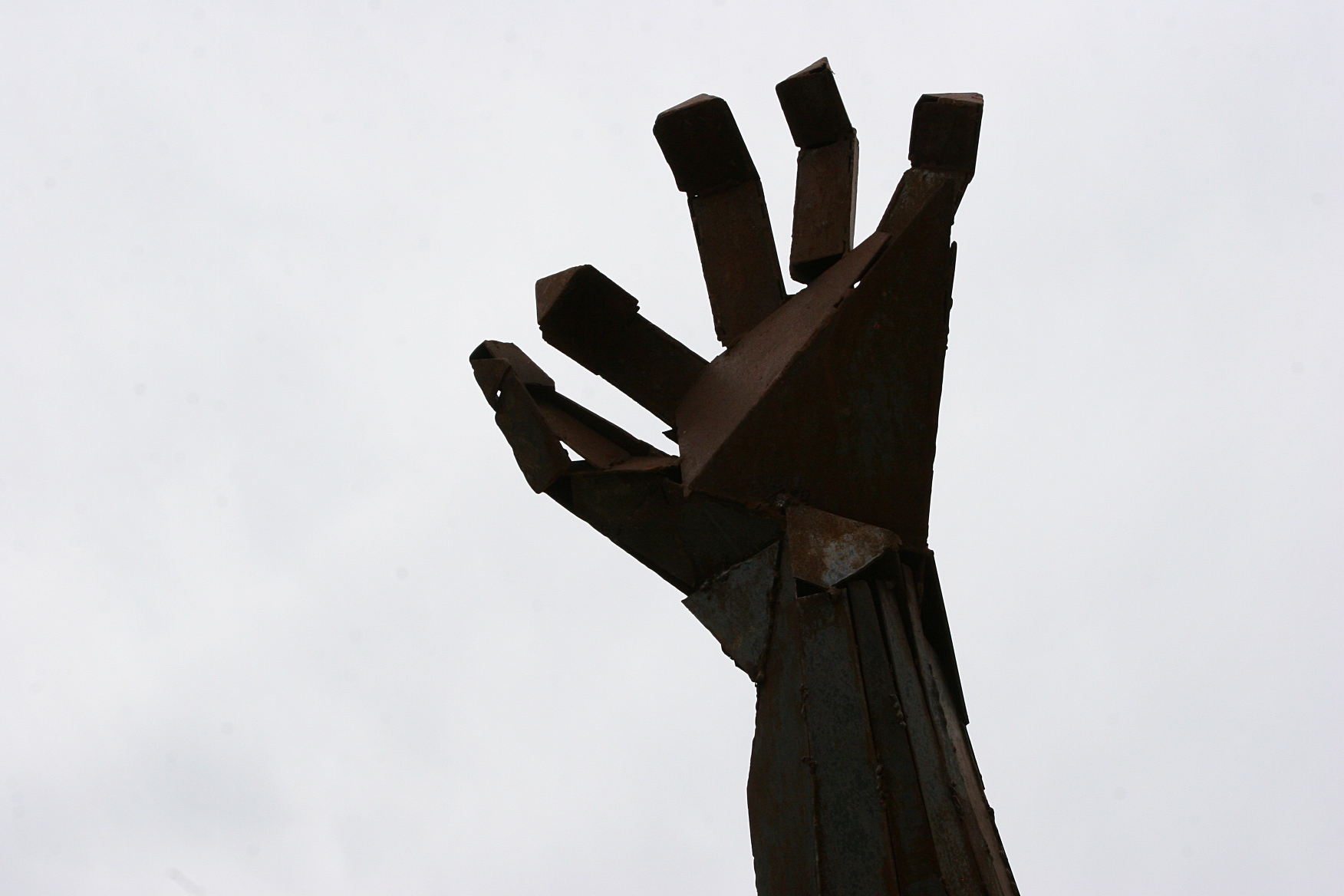
Part of the sculpture, “Waist Deep” themed to mental health. and outside the Northfield Public Library. Minnesota Prairie Roots file photo 2019.
I REACHED UNDER THE SINK, pulled out the garbage container and dumped the flour mixture into the trash. The morning prior, I’d tossed overcooked wild rice.
It’s not like me to waste food. But I’ve been stressed and distracted this week, causing me to lose focus. When preparing Blueberry-Banana Bread this morning, I couldn’t recall whether I’d added baking powder. So into the garbage the flour mix went. On Thursday I was similarly distracted and, while I heard the timer alert me to the rice being done, the grains needed a bit more cooking. Except I forgot. Lucky for me the rice didn’t burn to the point of a smoke alarm sounding.
STRESS & DISTRACTIONS
What’s the point of sharing this? My experiences, minor in comparison to US Olympic gymnast Simone Biles, reaffirm how stress and distraction can affect results. Because my thoughts were elsewhere, I burned the wild rice and couldn’t recall ingredients added, or not, to the flour mix. So I opted to start over and focus on the task. The results were delicious Chicken Wild Rice Hotdish and Blueberry-Banana Bread.
Perhaps Biles wishes she could start over. Or not. She recognized the mental stress and pressure she was feeling and chose to step out of the competition. That shows great personal strength. She chose to put her health first. She chose also to put her team first, realizing she was not at her best. I applaud the honesty, courage and recognition that her health needs to come first. She’s also reopened the discussion on mental health issues faced by athletes. That leads to other discussions about mental health in the general population.
STRONG & BRAVE
Some of the strongest, bravest people and families I know are those who live/deal with mental health challenges. They must not only find ways to cope and live their lives, but also overcome stigma and roadblocks. That can be undeniably difficult. These individuals and families need our compassion, love and support.
I fully expect Biles will have easy access to professional mental health care. Yet, for too many, that is not the case. Finances, lack of providers and more can limit treatment. That is reality.
FOCUSING
As I write this, I feel focused. Writing helps me mentally. And as a woman of faith, prayer helps, too. As does reading my Bible.
I’ve also eaten way too much Blueberry-Banana Bread today. Typically when I’m stressed, I don’t eat much. But there’s something about warm bread that keeps drawing me back to the kitchen…
Between pauses in writing and bites of bread, I still find my mind drifting. To my dear cousin Dawn and family who lost their husband/father/grandfather unexpectedly yesterday due to natural causes. Rich was only 58. The stress that family is experiencing must feel overwhelming. My heart hurts for all of them at their loss.
Because I was thinking of Dawn this morning, I was unfocused in the kitchen. I was also thinking of my son’s upcoming move, which will take him even farther away from Minnesota. My mind brimmed with concern, worry, sorrow and too many distracting thoughts. We all have days, maybe even weeks, when we feel stressed, unfocused.
ABOVE ALL, LISTEN
I hope that when you see someone struggling, you choose to encourage. To show compassion. To understand. To listen. To keep the focus on the friend or family member and not interject your own story, advice or opinions. Bake some Blueberry-Banana Bread or Chicken Wild Rice Hotdish (“casserole”if you live outside Minnesota) to take to and comfort someone. I expect Dawn’s refrigerator is already filled with food from those who love her and her family.
Most of all, simply be there. In a text, a note, a call or in-person. Show you care.
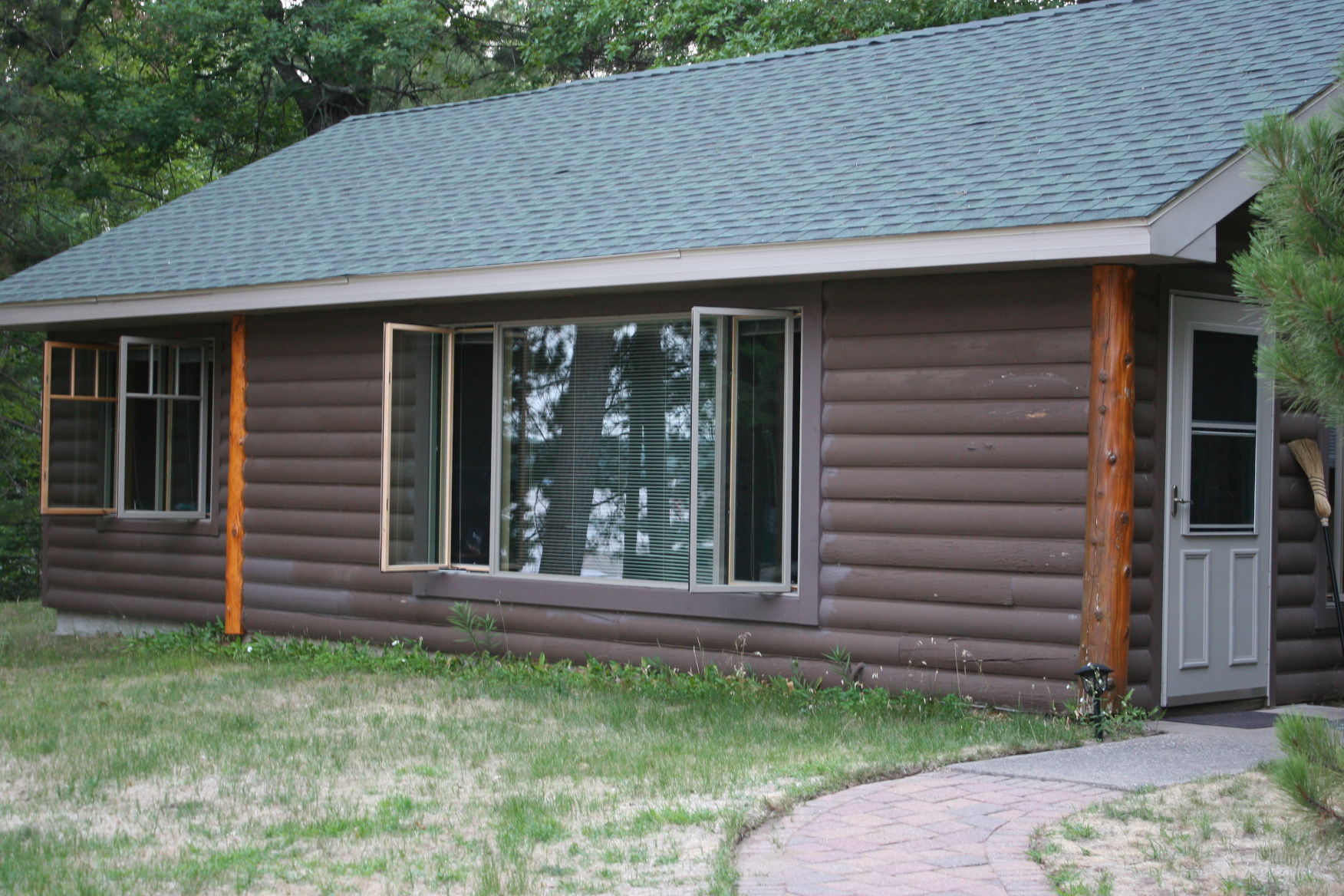
The lake cabin where we stay. Minnesota Prairie Roots copyrighted photo.
THROUGH THE SCRUB GRASS and pines we hurried. Me leading.
“You go first, Grandma,” 5-year-old Isabelle urged on our mission to corral the dragons. I’d heard them earlier, their breathy, fiery voices coming from near the cabin. Just down the lane, I noted the broken fence and the missing dragons.
There were no dragons, of course, except in our imaginations. But the sound of the blower vent on the water heater prompted the dragon round-up. We four—the two grandchildren and Grandpa and I—chased the creatures back to their enclosure.
Isaac waits to fish with Grandpa. Minnesota Prairie Roots copyrighted photo.
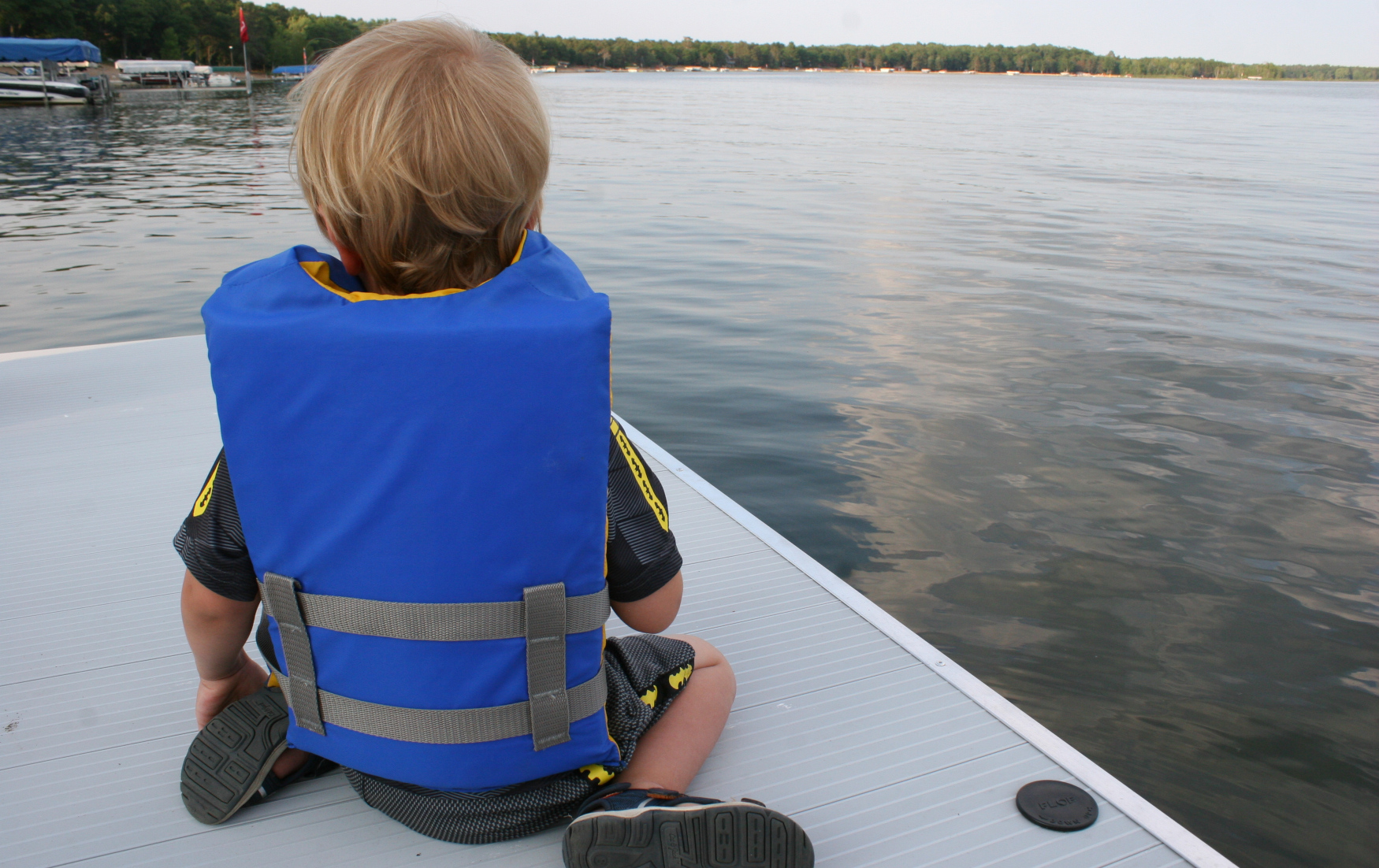
This dragon tale is among the memories I hold from our recent stay at a central Minnesota lakes region cabin. Time with Izzy and Isaac, 2 ½, and their parents is precious family time. Days of loving and bonding and building memories.
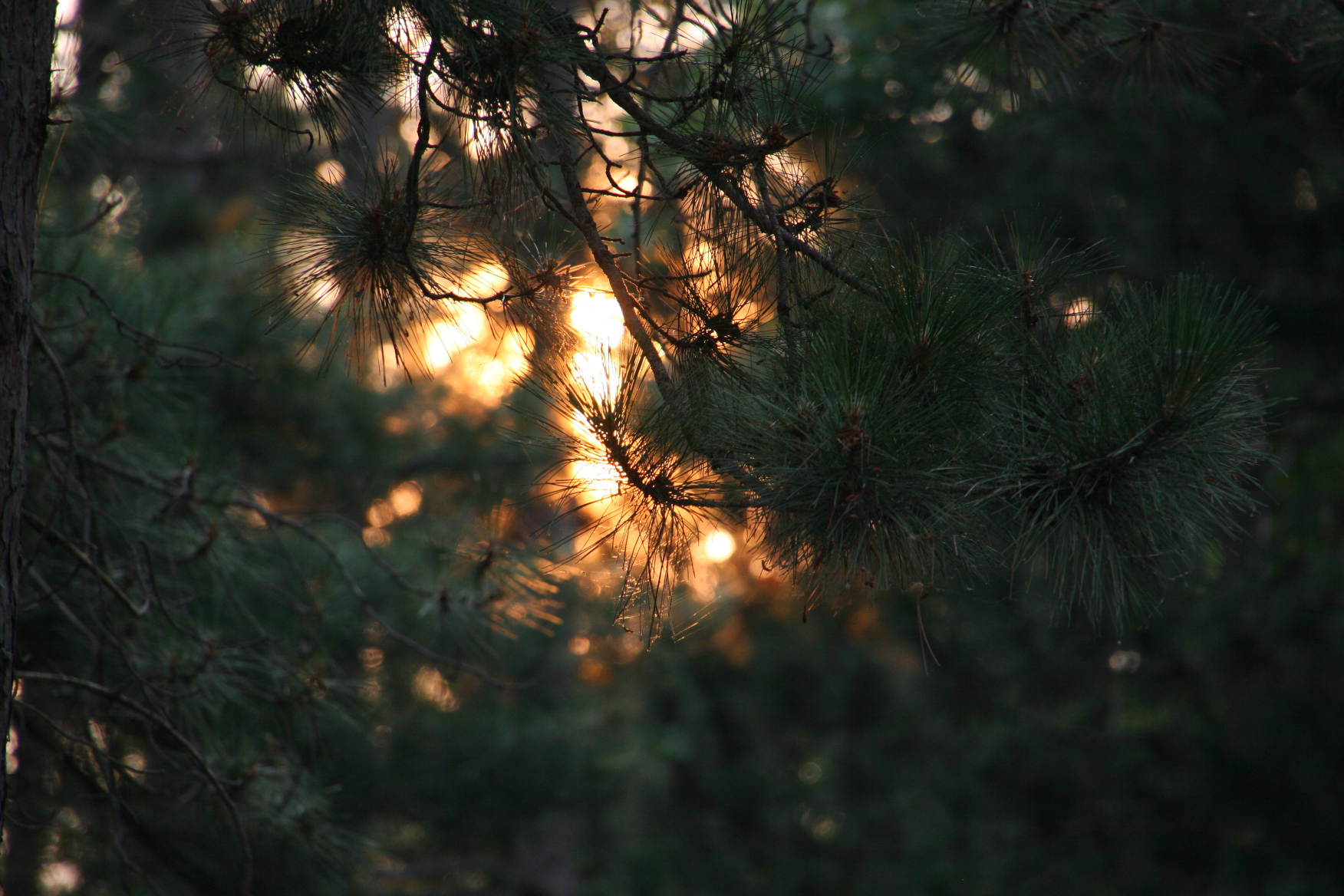
Sunset through the pines lining the driveway. Minnesota Prairie Roots copyrighted photo.
As in previous visits, Randy and I took the kids on numerous nature walks down the pine tree-lined driveway. And when we returned to the cabin, we dropped our finds in a tub of water. To see what would float—acorns, leaves, pinecones, twigs, birch bark… And what wouldn’t—stones. And that offered an opportunity to educate about Native Americans who crafted canoes from birch bark.
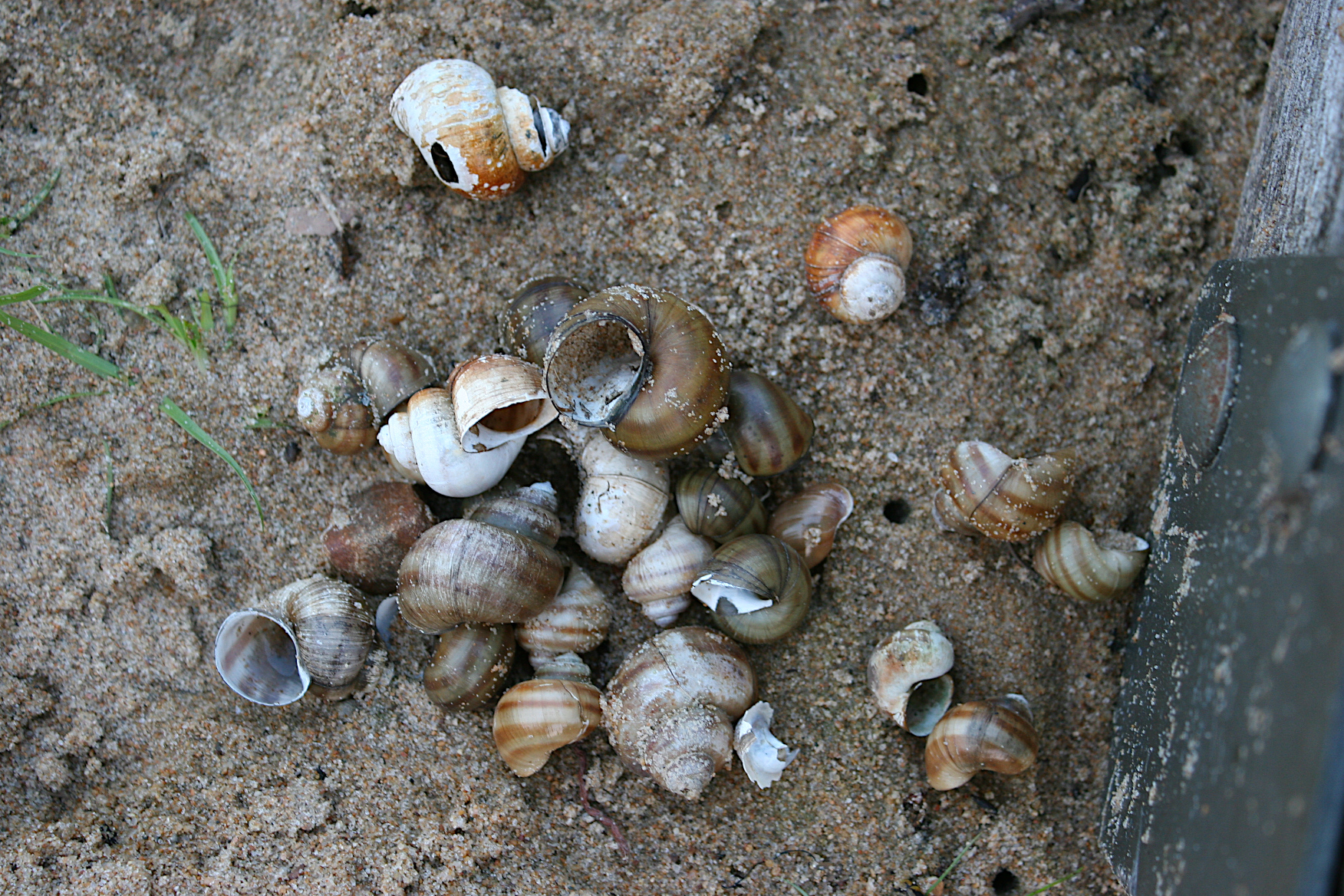
Izzy started a shell collection on the beach. Minnesota Prairie Roots copyrighted photo.
Staying at a lakeside cabin immerses us in nature without the distractions of technology and life in general. Izzy collected a mound of shells, five of which she was allowed to keep. I brought the rest home for Randy to bleach, dry and then deposit in a pint jar, a visual reminder of our time at the lake. Memories in a jar.
The water and beach drew us. To dip in the clear water, where schools of fish swarmed our feet.
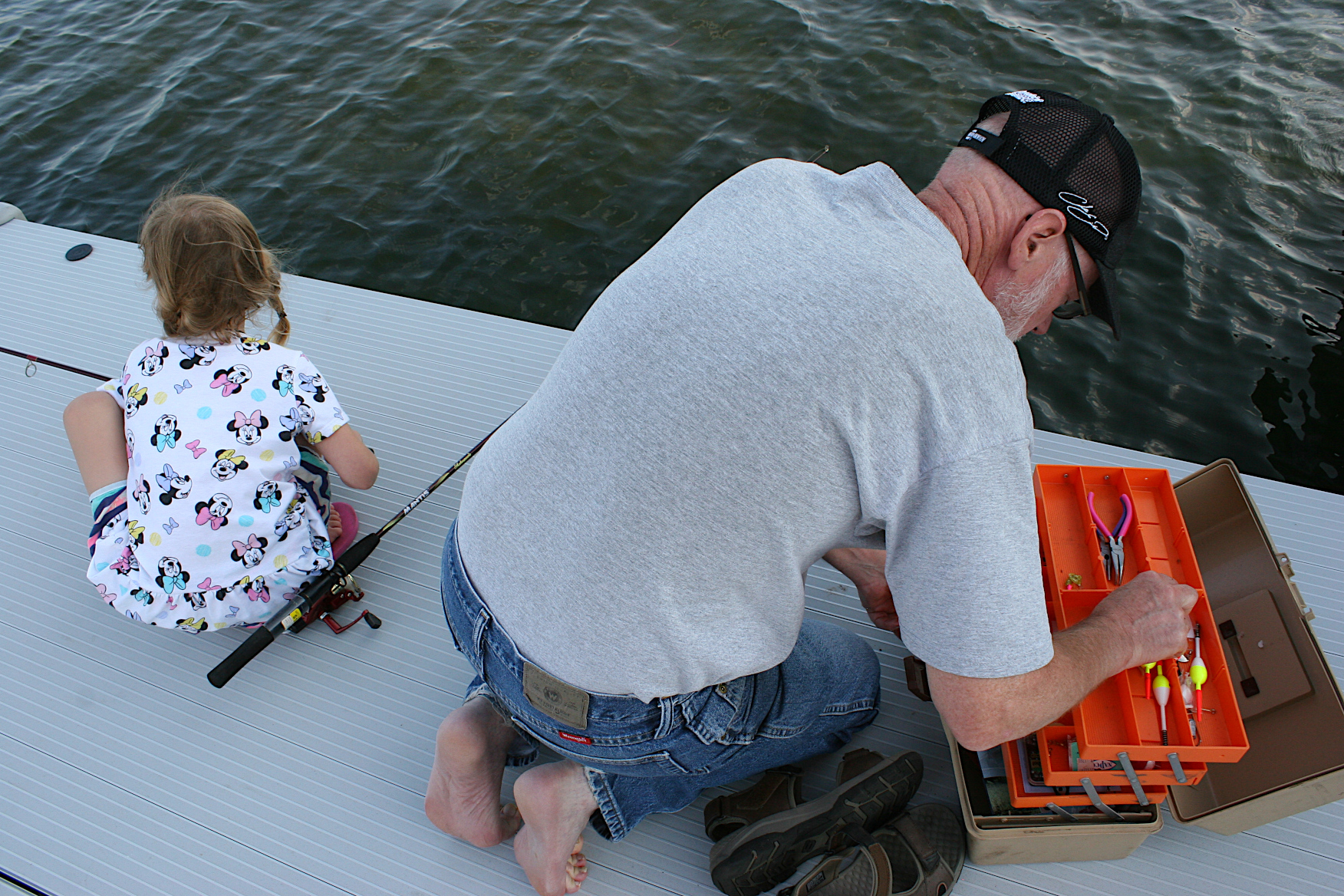
Preparing to fish. Minnesota Prairie Roots copyrighted photo.
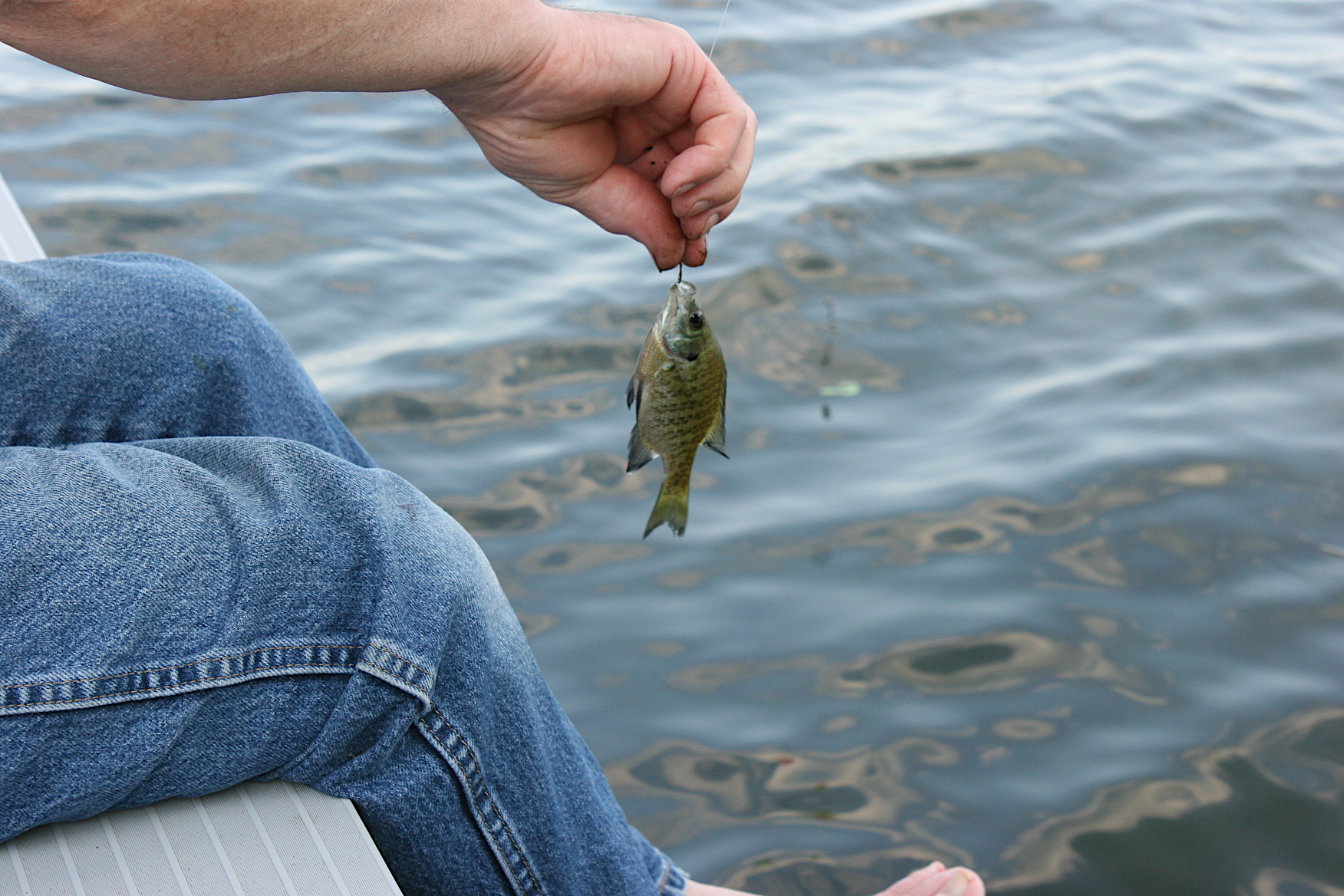
None of the fish were “keepers.” Minnesota Prairie Roots copyrighted photo.
Fishing, though, proved futile. While Randy, with the “help” of the grandkids, hooked some fish from the dock, all were too small to keep. Yet, the experience of fishing, of attempting to teach Izzy and Isaac how to reel in a line, bonds Grandpa and grandchildren. I loved watching the trio.
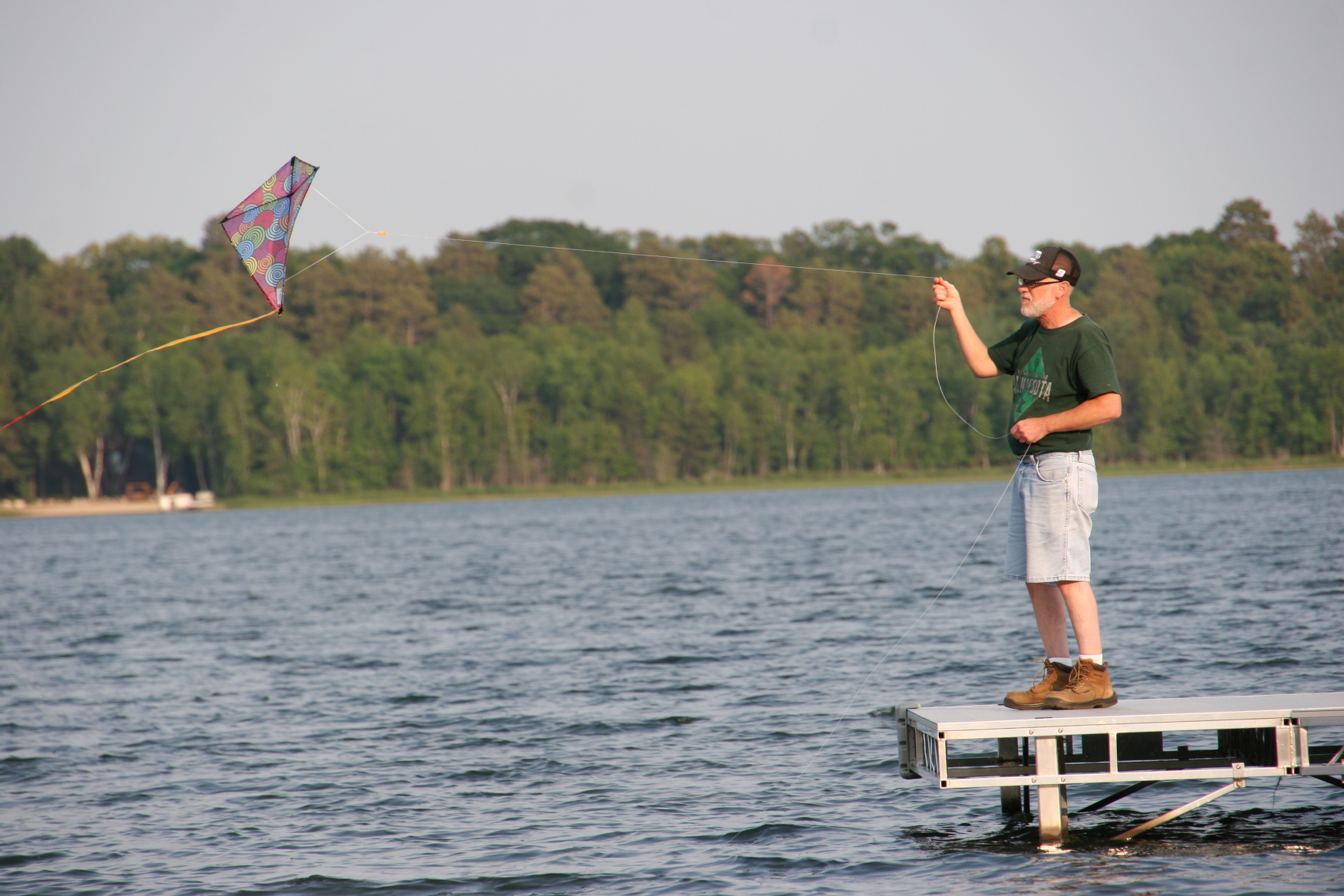
Launching a kite from the dock. Minnesota Prairie Roots copyrighted photo.
On one particularly windy day, Randy grabbed two kites from our van and headed to the end of the dock. The kids showed minimal interest, probably because they couldn’t run with the kite lakeside. We mostly watched from the beach as Randy patiently retrieved fallen kites from the water and then attempted relaunch. Repeatedly. His determination impressed me.
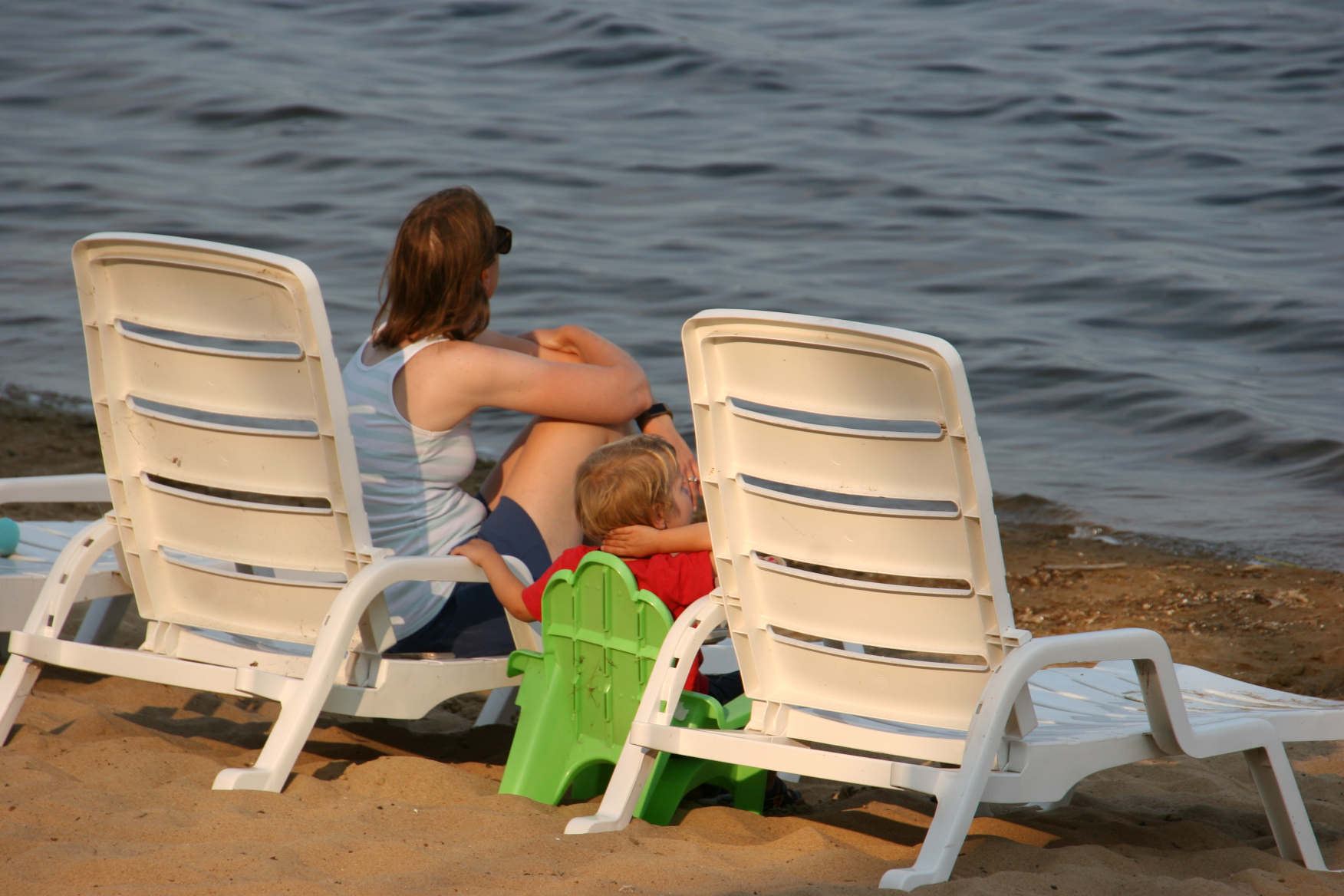
Our eldest daughter and grandson relax on the beach. Minnesota Prairie Roots copyrighted photo.
Like our last stay, Izzy opened her Sand Pie Bakery and we adults (role-playing vacationers) ordered pies in non-Minnesotan accents. Son-in-law Marc had us nearly rolling on the beach after he asked for a Mississippi Mud Pie in the thickest of Southern drawls. It was good fun, especially when Izzy claimed unfamiliarity with that particular pie while she stood with mud (sand) pie in hand.
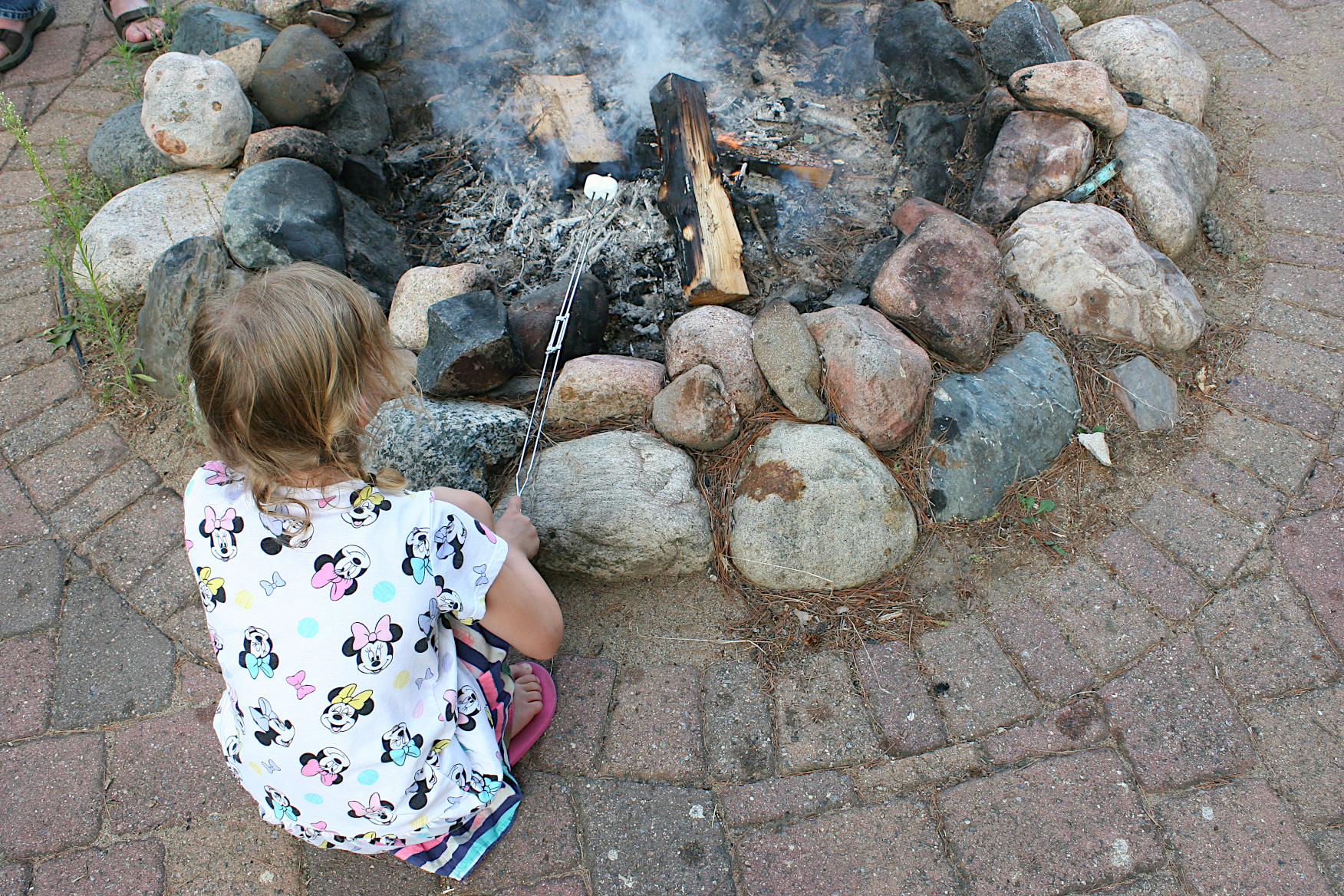
But the grandkids are enthusiastically familiar with s’mores, a campfire treat prepared each evening, except on the day strong winds warranted fire safety first due to tinder dry drought conditions. This visit Isaac joined his sister as a s’more making apprentice. I tasked him with spreading peanut butter on graham cracker halves, then adding Hershey pieces. Doing this myself would have proven easier, quicker. But easy and quick are not necessary on lake time.
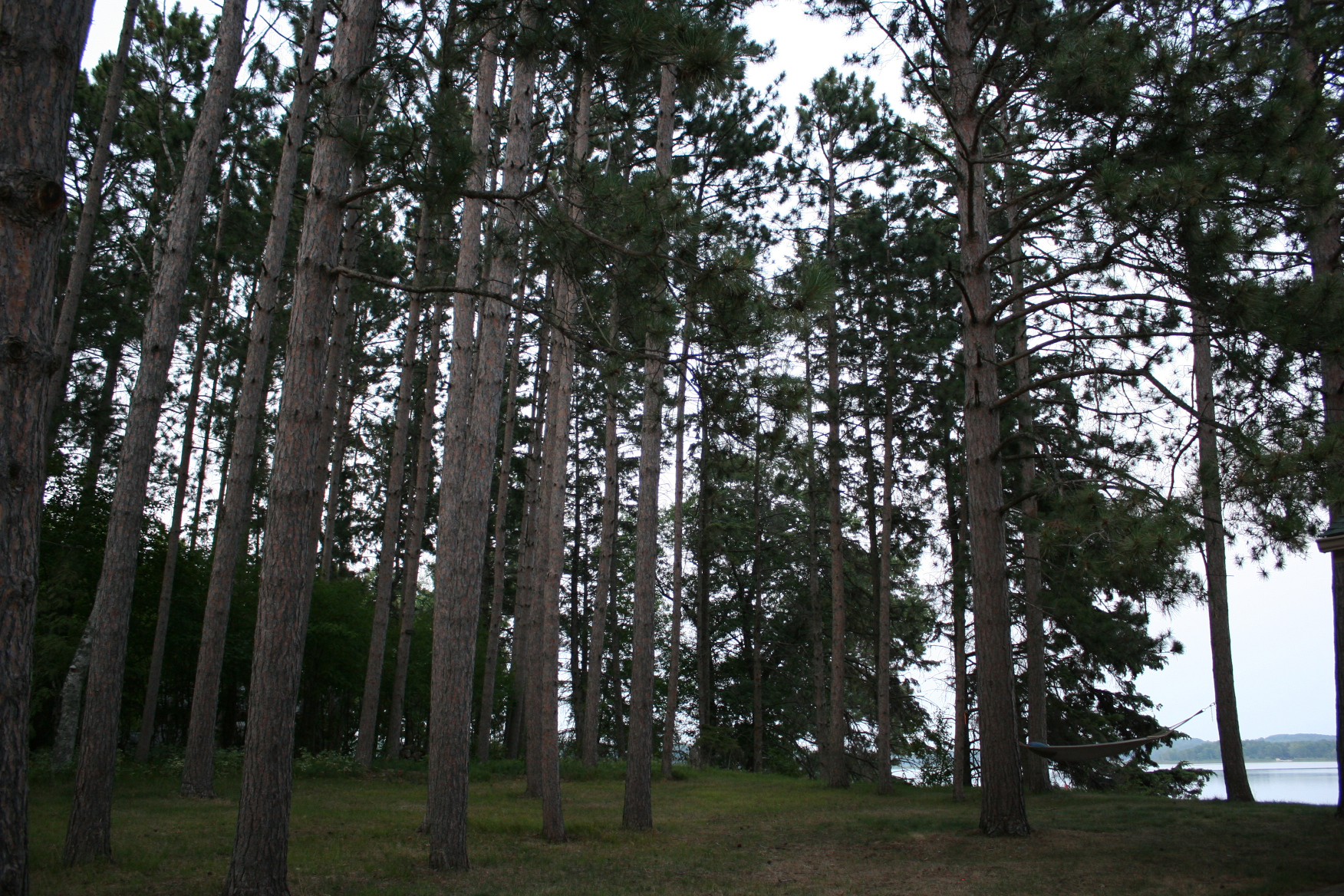
To the far right you can see the hammock strung between pines with the lake nearby. Minnesota Prairie Roots copyrighted photo.
I loved the lazy time of lying in the hammock strung between pines and with a lake view. Izzy and I lay there late one afternoon while I shared about my growing up on a farm. I’m not sure how the topic drifted to that. But my memories interested her…until she brought up bears. “What if there really was a bear here, Grandma?” She asked. We’d shared bear stories around the campfire during our last cabin stay. I didn’t have the heart to tell her the truth, that a bear had been sighted in the neighborhood. I didn’t want to scare her.
“We would just scare it away,” I said, as the hammock gently swayed. That proved good enough for her.
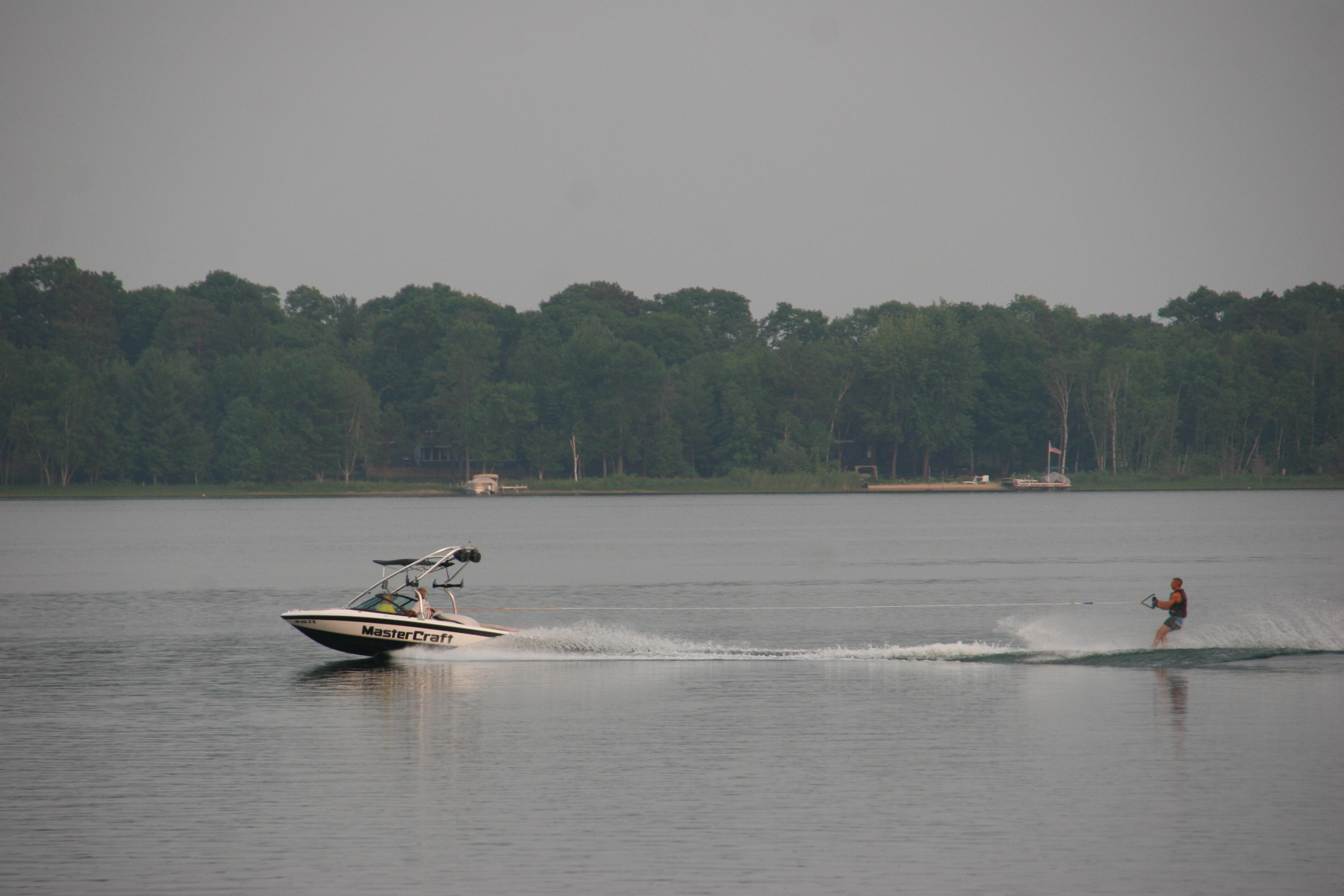
Horseshoe Lake was busy with water sports. Canadian wildfires created hazy skies. Minnesota Prairie Roots copyrighted photo.
She snuggled up to me. “I love you, Grandma.” In that moment, my heart overflowed with love for this precious little girl. This 5-year-old who wears tulle skirts on nature walks, who collects shells, who bakes pies from beach sand. Who, like me, didn’t want to leave the lake cabin…


















Recent Comments