Minnesota Prairie Roots

Writing and photography by Audrey Kletscher Helbling

On ARTour: Up close with two artists inside their Northfield studio November 4, 2013

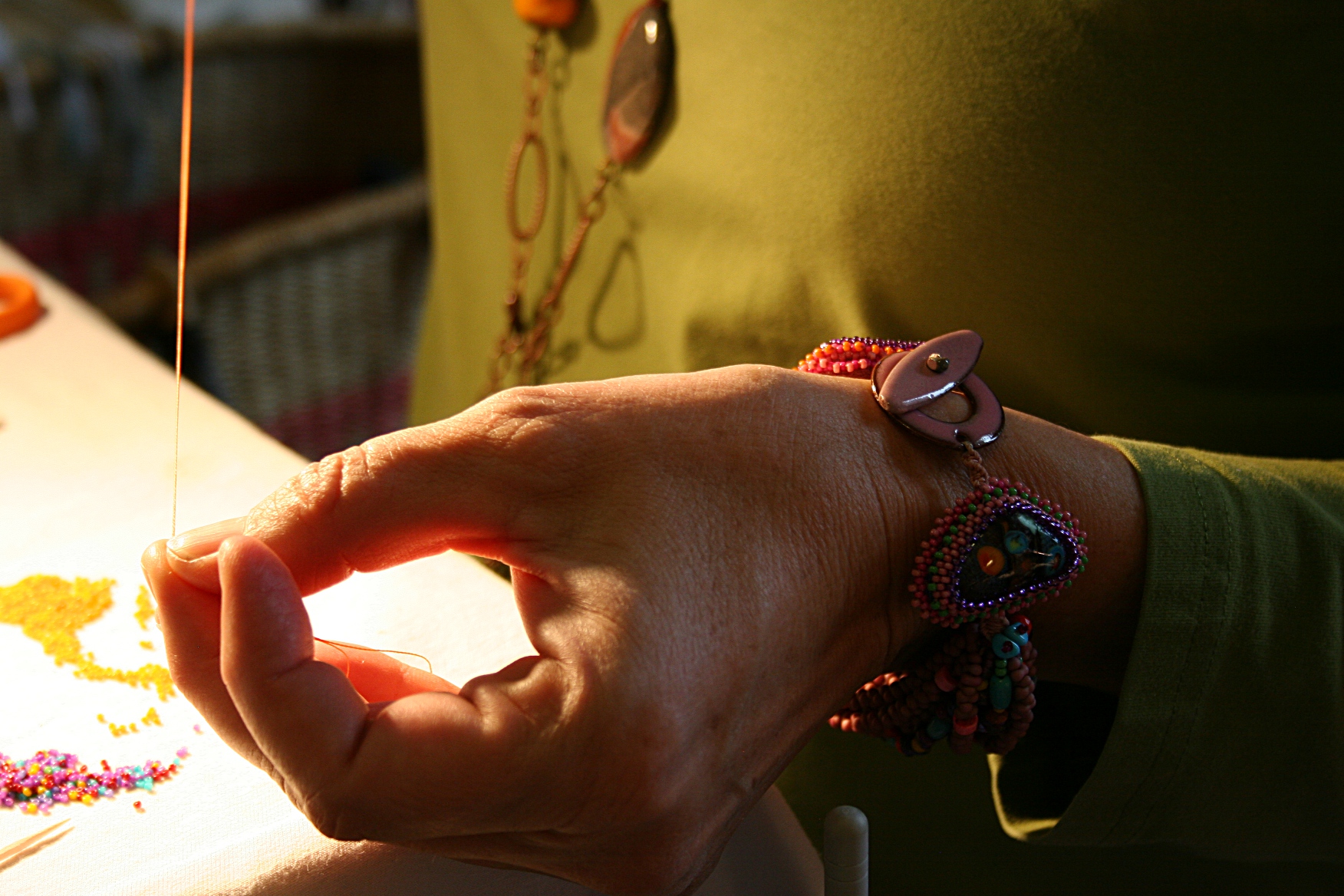
Artist Sue Hammes-Knopf of Full Bloom Beadworks at work beading.

Artist Sue Hammes-Knopf of Full Bloom Bead Work beading.

HANDCRAFTED BEAD BRACELET dangling from her left wrist, Sue Hammes-Knopf slips specks of orange beads onto a needle and then onto a matching orange string.
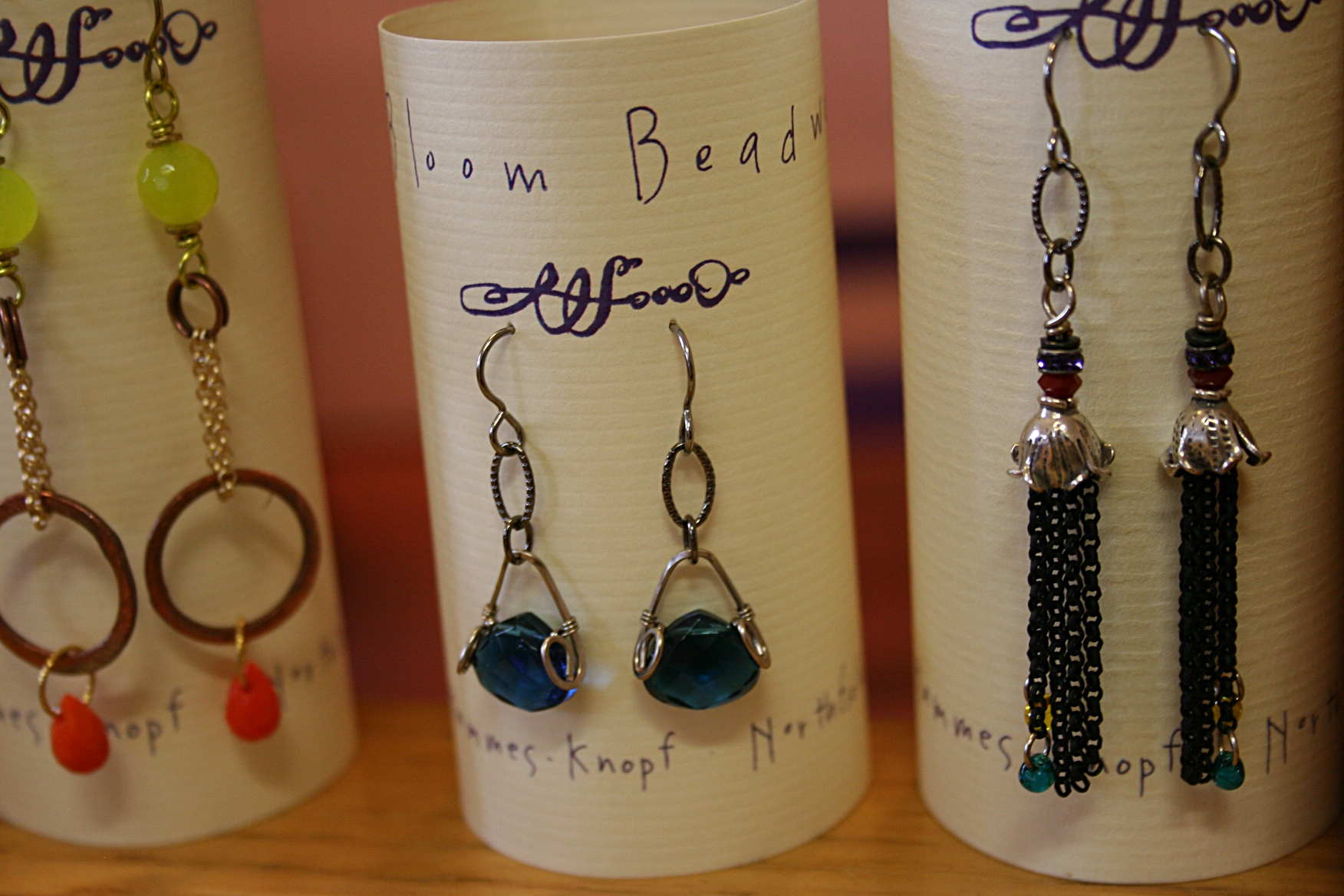
An example of Sue's original earrings.

An example of Sue’s original earrings.

I marvel at her ability to do this—to work with the tiniest of beads in the spotlight of a long-armed lamp that looms over her work area. Natural sunlight from four floor to ceiling windows kisses her back.
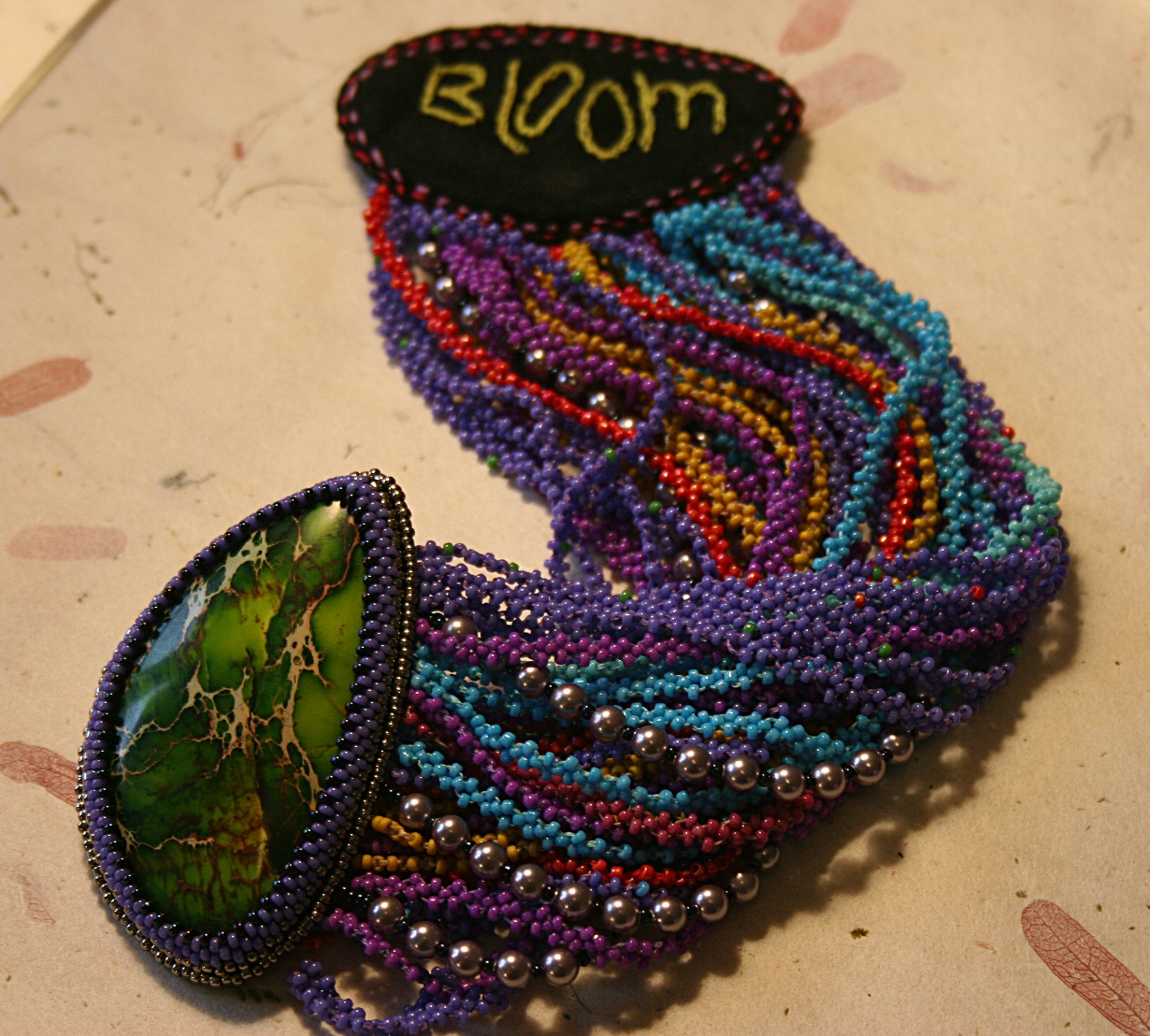
A stunning beaded bracelet created by Sue.

A stunning beaded bracelet created by Sue.

I cannot imagine having the patience, steadiness of hand or vision to work with such fine beads, to create the beautiful bead work I see here, in this third floor studio in historic downtown Northfield during the South Central Minnesota Studio ARTour.
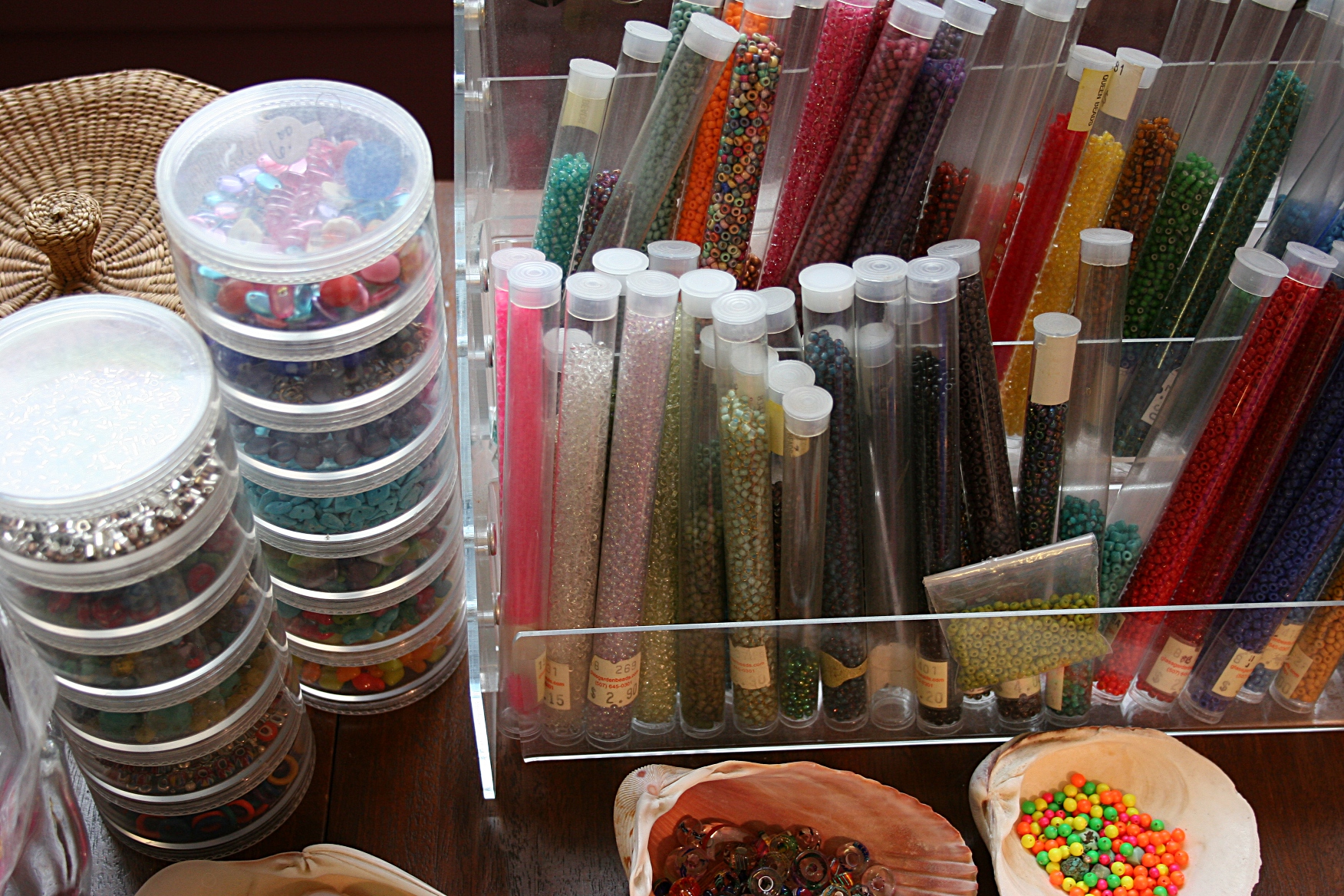
Beading supplies.

Beading supplies.

And when I speak my thoughts aloud, Sue muses that she’s developed patience in 35 years of marriage and that she “feels” the beads as much as sees them.
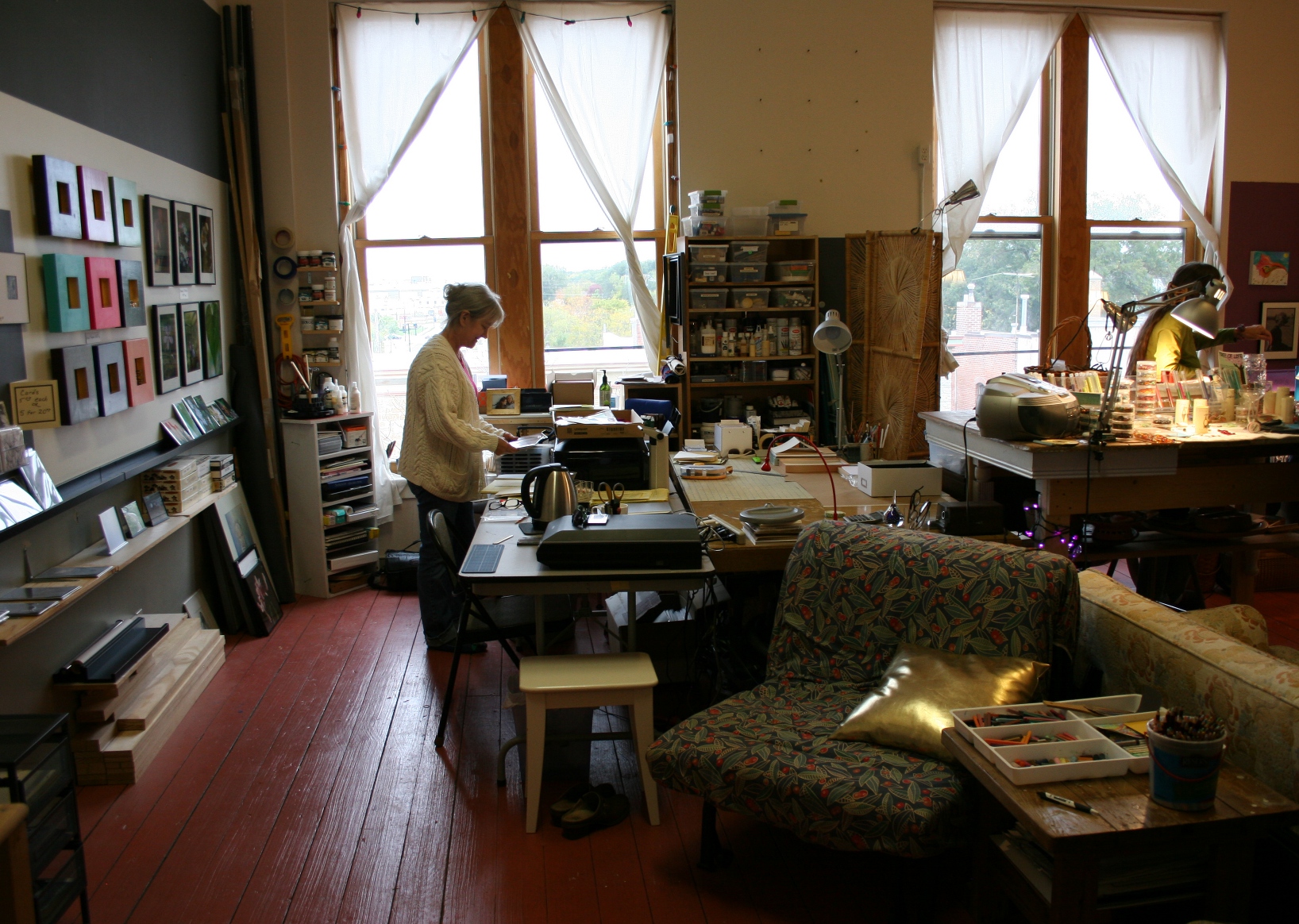
The beautiful studio space of MRG Arts and Full Bloom Beadworks, 101 E. 5th St., Northfield. Maryrose Gondeck is on the left, Sue Hammes-Knopf on the right.

The beautiful studio space of MRG Arts and Full Bloom Bead Work, 101 E. 5th St., #305, Northfield. Maryrose Gondeck is on the left, Sue Hammes-Knopf on the right.

Across the room, Maryrose Gondeck also creates art. She’s worked in numerous mediums—graphite, oils, acrylics, pastels, pen and ink, colored pencils, photography…
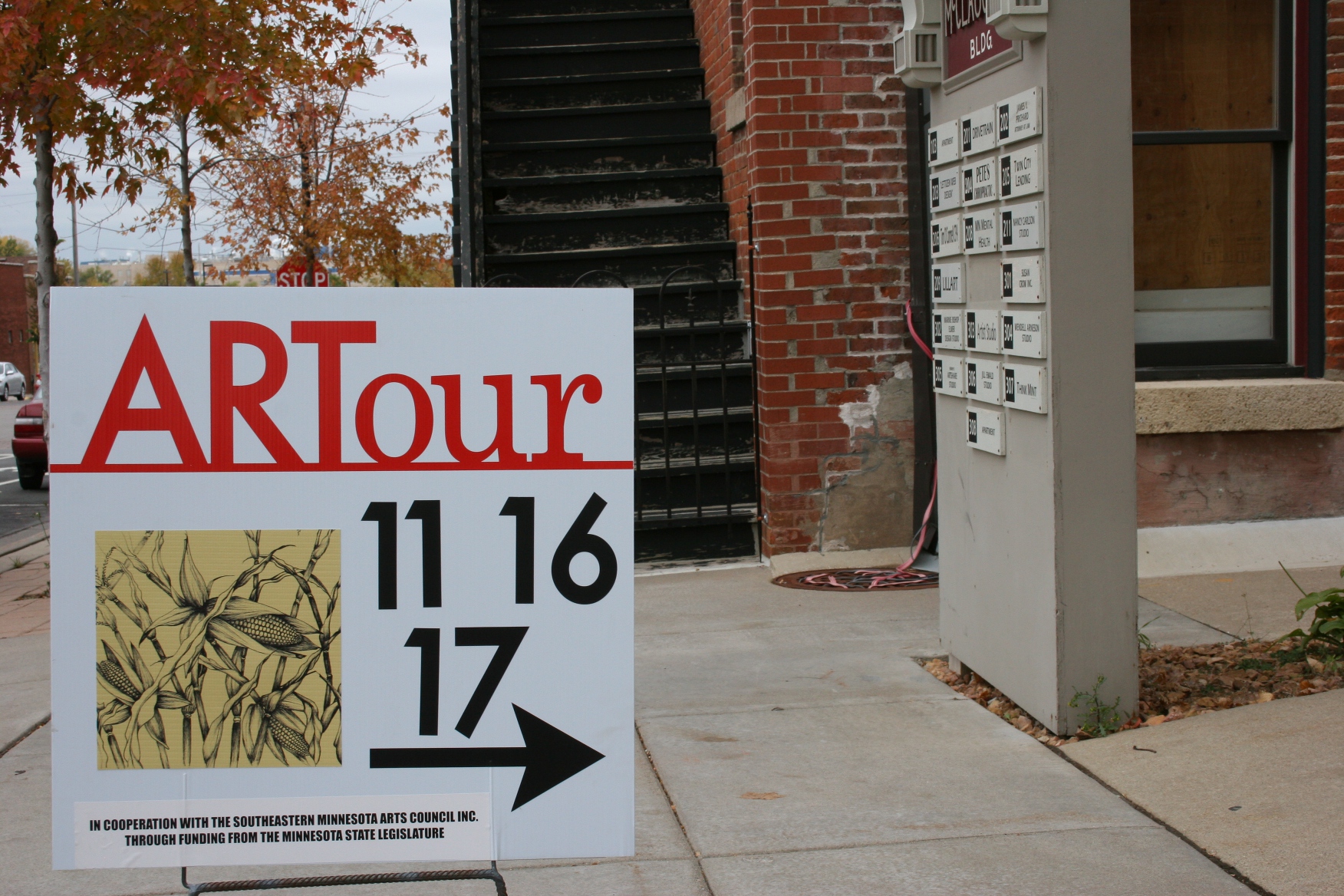
Maryrose Gondeck's original corn art grace posters and promotional materials for the South Central Minnesota Studio ARTour.

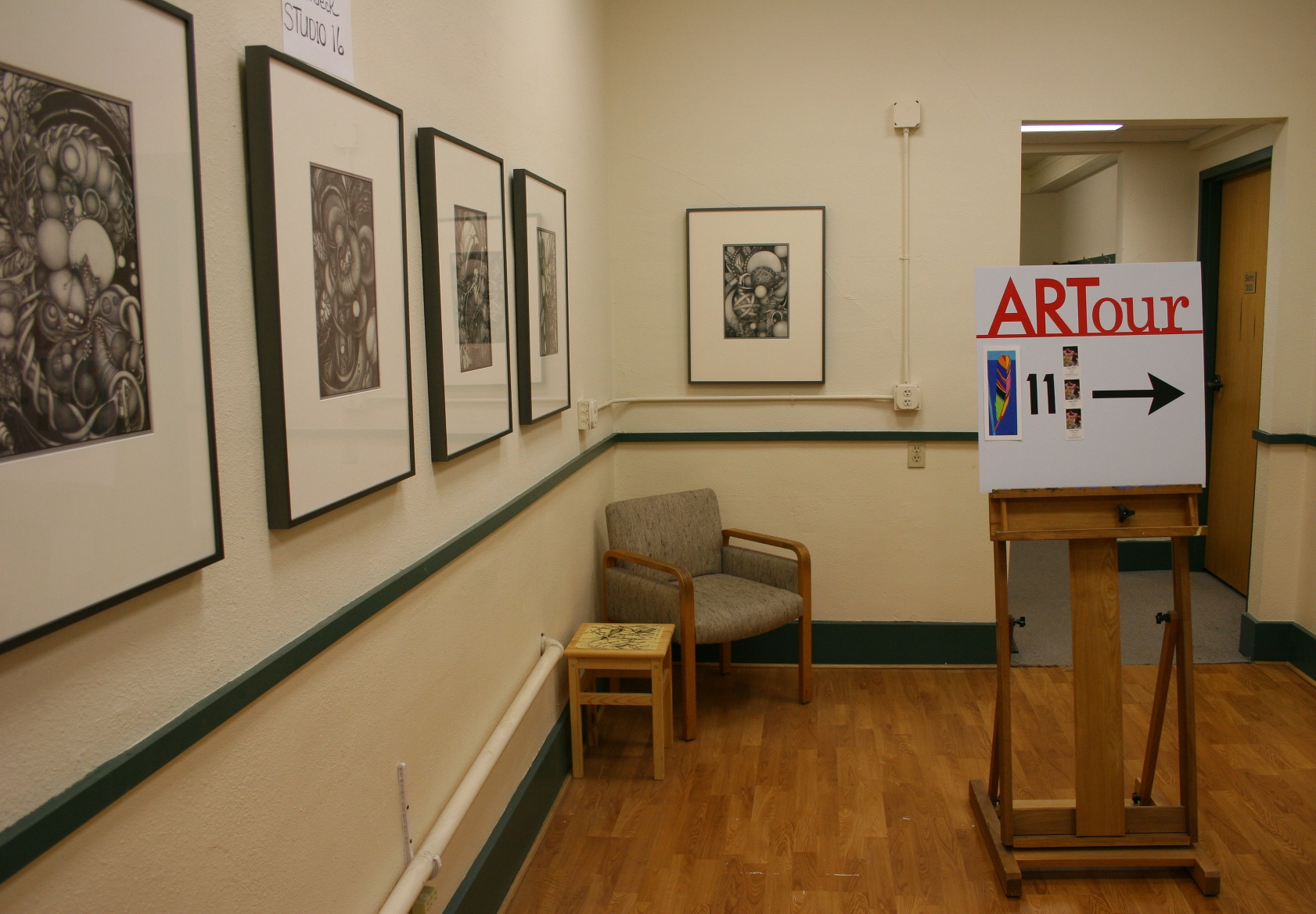
Maryrose Gondeck’s original corn art graced posters and promotional materials for the recent South Central Minnesota Studio ARTour. This sign directs visitors to her studio and two others on the third floor of an old building in historic downtown Northfield.

Her drawing of ripened corn on corn stalks was the visual symbol of this year’s Studio ARTour. A perfect fit for a tour of 20 studios featuring 44 artists in the rural region that encompasses Northfield, Faribault and Cannon Falls.

Among Maryrose's art supplies.

Among Maryrose’s art supplies.

Maryrose's graphite drawings showcased in a hallway.

Maryrose’s graphite drawings showcased in a hallway.

What a plethora of gifted artists we have here, in this area of Minnesota I call home.

I noticed this signage outside  Maryrose and Sue's studio as I exited. Theirs was the final studio I would visit during the South Central Minnesota Studio ARTour.

I noticed this signage outside Maryrose and Sue’s studio as I exited. Theirs was the final studio I would visit during the South Central Minnesota Studio ARTour.

FYI: This concludes my series of five posts on the South Central Minnesota Studio ARTour. To see previous posts showcasing selected artists on the tour, check my recent archives.

The work of 44 artists was shown in 20 studios during this annual October event. This year I chose to peruse the work of some artists I had not seen on past tours. And I know, in that selective process, I missed out on viewing other incredible art. Next year.

I’d encourage you to visit the Studio ARTour website to learn more about all of the participating artists.

Also, check out the upcoming Fine Craft Collective, a collaborative gallery show at 506 Division Street in downtown Northfield open from 10 a.m. – 6 p.m. Monday – Saturday and from noon – 4 p.m. Sundays from November 14 – December 24. You will find the works of 17 local artists for sale at this annual event. Click here for more info.

No matter where you live, I hope you will support local artists by attending events like the South Central Minnesota Studio ARTour and the Fine Craft Collective, by encouraging and asking questions, and, if you can, purchasing art.

I grew up in the 60s and 70s in rural southwestern Minnesota, with minimal exposure to the arts. It was the times as much as the distance and lack of money which isolated me from the art world. That is why, perhaps, I appreciate the arts as much as I do. Absence, as they say, makes the heart grow fonder.

© Copyright 2013 Audrey Kletscher Helbling


Small town Sunday snapshot: Millville, Minnesota November 3, 2013

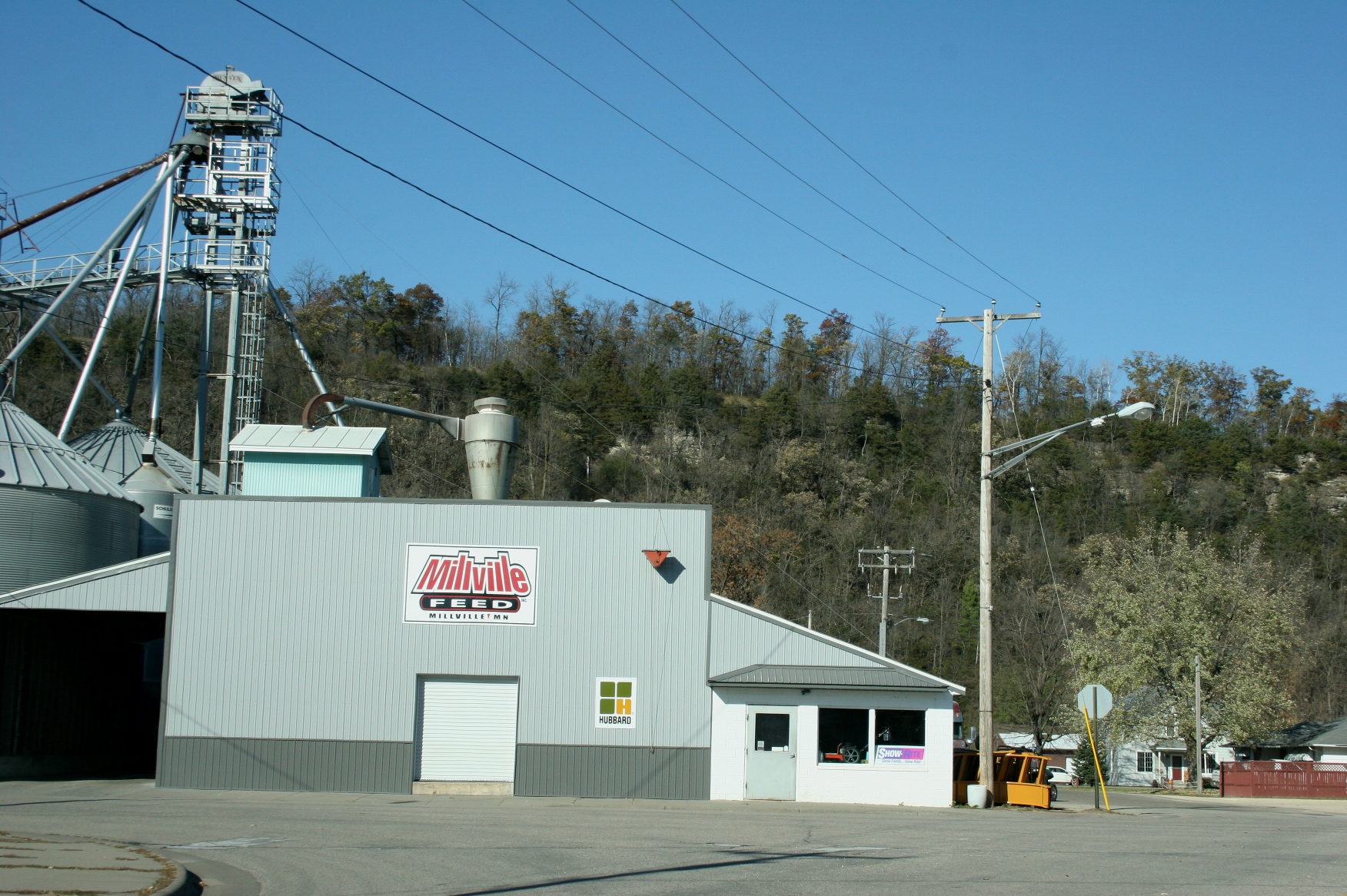
Milville, Milville Feed

A WEEK AGO, my husband and I drove into Millville, population 182, located along the Zumbro River in Wabasha County in southeastern Minnesota. We were on one of our Sunday afternoon drives. We choose a general direction in which to travel from our Faribault home. Then we just go, atlas in hand,

Whatever we discover, we discover. And, even if we do not find anything seemingly extraordinary, we celebrate the ordinary, the everyday, the small towns and farms that hold our hearts. For, although Randy and I have lived in Faribault, population around 24,000, for 29 years, we still long for the land, for small-town life, for Redwood and Morrison counties and the farms upon which we were raised.

Perhaps you, too, were raised on a farm, now live in town, and understand that longing, that forever rooted to the land connection.

That said, I highly recommend a Sunday afternoon drive.

And I also recommend viewing (click here) Minnesota Public Radio’s Ground Level project, “Fighting for an American Countryside,” which published awhile ago. I watched the first video clip on Friday and was moved to tears. The promo summary reads:

 People in rural Minnesota are battling small-town decline with determination, resourceful thinking, and unwavering belief.

I wish that was true for all rural areas, but it is not. I’ve seen all too many shuttered buildings, empty Main Streets, neglected personal properties in too many small towns. Times are tough. Young folks are leaving; the population is aging. It’s difficult, sometimes, to survive the economic and other challenges unique to rural areas.

Some small towns can rise to these challenges like those featured in the MPR project. Others lack the resources, the leadership, the creativity to do so.

Yet, all of these small towns, whether in growth or decline, are to be valued. For they are home to someone. Or they were home to someone, like Randy and me, empty nesters who now take Sunday afternoon drives and end up in places like Millville.

Millville, tractor and wagon

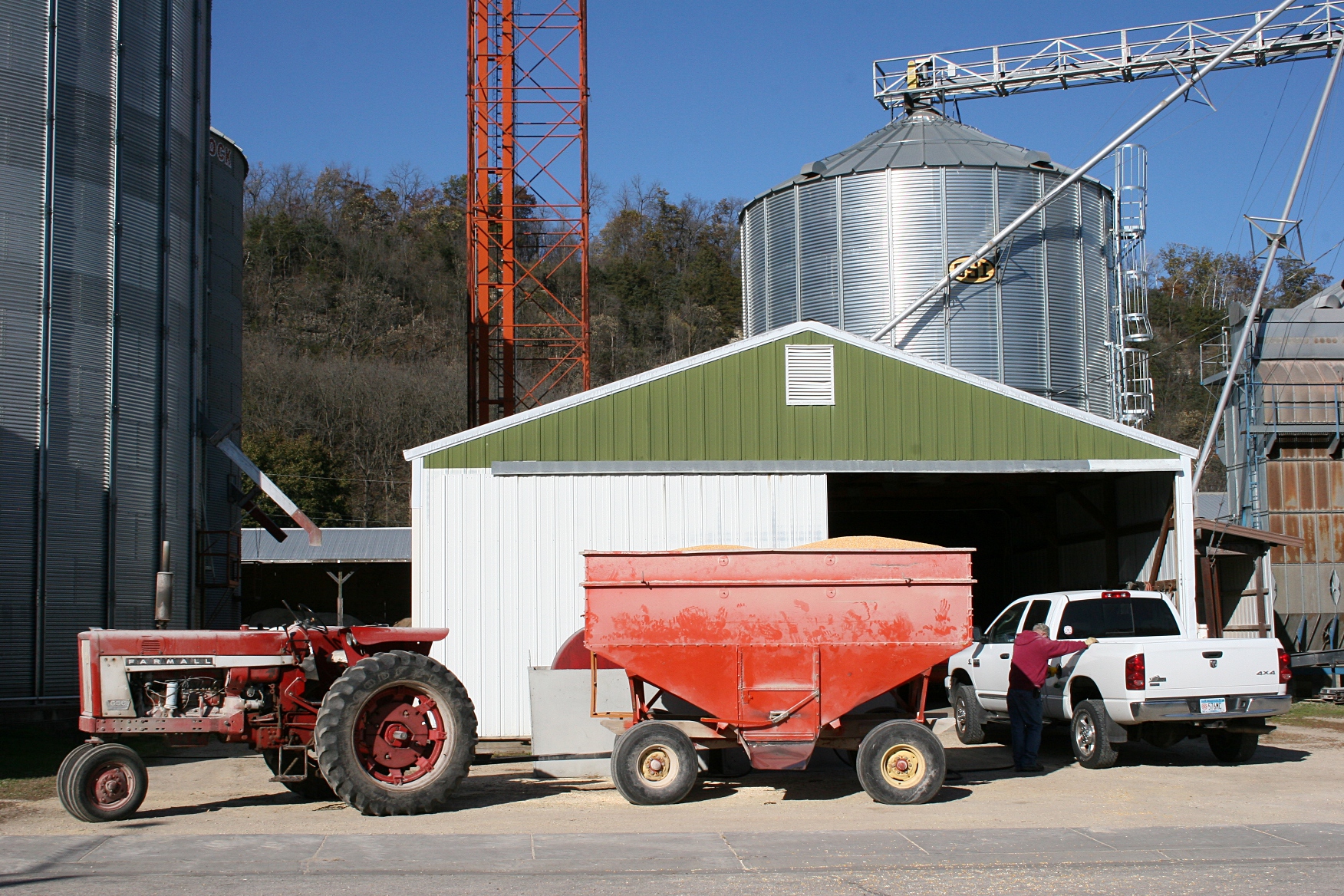
When Randy pulled over in Millville to check the map, I hopped out and photographed a farmer leaning on his pick-up truck near a wagon brimming with corn. It’s a typical small-town scene this time of year.

Millville, gun shop sign

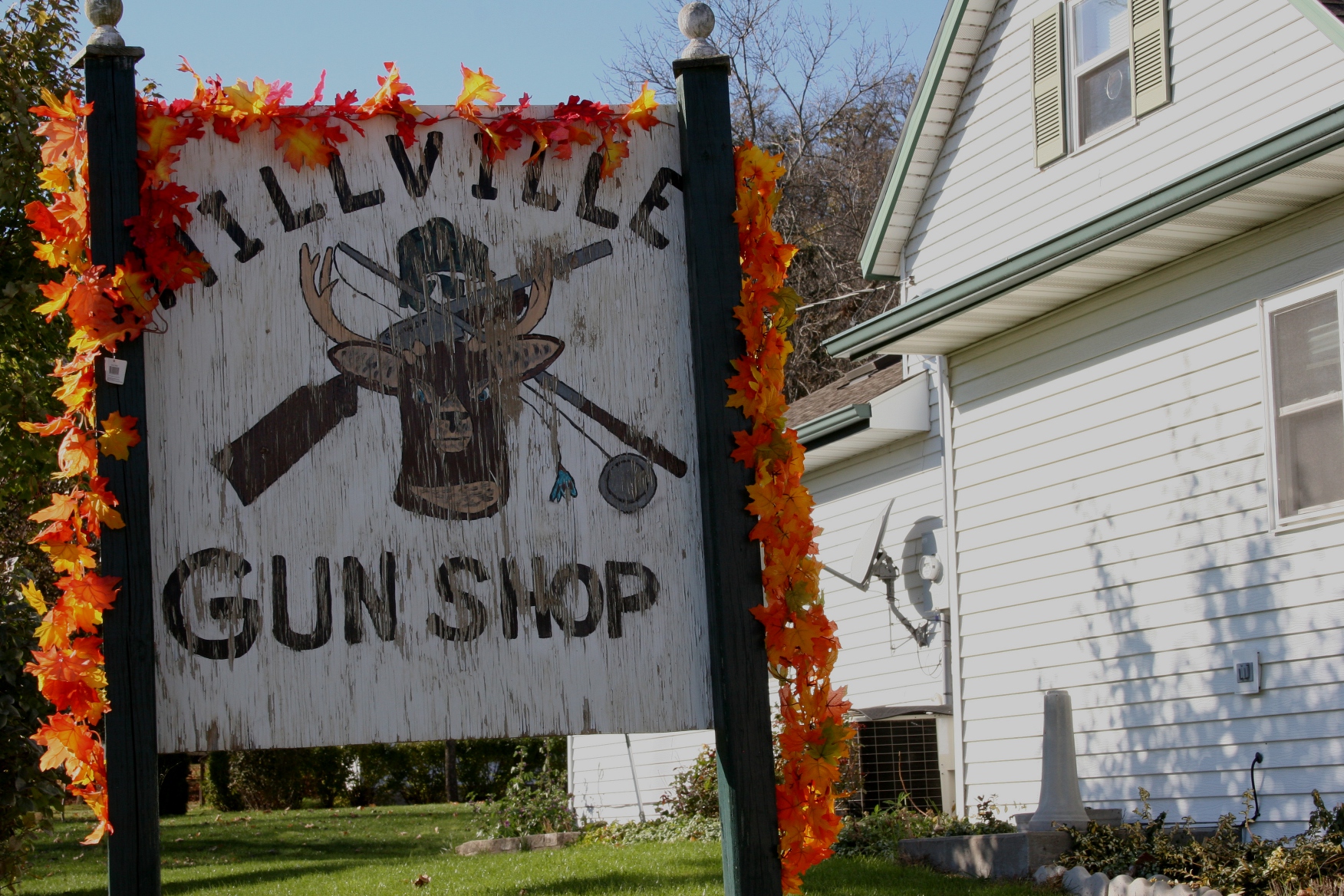
Then I walked just up the road and snapped a picture of the gun shop signage before we aimed out of town, and then turned around a few miles out. Apparently we were on the wrong route.

Millville, tractor and wagon entering

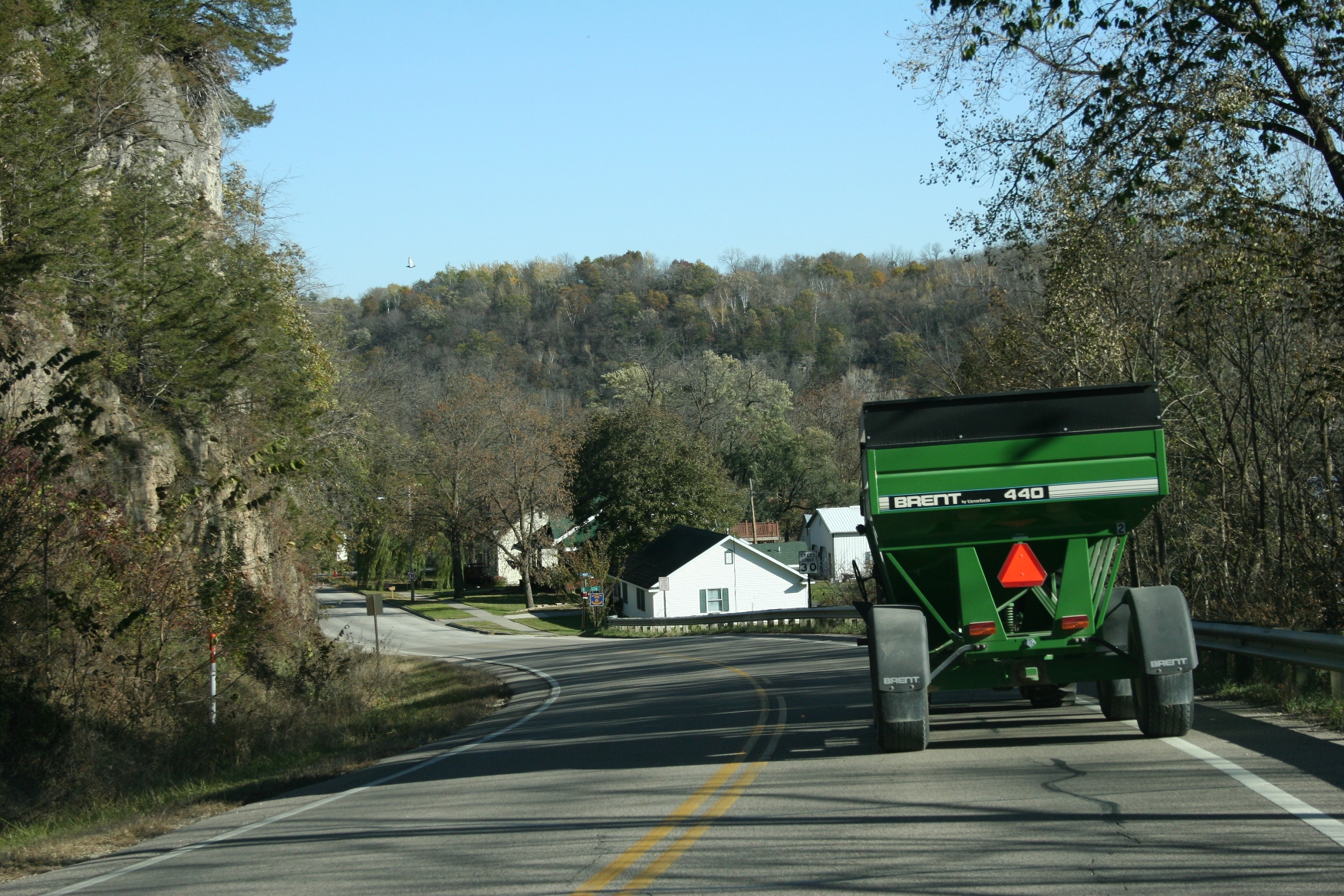
We followed a tractor and wagon, winding at a snail’s pace down the hill back into Millville.

Millville, brick house

And then, as we drove by, I photographed a curb-appealing brick house I’d noticed earlier. I love the wrap around porch, the strong lines, the neighborly appeal of this home.

Milville, grain bins

Past the grain bins, again, and the farmer waiting by his truck, we turned and found the “right road,” although there are really no “wrong roads” on a Sunday afternoon drive.

Copyright 2013 Audrey Kletscher Helbling
 

Kommen Sie for a taste of Deutschland in Faribault November 2, 2013

Arroz con pollo tastes much better than it looks.

Arroz con pollo, a Latin American dish of chicken and rice seasoned with fresh garlic, onions, red peppers and cilantro. The perfect comfort food as Minnesota transitions into winter.

EVERY YEAR ABOUT THIS TIME, I find myself craving comfort foods. Homemade mac and cheese. Beef roast and mashed potatoes. Steaming bowls of soup laced with thick chunks of vegetables. Fiery chili. Even hotdish.

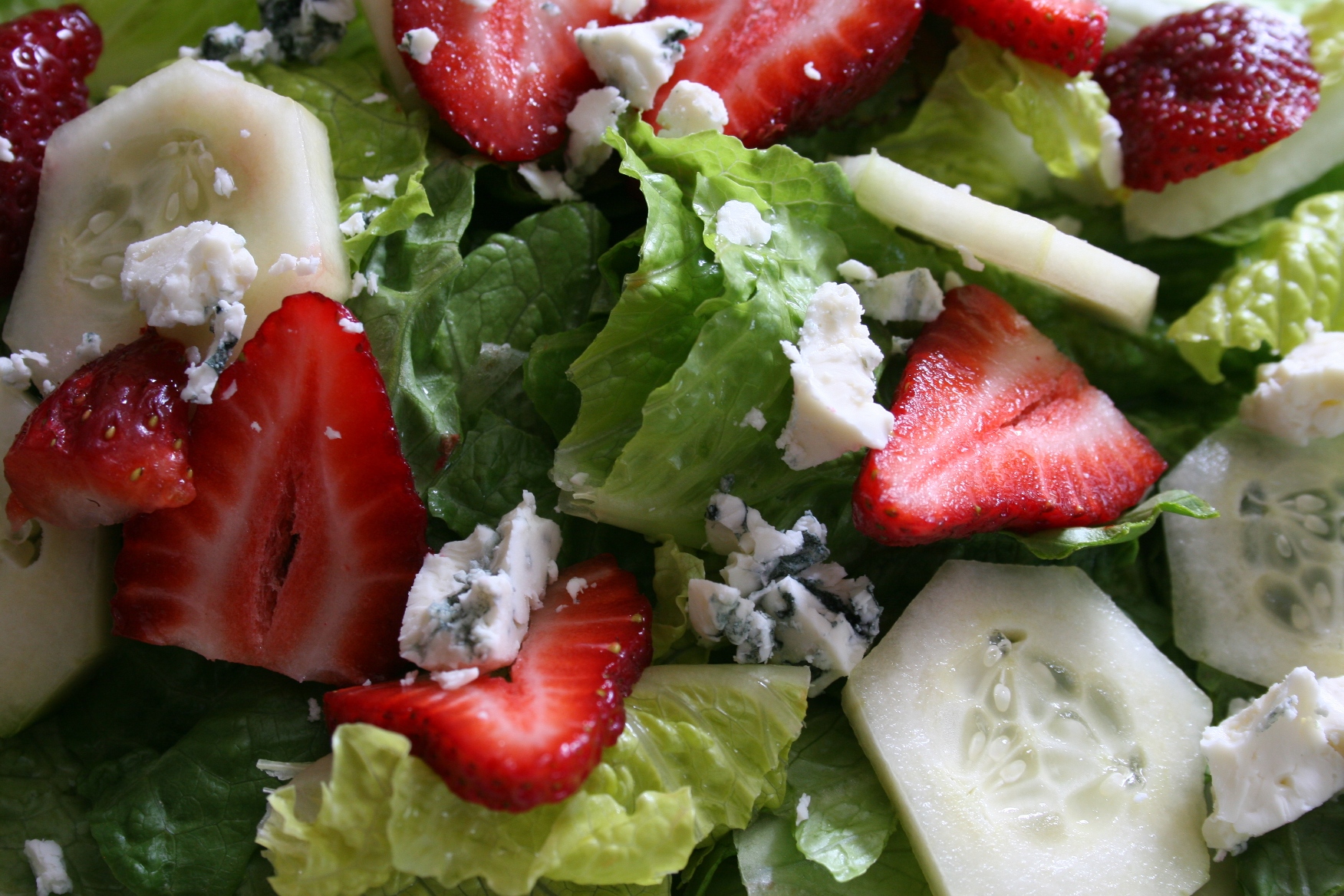
Sliced strawberries, cucumbers and Amablu Gorgonzola cheese added to Romaine lettuce made a perfect salad. I topped the salad with lemon poppyseed dressing.

Sliced strawberries, cucumbers and Amablu Gorgonzola cheese added to Romaine lettuce make a delicious salad, often a meal for me during the summer months.

I eat fewer salads, place less fresh produce in my shopping cart, fight the urge to bake cookies.

The cycling of the seasons, transitioning into the long, dark and cold days of winter in Minnesota, imprints upon my body and psyche. Call of comfort foods. Snuggling on the sofa under a fleece throw, book in hand. Limited trips outside the house once the curtain of cold and darkness falls upon the land.

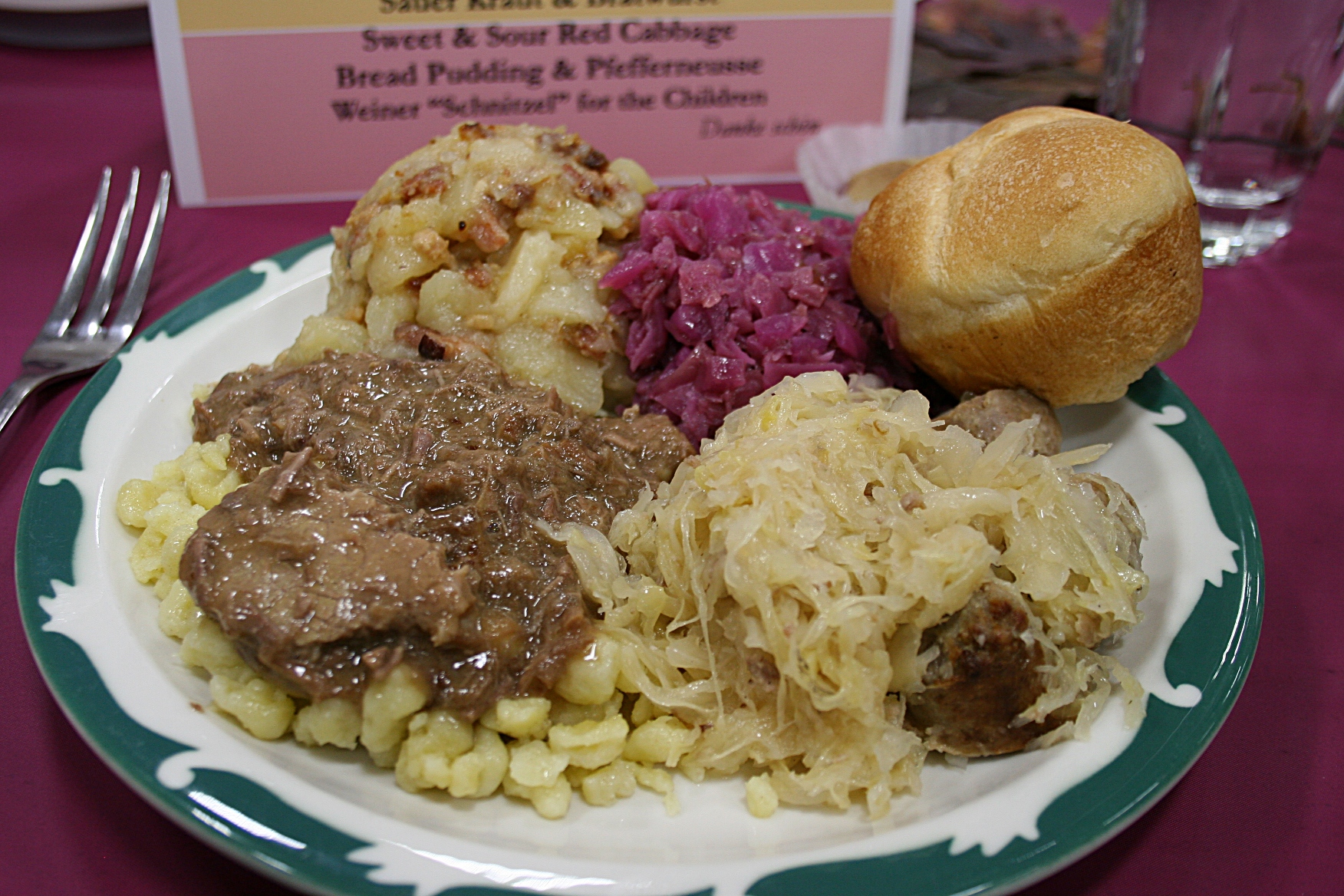
The German meal: sauerbraten and spaetzle on the left, German potato salad, sweet and sour cabbage, dinner roll and sauerkraut and brats.

The German meal: sauerbraten and spaetzle on the left, German potato salad, sweet and sour cabbage, dinner roll and sauerkraut and brats. Minnesota Prairie Roots file photo.

And so this seems the perfect time to partake of the food of my forefathers at Cannon Valley Lutheran High School’s annual German Fest: Sauerbraten mit spaetzle, Deutsche potato salad, sweet & sour red cabbage, bratwurst mit sauerkraut and the, oh, so delectable bread pudding.

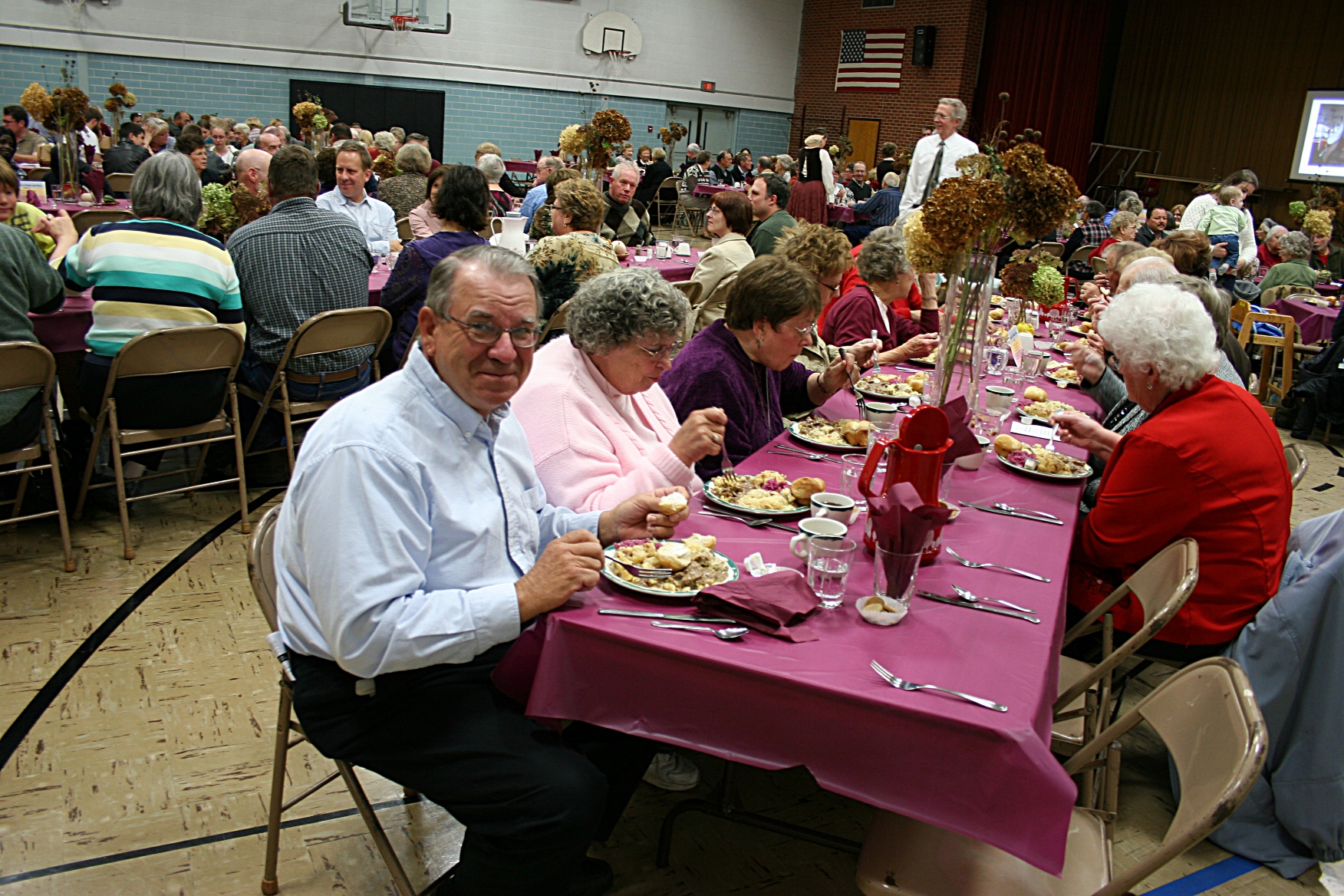
Diners enjoy the ethnic meal at the second annual CVLHS German Fest in 2011.

Diners enjoy the ethnic meal at the second annual CVLHS German Fest in 2011.

Tickets are now on sale for the Sunday, November 10, German Fest Supper, served from 5 p.m. – 5:45 p.m. in the Trinity Lutheran Church gym, 530 Fourth St. N.W., Faribault. Cost is $13 for ages 11 – adult; $7 for ages 5 – 10; and free for preschoolers with a paid adult. Call (507) 685-2636 for tickets. You may also purchase tickets at the door.

If you appreciate German food, you will enjoy this ethnic meal served after the free German Fest of Thanks & Praise, which begins at 4 p.m. in the Trinity sanctuary. From songs and prayers in German to the music of an accordion trio, a harmonica player and a 12-piece band, the program offers an opportunity to reflect on our blessings.

The German Fest presents a perfect prelude to Thanksgiving and to this season when Minnesotans crave comfort foods.

FYI: The German Fest Supper is a fundraiser for Morristown-based Cannon Valley Lutheran High School, which serves students in grades 9 – 12 from around the region. Classes were suspended this school year, among other reasons, to pay off the school’s operating debt with plans to reopen in the fall of 2014.

© Copyright 2013 Audrey Kletscher Helbling
 

On ARTour: An eye for feathers, an eye for nature November 1, 2013

Watercolorist Kathy Miller shows me Leafscapes.

Watercolorist Kathy Miller shows me “Leafscapes.”

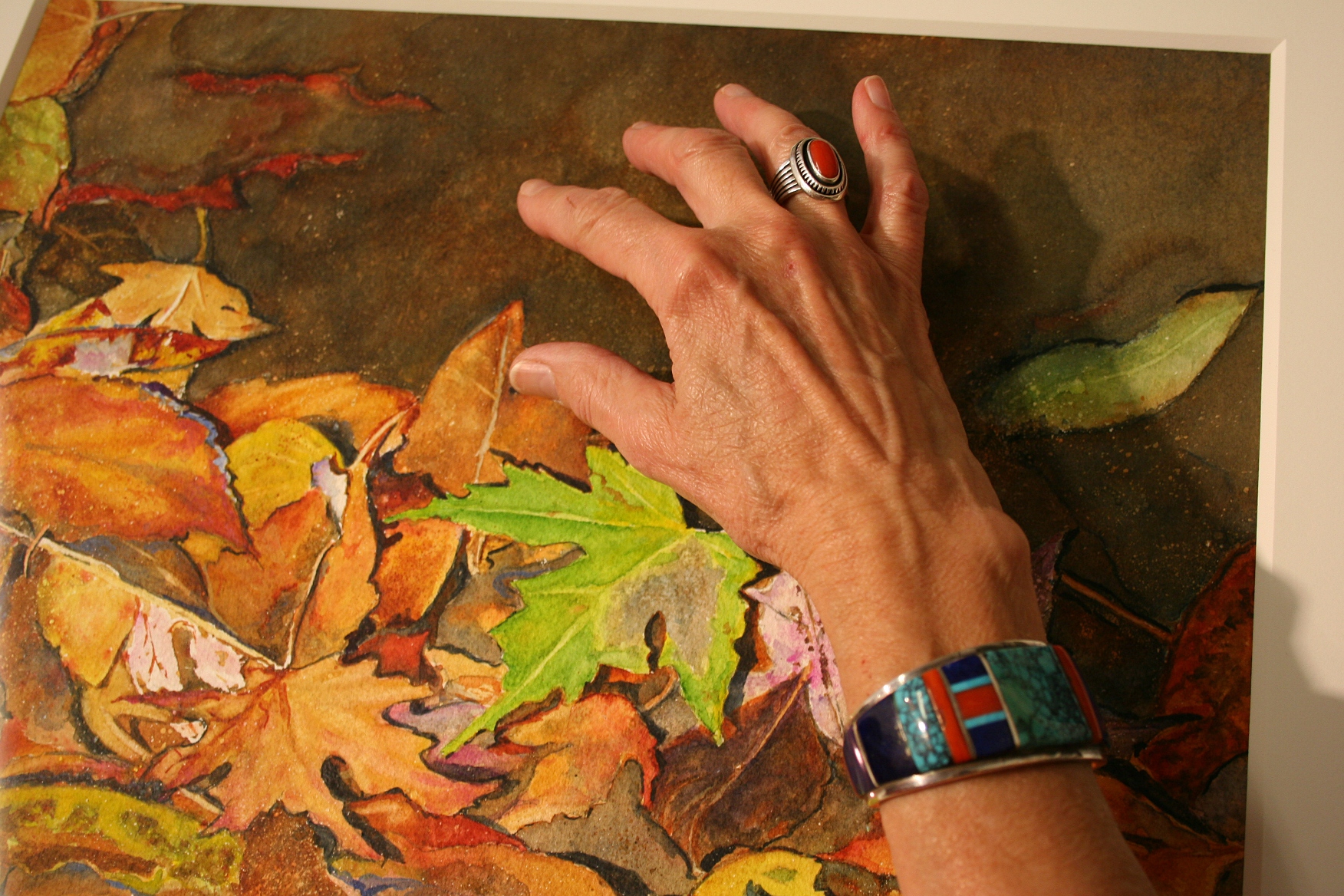
HER HAND MOVES across the watercolor painting with a familiar intimacy, stroking the sand, caressing the single green maple leaf floating among autumn-hued leaves.

I notice her ring, how the orange oval stone mimics colors in the painting below her fingertips.

I notice, too, the same hue in the bracelet that wraps her wrist, like art wraps her soul.

Watercolorist Kathy Miller speaks with a mesmerizing passion about her art, of the “Leafscape” watercolor in her hands. Mosaic. Grains of sand. Muddied waters.

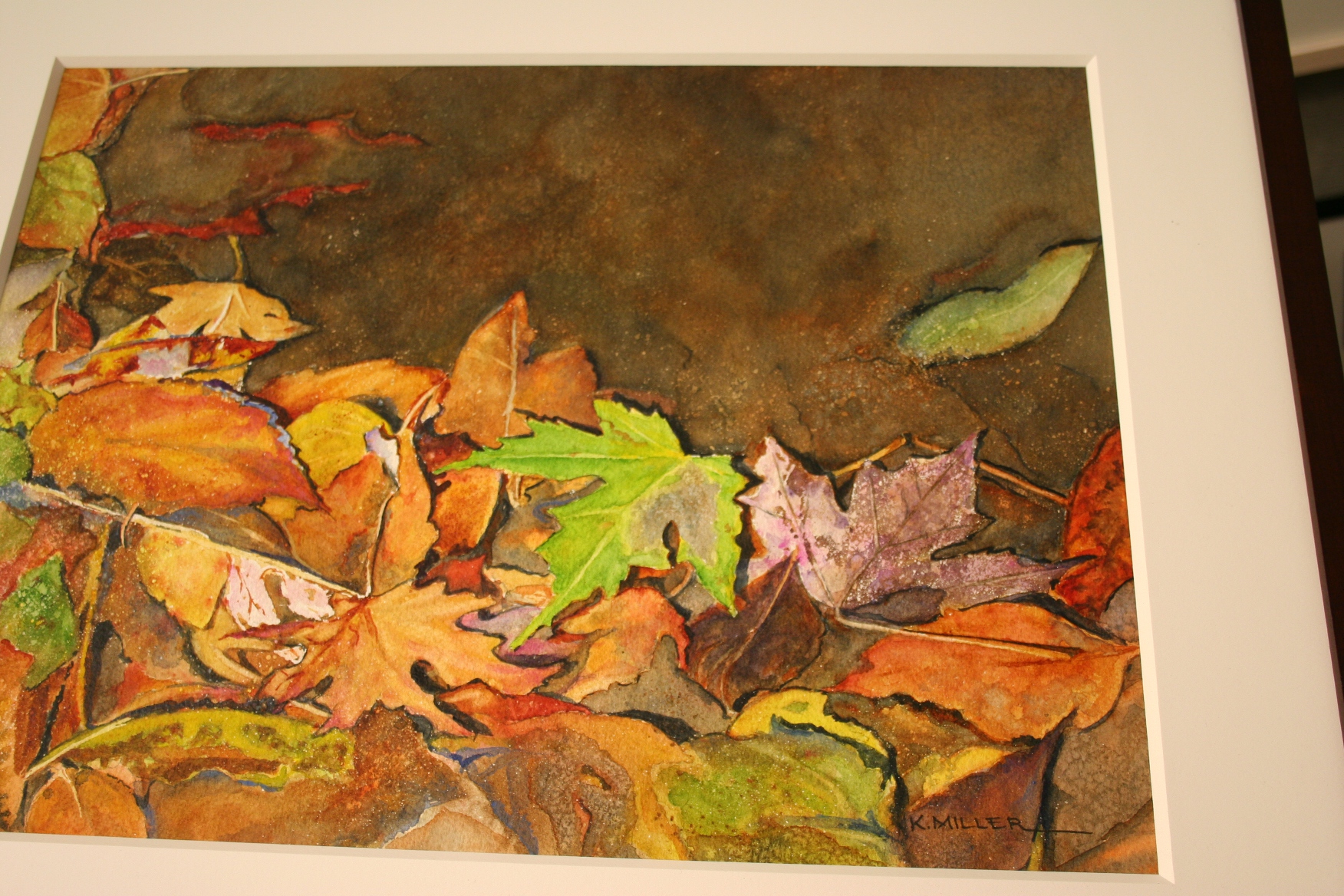
Another view of that vibrant autumn watercolor.

Another view of that vibrant autumn watercolor.

I cannot take my eyes off this vivid watercolor, created via multiple layers of painting. Let one layer dry, then add another layer. So different from the muted, dreamy tones of most watercolors.

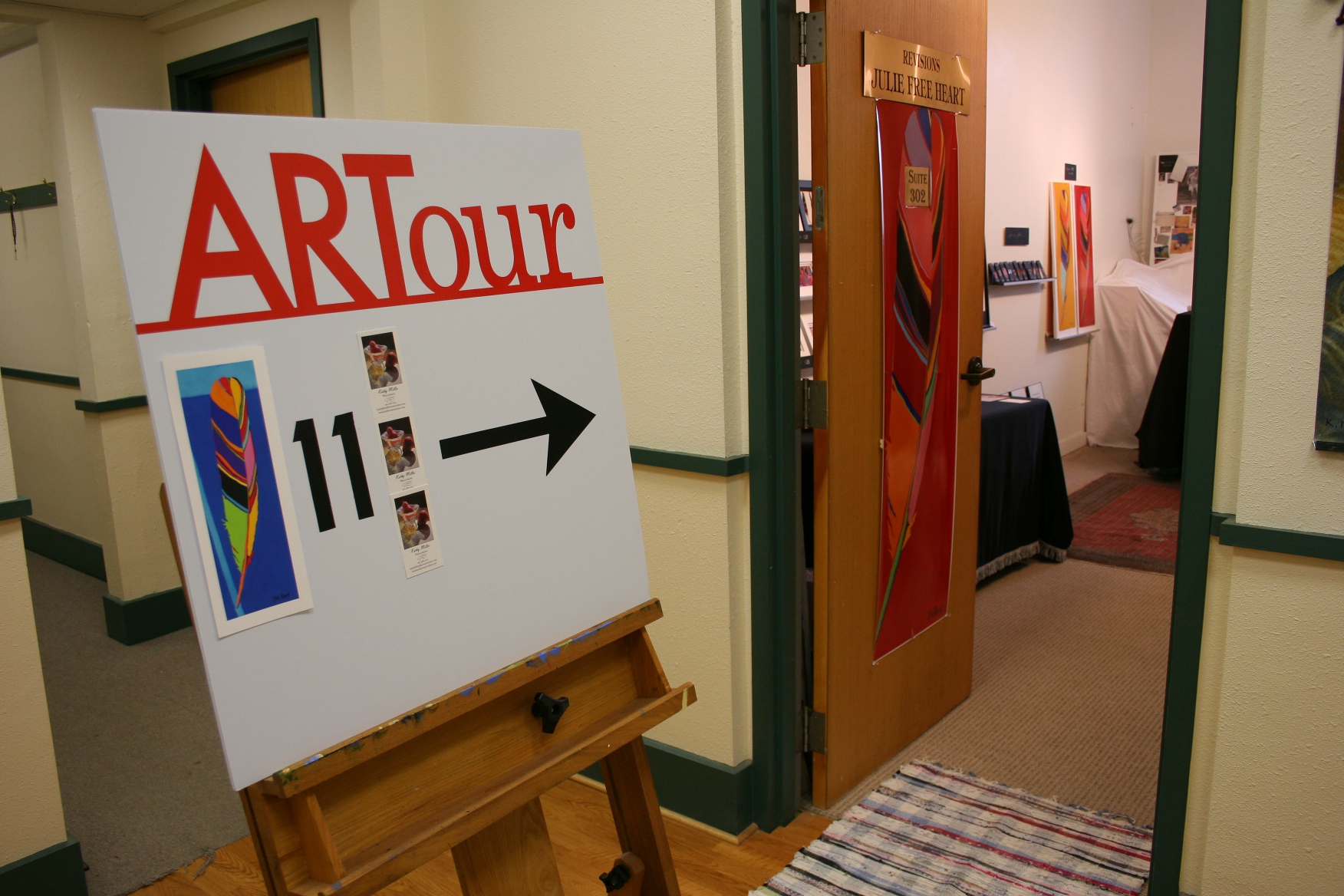
A sign directs visitors to Julie Free Heart's Revisions studio.

A sign directs visitors to Julie Free Heart’s Revisions studio.

From landscapes to florals to still lifes, Miller displayed samples of her watercolors inside Julie Free Heart’s Revisions upper level studio in the heart of downtown Northfield during the recent South Central Minnesota Studio ARTour.

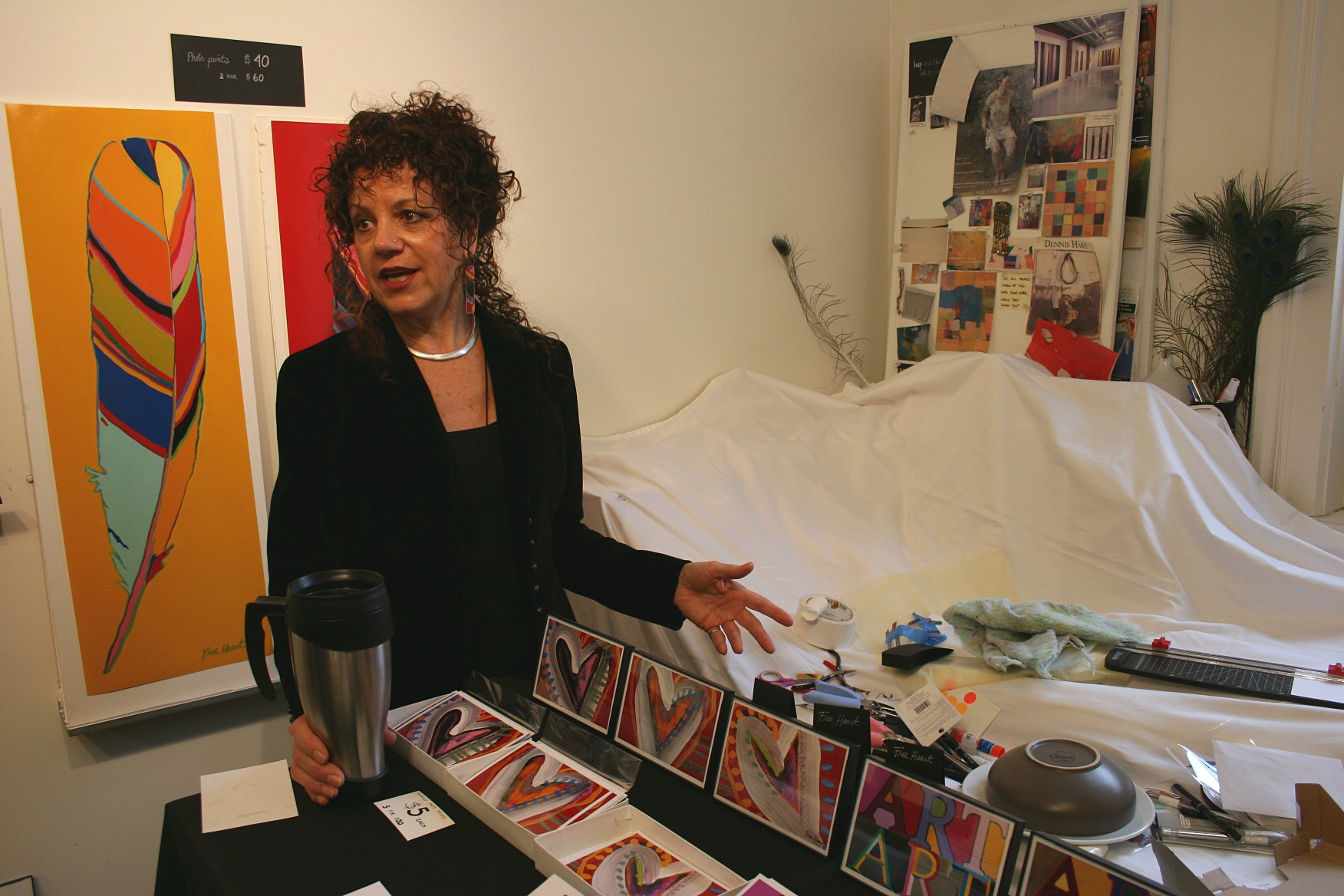
Julie Free Heart talks about her bold art.

Julie Free Heart talks about her bold art.

Free Heart’s paintings prove a sharp contrast to Miller’s. Defined. Bold. Single subject. Colorful feathers that to my arts uneducated mind seem modern art.

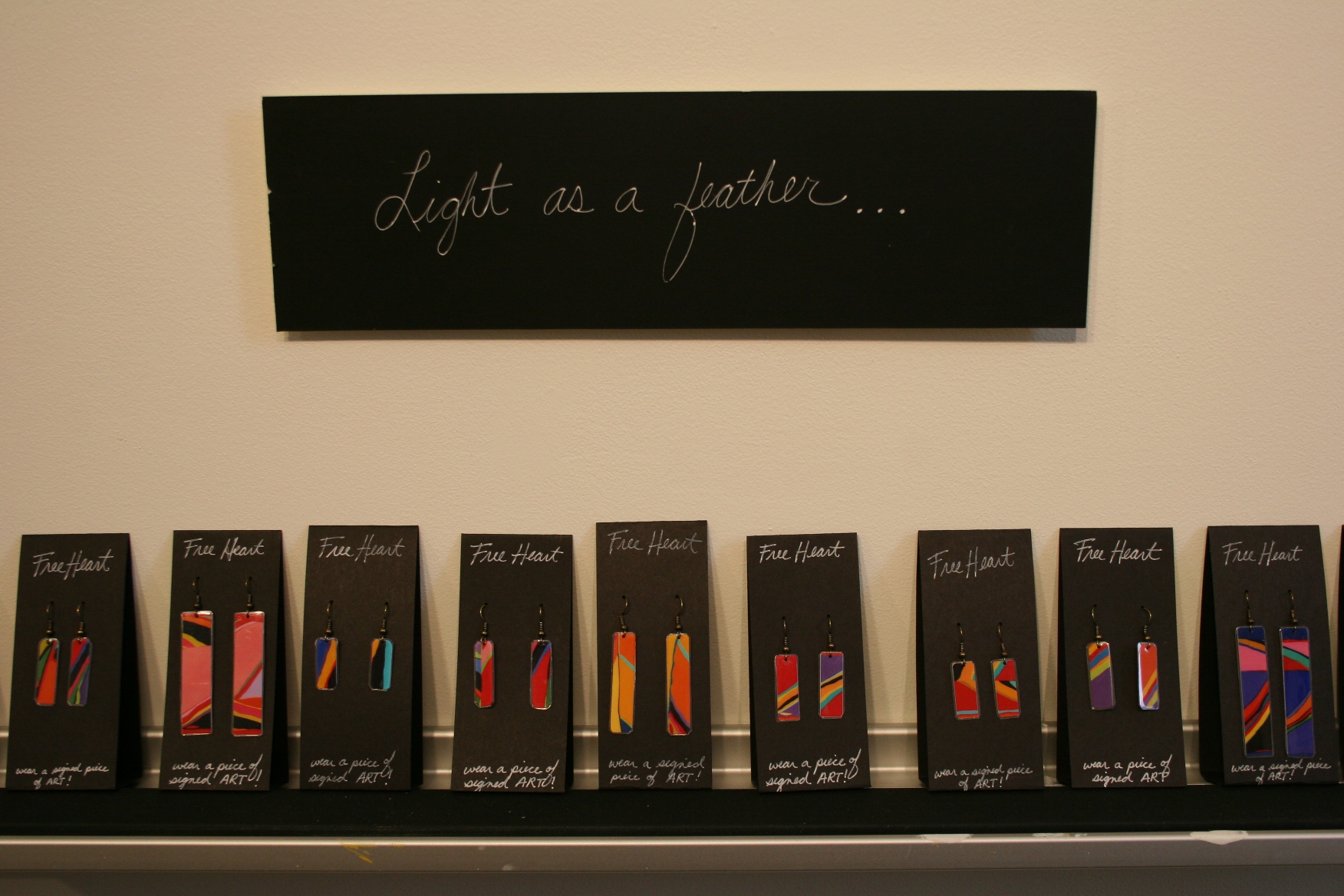
Free Heart's "light as a feather" earrings.

Free Heart’s “light as a feather” earrings.

There is a reason she paints feathers. The break-up of a long-time relationship. Feathers, actual feathers, floating before her at unexpected times, unexpected places. A sign that she was being carried, Free Heart says. She was meant to paint these bold, bright feathers, to celebrate, to be joyful.

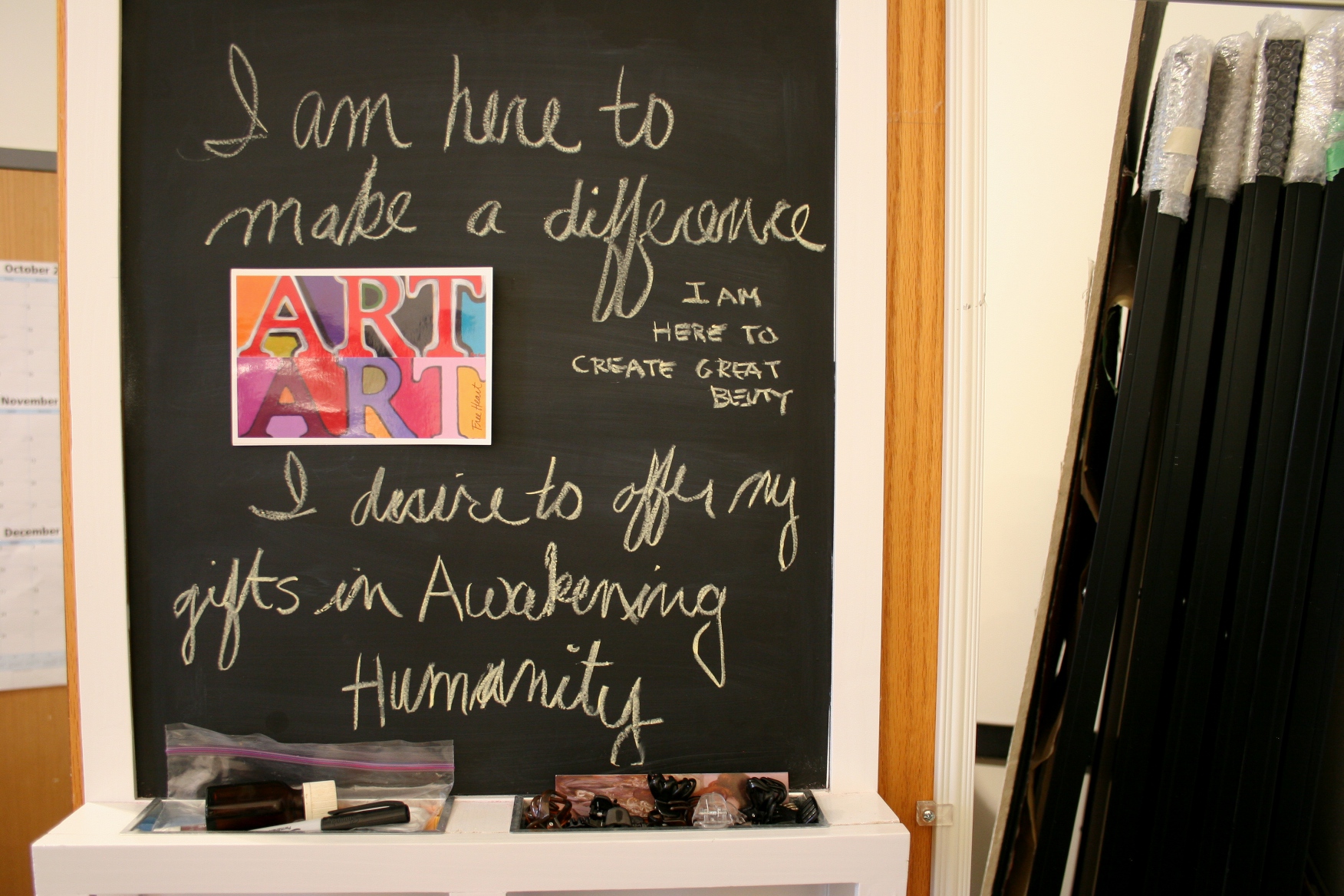
A message chalked on the back of Free Heart's studio door shares her philosophy on art.

A message chalked on the back of Free Heart’s studio door shares her philosophy on art.

After her marriage ended and not wanting to take back her maiden name, she chose the name Free Heart. It reflects who she is, she says. And I can see that. In her art. Hear that in her enthusiasm for painting these bold feathers, uniquely her own, uniquely carrying this artist on her journey through life and art.

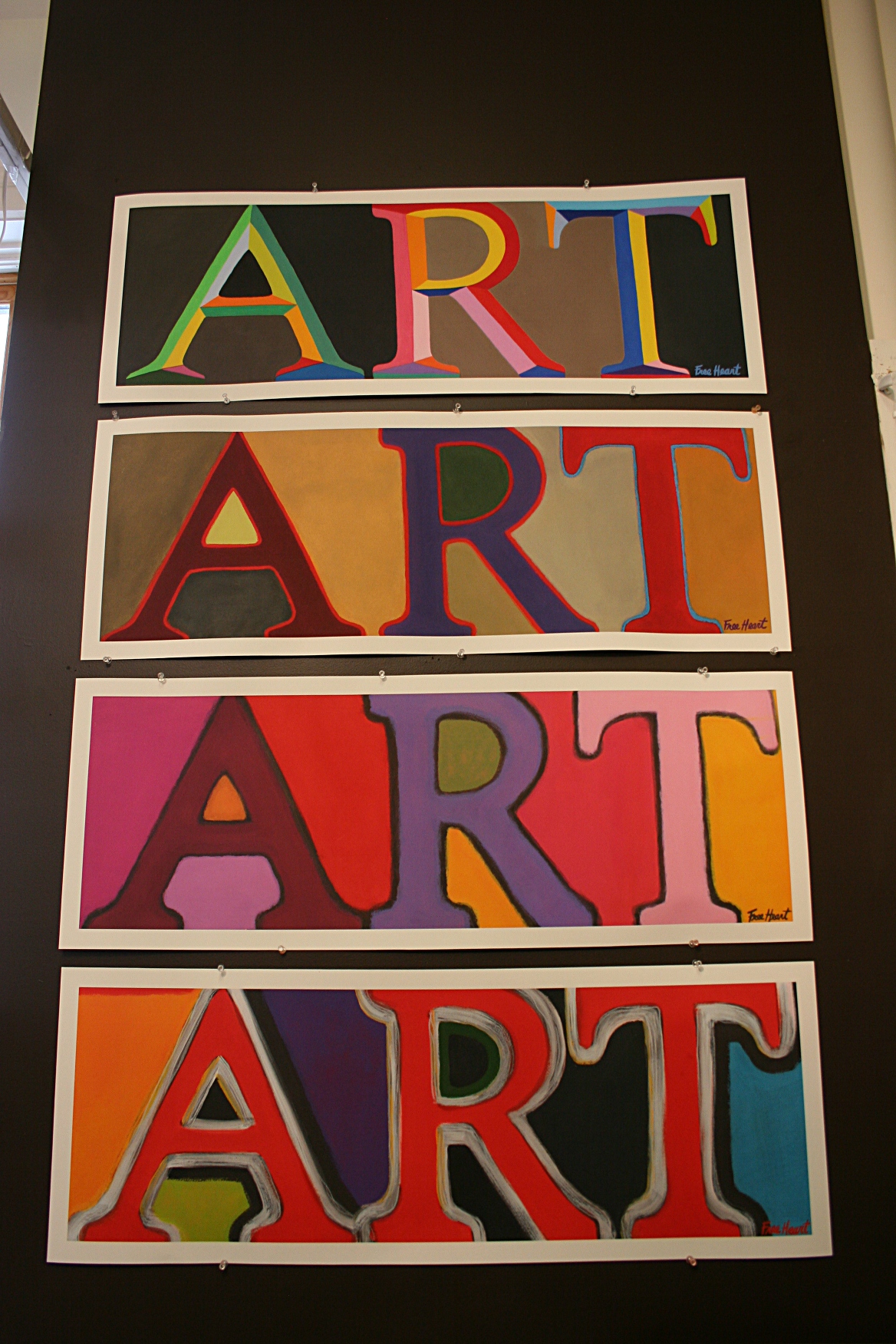
More of Free Heart's bold art.

More of Free Heart’s bold art.

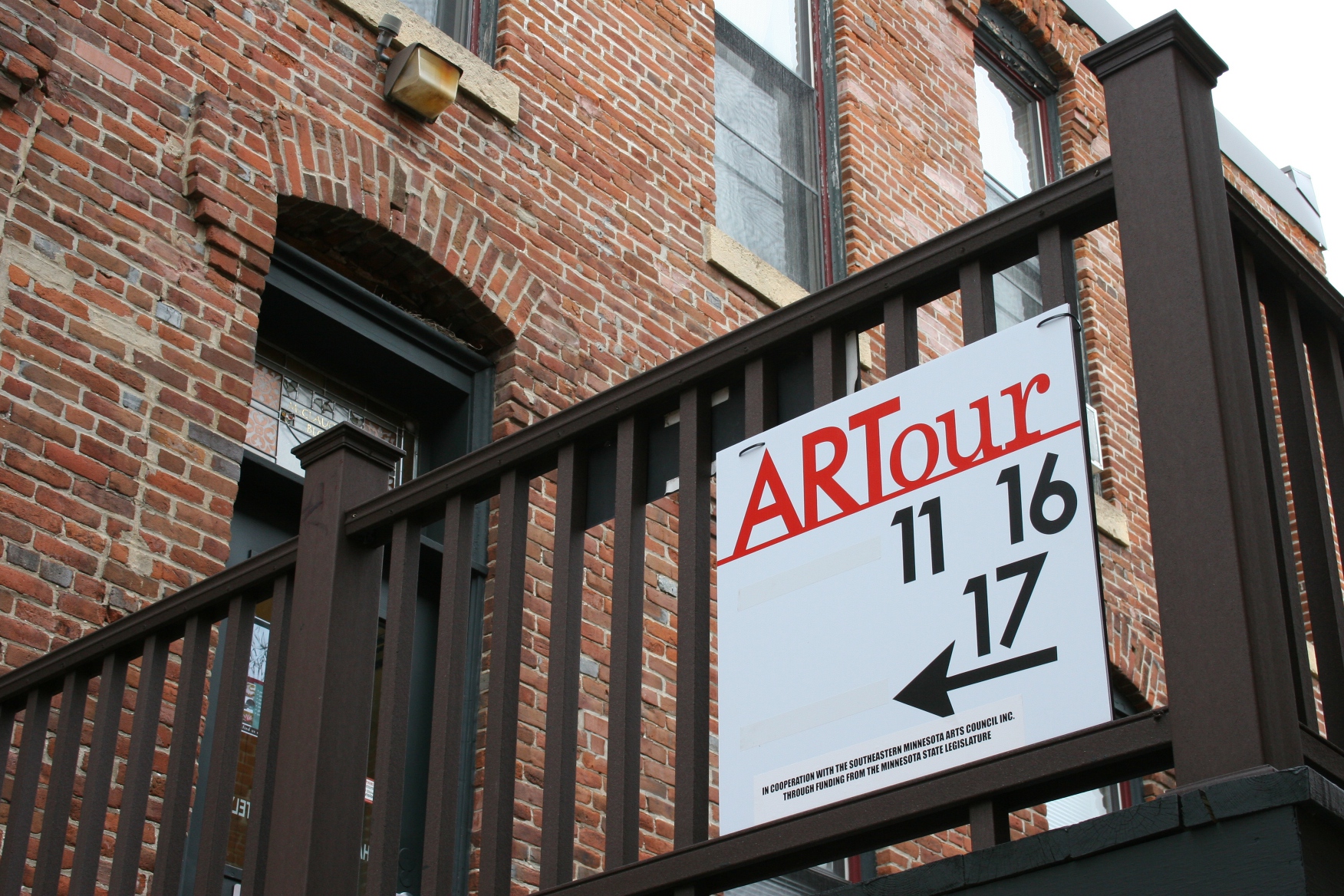
Signage directs visitors toward art studios on the third floor of an historic downtown Northfield building along East Fifth Street.

Signage directs visitors to art studios on the third floor of an historic downtown Northfield building along East Fifth Street.

FYI: To read about other artists whose work and/or studios I viewed during the recent South Central Minnesota Studio ARTour, click here and here and here.

Please check back for one final post from a downtown Northfield art studio.

© Copyright 2013 Audrey Kletscher Helbling
 

A Halloween treat: Perry the corpse flower blooms at Gustavus Adolphus College October 31, 2013

THE TIMING COULDN’T BE BETTER.

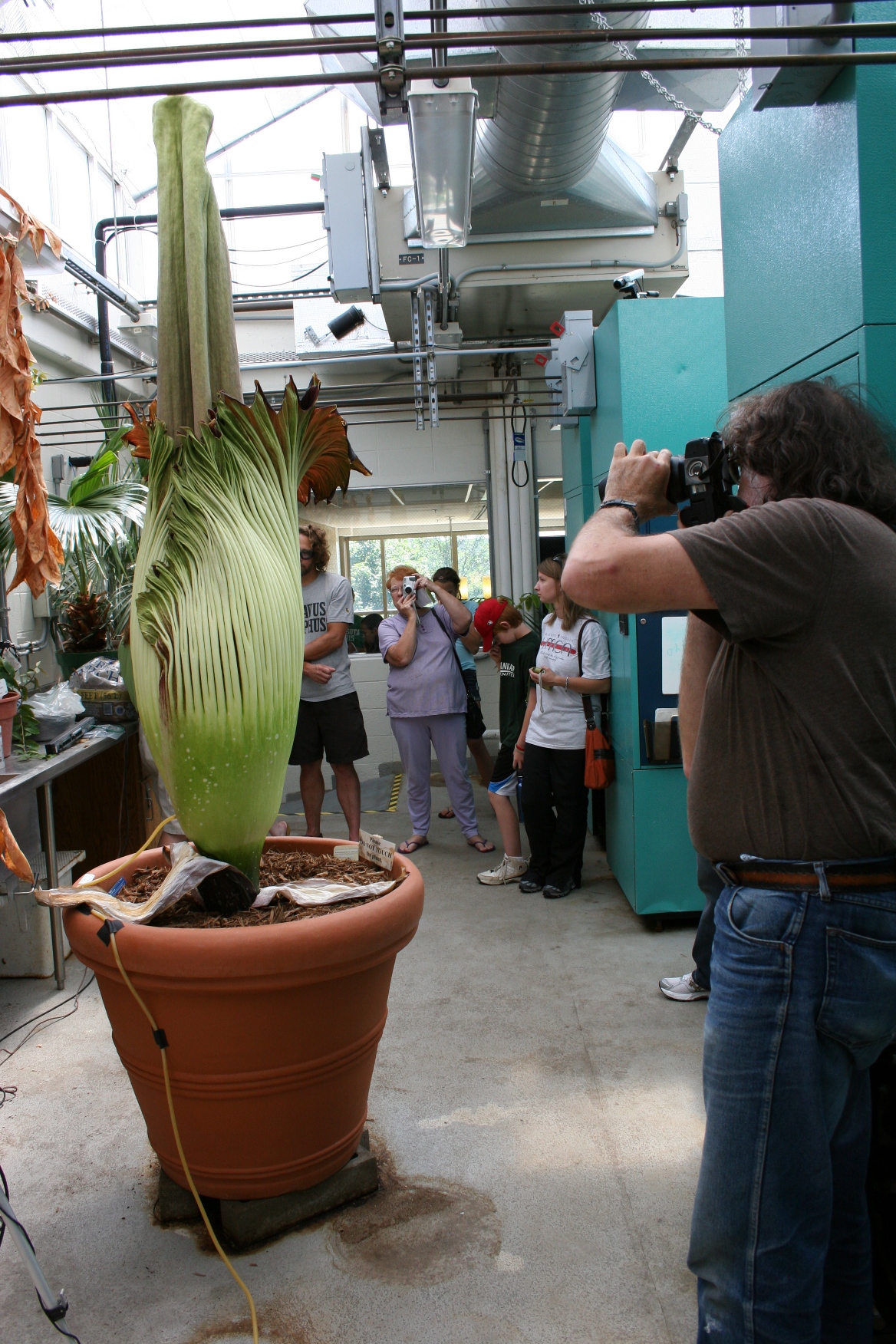
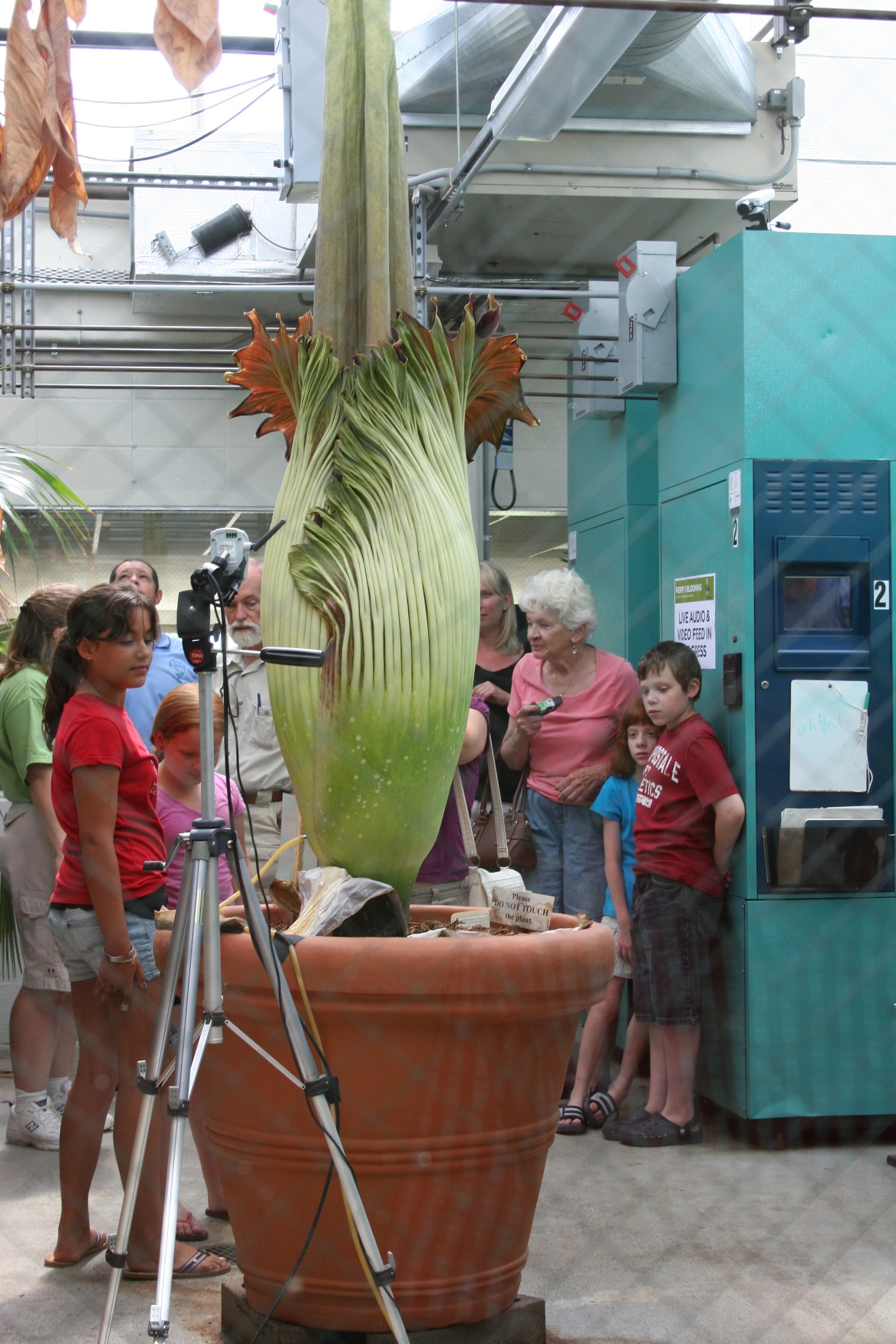
Visitors came with cameras in hand to photograph the rare blooming of Perry, which lasted until Sunday.

Visitors came with cameras in hand to photograph Perry in July 2010.

At 2 a.m. today, Perry the corpse flower began blooming in a third floor greenhouse in the Alfred Nobel Hall of Science on the campus of Gustavus Adolphus College in St. Peter.

What better day than Halloween for the rare blossoming of this rare tropical plant emitting the stench of death or rotting meat, depending on your nose and opinion.

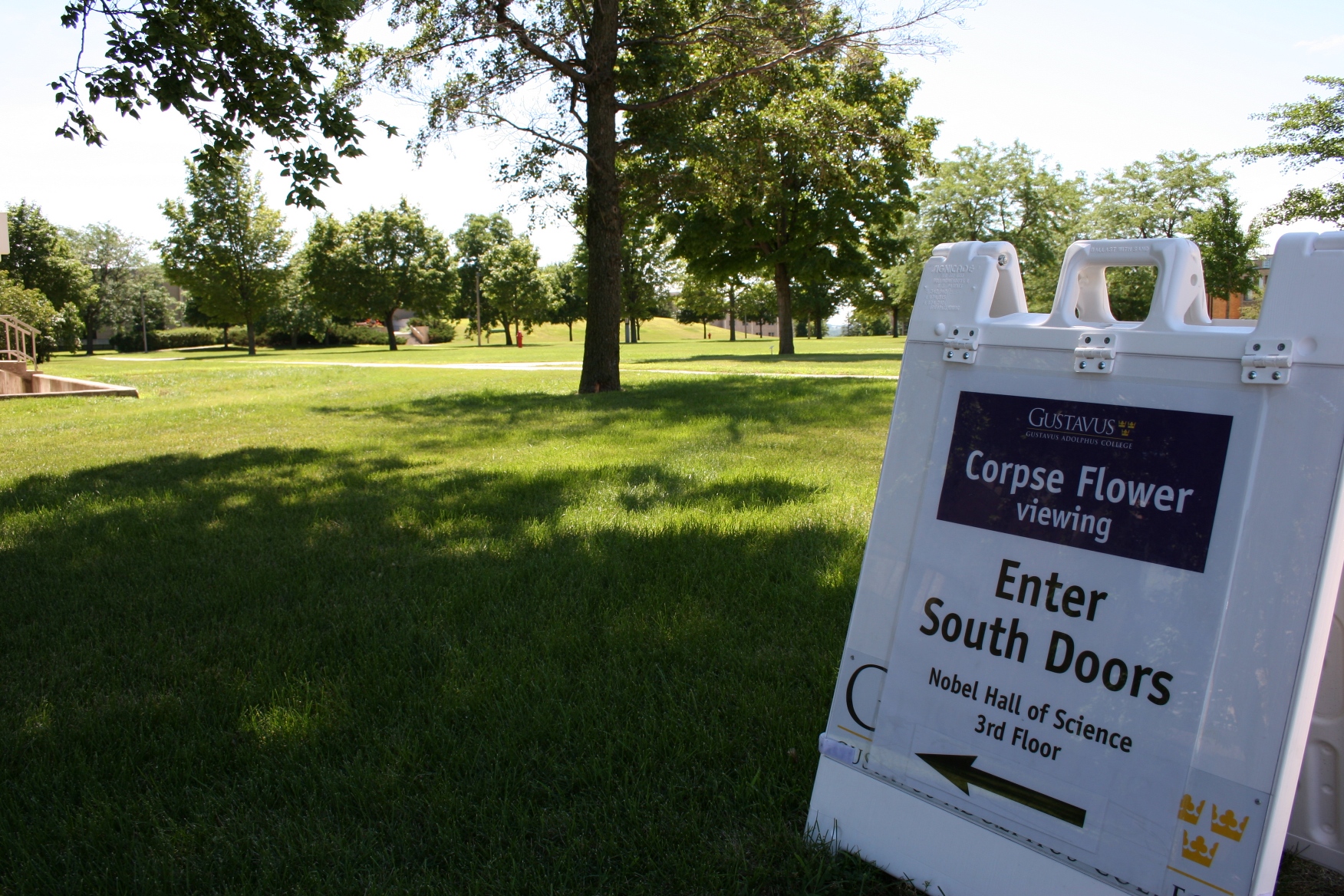
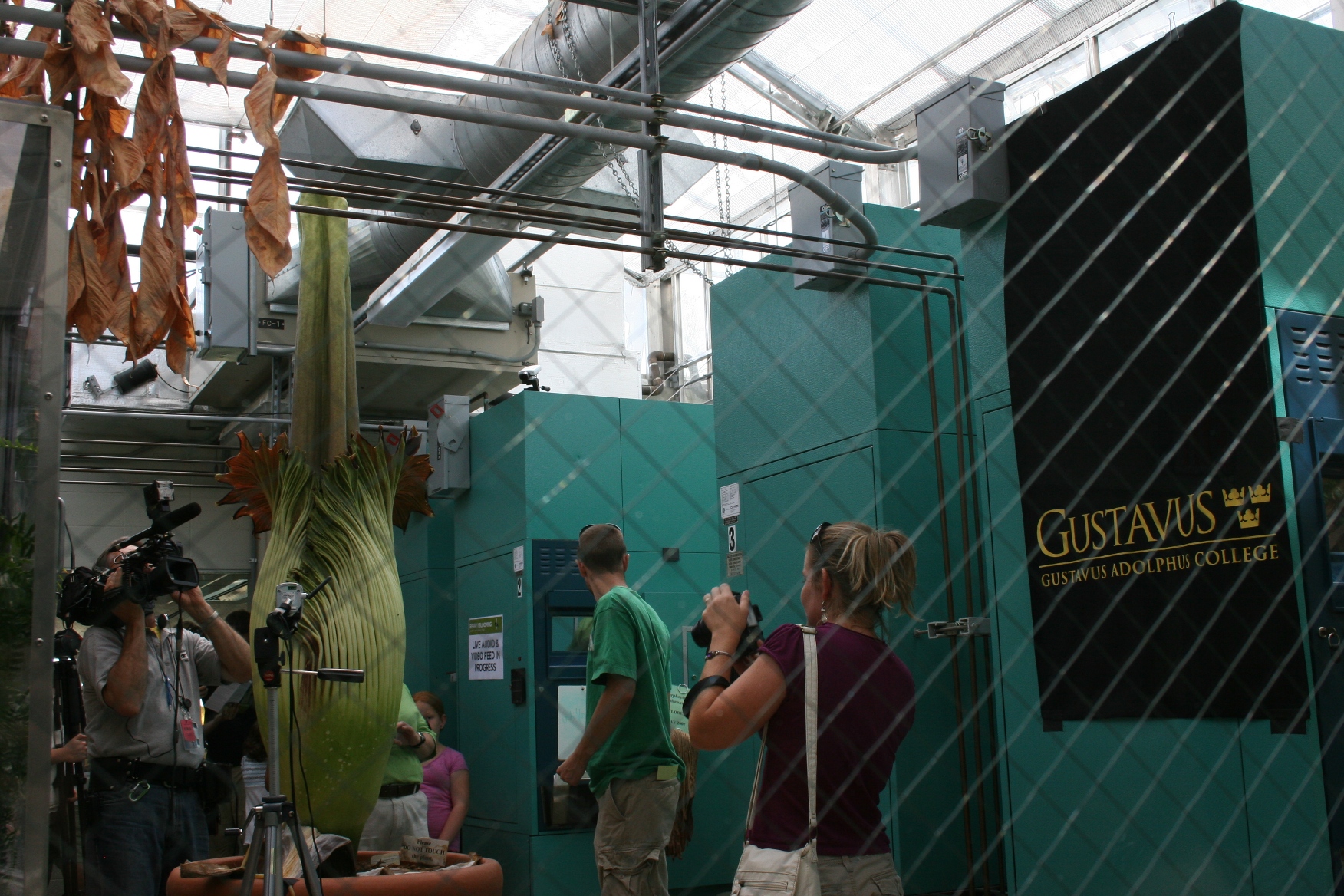
A sign at Gustavus Adolphus College directs visitors to the Nobel Hall of Science where "the corpse flower" grows in a third floor greenhouse.

A sign at Gustavus Adolphus College directs visitors to the Alfred Nobel Hall of Science where “the corpse flower” is blooming in a third floor greenhouse. Minnesota Prairie Roots file photo 2010.

You can view, and smell, this mammoth Amorphophallus titanum, nicknamed Perry, from 2 p.m. – 9 p.m. today (Halloween) or from noon to 8 p.m. on Friday, November 1.

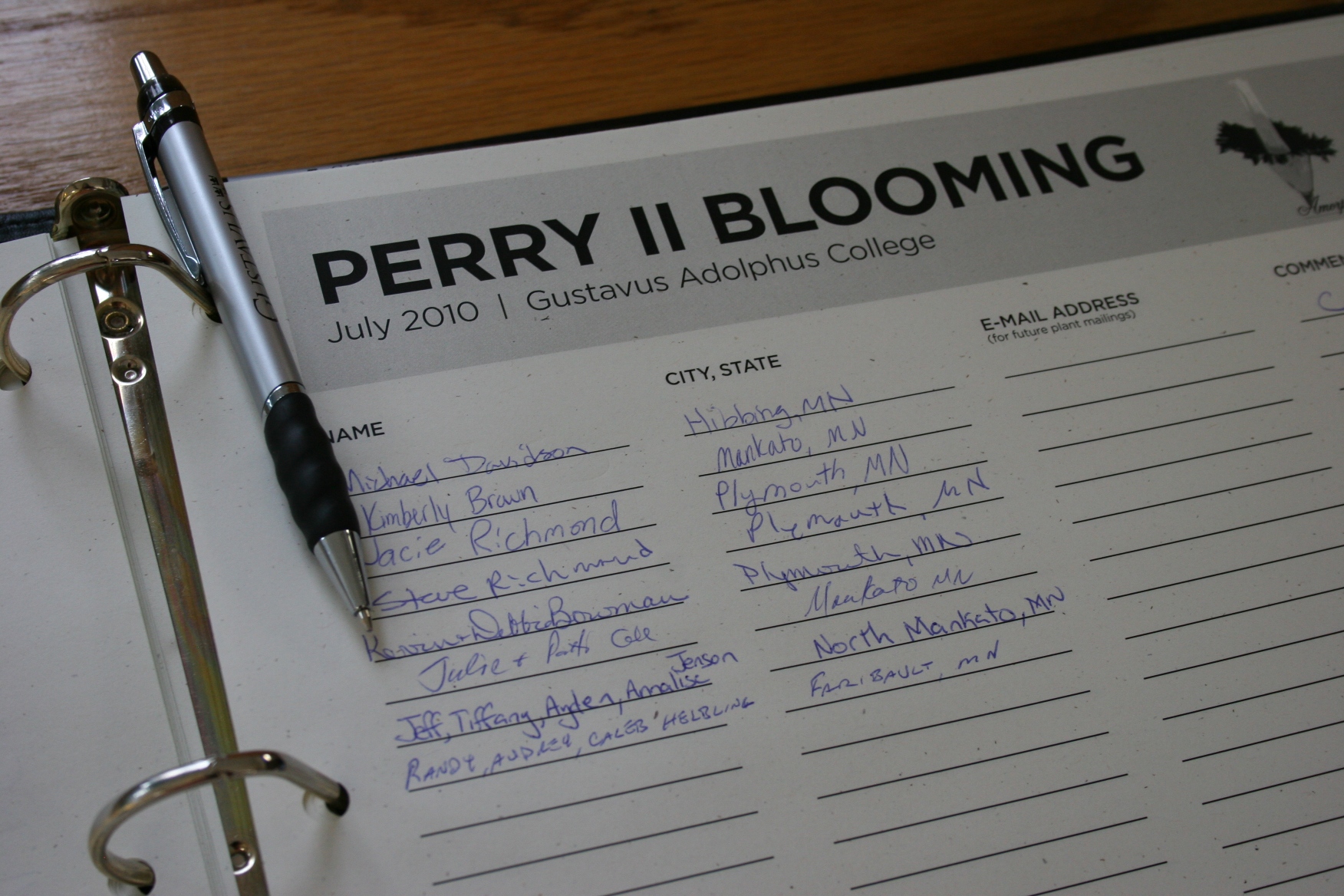
As of noon Friday, most visitors who signed Perry's guestbook came from the St. Peter-Mankato area. However, as word of the blooming spread, visitors were expected from all over--some had already come from Paris and Sweden (they were already visiting in the area).

The Petty guestbook signed by visitors in 2010. Minnesota Prairie Roots file photo.

I saw Perry when the plant bloomed in 2010.  (You can view photos from that visit by clicking here.)

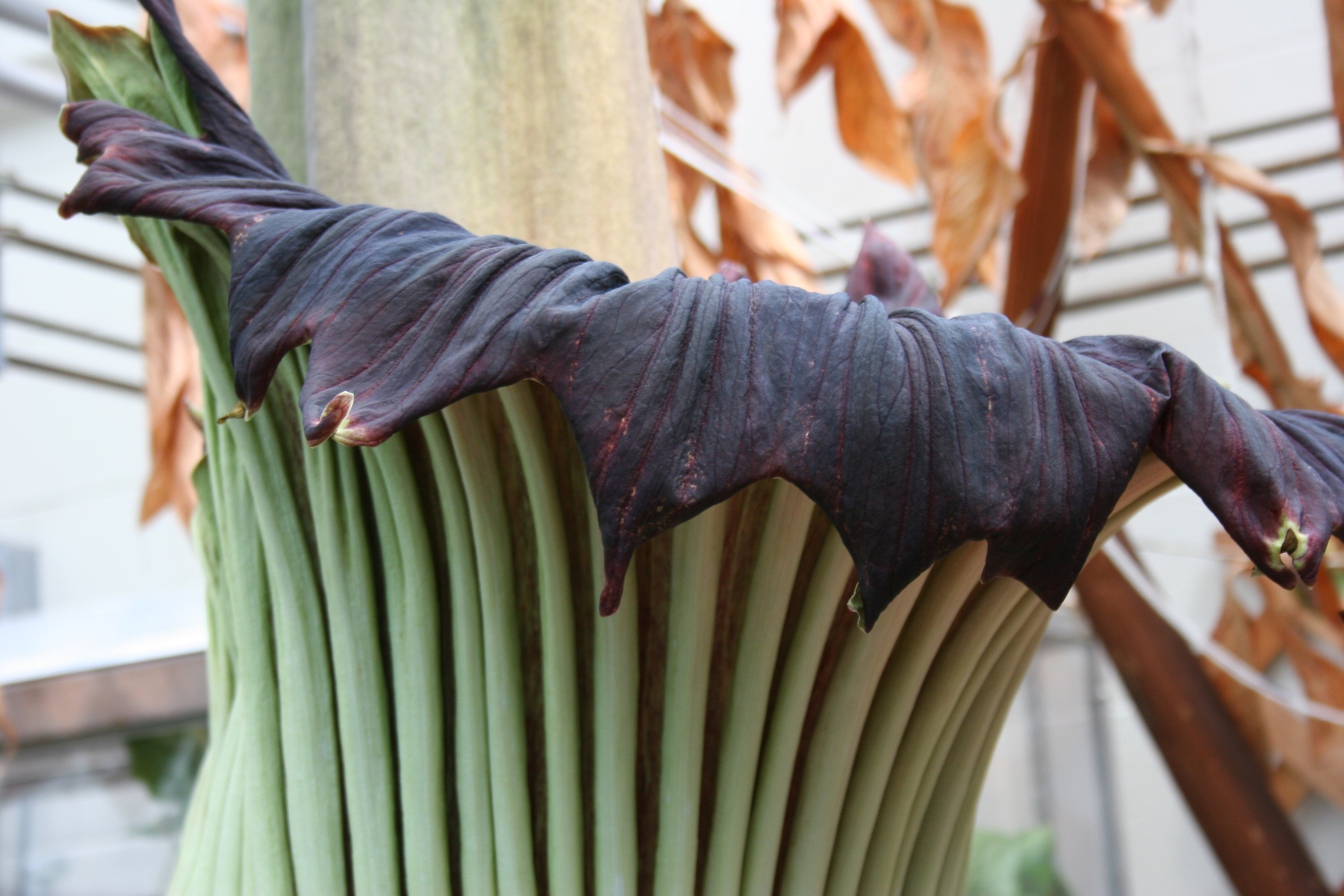
A close-up of Perry's unfolding spathe, an outer purple vase-like sheath.

A close-up of Perry’s unfolding spathe, an outer purple vase-like sheath. Minnesota Prairie Roots file photo 2010.

If you plan to see Perry in person, make haste. If you can’t get to St. Peter, then click here to watch Perry via web cam.

Happy Halloween!

Copyright 2013 Audrey Kletscher Helbling
 

Perpetuating the ghostly tale of Annie Mary Twente

Filed under: Uncategorized — Audrey Kletscher Helbling @ 6:00 AM

EVEN IF I TRIED, I doubt I could make up the true ending to my recent query in to the story of Annie Mary Twente.

First some background. Annie Mary, *according to her official Brown County, Minnesota, death certificate, died on October 25, 1886, of “lung fever.”

But legend says otherwise. As one story goes, the six-year-old fell into a coma and was buried alive on her family’s rural Hanska farm. Her father, Richard, apparently fraught over the loss of his daughter, had her body exhumed, revealing fingernail scratch marks inside the coffin and locks of hair pulled from Annie’s head, essentially proving that the child was buried alive.

From there, the story takes on a life of its own with reports of Annie Mary’s ghost wandering inside the walled burial plot where she was laid to rest by her grieving family. Her body has since been moved to a cemetery in central Minnesota.

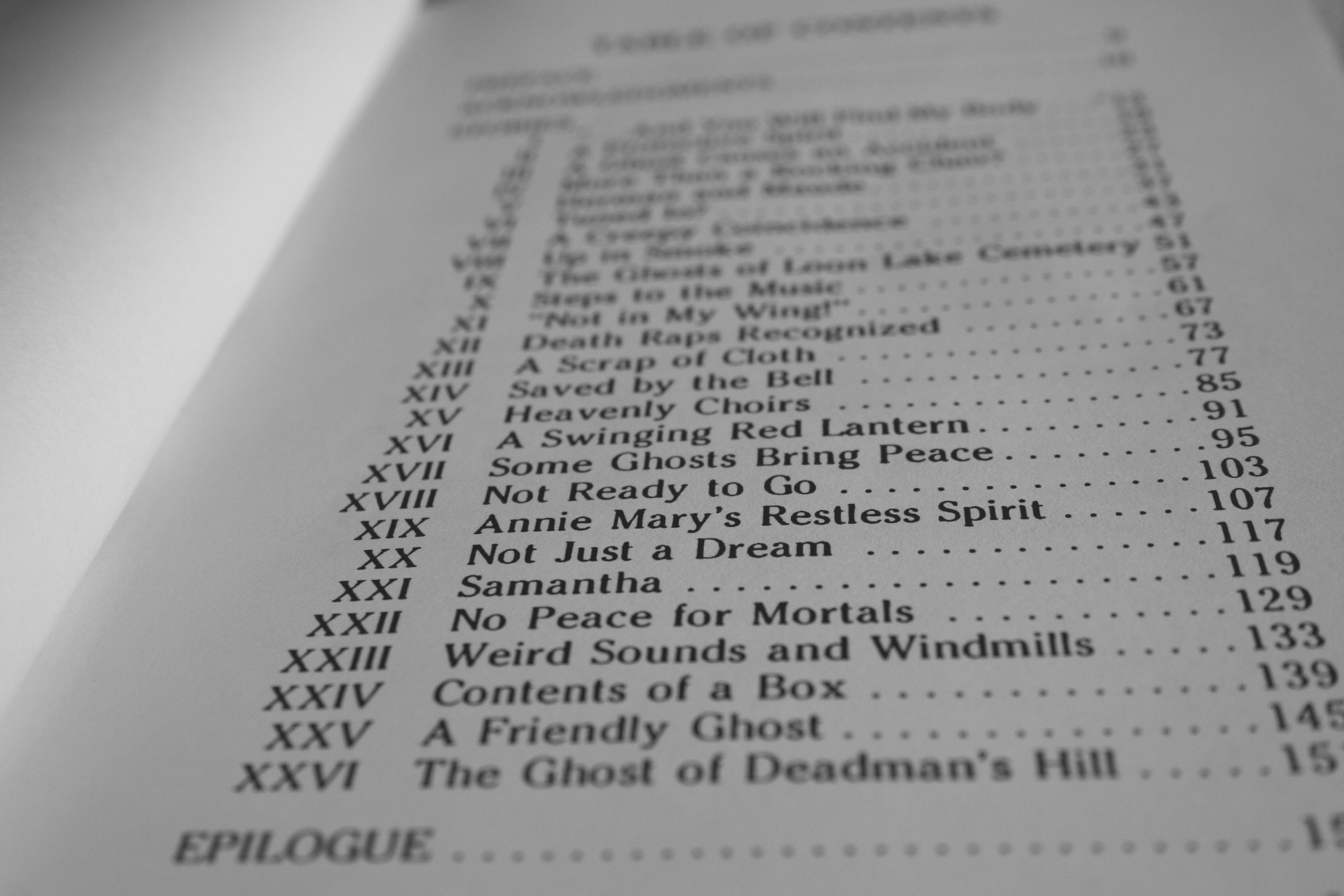
Stories featured in Ghostly Tales of Southwest Minnesota.

Stories featured in Ghostly Tales of Southwest Minnesota.

Annie Mary’s demise and haunting are perhaps one of southwestern Minnesota’s best known ghost tales. Or at least to me and other writers like Nicole Helget who devoted a chapter (“Rooted Here”) to Annie Mary in The Summer of Ordinary Ways and Ruth D. Hein who included Annie Mary (“Annie Mary’s Restless Spirit”) in her collection, Ghostly Tales of Southwest Minnesota.

And then there are other prairie dwellers like my Aunt Marilyn who perpetuate the legend of Annie Mary. Each Halloween for decades—neither of us remembers exactly when this started—Marilyn has mailed a Halloween card to me with the message, “I MISS YOU! ANNIE MARY.”

Her block printed letters are always uneven and tilted, mimicking the writing of a six-year-old. And the return address always bears the initials A.M., to be interpreted either as Annie Mary or Aunt Marilyn.

A few days ago I phoned Marilyn, hoping to pinpoint a time-line on this long-standing Halloween card tradition. Marilyn lives in my hometown of Vesta, but was raised in the Comfrey area west of Hanska (south of New Ulm). She grew up hearing the story of Annie Mary from her mother, Stella, whose childhood farm was only four miles away across Lake Hanska from the Twente farm.

The horrid details of fingernail scratch marks inside the coffin, tufts of pulled hair and Annie’s ghost swaying in a tree swing are imprinted upon my aunt’s memory.

And, after I moved to Sleepy Eye in the early 1980s to work as a news reporter for The Sleepy Eye Herald Dispatch and then relocated six months later to report from the nearby St. James news bureau of the Mankato Free Press, the legend took on new significance for me. It was fueled by Marilyn’s reminders that I was now living and writing in Annie Mary’s backyard.

For my 1982 bridal shower, Annie Mary gifted me with a box of artificial birds (I am not particularly fond of birds). I expect it was shortly thereafter that the cards from Annie Mary began showing up in my mailbox each Halloween.

Just before Halloween each year, my aunt begins searching for a greeting card that features a tree swing. She has yet to find one. But whatever card A.M. sends, it serves as a spine tingling reminder of the legend of Annie Mary, and of an aunt who loves me.

This year I have my own postscript to add to this Annie Mary card tradition. After phoning Marilyn, I pulled my copy of Ghostly Tales of Southwest Minnesota from the bookshelf to read the chapter about Annie Mary. I purchased this collection, published in 1989, at a used book sale in Faribault last spring, but had yet to read the stories.

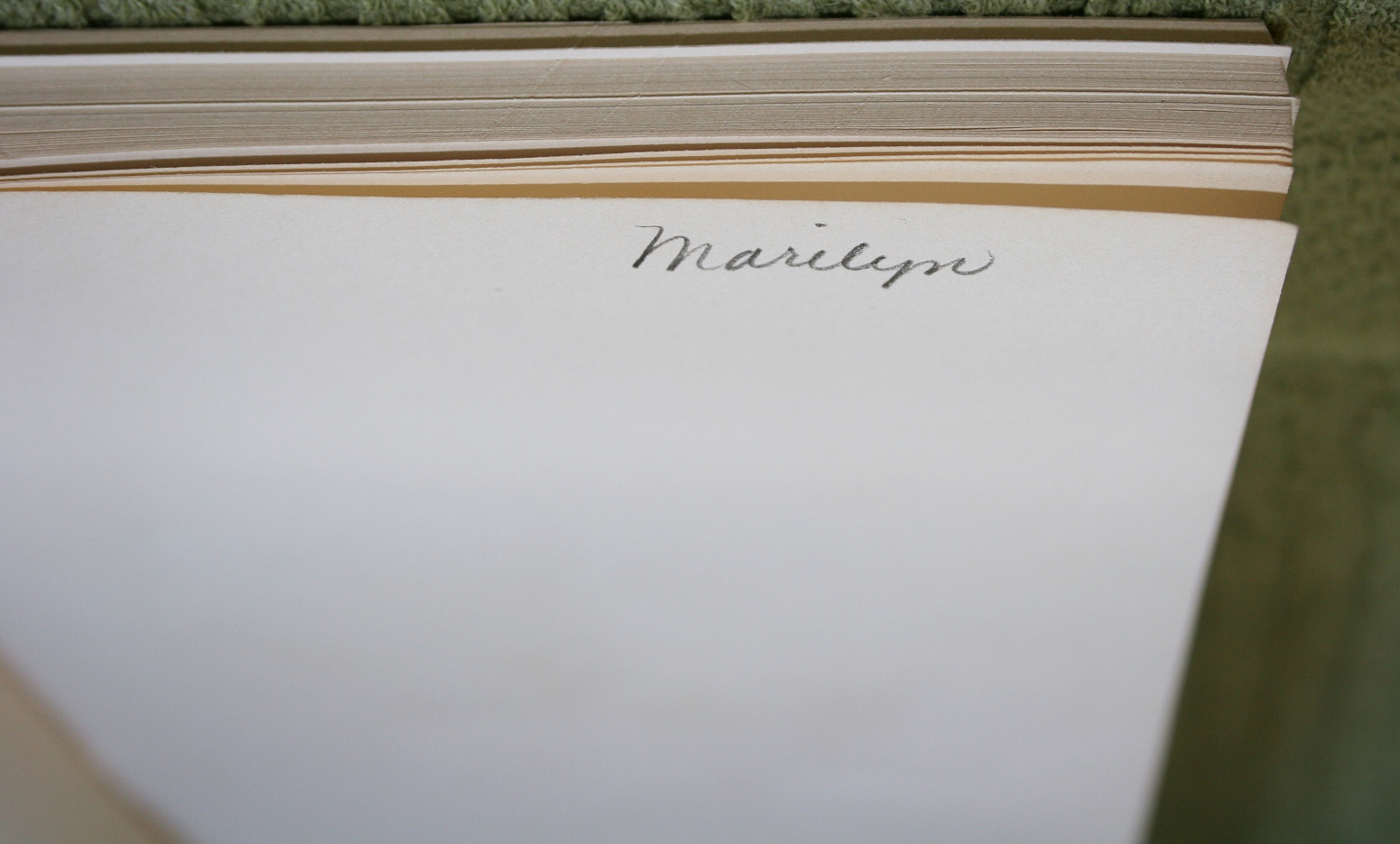
I opened the book. And there, penned in cursive opposite the inside cover page, was a name. Marilyn.

The woman to whom this book previously belonged before I purchased it last spring.

The woman to whom Ghostly Tales of Southwest Minnesota previously belonged. And she is not my Aunt Marilyn.

#

This story was cross posted at streetsmn.com.

*The death certificate information comes from Ruth D. Hein’s book.

© Copyright 2013 Audrey Kletscher Helbling


I’m not anti pumpkin, but… October 30, 2013

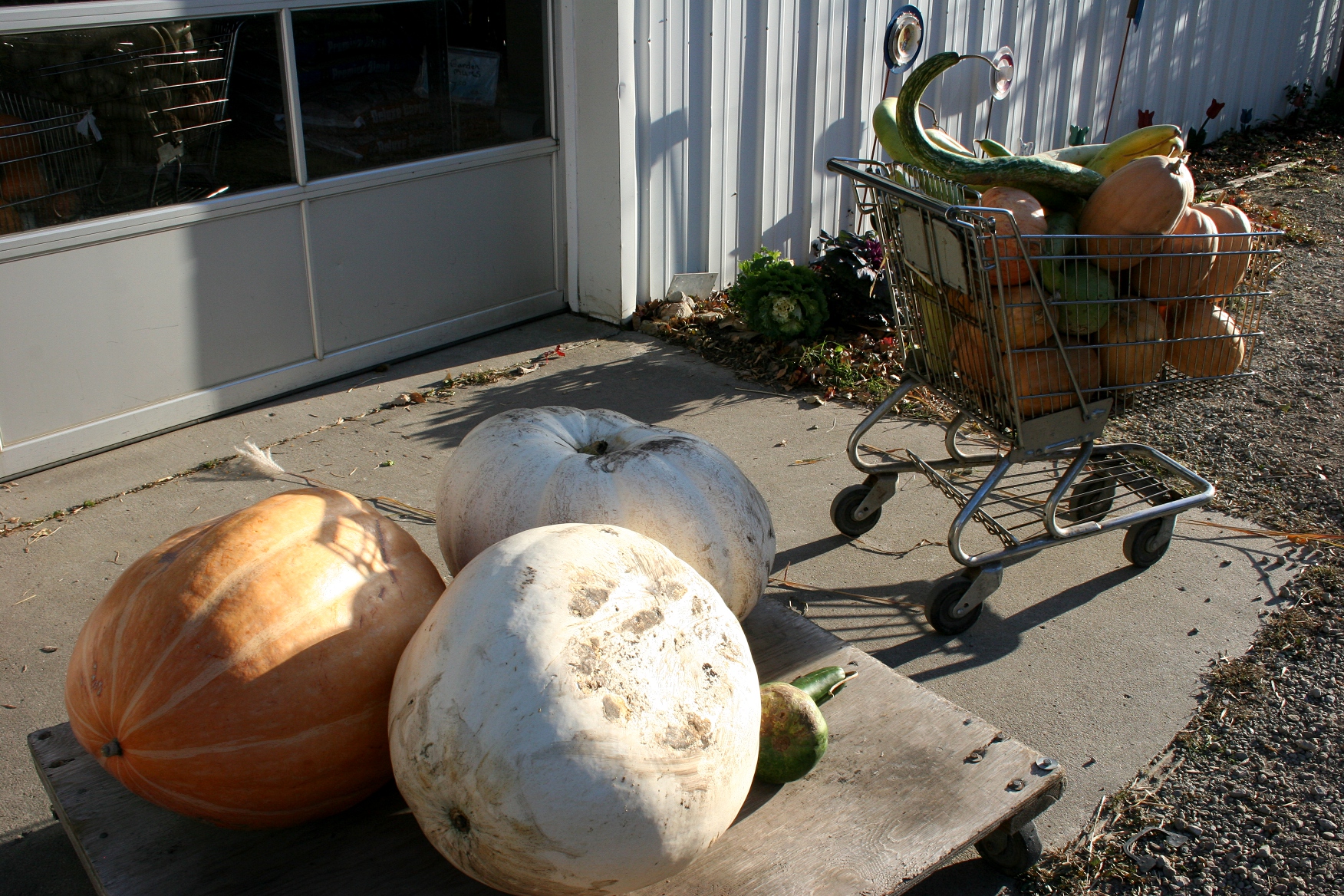
The $10 ginormous pumpkins.

The ginormous $10 pumpkins.

JUST DAYS BEFORE HALLOWEEN, Steve Twiehoff of Twiehoff Gardens, a family run produce business on Faribault’s east side, was trying to pitch an 85-pound pumpkin to me. For $10, the pumpkin would be mine and Steve would even load it into the van.

“The neighbor kids will love you,” Steve encouraged.

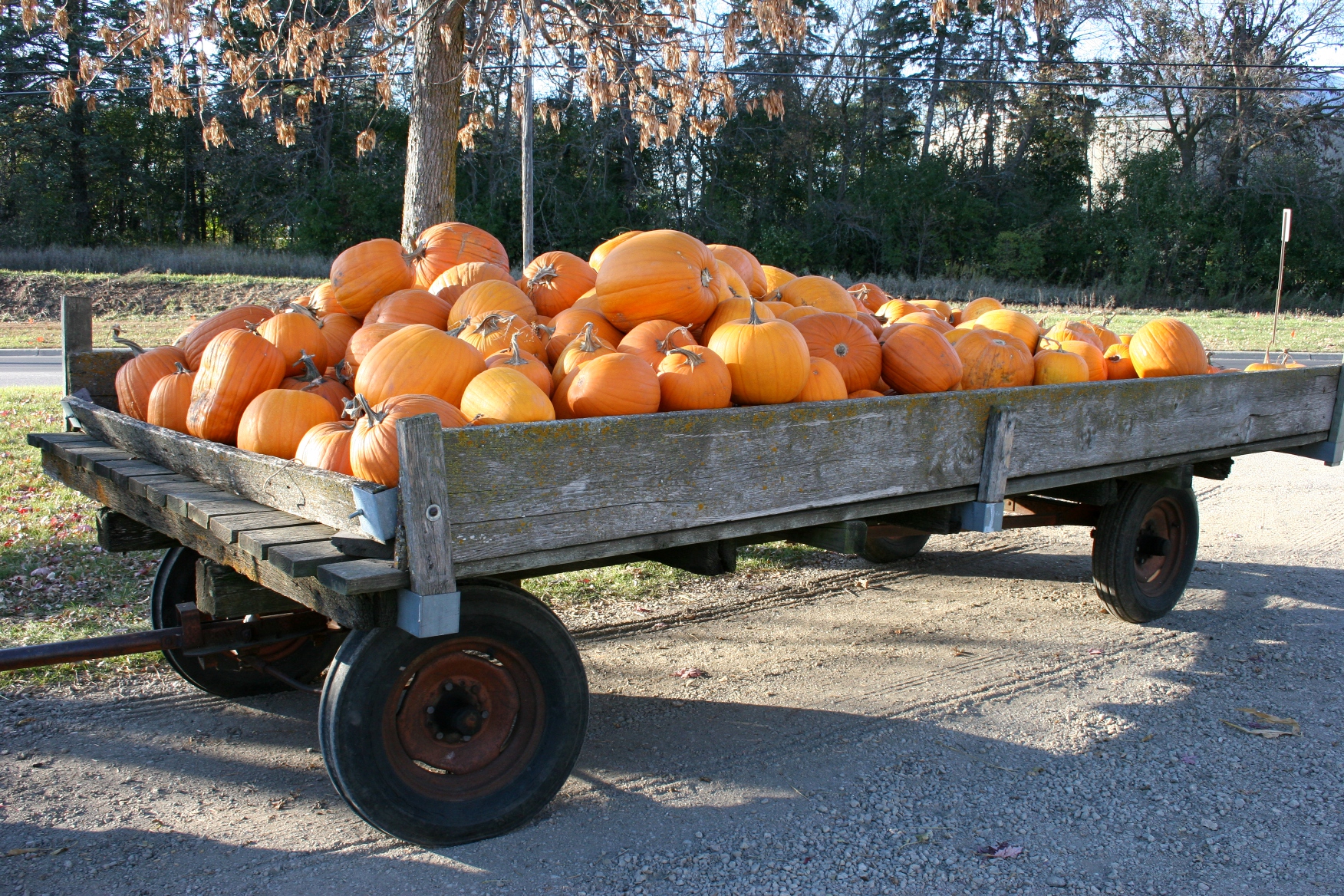
One of two wagonloads of pumpkins at Twiehoff's Garden.

One of two wagonloads of pumpkins at Twiehoff’ Gardens.

But truth be told, I don’t intend to purchase a pumpkin, big or small, this year.

All sizes of pumpkins are available.

All sizes of pumpkins are available.

Does that cast me in the role of a pumpkin Grinch? Maybe.

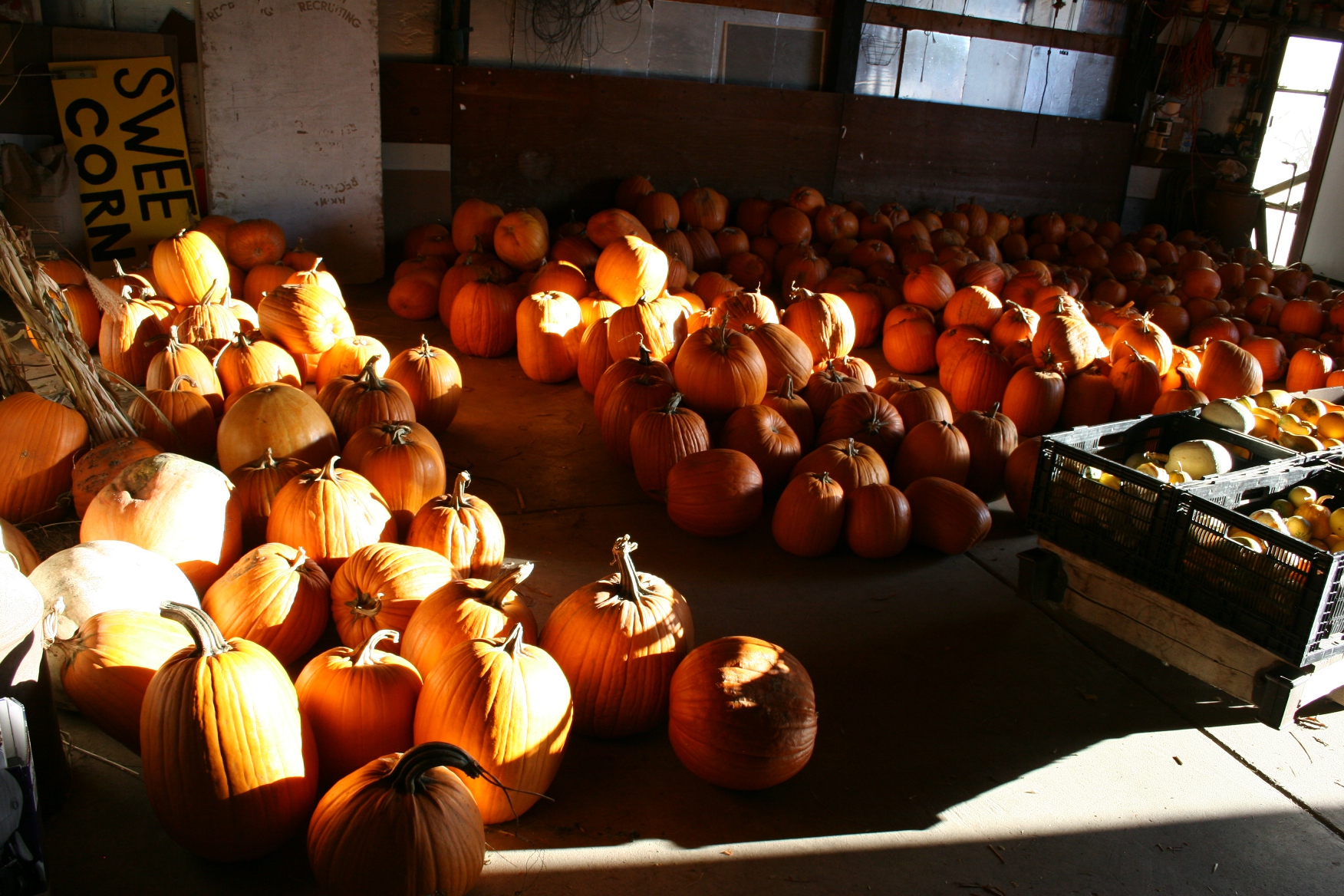
Late afternoon sunshine slants through the open poleshed door, spotlighting pumpkins for sale at Twiehoff Gardens.

Late afternoon sunshine slants through the open poleshed door, spotlighting pumpkins for sale at Twiehoff Gardens.

In reality, the lack of a pumpkin purchase projects my present life phase as an empty nester. With no kids in the house, there’s no need to carve a jack-o-lantern. Not that I ever did; that was my husband’s job.

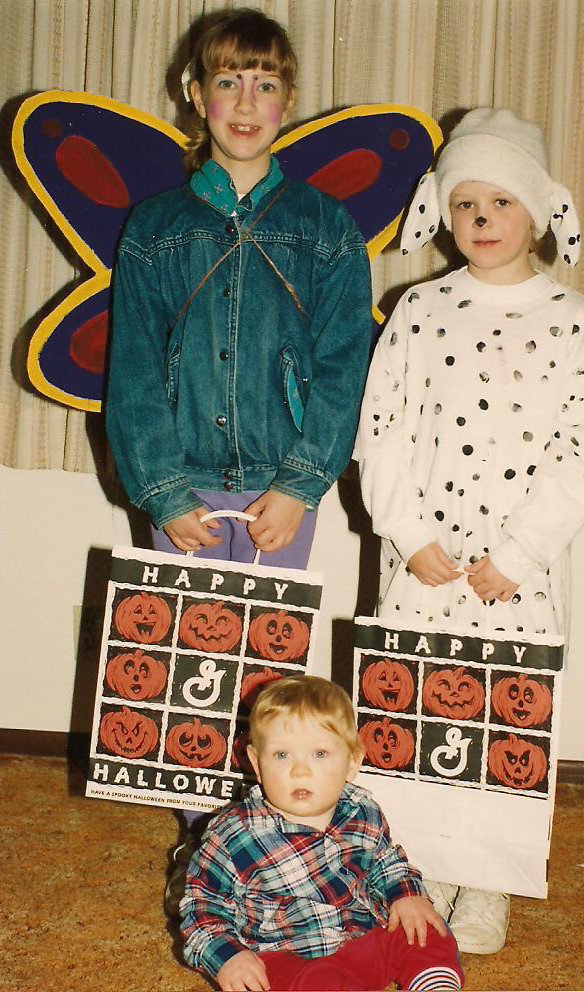
In 1994, my daughters, Amber, left, and Miranda, right, dressed as a butterfly and Dalmatian respectively. Their 10-month-old brother, Caleb, was too young to go trick-or-treating.

In 1994, my daughters, Amber, left, and Miranda, right, dressed as a butterfly and Dalmatian respectively. Their 10-month-old brother, Caleb, was too young to go trick-or-treating.

I focused, instead, on creating homemade costumes for our trio. Those ranged from taping hundreds of cotton balls onto a garbage bag for a sheep costume to stitching strands of red yarn onto trimmed panty hose for Raggedy Ann’s hair to dabbing black spots onto a white t-shirt for a Dalmatian to painting butterfly wings. What moms won’t do.

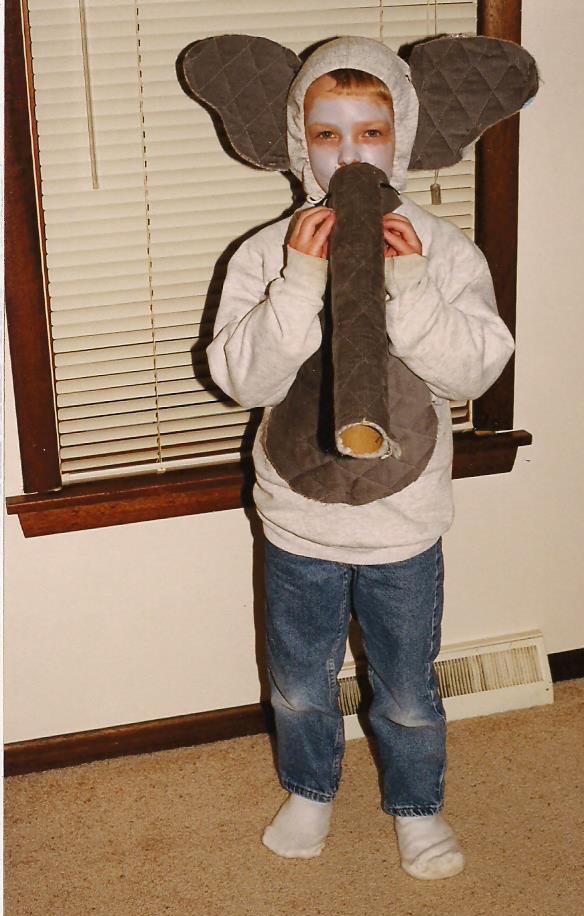
Five years later Caleb headed out the door dressed as an elephant.

Five years later Caleb headed out the door dressed as an elephant.

I also transformed kids into an elephant, angel, pirate, cowboy and even a skunk, plus a few more characters/animals I’ve long forgotten.

Yes, I’ve done the Halloween thing. So, if for a few years I fail to buy a pumpkin, please excuse me.

© Copyright 2013 Audrey Kletscher Helbling

 

May the force of creativity be with you this Halloween October 29, 2013

Filed under: Uncategorized — Audrey Kletscher Helbling @ 8:35 PM
Tags: , , , , , , ,

YOU CAN TAKE A PUMPKIN and carve or paint it all fancy schmancy for Halloween.

But sometimes it’s the simplest form of creativity which most impresses:

May the force be with you this Halloween.

May the force be with you this Halloween.

Now, I cannot recall ever viewing a Star Wars movie for I am not a fan of sci-fi and/or fantasy. But even I can appreciate this stick drawing created by some devoted fan in Plainview, Minnesota, and set outside the entry to a downtown business a half block from the Rural America Arts Center/Jon Hassler Theater.

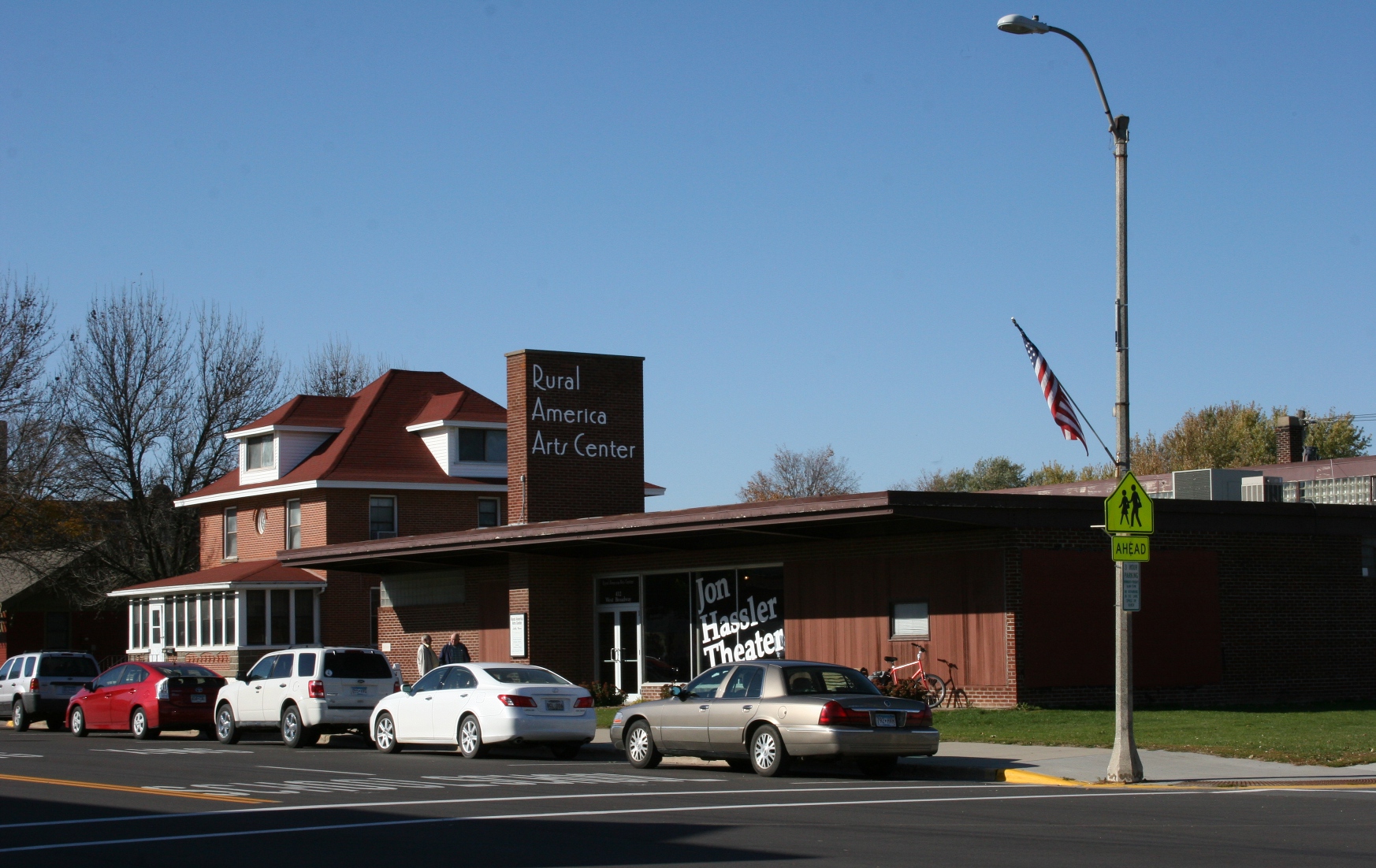
The Jon Hassler Theater and Rural America Arts Center in downtown Plainview.

The Jon Hassler Theater and Rural America Arts Center in downtown Plainview.

I bet Hassler, a former Plainview resident and an author noted for his nuanced fictional depictions of small town Minnesota life, would value the childish art on this pumpkin.

And the fact that I noticed.

© Copyright 2013 Audrey Kletscher Helbling

 

In St. Peter: Waiting for the corpse flower to bloom

PERRY MANIA is invading Gustavus Adolphus College in St. Peter.

A shot through a window into the viewing area shows Perry beginning to open.

A shot through a window into the viewing area shows Perry beginning to open in late July 2010.

OK, that may be a bit of a stretch. You decide, But interest in the predicted early November blooming of Perry, otherwise known as the “corpse flower,” is strong.

Think web cams, “featured news” on the college website, headlines in the St. Peter Herald, a Perry blog and even Perry themed t-shirts, cap, mugs, tote bag, bumper sticker and other merchandise available for purchase.

A close-up of Perry's unfolding spathe, an outer purple vase-like sheath.

A close-up of Perry’s unfolding spathe, an outer purple vase-like sheath. Minnesota Prairie Roots file photo 2010.

And all of this because the rare tropical plant, a native of Sumatra in Indonesia and with the largest unbranched inflorescence in the world, is about to blossom.

This mammoth plant, which can reach heights of eight to 10 feet and a life span of 40 years, is noted for its distinct rotting flesh/rotting meat odor.

A shot through the window into the viewing area of the titan arum.

A shot through the window into the viewing area of the titan arum shows the high level of interest in the corpse flower. Minnesota Prairie Roots file photo 2010.

Three years ago, my husband, son and I were among the 5,000 plus curious who flocked to the third floor greenhouse in the Nobel Hall of Science to view, and smell, the Amorphophallus titanum, aka Titan Arum. Gustavus named its plant, seeded in 1993, after the Titan Hyperion, associated with intellectual curiosity. That would be Perry, for short.

I don’t recall the precise smell of Perry only 12 hours after the plant began blooming in late July 2010. But I do remember thinking the odor was not nearly as bad as I had imagined and that I’ve smelled worse (like a slurry pit being emptied) while traveling through rural Minnesota.
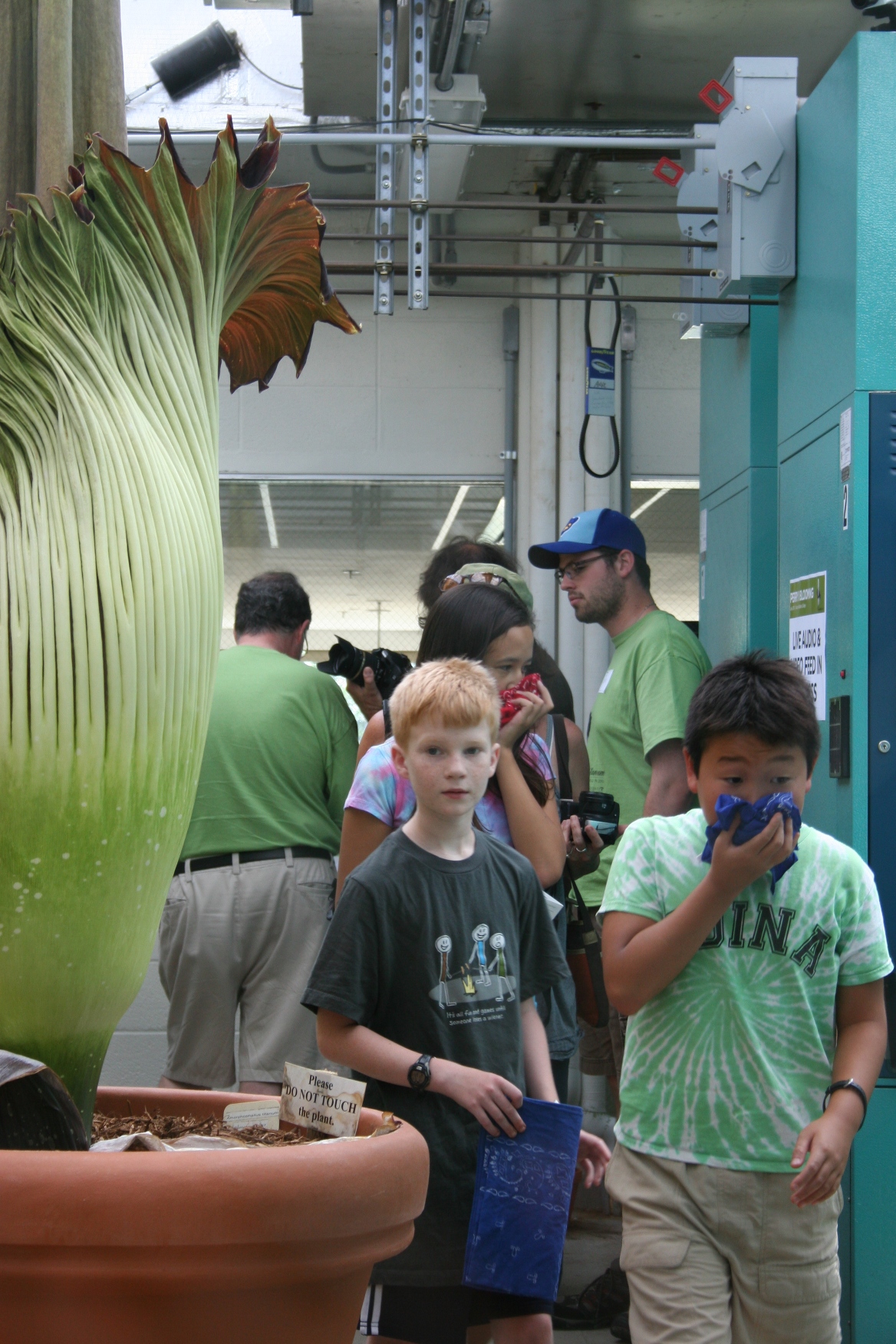
One of the Yang boys wards off the offending odor with a perfumed bandanna.

The odor was too much for this boy, who covered his face with a perfumed bandanna when visiting Perry in 2010. Minnesota Prairie Roots file photo.
But others, such as elementary-aged kids from Edina, pressed perfumed bandannas to their noses.

A diagram explained the life cycle of "the corpse plant."

A diagram explains the life cycle of “the corpse plant.” Minnesota Prairie Roots file photo 2010.

To see, and smell, a corpse flower in bloom is a rare opportunity, one limited to only a few days. This marks Perry’s third blooming. And there isn’t exactly an abundance of these plants in the world, one of the reasons Gustavus botanists are invested in conservation of the Titan Arum. Gustavus received 20 Titan Arum seeds from a San Francisco physician  in 1993 and Perry is the result.

Visitors came with cameras in hand to photograph the rare blooming of Perry, which lasted until Sunday.
Visitors came with cameras in hand to photograph the rare blooming of Perry in July 2010. Perry has previously bloomed in 2007 and 2010. Minnesota Prairie Roots file photo 2010.

Is Perry worth seeing, worth smelling, worth photographing? Definitely.

If you’re hypersensitive to odors, though, pack your perfumed bandanna.

FYI: As early November nears, be sure to check the Gustavus Adolphus website (click here) often for updates on Perry and the precise date when blooming is expected. Some Facebook fans are predicting blossoming on Halloween or even earlier.


My Night at the Museum October 28, 2013

HISTORY BROUGHT TO LIFE pleases me, for I am an interactive learning history type of person.

I often get overwhelmed and impatient reading information in traditional museum displays.

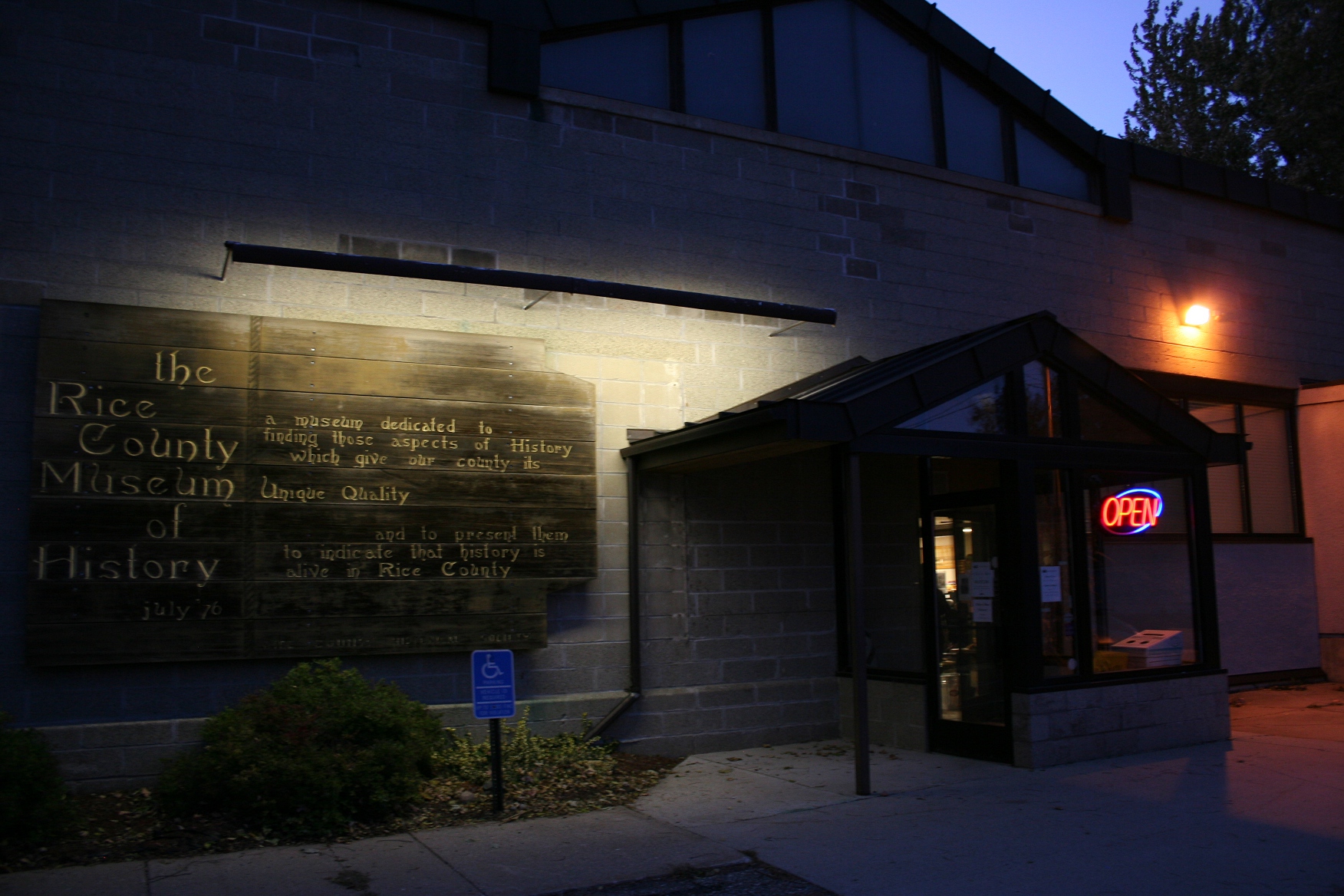
Arriving around 6:30 p.m. Friday for A Night at the Museum at the Rice County Historical Society in Faribault.

Arriving around 6:30 p.m. Friday for A Night at the Museum at the Rice County Historical Society in Faribault.

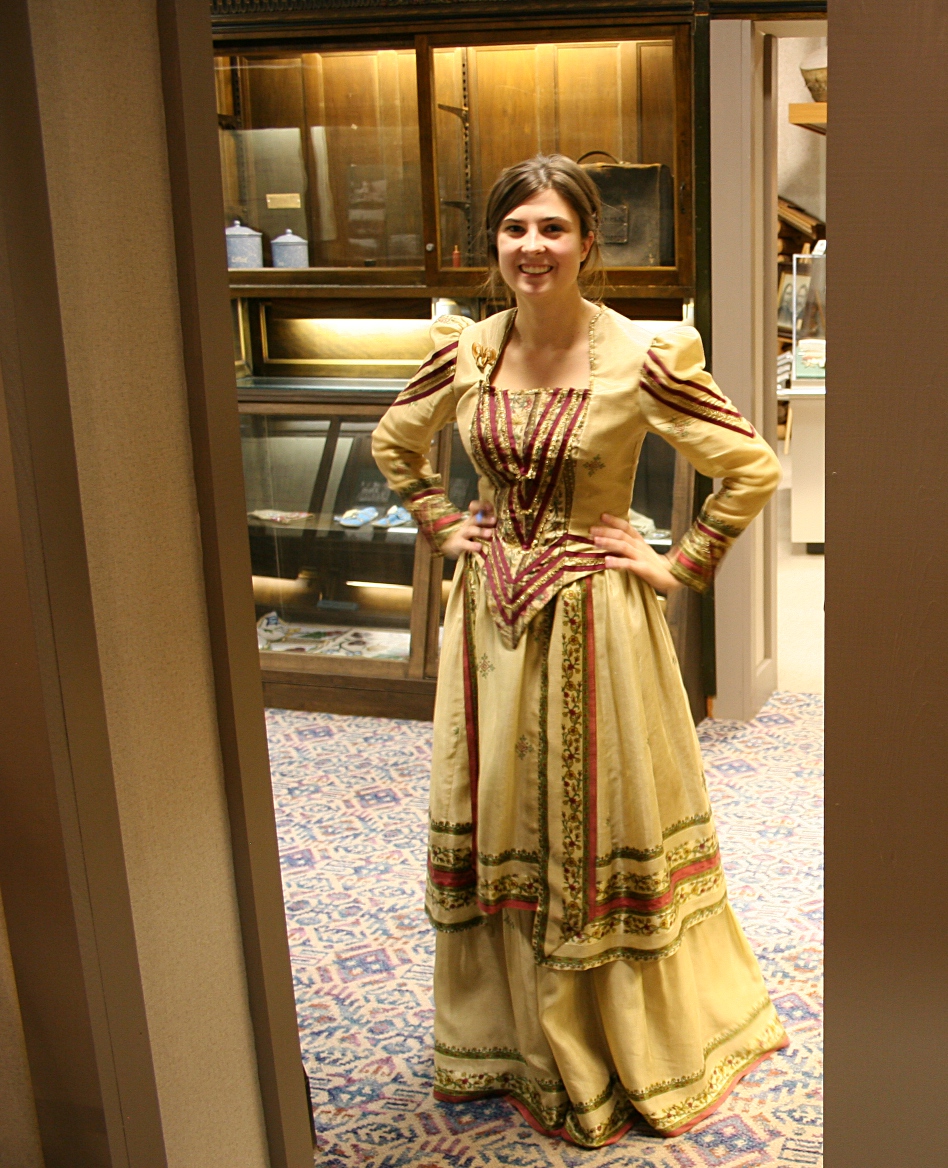
So I was excited Friday evening to attend the Rice County Historical Society’s first ever A Night at the Museum in which costumed men, women and children played the roles of historical figures. Like Evangeline Whipple, second wife of Bishop Henry Whipple, and Ordinance Sargent Jones, stationed at Ft. Ridgely during the U.S. – Dakota Conflict of 1862:

Role-playing Evangeline Whipple.

Role-playing Evangeline Whipple.

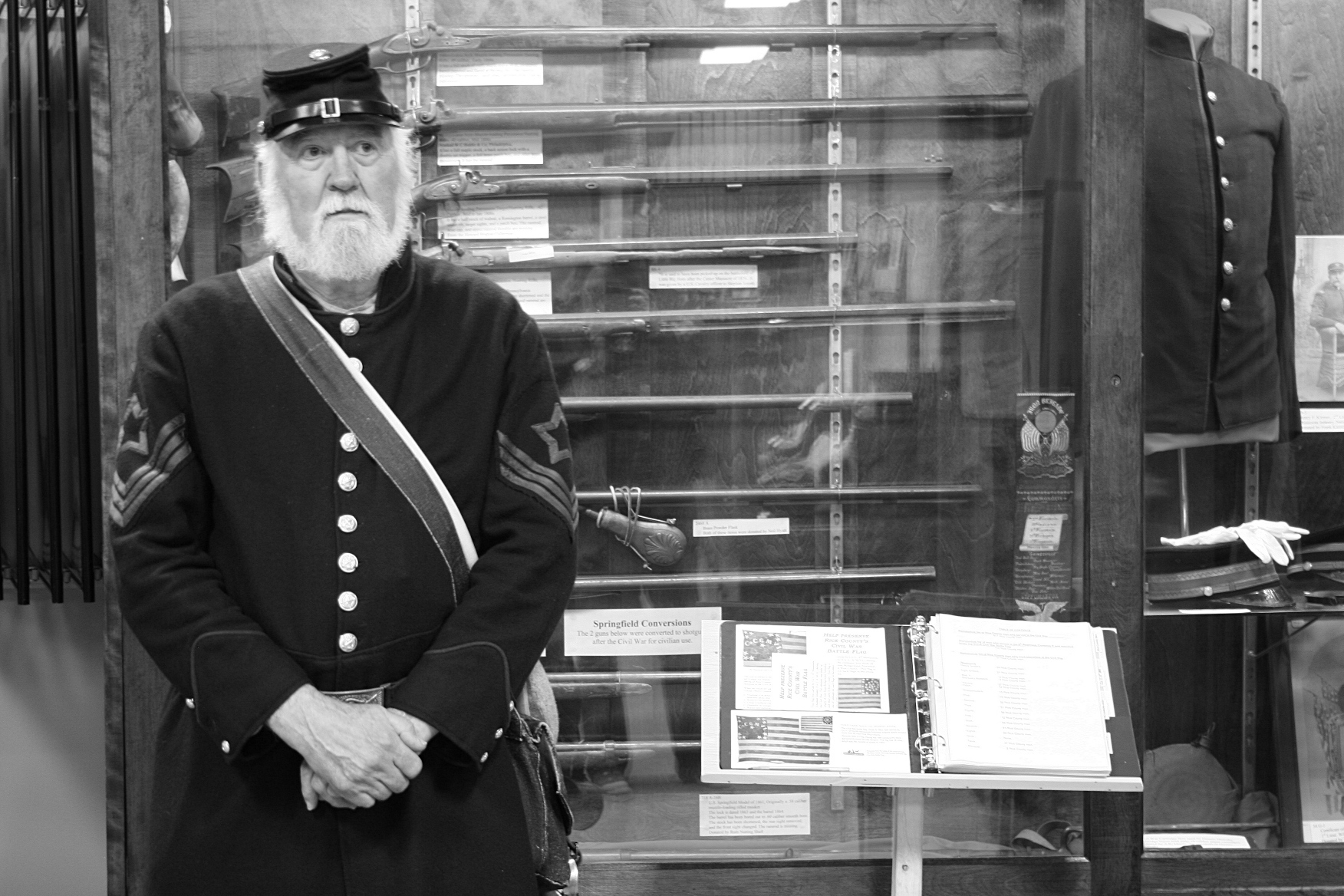
Playing the role of Ordinance Sgt. Jones.

Playing the role of Ordinance Sgt. Jones.

The buckled cloth covering worn by French Mary keeps mud from boots.

The buckled cloth covering worn by French Mary keeps mud from boots.

I spoke with “French Mary” Tepe about her role as a vivandiere with Pennsylvania volunteers in the Civil War. Vivandieres carried a canteen of spirits and more and attended to the sick and wounded. I’d never heard of vivandieres prior to meeting French Mary.

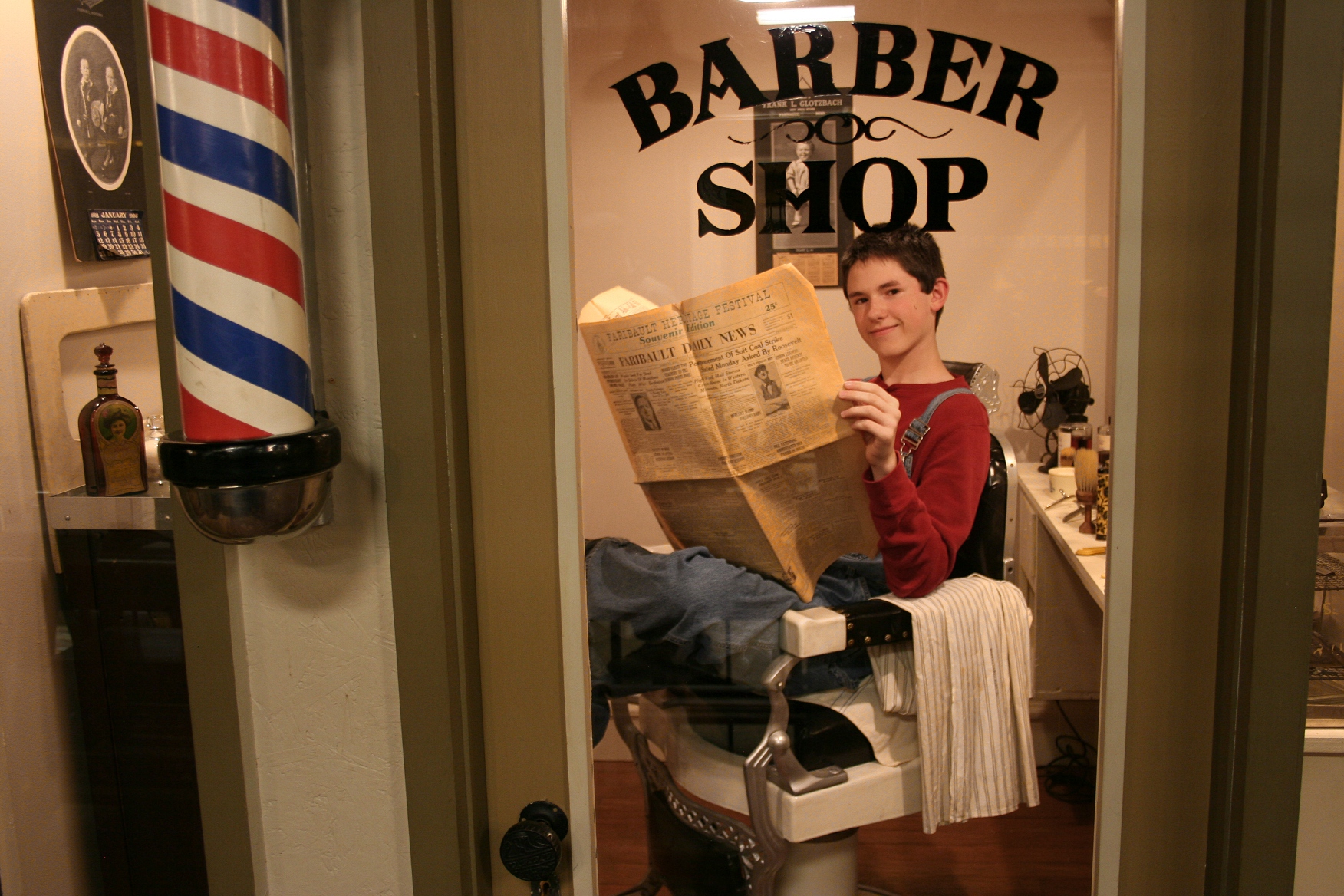
Noah, who volunteers at the library through its youth program, sat in the museum's barbershop chair during A Night at the Museum. in the museum barbershop.

Noah, who volunteers at the library through its youth program, sat in the museum’s barbershop chair.

Noah read a souvenir edition of the Faribault Daily News in an old-time barbershop while Leroy bathed in a second story room above.

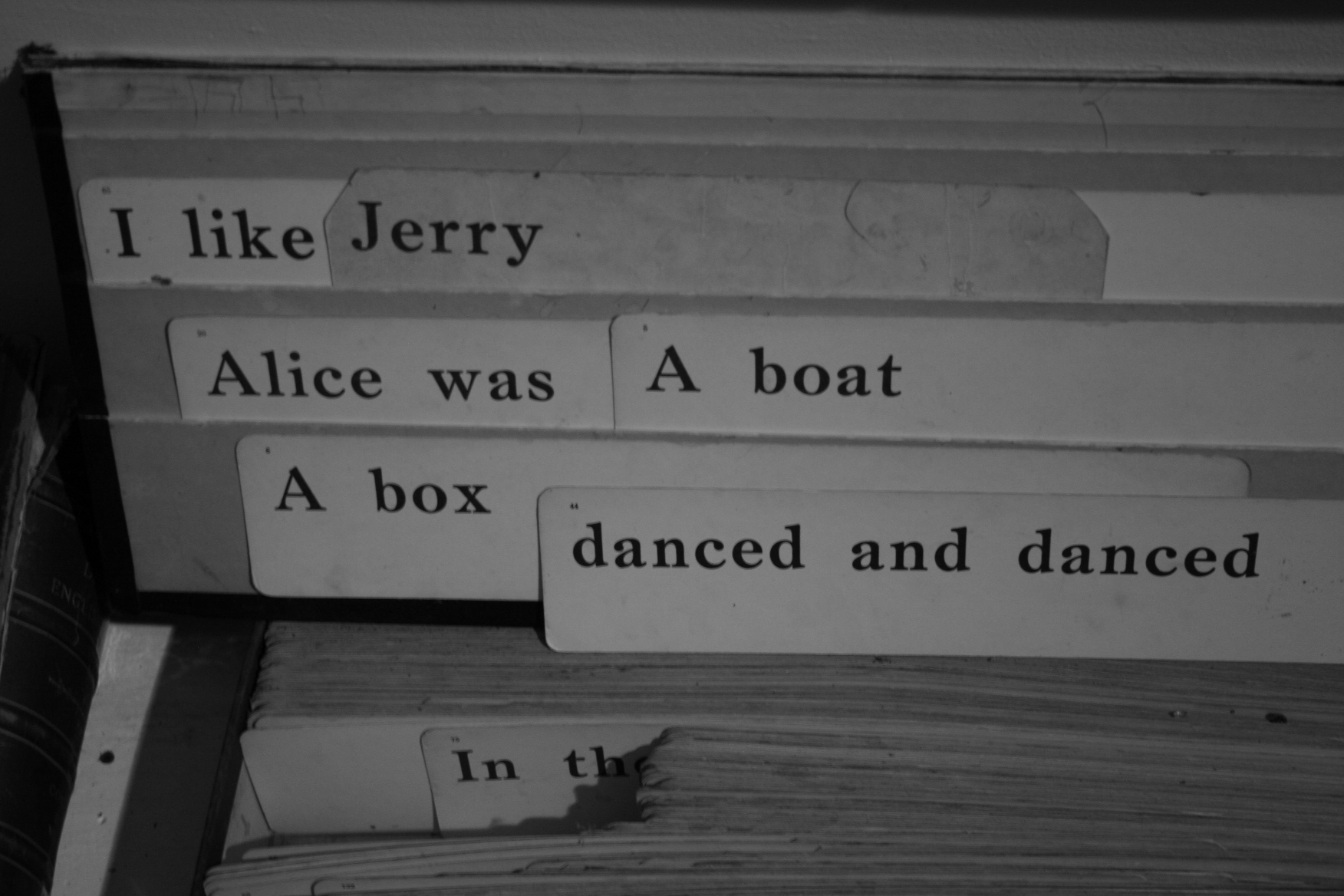
Flash cards in the one-room school.

Flash cards in the one-room school.

Mrs. Sweet taught arithmetic in the late 1850s one-room Pleasant Valley School where Noah’s sister, Hannah, along with others, assumed the roles of students.

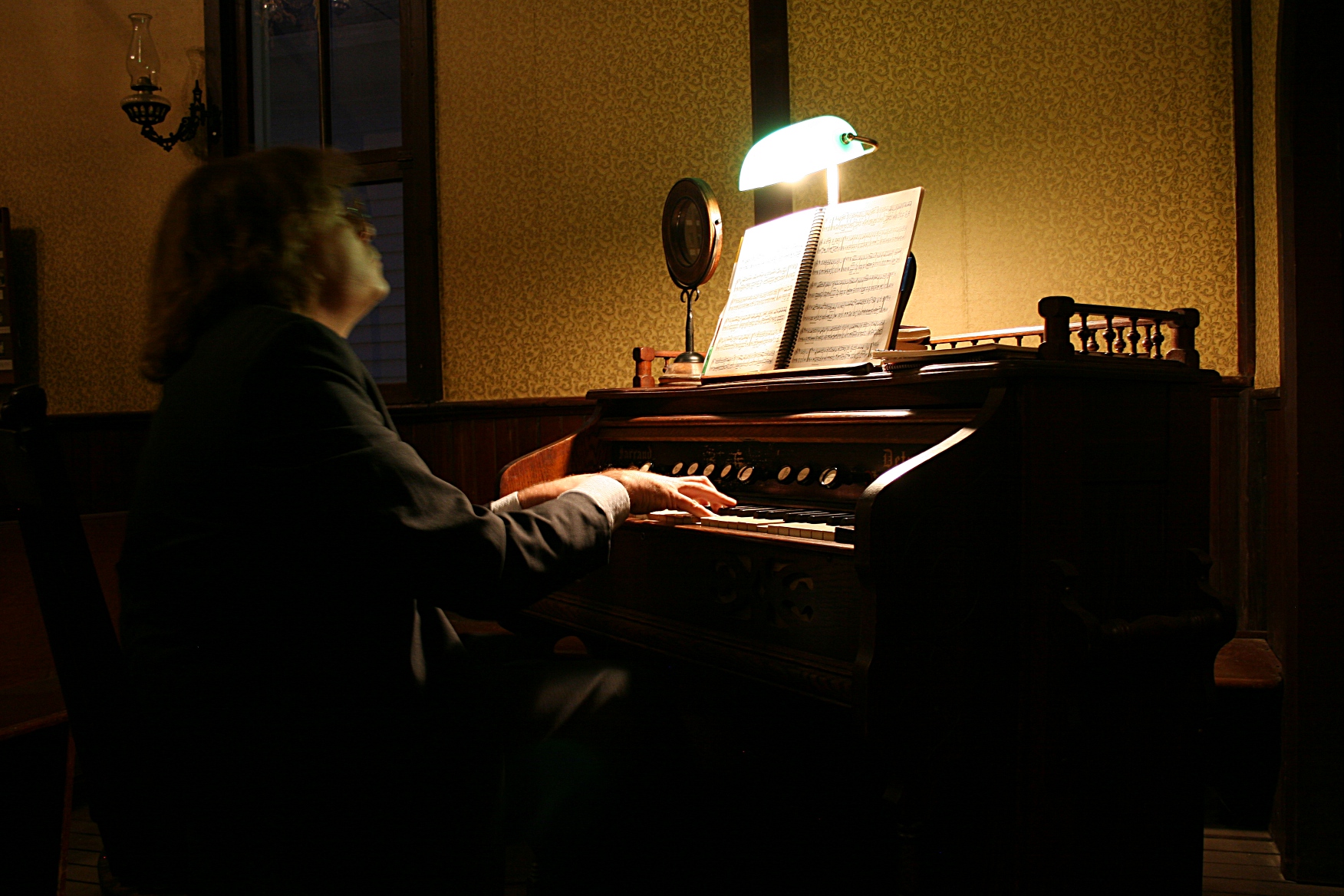
Playing the old pump organ.

Playing the old pump organ.

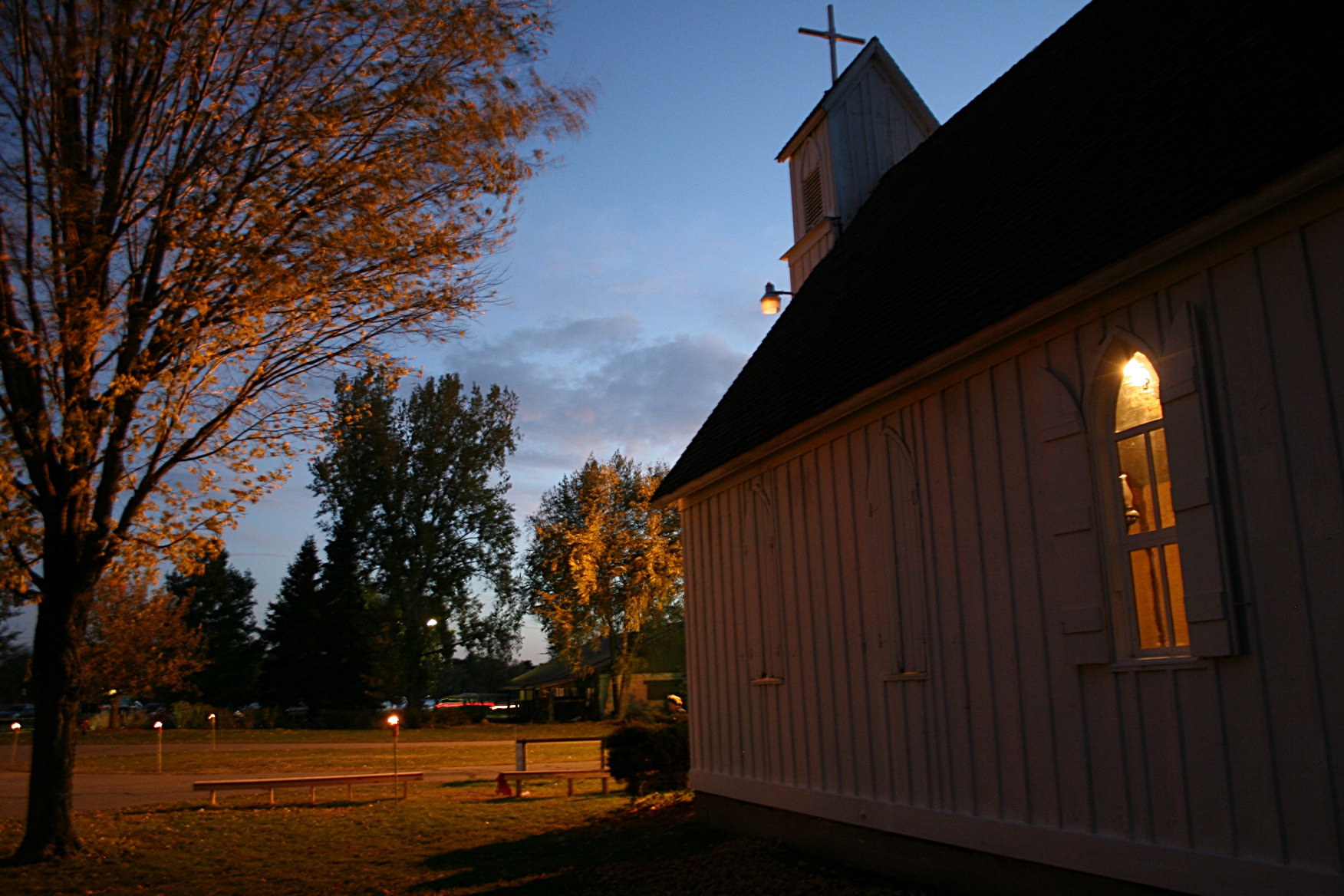
Holy Innocents, from the side.

Holy Innocents.

I listened to music played on the pump organ in Holy Innocents Episcopal Church built in 1869 in Cannon City and consecrated by Bishop Whipple.

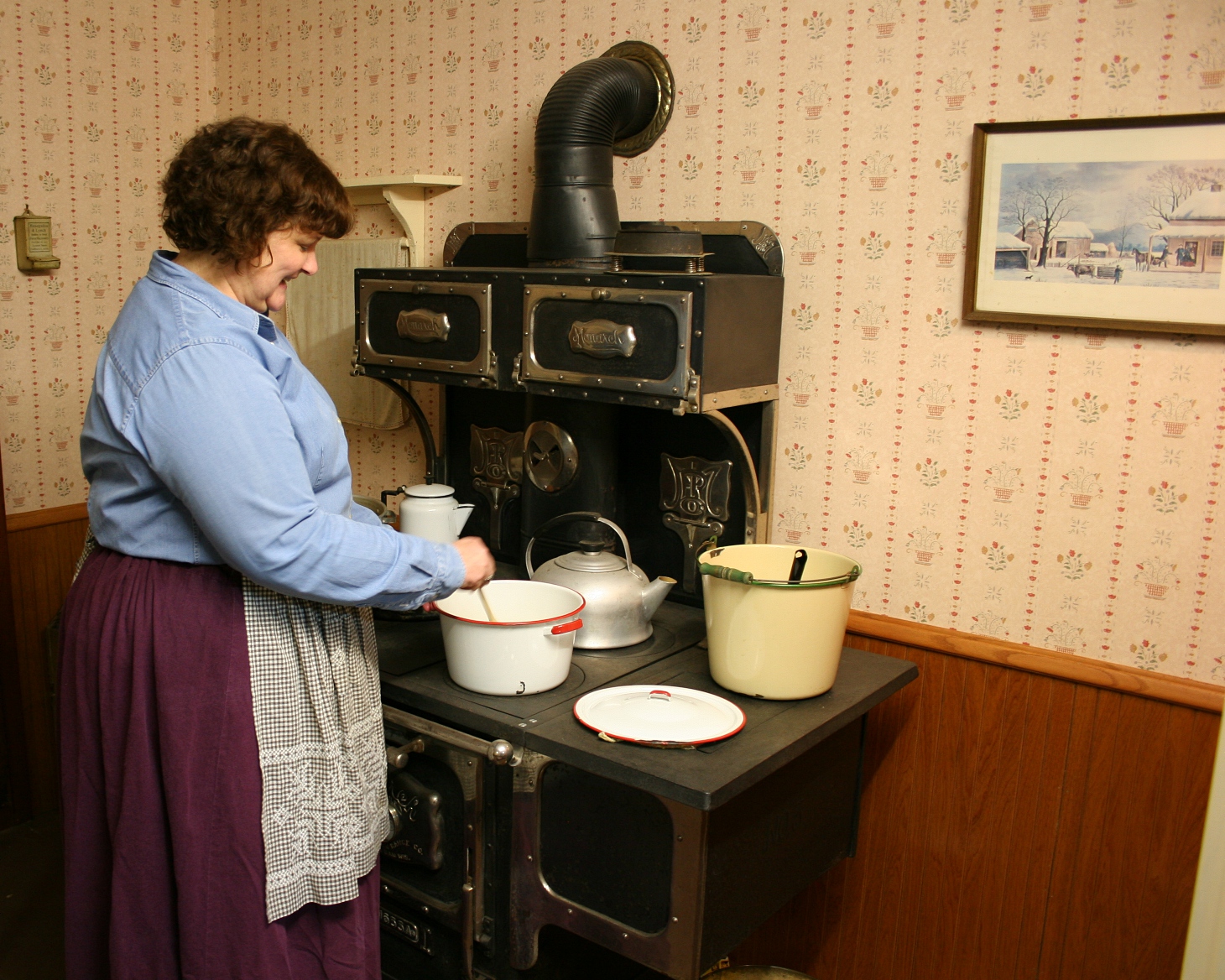
Mrs. Morris supposedly cooking applesauce.

Mrs. Morris “cooking” applesauce.

Next door I spoke with Mrs. Morris who was “cooking” applesauce in her 1920s kitchen. Except she wasn’t really using the old cookstove. The inviting scent of apples wafted, instead, from apple slices heating in a kettle on a mostly out of sight hotplate. Ingenious.

This multiple engaging of the senses added to the experience. In the old log cabin, built in the mid 1800s by a Scandinavian immigrant in the Nerstrand Big Woods, I savored the yeasty aroma of bread baking—not in the old stove—but rather in a bread machine hidden away. Ingenious.

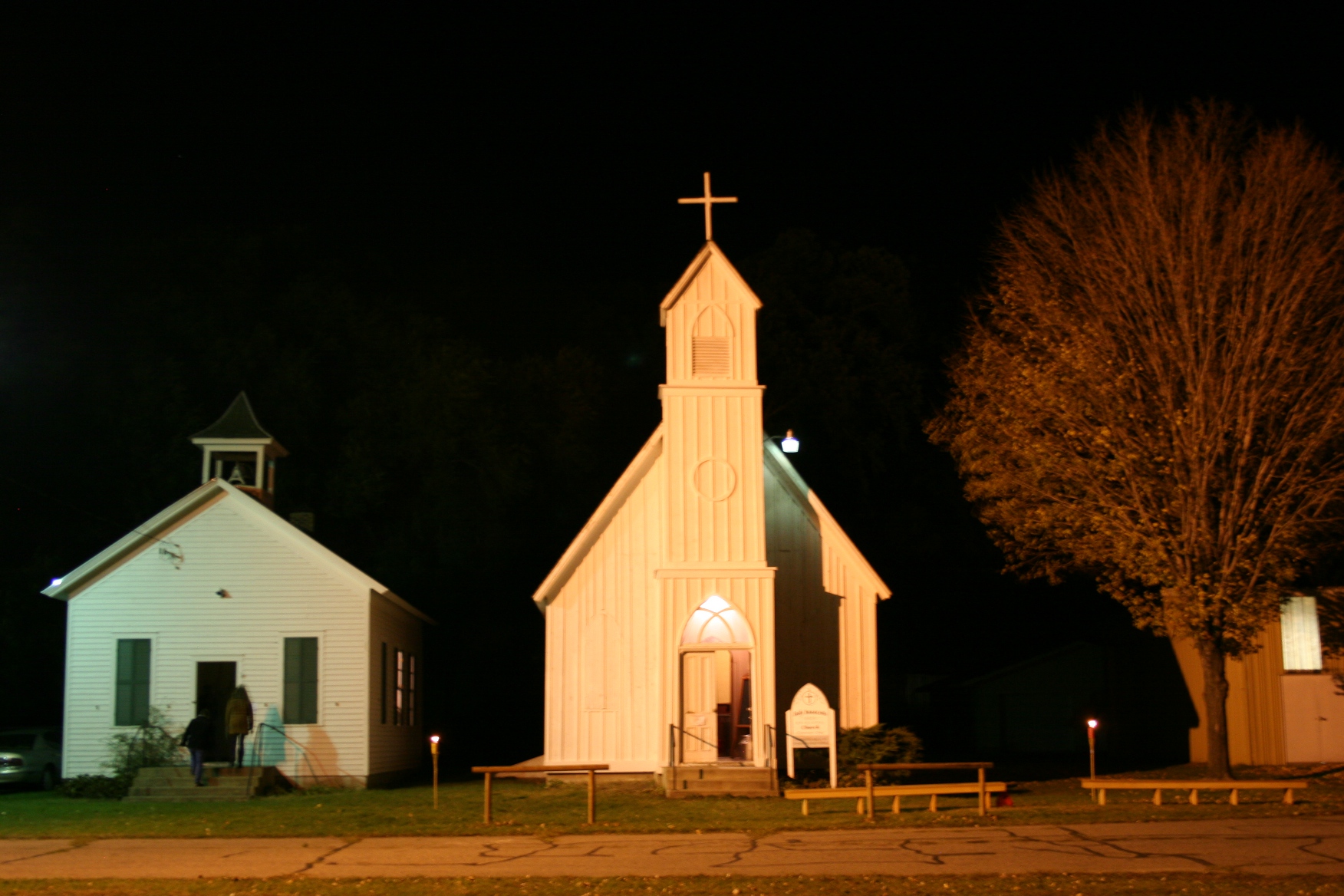
The setting for A Night at the Museum.

The setting for A Night at the Museum.

Outside, several tiki torches flickered, many snuffed out by the strong early evening breeze. Nearby, visitors gathered around a small campfire to sip apple cider, eat hot dogs and/or munch on cookies.

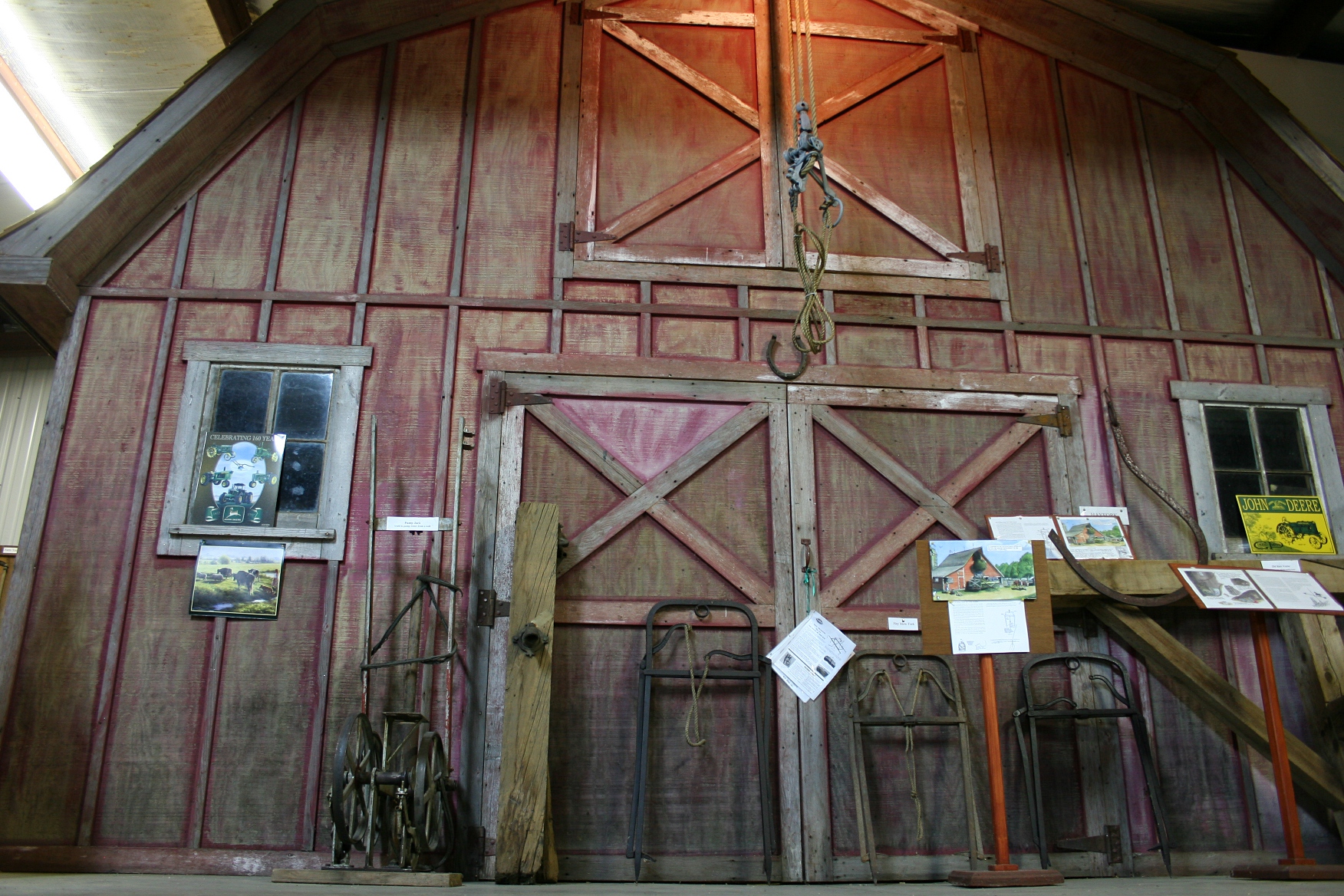
A barn front forms a backdrop in Harvest Hall, where visitors can learn about the area's agricultural heritage.

A barn front forms a backdrop in Harvest Hall, where visitors can learn about the area’s agricultural heritage.

Horses hooves clopped on the pavement as visitors were treated to a wagon ride around the adjoining county fairgrounds.

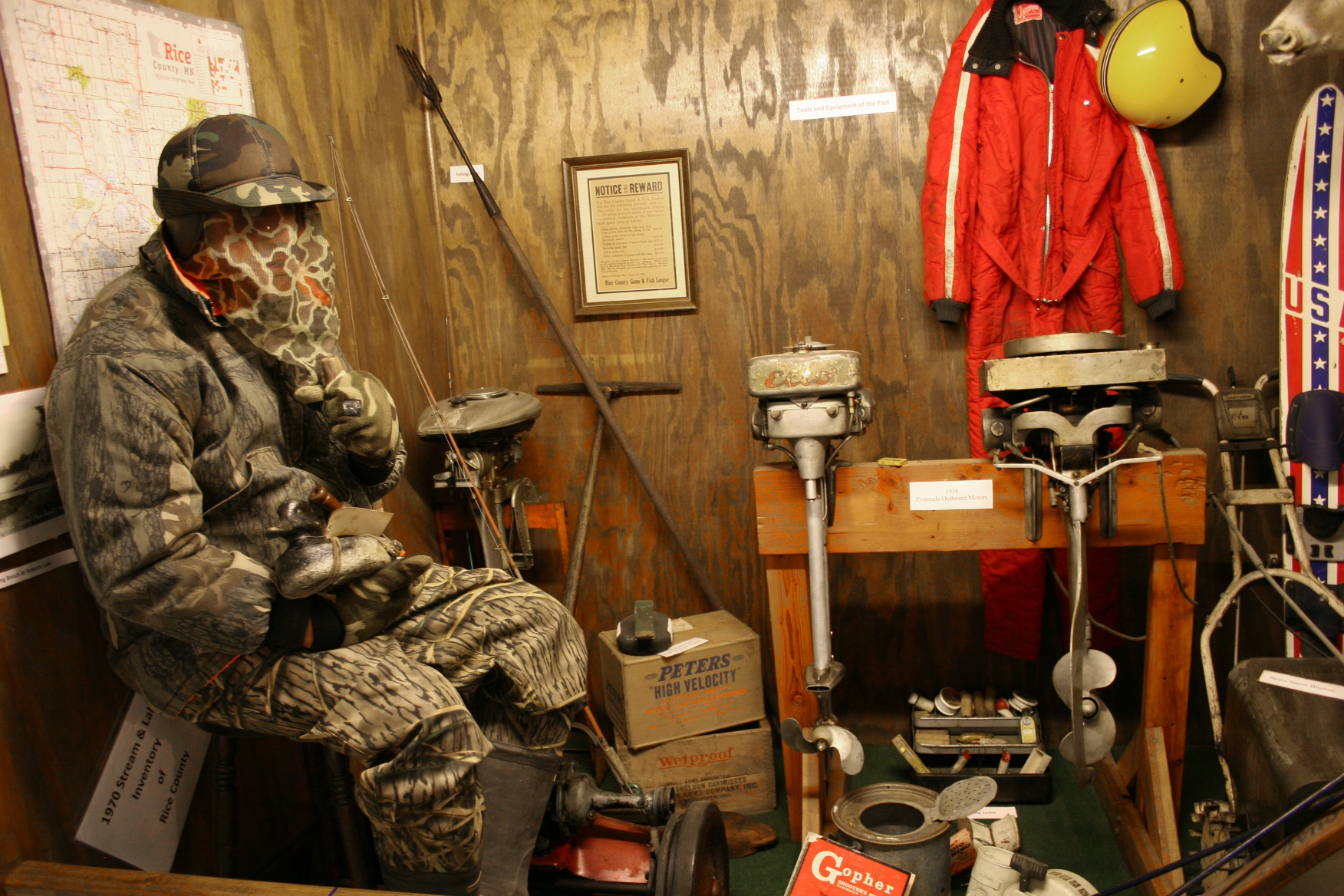
Brian Schmidt dressed as a hunter, not to be confused with a mannequin.

Not a scene from Duck Dynasty.

But the most memorable event of the evening for me, and likely Brian Schmidt who serves on the historical society board, occurred inside Heritage Hall. I stopped briefly at a display on outdoor recreational activities in the county and noticed what I assumed to be a camouflaged duck hunter mannequin in a corner. Except he wasn’t. As I walked away, a duck call sounded. Startled, I turned back, peered more closely at the masked face and realized I’d been fooled. By Brian.

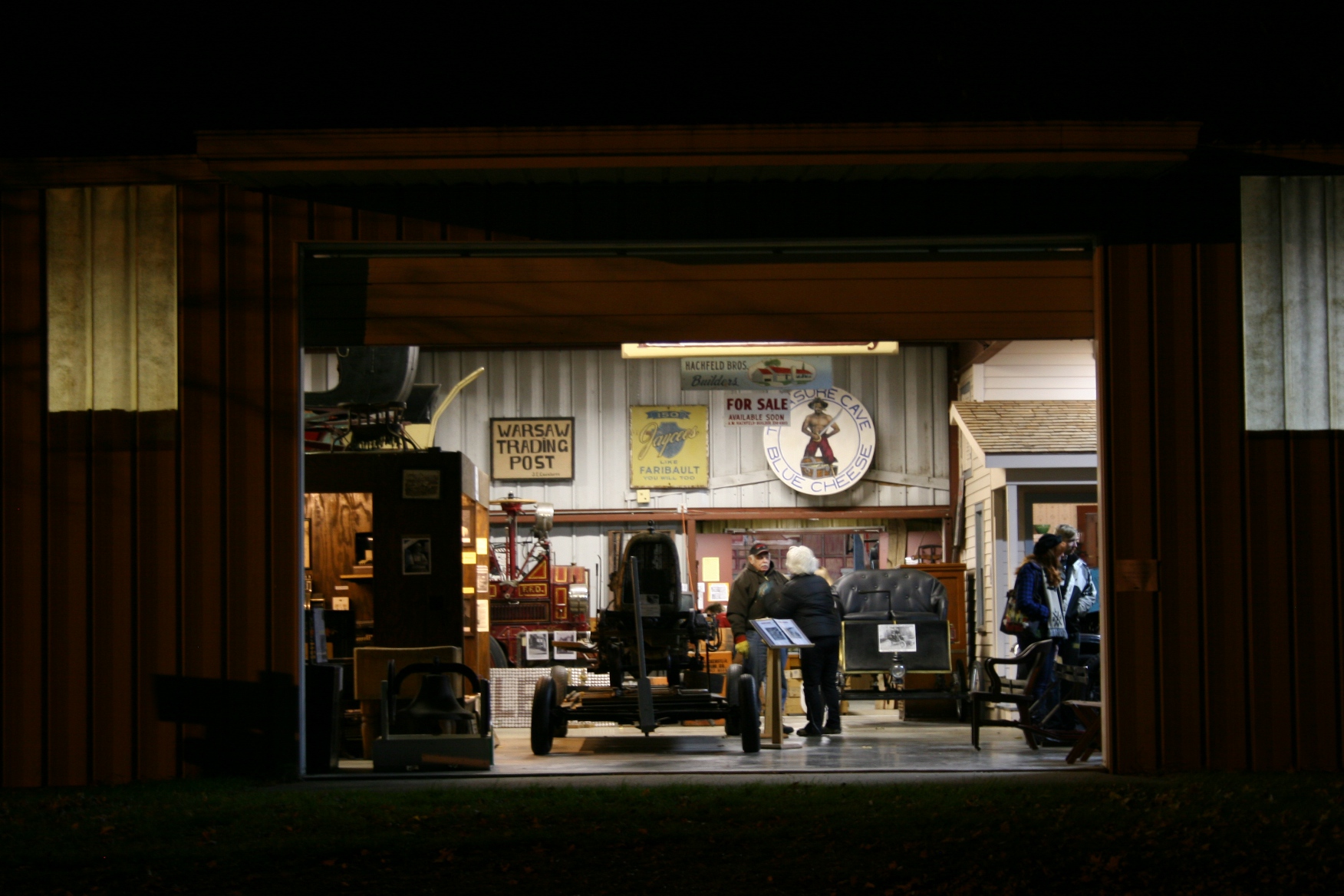
A peek at Heritage Hall.

A peek at Heritage Hall.

Excellent. This Night at the Museum was not billed as a Halloween event. But in that moment, for me, it was.

© Copyright 2013 Audrey Kletscher Helbling