Minnesota Prairie Roots

Writing and photography by Audrey Kletscher Helbling

Honoring Howard Mohr, author of “How to Talk Minnesotan” September 8, 2022

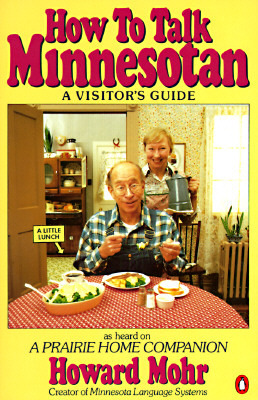
Image source: Goodreads

MINNESOTA SEEMS, TO ME, a hotbed for writers. And five days ago we lost one of our most beloved, Howard Mohr. He was perhaps best-known for his wildly popular, at least in Minnesota, book, How to Talk Minnesotan: A Visitor’s Guide, published in 1987. The book was later updated and adapted into an equally popular musical.

Many years have passed since I read my copy of this entertaining, humorous, and, yes, truthful, summary of Minnesota life. In honor of Mohr, who died September 4 of Parkinson’s at Fieldcrest Assisted Living in Cottonwood, I pulled my book from the shelf and reread it.
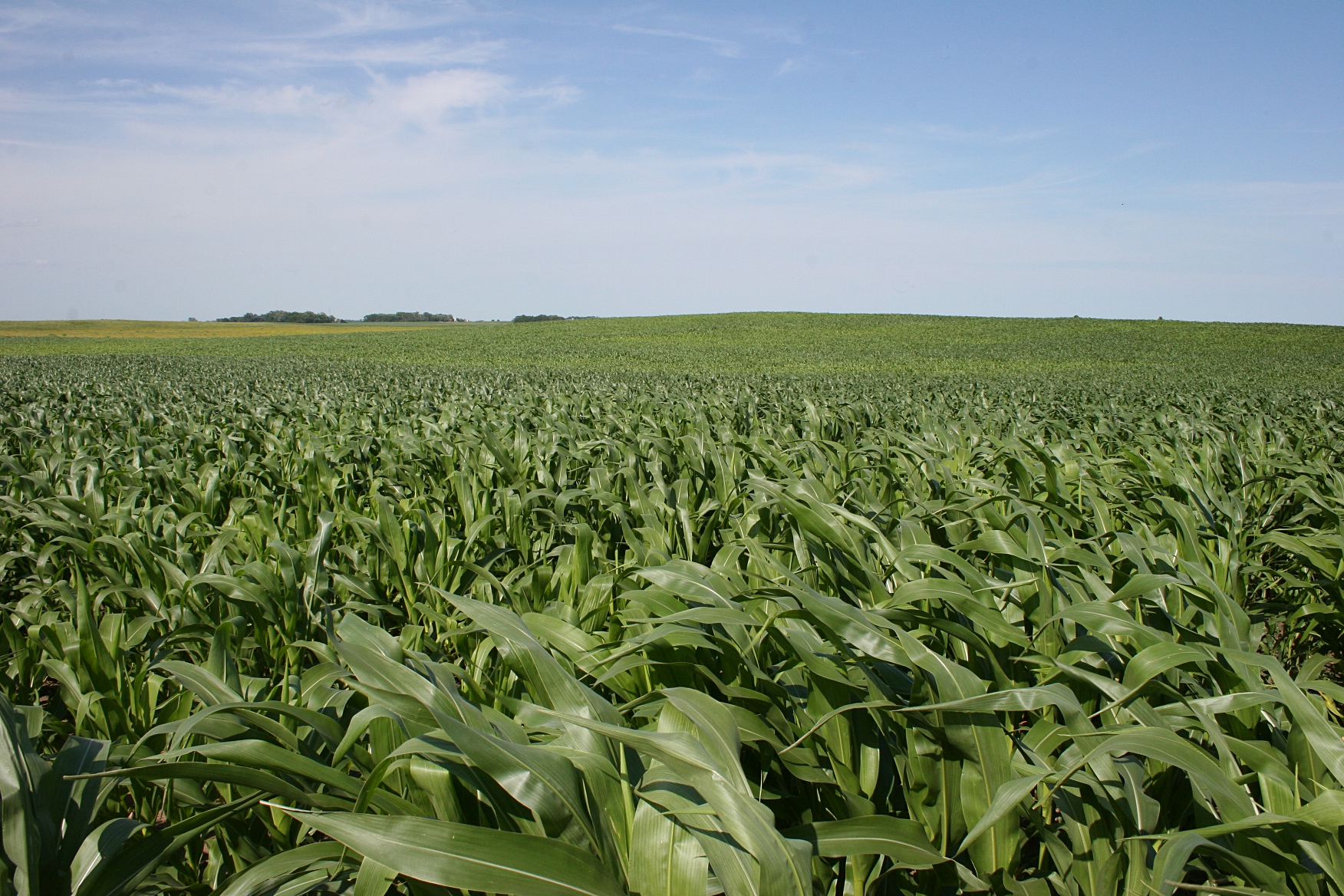
A corn field in southwestern Minnesota. (Minnesota Prairie Roots copyrighted file photo)

That Mohr, 83, recently moved from his Lyon County farm home of 52 years to a facility called Fieldcrest seems especially fitting. He lived in farming country, my native southwestern Minnesota, the place of small towns defined by grain elevators and land defined by fields of corn and soybean. He understood the people and place of the prairie. So when I read the sentence in his book declaring the produce of Minnesota writers to be as valuable as a crop of soybeans and corn, I felt he nailed it.
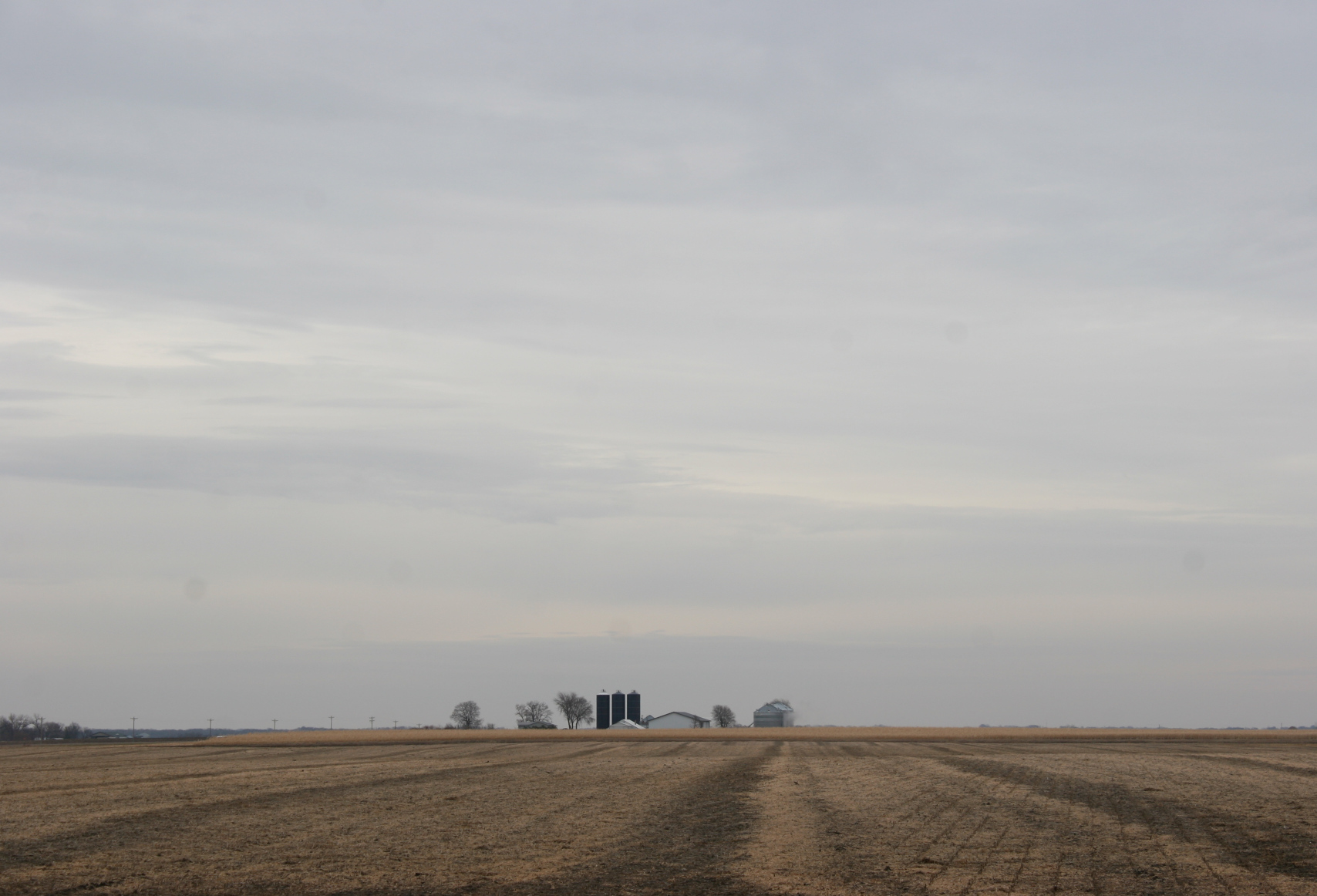
A harvested field and farm site in my native Redwood County, Minnesota, where the land and sky stretch into forever. (Minnesota Prairie Roots copyrighted file photo)

I’ve long celebrated writers rooted in the prairie like Mohr, Bill Holm, Robert Bly, Frederick Manfred, Leo Dangel… My friend Larry Gavin of Faribault, too, poet and writer who studied under those writers and lived for 15 years on the prairie. Some shared their knowledge, their talents, by teaching at Southwest Minnesota State University in Marshall. That’s near Cottonwood. Mohr taught English at Southwest State. He also penned Minnesota Book of Days, How to Tell a Tornado (poetry and prose) and wrote for “A Prairie Home Companion,” also appearing on the show.

A serene country scene just north of Lamberton in southern Redwood County. (Minnesota Prairie Roots copyrighted file photo)

I’m most familiar with How to Talk Minnesotan. The content reflects my rural upbringing. The dairy and crop farm of my youth lies a mere 15 miles to the south and east of Cottonwood, thus rereading Mohr’s book is like traveling back home, a reminder of that which defines me as a native of rural Redwood County. Even after nearly 40 years of living in Faribault, in town, I still call the noon-time meal “dinner” and the evening meal “supper.” My adult kids don’t, so I/they, always clarify when invitations are extended to a meal. To me “lunch” will always come mid-afternoon or in the evening before guests leave.

This huge, hard-as-rock snowdrift blocked our Redwood County farm driveway in this March 1965 photo. I’m standing next to my mom in the back. (Minnesota Prairie Roots copyrighted file photo)

Mohr’s references to the noon whistle, Jell-O (once popular, not so much now) winter survival kits, snowbirds (those who leave Minnesota in the winter and return in the spring), hotdish (casserole), pancake feeds, seed corn caps, lutefisk, Lutherans, bullheads (smaller versions of catfish), the “long goodbye” all resonate. I especially understand his point that Minnesotans are obsessed with the weather. We are.

Bars made by Lutherans. ( Minnesota Prairie Roots copyrighted file photo)

Some 10-plus years ago, when my now son-in-law moved to Minnesota from Los Angeles after falling in love with my eldest daughter, I gifted him with Mohr’s How to Talk Minnesotan. I figured this would help him adjust to our language and state. Whether it did or didn’t, I don’t know. But Marc hasn’t moved back to his native California. And he never commented on Mohr’s statement that Californians struggle to adapt to life in Minnesota. Marc fits in just fine. I do recall, though, his comment on “bars,” a word with duo meaning here in our state. “Bars” are both a place to gather and drink alcohol and a baked or unbaked sweet treat (made with lots of sugar and often topped with chocolate) pressed or spread into a 9 x 13-inch cake pan.

Maybe I really ought to make a pan of bars, cut them into squares, plate and serve them with coffee for “a little lunch” as a way to honor Howard Mohr, writer, satirist, humorist. He yielded a mighty fine crop of writing.

FYI: I encourage you to read Mohr’s obituary by clicking here. Be sure to read the insightful and loving comments. And if you haven’t read How to Talk Minnesotan, do. If you’re Minnesotan, it will be a refresher course in our life and language. If you’re not from here, you’ll better understand us upon reading this guide.

© Copyright 2022 Audrey Kletscher Helbling


So much to appreciate about Northfield’s Bridge Square September 7, 2022

An overview of Bridge Square looking toward Division Street. (Minnesota Prairie Roots copyrighted photo August 2022)

BRIDGE SQUARE IN THE HEART of historic downtown Northfield holds a yesteryear appeal as a long-time community gathering spot along the Cannon River. Today its purpose remains as relevant as ever. I’ve observed festivals and concerts here, focused events like Earth Day and the Riverwalk Market Fair, read poetry here, heard music, watched college students chalk messages onto concrete. Individuals, too, pause here to enjoy the fountain sculpture and other art, to picnic, to simply embrace this beautiful spot.

A banner in downtown Northfield promotes the community’s annual celebration. (Minnesota Prairie Roots copyrighted photo August 2022)

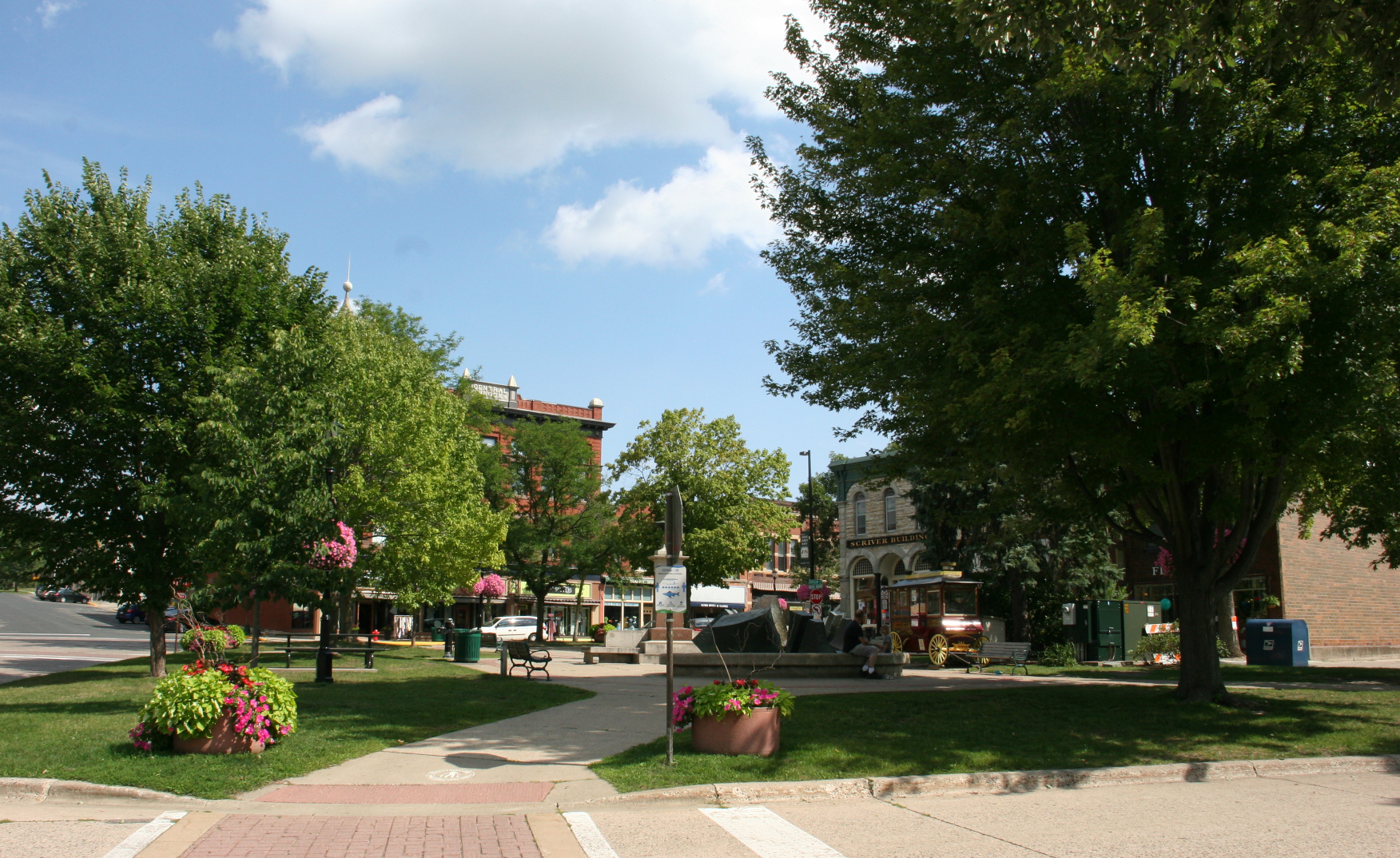
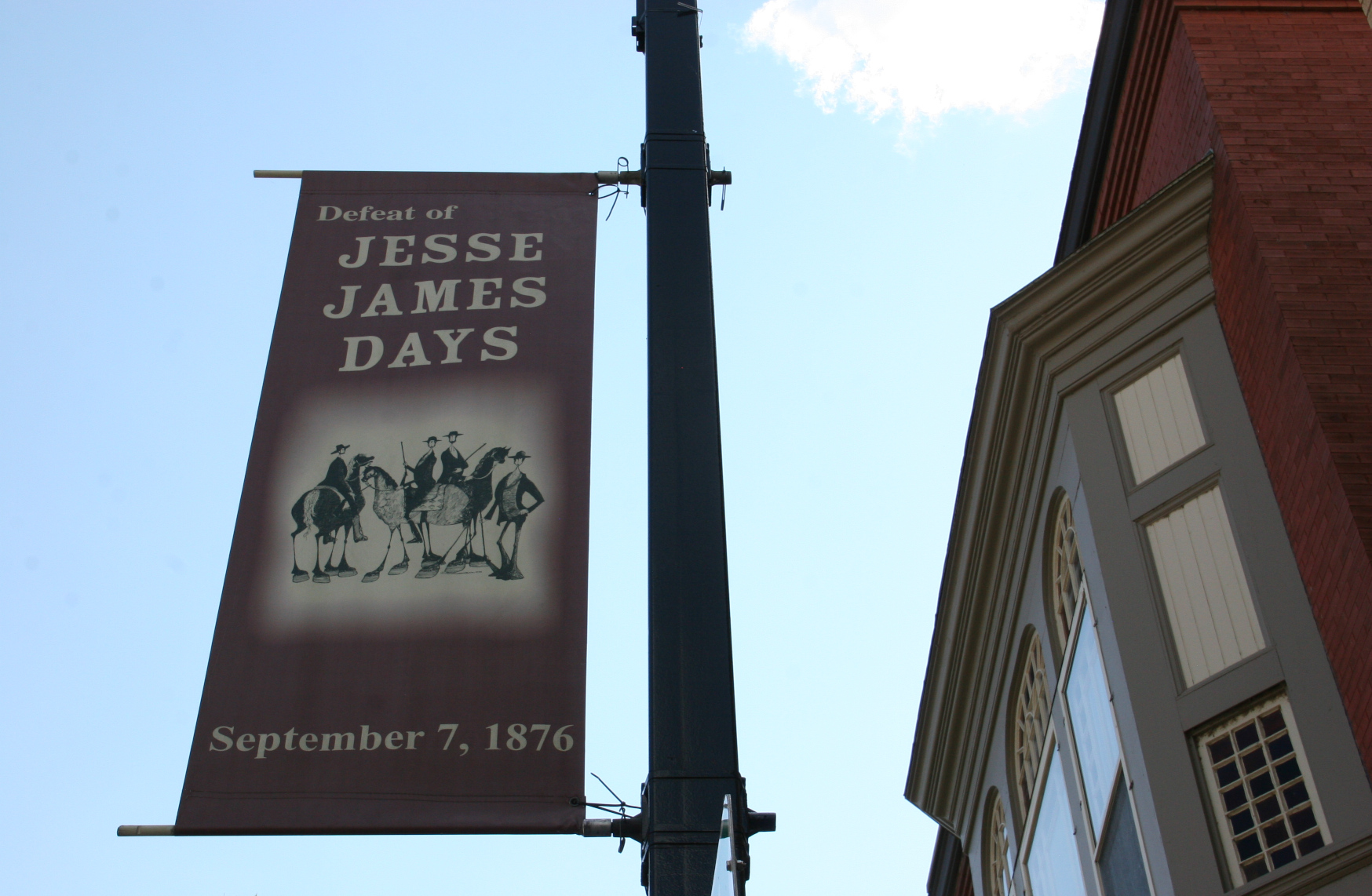
This park centers Northfield, home to many home-grown shops and eateries and best-known perhaps for the September 7, 1876, attempted robbery of the First National Bank by the James-Younger Gang. This week Northfield honors the long ago townspeople and a heroic bank cashier who stood up to the outlaws. The town will buzz with activities and people, all here to celebrate Defeat of Jesse James Days. That runs September 7-11.

The Northfield Historical Society by Bridge Square once housed the First National Bank. The bank entry is around the corner and not shown here. (Minnesota Prairie Roots copyrighted photo August 2022)

Weeks before this event I was in Northfield, first touring the Northfield Cemetery to view the gravesites of bank employee Joseph Lee Heywood and Swedish immigrant Nicolaus Gustafson, both shot and killed by the outlaws. Gustafson, at the time of the raid, was vending vegetables in, I believe, current day Bridge Square. The First National Bank is located around the corner.

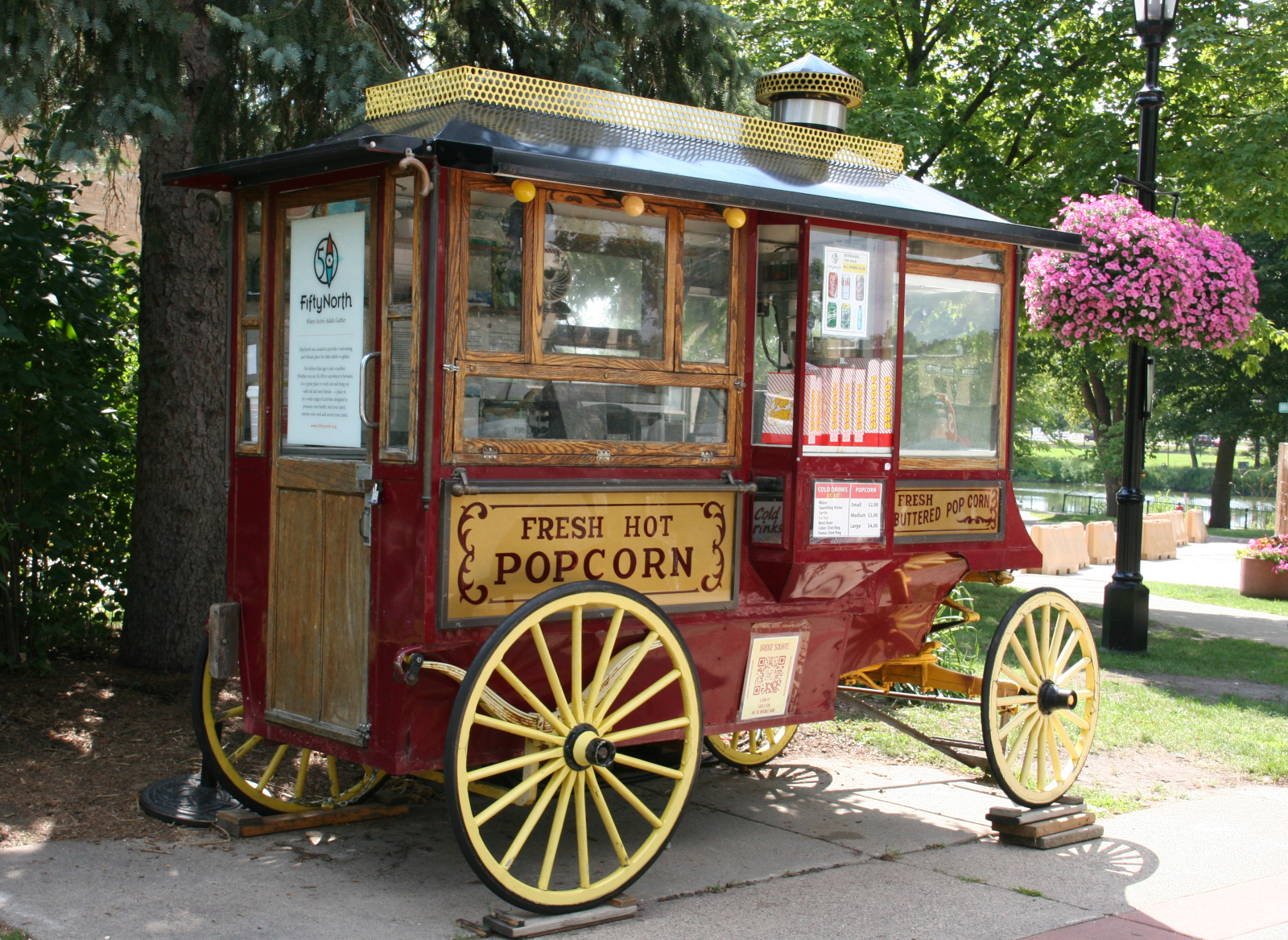
The popcorn wagon has set up in Bridge Square since the 1970s. (Minnesota Prairie Roots copyrighted photo August 2022)

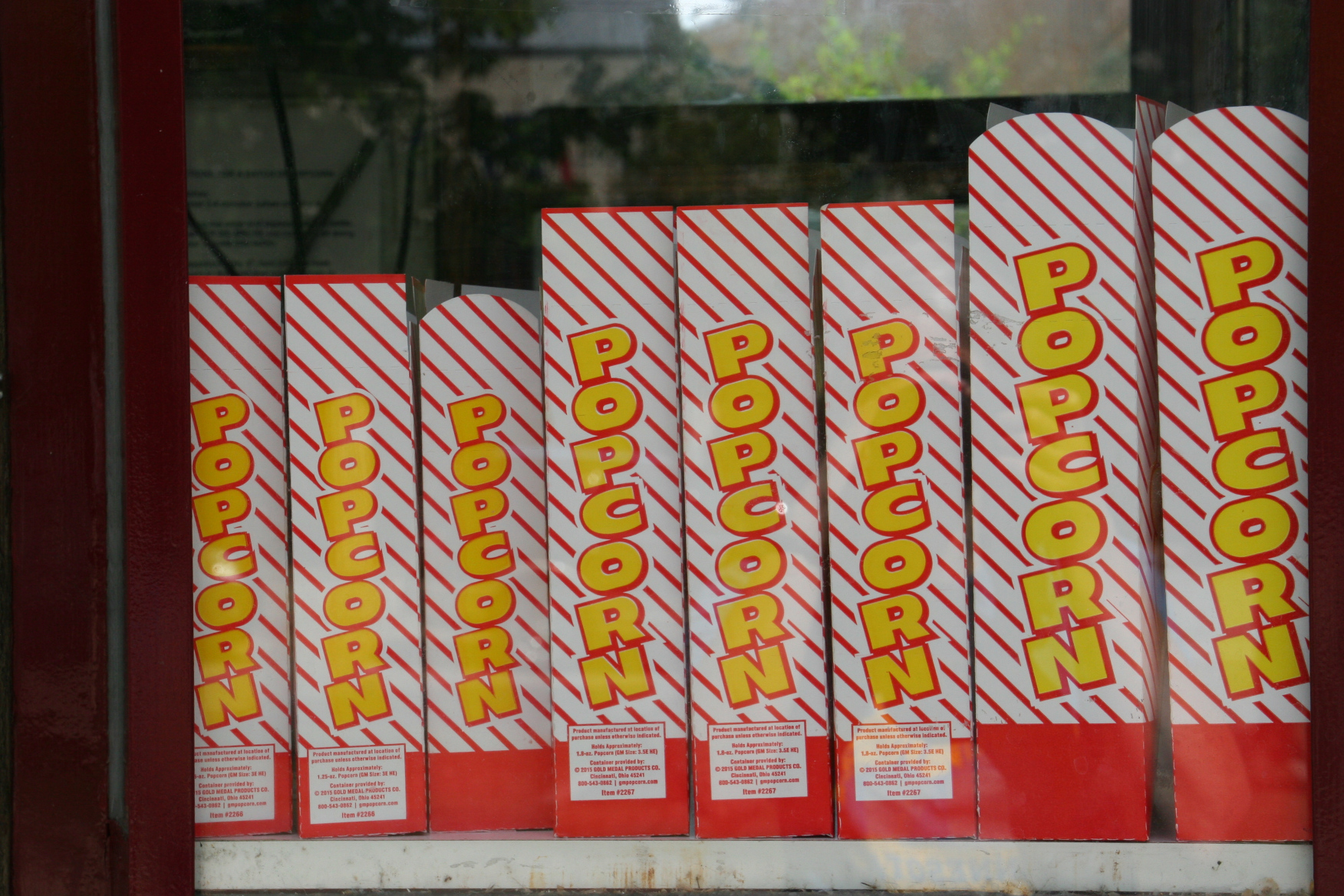
Popcorn boxes lined up in the wagon. (Minnesota Prairie Roots copyrighted photo August 2022)

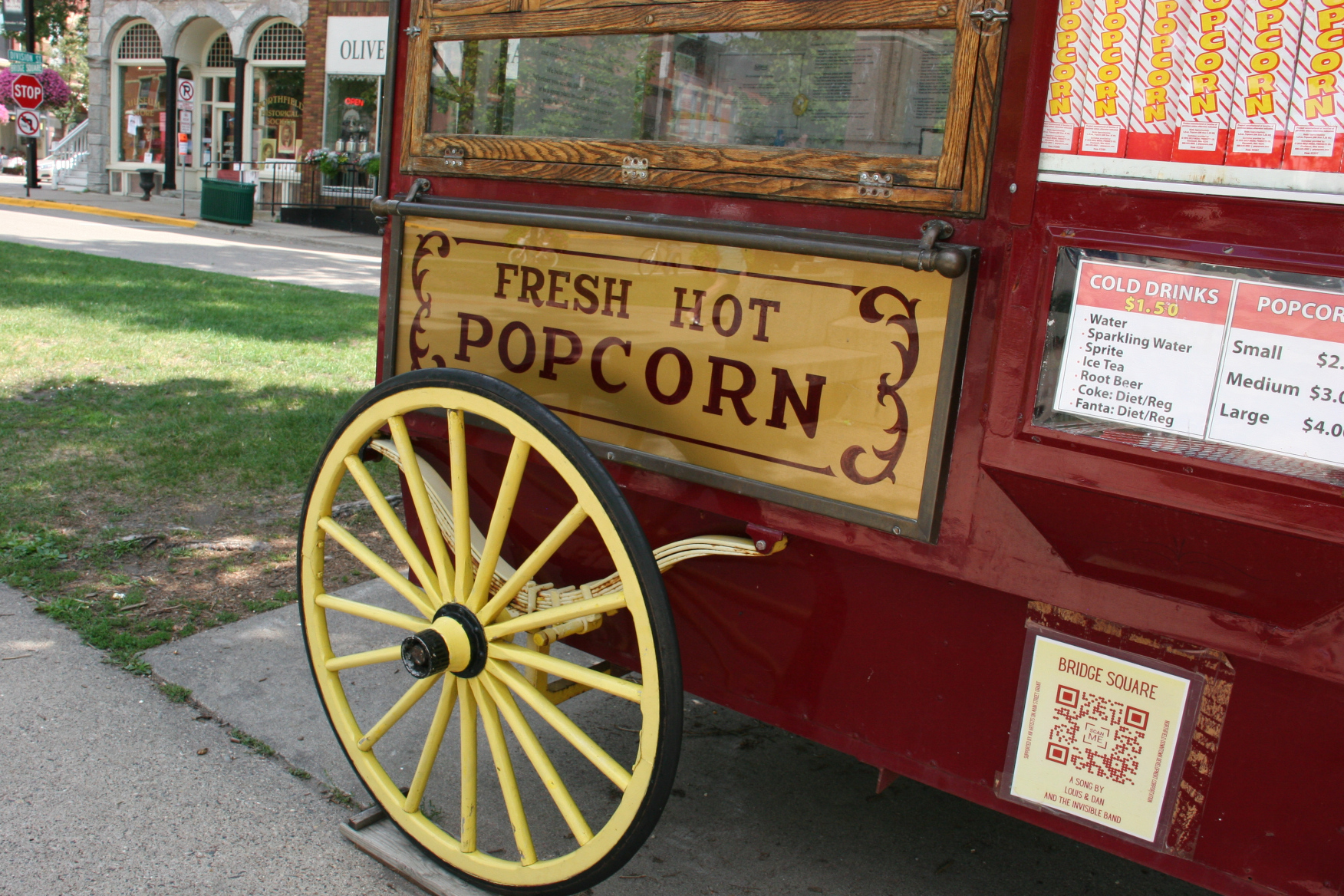
The popcorn wagon brings back memories of Vern’s Popcorn Stand in my hometown of Vesta. (Minnesota Prairie Roots copyrighted photo August 2022)

My focus on that afternoon was not on the historic robbery, but rather on Bridge Square. I noticed first the 1918 popcorn wagon which is open from mid-May to mid-September and operated by FiftyNorth, the local center for seniors. It was closed when I was there. But I could imagine the sound of popping kernels, the scent, the taste of buttery popcorn scooped into boxes. There’s something about a popcorn stand that hearkens to bygone days.

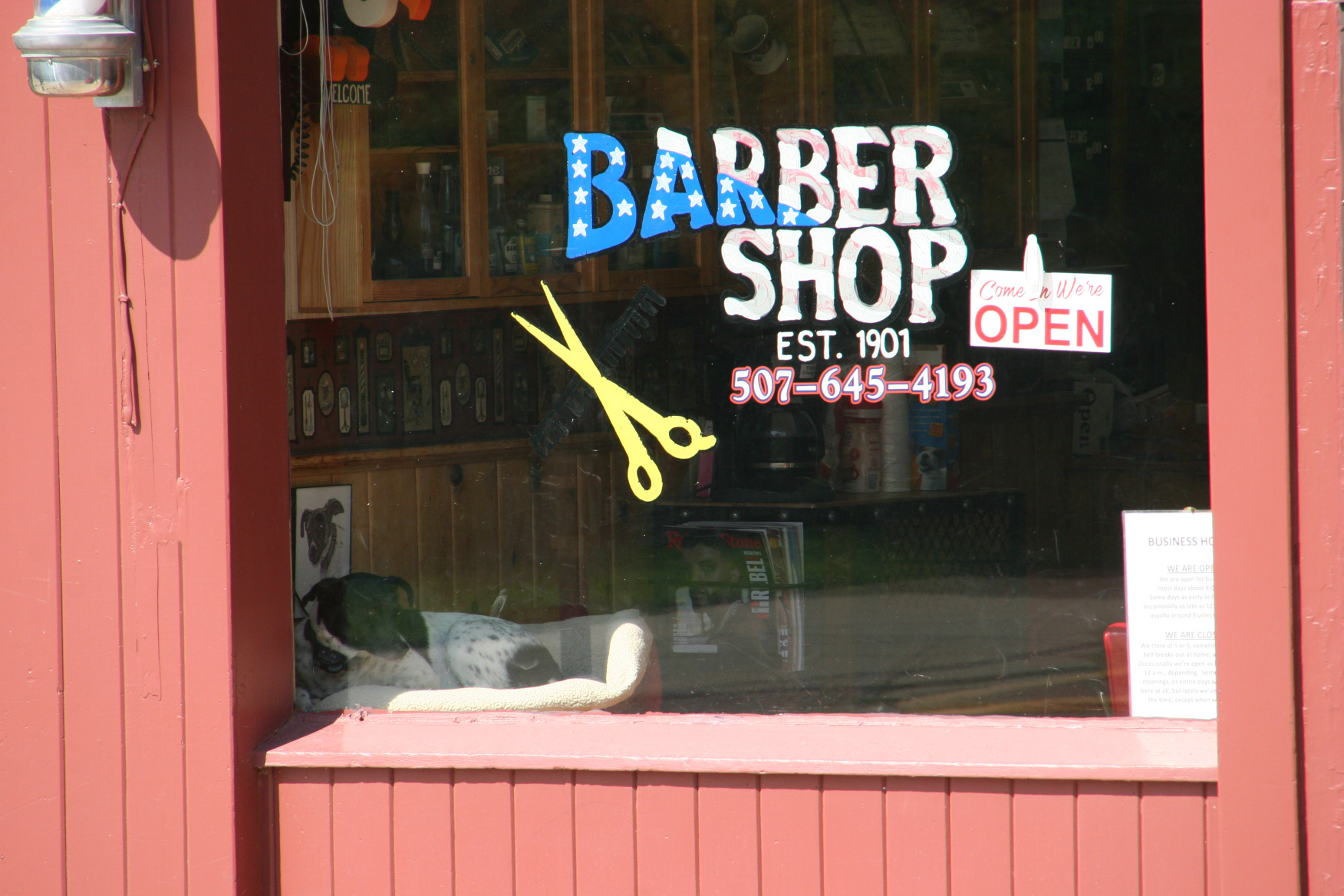
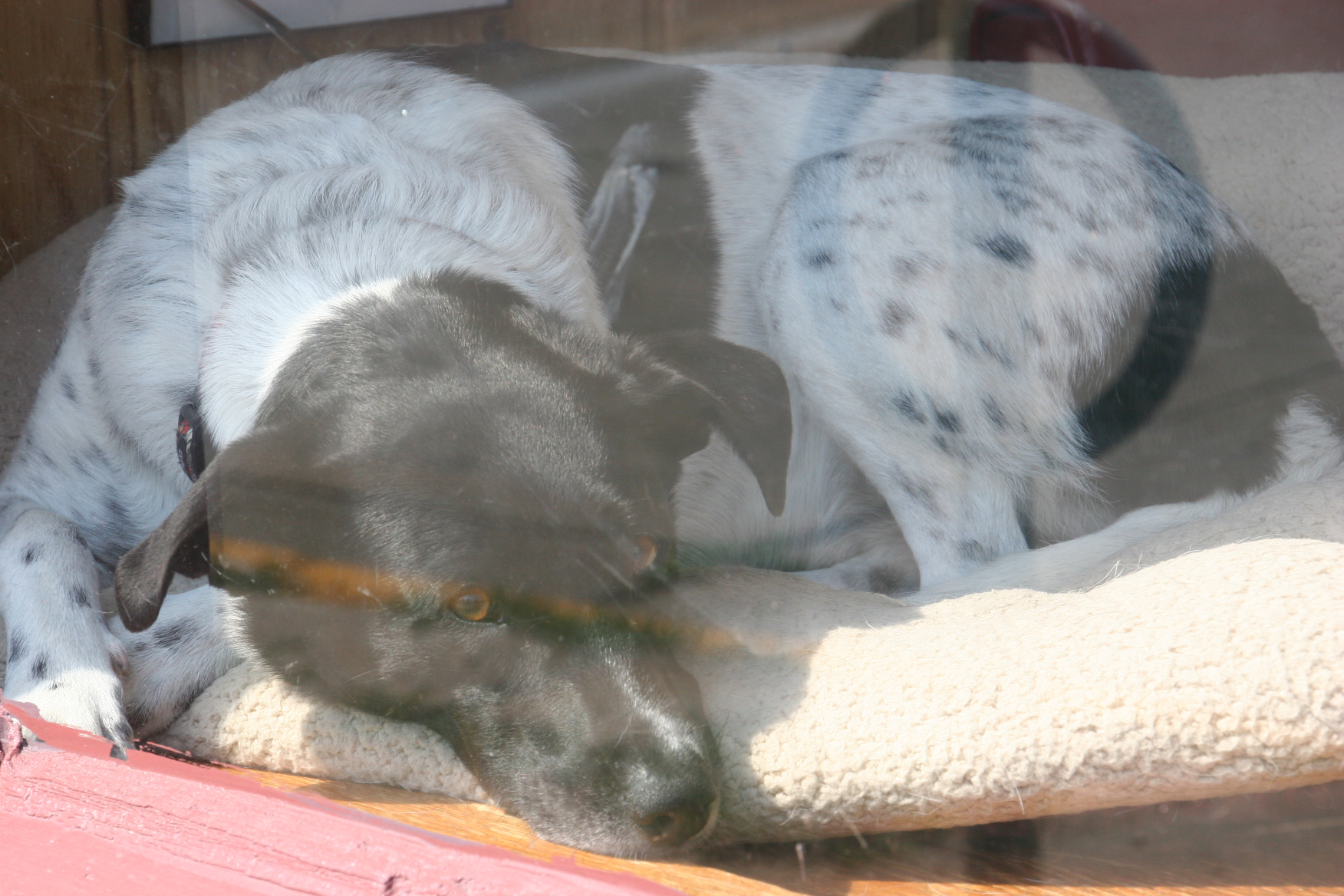
“How much for that doggie in the window?” (Minnesota Prairie Roots copyrighted photo August 2022)

And there’s something about an old-time barbershop such as Bridge Square Barbers with a barbershop pole and then, bonus, a doggie in the window. I spotted the dog lying on a fleece bed in a corner. Seemingly content, only lifting his head when I approached for a close-up photo.

Love this barbershop dog photographed through the window. (Minnesota Prairie Roots copyrighted photo August 2022)

Earlier this year a sign in that barbershop window prompted me to write a story, “Barbershop Prompt,” which I submitted to a writing competition. My story earned second place in creative nonfiction and will publish in volume 31 of The Talking Stick, a northern Minnesota-based anthology. I also earned an honorable mention in fiction. Once the book publishes, I’ll share more.

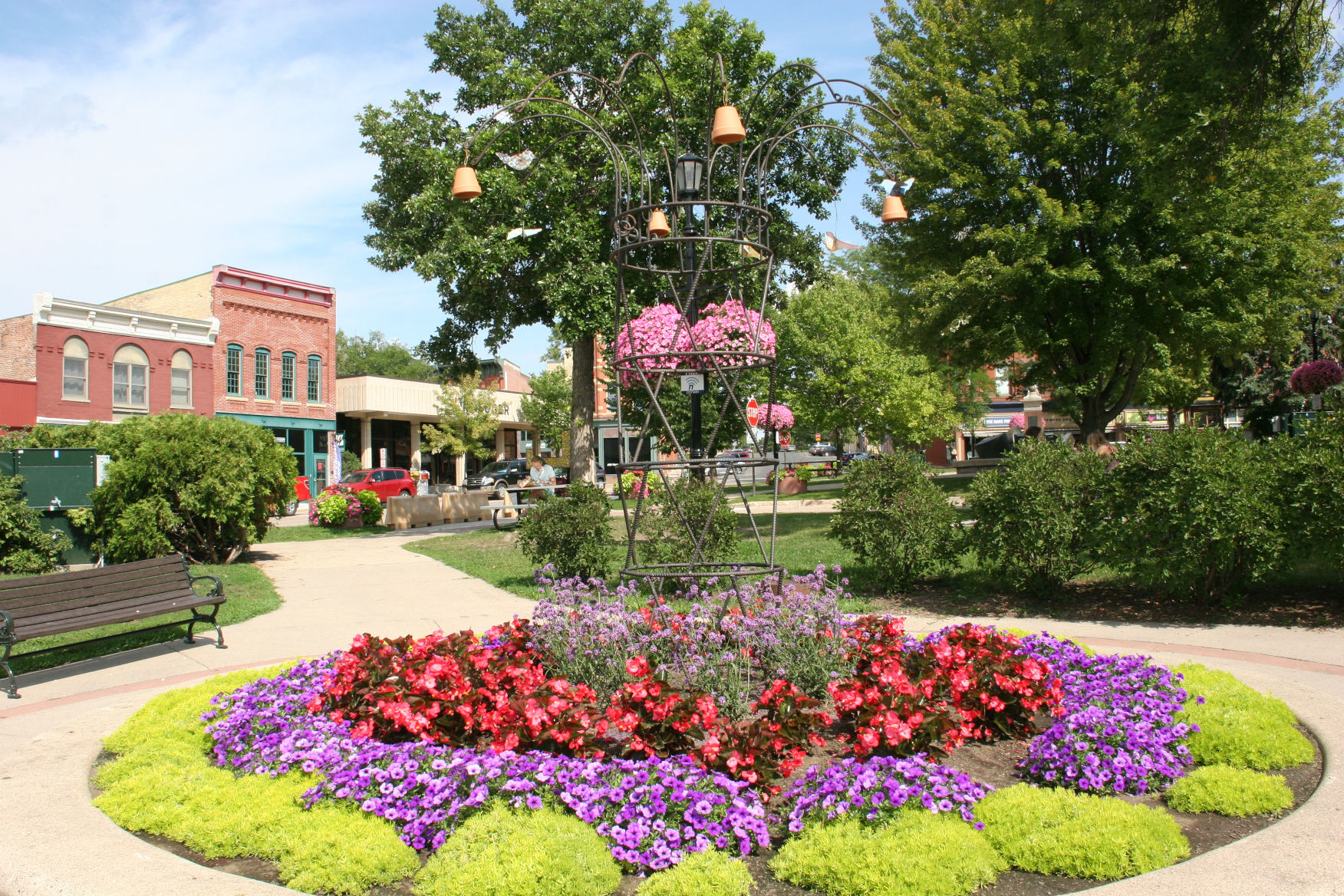
Beautiful flowers circle an art installation in Bridge Square near the Cannon River. (Minnesota Prairie Roots copyrighted photo August 2022)

I also took in the art of Bridge Square. Northfield is big on the arts with an Artists on Main Street program, sidewalk poetry and other art installations in addition to the performing arts.

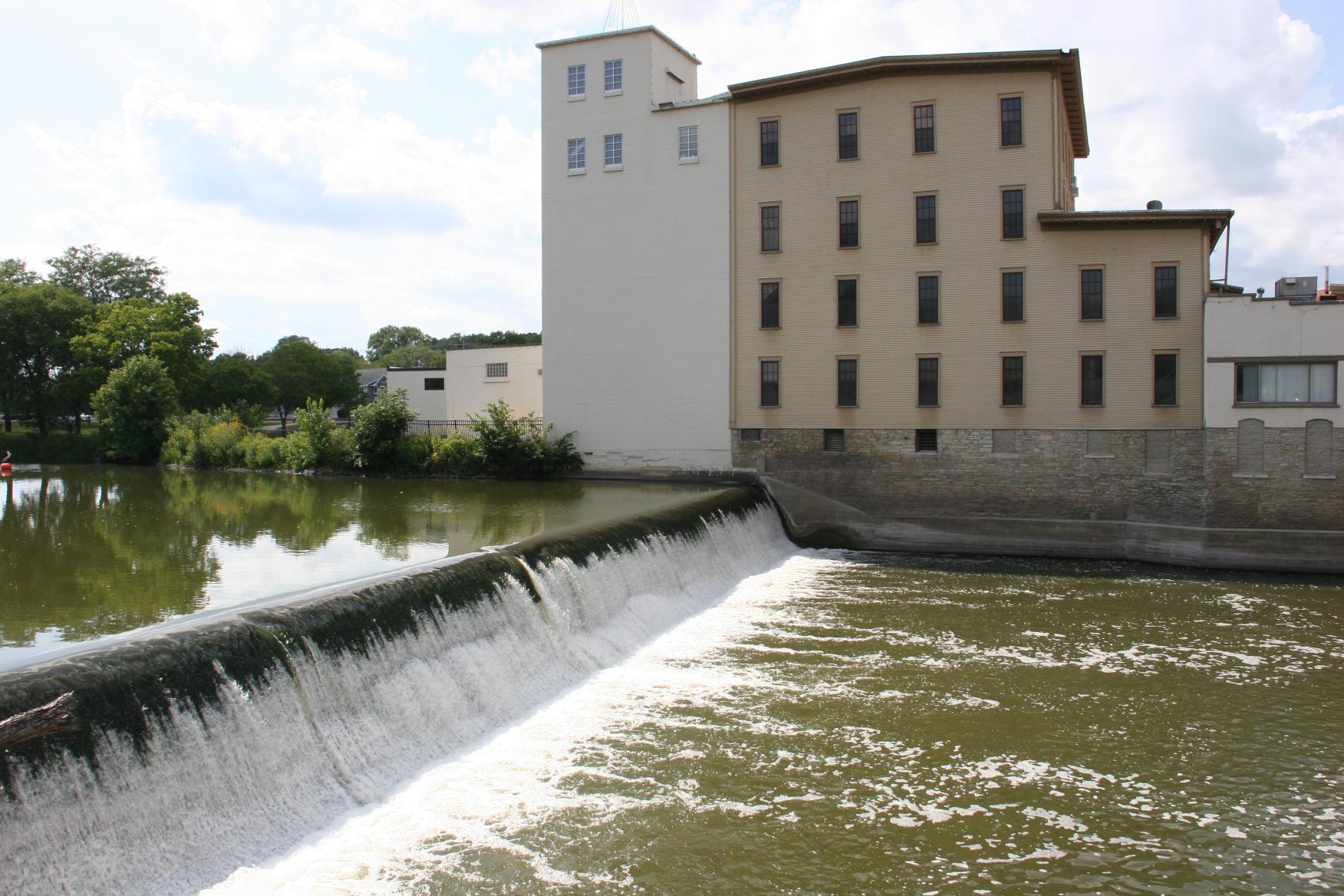
The historic Ames Mill sits along the Cannon River. Originally a flour mill, the mill later was used to produce Malt-O-Meal hot cereals and is today owned by Post Consumer Brands. (Minnesota Prairie Roots copyrighted photo August 2022)

And then there’s the history. Aged buildings like the riverside Ames Mill. The river running through is a real asset to the downtown, especially with a river walk behind buildings hugging Division Street.

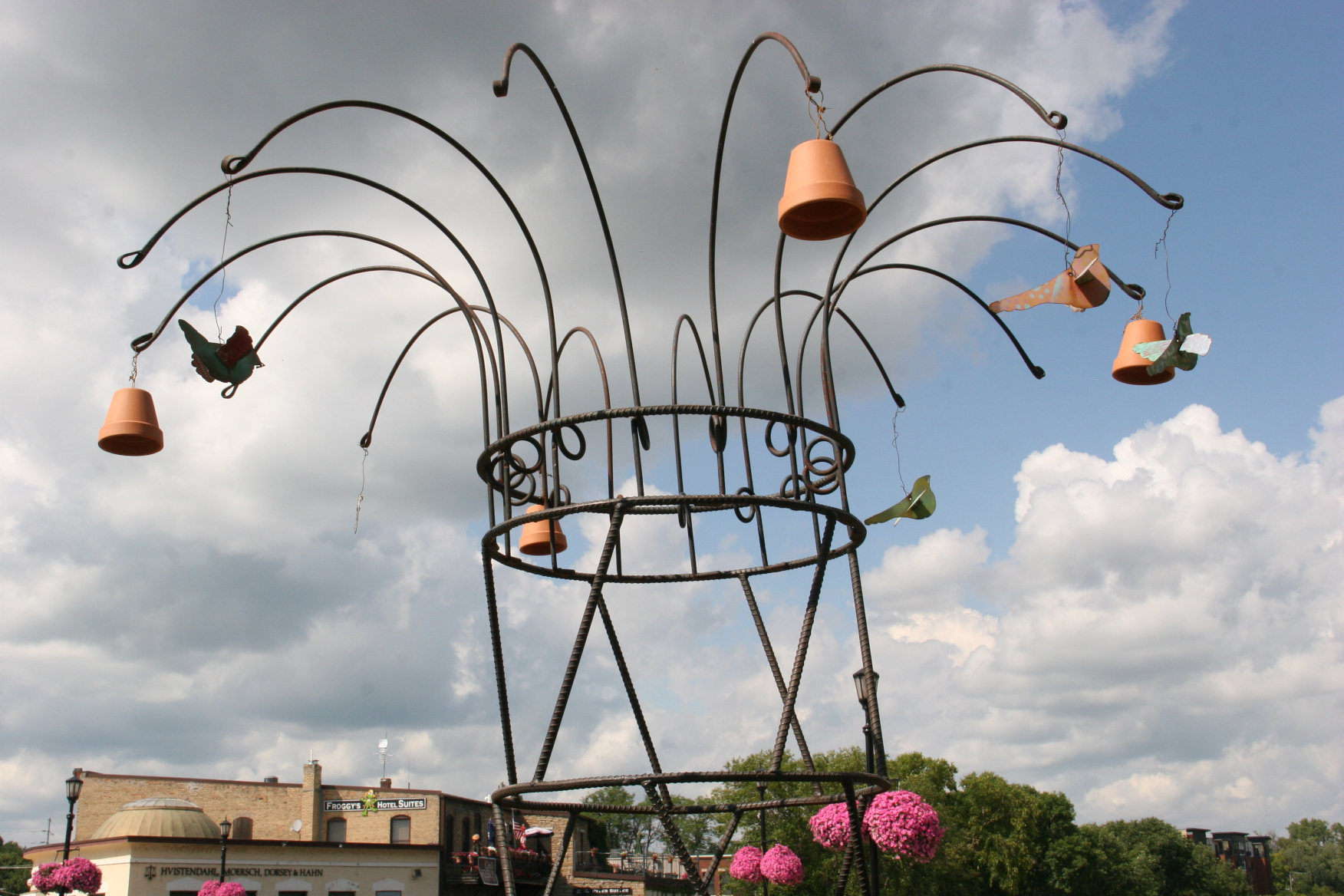
Detailed top of the art installation. (Minnesota Prairie Roots copyrighted photo August 2022)

At the heart of all of it is Bridge Square—a place which melds history and art, land and sky and river, commerce and individuality. Most importantly, the village square brings peoples together to converse, to celebrate, to honor, to discuss, to disagree, to buy popcorn from the popcorn wagon, to simply be.

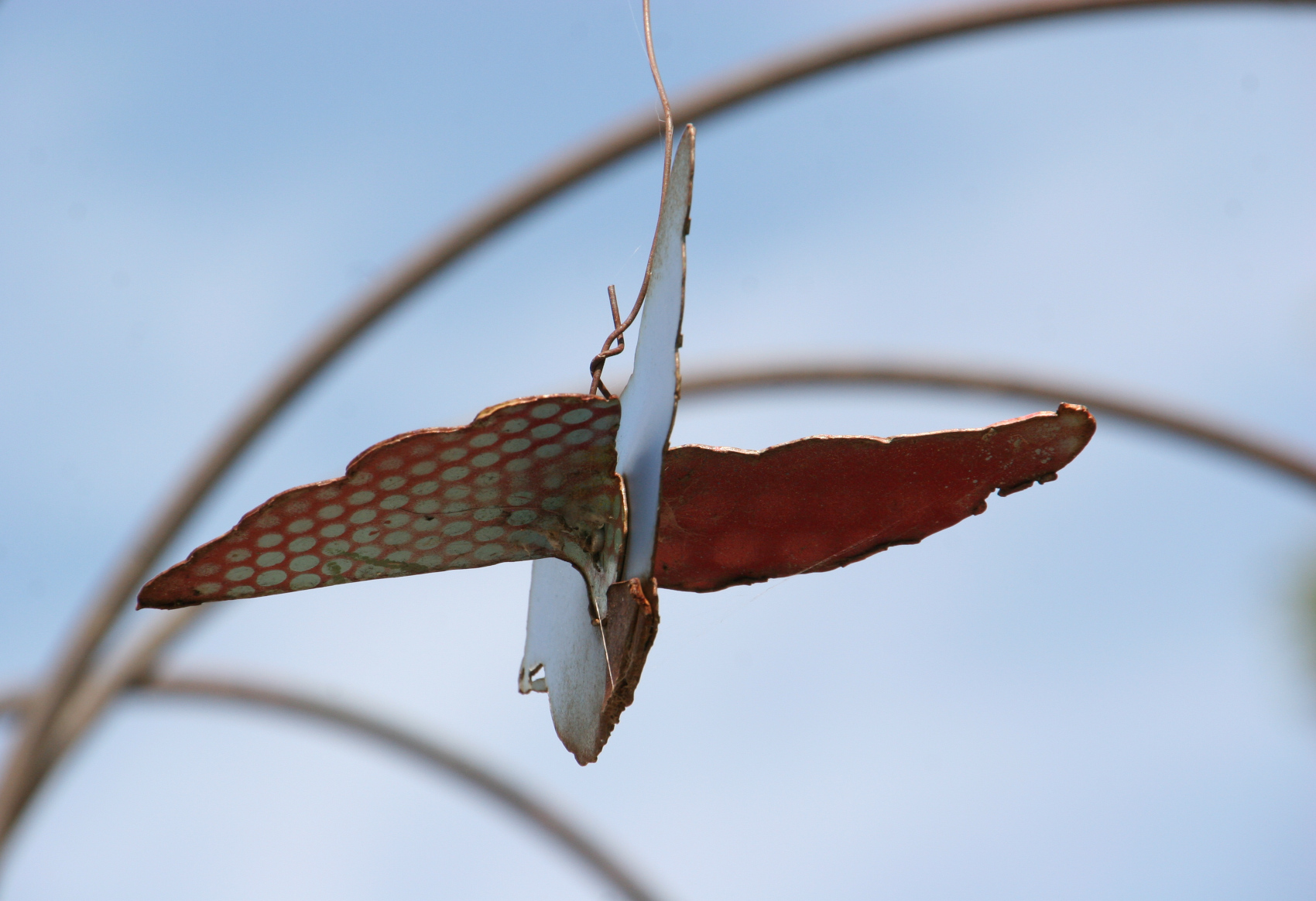
Bird in flight in the Bridge Square sculpture. (Minnesota Prairie Roots copyrighted photo August 2022)

TELL ME: Does your community have an outdoor gathering spot like Bridge Square?

© Copyright 2022 Audrey Kletscher Helbling
 

Honoring those who defeated Jesse James in Northfield September 6, 2022

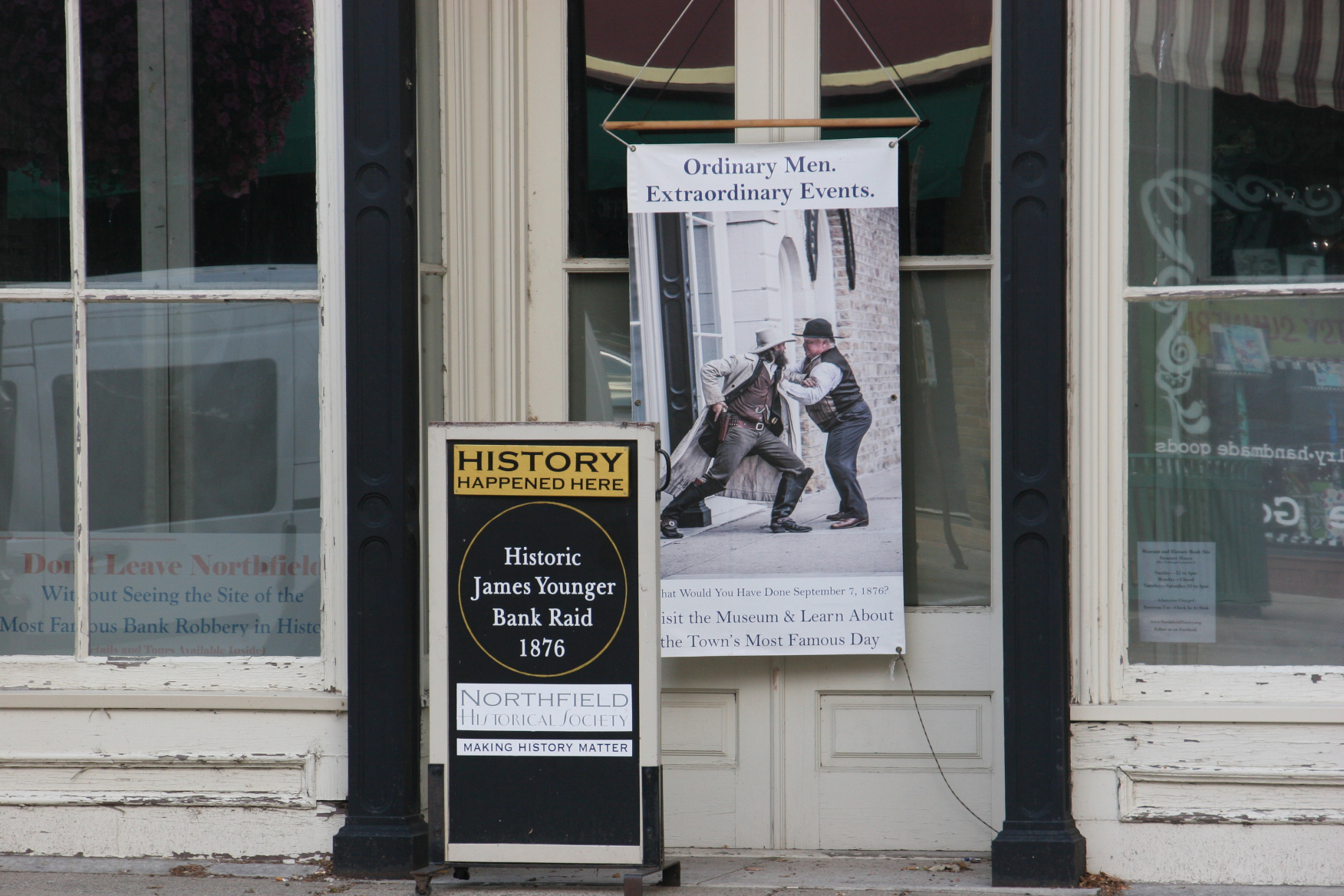
Posted on the First National Bank in Northfield, now the Northfield Historical Society. (Minnesota Prairie Roots copyrighted photo August 2022)

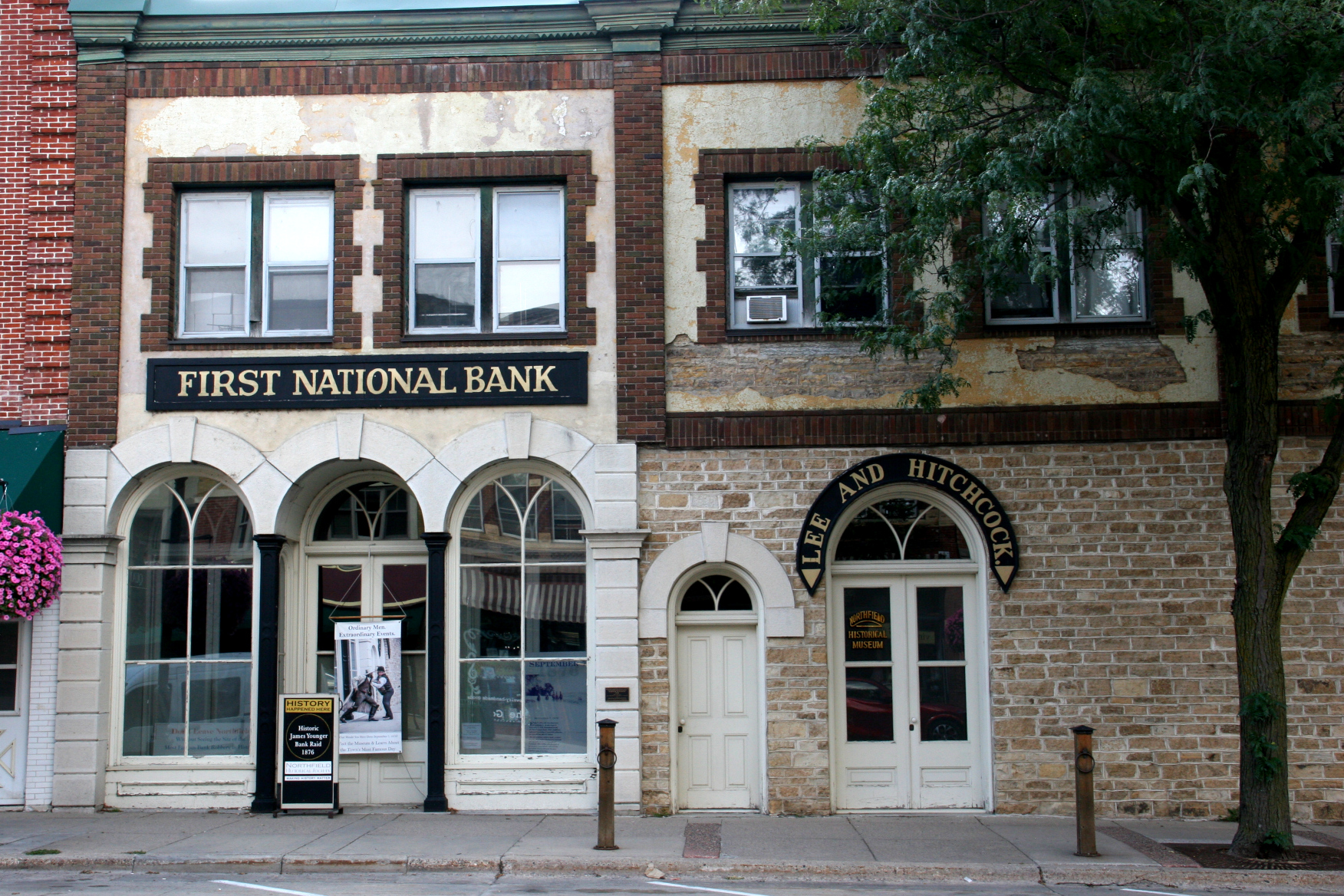
IF NOT FOR A QUICK-THINKING bank cashier and determined townspeople, things could have ended much differently for the community of Northfield on September 7, 1876, when the James-Younger Gang rode into town intent on robbing the First National Bank.

This is where it all happened. The bank is along Division Street in historic downtown Northfield near Bridge Square. (Minnesota Prairie Roots copyrighted photo August 2022)

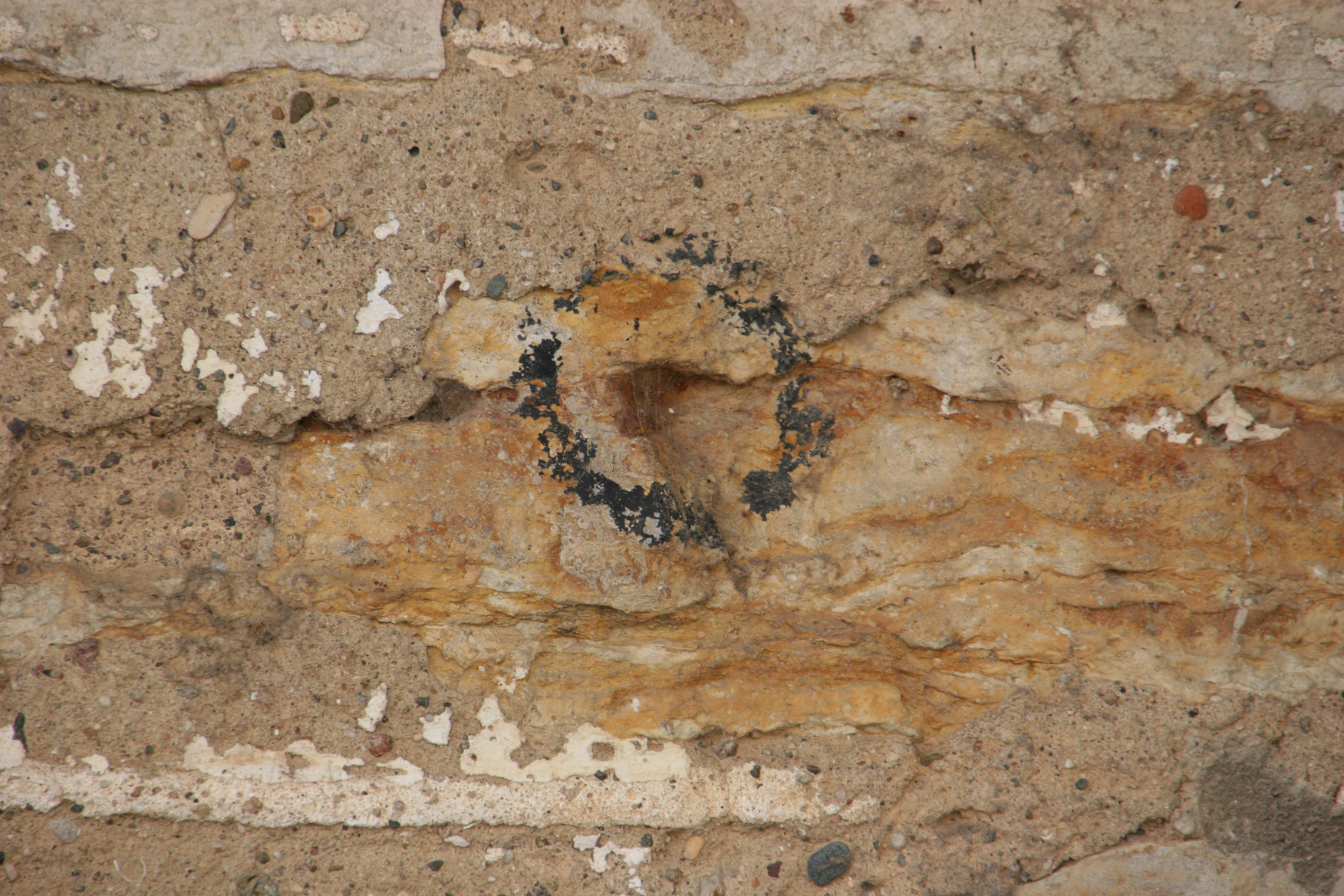
Markers ring supposed bullet holes on the building exterior. (Minnesota Prairie Roots copyrighted photo August 2022)

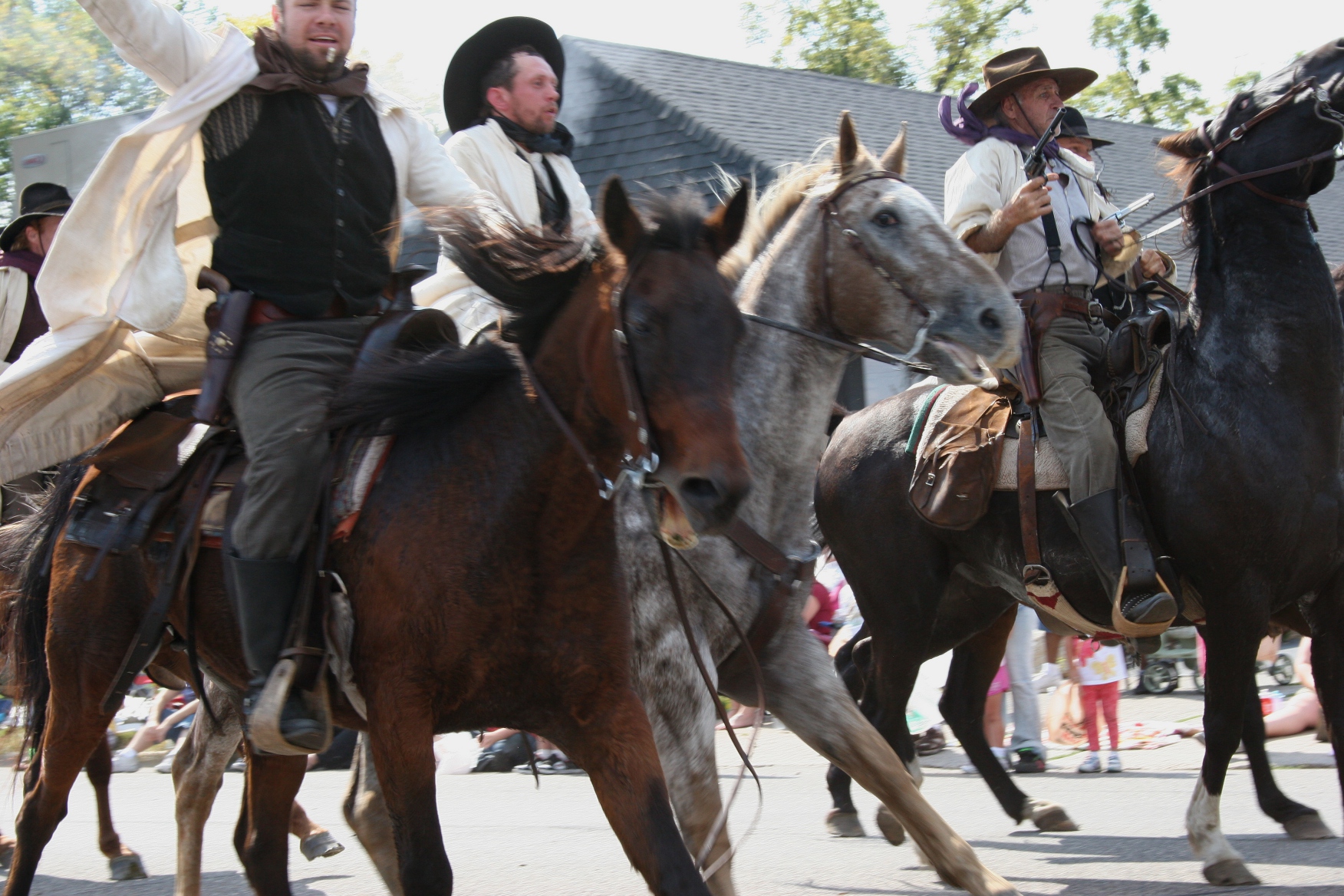
The James-Younger Gang re-enactors riding in the Defeat of Jesse James Days parade. (Minnesota Prairie Roots copyrighted file photo)

That brave employee, Joseph Lee Heywood, stood up to the robbers who demanded cash from the bank vault. In the end, he lost his life, shot in the head. Likewise, Swedish immigrant Nicolaus Gustafson, unable to understand the outlaws’ commands to get off the street, was shot in the head and died four days later. Outlaws Clell Miller and William Chadwell, (also known as William Stiles) died, too, in the ensuing chaos as they attempted to escape.

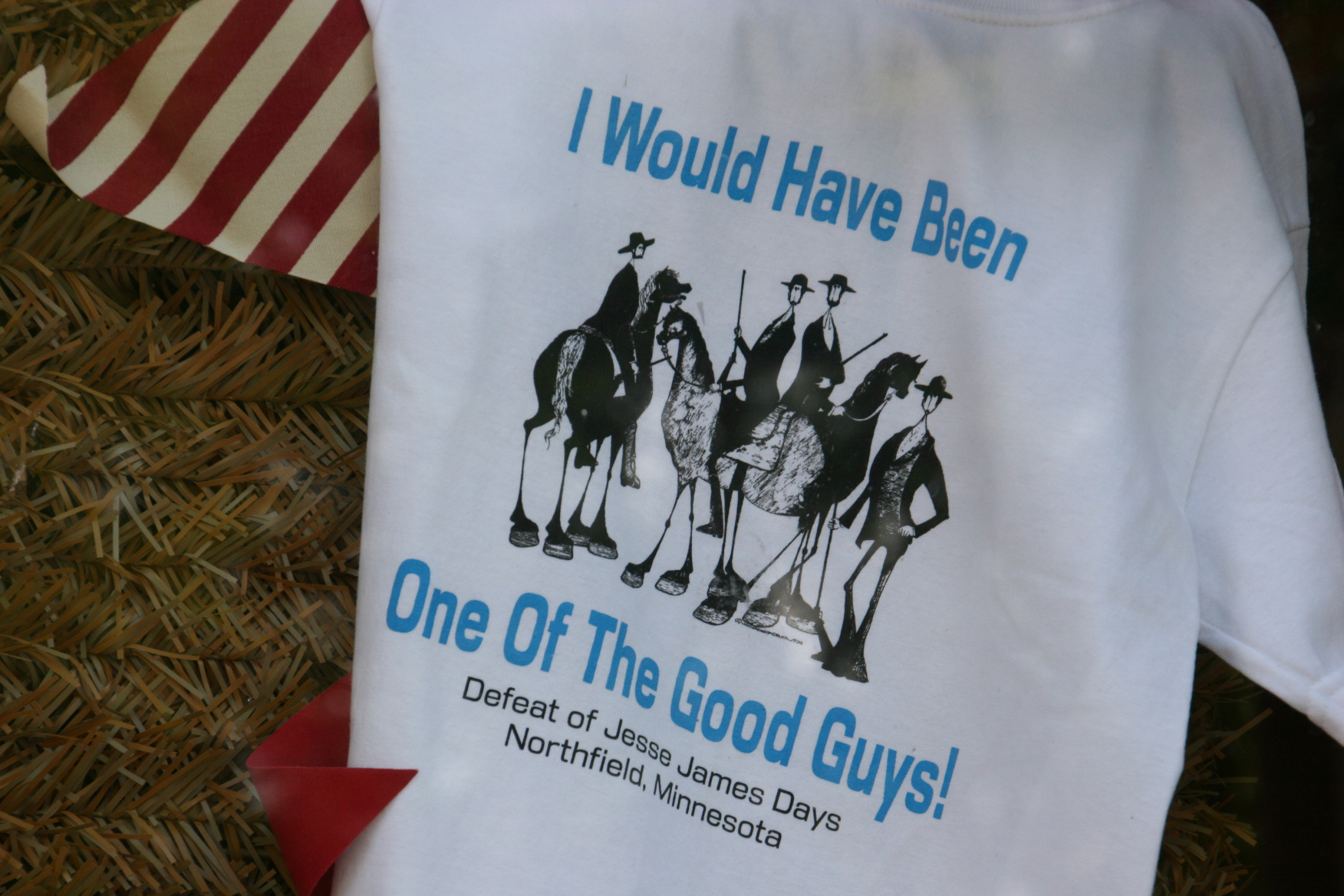
A t-shirt displayed in the front window of the Northfield Historical Society (Minnesota Prairie Roots copyrighted photo August 2022)

Townspeople reacted to the bank raid by throwing skillets and bricks and aiming birdshot at the would-be robbers fleeing on horseback through the narrow streets of this river town. Their efforts, along with those of Heywood, effectively ended a long string of bank and train robberies across the country. The three Younger brothers were shot and captured in a gun battle near Madelia while Frank and Jesse James escaped to Missouri.

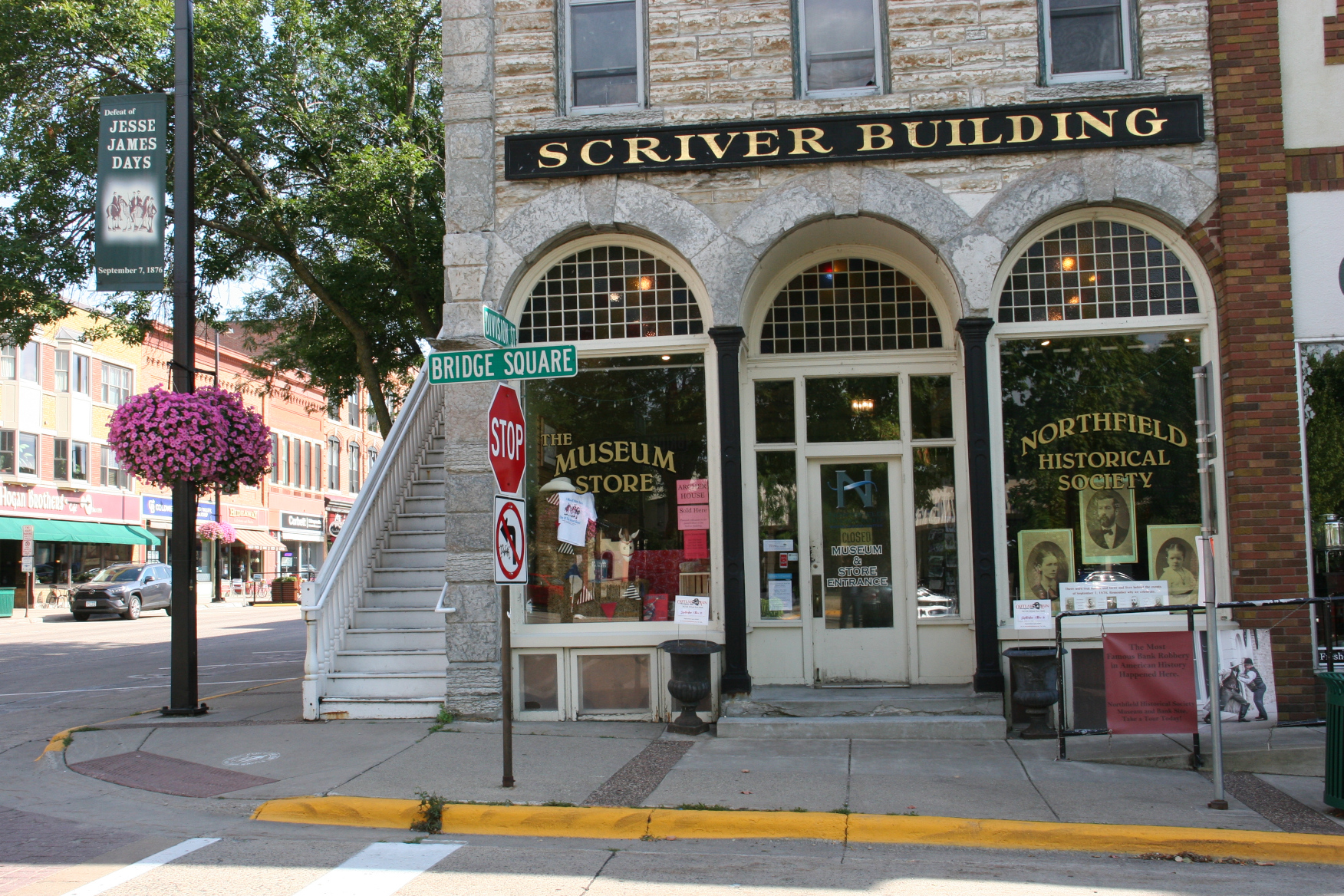
The Northfield Historical Society entrance by Bridge Square. (Minnesota Prairie Roots copyrighted photo August 2022)

That’s the summary backstory of “The Most Famous Bank Robbery in American History” as tagged by the Northfield Historical Society based in the bank building and with a permanent exhibit, “The James-Younger Gang Bank Raid.” I toured the exhibit in 2012 and highly-recommend it to learn the full story behind this event.

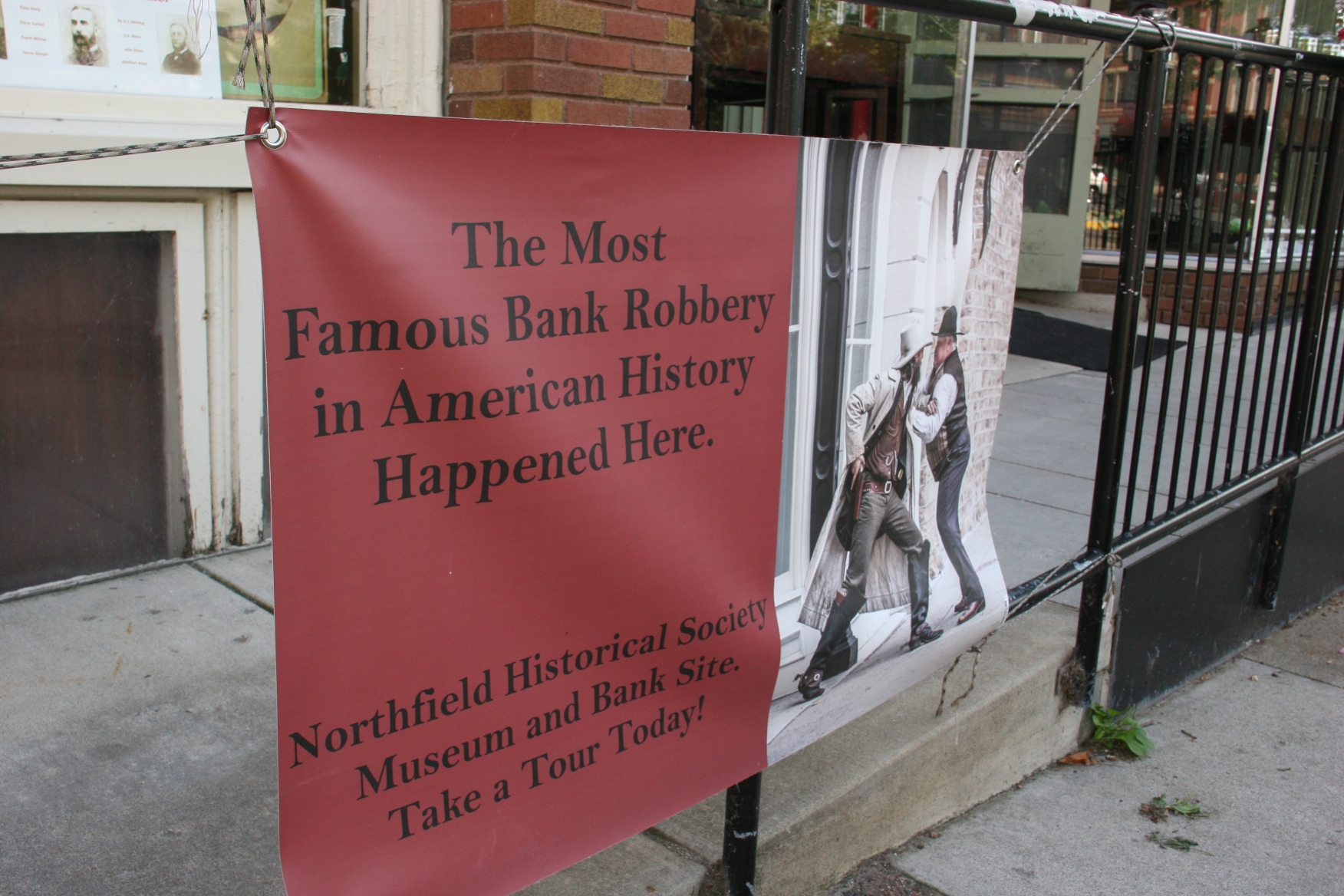
Posted just outside the NHS entrance. (Minnesota Prairie Roots copyrighted photo August 2022)

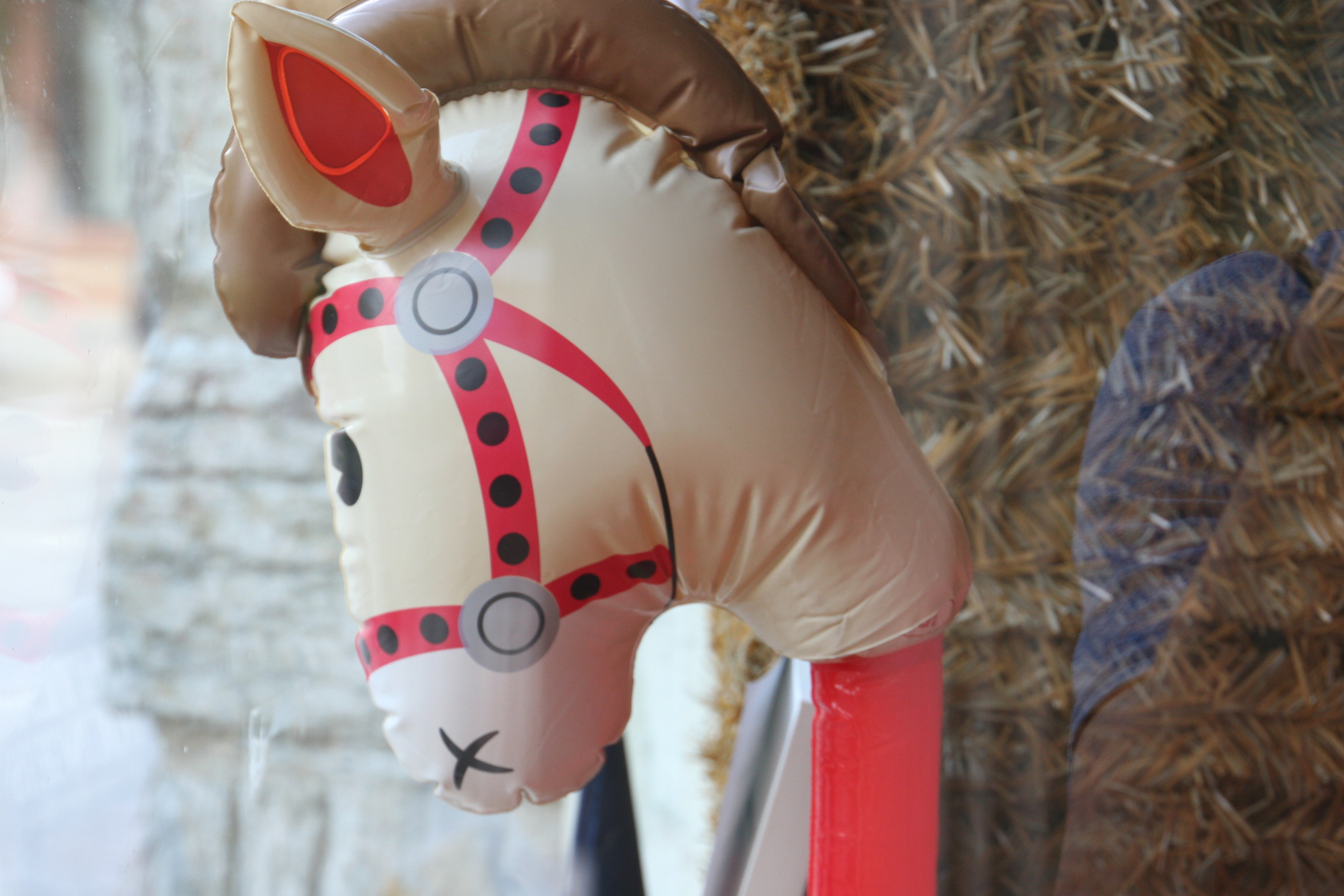
A toy horse is part of the front window display at the NHS. (Minnesota Prairie Roots copyrighted photo August 2022)

One of the many events during Defeat of Jesse James Days. (Minnesota Prairie Roots copyrighted photo August 2022)

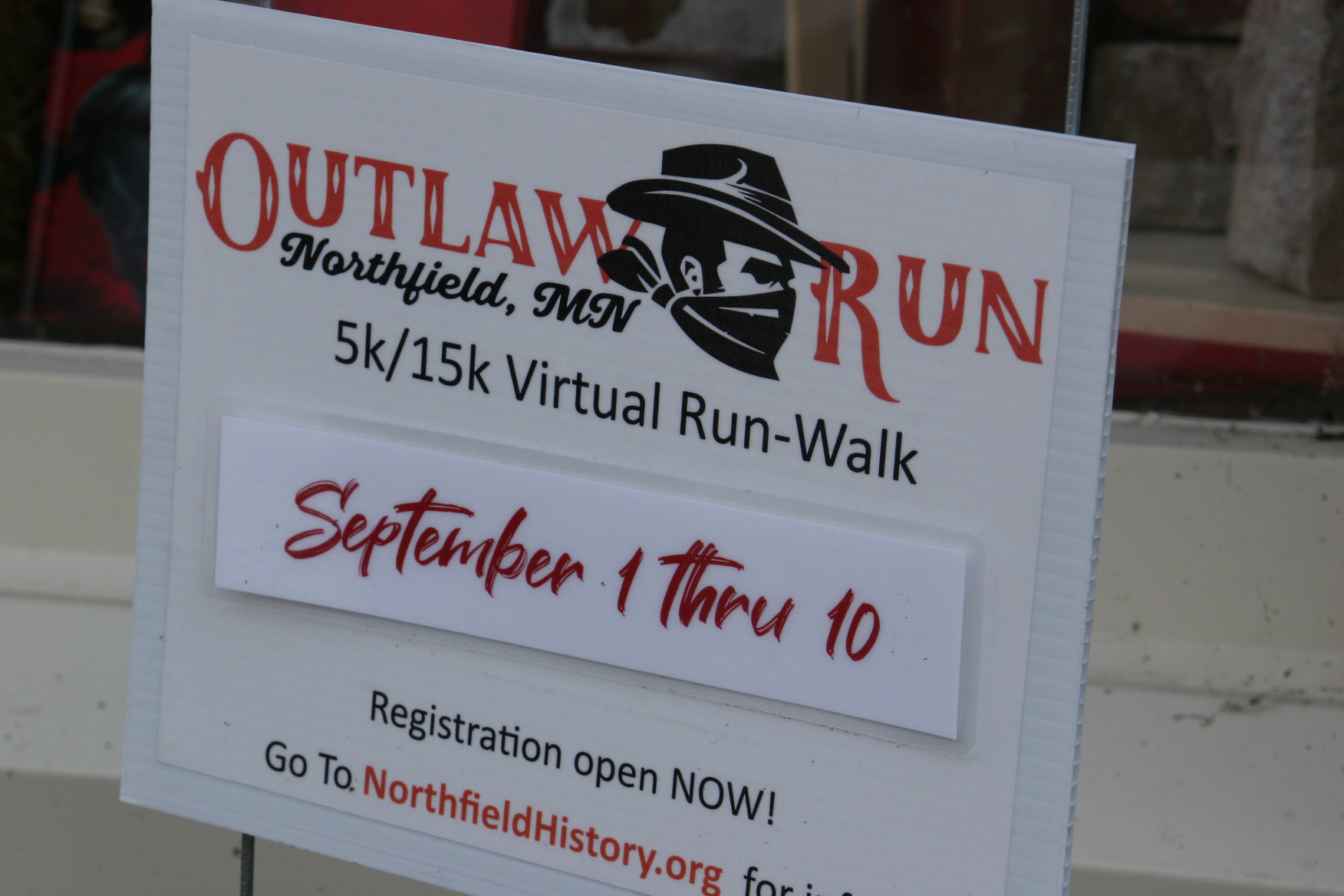
This historic happening focuses Defeat of Jesse James Days, beginning Wednesday in Northfield. I’ve attended that, too, but mostly stay away given it’s one of the biggest community celebrations in Minnesota, meaning crowds. Honoring Heywood and the brave townspeople of 1876, the September 7-11 event includes a long list of activities like the popular bank raid re-enactments, an Outlaw Run, car and craft shows, an art festival, a rodeo, tractor and truck pulls, a parade and much more. Annually the Joseph Lee Heywood Distinguished Service Award is “given to a Northfield citizen who exemplifies a commitment to public service, which Heywood lived.”

This sign on a building marks the Northfield Cemetery. (Minnesota Prairie Roots copyrighted photo August 2022)

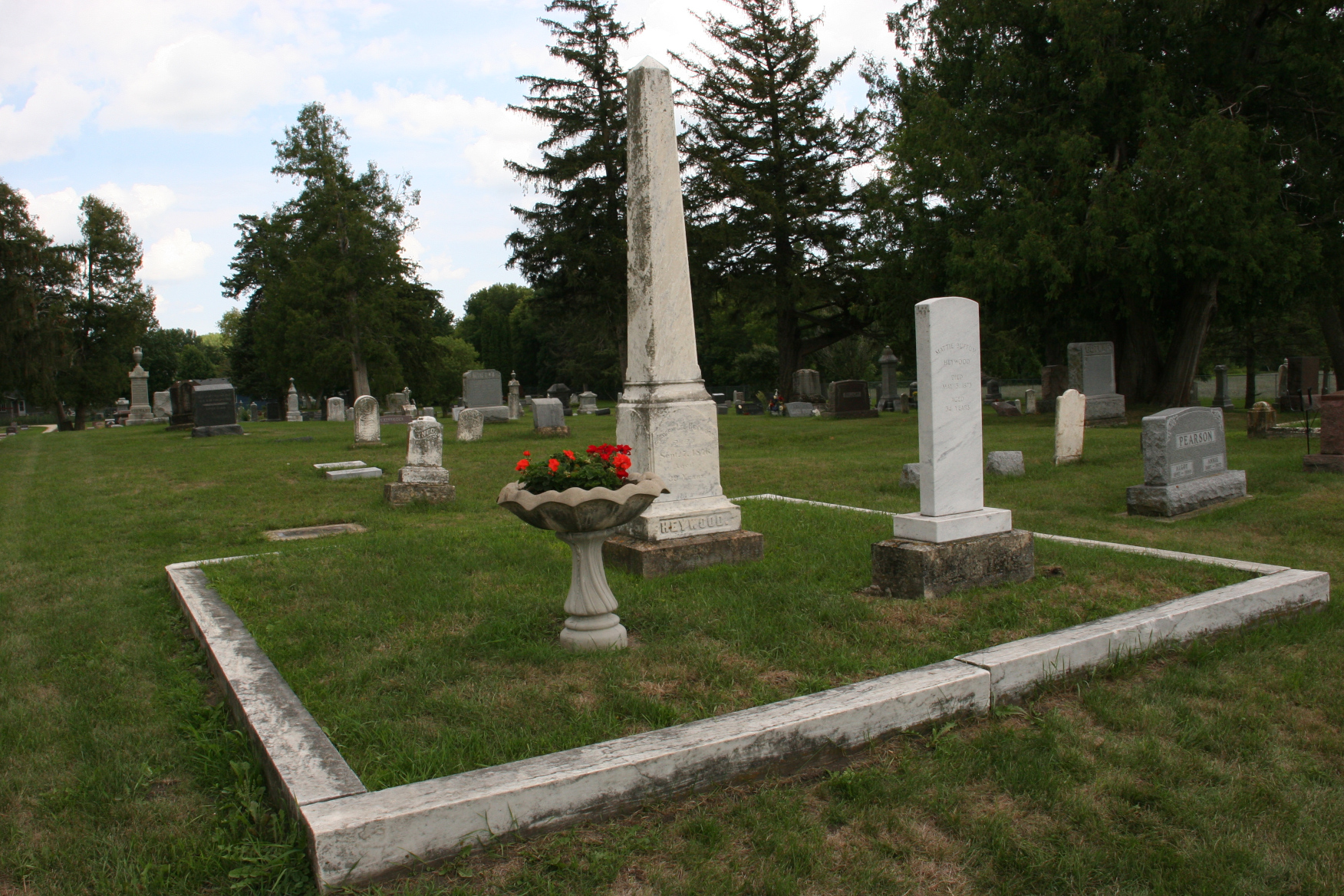
In the midst of all this, I’d suggest a visit to a place away from the crowds. The Northfield Cemetery. Here Joseph Lee Heywood and Nicolaus Gustafson lie buried. A few weeks ago I sought out their graves given my interest and my desire to honor these two men who lost their lives during the failed bank raid.

Joseph Lee Heywood‘s gravesite. (Minnesota Prairie Roots copyrighted photo August 2022)
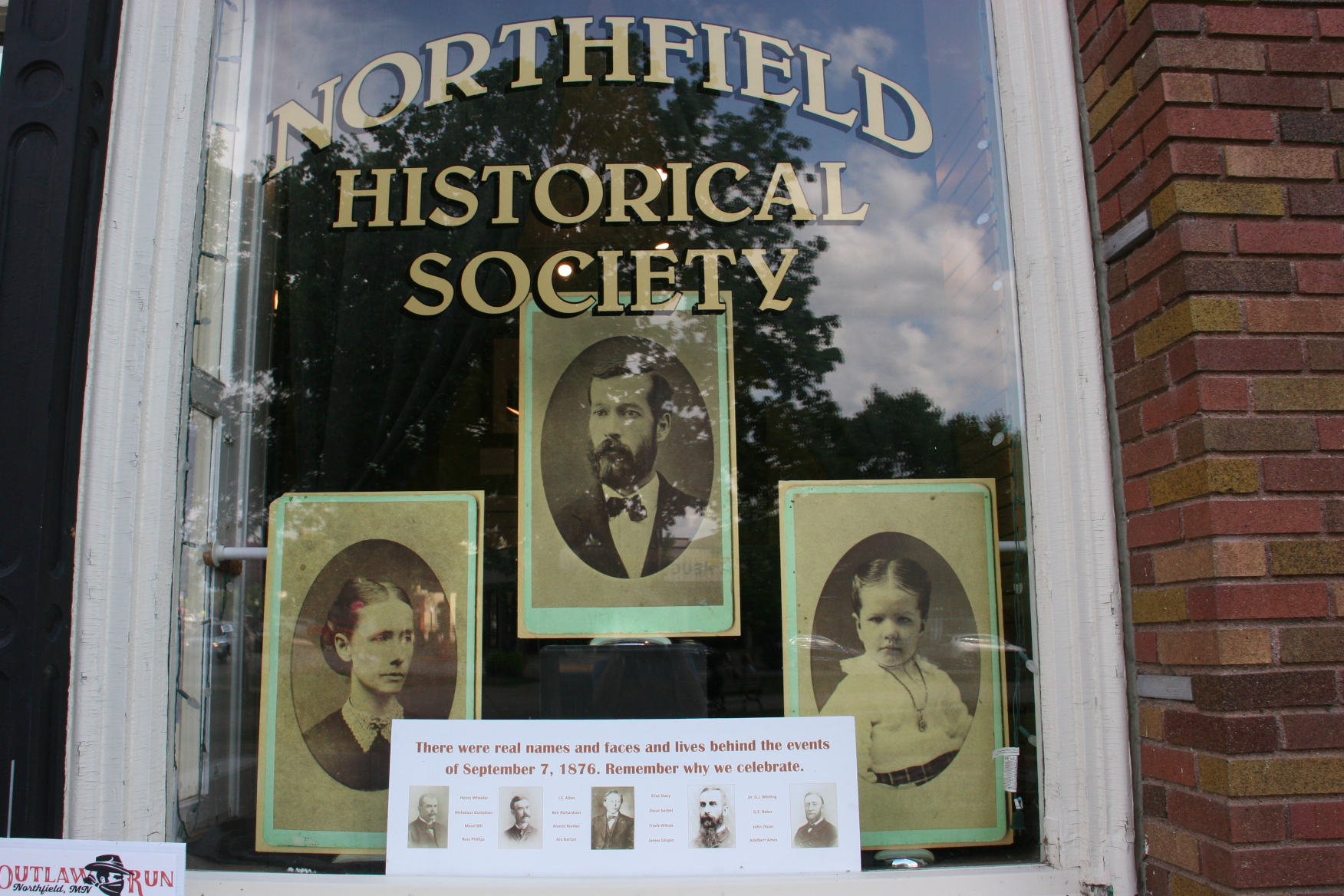
A portrait of Joseph Lee Heywood is posted in the Northfield Historical Society window. Although I’m not certain, I believe the other images are of his wife and daughter. He remarried after Mattie died. (Minnesota Prairie Roots copyrighted photo August 2022)

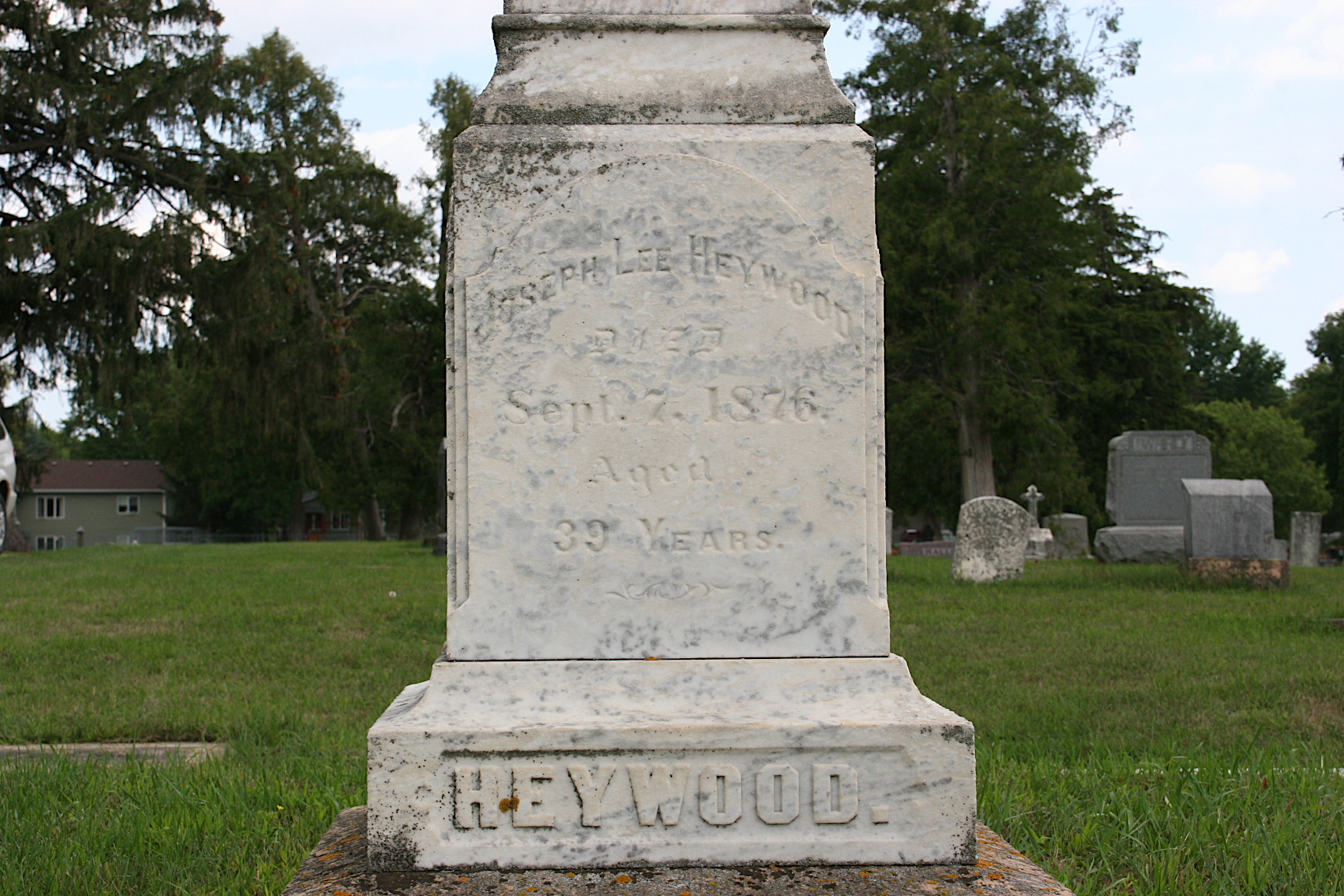
Heywood’s marker up close. (Minnesota Prairie Roots copyrighted photo August 2022)

The bank cashier’s burial spot is decidedly prominent, his grave marker rising high within a squared off space. Mattie Buffum Heywood, who died in May 1873 at the age of 34, is buried by her 39-year-old husband.

A surprisingly new marker marks the grave of Nicolaus Gustafson. (Minnesota Prairie Roots copyrighted photo August 2022)

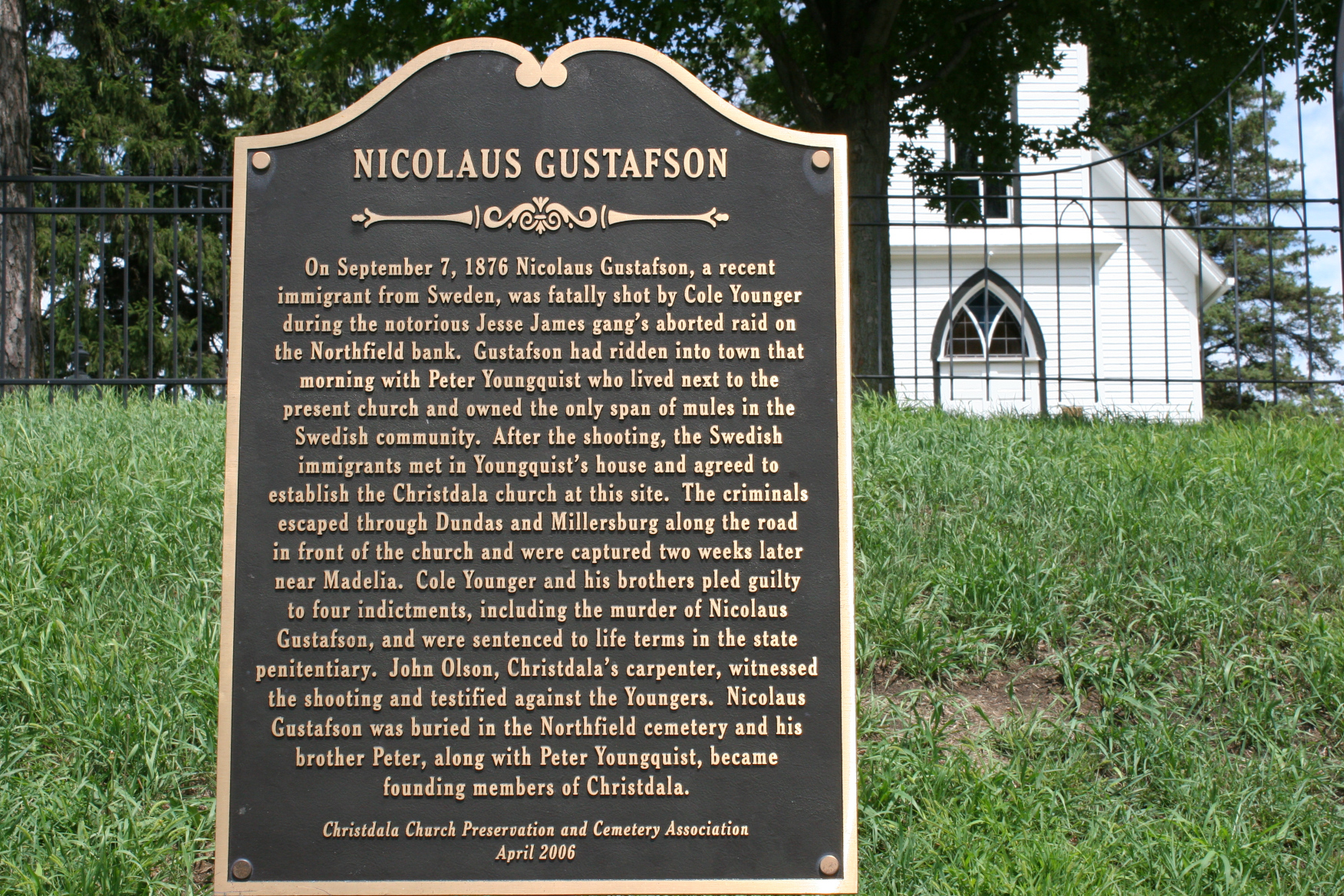
Finding Nicolaus Gustafson’s grave took effort. Eventually I found it near the cemetery entrance next to the chain link fence along busy Division Street South. I expected an aged tombstone like Heywood’s, not the more modern granite marker with the postscript inscription, A SWEDISH IMMIGRANT SHOT BY ROBBERS. Gutafson, who had just turned 30, arrived in Northfield from neighboring Millersburg on the day of the robbery to sell produce with another Swedish immigrant. He was buried in Northfield because the Swedes did not yet have a church or cemetery. In 1994, the good people of Northfield installed the gravestone gracing his final resting spot. A historic marker at Christdala Church also honors Gustafson.

This marker in front of Christdala Church, rural Millersburg, honors Nicolaus Gustafson. (Minnesota Prairie Roots copyrighted file photo 2020)

In all of this, there is something to be said for the strength of those who are now part of our history. Their actions, whether intentional or not, determined outcomes. For communities. For families. For the future. How many lives were saved because of Joseph Lee Heywood, because of those determined Northfielders, even because of a Swedish immigrant rushing to a street corner?

© Copyright 2022 Audrey Kletscher Helbling
 

The creative side of a southern Minnesota farm show September 5, 2022

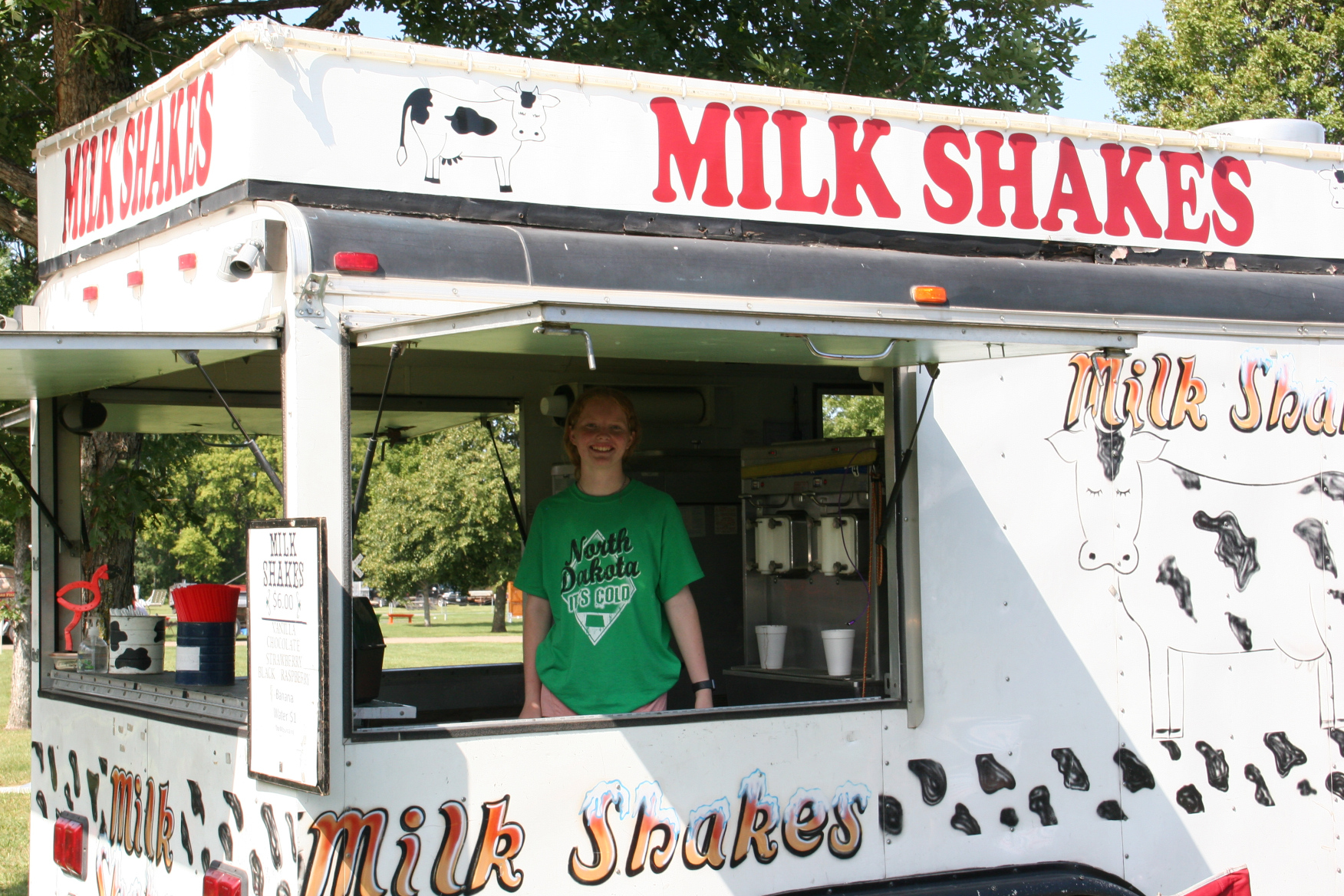
The Milk Shakes booth has a decidedly rural theme with Holstein cow art. (Minnesota Prairie Roots copyrighted photo September 2022)

AS A WRITER AND PHOTOGRAPHER, I view life through a creative lens. That means, even at a farm-themed event like the Rice County Steam and Gas Engines Show, I notice the artsy side.

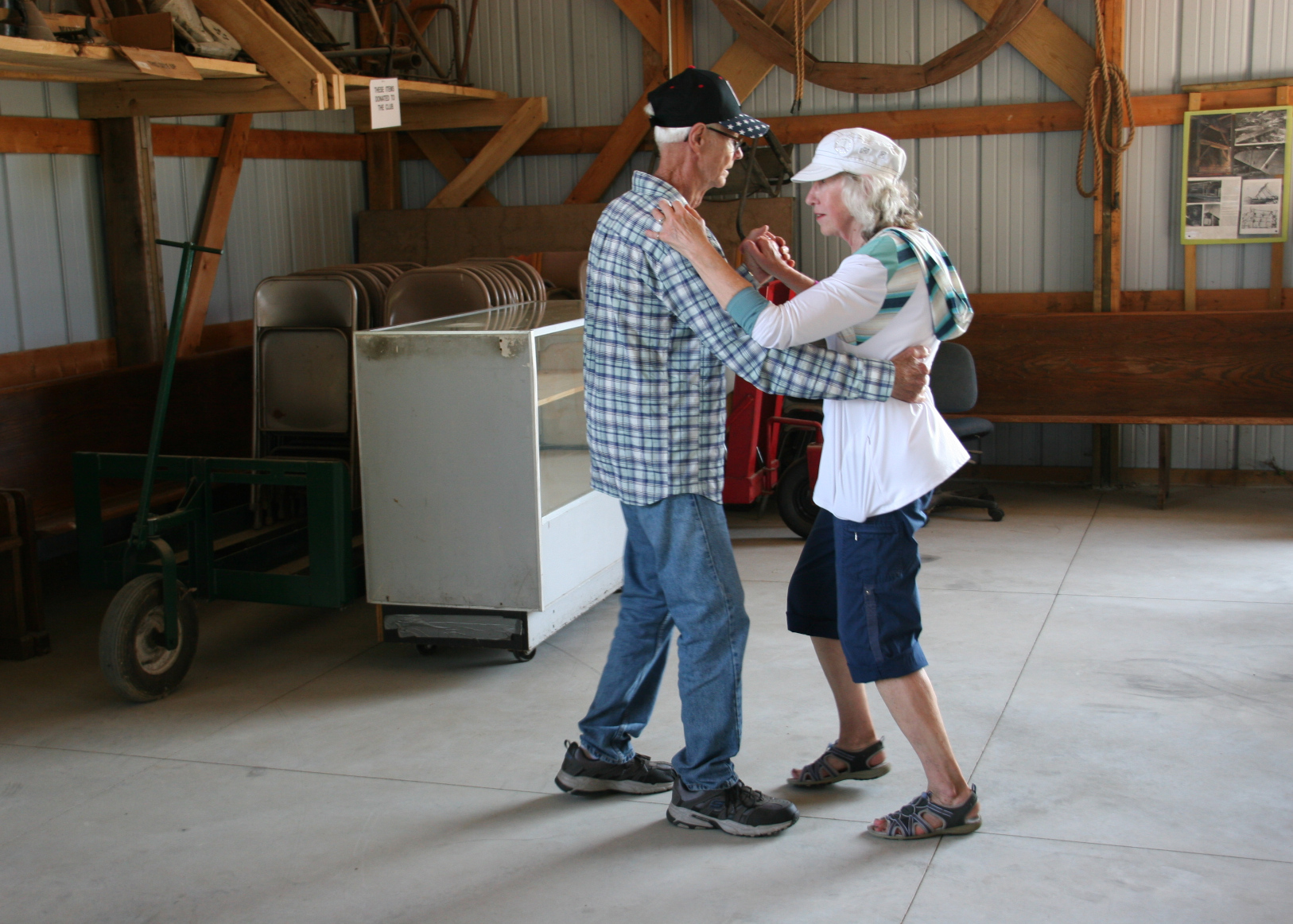
Dancing in the music shed to the band Steam Machine Friday afternoon. (Minnesota Prairie Roots copyrighted photo September 2022)

I attended the show in rural Dundas on Friday. While most attendees focus on the field of tractors, the multiple ag-related demonstrations, the flea market and more, I also focus on creative details within the all of it. Like hand-lettered signage, handcrafted items, music, and, yes, even the couple dancing to bluegrass tunes performed by Steam Machine.

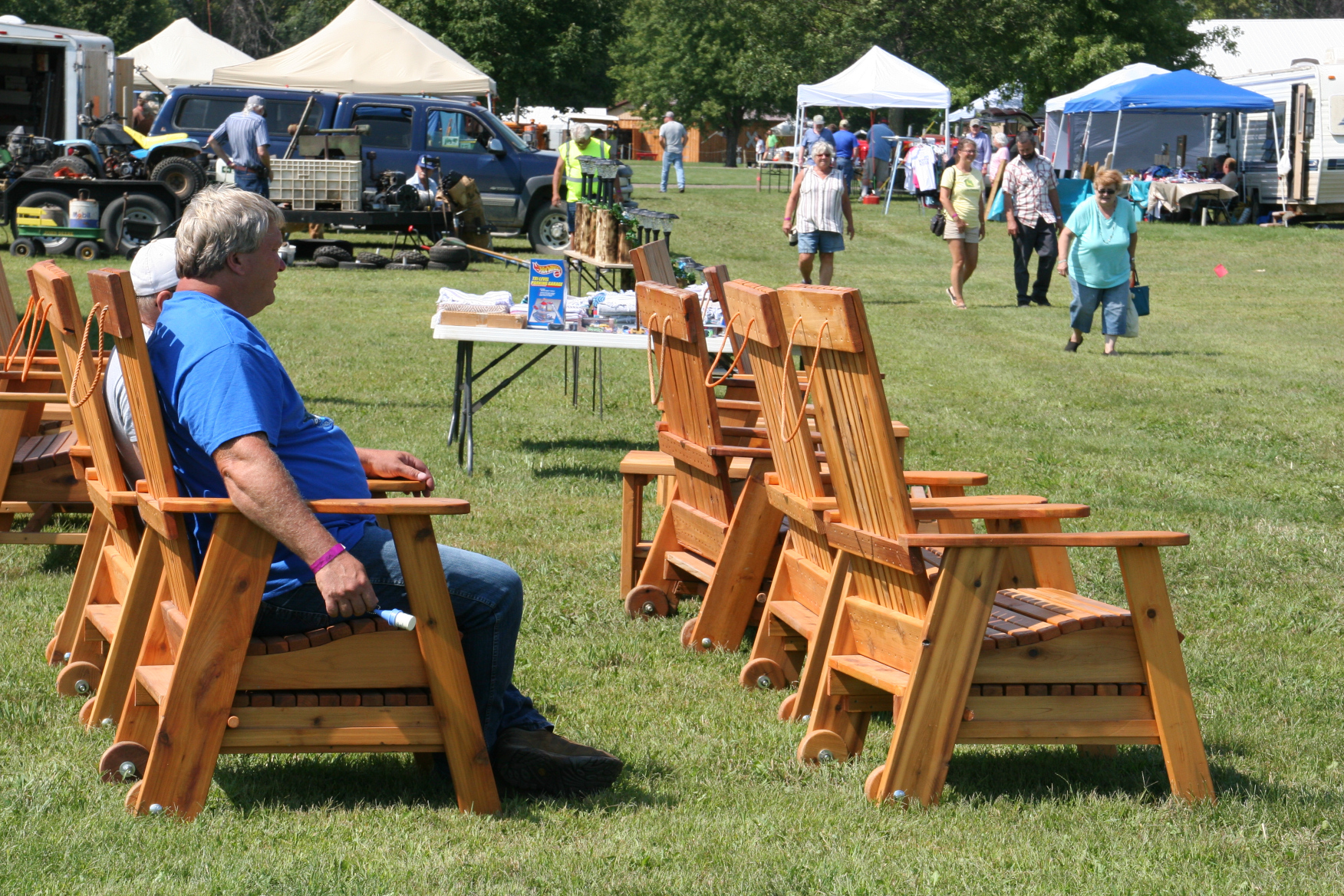
Flea market attendees try out a vendor’s yard chairs. (Minnesota Prairie Roots copyrighted photo September 2022)

The arts, whether literary, visual or performing, enhance our lives, bringing joy, comfort, diversion, entertainment, introspection and much more.

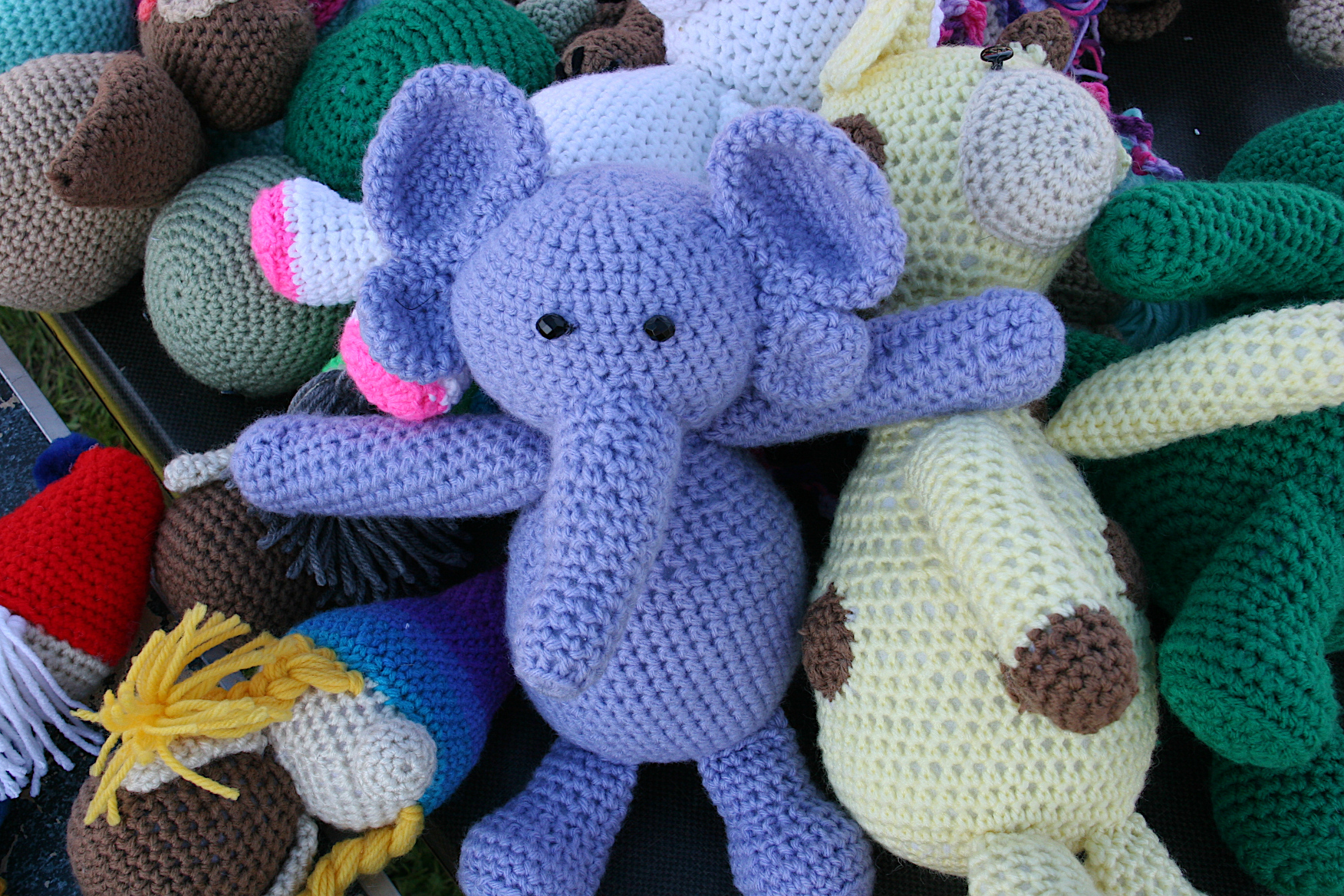
Cute crocheted animals by Kay Dudley. (Minnesota Prairie Roots copyrighted photo September 2022)

I value the talents of those who create. I create with words and with my camera. Put a paintbrush or crochet hook in my hand and I would be hard-pressed to make anything worthy of notice. But, gosh, do I admire creatives like Kay Dudley of Faribault who brought her crocheted animals to the flea market. Likewise, I admire the skill of the woodworker who built the sturdy yard chairs for sale.

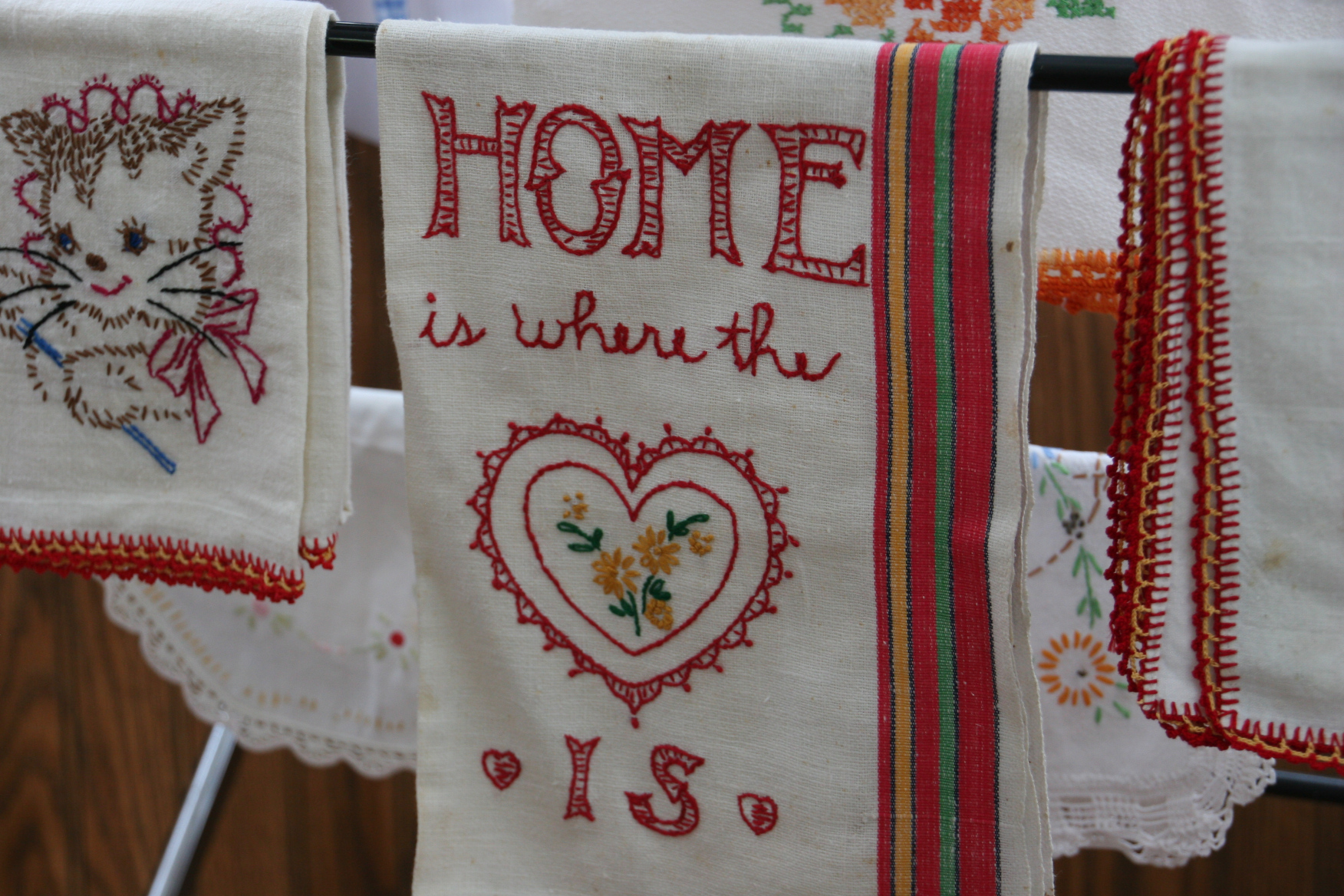
Hand-embroidered linens. (Minnesota Prairie Roots copyrighted photo September 2022)

On the other end of the show grounds, I found more to appreciate in the 1912 farmhouse. Embroidered linens displayed in the kitchen caught my eye. I know how to embroider, although decades have passed since I picked up a needle, embroidery floss and a hoop to stitch a design into cloth. I really ought to resume that craft.

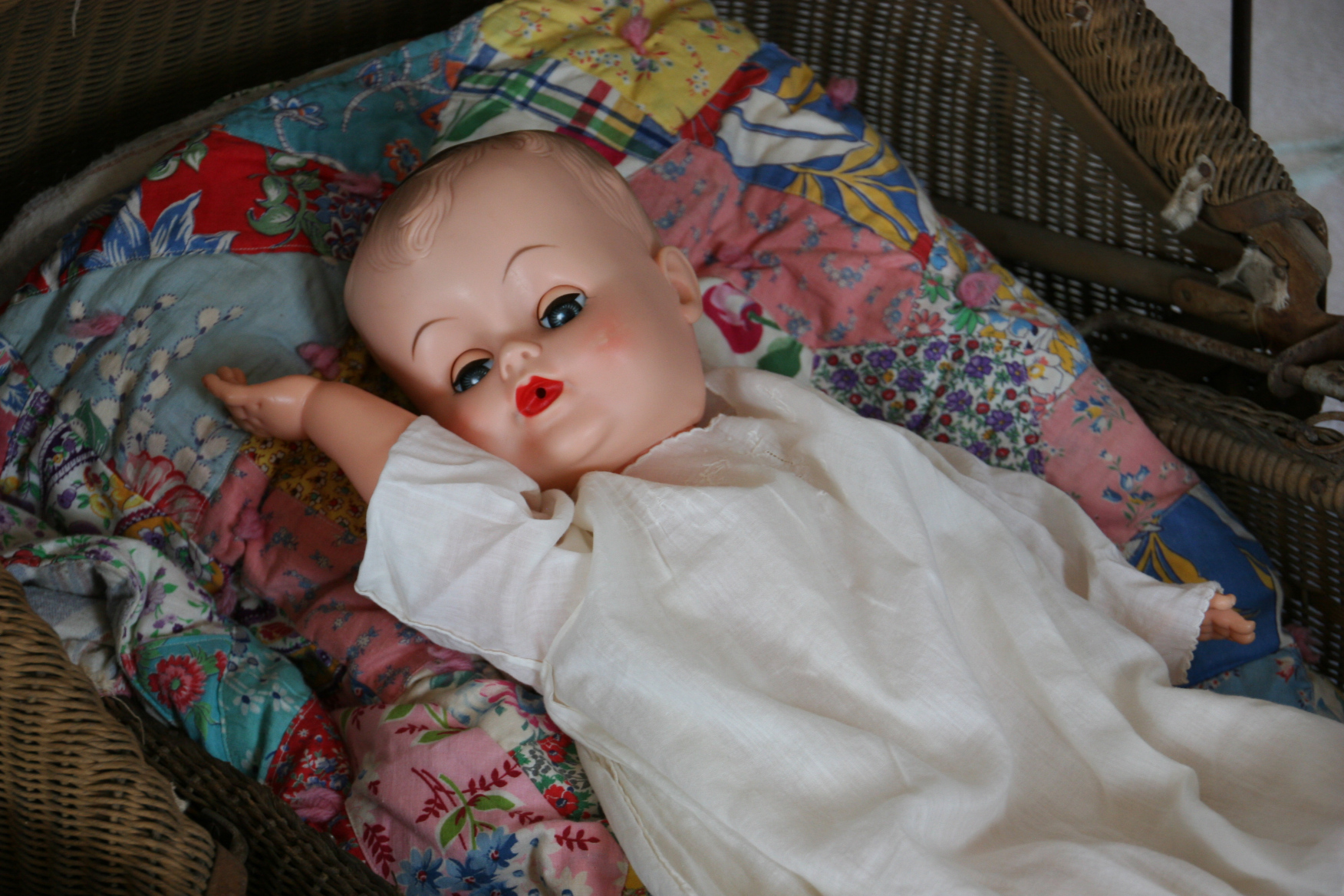
A vintage doll nestles in a quilt. (Minnesota Prairie Roots copyrighted photo September 2022)

In another room of the farmhouse, a doll laid upon a quilt, reminding me of my paternal grandmother who stitched endless quilts for her family, me included. I was quite the seamstress as a teen, sewing many of my clothes and dresses for Grandma, too. She could quilt, but she couldn’t make her own clothes. I always found that interesting. I haven’t touched my sewing machine in years.

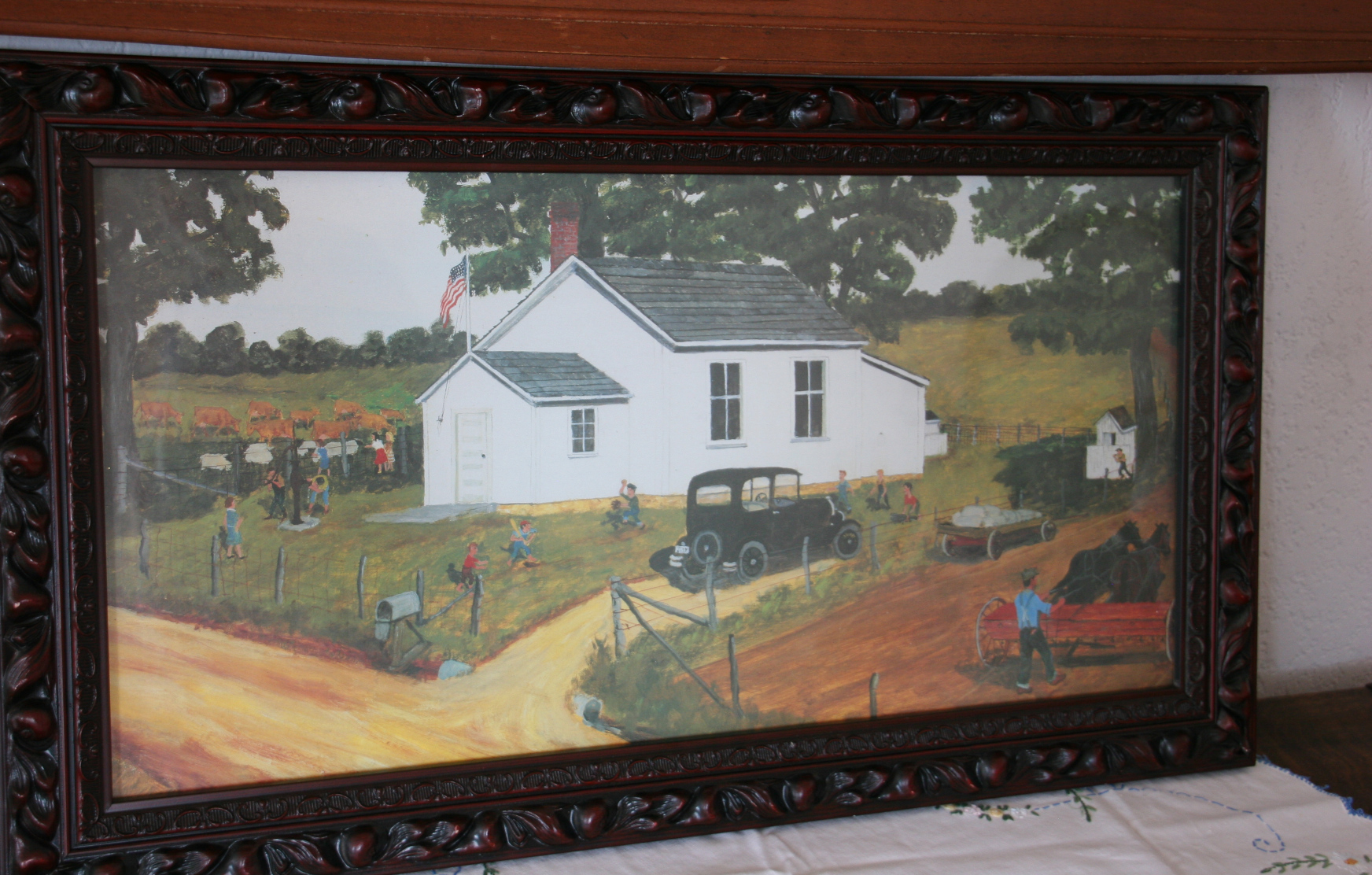
An original painting of a country schoolhouse. (Minnesota Prairie Roots copyrighted photo September 2022)

I was especially interested in the original painting of a rural schoolhouse scene propped on a table in the farmhouse. The vintage art, scored at a Goodwill store for $5, is exactly the type of art I collect.

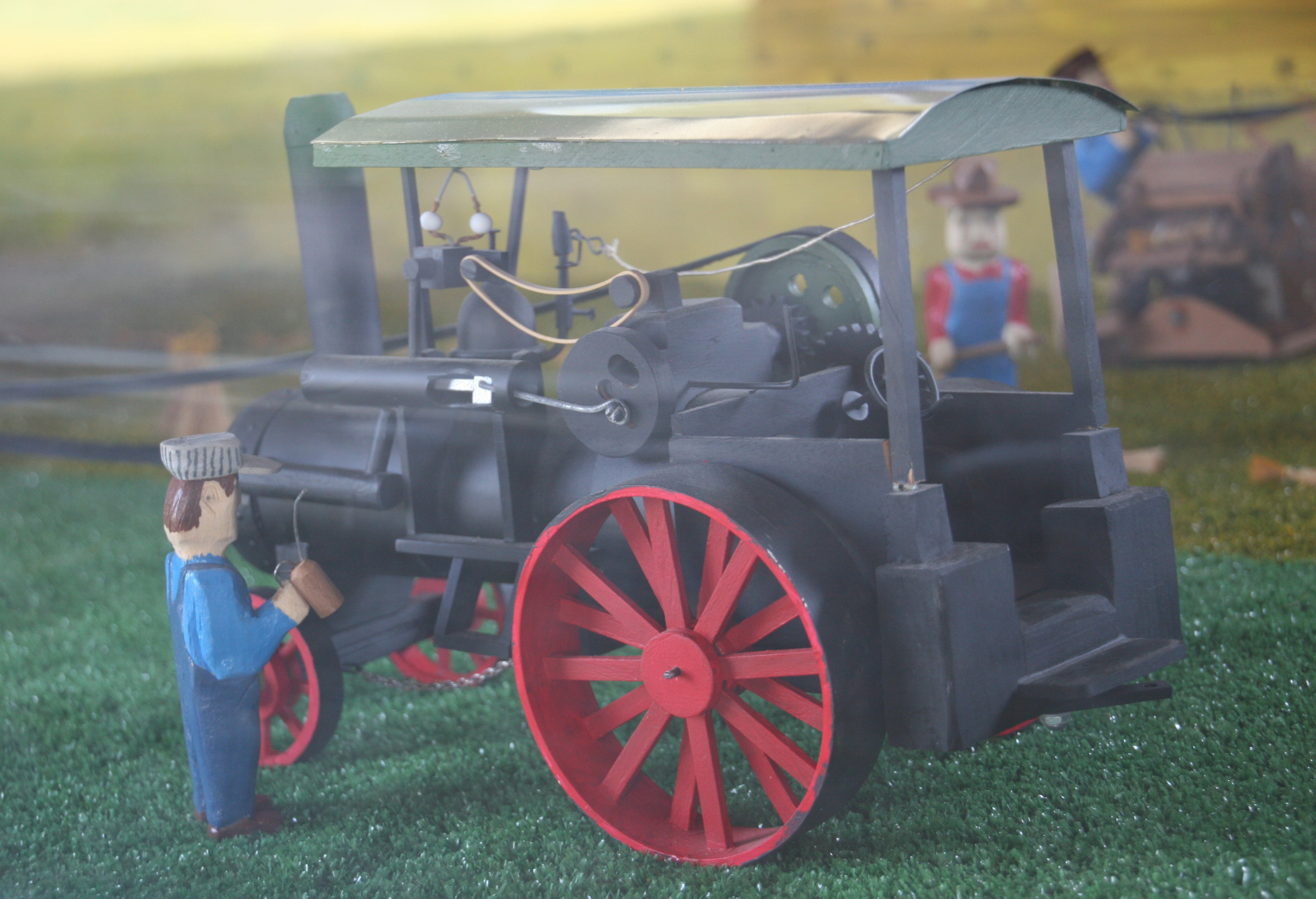
David Terry hand-carved a 1920 threshing scene displayed inside a large case in the music building. This is just a portion of his work. (Minnesota Prairie Roots copyrighted photo September 2022)

In my collection is a North Dakota threshing scene painted by my father-in-law and among my most treasured pieces of original art. So when I saw a hand-carved threshing scene displayed in the music building at the Rice County Steam and Gas Engines Show, I was reminded of Tom’s painting. I display it this time of year atop the entertainment center in my living room.

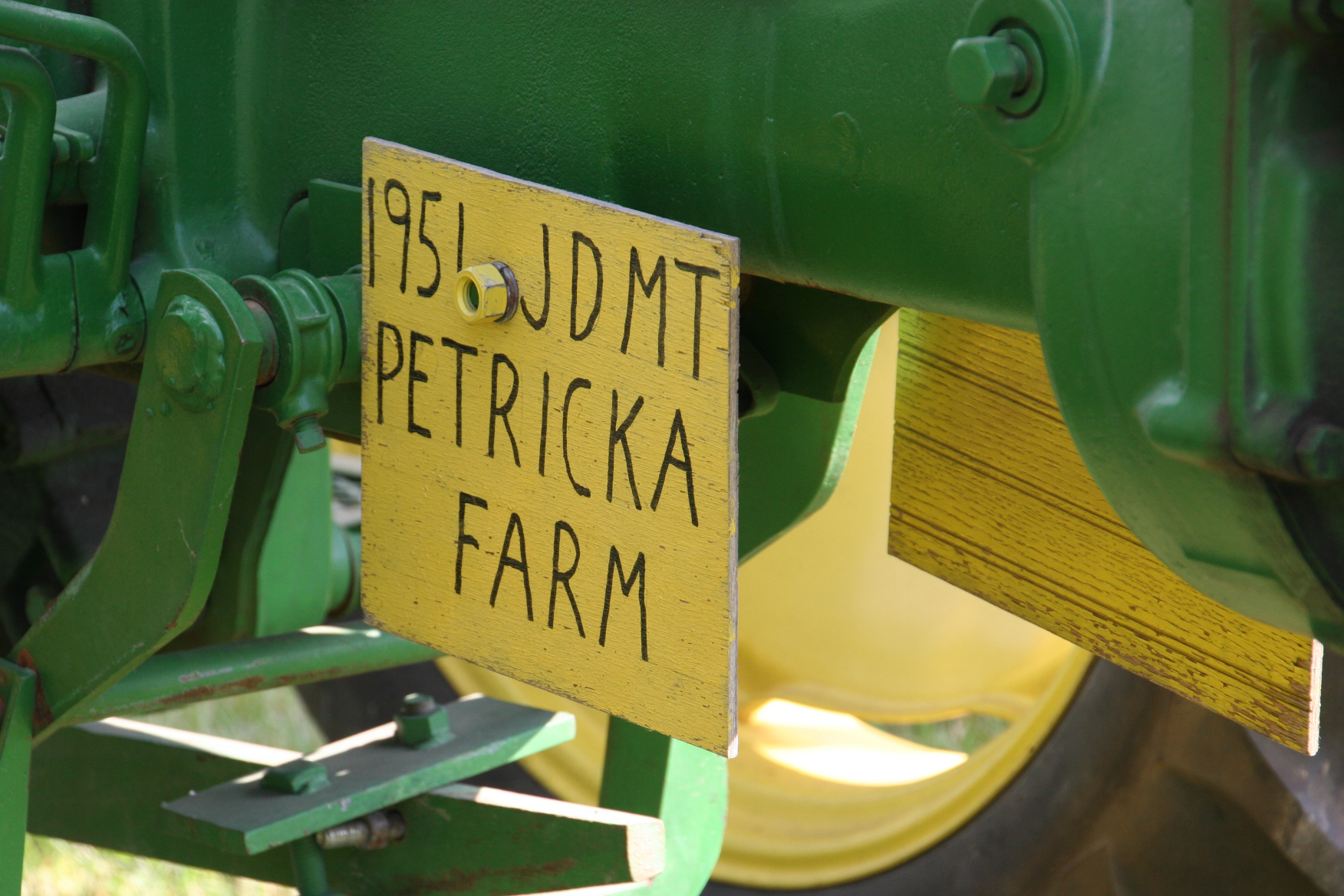
A handmade sign identifies the owner of a vintage John Deere tractor. (Minnesota Prairie Roots copyrighted photo September 2022)

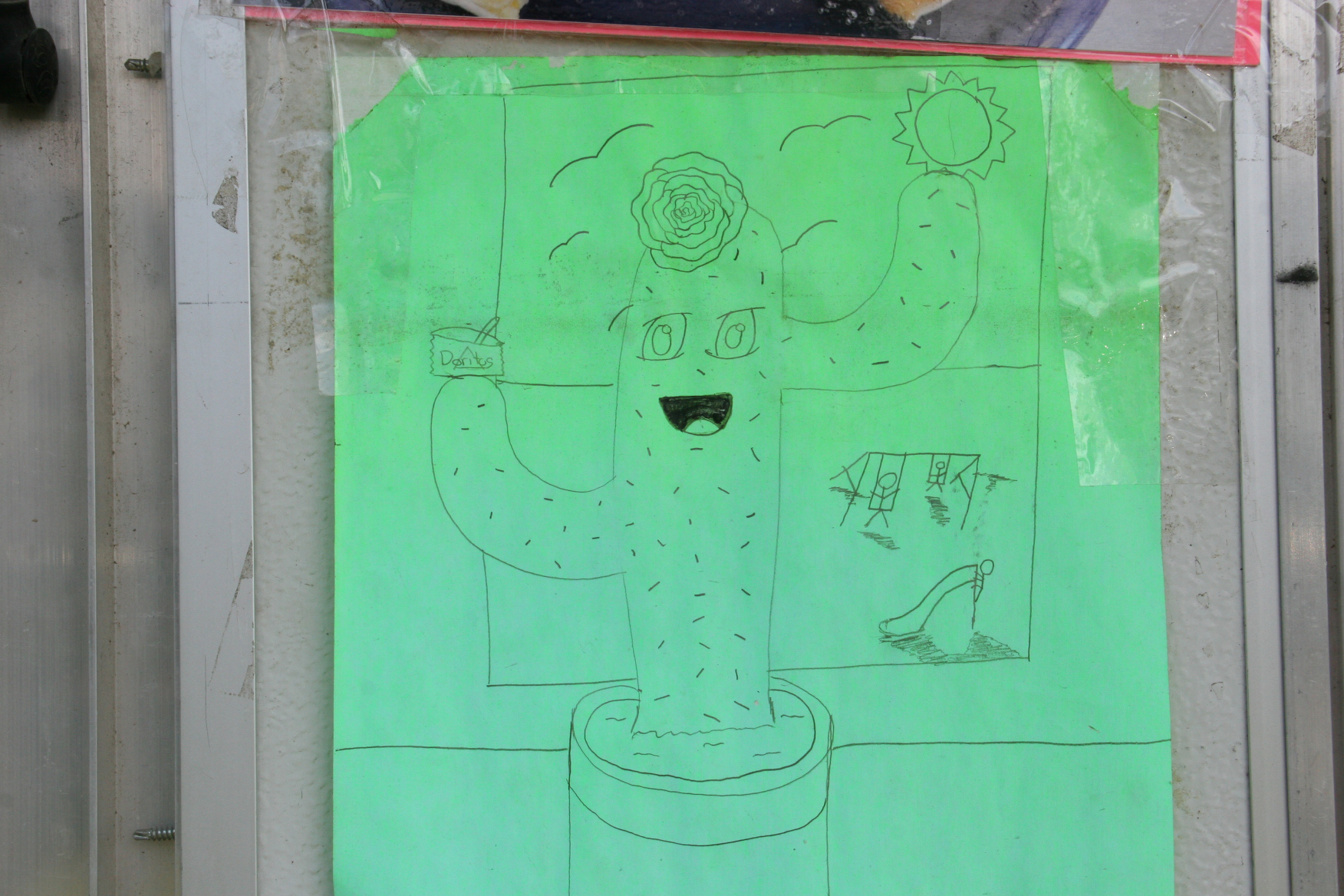
Original paintings and other original art, including signs, always draw my appreciation. There’s just something about a handcrafted sign that makes me pause, take notice, remember. From signage on tractors to signage on buildings to signage among the food vendors, I noticed the creativity.

Loved this hand-drawn art posted by the food service window of El Tacazo Mexican Delights. (Minnesota Prairie Roots copyrighted photo September 2022)

Every piece of art I spotted added to my enjoyment of this southern Minnesota farm-themed show. Certainly I value the ag and history aspects of this event. But I value, too, the creativity.

An anvil-shaped sign fittingly marks the Blacksmith Shop where attendees can watch blacksmiths at work. (Minnesota Prairie Roots copyrighted photo September 2022)

FYI: Click here to read my first general overall post on the 2022 Rice County Steam and Gas Engines Show. And click here to read my second post highlighting tractors.

© Copyright 2022 Audrey Kletscher Helbling


Rural Dundas show prompts tractor memories September 4, 2022

John Deere tractors parked near the log cabin at the Rice County Steam and Gas Engines Show. (Minnesota Prairie Roots copyrighted photo September 2022)

GROWING UP ON A CROP and dairy farm in southwestern Minnesota, tractors are part of my history. I am familiar with the putt-putt-putt of an aged John Deere, the maneuverable size of a B Farmall, the necessity of a dependable tractor.

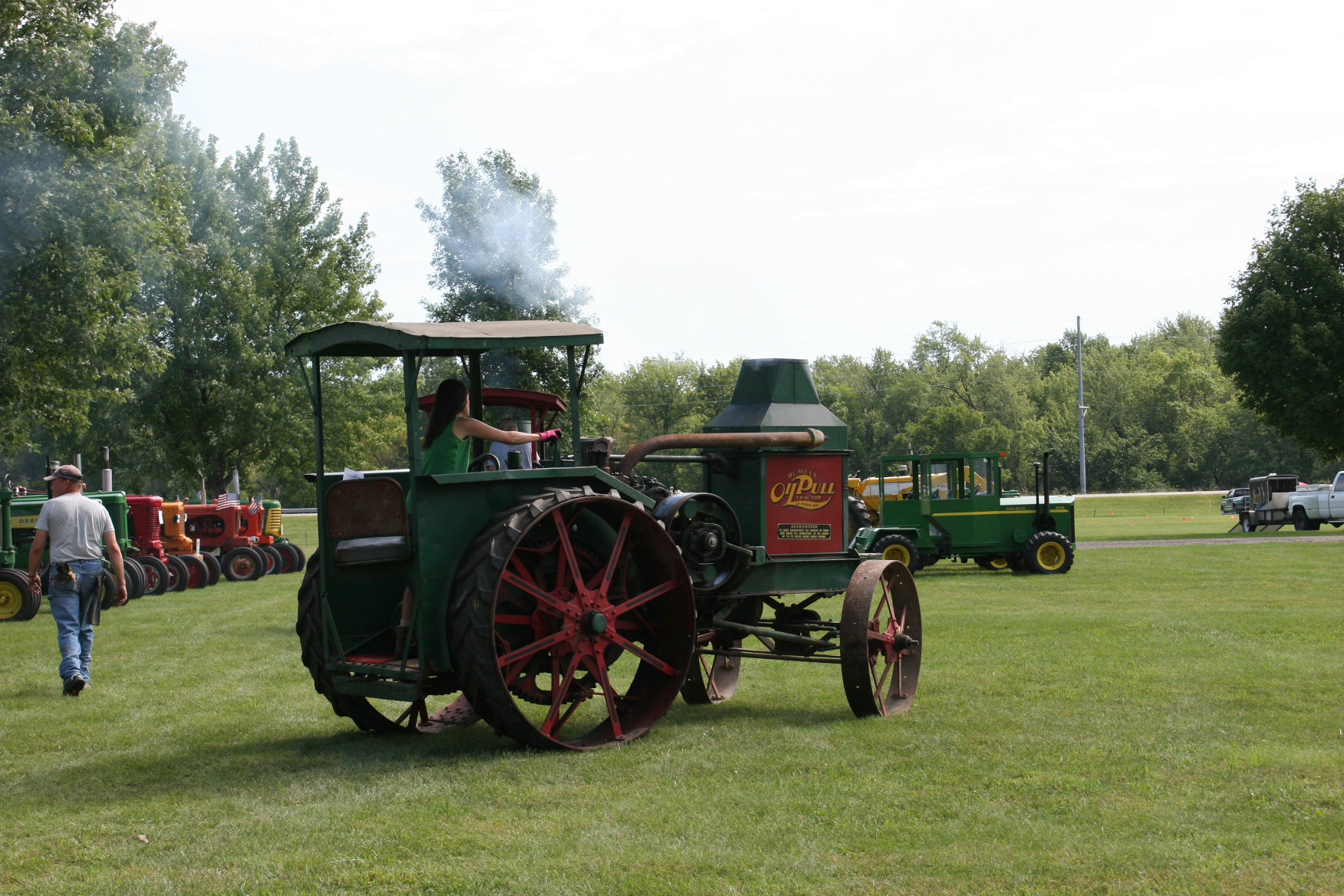
Rumely Oil Pull tractors were sold between 1910-1930. (Minnesota Prairie Roots copyrighted photo September 2022)

The tractor is the workhorse of the farm. That remains as true today as it did 50 years ago when I still lived in rural Redwood County.

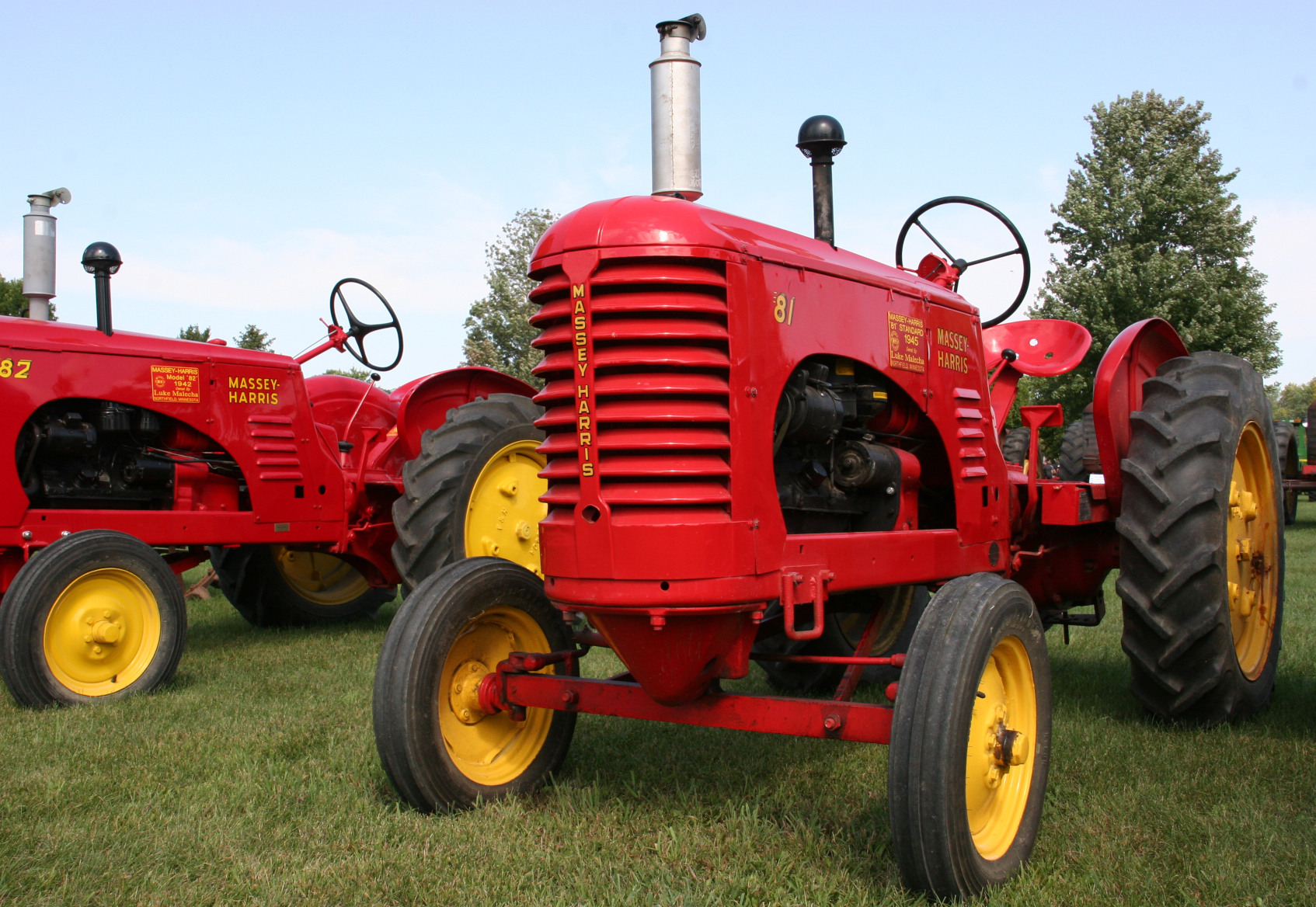
The Massey-Harris is the featured tractor at this year’s show. (Minnesota Prairie Roots copyrighted photo September 2022)

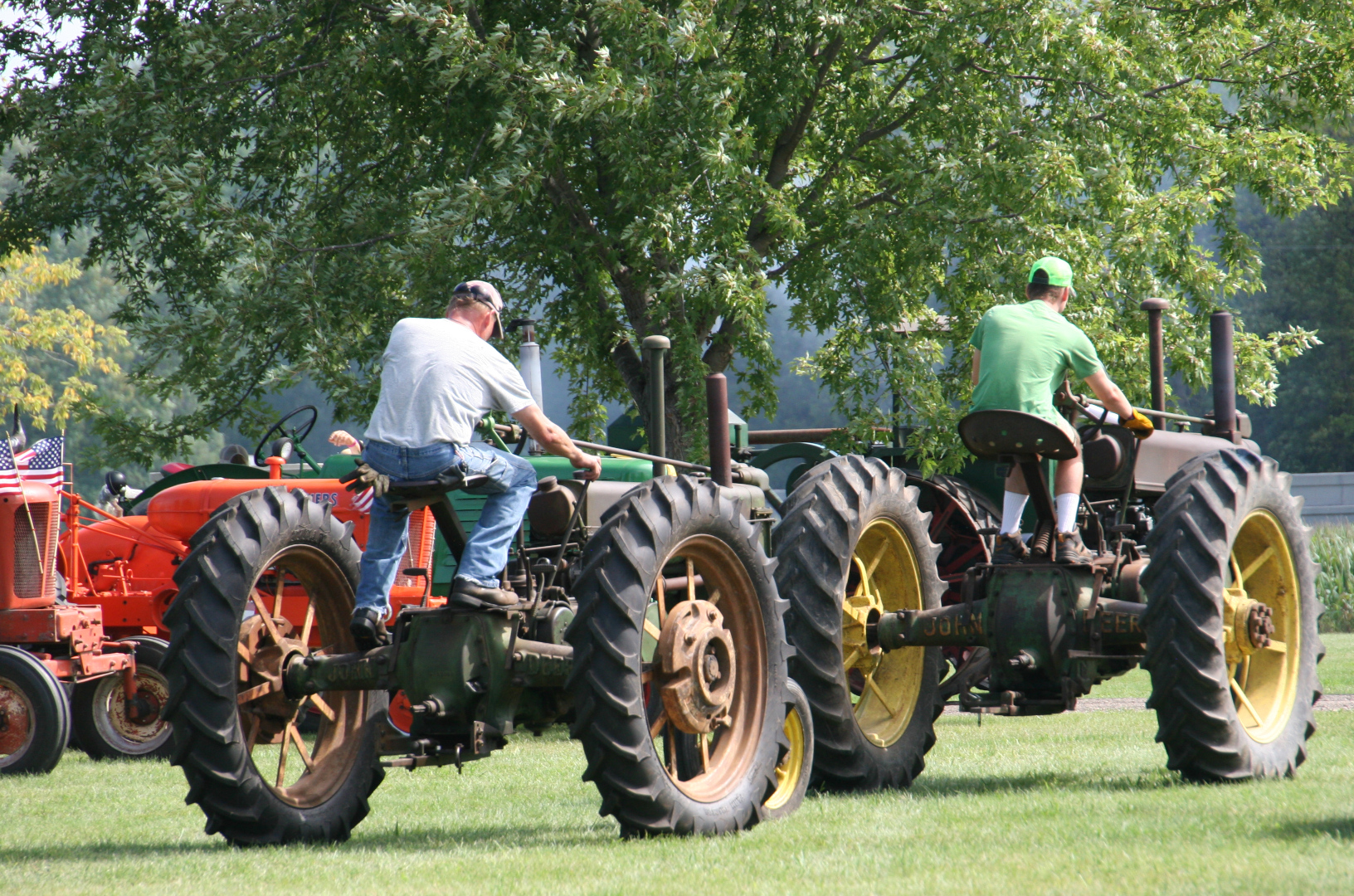
So when I attended the Rice County Steam and Gas Engines Show in rural Dundas on Friday, I began reminiscing. I expect many others did the same while meandering among the rows of vintage tractors or watching the daily high noon parade. This event is heavy on the tractors, threshing machines and farm equipment in general. And that holds appeal for those of us rooted in farms.

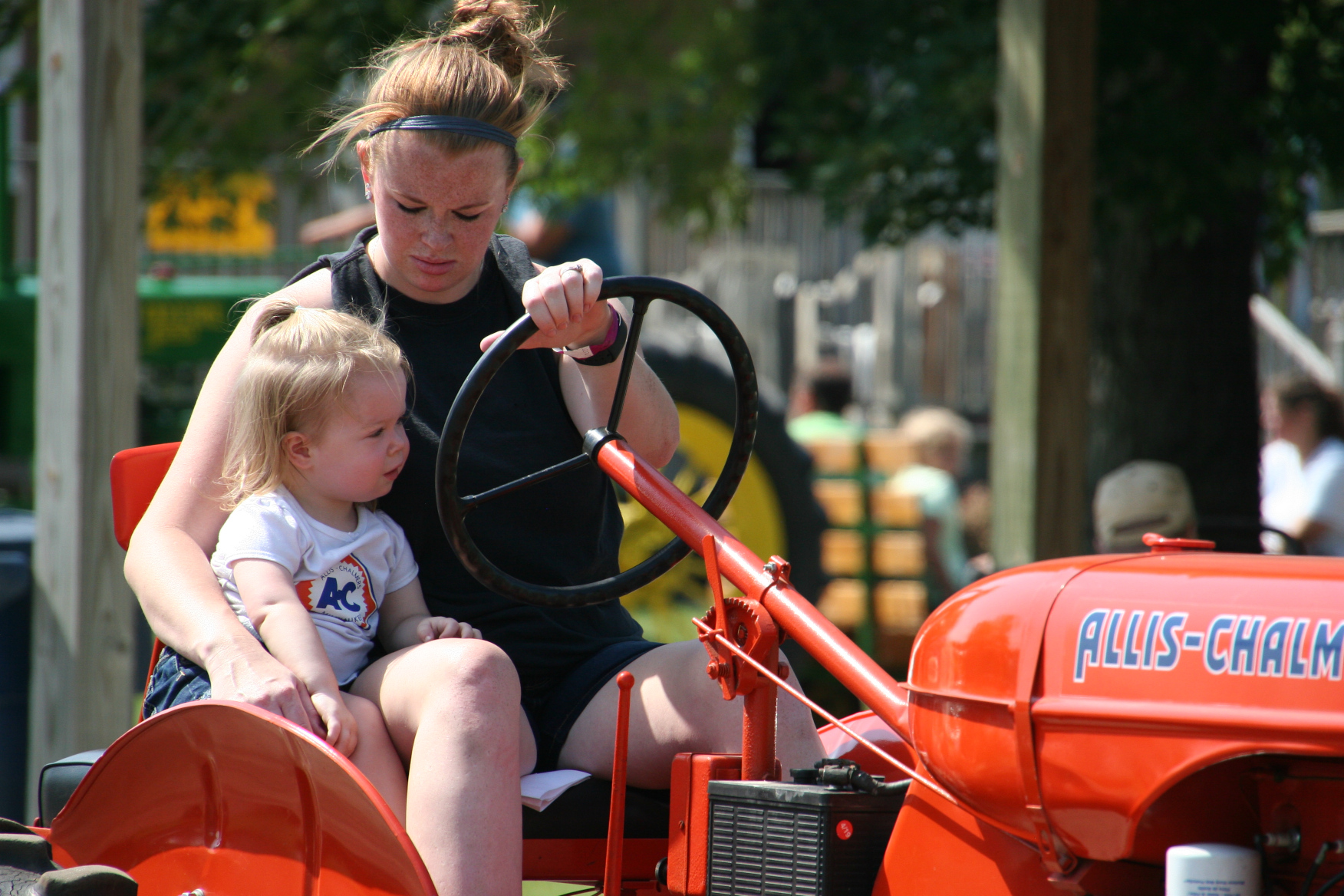
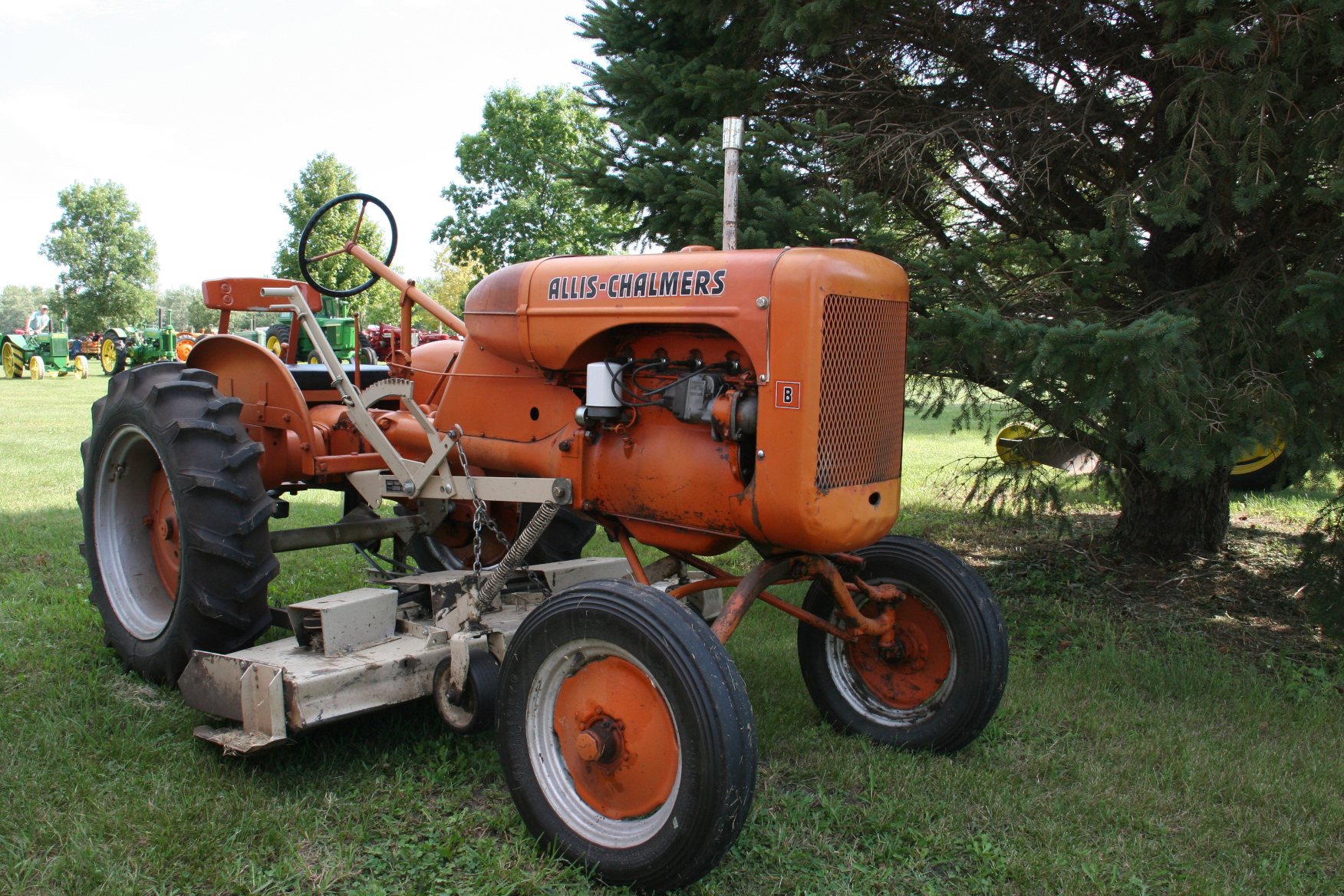
Guiding a vintage Allis Chalmers along the parade route on Friday. (Minnesota Prairie Roots copyrighted photo September 2022)

I am old enough to remember tractors without cabs, air conditioning, GPS or other technology. Instead, my dad’s tractors were shaded from the hot summer sun by an umbrella, protected from the winter cold by canvas and guided solely by the skill of hands on the steering wheel.

John Deere tractors like the one I rode in winter to catch the bus to school. (Minnesota Prairie Roots copyrighted photo September 2022)

My most memorable tractor story is that of Dad driving my brother Doug and me the mile into Vesta on the open cab John Deere in the dead of winter so we could get to school. We were both in junior high then, attending school in the county seat some 20 miles to the east. It was a particularly snowy and brutal winter, so awful that buses couldn’t venture onto rural roads to pick up students. If we could get into town, we could catch the bus at the local cafe. From there, the bus took a state highway to the school in Redwood Falls.

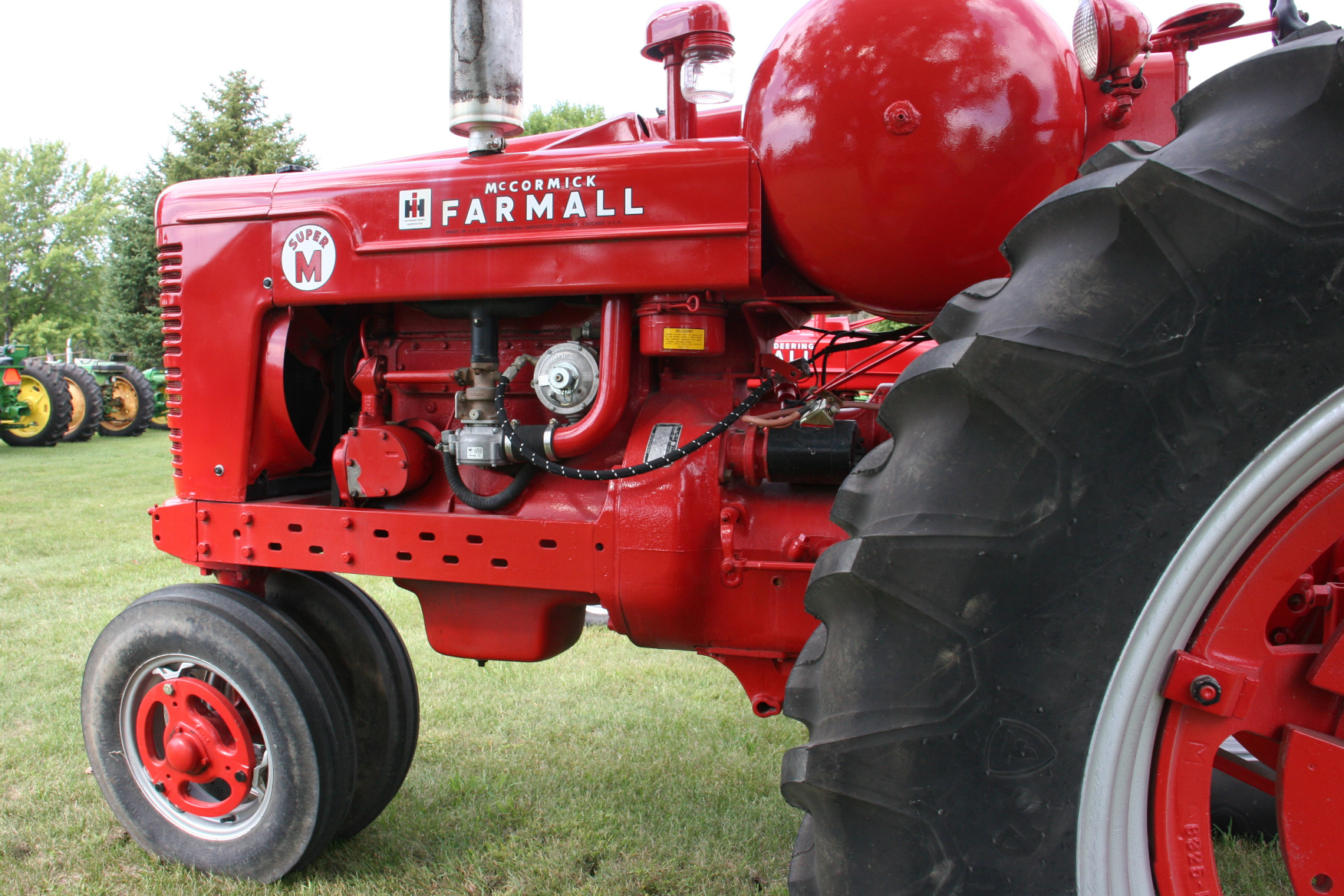
Not a B Farmall, but an IH tractor none-the-less. (Minnesota Prairie Roots copyrighted photo September 2022)

Dad wasn’t partial to any tractor brand. He owned John Deere, International Harvester and Ford tractors. The B Farmall remains my favorite as I drove that small scale IH tractor in the farmyard, pulling the flatbed trailer up to the feed bunk to unload hay for the cows.

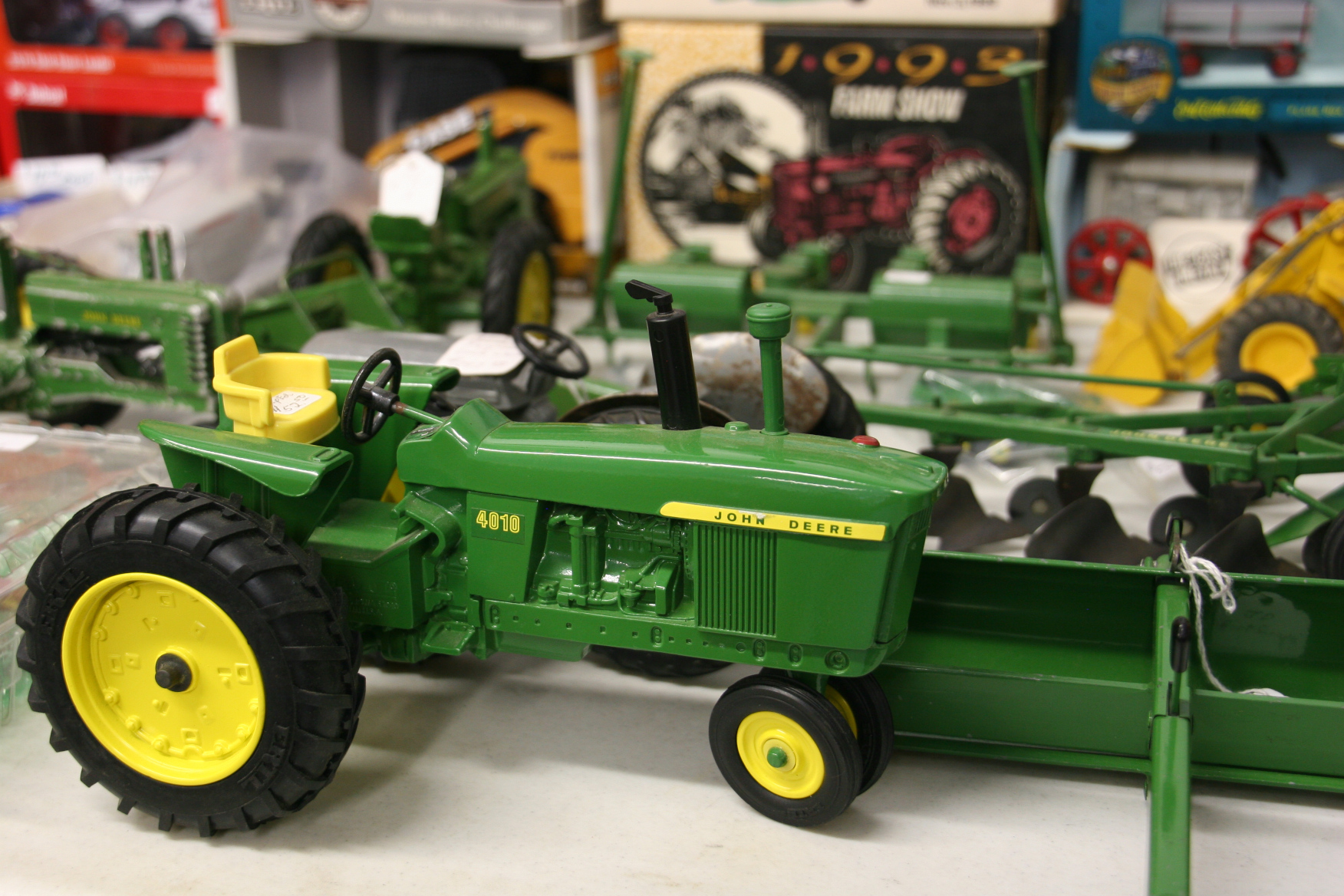
I found this toy John Deere tractor for sale from vendor Shippy’s Toys. (Minnesota Prairie Roots copyrighted photo September 2022)

John Deere likewise will always hold a special spot in my heart. I remember once a year attending John Deere Days at the farm implement dealership in Redwood Falls. That included a free meal followed by a John Deere promotional movie at the local theater. To eat ice cream from a plastic cup with a little wooden “spoon” and to see a movie on a screen were treats, not to mention the door prizes. Like silver dollars. And bags of seed corn.

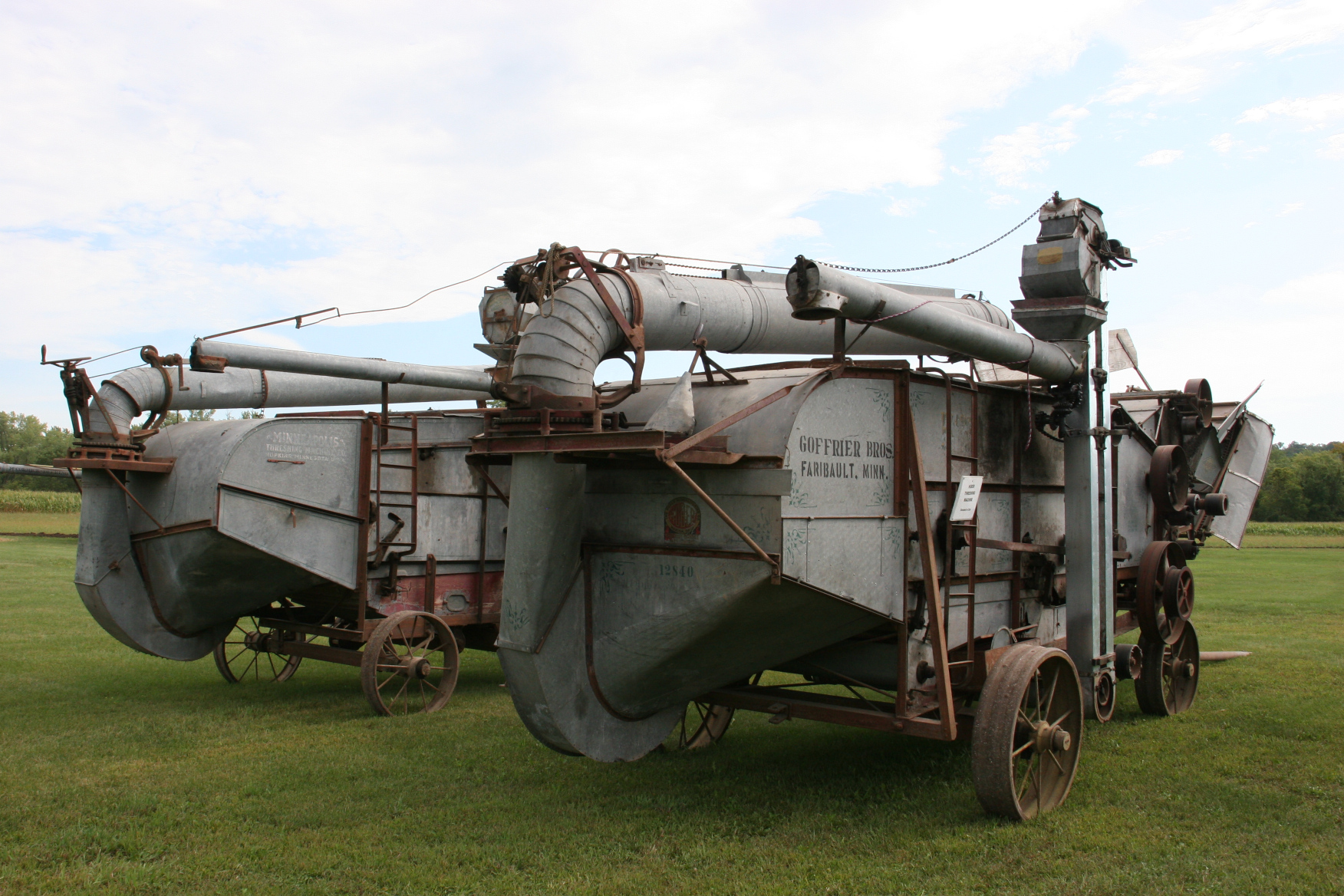
Aged threshing machines, well before my time, on exhibit. There are threshing demonstrations during the show. (Minnesota Prairie Roots copyrighted photo September 2022)

Aging has a way of making us view the past through a nostalgic lens. Yet the reality of life on the farm in the 1960s and 1970s is one of hard work and challenges. Uncontrollable factors—weather, prices and more—have always made farming a gamble. Yet, for those of us who grew up on the land, there’s an undeniable sense of hardiness within us, even decades removed from the farm.

Allis Chalmers tractors are among those displayed in the field of tractors. (Minnesota Prairie Roots copyrighted photo September 2022)

When I attend an event like the Rice County Steam and Gas Engines Show, I reconnect to my past. Remembering. Appreciating. Thankful for the land and hard work that shaped me personally and professionally. I expect that’s true for many who walk the show grounds at this rural-rooted annual event in southern Minnesota.

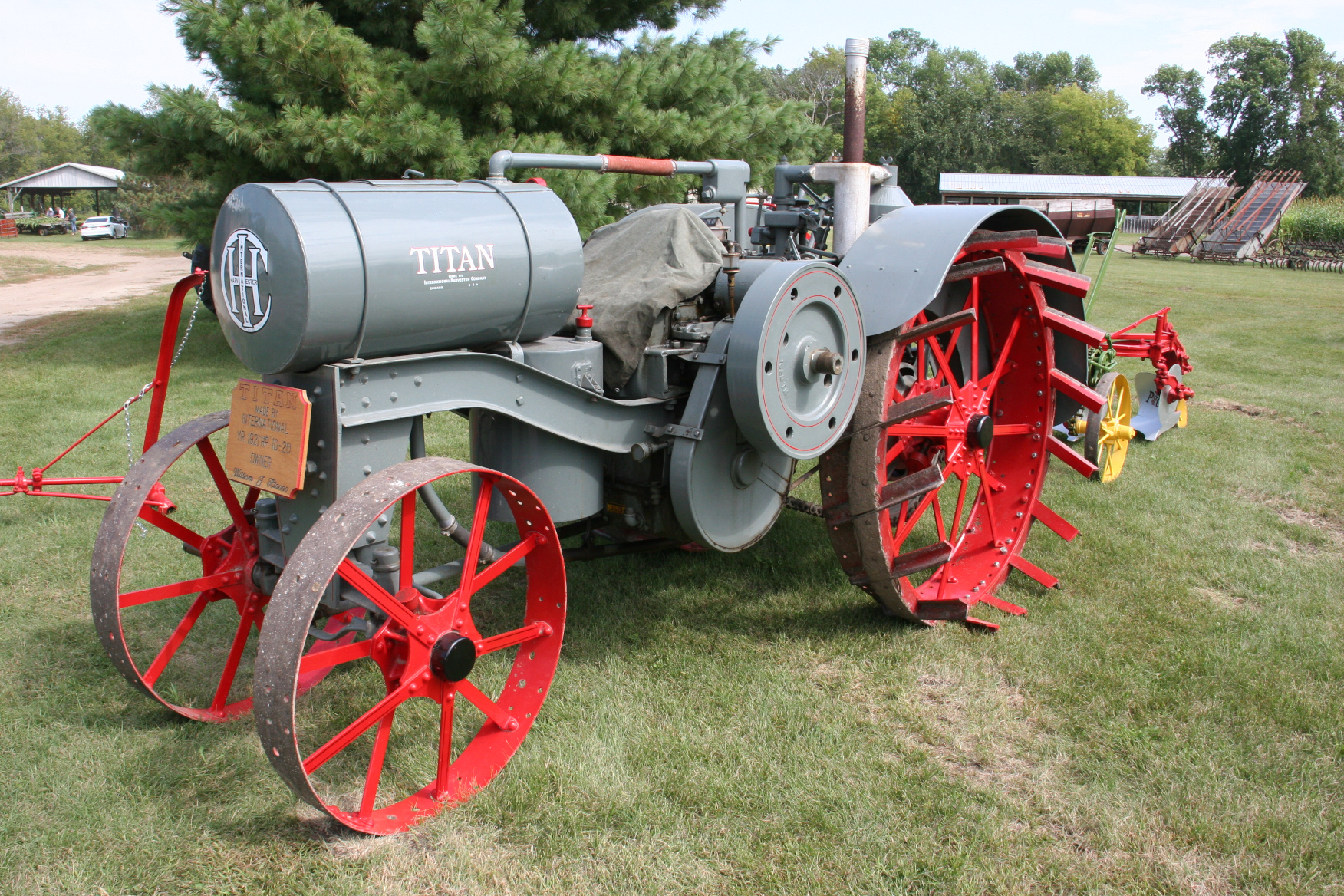
A 1921 Titan International. (Minnesota Prairie Roots copyrighted photo September 2022)

FYI: The Rice County Steam and Gas Engines Show continues today (Sunday, September 4) with gates opening at 7 am and closing at 5:30 pm on the grounds south of Dundas along Minnesota State Highway 3. For more information, visit the club website and/or read my first post on this year’s event. This show is about much more than tractors and other farm equipment.

© Copyright 2022 Audrey Kletscher Helbling
 

Preserving yesterday at rural-themed show, rural Dundas September 2, 2022

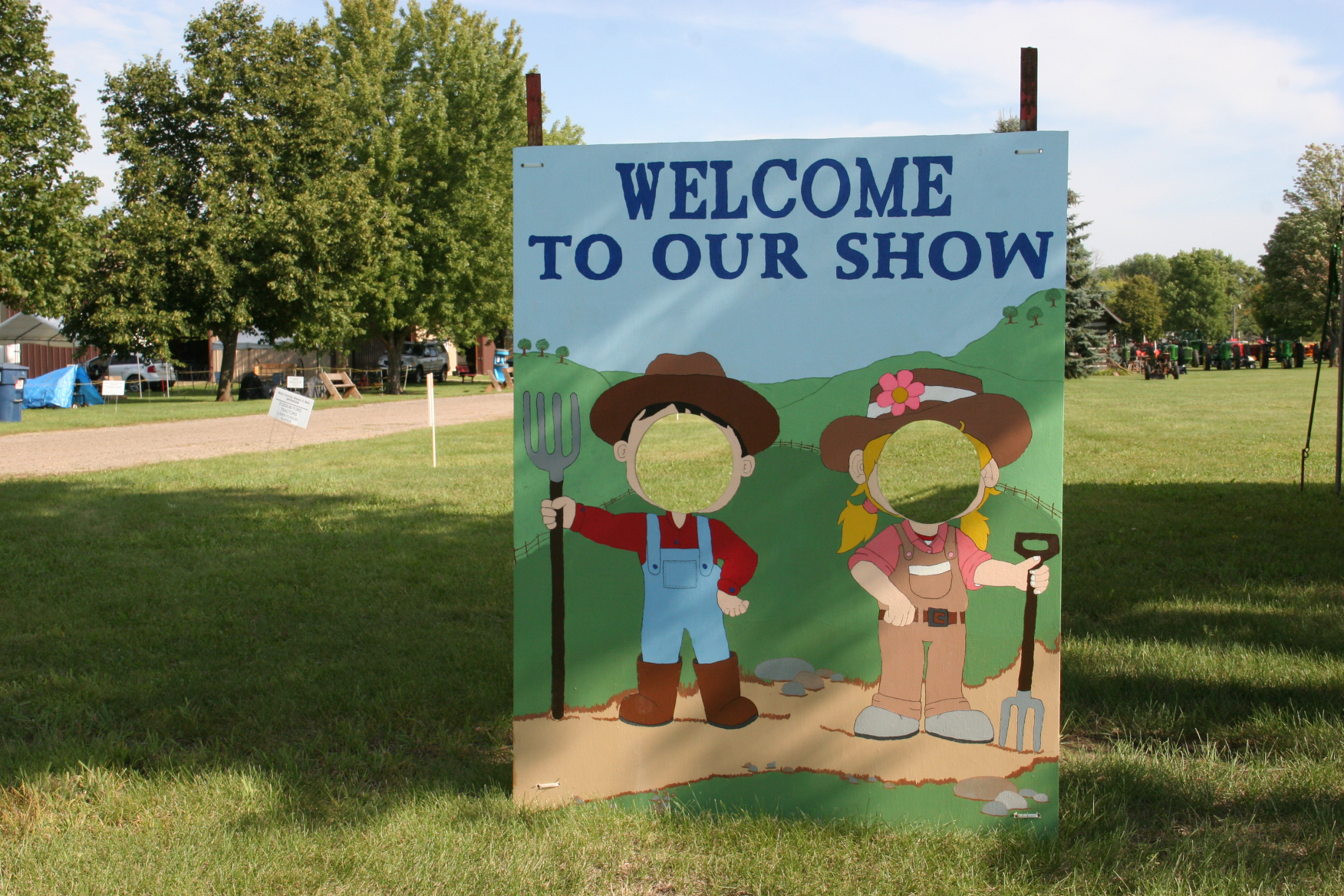
Photo cut-outs just inside the entrance. (Minnesota Prairie Roots copyrighted photo September 2022)

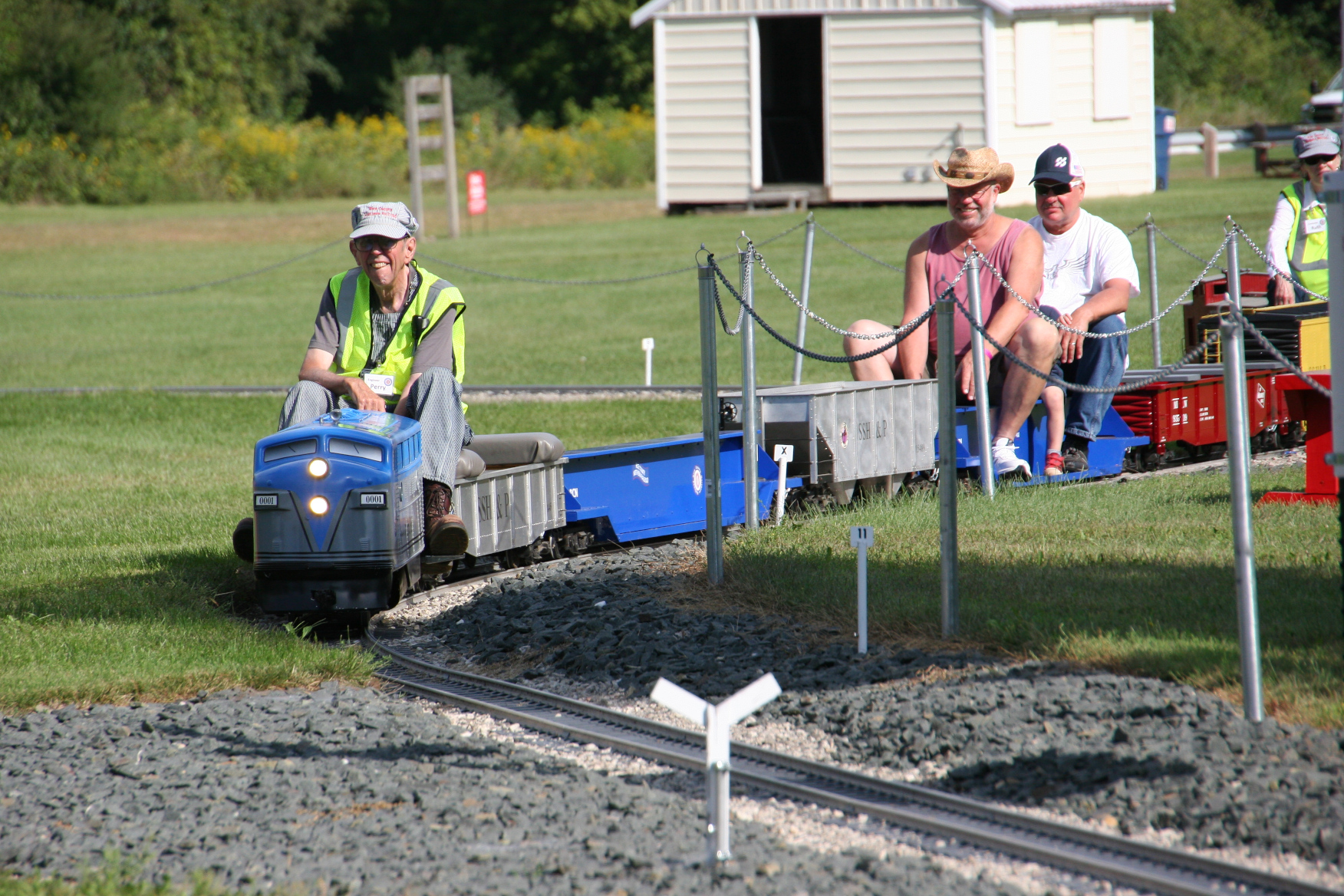
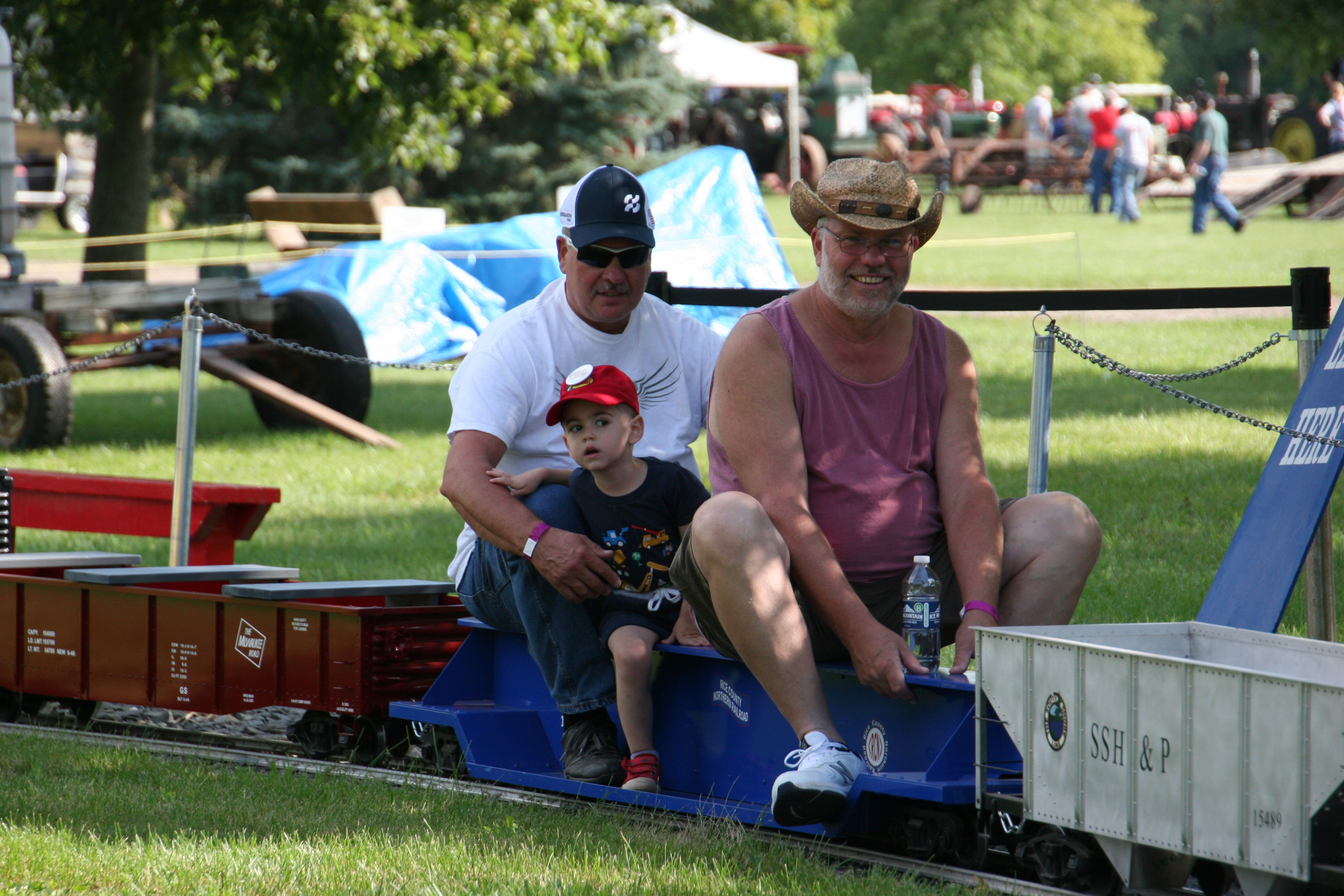
BARELY INSIDE THE GATES of the Rice County Steam & Gas Engines Show mid Friday morning, I boarded a train. It was an unexpected ride, this double loop around the tracks while straddling a slightly swaying model train car. I thought these free train rides were only for kids. Not so, the crew assured me.

The model train carries all ages. (Minnesota Prairie Roots copyrighted photo September 2022)

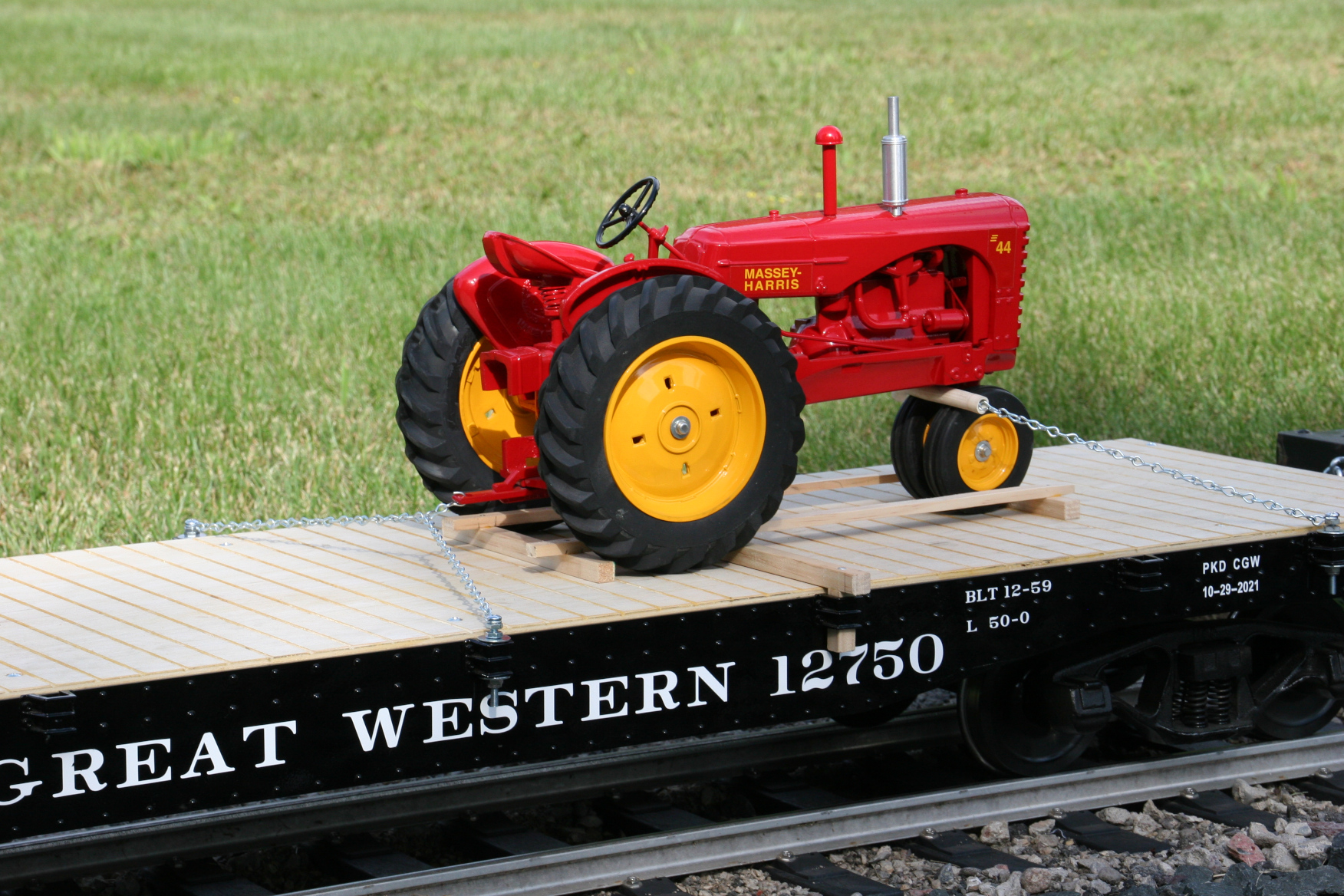
On a train car, a mini Massey-Harris the featured tractor. (Minnesota Prairie Roots copyrighted photo September 2022)

Riding the rails. Kids must be accompanied by an adult. (Minnesota Prairie Roots copyrighted photo September 2022)

When I disembarked, a preschooler sandwiched between two adults for his turn on the rails.

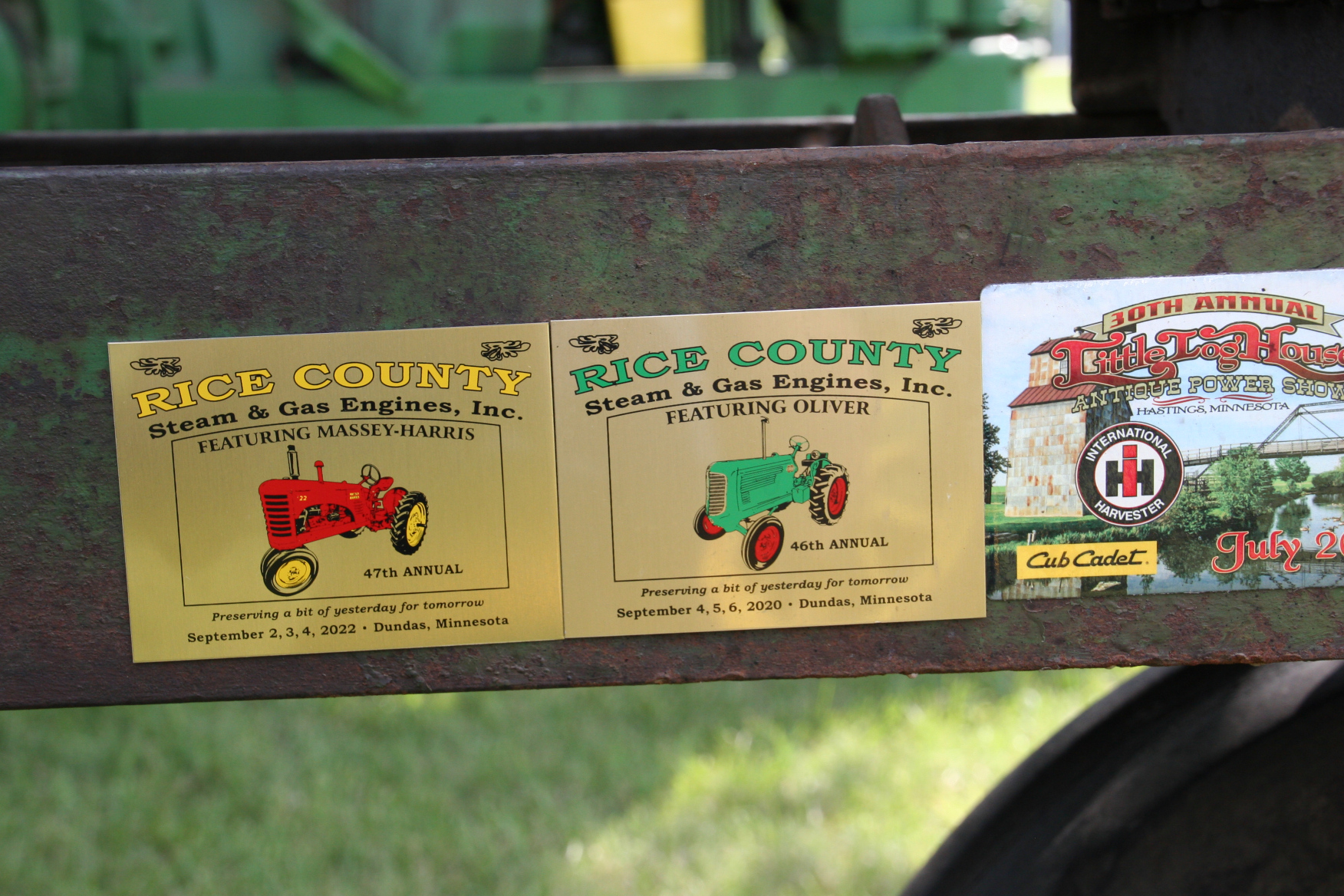
Photographed on a tractor, show stickers. (Minnesota Prairie Roots copyrighted photo September 2022)

What a fun way to begin my four hours at the show, which continues through Sunday at the event grounds south of Dundas, which is south of Northfield. This 47th annual gathering is about “Preserving a Bit of Yesterday for Tomorrow.” And that’s exactly what you will find here. Old. Aged. Vintage. Snapshots into the past. Farming as it was done back in the day. Agriculture/farming/rural life center the show.

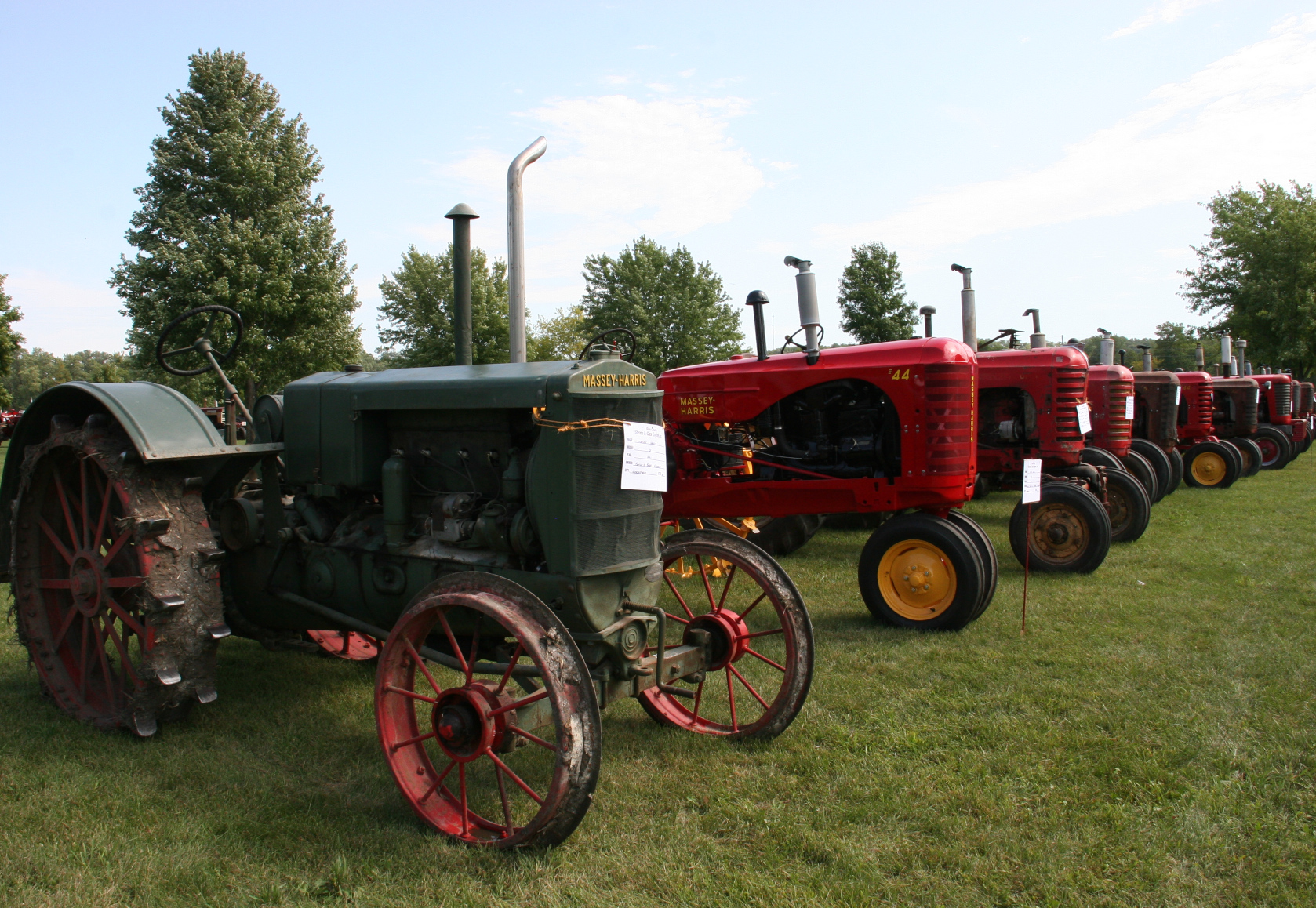
Massey-Harris tractors all in a row. (Minnesota Prairie Roots copyrighted photo September 2022)
Conversation while leaning on a John Deere. (Minnesota Prairie Roots copyrighted photo September 2022)
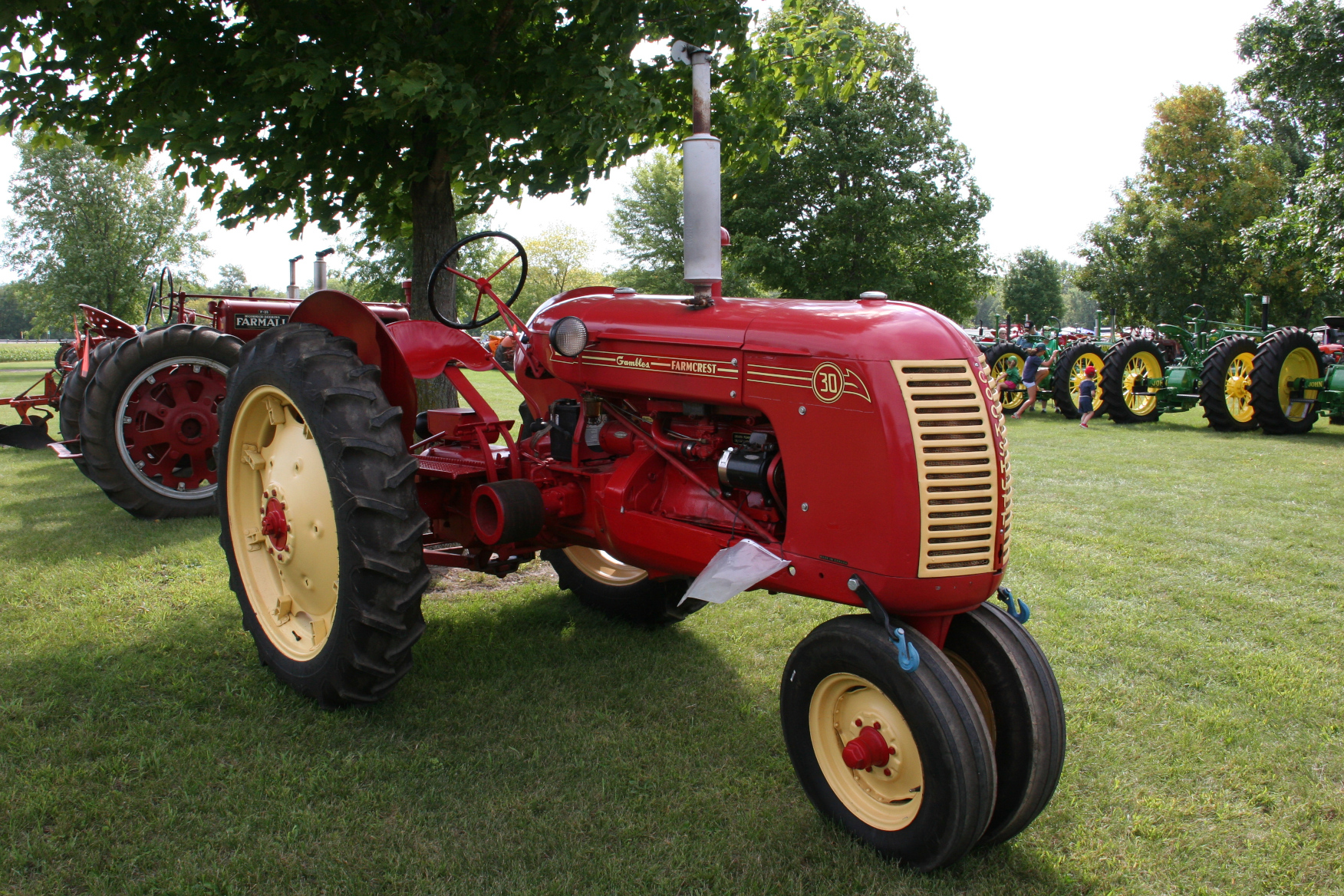
A tractor made by Cockshutt and marketed by Gambles. (Minnesota Prairie Roots copyrighted photo September 2022)

Vintage tractors are the focus with a field of tractors on display. This year’s featured brand is Massey-Harris. But brands ranging from the well-known John Deere, Allis Chalmers, International Harvester…to the rare Gambles line the grassy grounds.

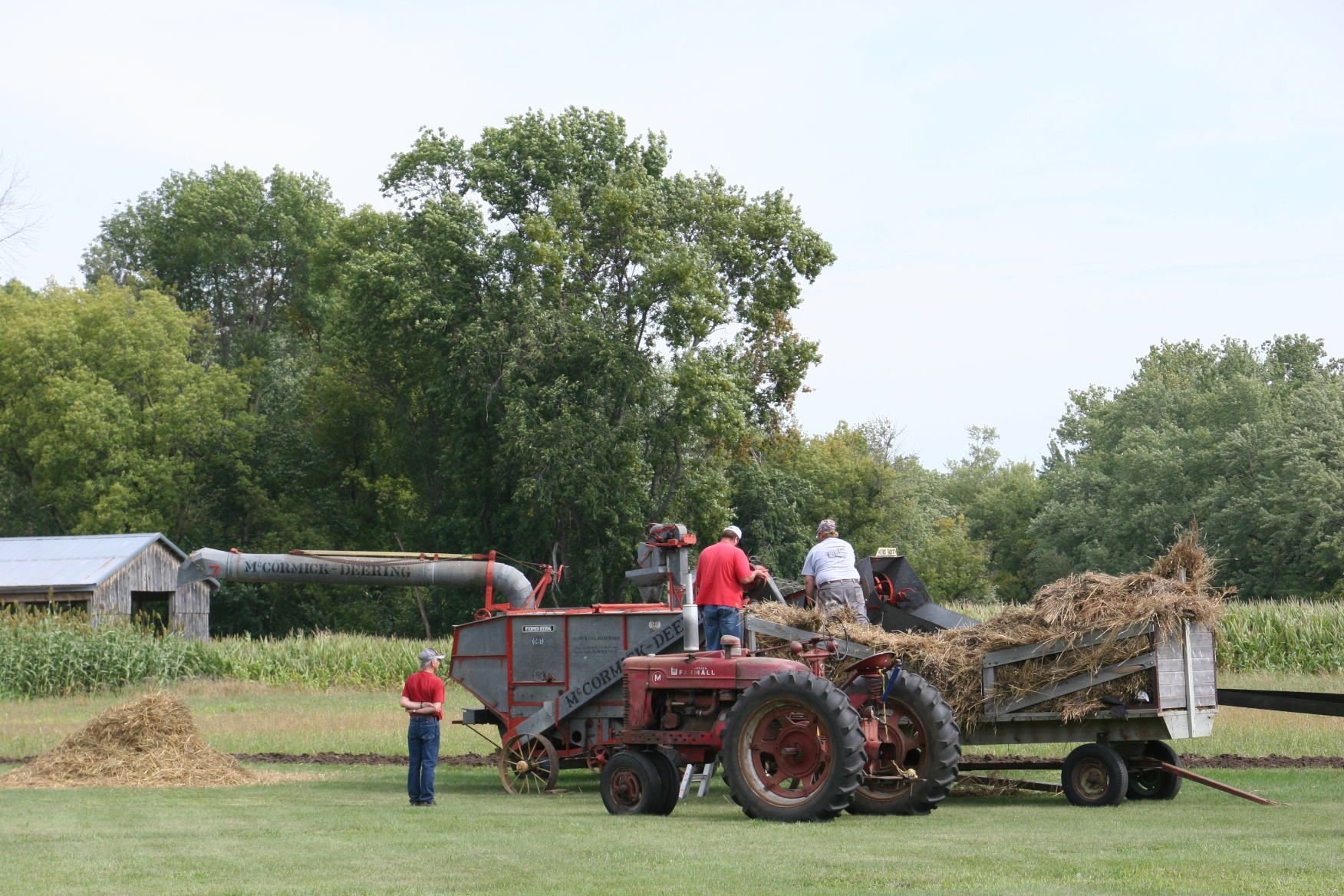
The threshing crew. (Minnesota Prairie Roots copyrighted photo September 2022)

Other farm machinery is also on-site, including a threshing machine, typically threshing oats, but under repair during my visit.

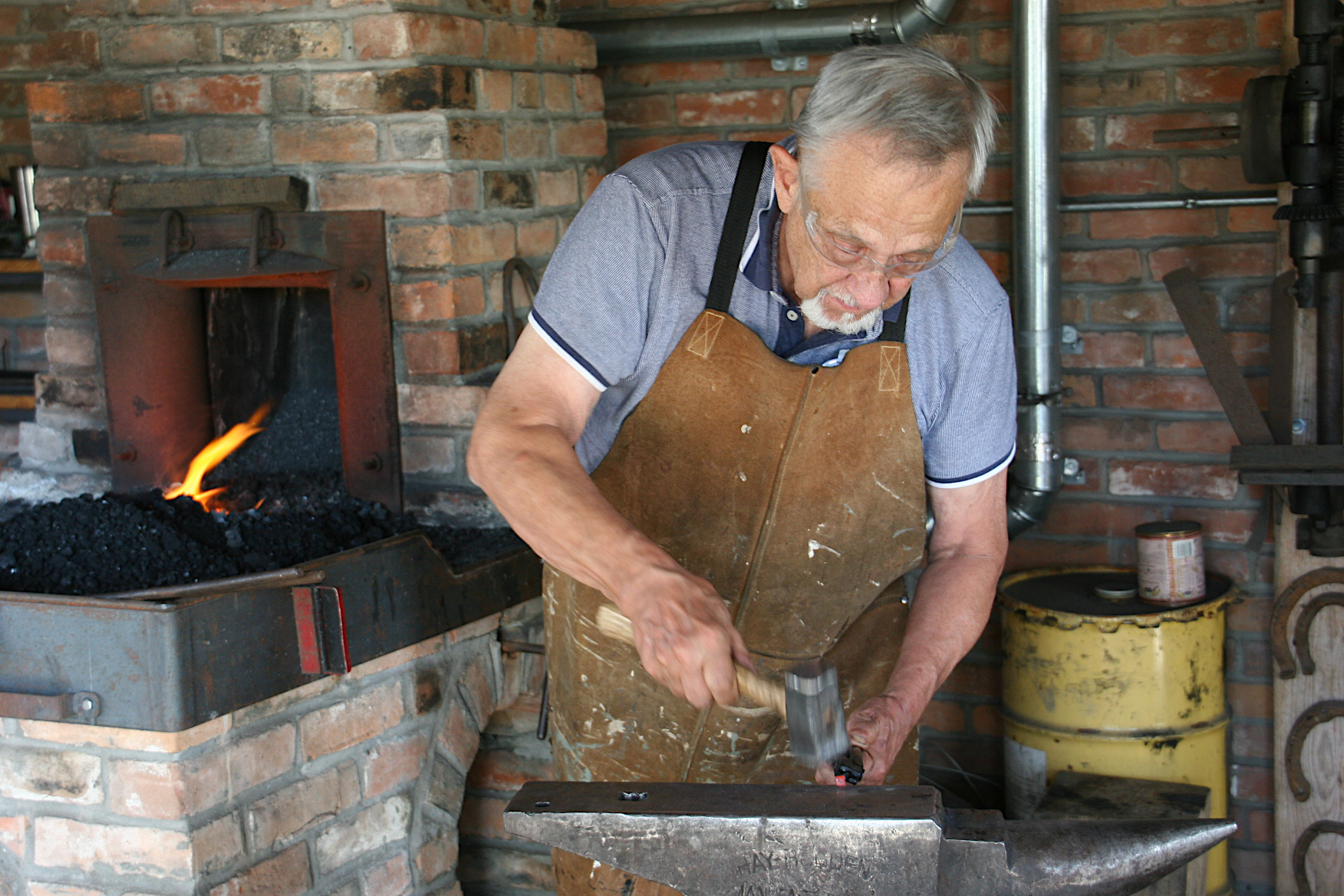
The blacksmith at work. (Minnesota Prairie Roots copyrighted photo September 2022)

There’s simply so much to see here, so much equipment to take in, so many demonstrations to watch. I observed blacksmithing and sorghum pressing. There’s also syrup making, corn shelling, flour milling, lumber sawing… Not all were up and running yet Friday morning.

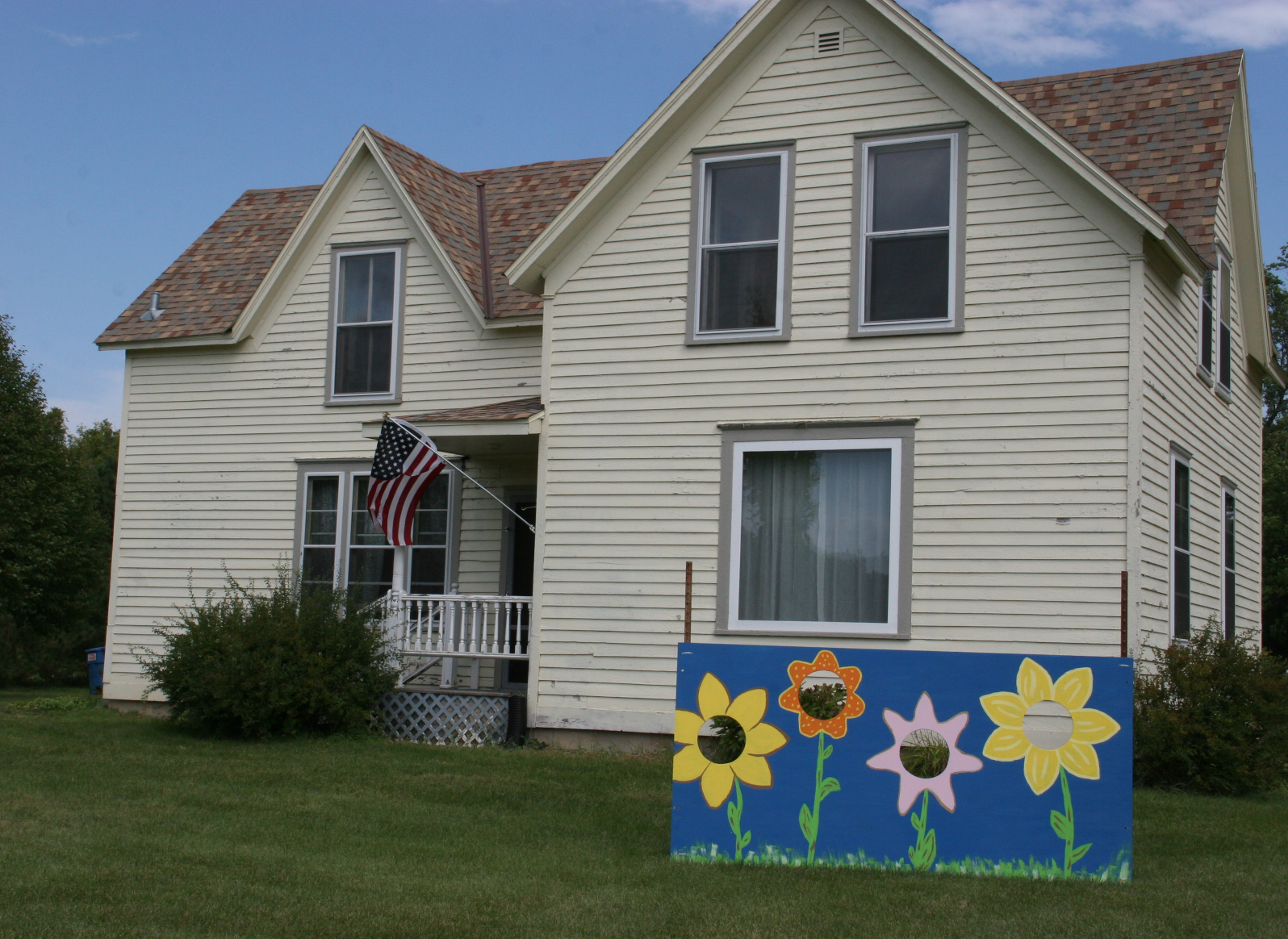
The 1912 farmhouse. (Minnesota Prairie Roots copyrighted photo September 2022)

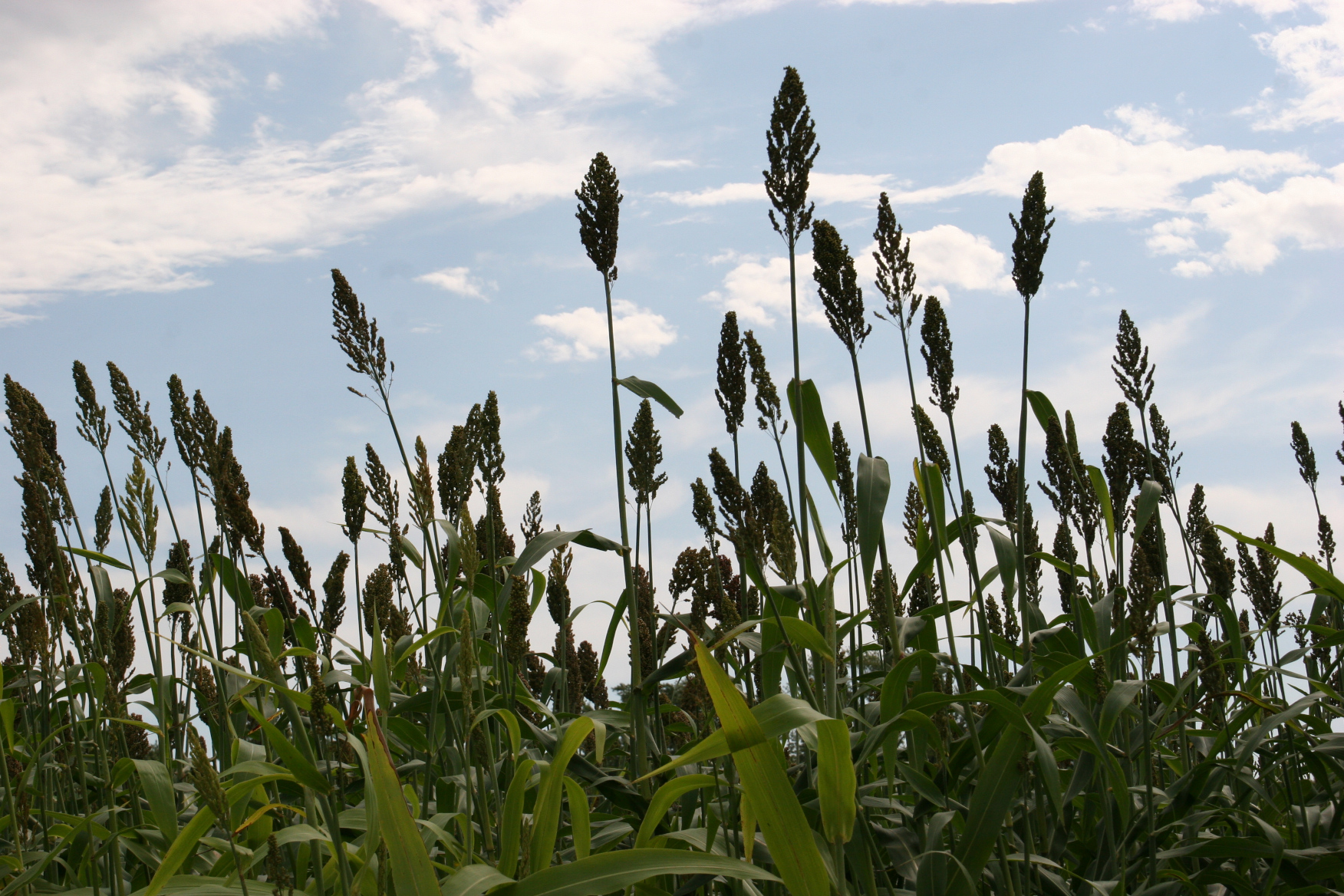
Sorghum towers in a field. (Minnesota Prairie Roots copyrighted photo September 2022)
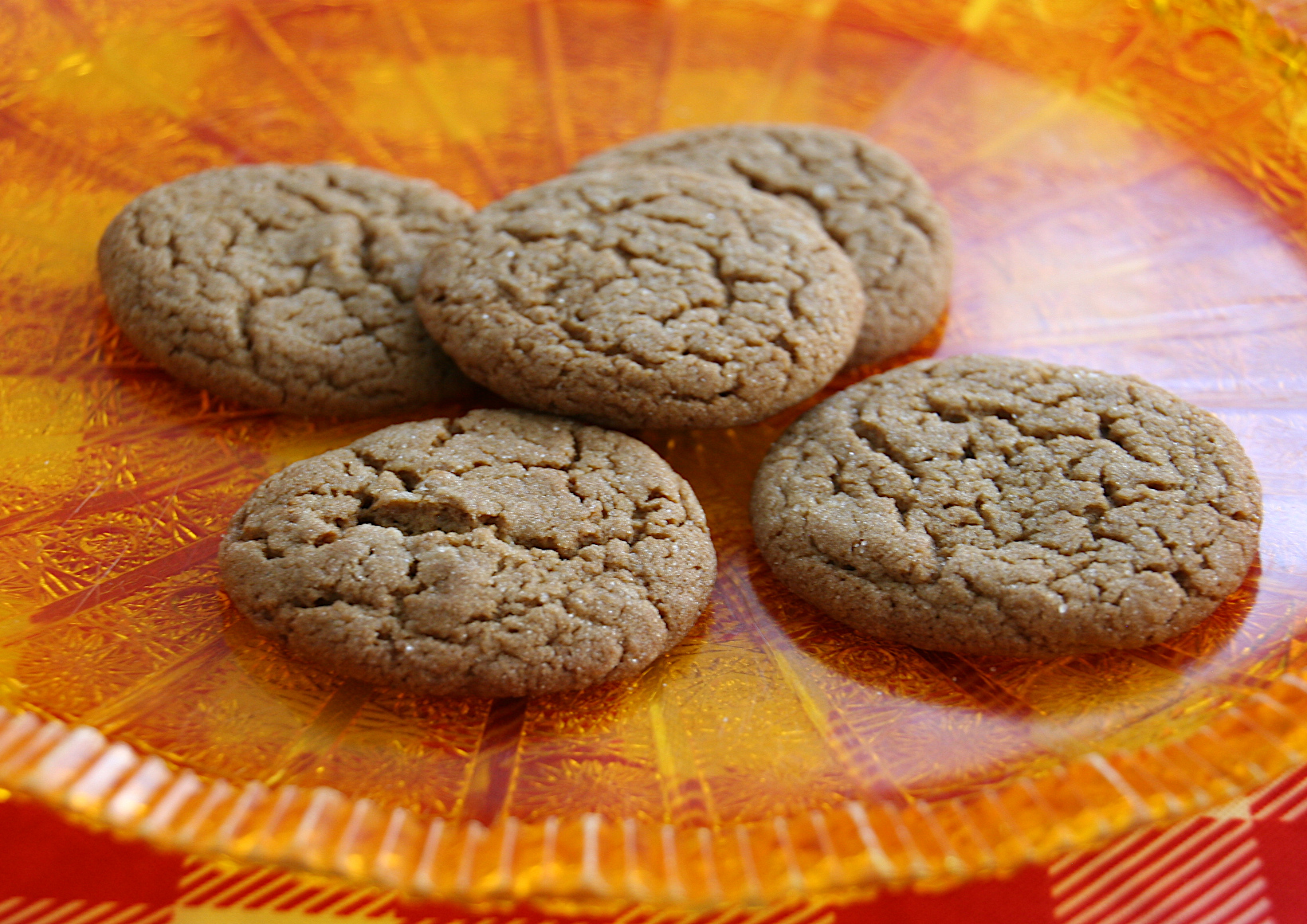
Delicious cookies made with sorghum. (Minnesota Prairie Roots copyrighted photo September 2022)

While demonstrations are a major draw, so are the aged farm buildings moved onto the grounds. Inside the 1912 Drentlaw farmhouse, my friend Ruth served cookies made with sorghum.

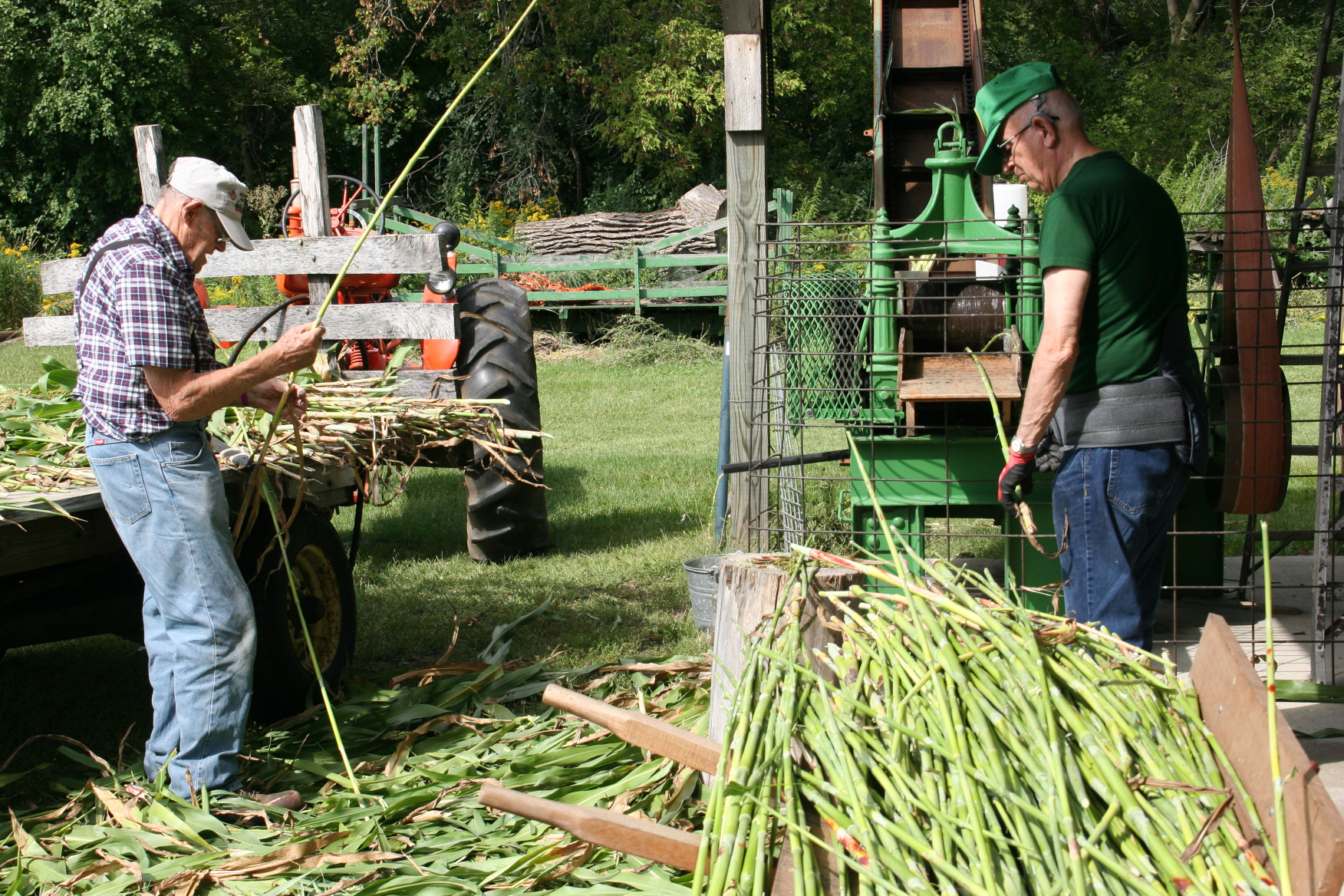
Pressing sorghum. (Minnesota Prairie Roots copyrighted photo September 2022)

Across the way, two men fed sorghum stalks into a press, liquid streaming into a bucket.

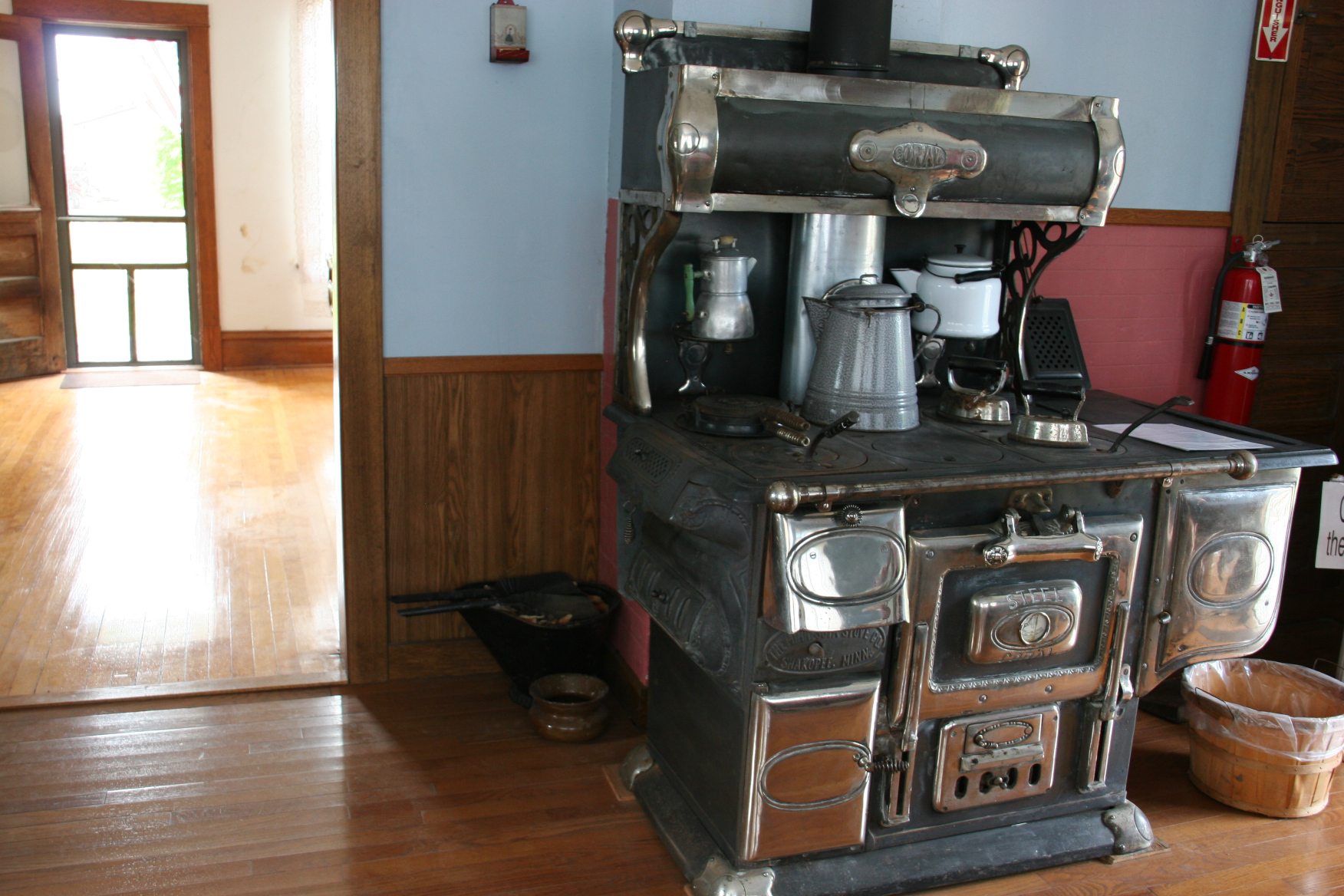
A massive stove defines the farmhouse kitchen. (Minnesota Prairie Roots copyrighted photo September 2022)

As I walked upon the wood floors of the farmhouse, I felt immersed in the past. A wood-burning stove anchors the small kitchen where a water dipper rests in an enamelware bowl in the sink. Embroidered dish towels drape a drying rack.

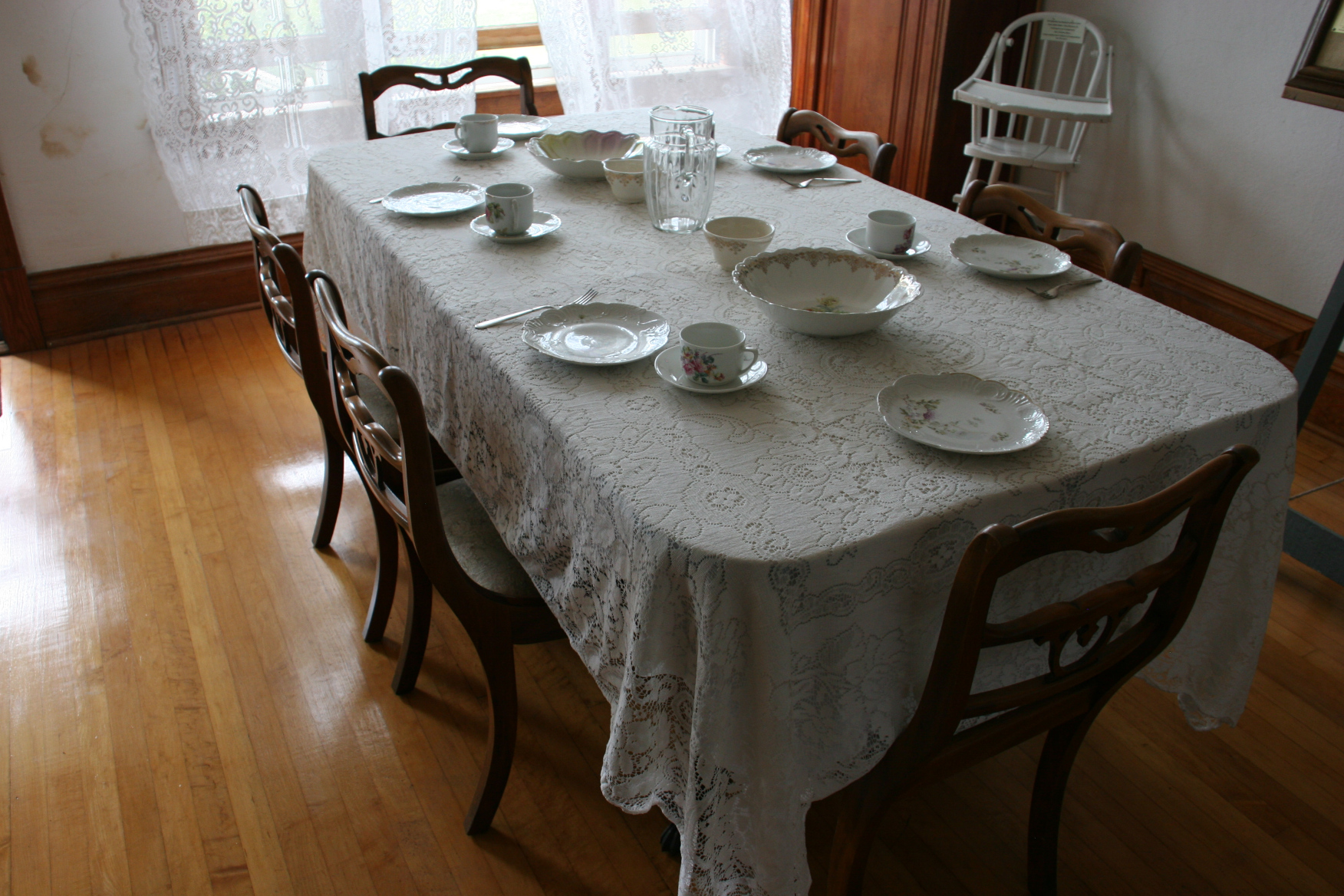
The dining room table set for guests. (Minnesota Prairie Roots copyrighted photo September 2022)

In the dining room, with fine china set upon a lace-covered table, the morning breeze billowed lace curtains.

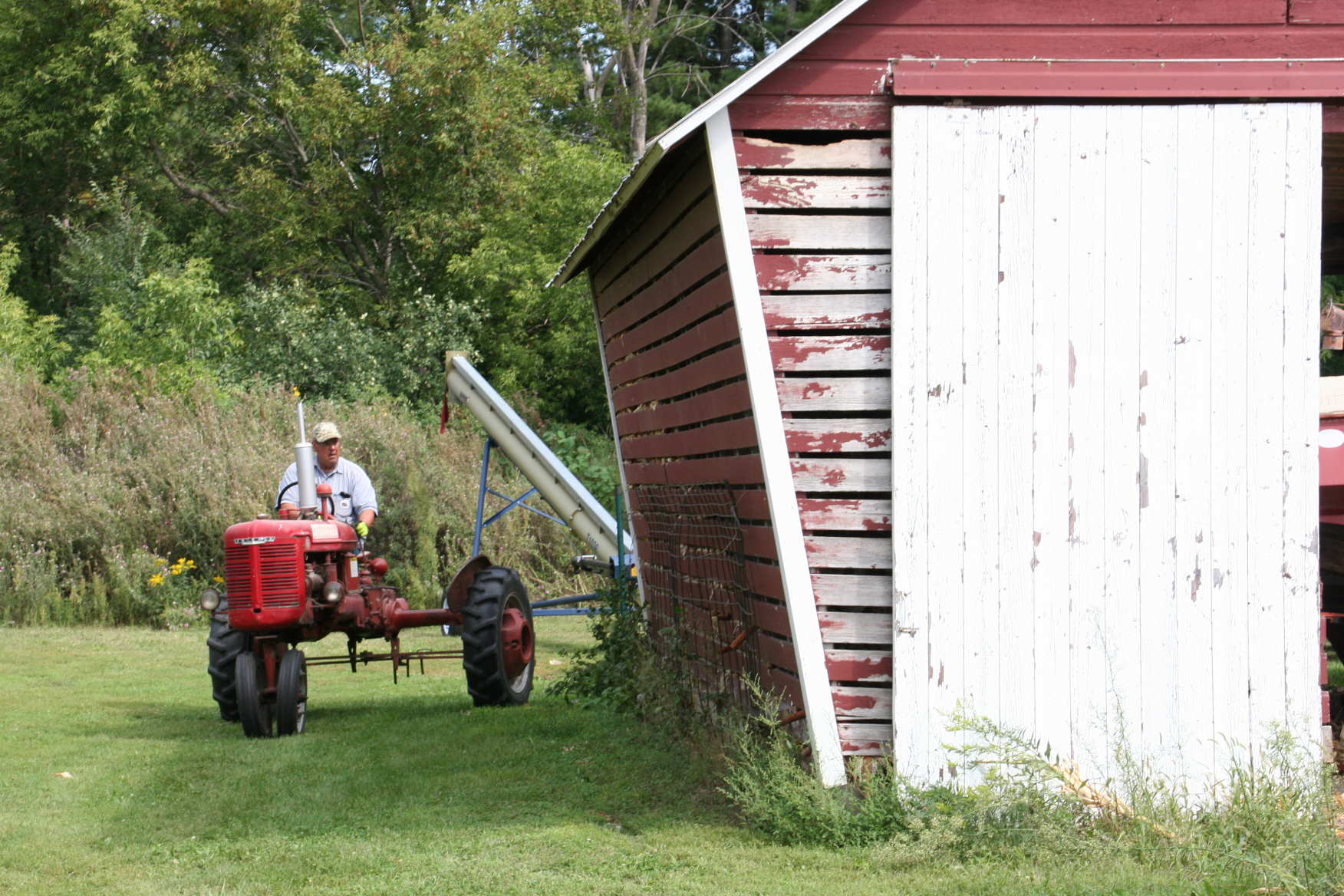
Rounding the corn crib… (Minnesota Prairie Roots copyrighted photo September 2022)

Outside the main house sits a summer kitchen with a corn crib and granary nearby. Replicating a farm site of yesteryear seems a goal. As a farm girl, I appreciate these efforts to preserve a bit of yesterday. Our Minnesota agrarian history needs to be shared at events like this which connect all ages to a way of life that is quickly vanishing.

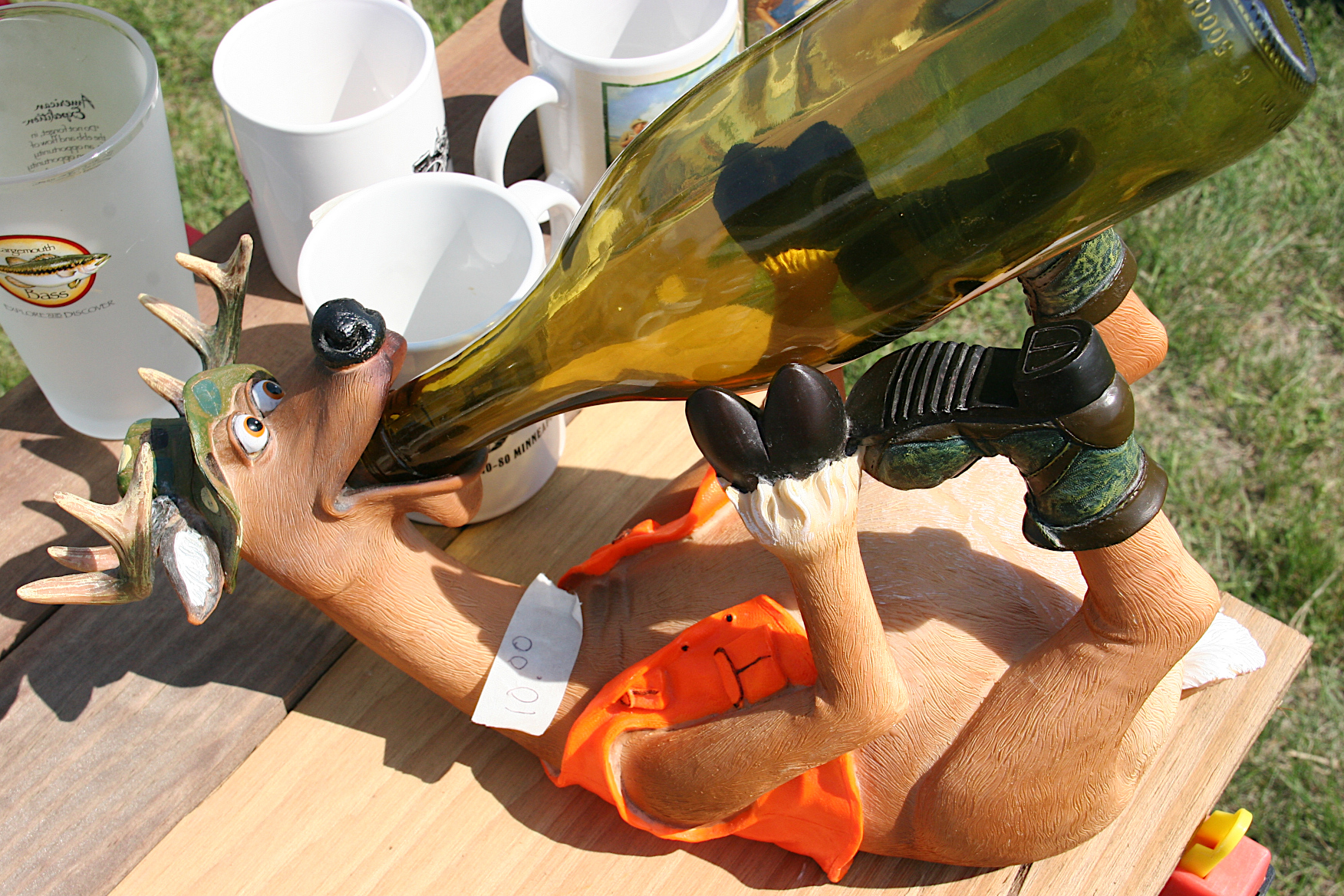
My oddest find at this year’s flea market. (Minnesota Prairie Roots copyrighted photo September 2022)

Even the flea market connects attendees to the past where old stuff mixes with crafts and an assortment of other merchandise. Every time here, I challenge myself to find oddities, weird whatever that makes me do a double take. This year’s vendors did not disappoint me.

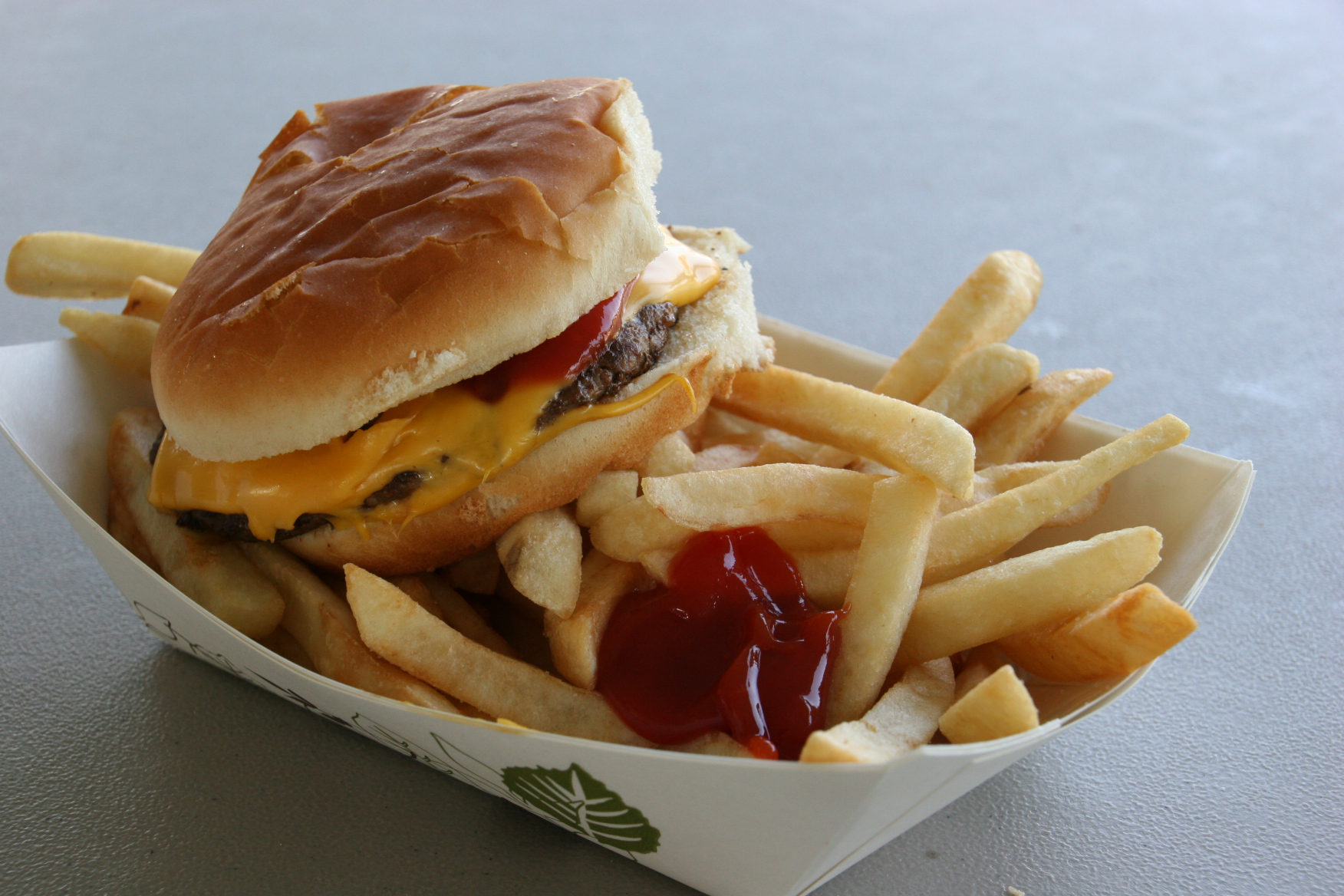
A burger basket from the Northfield Knights of Columbus. (Minnesota Prairie Roots copyrighted photo September 2022)

Nor did the food. Vendors offer an assortment of tasty food and beverages ranging from burgers and fries to Mexican food, milkshakes, lemonade, kettle corn, mini donuts and more. It’s all about food and conversation and watching the daily tractor parade at noon while seated at a picnic table in the Food Pavilion.

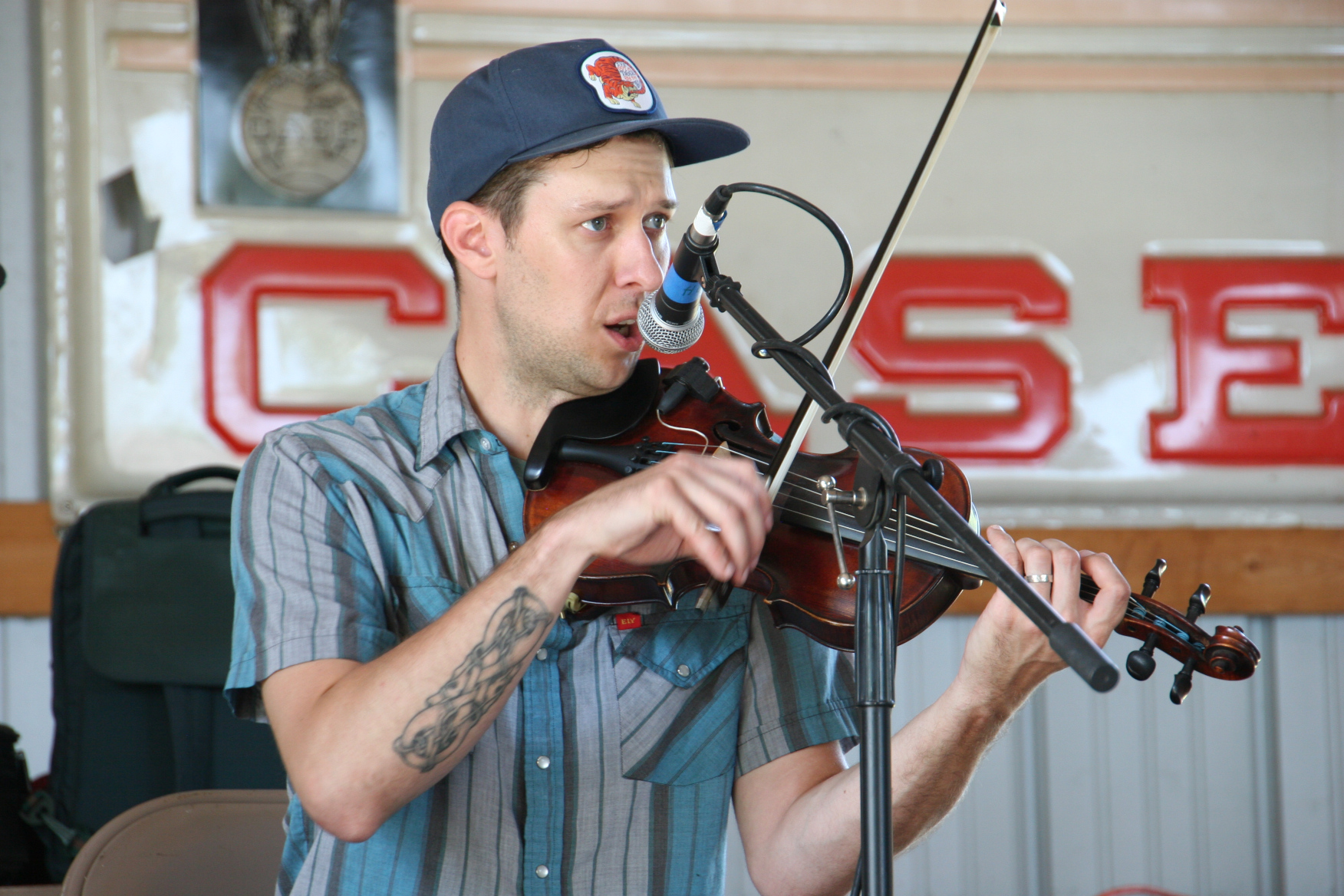
One of three musicians in the band Steam Machine performs Friday afternoon. (Minnesota Prairie Roots copyrighted photo September 2022)

Over in the poleshed style music building, I listened to the bluegrass band Steam Machine. A couple danced across the cement floor, nearby hay racks piled with oats bundles. I photographed, then attempted to cool down after too much time in the heat and humidity.

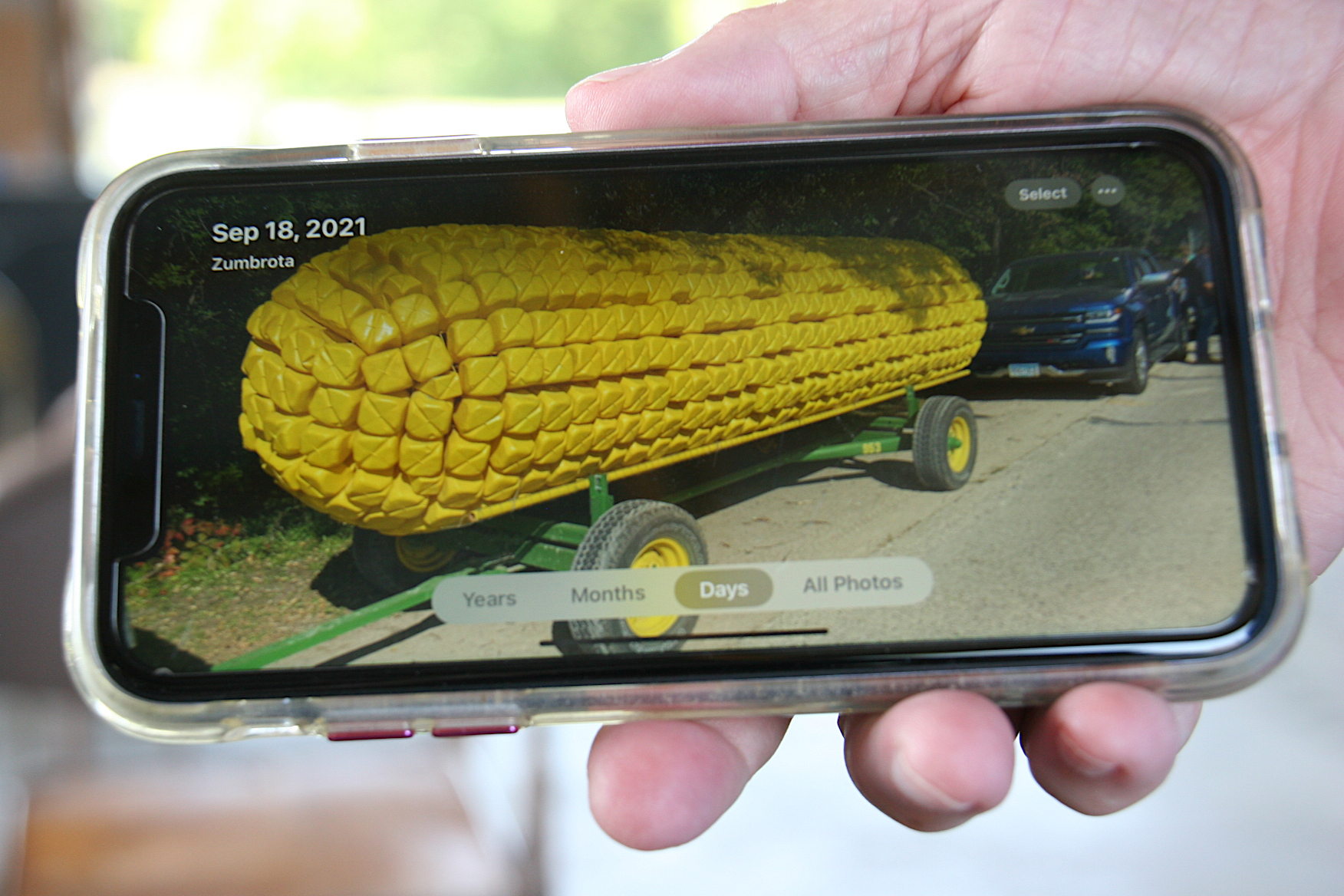
A gigantic ear of corn made of milk jugs. (Minnesota Prairie Roots copyrighted photo September 2022)

Another music appreciator stepped off her golf cart to show me a photo on her phone—an image of an over-sized ear of corn crafted from 1,000 gallon milk jugs by her cousin in Wisconsin and gifted to her. He’s made six. The corn art will be displayed at the 22nd Annual Corn Shredding Autumn Harvest Days on September 24 and 25 in rural Lake City.

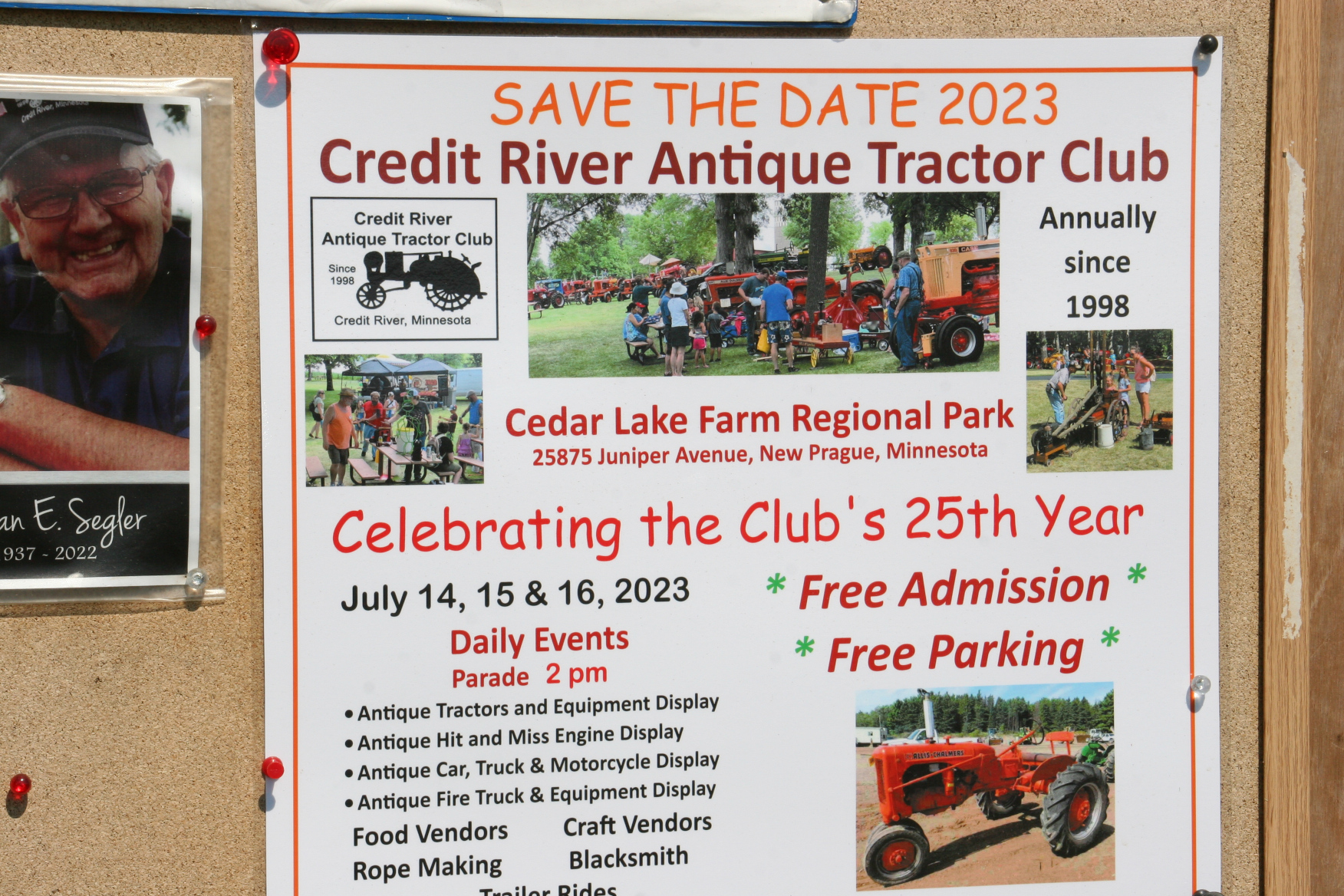
A poster promotes the 2023 Credit River show. (Minnesota Prairie Roots copyrighted photo September 2022)

I love how so many people care about our agricultural history. That includes the guys from the Credit River Antique Tractor Club who were selling raffle tickets for a 1952 Ford 8N tractor. Their annual show is set for July 14-16, 2023, in rural New Prague.

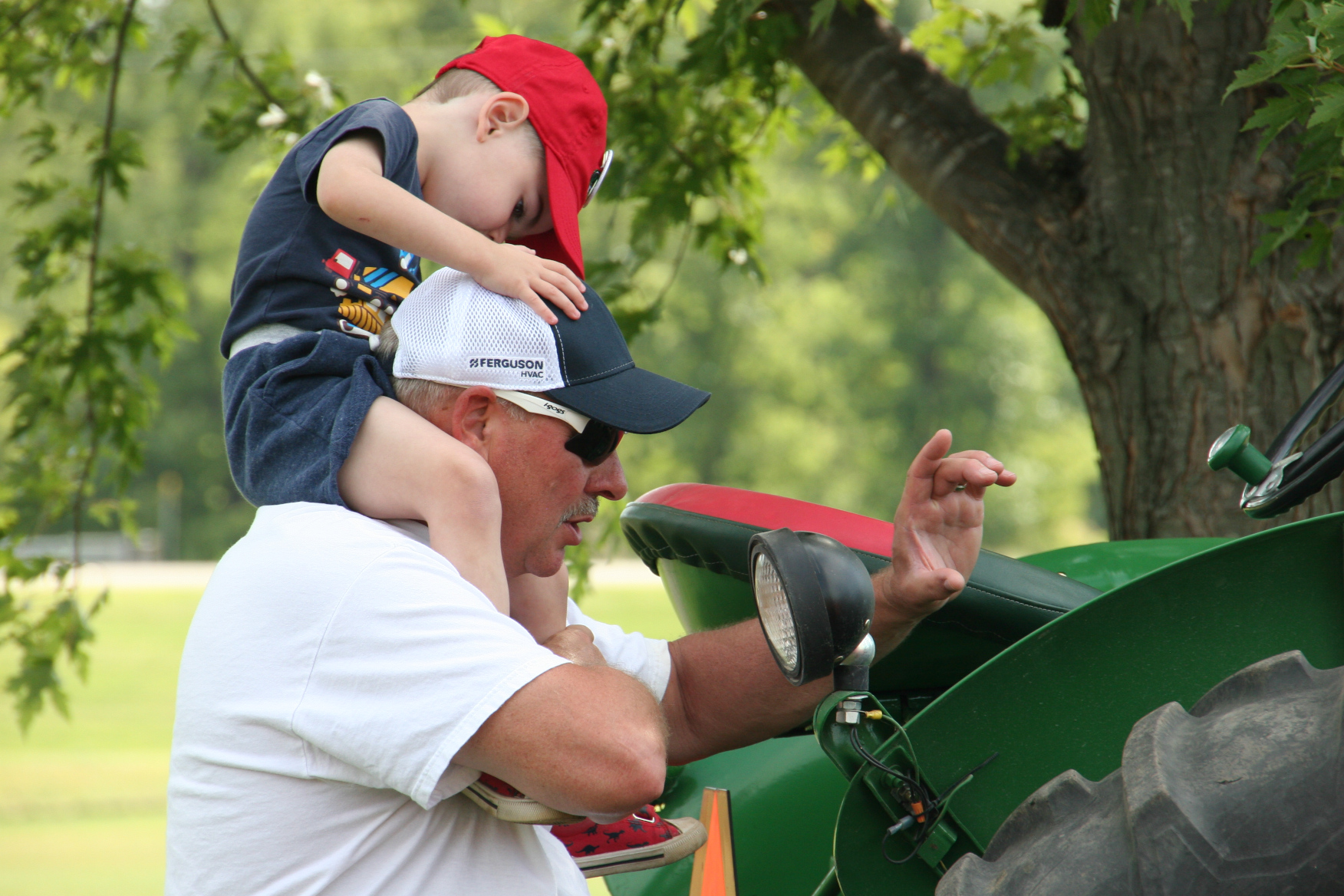
Teaching the younger generation about tractors. (Minnesota Prairie Roots copyrighted photo September 2022)

The Rice County folks will be back, too, in 2023, “Preserving a Bit of Yesterday for Tomorrow.” There will be a tractor parade, a Kids Pedal Pull, demonstrations, tractors galore and, oh, so much more at the Labor Day weekend show. Even train rides…

#

FYI: Visit the Rice County Steam & Gas Engines website for more information. The show continues Saturday and Sunday from 7 am – 5:30 pm. Admission cost for the entire weekend is $10 with 12 and under admitted for free.

The club also hosts a Swap Meet and Flea Market on Memorial Day weekend and Minnesota Military Days in June.

© Copyright 2022 Audrey Kletscher Helbling
 

Learning about the Wahpekute in Faribault

Signage marks an entry to Wapacuta Park near my Faribault home. (Minnesota Prairie Roots copyrighted photo September 2022)

FOR 38 YEARS I’VE LIVED in the same house, “the Swanson house,” along Willow Street in Faribault. Just below Wapacuta Park, blocks from the home of town founder Alexander Faribault. Wednesday evening I learned information about the park up the hill, about my neighborhood, which left me feeling unsettled and troubled, but newly-informed.

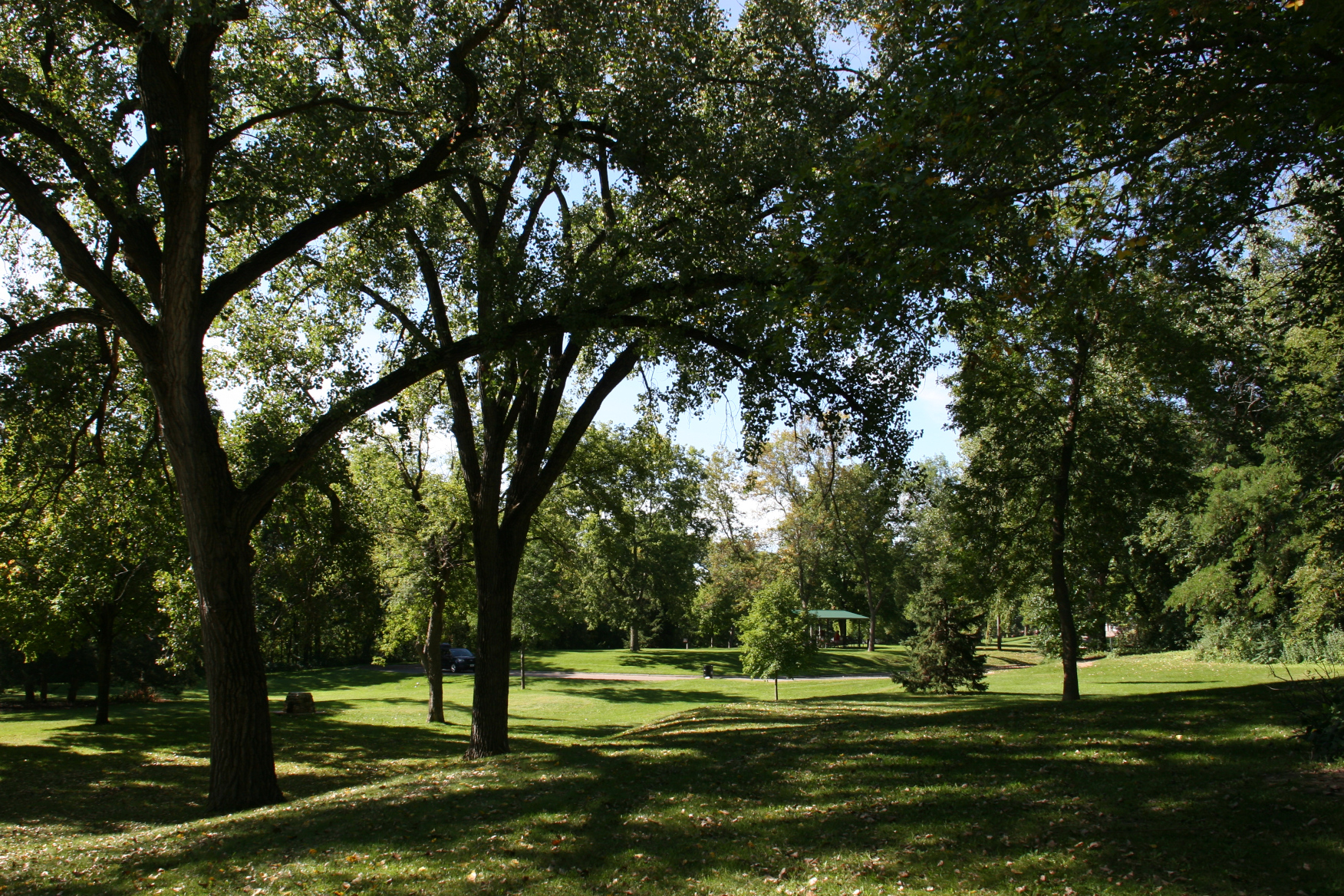
This shows just a small section of Wapacuta Park, shelter in the distance. (Minnesota Prairie Roots copyrighted photo September 2022)

The park atop the hill, according to Susan Garwood, executive director of the Rice County Historical Society, was used by the Wahpekute, one of the seven “Council Fires” of the Dakota Nation, for honoring their dead. Not for final burial of their loved ones in this place which now houses a picnic shelter, playground, disc golf course and basketball courts, but rather for the construction of scaffolding to temporarily hold the deceased. Letters and other documents verify the placement of the scaffolding in Wapacuta (incorrectly spelled) Park.

I had no idea. No idea at all that this hilltop land held such importance in the lives, and deaths, of these Indigenous Peoples who called Rice County home long before French Canadians and others settled here.

Peace Park, where Wahpekute were buried, is located near Buckham Memorial Library in the background. (Minnesota Prairie Roots copyrighted photo September 2022)

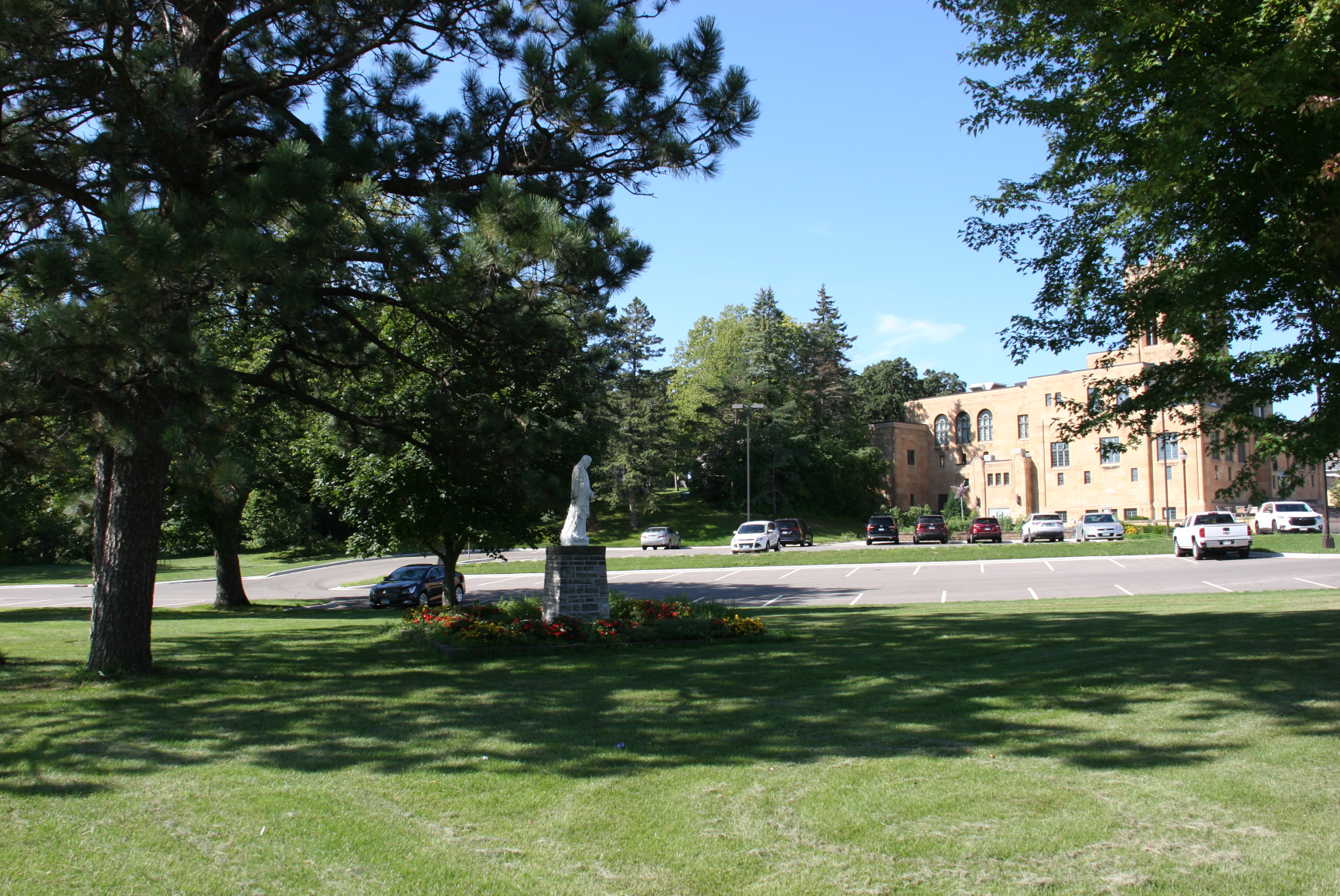
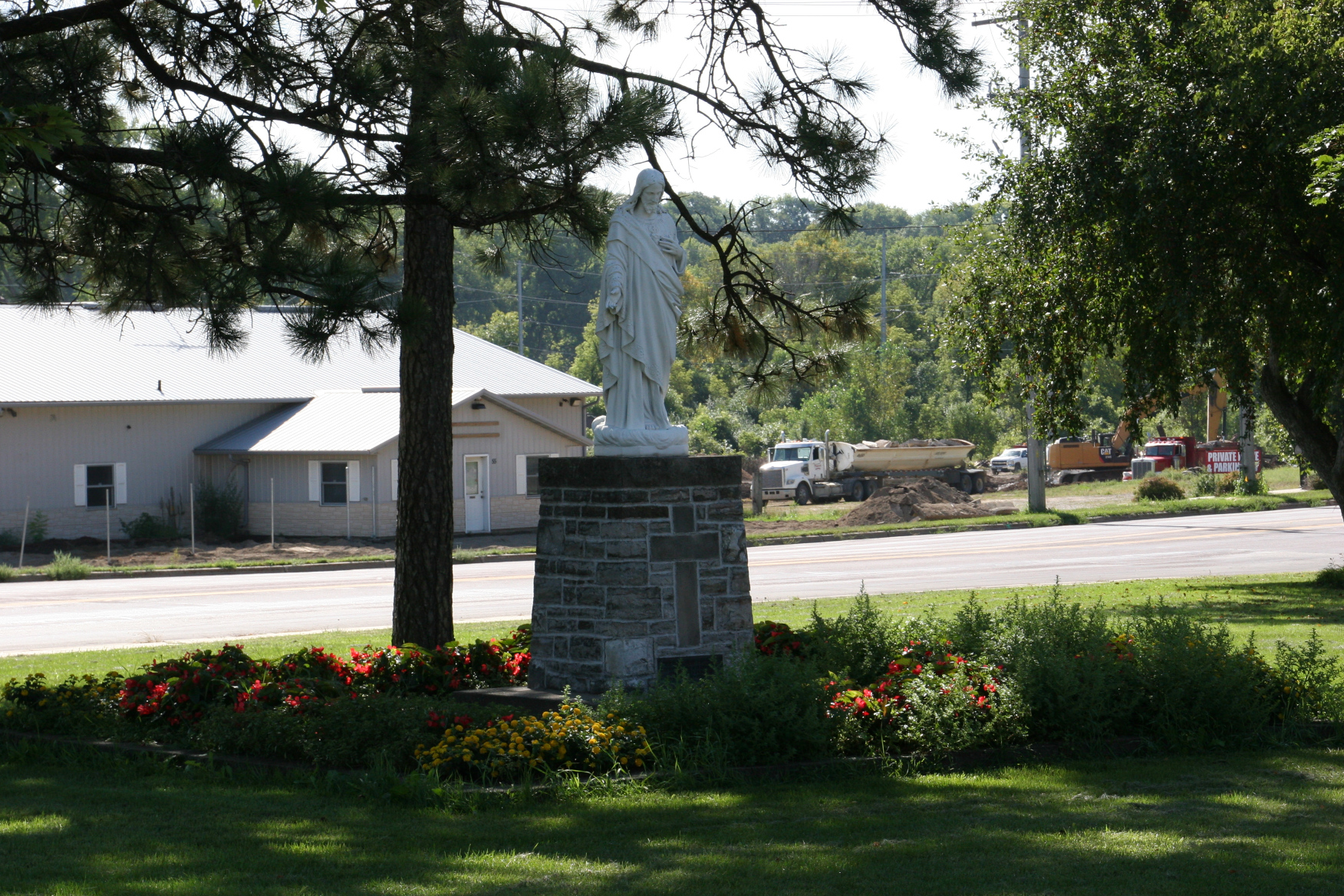
The monument in Peace Park honors those who served in WW II. There is no mention that this slice of land is a Wahpekute burial site. (Minnesota Prairie Roots copyrighted photo September 2022)
The WW II monument at Peace Park. That’s Willow Street running aside the park. The area across the road is being cleared for apartments and senior housing. (Minnesota Prairie Roots copyrighted photo September 2022)

But Garwood shared even more unknown-to-me information. After a year, the bodies of the Wahpekute were removed from the scaffolding to a nearby burial spot. That’s the current day Peace Park, located near the intersection of Minnesota State Highway 60, Division Street and Willow Street by Buckham Memorial Library. The site, she said, is considered a cemetery, confirmed many decades ago by the discovery of bones wrapped in bark and hide. There were 14 burial mounds and sacred sites in the county, according to Garwood, who said this is closely-guarded information known to historians.

To learn all of this proved enlightening and left me wondering how many others are unaware. And what can be done to raise awareness and respect? Garwood asked the same question during her public presentation on “The Indigenous History of the land that is now Rice County, Minnesota.” She was the first presenter in a new endeavor, the Faribault Diversity Coalition Speaker Series, which will introduce those who call/called Faribault home through these monthly speaking events at the Paradise Center for the Arts.

This was part of an outdoor art installment at Bridge Square during Northfield’s Earth Day celebration. (Minnesota Prairie Roots copyrighted file photo April 2022)

Near the end of her hour-plus-long talk followed by questions and comments, Garwood encouraged attendees to remember and acknowledge the Wahpekute, who are still here. She referenced a Land Acknowledgment Statement and “Eagle Relatives” sculpture now in place in neighboring Northfield. She also mentioned efforts underway to honor the culture, history and places of the Wahpekute in Faribault. She encouraged all of us to become informed, to educate ourselves, to listen to the stories of Indigenous Peoples.

These first peoples lived in harmony with nature, with the land, Garwood noted. Life changed when fur traders came to the area and a dependency grew as the Wahpekute traded for goods that would make their lives easier. The US-Dakota War of 1862, centered to the west in Redwood, Renville and Brown counties, brought more change, including the loss of life, land and relocation for Indigenous Peoples. That aspect of Garwood’s talk was familiar to me given I grew up in Redwood County.

This sculpture of Alexander Faribault with a Dakota trading partner stands in Faribault’s Heritage Park near the Straight River. Faribault artist Ivan Whillock created this artwork gracing the Bea Duncan Memorial Fountain. (Minnesota Prairie Roots copyrighted file photo)

She talked, too, about Alexander Faribault and Bishop Henry Whipple and how they befriended and helped the Dakota. Faribault, after the 1862 war, offered land he owned (today River Bend Nature Center and the Minnesota State Academy for the Blind) as an “Indian Camp,” Garwood said. Sixty-five Wahpekute from 12 families lived there.

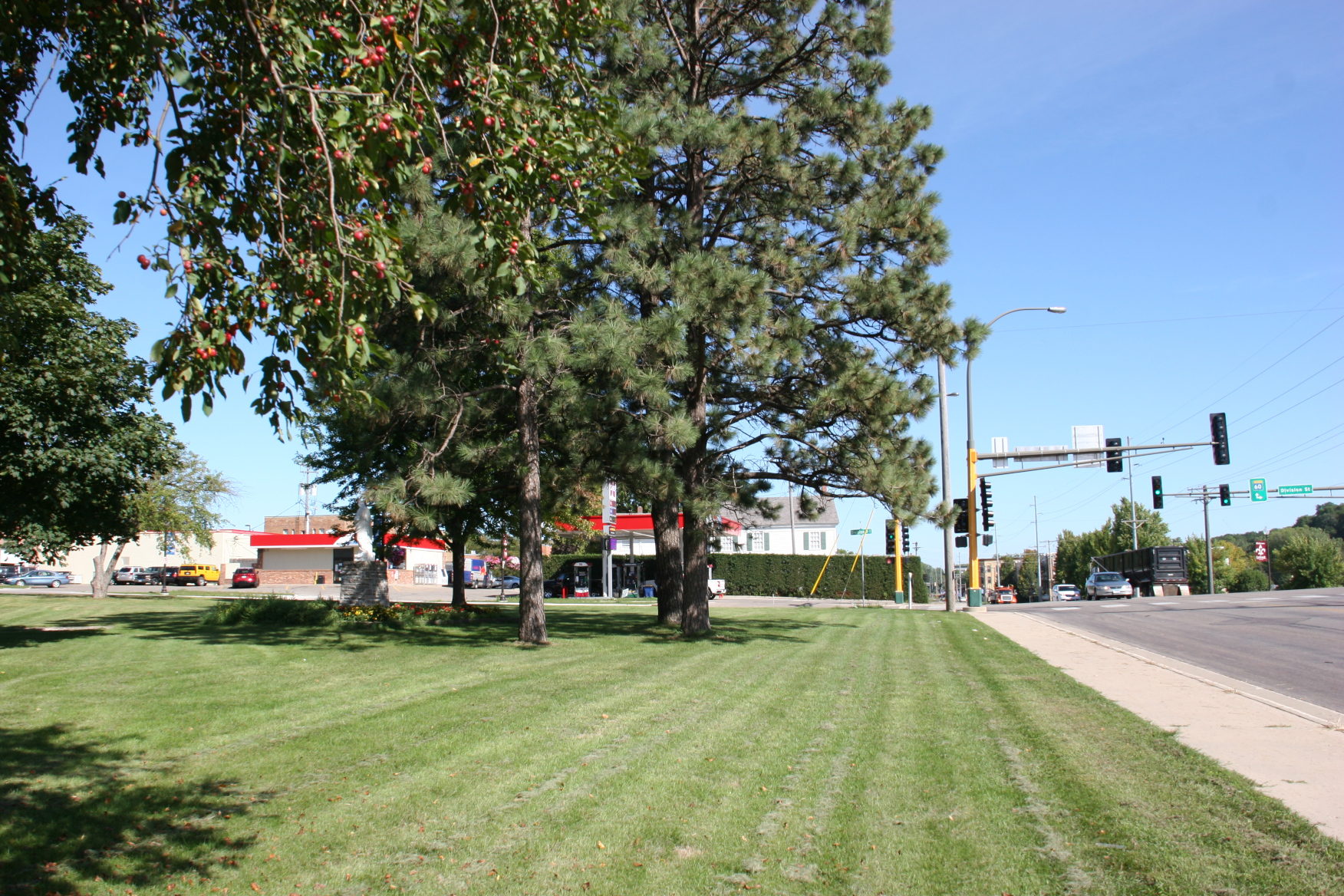
Peace Park is located at a major Faribault intersection. The Alexander Faribault house can be seen in the background, just to the right of the red-roofed gas canopies at the local co-op and behind the hedge row. (Minnesota Prairie Roots copyrighted photo September 2022)

Garwood focused primarily on the Wahpekute, the first people of Rice County, the “Shooters Among the Leaves.” They were, she said, hunters and gatherers who did not work the land but rather moved from place to place to find food, to sustain themselves. Every lake in the county was home to a Wahpekute village, she said. Rivers, too. Teepee Tonka Park along the banks of the Straight River in Faribault was among their riverside homes. Not far from Peace Park. Not far from Wapacuta Park. Near my home.

© Copyright 2022 Audrey Kletscher Helbling
 

All about dragonflies at Montgomery Orchard September 1, 2022

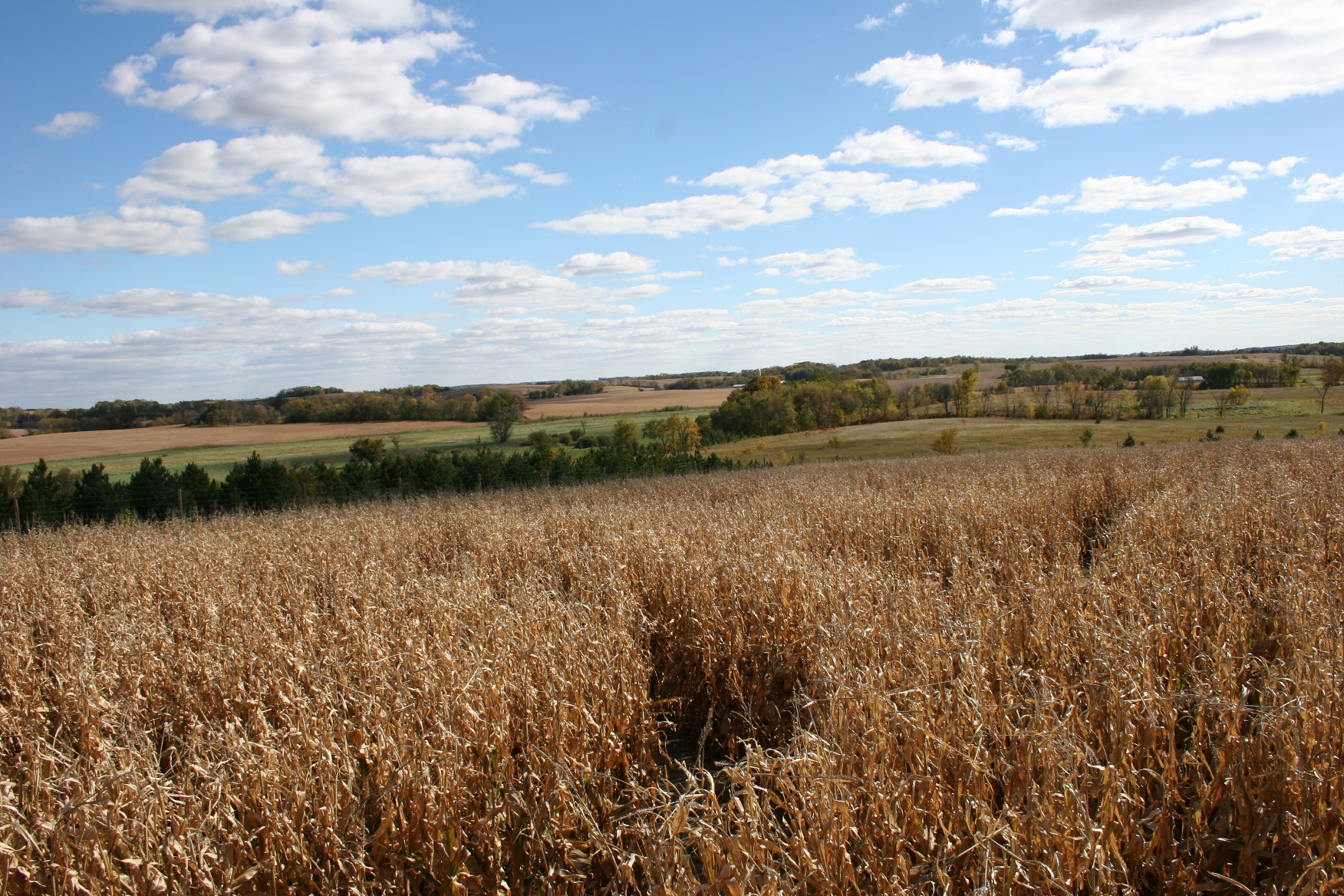
From an elevated platform, a bird’s eye view of the corn maze and the countryside at Montgomery Orchard in 2010. (Minnesota Prairie Roots copyrighted photo October 2010)

THIS TIME OF YEAR, I see, hear, feel autumn on Minnesota’s doorstep.

Already the next-door-neighbor’s maple is turning color, red leaves spiraling into my yard. Goldenrod flag the landscape. Crickets chirp, their incessant chorus singing a refrain of autumn’s approach. Mornings feel pull-on-the-jeans-and-sweatshirt crisp until sunshine warms the day.

And apple season time is underway with area orchards opening, complete with apple picking, hay rides, corn mazes and other activities to draw in customers.

Montgomery Orchard signage in 2010. (Minnesota Prairie Roots copyrighted file photo 2010)

This weekend Montgomery Orchard, located a mile east of the intersections of Minnesota state highways 13 and 99 in Montgomery Township, opens for the 2022 season. Now I could write about many other orchards opening, too, but chose this one to highlight because of a unique program there on Saturday, September 3. The Minnesota Dragonfly Society will present information on dragonflies at 11 am and again at 1 pm with dragonfly catching after each presentation.

A dragonfly. (Minnesota Prairie Roots copyrighted file photo July 2022)

Now, I’ve never heard of the Dragonfly Society whose mission is “ensuring the conservation of Minnesota’s dragonflies and damselflies through research and education.” I appreciate that as I find dragonflies fascinating.

The Dragonfly Band has also been booked for the Saturday event at the orchard.

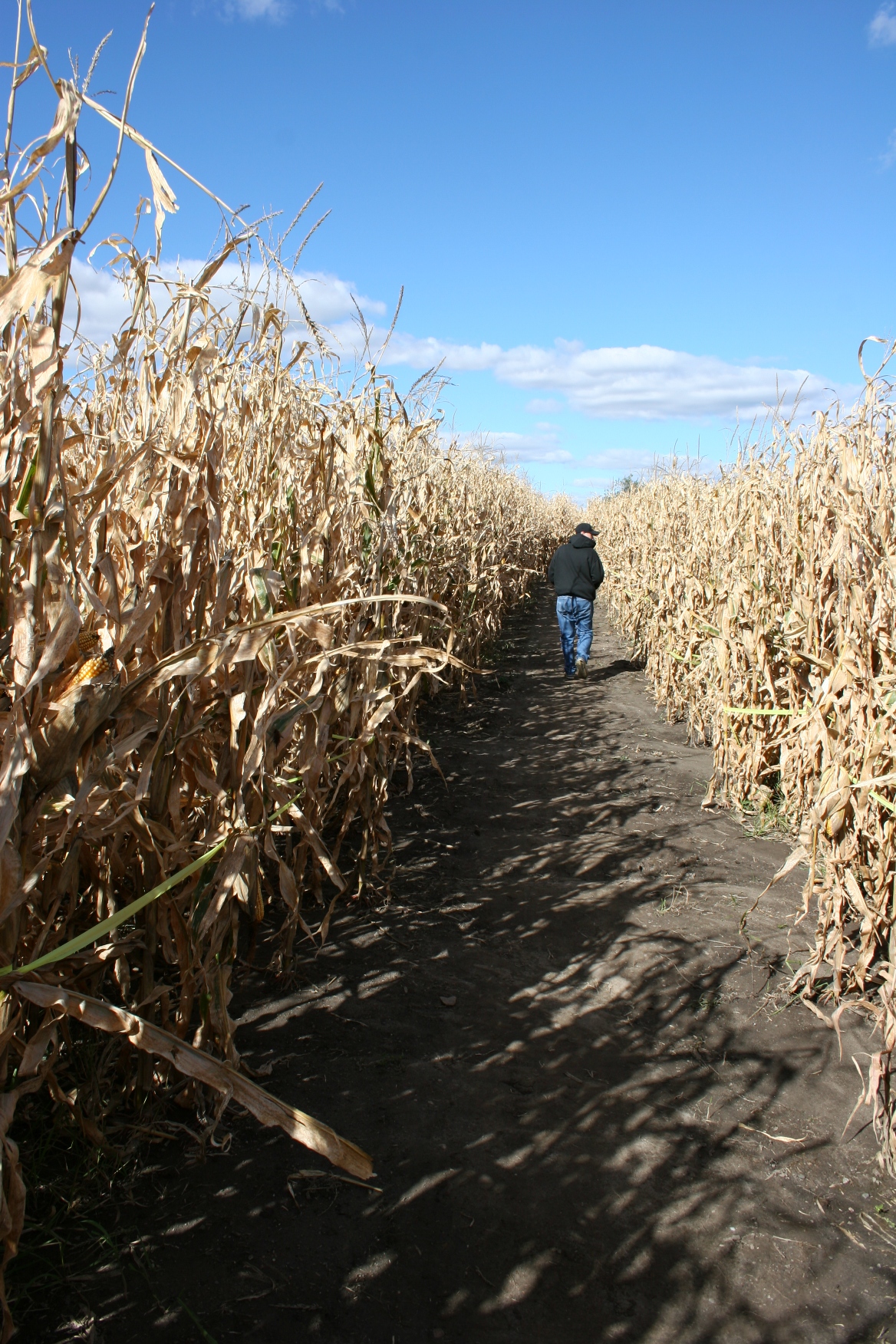
Randy walks through the Minnesota Twins-themed maze in October 2010. (Minnesota Prairie Roots copyrighted file photo 2010)

Montgomery Orchard is going all out with the dragonfly theme this year. The six-acre Be-A-Mazed corn maze is shaped like a dragonfly with interactive trivia about the insect posted throughout the cornfield. Two maze options are offered with a shorter half-hour route geared toward families with young children and a second longer route.

I last visited this orchard 12 years ago, not long after it opened. The business has grown substantially since then, now spreading over 105 rural acres. The Cider Haus is open Saturdays and Sundays, serving five in-house made hard ciders, like Northern Trek and Prairie Harvest, and wine, like the award-winning Plum Crazy and The Full Monty.

Montgomery Orchard bagged apples. (Minnesota Prairie Roots copyrighted file photo October 2010)

Apples, in nearly a dozen varieties, are grown and sold here throughout the apple season. Currently ready for picking and/or purchase are Zestar and SweeTango.

In Minnesota, visiting an orchard has developed into an experience, exactly as Montgomery Orchard promotes with its tag, “where friends, family and nature come together.” Hikes and hayrides are also part of the offerings here.

Flamin’ Bleu pizza purchased in-house at Pizzeria 201 in April 2013. (Minnesota Prairie Roots copyrighted file photo 2013)

And on Saturday, popular Montgomery-based Pizzeria 201 will be at the orchard vending pizza from its mobile wood-fired pizza oven. Visitors can also purchase caramel apples, jellies, jams and more from the orchard store.

This orchard is just one of many in my region which I’ve visited and recommend. Others include Apple Creek Orchard, rural Faribault; Trumps Orchard, Faribault; and Fireside Orchard & Gardens, rural Northfield.

TELL ME: Do you have a favorite apple orchard? What makes it a go-to destination for you?

© Copyright 2022 Audrey Kletscher Helbling
 

“A quiet place to be” in Mission Township August 31, 2022

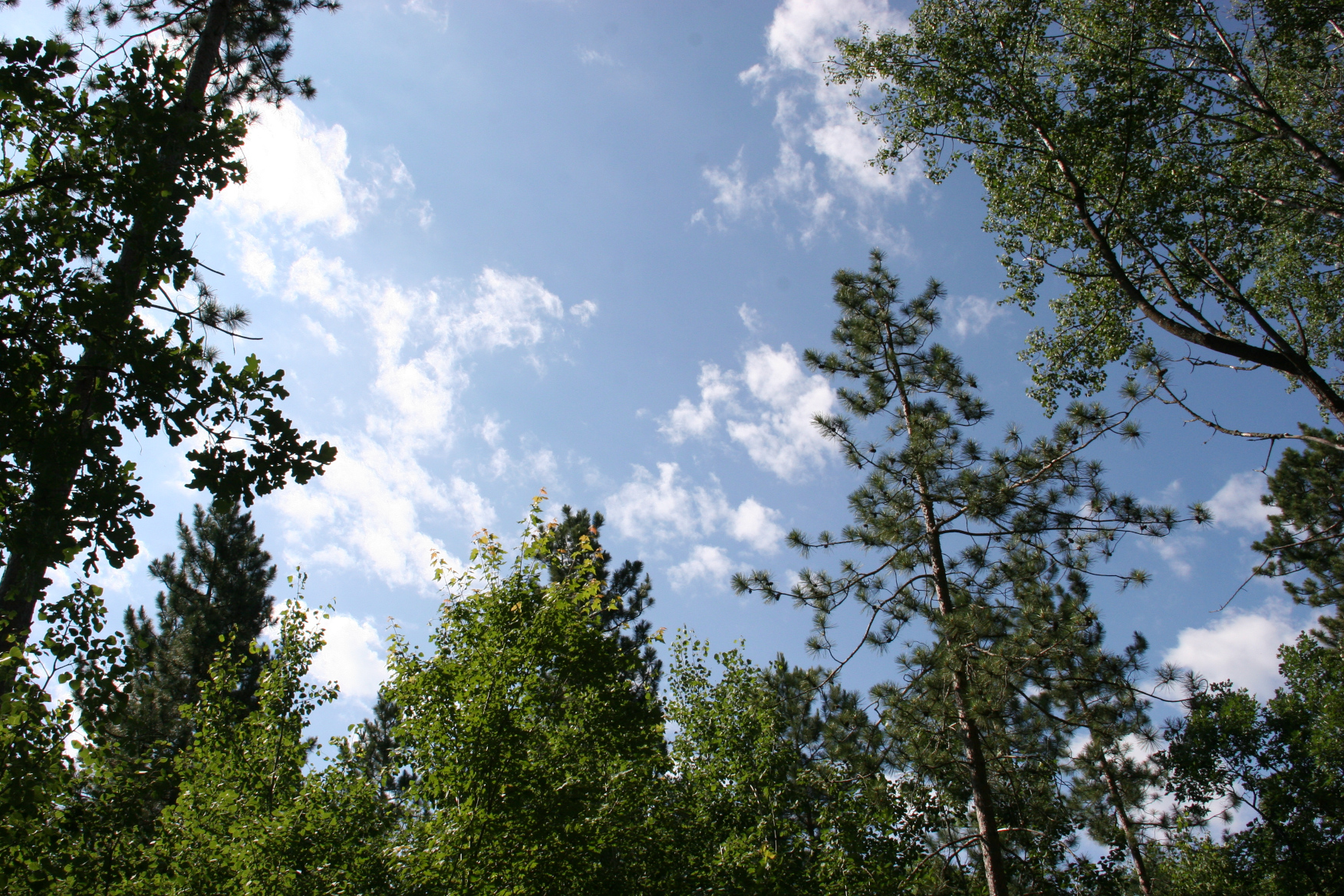
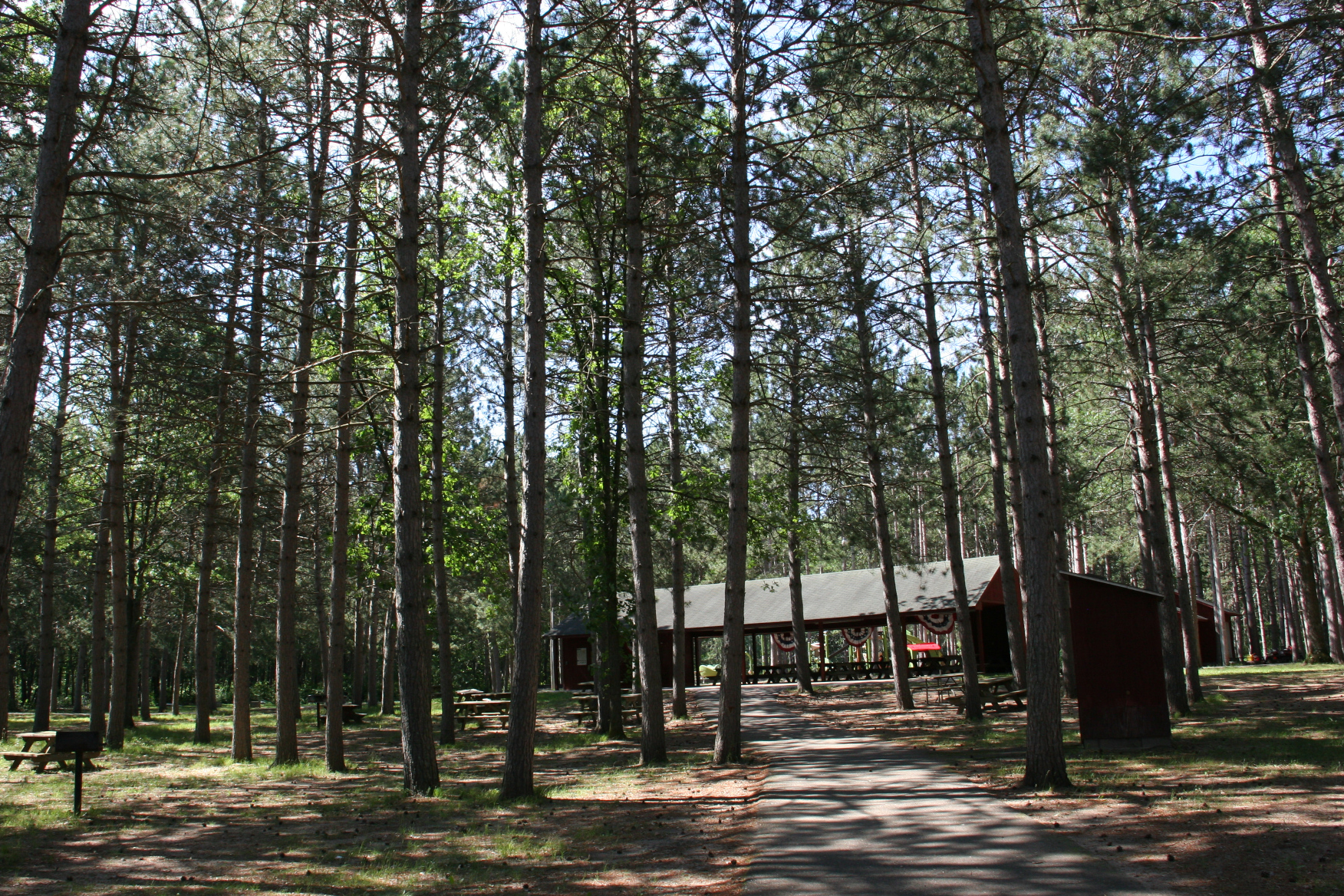
Looking skyward at Mission Park, where slim, towering pines are prevalent. (Minnesota Prairie Roots copyrighted photo July 2022)

MISSION PARK IN MISSION TOWNSHIP, “a quiet place to be” north of Merrifield in the Brainerd lakes region, rates as a favorite hiking spot when I’m at the lake. The extended family cabin is conveniently located about two miles away.

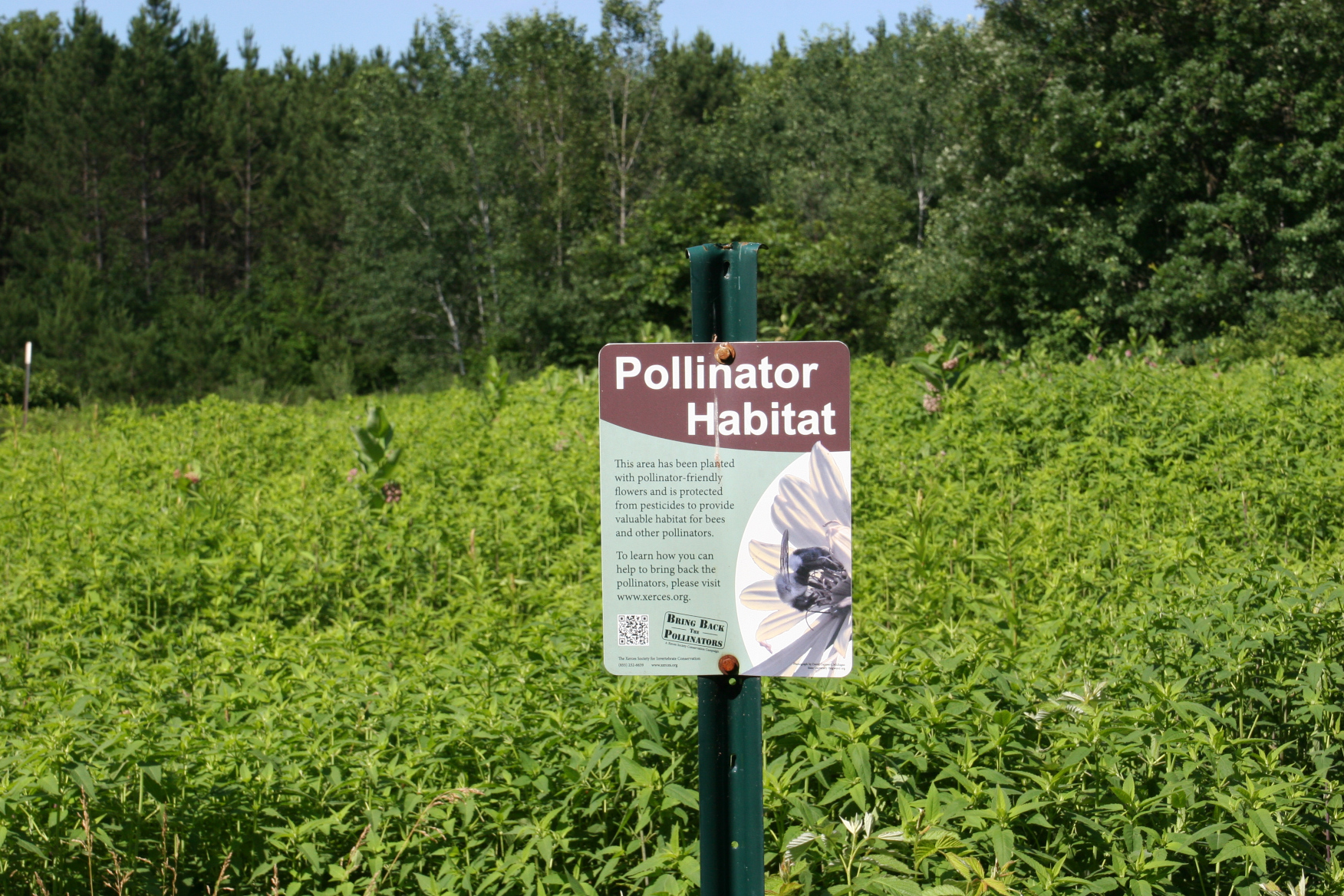
At the end of a grassy trail, the woods open to a pollinator garden. (Minnesota Prairie Roots copyrighted photo July 2022)

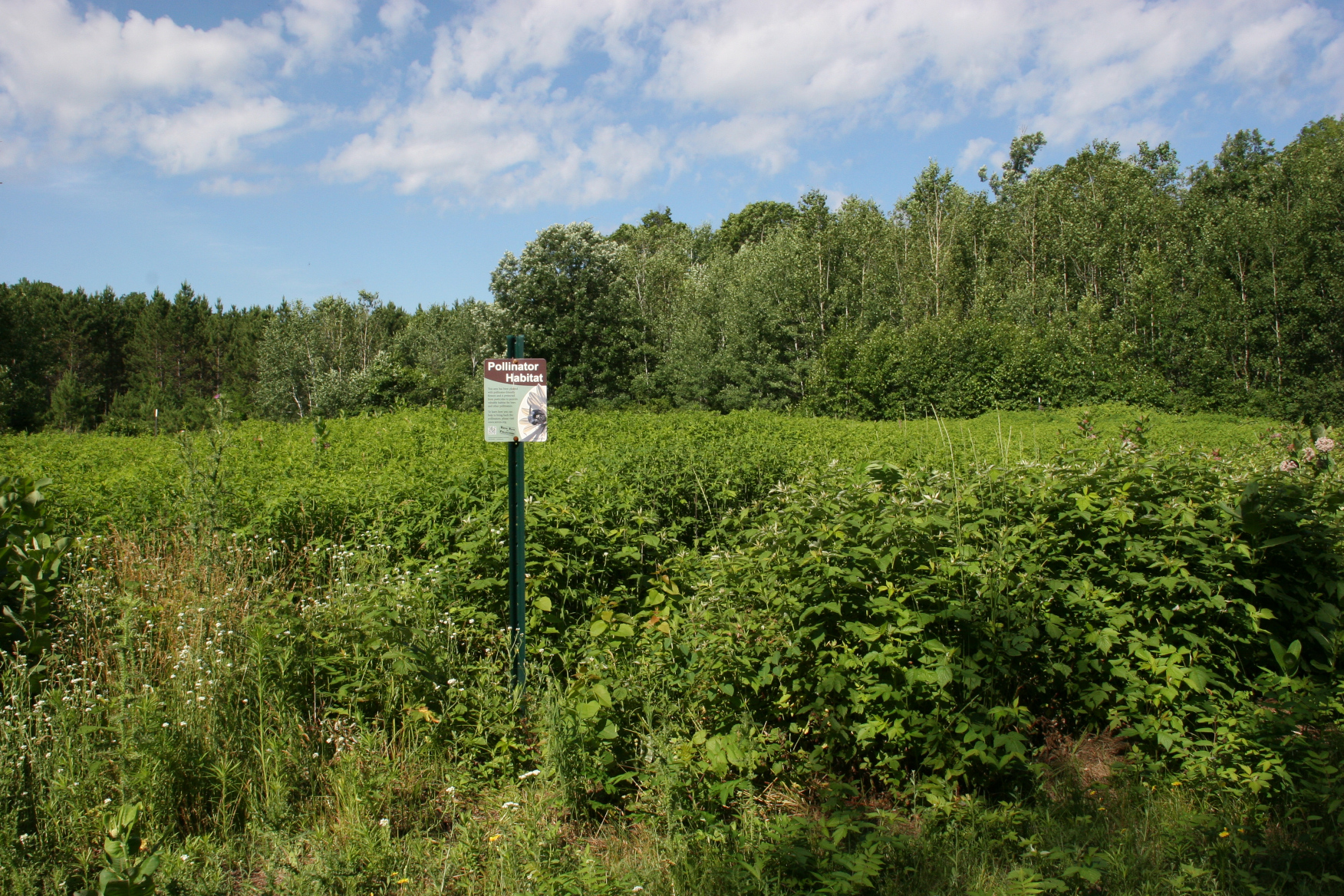
I enjoy walking here along the 3/4-mile paved trail that winds primarily through the woods. Grassy paths are another option, but I typically keep to the hard surface, with one exception. That deviation is the grassy route leading to an open field Pollinator Habitat.

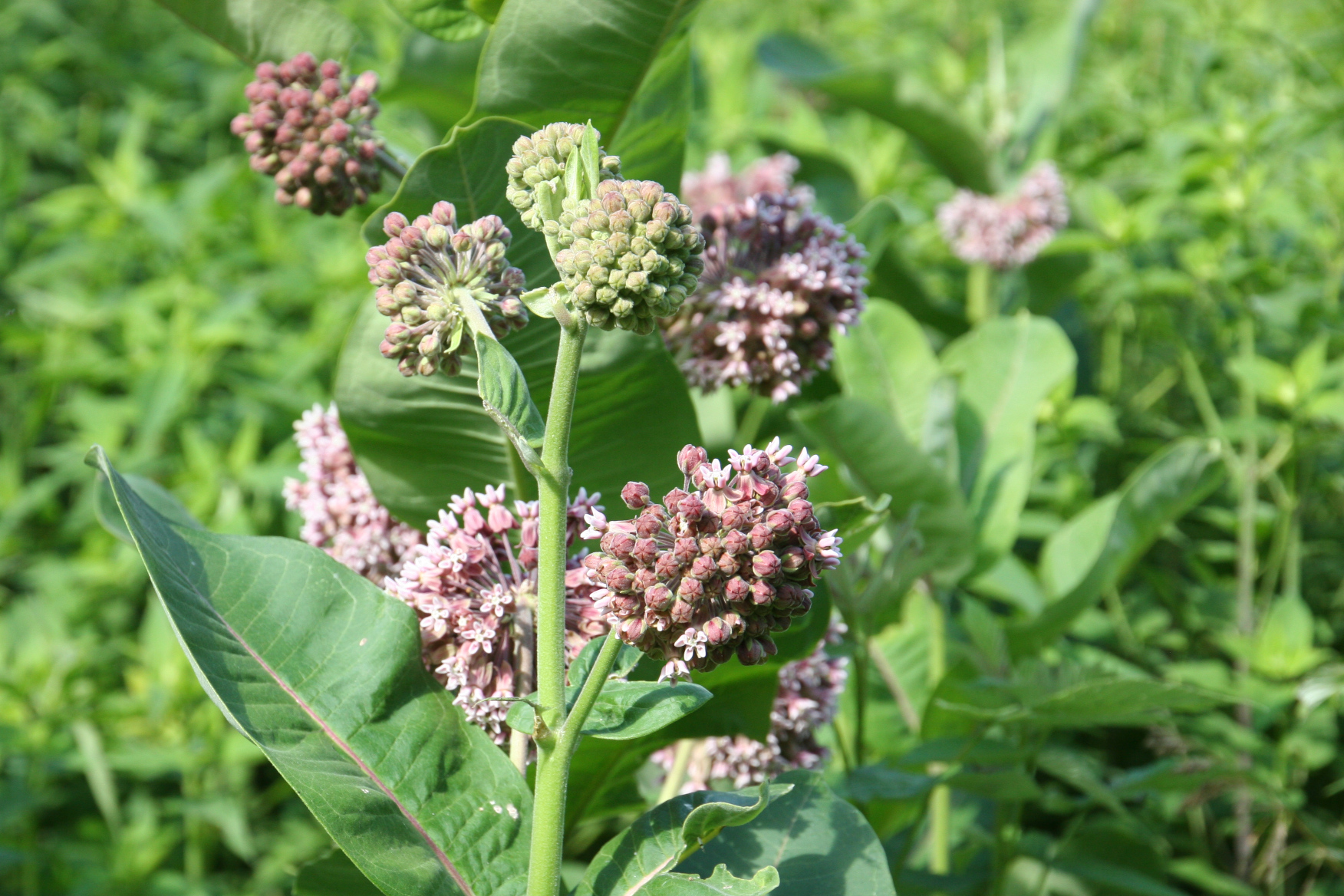
Milkweeds fill the prairie garden. (Minnesota Prairie Roots copyrighted photo July 2022)

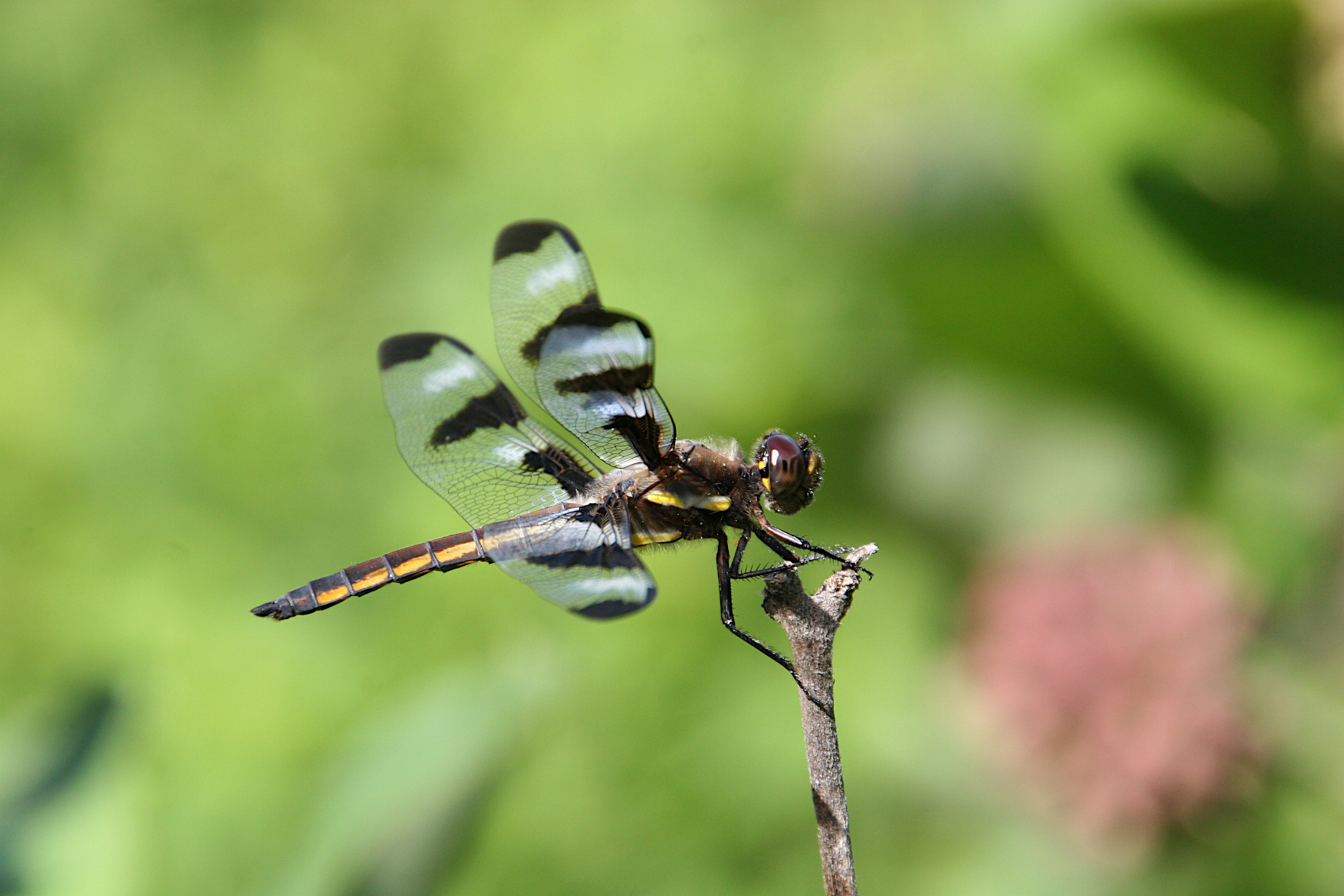
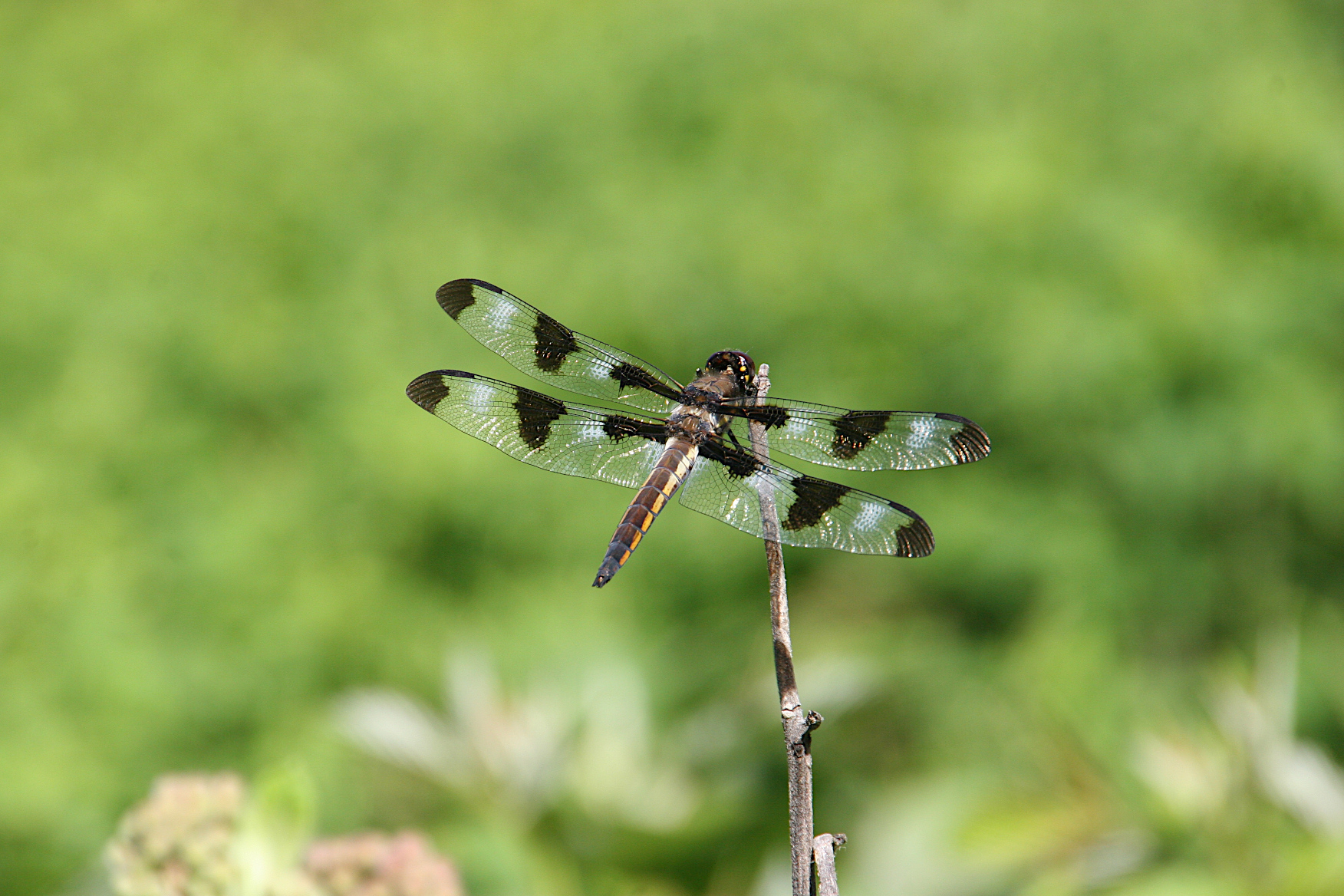
A dragonfly clings to a stalk. (Minnesota Prairie Roots copyrighted photo July 2022)

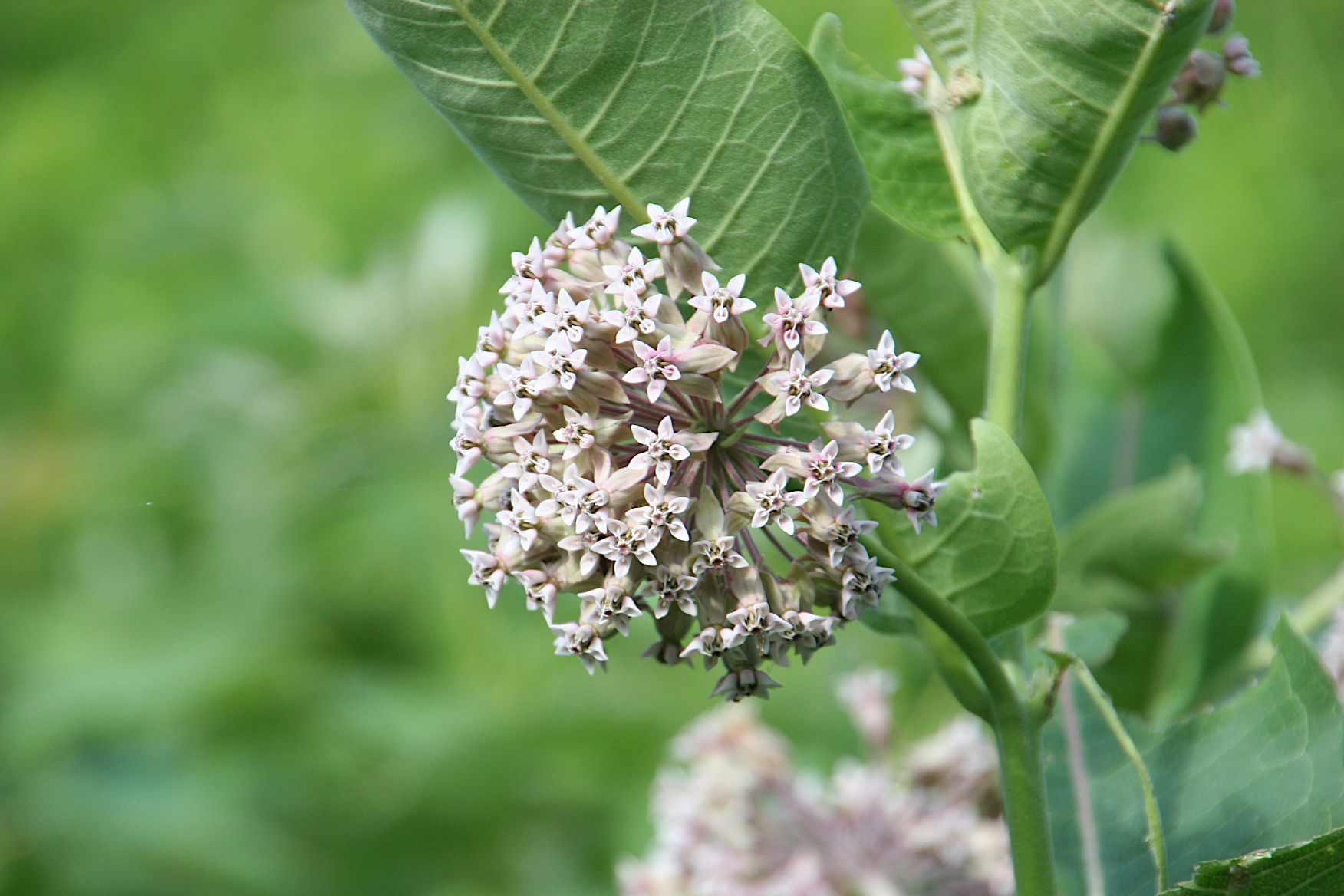
I’ve always loved the dusky hue of the milkweed flower. (Minnesota Prairie Roots copyrighted photo July 2022)

Last trip to the cabin in early July, Randy and I discovered the field of milkweeds and other pollinator-attracting plants pulsing with dragonflies. I’ve always delighted in dragonflies—how they flit, their translucent wings beautiful to behold.

Dragonflies up close are a study in intricacy and beauty. (Minnesota Prairie Roots copyrighted photo July 2022)

But dragonflies also pause, giving photographers like me ample opportunity to photograph them up close. To see and capture details of webbed wings, of hairy legs, of bulging eyes…proves rewarding, amazing, wondrous. This insect is so intricate.

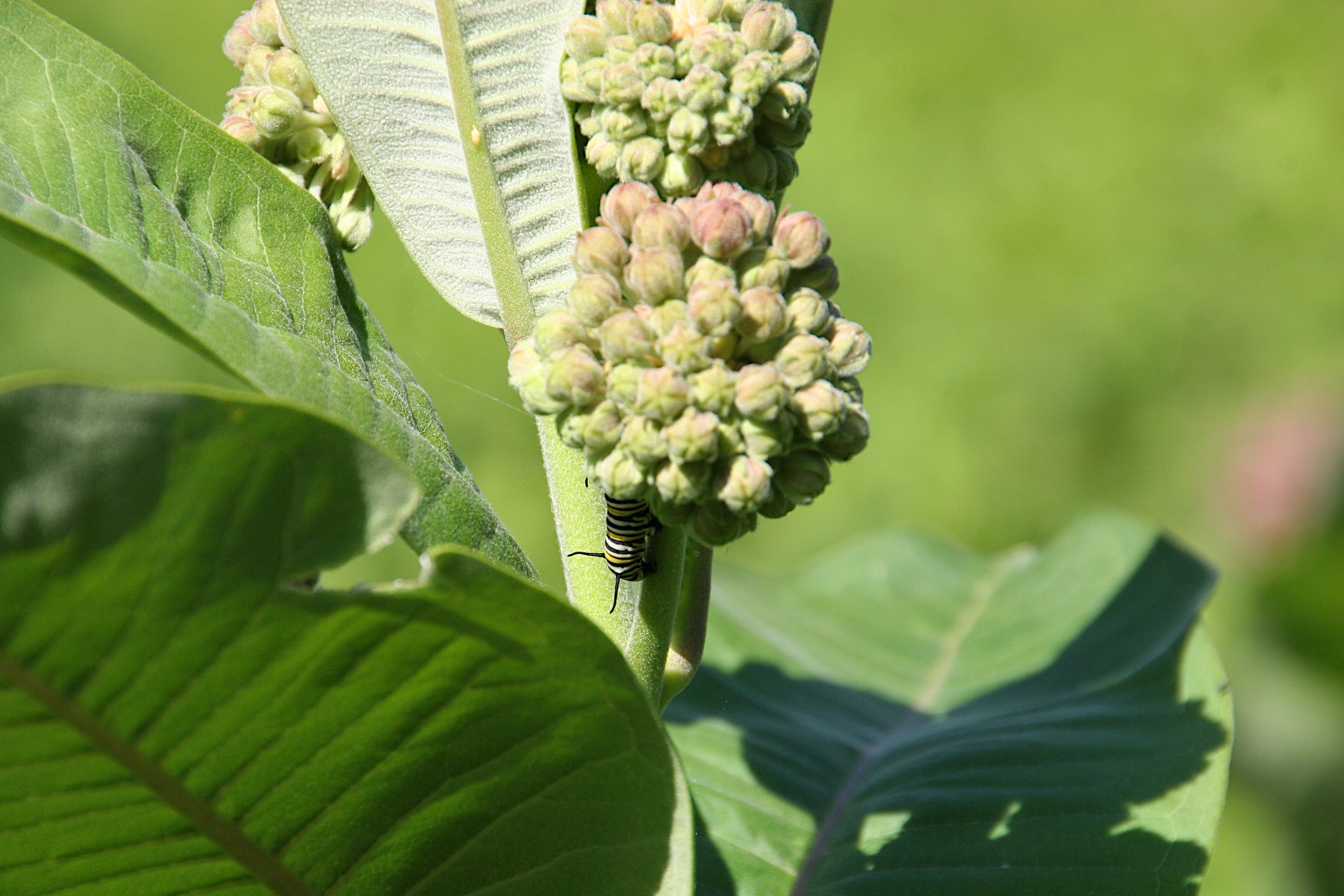
The lone Monarch caterpillar I spotted. (Minnesota Prairie Roots copyrighted photo July 2022)

I noticed, too, a chunky Monarch caterpillar descending a milkweed stalk. Milkweed is a host plant of the caterpillar which will eventually form a chrysalis and later emerge as a Monarch butterfly, now considered an endangered species.

A wide view of the Pollinator Habitat. (Minnesota Prairie Roots copyrighted photo July 2022)

Days later, I led the way back to the Pollinator Habitat to show my granddaughter, her little brother and parents the dragonfly haven. The insects were not as abundant and the crew was less than impressed, especially when Randy discovered a wood tick on his leg. Not a deer tick, but the common wood tick which I am quite familiar with as is Randy. We both grew up on farms and wood ticks were a natural part of our outdoor summer adventures.

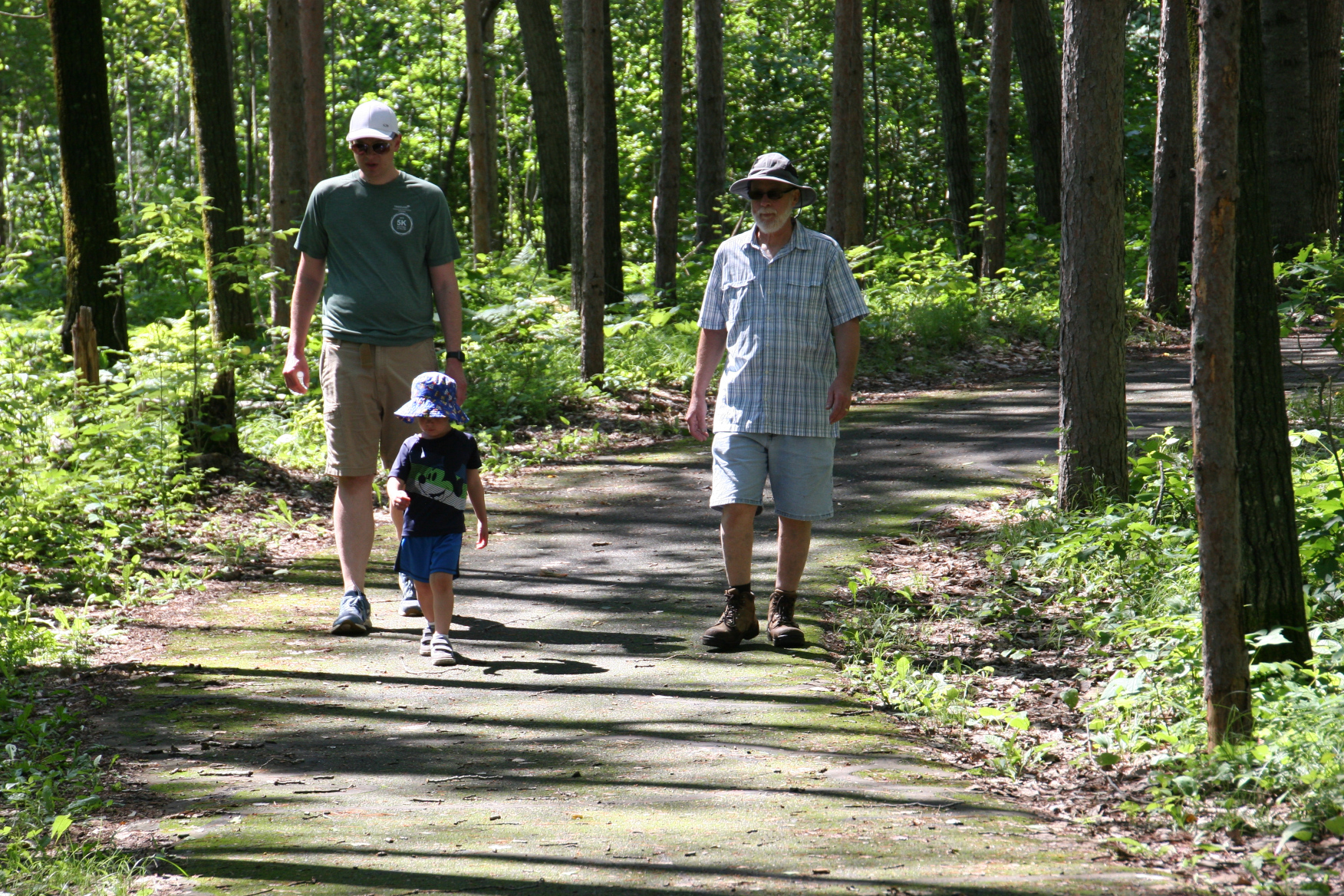
Marc, left to right, Isaac and Randy head out of the woods. (Minnesota Prairie Roots copyrighted photo July 2022)

The six of us quickly exited the pollinator patch right after Randy’s revelation, which he should have kept to himself.

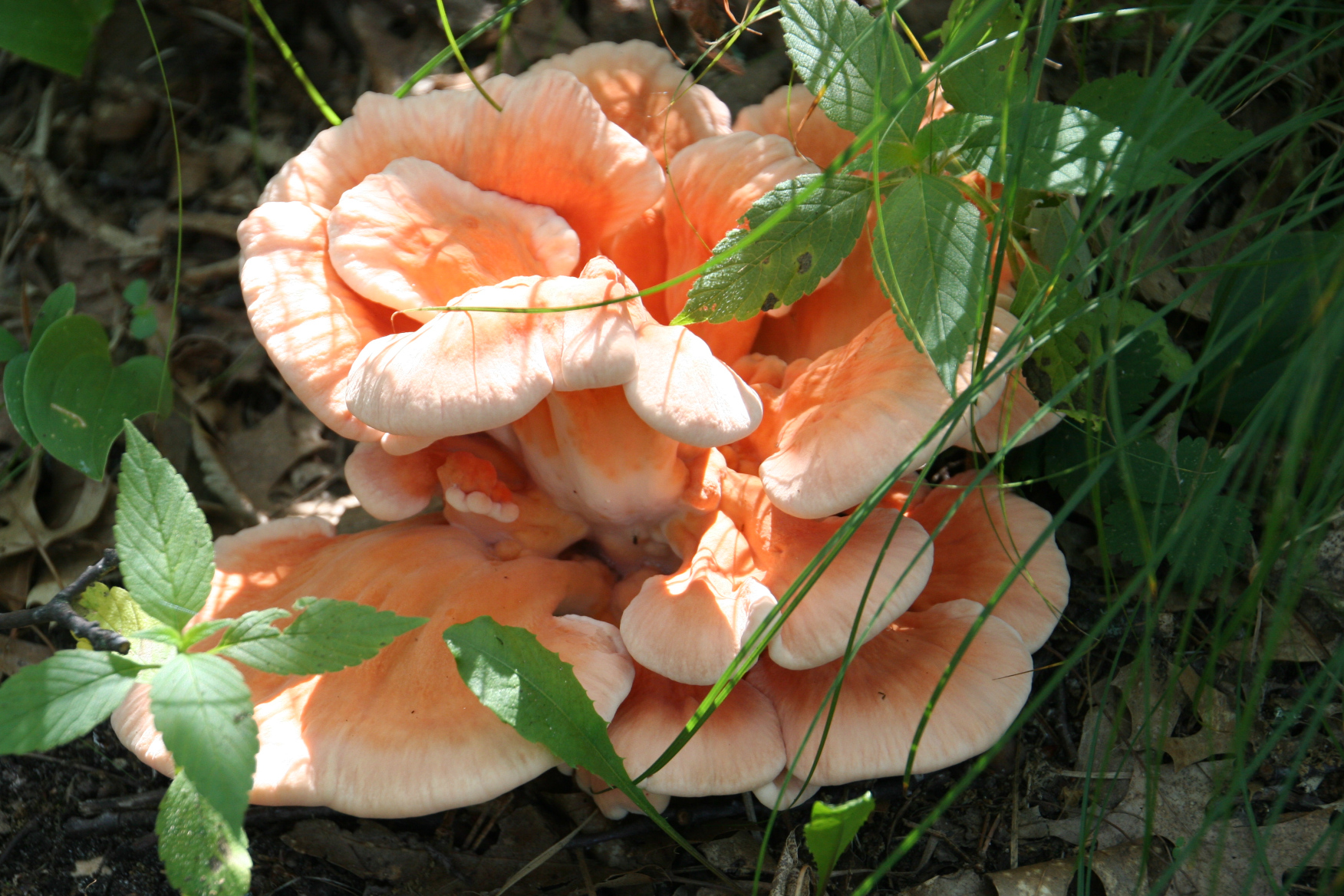
Every time I’m here, I discover a different fungi in the woods. (Minnesota Prairie Roots copyrighted photo July 2022)

I had hoped to walk along the paved trail to show everyone the massive orange mushroom I spotted previously. But, instead, we headed back to the park’s main recreational area.

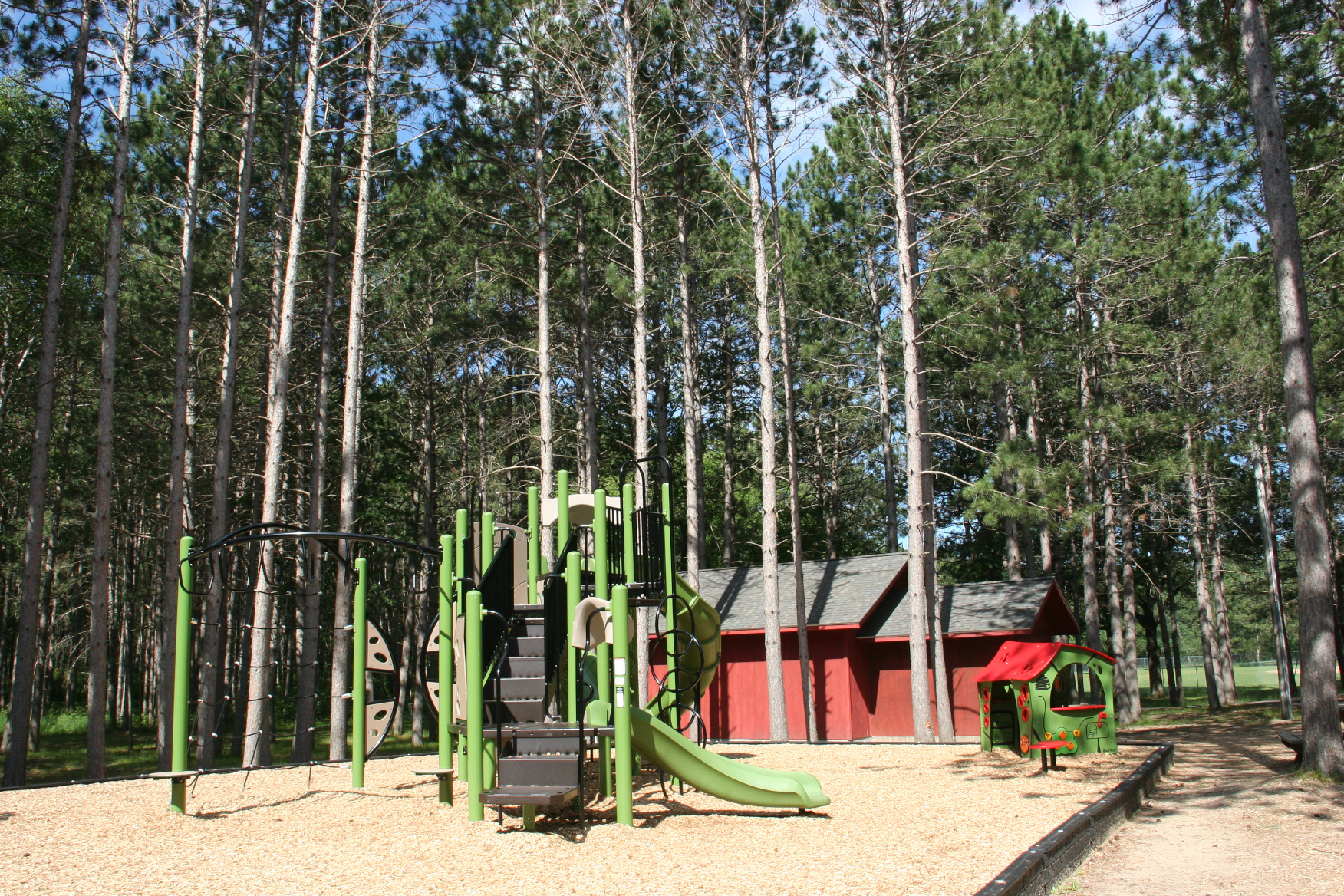
The grandkids loved the new playground equipment. (Minnesota Prairie Roots copyrighted photo July 2022)

Mission Park offers plenty of play space for those who prefer to stay off grassy trails into the woods. Like new playground equipment.

A spacious pavilion among the pines, next to the playground, provides a place to gather. (Minnesota Prairie Roots copyrighted photo July 2022)

Other recreational options abound with several pickleball courts, disc golf, a ball field, tennis courts, horseshoe pits and volleyball courts. A pavilion offers shelter for outdoor dining. Noticeably missing are bathrooms. There are outhouses, though, with which I am also familiar having used one for the first 11 years of my life.

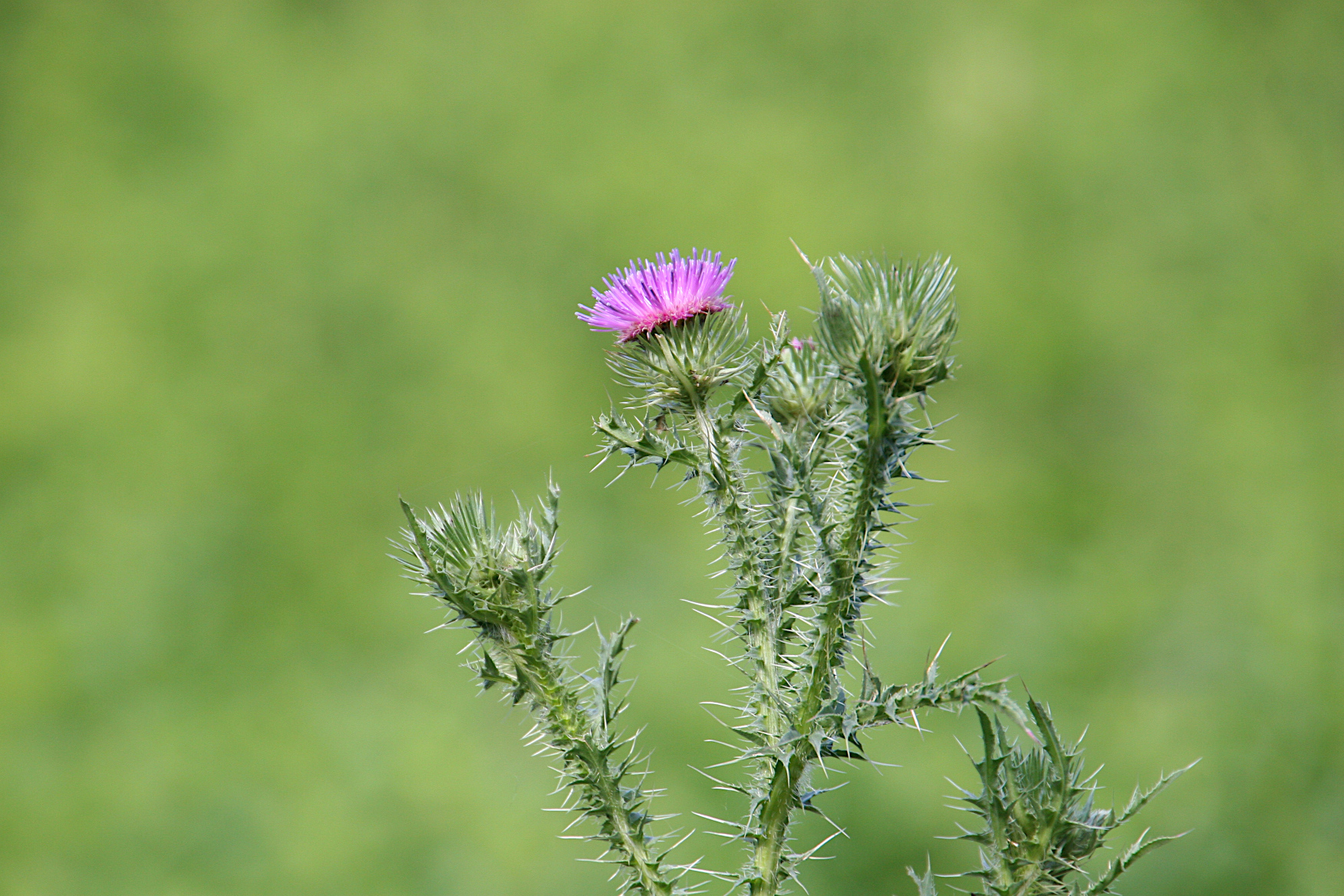
Thistles flourish in the Pollinator Habitat. (Minnesota Prairie Roots copyrighted photo July 2022)

I appreciate the forward thinking of the good folks of Mission Township who, in 1959, purchased 39 acres for $1 with the intent of maintaining the natural beauty of the land and making it available for recreational use.

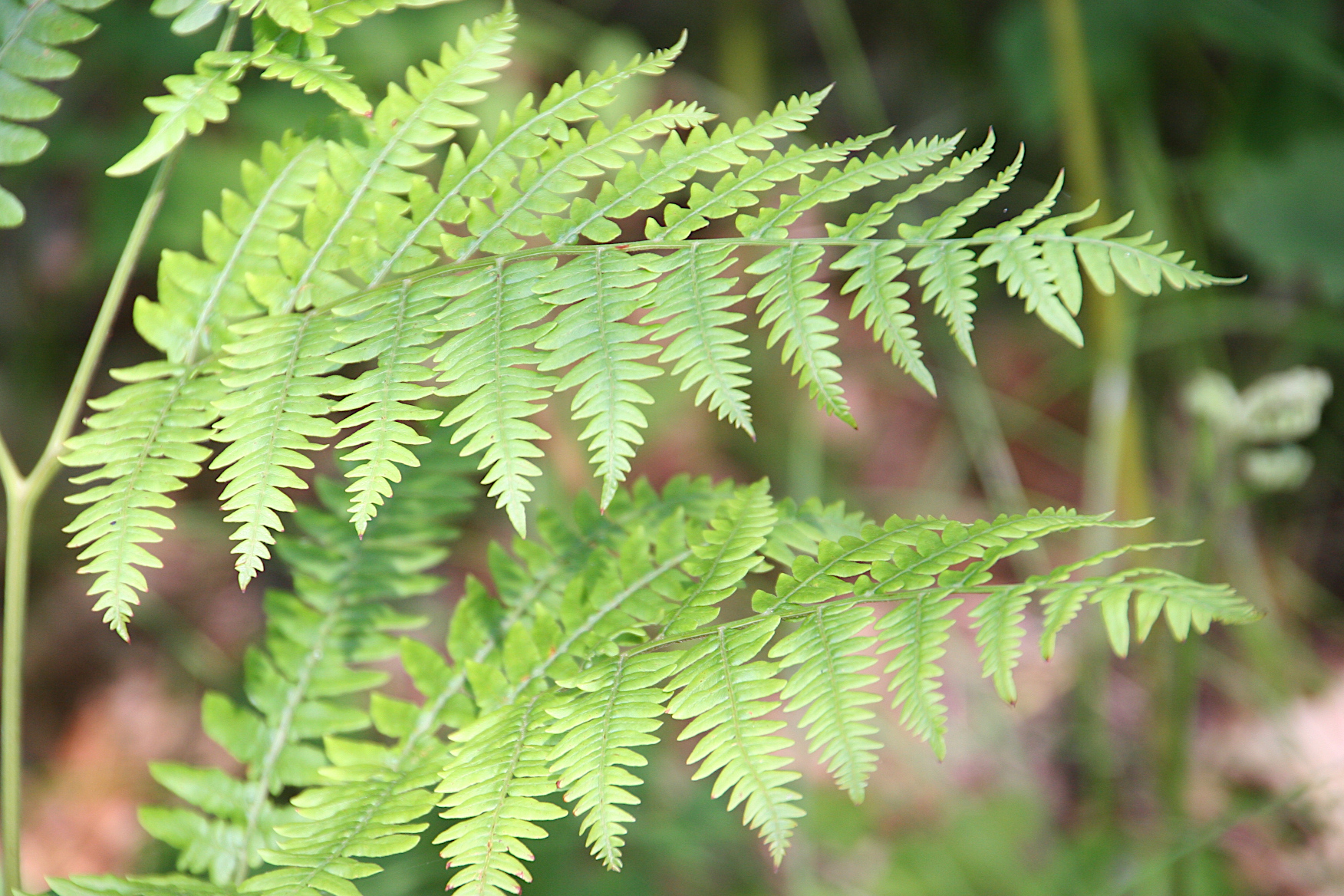
Ferns, one of my favorite plants, grow wild in the woods. (Minnesota Prairie Roots copyrighted photo July 2020)

This “quiet place to be” has quickly become a favorite nearby place to explore whenever I’m at Jon and Rosie’s lake cabin.

© Copyright 2022 Audrey Kletscher Helbling
 

Loon observations from Crosslake August 30, 2022

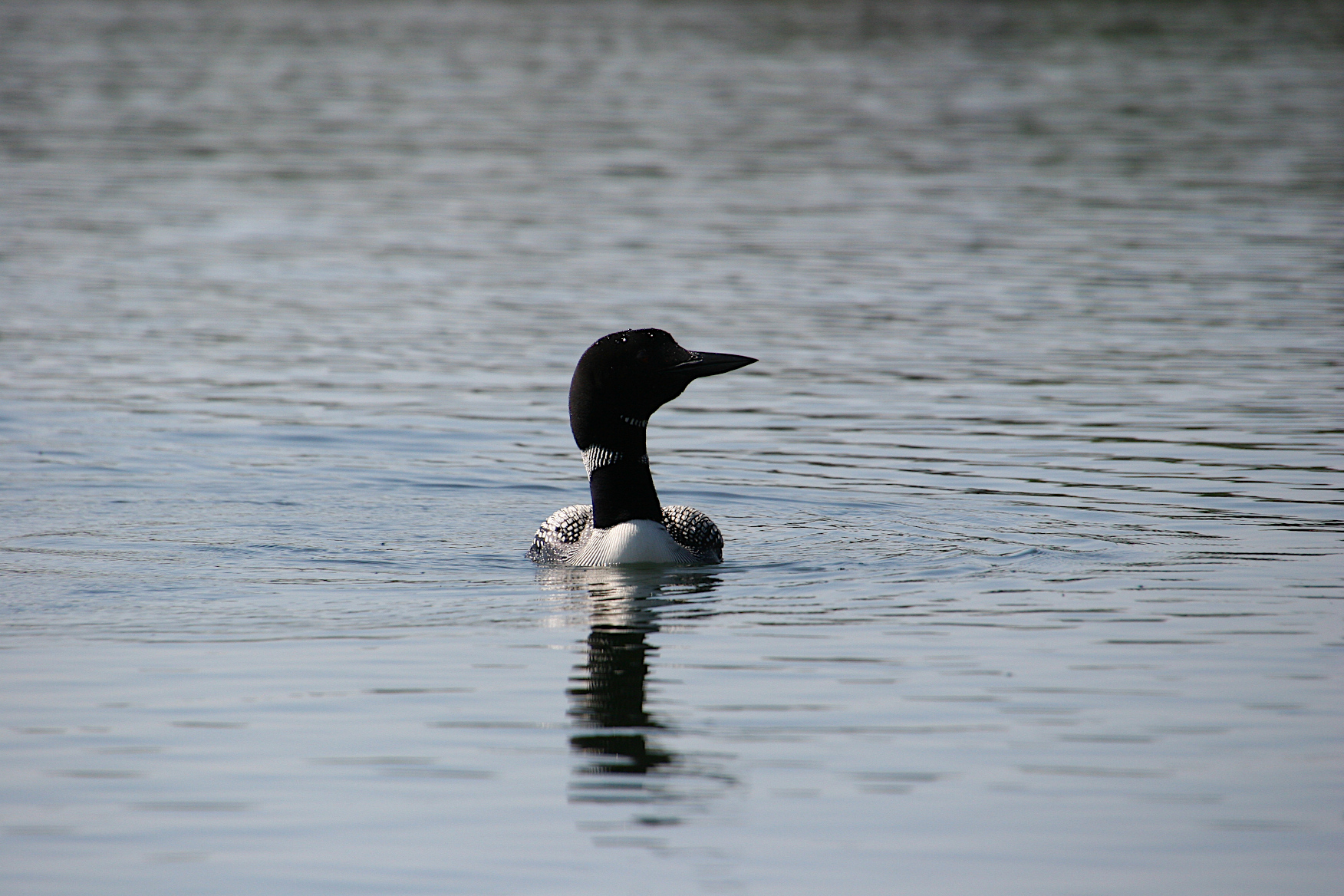
A loon swims in Horseshoe Lake in central Minnesota. (Minnesota Prairie Roots copyrighted photo July 2022)

IF THE SMALL TOWN of Crosslake in the central Minnesota lakes region has an identifying symbol, it would be the loon. It’s everywhere. On signs. On lakes. And soon to be the focus of a new interactive, educational and recreational center.
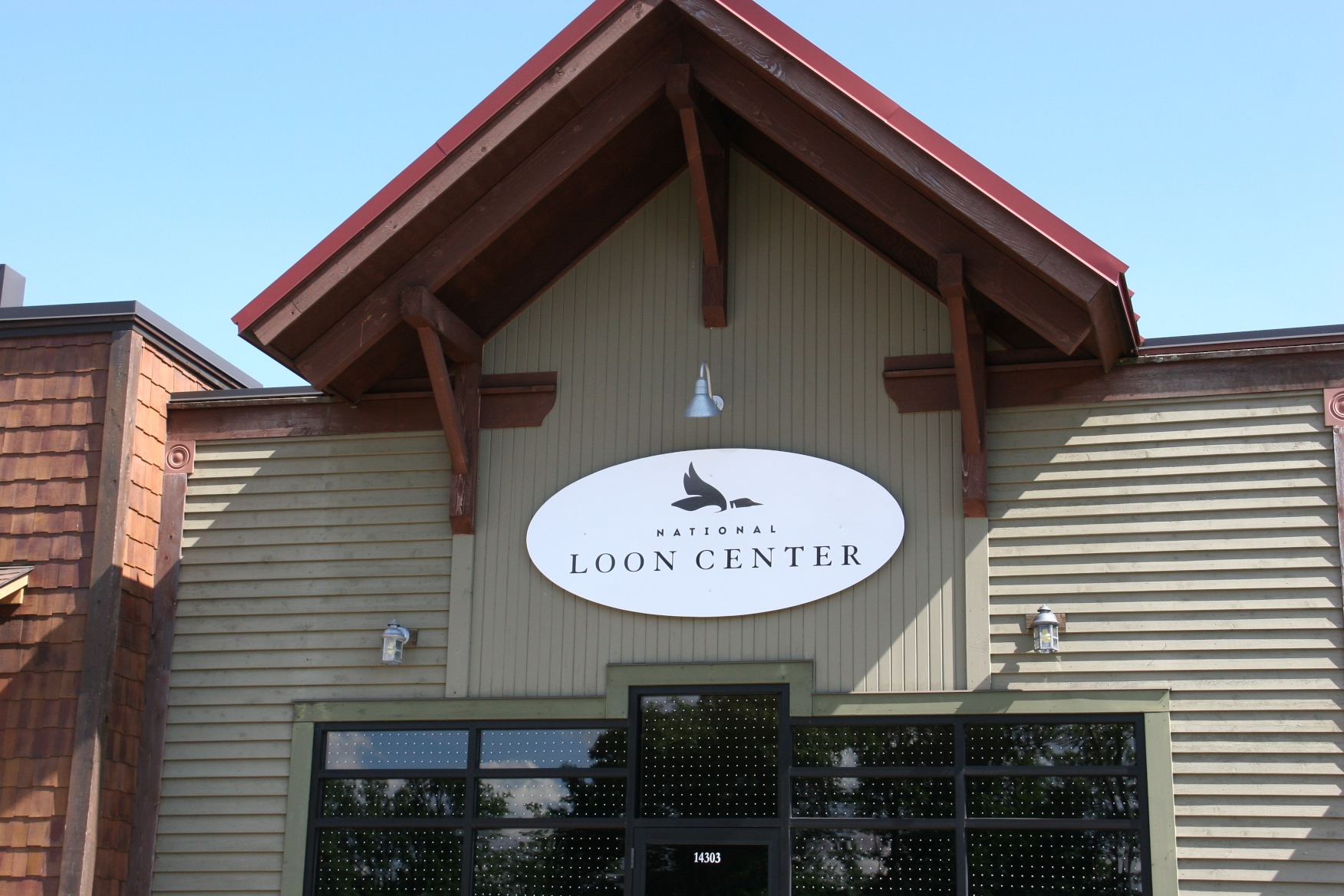
Temporary home to the National Loon Center in Crosslake. (Minnesota Prairie Roots copyrighted photo July 2022)

The National Loon Center is slated to open in the spring of 2024 in Crosslake. For now, a temporary office and information center, The Nest, is located at Crosslake Town Square. I haven’t been there. Yet.
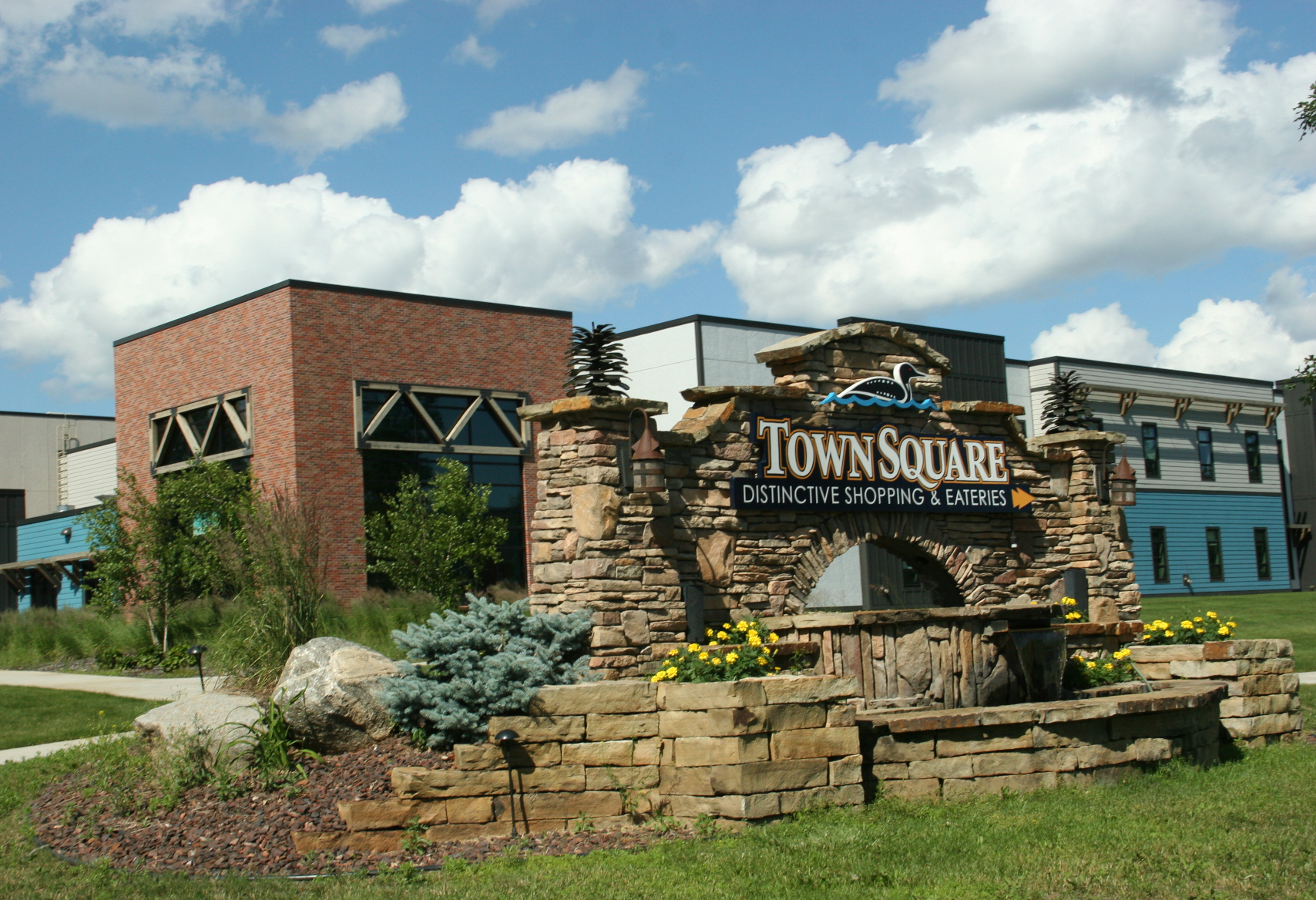
Signage for Crosslake Town Square features a loon graphic. (Minnesota Prairie Roots copyrighted photo July 2022)

I’m excited about the forthcoming center, which will enlighten me about the Minnesota state bird. Up until I started going Up North to the cabin several years ago, the loon was mostly an unfamiliar bird to me. If there are loons in southern Minnesota, I haven’t seen them. Minnesota is home to an estimated 12,000 loons, their habitat primarily in central and northern lakes.
Photographed from a distance, the loon family on Horseshoe Lake. (Minnesota Prairie Roots copyrighted photo July 2022)

Now each visit to my sister-in-law and brother-in-law’s lake property south of Crosslake, I hope to see loons. This summer I enjoyed plenty of loon watching as a family of four swam the waters on our side of Horseshoe Lake.
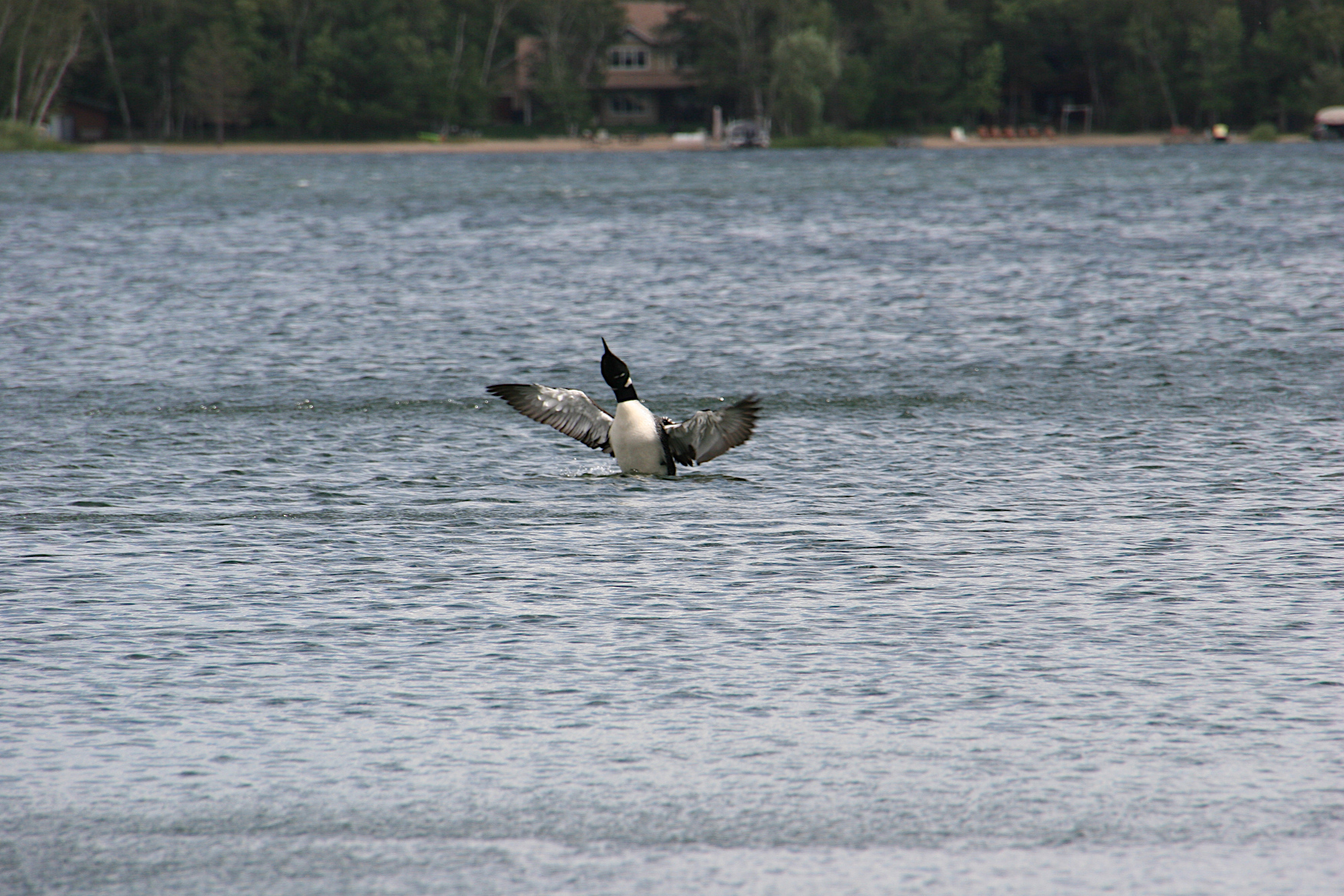
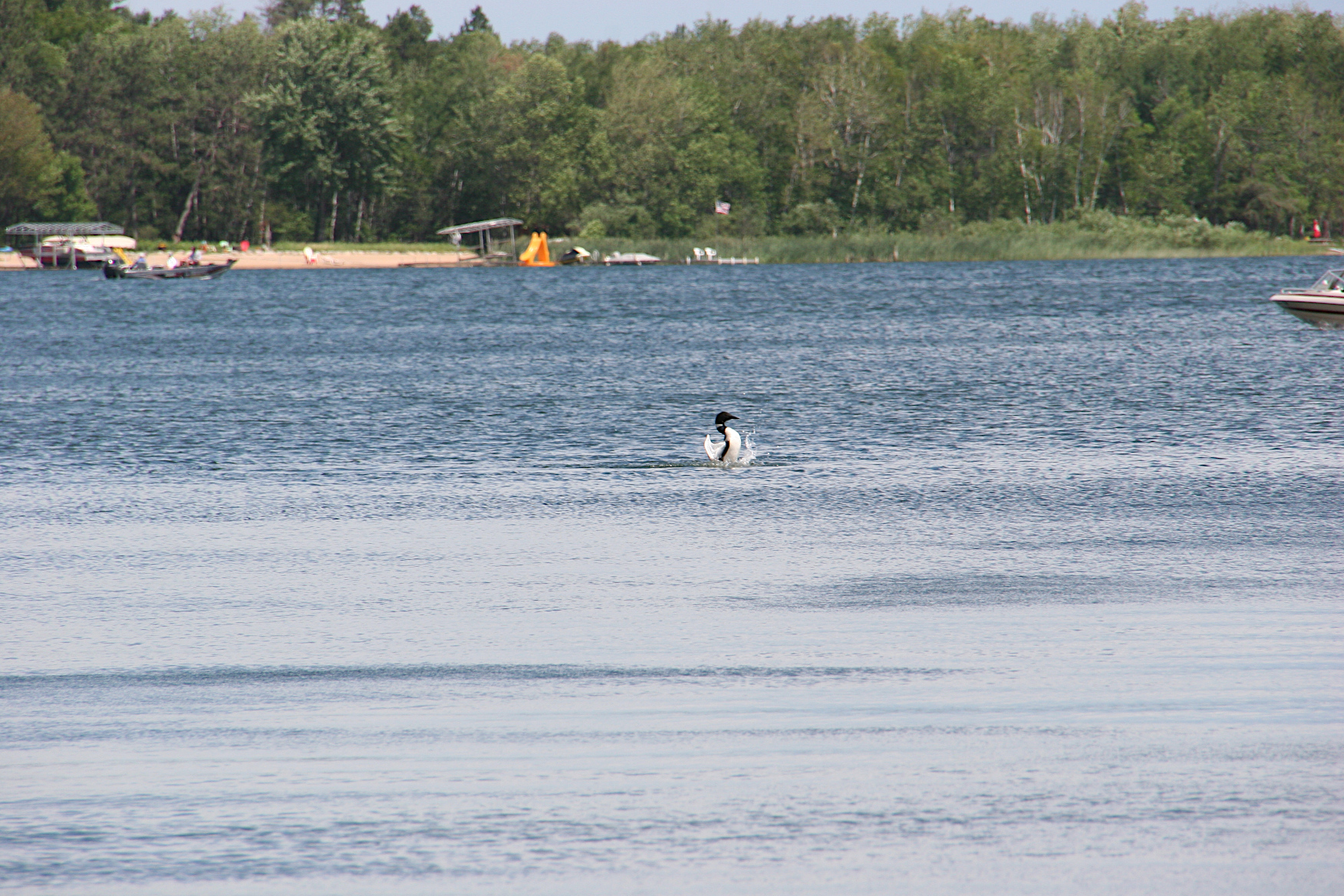
I observed this behavior once, of a loon rising from the lake. (Minnesota Prairie Roots copyrighted photo July 2022)
It’s entertaining to watch these birds swim close together, the parents obviously protecting their two young offspring. It’s interesting, too, to see how the adults dive underwater, resurfacing a significant distance away. I’m especially intrigued by their haunting call. There’s no other word to describe the voice of the loon.

A loon photographed near the Horseshoe Lake cabin dock. (Minnesota Prairie Roots copyrighted photo July 2022)

On our final morning at the cabin in early July, Randy called me to come quick to the dock. The loons were the closest they’d been during our four-day stay. Just off the dock. It was then that I got my best photos. My daughter and granddaughter got even closer when a loon landed next to them while they were paddleboarding during a recent stay at the lake.

To the right in this frame, you can see a boat nearing the loon on Horseshoe Lake. (Minnesota Prairie Roots copyrighted photo July 2022)

I wonder about the closeness of people to these birds. I worried about recreational boaters speeding across the lake and possibly hitting the loon family. It seemed a real possibility at times. I imagine the speedboats and jet skis and water-skiers stress the loons.

A loon photo graces the side of a truck parked in a parking lot across from Crosslake Town Square. (Minnesota Prairie Roots copyrighted photo July 2022)

Once the Loon Center opens, I’ll be more informed about the red-eyed common loon with the black head and ringed neck and distinctive patterned black-and-white feathers layering over a white body. There’s simply no mistaking a loon’s identity. Adults weigh 7-13 pounds.

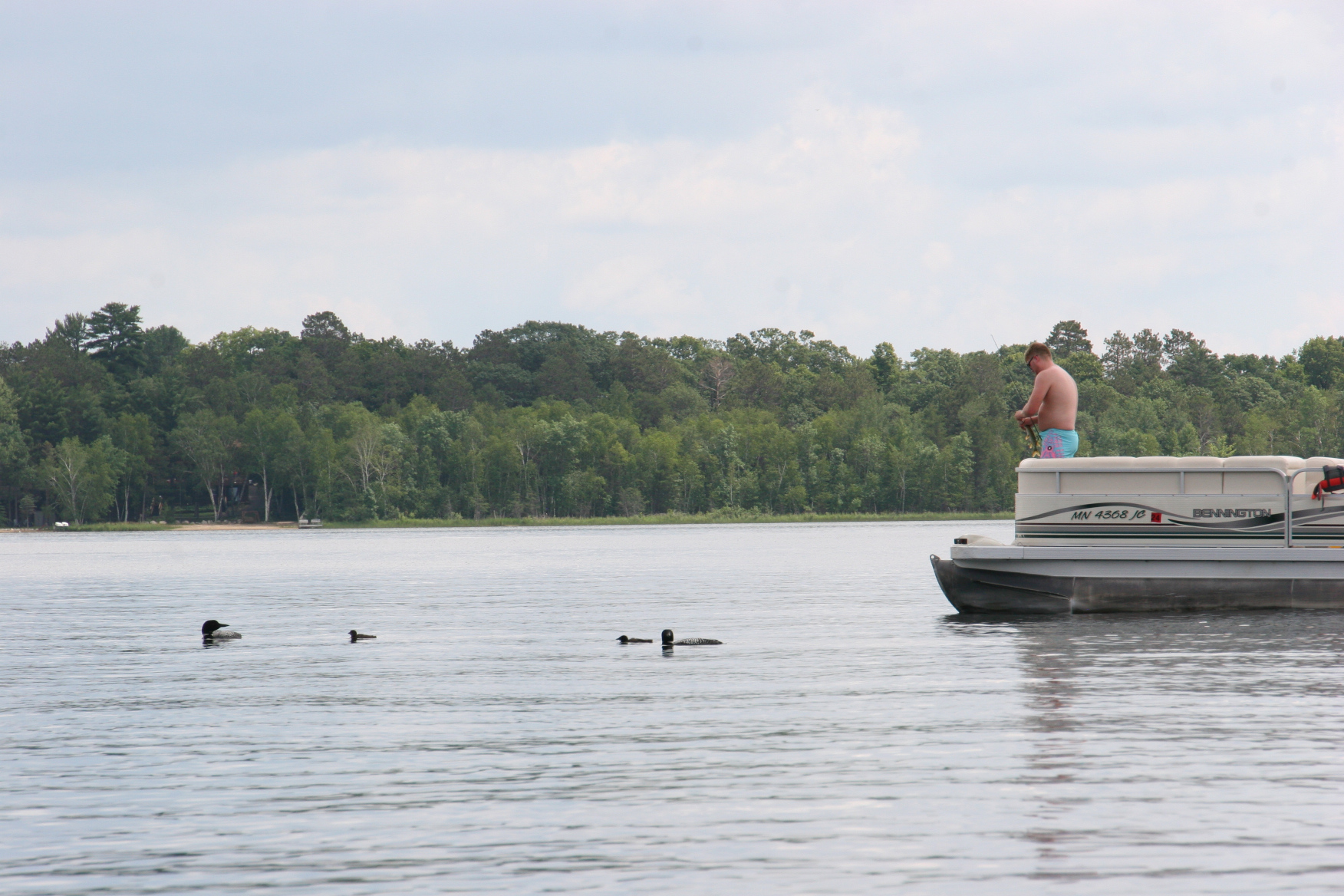
A loon family and a boater mingle on Horseshoe Lake. (Minnesota Prairie Roots copyrighted file photo July 2022)

This lovely and distinct bird symbolizes not only Crosslake and the surrounding area, but Minnesota. In 2019, Minnesota lawmakers appropriated $4 million for the National Loon Center. Fundraising is also part of the financing plan. In the end, the loons will benefit as the center aims to protect and restore loon habitat, to research this beautiful waterfowl and to teach all of us about our state bird.

TELL ME: Have you seen a loon? I’d like to hear about your observations of loons.

© Copyright 2022 Audrey Kletscher Helbling