Minnesota Prairie Roots

Writing and photography by Audrey Kletscher Helbling

A tractor so deere featured at historic ag show, Part II September 7, 2017

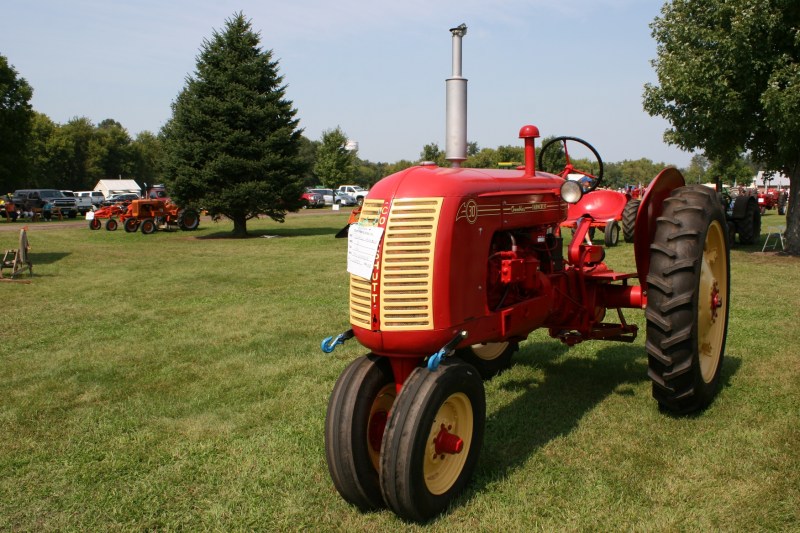
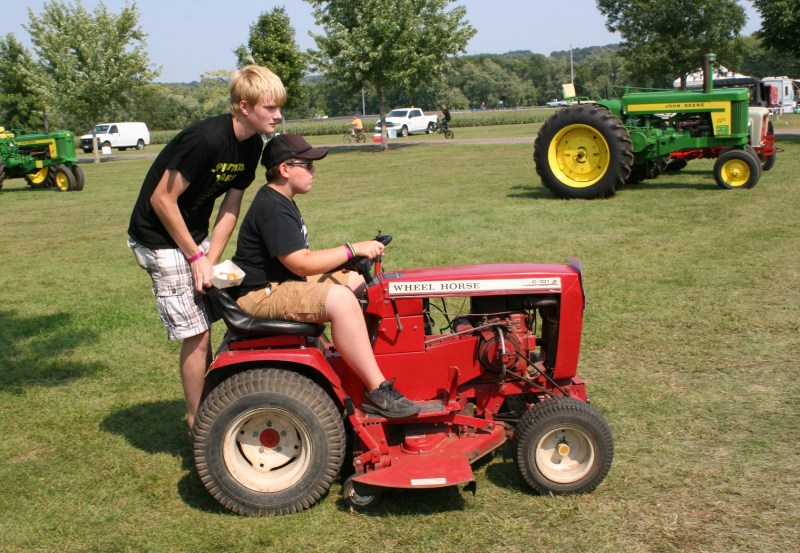
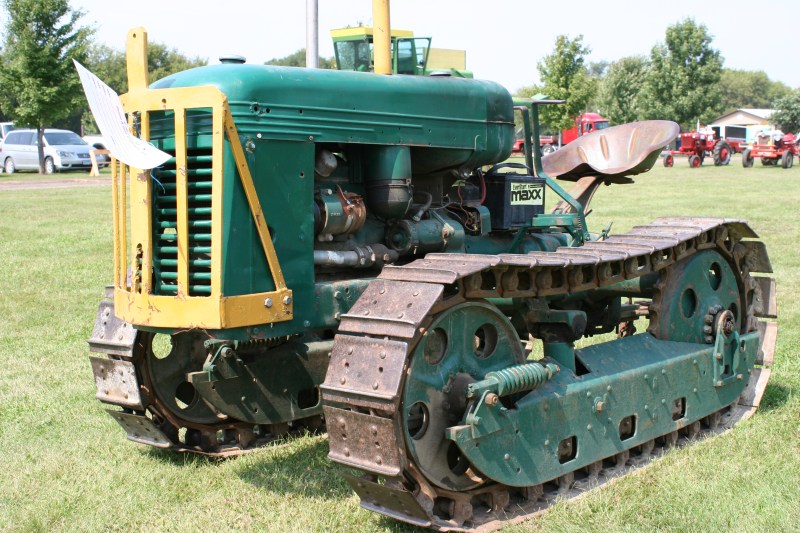
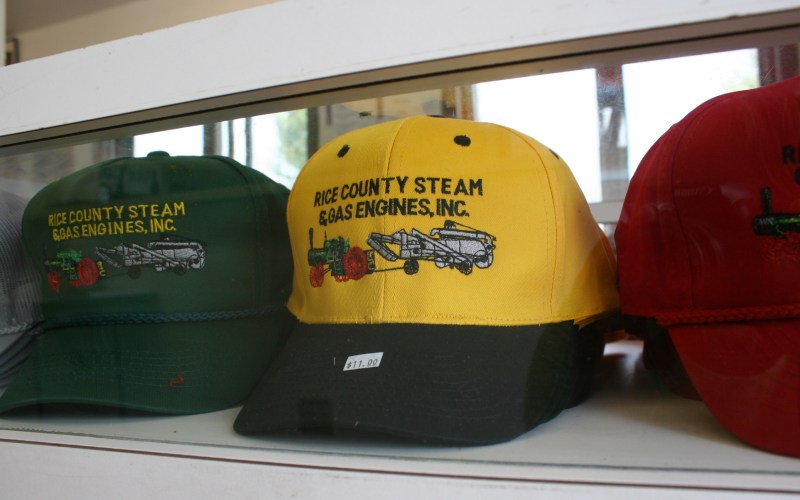
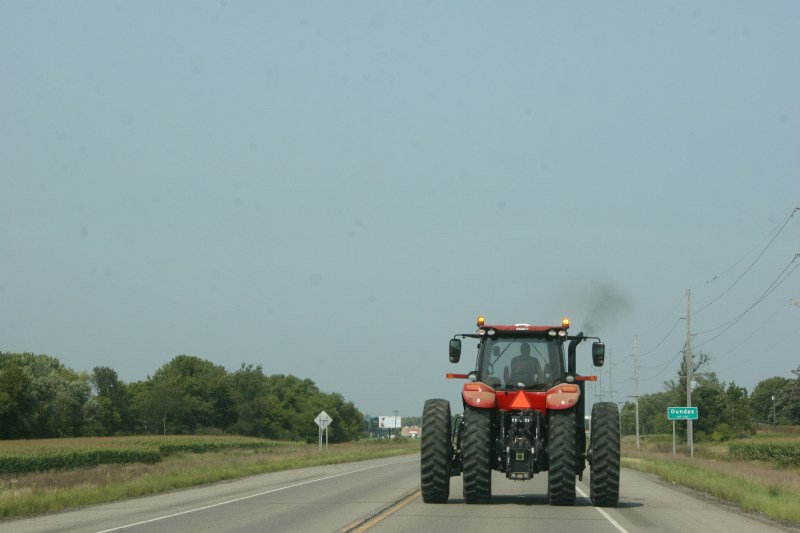
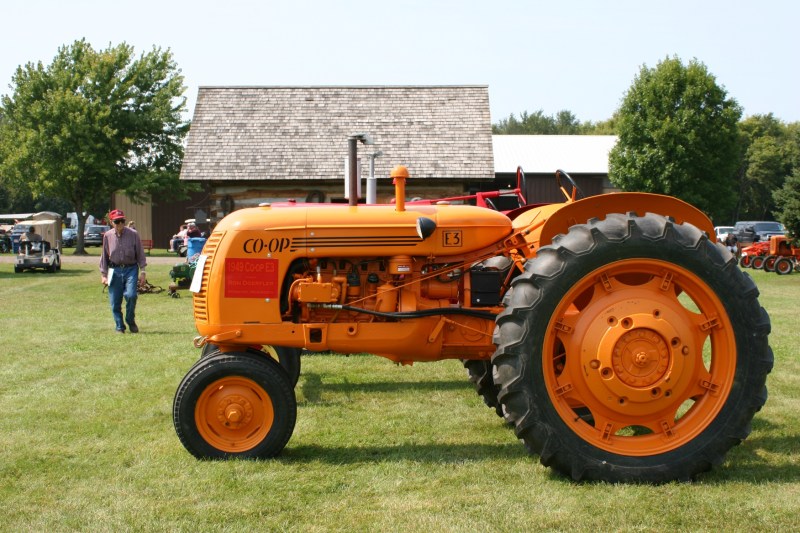
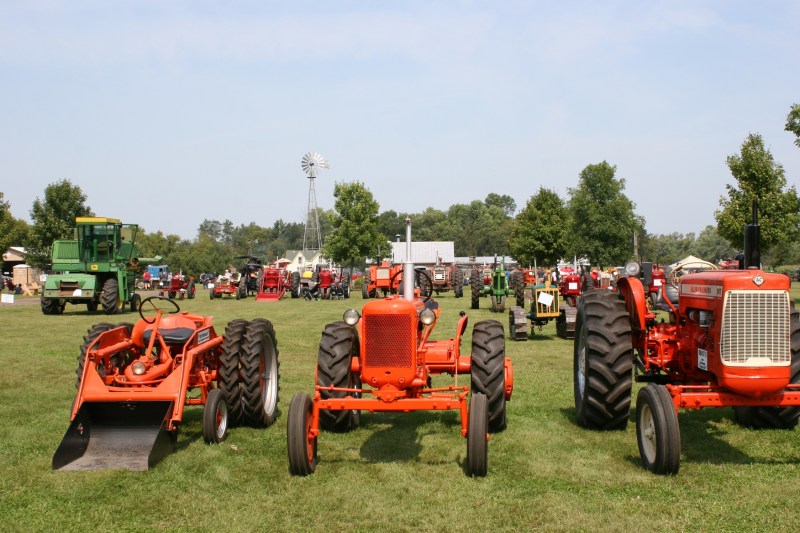
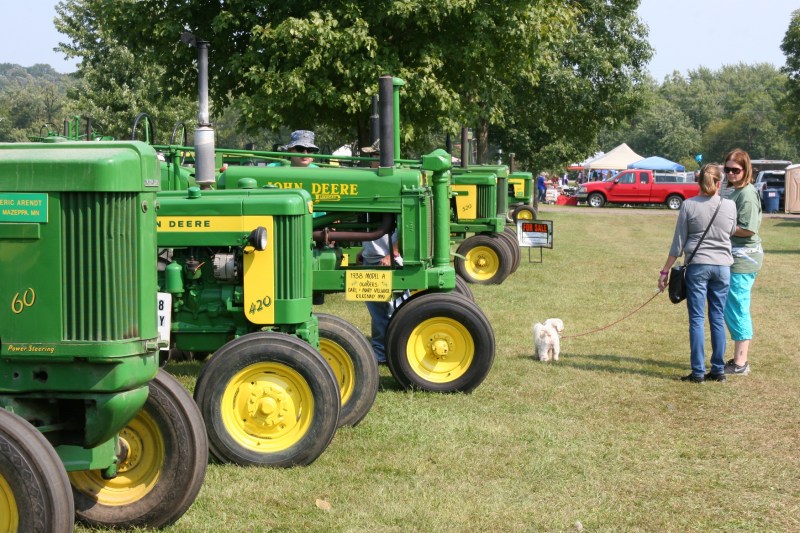
A snippet of the many vintage tractors displayed at the Rice County Steam & Gas Engines Show in rural Dundas, Minnesota.


DRIVING AWAY FROM THE RICE COUNTY Steam & Gas Engines Show, Randy and I reminisced about a long ago popular farming event in our respective rural Minnesota hometown areas. That would be John Deere Days, an annual implement dealership open house. At the ones I attended in Redwood Falls, families enjoyed a free meal of BBQs, baked beans and individual servings of ice cream eaten with mini wooden spoons from plastic cups. Funny how one recalls such details five decades later.


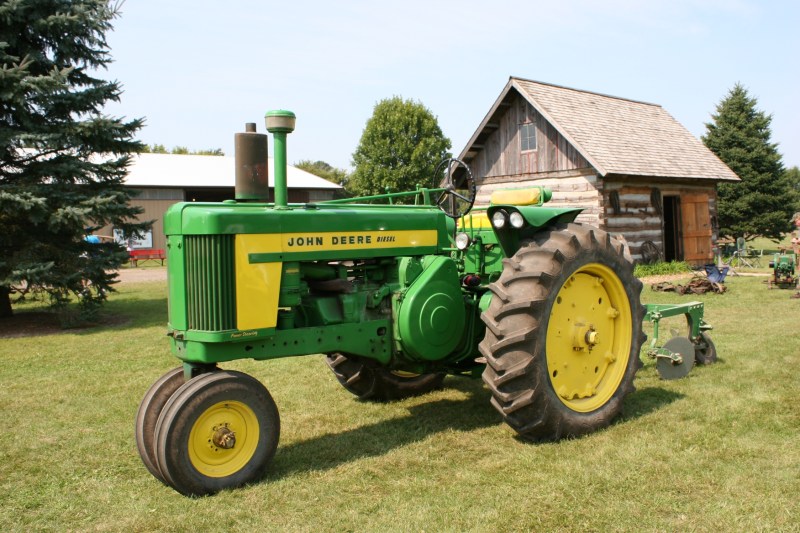
There were plenty of John Deere tractors on the grounds.


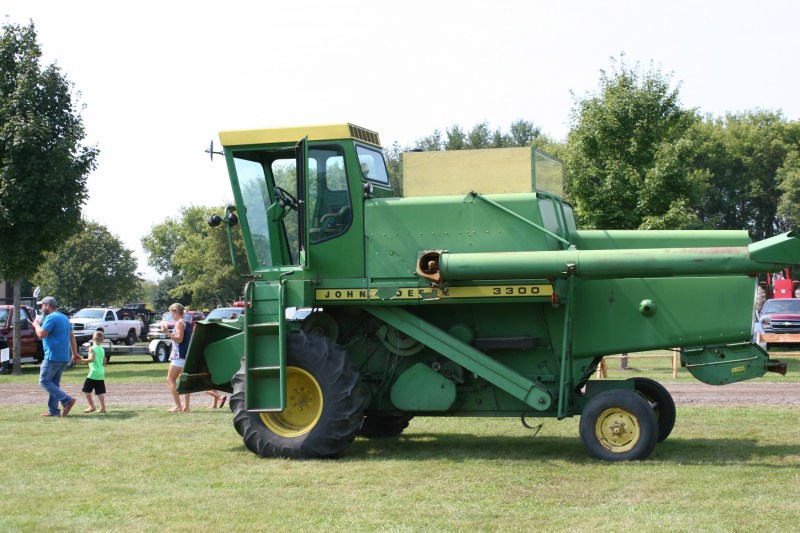
A vintage John Deere combine.


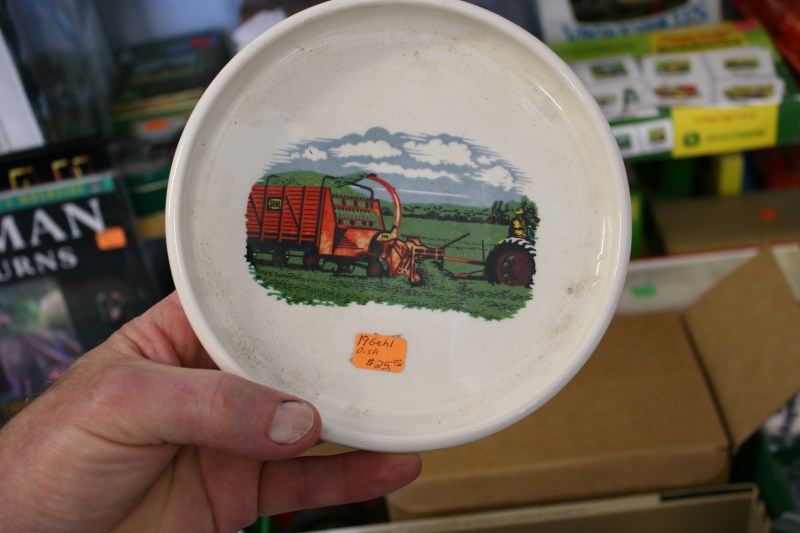
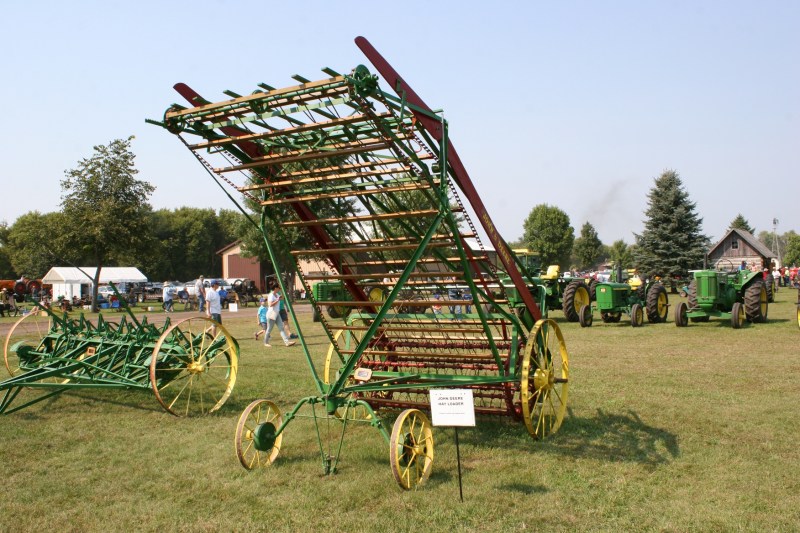
I found the vintage hay loader especially interesting.


I remember, too, going to the local theater afterward to watch movies about John Deere tractors and other farming equipment. To a farm girl who viewed less than a handful of big screen movies during her entire childhood, these yearly John Deere promo flicks rated as a big deal.


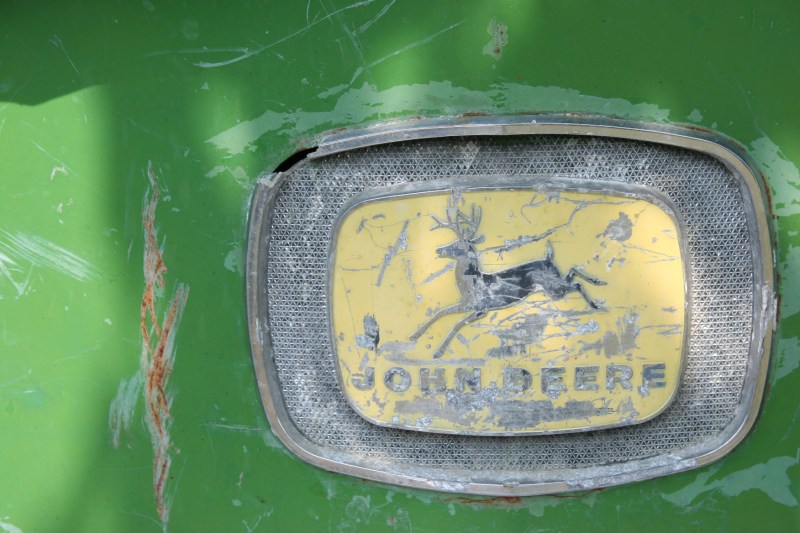
Not every tractor emblem at the show has been restored. I like the ones that bear the marks of hard use on the farm.


But before the film reel rolled, several lucky attendees won door prizes. Like silver dollars. Randy won a bag of seed corn. His dad, who planted the silage seed corn on his Morrison County farm, was likely more thrilled than his son about that prize.


John Deere tractors and related equipment got front row display space.


So what prompted our memories of John Deere Days after attending the recent historic ag show in rural Dundas? It was this year’s selection of the John Deere as the honored tractor line. I hold a fondness for The Long Green Line that traces back to my dad’s John Deere. There’s a certain comfort in the auditory memories of putt-putt-putt. Anything that specifically reminds me of my nearly 18 years on a southwestern Minnesota dairy and crop farm—and that would be John Deeres—yields sweet thoughts.


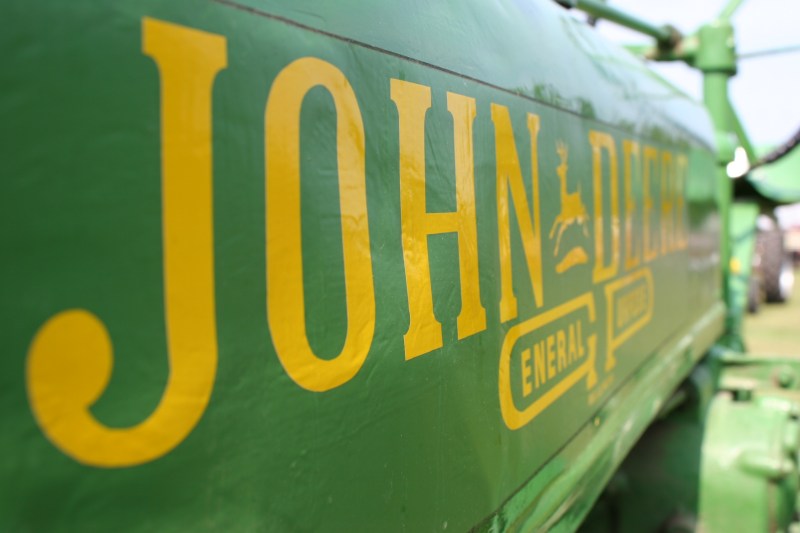
Identifying words on the side of a John Deere tractor at the Dundas show.


I really should tour the John Deere Tractor & Engine Museum in Waterloo, Iowa.


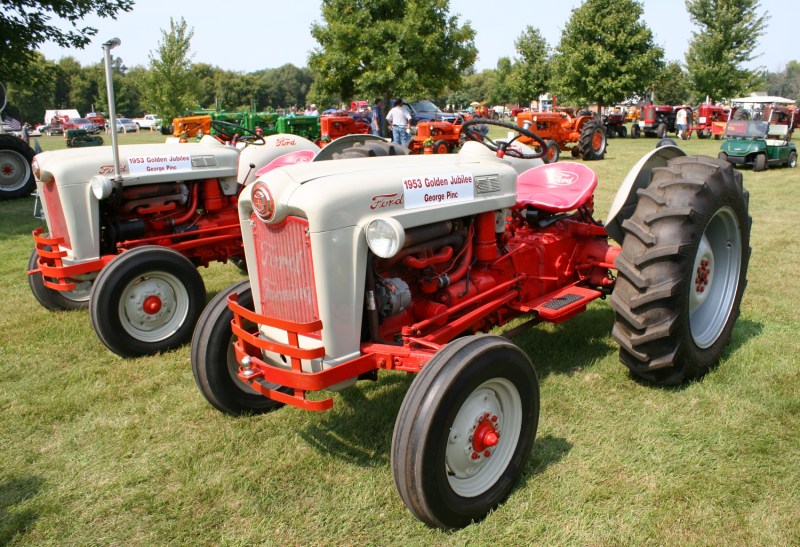
My dad owned a later model Ford, unlike these earlier Ford tractors.


Unlike my great nephew Landon who, at age four, is loyal solely to John Deere, I am not. My dad also owned Farmalls, Internationals and Fords. He, however, only ever allowed me to drive the B Farmall.


A leaping deer has long been John Deere’s iconic symbol.


Nothing runs like a Deere. That catchy coined phrase endures still as do the signature green and yellow and leaping deer symbols of this implement company. I appreciate those long-lasting recognizable tags that trace to my rural roots and remind me of my youth on a Minnesota farm.


Do you, like me, have sweet memories of a John Deere tractor?


TELL ME: Do you have memories of events like John Deere Days? Or do you hold a fondness for a particular tractor line? I’d love to hear.

© Copyright 2017 Audrey Kletscher Helbling


Honoring Minnesota’s agricultural heritage at a steam & gas engines show, Part I September 6, 2017

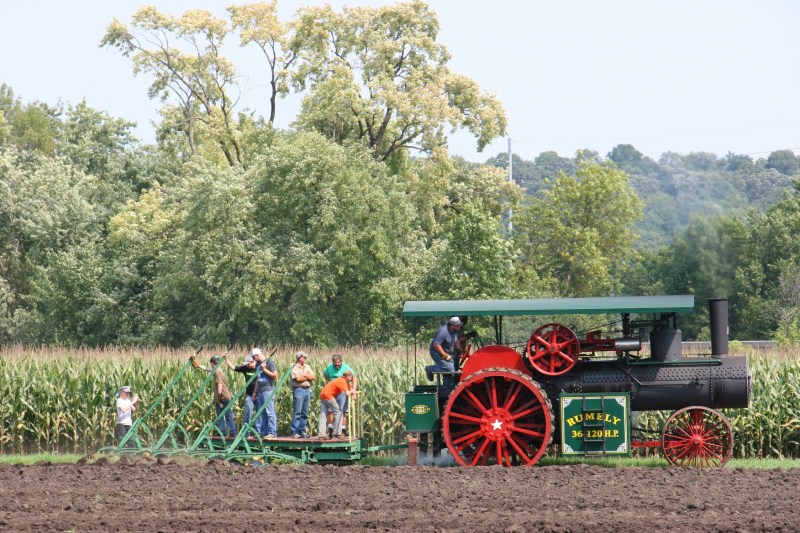
A steam engine tractor plows a field. The men standing on the plow guide the blades to the proper plowing depth via levers.


AS SEASONS SHIFT from the growing days of summer to the harvest days of autumn here in Minnesota, aged tractors, threshing machines and other vintage agricultural equipment roll out of storage for annual threshing and steam and gas engine shows.
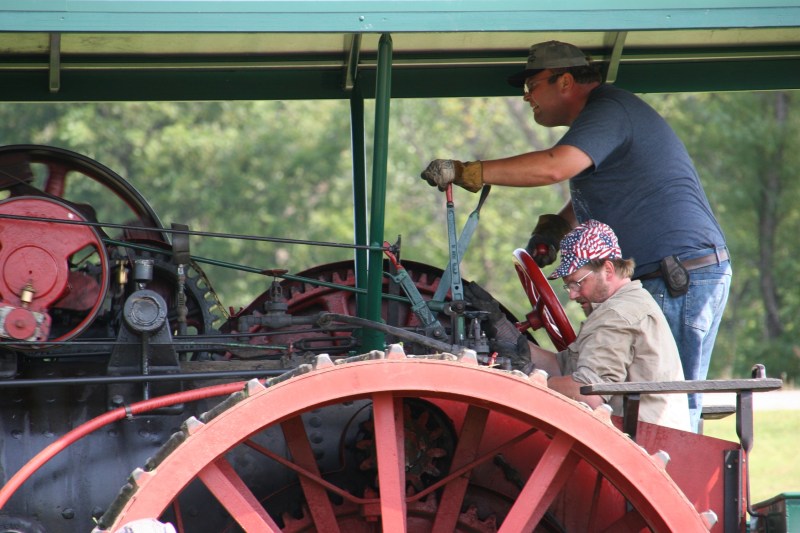
 

The engineers at the helm of the steam engine tractor concentrate on guiding it along the field.
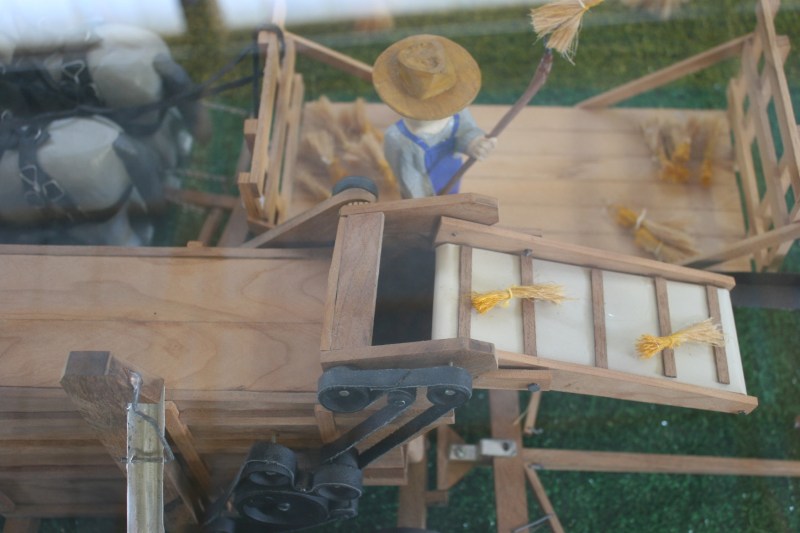
 

On display under plexiglass: a replica 1920s threshing scene crafted by David Terry.
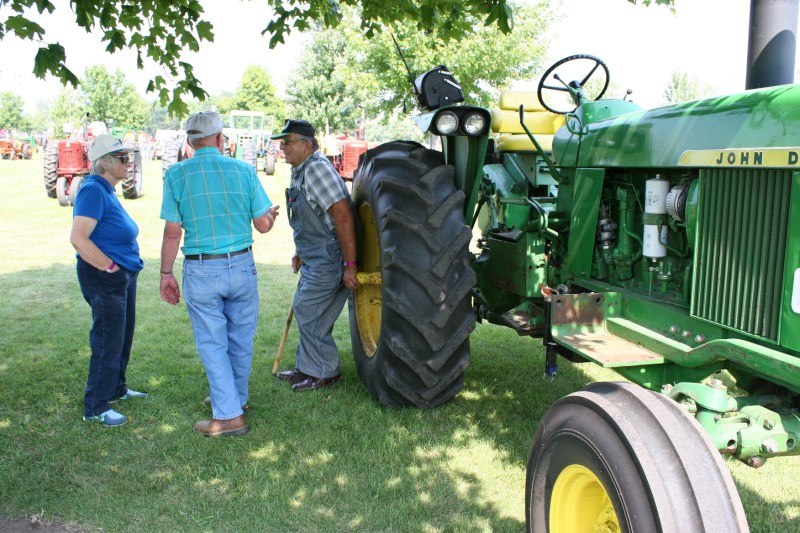
 

It’s a common scene this clustering of folks around vintage tractors.


These events mark a celebration of the past, a preservation of history, the remembering of a way of life, a focus on the labor intensive efforts of long ago farming. Here retired farmers lean against tractor wheels, men guide massive steam engines, kids learn and an honoring of times past prevails.
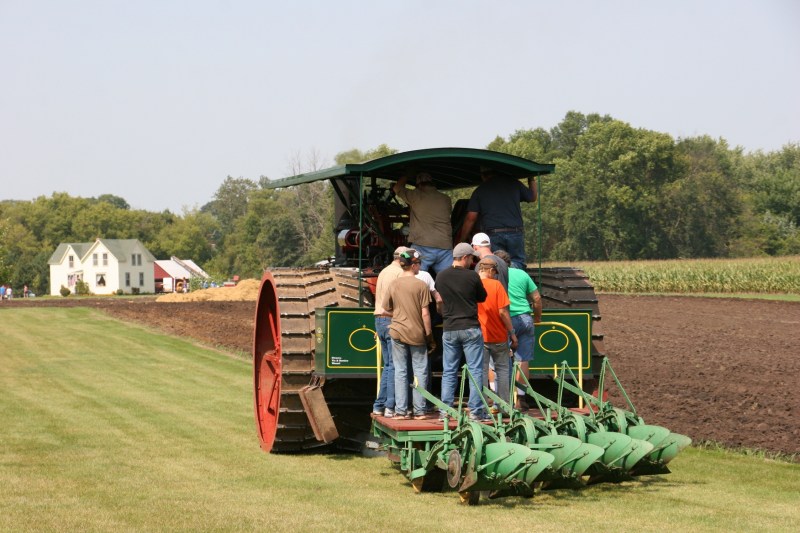
 

After finishing a plowing pass in the field, the steam engine tractor heads back to the other end.


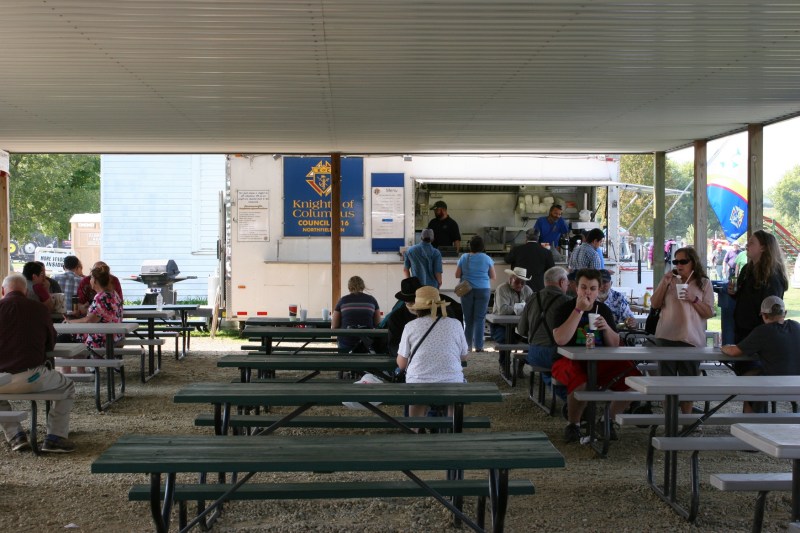
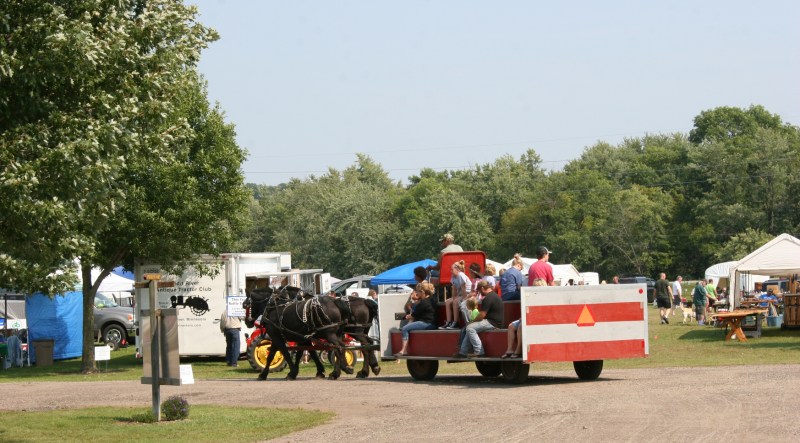
Sunday afternoon I embraced Minnesota’s agricultural history at the annual Labor Day weekend Rice County Steam & Gas Engines Show in rural Dundas. I didn’t view every aspect of the event, but enough to once again feel a deep appreciation and respect for my rural heritage.
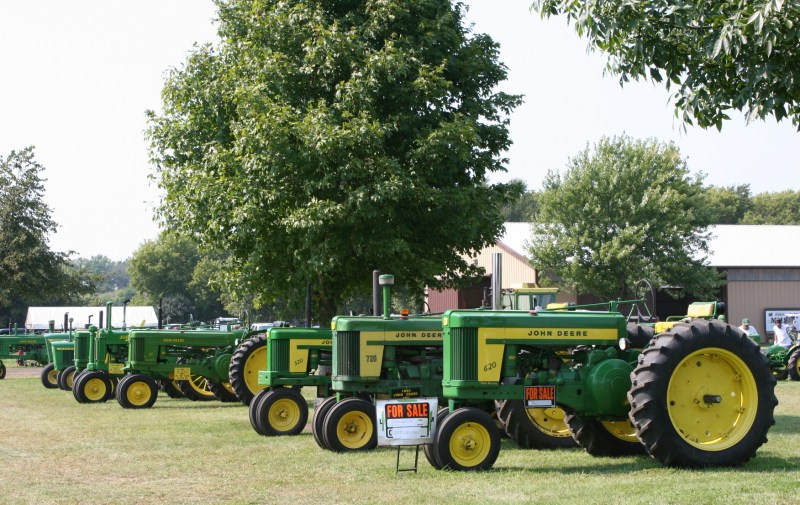
 

John Deeres were the featured tractor this year.

 

I love meeting friendly and photogenic vendors who are willing to be photographed.

 

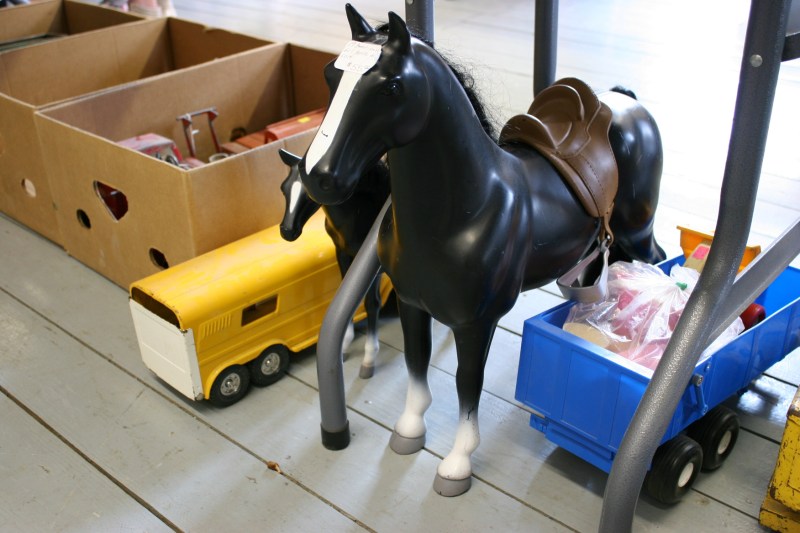
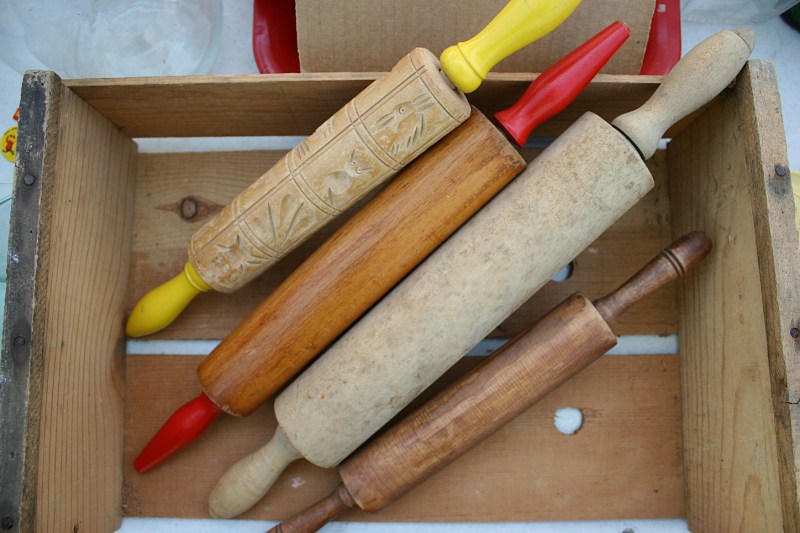
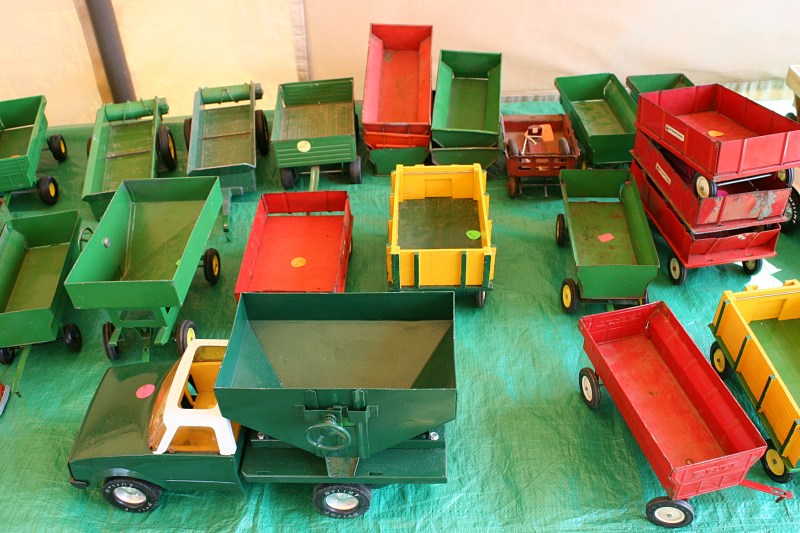
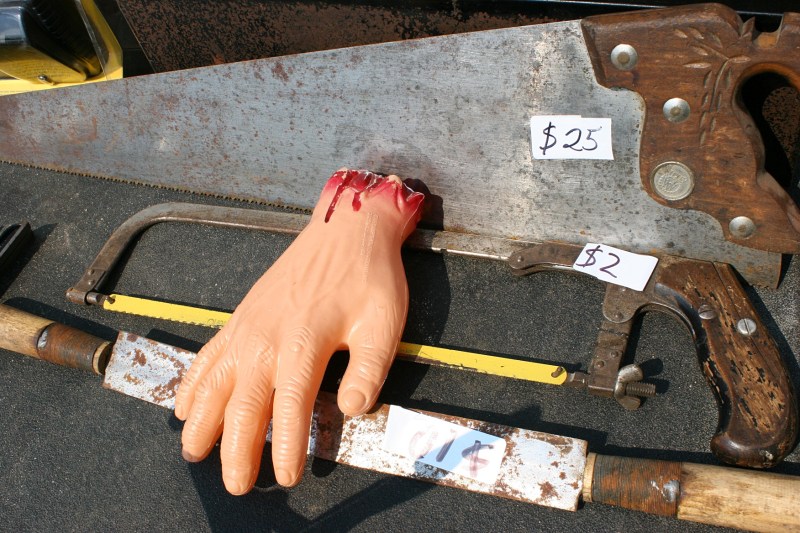
Flea market vendors offer merchandise ranging from glassware to tools to clothing and lots more, including many agricultural related items.


With camera in hand, I roamed part of the grounds looking for photo ops that would present a personal and unique perspective of the show. From the flea market to the music shed to the rows of tractors and the vintage playground, I found my photos. There is so much heart and soul here and an obvious love of all things related to farming of bygone decades.
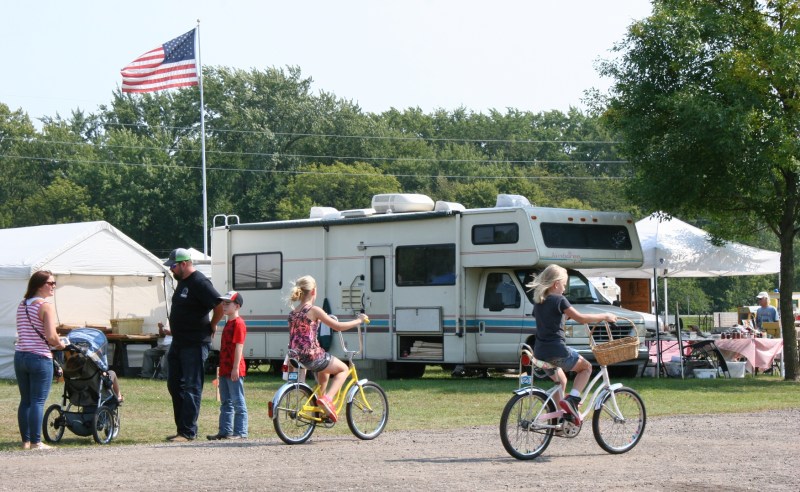
 

These girls rode their vintage banana seat bikes from Northfield. And, yes, there parents were at the show.
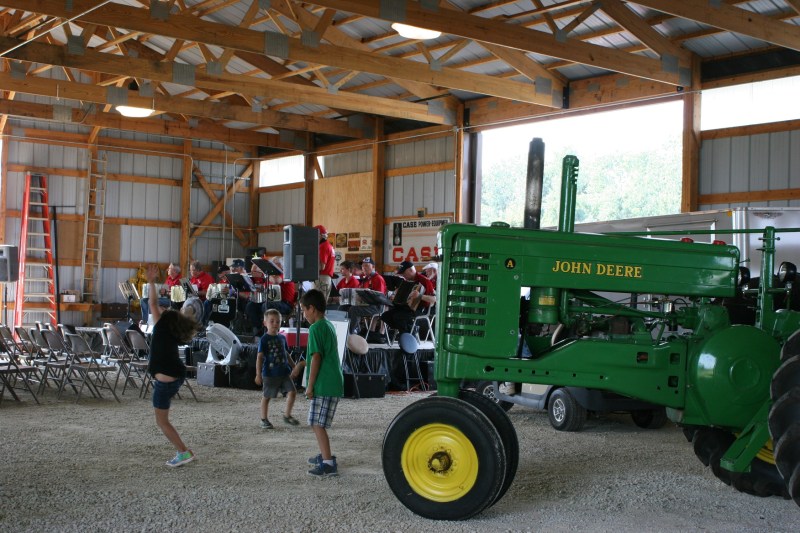
 

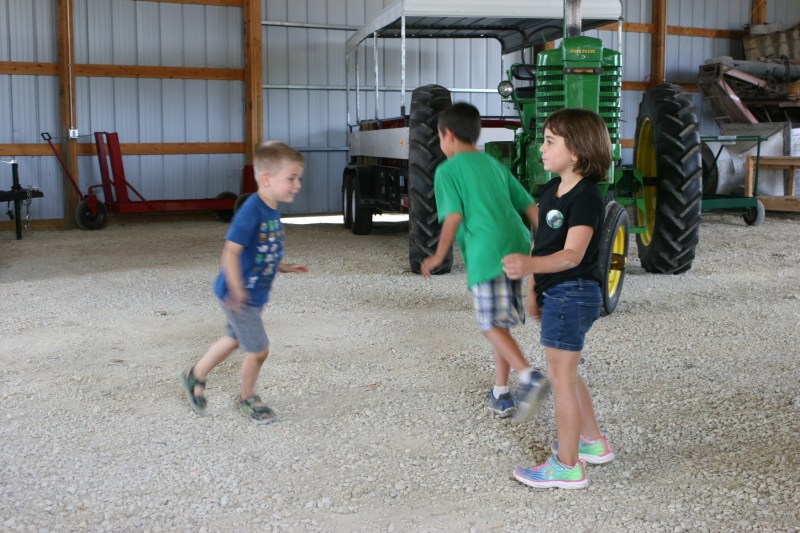
Carefree dancing and twirling as only kids will do.
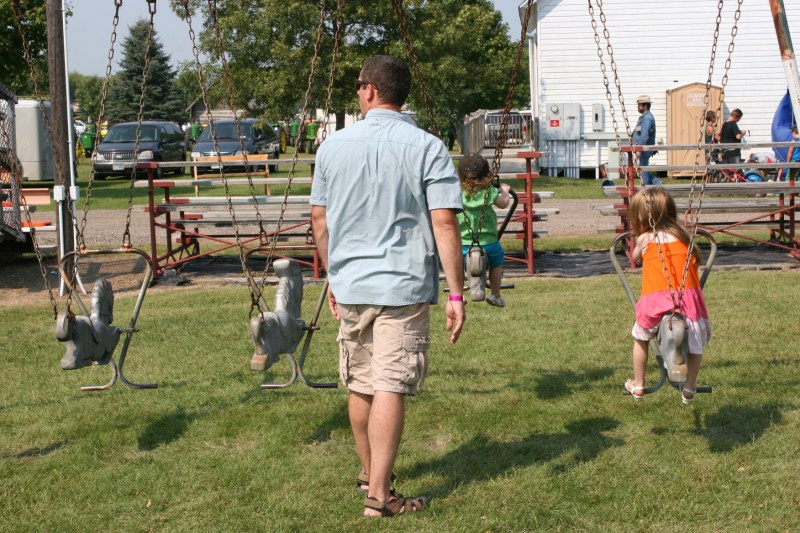
 

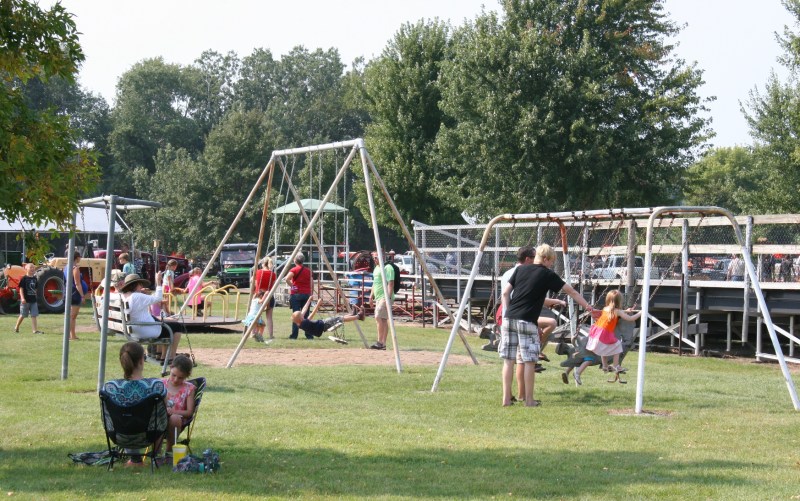
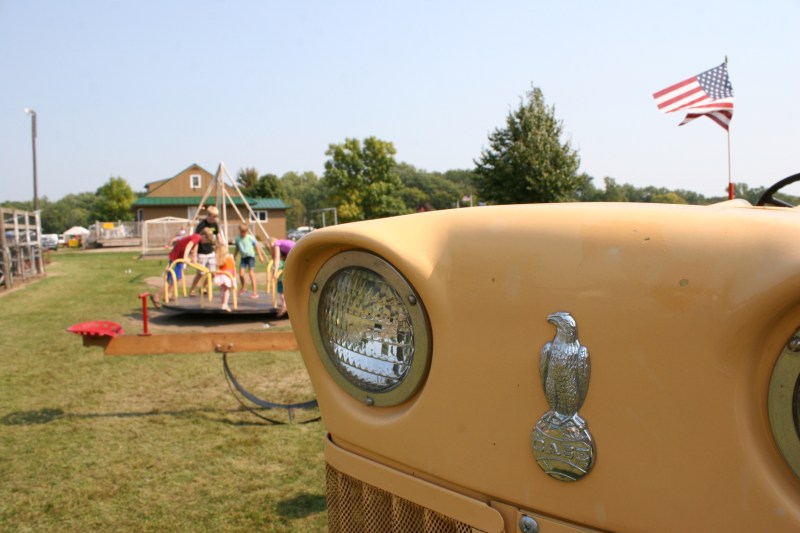
Even the playground equipment is vintage.


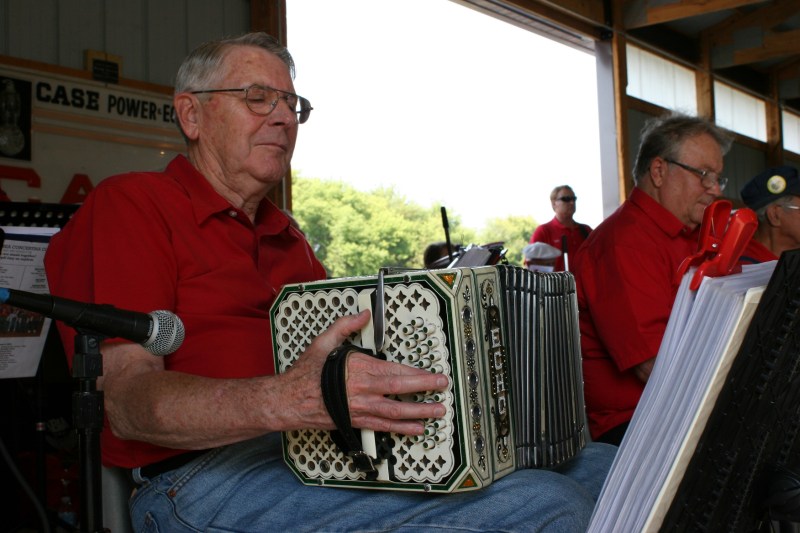
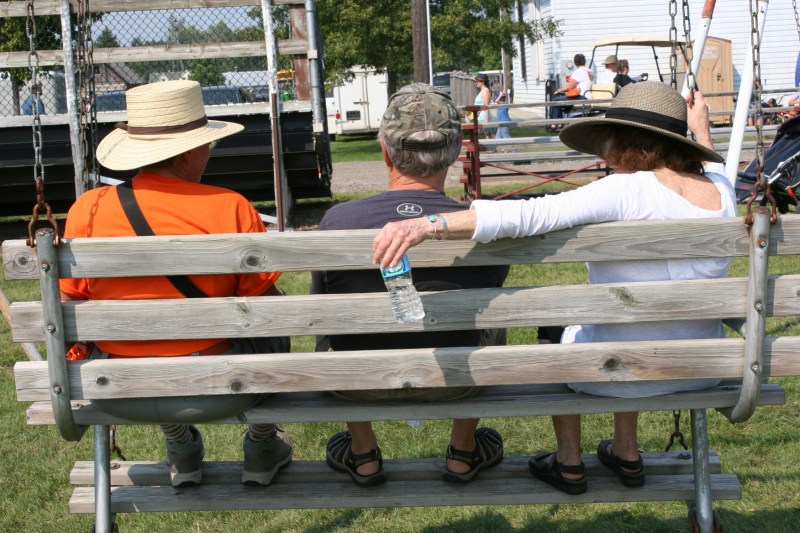
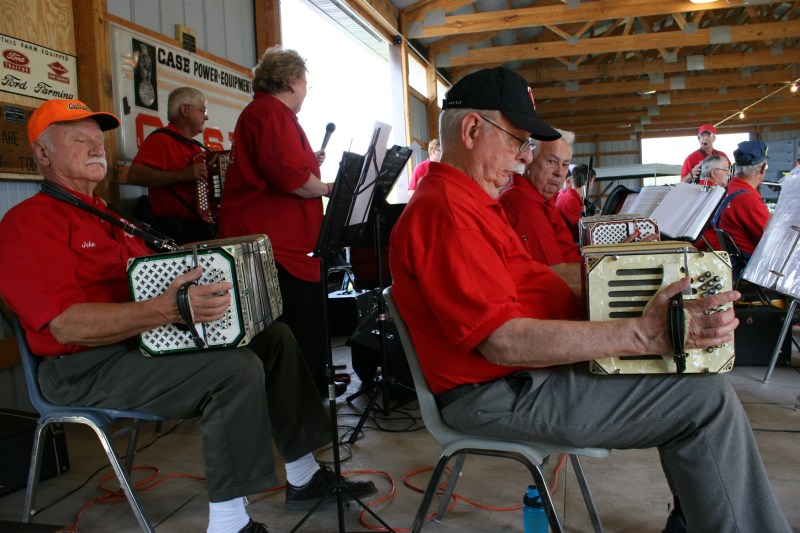
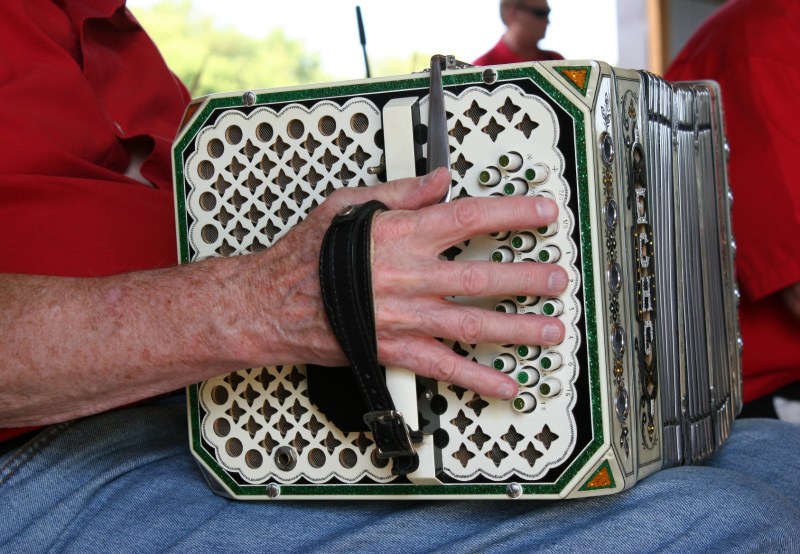
I’m especially delighted that so many kids attend. Kids pedaling banana seat bikes. Kids twirling to the old-time music of the Czech Area Concertina Club. Kids steering tractors. Kids swinging on heavy horse swings now banned from most playgrounds.
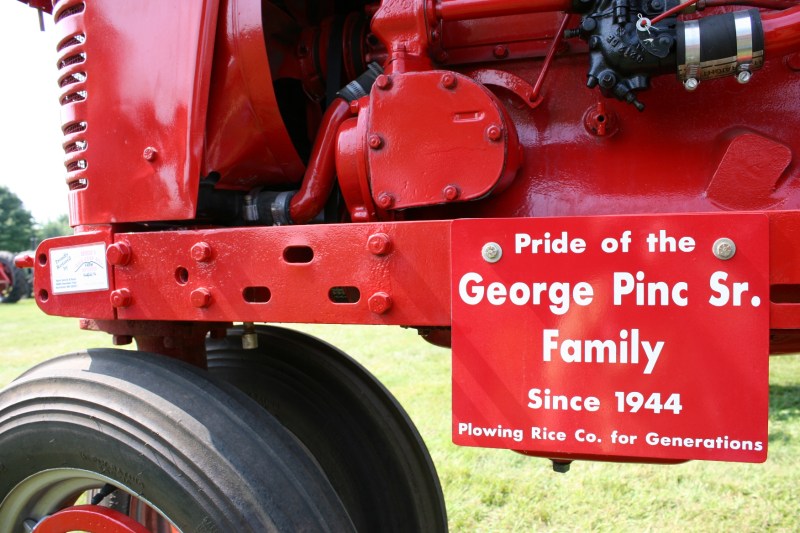
 

Some families, like the Pinc family, bring multiple tractors in multiple brands.


Generations spanning infants to elders come to this show ground along Minnesota State Highway 3 under a sky that holds the haze of autumn, of a sun that still blazes heat in the afternoon, of a land that yields its bounty to the harvesters. Here on these acres, memories rise like a prayer of thanksgiving as summer eases into autumn.

TELL ME: Do you attend these types of historic farming shows? If yes, I’d like to hear more.

PLEASE CHECK back for additional photo rich posts as I continue my series from the Rice County Steam & Gas Engines Show.

© Copyright 2017 Audrey Kletscher Helbling


West of Mankato August 23, 2017

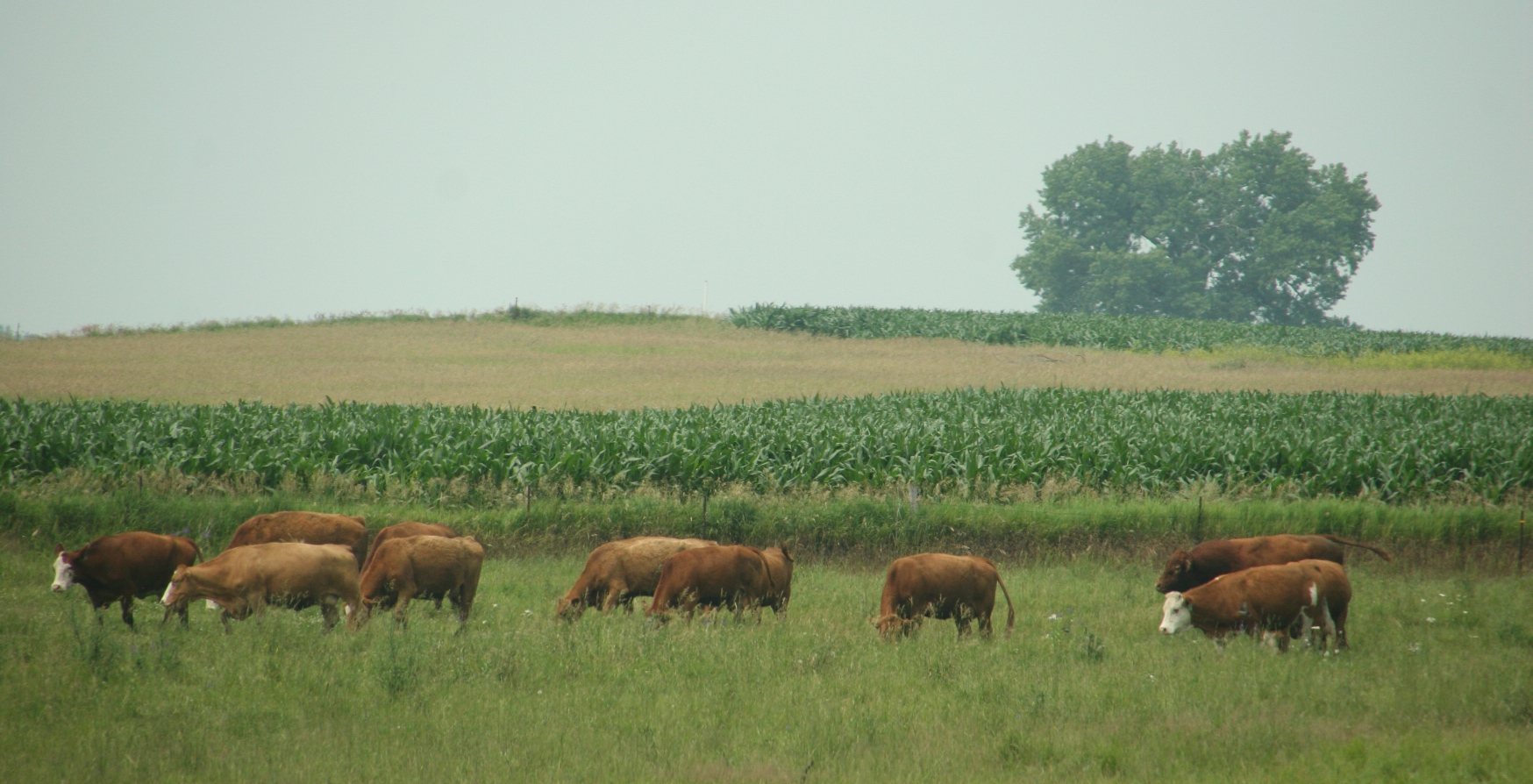
Cattle graze in a pasture along U.S. Highway 14.

Cattle graze in a pasture along U.S. Highway 14.


WHEN I TELL FELLOW MINNESOTANS I grew up on the southwestern Minnesota prairie, specifically near the small town of Vesta, I typically get a blank stare. So, when “Vesta” doesn’t register with them, I mention Marshall to the west and Redwood Falls to the east of my hometown. Both are county seats and fair-sized communities, in my opinion.


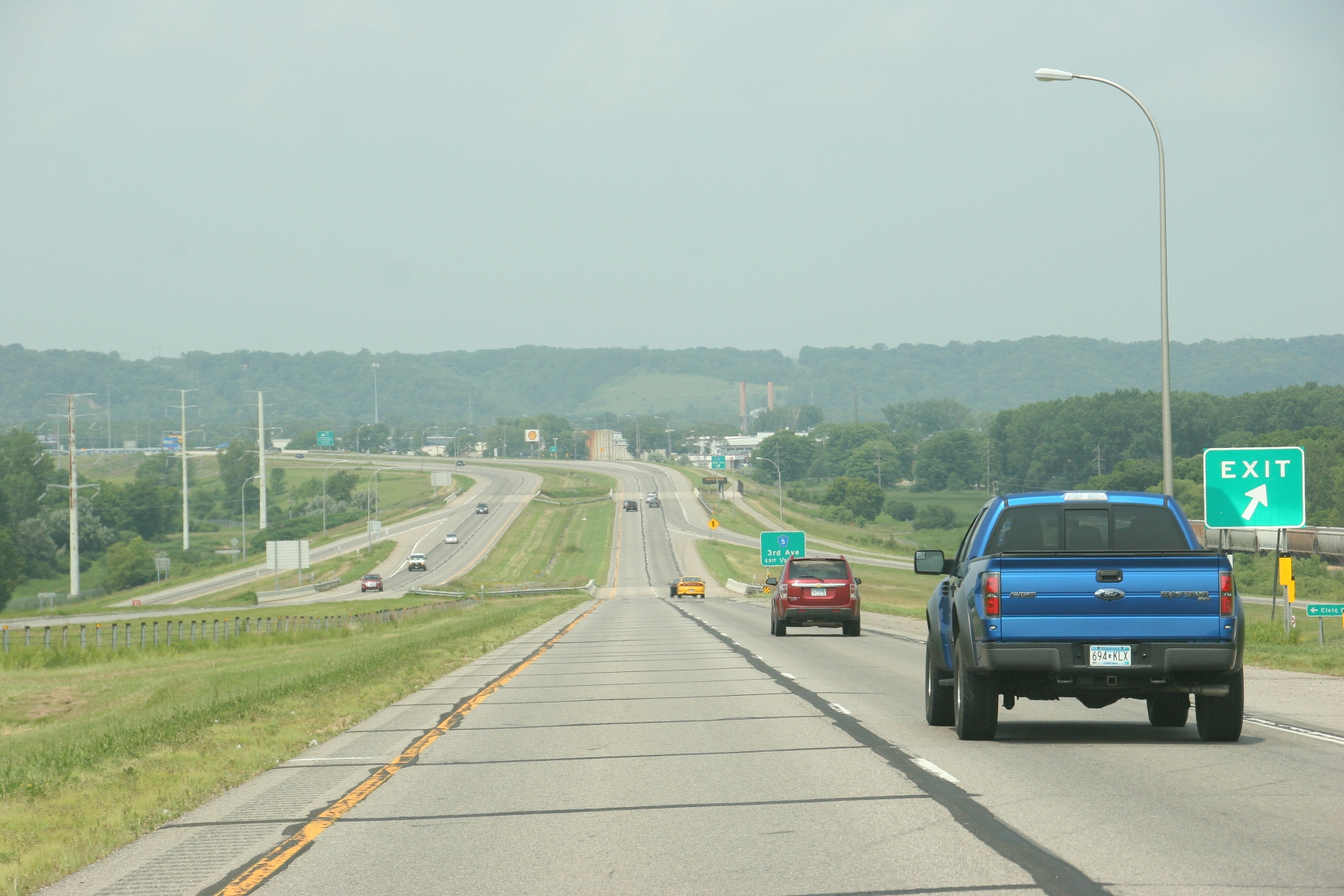
Driving on U.S. Highway 14 around Mankato traveling to southwestern Minnesota.

Driving on U.S. Highway 14 around Mankato traveling through southern Minnesota toward the prairie.


Even after dropping those two names, I still often get that quizzical look. It’s as if they have no idea there’s anything west of Mankato.


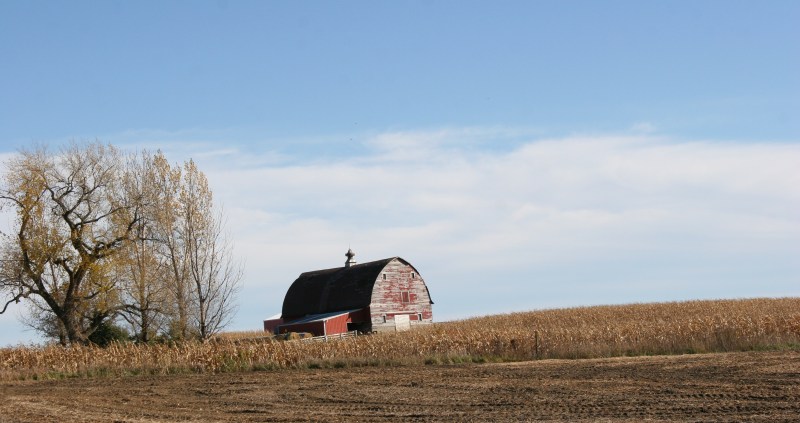
This barn along U.S. Highway 14 west of Sleepy Eye always catches my eye.

Gotta love this barn between Sleepy Eye and Springfield.


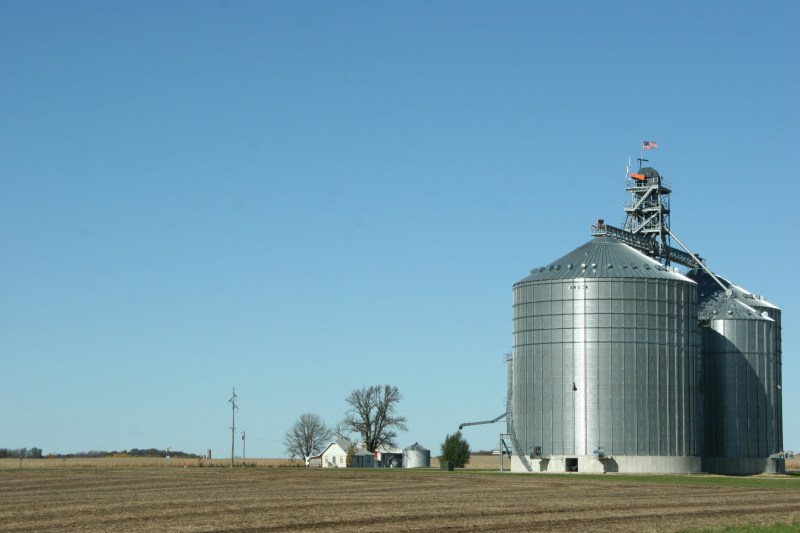
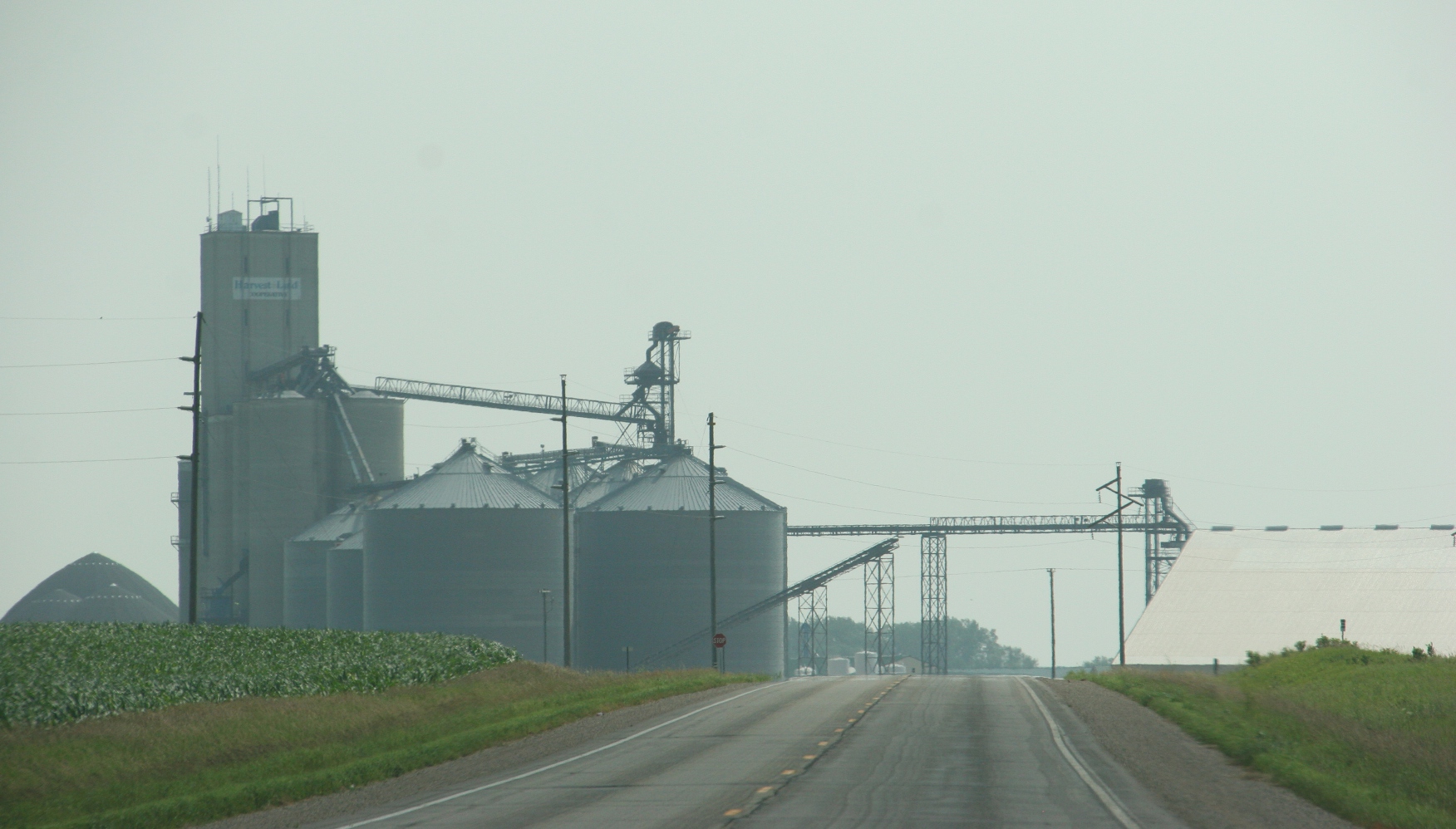
Grain storage along U.S. Highway 14.

Grain storage along U.S. Highway 14.


But there is. Lots. Land and sky and small towns and oddities and grain elevators, and corn and soybean fields stretching into forever. There are pitch-black skies perfect for star-gazing and sunsets so bold I sometimes wonder why I ever left this land.


There are so many well-kept barns along U.S. Highway 14, this one between Mankato and Nicollet.

There are so many beautiful old barns along U.S. Highway 14, this one between Mankato and Nicollet.


I understand beauty is in the eye of the beholder. I simply want others to see that this corner of Minnesota, just like the lakes and woods to the north and the rolling hills and rivers to the south and the Twin Cities metro, is lovely and quirky and interesting in a peaceful prairie way.


BONUS PHOTOS:

U.S. Highway 14 passes through many small towns, like Sleepy Eye where these guys were shopping for a car.

Shopping for cars in Sleepy Eye, one of many small towns along U.S. Highway 14 in southwestern Minnesota.


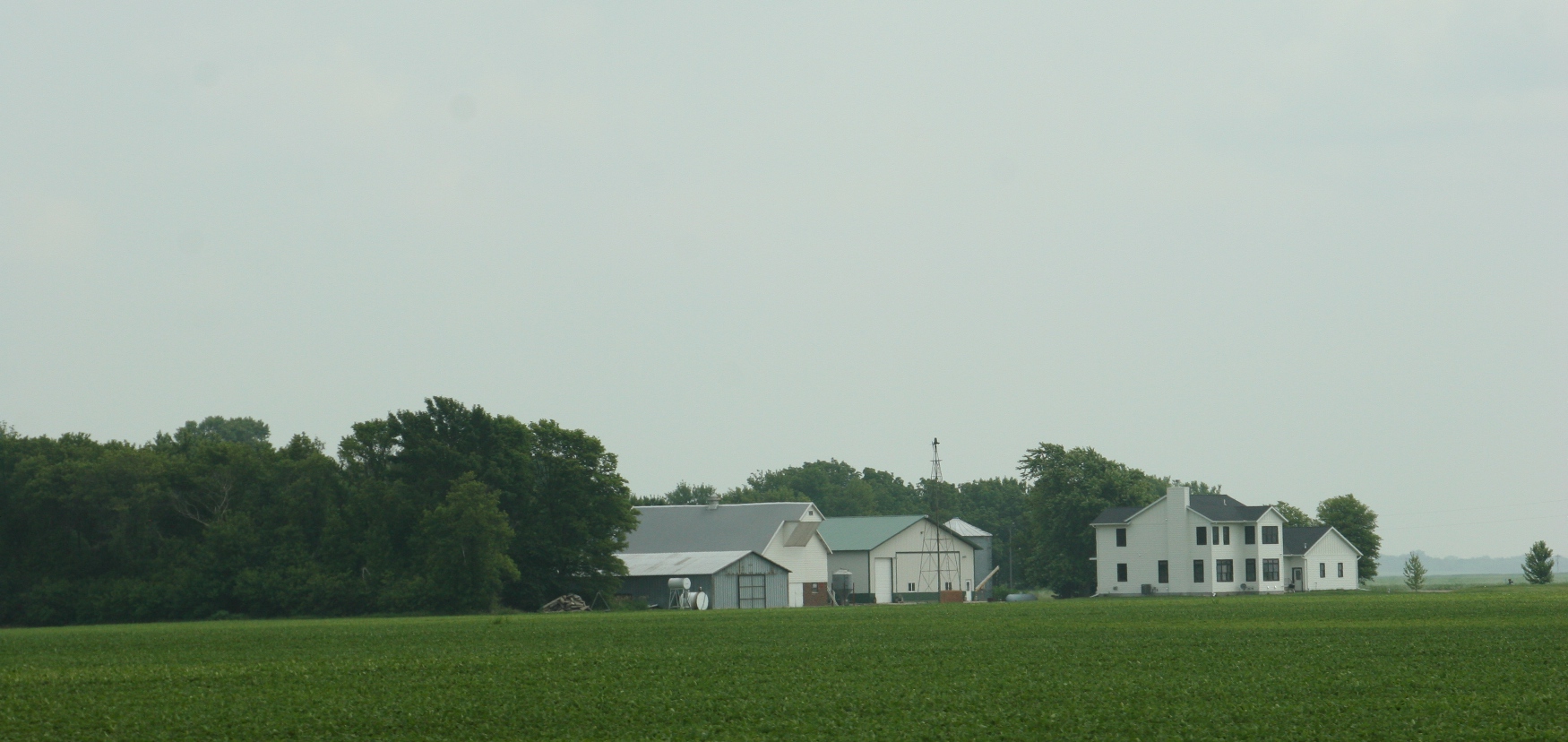
A farm site between Mankato and Nicollet.

A farm site between Mankato and Nicollet.


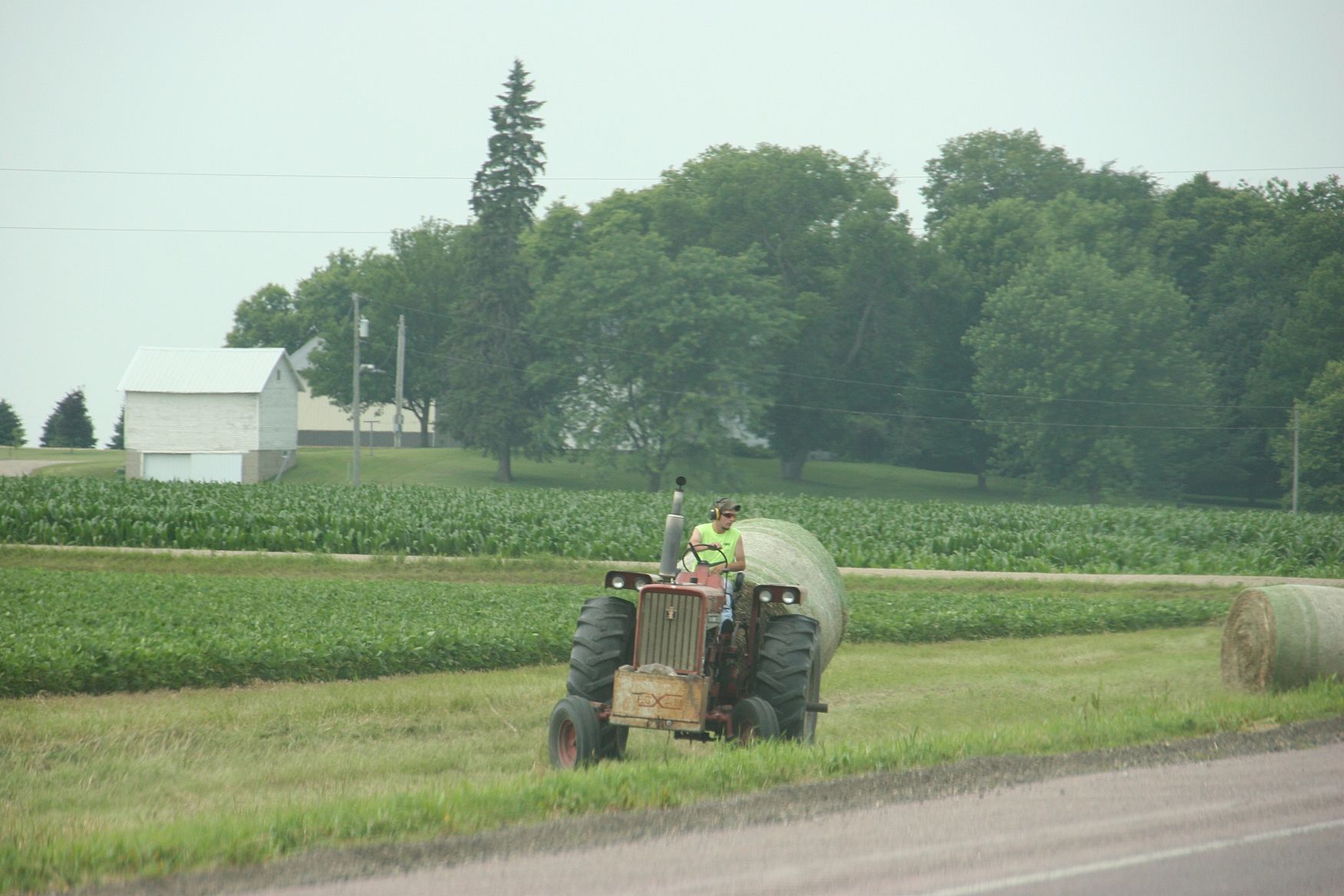
Baling the road ditch between Mankato and New Ulm.

Baling the road ditch between Mankato and New Ulm.


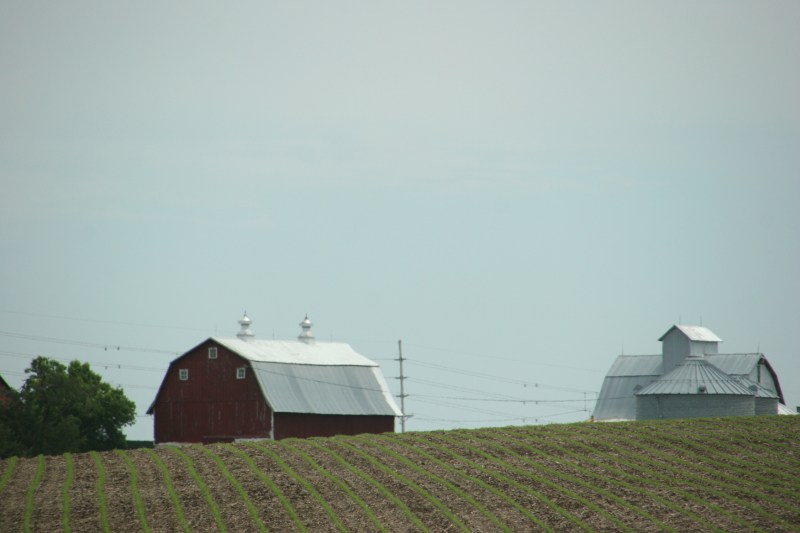
If you appreciate barns, this area of Minnesota offers plenty of barn gazing.

If you appreciate barns, this area of Minnesota offers plenty of barn gazing.


FYI: All of these photos are from my files and were taken along U.S. Highway 14 between Mankato and Lamberton. That would be west of Mankato.

© Copyright 2017 Audrey Kletscher Helbling
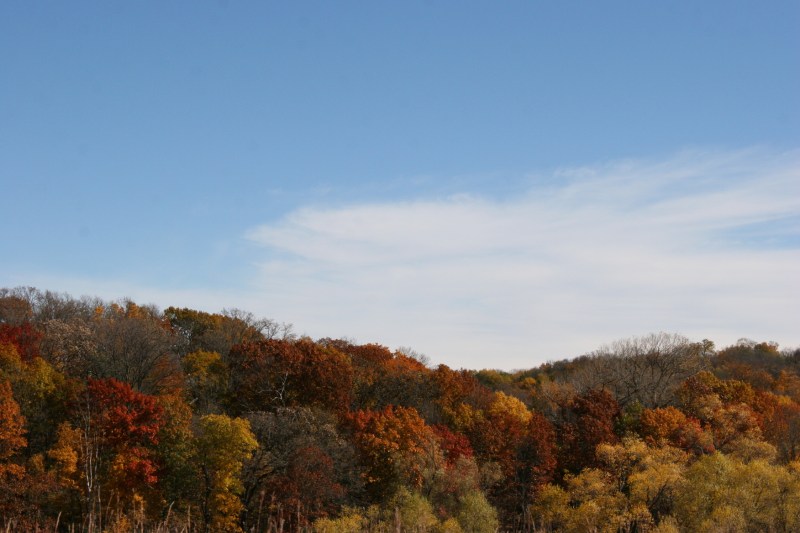
 

Scenes from the road in Iowa June 8, 2017

Filed under: Uncategorized — Audrey Kletscher Helbling @ 5:00 AM
Tags: , , , , , , , ,

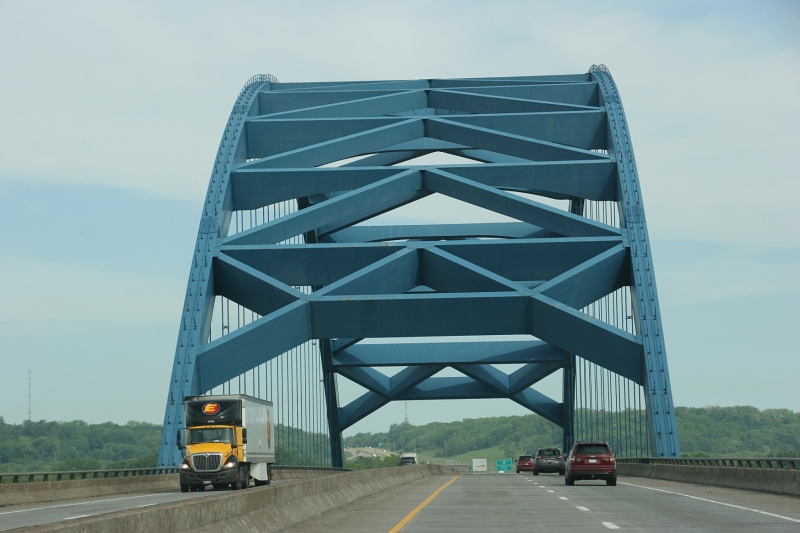
Westbound from Illinois into Iowa along Interstate 80. Minnesota Prairie Roots file photo May 2016.


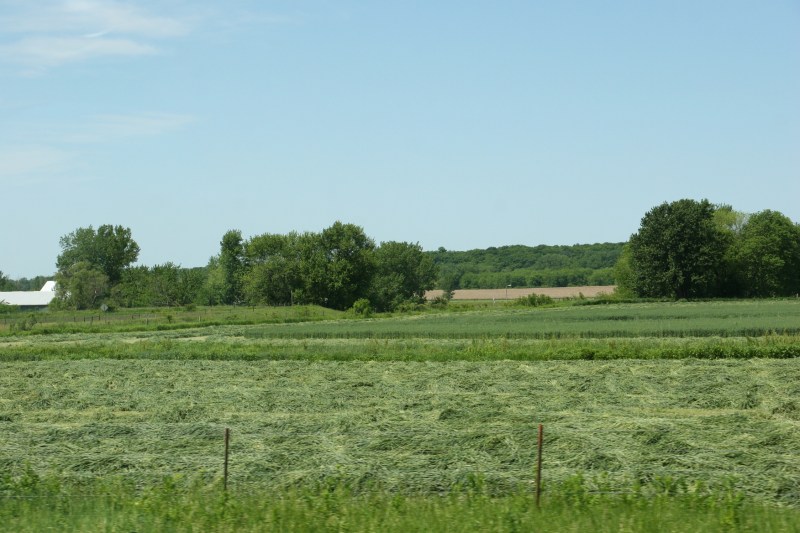
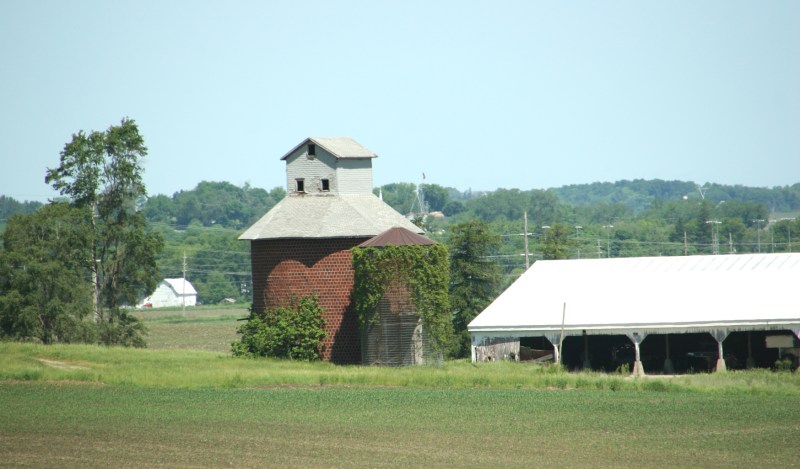
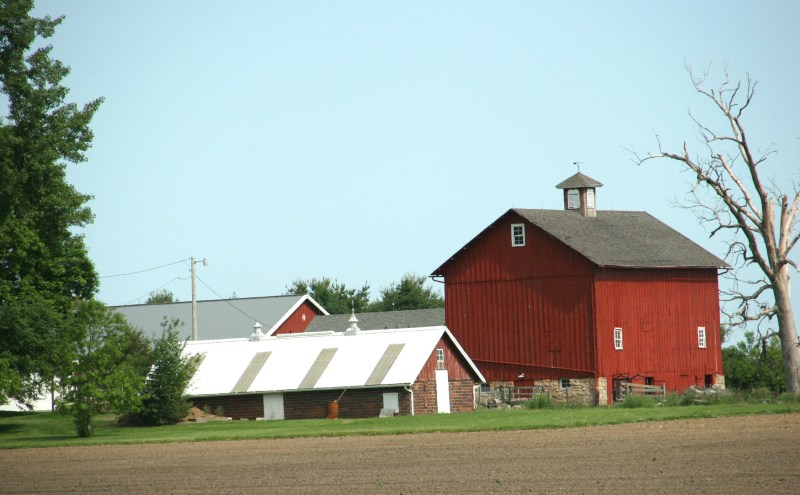
IN IOWA EXISTS a comfortable familiarity for me. It’s not that I’ve explored much of this state, except the northern fringes. But Iowa feels like a friendly next door neighbor or cousin, the ruralness of this land creating an instant bond.


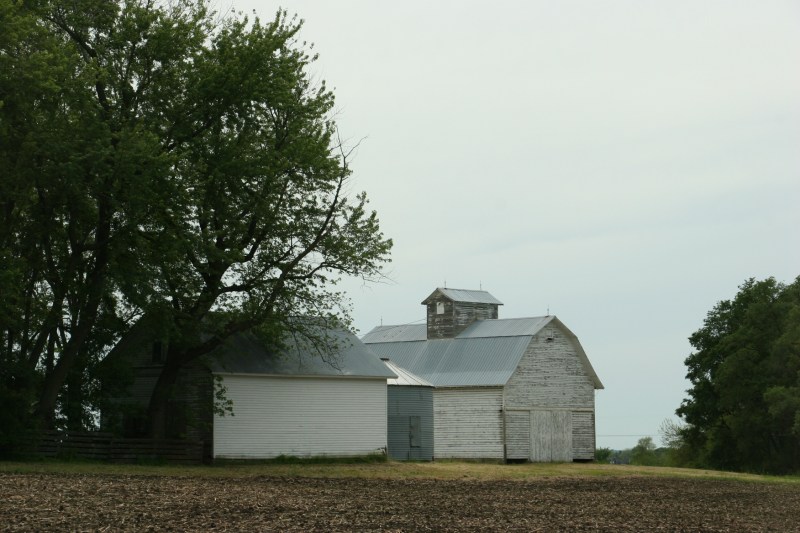
For in Iowa—the Iowa I’ve seen—the lay of the land, the length of the sky, the scenes of barns and fields and small towns connect to my rural southwestern Minnesota roots.


I feel at home in Iowa, the place that is often the butt of Minnesota jokes. Outside the Twin Cities metro and the lakes and woods of northern Minnesota, our landscape mostly duplicates that of our southern neighbor.


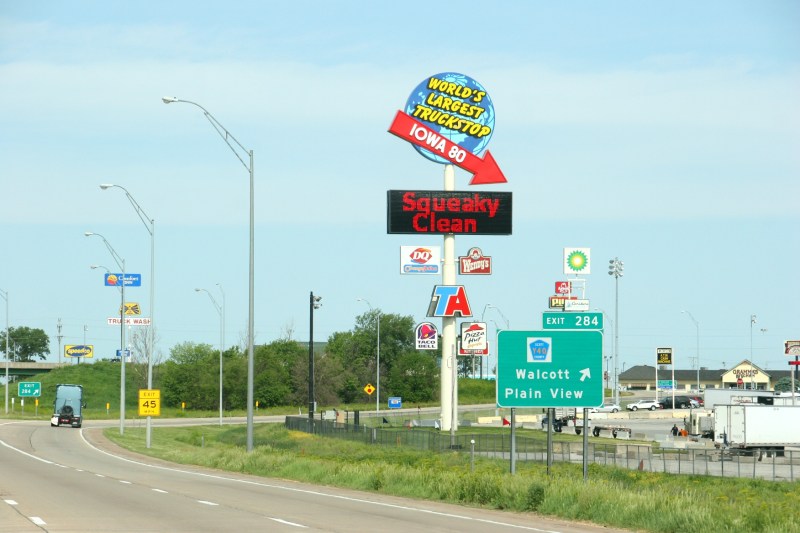
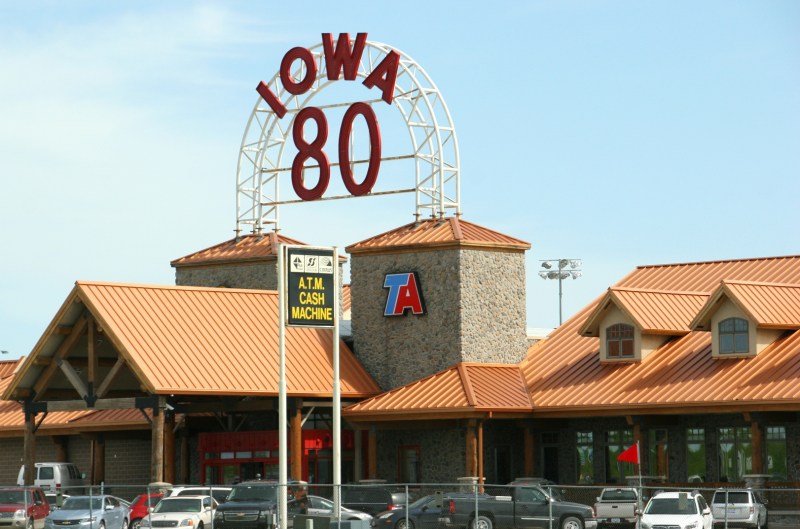
The world’s largest truck stop, with eight restaurants, a movie theater, dentist and much more, has been open near Walcott off I-80 in eastern Iowa since 1964.


It’s OK to admit you like Iowa. Some of my favorite trips have been to Iowa communities—Clear Lake, Mason City, Decorah, McGregor, Marquette and Dubuque. These towns possess character and hold natural and historic interest for me.


Iowa 80, the world's largest truck stop.

Iowa 80, the world’s largest truck stop.


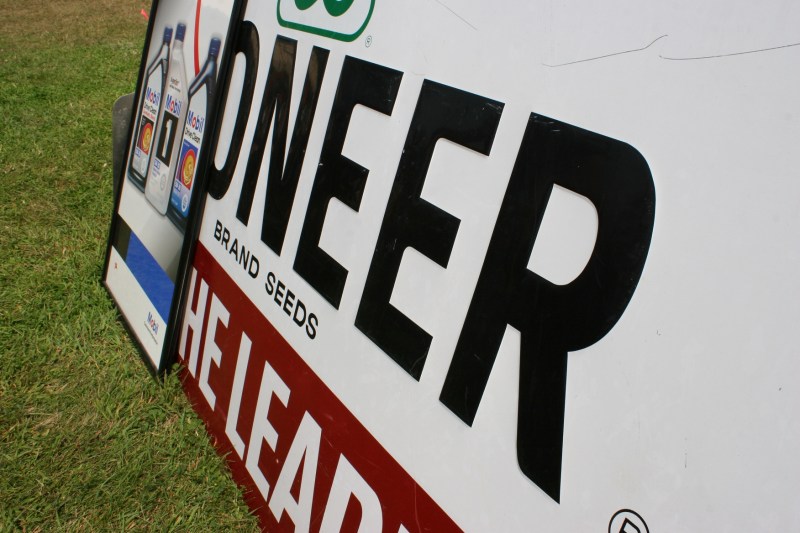
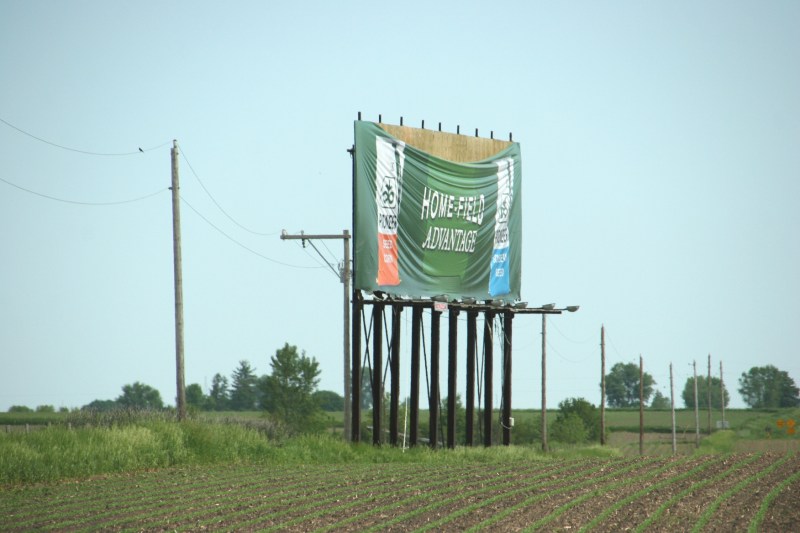
You know you’re in America’s agricultural heartland when you see a billboard advertising Pioneer seed.


Sometimes we need to step outside our boxes of preconceived ideas about a place and simply explore. Leave the metro and drive a gravel road, stop in a small town, delight in the simplicity of a rural landscape. Iowa and many parts of Minnesota are more than the middle of nowhere. If we choose to slow down, we begin to notice the nuances that define a place, that make it worth our time to visit and to appreciate.


TELL ME: If you’ve traveled to Iowa, what community would you suggest visiting and why? Or, if you haven’t been there, tell me what a visitor should see in your state or country?

© Copyright 2017 Audrey Kletscher Helbling
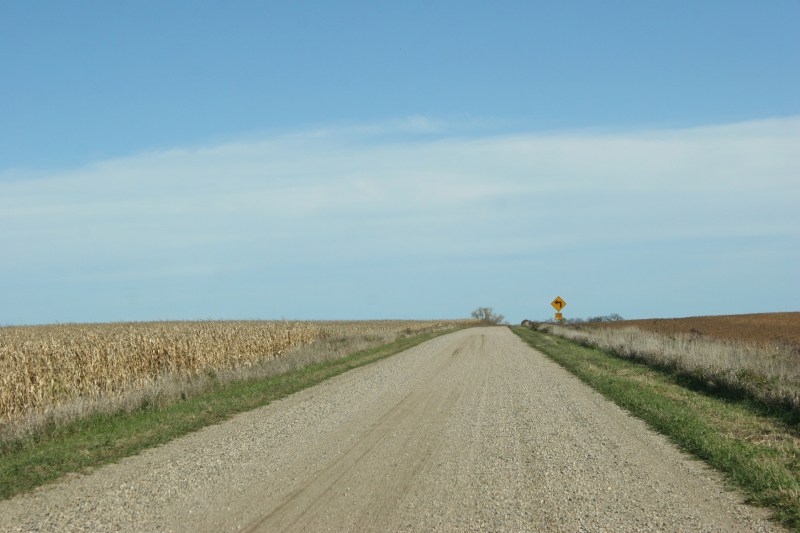
NOTE: All images were taken in late May 2016 on a return trip from Minnesota to Boston.


In concert from Rochester: “The Farmer’s Song” & six other poems April 1, 2017


IT IS MY PLEASURE to present to you a video that includes “The Farmer’s Song,” my poem performed last weekend at two concerts in Rochester.

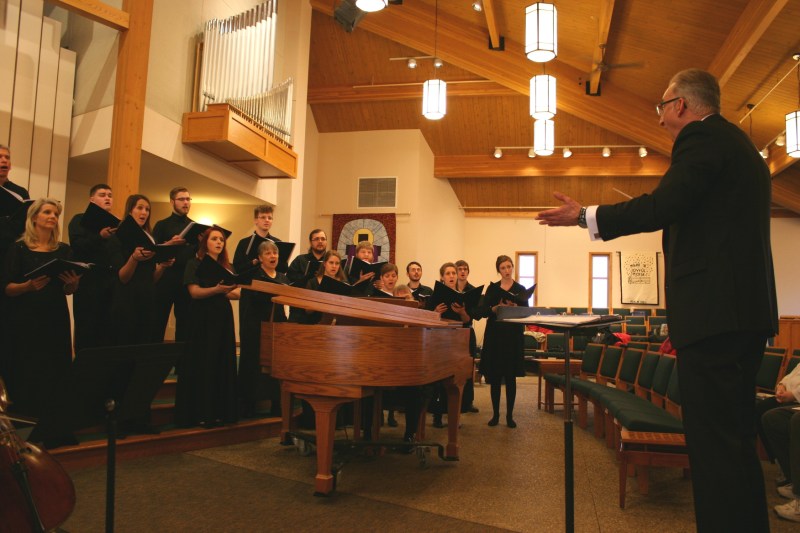
Click here to listen to a Choral Song Cycle by David Kassler on Texts of Minnesota Poets. I read my poem at about 39 minutes followed by a Chamber Choir singing “The Farmer’s Song” with cellist and pianist accompaniment. This concert was held at Good Shepherd Lutheran Church.

To Rochester composer David Kassler and to all of the musicians, thank you for this gift of an artsong. Fueled by your musical passions and talents, you took my poem and crafted a moving tribute to the Minnesota farmer I remember. To share my rural roots in this way has been a truly joyful experience. And to be in the company of six other gifted poets was also an honor.

Thank you.

The Farmer’s Song

Out of rote he follows the path from house to barn,
from barn to shed, steel-toed boots beating a rhythm
upon the earth, into this land which claims his soul.

He reaches for the paint-chipped handle,
his grease-stained fingers connecting with worn metal
like hammer to nail in the movements of his day.

Farming defines the lyrics of his life written upon hands
that have measured yields, directed tractors, pitched manure,
stroked calves, performed seasons of backbreaking labor.

Inside the shed, as he latches wrench to bolt,
he ponders the final verses of his years, the songs he’ll sing
when age frays his memory, grips his hands in a hallelujah chorus.


FYI:  If you are a choral conductor interested in having this music performed by your ensemble. please contact David Kassler. He will work with you. Like Kassler, I would love to see these artsongs reach an even broader audience.

Click here to read my initial blog post about the concert.

A special thank you also to Park Rapids-based The Jackpine Writer’s Bloc for originally publishing “The Farmer’s Song” in the anthology In Retrospect, The Talking Stick, Volume 22.

© Copyright 2017 Audrey Kletscher Helbling
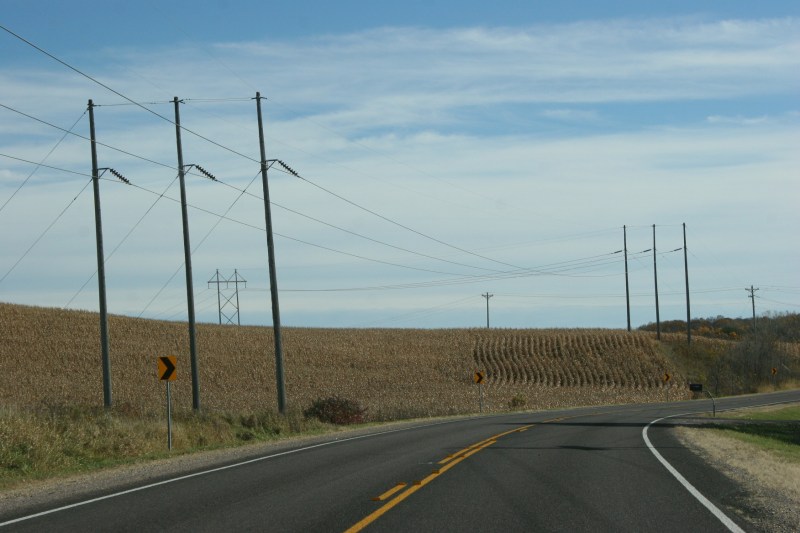
 

Barn memories February 28, 2017

Filed under: Uncategorized — Audrey Kletscher Helbling @ 5:00 AM
Tags: , , , , , , , , , ,

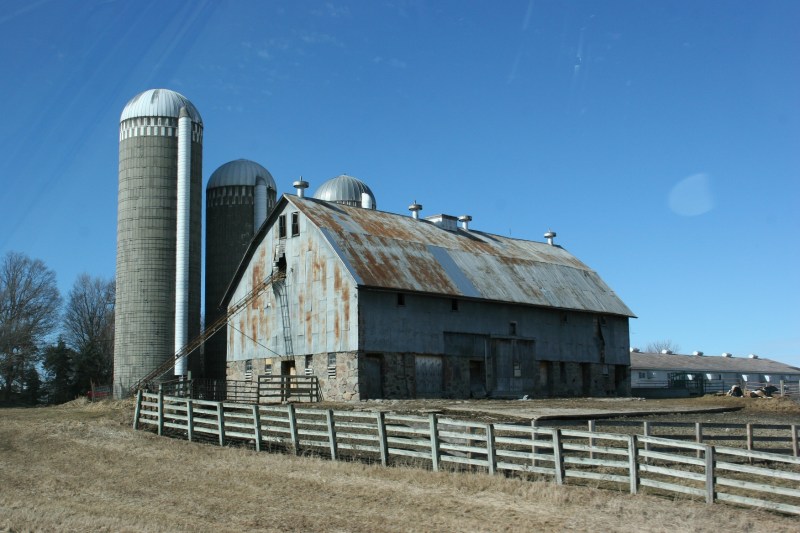
barn-85-barn-fence


MY APPRECIATION FOR and fascination with aged barns remains strong, steadfast, unwavering. That interest springs from childhood years of laboring in a southwestern Minnesota dairy barn.


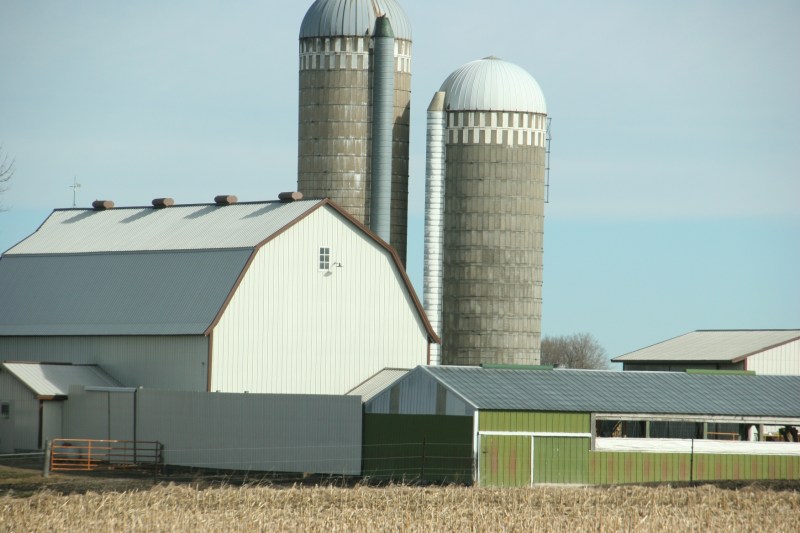
barn-15-barn-2-silos


As the second oldest in a family of six children, I was tasked early on with doing chores alongside my eldest brother. Dad needed the help and I never resented it. I only resented that my brother would steal the silage I’d tossed down from the silo. I suppose I can’t blame him. He had to carry silage across two gutters and a barn aisle to feed cows on the east side of the barn. I had only to step outside the silage room door to distribute chopped and fermented corn on the west side. But still.


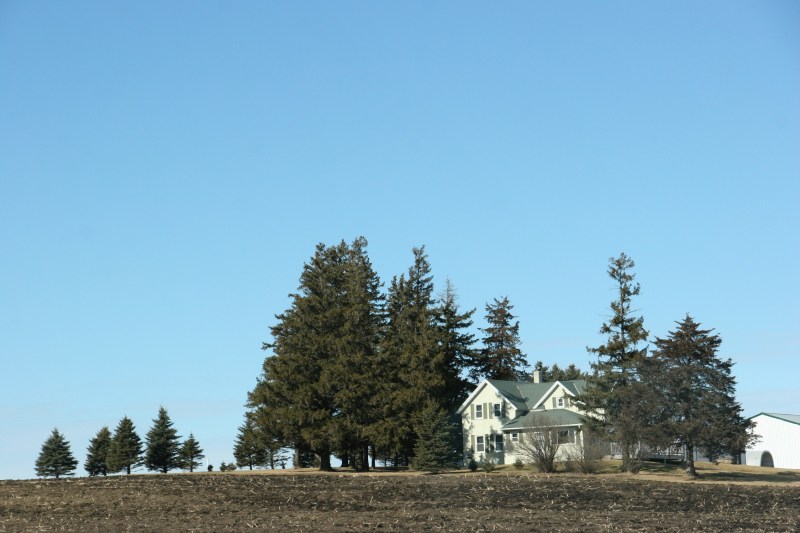
barn-84-farmhouse


Often I told my dad I wanted to be a farmer when I grew up. He never encouraged it. But I loved working in the barn—maybe not the scraping manure part so much. Yet I always preferred farm work to anything Mom wanted me to do in the house.


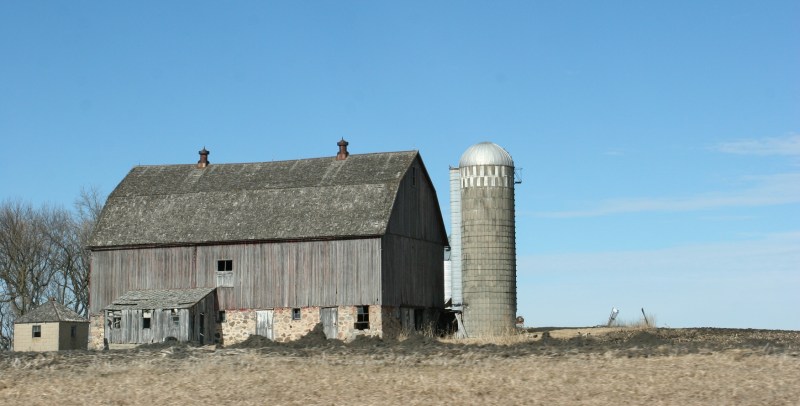
barn-80-barn-silo


So I pushed a wheelbarrow down the barn aisle, then scooped shovels full of ground feed before stanchions. I hoisted myself into the haymow to throw down bales of hay and straw. I shook apart straw with a pitchfork, separated alfalfa with gloved hands. I carried pails of milk, washed buckets, mixed milk replacer, fed milk and pellets to hungry calves…

I hold memories of Point of Law booming from WCCO, of hot urine splashing from a cow’s behind, of frothy milk poured into the bulk tank, of a yellow jackknife stuffed inside my pants pocket, of cats clustering around a battered hub cap brimming with still warm milk.


barn-81-barn-w-green-patched-roof


My dad was right. I never became a farmer, pursuing journalism instead. Only one brother farmed for awhile. He’s still in an ag-related industry as is my oldest brother. The rest of us, well, we left the farm. But I like to think that we’ve truly never left in the sense of a deep-rooted attachment to the place that shaped each of us. I write and photograph from a rural perspective. Another sister works as a floral designer. My youngest brother is an attorney in the Twin Cities metro, but maintains his connection to southwestern Minnesota through deer and pheasant hunting.

We were raised as the sons and daughters of a farmer. That remains, as part of our past and as part of who we became.

TELL ME: Did your childhood influence your direction in life, including career choices, where you lived/live, etc.?

FYI: These photos were taken in rural Rice County and in the Jordan/Prior Lake areas, not in my native southwestern Minnesota. This post honors my farmer father, Elvern Kletscher, who would have celebrated his birthday this week. He died 14 years ago in early April 2003.

© Copyright 2017 Audrey Kletscher Helbling


A tree January 19, 2017

Filed under: Uncategorized — Audrey Kletscher Helbling @ 5:00 AM
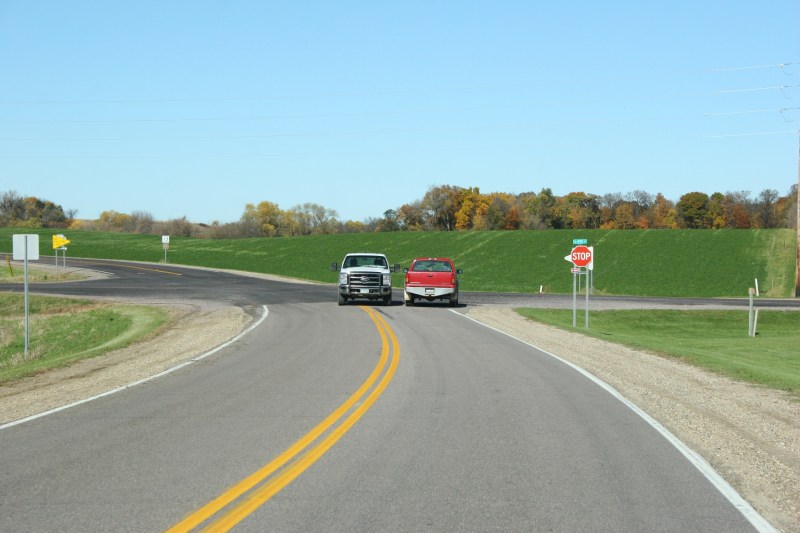
Tags: , , , , , ,

a-tree-in-a-corn-field


WHENEVER I SEE a lone tree in a field, I am grateful.

Grateful to the farmer who chose to leave it there rather than cut it down for a few more crop rows.

I am grateful for the farmer who sees beyond his pocketbook and respects the value of a tree.

Thoughts?

© Copyright 2016 Audrey Kletscher Helbling
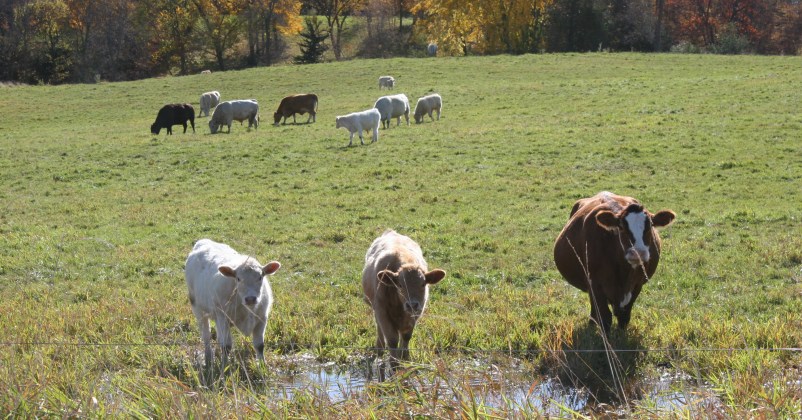
Tree photographed on October 7, 2016, western Waseca County, Minnesota


Observing the Minnesota harvest October 25, 2016

A farm site between Kenyon and Faribault.

A farm site between Kenyon and Faribault.

ALONG GRAVEL ROADS and across fields, farm machinery kicked up dust, shrouding rural southeastern Minnesota in pockets of hazy grey.

Somewhere southeast of rochester.

Somewhere southeast of Rochester.

Dust sometimes trailed plumes behind tractors.

All American Co-op in Stewartville Saturday afternoon.

All American Co-op in Stewartville Saturday afternoon.

The elevator in Hayfield.

Grain bins in Hayfield.

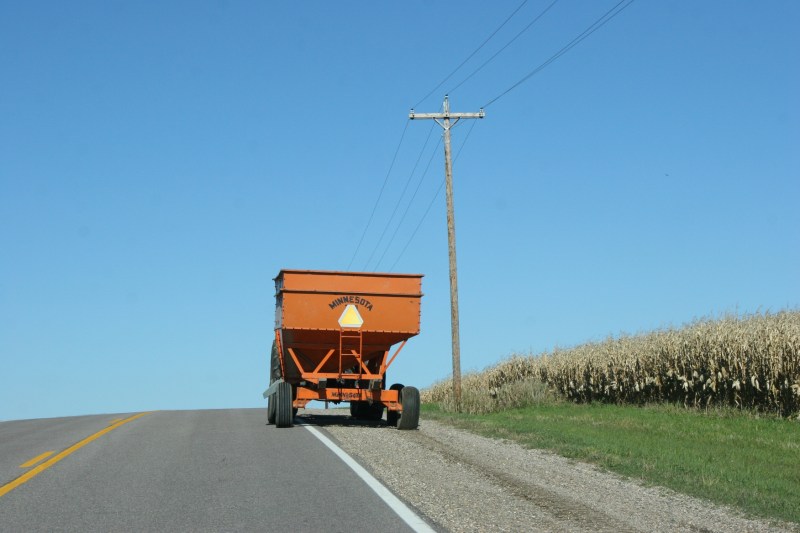
In small towns, tractors pulling grain wagons and trucks loaded with corn or soybeans waited at local elevators.

Bees wings accumulating along Main Street in Hayfield.

Bees wings (chaff from corn cobs) accumulate along Main Street in Hayfield.

And bees wings drifted, tinting Main Street and sidewalks red.

Near Root River County Park in Olmsted County.

Near Root River County Park in Olmsted County.

Near Wanamingo...

Near Wanamingo…

In township after township after township, I observed farmers gathering in the crops and working the land on Saturday. A good drying day. Sunshine and crisp temps. Perfect to finish the harvest.

A cluster of bins near Hayfield.

A cluster of bins by Hayfield.

A day trip drive this time of year requires patience as combines, trucks and tractors clog roadways, slowing traffic. But that’s OK. Sometimes we need to creep along, to simply appreciate this land and the farmers who plant, tend and gather in the crops.

© Copyright 2016 Audrey Kletscher Helbling
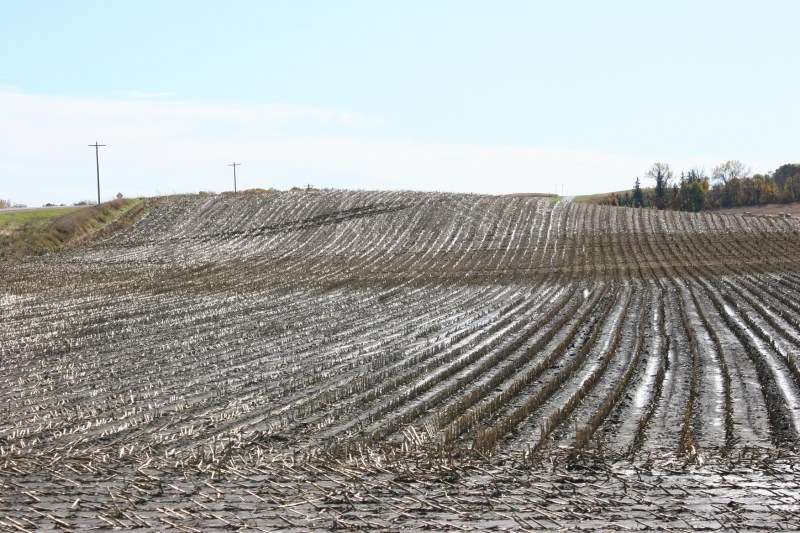
 

A photo essay: Aerial agricultural spraying up close August 9, 2016

IN THE DISTANCE, down the gravel road, a helicopter swept across the fields and then disappeared.

“Did it crash?” I asked my husband, worry lacing my words.

“Do you see a fireball?” he responded, answering my question.

I didn’t. And it was obvious to me then that the rise of the land was blocking my view of the helicopter.


Helicopter spraying, 105 dairy farm


But I needed to visually confirm, to see this flying machine up close. So Randy turned off the asphalt county road onto 230th Street East, aiming toward a hilltop dairy farm marked by five looming silos.


Helicopter spraying, 109 over corn field


Helicopter spraying, 112


Helicopter spraying, 113


Helicopter spraying, 115


Before we made it to the farm, though, the chopper was back, skimming and spraying chemicals upon acres of corn at this location southeast of Faribault. Randy braked our van to a stop and I was out the passenger side door before the wheels stopped turning, eager to photograph an aerial application up close.

The helicopter files over a hill in the corn field.

The helicopter files over a hill in the corn field.

Whether you agree or not with the spraying of chemicals upon the land to control weeds, fungus and insects or to fertilize crops, you have to admire the skills of these pilots. This appears a dangerous undertaking as the copter zooms above the fields, the pilot simultaneously spraying, guiding his aircraft and watching the ground for obstacles—like silos, power lines and hills.

Helicopter spraying, 121 atop truck


While the pilot’s skills impressed me, I was especially fascinated by what I saw as we crested the hill next to the Tatge dairy farm.


Helicopter spraying, 124 atop mixing truck


The helicopter had landed atop a truck in the middle of the country gravel road.


The helicopter lifts off from the mixing truck, ready for another round of spraying.

The helicopter lifts off from the mixing truck, ready for another round of spraying.

I’d never thought about this—how an aerial spraying helicopter refills with both chemicals and fuel. We didn’t stop to ask questions. I wasn’t about to distract the team of men focused on their work.

© Copyright 2016 Audrey Kletscher Helbling
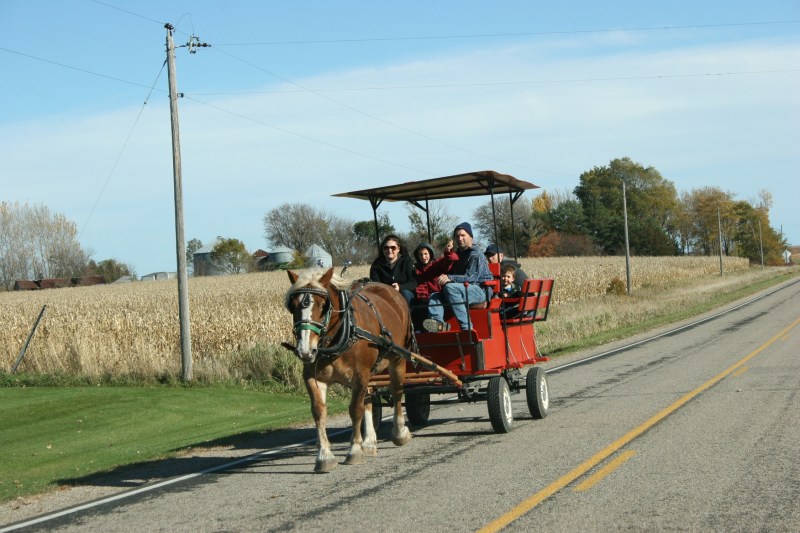
 

In rural Nerstrand: Of sheep & cheesemaking July 26, 2016


Approaching Shepherd's Way Farms, rural Nerstrand.

Approaching Shepherd’s Way Farms, rural Nerstrand.

I WAS SMITTEN, simply smitten by the two-day-old lambs at Shepherd’s Way Farms. I wanted to snatch one of the babies from an outdoor pen, tuck it under my arm and scamper to the van.


Shepherd's Way Farms, 111 white lamb


Lucky for the owners of Shepherd’s Way, I am not the rustling type. And lucky for Shepherd’s Way that a hawk, eagle or other predator did not discover these unexpected pasture-born lambs—born out of the regular lambing season.
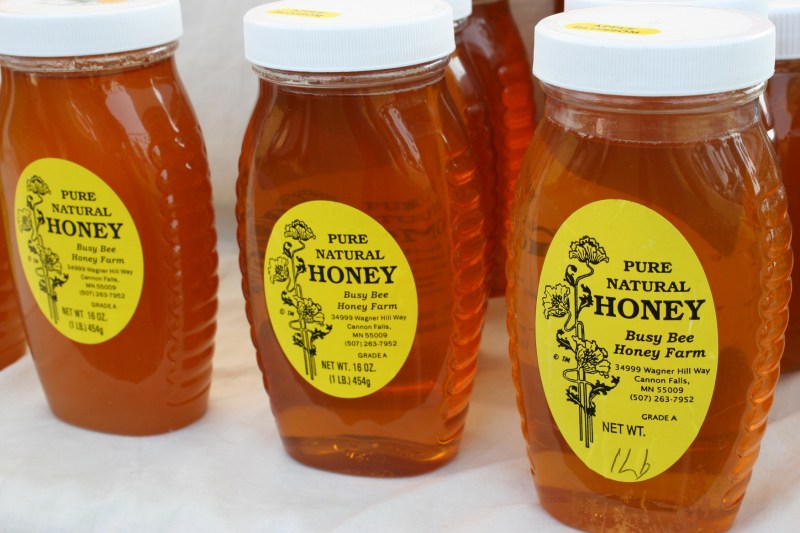
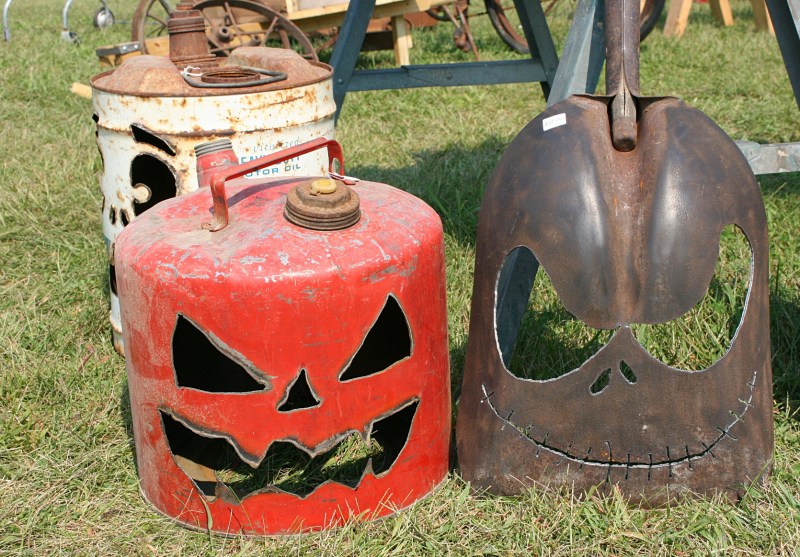
 

Shepherd's Way Farms, 151 penned lambs


The lambs, penned under the shade of sprawling oaks, proved a popular attraction during a recent 2106 Eat Local Farm Tour at Steven Read and Jodi Ohlsen Read’s dairy sheep farm near Nerstrand Big Woods State Park.
 

Shepherd's Way Farms, 143 Burr Oak cheese


Shepherd's Way Farms, 173 sheep in pasture


Shepherd's Way Farms, 145 Big Woods Blue Cheese


Here sheep graze pastureland, fueling up to produce milk for award-winning handcrafted artisan cheeses. Farm tour visitors sampled those cheeses which range from creamy Shepherd’s Hope to the denser, firmer Burr Oak to a blue cheese appropriately named Big Woods Blue. I found the cheeses especially flavorful and the softer cheeses exquisitely creamy, traits attributed to the higher fat content of sheep’s milk.

Farm co-owner and cheesemaker Jodi Ohlsen Read talks about Shepherd's Way Farms.

Farm co-owner and cheesemaker Jodi Ohlsen Read talks about Shepherd’s Way Farms.

The tour group heads toward the barn.

The tour group heads toward the barn.

Looking through a window, visitors get a look at the area where the sheep are secured and fed during milking.

Looking through a window, visitors see the area where the sheep are secured and fed during milking.

Again, through a window, visitors view aging cheese wheels.

Through an interior window, visitors can view the cheese.

Jodi led visitors on a tour past the milking barn and cheesemaking and aging rooms. As we followed her along a hallway separating us from the operational area, we learned about cheesemaking from start to finish. She’s the cheesemaker. Oversized windows allowed for viewing. Here, some 240 sheep are milked in a process that takes about four hours from set-up to milking to clean-up. Jodi noted that if you don’t like to clean, then sheep dairy farming/cheesemaking is not for you.

Jodi answers questions once the barn tour is finished.

Jodi answers questions following the barn tour.

It is clear from Jodi’s tour that she loves this rural way of life, this place where she’s raised four sons. Although grown, those young men still occasionally help, this day at the tour and also with marketing the family’s cheeses. Shepherd’s Way cheese sells primarily in the Twin Cities—at farmers’ markets and select grocery stores—but also as distant as Chicago and the East Coast. The farm also has a Community Supported Agriculture program.

Promotional art showcased inside the on-site store.

Promotional art showcased inside the on-site store.

Classes, tastings and tours are also offered at the farm by the well-spoken and knowledgeable cheesemaker who comes from a pre-dairy professional background in writing and editing.


Shepherd's Way Farms, 127 sheep by barn


Listening to Jodi affirms the farm’s mission statement published on its website:

At Shepherd’s Way Farms, we believe there is a way to live that combines hard work, creativity, respect for the land and animals, and a focus on family and friends. We believe the small family-based farm still has a place in our society. Everything we do, everything we make, is in pursuit of this goal.

Shepherd's Way Farms, 150 bottle feeding lamb


I left Shepherd’s Way understanding this family’s passion, appreciative of their hard work and savory cheeses, and still wishing I could snatch a lamb.

BONUS PHOTOS:


Shepherd's Way Farms, 106 silos & barn

This 1940s former dairy barn and the attached lower building have been converted in to a milking parlor, a cheese production room and a cheese aging room.

This is a beautiful old barn. I especially like the character of the entry.

This is a beautiful old barn. I especially like the character of the entry.

Incredible aged oaks tower near the old barn.

Incredible aged oaks tower near the old barn.

There's a second barn on the property, this one moved several miles from Nerstrand Big Woods State Park.

There’s a second barn on the property, this one moved several miles from Nerstrand Big Woods State Park. The 120-foot long barn replaces the lamb nursery destroyed in a 2005 arson fire.

This farm cat hides in a wooden box outside the farm shop/tasting room.

This farm cat hides in a wooden box outside the farm shop/tasting room.

Outside the tasting room/store.

Outside the tasting room/store.

FYI: Click here to read my previous post about Simple Harvest Organic Farm, another Nerstrand area farm I visited during the 2016 Eat Local Farm Tour.

© Copyright 2016 Audrey Kletscher Helbling