Minnesota Prairie Roots

Writing and photography by Audrey Kletscher Helbling
On the road in southwestern Minnesota, a photo essay November 25, 2019

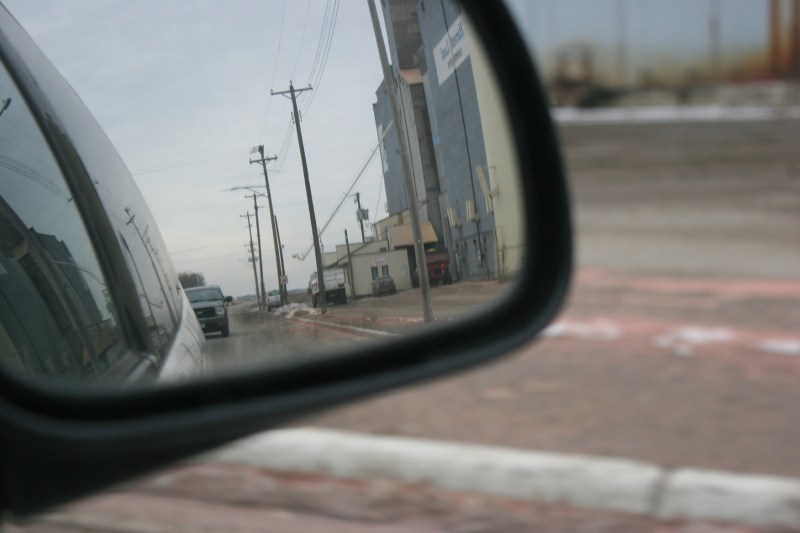
Sometimes I photograph scenes in the passenger side mirror, here the grain elevator in Morgan.


IF I STOPPED TO PHOTOGRAPH everything that grabbed my interest while on the road, I would never get anywhere. So I’ve learned to shoot on the fly—from the passenger seat and out the windshield or the side window. I set my camera’s shutter speed in sports mode (a fast speed to catch action) and then scan for photo ops.

Photographing in this style calls for a watchful eye, an ability to compose/frame a scene at a moment’s notice and a lot of luck. Factor in dirty/tinted windows and reflections and the challenge is even greater.


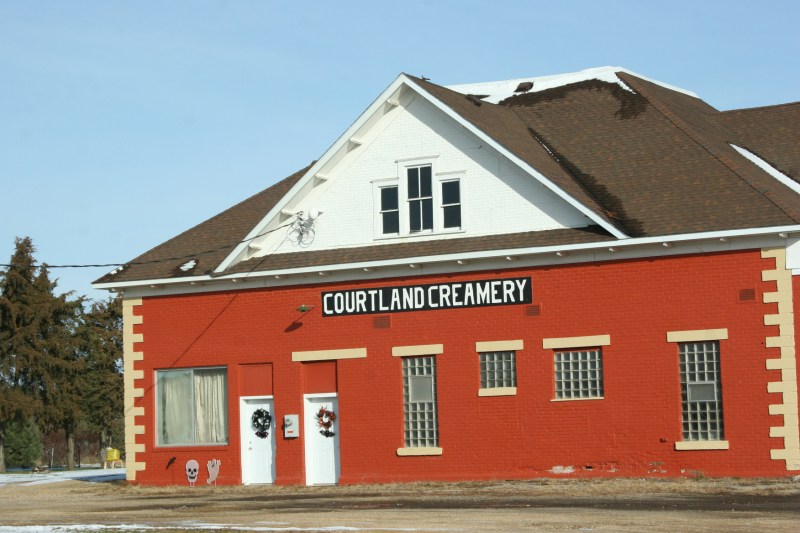
I often think, this creamery in Courtland would make a lovely brewery. I’m unsure of its use, but I think it’s a residence/apartments.


Still, I manage to capture plenty of images that I wouldn’t otherwise get.


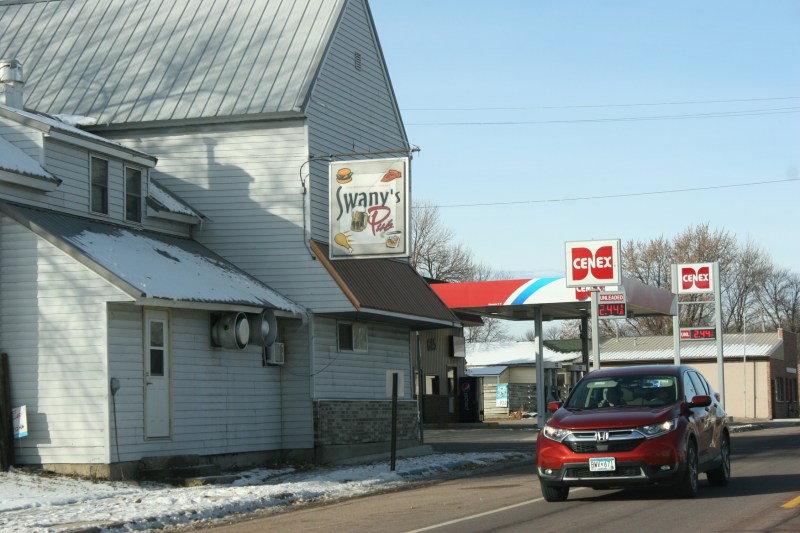
Courtlands’ Swany’s Pub, left, always draws my eye for the signage.


With that background, I take you on the road, westbound toward my native Redwood County. My photo tour begins about 1 ½ hours into this road trip, in Courtland, This small town is a pass-through point for busy US Highway 14. It’s also the home of my maternal forefathers. Not a lot changes in Courtland, although the Crow Bar burned down a few years ago and has since been rebuilt. It’s across the street from Swany’s Pub.


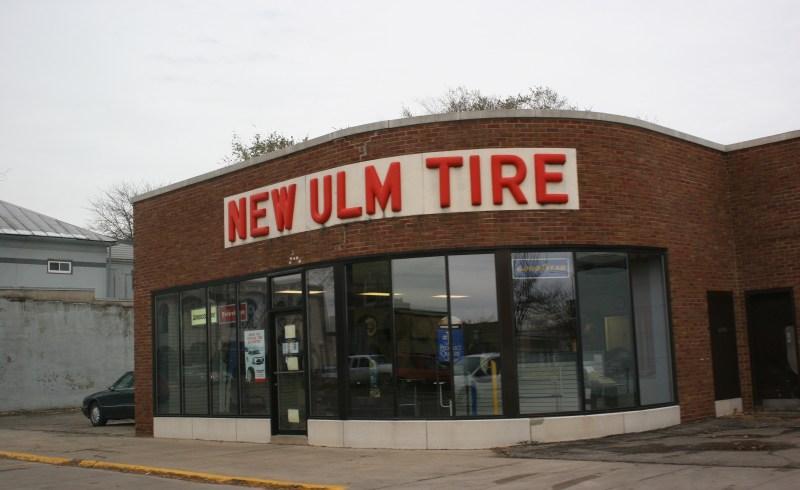
The curve of this tire shop draws my focus.


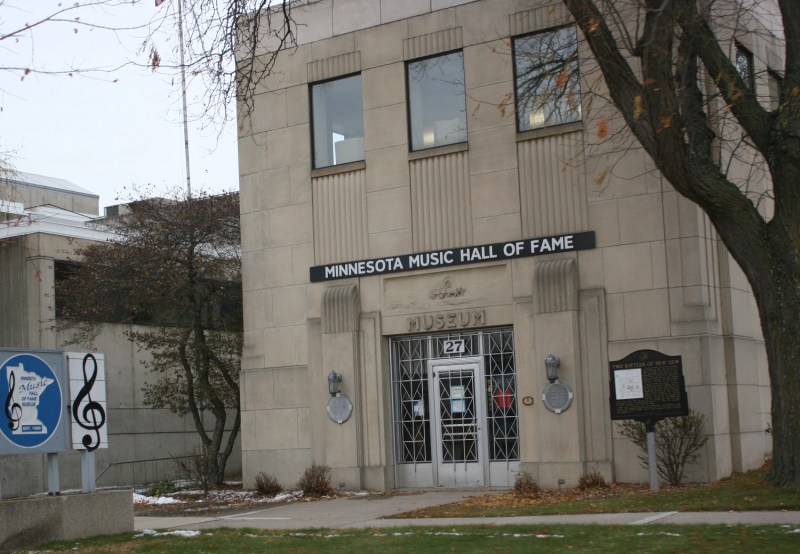
The Minnesota Music Hall of Fame in New Ulm, which I have yet to visit.


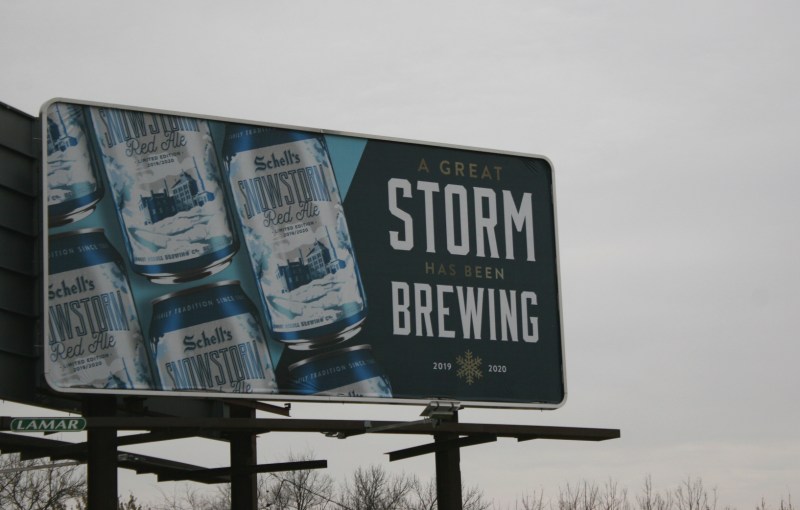
A billboard near New Ulm advertises Schell’s Brewery’s seasonal snowstorm beer.


Continuing west, New Ulm now requires driving through this long river town (due to a major road construction project on Highway 14). I love New Ulm, just not the time it takes to get through the city when you want to reach your destination quickly. The strong German heritage of this place, its natural beauty and a variety of attractions (including Schell’s Brewery) make me a fan of New Ulm.


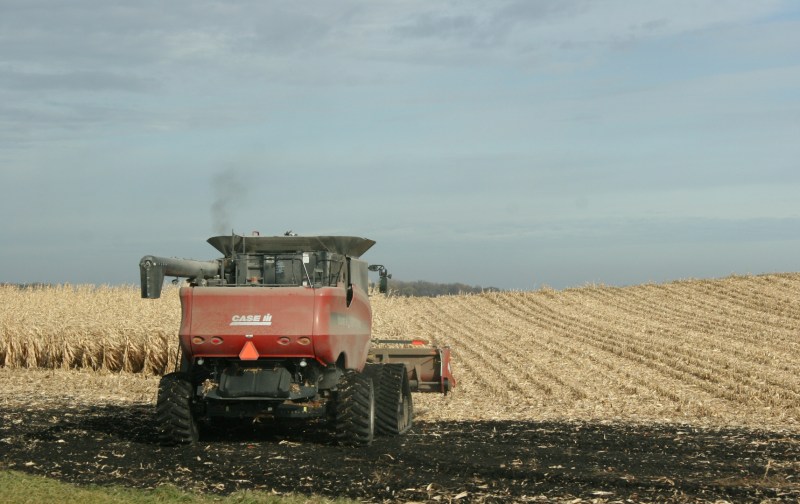
Harvest was in full swing during my most recent trip to southwestern Minnesota a few weeks ago. This is near New Ulm.


Once outside the seat of Brown County, the rural landscape continues on the long stretch of roadways to Morgan.


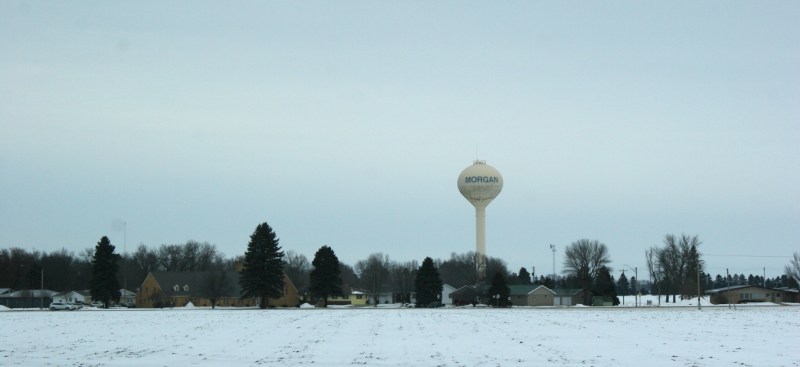
Driving through Morgan, a small farming community.


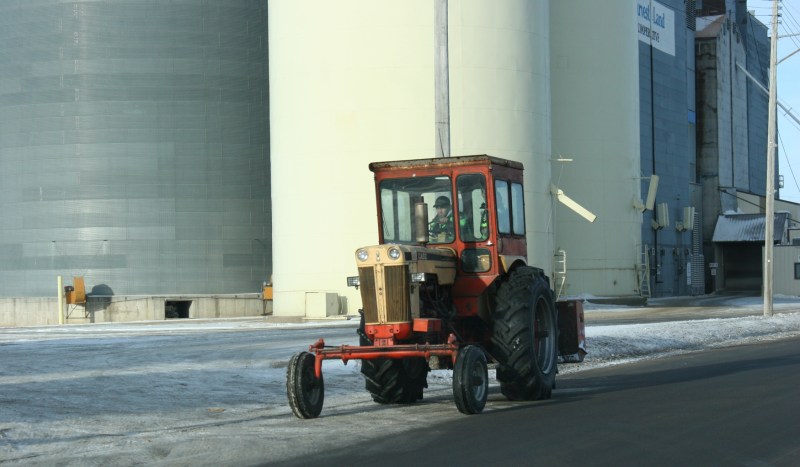
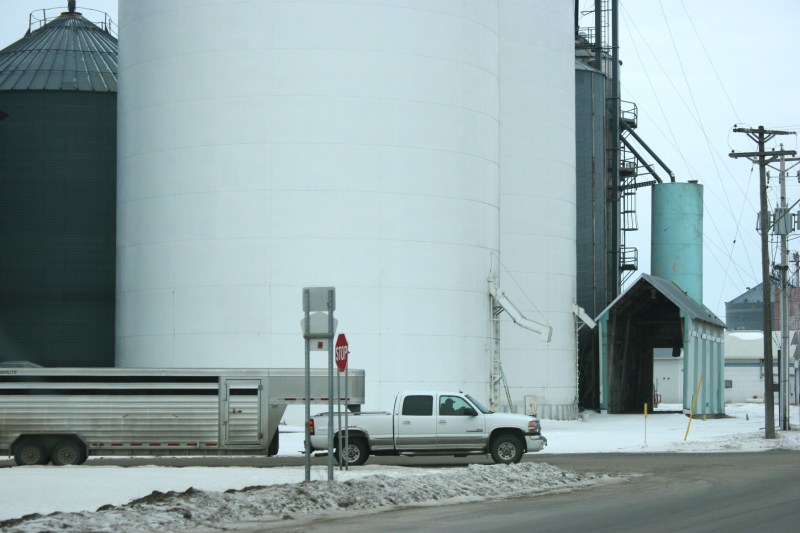
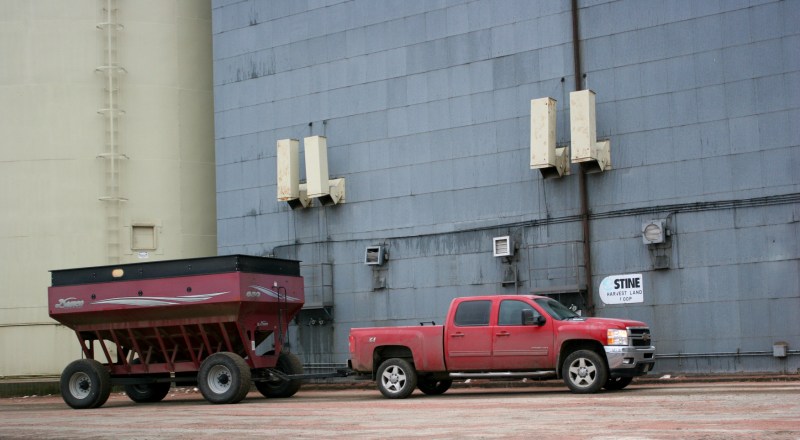
Waiting at the elevator in Morgan.


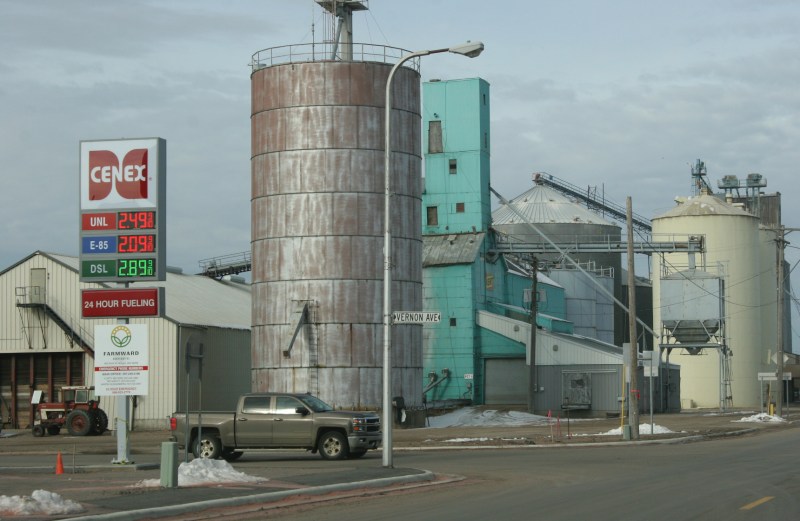
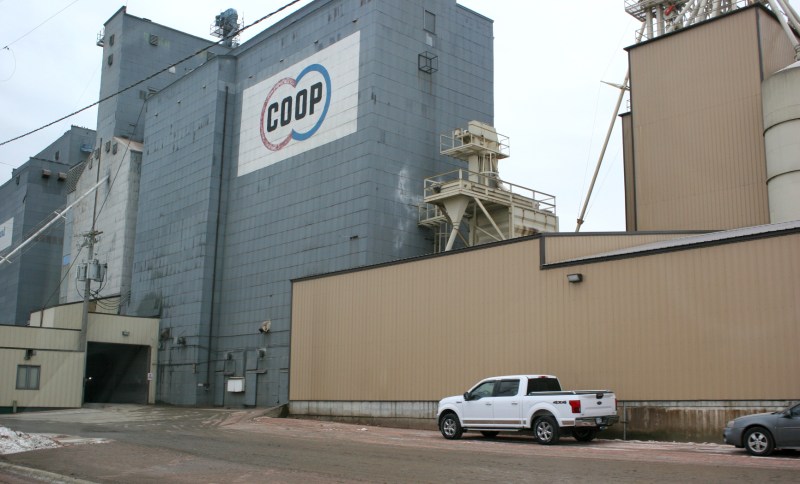
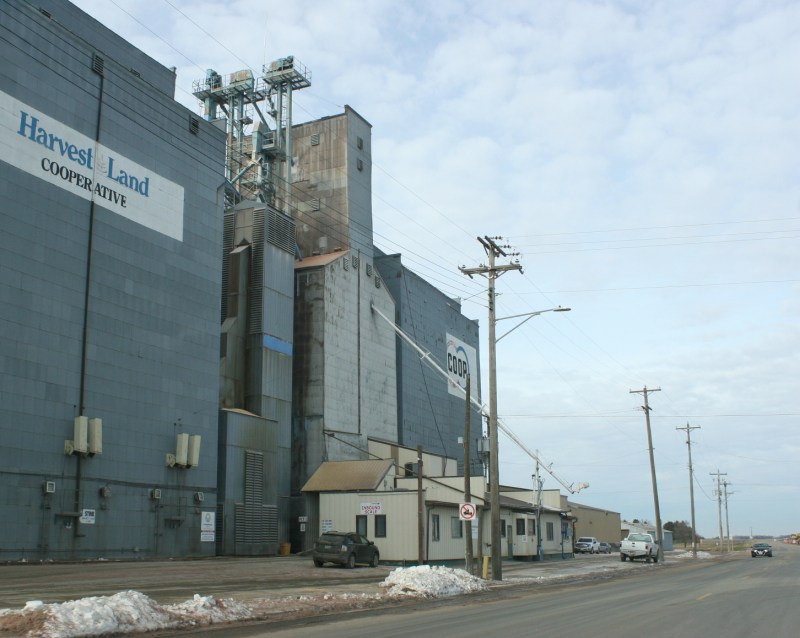
I photograph this co-op elevator nearly every time we drive through Morgan.


Now I’m back in Redwood County and the familiarity of grain elevators and small town Main Streets.


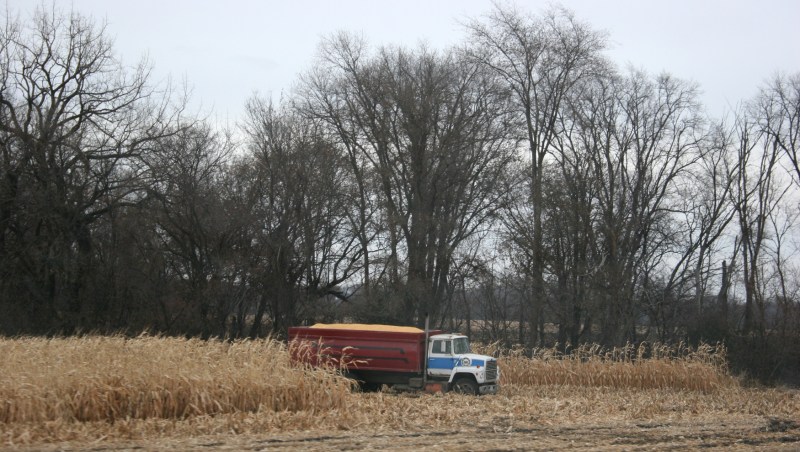
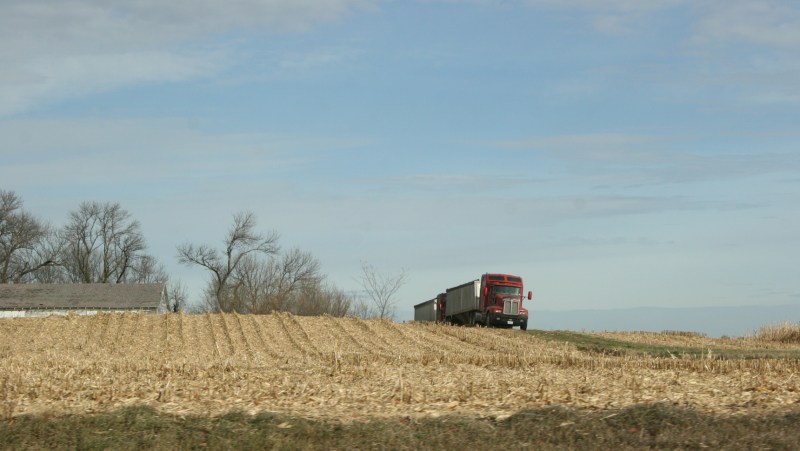
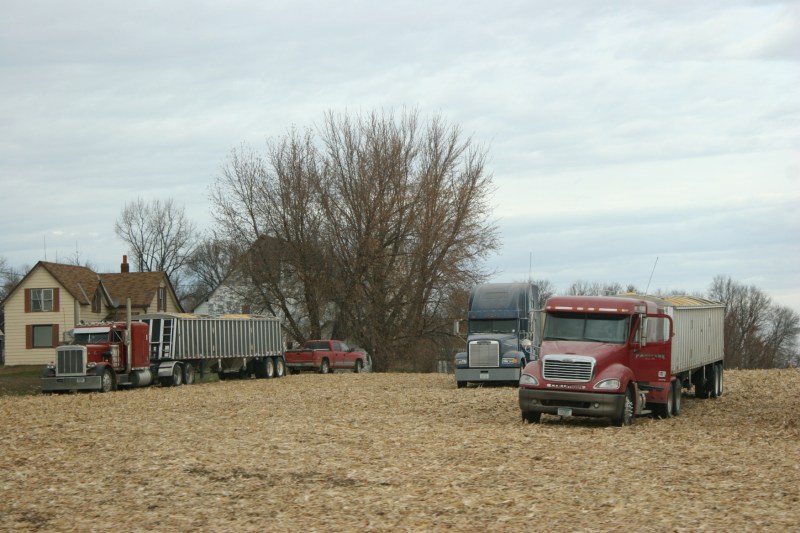
Near Redwood Falls, a grain truck in a cornfield.


Photographing breaks the boredom of too many miles between Morgan and Redwood Falls.


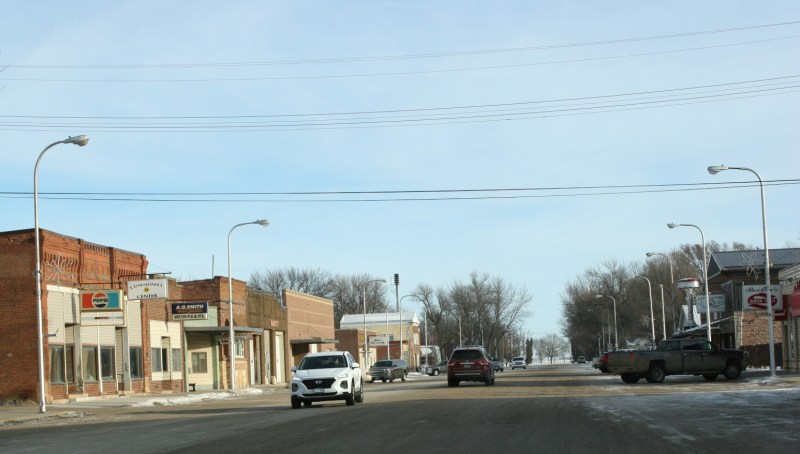
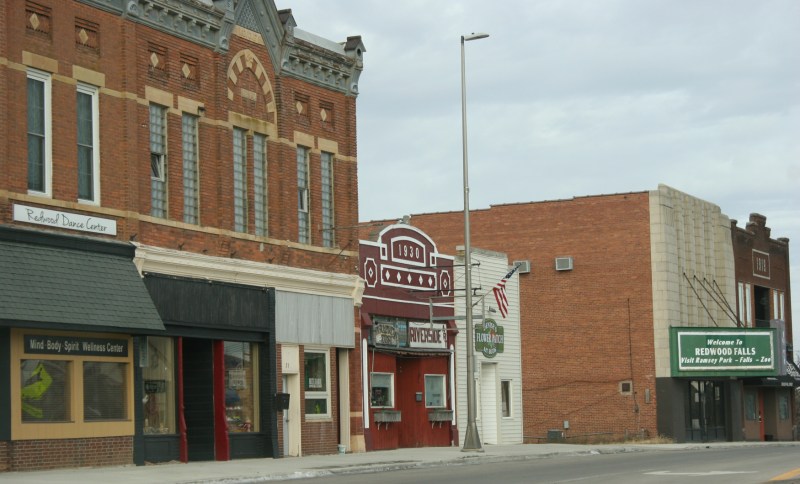
Driving through part of the business district in downtown Redwood Falls, Minnesota.


Redwood always brings out mixed emotions in me. I attended junior high here, the worst two years of my youth due to bullying in school. From both teachers and classmates. Yes, teachers. But Redwood also evokes some wonderful memories of visiting my maternal grandfather, of hiking in beautiful Alexander Ramsey Park (known as The Little Yellowstone of Minnesota) and buying fabric in the basement of the J.C. Penney’s store. I sewed most of my clothes as a teen.

As I photograph these places, I am documenting my life. Not always directly, but indirectly. And if not my life, then the lives and places of those who call southwestern Minnesota home.

© Copyright 2019 Audrey Kletscher Helbling
 

“Back home” in rural southwestern Minnesota November 22, 2019

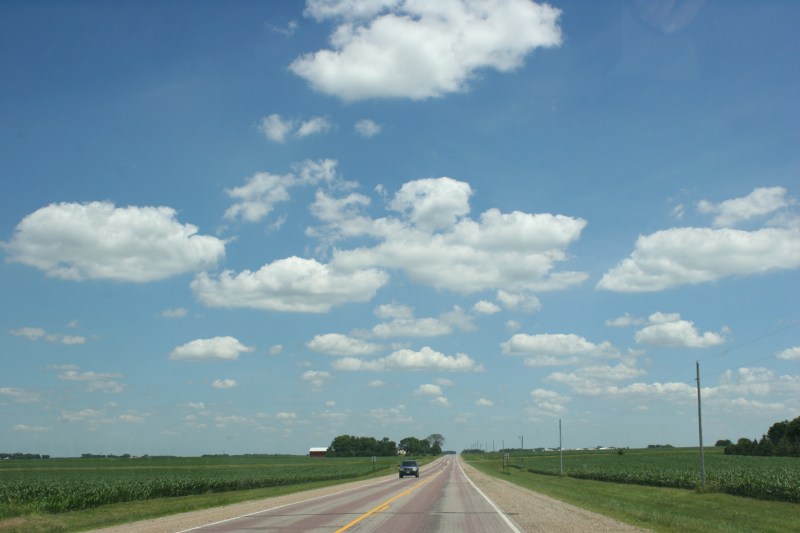
Along U.S. Highway 14 west of Mankato. I grew up some 80 miles west of here.


ALTHOUGH I’VE LIVED IN TOWN longer than in the country, I still feel most at home in the familiar surroundings of endless land and vast sky. Southwestern Minnesota. It is the place of my roots, the place of my heart, the place where I feel overwhelmingly comfortable.


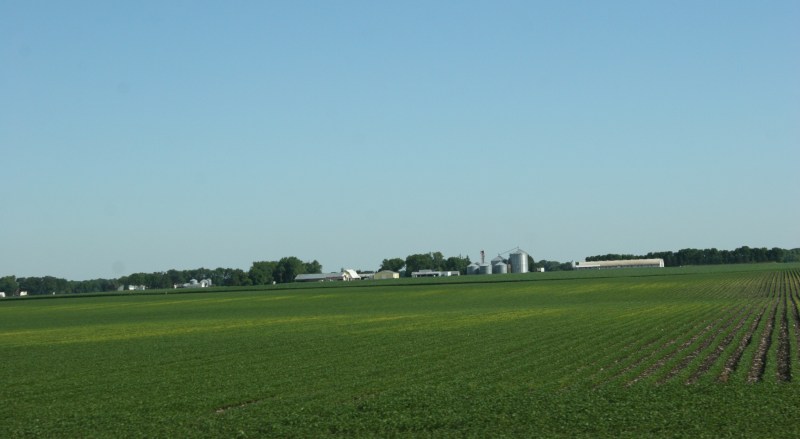
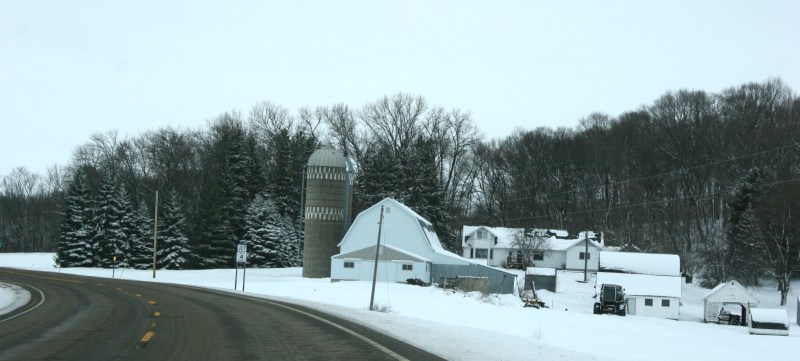
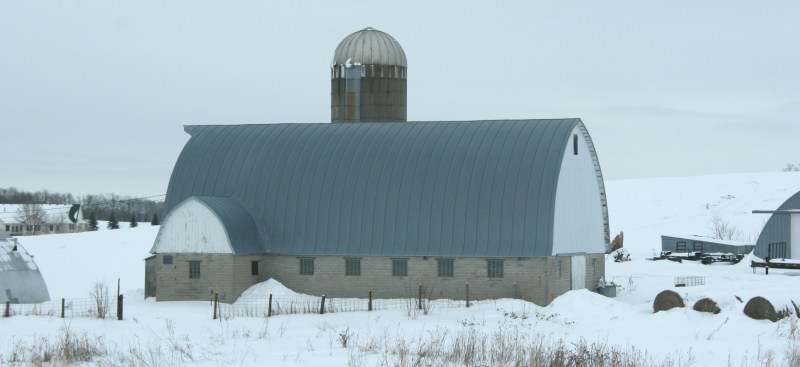
Farms edge U.S. Highway 14 in this region of Minnesota.


I expect most people connect to a geographic location. Do you?


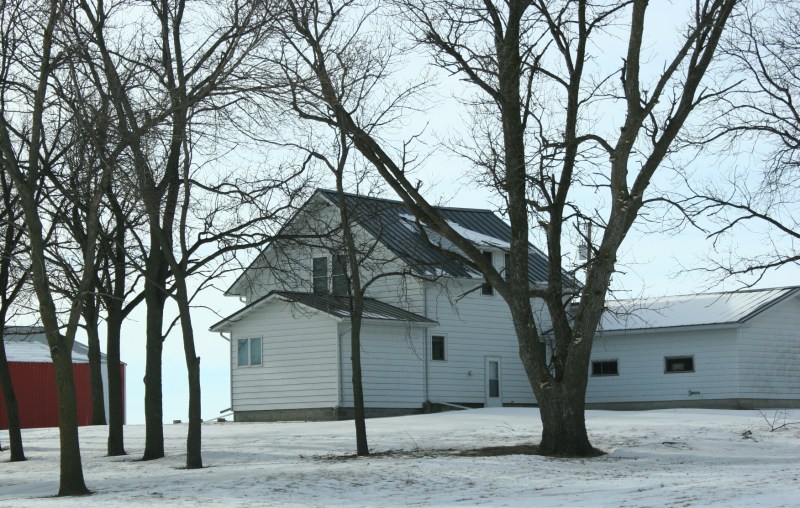
Another farm along Highway 14 west of Mankato.


Every time I’m back home, because, yes, I still call this rural region back home, I sweep my eyes across the landscape, noticing always how small I feel in this setting. The sky and land overtake every aspect of this place, dwarfing farm sites and farm machinery and people. Only grain elevators seem to hold any sort of visual power.


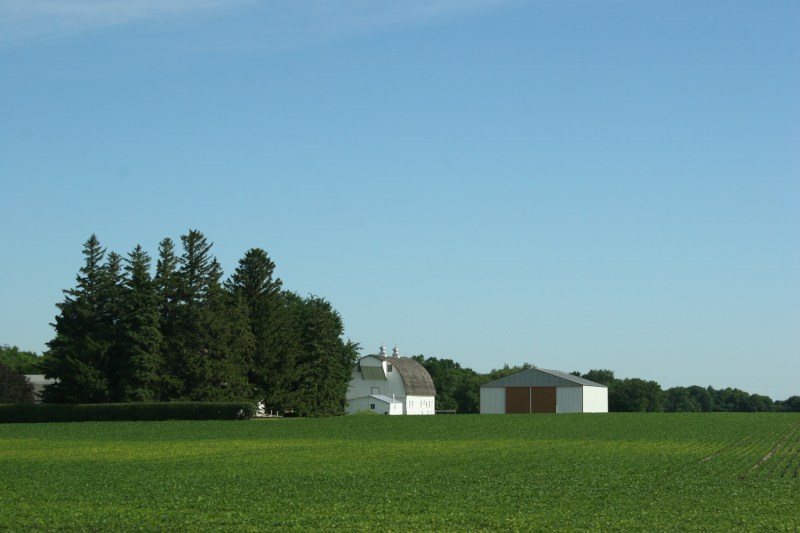
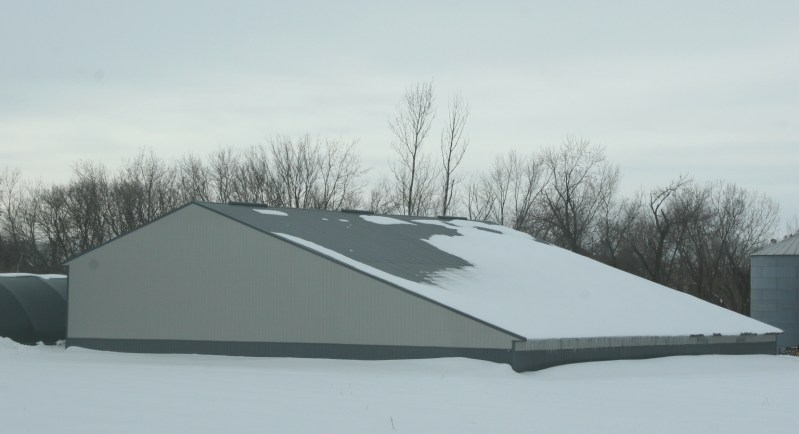
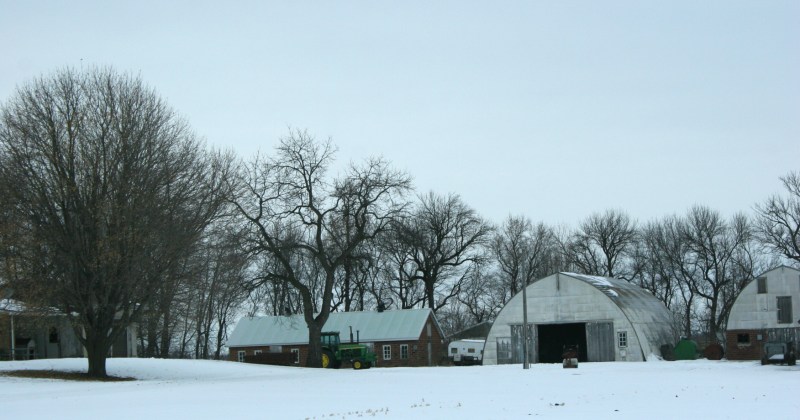
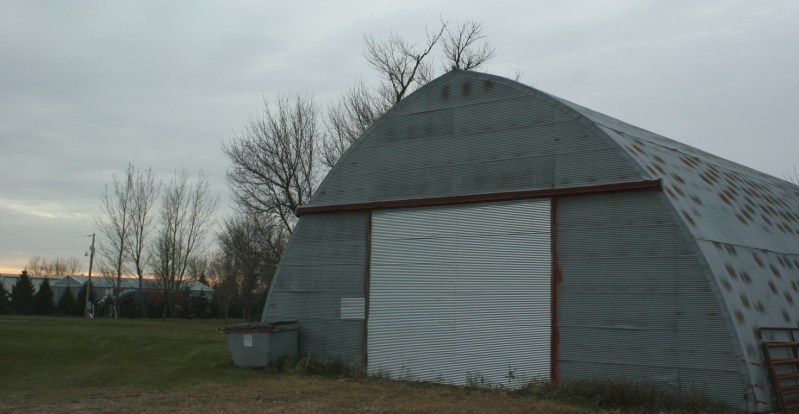
An old-style machine shed in southwestern Minnesota.


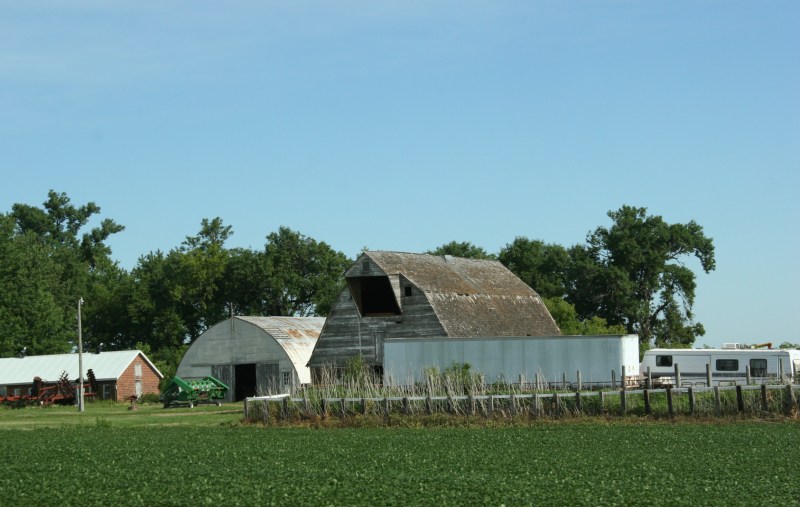
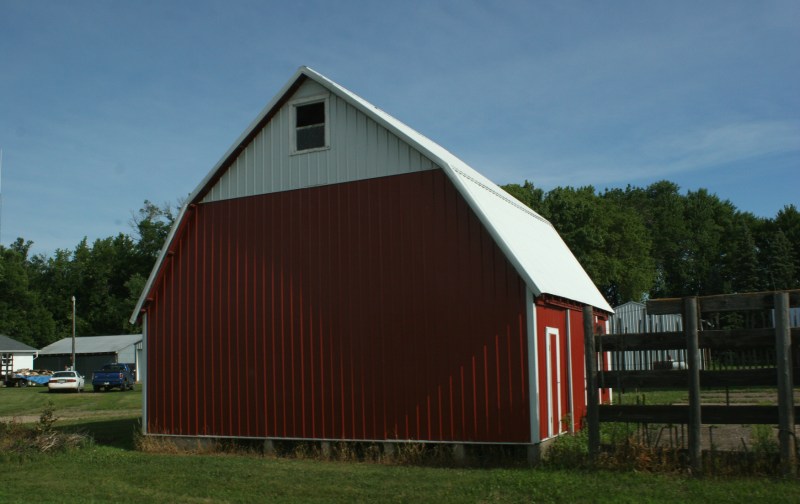
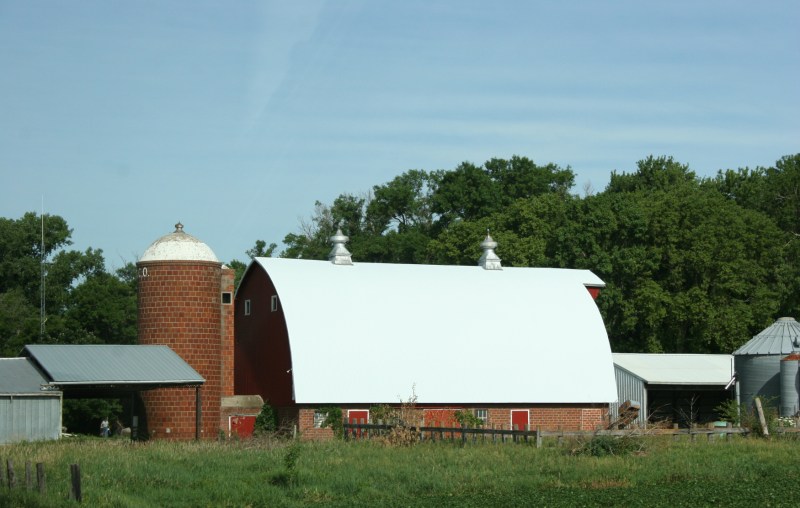
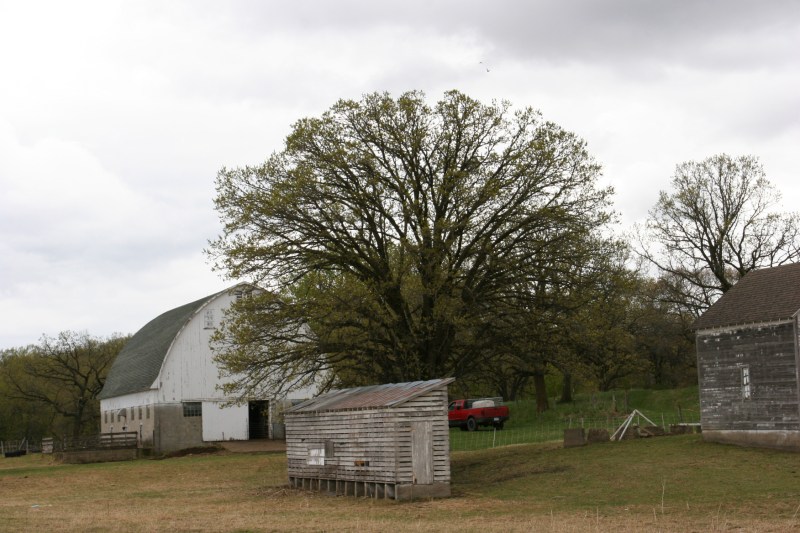
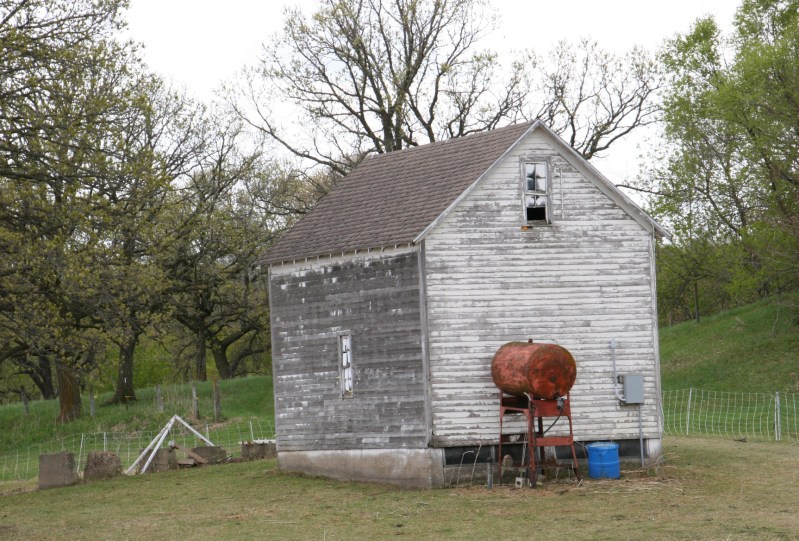
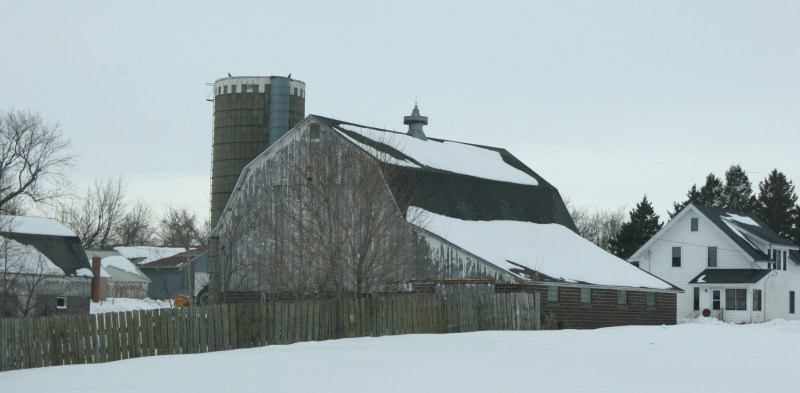
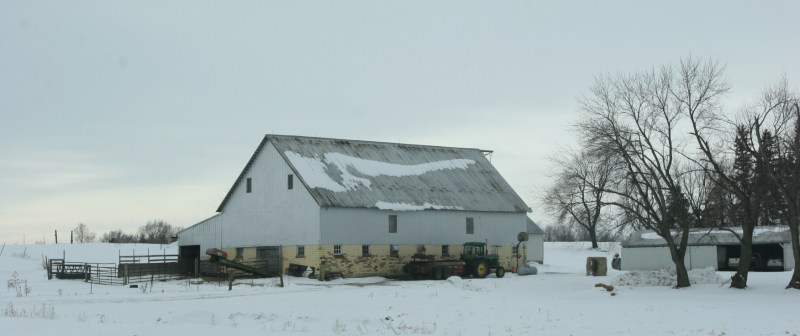
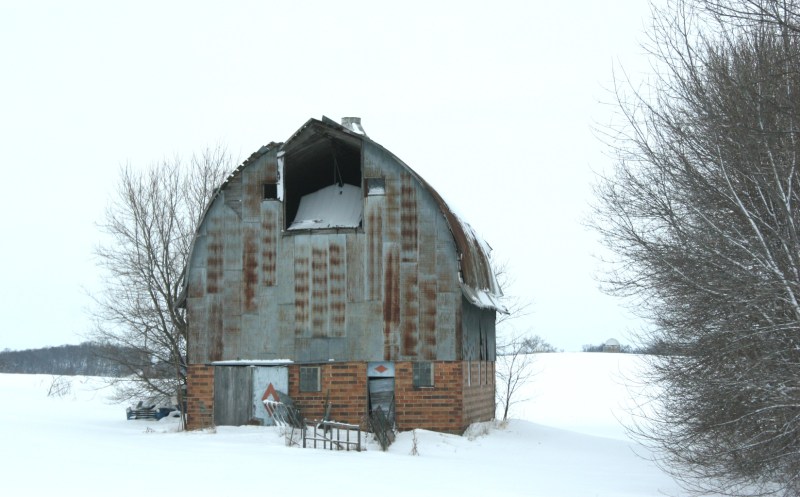
As I travel through this farming region, I study building sites, pleased by sturdy, maintained barns, dismayed by those with roofs caving. Too many barns are vacant of animals, an almost certain start of their demise.


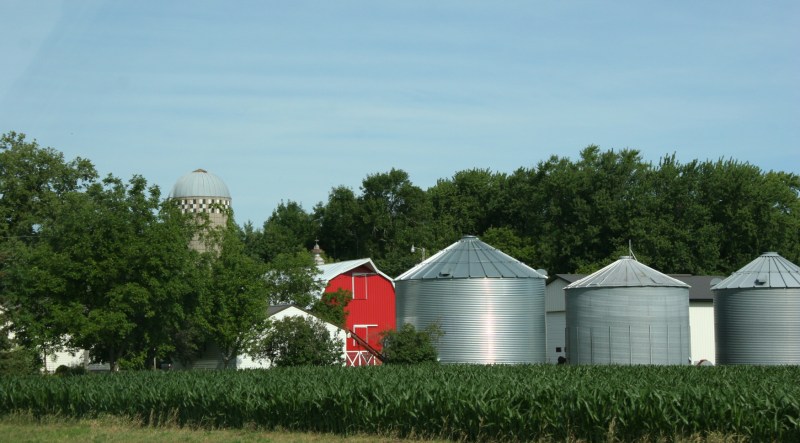
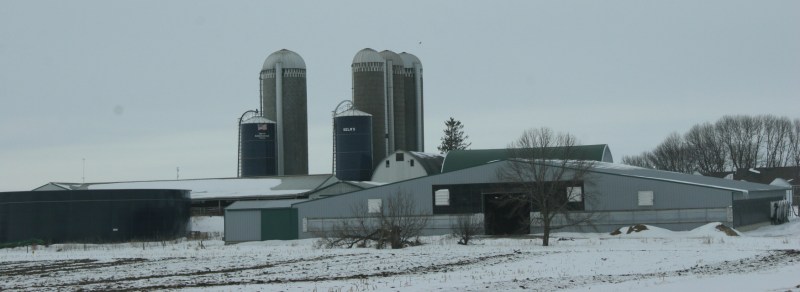
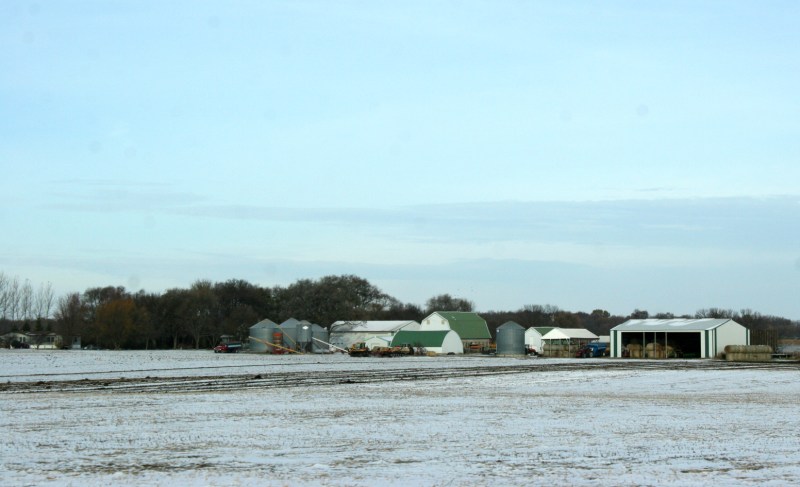
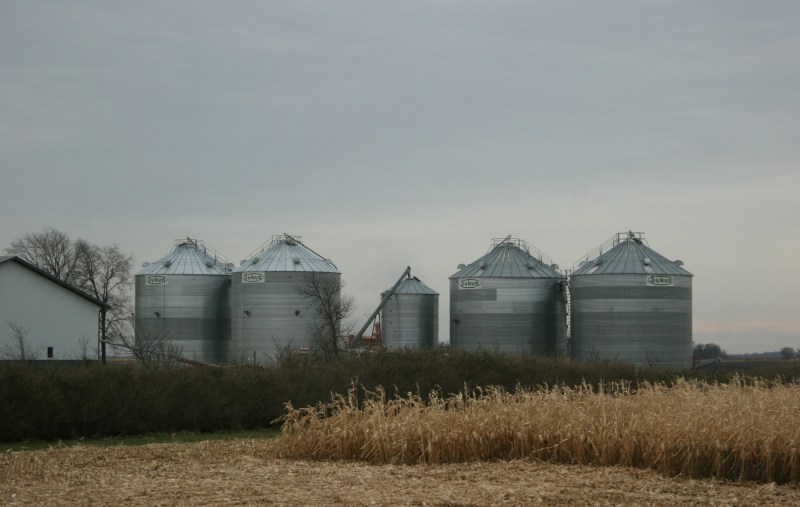
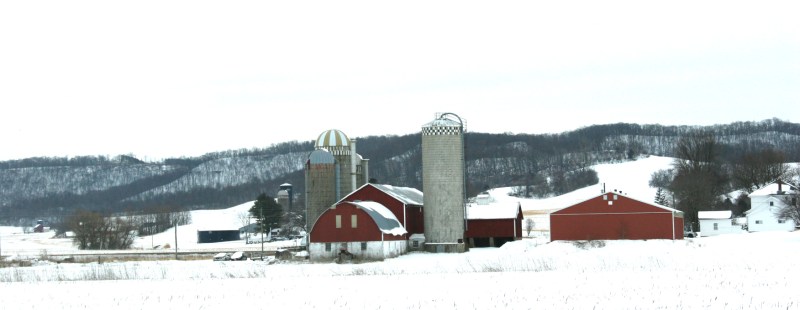
Grain bins define a farm site near Delhi, Minnesota, in my native Redwood County.


Like the farmer’s daughter I am, I notice the status of crops from spring planting to harvest. It’s in my DNA, this natural instinct to focus on corn and soybean fields, to assess the growing season, to care about the weather.


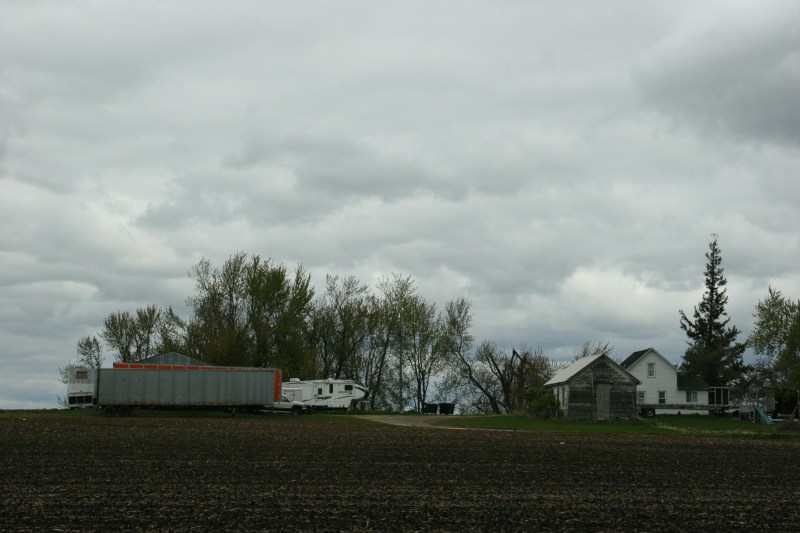
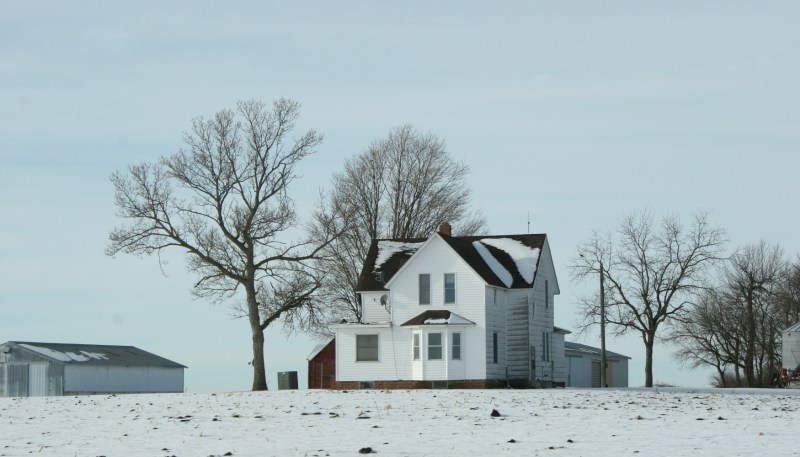
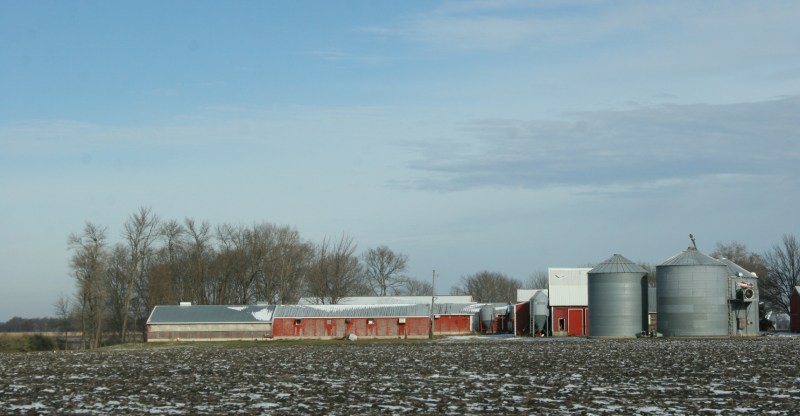
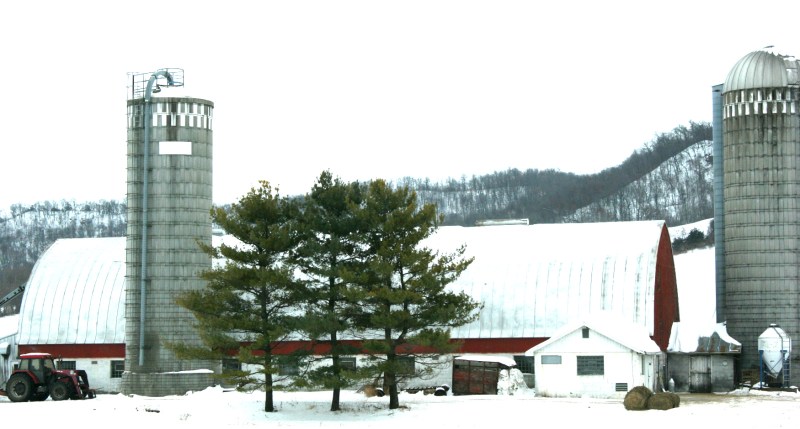
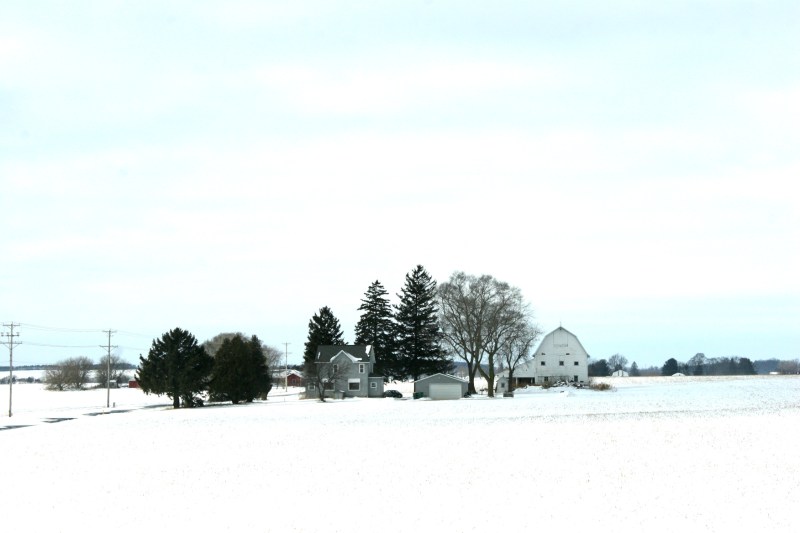
A farm site west of New Ulm, Minnesota.


Although I’ve left this land of my youth, I remain grateful for the earth, the sky, the wind, the communities, the schools, the churches and peoples of southwestern Minnesota. All influenced and shaped me. And still do.

© Copyright 2019 Audrey Kletscher Helbling
 

New efforts to help Minnesota farmers in crisis November 19, 2019

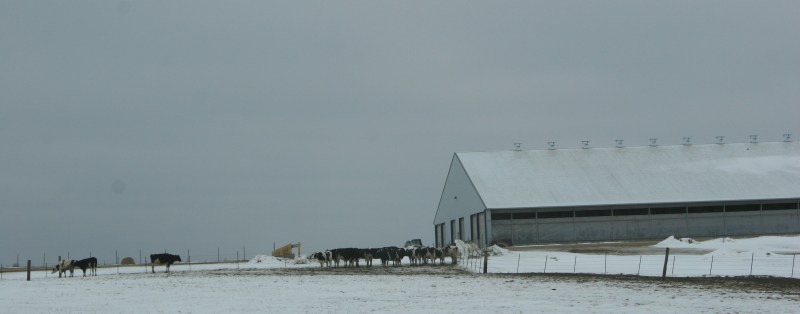
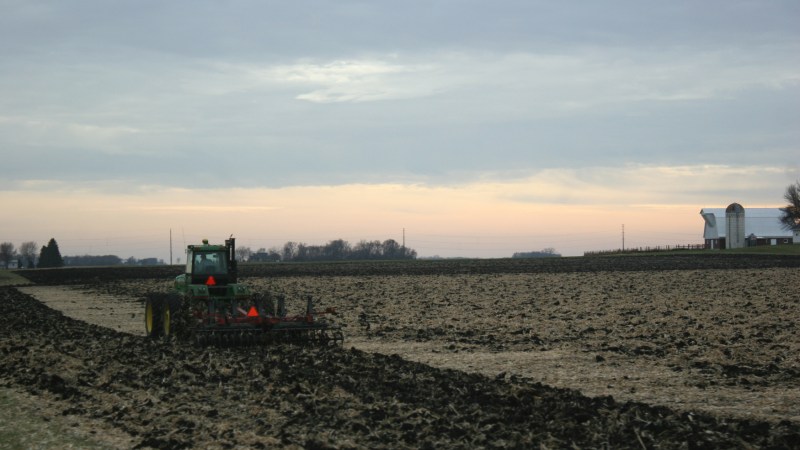
Tilling at sunset, Redwood County, Minnesota.


I WITNESSED THE DESPAIR first-hand. The overwhelming concern that can settle in when bad weather affects crops, prices drop and the bills pile high.


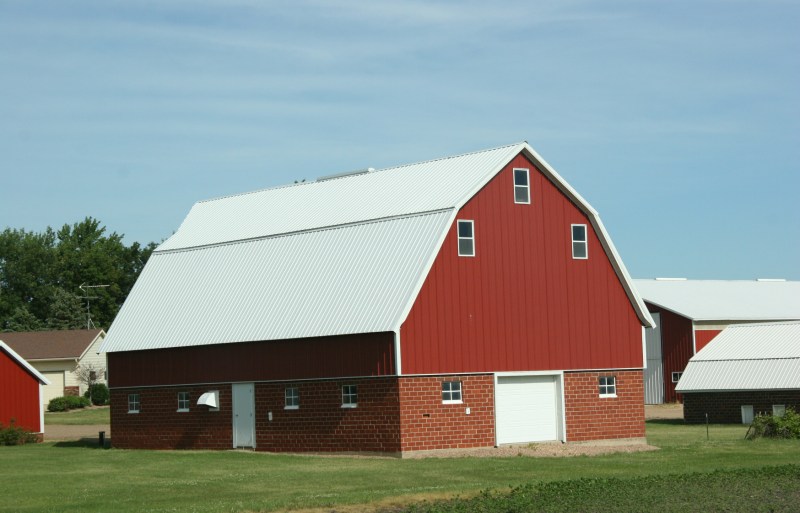
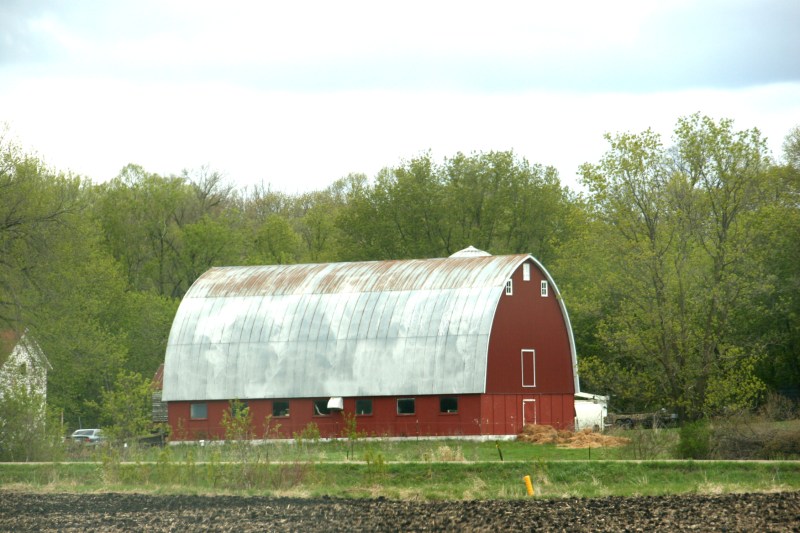
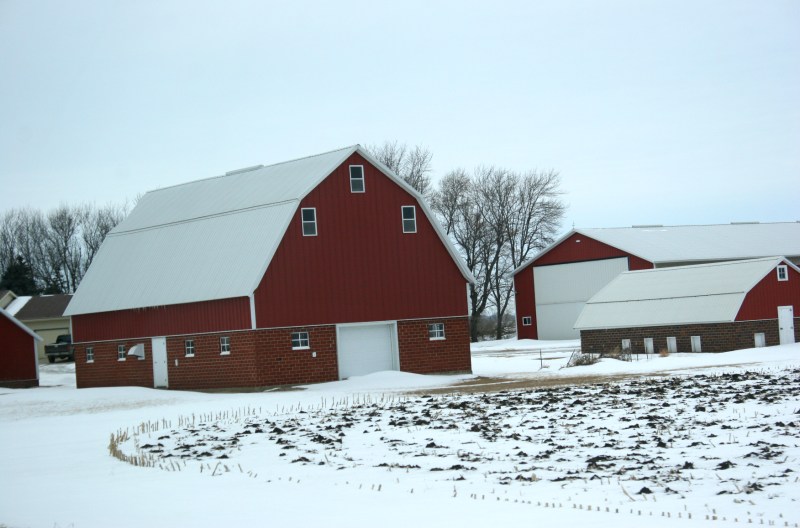
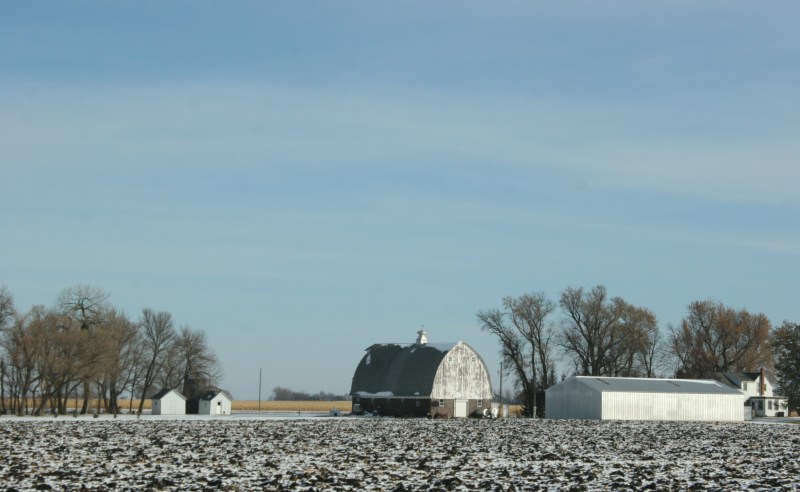
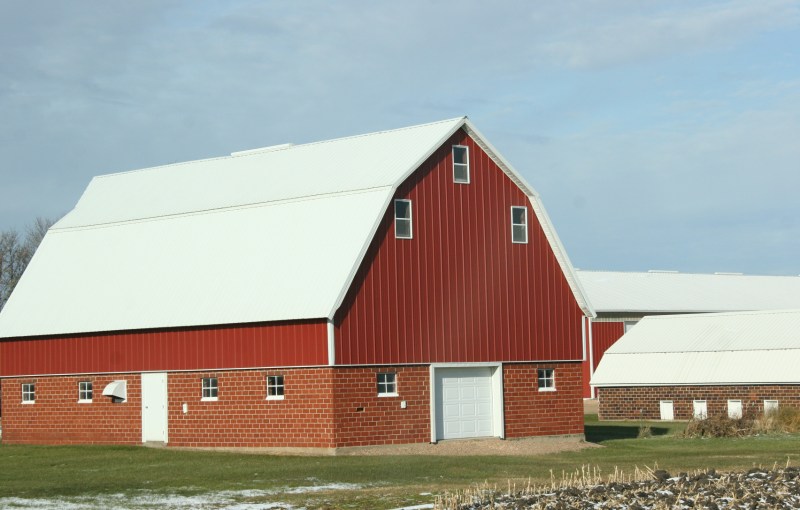
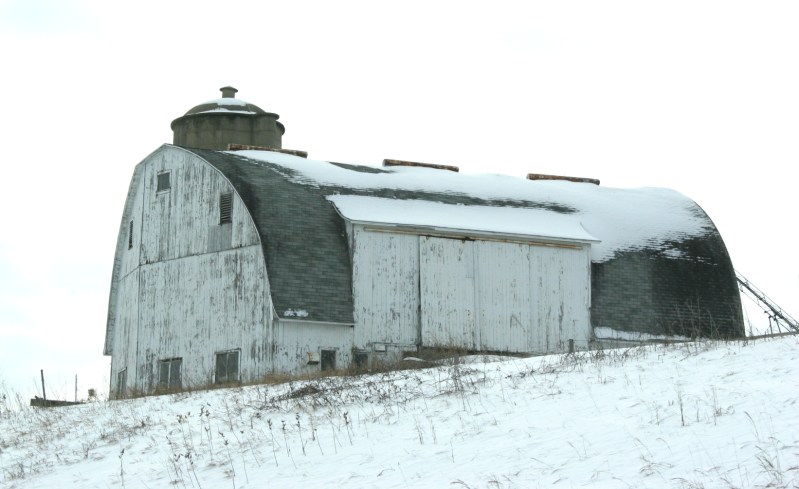
A well-kept, stately barn west of New Ulm, Minnesota.


Too many years I observed the struggles my dad faced as a farmer. Even as a kid I understood. But now, as an adult reflecting on my past, I understand even more. I observed the stress Dad faced in 1976 when a drought left him without enough feed for the livestock and necessitated purchasing a boxcar full of hay from Montana. I recall, too, the time he dumped milk down the drain, part of a National Farmers Organization protest over low milk prices. And then, when a tornado hit our farm, he had to make agonizing decisions about whether to rebuild.


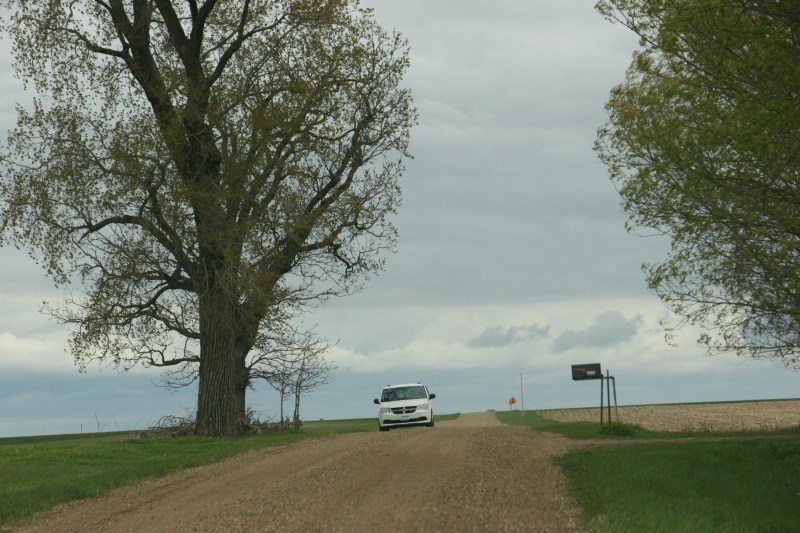
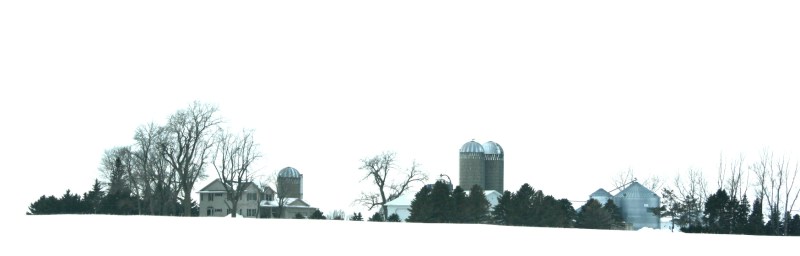
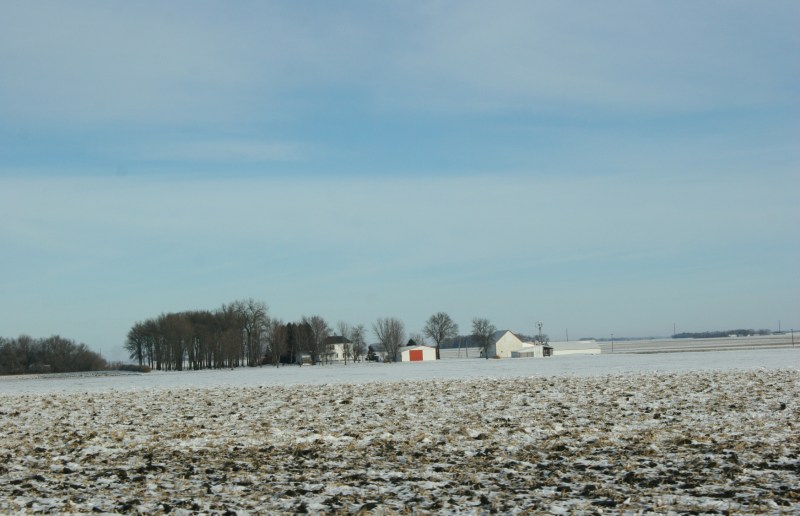
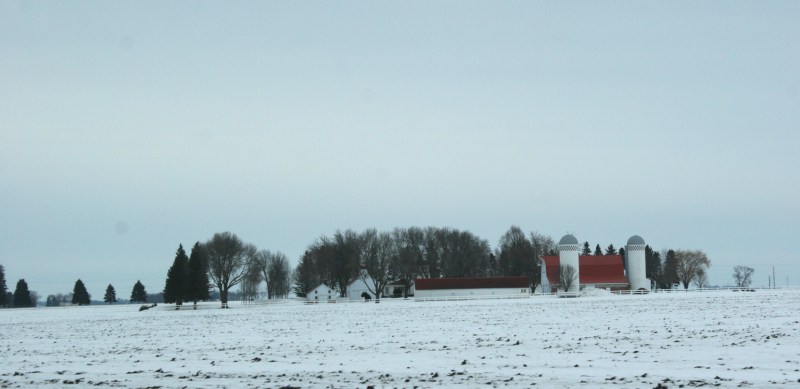
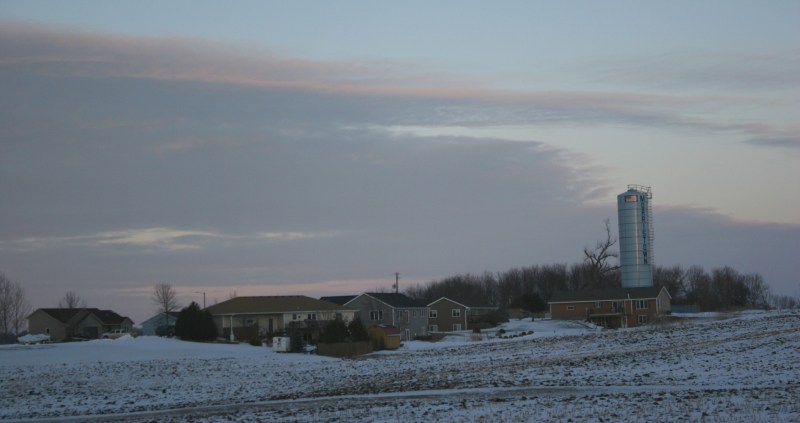
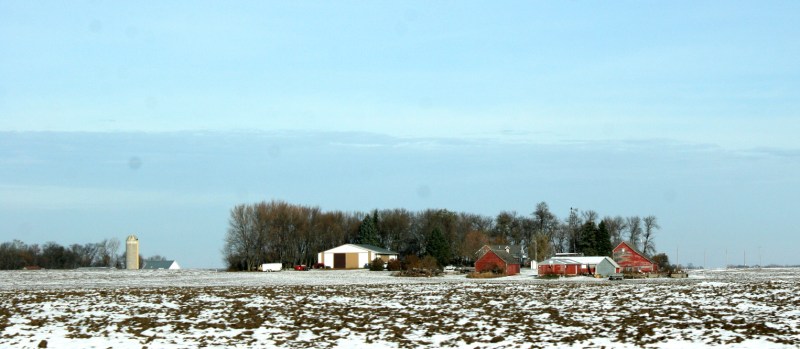
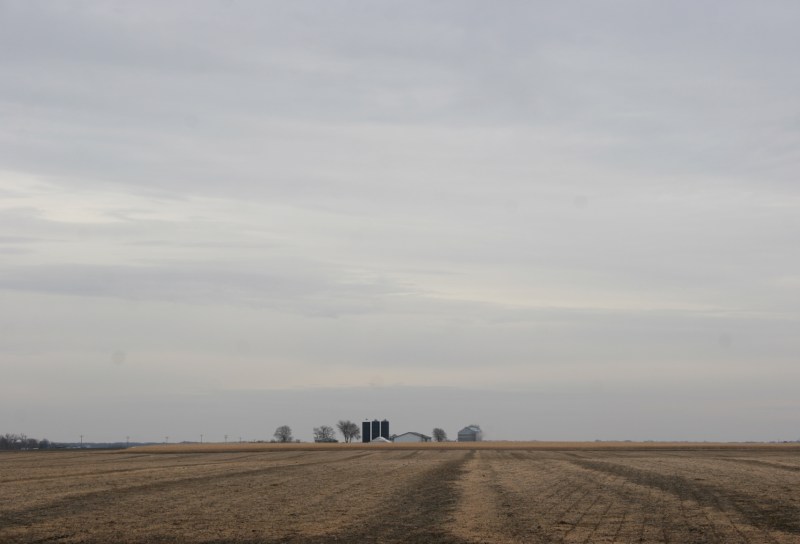
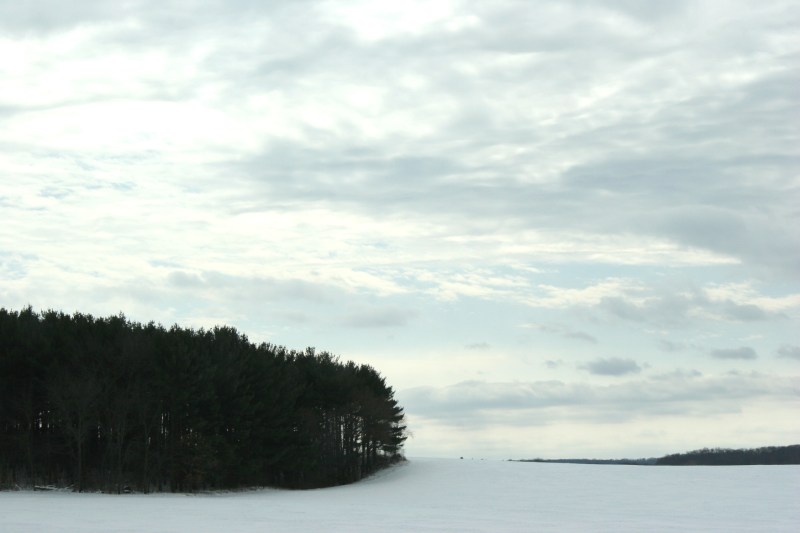
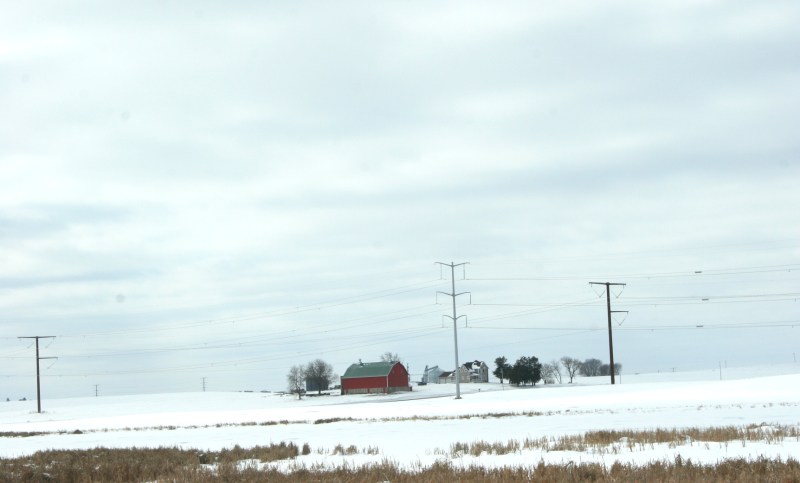
A farm site in my native Redwood County, Minnesota, where the land and sky stretch into forever.


Certainly, my years on a southwestern Minnesota crop and dairy farm in the 1960s and 1970s differ from today in many ways. Farms are bigger now, family farms fewer. Technology weaves into every aspect of farming. And many farmers (and their spouses) now hold off-the-farm jobs to make ends meet, to continue farming. Yet, the basics of unpredictable weather and prices and resulting stress remain unchanged.


About 10 days ago, farmers in southwestern Minnesota rushed to harvest crops.


This has been an especially difficult year for farmers in Minnesota. Too much rain. Dairy prices that have plummeted. I don’t know all the intricacies of what’s happening. But I understand enough to recognize that many farmers are in crisis. Financially. And mentally.


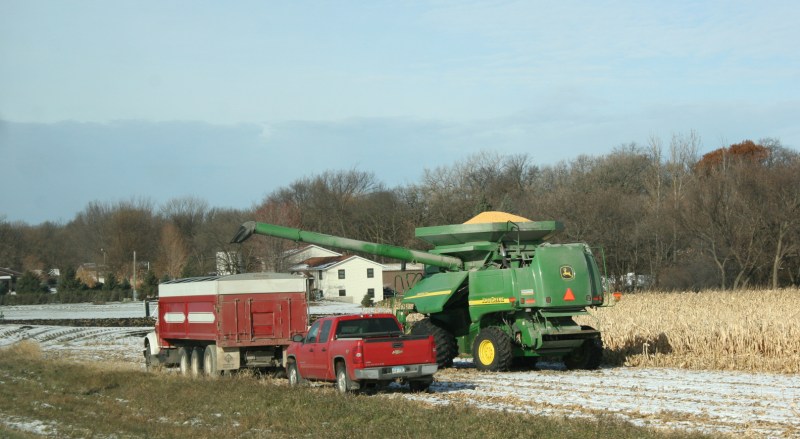
Harvesting with snow already on the ground near New Ulm, Minnesota, on a recent Saturday.


Unlike the era in which my dad farmed, people are doing something about these issues. The Minnesota Departments of Agriculture and Health are holding safeTALK training at locations around the state—including in my community of Faribault on Wednesday, November 20—to help people help farmers in crisis. The training is aimed specifically at suicide prevention and intervention.


The grain elevator in Morgan in southwestern Minnesota.


This latest focus on the mental health of the ag community is long overdue. Farmers have always been there for one another in times of need, when another farmer, for example, battled a disease like cancer. But when it came to mental health, not so much.


Still bringing in the corn in early November in southwestern Minnesota.


These latest efforts reflect a societal shift in mental health awareness. More and more of us are talking about it. And that is a good thing. Now we need more mental healthcare professionals in rural areas. Talk is only as valuable as the resources and action to back it up.

THOUGHTS?

© Copyright 2019 Audrey Kletscher Helbling
 

Thoughts after returning “home” to southwestern Minnesota November 14, 2019

Filed under: Uncategorized — Audrey Kletscher Helbling @ 5:00 AM
Tags: , , , , , , ,

Just a few miles south of Belview, a John Deere tractor travels along a county road.


SOUTHWESTERN MINNESOTA. It is the place of my roots. The fields. The small towns. The people. The land. The sky. Even the wind.


A real estate and farm loan office in downtown Belview.


When I return here, I return with a sense of nostalgia. With memories. With a fondness for all this wide and spacious place represents to me. Yes, I admit to looking through a rose-colored lens, too often forgetting the challenges of living in rural Minnesota.


I love the colorful art on this antique shop in Belview, Minnesota.


But I prefer to focus on the comfort that going back home brings to me. A sense of calm. A sense of peace. A sense of quiet in a sometimes too chaotic life.


The local gas station/convenience store in Belview, next to the grain elevator. An important place since there’s no grocery store in town.


Small towns have their issues. Just like anywhere. But they also have the positives of a strong sense of community, of loyalty, of grit and determination. Agriculture weaves into every aspect of these small towns. Like Belview, rooted in agriculture. You see that influence in the businesses along Main Street.


Another Belview business.


There is comfort in seeing that, despite e-commerce and regional shopping centers, rural communities manage to hold onto local businesses. I often wonder how long. And that is a question only those who live in these communities can answer.


Working the land between Belview and Delhi.


THOUGHTS?

© Copyright 2019 Audrey Kletscher Helbling
 

A Minnesota roadside sweet corn stand August 13, 2019


Along Minnesota State Highway 3 just south of Dundas.


ACROSS SOUTHERN MINNESOTA, signs pop promoting sweet corn. Fresh. From the field. Tasting of summer.


Some farmers sell at local farmers’ markets or to grocery stores. Others vend from pick-up trucks, beds heaped with piles of sweet corn.


Randy selects corn from the Highway 3 stand.


Others park a wagon roadside,


secure a payment box thereon and trust customers to pay on the honor system.


Shove bills into box, bag your corn and go.


I love those stands—the unmanned ones that show people still believe in the goodness of other people. Trust. Honesty. Goodness. Virtues seemingly lost on too many these days. But still present in rural Minnesota.


And I love stories, like the one posted at a sweet corn stand along Minnesota State Highway 3 between Dundas and Faribault.


These entrepreneurs are growing pumpkins and squash, too, in the field next to the sweet corn stand.

Stories that make customers want to buy, and then return.

© Copyright 2019 Audrey Kletscher Helbling
 

Connect with farmers, the land, animals & more during co-op farm tour July 11, 2019

Filed under: Uncategorized — Audrey Kletscher Helbling @ 5:00 AM
Tags: , , , , , ,

Shepherd’s Way Farms, rural Nerstrand. Minnesota Prairie Roots file photo 2016.


FARM-FRESH VEGETABLES. Free-range chickens. Fields of flowers. Hand-crafted butter and cheeses. Organic berries.


Minnesota Prairie Roots file photo.


All and much more focus the annual Co-op Farm Tour scheduled for 10 a.m. – 4 p.m. this Saturday, July 13, in the eastern half of southern and central Minnesota into western Wisconsin.


Minnesota Prairie Roots 2016 file photo from Shepherd’s Way Farm.


The event offers the public an opportunity to meet farmers on the land, to tour their farms, to engage in farm activities and learn more about local sources of food (and flowers). The more we know, the better informed to make decisions about food choices. The more we know, the better connection with those who grow, raise, tend, harvest.


Approaching Shepherd’s Way Farms, rural Nerstrand. Minnesota Prairie Roots file photo 2016.


As someone raised on a 160-acre crop and dairy farm in southwestern Minnesota, I understand and appreciate these farmers. Farming may seem like an idyllic life-style. But I will tell you that it’s hard work being a small-scale farmer. The job is labor and time intensive. Yet, talk to one of these mostly new-generation farmers and you will hear their passion for farming. They are dedicated and market savvy and passionate in a way that inspires.


In the window of Ruf Acres Market, cartons promoting eggs from Graise Farm. Minnesota Prairie Roots file photo.


I hope you can find time this weekend to visit one or several of the farms on the Co-op Farm Tour. Several are in my area of Minnesota, including Graise Farm, Faribault; T.C. Farm, Dundas; Twin Organics Farm, Northfield; Shepherd’s Way Farms, Nerstrand; Ferndale Farm & Market, Cannon Falls; Hope Creamery, Hope; and Little Big Sky Farm, Henderson.

FYI: Click here for more info on the Co-op Farm Tour.

© Copyright 2019 Audrey Kletscher Helbling
 

From southwestern Minnesota, where corn is king July 9, 2019


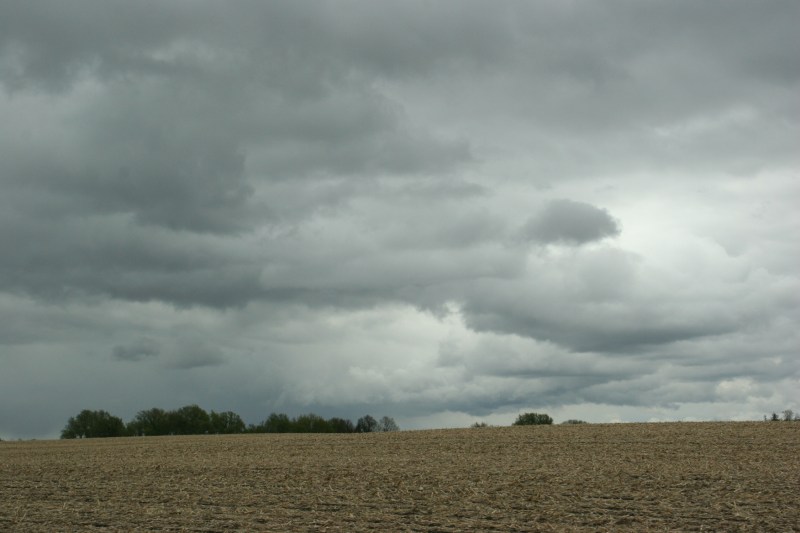
Farm fields stretch as far as the eye can see under an expansive sky in southwestern Minnesota.


TRAVEL MY NATIVE RURAL southwestern Minnesota as I did several days ago, and you will see vast fields of corn stretching across the landscape. Here you will find some of Minnesota’s richest and most fertile soil. Here corn and soybeans dominate.


A flooded field photographed on July 3 just east of Belview in Redwood County, Minnesota.


In a particularly challenging growing season of late spring planting followed now by too much rain, farmers hope still for a bountiful harvest. Even as they view fields resembling lakes. But to be a farmer is to hold optimism.


A tractor and digger parked in a field along Minnesota State Highway 19 between Redwood Falls and the Belview corner.


Everything in these small communities centers on a farming economy. In years of good yields, businesses benefit. In years of low yields and low prices, small towns suffer. It is the cyclical nature of farm life in rural America.


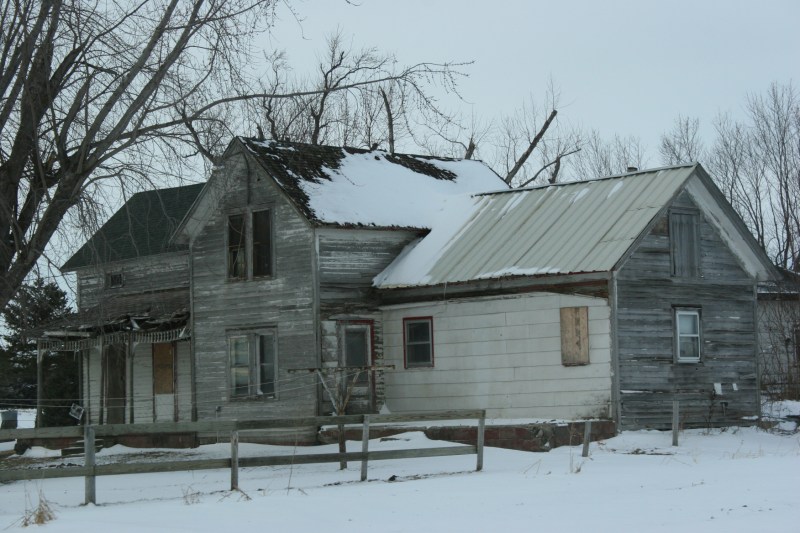
An abandoned farmhouse sits atop a hill along Minnesota State Highway 19 near the Belview corner.


There’s much to appreciate about this rural region that roots me and grew me into a writer and photographer. Folks value the land and embrace a strong sense of community and of place.


Promotional billboards along U.S. Highway 14 and State Highway 4 in downtown Sleepy Eye.


In Sleepy Eye to the west of New Ulm, for example, the community celebrates Buttered Corn Days in August. This small town is home to a Del Monte Food’s corn and pea processing plant. We’re talking sweet corn here, not field corn.


Vending sweet corn in downtown Sleepy Eye on July 3.


Sweet corn season has just begun in Minnesota with roadside vendors pulling into parking lots and alongside roadways to sell fresh sweet corn from the backs of pick-up trucks. Farm to table at its most basic.


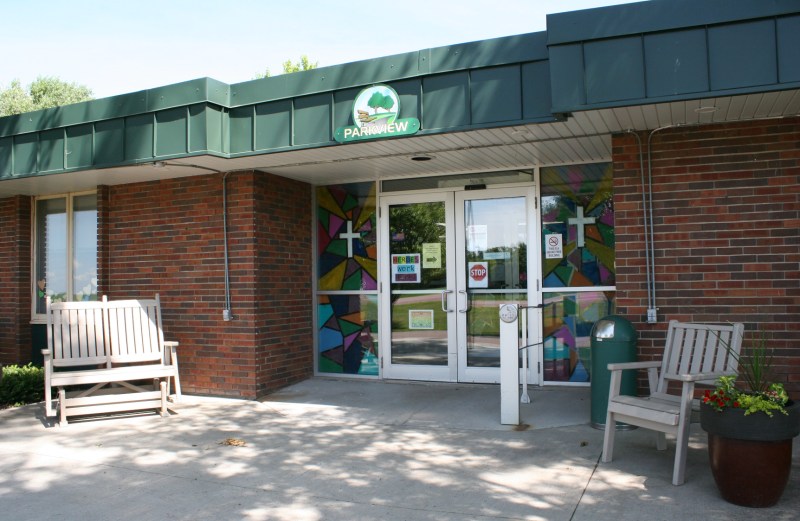
In a public visiting space at Parkview Home…


In the small town of Belview even farther to the west in my home county of Redwood, a single stalk of DeKalb field corn stands in a five-gallon bucket inside Parkview Home where my mom lives. I laughed when I saw the corn stalk with the notation of planted on May 13. Back in the day, corn growth was measured by “knee high by the Fourth of July.” Corn, in a typical year, now far surpasses that height by July 4. Not this year.


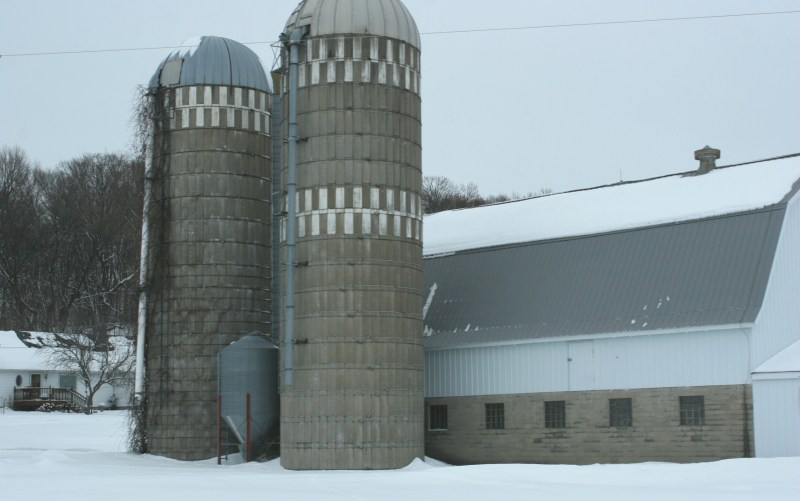
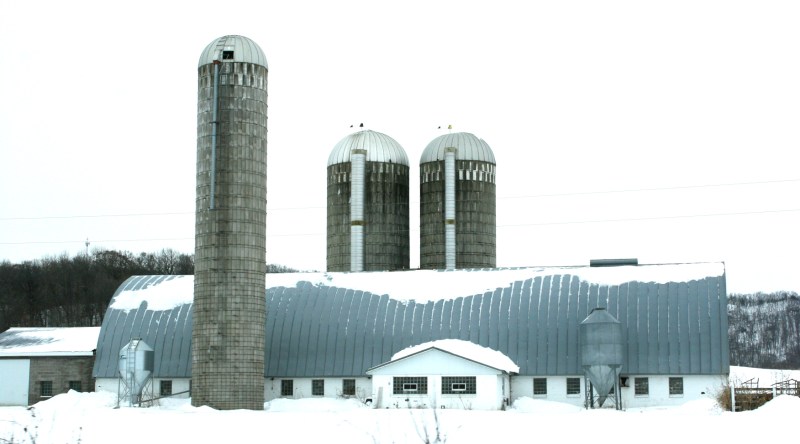
Silos and grain elevators are the highest architectural points on the prairie.


I can only imagine how many conversations that single corn stalk prompted at Parkview where most residents grew up on and/or operated farms. It’s details like this which define the rural character of a place and its people.

© Copyright 2019 Audrey Kletscher Helbling
 

From rural Minnesota: Farmer of the Year film showing this weekend in Faribault March 23, 2019

Near Edgerton, 30 miles south of Tyler, Minnesota. Minnesota Prairie Roots file photo 2013.


CALL US THE BOLD NORTH, Fly-over Land, that place that’s too cold and snowy—whatever your description of Minnesota, I love this place. Most of the time.

We are a place of prairie vistas, lakes and woods, rolling hills, river bluffs. We are urban and rural. We are separately and together Minnesota.

The Minnesota I know best, and love most, is rural. South of the Twin Cities metro. Gravel roads and small towns. Church gatherings and family reunions. Popping into the grocery store only to strike up conversations with friends and acquaintances. This is the place of hotdishes (not casseroles) and recipes passed among generations.


But we are also a place of growth. In technology, industry, education, the arts. This weekend art follows rural roads to my native southwestern Minnesota. To an independent feature film written by former Lincoln County Dairy Princess Kathy Swanson. I blogged a few days ago about Farmer of the Year, a film which Kathy co-produced and directed with her partner, Vince O’Connell.

Even though she now calls Vermont home, Kathy remains true to her rural roots in the writing of this fictional story about a retired farmer embarking on a cross country road trip. I’m thankful for that rural authenticity. I’m thankful for Kathy’s creative focus on her rural southwestern Minnesota. It’s a place too often overlooked. Even by Minnesotans. When I tell people where I grew up, I often get a blank look. So I work my way back east, asking whether they know the location of New Ulm. If not, I backtrack even farther east to Mankato. Or often I will say “half-way between Redwood Falls and Marshall” and let them figure out the precise location of Vesta, my hometown. Portions of the film are shot in Marshall, but most are primarily around Kathy’s hometown of Tyler. That includes on her childhood family farm, still in the family.


A scene photographed from Rice County Road 15 between Faribault and Morristown, Minnesota. Minnesota Prairie Roots file photo.


I hope you will follow Interstate 35, Minnesota State Highway 60, or whatever highway or backroad to Faribault this weekend to view the Minnesota made film Farmer of the Year by YellowHouse Films. It’s showing at 7 p.m. Saturday, March 23, and at 2 p.m. Sunday, March 24, at the Paradise Center for the Arts.

If you are interested in viewing this independent feature film in your community, talk to the folks at your local movie theater or arts center as the film is not widely distributed. Then connect with Kathy at YellowHouse Films so she can follow up. Whether you live in Minnesota or New York or California or any place in between, Kathy’s happy to work with you in bringing Farmer of the Year to a screen in your area. I’d love for you all to see this rural Minnesota made film that features the place of my roots, southwestern Minnesota.

CLICK HERE to view a trailer of the film and for additional info.

© Copyright 2019 Audrey Kletscher Helbling
 

Turkey proud November 21, 2018

Filed under: Uncategorized — Audrey Kletscher Helbling @ 4:40 PM
Tags: , , , , , ,


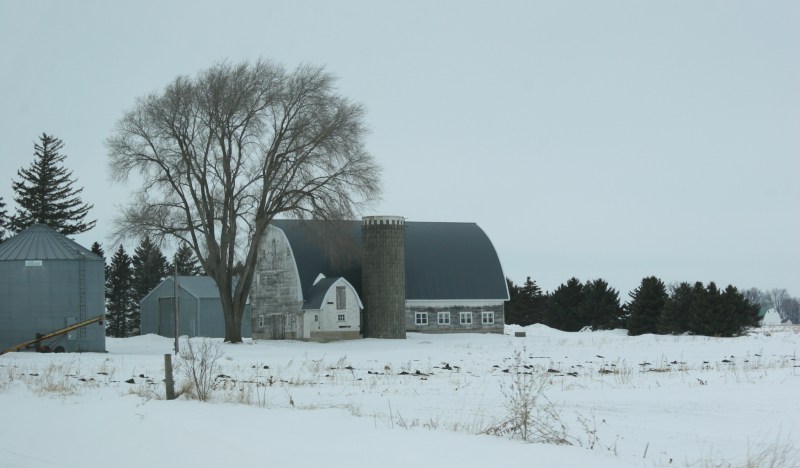
MINNESOTA RANKS FIRST in the U.S. in turkey production and processing.

So it should come as no surprise that a town in Minnesota would claim fame as home of the World’s Largest Turkey. That would be Frazee in Becker County, one of our state’s top turkey producing counties.

I never exited the highway to see the turkey sculpture. Sometimes when you’ve been on the road for too long, you just want to reach your destination. I wasn’t much interested in adding extra miles to see a turkey. But, hey, at least I noticed the billboard and that’s something.

TELL ME: Have you seen the Frazee turkey?

CLICK HERE to see the turkey I missed and which Teresa at Minnesota Wonders took the time to see and photograph.

© Copyright 2018 Audrey Kletscher Helbling
 

En route to the Red River Valley of Minnesota November 6, 2018

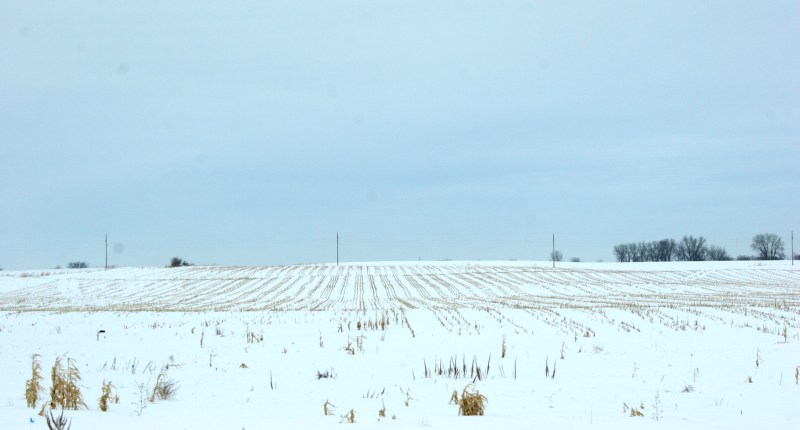
Somewhere on a back road between Detroit Lakes and Hendrum.


TRAVELING NORTHWEST TOWARD the Red River Valley from Detroit Lakes last Thursday morning, I thought I was mentally prepared for the vastness, the flatness that define this area. I am, after all, a native of the southwestern Minnesota prairie. And I’ve been to Fargo-Moorhead, which is tabletop flat.


Trucks hauling crops are the most common vehicles on roads in these parts this time of year.
 

But this route was different. This nearly 1.5 hour drive took Randy and me off the interstate and onto back county roads and state highways as we aimed toward Hendrum in Norman County. At times we drove for endless miles without sighting another vehicle. It’s unsettling to feel such isolation, to know that you are miles between towns, that the distance between farm places stretches farther and farther.
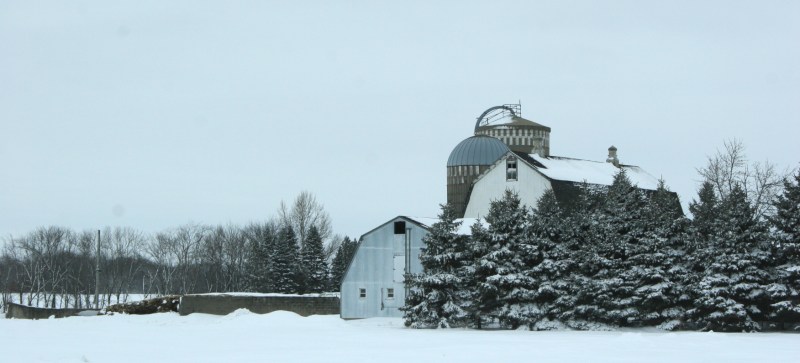
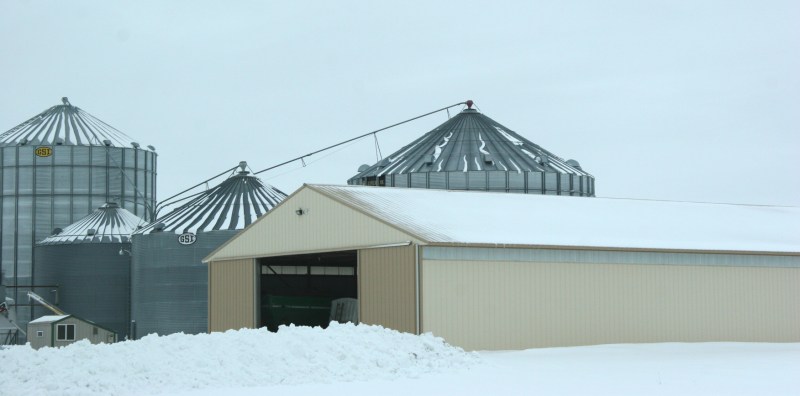
 

Our route took us through several small towns, including Borup just 20 miles southeast of Hendrum.
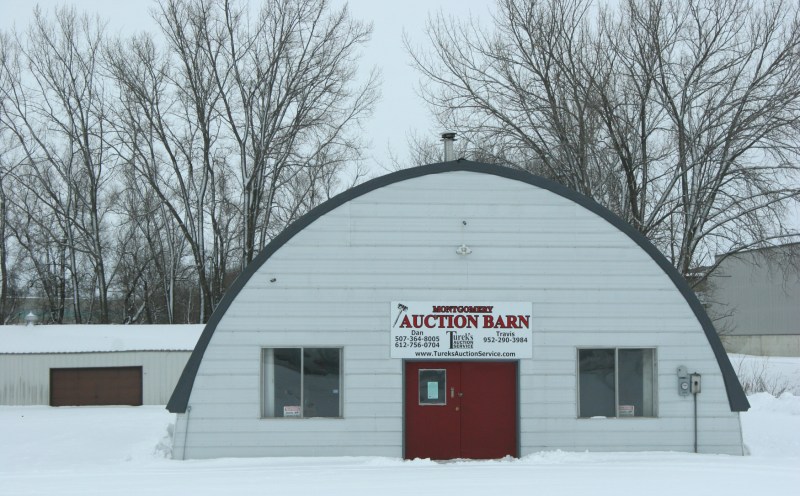
 

Yet, I tried to make the best of this drive to visit friends who once lived in Faribault. A job relocated the family of seven to this town of 300 some 30 miles north of Fargo-Moorhead along U.S. Highway 75.


Mountains of sugar beets are prevalent in this region.


As we headed toward Hendrum, Randy and I, both Minnesota farm-raised, observed the progress of harvest—seemingly slowed by too much rain. In places, mud from farm equipment stamped the roadway and signs warned of slippery surfaces. Acres and acres of corn remain to be harvested. Muddy conditions, however, apparently don’t stop the picking of sugar beets, a major crop in this region. Our friends’ oldest son works at a sugar beet plant as he saves money to attend a college in Washington, D.C. I can only imagine the cultural shock of moving from remote northwestern Minnesota to our nation’s capital.


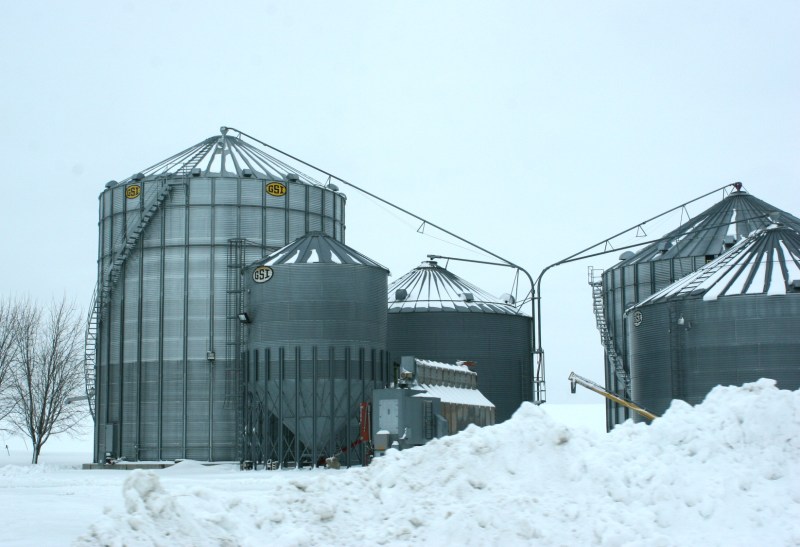
Clusters of grain bins are common in this agricultural area.


This is an area that truly is Red River Valley flat, that seems to an outsider rather desolate. But, framed in a positive way, it is a peaceful place. Wide. Spacious. Uncluttered by traffic and housing developments.


It is a land marked by grain bins and by small town elevators, which can be seen for miles—seven miles once, Randy noted.


It is a land marked, too, by rectangles of stacked bales rising like barges along our route toward the Red River.


Here the land and sky seem endless.


Here agriculture anchors the economy.


Although I couldn’t live here given the flatness, the remoteness, I can appreciate that others call this place home.

TELL ME: Have you been to the Red River Valley of Minnesota or neighboring North Dakota?

RELATED: Check out this story (click here) by Bob Collins of Minnesota Public Radio about a Sugar Beet Museum in Minnesota.

CHECK BACK as I take you into Hendrum. You won’t want to miss the humor of Hendrum.

© Copyright 2018 Audrey Kletscher Helbling