
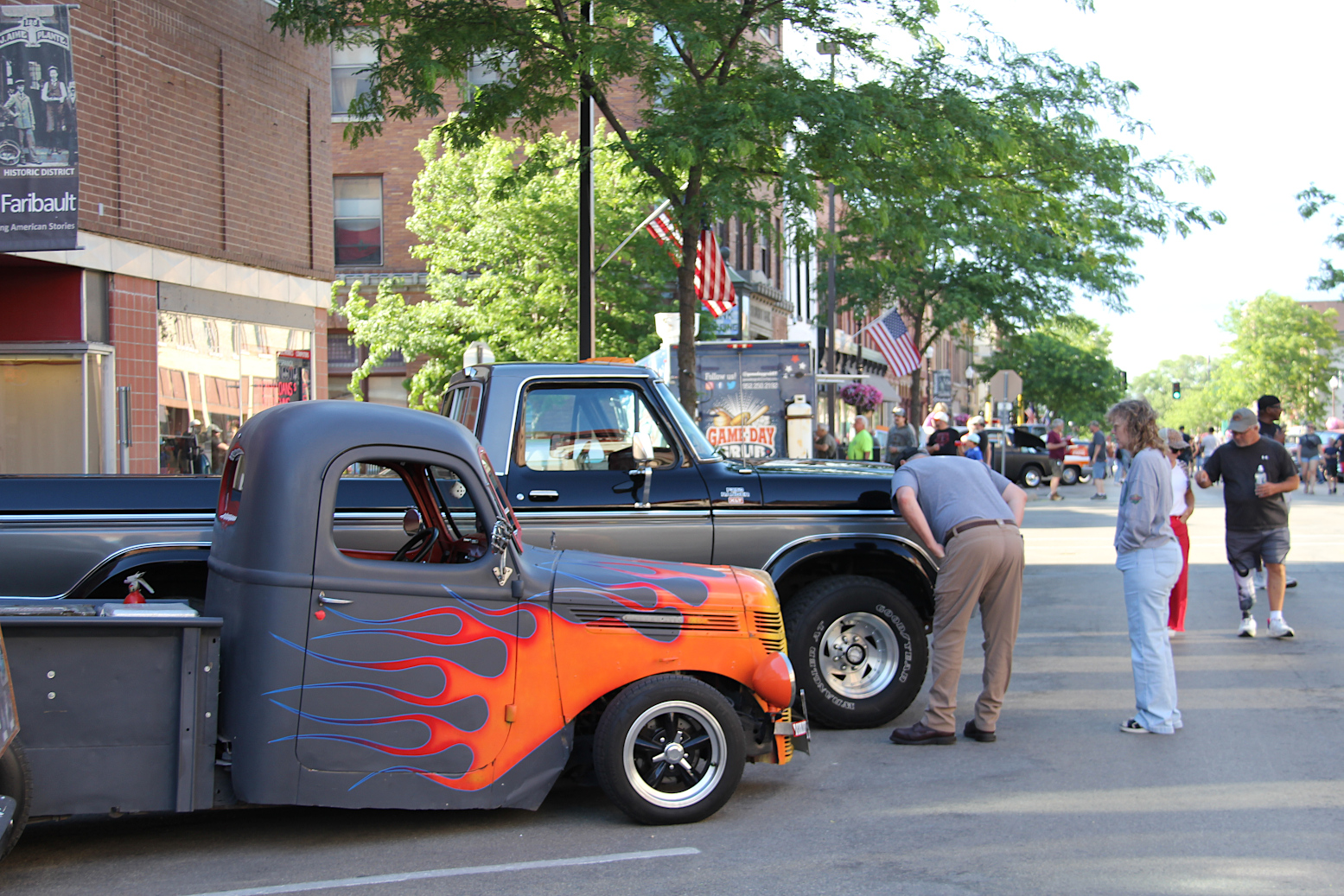
ARTSY FLAMES BLAZED across the hood and doors of the 1940 International Harvester pick-up truck, grabbing my attention as I walked among the vehicles parked along several blocks of historic Central Avenue during the June 19 Faribault Car Cruise Night.
The creative rat rod, with its handcrafted claw hands grasping the side mirrors, its interior plastered with stickers, brown paper bag “air bag,” back end wrenches, rat sculptures and more proved a draw and a conversation starter.
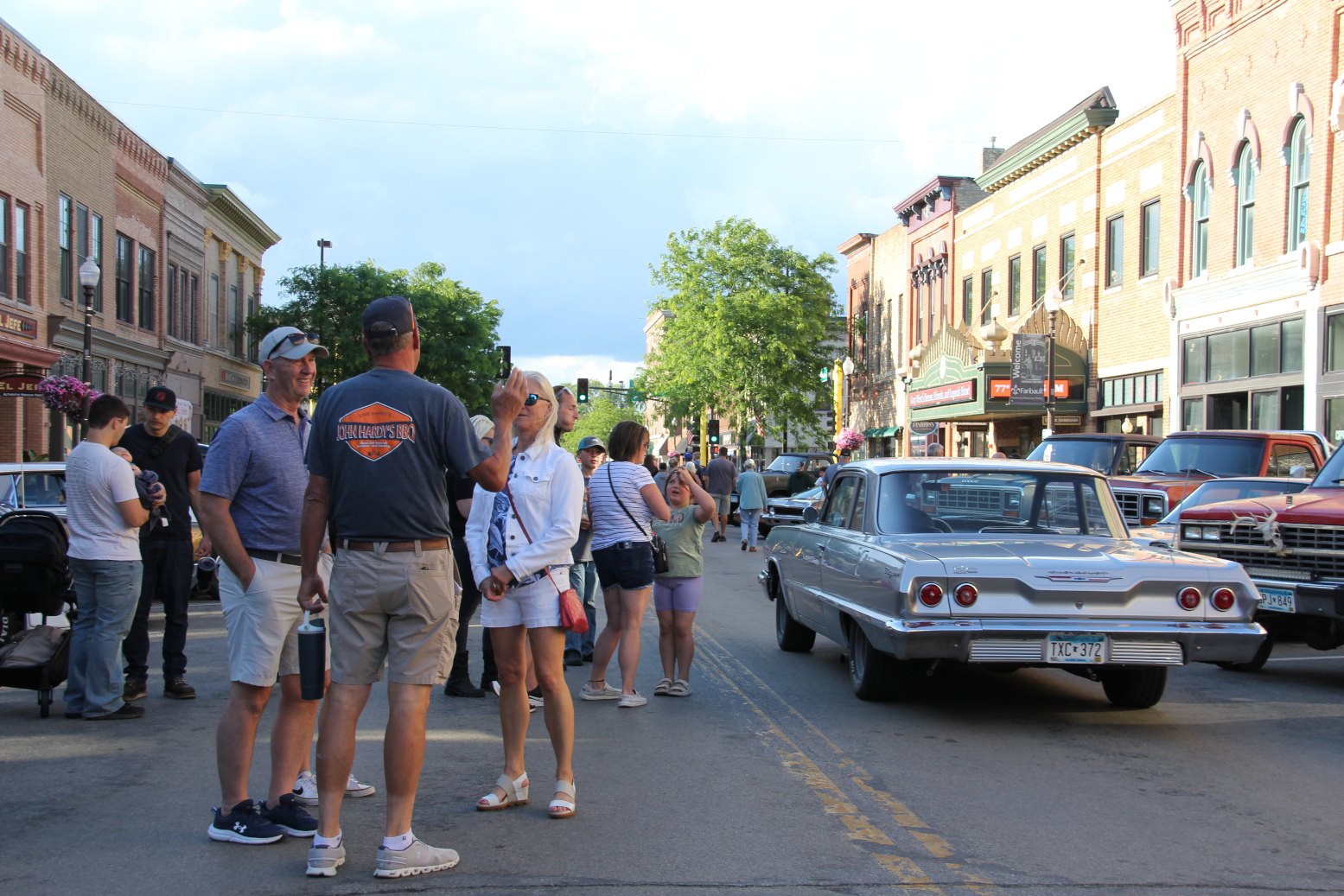
And, for me, that’s part of the point of these summer cruises—bringing community together in conversation with each other. Owners of rat rods, collector, antique and other vehicles are always open to chatting it up. And so are those who come here. Friends. Family. Neighbors. And strangers become acquaintances via introductions.

While I like to talk, I also like to unobtrusively observe. And listen. On this evening, the music of Lonsdale-based Triple Stitch blasted, a guitarist rocking it to “Summer of 69” on the portable stage set up in the street.
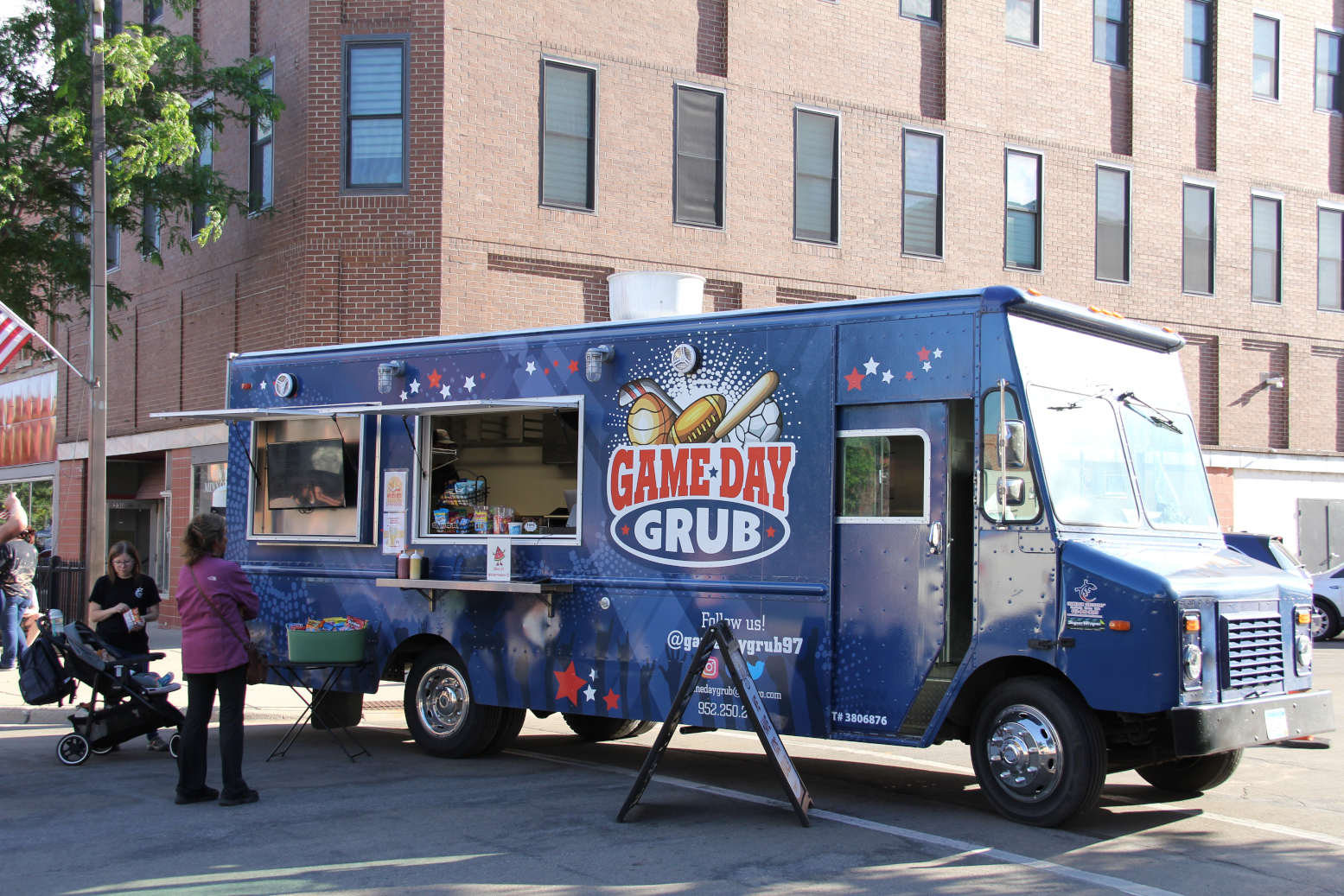
Across the way, an employee at the Twisted Chicken food truck grilled. Other food trucks and local restaurants also offered food. Several shops opened their doors for special Friday evening hours during the cruise.
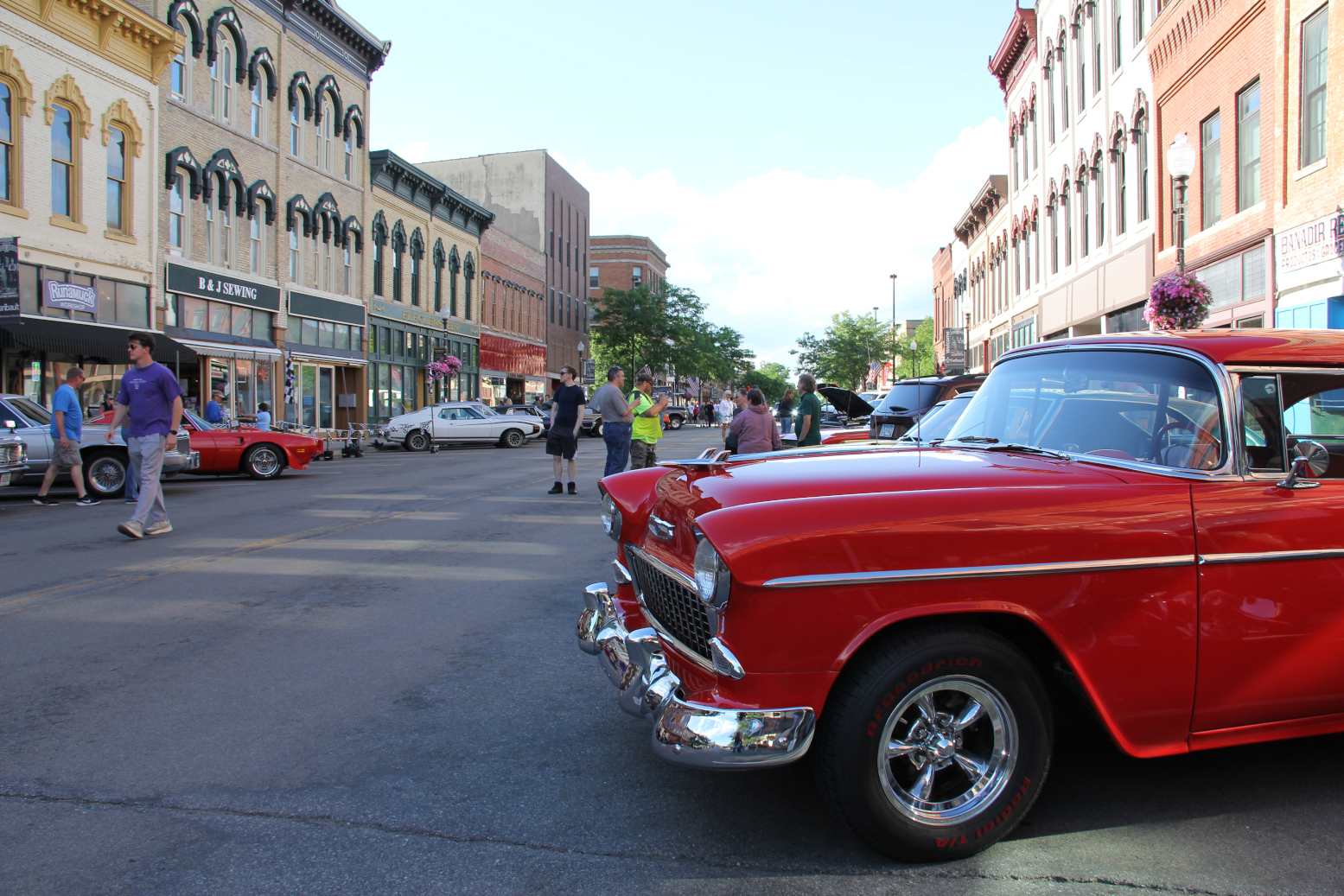
The downtown filled with more and more people as the evening progressed. It was good to see a crowd along Central enjoying themselves on a comfortable summer evening that later cooled to jacket weather.
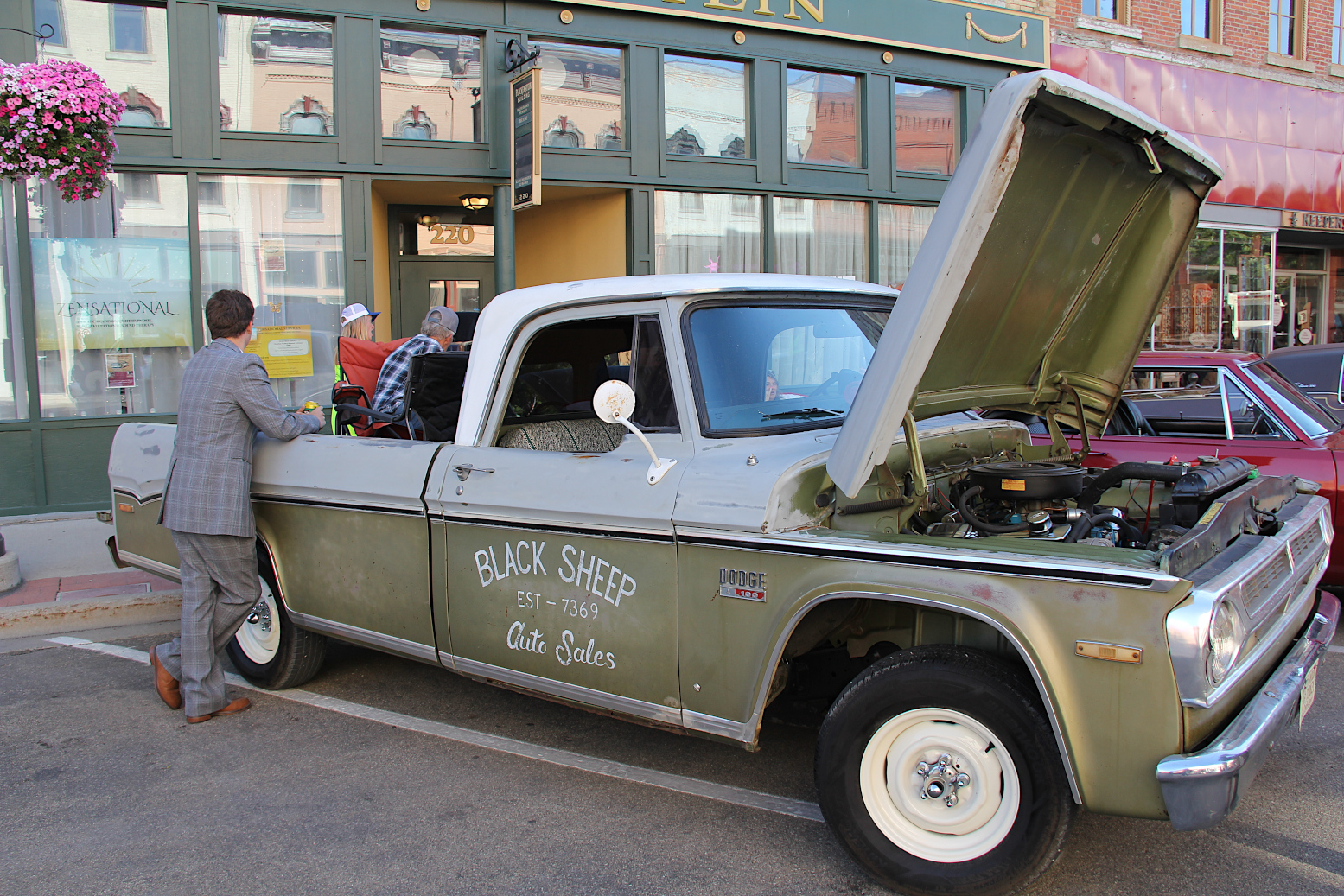
I saw babies in arms and strollers. A little girl cradling her baby doll. Couples walking hand-in-hand. A young man dressed in a fashionable suit leaning against the side of the Black Sheep Auto Sales vintage pick-up truck.
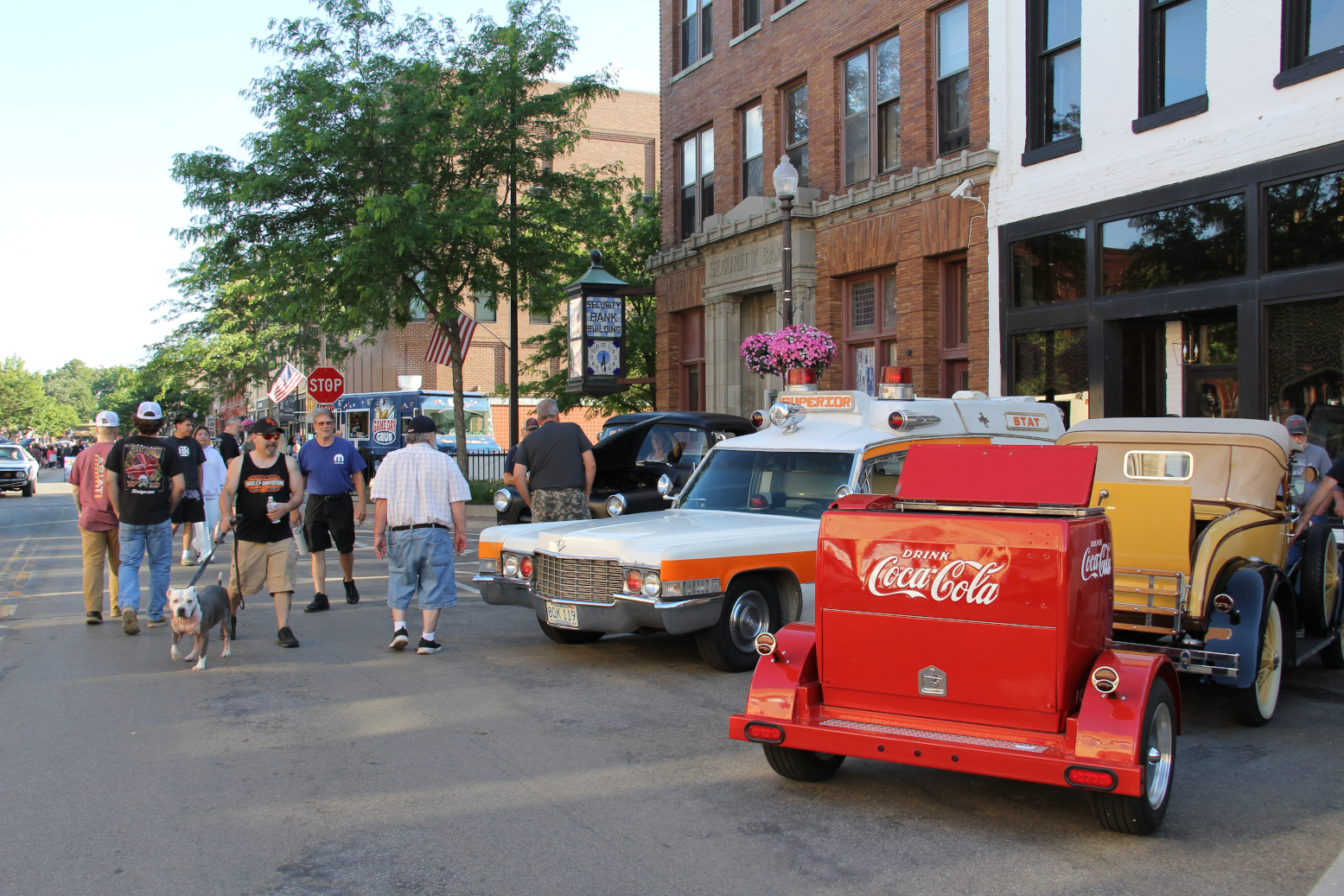
Teens on scooters. Dogs on leashes and one running loose, the owner seemingly not caring about her dog roaming among the throngs of people. I kept my distance.
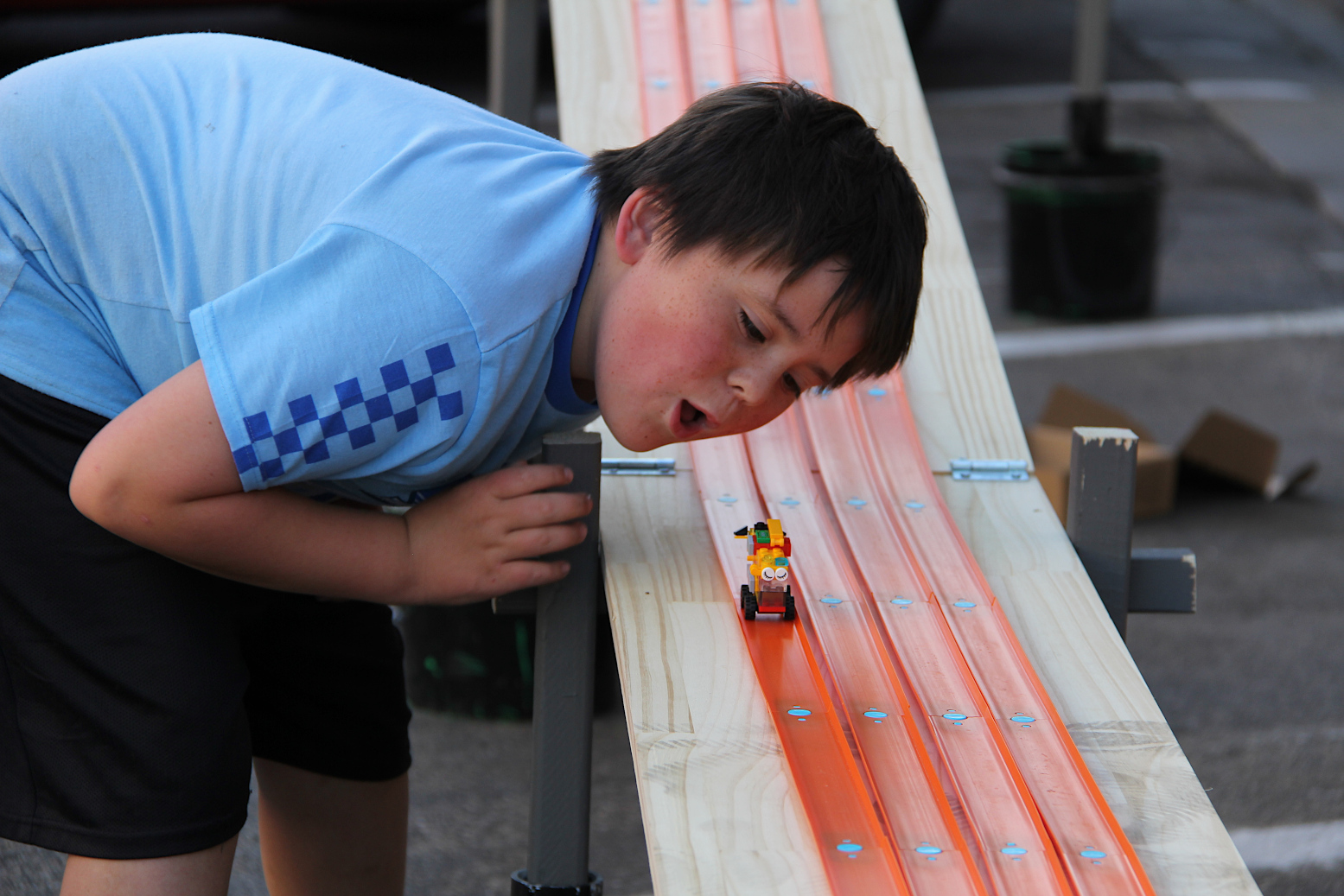
A race track outside the toy store drew kids to race mini-cars down a swooping race track. It was sheer joy to watch their excitement, to see their smiles.
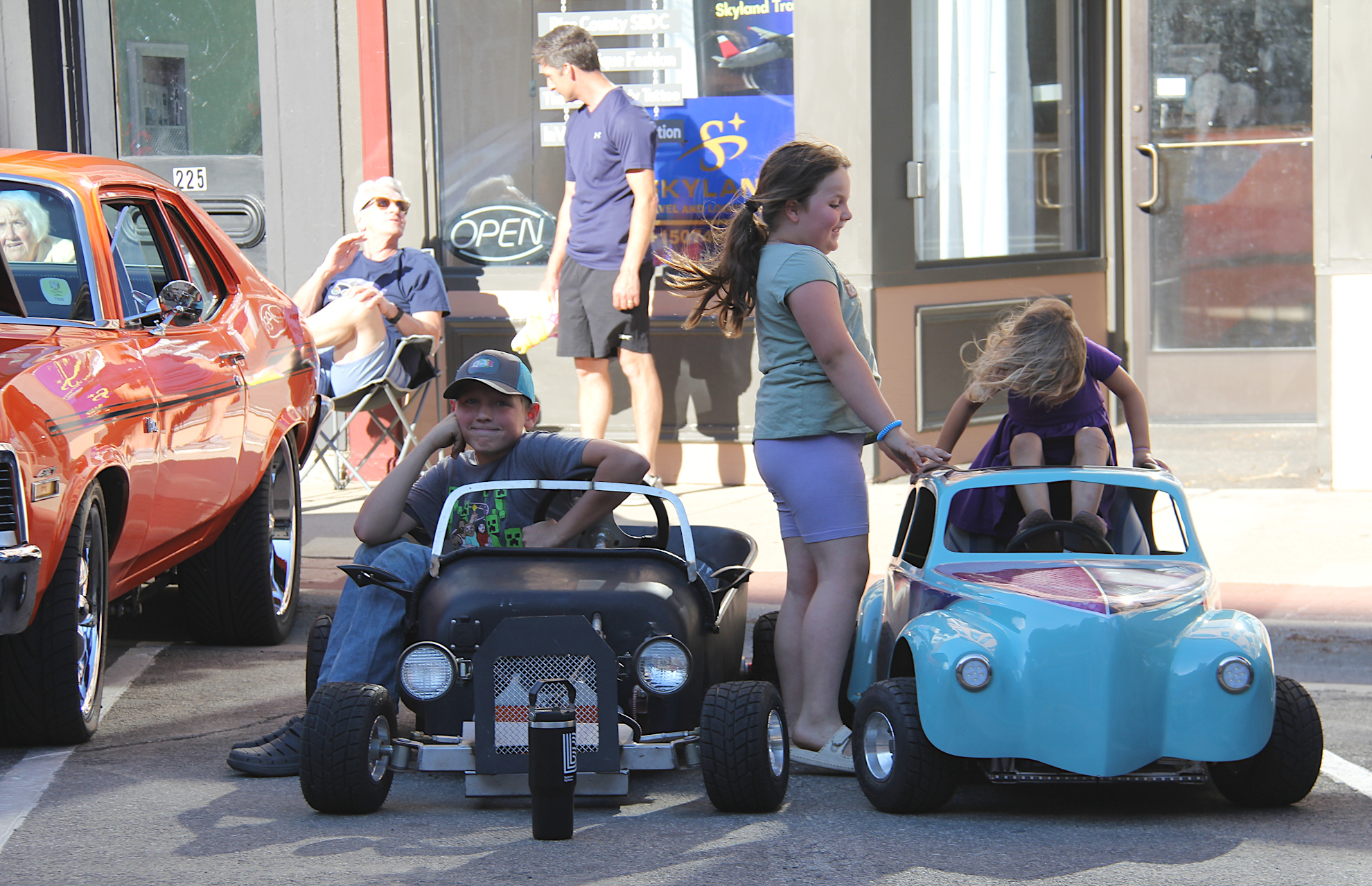
Across the street, kids clamored into small-scale vehicles meant just for them.
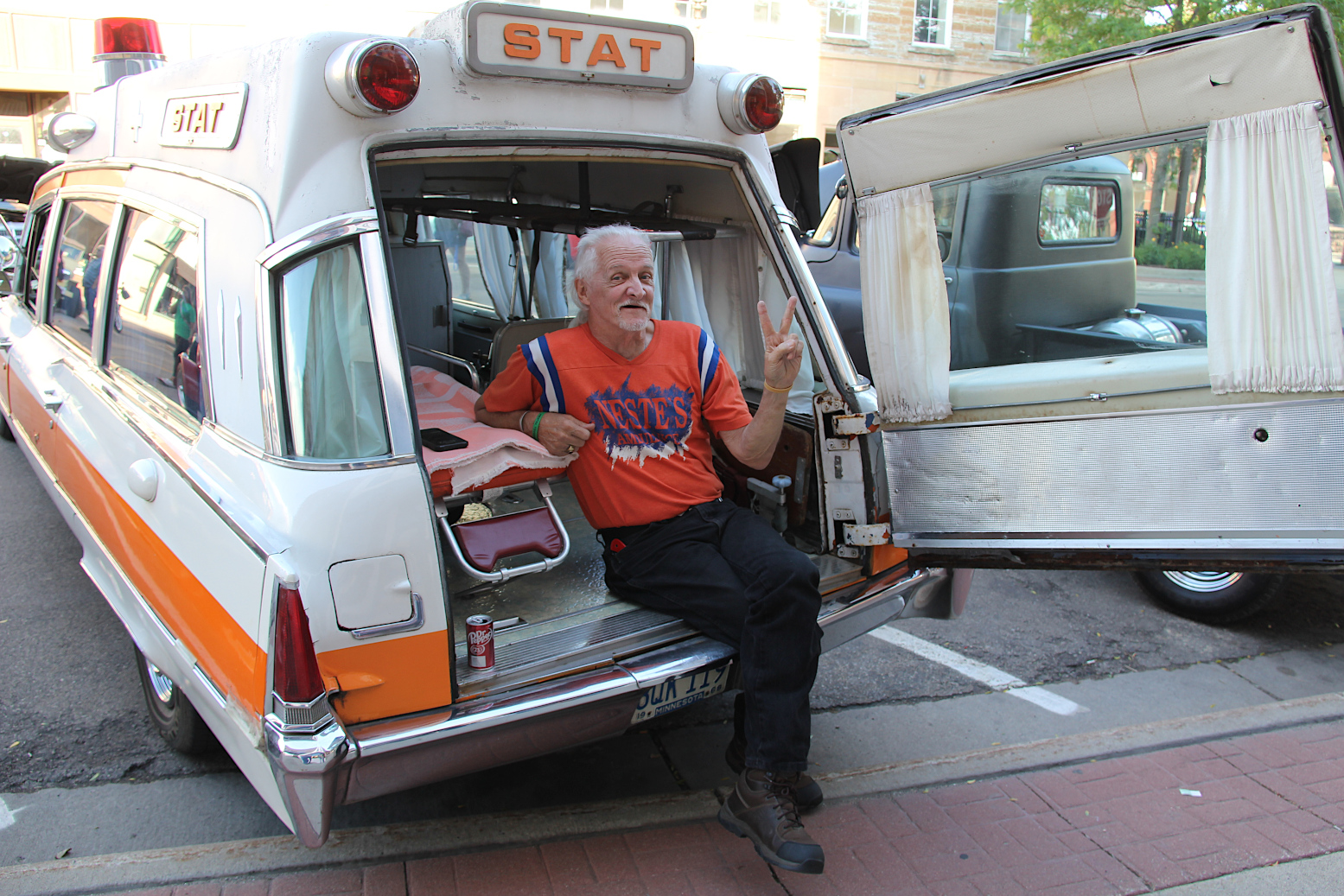
I caught up briefly with Craig, who owns an old ambulance, which he sold then somehow managed to buy back after realizing he’d made a mistake by selling the emergency vehicle.
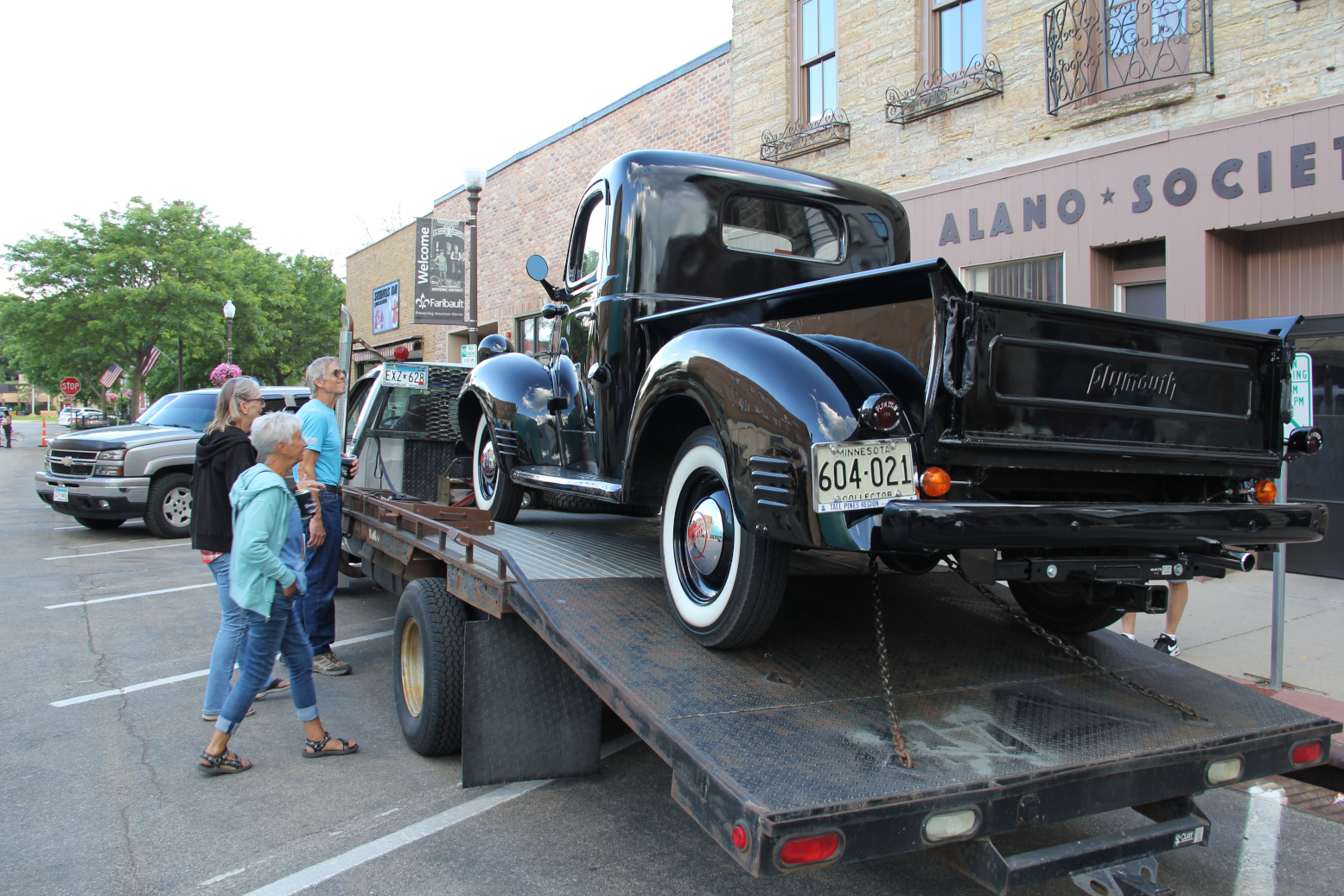
A show volunteer advised me to check out his rusty truck parked on the south end of Central. He showed me a photo on his phone so I could be sure to find it. I later found the pick-up near a shiny black Plymouth on a trailer, just as he said I would.
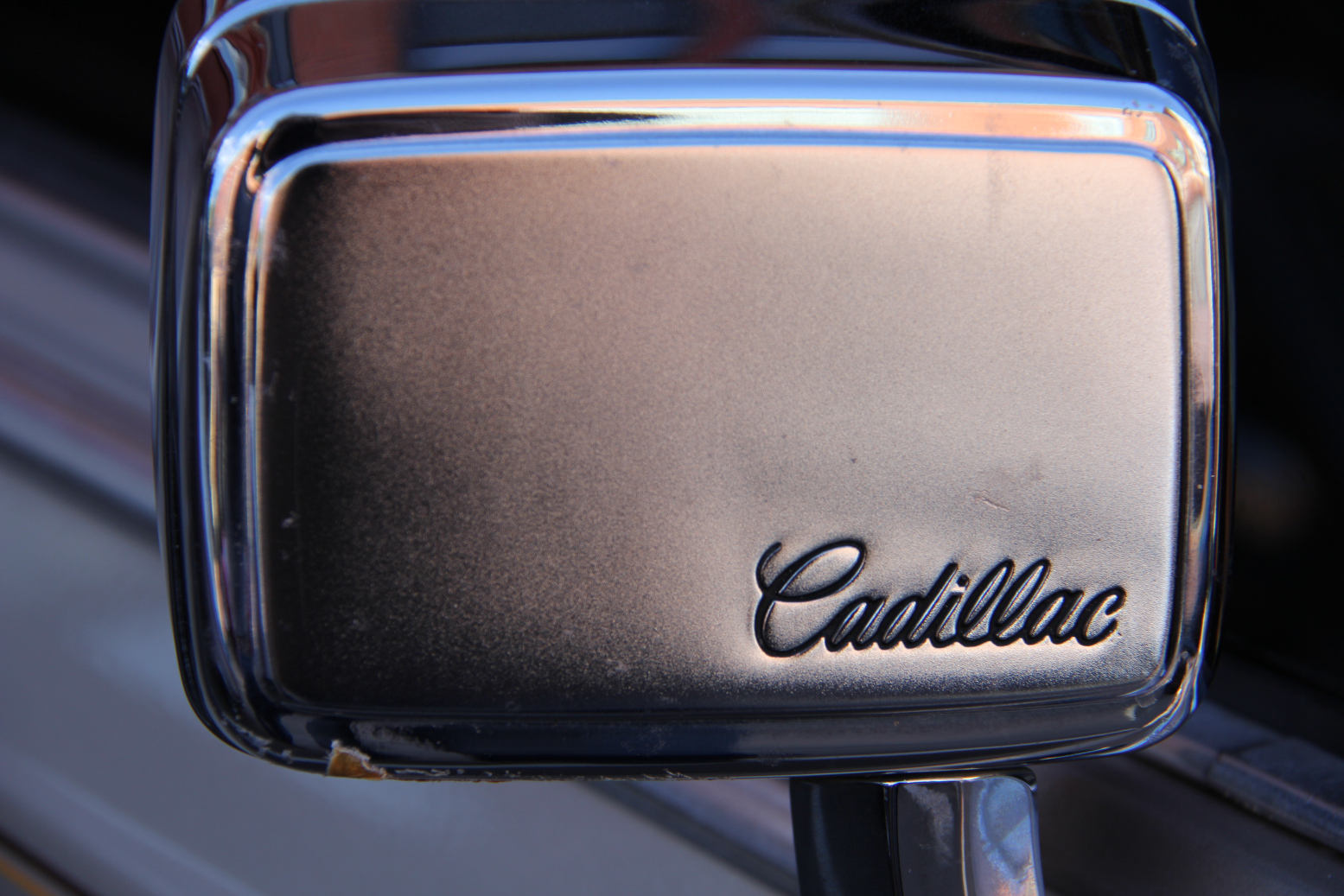
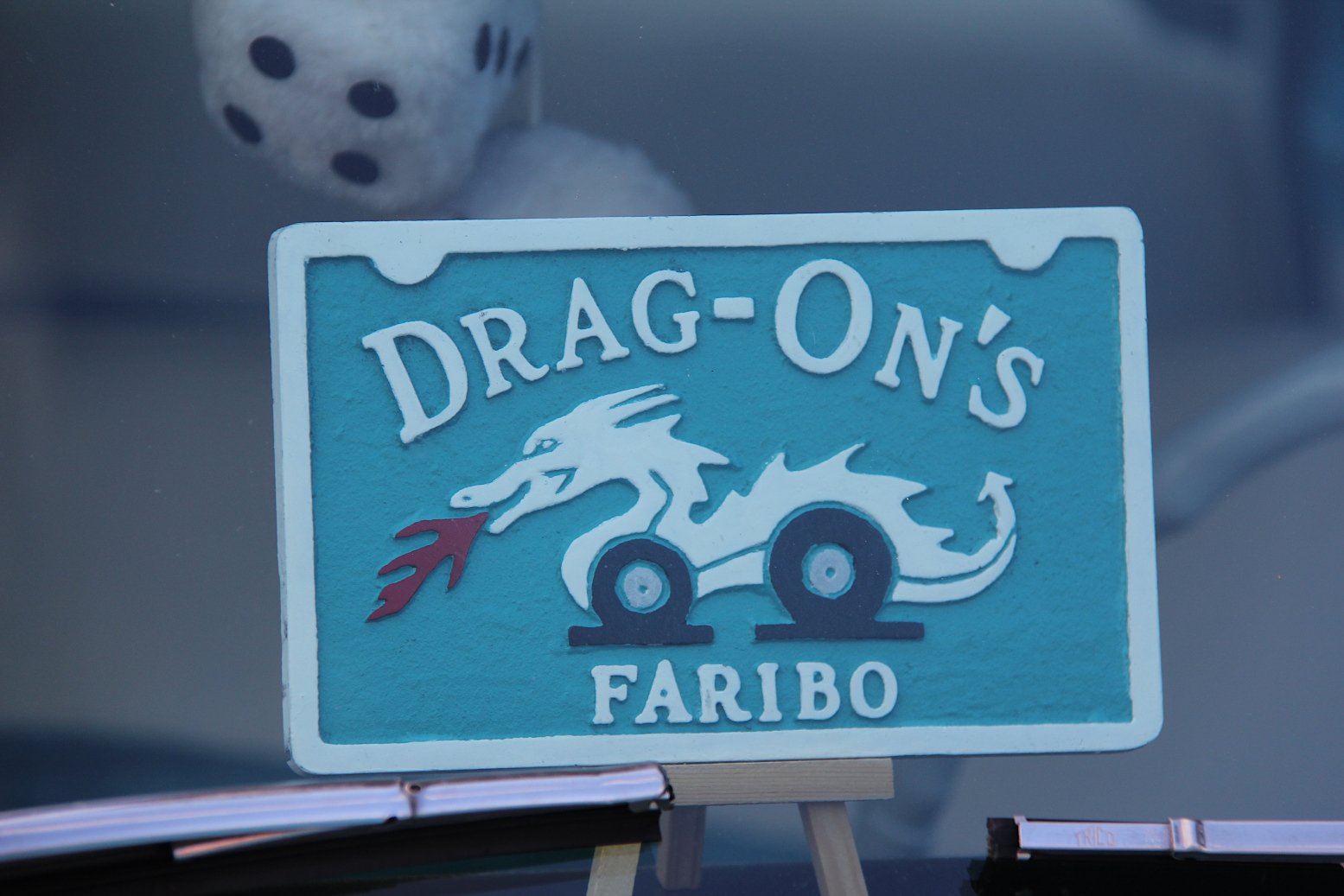
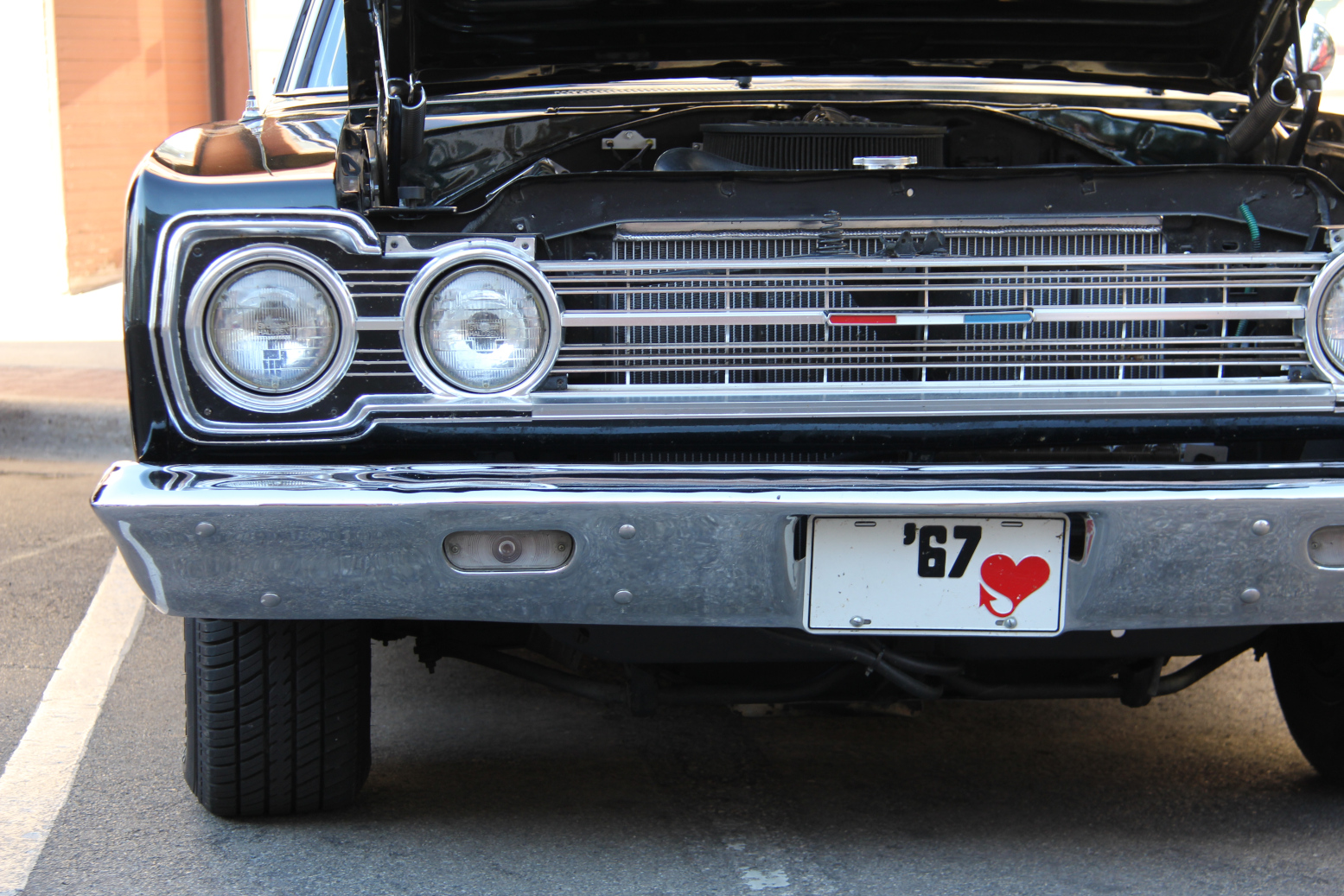
Occasionally I asked my automotive machinist husband questions. Randy is incredibly knowledgeable about anything vehicle-related. He views this show from a mechanical perspective unlike my artistic viewpoint. I’m drawn to shiny chrome reflecting buildings, hood ornaments, car emblems, the fancy floral patterned upholstery in a vintage Cadillac, the curve of a fender…
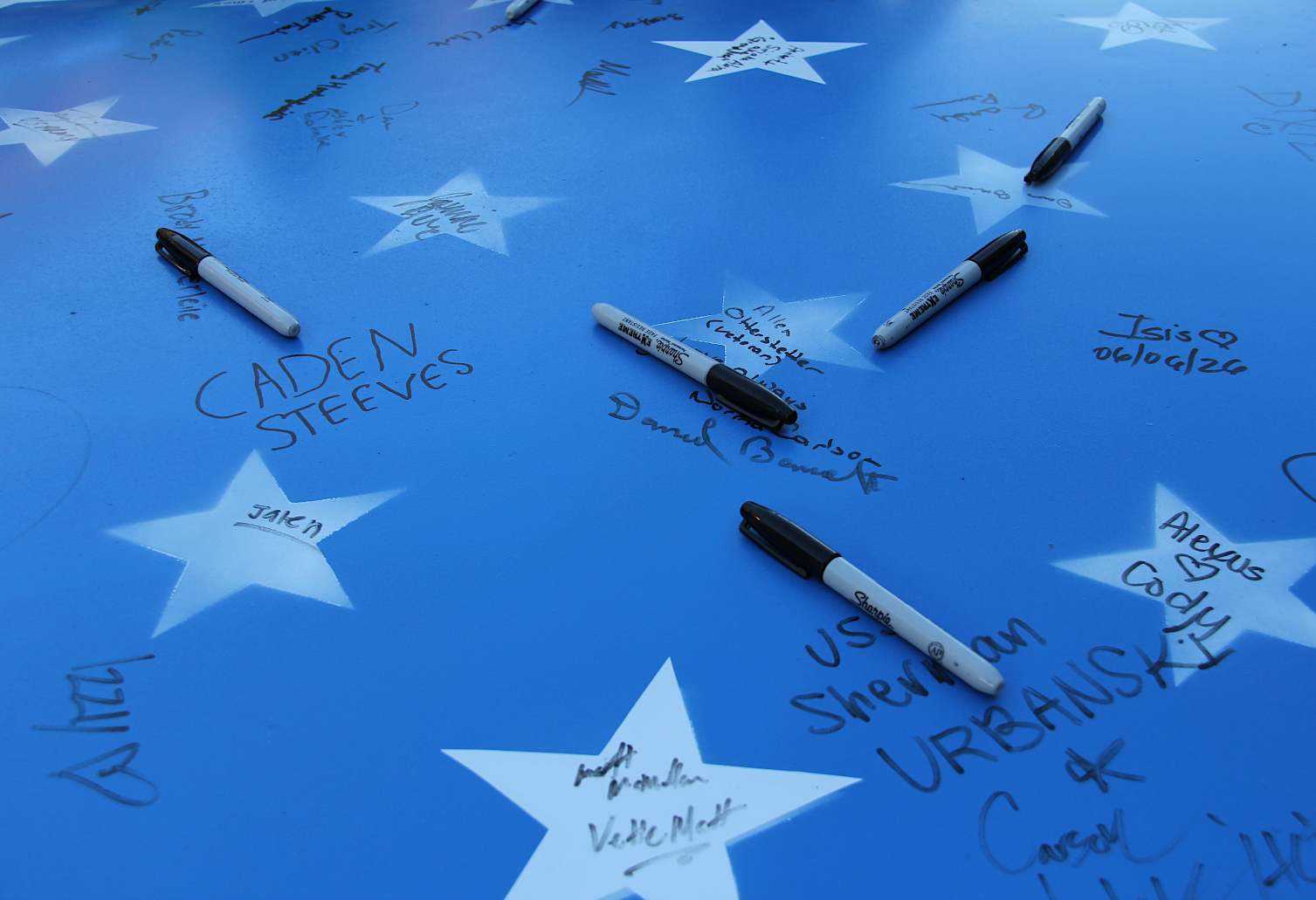
Interests in car shows can be as diverse as the people who attend, including those who signed a patriotic car promoting an upcoming car show. The BlackTop Cruisers Midwest “Fall of Summer Car Show” is set for 11 a.m.-3 p.m. on Saturday, October 3, at South Alexander Park in Faribault.
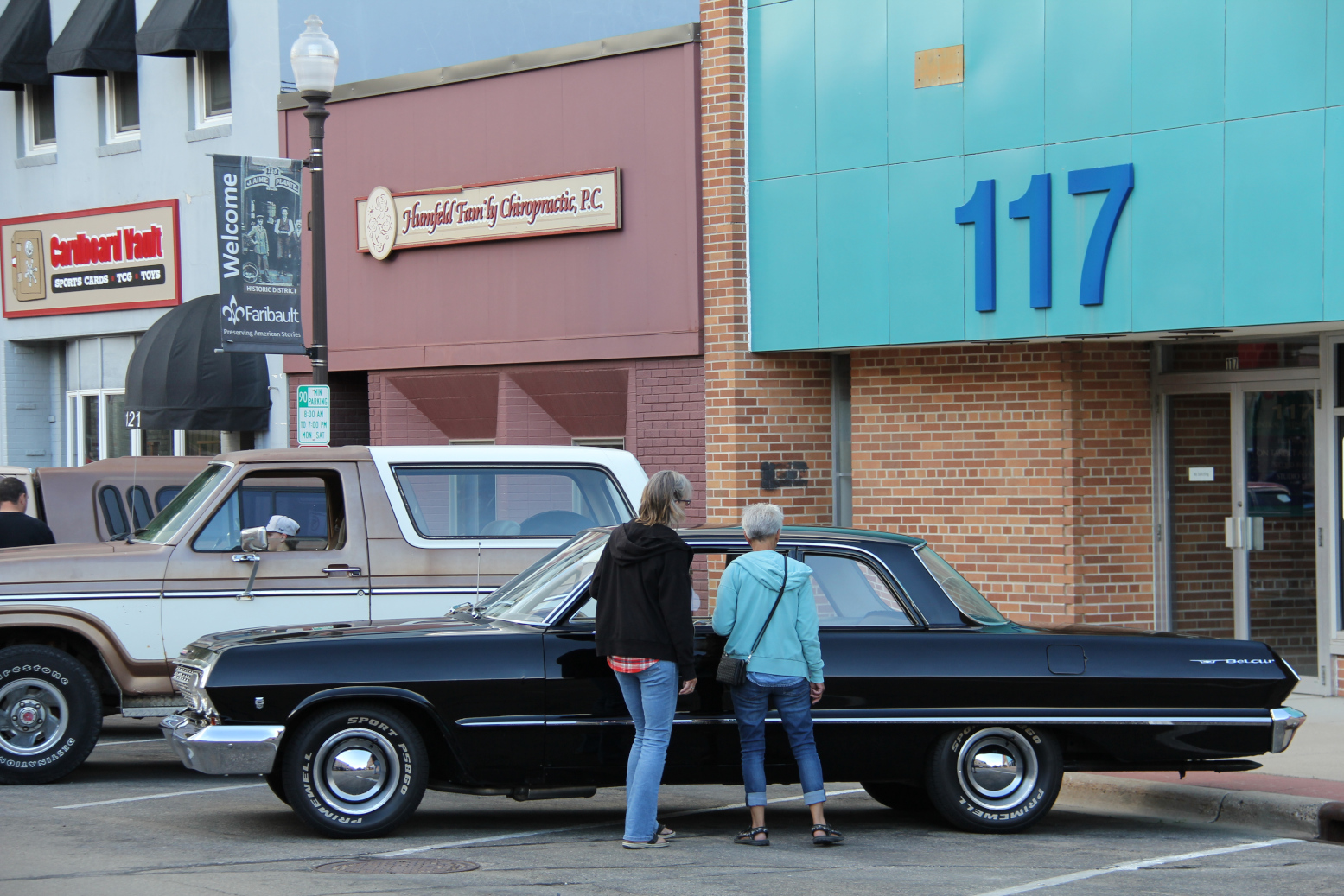
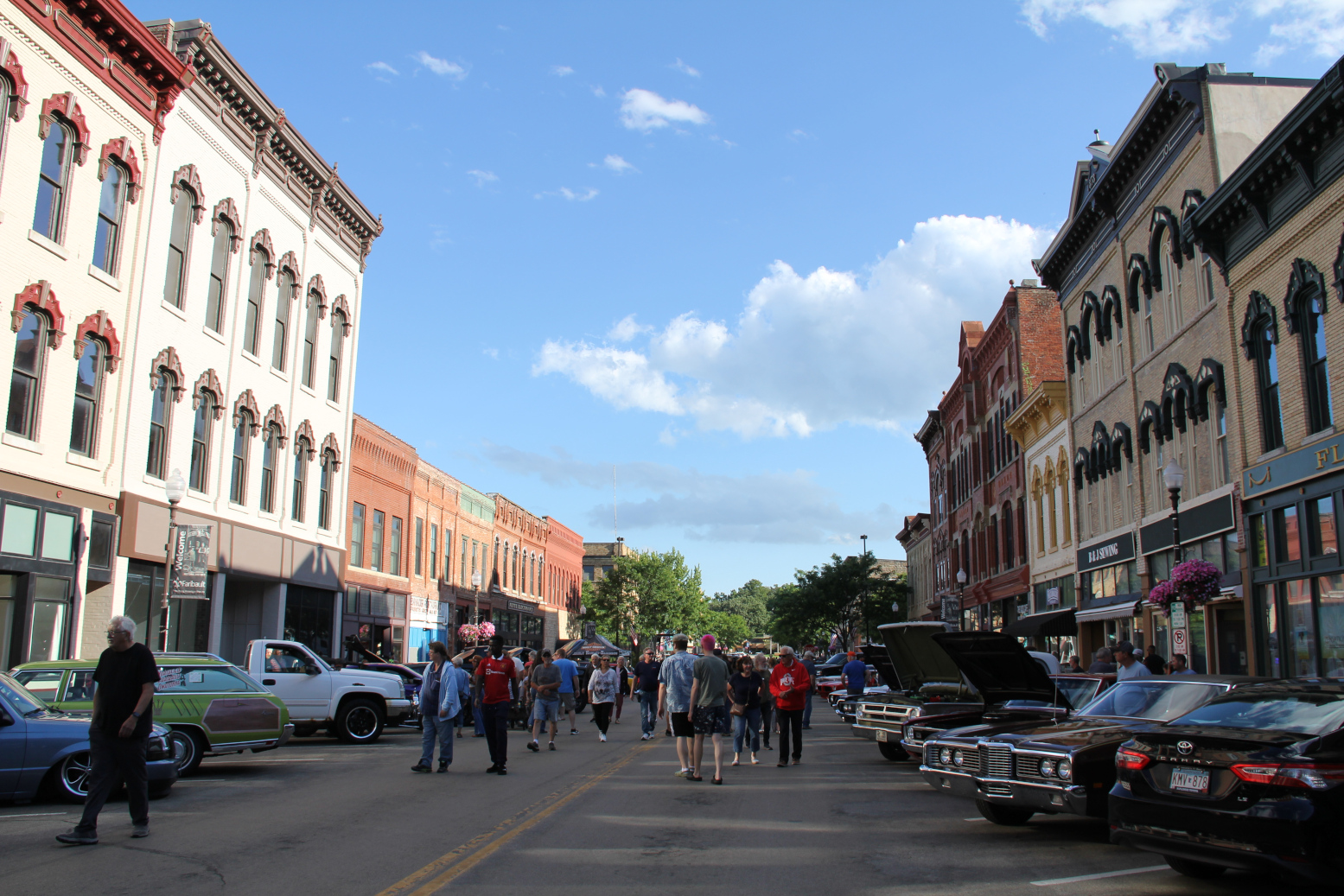
I love seeing the mix of people crossing paths, mingling, mixing and coming together at car shows. While cars, trucks and motorcycles draw people to downtown Faribault on a Friday evening, the summer car cruises are, at their core, about community.
© Copyright 2026 Audrey Kletscher Helbling









The value of village, especially now April 7, 2026
Tags: African proverb, art, charity, collection boxes, commentary, community, donations, Faribault, Faribault Community Action Center, food insecurity, food shelf, giving, Minnesota, Operation Metro Surge, Shattuck-St. Mary's School, village
“IT TAKES A VILLAGE to raise a child,” according to an African proverb turned catchphrase by First Lady Hillary Rodham Clinton in her 1996 book, It Takes a Village: And Other Lessons Children Teach Us.
While I’ve not read Clinton’s book, I understand the importance of a village, of community, in the lives of children. Kids learn, not only from their parents, teachers and each other, but also from being out and about in their communities.
They learn, and teach us adults, about care and compassion, about service and giving back, of lifting up community. In these days of innumerable challenges in America, such lessons are truly more important than ever.
I need only look within my own core family to see this. In mid-February, my two elementary-aged grandchildren helped their mom, my eldest, transport items from their Lakeville church to a food shelf in nearby Farmington. The kids sorted donated items. And my first grade grandson wrote about the experience for a school assignment complete with illustrations. “I helped at church (beacus (sic) of ICE),” Isaac wrote.
He knew. His mom has been working tirelessly soliciting cash donations, buying and delivering groceries to a south metro food shelf, and sorting and bagging donations during and after Operation Metro Surge. Not only has she assisted those sheltering in their homes, but she has also taught her children an important lesson in helping others.
Kids are never too young to learn about generosity, about loving their neighbors. About giving of themselves in service to community.
That brings me to Shattuck-St. Mary’s, a private college prep school in Faribault. While heading to walk at the Shattuck dome on a recent morning, I noticed several cardboard collection boxes in the public gathering space/hallway of the athletic complex. I stopped to investigate.
While the boxes were empty, I read about their purpose. Students, calling themselves “Sabre Storm,” “The Breakfast Club” and “Team Cheese,” are collecting non-perishable food and household and personal care items for the Faribault Community Action Center.
Most needed are: dry beans, canned soups, ramen noodles, canned chicken/tuna, size 7 diapers and pull-ups. I expect those attending hockey and soccer games, and other activities inside the sports complex will drop donations into the collection boxes.
I love that students like Jorge, Lara, Max, Miranda, Yujin, Rhys, Gael and 38 others, who signed the boxes, are connecting with the Faribault community via this drive. There’s not only a “heightened need” for food, household and personal care items at the Community Action Center, but also for cash donations.
I read that on the CAC website. But I’ve also heard this from a friend who volunteers at the CAC. The increased need all circles back to my grandson’s words, “beacus (sic) of ICE.” Many people in Faribault were sheltering in place, unable to work, during the height of federal immigration enforcement. And just because that operation has scaled back, the crisis has not ended.
The CAC has established a Community Response Fund “to meet urgent and evolving community needs” for food, rental assistance, etc. Every donation helps, my friend says. Even $10.
It takes a village. It takes a village to raise children. And it takes a village to help our neighbors through a crisis, a crisis created by the federal government. A crisis that has left too many Minnesota families facing overwhelming financial challenges, trauma, personal struggles and an uncertain future.
FYI: Please consider making a financial gift to the Faribault Community Action Center Community Response Fund. Click here to learn more. To those of you who have already donated, thank you. I appreciate your generosity during these challenging times in my community. It takes a village.
© Copyright 2026 Audrey Kletscher Helbling