Minnesota Prairie Roots

Writing and photography by Audrey Kletscher Helbling

Two Minnesota authors talk craft, share insights in Faribault November 3, 2023

Buckham Memorial Library, Faribault. (Minnesota Prairie Roots copyrighted file photo December 2022)

I DIDN’T INTEND to write a follow-up about an author event Thursday evening at my local library. So I didn’t take notes initially. I planned to just sit back, listen and maybe ask a few questions. Turns out I asked a lot of questions of Jess Lourey and Nicole Kronzer. About then I decided I best start taking notes.

I found kindred spirits in Jess Lourey and Nicole Kronzer, in the commonality of needing to write. (Minnesota Prairie Roots copyrighted file photo 2012)

What energy, knowledge and passion these writers brought to the Buckham Memorial Library Great Hall. It’s clear they love the craft of writing. I could feel, as much as hear, their passion.

To be in their presence, to recognize that I was among wordsmiths who deeply love the written word, writing and reading, energized me.

The promo for Thursday’s event. Author John Lee Clark was unable to attend.

I actually pulled myself away from Lourey’s riveting crime thriller/mystery The Taken Ones to attend the author event, Moving Words: Writers Across Minnesota. It’s part of The Friends of the Saint Paul Public Library’s program to bring Minnesota Book Award-winning authors to communities like Faribault. I, for one, appreciate this programming, which included a Friends moderator. She asked questions of Lourey and Kronzer and invited the seven audience members to do the same.

Lourey has 28 books to her credit, mostly fiction, but also nonfiction and children’s books. Kronzer has published two young adult novels. I’ve read many of Lourey’s books and will soon read Kronzer’s. She’s a relatively-new author.

Yet, they share similar experiences and didn’t sugarcoat the difficult process to publication, which starts first with an idea, then outlining, then writing and research and rewriting and rewriting some more and editing and… They struggled to find agents, had their queries and manuscripts rejected by publishers, Lourey some 400 times. But she persisted. And today she’s an accomplished award-winning author. Kronzer holds the same determination to get her work in print. Her best work. They both acknowledged some of their writing hasn’t been all that good. Lourey even went so far as to steal her master’s thesis from her university’s library…until her Minnesota guilt kicked in and she returned it.

Book cover sourced online. This is Kronzer’s second young adult novel, published in January.

Both have taught/teach writing. Kronzer draws on her interactions with teens as a high school English teacher and her theatrical experience in shaping her books. She enthuses about today’s teens, noting she feels hopeful in this generation. In response to a question, Kronzer said the take-away from her books is a sense of belonging, the theme in Unscripted and The Roof Over Our Heads. She was, she said, bullied. I can relate. We write what we know.

Book cover sourced online. The cover is similar to the real-life scene of abandoned bikes found in a rural road ditch at the site of Jacob Wetterling’s abduction.

Lourey, who is inspired by dark true crime, centers her fictional books on secrets. She grew up in Paynesville in central Minnesota, where eight boys were attacked and assaulted in the late 1980s. (Secrets.) Authorities investigated a suspect who later pled guilty to the 1989 kidnapping, assault and murder of Jacob Wetterling in nearby St. Jospeh. Lourey’s fictional book, Unspeakable Things, is based on what happened in Paynesville. Her experiences as a pre-teen and teen at the time weave into Unspeakable. Write what you know.

Even though her books theme around secrets, Lourey wants readers to take away the importance of community. “Find your people and tell your truth,” she said.

This was posted in a recent display on banned books at my library. (Minnesota Prairie Roots copyrighted photo September 2023)

And for Kronzer, her stand-out statement of the evening, at least for me, was this: “Reading makes you nicer.” In saying that, she referenced the diversity of characters found in books. (Both authors emphasized character development in their writing.) Kronzer’s statement really resonated with me as I thought of a recent banned books display in my library. Not books banned from Buckham Memorial Library, but rather books that have been banned elsewhere. I chose one from the shelf, Lawn Boy by Jonathan Evison, and read it. It’s not a book I would otherwise have chosen. But I needed to read it, to learn, to widen my world, to put myself in the shoes of others.

We can learn so much by reading, by writing, by asking, by listening. And sometimes we are validated. When I asked Lourey and Kronzer whether they eavesdrop (specifically in grocery stores), they admit they do. Some of what they’ve overheard has made it into their books. Just as some of what I’ve overheard has woven into my writing. Write what you know. And sometimes, write what you hear.

Book cover sourced online.

FYI: Lourey and Kronzer suggested two must-read books on the craft of writing: Save the Cat! Writes a Novel—The Last Book on Novel Writing You’ll Ever Need by Jessica Brody and Stephen King’s On Writing—A Memoir of the Craft. I’ve read King’s writing guide and highly-recommend it. I also highly-recommend attending author events, whether you’re a writer, a reader or both.

© Copyright 2023 Audrey Kletscher Helbling


Focusing on the stats & stories of domestic abuse & violence in Minnesota October 17, 2023

Lights glow purple on the Rice County Government Services building in Faribault in recognition of Domestic Violence Awareness Month. The moody sky fits the topic, the arrow on the pavement (from my perspective) pointing to hope, a way out of an abusive relationship. (Minnesota Prairie Roots copyrighted photo October 2023)

BEVERLY BOARDED THE GREYHOUND BUS, battered suitcase in hand, journal and hastily grabbed clothes zippered inside. She felt worn down. Exhausted. On this day, she chose to leave, to flee her husband’s physical, emotional and verbal abuse. As Beverly walked down the aisle to her seat, her mood lightened. But then she spotted Thomas approaching the bus, face flashing anger, clenched fists threatening.

This anthology, featuring Minnesota writers or those with a connection to Minnesota, includes my short story about domestic abuse. (Book cover image sourced online)

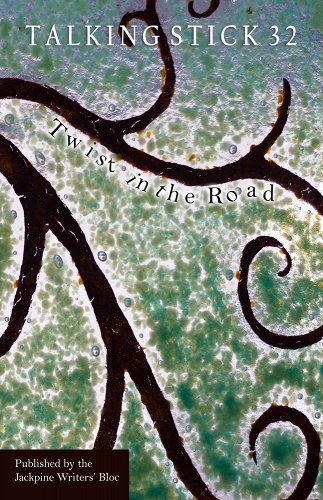
This account of domestic abuse is fictional. I wrote the story, “Evidence,” which recently published and received an honorable mention in Talking Stick 32, Twist in the Road, a Minnesota-based anthology of stories and poetry. Even I don’t know how Beverly’s story ends. Will Thomas bust through the doors of the bus, hunt down his wife? Kill her?

Every day across Minnesota and beyond, scenarios like Beverly’s unfold in real life. The faces and places and circumstances differ. But the threat is real, as real as my fictional version aimed to not only provide a suspenseful read but also to raise awareness about domestic abuse.

A promo for the “2022 Homicide Report.” (Source: Violence Free Minnesota Facebook page)

October marks Domestic Violence Awareness Month. And that began in Minnesota with the release of the “2022 Homicide Report: Relationship Abuse in Minnesota” by Violence Free Minnesota. The report states that “at least 24 people were killed due to intimate partner homicide in 2022.” A further break-down of that shows at least 20 women and one man died from intimate partner violence and at least three bystanders/intervenors also died. Their ages ranged from 13 to 66. They lived in all areas of Minnesota from rural to urban.

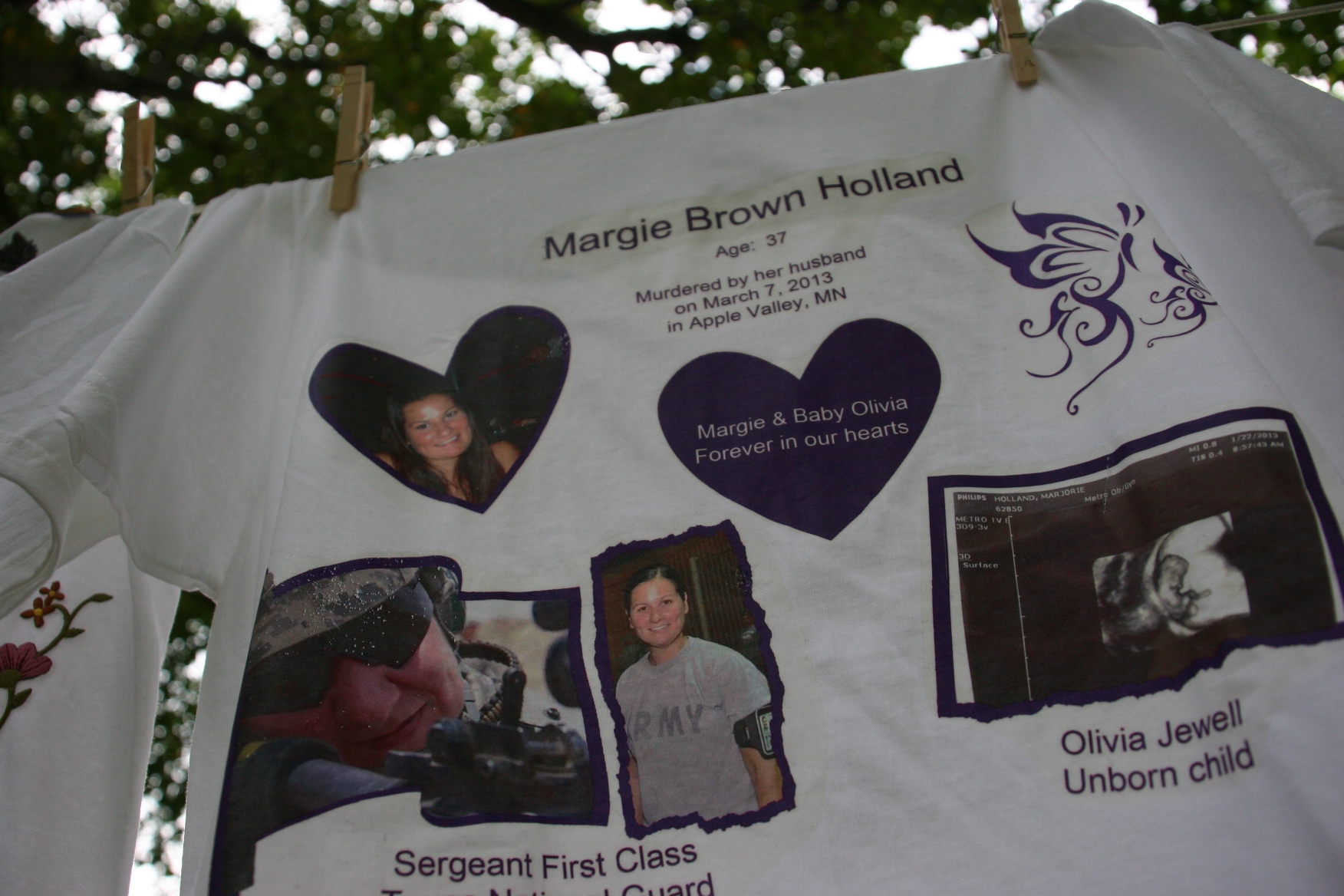
Margie Brown Holland (my former neighbor’s daughter) and her unborn daughter, Olivia, were murdered in 2013 in an act of domestic violence. Information about Margie was displayed on a t-shirt as part of The Clothesline Project exhibit I saw in Owatonna in 2015. This exhibit is available for display through Violence Free Minnesota. (Minnesota Prairie Roots copyrighted file photo July 2015)

While statistics and summaries matter, it is the stories which make the greatest impact. This report includes those, along with photos of nearly every homicide victim. Those stories begin on page 47, well into the 66-page report which is packed with powerful information that really should be read by every adult.

I focused my attention first on Chandra Lanae Pelch of nearby Medford. The 18-year-old was shot six times by her boyfriend in a murder-suicide on June 3, 2022. While the profile on Chandra is short, it is enough to break my heart. She leaves behind an infant son and loving family and friends.

I was also drawn to the story of Isaac Jon Hoff, 13, stabbed to death by his mother’s boyfriend, now serving 17 years in prison for his murder. It’s another heartbreaking case of domestic violence, of a woman attempting to defend herself, of a man grabbing a knife from her hand, of a son stabbed as he stood behind his mother. They were under an order of protection against their attacker. Isaac, who was described as “spunky, big-hearted and loved,” managed to call 911. He died later at the hospital. Isaac was from small town Olivia in southern Minnesota.

And then there’s Kimberly Ann Robinson, 41, who was found dead from a gunshot wound and blunt force trauma injuries on the side of a road in Rochester. Her boyfriend has been charged in her murder. She was a mother of three.

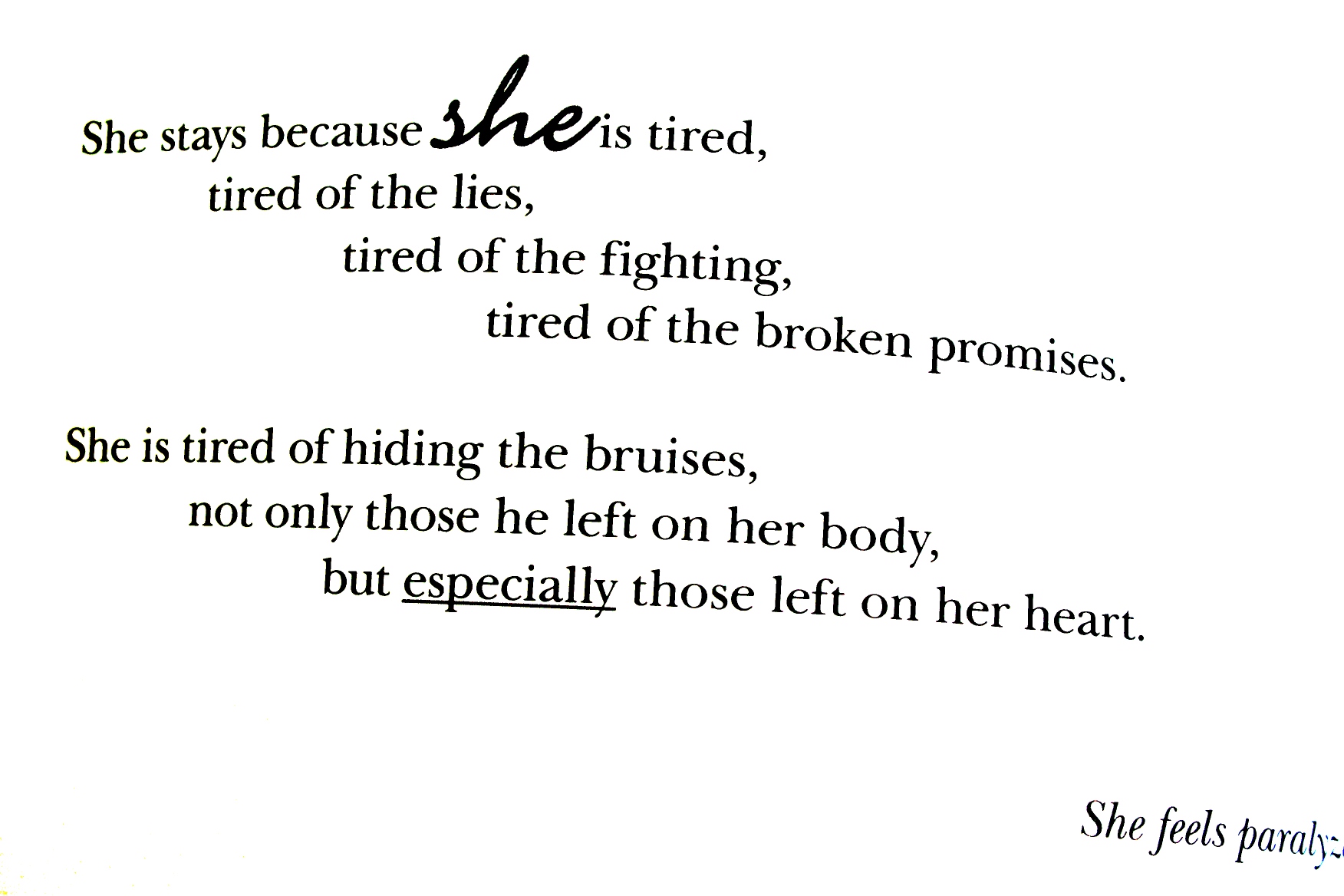
An excerpt from the 2016 book “She Stays” by HOPE Center Director Erica Staab-Absher explains why a woman stays in an abusive relationship. (Text copyright of Erica Staab-Absher)

Each story in this report deserves attention, for each person lived and loved and was loved. None were to blame for their horrific deaths, just like Beverly in my fictional story did nothing to deserve the physical and emotional abuse inflicted upon her by her husband. Domestic abuse, at its core, is about power and control. Too often, people ask, “Why didn’t she just leave?” That, in essence, shifts blame to the victim. This report explains “why” in “VICTIM’S ATTEMPT TO LEAVE THE ABUSER.”

The “2022 Homicide Report” does a good job of revealing the “whys” and of expanding on domestic abuse/violence-related topics within the legal system, racial disparities, healthcare, economic abuse, public/workplace violence and more. The report also includes recommendations in each of those target areas. One section even makes recommendations to the media about covering domestic violence.

Inspirational and honoring words are embedded in a mosaic honoring Barb Larson, killed in an act of domestic violence at her workplace, the Faribault Area Chamber of Commerce and Tourism, on December 23, 2016. (Minnesota Prairie Roots copyrighted file photo)

In the all of this, in the awfulness of these 24 deaths in Minnesota in 2022, we can all learn, grow our compassion, support and understanding, begin to recognize the warning signs of domestic abuse. There is hope and help available through advocacy groups and organizations, shelters and more. But it takes courage to seek help while under the power and control of an abuser. In my fictional story, Beverly found that courage on the day she grabbed her battered suitcase with her documenting journal zippered inside and boarded that Greyhound bus. But did she survive? The truth is, I don’t know.

#

FYI: Talking Stick 32, Twist in the Road includes not only my fictional story about domestic abuse, but four other fictional short stories and two poems on the topic. Particularly powerful is the poem “At the Cafe” by Mary Scully Whitaker in which the author and a waitress witness emotional abuse and threats of violence against a woman, then intervene. The anthology, published by the Jackpine Writers’ Bloc, is available through Amazon.

If you are a victim of domestic abuse, know that help is available. Have a plan in place to leave safely, recognizing that leaving an abuser is a particularly dangerous time. You are not alone. And you are not to blame.

© Copyright 2023 Audrey Kletscher Helbling

 

Fiction focus on teens’ mental health with Van Gogh thrown in the mix June 21, 2023

I NEARLY WALKED OUT of church once during a sermon. The pastor called Vincent Van Gogh “crazy.” Yes, the artist suffered from mental illness. But labeling him as “crazy” did not sit well with me. I find the term derogatory and disrespectful of anyone battling a mental health issue.

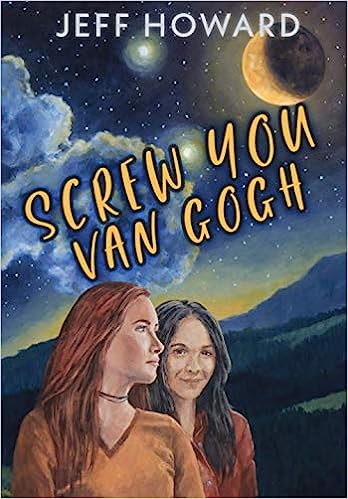
So when I picked up a newly-released book, Screw You Van Gogh, by Minnesotan Jeff Howard, I wondered how the Dutch painter would fit into the story line. Turns out the reference to the artist, who battled anxiety and depression, was held in asylums for the insane and eventually committed suicide, proved a good focal point for a story about high school students.

This fictional book, based on real life experiences, is not a feel good story about teenagers. But rather, this story is heavy, heavy with the issues teens face. Depression. Anxiety. Bullying. Relationship struggles. Trauma from abuse. Pressure to do well. And more.

WRITING WITH AUTHENTICITY

The author, a high school counselor for the past 15 years, writes with authenticity. A main character in the book, Michael Burns, is a counselor at Roosevelt High School. Therein comes the Van Gogh reference. Burns has a jigsaw puzzle of the artist’s painting, “Starry Night,” in his office for kids to work on with him. One of those students is Cassidy Towers, 16, new to Masonville, Iowa, and dealing with panic attacks, suicidal thoughts and more.

As the plot unfolds, so does a certain familiarity. This could be a high school anywhere so real are the characters. The popular kids. The quiet ones who follow the rules. The kids who, on the outside, appear not to give a damn about what they say or do, but who are hurting inside, hiding their truth. Like Tommi, who befriends Cassidy. She is in counseling for severe anxiety and depression, a fact she hides from her classmates. “Tommi could not bear the thought of people knowing she was crazy,” Howard writes.

There’s that word, “crazy,” again. But this time it fits because this is the thinking of a high school student with thoughts of suicide that sometimes “crept into her mind like an evil spirit.” As Tommi and Cassidy’s friendship grows, so does Cassidy’s awareness of Tommi’s struggles. She observes the vacant look in her friend’s eyes, her unkempt appearance, her repetitive petting of a kitten, all signs of Tommi’s declining mental health. By this time, Cassidy has worked through her own mental health issues via talking with the high school counselor, an improved relationship with her mother and using tools (like music) to help her cope.

HELP, HOPE & STIGMA

The author, given his professional work as a counselor, includes helpful ways to deal with anxiety, depression and more. Like Cassidy’s use of music. He emphasizes listening, empathy, deep breathing, hope…

He also addresses the ongoing stigma attached to mental illness. In a conversation with Cassidy, fictional counselor Burns talks about Van Gogh and how he grew anxious and depressed after art experts criticized his impressionist style of painting. Van Gogh turned to alcohol. Burns tells Cassidy that people, especially teens, “don’t want to admit they need help because that makes them weird.” And, because of that sometimes people “crash,” he says. That happens in this book, in a tragic way.

HUNTING & HOTDISH

Within all the heaviness of Screw You Van Gogh are the subplots of counselor Burns’ personal life and relationships and then a budding relationship between Cassidy and classmate Patrick, who once called her “a little crazy” and “goofy upstairs.” When the teens eventually go on a first date, it’s not to a movie, but pheasant hunting. That proved a lighthearted moment for me in the reading of this book. Oh, how rural Iowa/Minnesota, I thought. And then when the author threw in Minnesota’s signature tater tot hotdish served in the school cafeteria, I laughed aloud.

This book is authentic through and through and should be read by every teen, every parent, every educator, every counselor… And perhaps every counselor should purchase the jigsaw puzzle “Starry Night” as a tool to get kids to open up about their emotions, experiences, struggles, as Van Gogh did via his painting.

© Copyright 2023 Audrey Kletscher Helbling
 

About that man named Ove March 10, 2023

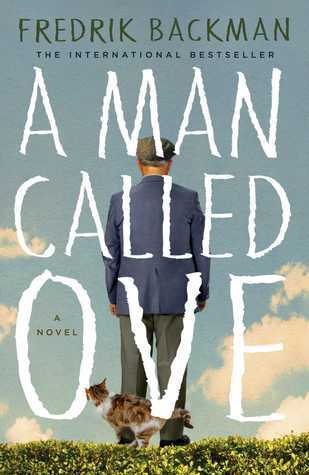
Book cover source: Goodreads

I NEARLY STOPPED READING the book several chapters in. The content weighed on me, so emotionally heavy that I wondered if I could continue. But then the story line began to unfold in a more hopeful way. And I read on.

By the time I reached the final chapter of A Man Called Ove, I was so invested in this book, the characters and relationships that formed, the way lives intertwined to save a life, that I wondered why I ever considered not finishing.

This 2014 international bestselling novel by Swedish blogger and columnist Fredrik Backman now ranks as a favorite book of mine. It made me cry. Correction. Sob. I struggled to read the final pages as tears blurred my vision. It’s been awhile since a work of fiction has spawned such a heart-wrenching emotional reaction.

I challenge you to pick up this book and read about aging Ove and his grief and grumpiness and outspokenness and how the edges of his hardness begin to soften. I laughed. I cried. I worried. I felt hopeful. I cheered. I wanted to give Ove a kick in the pants. I pondered. I related.

The mix of emotions elicited by A Man Called Ove tells me one thing. This is a remarkable book. The writing. The way mental health weaves into the story. There’s no avoidance of hard topics—of bullying and trauma and loss and grief and obsessive compulsive behavior and suicide and the way the mind wraps and detours and struggles and copes.

Into all of this, the author brings hope. In new neighbors. In a mangy cat. In a teen with sooty eyes and a determined journalist and a friend with dementia. I appreciate how, in the end, differences matter not. It’s that kind of book. Real. Honest. Heart-breaking.

I did not see the American movie, “A Man Called Otto,” based on the book. I’ve been told it’s good by some, advised by others to watch the Swedish version instead. Usually I’m disappointed in film adaptations. I haven’t seen a movie on the big screen in many years.

This Sunday evening, movies will be front and center in Los Angeles as “best of” awards are presented at The Oscars. I didn’t find “A Man Called Otto” (or any of the actors/actresses) on a quick scroll through The Academy Awards nominees list. Tom Hanks stars as Otto. I’m not into Hollywood events like this, although certainly they are important to honor those who do outstanding work in their craft. Rather, I prefer books, where I can read and then visualize people, scenes, interactions. My imagination unleashes, prompted by the writing of creatives passionate about the written word.

TELL ME: Have you read A Man Called Ove and/or seen the Swedish or American film based on the novel? I’d like to hear your reactions to either or both.

Thank you to readers Ken and Colleen who suggested I read this book.

© Copyright 2023 Audrey Kletscher Helbling
 

Expressing my creative voice in “The Talking Stick” October 11, 2022

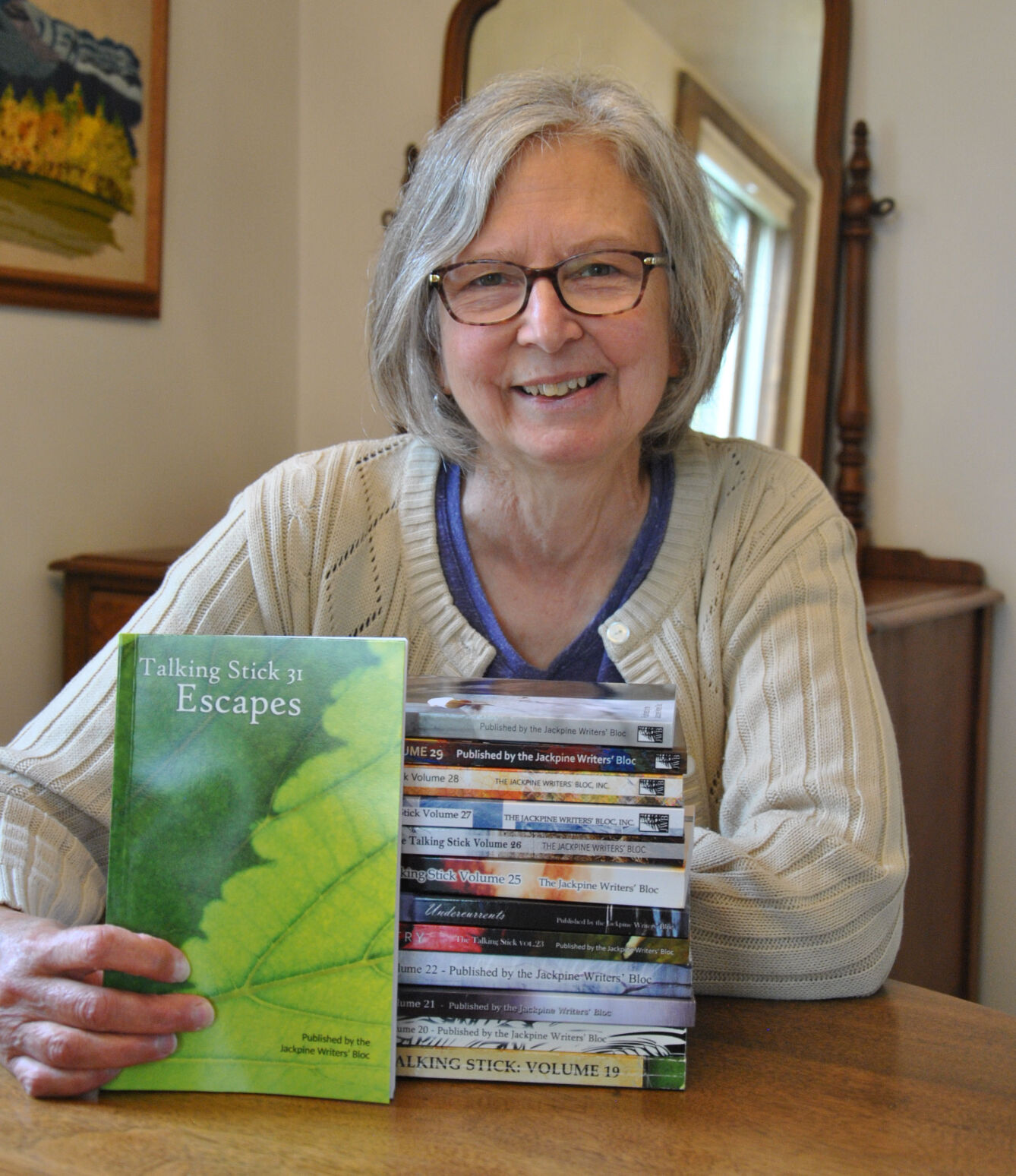
I’ve been published in 13 volumes ofThe Talking Stick,most recently InVolume 31, Escapes.” (Photo by Colton Kemp)

AS A WRITER, getting published adds to the joy of the craft. I write because it’s my passion, one which I want to share.

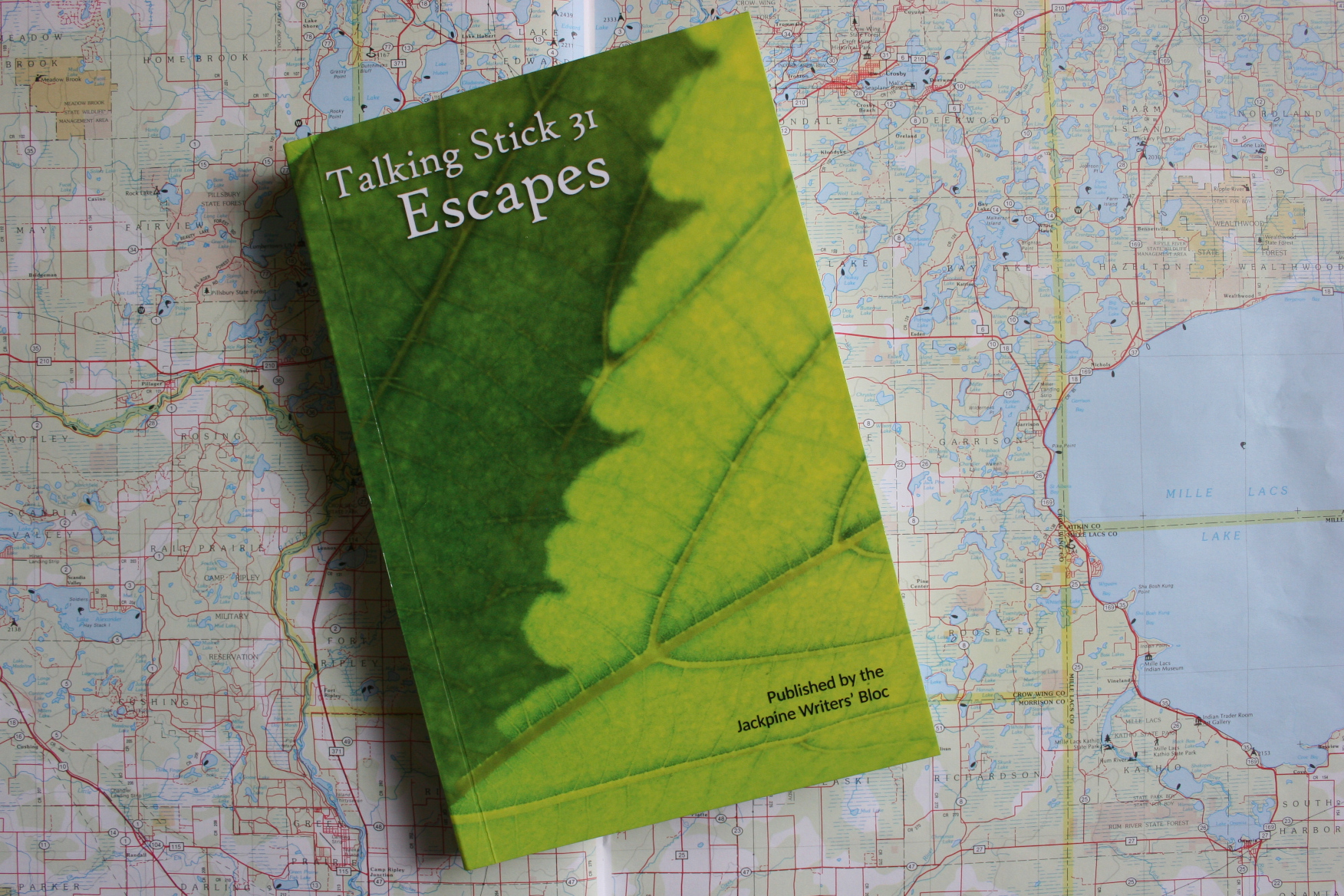
I laid the latest copy of The Talking Stick atop a page in a Minnesota atlas to represent escape in a sense of place. Reading and writing also provide an escape. (Minnesota Prairie Roots copyrighted photo October 2022)

The newest opportunity to share comes via The Talking Stick 31—Escapes, the latest anthology released in September by Park Rapids area-based The Jackpine Writers’ Bloc. The Talking Stick, published now for 31 years, features a collection of creative nonfiction, fiction and poetry by Minnesota writers or those with a connection to our state. This year, editors chose 83 poems, 28 creative nonfiction stories and 18 fiction stories for publication from 82 writers. More than 300 submissions came from 140 writers.

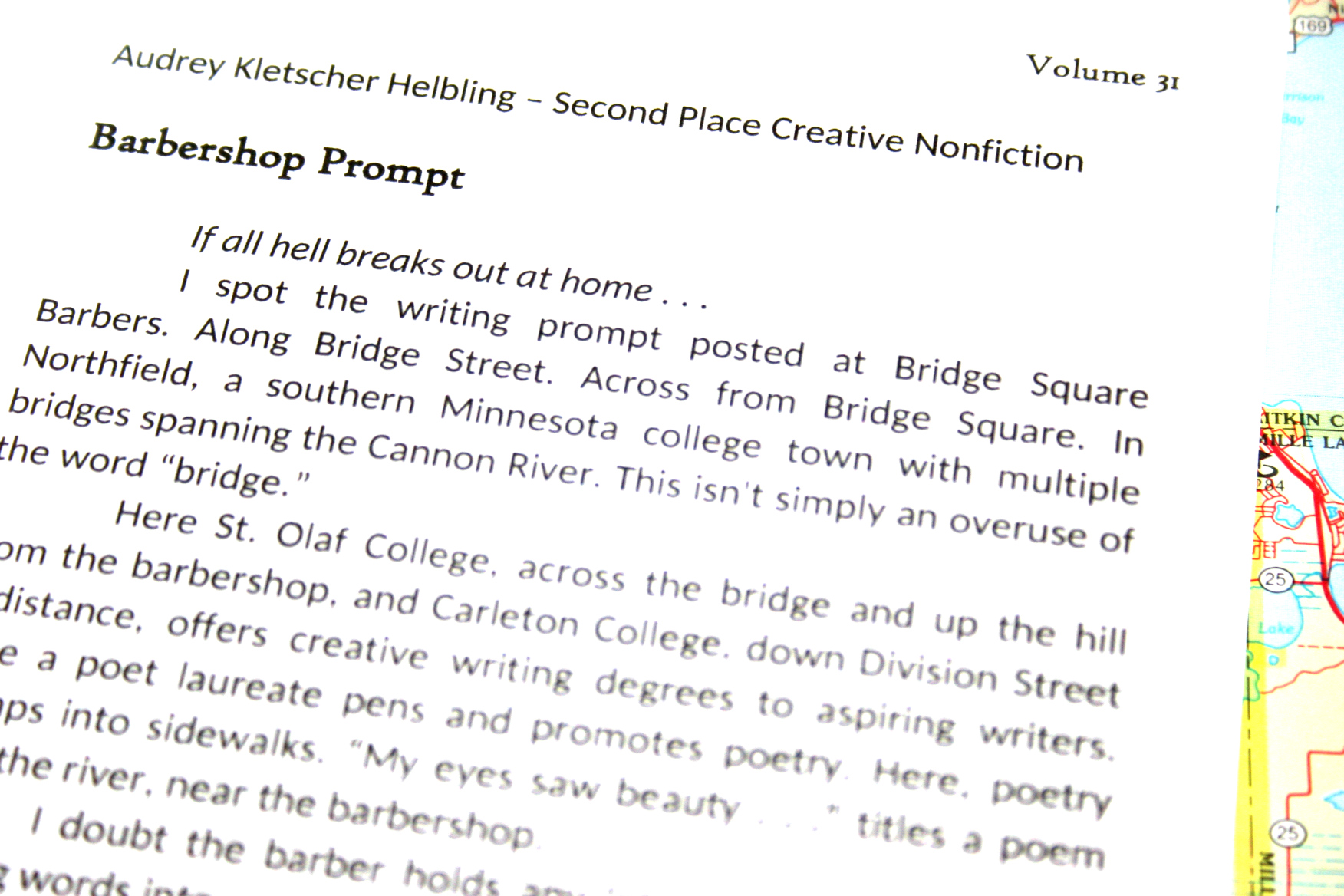
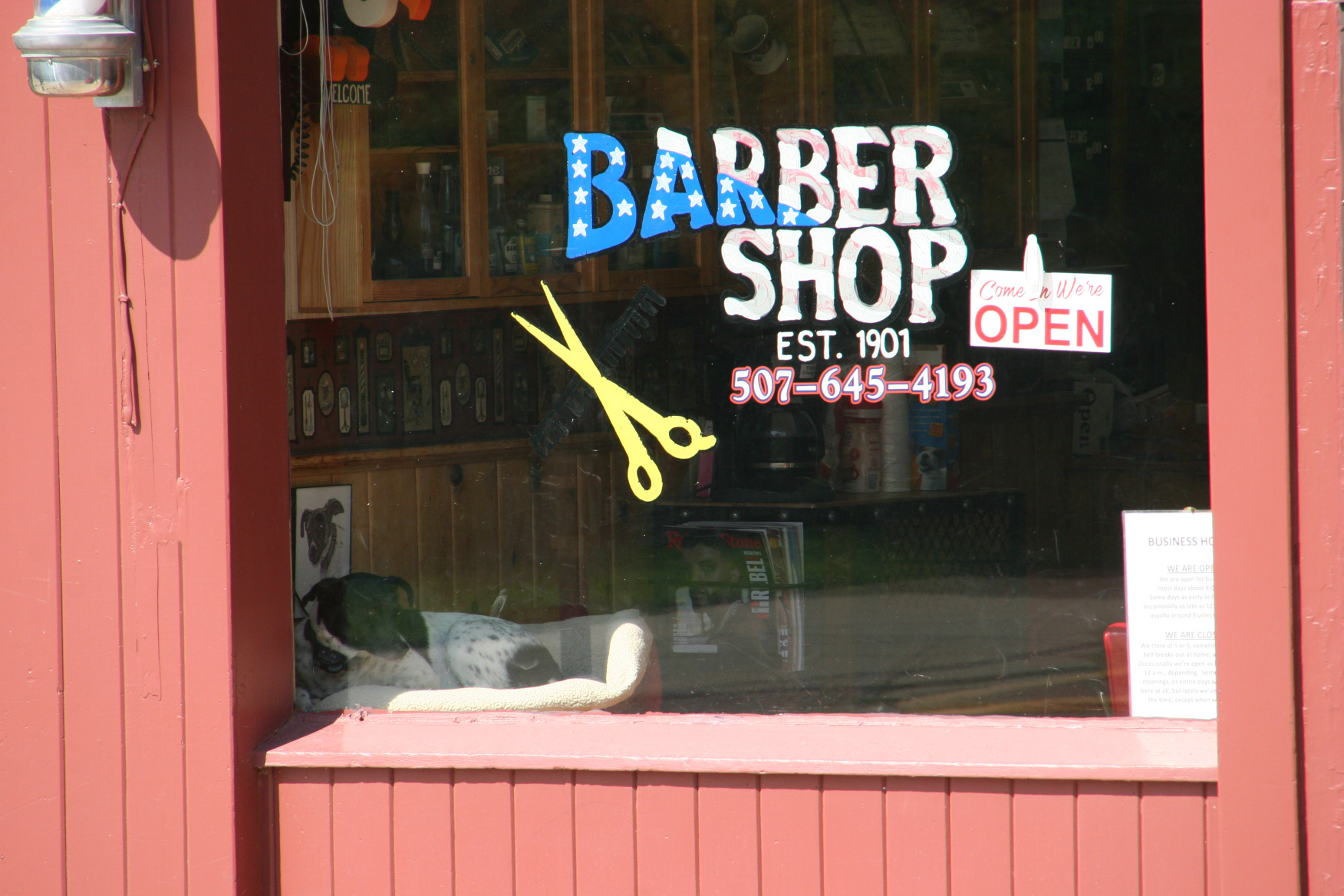
The beginning of my story, “Barbershop Prompt.” (Minnesota Prairie Roots edited and copyrighted photo October 2022)

I’m delighted to announce that three of my submissions are included in Escapes. My story, “Barbershop Prompt,” won second place and a cash prize in creative nonfiction. “Plans” earned honorable mention in fiction. And my second fictional piece, “Between Sisters,” simply published.

My writing has published in all 13 of these “The Talking Stick” volumes. (Minnesota Prairie Roots copyrighted photo October 2022)

To have my work selected and honored by peers is, for me, reaffirming. This marks the 13th year my writing—a total of 13 poems, eight creative nonfiction stories and nine fiction stories—have published in The Talking Stick. I’ve earned seven honorable mentions and two second placings through the years. Every year I’ve entered this competition, my writing has published. That proves personally validating.

When I first ventured into penning fiction, I did so with hesitancy. My journalism education, background and experience rooted me in gathering information and reporting the facts with no bend to fictionalize. I didn’t know I could write fiction until I tried. And I found I rather enjoy this type of writing. It stretches my creativity in a way that traditional factual writing doesn’t. Yet, even when I write fiction, there is some truth within. I weave into my writing (often in subtle ways) that which I know or care about or which has touched me. I expect most fiction writers would say the same.

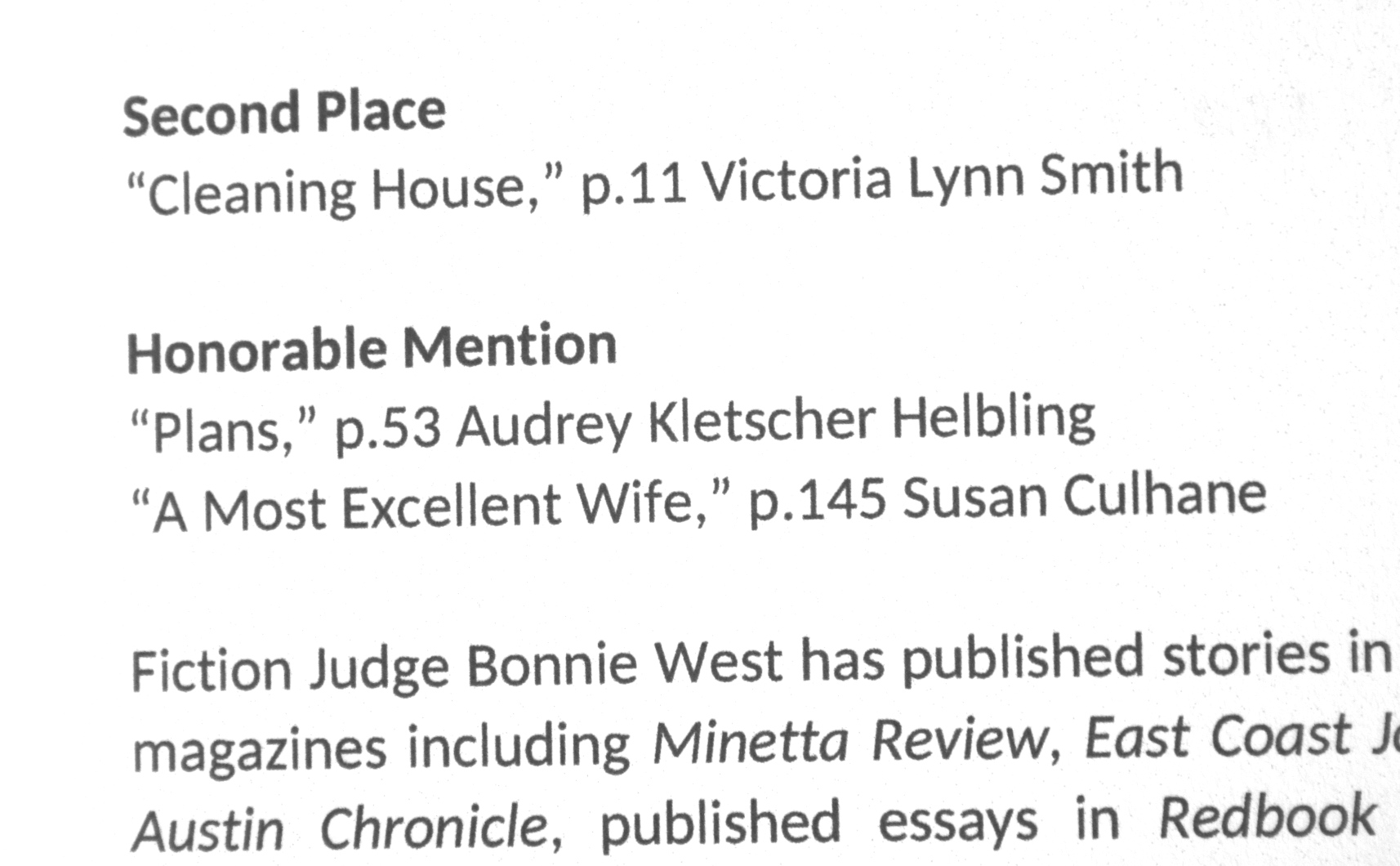
Partial winning credits in fiction and the judge’s bio. (Minnesota Prairie Roots edited and copyrighted photo October 2022)

My award-winning short story, “Plans,” focuses on abuse within a family. Abuse has not been my personal experience. But it runs rampant in society. “Plans” focuses on abuse from the perspective of Henrietta, or Henri as her father calls her. He wanted a son, not a daughter. I’m not revealing more except to say the story leaves the reader wondering. And that’s exactly as The Talking Stick editors intend. Submission guidelines call for focusing on short forms, on compressed creations which hint of a longer, more complex story. You get that in my 457-word “Plans.”

Here’s, in part, what fiction judge Bonnie West said about my short story:

What a good story. Very clever, but also very poignant and surprising! Thanks for this delightful and entertaining revenge story!

Bridge Square Barbers, the inspiration for my award-winning story. (Minnesota Prairie Roots copyrighted file photo August 2022)

I definitely appreciate West’s comment and that of creative nonfiction judge Marge Barrett. She evaluated “Barbershop Prompt,” praising the energy and cleverness of my story. A sign I spotted in the front window of Bridge Square Barbers by Bridge Square in Northfield prompted me to write this. I am an observer, someone who notices details. That often inspires. Like my winning fiction story, this fact-based story leaves the reader wondering, wanting more. The same can be said for “Between Sisters.”

The Talking Stick is an incredible collection of outstanding writing and I’m honored to be included with so much other Minnesota talent. Each year I see familiar names repeated, but then new voices, too. The small editorial team from the Jackpine Writers’ Bloc deserves recognition also for their hard work. This anthology truly is a labor of love. I’m grateful for their appreciation of Minnesota writers and for their dedication to the craft of writing.

FYI: I encourage you to support Minnesota creativity by purchasing a copy of The Talking Stick 31—Escapes by clicking here.

Colton Kemp, a reporter for the Faribault Daily News, wrote a feature on me which published in the Saturday, October 8, edition. I encourage you to read that also by clicking here. I am grateful for Colton sharing my story and for the opportunity to connect with him, another individual passionate about writing.

© Copyright 2022 Audrey Kletscher Helbling
 

When you’re reading a book and… August 23, 2022

Filed under: Uncategorized — Audrey Kletscher Helbling @ 5:00 AM
Tags: , , , , , , , , , ,
Book cover source: Goodreads

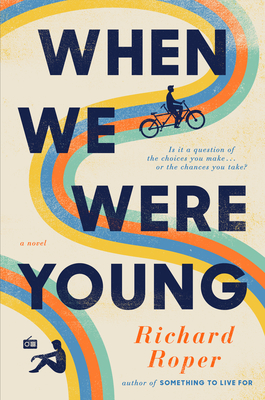
MY APOLOGIES TO ANYONE who checks out When We Were Young by Richard Roper from Buckham Memorial Library. I’m sorry about the smears at the top of page 309 in chapter forty-eight, the chapter wherein main characters Joel and Theo get some really good news. I did not intentionally smear the page with an unknown-to-the-next-reader substance.

Near shore, a seagull wings across Mille Lacs Lake in central Minnesota. (Minnesota Prairie Roots copyrighted file photo September 2017)

Here’s my story, summarized in a family text I sent Sunday evening:

I just had the most disgusting thing happen. I’m sitting on the patio reading & I feel something wet hit the side of my face. A bird pooped on my face, my glasses & my book! Yuck! Dad looked up to see a bunch of gulls flying around. This is NOT Duluth or anywhere near water.

It should be noted here that, before texting anyone, I wiped the bird poop from below my eye and from the book and that Randy washed my glasses. A bit later I also splashed water into my eye, which was feeling a tad odd.

A gull landed by Randy and me as we ate a picnic lunch near Serpent Lake in Crosby earlier this summer. (Minnesota Prairie Roots copyrighted photo July 2022)

I should have anticipated that my family would have a bit of fun with this unfortunate incident. The granddaughter hoped for a photo. Randy said he could have taken one. He observed that the gulls had a pretty good aim for being 200 feet high. Gee, thanks, dear husband. He also wondered whether our actuary son-in-law could determine the chances of this happening again. That’s OK. I don’t need to know those odds.

But the other son-in-law shared that being pooped on by a bird means good luck in England, where he lived as a child and was also pooped upon once. I confirmed that in an online search—the poop-luck correlation. Now luck I’ll take, even though I didn’t feel one bit lucky when I felt a splat upon my face and then realized what had happened.

Yet, the poop did land on that page in a fictional book when two friends get double good news. Now what are the odds of that?

TELL ME: Do you have a similar story to share?

© Copyright 2022 Audrey Kletscher Helbling
 

Planning coffee with a friend, a sign-inspired short story from Northfield April 11, 2022

Filed under: Uncategorized — Audrey Kletscher Helbling @ 5:00 AM

Tags: , , , , , ,
Minnesota Prairie Roots copyrighted photo February 2022

By all means,

Minnesota Prairie Roots copyrighted photo February 2022

let’s take five.

Minnesota Prairie Roots copyrighted photo February 2022

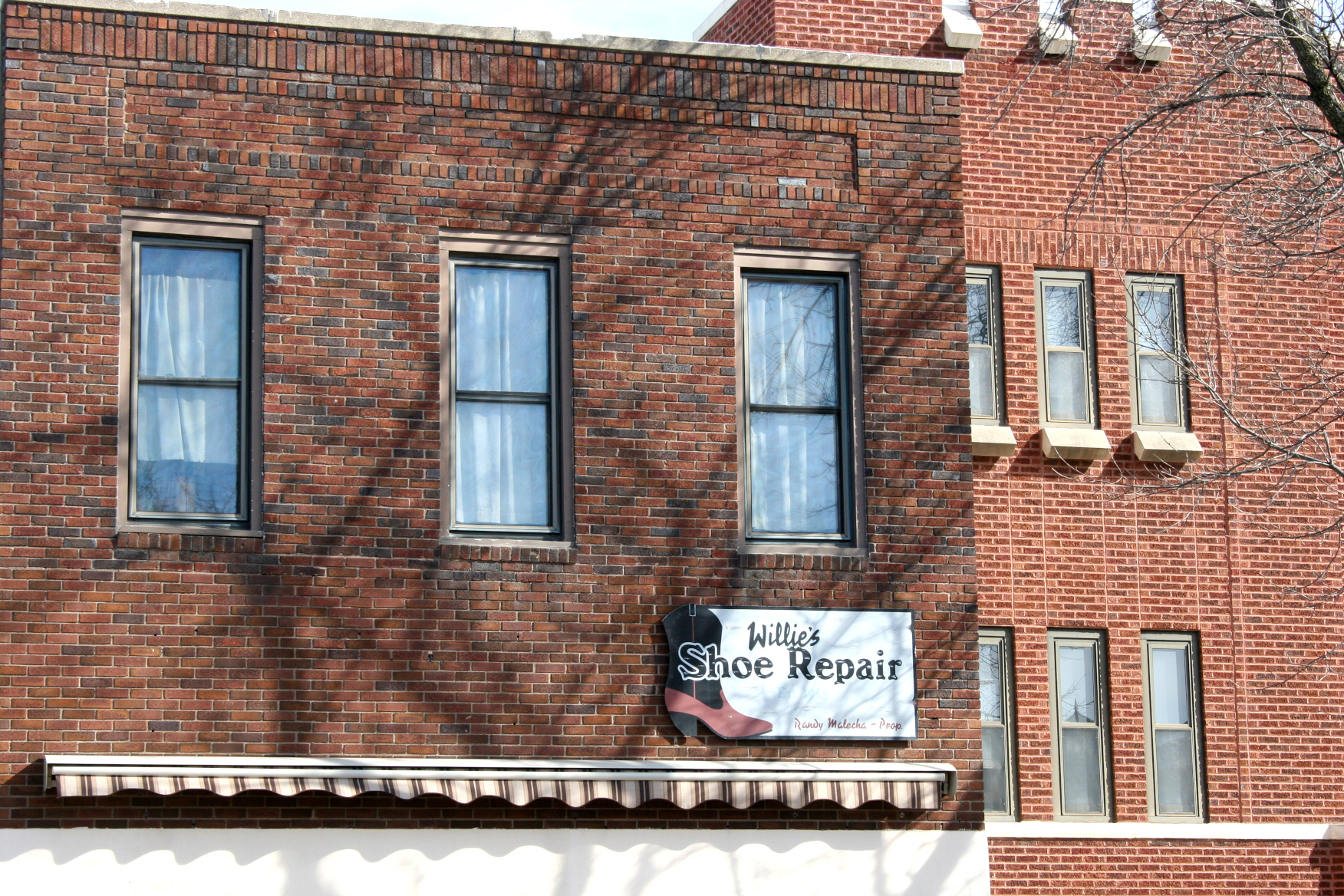
But I gotta stop at Willie’s first for my shoes.

Minnesota Prairie Roots copyrighted photo February 2022

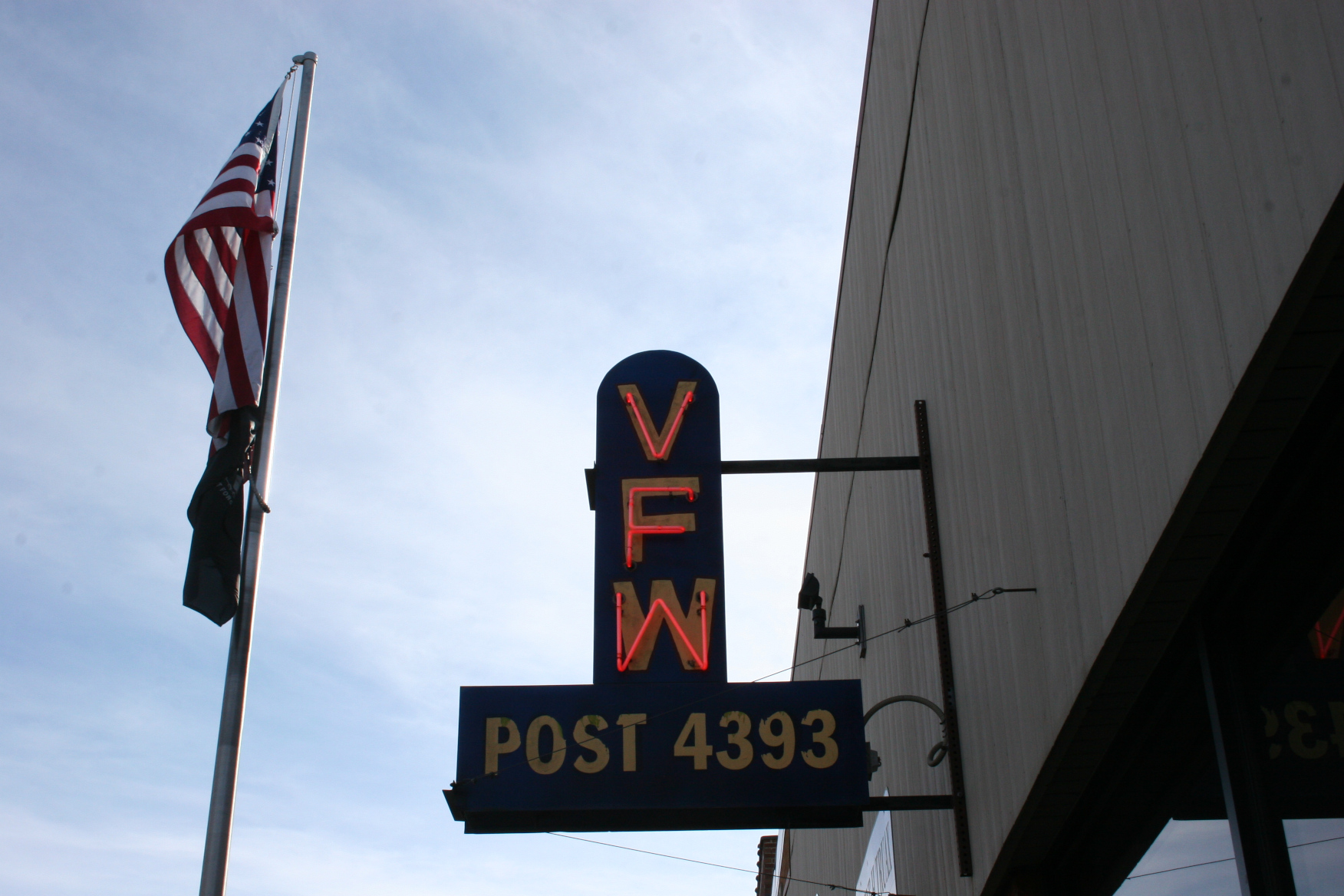
That’s across from the VFW.

Minnesota Prairie Roots copyrighted photo February 2022

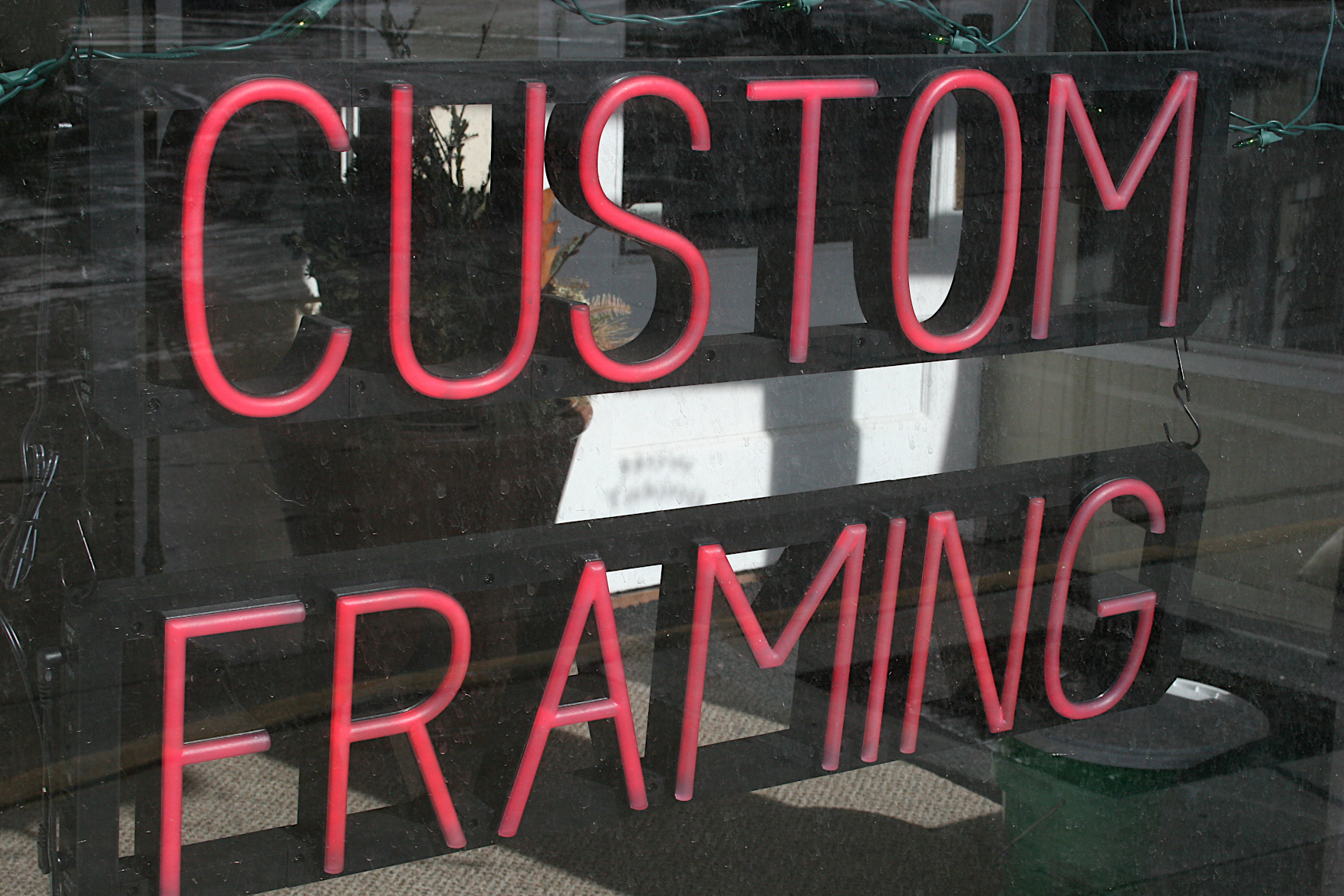
And then I need to pick up my custom framed print.

Minnesota Prairie Roots copyrighted photo February 2022

So can we meet at 10 am at Goodbye Blue Monday?

Minnesota Prairie Roots copyrighted photo February 2022

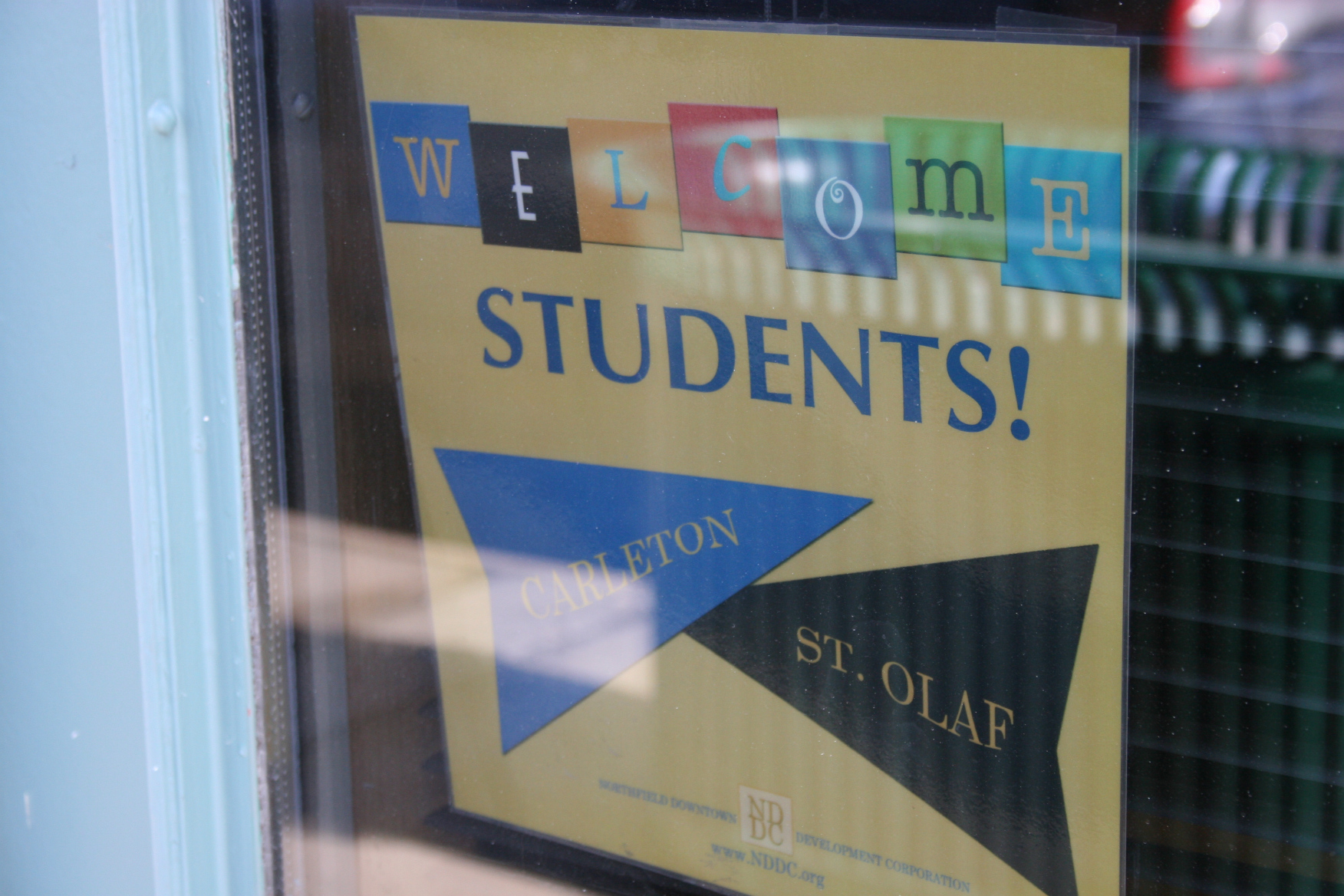
I hope we beat the student rush.

Minnesota Prairie Roots copyrighted photo February 2022

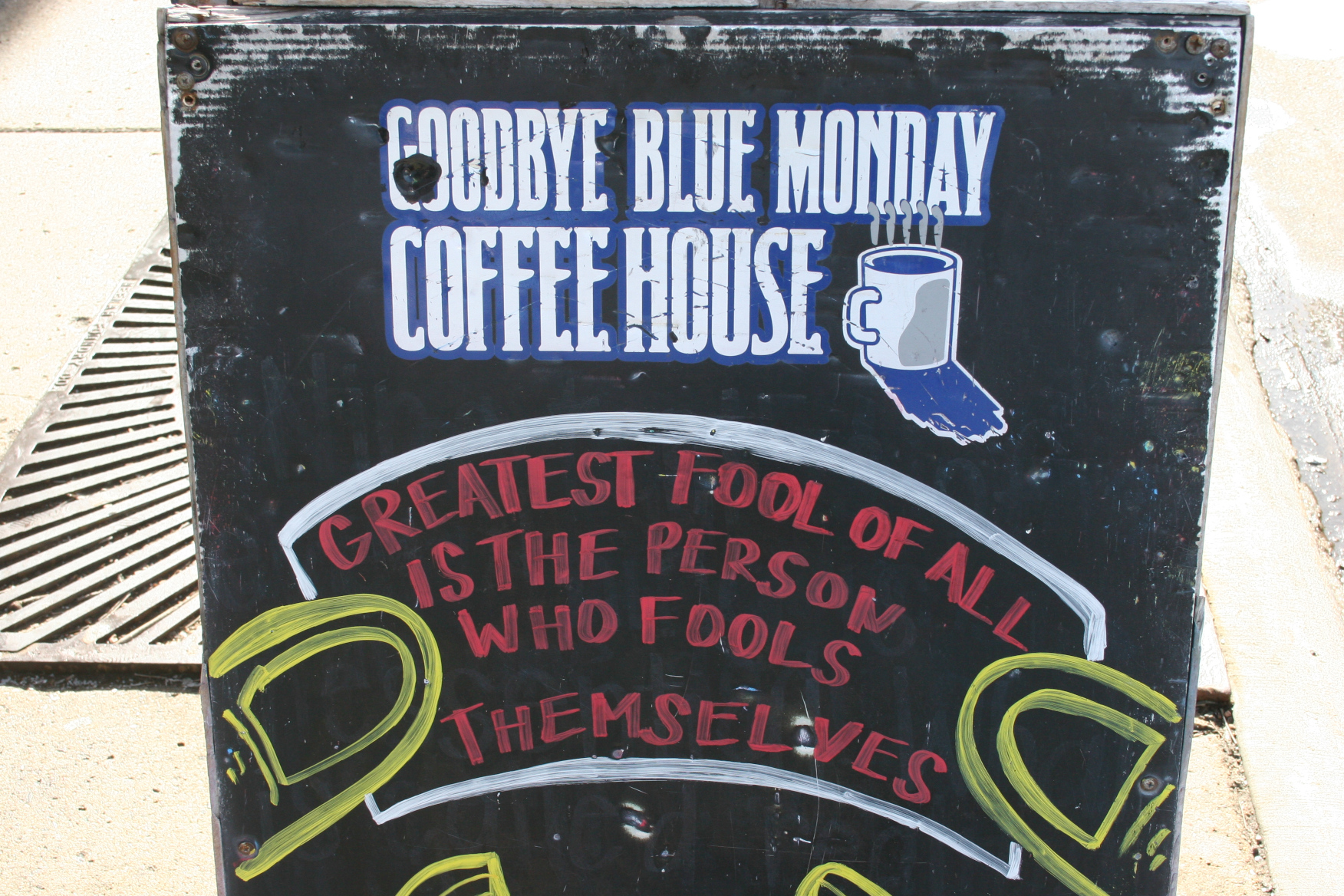
Or maybe I’m fooling myself.

Minnesota Prairie Roots copyrighted photo February 2022

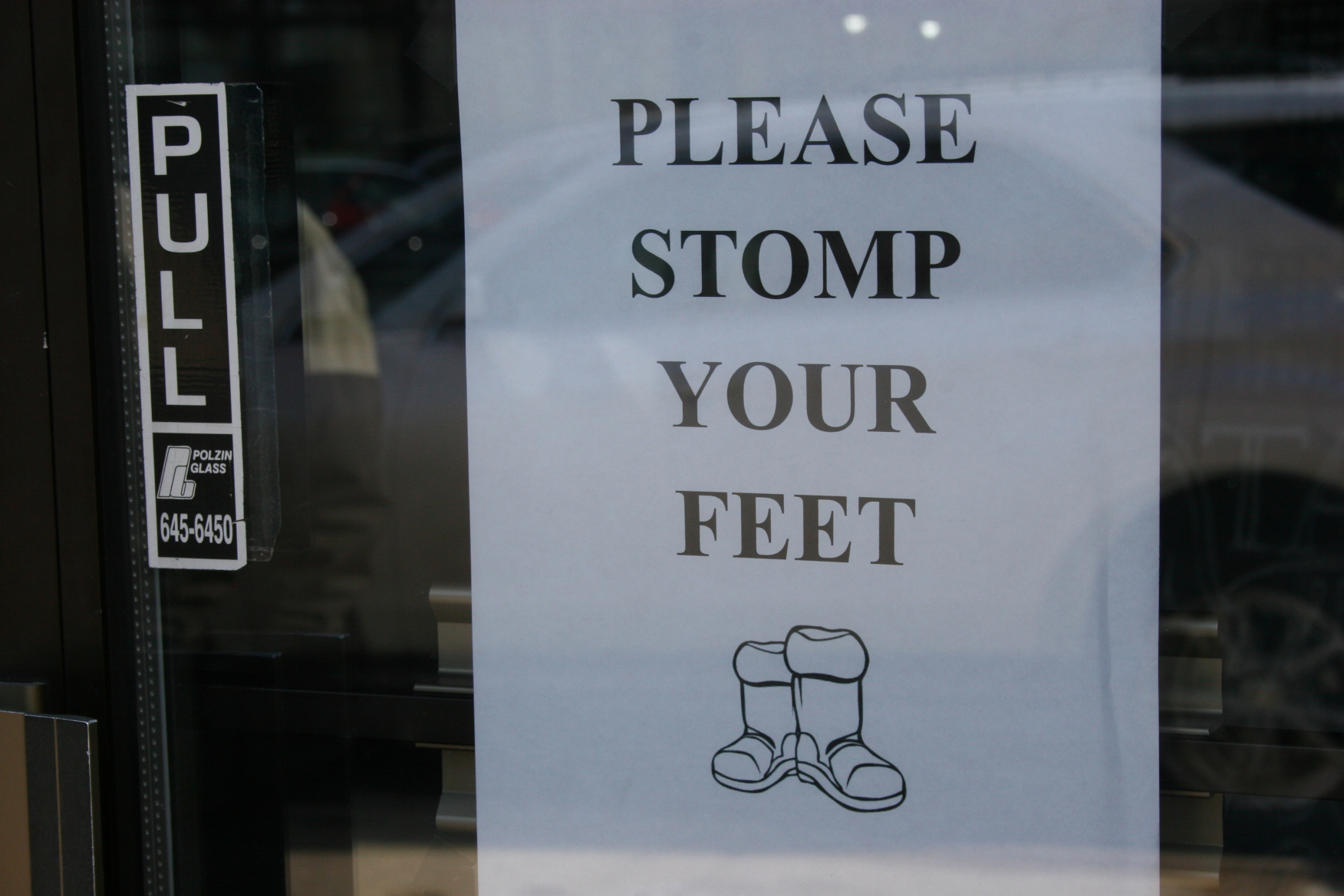
Oh, I see it’s snowing again. Better wear my boots.

Minnesota Prairie Roots copyrighted photo February 2022

I’ll be as contented as a cow if this winter ever ends.

#

FYI: All photos were taken in historic downtown Northfield, Minnesota, in February.

© Copyright 2022 Audrey Kletscher Helbling


The poetry of “Where the Crawdads Sing” April 8, 2022

Image source: goodreads

IF I HADN’T CAUGHT the news flash in an entertainment segment on an early morning TV show recently, I doubt I would have read Where the Crawdads Sing by Delia Owens. But I did. And the book proved so riveting that I didn’t want to put it down. You know the type of book, when you stay up past your bedtime to read.

Published in 2018, this New York Times fiction bestseller, releases in July as a movie. So I suppose my timing in reading this is about right. Not that I will see the film. Big screen versions, after I’ve read a book, usually disappoint. Plus, I am not a movie-goer; the last time I went to a movie (three years ago), I walked out and asked for a refund (which I got).

All that aside, that I read Where the Crawdads Sing in April, National Poetry Month, is also fitting. More on that in a bit.

First a summary: Set along the coastal marshes of North Carolina, this book tells the story of young Kya, beginning in 1952. Her family abandons her and she grows up, isolated, alone, connecting with nature. Known to locals as “Marsh Girl,” she reads poetry to gulls, boats through the marshland, immerses herself in learning and studying and documenting the surrounding natural world.

In following her story, which is much more complicated than someone living alone in a remote location, I learned a lot about an area of the US I’ve never even come close to visiting. That includes the many birds which focus Kya’s attention. It’s good for me to stretch my reading wings to a region unfamiliar to me. To learn of landscape, sea life, culture, food, peoples and more in a focused time period, primarily 1960-1970.

The book broadens to include a mystery—the death of a well-known young man from the coastal town of Barkley Cove. Even the name of that community sounds foreign to my Minnesota ears. His life intertwines with Kya’s and that’s what left me wanting to stay up late reading.

Themes of abuse, abandonment, isolation, misconceptions, meanness, prejudice, privilege and small town narrow-mindedness thread through the pages of Where the Crawdads Sing. Love, too.

Author Delia Owens also weaves poetry into pages in poems quoted. Poems by Emily Dickinson. By Pulitzer Prize-winning poet James Wright, who taught in Minnesota at the University of Minnesota and Maclester College. By Amanda Hamilton (there’s a surprise). A fisherman named Scupper proclaims his love of poetry, declaring that poems “make ya feel something.” He’s right.

I encourage you to read this book for the story, the strong sense of place and, yes, for the poetry.

TELL ME: Have you read Where the Crawdads Sing? If yes, what are your thoughts and will you see the movie?

© Copyright 2022 Audrey Kletscher Helbling

 

Inspiring creativity March 24, 2022

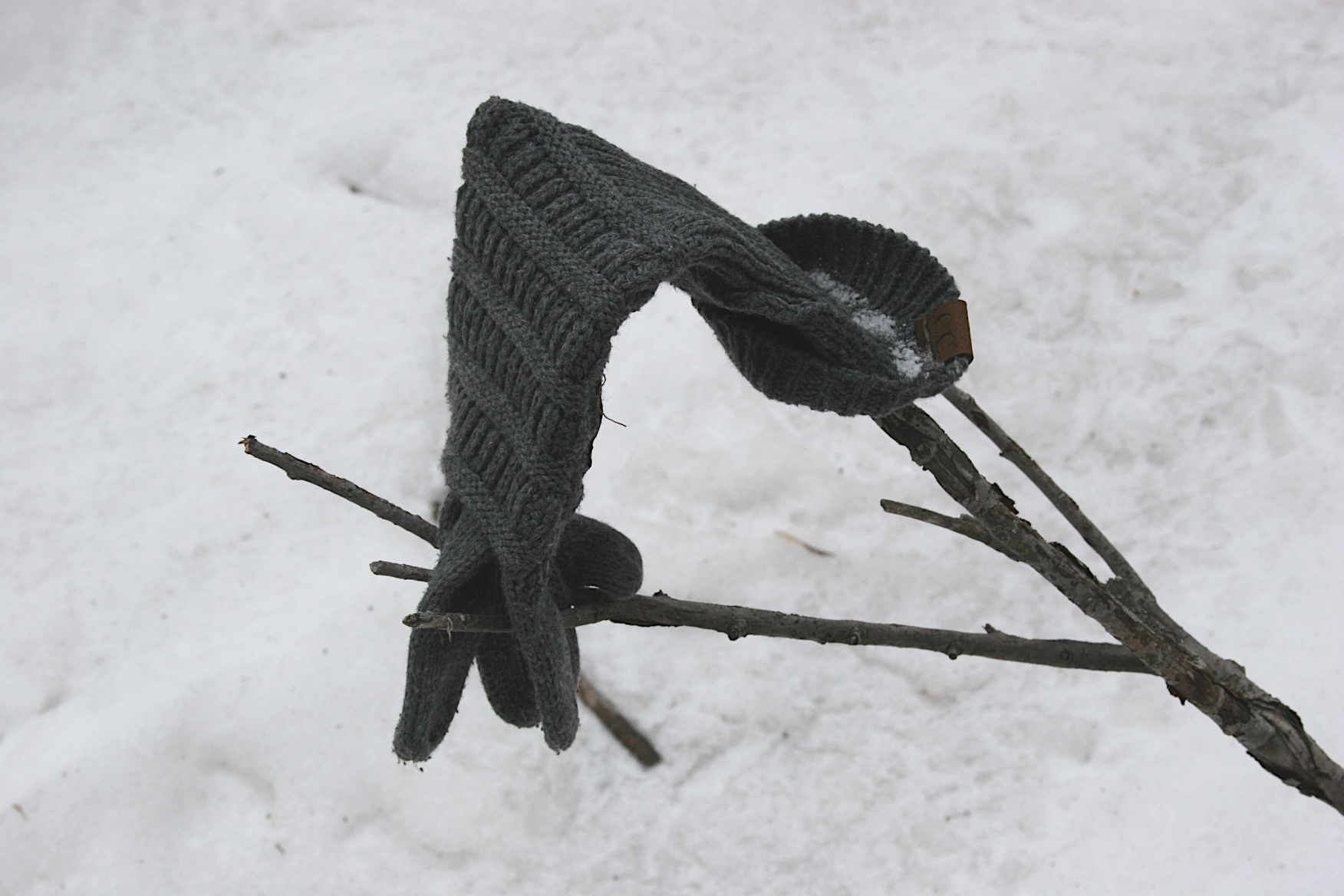
Lost glove along the Straight River Trail, south Faribault, Minnesota. (Minnesota Prairie Roots copyrighted photo March 2022)

THE GLOVED STICK stuck out like a snowman’s broken appendage. There, stuck in the snow, aside the Straight River Trail in south Faribault.

Camera in hand, I paused on a recent afternoon trail walk to photograph the lost grey glove. Scenes like this intrigue me because there’s always a story. Who lost the glove? Why? Who found the glove and then decided to stick it on a stick? Would the woman who lost the glove find it?

Real life often prompts my creative writing. Several weeks ago I wrote with a fury over two days, under pressure to meet a contest deadline. In those two full days of creating, I wrote two pieces of creative nonfiction, two short stories and two poems. The Muse moved within me and I felt it.

More often than not, I tap into my life for ideas. The “write what you know” adage holds true for me.

In writing fiction, I can take a snippet of truth and craft it into a short story that rings with reality, except it’s not. A text shaped one of the pieces I crafted. The other story came from some dark place I have not yet unearthed.

The recent death of my mom resulted in a poem and a work of creative nonfiction. A sign in a barbershop window prompted the second piece of creative nonfiction.

And my second poem emerged from a previous walk along a riverside trail in Faribault. Not the same path of broken snowman appendage. But a place where fingers of snow wrote stories across asphalt.

TELL ME: If you are a creative, what inspires you in your writing/painting/creating? I’d like to hear.

© Copyright 2022 Audrey Kletscher Helbling

 

From the village November 30, 2021

Filed under: Uncategorized — Audrey Kletscher Helbling @ 5:00 AM
Tags: , , , , , , , ,
Minnesota Prairie Roots copyrighted photo 2020.

ONCE UPON A TIME in The Land of Plenty, a waif of a girl and her mother huddled, seeking warmth inside their small stone house. They’d just returned from a tiring journey by foot to a neighboring village. There the daughter received a magical potion to protect her from The Great Invader, who had claimed her father’s life. They felt such gratitude for the protective potion now available to all but the youngest.

The pair felt no bitterness about the loss of their beloved husband and father, but rather a mournful acceptance of his fate. When he fell ill, Ministry of Health researchers had only begun to understand The Great Invader and ways to effectively deal with him. They were certain he could be stopped. But, alas, Ministry officials underestimated the resistance to their advice, to the life-saving potion, to measures that would keep most villagers, city-dwellers and peasants from serious illness or death.

Spikes define The Great Invader and his cousins. (Minnesota Prairie Roots copyrighted photo August 2019)

A KNOCK ON THE DOOR

As mother and daughter edged near the hearth, fire heating a small kettle of thin porridge, a persistent pounding broke the silence. The weary woman hesitated, unsure whether to answer the urgent knock. But the kindness instilled in her by sage elders replaced her momentary hesitation. She rose, grabbed a swatch of cloth from a peg on the wall, covered her face and cracked the door.

There stood a stranger—teeth a sickly yellow, spiked hair framing his filthy face, gnarled hand raised in a threatening pose. Without even a second thought, the mother slammed the door, dislodged a worn plank, dropped and locked it in place. Her shoulders heaved. Her legs gave way. And she fell in a heap onto the dirt floor, overcome with emotion. She recognized the stranger as a cousin of The Great Invader from a sketch posted in the village square (before The Village Know-It-All removed the identifying scroll). She breathed gratitude for the potion that protected her and her cherished child.

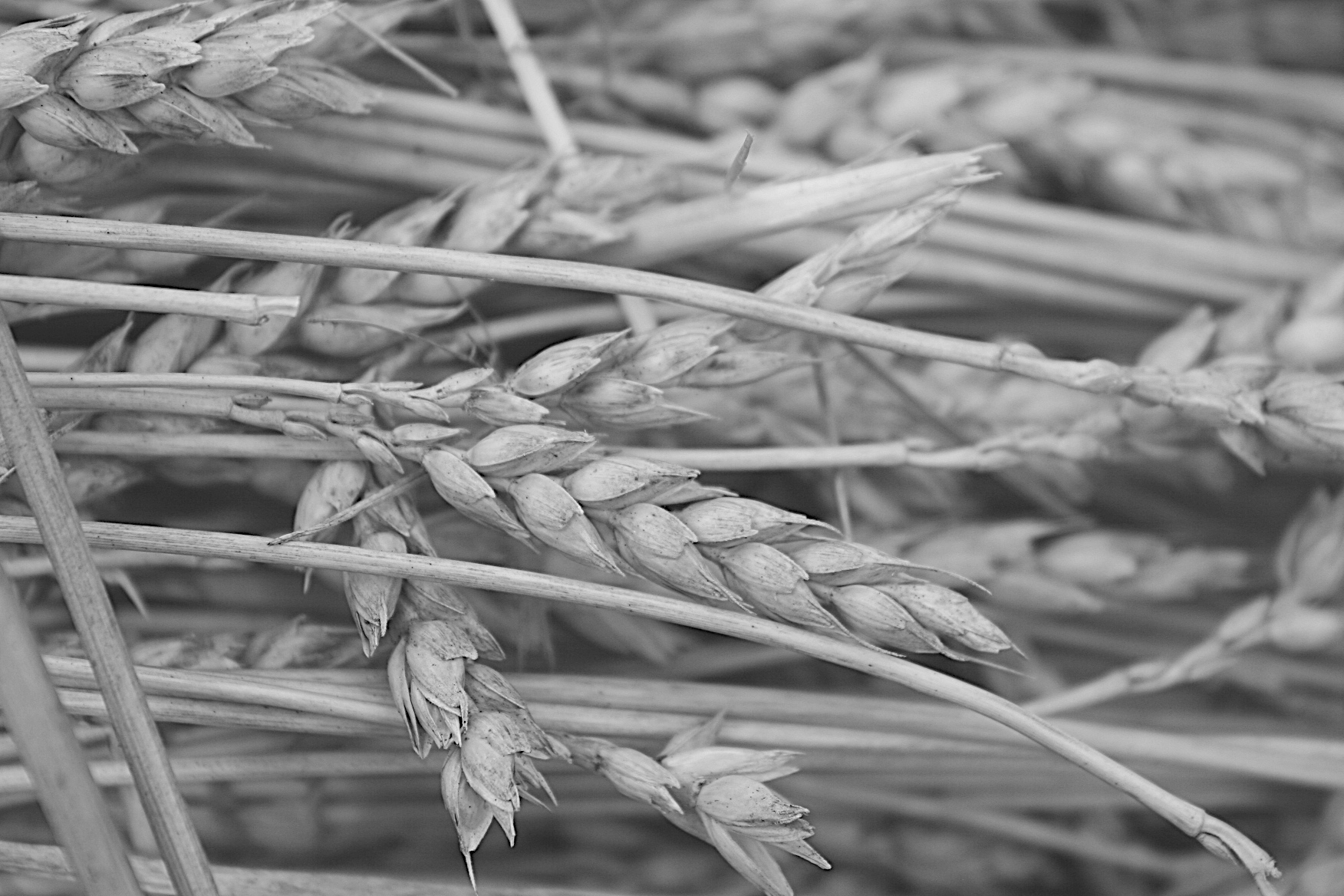
Wheat. (Minnesota Prairie Roots copyrighted photo 2019)

STRUGGLES & EMPOWERMENT

The young mother and her daughter were, by nature, kind and loving. They often befriended the lowliest among them. The beggars. The downtrodden. Those who had fallen on hard times. They had little themselves, but shared what they had. Yet, even with the mindset of kindness, they struggled to understand how so many in their village seemed now to care only about themselves. Gone was the cohesiveness of community care. The Great Invader and his extended family gloated, empowered to press on with selfishness, untruths, misinformation and distrust fueling their cause. They never could have imagined the ease with which they could infiltrate The Land of Plenty and beyond.

Frustration mounted whenever mother and child ventured into the crowded village marketplace. Few covered their faces. Few believed The Ministry of Health or the Office of Truthfulness. The pair observed how villagers dismissed warnings about The Great Invader and scoffed at ways to protect themselves and others. So the two hastened to gather a handful of potatoes, a sheaf of grain and a clutch of carrots clumped with dirt. They parceled pennies into the palms of peasants, then fled the market.

Minnesota Prairie Roots copyrighted file photo.

HOPE IN AN UNSETTLING SCENE

On their way home, mother and daughter passed by The Village Center for Healing, now overrun with the sick and dying infected by The Great Invader. Most had refused the magic potion. The pair’s hearts hurt for the exhausted village healers who continued to care for the failing, even in the face of disrespect and denial. They skirted past the ill and sidestepped rotten tomatoes lobbed by villagers refuting reality with anger.

The woman paused for a moment when she noticed strangers tending to the ill in overflow cots along the cobblestone streets. Fear prickled her spine. Could this be The Great Invader in yet another disguise? But she soon realized these strangers had come to ease the burden on village healers. She recalled a posting in the village square announcing the arrival of the group from a far away city. Gratitude rose within her, a smile curving her lips.

Hope swelled within her that maybe, just maybe, the influx of healers would convince the doubters to recognize the severity of the situation. To realize they could stop The Great Invader, first by believing those who had investigated him and then trusting the magic potion to keep them safe. It was within their grasp…

#

NOTE: In every story exists truth, this one no exception. As The Great Invader (COVID-19) continues his march, now in mutant strains, we need to remain vigilant. Get vaccinated and boostered. (If you already are, thank you.) Mask up. (If you do, thank you.) Stay home when you’re sick. Follow other safety mitigation. Think beyond yourself. To the child next door. To the elderly. To the immune-compromised. To the family you love. This is about more than each of us individually. This is about all of us, our community of humanity.

This is part of an ongoing series about The Great Invader. I moderate all comments and will not give voice to anti-vaccine, anti-mask and other such opinions on this, my personal blog.

© Copyright 2021 Audrey Kletscher Helbling