Minnesota Prairie Roots

Writing and photography by Audrey Kletscher Helbling

A wildflower mural blooms in Nerstrand October 30, 2024

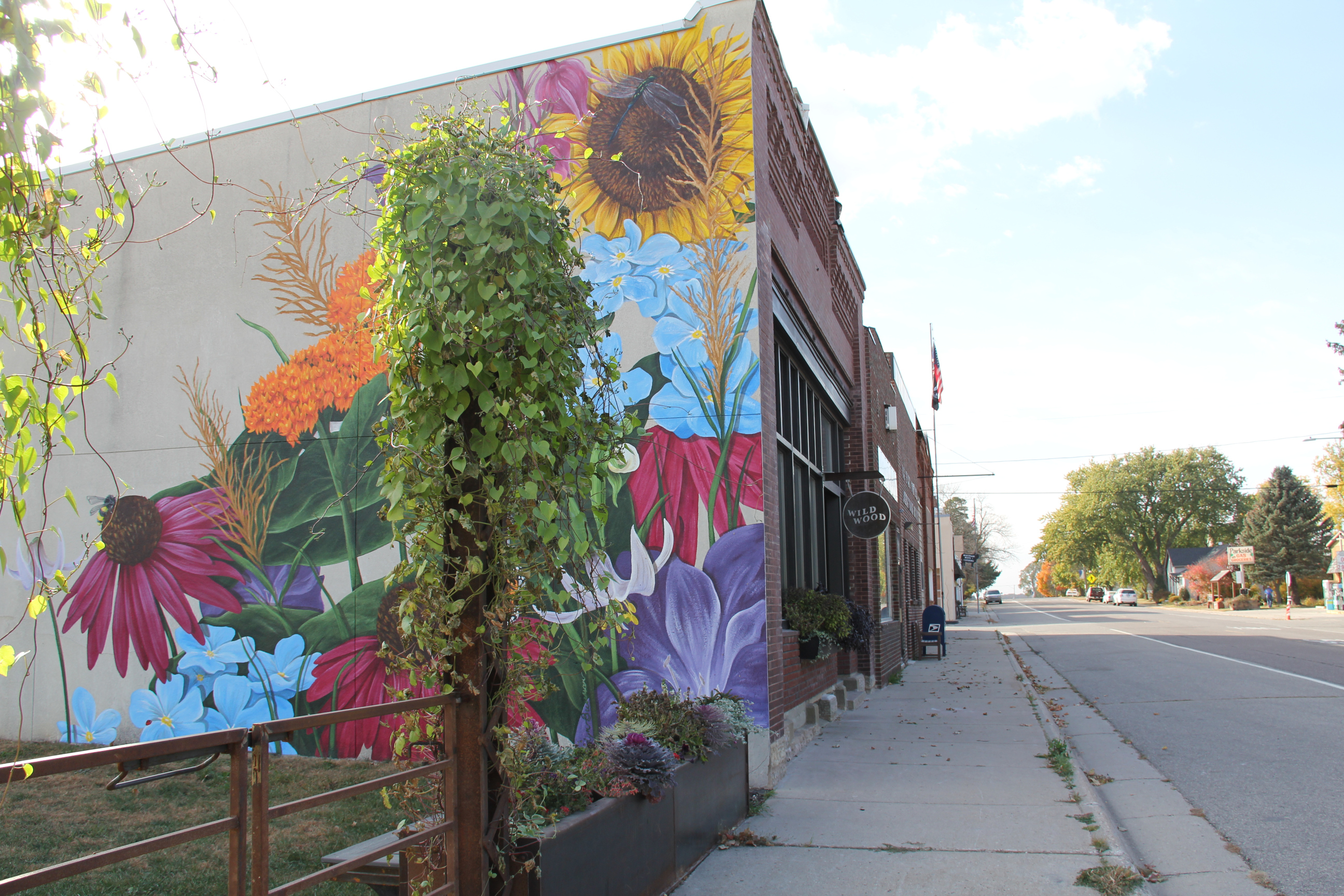
Wildflowers bloom on a mural along Main Street in Nerstrand. (Minnesota Prairie Roots copyrighted photo October 2024)

NERSTRAND, POPULATION 295, is one of those small towns where not a lot changes. Until something does, and then you notice.
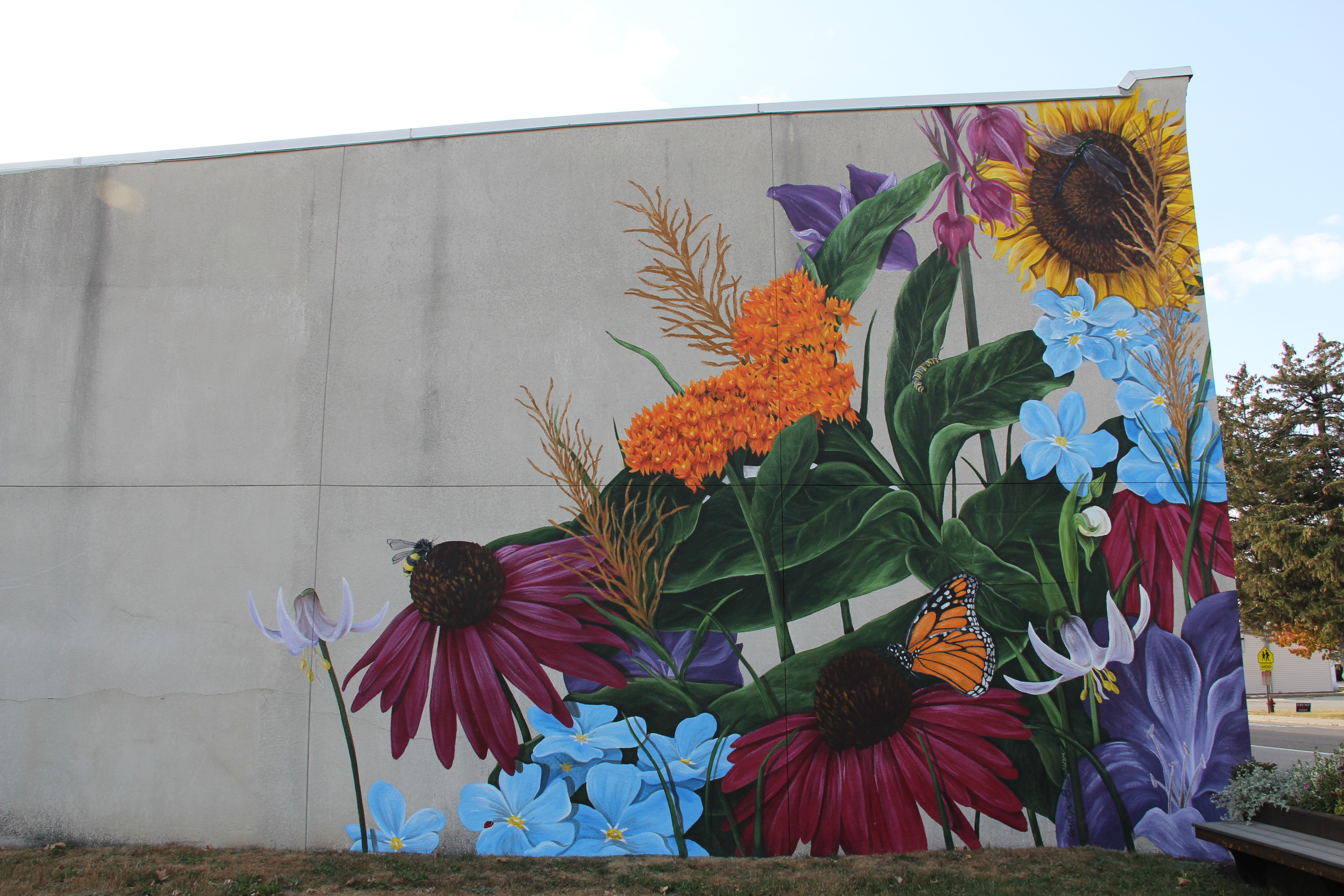
The mural is painted onto a corner of WildWood of Nerstrand. (Minnesota Prairie Roots copyrighted photo October 2024)

On a recent drive through this community in far eastern Rice County, I noticed something new. A mural. The wildflower-themed painting stretches across a corner of a brick building marked as WildWood.
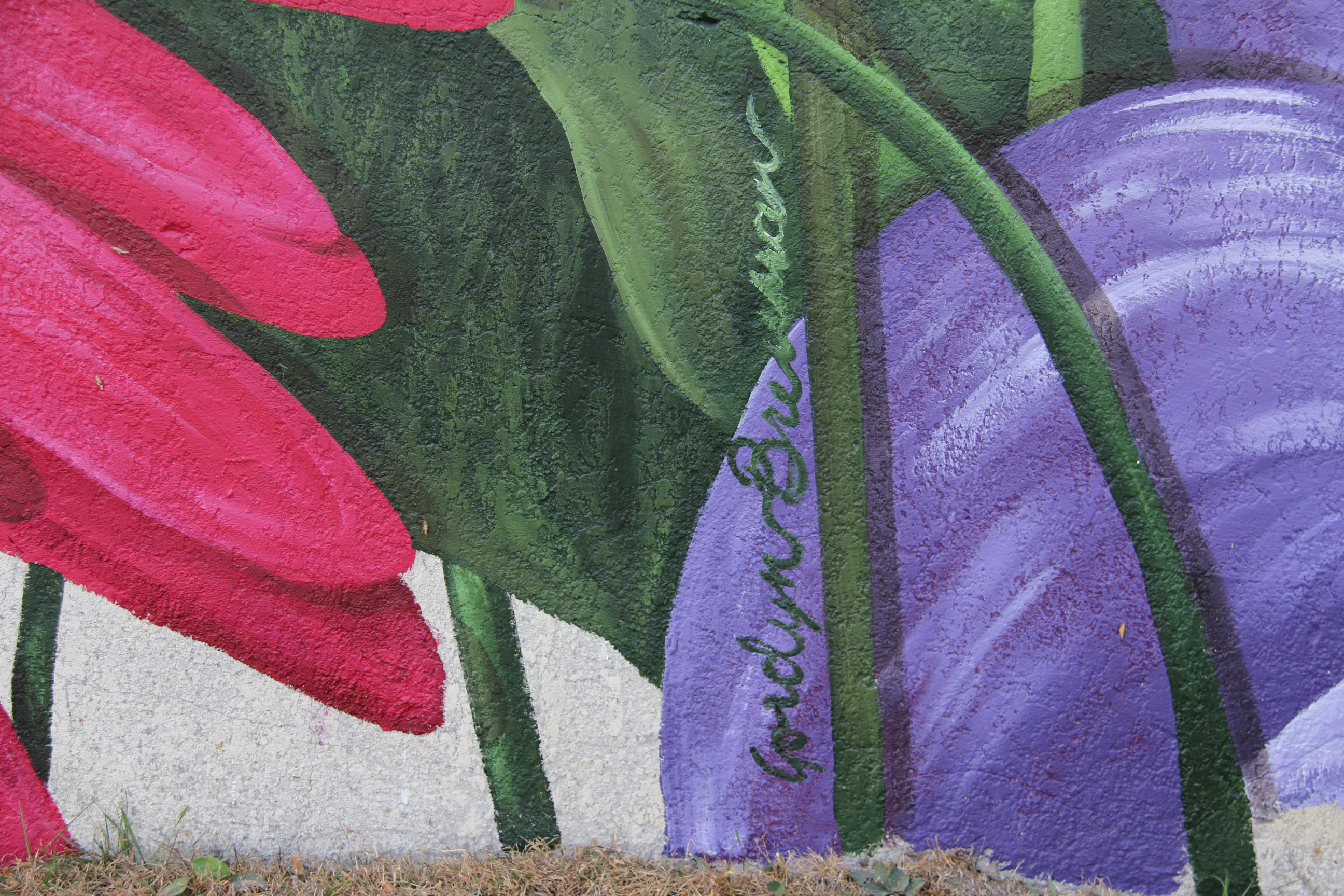
I found Jordyn Brennan’s signature down low on a lily stem. (Minnesota Prairie Roots copyrighted photo October 2024)
“Love for All,” a mural in Faribault that celebrates my community’s diversity. (Minnesota Prairie Roots copyrighted file photo)

I felt a sense of familiarity with the artwork. And then I saw Jordyn Brennan’s signature climbing the stem of a dwarf trout lily. The Minneapolis artist’s colorful “Love for All” mural, complete with hands signing the word “LOVE” and plenty of flowers, covers a spacious exterior building wall in the heart of downtown Faribault.
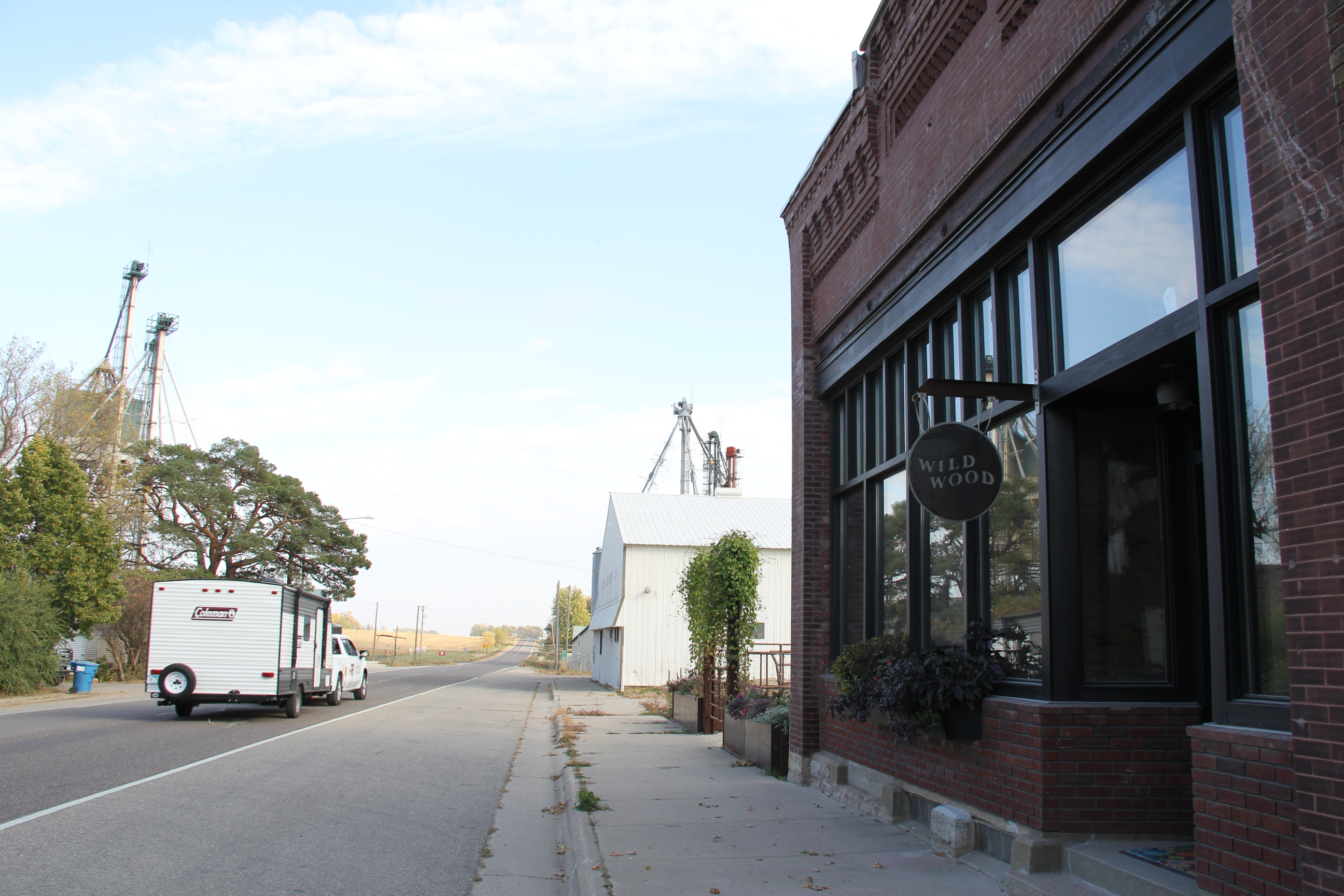
Heading east out of Nerstrand, WildWood is located at 315 Main Street, next to Lake Country Community Bank. (Minnesota Prairie Roots copyrighted photo October 2024)

And now her work can be seen in the heart of downtown Nerstrand on WildWood, a restored brick building housing an event space and photography studio. I peered through the window of the locked front door to see more brick and wood. Lovely. Rustic. Down-to-earth visually appealing.
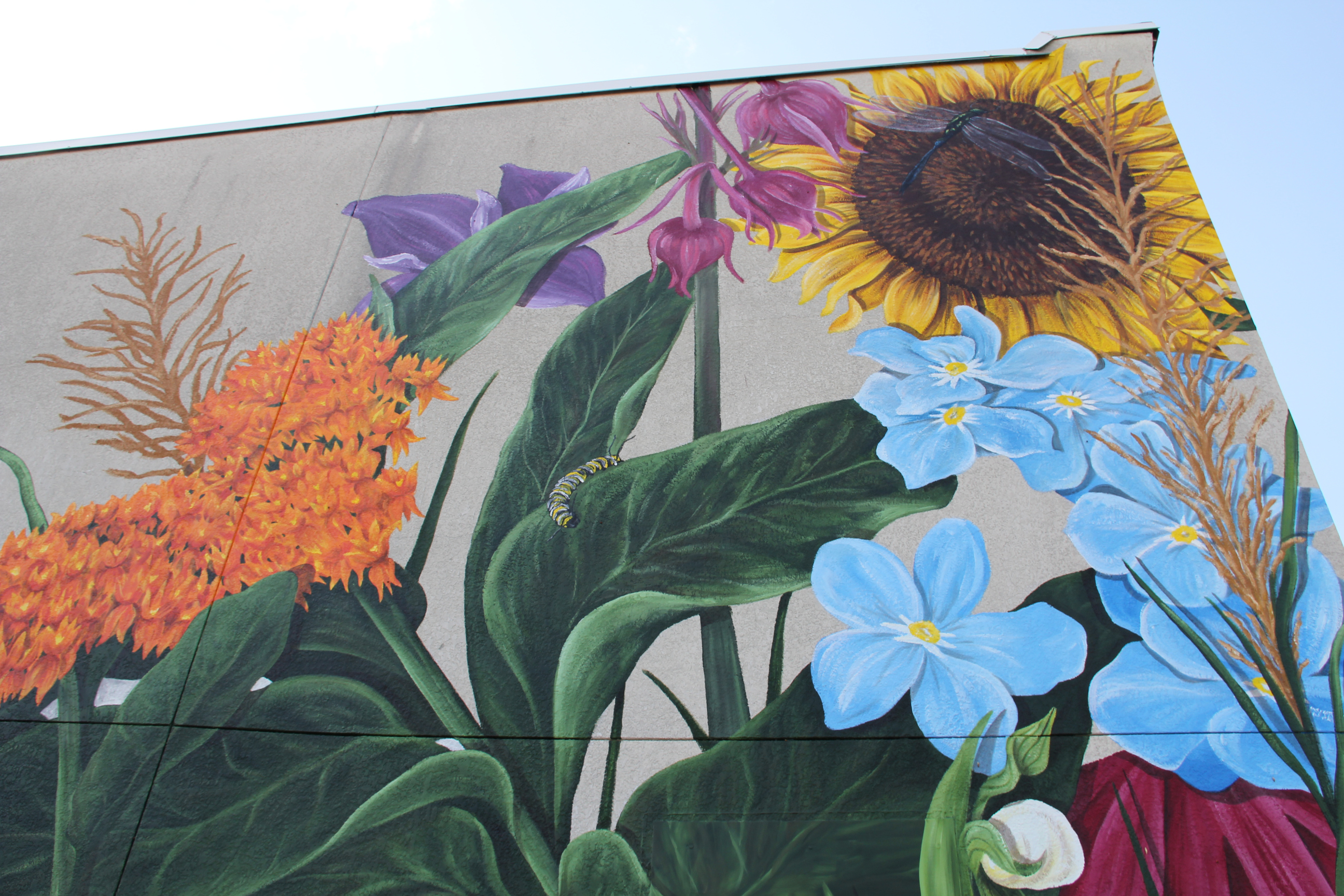
The mural adds an inviting nature-themed backdrop to The Wilderness green space. (Minnesota Prairie Roots copyrighted photo October 2024)

Tricia and Nick Streitz, with the help of family and friends, worked many years to renovate the space, which previously housed a woodcraft business and was then used for storage. Tricia’s business, Sweet Shibui Photography, is now located in a portion of the historic building. The rest is available to rent for gatherings in the 1,800 square foot The Great Room and outdoors in the 2,400 square foot The Wilderness green space.
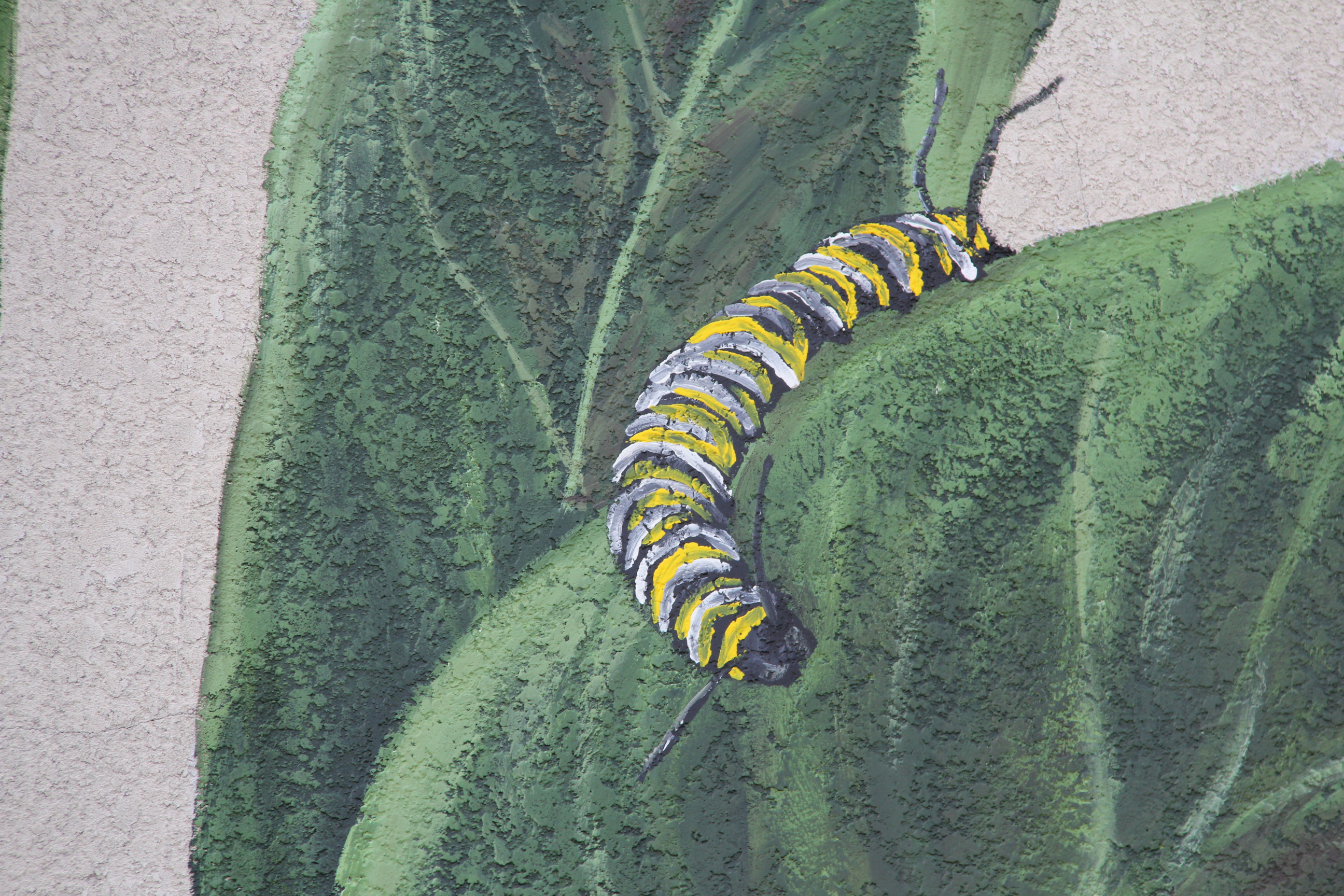
A Monarch caterpillar spotted among the flowers. (Minnesota Prairie Roots copyrighted photo October 2024)
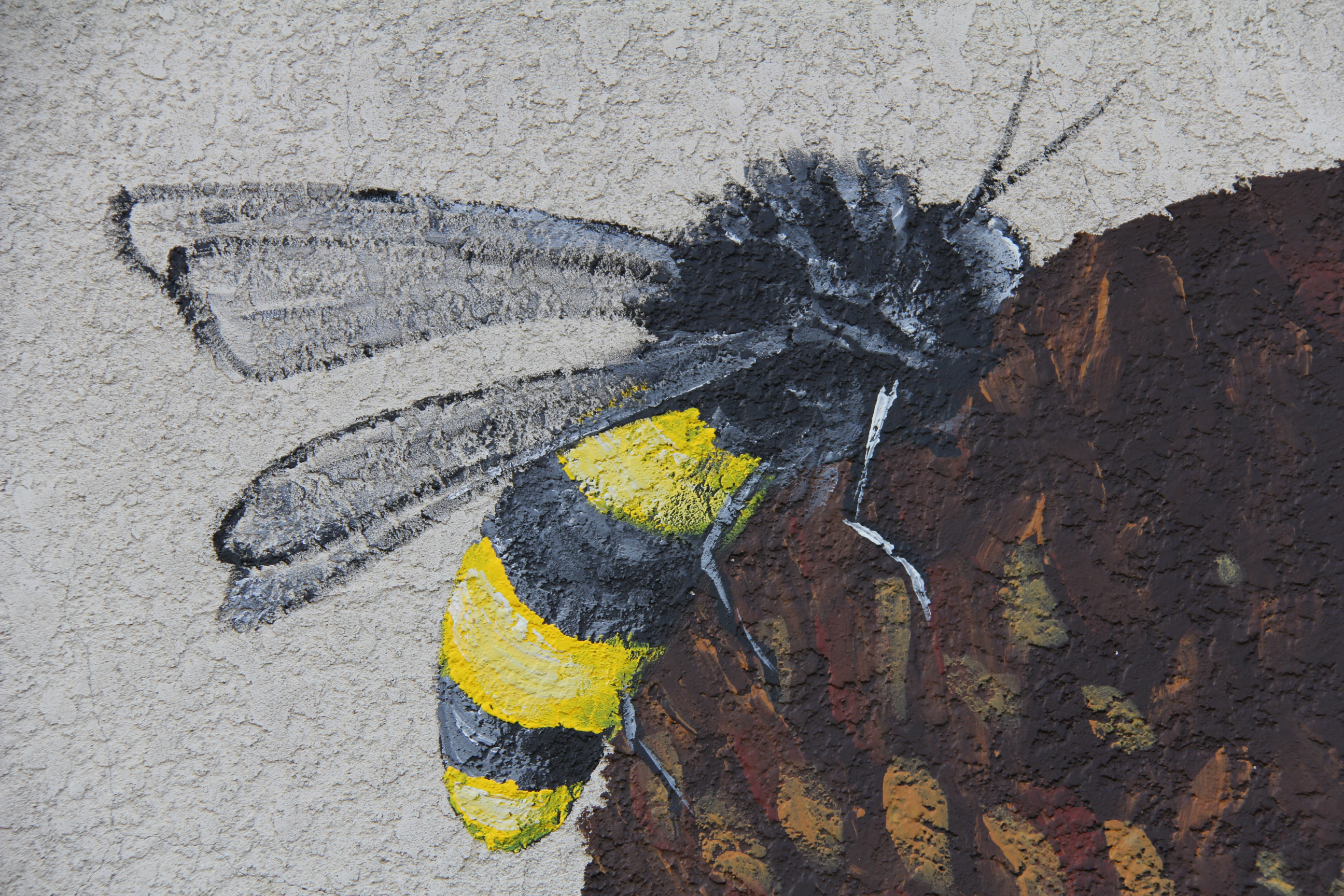
A bumblebee feeds on a coneflower. (Minnesota Prairie Roots copyrighted photo October 2024)
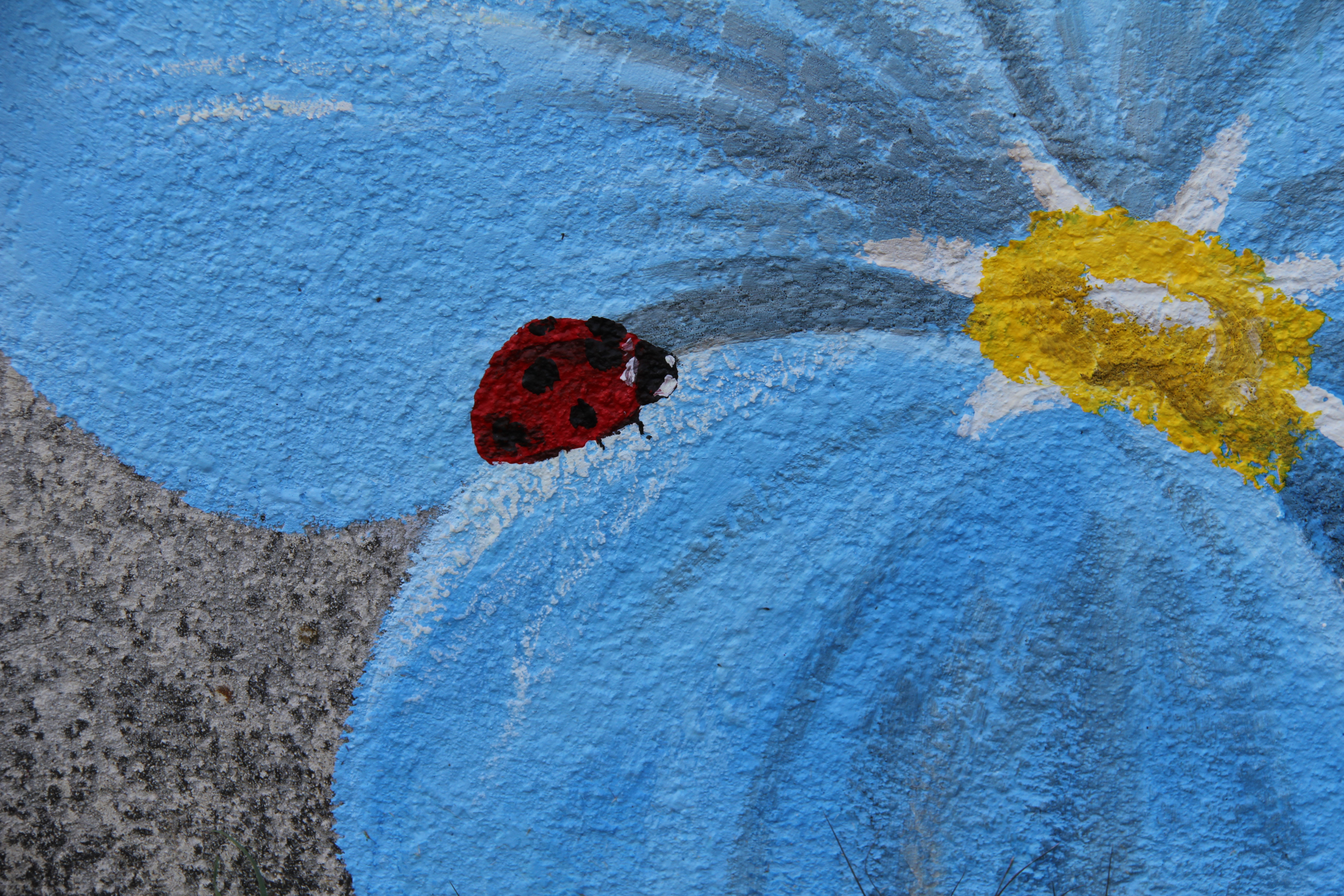
Way down low on the mural, near the ground, I found this ladybug. (Minnesota Prairie Roots copyrighted photo October 2024)

But on this Saturday afternoon in late October, I focused on the mural of coneflowers, dwarf trout lilies, sunflower, butterfly weed and several other wildflowers unknown to me. I found a Monarch caterpillar, Monarch butterfly, dragonfly and bumblebee interspersed among the florals, almost missing a ladybug.
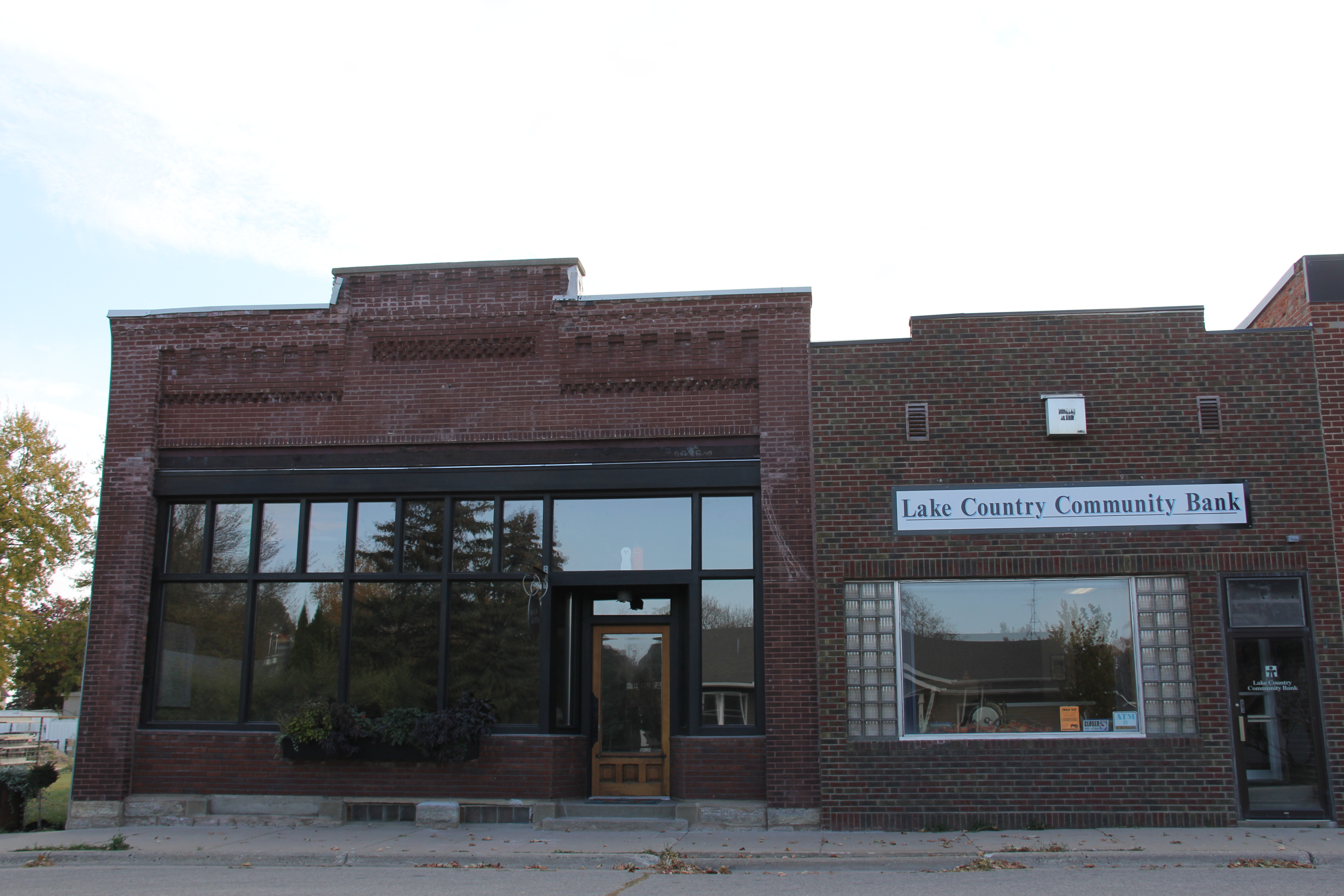
The mural is on the left side of the WildWood building. (Minnesota Prairie Roots copyrighted photo October 2024)

I love public art, especially in small towns where art is often not easily accessible. This mural splashes color into the few blocks that comprise Nerstrand’s downtown business area. But the mural is also a backdrop for The Wilderness outdoor gathering space. I can easily envision family and friends gathering here and on the concrete patio to celebrate a small wedding, an anniversary, a graduation, a baby or bridal shower, whatever brings people together in life’s celebratory moments. Yard games are part of the package rental. WildWood is hosting an indoor/outdoor Makers Market from 9 a.m. – 1 p.m. Saturday, November 16.
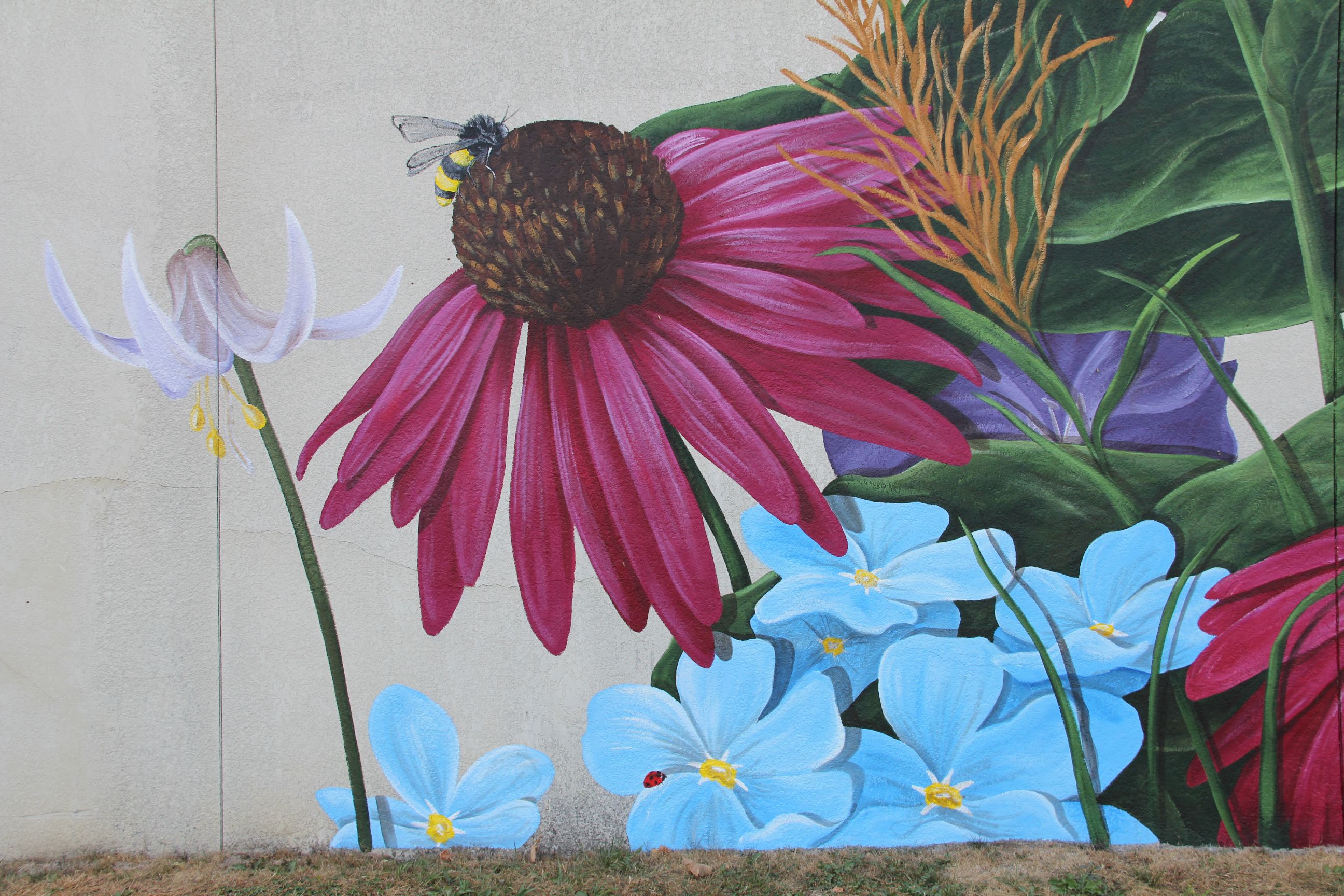
That’s the rare dwarf trout lily to the far left in this section of the mural. (Minnesota Prairie Roots copyrighted photo October 2024)

This day I celebrated the discovery of the wildflower mural on the side of a new business in town. The over-sized art honors nature, including the endangered dwarf trout lily, which only grows in three places (Rice, Steele and Goodhue counties) in the world. That includes in Nerstrand Big Woods State Park just to the west of town.
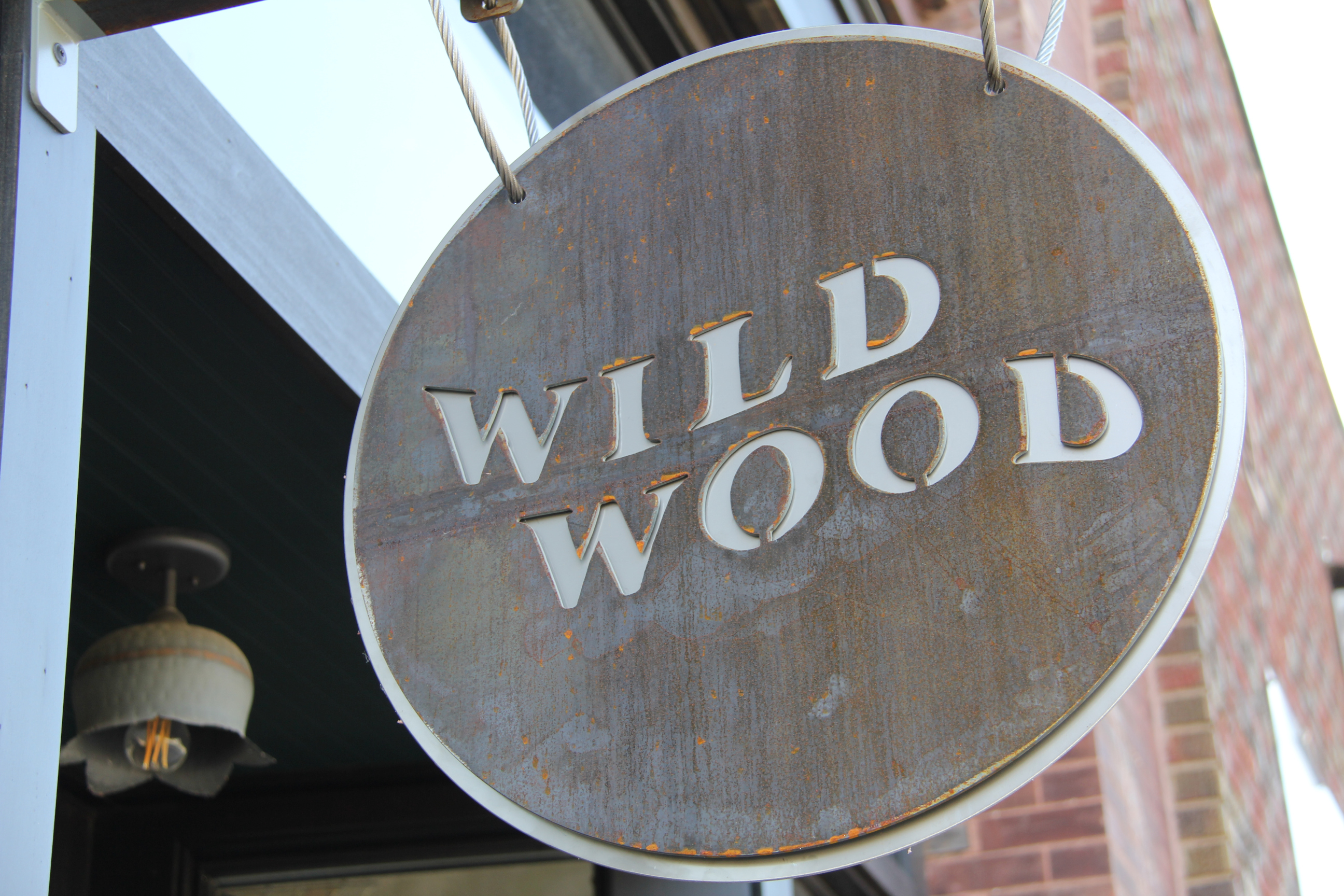
The WildWood name fits given the nearby Big Woods and Tricia Streitz’s backstory. (Minnesota Prairie Roots copyrighted photo October 2024)

Even the name of the business, WildWood of Nerstrand, is decidedly appealing for the images it brings to mind. A favorite young adult book and treasured childhood memories of playing in the woods inspired the name, Tricia Streitz shares on the company website. Hers is a poetically-beautiful story. Imagine children running free, into the woods, building forts, climbing trees…
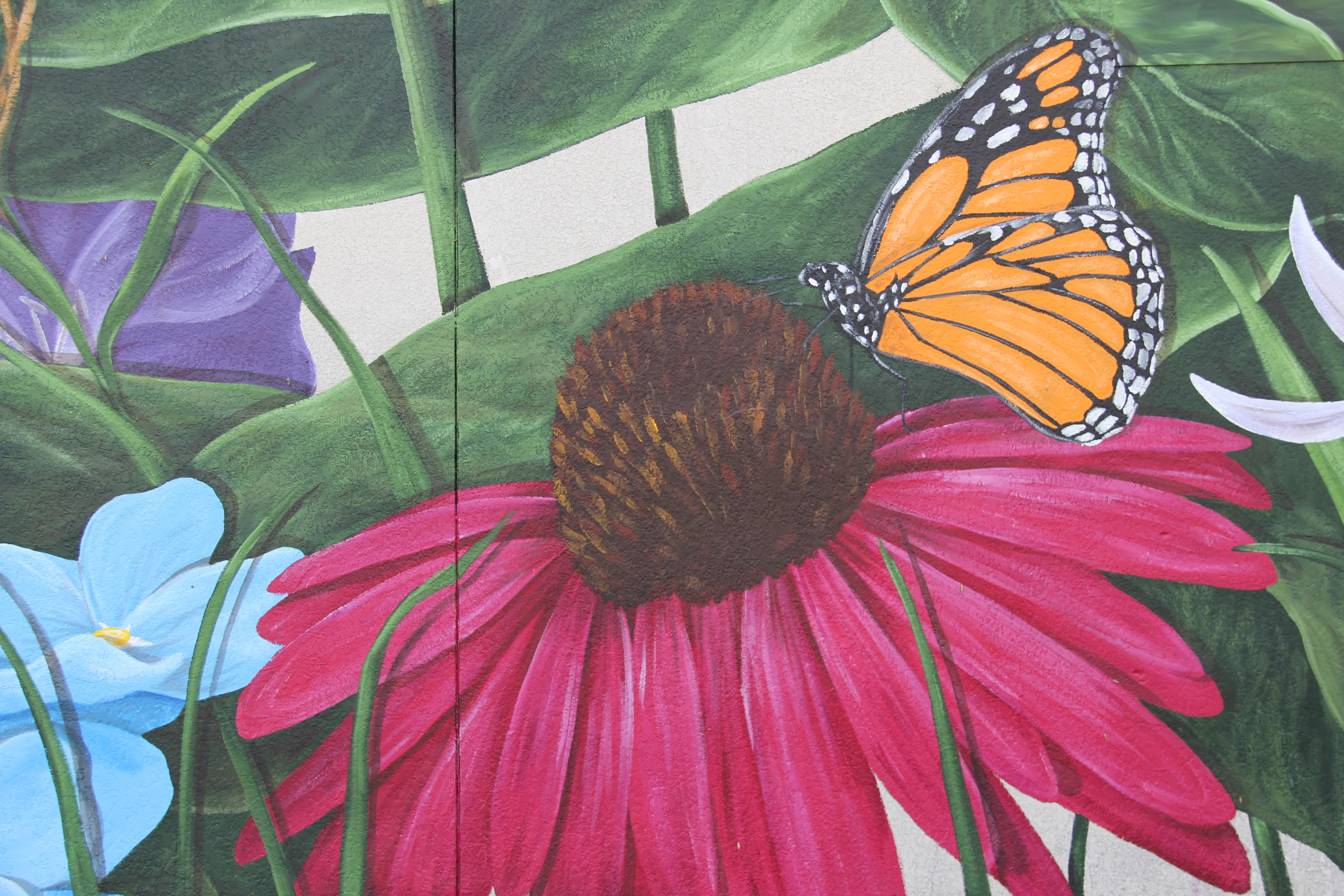
A Monarch butterfly lands on a coneflower in Jordyn Brennan’s mural. (Minnesota Prairie Roots copyrighted photo October 2024)

All of this I learned following a drive into a small Minnesota town, a town where not much changes. Until it does. I noticed the change. Stopped. Embraced the beauty of that wildflower mural, public art that reaches beyond art to connecting community in a celebratory space.

© Copyright 2024 Audrey Kletscher Helbling


New film focuses on the people & stories of Johnston Hall November 7, 2023

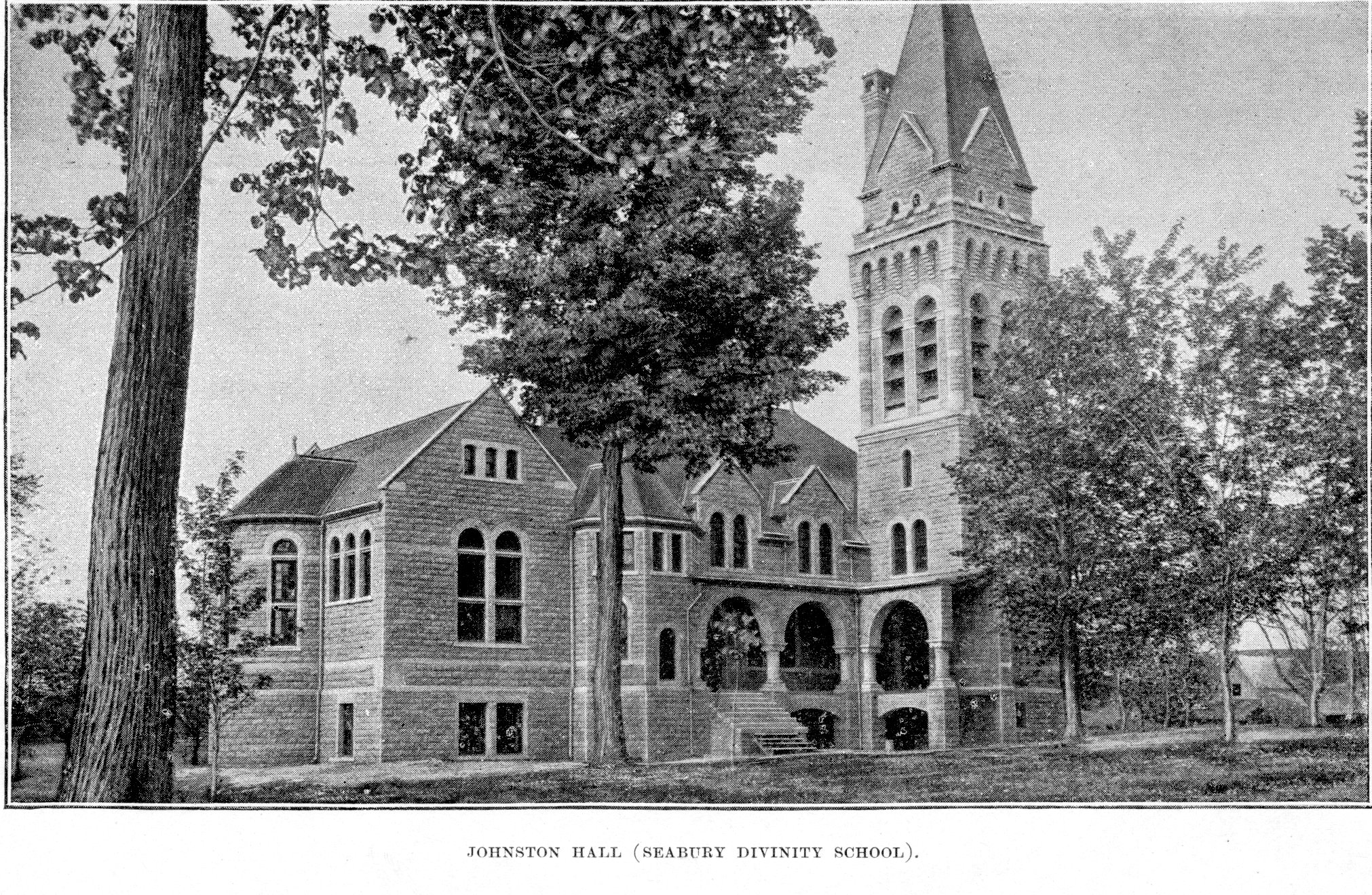
This undated photo of Johnston Hall is courtesy of the Rice County Historical Society.

AS A WRITER AND PHOTOGRAPHER, I understand the power of storytelling. That focuses my work. I strive to connect with readers in a meaningful and personal way via images and words.

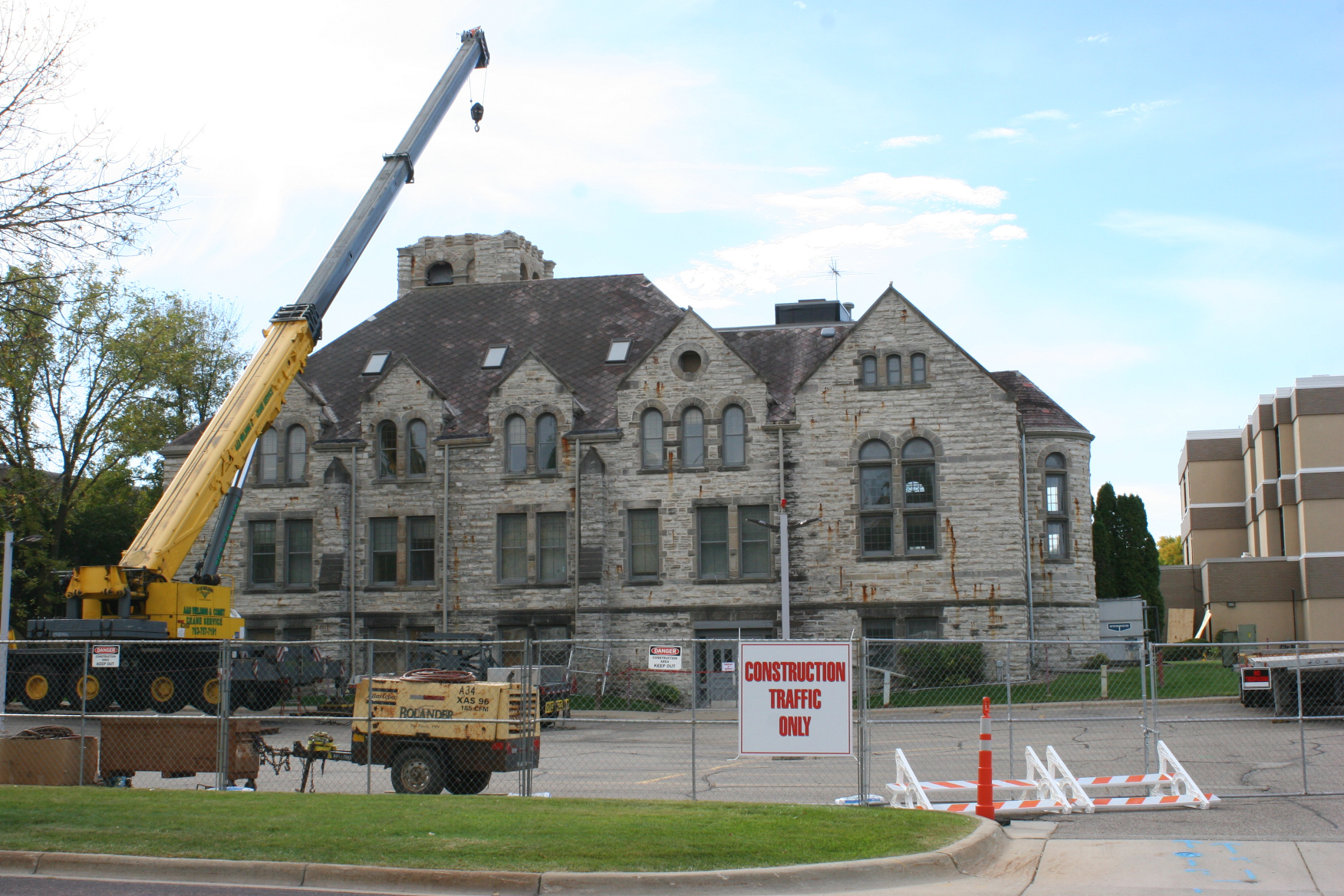
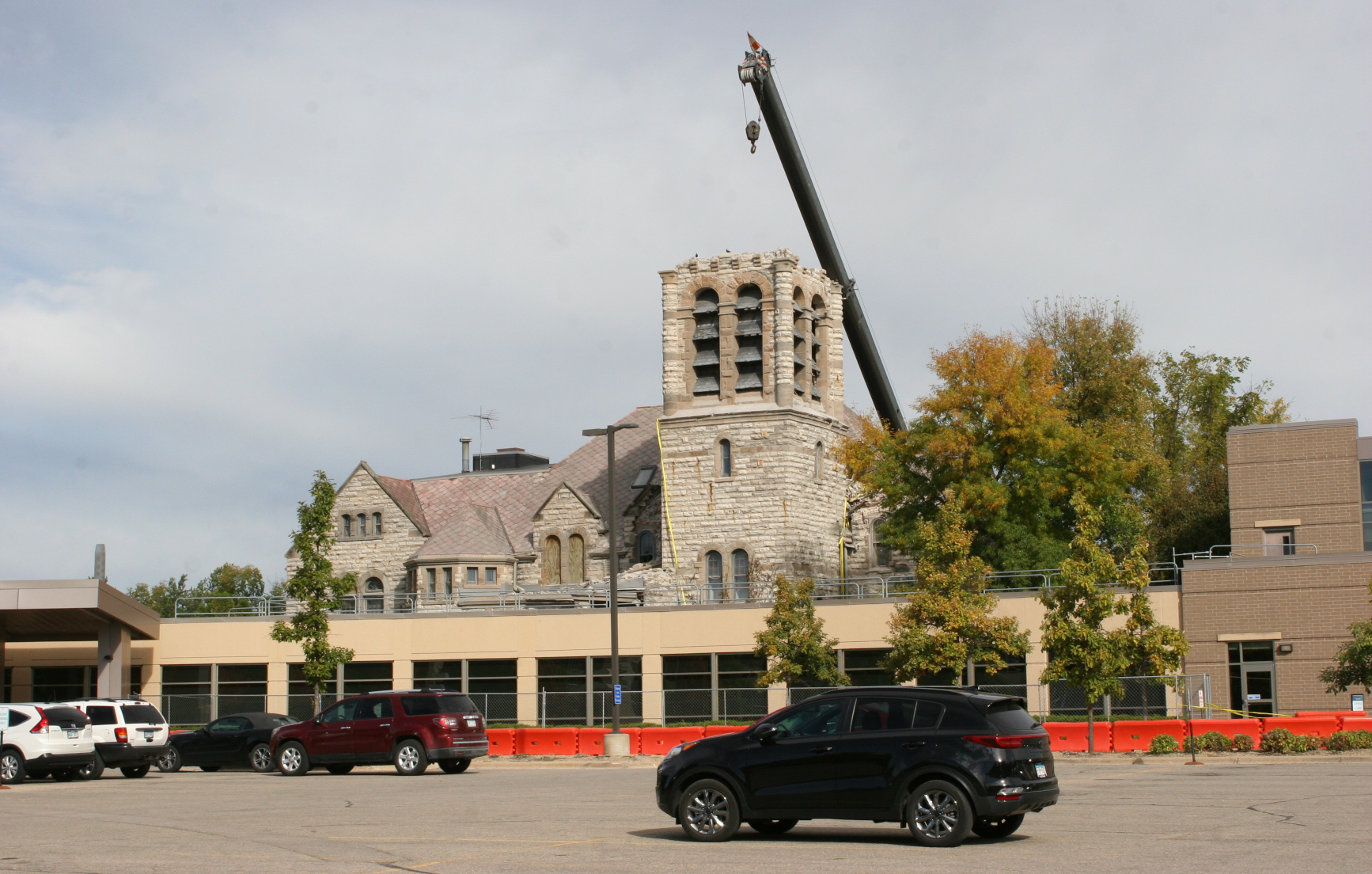
Johnston Hall, photographed shortly before it was demolished. (Minnesota Prairie Roots copyrighted photo September 2021)

And so storytelling is the approach I intended to take in writing about Johnston Hall. A building constructed in 1888 on Faribault’s east side. A building which once centered learning, then healthcare. A building placed on the National Register of Historic Places. A building that did not, physically, withstand the ravages of time and weather. A building which in 2021 was demolished, but not without efforts to save it.

The QR code on the sign links to the new documentary on Johnston Hall. (Minnesota Prairie Roots copyrighted photo August 2023)

Johnston Hall is not only part of my family’s story, but of the larger community, of Faribault’s history for 133 years. Now filmmakers Samuel Temple and Logan Ledman of the local 1855 History Team (Steamboat Media Company) have released their newest documentary, “Love Inwrought: Johnston Hall and the Memory of a Building.”

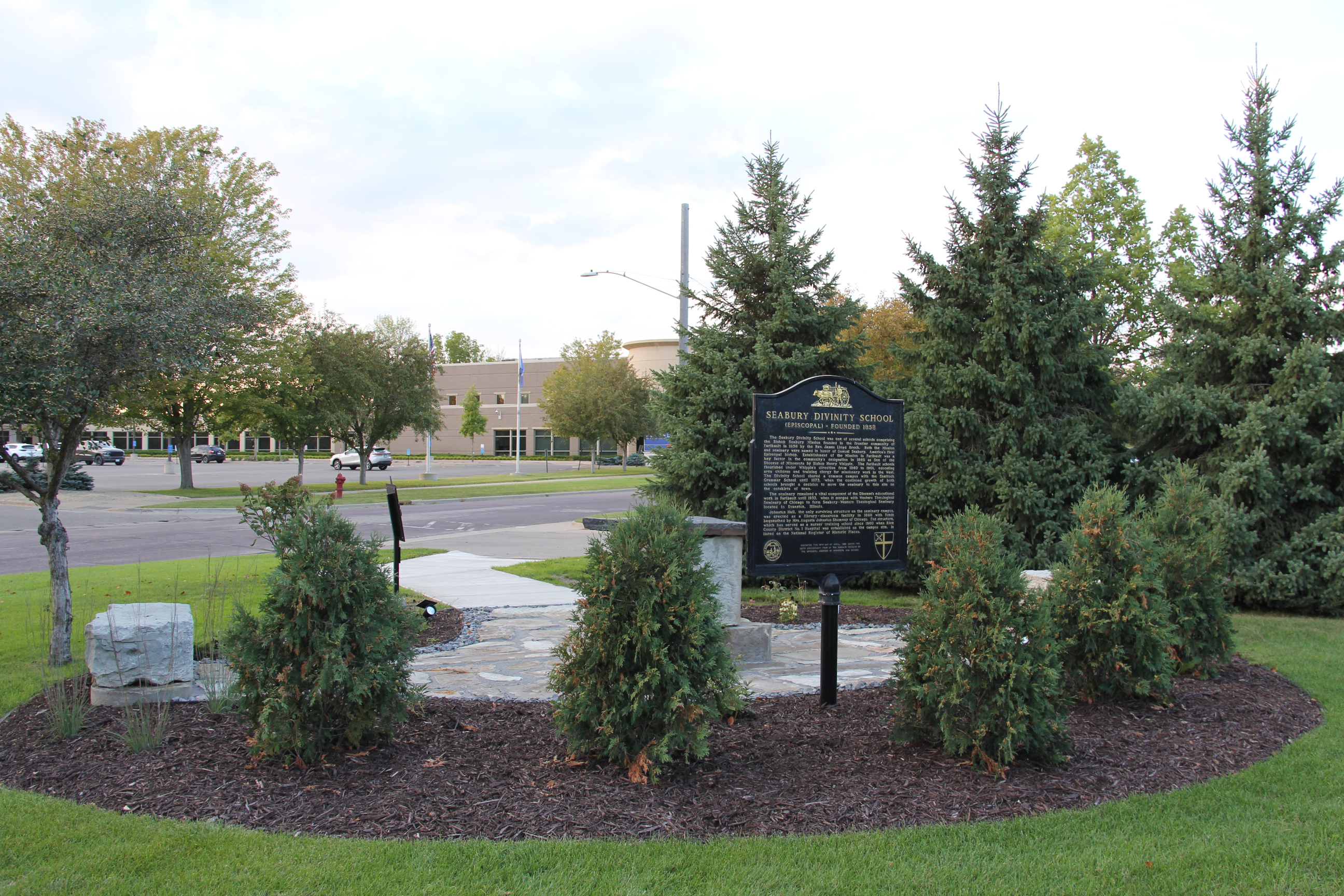
This shows the back of Johnston Hall Memorial Garden, looking toward Allina Health Faribault Medical Center. The garden is next to an employee parking lot. The bronze Seabury Divinity School plaque was saved from the hall and focuses the garden. (Minnesota Prairie Roots copyrighted photo August 2023)

I need to backtrack for a moment, though, to late August, when I photographed Johnston Hall Memorial Garden, located along State Street on the campus of the Allina Health Faribault Medical Center. The recently-completed garden honors the history of Johnston Hall and provides a contemplative space to reflect. For me, that’s remembering the time I spent, along with loved ones, in the aged building that once sat north of the hospital and clinic, northwest of the new garden.

Image credit: 1855 History Team Facebook page

In their Johnston Hall documentary, the filmmakers weave together history, memories, stories. Temple states that “…each soul passing through a building is a part of its memory, its identity and its legacy.” That is the singular line which stands out for me, the line defining Johnston Hall as more than a building that once stood tall, grand and strong, initially as part of Seabury Divinity School. Johnston Hall is part of so many personal stories, including mine.

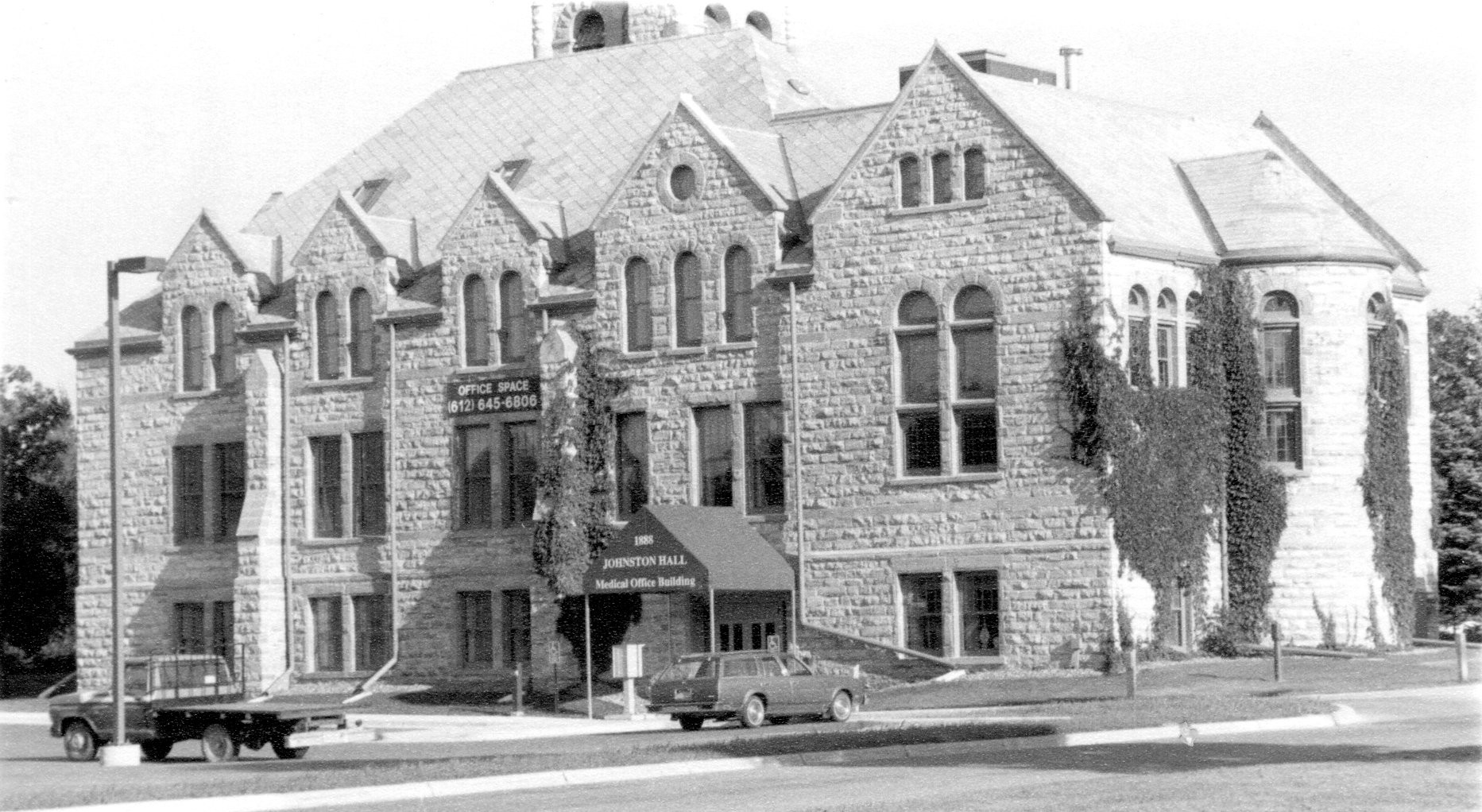
Johnston Hall in a 1990 image, as a Medical Office Building. (Photo courtesy of the Rice County Historical Society)

While I don’t recall the exact year I first walked through the doors of this stately limestone Romanesque architectural style structure, it was after an orthopedic and fracture clinic moved into the building. That followed histories of usage as the divinity school (closed in 1933) library and classrooms, a nurses’ training school and then a vocational-technical school.

Johnston Hall photographed from the parking lot of the hospital and clinic. (Minnesota Prairie Roots copyrighted photo September 2021)

Broken bones and other health issues landed me and my family inside Johnston Hall. As a grade schooler, my son broke his little finger while unicycling in our driveway. In 2006, he was back at Johnston Hall, this time with a rib fracture and a broken bone in his hand after a hit-and-run driver struck him while he crossed the street to his bus stop. The same morning of that May 2006 scare, while my husband and son were in the hospital emergency room, I wound my way to nearby Johnston Hall for an appointment with an orthopedic doctor. I had waited too long to cancel my appointment, although I desperately wanted to stay by my son’s side in the ER.

On that May morning, I learned that I would eventually need right hip replacement surgery due to osteoarthritis. I delayed that surgery until 2008. The stairway and waiting room and exam rooms of Johnston Hall soon grew all too familiar.

To my second daughter also, who was screened for scoliosis in junior high and then referred to the medical team at Johnston Hall. Eventually her spinal curvature required wearing a customized, full body, hard plastic back brace 24/7 for a year. It was the first time I cried at Johnston Hall.

Stone was saved from Johnston Hall and incorporated into the memorial garden, including stone marking the hall as a gift from Augusta Huntington. (Minnesota Prairie Roots copyrighted photo August 2023)

In many ways, Johnston Hall and tears are intertwined. As the filmmakers share in their documentary, funding for the hall came from Augusta Huntington, formerly Augusta Shumway. Horatio Shumway left tens of thousands of dollars to his grieving widow. She used his gift to fund construction of Good Shepherd Chapel and then Shumway Hall in honor of Horatio. Both sit on the campus of the current-day Shattuck-St. Mary’s School, a private college prep school. In 1888, construction of Johnston Hall was completed, the cornerstone laid. The hall was a final bequeath from Augusta, who died in 1884. The building honors her father, William Johnston.

Up close, historic Johnston Hall shortly before its demolition. (Minnesota Prairie Roots copyrighted photo September 2021)

“Love Inwrought: Johnston Hall and the Memory of a Building” features much more in-depth history, including the connection between Minnesota’s first Episcopal bishop, Bishop Henry Whipple (who called Faribault home), and Augusta Shumway. The filmmakers also highlight Henry St. Clair, a Dakota man who attended Seabury Divinity School, studying inside the library and classrooms of Johnston Hall. He became an ordained deacon and then a pastor. Indigenous peoples are an integral part of Faribault’s history and I appreciate that these filmmakers focus on that, too, in their latest work.

Incorporated into Johnston Hall Memorial Garden, the 1888 cornerstone. (Minnesota Prairie Roots copyrighted photo September 2023)

In their well-researched documentary, Temple and Ledman use historical photos, illustrations, even a building model, actors, original music (composed by Sam Dwyer) and narration to tell the stories of Johnston Hall. Theirs is, indeed, a work of love, revealing how love inwrought takes a building beyond wood and limestone to memories abiding within the souls of those who’ve passed through its doors.

FYI: To view this documentary film, click here.

Please check back for a follow-up story featuring a closer look at Johnston Hall Memorial Garden.

© Copyright 2023 Audrey Kletscher Helbling
 

United Way opening community-focused used bookstore in Faribault January 31, 2023

Rice County Area United Way is opening a used bookstore in the vacant Dandelet Jewelry building. A bookstore was once located in the corner building. (Minnesota Prairie Roots copyrighted photo January 2023)

ONCE UPON A TIME, Faribault was home to bookstores, the first inside the mall, the second downtown on Central Avenue. Both closed years ago. But soon we’ll have a bookshop back in town, located in the former Dandelet Jewelry store, right next to the corner building that once housed Central Avenue Books.

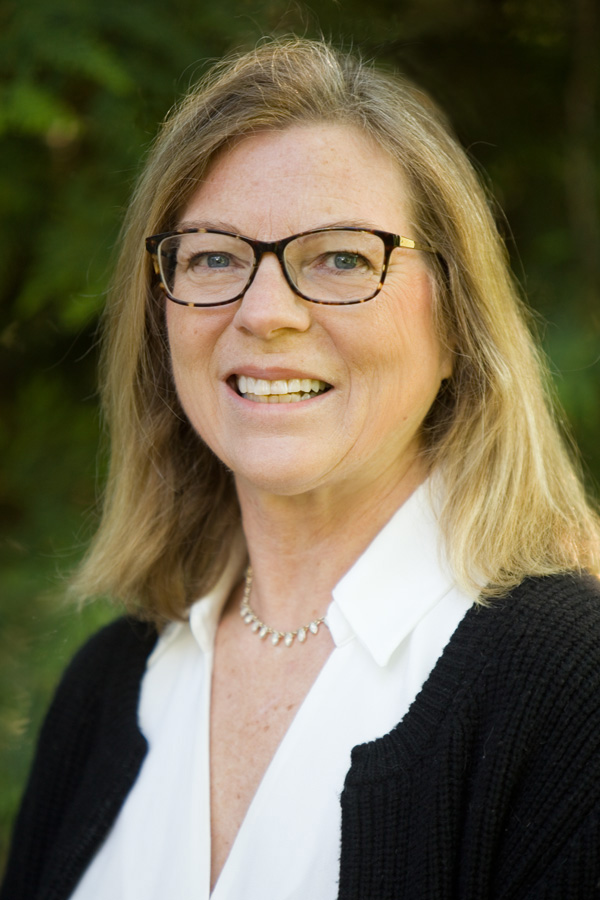
Elizabeth Child (Photo source: E. Child)

This new as yet unnamed bookstore, though, will be decidedly different. The bookshop, a project of Rice County Area United Way, aims to do more than simply provide the community with a place to purchase gently-used books. It will also become a welcoming community gathering space, according to United Way Executive Director Elizabeth Child. She envisions a colorful children’s area in the back of the store where kids can mingle and read. She envisions adults dropping in, coffee in hand, to browse bookshelves and engage in conversation. She envisions local art displayed and perhaps events featuring artists and writers.

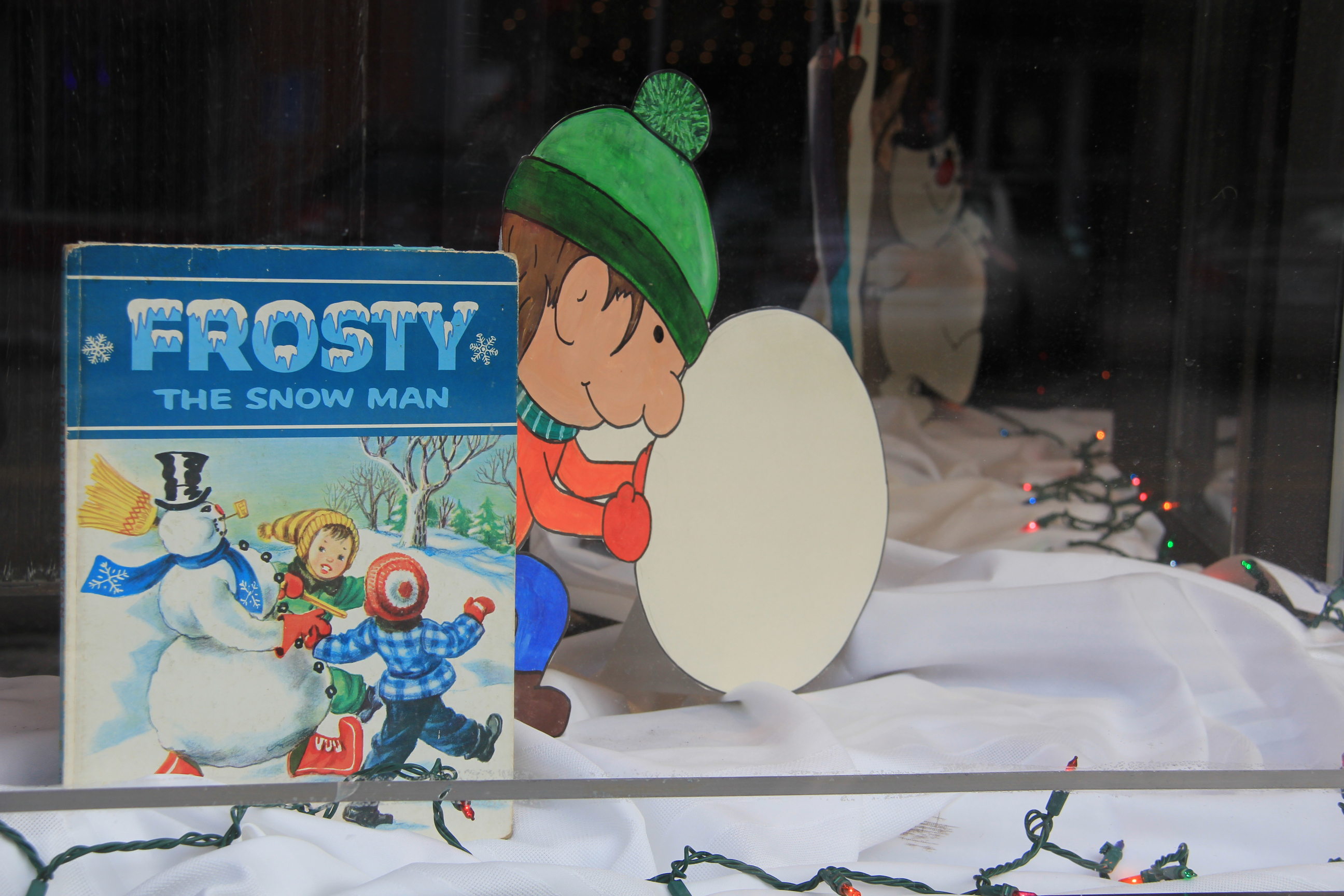
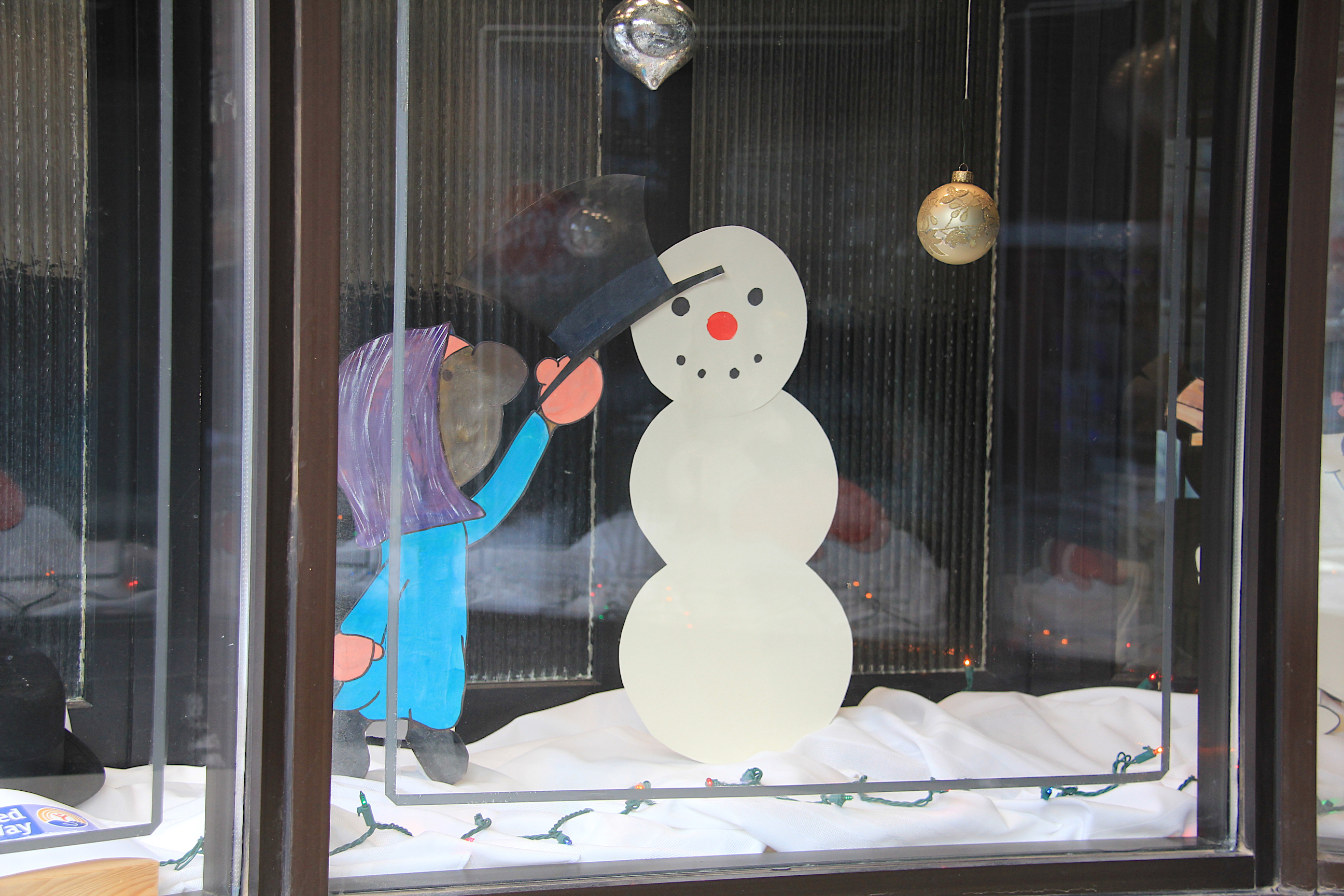
Gordon Liu, board chair of the United Way, created a book-themed display for the Faribault Winterfest holiday window decorating contest. It reflects the bookstore plan for the Dandelet building and Liu’s love of books and reading. He was recently reappointed to the Library Advisory Board. (Minnesota Prairie Roots copyrighted photo January 2023)

A sense of community involvement defines the vision for this used bookshop. Child and her board of directors are open to ideas and possibilities and are actively seeking community input. They want this gathering place to reflect Faribault’s multi-cultural population; to add value to the downtown; to promote literacy via access to books; to inspire people to read; and to increase the United Way’s visibility in Faribault. The United Way currently has an office in Northfield following the merging of the Faribault and Northfield United Ways into a county-wide entity in 2019.

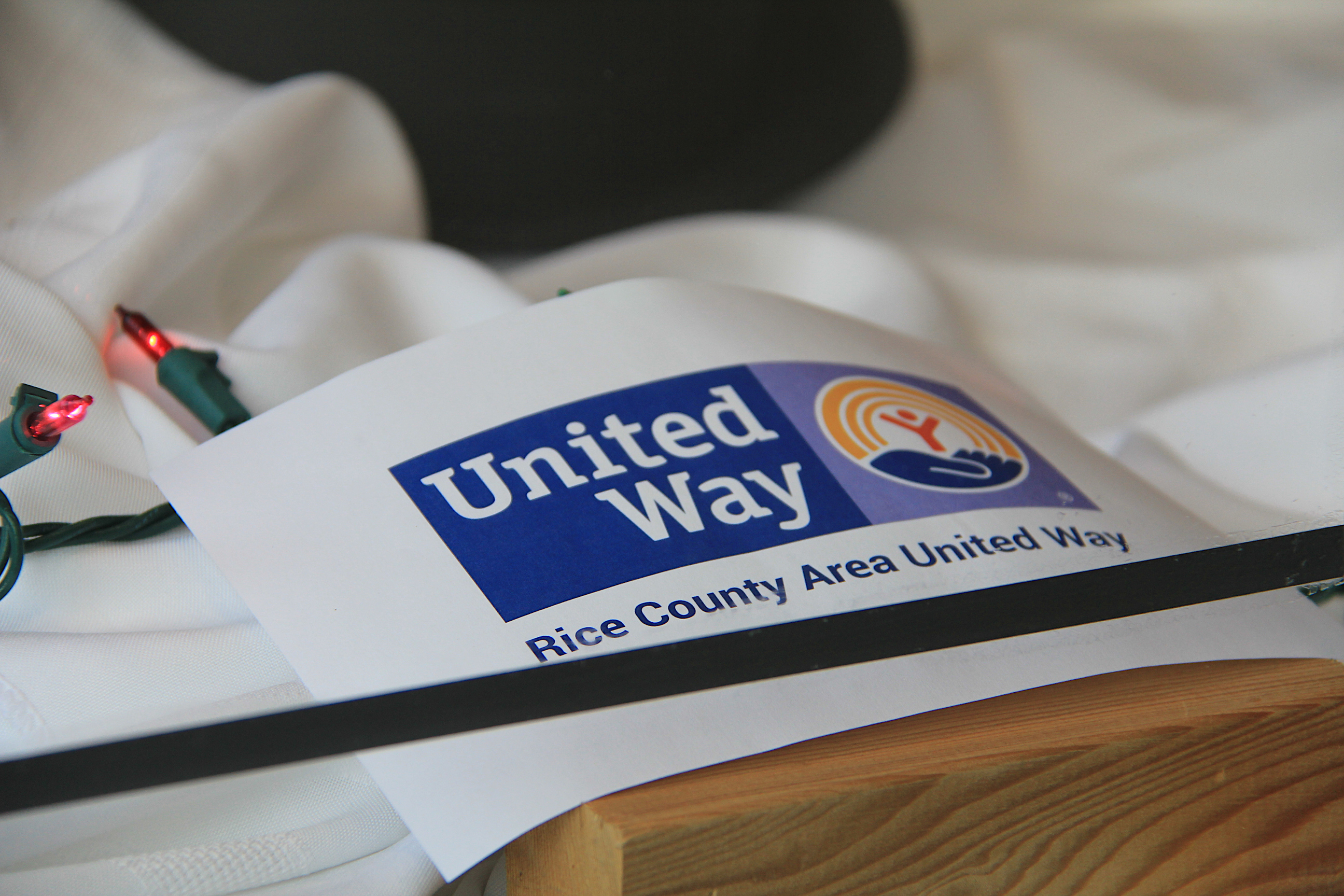
A small United Way sign lies atop “snow” in a window display inside the former Dandelet Jewelry building. (Minnesota Prairie Roots copyrighted photo January 2023)

The nonprofit, funded primarily by workplace partner and individual donations, aims “to mobilize caring resources to improve lives,” Child said. That’s further defined on the website: Our focus is on education, health and financial stability—the building blocks for a good quality of life.

Faribault is a diverse community, shown here in Gordon Liu’s “Frosty the Snowman” window display. (Minnesota Prairie Roots copyrighted photo January 2023)

A bookstore fits within that mission with a focus on literacy, bringing people together and providing affordable books. The United Way is already collecting books, with an emphasis on “gently-used” in all genres. No textbooks, encyclopedias, business or outdated books needed.

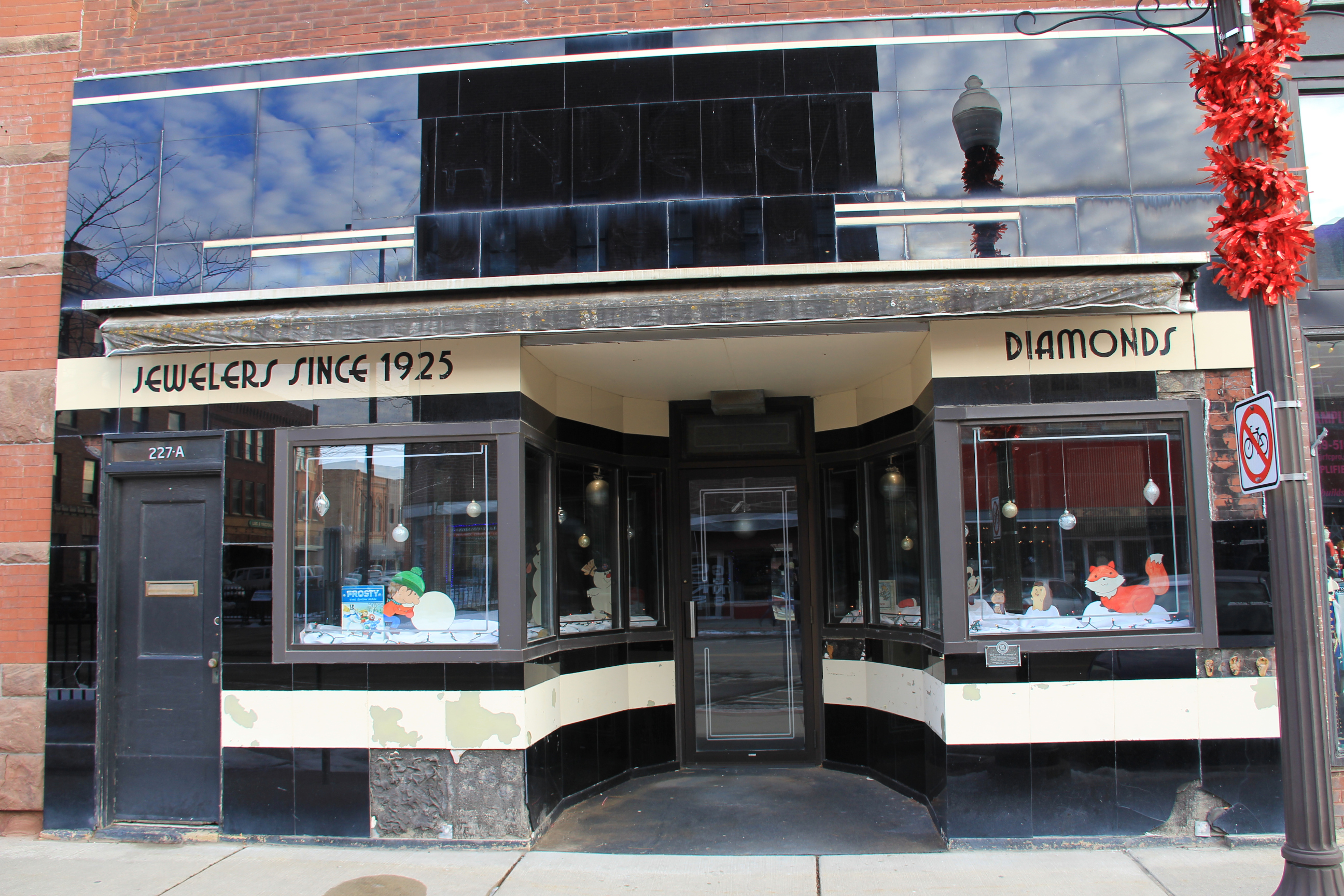
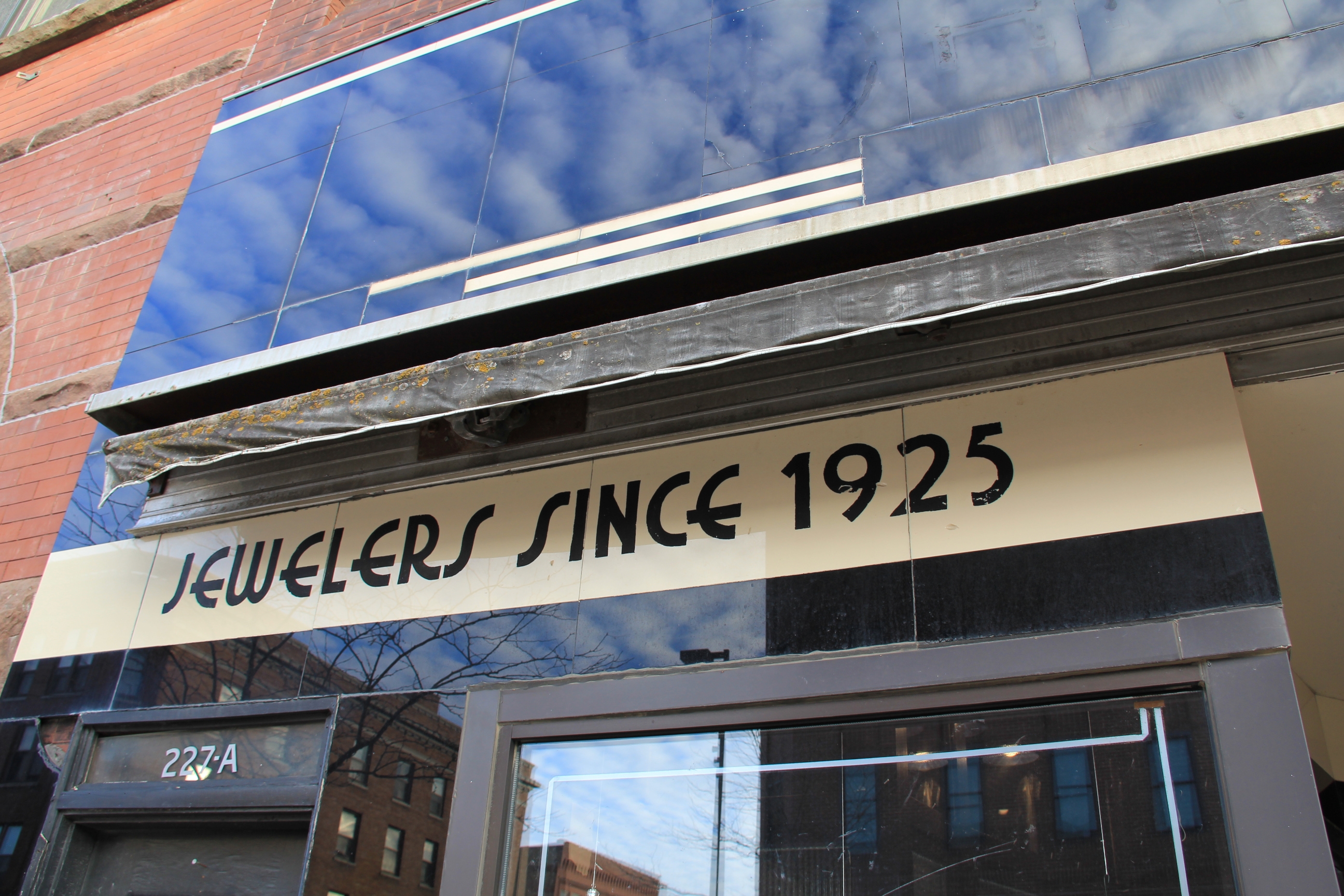
The Art Deco style can be seen in the black and cream colors and the strong lines. (Minnesota Prairie Roots copyrighted photo January 2023)

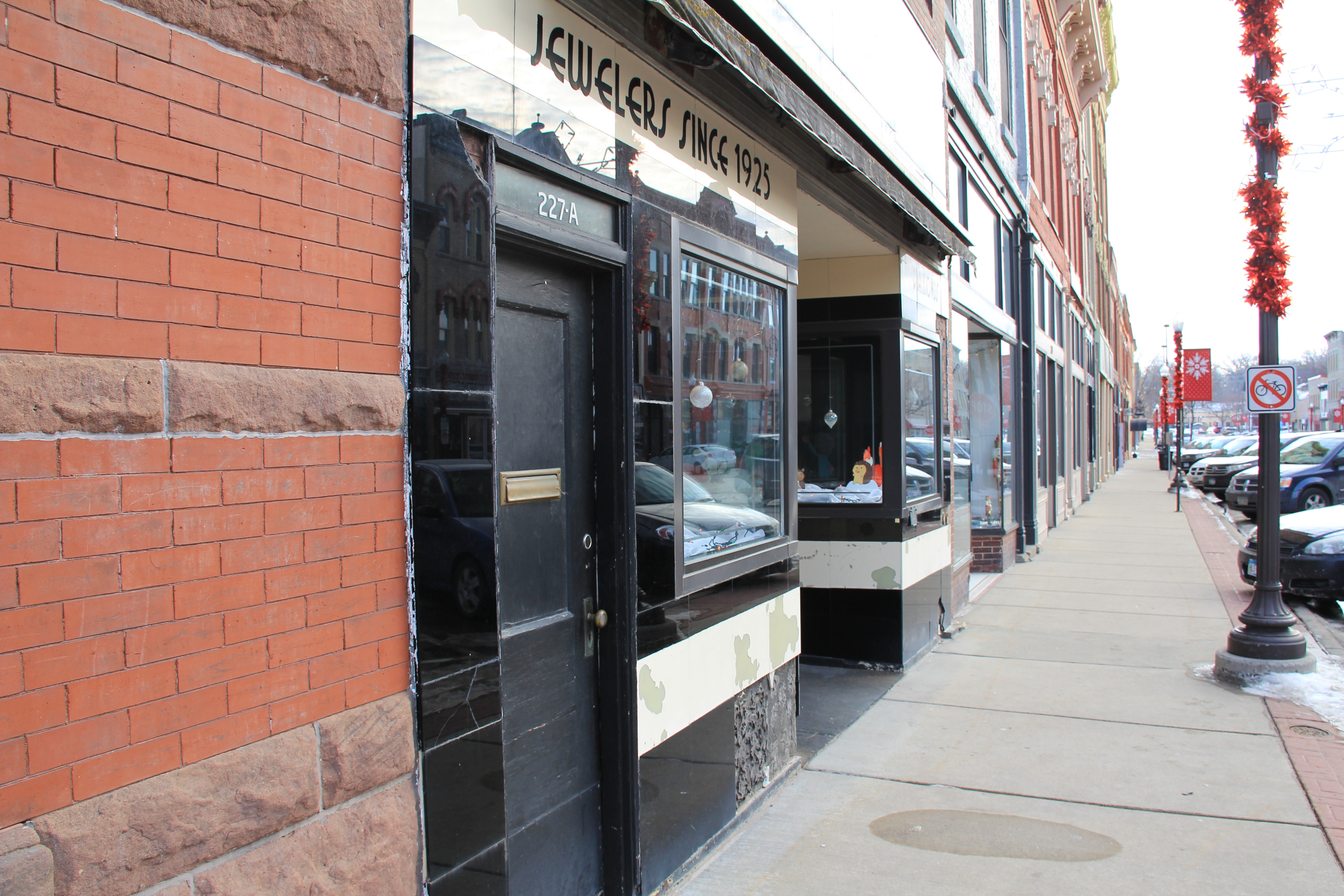
Planning and work continue on the bookstore with an anticipated spring opening at 227 Central Avenue North, hours to be determined. The 1882 building, which is in Faribault’s Historic Commercial District and on the National Register of Historic Places, is one of 13 purchased by a local investment group in an effort to revitalize downtown. Originally, the structure housed Dandelet Dry Goods. It became a jewelry store and watch repair business in 1925 with the Dandelet family modernizing the original Italianate facade in the Art Deco style during the 1930s. Child noted the vacant building retains Art Deco elements inside, including a chandelier. Built-in shelves, which once displayed jewelry, remain. Those will be repurposed for books as the United Way readies the space with mostly cosmetic changes like painting, adding display tables and more. A first floor bathroom will be installed. Any exterior changes/improvements will be made by the building’s owners.

From jewelry to books, both gems… (Minnesota Prairie Roots copyrighted photo January 2023)

Volunteers will run the bookshop with United Way board member Dave Campbell overseeing the operation. There’s already a sense of excitement within the community about the bookstore, Child said. She expects that interest to grow once the shop opens.

Faribault boasts a downtown brimming with aged, historic buildings. Revitalization and renovation are ongoing. (Minnesota Prairie Roots copyrighted photo January 2023)

Child’s efforts to open a United Way bookstore began seven months ago in a most unexpected way—in a conversation during a three-hour ride from North Carolina to the Atlanta airport. Her friend Florence, whom she first connected with via an online pandemic-inspired poetry group, mentioned how much she enjoyed volunteering in her small town nonprofit bookstore. That proved an enlightening moment for Child, who took the nonprofit bookstore idea and ran with it…to her board. And now, in a few months, Faribault will have a new, welcoming place to gather, a place to buy gently-used books, to engage in conversation, to connect as community.

#

FYI: If you have gently-used books to donate, contact Dave Campbell at 507-210-4066 or email him at Davec1953 at gmail.com

© Copyright 2023 Audrey Kletscher Helbling
 

Historic mercantile building on the market in Faribault January 6, 2023

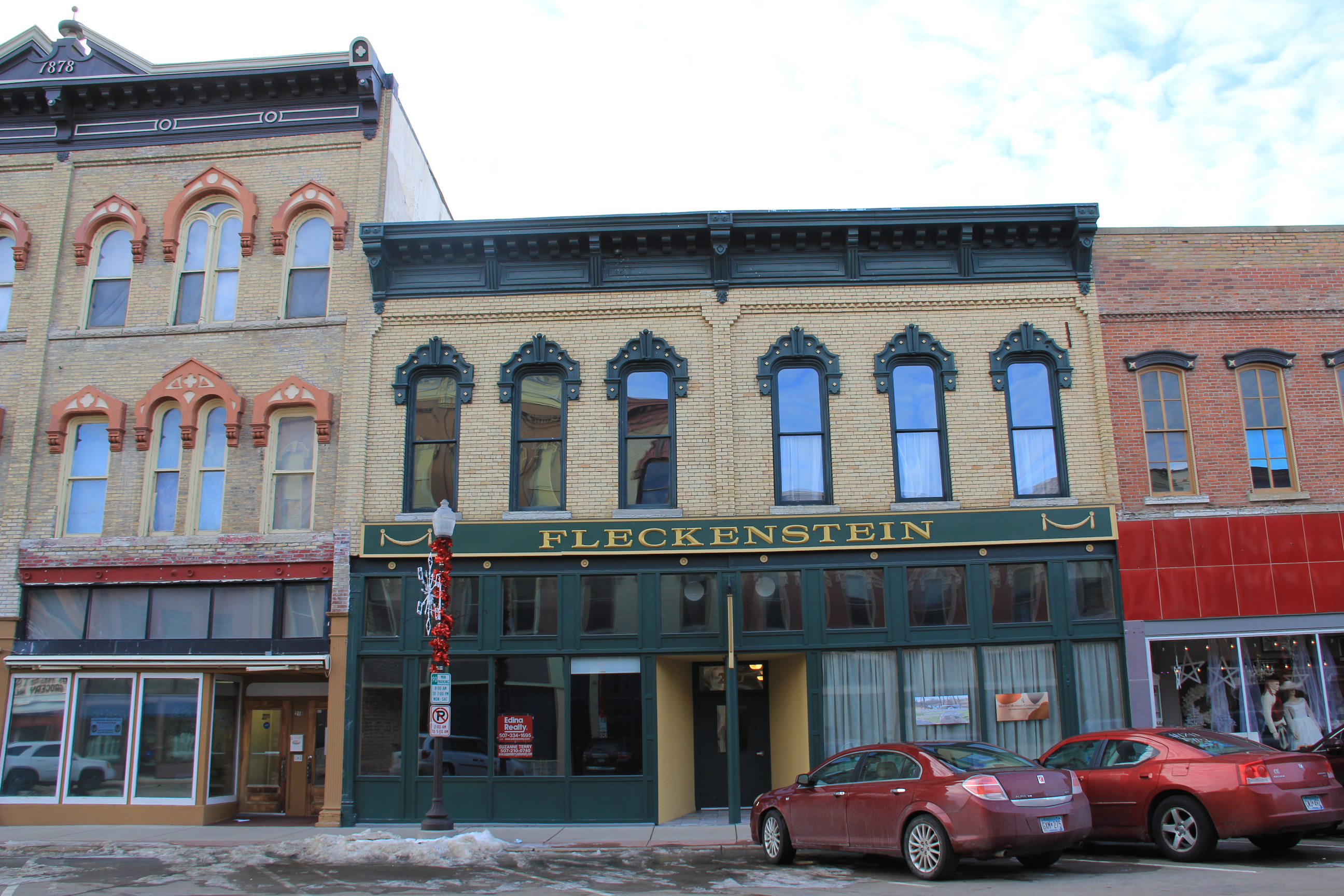
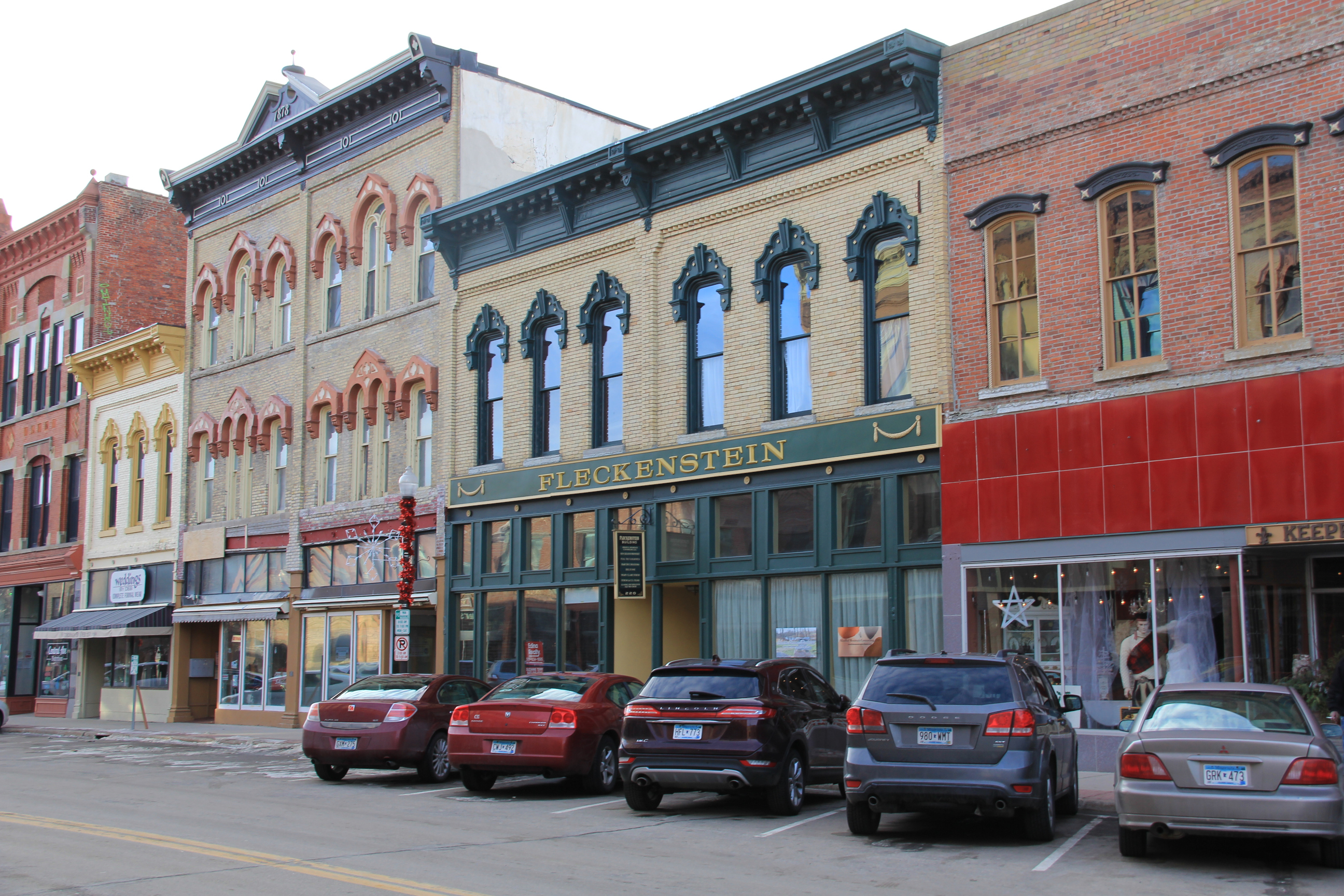
The Fleckenstein building centers this row of historic buildings in the 200 block of Central Avenue North, Faribault. (Minnesota Prairie Roots copyrighted photo January 2023)

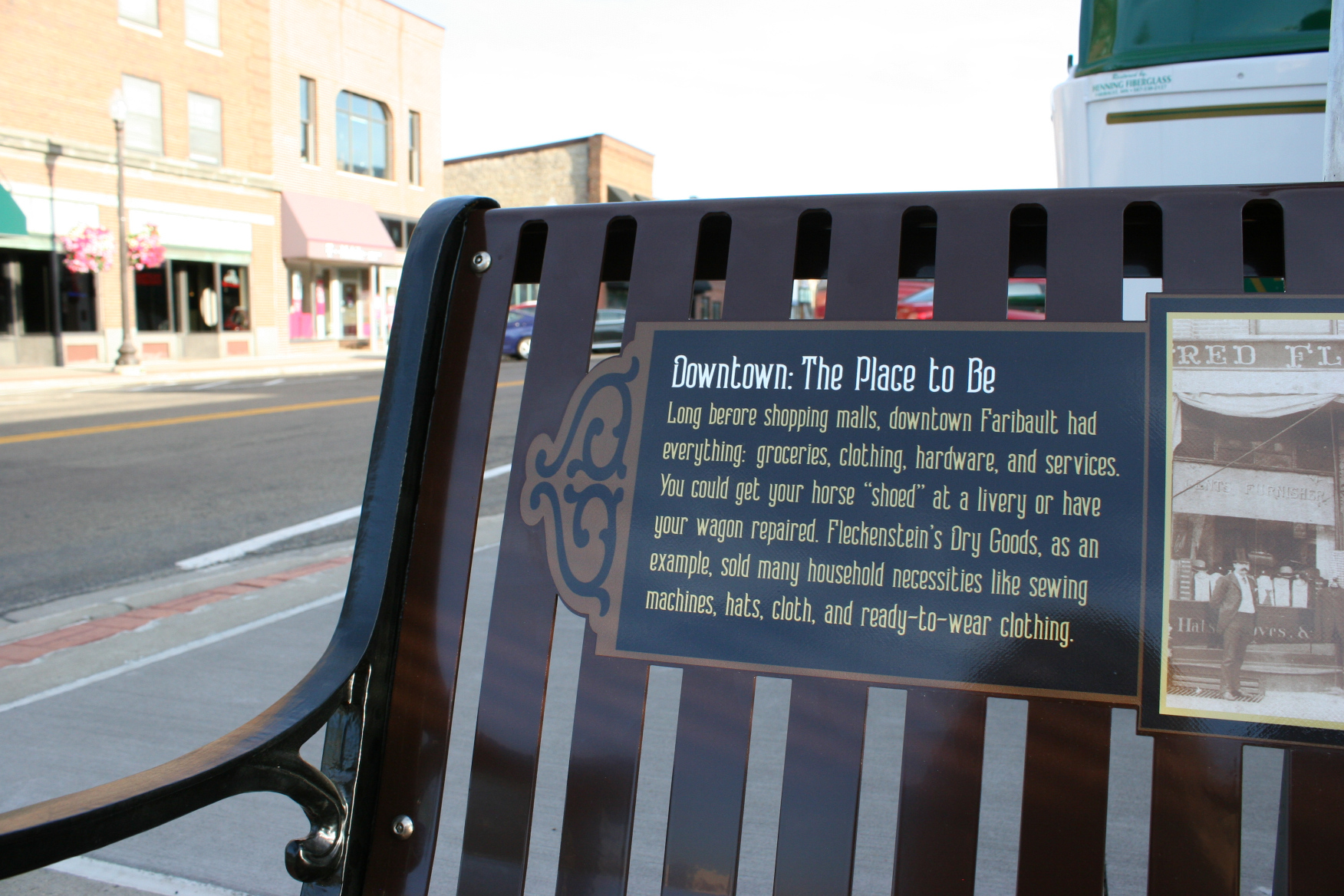
LONG BEFORE SHOPPING MALLS, downtown Faribault had everything…Fleckenstein’s Dry Goods, as an example, sold many household necessities like sewing machines, hats, cloth, and ready-to-wear clothing.

Information about the Fleckenstein mercantile imprinted upon a bench in downtown Faribault. (Minnesota Prairie Roots copyrighted file photo August 2020)

That information printed on an historic-themed bench in downtown Faribault references an iconic building that has stood since 1884 at 220 Central Avenue North. Today that impressive brick structure with signature green trim is on the market for $679,000. It’s among many aged buildings that have been renovated and restored through the years, defining downtown Faribault as architecturally and historically appealing.

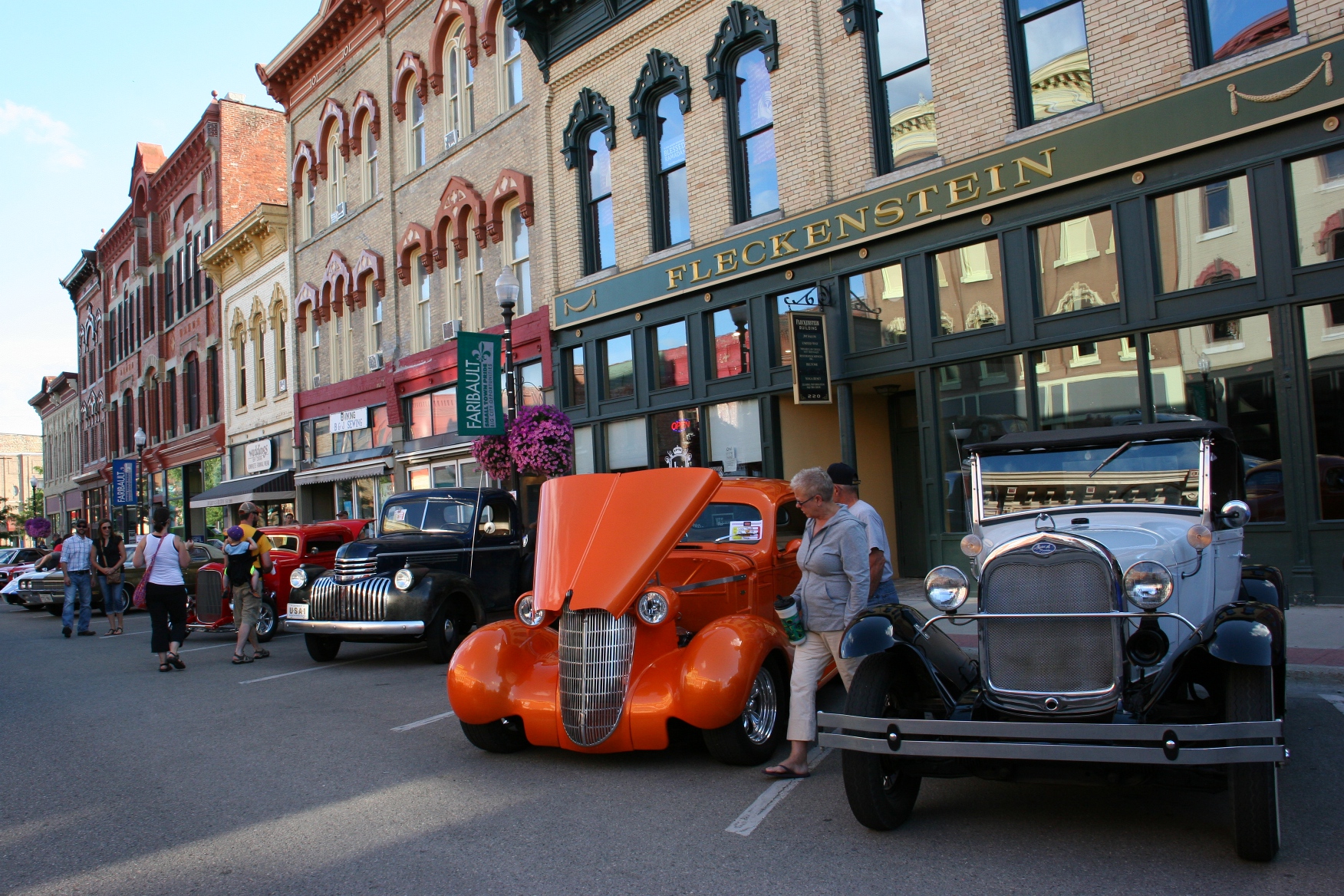
My image from the July 2016 Car Cruise Night was printed on the Faribault tourism magazine cover in 2017. (Minnesota Prairie Roots copyrighted file photo July 2016)

Many times, I’ve photographed the long ago mercantile owned by Frederick Fleckenstein. In 2017, my image of a Faribault Main Street Car Cruise Night scene with the Fleckenstein building as a backdrop graced the cover of the local tourism magazine. My eye is continually drawn to this majestic structure.

This image from a July 2022 Car Cruise Night shows a building under repair next to the Fleckenstein building. (Minnesota Prairie Roots copyrighted file photo July 2022)

I appreciate the business owners and developers who value Faribault’s historic commercial buildings enough to maintain, improve, renovate and restore them. Funds are currently available through the Faribault Main Street Economic Revitalization Program to assist business owners and developers in repairing, renovating, developing and redeveloping properties in downtown Faribault, according to information on the Faribault Area Chamber of Commerce & Tourism website. Faribault Chamber Trust received a $750,000 grant from the Minnesota Department of Employment and Economic Development to fund the program.

This is great news for my community. While many buildings, like the Fleckenstein building, have been restored through the decades, many have not. One need only walk along Central Avenue and adjoining side streets to see failing facades, boarded up windows and other issues. And that’s just the exterior. I expect more problems inside. I recognize it takes money, lots of money, to keep up aging structures.

The lovely Fleckenstein building. (Minnesota Prairie Roots copyrighted photo January 2023)

The Fleckenstein building, though, is ready-to-go with a beautiful interior of original tin, exposed brick and beamed ceiling, according to the listing agent at Edina Realty. A diversity of small businesses currently occupy the 12,155 square feet.

Businesses come and go in Faribault, as in any community. But the buildings that once housed mercantiles and other businesses of yesteryear along Central Avenue mostly remain, repurposed, meeting the needs of today while retaining the architectural charm of the past.

© Copyright 2023 Audrey Kletscher Helbling
 

July Fourth thoughts from southeastern Minnesota July 4, 2022

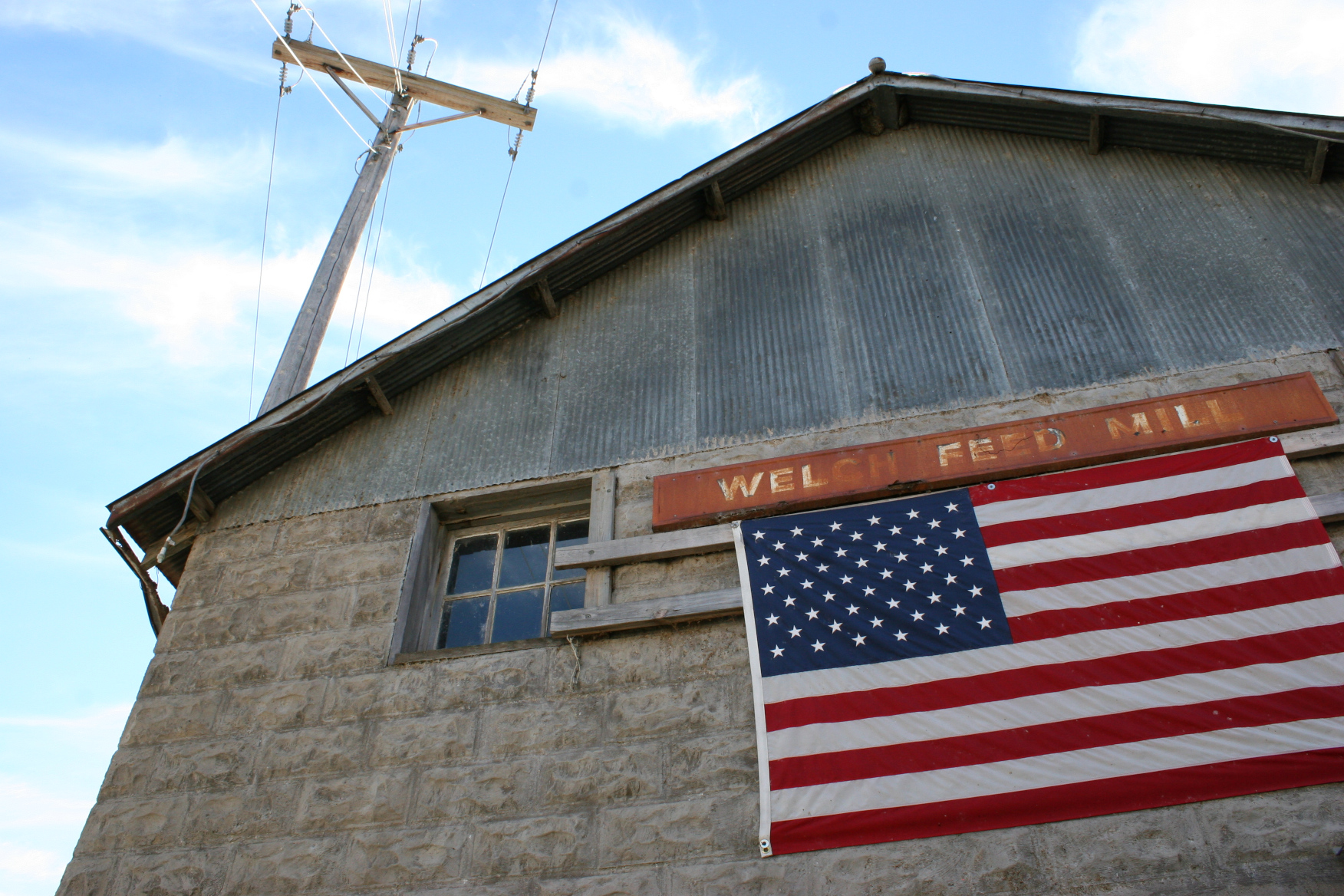
An American flag graces Welch Mill Innertubing. (Minnesota Prairie Roots copyrighted photo November 2021)

BACK IN NOVEMBER 2021, I photographed this symbol of America in the unincorporated village of Welch. Today, the birthday of our country, seems a good day to finally share this image from southeastern Minnesota.

There’s something about the simplicity of this scene which I find particularly appealing. An historic mill. Faded signage. Blue sky on a perfect autumn afternoon. And then the jolt of bold colors in the American flag. It all comes together visually, leading to thoughts of history and what that flag symbolizes. Freedom. Democracy. Maybe even hope in the face of so much division.

A flag inspires us to ponder, to reassess, to consider, to feel gratitude. To celebrate.

In this spot along the Cannon River and the Cannon Valley Trail in Welch Township in Goodhue County, American pride runs strong at the former Welch Feed Mill, now home to Welch Mill Innertubing. The business rents inner tubes, canoes and kayaks.

During my stop eight months ago, I viewed the scene through a photographic lens, with an artist’s eye, grateful for the freedom I have to come and go, to photograph, to express myself as an artist, unencumbered.

Happy Fourth of July from southeastern Minnesota!

© Copyright 2022 Audrey Kletscher Helbling
 

Floral & finds in Plainview, a creative shop honoring the past June 24, 2022

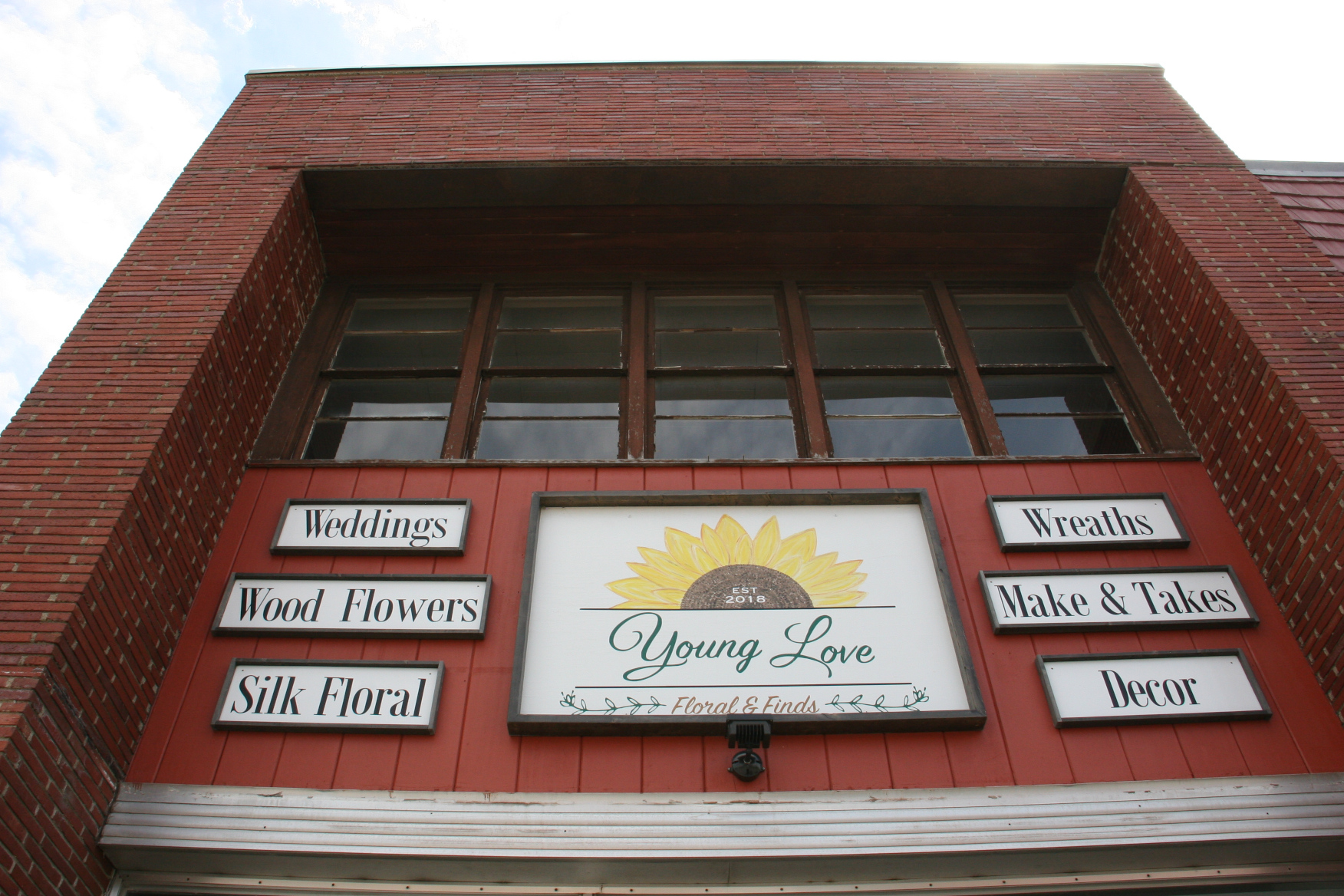
Detailed signage banners Young Love Floral & Finds in downtown Plainview, Minnesota. (Minnesota Prairie Roots copyrighted photo May 2022)

IT’S THE TYPE OF BUSINESS any small town would welcome. Home-grown. Creative. Beautifully-designed. And busy, at least during my weekend stop.

My view upon entering the shop. Shantelle Speedling is behind the counter/work space at the rear of the display area. (Minnesota Prairie Roots copyrighted file photo May 2022)

When I entered Young Love Floral & Finds in downtown Plainview on a Saturday afternoon in mid-May, I paused and took in the scene before continuing up several stairs into this inviting space.

The Mallard Seeds sign came with the building. (Minnesota Prairie Roots copyrighted photo May 2022)

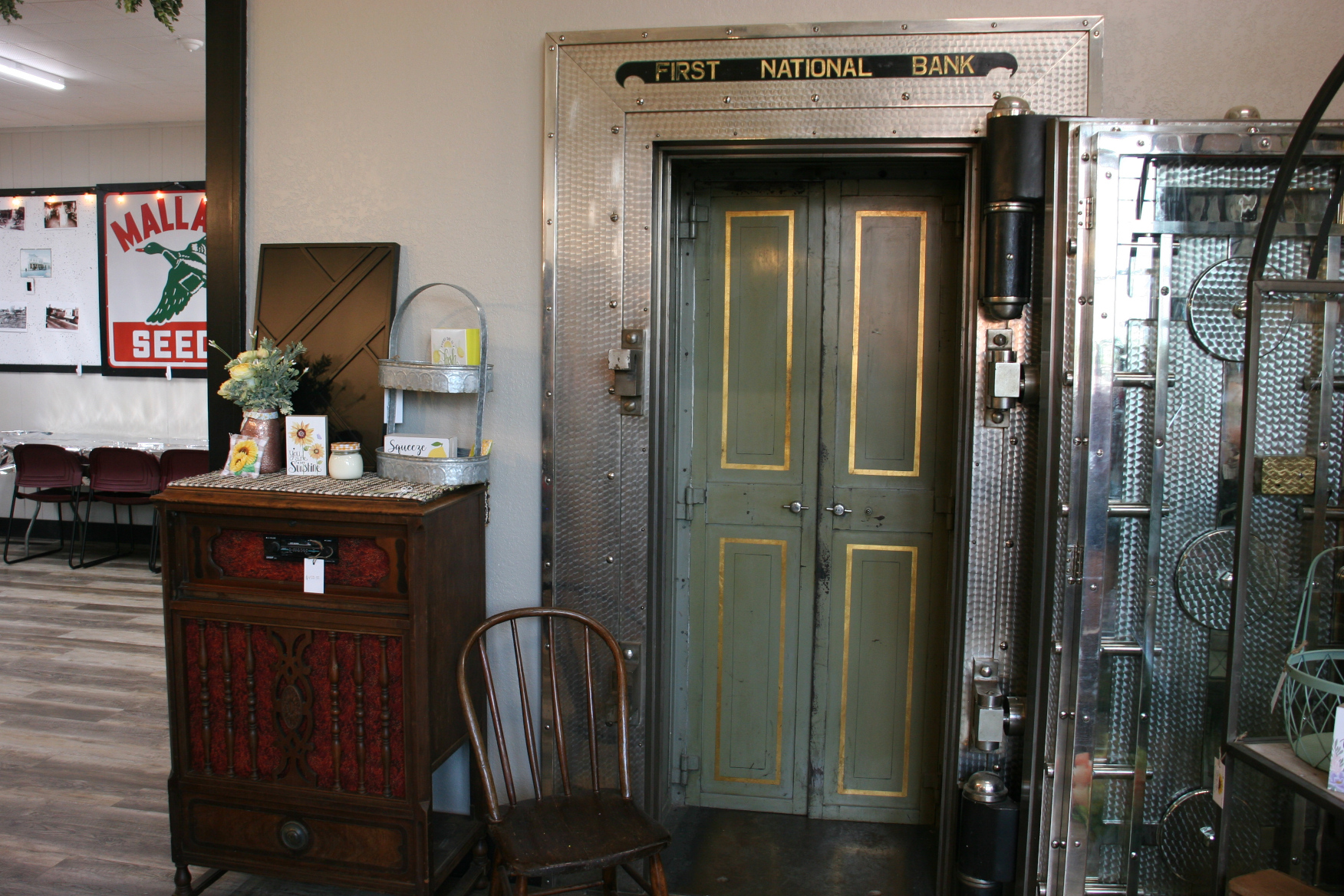
In this historic building, which housed the Plainview Hotel, then the First National Bank beginning in 1902 followed by Mallard Seeds, Shantelle Speedling has created a shop that honors the history and stories of this place. She worked in this space for 14 years, testing seed corn germination for the seed company.

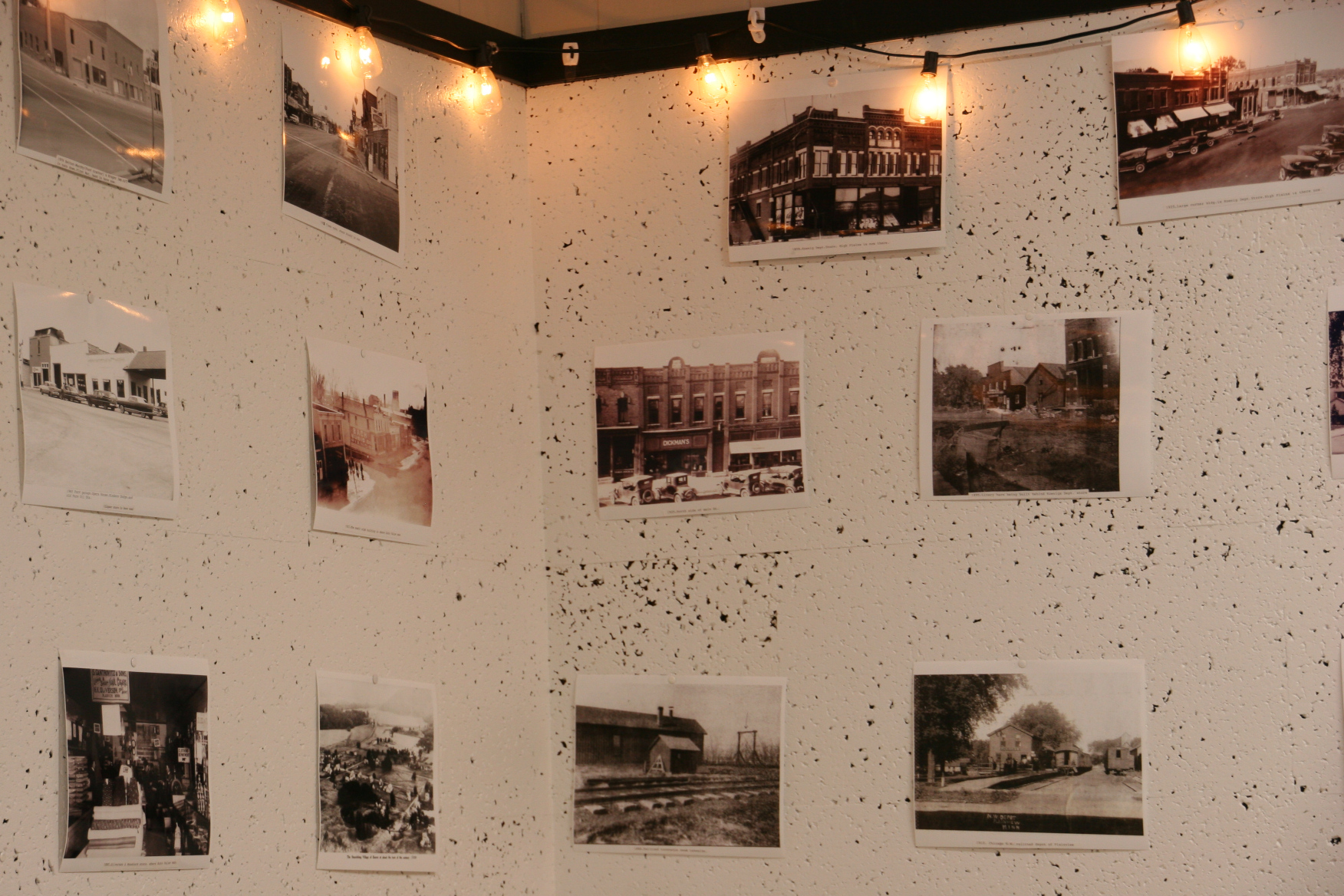
If you want a quick peek at local history, view the historic photos posted in the shop. (Minnesota Prairie Roots copyrighted photo May 2022)

Here, in a side room reserved for small celebrations and crafting parties/make-and-take events, local historic photos fill a well-used bulletin board pocked with holes. A bold, vintage Mallard Seeds sign accents the black-and-white and sepia photo collage.

The closed doors lead to the vault, now a storage space, with the heavy vault door open to the right. (Minnesota Prairie Roots copyrighted photo May 2022)

Just around the corner, the in-tact original bank vault now serves as a walk-in storage space and a point of interest in this shop of florals and finds.

Created from wood flowers. (Minnesota Prairie Roots copyrighted file photo May 2022)

As a trained floral designer, this busy mother of three uses wood (yes, wood) and silk flowers to create stunning centerpieces, bouquets, wreaths and more. I observed a collection of her designs ready for a wedding. She also does casket sprays and florals for any occasion.

A sampling of the artfully-displayed merchandise. (Minnesota Prairie Roots copyrighted photo May 2022)

The “Finds” part of her business is equally as impressive. Home décor and other items, including cow prints which drew my farm girl eyes, are decidedly rural and artfully-displayed. Propped on aged furniture, hung on barn red doors, set atop stacked wooden boxes…

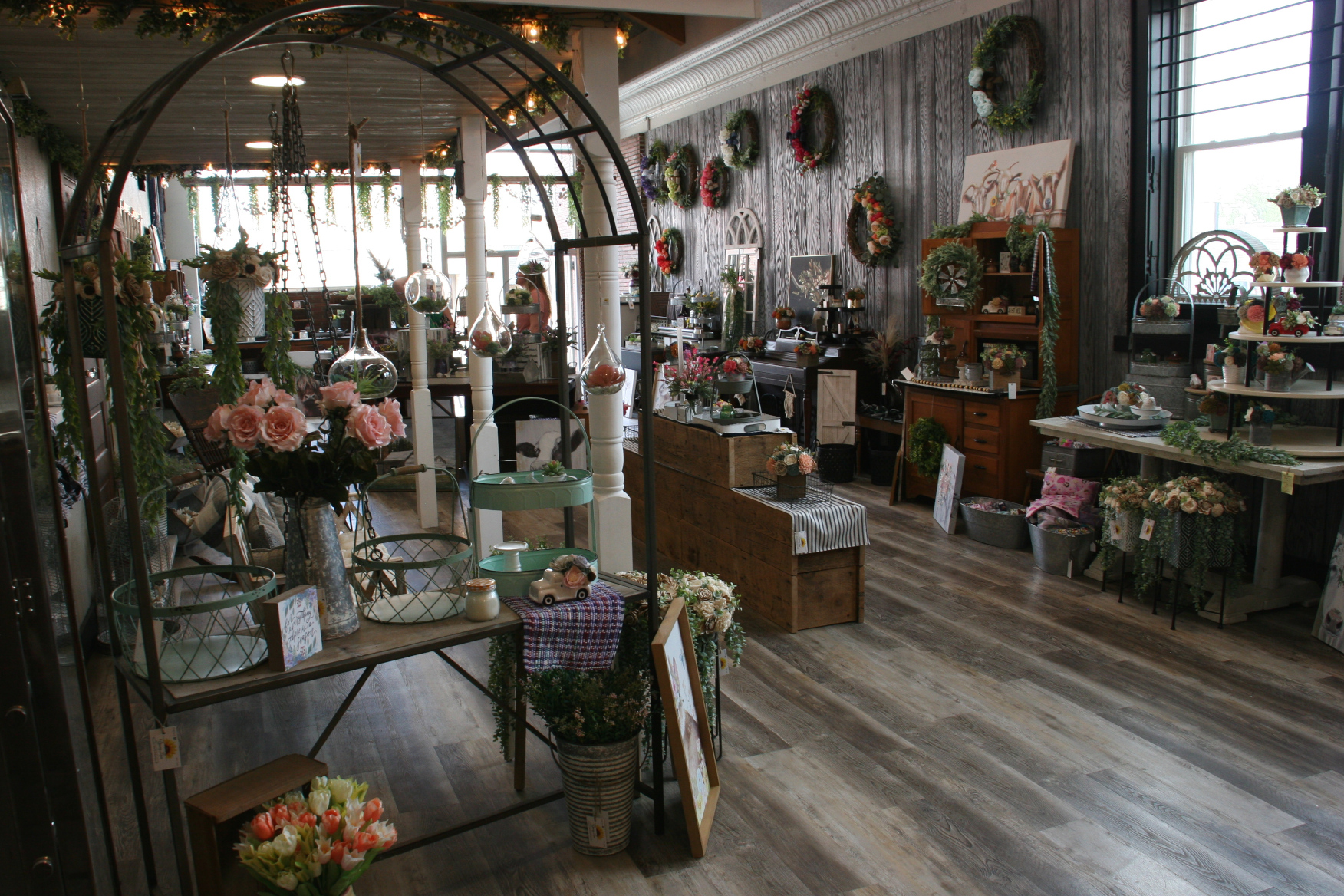
Looking from the back of the shop toward the front. (Minnesota Prairie Roots copyrighted photo May 2022)

This place feels like it fits Plainview, a small farming community northeast of Rochester in southeastern Minnesota’s Wabasha County. Speedling took care to retain the historic rural character of the building, right down to keeping the original embossed ceiling, refreshing it with a new coat of paint.

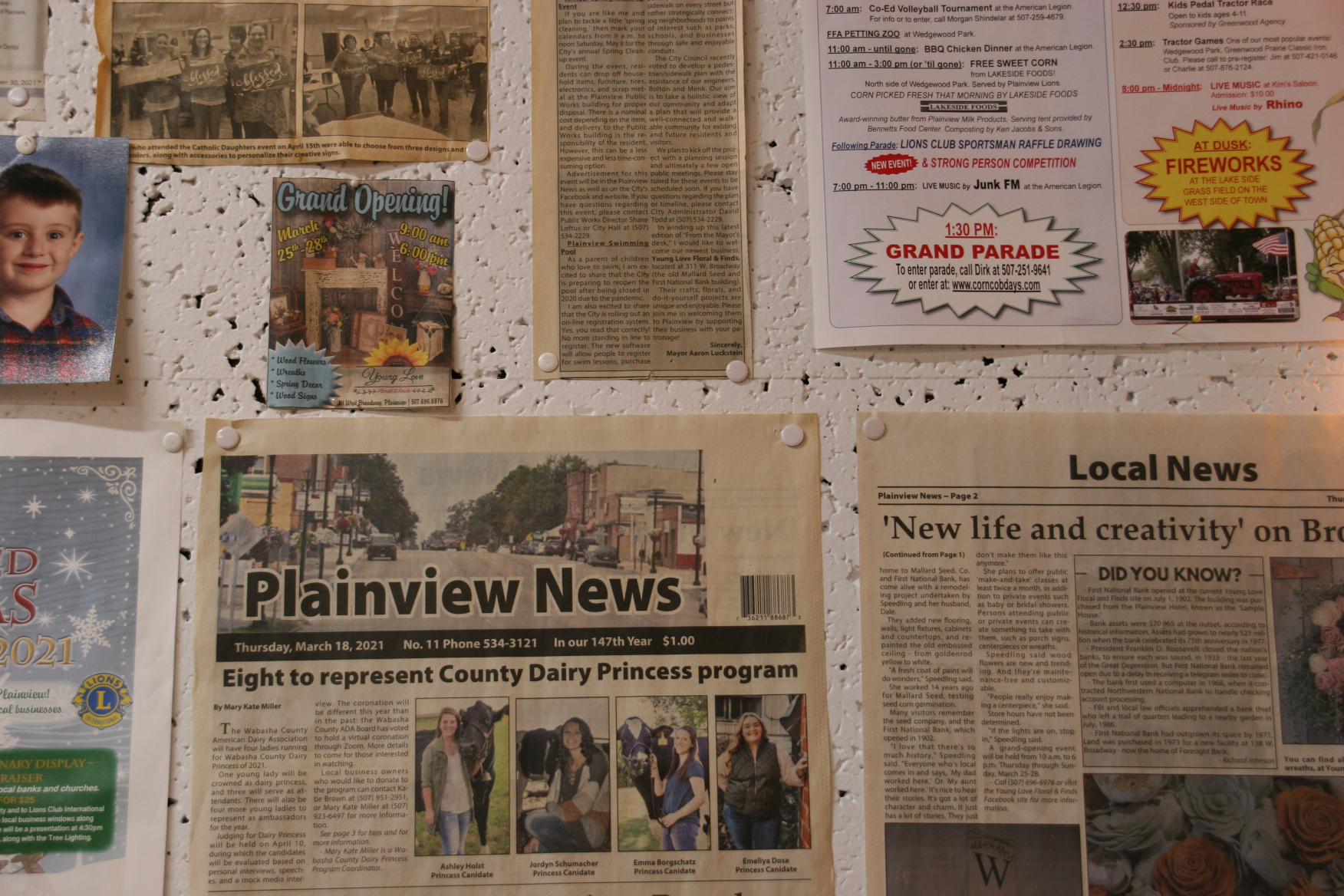
Newspaper stories and more are displayed on a bulletin board in the side event room. (Minnesota Prairie Roots copyrighted photo May 2022)

There’s something to be said for a shopkeeper who values the past—here an historic building—enough to make it work in the present. Speedling has accomplished that. And now she’s imprinting her stories, her history, growing her business in a building where guests once stayed, merchants once banked and seeds once germinated.

Centerpieces created by Shantelle Speedling cram the back countertop. (Minnesota Prairie Roots copyrighted photo May 2022)

FYI: Click here to read my previous posts on Plainview, including features on two other businesses, The Shop on Broadway and J.T. Variety & Toys. Please check back for two more stories in my series on this small Minnesota town. You may also be interested in reading these recent posts from neighboring Elgin.

© Copyright 2022 Audrey Kletscher Helbling
 

From Faribault: A pivoting parking lot perspective December 9, 2021

The back of buildings in the 400 block of Central Avenue, Faribault. (Minnesota Prairie Roots copyrighted photo 2021)

EVERY DAY WE PASS BY sights which often become so woven into our environment that we no longer see them. Until one day we pause. And notice.

Recently, I stopped to look around me, standing in a parking lot along Minnesota State Highway 60/Fourth Street, a half-block off Central Avenue next to Corks & Pints.

I rotated, taking in seemingly ordinary scenes. Part of the fabric of Faribault. Past and present.

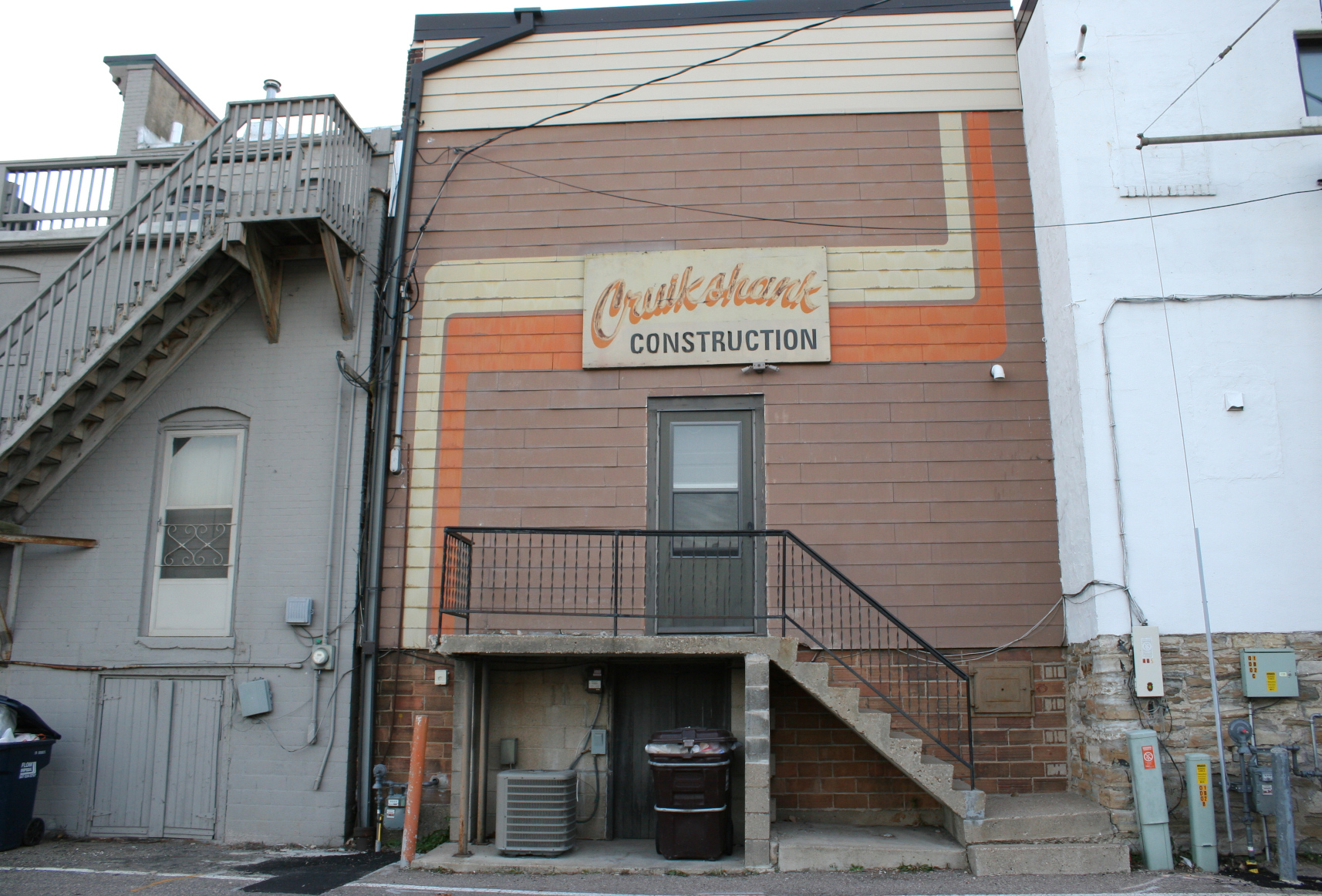
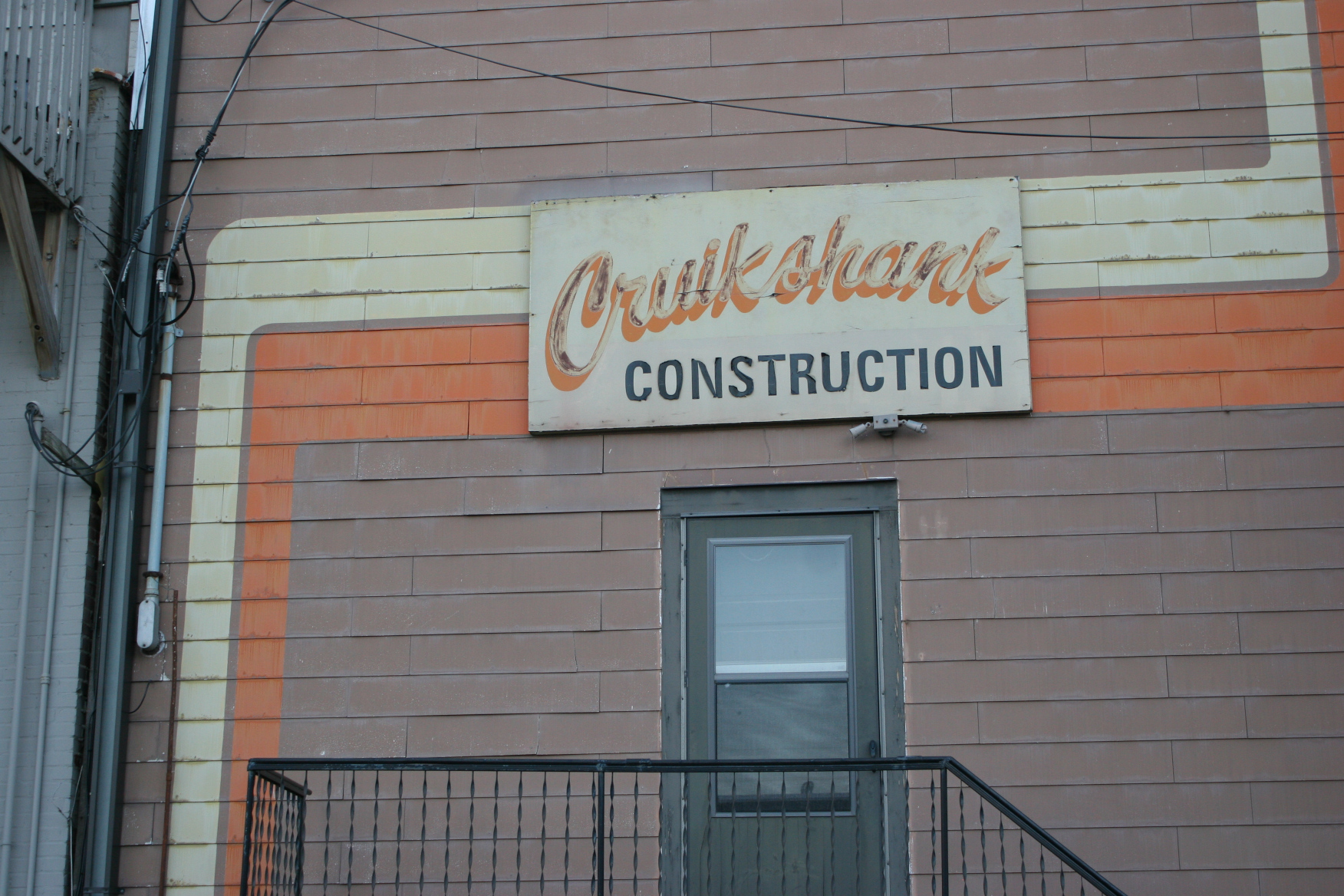
A sign marks Jack Cruikshank’s business. (Minnesota Prairie Roots copyrighted photo 2021)

Cruikshank Construction. I don’t know whether Jack Cruikshank still has his construction business. But, many decades ago, he installed replacement windows in our home. And he operated a paint store that was our go-to place for paint. Jack knew paint and was willing to share his expertise. For a while, he also had a bookstore in his shop. Jack was/is an exceptional individual and businessman—trustworthy, friendly, kind, knowledgeable, genuine and caring…

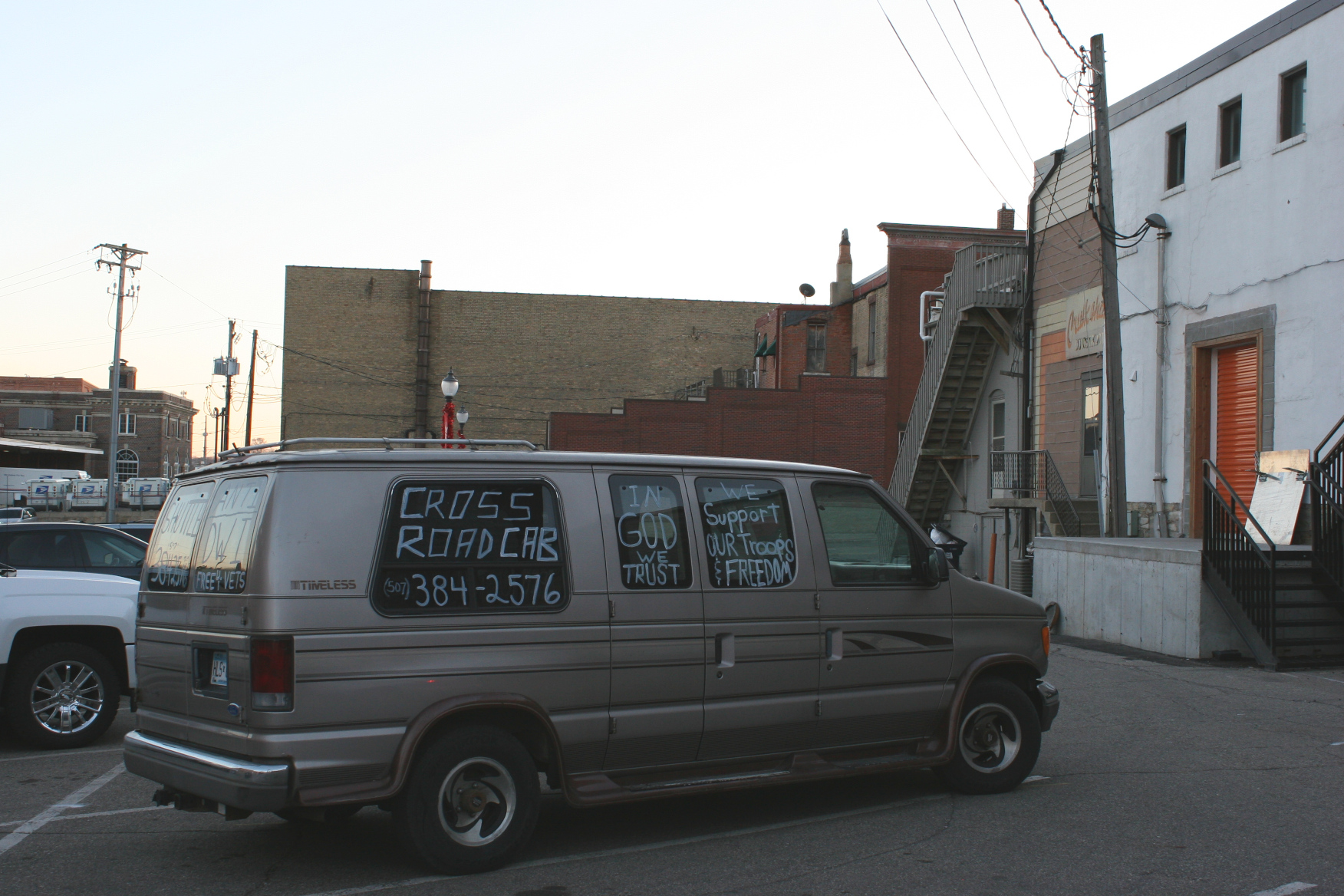
A cab company with a focus and message. (Minnesota Prairie Roots copyrighted photo 2021)
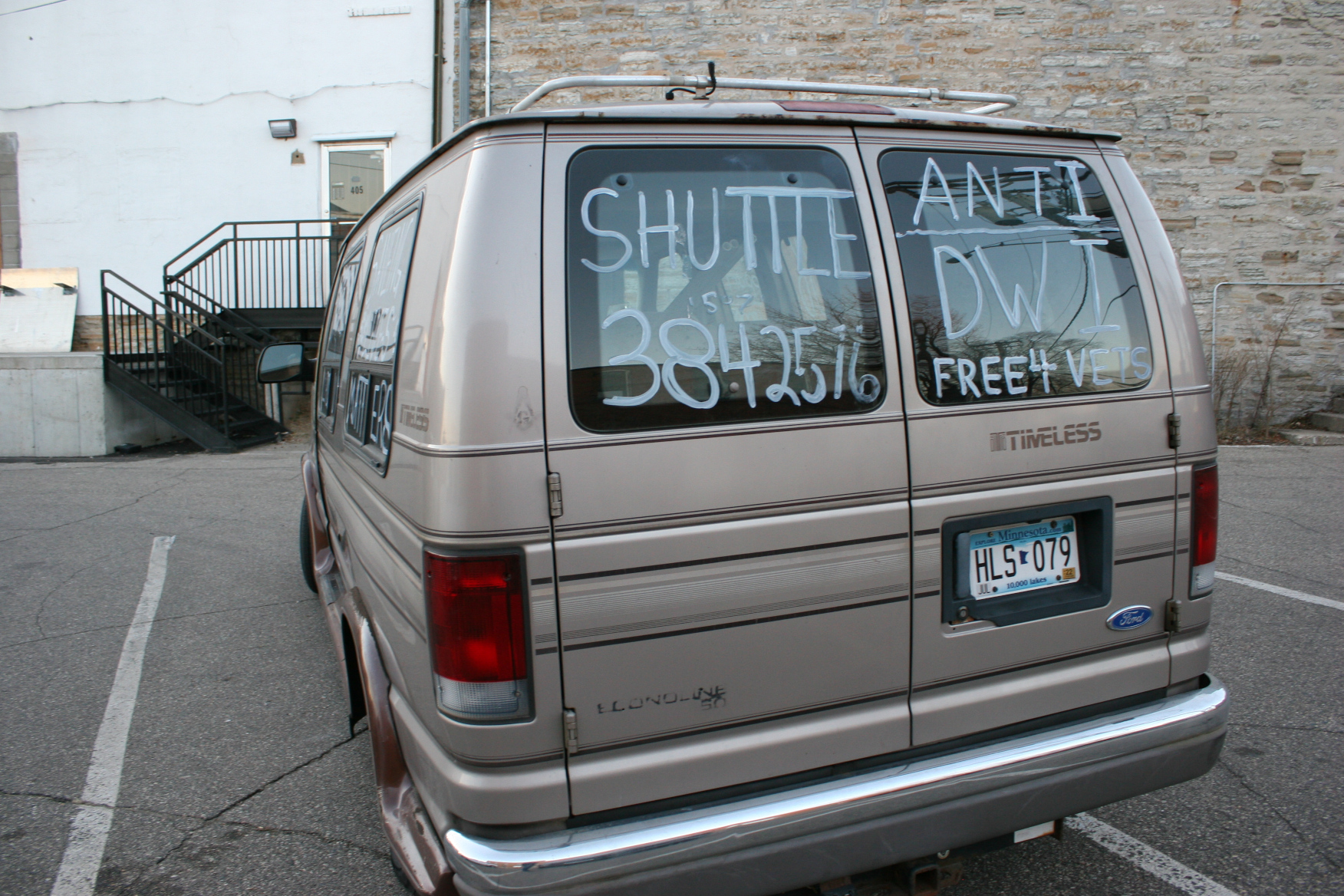
More messages on this cab. (Minnesota Prairie Roots copyrighted photo 2021)

I saw the same care written upon windows of a van, from which a couple disembarked while the driver of Cross Road Cab waited inside. I didn’t talk to him, but rather noted the messages of support for veterans, troops and freedom. Plus his stand against driving while intoxicated.

The grey building in the foreground houses Corks & Pints with 10,000 Drops in the brick building. The historic brick structure originally housed Peterson Art Furniture. (Minnesota Prairie Roots copyrighted photo)

The pair walked toward Corks & Pints and 10,000 Drops Craft Distillers. A mural, “Ice Skating on the Straight River,” graces the side of 10,000 Drops. It’s based on a vintage photo. The transformation of this downtown anchor corner has been a real asset to our community. Pre-distillery, the building housed an antique shop and architectural salvage business. It was dark, cluttered and not all that appealing. But now, wow. With the inside gutted and opened up, the distillery interior features wood floors, exposed beams, brick walls and much more, including cozy spaces to visit. It’s unlike any other place in Faribault. An inviting setting to enjoy a locally handcrafted cocktail with friends. Inside, or outside on the patio. Corks & Pints is part of the complex, housed next door in the former F-Town Brewing located in a former garage. It’s a tap house and wine bar, another welcoming spot to connect and converse.

Cry Baby Craig’s can’t miss signature orange truck. (Minnesota Prairie Roots copyrighted photo 2021)

A while ago, Cry Baby Craig’s focused conversation in our downtown. Craig Kaiser moved his hot sauce business to Faribault, into a former sporting goods store at 405 Central Avenue North. CBC’s highly-acclaimed habanero and garlic hot sauce is a staple in our refrigerator. And it’s become a favorite among restaurants in the metro and beyond.

If you’re mostly unfamiliar with Faribault, I hope you’ve learned a thing or ten about our town via my pivoting parking lot perspective. And, if you’re local, I invite you to pause and appreciate all that our community offers.

© Copyright 2021 Audrey Kletscher Helbling
 

About that auditorium in Deerwood August 27, 2021

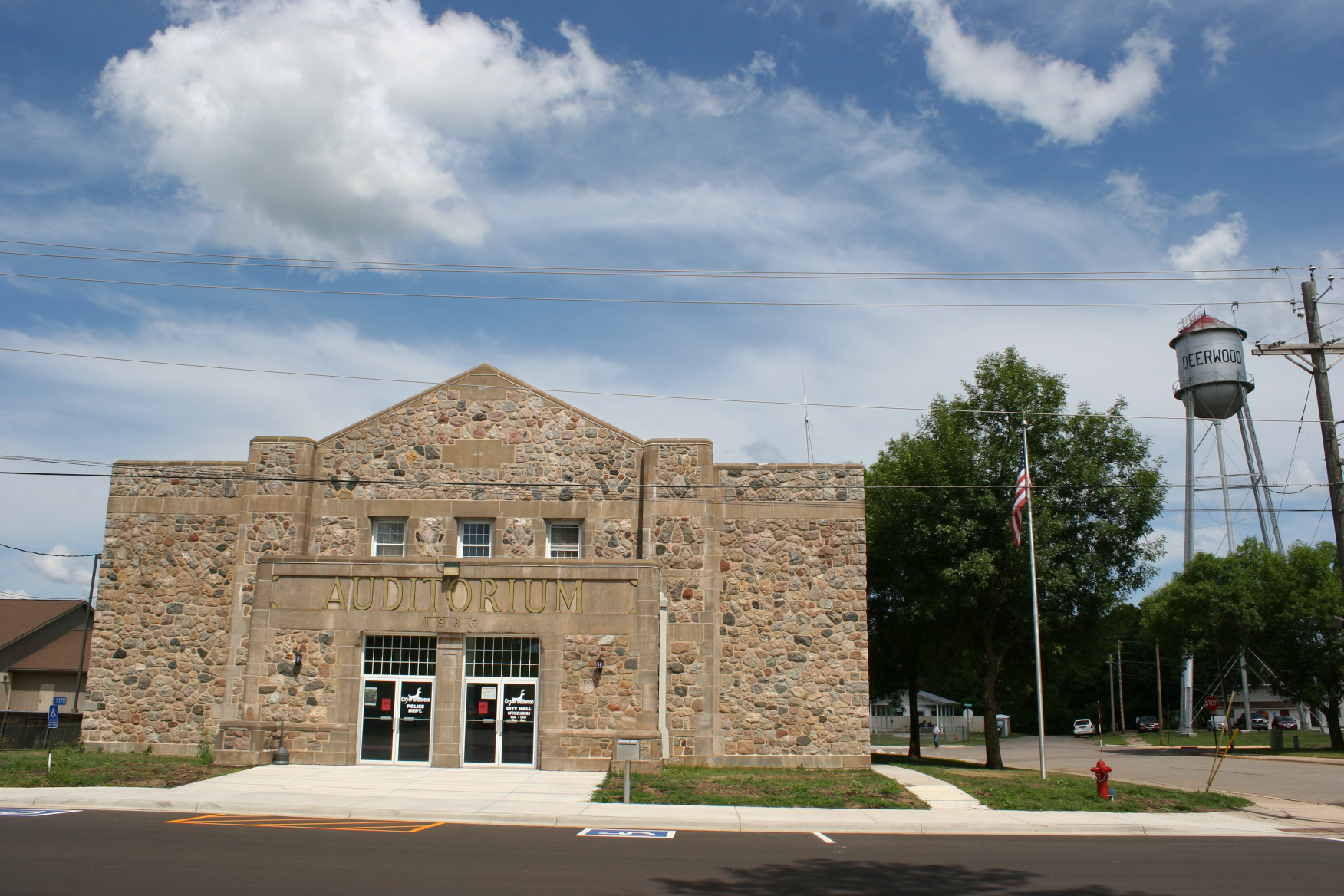
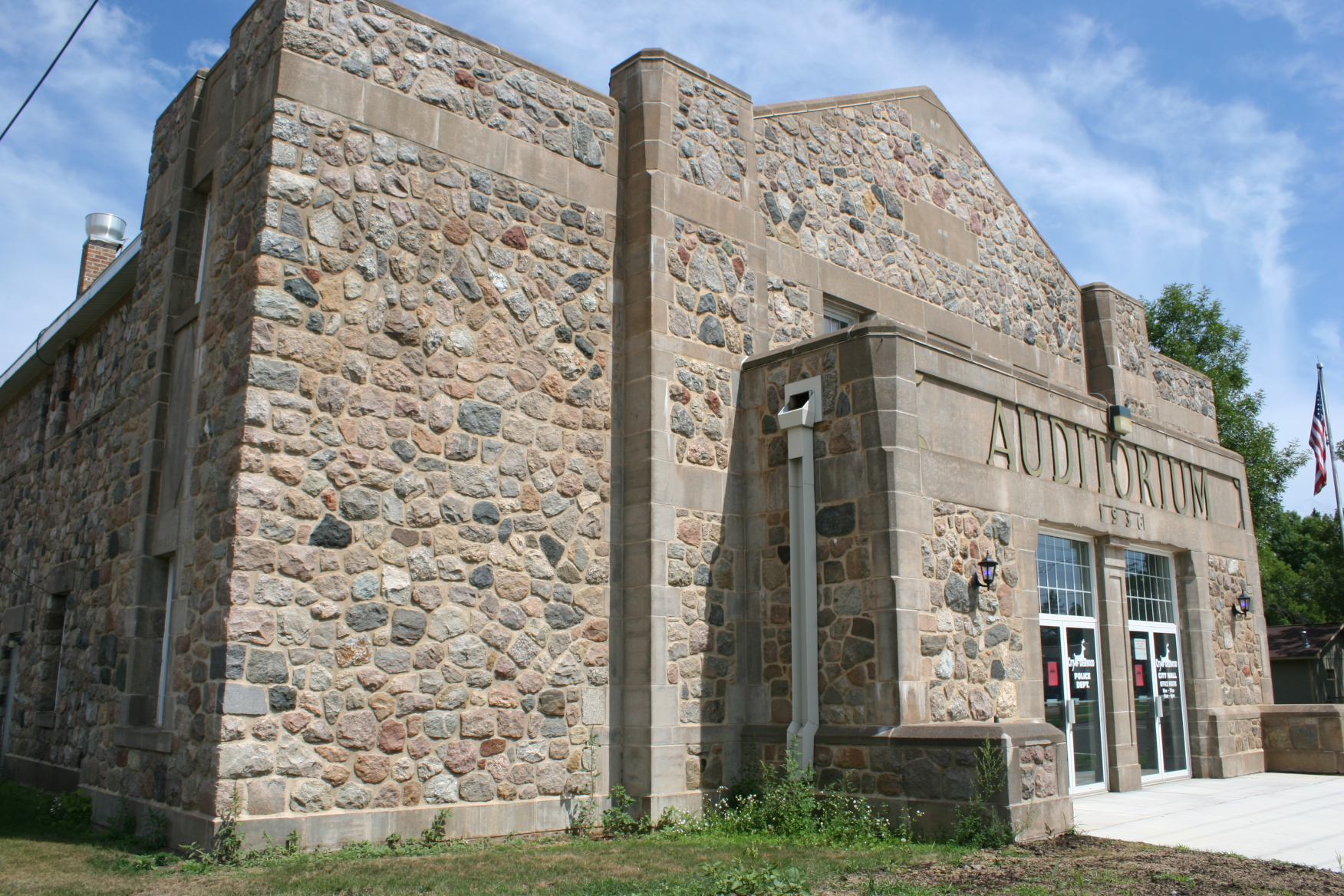
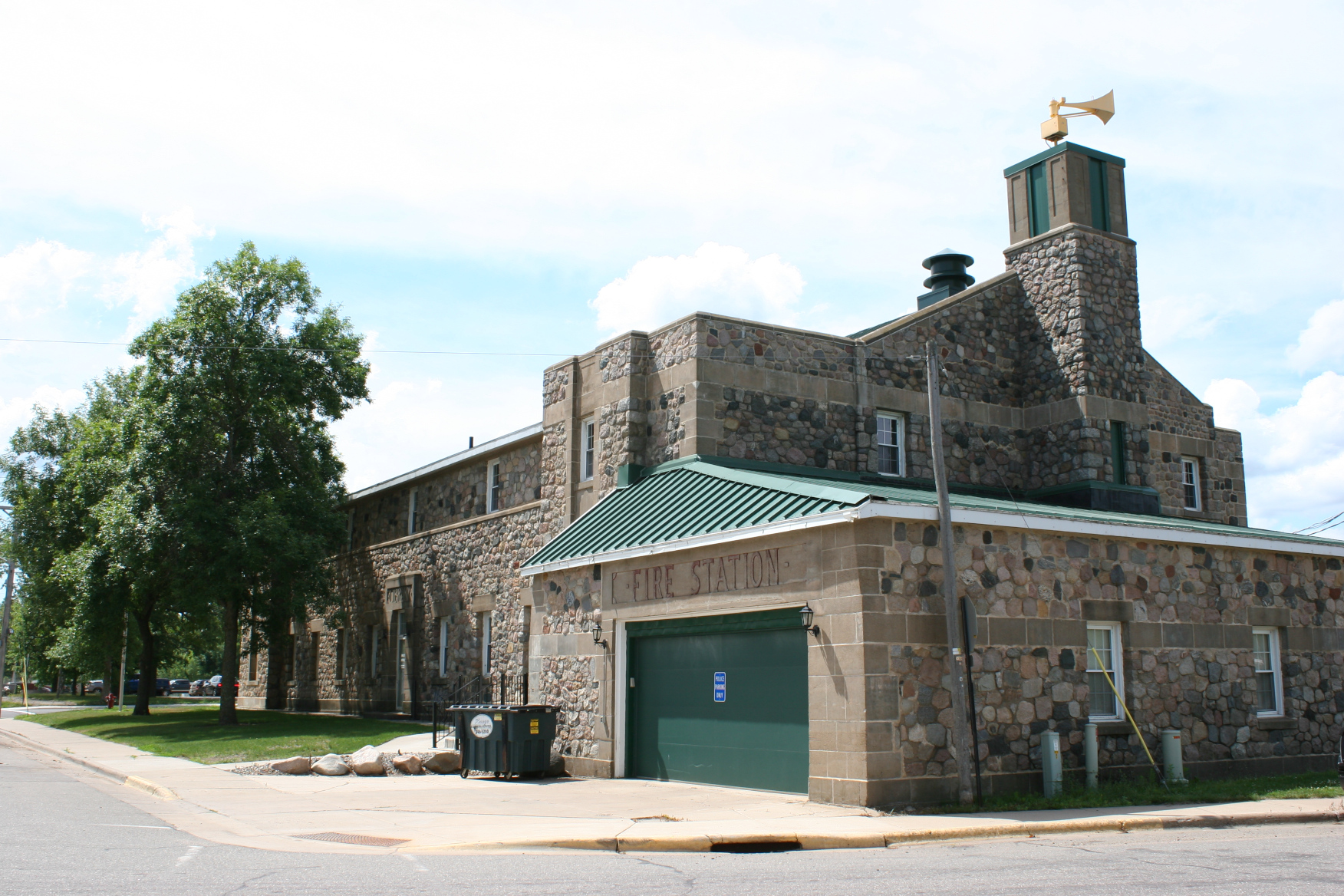
Deerwood Auditorium, located a block from the water tower. Minnesota Prairie Roots copyrighted file photo July 2021.

THE STURDY STONE STRUCTURE anchoring a corner in Deerwood drew my photographic and historic interest during a recent stop in this central Minnesota community in Crow Wing County.

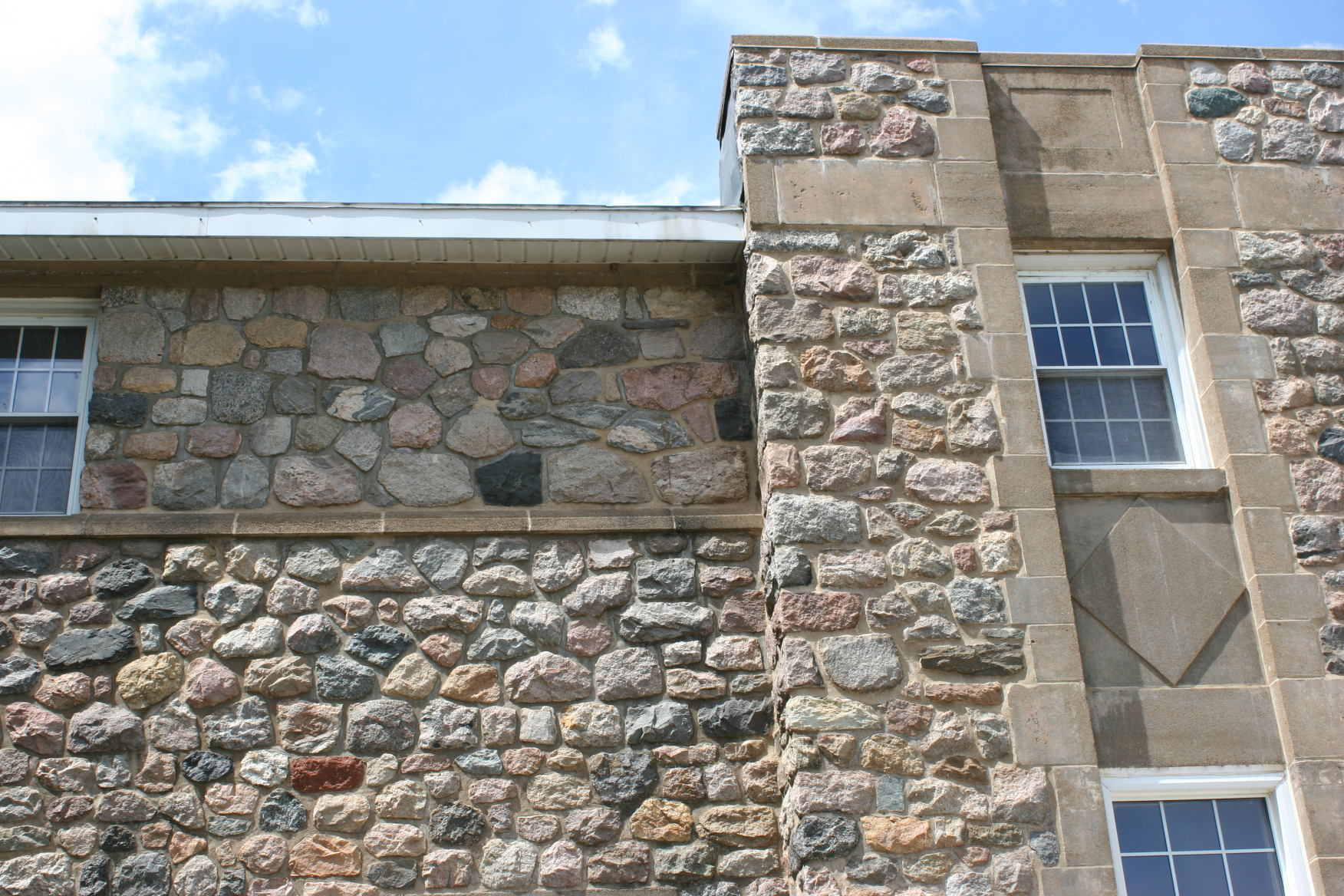
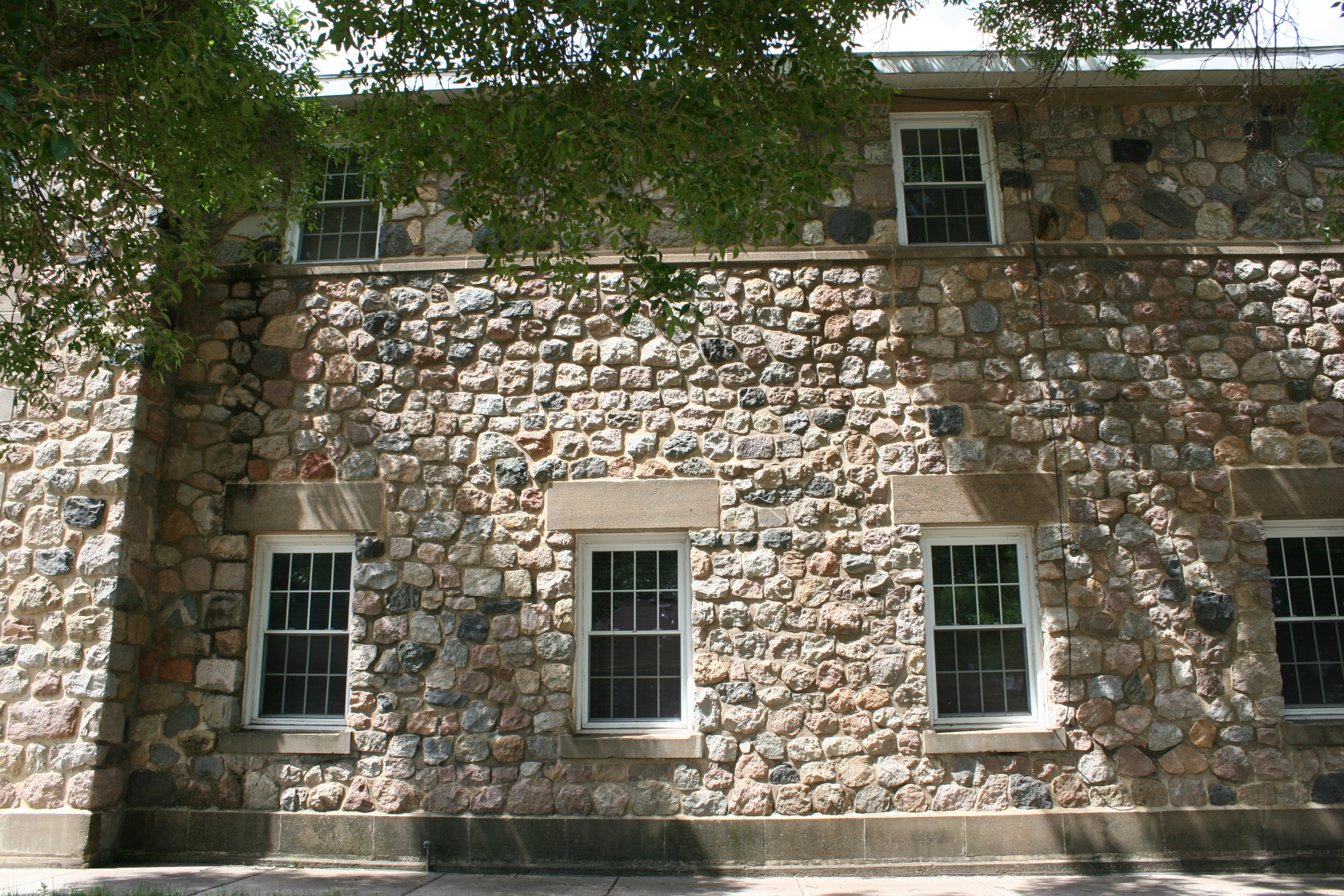
What craftsmanship in this stone-faced building. Minnesota Prairie Roots copyrighted file photo July 2021.

How could it not? Buildings like this with a fieldstone facing hearken from a bygone era, from days when intense hands-on labor factored in to construction. Workers hauled 800 tons of fieldstones from the site of the Cuyuna Country Club to build the Deerwood Auditorium between 1935-1936.

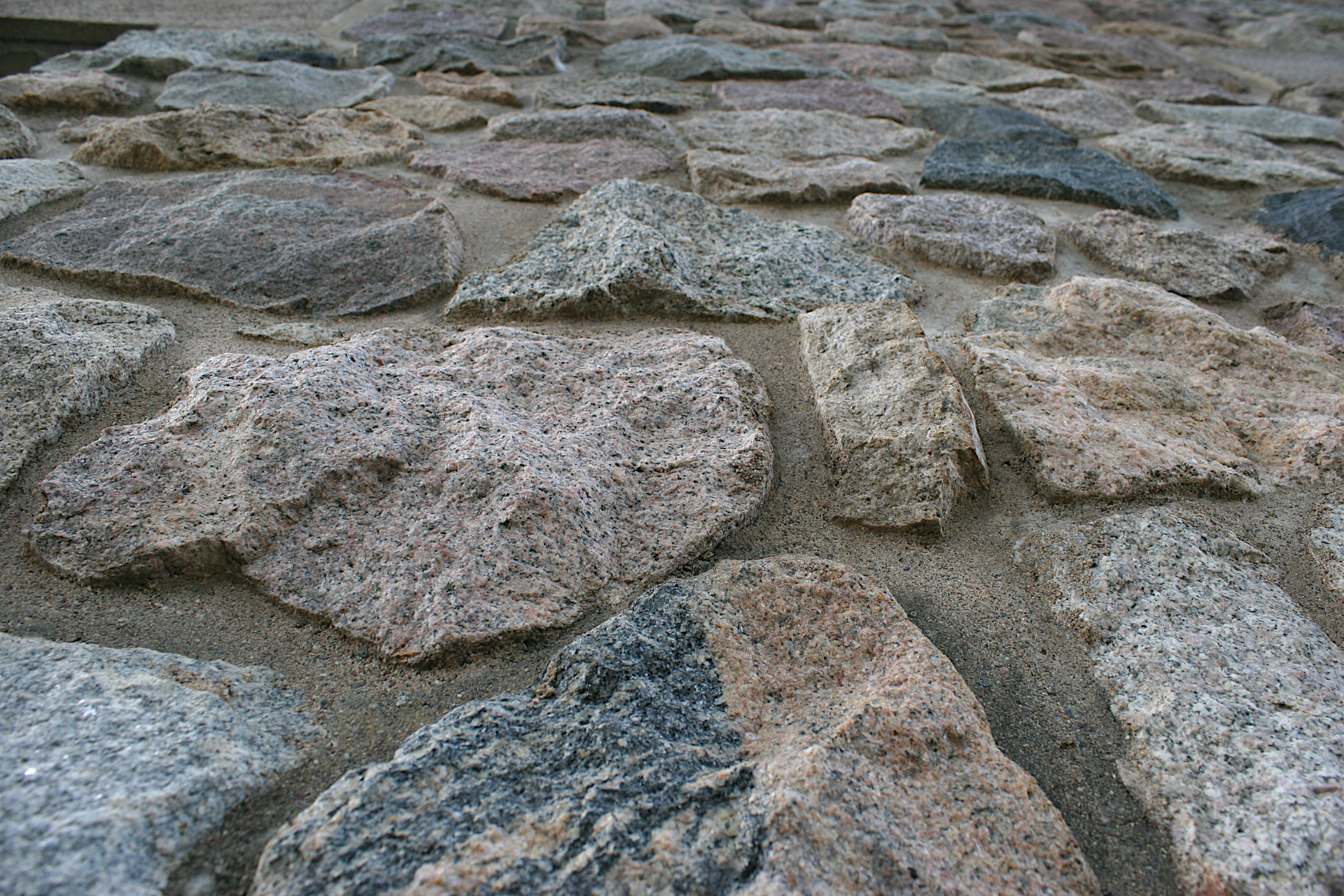
So many fieldstones harvested and used in construction of the auditorium. Minnesota Prairie Roots copyrighted file photo July 2021.

That’s a lot of rocks. I understand, not because I ever hauled that much stone anywhere. But, as a child, I spent many a summer plucking rocks from farm fields in southwestern Minnesota and tossing them into a wagon. Picking rock is hard work. Darn hard.

Imagine the time, labor and effort involved in constructing these walls. Minnesota Prairie Roots copyrighted file photo July 2021.

I admire the tenacity, determination and ingenuity of our forefathers. They relied on local natural resources to build buildings. And, in the case of the Deerwood Auditorium, materials also from the old Meacham Mine machine building to incorporate into the structure.

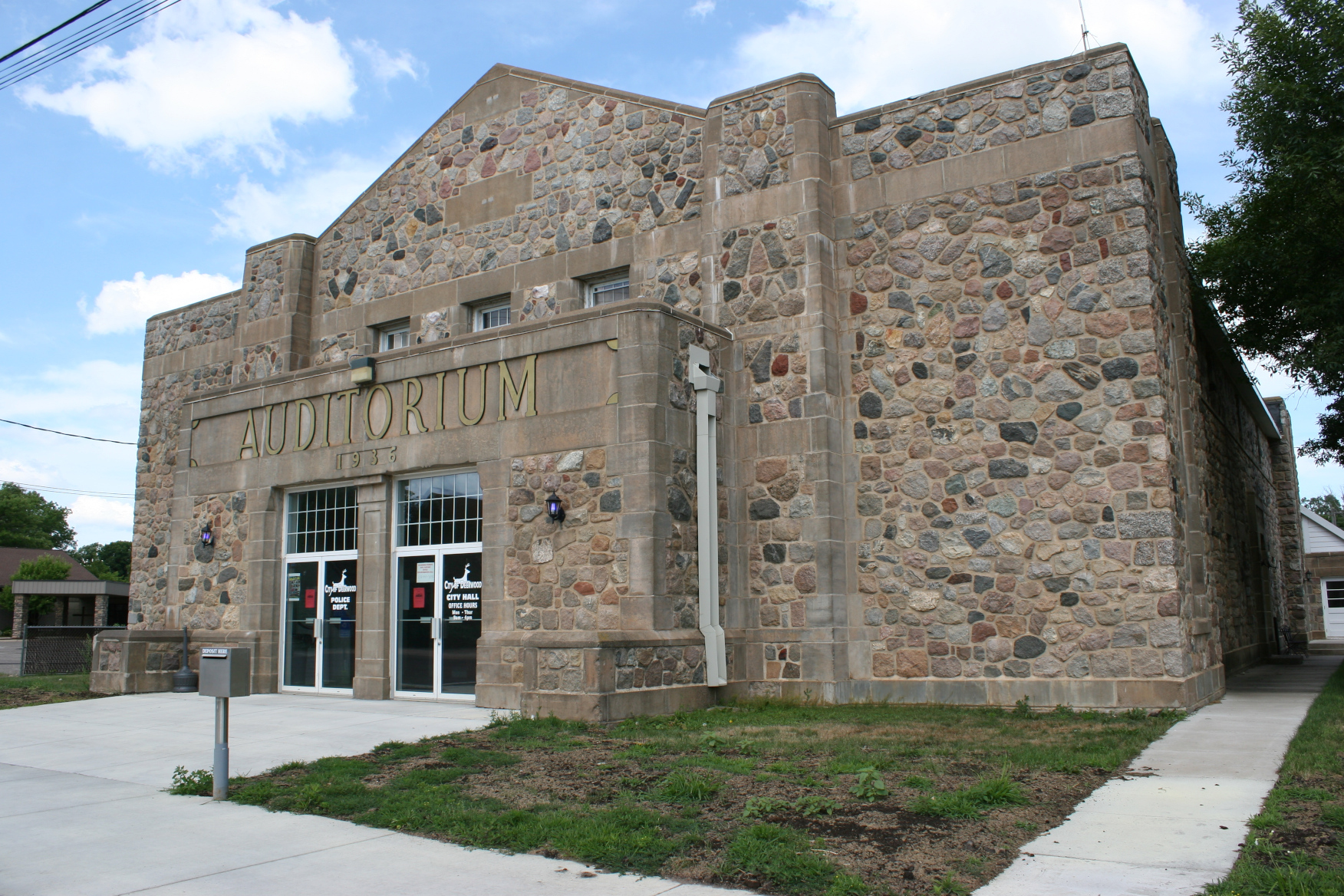
The building is listed on the National Register of Historic Places. Minnesota Prairie Roots copyrighted file photo July 2021.

Donations and Works Progress Administration funding and labor were also part of this project.

A side and rear view of the building. Minnesota Prairie Roots copyrighted file photo July 2021.

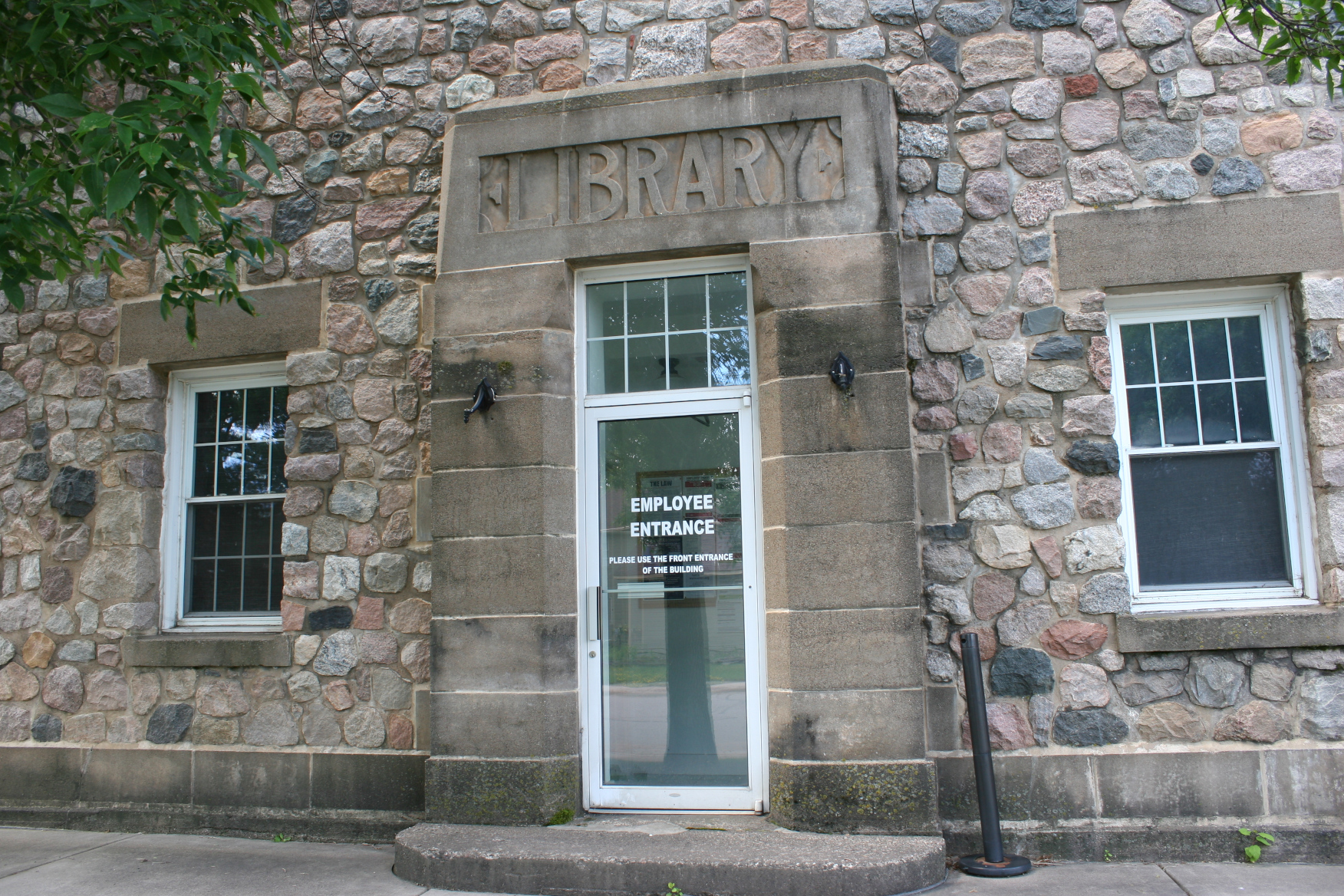
The completed building included village council chambers, a kitchen, locker rooms, library, space for fire fighting equipment and that all-purpose 38 x 80-foot gym with overlooking second floor balconies. Today the auditorium, on the National Register of Historic Places, serves as a community center and gathering spot for celebrations like weddings, birthdays and family reunions.

Another side view of the historic Deerwood Auditorium. Minnesota Prairie Roots copyrighted file photo July 2021.

Back during construction, locals aimed to have the building finished in time for the community’s annual fall lutefisk dinner. It was completed for the event, which drew an estimated 1,000 diners to feast on the lye-soaked cod of Norwegian culinary delight.

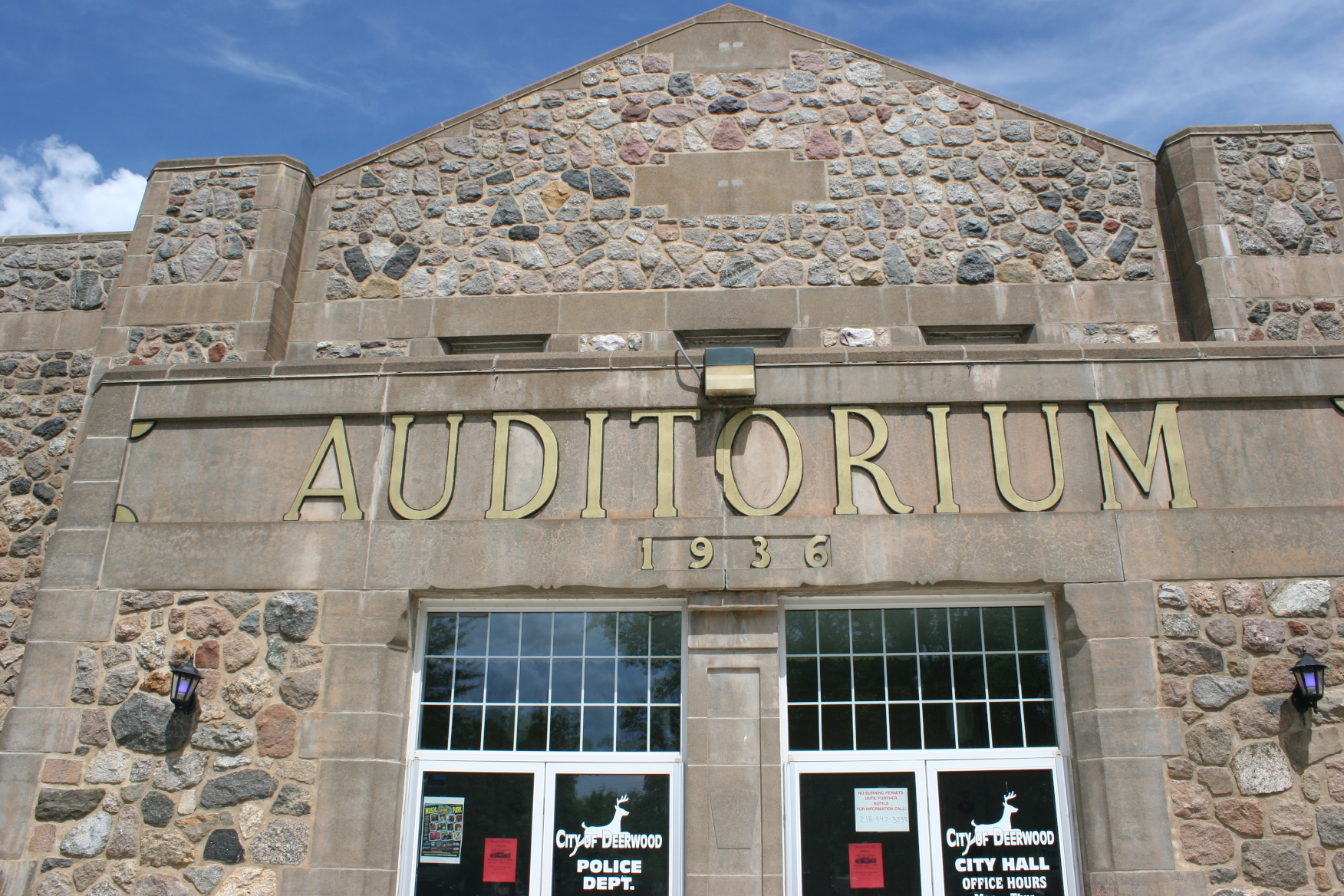
The front entry with identifying usage information. Minnesota Prairie Roots copyrighted file photo July 2021.

On the July Saturday I paused to photograph this WPA building, I knew none of these historical details. I couldn’t get inside the Deerwood Auditorium, today home to city hall, the police department and community center. Oh, how I wish I could step inside. To take in the history of this place. To imagine locals packed shoulder to shoulder forking down slippery, smelly lutefisk, their conversations creating a deafening din.

Once the library entry… Minnesota Prairie Roots copyrighted file photo July 2021.

I settled instead for appreciating the exterior workmanship, the talent and strength required to build this remarkable building. The craftsmanship. The hours and hours of labor. That shows in a structure that exudes strength, that honors those who work with their hands, for their work endures.

Please check back next week for one final (of three) post from Deerwood.

© Copyright 2021 Audrey Kletscher Helbling
 

In New Ulm: George’s Ballroom, when the music stops April 19, 2021

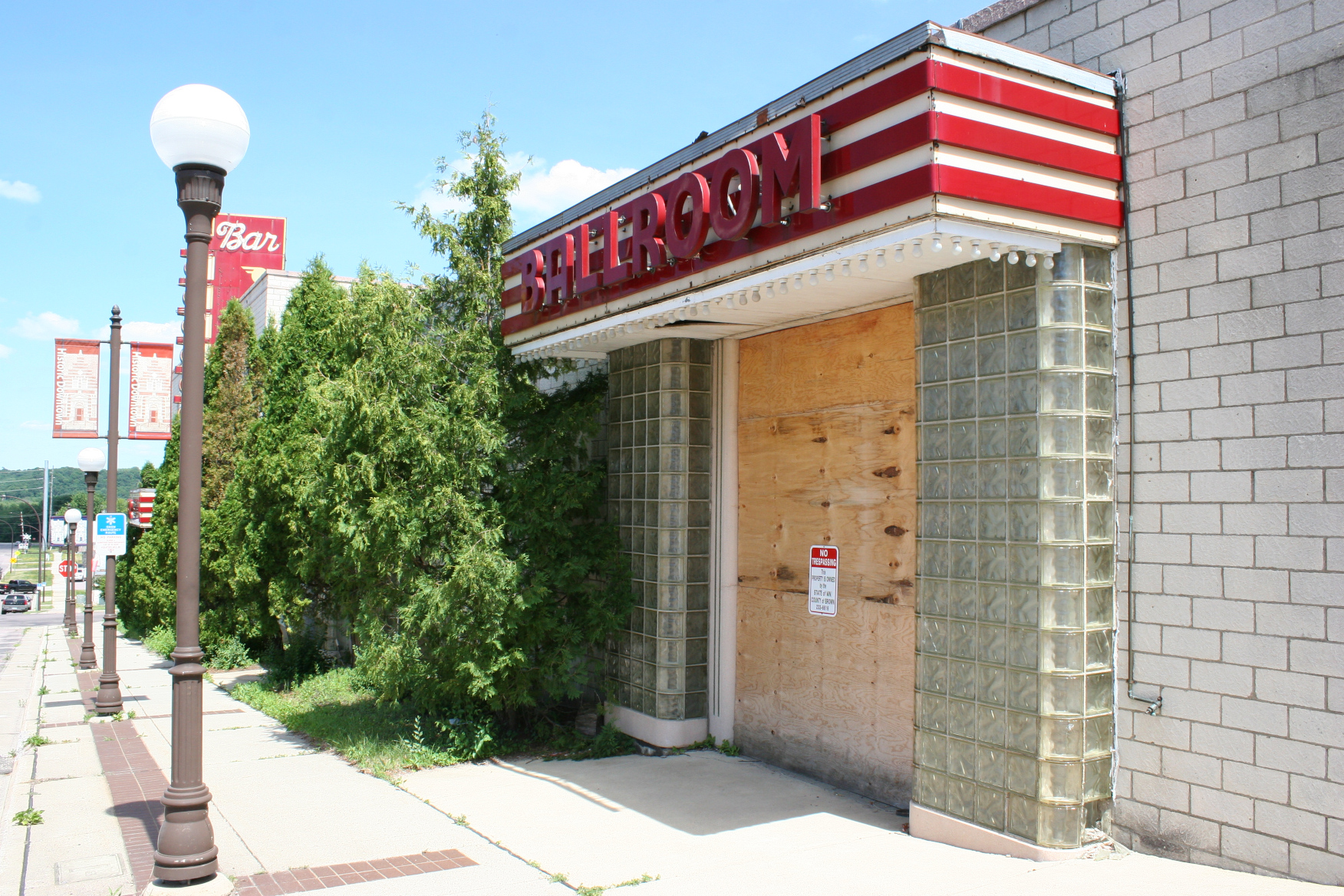
The boarded entrance to the long-closed George’s Ballroom in New Ulm. Minnesota Prairie Roots file photo June 2020.

I CAN ALMOST HEAR the rhythmic oom-pah-pah of the polka, see the couples twirling across the scuffed wooden dance floor, smell the scent of whiskey poured from bottles hidden in brown paper bags.

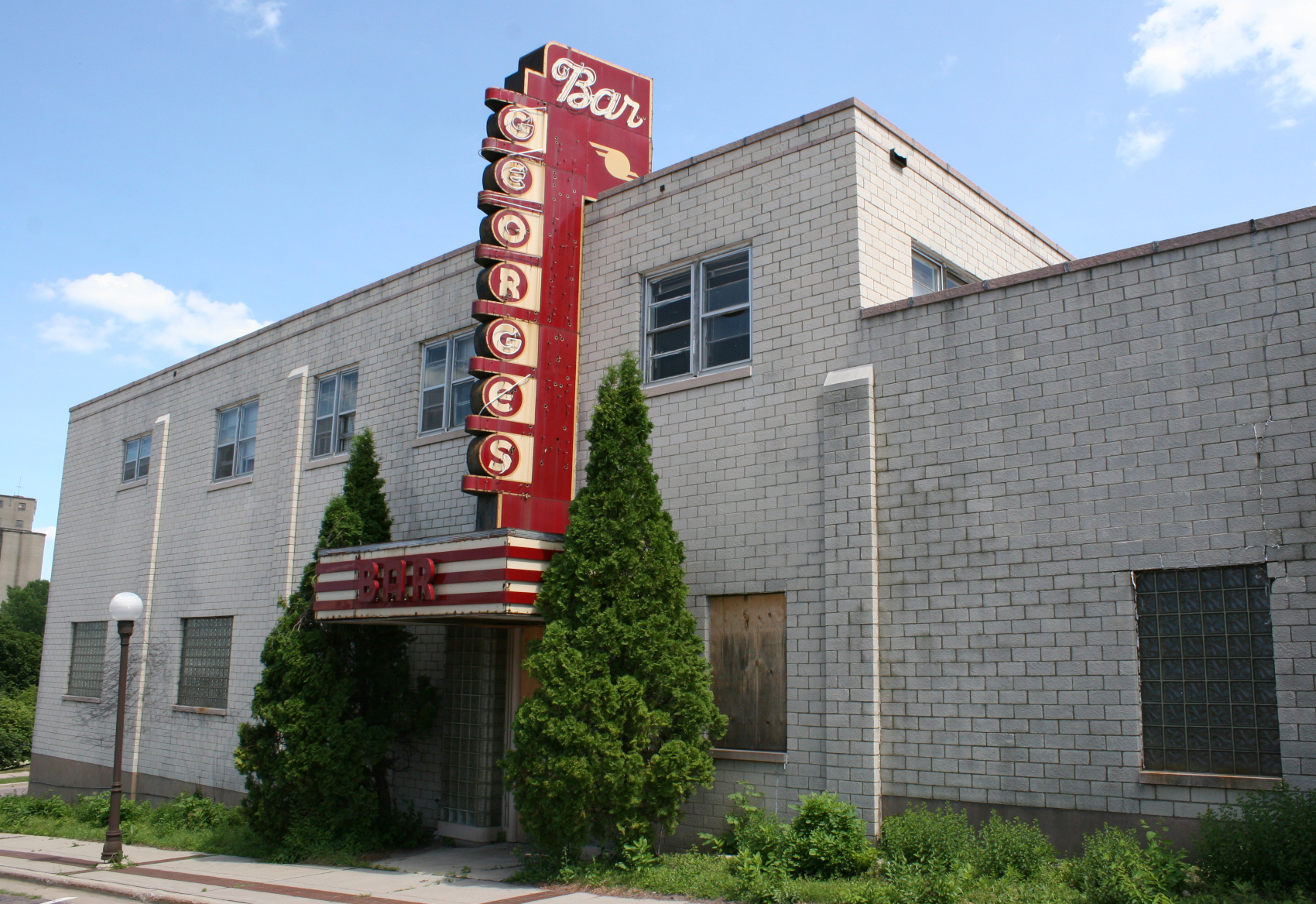
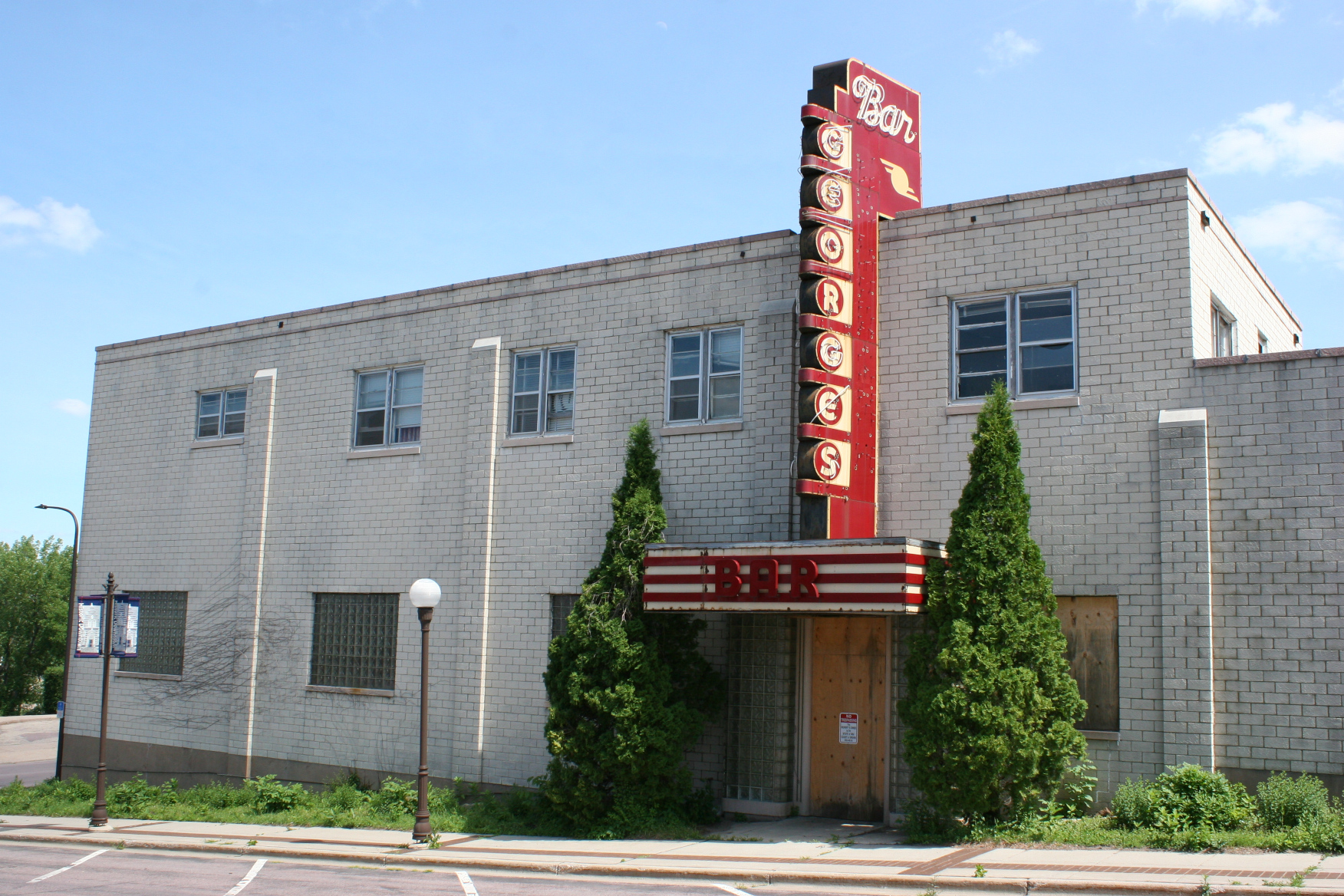
George’s, on the corner of Center and German Streets, also housed a bar and, at one time, a bowling alley. Minnesota Prairie Roots file photo June 2020.

Across Minnesota, ballrooms once centered Saturday evenings with wedding receptions, concerts and parties celebrating milestones. The Blue Moon Ballroom in Marshall. The Gibbon Ballroom, site of Polka Days, in Gibbon. The Pla-Mor Ballroom in Rochester. George’s Ballroom in New Ulm. And many others.

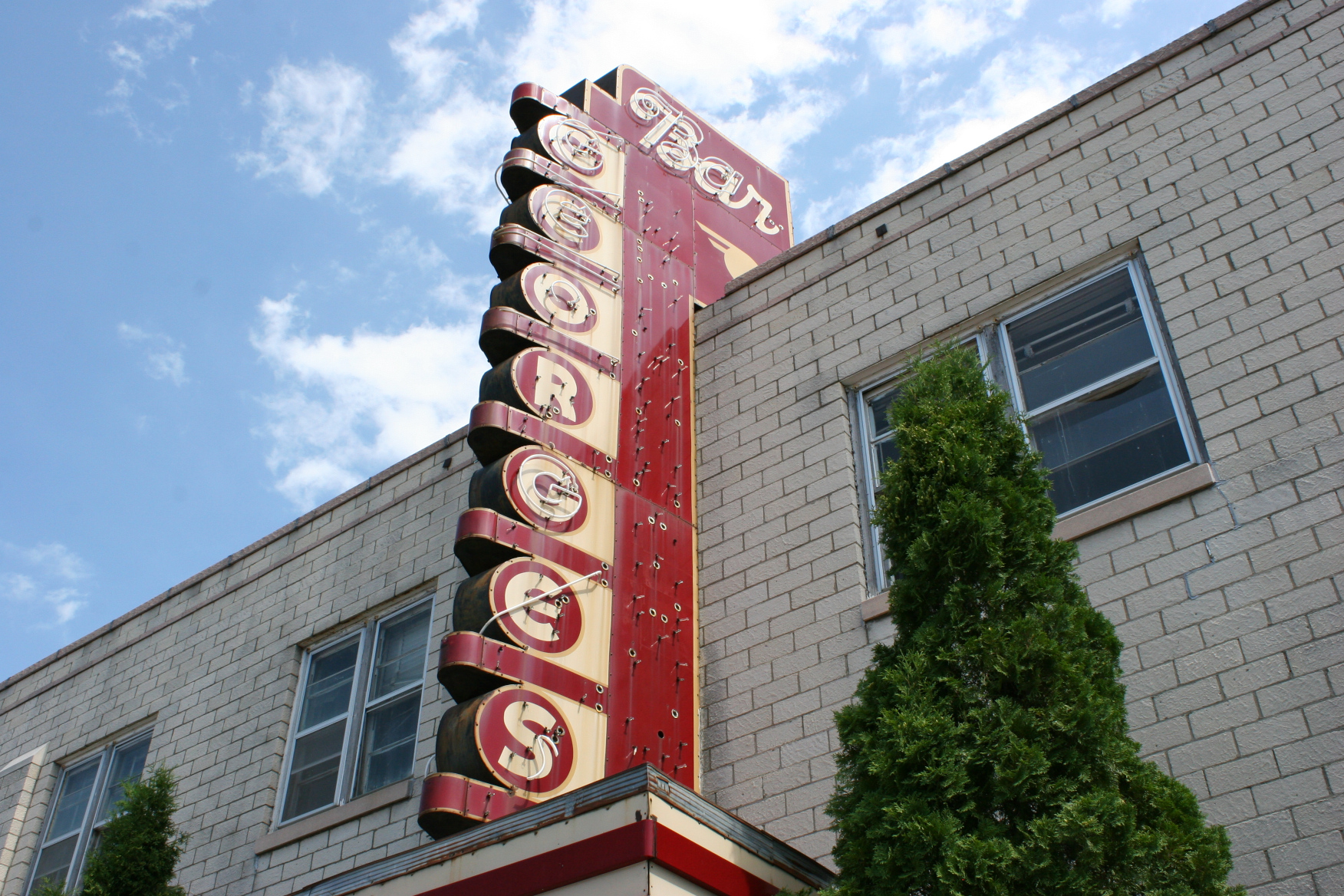
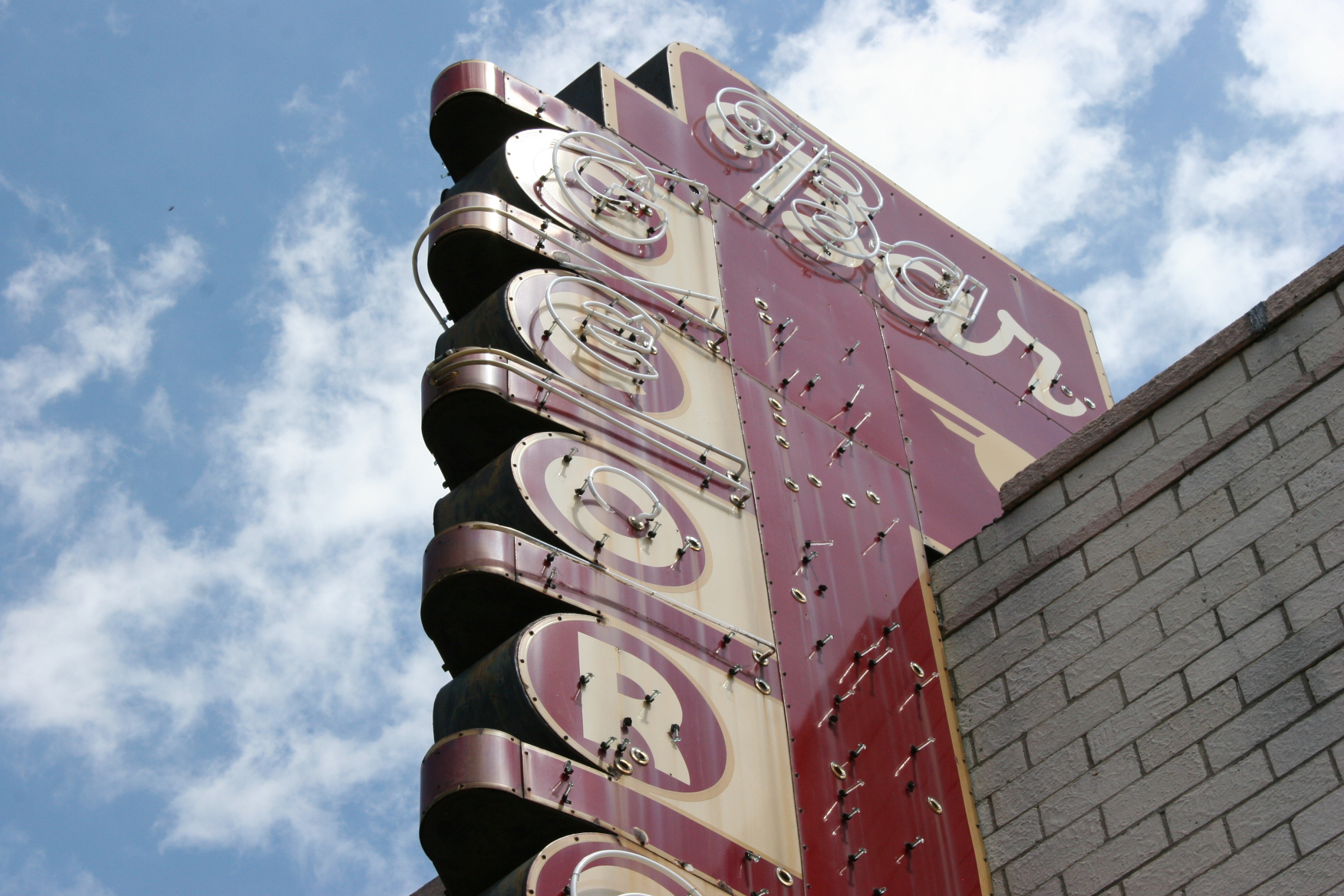
The historic marquee marks George’s Ballroom. What a beautiful piece of art. Minnesota Prairie Roots file photo June 2020.

Now most of these entertainment venues are shuttered. Abandoned. Or gone. The places of memories shared in stories. The places of memories photographed. A bride tossing her bouquet. A couple wrapped in each other’s arms. A trio wildly whirling in The Chicken Dance. My parents met at a dance in a southwestern Minnesota ballroom in the early 1950s. So many Minnesotans hold ballroom memories.

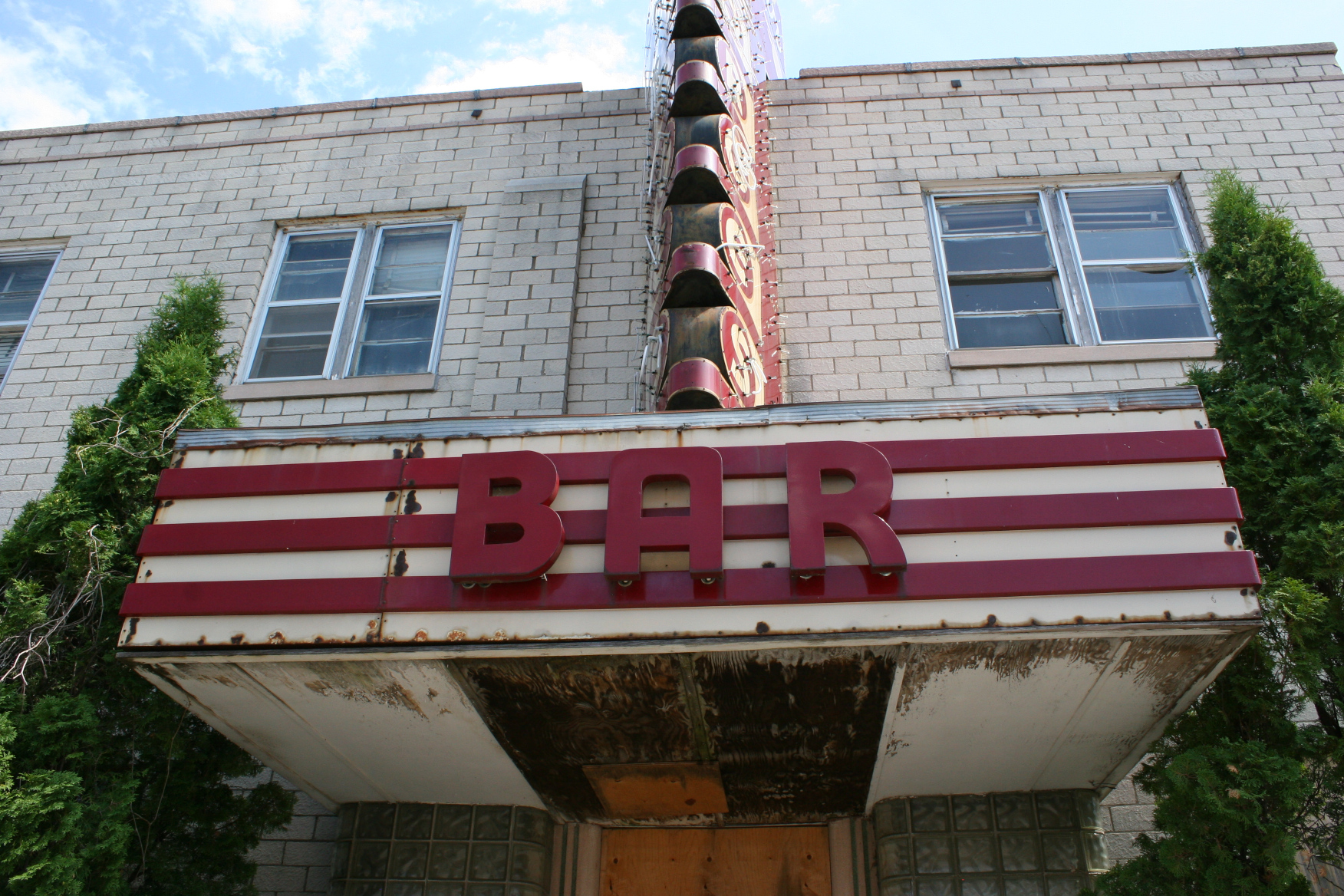
The bar entrance is here, the ballroom entry to the right. Minnesota Prairie Roots file photo June 2020.

Last summer while in New Ulm, I photographed the exterior of George’s Ballroom, an art deco style brick structure built in 1947 by George Neuwirth. The facility, which could hold up to 3,000 guests, once served as this community’s celebration and concert hub. Lawrence Welk, Glen Miller, The Six Fat Dutchmen and other big name bands played here.

George’s closed in 1991, reopened for awhile under new ownership and then shuttered again—permanently—in the early 2000s. Property taxes went unpaid. Options expired.

Now, nearly 20 years later, the former dance hall faces likely demolition, according to media reports. Cost to restore the ballroom is estimated at $5 million. Cost to demolish it, $1 million. That’s a lot of money. But when you’re dealing with mold from water damage, asbestos and other health and safety issues, costs climb quickly.

Here you can see some of the damage, underneath that BAR sign. Minnesota Prairie Roots file photo June 2020.

All of this saddens me. I love historic buildings. They’re often well-built and hold important historic, community and personal importance. But I am also a realist who recognizes that not everything can be saved.

The marquee first caught my photographic interest. Minnesota Prairie Roots file photo June 2020.

I do hope, though, that the George’s marquee and signage—which drew me to photograph the building in the heart of downtown New Ulm—will be saved. It sounds like that’s the plan. I hope the historic art can be incorporated into an outdoor public space rather than tucked inside, mostly unseen and under appreciated. People need easy access to George’s memorabilia. To photograph. To reminisce. To remember the Saturday nights of Big Bands and polkas and partying with family and friends. With a little creative thinking, George’s can continue to draw locals and others, adding another attraction to a community that excels as a destination city.

TELL ME: What would you do with George’s Ballroom and/or the marquee and signage? I’d love to hear your creative ideas and/or your memories of George’s or other ballrooms.

© Copyright 2021 Audrey Kletscher Helbling
 

Discovering New Ulm’s The Grand Center for Arts & Culture March 19, 2021

AS SOMEONE WHO GREW UP with minimal exposure to the arts, I feel not so much deprived as deeply appreciative of creativity. I consider myself an artist—of images and of words. To write and to photograph, oh, the joy.

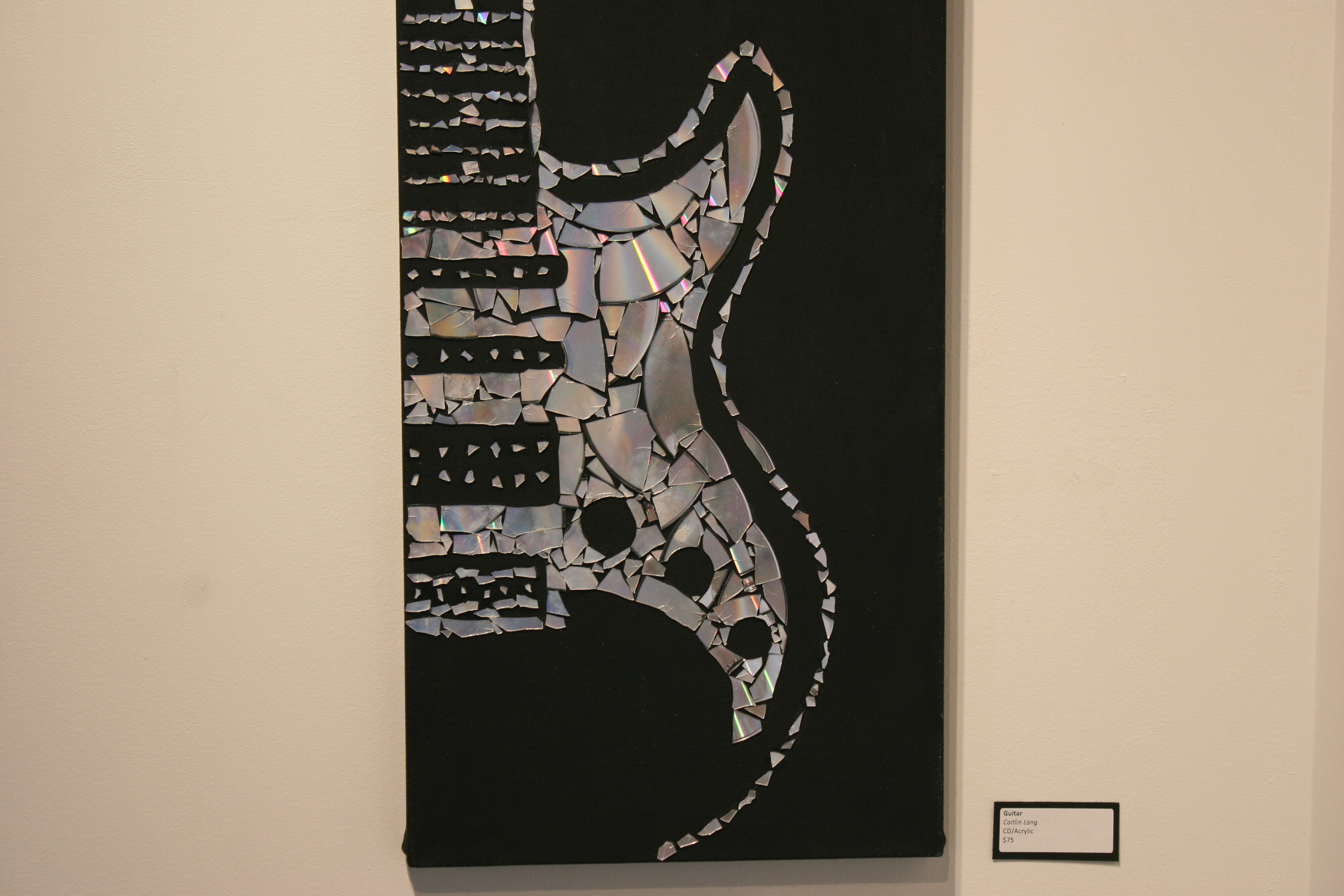
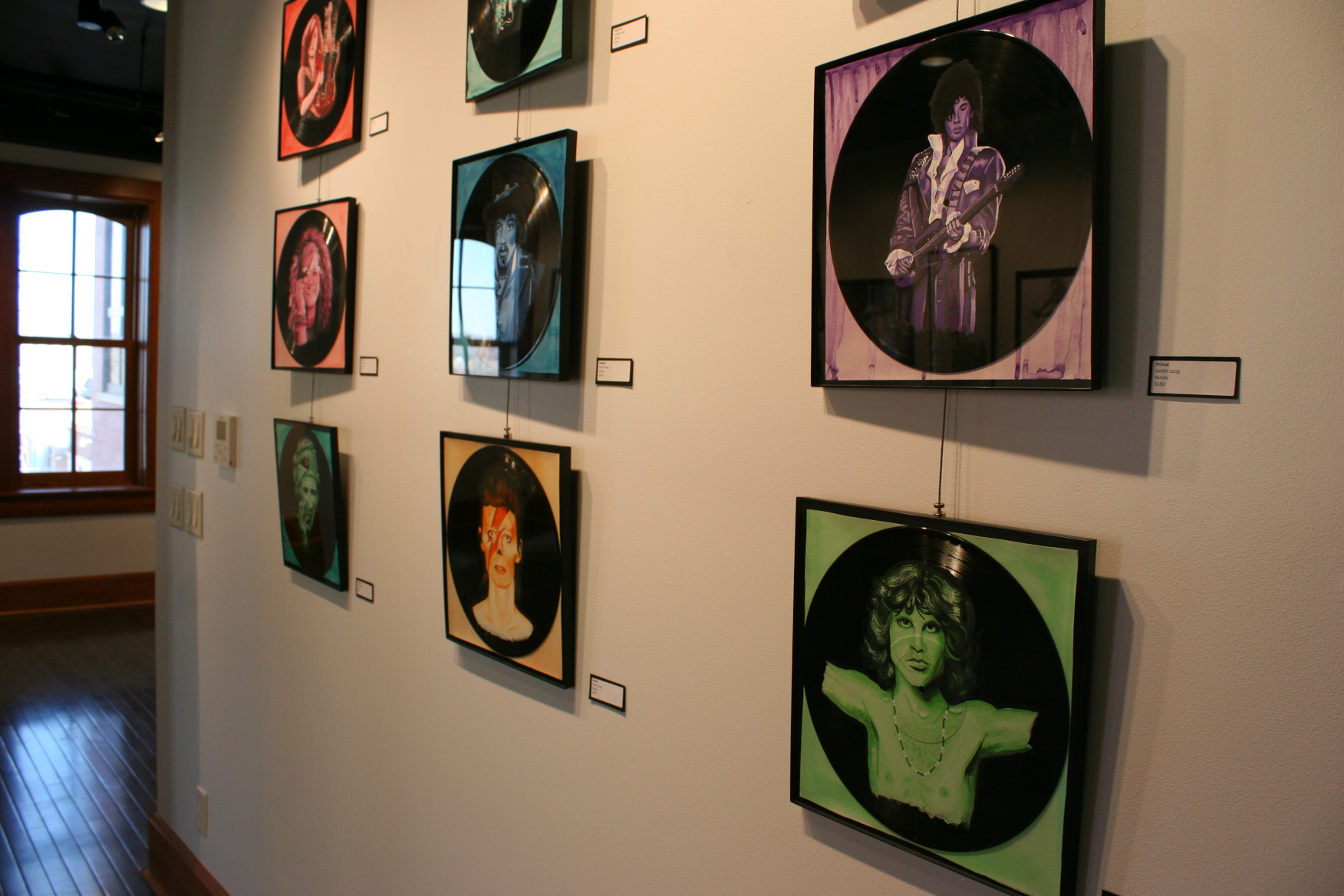
A snippet of an acrylic, “Guitar,” by Caitlin Lang.

I feel gratitude for all the creatives out there who share their talents, whether in published works or performances or art exhibits or whatever in whatever space they choose.

The Grand Center for Arts & Culture in downtown New Ulm.

Recently I discovered a new-to-me center for the arts in New Ulm, a southern Minnesota city known for its German heritage and so much more. Like the Minnesota Music Hall of Fame, the Hermann the German Monument, August Schell Brewery, the Wanda Gag House, the Glockenspiel…small town shops and eateries and, well, enough attractions to fill a weekend.

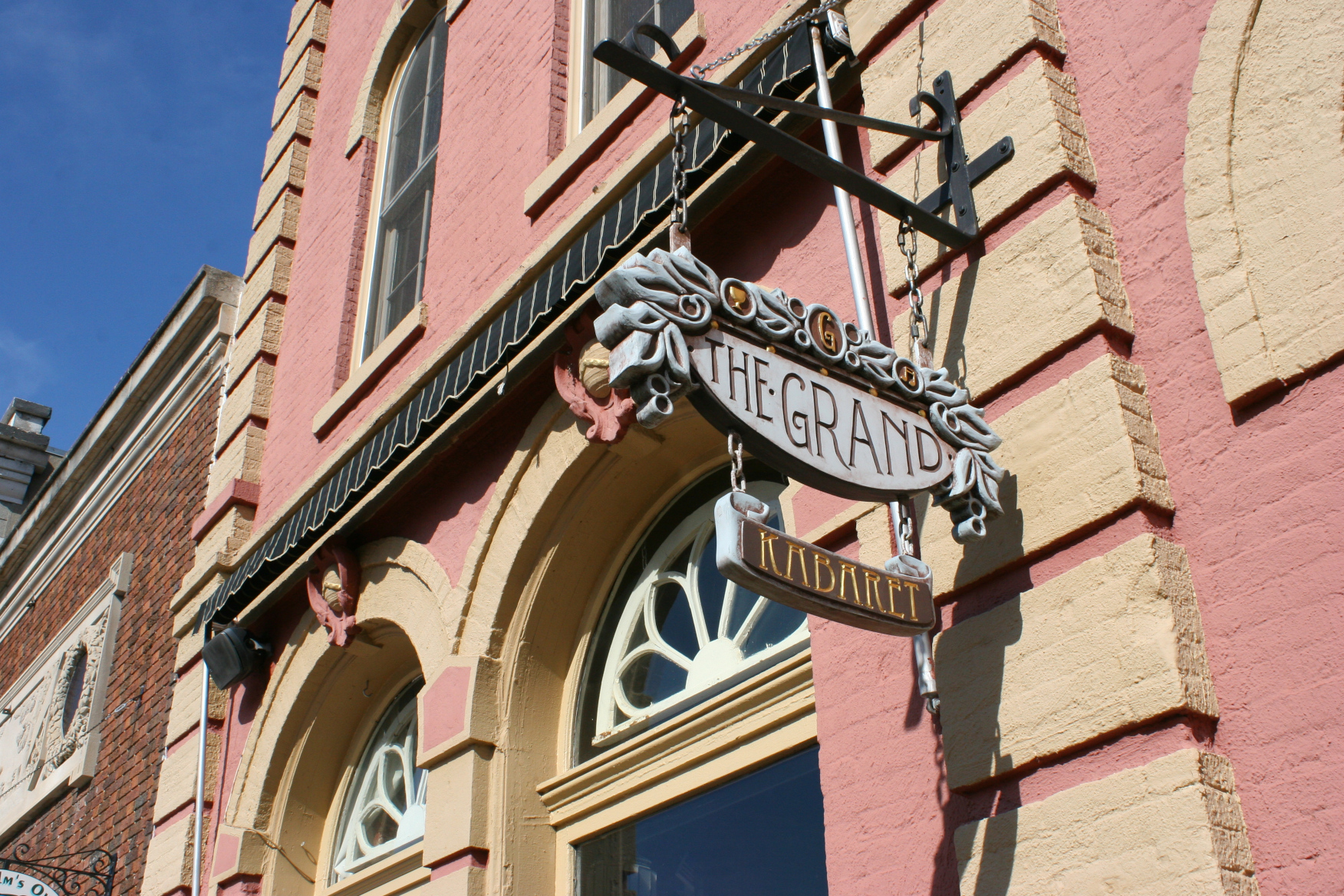
Beautiful signage and architectural details make this building visually appealing.

During a brief Saturday afternoon stop in New Ulm, my first must-see destination was The Grand Center for Arts and Culture, housed in a former historic hotel in the heart of downtown. The building itself drew my interest with its appealing signage and lovely architectural details.
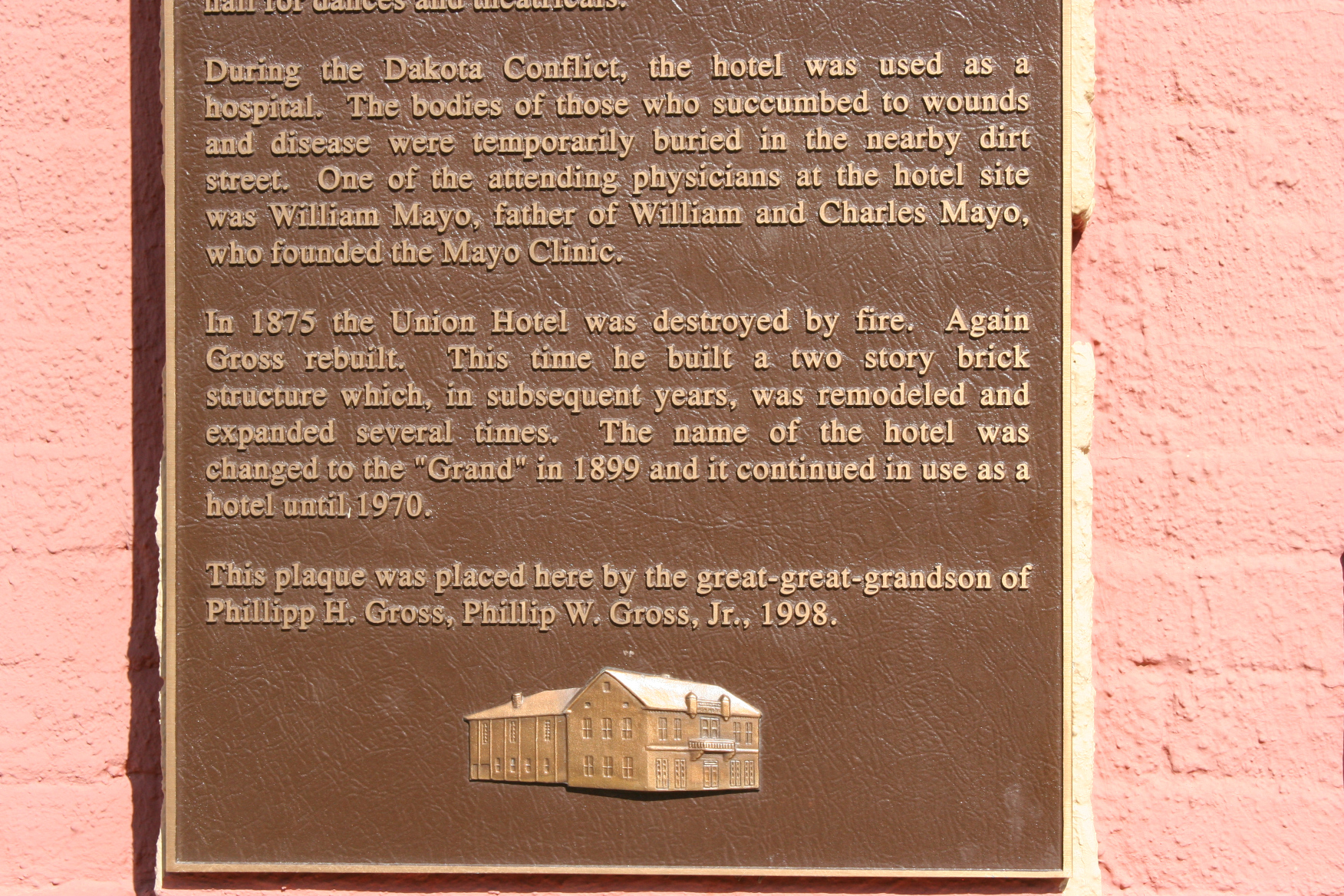
A portion of the historical plaque outlining the history of the former Grand Hotel, now an arts and cultural center in New Ulm.
A front face plaque summarizes its history. You’ll find such historical info throughout this downtown on plaques, benches and even picnic tables. I appreciate the easy access to history.

Outside the front entry to The Grand Center for Arts & Culture in New Ulm.

Inside the arts center, the first floor features a gift shop brimming with great art and, across the hall, The Grand Kabaret, for entertainment/the performing arts. Downstairs, the basement houses Cellar Press, a letterpress and printmaking studio, which I didn’t see (but must).
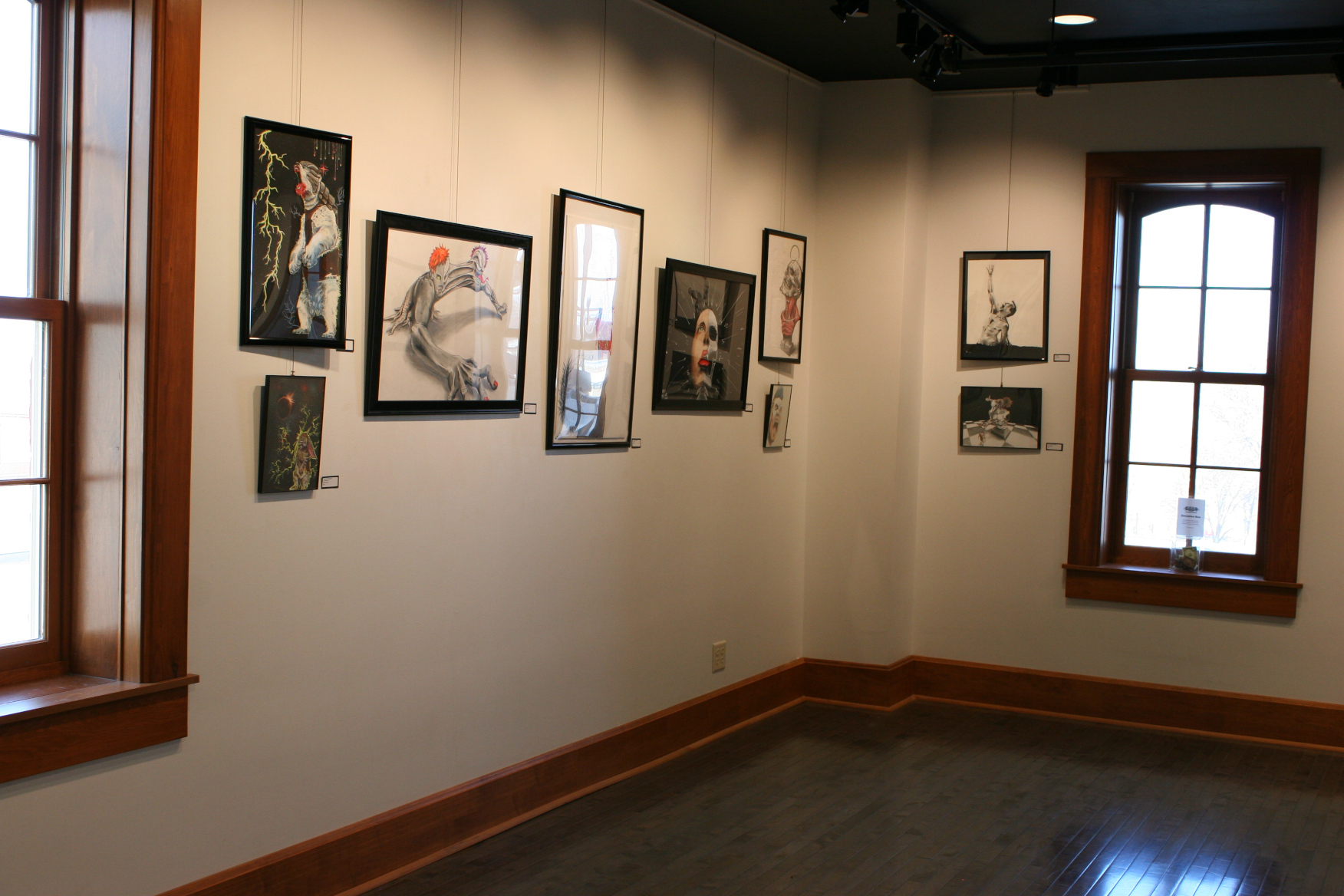
Light floods the gallery, on these walls the art of Sam Matter.

A steep flight of stairs leads to 4 Pillars Gallery and studio space on the second floor. The compact gallery, with abundant natural light flowing into the room, feels intimate, inviting, ideal for showcasing art.

Musician portraits by Caitlin Lang.

Caitlin Lang of Springfield and Sam Matter of New Ulm are the current featured artists in a joint mixed media exhibit, “Intentionally Accidental.” Their show runs through April 3.

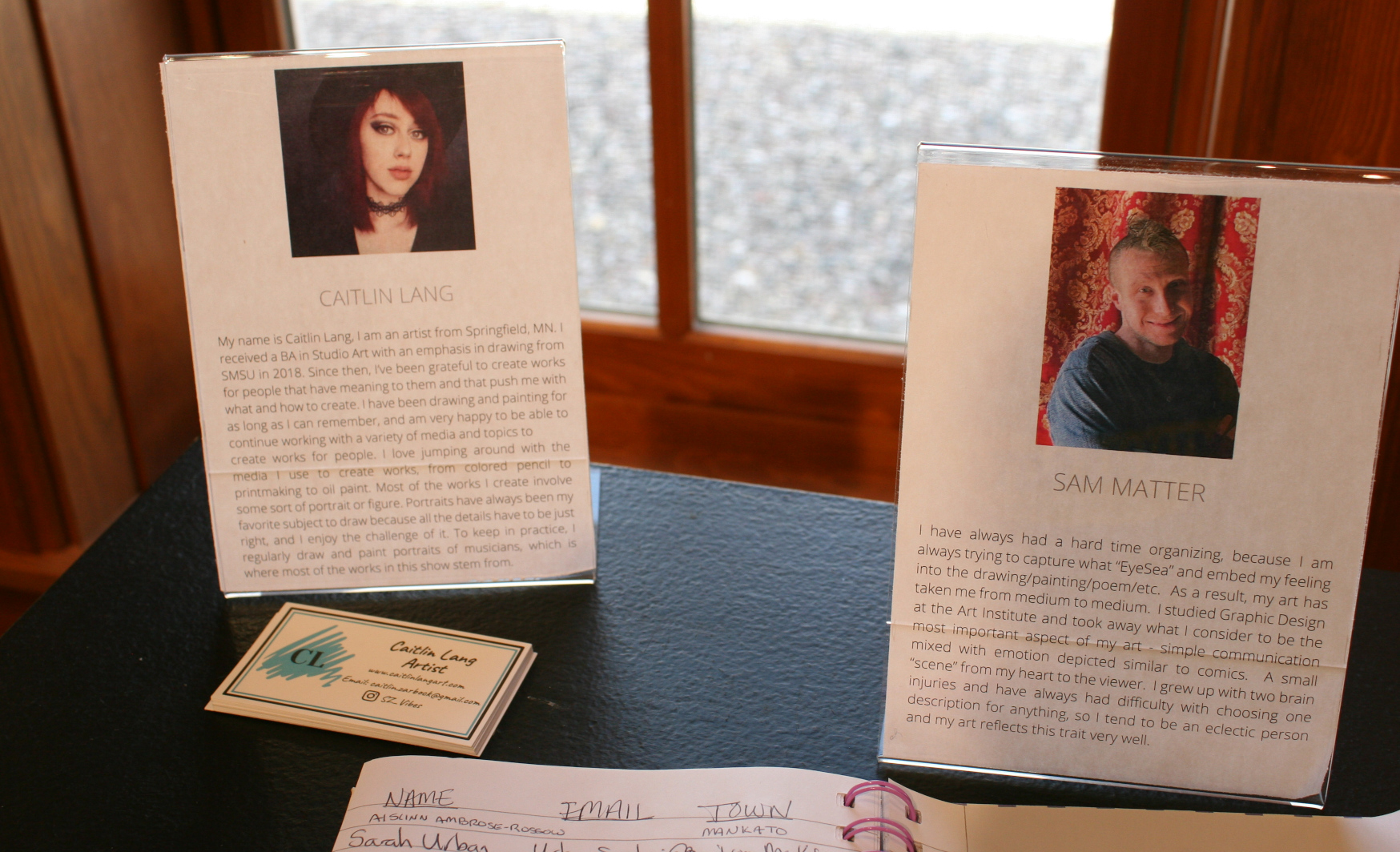
The bios of Caitlin Lang and Sam Matter, along with a guestbook, sit on a table in the gallery.

What a joy to see the work of these two young artists. Lang specializes in portraits and Matter describes his art as “a small scene from my heart to the viewer.” I love that poetic description.

Sam Matter’s art, created from the heart.

And I love this center for arts and culture, a must-see in New Ulm.

#

FYI: The Grand Center for Arts & Culture is changing its hours starting March 23 and will be open from 11 am – 4 pm Tuesday – Saturday.

#

Please check back for more photos from the arts center.

© Copyright 2021 Audrey Kletscher Helbling