Minnesota Prairie Roots

Writing and photography by Audrey Kletscher Helbling

Faribault area auctions offer historic Native American artifacts & western memorabilia May 2, 2012

Dakota beaded moccasins exhibited at the Rice County Historical Society Museum in Faribault, shown here only as an example of a Native American artifact and not on the auction here Saturday.

TWO HISTORIC COLLECTIONS will go on the auction block in the Faribault area this weekend during back-to-back sales that likely have collectors of High Plains Indian artifacts and western memorabilia pretty excited.

Starting at 10:30 a.m. Saturday, May 5, at the Elks Lodge, 131 Lyndale Avenue North, Faribault, a large collection of Native American artifacts from a private collector will be sold. The sale bill reads in part:

This sale consists of a complete lifetime collection of High Plains artifacts from two states and covers all time periods from Paleo to historic and everything in between. There will be more than 3,000 artifacts in frames sold by choice and complete frame, including many boxes of artifacts sold as a lot. Found on private land in North Dakota and Minnesota from 1940 to 1965, the artifacts are from the following cultures and time periods: Paleo, Archaic, Woodland, Copper Culture, Fur trade era, Civil War era, and Indian War era.

Now, before I continue, I must tell you that Helbling Auctioneers LLC of Hankinson and Kindred, North Dakota, is the auctioneer. Although my husband is a Helbling originally from the Mandan/Bismarck area of North Dakota, he is unaware of any family relationship to auctioneer Bob Helbling.

However, it was the Helbling name on an auction ad published last week in The Redwood Falls Gazette which initially attracted the attention of my mother who phoned me about the auction.  Redwood Falls is located between the Upper and Lower Sioux Indian Reservations and within the geographical area where, 150 years ago, the U.S. – Dakota War of 1862 erupted. I expect residents of that region, including New Ulm, will be especially interested in the Native American artifacts from Minnesota.

But what about Faribault area residents, museum curators, and local and state historians?

Faribault’s connection to the fur trade and Native Americans stretches back to its founding by fur trader Alexander Faribault, the son of a French-Canadian fur trader and a Dakota woman. Faribault traded with Native Americans in the area. Later he would be involved in negotiating land treaties between the government and the Dakota.

Indian artifacts found on-site and displayed at Indian Island Winery near Janesville. This photo is published here for illustration purposes only. These items are not on the weekend auctions.

So I would think, and I’m no historian, that the trade beads, arrowheads, stone tools, copper spears, knives and much more being auctioned Saturday would be of great interest to Minnesota historians. I don’t consider it a coincidence that this auction is occurring during the 150th anniversary year of the U.S. – Dakota War of 1862 when interest in that event, and Native American artifacts, is particularly high.

If it works into my schedule, I’m going to check out the auction—to see all that history, how much these artifacts sell for and who those buyers will be.

On Sunday, May 6, another auction, this one beginning at 11 a.m. at 10230 40th Street West, Webster, which is to the northwest of Faribault nearer to New Prague, features a collection of western memorabilia and antiques offered by Tom Doroff, aka “Tom Horn” – “Buffalo Bill Cody,” according to the Winter Auction Service bill. Those nicknames alone are enough to attract my attention to this auction.

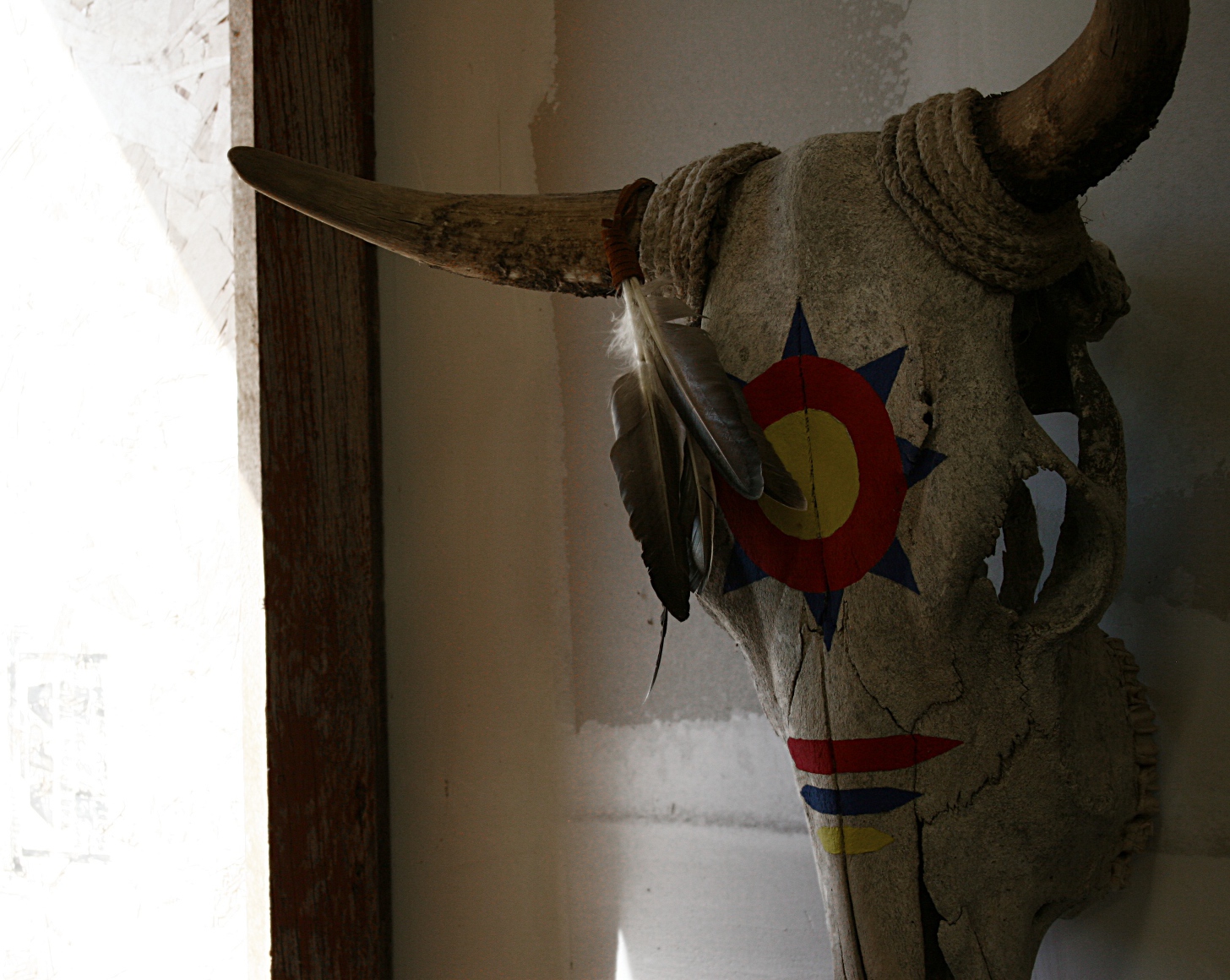
Among the more interesting items (in my opinion) up for sale: 20-foot Teepee poles with Teepee liner, Thunderbird Hotel Indian artifacts, handmade Old West grave markers, wooden saddle rack, helmet with horse hair tail and steer horns, very old cactus skeleton and the upper half of a bison skull (8,000 BC) verified by the University of Minnesota/Bell Museum of Natural History.

So there you go. If you’re interested in Native American artifacts, western memorabilia, antiques/collectibles and/or history, you may want to head over to Faribault on Saturday and then over to Webster on Sunday for these two particularly unique auctions.

CLICK HERE TO VIEW the listing for the Native American artifact auction by Helbling Auctioneers on Saturday in Faribault.

CLICK HERE TO VIEW the listing for the western memorabilia and antique auction on Sunday by Winter Auction Service in Webster.

The Loyal Indian Monument at Birch Coulee Monument near Morton honors Native Americans and features strong words like humanity, patriotism, fidelity and courage.

© Copyright 2012 Audrey Kletscher Helbling


Minnesota Museums Month: The Minnesota Machinery Museum, on the prairie May 1, 2012

THINK OF MUSEUMS in Minnesota, and what pops into your mind?

Probably the Science Museum of Minnesota or the Minnesota Children’s Museum or the SPAM Museum in Austin or any other such notable museum.

During May, “Minnesota Museums Month,” I challenge you to think beyond the obvious to those small town museums that are tucked away in nondescript buildings or along back roads or are mostly unknown except to those living within a region.

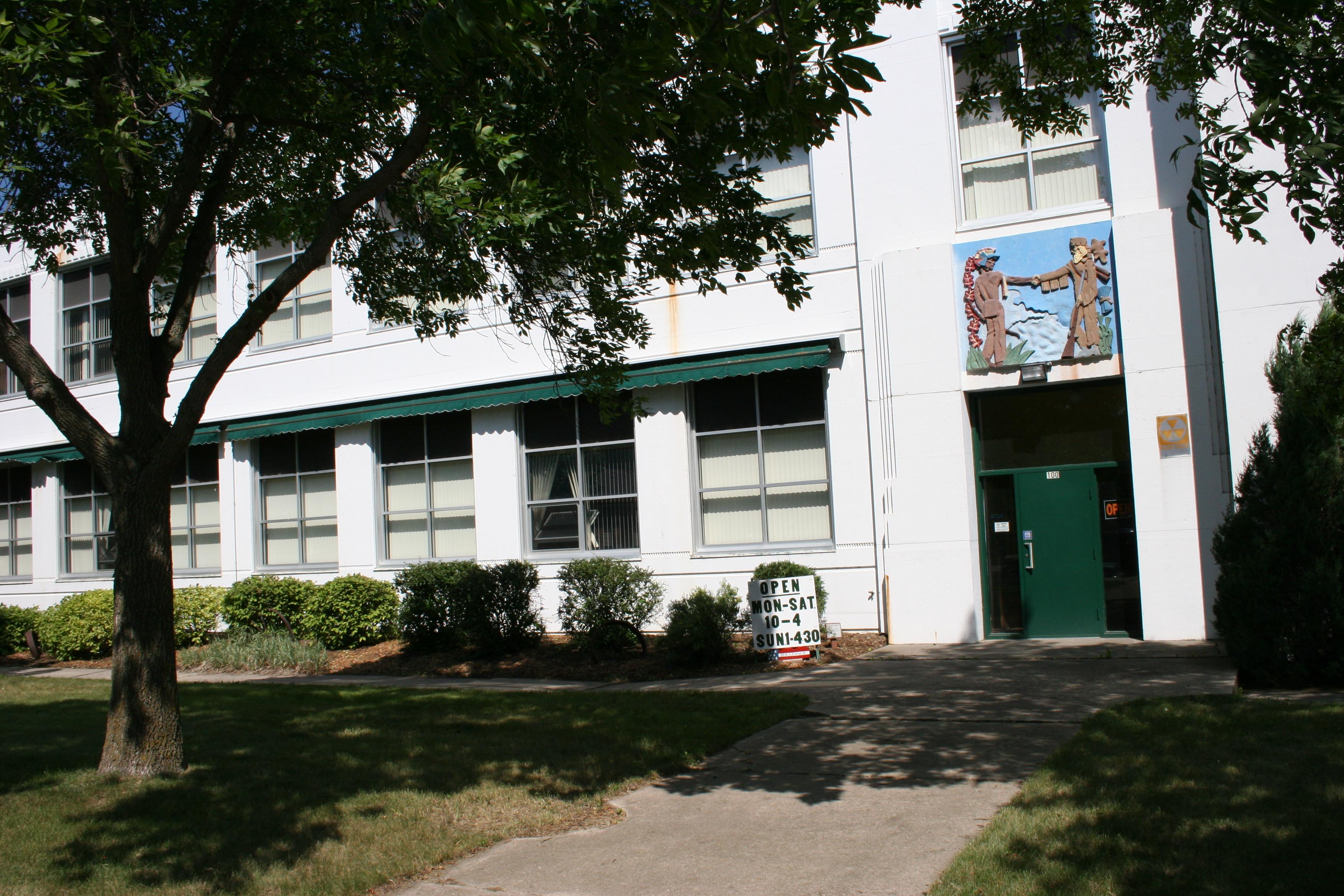
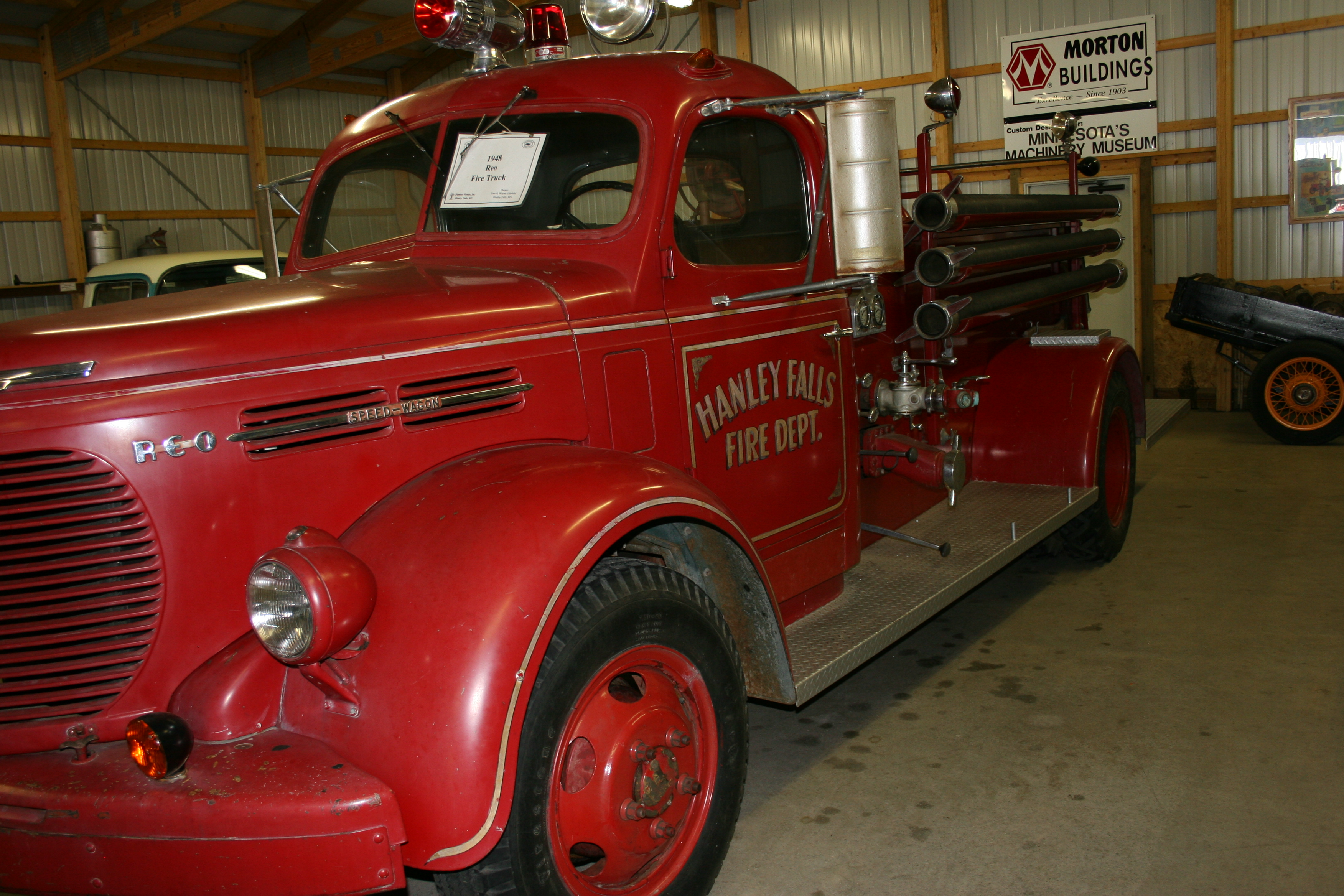
The Minnesota Machinery Museum in a 1939 WPA school building in Hanley Falls.

That leads me directly to Hanley Falls, home of the Minnesota Machinery Museum.

I expect already most of you are asking, “Where the heck is Hanley Falls?”

Hanley Falls, a small farming community, sits along State Highway 23 in southeastern Yellow Medicine County, nine miles south of Granite Falls on the southwestern Minnesota prairie.

It is one of those “blink and you miss it” type towns all too often dismissed by travelers simply flying by on the highway. Let me tell you, Hanley Falls is worth several hours of your time to tour this rural life museum which opened as the Yellow Medicine County Agricultural and Transportation Museum in 1980 and in 1994 became the Minnesota Machinery Museum.

For anyone who appreciates our state’s rich agricultural heritage, this museum rates as a must-see in the heart of our state’s richest farmland. I grew up in this strong agricultural region, in Redwood County next door to the east, and toured the museum for the first time in 2009. Yes, even I was unaware of its presence, having left the prairie in 1974 for college and subsequent employment.

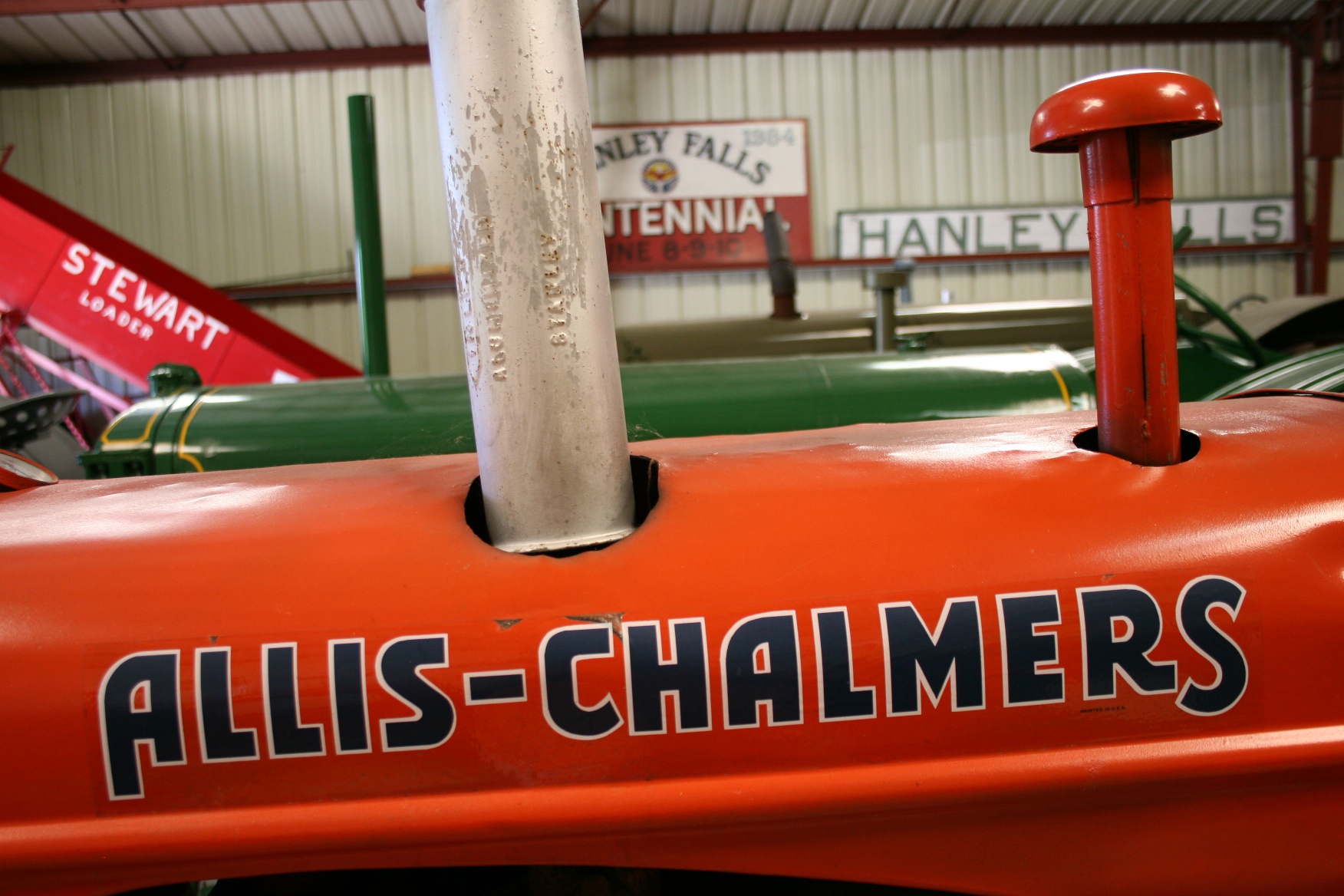
You'll see plenty of old tractors and farm machinery, along with vintage cars and trucks.

The Minnesota Machinery Museum, which is somewhat of a misleading name because it’s not all about farm machinery, reconnected me to my rural roots and educated me on the area’s agricultural history. During my 2009 visit, I learned that visitors will discover “the things you would find on a typical farm before the 1950s” with thousands of artifacts primarily from surrounding communities in a several-county area.

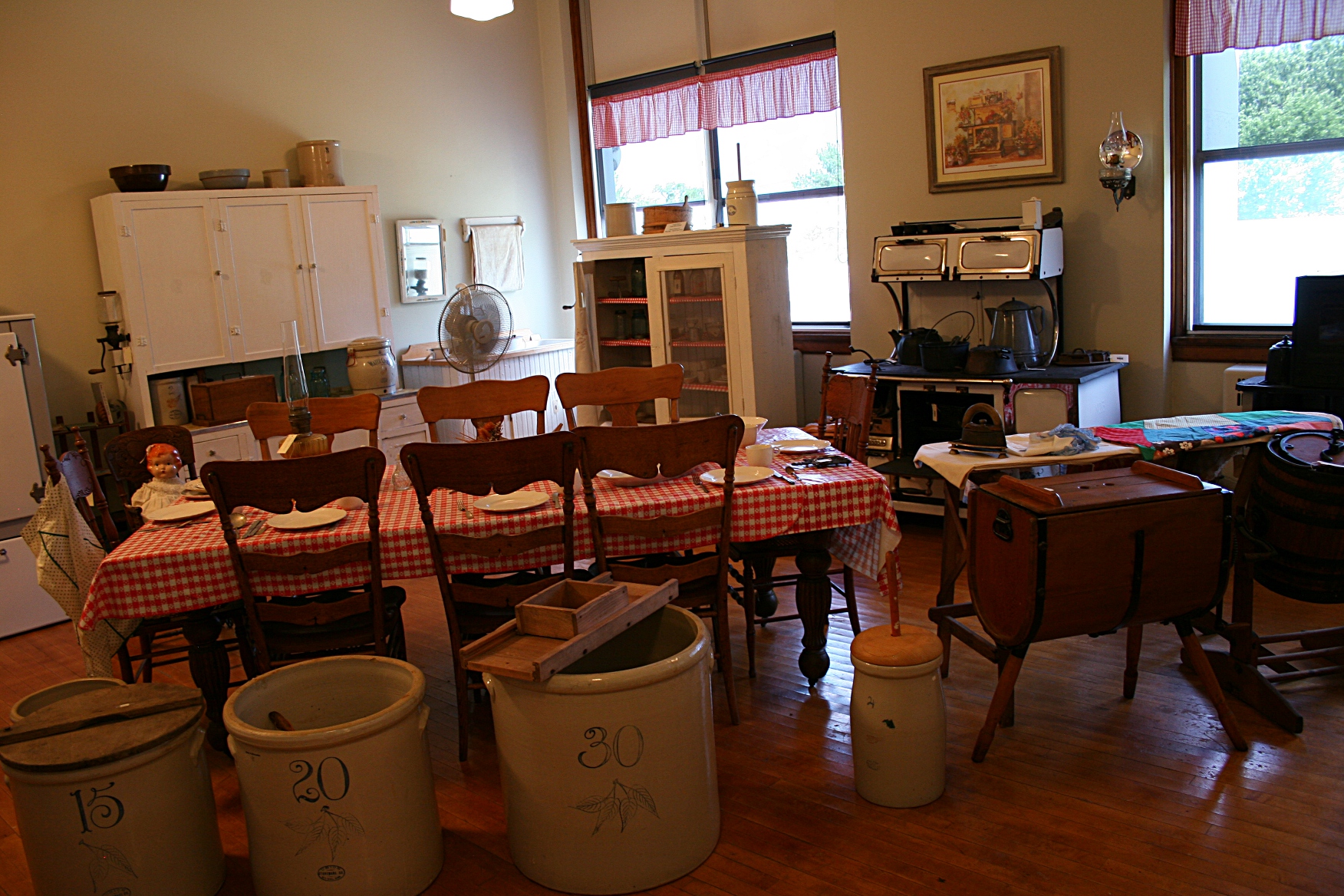
An old-style farm kitchen on the second floor of the museum.

All of those artifacts are housed in five buildings, including a sprawling two-story 1939 Works Project Administration school, on six acres. The first floor of that former school, during my visit, was packed with mostly farm-related equipment while the second floor housed the domestic side of rural life.

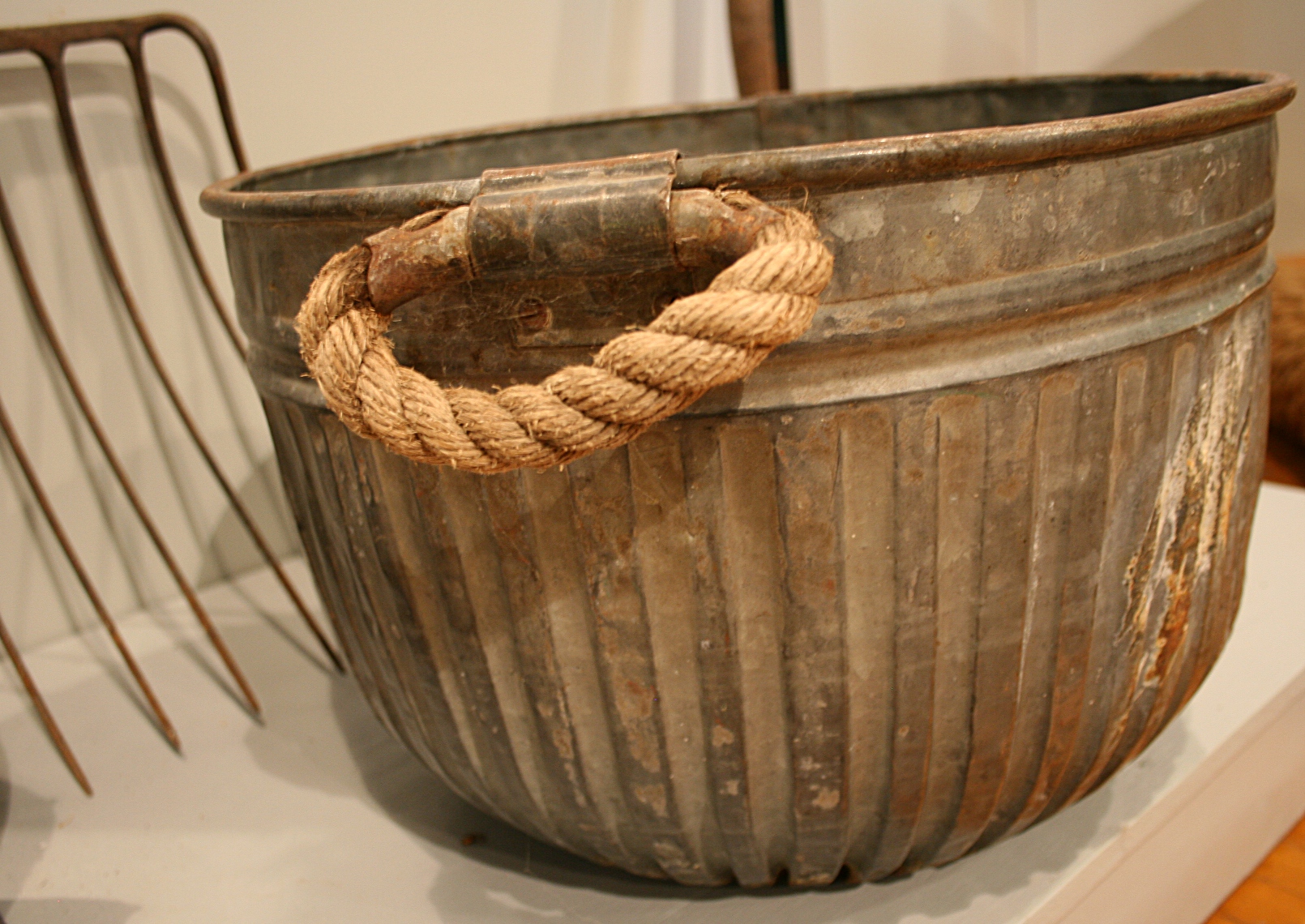
A vintage embroidered dish towel and old wash tubs, both familiar to me. My mother used a wringer washer with wash tubs during the early years of my life on a southwestern Minnesota dairy and crop farm.

It is the mission of the museum, according to its website, “to recapture a century of stories about farm life. Implements, tools, tractors and gas engines in mint condition along with rural art help you look back to an era when neighbors worked together to harvest their crops, raise barns and build a better life for their families.”

Read those words again. They are the essence of this place—the feeling of community, the sense of neighborliness, the embodiment of that which defined rural life at one time. Yes, that life has changed. Neighbors don’t always know neighbors. Oversized farm machinery has, for the most part, replaced the need for neighbors to work together. Barns are falling into heaps of rotting wood. This museum preserves a way of life that exists mostly in stories now.

This bushel basket in the museum brought back memories of feeding cows.

The Minnesota Machinery Museum is as impressive as any you’ll visit in Minnesota. Take time to seek it out, to turn off the highway into Hanley Falls rather than driving by without even a thought of the historical treasure that lies within this small southwestern Minnesota prairie community.

FYI: The Minnesota Machinery Museum is open May – September from 10 a.m. – 4 p.m. Monday – Saturday and from 1 p.m. – 4:30 p.m. on Sunday and is closed on holidays. Click here for more information about the museum.

© Copyright 2012 Audrey Kletscher Helbling
 

Elephant poop paper and other discoveries at a Wisconsin museum April 18, 2012

ELEPHANT DUNG PAPER: The elephant’s high-fibrous diet makes for excellent paper!

If I had not read the above words at The Paper Discovery Center in Appleton, Wisconsin, I would have thought this to be a bunch of crap.

But would the creators of a paper discovery center spread untruths? I think not. After my recent visit to this museum, I followed up with online research. That led me to elephantdungpaper.com and more information about the elephant poop paper making process. Click here for details.

The Paper Discovery Center in Appleton, Wisconsin, with an attached coffee shop on the right, located along the banks of the Fox River. These brick buildings are stunning.

There’s no elephant dung paper making happening in the 1878 former Atlas Mill along the banks of the raging Fox River in Appleton. But visit this hands-on discovery center and you can make paper by recycling newspapers and other paper into “new” paper.

Two volunteers from the Church of Jesus Christ Latter-day Saints staffed the paper making station on a recent Saturday afternoon. Visitors can make new paper here from recycled paper.

And if you have more than an hour of time—which is all my family had—you can learn lots about paper via child-friendly interactive displays. Kids would totally love this place.

A motion-activated sensor above the model's head triggers a sneeze.

I was amused by the motion-activated sneeze that sounded in the health and hygiene kiosk next to an oversized hand clutching a tissue.

Reading an informational display about diapers, I was not amused to learn that pioneers sometimes changed their babies’ diapers only once a day and did not always wash diapers between uses.

My 26-year-old daughter was a bit startled to learn that, before toilet paper, corn cobs were used in outhouses. She even suggested that I seat myself in the mini outhouse for a photo opp. I declined, assuring her I’d spent enough time in an outhouse having lived the first dozen years of my life in a farmhouse without a bathroom.

In the “From Tree to Tissue” exhibit, visitors can follow the process of producing tissue paper, no corn cobs involved. You’ll find plenty to entertain and enlighten you at this former mill operated by Kimberly-Clark Corporation until 2000, according to the museum attendee.

Sit down at a table, choose a color crayon, a mold and a piece of paper and create a leaf rubbing.

Authentic wood type is on display at a station where visitors can solve a crossword puzzle.

Assume the role of someone in the papermaking industry at this interactive exhibit.

Learn how watermarks, like this one, are printed onto paper.

Study the history of the Atlas Mill originally housed in this building which served as a Kimberly-Clark Corporation paper research center prior to its closing about a decade ago.

FYI: For more information about The Paper Discovery Center, 425 W. Water Street, Appleton, Wisconsin, click here. If you visit the museum, allow yourself plenty of time. We arrived only an hour before closing, leaving us only enough time to make paper and rush through the exhibits.

Copyright 2012 Audrey Kletscher Helbling


In search of genuine pearls in Sciota Township April 10, 2012

Filed under: Uncategorized — Audrey Kletscher Helbling @ 7:25 AM
Tags: , , , , , , ,

IT IS THE ROAD less traveled that often leads to the best discoveries even, if at first, the journey doesn’t appear all that promising.

Recently, my husband and I followed back gravel roads from Randolph to Northfield. We were expecting bucolic farm sites complete with grand red barns and white wood-frame farmhouses wrapped in inviting country porches. Instead, we found mostly ramblers and split levels and other modern homes that, if clumped along a cul-de-sac, could have been in suburbia.

It was disappointing to find all these houses strung, like so many imitation pearls, along the smooth neckline of a wide gravel road. I wanted the real thing—pearls spilling across grandma’s bosom.

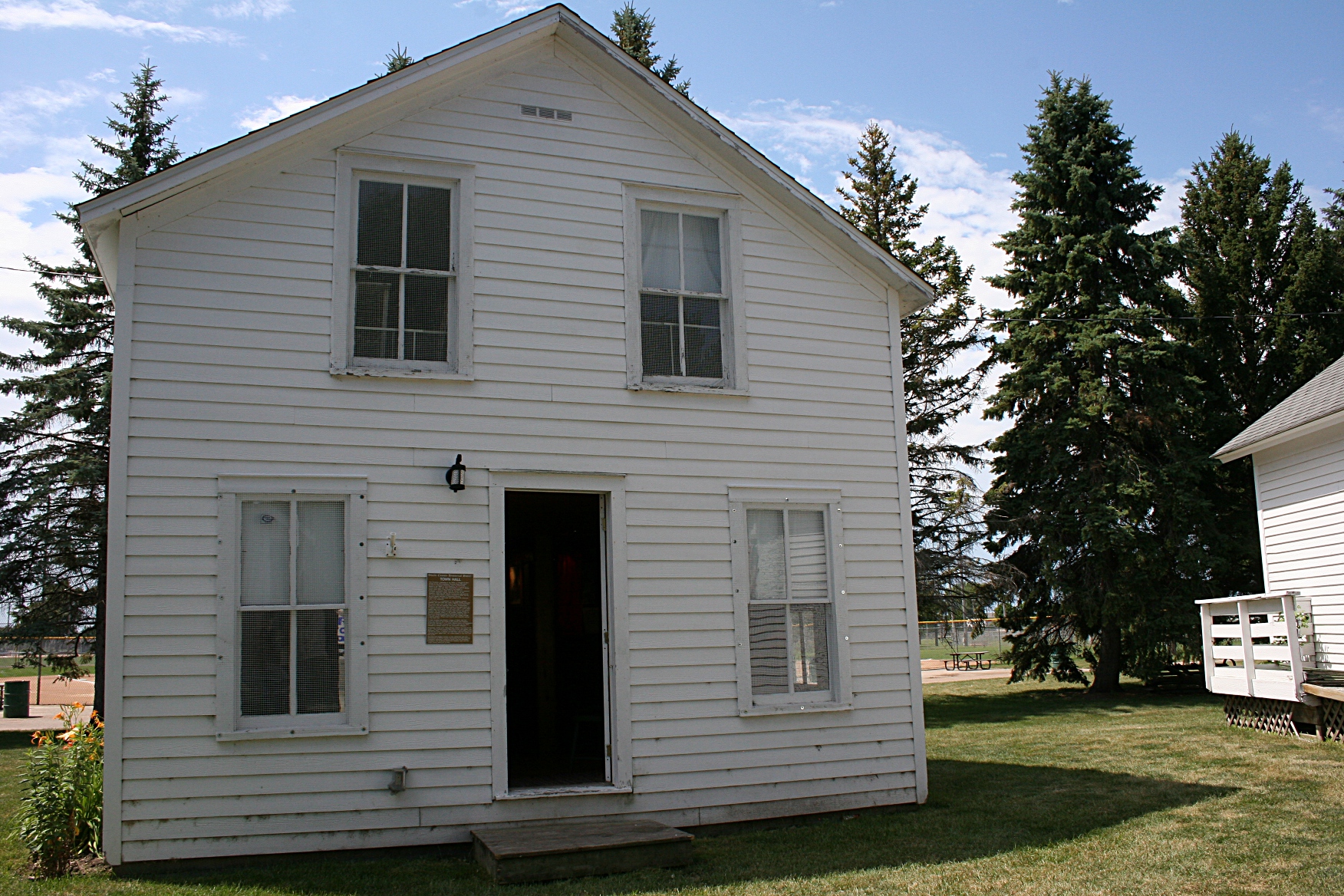
But then, when I’d nearly given up hope of finding anything genuine, we came across the old Sciota Town Hall at the corner of Alta Avenue and Sciota Trail/310th Street East in the southeastern hem of Dakota County.

The former Sciota Town Hall and, before, that, the Lewiston School, built in 1860

I couldn’t tumble from the van fast enough to photograph this former hall, originally the Lewiston School District 69 schoolhouse built in 1860. It is one of Dakota County’s oldest remaining schoolhouses and originally sat on the north side of the Cannon River in Lewiston, a town long gone (not to be confused with the still-existing Lewiston in Winona County).

In the fall of 1879—and I don’t know the reason—the 18-foot by 30-foot school building was moved to the south side of the Cannon, to its current site atop a hill at the intersection of two gravel roads.

Two stout block outhouses still buffet the school as does an aged water pump minus its handle.

A water pump behind the old schoolhouse.

One of two outhouses on the property. Over the barbed wire fence, in the distance, a farm site, not all that common anymore in Sciota Township.

It’s easy to imagine this place once teeming with children from neighboring farms as they pushed out the schoolhouse doors, legs flailing, into the schoolyard.

It’s easy to imagine, too, the rhythmic thrust of the pump gushing cold well water into their cupped hands, droplets splashing upon their worn leather shoes.

Had the doors of this former schoolhouse been unlocked, I could have imagined more, much more.

FYI: The Sciota Town Hall is no longer housed in the historic building, but in a modern pole shed style structure. Click here to see a photo of the 2005 town hall and to learn more about Sciota Township. Does anyone know whether the former town hall/school ever is opened for any type of historic celebrations or other events?

© Copyright 2012 Audrey Kletscher Helbling
 

Blooming on the prairie March 25, 2012

The former Immanuel church, front, was moved and connected to the Bethel church, back in 1951. The original parish was established in 1857. This photo was taken in the summer of 2011.

WHEN I FIRST SAW this country church last summer south of Morristown, I did a double take. It’s not often you spot two churches merged as one. At least not in the way Bethel and Immanuel became Blooming Grove United Methodist Church in 1951.

Rather than close one church and worship in a single facility, the Methodists opted to actually move one building, Immanuel, nearly four miles east to the Bethel site.

That was quite an event and quite a feat. Maurice Becht remembers in the parish newspaper, The Blooming Grove Methodist Visitor:

I had been helping off and on to get the church ready to move. When it was ready, I was standing off to the side looking when, all of a sudden, the front end of the church went down and the bell tower began to swing like a pendulum. Luckily, they had put a cable from the tower to the other end of the church so it didn’t break off. The front wheels had pulled out from under the church when the bolster slipped. We put it back on wheels and were going around the west side of Wilbert Remund’s buildings when we ran into a soft spot that had to be planked…

Wilbert and Marcella Remund recall:

Lloyd Zerck said that when he got the church moving, it had to be kept going, so Willie put his tractor on. That was just enough to keep it moving…

Eventually Immanuel reached its destination and work then continued to physically join the two buildings. Total project cost was around $16,000 with more than 7,000 hours in donated labor.

Blooming Grove United Methodist Church is located in northeastern Waseca County just off county road 10.

In a poem, “Historic Church in Action,” published in the March 1954 parish newspaper, Albert C. Reineke writes in the fourth verse:

In this alluring and peaceful countryside

Stands “God’s Temple” with towers high,

Two houses of worship now unified.

Sweet memories linger of years gone by.

I have no connection to Blooming Grove United Methodist Church. But I certainly do appreciate country churches and their rich and interesting histories.

"This church with its two steeples is a physical symbol of cooperation, compromise and trust," according to the church website. I photographed the church Saturday afternoon. Even on a hazy March day, Blooming Grove blooms on the prairie. My goal now is to get inside and photograph this church.

© Copyright 2012 Audrey Kletscher Helbling


St. Patrick’s Day at one of Minnesota’s oldest Irish Catholic parishes March 15, 2012

Filed under: Uncategorized — Audrey Kletscher Helbling @ 8:05 AM
Tags: , , , , , , ,

A sign on the old St. Patrick's Parish Hall, circa 1910, photographed several years ago.

SOME MIGHT CALL it the luck of the Irish that St. Patrick’s Church—Shieldsville, has persevered through two devastating fires.

Or perhaps St. Patrick’s, one of Minnesota’s first Irish Catholic parishes, established in 1856 in rural Rice County, could be considered unlucky given those two inferno-inducing lightning strikes upon church buildings nearly 100 years apart.

Bad luck or good luck, these strong Irish Catholics have withstood the tests of their faith, rebuilding after fires in 1888 and in 2002.

The congregation's newest church and fellowship hall, built in 2004 after lightning presumably struck and burned the previous sanctuary to the ground in 2002. The Brazil-Dudley Fellowship Hall, linked to the new church, is the site for the annual St. Patrick's Day meal.

This weekend they’ll celebrate their heritage and patron saint namesake at the annual St. Patrick’s Day Celebration, going strong at 18 years. Beginning with an 11 a.m. Mass, the Irish, and even those who aren’t, will gather to worship.

Starting at noon, congregants and guests will meet in the social hall for the annual St. Patrick’s Day lunch of Mulligan Stew, coleslaw, Irish soda bread, buns and dessert. All homemade.

For those over 21, “Irish libations” will be available. I assume that means green beer and not Irish whiskey.

No reservations are needed to dine with the Irish and no fee has been set for the meal. Give a free-will offering.

While I’ve never dined at the St. Patrick’s Day lunch, this may be the year to imbibe. I’m talking food here, not beer, although I could possibly be persuaded to swig an ale. I’ve been to enough church dinners to know that you’ll find some of the best and tastiest homemade food in parish halls.

For those of you who enjoy Irish music, the Twin Cities-based band, Reverse Cowboy, will present its interpretation of traditional and contemporary Irish music during a 1 p.m. – 3 p.m. concert.

The circa 1910 parish hall, photographed several years ago, once served as the social hub of Shieldsville. Folks congregated here for Saturday night dances, card parties hosted by the Ladies' Rosary Society, St. Patrick's Day plays, an annual chicken dinner and bazaar, and for other events. Confirmation classes were also taught here and grain was once stored in this building. When St. Patrick's 1882 stone church burned to the ground in 2002, parishioners gathered here for worship services.

WHAT ARE YOUR PLANS, if any, for celebrating St. Patrick’s Day?

Click here for more information about St. Patrick’s Church—Shieldsville. 

Situated along Minnesota State Highway 21 about 10 miles northwest of Faribault, Shieldsville is not an incorporated city, but rather a township. It was one of Minnesota’s first Irish settlements. St. Patrick’s Church is located at 7525 Dodd Road. To learn more about Irish history in Minnesota, click here. 

As long as we’re talking Irish history here, historians consider Jessenland Township north of Henderson in rural Sibley County to be Minnesota’s first Irish agrarian settlement. You’ll find St. Thomas Catholic Church here, built in 1870 and on the National Register of Historic Places. The first church was built in 1855. Click here to read more about the Irish in Minnesota and specifically those who settled in Jessenland.

© Copyright 2012 Audrey Kletscher Helbling


An historic fashion find in Faribault February 3, 2012

IT WAS AN IMPRESSIVE FIND. There, hanging on a circular clothes rack jammed with winter coats, I discovered the soft suede coat collared in fur.

I beckoned my daughter to come, try it on. Wrap yourself in this finely-crafted coat with covered buttons and deep pockets and hand-stitched lining at the collar. Try on this fawn-colored coat that reminds me of Mary Tyler Moore when I picture you wearing it.

But she hesitated, not certain about wearing a coat trimmed with fur, a fur we couldn’t identify because we’re not accustomed to such luxury.

Eventually I coaxed her into slipping on the tailored garment from Ochs of Faribault, a fine, but now defunct, department store that served communities in southern Minnesota for nearly 100 years with branches in Owatonna, Waseca, Rochester and Austin and, later, a store in New Ulm.

That deep history alone made the coat worth purchasing. Ochs, established in Faribault in 1888 as a seller of dry goods and notions, became “the” place to shop in the heyday of department stores.

I’ve lived in Faribault long enough to remember Ochs. I couldn’t afford to shop at this elite business, although my husband rented our wedding tuxedos there in 1982. Not long after that, Ochs closed, about the time high-end department stores began disappearing from Main Street.

Buying the coat would equal acquiring a piece of history. I impressed that upon my 25-year-old daughter as she pondered purchasing the coat. Soon she pulled $12 and some loose change—I threw in the remaining coins—to total $12.50.

She’d just purchased a finely-made coat from one of Faribault’s finest department stores for half price at the Faribault Senior Center’s Clothes Closet.

I thrilled in the thrift store find and followed with a back yard photo shoot to document our discovery.

And then I suggested to my daughter that she pose for a second photo shoot next to the Mary Tyler Moore statue on the Nicollet Mall in downtown Minneapolis. She, like the actress in the 1970s The Mary Tyler Moore Show sitcom, lives in Minneapolis and is a strong, independent, single working woman.

Such a photo would be a fitting tribute, I think, to the strength and power of women. When Verna Love Ochs became the president of Ochs in 1969 upon the death of her husband, she was one of only five women in the country serving as a department store president. That’s according to a Faribault Heritage Preservation Commission Downtown Walking Tour video clip produced by Daniel J. Hoisington of Edinborough Productions.

Note the Faribault Ochs store in this mid-1920s photo from the private collection of Daniel J. Hoisington.

Verna Ochs, who died in 1989, was also a member of the Rice County Historical Society and a charter member of the Faribault Heritage Preservation Commission. She’d likely appreciate the restoration of the Ochs Department Store building several years ago by the State Bank of Faribault.

Will my daughter value her new suede coat? I expect, given its history, she will.

CLICK HERE to watch a video clip about Ochs.

© Copyright 2012 Audrey Kletscher Helbling
Vintage photo courtesy of Daniel J. Hoisington


Small-town Minnesota murals: Grassroots art January 30, 2012

Filed under: Uncategorized — Audrey Kletscher Helbling @ 8:20 AM
Tags: , , , , , , , , , , ,

DRIVE INTO MONTGOMERY or New Richland, Ellendale or West Concord, or many small Minnesota towns, and you’ll find grassroots art, my term for Main Street murals.

It’s art that’s out-front and public, depicting the history and feel of a community.

Such murals typically offer a visual snapshot of the past, impressing upon visitors and locals a defined sense of place.

In Ellendale, for example, a locomotive and depot comprise about a third of the 16-foot by 32-foot mural on the side of the Ellendale Café. The train points to the community’s roots as a railroad town, established in 1900 when the Burlington, Cedar Rapids and Northern Railroad passed through on its way to Minneapolis. Ellendale is named after the railroad president’s wife, Ellen Dale Ives, known for her humanitarian works.

The Ellendale Centennial Mural photographed last summer.

The Sweere brothers of the Twin Cities-based National Mural Company and natives of nearby Owatonna painted the 1999 Ellendale Centennial Mural.

The mural, by the way, is just across the street from Lerberg’s Foods, an old-fashioned grocery store established in 1901 and complete with a moosehead on the wall. (Click here to read an earlier post about this must-visit grocery store.)

The city section of the mural stretching along the side of the New Richland post office.

In neighboring New Richland, the Sweere brothers also created the 12.5-foot by 65-foot mural brushed onto an exterior cement block wall of the post office. In this 2003 grassroots art, train tracks visually divide the mural into city and country scenes. It is a point this community emphasizes—not the division of the two, but the link between rural and town. Each July this Waseca County town of 1,200 celebrates Farm and City Days.

The rural portion of the New Richland mural.

Should you be interested in moving to New Richland, you might want to click here and check out this deal: The city is offering free land to individuals looking to build a new home in the Homestake Subdivision on the northwest side of town within a year of acquiring the deed. (Note that you’ll need to pay the special assessments.) Just thought I’d throw that land offer out there.

A 1950s version of West Concord is showcased in the mural on the side of a bowling alley.

To the east, over in West Concord, cars, not trains, define that town’s mural on the side of Wescon Lanes next to West Concord Centennial Park. The art depicts a 1950s street-scape, a nod to a community that celebrates summer with weekly car cruises and an annual West Concord Historical Society Car and Truck  Show in July.

Just down the street, you can shop at Woody’s Auto Literature and More.

Montgomery, Minnesota's mural

Traveling back west over to Montgomery in Le Sueur County, you’ll spot a mural of Main Street just across from famous Franke’s Bakery, known for its kolacky (Czech pastry). Local sign-painter Victor Garcia painted the scene based on an early 1900s photo of this town founded by Czech immigrants.

A close-up shot of the Montgomery mural

So there you have it—abbreviated visual histories of four small southeastern Minnesota towns showcased in grassroots art. Think about that the next time you see a mural.

The Mural Society of Faribault created this mural honoring the Tilt-A-Whirl amusement ride, made in Faribault since 1926. Today Gold Star Manufacturing still produces the fiberglass cars for this ride.

DO YOU KNOW of any small towns that tell their stories via murals? In Faribault, where I live, five murals are posted on buildings in the downtown area. With a population of more than 20,000, Faribault isn’t exactly a small town, not from my perspective anyway. If you’re ever in the area, be sure to peruse the murals which depict differing aspects of this city’s history.

© Copyright 2012 Audrey Kletscher Helbling


I may not read music, but… January 29, 2012

GROWING UP, I ALWAYS wanted to play the piano. But I never had the opportunity, although one Christmas I received a toy accordion that temporarily satisfied my yearning to create music.

There was neither money nor space for a piano within the budget constraints of a poor farm family or within the walls of a cramped southwestern Minnesota farmhouse.

And so the years passed without music.

During junior high school I struggled through required music classes, once fake-playing the ukulele at a Christmas concert because the music teacher failed to recognize that I could not read musical notes.

In high school when so many classmates were joining band, I was not among them. Remember that money issue? Still there.

A few years later my younger siblings were allowed to join band—one sister choosing the flute, the other the clarinet. The brothers focused on sports. For awhile I tried to play my sister’s flute, without much success.

During college, a friend allowed me to strum her guitar. The strings bit into my fingertips so I quickly lost interest.

Years later when I had children, I was determined they would have the musical opportunities I never had. I started them on a mini toy organ. Later, the eldest tried playing my sister’s flute for awhile, then quit. The second daughter borrowed my youngest sister’s clarinet, sticking with band lessons for several years. My son had no interest in an instrument until recently, when he inquired about playing the guitar. He’s meeting with a family member soon to try out guitar-playing.

I tell you all of this because of a recent musical opportunity that came my way. It’s ironic really, given my inability to play any type of instrument or, in fact, read a single musical note. If you put a song sheet in front of me right now, I’d stare at it like I was reading Greek.

But composer Curtis Lanoue, also an elementary music teacher and the director of music at Lord of Life Lutheran Church in Miami, found the music in my soul. Seeking a cover photo for his 29-page Four Organ Preludes Based on Common Hymn Tunes book, Lanoue did an online image search and discovered my photo of the old pipe organ at Immanuel Lutheran Church, rural Courtland, Minnesota, the congregational home of my maternal forefathers.

“As you can imagine, there were a ton of (image) results,” Lanoue says. “Most of them were those flowery European organs in the cathedrals. That didn’t go too well with the style of the music. Somehow through the eye strain of looking through hundreds of photos, I found yours. It’s not surprising my eye was drawn to it as I was raised in a Midwest Lutheran church.”

Once I received a copy of this musician’s recently self-published book, I understood why he selected my photo of Immanuel’s organ that was built in 1895 by Vogelpohl and Spaeth Organ Company of New Ulm at a cost of $1,500.

It’s the perfect fit for Lanoue’s preludes based on the definitively Lutheran hymn, “A Mighty Fortress,” and on “Amazing Grace,” “Out of the Depths I Cry to Thee,” and “From Heaven Above to Earth I Come.”

As I flip through these compositions written by a musician with degrees in jazz performance and studio jazz writing and experience as a working organist since age 16, I can only smile at the contrast between his vast musical knowledge and talent and my musical illiteracy.

FYI: You can purchase Four Organ Preludes Based on Common Hymn Tunes for $9.99 by clicking on this link: https://www.createspace.com/3734555

Disclaimer: I am expecting payment for use of my cover image and have received a free copy of Lanoue’s book. This post, however, has been written solely at my discretion.

A rear photo shot of Immanuel Lutheran Church, Courtland, looking up to the balcony (where the 1895 pipe organ is located) and toward the spacious fellowship hall.

The beautiful pipes on Immanuel's organ.

JUST BECAUSE I THOUGHT it important to include, here’s some additional information about Immanuel’s organ, as shared by Immanuel’s pastor, Wayne Bernau:

The 1895 organ was renovated in 1988 at a cost of $25,000.

When Immanuel built a new church in 2007, Rollie Rutz and crew from Rutz Organ Company in Morristown (about 10 miles from my Faribault home), helped move the organ from the old church into the balcony of the new sanctuary.

A set of chimes was added to the organ in 2007.

Immanuel’s organ is today valued at around $200,000.

Says Pastor Bernau: “With the balcony constructed the way it is and the excellent acoustics for music in our new church, I believe the organ sounds better now, maybe twice as good, as it ever did in our 1881 building.”

I’ve heard the organ played in Immanuel and I agree. The acoustics in the new house of worship truly showcase the sounds of this 117-year-old organ played each Sunday by Lisa (Bode) Fischer, the daughter of my mom’s first cousin and a descendant of the Bode family members who helped found this rural congregation in the Minnesota River Valley more than a century ago.

A historical sign outside of Immanuel Lutheran Church, east of Courtland, Minnesota.

This photo, taken in September, shows primarily Immanuel's social hall and the adjacent cemetery where many of my Bode forefathers are buried.

A view of Immanuel's sanctuary from the balcony. The pews, the chancel furnishings and the stained glass windows from the old church were incorporated into the new church.

© Copyright 2012 Audrey Kletscher Helbling


Doug Ohman preserves Minnesota in photos January 25, 2012

MANY YEARS AGO I heard Minnesota photographer Doug Ohman talk about his Churches of Minnesota book, a project in his “Minnesota Byways” series published by the Minnesota Historical Society Press.

He’s an impressive speaker, sharing his love for photographing those subjects which hold historical, community and personal significance for so many Minnesotans.
Thus far he’s covered Minnesota churches, barns, courthouses, schoolhouses, cabins and libraries in his series. I don’t think I’ve missed any and I’ve read most. His books also include prose by well-known Minnesota writers like Will Weaver, Jon Hassler and Bill Holm.

If you’re at all interested in the places that are so integral to our lives, you’ll want to read Ohman’s books and, if you have the opportunity, hear him speak.

Buckham Memorial Library, built in 1929, features a Charles Connick stained glass window and Greek murals.

Thursday night, January 26, this noted photographer travels to my community of Faribault, to Buckham Memorial Library, to present “Free to All: Libraries of Minnesota” as part of the Minnesota Book Award Author Tour. His book, Prairie, Lake, Forest: Minnesota’s State Parks, was a 2011 MNBA nominee.

I’ll be there for several reasons: I enjoy Ohman’s books. I want to learn more about his approach to photography. I’m interested in learning more about libraries in Minnesota. I appreciate libraries.

He’ll be at the Faribault library at 6 p.m. for this free event. A photo of Buckham, by the way, is included in his Libraries of Minnesota.

Southeastern Minnesota residents will have plenty of other opportunities to hear Ohman speak on his “Minnesota Byways” series as a dozen additional appearances are scheduled through-out the Southeastern Libraries Cooperating regional library system. Click here to view a complete listing of Ohman’s upcoming visits. His presentations will vary—from schoolhouses to churches to farms and more—depending on location.

I’d recommend taking in one of Ohman’s presentations. You’ll gain insights into Minnesota history and photography and more from a photographer who possesses an unbridled enthusiasm for preserving, in images, that which is part of the Minnesota landscape.

The Houston Public Library is on the cover of Ohman's book, Libraries of Minnesota. I shot this photo last summer of the library in the southeastern corner of our state.

Built in 1912, the library in Janesville is an Andrew Carnegie library on the National Register of Historic Places.

A statue of Linus greets visitors to the Dyckman Free Library in Sleepy Eye. Charles M. Schulz, creator of the Peanuts cartoons, based his character Linus on real-life friend Linus Maurer, a Sleepy Eye native. Maurer, a cartoonist, worked with Schulz. Ohman, who managed the former Camp Snoopy at the Mall of America, includes a photo of Linus at the Sleepy Eye library in his book.

Several summers ago I photographed this 1930s Works Progress Administration log cabin in Hackensack. Sitting on the shore of Birch Lake next to a towering statue of Lucette Diana Kensack (Paul Bunyan's sweetheart), the cabin today houses the Hackensack Lending Library.

IF YOU’RE INTERESTED in reading another book about libraries, check out Carnegie Libraries of Minnesota by Kevin Clemens. The book highlights the history and architecture of Minnesota’s Carnegie libraries, primarily in photos. Click here to learn more about the book.

© Copyright 2012 Audrey Kletscher Helbling