Minnesota Prairie Roots

Writing and photography by Audrey Kletscher Helbling

On the road to southwestern Minnesota, a photo essay December 19, 2017

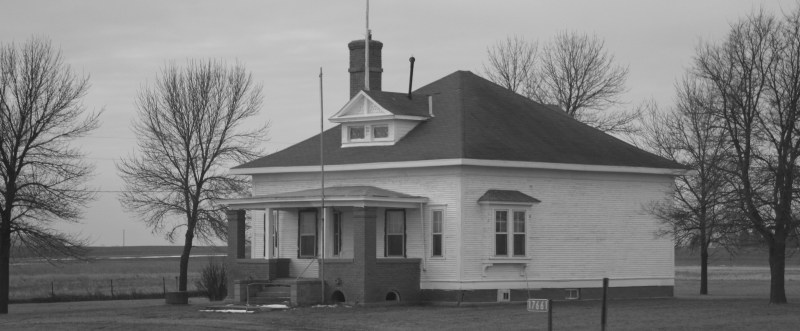
A former country school near Essig along U.S. Highway 14.


TWICE A YEAR, my husband and I head west from our Faribault home to my native southwestern Minnesota for gatherings with my extended family. We travel solely with destination in mind, not deviating to meander through small towns and explore. We get on Interstate 35 in Faribault, exit onto U.S. Highway 14 in Owatonna and then follow the Laura Ingalls Wilder Historic Highway all the way to our destination 2.25 hours away in Lamberton. That would be in Redwood County, just 10 miles east of Walnut Grove.

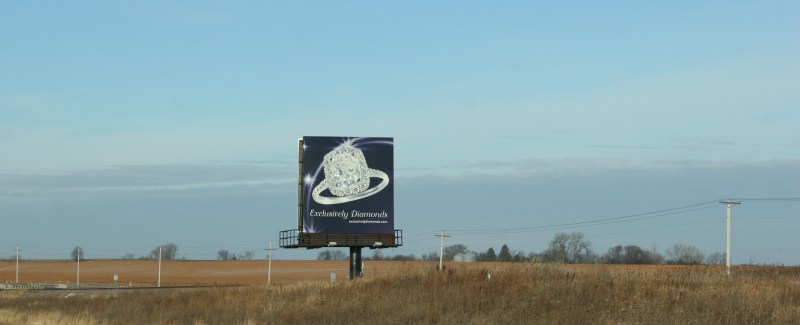
Near Janesville, this billboard sparkles in the morning light.

Everything along this route is familiar to me from the curves in the highway to the billboards to the farm sites and my favorite barns west of Springfield. While sometimes the drive can seem like forever, especially when wind whips snow to create iffy driving conditions, mostly I enjoy the rural route.

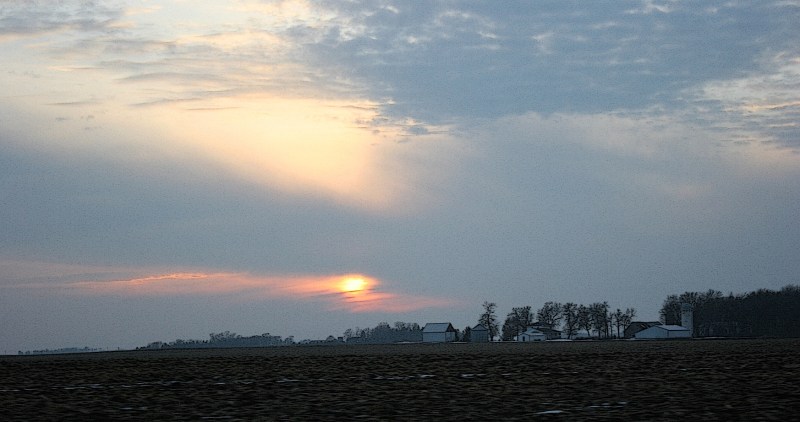
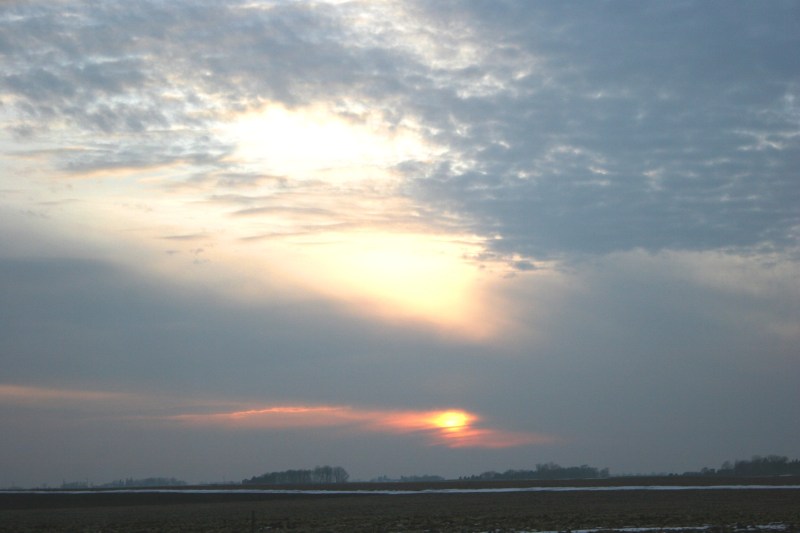
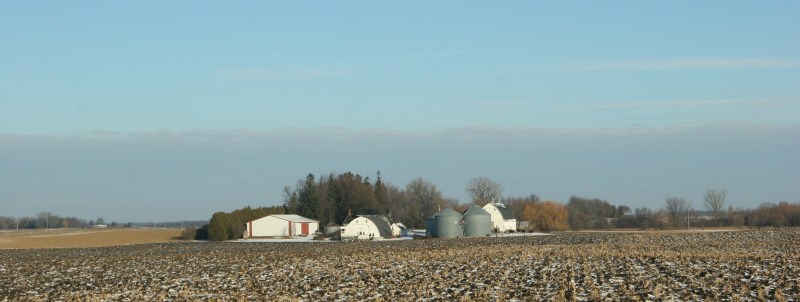
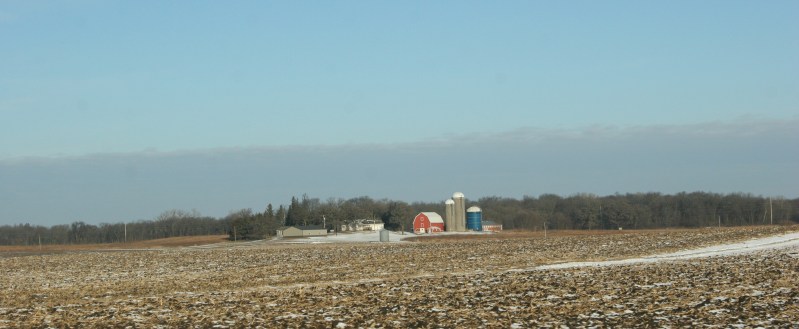
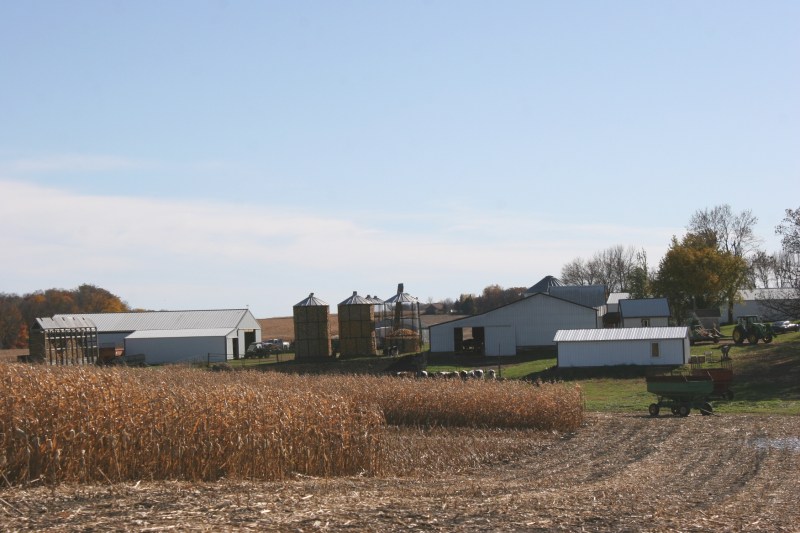
At the beginning of our trip, I photographed this farm site west of Owatonna. The farther west we drove, the greyer the skies became.

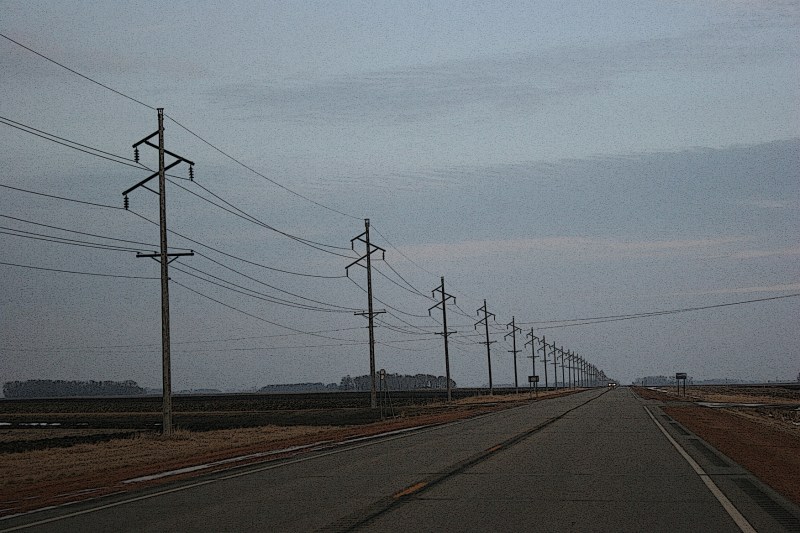
Enjoy this photo essay along U.S. Highway 14, aiming west toward the prairie into some of our state’s richest farmland as we headed back for the holidays last Saturday.

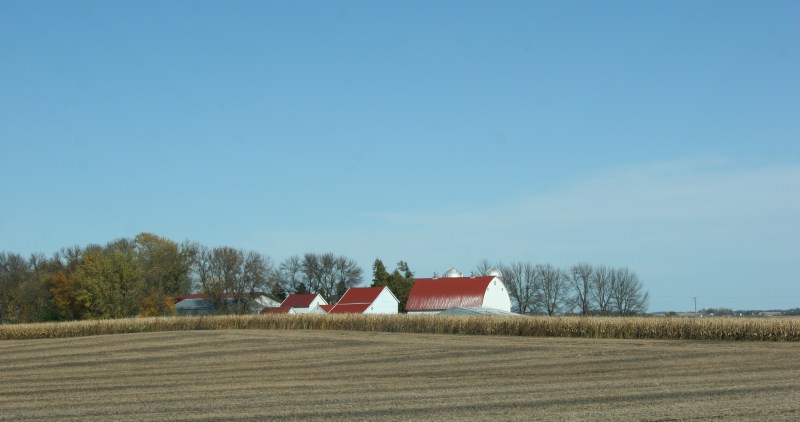
Red barns splash color into the rural landscape, here near Janesville.


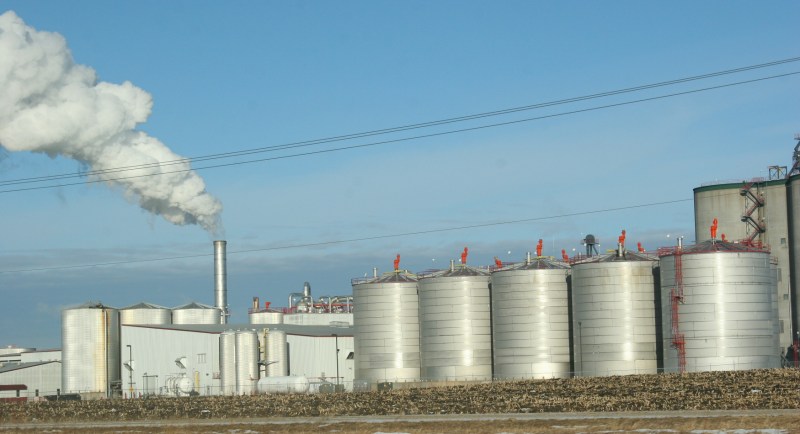
An ethanol plant near Janesville breaks the monotony of farm fields.


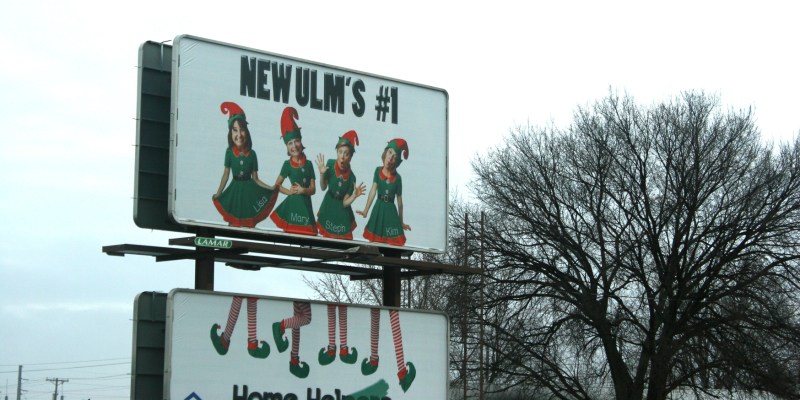
Highway 14 takes us through New Ulm. I spotted this catchy and festive billboard on the west end of town.


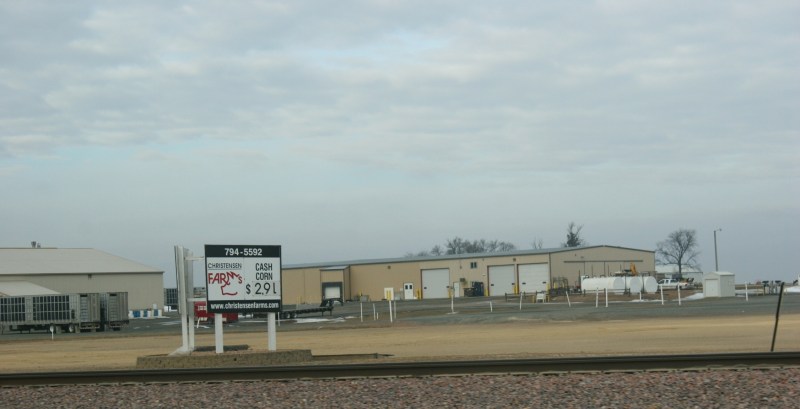
You know you’re in the heart of farmland when you see a cash corn price posted on a sign, this one at Christensen Farms near Sleepy Eye.


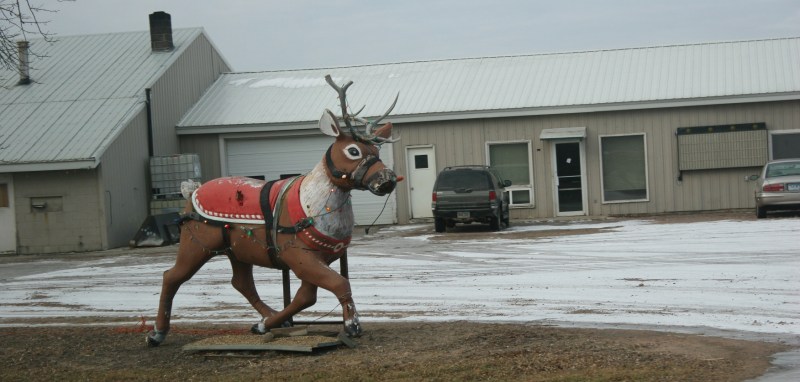
This reindeer statue stands along the east edge of Sleepy Eye. It’s there year-round.


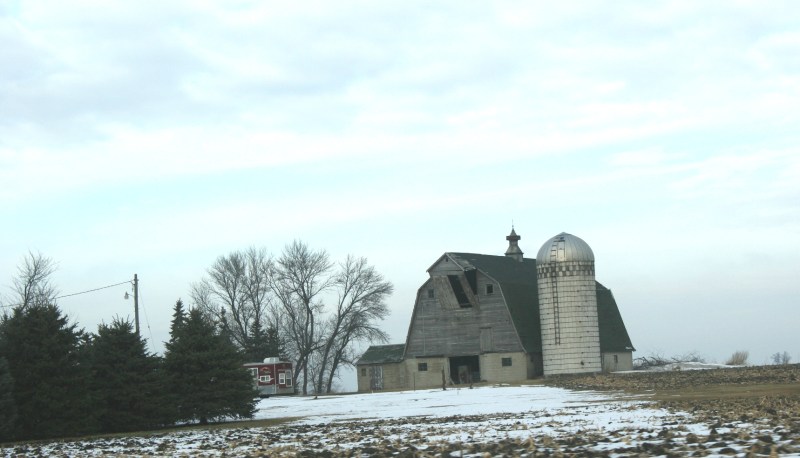
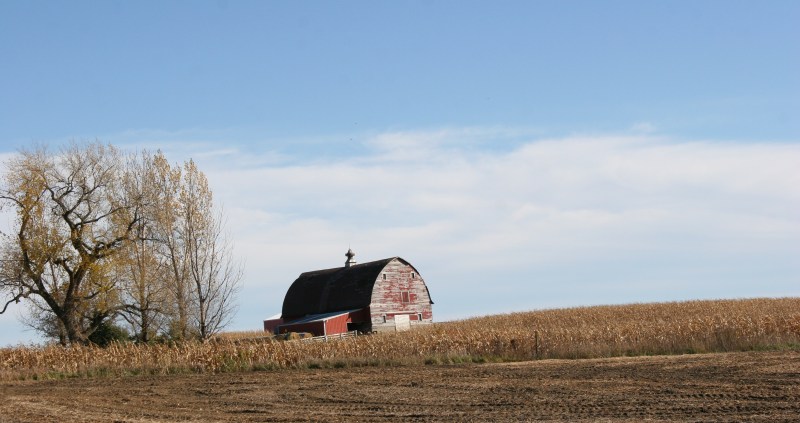
Weathered by wind and weather, this barn sits west of Sleepy Eye.


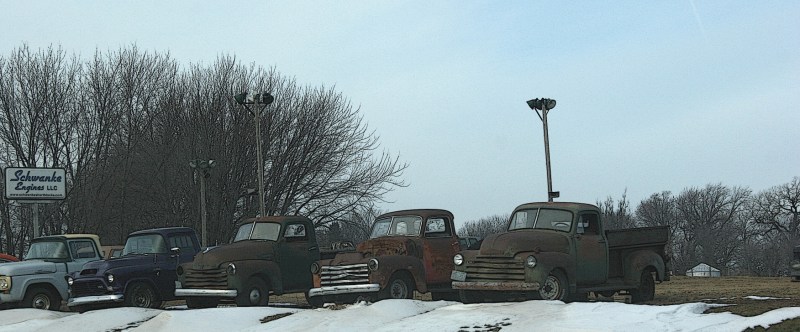
A row of vintage trucks are parked atop a hill on the east edge of Springfield.


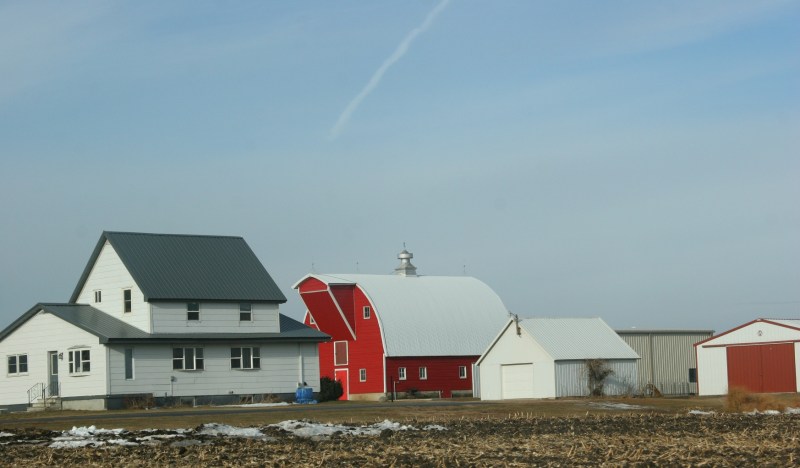
One of my favorite barns on a farm site west of Springfield.


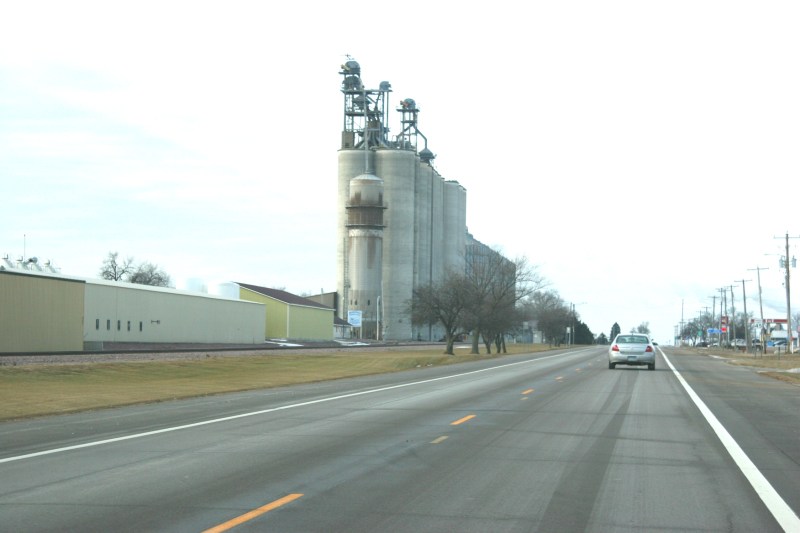
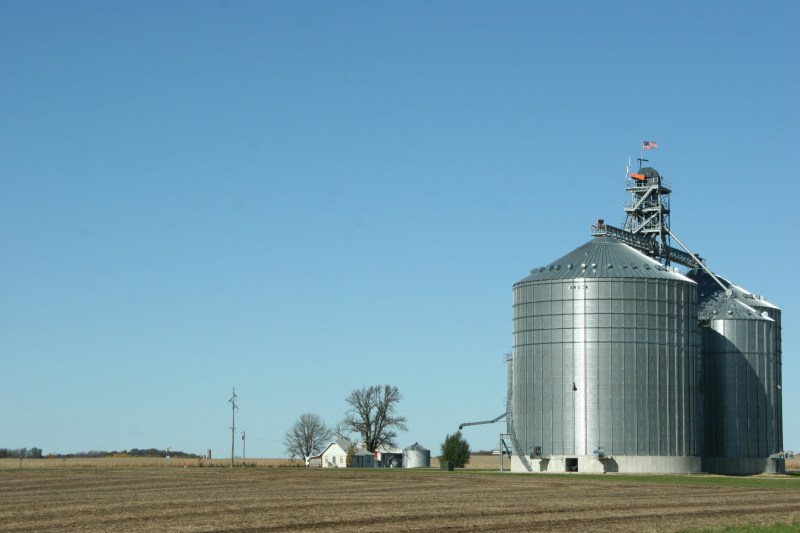
We reach our destination in Lamberton where grain elevators mark this rural community.


© Copyright 2017 Audrey Kletscher Helbling


A drive in the Minnesota countryside takes me to St. Jarlath November 7, 2017


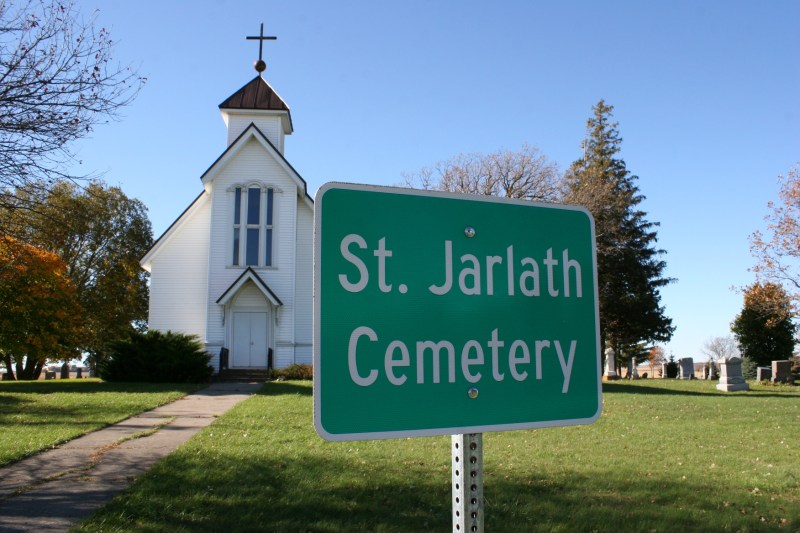
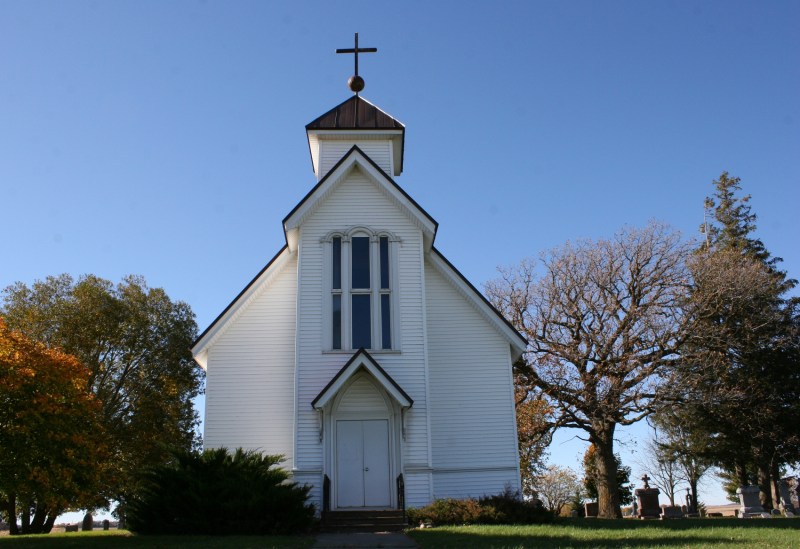
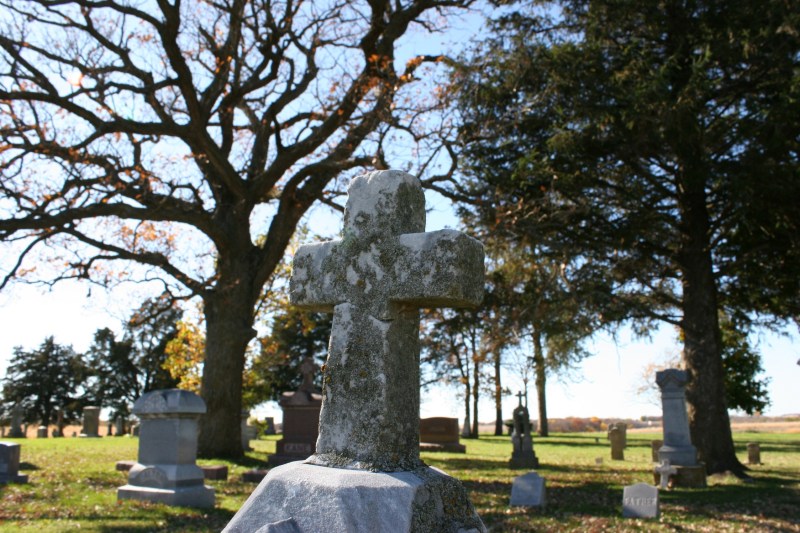
“SAINT JARLATH. Who’s that?” I asked my Catholic-raised and educated husband as we pulled up to a rural Minnesota cemetery during a recent Sunday afternoon drive.


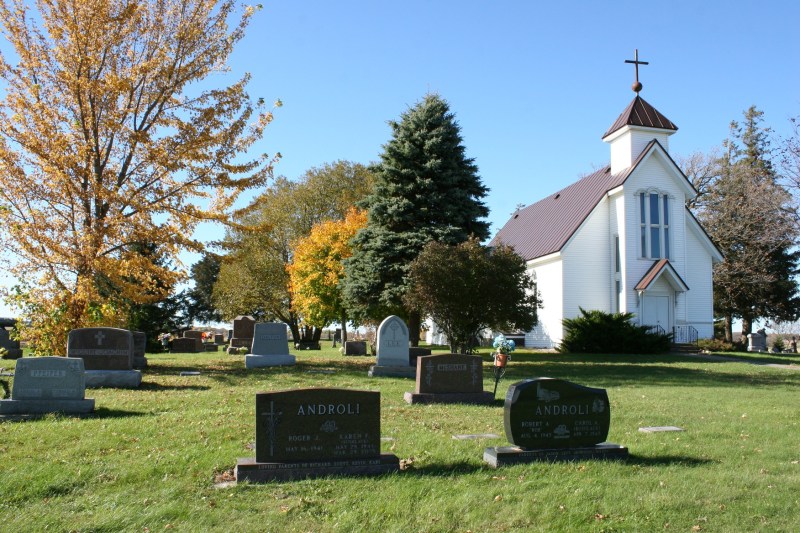
He offered no information, as puzzled as me by the saint behind the name of St. Jarlath’s Catholic Cemetery located just off Waseca County Road 22 in Iosco Township. My later online research revealed Bishop Jarlath as the founder and principle patron of the Archdiocese of Tuam in Galway, Ireland. Irish names in the cemetery should have tipped us off.


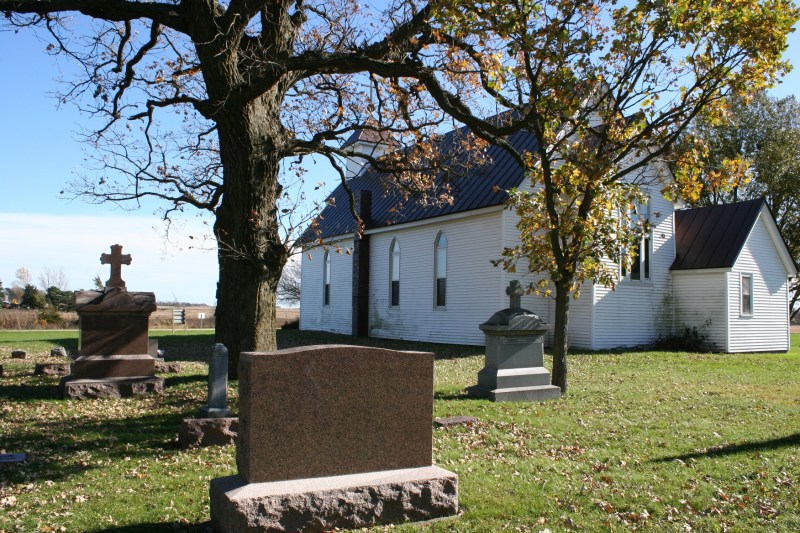
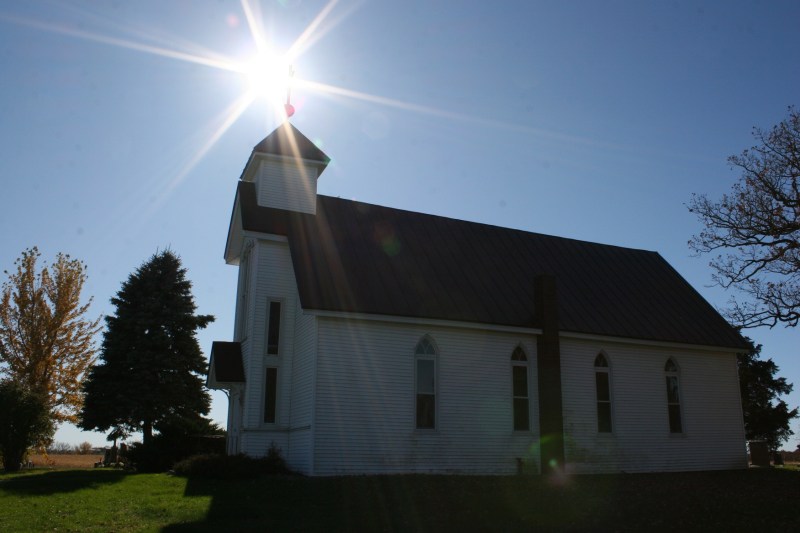
I delight in discovering such well-kept rural cemeteries edged next to equally well-maintained churches. Clearly, people care deeply about this place. That pleases me although the closure of rural parishes like this one does not.


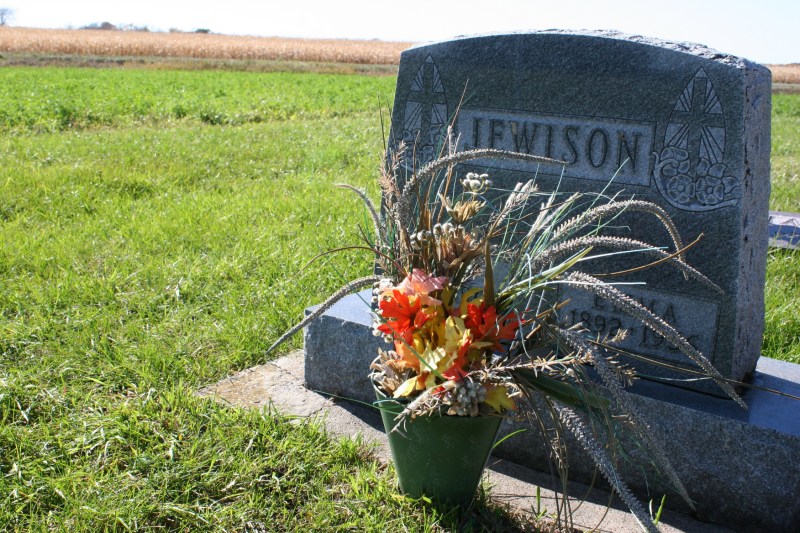
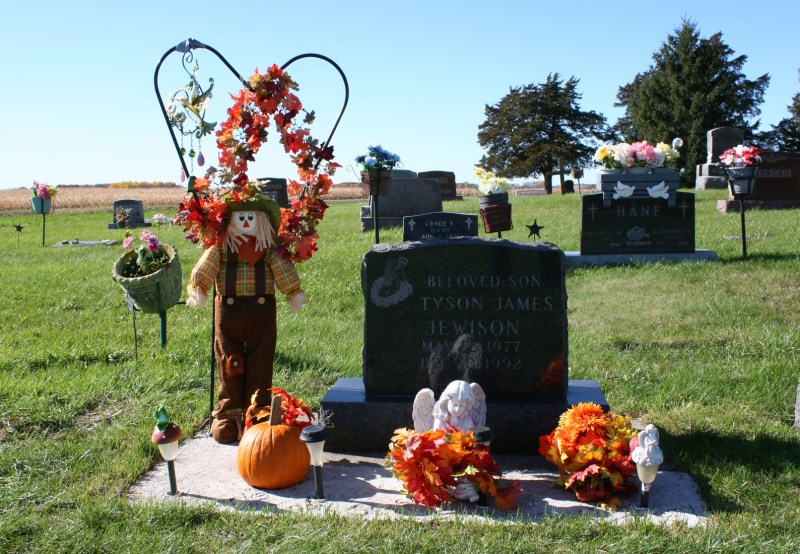
As we wandered the grounds, I spotted autumn décor adorning some gravesites. Seeing scarecrows on a tombstone marked a first for me.


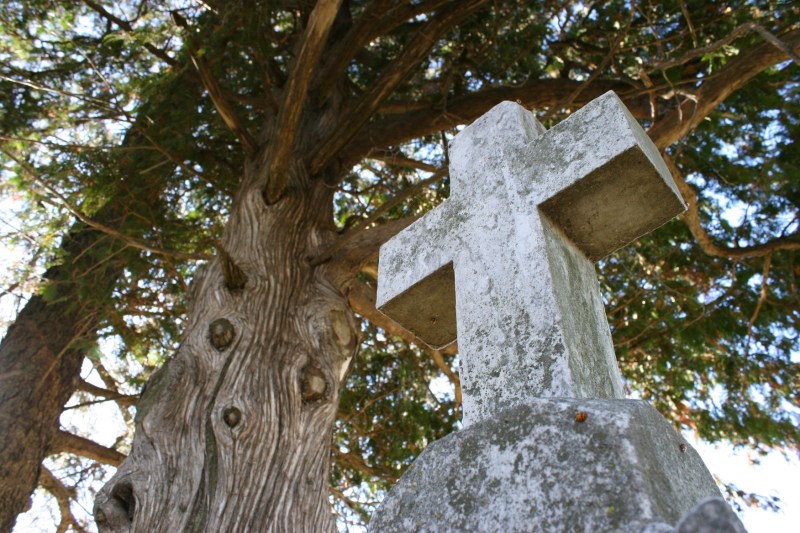
I noticed, too, the trees,


the aged, and not so aged, stones,


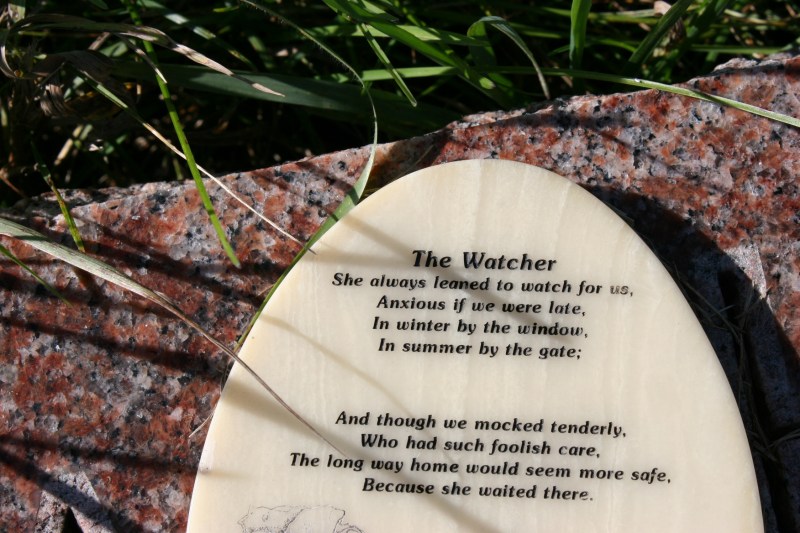
the loving words


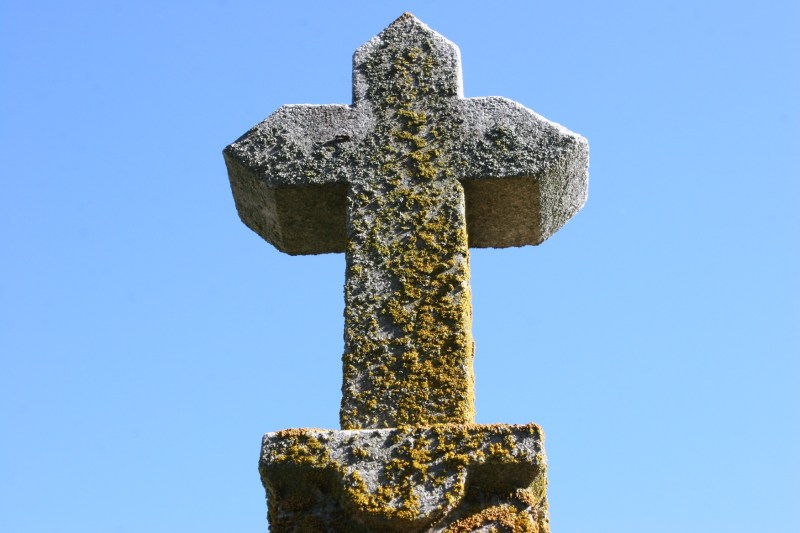
and clear markers of faith in crosses high and low.


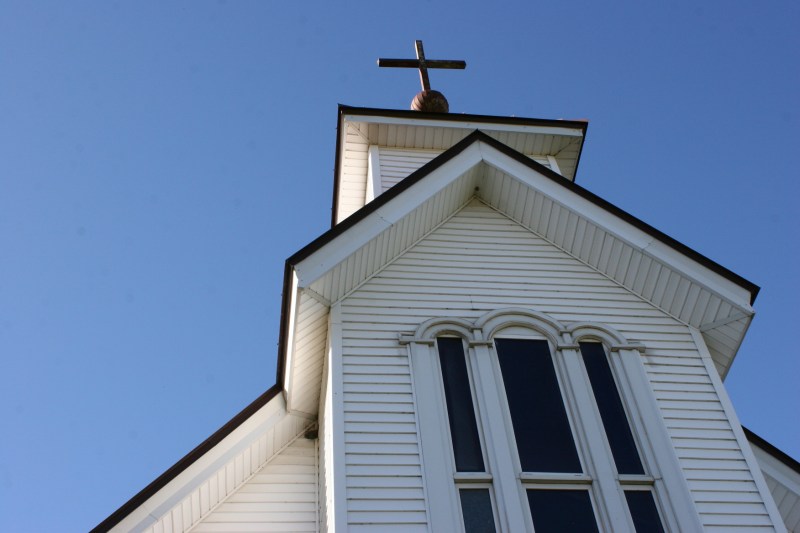
I tugged at the church door, hoping to get inside. I never expect access. But that doesn’t stop me from trying. Gone are the days of unattended, open churches. I can only imagine the beauty, the history within this country church.


The ability to freely wander this cemetery on a stunning autumn afternoon tempered my disappointment. To see folks honor their ancestors and Saint Jarlath through a well-kept church and grounds encourages me. This place remains important—at least for now to those still living.

#

AS I SCHEDULED this post, written days before the deadly mass shooting at First Baptist Church in Sutherland Springs, Texas, I feel compelled to add this postscript expressing my sorrow and thoughts. I cannot fathom the loss to these families, to this community, about the same size as my Minnesota hometown. My heart breaks. A church, of all places, should be a sanctuary from violence. No place seems safe any more.

Initial media reports reveal the perpetrator had a history of domestic violence and that he sent threatening text messages to his mother-in-law shortly before killing 26 people and wounding another 20 at the church. This troubles me. Domestic violence continues to root deep into our society. I read or hear media reports daily about murder-suicides, violations of restraining orders, calls to domestic disturbances, stalking, assaults…and more. For every case reported to law enforcement, many many more are not reported. Because of fear. Because of intimidation. Because of control and manipulation.

The invasive crime of domestic abuse and violence is affecting too many of our families, our neighborhoods, our communities and, yes, even our churches, directly and indirectly.


© Copyright 2017 Audrey Kletscher Helbling


The mysterious (at least to me) Swede’s Bay November 6, 2017

Filed under: Uncategorized — Audrey Kletscher Helbling @ 5:00 AM
Tags: , , , , , , , ,

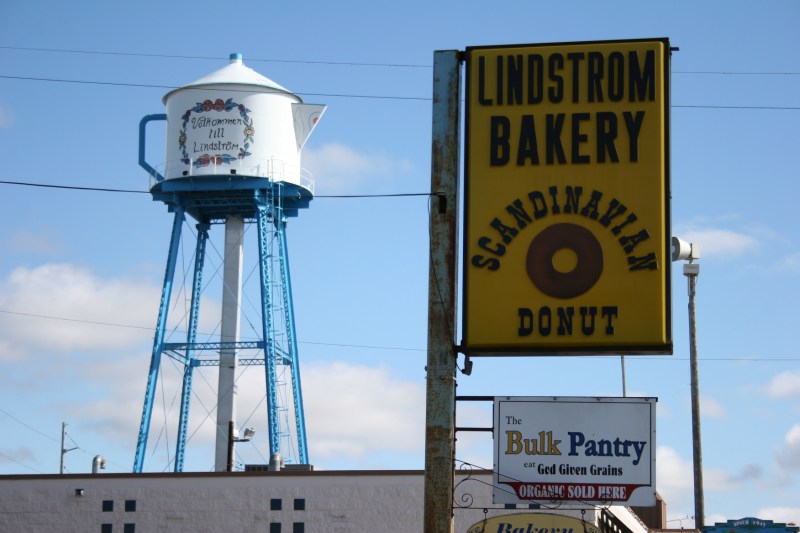
Lindstrom, Minnesota, “America’s Little Sweden.” Minnesota Prairie Roots file photo April 2015.


IN A STATE WITH A STRONG Scandinavian base, nuances of ethnicity show up in lutefisk dinners, lefse-making parties, Lutheran churches named Vasa and Vang, a Swedish coffee pot water tower, the Minneapolis-based American Swedish Institute and more.


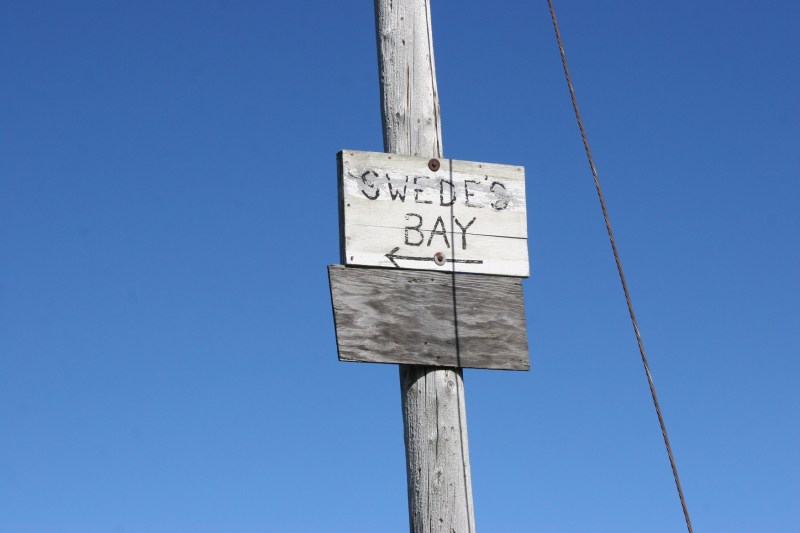
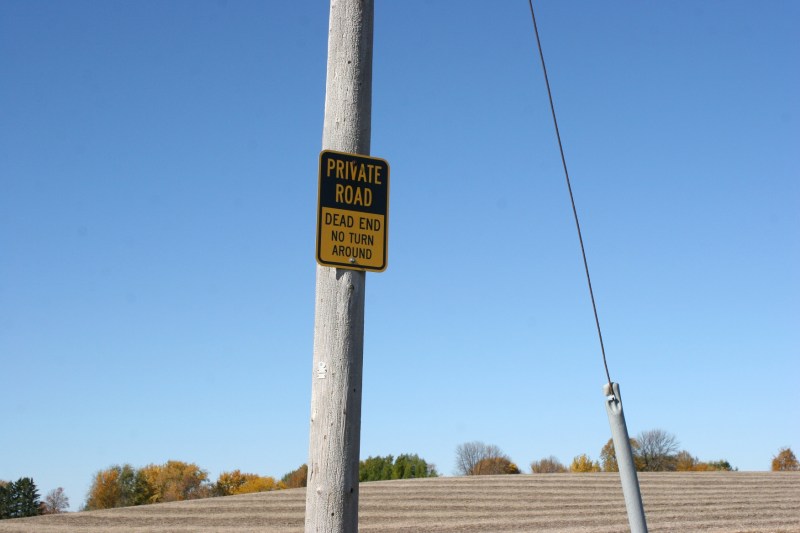
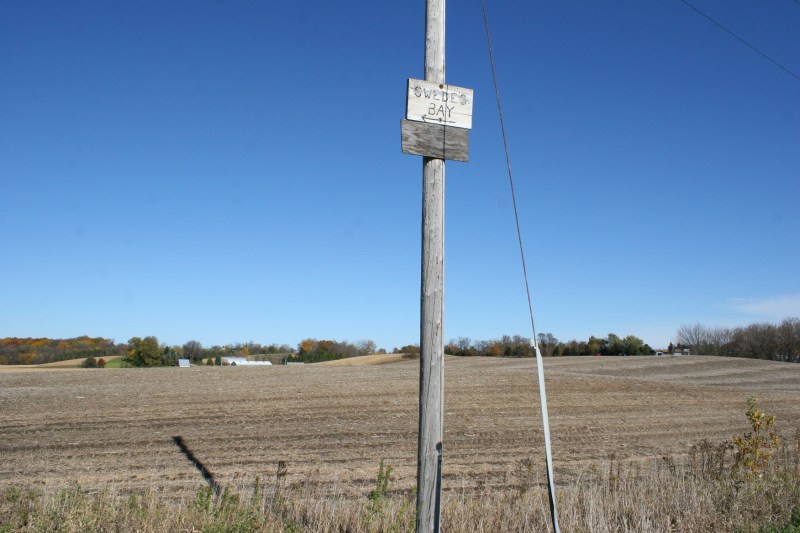
That more includes a fading sign attached to a utility pole in rural Le Sueur County. On a recent Sunday afternoon drive, I noted a posting for SWEDE’S BAY and wondered. But the arrow to the bay pointed in the same direction as a sign warning PRIVATE ROAD DEAD END NO TURN AROUND.


The message was clear. Stay away.


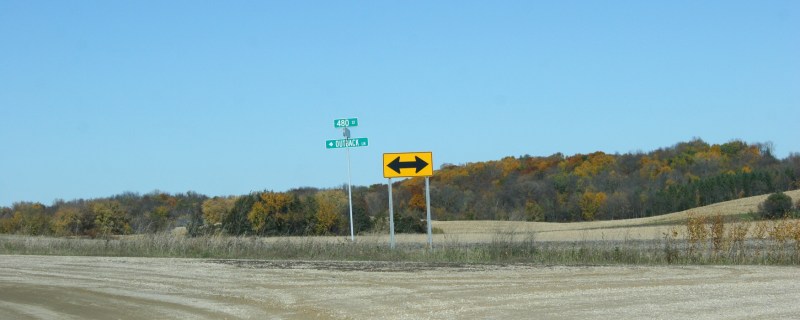
So Randy and I didn’t venture toward Swede’s Bay in the vicinity of 480th Street/Orchard Road/Outback Lane. Sometimes I wish we weren’t such rule followers. But the warning sign was enough to deter me from searching farther along this remote rural gravel road.


Back home I googled the mysterious bay to discover Swede’s Bay is a lake in a cluster that includes the better known Lake Jefferson and German Lake northeast of Madison Lake. That raises another question: In the naming of the lakes, did the Germans and Swedes convene and decide fair is fair. Name that lake German, this one Swede’s?

© Copyright 2017 Audrey Kletscher Helbling


In the dark of the night along a rural Minnesota roadway… November 2, 2017

Filed under: Uncategorized — Audrey Kletscher Helbling @ 5:00 AM
Tags: , , , , , , ,

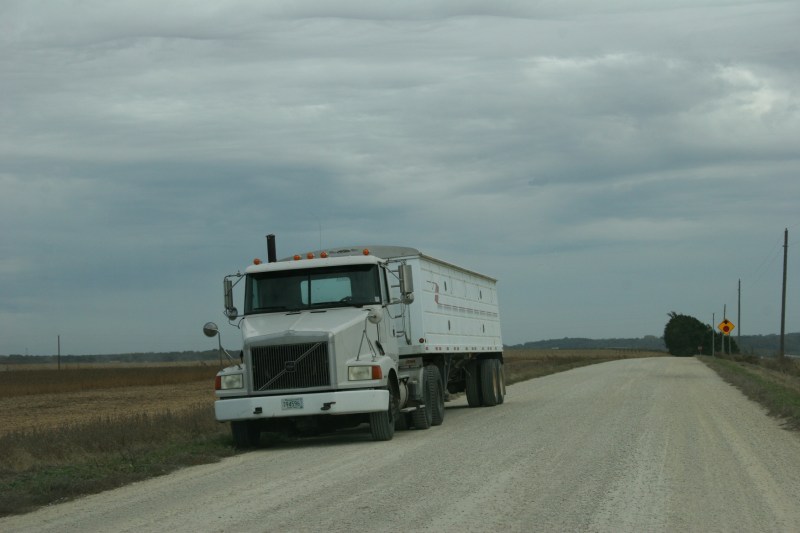
A semi awaits the harvest. Photo used for illustration purposes only and not at the same location where this story takes place. Minnesota Prairie Roots file photo October 2014.


AHEAD OF US along the side of a county road between Faribault and Medford, hazard lights from a tractor trailer pulsated amber into the blackness of a late autumn evening.

A few miles away, combines spotlighted cornfields as farmers worked the night shift in an already late harvest season.

In the rural blackness, our 2003 Chevy Impala beamed headlights through the deep dark, our eyes scanning ditches for deer evicted from fields.

The setting was prime for drama, for threatening possibilities, for imaginations to race rampant.

And then it happened. As we edged even with the parked semi near the county line and our turn-off intersection, the driver stepped from the cab, hailing us. Randy stopped the car. I rolled down the window and the stranger approached. I never considered in that moment the possibility of danger. It was only afterward when friends questioned our decision that I evaluated our choice. But in this moment, this man needed assistance.

Randy pulled the car ahead to a safer spot. Then the stranger leaned toward me, handed me a slip of paper, cigarette breath hanging in the air. I pulled down the visor, flipped up the mirror cover to unleash light. He spoke in jerks of thickly-accented words. “No English. Ukraine, Poland…”

He pointed to the paper again. And we understood that this Ukrainian needed to find his delivery destination. Here, in this countryside where the wind whipped across fields in bone-chilling cold. Here, where dark prevailed. We pulled our smartphones out and Randy punched in the address. We were there, at the driver’s destination. But in the blackness, we perceived nothing except the faint outlines of grouped buildings.

I tried to explain that we would turn around, check out the location and return. But the driver didn’t understand and started walking, swallowed by the darkness. Randy followed. Except I didn’t know that he planned, too, to disappear into that roadway ribbon of blackness. As the minutes ticked by and I waited, my angst rose. Where was my husband? Had this stranger robbed him, assaulted him, pushed him into the road ditch…?

I picked up my phone, punched the green icon connecting to Randy’s phone. He answered. My fear lessened. “Where are you?” I asked.

“Walking back,” he assured. “There in a minute.” And he was, along with the truck driver.

Still, we hadn’t solved the problem. Randy thought the destination business had a second access. There was none, only a single gated road in and no room for a tractor trailer to park until the next morning. Our efforts to communicate in English with the driver failed. So I resorted to mimicking sleep, the rising sun and turn around and go back to town with my arms. Finally he understood and thanked us profusely.

We left the trucker there on the side of the county road, in the blackness of night. Hours later we retraced our route home to find the semi gone, presumably parked miles away at a truck stop for the night. And we wondered about the Ukrainian, how he had come to be a commercial truck driver lost on a rural southeastern Minnesota roadway in the season of harvest.


TELL ME: Would you have stopped if this trucker flagged you down along a remote rural roadway in the dark of night?

© Copyright 2017 Audrey Kletscher Helbling


The season of autumn in rural Minnesota, a photo essay October 24, 2017


IN THE SEASON of autumn, farm memories draw me back to the land.


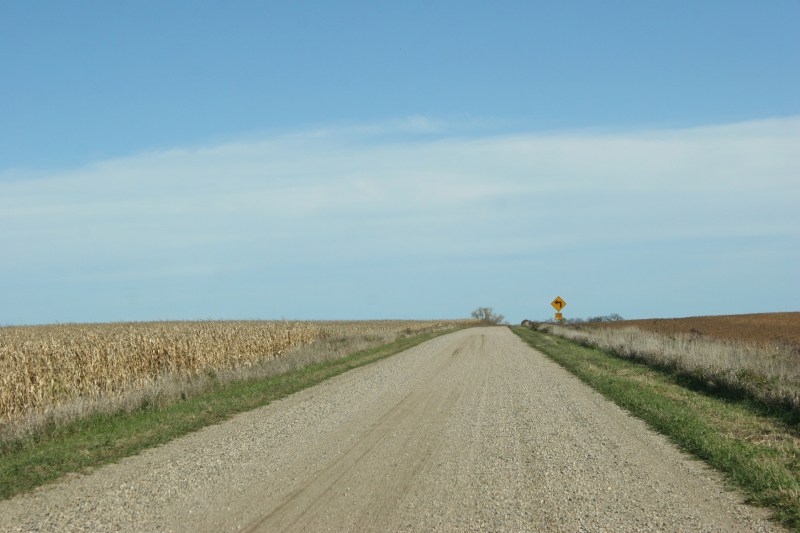
To follow country gravel roads


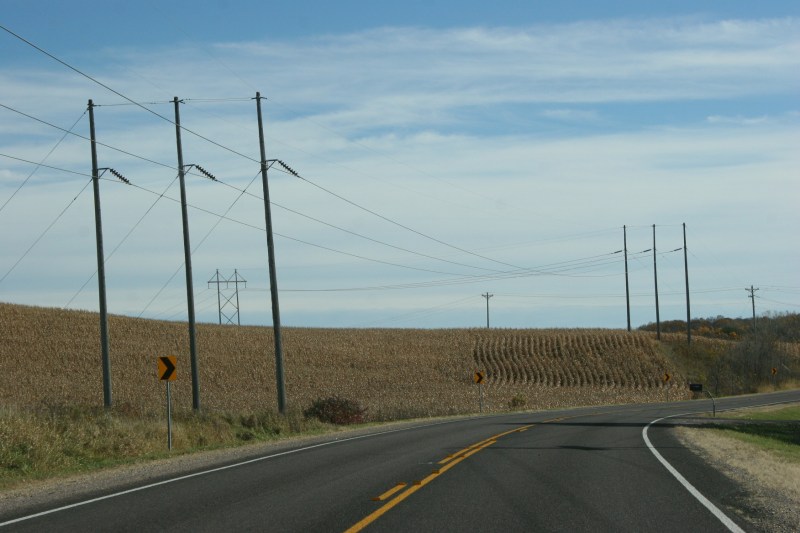
and county highways


past sweeping fields of corn


harvested,


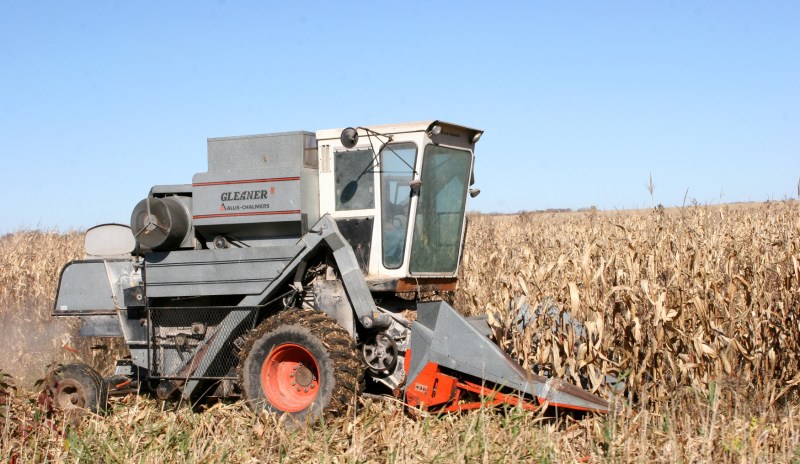
A vintage Gleaner combine harvests a cornfield along LeSueur County Road 13 near Lake Jefferson.

under harvest


Partially harvested…


and unharvested.


Roads lead me by farm sites,


aged stately barns


Near historic Marysburg in LeSueur County.


and mammoth bins awaiting the yield.


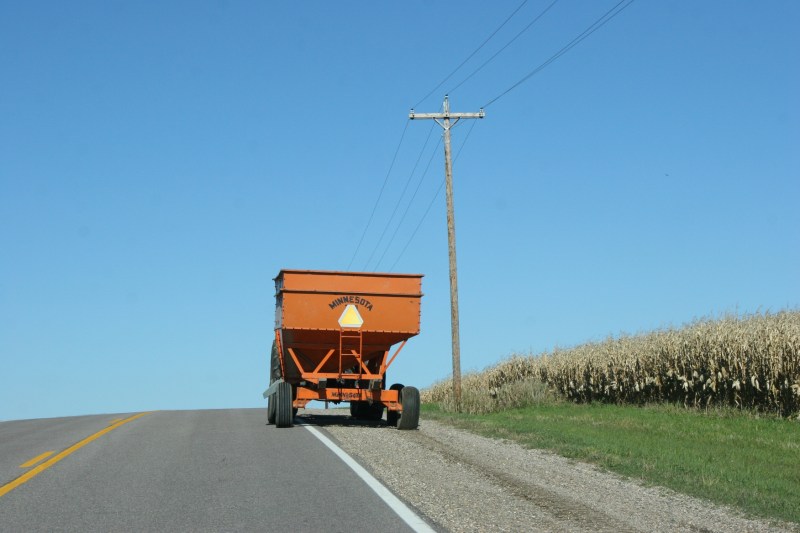
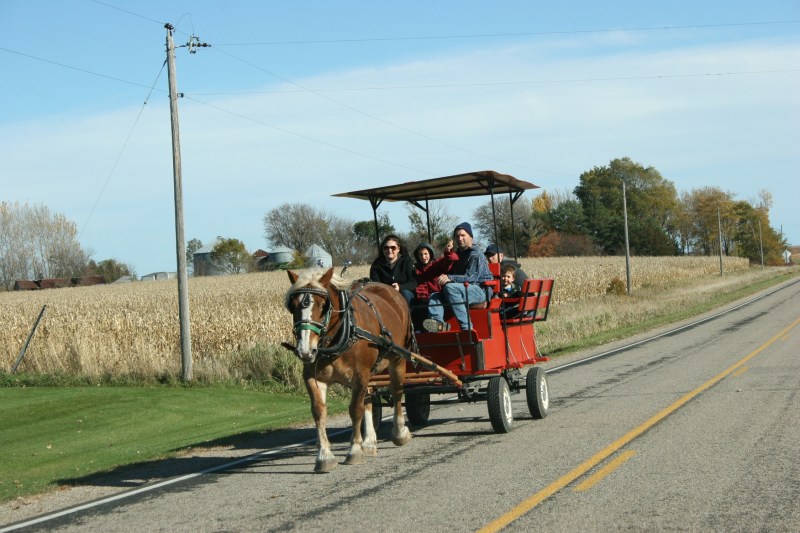
Following a tractor pulling a 1970s era gravity box along LeSueur County Road 13.


I observe, too, farmers creeping tractors trailing wagons,


zipping along rural roadways


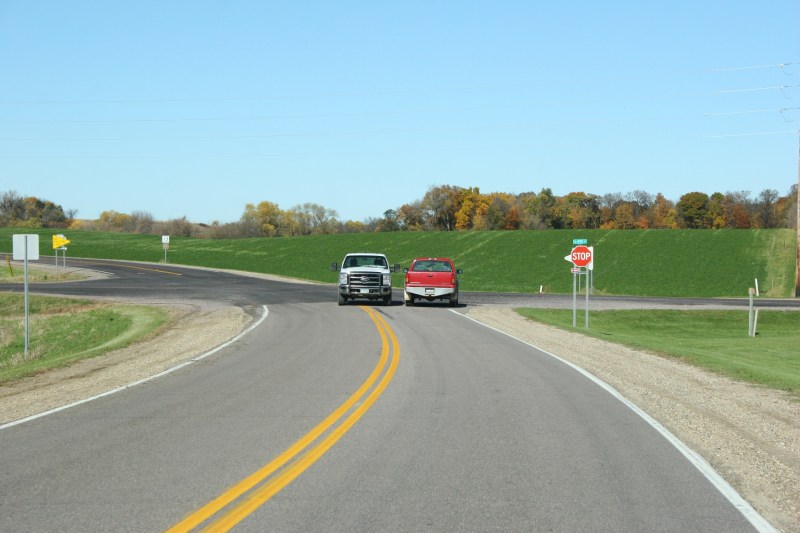
Visiting at the intersection of LeSueur County roads 13 and 16.


and stalled in conversation at a rural intersection.


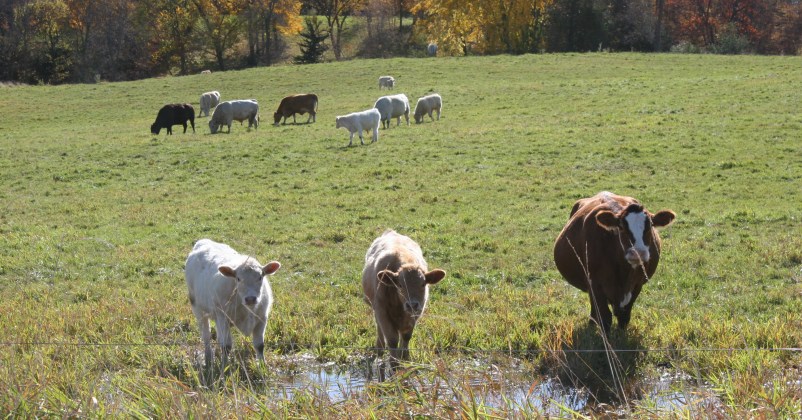
Cattle graze along 241st Avenue, just off LeSueur County Road 13.


I scan the landscape with the eyes of someone who misses the farm,


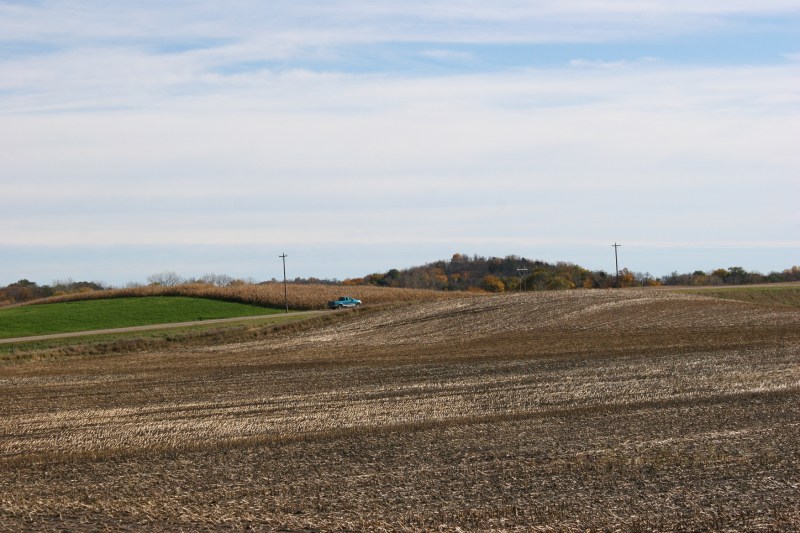
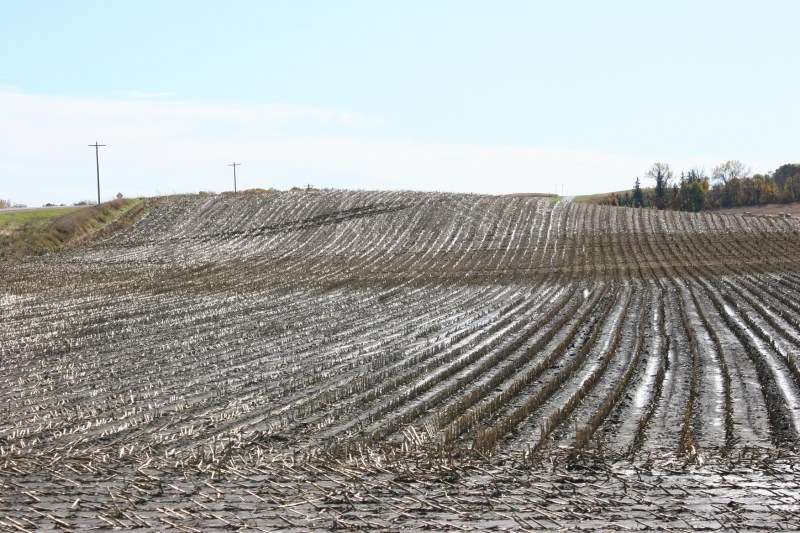
A harvested field glistens with puddled rainwater and mud. Too much rain has slowed the harvest for farmers in southern Minnesota. They will be working long days and nights to catch up and get the crop in before the snow flies.


who remembers the hurry of her farmer father,


Enjoying a beautiful autumn Sunday afternoon along Waseca County Road 22.


who follows country roads in the season of autumn.


FYI: I shot these images in Rice, LeSueur and Waseca counties during a Sunday afternoon, October 22, drive with my husband.

Check back for more photos from that drive.

© Copyright 2017 Audrey Kletscher Helbling
 

From Wheeling Township, Part I: The season of Minnesota church dinners September 26, 2017

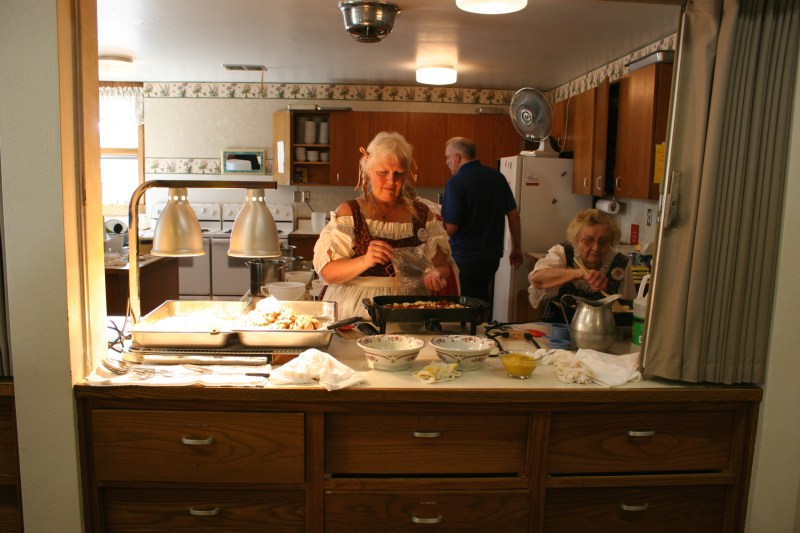
Long-time Germanfest kitchen staff, Lynn, left, and Elsie.


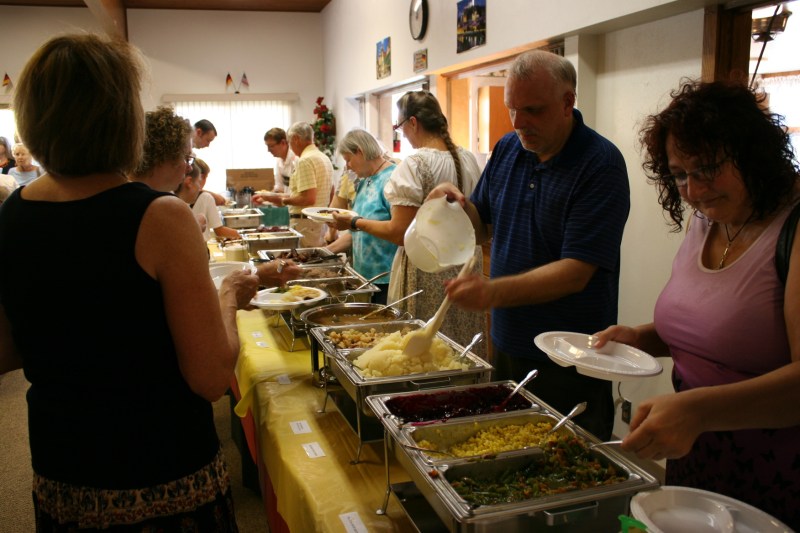
AUTUMN MARKS THE SEASON of church dinners and festivals in Minnesota. In fellowship halls and church basements, you will find some of the best homecooked food. Food of the land. Potatoes peeled and mashed. Squash scooped of seeds and baked. Bone-in-ham savory and heavenly.


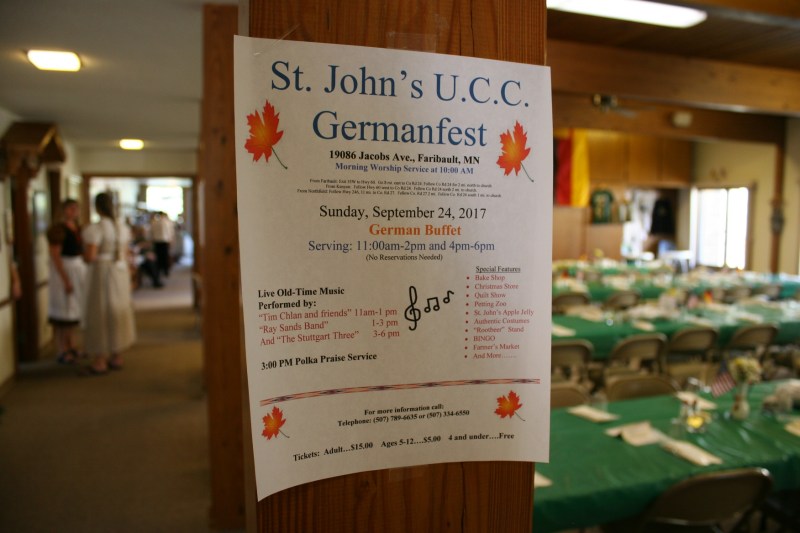
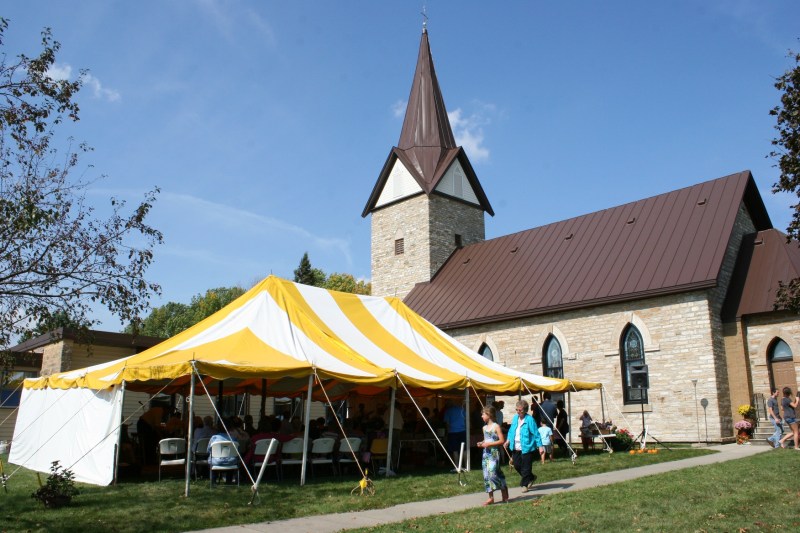
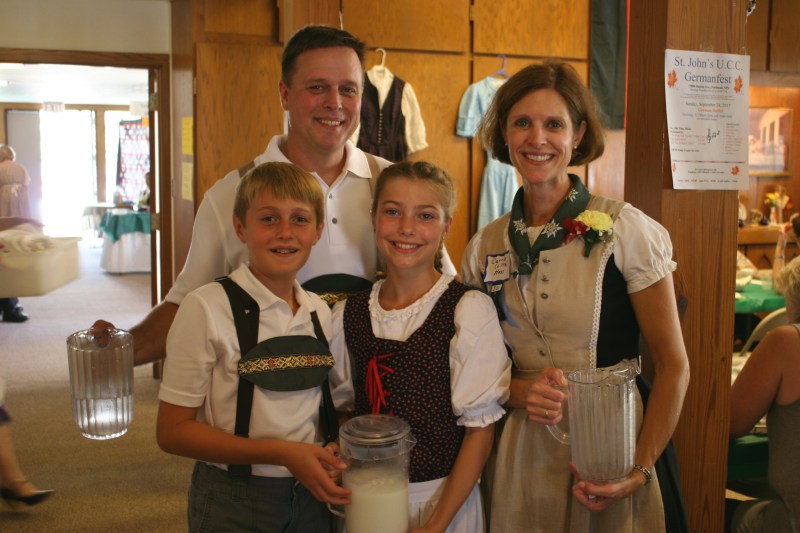
An abundance of food fills plates, satisfying the belly and the soul. Menus vary from congregation to congregation with ethnicity, location and tradition determining food offerings. At St. John’s United Church of Christ, Wheeling Township, parishioners serve an authentic German meal at the annual late September Germanfest. Several years had passed since I attended this dinner, one of my favorites among Faribault area churches.


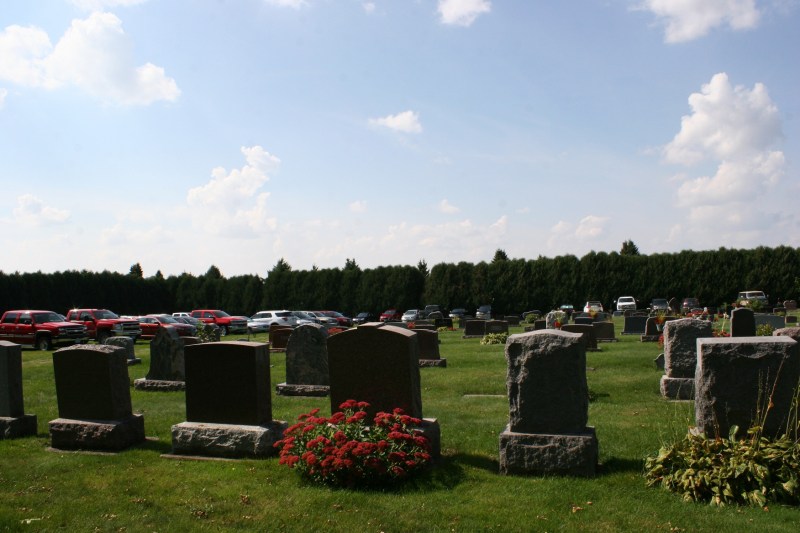
Diners park their vehicles around the cemetery next to the church.


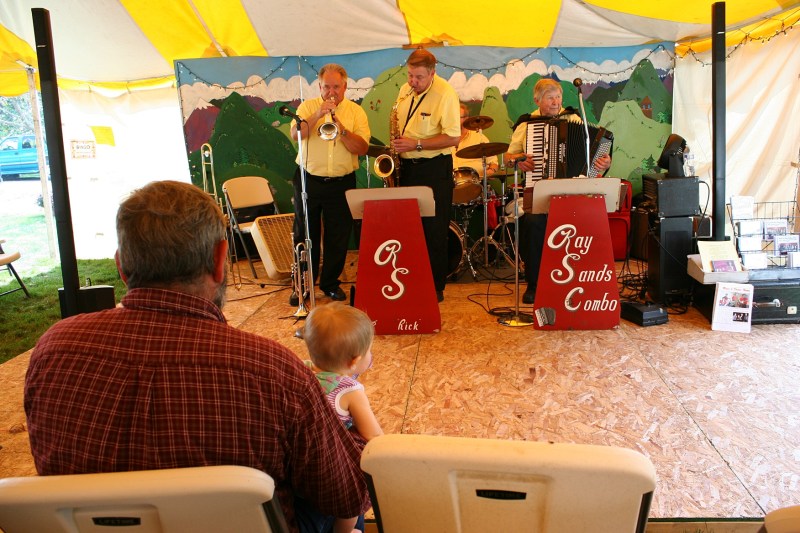
Baby Lucy and her grandpa listen to the Ray Sands Combo.


Here in this rural setting, with old-time bands pumping out polkas and waltzes just outside the dining hall, hundreds gather for food and fellowship.


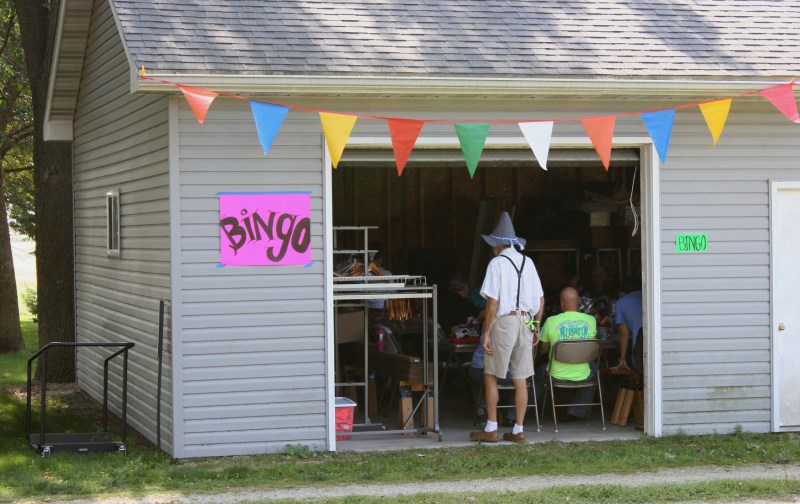
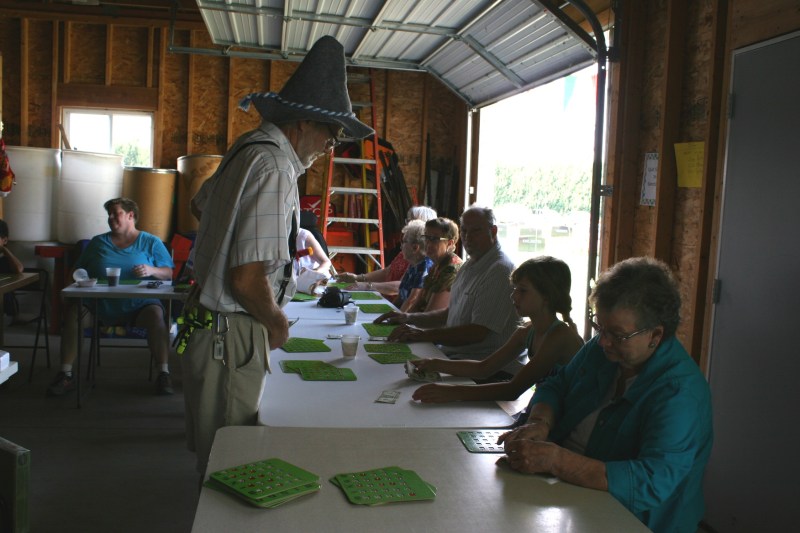
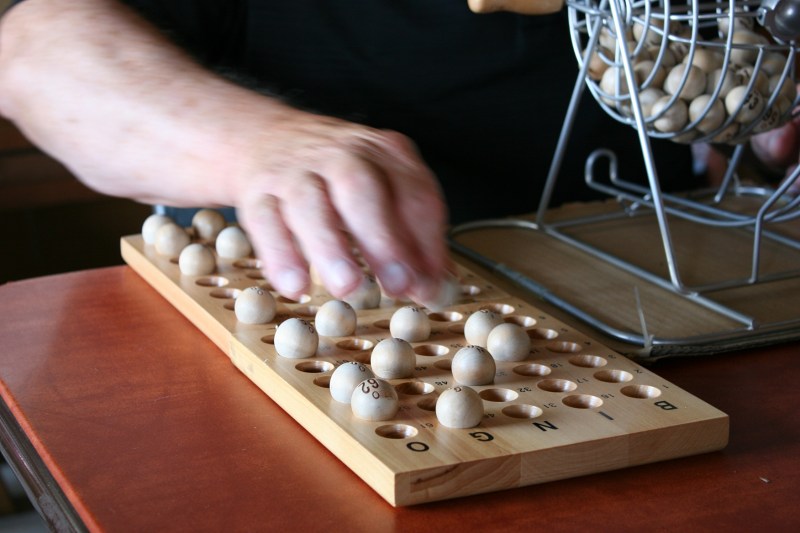
And bingo,


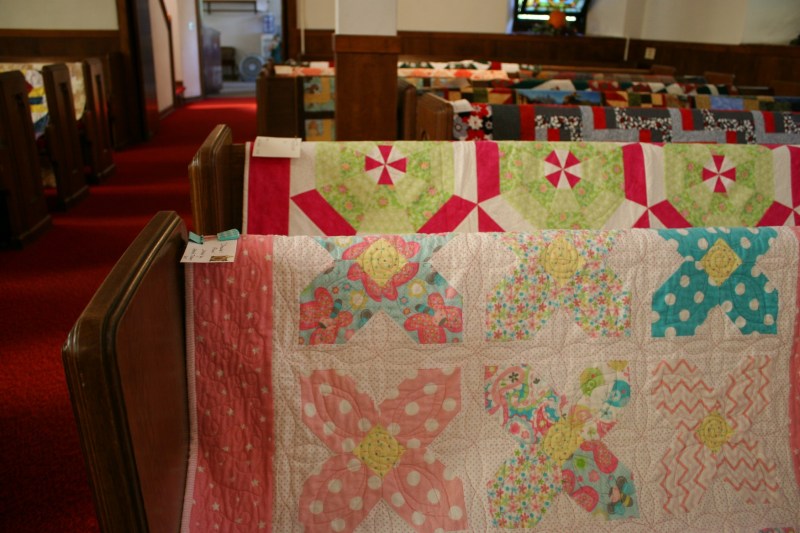
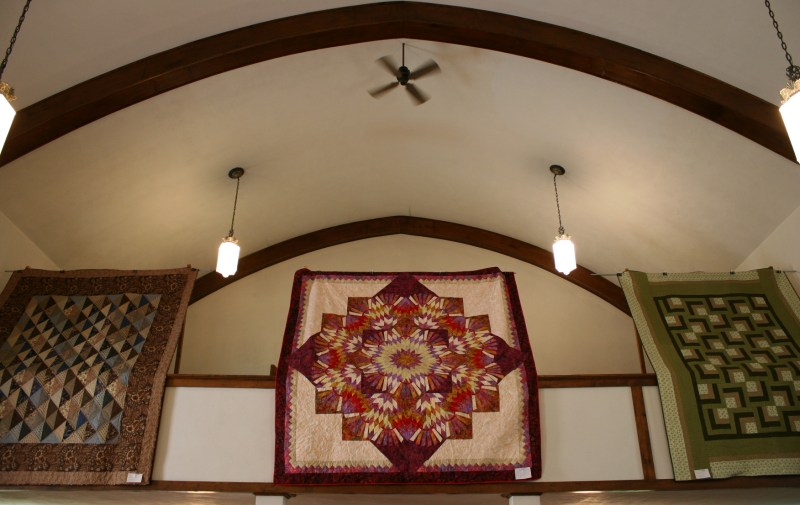
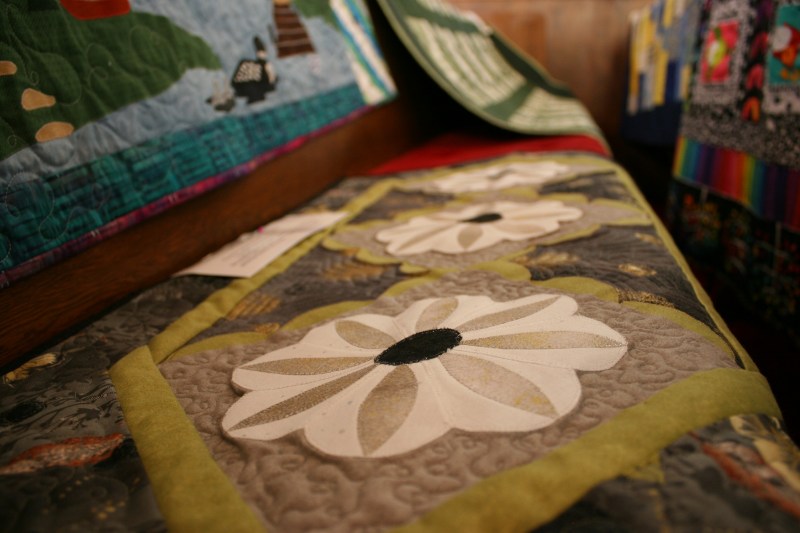
a quilt show,


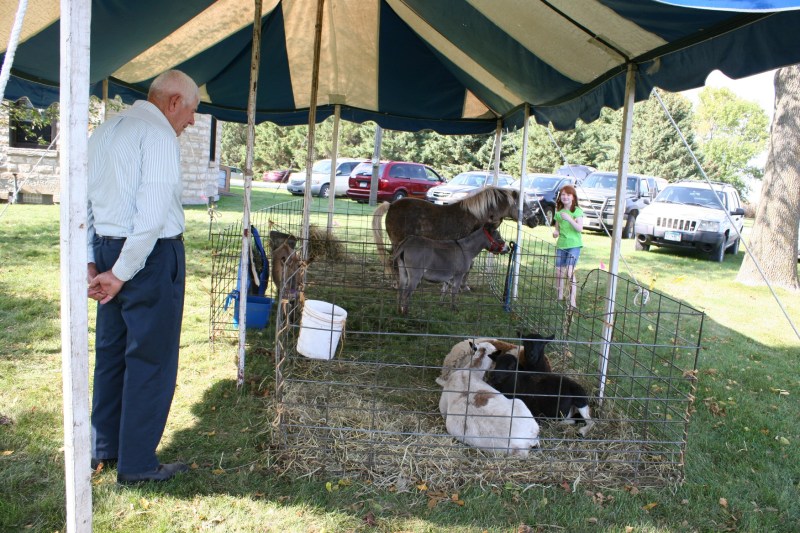
petting zoo,


market, polka service and more.


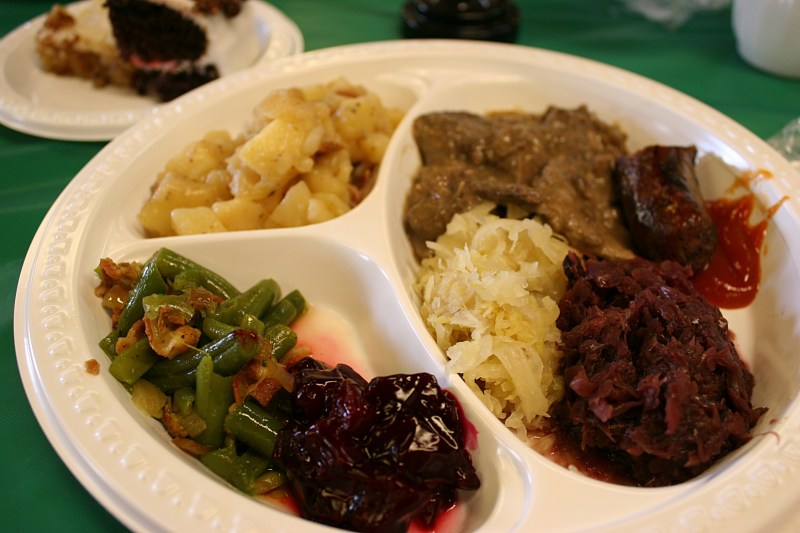
Randy and I whiled away the last September Sunday afternoon here, crammed first into the fellowship hall eating sauerbraten and brats, German potato salad (and yes, mashed potatoes and gravy for those who prefer that potato choice) and an assortment of German sides with Black Forest cake, apple kuchen and bread pudding for dessert—as if we needed three desserts. But it’s impossible to pass on such sugary goodness.


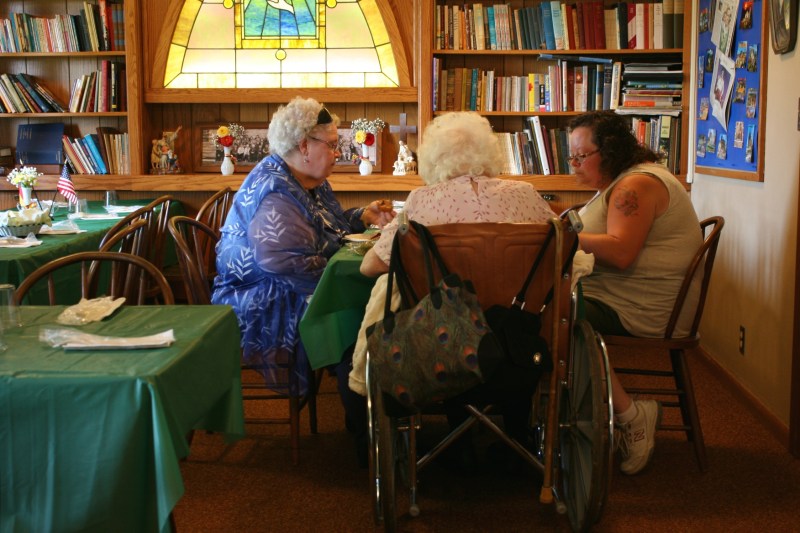
This event, as are all church dinners and festivals, is about more than food. It’s about family and friends and good conversation and laughter and delighting in the bounty of the earth. It’s about hard work—laboring in the kitchen, selling tickets, grilling brats, tending quilts and animals, and an entire long list of volunteer duties. It’s about a sense of community, a coming together, a communion of sorts with the land, with this place, with these people. In the season of autumn.


TELL ME: Do you attend church dinners and festivals? If so, feel free to recommend one here.


Check back for several more posts from St. John’s Germanfest including some endearing photos of a budding musician and of a family photo shoot.

© Copyright 2017 Audrey Kletscher Helbling


For the love of green September 14, 2017

Filed under: Uncategorized — Audrey Kletscher Helbling @ 5:00 AM
Tags: , , , , , ,


Close-up of a canna lily leaf photographed in my backyard.


ASK ME MY FAVORITE COLOR and my answer never deviates. It has always been green.


A cornfield. Minnesota Prairie Roots file photo.


The appeal of that hue connects to my rural roots and to memories—of lofty cottonwoods, forever cornfields, freshly-mown alfalfa, a sea of grass bending in the wind, a grain wagon, the putt-putt-putting of a John Deere tractor, my high school graduation gown…


I love the lighting, the contrast of green shades against dark sky in this photo taken near Medford. Minnesota Prairie Roots file photo.


Among the variations of green, I favor the sage, the forest, the tints that tie to nature. And lime green.


My vintage 1960s purse, reclaimed years ago from my mom’s toybox. Minnesota Prairie Roots file photo.


Lime green pants salvaged from my mom’s basement (did she really save those for 40-plus years?) drape a hanger in an upstairs closet. As a teen I wore those pants with the stick person thin waist and legs flaring to cuffs. I also carried a rectangular lime green purse complementing a lime green suit stitched by an aunt. I still have the purse, but not the outfit. Mom didn’t save everything.


Love Story album cover framed at Vintique in Neenah, Wisconsin. Minnesota Prairie Roots file photo 2014.


And then there’s the lime green bedroom. Not now. But then. Back then, when I was a teen, in the days of reading Jonathon Livingston Seagull and believing “love means never having to say you’re sorry” (how stupid is that?) and tacking whatever onto a bright yellow smiley face bulletin board and wearing hot pants and flashing the peace sign.


My eyes. Minnesota Prairie Roots file photo.


Green holds such memories. And when I look in the mirror, I see, too, the color of my past and of my future. In my eyes. Green eyes.


TELL ME: What is your favorite color and why?

© Copyright 2017 Audrey Kletscher Helbling
 

Honoring Minnesota’s agricultural heritage at a steam & gas engines show, Part I September 6, 2017

A steam engine tractor plows a field. The men standing on the plow guide the blades to the proper plowing depth via levers.


AS SEASONS SHIFT from the growing days of summer to the harvest days of autumn here in Minnesota, aged tractors, threshing machines and other vintage agricultural equipment roll out of storage for annual threshing and steam and gas engine shows.


The engineers at the helm of the steam engine tractor concentrate on guiding it along the field.


On display under plexiglass: a replica 1920s threshing scene crafted by David Terry.


It’s a common scene this clustering of folks around vintage tractors.


These events mark a celebration of the past, a preservation of history, the remembering of a way of life, a focus on the labor intensive efforts of long ago farming. Here retired farmers lean against tractor wheels, men guide massive steam engines, kids learn and an honoring of times past prevails.


After finishing a plowing pass in the field, the steam engine tractor heads back to the other end.


Sunday afternoon I embraced Minnesota’s agricultural history at the annual Labor Day weekend Rice County Steam & Gas Engines Show in rural Dundas. I didn’t view every aspect of the event, but enough to once again feel a deep appreciation and respect for my rural heritage.


John Deeres were the featured tractor this year.


I love meeting friendly and photogenic vendors who are willing to be photographed.


Flea market vendors offer merchandise ranging from glassware to tools to clothing and lots more, including many agricultural related items.


With camera in hand, I roamed part of the grounds looking for photo ops that would present a personal and unique perspective of the show. From the flea market to the music shed to the rows of tractors and the vintage playground, I found my photos. There is so much heart and soul here and an obvious love of all things related to farming of bygone decades.


These girls rode their vintage banana seat bikes from Northfield. And, yes, there parents were at the show.


Carefree dancing and twirling as only kids will do.


Even the playground equipment is vintage.


I’m especially delighted that so many kids attend. Kids pedaling banana seat bikes. Kids twirling to the old-time music of the Czech Area Concertina Club. Kids steering tractors. Kids swinging on heavy horse swings now banned from most playgrounds.


Some families, like the Pinc family, bring multiple tractors in multiple brands.


Generations spanning infants to elders come to this show ground along Minnesota State Highway 3 under a sky that holds the haze of autumn, of a sun that still blazes heat in the afternoon, of a land that yields its bounty to the harvesters. Here on these acres, memories rise like a prayer of thanksgiving as summer eases into autumn.

TELL ME: Do you attend these types of historic farming shows? If yes, I’d like to hear more.

PLEASE CHECK back for additional photo rich posts as I continue my series from the Rice County Steam & Gas Engines Show.

© Copyright 2017 Audrey Kletscher Helbling
 

West of Mankato August 23, 2017

Cattle graze in a pasture along U.S. Highway 14.

Cattle graze in a pasture along U.S. Highway 14.


WHEN I TELL FELLOW MINNESOTANS I grew up on the southwestern Minnesota prairie, specifically near the small town of Vesta, I typically get a blank stare. So, when “Vesta” doesn’t register with them, I mention Marshall to the west and Redwood Falls to the east of my hometown. Both are county seats and fair-sized communities, in my opinion.


Driving on U.S. Highway 14 around Mankato traveling to southwestern Minnesota.

Driving on U.S. Highway 14 around Mankato traveling through southern Minnesota toward the prairie.


Even after dropping those two names, I still often get that quizzical look. It’s as if they have no idea there’s anything west of Mankato.


This barn along U.S. Highway 14 west of Sleepy Eye always catches my eye.

Gotta love this barn between Sleepy Eye and Springfield.


Grain storage along U.S. Highway 14.

Grain storage along U.S. Highway 14.


But there is. Lots. Land and sky and small towns and oddities and grain elevators, and corn and soybean fields stretching into forever. There are pitch-black skies perfect for star-gazing and sunsets so bold I sometimes wonder why I ever left this land.


There are so many well-kept barns along U.S. Highway 14, this one between Mankato and Nicollet.

There are so many beautiful old barns along U.S. Highway 14, this one between Mankato and Nicollet.


I understand beauty is in the eye of the beholder. I simply want others to see that this corner of Minnesota, just like the lakes and woods to the north and the rolling hills and rivers to the south and the Twin Cities metro, is lovely and quirky and interesting in a peaceful prairie way.


BONUS PHOTOS:

U.S. Highway 14 passes through many small towns, like Sleepy Eye where these guys were shopping for a car.

Shopping for cars in Sleepy Eye, one of many small towns along U.S. Highway 14 in southwestern Minnesota.


A farm site between Mankato and Nicollet.

A farm site between Mankato and Nicollet.


Baling the road ditch between Mankato and New Ulm.

Baling the road ditch between Mankato and New Ulm.


If you appreciate barns, this area of Minnesota offers plenty of barn gazing.

If you appreciate barns, this area of Minnesota offers plenty of barn gazing.


FYI: All of these photos are from my files and were taken along U.S. Highway 14 between Mankato and Lamberton. That would be west of Mankato.

© Copyright 2017 Audrey Kletscher Helbling
 

This ain’t no museum July 11, 2017

Filed under: Uncategorized — Audrey Kletscher Helbling @ 5:00 AM

Tags: , , , , , , ,

SMALL TOWNS PRESENT a visual smorgasbord of signage that often humors, delights and entertains me. While day tripping to southeastern Minnesota communities last week, I spotted numerous such signs, including this one on the front display window of Thrifty Chix in Elysian:


I confess that I’ve often been guilty of museum type viewing in shops, especially antique shops. I enjoy perusing vintage and antique merchandise that I remember with fondness from years past. Seldom do I purchase anything, primarily because of cost but also because I don’t really “need” whatever I want.
This particular sign caused me to pause and consider and, then, to laugh out loud. Humor, when used well, works for me. How about you?

TELL ME about any particularly humorous signs you’ve discovered.

© Copyright 2017 Audrey Kletscher Helbling