Minnesota Prairie Roots

Writing and photography by Audrey Kletscher Helbling

Artwerk, Steve style September 11, 2014

Filed under: Uncategorized — Audrey Kletscher Helbling @ 6:00 AM
Tags: , , , , , ,

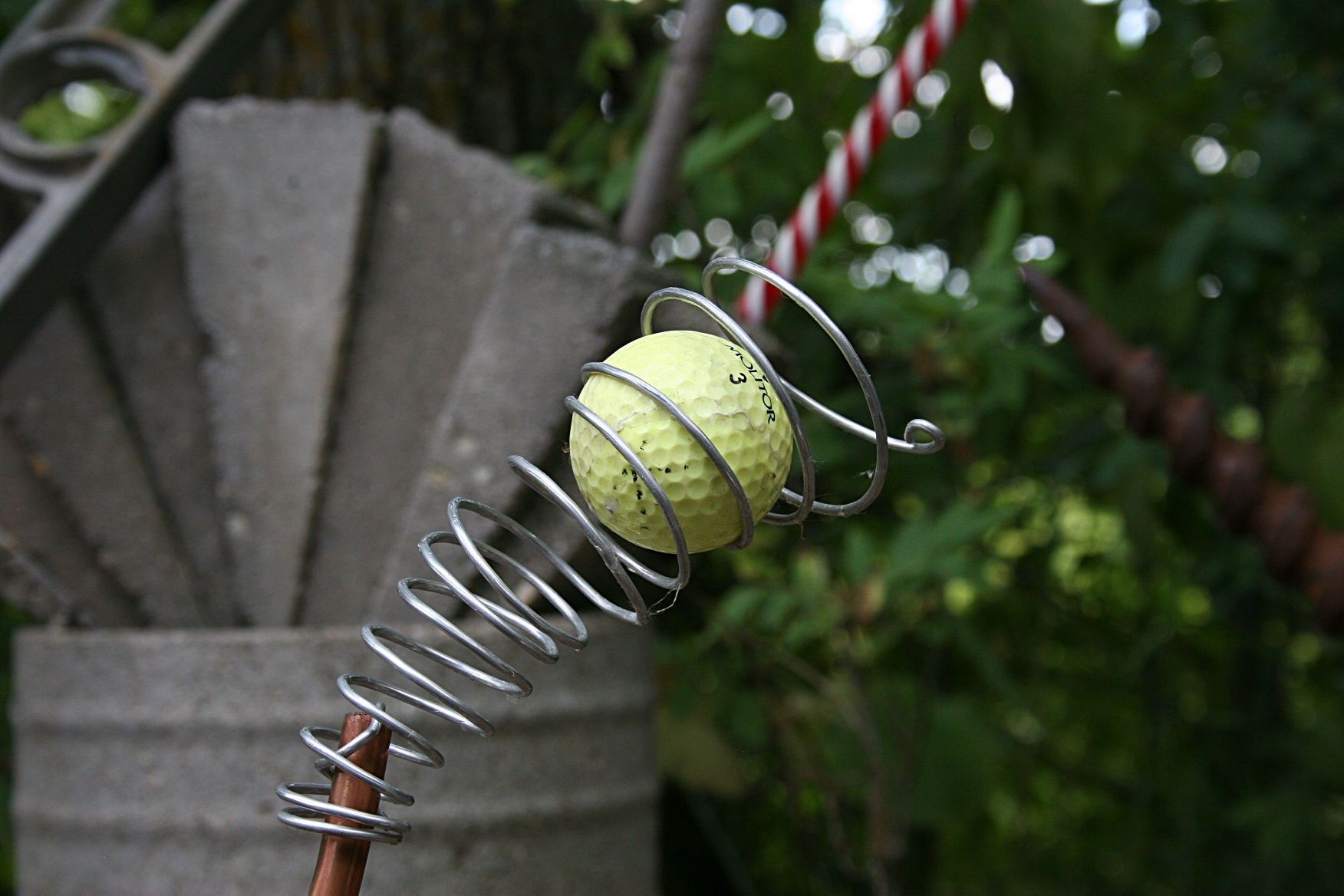
MY FRIEND STEVE, married to my friend Jackie, is an artist. Oh, he may not term himself as such and he prefers you call his creations artwerk rather than artwork. Seems more masculine, this bulk of a guy claims.

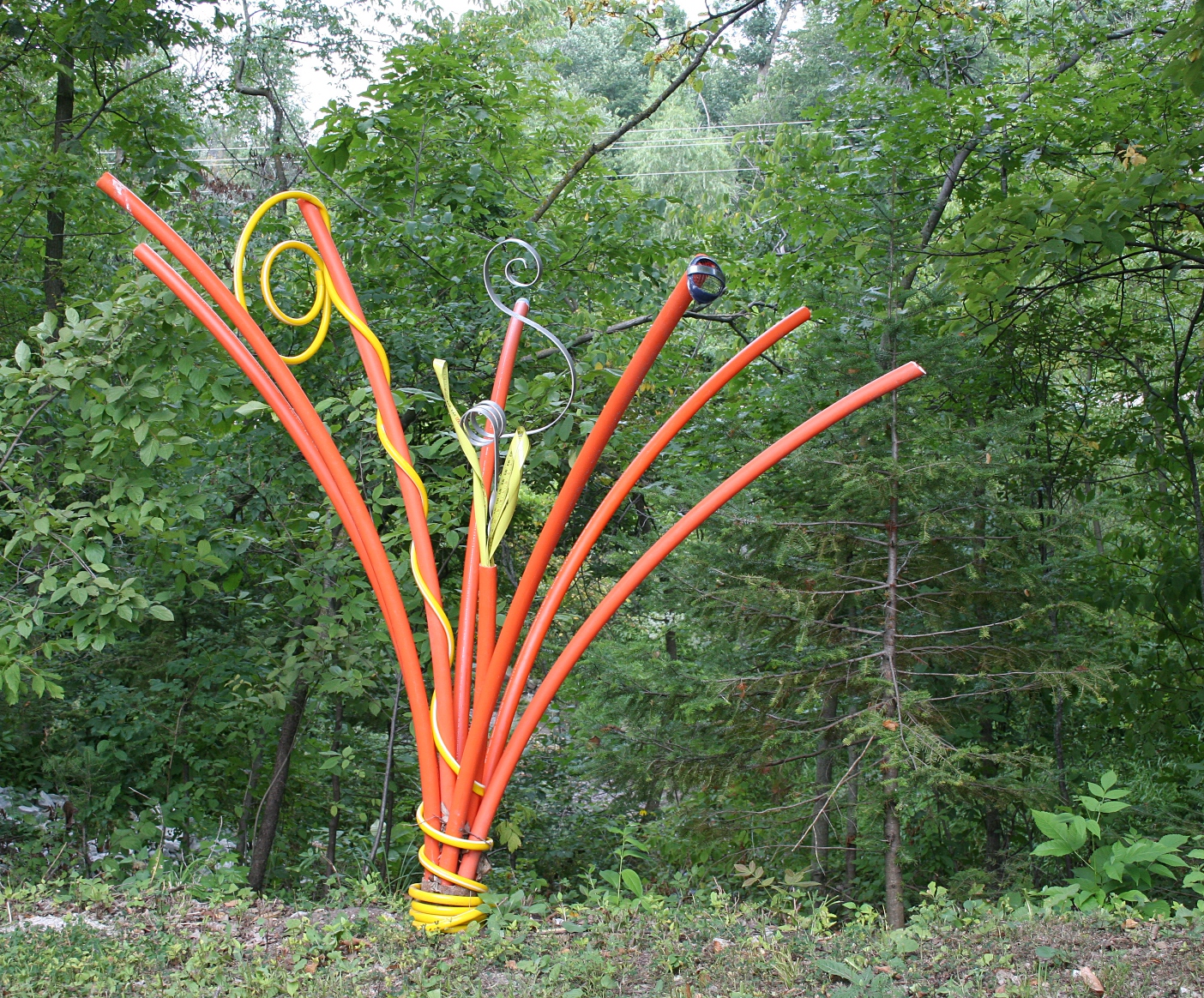
Conduit and pipes transformed into art for placement on Steve's wooded acreage.

Conduit, pipes and metal transformed into art for placement on Steve’s wooded acreage.

But I am 100 percent certain that the art Steve crafts from what many would term junk qualifies him as a bonafide artist. He’s even dumpster dived for art materials and salvaged items from scrap piles.

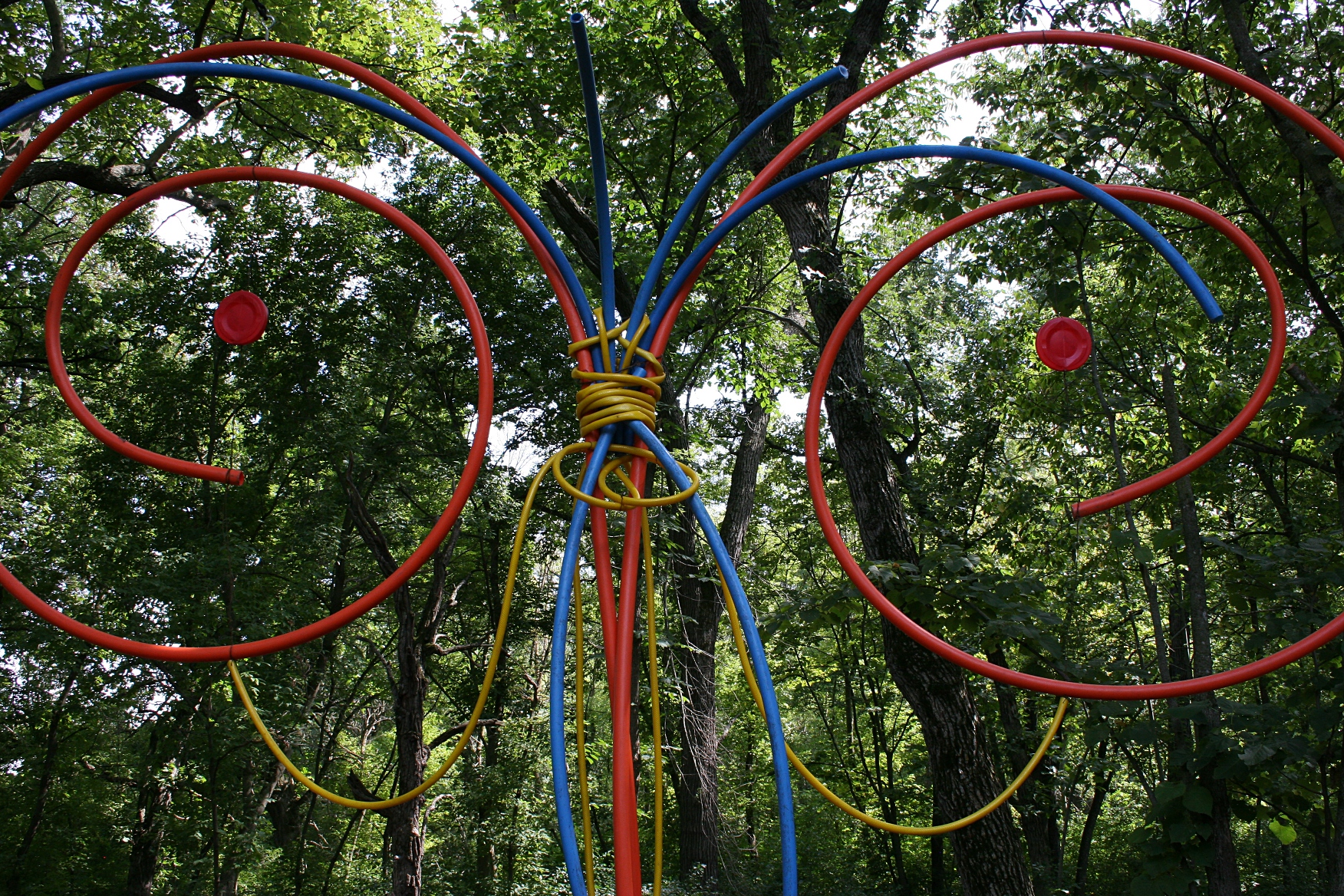
Circles and spirals appear often in Steve's art.

Circles and spirals appear often in Steve’s art.

For now this one-time welder pursues his art passion as a hobby. I’m convinced he could sell his pieces or create works on commission and have suggested such to him. He’s already selected a business name—Big “N” Ugly’s Iron Werks. Catchy. But Steve is certainly not ugly. If I remember correctly, the name relates to some crazy story from his past.

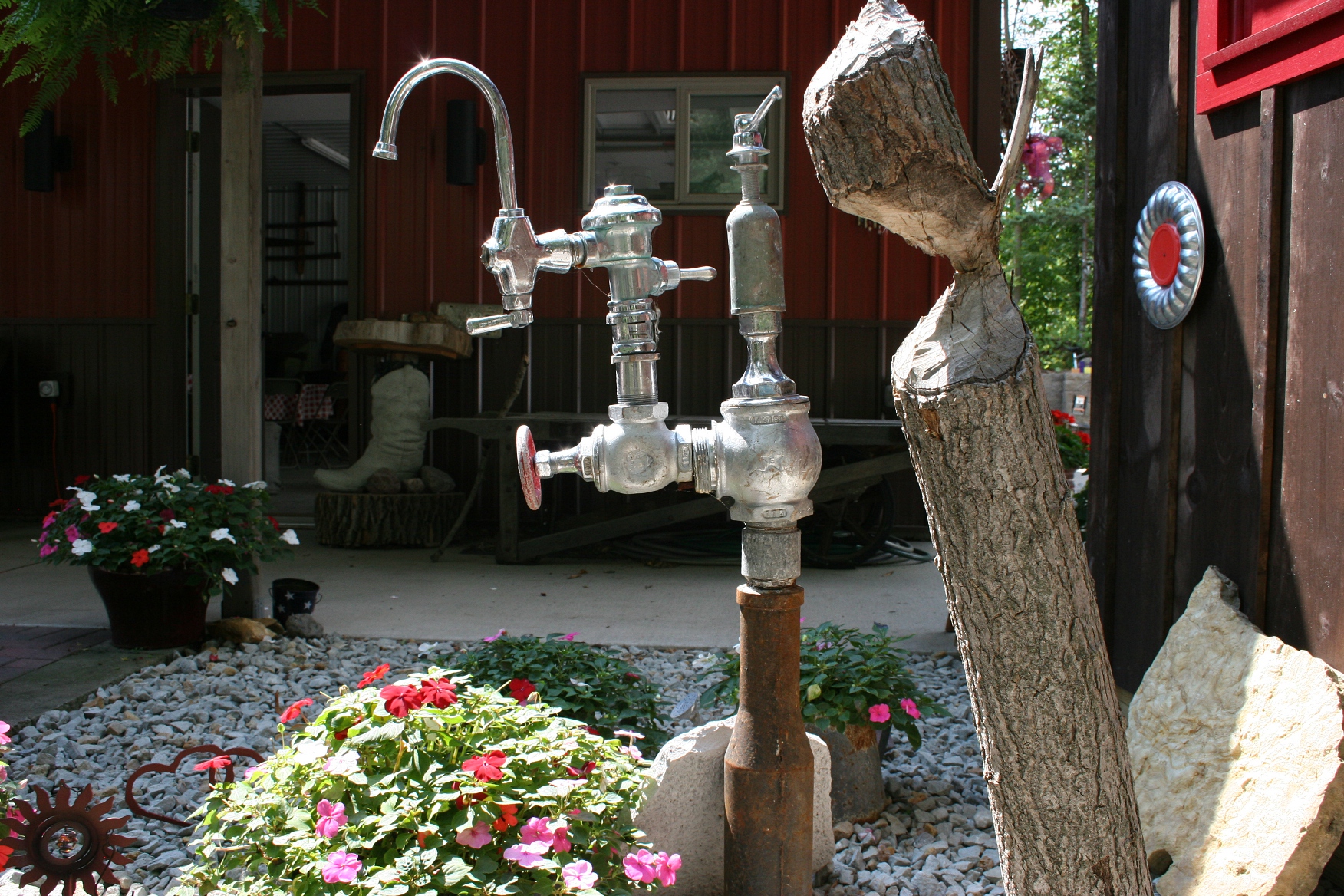
Discarded plumbing provides materials for art in a flower garden.

Discarded plumbing provides materials for art in a flower garden.

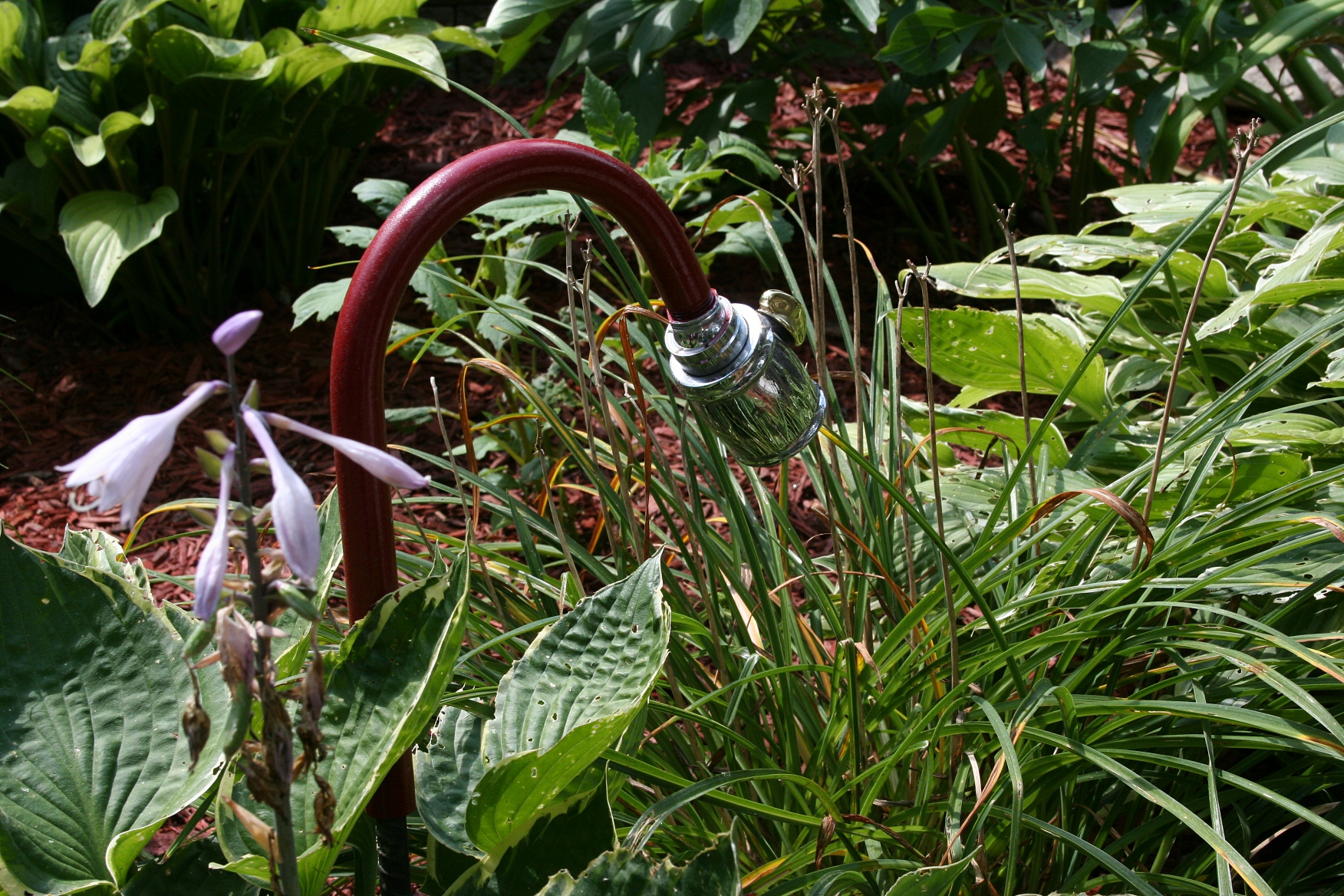
Jackie wishes this flowerbed faucet was functional.

Jackie wishes this flowerbed faucet art was functional.

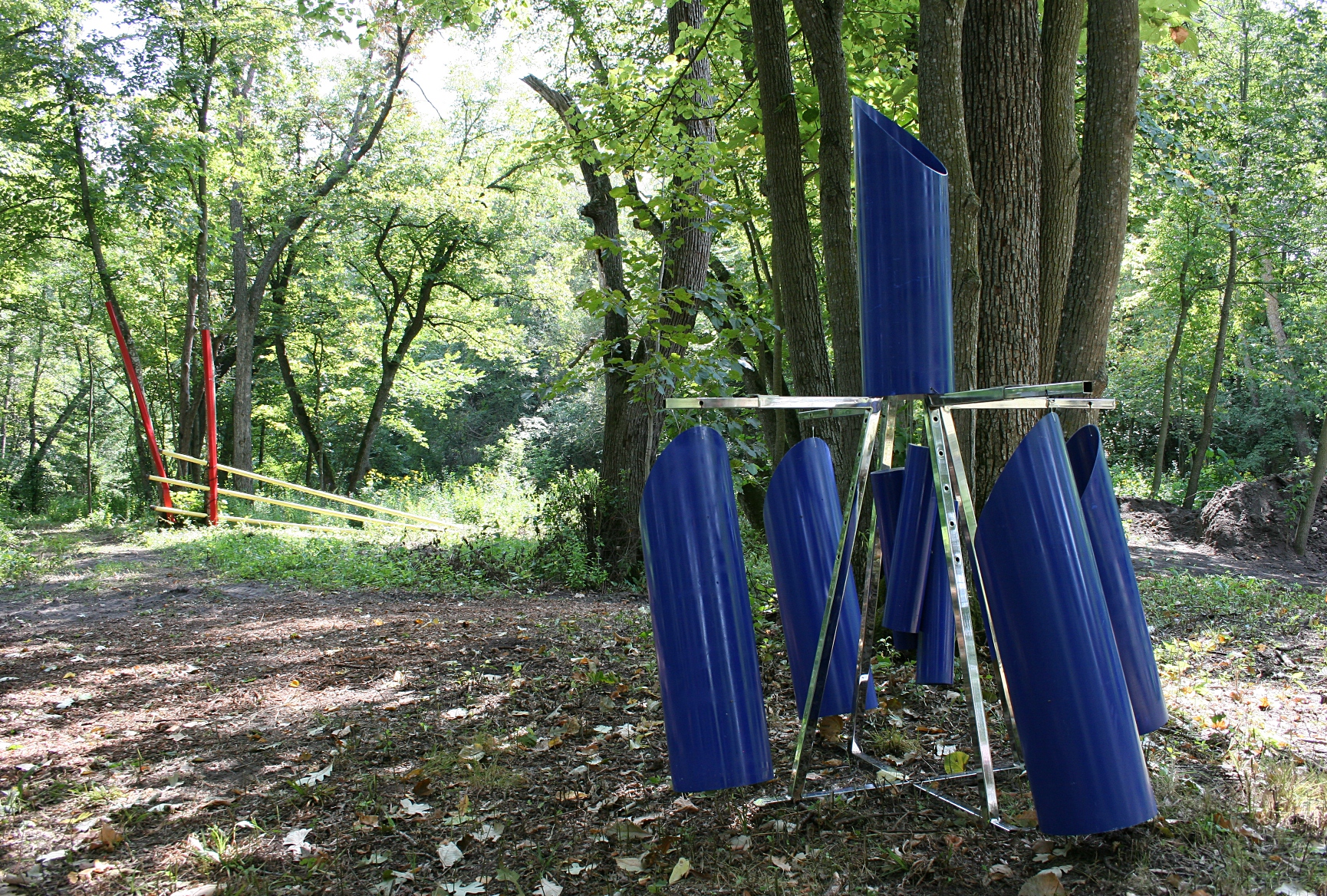
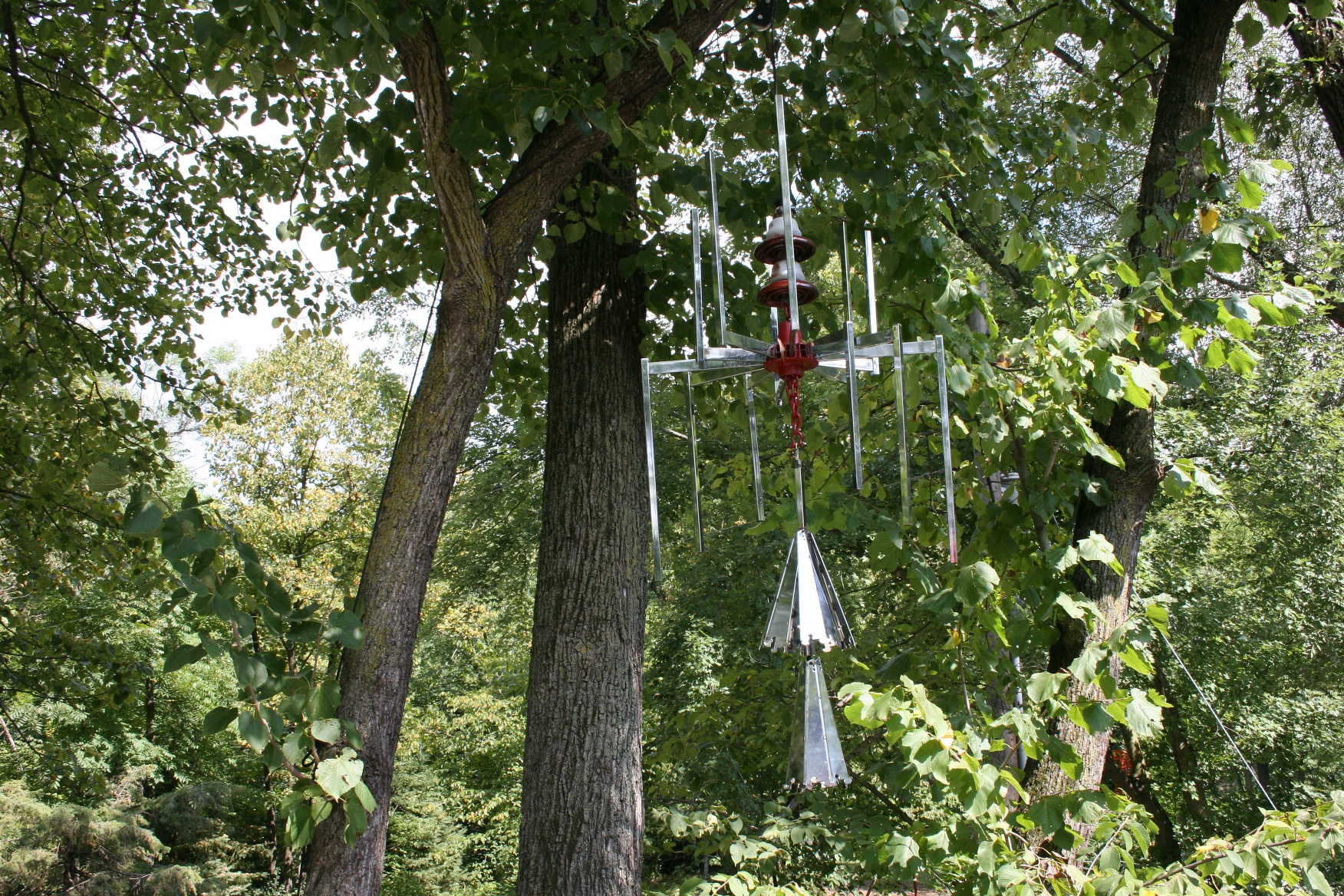
Oversized chimes crafted from discarded clothing racks (etc.) and strung high in a tree.

Oversized chimes crafted from discarded clothing racks (etc.) and strung high in a tree.

He’s transformed clothing racks, tape measures, a springform pan, old faucets, a grater, conduit and more into visual, and sometimes functional, art. The pieces are strategically placed on the couple’s wooded creekside property just off a quiet county road northeast of Medford. I love their land and many times have wished aloud that I desire to retreat here until all stress has exited my life.

Conduit turned art.

Conduit turned art.

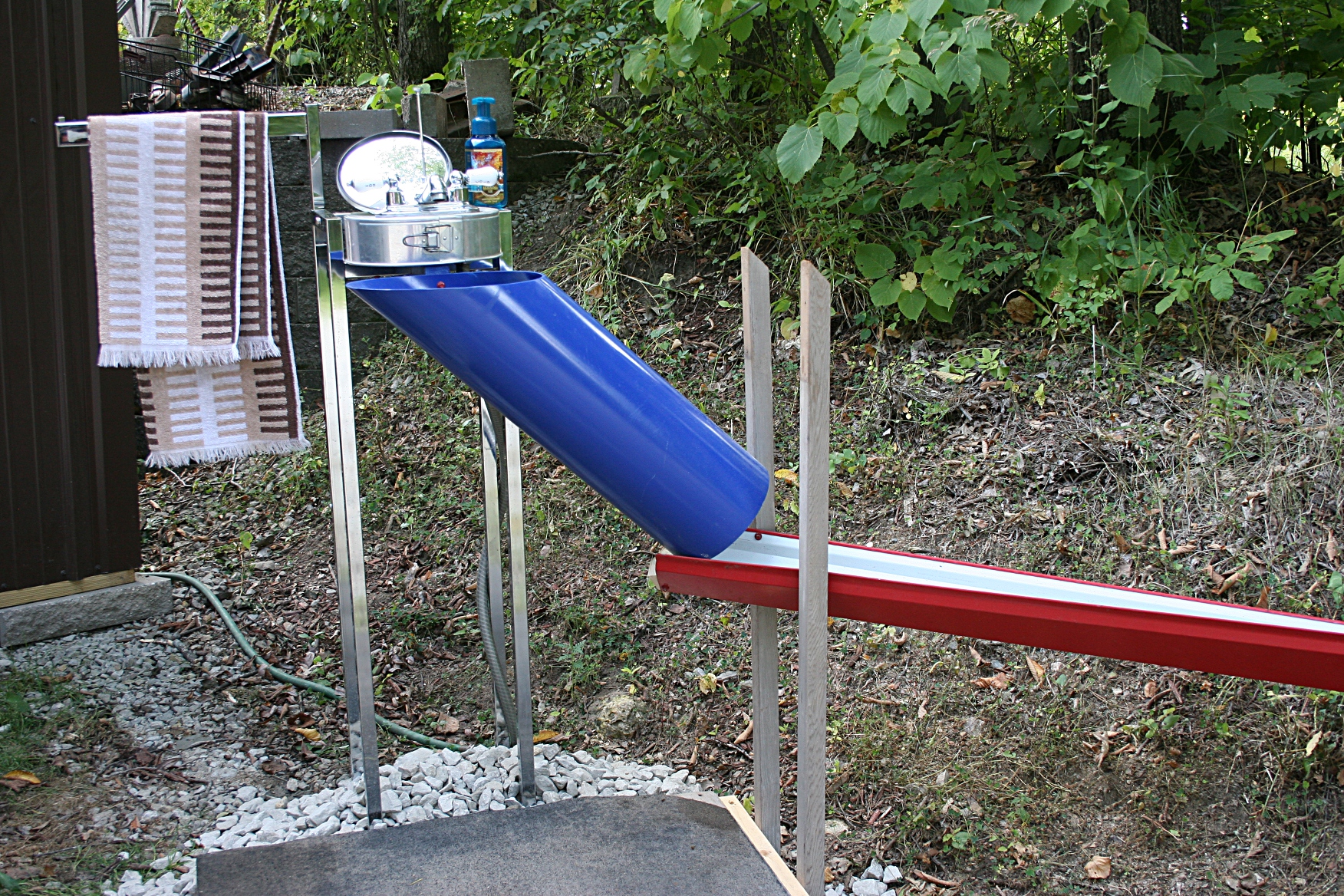
A portable outdoor functioning sink created with old faucets, springform pan, plastic pipes and more.

A portable outdoor functioning sink created with old faucets, springform pan, plastic pipes and more.

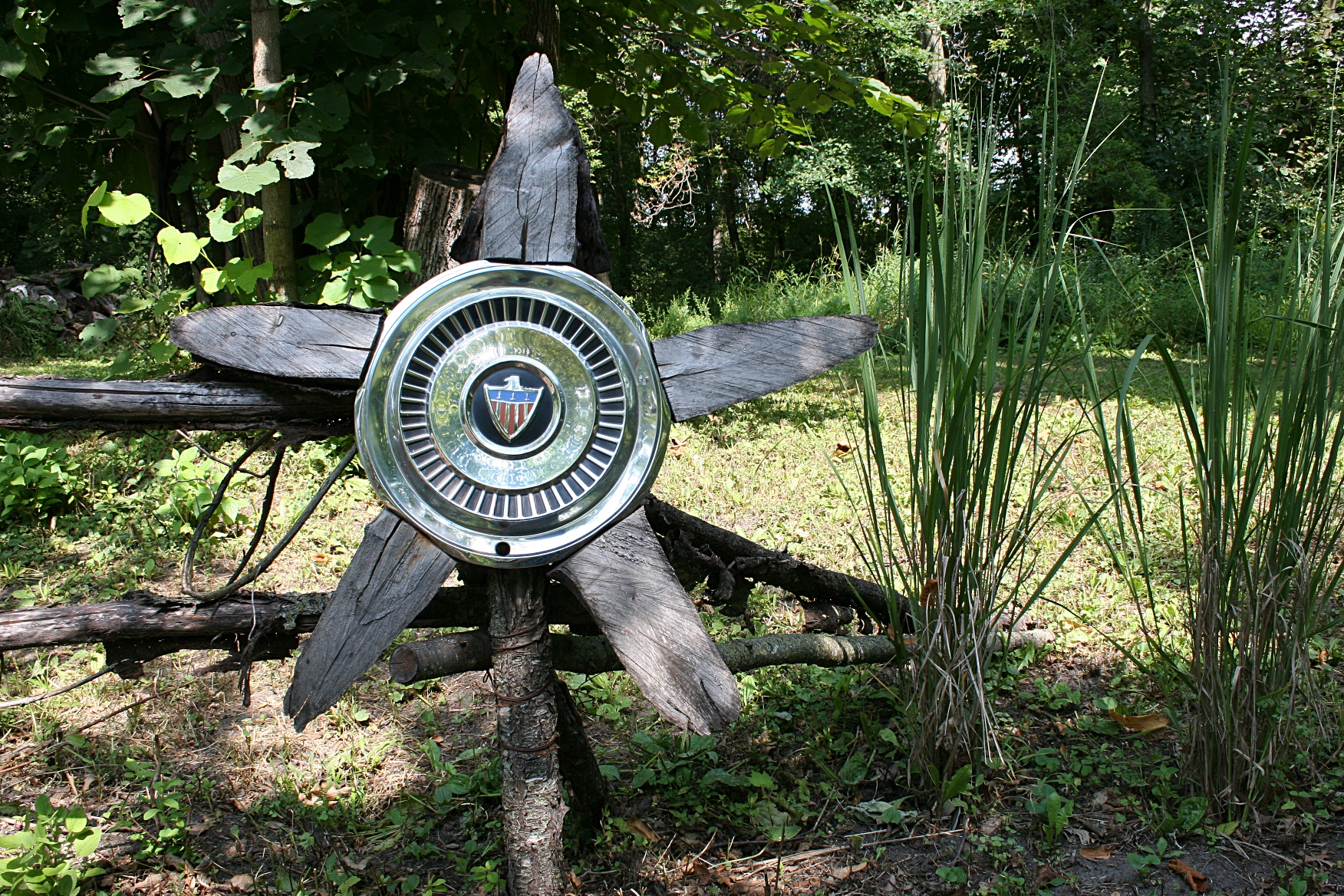
Fence art.

Fence art.

On a recent steamy summer Sunday afternoon, Steve and Jackie invited my husband and me to tour their outdoor sculpture garden featuring Steve’s vast collection of original art.

The close-up spirals on one of Steve's pieces.

The close-up spirals on one of Steve’s pieces.

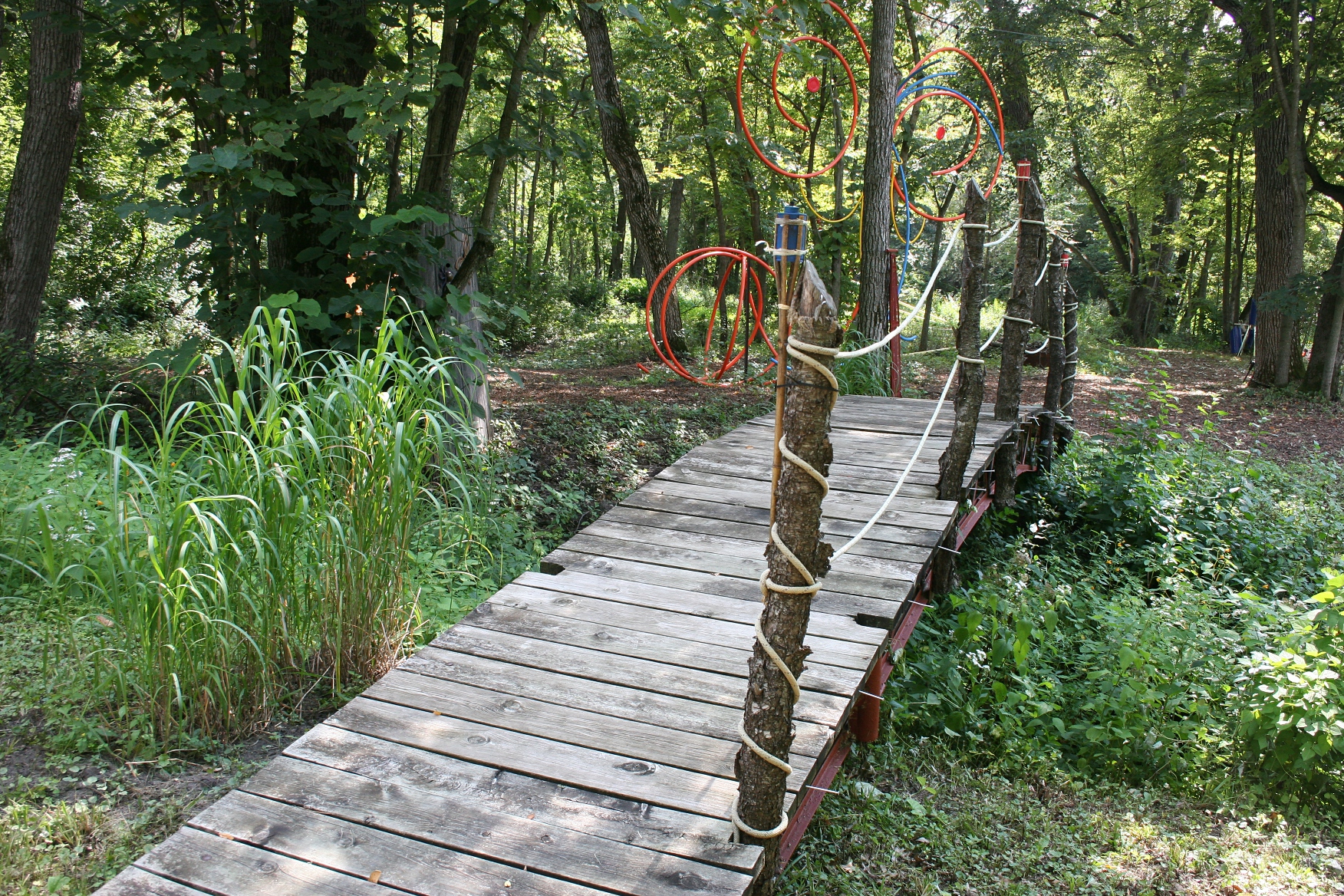
A full view of the same piece above and one of the bridges Steve built.

A full view of the same piece above and one of the bridges Steve built.

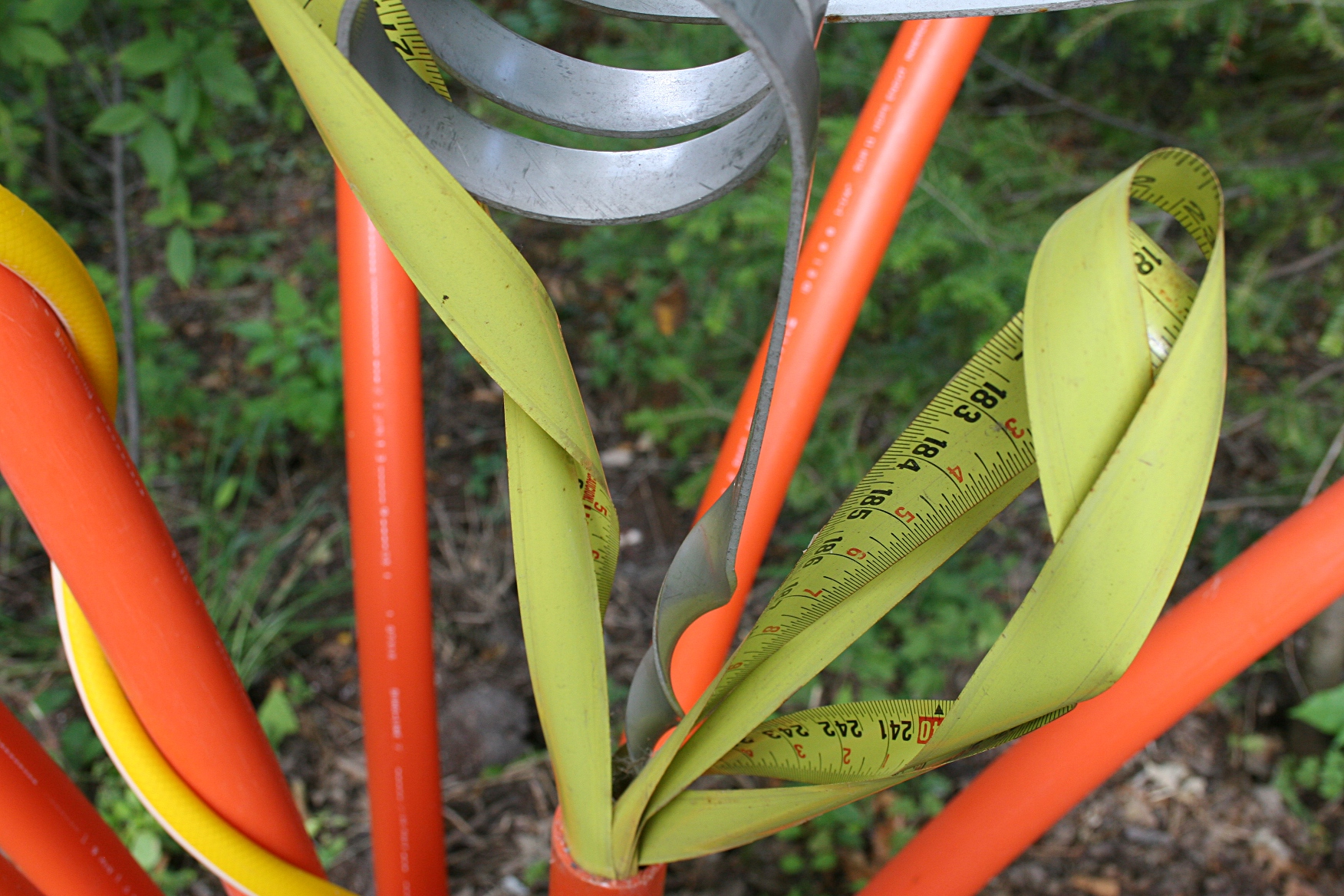
Even old tape measures are worked into his art.

Even old tape measures are worked into his art.

To view his pieces is to wonder how he can possibly come up with ideas to twist and shape and bend and sculpt cast-offs into abstract art that grabs your attention for its uniqueness, cleverness and artsy appeal.

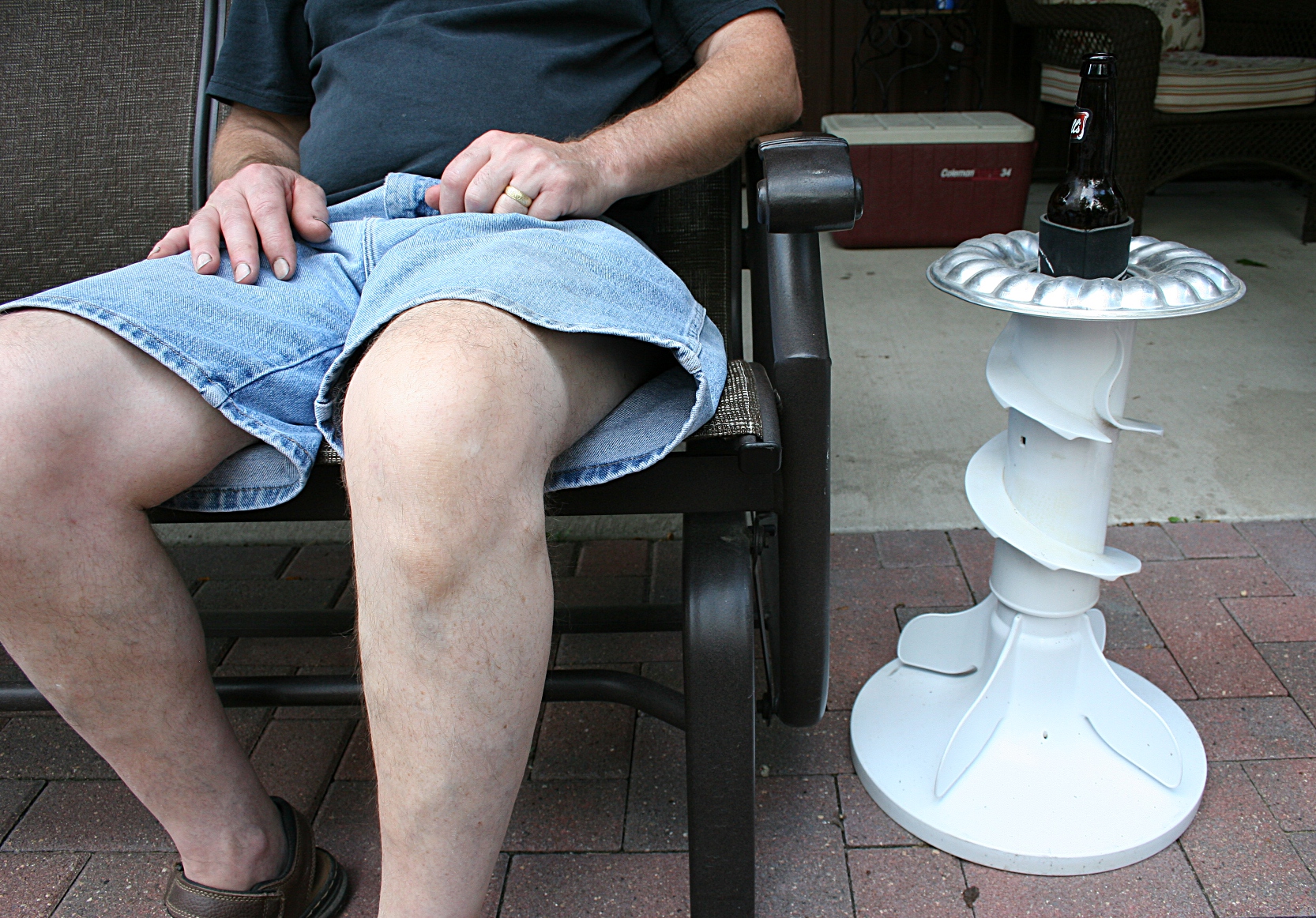
A practical use for an otherwise useless washer agitator, repurposed as a beverage holder.

A practical use for an otherwise useless washer agitator, repurposed as a beverage holder.

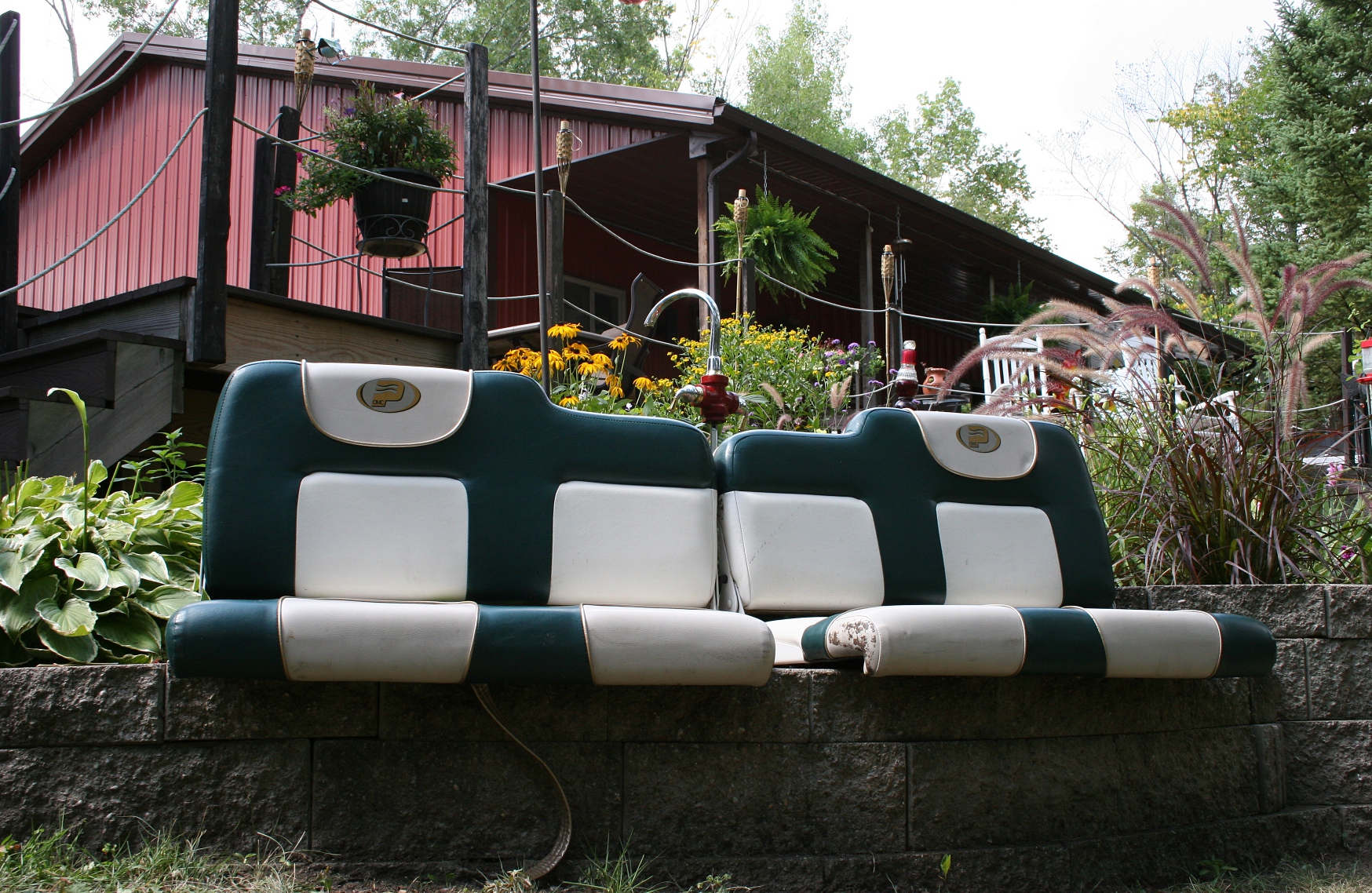
Boat seats repurposed as a seating area on a retaining wall.

Boat seats repurposed as a seating area on a retaining wall.

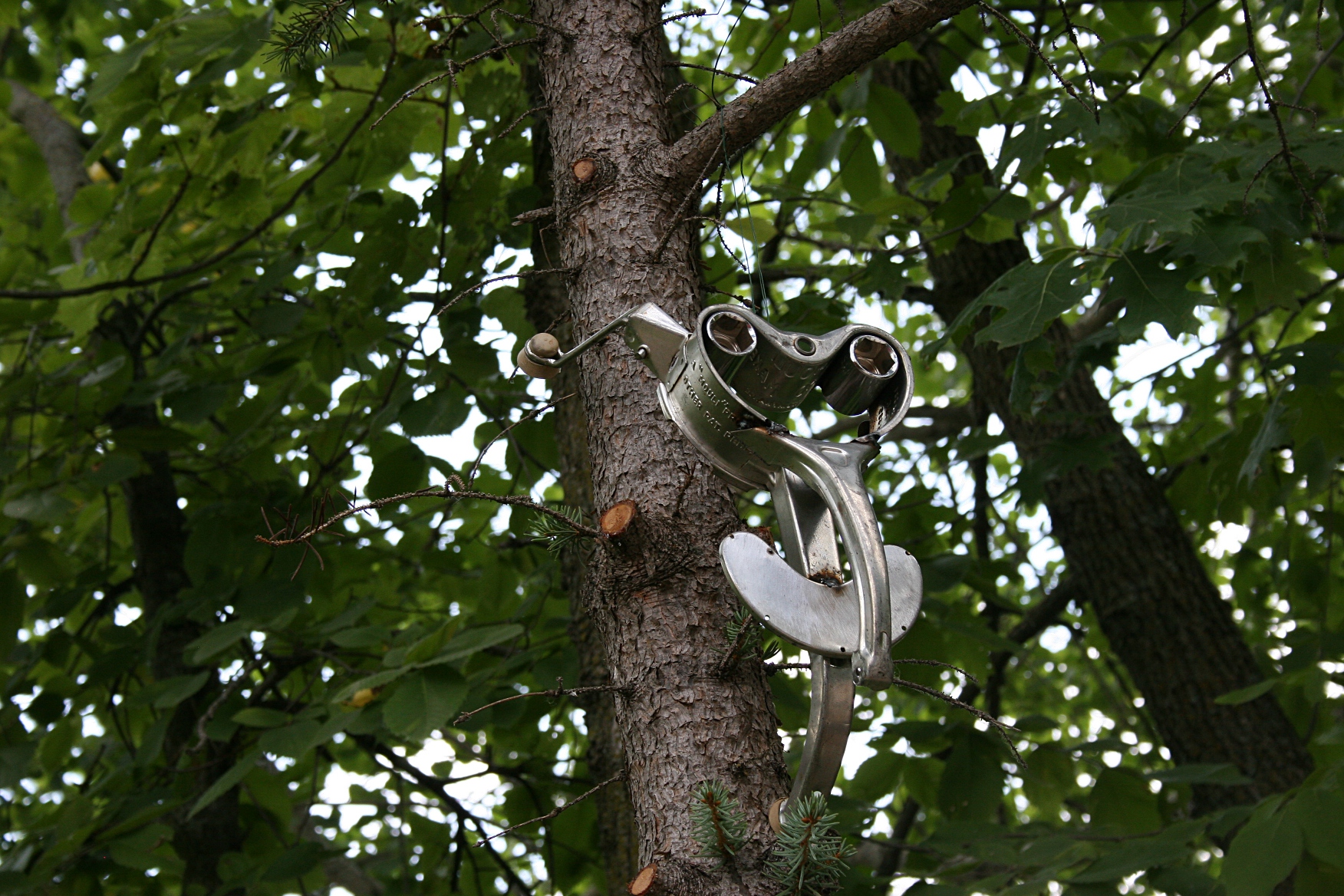
Who thinks of using a vintage meat grinder for art, then suspending it in a tree? Steve.

Who thinks of using a vintage grinder for art, then suspending it in a tree? Steve.

Talk to Steve about his artwerk and you hear his unbridled enthusiasm. This is what he’s meant to do. To create. Artwerk.

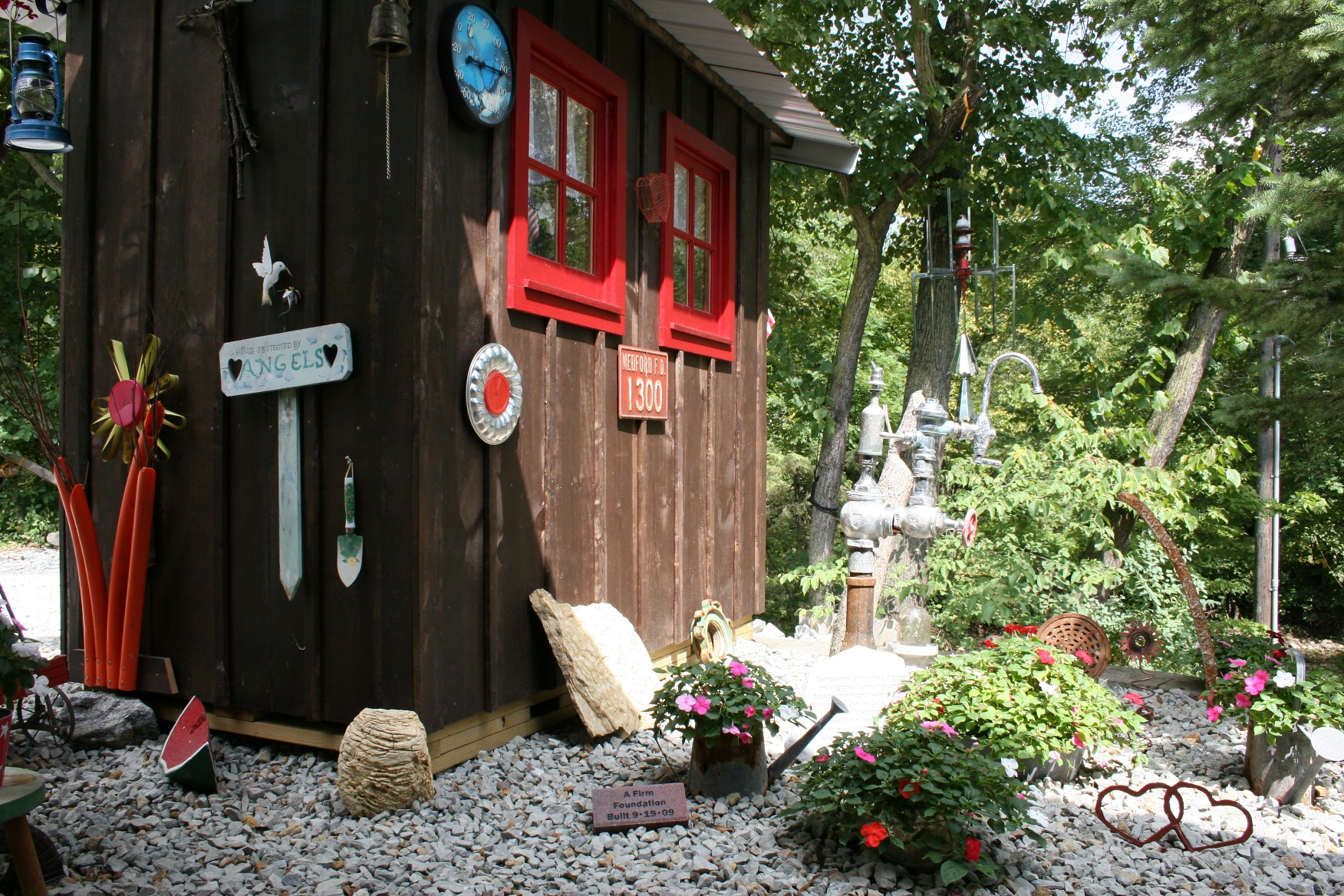
Steve has built several of these sheds, this one graced with some of the art he's crafted.

Steve has built several of these sheds, this one graced with some of the art he’s crafted.

Seriously, how does one shape barbed wire into a ball?

Seriously, how does one shape barbed wire into a ball?

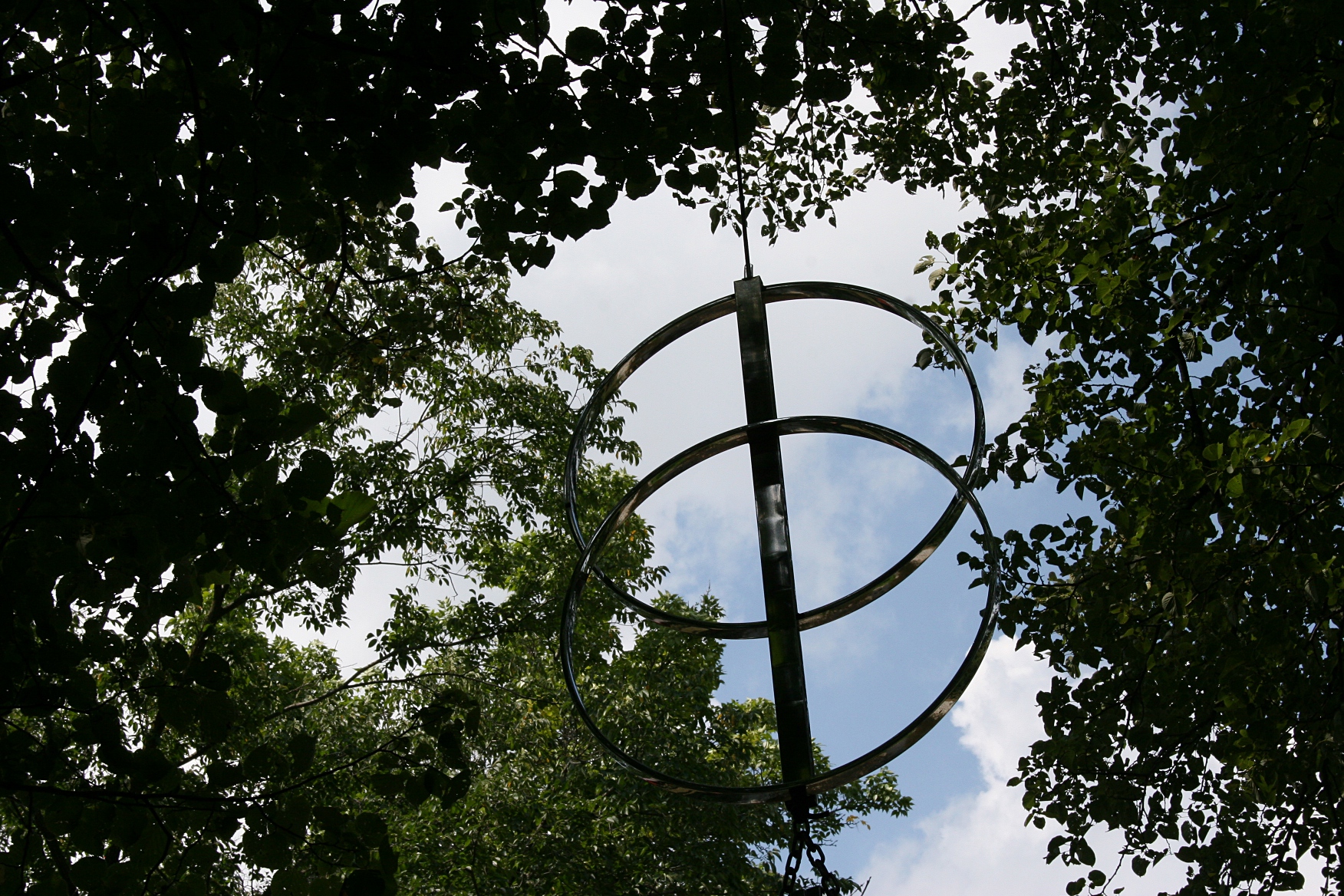
A snippet of an art piece dangling high in the trees.

A snippet of an art piece dangling high in the trees.

FYI: If you are interested in purchasing Steve’s art or having him create a piece on commission, let me know via a comment here or in an email (see my “about” page). I’m tapping Steve’s creative brain about a metal headboard from my childhood. Believe me, he can turn anything into art. Anything.

Steve did not want a photo of himself published, which is why you’re not seeing one here. I have one, but…I will honor his request.

© Copyright 2014 Audrey Kletscher Helbling


And there was light & clouds & beauty everywhere in rural Minnesota August 4, 2014

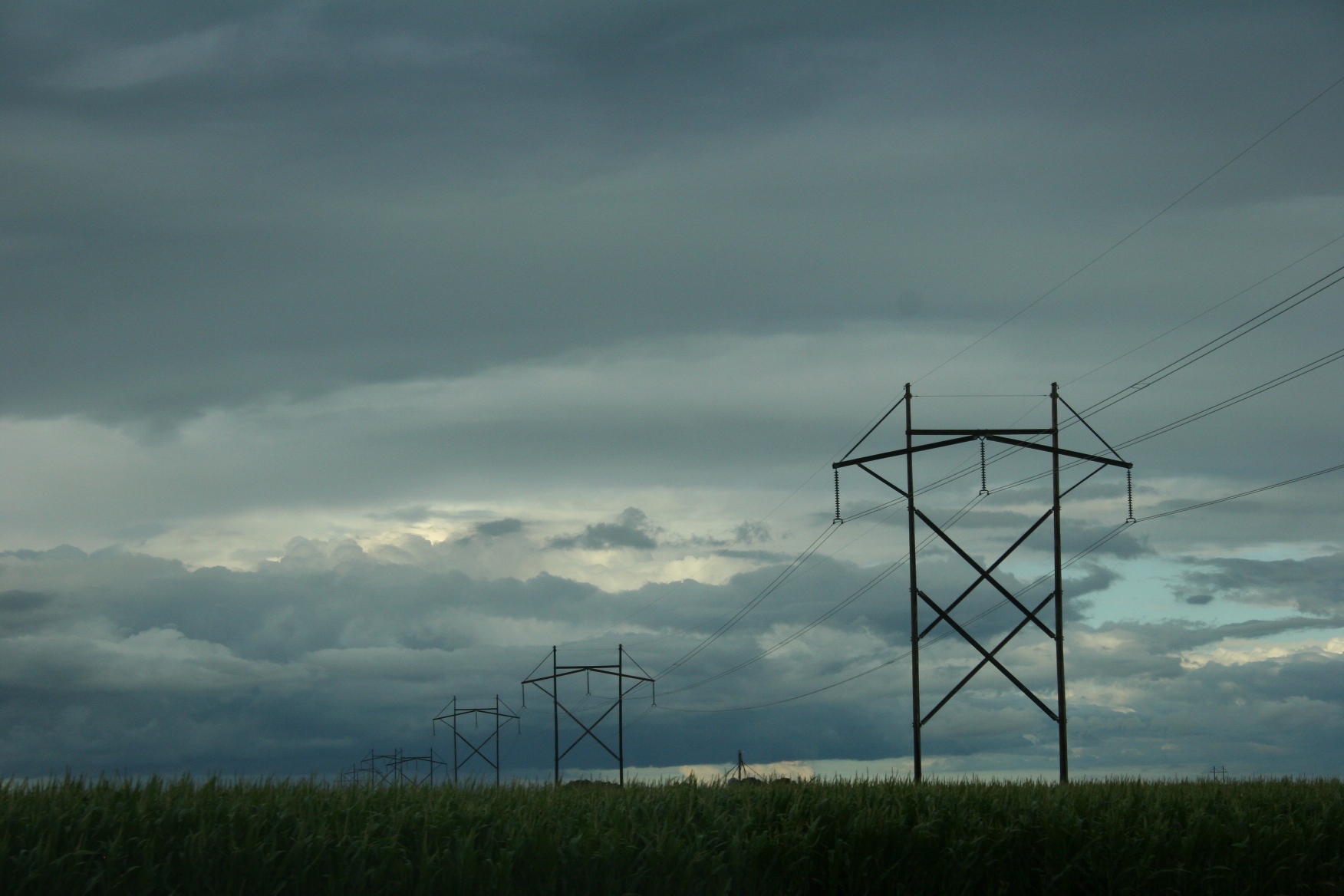
Power lines between Redwood Falls and Morgan.

Power lines tower over a cornfield between Redwood Falls and Morgan.

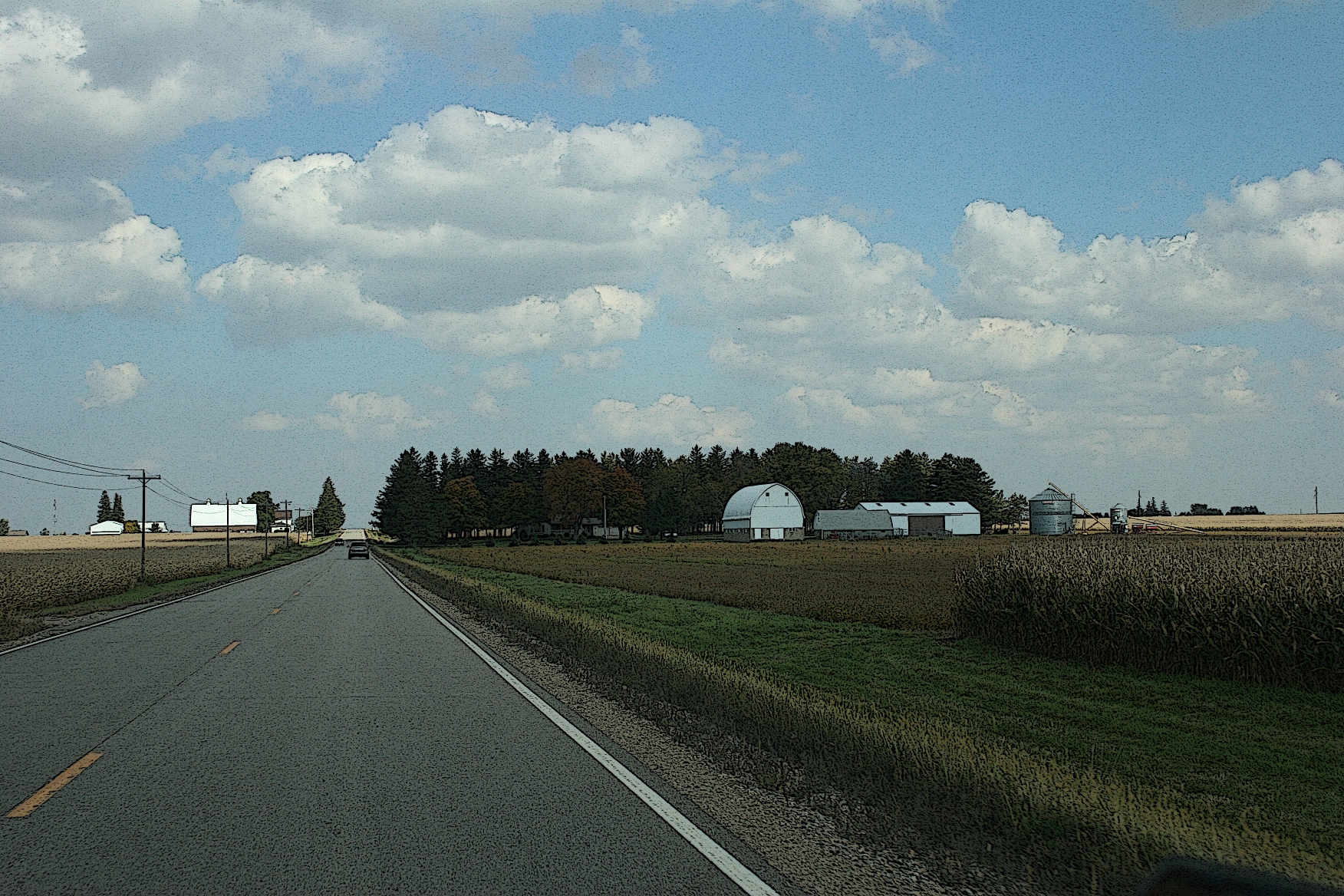
ALL THE WAY HOME, from southwestern Minnesota to southeastern, I watched the sky and the light and the crops as daylight edged ever nearer night.

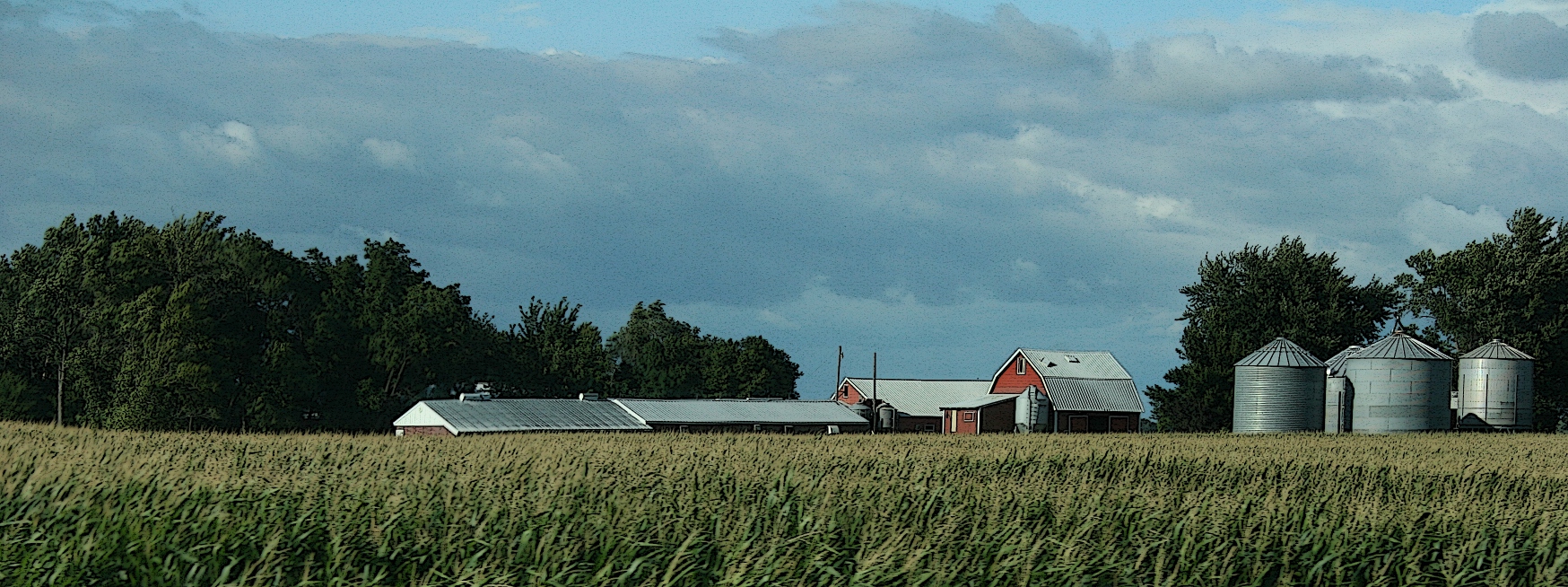
A farm site between Morgan and New Ulm.

A farm site sits next to a corn field between Morgan and New Ulm.

There’s something magical about this time when light angles sharp shadows and a certain glow prevails.

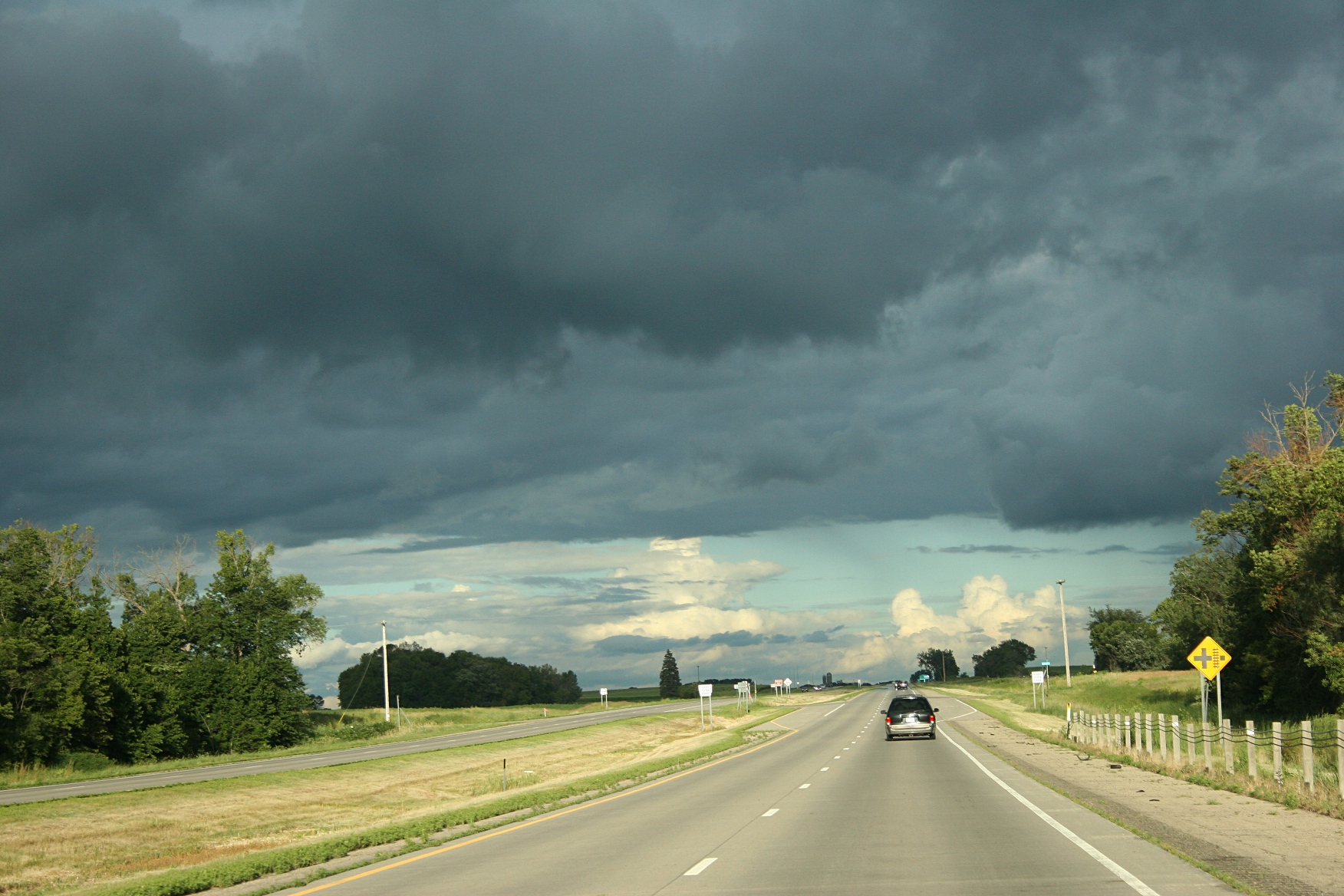
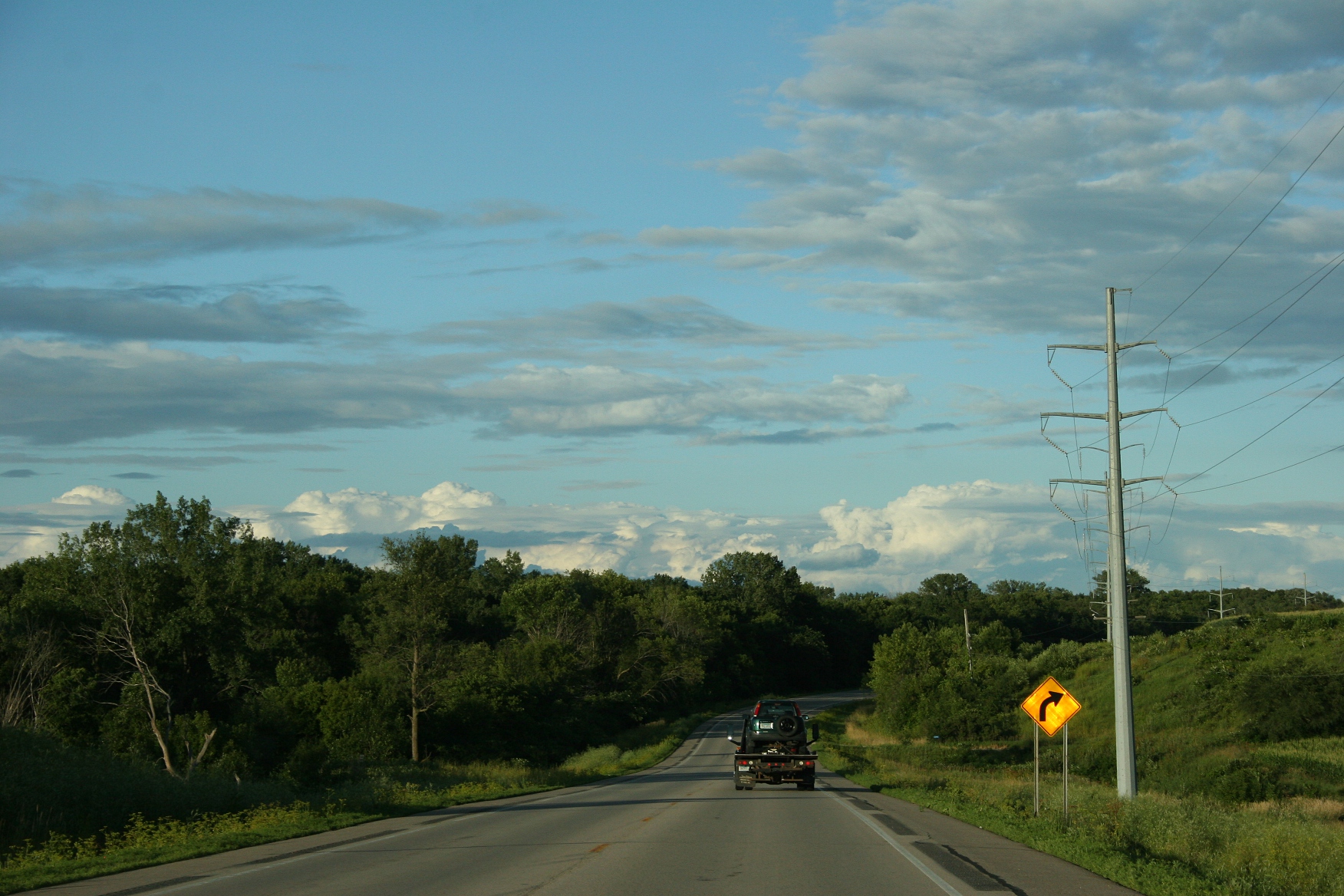
Along U.S. Highway 14 between New Ulm and Courtland.

Along U.S. Highway 14 between New Ulm and Courtland.

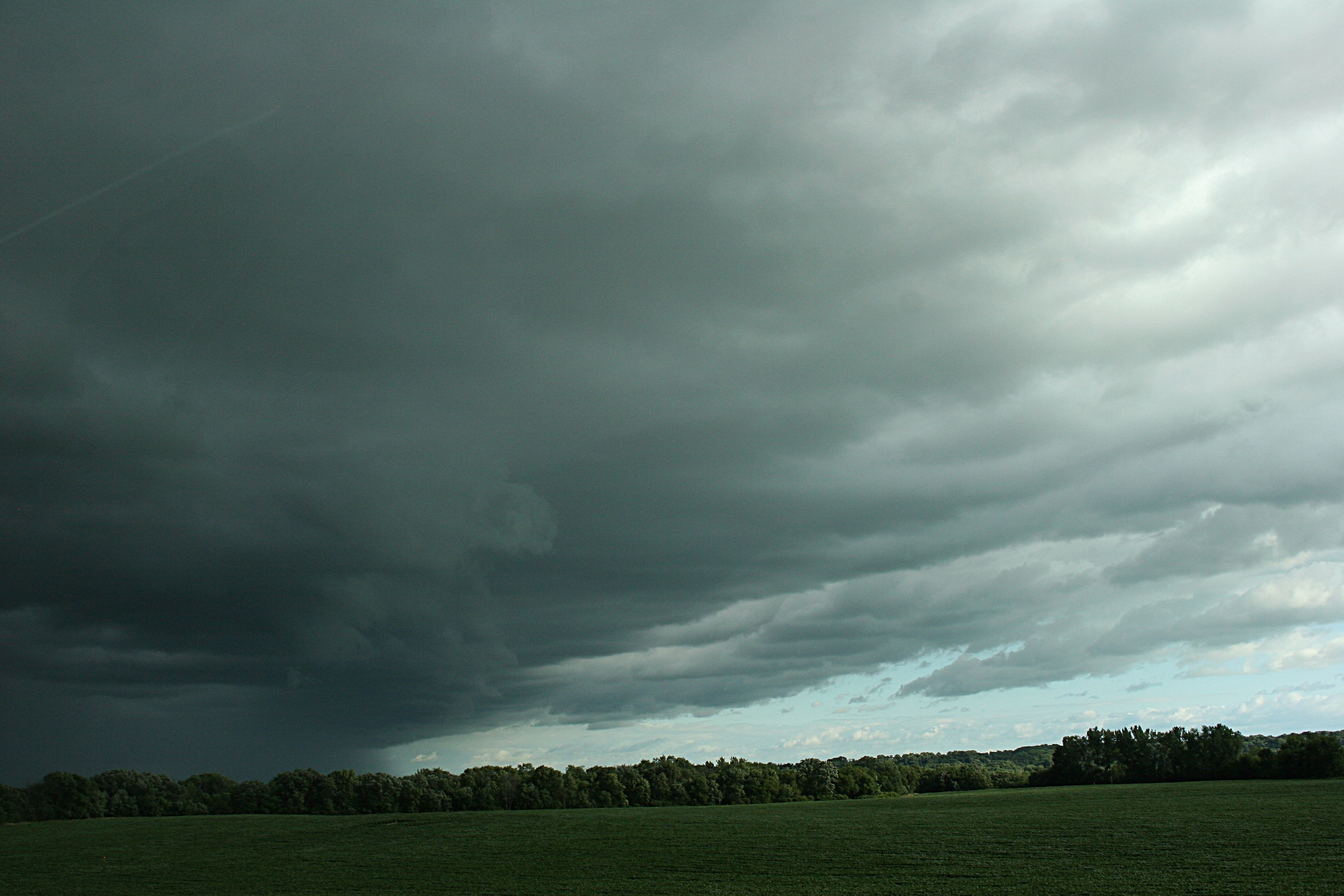
On this particular evening, grey mingled with white and blue, clouds stretching and towering and sometimes nearly imprinting upon the earth.

I waited for the rain. Then, just east of Courtland along U.S. Highway 14, one of Minnesota’s most dangerous rural highways, the sky opened. For a short period, rain rushed across the windshield, washing away residue of bugs and bird poop with each swipe of the wipers.

Traveling U.S. Highway 14 near Eagle Lake.

Traveling U.S. Highway 14 near Eagle Lake.

Soon enough, the rain stopped and dry pavement rolled beneath the van tires.

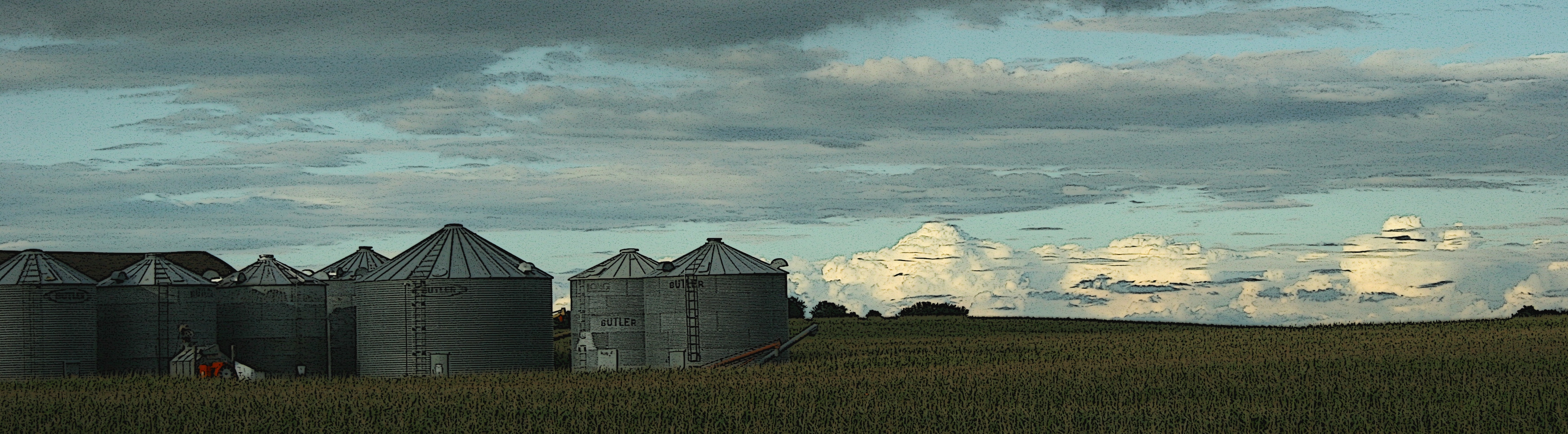
Grain bins along Minnesota State Highway 60 just off U.S. Highway 14.

Grain bins along Minnesota State Highway 60 just off U.S. Highway 14.

I focused once again on the light—the contrast of fading sunlight against battle grey sky,

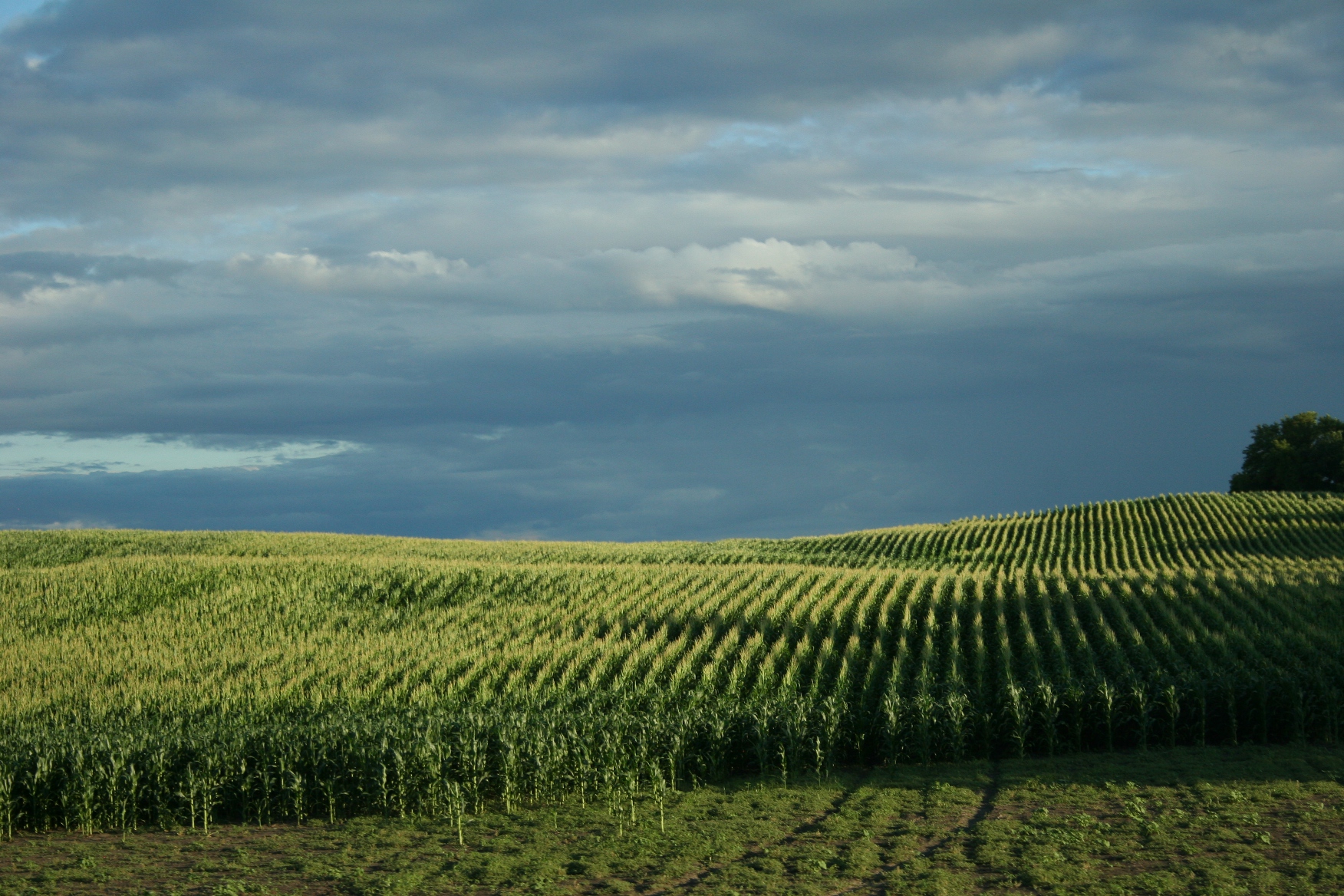
Light ripples across a hillside of corn between Waterville and Faribault along Minnesota State Highway 60.

Light ripples across a hillside of corn between Waterville and Faribault along Minnesota State Highway 60.

light spotlighting a hillside of tasseling corn,

Just east of Waterville along Minnesota State Highway 60.

Just east of Waterville along Minnesota State Highway 60.

vibrant yellow traffic signs popping alongside the road.

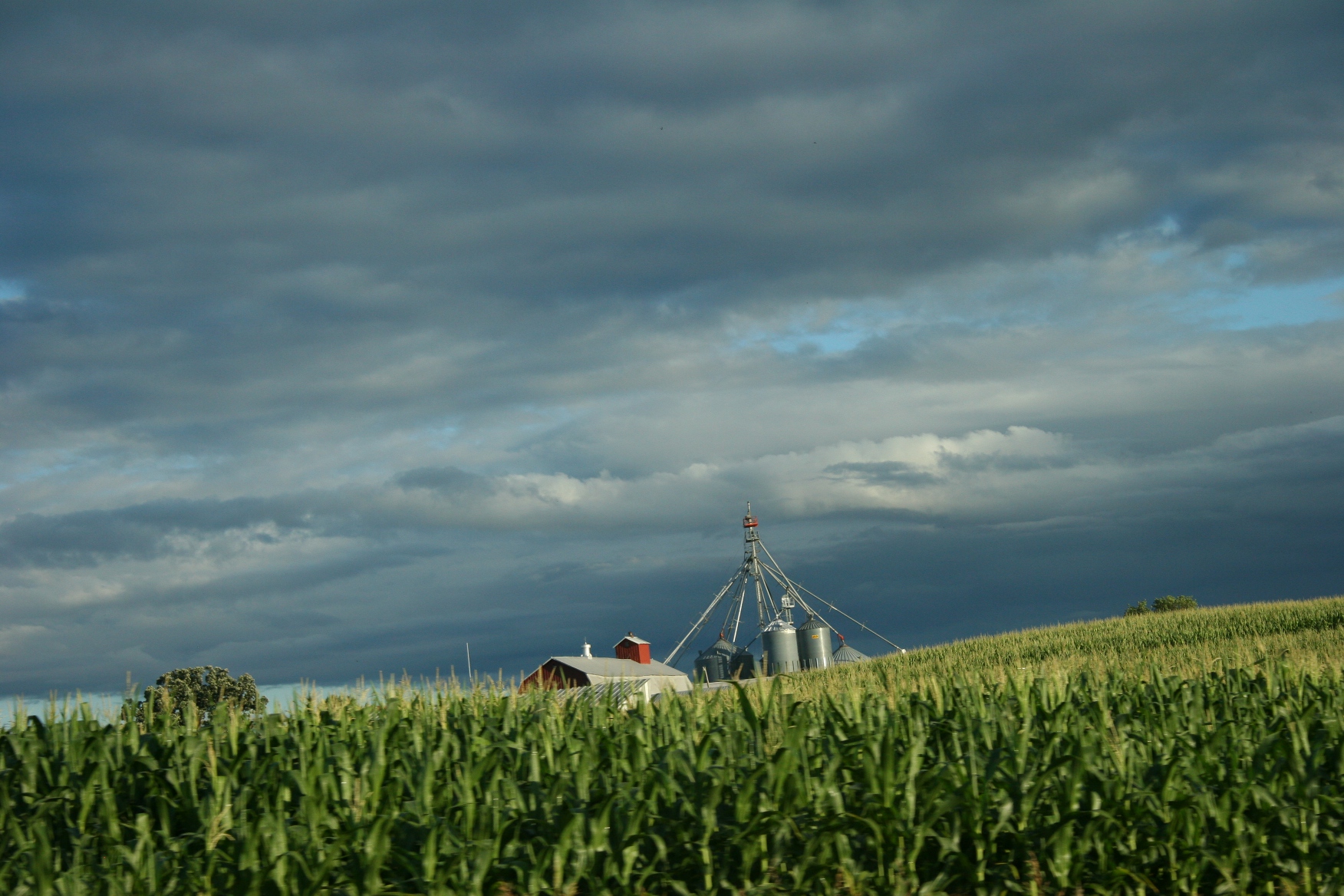
Barn and bins behind a corn field near Waterville.

Barn and bins behind a corn field near Waterville.

The landscape appeared more focused, like a bold-lined picture colored with pointy new crayons. Sharp. New. Unrounded.

© Copyright 2014 Audrey Kletscher Helbling
 

Baseball memories from rural Minnesota July 14, 2014

FOR BABY BOOMERS like myself, summertime memories of life in rural Minnesota are as much about consuming pitchers of sugary Kool-Aid, picking rocks and walking beans as about baseball.

Memorial Park Baseball Field, home to the Dundas Dukes.

Memorial Park Baseball Field, home to the Dundas Dukes., an amateur baseball team.

When I think back to the 1960s, I hear the static buzz of my older brother’s transistor radio as he dials in ‘CCO. Play-by-play with Halsey Hall, Herb Carneal and Ray Scott. Names familiar to my generation as the voices of the Minnesota Twins.

A carving of a Dundas Dukes baseball player stands just outisde the baseball field in Dundas.

A carving of a Dundas Dukes baseball player stands just outside the baseball field in Dundas.

And then the players themselves—greats like homerun slugger Harmon Killebrew and Tony Oliva and Rod Carew.

My brother, when we played pick-up games of softball after the evening chores, role-played Killebrew. There was no arguing the choice among us siblings. He was always Killebrew as we pulled on our worn gloves or thwacked the grimy softball with a wooden bat or sped across loose gravel, rounding the discarded disc plates that served as bases.

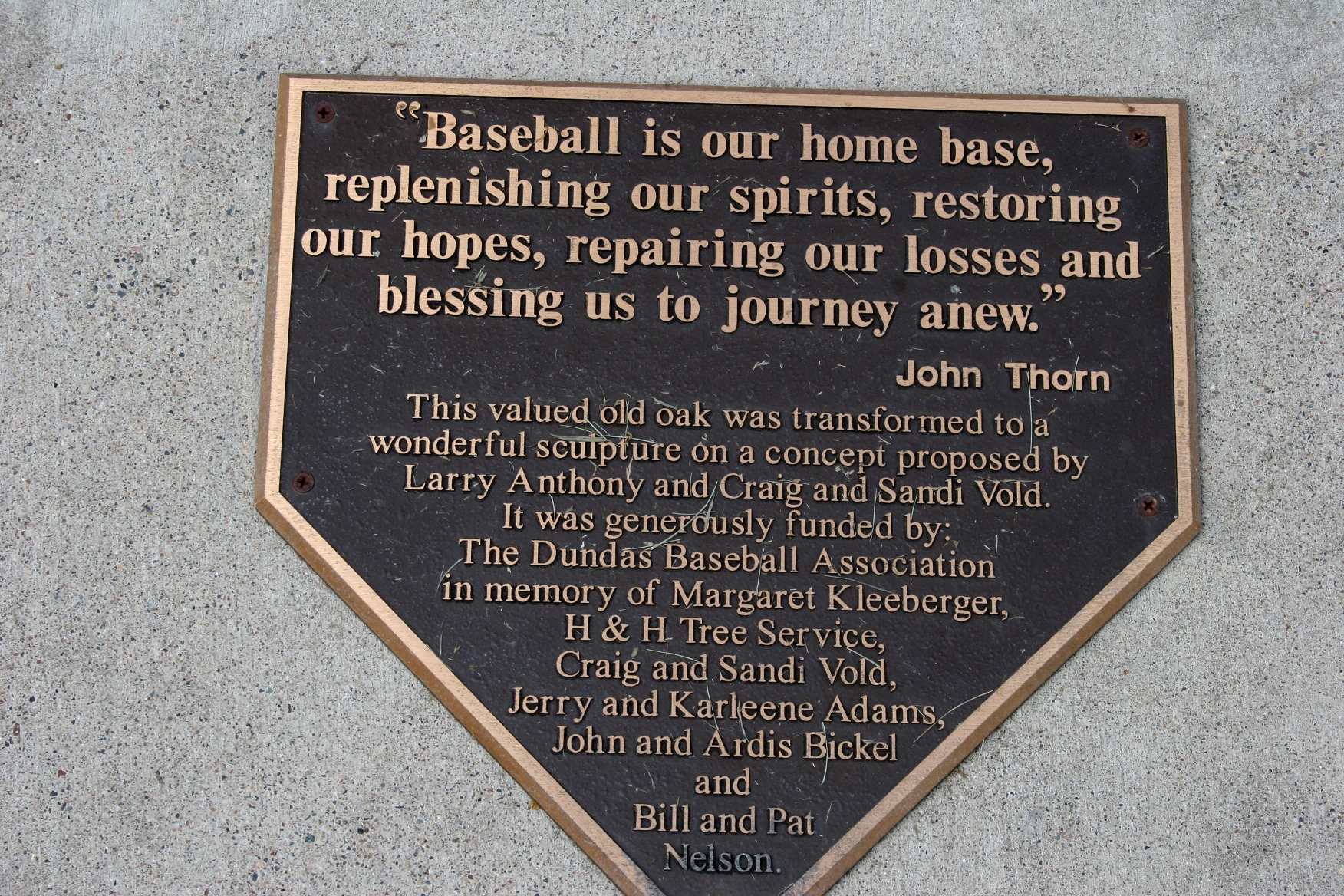
This plaque, by a baseball player sculpture at Memorial Park in Dundas,

This plaque, by the baseball player sculpture at Memorial Park in Dundas, summarizes well thoughts on baseball.

Such are my memories, along with remembering the stacks of baseball cards my brothers collected. They chewed a lot of bubblegum.

My interest in baseball, like the demise of the transistor radio, has faded through the decades. I don’t watch the game and occasionally catch only wisps of a radio broadcast.

Looking through the fence toward the Dundas Dukes' dug-out.

Looking through the fence at Memorial Park Baseball Field in Dundas.

But this week, when all eyes focus on major league baseball’s All-Star game at Target field in Minneapolis, the memories rush back.

I hear the static. The cry: “Batter up!” I see ball connecting with bat, my older brother slamming a homerun over the milkhouse. I race toward the bouncing ball, feet pounding across gravel. I scoop up the ball. And, as always, I fail to throw with any force, landing the ball far short of upheld glove. And my brother sails across home plate, arms flying. It’s another homerun for Harmon.

© Copyright 2014 Audrey Kletscher Helbling
 

Feeling unsettled in a rural Minnesota cemetery June 12, 2014

A TIME EXISTED when I avoided cemeteries. I was young then, unappreciative of their value from an artistic, historical and personal perspectives. And, if I’m honest, I’ll admit that I felt a bit afraid walking atop graves.

My thoughts have changed. Whenever my husband and I happen across a rural cemetery, we’ll often stop and wander.

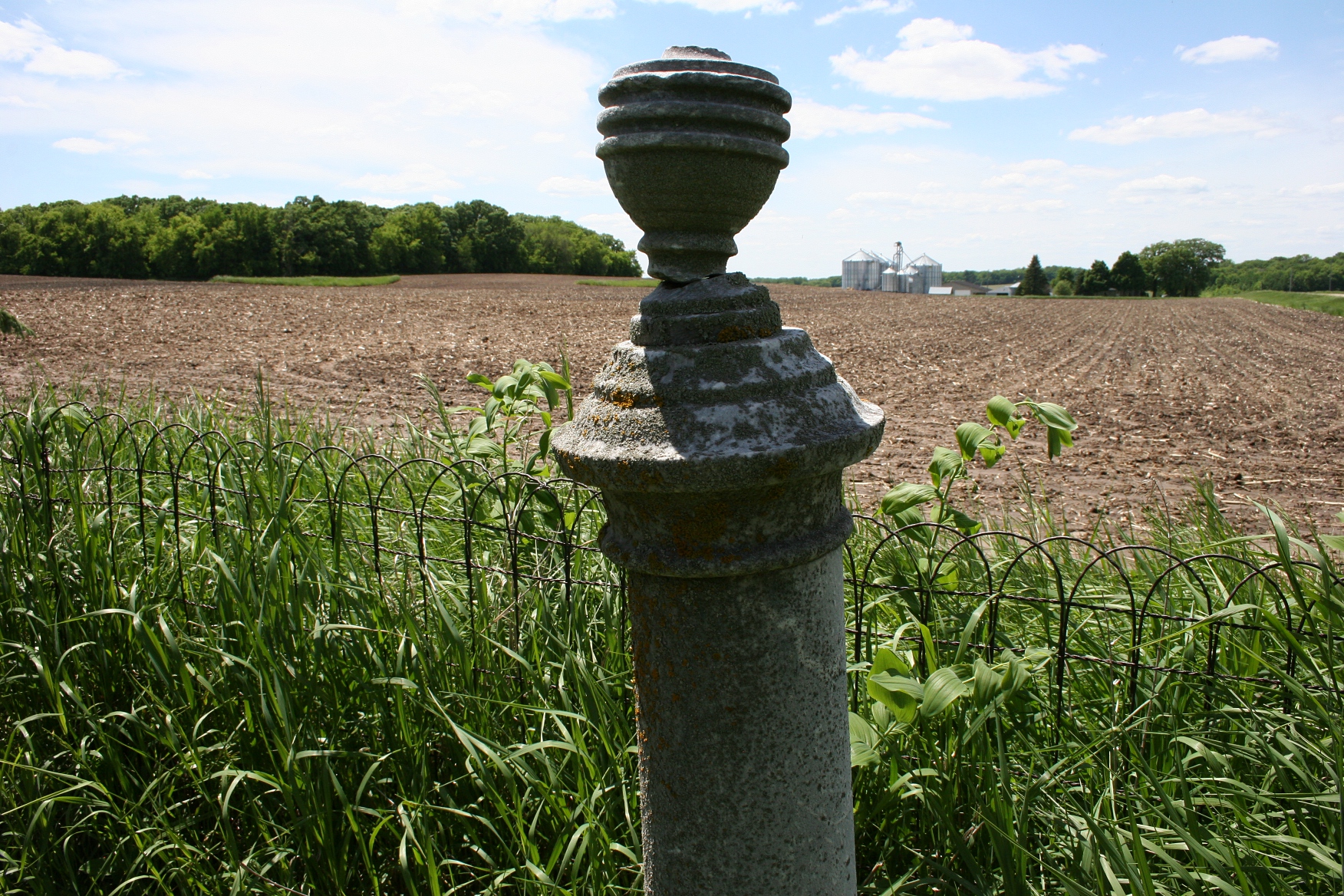
The aged Eklund Cemetery sits among farm fields in Walcott Township.

The aged Eklund Cemetery sits among farm fields in Walcott Township.

We did just that recently while in section 25 of Walcott Township in southeastern Rice County. This Minnesota township was named in honor of Samuel Walcott, an early, enthusiastic settler from Massachusetts. He returned to the East “after…his mind became distraught and he found an abiding place in an insane retreat in his native State.”

Randy, whose vision far surpasses mine, spotted the small final resting place along County Road 90, headed toward it and pulled into a field drive as no other parking exists.

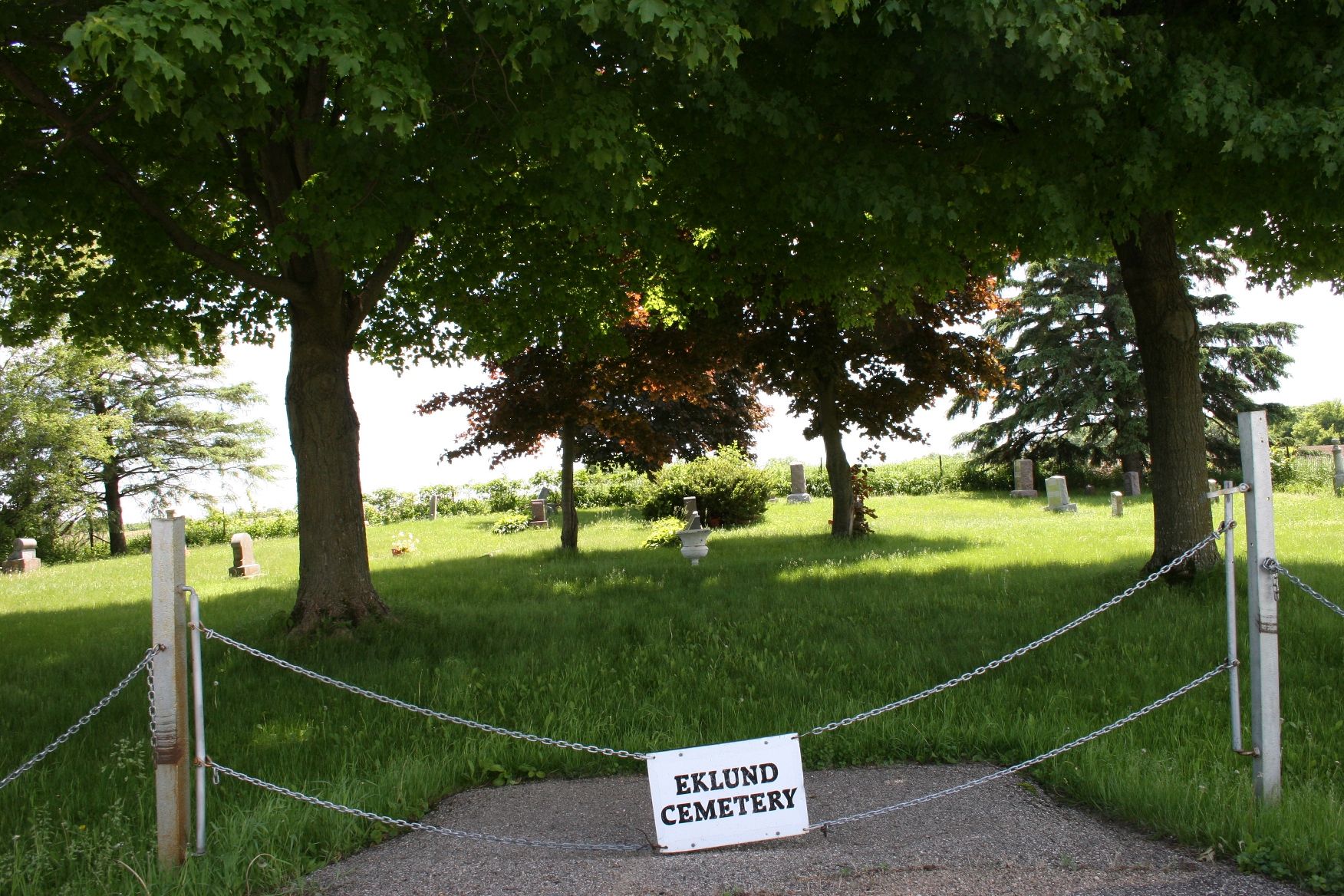
The unassuming entry to the Eklund Cemetery.

The entry to the Eklund Cemetery, which sits almost on top of the road.

Now I’ve explored many a country cemetery. But I’ve never had to step over a double stretch of chains to enter. That should have been my first clue that the Eklund Cemetery would trouble me.

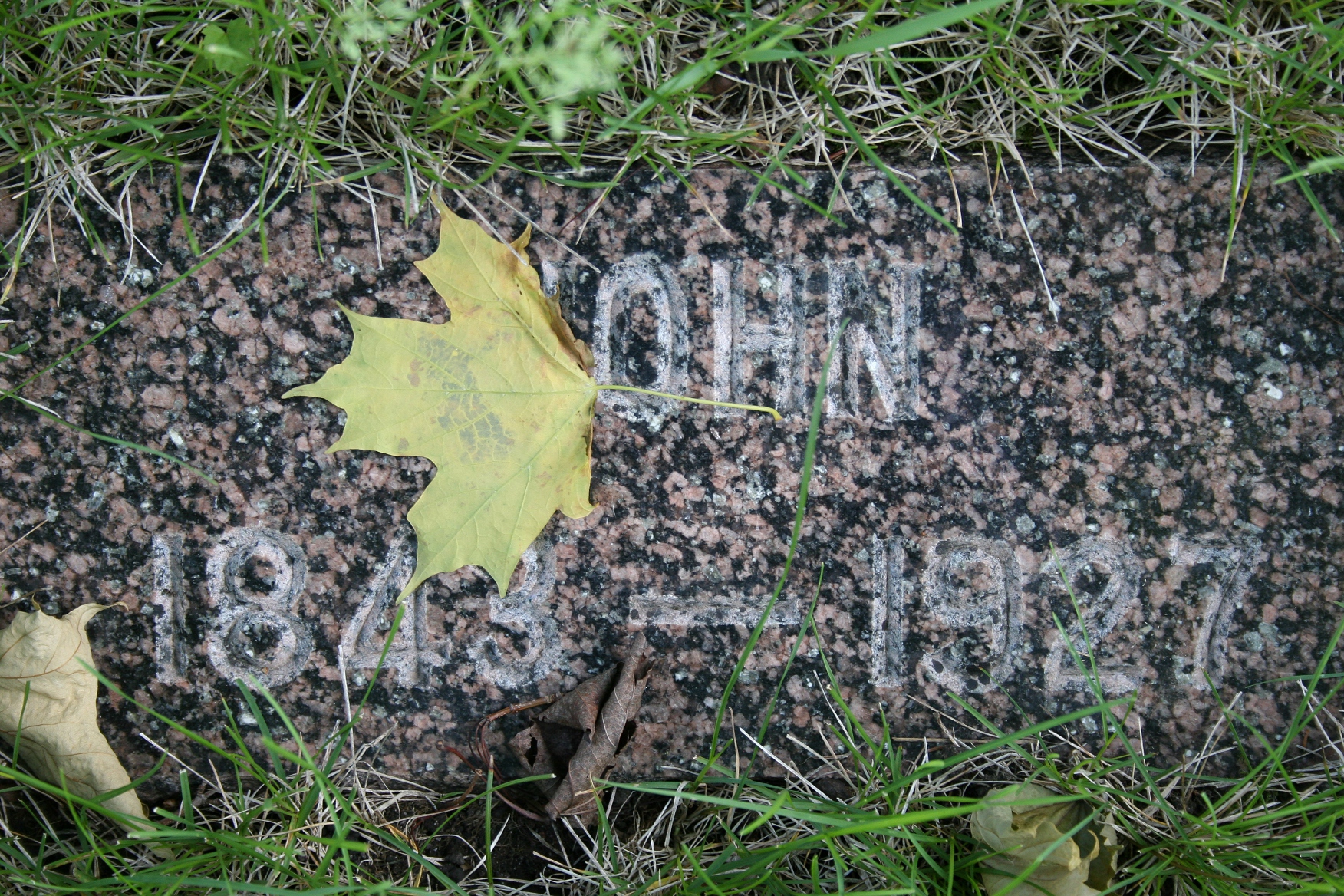
The old dates impressed me.

The old dates impressed me.

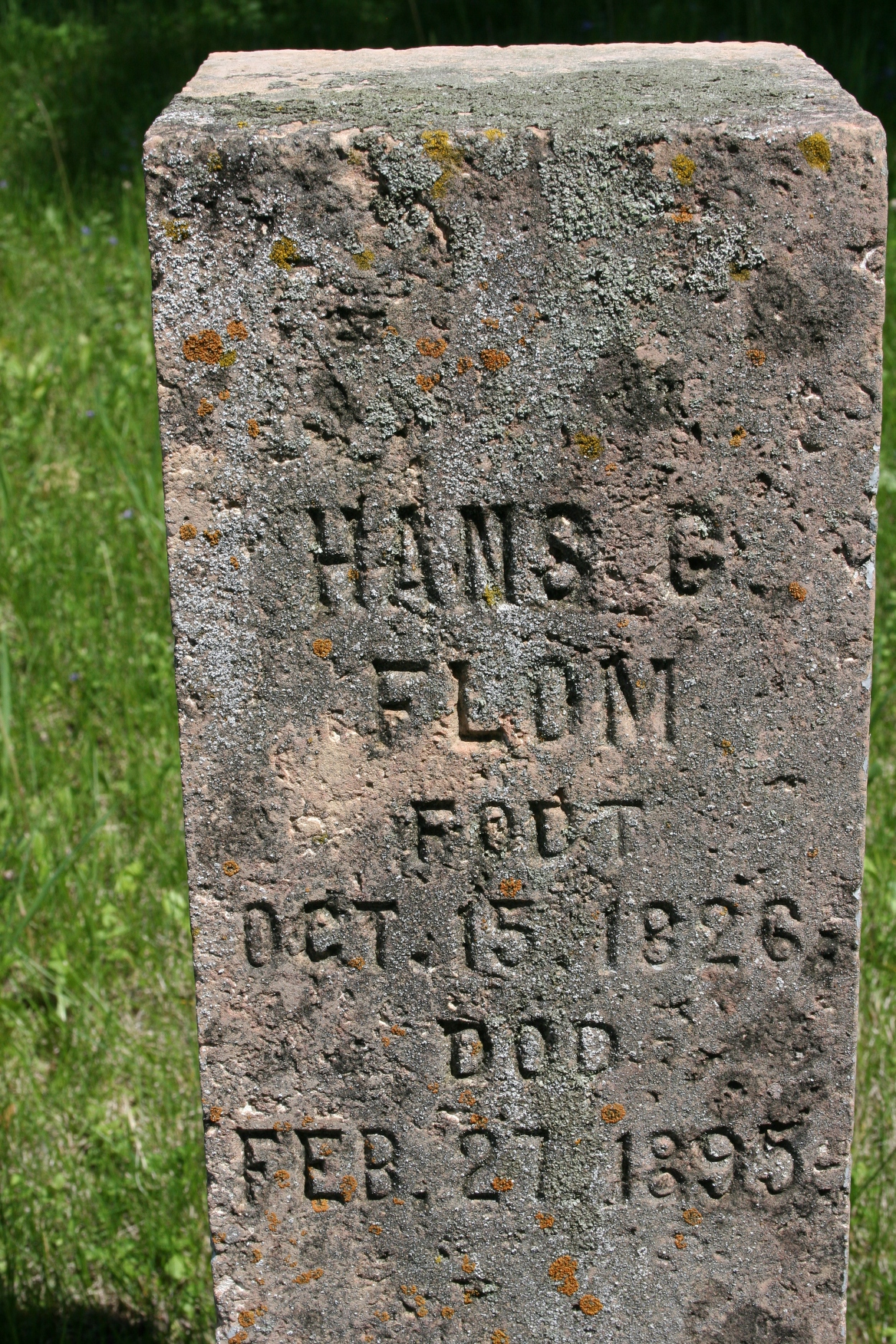
I felt almost instantly uncomfortable here as I meandered among aged tombstones marking the graves of early settlers like Hans Flom, born in 1826. There are 143 people buried at Eklund, including five with the Eklund surname.

The first burial here, of one-month-old Annie B.O. Sam, occurred after her February 28, 1884, death, according to the Dalby Database (a remarkable online collection of cemetery and other historical info compiled by Faribault residents John and Jan Dalby). A few months later, the 17-month-old daughter (listed only as “baby”) of Christ and Julie Davidson was buried here.

Such long ago dates impress me.

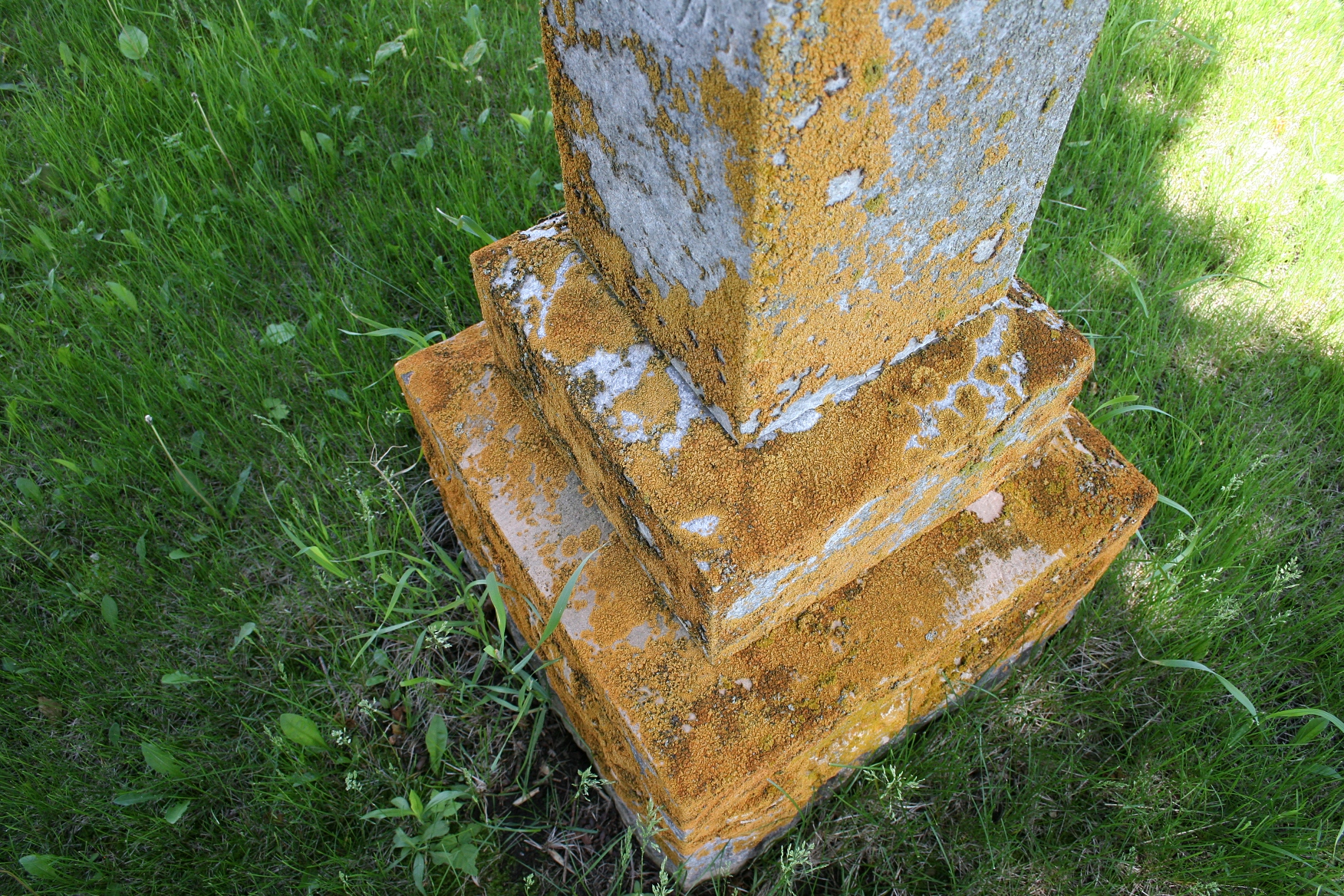
Weeds flourish among the weathered tombstones.

Weeds flourish among the weathered tombstones.

But I was unimpressed by the condition of the cemetery where dandelions and creeping Charlie and other weeds flourish in the too tall grass. Perhaps frequent rains have kept the caretaker away.

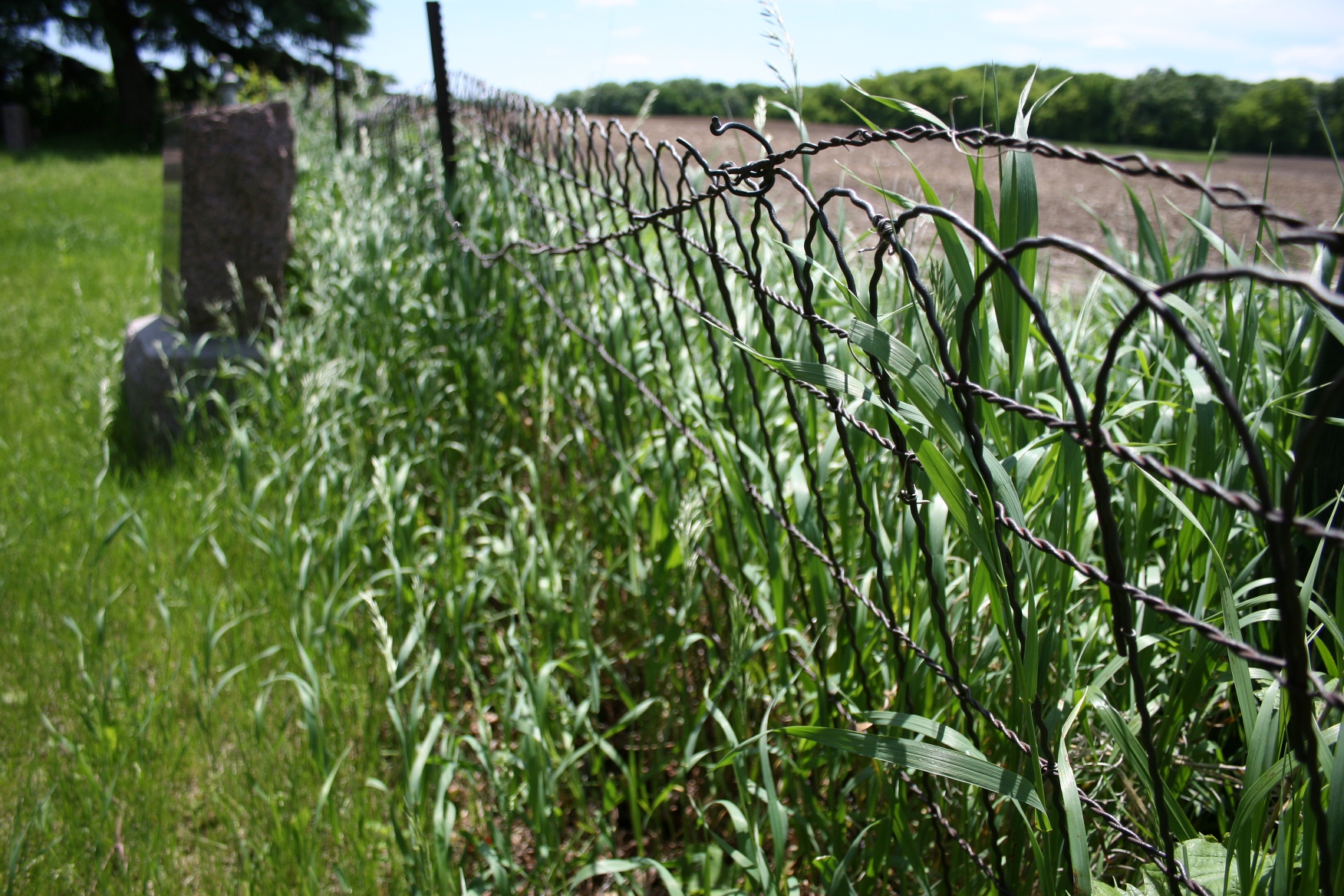
A fence separates graveyard from fields.

A fence separates graveyard from fields.

No matter, it was not the unkempt lawn that bothered me as much as the sunken graves, the marked depressions in the earth that show the precise spots of burials. When my husband remarked that vaults were not used back in the day, my concern increased. As foolish as it seems, I worried about suddenly sinking into a grave. And I’ve seldom felt that way before in a cemetery.

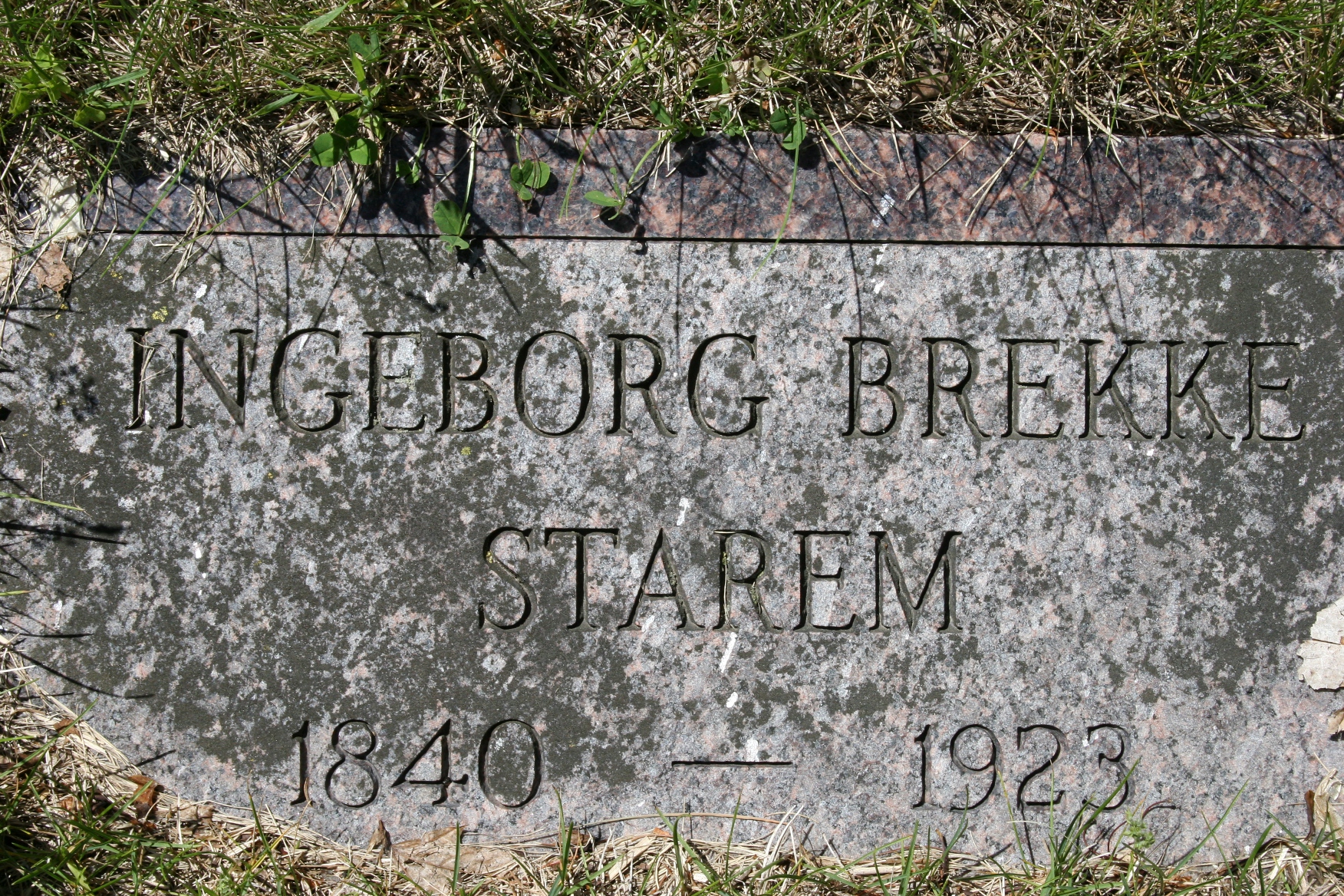
Eklund Cemetery, Ingeborg's gravestone

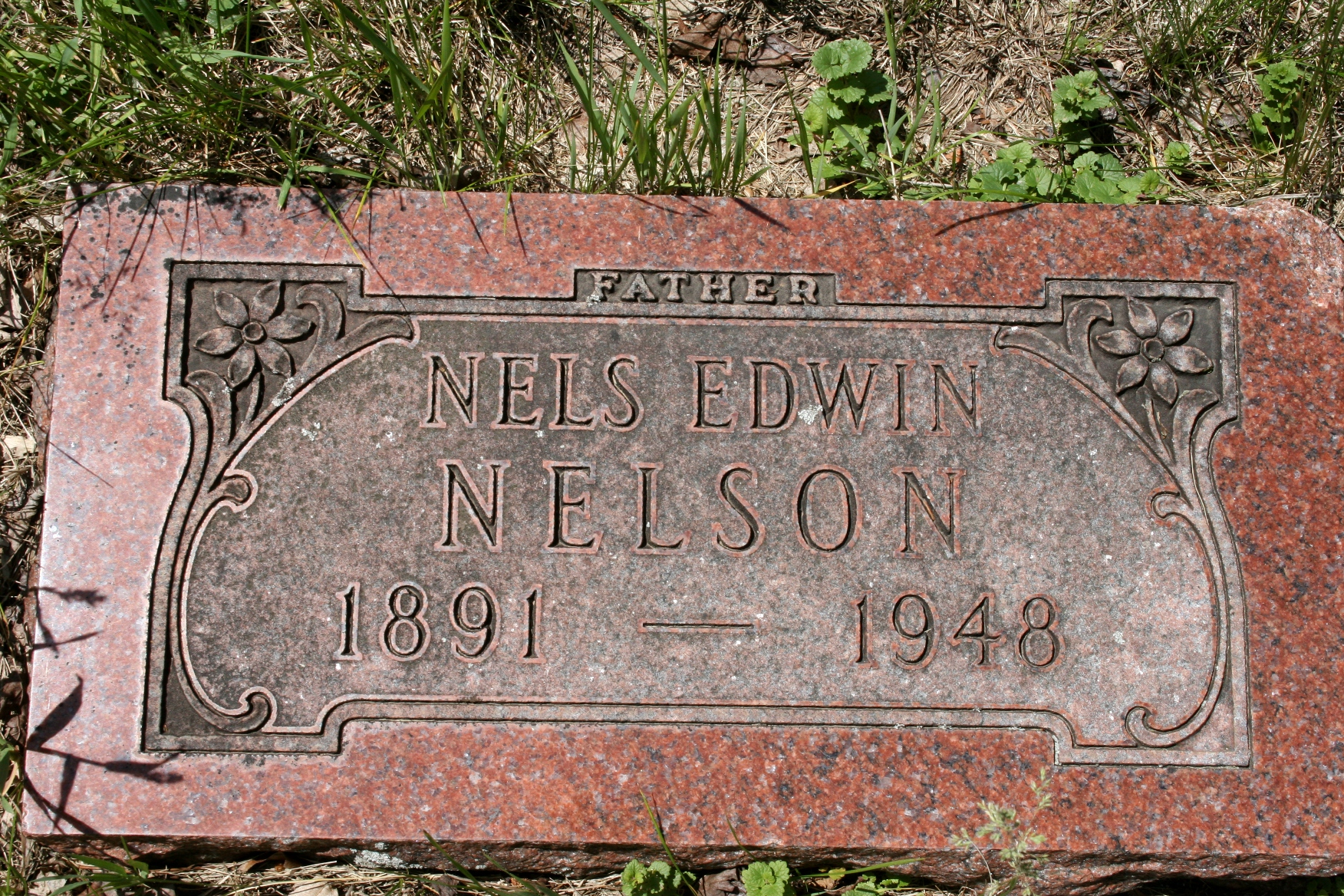
Eklund Cemetery, Nels Nelson gravestone

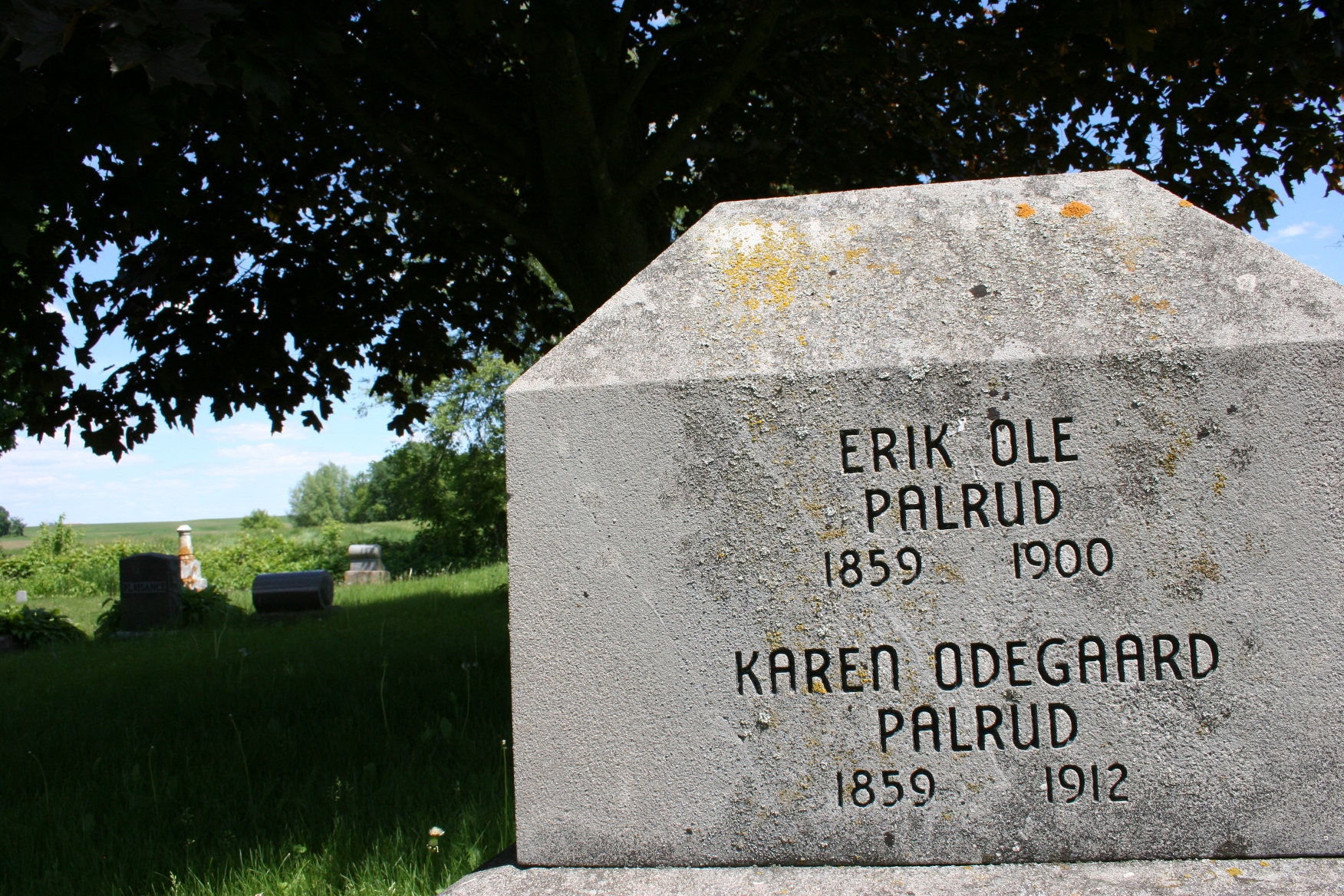
Eklund Cemetery, Palrud gravestone

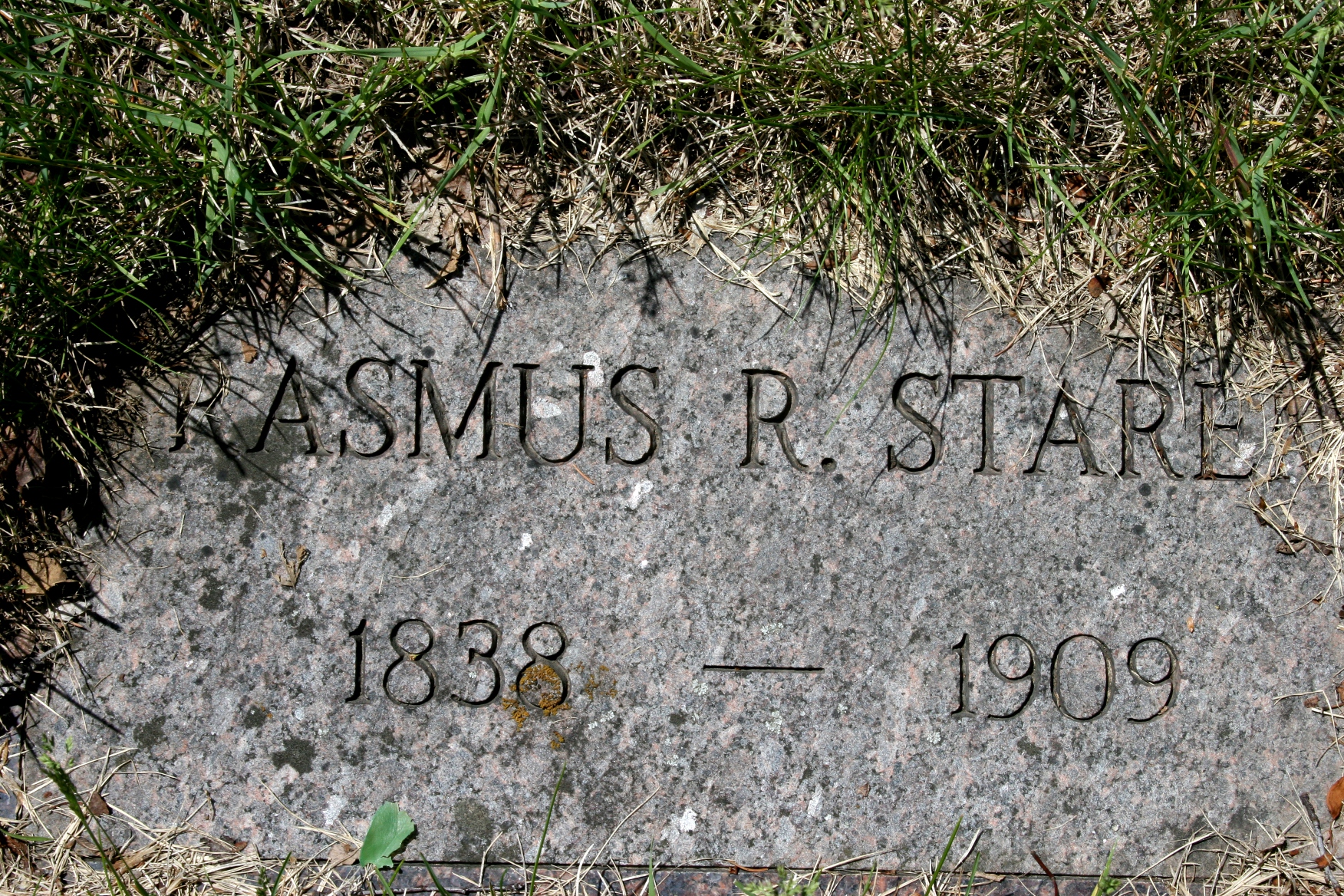
I hurried my tour, distracting myself by noticing the abundance of Norwegians names like Hans, Ingeborge, Nels and Erik, middle name Ole.

The most unusual name I noticed.

The most unusual name I noticed.

This cemetery once served Eklund (or Egelund) Evangelical Norwegian Lutheran Church, disbanded in 1957. That steepleless church building now sits off Minnesota State Highway 60 on Faribault’s east side, according to information written by Helga Sam Thompson. Its current use is that of a chiropractic office.

A close-up of a time-worn, weathered tombstone.

A close-up of a time-worn, weathered tombstone.

In one particular spot in the cemetery, I noticed a patch of black earth the size of a grave. Just dirt, unheaped, no grass, with weeds beginning to edge into the soil. No marker marked the spot. Again, that uncomfortable feeling settled upon me. The last burial here, of Bernard C. Sam, happened in 2011. Prior to that, the most recent burial, of 22-year-old Matthew David Caron, occurred in 1997.

Someone still cares about a loved one buried here.

Someone still cares about a loved one buried here.

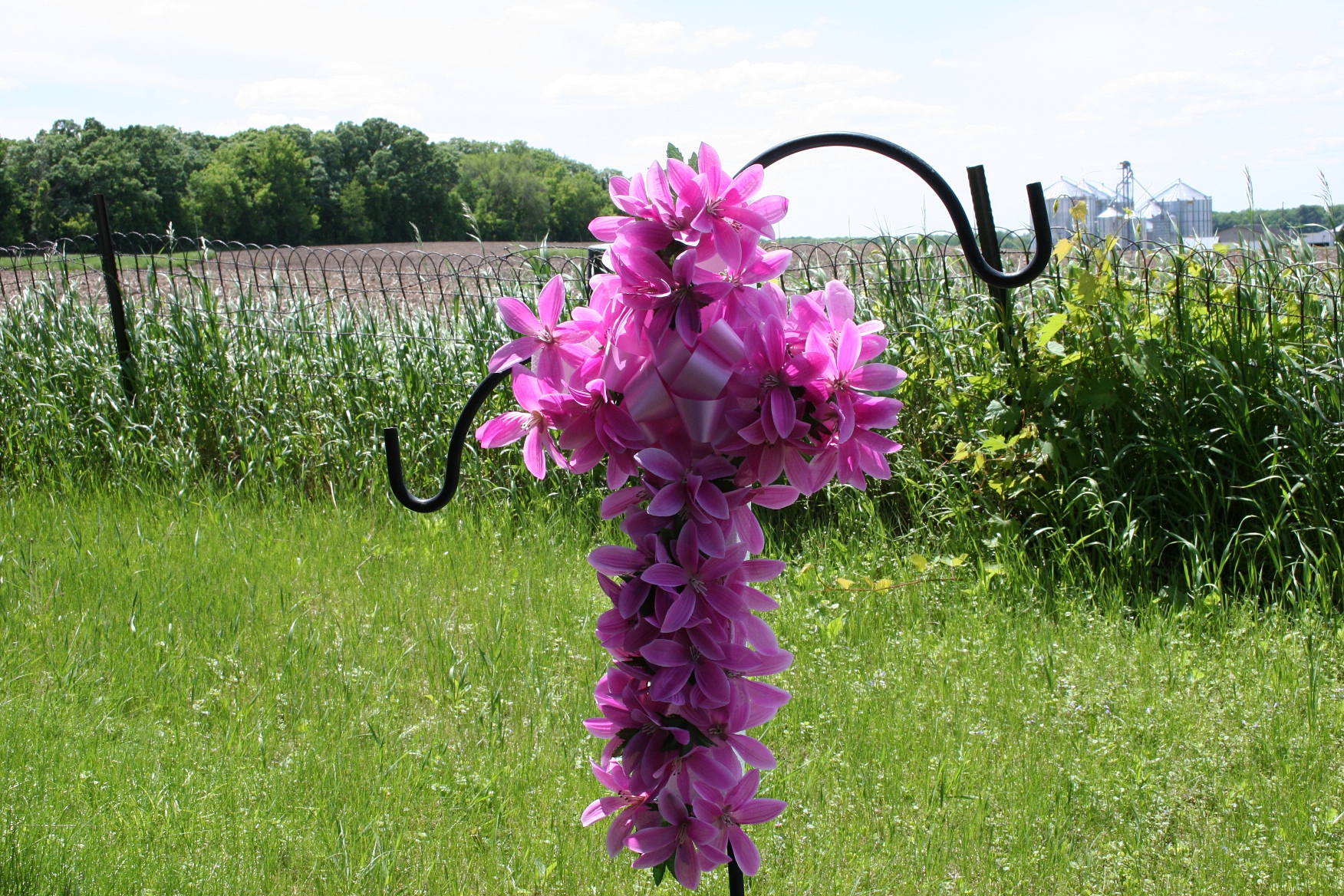
Shortly thereafter, Randy plucked an errant plastic flower petal from the ground, fallen from a gravestone cross. I advised him to leave the orchid colored bloom there. He did.

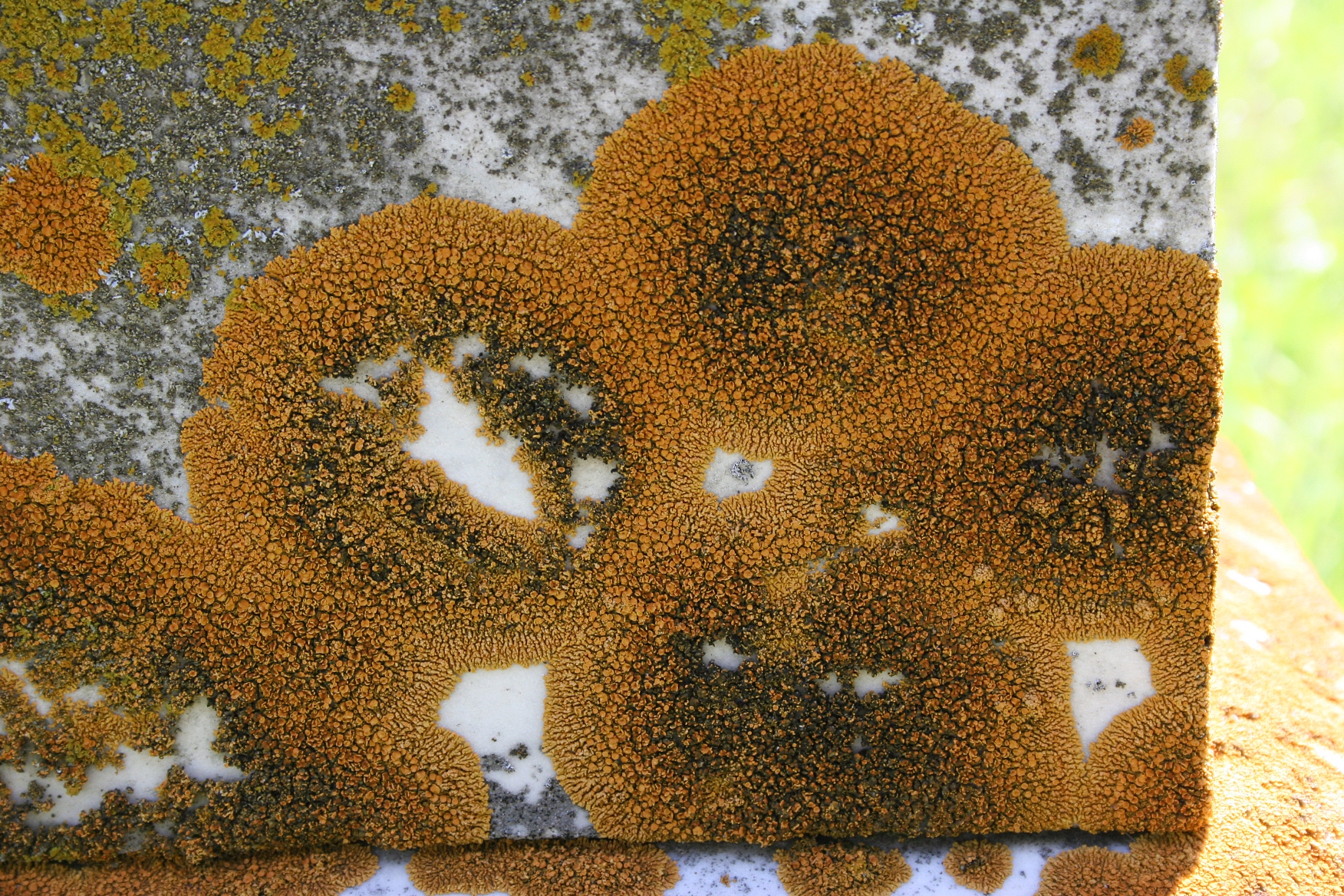
Nature leaves her signature on an in-ground grave marker.

Nature leaves her signature on an in-ground grave marker.

I wanted nothing from this cemetery. Nothing.

FYI: If you are into genealogy and/or history, visit the Dalby Database which includes a remarkable collection of 2.5 million records and increasing daily. Click here to read a summary of what you can find on this website. And then click here to reach the Dalby Database. John and Jan Dalby of Faribault were given the Minnesota Genealogical Society’s Pioneer Explorer Award in 2010.

Special thanks to John Dalby for providing me with links to information about Eklund Cemetery and church and Walcott Township histories.

© Copyright 2014 Audrey Kletscher Helbling
 

Sweet vintage signage in Sleepy Eye & a theatre in need of rescue June 9, 2014

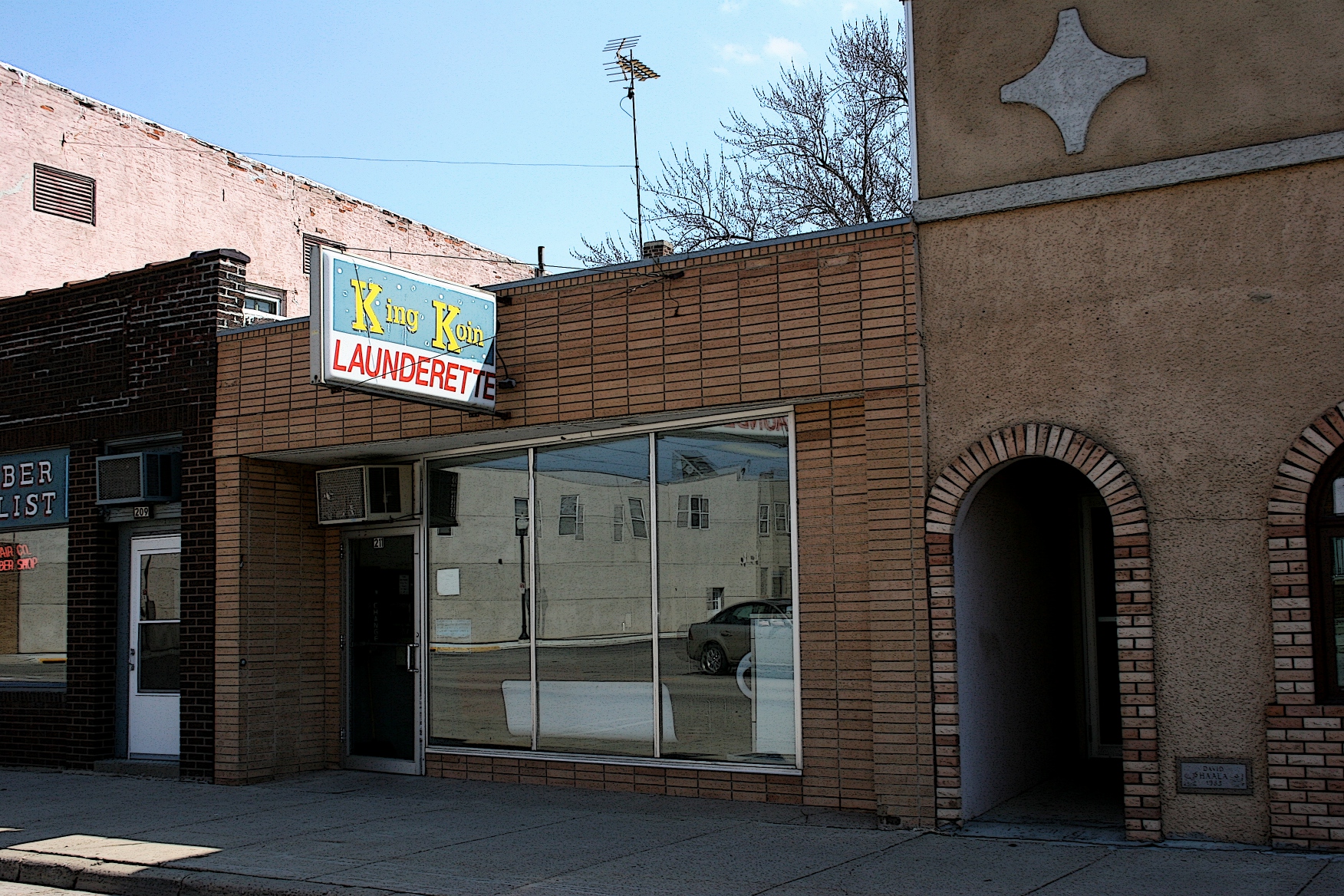
Classic vintage signage on the King Koin Launderette.

Classic vintage signage on the King Koin Launderette in Sleepy Eye.

EVERY TIME I PASS through Sleepy Eye along U.S. Highway 14 in southwestern Minnesota, I admire the same business signage, especially on the King Koin Launderette downtown.

With no time ever to stop for a proper photo shoot, I settle for a drive-by shot.

That laundromat sign is just so classic. You gotta love it.

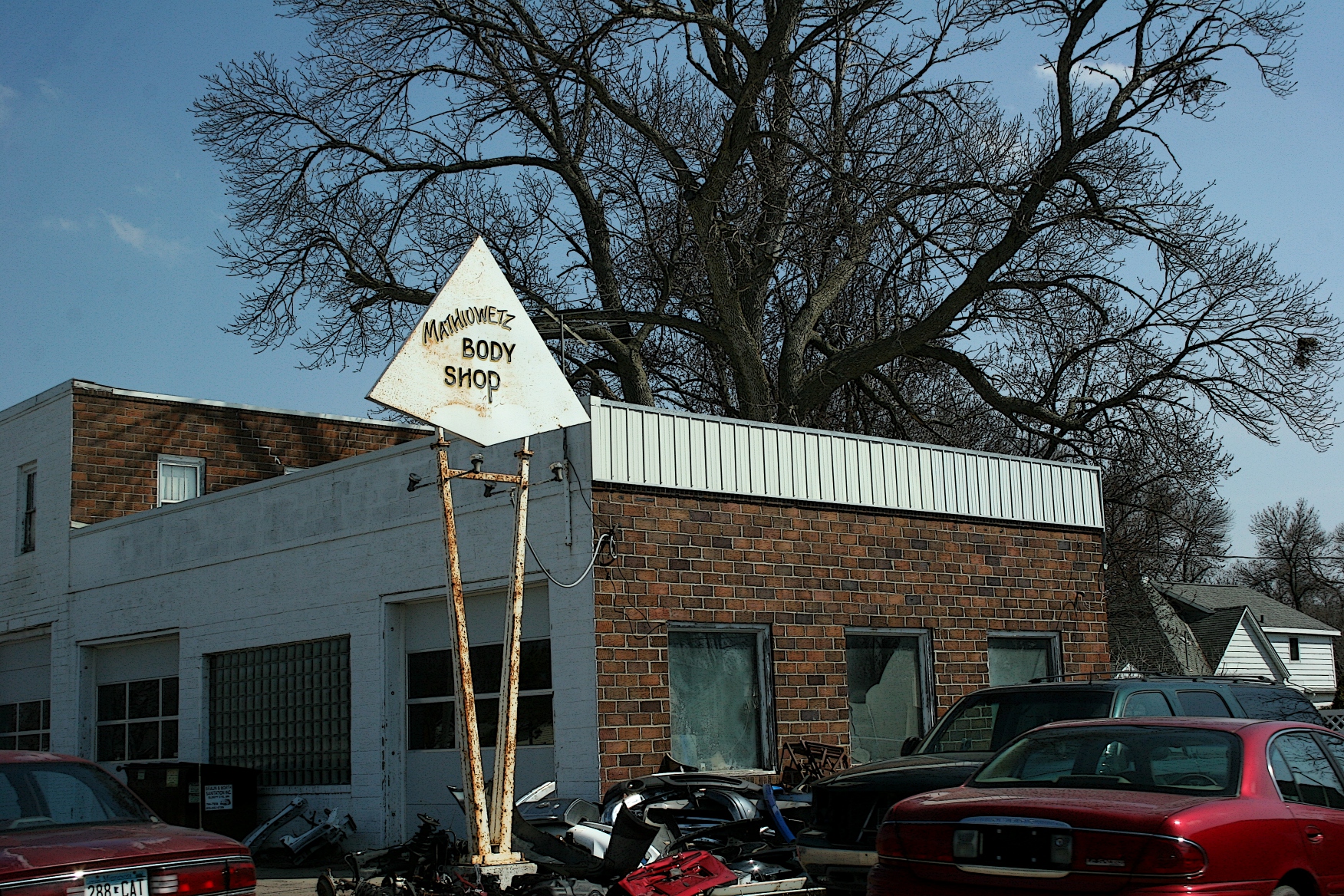
Another eye-catching sign on the west side of Sleepy Eye.

Another eye-catching sign on the west side of Sleepy Eye.

Ditto for the simple geometric sign that’s likely marked Mathiowetz Body Shop for years. The garage style building and clutter of vehicles tell me this is a body shop, even if I miss the sign.

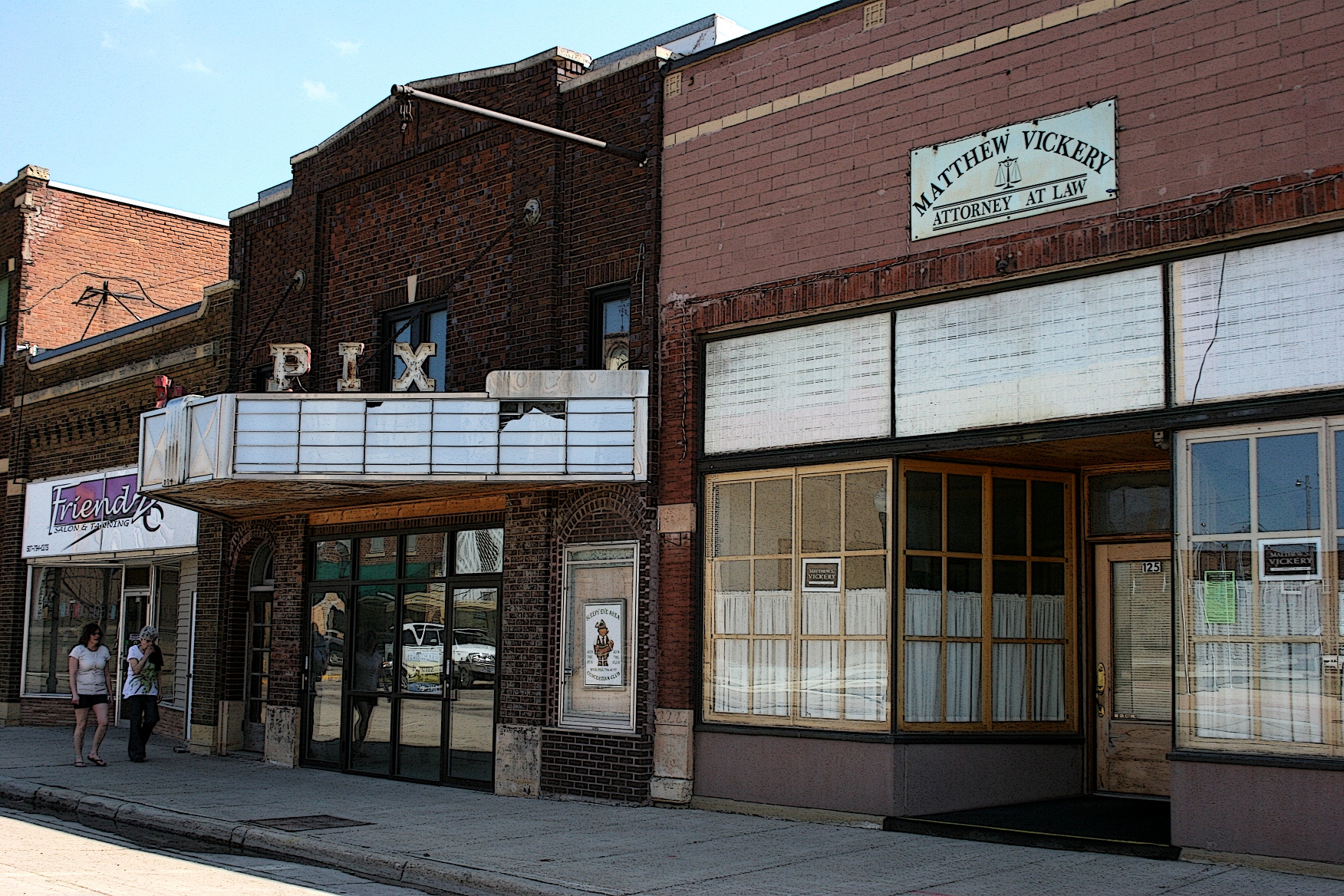
Can the PIX Theatre be reclaimed?

Can the PIX Theatre be reclaimed?

And, finally, there’s the PIX Theatre. Each time I observe the clearly abandoned building with those three aging letters and the hole in the marquee, I want to scream, “Please, somebody, anybody, buy this place and restore it.”

© Copyright 2014 Audrey Kletscher Helbling
 

Light, oh glorious photographic light June 5, 2014

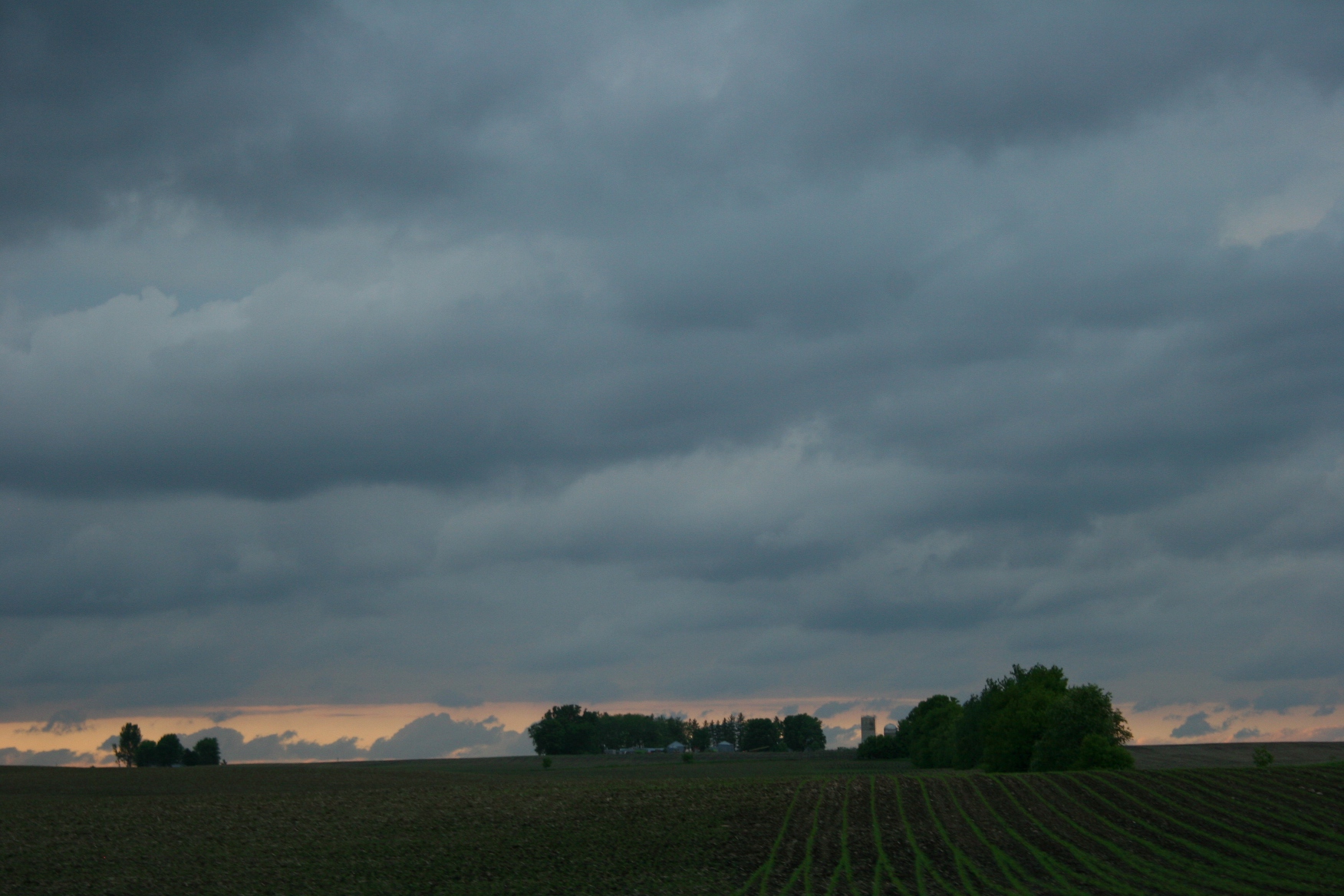
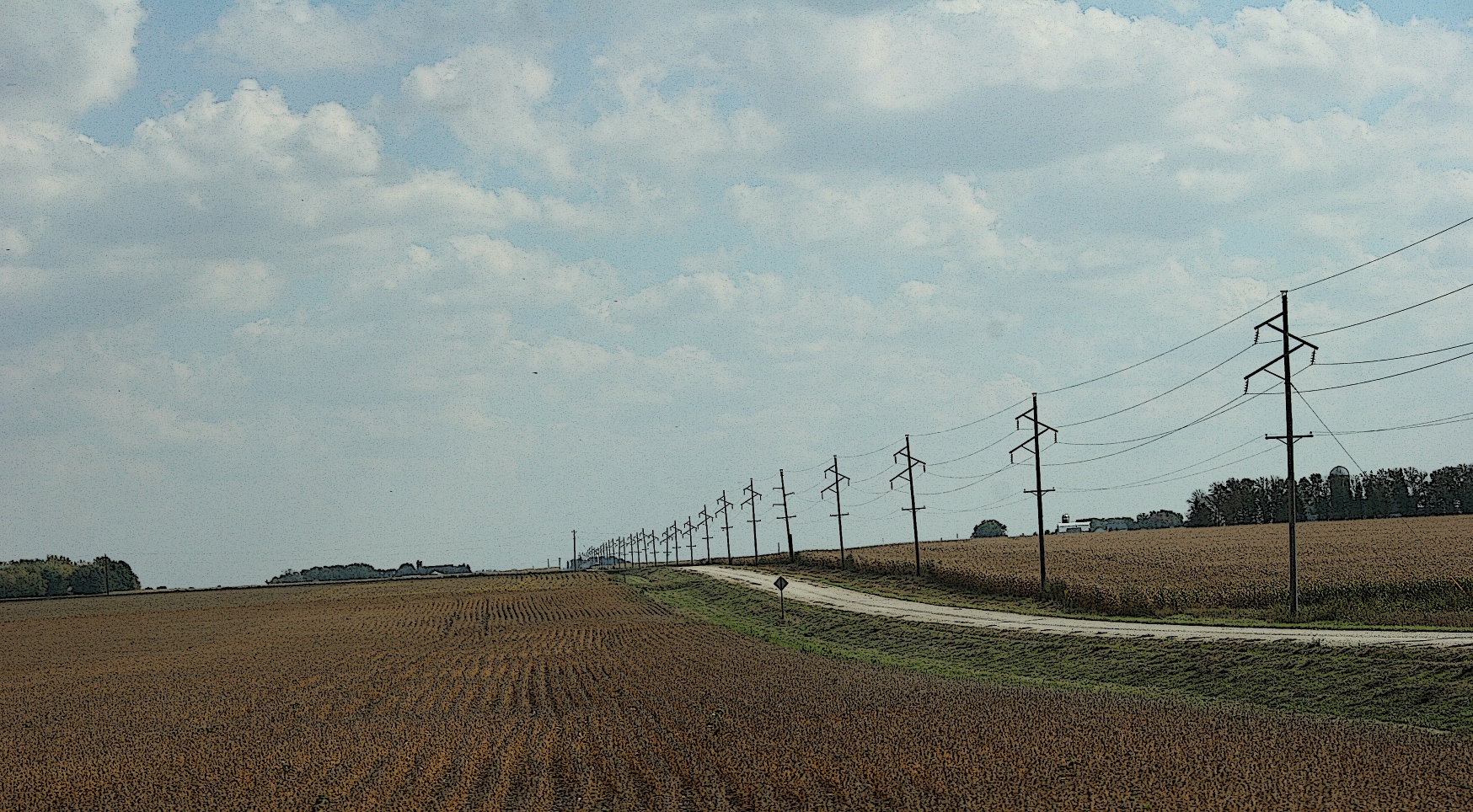
Corn sprouts along Minnesota Highway 60 east of Faribault. Photographed around 7:45 p.m.

Crops emerge in fields along Minnesota State Highway 60 east of Faribault. Photographed around 7:45 p.m.

LIGHT. Therein lies a factor that can make or break a photo.

Any student of photography covets the golden hour, that time around sunrise and sunset when light softens and sets a magical mood and tone.

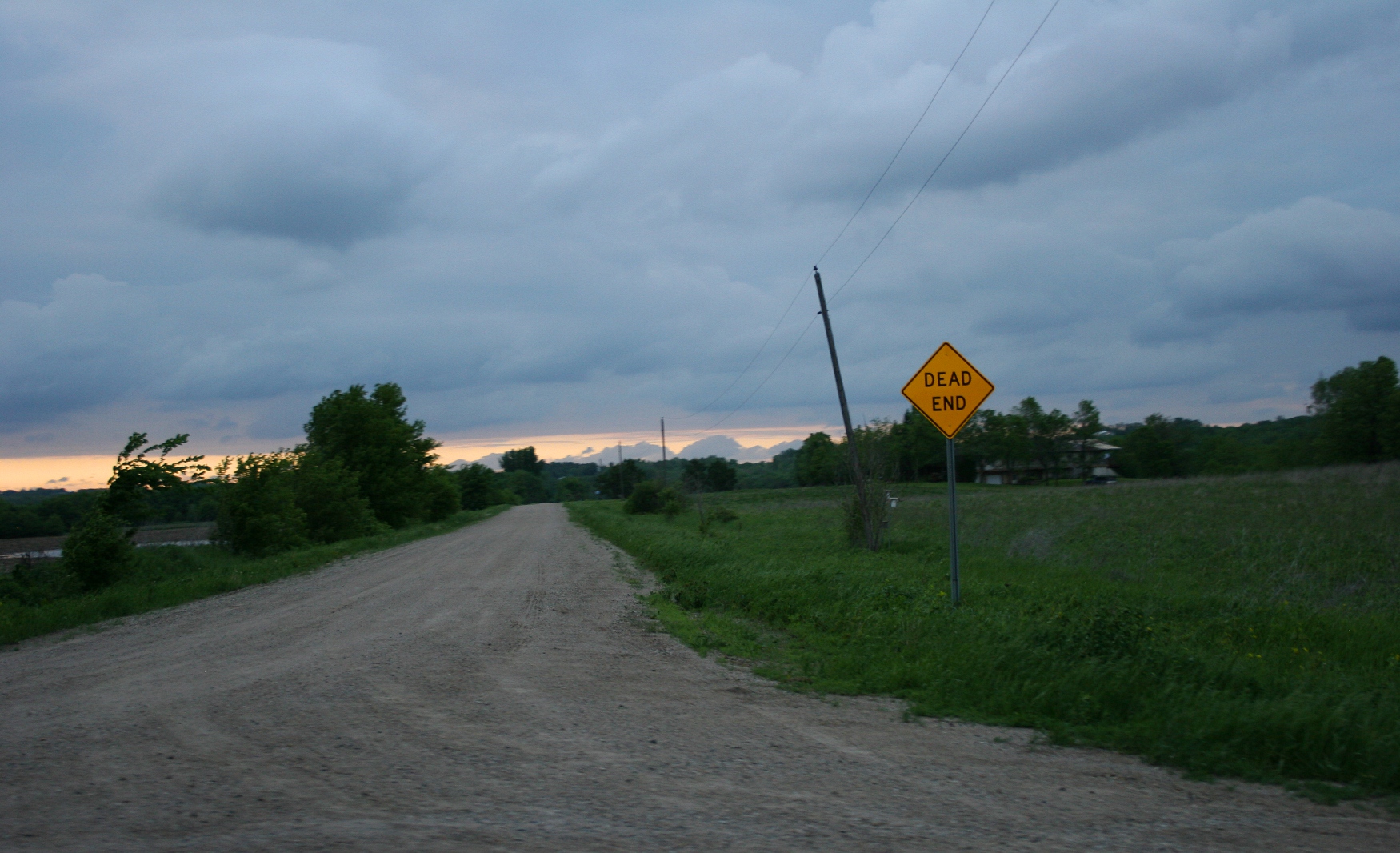
A gravel road shoots off

A gravel road shoots off 220th Street East southeast of Faribault.

Monday evening, driving to and from a friend’s rural acreage east of Faribault to gather buckets of rhubarb, moody skies and light drew me to raise my camera, to fire off a few rapid shots of the landscape.

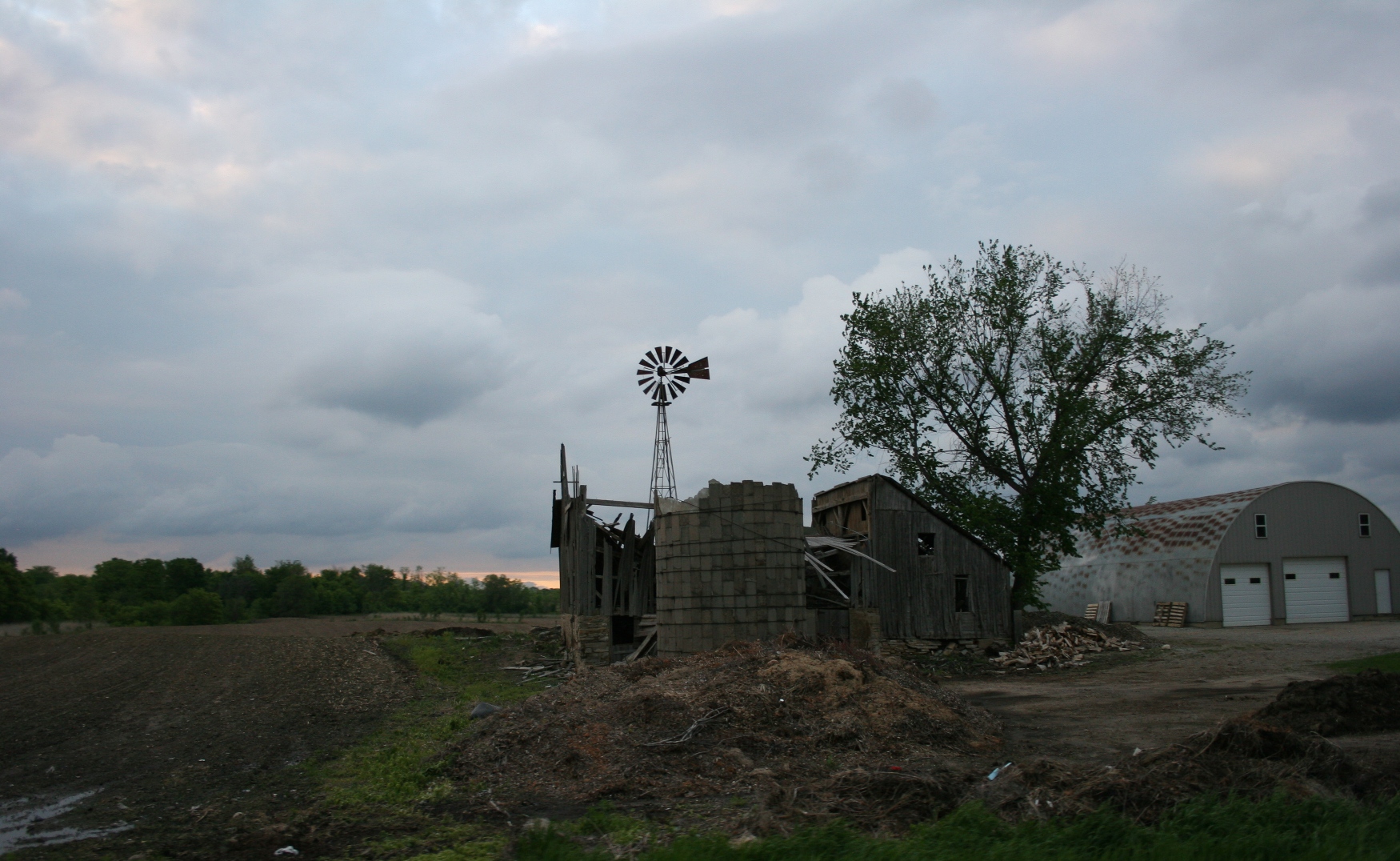
A decaying farm site along 220th Street East.

This windmill and decaying barn and silo caught my eye along 220th Street East.

There was no time to pause and compose, only snap through the rolled down passenger side window of the van.

Back in town, that sweet sweet light, although fading, still mingled with hovering grey skies that threatened more rain.

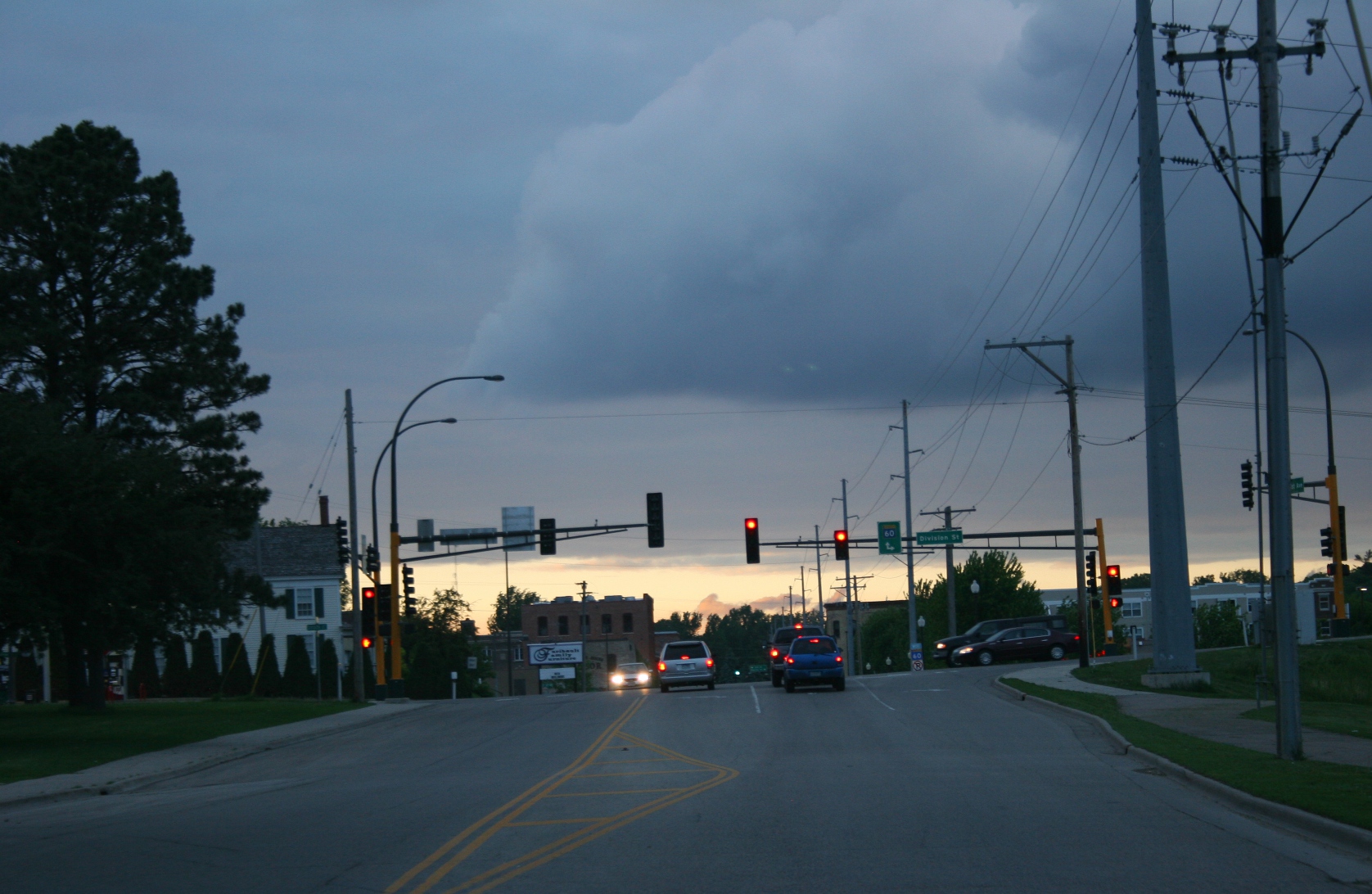
Several blocks from my home, Willow Street intersects with Minnesota State Highway 60. To the left is the home, now a museum, of founding father, Alexander Faribault.

Several blocks from my home, Willow Street intersects with Minnesota State Highway 60, right, and Division Street, left. To the left is the home, now a museum, of founding father, Alexander Faribault.

Again, I lifted my camera, this time shooting through the windshield, to capture a few images of this place I’ve called home for 32 years.

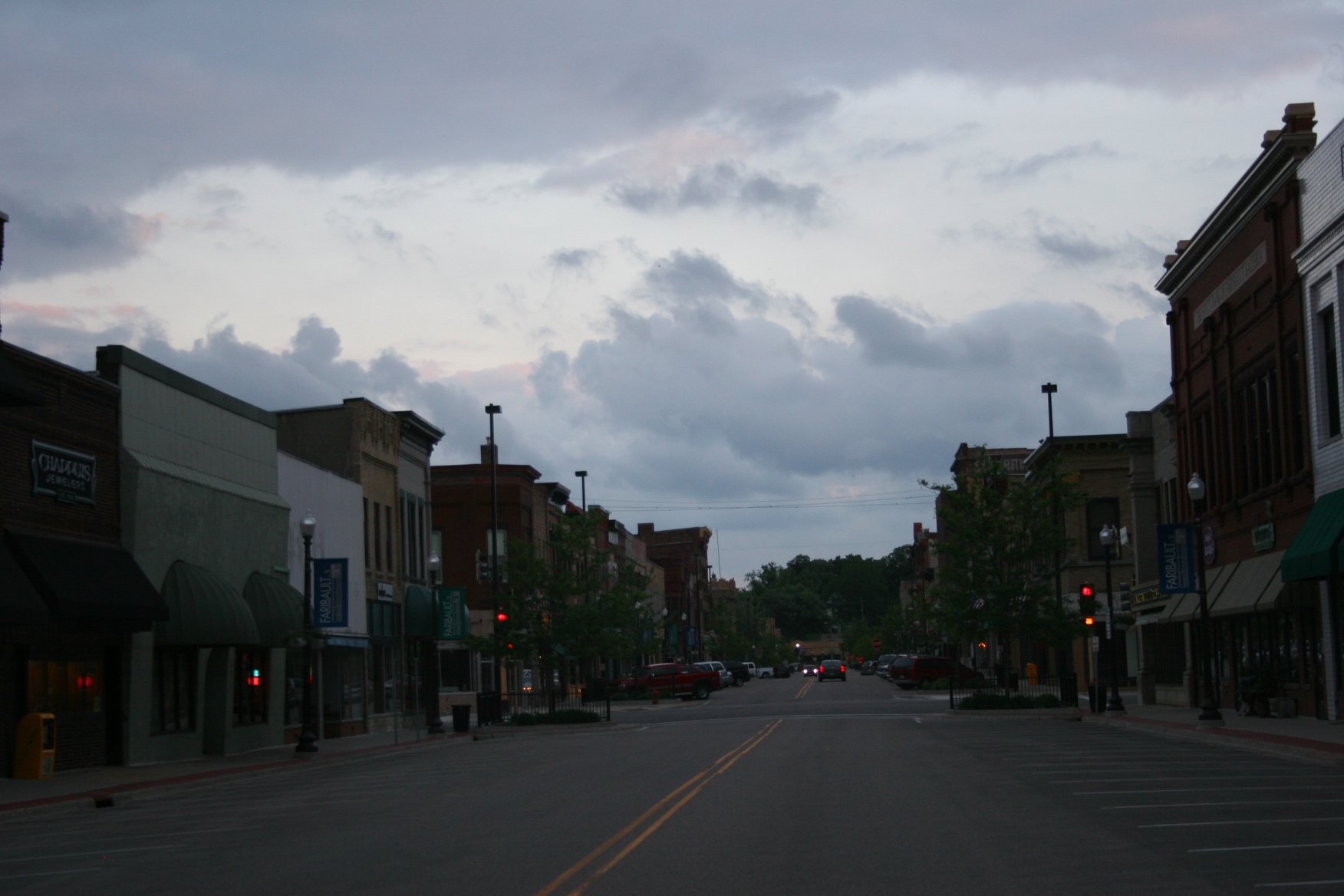
A portion of historic downtown Faribault in the fading light of day.

A portion of historic downtown Faribault in the fading light of day.

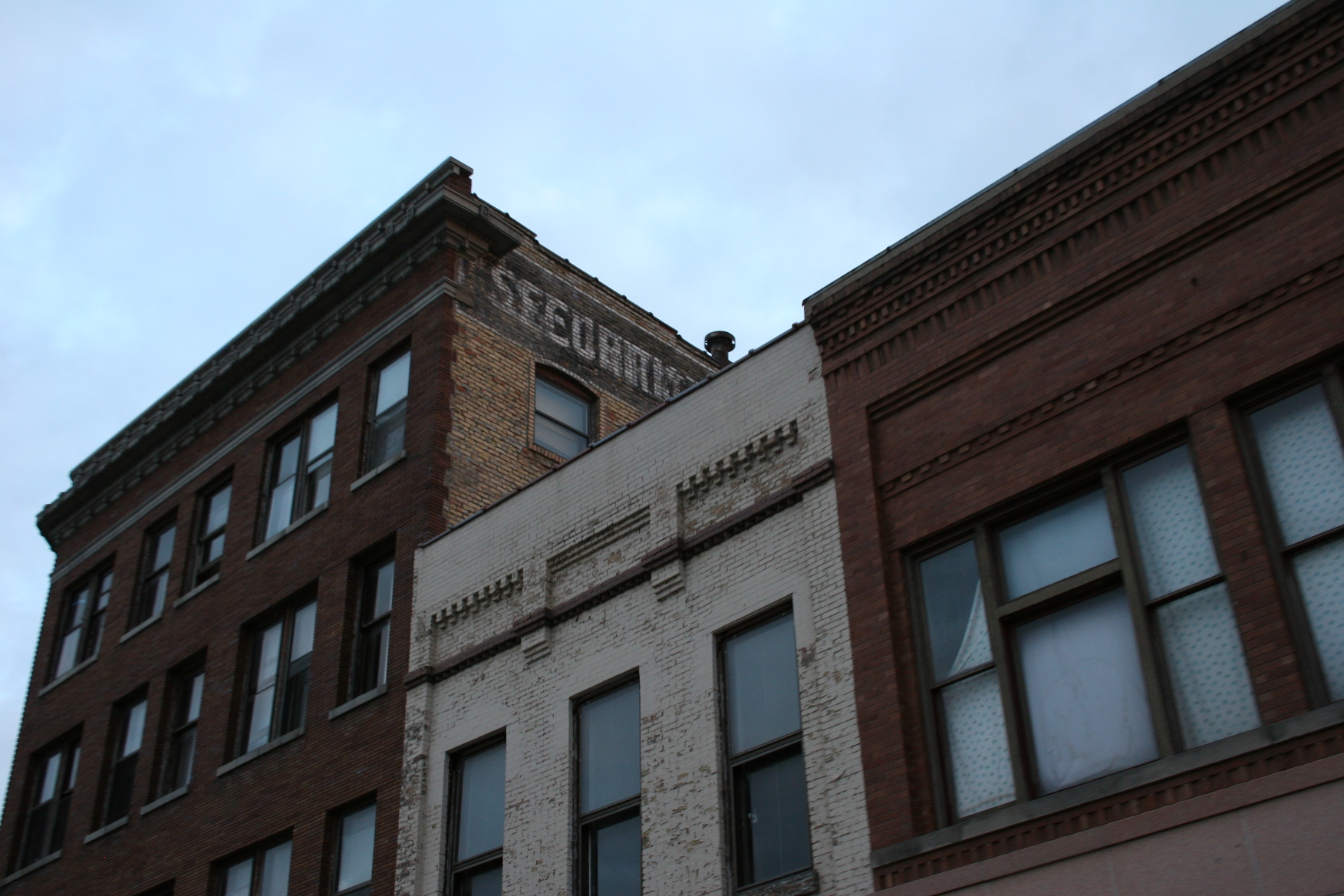
Historic buildings define downtown Faribault. I love this downtown for its quaintness, its history, its small town feel (although Faribault, in my opinion, is not a small town with nearly 30,000 residents).

Historic buildings define the downtown area.

Historic buildings define downtown Faribault.

I often wonder why locals and outsiders seem not to value this historic district with the same enthusiasm shown to similar historic Minnesota communities like Stillwater, Red Wing and Hastings, even neighboring Northfield.

Such were my thoughts during the golden hour of sunset.

© Copyright 2014 Audrey Kletscher Helbling
 

Delhi: Little town on the Minnesota prairie June 4, 2014

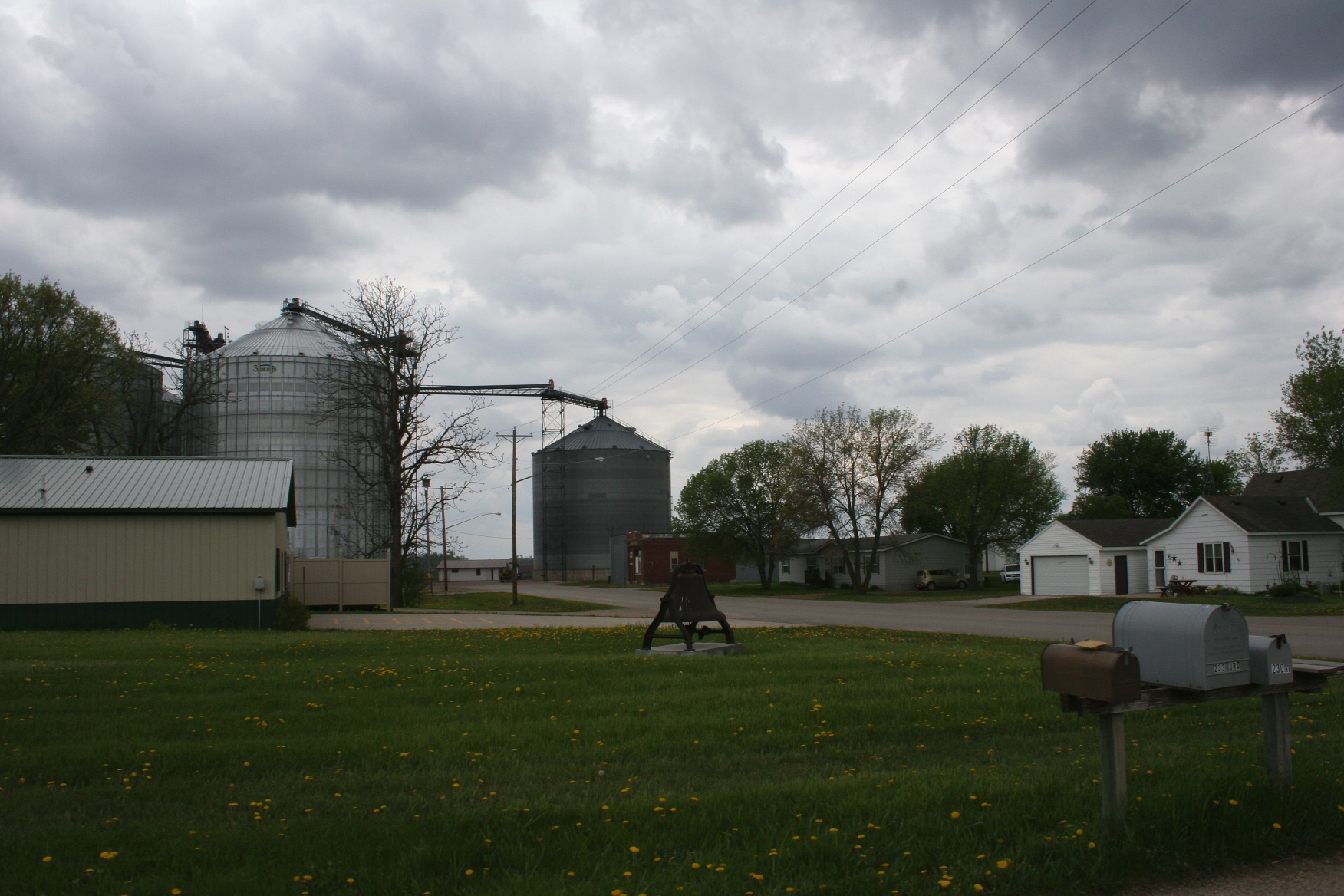
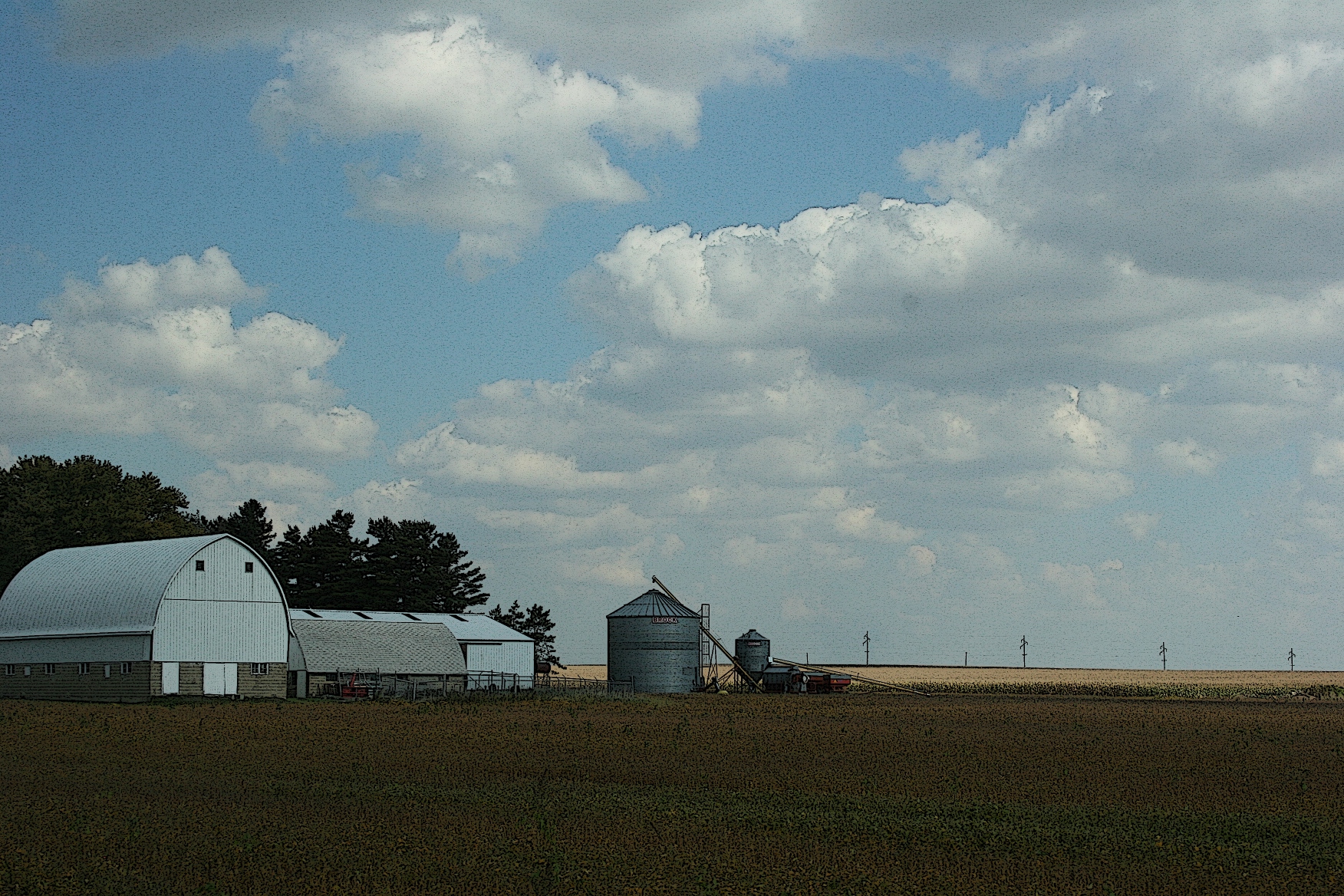
UNLESS YOU’RE A LOCAL or a native, you likely bypass the small towns which sit off county roads, tucked away from trafficked highways that take time-pressed travelers from destination to destination.

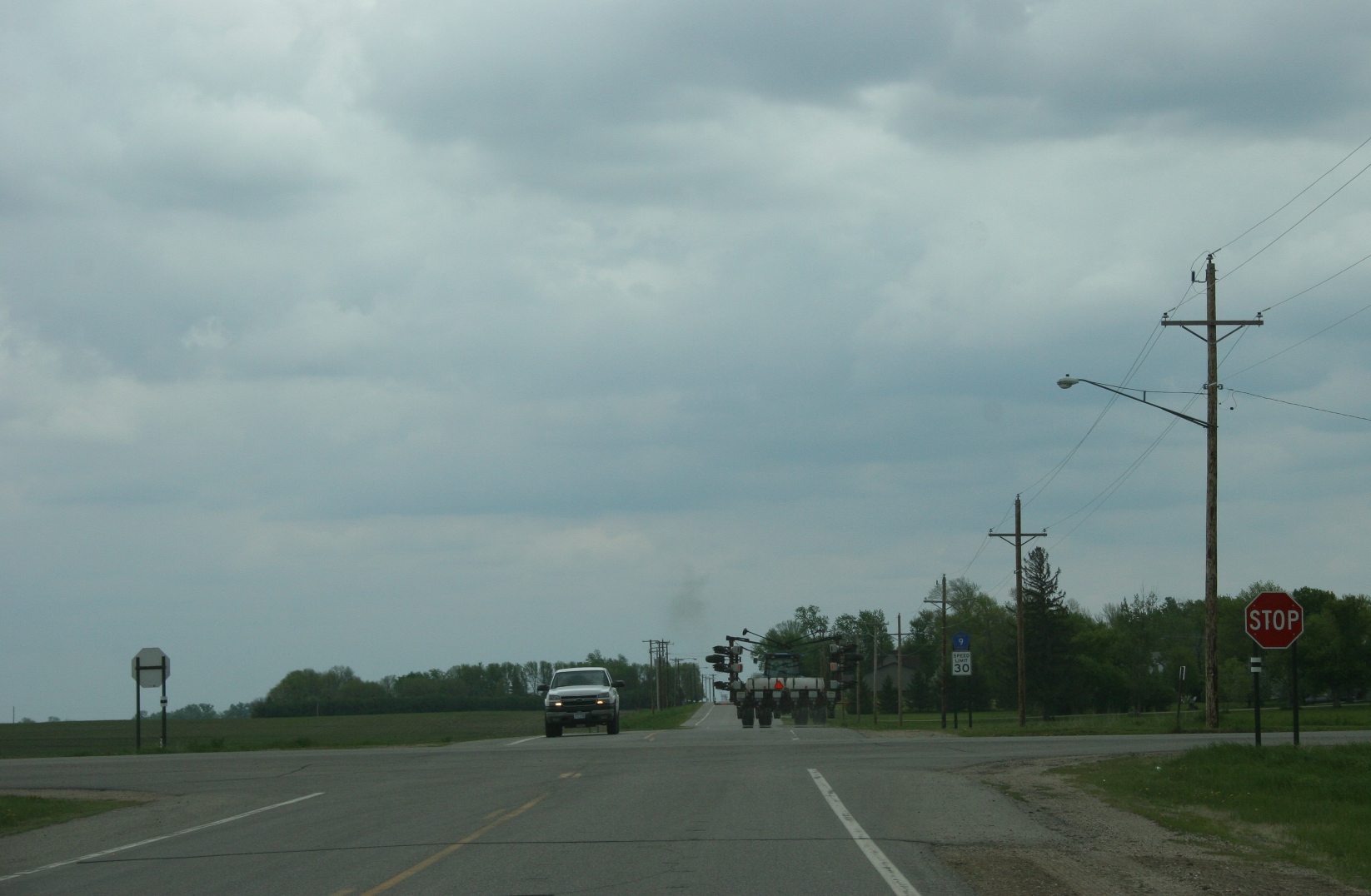
Nearing Delhi at the intersections of Redwood County Road 9 and 6.

Nearing Delhi at the intersections of Redwood County Road 9 and 6.

On a recent trip back to my native southwestern Minnesota prairie, my husband and I sidetracked off our usual route along State Highway 19 between Belview and Redwood Falls to follow Redwood County Road 9 to Delhi.

Decades have passed since I visited Delhi, at the intersection of county roads 9 and 6.

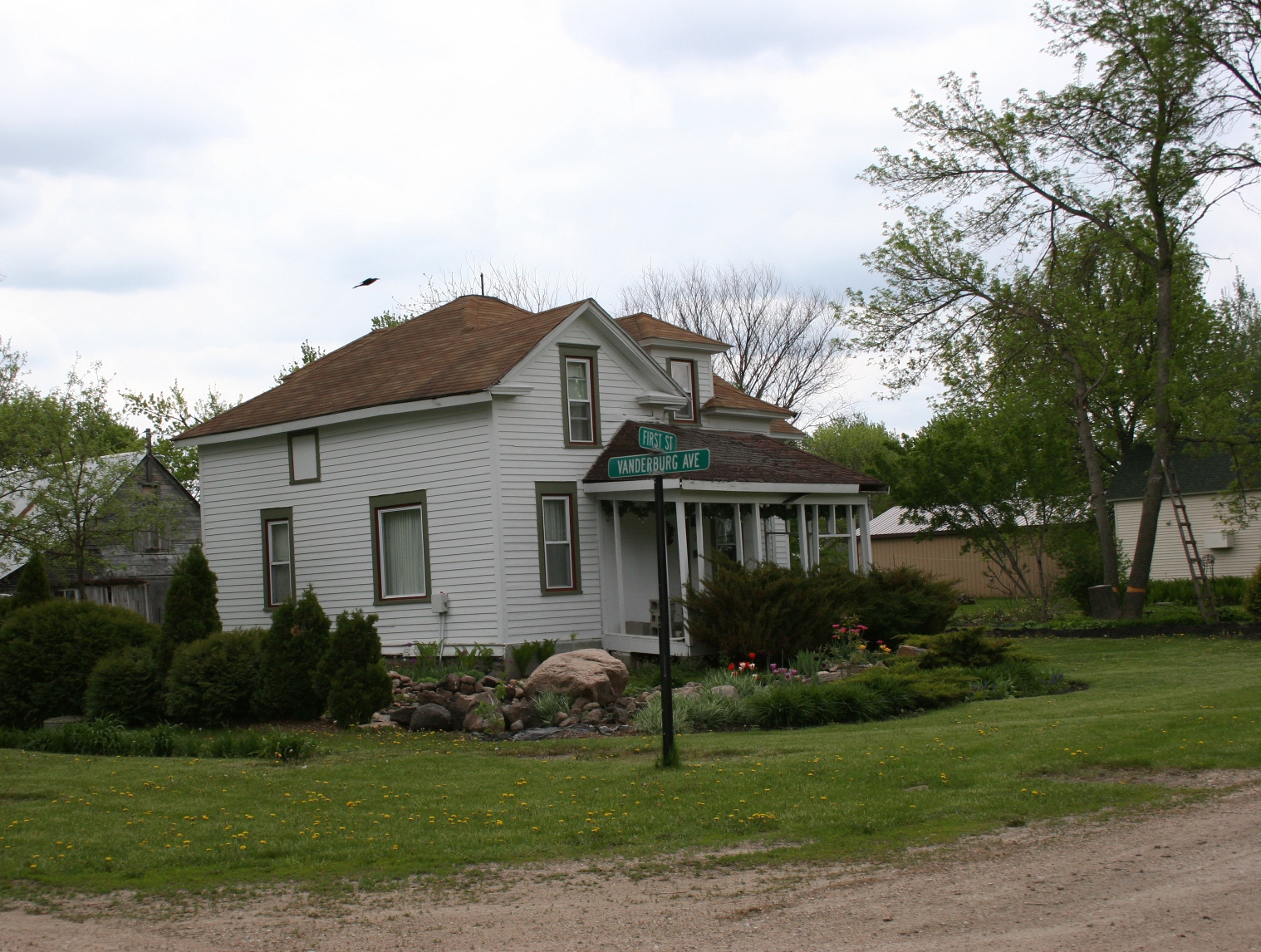
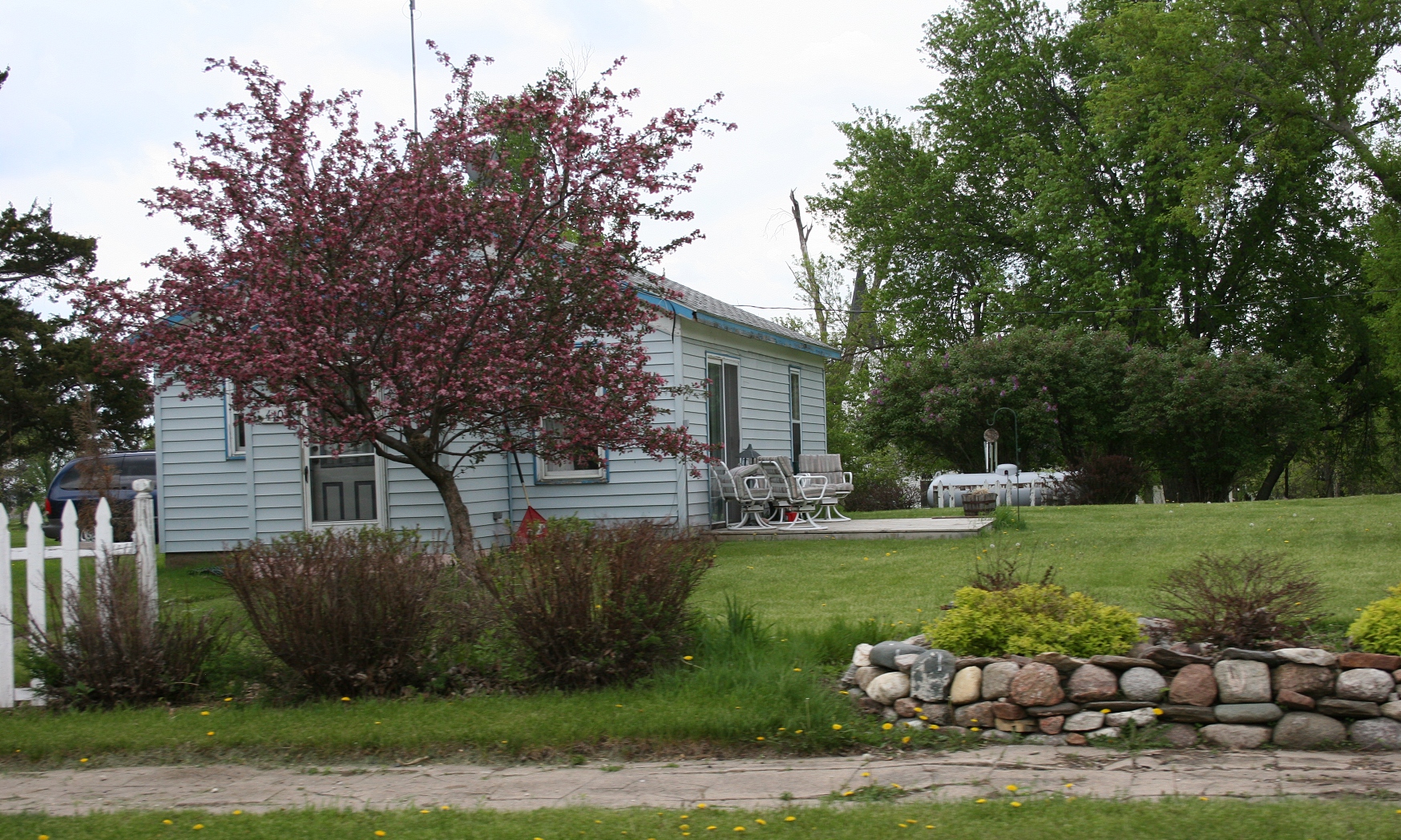
A sweet, well-cared for home in Delhi.

A sweet, well-cared for home in Delhi.

Most would surmise there’s not much in Delhi. That is until you look and consider that some 70 folks call this rural farming community home.

Another beautiful home with a lovely landscaping that includes field rocks.

Another cute home with lovely landscaping that includes field rocks.

Home.

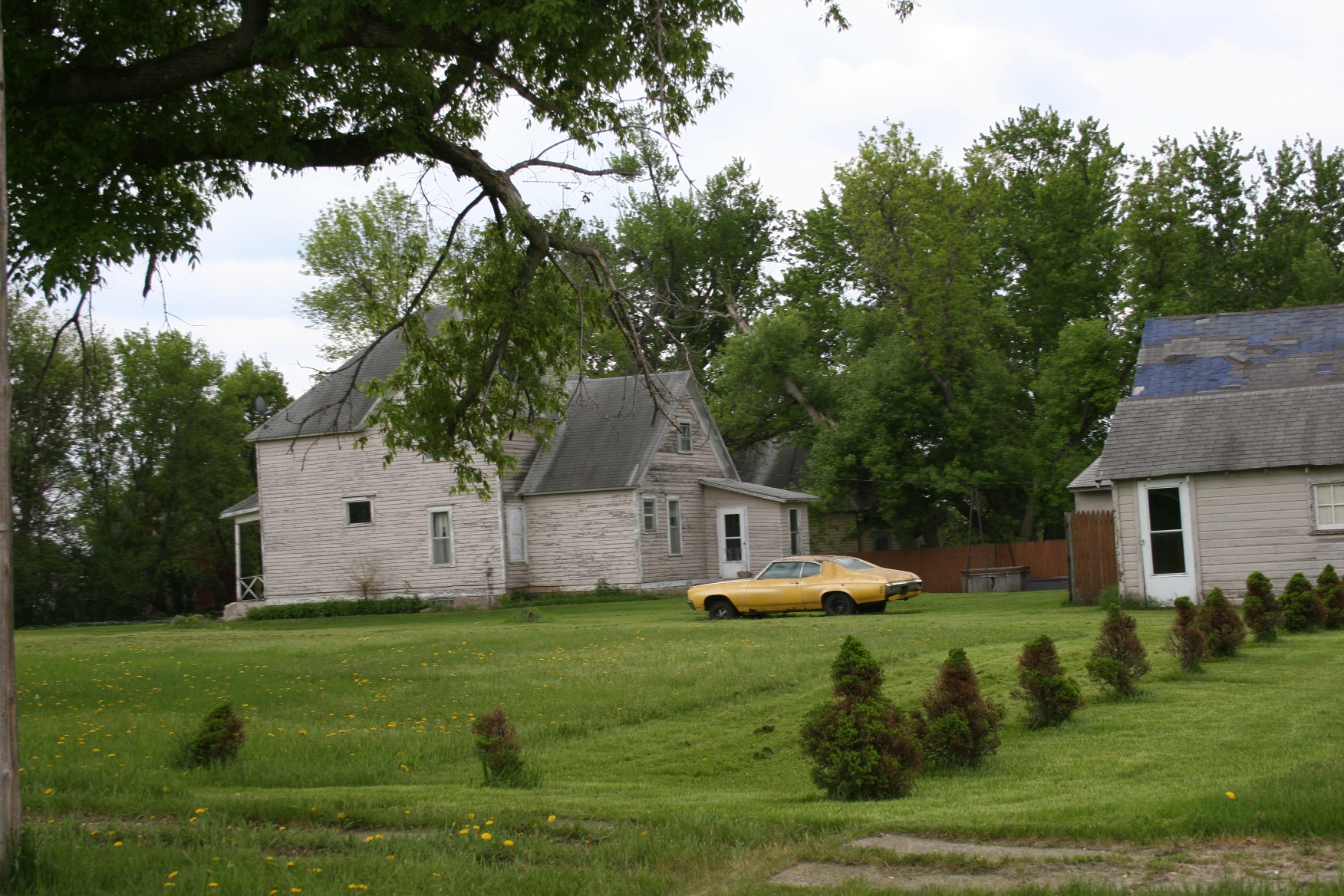
In need of a little TLC, both home and car.

In need of a little TLC, both home and car.

While some residents care about their properties with well-tended houses, others show less interest in maintenance. That is not uncommon in small towns. Or perhaps such neglect is more noticeable with fewer houses.

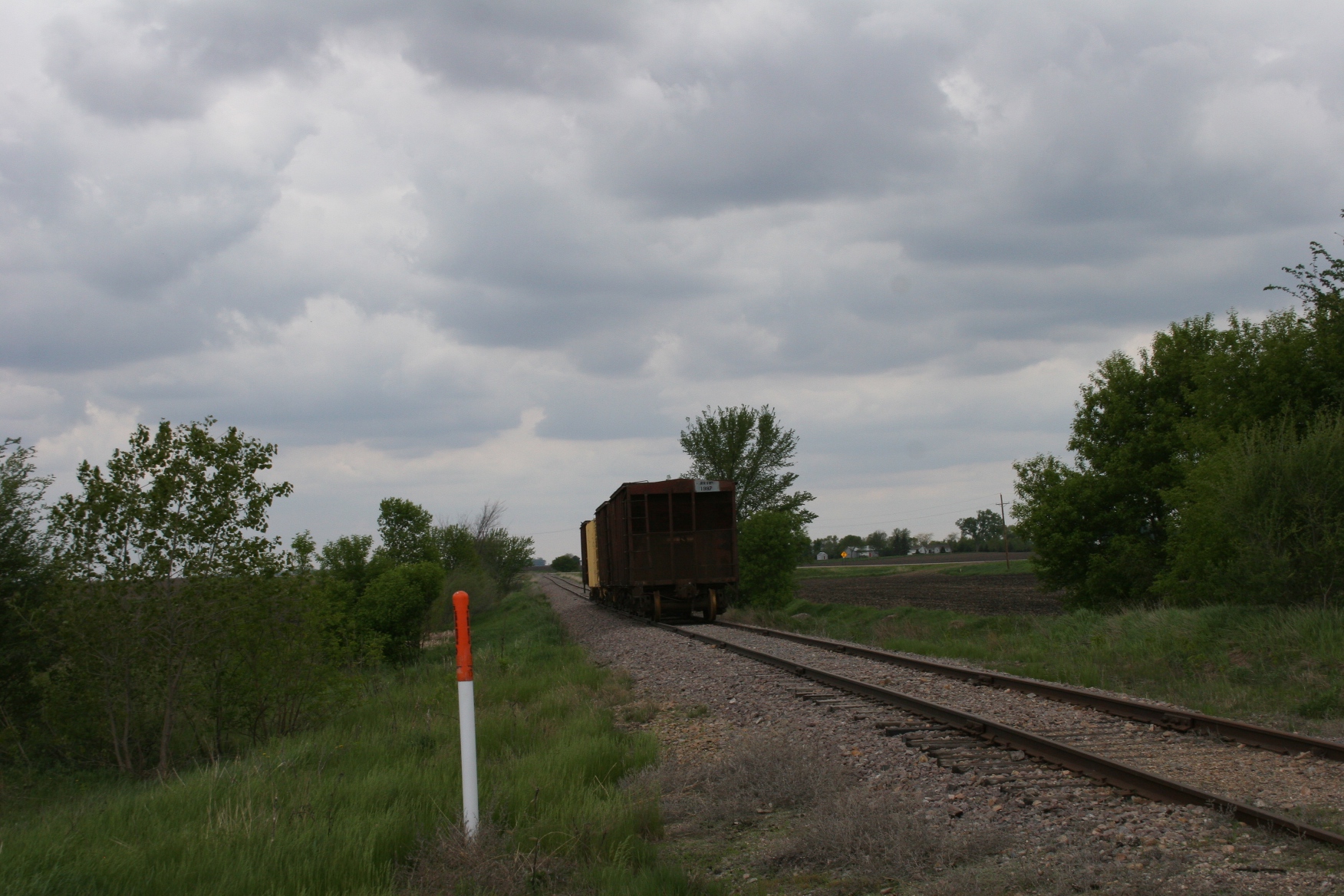
Parked along the tracks just off Redwood County Road 6 west of Delhi.

Parked along the tracks just off Redwood County Road 6 west of Delhi.

Like so many small towns along the railroad line, this settlement once boomed. Information published in The History of Redwood County, Volume 1, states that Delhi was platted in 1884, shortly after the railroad came through the area. Alfred M. Cook, a builder and owner of a flour mill in neighboring Redwood Falls, named Delhi, according to Minnesota place name info on the Minnesota Historical Society website.  He came to the area from Delhi, Ohio.

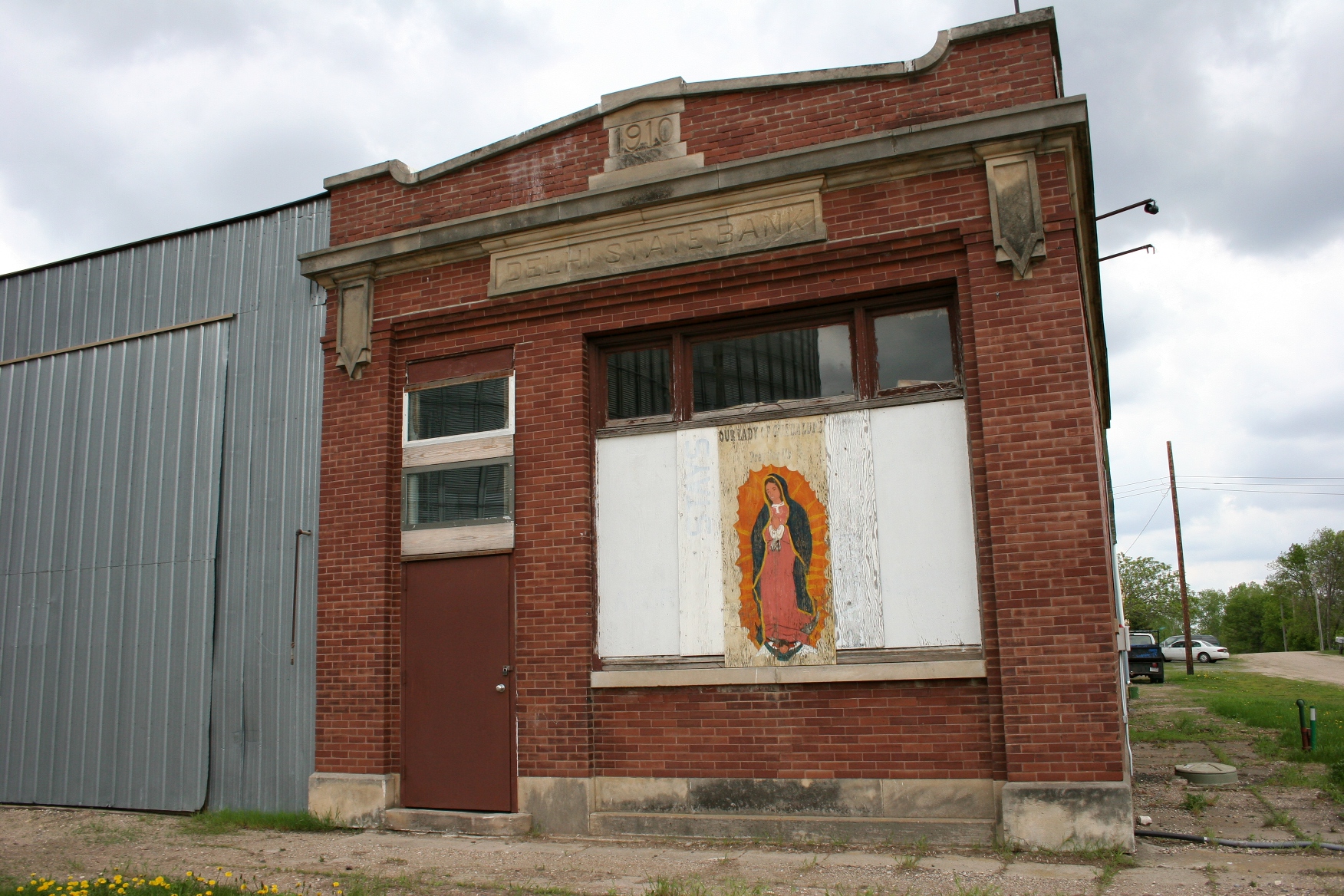
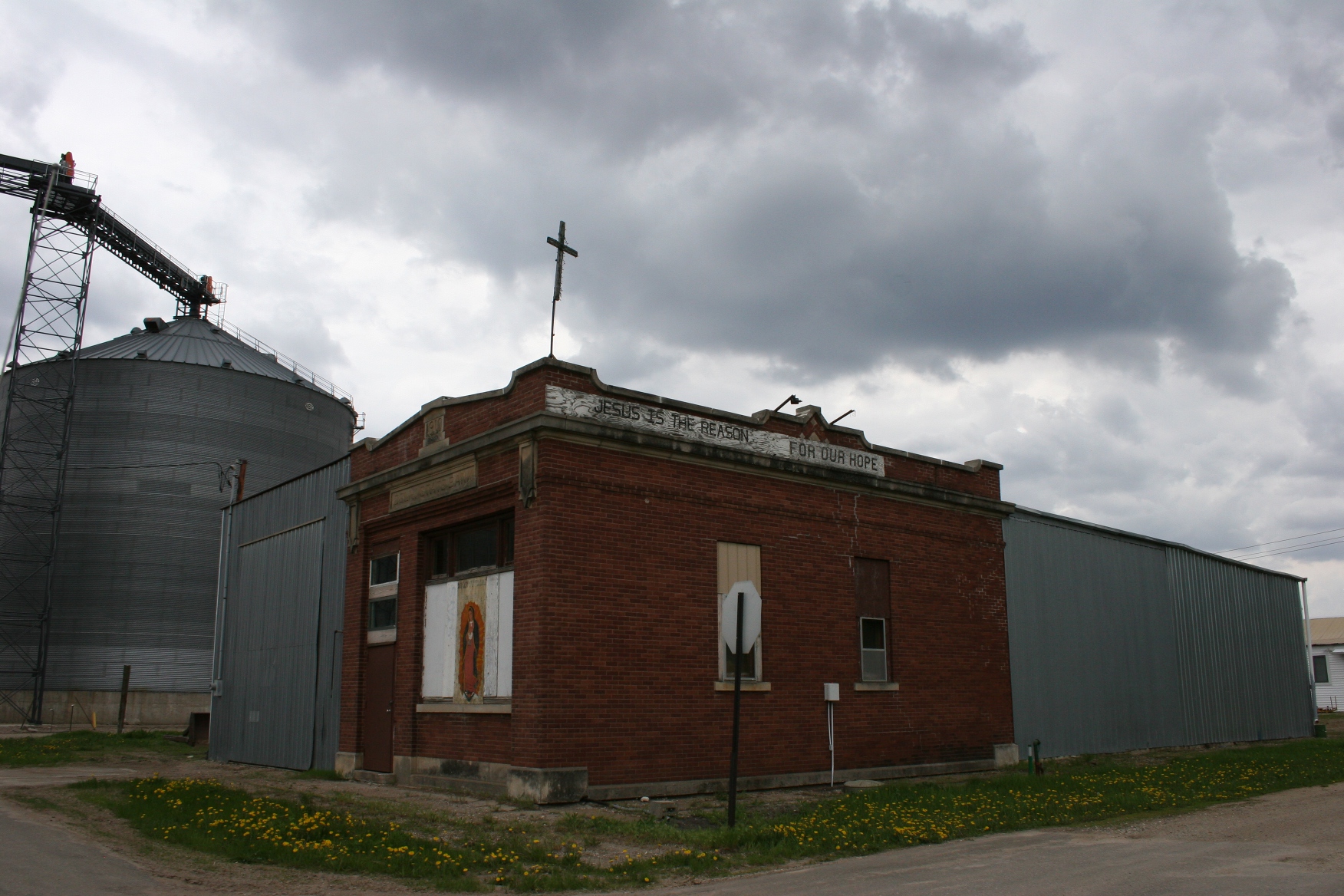
The front window of the 1910 Delhi State Bank is now mostly boarded with a painting of Our Lady of Guadalupe.

The front window of the 1910 Delhi State Bank is now mostly boarded with a painting of Our Lady of Guadalupe.

The Delhi State Bank, built of brick in 1910, and now abandoned and apparently last used as a church, shows me that folks once believed in this place.

Driving toward downtown.

Driving toward downtown.

Not that they don’t anymore. But like all too many prairie communities, Delhi has mostly withered away.

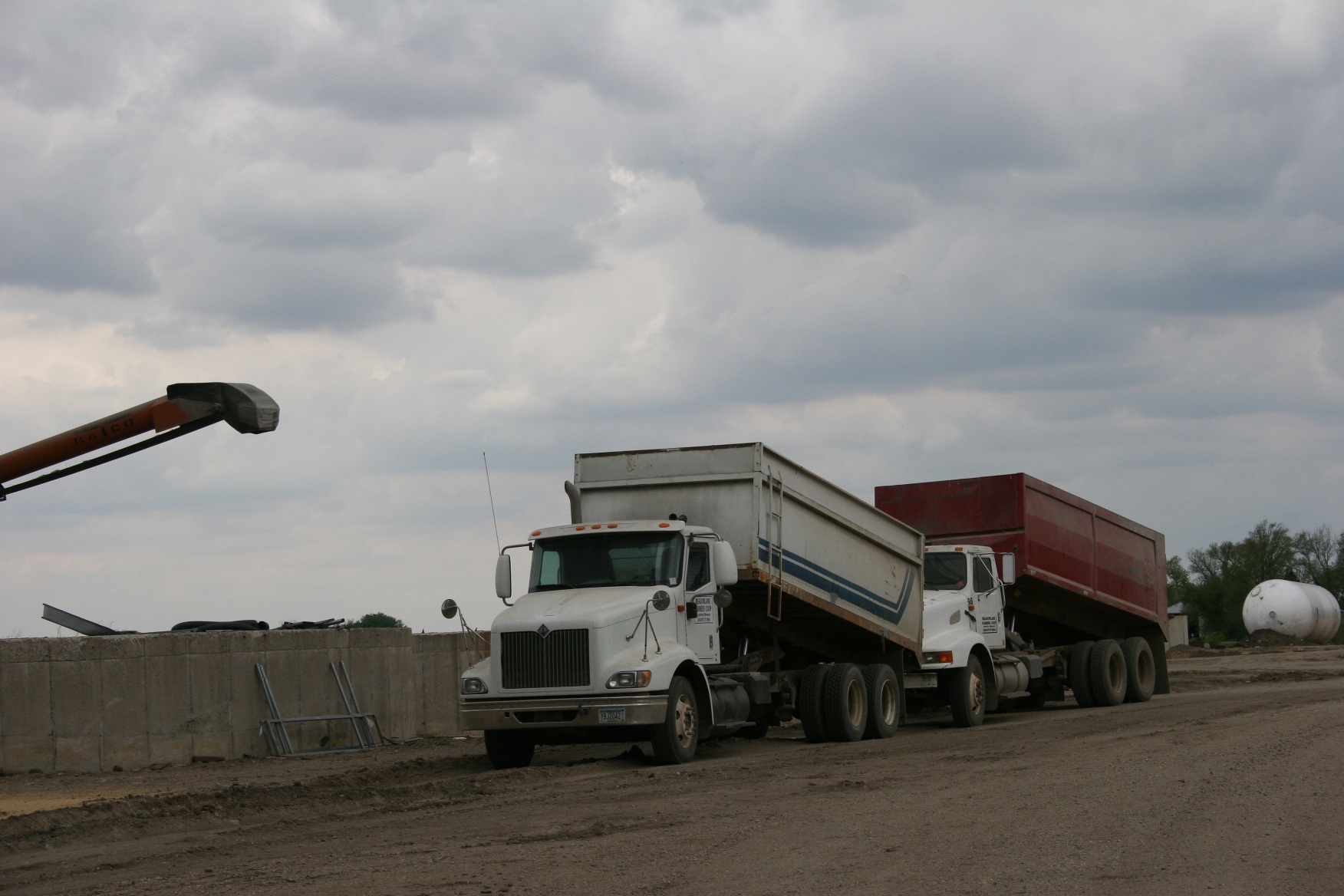
Grain trucks parked near the grain bins.

Grain trucks parked near the grain bins.

Many other businesses once operated here, but they are no more, with the noticeable exception of a grain business. Delhi, in the late 1800s, housed general, drug, hardware and lumber stores, a hotel, a railroad and telegraph agent, a feed mill, a blacksmith shop, a farm implement business and more.

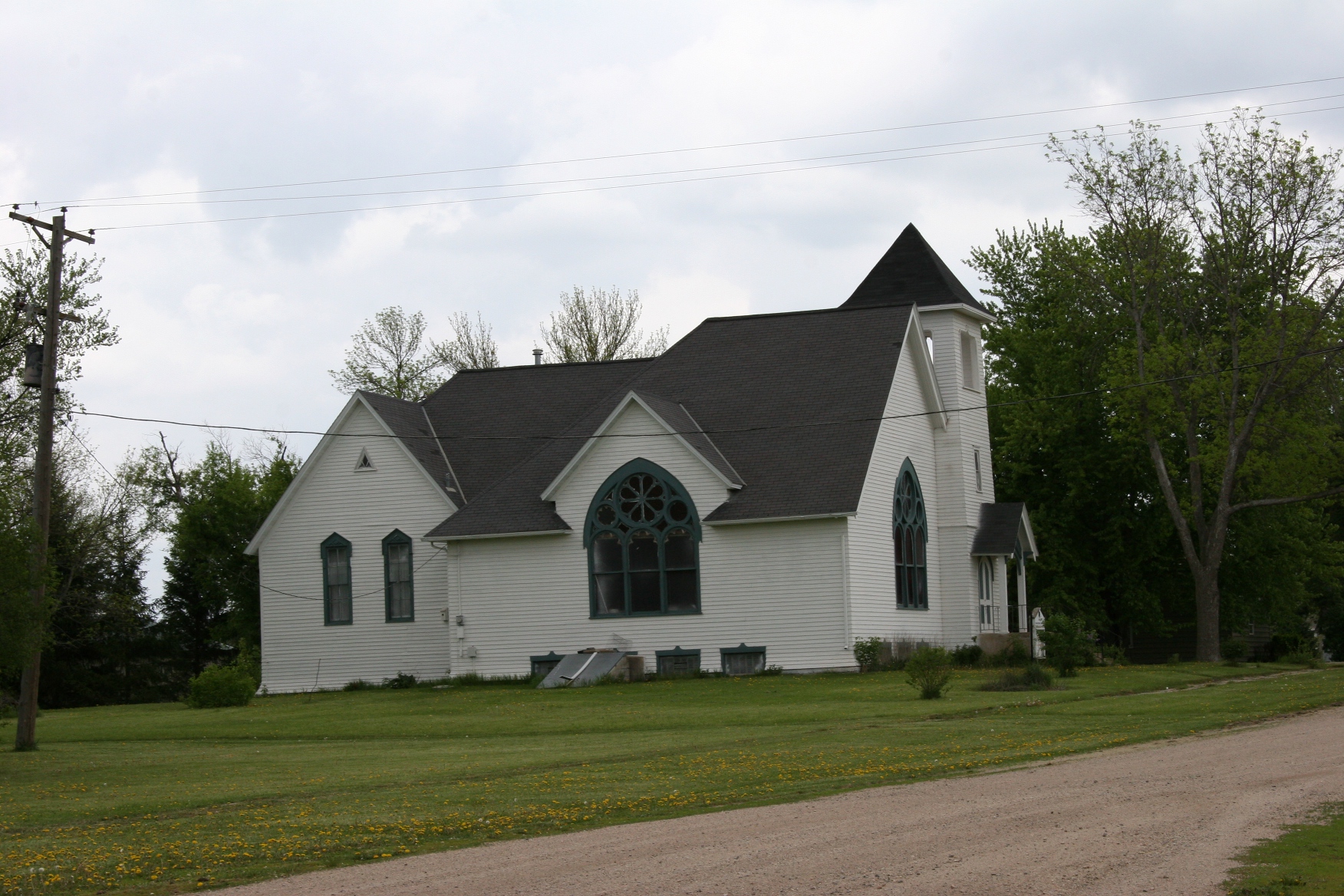
What a lovely church this must be inside as evidenced from the exterior.

What a lovely church this must be (or once was) inside as evidenced from the exterior.

The Presbyterian church today appears shuttered.

Evidence of faith in bank and bin.

Evidence of faith in former bank and bin.

Despite all of this and the inclination to despair, I cannot help but admire the determination of Delhi to cling to the land. Prairie roots run deep.

© Copyright 2014 Audrey Kletscher Helbling
 

The death of a barn June 3, 2014

Filed under: Uncategorized — Audrey Kletscher Helbling @ 6:00 AM
Tags: , , , ,

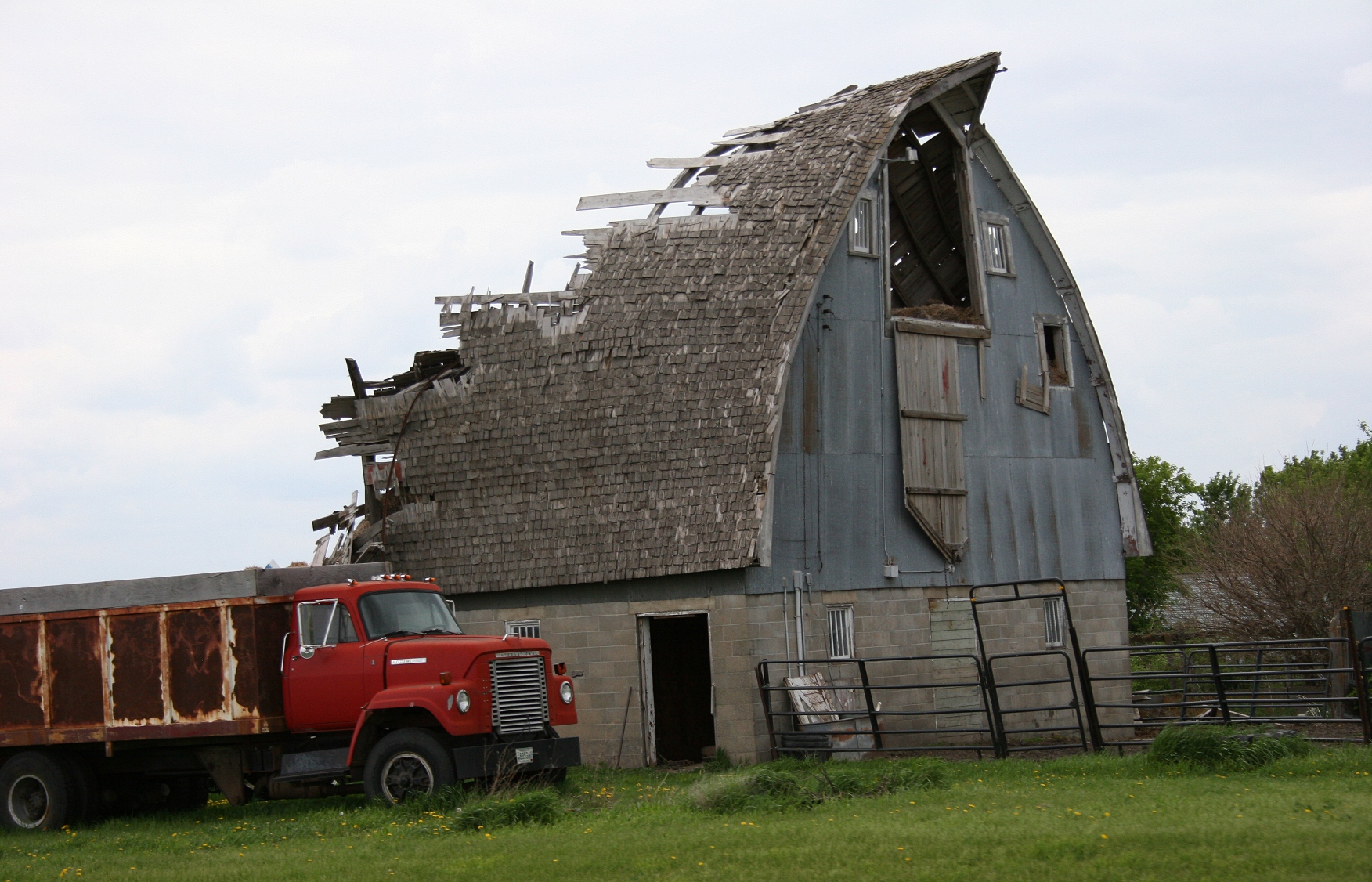
I’VE VIEWED PLENTY of time-worn, dilapidated barns in my travels through rural regions.

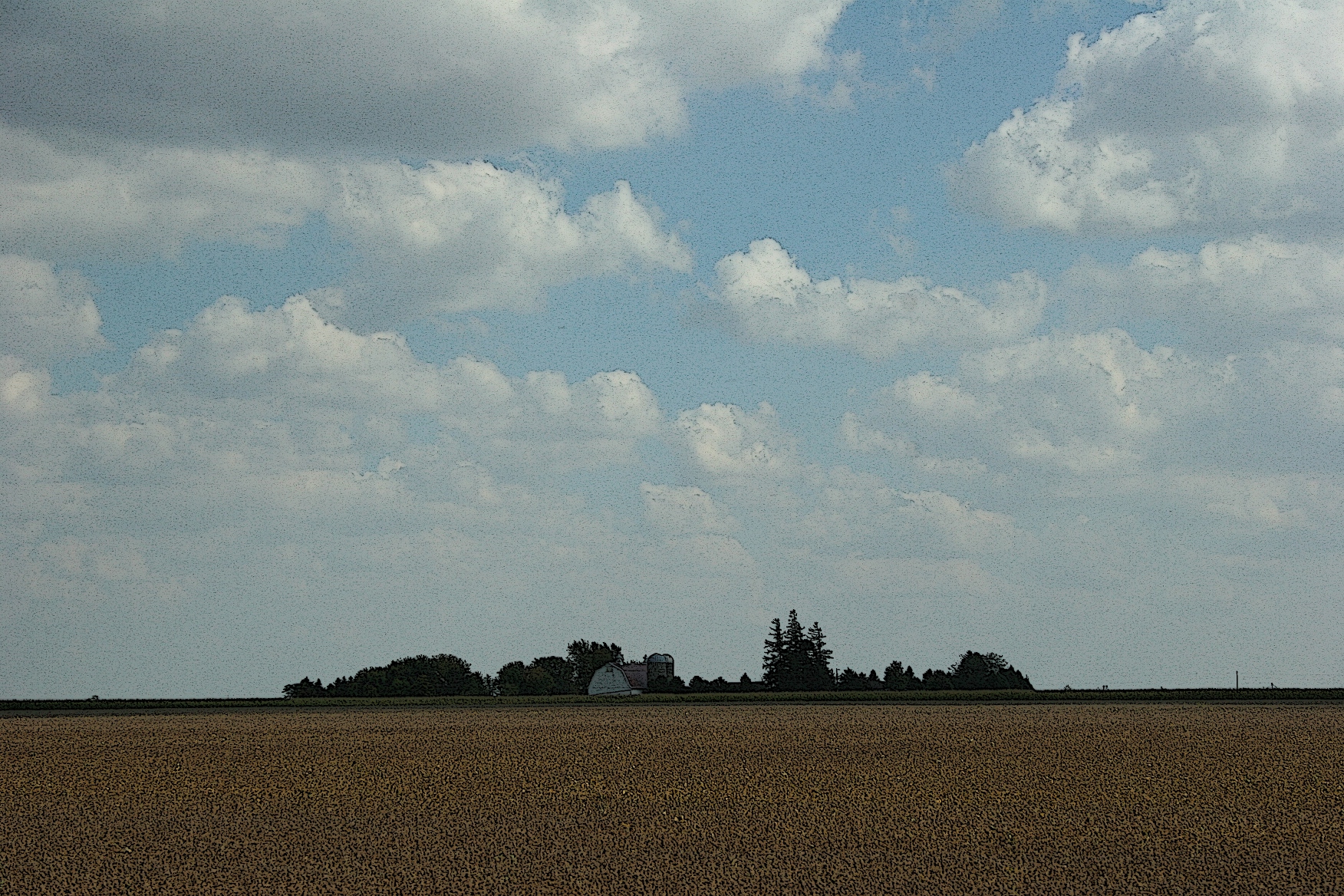
Barn near Delhi along CR 6

But never have I spotted one quite like this mammoth barn along Redwood County Road 6 south of Delhi. For those of you unfamiliar with Delhi, a community of some 70 residents in southwestern Minnesota, the name is pronounced Dell-hi. Not (New) Delly, as in the capital city of India.

The state of this barn struck me for its final fortitude, its seeming determination to hang on even with bones exposed, its very soul ripped away.

One can only imagine the previous condition of this barn, the proud farmer who walked through her doors, the cows, and perhaps swine, once housed inside.

Now, instead, a black hole marks a side doorway, a front doorway is barricaded by wood, the hay mow door hangs like a loose tooth.

Heaps of hay still remain, heaved there years ago by some hardworking farmer.

I am always saddened by this decay of an agrarian structure.

What stories does this building hold? Who labored here? What brought about this barn’s demise, marked now by a grain truck gravestone?

© Copyright 2014 Audrey Kletscher Helbling
 

Seeding the harvest in southern Minnesota May 30, 2014

Filed under: Uncategorized — Audrey Kletscher Helbling @ 6:00 AM
Tags: , , , , , ,
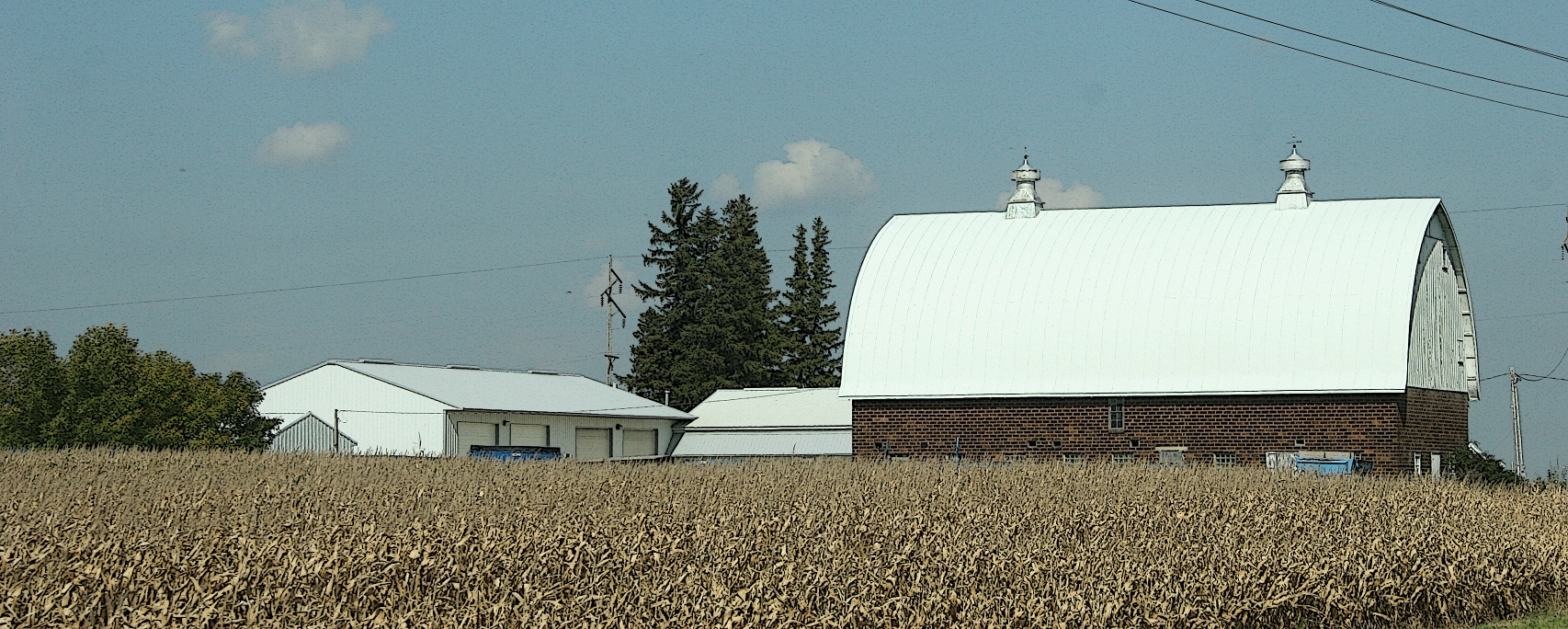
Between Morgan and New Ulm, Minnesota.

Between Morgan and New Ulm, Minnesota.

AS MOODY GREY SKIES—the kind that inspire a poet to pen poetry—loomed in southern Minnesota on Sunday afternoon, farmers hastened in the fields.

Near Mankato, Minnesota.

Near Mankato, Minnesota.

You could almost sense the urgency so late in the planting season.

Near Mankato.

Near Mankato.

It was as if time pressed above the earth, folded in the fabric of draping clouds.

Near Mankato.

Near Mankato.

Below, farmers stitched seeds into soil.

Near Delhi.

Near Delhi.

Hope of harvest in the prairie land.

Between Belview and Delhi.

Between Belview and Delhi.

The promise of spring fulfilled.

© Copyright 2014 Audrey Kletscher Helbling


Planting season in southern Minnesota May 28, 2014

Filed under: Uncategorized — Audrey Kletscher Helbling @ 6:00 AM
Tags: , , , , , ,

IF THEY WEREN’T WORKING the land, farmers along a stretch between Mankato and west of New Ulm were preparing to plant on Saturday.

Field work, tractor on drive, west of New Ulm

Everywhere, these tenders of the earth steered tractors along roadways and through fields, hurrying to prep the soil and seed crops during this year’s delayed planting season.

Field work, truck w seed bags west of Mankato

Seed bags topped wagons and pick-up trucks.

Field work, John Deere on curve west of New Ulm

Mammoth tractors pulling equally mammoth implements crept along rural roadways.
Field work, John Deere in field west of New Ulm

Sky and land swallowed small scale tractors.

Field work, tractor hill, near Courtland

On a rare occasion dust flew in the field.

Field work, International on road west of New Ulm

And I took it all in, savoring this sweet time in the growing cycle as only one born and raised on a farm can.
Field work, bags on wagon, west of new Ulm

This place, this land, still claims my heart each spring, each summer, each fall, through the seasons of planting and growing and harvest.

Photos were taken along U.S. Highway 14 and along Brown County Road 29.
© Copyright 2014 Audrey Kletscher Helbling