Minnesota Prairie Roots

Writing and photography by Audrey Kletscher Helbling

Photographing Webster, Minnesota, Part II October 8, 2012

Filed under: Uncategorized — Audrey Kletscher Helbling @ 7:29 AM
Tags: , , , , , , ,

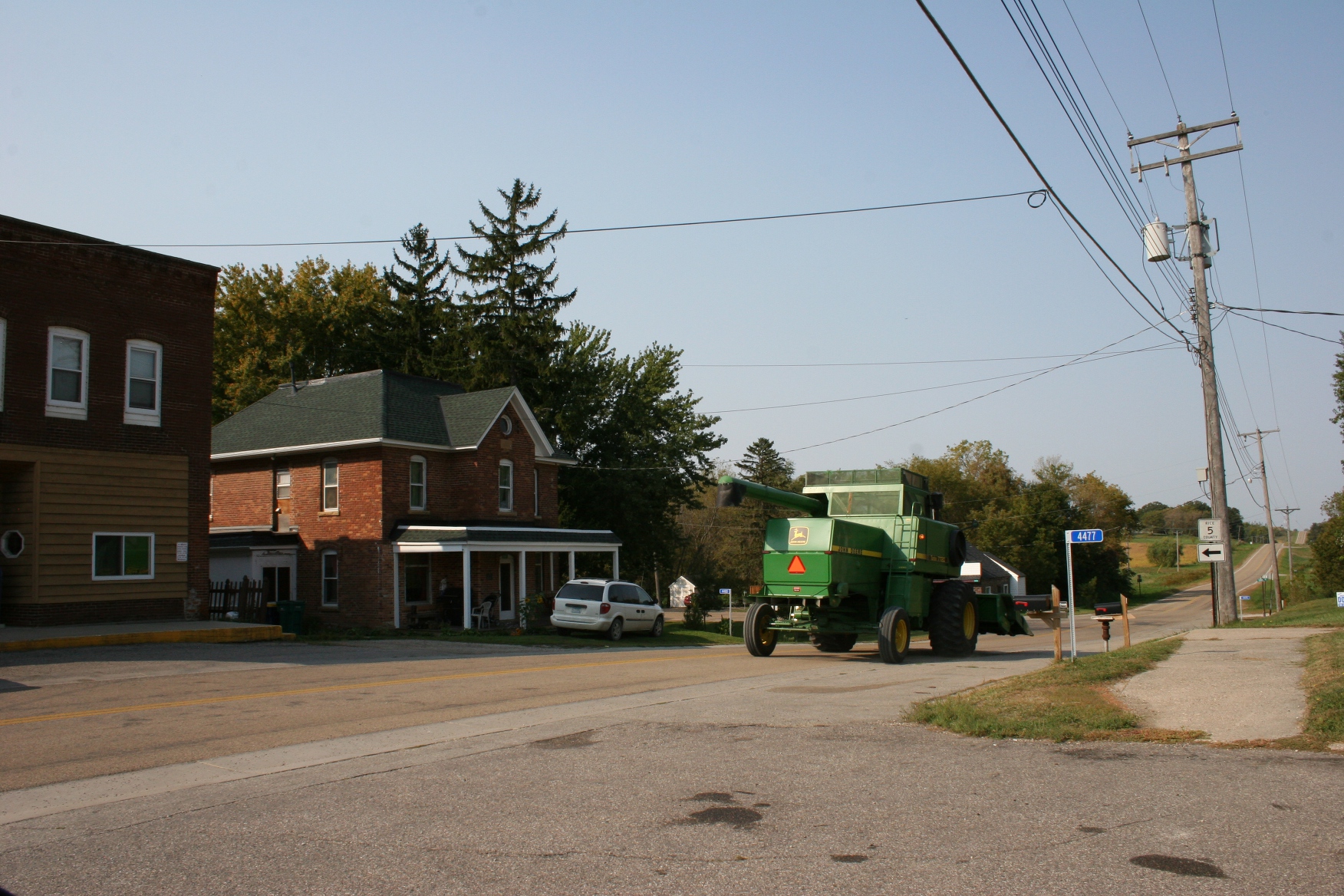
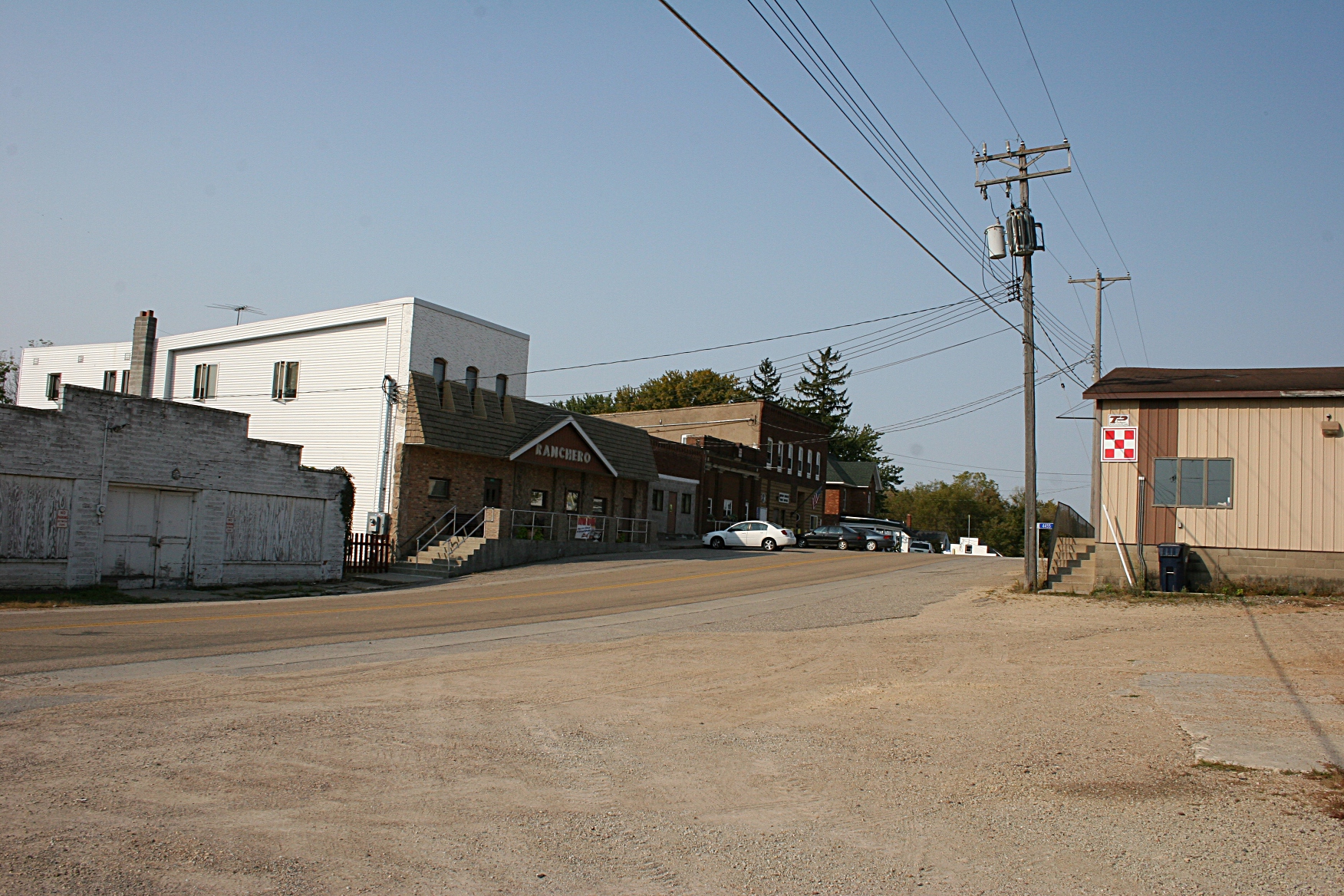
Main Street/Rice County Road 3 in Webster, Minnesota. One of the best known businesses in Webster is the Ranchero Supper Club, near middle in photo, to the left of the white car.

WHENEVER I SNOOP around a small town, I wonder when someone is going to step outside of their home or business and ask why I’m taking pictures. Only once has that happened in my many Main Street visits. That was in Otisco, south of Waseca. When I explained who I was, the local relaxed.

If I lived in one of these rural towns and saw a stranger wandering with a camera, I’d question him/her, too.  But that’s me.

My traveling companion, my husband, is used to my curious ways, my quest for interesting photos. He even tips me off occasionally to photo possibilities. Yes, he’s a quick study.

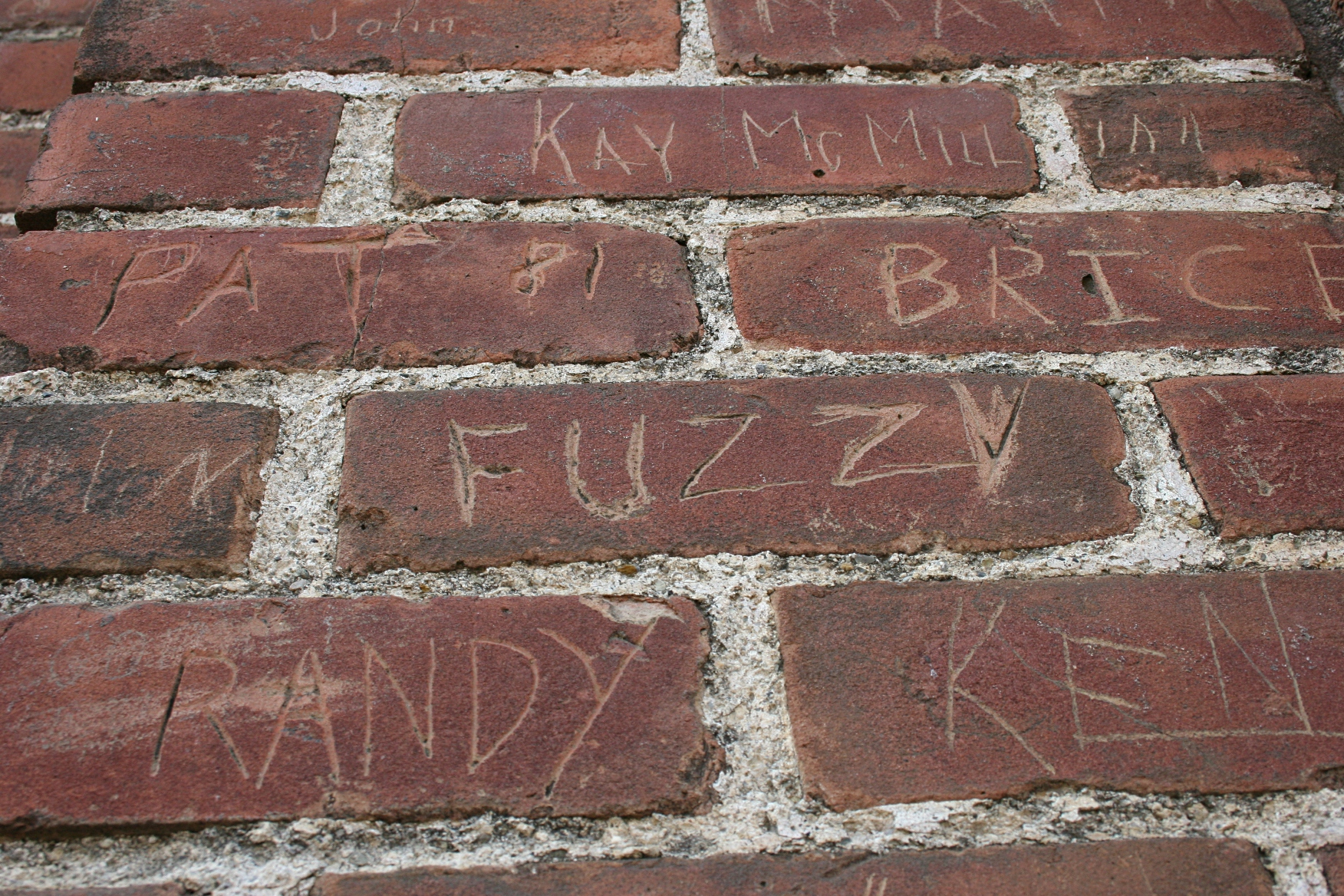
One of the more unusual finds in Webster was this graffiti etched into brick on a downtown building. Names covered several separate sections of wall. I photographed this particular section because of the name Randy (my husband’s name) and “FUZZY,” which was the nickname for one of his sisters. No, they did no etch their names here. Anyone know the story behind all of this downtown graffiti?

Sometimes he probably thinks my photo ideas are crazy. But if he does, my spouse has the good sense not to tell me.

Here are the remainder of the interesting (at least from my perspective) photos I shot in Webster in northern Rice County several weeks ago.

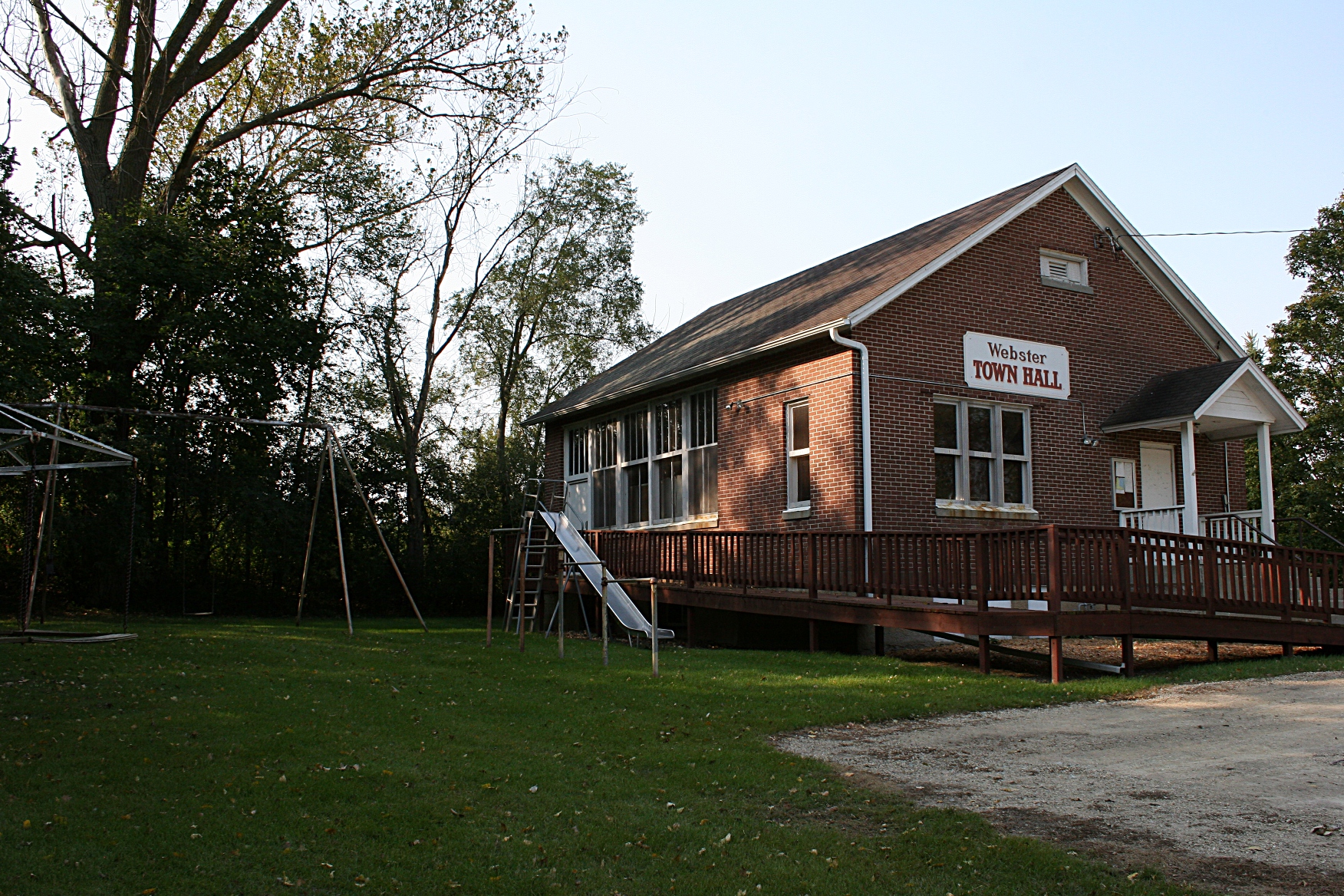
More brick at the Webster Town Hall, a former school, I presume. I love that the old playground equipment has not been removed due to safety concerns. That’s the edge of an old merry-go-round you’re seeing to the left in the frame.

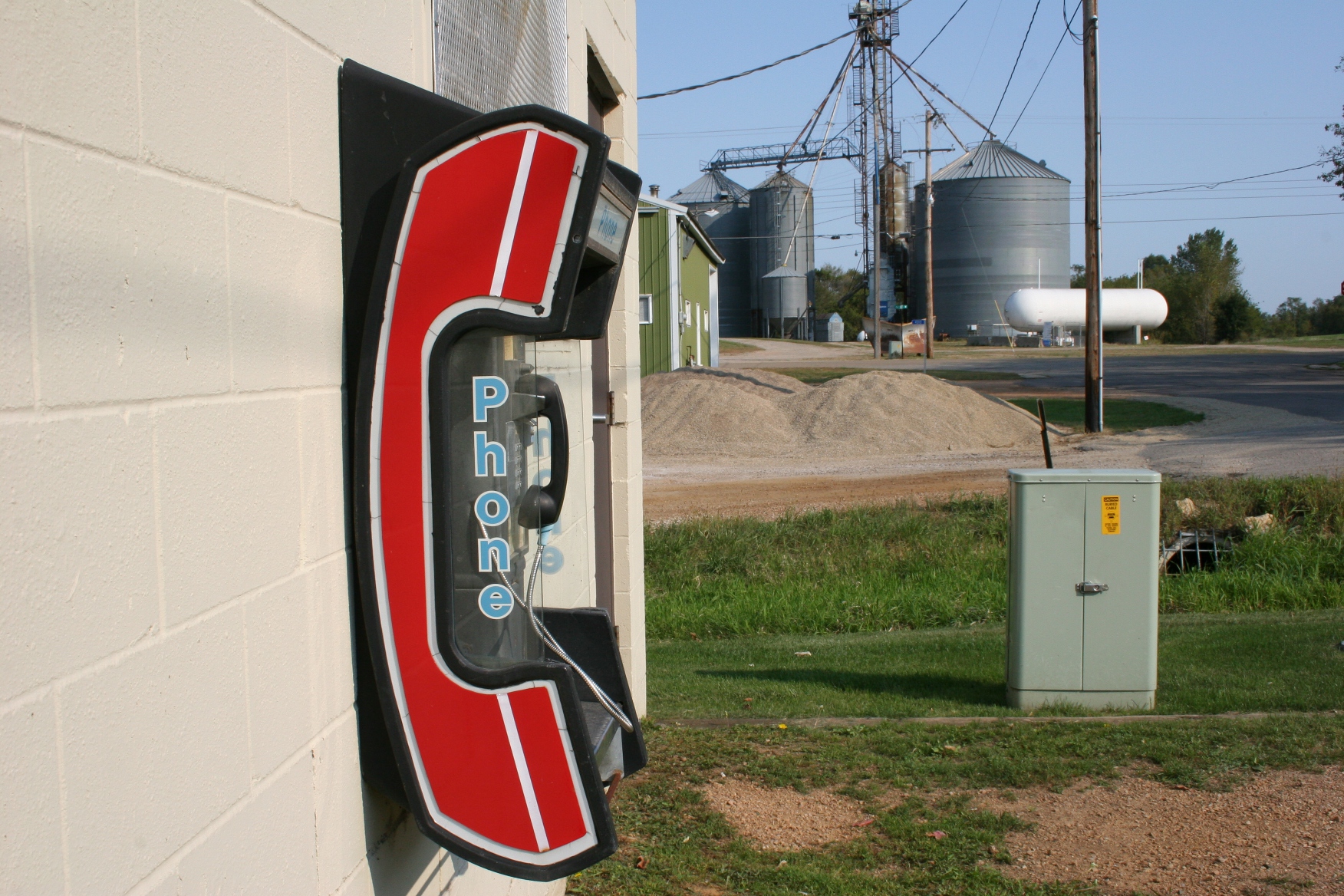
And just how often do you see a pay phone anymore? Well, in Webster you’ll find this one.

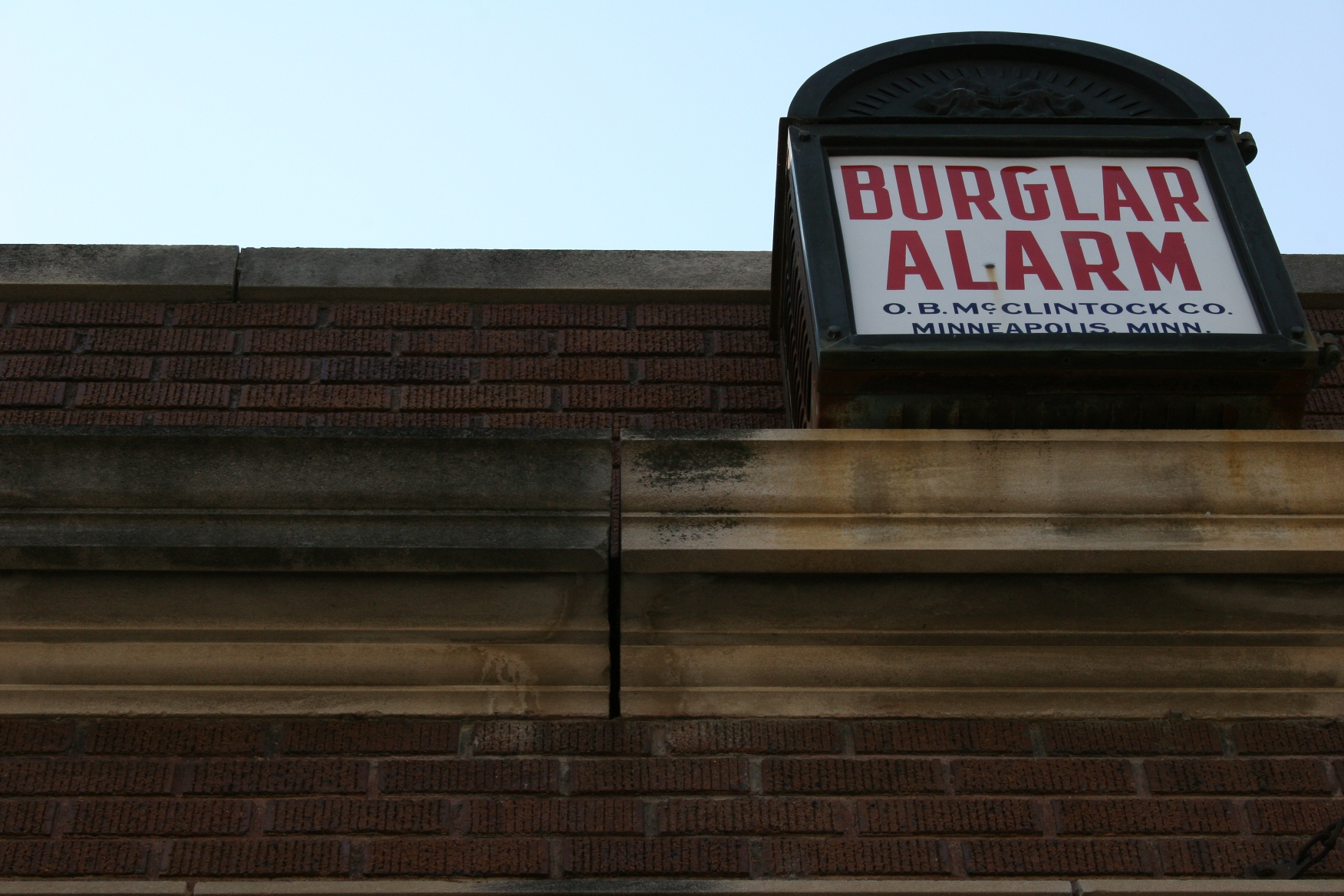
Interesting signage atop what I think is a former bank building.

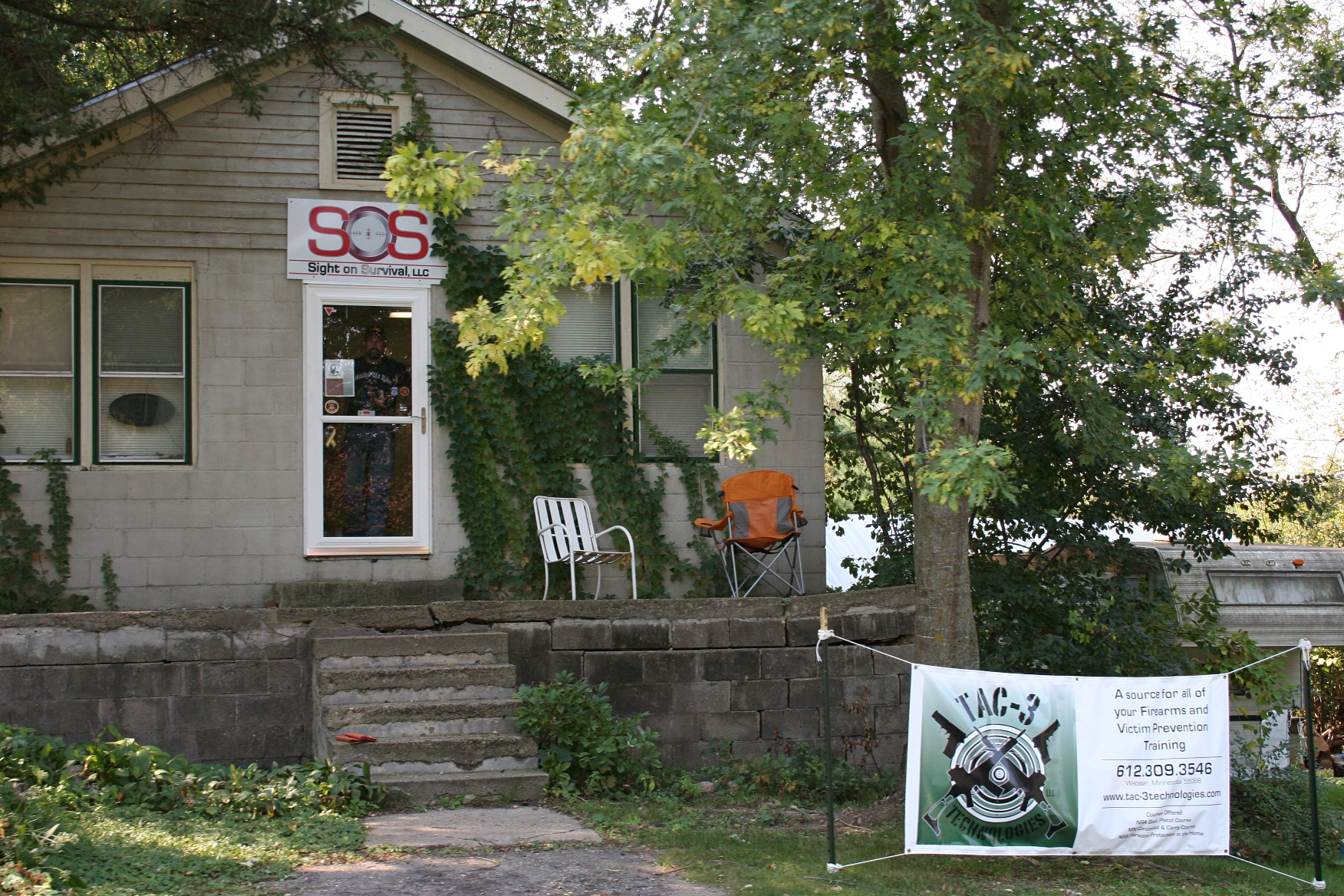
One of Webster’s most interesting businesses: Sight on Survival, “a defensive products and law enforcement gear retail store.”

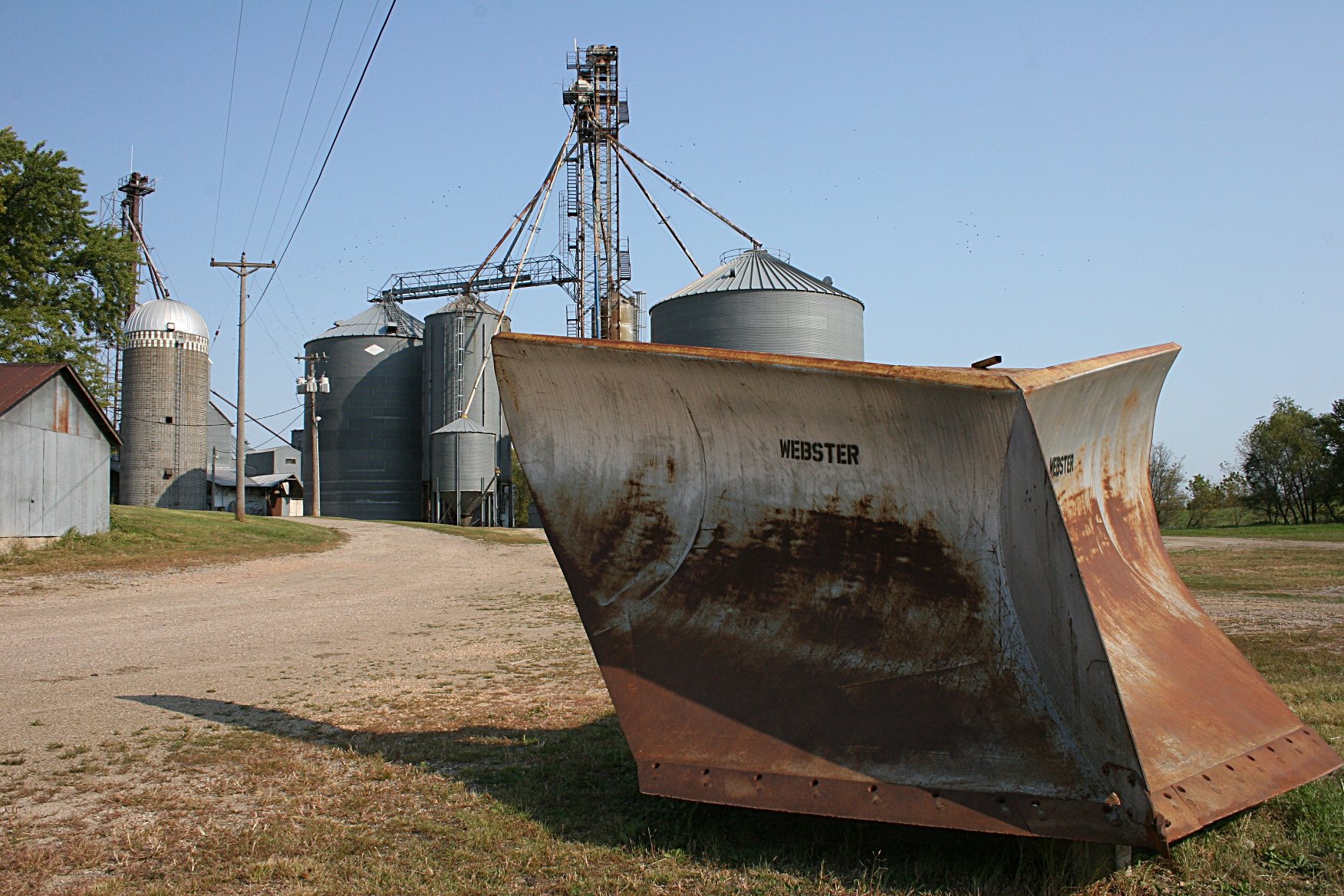
A snowplow blade awaits winter’s arrival.

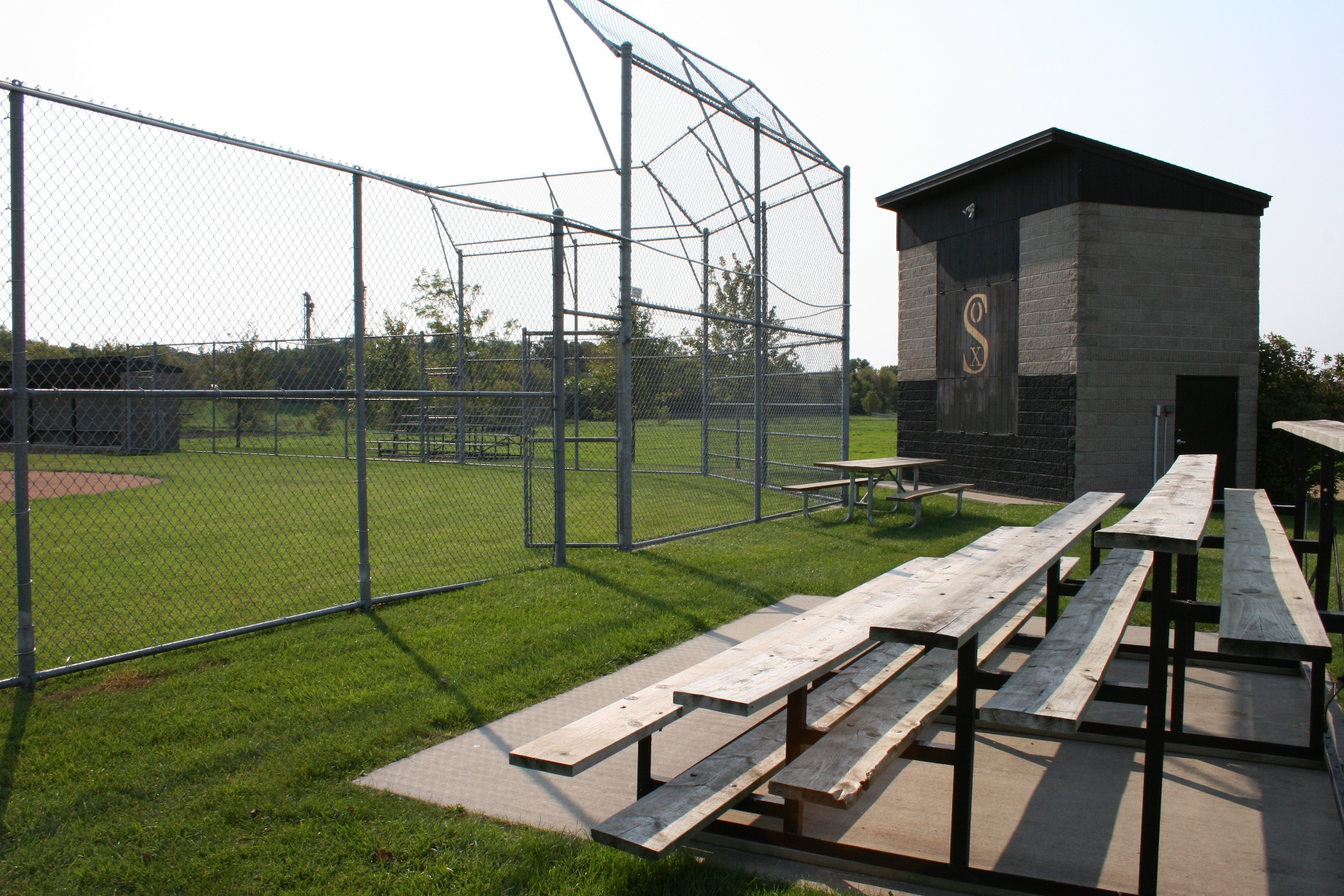
To the west of Webster lies one of the most beautiful multi-purpose parks I’ve seen, the Webster Township Park. the park includes this ball diamond, basketball court, horseshoe pits, playground, picnic shelter and grills, nature trail and more.

TO SEE ADDITIONAL images, click here to link to my previous post, “Webster, Minnesota, on a Sunday morning in September.”

Copyright 2012 Audrey Kletscher Helbling


Caution: Machinery, deer (maybe even a John Deere) & a cold front October 4, 2012

Filed under: Uncategorized — Audrey Kletscher Helbling @ 8:33 AM
Tags: , , , , , , , , , ,

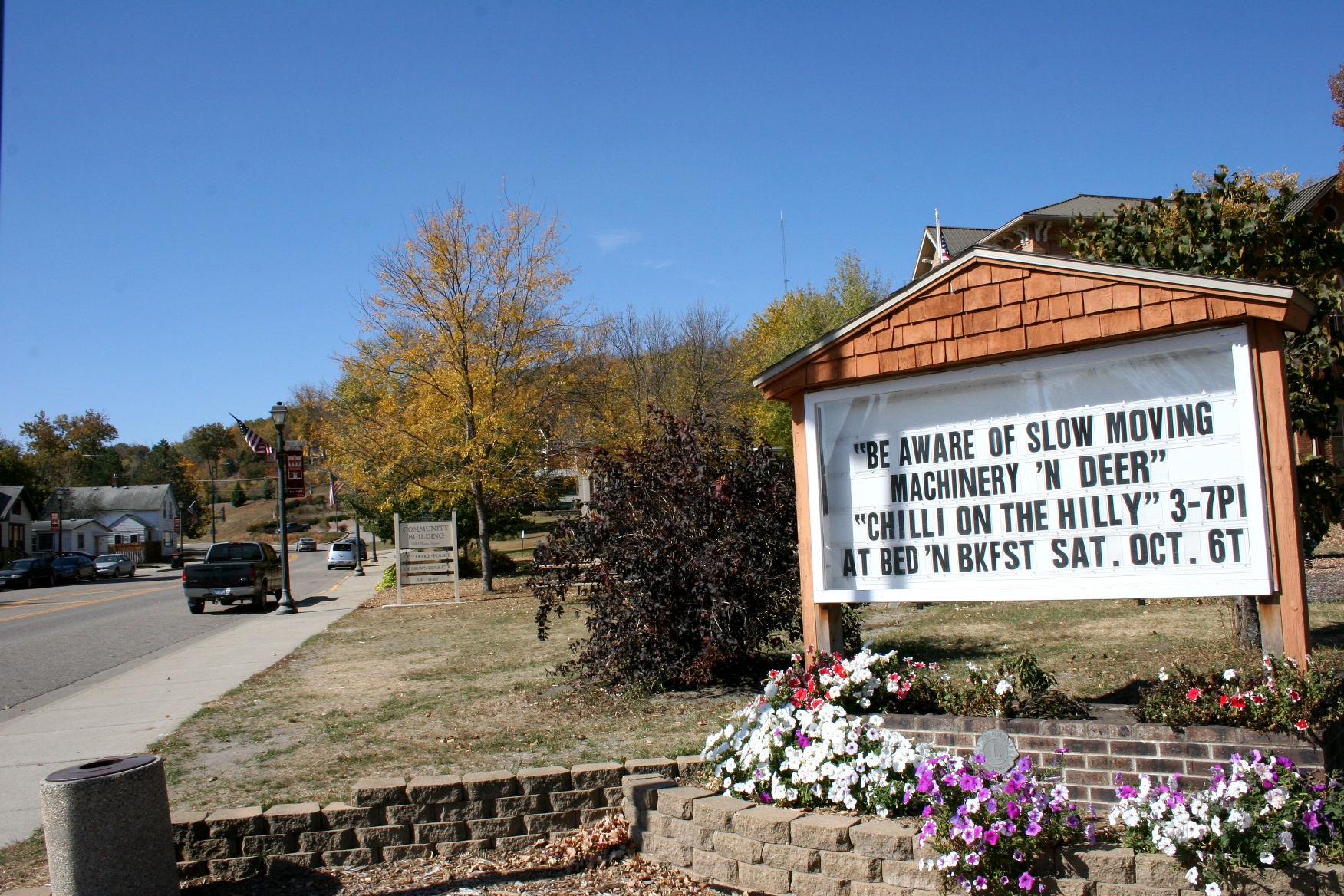
IF YOU LIVE IN MINNESOTA, in the heart of farm land, you’ll totally understand the first part of the message below posted on a sign in front of the Henderson City Hall.

Slow moving farm machinery and deer chased from their habitat most assuredly are reasons to be extra cautious while traveling rural roads during the fall harvest.

As for that “Chilli on the Hilly,” strike the second “l” in “chilli” and you have chili served this coming Saturday at the Henderson House Bed and Breakfast up that road to the left (Minnesota Highway 19) and around the curve and then to the  right up the steep hill.

Or, strike that second “l”  in “chilli” and change the second “i” to a “y” and you have the current weather in Minnesota. Chilly. Ten inches of snow forecast for northwestern Minnesota today, folks.

Copyright 2012 Audrey Kletscher Helbling


Webster, Minnesota, on a Sunday morning in September October 3, 2012

Filed under: Uncategorized — Audrey Kletscher Helbling @ 9:39 AM
Tags: , , , , , , ,

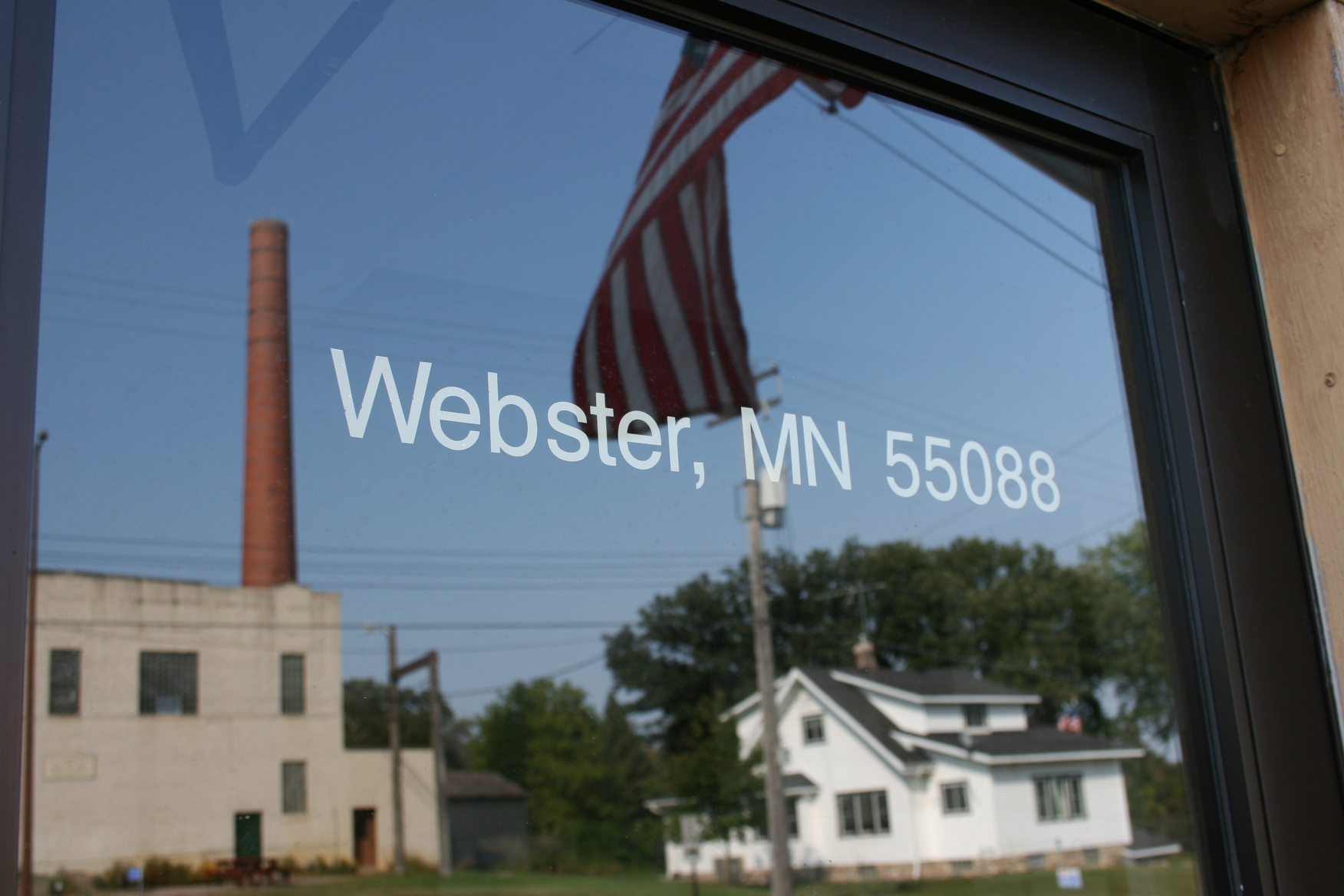
Reflections in the window of the Webster Post Office.

IN WEBSTER, MINNESOTA, on a Sunday morning, the rooster crowed…

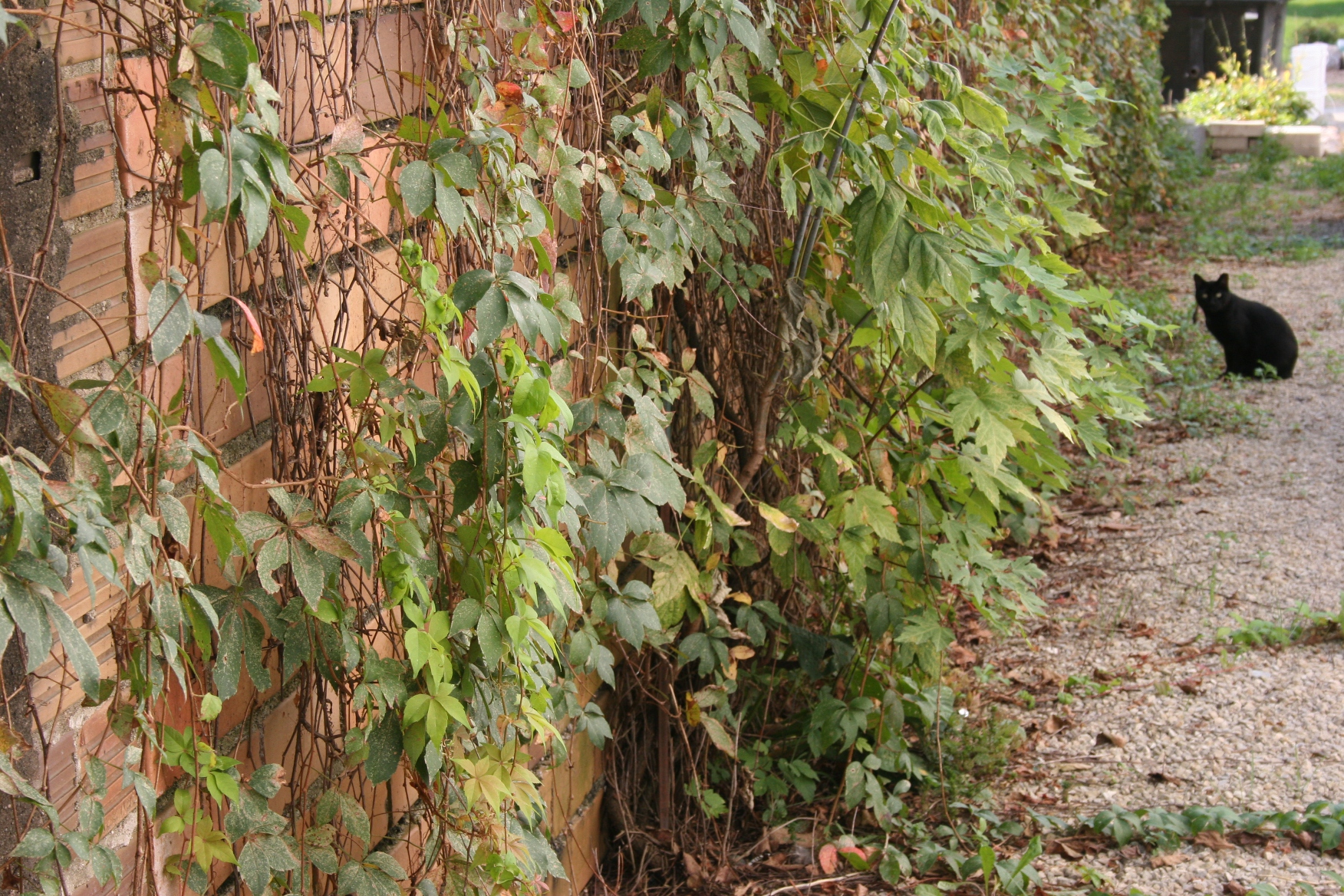
 the black cat prowled…

and the John Deere combine roared through town.

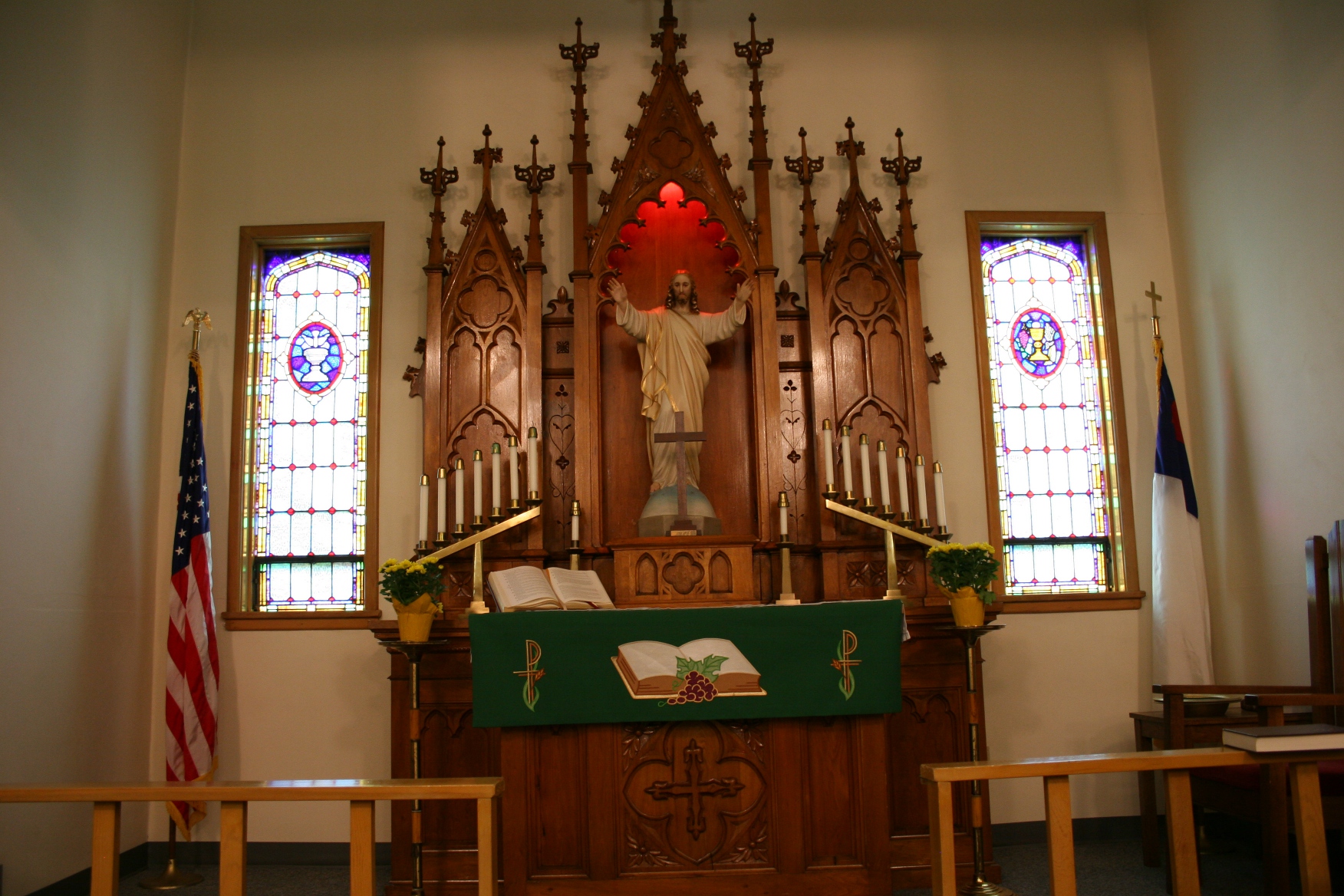
And we were an hour late for worship services at St. John’s Lutheran Church (due to an incorrect time published in an area newspaper).

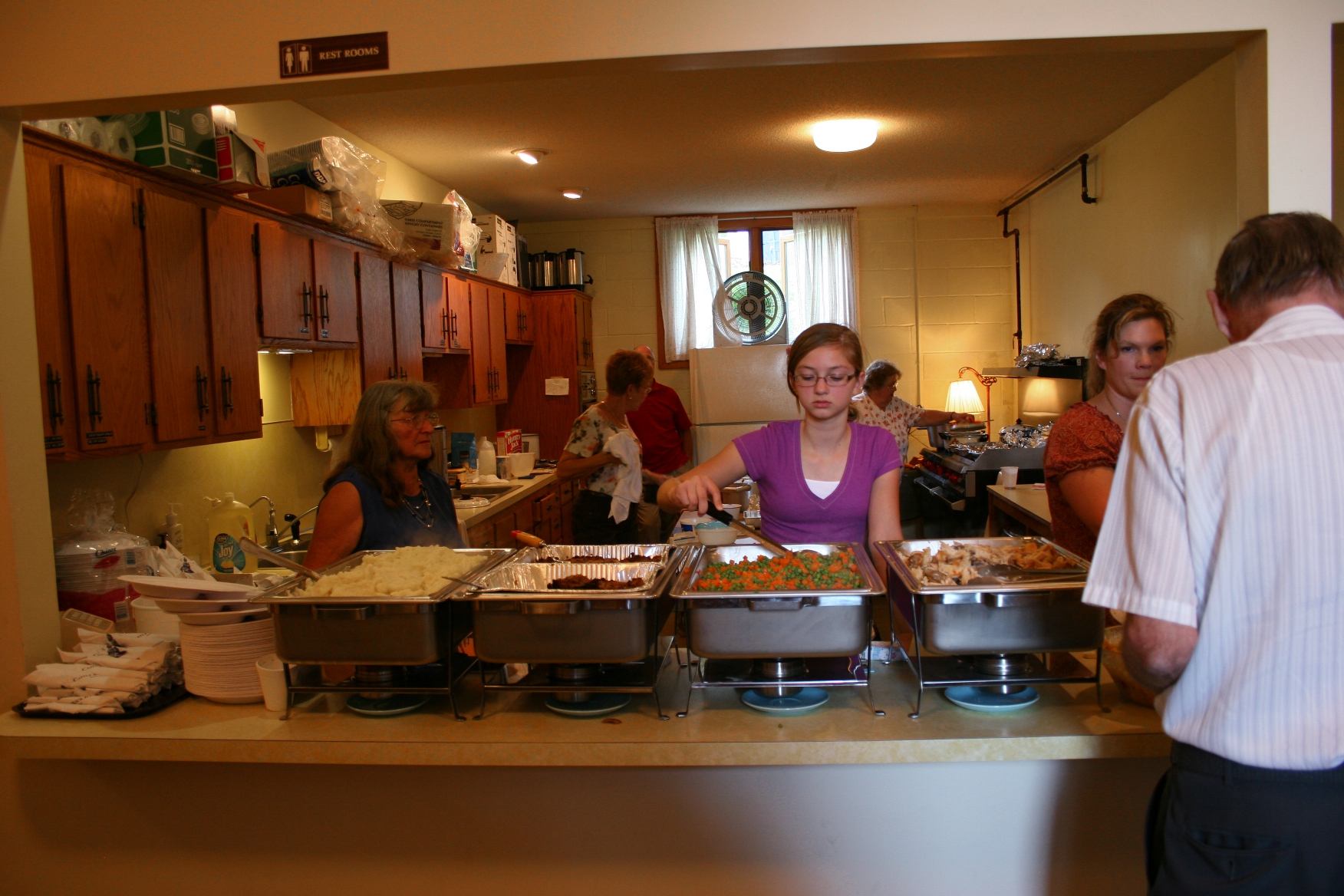
Because we missed church and had an hour before serving of the annual fall harvest dinner at St. John’s, my husband and I had more than enough time to explore this unincorporated village in northern Rice County some 30 minutes south of the Twin Cities.

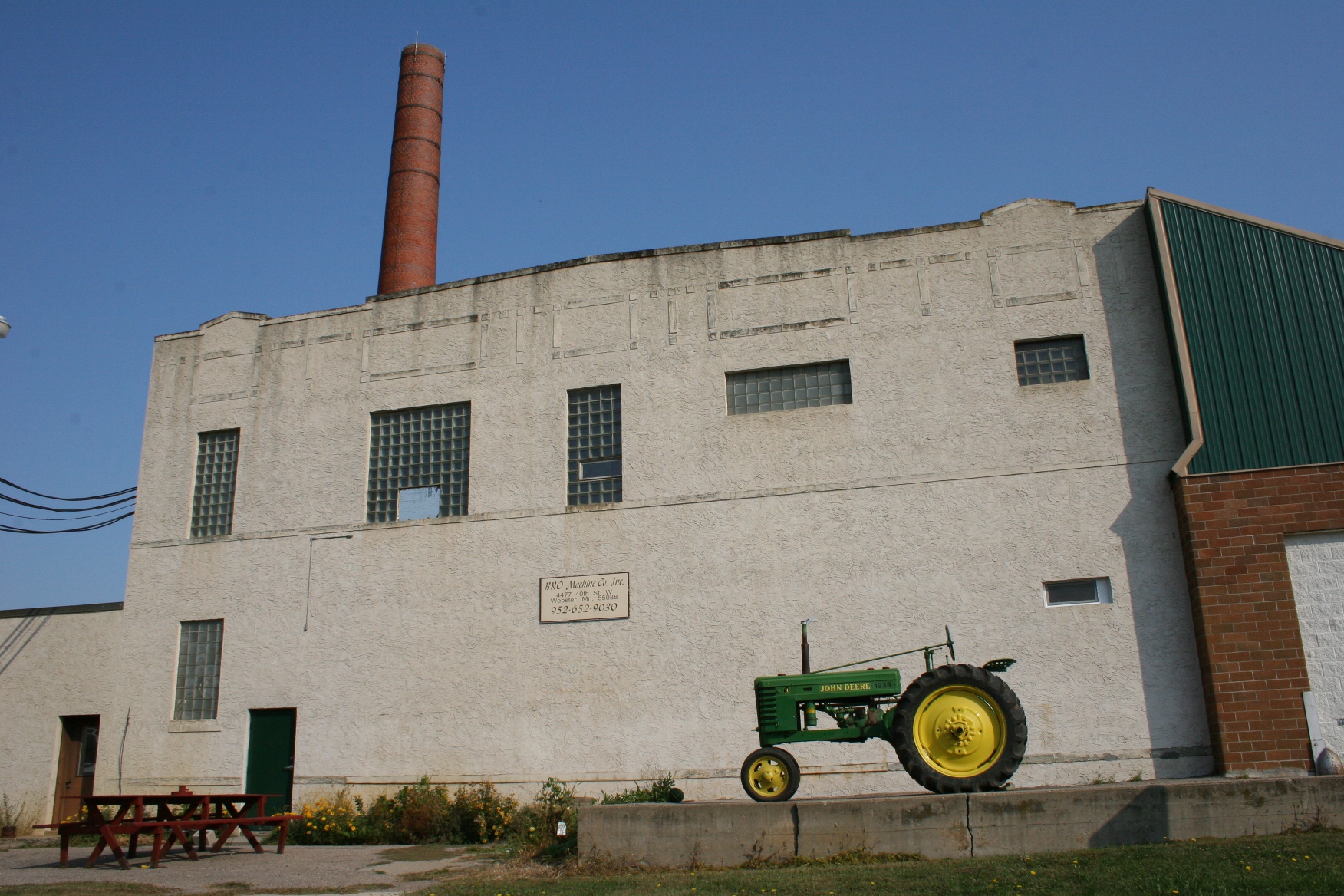
BRO Machine Company housed in an old creamery.

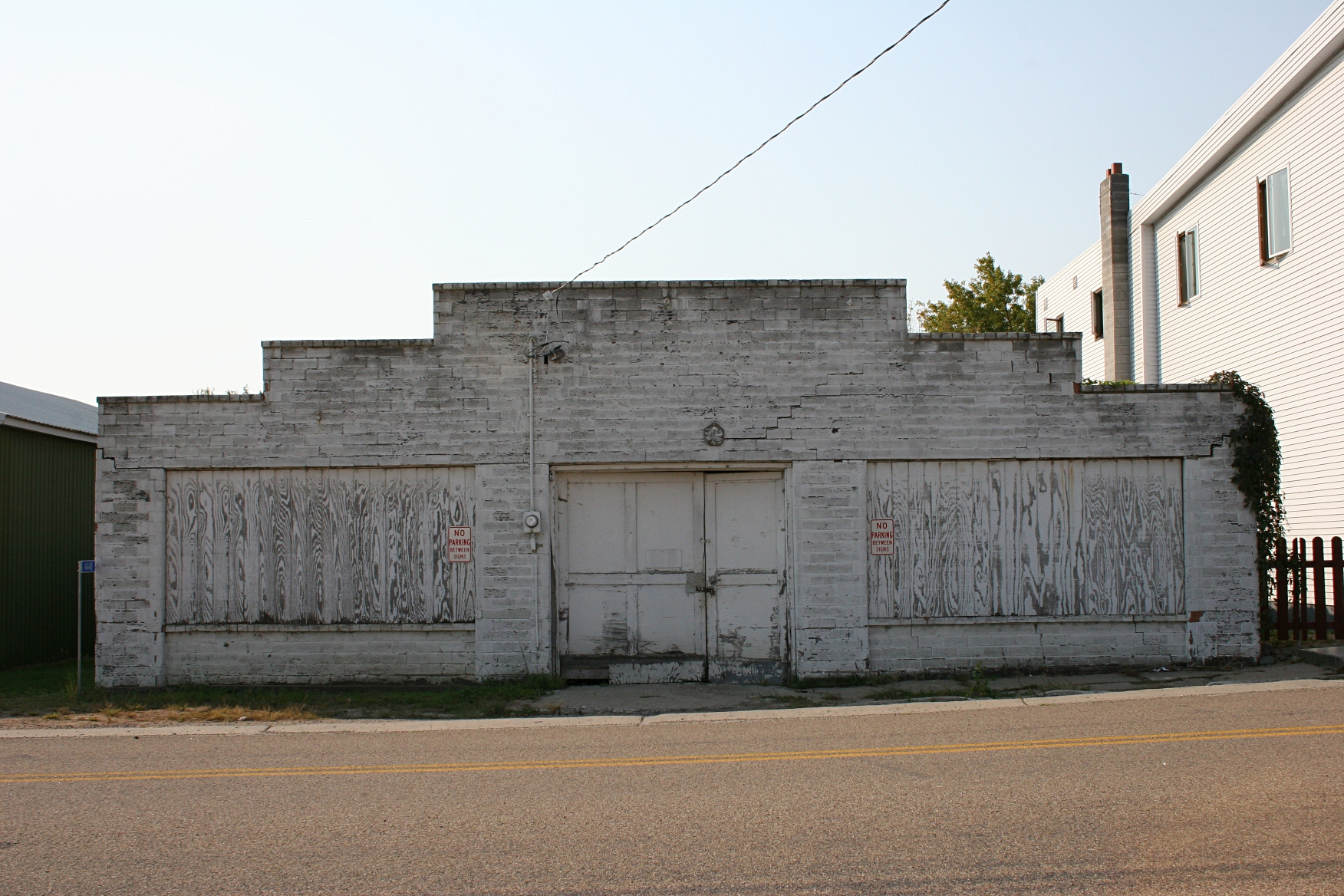
It takes all of about a few minutes to drive around Webster, unless you park, get out and search for photo ops to define the essence of this rural community. Only then do you notice the nuances that give Webster its character.

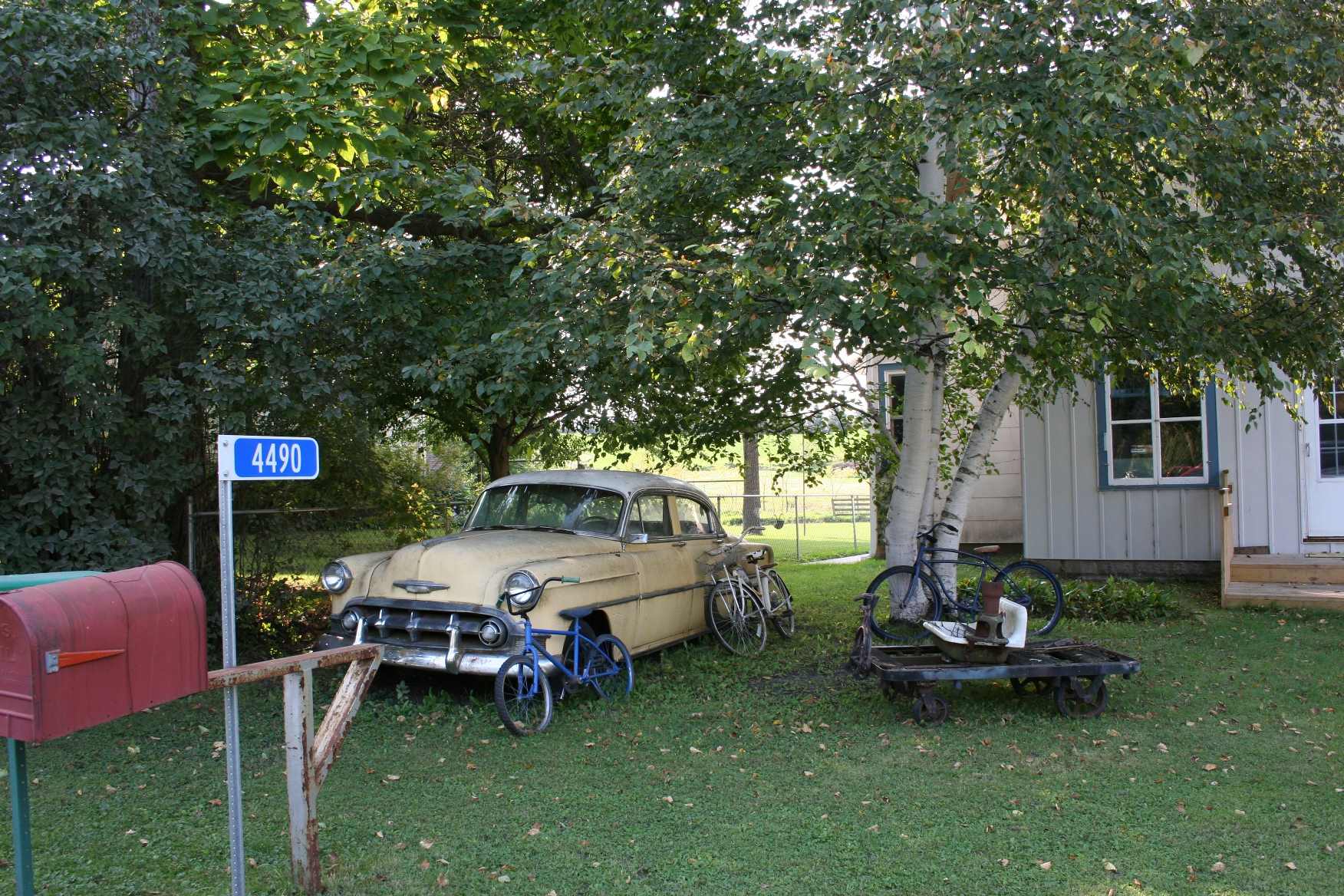
Like any small town, it’s worth your time to stop and appreciate, to notice the bikes dropped by kids on lawns, the toy trucks abandoned outside front doors, the aging buildings, the well-kept yards with beautiful flower gardens, and the rolling countryside around Webster. All of this makes you (or at least me) want to pull up roots and move to this peaceful place.

But since that’s not practical…I took photos a few weeks ago…in September.

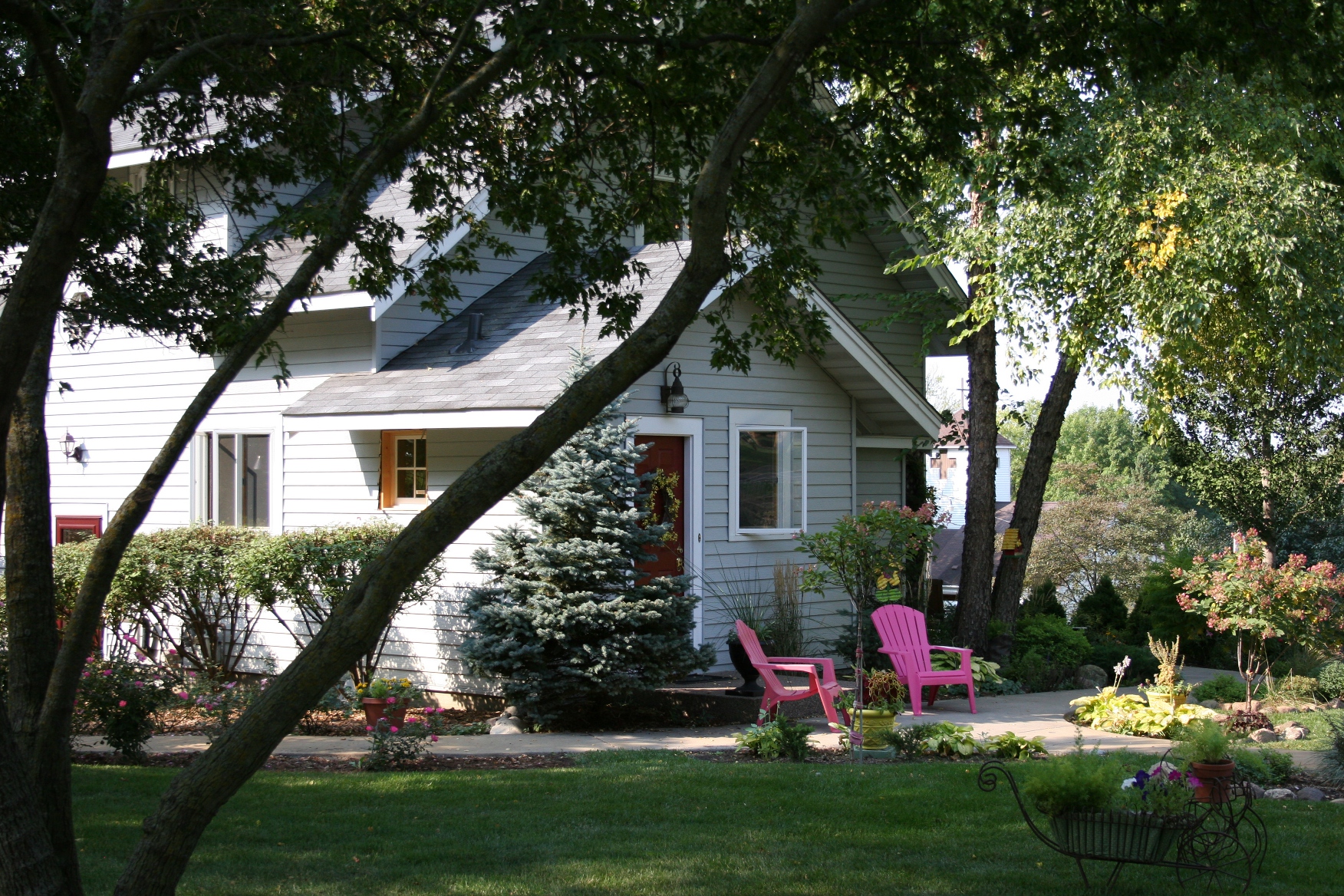
A beautifully-landscaped yard in Webster.

A front yard in Webster.

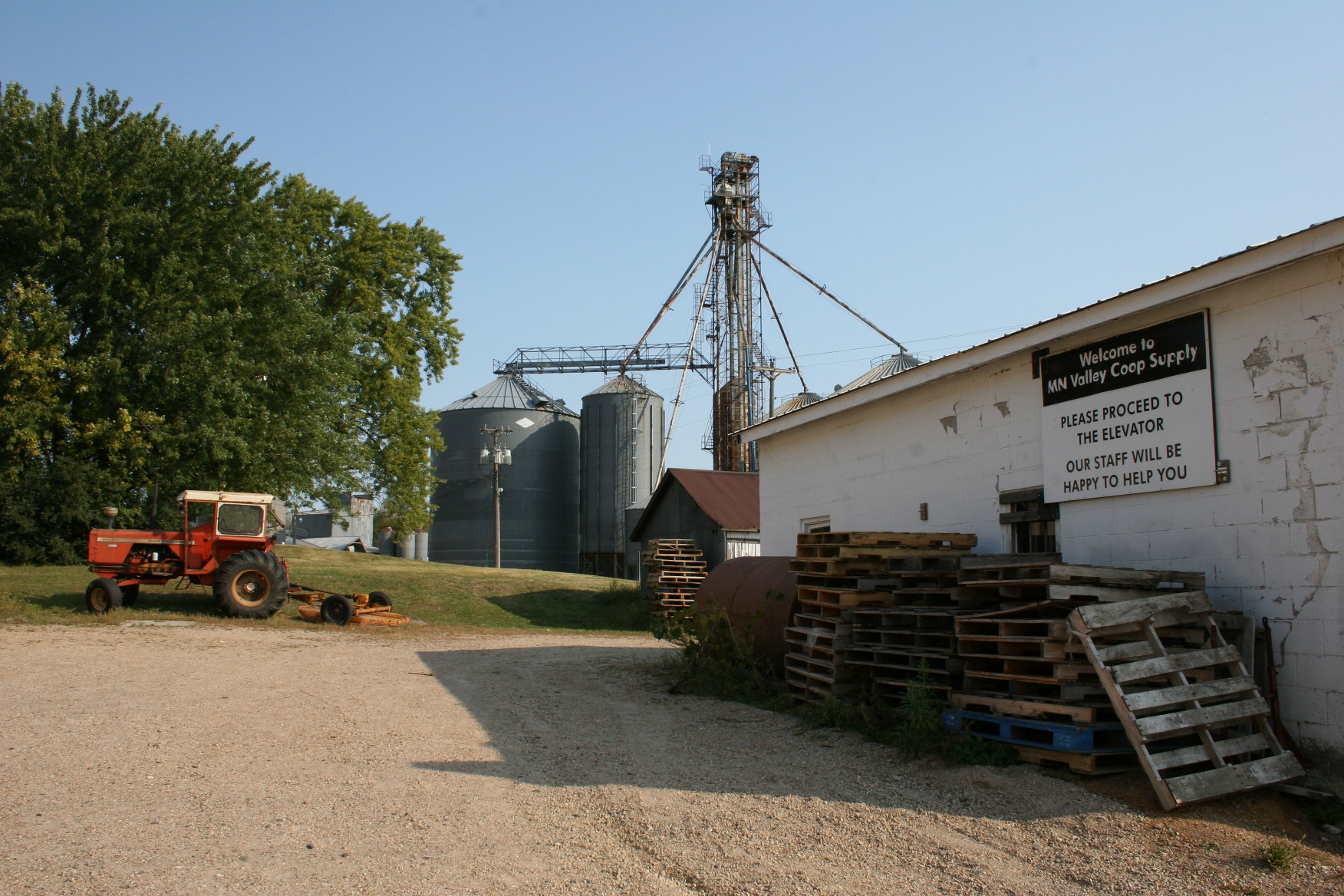
I was particularly charmed by the friendly MN Valley Co-op Supply sign on the side of the building.

PLEASE CHECK BACK for one more post with images of Webster, which is only a few blocks long and wide.

© Copyright 2012 Audrey Kletscher Helbling


Scenic southeastern Minnesota on a Sunday afternoon in autumn September 30, 2012

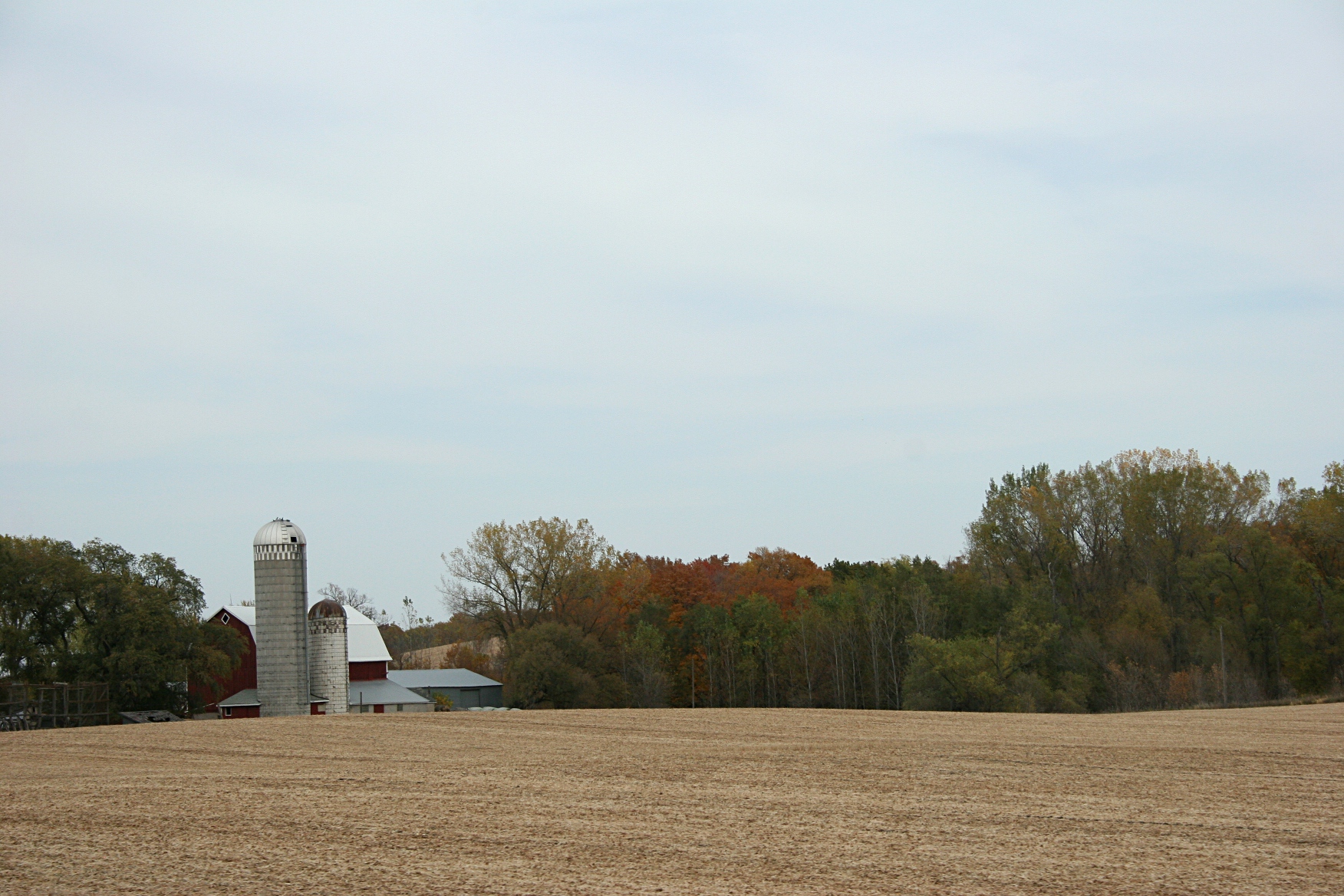
West of Faribault on Sunday afternoon.

I NEVER TIRE OF IT. Never. Autumn in Minnesota is stunningly beautiful. Stunning.

A Sunday afternoon drive took my husband and me west of our Faribault home along Cedar Lake Boulevard and then on Old Dodd Road, all the way to Kilkenny.

Lake Francis, Elysian

From the Irish settlement, we continued west and then south and west and south and, well, I don’t navigate, until we entered Elysian from the north.

Tetonka Lake, Waterville

We then aimed back east and north along a dusty gravel road and then a tar road to Waterville.

Northeast of Waterville.

We traveled through the North Morristown area and, nearing Faribault, skirted Cannon Lake on the north and east.

It was, for us, a leisurely horseshoe drive to view lovely Autumn, dressed in her Sunday best.

North and east of Waterville somewhere, maybe closer to North Morristown.

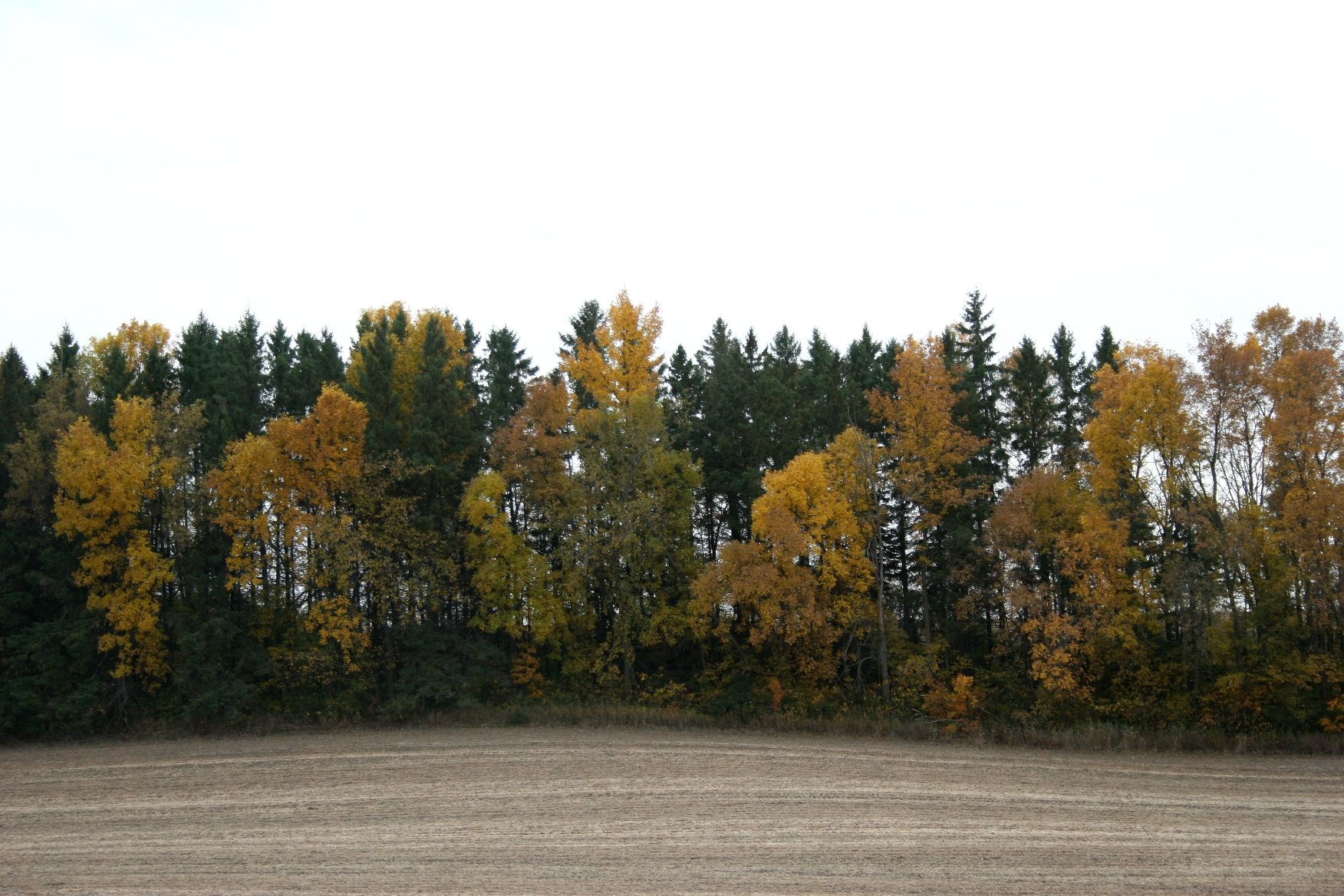
A lovely treeline somewhere on the eastern end of our route.

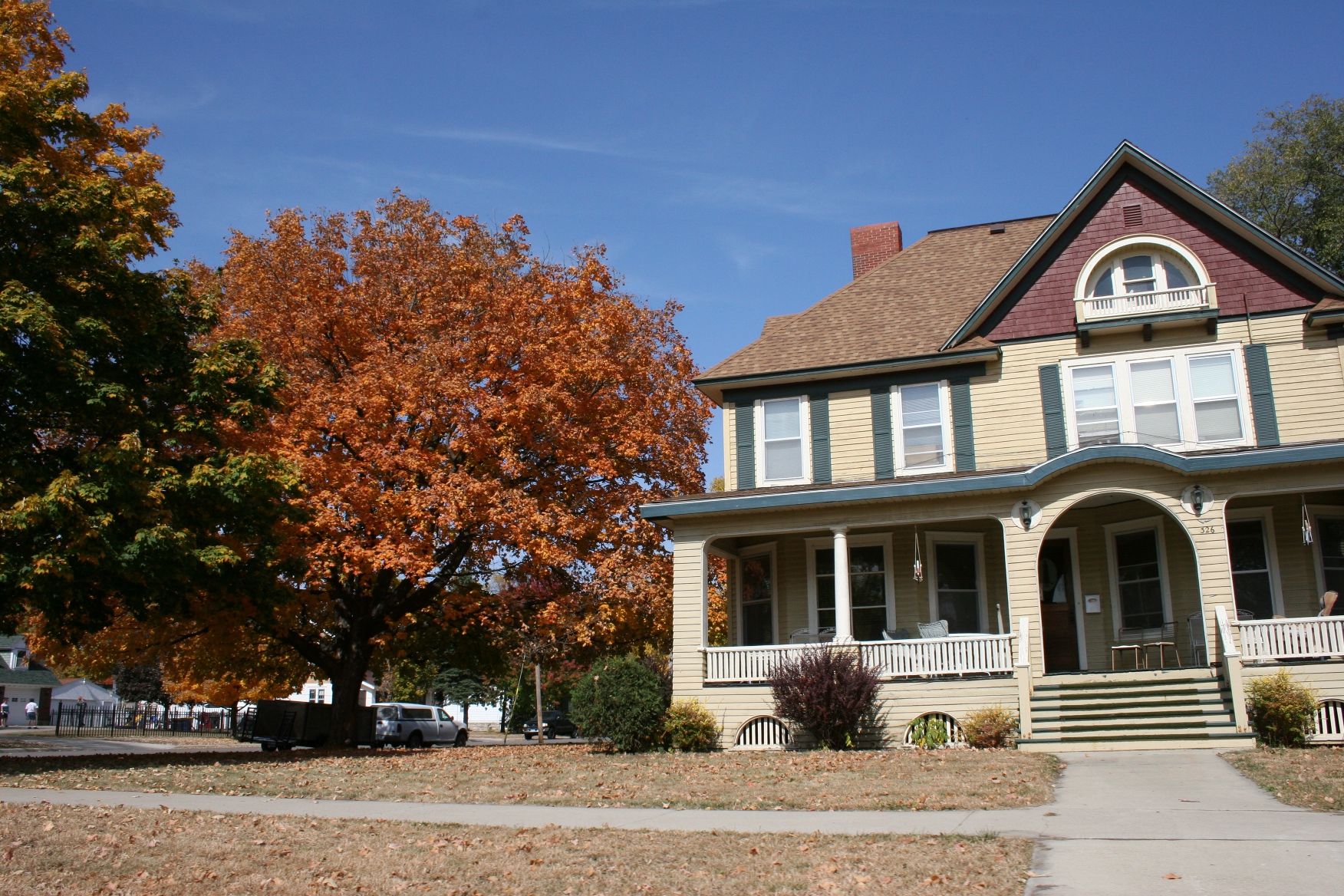
Along Seventh Street in Faribault….my community has stunning autumn colors along many, many residential streets.

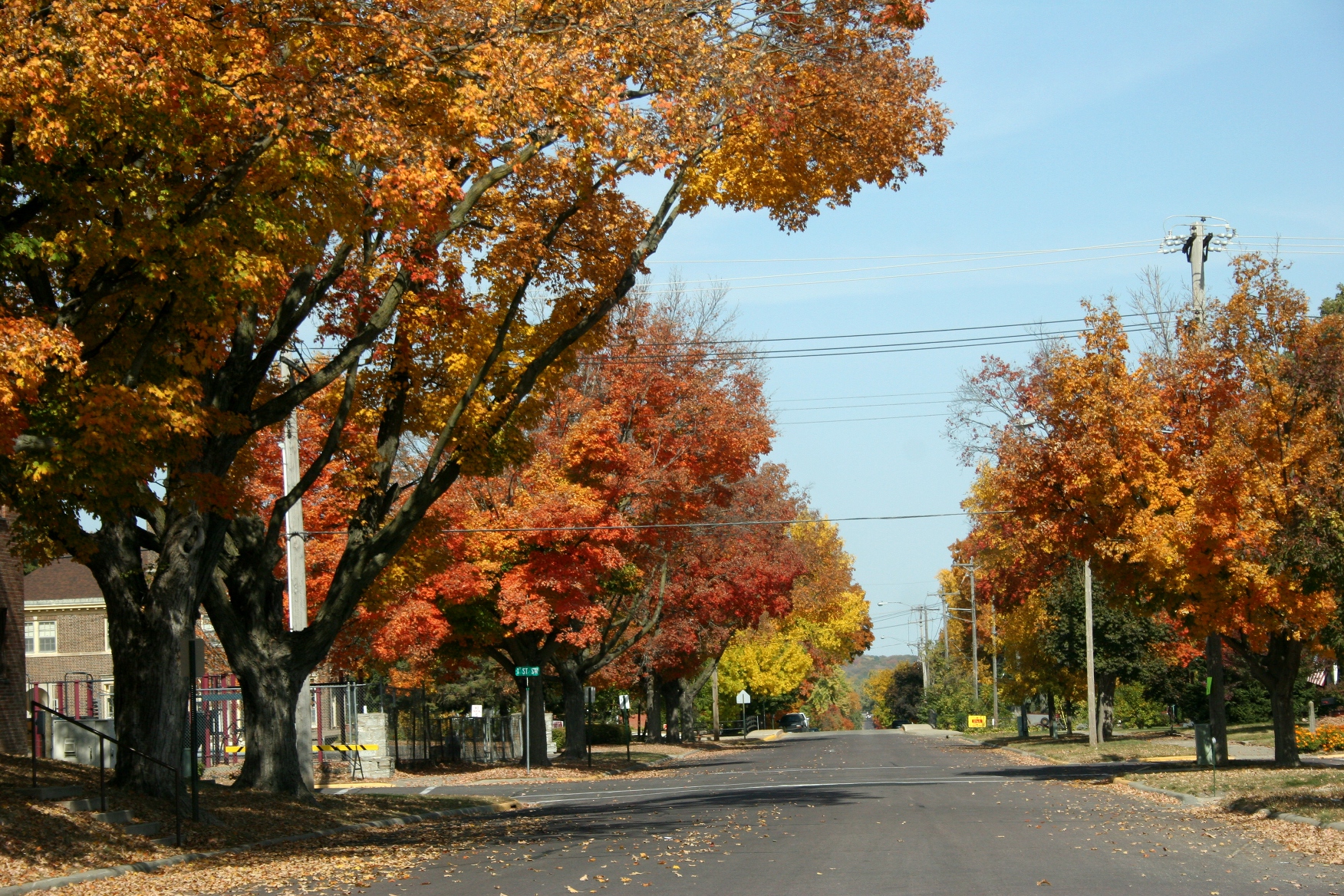
A block away up the hill from my house are some of the most blazing gorgeous trees in town lining Second Avenue Southwest by Bethlehem Academy.

© Copyright 2012 Audrey Kletscher Helbling


Celebrating 50 years of marriage at a Minnesota barn dance September 24, 2012

Filed under: Uncategorized — Audrey Kletscher Helbling @ 6:55 AM
Tags: , , , , , , ,

THIS IS LOVE, after 50 years:

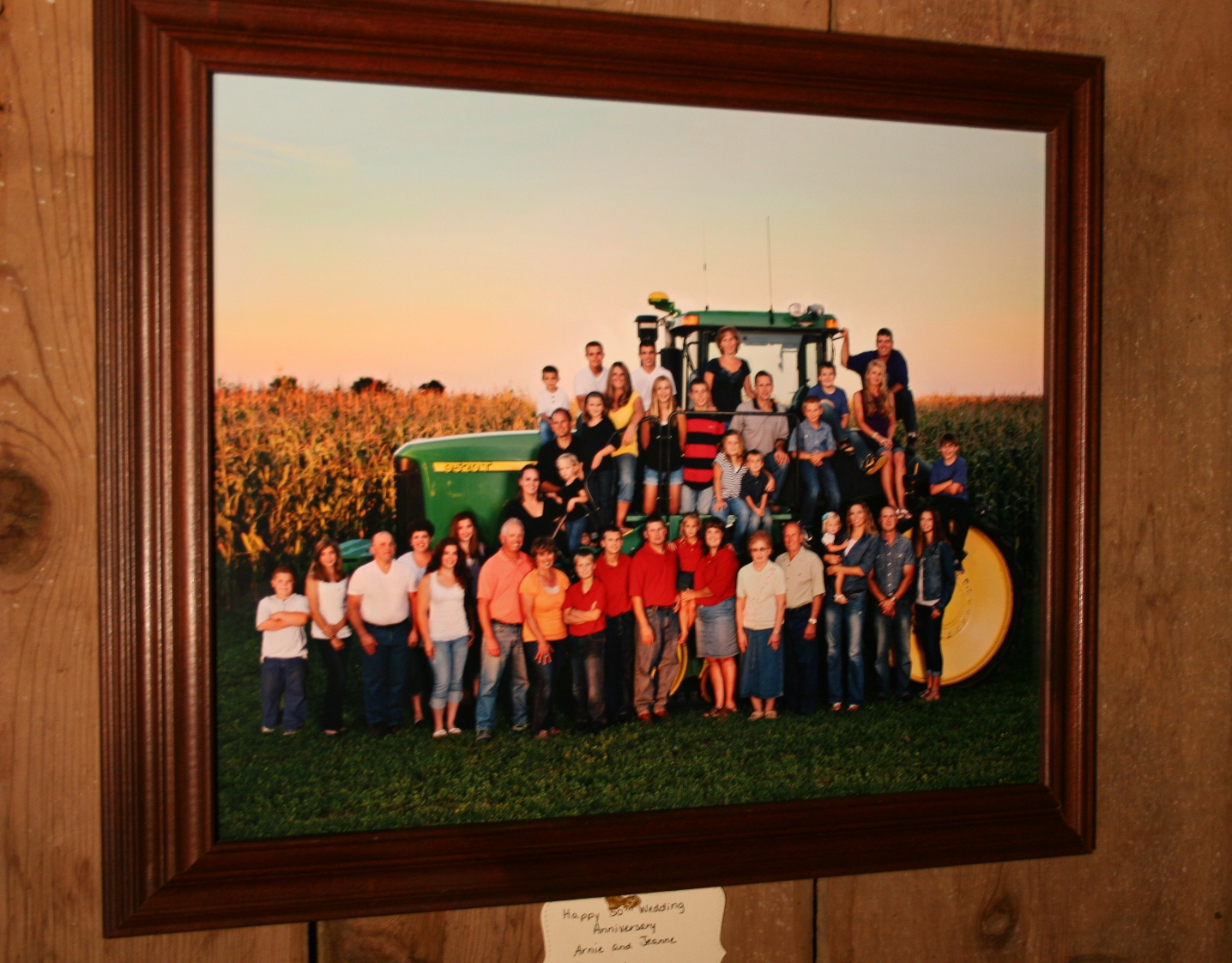
A recent family photo of Arnie and Jeanne, rural Northfield, with their children and their spouses and their grandchildren.

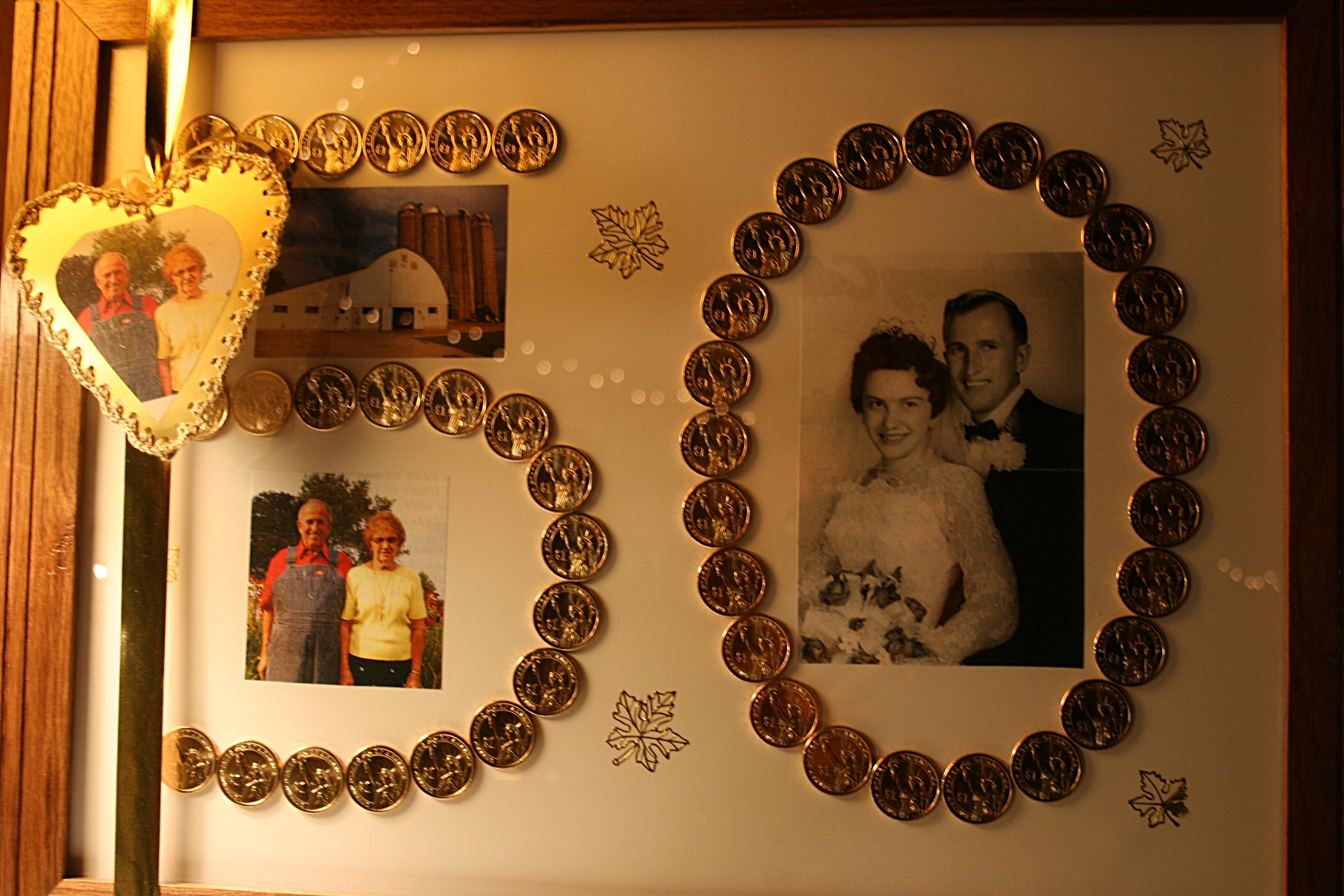
A golden anniversary photo display of Jeanne and Arnie on their wedding day, October 10, 1962, and a more current photo on the left. And that’s their farm, near the Hazelwood church, in the upper left corner. Farming, faith and family have centered the couple’s life together for 50 years.

THIS IS A CELEBRATION of love after 50 years:

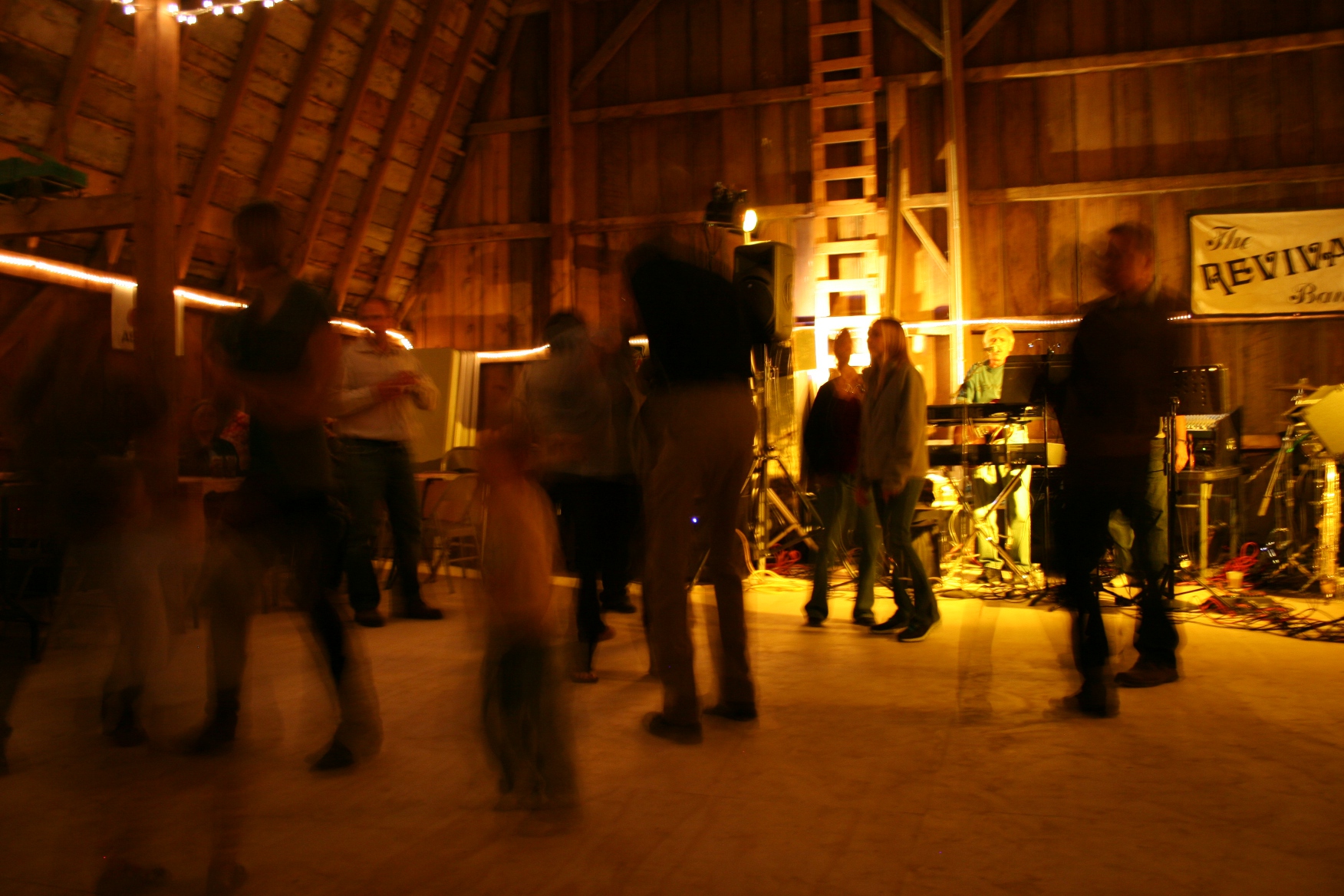
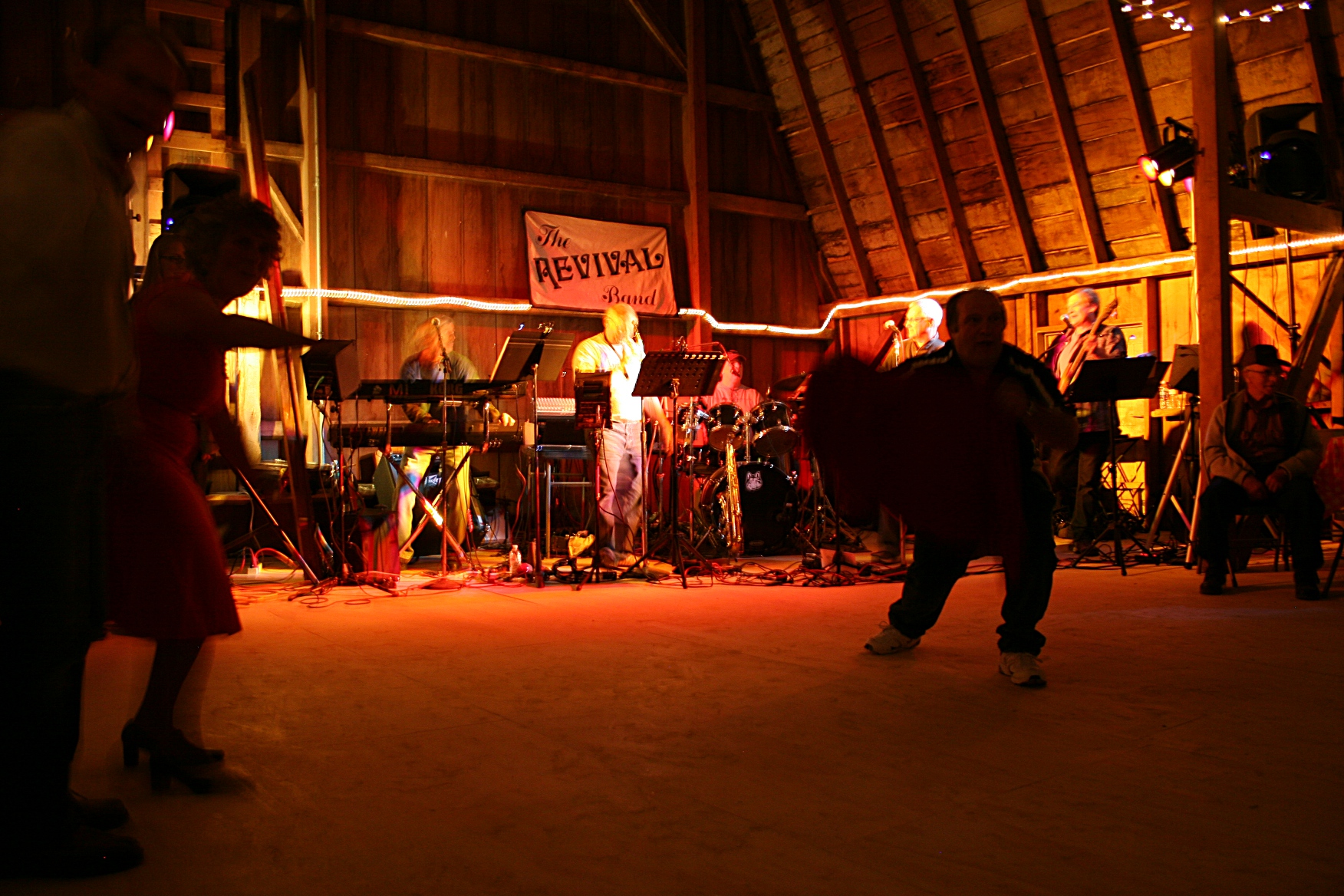
Family and friends celebrate Jeanne and Arnie’s 50 years of marriage at a good old-fashioned barn dance.

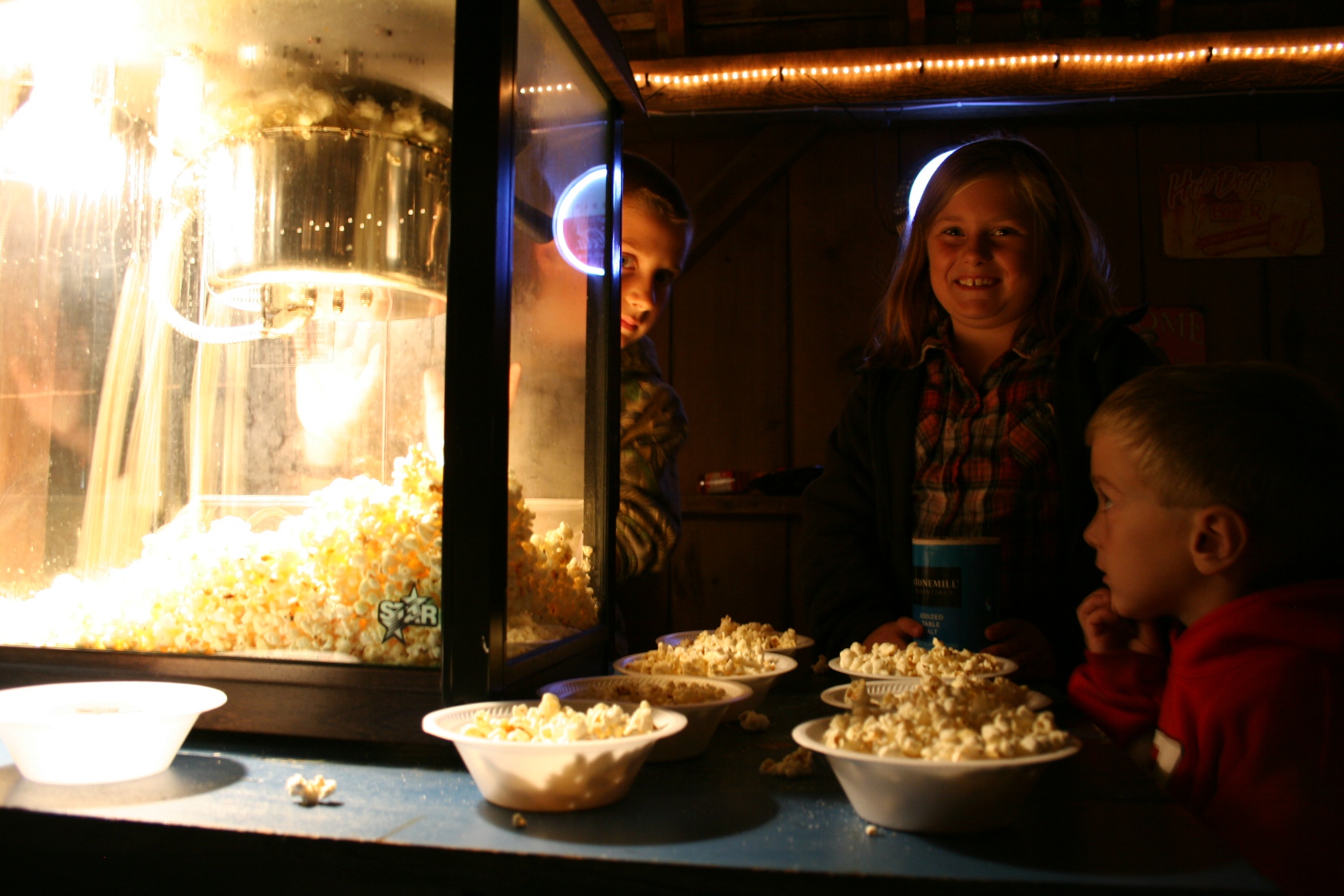
The kids served popcorn in the haymow dance/reception site.

The Revival Band played “Woolly Bully” by Sam the Sham & the Pharoahs and a guest (matador) swished a red shirt (cape) while others guests (bulls) charged. (This was a barn dance, emphasis on barn.)

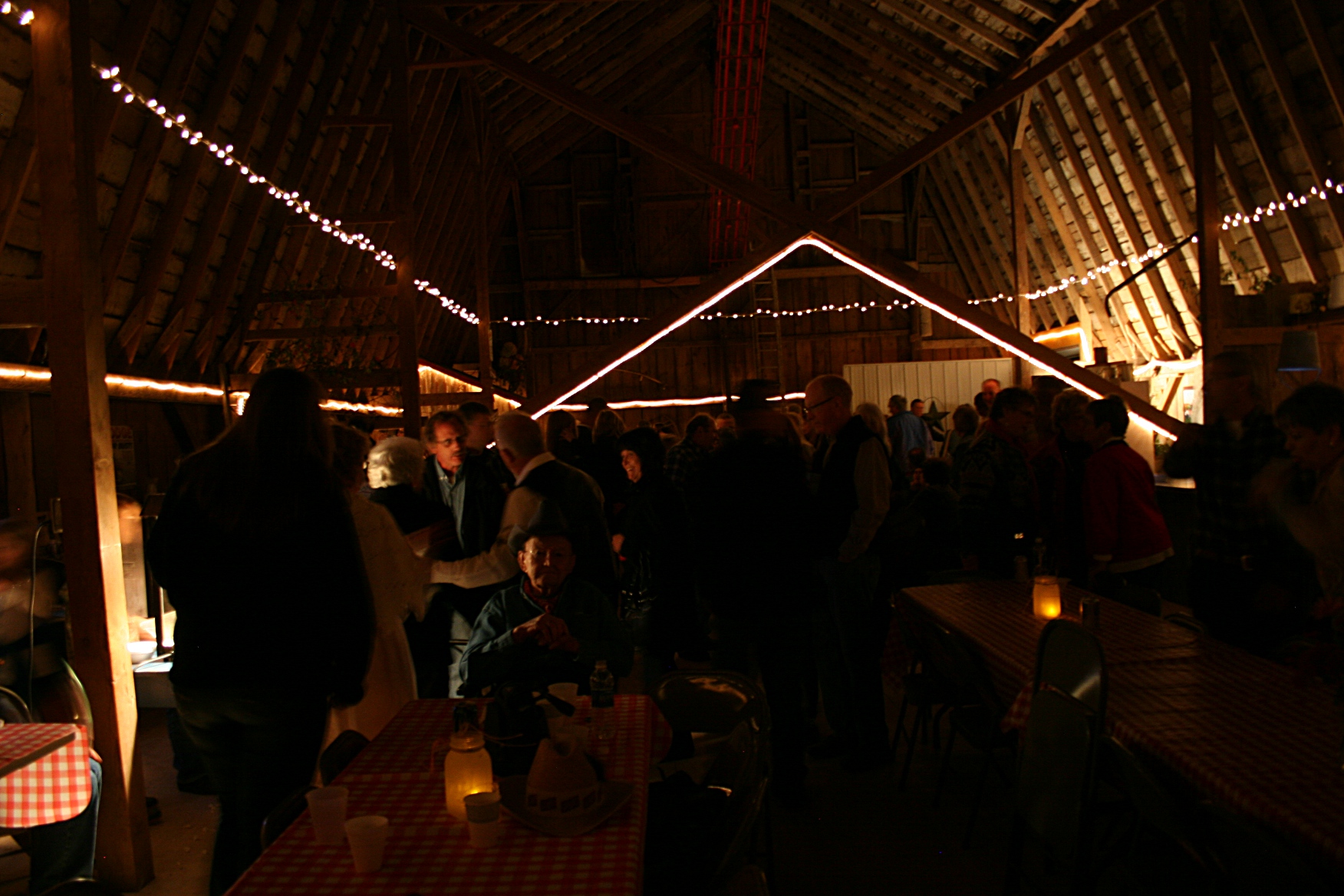
Family and friends, some in cowboy hats, visited and danced, or just sat and observed the celebration.

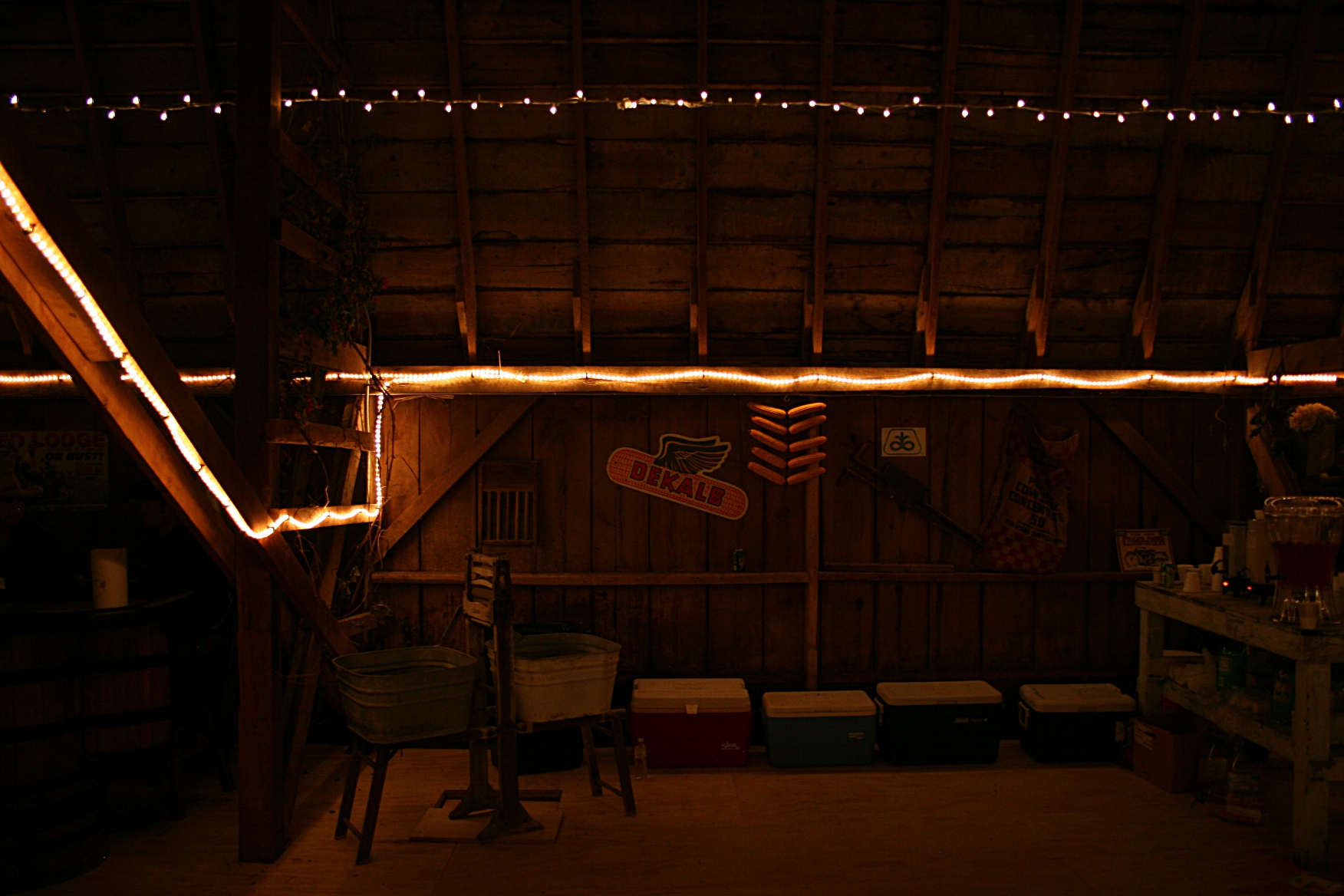
The  rustic rural atmosphere and decor were perfect for the farm couple married 50 years.

THIS IS LOVE 50 years ago:

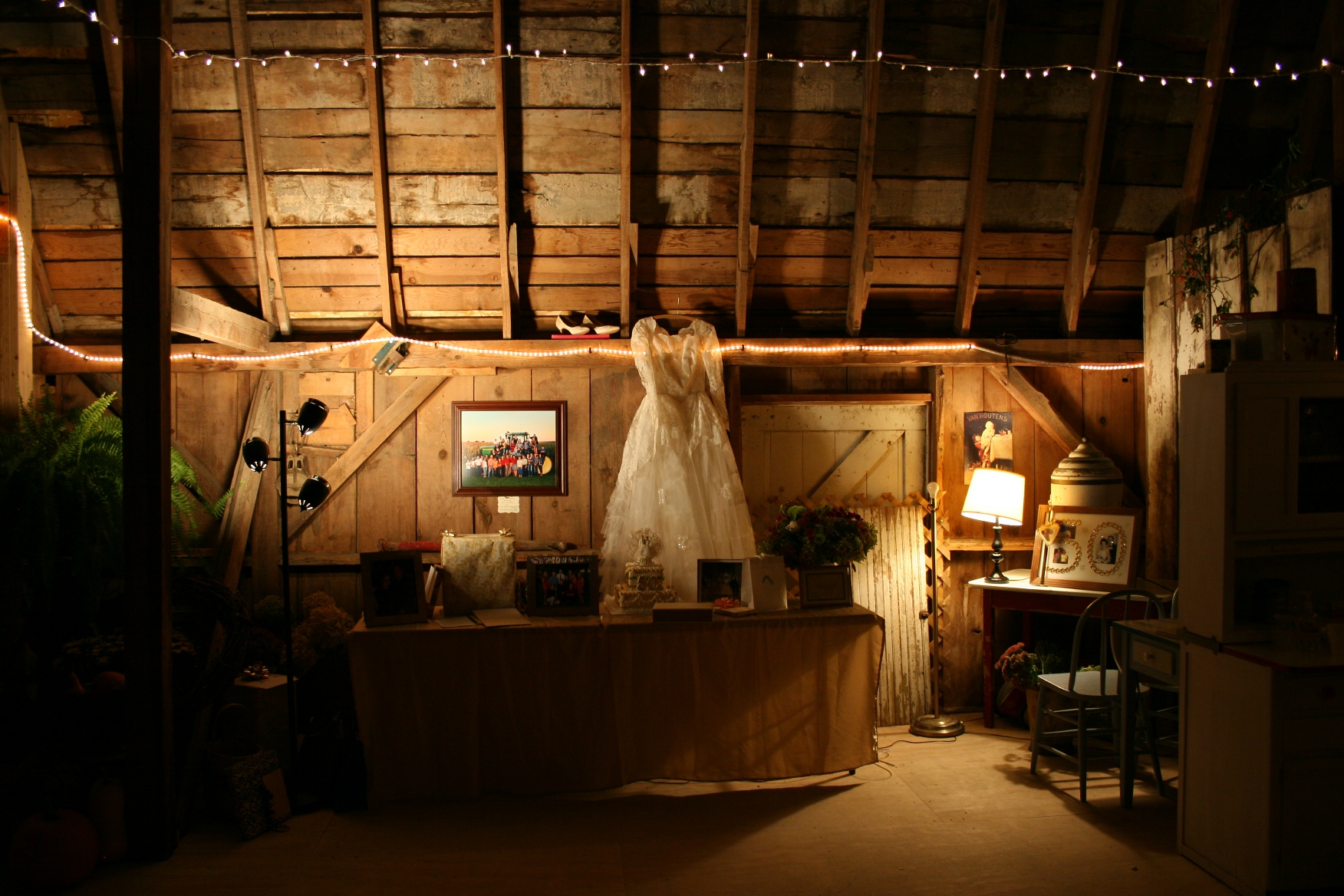
Jeanne’s wedding dress and shoes (to left of dress on shelf) and a bridesmaid’s teal dress with crown.

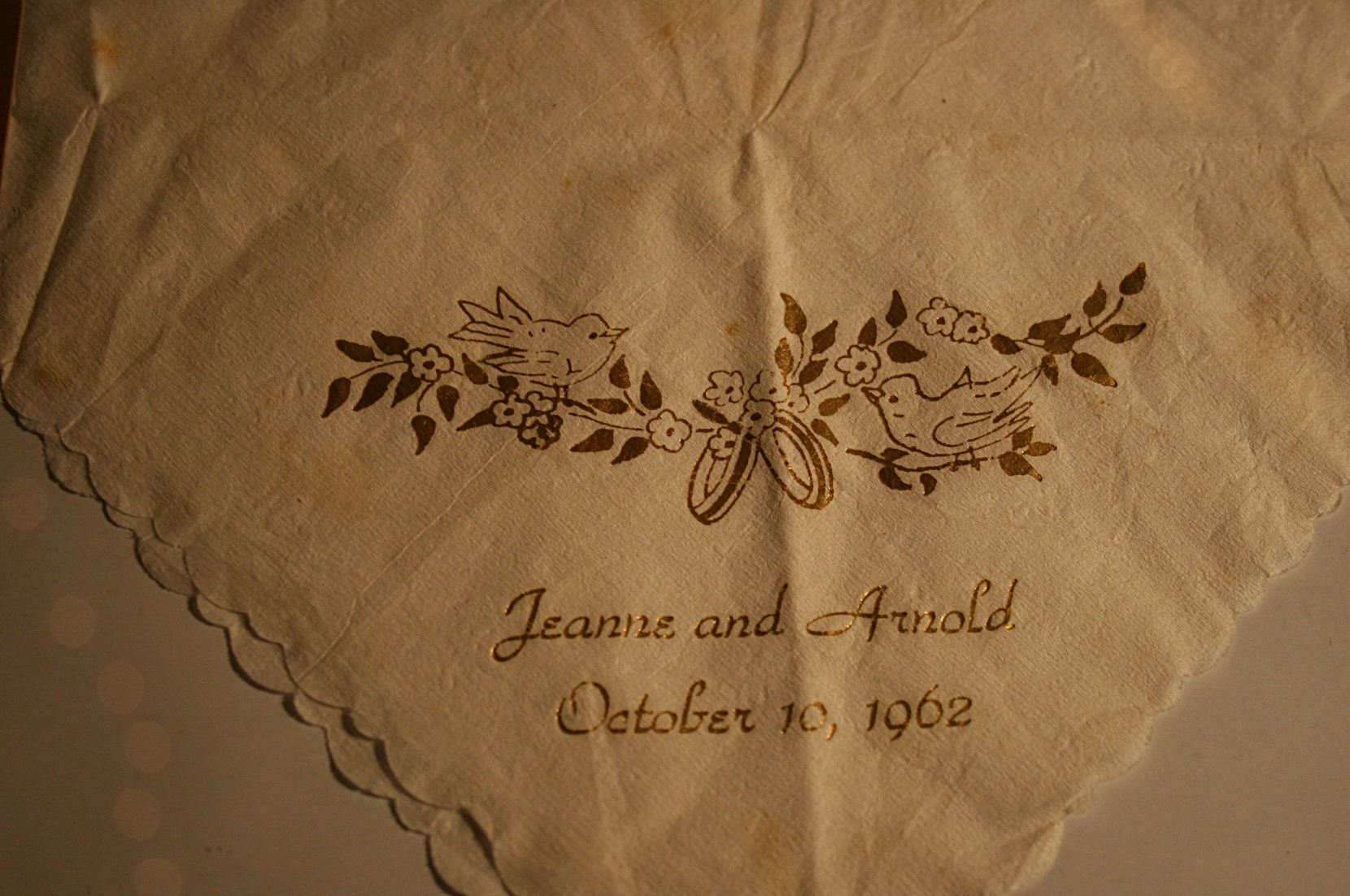
A napkin saved from Jeanne and Arnie’s wedding day on October 10, 1962.

THIS IS LOVE, yesterday and today.

A display in the old barn celebrating 50 years of marriage for Arnie and Jeanne.

The cake topper from Jeanne and Arnie’s wedding with golden anniversary wishes 50 years later.

I ATTENDED MY FIRST EVER barn dance a year ago in this very same barn. Jeanne and Arnie’s daughter, Debbie, and her husband, John, friends of my husband and me, hosted the dance. To view photos from that first dance, click here. And then click here to see more photos.

This year we didn’t arrive at the dance until after dark, so my photo opportunities were much more limited since I don’t shoot with flash. But the time for dancing was not.

Copyright 2012 Audrey Kletscher Helbling


The Smithsonian in Hanley Falls & Hanley Falls in the Smithsonian (exhibit) September 20, 2012

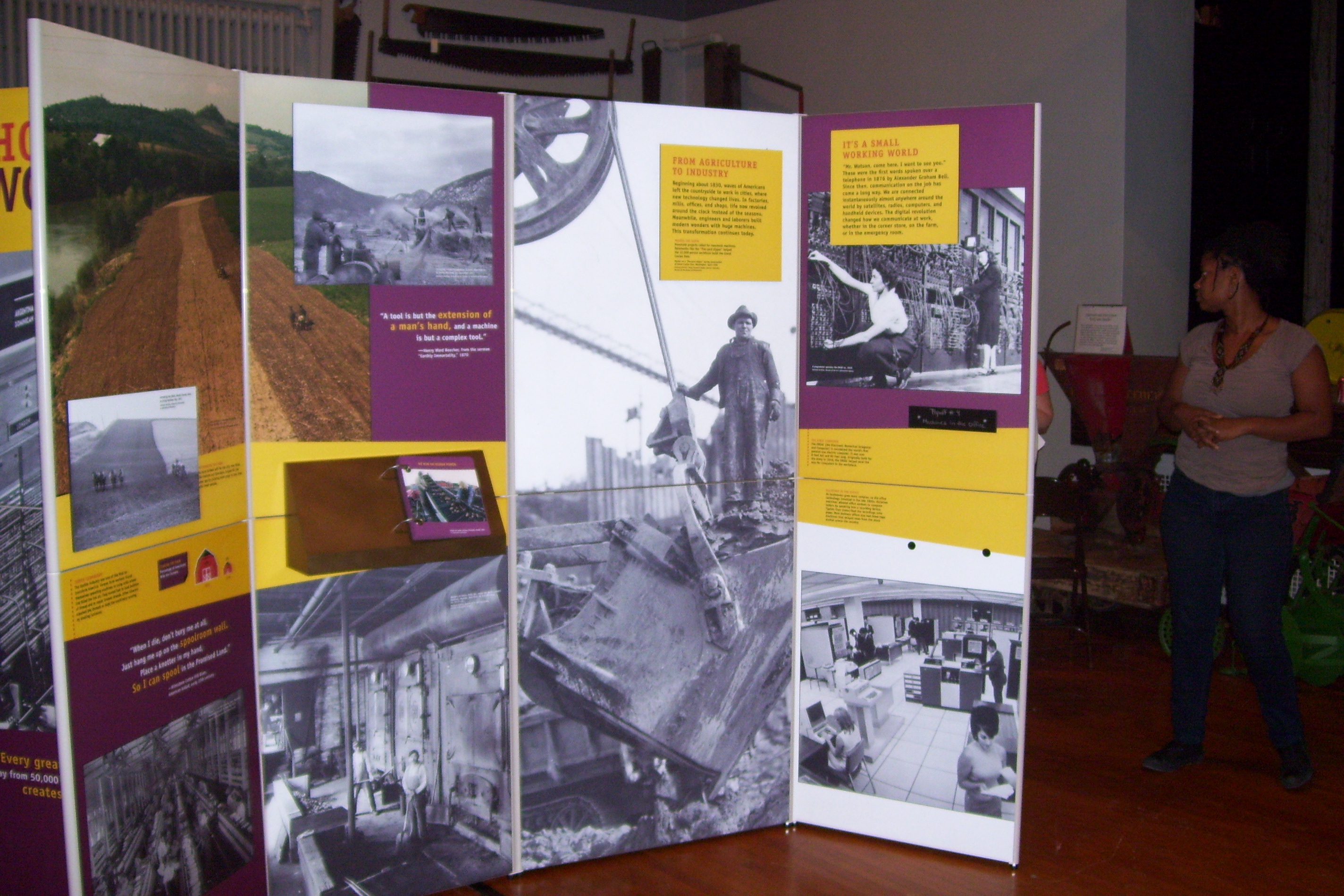
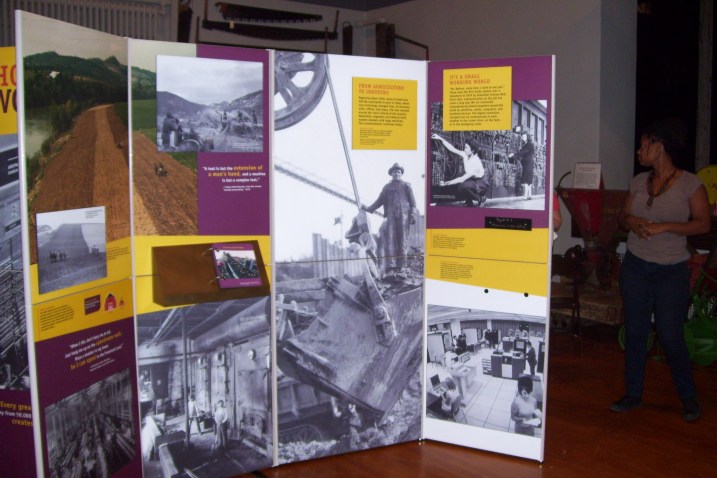
The Smithsonian’s Museum on Main Street exhibit, “The Way We Worked,” features snippets from Minnesota. Photo courtesy of Minnesota’s Machinery Museum, Hanley Falls, in rural southwestern Minnesota.

I DOUBT MANY of the 304 residents of Hanley Falls, rural Yellow Medicine County, Minnesota, have ever visited the Smithsonian or even traveled to Washington D.C.

But now this internationally-acclaimed museum has come to Hanley Falls via “The Way We Worked,” a Museum on Main Street project developed by the Smithsonian Institution Traveling Exhibition Service and adapted from an original exhibition from the National Archives.

Bottom line, if you can’t bring the people to the museum, bring the museum to the people.

Specifically, from now through October 20,  Minnesota’s Machinery Museum in Hanley Falls is hosting the exhibit on where, how, who and why Americans work.

But that’s not all. Hanley Falls is part of “The Way We Worked,” as are several other Minnesota places and people.

Says Museum Director Laurie Johnson: “It is an honor in itself to be hosting a Smithsonian Traveling Exhibit. To be an actual part of the exhibit traveling all over the U.S. is a very big honor.”

Hanley Falls’ place in the exhibit falls in the “Communities at Work” section and features a 1987 aerial view photo of Hanley Falls by Vincent H. Mart sourced from the Minnesota Historical Society. The MHS photographic collection includes 5,697 aerial views from around Minnesota photographed by Mart between 1962-1988.
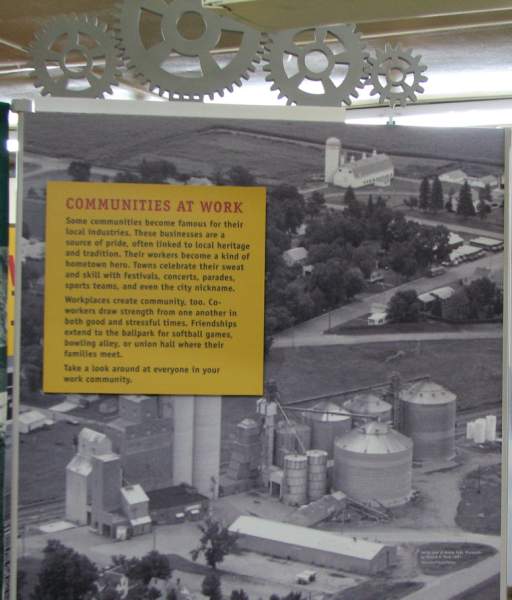
The 1987 Vincent H. Mart photo showing a portion of Hanley Falls and now part of the Smithsonian traveling exhibit. Photo courtesy of Minnesota’s Machinery Museum.

Mart’s black-and-white shot #5,655 in the MHS archives, and now in the Smithsonian exhibit as image 196, shows the then Hanley Falls Farmers Elevator (now the Farmer’s Co-op Elevator) on the west side of town, plus Bennett Transportation (bus company) and the fourth-generation Oftedahl family farm. As a side note, the elevator celebrated its 100th anniversary this past July on Minnesota’s Machinery Museum grounds with more than 2,000 in attendance.

According to Johnson, the scene in the photograph no longer looks the same. Several of the grain bins were damaged in a wind storm and the main office was  moved and an elevator built to the southwest of the Oftedahl farm. The old elevator remains and is still used by the Farmer’s Co-op.

The exhibit copy which accompanies the Hanley Falls photo reads, in part:

The reminders of a town’s main industry imprint its landscape and identity. Silos dominate the skyline in Hanley Falls, Minnesota as they do in most small, agricultural communities.

And here’s how Johnson summarizes what the Hanley Falls photo tells us about “The Way We Worked:”

Farming is a way of life here and has been for many generations. The exhibit talks about “community” and we are definitely a community that works, worships, (has) neighborhood get-togethers and plays together.

Johnson, who lives on a farm about 10 miles north of Hanley Falls, further explains that the local elevator, banks and gas station provide jobs in town. Some residents work in neighboring towns. Many are retired.
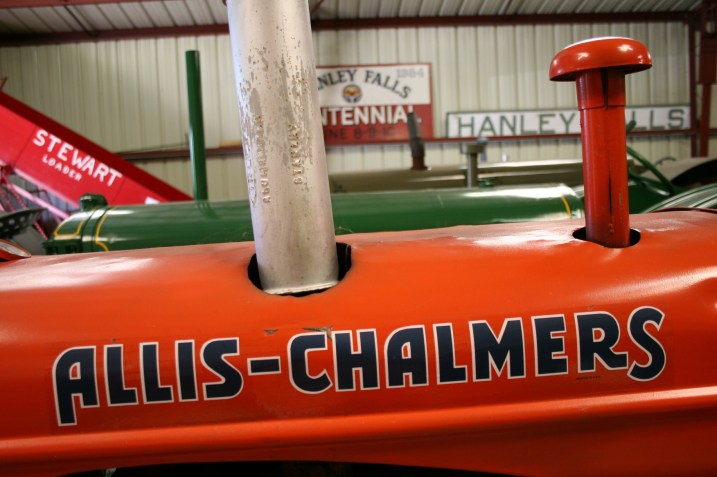
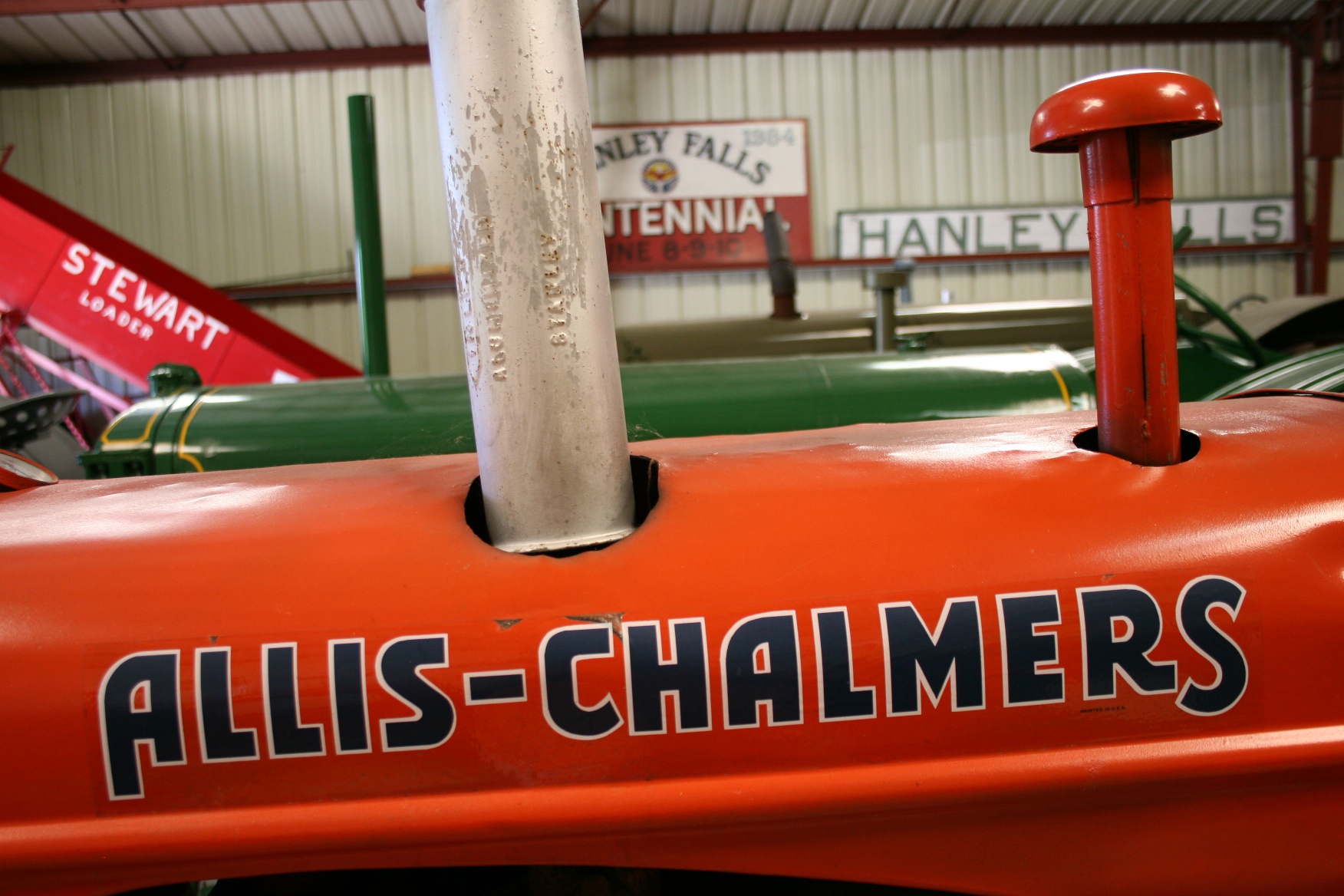
You’ll find plenty of old tractors and farm machinery, along with vintage cars and trucks, in the museum’s outbuildings. Minnesota Prairie Roots file photo.

Already the Smithsonian show is attracting more visitors to Minnesota’s Machinery Museum, defined by Johnson as “an agricultural museum recalling farm life in stories and artifacts from how we farmed with horses to a farm kitchen, bedroom, parlor and general store…preserving our agricultural heritage for generations.”
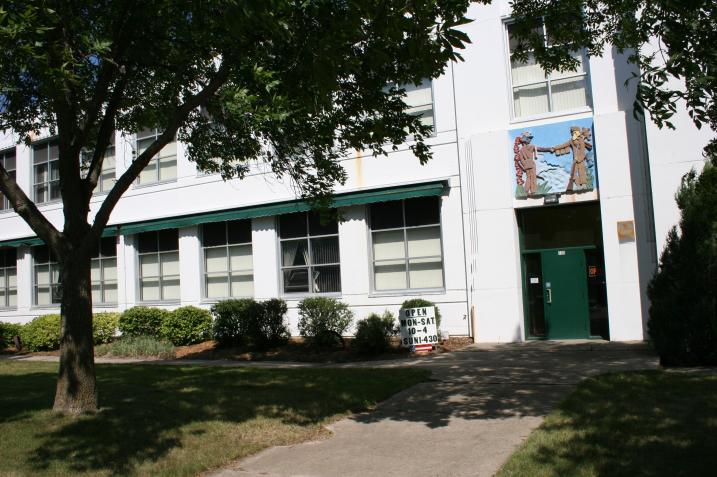
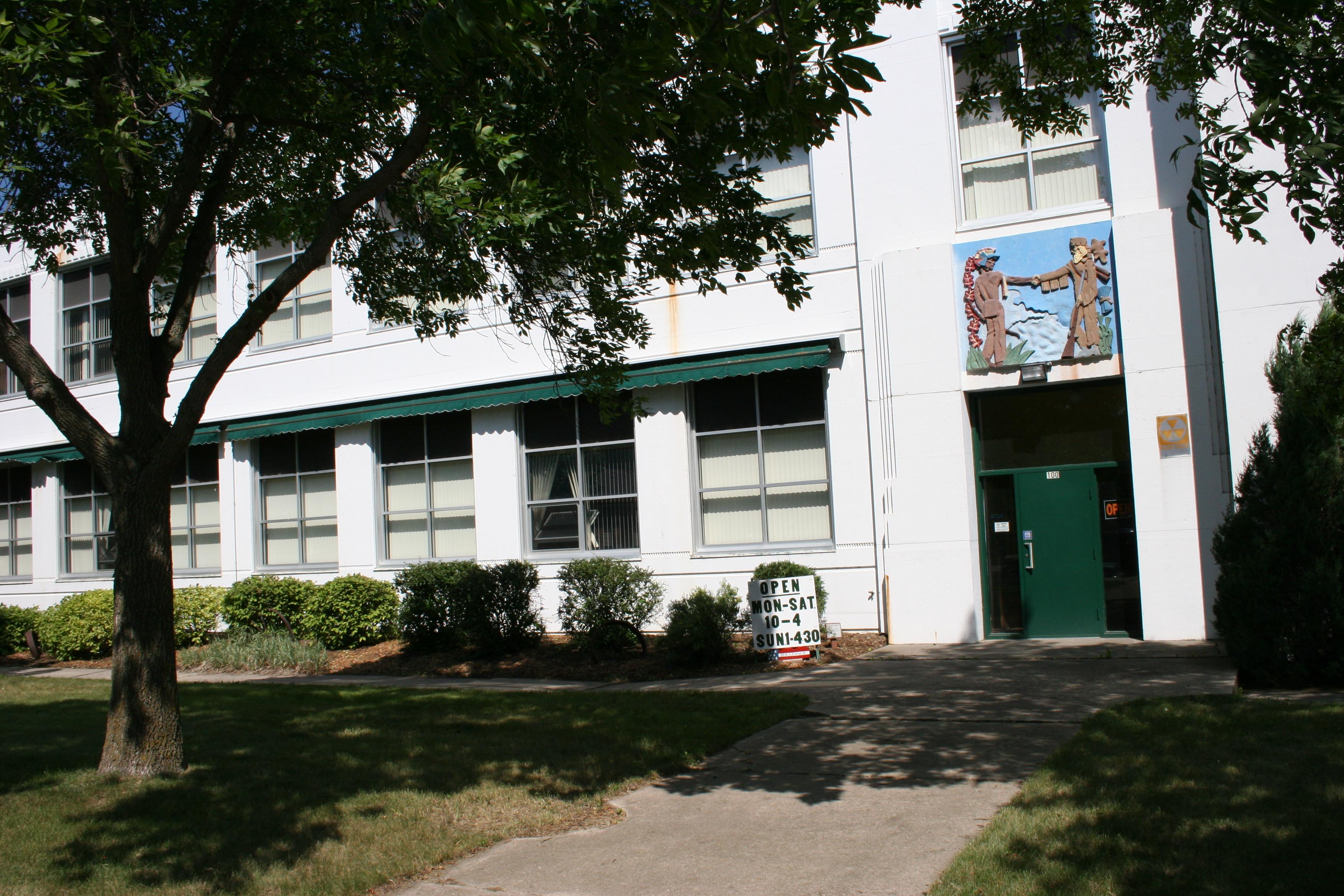
The entrance to the portion of the museum housed in the former school, a WPA building. Minnesota Prairie Roots file photo.

The five-building Yellow Medicine County museum complex, which includes the former Hanley Falls School built in 1939 by the Works Progress Administration, rests on six acres. You’ll find antique tractors, automobiles, gas engines, threshing equipment and other machinery and artifacts in the outbuildings.
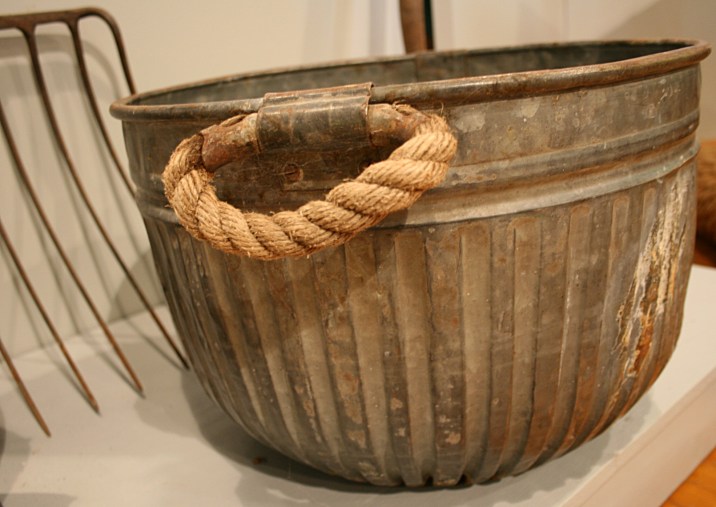
A bushel basket, one of the many ag items displayed at the museum. Minnesota Prairie Roots file photo.

Until October 20, you also can find five multi-sided kiosks featuring photos, videos, flip booklets and other interactive activities as part of the Smithsonian’s “The Way We Worked” exhibit.

Besides Hanley Falls, other Minnesota places/information in the show are a photo of women sorting sweet potatoes; quotes from Earl Bakken, founder of Minneapolis-based Medtronics, maker of the first self-contained pacemaker; a 1974 photo from Danheim Dairy in New Ulm; a SPAM Town banner; mention of the Moorhead Spuds (hometown pride for the town team); and a 1928 photo of St. Paul Gas and Light Company workers at a dance.

Johnson has no idea how the Hanley Falls photo became a part of this national touring exhibit. She discovered the town’s inclusion while vacationing in Tennessee, where she stopped to view the exhibit.
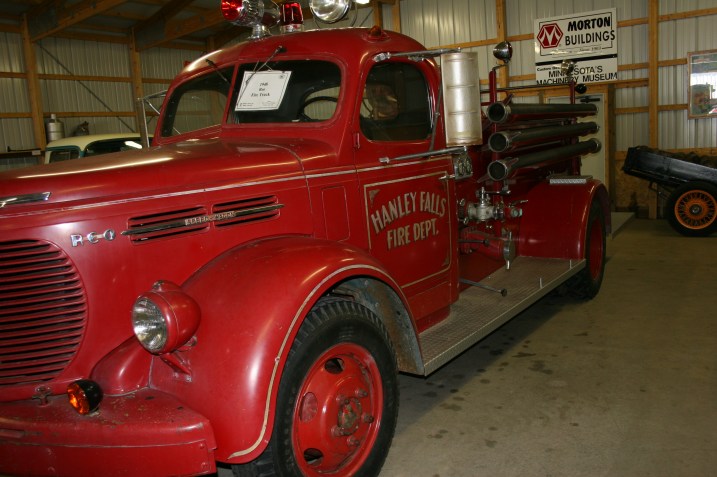
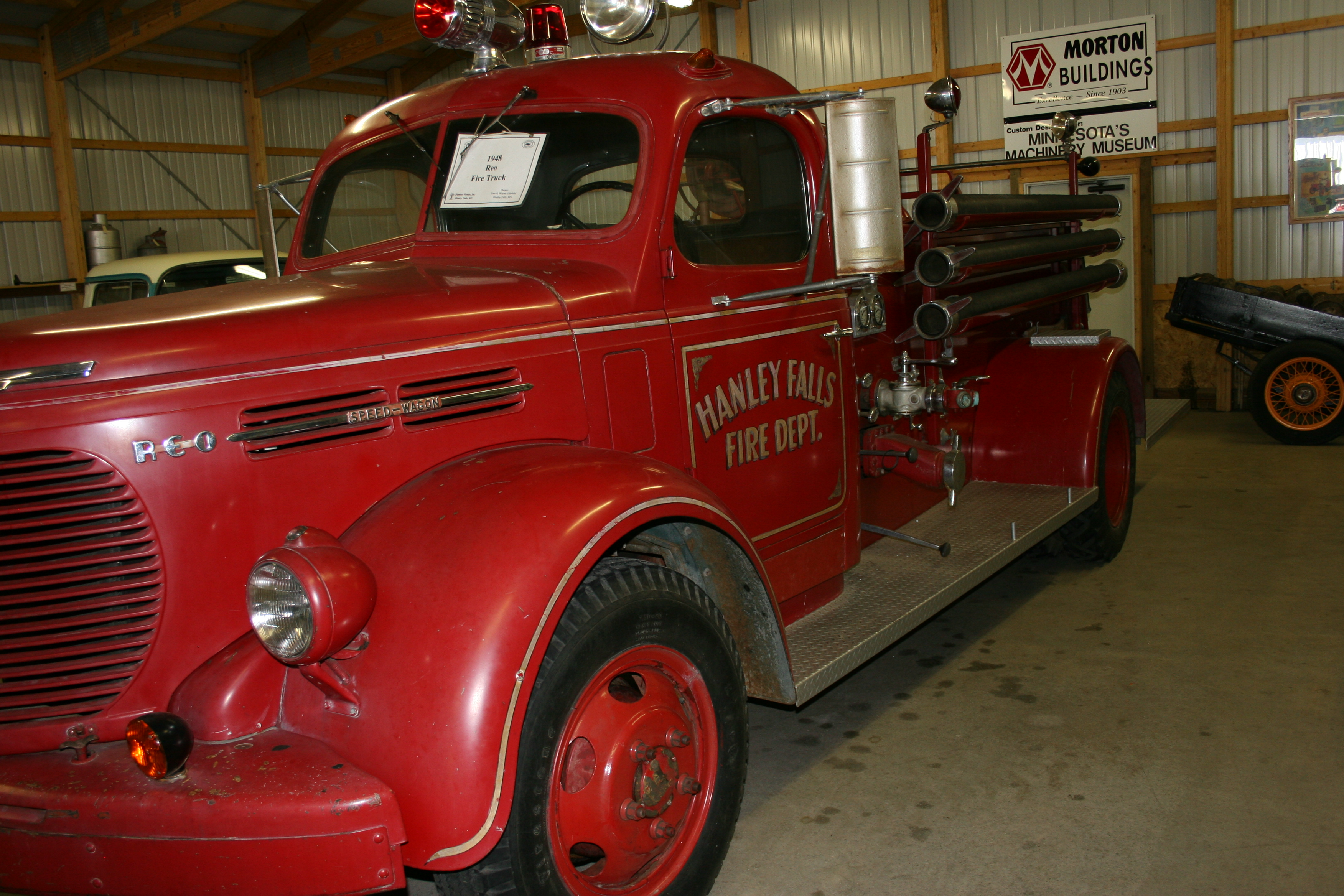
An old Hanley Falls fire truck is among vehicles housed in the outbuildings. Minnesota Prairie Roots file photo.

After leaving Hanley Falls, the exhibit will travel to five other Minnesota locations, including the Wright County Historical Society in Buffalo (Oct. 27 – Dec. 8); the Winona County Historical Society in Winona (Dec. 15 – Jan. 26); the Steele County Historical Society in Owatonna (Feb. 2 – March 16); the Virginia Area Historical Society in Virginia (March 23 – May 4); and the Depot Preservation Alliance in Baudette (May 11 – June 22).

In Hanley Falls, “The Way We Were” can be viewed between 10 a.m. – 4 p.m. Monday – Saturday or from 1 p.m. – 4:30 p.m. on Sunday. The museum season was extended to accommodate the show.

Admission to Minnesota’s Machinery Museum is free, but monetary contributions are accepted via a free will donation box.

Located in southwestern Minnesota, Hanley Falls sits nine miles south of Granite Falls or 20 miles north of Marshall along Highway 23. Go one block west of Highway 23 and then a block north to find the museum.
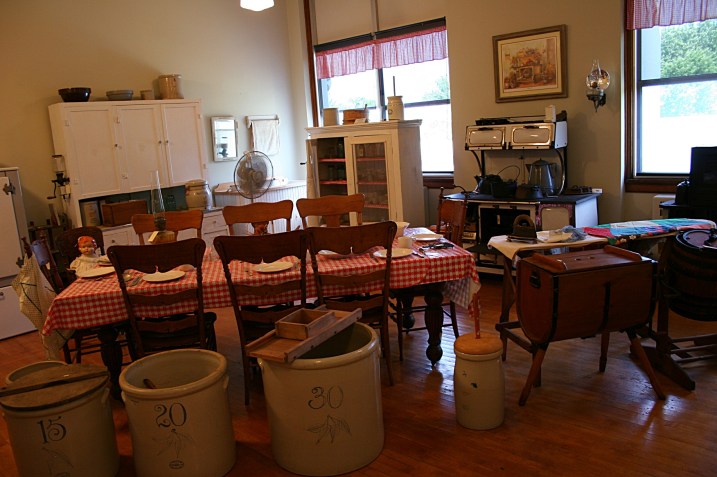
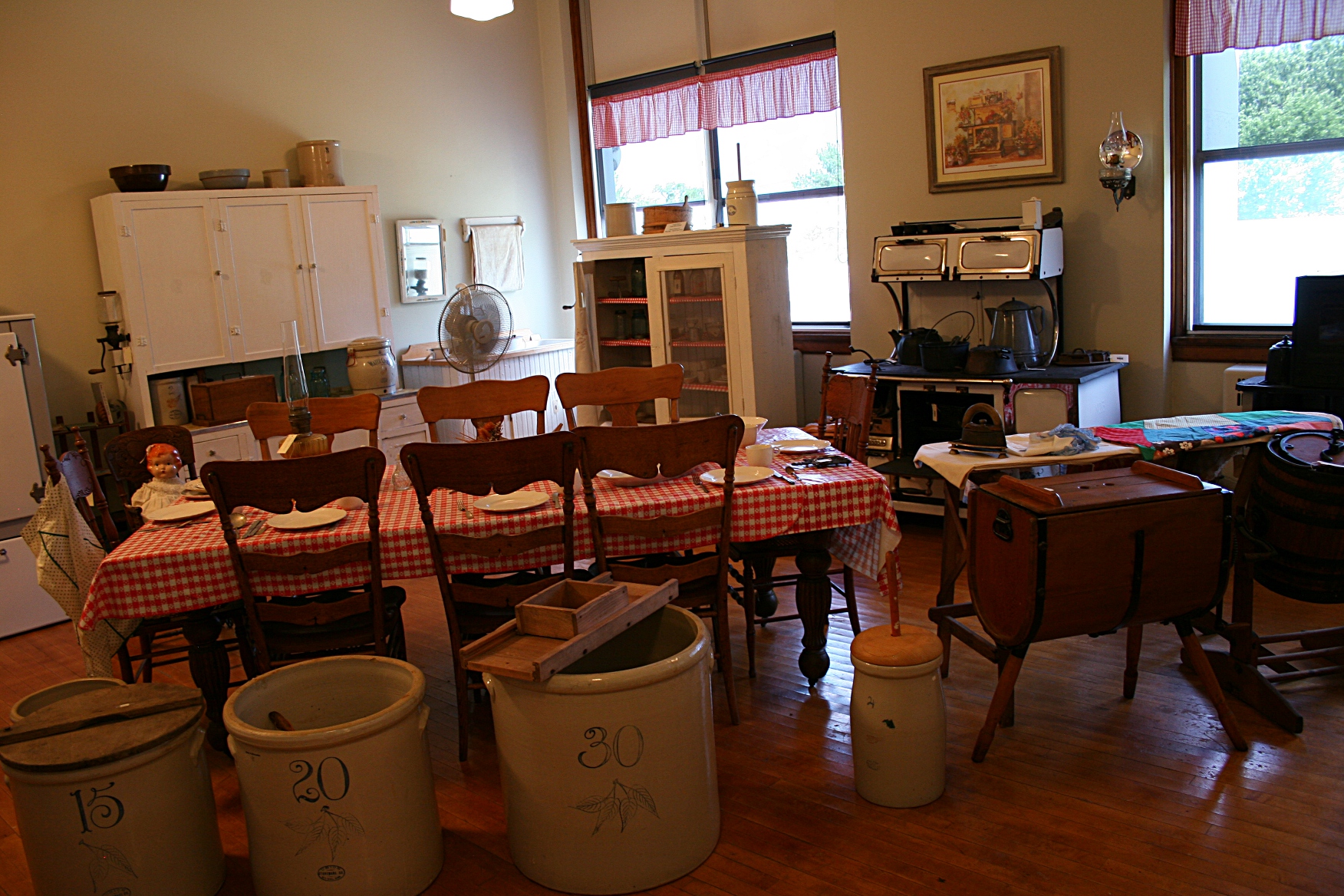
An old-style farm kitchen on the second floor of the museum. Minnesota Prairie Roots file photo.

“The Way We Worked” is presented in Hanley Falls in collaboration with the Minnesota Humanities Center. Funding, says Johnson, is via the Center; The Clean Water, Land & Legacy Amendment (Arts & Cultural Heritage Fund); the Smithsonian Institute; the National Endowment for the Humanities; and the United States Congress.

Minnesota’s Machinery Museum previously hosted the Smithsonian’s Museum on Main Street projects “Barn Again” and “Between Fences.”

FYI: To learn more about Minnesota’s Machinery Museum, click here to link to the museum website.

For more info about “The Way We Worked,” click here.

To view additional photos by Vincent H. Mart in the Minnesota Historical Society archives, click here.

© Copyright 2012 Audrey Kletscher Helbling


The little brick house in Waterville September 14, 2012

Filed under: Uncategorized — Audrey Kletscher Helbling @ 7:14 AM
Tags: , , , , , ,

YOUR HOUSE NEEDN’T BE a mansion to impress me.

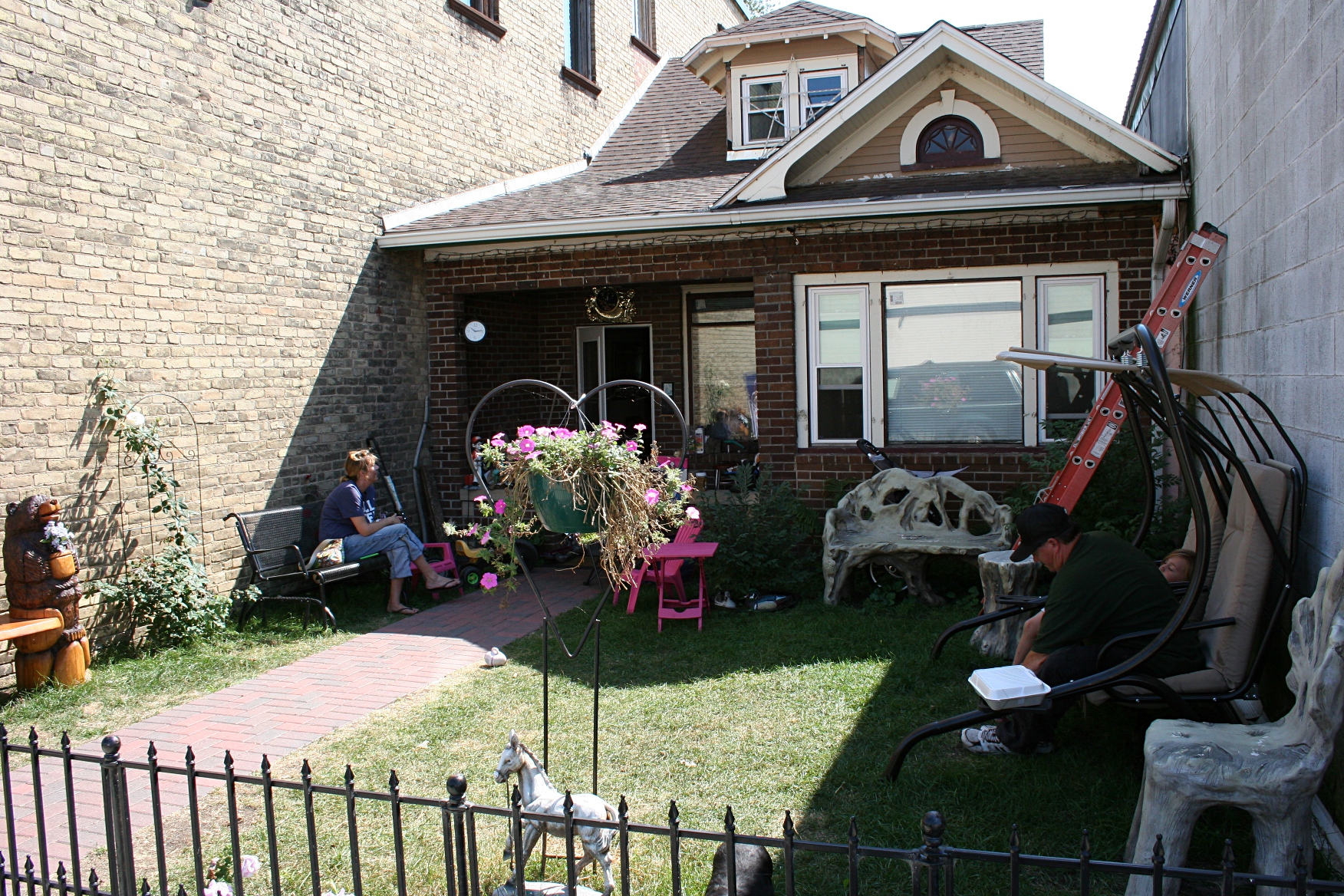
Just look at this sweet little brick house along Main Street in downtown Waterville.

I’ve never seen a house sandwiched like this, wall-to-wall, between two buildings and tucked into a totally unexpected place.

The owner ducked out of the scene just before I shot this single photo. She loves her home, she said, and that was about it. I didn’t want to overstay my “Can I take a picture of your house?” welcome since she clearly was entertaining guests.

But I really wanted to walk around the fence, right up the brick path and through the front door, just so I could see if the little brick house is as quaint inside as it is outside. And how dark, or light, is it inside that house anyway?

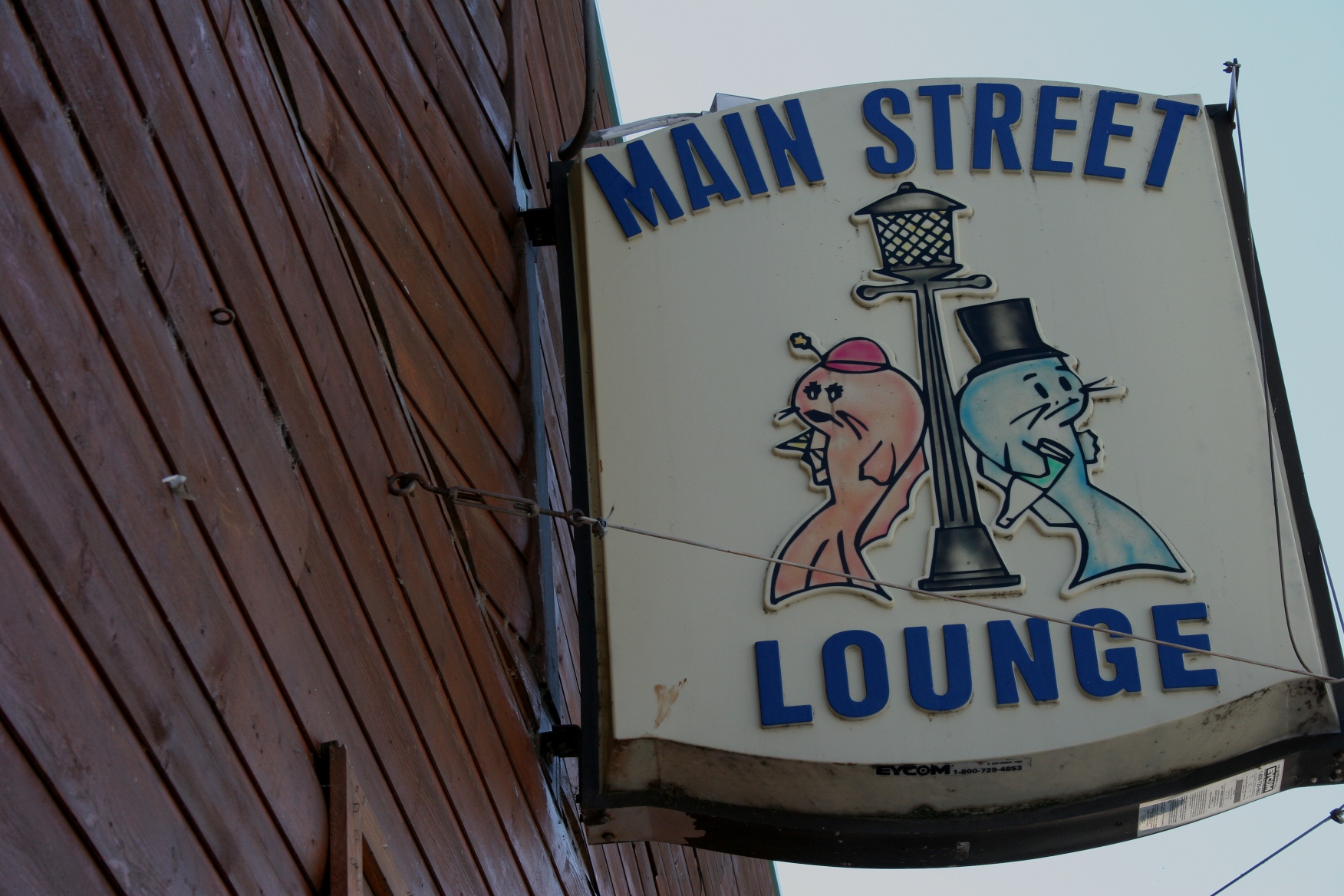
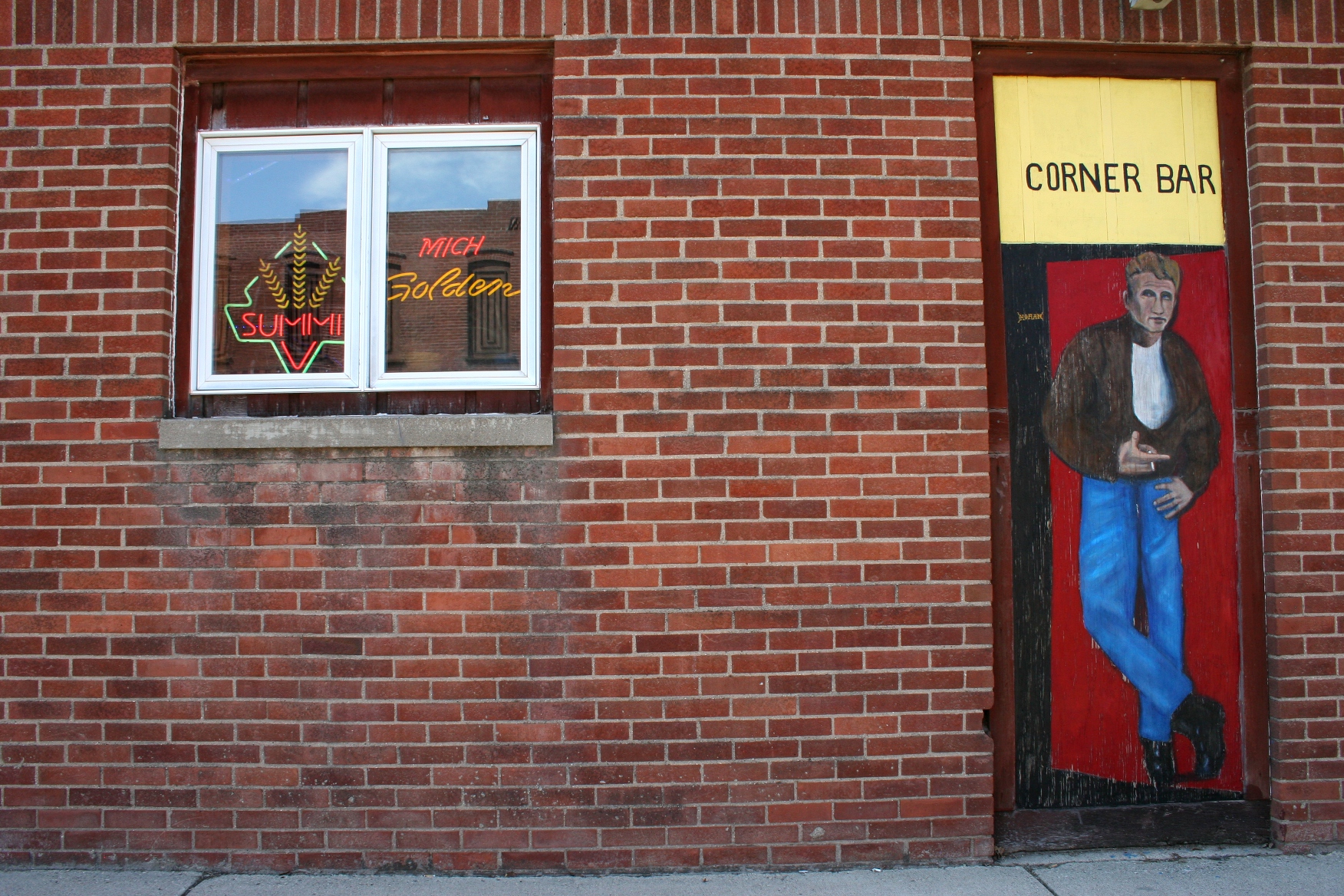
I counted at least four benches where I could sit a spell and chat. Maybe ask about that horse by the fence, the bear bench by the brick wall, how this house came to be, if patrons from the neighboring Corner Bar and Main Street Lounge ever cause problems. You know, stuff like that.

#

FYI: This ends, for now, my stories from Waterville. To read my first post about this southern Minnesota lakeside community, click here.

To read my second post about a quaint coffee shop, which also serves as a place for local artisans to sell their creations, click here.

© Copyright 2012 Audrey Kletscher Helbling
 

A Sunday afternoon drive to Waterville, Minnesota, Bullhead Capital of the World September 12, 2012

Filed under: Uncategorized — Audrey Kletscher Helbling @ 6:55 AM
Tags: , , , , , , ,

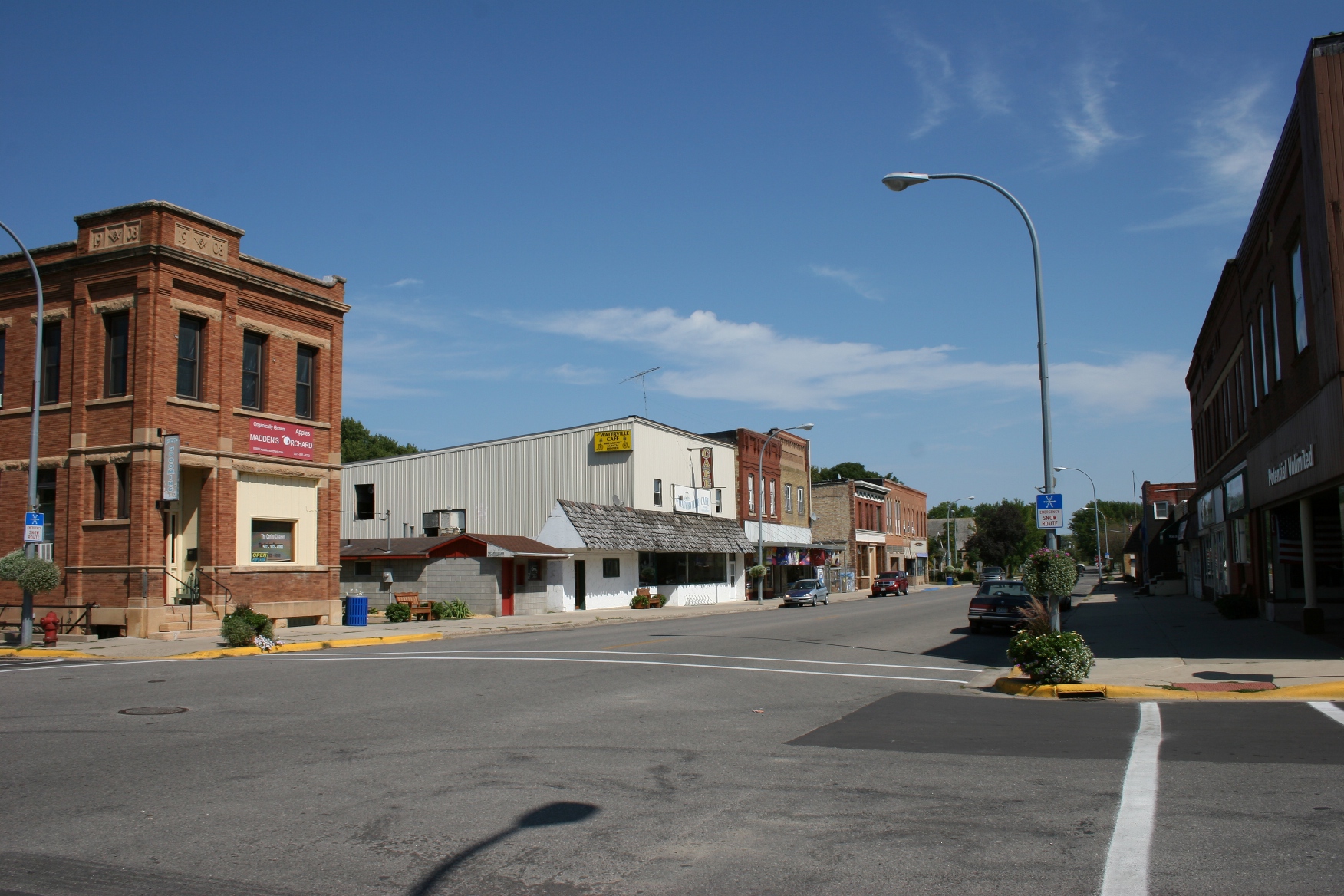
Main Street Waterville, Minnesota, on a Sunday afternoon in September.

THE THING ABOUT SMALL TOWNS is this. They’re not boring cookie cutter places with chain stores and look-alike subdivision houses occupying space in the middle of nowhere. I know, I know, you likely disagree about that “boring and middle of nowhere” if you live in a sizable city.

But these small towns possess individuality and character. And by small town, I mean a community of 5,000 or fewer residents. Just want to be clear on the definition.

Exploring small towns is something I enjoy, probably because I grew up on a dairy and crop farm near Vesta, current population around 330 or so, among the corn and soybean fields of southwestern Minnesota.

I’m intrigued by these communities which are most often ignored as simply, sigh, another place to slow us down as we rush from one destination to the next. I’m as guilty as the next traveler in feeling that way.

But sometimes I intentionally slow down. In recent years my husband and I have embraced Sunday afternoon drives, not unlike the Sunday drives of my youth. Dad would guide the family car along the washboard gravel roads of Redwood County, sometimes venturing into neighboring Yellow Medicine County, so we could look at the crops.

While Randy and I sometimes take gravel roads, our ultimate destination is typically Main Street.  We meander to a nearby small town, park our vehicle, get out and walk. It is then that we discover the quirks, the character, the feeling of community and closeness which define a given town.

Our most recent Sunday jaunt took us to Waterville, only 15 miles from Faribault. I’ve been into this lakeside town of nearly 1,900 perhaps half a dozen times, just to drive through it, tour Ron’s Hardware (a story in itself, but it was closed the Sunday we were there), enjoy an ice cream treat and, many years ago, to grab a burger and beer at the Corner Bar.

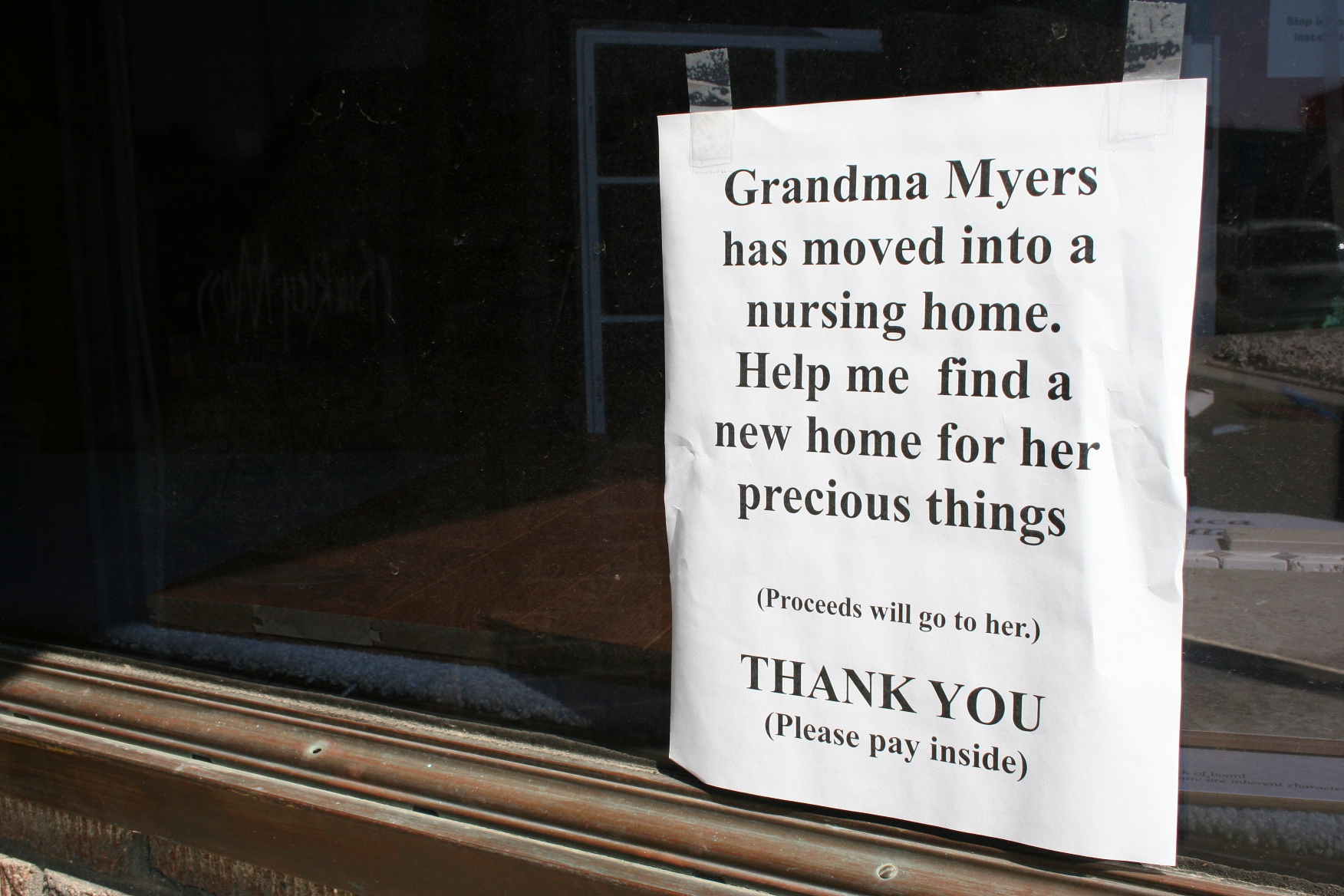
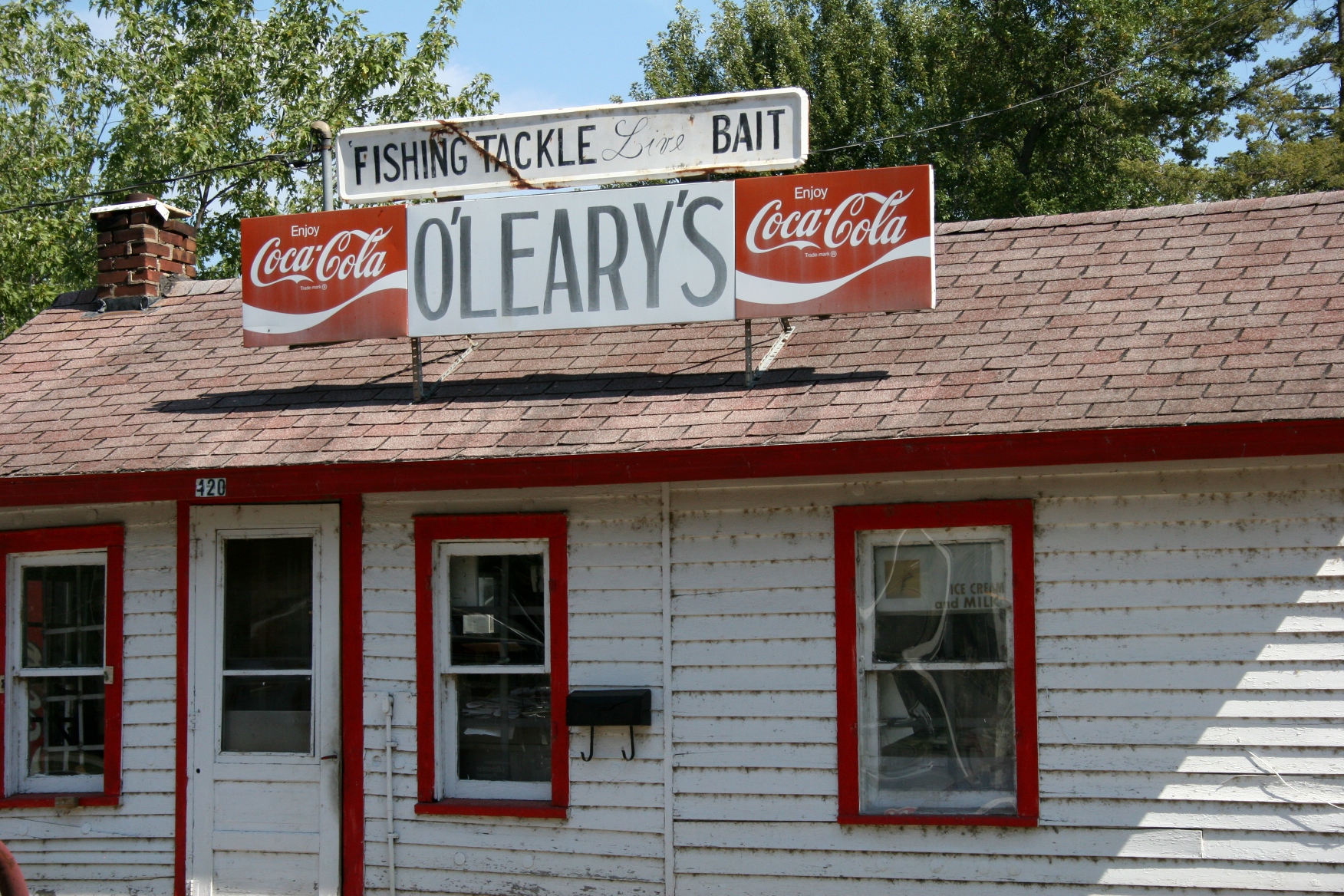
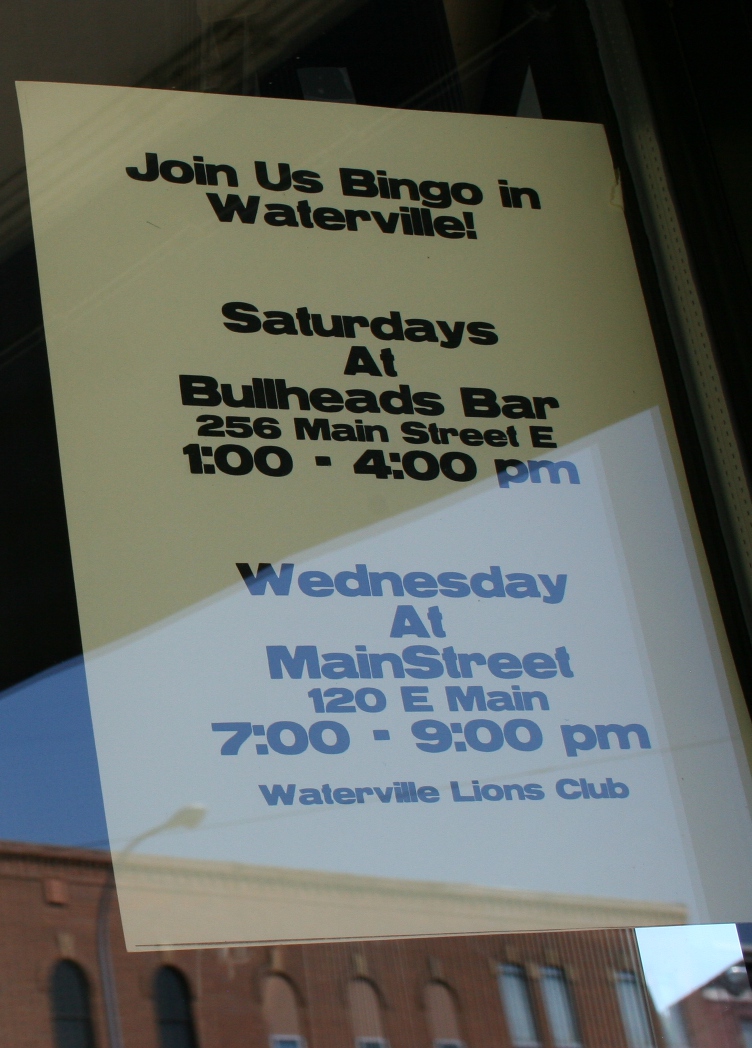
Mostly, though, Waterville has been a town my family zips past along Minnesota Highway 60 en route west. By doing that, I’ve missed out, missed out on the defining details. And the easiest way to notice those details, when Main Street businesses are mostly closed on a Sunday, is to check out the signage.

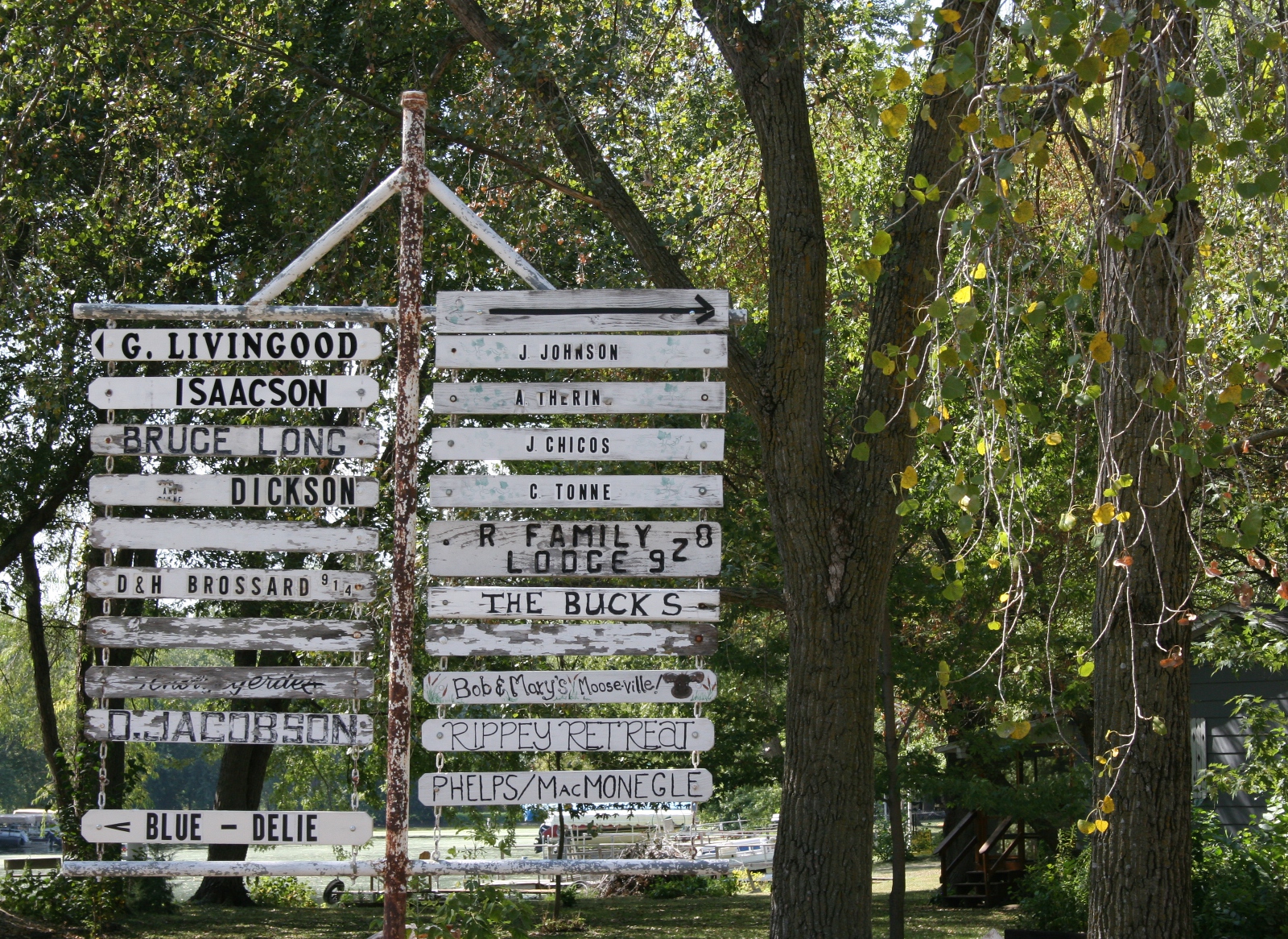
Welcome to Waterville, Minnesota, Bullhead Capital of the World, where signs hint at this community’s individuality and character.

CHECK BACK FOR A FUTURE post featuring one of Waterville’s newest businesses.

© Copyright 2012 Audrey Kletscher Helbling
 

Meet Bob, the opinionated farmer from Madelia September 10, 2012

Filed under: Uncategorized — Audrey Kletscher Helbling @ 6:46 AM
Tags: , , , , , , ,

I met Bob Michniewicz  and his wife, Judy, selling their woodcrafts at the recent Rice County Steam and Gas Engine Show. He wouldn’t allow me to photograph his art, except for a single sign and a single cow, not wanting others to steal his ideas. However, a few other crafts got into the photo when Bob obliged my request for a portrait.

OCCASIONALLY YOU MEET a character, and you know it just looking at the person, before lips even part to utter a single syllable.

I knew, just knew, Bob Michniewicz was a character when I saw him and his set-up at the Rice County Steam and Gas Engine Show in rural Dundas. With kitschy wooden lawn ornaments—you know the kind—and wind chimes and eye-catching messages defining his space, Bob was bound to be interesting.

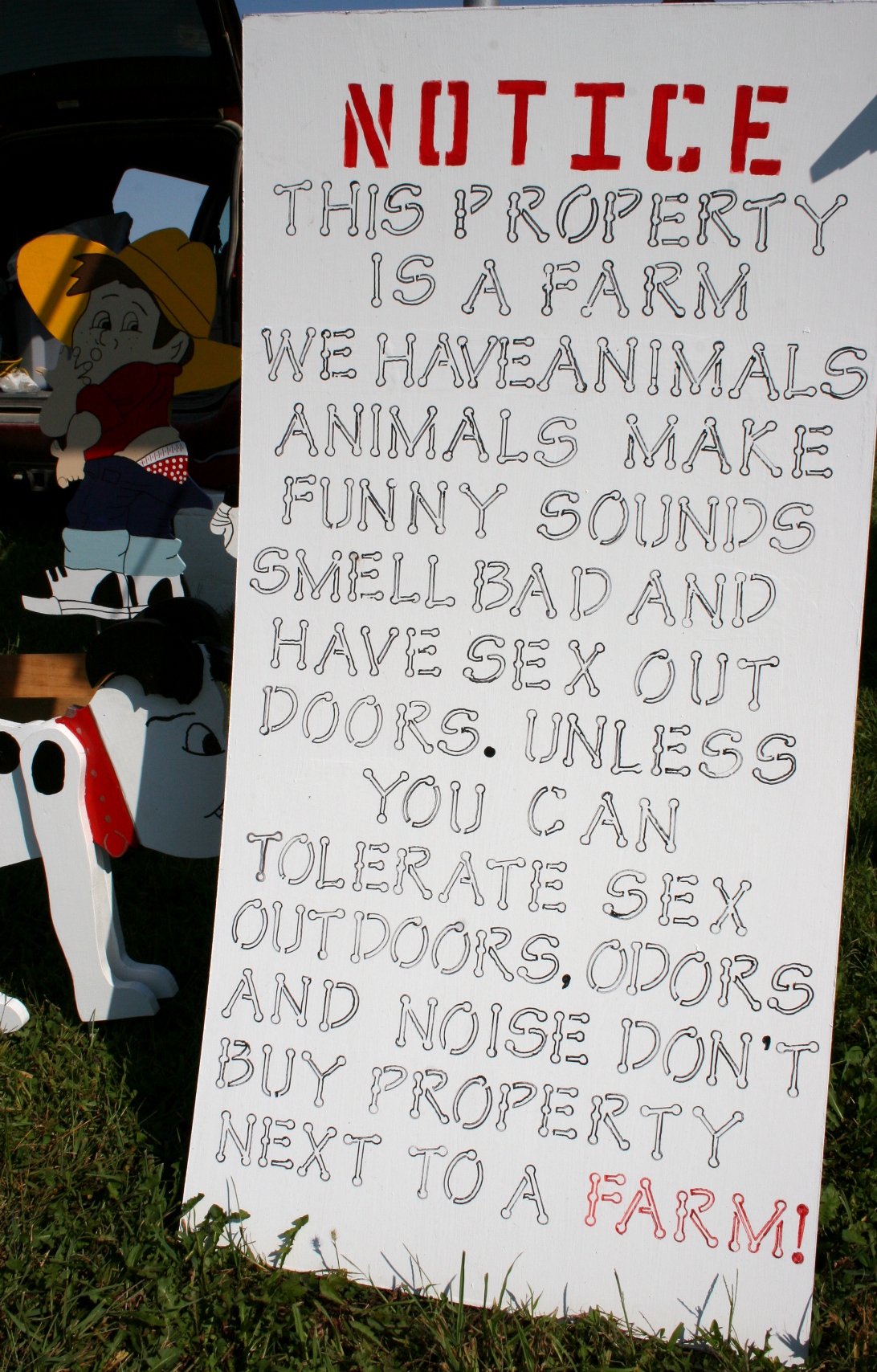
Just look at the poster Bob leaned front and center against a support post for the tent under which he and his wife of 50 years, Judy, were peddling their wares.

Bob was gauging interest in this sign with plans to print it on vinyl and sell it should interest run high.

Naturally, I asked Bob about that message. Seems he’s a bit worked up about all the non-farm folks moving onto farms in his area and then complaining about noise or smell or dust and such from working farms.

“Farmers were here first,” he emphasizes. And that, in this retired farmer’s opinion, should settle any matters of dispute.

All around him, Bob views the ever-changing rural Minnesota landscape. Within a three-mile radius of his farm (the home place) 3 ½ miles from Madelia, only four farmers remain. The rest are people living on the building sites.

Therein, according to Bob, lies the problem. “People don’t know where farm stuff comes from.” I’m not sure I understand what he means, but I think I do and Bob doesn’t allow me to interrupt this rather one-sided conversation.

Bob just steamrolls forward, asking if I know that potatoes in stores are sprayed to keep them from sprouting. (I don’t know this and check later to see if Bob, who is a gardener, is right, and apparently he is, although I’m not saying all potato growers, all stores, follow this practice.)

He looks me directly in the eye and says: “Next time you eat mashed potatoes, you may as well take a shot glass of Round-up with a beer chaser.”

Like I said, Bob’s a character, and an outspoken one at that.

Bob certainly possesses a sense of humor, as seen in this bovine lawn art.

© Copyright 2012 Audrey Kletscher Helbling
 

A short photo essay of a tractor parade, rural Dundas, Minnesota September 7, 2012

The Oliver was the featured tractor in this year’s Rice County Steam and Gas Engines Show, rural Dundas, Minnesota.

They start ’em driving tractors young. Not to worry; an adult was on the tractor, too.

And younger…

And as young as six weeks old. Doesn’t baby Kelly/Kelli (not sure on the spelling) look just like her dad?
Tractor buffs of all ages, and with all types of tractors, join the parade.

The parade of tractors and other vehicles just goes on and on.

Copyright 2012 Audrey Kletscher Helbling