Minnesota Prairie Roots

Writing and photography by Audrey Kletscher Helbling

Into the country to pick rhubarb, but so much more May 31, 2023

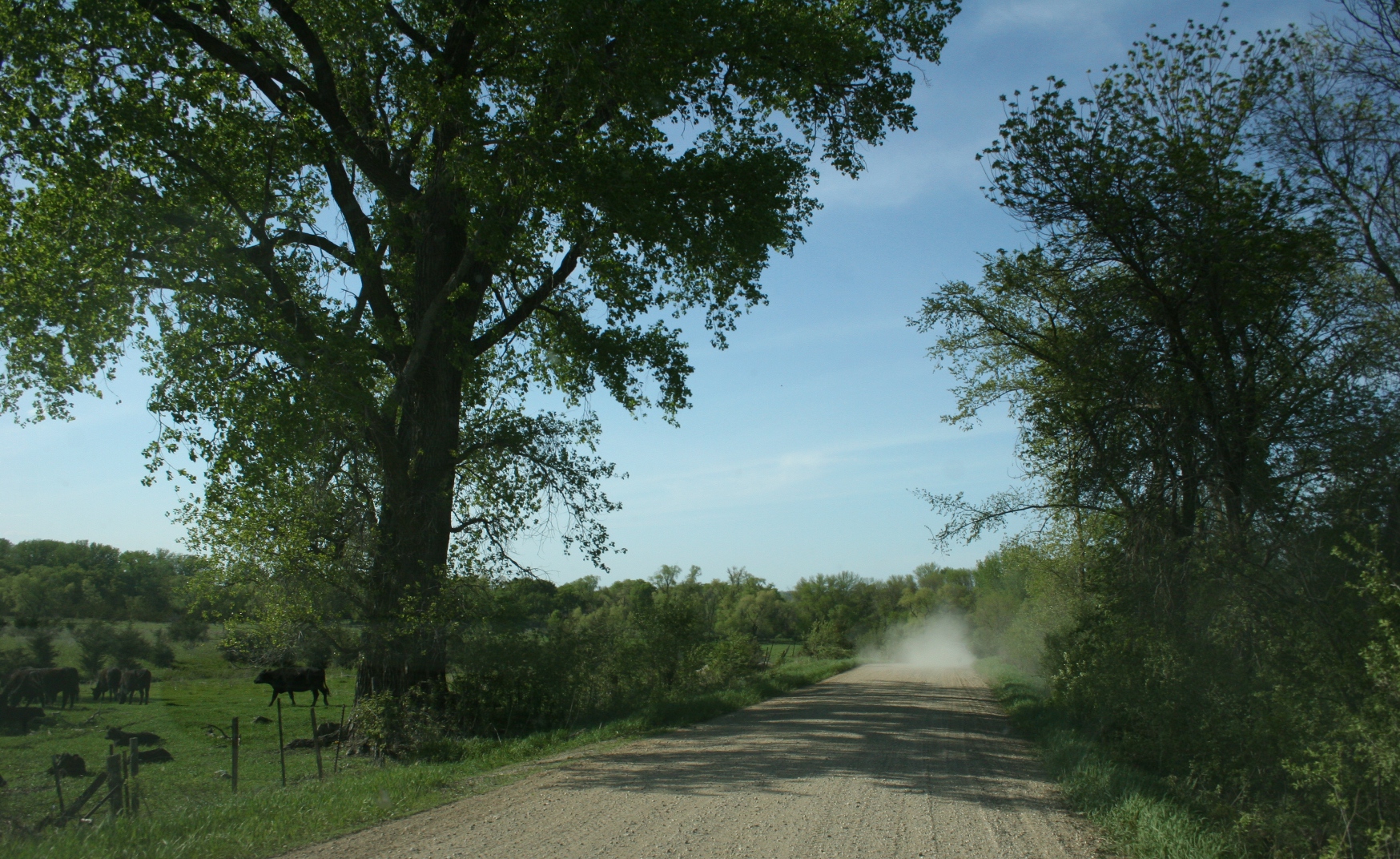
The gravel road past our friends’ Rice County farm. (Minnesota Prairie Roots copyrighted photo May 2023)

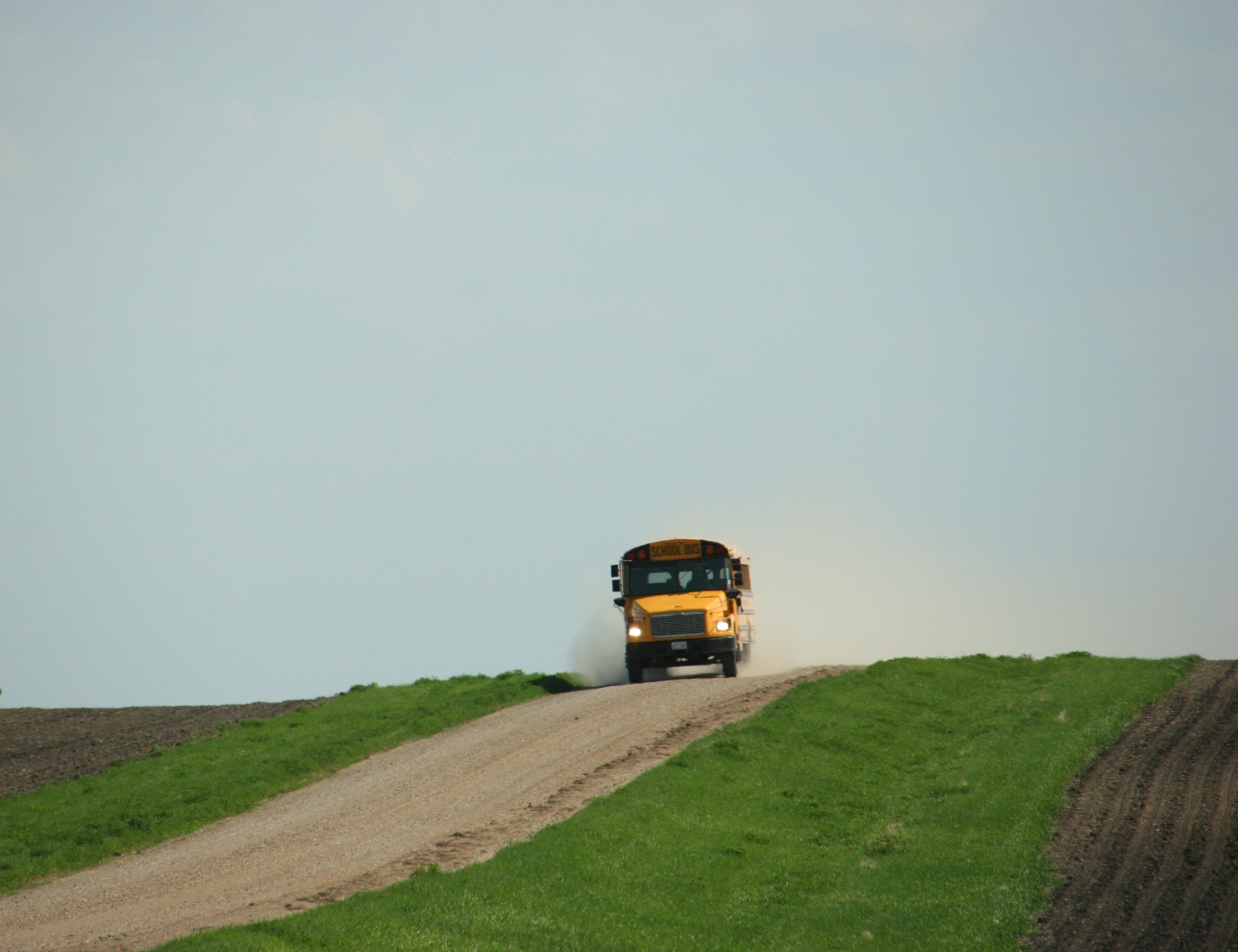
EVERYONE OUGHT TO OCCASIONALLY take a drive into the countryside along back county roads and gravel roads trailing dust. It’s good for the soul, spirit and mind to route into a quiet place defined by fields and farm sites. Away from town. Away from houses clumped together in blocks. Into a wide open place where land and sky meet and space seems infinite.

Randy and I found all of that recently as we drove east of Faribault, passing fields sprouting corn, farm sites nudging the highway. We aimed toward our friend Barb and Bob’s farm, invited there to harvest rhubarb. It’s an annual spring rite for us.

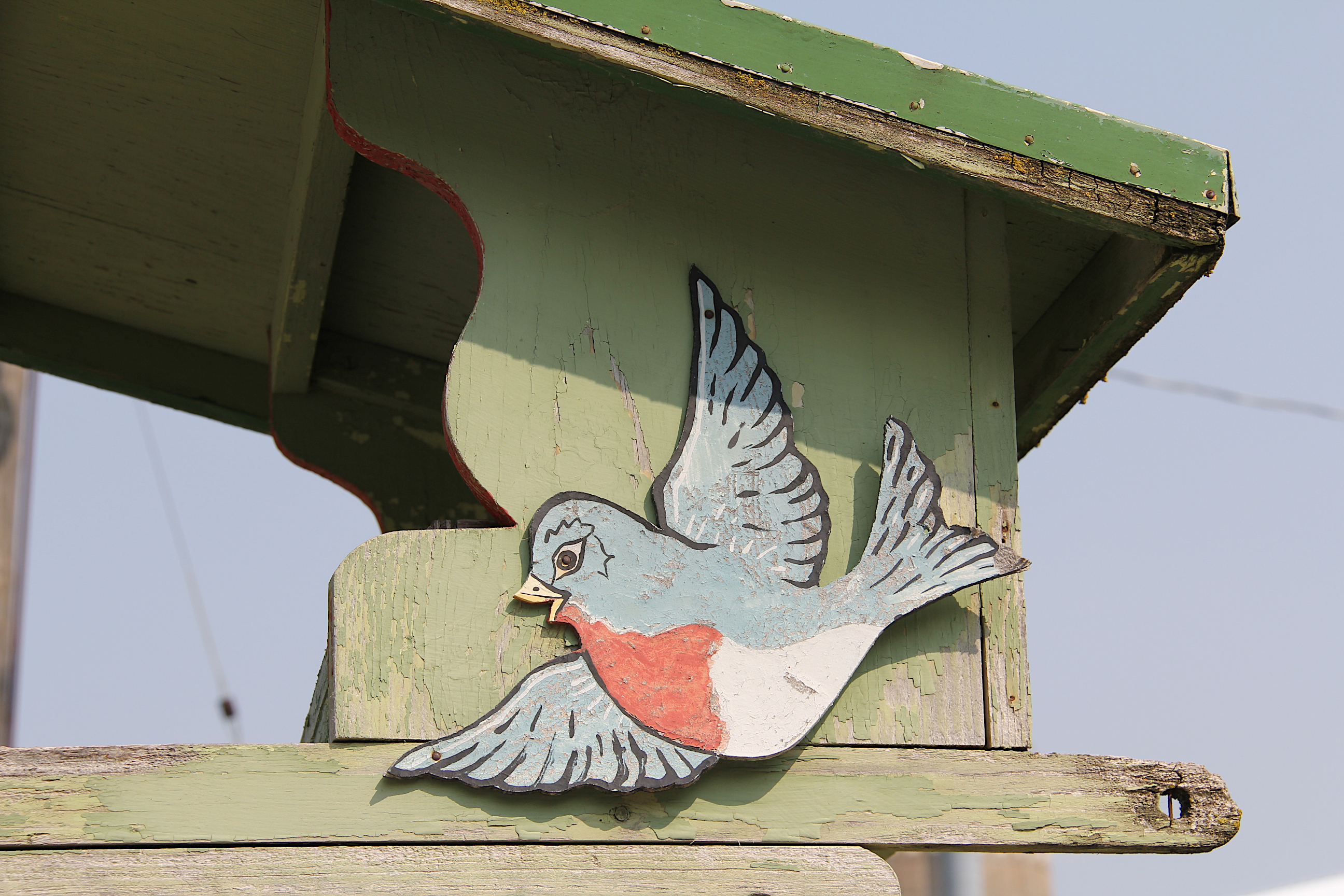
Bird folk art. (Minnesota Prairie Roots copyrighted photo May 2023)

But for me, this is about much more than gathering rhubarb. It’s about enveloping myself in the peacefulness of rural Minnesota. When only the trill of birds, the roar of a tractor and conversation with our friends break the silence, I feel utterly, contentedly at home. I feel grounded and rooted and connected and transported back to the farm of my youth, albeit 120 miles to the west.

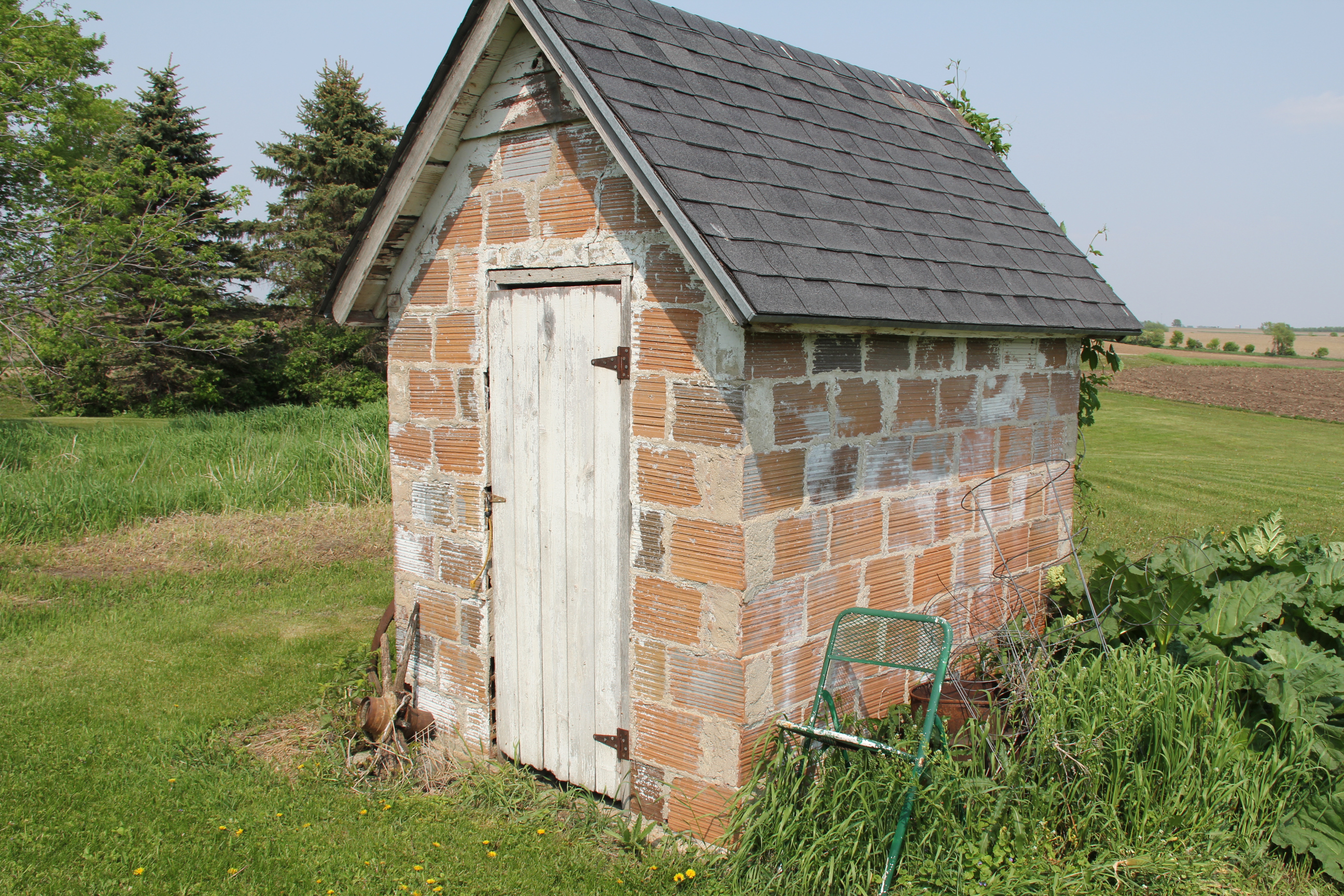
Formerly a smokehouse, this is now used for storing gardening tools. The rhubarb patch flourishes alongside the aged building. (Minnesota Prairie Roots copyrighted photo May 2023)

I never pull a single stalk of rhubarb from the patch next to the aged clay block smokehouse. While Randy harvests, I roam. With my camera.

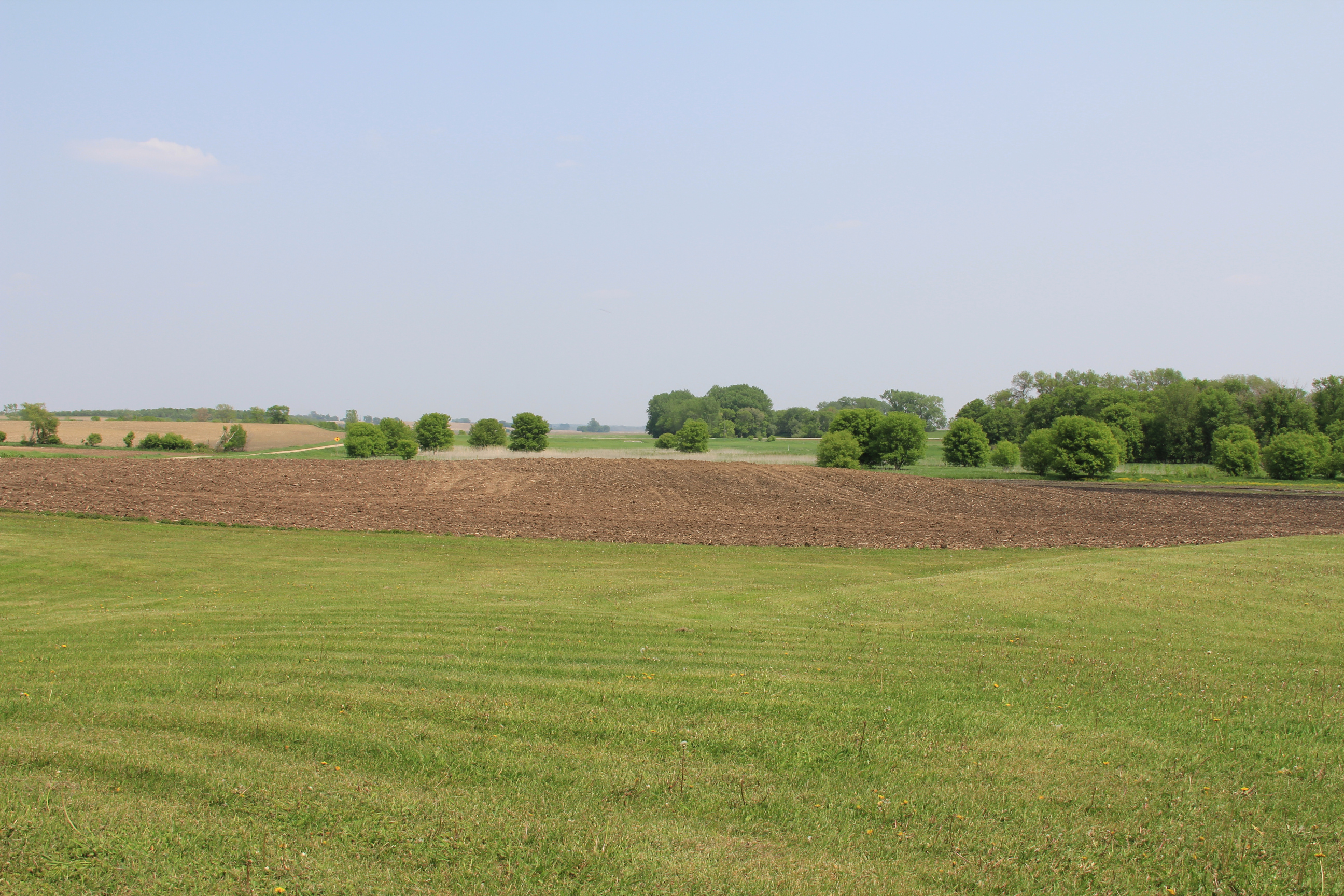
Beautiful rural Rice County, east of Faribault. (Minnesota Prairie Roots copyrighted photo May 2023)

First, I pause to take in the rural landscape—fields, trees, gravel road below a clear blue sky. Oh, place of my heart.

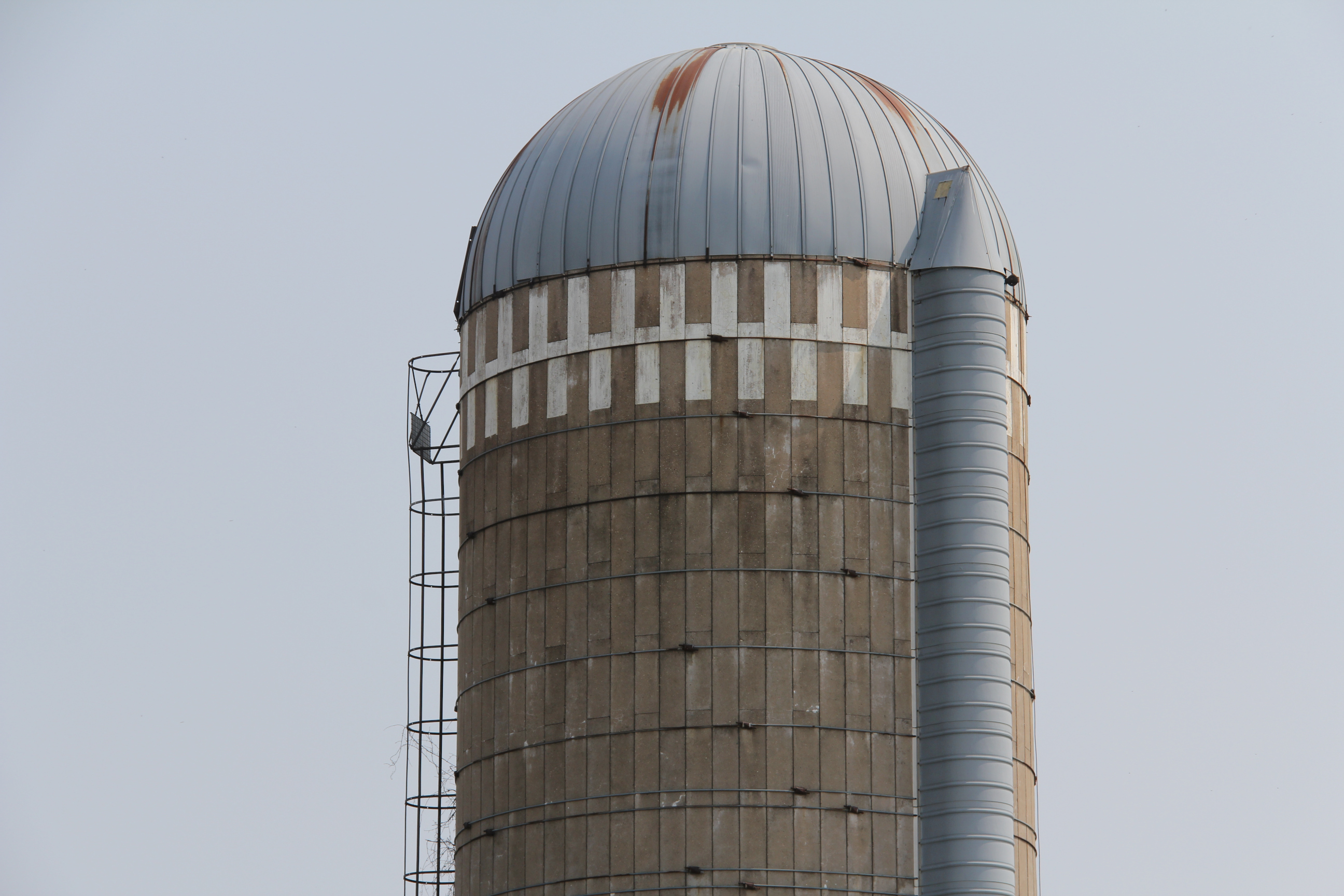
A familiar rural site, a silo. (Minnesota Prairie Roots copyrighted photo May 2023)

Then I head toward the silo towering over the farm site. Many times I climbed the ladder into the silo back on my childhood farm to fork silage and toss it down the chute to feed the cows. It was hard, smelly work. But when you worked on a dairy, livestock and crop farm 60-plus years ago, chores were labor intensive.

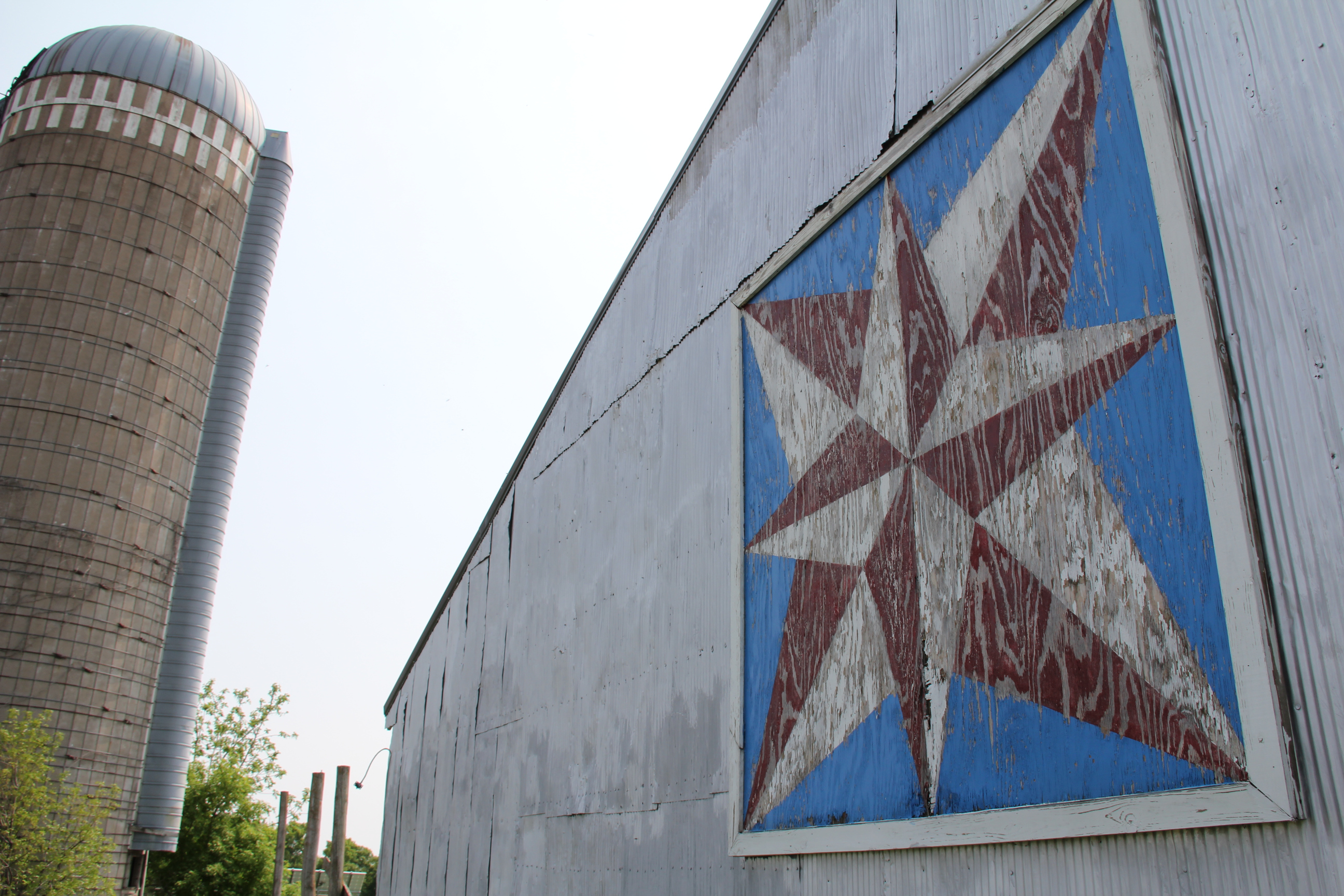
Barb’s “Star Shadow” barn quilt. (Minnesota Prairie Roots copyrighted photo May 2023)

From the silo, I turn my focus to the weathered plywood quilt block square displayed on the side of a tin-covered pole shed. The artwork, “Star Shadow,” honors Barb’s passion for quilting. It’s a nice addition to the building. I like barn quilt art, which surged in popularity perhaps a decade or more ago. There are places in Minnesota, like the Caledonia area in Houston County, where you can take a self-guided tour and view 59 barn quilts. For my generation, especially, quilts are part of our family history. Patchwork quilts layered beds, providing warmth on frigid Minnesota winter nights. I cherish remembrances of my paternal grandmother’s quilt tops, quilting frame and the quilts she gifted to me and all of her 40-plus grandchildren.

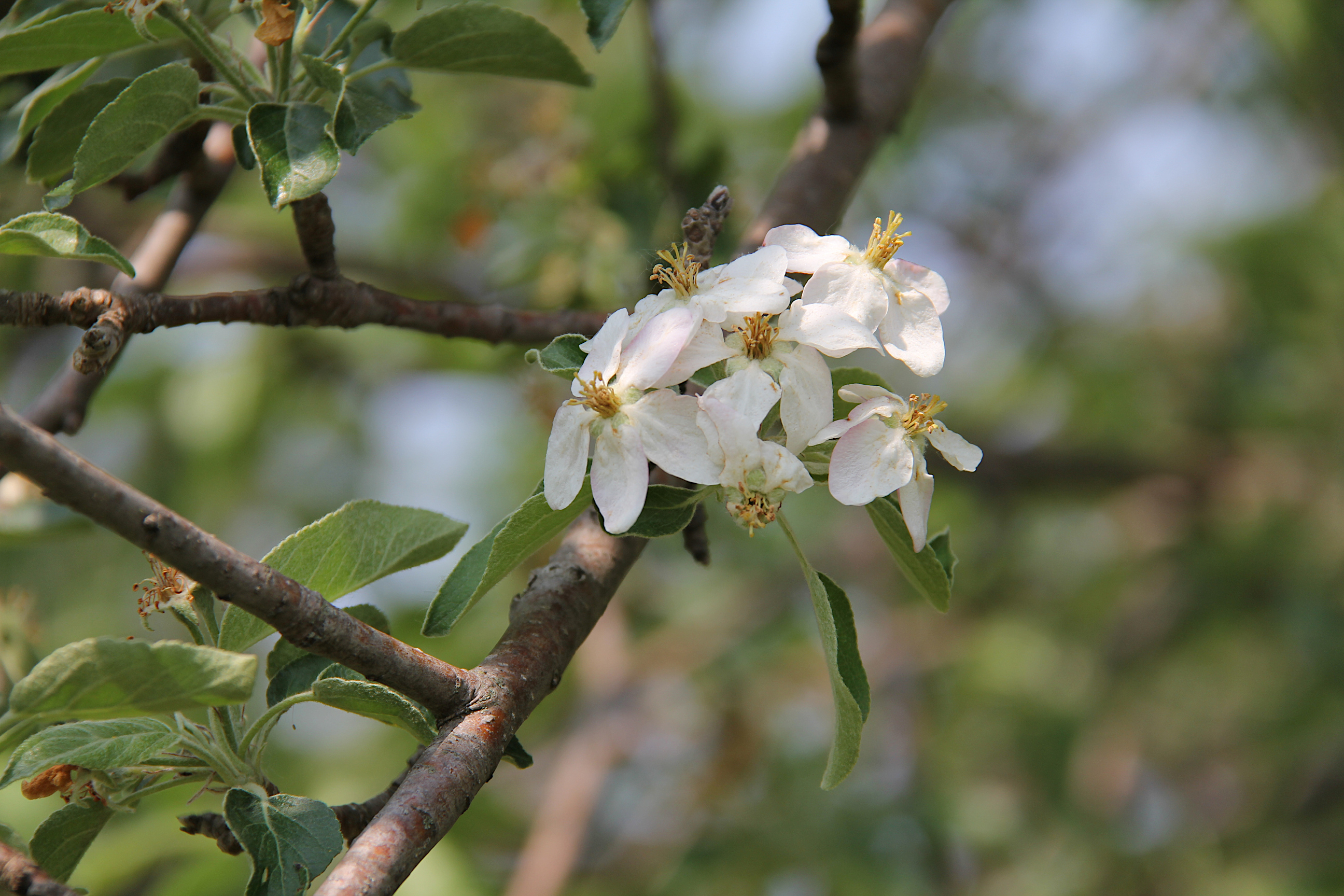
Apple blossoms. (Minnesota Prairie Roots copyrighted photo May 2023)

This visit to Barb and Bob’s farm brings back so many memories. I wander among the apple trees, most blossoms spent, and watch an elusive Monarch butterfly flit among the branches. I can almost taste the sweetness of apple jelly spooned onto buttered toast.

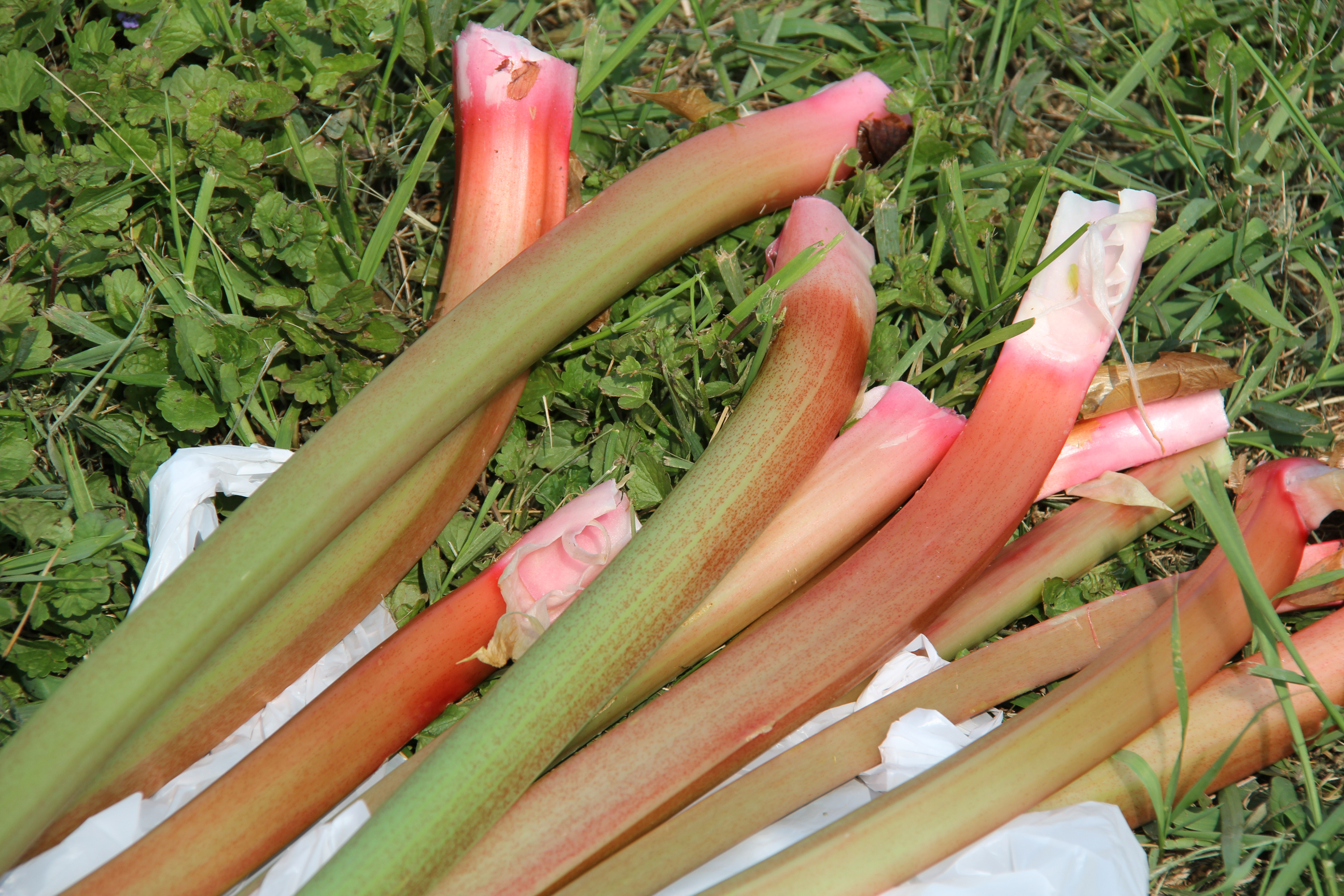
The growing pile of rhubarb. (Minnesota Prairie Roots copyrighted photo May 2023)

I check in with Randy, who hasn’t called me to help with the rhubarb harvest. He understands the pull I feel to photograph. Via photography, I notice details and that is such a gift. He’s gathered a growing stash of thick green stalks tipped in pink. Rhubarb seems such a humble fruit. Perfect for crisp, sauce or pie.

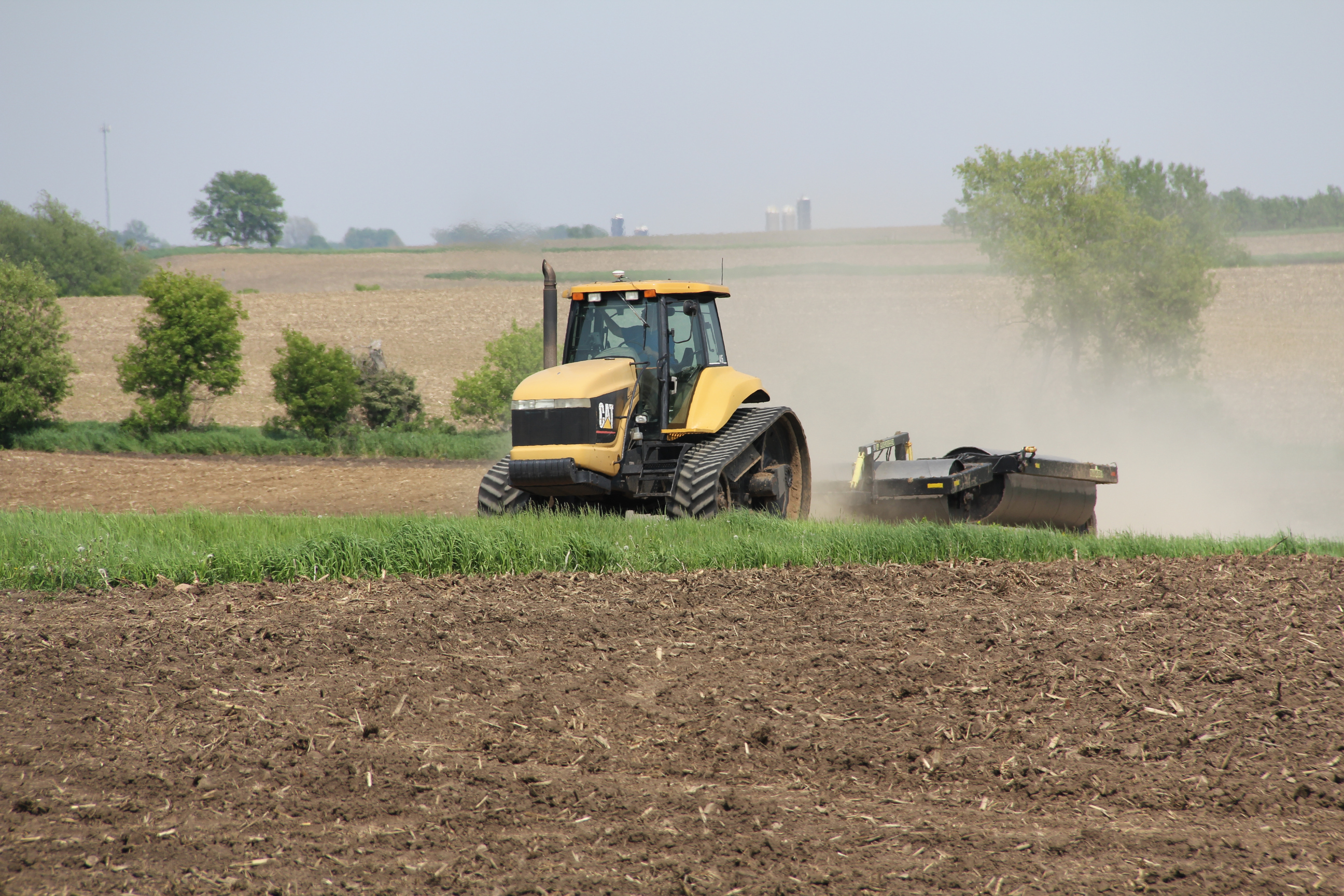
A tractor heads to a field with a roller to pack the soil. (Minnesota Prairie Roots copyrighted photo May 2023)

A tractor roars by then, dust rising around and behind as it pulls an unfamiliar farm implement down the gravel road. A roller, Randy notes later when we pass a packed farm field.

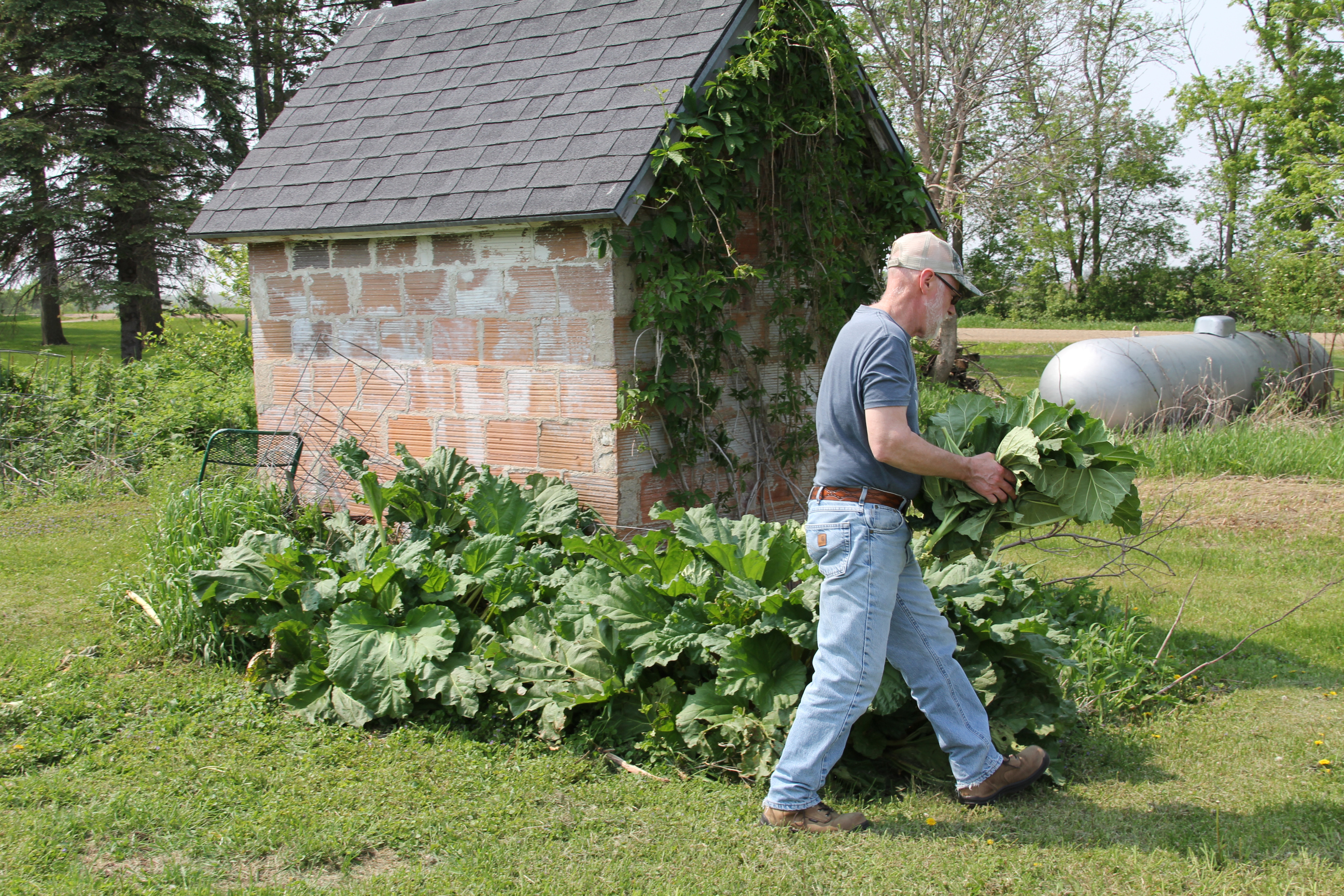
Randy carries discarded leaves away from the rhubarb patch. (Minnesota Prairie Roots copyrighted photo May 2023)

Then quiet settles again. Randy gathers the pile of rhubarb leaves, tidying the area around the old smokehouse.

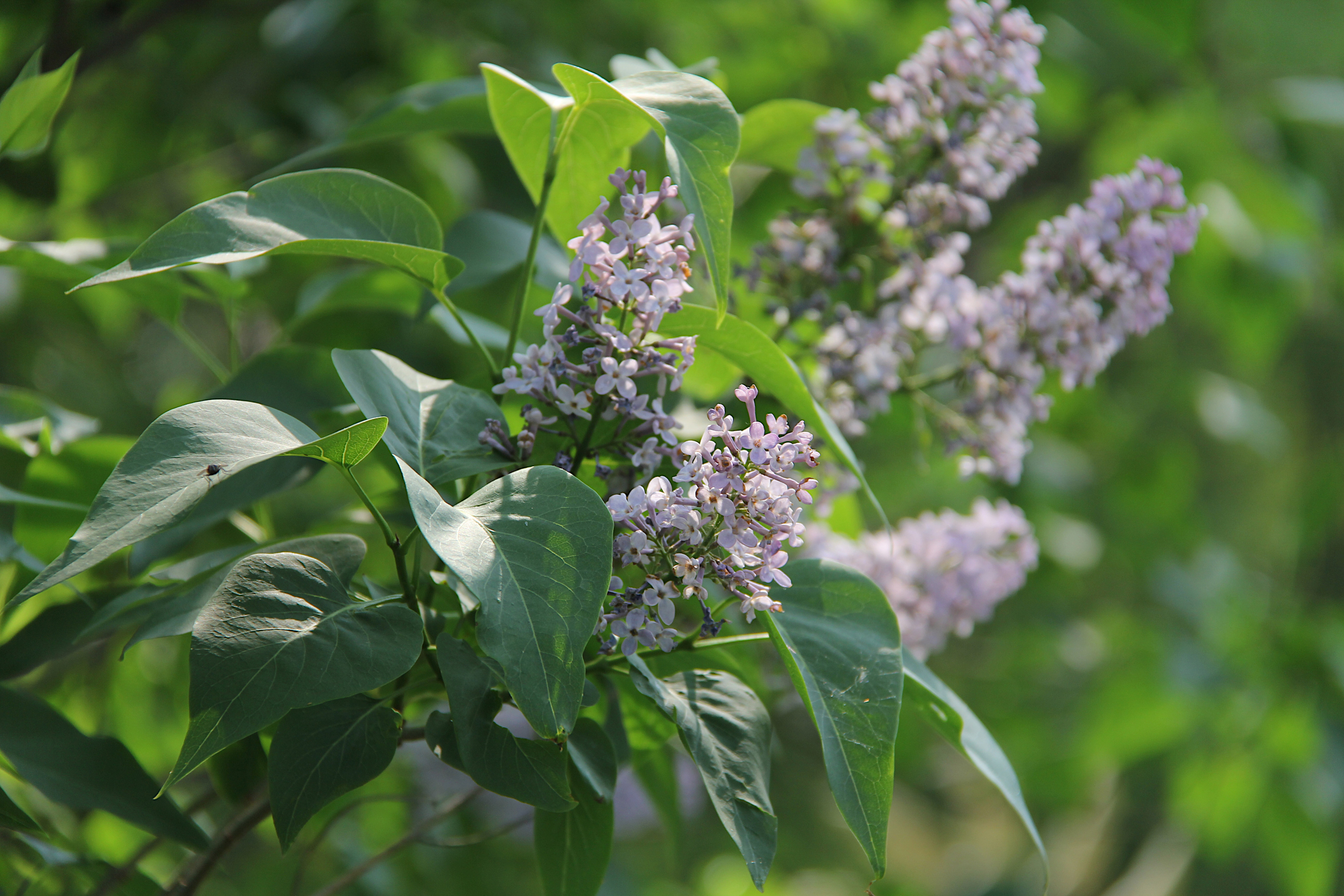
We visited near the lilacs. (Minnesota Prairie Roots copyrighted photo May 2023)

We head back toward the farmhouse, this time rousing Barb and Bob, who earlier did not hear Randy’s knocks. We settle in for a chat which turns into a lengthy conversation in the shade of trees, near the lilac bush, in their front yard garden. Birds sing. Butterflies fly. Words rise. Cold, filtered well water poured from a fancy pitcher into thick, hefty glasses quenches thirst. The four of us simply enjoy each other’s company. No hurry. Nowhere to be.

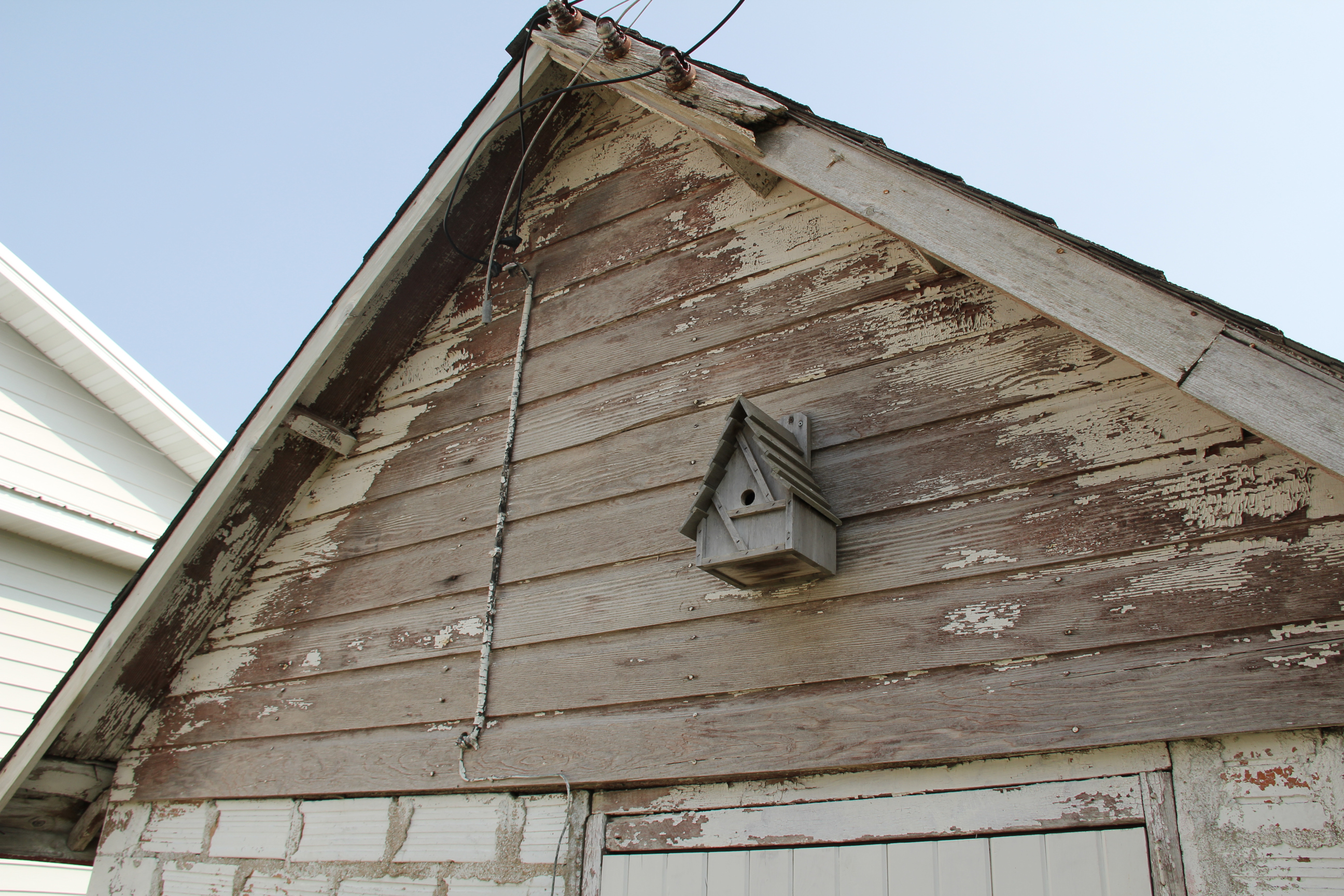
Birdhouse on an outbuilding. (Minnesota Prairie Roots copyrighted photo May 2023)

I step away to photograph several of Barb’s many birdhouses.

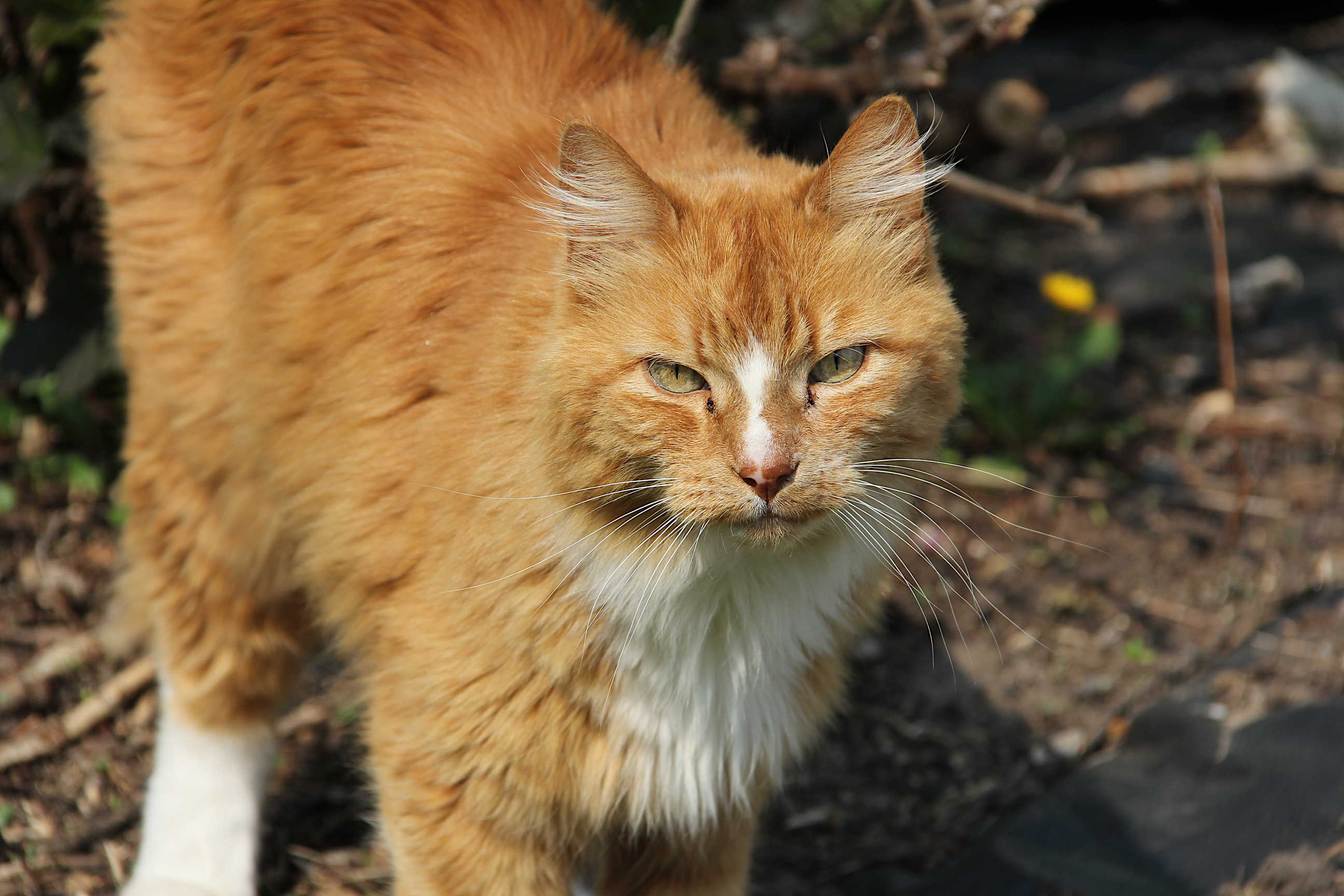
The shy farm cat. (Minnesota Prairie Roots copyrighted photo May 2023)

And then the orange farm cat appears. I excuse myself again, to photograph Fred, who requires significant coaxing to come closer. But he is skittish. My camera lens, followed by the click of the shutter scares him away.

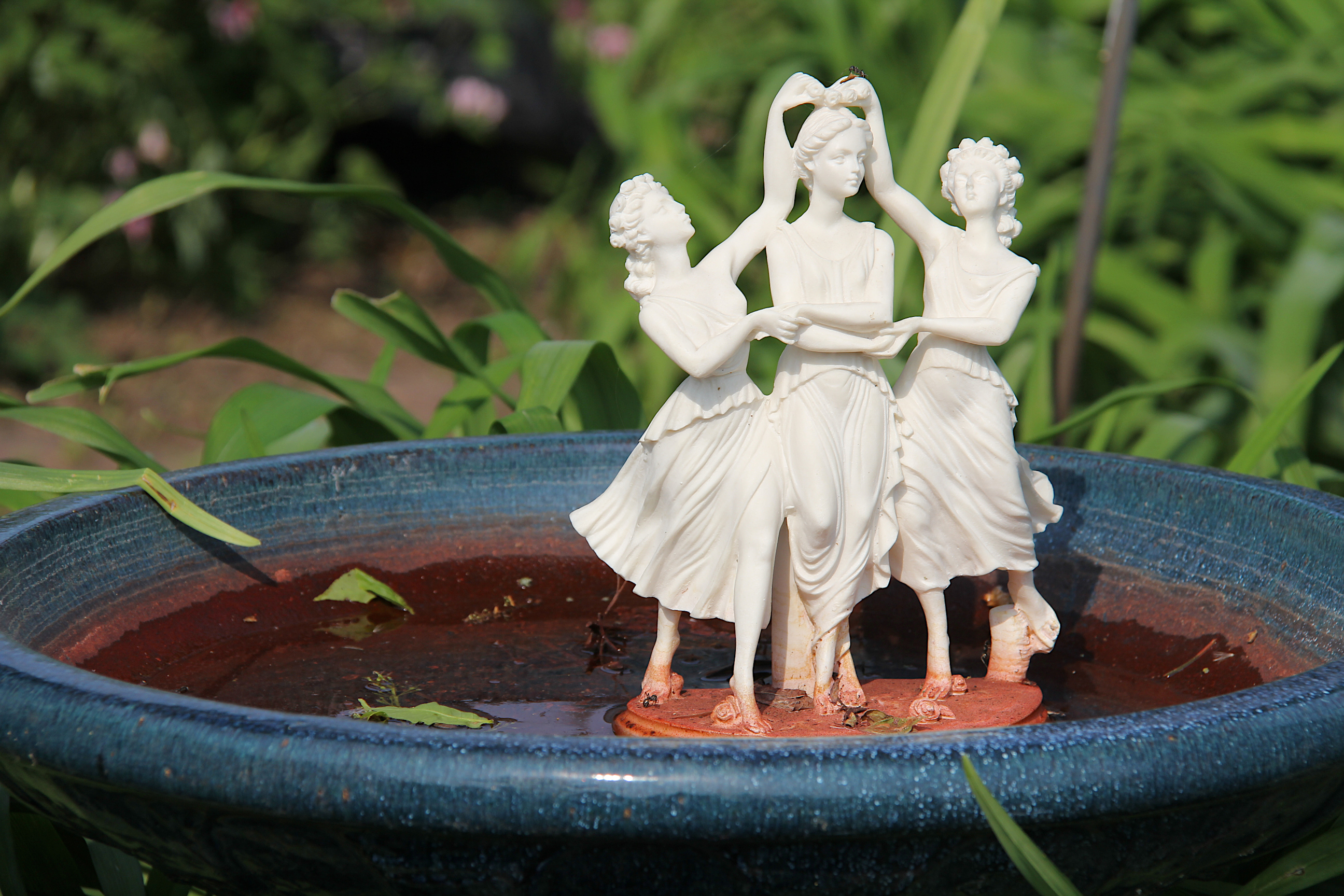
Bird bath art on the farm. (Minnesota Prairie Roots copyrighted photo May 2023)

I circle back to the conversation circle, passing a bird bath with a trio of ballet dancers centering that circle. They are graceful and beautiful and seemingly out of place in this rural setting. Yet, they are not. The countryside overflows with grace and beauty. The grace of silence and solitude. And the beauty of the natural world.

On this day, I need this. To be in the serenity of this quiet place. To take in the countryside. To see the sky, the trees, the land. To talk with Barb and Bob. And then to leave with a clutch of rhubarb and the promise of warm rhubarb crisp pulled from the oven.

© Copyright 2023 Audrey Kletscher Helbling


Mother’s Day: Of love, loss & legacies May 14, 2023

Filed under: Uncategorized — Audrey Kletscher Helbling @ 5:00 AM
Tags: , , , , , ,
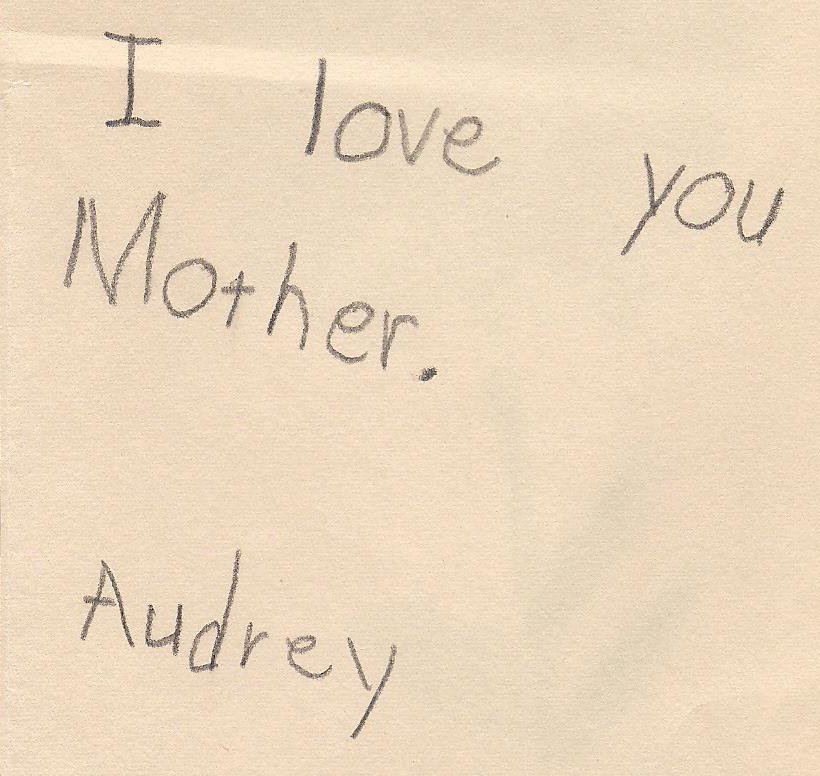
I printed this message inside a handmade Mother’s Day card for my mom back in elementary school. (Minnesota Prairie Roots copyrighted file photo)

I’VE WRITTEN OFTEN about my mom, the life she lived, the legacies of kindness, compassion and faith she left. But what about about you and your mom?

On this Mother’s Day, I invite you to share about your mom. What do you hold dear? What was she like? What did she pass along to you? Who was she, in addition to being your mother?

I don’t know what my children would write if asked those questions. But I hope they would describe me as loving, caring, compassionate, kind and supportive. Creative, too. I’ve tried to follow my mom’s example. And, even though my maternal grandmother died shortly after I was born, I’ve heard that Josephine was a kind and gentle soul. Just like my mom.

I recognize that Mother’s Day can be difficult, especially if you’ve recently lost your mom. Like my friend Gretchen. Grief rises anew in a day focused on mothers. To lose a mom is a profound loss, whether that occurred a month ago or 20 years ago. Mother and child share a bond unlike any other, which intensifies the depth of grief.

A page in an altered book my friend Kathleen created for me. That’s my mom on the left counting jars of homemade horseradish. That’s me with my clown birthday cake, which Mom made for my third birthday. (Minnesota Prairie Roots copyrighted file photo)

Yet, to grieve is to recognize that we have loved. I consider all the ways my mom loved me. Though she didn’t tell me she loved me or even hug me when I was growing up (that would come later), I felt and saw her love. Her love showed in homemade bread and peanut butter oatmeal bars. Her love showed in the animal-shaped birthday cakes she made for my five siblings and me. Her loved showed in clothes washed in a Maytag wringer washer. Her love showed in quarts of fruits and vegetables lining planks in a dirt-floored cellar. Her love showed in clothing stitched from flour sacks. Her love showed in poring through booklets of house designs from the lumberyard, always believing that some day she would move into a new house. One with a bathroom and a shower to replace a galvanized tub set on the kitchen floor and a makeshift shower of garden hose strung through an open porch window. One with more than three cramped bedrooms. One with a furnace rather than an oil-burning stove. One with windows that didn’t rattle in the winter prairie wind.

The old woodframe farmhouse where I lived the first 11 years of my life with our new house in the background. That’s my sister Lanae posing on the porch steps.

Mom taught me to hold hope. She finally got her new house in 1967, the year my youngest brother, her final child, was born.

On this Mother’s Day, let’s honor our moms—those selfless, wonderful women who raised us as best they could. Those women who carried us, physically and emotionally, who want (ed) the best for us. Being a mother requires strength, energy and so much more, but, most of all, unconditional love.

Happy Mother’s Day, if you’re a mom! And if you are missing your mom, let’s celebrate her, too.

© Copyright 2023 Audrey Kletscher Helbling


Celebrating Minnesota Irish via stops in Kilkenny, St. Patrick & St. Thomas March 17, 2023

Photographed in Kilkenny, Minnesota, in January 2020, this pub no longer exists. I loved the name, the sign, the graphic in this Irish community. (Minnesota Prairie Roots copyrighted file photo January 2020)

ENCLAVES OF IRISH scatter throughout Minnesota from unincorporated settlements to small towns to big cities.

In my wanderings through southern Minnesota, I’ve discovered Irish pockets, including in nearby Kilkenny. The Le Sueur County community of just over 100 residents traces its name to Kilkenny County, Ireland, birthplace of early immigrant settler Dennis Doyle.

Kilkenny, proud of its Irish heritage, maintains a twinship with Kilkenny County in the Old Country. And each September, the community celebrates St. Patrick’s Day with Half-Way to St. Paddy’s Day complete with parade and, in the past, toilet bowl races. I’ve never attended, but need to and document this event.

Irish pride on Kilkenny, Minnesota’s water tower. (Minnesota Prairie Roots copyrighted file photo January 2020)

Three years ago while out and about on one of those rural drives I so enjoy, Randy and I passed through Kilkenny, marked by a signature silo style light green water tower decorated with a shamrock. There was no doubt we were in an Irish proud small town.

Murphy’s Pub was once Kilkenny’s gathering spot. It closed, replaced by The Toy Box Saloon. (Minnesota Prairie Roots copyrighted file photo January 2020)

At the time, Murphy’s Pub centered the core of Kilkenny, which, as I recall, is about a handful of businesses. Today that Irish-tagged pub with the memorable ale drinking leprechaun signage is closed, replaced by The Toy Box Saloon. That doesn’t quite hold the same Irish appeal as the name Murphy’s Pub. But you will still find Irish brew, like Finnegan’s Irish Amber.

St. Patrick’s Bonin Field. (Minnesota Prairie Roots copyrighted file photo summer of 2015)

In Scott County to the north, in unincorporated St. Patrick, I discovered a strong Irish enclave centered around a church, cemetery, ballpark and tavern. St. Patrick of Cedar Lake Township Catholic Church and its surrounding cemetery sit high atop a hill across from St. Patrick’s Tavern and next to the ball field. The ballpark, St. Patrick’s Bonin Field, is named after Father Leon Bonin, a strong supporter of local baseball.

The appealing leprechaun signage on St. Patrick’s Tavern. (Minnesota Prairie Roots copyrighted file photo summer of 2015)

That this rural place is proud of its Irish heritage is clear. I need to return to St Patrick, perhaps pop into the bar for a brew. Make that an Irish stout.

St. Patrick of Cedar Lake Township Catholic Church and cemetery. (Minnesota Prairie Roots copyrighted file photo summer of 2015)

During my one and only visit in the summer of 2015, I mostly wandered the cemetery. I find cemeteries historically and artistically interesting.

Irish immigrants buried in the St. Thomas Church Cemetery. (Minnesota Prairie Roots copyrighted file photo March 2018)

Back in Le Sueur County, I meandered through the St. Thomas Church Cemetery in the unincorporated settlement of St. Thomas. During my March 2018 visit, I found plenty of Irish buried here.

A closed Irish-named bar in St. Thomas, Minnesota. (Minnesota Prairie Roots copyrighted file photo March 2018)

Down the road a bit, I spotted an apparently abandoned Callahan’s Bar.

An appropriately-named township hall in an Irish enclave. (Minnesota Prairie Roots copyrighted file photo March 2018)

And then I saw Derrynane Town Hall, Derrynane being a small village in County Kerry, Ireland. Ah, yes, Irish roots run deep in pockets of rural Minnesota.

This St. Patrick’s Day I celebrate Kilkenny, St. Thomas and St. Patrick. What a delight to have found these backroad places of Irish heritage in rural southern Minnesota.

© Copyright 2023 Audrey Kletscher Helbling


March 1965, a harsh Minnesota prairie winter documented March 13, 2023

This huge snowdrift blocked my childhood farm driveway in this March 19, 1965, photo. I’m standing next to Mom. (Photo credit: Elvern Kletscher)

SHE WAS NOT QUITE 33 years old, this young mother of five living on a southwestern Minnesota dairy and crop farm in March 1965. It was an especially harsh winter, documented in a spiral bound notebook she kept.

She filled page after page with several-line daily entries about everyday life. She wrote about crops and household chores and kids and food and the most ordinary daily happenings. And, always, she recorded the weather—the wind, the precipitation, sometimes the temperature.

Arlene Kletscher’s journals stacked in a tote. (Minnesota Prairie Roots copyrighted file photo)

This keeper of prairie history in rural Redwood County was my mother, who died in January 2022 at the age of 89. I am the keeper of her journals, which she kept from 1947-2014, from ages 15 to 82. Sixty-seven years of journaling. Several years, when she met and fell in love with my dad, are noticeably missing.

Recently, I pulled the tote holding her collection of writing from the closet. This snowy winter of 2022-2023 in Minnesota prompted me to filter through Mom’s notebooks from 1964 and 1965. That winter season of nearly 60 years ago holds the state record for the longest consecutive number of days—136—with an inch or more of snow on the ground. We are closing in on that, moving into the top ten.

Mom’s journal entries confirm that particularly snowy and harsh winter on the Minnesota prairie. From February into March, especially, many days brought snow and accompanying strong wind. Two photos from March 1965 back up Mom’s words. Her first March entry is one of many that notes the seemingly never-ending snow falling on our family farm a mile south of Vesta. She writes of the weather:

March 1—What a surprise! Snowing & blowing when we got up & kept on all day. No school.

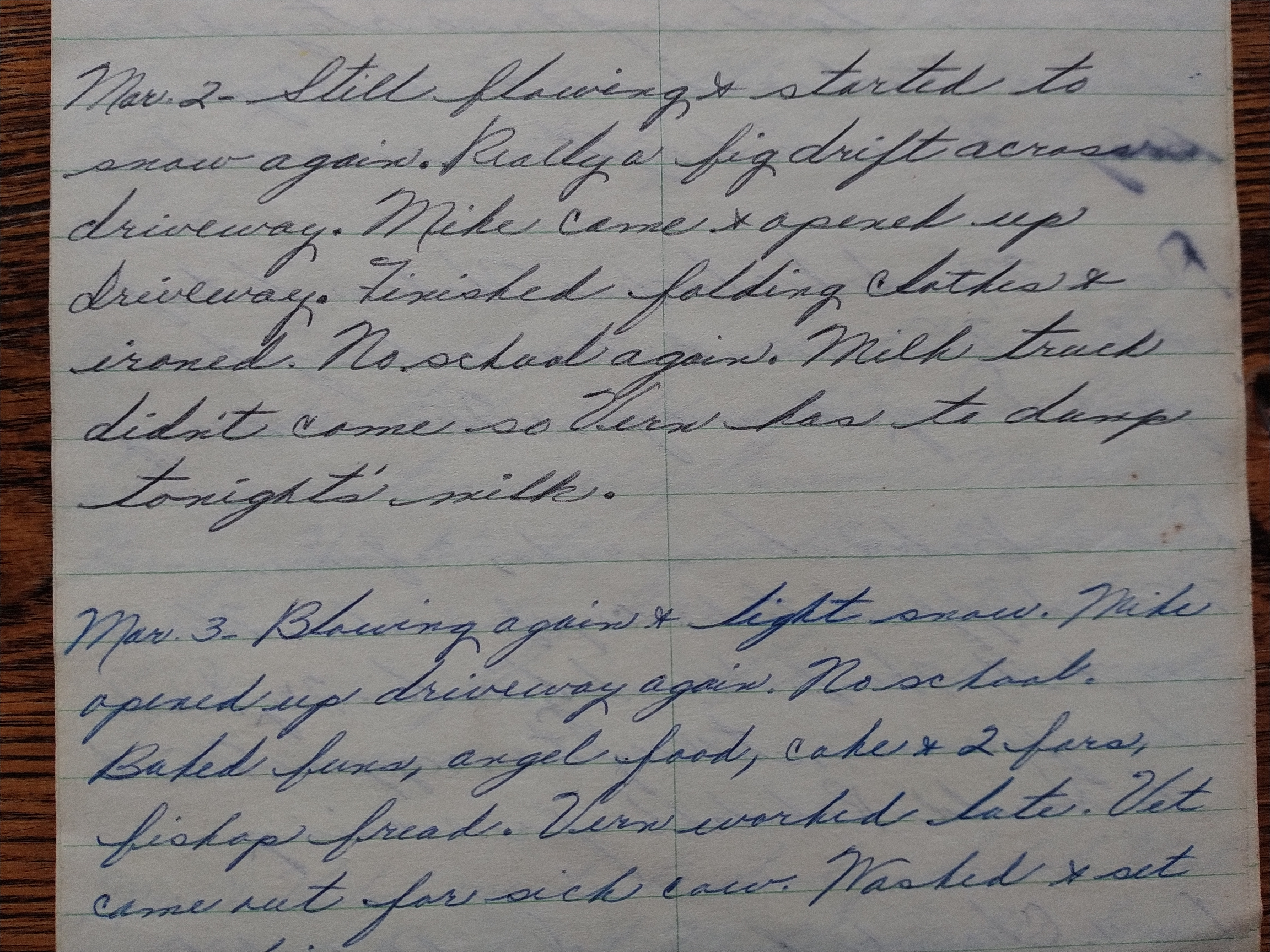
March 2—Still blowing & started to snow again. Really a big drift across the driveway. Mike came & opened up driveway. No school again. Milk truck didn’t come so Vern has to dump tonight’s milk.

Entries from my mom’s March 1965 journal document a harsh Minnesota winter. My Uncle Mike had to drive from his farm a mile-plus away to open our driveway. (Minnesota Prairie Roots copyrighted photo March 2023)

Let me pause here and emphasize the hardship referenced in Mom’s March 2 entry. My dad had to dump the milk from his herd of Holsteins. That was like pouring money down the drain. I can only imagine how emotionally and financially difficult that was to lose a day’s income. But if the milk truck can’t get through on snow-clogged country roads to empty the bulk tank, there’s no choice but to pour away milk.

My dad planted DeKalb seed corn (among other brands). (Minnesota Prairie Roots copyrighted file photo September 2015)

On March 3-5, Mom writes the same—of snow and blowing snow and efforts to keep the driveway open and no school. Then comes a respite from the snow. Dad was even planning ahead to spring, receiving a delivery of DeKalb seed corn on March 15. But then snowfall resumes on St. Patrick’s Day in this land of wide open spaces, where the wind whips fierce across the prairie.

March 17—Snowing & blowing. Got worse all day. Good thing the milk truck came. No school.

March 18—Quit snowing, but is really blowing. Huge drift across driveway & in grove. Almost all roads in Minn are blocked. No school. Cold, about 10 degrees.

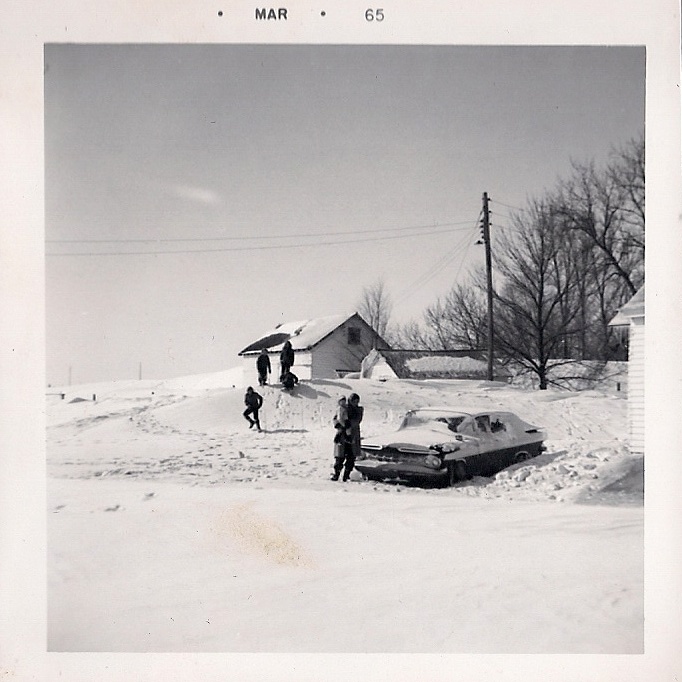
Our southwestern Minnesota farmyard is buried in snowdrifts in this March 19, 1965, image. My mom is holding my youngest sister as she stands by the car parked next to the house. My other sister and two brothers and I race down the snowdrifts. (Photo credit: Elvern Kletscher)

March 19—We all went outside & took pictures of the big drifts & all the snow. Mike came over through field by gravel pit & started to clear off yard. Clear & cold.

Mom’s March 19 entry is notable for multiple reasons. First, my parents documented the snowdrifts with their camera. They didn’t take pictures often because it cost money to buy and develop the film. Money they didn’t have. That is why I have few photos from my childhood. That they documented the huge drifts filling our driveway and farmyard reveals how much this snow impacted their daily lives. In the recesses of my memory, I remember those rock-hard drifts that seemed like mountains to a flat-lander farm girl. That my Uncle Mike, who farmed just to the east, had to drive through the field (rather than on the township and county roads) to reach our farm also reveals much about conditions.

In the two days following, Mom writes of a neighbor coming over with his rotary (tractor-mounted snowblower) to finally open the driveway. But when the milk truck arrived at 4:30 am, the driveway was not opened wide enough for the truck to squeeze through the rock hard snow canyon. The driver returned in the afternoon, after Dad somehow carved a wider opening.

The weather got better in the days following, if sunny and zero in the mornings and highs of 12 degrees are better. At least the snow subsided. On March 23, Mom even notes that they watched the space shot on TV. I expect this first crewed mission in NASA’s Gemini Project proved a welcome diversion from the harsh winter.

In her March 27 journal entry, hope rises that winter will end. Mom writes: Sunny & warmer than it has been for days. Got to 45 degrees. Minnetonka beat Fairbault (sic) in basketball tournament. I almost laughed when I read that because Minnesotans often associate blizzards with state basketball tournament time. I also laughed because Faribault would eventually become my home, the place I’ve lived for 41 years now.

So much for optimism. On March 28, snow fell again. All day.

But the next day, Mom writes, the weather was sunny and warm enough to thaw the snow and ice and create a muddy mess. I stopped reading on March 31. I’d had enough snow. I expect Mom had, too.

© Copyright 2023 Audrey Kletscher Helbling


Beata, a strong trailblazing woman in Swedes Forest Township February 16, 2023

Beata Sampson (Photo source: Sunset Funeral Home obituary)

Beata. What a beautiful name, one I’d never heard before scrolling through a recent list of obituaries from my home region of southwestern Minnesota. I wanted, needed, to learn more about this 98-year-old woman with the Latin-derived (beatus) name meaning “blessed.”

A well-written obituary provides not only basic factual information of birth, life and death, but also enough personal details to tell a story. Beata’s obit speaks to a strong woman born 98 years ago in the Sandager family home in Swedes Forest Township in the northern most part of Redwood County.

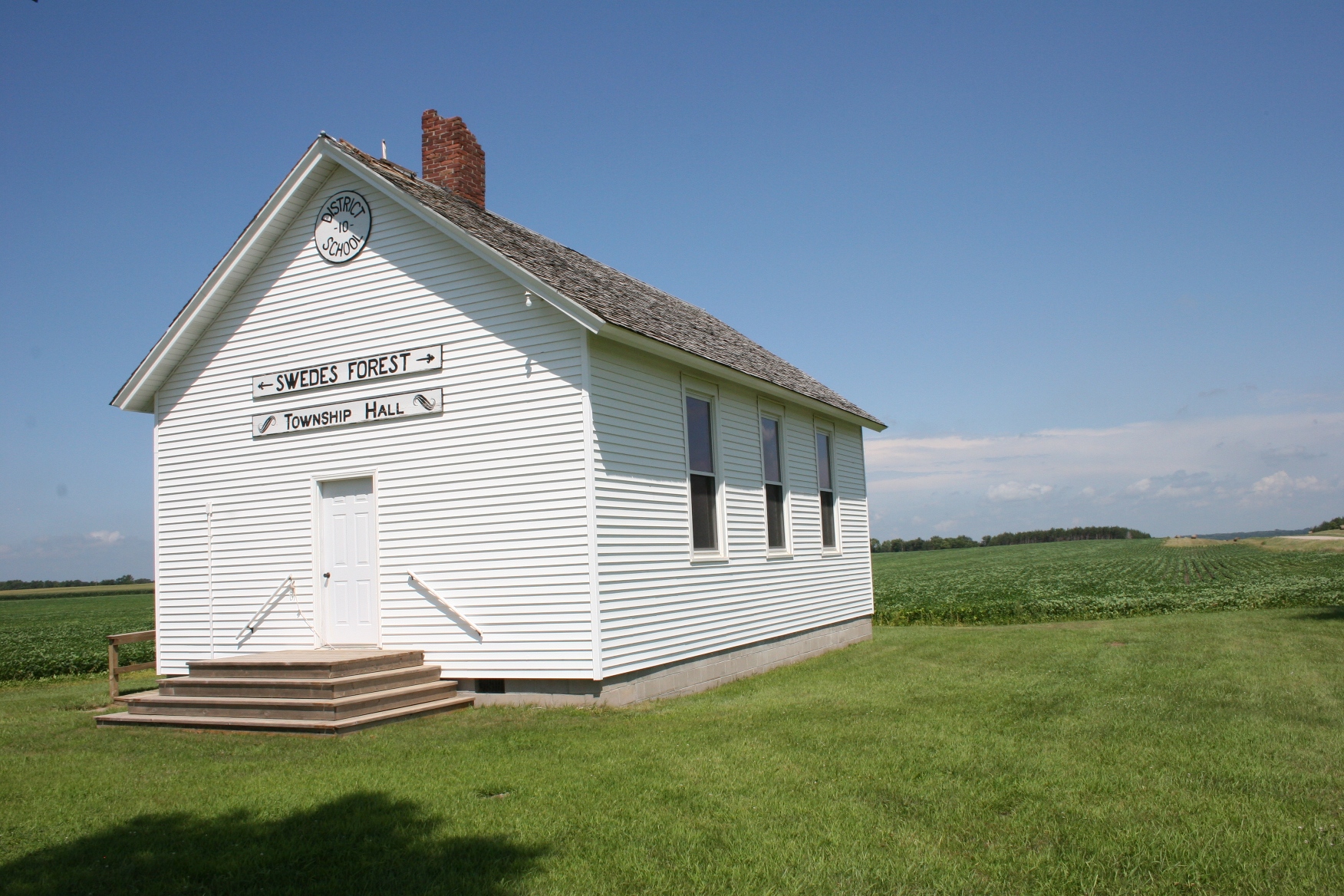
Swedes Forest Township Hall, formerly the District 10 School which Beata attended. (Minnesota Prairie Roots copyrighted file photo August 2011)

Even the township name titles a story—of the Scandinavian immigrants who started settling this area just south of the Minnesota River in 1867. Norwegians, mostly, and Swedes and Danes (like Beata’s Danish-born grandfather, Nils H. Sandager). Knute and Erick and Thor and Ole and Torkel and Turi and Gunhild and Ingeborg… And Beata Ellen’s Norwegian grandmothers, Beret and Ellen, after whom she is named.

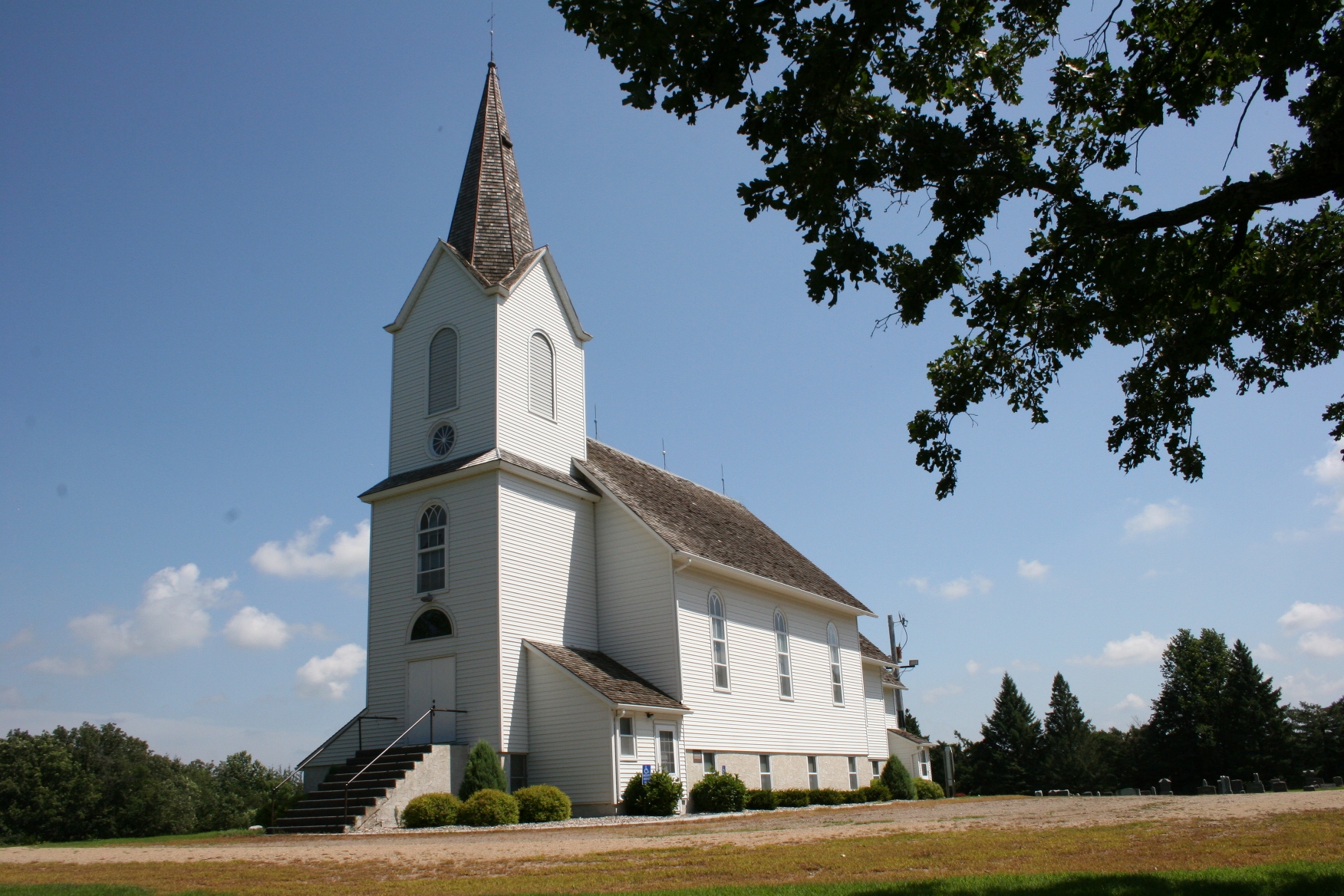
Picturesque Rock Dell Lutheran Church. (Minnesota Prairie Roots copyrighted file photo August 2011)

History runs deep here, all the way back across the ocean. Family history held importance for Beata, who died on February 11 and will be buried today at Rock Dell Cemetery in Swedes Forest Township. This township, this land, this place, it was hers. Beata’s home since her December 27, 1924, birth.

She left only briefly, heading to college in Moorhead in 1942 before returning in 1943 when her father died. Beata was just 18. But her mother, Barbra, and brother Nels needed her help on the family farm. Six years later she would marry Lloyd Sampson, also a farmer. After only 11 years of marriage, Beata was widowed at age 35, her husband dead from cancer.

What strength it must have taken for this young woman and mother of two to endure first the death of her father and then her husband. I’d like to think she had a strong support system of friends and family and neighbors rallying around. A community of people who cared. Knowing rural southwestern Minnesota as I do, I expect that’s true.

Yet, “after a couple years in their big, cold house, Beata and her children (Coral Beth and Joel Loren) moved to live with her mom and brother.” Recognizing the importance of immediate family love and support, of understanding that she needed family near, shows strength, too.

Driving through northern Swedes Forest Township in the summer of 2014. (Minnesota Prairie Roots copyrighted file photo June 2014)

But there’s more, much more, to Beata’s story. In 1979, she became the first woman elected to office in Swedes Forest Township. It took 107 years for a woman to gain an elected seat on the township board. While that seems unfathomable in today’s world, it’s absolutely believable for that time period. Beata served for 24 years as treasurer of Swedes Forest Township.

She followed in the footsteps of her grandfather Nils H. Sandager, who also left a legacy of public service. He was elected township treasurer 12 times and also held the offices of town chair, supervisor and constable for a total of 19 years.

Beata’s local involvement stretches beyond township government. She was active, too, in the Lutheran churches she attended—Rock Dell and Grace. And she found time for the other aspects of life that held her heart—living in the country, the outdoors, flowers, bird watching, family history, family, children, puzzles…and pretty dishes. Yes, this strong strong woman who made history in Swedes Forest Township, who was there for her family, loved pretty dishes. And that, too, says a lot about a woman whose name means “blessed.”

© Copyright 2023 Audrey Kletscher Helbling

Sources: Beata Sampson’s obituary and The History of Redwood County, Minnesota (Volume 1) online


Minnesota prairie roots revisited, remembered, reflected January 25, 2023

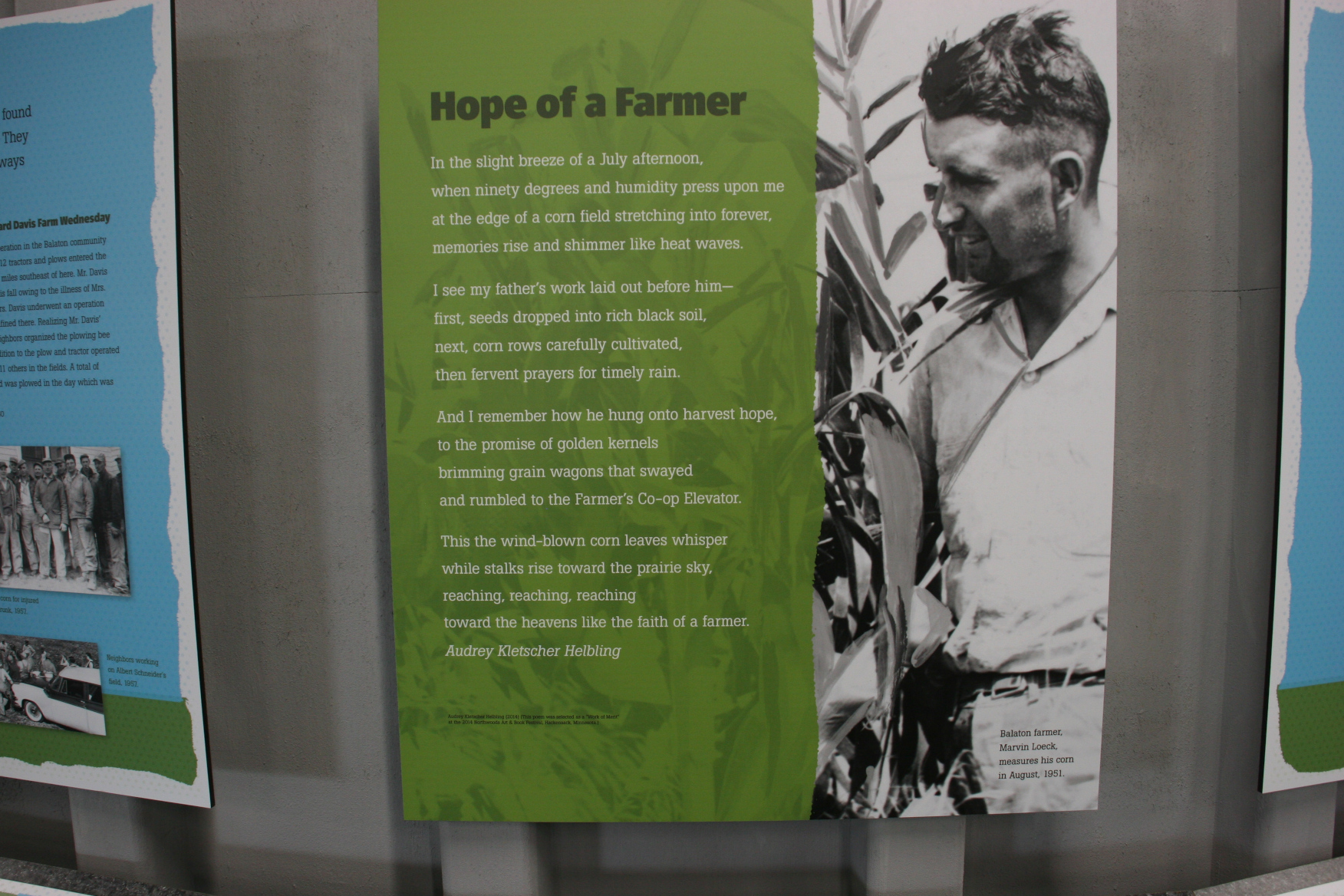
My “Hope of a Farmer” poem exhibited at the Lyon County Historical Society Museum. The exhibit also includes my poem, “Ode to My Farm Wife Mother.” (Minnesota Prairie Roots copyrighted file photo September 2022)

WHEN I RETURNED to my beloved southwestern Minnesota prairie in September, I did so with one primary purpose—to see my poetry showcased in the “Making Lyon County Home” exhibit at the Lyon County Historical Society Museum in Marshall. Any additional attractions—like viewing a public art sculpture outside the local ice arena and a stop at Brau Brothers Brewing—would only enhance the day trip.

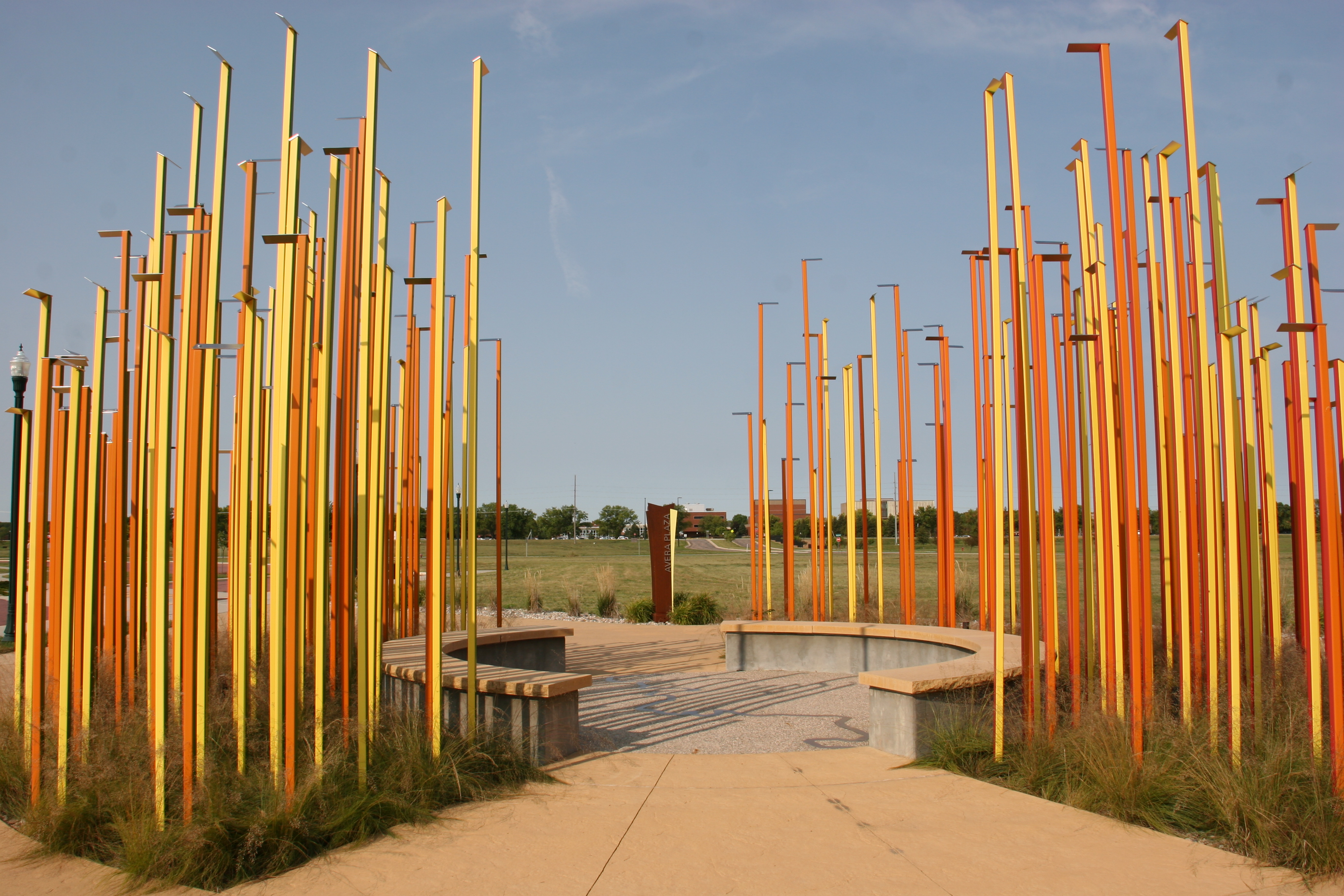
Randy Walker’s “Prairie Roots” sculpture defines the entrance outside the Red Baron Arena on Marshall’s east side at 1651 Victory Drive. (Minnesota Prairie Roots copyrighted photo September 2022)

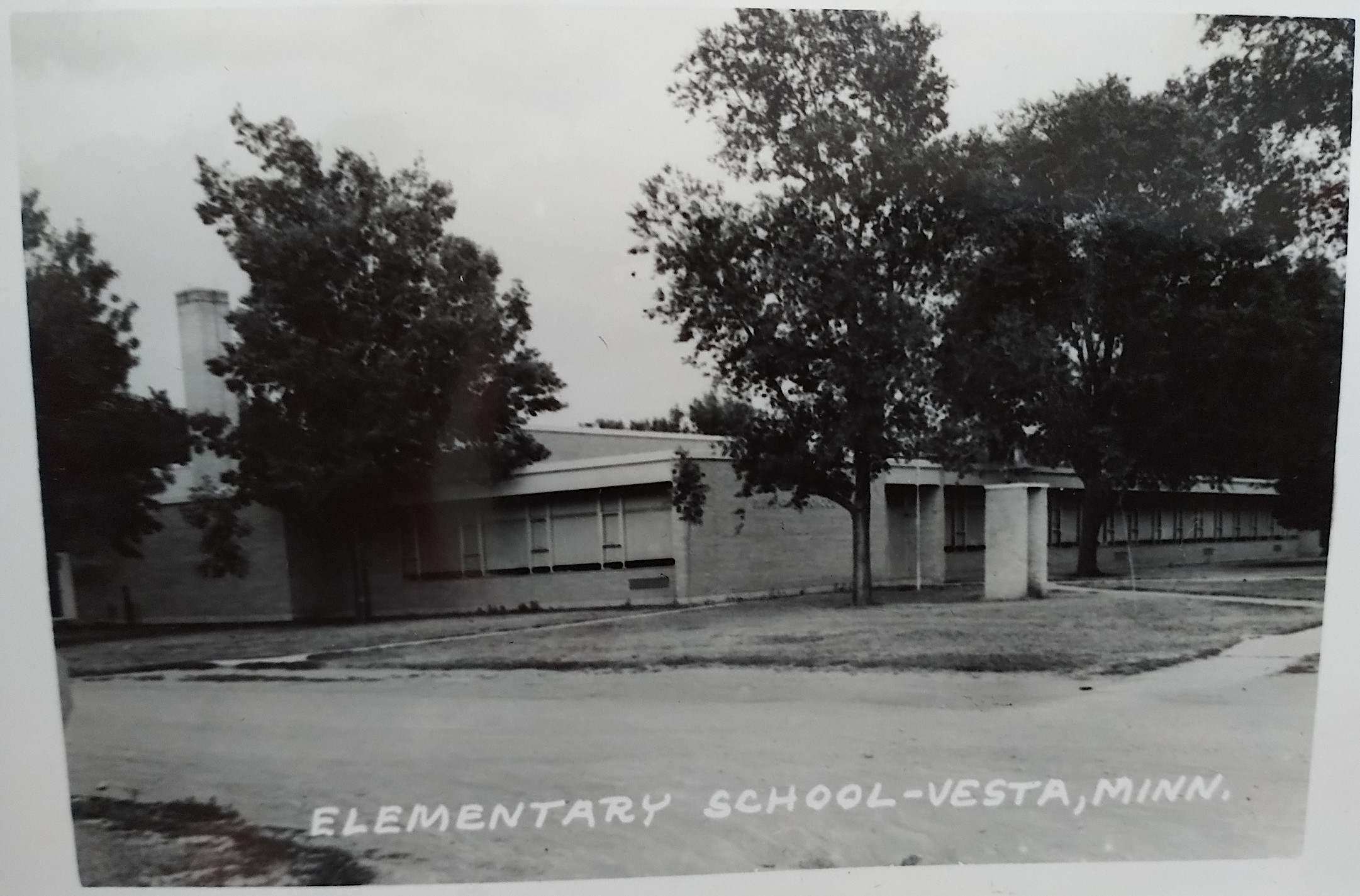
My one regret is that Randy and I didn’t stay overnight, allowing more time to explore local sites without feeling rushed. Forty years have passed since I visited Marshall en route to the Black Hills on our honeymoon. The college and county seat town lies 20 miles to the west of my hometown, Vesta in Redwood County, and 140 miles from my current home in Faribault.

A serene country scene just north of Lamberton in southern Redwood County on the southwestern Minnesota prairie. (Minnesota Prairie Roots copyrighted file photo September 2013)

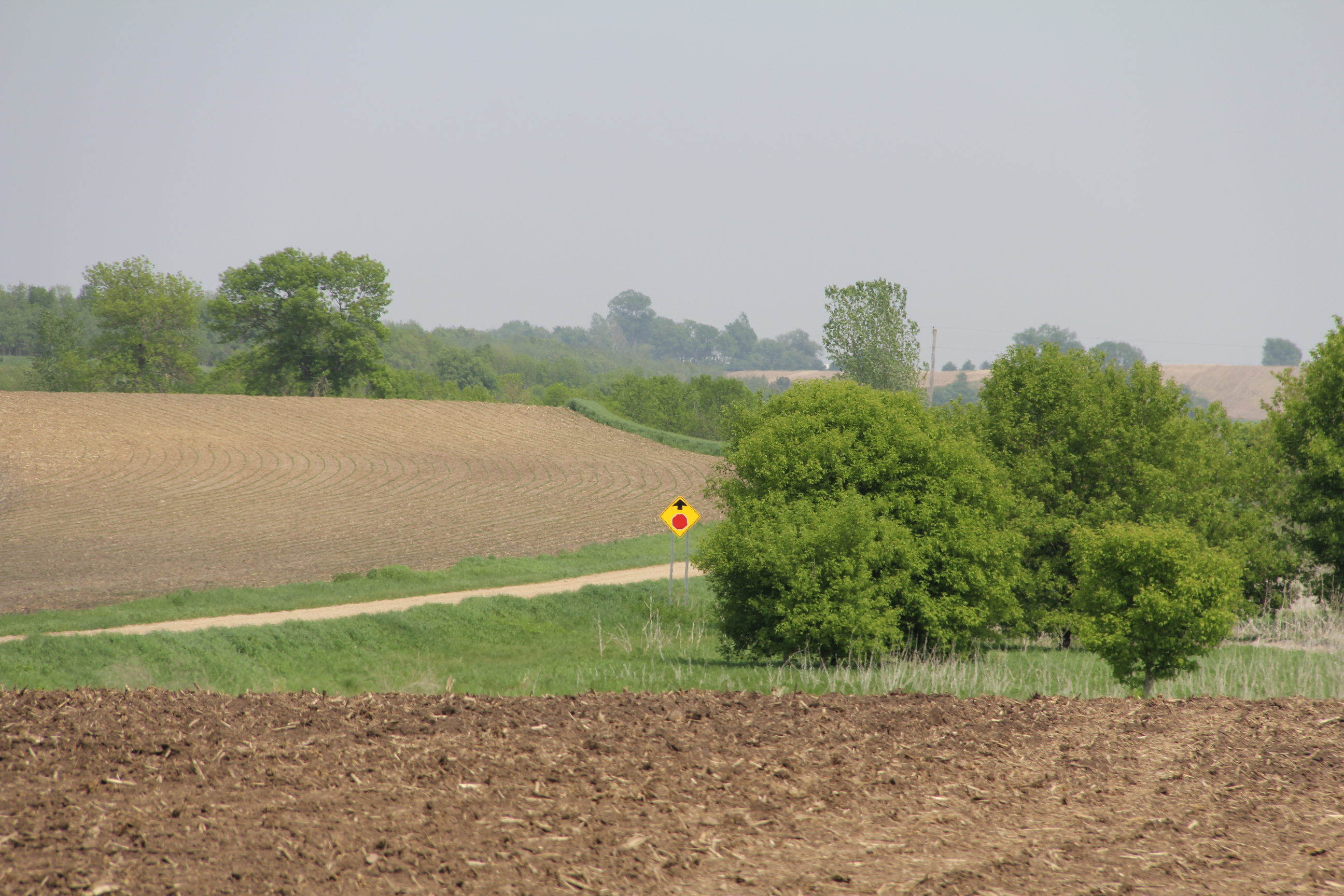
This area of Minnesota is the place of my roots. My prairie roots. It is the place of wide open space, expansive skies, small towns and endless acres of cropland.

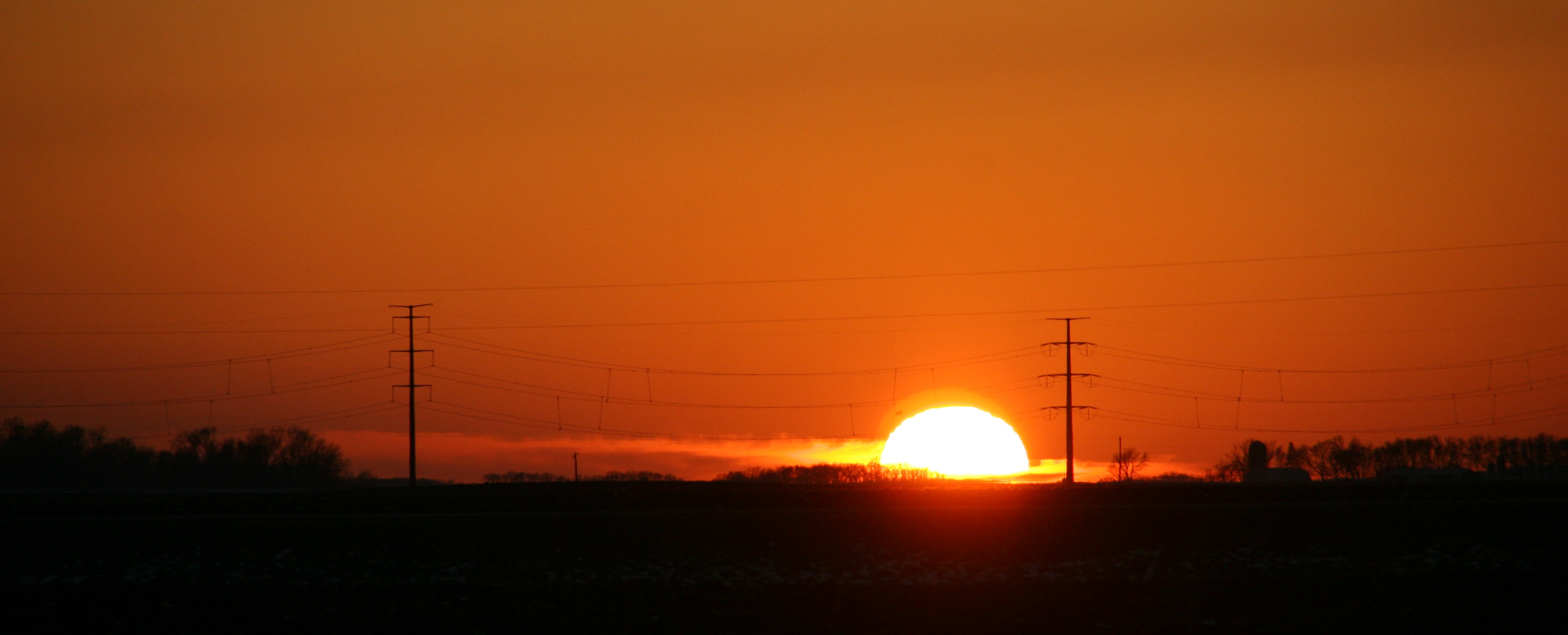
A prairie sunset photographed from Minnesota State Highway 67 between Redwood Falls and Morgan. (Minnesota Prairie Roots copyrighted file photo)

The land where I grew up inspired my blog name, Minnesota Prairie Roots. The name fits me as a person and a creative. The sparseness of the prairie taught me to notice details, to fully engage my senses. To appreciate the landscape and people. The vastness of the flat land and the star-flushed night sky and achingly beautiful sunsets. Here I connected to the land—bare feet upon dirt, bike tires crunching gravel, dirt etched into my hands from working the soil. Here I connected to the people—down-to-earth, hardworking, linked to the land.

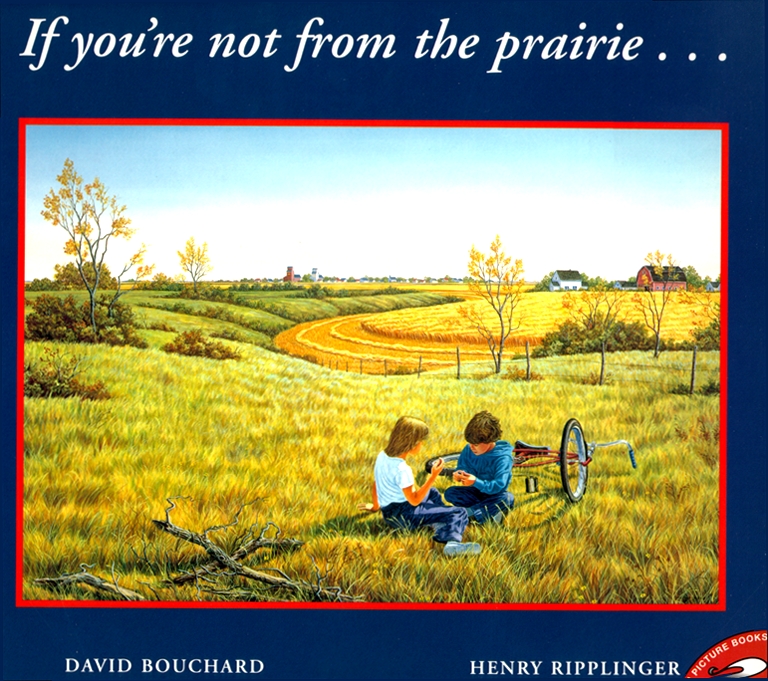
A favorite children’s picture book about the prairie gifted to me by my friend Kathleen.

For those who are not of prairie stock, the sparse landscape can seem uninteresting, empty, desolate. Even I admit the challenge of “if you’re not from the prairie…” A children’s picture book by that title, written by David Bouchard and illustrated by Henry Ripplinger and published in 1995, speaks to the prairie sun, wind, sky, flatness…grasses.

The tall grasses stretch to the prairie sky. The bent tops of the stems are also meant to resemble hockey sticks given the sculpture’s location outside the ice arena. (Minnesota Prairie Roots copyrighted photo September 2022)

Tall grasses are often associated with the prairie. Yet, those grasses were mostly missing from the landscape of my youth as cultivated crops covered the earth. But on our farm site, a sliver of unmown grass grew between granary and grove and gravel driveway, stretching high, stems bending in the wind. That Little House on the Prairie (Walnut Grove is 20 miles from Vesta) space opened summer afternoons to imaginative play. I hold many memories rooted in those tall grasses, in the prairie.

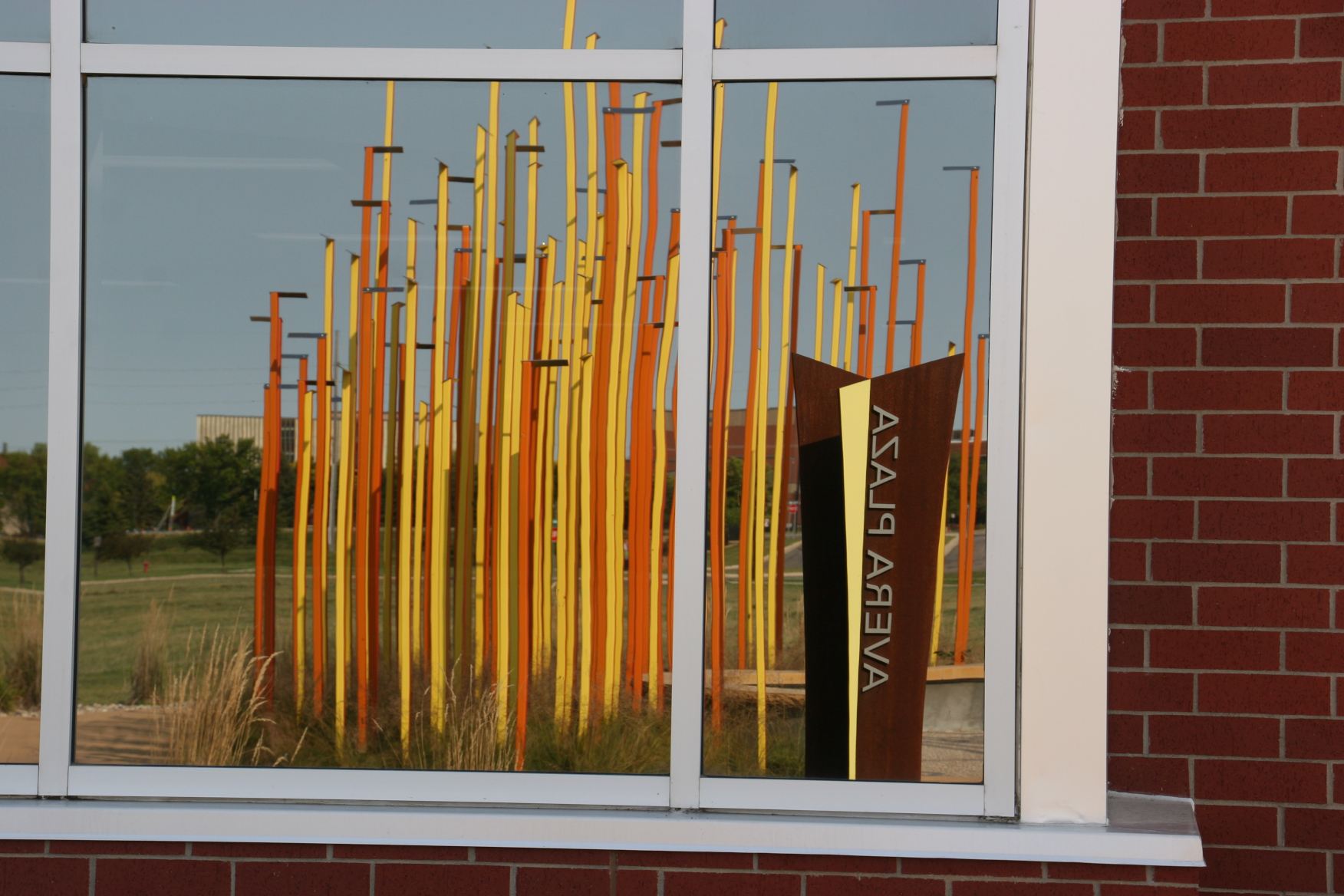
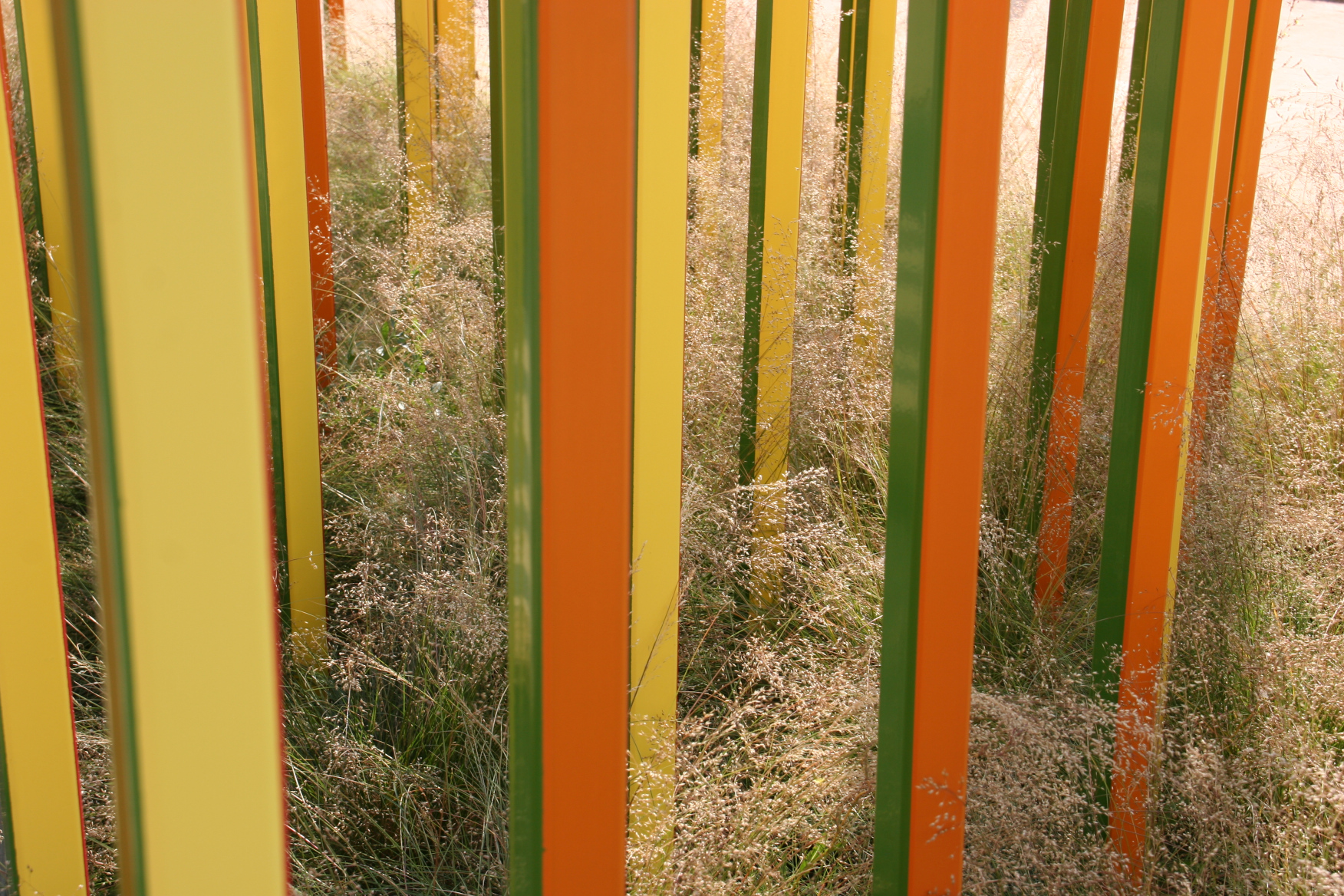
Depending on the time of day and viewing point, the steel grass stems showcase different colors. (Minnesota Prairie Roots copyrighted photo September 2022)
The sculpture reflected in an arena window. (Minnesota Prairie Roots copyrighted photo September 2022)
Just another view of the grass stems, emphasizing the orange and yellow hues. (Minnesota Prairie Roots copyrighted photo September 2022)

Prairie Roots. That name graces a public art sculpture outside the Red Baron Arena in Marshall. Minneapolis artist Randy Walker was commissioned by the City of Marshall in 2018 to create the sculpture reflecting the prairie landscape. I knew in advance of my September visit that I needed to see this artwork if time allowed. We made time. Walker used 210 painted steel poles to represent tall stems of grass, prairie grass. They are colored in hues of yellow, orange, red and green, reflecting seasonal changes and light.

Prairie grass grows within the sculpture. (Minnesota Prairie Roots copyrighted file photo September 2022)

And in between all those steel stems, prairie grass grows, thrives.

A grasshopper clings to a steel grass stem in the “Prairie Roots” sculpture. (Minnesota Prairie Roots copyrighted photo September 2022)

I even spotted a grasshopper on a steel stalk, taking me back decades to the hoards of grasshoppers that amassed and hopped through that patch of uncut grass on the farm.

Viewing the sculpture toward the field, this perspective shows the meandering course of the Redwood River in the Marshall area on the floor of the gathering space. (Minnesota Prairie Roots copyrighted photo September 2022)

Walker’s sculpture holds visual appeal against an expansive backdrop sky and open field (when viewing the art from the arena entrance outward). Via that perspective, I see the enduring strength of the prairie, and the immensity of land and sky, this place of my Minnesota prairie roots.

Please check back for more posts about my day trip back to southwestern Minnesota in September 2022.

© Copyright 2023 Audrey Kletscher Helbling


Humorous honesty from the granddaughter January 24, 2023

When my grandchildren say the darndest things, I think of Art Linkletter’s “House Party” and his “Kids Say the Darndest Things” segment. Their answers to his questions proved honest, humorous and entertaining.

KIDS SAY THE DARNDEST THINGS. I can vouch for that. I raised three kids, cared for many others and am now the grandmother of two, one going on seven, the other just turned four.

Recently the grandkids, Isabelle and her little brother, Isaac, stayed overnight. During that short stay, Izzy elicited laughter with her honest observations and her leadership skills.

An outhouse repurposed as a garden shed at my brother and sister-in-law’s rural southwestern Minnesota acreage. (Minnesota Prairie Roots copyrighted file photo)

First the honesty. I don’t recall how we got on the topic, but at some point I shared that I grew up in a house without a bathroom. Taking a bath meant my dad hauling a tin tub from the porch into the kitchen every Saturday evening and then Mom filling it with water. Our bathroom, I explained to Izzy, was a little building outside with two holes cut in a bench. And in the winter, we used a covered pot set inside the unheated porch.

I don’t know that Izzy understood all of this. But, as she sat there listening to Grandma spin tales of the olden days, she assessed. “It sounds like a different world to me!” I laughed at her observation. She was right. Growing up in rural Minnesota in the 1950s and 1960s was, most assuredly, a different world from hers. My granddaughter lives in a sprawling suburban house with four bathrooms. In 1967, my family of birth moved into a new farmhouse with a single bathroom. And a bathtub. Today I feel thankful to live in a house with one bathroom. I wouldn’t want to clean four.

I took this award-winning photo of BINGO callers at the North Morristown July Fourth celebration in 2013. (Minnesota Prairie Roots copyrighted file photo 2013)

Then there’s BINGO, which we play nearly every time we’re together with Isabelle and Isaac. They were introduced to the game at the Helbling Family Reunion and have loved it since. The kids take turns not only playing, but also calling numbers.

Isabelle has advanced greatly in her BINGO-calling skills. This time, in addressing us, she called us “folks.” I don’t know where Izzy heard that term, but it’s certainly more rural than suburban lingo. I suggested she might be ready to call BINGO next summer at North Morristown’s annual Fourth of July celebration. Unincorporated North Morristown is a Lutheran church and school and a few farm places clustered in the middle of nowhere west of Faribault. Izzy seems well-prepared to call BINGO numbers to the folks there.

I should have shared with my granddaughter that, when I was growing up, we covered our BINGO cards with corn kernels during Vesta’s (my hometown) annual BINGO Night. I expect she would have responded as a child 60 years younger than me: “It sounds like a different world to me!” And I would have agreed.

© Copyright 2023 Audrey Kletscher Helbling
 

Before winter settles in…savor these autumn days October 21, 2022

My next door neighbor’s maple tree. (Minnesota Prairie Roots copyrighted photo October 2022)

IN THE FLEETING DAYS of autumn here in Minnesota, there’s an urgency to get things done before winter. Hurry and rake the leaves. Tune up the snowblower. Wash the windows. Prepare, prepare, prepare.

Almost like seeing summer, autumn and winter in the trees viewed from my backyard. (Minnesota Prairie Roots copyrighted photo October 2022)

But in the haste of all that preparation, there’s also a need to slow down and delight in autumn. Simply stepping outside my home to view the backyard maple and neighbors’ trees fills my soul. I love the contrast of orange, red, yellow against the bold October sky. Sometimes when I look skyward, I see a mix of seasons from green leaves, to autumnal leaves to bare branches.

Sunshine filters through a branch on my backyard maple tree. (Minnesota Prairie Roots copyrighted photo October 2022)

Every single day calls for pausing to appreciate the beautiful natural world of October in southern Minnesota. I know this won’t last and I need to savor these scenes.

The countryside near Nerstrand. (Minnesota Prairie Roots copyrighted photo October 2022)

Last Saturday morning, instead of pursuing yard work, Randy and I headed on one more drive through the countryside to view the diminishing fall colors. Leaf raking, although started, could wait. As we followed back county paved roads and township gravel roads through open farmland and through woods, I felt embraced and connected to the local landscape and scenes unfolding before me.

Farmer Trail twists through woods of primarily maple. (Minnesota Prairie Roots copyrighted photo October 2022)

Sunshine dappled through trees.

To the north across cornfields and treelines, a cloud deck revealed the weather ahead. (Minnesota Prairie Roots copyrighted photo October 2022)

To the north, a cloud deck drew a nearly straight horizontal line across the sky, a hint of the cold weather to come. And it blew in later that day with a raw wind and a drop in temps.

Still some color along Crystal Lake at Cannon City. (Minnesota Prairie Roots copyrighted photo October 2022)

Colors were well past their peak in Rice County. Still the occasional oak or maple dropped red or russet into muted tree clusters.

A grain truck holds the corn harvest. (Minnesota Prairie Roots copyrighted photo October 2022)

Harvested and unharvested fields of corn and soybeans spread before us. Grain trucks, some brimming with the yield, anchored fields. Former farm kids that we are, we discussed the crops. Always have, always will. It’s something we learned early on, me from Sunday afternoon drives with my parents and siblings to view the crops and during dinner table discussions.

A stately, well-kept barn along Coe Trail northwest of Cannon City. (Minnesota Prairie Roots copyrighted photo October 2022)

We passed farm sites, one with a well-kept signature red barn. There’s something about a barn…

A farm site in the colors of November. (Minnesota Prairie Roots copyrighted photo October 2022)

Another farm place was all grey. Grey bin. Grey machine shed. Grey silo. Grey outbuilding. Grey garage. Weathered grey barn.

Driving through autumn on a rural Rice County road last Saturday. (Minnesota Prairie Roots copyrighted photo October 2022)

Soon the weather will shift to the grey of November, the month when winter creeps in. Already we’ve felt the bite of unseasonably cold October days that are giving way, this weekend, to unseasonable warmth. These mark bonus days. Days to drive the countryside, visit an orchard, take a hike…days for anything but raking leaves, washing windows or tuning the snowblower.

© Copyright 2022 Audrey Kletscher Helbling
 

A country drive to see fall colors northwest of Faribault October 6, 2022

A view of the colorful foliage along Seventh Street in Faribault. (Minnesota Prairie Roots copyrighted photo October 2022)

ON THE THIRD CONSECUTIVE DAY of viewing fall colors in southern Minnesota, Randy and I headed northwest of Faribault to area lakes. But even before we got out of town, we drove along two city streets—Second Avenue by Bethlehem Academy north to Seventh Street and then Seventh Street—which are particularly beautiful in autumn. There’s no need to leave Faribault to see stunning trees of orange, red and yellow mixed with brown and green.

A sweeping view of Kelly Lake and the colorful treeline. (Minnesota Prairie Roots copyrighted photo October 2022)

Yet, there’s something about a colorful lakeshore treeline against the October sky that is particularly lovely. Thus I suggest a country drive. Perhaps my favorite area autumn color viewing spot is at the public boat landing on Kelly Lake. We return there each fall and Randy joked that I could just use the same photos taken last year. I didn’t.

Belview Trail just outside Faribault winds past farm sites. (Minnesota Prairie Roots copyrighted photo October 2022)

Hay bales line a hillside along CR 64. (Minnesota Prairie Roots copyrighted photo October 2022)
A well-kept barn near Roberds Lake. (Minnesota Prairie Roots copyrighted photo October 2022)

We edged Roberds Lake after trailing a winding gravel road past farm sites. Country drives are, by definition, about immersing ourselves in the country. Appreciating ripening corn and soybean fields, stately barns, ginormous round hay bales staged in a field… And then hugging the side of the road upon meeting a massive combine.

Sun and clouds mix over colorful woods near Roberds Lake. (Minnesota Prairie Roots copyrighted photo October 2022)

Mostly, I take in the landscape, this October day set against moody clouds on blue sky. Clouds create interest, depth, interesting patterns to backdrop fields and trees.

Shoreline and lake merge to create a “painting” of Kelly Lake. (Minnesota Prairie Roots copyrighted photo October 2022)

I see curves and lines and the way everything flows, first with my eyes, then through the viewfinder of my aged Canon EOS 20-D camera. Water flows into trees, trees into sky. It all comes together to create this scene, this autumn.

A view of Lake Mazaska through the shoreline grasses. (Minnesota Prairie Roots copyrighted photo October 2022)

At the west-side boat landing in Shieldsville, Randy noted the low water level of Lake Mazaska. It would be impossible to launch a boat here. I photographed the lake through a stand of grass, perhaps bulrushes. A peeling, aged sign a block away landmarked Bulrush Bay.

Brilliant sumac by Kelly Lake. (Minnesota Prairie Roots copyrighted photo October 2022)

Individual leaves and stems of grass don’t go unnoticed. The singleness merges into the whole. This whole of autumn in Rice County.

A picturesque creek along County Road 64/Irwin Trail. (Minnesota Prairie Roots copyrighted photo October 2022)

We lunched at McCullough County Park on Shields Lake, swatting bees and beetles, before continuing our drive along County Road 64/Irwin Trail. An especially picturesque creek cutting through the land called for a stop, a photo.

One of many winding gravel roads we followed through the countryside, around lakes… (Minnesota Prairie Roots copyrighted photo October 2022)

And then onward we drove, up and down and all around on gravel roads, the van kicking dust.

Among the many wooded hillside ablaze in color. (Minnesota Prairie Roots copyrighted photo October 2022)

Traveling at a slower pace allows for taking in the unfolding landscape. Cornfield nudging a clump of colored trees. So much to see if only we look.

The historic Czech church and surrounding cemetery in Shieldsville Township. (Minnesota Prairie Roots copyrighted photo October 2022)

And then a stop, an opportunity to stretch our legs and explore Trebon Cemetery surrounding an historic Czech church, the Immaculate Conception of the Virgin Mary, established in 1886. We discovered this sacred place at the intersection of County Road 63/Kanabec Avenue and County Road 37/160th Street West several years ago. Like last visit, I wished I could get inside the church, but had to settle for peering through windows. The view of the countryside from the cemetery grounds is stunning.

This smiley face is a local landmark along Roberds Lake Boulevard. (Minnesota Prairie Roots copyrighted photo October 2022)

Aiming back toward Faribault, we passed the smiley face painted on the side of a building at the intersection of Roberds Lake Boulevard and County Road 37/West 185th Street. It’s been there forever, a rural landmark that makes me smile every time I see that happiness icon.

I appreciate homemade signage, including this well-worn sign by Lake Mazaska. (Minnesota Prairie Roots copyrighted photo October 2022)

Several hours in the rural Rice County countryside filled my spirit with happiness. Autumn has a way of weaving joy into my life with her color, her last hurrah before winter arrives. So I say, get out there. Take a country drive. Slow down. Pause. Delight in these October days.

© Copyright 2022 Audrey Kletscher Helbling
 

Into eastern Rice County to view fall colors October 4, 2022

A stunning treeline along Cannon City Boulevard just outside Faribault city limits. (Minnesota Prairie Roots copyrighted photo October 2022)

ANOTHER DAY OF SUNSHINE and unseasonably warm temps here in southern Minnesota prompted Randy and me to once again hit the road in search of fall colors. This time we headed into eastern Rice County, following backroads in the Cannon City and Nerstrand areas with a lengthy stop at Valley Grove Churches.

The historic Valley Grove churches, rural Nerstrand, photographed from the prairie. (Minnesota Prairie Roots copyrighted photo October 2022)

Immersed in the Valley Grove prairie, I viewed the Big Woods. (Minnesota Prairie Roots copyrighted photo October 2022)

A spectacular view from the Valley Grove Cemetery right next to the churches. (Minnesota Prairie Roots copyrighted photo October 2022)

At those historic hilltop churches, we followed prairie trails until we reached the highest point. There we stood, impressed by the distant Big Woods treeline colored in the hues of autumn. Valley Grove is one of our favorite spots in any season, but especially when the leaves are morphing color.

Driving through Nerstrand Big Woods. (Minnesota Prairie Roots copyrighted photo October 2022)

Our drive also took us on the road slicing through Nerstrand Big Woods State Park. We didn’t stop, simply enjoyed driving under a canopy of trees evolving in color. They have not yet reached their prime.

Driving through the woods on Farmer Trail. (Minnesota Prairie Roots copyrighted photo October 2022)

As always, Farmer Trail (off Falk Avenue) drew us in. This secluded road twists and turns among the maples and seems a well-kept secret. Thick woods edge the gravel road on both sides. I feel sheltered here, as if I’ve briefly entered some magical place.

The rolling hills around Valley Grove are especially colorful. (Minnesota Prairie Roots copyrighted photo October 2022)

This time of year in southern Minnesota truly feels magical given the remarkable beauty found in trees shifting from green to yellows, reds, oranges and browns.

The view from City View Park is breath-taking. (Minnesota Prairie Roots copyrighted photo October 2022)

My community of Faribault is ablaze and still erupting with color. City View Park on the east side overlooks the city, offering a vista view. The Shattuck-St. Mary’s clock tower always focuses my eye when taking in the city below and beyond.

Crossing the viaduct from Faribault’s east side, fall colors splash into the city landscape. (Minnesota Prairie Roots copyrighted photo October 2022)

Even traveling down the viaduct into downtown impresses in the autumn. There’s so much to see locally in autumn colors whether along a city street, an area lake, a back country road.

Deep in eastern Rice County, a gravel road curves near Shepherd’s Way Farms, rural Nerstrand. (Minnesota Prairie Roots copyrighted photo October 2022)

If there’s anything I want to impress, it’s that all of this—this autumn color spreading across the landscape—is right here in Faribault, in Rice County, in our backyard. I don’t know if everyone realizes that. I also want to impress that the days of autumn are fleeting. A cold front is moving in along with wind. Now is the time to get out there and view the fall colors, at least locally.

© Copyright 2022 Audrey Kletscher Helbling