Minnesota Prairie Roots

Writing and photography by Audrey Kletscher Helbling

One grand winery & pizza place in the Minnesota River Valley June 6, 2014

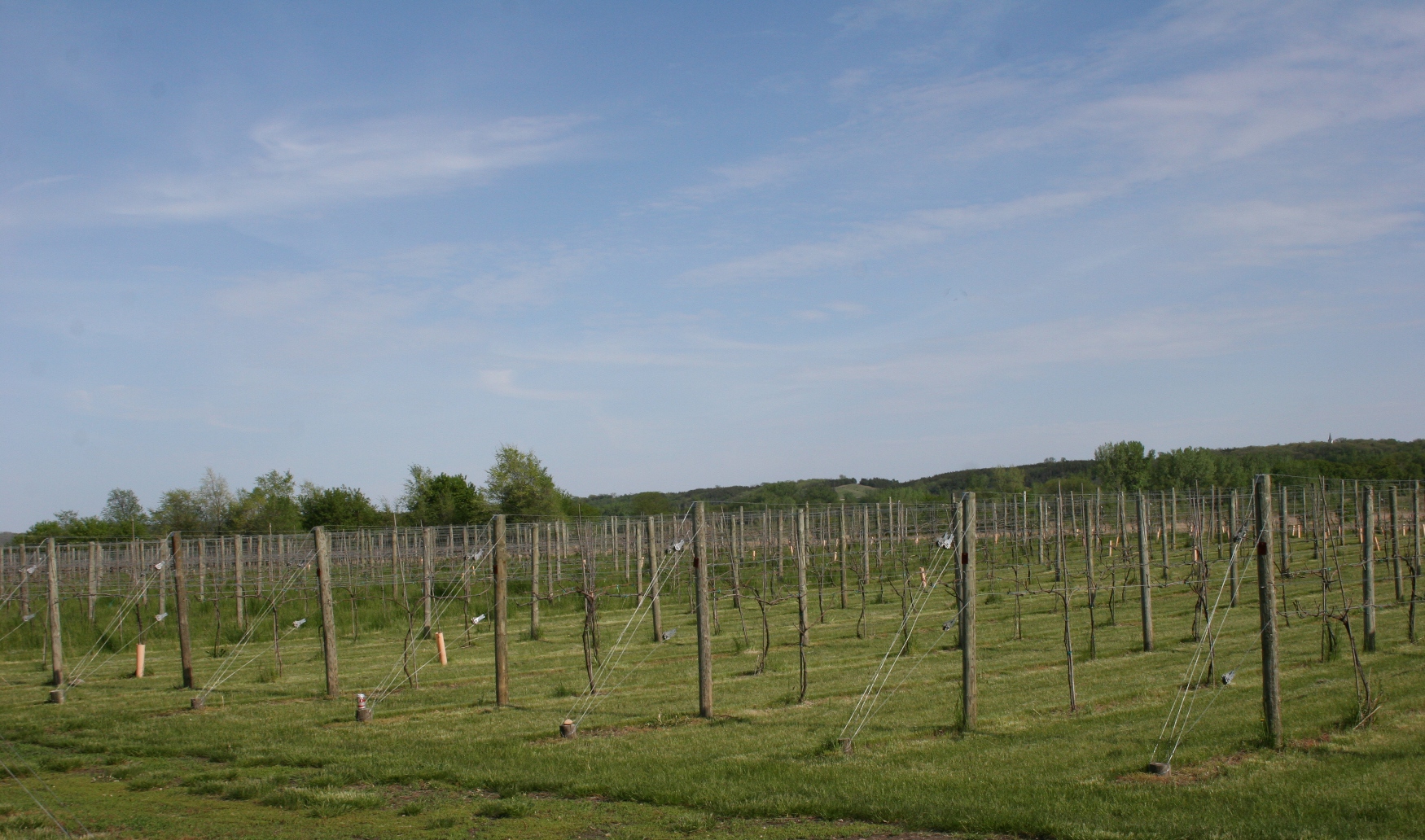
A vineyard at Grandview Valley Winery, rural Belview, Minnesota.

A vineyard at Grandview Valley Winery, rural Belview, Minnesota.

TWO YEARS AGO TOMORROW, in the scenic Minnesota River Valley north of Belview, a winery opened.

Folks have raved to me repeatedly about Grandview Valley Winery, located on land that’s been in a family (Wayne and Kari Rigge and John and Laura Rigge) for four generations.

Now, after visiting this winery, I understand their enthusiasm.

The winery and its vineyard.

The winery and its vineyard.

But it’s not just the great homemade pizza and the wine that appeal to me. It is the geographic surroundings, the pronounced pastoral loveliness of this peaceful place positioned within the southwestern Minnesota prairie.
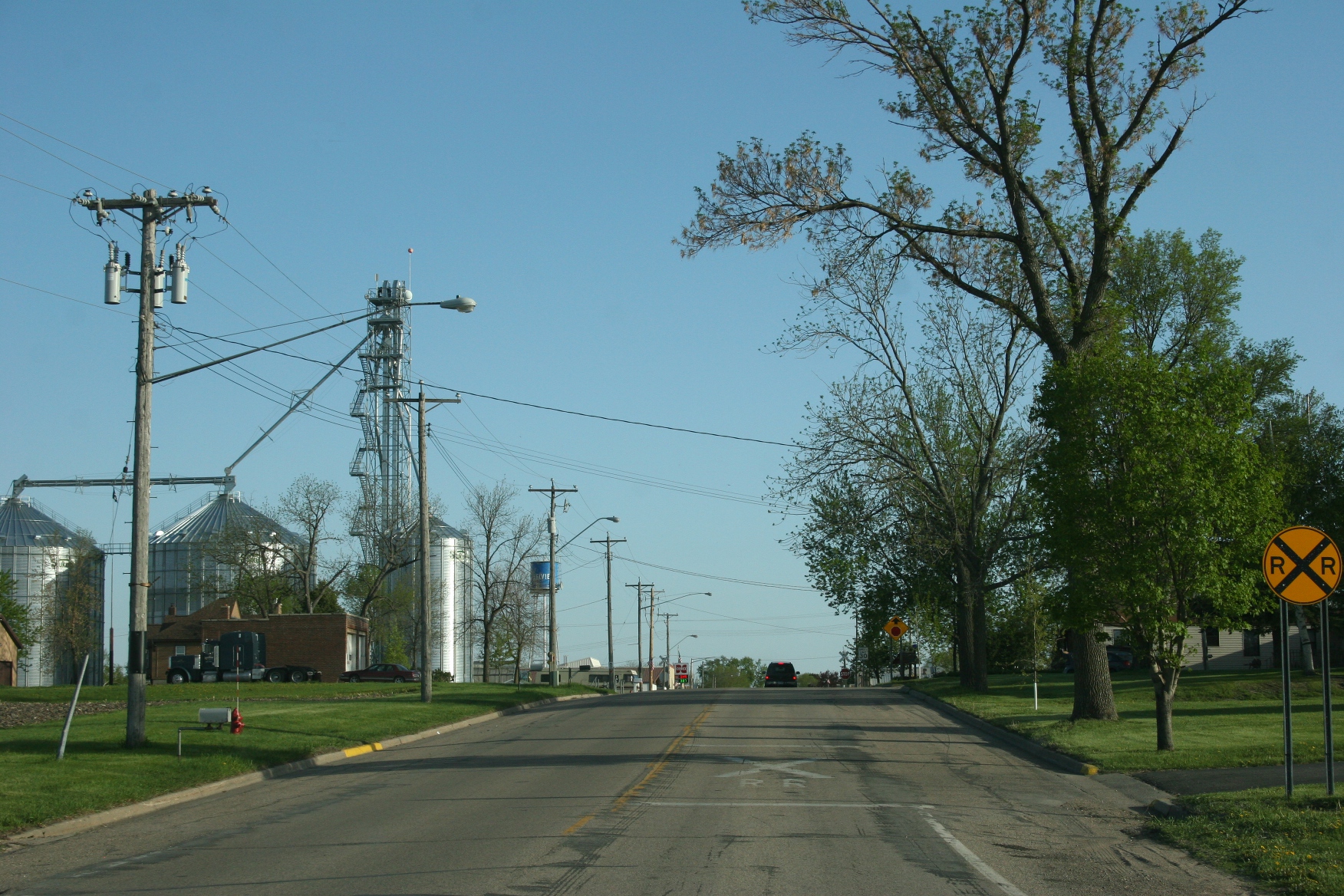
Entering Belview from the north.

Entering Belview from the north upon returning from the winery. Grandview is nearly six miles north of this small town.
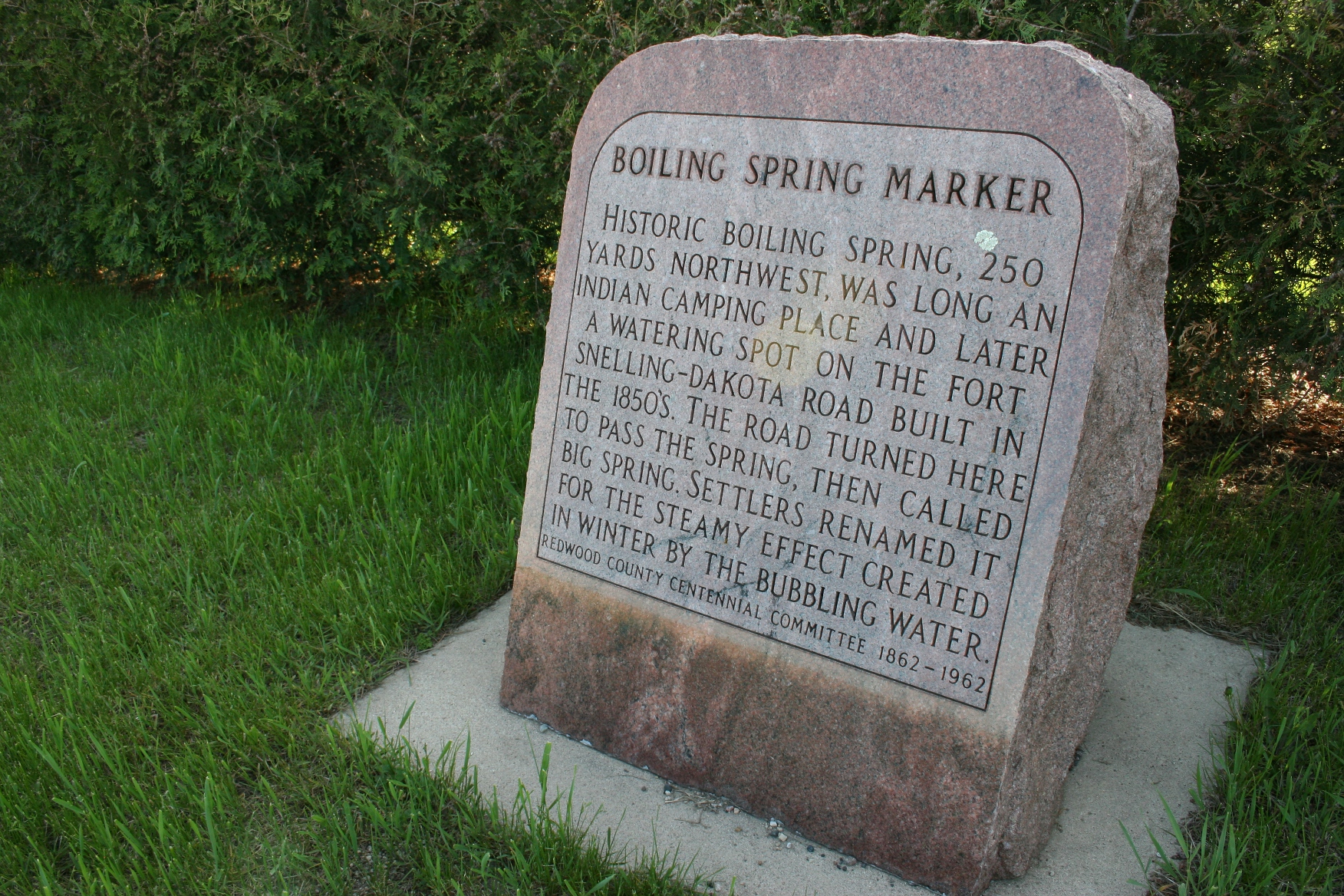
Pause to read the Boiling Spring historic marker.
Pause to read the Boiling Spring historic marker.

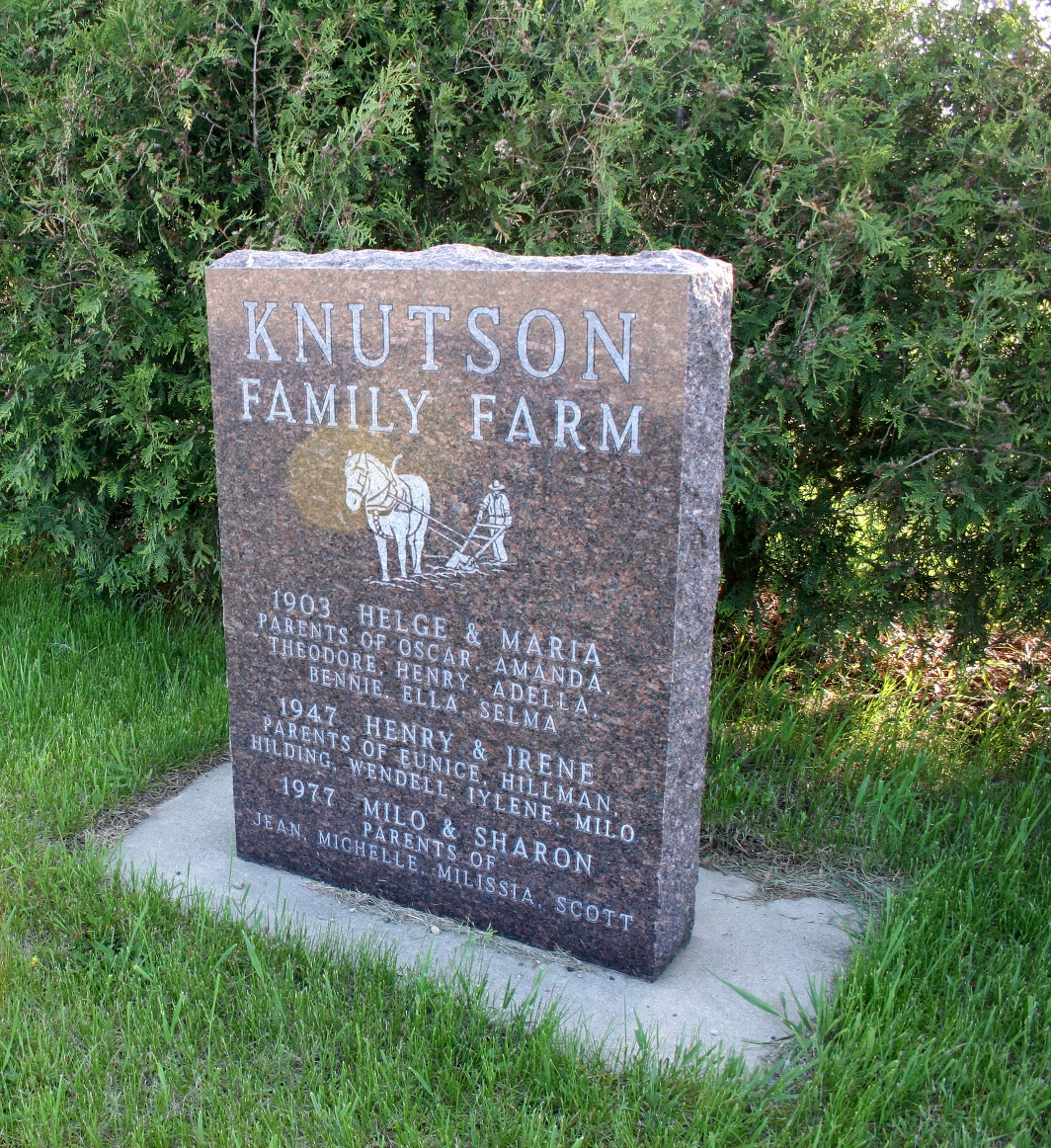
Another marker notes the Knutson family farm.

Another marker notes the Knutson family farm.

To get there from nearby Belview, follow Redwood County Road 7 north, winding past farm places, past historical markers for Boiling Spring and the Knutson family farm, where my Aunt Iylene grew up.
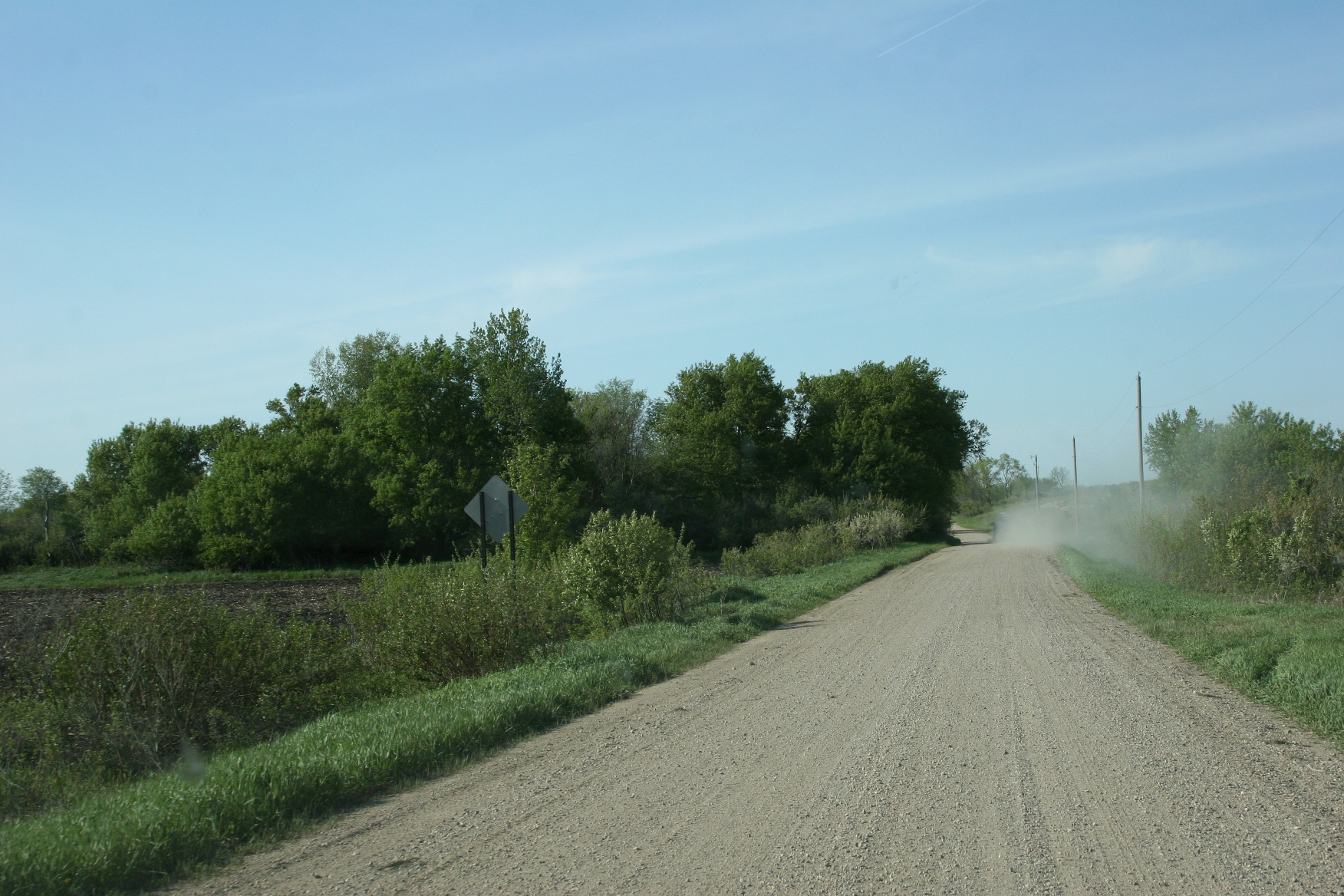
Turn onto this gravel road just off Redwood County Road 7.
Turn onto this gravel road just off Redwood County Road 7.

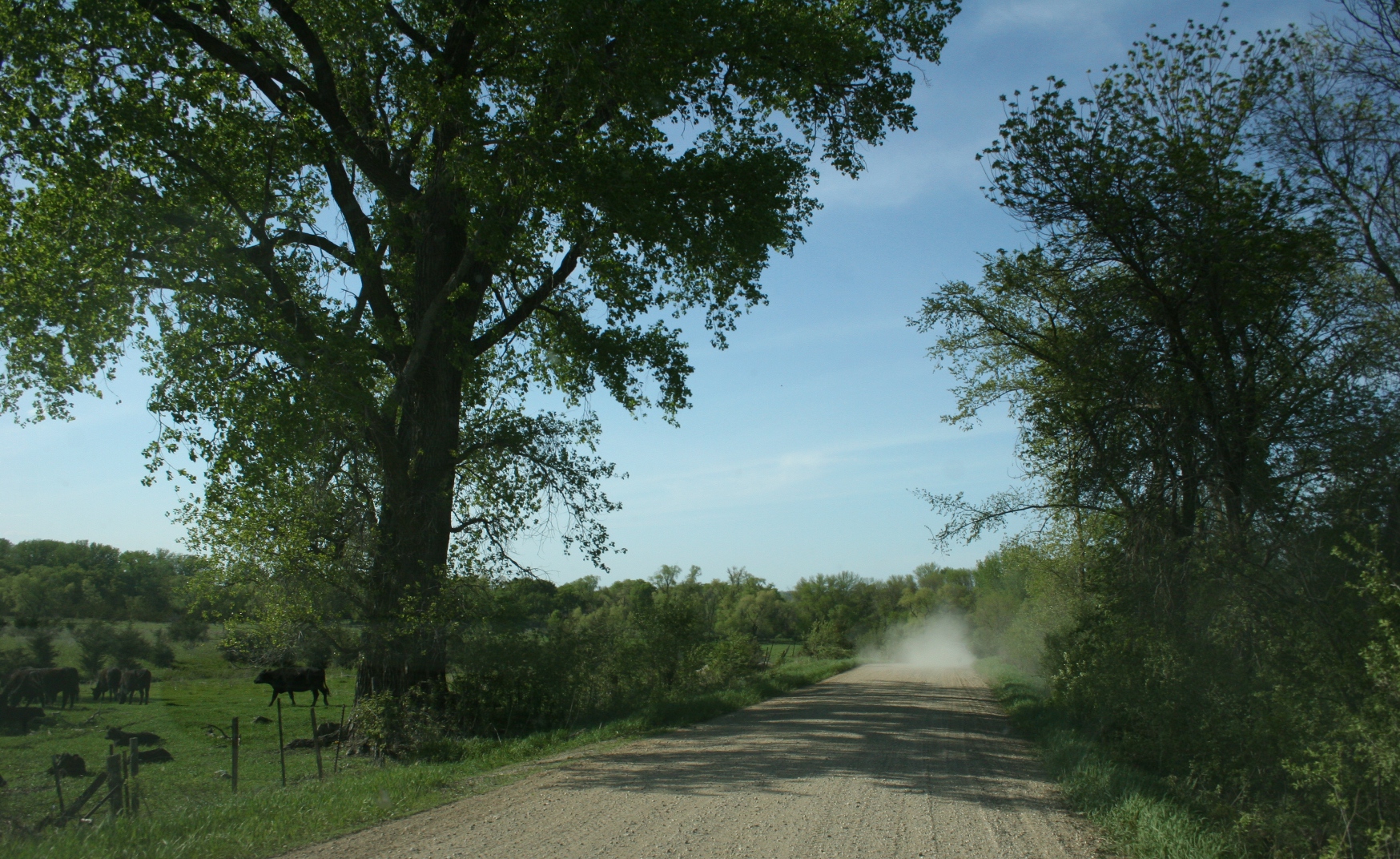
This is good pasture land.
This is good pasture land.

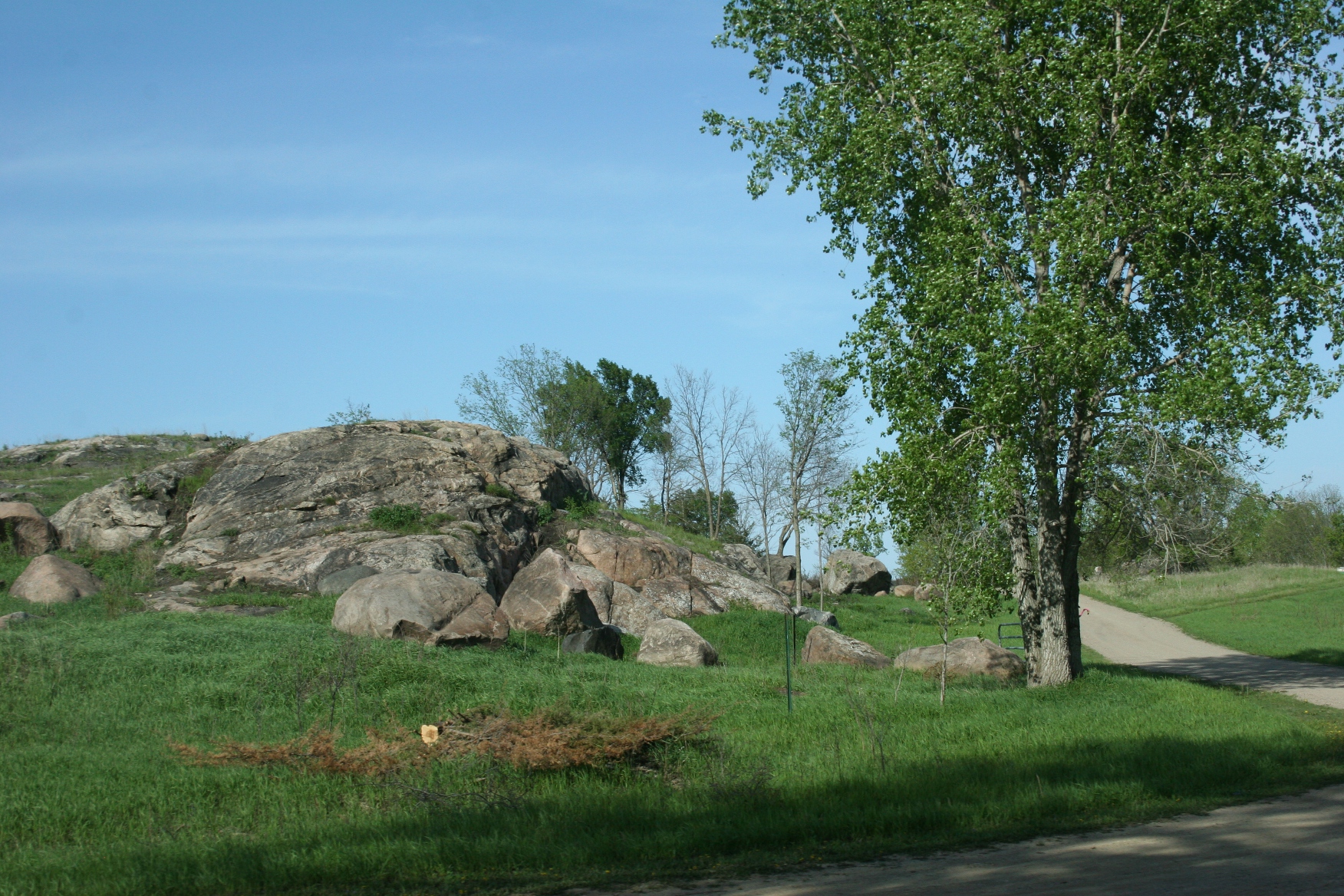
Incredible aged bedrock.

Inpressive aged bedrock.

And then, shortly after the markers, turn east, your vehicle kicking up dust as you pass more farms, cattle grazing in pastures and mammoth bedrock heaped in hills along tree-hugged gravel roads leading to Grandview.
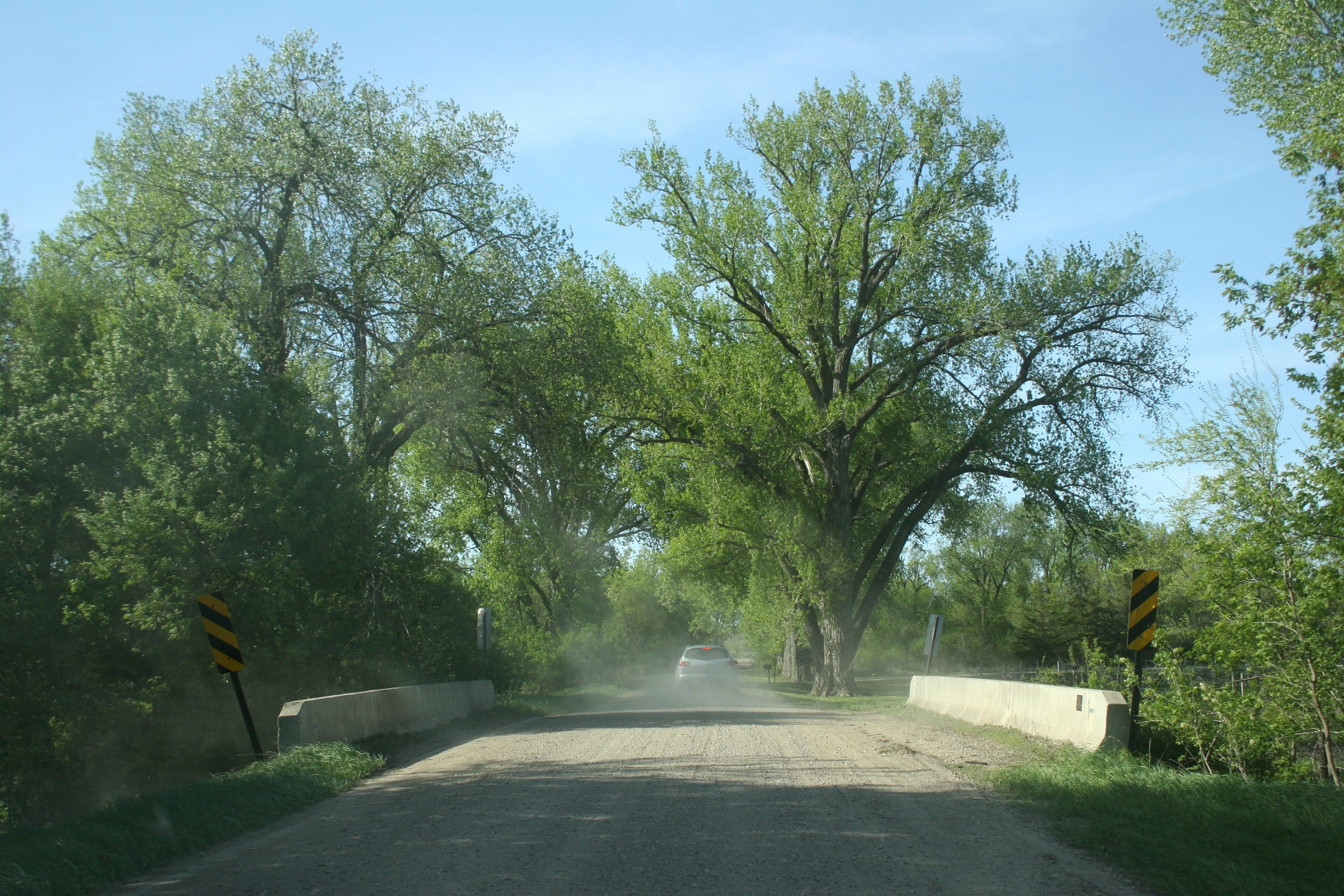
Almost there.
Almost there.

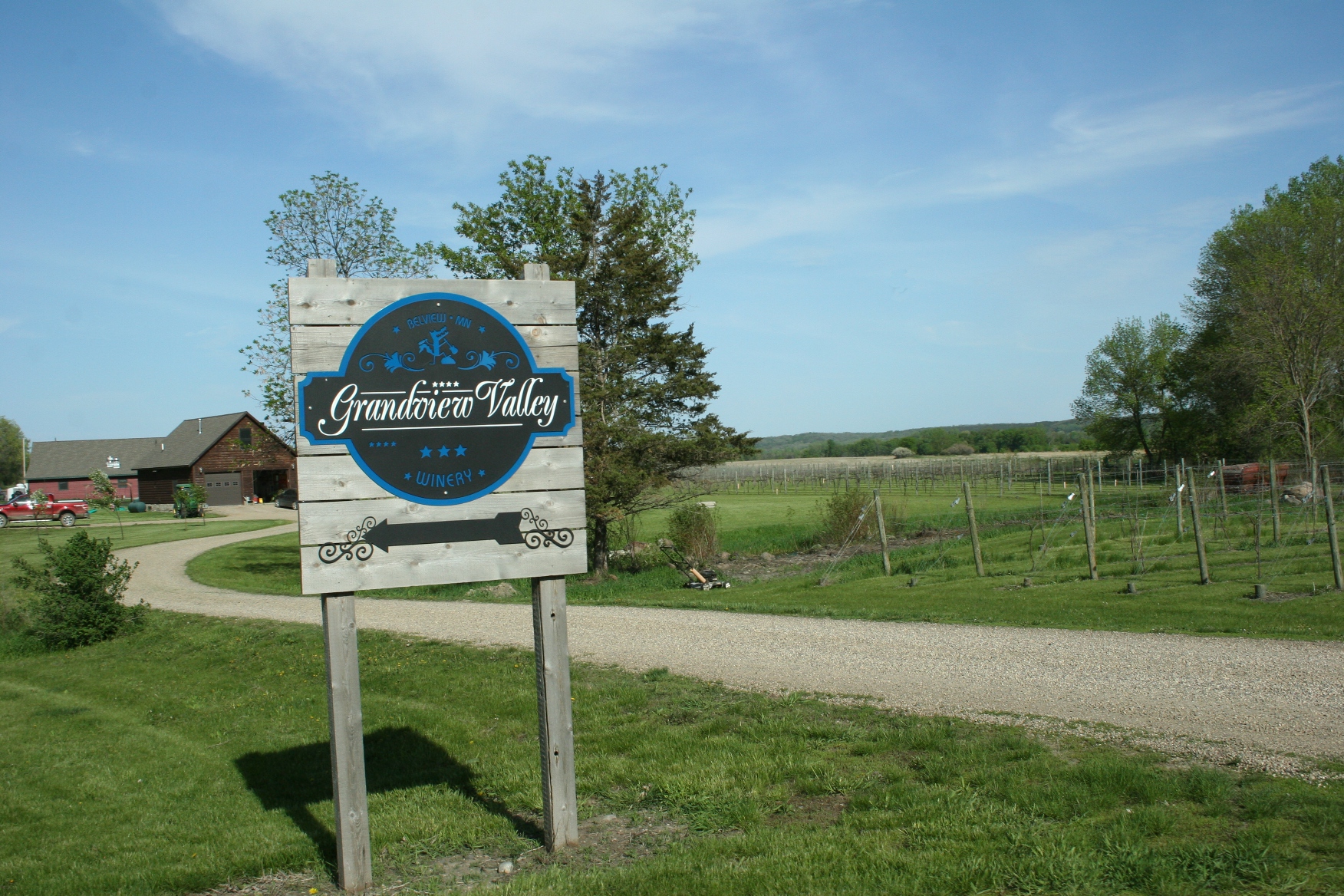
Arriving at Grandview Valley Winery.

Arriving at Grandview Valley Winery.

Nearly six miles from Belview, you reach vineyard and winery.
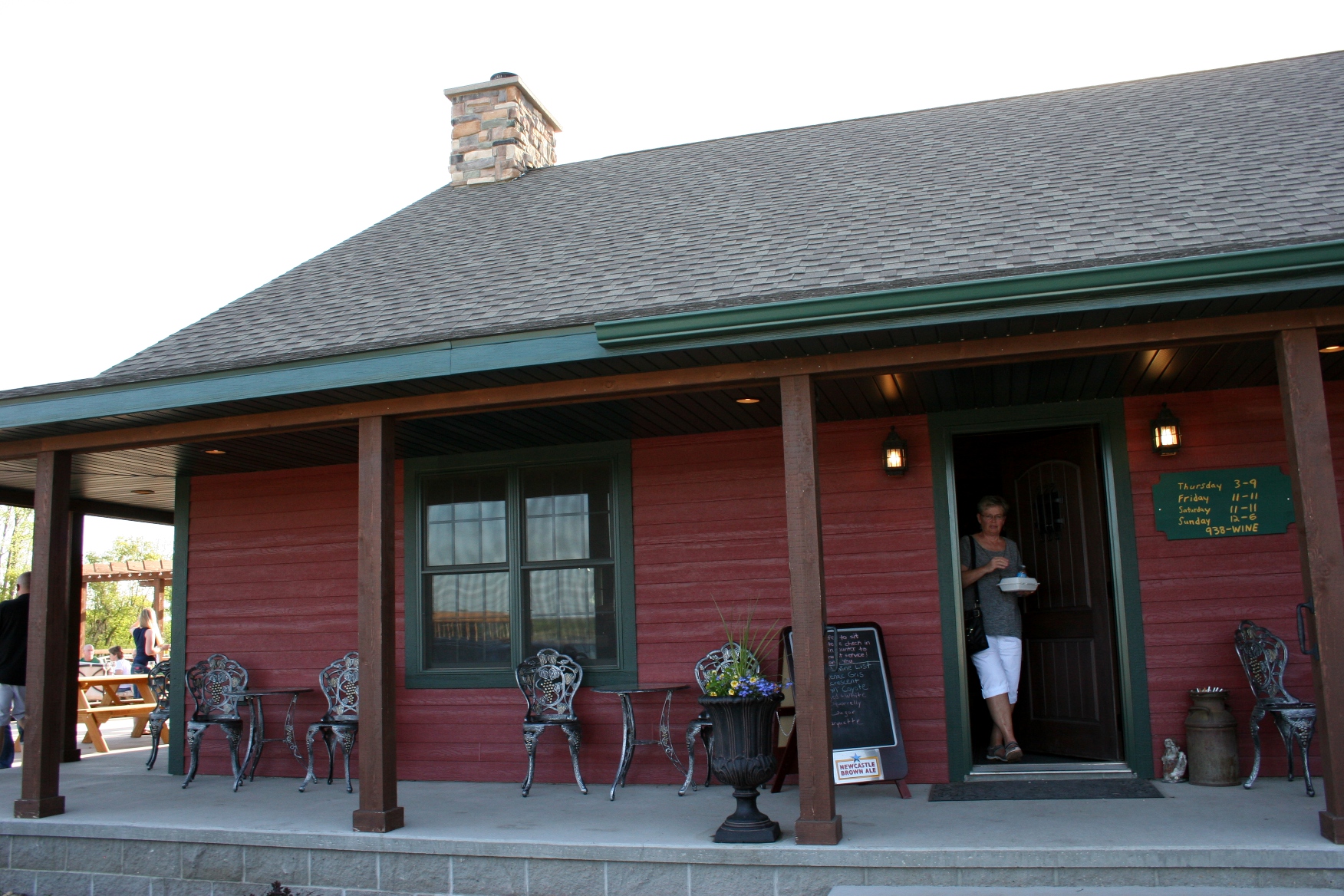
Dine inside or outside on the patio to the left.

Dine inside or outside on the patio to the left.

Solitude embraces with the type of comfort that comes from being in a locale where you feel cocooned from the world, sheltered from the worries and stresses and rush of everyday life. For me, it was the “I could live here” thought. Or at least escape here for a few hours. This marks the perfect place to sip a glass of valley made wine with delicious homemade pizza.
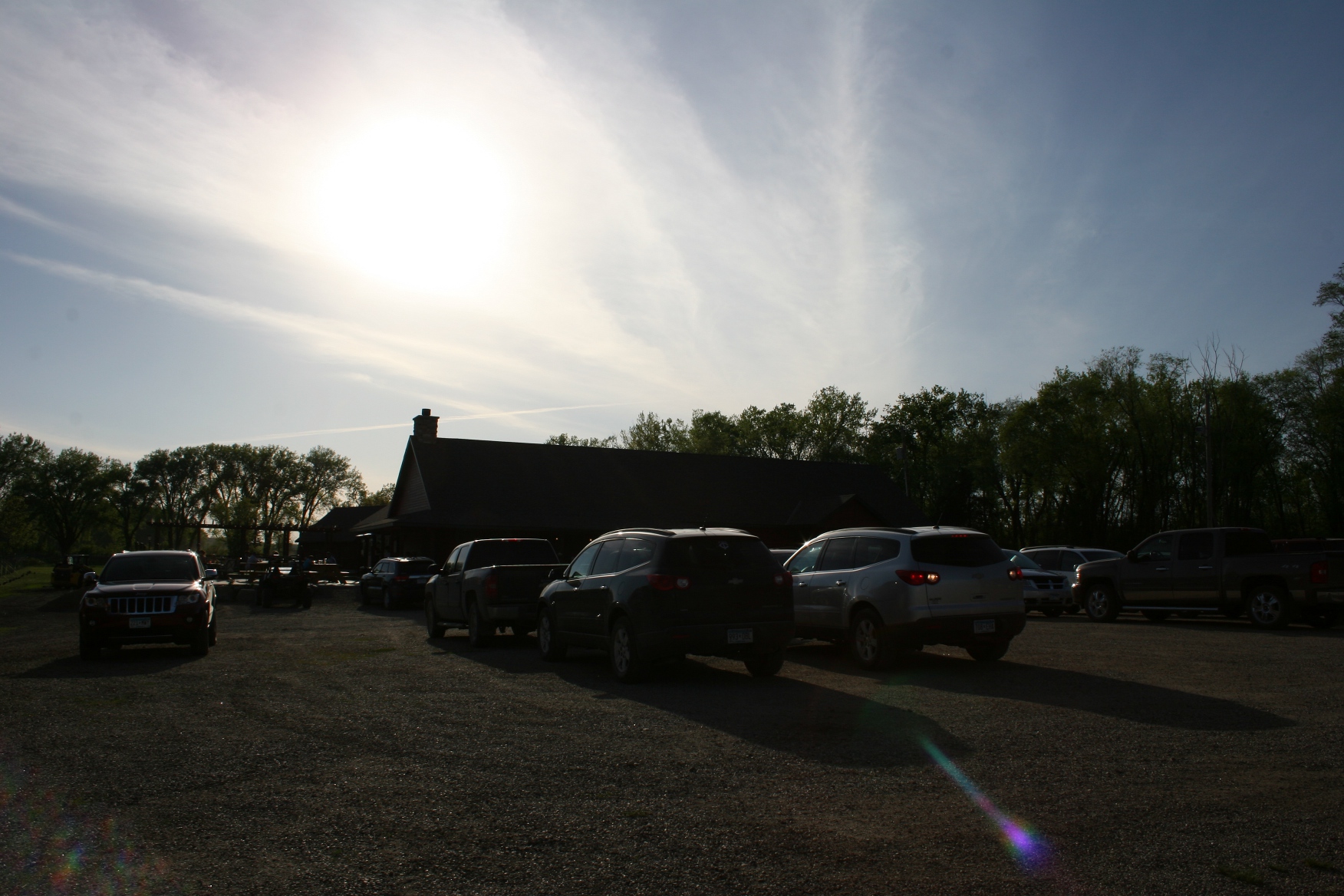
The nearly full parking lot.

The nearly full parking lot.

Not that Grandview offers quiet dining. Quite the opposite. The gravel parking lot on this late May evening, is already nearly full. Inside the winery, diners pack tables while several groups gather on the patio. It’s almost a surprise to see so many here in this rural location, although I’ve been warned about the busyness and sometimes long wait for pizza.
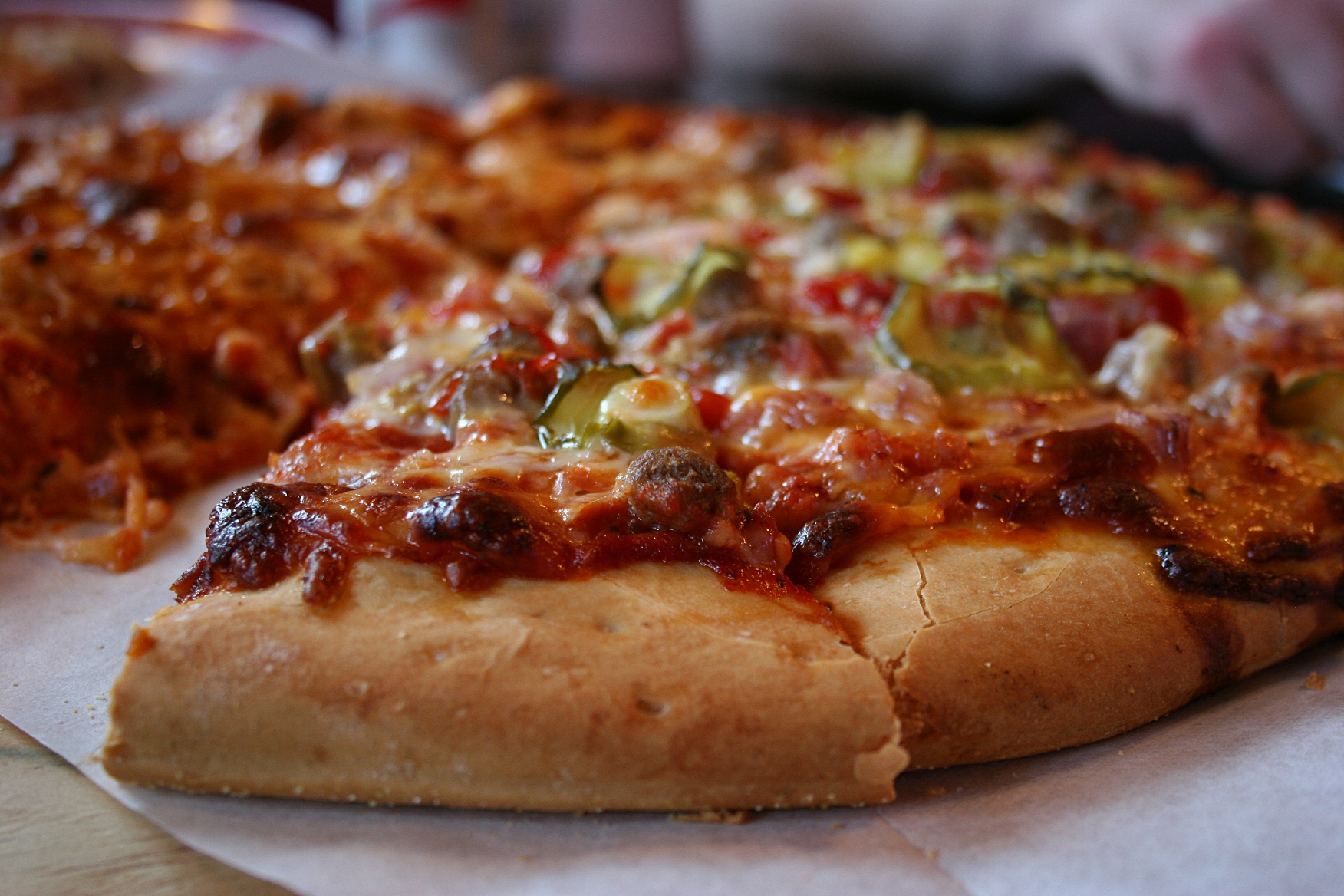
The bacon cheeseburger and BBQ pulled pork pizza.

The bacon cheeseburger and BBQ pulled pork pizza.

But on this Saturday evening, probably because of area high school graduation parties, my husband, a sister, my older brother and his wife, and I need not wait all that long for our two pizzas—halves of German, BBQ pulled pork, buffalo chicken and bacon cheeseburger. To my surprise, I find the sauerkraut-topped German pizza to be especially tasty and my favorite of the four.

The guys order beer, my brother choosing  Goosetown, a German craft beer from August Schell Brewing Company in New Ulm. Goosetown is an historic nod to an ethnic New Ulm neighborhood where primarily Catholic, German-Bohemian immigrants began settling in the late 1800s. They kept gaggles of geese. My husband opts for Grain Belt’s Nordeast, another Schell’s made beer, because Goosetown is not on the beer list he’s been handed and he doesn’t hear my brother’s order.
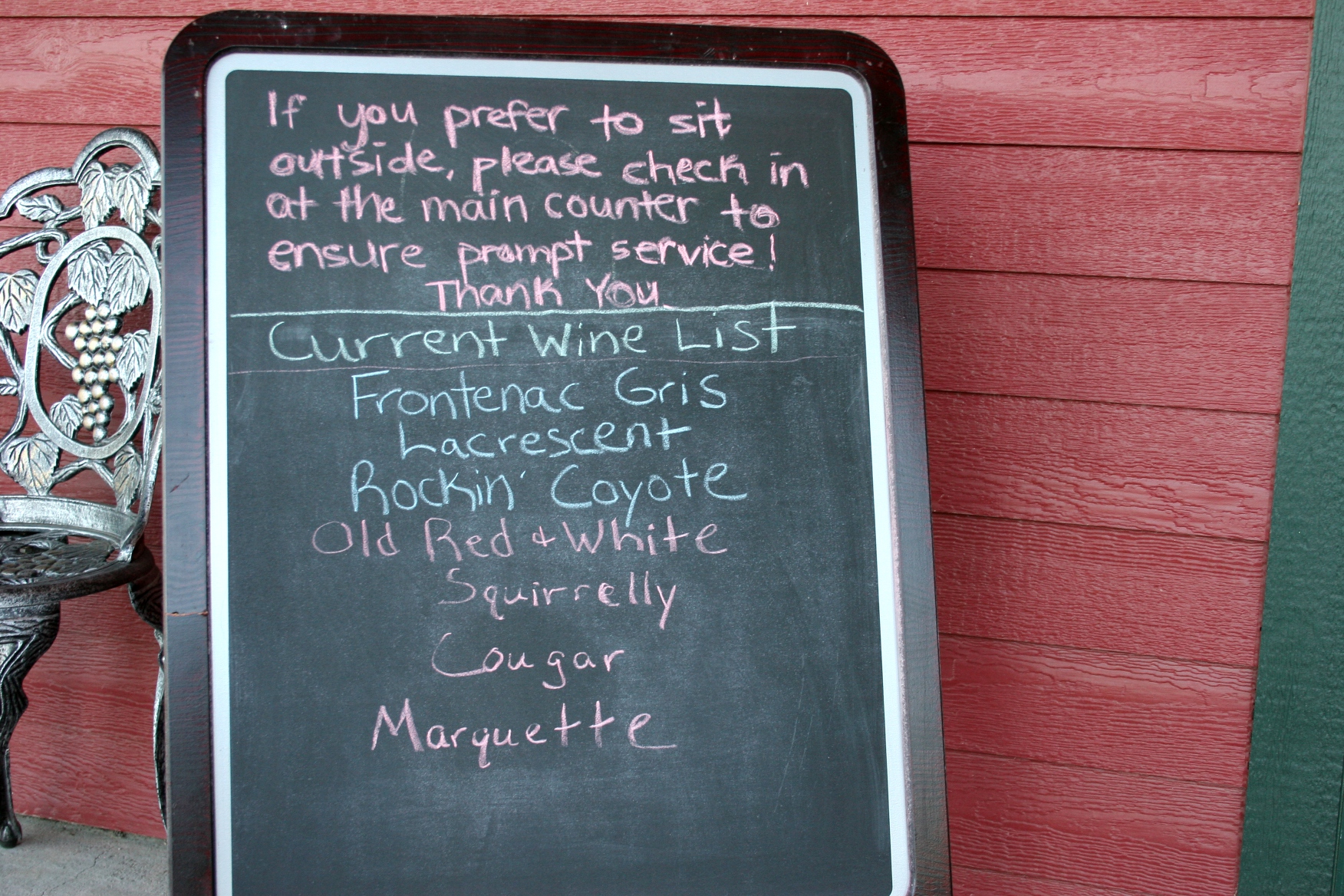
I failed to photograph the wine. But I did photograph the wine list.

I failed to photograph the wine. But I did photograph the wine list.

I choose a semi-sweet white wine made from Frontenac Gris grapes and finished with hints of peach, apricot and green apple. Rockin’ Coyote holds the promise of summer and the wild side of this land where I’m certain more than a few coyotes range.

Our conversation flows with the ease that comes from dining among those you love, those who know your history and your quirks and don’t care.

We laugh. And I am teased mercilessly for my gullibility as my sister-in-law reveals that crawdads will not be served at her daughter’s wedding as she previously told me.

Grandview feels like home to me, my connectedness as solid as the aged bedrock lodged in this land.

FYI: Click here for more information about Grandview Valley Winery.

© Copyright 2014 Audrey Kletscher Helbling


Light, oh glorious photographic light June 5, 2014

Corn sprouts along Minnesota Highway 60 east of Faribault. Photographed around 7:45 p.m.

Crops emerge in fields along Minnesota State Highway 60 east of Faribault. Photographed around 7:45 p.m.

LIGHT. Therein lies a factor that can make or break a photo.

Any student of photography covets the golden hour, that time around sunrise and sunset when light softens and sets a magical mood and tone.

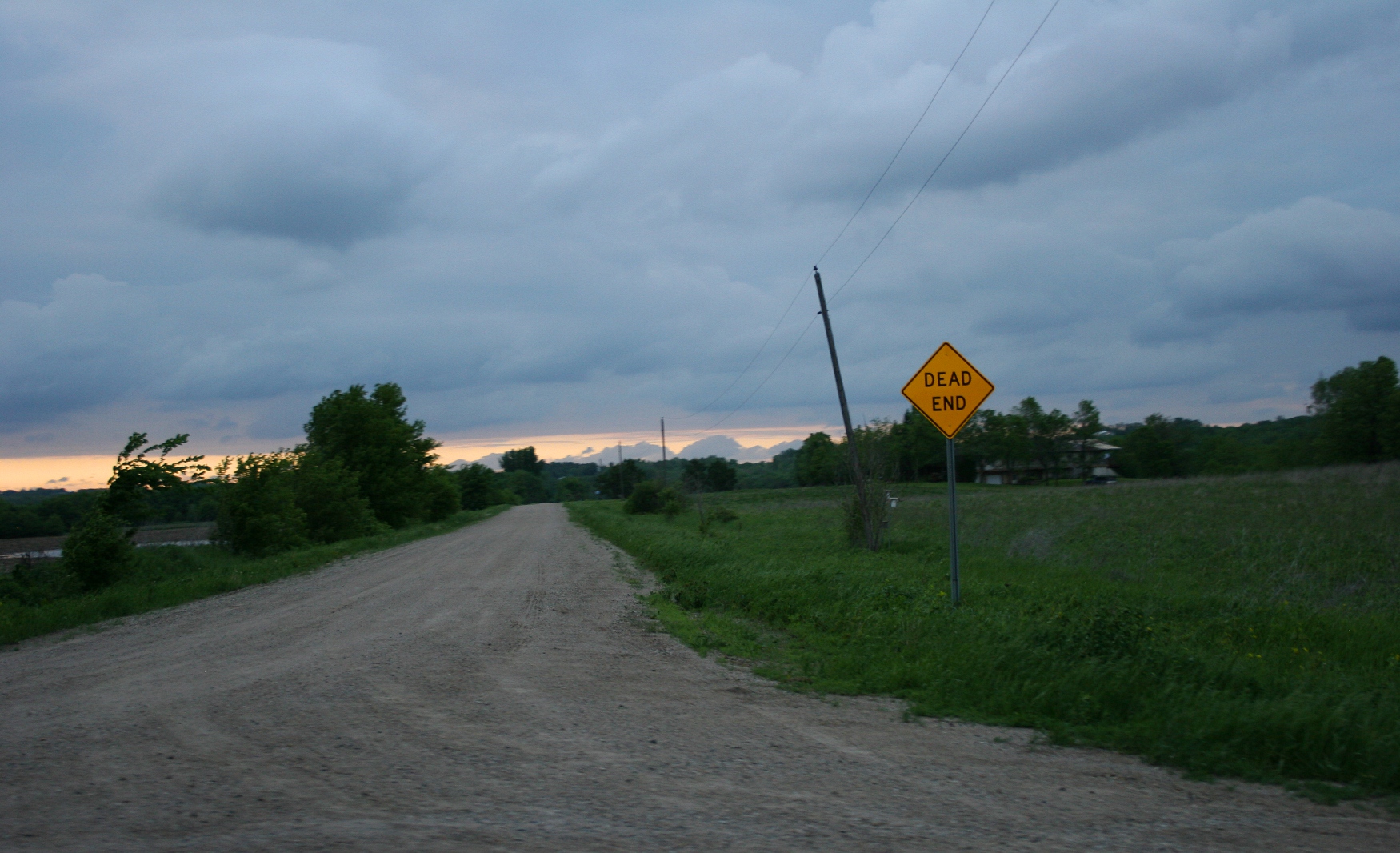
A gravel road shoots off

A gravel road shoots off 220th Street East southeast of Faribault.

Monday evening, driving to and from a friend’s rural acreage east of Faribault to gather buckets of rhubarb, moody skies and light drew me to raise my camera, to fire off a few rapid shots of the landscape.

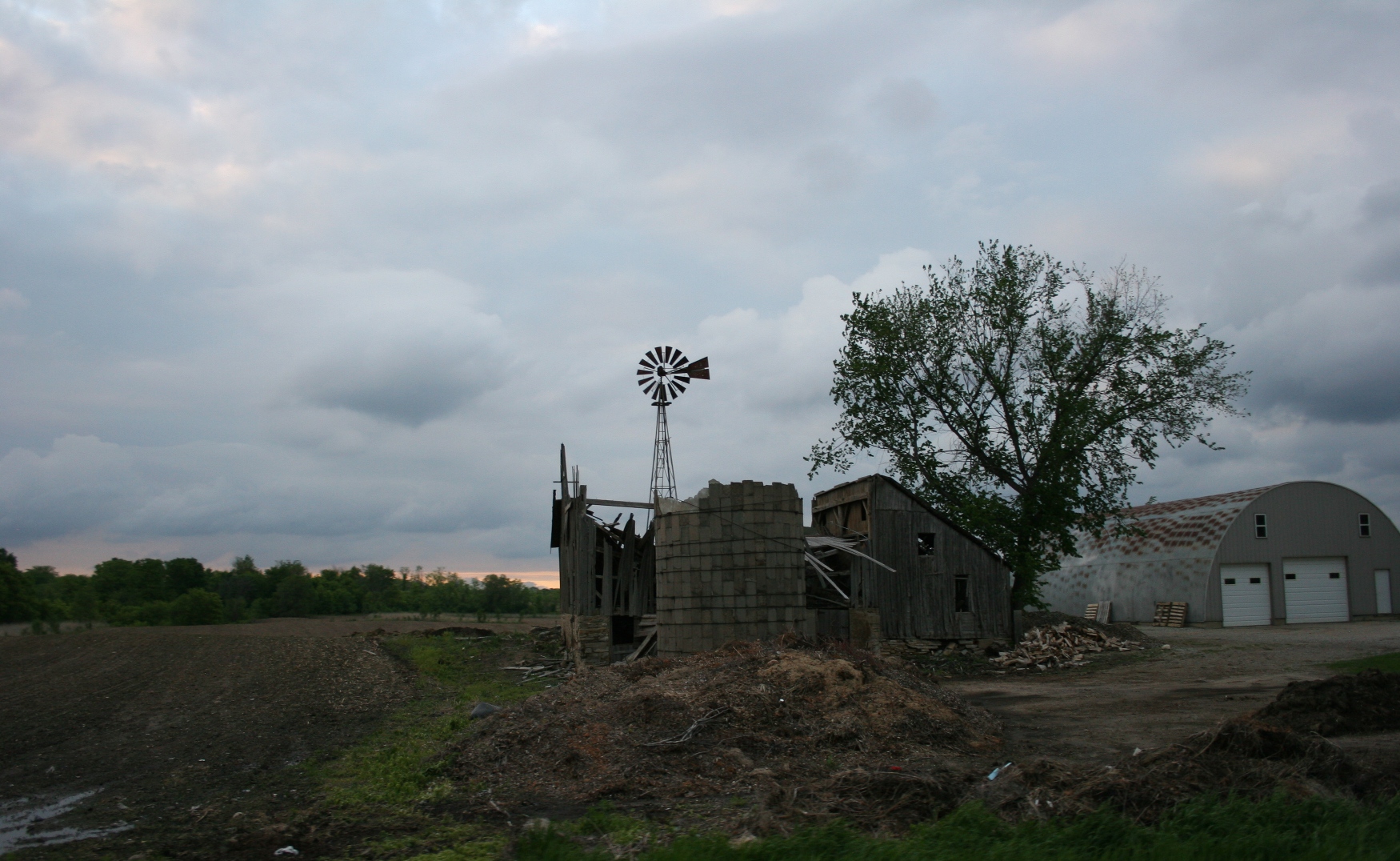
A decaying farm site along 220th Street East.

This windmill and decaying barn and silo caught my eye along 220th Street East.

There was no time to pause and compose, only snap through the rolled down passenger side window of the van.

Back in town, that sweet sweet light, although fading, still mingled with hovering grey skies that threatened more rain.

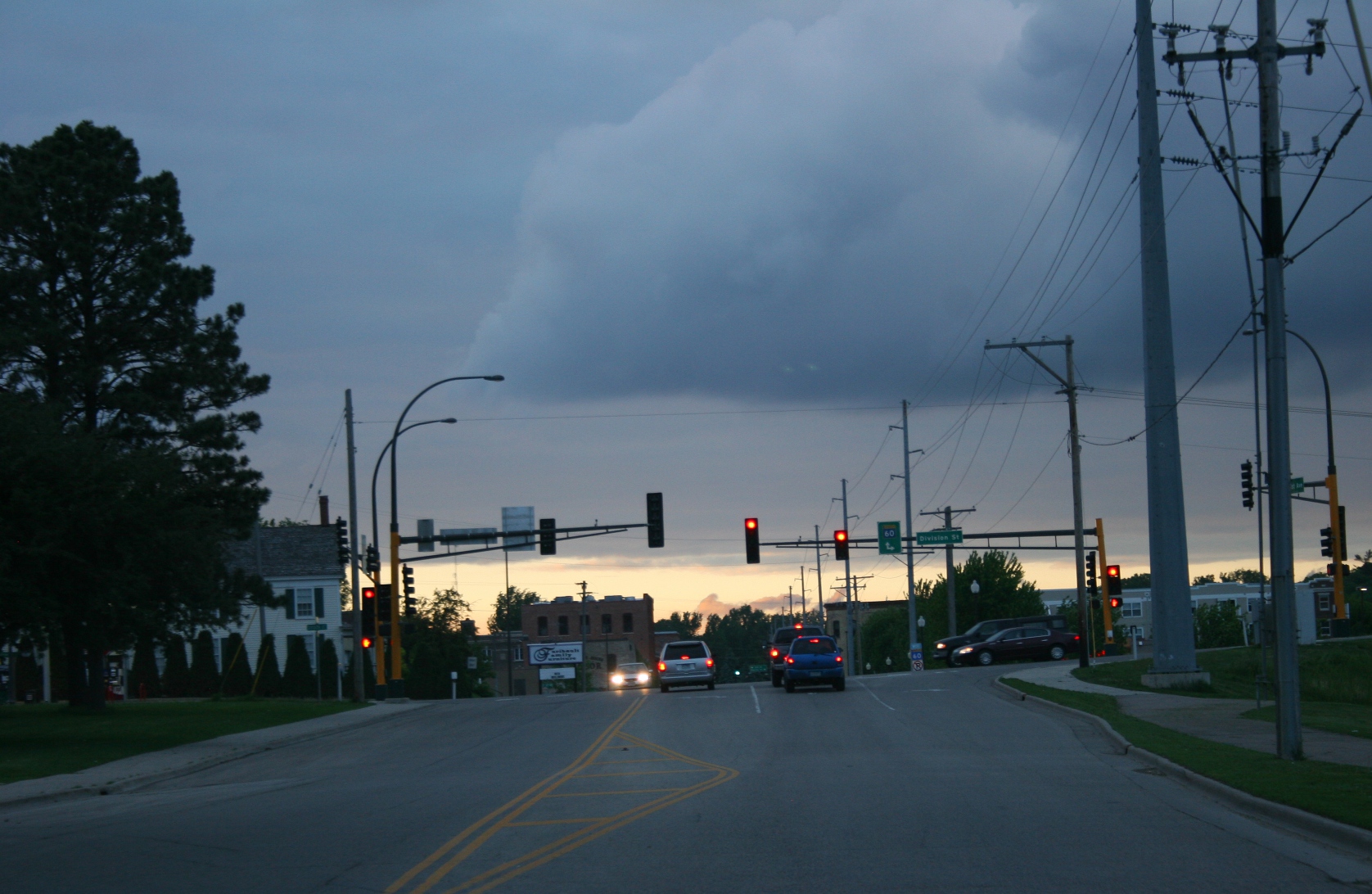
Several blocks from my home, Willow Street intersects with Minnesota State Highway 60. To the left is the home, now a museum, of founding father, Alexander Faribault.

Several blocks from my home, Willow Street intersects with Minnesota State Highway 60, right, and Division Street, left. To the left is the home, now a museum, of founding father, Alexander Faribault.

Again, I lifted my camera, this time shooting through the windshield, to capture a few images of this place I’ve called home for 32 years.

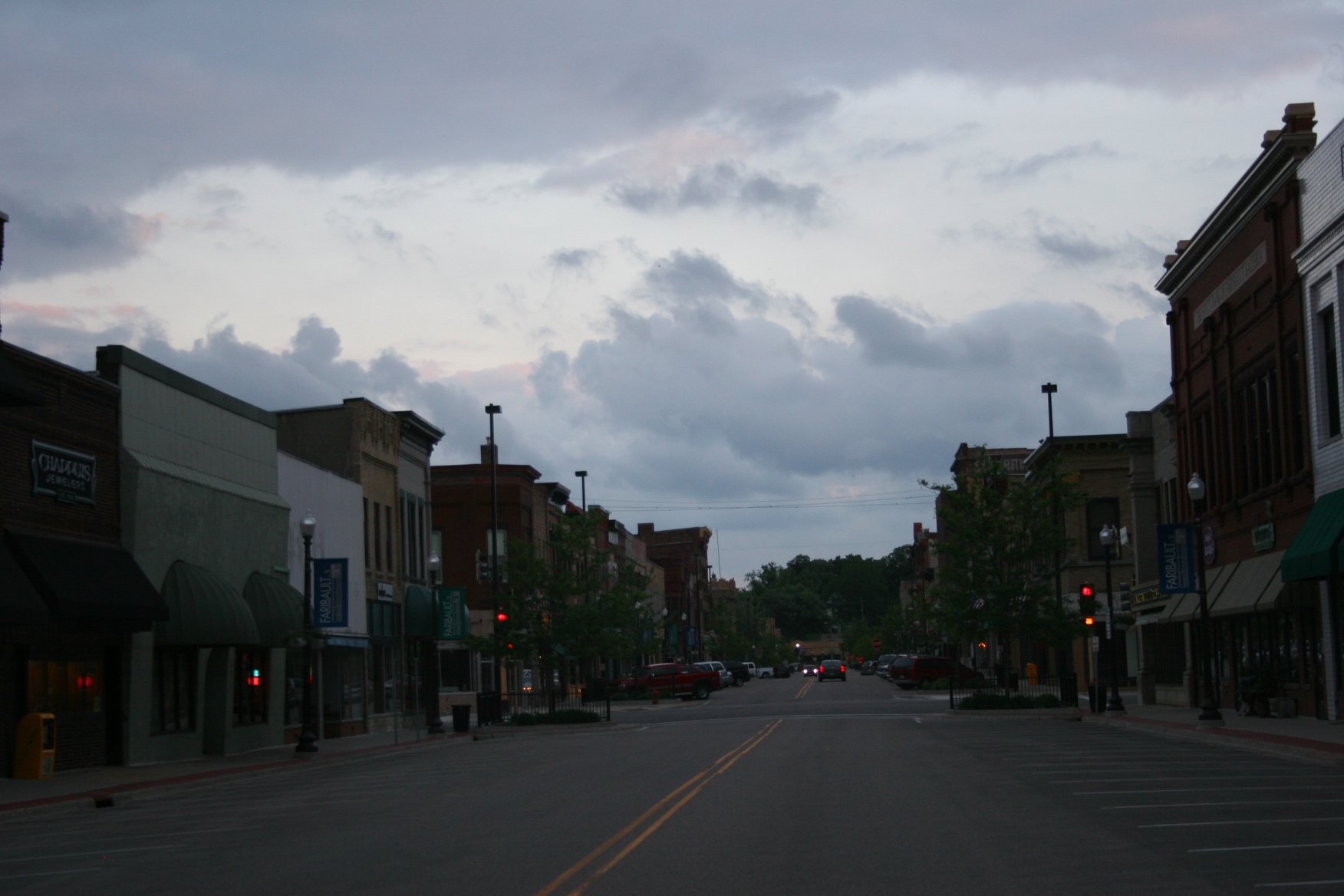
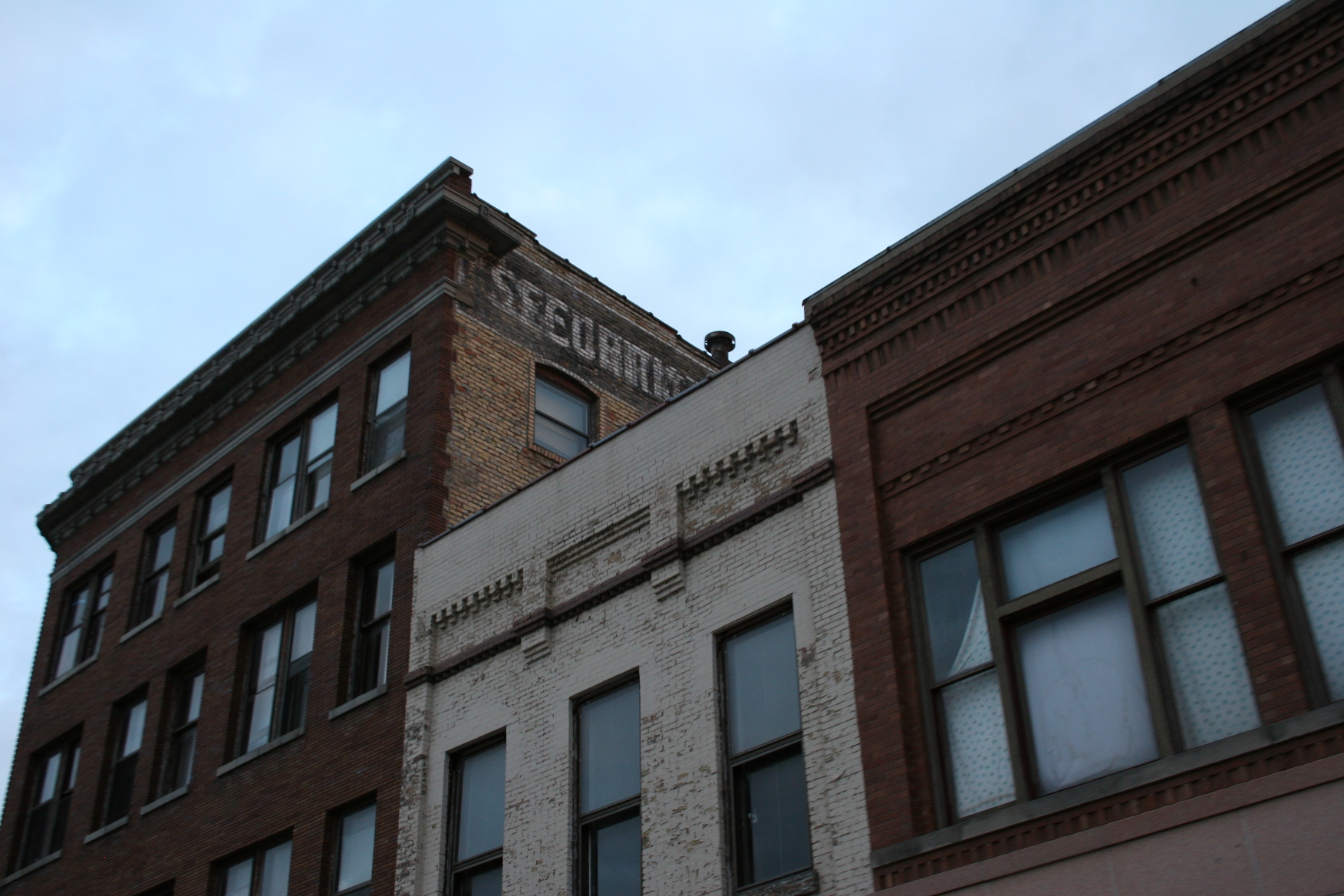
A portion of historic downtown Faribault in the fading light of day.

A portion of historic downtown Faribault in the fading light of day.

Historic buildings define downtown Faribault. I love this downtown for its quaintness, its history, its small town feel (although Faribault, in my opinion, is not a small town with nearly 30,000 residents).

Historic buildings define the downtown area.

Historic buildings define downtown Faribault.

I often wonder why locals and outsiders seem not to value this historic district with the same enthusiasm shown to similar historic Minnesota communities like Stillwater, Red Wing and Hastings, even neighboring Northfield.

Such were my thoughts during the golden hour of sunset.

© Copyright 2014 Audrey Kletscher Helbling
 

Delhi: Little town on the Minnesota prairie June 4, 2014

UNLESS YOU’RE A LOCAL or a native, you likely bypass the small towns which sit off county roads, tucked away from trafficked highways that take time-pressed travelers from destination to destination.

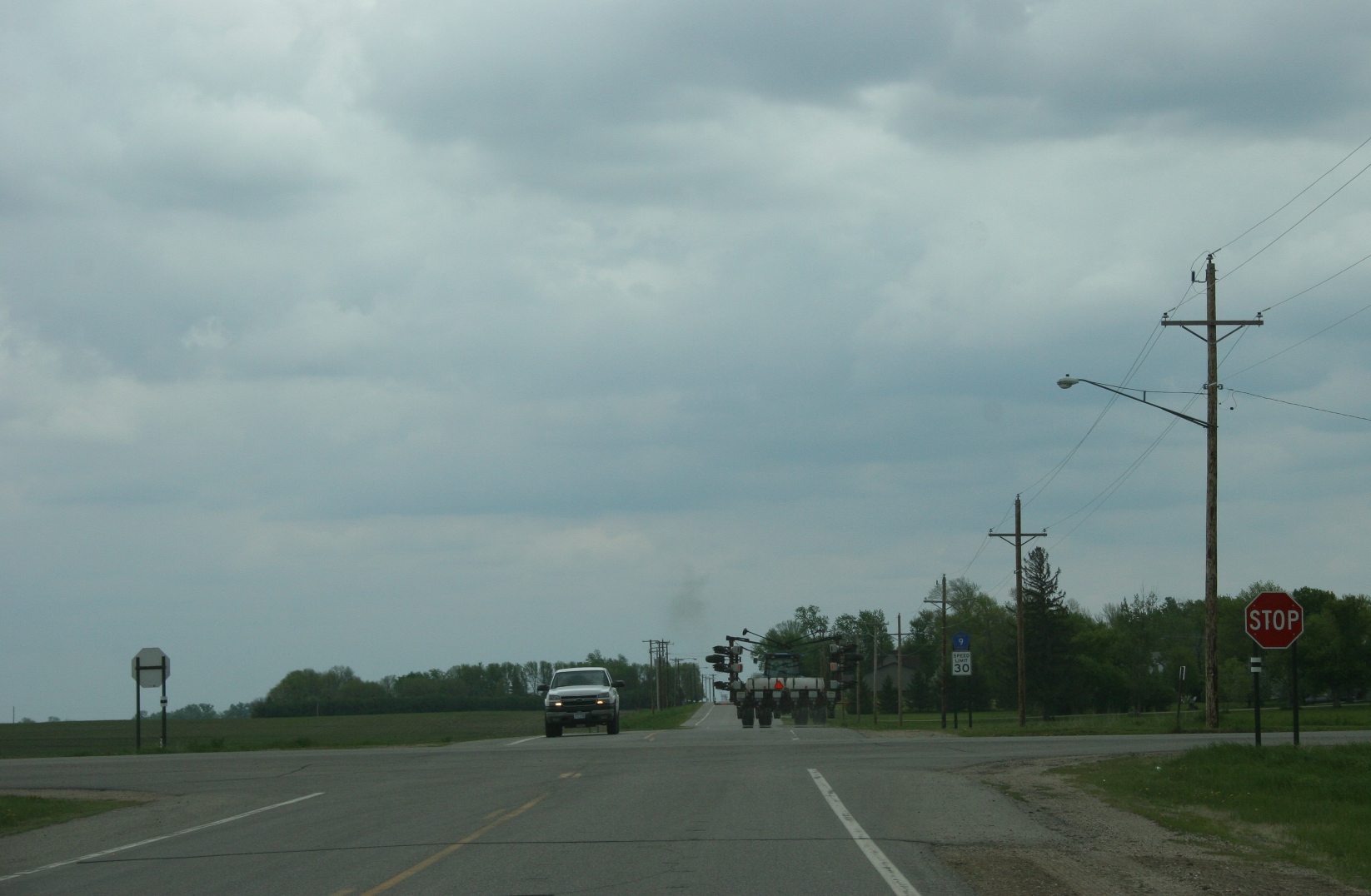
Nearing Delhi at the intersections of Redwood County Road 9 and 6.

Nearing Delhi at the intersections of Redwood County Road 9 and 6.

On a recent trip back to my native southwestern Minnesota prairie, my husband and I sidetracked off our usual route along State Highway 19 between Belview and Redwood Falls to follow Redwood County Road 9 to Delhi.

Decades have passed since I visited Delhi, at the intersection of county roads 9 and 6.

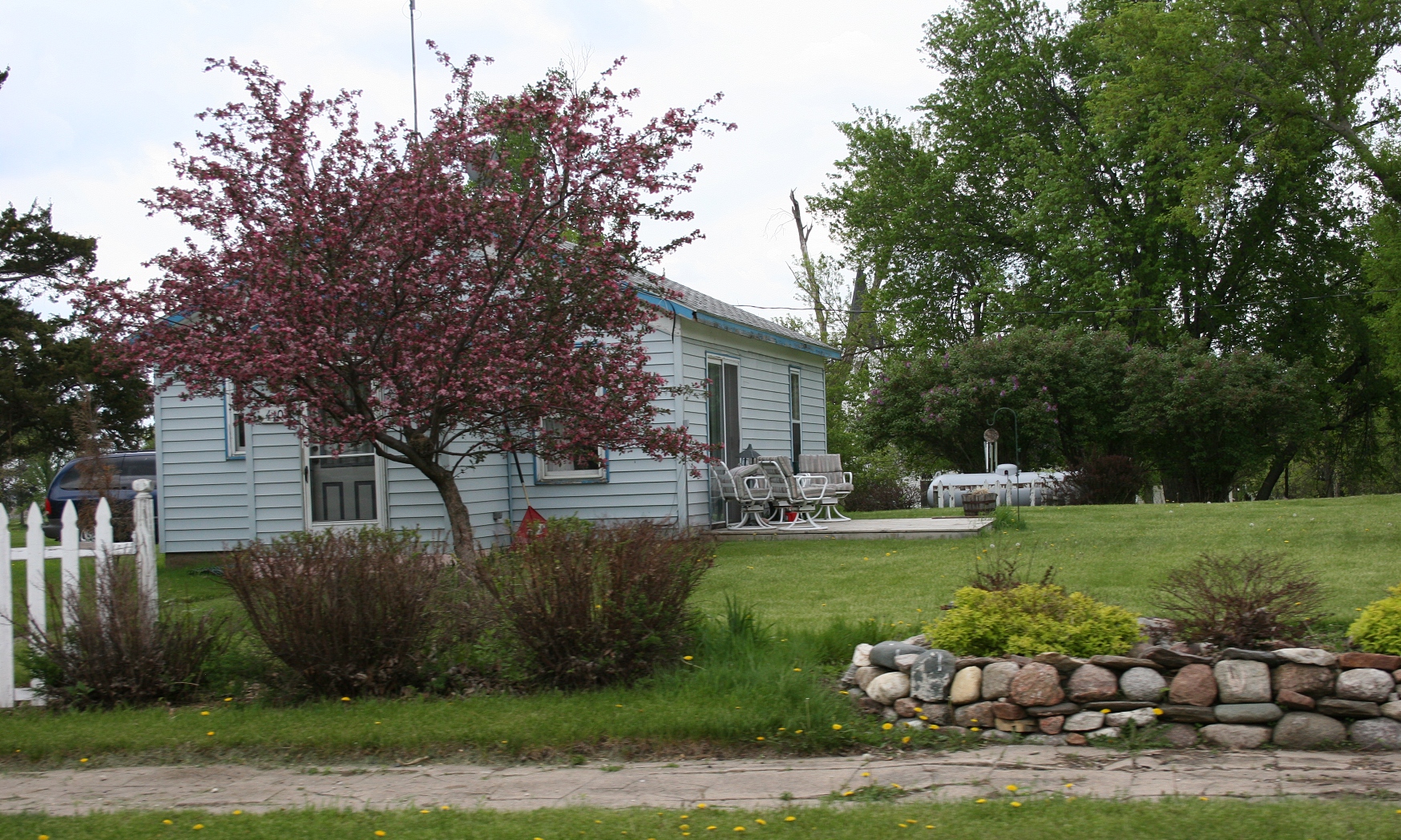
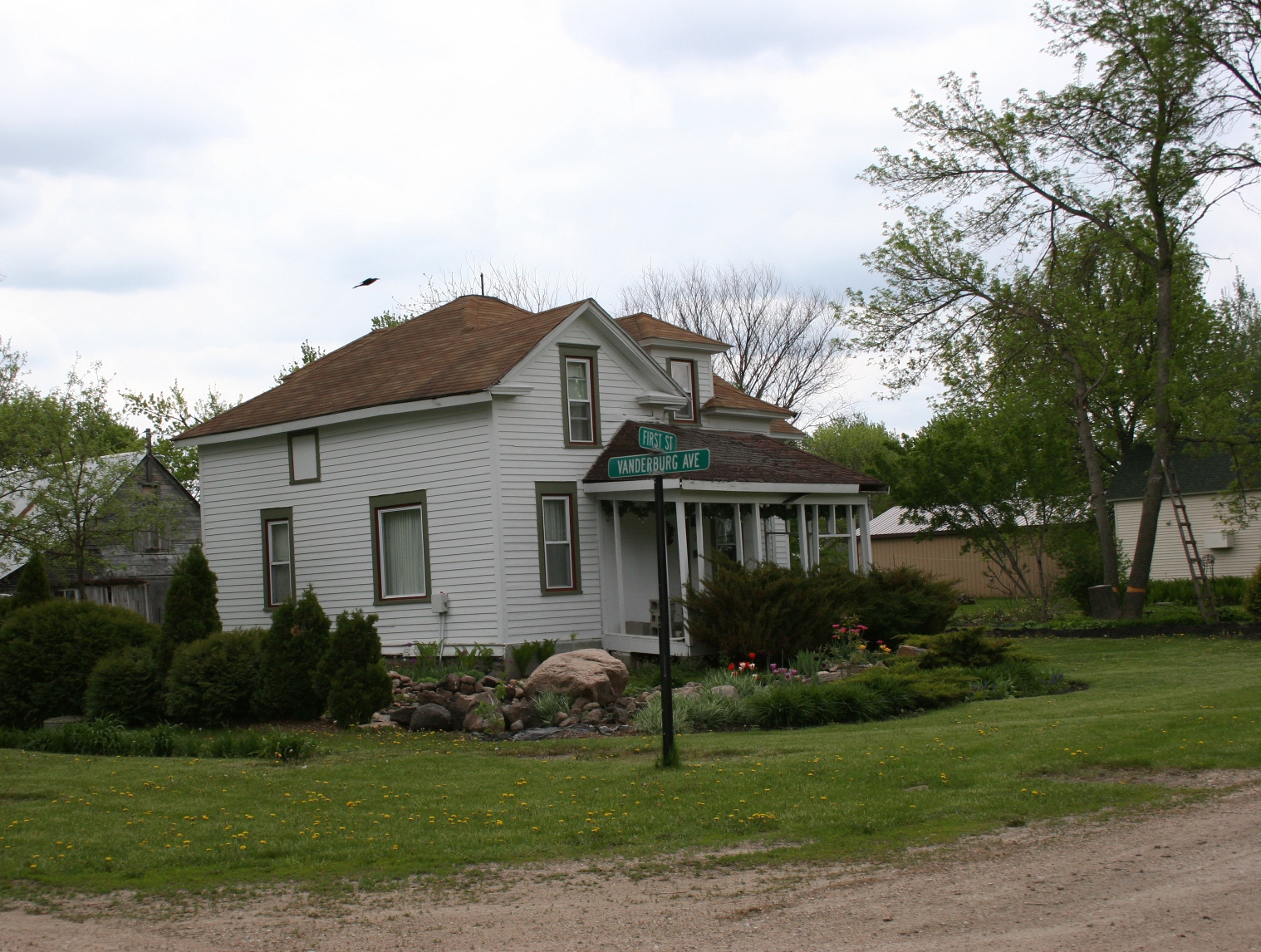
A sweet, well-cared for home in Delhi.

A sweet, well-cared for home in Delhi.

Most would surmise there’s not much in Delhi. That is until you look and consider that some 70 folks call this rural farming community home.

Another beautiful home with a lovely landscaping that includes field rocks.

Another cute home with lovely landscaping that includes field rocks.

Home.

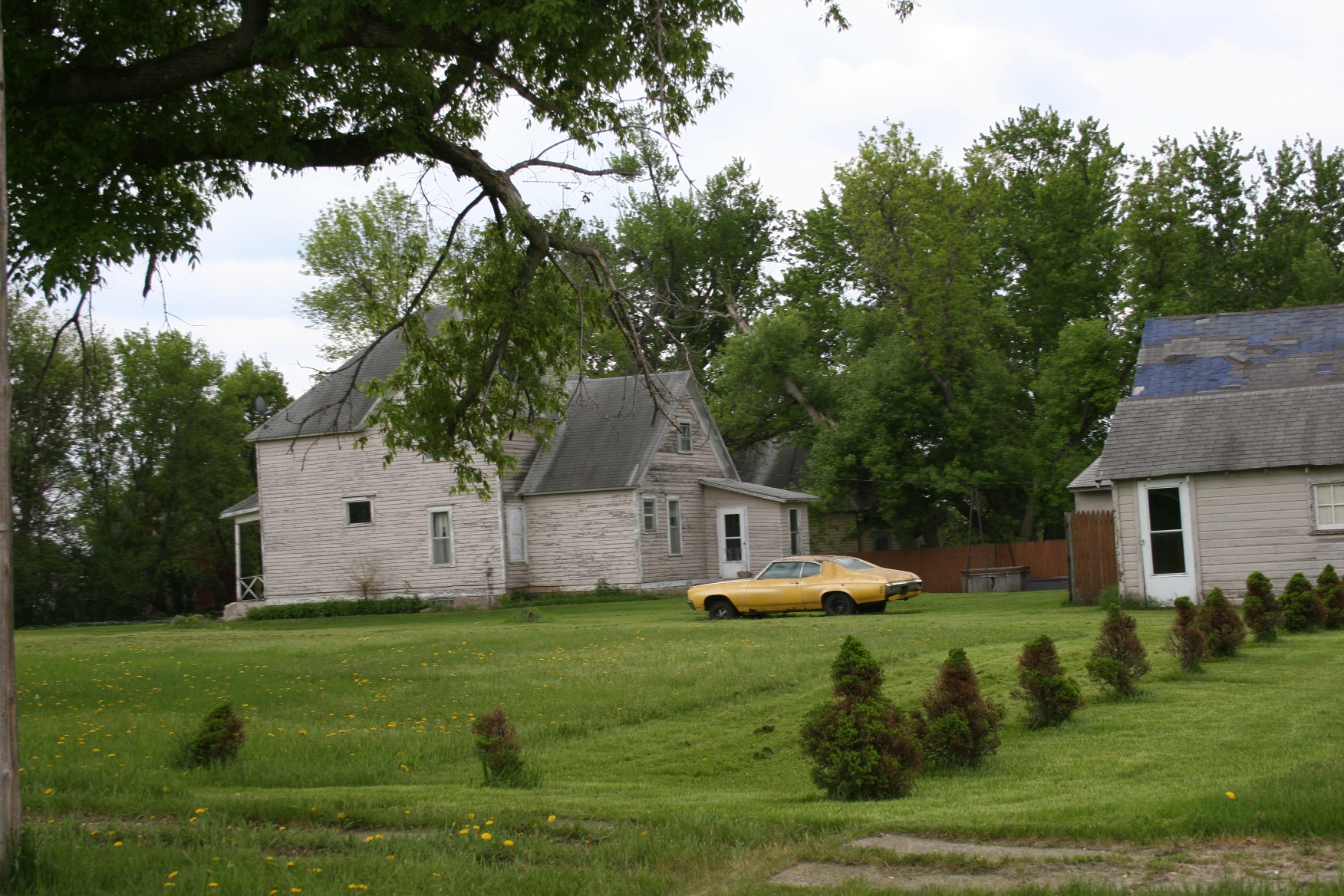
In need of a little TLC, both home and car.

In need of a little TLC, both home and car.

While some residents care about their properties with well-tended houses, others show less interest in maintenance. That is not uncommon in small towns. Or perhaps such neglect is more noticeable with fewer houses.

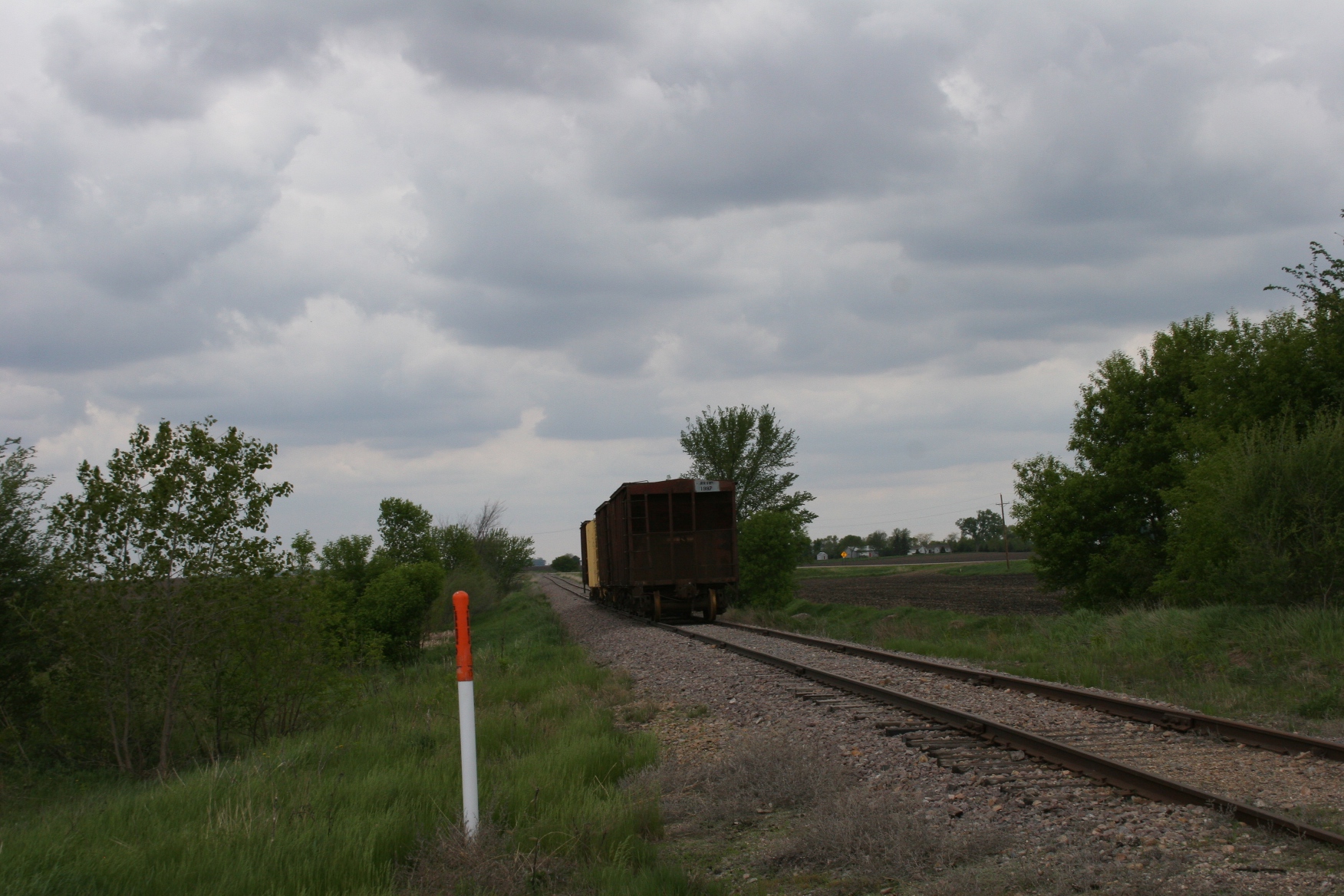
Parked along the tracks just off Redwood County Road 6 west of Delhi.

Parked along the tracks just off Redwood County Road 6 west of Delhi.

Like so many small towns along the railroad line, this settlement once boomed. Information published in The History of Redwood County, Volume 1, states that Delhi was platted in 1884, shortly after the railroad came through the area. Alfred M. Cook, a builder and owner of a flour mill in neighboring Redwood Falls, named Delhi, according to Minnesota place name info on the Minnesota Historical Society website.  He came to the area from Delhi, Ohio.

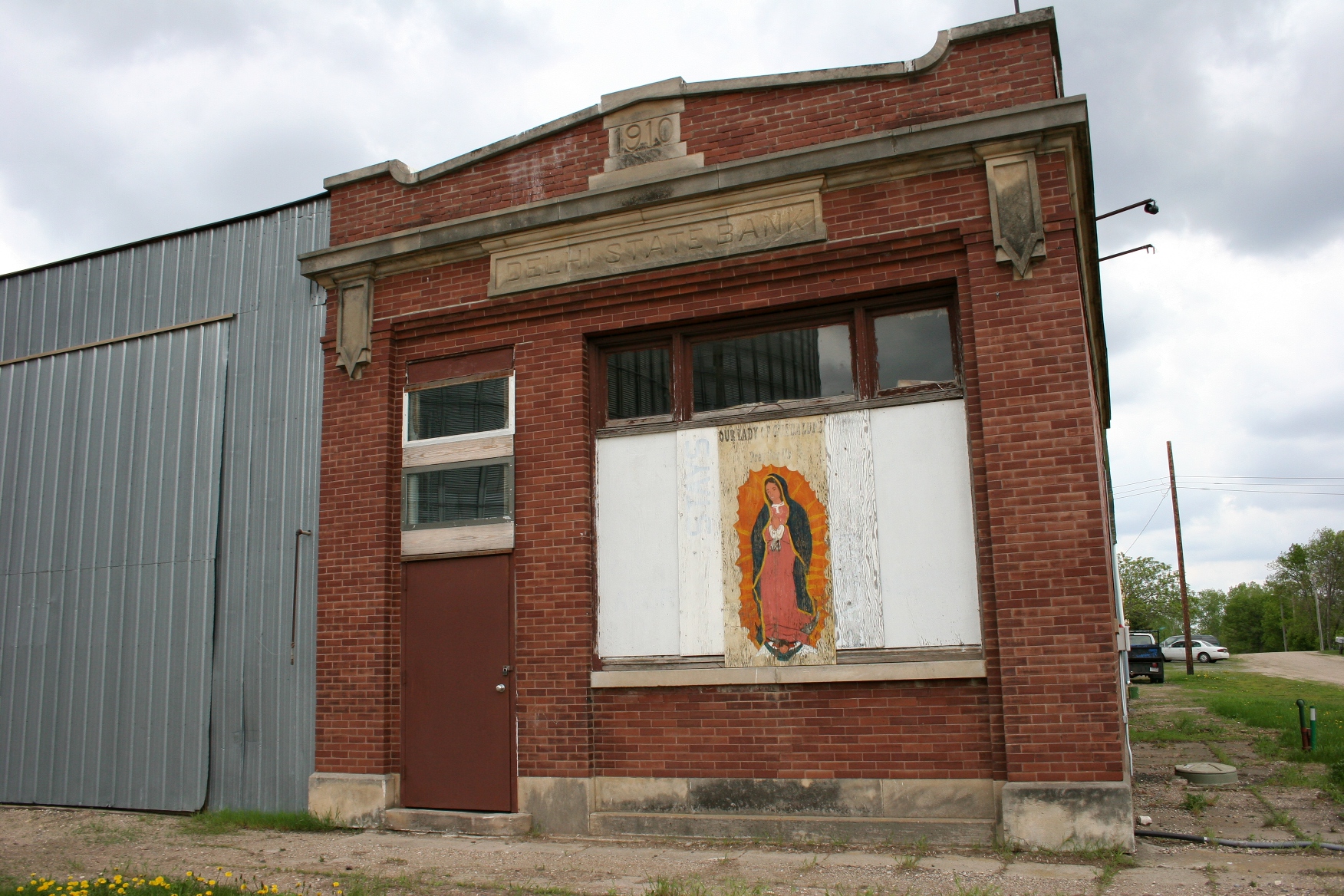
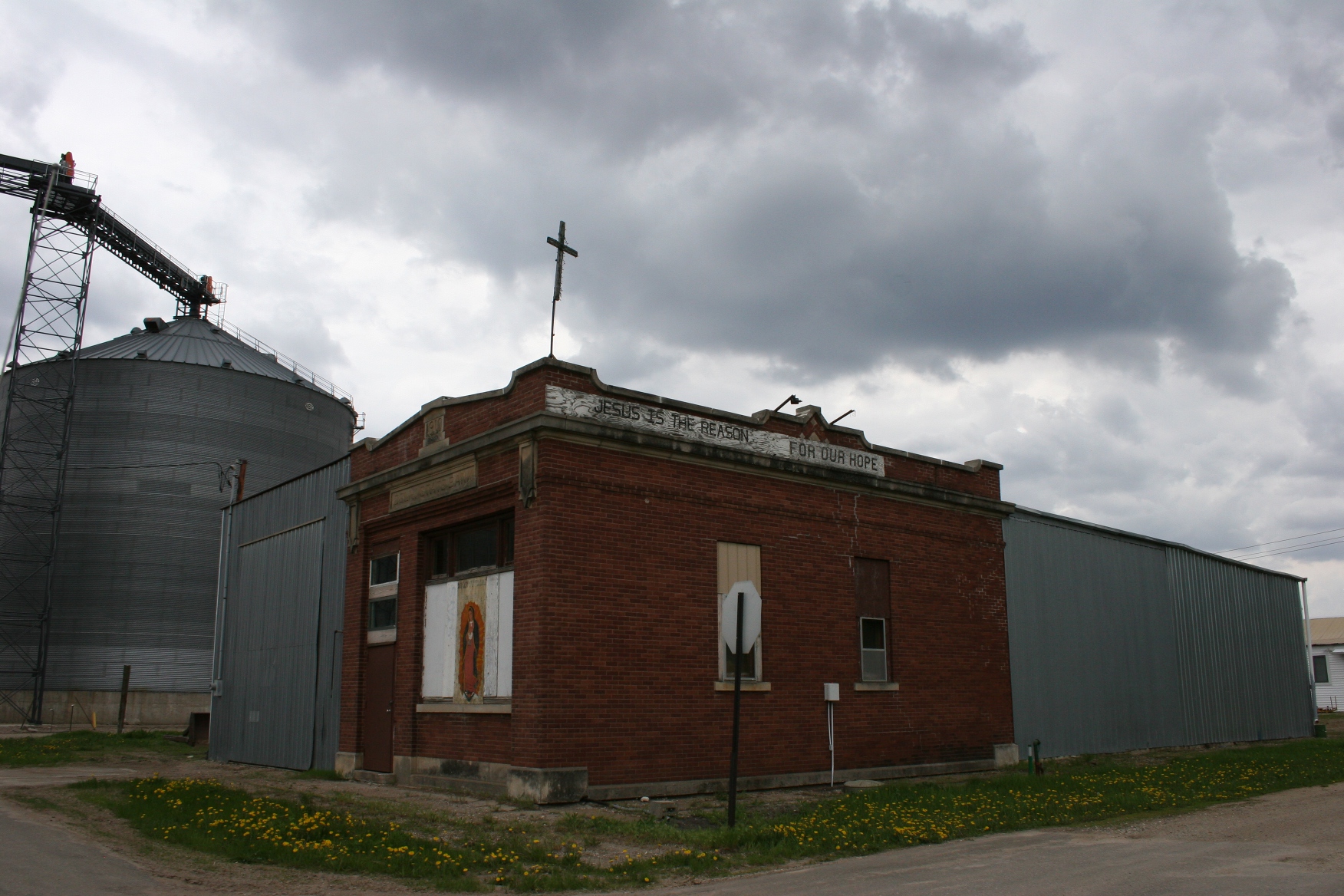
The front window of the 1910 Delhi State Bank is now mostly boarded with a painting of Our Lady of Guadalupe.

The front window of the 1910 Delhi State Bank is now mostly boarded with a painting of Our Lady of Guadalupe.

The Delhi State Bank, built of brick in 1910, and now abandoned and apparently last used as a church, shows me that folks once believed in this place.

Driving toward downtown.

Driving toward downtown.

Not that they don’t anymore. But like all too many prairie communities, Delhi has mostly withered away.

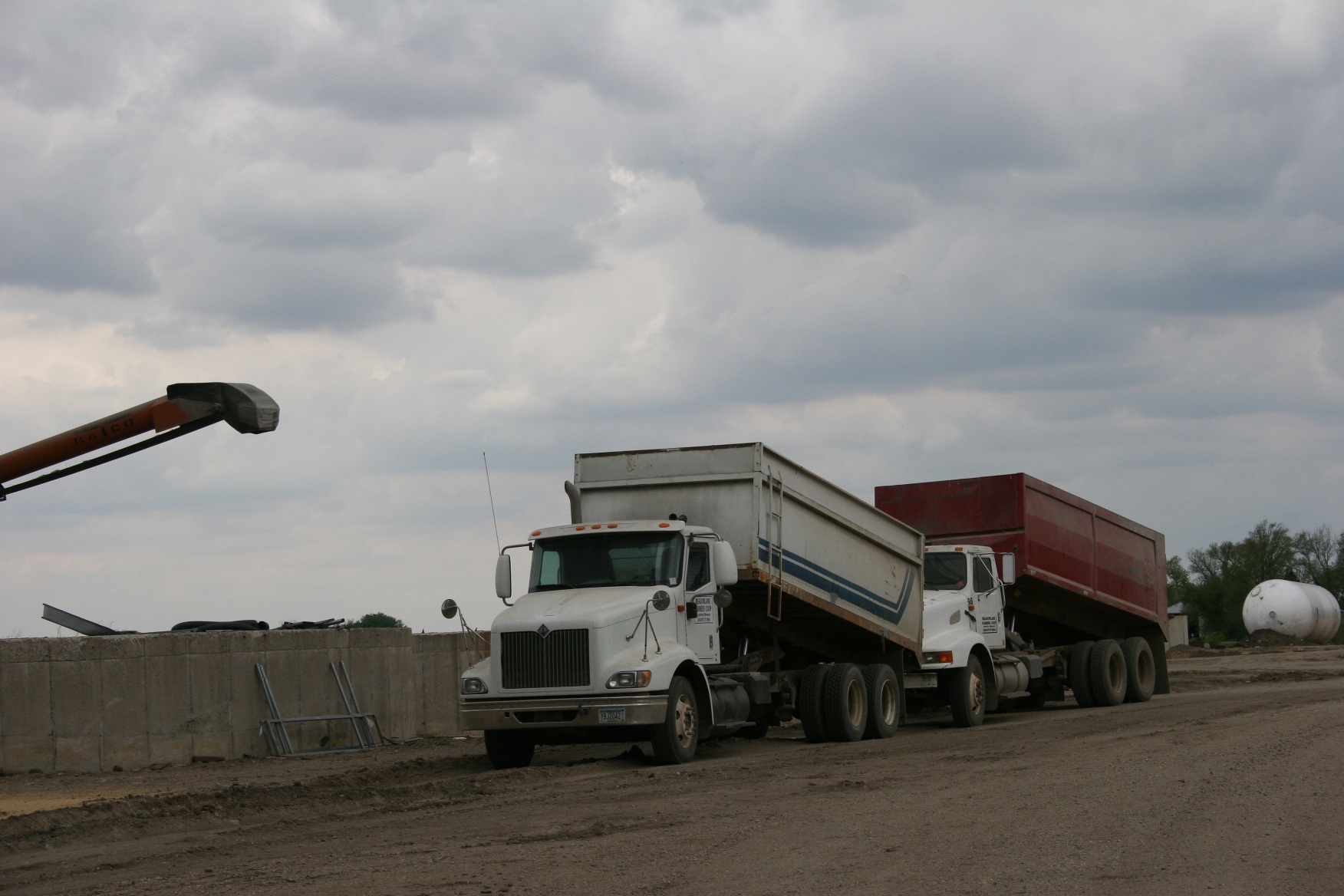
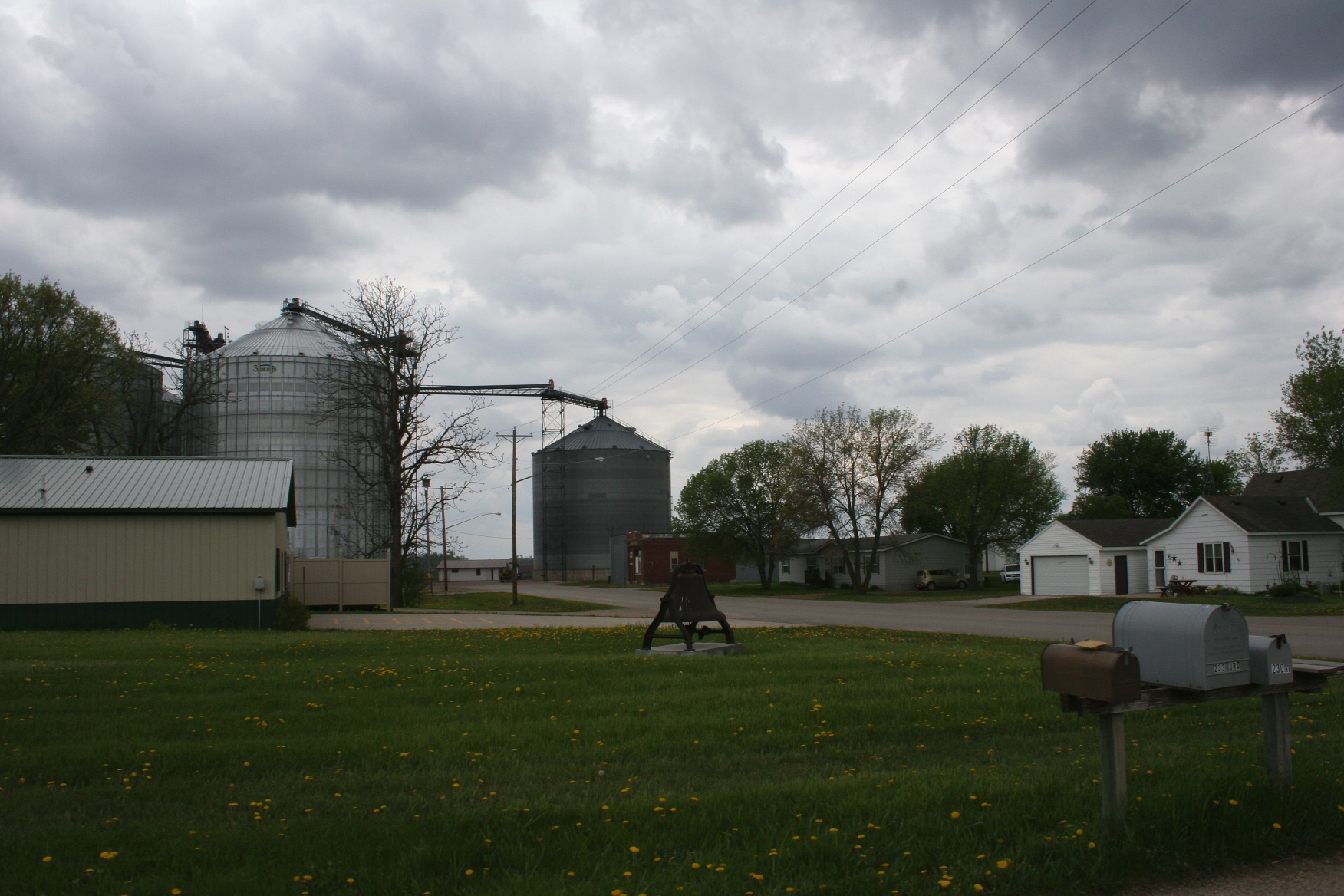
Grain trucks parked near the grain bins.

Grain trucks parked near the grain bins.

Many other businesses once operated here, but they are no more, with the noticeable exception of a grain business. Delhi, in the late 1800s, housed general, drug, hardware and lumber stores, a hotel, a railroad and telegraph agent, a feed mill, a blacksmith shop, a farm implement business and more.

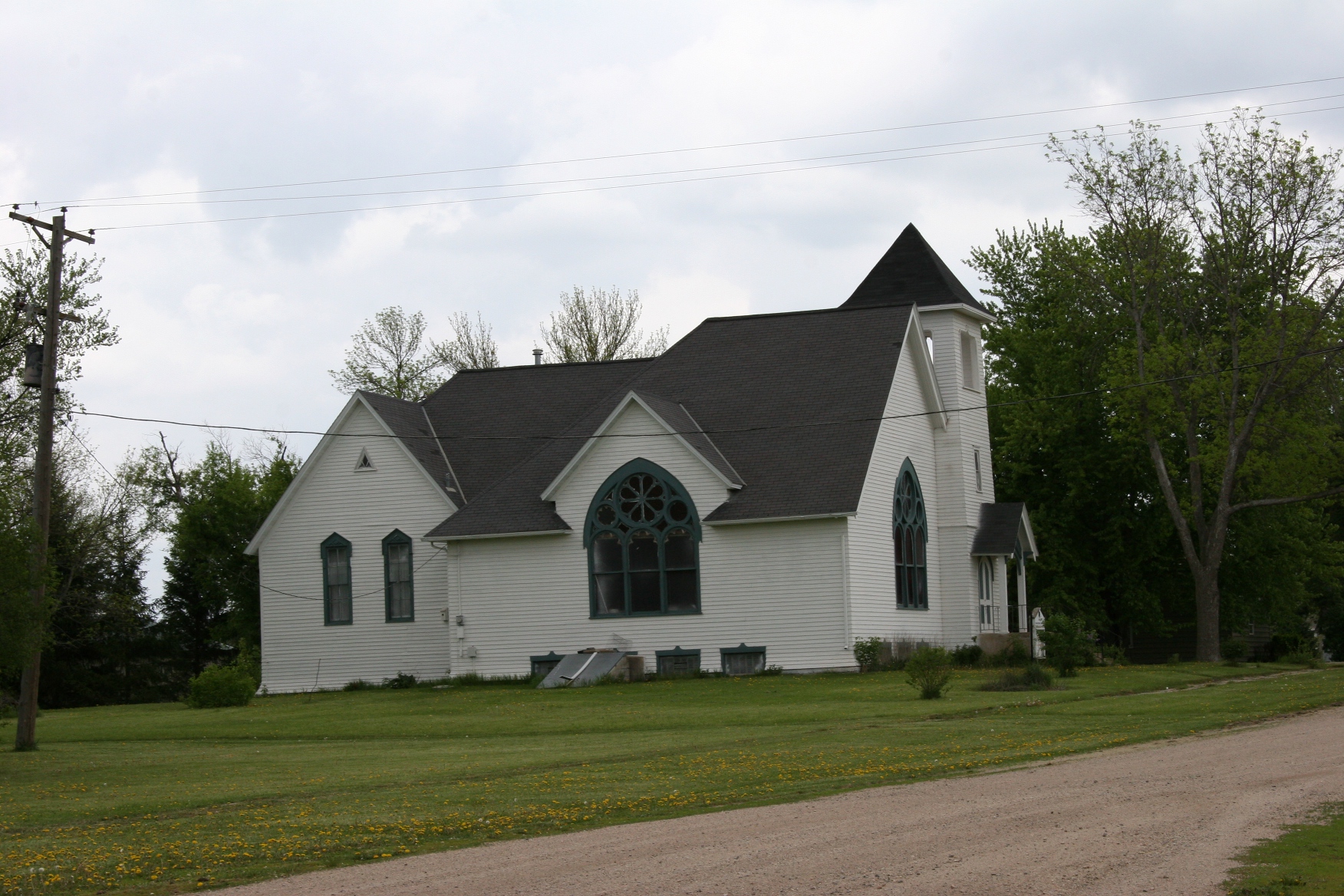
What a lovely church this must be inside as evidenced from the exterior.

What a lovely church this must be (or once was) inside as evidenced from the exterior.

The Presbyterian church today appears shuttered.

Evidence of faith in bank and bin.

Evidence of faith in former bank and bin.

Despite all of this and the inclination to despair, I cannot help but admire the determination of Delhi to cling to the land. Prairie roots run deep.

© Copyright 2014 Audrey Kletscher Helbling
 

Really, deep-fried what? May 21, 2014

Filed under: Uncategorized — Audrey Kletscher Helbling @ 6:00 AM
Tags: , , , , , ,
The Rice County Fair, Faribault, Minnesota. Minnesota Prairie Roots file photo 2009.

The midway area of the Rice County Fair, Faribault, Minnesota. Minnesota Prairie Roots file photo 2009.

I’M NOT MUCH OF A FAIR-GOER. I trace that back to too many years chasing down 4-Hers for photos with their uncooperative animals. A fair doesn’t hold the same appeal once you’ve covered the annual event for a newspaper more than a few times.

This was decades ago. Things change. I’m no longer a newspaper reporter and photographer assigned county fair barn duty.

So today I could meander as I please through the fairgrounds.

Minnesota Prairie Roots file photo 2009 from the Rice County Fair, Faribault, Minnesota.

Minnesota Prairie Roots file photo 2009 from the Rice County Fair.

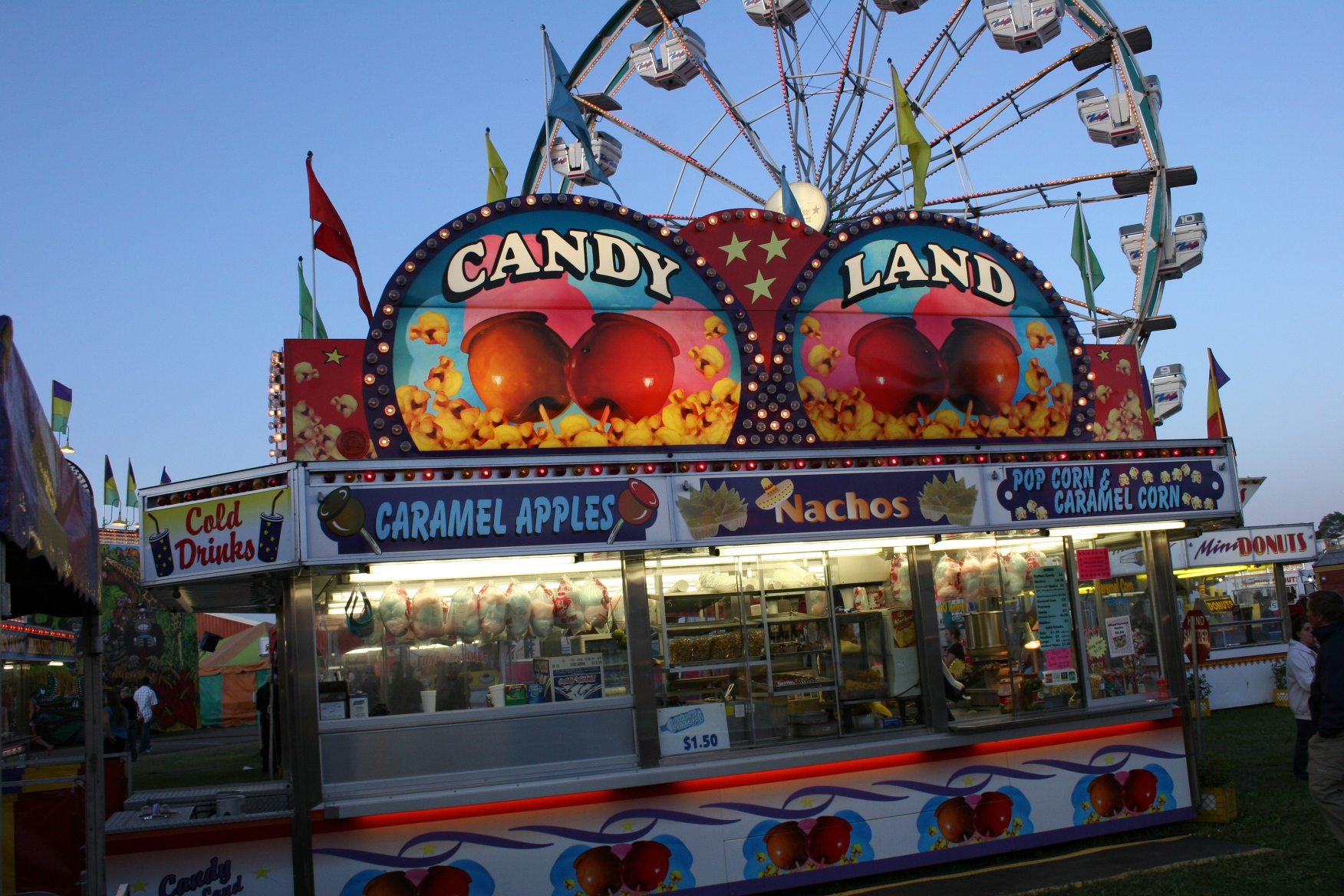
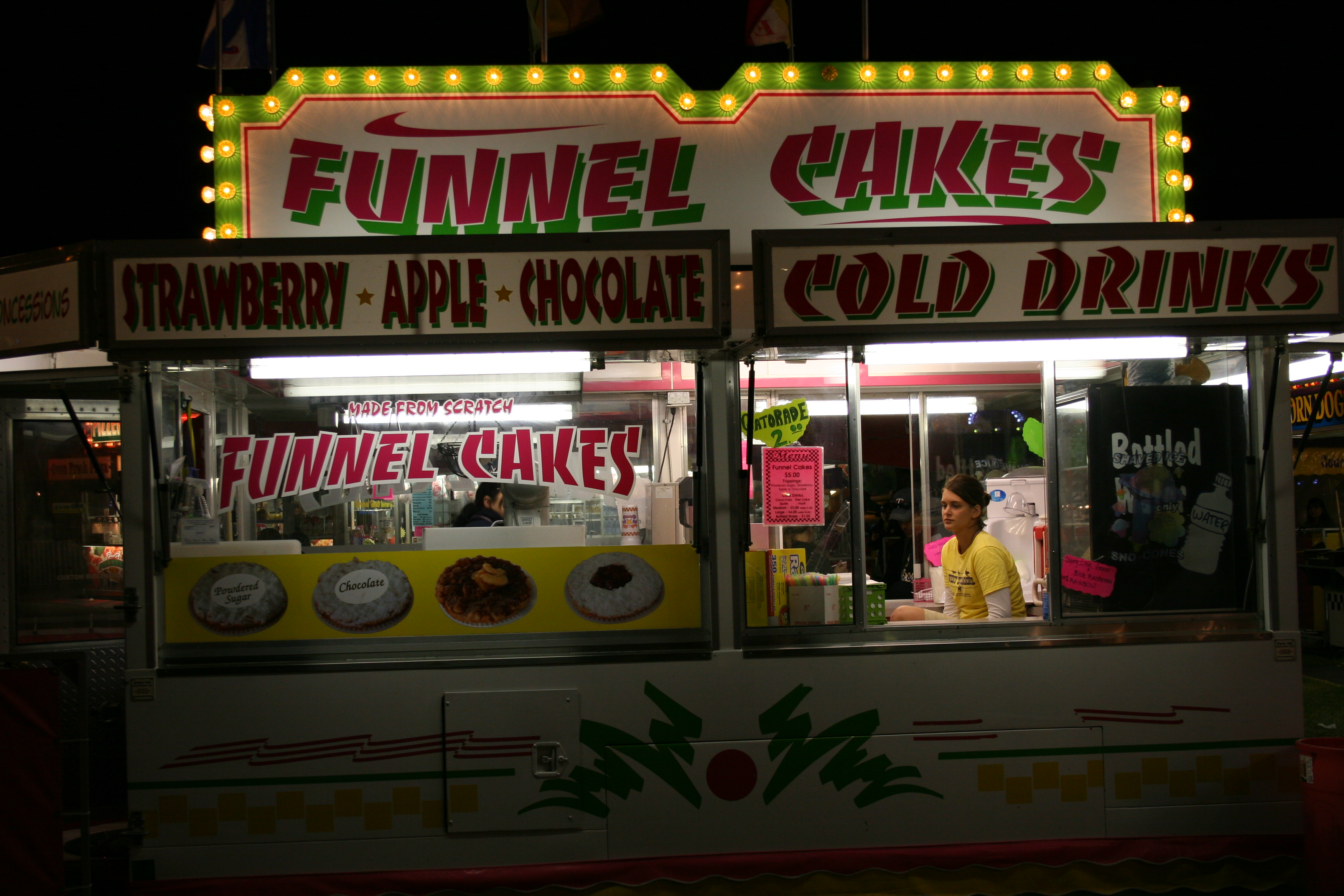
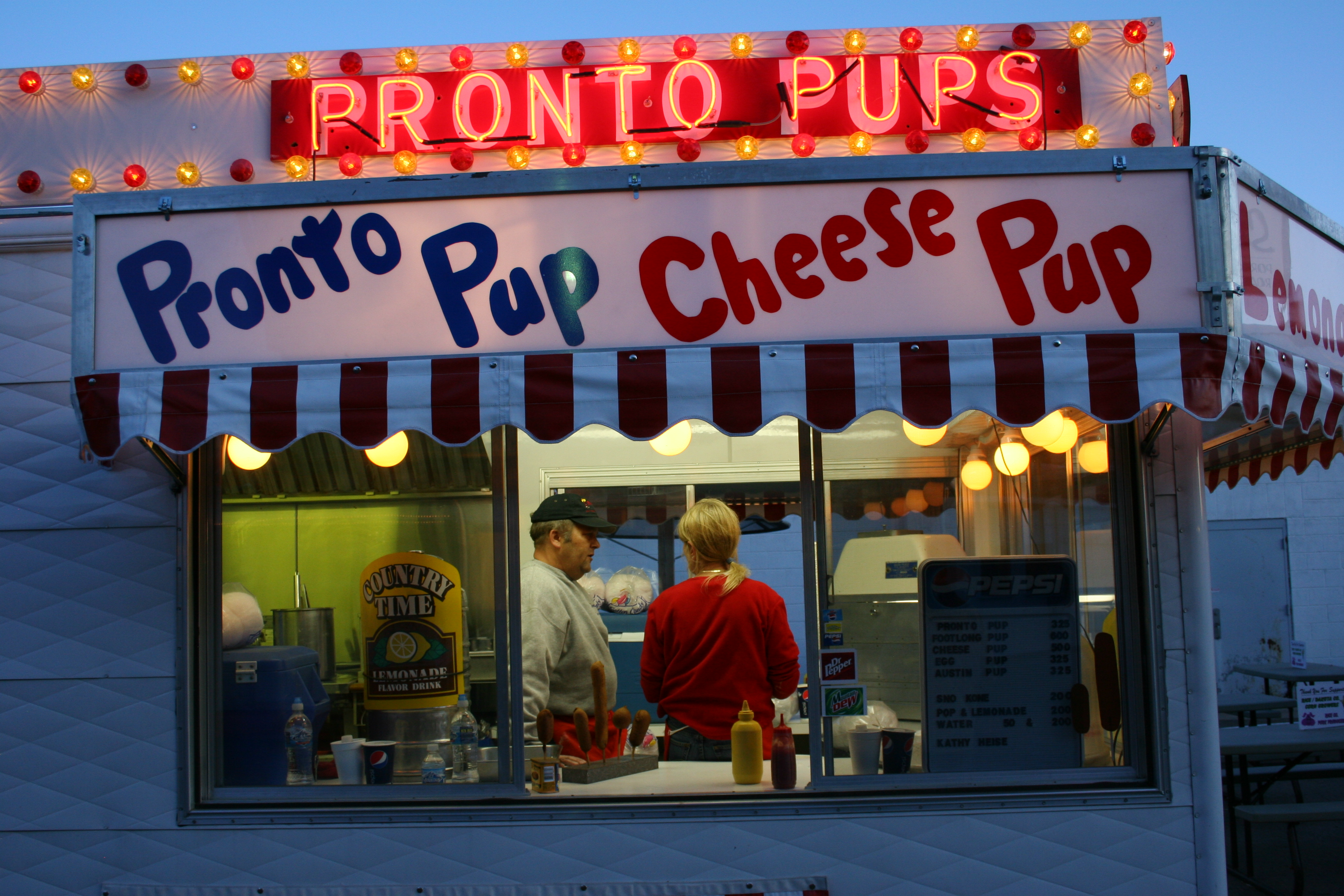
For many of you, a fair is all about the food, right? Deep-fried anything, often served on a stick.

A vendor at the Rice County Fair. Minnesota Prairie Roots file photo 2009.

A vendor at the Rice County Fair. Minnesota Prairie Roots file photo 2009.

For example, at last year’s Minnesota State Fair, you could find these new deep-fried food offerings, among others: deep-fried olives, fried pickles ‘n’ chocolate, wine glazed deep-fried meatloaf, an assortment of deep-fried sandwiches and deep-fried bread pudding.

How they deep fry some of these foods, like bread pudding, I have not a clue. But I suppose where there’s a chef, there’s a way.

The brat barn, not to be confused with a dairy or pig barn. You can purchase StoneRidge meats here.

Minnesota Prairie Roots 2011 photo of Uncle Butch’s Brat Barn in Wautoma, Wisconsin.

All of this deep-fried food talk leads across the border into Wisconsin, known for its beer, brats and cheese. Brat fries are already popping up here at places like Uncle Butch’s Brat Barn outside StoneRidge Meat & Country Market, Inc. ( Piggly Wiggly) in Wautoma. Wisconsinites love their brats. Me? Not so much.

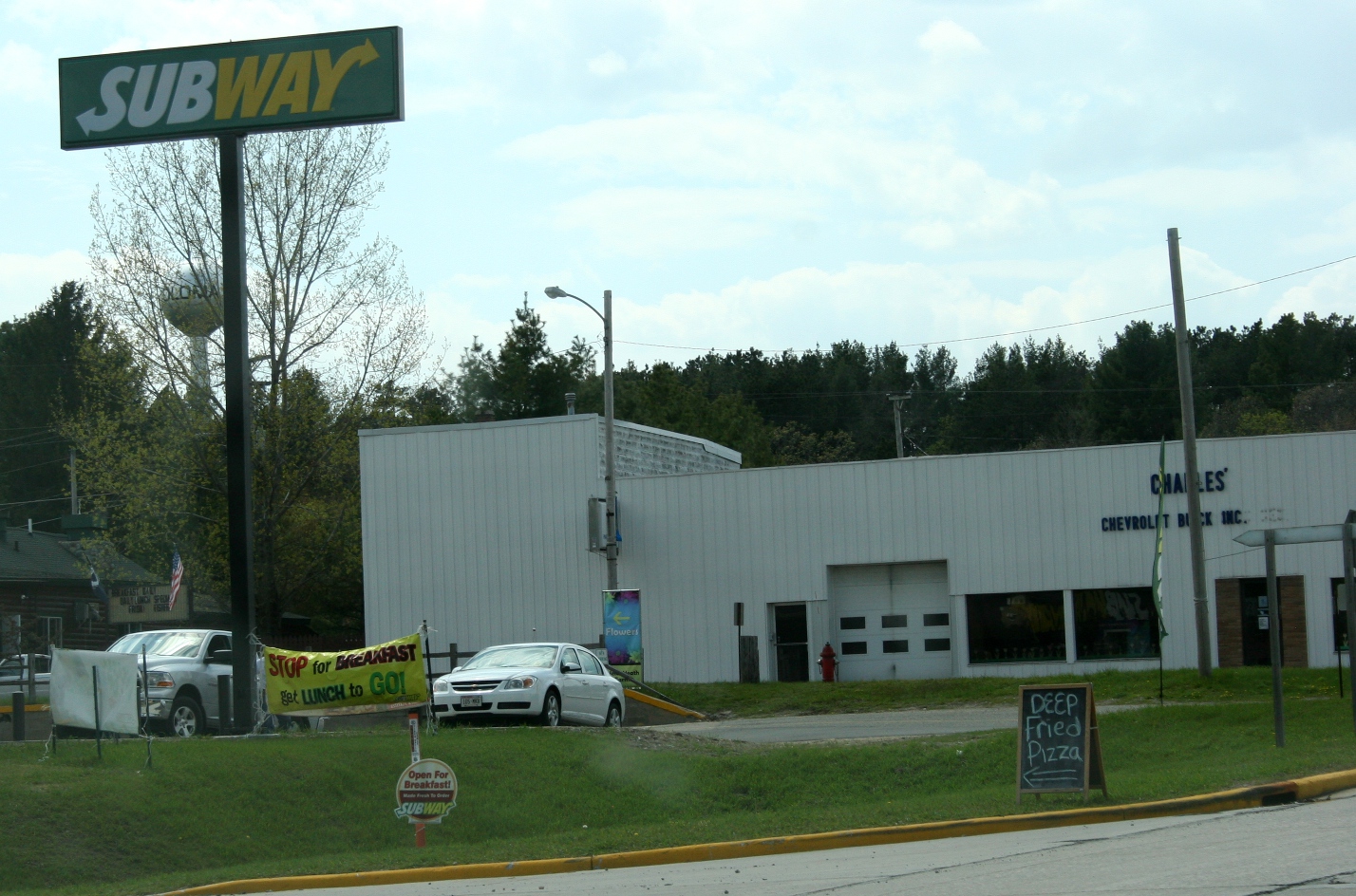
A quick roadside snapshot of the deep fried pizza sign along Wisconsin State Highway 21 in Wautoma.

A quick drive-by snapshot of the deep-fried pizza sign spotted this past weekend along Wisconsin State Highway 21 in Wautoma.

But it wasn’t the warm weather brat fries that drew my attention on a trip to eastern Wisconsin this past weekend. It was the sandwich chalkboard sign I spotted along Wisconsin State Highway 21 in Coloma advertising deep fried pizza.

Deep-fried pizza? Now how does one deep fry pizza and why would you?

Although tasty, Flamin' Bleu was not quite what Randy expected. He expected chunks of bleu cheese topping the pizza. But then we are bleu cheese fanatics with award-winning bleu cheeses produced in our home community of Faribault.

Flamin’ Bleu pizza at Pizzeria 201 in Montgomery, Minnesota. Minnesota Prairie Roots file photo used for illustration purposes only.

I love pizza, I really do. I make homemade pizza every Friday evening. And while in Wisconsin, my husband, second daughter and I dined on our favorite pizza, the New Orleans style topped with Andouille sausage, chicken, shrimp, red onions, red peppers and Cajun spices, at the Stone Cellar Brewpub in Appleton. It certainly was not deep fried.

Tell me, have you ever heard of or eaten deep-fried pizza?

My initial reaction was this: Well that can’t be too healthy.

But then again, nothing deep-fried really would be, would it?

© Copyright 2014 Audrey Kletscher Helbling
 

Working the land May 20, 2014

Filed under: Uncategorized — Audrey Kletscher Helbling @ 6:00 AM
Tags: , , , , ,
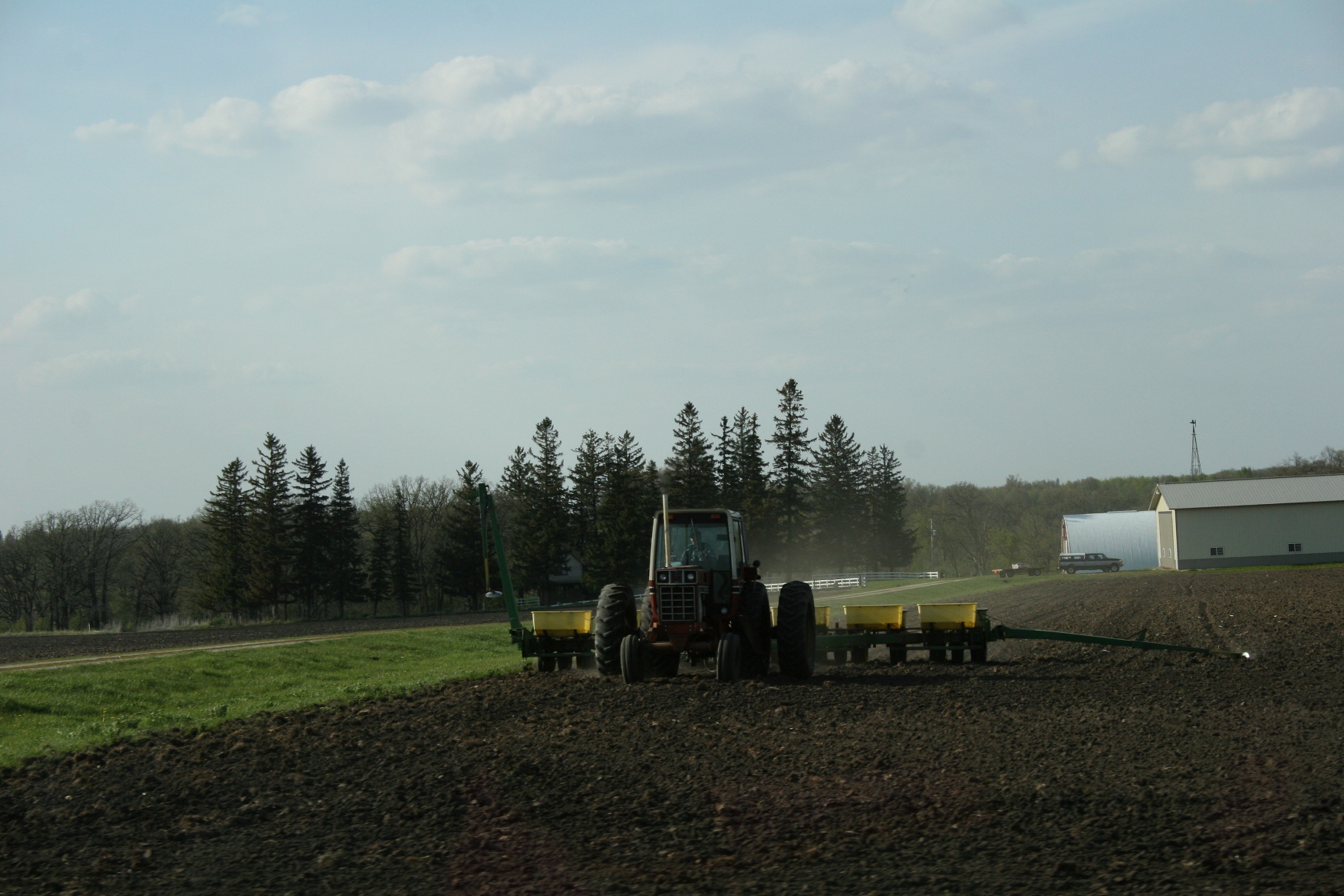
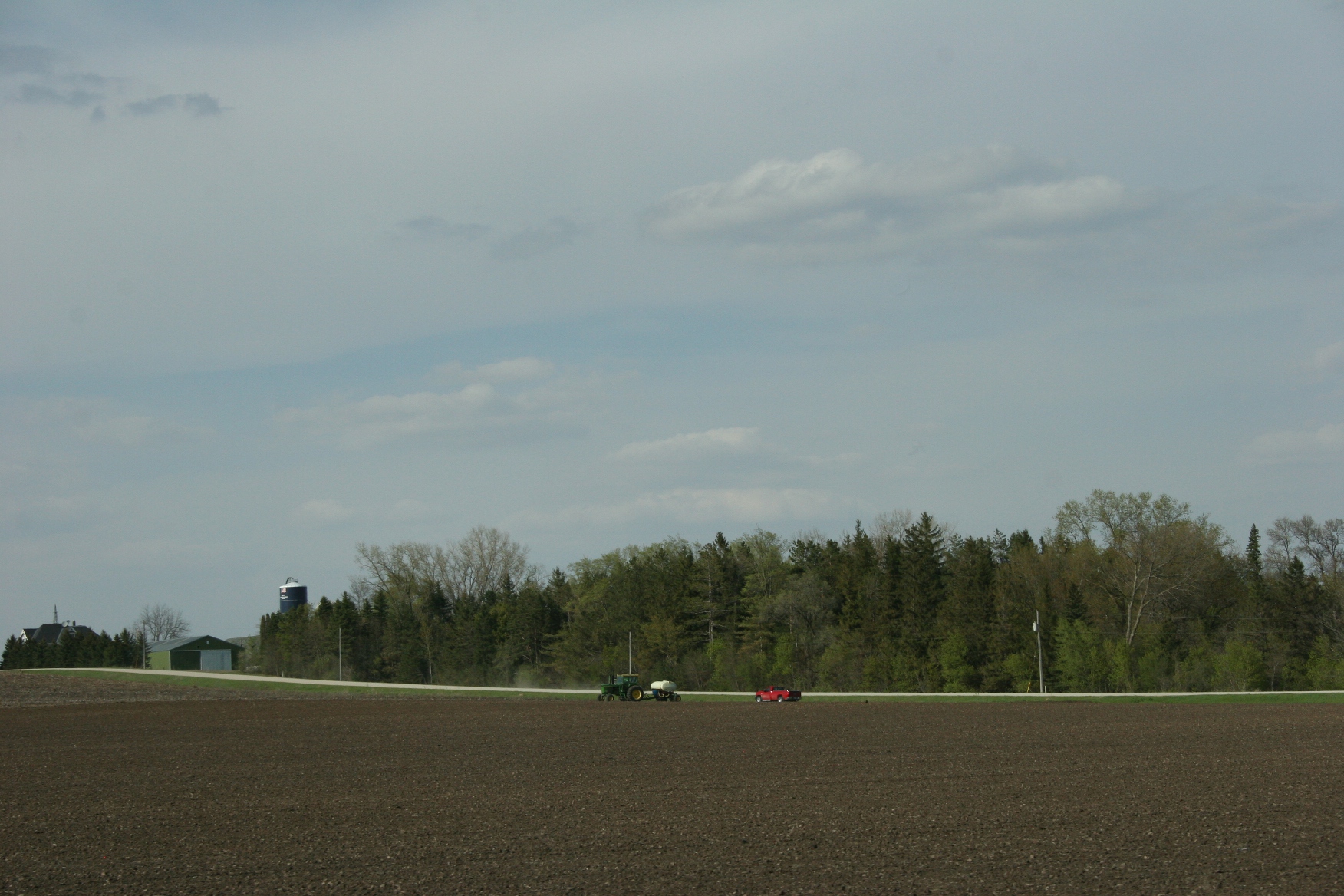
A farmer in the field Sunday evening along Minnesota State Highway 60 between Zumbrota and Faribault.

A farmer in the field Sunday evening along Minnesota State Highway 60 between Zumbrota and Faribault.

THE EARTHY SCENT of freshly-turned soil wafted through the vents of the van Sunday afternoon as my husband and I traveled through southeastern Minnesota after a weekend trek to eastern Wisconsin.

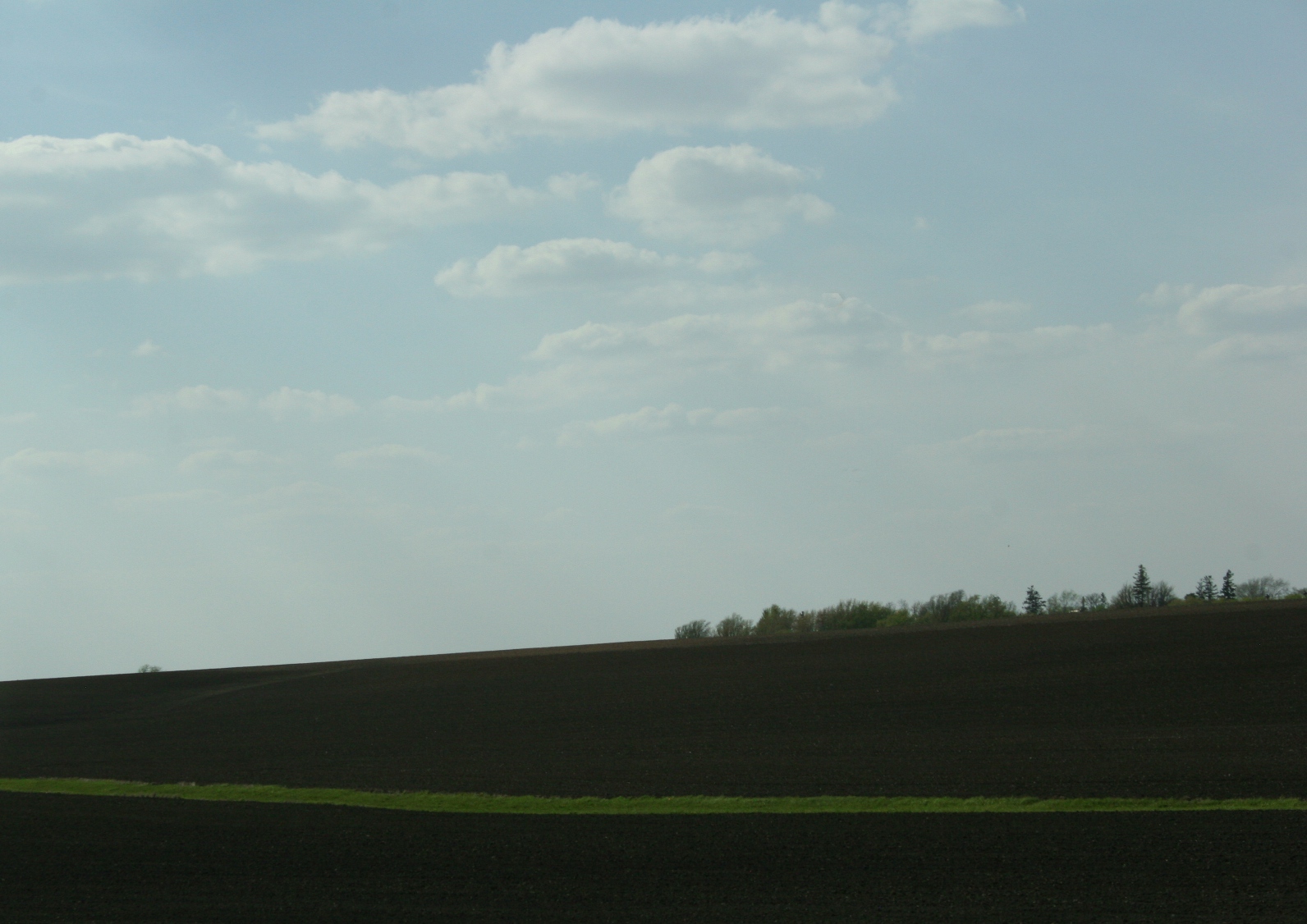
A field along Interstate 90 in southeastern Minnesota.

A ribbon of grass runs through a field along Interstate 90 in southeastern Minnesota.

I love that smell of spring, of cold earth warming to the sun after a long winter.

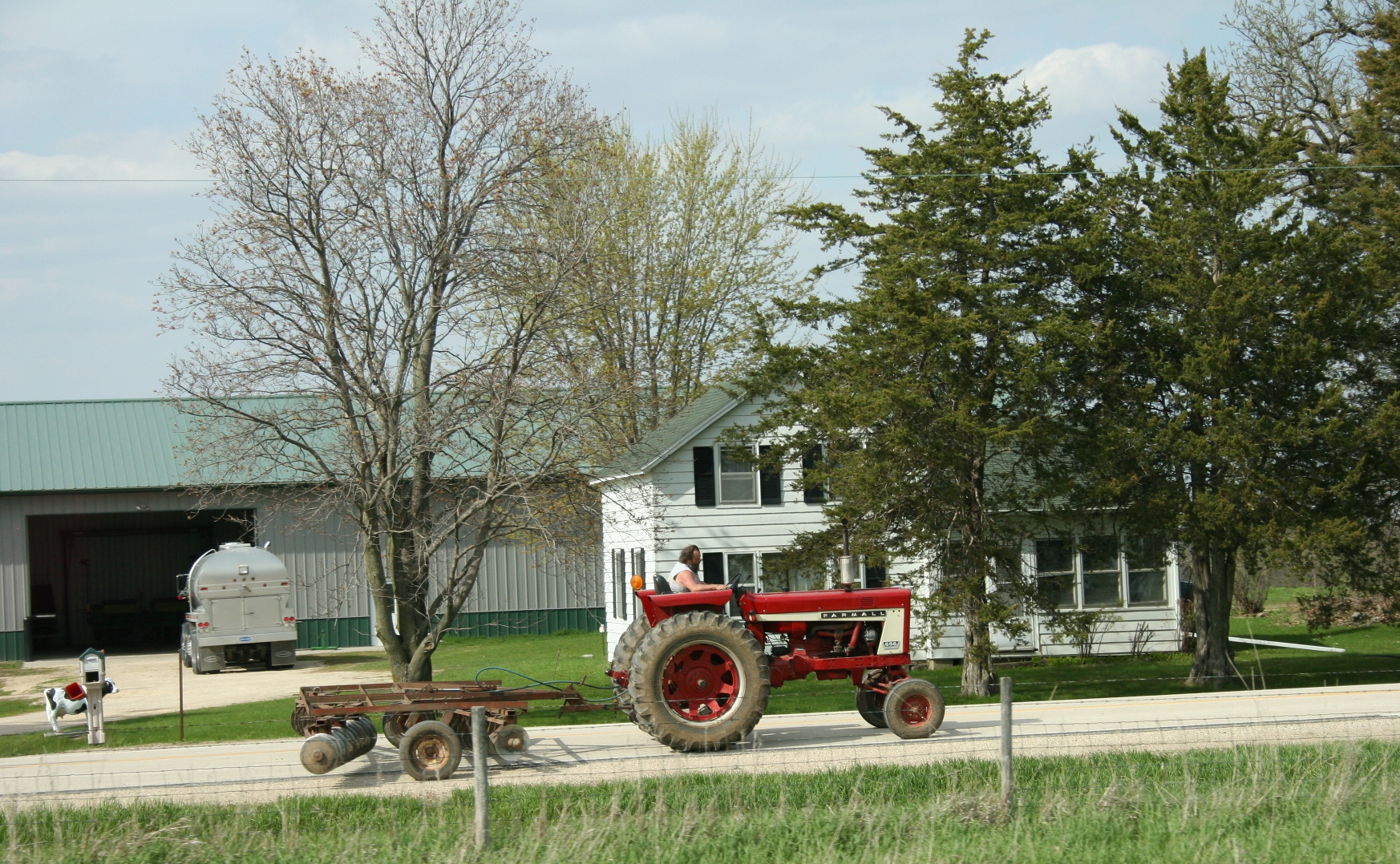
Heading to or from the field on a frontage road along Interstate 90 in southeastern Minnesota.

Heading to or from the field on a frontage road along Interstate 90 in southeastern Minnesota on Sunday afternoon.

Planting’s been delayed because of excessive rainfall, as noted by muddy fields, water in road ditches, and by high water in streams, rivers and lakes in many areas. We drove 600 miles round trip along Minnesota State Highway 60, US Highway 52, a lengthy stretch of Interstate 90, onto a few miles of Interstate 94 and then across central Wisconsin on State Highway 21 from Tomah to Oshkosh and finally onto US Highway 41 north on Saturday and then back the next day.

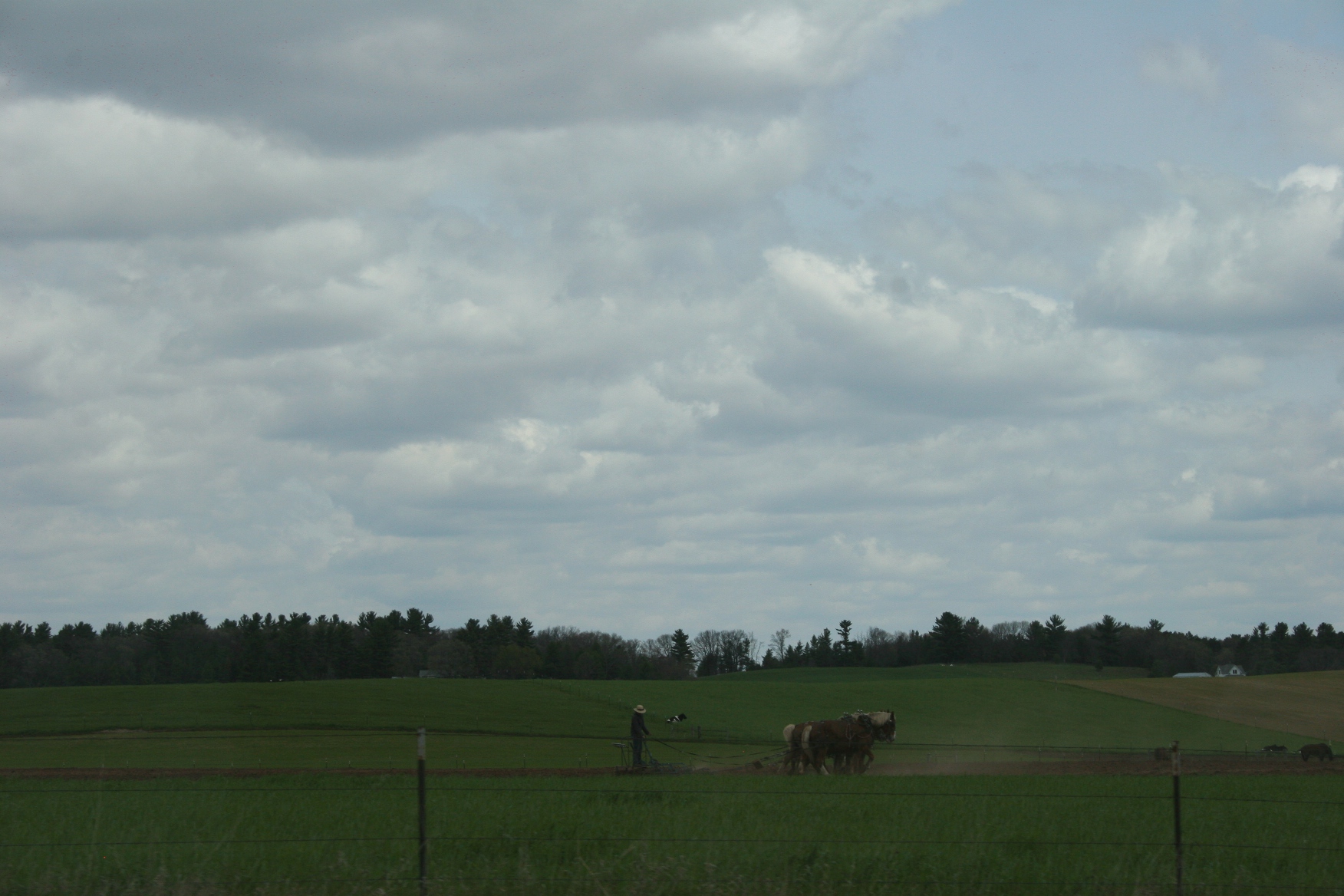
Doing field work the old fashioned way in Amish country near Coloma, Wisconsin.

Doing field work the old fashioned way in Amish country near Coloma, Wisconsin.

On Saturday morning, except for a team of horses working the land in central Wisconsin, in the heart of Amish country, we noticed little movement in fields. In extreme southeastern Minnesota, though, farmers had already been out working the ground.

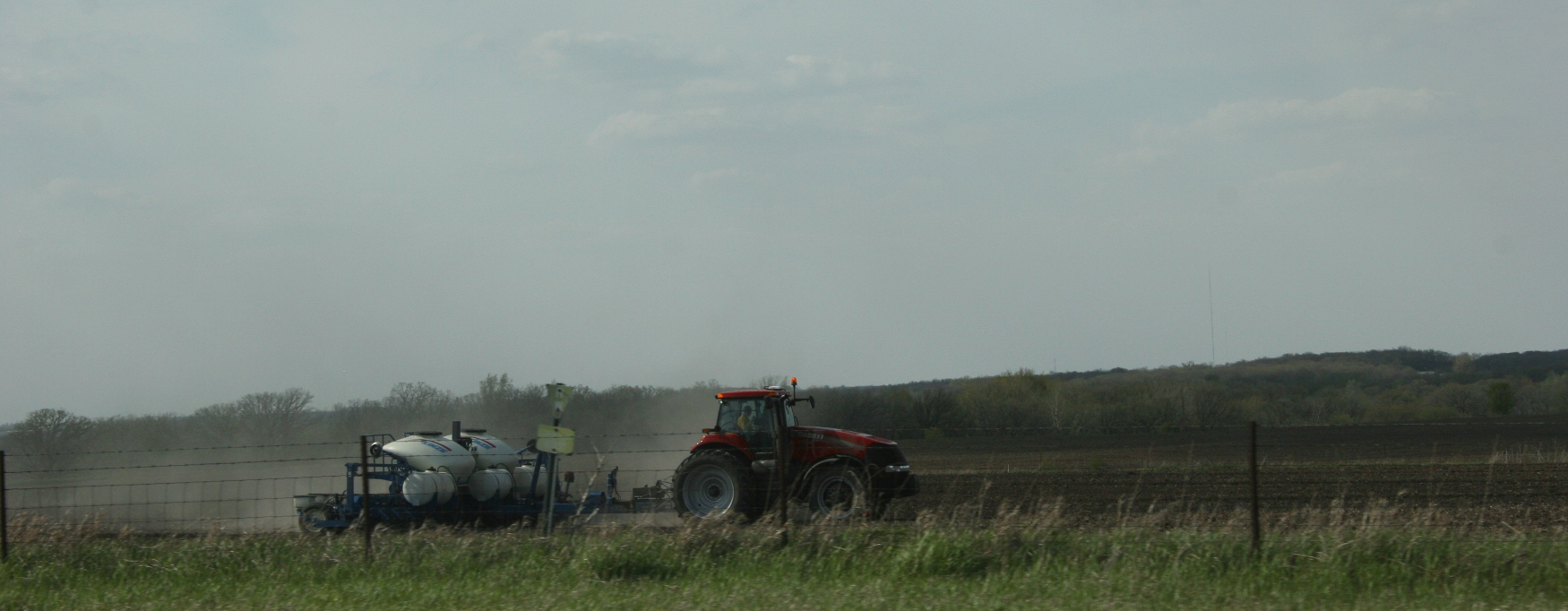
Working the land somewhere along Interstate 90 in southeastern Minnesota.

In the field somewhere along Interstate 90 in southeastern Minnesota.

By Sunday, with a day of sunshine and warmer temps, we noticed more earth turned, the blackness distinguishable from soil exposed to harsh winter weather.

Working the land in southeastern Minnesota.

In the field in southeastern Minnesota on Sunday.

Our farmer fathers would be proud of my husband and me for, after all these years away from the farm, still noticing the progress, or lack thereof, of field work.

© Copyright 2014 Audrey Kletscher Helbling
 

Feeling at home, wherever you live May 16, 2014

Filed under: Uncategorized — Audrey Kletscher Helbling @ 6:00 AM
Tags: , , , , , , ,
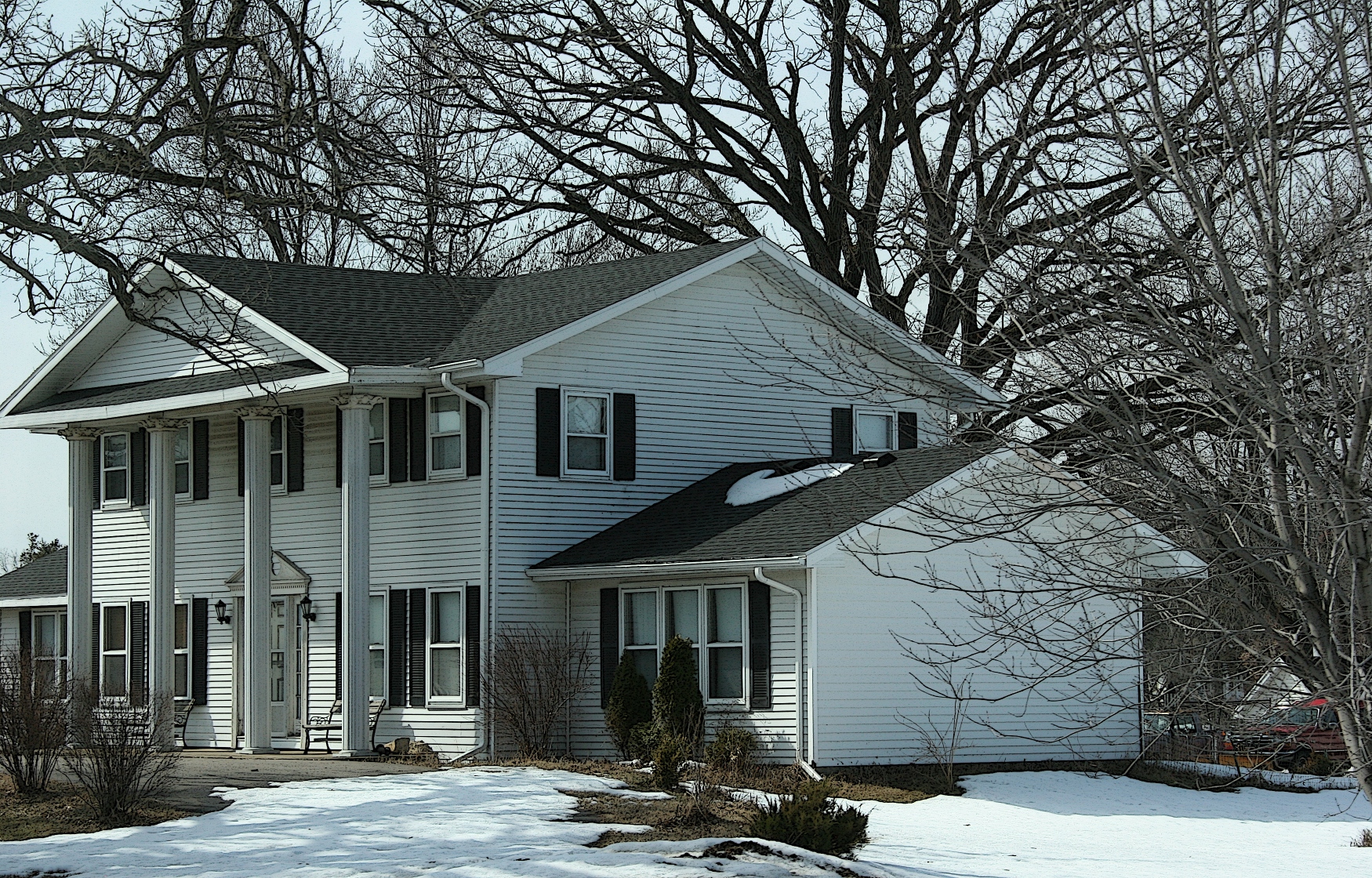
This colonial style home atop a hill along Wisconsin Highway 21 in Arkdale always catches my eye.

This lovely Colonial style home atop a hill along Wisconsin Highway 21 in Arkdale always catches my eye.

DO YOU PICTURE a dream home in your mind?

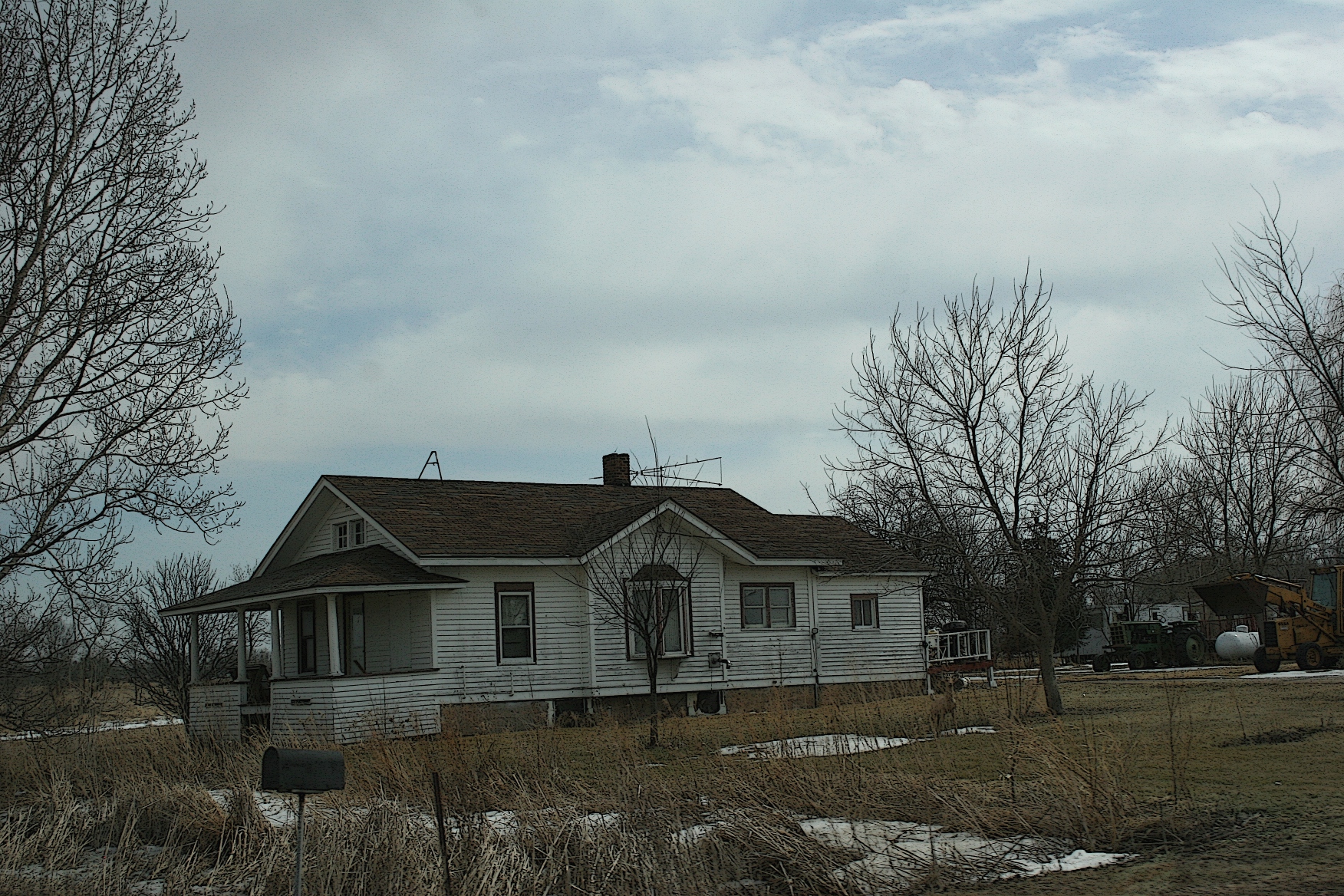
There is something sweet and endearing about the simplicity of this country home near Redgranite, Wisconsin. Perhaps it's the porch, the setting...the welcoming style.

There is something sweet and endearing about the simplicity of this country home near Redgranite, Wisconsin. Perhaps it’s the porch, the setting…the unassuming bungalow style.

Or are you living in your dream house?

A sturdy farmhouse near Redgranite, Wisconsin.

A substantial farmhouse east of Redgranite, Wisconsin.

I’ve always wanted to live in a big white two-story farmhouse with a front porch. Rather like the farmhouse where my Uncle Glenn and Aunt Elaine and cousins lived near Echo, Minnesota.

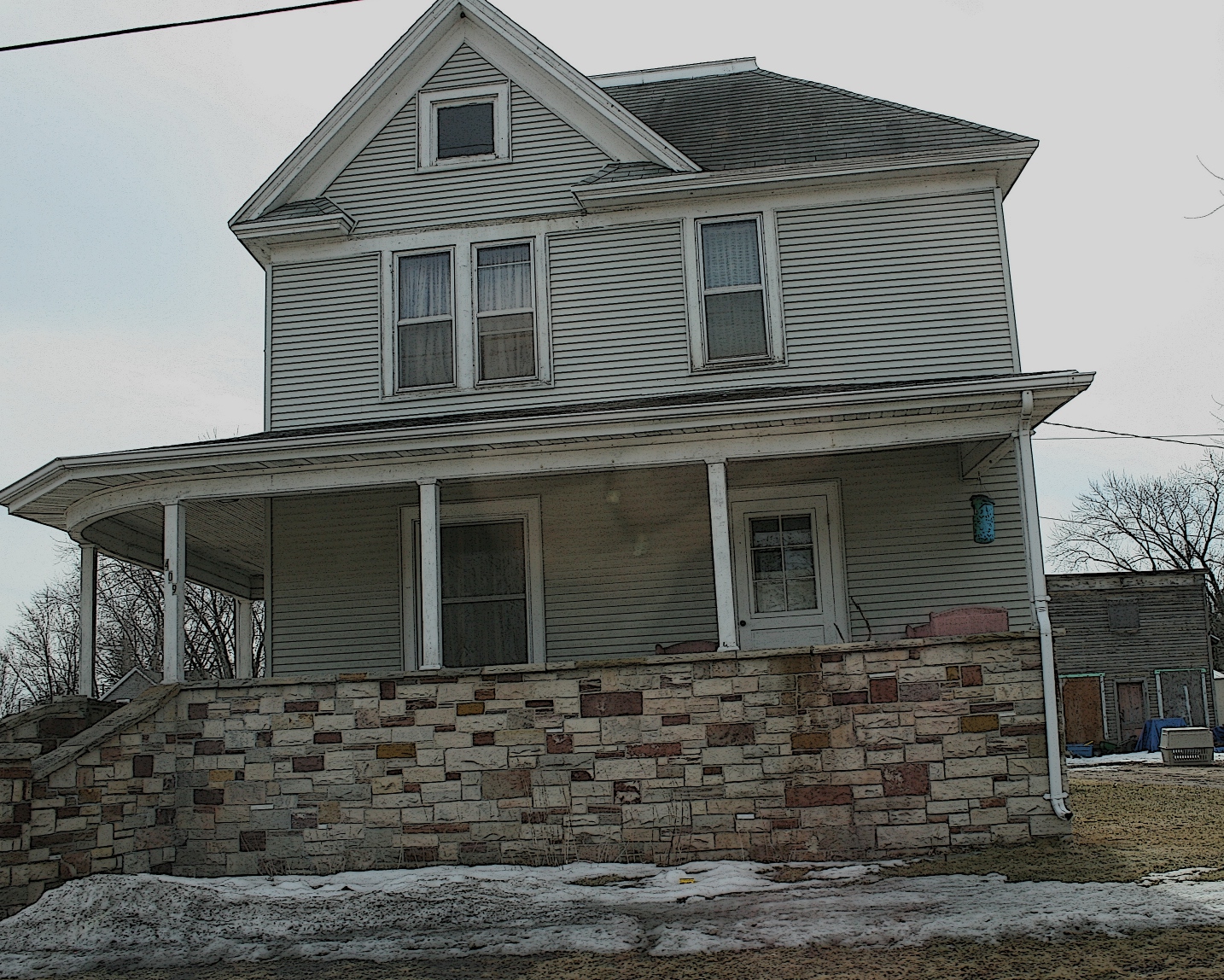
Open front porches, like this one on a home in Redgranite, Wisconsin, encourage neighborliness

Open front porches, like this one on a home in Redgranite, Wisconsin, encourage neighborliness and sitting outside on a beautiful afternoon or evening. Love the curve of the porch roofline and the stone front and steps.

The house, as I remember it, featured lots of dark woodwork with a built in buffet and that coveted porch.

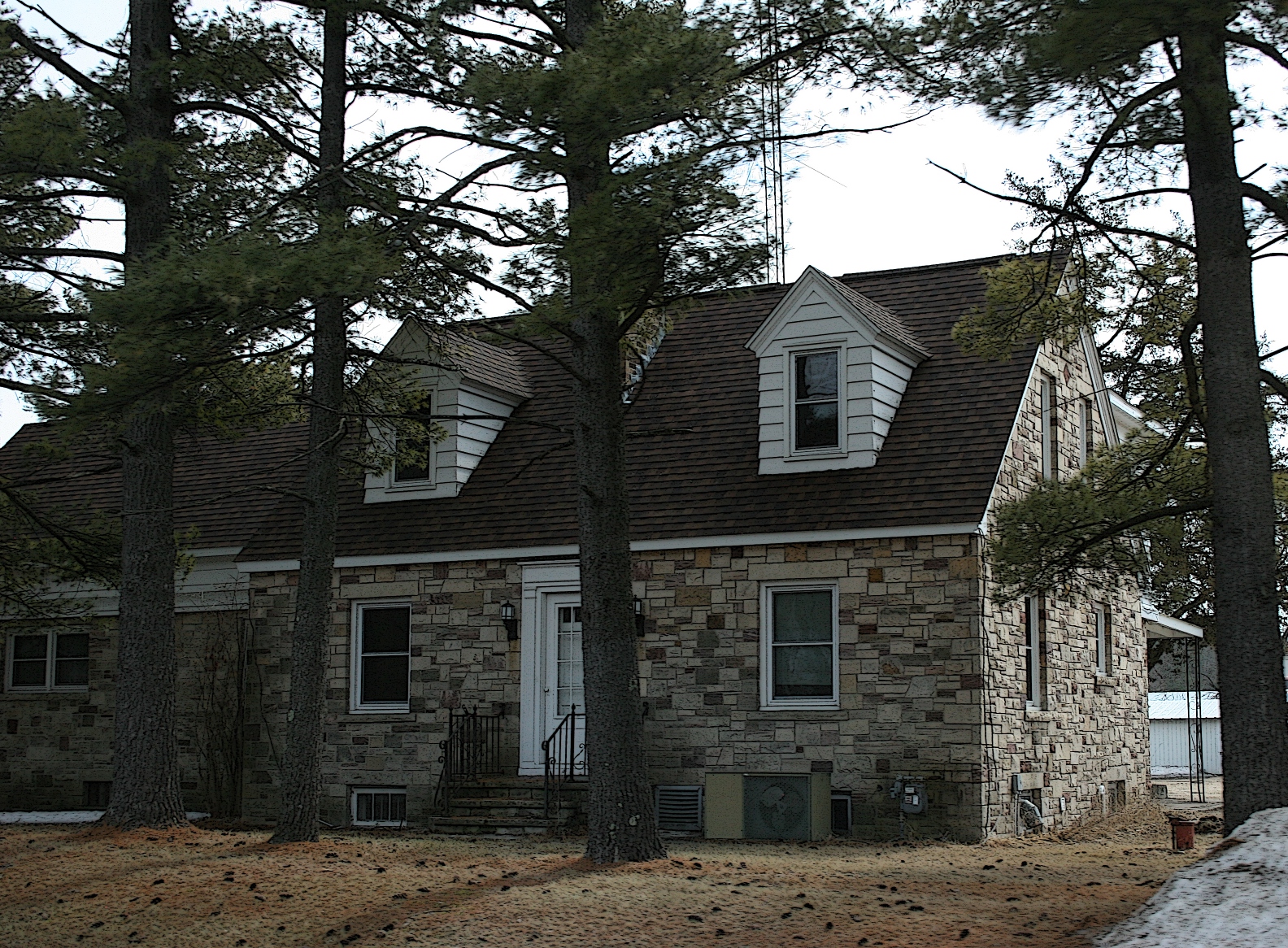
A stunning Cape Cod style home constructed from locally quarried stone near Redgranite, Wisconsin.

A stunning Cape Cod style home constructed from locally quarried stone near Redgranite, Wisconsin.

But then again, I also appreciate the Craftsman and Cape Cod styles of architecture.

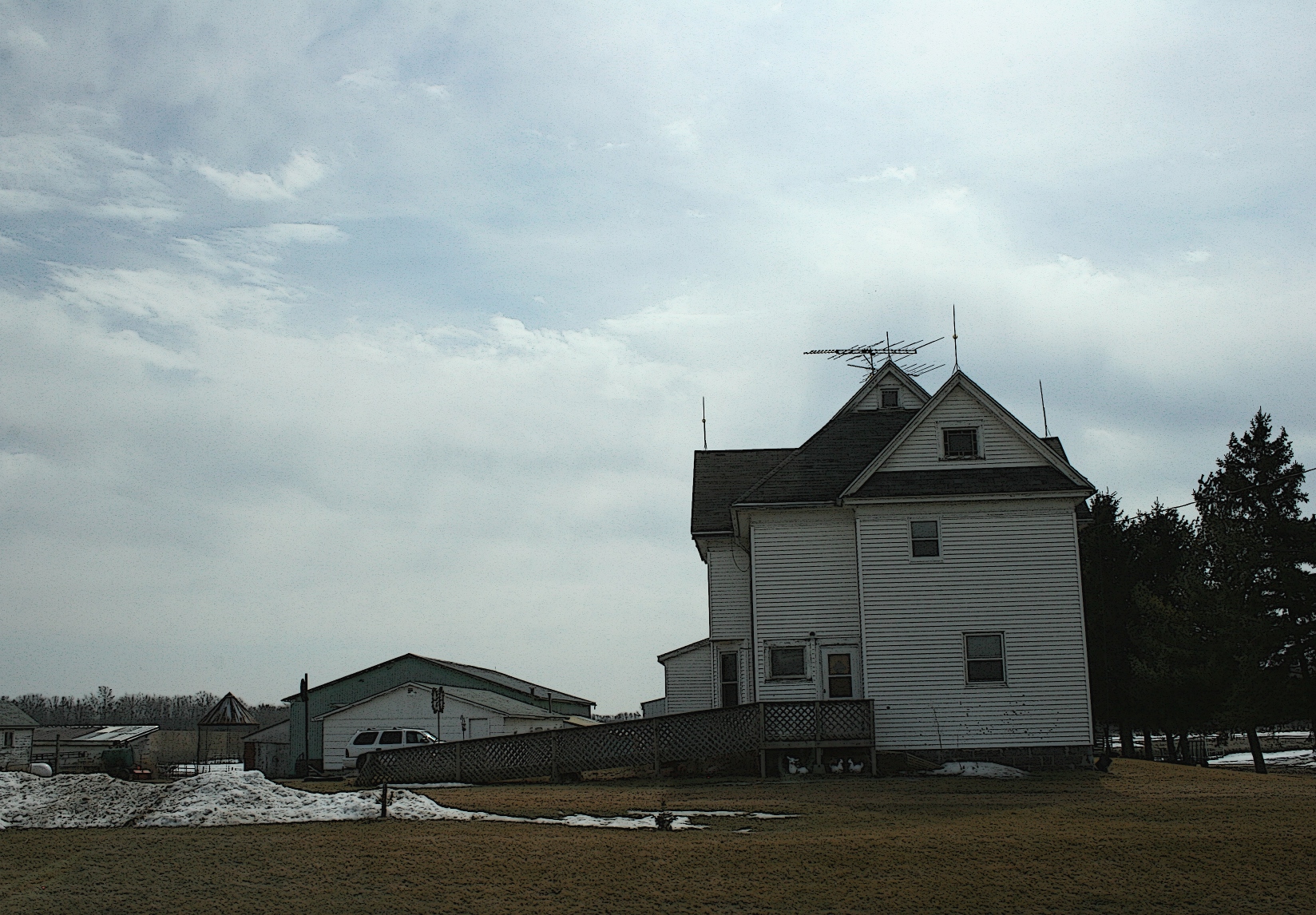
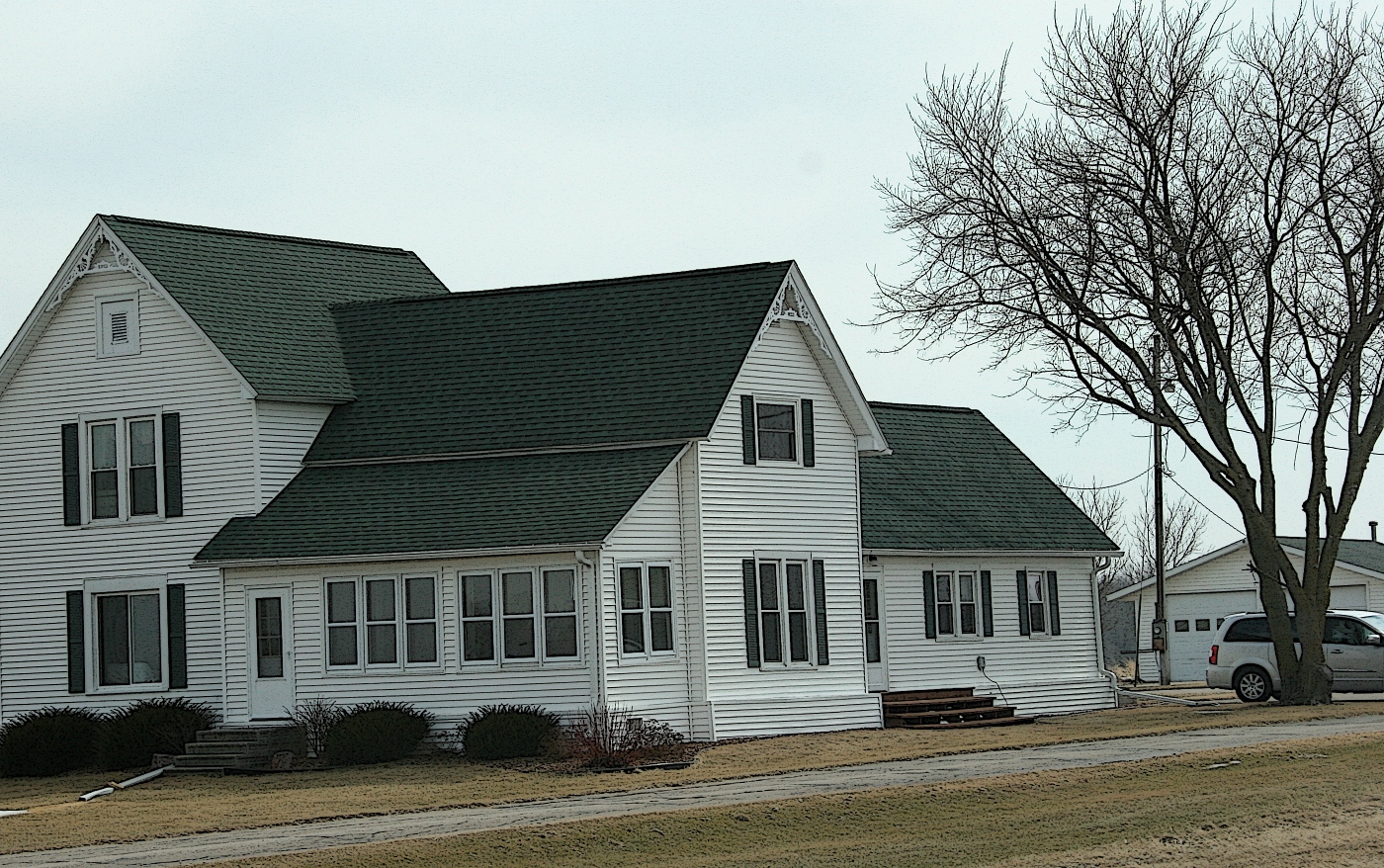
A well-kept farmhouse between Redgranite and Omro, Wisconsin, has likely evolved through the years with numerous additions.

A well-kept farmhouse between Redgranite and Omro, Wisconsin, has likely evolved through the years with numerous additions. I appreciate the enclosed porch and the Victorian detailed scrollwork near the roofline.

I’ve always preferred old over new, although sometimes I think living in a modern home would equal fewer maintenance worries.

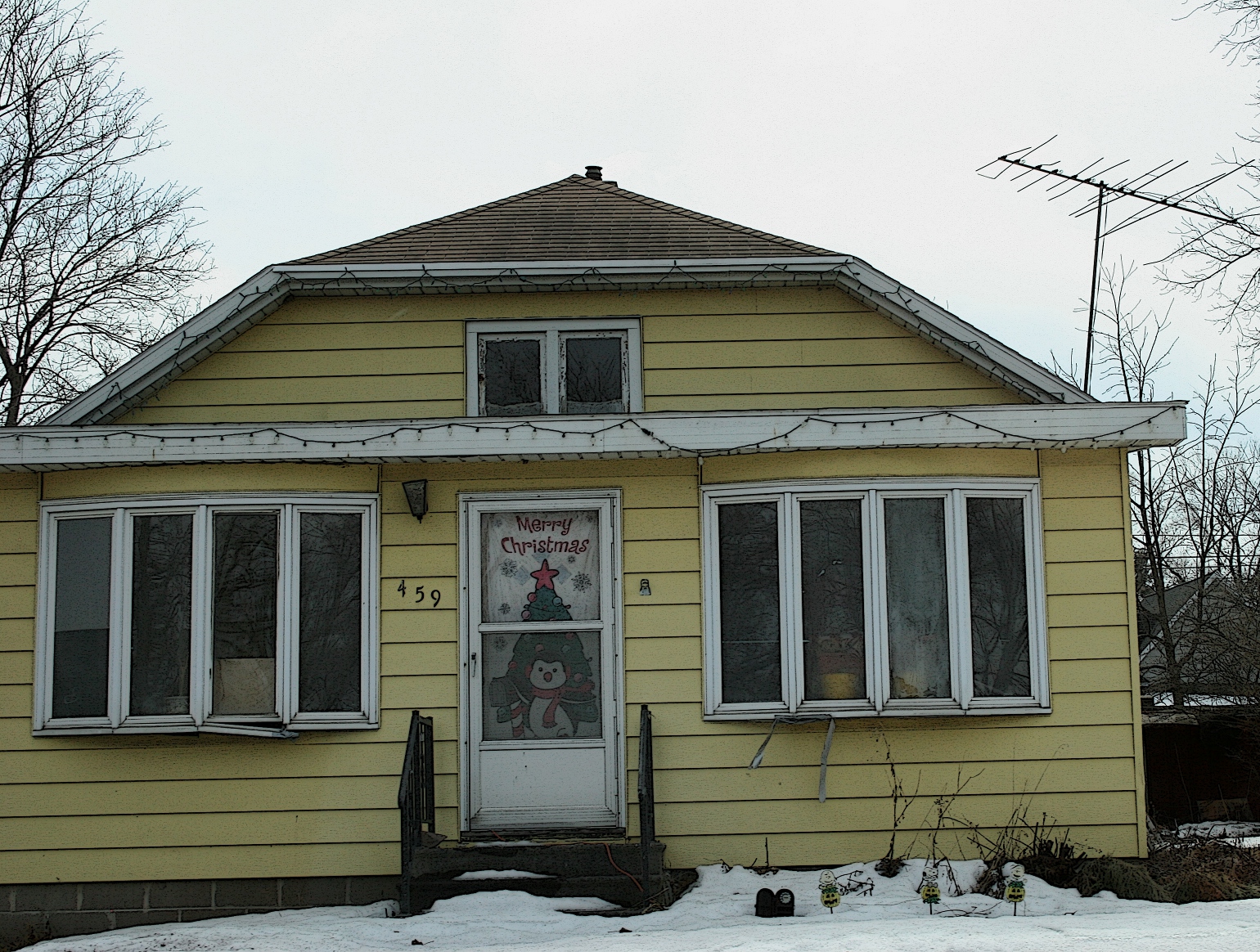
This cheery yellow house is located along Wisconsin Highway 21 in Redgranite. A welcoming holiday banner still graces the front door three months after Christmas.

This cheery yellow house is located along Wisconsin Highway 21 in Redgranite. Christmas lights and a welcoming holiday banner still grace this home three months after Christmas.

In the end, though, I’ve concluded that no matter where you live, it’s not the walls or design or age or style that truly define a home. It is simply being content where you’re at, with the people you love.

NOTE: These images were taken on a late March trip to eastern Wisconsin when snow still covered the ground. Not any more.

© Copyright 2014 Audrey Kletscher Helbling
 

A must-see Wisconsin museum features paperweights, really old glassware & more May 1, 2014

THEY JOKED ABOUT MY SUGGESTION we tour a paperweight museum.

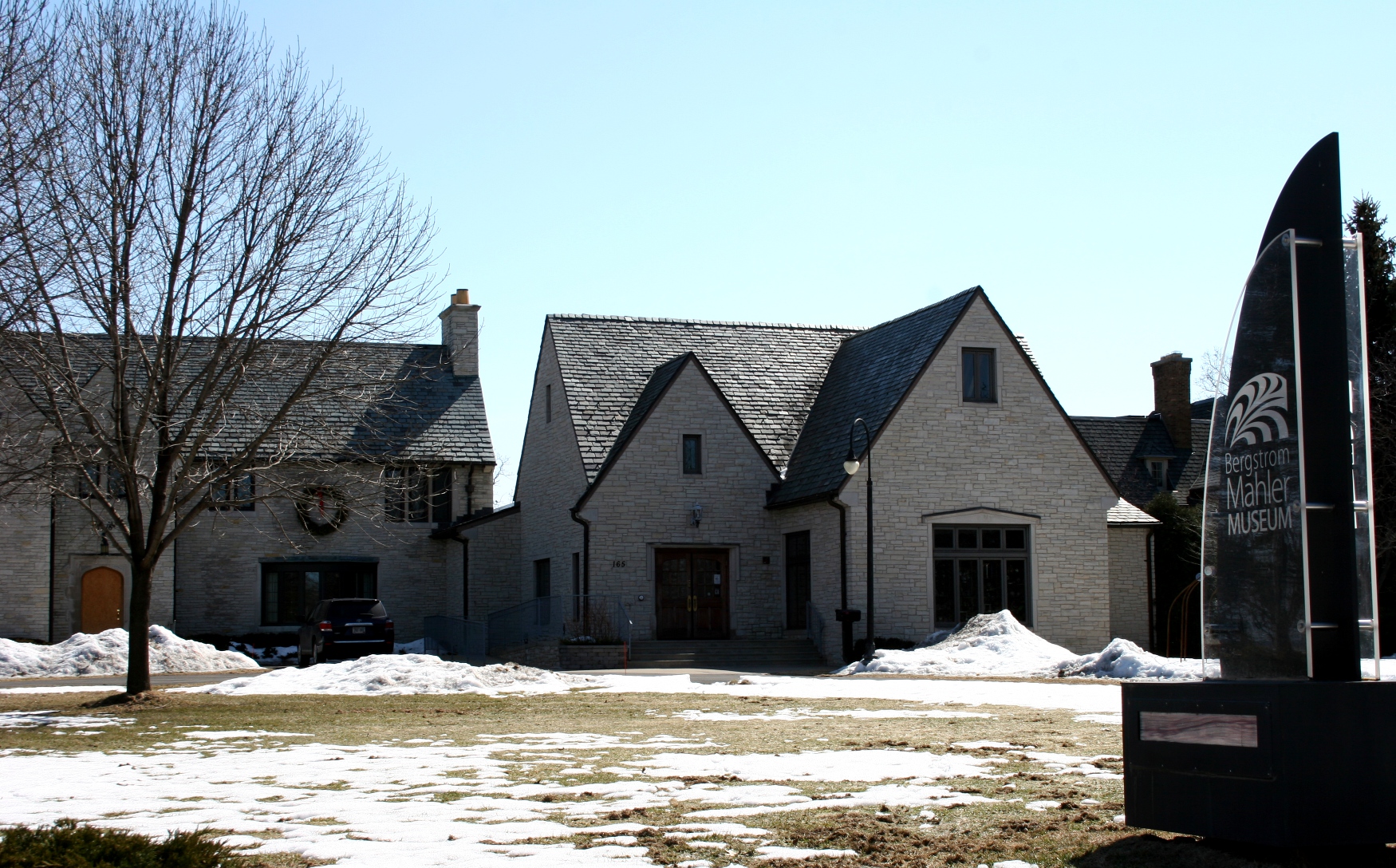
The museum is housed in an historic home (and addition) along the shores of Lake Winnebago across from a park.

The museum is housed in an historic home (and addition) along the shores of Lake Winnebago across from a park.

But they weren’t laughing once we arrived at the Bergstrom-Mahler Museum in Neenah, Wisconsin.

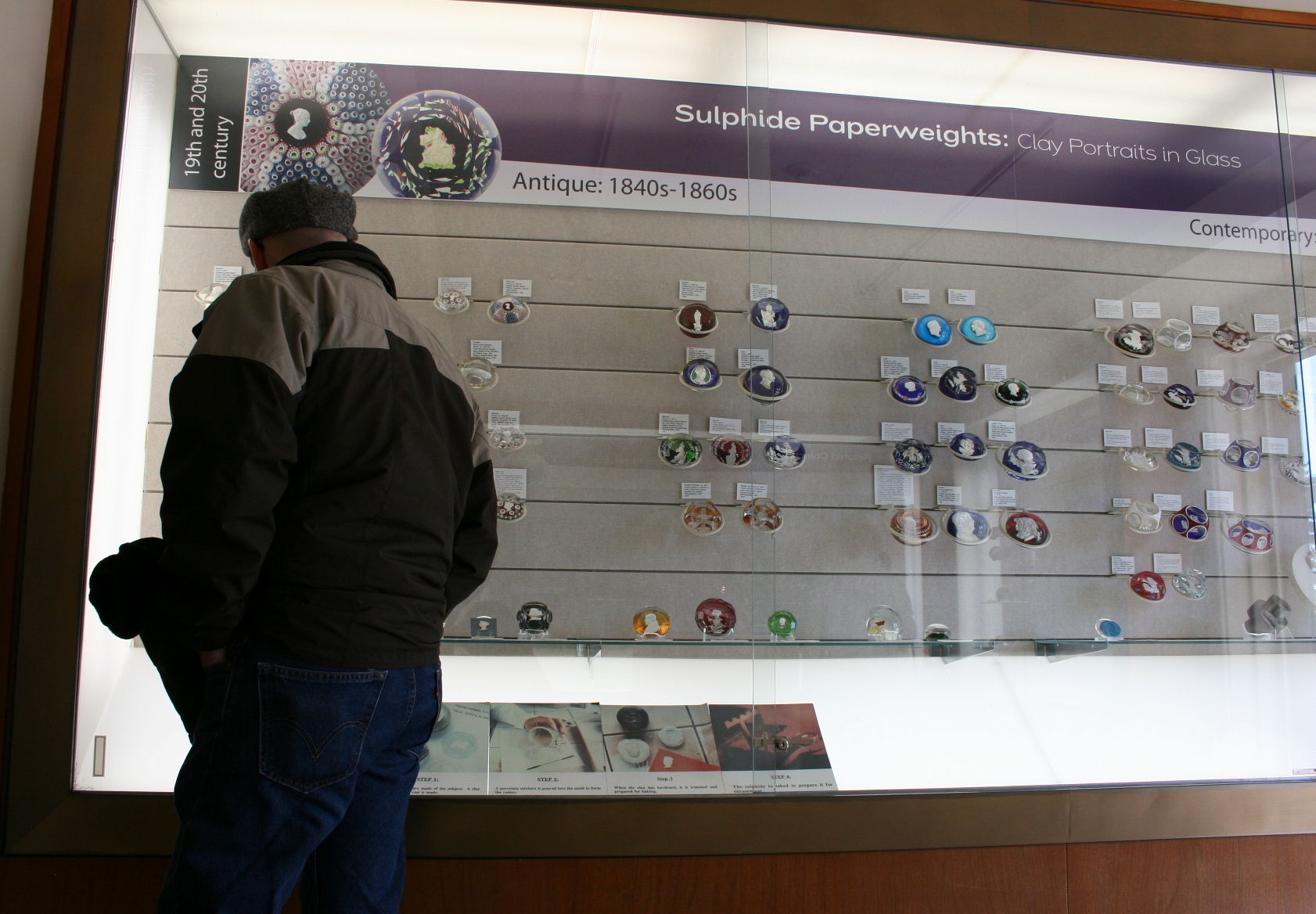
My husband, Randy, checking out a section of paperweights.

My husband, Randy, checking out a section of paperweights.

If I’d done my research rather than simply skimming a website, I could have advised my husband and daughter Miranda that the museum features more than one of the world’s largest collections of antique and contemporary glass paperweights.

Much more.

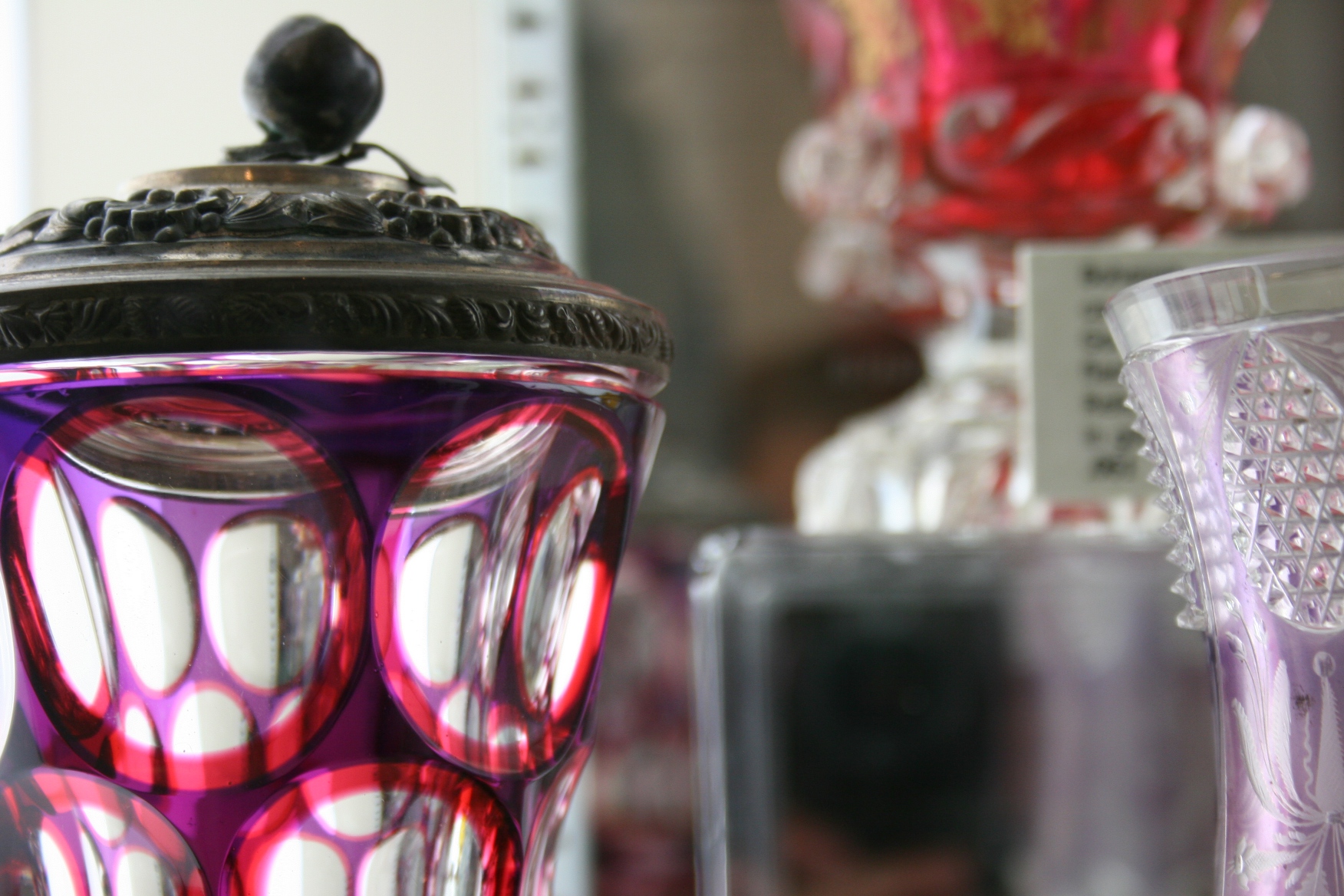
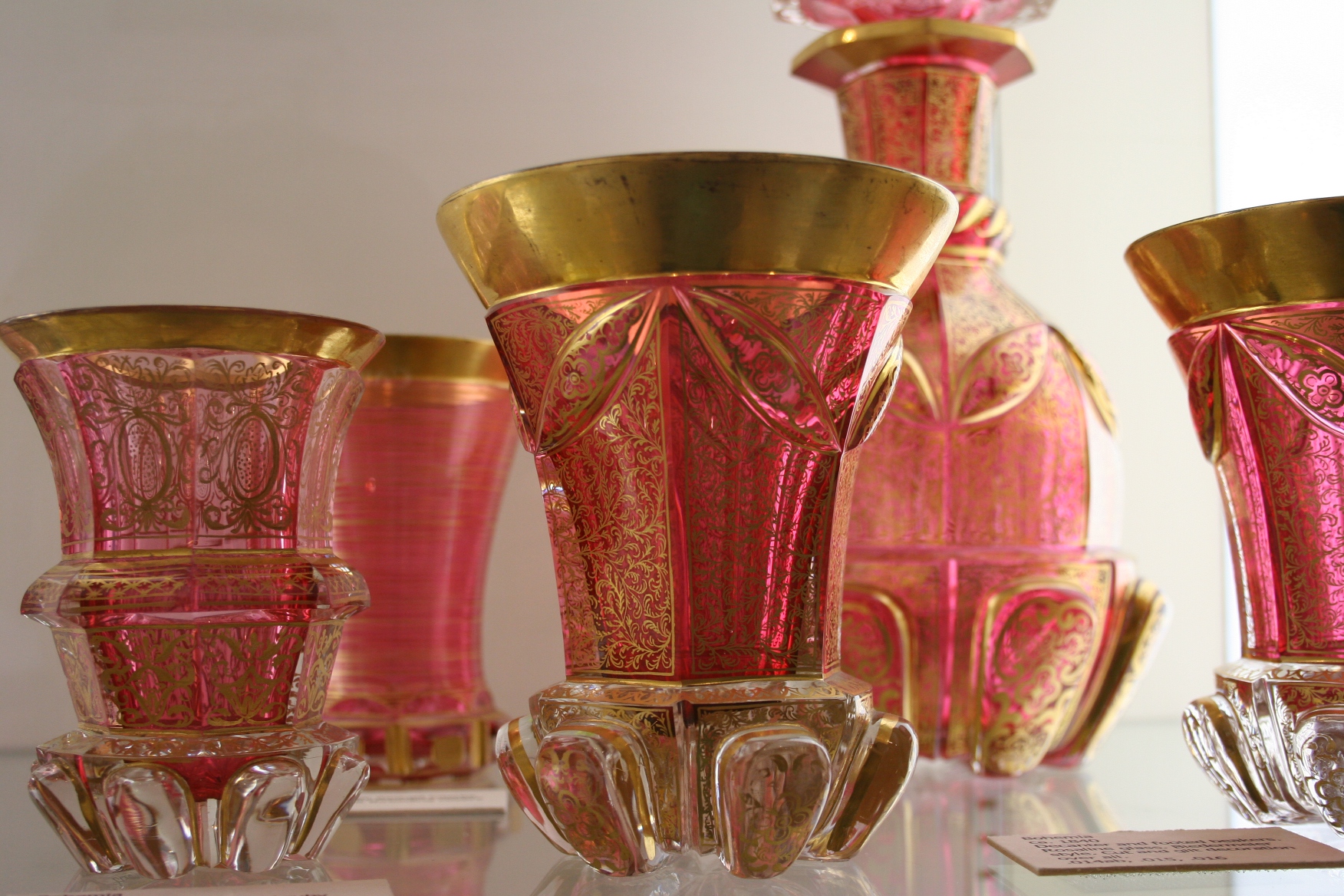
Examples of the beautiful glassware.

Examples of the beautiful glassware.

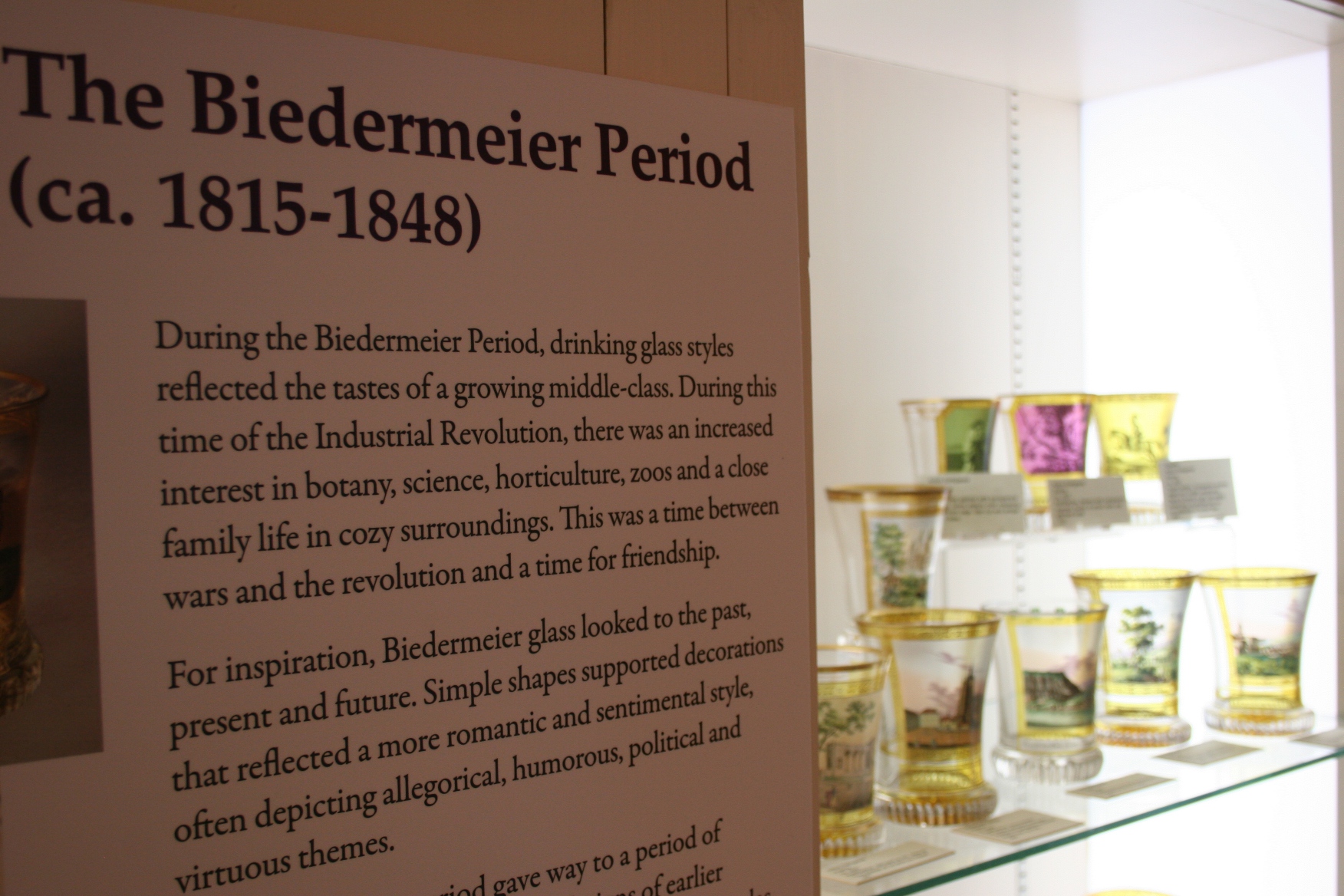
This museum and glass studio housed in a 1929 Tudor mansion and addition along the west shore of Lake Winnebago also showcases really old Germanic glassware. We’re talking glass spanning three centuries, the earliest dating to 1573.

This is some aged glassware.

This is some aged glassware.

“Impressed now?” I asked them. And they were.

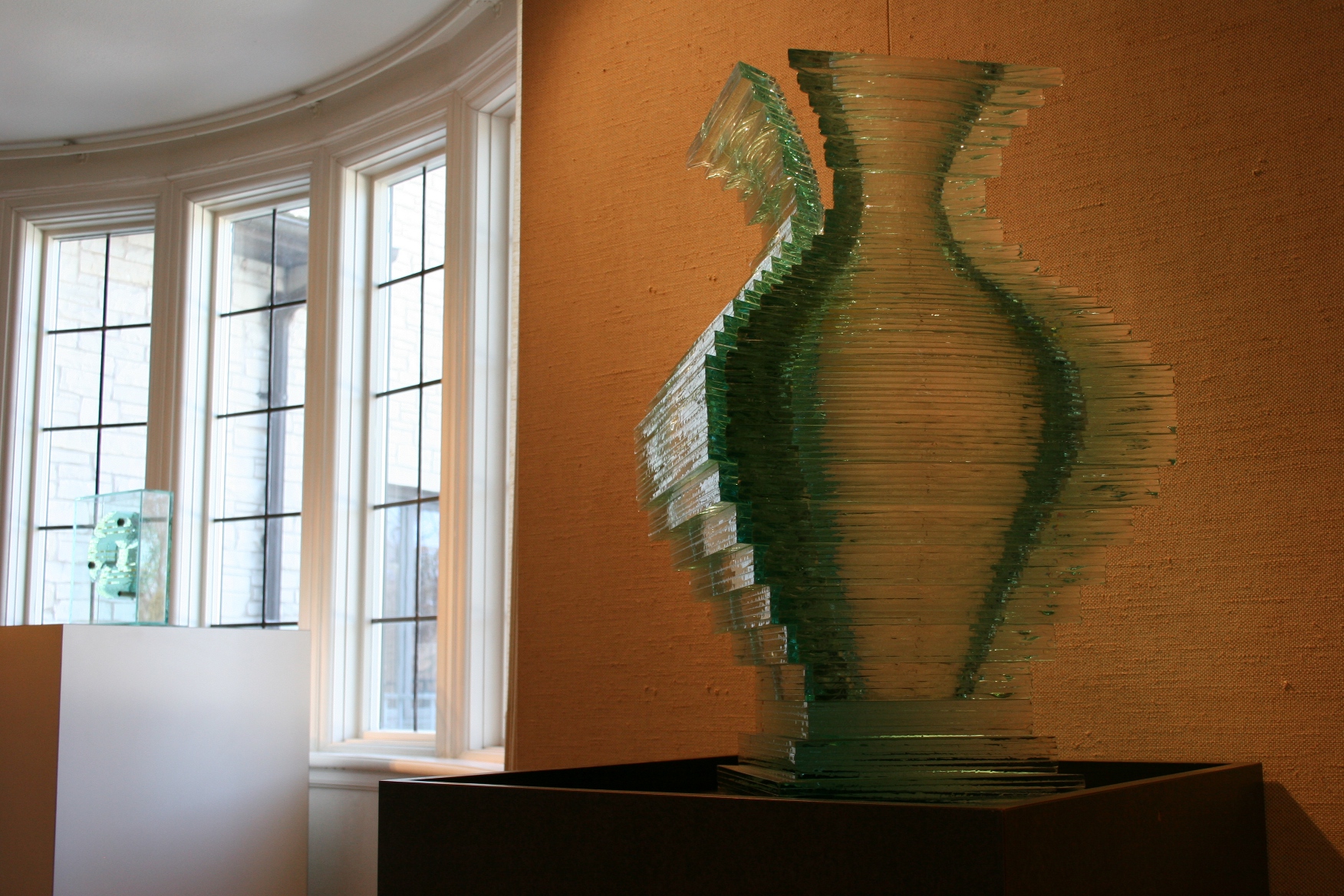
One of the contemporary sculptures displayed.

One of the contemporary sculptures displayed.

To impress us even more, the museum includes an exhibit of exquisite contemporary glass sculptures, some part of the permanent collection and some on loan. I was allowed to photograph only those pieces that are owned by the museum.

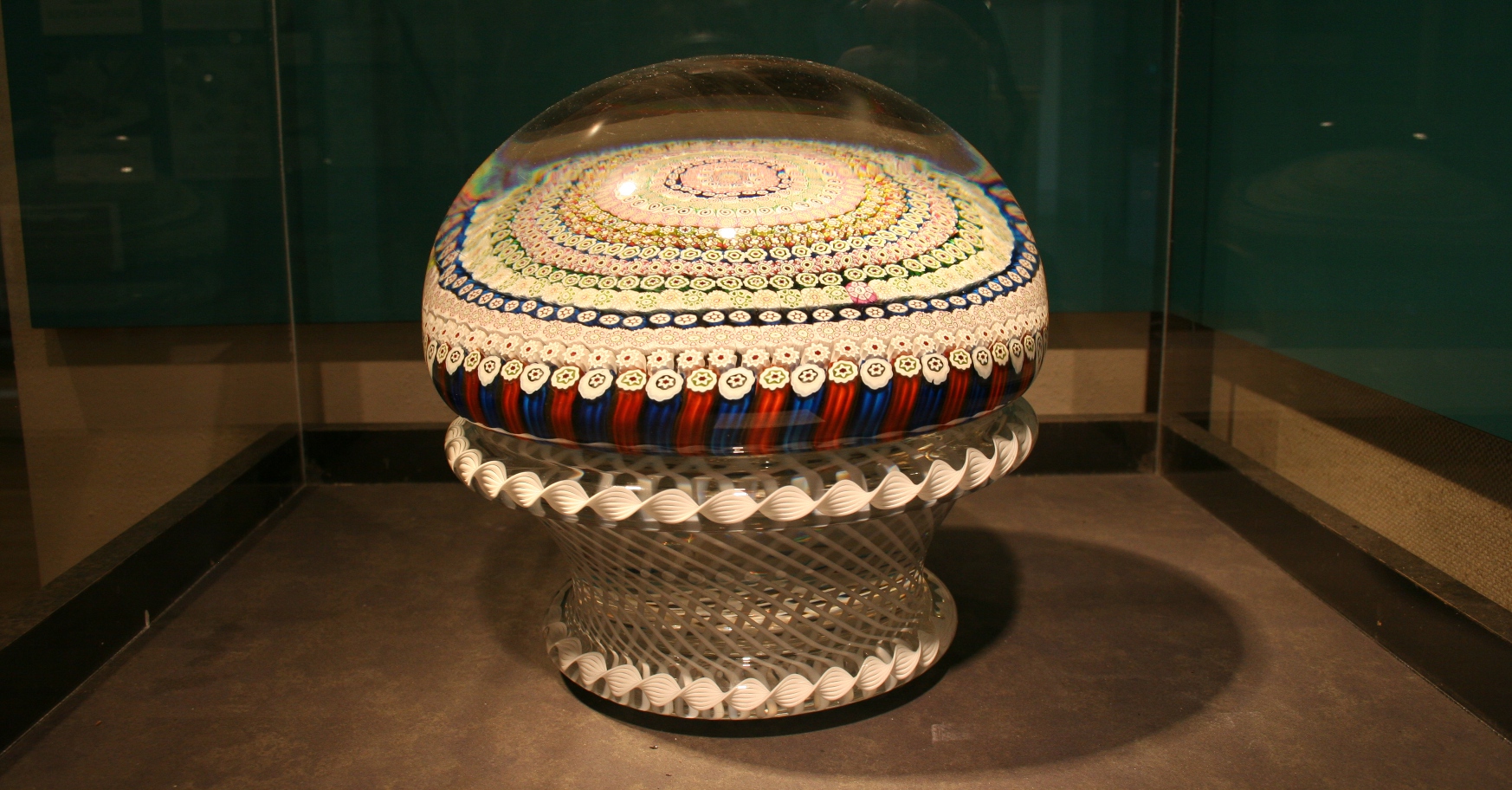
gigantic paperweight

The Super Magnum Piedouche is one of 10 such paperweights created. This one is dated 1973 and weighs 55 pounds.

All through-out our visit, I wondered at the value of the thousands—2,300 objects in the paperweight collection alone—of pieces shown. An inquiry of a museum worker did not elicit a value, although I learned that the museum is currently attempting to purchase a certain contemporary sculpture and still needs to raise $9,000. She didn’t know how much had already been raised. I imagine a lot.

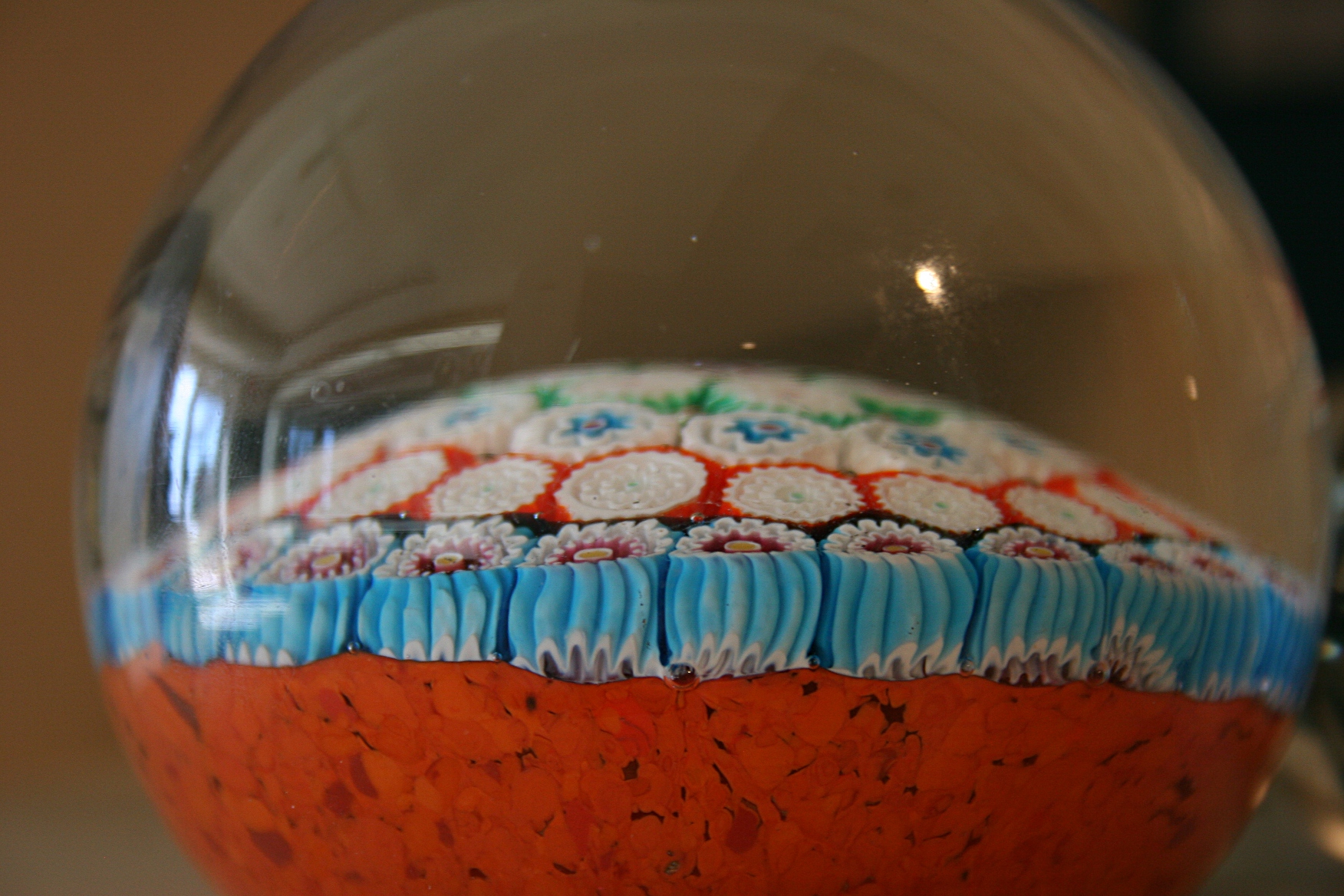
A close-up side view of a paperweight.

A close-up side view of a paperweight.

And to think this all started with Evangeline Bergstrom’s memories of playing with her grandmother’s paperweight.

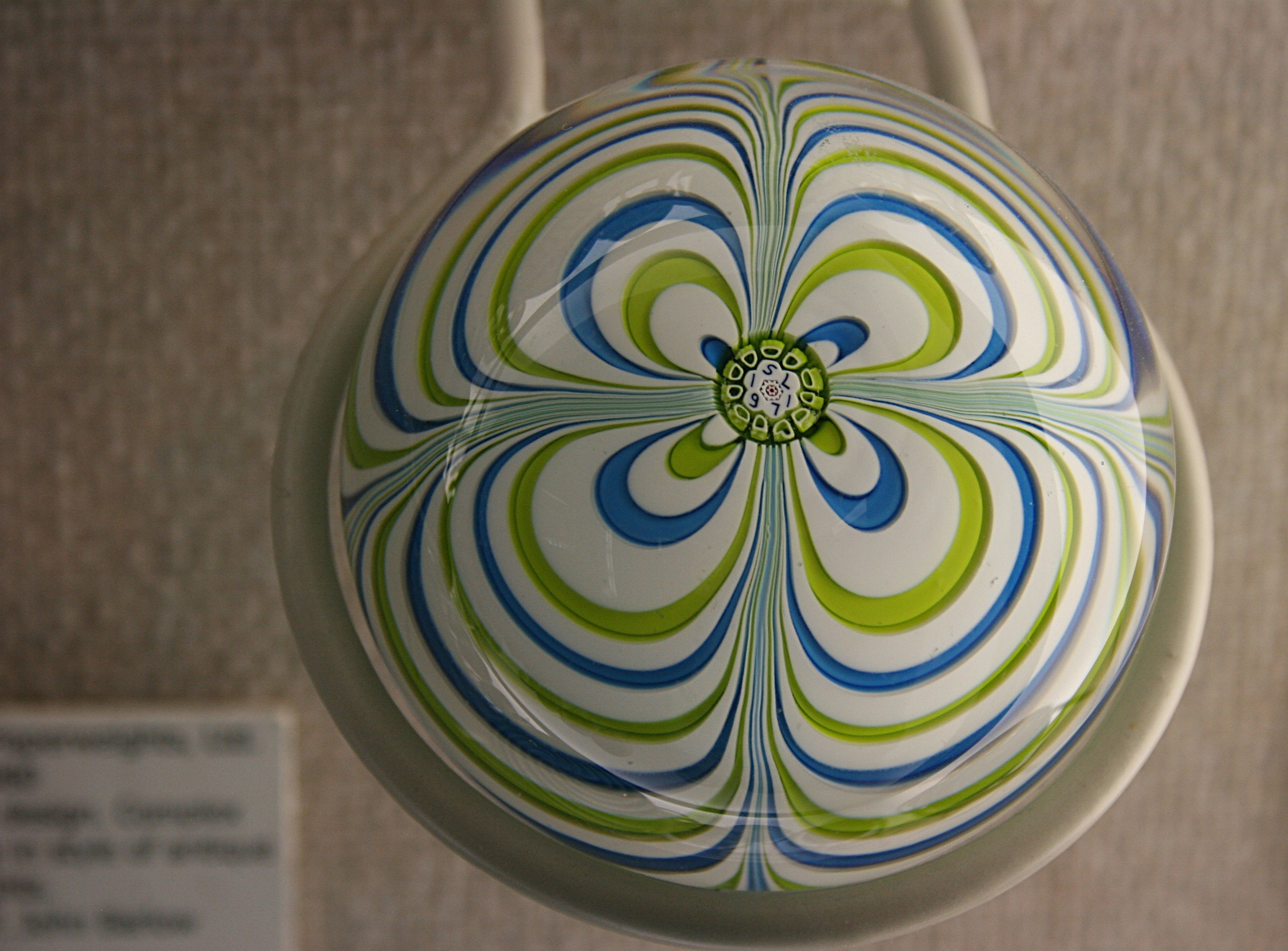
These paperweights are truly works of art.

These paperweights are truly works of art.

Long story short (and you can read the long story by clicking here), Evangeline’s husband, John Nelson Bergstrom, bequeathed the couple’s home to the city of Neenah with instructions to build a museum upon his wife’s death for her paperweight collection.

In 1959, that museum opened, imprinting the legacy of the Bergstroms (John co-founded the Bergstrom Paper Company with this father) upon this eastern Wisconsin city.

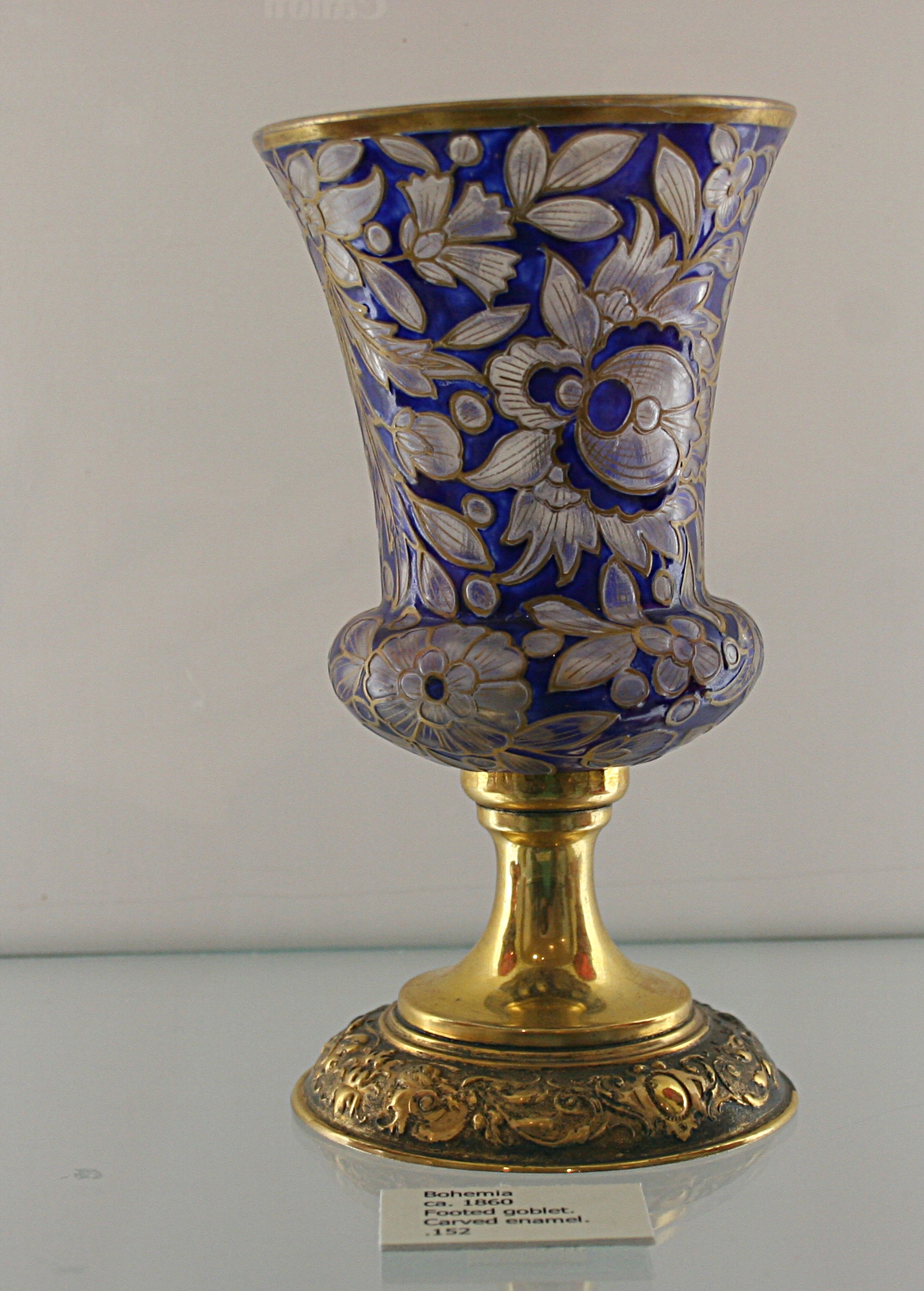
A carved enamel goblet, ca. 1860, Bohemia.

A carved enamel goblet, ca. 1860, Bohemia.

Likewise, another paper industry leader and Neenah native, Ernst Mahler, gifted a glass collection to the Bergstrom-Mahler Museum. In 1994, the museum received the Germanic glassware Mahler had purchased in 1931 in Austria for his wife, Carol.

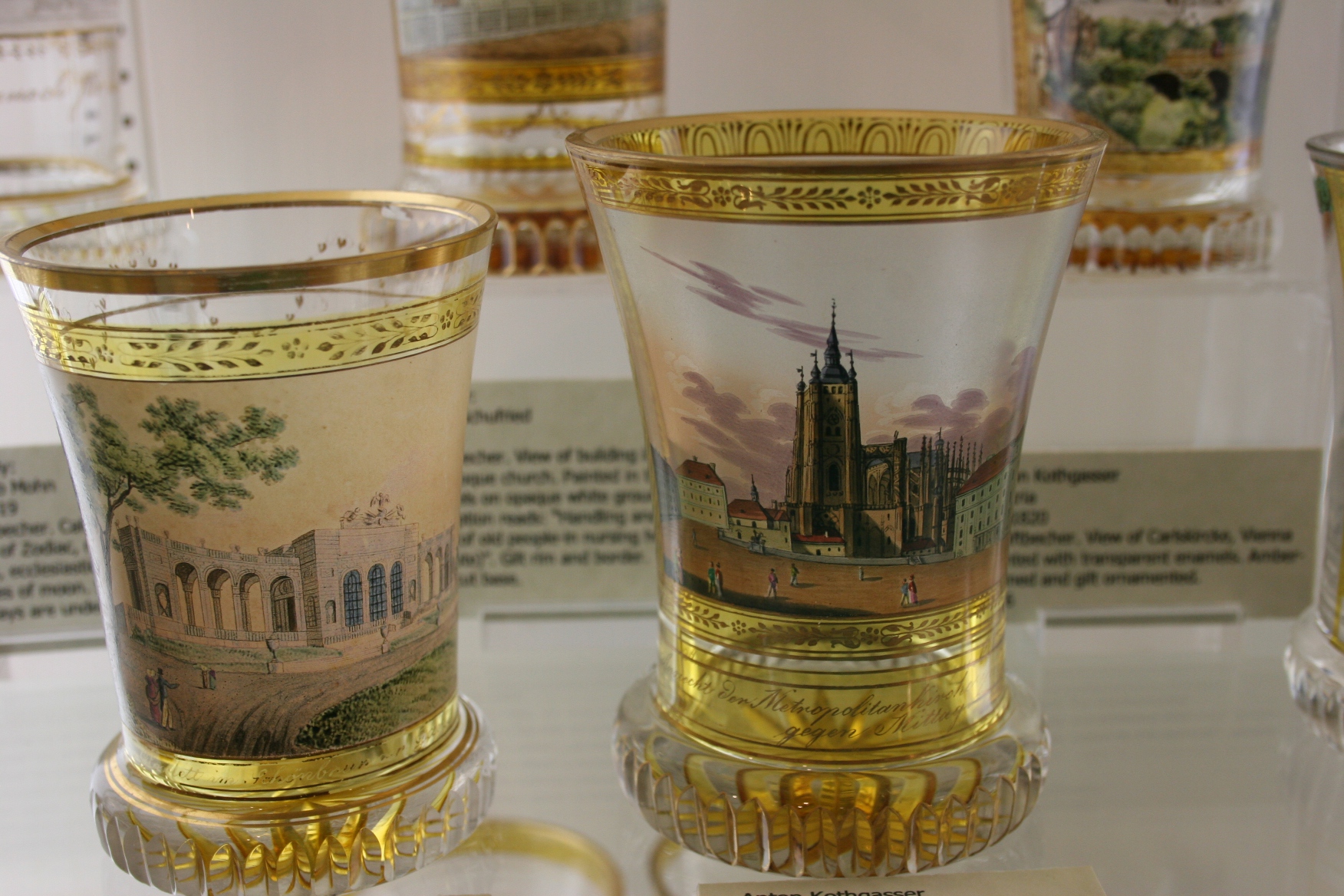
History and art detailed on glasses.

History and art detailed on glasses.

I found this aged glassware especially intriguing given the detailed scenes on many of the pieces. It’s fabulous art.

Dated 1693. Cheers.

Dated 1693. Cheers.

If only we could have sampled a dark German beer in one of those over-sized glasses…

Bottom line, don’t underestimate the appeal of a paperweight collection even if you, like my daughter, consider paperweights to be rather useless. Those in the Bergstrom collection possess great artistic and historical value well worth viewing, well worth appreciating.

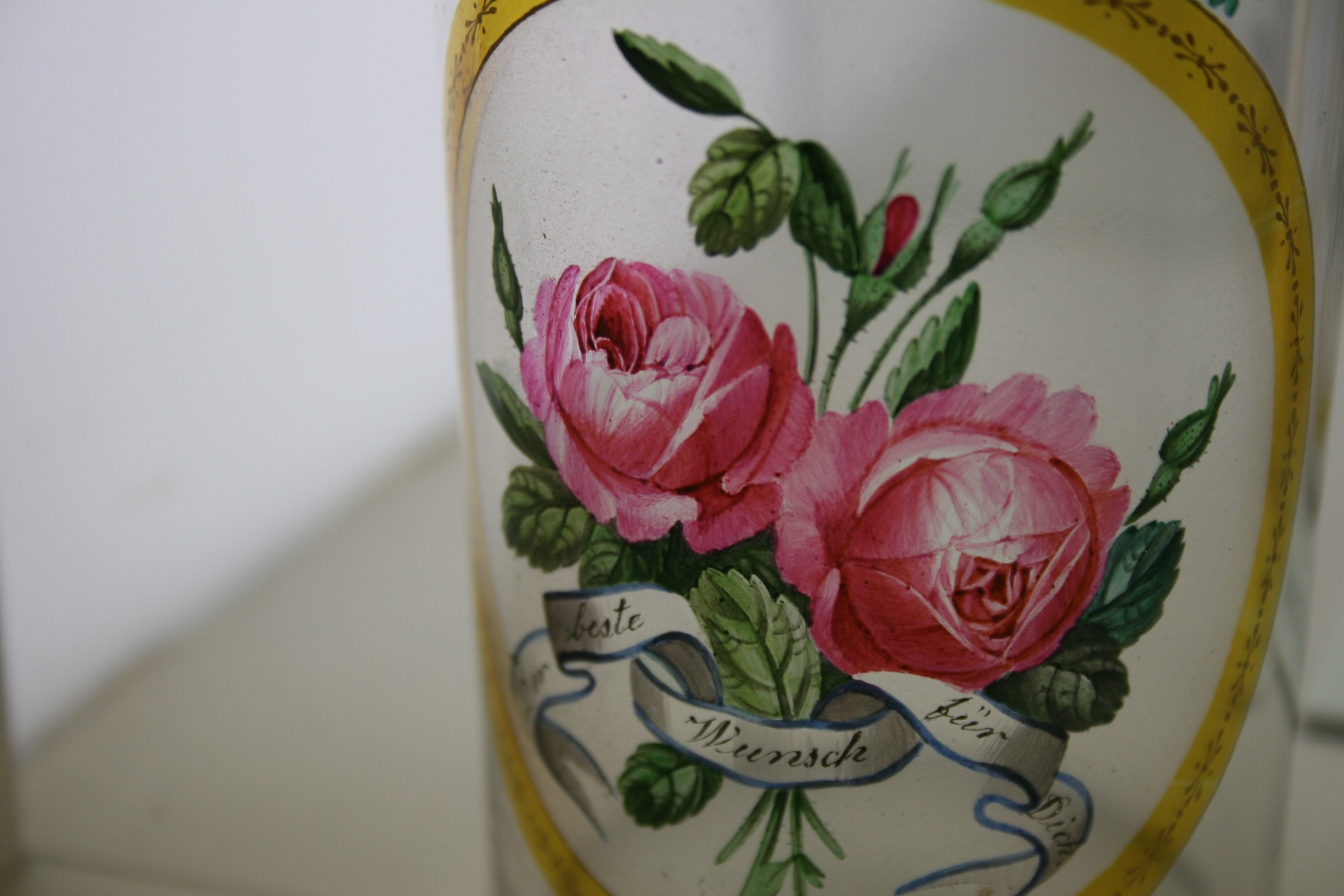
Detailed floral art on glassware.

Detailed floral art on glassware.

Ditto for the other glass art featured in the museum.

Glassware in an array of colors.

Glassware in an array of colors.

FYI: The Bergstrom-Mahler Museum, 165 North Park Avenue, Neenah, is open from 10 a.m. – 4:30 p.m. Tuesday-Saturday and from 1 p.m. – 4:30 p.m. Sundays, closed holidays and a few other days.

Admission is, get this, free, although donations are welcome.

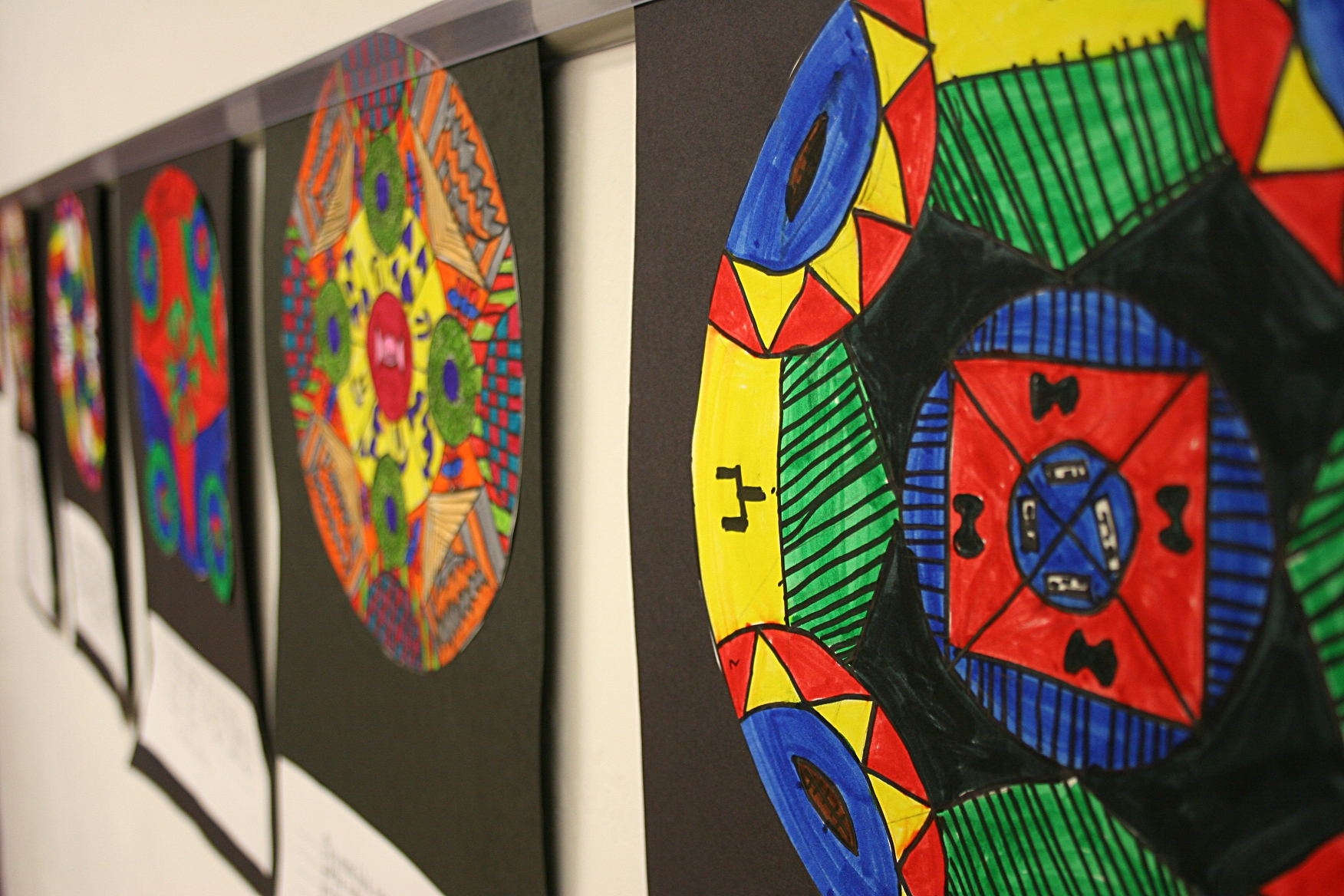
mandalas

Fifth and sixth graders at Edison Elementary School in Appleton studied Tibetan Sand Mandalas and then created paper versions, temporarily on display in the lower level of the museum.

At the time of our visit in late March, glass pieces created by students in the Fox Valley area were exhibited. But I was not allowed to photograph these works, some of them mighty impressive.

Annually, the museum’s collection of Victorian glass baskets are also shown, primarily during the spring and summer.

TO VIEW ANOTHER post from the community of Neenah, Wisconsin, click here.

© Copyright 2014 Audrey Kletscher Helbling
 

One hip, vintage & retro shop in Neenah, Wisconsin April 29, 2014

Filed under: Uncategorized — Audrey Kletscher Helbling @ 6:00 AM
Tags: , , , , , , , , ,
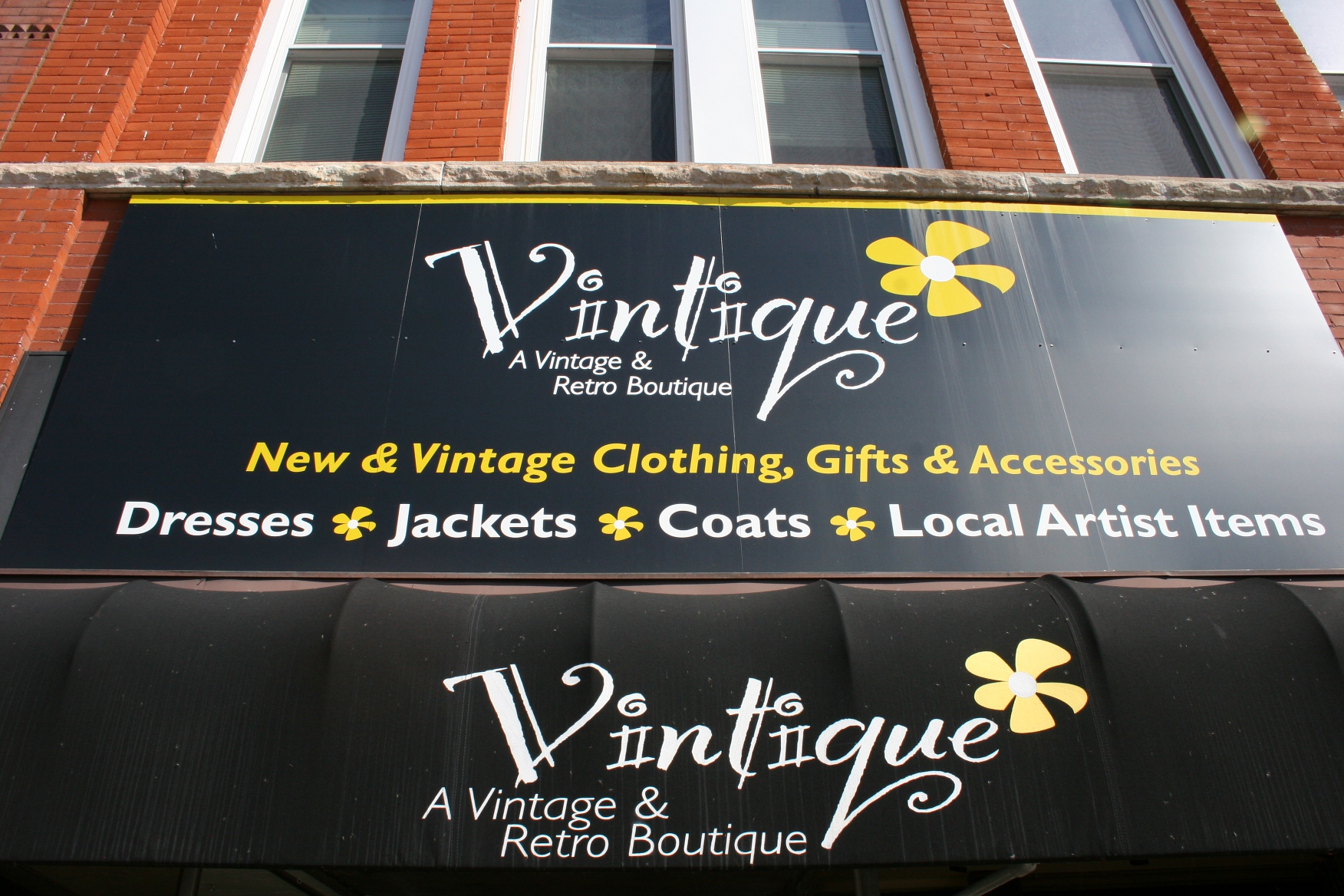
The signage on Vintique, 131 West Wisconsin Avenue, Neenah, Wisconsin.

The signage on Vintique, 131 West Wisconsin Avenue, Neenah, Wisconsin.

I LOVE THIS BOUTIQUE in downtown Neenah, Wisconsin.

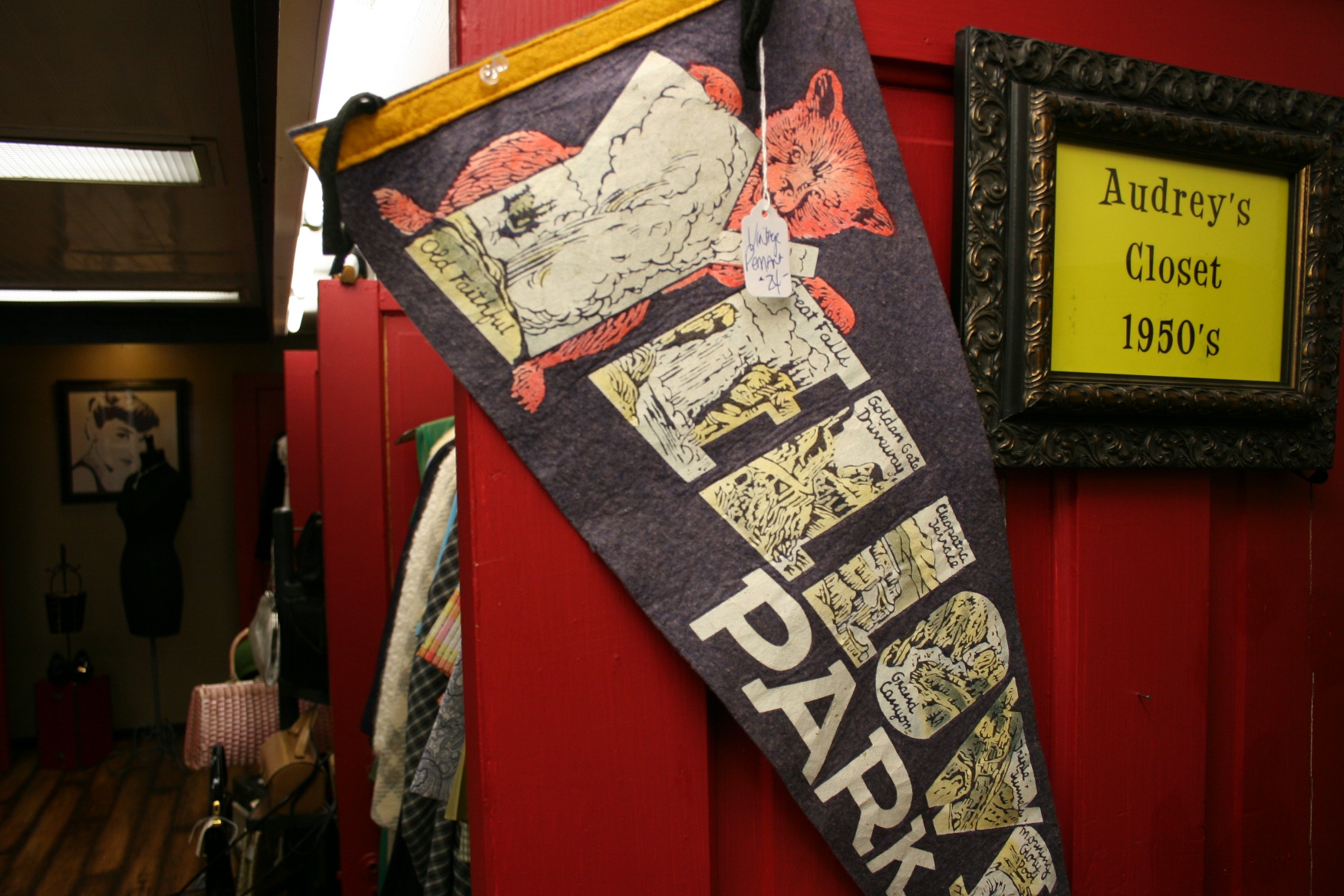
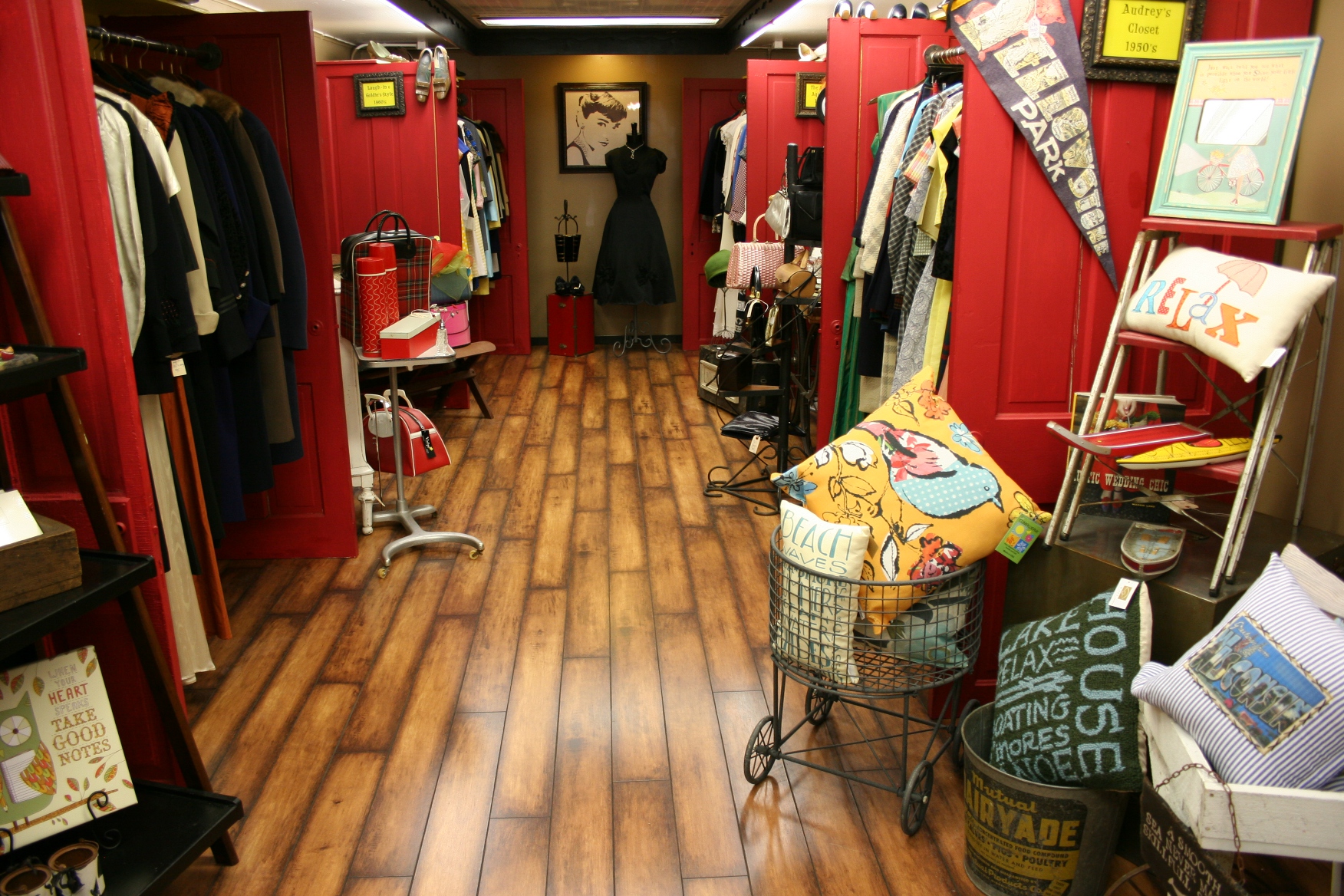
Audrey's Closet, likely named after Audrey Hepburn and not me, holds vintage 50s clothing.

Audrey’s Closet, likely named after Audrey Hepburn and not me, holds vintage 50s clothing.

Not just because a section of vintage 1950s clothing is tucked into a space labeled Audrey’s Closet.

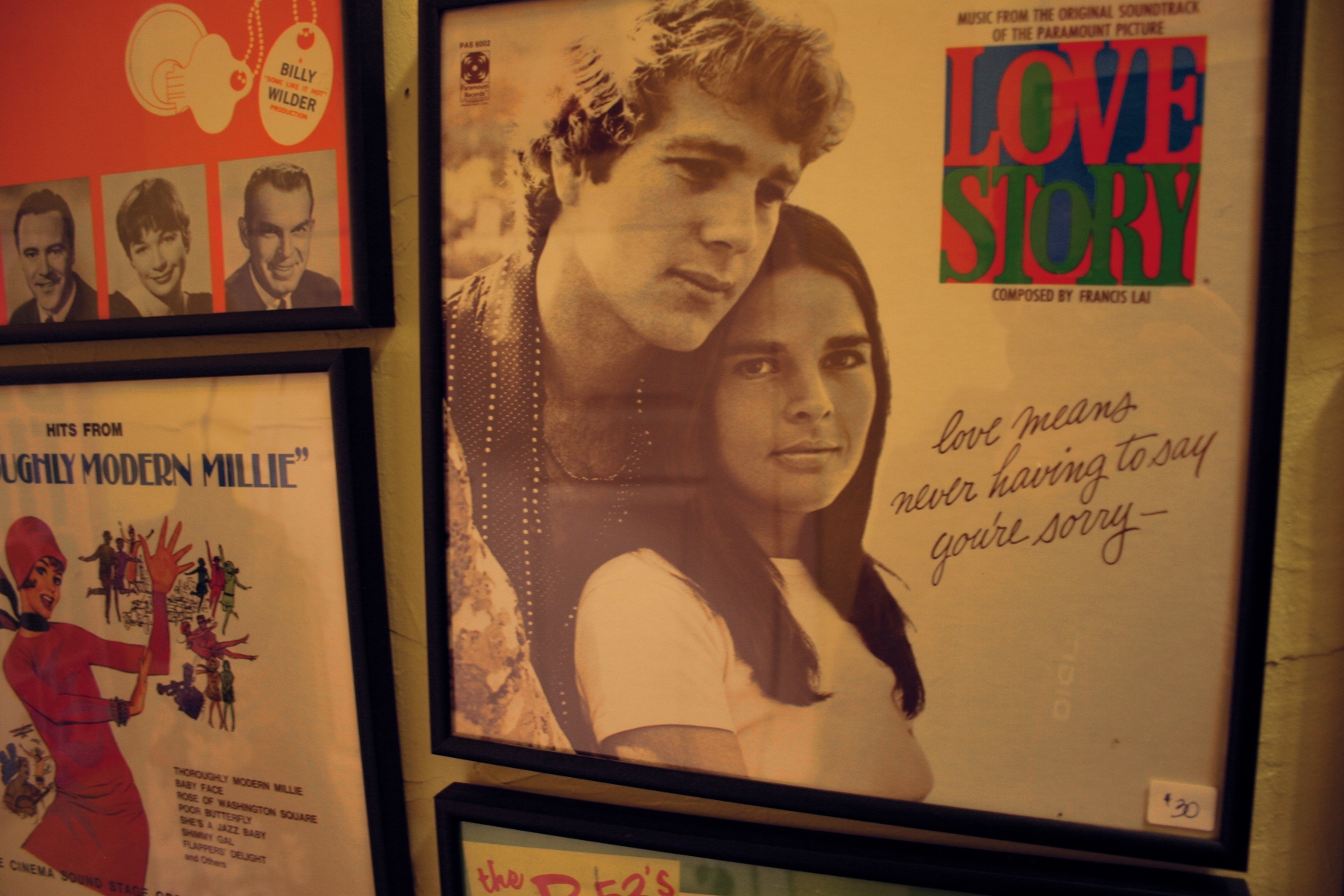
Love Story framed.

Love Story framed.

And not simply because of the Love Story album cover framed and posted on a stairway wall. Love Story, released in 1970, rates as one of my favorite movies. I was 14 then, falling for Ryan O’Neal and this heart-tugging love story co-starring Ali MacGraw. I tacked a poster of the couple onto the lime green walls of my basement bedroom with the candy striped carpet.

I digress. Sort of.

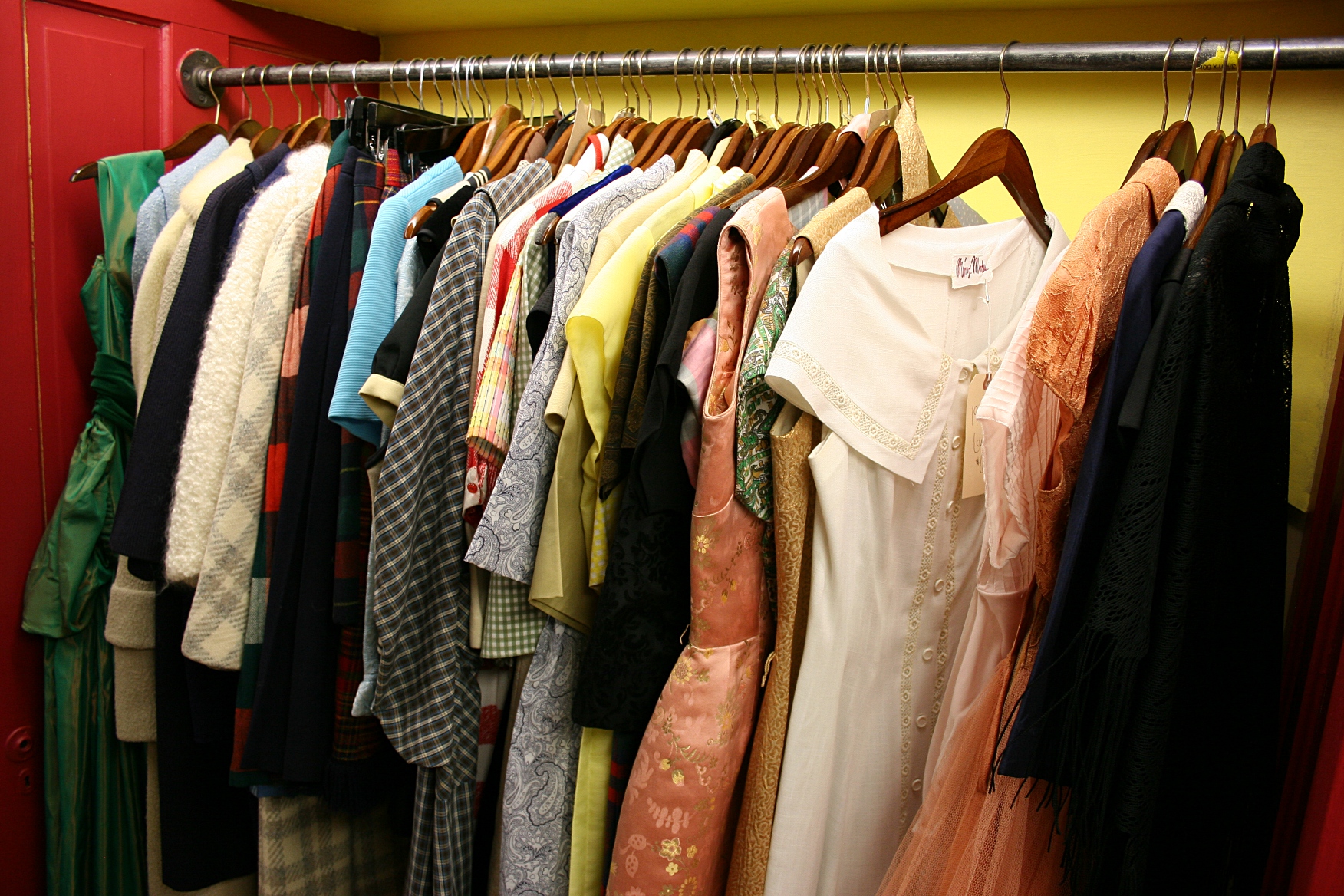
A vintage 1950s wardrobe in Audrey's Closet.

A vintage 1950s wardrobe in Audrey’s Closet.

Vintique, LLC, elicits this type of response—this embracing of the past—with the merchandise offered here. If you appreciate vintage, antique, boutique and unique, then this is your kind of shop. Vintique.

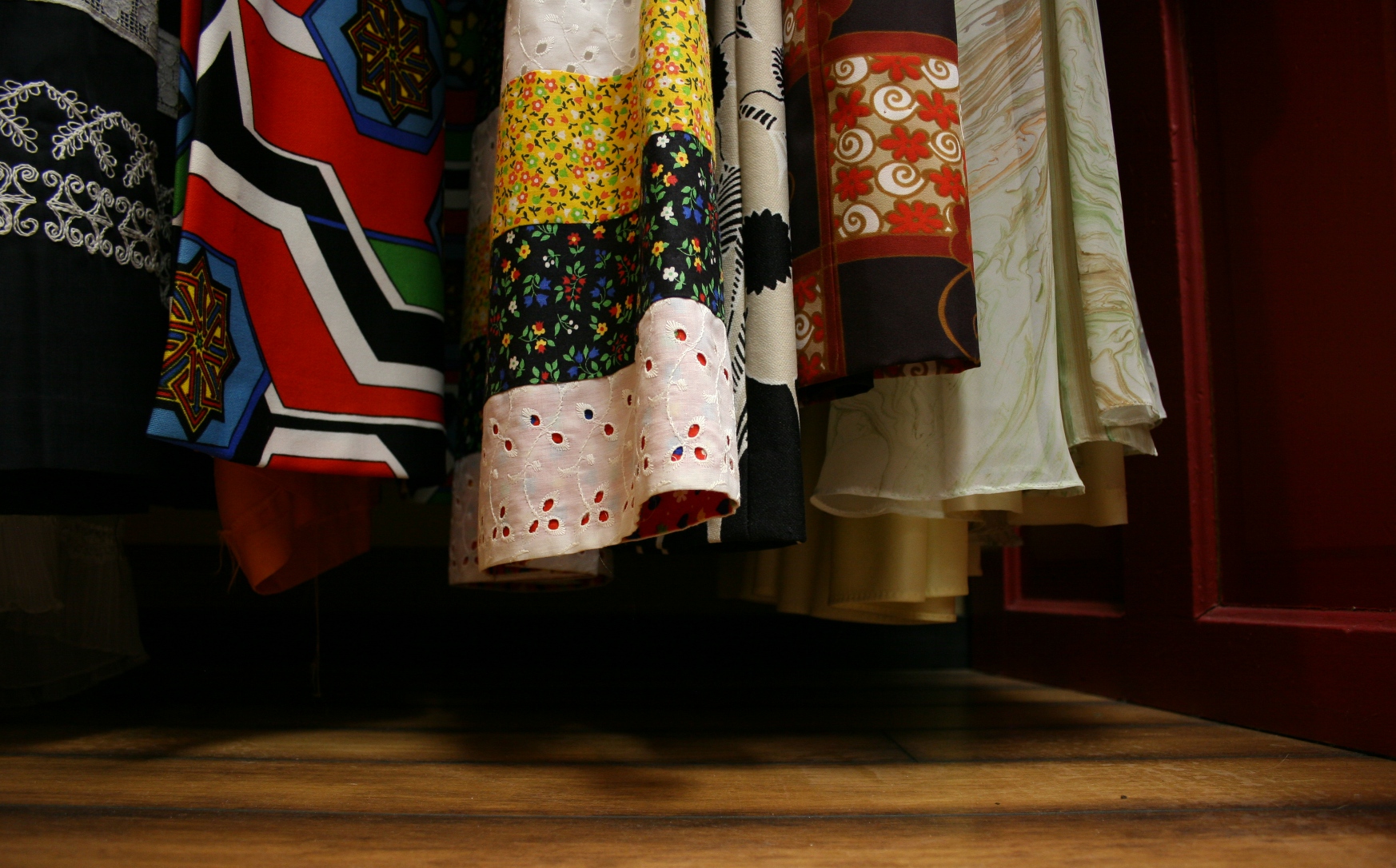
My daughter tried on the elegant black dress along the far wall in this room full of vintage clothing.

My daughter tried on the elegant black dress along the far wall in this  second floor room full of vintage and retro clothing and other merchandise.

If not for my daughter Miranda, who lives in neighboring Appleton, I likely never would have discovered this shop in the heart of a cozy downtown that features a mix of historic and modern buildings. How well she knows me and my appreciation of vintage.

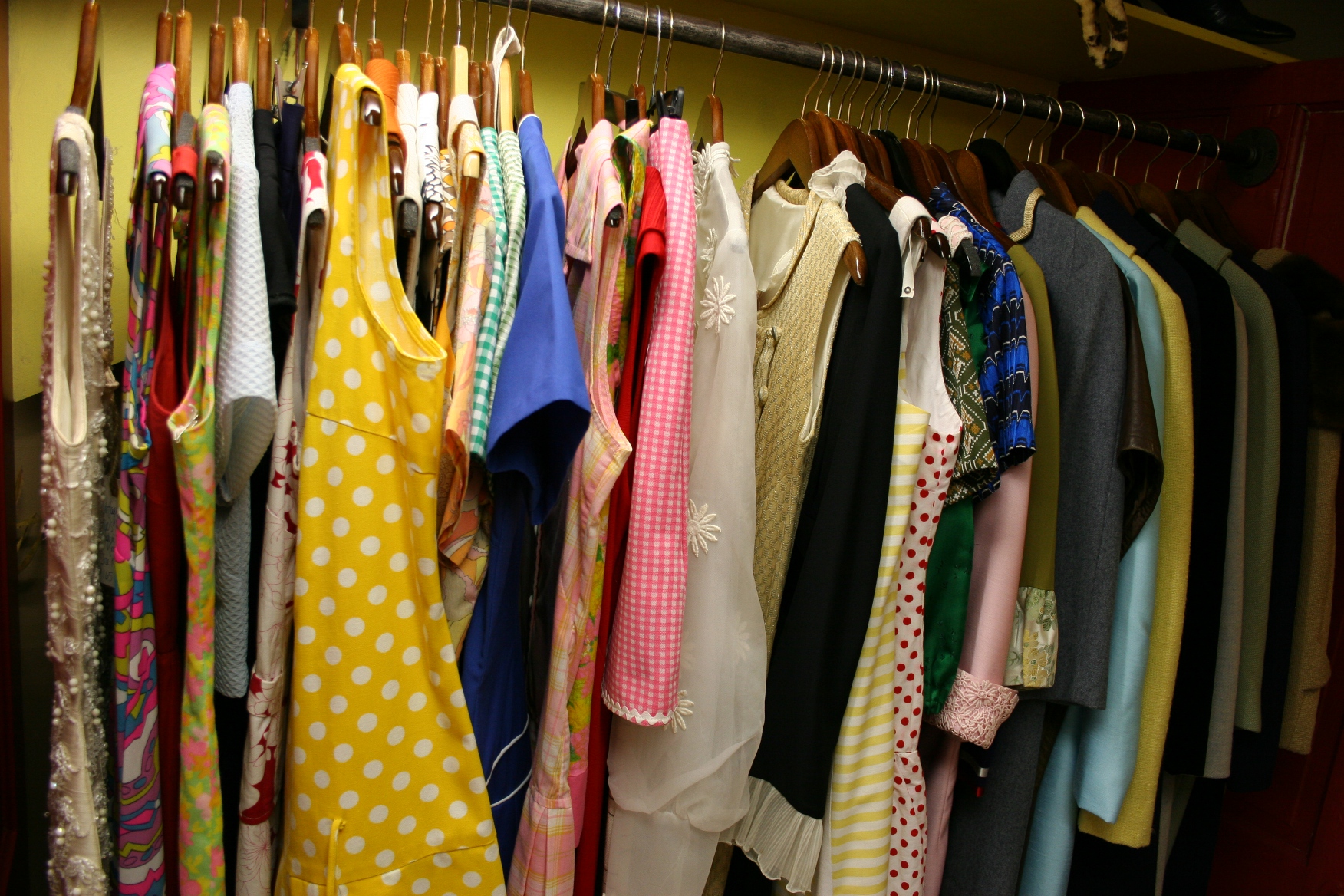
Clothing from the 1960s found in the Laugh-in & Goldie's Style Closet.

Clothing from the 1960s found in the Laugh-in & Goldie’s Style Closet.

Now if only I was a few decades younger and dress sizes smaller, I’d feel comfortable in the actual and replica retro and vintage clothing sold at Vintique. But I’m well past the age of trying to look young and hip. Some older women can carry that off; I’m not one of them.

Just look at those prints...

Just look at those prints…

That didn’t stop me, though, from gushing over the vintage and retro clothing and accessories. Had you listened in, you would have overheard me saying, “If I was looking for a prom dress…if I was getting married…if I was going to a summer wedding…if I was younger…”

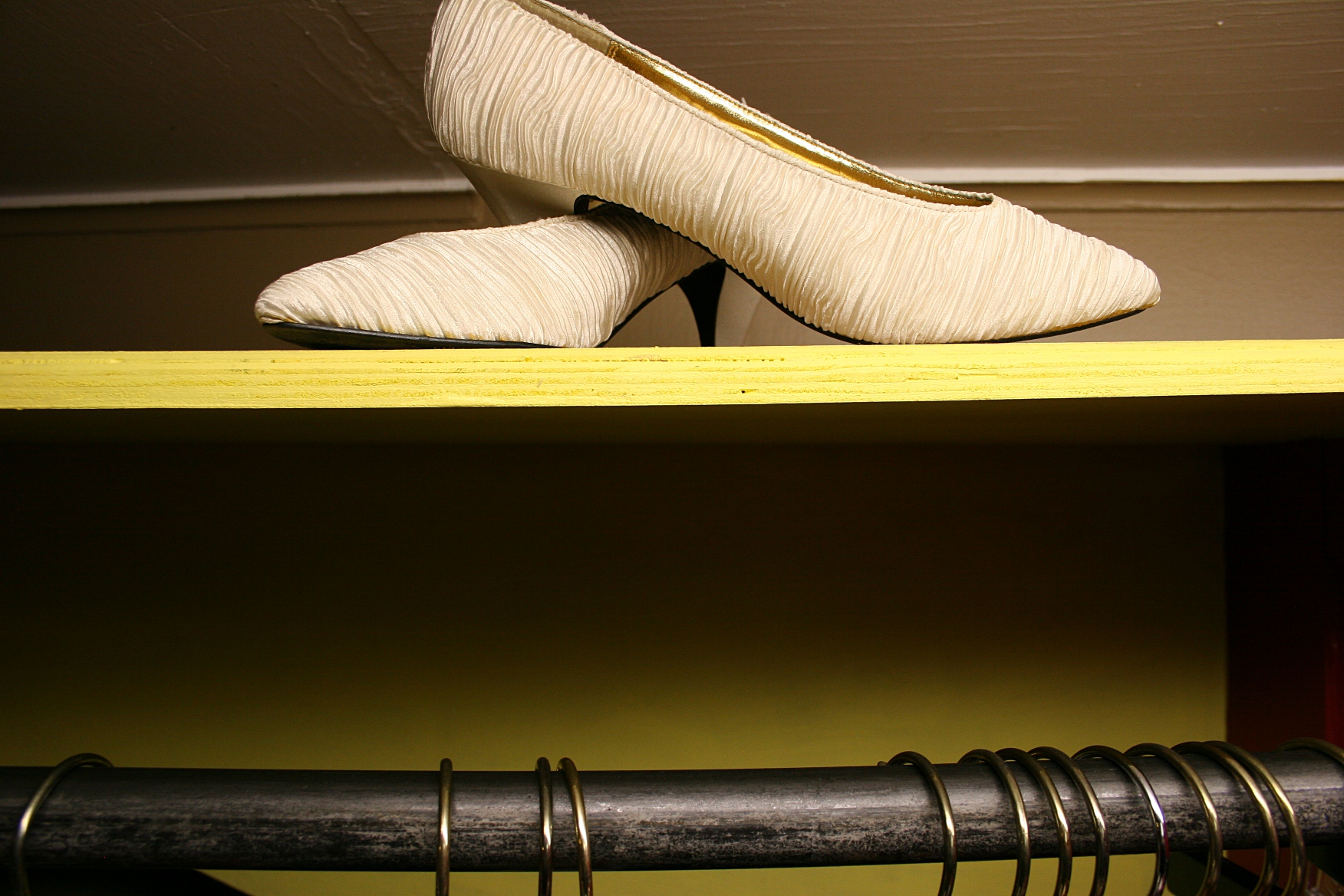
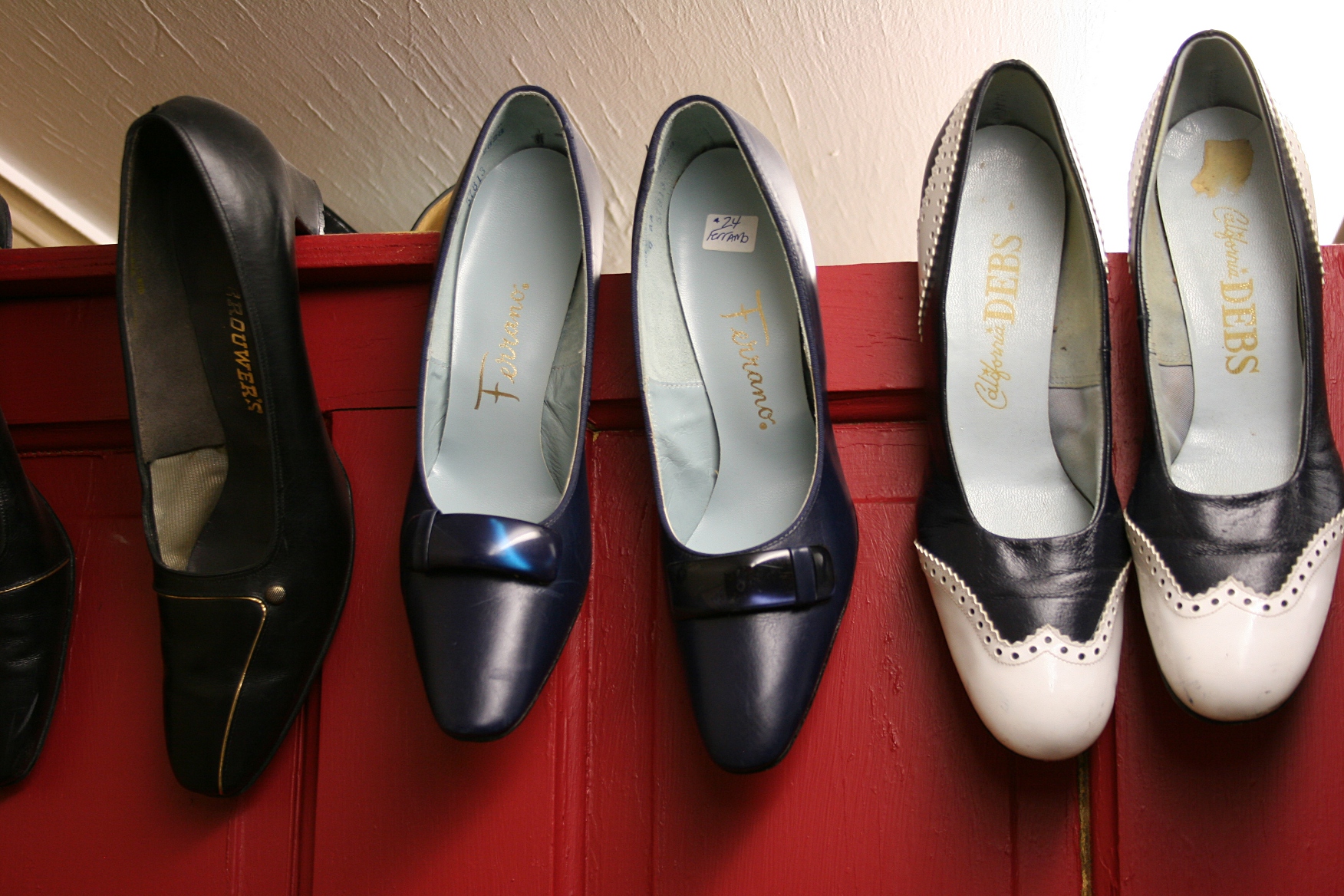
Vintage white pumps for a special occasion.

Vintage white pumps for a special occasion perch on a shelf above a rack of clothes.

Not that age should stop anyone from shopping Vintique. Had I really searched, I’m certain I would have found something that fit me and suited my style and age.


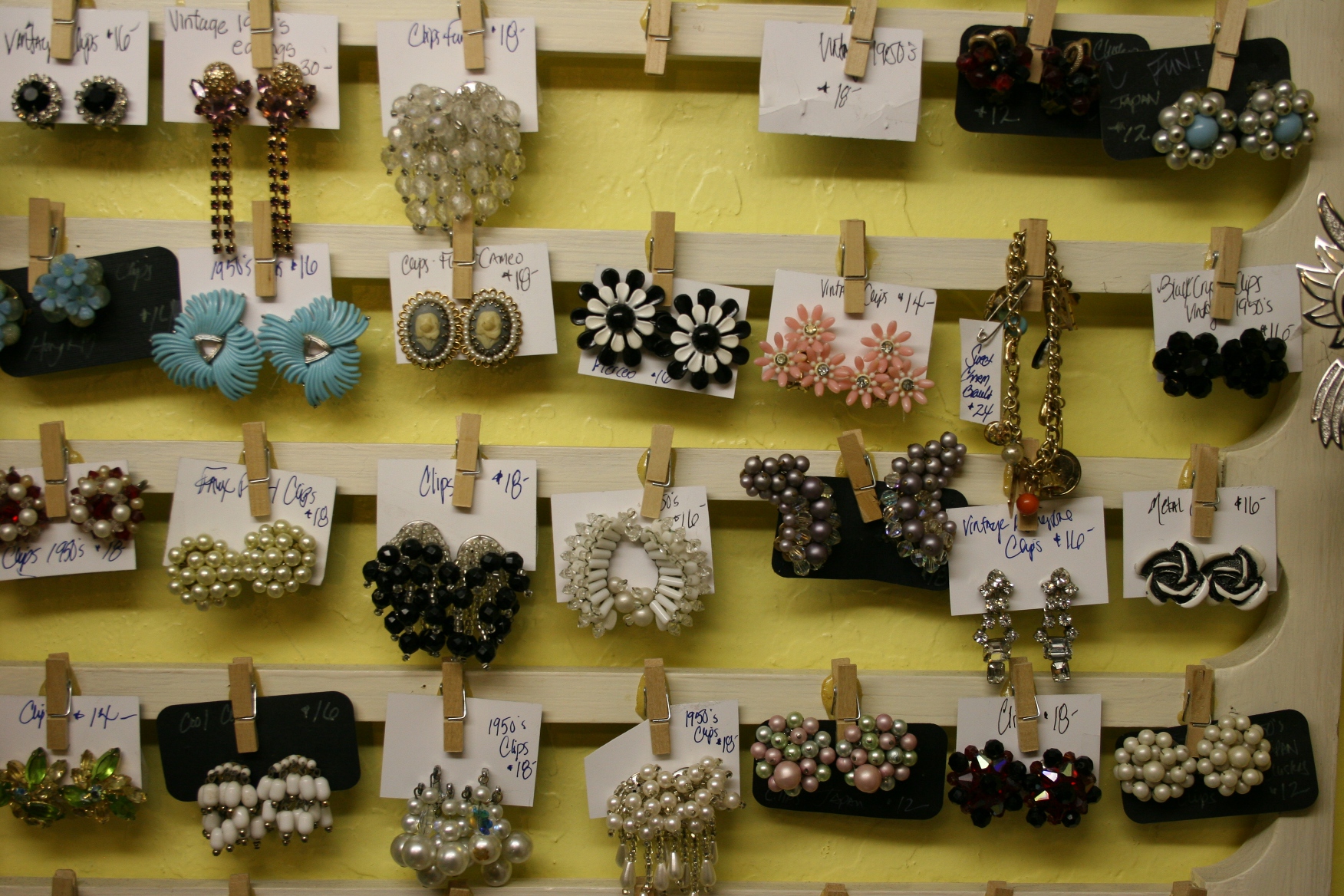
Vintage jewelry galore.

Vintique rates as one cool (yes, I am a child of the 70s) place with other funky finds like vintage jewelry,


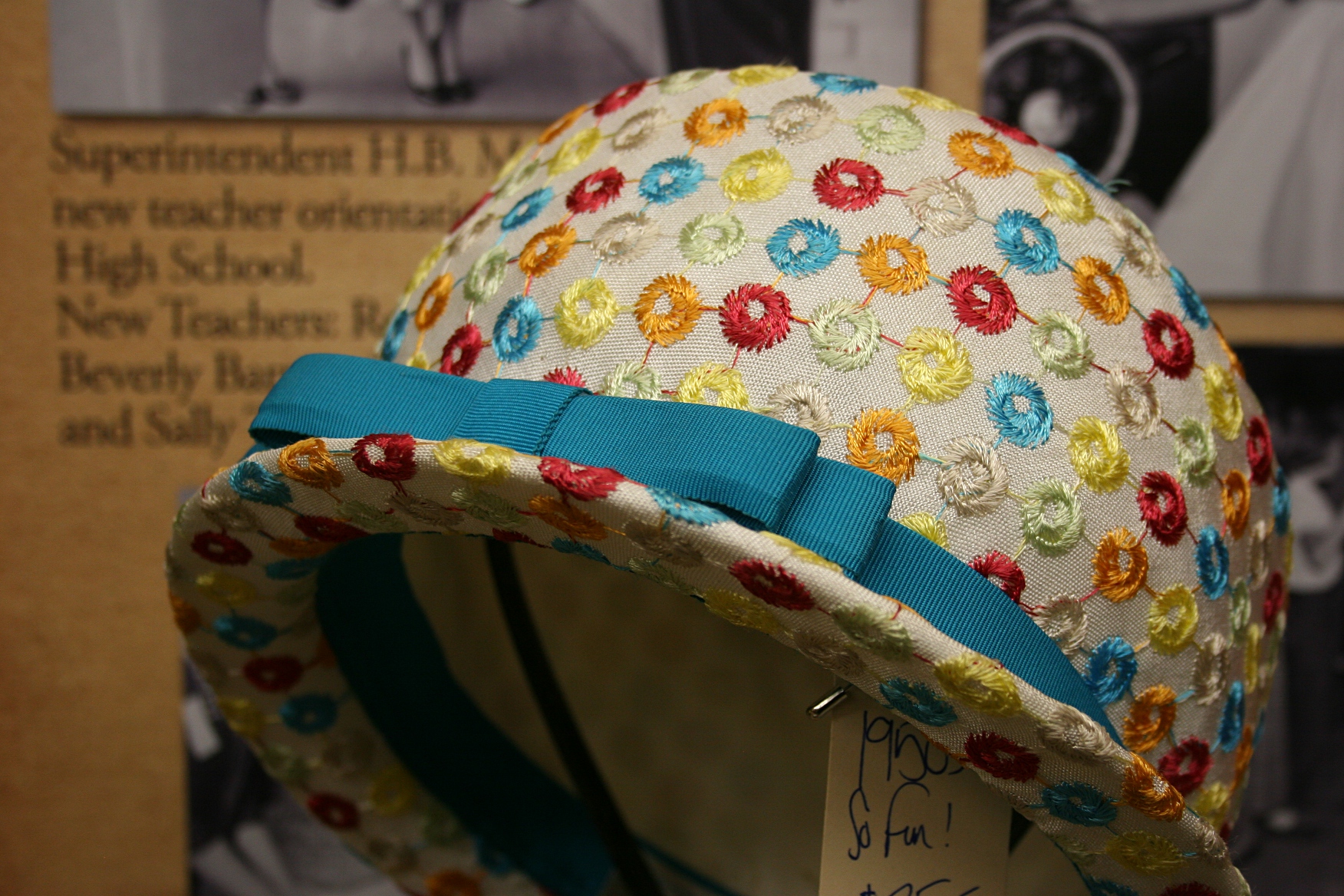
A funky hat.

hats,


Vintage shoes

shoes and purses;

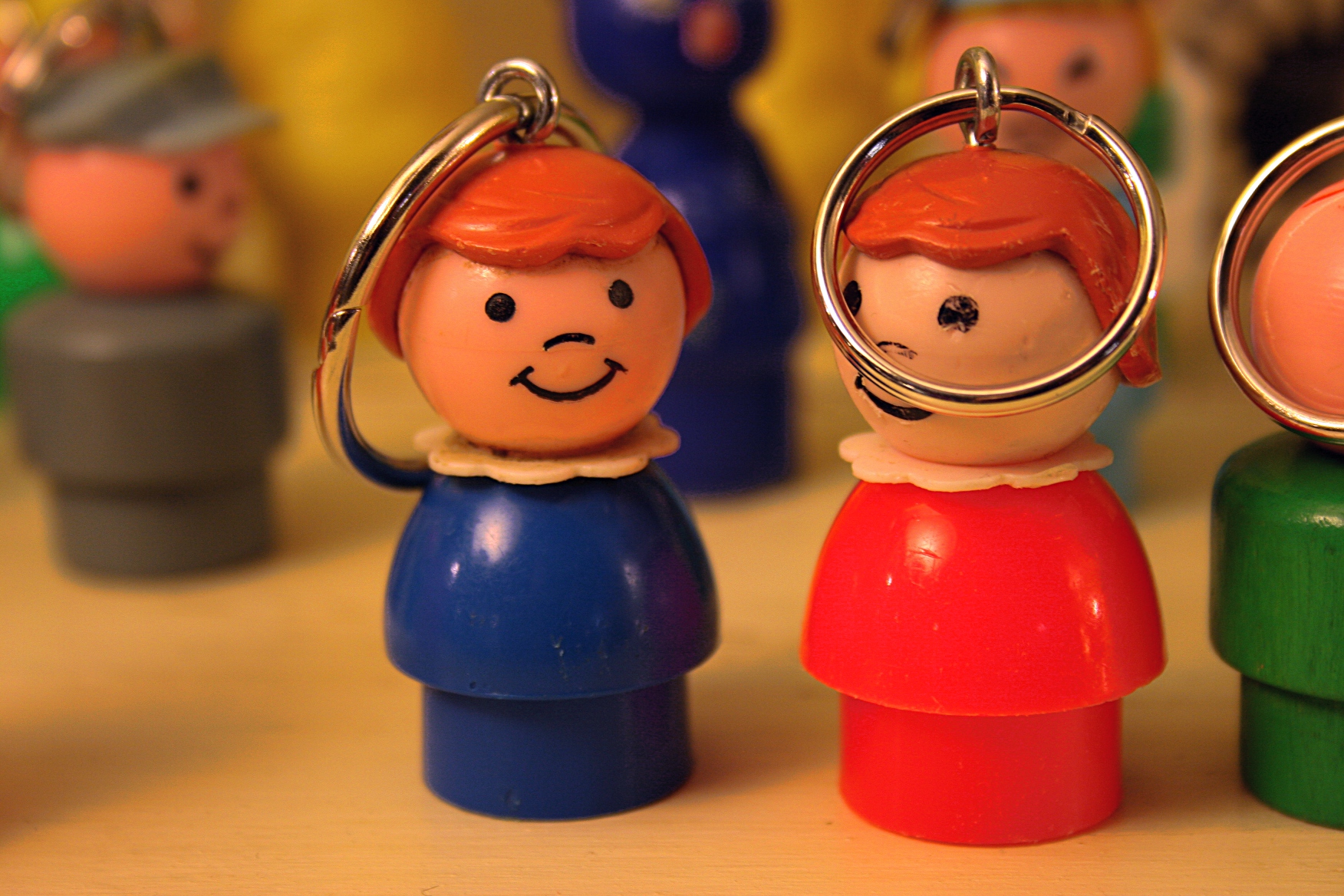
Little people

Little People key chains; pillows; art; and more.

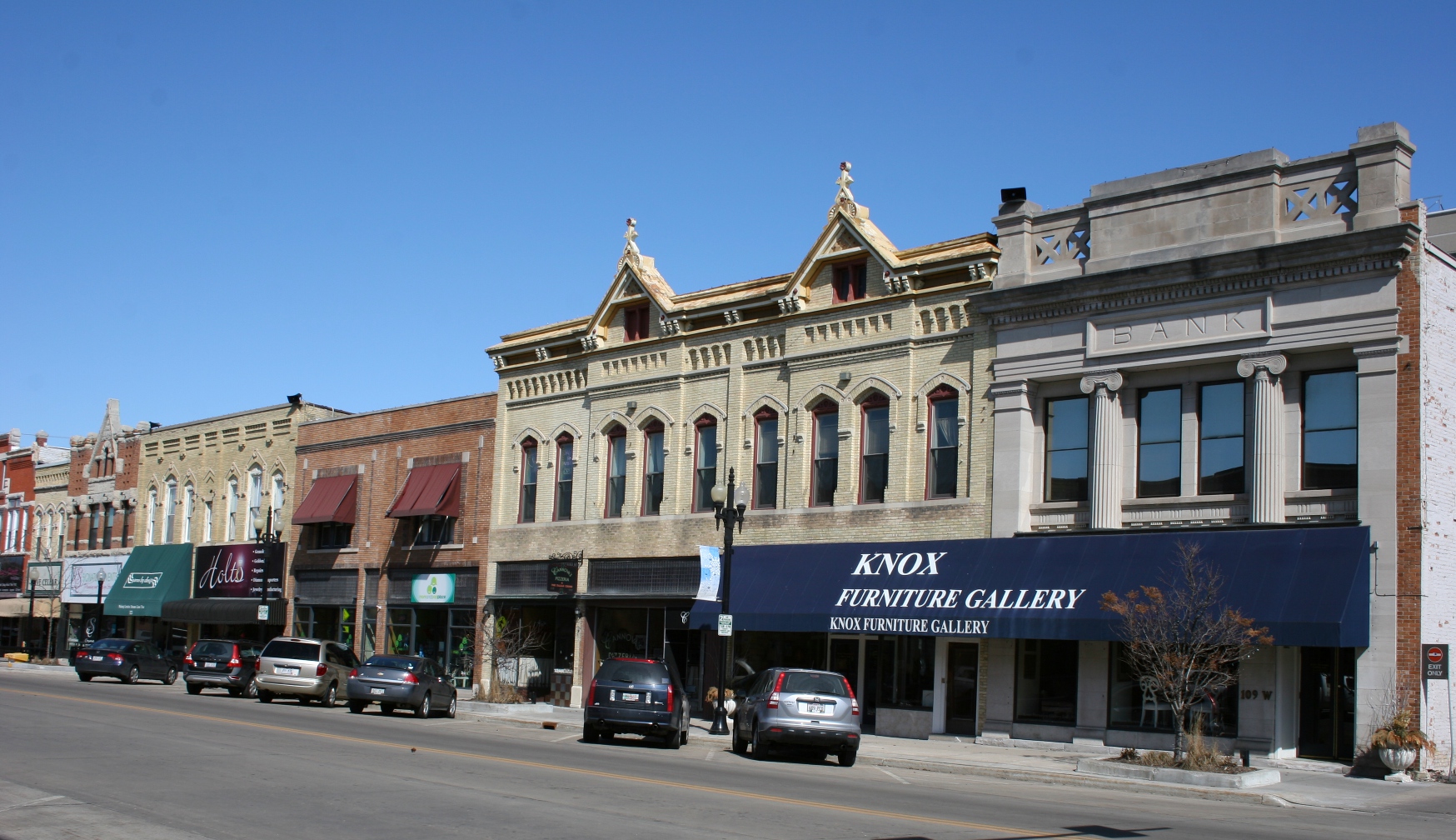
A section of Wisconsin Avenue in downtown Neenah, Wisconsin.

A section of Wisconsin Avenue in downtown Neenah, Wisconsin.

Vintique, at 131 West Wisconsin Avenue.

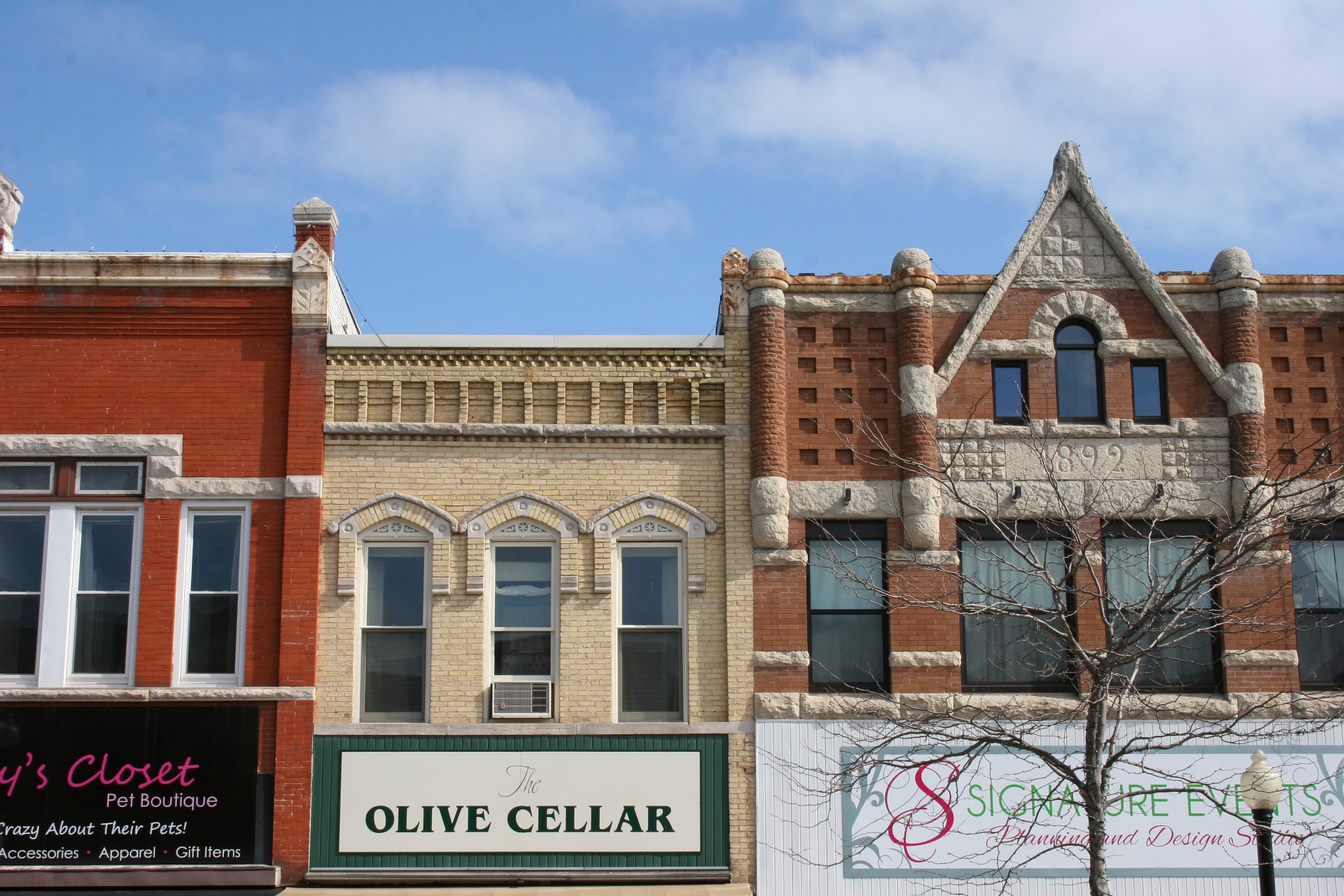
Downtown Neenah features historic buildings.

Downtown Neenah features historic buildings.

That’s in Neenah, south of Appleton, southwest of Green Bay.

© Copyright 2014 Audrey Kletscher Helbling
 

If you think Wisconsinites love beer, brats & cheese, you’d be right April 24, 2014

IN THREE YEARS of exploring Wisconsin, I’ve learned a few things:

Wisconsinites are crazy about their Packers.

Wisconsinites love their brats.

Cheese is, indeed, big in Wisconsin.

And, finally, Wisconsin residents love their beer.

Not necessarily in that order.

I base this on observations such as green and gold brat buns sold at an Appleton grocery store where staff wear Packer attire on game day; liquor stores directly connected to grocery stores, walk-in beer coolers at convenience stores and an abundance of bars everywhere, seemingly packed on game day; a decrease in highway traffic during Packers games; frequent homemade roadside signs advertising brat fries; and busy specialty shops focused on selling cheese.

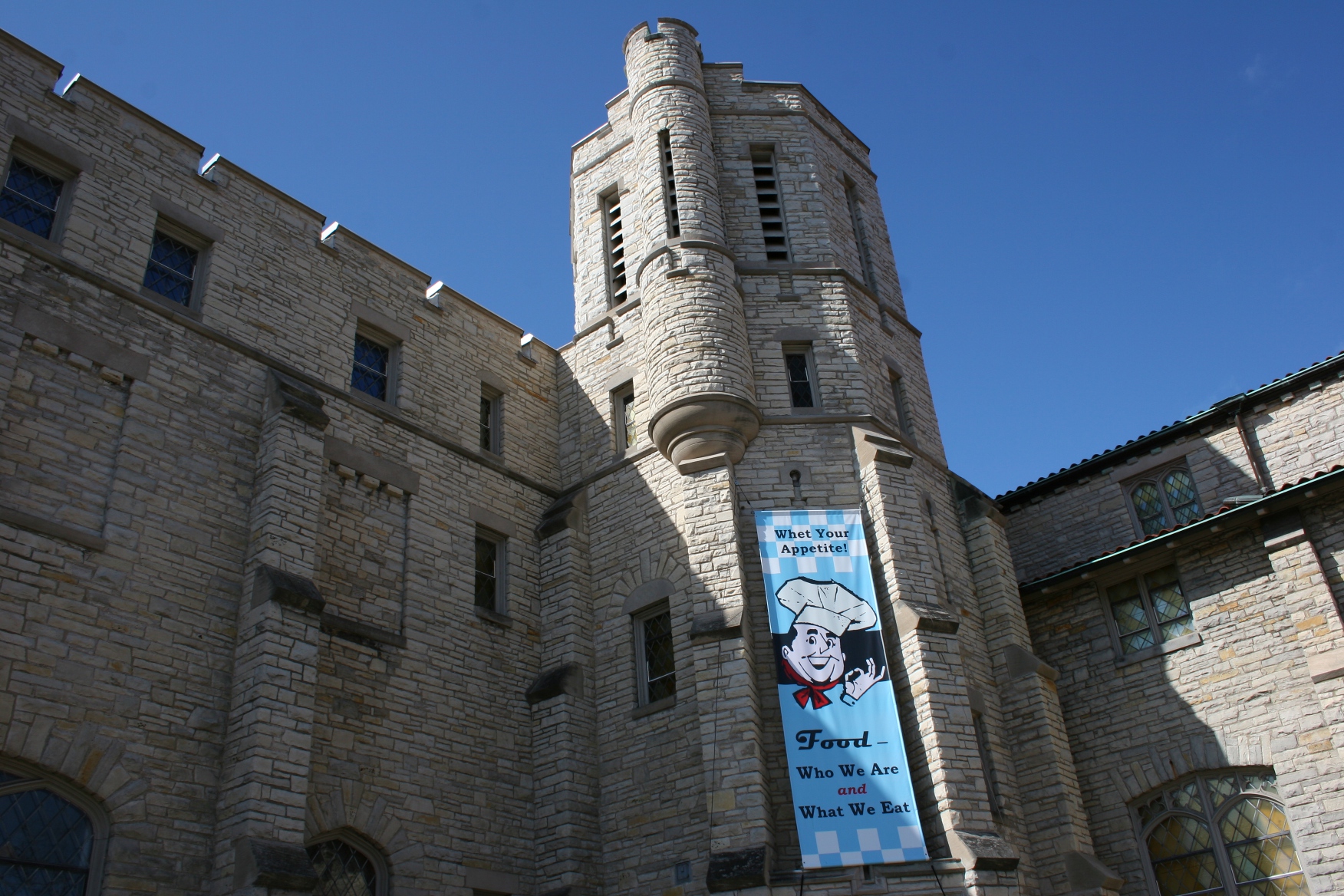
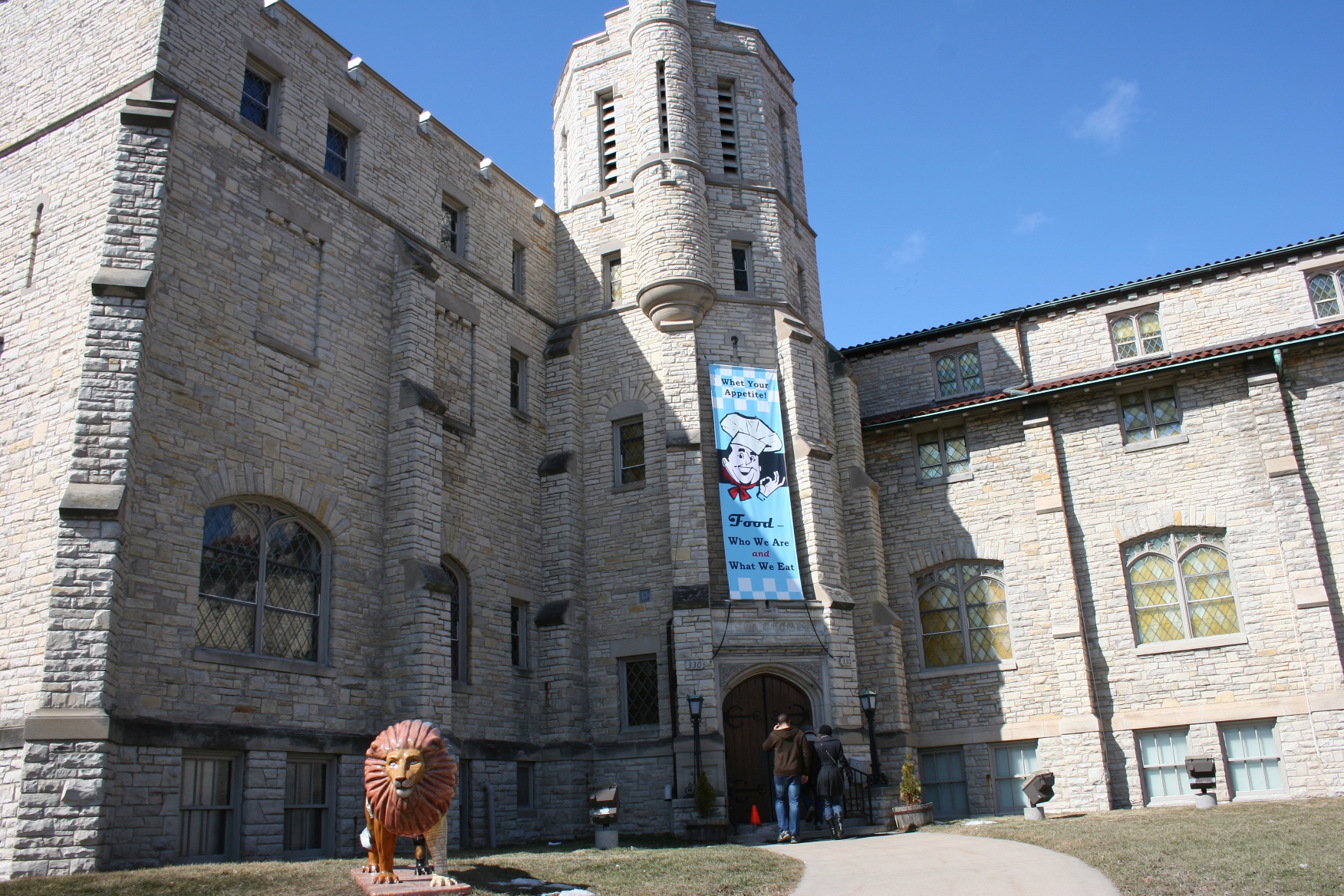
A banner welcomes visitors to the featured exhibit on food at the History Museum at the Castle, 330 East College Avenue, Appleton, Wisconsin.

A banner welcomes visitors to the featured exhibit on food at the History Museum at the Castle, 330 East College Avenue, Appleton, Wisconsin.

Now an exhibit, “Food: Who We Are and What We Eat,” at the History Museum at the Castle in downtown Appleton (that’s in eastern Wisconsin south of Green Bay) confirms my observations and conclusions about Wisconsin.

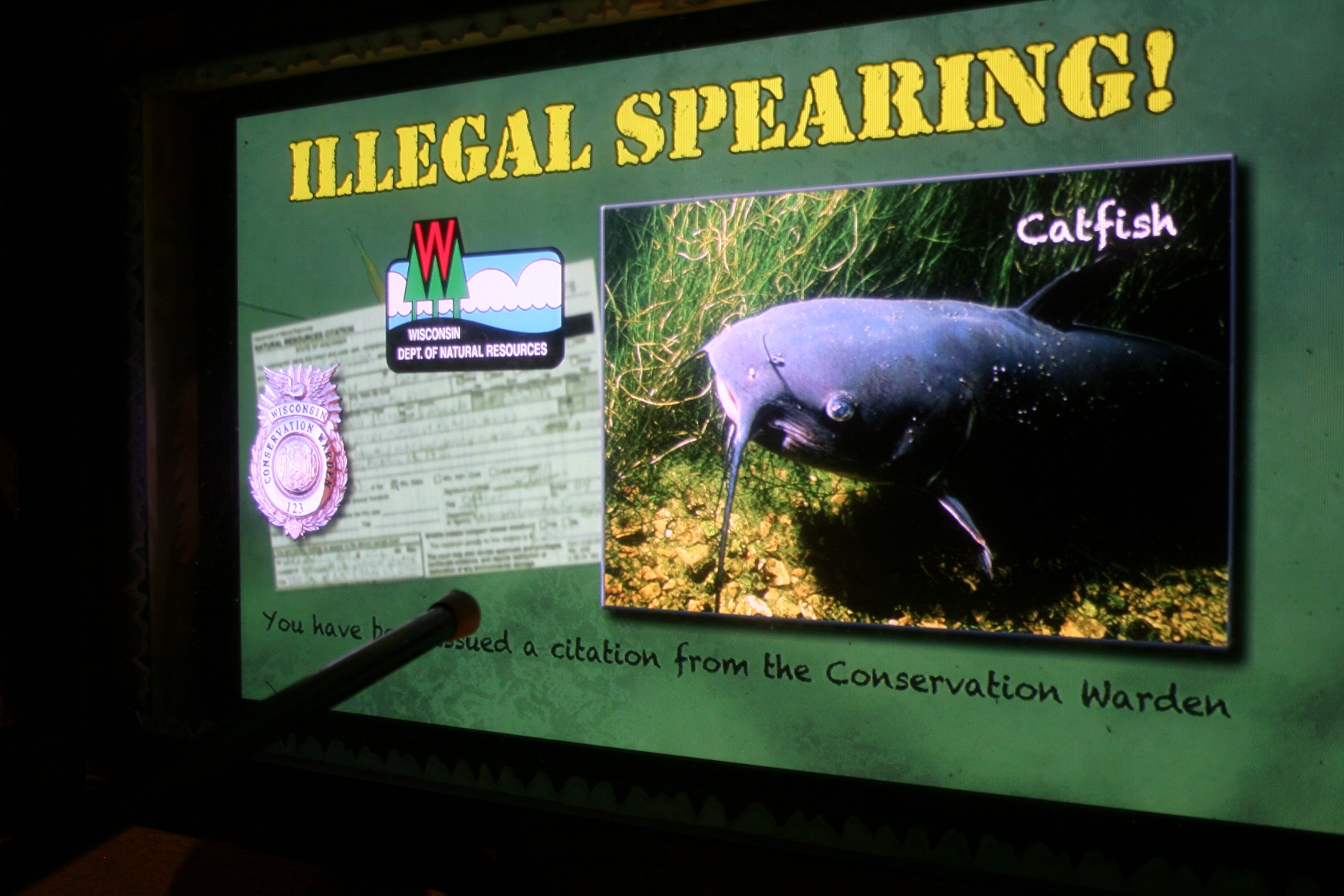
In an interactive portion of the exhibit, in a fish house, visitors can try spearing a sturgeon. In this case, my daughter "speared" a catfish instead.

In an interactive portion of the exhibit, in a fish house, visitors can try spearing a sturgeon. In this case, my daughter “speared” a catfish instead by thrusting a “spear” at the shadowy fish lurking below the water’s surface. You best know your fish.

The informative and interactive exhibit—try spearing a sturgeon—explores the origins of iconic Wisconsin food traditions.

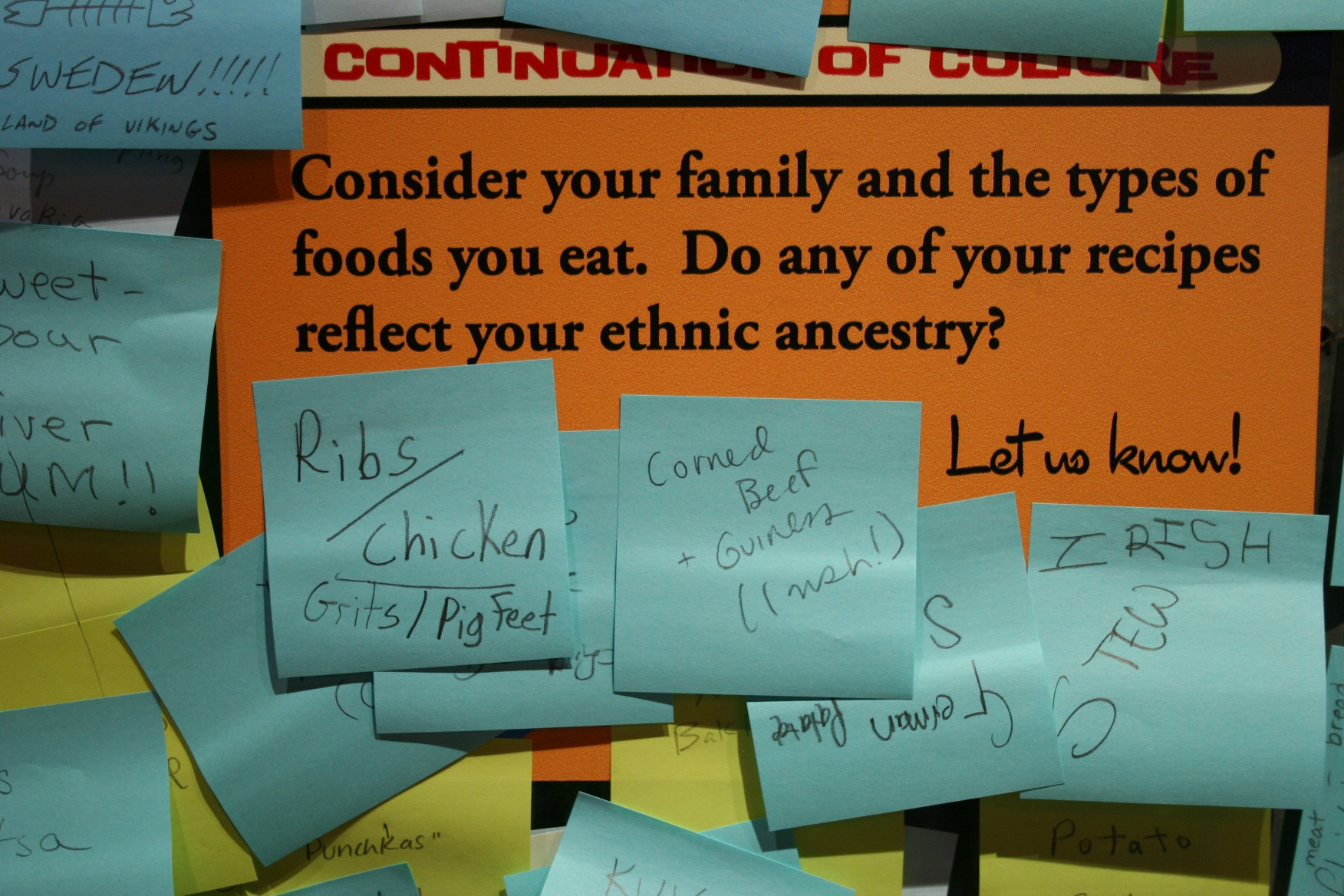
foods

Visitors uses post-it notes to list favorite foods reflecting their ethnicity.

“From sauerkraut to egg rolls, each food has a story to tell about our regional values and community-making,” so notes a line in the wealth of exhibit information. I’ll admit that I didn’t read all of the info. I am more a visual and interactive learner in a museum setting. But I appreciate the depth of research summarized here.

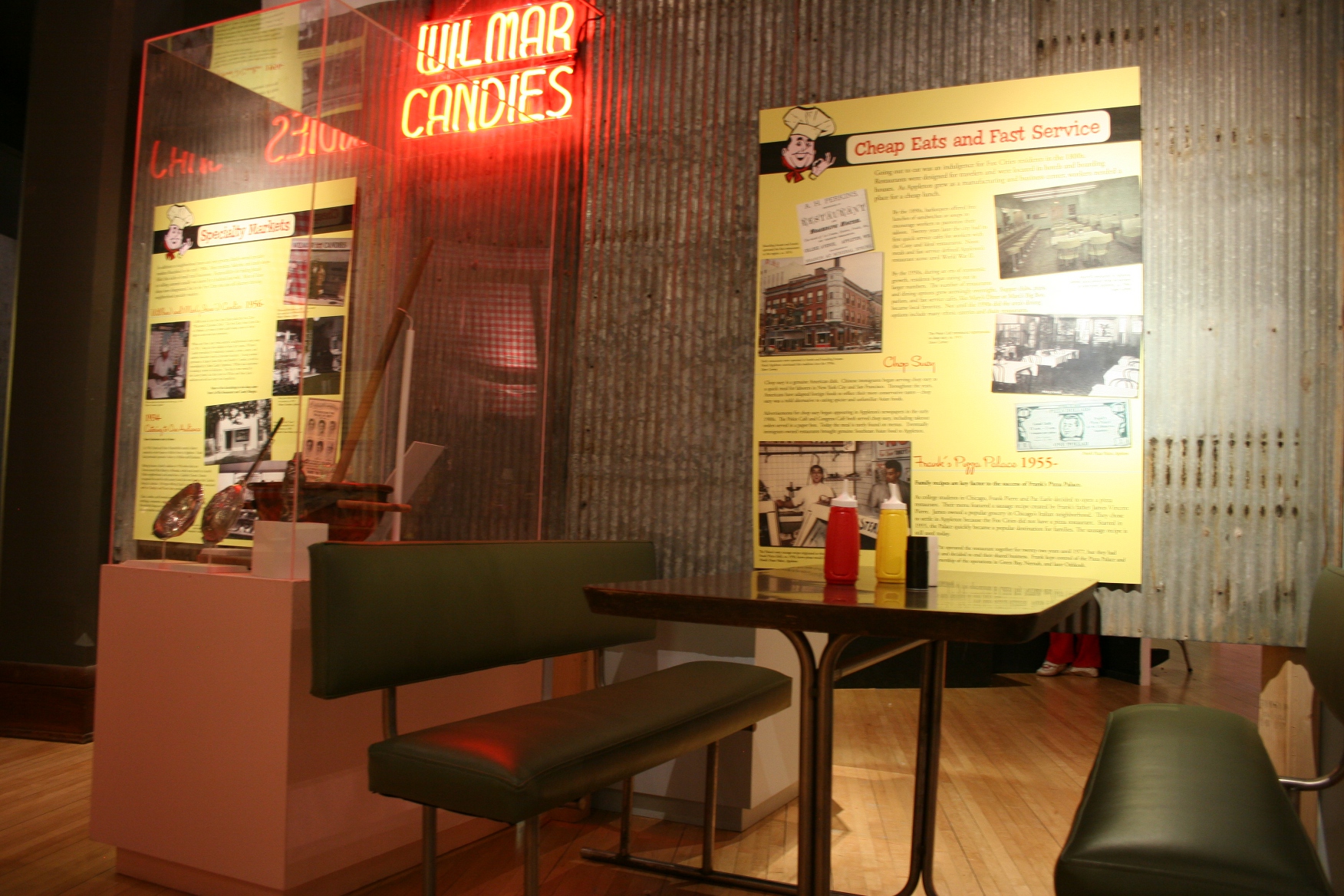
A snippet of the expansive food exhibit.

A snippet of the expansive food exhibit.

That said, join me on this photographic tour of “Food.”

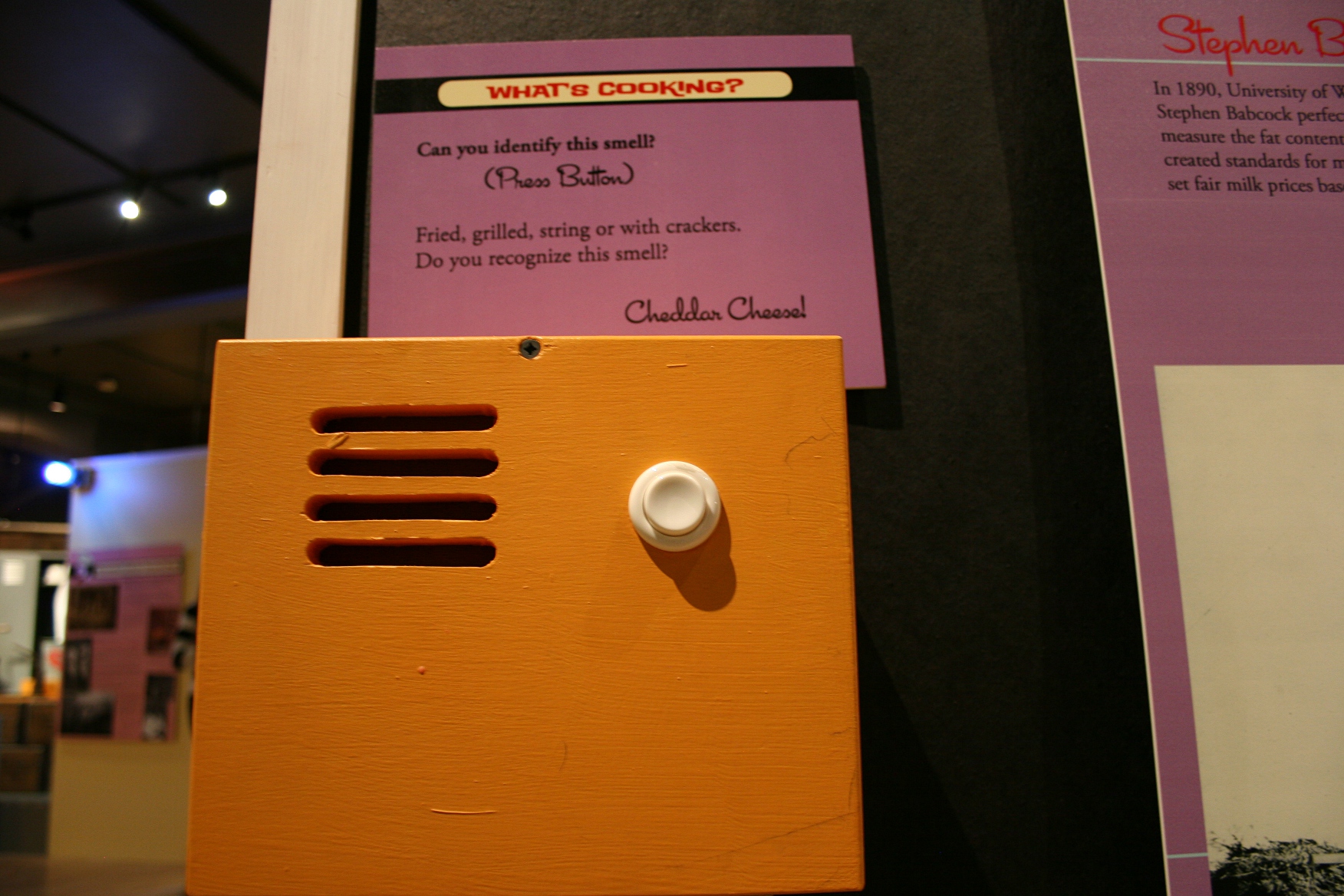
Via museum magic, you can actually press the button and smell cheddar cheese wafting from the golden box.

Via museum magic, you can press the button and smell cheddar cheese wafting from the golden box.


Smell the cheese.

Test your cow knowledge on this interactive computer screen. Wisconsin is, after all, termed "The Dairyland State."

Test your cow knowledge on this interactive screen. Wisconsin is, after all, termed “America’s Dairyland.”


Test your knowledge of cows.

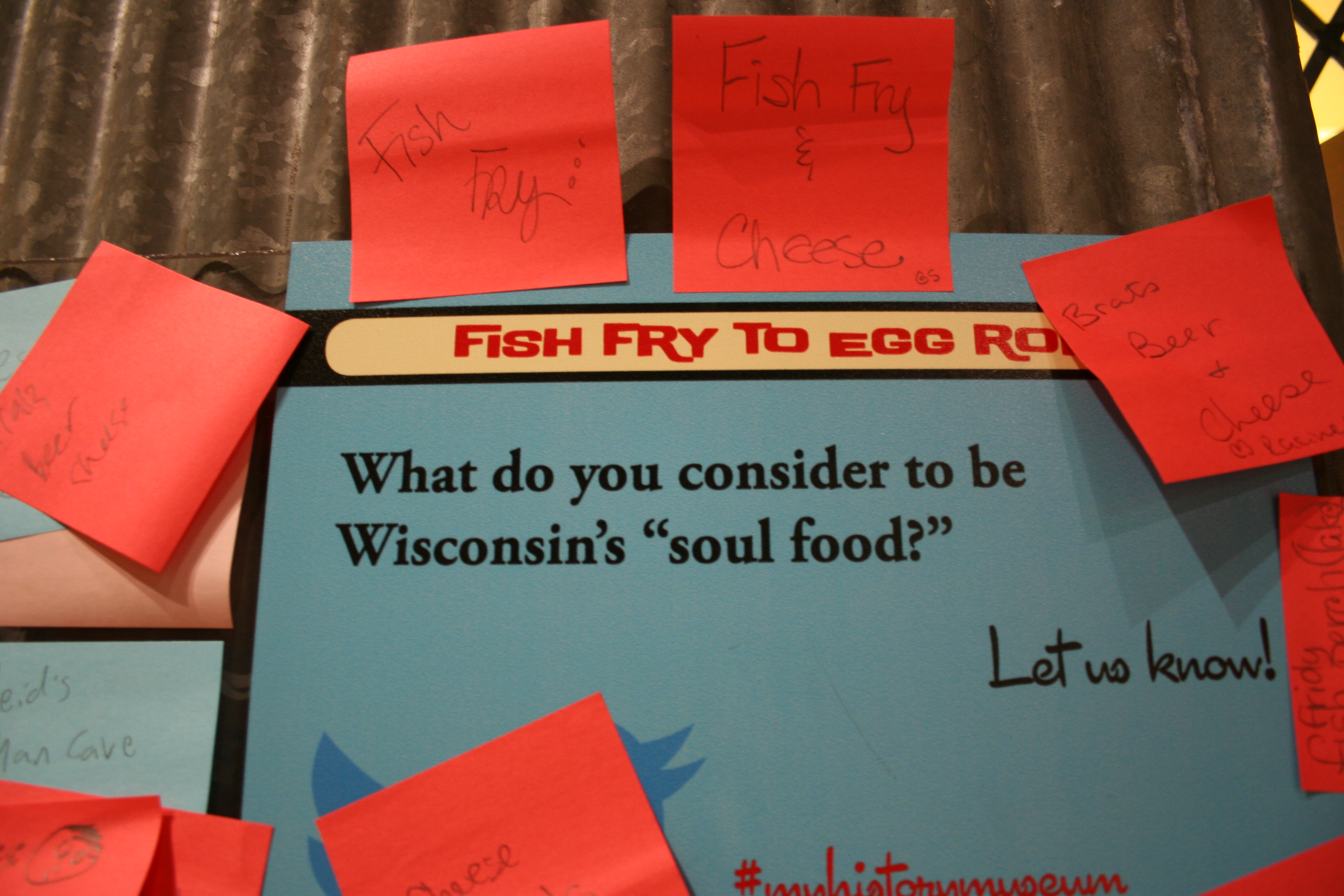
See how visitors answered this question about Wisconsin's "soul food." lots of cheese, brats and beer answers.

See how visitors answered this question about Wisconsin’s “soul food.” Cheese, brats, beer, fish fry… Add your own answer.

Define Wisconsin “soul food.”

Another overview

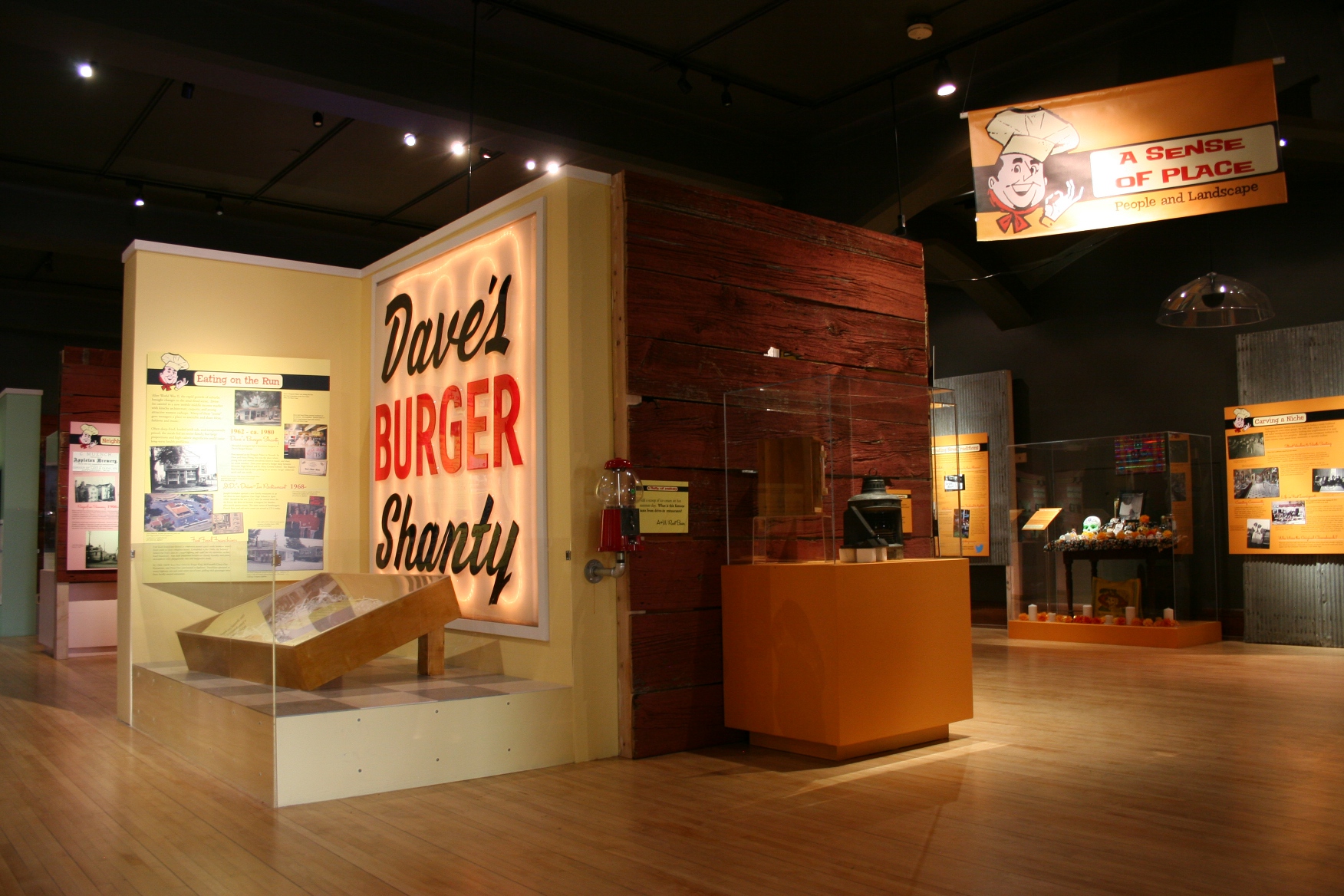
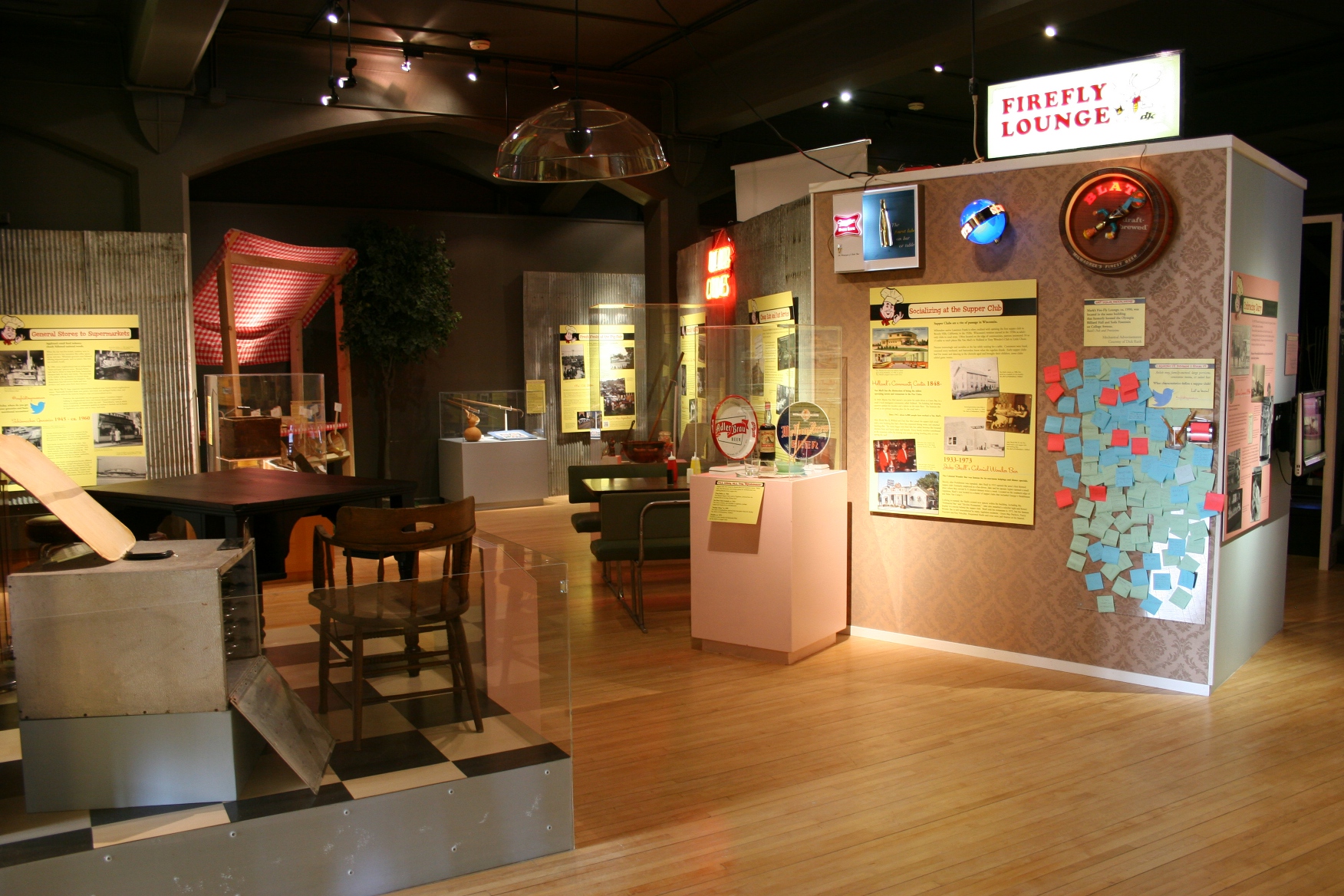
A portion of the exhibit focuses on place, like burger joints and supper clubs, etc.

Reminisce about supper clubs and burger stands.

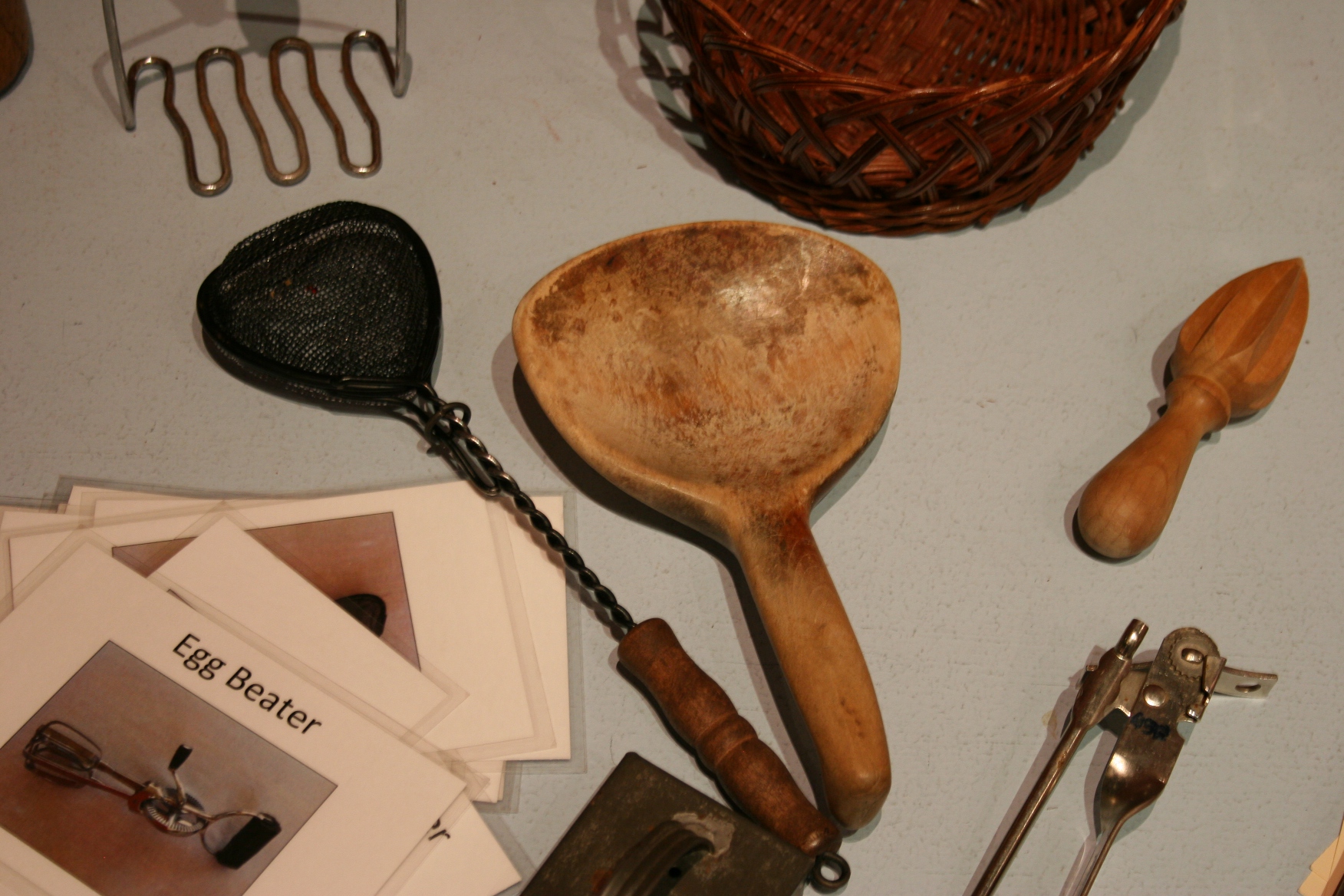
Old kitchen utensils for visitors to identify.

Old kitchen utensils for visitors to identify.

Identify old kitchen tools…

Celebrate the food traditions of Wisconsin:

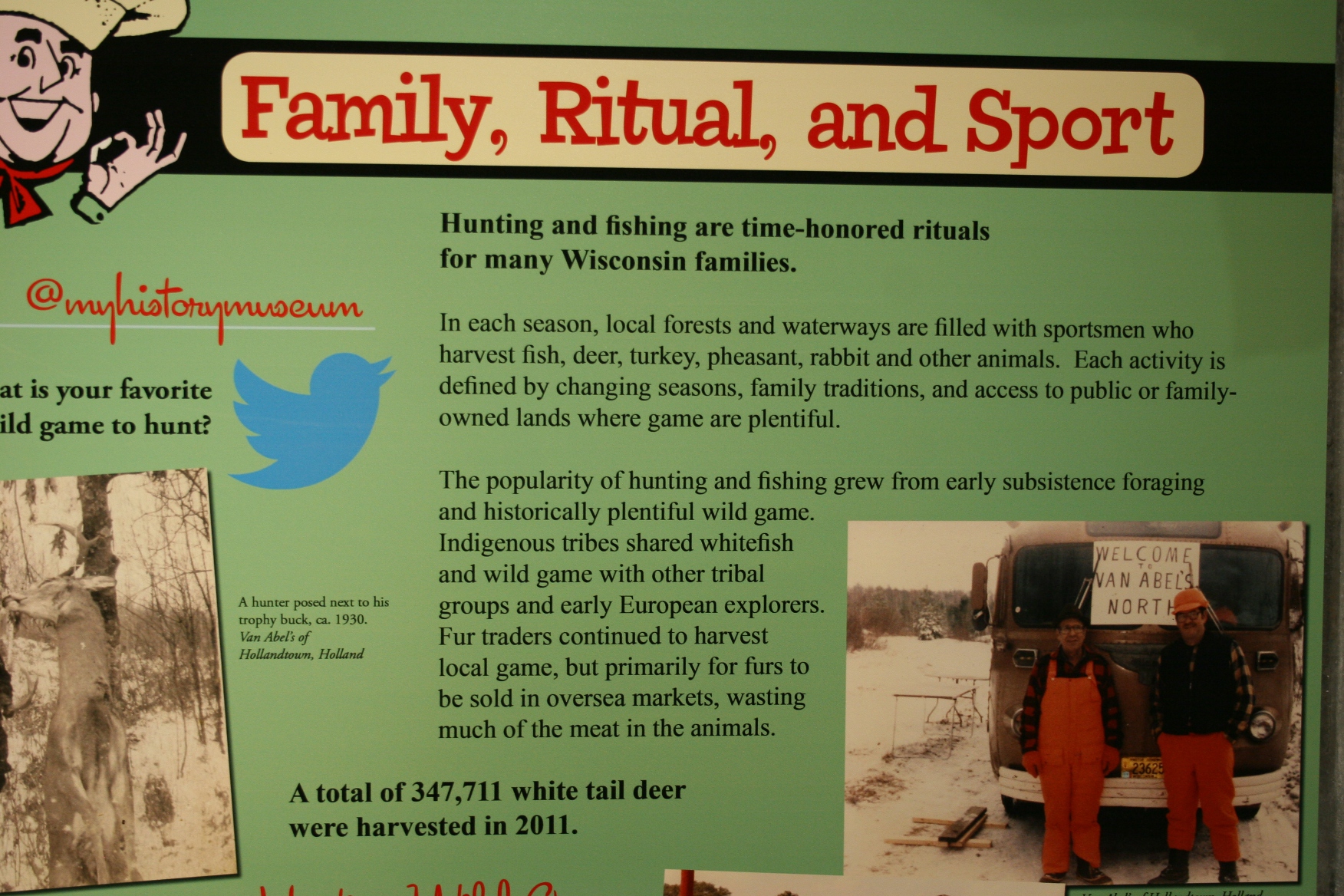
Hunting and fishing are a major part of sports and food culture in Wisconsin.

Hunting and fishing are a major part of sports and food culture in Wisconsin.


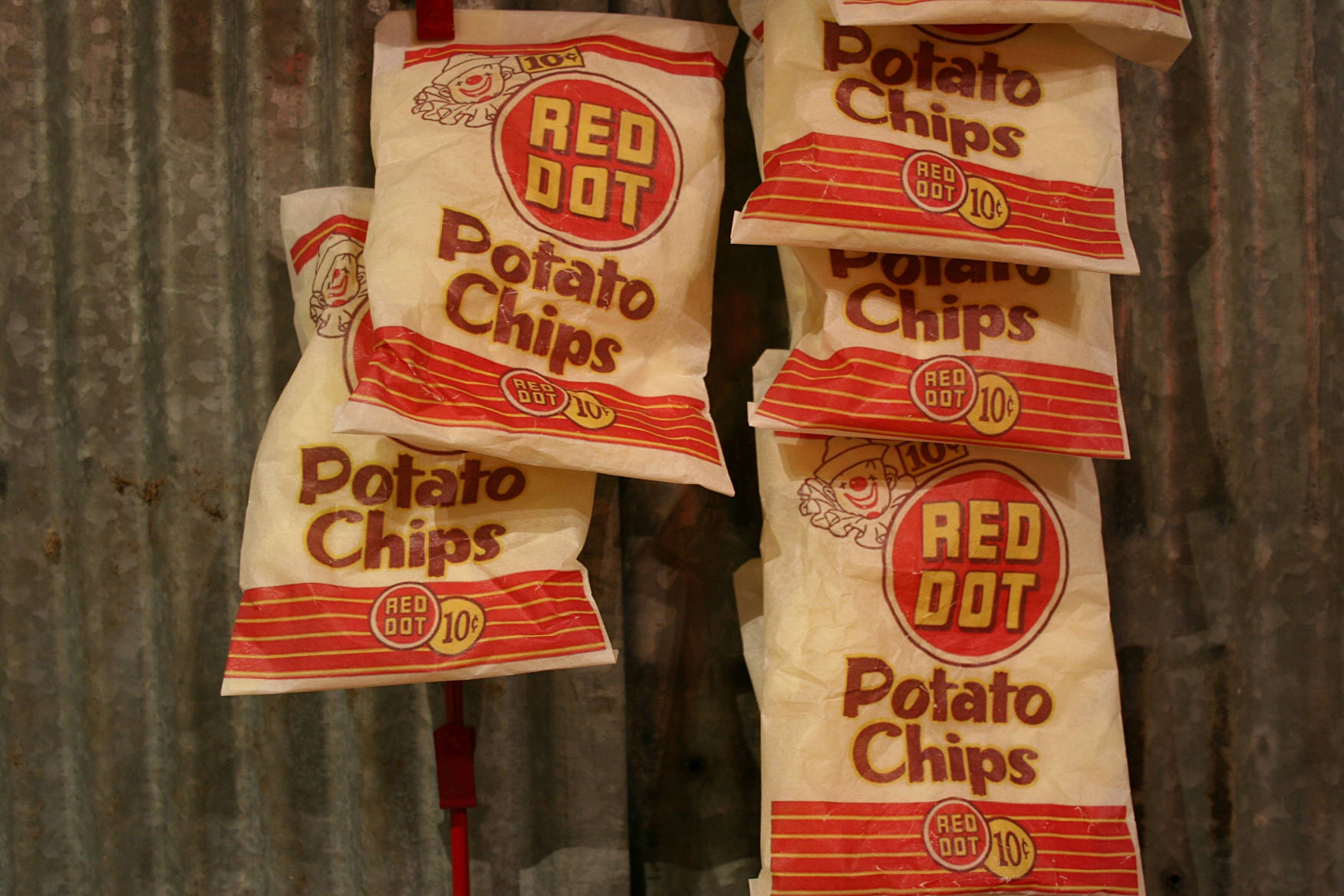
Red Dot potato chips

Red Dot potato chips were produced by Red Dot Foods of Madison, Wisconsin, and were once a top potato chip brand.

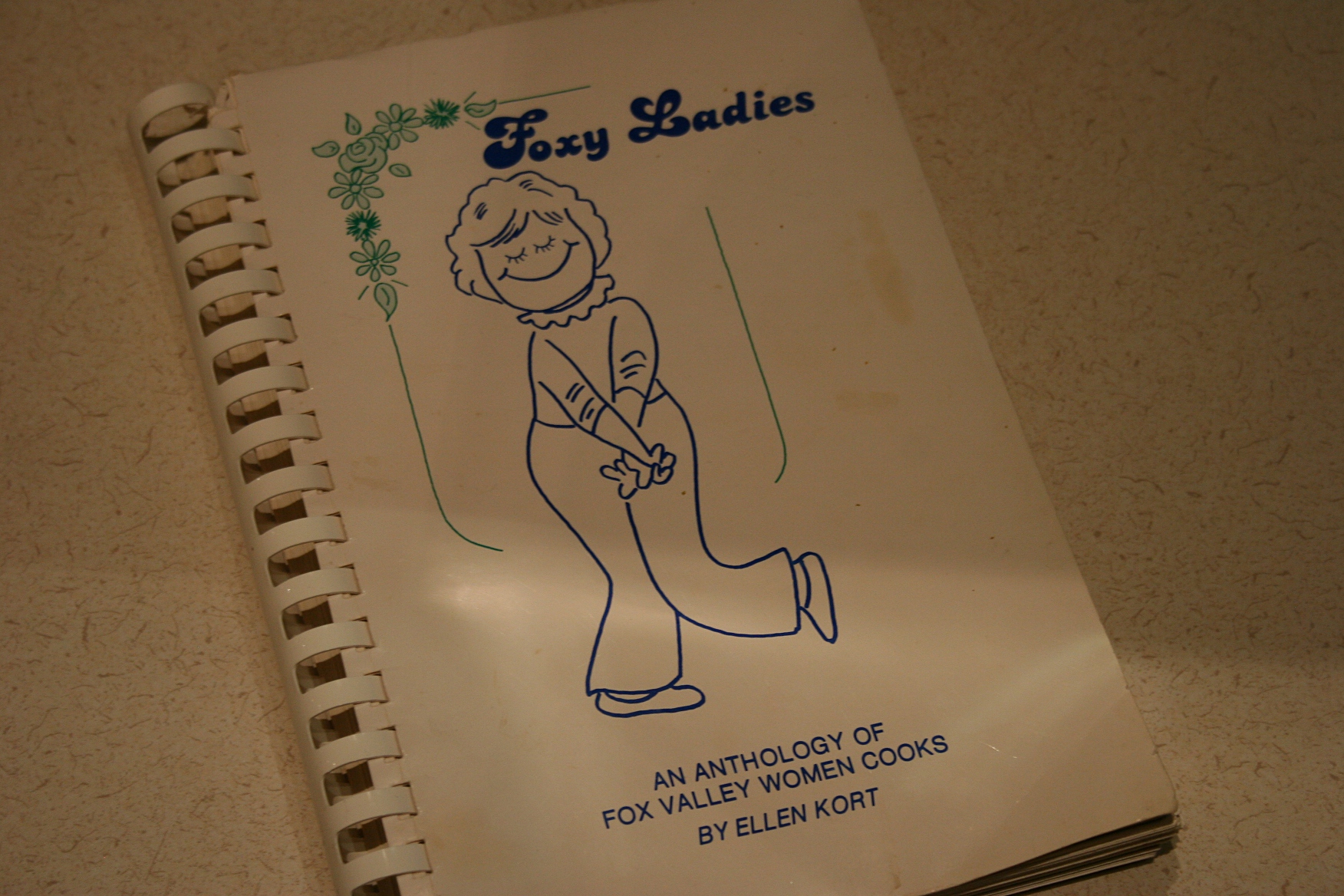
Cookbooks are on display and vintage recipes available for the taking at the exhibit. The Appleton, Wisconsin, area is known as the Fox Valley after the Fox River which runs through the area.

Cookbooks are on display and vintage recipes available for the taking at the exhibit. The Appleton, Wisconsin, region is known as the Fox Valley after the Fox River which runs through the area.

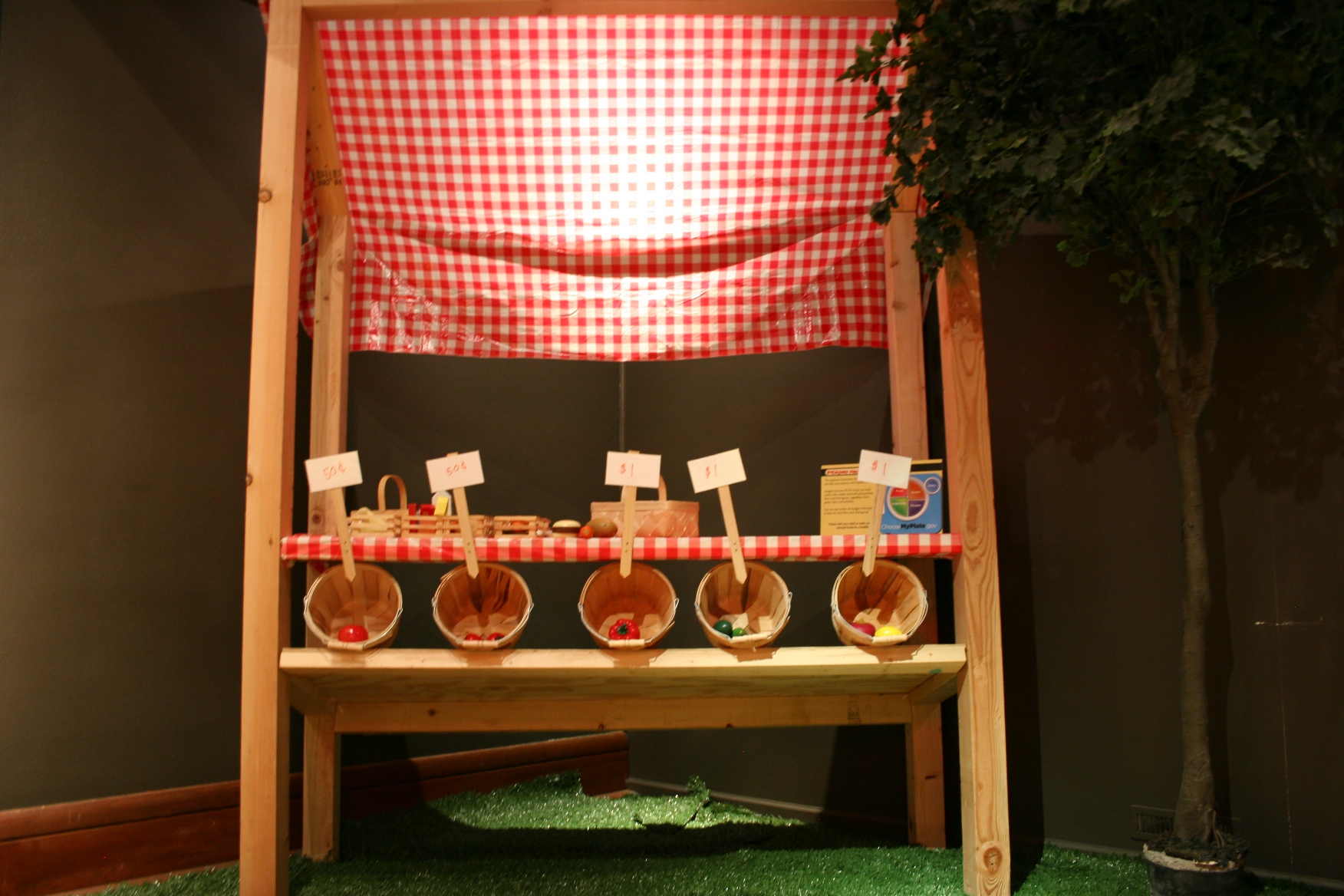
In the Marketplace, visitors are encouraged to choose healthy fresh foods.

In the Marketplace, visitors are encouraged to choose healthy fresh foods.

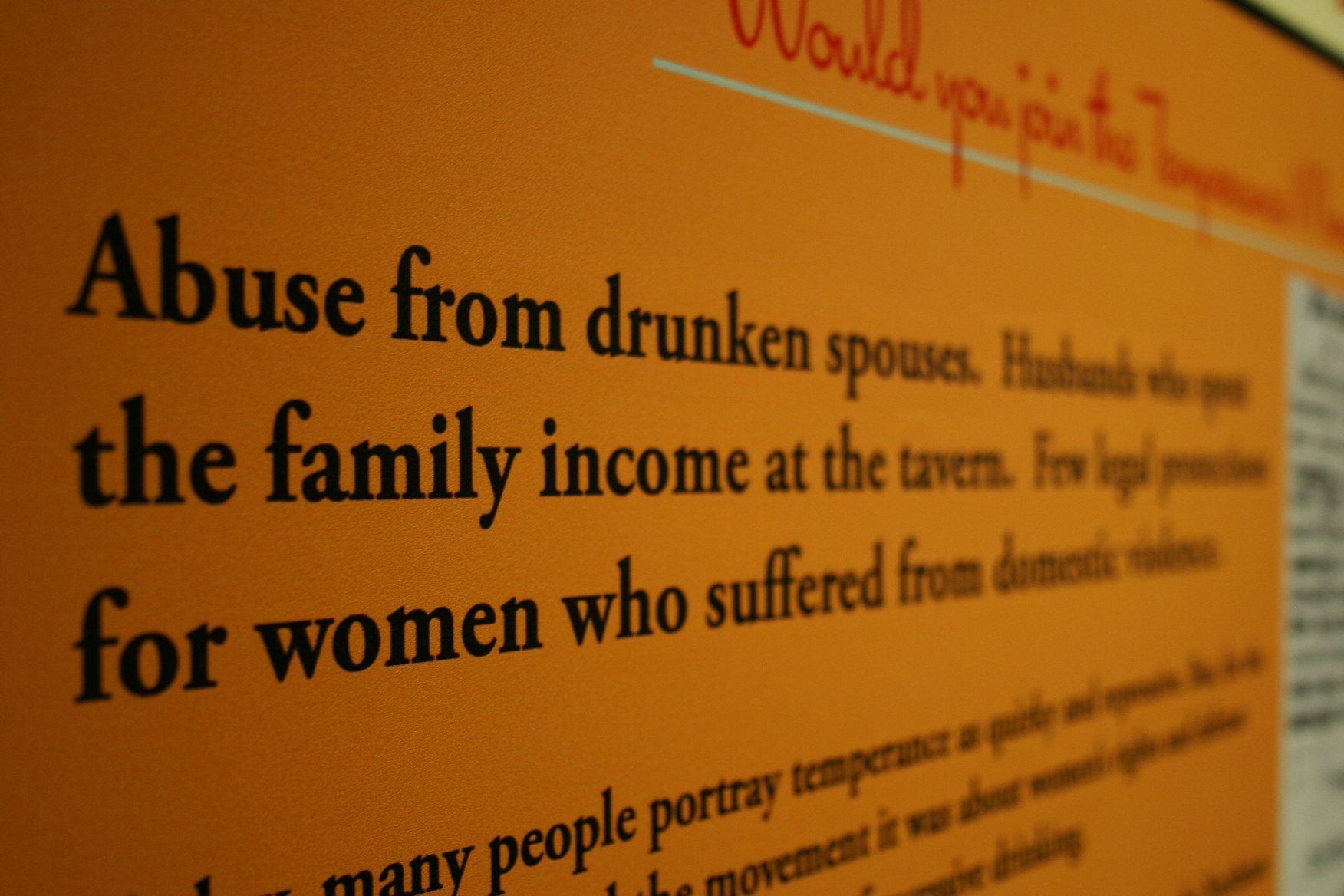
Another display focuses on the empowerment of women via the Temperance Movement.

Another display focuses on the empowerment of women via the Temperance Movement. One of the Appleton Police Department’s major objectives in 2014 is to combat domestic violence.

Another

The exhibit on the right focuses on supper clubs. Visitors are invited to write characteristics defining a supper club. Answers included, among many others, pickled beets and herring at salad bar; dim lighting; cocktail hour; tavern in front, buffet in back; and old fashion jukeboxes.

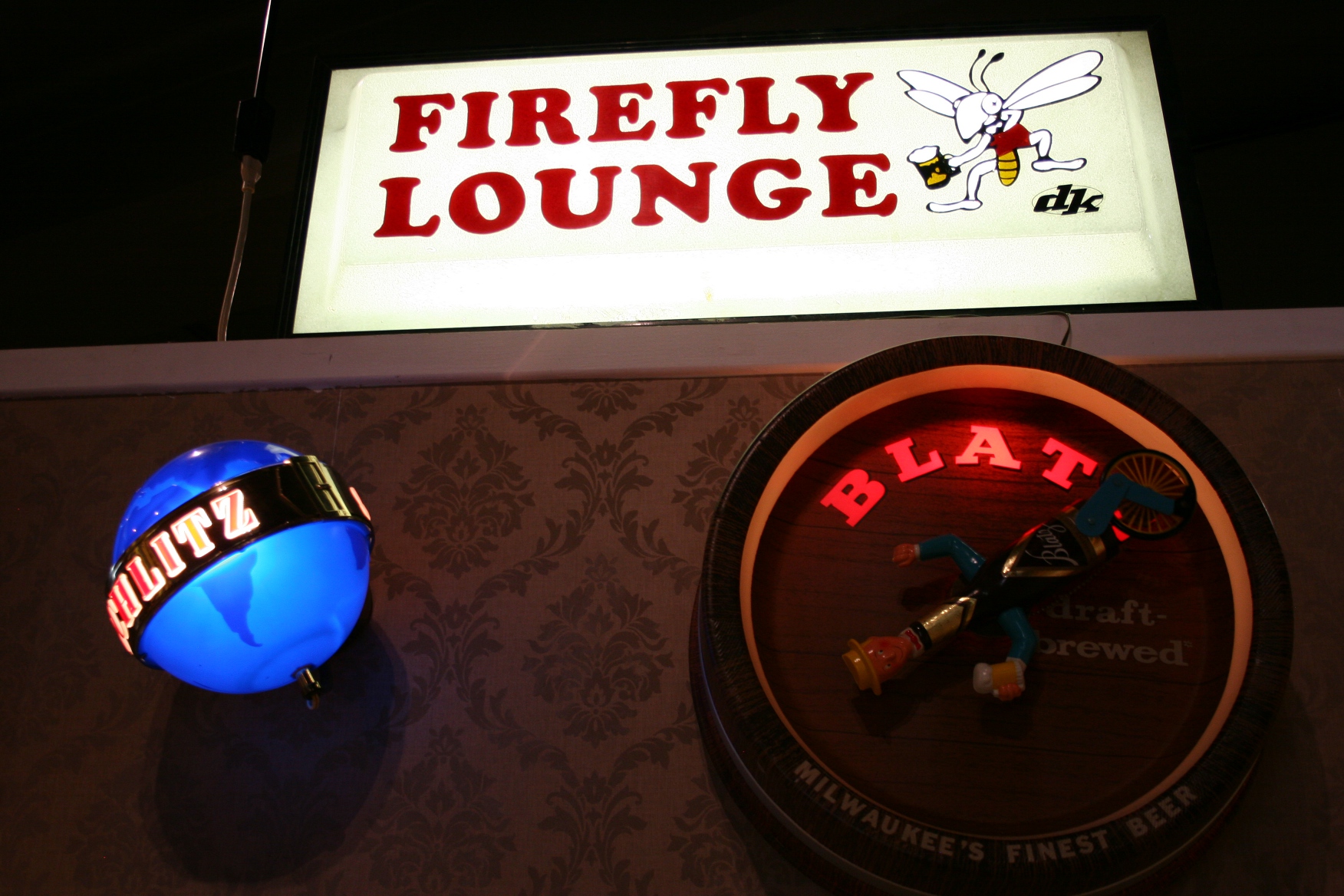
Supper club signage close-ups.

Supper club/bar signage close-ups.

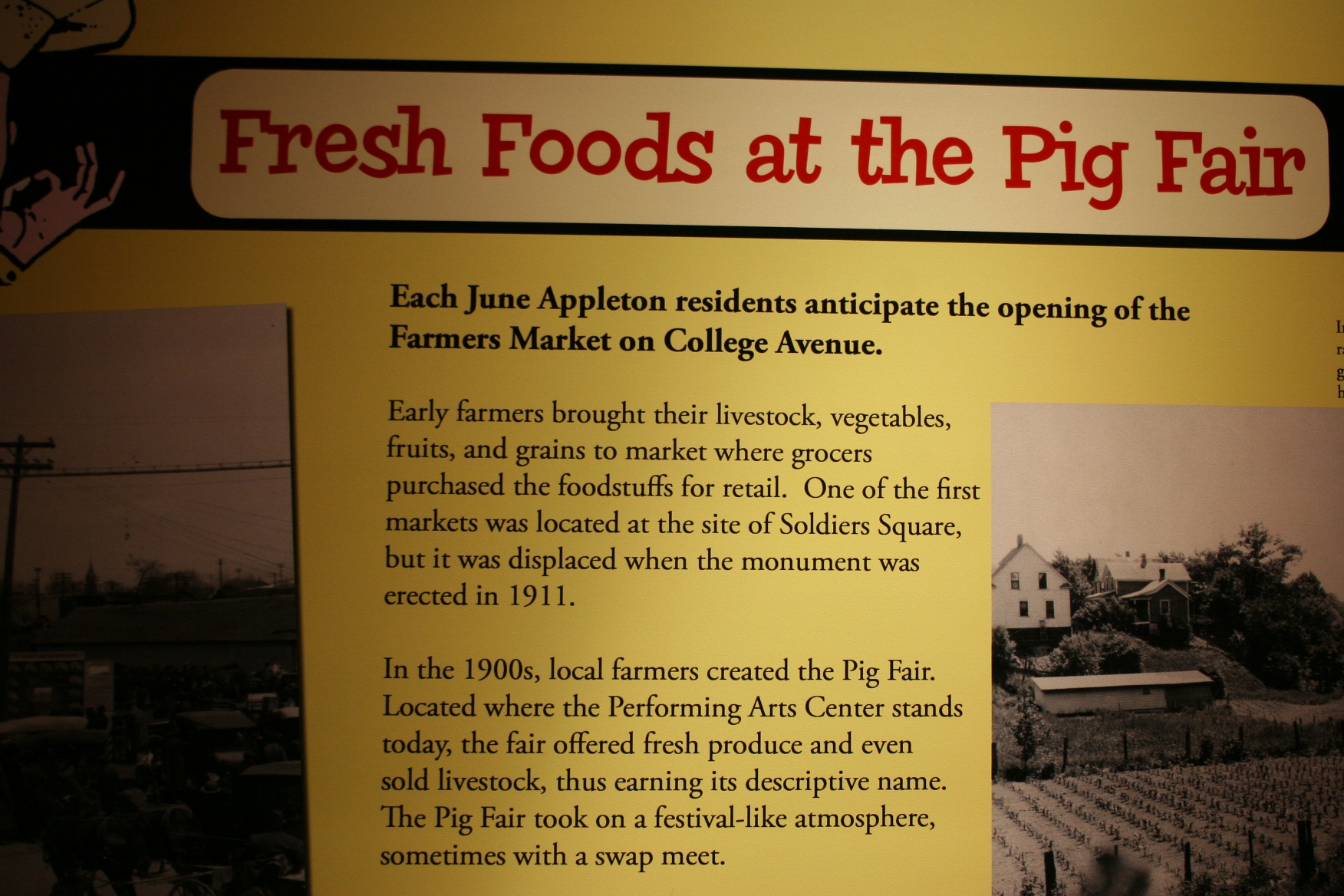
The Pig Fair...

The Pig Fair…

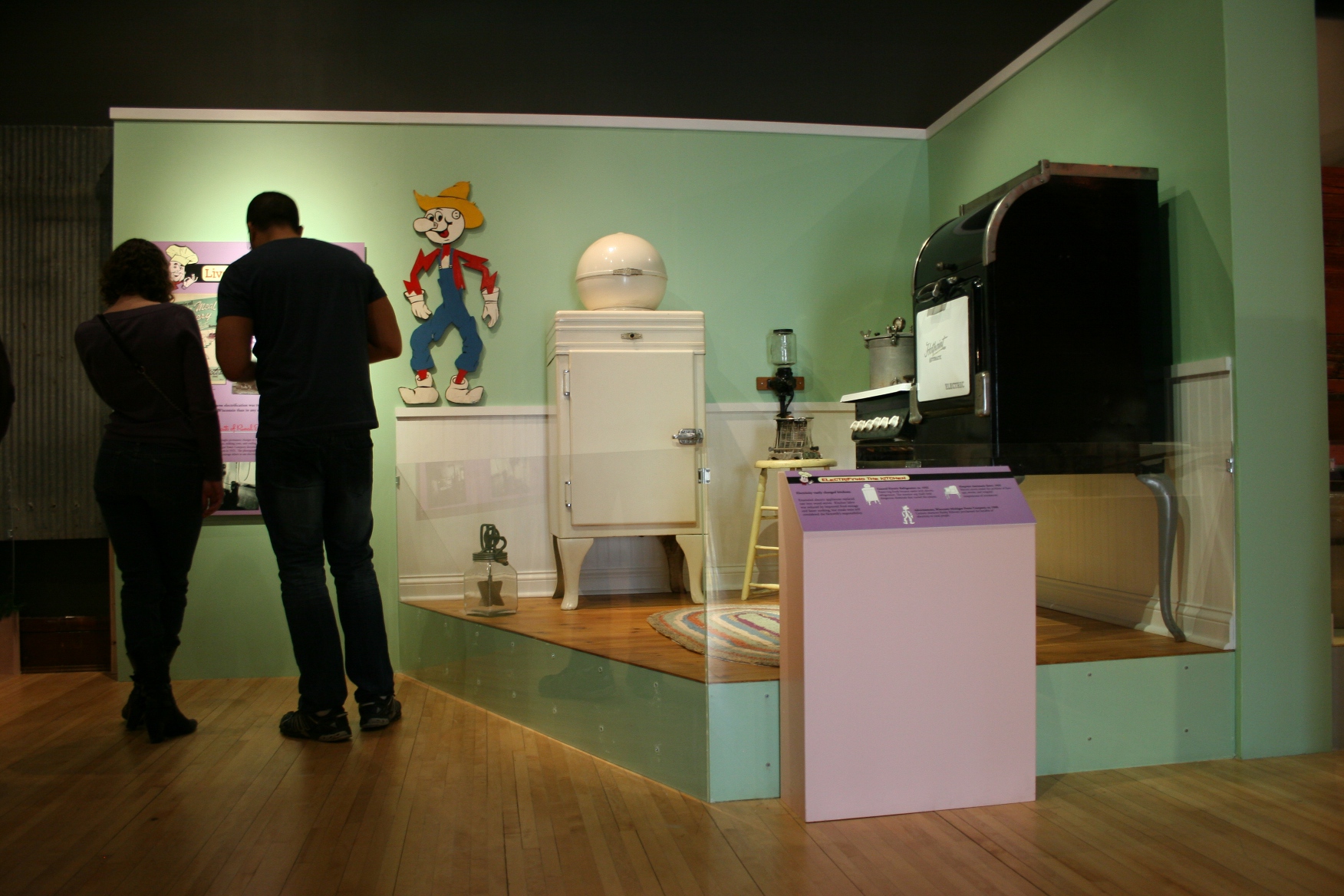
A section on electricity highlights Appleton as having the first home electrified by water power in 1882. And, yes, that's Reddi Kilowatt there on the wall.

A section on electricity highlights Appleton as having the first home electrified by water power in 1882. And, yes, that’s Reddy Kilowatt there on the wall.

And then afterward, grab a cold one. It seems only fitting to honor Wisconsin’s love of brats, beer, cheese and Packers. Cheers.

History Museum at the Castle, 330 East College Avenue, Appleton, Wisconsin.

The impressive and historic History Museum at the Castle.

FYI: The “Food: Who We Are and What We Eat” exhibit continues through the fall of 2014 at the Castle. There’s much more to see here, including exhibits on local history and a permanent Harry Houdini exhibit. Houdini claims Appleton as his hometown.

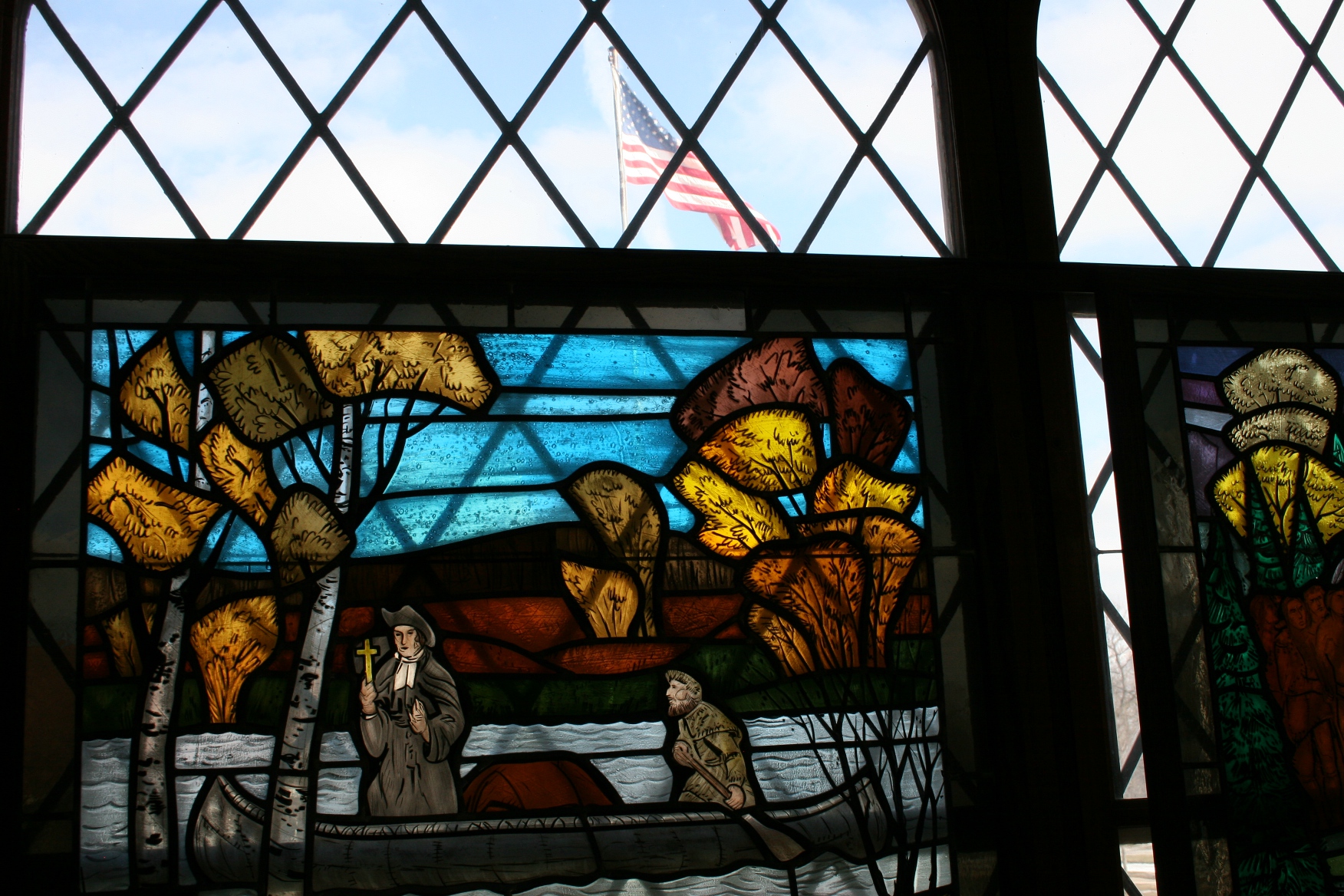
Don't miss the incredible stained glass windows in the Siekman Room.

Don’t miss the incredible stained glass windows in the Siekman Room.

The castle itself is a lovely complex built in 1923 as a Masonic temple and today is on the National Register of Historic Places. Click here to learn more about the History Museum at the Castle.

© Copyright 2014 Audrey Kletscher Helbling
 

On the road along Wisconsin Highway 21 April 21, 2014

Filed under: Uncategorized — Audrey Kletscher Helbling @ 6:00 AM
Tags: , , , , , , , , ,

TRAVELING THE 100 MILES or so between Tomah and Oshkosh, Wisconsin, can get downright tedious.

My husband and I have driven that stretch of narrow Wisconsin State Highway 21 numerous times in the past three years en route to and from Appleton, where our second eldest daughter lives.

With lots of small towns to filter through—and you know how much I appreciate small towns, unless I’m on a schedule, which we typically are—and a roadway that rates as heavily traveled and usually impossible to pass slow moving vehicles, this section of the trip is often taxing.
So we divert ourselves by trying to appreciate the sites around us, although not always pleasant. The shoulders and ditches of Highway 21 are often littered with deer carcases. Better a dead deer than one walking/running into the path of our van.
Sometimes we play a game, seeing how many dead deer we can spot. Yes, I know. Whatever works to pass the time.

I typically rest my camera in my lap, too, ready to capture whatever I find intriguing, in other words potential blog material.

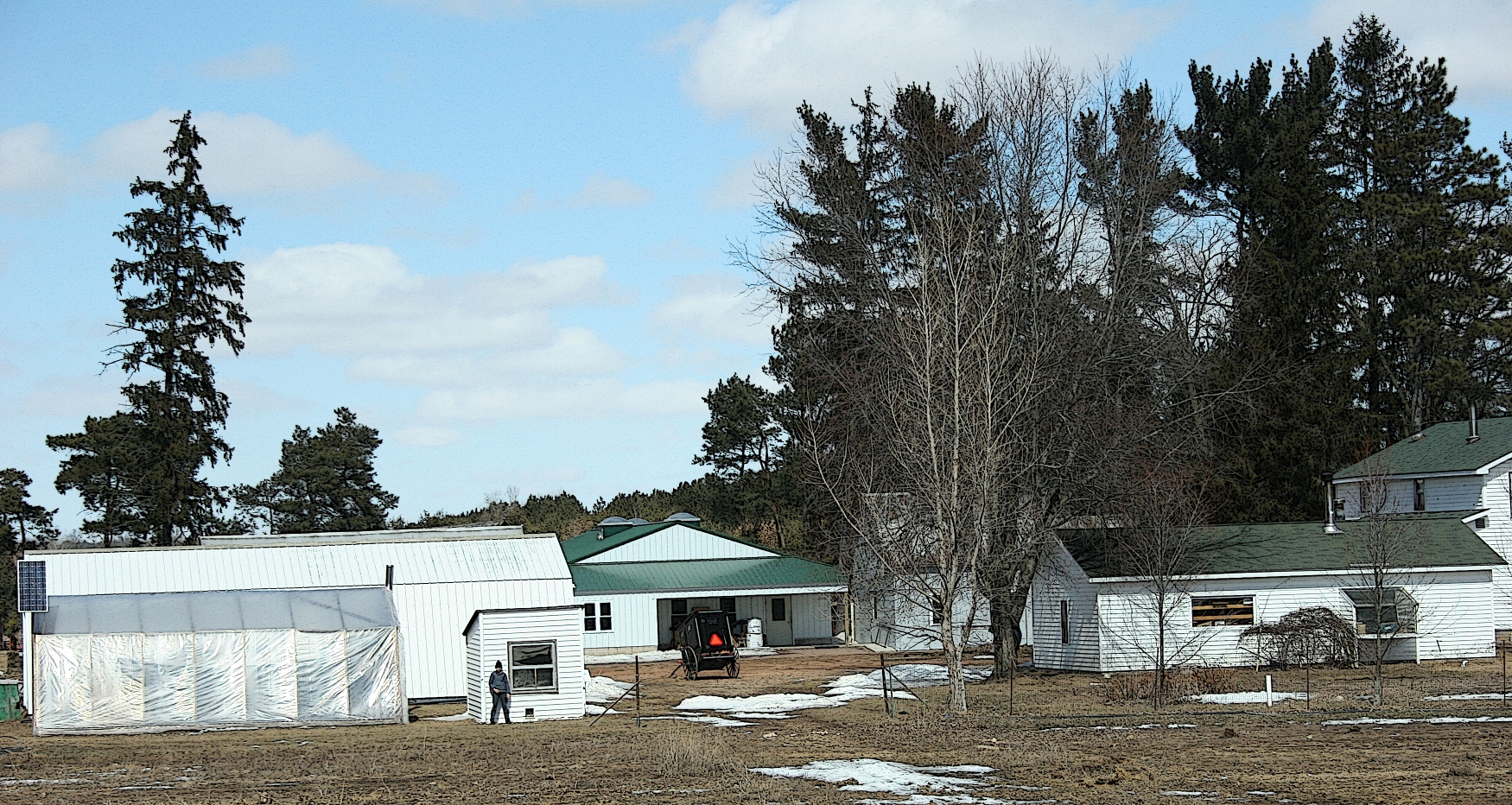
My single Wisconsin Amish photo during our most recent trip shows and Amish buggy in a farmyard and an Amish teen standing next to a small outbuilding.

My single Wisconsin Amish photo during our most recent trip shows an Amish buggy in a farmyard and an Amish teen standing next to a small outbuilding.

Typically I am on shutter button alert around the Coloma area, home to many Amish.

But anything out of the ordinary can cause me to raise my camera and shoot.

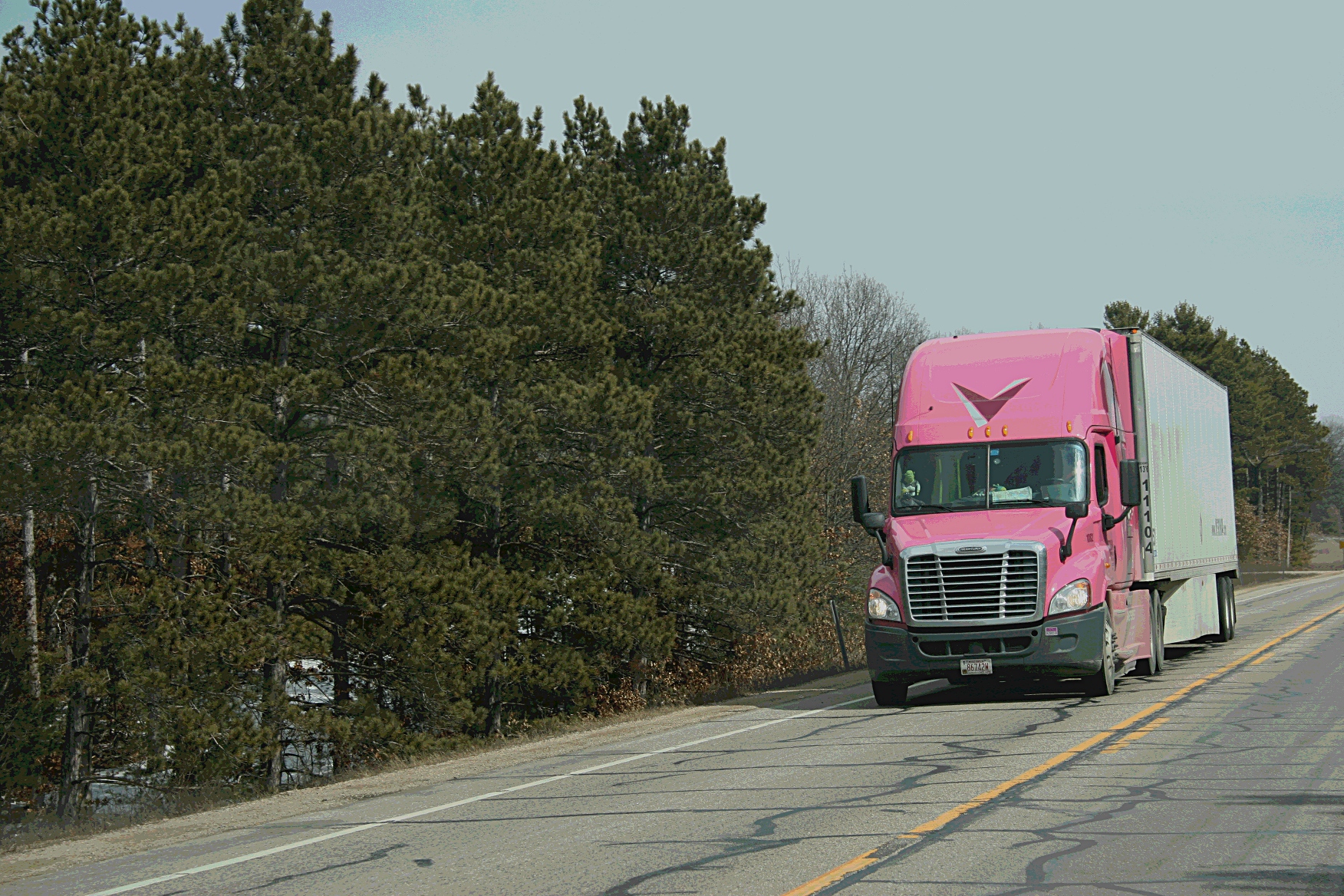
Photographed just east of Coloma.

Photographed just east of Coloma.

How often do you see a pink semi cab?

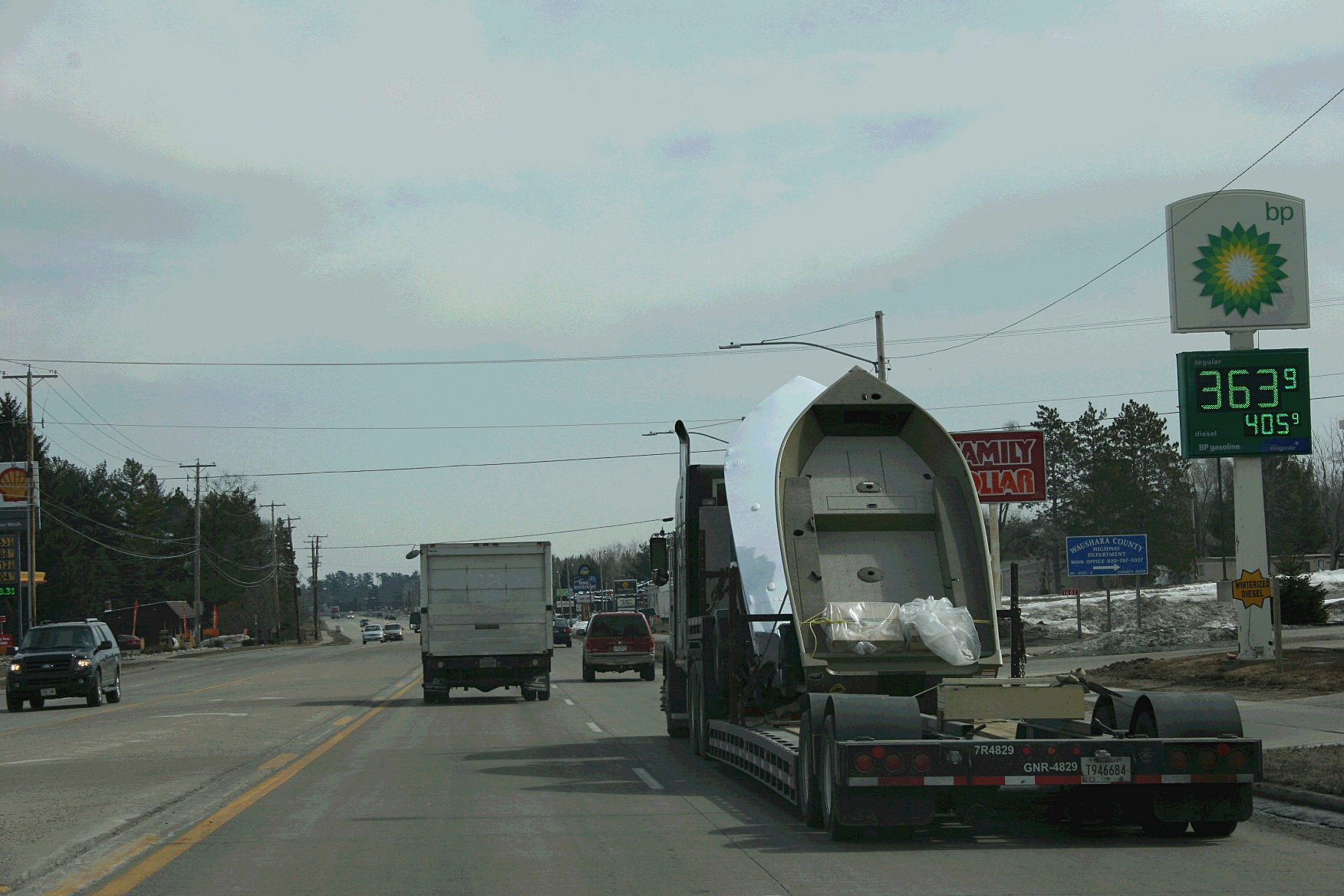
The weaving truck in Wautoma.

The weaving truck, right, in Wautoma.

Or a truck with boats aboard weaving through traffic in Wautoma like some some speed boat on an area lake?

I really should have photographed the crazy multi-lane roundabouts near Oshkosh. The Wisconsin Department of Transportation seems to fancy these traffic intersectors with more than 200 constructed in the state, many in the Fox Valley area where we travel. In contrast, Minnesota has about 120.

While I understand how roundabouts enhance safety, that does not make them any less scary, especially during rush hour. Suffice to say, you best know which lane you need to be in, something not in the knowledge bank of out-of-state drivers like us encountering a particular roundabout for the first time.

In summary, though Highway 21 proves a long drive through central Wisconsin, I manage to keep it semi interesting by scouting for blog material.

FYI: These photos were shot during a March trip, thus the snow you see in some of the images. Check back for additional posts this week from that visit to eastern Wisconsin.

© Copyright 2014 Audrey Kletscher Helbling