Minnesota Prairie Roots

Writing and photography by Audrey Kletscher Helbling

“The Wedding Collection,” a look at weddings in southwestern Minnesota September 15, 2022

A sampling of the many beautiful gowns in the exhibit. (Minnesota Prairie Roots copyrighted photo September 2022)

WHETHER YOU’RE A ROMANTIC or an appreciator of fashion and/or history, a closing-in-days exhibit at a southwestern Minnesota museum is a must-see.
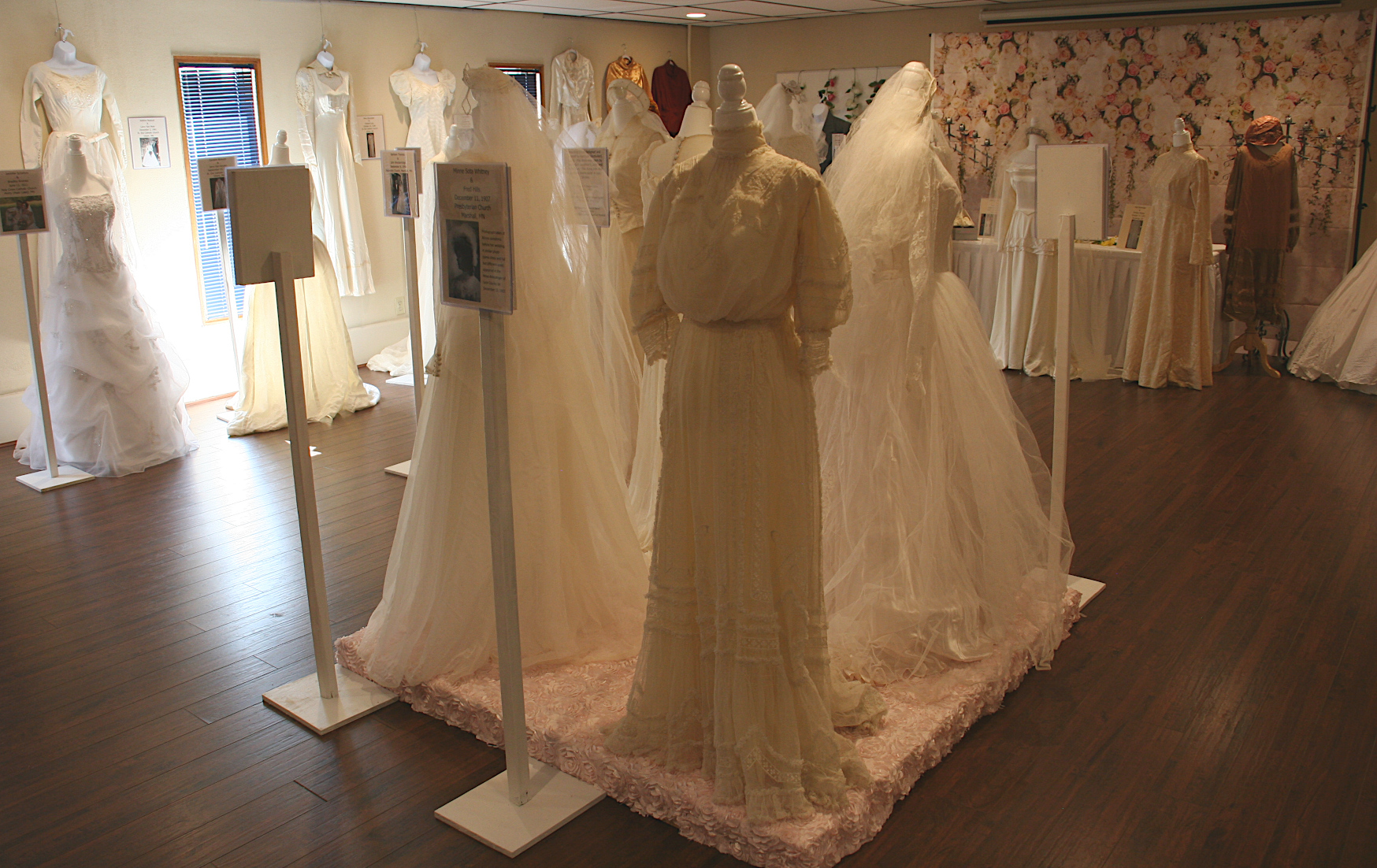
My first view of the bridal gowns. (Minnesota Prairie Roots copyrighted photo September 2022)

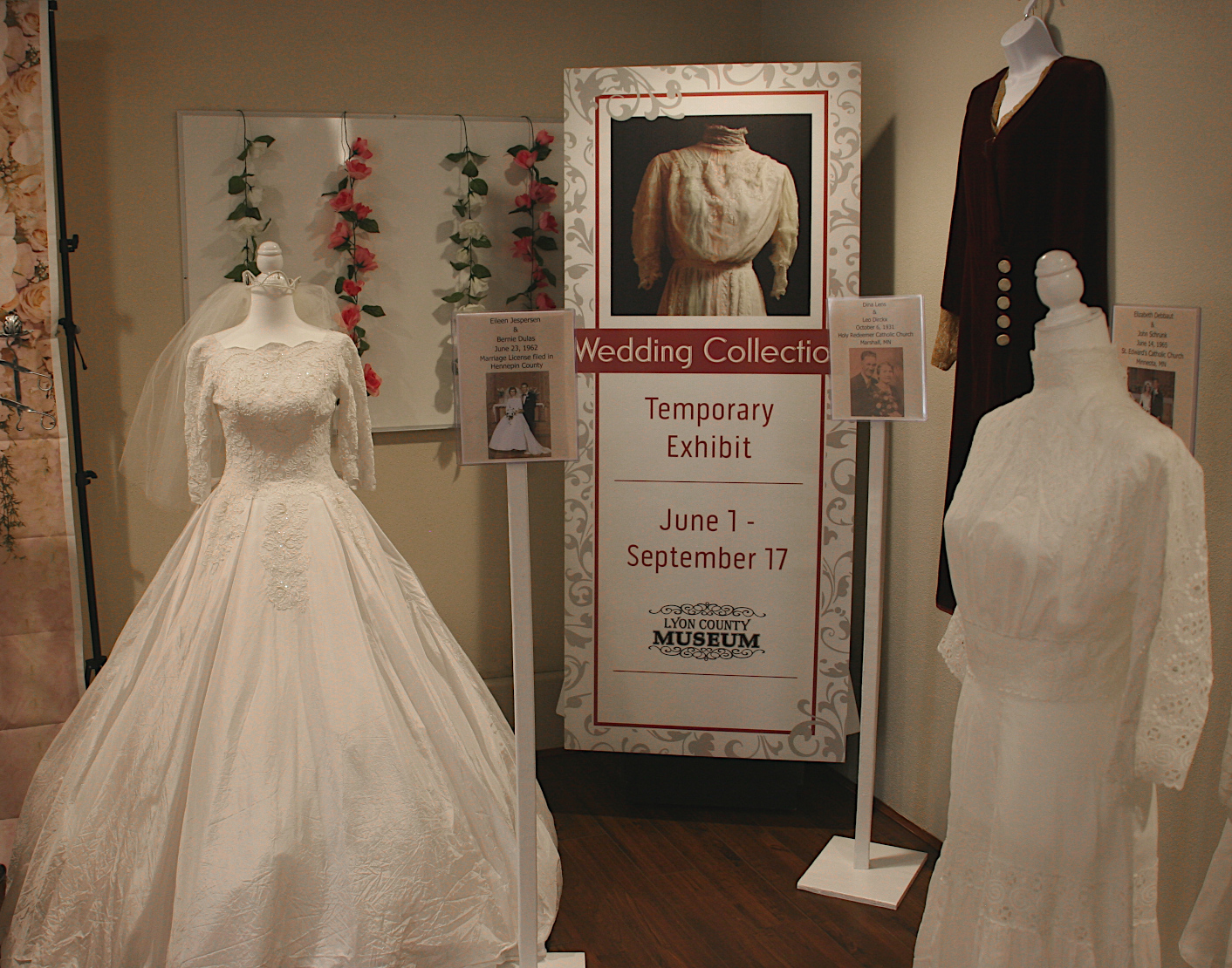
On Tuesday, I toured the Lyon County Historical Society Museum in Marshall, including a second floor temporary exhibit, “The Wedding Collection.” Walking among the bridal attire, accessories and wedding photos proved interesting and delightful.
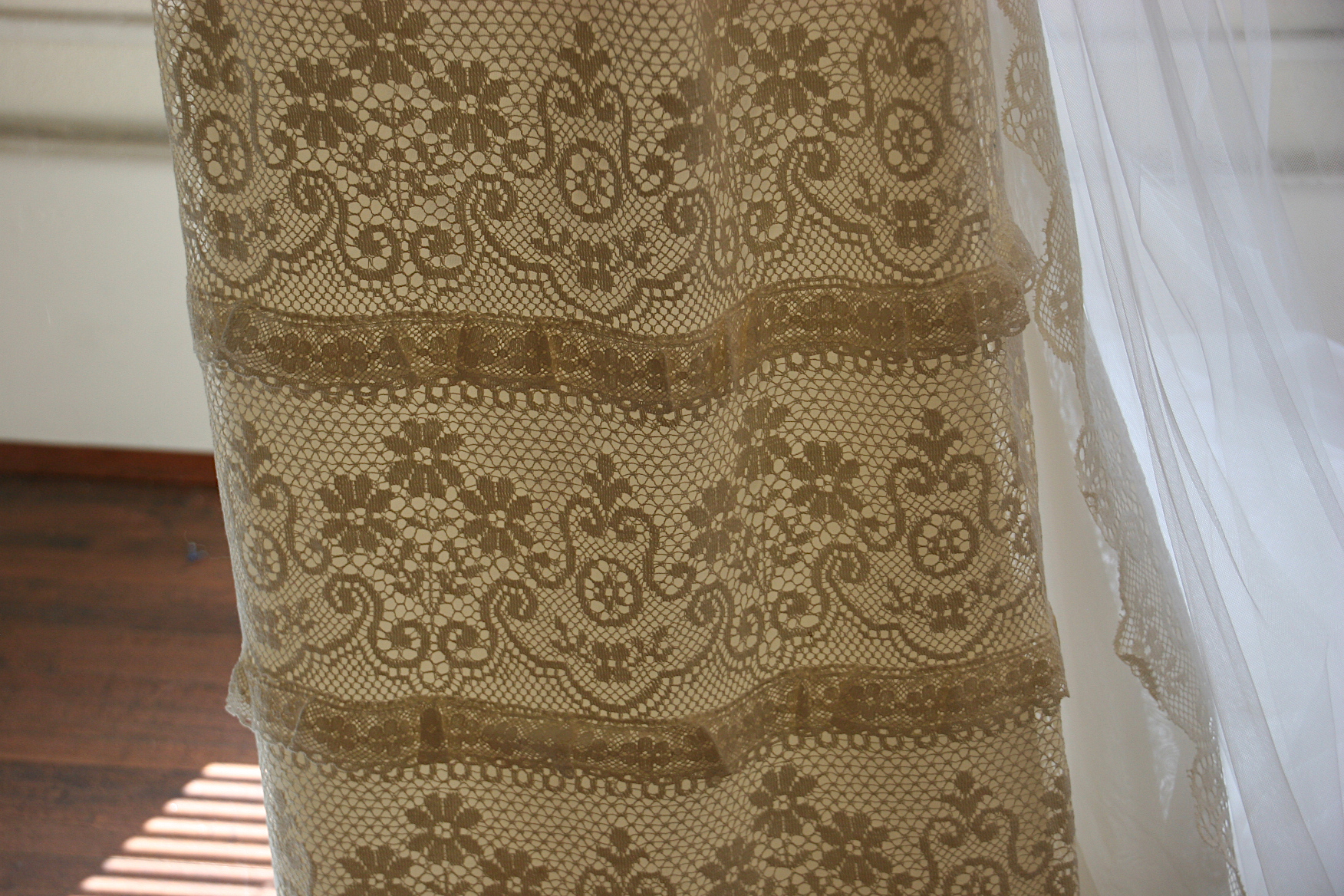
A particularly lacy wedding dress skirt up close. (Minnesota Prairie Roots copyrighted photo September 2022)

I will never pretend to understand, or even care, much about fashion. But this held my interest as I noted the variety of styles from princess full lacy skirts to sleek and elegant simple satin designs. It was the plain gowns that held the most appeal for me, even though my own wedding dress from 40 years ago featured more lace than suits me now. But it was the style of the early 80s.

A floral backdrop lends a romantic feel to the bridal attire display. (Minnesota Prairie Roots copyrighted photo September 2022)

In a brief conversation with another museum visitor, also a native to the area but back from Nebraska, we discussed how styles always come back, although the popular strapless gowns were absent from long ago weddings. We agreed that we don’t particularly like that style.
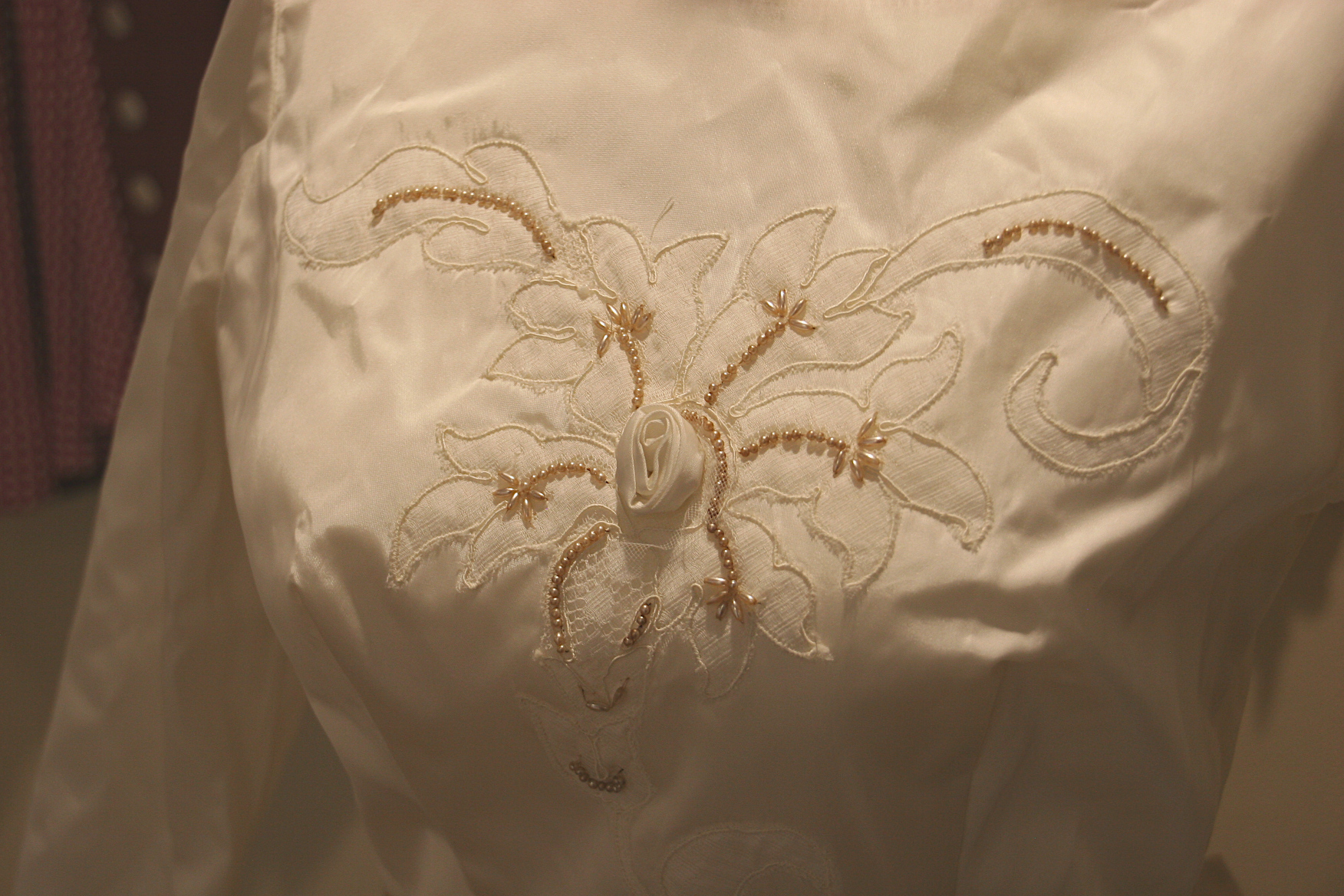
Lovely floral and beaded detail on a bridal gown. (Minnesota Prairie Roots copyrighted photo September 2022)

But it really doesn’t matter what I like or don’t like. It is the bride who chooses her perfect dress. And this exhibit showcases the selections of southwestern Minnesota brides through the decades from the museum’s collection and on loan.
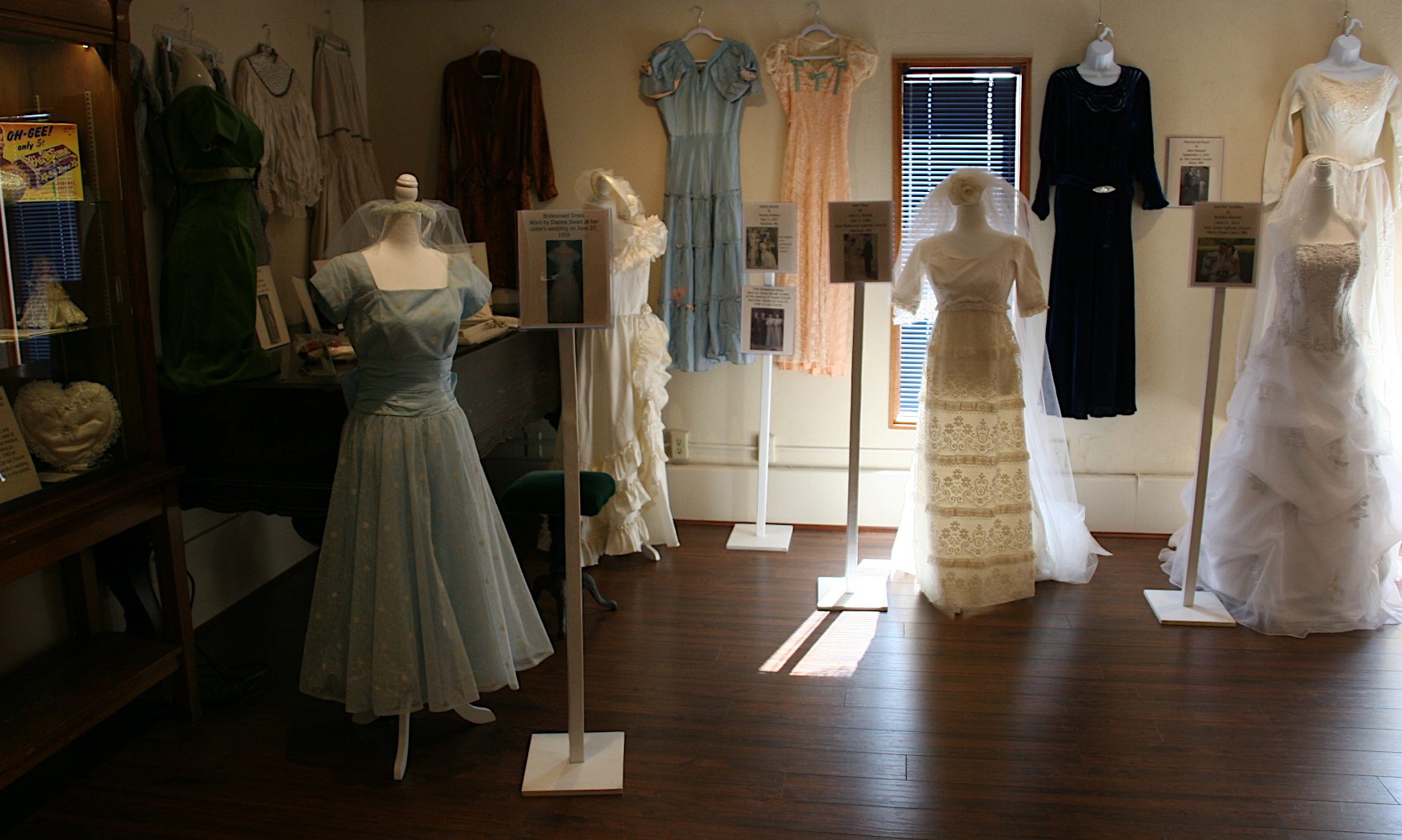
This image shows some bridesmaids’ dresses and wedding accessories. (Minnesota Prairie Roots copyrighted photo September 2022)

The exhibit also includes some bridesmaid’s dresses, suits, accessories and wedding portraits displayed in the small second floor conference room.
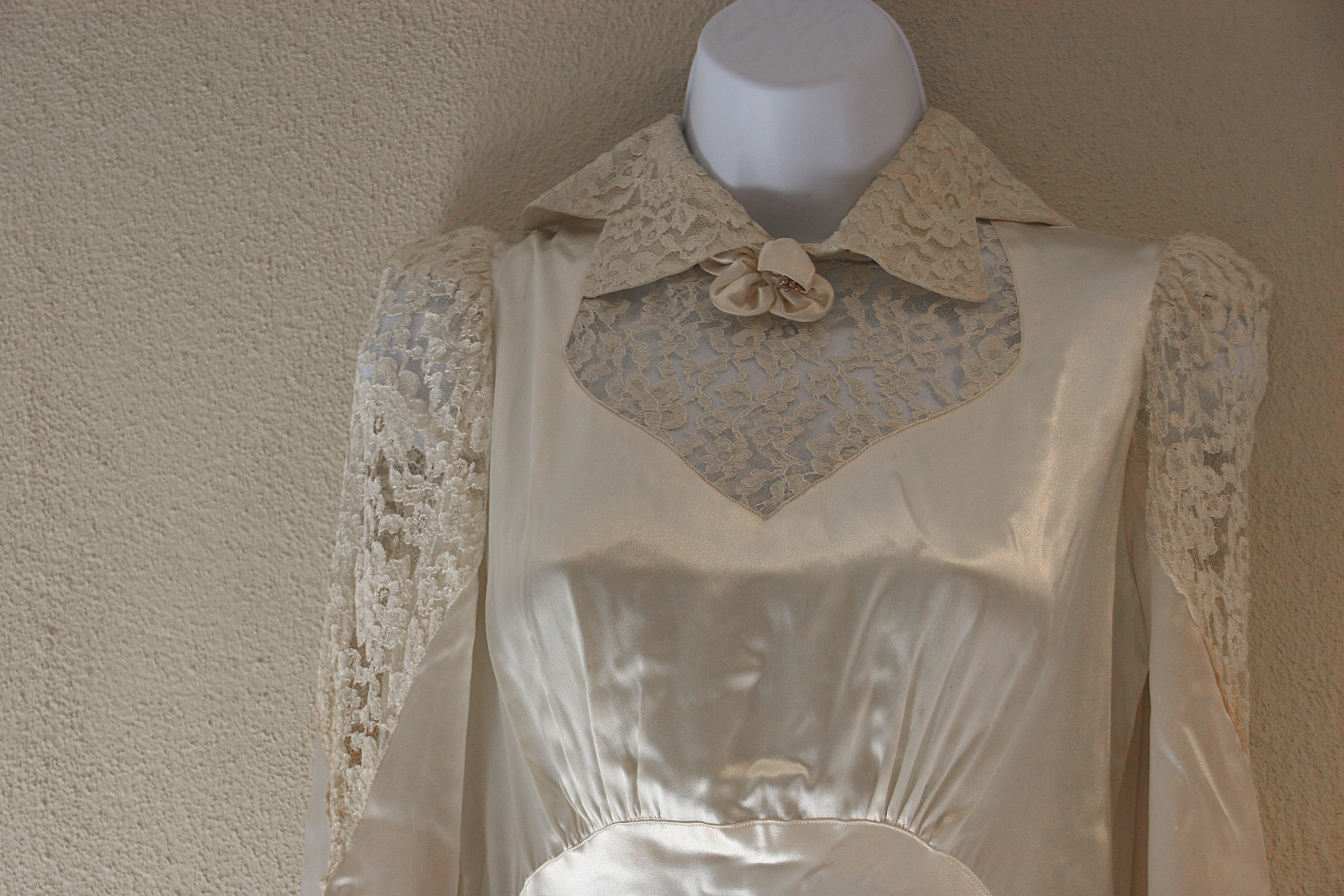
A lace and satin wedding dress. (Minnesota Prairie Roots copyrighted photo September 2022)

I realize most of my readers won’t see this exhibit in person. But if you live near Marshall, I encourage you to peruse the display, which closes at 4 pm Saturday, September 17. It’s been up since June. I saw “The Wedding Collection” as part of an overall tour of the museum, an exceptional museum, in my opinion. I traveled some three hours on Tuesday specifically to see two of my rural-themed poems, included in an impressive “Making Lyon County Home” exhibit on the second floor. Plan on spending hours at the museum with three floors of exhibit space.
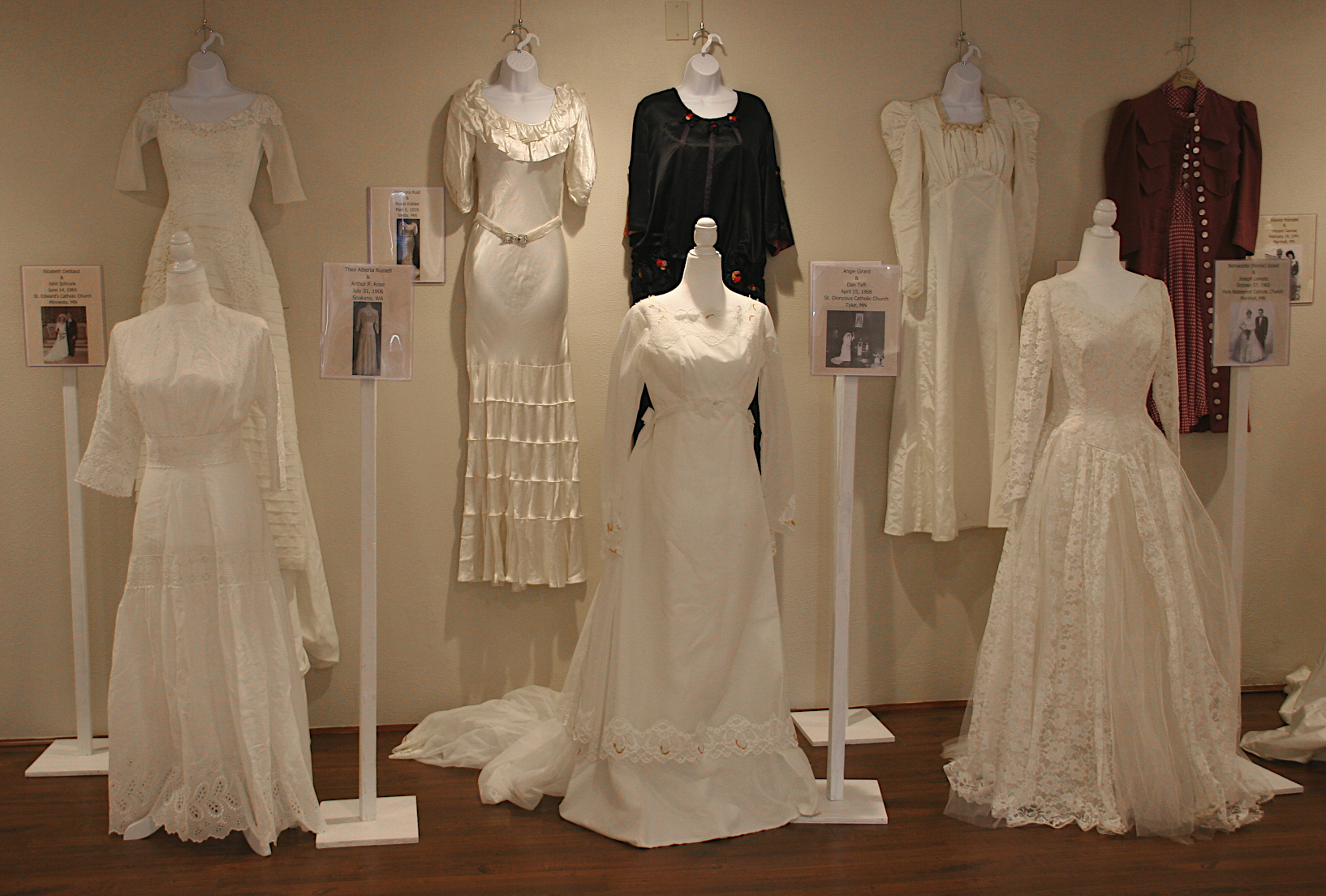
The bridal gowns span decades, some back to the early 1900s. (Minnesota Prairie Roots copyrighted photo September 2022)

Interestingly enough, I last visited Marshall 40 years ago on my May wedding night. Randy and I stayed there before continuing on our way to the Black Hills of South Dakota for our honeymoon. So in many ways, seeing “The Wedding Collection” brought me full circle back to my own wedding. Four decades seem so long ago…

#

FYI: I’ll take you back to the museum in Marshall in a future post to show you the exhibits including my poems and much more. Museum hours are 10 am – 4 pm Monday-Friday, noon to 4 pm Saturday and closed on Sunday.

Also, click here to view a much larger wedding exhibit I saw several years ago as the Steele County History Center in Owatonna.

© Copyright 2022 Audrey Kletscher Helbling


Loving home-grown ice cream shops like The Blast September 14, 2022

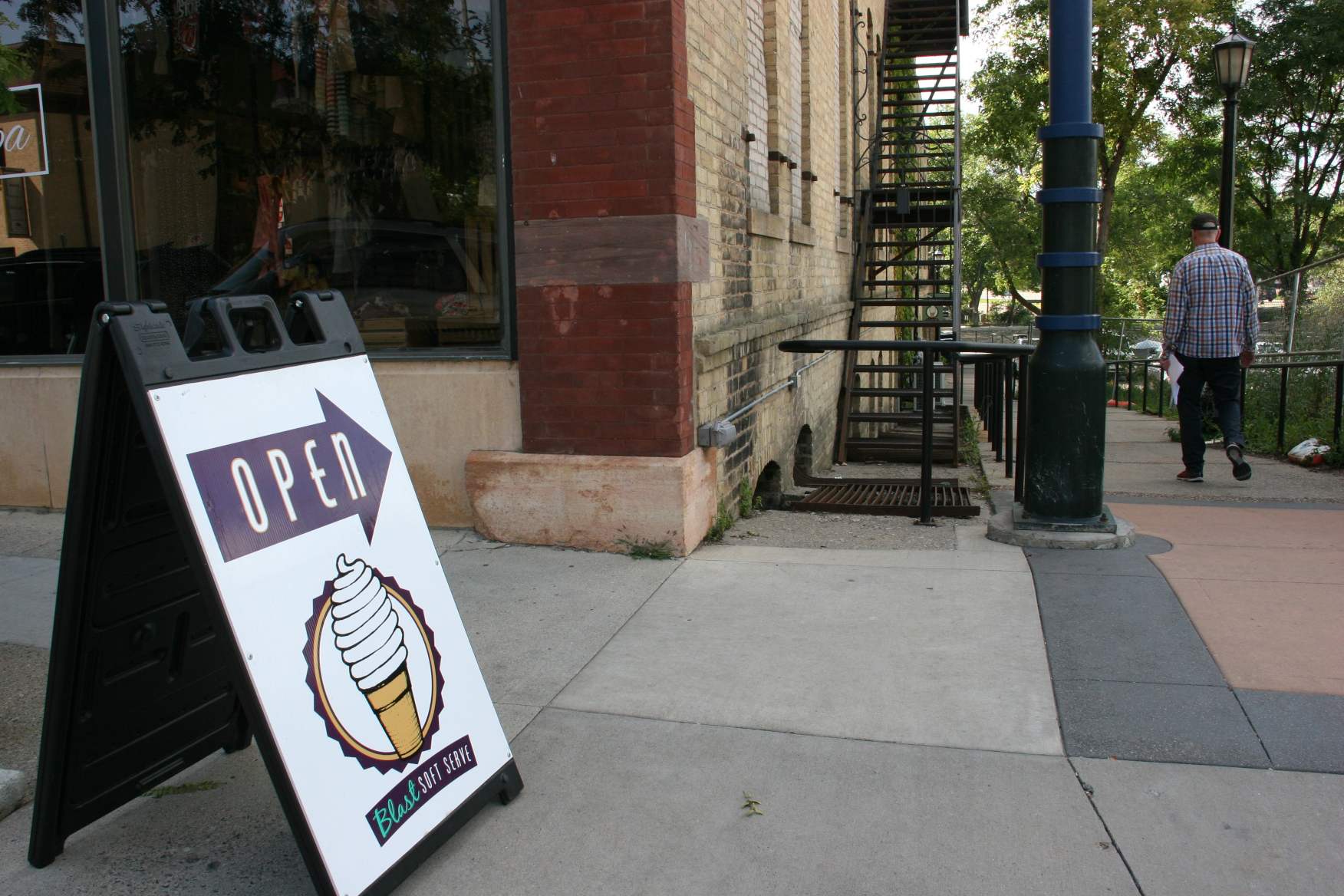
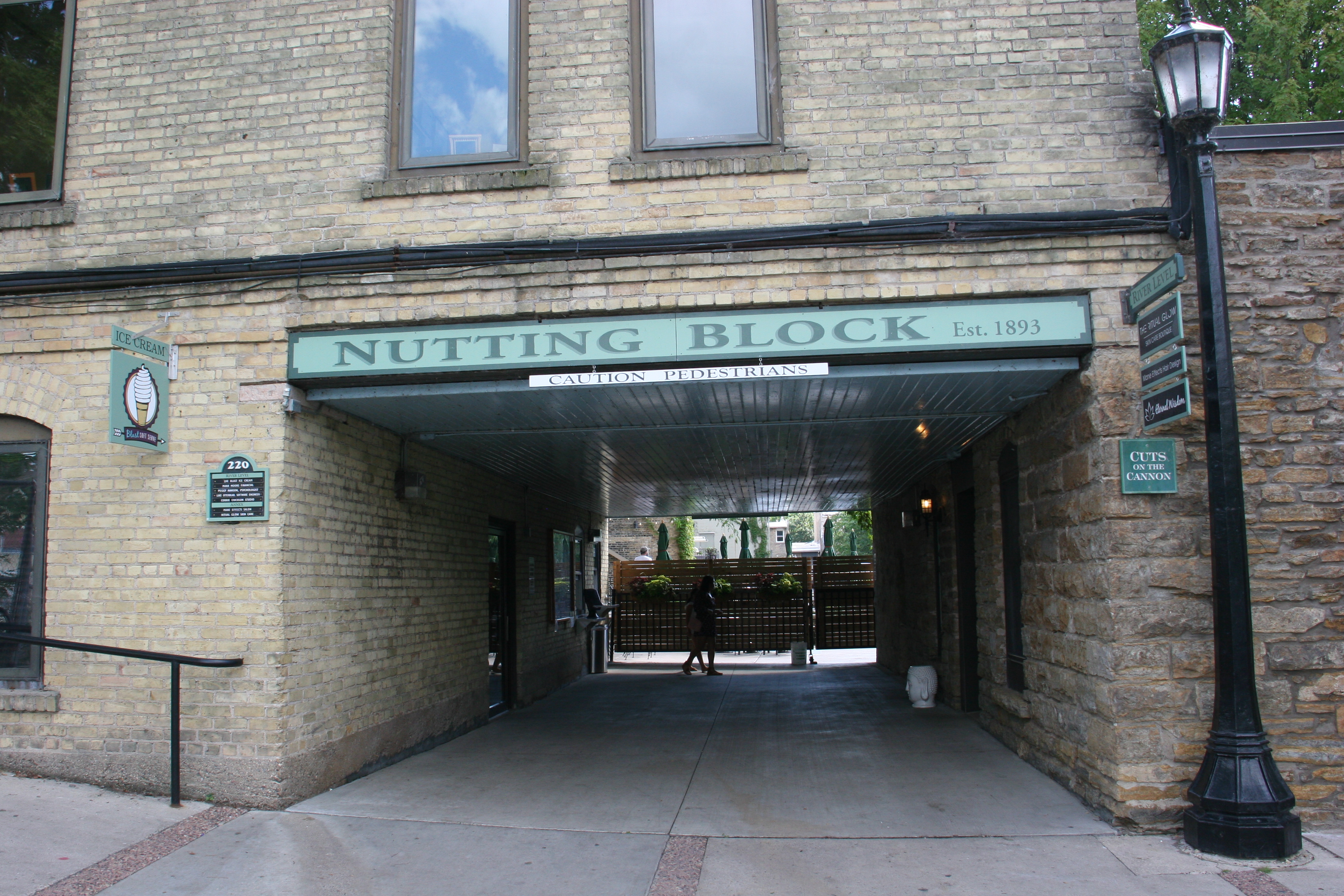
A sign points to the Blast’s location in downtown Northfield, Minnesota. (Minnesota Prairie Roots copyrighted photo August 2022)

THERE’S STILL TIME. Still time to indulge in a sweet treat before winter closes in and home-grown ice cream shops shutter for the season here in Minnesota.

The Blast walk-up window is located at the end of the “tunnel” to the left. (Minnesota Prairie Roots copyrighted photo August 2022)

On an August weekday afternoon in Northfield, Randy and I popped into The Blast, an ice cream shop in an out-of-the-way spot just west of the library, off Division Street and down the sidewalk toward the Cannon River. The walk-up window is located inside a “tunnel” wedged between buildings and labeled “The Nutting Block, Est. 1893.”

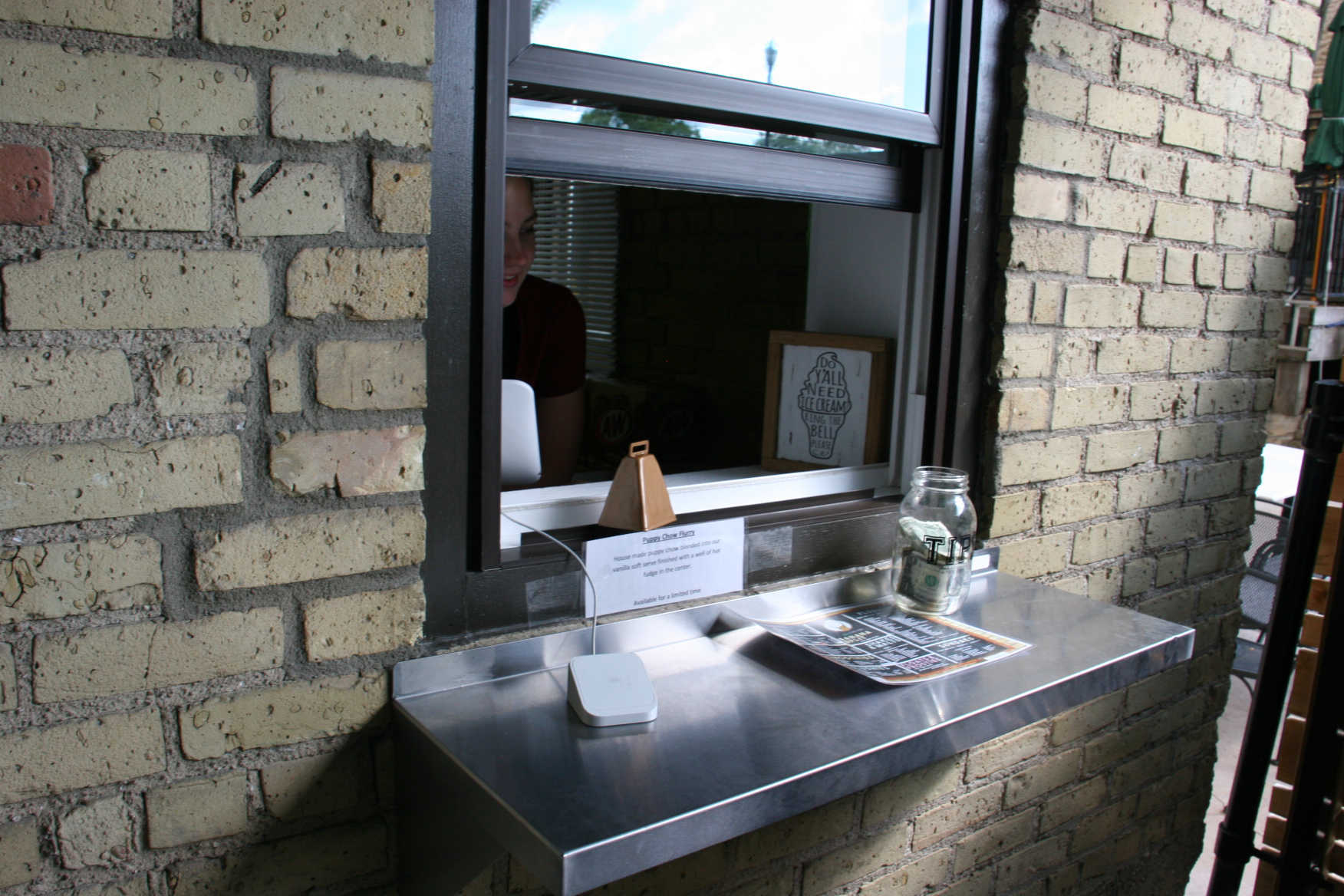
A steady flow of customers kept this employee busy taking ice cream orders. (Minnesota Prairie Roots copyrighted photo August 2022)

We happened upon this business a previous summer Saturday, but left after seeing the lengthy line of customers. This time, on a Wednesday, there was no waiting. Rather, the friendly teen behind the window waited patiently for us to choose from a wide array of treats.

A Red Raspberry Sundae. (Minnesota Prairie Roots copyrighted photo August 2022)

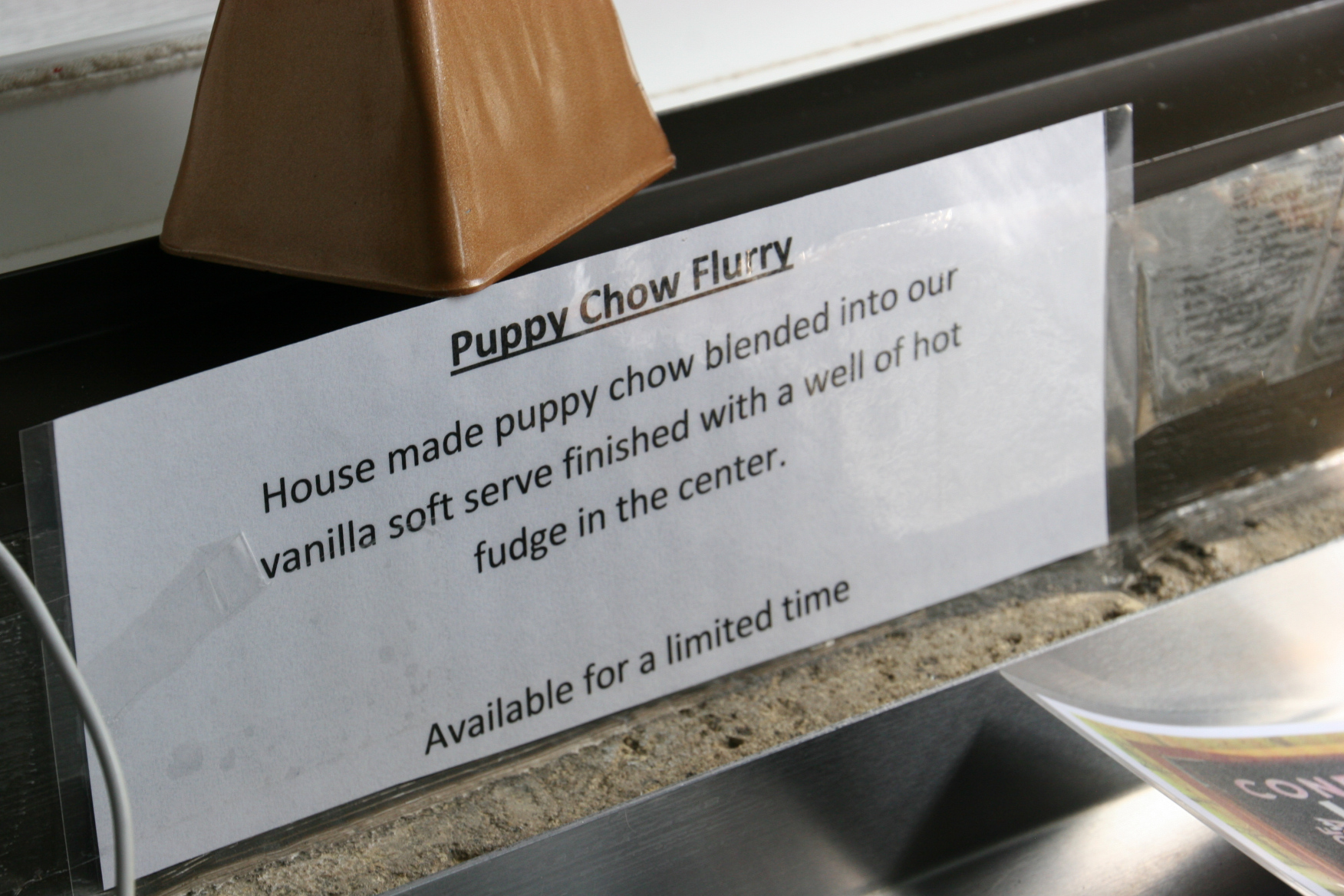
I opted for the limited specialty Puppy Chow Flurry while Randy chose a Red Raspberry Sundae. Puppy Chow is a snack made from Chex cereal covered first in melted chocolate and peanut butter, then coated in powdered sugar.

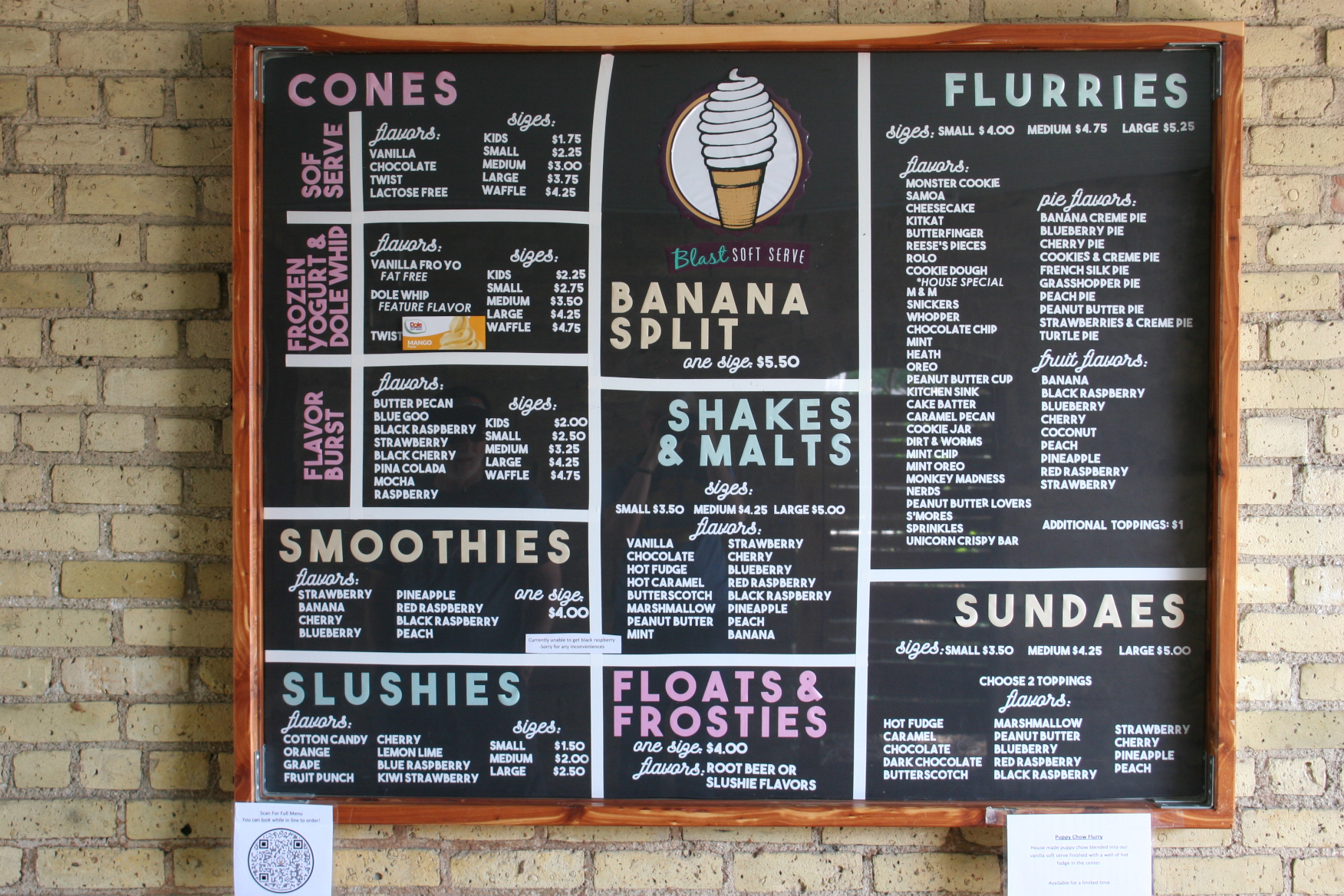
Lots of choices at The Blast. (Minnesota Prairie Roots copyrighted photo August 2022)

Selections at The Blast are vast and deciding isn’t easy when the choices in smoothies, slushies, shakes, malts, floats, frosties, flurries, sundaes and cones seem nearly endless.

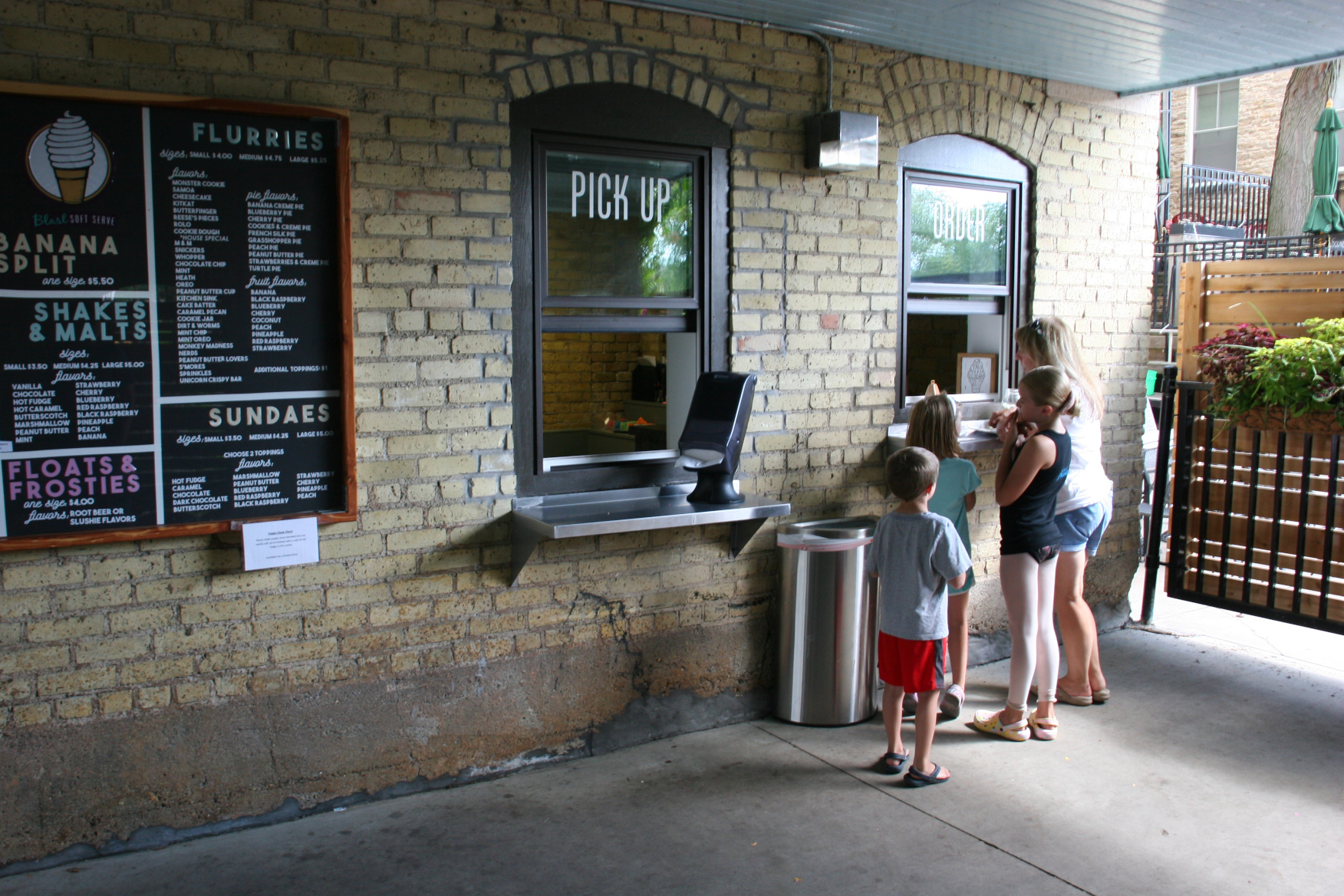
A group orders ice cream treats on an August weekday afternoon. (Minnesota Prairie Roots copyrighted photo August 2022)

We both enjoyed our soft-serve ice cream treats at a riverside picnic table on a perfect summer day. There’s something about summer and ice cream that go together, especially soft-serve ordered at a walk-up window.

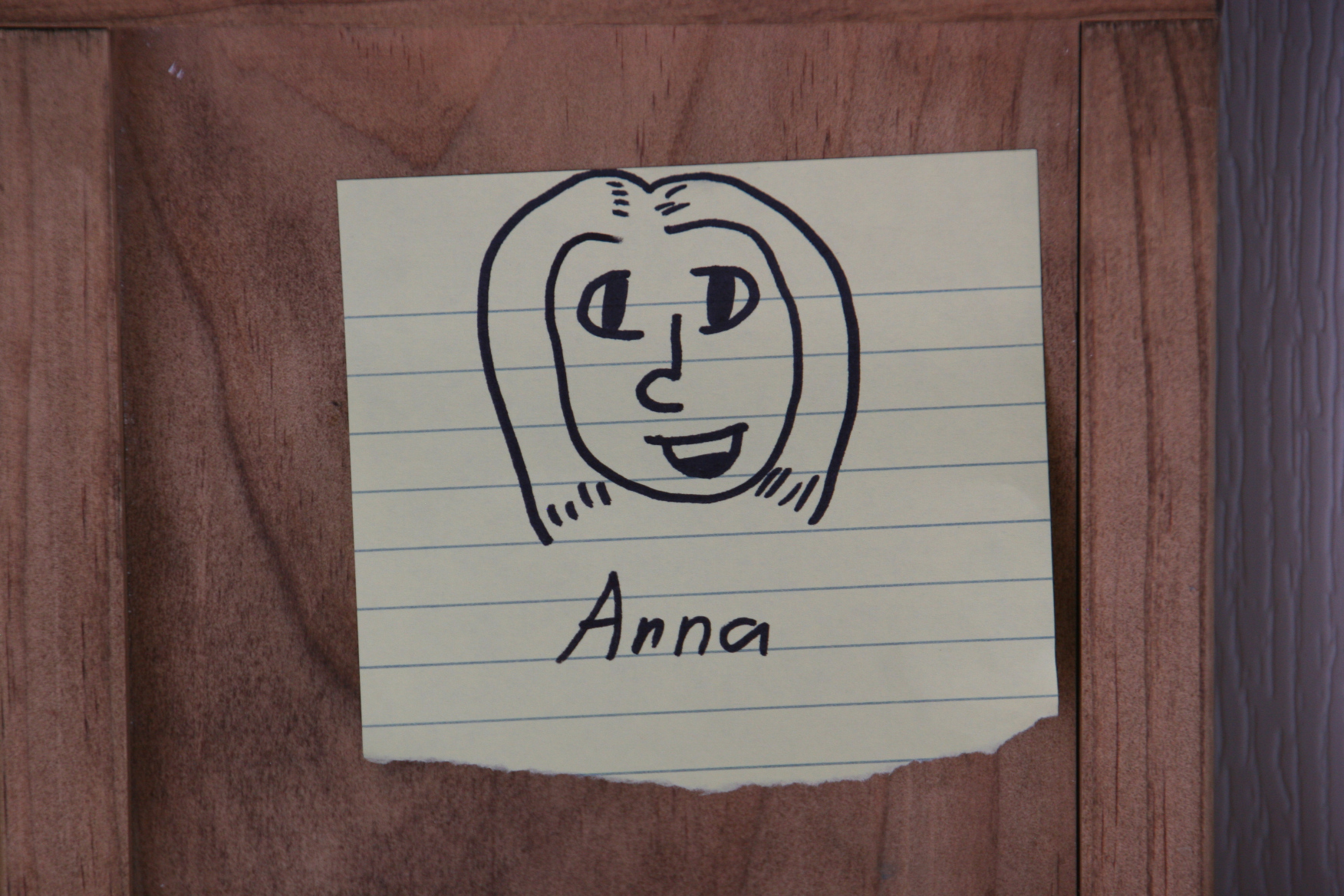
Through the order window, I spotted this portrait. Anna drew multiple portraits and hid them around the shop, her co-worker told me. A fun discovery. (Minnesota Prairie Roots copyrighted photo August 2022)

The Blast has adjusted hours now that school is back in session and days are shorter. Current hours are 3:15 – 8 pm Monday – Friday and 11 am – 8 pm Saturday and Sunday.

As soon as I saw this sign, I knew I would order the Puppy Chow Flurry. (Minnesota Prairie Roots copyrighted photo August 2022)

As with the limited edition Puppy Chow Flurry, The Blast continues to offer seasonal or limited edition specialty flavors. Like the current pumpkin spice and apple crisp, oh, so fitting for fall in Minnesota. This time of year we crave those flavors.

The Puppy Chow Flurry. (Minnesota Prairie Roots copyrighted photo August 2022)

My appreciation for home-grown ice cream shops with creative offerings runs deep. I’m all in when it comes to trying something new, something different, something decidedly cold and yummy and all about summer here in southern Minnesota.

This sandwich board sign along Division Street directs customers down the sidewalk toward the river, to The Blast. (Minnesota Prairie Roots copyrighted photo August 2022)

TELL ME: Do you have a favorite home-grown ice cream shop? What’s your ice cream treat of choice? The Blast also has a location in Owatonna, where I’ve found another terrific ice cream place, The S’Cream.

© Copyright 2022 Audrey Kletscher Helbling

 

The poetry of the Cannon River in Northfield September 13, 2022

Filed under: Uncategorized — Audrey Kletscher Helbling @ 5:00 AM
Tags: , , , , , , ,
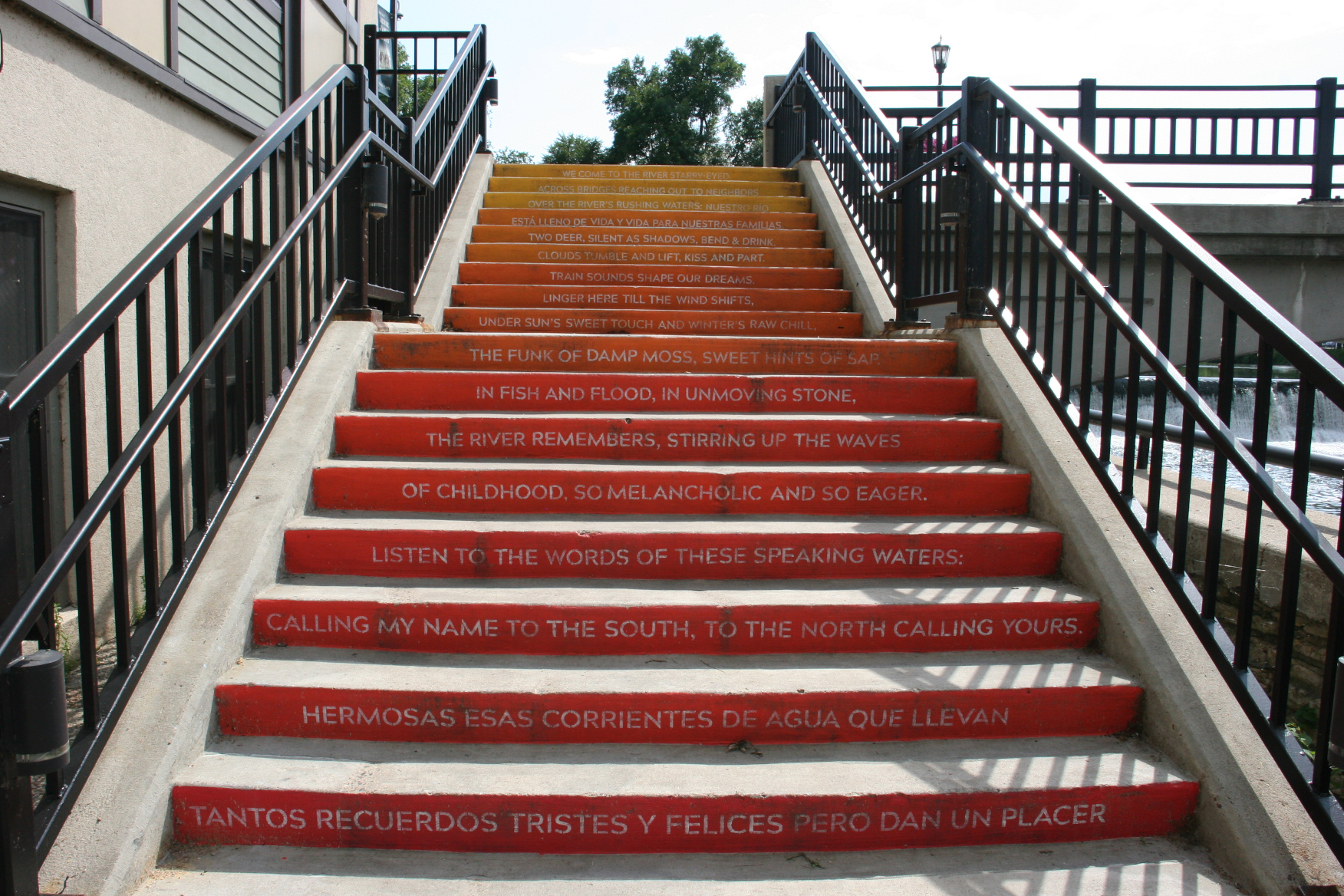
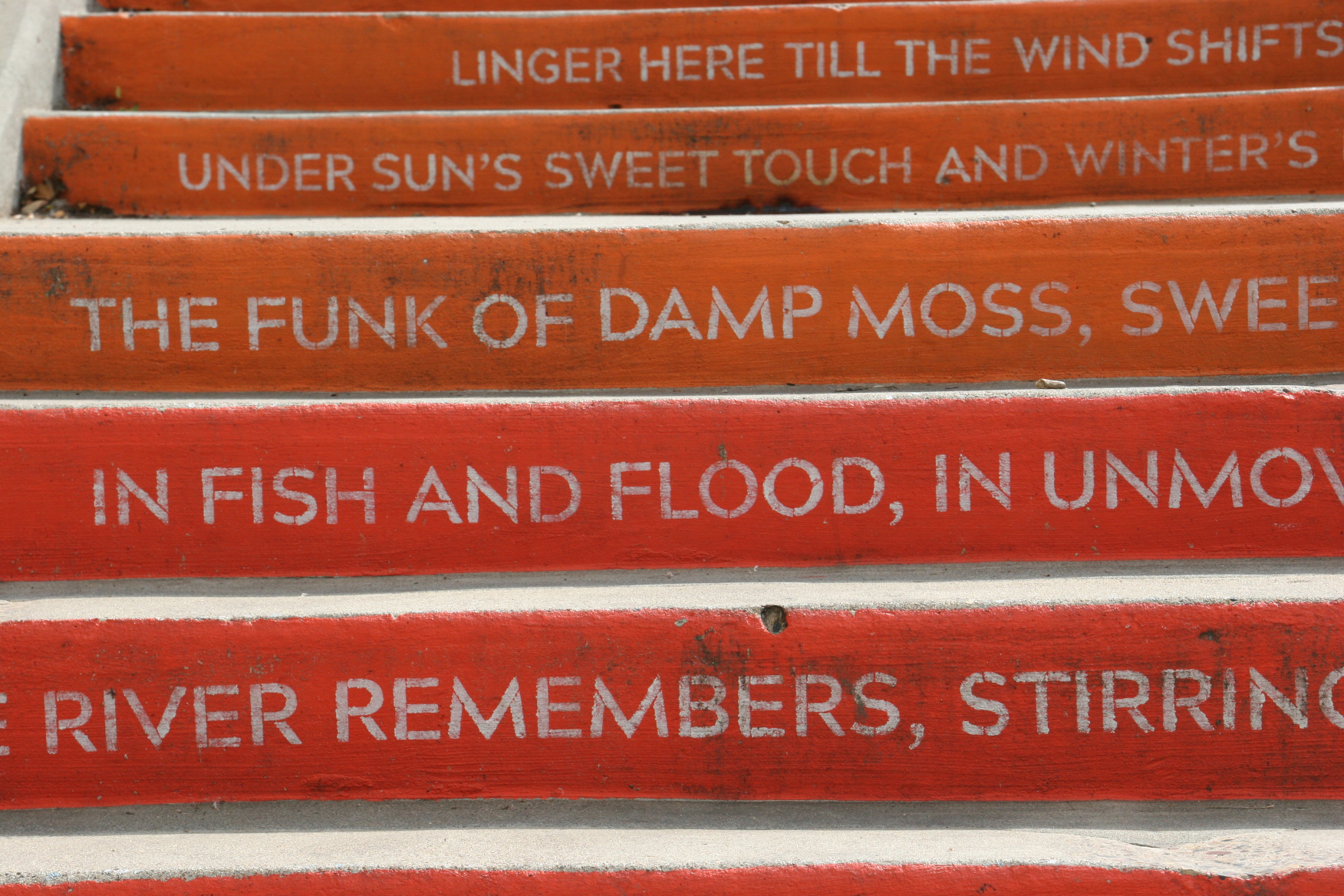
A portion of the Poem Steps descending to the River Walk in Northfield, Minnesota. (Minnesota Prairie Roots copyrighted photo 2022)

WELCOME TO THE RIVER starry-eyed…

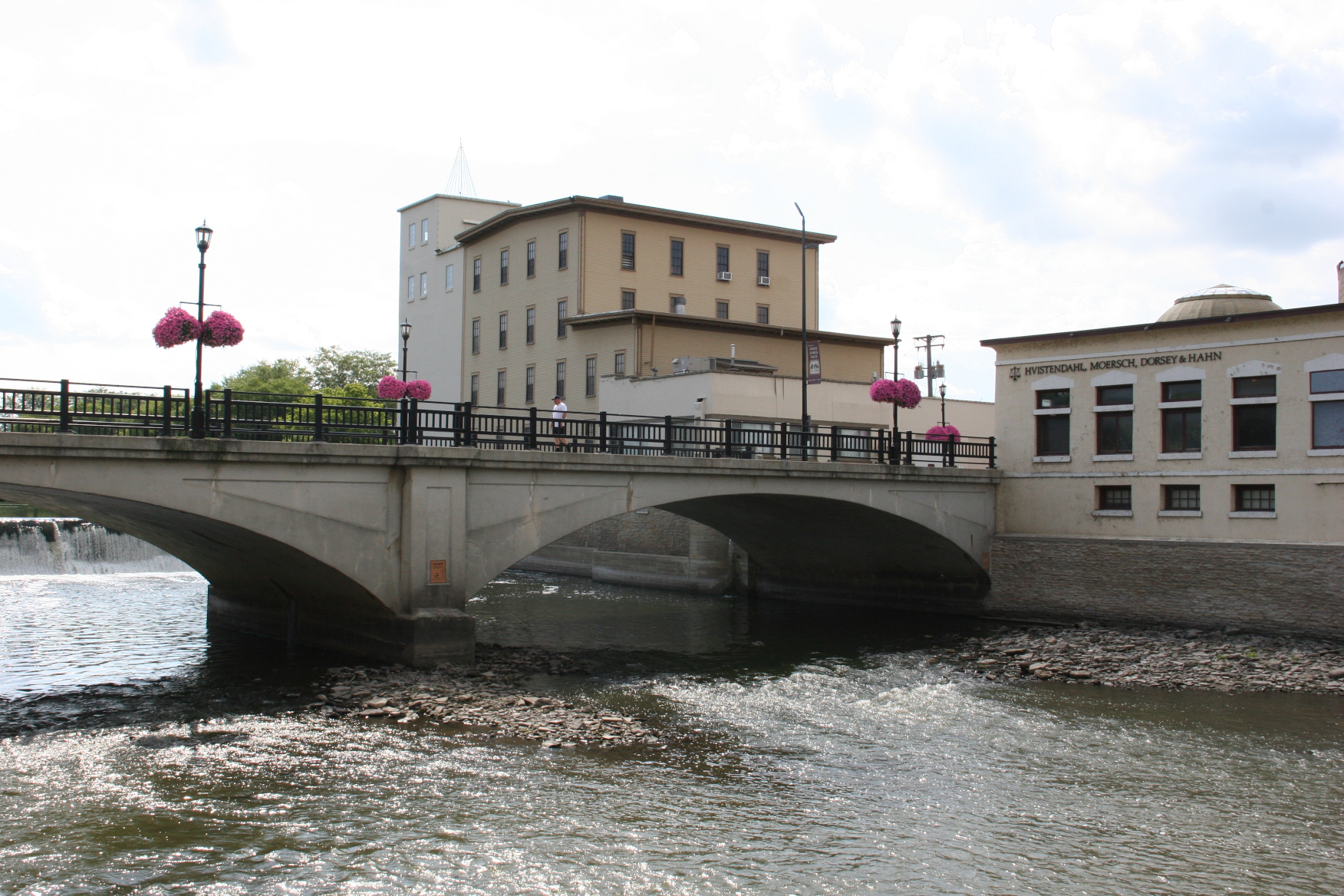
The historic Ames Mill, on the far side of the bridge, hugs the Cannon River. (Minnesota Prairie Roots copyrighted photo 2022)

Thus begins a poem authored by 17 Northfield area poets and gracing steps leading to the River Walk in the heart of this historic southeastern Minnesota community.

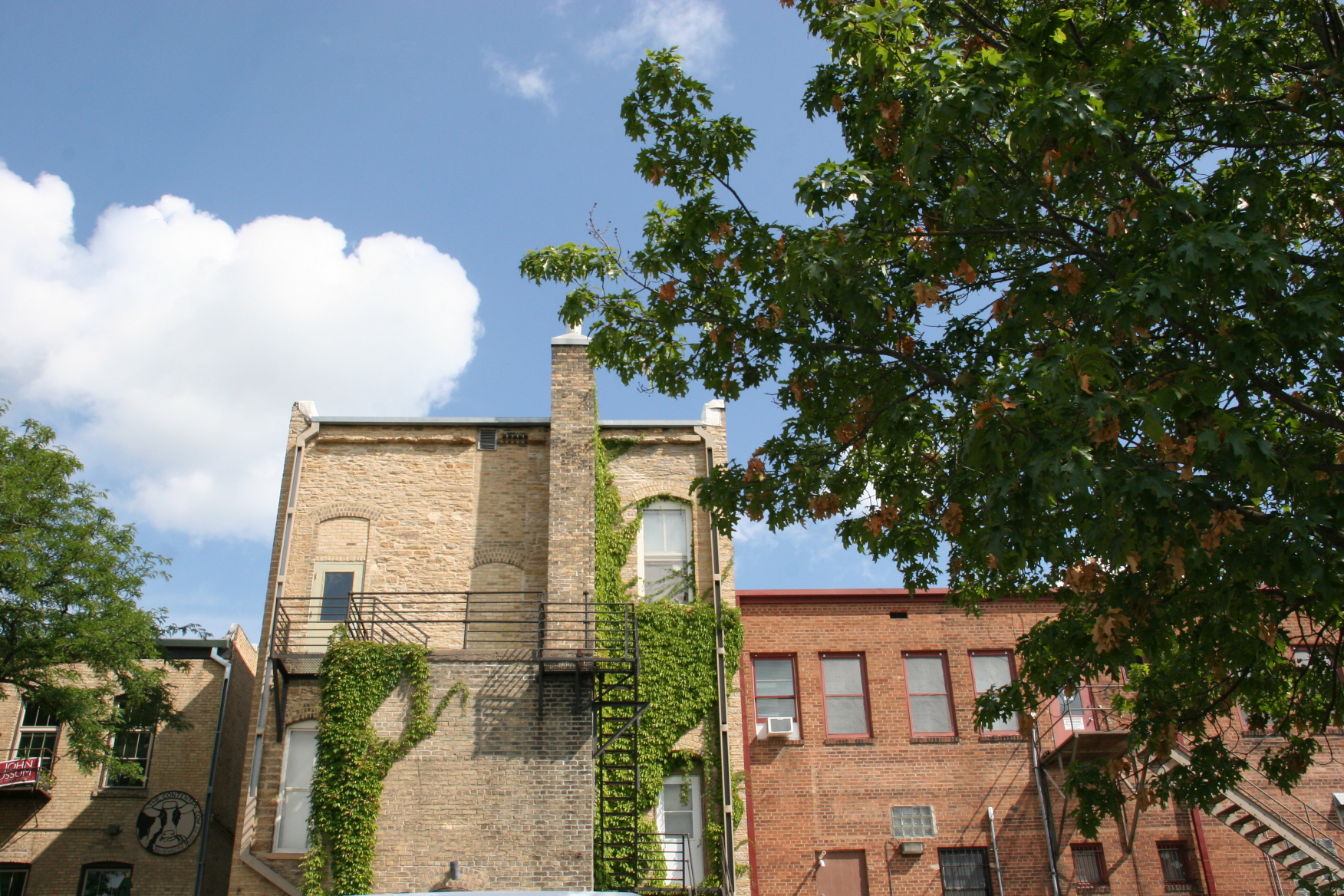
The backs of buildings along the river. (Minnesota Prairie Roots copyrighted photo 2022)

Like the poets drawn to the river to create these inspirational Poem Steps, I, too, feel drawn to the river that runs through Northfield. Every time I’m downtown, I aim first for the path that traces the Cannon River behind the mostly aged buildings lining Division Street.

A section of the river-themed poem up close. (Minnesota Prairie Roots copyrighted photo 2022)

There’s something simply magnetic about a river. Listen to the words of these speaking waters. I can almost hear the stories—of the Indigenous Peoples, here first, of the settlers who followed and harnessed the water to mill flour, of the poets and others who today listen to these speaking waters.

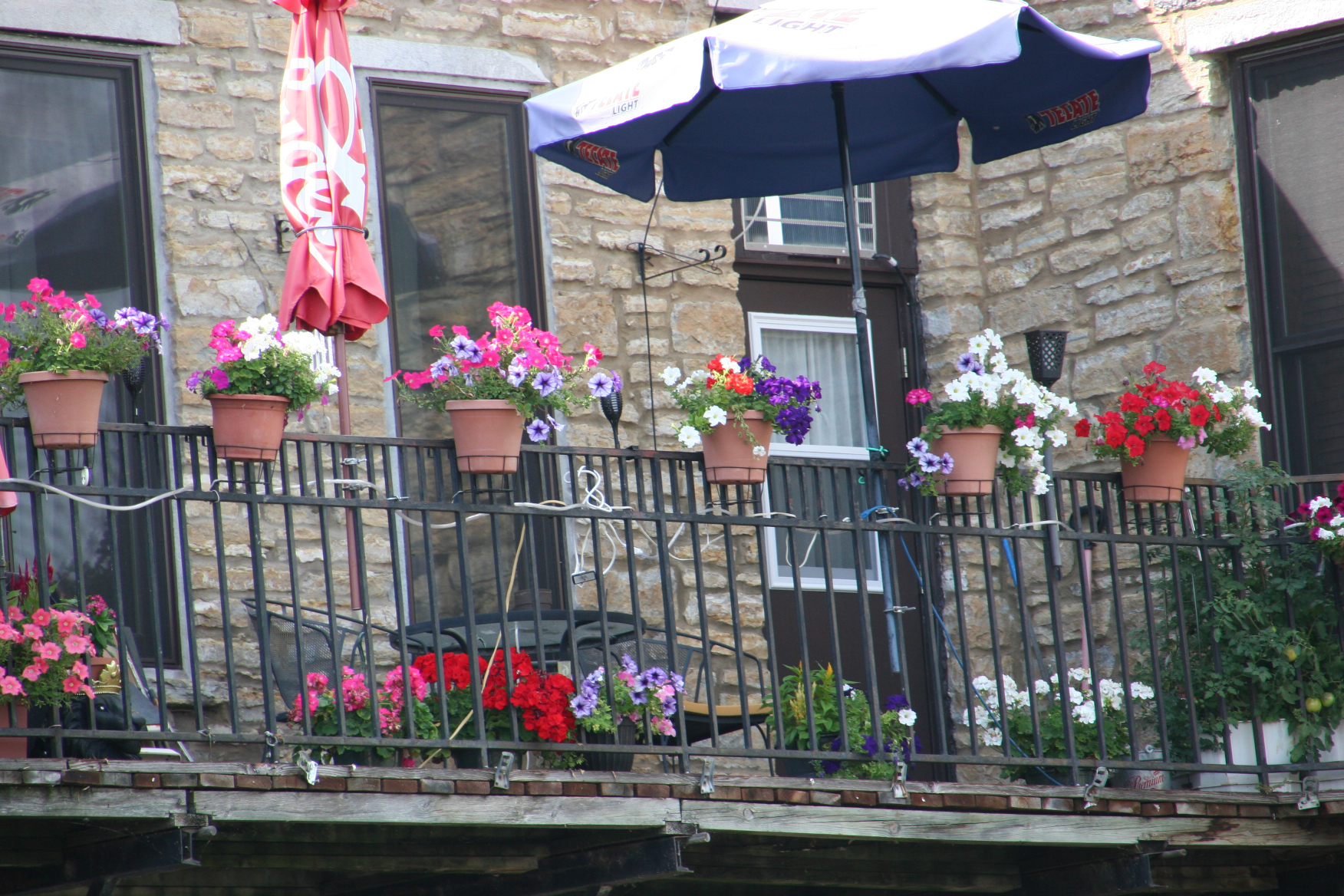
Flowers fill planters on a riverside balcony. (Minnesota Prairie Roots copyrighted photo)

The Cannon in Northfield, as it has for generations, brings people to water’s edge. To angle for fish, to dine, to gather as community, to celebrate the arts, to simply be in the river’s presence.

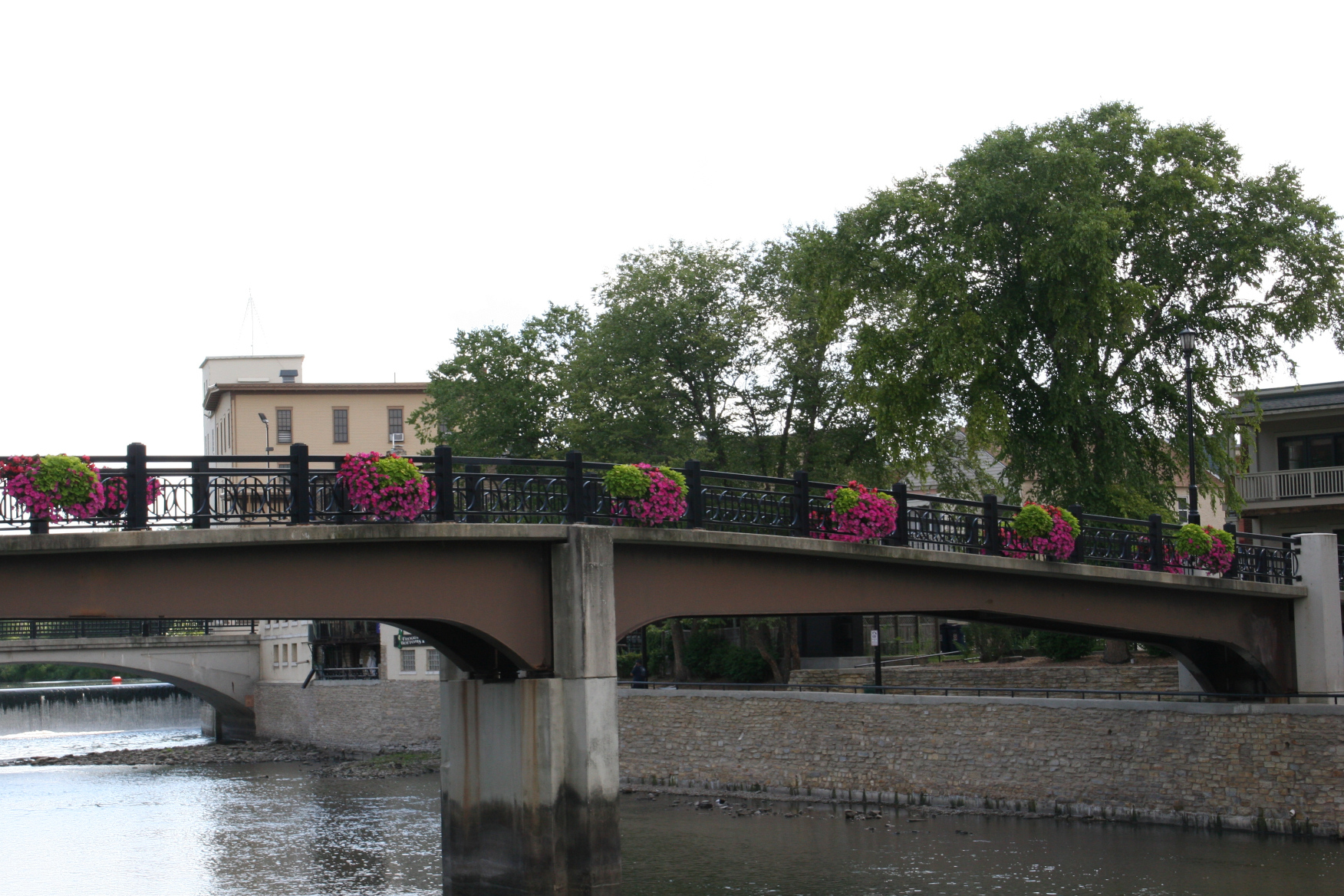
A flower-edged pedestrian bridge spans the Cannon River. (Minnesota Prairie Roots copyrighted photo 2022)

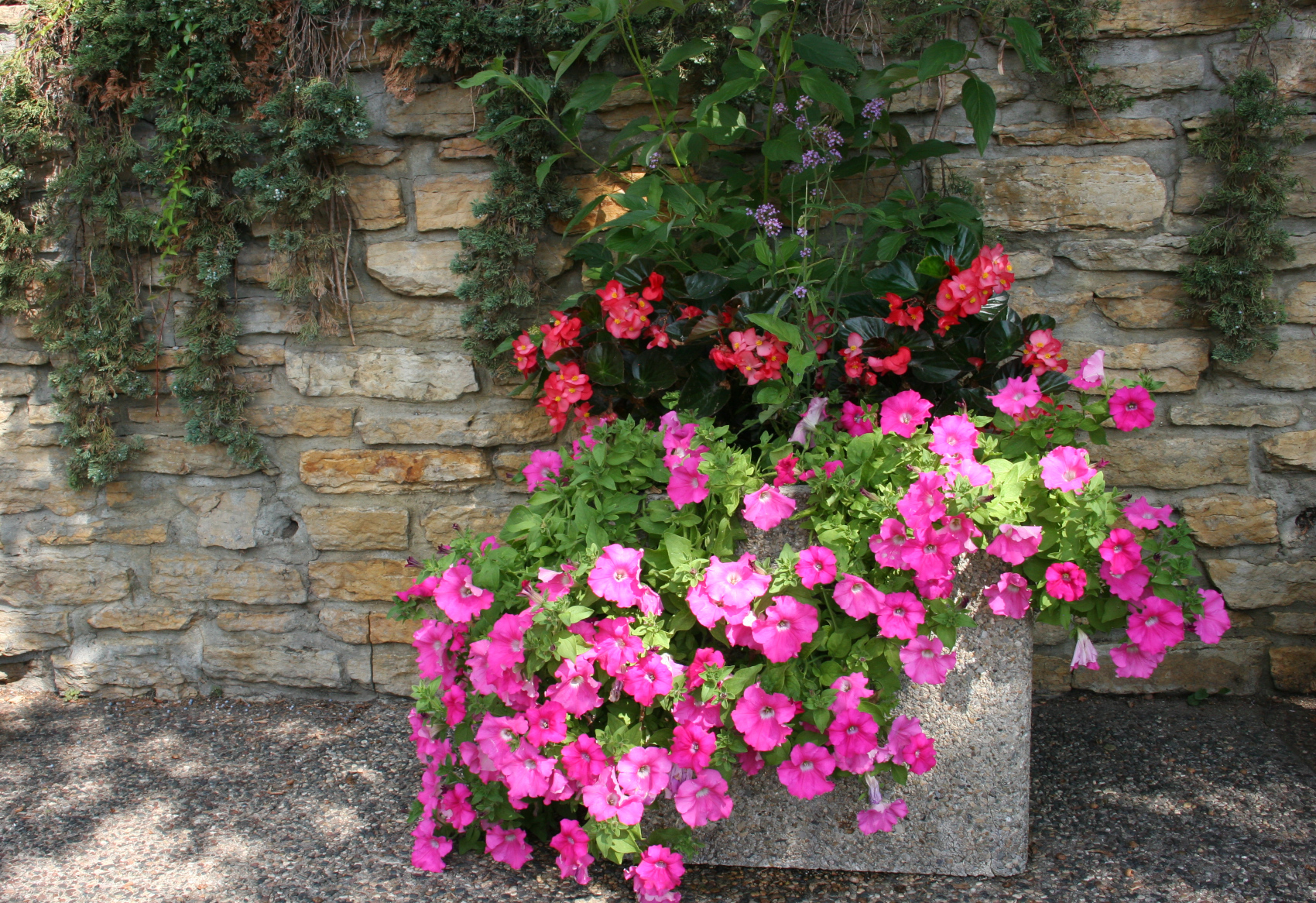
I appreciate how this community recognizes the historic, poetic and natural beauty of the river and shares that via the River Walk. It’s such a beautiful walk, beauty enhanced by potted flowers and hanging baskets that jolt vibrant hues into the landscape. A pedestrian bridge provides a middle-of-the-river perspective.

Lush flowers spill from a planter on the River Walk. (Minnesota Prairie Roots copyrighted photo 2022)

Listen. The river tells us where it needs to go.

Historic buildings define downtown Northfield. (Minnesota Prairie Roots copyrighted photo 2022)

And so I follow the river path, then loop up to the fronts of businesses along Division Street. Yet, the essence of the river remains, her poetry inspiring me.

© Copyright 2022 Audrey Kletscher Helbling
 

From the 70s to today, caring about Earth September 12, 2022

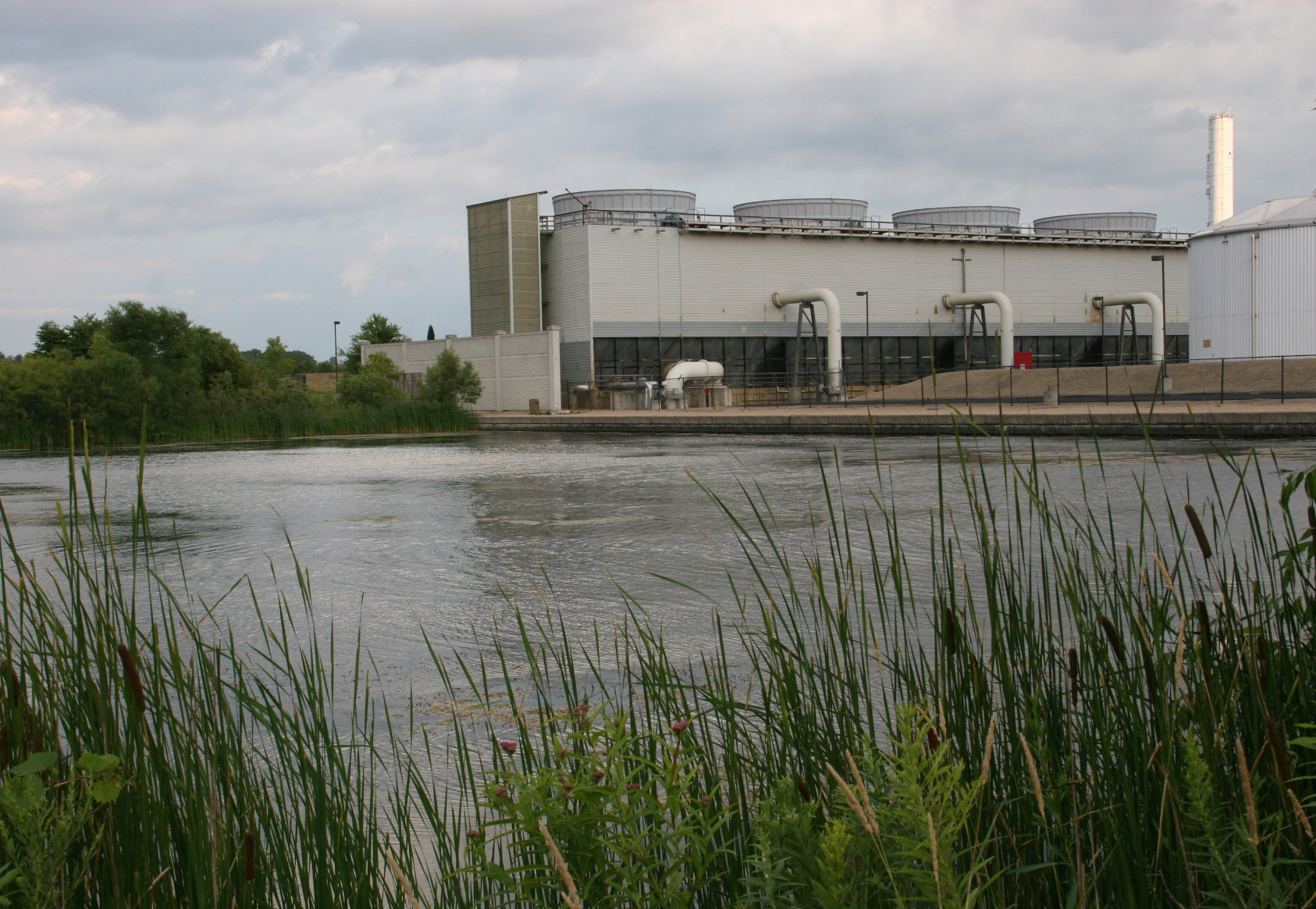
A massive wind turbine at Faribault Energy Park dwarfs my husband, Randy, walking near it. (Minnesota Prairie Roots copyrighted photo July 2022)

COMING OF AGE in the early 1970s, I held a general awareness of environmental concerns. A respect for the earth and the environment was beginning to emerge as young people and others raised their voices.

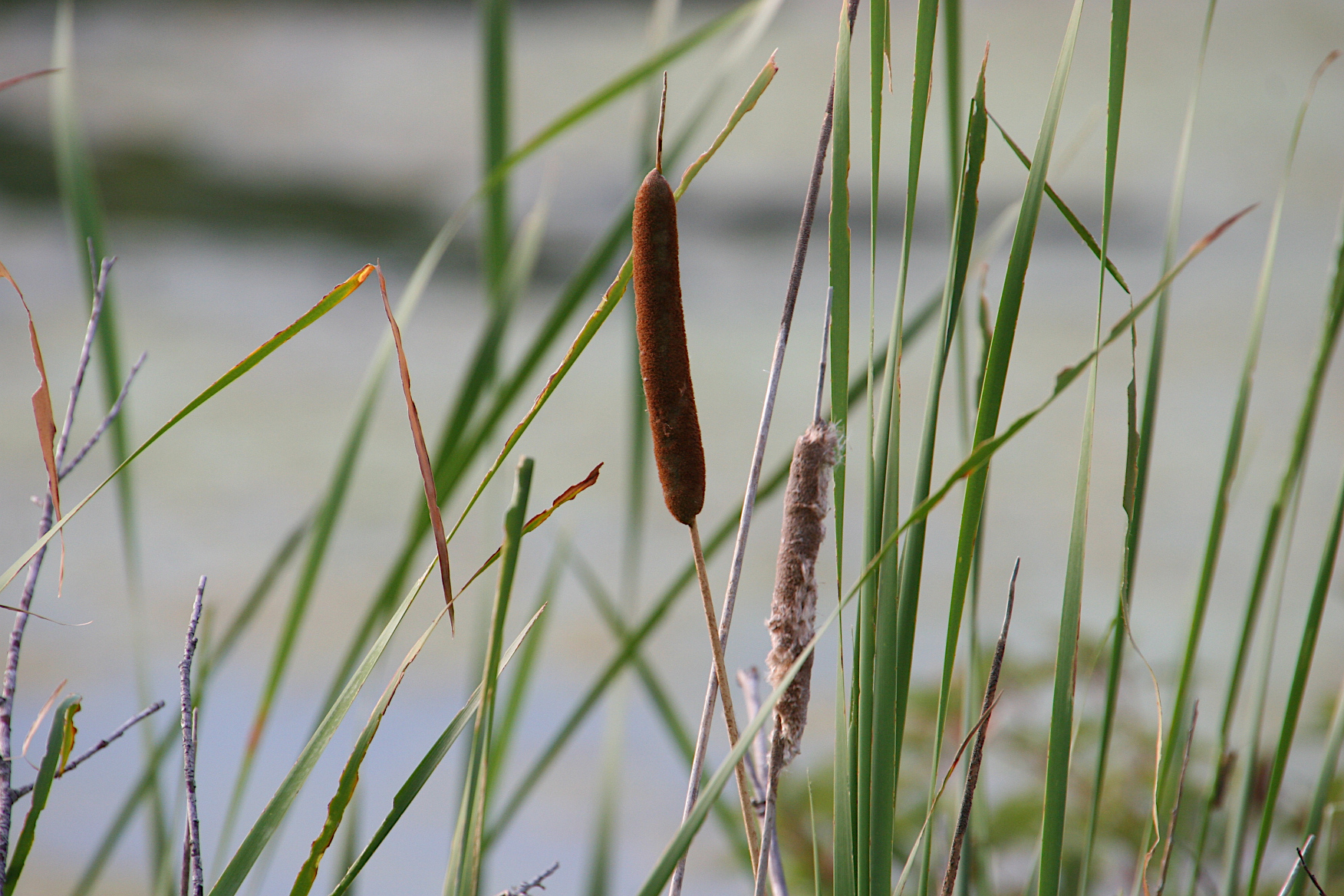
Cattails flourish in the park wetlands. Restoration, rather than draining, of wetlands is the norm today. (Minnesota Prairie Roots copyrighted photo July 2022)

I remember the anti-littering campaigns. The concerns about water and air pollution. The efforts to limit billboards. I recall, too, Earth Shoes, although I’m uncertain what that footwear had to do with anything environmental.

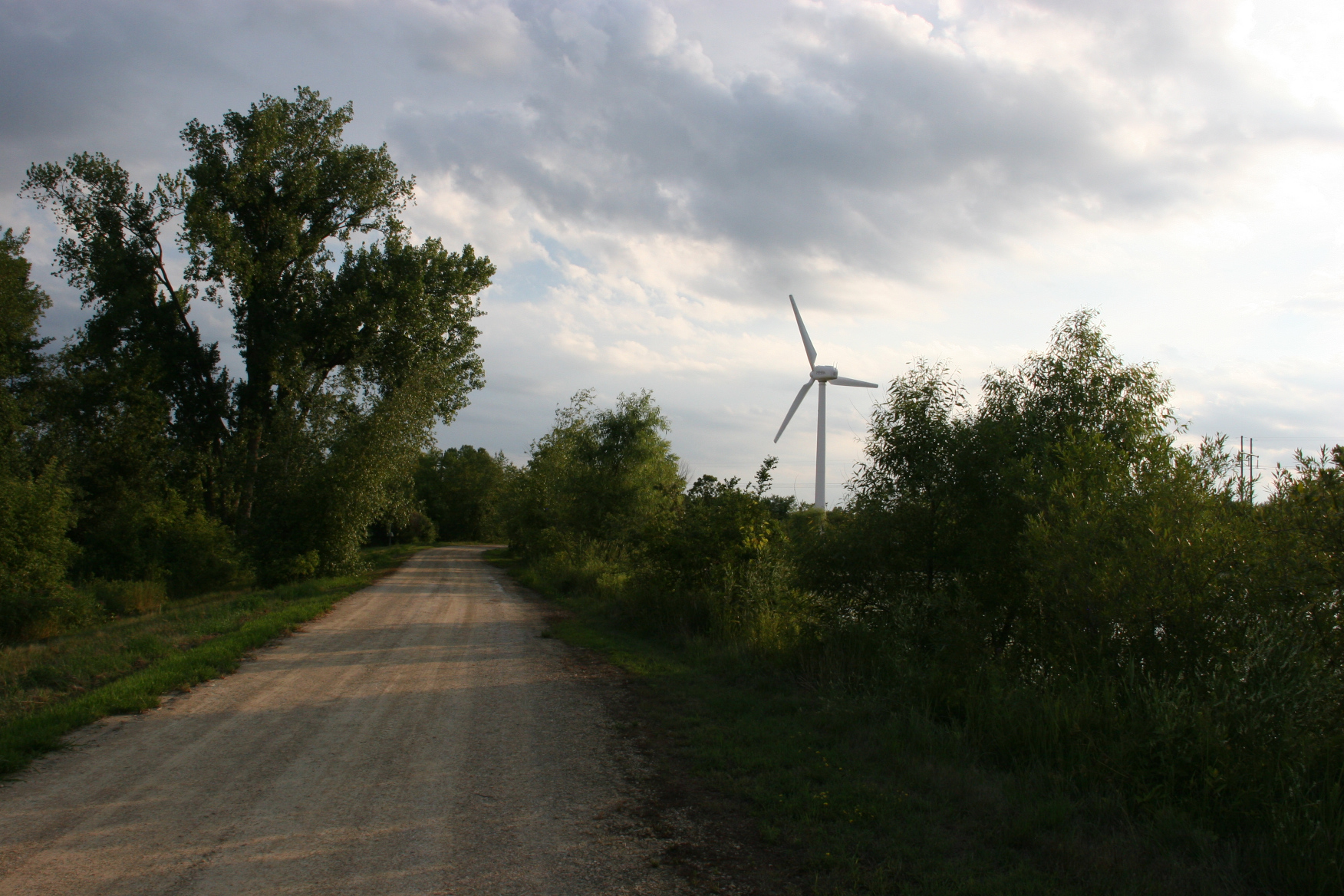
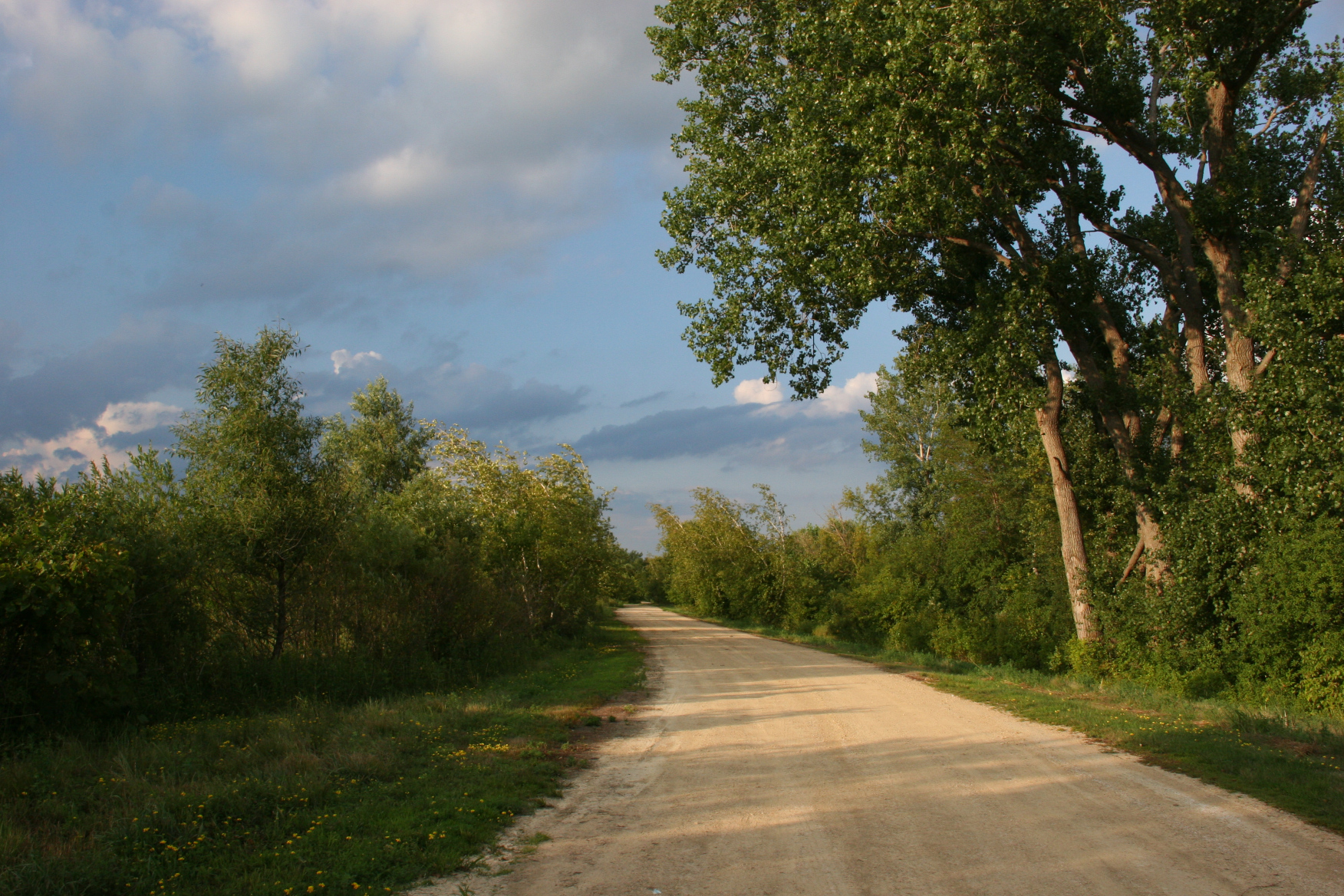
This trail leads to the wind turbine, a teaching tool inside Faribault Energy Park. (Minnesota Prairie Roots copyrighted photo July 2022)

Perhaps previous generations cared, too, but it seems the young people of the 70s started a new environmental movement that pushed personal and societal responsibilities in caring for our planet. Those efforts continue today, but with additional focuses: climate change, alternative energy, electric-powered vehicles and more. Today’s young adults are among those leading the way in discussions and effective change.

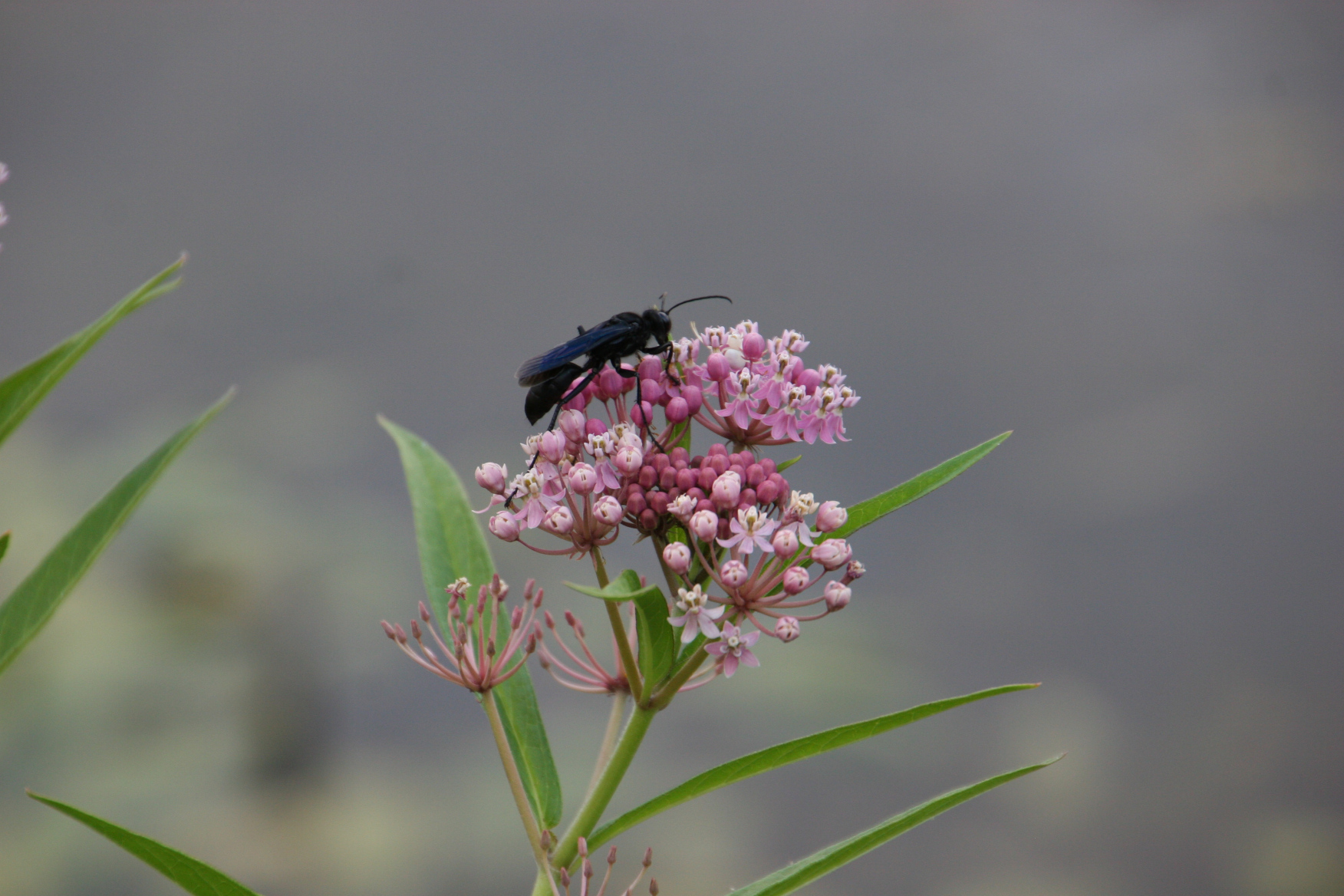
I grow milkweeds in my Faribault yard. I photographed this milkweed flower with an unknown insect atop at the energy park. (Minnesota Prairie Roots copyrighted photo July 2022)

I feel such hope. Within my own family circle, my eldest daughter and son-in-law compost food and bio-degradable paper products. My son owns an e-bike, not a car, his primary mode of transportation between his Indiana apartment and Purdue University. We recycle, donate or give away items we no longer need. Every little bit helps. My young granddaughter wears hand-me-downs from her cousins. Just like her mother before her, whom I outfitted primarily via rummage sale purchases.

Unlike this dead frog flattened on a road at the energy park, thrifting/recycling/upcycling is very much alive. (Minnesota Prairie Roots copyrighted photo July 2022)

Thrifting is in vogue. I recently spoke with a shop owner in Northfield who said local college students flock to her antiques and collectibles store to buy vintage clothing from one particular vendor.

Solar panels inside the park focus on alternative energy. (Minnesota Prairie Roots copyrighted photo July 2022)

Across the Minnesota countryside, solar fields are replacing crop fields. Wind turbines are popping up, too, adding to those that have been around for decades.

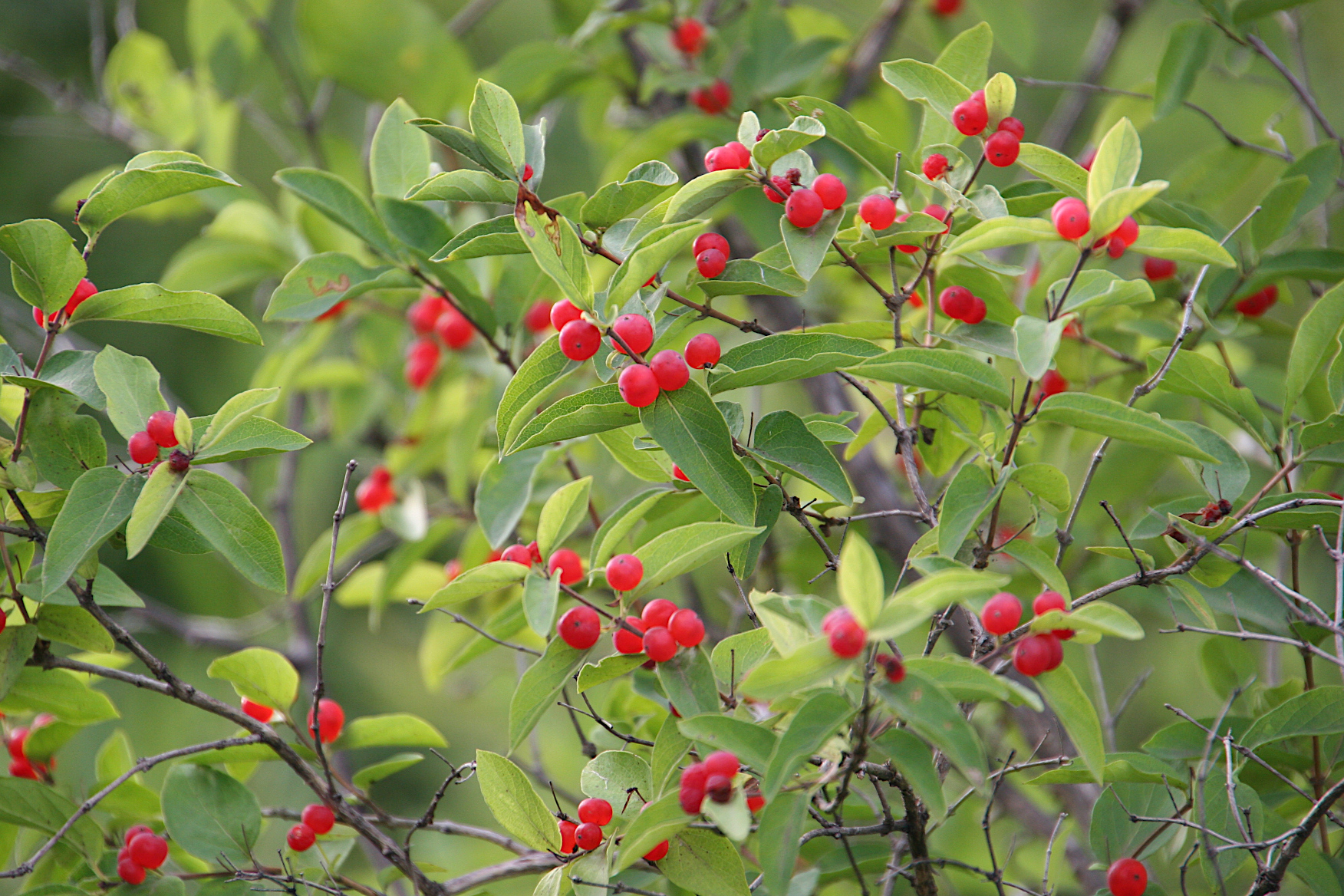
Bold red berries burst color into the park’s landscape. (Minnesota Prairie Roots copyrighted photo July 2022)

It makes a difference—these seemingly small and big changes. A shift in attitudes with a new-found appreciation for our natural world can preserve, and hopefully, improve this place we call home.

A sign posted inside Faribault Energy Park lays out the rules. (Minnesota Prairie Roots copyrighted photo July 2022)

Faribault Energy Park, owned and managed by the Minnesota Municipal Power Agency, aims to model environmental responsibility and innovation, according to its website. The power plant is a dual-fuel (natural gas and fuel oil) facility which runs only during periods of high demand for electricity.

Dirt roads wind around two ponds. (Minnesota Prairie Roots copyrighted photo July 2022)

Although I’ve never been inside this power plant (tours are offered, primarily to schools), I’ve walked the grounds many times. The MMPA created a public park here on its 35 acres of wetlands. I love following the dirt roads that wind around ponds. And while it’s not the most peaceful place given the location along busy Interstate 35, the park still holds an appeal for me.

Beauty even in a thistle growing along pond’s edge. (Minnesota Prairie Roots copyrighted photo July 2022)

On this particular visit, I didn’t see any waterfowl, unusual, but perhaps not due to avian influenza. (Minnesota Prairie Roots copyrighted photo July 2022)

One of many birds observed inside the park. (Minnesota Prairie Roots copyrighted photo July 2022)

That enjoyment comes in vegetation—cattails, flowers, trees, grasses—and in the birds, including waterfowl.

Anglers fish this pond next to the Faribault Energy Park power plant. (Minnesota Prairie Roots copyrighted photo July 2022)

Other visitors fish here, in the large pond next to the power plant. This is also an educational grounds with a massive wind turbine and a stand of solar panels in place.

I especially like walking this park around sunset. (Minnesota Prairie Roots copyrighted photo July 2022)

Combined, these elements remind me that I cannot take the natural world for granted, that I need to be environmentally-aware, that I need to do my part to protect and preserve Earth. I continue to learn, some 50 years after an awareness sparked within me that I really ought to care about this planet on a personal level.

© Copyright 2022 Audrey Kletscher Helbling
 

Reflecting on 9/11 from Minnesota September 11, 2022

Filed under: Uncategorized — Audrey Kletscher Helbling @ 10:45 AM
Tags: , , , , , , ,
My son drew this image of the attack on the Twin Towers for a class assignment some 20 years ago. To this day, this drawing illustrates how deeply 9/11 impacted even the youngest among us. (Minnesota Prairie Roots copyrighted image)

TODAY I REMEMBER, honor, grieve.

I remember the September 11, 2001, terrorist attacks on our country, my heart heavy with the weight of loss. Nearly 3,000 individuals died on that day when terrorists hijacked four planes—two hitting the World Trade Center twin towers, another crashing into the Pentagon and the fourth slamming into a field in rural Shanksville, Pennsylvania.

Twenty-one years later, I recall exactly where I was when I learned of the attack. I expect that is the same for most every American, that moment in time forever locked in to memory.

I was in my living room with my 7-year-old son, who was not feeling well and home from school, and his friend, whom I was caring for that day. My husband called from work to inform me of the events unfolding in New York City. I switched on the television and watched in horror as the second plane targeted the second tower.

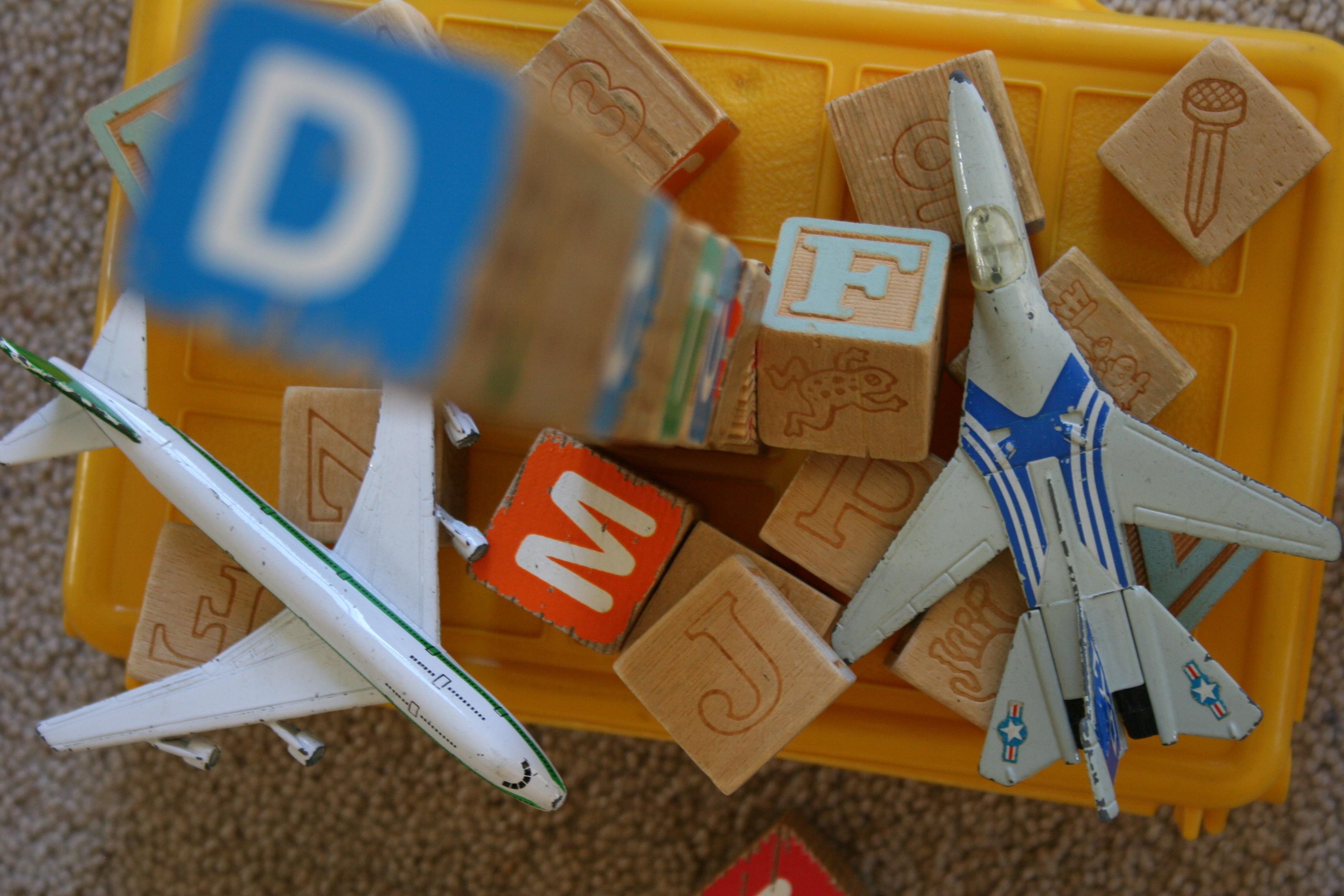
I reconstructed a tower using the same blocks my son and his friend used on September 11, 2001, to duplicate what they saw on television. These are also the same airplanes they flew into the tower. (Minnesota Prairie Roots copyrighted file photo)

Perhaps I should have switched off the TV, not exposed two young boys to the horrific scenes. But I didn’t. Soon Caleb and Sam were building towers from wooden blocks and flying toy airplanes into the stacks, the blocks cascading into a pile.

That visual sticks with me and in many ways reflects how, even in Minnesota, far far away from the epicenter of death and destruction, the impact on ordinary life was experienced. Something as simple as two children playing on my living room represented reality.

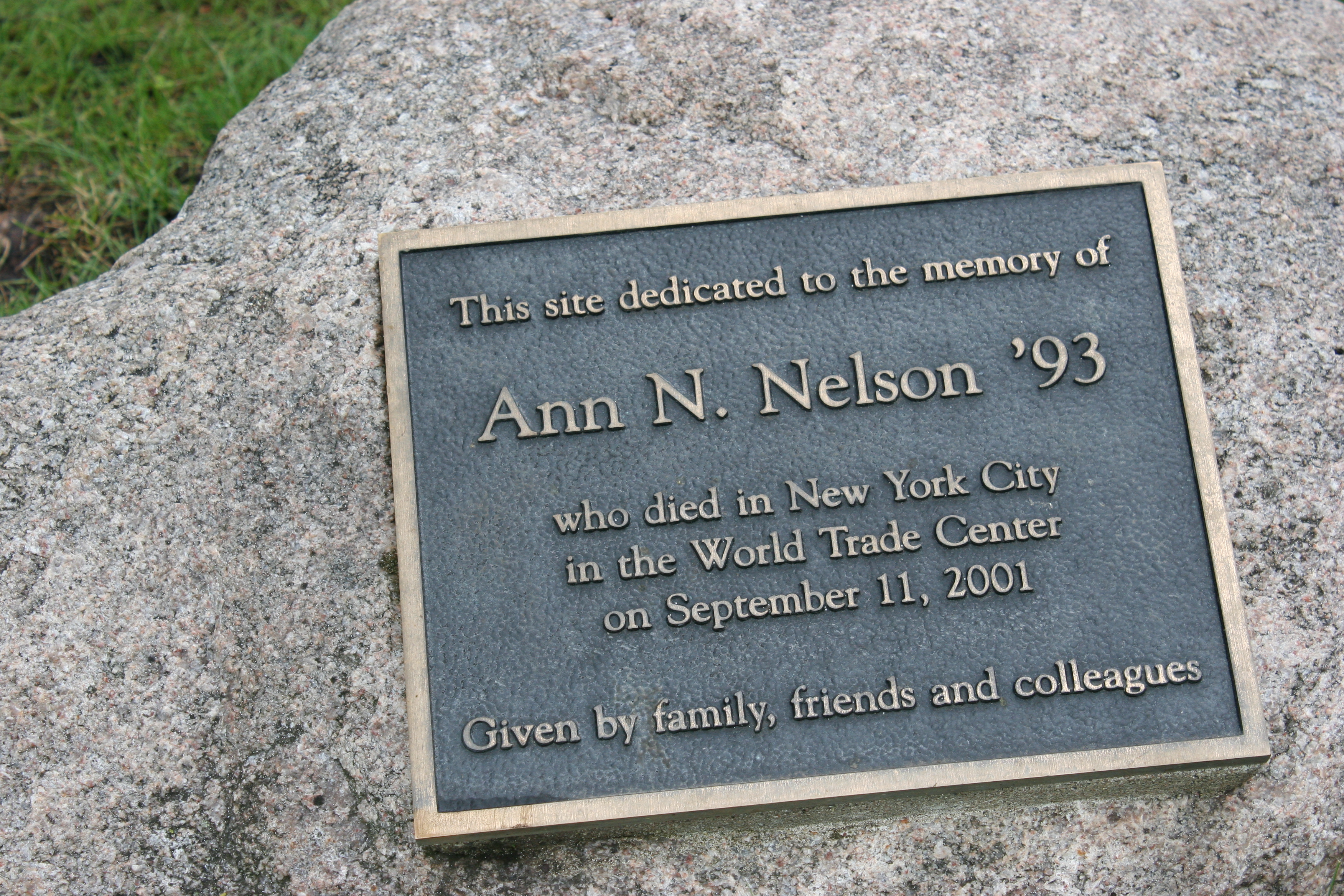
On the campus of Carleton College in Northfield, Minnesota, a plaque honors alumna Ann N. Nelson, who died on 9/11. (Minnesota Prairie Roots copyrighted file photo)

I recall, throughout that day and in the weeks thereafter, feeling unsettled, wondering if more attacks would follow. It was a time of uncertainty and certainly of fear in our country. But it was also a time of unity. We were united in our horror, our grief and in our determination to stand strong as a nation. At least that’s my observation.

Perhaps today, on the 21st anniversary of 9/11, we can temporarily reclaim that sense of unity which has seemingly vanished. We can, whether in Minnesota or New York City, pause to mourn those who died, to support those who grieve personal losses and to reflect on this memorable moment in American history.

TELL ME: Where were you when you heard about the 9/11 terrorist attacks? And how are you feeling today?

© Copyright 2022 Audrey Kletscher Helbling

 

Honoring Howard Mohr, author of “How to Talk Minnesotan” September 8, 2022

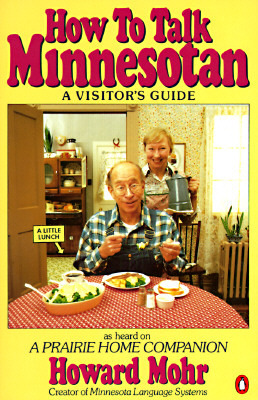
Image source: Goodreads

MINNESOTA SEEMS, TO ME, a hotbed for writers. And five days ago we lost one of our most beloved, Howard Mohr. He was perhaps best-known for his wildly popular, at least in Minnesota, book, How to Talk Minnesotan: A Visitor’s Guide, published in 1987. The book was later updated and adapted into an equally popular musical.

Many years have passed since I read my copy of this entertaining, humorous, and, yes, truthful, summary of Minnesota life. In honor of Mohr, who died September 4 of Parkinson’s at Fieldcrest Assisted Living in Cottonwood, I pulled my book from the shelf and reread it.

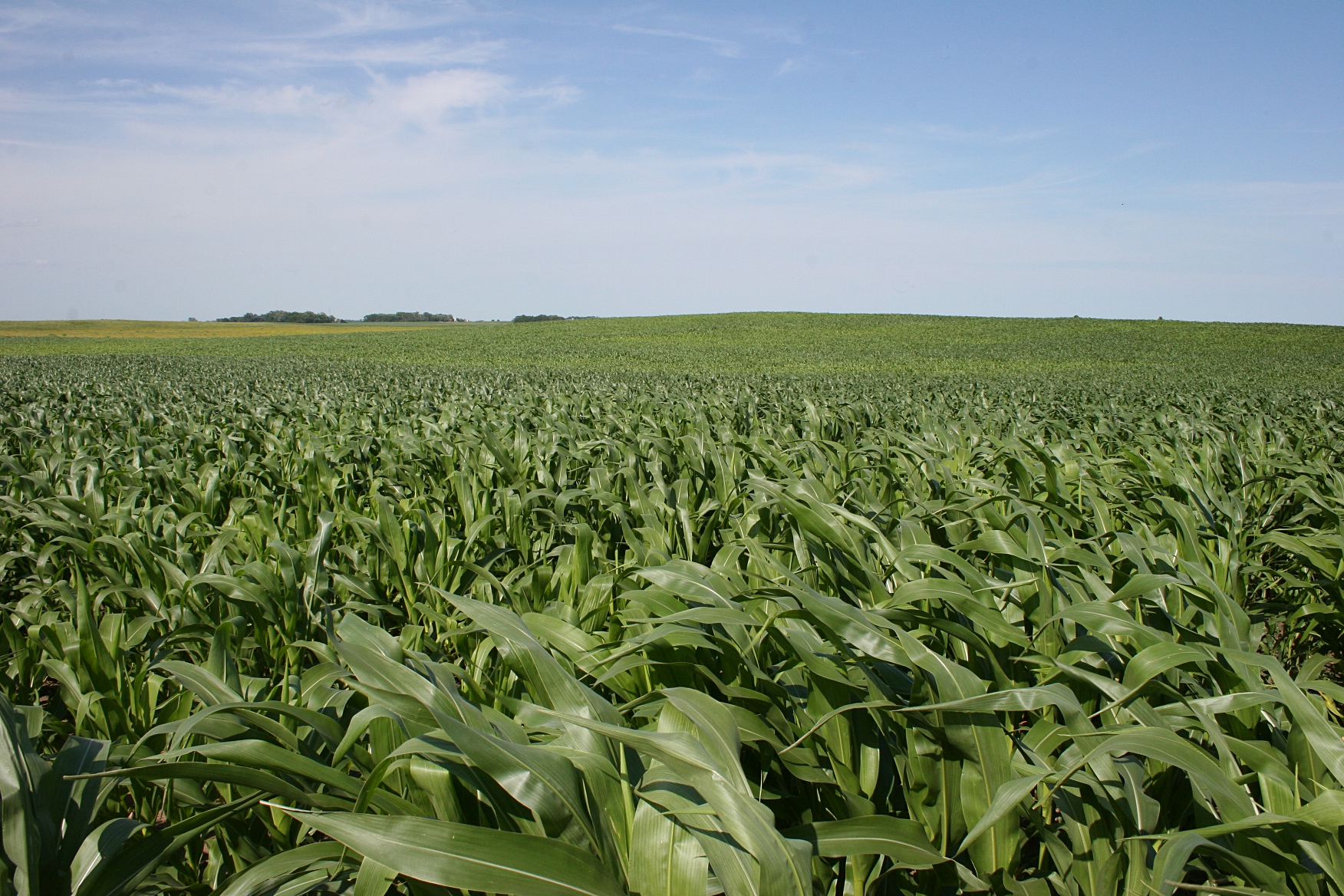
A corn field in southwestern Minnesota. (Minnesota Prairie Roots copyrighted file photo)

That Mohr, 83, recently moved from his Lyon County farm home of 52 years to a facility called Fieldcrest seems especially fitting. He lived in farming country, my native southwestern Minnesota, the place of small towns defined by grain elevators and land defined by fields of corn and soybean. He understood the people and place of the prairie. So when I read the sentence in his book declaring the produce of Minnesota writers to be as valuable as a crop of soybeans and corn, I felt he nailed it.

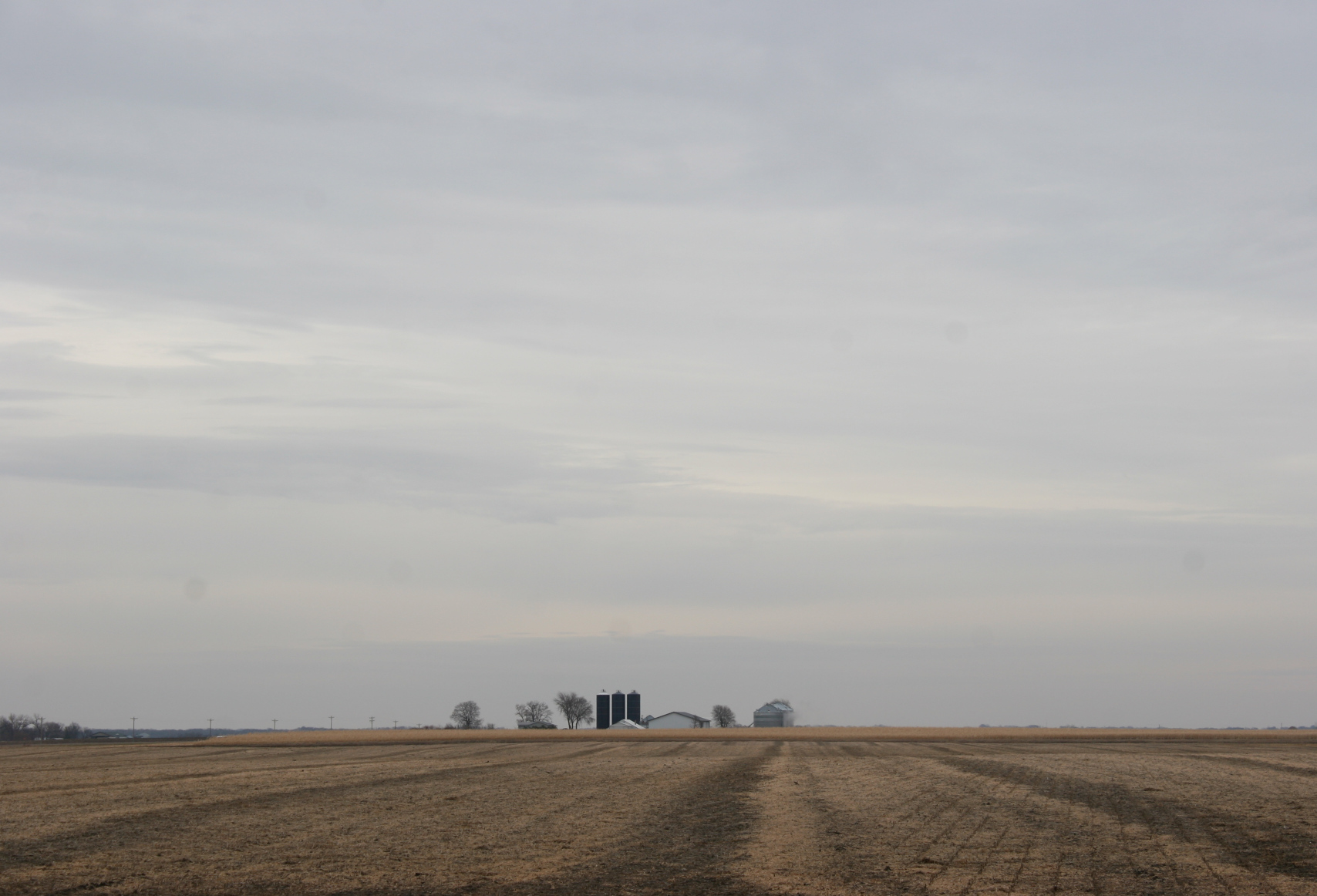
A harvested field and farm site in my native Redwood County, Minnesota, where the land and sky stretch into forever. (Minnesota Prairie Roots copyrighted file photo)

I’ve long celebrated writers rooted in the prairie like Mohr, Bill Holm, Robert Bly, Frederick Manfred, Leo Dangel… My friend Larry Gavin of Faribault, too, poet and writer who studied under those writers and lived for 15 years on the prairie. Some shared their knowledge, their talents, by teaching at Southwest Minnesota State University in Marshall. That’s near Cottonwood. Mohr taught English at Southwest State. He also penned Minnesota Book of Days, How to Tell a Tornado (poetry and prose) and wrote for “A Prairie Home Companion,” also appearing on the show.

A serene country scene just north of Lamberton in southern Redwood County. (Minnesota Prairie Roots copyrighted file photo)

I’m most familiar with How to Talk Minnesotan. The content reflects my rural upbringing. The dairy and crop farm of my youth lies a mere 15 miles to the south and east of Cottonwood, thus rereading Mohr’s book is like traveling back home, a reminder of that which defines me as a native of rural Redwood County. Even after nearly 40 years of living in Faribault, in town, I still call the noon-time meal “dinner” and the evening meal “supper.” My adult kids don’t, so I/they, always clarify when invitations are extended to a meal. To me “lunch” will always come mid-afternoon or in the evening before guests leave.

This huge, hard-as-rock snowdrift blocked our Redwood County farm driveway in this March 1965 photo. I’m standing next to my mom in the back. (Minnesota Prairie Roots copyrighted file photo)

Mohr’s references to the noon whistle, Jell-O (once popular, not so much now) winter survival kits, snowbirds (those who leave Minnesota in the winter and return in the spring), hotdish (casserole), pancake feeds, seed corn caps, lutefisk, Lutherans, bullheads (smaller versions of catfish), the “long goodbye” all resonate. I especially understand his point that Minnesotans are obsessed with the weather. We are.

Bars made by Lutherans. ( Minnesota Prairie Roots copyrighted file photo)

Some 10-plus years ago, when my now son-in-law moved to Minnesota from Los Angeles after falling in love with my eldest daughter, I gifted him with Mohr’s How to Talk Minnesotan. I figured this would help him adjust to our language and state. Whether it did or didn’t, I don’t know. But Marc hasn’t moved back to his native California. And he never commented on Mohr’s statement that Californians struggle to adapt to life in Minnesota. Marc fits in just fine. I do recall, though, his comment on “bars,” a word with duo meaning here in our state. “Bars” are both a place to gather and drink alcohol and a baked or unbaked sweet treat (made with lots of sugar and often topped with chocolate) pressed or spread into a 9 x 13-inch cake pan.

Maybe I really ought to make a pan of bars, cut them into squares, plate and serve them with coffee for “a little lunch” as a way to honor Howard Mohr, writer, satirist, humorist. He yielded a mighty fine crop of writing.

FYI: I encourage you to read Mohr’s obituary by clicking here. Be sure to read the insightful and loving comments. And if you haven’t read How to Talk Minnesotan, do. If you’re Minnesotan, it will be a refresher course in our life and language. If you’re not from here, you’ll better understand us upon reading this guide.

© Copyright 2022 Audrey Kletscher Helbling
 

So much to appreciate about Northfield’s Bridge Square September 7, 2022

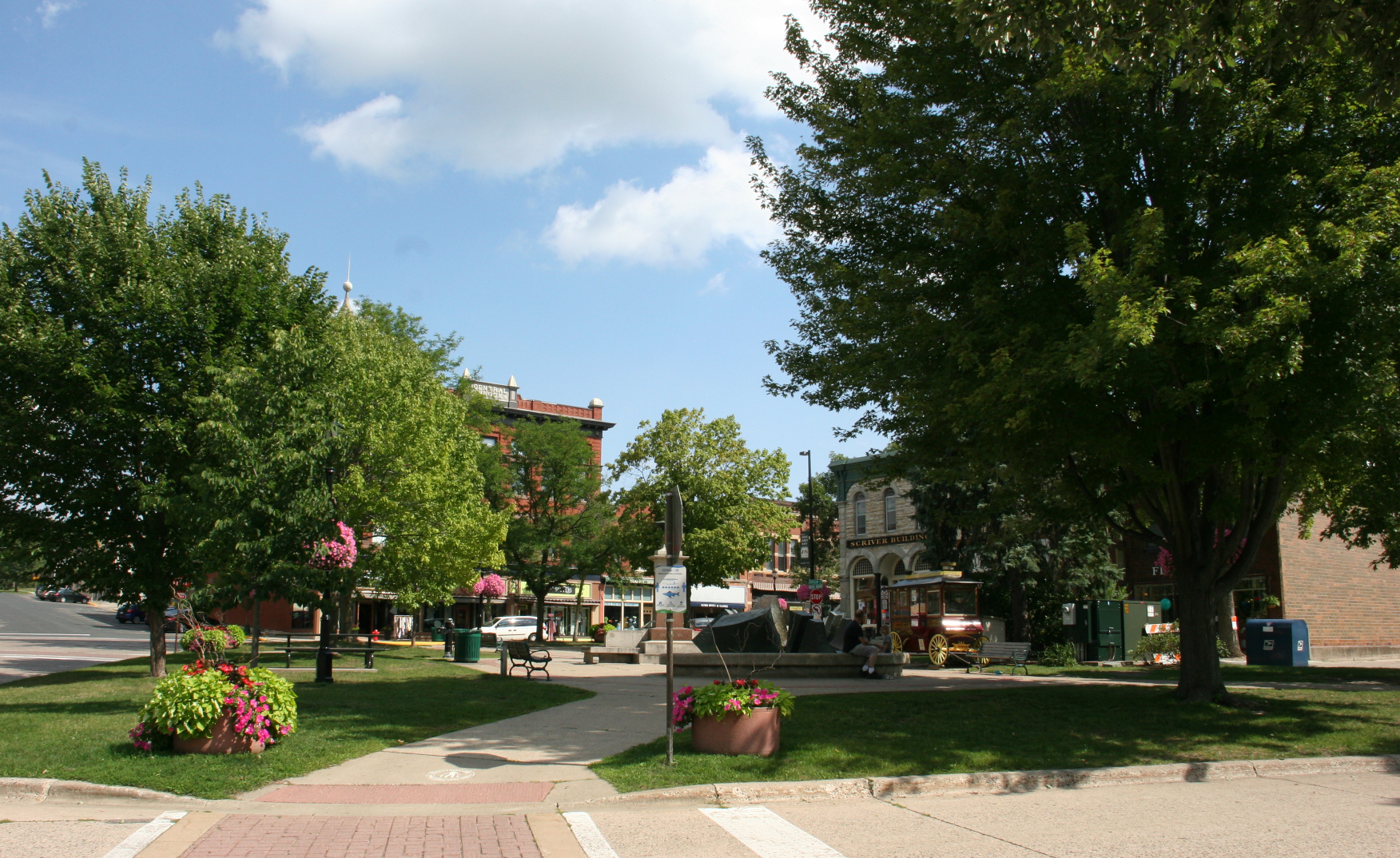
An overview of Bridge Square looking toward Division Street. (Minnesota Prairie Roots copyrighted photo August 2022)

BRIDGE SQUARE IN THE HEART of historic downtown Northfield holds a yesteryear appeal as a long-time community gathering spot along the Cannon River. Today its purpose remains as relevant as ever. I’ve observed festivals and concerts here, focused events like Earth Day and the Riverwalk Market Fair, read poetry here, heard music, watched college students chalk messages onto concrete. Individuals, too, pause here to enjoy the fountain sculpture and other art, to picnic, to simply embrace this beautiful spot.

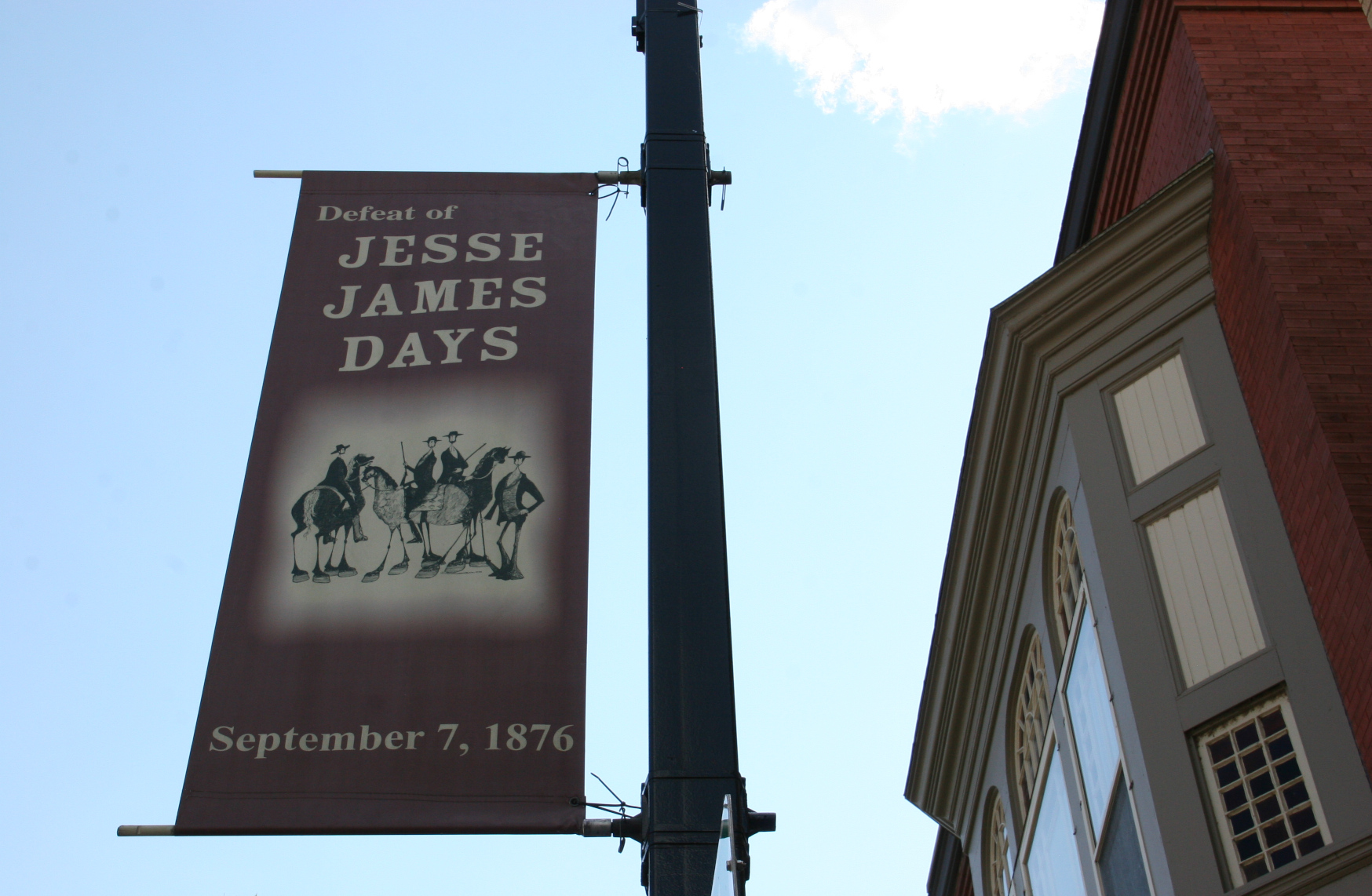
A banner in downtown Northfield promotes the community’s annual celebration. (Minnesota Prairie Roots copyrighted photo August 2022)

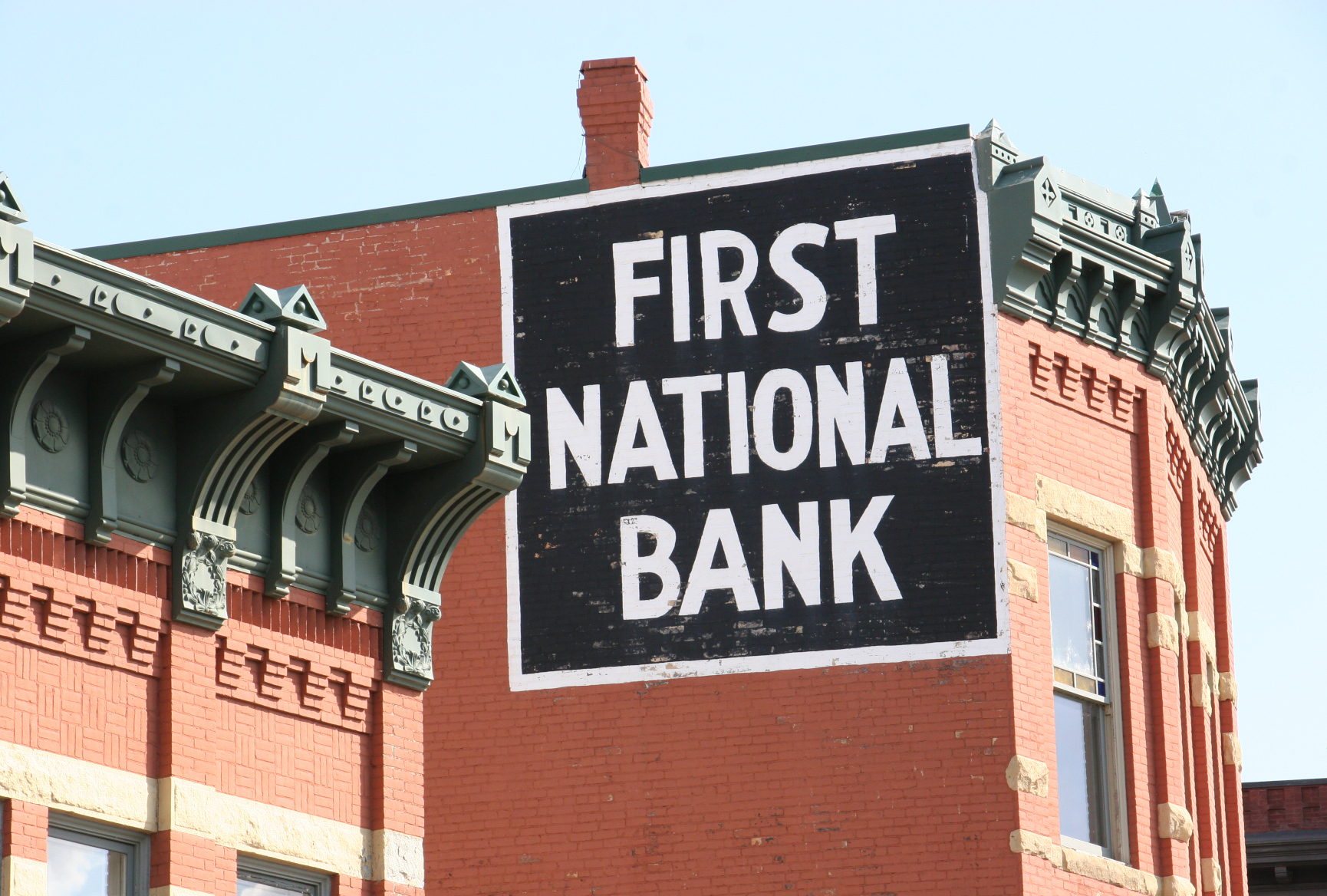
This park centers Northfield, home to many home-grown shops and eateries and best-known perhaps for the September 7, 1876, attempted robbery of the First National Bank by the James-Younger Gang. This week Northfield honors the long ago townspeople and a heroic bank cashier who stood up to the outlaws. The town will buzz with activities and people, all here to celebrate Defeat of Jesse James Days. That runs September 7-11.

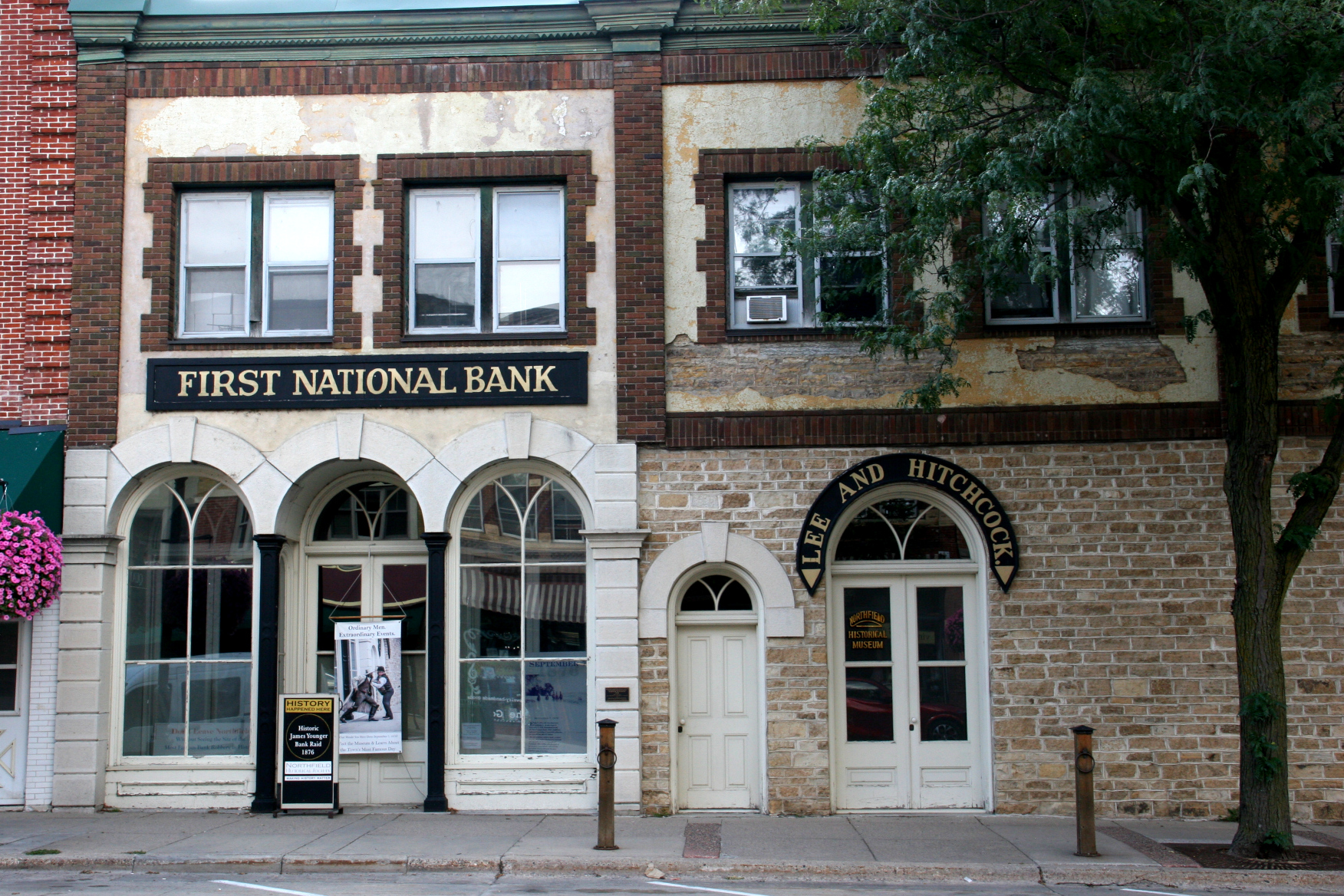
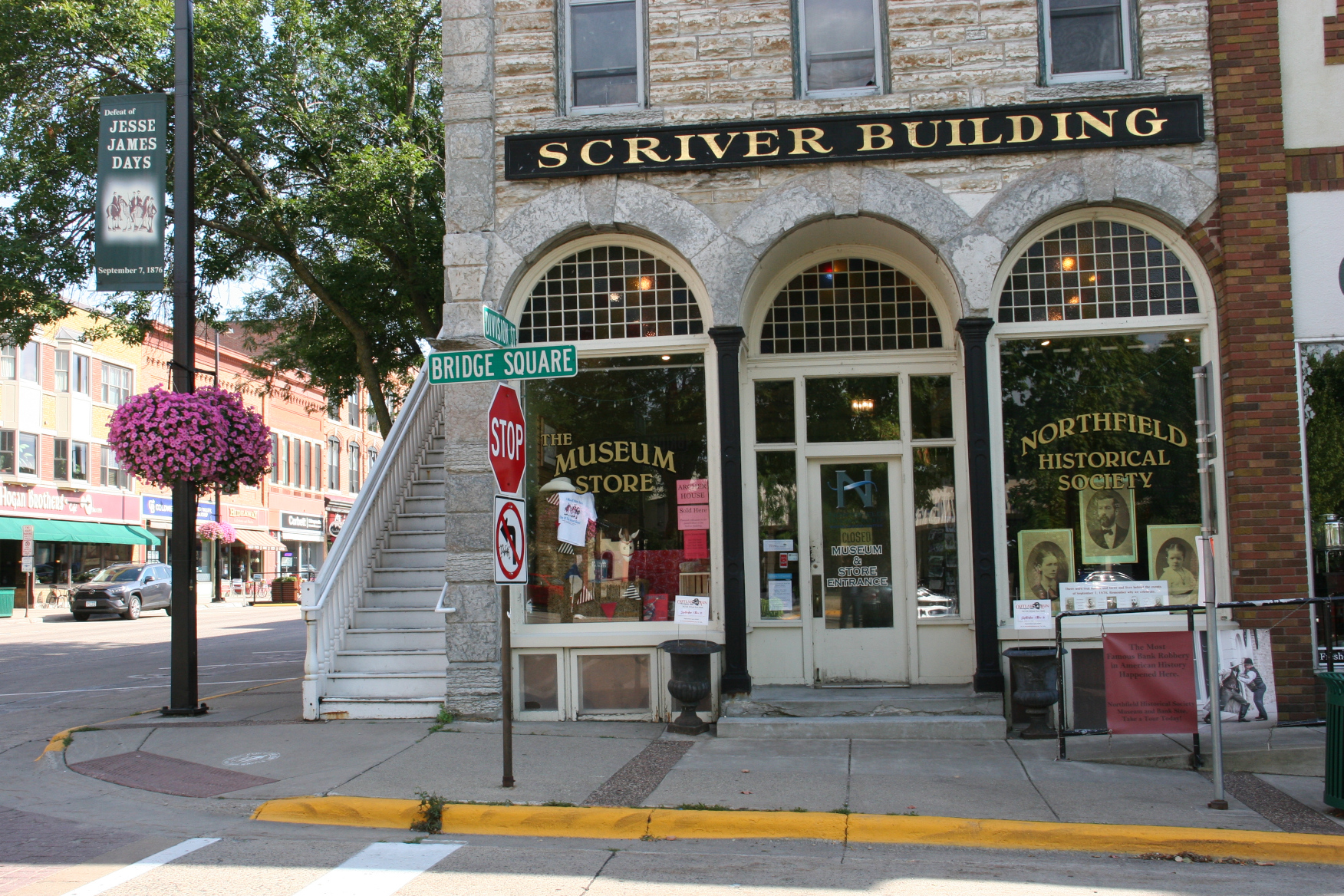
The Northfield Historical Society by Bridge Square once housed the First National Bank. The bank entry is around the corner and not shown here. (Minnesota Prairie Roots copyrighted photo August 2022)

Weeks before this event I was in Northfield, first touring the Northfield Cemetery to view the gravesites of bank employee Joseph Lee Heywood and Swedish immigrant Nicolaus Gustafson, both shot and killed by the outlaws. Gustafson, at the time of the raid, was vending vegetables in, I believe, current day Bridge Square. The First National Bank is located around the corner.

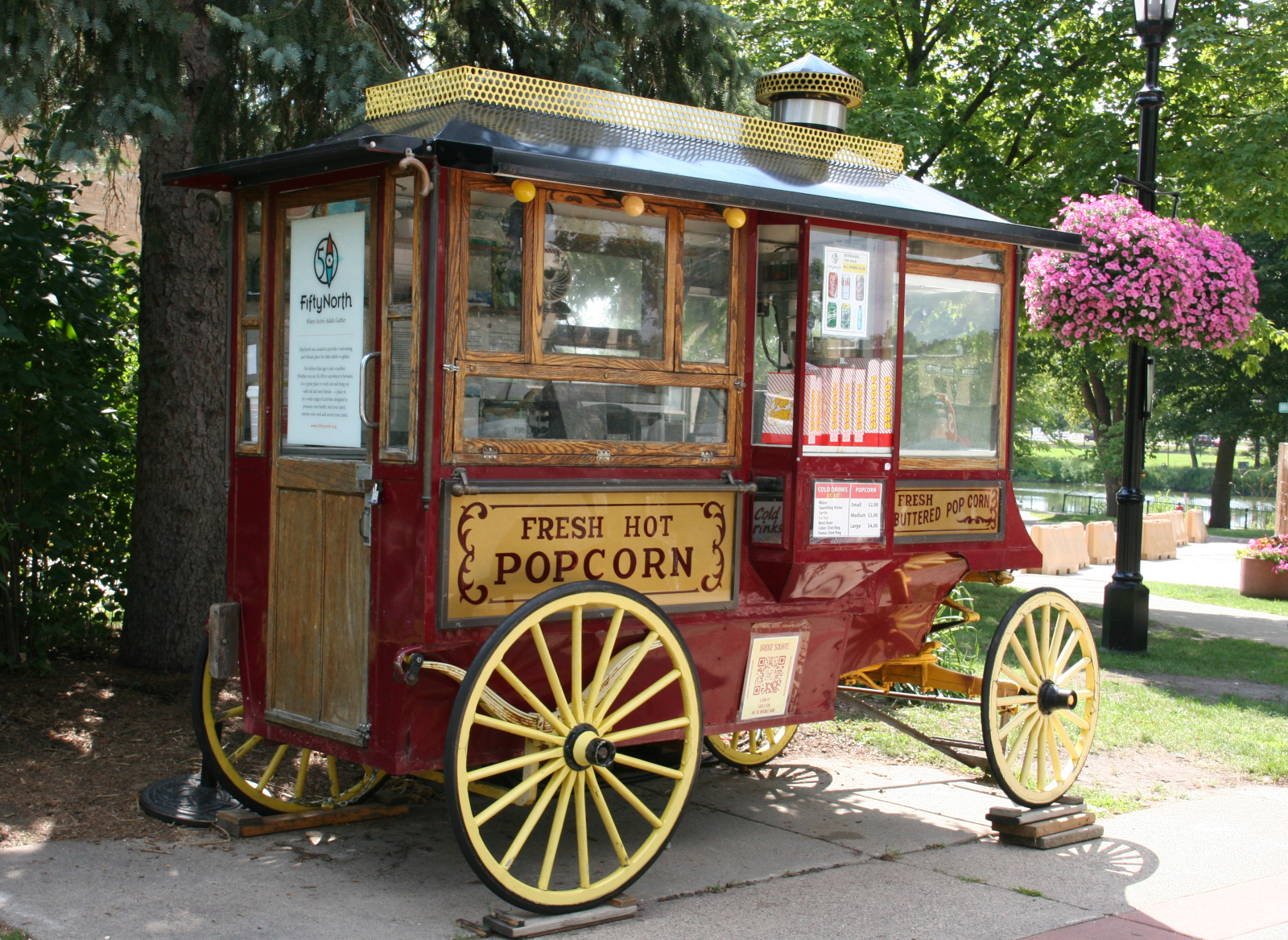
The popcorn wagon has set up in Bridge Square since the 1970s. (Minnesota Prairie Roots copyrighted photo August 2022)

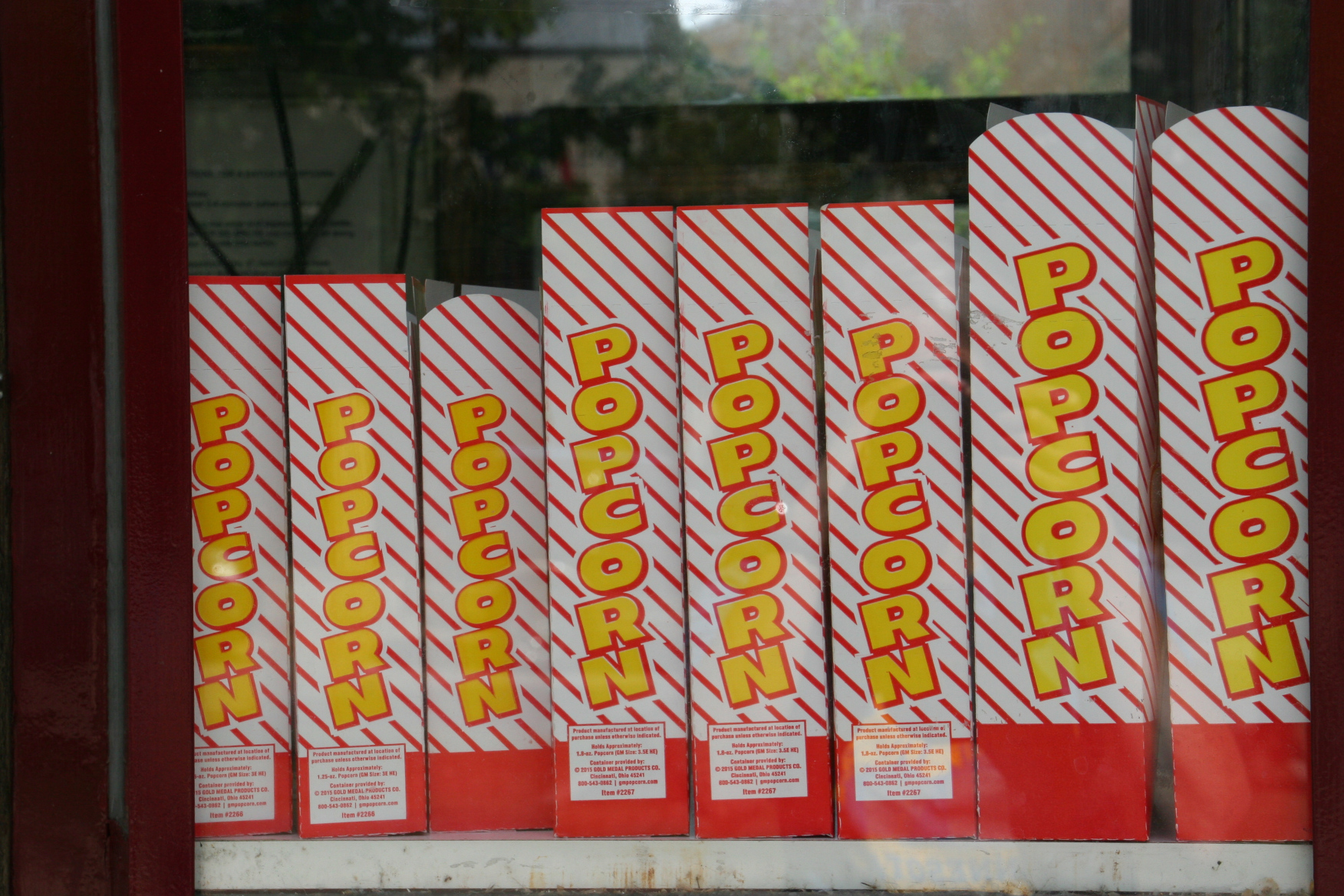
Popcorn boxes lined up in the wagon. (Minnesota Prairie Roots copyrighted photo August 2022)

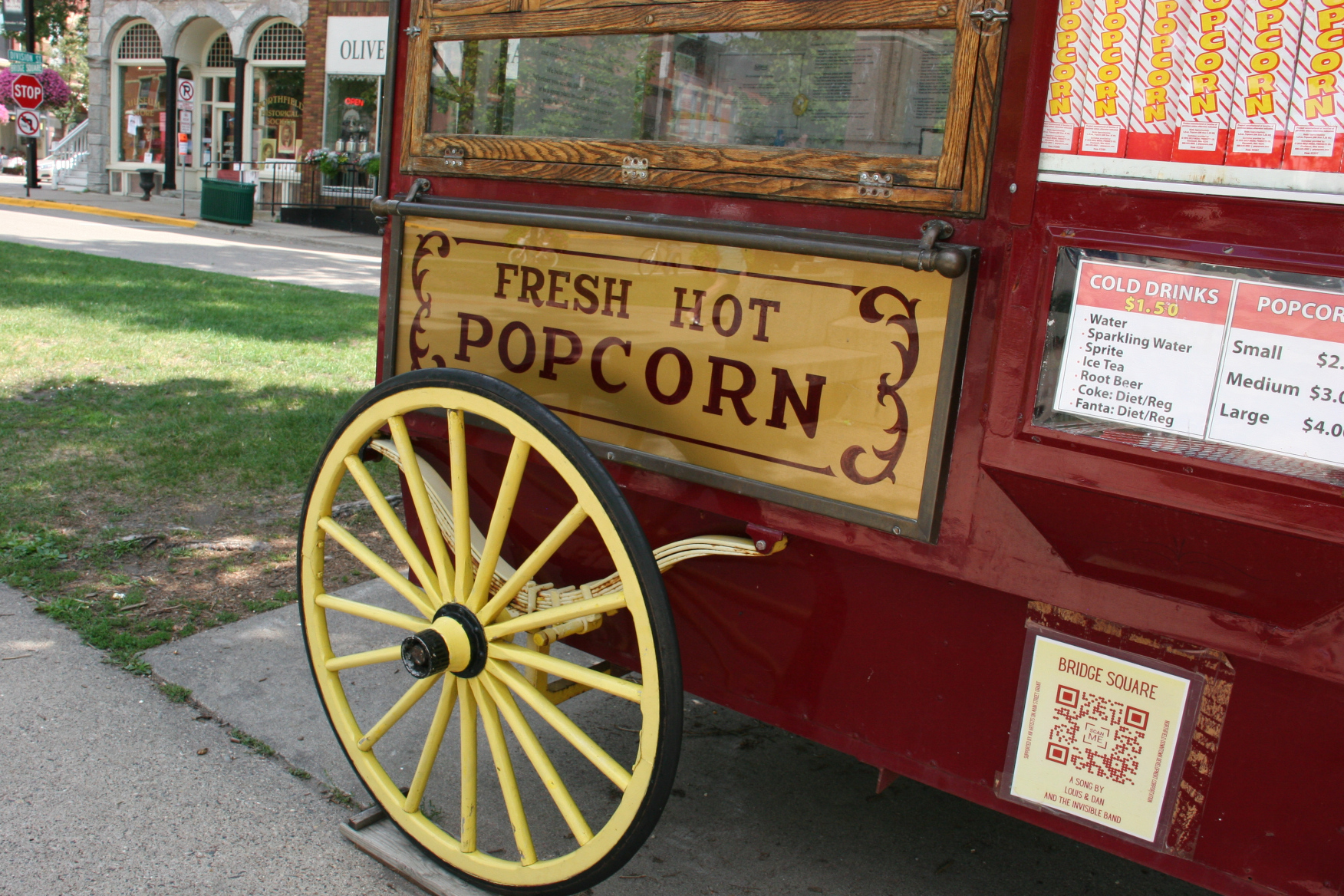
The popcorn wagon brings back memories of Vern’s Popcorn Stand in my hometown of Vesta. (Minnesota Prairie Roots copyrighted photo August 2022)

My focus on that afternoon was not on the historic robbery, but rather on Bridge Square. I noticed first the 1918 popcorn wagon which is open from mid-May to mid-September and operated by FiftyNorth, the local center for seniors. It was closed when I was there. But I could imagine the sound of popping kernels, the scent, the taste of buttery popcorn scooped into boxes. There’s something about a popcorn stand that hearkens to bygone days.

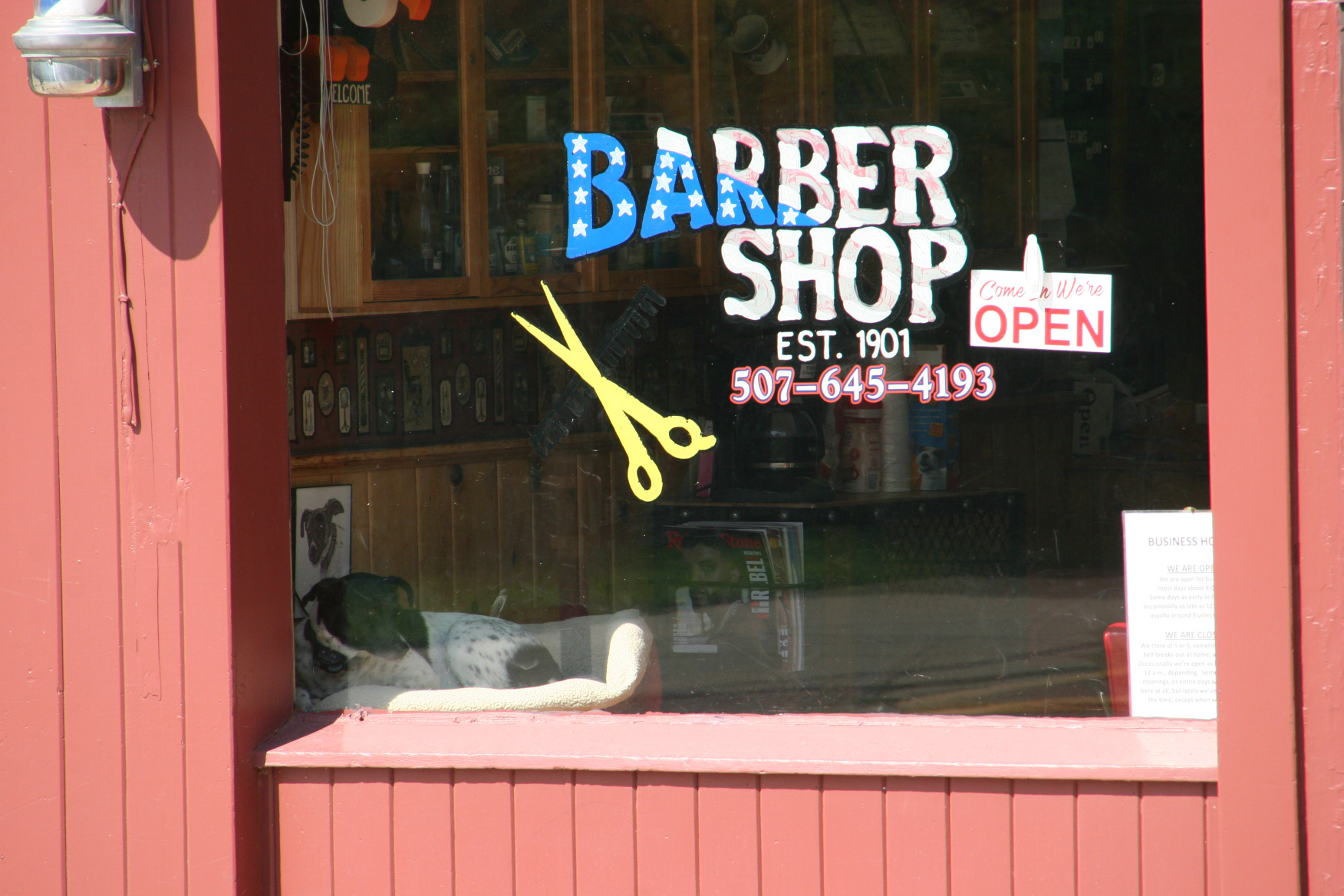
“How much for that doggie in the window?” (Minnesota Prairie Roots copyrighted photo August 2022)

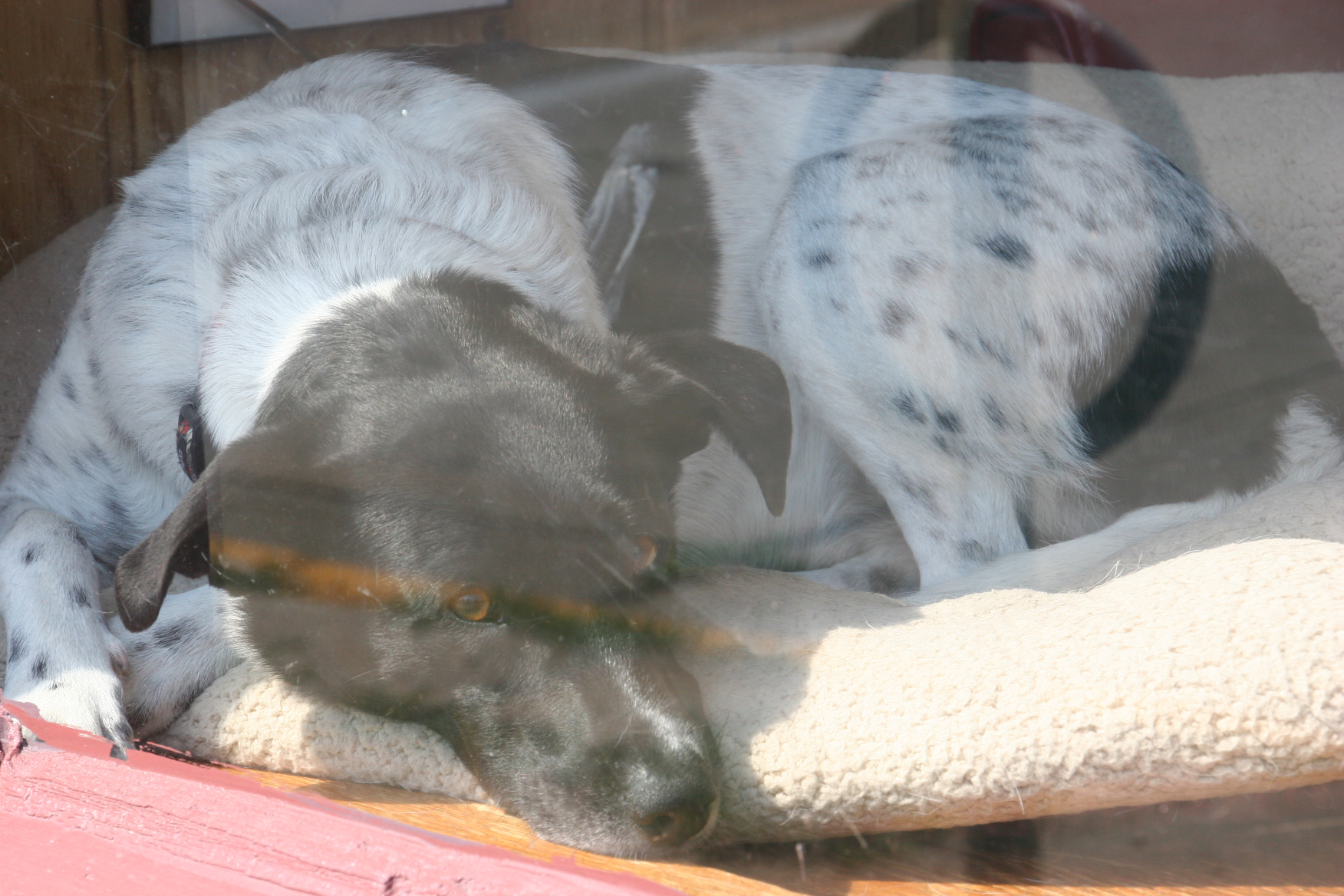
And there’s something about an old-time barbershop such as Bridge Square Barbers with a barbershop pole and then, bonus, a doggie in the window. I spotted the dog lying on a fleece bed in a corner. Seemingly content, only lifting his head when I approached for a close-up photo.

Love this barbershop dog photographed through the window. (Minnesota Prairie Roots copyrighted photo August 2022)

Earlier this year a sign in that barbershop window prompted me to write a story, “Barbershop Prompt,” which I submitted to a writing competition. My story earned second place in creative nonfiction and will publish in volume 31 of The Talking Stick, a northern Minnesota-based anthology. I also earned an honorable mention in fiction. Once the book publishes, I’ll share more.

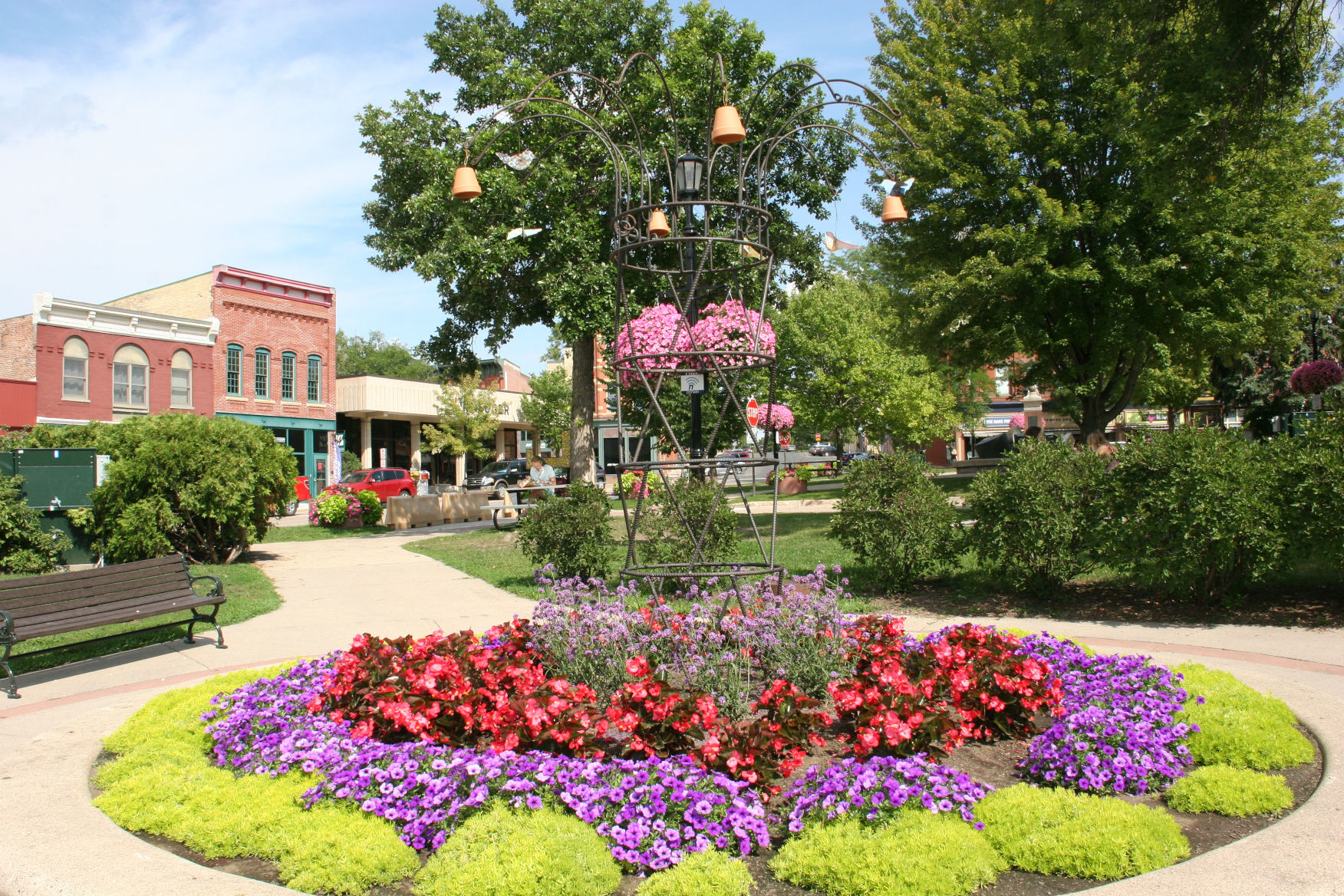
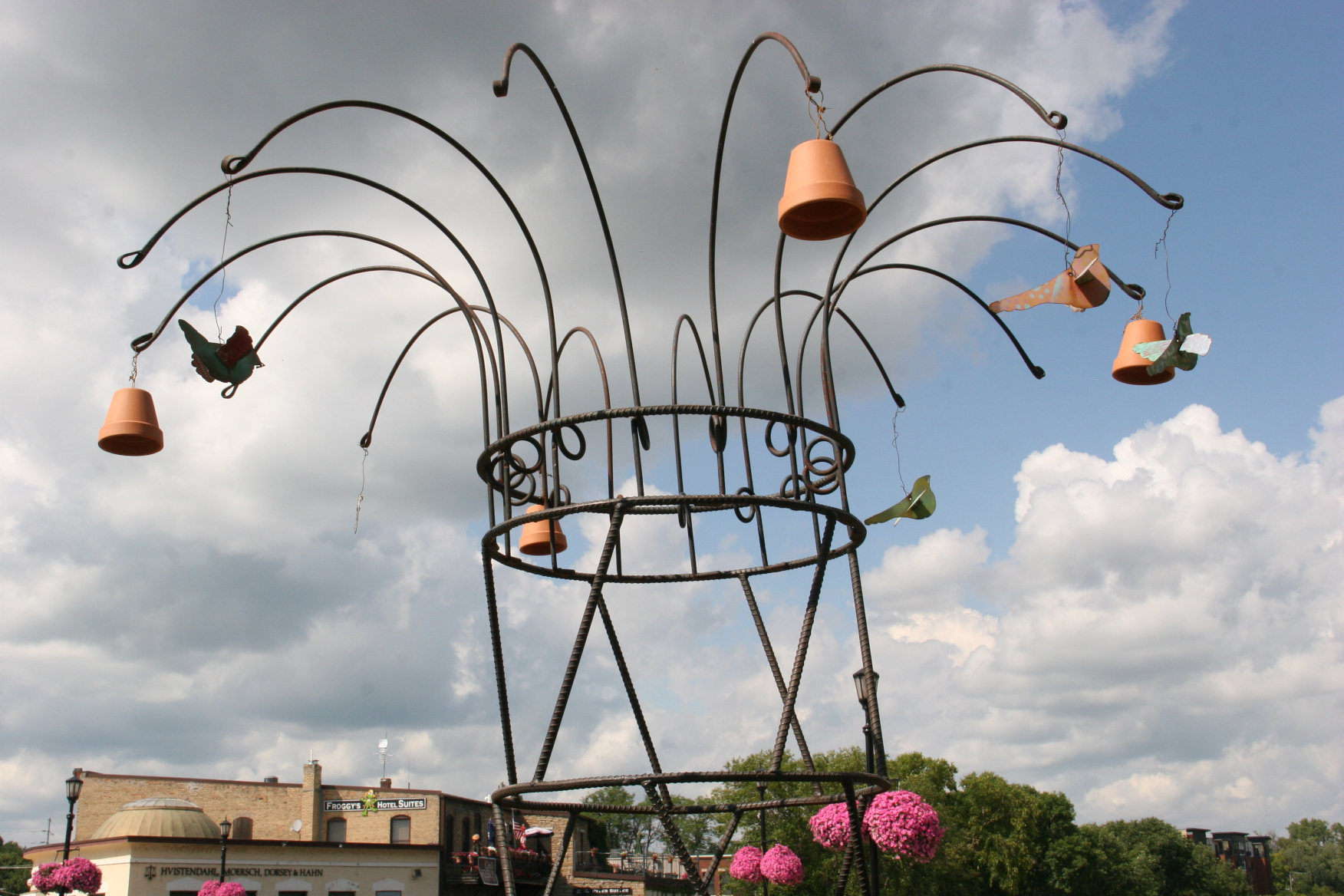
Beautiful flowers circle an art installation in Bridge Square near the Cannon River. (Minnesota Prairie Roots copyrighted photo August 2022)

I also took in the art of Bridge Square. Northfield is big on the arts with an Artists on Main Street program, sidewalk poetry and other art installations in addition to the performing arts.

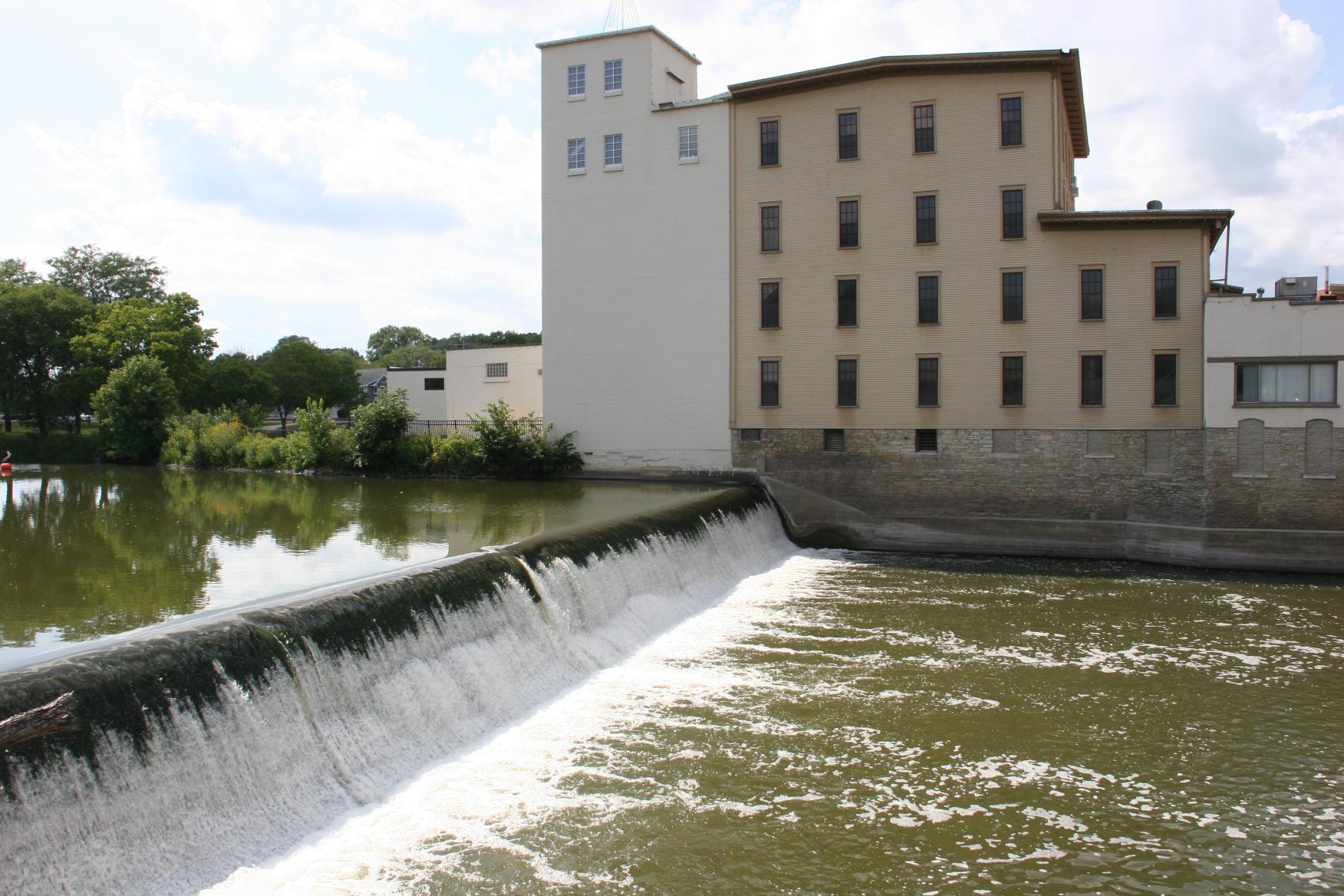
The historic Ames Mill sits along the Cannon River. Originally a flour mill, the mill later was used to produce Malt-O-Meal hot cereals and is today owned by Post Consumer Brands. (Minnesota Prairie Roots copyrighted photo August 2022)

And then there’s the history. Aged buildings like the riverside Ames Mill. The river running through is a real asset to the downtown, especially with a river walk behind buildings hugging Division Street.

Detailed top of the art installation. (Minnesota Prairie Roots copyrighted photo August 2022)

At the heart of all of it is Bridge Square—a place which melds history and art, land and sky and river, commerce and individuality. Most importantly, the village square brings peoples together to converse, to celebrate, to honor, to discuss, to disagree, to buy popcorn from the popcorn wagon, to simply be.

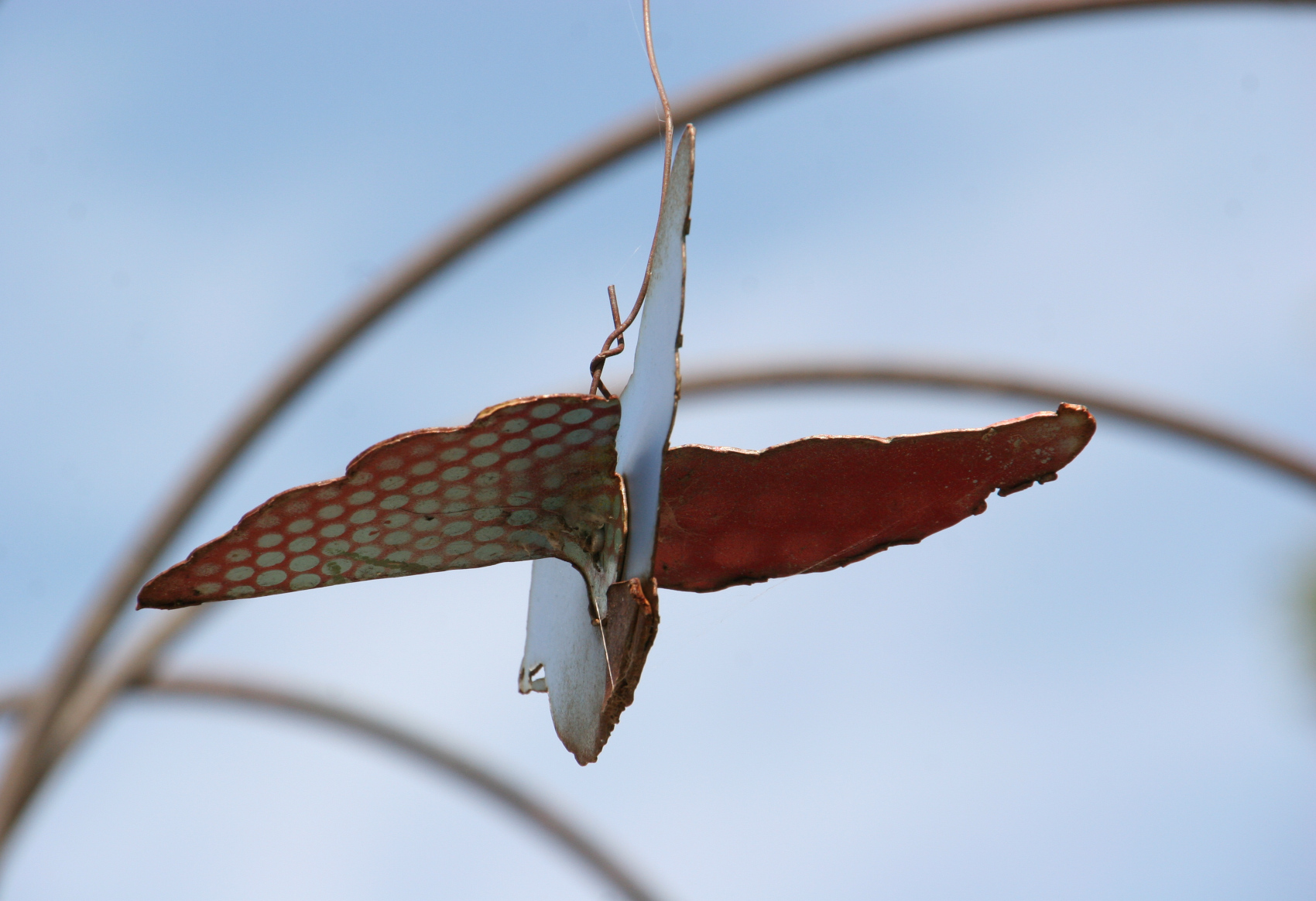
Bird in flight in the Bridge Square sculpture. (Minnesota Prairie Roots copyrighted photo August 2022)

TELL ME: Does your community have an outdoor gathering spot like Bridge Square?

© Copyright 2022 Audrey Kletscher Helbling
 

Honoring those who defeated Jesse James in Northfield September 6, 2022

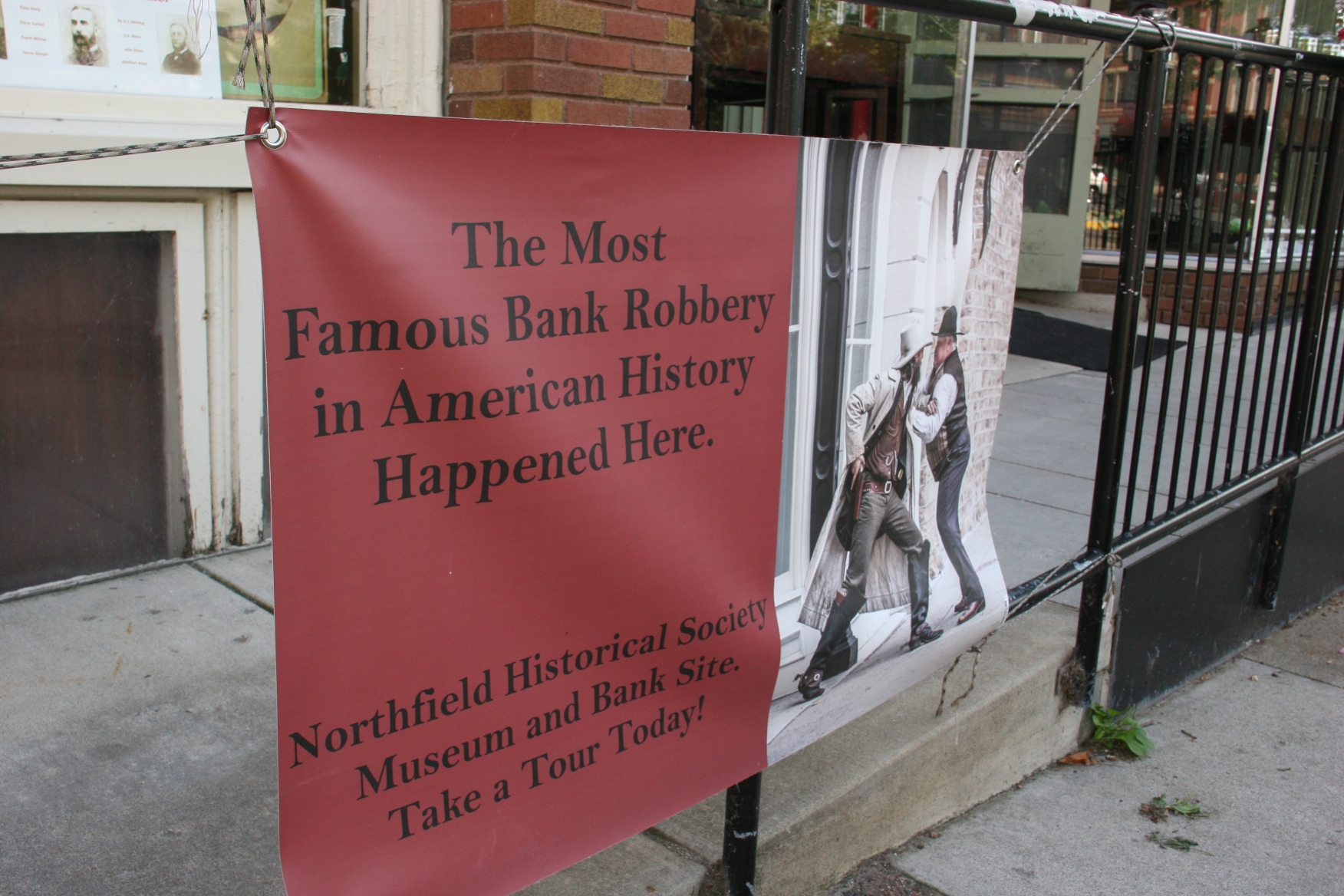
Posted on the First National Bank in Northfield, now the Northfield Historical Society. (Minnesota Prairie Roots copyrighted photo August 2022)

IF NOT FOR A QUICK-THINKING bank cashier and determined townspeople, things could have ended much differently for the community of Northfield on September 7, 1876, when the James-Younger Gang rode into town intent on robbing the First National Bank.

This is where it all happened. The bank is along Division Street in historic downtown Northfield near Bridge Square. (Minnesota Prairie Roots copyrighted photo August 2022)

Markers ring supposed bullet holes on the building exterior. (Minnesota Prairie Roots copyrighted photo August 2022)

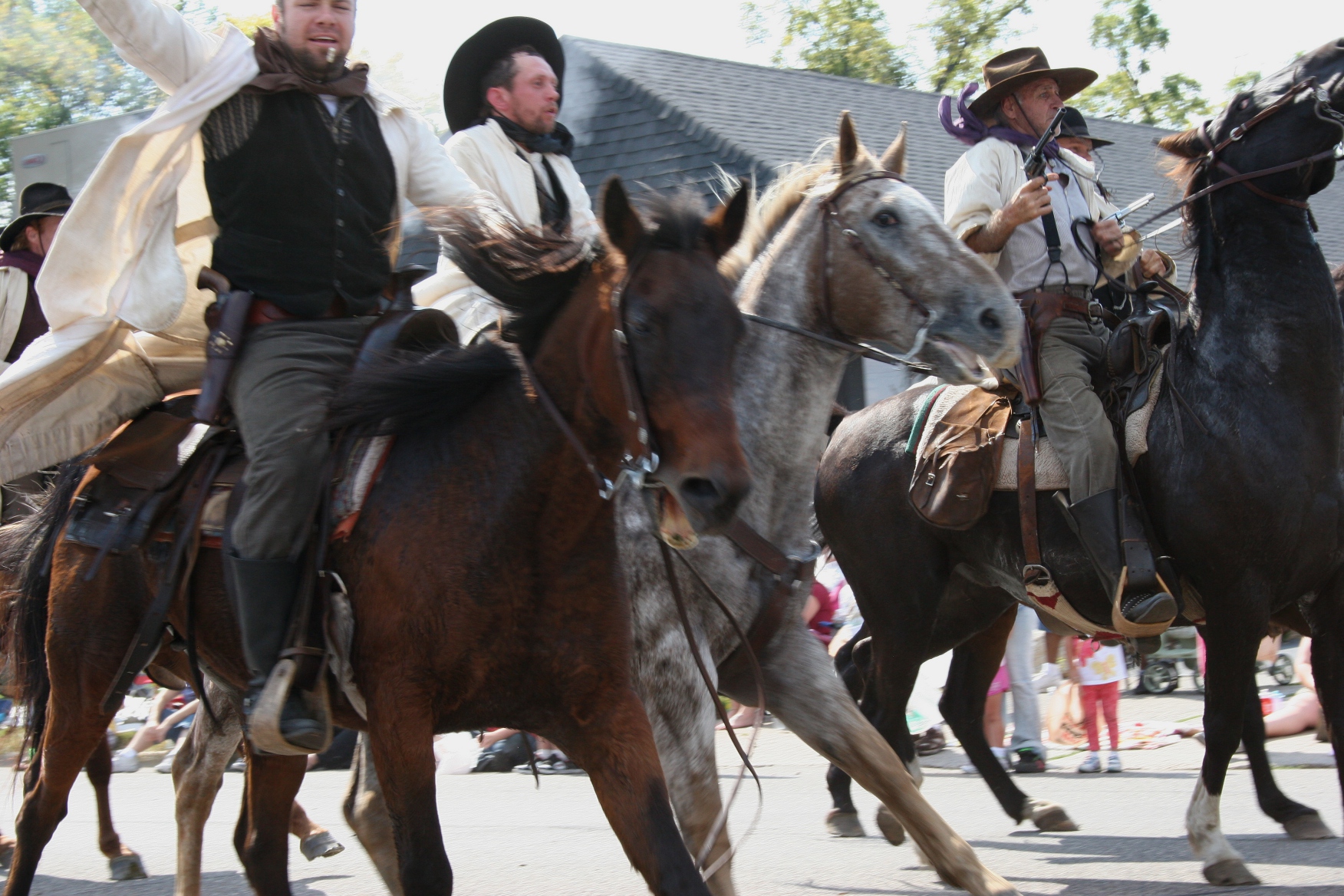
The James-Younger Gang re-enactors riding in the Defeat of Jesse James Days parade. (Minnesota Prairie Roots copyrighted file photo)

That brave employee, Joseph Lee Heywood, stood up to the robbers who demanded cash from the bank vault. In the end, he lost his life, shot in the head. Likewise, Swedish immigrant Nicolaus Gustafson, unable to understand the outlaws’ commands to get off the street, was shot in the head and died four days later. Outlaws Clell Miller and William Chadwell, (also known as William Stiles) died, too, in the ensuing chaos as they attempted to escape.

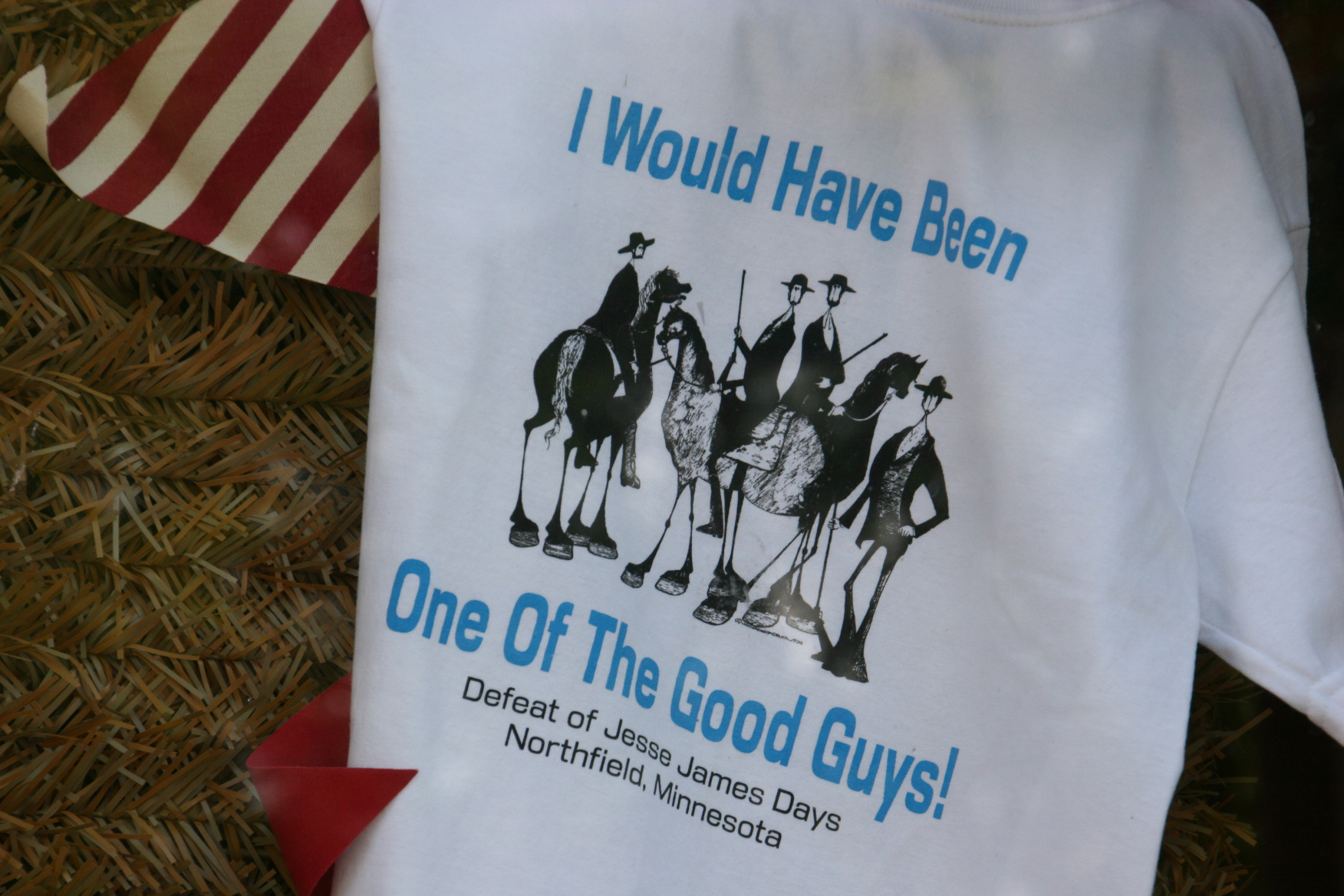
A t-shirt displayed in the front window of the Northfield Historical Society (Minnesota Prairie Roots copyrighted photo August 2022)

Townspeople reacted to the bank raid by throwing skillets and bricks and aiming birdshot at the would-be robbers fleeing on horseback through the narrow streets of this river town. Their efforts, along with those of Heywood, effectively ended a long string of bank and train robberies across the country. The three Younger brothers were shot and captured in a gun battle near Madelia while Frank and Jesse James escaped to Missouri.

The Northfield Historical Society entrance by Bridge Square. (Minnesota Prairie Roots copyrighted photo August 2022)

That’s the summary backstory of “The Most Famous Bank Robbery in American History” as tagged by the Northfield Historical Society based in the bank building and with a permanent exhibit, “The James-Younger Gang Bank Raid.” I toured the exhibit in 2012 and highly-recommend it to learn the full story behind this event.

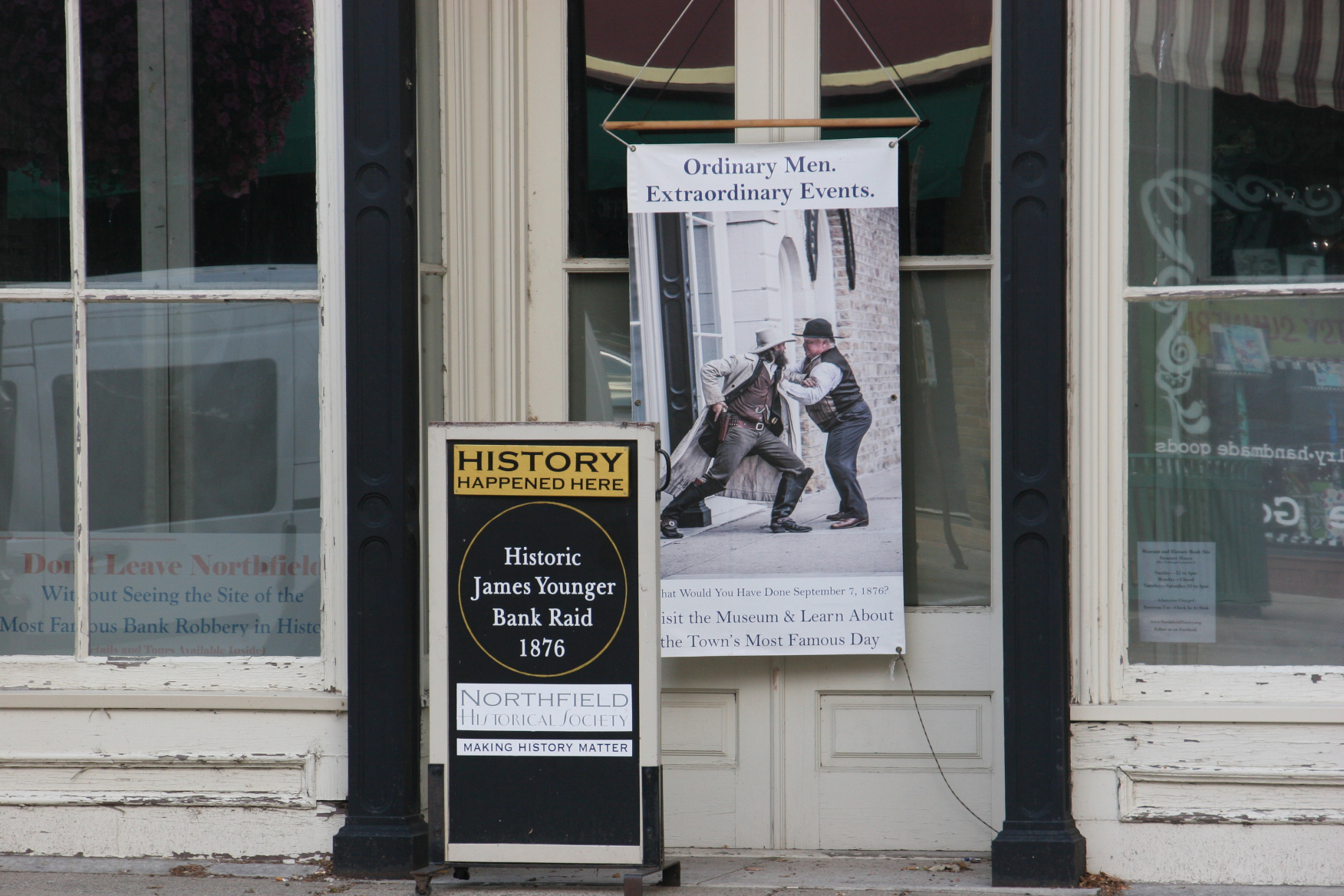
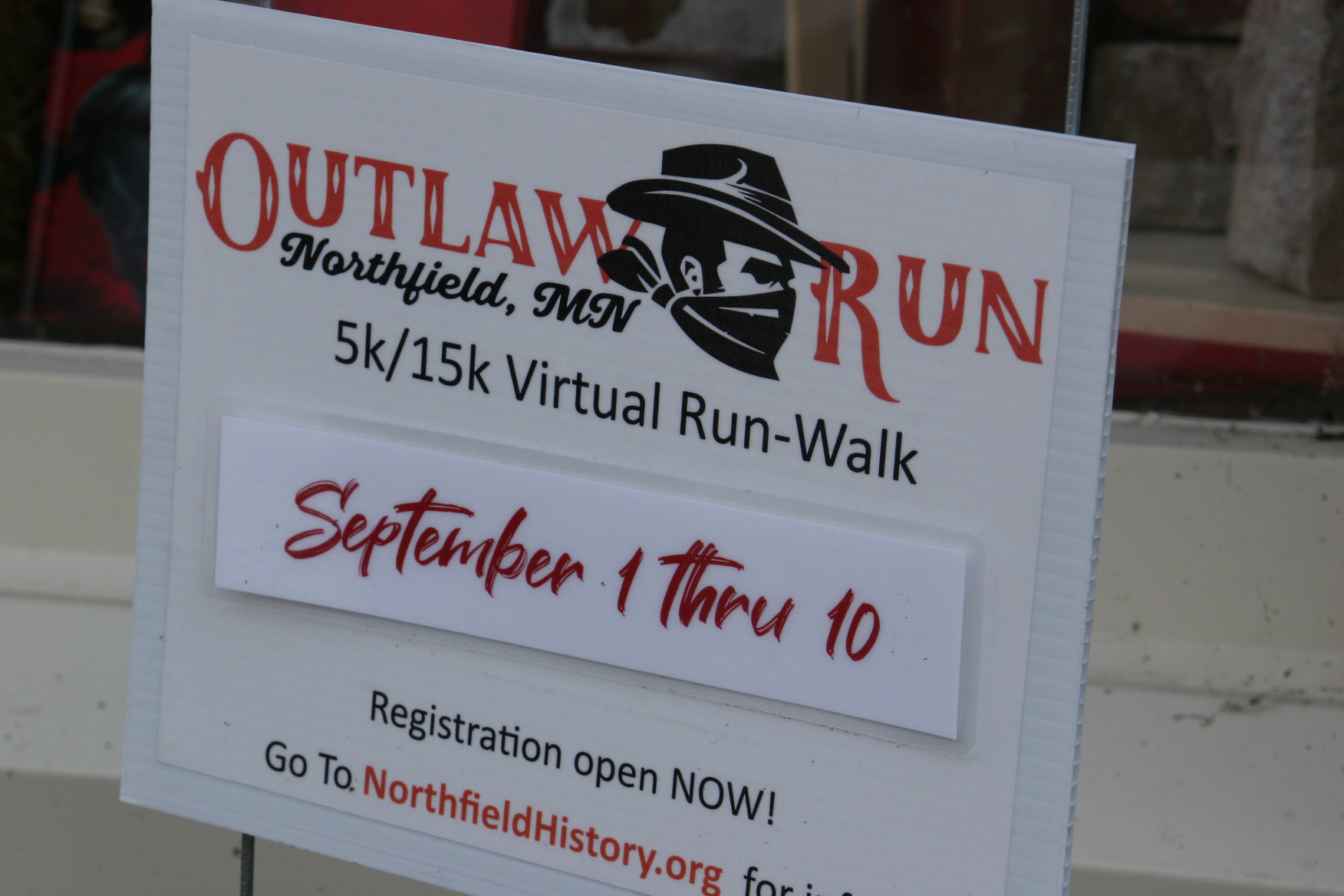
Posted just outside the NHS entrance. (Minnesota Prairie Roots copyrighted photo August 2022)

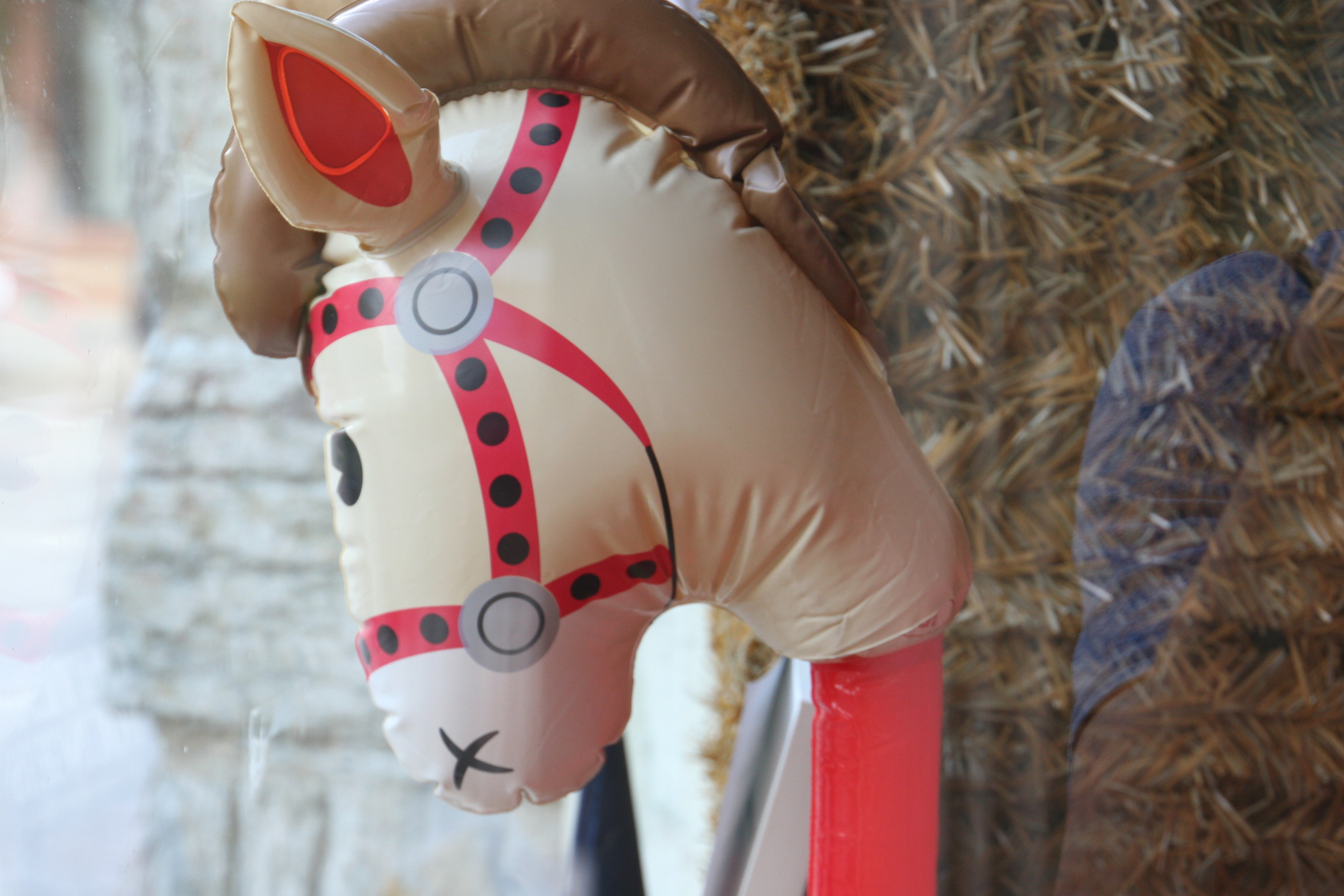
A toy horse is part of the front window display at the NHS. (Minnesota Prairie Roots copyrighted photo August 2022)

One of the many events during Defeat of Jesse James Days. (Minnesota Prairie Roots copyrighted photo August 2022)

This historic happening focuses Defeat of Jesse James Days, beginning Wednesday in Northfield. I’ve attended that, too, but mostly stay away given it’s one of the biggest community celebrations in Minnesota, meaning crowds. Honoring Heywood and the brave townspeople of 1876, the September 7-11 event includes a long list of activities like the popular bank raid re-enactments, an Outlaw Run, car and craft shows, an art festival, a rodeo, tractor and truck pulls, a parade and much more. Annually the Joseph Lee Heywood Distinguished Service Award is “given to a Northfield citizen who exemplifies a commitment to public service, which Heywood lived.”

This sign on a building marks the Northfield Cemetery. (Minnesota Prairie Roots copyrighted photo August 2022)

In the midst of all this, I’d suggest a visit to a place away from the crowds. The Northfield Cemetery. Here Joseph Lee Heywood and Nicolaus Gustafson lie buried. A few weeks ago I sought out their graves given my interest and my desire to honor these two men who lost their lives during the failed bank raid.

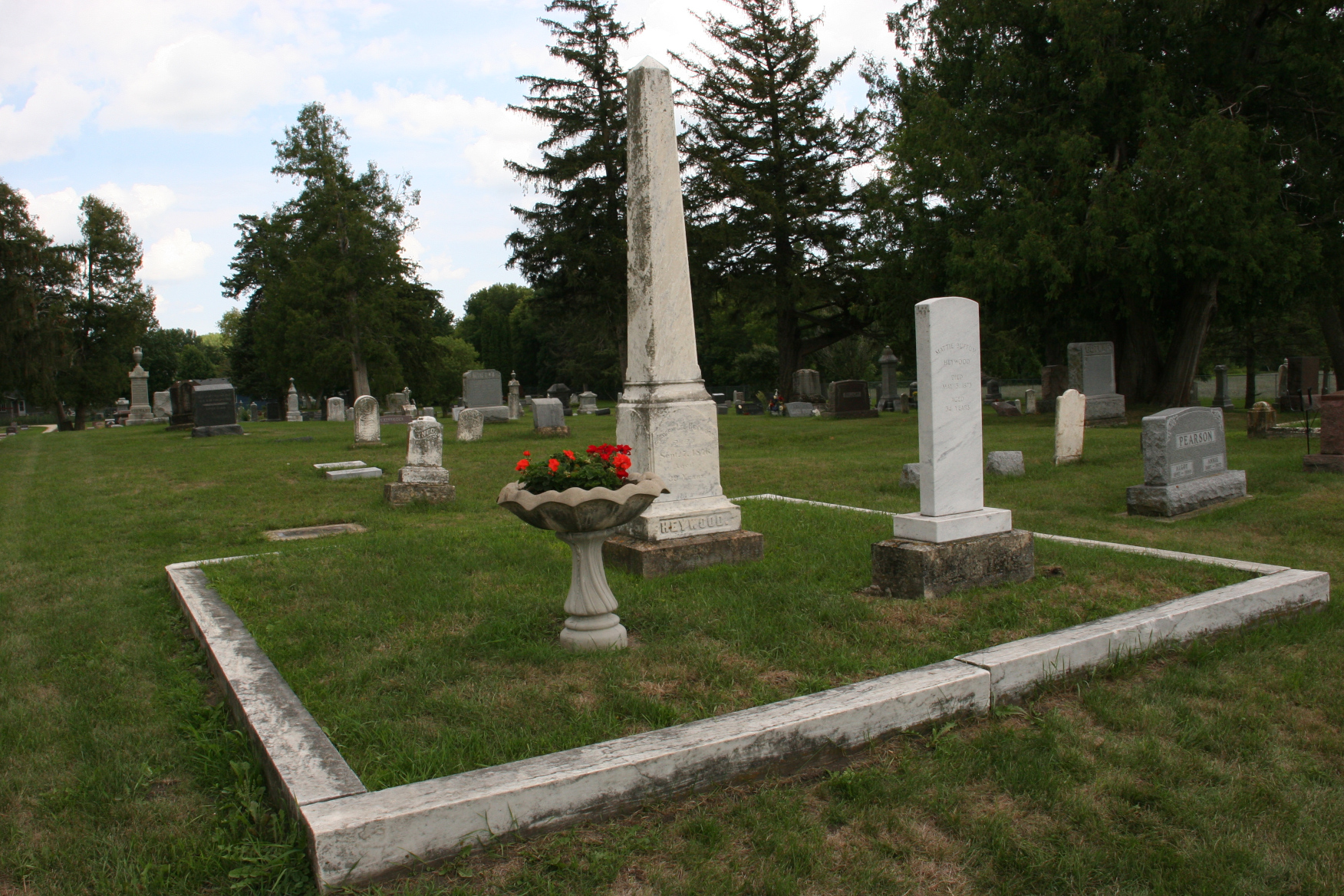
Joseph Lee Heywood‘s gravesite. (Minnesota Prairie Roots copyrighted photo August 2022)
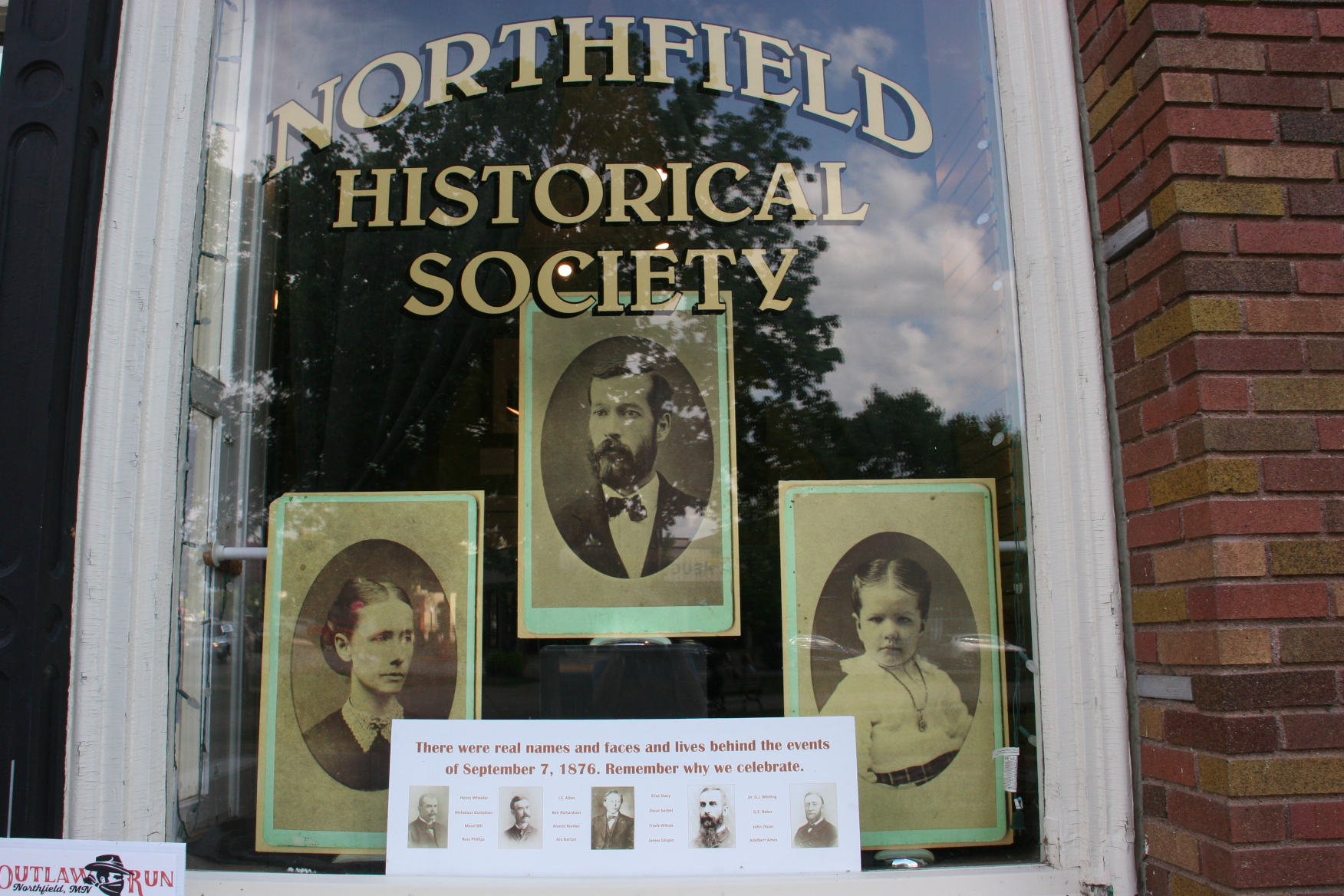
A portrait of Joseph Lee Heywood is posted in the Northfield Historical Society window. Although I’m not certain, I believe the other images are of his wife and daughter. He remarried after Mattie died. (Minnesota Prairie Roots copyrighted photo August 2022)

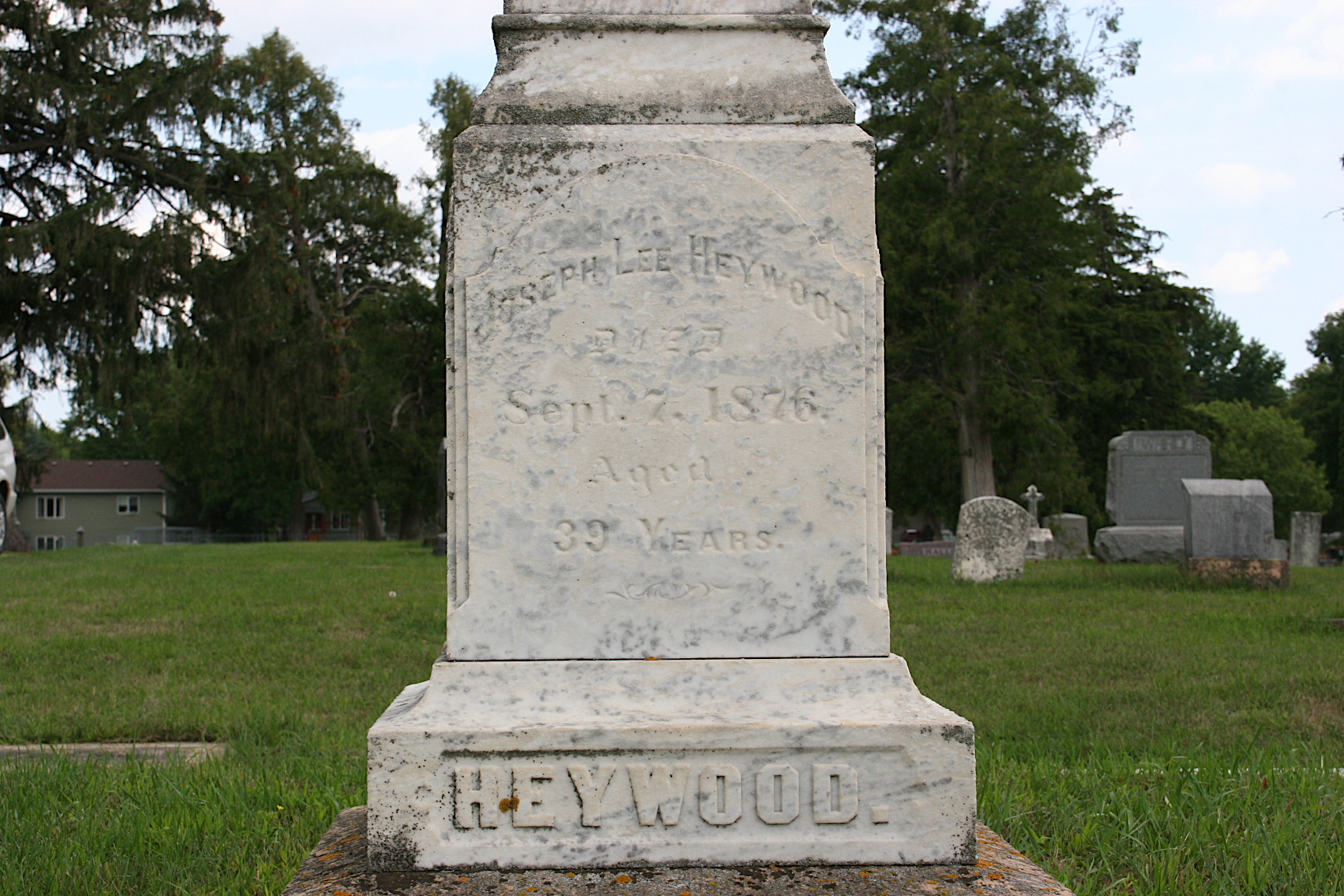
Heywood’s marker up close. (Minnesota Prairie Roots copyrighted photo August 2022)

The bank cashier’s burial spot is decidedly prominent, his grave marker rising high within a squared off space. Mattie Buffum Heywood, who died in May 1873 at the age of 34, is buried by her 39-year-old husband.

A surprisingly new marker marks the grave of Nicolaus Gustafson. (Minnesota Prairie Roots copyrighted photo August 2022)

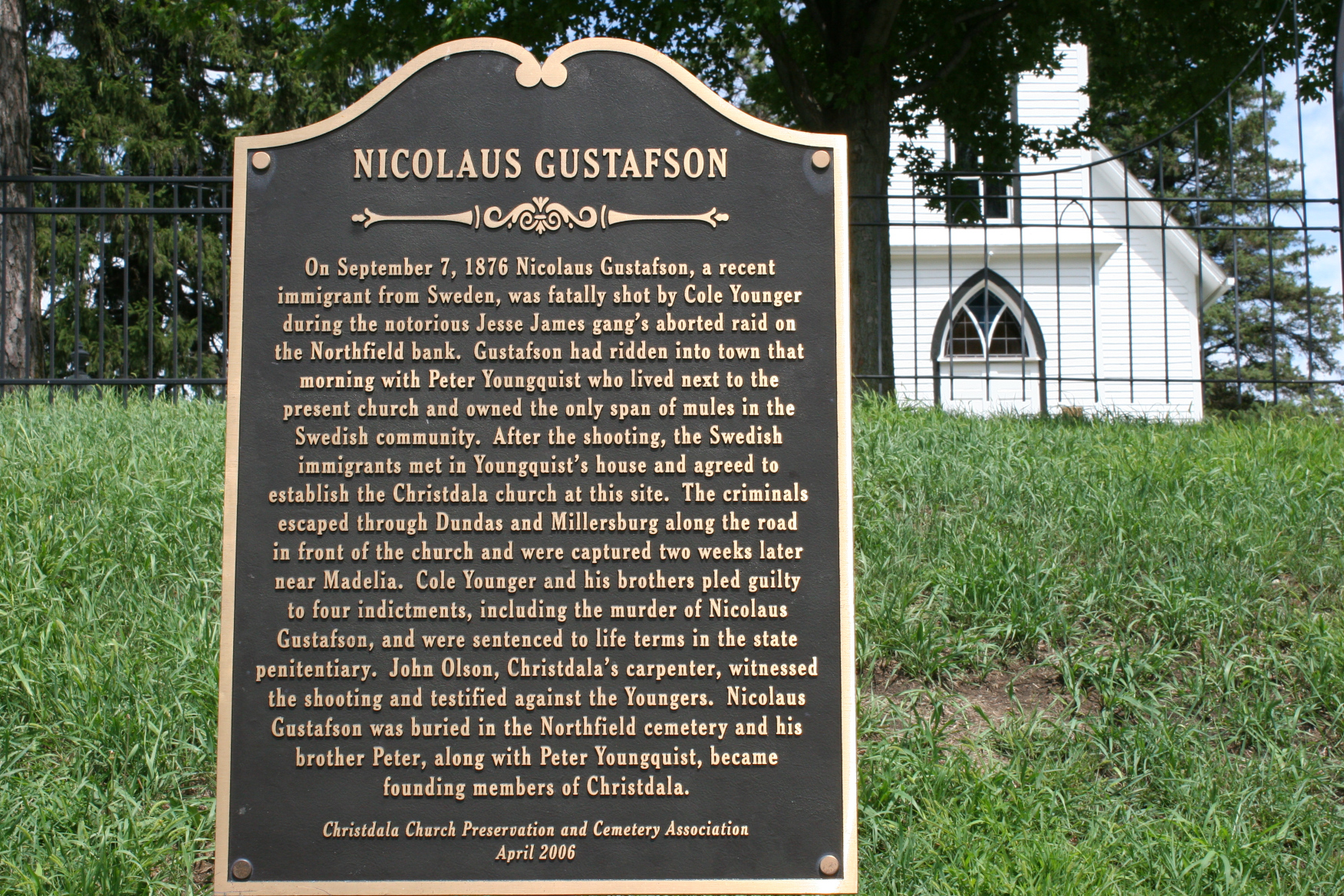
Finding Nicolaus Gustafson’s grave took effort. Eventually I found it near the cemetery entrance next to the chain link fence along busy Division Street South. I expected an aged tombstone like Heywood’s, not the more modern granite marker with the postscript inscription, A SWEDISH IMMIGRANT SHOT BY ROBBERS. Gutafson, who had just turned 30, arrived in Northfield from neighboring Millersburg on the day of the robbery to sell produce with another Swedish immigrant. He was buried in Northfield because the Swedes did not yet have a church or cemetery. In 1994, the good people of Northfield installed the gravestone gracing his final resting spot. A historic marker at Christdala Church also honors Gustafson.

This marker in front of Christdala Church, rural Millersburg, honors Nicolaus Gustafson. (Minnesota Prairie Roots copyrighted file photo 2020)

In all of this, there is something to be said for the strength of those who are now part of our history. Their actions, whether intentional or not, determined outcomes. For communities. For families. For the future. How many lives were saved because of Joseph Lee Heywood, because of those determined Northfielders, even because of a Swedish immigrant rushing to a street corner?

© Copyright 2022 Audrey Kletscher Helbling
 

The creative side of a southern Minnesota farm show September 5, 2022

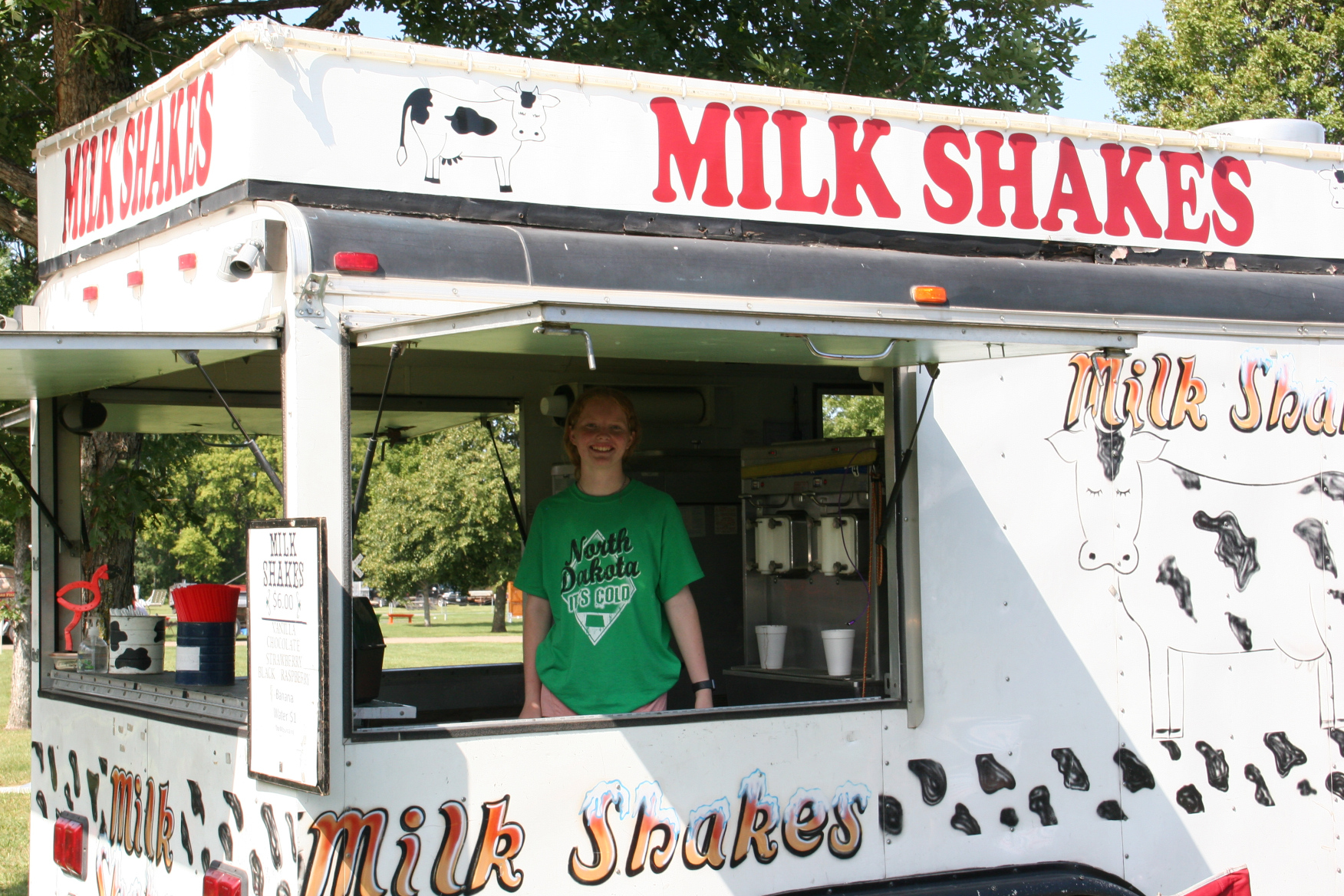
The Milk Shakes booth has a decidedly rural theme with Holstein cow art. (Minnesota Prairie Roots copyrighted photo September 2022)

AS A WRITER AND PHOTOGRAPHER, I view life through a creative lens. That means, even at a farm-themed event like the Rice County Steam and Gas Engines Show, I notice the artsy side.

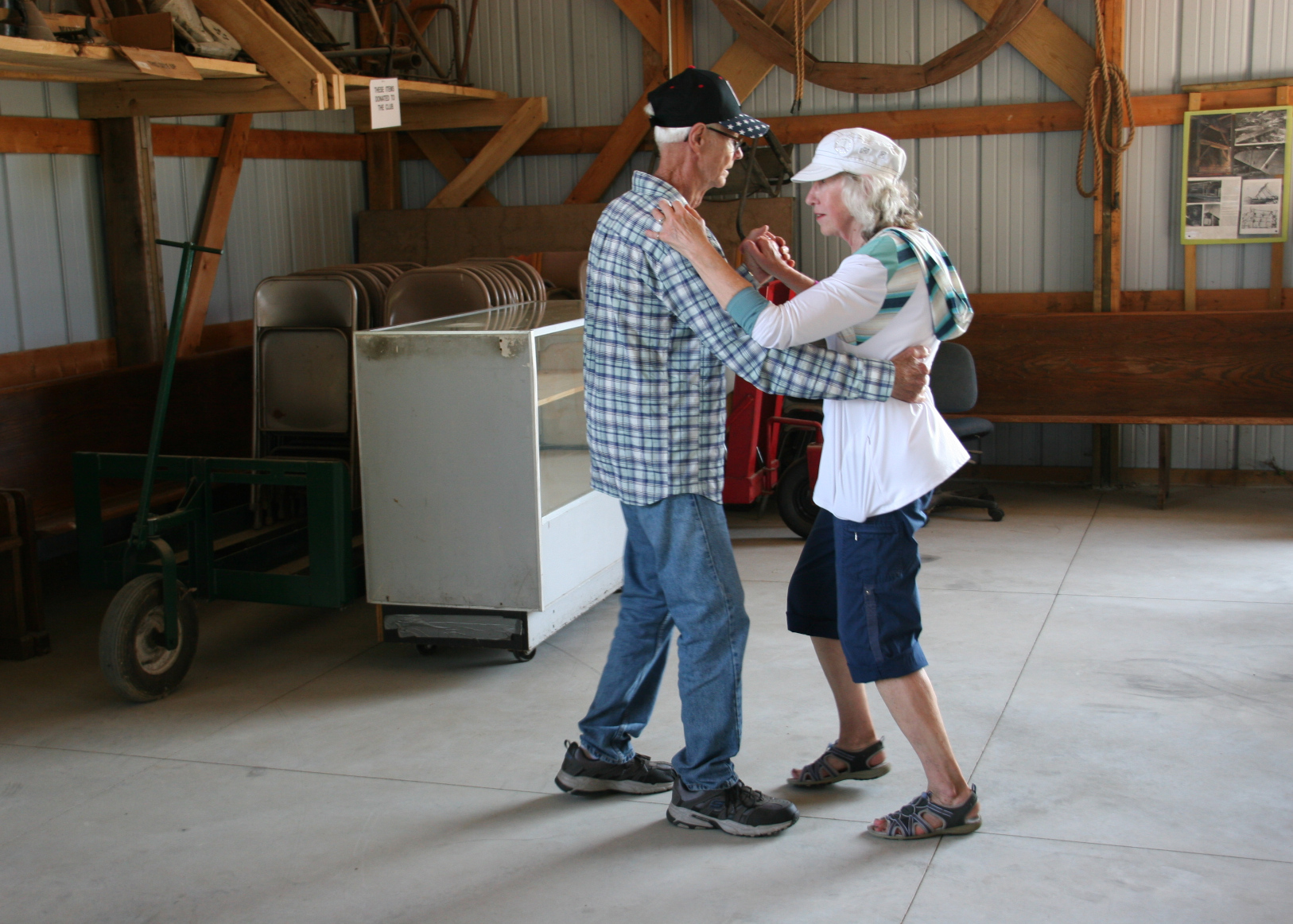
Dancing in the music shed to the band Steam Machine Friday afternoon. (Minnesota Prairie Roots copyrighted photo September 2022)

I attended the show in rural Dundas on Friday. While most attendees focus on the field of tractors, the multiple ag-related demonstrations, the flea market and more, I also focus on creative details within the all of it. Like hand-lettered signage, handcrafted items, music, and, yes, even the couple dancing to bluegrass tunes performed by Steam Machine.

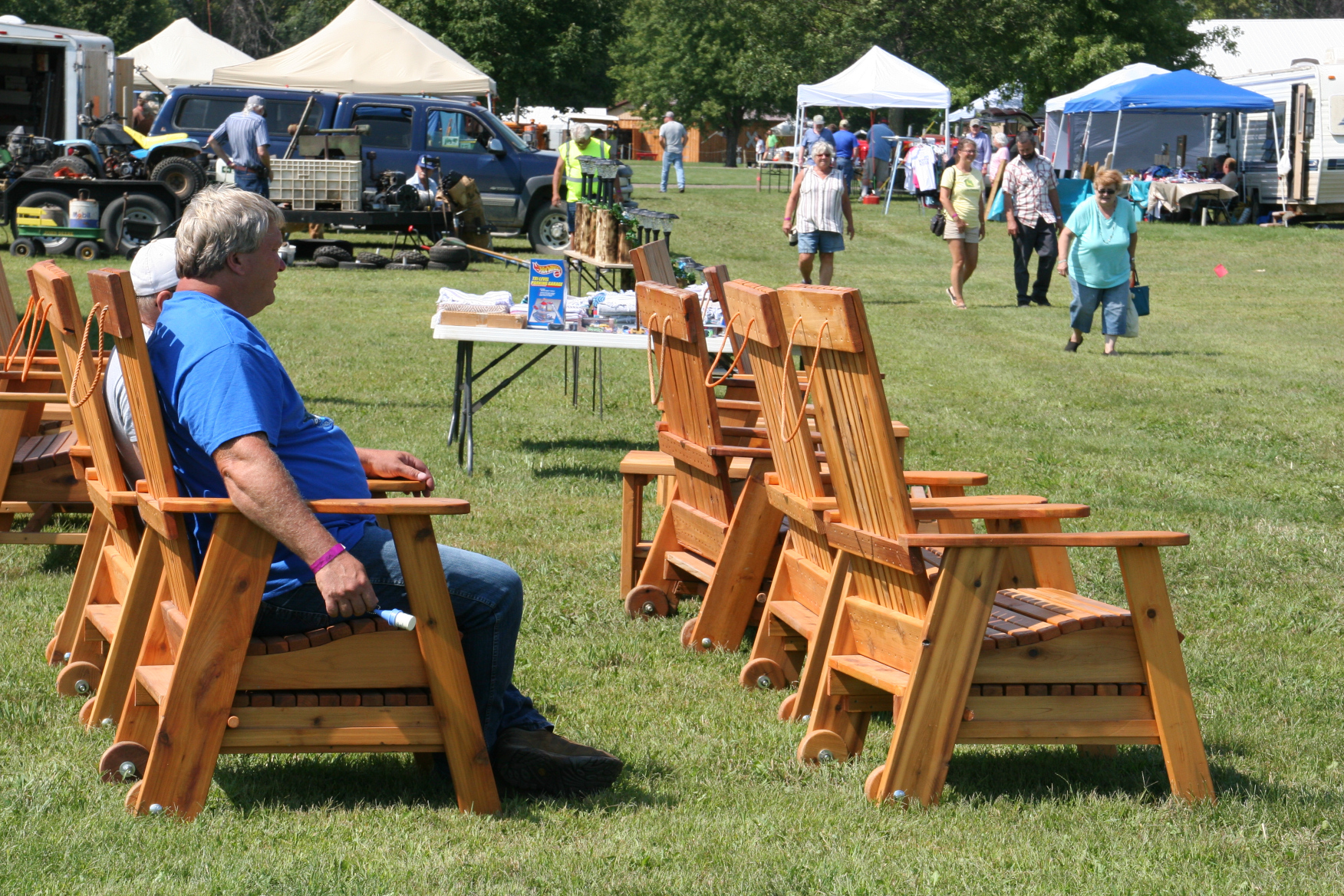
Flea market attendees try out a vendor’s yard chairs. (Minnesota Prairie Roots copyrighted photo September 2022)

The arts, whether literary, visual or performing, enhance our lives, bringing joy, comfort, diversion, entertainment, introspection and much more.

Cute crocheted animals by Kay Dudley. (Minnesota Prairie Roots copyrighted photo September 2022)

I value the talents of those who create. I create with words and with my camera. Put a paintbrush or crochet hook in my hand and I would be hard-pressed to make anything worthy of notice. But, gosh, do I admire creatives like Kay Dudley of Faribault who brought her crocheted animals to the flea market. Likewise, I admire the skill of the woodworker who built the sturdy yard chairs for sale.

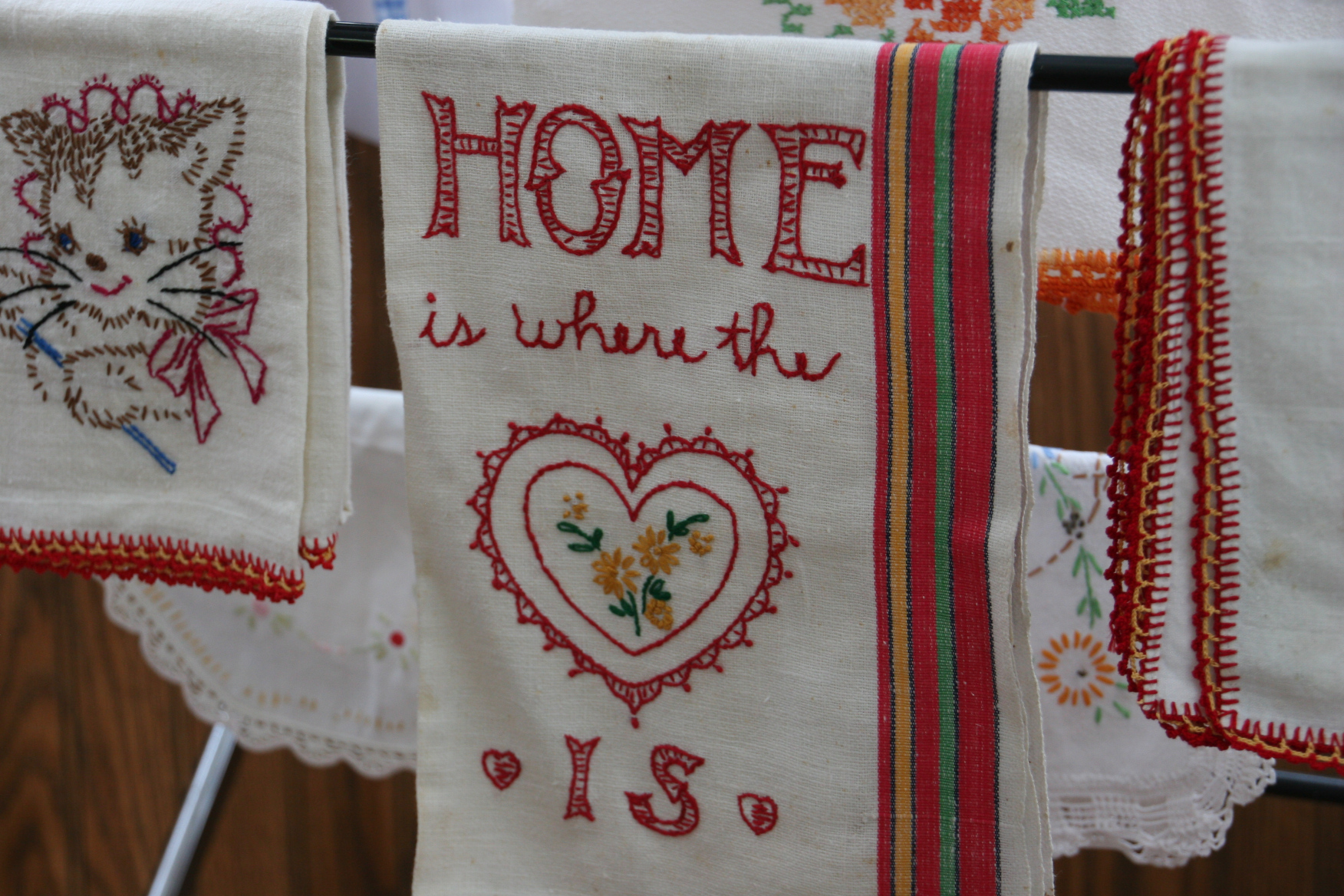
Hand-embroidered linens. (Minnesota Prairie Roots copyrighted photo September 2022)

On the other end of the show grounds, I found more to appreciate in the 1912 farmhouse. Embroidered linens displayed in the kitchen caught my eye. I know how to embroider, although decades have passed since I picked up a needle, embroidery floss and a hoop to stitch a design into cloth. I really ought to resume that craft.

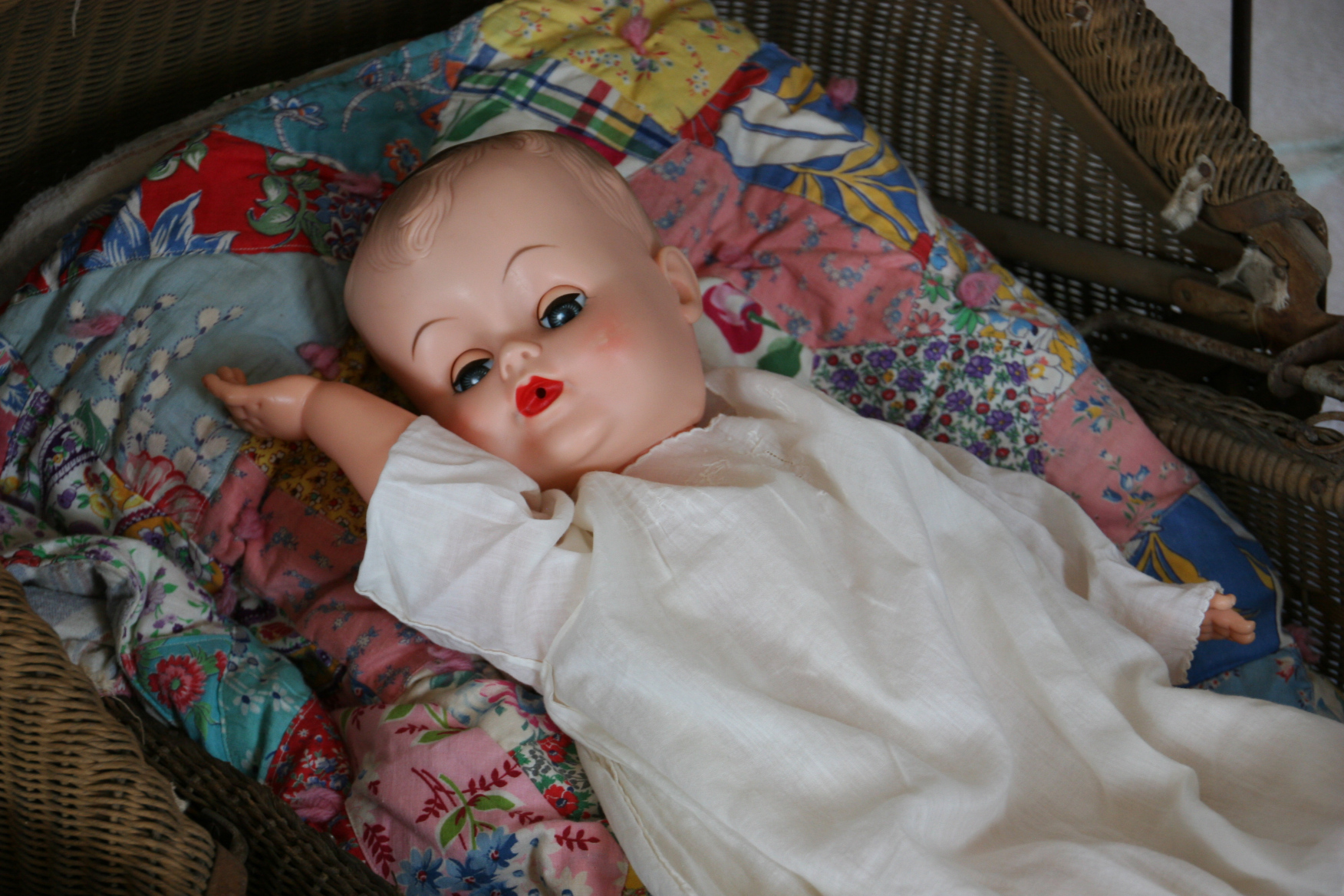
A vintage doll nestles in a quilt. (Minnesota Prairie Roots copyrighted photo September 2022)

In another room of the farmhouse, a doll laid upon a quilt, reminding me of my paternal grandmother who stitched endless quilts for her family, me included. I was quite the seamstress as a teen, sewing many of my clothes and dresses for Grandma, too. She could quilt, but she couldn’t make her own clothes. I always found that interesting. I haven’t touched my sewing machine in years.

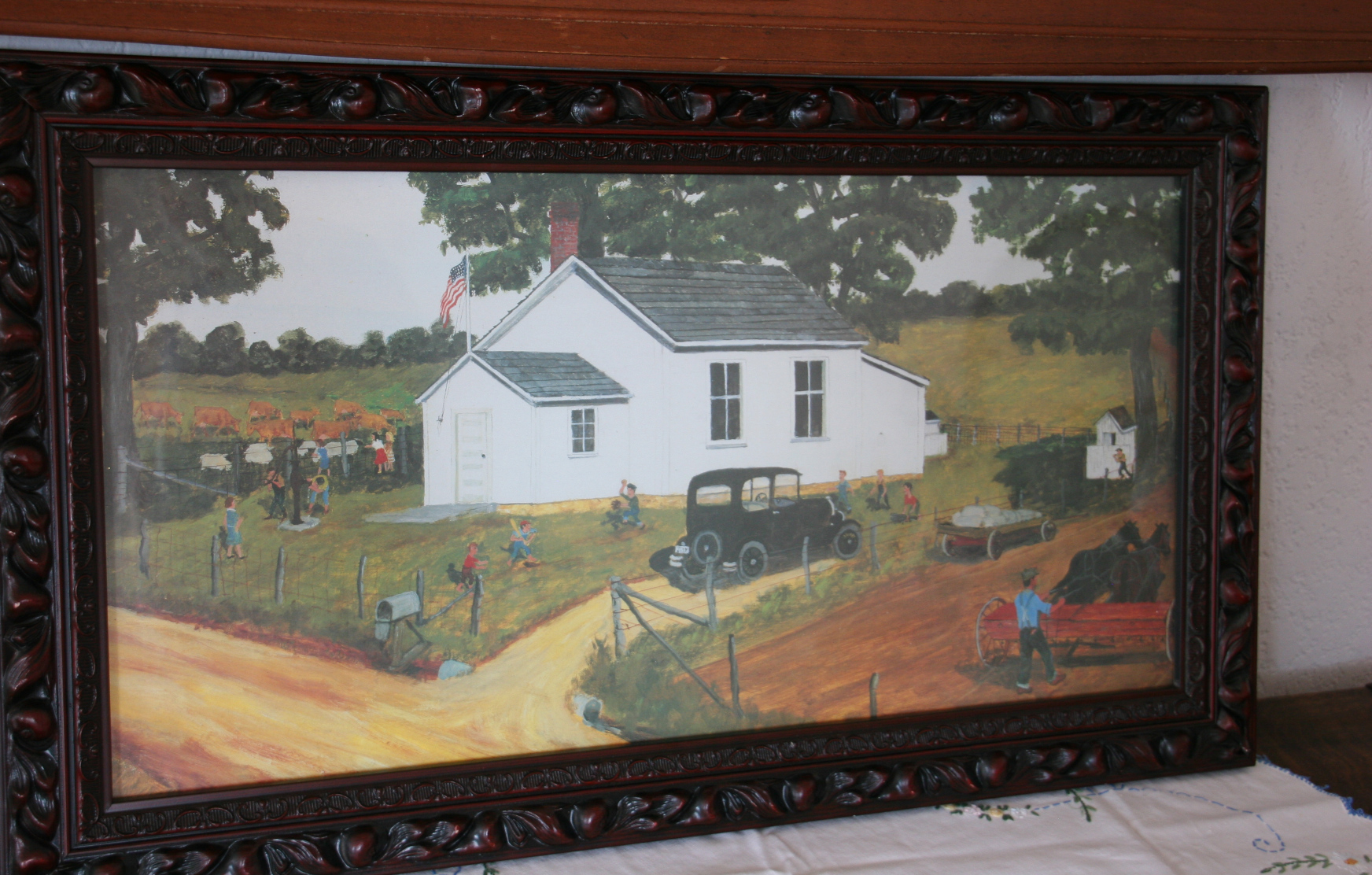
An original painting of a country schoolhouse. (Minnesota Prairie Roots copyrighted photo September 2022)

I was especially interested in the original painting of a rural schoolhouse scene propped on a table in the farmhouse. The vintage art, scored at a Goodwill store for $5, is exactly the type of art I collect.

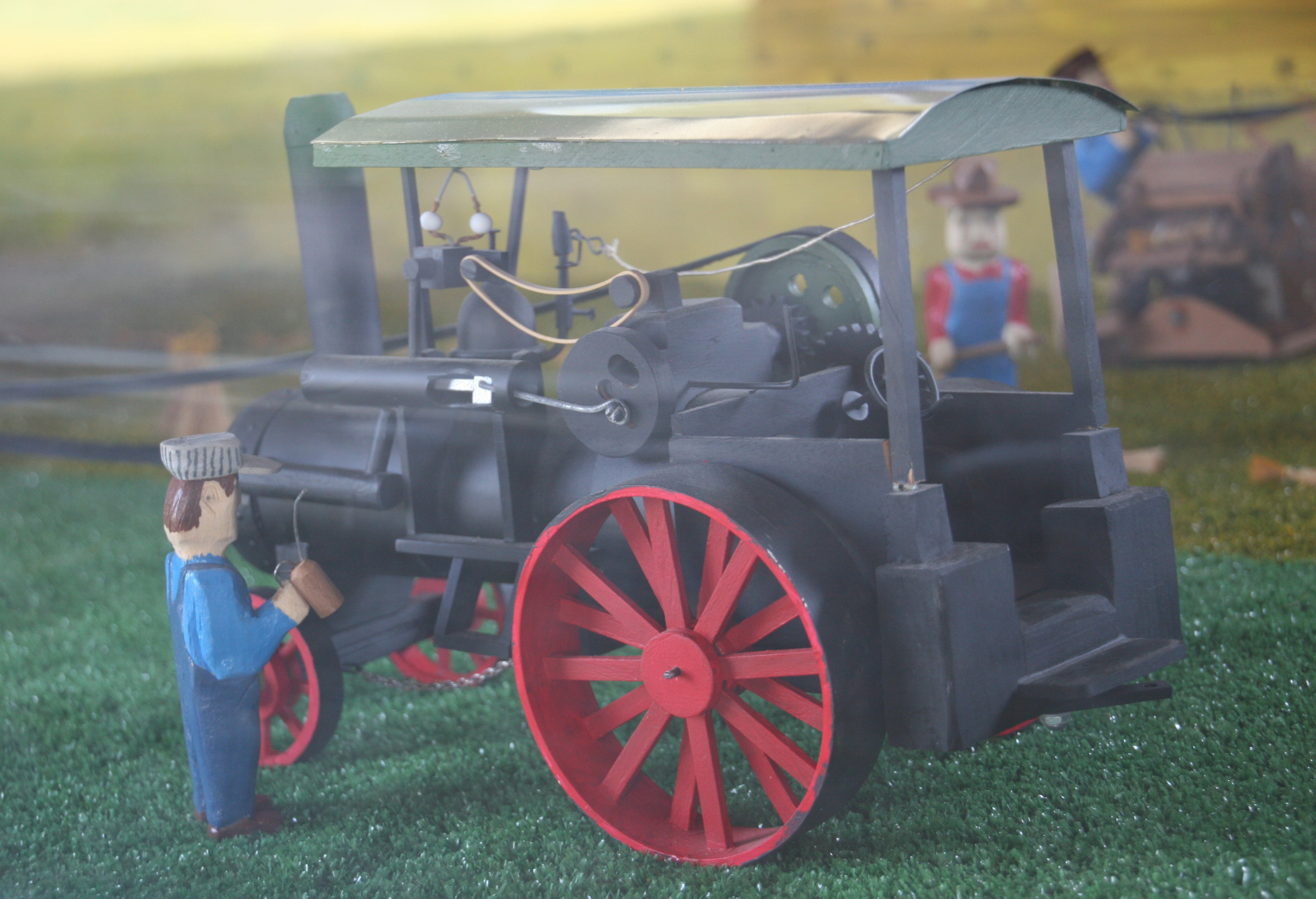
David Terry hand-carved a 1920 threshing scene displayed inside a large case in the music building. This is just a portion of his work. (Minnesota Prairie Roots copyrighted photo September 2022)

In my collection is a North Dakota threshing scene painted by my father-in-law and among my most treasured pieces of original art. So when I saw a hand-carved threshing scene displayed in the music building at the Rice County Steam and Gas Engines Show, I was reminded of Tom’s painting. I display it this time of year atop the entertainment center in my living room.

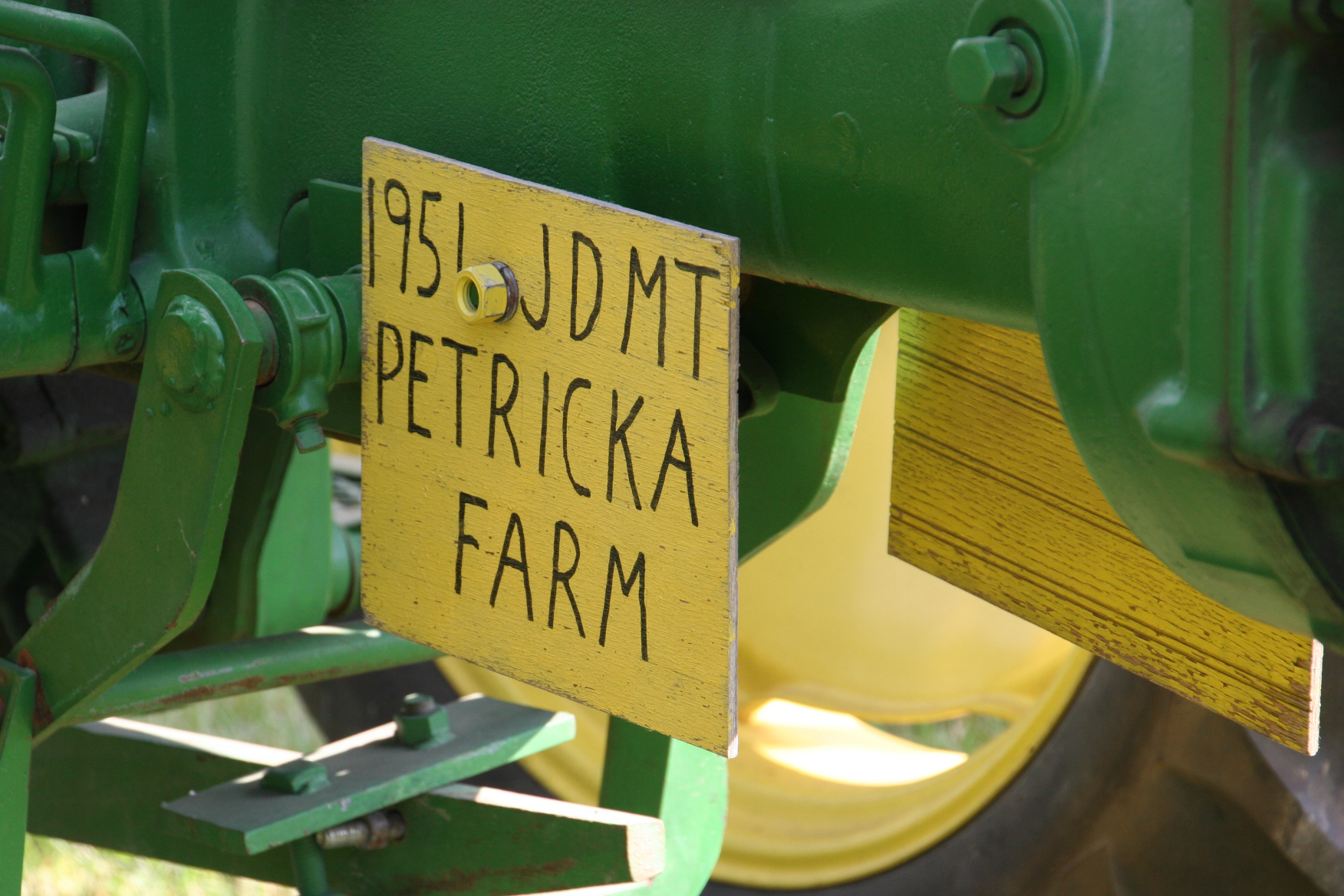
A handmade sign identifies the owner of a vintage John Deere tractor. (Minnesota Prairie Roots copyrighted photo September 2022)

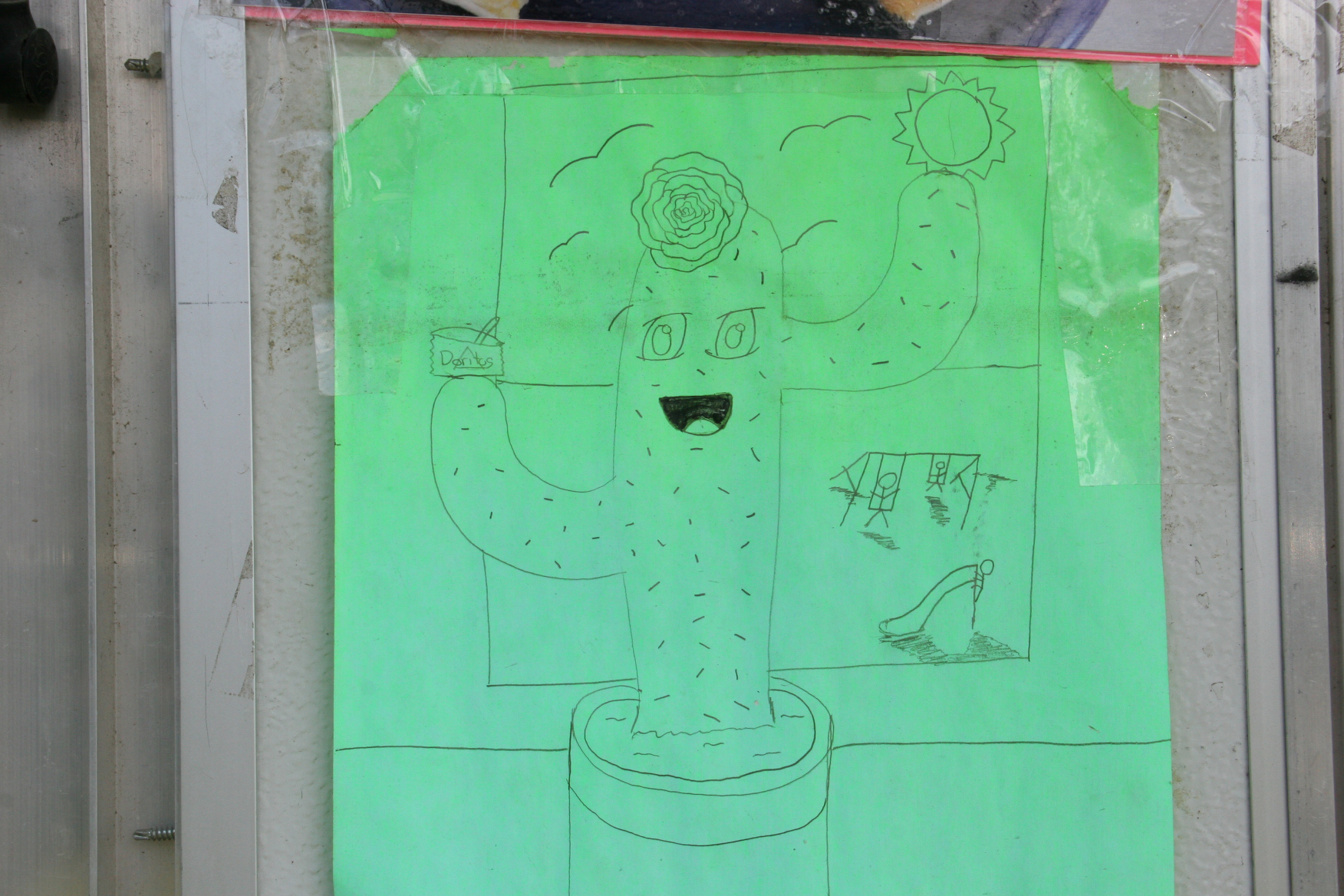
Original paintings and other original art, including signs, always draw my appreciation. There’s just something about a handcrafted sign that makes me pause, take notice, remember. From signage on tractors to signage on buildings to signage among the food vendors, I noticed the creativity.

Loved this hand-drawn art posted by the food service window of El Tacazo Mexican Delights. (Minnesota Prairie Roots copyrighted photo September 2022)

Every piece of art I spotted added to my enjoyment of this southern Minnesota farm-themed show. Certainly I value the ag and history aspects of this event. But I value, too, the creativity.

An anvil-shaped sign fittingly marks the Blacksmith Shop where attendees can watch blacksmiths at work. (Minnesota Prairie Roots copyrighted photo September 2022)

FYI: Click here to read my first general overall post on the 2022 Rice County Steam and Gas Engines Show. And click here to read my second post highlighting tractors.

© Copyright 2022 Audrey Kletscher Helbling
 

Rural Dundas show prompts tractor memories September 4, 2022

John Deere tractors parked near the log cabin at the Rice County Steam and Gas Engines Show. (Minnesota Prairie Roots copyrighted photo September 2022)

GROWING UP ON A CROP and dairy farm in southwestern Minnesota, tractors are part of my history. I am familiar with the putt-putt-putt of an aged John Deere, the maneuverable size of a B Farmall, the necessity of a dependable tractor.

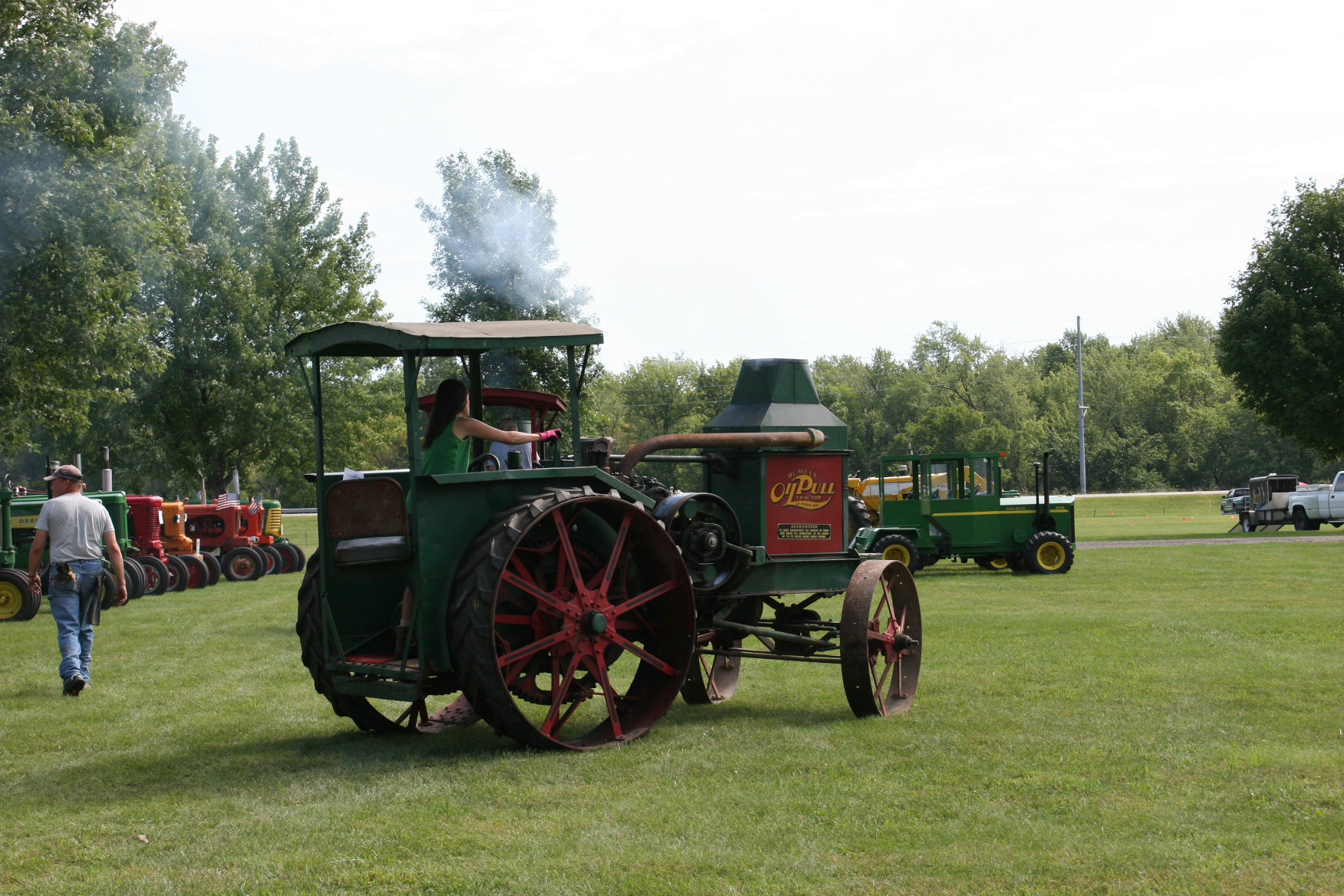
Rumely Oil Pull tractors were sold between 1910-1930. (Minnesota Prairie Roots copyrighted photo September 2022)

The tractor is the workhorse of the farm. That remains as true today as it did 50 years ago when I still lived in rural Redwood County.

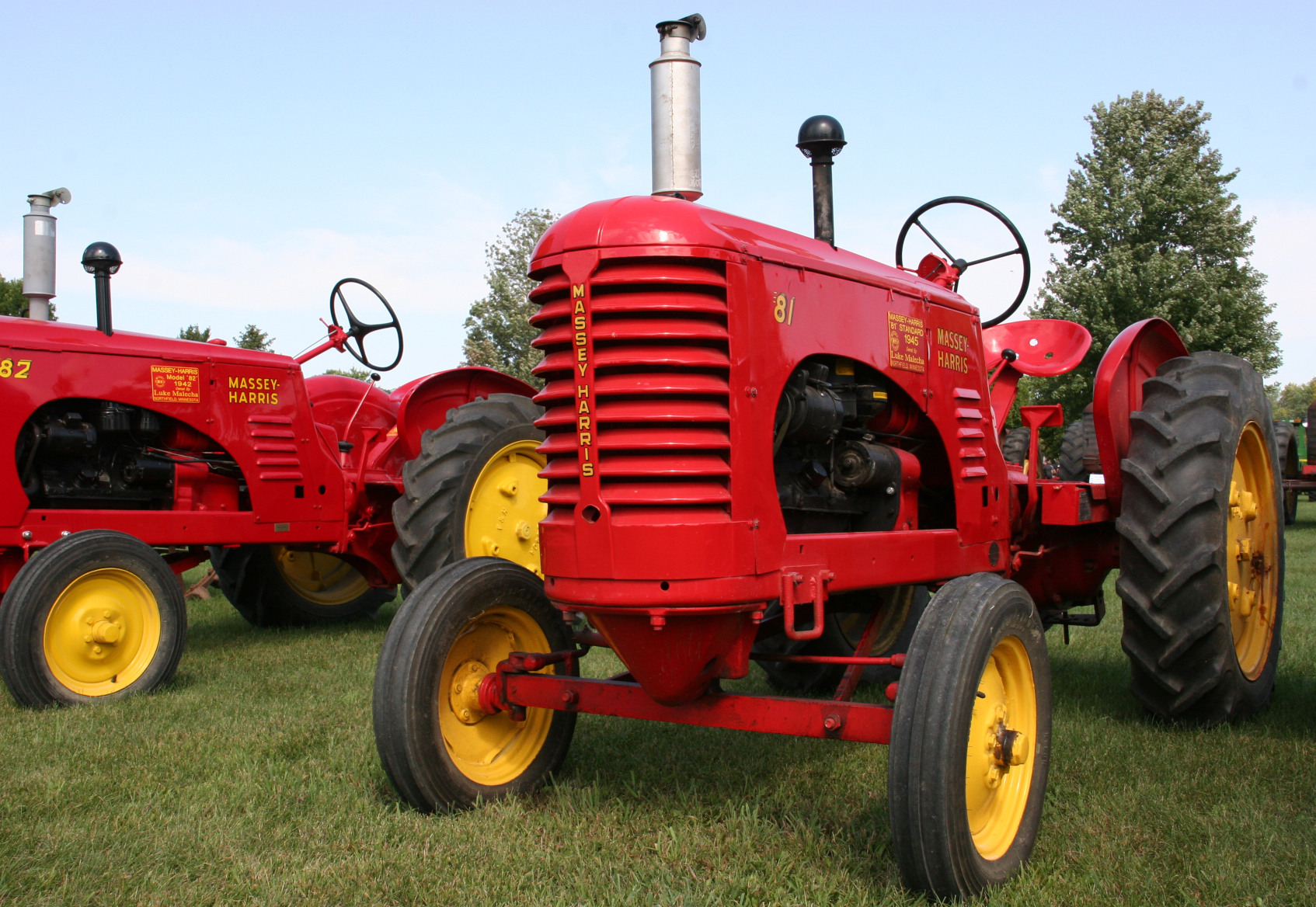
The Massey-Harris is the featured tractor at this year’s show. (Minnesota Prairie Roots copyrighted photo September 2022)

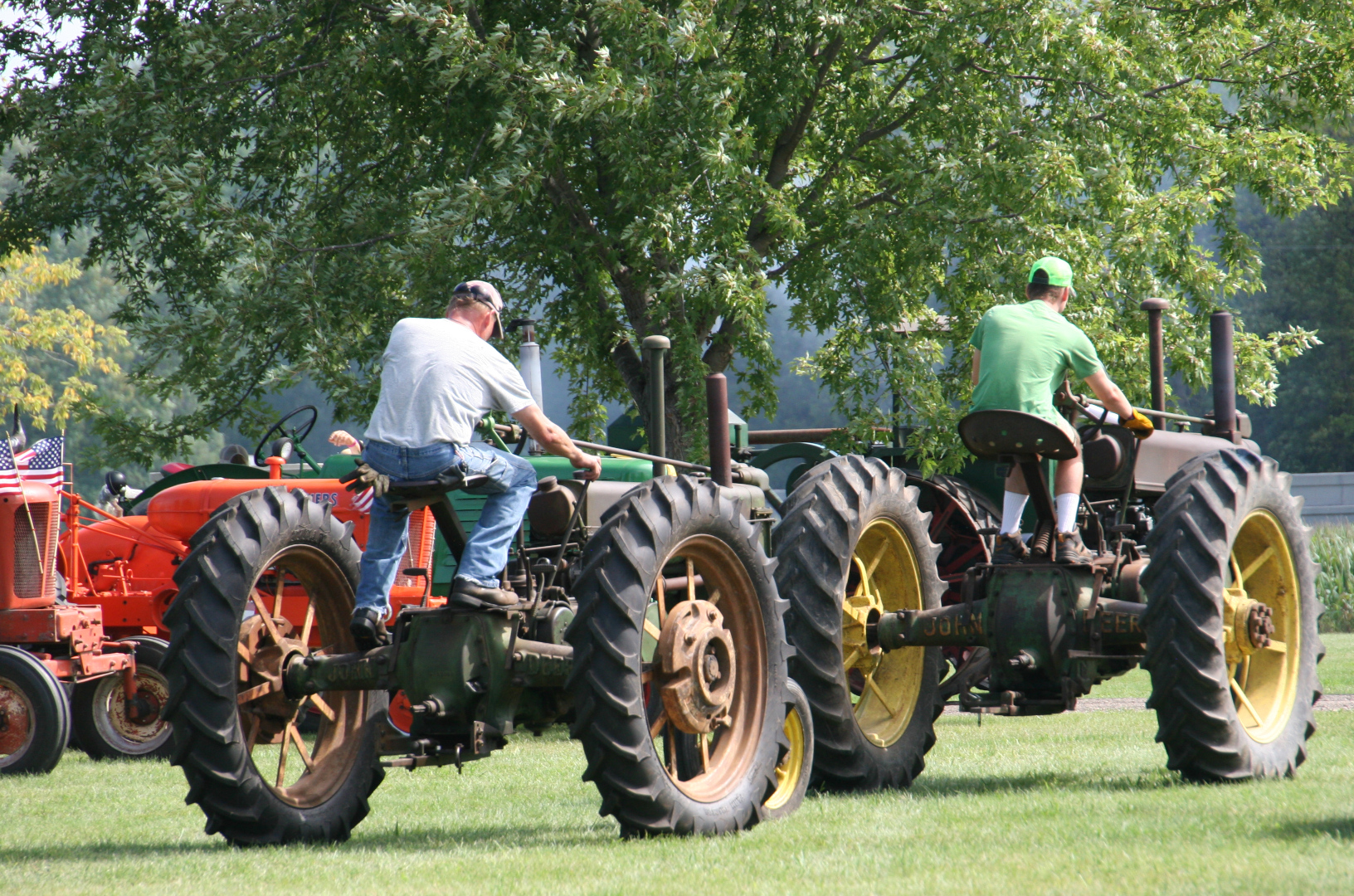
So when I attended the Rice County Steam and Gas Engines Show in rural Dundas on Friday, I began reminiscing. I expect many others did the same while meandering among the rows of vintage tractors or watching the daily high noon parade. This event is heavy on the tractors, threshing machines and farm equipment in general. And that holds appeal for those of us rooted in farms.

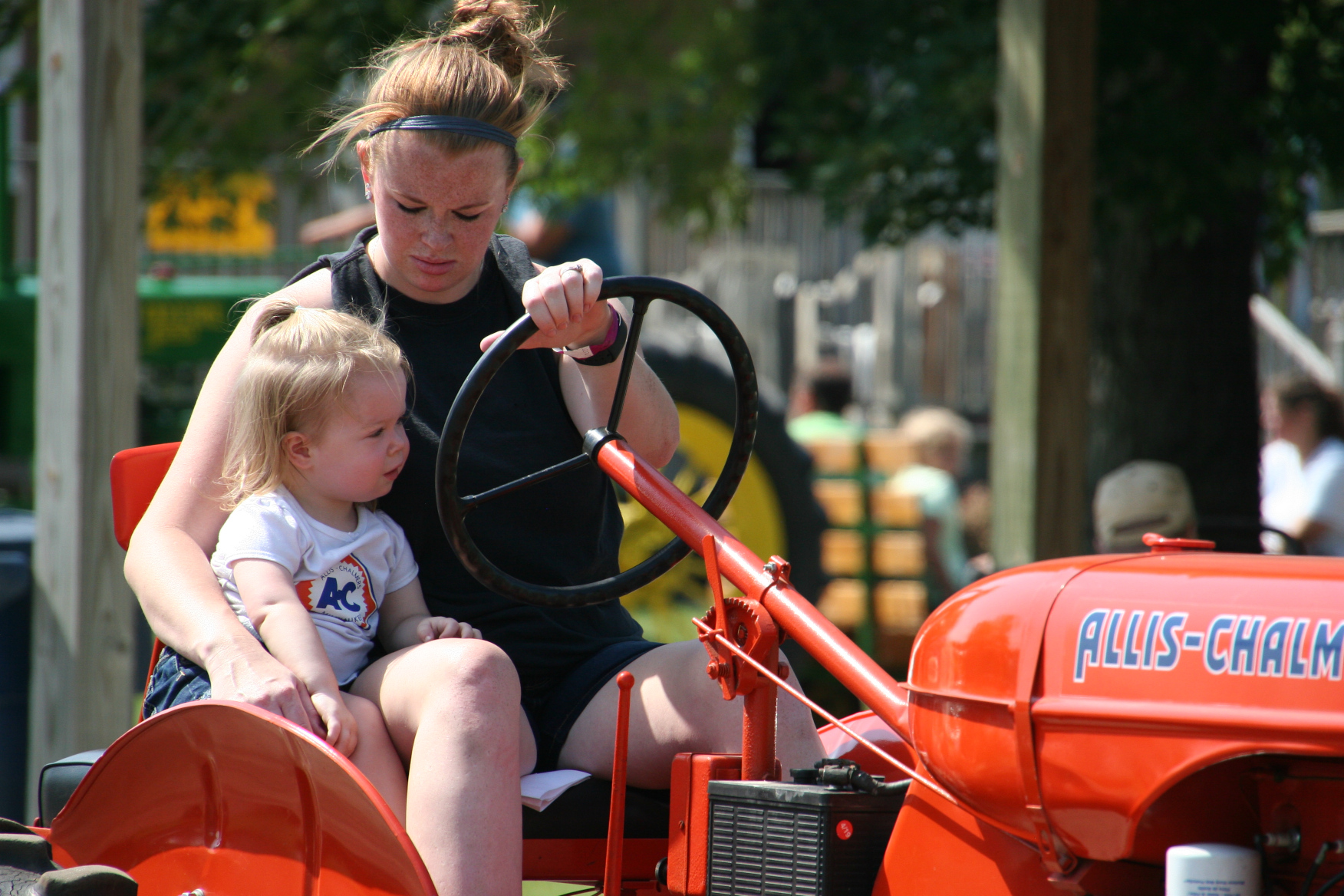
Guiding a vintage Allis Chalmers along the parade route on Friday. (Minnesota Prairie Roots copyrighted photo September 2022)

I am old enough to remember tractors without cabs, air conditioning, GPS or other technology. Instead, my dad’s tractors were shaded from the hot summer sun by an umbrella, protected from the winter cold by canvas and guided solely by the skill of hands on the steering wheel.

John Deere tractors like the one I rode in winter to catch the bus to school. (Minnesota Prairie Roots copyrighted photo September 2022)

My most memorable tractor story is that of Dad driving my brother Doug and me the mile into Vesta on the open cab John Deere in the dead of winter so we could get to school. We were both in junior high then, attending school in the county seat some 20 miles to the east. It was a particularly snowy and brutal winter, so awful that buses couldn’t venture onto rural roads to pick up students. If we could get into town, we could catch the bus at the local cafe. From there, the bus took a state highway to the school in Redwood Falls.

Not a B Farmall, but an IH tractor none-the-less. (Minnesota Prairie Roots copyrighted photo September 2022)

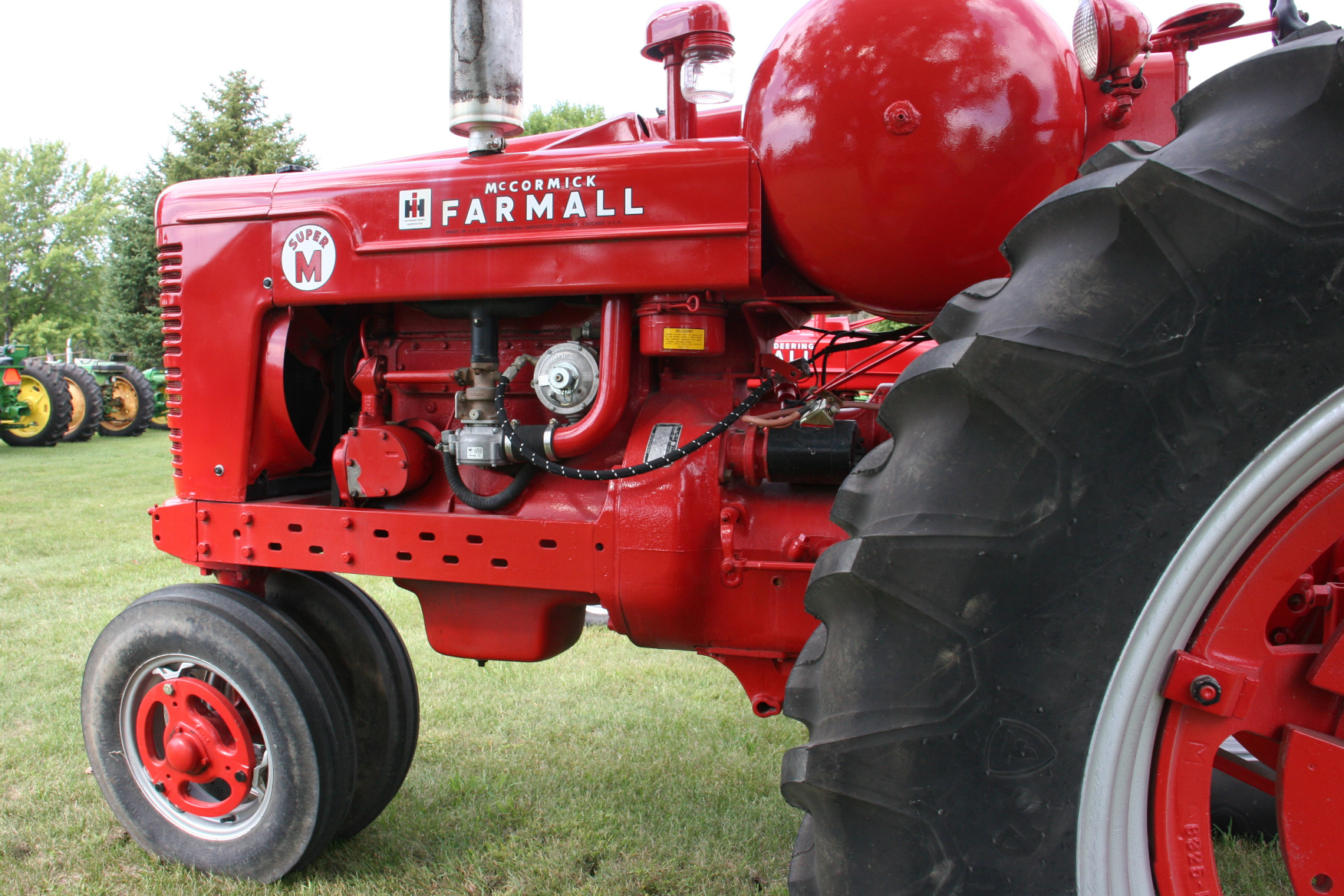
Dad wasn’t partial to any tractor brand. He owned John Deere, International Harvester and Ford tractors. The B Farmall remains my favorite as I drove that small scale IH tractor in the farmyard, pulling the flatbed trailer up to the feed bunk to unload hay for the cows.
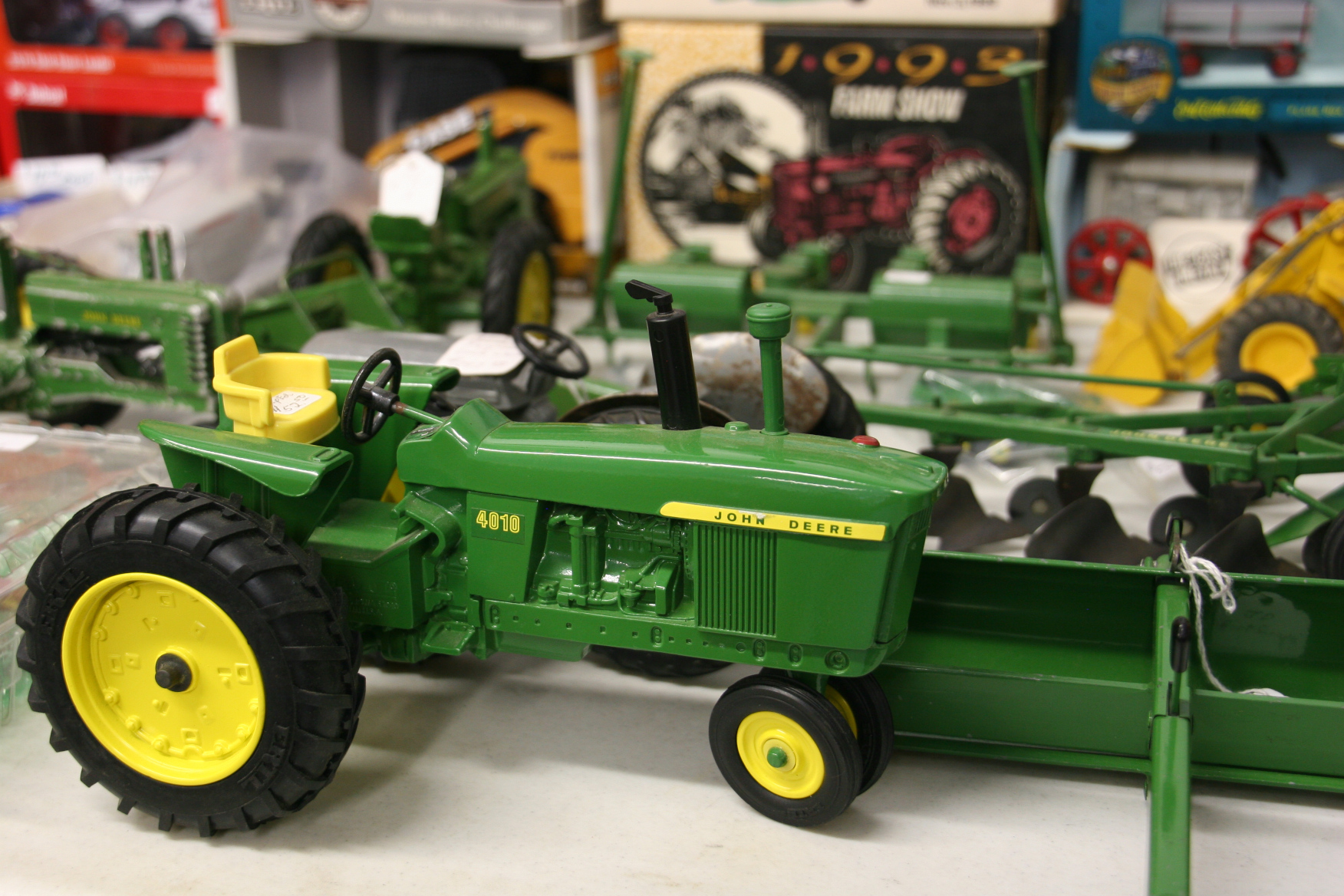
I found this toy John Deere tractor for sale from vendor Shippy’s Toys. (Minnesota Prairie Roots copyrighted photo September 2022)

John Deere likewise will always hold a special spot in my heart. I remember once a year attending John Deere Days at the farm implement dealership in Redwood Falls. That included a free meal followed by a John Deere promotional movie at the local theater. To eat ice cream from a plastic cup with a little wooden “spoon” and to see a movie on a screen were treats, not to mention the door prizes. Like silver dollars. And bags of seed corn.
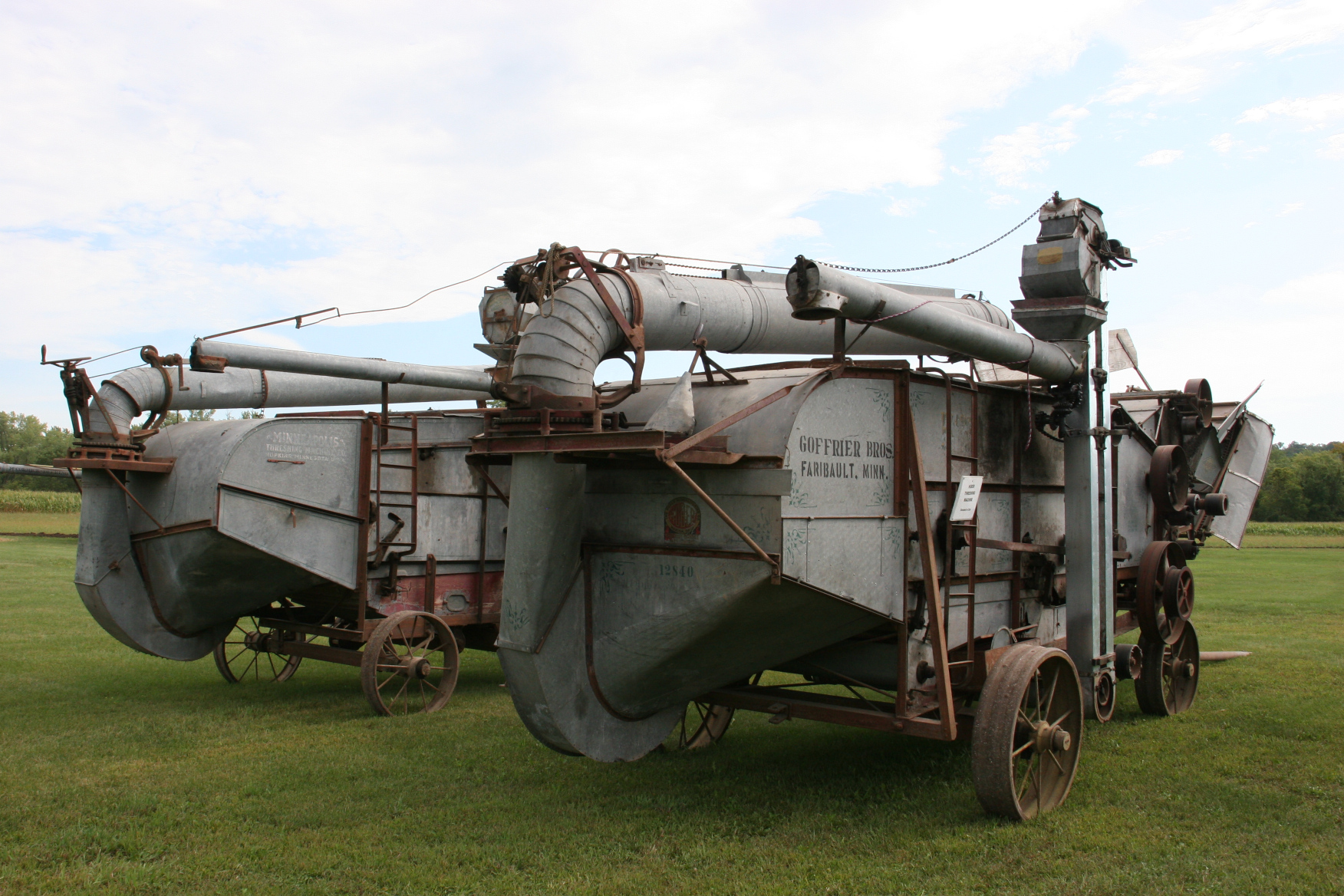
Aged threshing machines, well before my time, on exhibit. There are threshing demonstrations during the show. (Minnesota Prairie Roots copyrighted photo September 2022)
Aging has a way of making us view the past through a nostalgic lens. Yet the reality of life on the farm in the 1960s and 1970s is one of hard work and challenges. Uncontrollable factors—weather, prices and more—have always made farming a gamble. Yet, for those of us who grew up on the land, there’s an undeniable sense of hardiness within us, even decades removed from the farm.

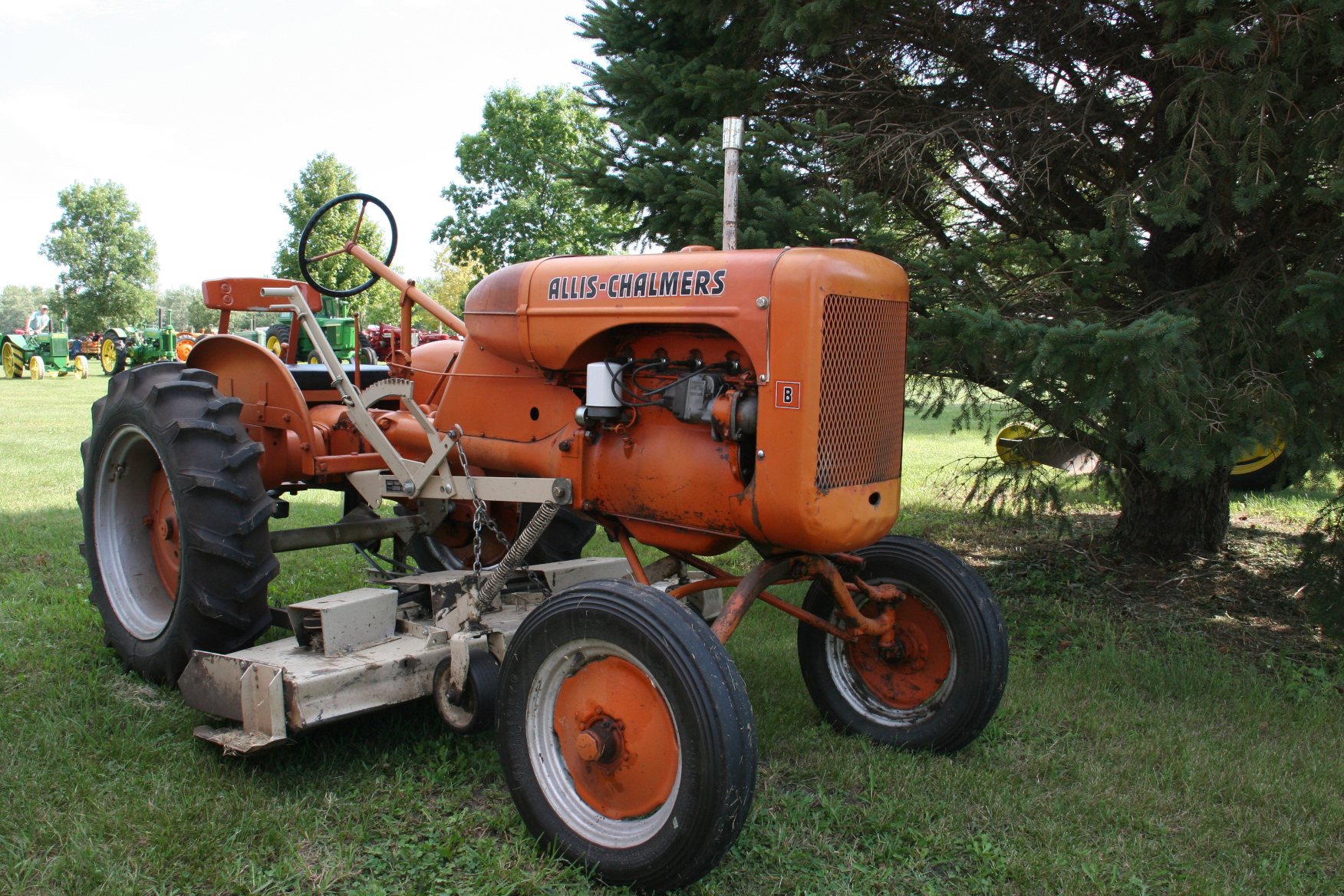
Allis Chalmers tractors are among those displayed in the field of tractors. (Minnesota Prairie Roots copyrighted photo September 2022)

When I attend an event like the Rice County Steam and Gas Engines Show, I reconnect to my past. Remembering. Appreciating. Thankful for the land and hard work that shaped me personally and professionally. I expect that’s true for many who walk the show grounds at this rural-rooted annual event in southern Minnesota.

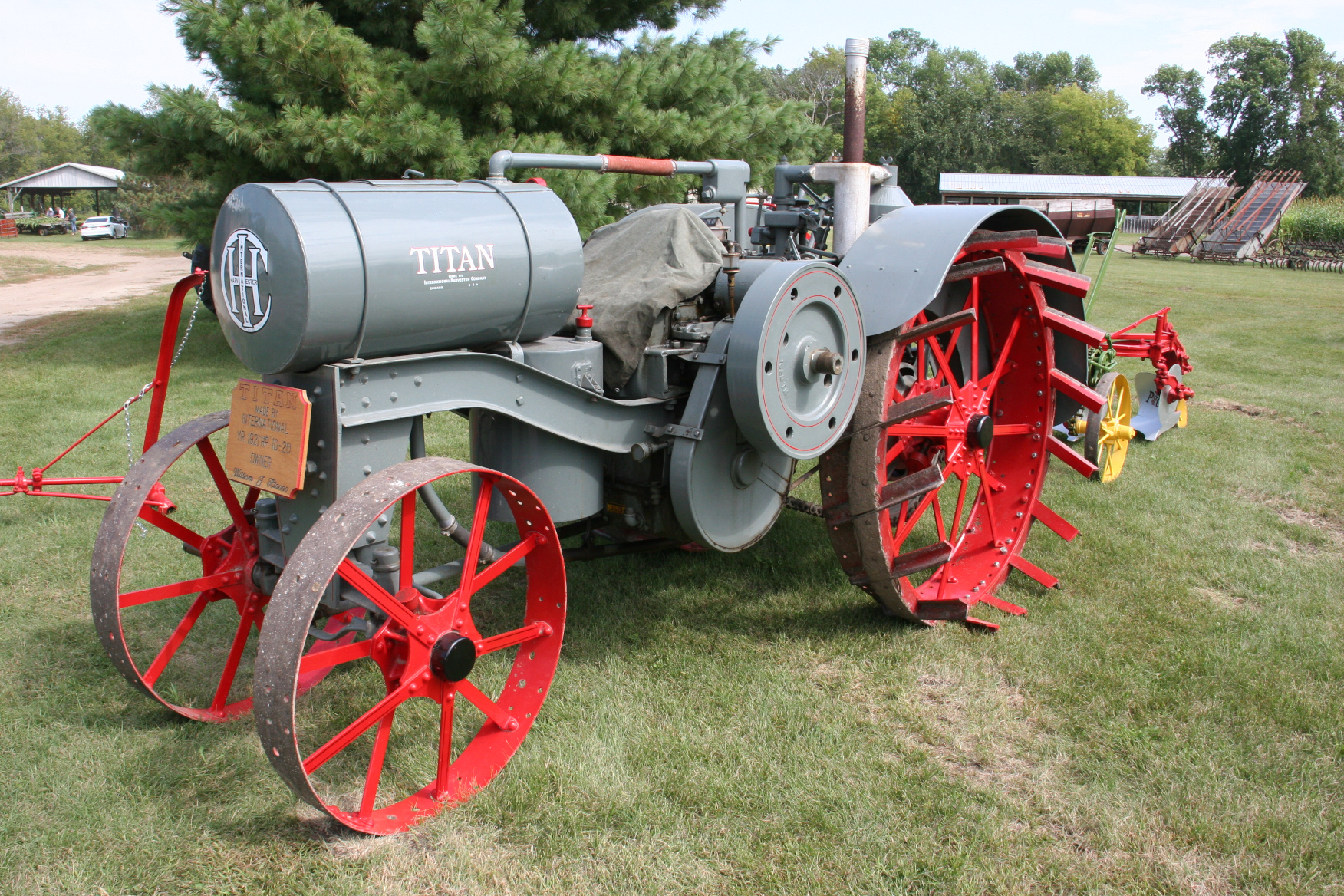
A 1921 Titan International. (Minnesota Prairie Roots copyrighted photo September 2022)

FYI: The Rice County Steam and Gas Engines Show continues today (Sunday, September 4) with gates opening at 7 am and closing at 5:30 pm on the grounds south of Dundas along Minnesota State Highway 3. For more information, visit the club website and/or read my first post on this year’s event. This show is about much more than tractors and other farm equipment.

© Copyright 2022 Audrey Kletscher Helbling