Minnesota Prairie Roots

Writing and photography by Audrey Kletscher Helbling

From proverbs to culture, native Tanzanian shares his insights & stories February 16, 2026

Joseph Mbele shares stories, proverbs and culture on February 11 at Books on Central, Faribault. (Minnesota Prairie Roots copyrighted photo February 2026)

FABLES TEACH LESSONS. Fairy tales offer happy endings. And African proverbs impart wisdom.

Last Wednesday evening, Joseph Mbele, retired St. Olaf College professor of post-colonial literature, cultural consultant, author and storyteller, shared three African proverbs during a literary event at Books on Central. This man, who calls himself an African and a Tanzanian, held the rapt attention of attendees gathered in the used bookshop in the heart of downtown Faribault, home to many Somalis.

THE CROCODILE

While I enjoyed the two African folktales Mbele told, I really appreciated the proverbs. They are, by nature of a proverb, succinct. A few words carry a whole lot of punch. First up, this proverb: “Before you cross the river, don’t insult the crocodile’s mouth.”

Immediately the image of a crocodile’s sharp teeth popped into my mind. As it should have. This proverb, Mbele explained, is about being respectful to people in our relationships and in life in general. Be anything but respectful and we risk negative consequences. Snap.

THE BLACKSMITH

Second up this African proverb: “It’s because of man that the blacksmith makes weapons.” Thinking in African terms, the weapons would be knives and spears. I thought of guns. Mbele repeated the proverb, letting it sink into our brains. “It’s because of man that the blacksmith makes weapons.” The lesson here, Mbele said, is that we can be better than this—be kind, helpful and supportive—so we don’t need to bear arms/weapons. That’s an oversimplification, of course. But proverbs are not meant to be complex.

THE VISUALLY-IMPAIRED

Third, Mbele recited this proverb: “The one-eyed person only thanked God after he saw a blind person.” As someone with vision issues, that hit home. The proverb is a way of teaching gratitude, Mbele said. The contrast between seeing with only one eye and total blindness put the situation in perspective. The thought that there’s always someone who has it worse probably flitted through the minds of everyone in the bookshop.

THE STORYTELLERS

Mbele talked about the tradition of Africans sitting around telling stories to entertain and teach. Languages like his native Matengo, an indigenous language in Tanzania, are oral, not written. As he spoke, I began to understand the importance of folktales in African life. Stories connect people and, like proverbs, teach lessons.

Applied to my own community, Mbele explained that Somali men gathering on downtown Faribault street corners are simply socializing and sharing stories and are not to be feared. “It’s un-African to be by yourself,” he said of a culture that focuses on family and togetherness.

He even went so far as to say an African could be considered evil or a witch if living alone. That surprised me, but drove home the cultural importance of community and family. Now if only everyone in Faribault could hear these proverbs and insights from this native Tanzanian. Then perhaps they would not fear that which they don’t understand, like the Somali elders gathered on street corners downtown telling stories, sharing news or simply sitting in each other’s presence.

© Copyright 2026 Audrey Kletscher Helbling


African folktales & culture focus bookshop literary event February 10, 2026

(Promo credit: Books on Central)

HE’S A MESMERIZING and engaging storyteller. He is Joseph Mbele, retired professor of post-colonial literature at St. Olaf College in Northfield, cultural consultant and author.

And Wednesday, February 11, at 6 p.m., Mbele will be the featured speaker at a free literary event at Books on Central, a volunteer-run used bookshop of the Rice County Area United Way. Located in the heart of historic downtown Faribault, home to many Somali immigrants and refugees, the bookshop seems a fitting place for Mbele to talk about the living tradition of African folktales and the role of the storyteller. Somali men gather on street corners in downtown Faribault to share stories and news.

I’ve heard Mbele speak at this bookshop previously. I absolutely cannot say enough positive things about the warm way he connects with the audience, the way he uses stories to teach, the way he genuinely cares about bridging cultural differences.

Love this book by Joseph Mbele.

As an author, his writing carries that same compassionate, culturally-connective message. He’s written Africans and Americans: Embracing Cultural Differences, Chickens in the Bus: More Thoughts on Cultural Differences, and Matengo Folktales.

Mbele knows of what he speaks and writes. Born in rural Tanzania, he studied and taught at a public university there; earned a PhD in African Language and Literature from the University of Wisconsin—Madison; and eventually landed in the English department of St. Olaf College in 1991.

His visit to Books on Central on Wednesday evening presents an opportunity to learn from a gifted storyteller about African folktales and culture in a comfortable setting back-dropped by shelves of books.

© Copyright 2026 Audrey Kletscher Helbling

 

Chris Norbury’s newest book, this one for young adults, proves another excellent read August 13, 2024

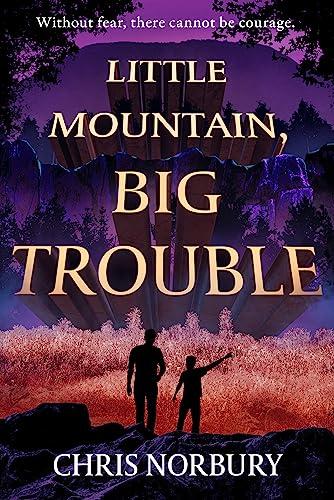
Cover image sourced online.

WE CAN ALL USE some encouragement, no matter our age. And that’s exactly what you’ll find in “Little Mountain, Big Trouble,” a debut young adult novel by Owatonna writer Chris Norbury.

I don’t typically read fiction written for youth. But when I met Norbury this summer at Faribault’s Heritage Days and learned about his latest book, I knew I had to read it. I’m a fan of Norbury’s writing. He’s the author of three books in the Matt Lanier mystery/suspense/thriller series. All are set in Minnesota, which makes them even more appealing to me.

Given the differences in writing mysteries for adults versus fiction for youth, I wondered if Norbury could pull it off. He did, and so well that I wanted to continue reading “Little Mountain, Big Trouble” one evening well past my bed-time. That, in my opinion, is the sign of a good book.

BULLIED

The story centers around 12-year-old Eduardo, or EJ, who’s unpopular, bullied, short and at that awkward middle school age with its uncertainties, peer pressure and insecurities. Toss in poverty, a broken family and other challenges and you have a relatable read. I imagine many middle or high schoolers can empathize with EJ’s pain, struggles and lack of confidence. Even I, decades removed from junior high school, felt difficult memories of bullying surge back. Some things you just never forget. I still carry the pain of name-calling with me. But, because of that, I lean into compassion, understanding, empathy and kindness.

BIG BROTHER, LITTLE BROTHER

Norbury’s book is filled with all of that, too, no surprise given his experiences as a Big Brother. In real life, he mentored boys through Big Brothers Big Sisters of Southern Minnesota and now donates a portion of his book sale proceeds to the organization. When we met, Norbury enthused about the program and how much his “little brothers” meant, still mean, to him.

In “Little Mountain, Big Trouble,” main character EJ is paired with Big Brother, Russ. That relationship focuses the story-line as the chapters unfold. Although a disclaimer at the front of the book assures the content is fictional, I understand that, as a writer, our writing is influenced by what we’ve lived or observed.

CLIMBING MOUNTAINS

It takes EJ a while to trust Russ, to realize that his Big Brother is not perfect and is there to support him. Russ doesn’t talk down to EJ, but rather listens to and encourages him, like they are equals in many ways. Eventually, EJ opens up about his goal to become a mountain climber. At this point, I wondered what Norbury was thinking by writing that into the plot. A Minnesota kid with no mountain climbing background wanting to climb Mount Everest?

Russ doesn’t dismiss EJ’s dream as insurmountable. Rather, he breaks the goal down into doable steps, starting first with training and then climbing Eagle Mountain. That mountain is real, the highest point in Minnesota, with much of the hiking trail to the summit running through the Boundary Waters Canoe Area Wilderness.

ANXIOUS AND WORRIED

And that is where EJ and Russ end up, heading up, then down, the mountain. And this is where the tension thickens to the point that I am feeling anxious and worried. To elicit that response in the reader shows Norbury’s skills as a writer. The duo face challenges that test their strength and endurance, even threaten Russ’ life.

WE ALL NEED SOMEONE

I won’t spoil the book by revealing the outcome of that mountain hike. But know that the book ends in a heart-warming way. EJ has developed confidence, gained the acceptance and respect of his peers, and grown to understand that he can overcome, and do, anything. Sometimes it just takes someone, like Russ, believing in you and cheering you on, just as I expect Chris Norbury did for his little brothers.

© Copyright 2024 Audrey Kletscher Helbling
 

From Plainview: Jon Hassler’s “the village in the corn” June 15, 2022

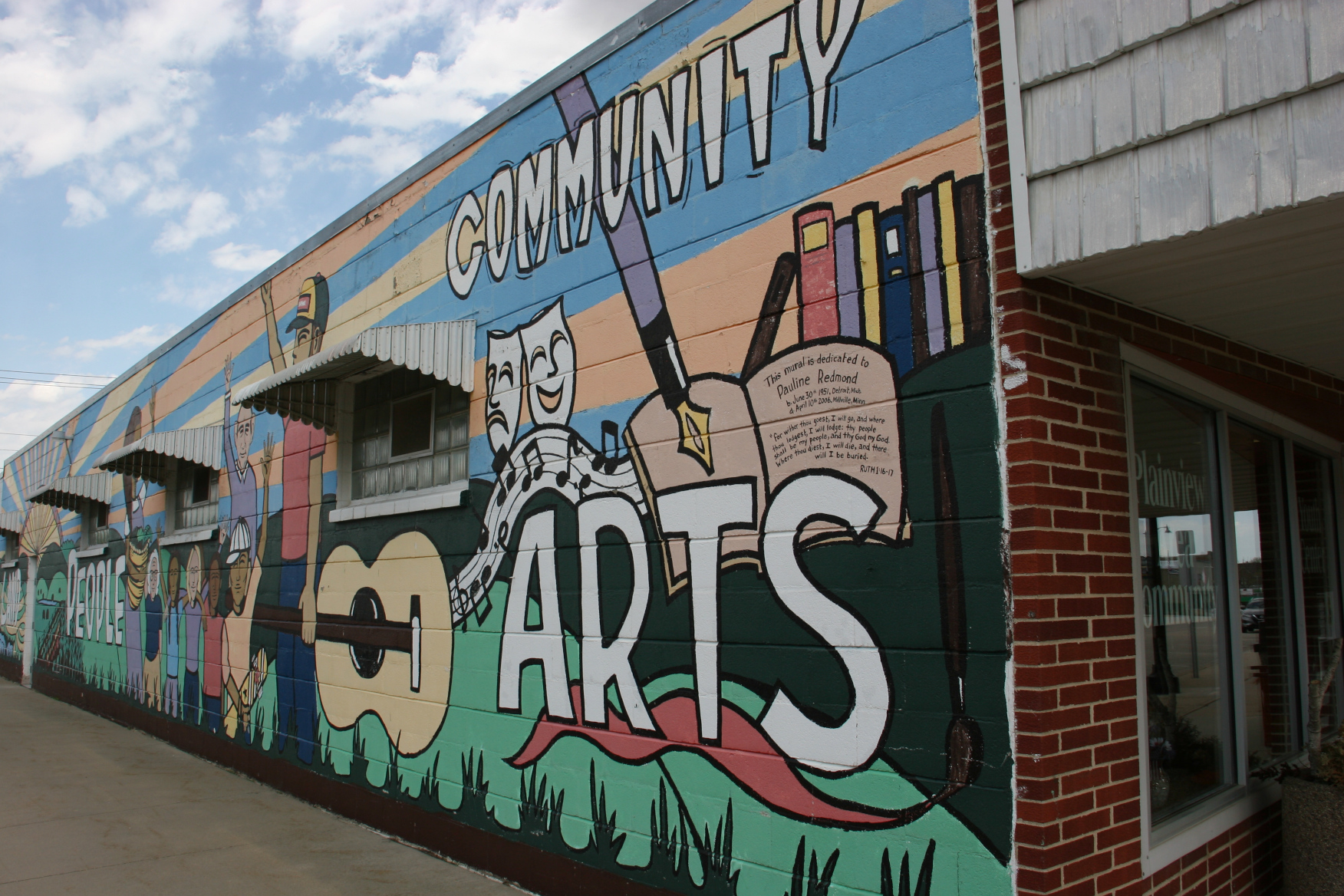
A portion of the Plainview mural. (Minnesota Prairie Roots copyrighted photo May 2022)

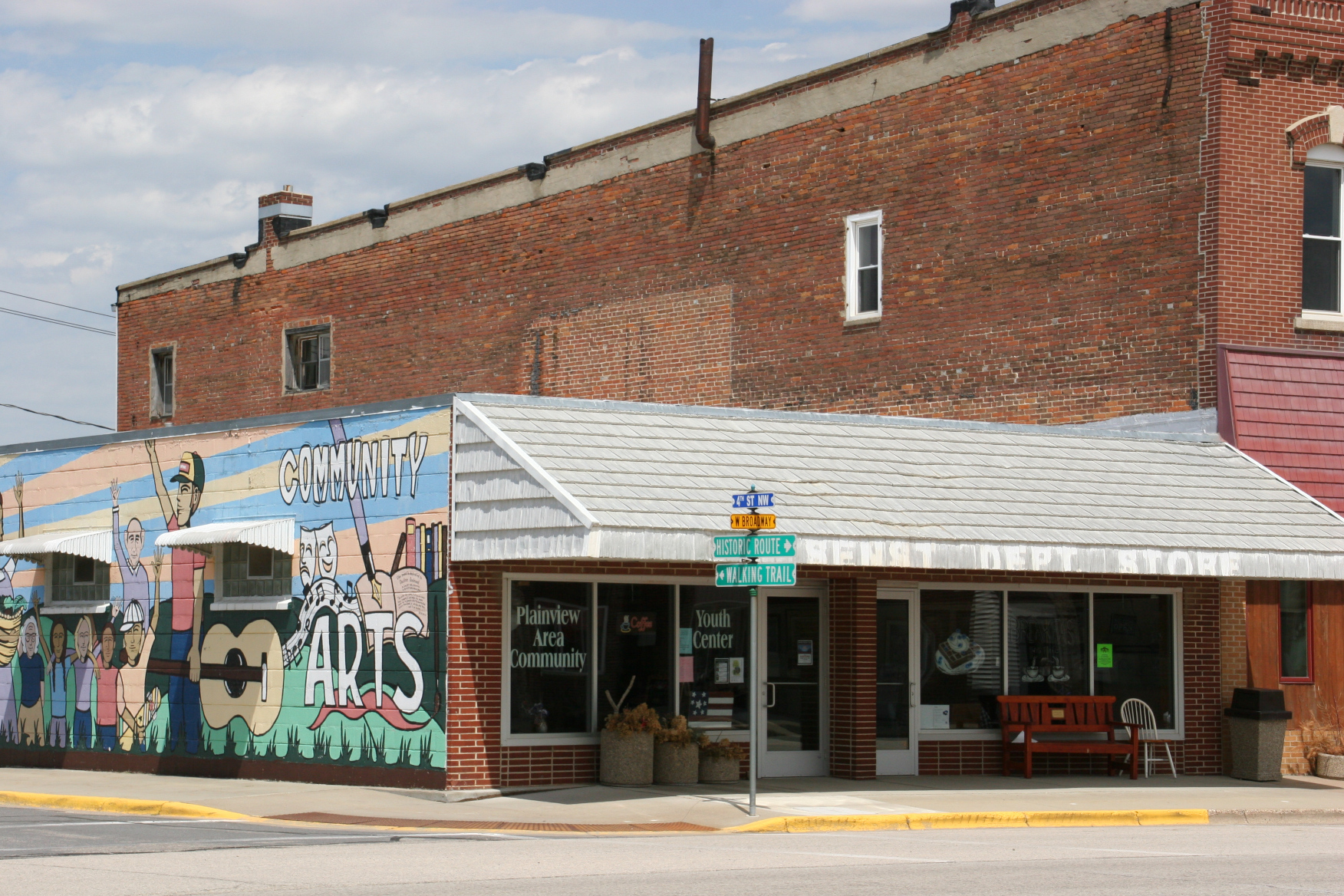
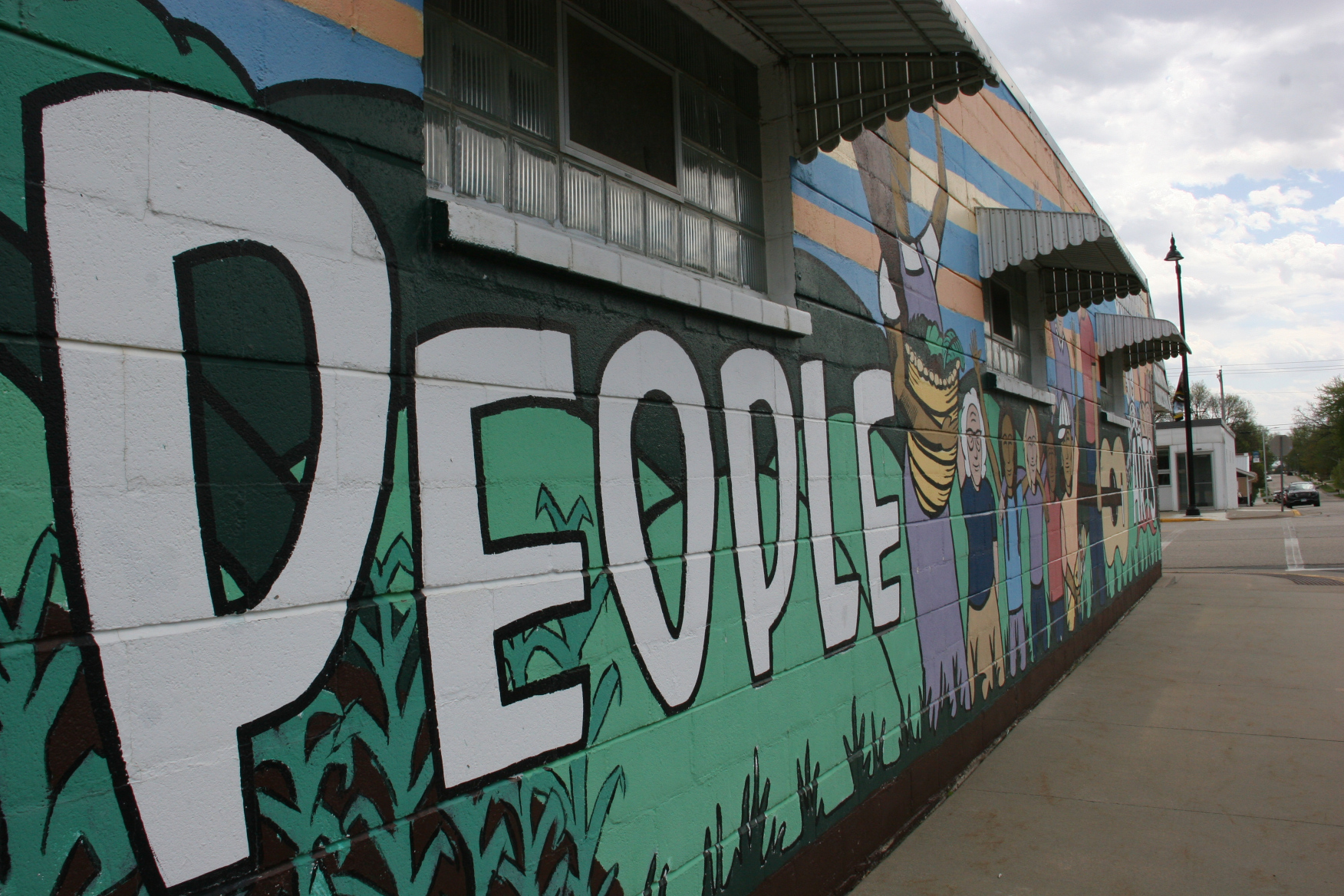
LAND. PEOPLE. ARTS. COMMUNITY. Those words theme a public mural stretching across the Plainview Area Community and Youth Center in the heart of this southeastern Minnesota small town.

The mural graces a wall of the community center, across the street from the former Jon Hassler Theater. (Minnesota Prairie Roots copyrighted photo May 2022)

I remember the mural from my last visit here in 2013. I appreciate this public art now as much as I did then, for art can reveal much about a place.

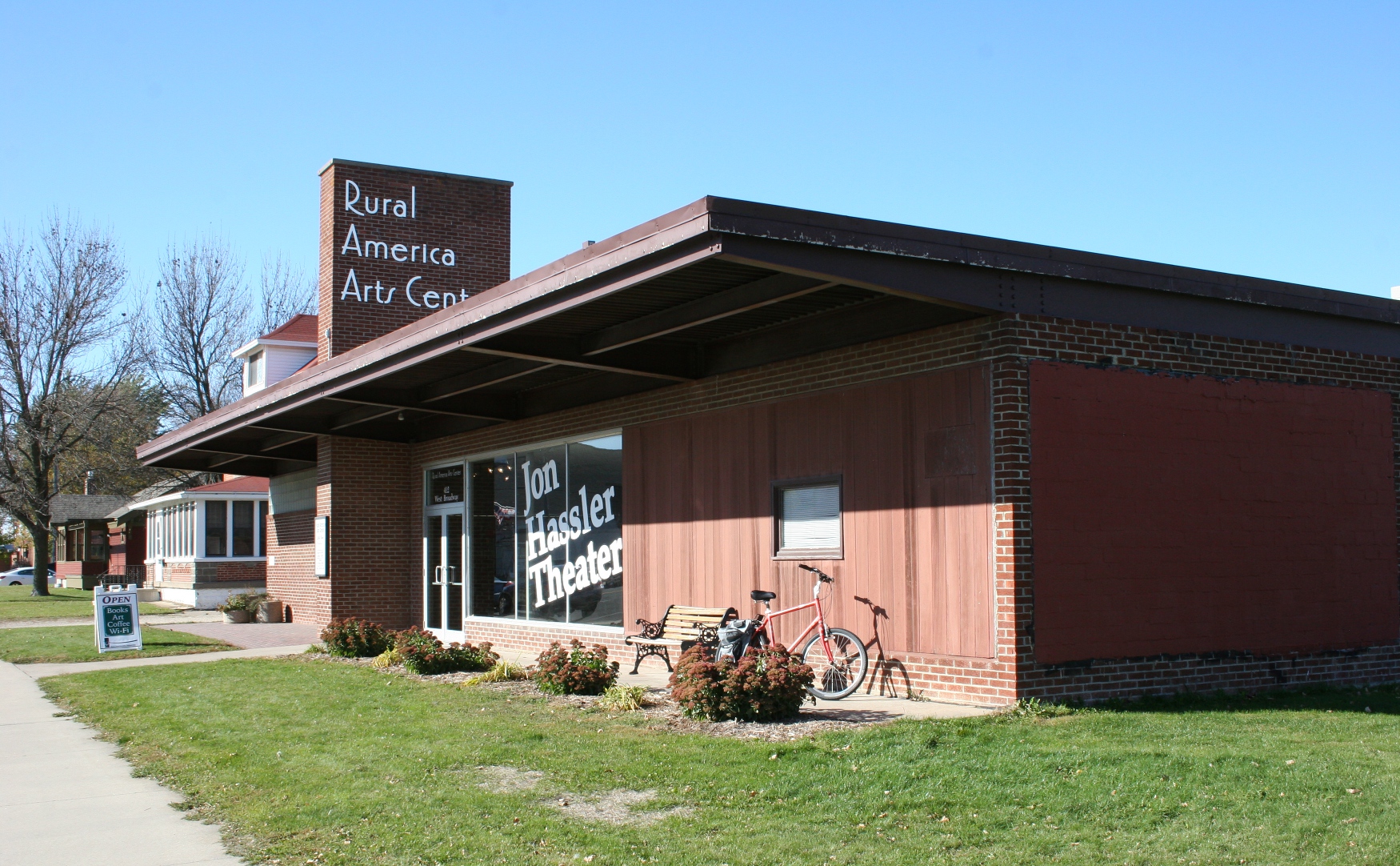
In the heart of the community, the Jon Hassler Theater and Rural America Arts Center, now closed. (Minnesota Prairie Roots copyrighted file photo November 2013)

While Plainview has lost some of its “arts” character with closure of the Jon Hassler Theater and Rural America Arts Center, it will always claim title (along with Staples) as the boyhood home (s) of noted Minnesota writer Jon Hassler. He moved to Plainview with his parents at the age of 10, remaining there until shortly after his 1951 high school graduation.

Hassler’s Grand Opening is based on Plainview.

Hassler, one of Minnesota’s most-beloved authors, focused his fiction on small town life. That includes Grand Opening, a novel based on Plainview. As in real life, the main character’s parents buy a run-down grocery store in rural Minnesota.

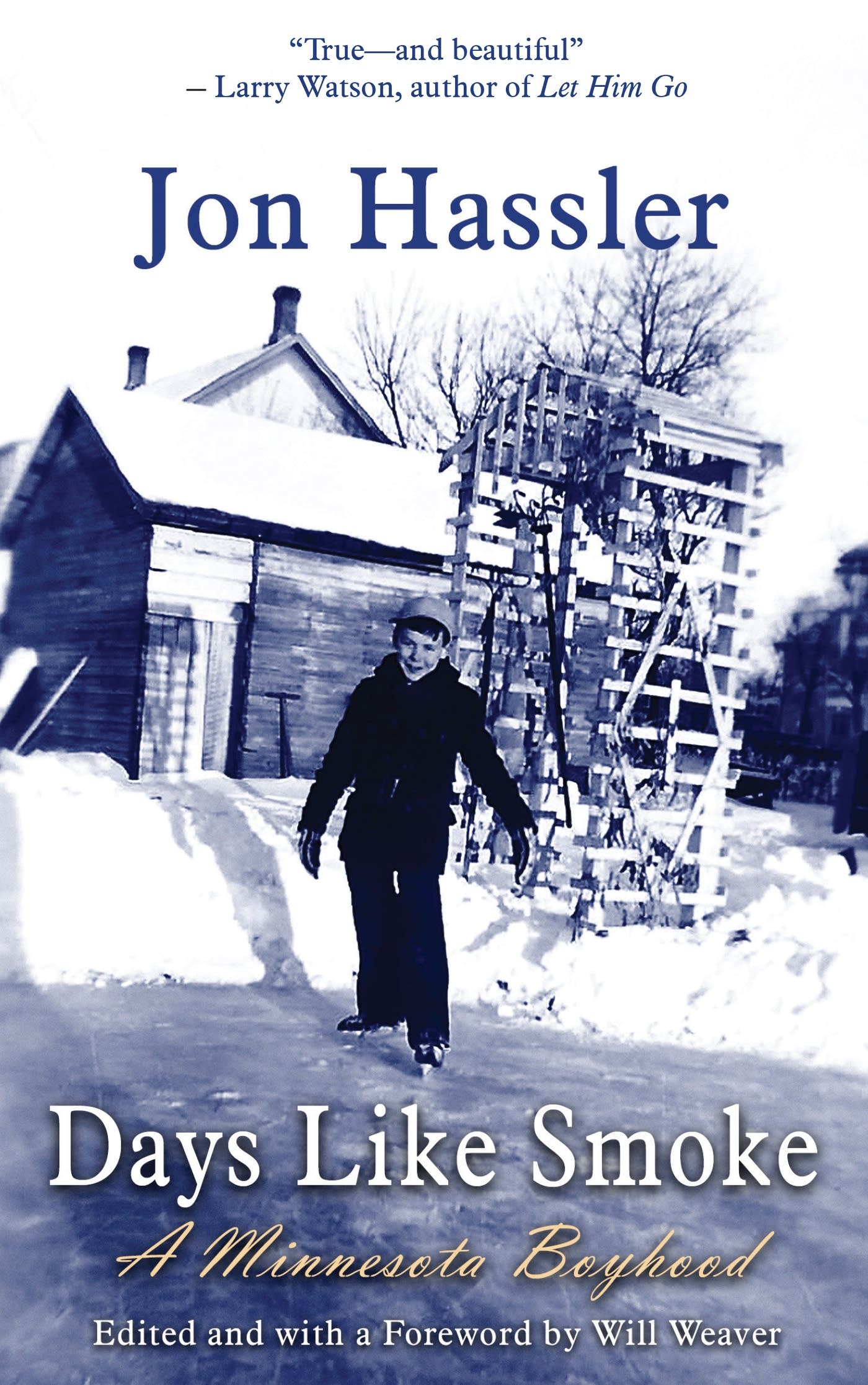
Source: Afton Press

While I have not yet read Grand Opening, I just finished Days Like Smoke, A Minnesota Boyhood. This is Hassler’s memoir, a manuscript published by Afton Press in 2021, many years after the author’s 2008 death. Edited by friend Will Weaver, another well-known Minnesota writer, this slim volume offers insights into Plainview, into Hassler’s experiences there and how that shaped his writing. He credits his parents’ Red Owl Grocery Store as the training grounds for his writing, the place where he acquired the latent qualities necessary to the novelist. In that grocery store, Hassler stocked shelves, ground coffee, interacted with and observed customers, and more.

The land (farming) is integral to the economy of Plainview, which is surrounded by corn and soybean fields. (Minnesota Prairie Roots copyrighted photo May 2022)

This sentence in Hassler’s memoir is so telling of the influence Plainview had on his writing: I see the villagers passing along the checkout counter like the cast of characters they eventually turned out to be in my novel about this village in the corn. I love that phrase, “village in the corn,” for it fits agriculturally-based Plainview. The community is home to food processors, Plainview Milk Products Cooperative and Lakeside Foods, and celebrates Corn on the Cob Days each summer. Farming centers the local economy.

Two of the people featured on the mural. (Minnesota Prairie Roots copyrighted photo May 2022)

It’s the people, though, including the characters, who truly define community. And Hassler shares plenty from Plainview, where he lived across from the stockyards for awhile, tried to derail a train, played high school football for the Gophers, watched endless movies at the Gem Theater, bloodied the nose of a third grader, sat at the bedside of his dying 11-year-old friend, biked to the bluffs along the Whitewater River to camp and fish, served as an altar boy…

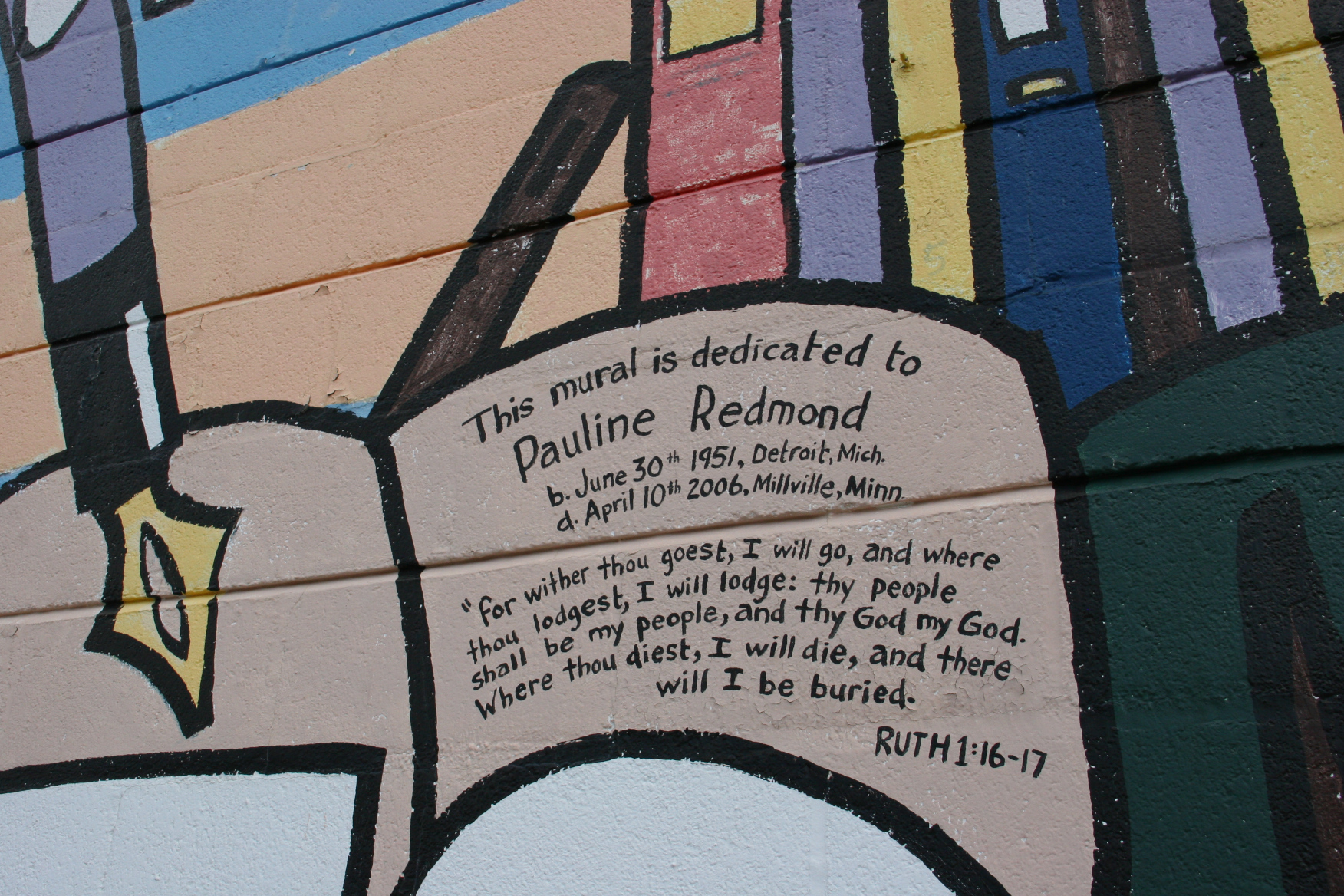
The mural includes a faith-based dedication to Pauline Redmond. She co-owned the North Country Anvil Magazine/Anvil Press with her husband, Jack Miller. (Minnesota Prairie Roots copyrighted photo May 2022)

In his memoir, Hassler remembers St. Joachim’s Catholic Church and Immanuel Lutheran Church standing as sentinels of the soul at opposite ends of Main Street. That’s such an insightful visual. Hassler valued his Catholic upbringing and faith throughout his life. But he also admits in his memoir to the strong current of religious animosity running under the surface of daily life in the village of my youth between Catholics and Lutherans. This comes as no surprise to me, growing up in rural Minnesota with the same denominational tension.

People also define place as noted on the mural. (Minnesota Prairie Roots copyrighted photo May 2022)

It was that undercurrent—specifically the defeat of Hassler’s father in a school board election—which ultimately caused Hassler’s parents to leave Plainview and return to Staples. He writes: I, newly graduated from high school, loved Plainview too dearly to follow them.

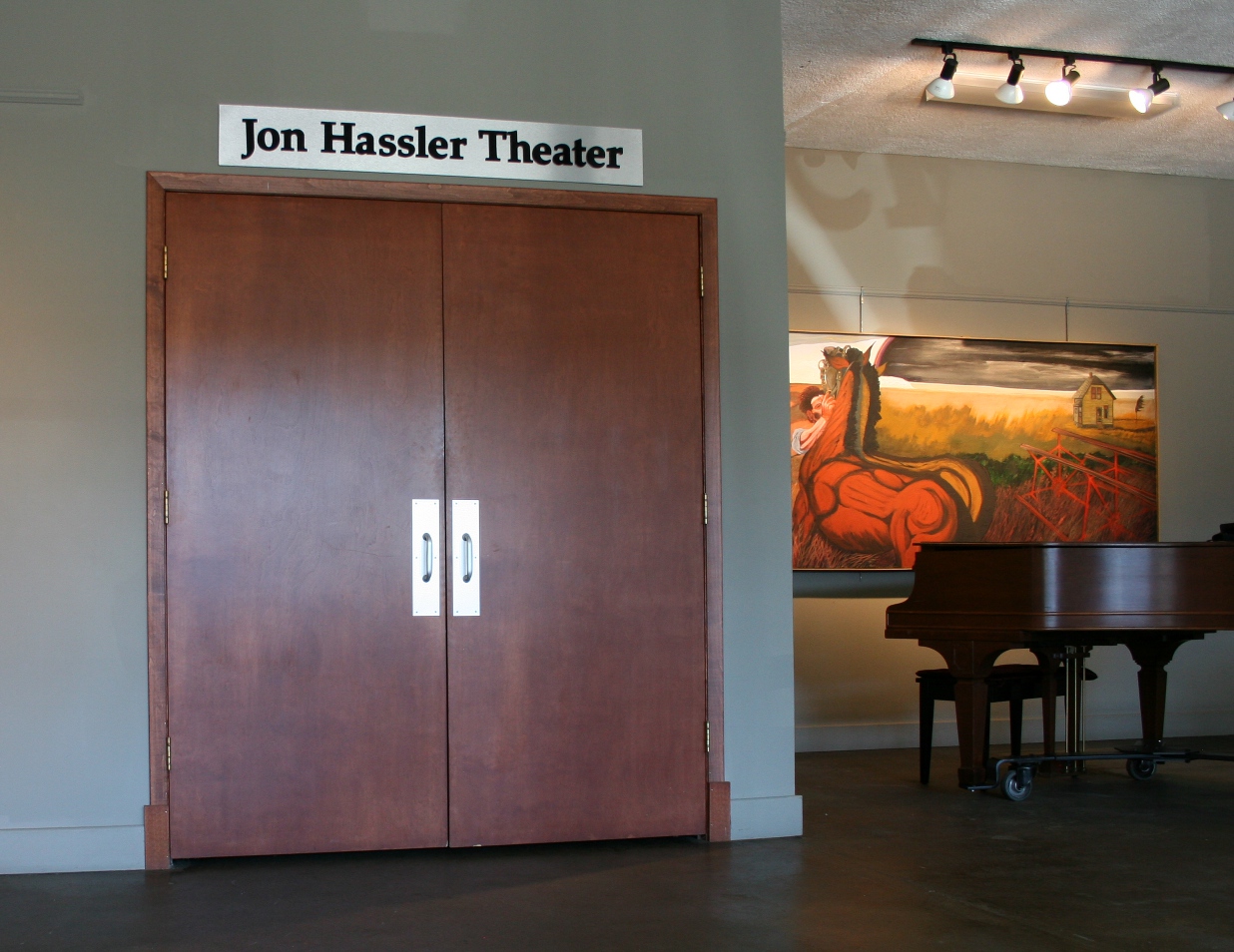
The interior entrance to the Jon Hassler Theater, photographed during a 2013 visit to Plainview. (Minnesota Prairie Roots copyrighted file photo November 2013)

Hassler’s love for Plainview endured, long after he left to attend college, then to teach, then to write and then to retire in 1997 after 17 years as writer-in-residence at Saint John’s University. Visit Plainview today and you get a strong sense of the place that shaped this writer. While businesses and people have come and gone, at its core, this remains “the village in the corn.”

TELL ME: Have you read any of Jon Hassler’s 12 novels or his nonfiction? I’d love to hear your take on his writing and what books you recommend.

Please check back for more posts from Plainview next week. Be sure to read my previous posts on Plainview published this week.

© Copyright 2022 Audrey Kletscher Helbling


Laura fans: Walnut Grove pageant needs financial help after flash flooding July 13, 2018

Minnesota Prairie Roots file photo of the pageant site along the banks of Plum Creek taken several years ago..


WALNUT GROVE AND LAURA INGALLS WILDER. The two are synonymous. Wilder brought notoriety to this small southwestern Minnesota prairie community with her Little House books. The town embraces the author in its summer-time productions of The Laura Ingalls Wilder Pageant. Staged in an outdoor amphitheater along the banks of Plum Creek, the pageant brings Wilder’s prairie stories to life. It’s a top-notch show that I’ve seen twice.


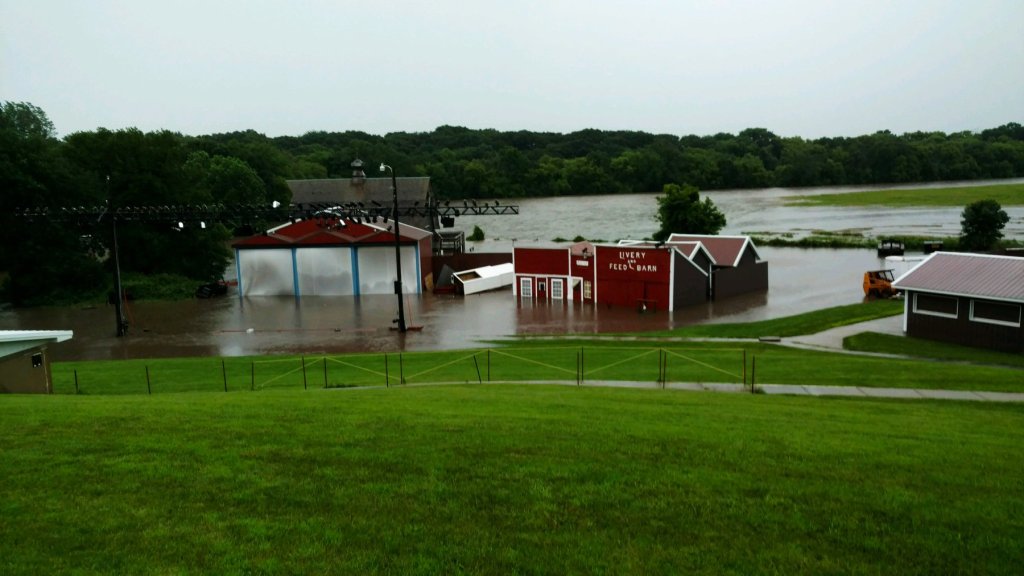
Plum Creek floods the pageant grounds following torrential rain. Photo source: Laura Ingalls Wilder Pageant Facebook page.


But now the Wilder Pageant Committee needs financial help to deal with damage caused by early July flash floods that ravaged southwestern Minnesota, including the creek-side performance site. Shows were canceled because of the flood. Volunteers worked hard to clean up the mess so the show could reopen on July 12 with added performances.


Native prairie plants, like black-eyed Susan and coneflowers, are featured on a mural in the heart of Walnut Grove. Minnesota Prairie Roots file photo.


I love that about small towns—the coming together to get a job done. The people of Walnut Grove understand the value of Laura Ingalls Wilder to the local economy. And they are determined that the Big Flood on the Prairie will not stop the show despite damage to sets, costumes, sound and light equipment, and site access roads.


Flood clean-up. Photo source: Laura Ingalls Wilder Pageant Facebook page.


A gofundme page has been set up to help pay for maintenance to aging and flood-damaged facilities. The goal is $30,000. Please consider donating and spread the word.


Photo source: Laura Ingalls Wilder Pageant Facebook page.


I am a mega fan of Wilder’s descriptive writing. That she lived in a dugout on the banks of Plum Creek in my native Redwood County, on my beloved prairie, endears me even more to this author.


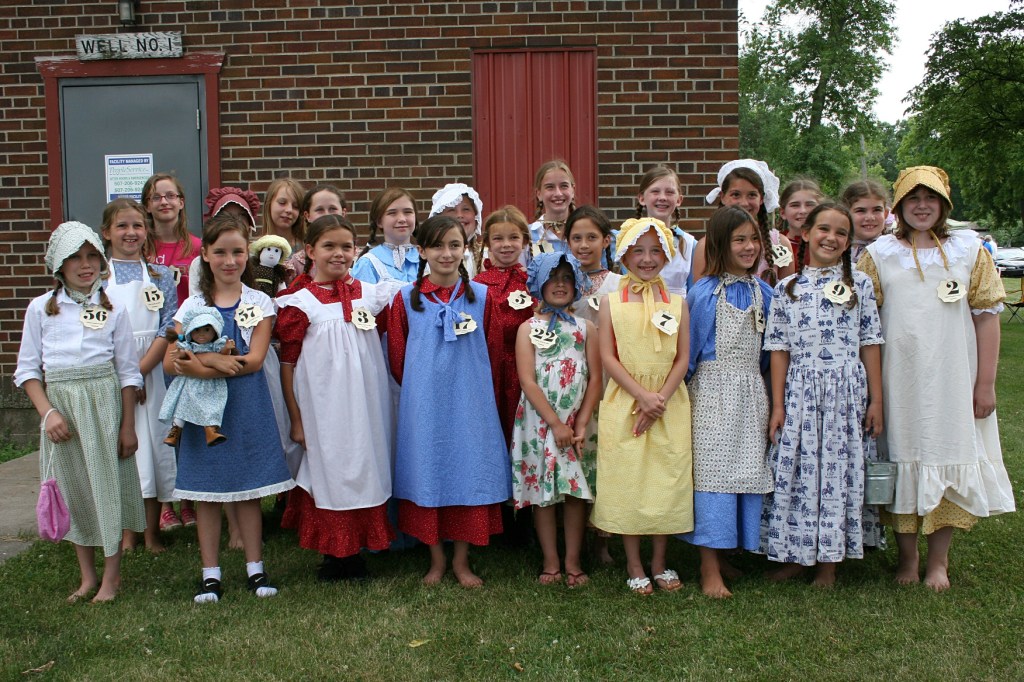
Laura Look-A-Like contestants gather for a group shot in the park several years ago. Minnesota Prairie Roots file photo.


To all the wonderful folks in Walnut Grove and surrounding area, thank you for your tireless efforts to welcome Laura fans from around the world to your community. Even after a devastating flood.


Period attire is common among young Laura fans visiting Walnut Grove. Minnesota Prairie Roots file photo.


CLICK HERE to reach the gofundme page and learn more.

NOTE: The Ingalls dugout site is temporarily closed due to flooding.

BUT the Laura Ingalls Wilder Museum in Walnut Grove is open.

Copyright 2018 Audrey Kletscher Helbling
 

Attention, Laura Ingalls Wilder fans: A new must-read book by Marta McDowell September 21, 2017


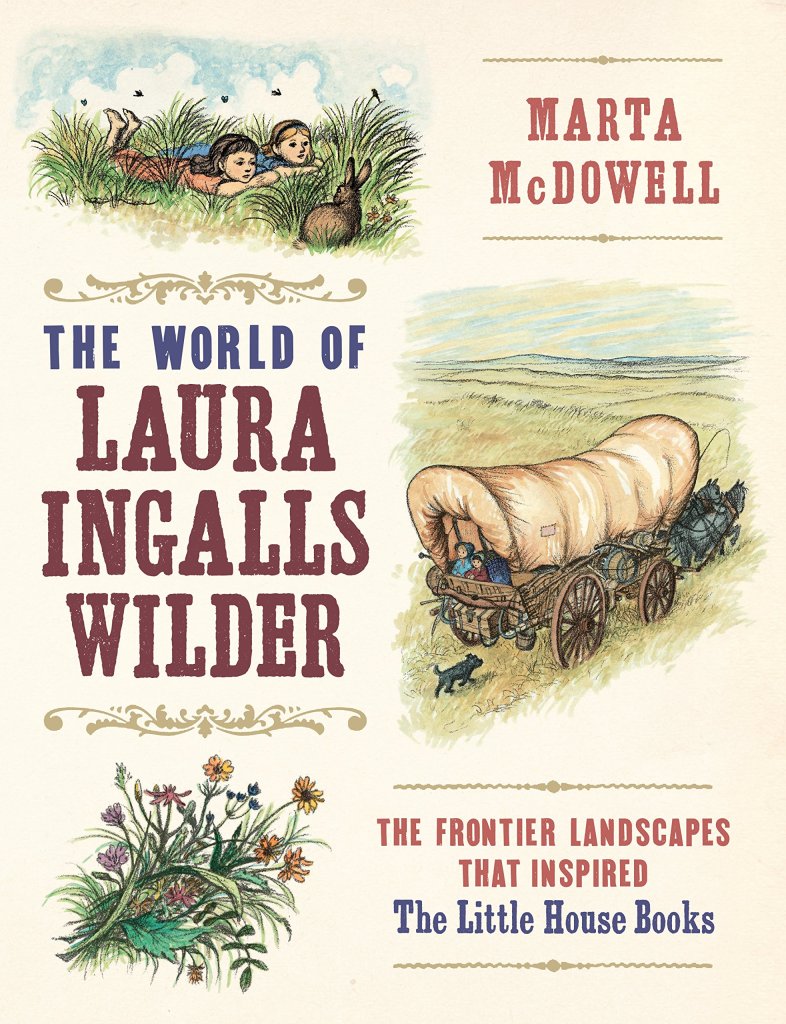
WHEN A PACKAGE LANDED on my front doorstep some 10 days ago, I wondered about its content. I hadn’t ordered anything. But inside I found a newly-released book, The World of Laura Ingalls Wilder: The Frontier Landscapes That Inspired The Little House Books.

Ah, yes, I had been expecting this. Sort of. But I’d forgotten about the book by bestselling author Marta McDowell that includes three of my photos. More than a year had passed since Marta and I connected.

Now I was holding the results of this New Jersey writer’s intensive research, multi-state visits and hours of writing. It’s an impressive book for the information and the art published therein on the places and plants in the life of author Laura Ingalls Wilder.


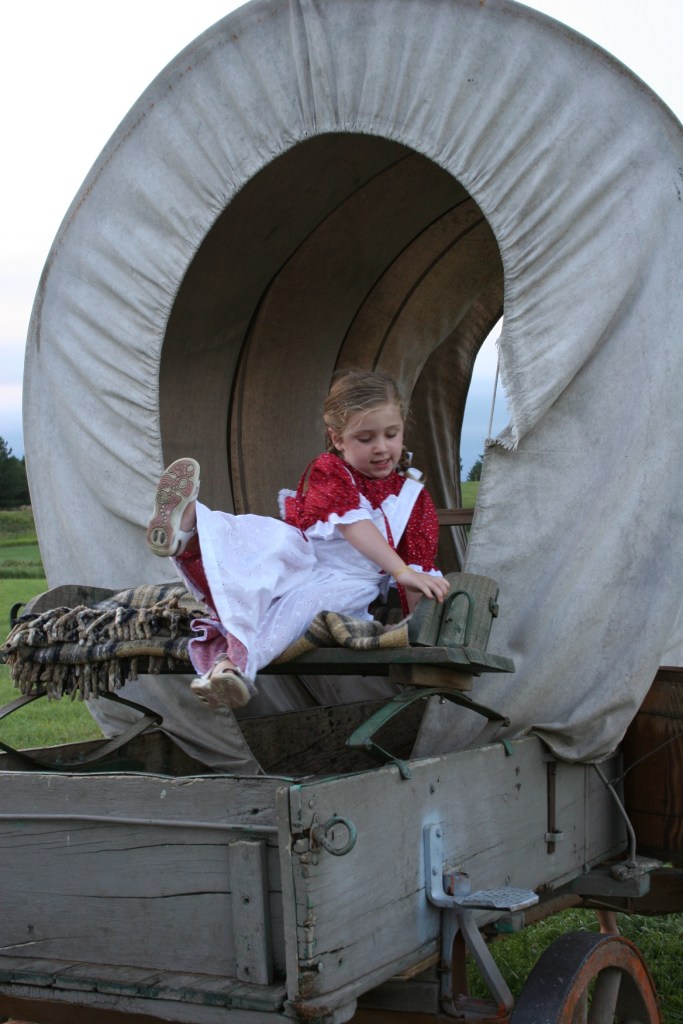
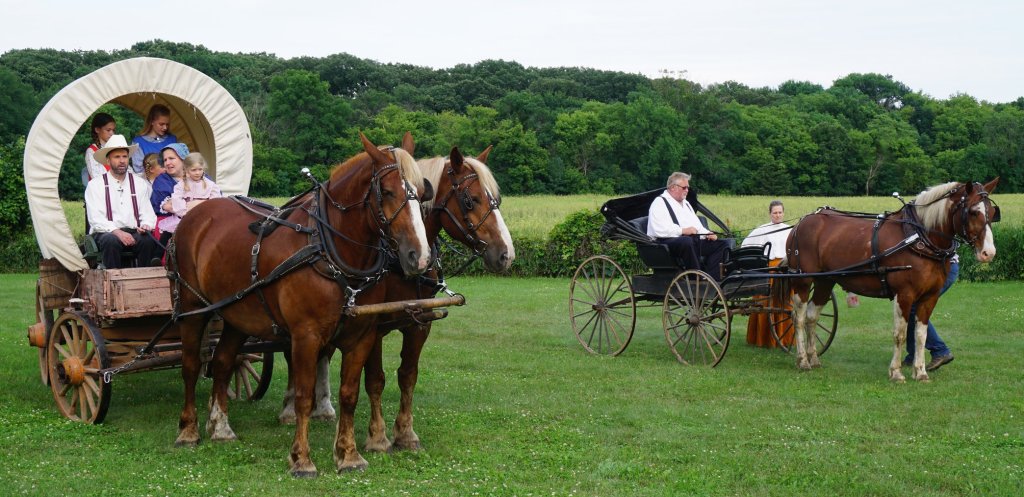
Every summer, the folks of Walnut Grove produce an outdoor pageant based on Laura Ingalls Wilder’s “Little House” books. Many pageant attendees arrive at the show site dressed in period attire and then climb aboard the covered wagon. Minnesota Prairie Roots file photo.


I have not yet read the entire book. But I am sharing this new Timber Press release now because Marta will be at Magers & Quinn Booksellers, 3038 Hennepin Avenue, in Minneapolis from 7 – 8 this evening (September 21) to present The World of Laura Ingalls Wilder. I expect the book to be enthusiastically received here in Minnesota and by Laura fans world-wide.


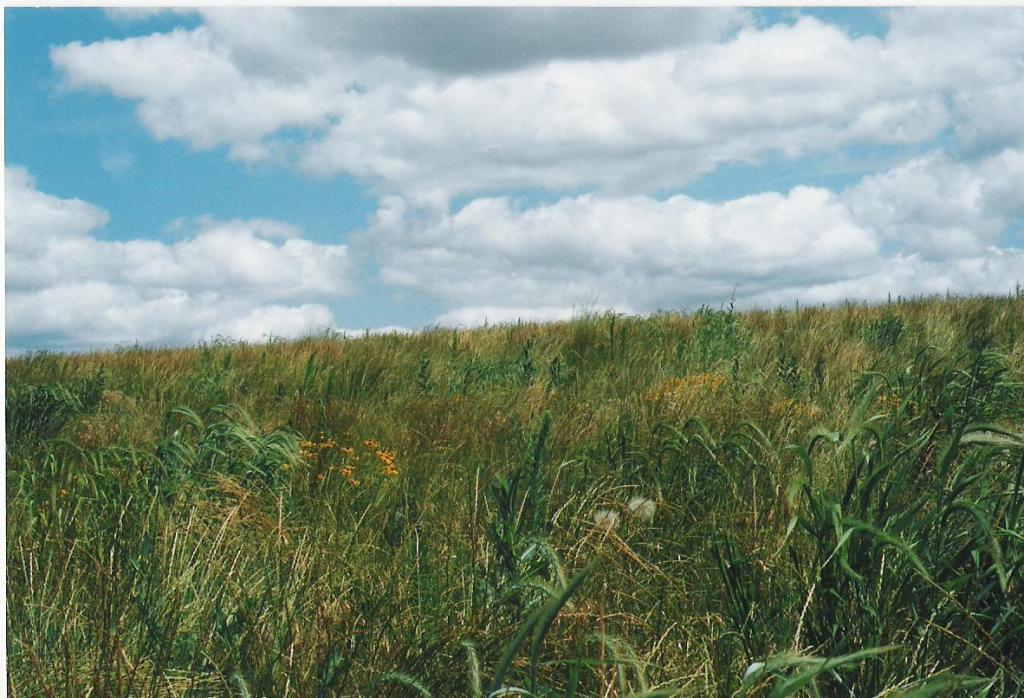
The southwestern Minnesota prairie, in the summer, is a place of remarkable beauty. I shot this image outside Walnut Grove. Minnesota Prairie Roots file photo 2010.


I am among those fans with the added bonus of having grown up only three townships north of the Charles and Caroline Ingalls’ North Hero Township home near Walnut Grove in Redwood County, Minnesota. Long before the Little House TV show, long before I realized the popularity of Laura’s book series, I loved her writing. A teacher at Vesta Elementary School read the books aloud to me and my classmates during a post-lunch reading time. That story-time instilled in me a deep love for the written word and a deep connection to The Little House books.


The prairie near Walnut Grove is especially beautiful in the summer. I took this photo at the Laura Ingalls Wilder dug-out site north of Walnut Grove in 2010.


With that background, you can understand my enthusiasm for Marta’s book which focuses on the landscapes and specific plants that surrounded Laura and her family. Laura writes with a strong sense of place, a skill I’ve often considered may trace to her blind sister, Mary. Laura became her sister’s “eyes.”


I cannot imagine so many grasshoppers that they obliterated everything. I took this photo at the Steele County History Center in Owatonna during a previous traveling exhibit on Minnesota disasters. Minnesota Prairie Roots file photo.


Marta writes of specific plants and places in her book, taking the reader from Wisconsin to Minnesota to Missouri and in between—wherever Laura lived. In the section on Walnut Grove, she notes the wild plums, the morning glories and the blue flags (iris) that Laura writes about in On the Banks of Plum Creek. I’ve walked that creek and creekbank, seen the Ingalls’ dug-out, wildflowers and plums. I am of this rich black soil, these plants, this land. There’s a comfortable familiarity in reading of this land the Ingalls family eventually left because of a grasshopper infestation and resulting crop failures.


My black-eyed susan photo is published in Marta’s book. Minnesota Prairie Roots file photo.


To be part of Marta’s book on Laura Ingalls Wilder is an honor. The vintage botanical illustrations, original artwork by Garth Williams, historic photos, maps, ads, current day photos like my three and more make this volume a work of art.

There is much to learn therein, much to appreciate. So for all of you Laura fans out there, take note. You’ll want to add The World of Laura Ingalls Wilder: The Frontier Landscapes That Inspired the Little House Books to your collection.


DISCLAIMER: I received a complimentary copy of this book and was paid for publication of my three photos.

© Copyright 2017 Audrey Kletscher Helbling

 

Don’t tell me you’re “fine” when you’re not & other insights March 5, 2017


HOW ARE YOU? I’ve never liked that question, even realizing the underlying kindness that laces those three trite words.

The standard answer of “I’m fine” is expected. The truth most often is not.


ttfa-1024x1024


Now Minneapolis writer Nora McInerny Purmort—who has faced her share of “I’m not fine” days—tackles the “How are you?” question in a podcast series from American Public Media. Terrible, (Thanks for Asking) is a must-listen series in which Nora seeks only honest responses to “How are you?”

I’ve listened to one podcast thus far. “Unbroken” features an interview with sexual assault survivor Sarah Super. It’s an incredible, horrible, powerful and, yes, sometimes graphic, story. But so worth your time for the insights revealed. Sarah is one strong woman. And we can learn so much from her about the importance of speaking up, of being heard and more.

Both she and Nora address the issue of silence. And, yes, I picked that from the interview because silence is all too pervasive. I’m talking the hard, uncomfortable silence that those who have suffered trauma, those who are dealing with health issues, those who are facing unimaginable difficulties and challenges hear. Yes, hear. Silence truly can be deafening.

Sarah cites the reason many friends and loved ones remained silent following her assault: “I didn’t know what to say or do.”

Puh-lease.

“Your silence,” Sarah says, “feels like apathy.” The definition of apathy is lack of interest, enthusiasm or concern. Lack of. Imagine how that feels to your loved one who is hurting. Lack of.

Nora reiterates Sarah’s thoughts: “Silence hurts when you are on the other end of something awful.”

In an interview with National Public Radio about her podcast series, Nora repeats, “The worst thing—and it doesn’t matter if you’re dealing with death, or if you’re dealing with all of these other things that we’ve talked to people about—silence is the worst thing you can hear from people.”

She gets it. Within six weeks, this young woman lost her father to cancer, miscarried and then lost her husband to brain cancer. Since then, Nora has authored the book It’s Okay to Laugh (Crying Is Cool, Too). And now the enlightening podcasts have followed.

What can we learn from all of this? My take-away is this: First, we need to speak up, to end the silence, to really care when we ask someone, “How are you?” And then we need to listen, really listen. That means setting aside our stories, our comments, our whatever, and truly focusing on what the other person is telling us. It’s about them. Not us.

#

CHECK BACK TOMORROW for a way that Minnesota is breaking the silence on an issue that affects all of us, directly or indirectly.

© Copyright 2017 Audrey Kletscher Helbling


Kenyon native turns to writing children’s books after MS diagnosis December 4, 2015

WRITER DEBBIE ESTREM’S childhood parallels mine. We both grew up on farms—she near Kenyon in southeastern Minnesota and me 150 miles to the west in Redwood County. She, though, moved into town, unlike me.


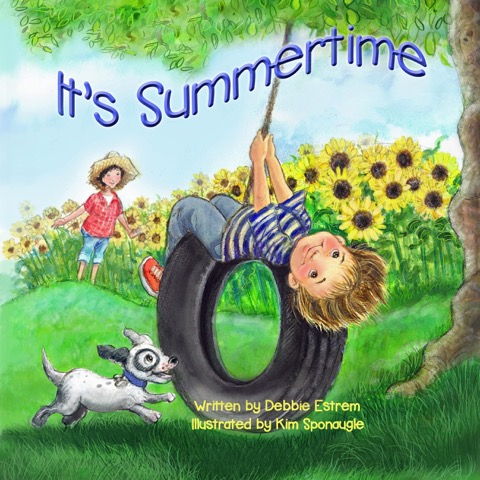
It's Summertime Book Cover


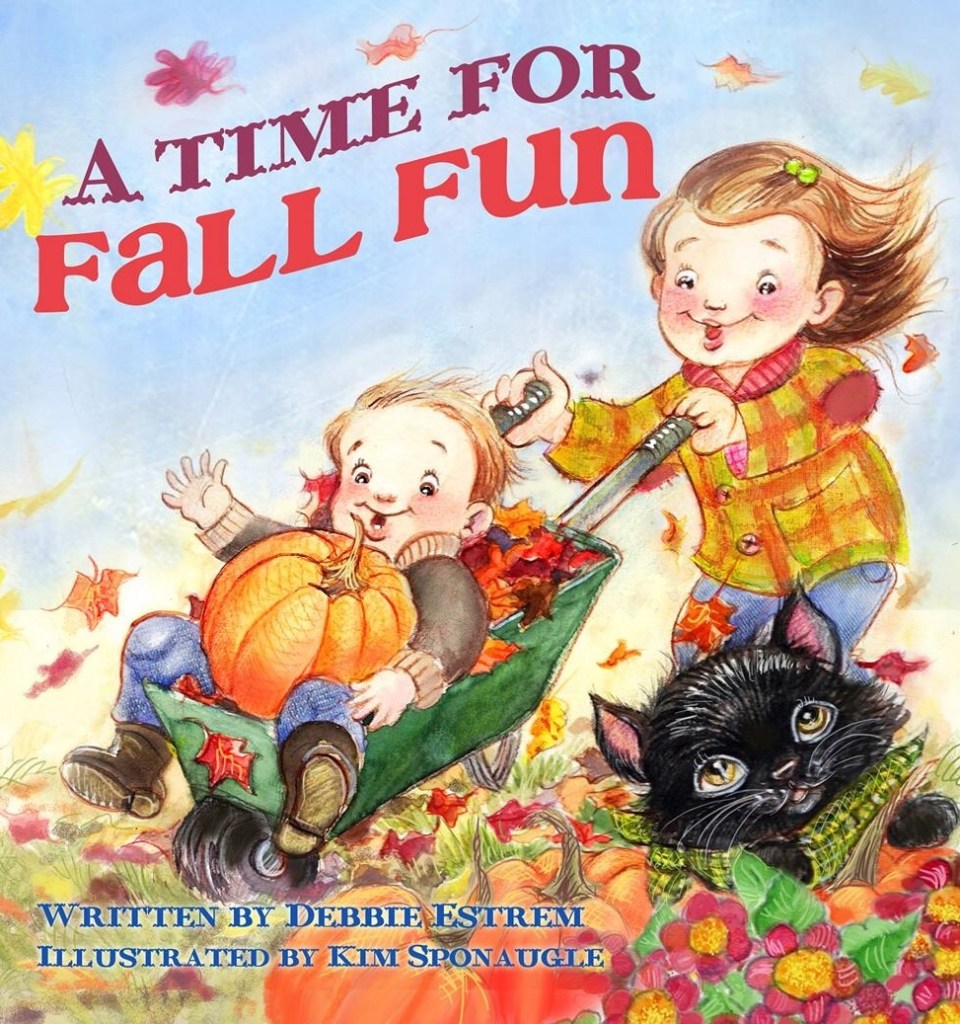
Because of our similar upbringings, I understand her connection to and appreciation for the simple things in life. I see that focus and a strong rural Minnesota influence in her children’s picture books, especially in It’s Summertime, the first volume in a seasonal-themed series. An autumn book, A Time for Fall Fun, just published with the remaining two seasonal titles due to release in 2016.


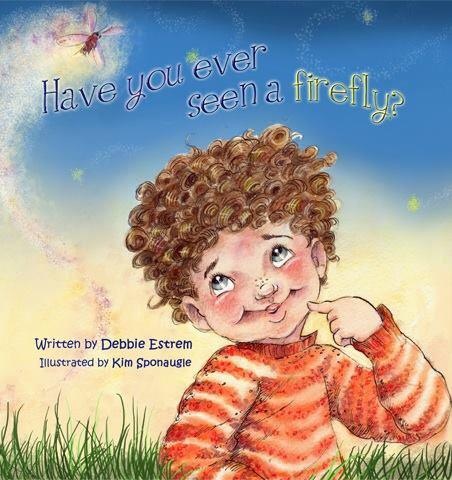
Firefly book cover


Her other self-published picture books include Have you ever seen a firefly? and Sights at the Zoo.

Of the three books Debbie sent for possible review, I am focusing here on It’s Summertime. I feel most connected, memory-wise, to the content. Debbie writes from a child’s perspective, showcasing outdoor summer activities such as picnicking, swimming, biking, jumping rope, blowing bubbles and attending the county fair.

It’s refreshing to read a book like this that emphasizes mostly unstructured play and family togetherness. I’m all for kids playing on their own, using their imaginations in unscheduled, unorganized free time.

Debbie’s writing, paired with the art of New Jersey illustrator Kim Sponaugle, makes It’s Summertime a delightful book that is visually and nostalgically appealing. The artist, according to her website, “is known for her bright, colorful style and lovable character expressions that give her illustrations warmth and delight.” Her drawings of happy children transport me to the carefree days of my childhood, back to memories of playing hopscotch at Vesta Elementary School and savoring sugary mini donuts at the Redwood County Fair.

While Kim holds an art degree, Debbie’s educational background is in business. However, she started writing poetry in 2003 and turned to penning children’s picture books after being diagnosed with Multiple Sclerosis in 2010. Unable to continue working and volunteering, Debbie decided to focus on something positive. And for her, that was writing children’s picture books.

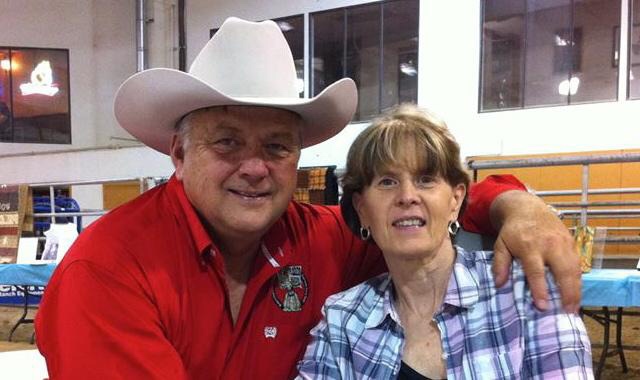
Kevin and Debbie Estrem in 2013. Photo courtesy of Debbie Estrem.

Kevin and Debbie Estrem in 2013. Photo courtesy of Debbie Estrem.

Ten percent of each book sale goes toward researching MS, specifically to the Colorado-Wyoming Chapter of the National Multiple Sclerosis Society. Debbie lives in Colorado Springs with her husband and childhood sweetheart, Kevin Estrem, who is retired from an Air Force career.


book cover


In Sights at the Zoo, Debbie weaves the topic of disabilities into the storyline, helping children to understand why someone uses a wheelchair, walker or other assistive device. The couple’s daughter, Cassi, whose first job out of college focused on researching the cause of MS, suggested her mother write the book. Having once used a cane and walker myself following hip replacement surgery, I appreciate this addition to the story. Debbie currently uses a wheelchair or motorized chair to get around.

This author is hoping, she says, that “discoveries are made for both the cause (of MS) and a cure in my lifetime.”


Fall book cover


IF YOU ARE INTERESTED in purchasing one of Debbie’s picture books, visit the Halo Publishing International website by clicking here.

© Copyright 2015 Audrey Kletscher Helbling
Book cover images courtesy of Debbie Estrem. Cover art by Kim Sponaugle.


Edna who? April 25, 2014

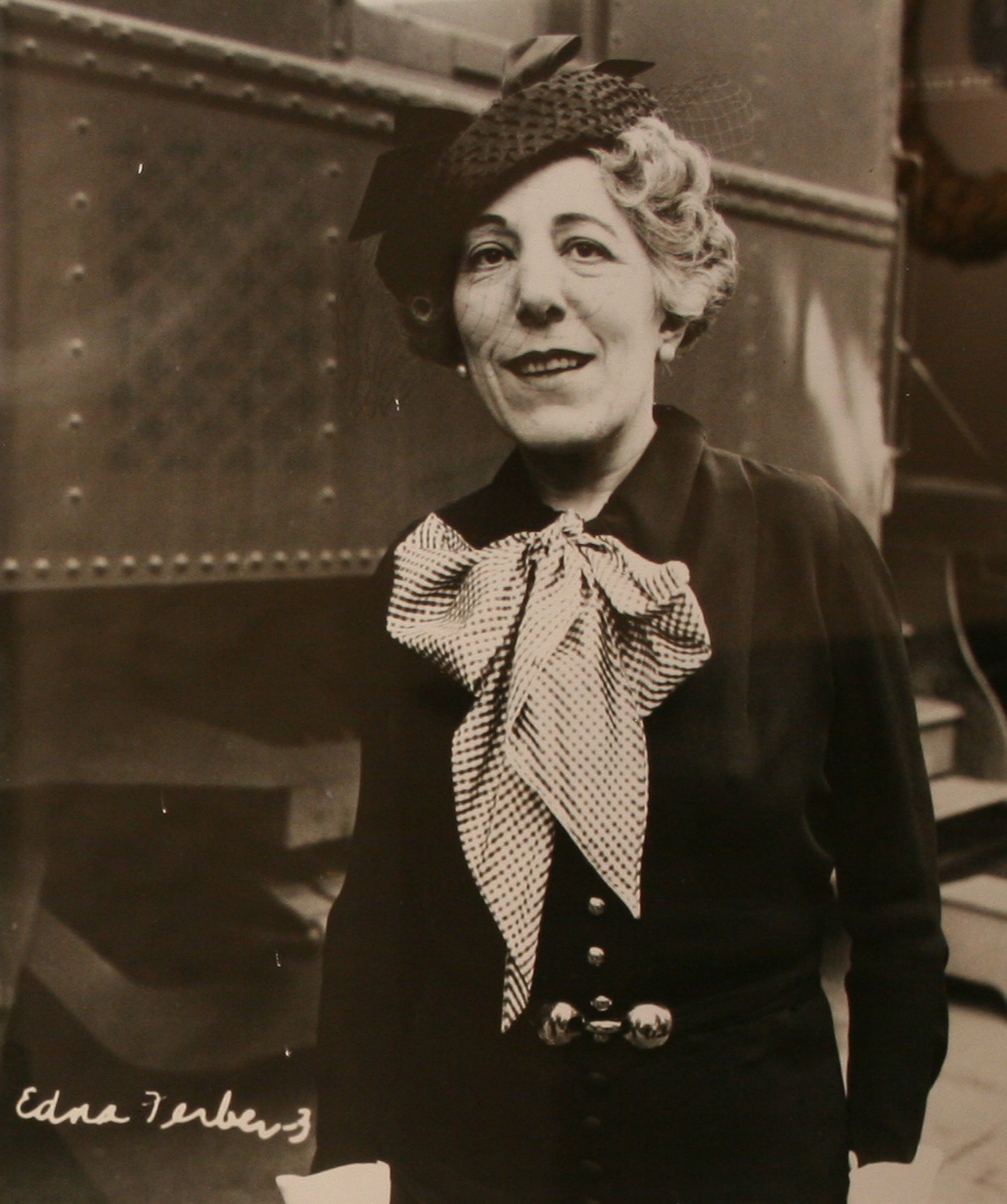
Edna Ferber portrait displayed at the History Museum at the Castle.

Edna Ferber portrait, photographed from a display at the History Museum at the Castle.

WHO IS EDNA FERBER?

Do you know?

I should. I’m a writer.

But I didn’t. Although now I do.

Thanks to an exhibit at the History Museum at the Castle in Appleton, Wisconsin, followed by additional online research, I now know some basic facts about this Pulitzer Prize winning author. In 1925, Ferber won a Pulitzer for her novel, So Big. Set in turn-of-the-century Chicago, the book tells the story of widowed Selina DeJong and her struggles to support herself and her son. That novel is now on my must-read list.

I think I would appreciate the writing of a woman “hailed for sensitively portraying working Americans, for calling attention to women’s roles in American history, and for writing with a journalist’s knack for precise vocabulary and vivid description,” according to info posted in the museum exhibit.

She sounds like one strong woman.

At age 17, Ferber became the first woman reporter for the Appleton Daily Crescent. Seventeen. Her work as editor of her Appleton high school newspaper apparently impressed the Crescent editor.

Over a 50-year span, this prolific writer would pen a dozen novels, 11 short story collections, six major plays and two autobiographies.

Wow.

Her best known works include Show Boat, made into the celebrated musical in 1927; Cimarron, adapted into the 1931 film which won an Academy Award for Best Picture; Giant, a 1956 Hollywood movie; and that Pulitzer novel, So Big.

According to info on the History Museum at the Castle website, Ferber is known for her “wit and perspectives on growing up in a small Midwestern town.”

Now that I can really appreciate.

READERS, have any of you read Ferber’s work or seen the films inspired by her writing?

Click here to read Ferber’s biography published on the Appleton Public Library website.

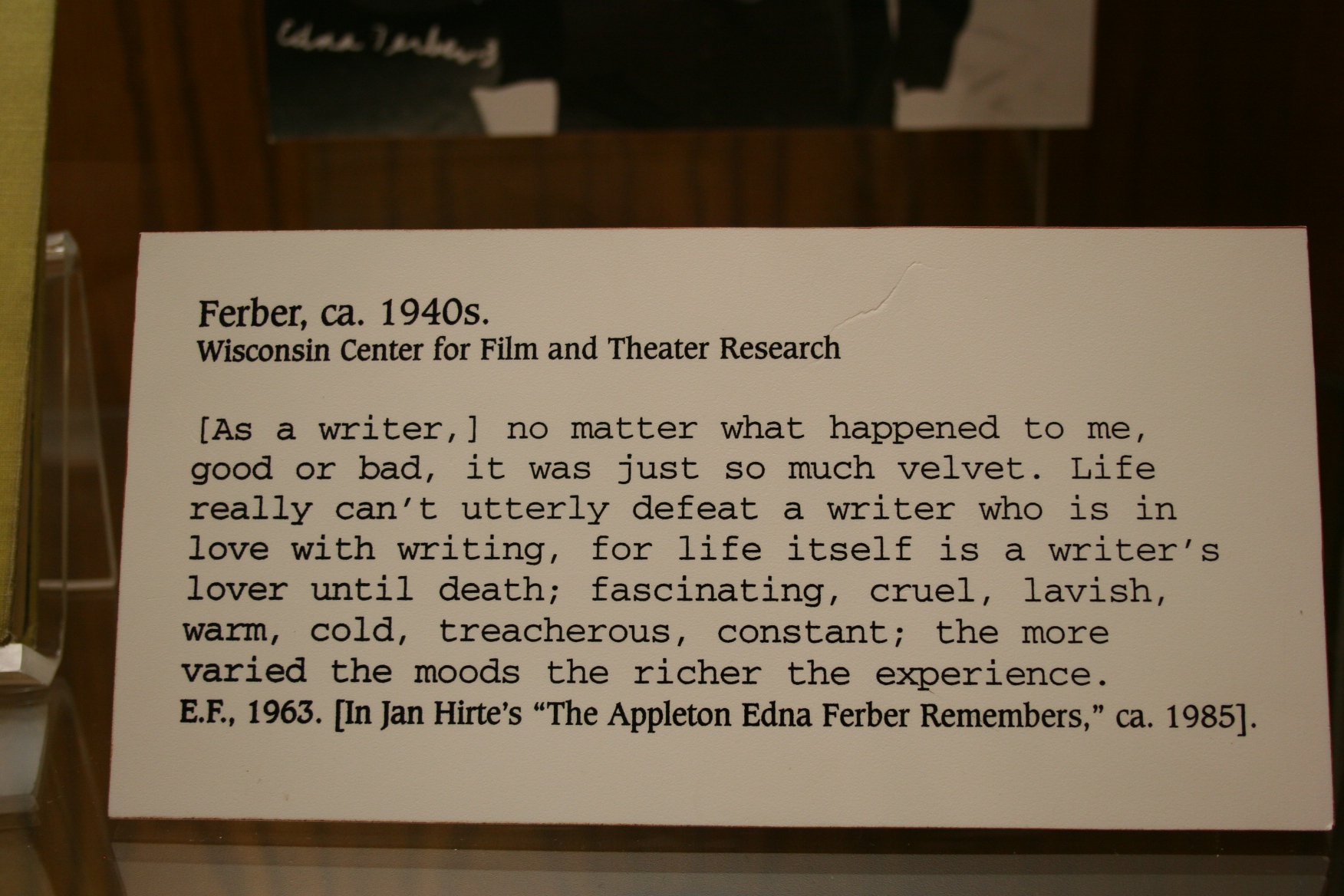
This quote, showcased in the History Museum at the Castle display, rings true for me as a writer.

This quote, showcased in the History Museum at the Castle display, rings true for me as a writer, too.

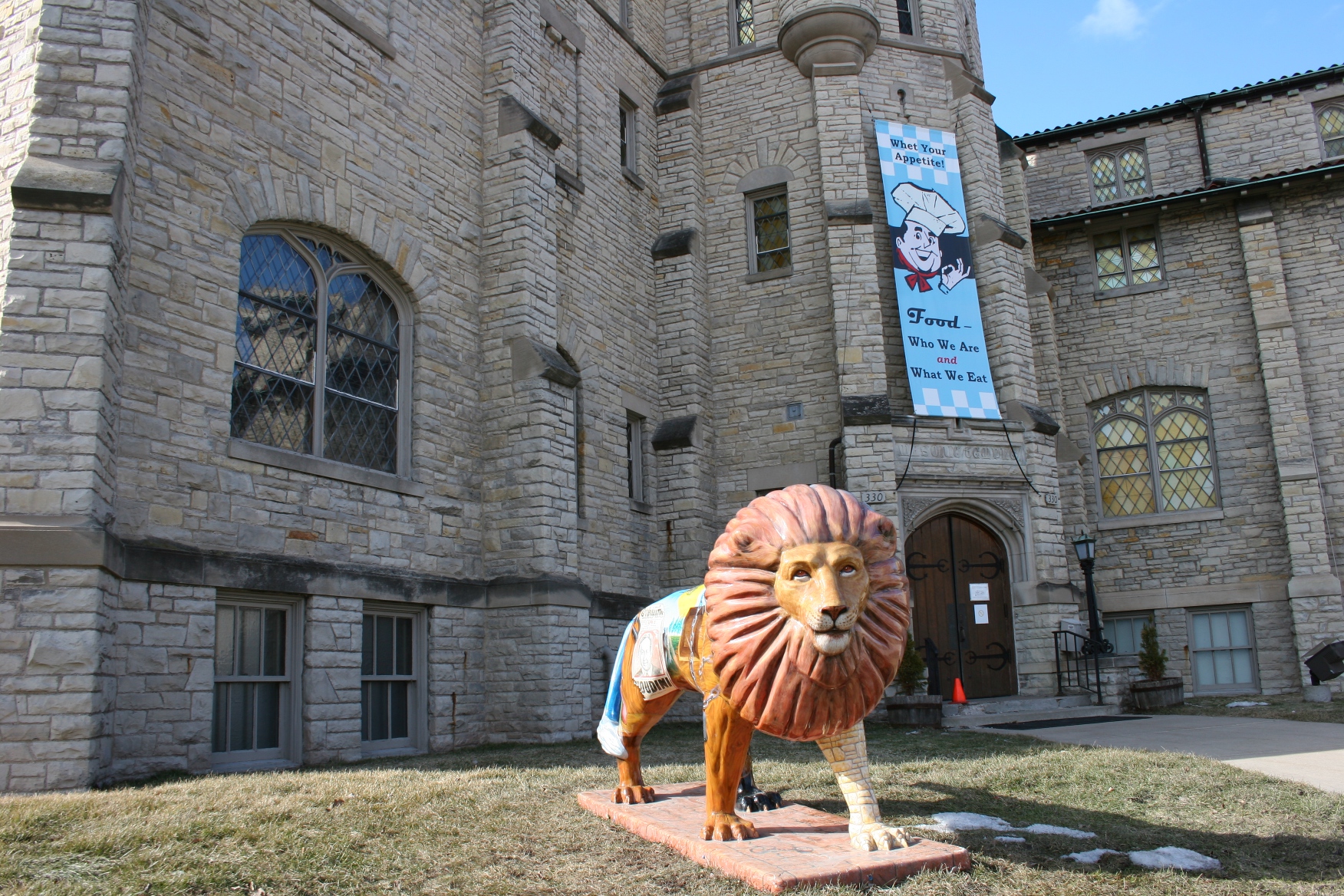
History Museum at the Castle, 330 East College Avenue, Appleton, Wisconsin, is housed in an historic former Masonic Temple.

History Museum at the Castle, 330 East College Avenue, Appleton, Wisconsin, is housed in an historic former Masonic Temple.

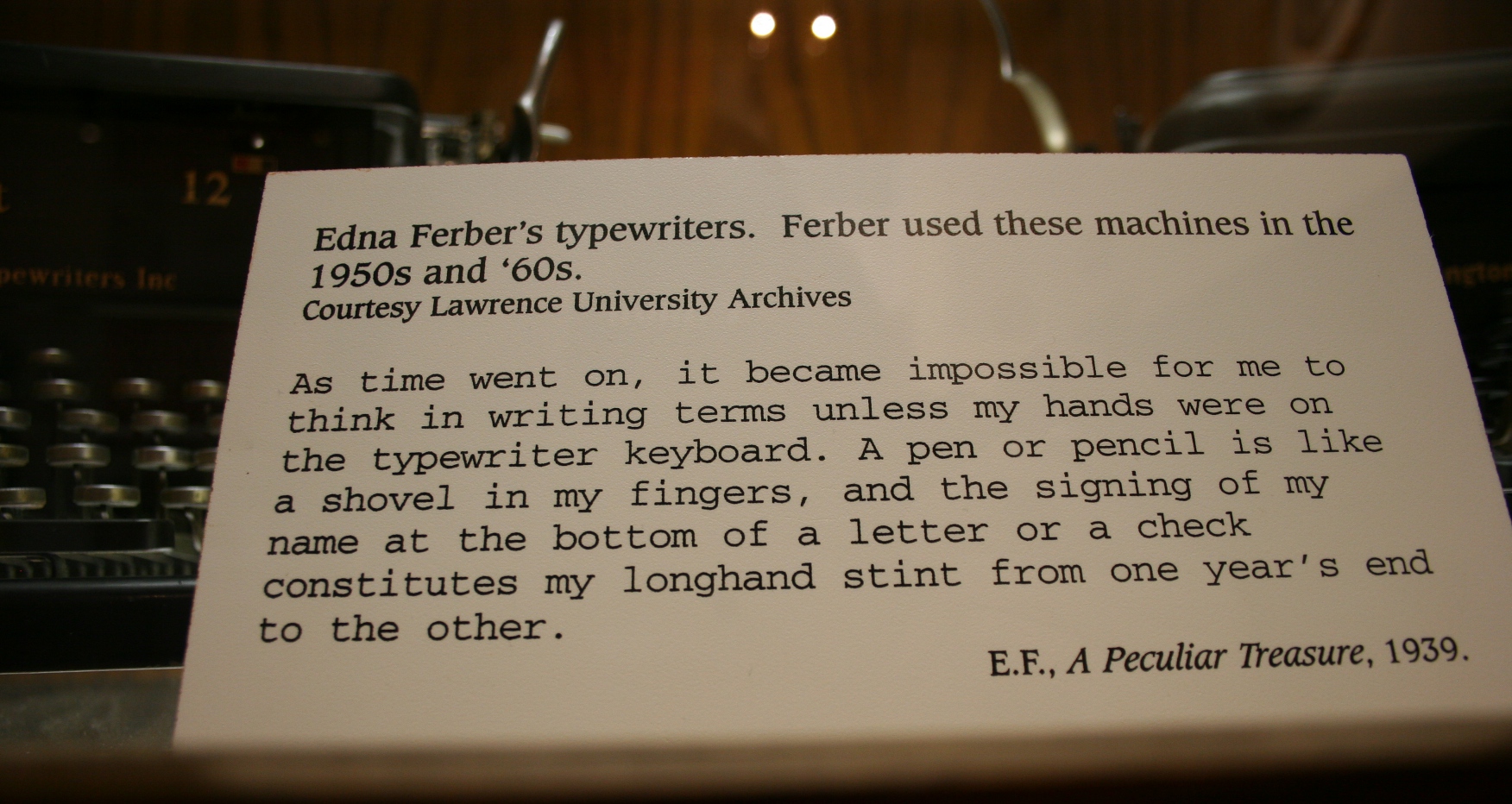
At my first reporting job out of college, I wrote my stories on a Royal manual typewriter. Like Ferber, I don't write my stories on paper.

At my first reporting job out of college, I wrote my stories on a Royal manual typewriter. In this quote from Ferber, today I’d replace “computer” with “typewriter” when referencing my writing.

CLICK HERE to read a previous post about a Wisconsin food exhibit at the History Museum at the Castle. And check back for more posts from Wisconsin, coming soon.

© Copyright 2014 Audrey Kletscher Helbling
 

Memories of the June 13, 1968, Tracy tornado: “Pain, anguish and blood…” June 12, 2013

HE DOESN’T RECALL the details like it was yesterday.

Yesterday, after all, was 45 years ago.

Eric Lantz, 16, of Walnut Grove, shot this award-winning photo of the Tracy tornado as it was leaving town. He often took photos for the Walnut Grove Tribune, owned by his uncle, Everett Lantz. This image by Eric was awarded third place in the 1968 National Newspaper Association contest for best news photo.

Eric Lantz, then 16, of Walnut Grove, shot this award-winning photo of the Tracy tornado as it was leaving town on the evening of June 13, 1968. He often took photos for the Walnut Grove Tribune, owned by his uncle, Everett Lantz. This image by Eric was awarded third place in the 1968 National Newspaper Association contest for best news photo. Copyrighted photo courtesy of Scott Thoma with original copyright retained by Eric Lantz.

But for Mankato resident Steve Ulmen, certain memories of the aftermath of the deadly Tracy tornado of June 13, 1968, stick with him.

He was only 22 then, a college student and a senior member of the Mankato Civil Air Patrol squadron dispatched on a search and rescue mission to Tracy 90 miles away in southwestern Minnesota. They were the first responders, handling crisis management until other local and state officials arrived.
A residential street, once covered in branches and debris, had to be plowed to allow vehicles to pass. Photo by The Tracy Headlight Herald and courtesy of Scott Thoma, Tracy native and author of Out of the Blue, a book about the Tracy tornado.

A residential street, once covered in branches and debris, had to be plowed to allow vehicles to pass. Photo by The Tracy Headlight Herald and courtesy of Scott Thoma, Tracy native and author of Out of the Blue, a book about the Tracy tornado.

Ulmen remembers entering Tracy, feeling overcome by the sheer devastation. The F5 tornado, with wind speeds surpassing 300 mph, killed nine and injured 125. Destruction was massive.
“It looked like we were driving into a dump site, or a burned out slum, or what I would imagine a bombed out city would have looked like after World War II,” Ulmen recalls.

With experience as a hospital orderly, he was assigned to the emergency room at the Tracy hospital—removing victims from ambulances and placing them on gurneys and moving others around.

Some of the injured at the Tracy Hospital. Photo by The Tracy Headlight Herald and courtesy of Scott Thoma.

Some of the injured at the Tracy Hospital. Photo by The Tracy Headlight Herald and courtesy of Scott Thoma.

“There were victims coming in and lying on stretchers even in the hallways, as it was a small hospital,” Ulmen remembers. “Some were suffering from fractures, some from cuts and scratches. All were in one degree of shock or another and needed assistance and someone to talk to them and try and calm them down.

“There was pain, anguish, and blood, that I remember. As long as casualties kept coming in, we stayed on duty.”

The CAP squadron, comprised of cadets (high school age, 18 and under) to supervising senior members, volunteered for several days in the ravaged community. Among other duties, the patrol established a communications system based out of “an old military surplus deuce and a half 4-wheel drive vehicle” equipped with “radios of every description.”

Surveying the destruction at Tracy Elementary School, which was destroyed. Photo by The Tracy Headlight Herald and courtesy of Scott Thoma.

Surveying the destruction at Tracy Elementary School, which was destroyed. Photo by The Tracy Headlight Herald and courtesy of Scott Thoma.

Ulmen remembers the satisfaction he felt in helping those in distress.

Among his memories, Ulmen recalls a particular incident, one he still wonders about now 45 years later. “I was driving either my vehicle or an emergency vehicle, I forget which, and I went through an intersection. The stop sign was bent and twisted from the tornado and wasn’t pointing at the street I was on; it looked like it was pointed at another street. Nevertheless, the local cop saw me run the stop sign, pulled me over, and gave me a ticket,” Ulmen says. “Some thanks for coming all the way from Mankato and volunteering my service to a community in distress. My superiors were not impressed with this either, but I ended up having to pay the ticket as I recall.

“It is funny what you remember from 45 years ago.”

FYI: The community of Tracy is marking the 45-year anniversary of the deadly tornado with special events on Thursday, June 13. Click here to learn more in a post published here several days ago.

To learn more about Steve Ulmen, who served with the CAP for 17 years until he was about 27, click here. Ulmen, who is retired after 34 years of working in the corrections field, is also a published writer. He’s written a western screenplay, later rewritten and published as his first western novel, Toby Ryker. He then published a sequel, Deadwood Days. His most recent works include a book of historical fiction, Blood on the Prairie—A Novel of the Sioux Uprising (actually the first book in the Toby Ryker trilogy), and Bad Moon Arising, a fictional story based on his experiences as the first probation officer in LeSueur County beginning in 1969.

Ulmen and his wife of 42 years, Ida Mae, live in Mankato, his hometown.

© Copyright 2013 Audrey Kletscher Helbling