Minnesota Prairie Roots

Writing and photography by Audrey Kletscher Helbling

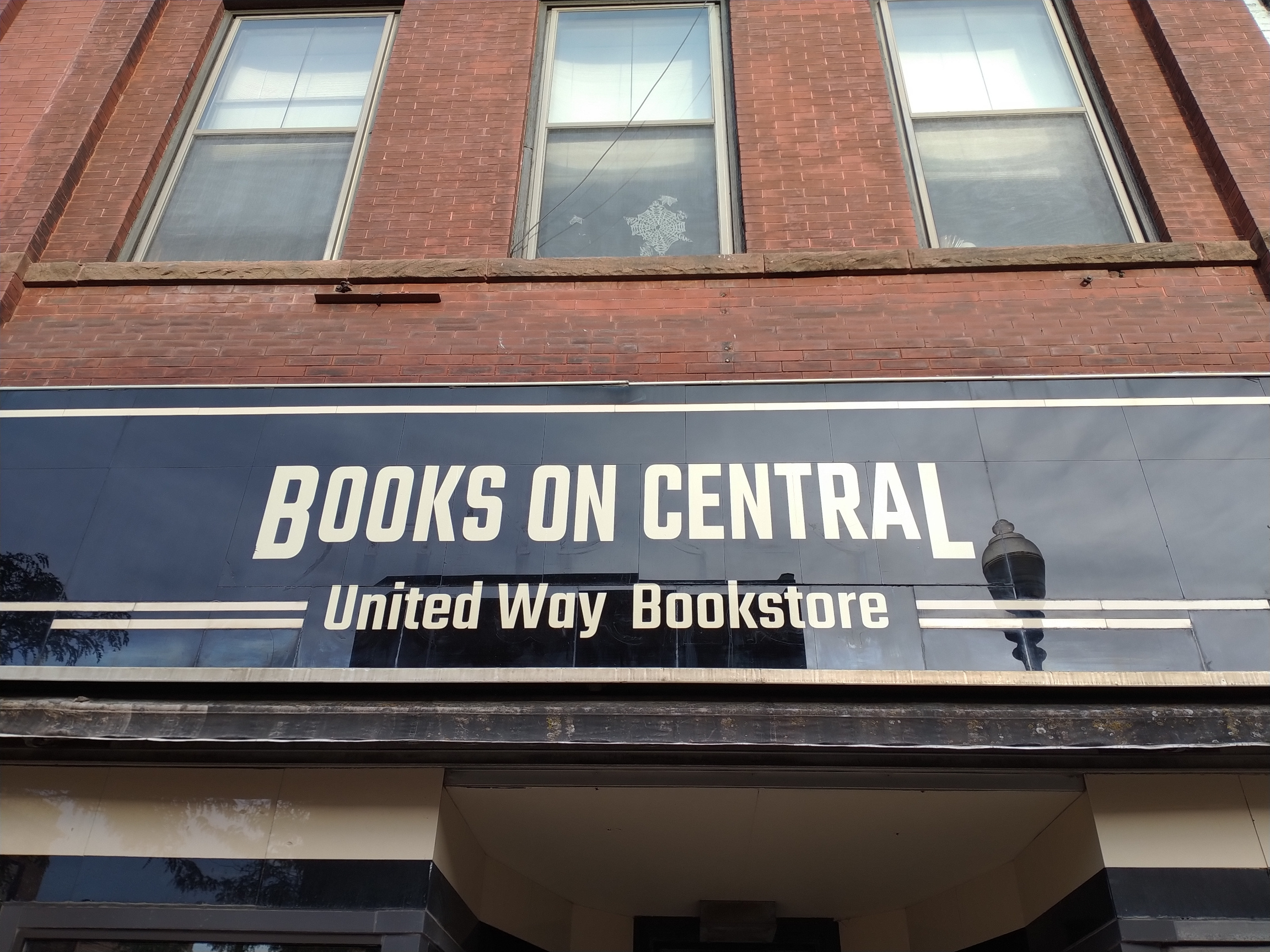
From Books on Central: A success story about books, dragons & community January 9, 2025

An imaginative depiction of a dragon on the merry-go-round at LARK Toys, Kellogg, perhaps not unlike dragons featured in fantasy novels. (Minnesota Prairie Roots copyrighted file photo)

I LOVE WHEN KIDS, like my 8-year-old granddaughter, Isabelle, love to read. It sets them on a path for success in school. If you can read, you can learn anything. I’ve always believed that, except perhaps when it comes to math. Reading didn’t help me there.

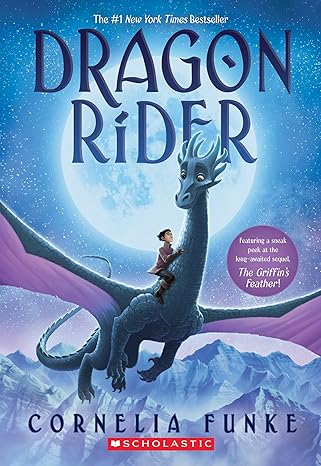
Book cover image sourced online.

But Izzy isn’t thinking about math; her dad is a math whiz anyway. Rather, she’s focused on reading for the love of reading a good story. On a recent visit, she could barely contain her excitement about Dragon Rider by Cornelia Funke. Izzy quickly finished the first volume in the series and then breezed through the next two.

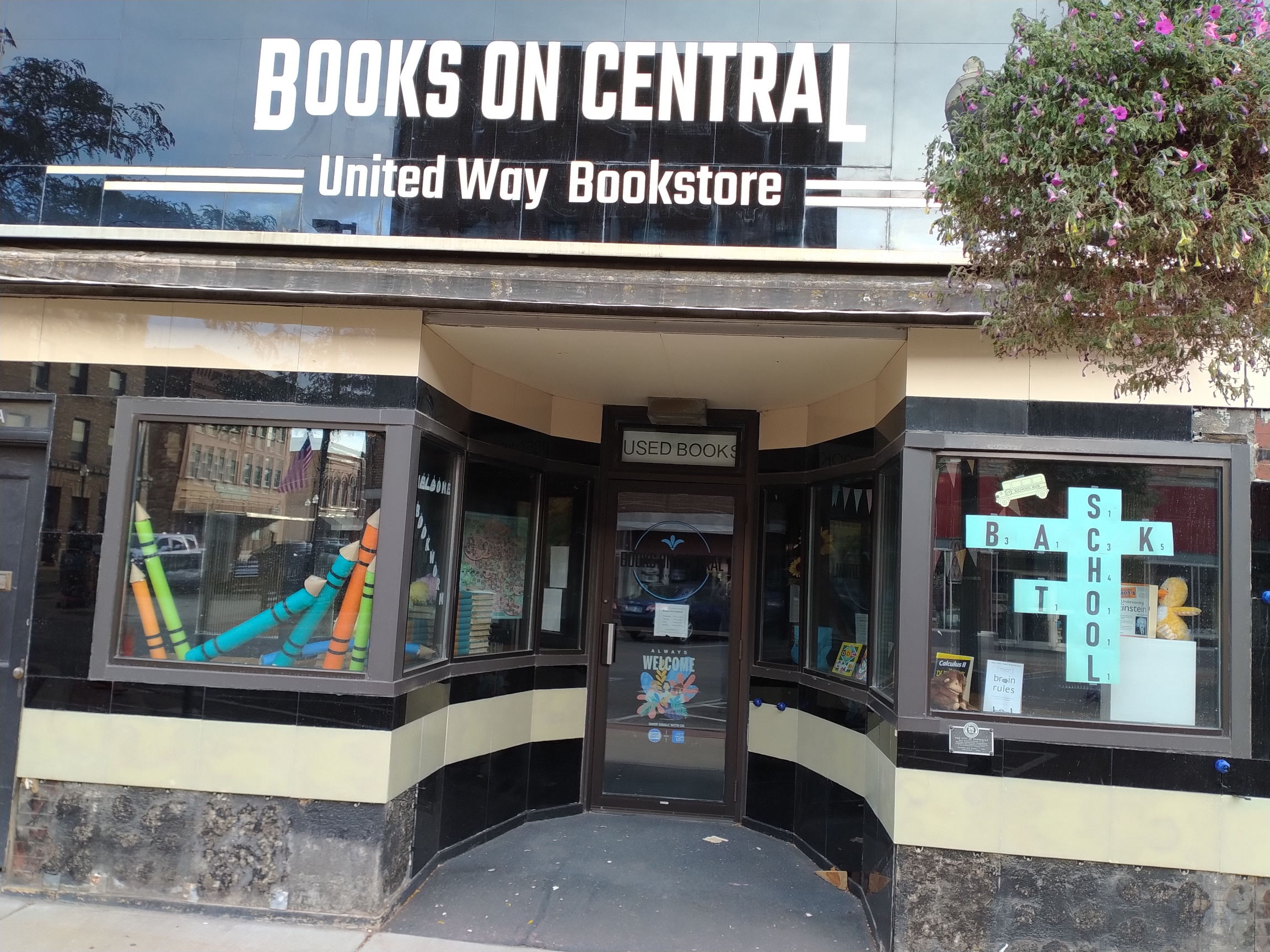
A back-to-school display filled the bookshop windows at the start of the 2024-2025 school year. (Minnesota Prairie Roots copyrighted photo 2024)

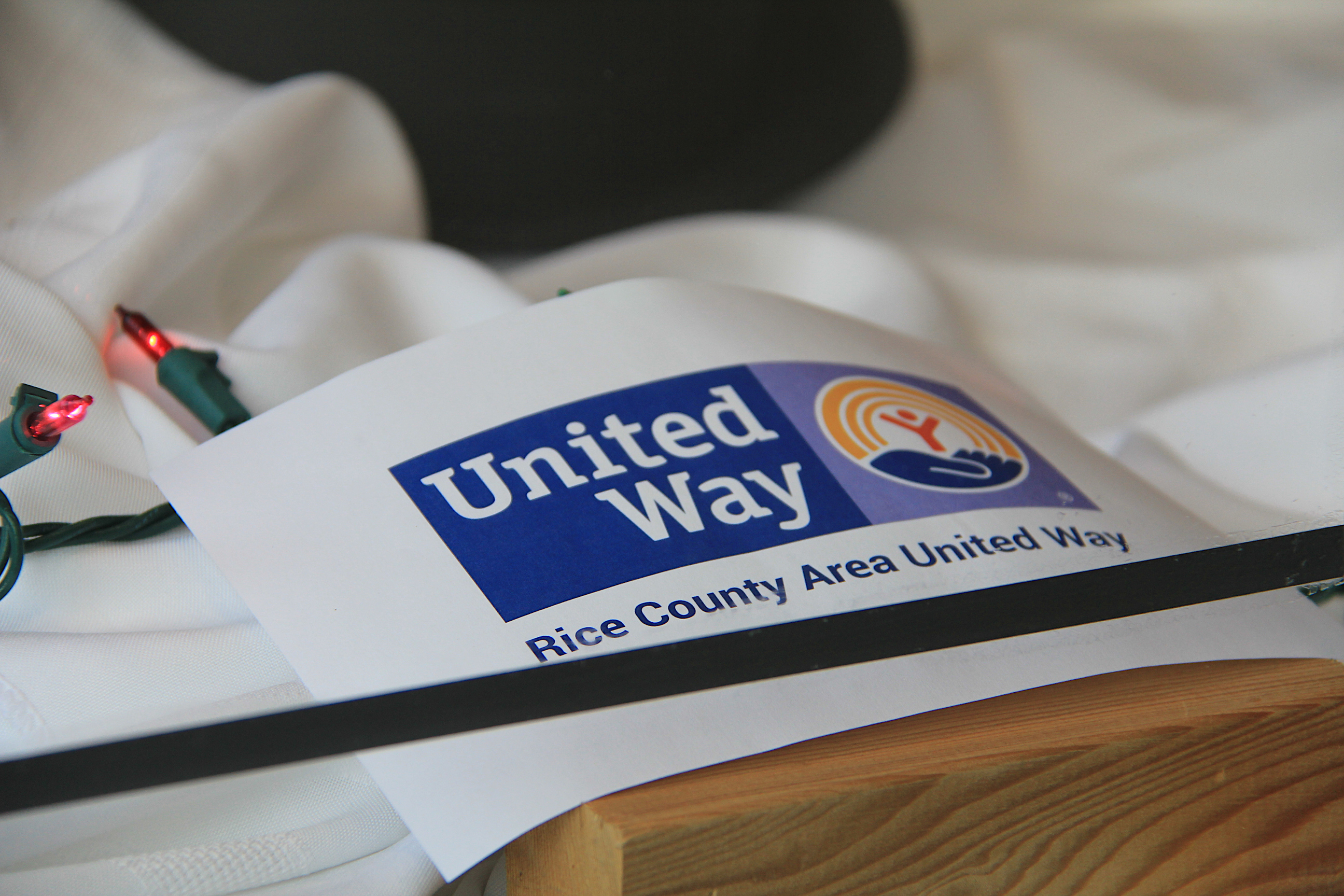
There’s a story here about Dragon Rider. Izzy’s mom, my eldest, found the fantasy novel while we were shopping at Books on Central, a used bookstore run by Rice County Area United Way at 227 Central Avenue North, Faribault. All proceeds go to local nonprofits supported by the United Way. Initially, Izzy wasn’t too excited about the book. But soon after we arrived home, she was snugged in the recliner reading.

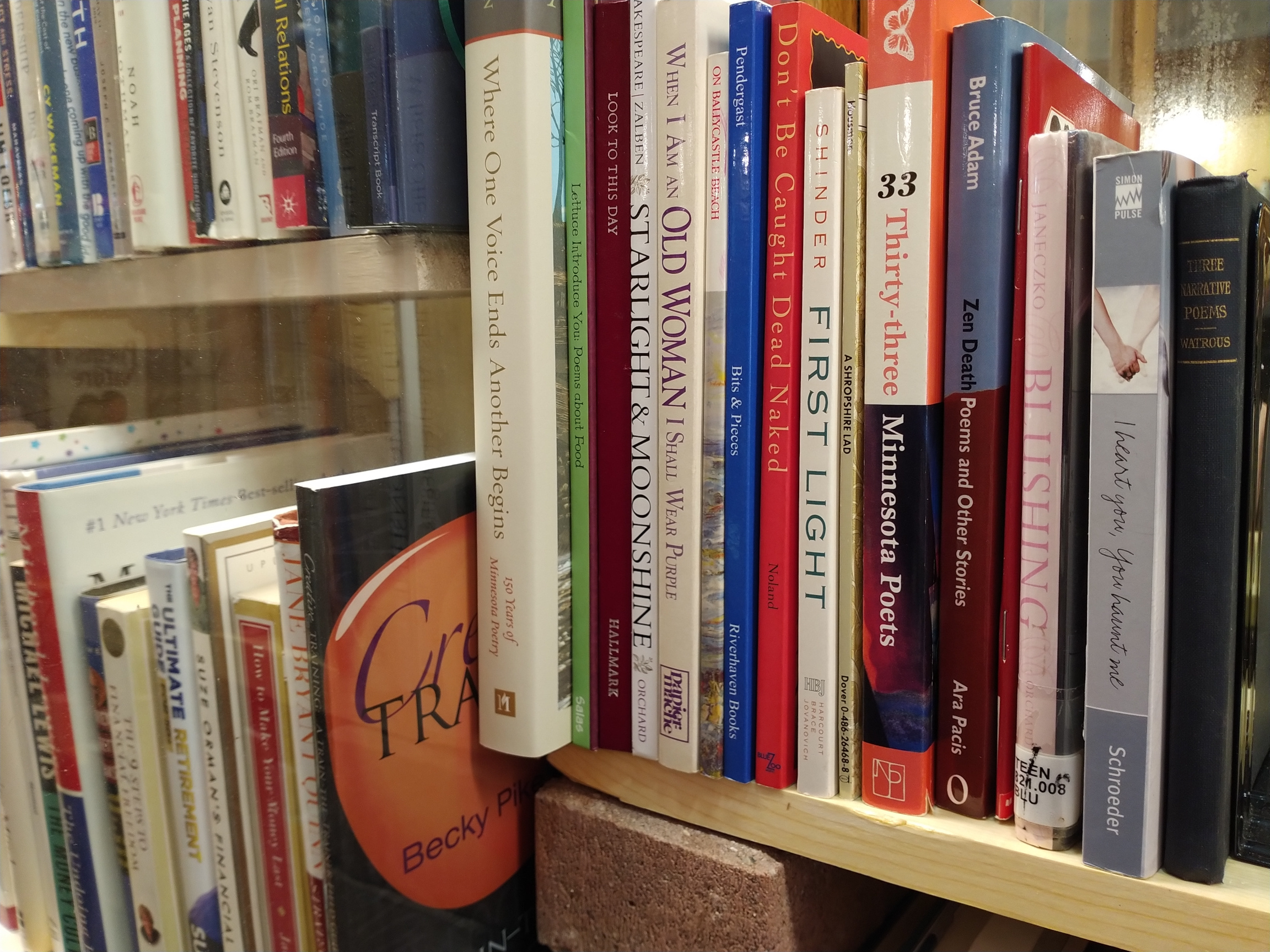
I photographed the poetry section, right, during one of my visits to the bookshop. (Minnesota Prairie Roots copyrighted photo 2024)

This is exactly what grandparents, parents and the good folks at Books on Central like to see. The volunteer-run bookshop just completed its first full year of operation with more than $30,000 in used book sales during 2024, according to lead volunteers Dave and Jeanne Campbell. That’s a whole lot of books considering kids’ books sell for a buck or two and adult books for a bit more.

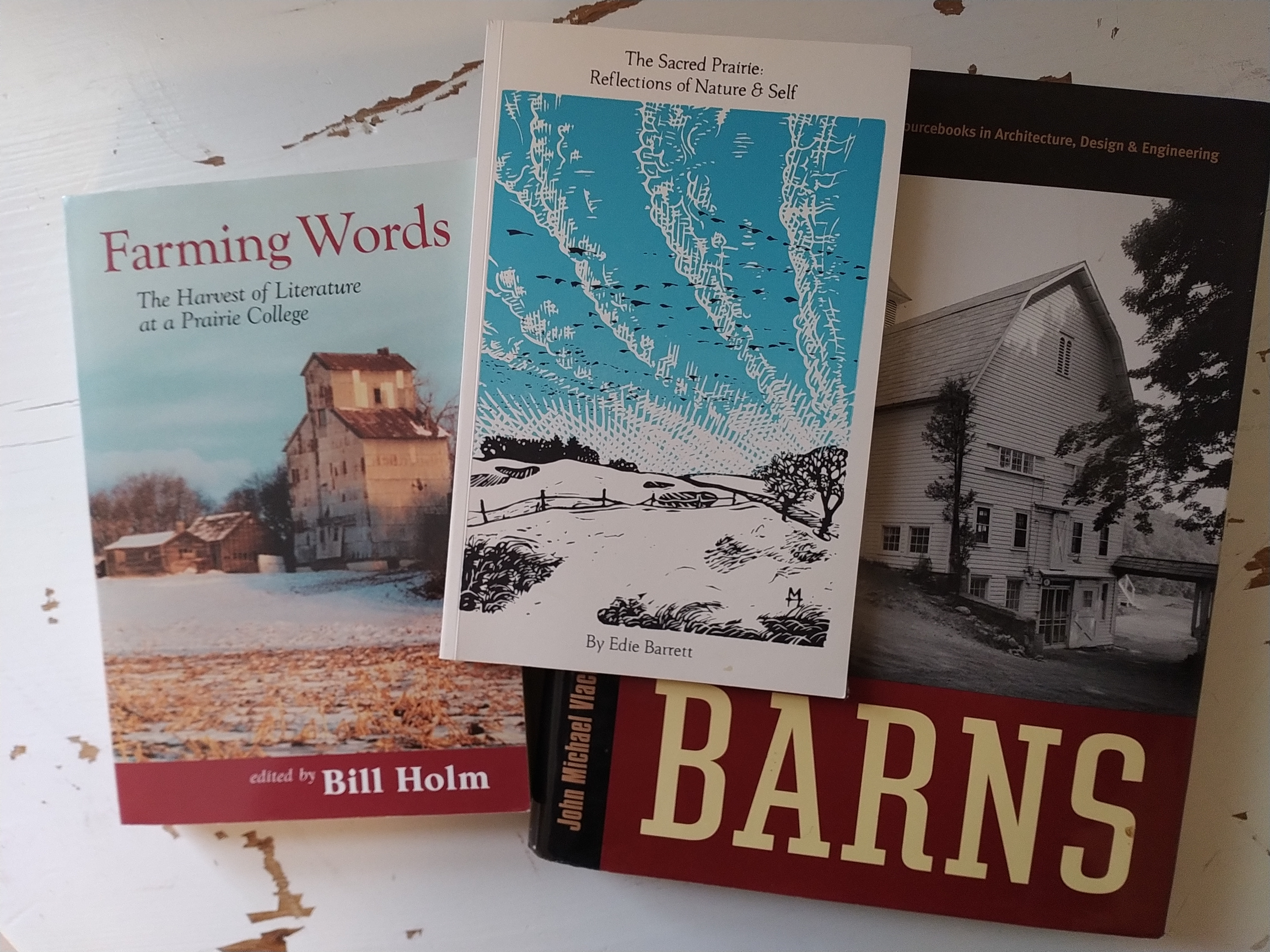
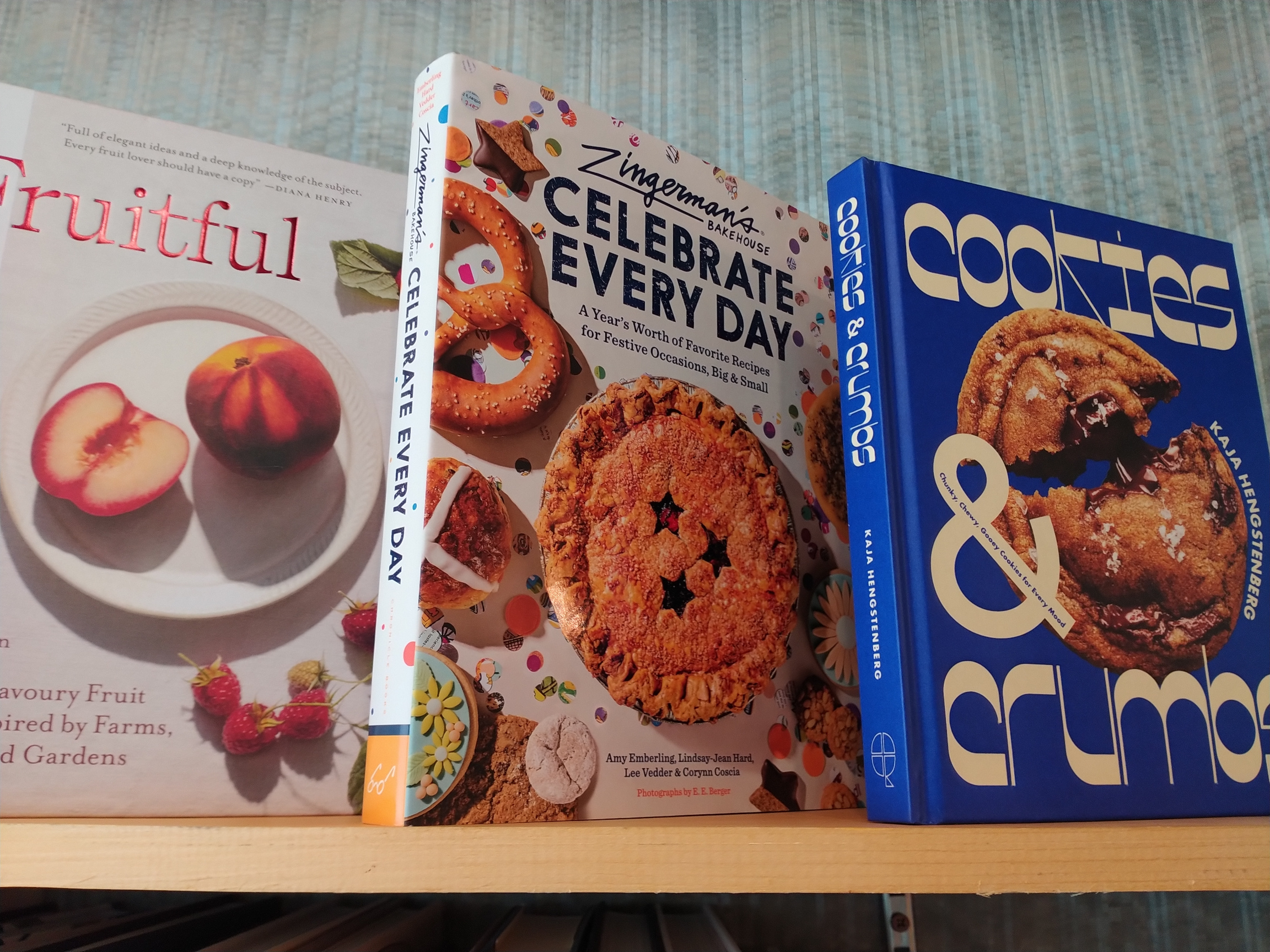
Among the books I’ve purchased at Books on Central. The book on the left features a cover photo of an elevator moved from my hometown of Vesta onto a nearby farm. The book includes writing by Larry Gavin of Faribault. (Minnesota Prairie Roots copyrighted photo 2025)

I’m thrilled that the Faribault community and beyond has embraced and supported this used bookstore by donating books and by buying them. It’s a win-win for everyone. People can get rid of books they no longer need, find books to read and help their neighbors. Bookshop proceeds assist The United Way in their mission of focusing on financial stability, health and education.

Previously in the display window at the bookshop. (Minnesota Prairie Roots copyrighted file photo)

And education includes reading. The local United Way supports Dolly Parton’s Imagination Library, which provides a free book a month to registered area children for the first five years of their lives. Dolly’s Book Bash, an annual fundraiser to support the program, is set for Friday, January 24, with doors opening at 6:30 p.m. at the Northfield Ballroom. The event features music, line dancing, an auction and games.

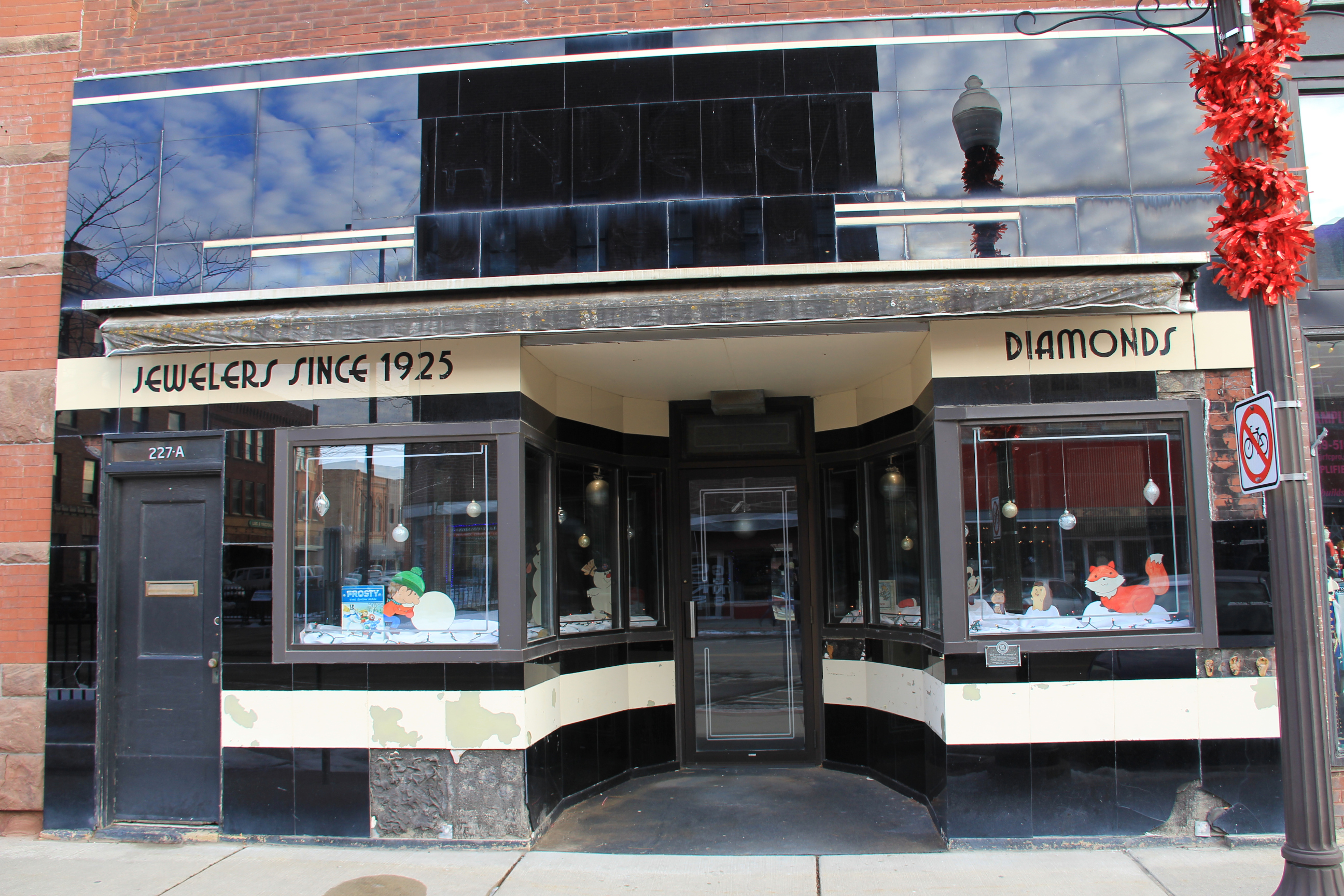
Signs marking the location as a former jewelry store remained when the bookshop opened. (Minnesota Prairie Roots copyrighted file photo)

Back at Books on Central in Faribault, the bookshop is, in some ways, magical. The setting is in the former Dandelet Jewelry with beautiful built-in wooden shelving and drawers and a chandelier centering the space. In the back, kids have an area all their own to peruse the many books ranging from board books for babies to picture books to novels like Dragon Rider. The whole space feels inviting, enchanting.

This is a well-organized bookshop. Volunteers know the books and where to find them. Inventory changes often. (Minnesota Prairie Roots copyrighted photo 2024)

Sales of 2,661 books totaling about $9,000 in the last quarter of 2024 reflect the incredible support and enthusiasm for Books on Central. Those numbers are remarkable considering the bookshop is typically open only 24 hours a week and is totally volunteer-run. Volunteer hours in 2024 totaled 4,479.

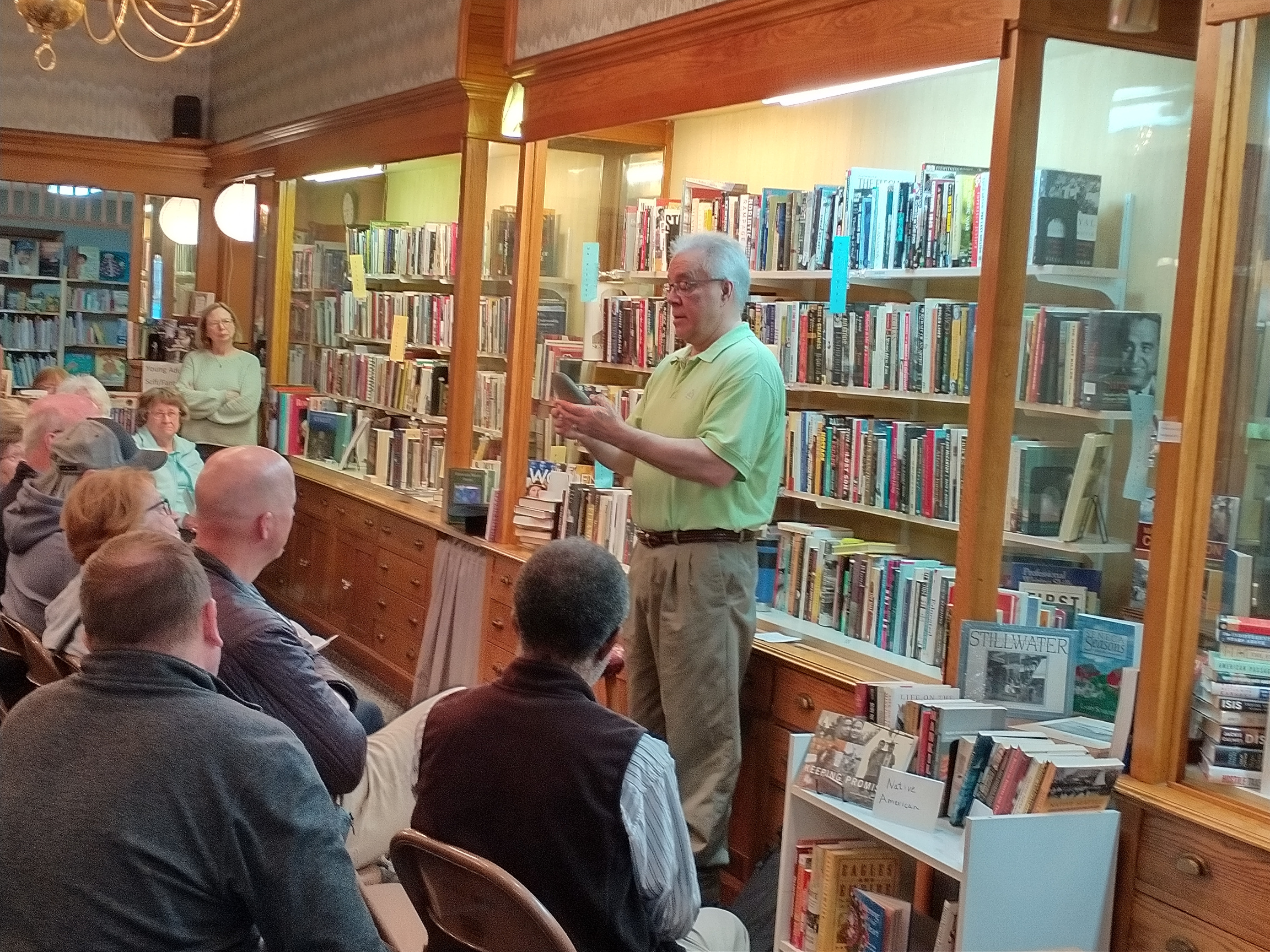
Jeff Jarvis talks about the Dakota during a June presentation at Books on Central. (Minnesota Prairie Roots copyrighted file photo June 2024)

This place is more than a volunteer-run used bookstore. It’s also a place to connect, to build community, to learn. Books on Central hosts frequent literary events featuring area writers. I attended a poetry reading by published poet, retired Faribault High School English teacher and friend Larry Gavin. I could listen to Larry read poetry all day. The way language flows from his mind to his fingertips to create poems, well, it’s magical. He has a radio reading voice that mesmerizes. I also listened to a group of Northfield poets read their poems at Books on Central. I heard local historian, writer and artist Jeff Jarvis talk about the Faribault Dakota. And I delighted in the engaging storytelling of native Tanzanian Joseph Mbele, a St. Olaf College professor, consultant and author of several books, his newest Chickens in the Bus—More Thoughts on Cultural Differences.

New signage was installed on the building in late 2024. (Minnesota Prairie Roots copyrighted photo 2024)

I love that my granddaughter enjoys going to Books on Central. She’s discovered it’s a special place where, if you look (or let your mom look), you’ll discover a silver dragon flying between the pages of a book.

#

FYI: Books on Central is open from 11 a.m.-5 p.m. Wednesday-Friday and from 10 a.m.-4 p.m. Saturdays. Donated books are accepted, but must be in good condition. Volunteers sort and clean the books, determining which to stock. You will not find musty and moldy smelling books here.

© Copyright 2025 Audrey Kletscher Helbling


A few book suggestions related to yesterday’s post January 8, 2025

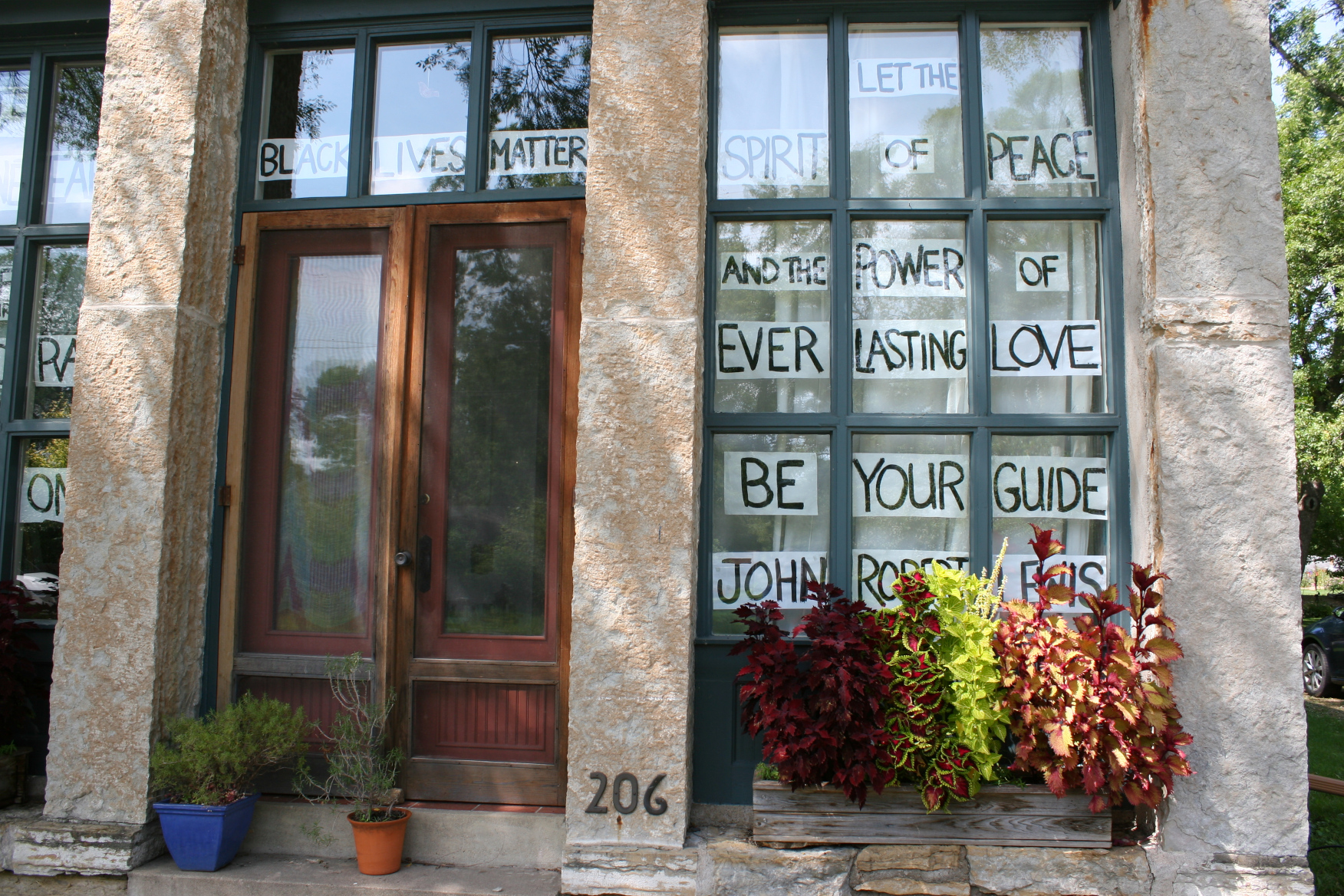
Inspiring messages on a house in small town Dundas, Minnesota. (Minnesota Prairie Roots copyrighted file photo August 2020)

I’M FOLLOWING UP on yesterday’s post focusing on the book Our Hidden Conversations—What Americans Really Think About Race and Identity by Michele Norris to recommend four related books. But before I get to those books, I must share that Norris will be in Minnesota on Monday, January 20, as the keynote speaker for the Martin Luther King Jr. Holiday Breakfast at the Minneapolis Convention Center (Exhibit Hall A). The event begins with networking and mingling from 7-7:30 a.m., breakfast from 7:30-8 a.m. and a program from 8-9:30 a.m. The celebration also includes music by Grammy award-winning Sounds of Blackness and a special collaborative performance by Threads Dance Project and Vocalessence. For more information about this 35th annual MLK breakfast, click here.

Now the books:

Book cover sourced online.

1959 (reprinted) Edition of The Negro Travelers’ Green Book—Guide for Travel and Vacations

I checked this facsimile of The Negro Travelers’ Green Book out from my local library. This guidebook lists, state by state (and in Canada), the hotels, motels, restaurants, tourist homes and vacation resorts where Blacks were welcome in 1959. This list is revealing and sometimes surprising. And clearly, it’s unsettling to read, understanding the discrimination against Blacks that existed not all that long ago.

Book cover sourced online.

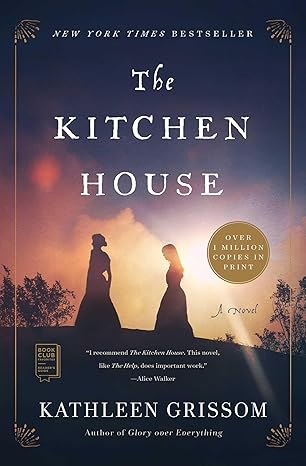
The Kitchen House by Kathleen Grissom

This New York Times bestseller published in 2010 tells the fictional story of life on a tobacco plantation beginning in the late 1700s from the perspectives of a slave (the daughter of a White master and his slave) and an indentured servant (an orphan from Ireland). Although a work of fiction, The Kitchen House is historical fiction, thus rooted in truth. This is a difficult read. But it’s also an inspiring book that speaks to the strength of the human spirit, the love of family and resilience.

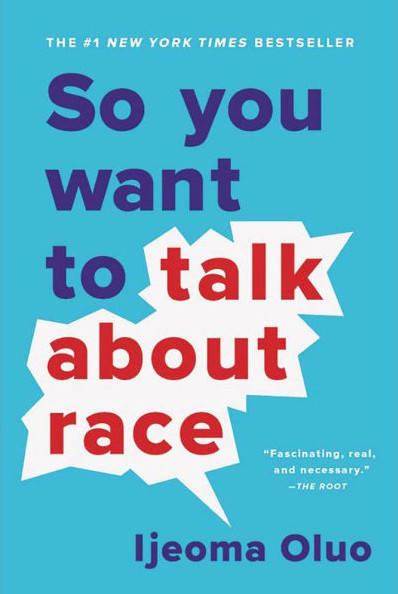
Book cover sourced online.

So you want to talk about race by Ijeoma Oluo

Another New York Times bestseller, this one published in 2019, is in my reading stack. The title, So you want to talk about race, pretty much explains the content. The book was gifted to me by someone who left it in my church mailbox. I am grateful. I expect I will gain new insights from reading this book about race.

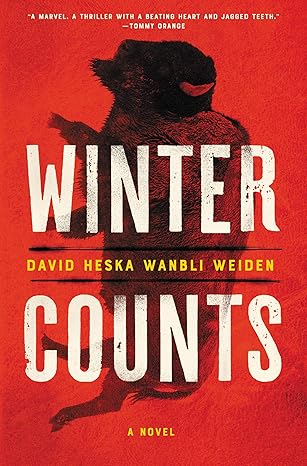
Book cover sourced online

Winter counts by David Heska Wanbli Weiden

This award-winning book published in 2020 has been in my reading stack for some time. I am half way through reading Winter Counts and already know I need to recommend this fictional book. Why? The storyline takes the reader onto the Indian Reservations of South Dakota. But what stands out for me is the authenticity of the writing. Author David Heska Wanbli Weiden, an enrolled citizen of the Sicangu Lakota Nation, knows of what he writes.

I am not only reading an intriguing novel about a vigilante set on justice for the Lakota community in dealing with illegal drugs and other issues. But I am learning about Lakota culture, beliefs, language and challenges, and a reclaiming of Native identity. This book has proven both educational and eye-opening.

TELL ME: Have you read similar books that you recommend I read? Please feel free to share with a brief summary of the book (s). I’m interested in any genre and in books for children to middle and high schoolers to adults.

© Copyright 2025 Audrey Kletscher Helbling


Brownies & a book November 15, 2024

Filed under: Uncategorized — Audrey Kletscher Helbling @ 3:14 PM
Tags: , , , , , , ,
Blonde brownies baked this morning. (Minnesota Prairie Roots copyrighted photo November 2024)

I HAVE A LOT ON MY MIND, as I expect many of you do. So this morning I baked blonde brownies. Nothing healthy about this sweet treat. Nothing healthy at all. The brownies are loaded with sugar. Two cups of brown sugar, to be exact. But on this day I don’t care.

(Book cover sourced online)

Today I’m continuing to read A Fever in the Heartland by Pulitzer Prize-winning reporter and author Timothy Egan. If ever there was a book that opened my eyes to American history, this is it. I’ve had to read this book in doses given the heaviness of the topic. Every. Single. Person. Should read this book. The content is relatable to today in many aspects. And that, my friends, is beyond frightening.

Lastly, it’s Friday. The sun is shining brightly. Laundry is drying on the line. And I’m waiting for a friend, who just lost his dog, to stop over for a brownie.

Enjoy your weekend, everyone! Take a walk. Meet a friend. Defiantly bake brownies.

© Copyright 2024 Audrey Kletscher Helbling

 

Marcie Rendon, an authentic Native American voice in riveting mystery November 13, 2024

(Book cover sourced online)

AS A WRITER, I bring my voice into my writing. My work is distinctively, authentically mine. Just as it is for most writers.

Recently I finished reading a novel, Where They Last Saw Her, by a Minnesota writer with an authentically strong Native American voice. It’s a voice we don’t often hear, which is perhaps why I find the writing of Marcie R. Rendon so compelling. She is a citizen of the White Earth Nation in north-central Minnesota.

I’ve read the first three books in her Cash Blackbear mystery series and am eagerly awaiting the release of her fourth in 2025. In the meantime, I found this stand-alone mystery set on the fictional Red Pine Reservation in northern Minnesota. As in her Cash series, the main character in Where They Last Saw Her, Quill, is a strong Native woman. Quill is the mother of two, a runner, and loyal friend to Punk and Gaylyn. And she is a woman who takes matters into her own hands when Indigenous women and children go missing.

The logo of the Minnesota Missing and Murdered Indigenous Relatives Office. (Image sourced online)

I wish that part—the missing women and children—was fictional. But it’s not. Rendon assures the reader understands that. The missing focus her book. In real life, between 27 and 54 American Indian women and girls in Minnesota were missing in any given month from 2012 to 2020. That’s according to the Minnesota Missing and Murdered Indigenous Relatives Office, an agency established in 2021 to provide support and resources to families and communities affected by such violence.

Rendon weaves a story that, if not for the disclaimer of “any resemblance to actual events, locales, or persons, living or dead, is entirely coincidental,” could pass for the truth. As a writer, I understand that in every bit of fiction lies some truth. And this book seems to hold a lot of underlying truth in events, trauma, violence and much more.

I felt compelled to visit the Minnesota Bureau of Criminal Apprehension’s missing person’s website, where I scrolled through a lengthy list of missing persons. There I found the names of three Native American women: Nevaeh Kingbird, last seen in Bemidji in October 2021. Sheila St. Clair, last seen in Duluth in August 2015. And then American Indian JoJo Boswell, gone missing in Owatonna in July 2005. I expected to find more based on the MMIR summary information. Perhaps I missed something in my surface search.

That brings me back to Rendon’s fictional story. In addition to providing me with a much deeper understanding of missing (including trafficked) Indigenous women and girls in a book that I didn’t want to put down, I learned more about the culture and language of First Nations peoples. Ojibwe words are scattered throughout the story. A glossary would be helpful. Customs, traditions and spiritual beliefs are also part of Rendon’s writing. All of that lends the authenticity I noted earlier. Only someone intimately familiar with Indigenous Peoples could write with such an authentic Native American voice.

I photographed this sign along the Cannon River in Northfield. St. Olaf College in Northfield is hosting several events during Native American Heritage Month. Click here. (Minnesota Prairie Roots copyrighted file photo May 2024)

Environmental topics and pipeline construction (an actual controversial issue in Minnesota and North Dakota) also play into the plot of Where They Last Saw Her.

I’d encourage anyone who enjoys a good mystery, and who wants to become more informed, to read Where They Last Saw Her. This is a riveting read that rates as simultaneously heartrending.

#

(Image source: The U.S. Department of the Interior Indian Affairs)

NOTE: November marks National Native American Heritage Month with a 2024 theme of “Weaving together our past, present and future.” Events are planned throughout the US, including right here in Minnesota (click here). Tuesday, November 19, is set aside as Red Shawl Day, a day to remember missing and murdered Indigenous people and to honor their families. Writer Marcie Rendon includes this wearing of red in her book, Where They Last Saw Her. Please take time this month to honor Indigenous people by learning, celebrating, respecting, remembering.

© Copyright 2024 Audrey Kletscher Helbling
 

“Charlotte’s Web” on-stage in Faribault, my take on this classic October 18, 2024

The promotional poster for the local production of “Charlotte’s Web.” (Minnesota Prairie Roots copyrighted photo October 2024)

THE CLASSIC CHILDREN’S BOOK, Charlotte’s Web, comes alive at the Paradise Center for the Arts in Faribault beginning Friday evening, October 18. I was among a theater full of guests who attended the final dress rehearsal on Thursday. Tickets are selling quickly for the six performances. That’s no surprise given the popularity of the Newbery Honor book penned in 1952 by E.B. White and illustrated by Garth Williams (of Laura Ingalls Wilder illustration notoriety). The book holds universal, long-lasting appeal.

Children and their families glazed these Wilbur medallions at the Paradise Center for the Arts during a special event with funding from a Faribault Foundation micro community grant. Participating kids also got free tickets to the play. (Minnesota Prairie Roots copyrighted photo October 2024)

To see White’s story about Wilbur the pig, Charlotte the spider and Fern, the young girl who loved them both, played out on stage proved entertaining and enjoyable. Entertaining in how the play was presented by a talented Paradise Community Theatre cast of nearly 30 ranging from newbies to seasoned performers of multiple generations. Enjoyable in that a good retelling of a classic book which sticks to the story line is always a delight.

I found this personalized book plate inside a copy of “Charlotte’s Web” at Buckham Memorial Library, Faribault. (Minnesota Prairie Roots copyrighted photo October 2024)

Sam Temple, himself a seasoned actor, directed the play, assisted by his mom, Linda Temple. As Sam shares the Temple family backstory, Charlotte’s Web is his mom’s favorite book, one she read repeatedly as a farm girl and then later read with students in her classroom. Sam grew up knowing Wilbur, Charlotte and Fern. That personal connection, that love of the book, shows in the performance.

(Book cover image sourced online)

The part that really stood out for me is the incorporation of digital technology with pages from the book projected onto a screen behind the performers. Those pages, sometimes text only, other times illustrations only, drew me into the book as did occasional narrated excerpts. This truly was literary, visual and performing arts melding to create a unique, immersive experience. Add in the superior surround sound (complete with chirping crickets) and performers sometimes acting in the theater aisles, and I felt very much a part of the story. I was there in the barn, at the county fair, the settings for the two-act, nearly 90-minute play.

A section of the PCA window display promoting the local production. (Minnesota Prairie Roots copyrighted photo October 2024)

The story of Charlotte’s Web, at its core, is about friendship. Charlotte spins words into her webs in an effort to save Wilbur, her new barn friend, from slaughter. The word-filled webs become a local attraction and Wilbur’s life is eventually spared.

The handcrafted medallion depicts the friendship between Wilbur and Charlotte. (Minnesota Prairie Roots copyrighted photo October 2024)

Words. As I, a wordsmith, sat in my theater seat listening to the words spoken/read on stage, jotting some in my notebook, I contemplated how much words matter. Charlotte wove “Some pig,” “terrific,” “radiant,” “humble” into her webs. Powerful words. Words with depth. Words worth pondering. Especially today, when negative and degrading words often fly too easily. I couldn’t help but note the arrogance of self-centered Uncle, a pig vying against Wilbur for a blue ribbon at the county fair. He was decidedly full of himself.

For a while, I thought the same of Templeton, a main character in the book and play. But then I changed my mind, considering the barn rat more confident than self-centered. I found myself really liking this outspoken, sly, even funny, character who assisted Charlotte by finding words for her to weave into her webs. Friendships developed inside the barn, home to pig and spider, rat and geese, lamb and sheep.

Mostly, this play is about friendship. At show’s end, Fern calls Charlotte “a true friend and a good writer” who taught her bravery. But this play is also about acceptance. When Charlotte experienced an adverse reaction to revealing that she eats flies, she stood up for herself. “That’s the way I’m made,” Charlotte told her friends. “I can’t help it.” How wise that spider.

And then this line from Charlotte resonated: “People are not as smart as bugs.”

This play by the Paradise Community Theatre really does appeal to all ages. Kids may not catch everything we adults do. But that’s OK. Perhaps they shouldn’t. They have their entire lives to figure out that life is much more complicated than simply a story about a spider, a pig and the girl who loved them.

© Copyright 2024 Audrey Kletscher Helbling
 

A “game show” about Minnesota town names by Doug Ohman October 2, 2024

I photographed this scene in Pine River, which calls itself Minnesota’s S’more Capital, Doug Ohman said. From what I read online, the Whitefish Chain of Lakes terms itself “The S’more Capital of the World.” Pine River is on the northwest end of the Whitefish Chain. (Minnesota Prairie Roots copyrighted photo July 2024)

I FELT LIKE A BIT OF A SMARTIE, you know, that kid who raises his/her hand to answer the teacher’s questions. But Doug Ohman told me later, when I apologized to him for my overzealous class participation, that he actually appreciates enthusiastic interaction with audience members. And that I was on Monday evening while attending Ohman’s presentation on Minnesota town names at the Owatonna Public Library. I couldn’t help myself. This presenter is incredibly engaging, energetic, interesting and really good at what he does.

One of many Minnesota books by Doug Ohman. (Cover image sourced online)

Ohman is a prolific presenter, Minnesota author and photographer—he’s written 16 photo-rich books—who travels the state giving talks on 36 subjects. Those range from churches to schoolhouses, courthouses to libraries, state parks to cabins, and, oh, so much more. If you want to learn more about Minnesota, especially its small towns and rural areas, and appreciate history, then Ohman is your guy. I’ve seen him present twice previously, both times on churches.

But Monday evening, it was all about “Name That Town.” Ohman began by telling a room packed with people that he would be doing an interactive game show style presentation. Oh, oh, I thought, when he asked for help from an audience member. Eventually Steve volunteered and the game was on.

Sweetcorn for sale at a stand across from St. Michael’s Catholic Church in Buckman, my husband’s hometown. Buckman is southeast of Little Falls in Morrison County. (Minnesota Prairie Roots copyrighted photo September 2024)

It didn’t take long before Ohman put the audience at ease with his humor and questions. A lot of questions. About towns. And that’s where I proved my smarts. Like Ohman, I enjoy visiting small towns, stopping to explore and photograph them. He feels like a kindred spirit in that we are both writers and photographers who value rural Minnesota.

I recently photographed this beautiful old building in downtown Foley, seat of Benton County. (Minnesota Prairie Roots copyrighted photo September 2024)

For 1 ½ hours, Ohman talked about Minnesota towns, going through the alphabet from A-Z, showing selected photos of communities he’s visited. He invited audience members to shout out town names for each letter, often pausing to ask why they named that particular town and occasionally awarding prizes for correctly answered questions.

I found this signage on a building in downtown Kenyon in Goodhue County east of Faribault. (Minnesota Prairie Roots copyrighted file photo August 2024)

There were familiar town names like Duluth, Hastings, Red Wing and Stillwater. But then Ohman threw out towns like Dorothy (south of Thief River Falls), Johnson (the “most Minnesotan name,” he said, and located near Chokio) and Quamba (between Mora and Hinckley). All three were unfamiliar even to me.

Ohman referenced this multi-cultural mural in Walnut Grove, where Hmong immigrants have settled and embraced the prairie history of author Laura Ingalls Wilder. He also noted that Walnut Grove is the only community where he found a working pay phone. (Minnesota Prairie Roots copyrighted file photo)

Only the letter X lacks a Minnesota town name. Two towns share the name Oslo. No surprise given Minnesota’s rich Scandinavian heritage. Oh, and Osakis is the self-proclaimed “Lefse Capital of Minnesota,” Ohman said, recommending Jacobs Lefse.

A statue of Princess Owatonna, daughter of Chief Wabena and whom after the city of Owatonna is named, stands in Mineral Springs Park. (Minnesota Prairie Roots copyrighted file photo 2020)

Ohman asked how towns are named and got lots of audience response. The Old Country (New Ulm, New Germany, Fulda…), Native American people and language (Owatonna, Wabasha, Sleepy Eye, Wabasso), animals (Badger and Fox), geographic features (Redwood Falls, International Falls, Thief River Falls, Fergus Falls, but not Hanley Falls, which has no falls), famous (Henry Hastings Sibley) and not so famous people…

This sign once marked my hometown and its reason for notoriety. The sign was removed and replaced and I wish it was still there, along Minnesota State Highway 19. (Minnesota Prairie Roots copyrighted file photo 2011)

My hometown is named after the postmaster’s daughter, Vesta. I nearly stumped Ohman when I shouted out “Vesta.” But, with some clues and thought, he remembered its location in Redwood County. He’s been to neighboring Belview, Seaforth, Wabasso. Even several audience members were familiar with southwestern Minnesota towns, something I don’t often encounter in southeastern Minnesota.

I found this small town proud t-shirt at Kelash’s Corner, a vegetable, fruit and merch stand, in Gilman, population around 220. The town is northeast of St. Cloud in Benton County. (Minnesota Prairie Roots copyrighted photo September 2024)

Towns survive based on location, Ohman said. That makes sense. Towns once located along railroad tracks, later abandoned, have declined. Towns built on lumbering have dwindled in population. Towns located today in resort areas, close to larger cities or along major roadways (like Owatonna on Interstate 35) are growing, thriving. The smallest of Minnesota’s 905 towns, according to Ohman, is Funkley, population five. That’s northeast of Blackduck which is northeast of Bemidji in Beltrami County. I love how that name, Funkley, rolls off the tongue.

I won this pack of photo cards for correctly answering so many questions throughout Ohman’s presentation. (Minnesota Prairie Roots copyrighted photo September 2024)

Plenty of answers rolled off my tongue Monday evening in Owatonna as Ohman asked endless questions during his Minnesota town themed game show. Who knows the county in which Ivanhoe, named after the book by Sir Walter Scott, is located? “Lincoln,” I shouted. I revealed my book smarts a second time by naming the fictional town in Sinclair Lewis’ novel, Main Street. That would be Gopher Prairie, really Lewis’ hometown of Sauk Centre. That earned me a prize—a pack of feline photo cards by Ohman.

This mural in Walnut Grove shows how past and present connect, from early settlers to present day Hmong immigrants who now call this small town home. A niece, who lives with her family in Walnut Grove, recently told me how happy she is that her children are growing up in a diverse community. (Minnesota Prairie Roots copyrighted file photo)

I could write a whole lot more about all the towns and related information Ohman covered in his talk. But that’s his job, while mine is to highlight a few here. And also to reveal that I did incredibly well on the Ohman game show. I’ll close with one more important revelation. His favorite town name, Ohman shared, is Faith…because it takes a little faith to live (and survive) in Minnesota.

© Copyright 2024 Audrey Kletscher Helbling


Latest “Talking Stick” anthology publishes & I’m in, again September 19, 2024

I couldn’t resist posing with Paul Bunyan at Jack Pines Resort following a book launch party there on September 14. (Photo credit: Randy Helbling)

FOR 33 YEARS NOW, a writing group in northern Minnesota has published Talking Stick, a literary anthology packed with poetry, fiction and creative nonfiction. It features not only the writing of well-known Minnesota writers, but also that of emerging writers. And that says a lot about this book published by the Jackpine Writers’ Bloc based in the Park Rapids area.

Getting published in this anthology is a competitive process with blind-judging. The judges—this year a university English professor and writer, a writer who moved to Minnesota for a rural artist-in-residency, and the author of a cozy mystery series—have no idea whose work they are considering for honors. The Jackpine editorial team chooses their top pieces to pass along to the judges for review and awards.

There were 280 submissions from 121 Minnesota writers or writers with a strong connection to our state in the 2024 writing competition. Of those, 113 works from 72 writers were published. That includes 63 poems, 22 creative twist pieces, 15 creative nonfiction stories and 13 fictional stories.

Me with author and fiction judge Jeanne Cooney, right. (Photo credit: Randy Helbling)

My short story, “Dear Mother,” earned second place in fiction as decided by author Jeanne Cooney. She’s written “A Hot Dish Heaven Mystery” series and has launched a new “It’s Murder” series. Did my mention of Hamburger Noodle Hotdish and red Jell-O salad in my story influence Cooney’s decision? I’d like to think not, but I suppose subconsciously it could have. When I wrote my short story, though, I had no idea who would be judging the fiction category. Hotdish simply fit into the storyline.

The beginning of my prize-winning fictional story, “Dear Mother.” (Minnesota Prairie Roots copyrighted photo September 2024)

Cooney called “Dear Mother” a “Very good story. But needs to be clearer.” She was right. Her comments helped me shape a stronger, better piece of writing. Dark writing. Mine is a story that begins seemingly ordinary enough, wrapping up in a surprise ending. Or rather an inferred dark ending.

Congratulations to everyone whose work published in “Talking Stick 33.” Those include readers of this blog. Thanks also to Managing Editors Sharon Harris and Tarah L. Wolff for their ongoing dedication to the craft of writing. (Minnesota Prairie Roots copyrighted photo September 2024)

Last Saturday afternoon, I gathered with other writers and supporters for a party launching publication of Talking Stick 33—Earth Signs at Jack Pines Resort (no connection to the writers’ group) in rural Osage, a four-hour drive from Faribault. The event included a writing workshop (which I did not attend), book reading and socializing.

I’m not especially comfortable reading to a roomful of people, even though I’ve done so many times. But I practiced and then read “Dear Mother” with dramatic inflections and soft tones in just the right spots, managing to convey exactly what I wrote. There’s something to be said for hearing a poem or story read aloud. The piece comes alive via the voice of the writer.

As I listened to all these writers, I felt a strong sense of community. I felt encircled by a group of incredibly talented and supportive creatives. People who care about language and emotion and damn good writing.

My collection of “Talking Stick” books. I’ve been published in 15 of these 16 volumes. (Minnesota Prairie Roots copyrighted photo September 2024)

This marks the 15th consecutive year my writing has published in Talking Stick. A poem, “Misunderstood,” and a work of creative nonfiction, “Lessons Inside the Dome,” were also selected for publication in the 2024 volume. Both are Faribault-rooted. My poem focuses on the connection between the Wahpekute and today’s homeless population living in woods along the Straight River. In “Lessons,” I write about walking inside the Shattuck-St. Mary’s School dome during the winter and lessons I learned there.

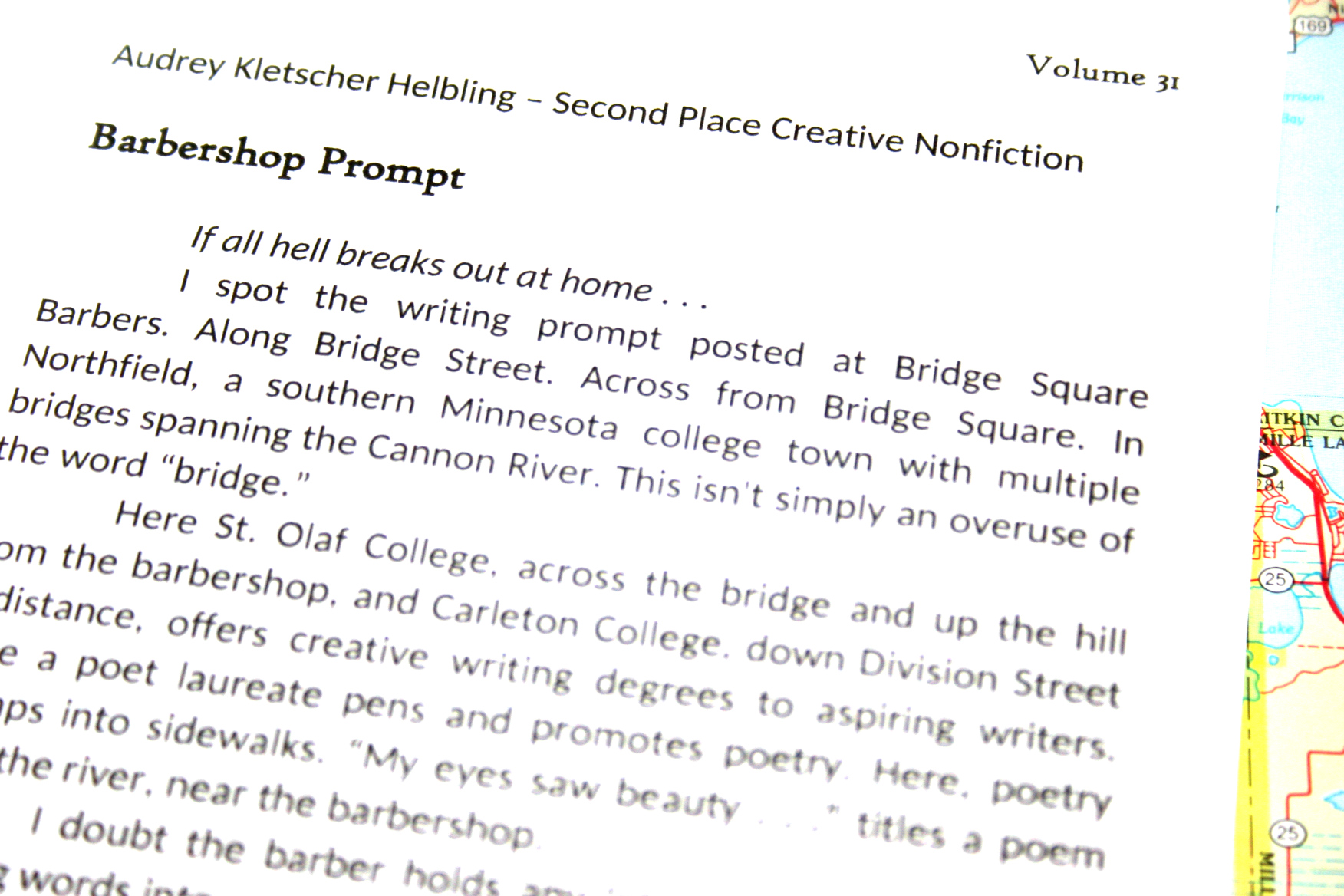
My writing is often rooted in experiences, in observations, in overheard conversations, in memories. I’ve covered everything from farming, to aging to domestic abuse, trauma, Minnesota Nice and more. Writing prompts have come from a vintage family photo, a sign on a barbershop window in Northfield, a painting by Andy Warhol… There are stories everywhere.

I’m grateful to the Jackpine Writers’ Bloc for repeatedly choosing my work for publication in Talking Stick. That includes 15 poems, 10 short stories, nine creative nonfiction stories and two creative twist stories (written using a list of pre-selected words). I’ve thrice been awarded second place (poetry, fiction and creative nonfiction). I’ve also earned eight honorable mentions (four for fiction, two for creative nonfiction, and one each in poetry and creative twist). Winning those awards is validating to me as a writer.

But just as validating is being among other writers. Writers who appreciate the craft of writing and the hard work it takes to shape a poem or a short story. Writers who understand the importance of word choice. Writers who recognize the power of words. Writers who don’t settle for the mundane, the cliché, the everyday. Writers who will spend several hours together on a glorious September afternoon in the northwoods celebrating the release of Talking Stick, a stellar literary anthology. We have much to celebrate in Minnesota, in this place that produces a remarkable number of talented writers.

FYI: To purchase a copy of “Talking Stick,” click here. Thank you for supporting Minnesota writers.

© Copyright 2024 Audrey Kletscher Helbling
 

Look to Books on Central as “We Look West” September 3, 2024

(Minnesota Prairie Roots copyrighted file photo 2024)

THEY ARE SEASONED WRITERS, also well-seasoned in life. They are Becky Boling, Heather Candels, D.E. Green, Steve McCown and Julie A. Ryan, collectively The Poets of the Northfield Public Library. And at 6 p.m. Thursday, September 5, they will gather at Books on Central, 227 Central Avenue North, Faribault for a poetry reading followed by a Q & A.

If you happen to be one of those people who claim a dislike of poetry, I encourage you to reconsider and come to this literary event. The poetry this group will read comes from their recently-published anthology, We Look West. Their poems are down-to-earth relatable. Trust me. I’ve read this 116-page book, loved it and reviewed it. (Click here to read my review.)

The writing within the pages of this volume are stories of life, in poetry form. Poems that transition from east to west, from the sunrise to the sunset of our lives.

They’re written by poets with extensive publishing credentials. Four have taught at the high school or college level. The fifth comes from a strong literary and visual arts background. Two are Pushcart nominees.

I’ve met Boling and Green and read poetry with them at an event at Mercado Local in Northfield. They are a wonderful married couple, comfortable and friendly. No stuffy poets here. And no stuffy poems. Just plain good writing that moves the spirit, fills the soul, imprints upon the heart.

I look forward to hearing The Poets of the Northfield Public Library read selected poems and then share the stories behind their poetry. As a poet, I’m always interested in learning what inspired a particular poem.

And if you have questions, ask away. Writers welcome engagement as they share their passion for poetry, the craft of writing.

FYI: Books on Central is a second-hand book shop run by the Rice County Area United Way and staffed by volunteers. Proceeds from the bookstore benefit organizations and nonprofits throughout the county.


Oh, the places my photos go, including into a vets home in Bemidji August 19, 2024

This photo, taken at the Grant Wood Rest Area along I-380 south of Cedar Rapids, Iowa, was published in a book about architecture. It was converted to black-and-white in the book. (Minnesota Prairie Roots copyrighted file photo)

THROUGHOUT MY 15 YEARS of blogging, I’ve sold rights to dozens of images sourced from Minnesota Prairie Roots. My photos have published on websites, in tourism guides, on album covers, on packaging for a toy company, in magazines and newspapers, on business promotional materials, on signs and banners, on the cover of a nonprofit’s annual report, in books…

Three of my photos published in this book. (Book cover sourced online)

I’m especially proud of the three photos published in The World of Laura Ingalls Wilder—The Frontier Landscapes that Inspired the Little House Books by New York Times bestselling author Marta McDowell. I grew up only 25 miles from Walnut Grove, Wilder’s childhood home. Wilder inspired me as a writer and photographer with her detail-rich creative style. I’m also proud of my two Grant Wood-themed Iowa rest stop photos printed in the book Midwest Architecture Journeys. I have copies of both books.

My Laura Look-Alike Contest photo displayed in a Chicago museum. My friend Laurel happened upon the photo while touring the museum and snapped this image for me. (Minnesota Prairie Roots copyrighted photo by Laurel Engquist)

Likewise, I had the honor of selling rights to photos displayed in a temporary Laura Ingalls Wilder exhibit at the American Writer’s Museum in Chicago, at the Minnesota Children’s Museum in St. Paul and at the National WWII Museum in New Orleans. Atherton Pictures purchased rights to a southwestern Minnesota farm site photo for a WWII video created for the museum. I’ve never visited any of the three museums.

The Minnesota Veterans Home, Bemidji, which can house 72 veterans, recently opened. (Photo courtesy of Minnesota Veterans Home, Bemidji)

Seldom do I see how my photos are used once I email the original high resolution digital images to the buyer. But this summer I had the joy of seeing my framed photos displayed in hallways of the new Minnesota Veterans Home in Bemidji. I was in town to bring my son, who lives in Boston and was in Bemidji for the international unicycling convention, home to Faribault. I knew I had to make time for a stop at the veterans home.

Me with two of my photos, a scene from the Northfield Area Veterans Memorial on the left and the other at the Rice County Veterans Memorial. (Photo courtesy of Minnesota Veterans Home, Bemidji)

So in between Unicon 21 events, Randy and I headed to the vets home in hopes of seeing my six framed art prints. We found four, thanks to Maryhelen Chadwick, public affairs/volunteer coordinator at the Veterans Home. When we showed up unexpectedly, Chadwick graciously led us through the sprawling Town Center in search of my photos. There, in the hallways of this public space, which includes a multipurpose room, theater, club room, learning studio, family dining room, therapy gym and meditation room, we located four of my photos.

This photo, converted to black-and-white, hangs in the Bemidji veterans home. (Minnesota Prairie Roots copyrighted file photo)
My photo of the Traveling Vietnam Memorial Wall also hangs in the vets home. (Minnesota Prairie Roots copyrighted file photo)

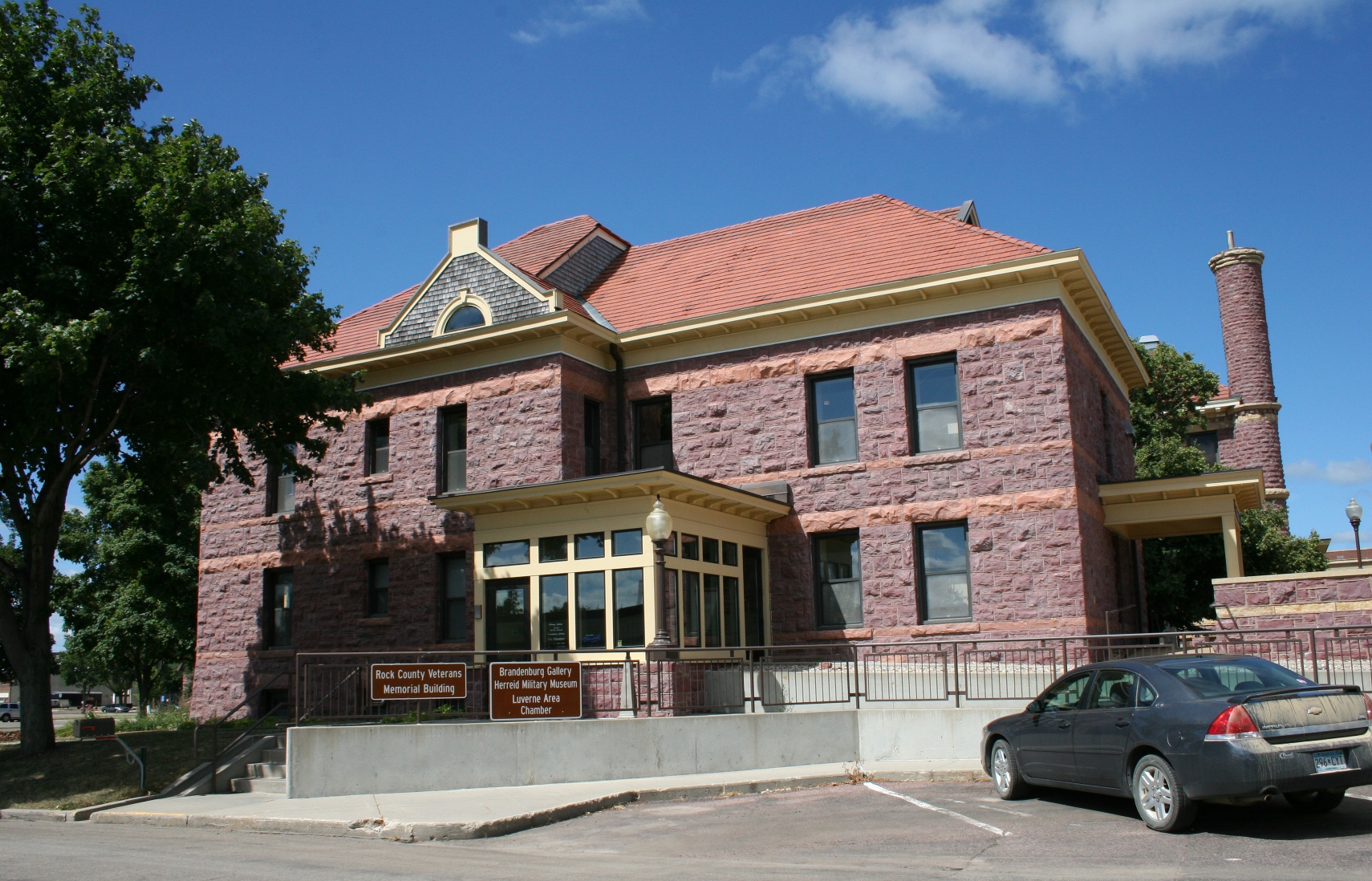
Curated by a St. Paul art company, the selected images are all veteran-themed. Oversized photos of veterans’ memorials in Faribault and Northfield anchor a hallway wall. Elsewhere in the public space are two more images shot in Faribault—a veteran playing taps at a Memorial Day program and a photo of items placed at the Traveling Vietnam Memorial Wall. Chadwick later found my photos of sculptures at the county memorial in Faribault and the Rock County Veterans Memorial, Luverne, in the residential wing of the veterans home.

My father, Elvern Kletscher, on the left with two of his soldier buddies in Korea. (Minnesota Prairie Roots copyrighted photo)

To see four of my six photos showcased in a public space where veterans, their families and friends, staff, and others can view my work is humbling. I am the daughter of a Korean War veteran. My dad, Elvern Kletscher, fought on the front lines in Korea as a foot soldier. He experienced the worst of war. The injuries. The killing. Atrocities so awful, so horrific that he was forever changed by his time in combat. He suffered from Post Traumatic Stress Disorder (unrecognized at the time of his discharge). He endured much pain, heartache, trauma. Nightmares. Flashbacks.

My photo of a sculpture at the Rock County Veterans Memorial, lower right, is showcased in a group of images in the Beltrami Household. (Photo courtesy of Minnesota Veterans Home, Bemidji)

But, in his later years of life, Dad found solace among other veterans in a support group through the Redwood County Veterans Service office. I remember how hard officials worked to secure the Purple Heart that Dad finally got 47 years after he was wounded on Heartbreak Ridge. I was there for that emotional public ceremony.

My photo of a dove and eagle at the Rice County Veterans Memorial in Faribault graces a hallway of the Beltrami Household. (Photo courtesy of Minnesota Veterans Home, Bemidji)

Today emotions swell again as I think of my framed photos hanging in the Minnesota Veterans Home—Bemidji. To me these are not just veterans-related images procured as art. They are a photographic “thank you” to every person who has served our country. Because of individuals like my dad, I live in a free country, in a democracy. I never take that for granted. To be able to express my gratitude via my photos is truly an honor, a joy and deeply meaningful.

I hope my photo of a dove sculpture, symbolizing peace, and an eagle, symbolizing freedom, conveys my gratitude to the veterans living in the Minnesota Veterans Home, Bemidji. (Minnesota Prairie Roots copyrighted file photo)

NOTE: Maryhelen Chadwick kindly found and photographed my eagle/dove and soldier sculpture photos per my request after I visited the home. They hang in the Beltrami Household, one of four 18-room residential areas, a space I could not tour due to privacy.

© Copyright 2024 Audrey Kletscher Helbling
 

Chris Norbury’s newest book, this one for young adults, proves another excellent read August 13, 2024

Cover image sourced online.

WE CAN ALL USE some encouragement, no matter our age. And that’s exactly what you’ll find in “Little Mountain, Big Trouble,” a debut young adult novel by Owatonna writer Chris Norbury.

I don’t typically read fiction written for youth. But when I met Norbury this summer at Faribault’s Heritage Days and learned about his latest book, I knew I had to read it. I’m a fan of Norbury’s writing. He’s the author of three books in the Matt Lanier mystery/suspense/thriller series. All are set in Minnesota, which makes them even more appealing to me.
Given the differences in writing mysteries for adults versus fiction for youth, I wondered if Norbury could pull it off. He did, and so well that I wanted to continue reading “Little Mountain, Big Trouble” one evening well past my bed-time. That, in my opinion, is the sign of a good book.

BULLIED

The story centers around 12-year-old Eduardo, or EJ, who’s unpopular, bullied, short and at that awkward middle school age with its uncertainties, peer pressure and insecurities. Toss in poverty, a broken family and other challenges and you have a relatable read. I imagine many middle or high schoolers can empathize with EJ’s pain, struggles and lack of confidence. Even I, decades removed from junior high school, felt difficult memories of bullying surge back. Some things you just never forget. I still carry the pain of name-calling with me. But, because of that, I lean into compassion, understanding, empathy and kindness.

BIG BROTHER, LITTLE BROTHER

Norbury’s book is filled with all of that, too, no surprise given his experiences as a Big Brother. In real life, he mentored boys through Big Brothers Big Sisters of Southern Minnesota and now donates a portion of his book sale proceeds to the organization. When we met, Norbury enthused about the program and how much his “little brothers” meant, still mean, to him.

In “Little Mountain, Big Trouble,” main character EJ is paired with Big Brother, Russ. That relationship focuses the story-line as the chapters unfold. Although a disclaimer at the front of the book assures the content is fictional, I understand that, as a writer, our writing is influenced by what we’ve lived or observed.

CLIMBING MOUNTAINS

It takes EJ a while to trust Russ, to realize that his Big Brother is not perfect and is there to support him. Russ doesn’t talk down to EJ, but rather listens to and encourages him, like they are equals in many ways. Eventually, EJ opens up about his goal to become a mountain climber. At this point, I wondered what Norbury was thinking by writing that into the plot. A Minnesota kid with no mountain climbing background wanting to climb Mount Everest?

Russ doesn’t dismiss EJ’s dream as insurmountable. Rather, he breaks the goal down into doable steps, starting first with training and then climbing Eagle Mountain. That mountain is real, the highest point in Minnesota, with much of the hiking trail to the summit running through the Boundary Waters Canoe Area Wilderness.

ANXIOUS AND WORRIED

And that is where EJ and Russ end up, heading up, then down, the mountain. And this is where the tension thickens to the point that I am feeling anxious and worried. To elicit that response in the reader shows Norbury’s skills as a writer. The duo face challenges that test their strength and endurance, even threaten Russ’ life.

WE ALL NEED SOMEONE

I won’t spoil the book by revealing the outcome of that mountain hike. But know that the book ends in a heart-warming way. EJ has developed confidence, gained the acceptance and respect of his peers, and grown to understand that he can overcome, and do, anything. Sometimes it just takes someone, like Russ, believing in you and cheering you on, just as I expect Chris Norbury did for his little brothers.

© Copyright 2024 Audrey Kletscher Helbling