Minnesota Prairie Roots

Writing and photography by Audrey Kletscher Helbling

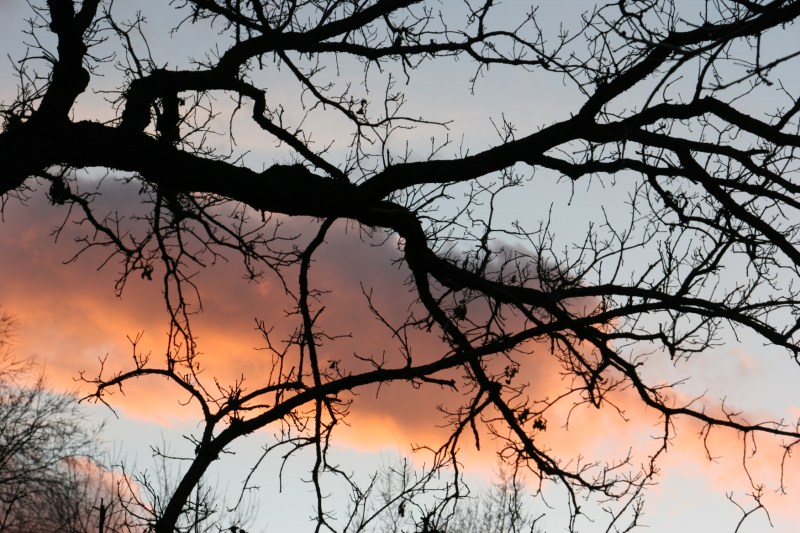
The poetry of trees at sunset April 14, 2020


SUNSET. I FIND IT profoundly beautiful. Poetically beautiful.


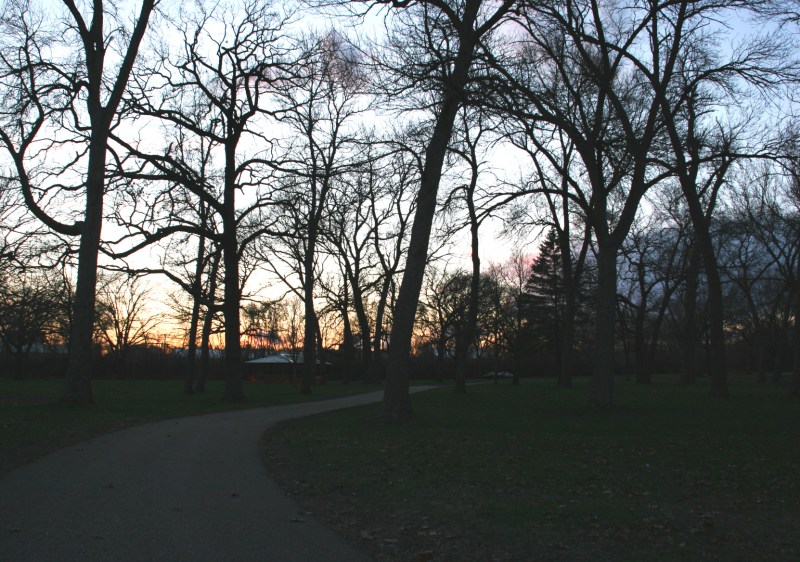
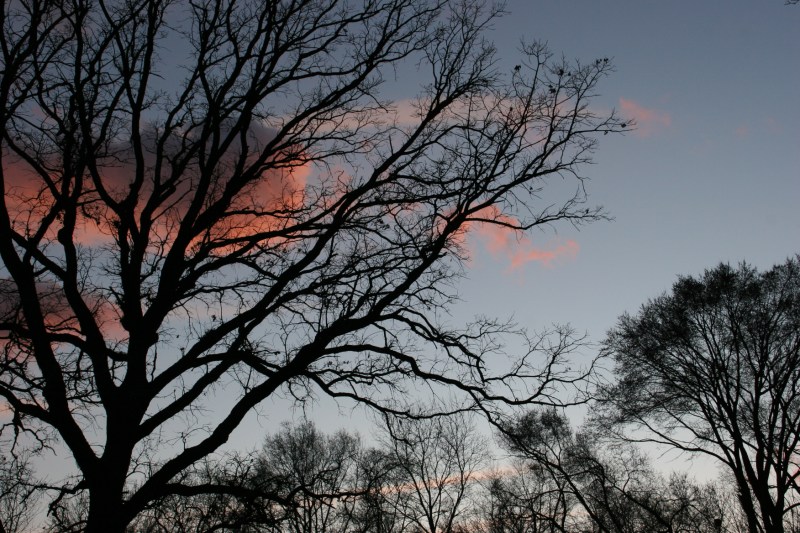
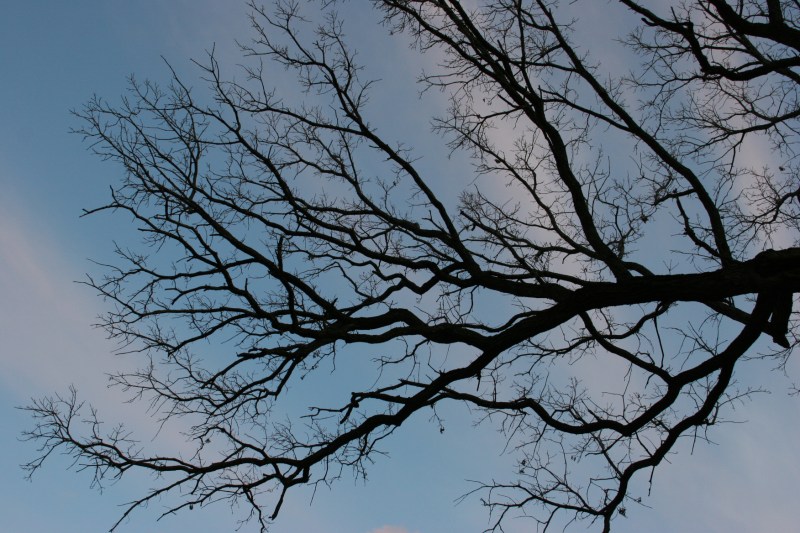
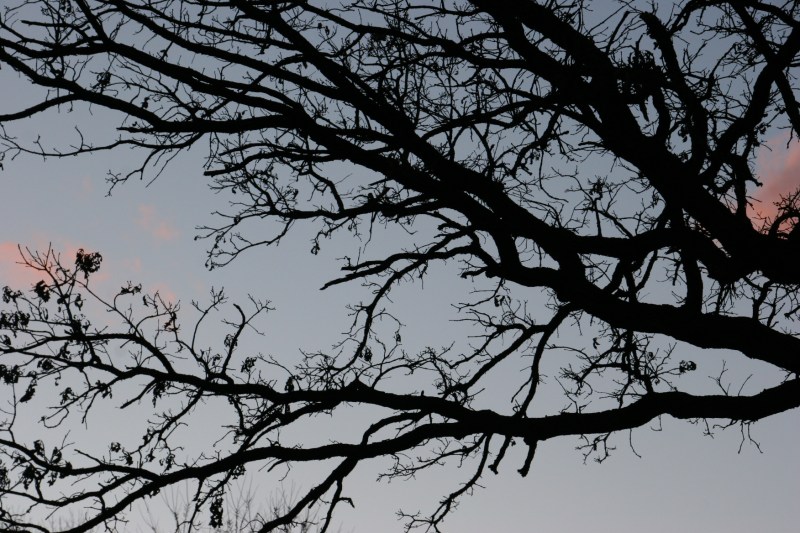
Last week while walking a tree-lined trail in Faribault’s North Alexander Park, I stopped to appreciate the sunset through the trees.


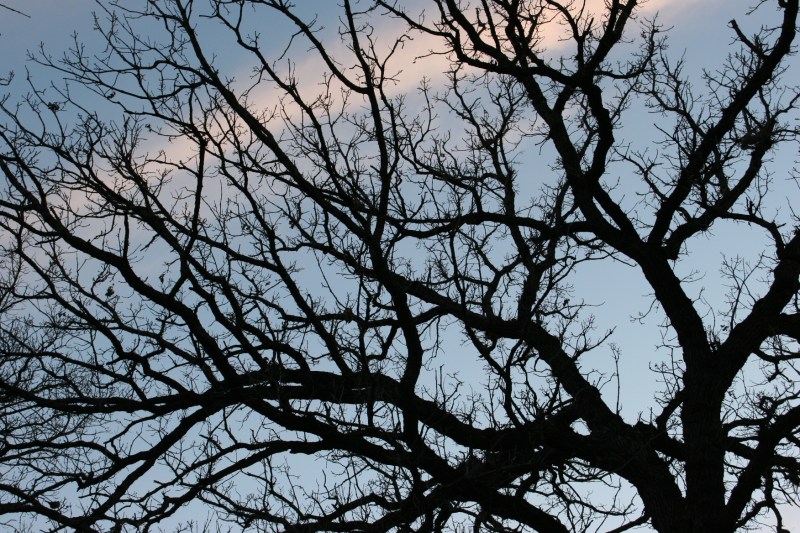
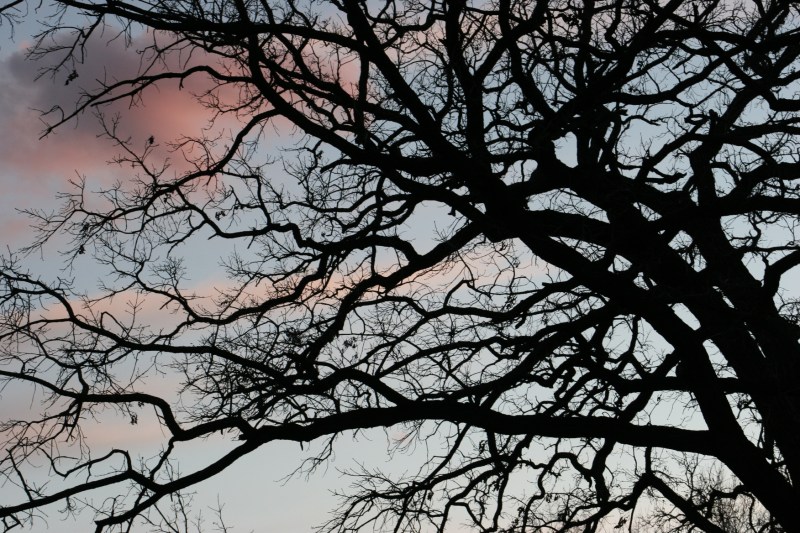
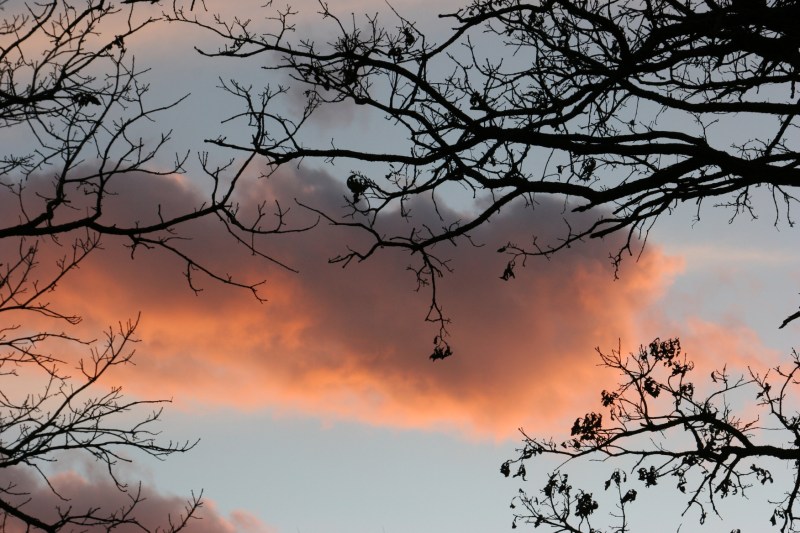
I aimed my camera lens skyward, toward treetops. Branches, like lines drawn in wide chisel and felt tip markers, traced the sky. Sharp against backdrop canvases of blue, pink and orange. Lovely. The literary and visual work of an artist.


Scenes like this are so ordinary, yet extraordinary. Nature, when viewed in pause mode, seems even more stunning these days.


When I lift my camera and look through a viewfinder to frame a photo, I see so much. I notice details. Shapes. Colors. Patterns. Light.


It’s a process similar to writing poetry. I immerse myself in creating something beautiful. Poetry requires sparse, well-chosen words. Photography requires that, too, but in a visual way.


In this unprecedented time of social distancing, isolation and concern about COVID-19, I feel especially grateful for a quiet place to walk, to appreciate the art of nature and then create my own art via photography.


April is National Poetry Month. Celebrate by reading a poem, writing a poem or finding a poem in nature, like I did at North Alexander Park on a cold April evening with strong winds gusting from the northwest, sometimes shaking my camera lens.

© Copyright 2020 Audrey Kletscher Helbling


From Wisconsin: Quick, look before the snow melts March 5, 2020

Filed under: Uncategorized — Audrey Kletscher Helbling @ 5:00 AM
Tags: , , , , , , , , ,

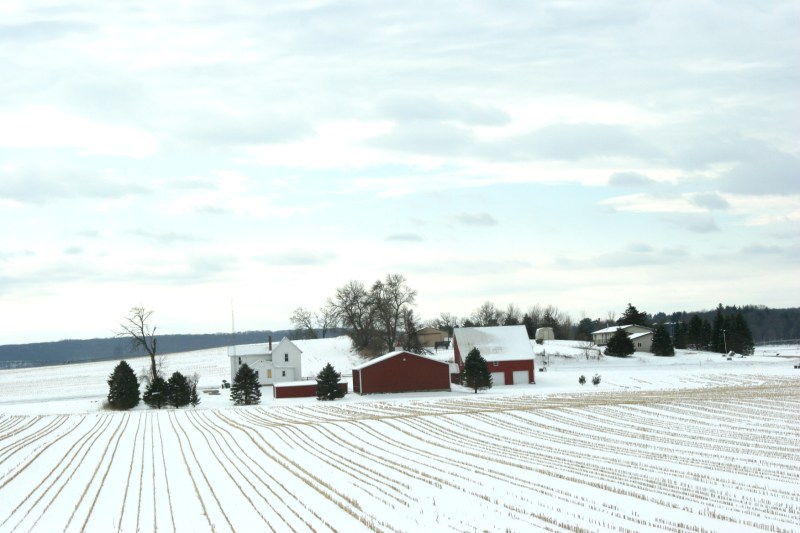
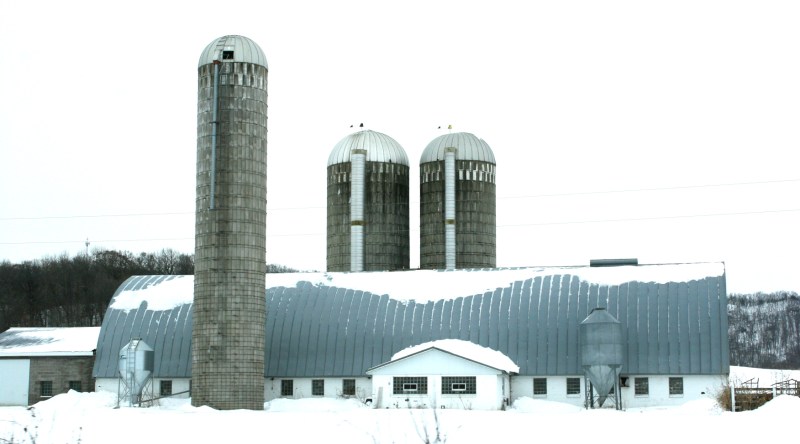
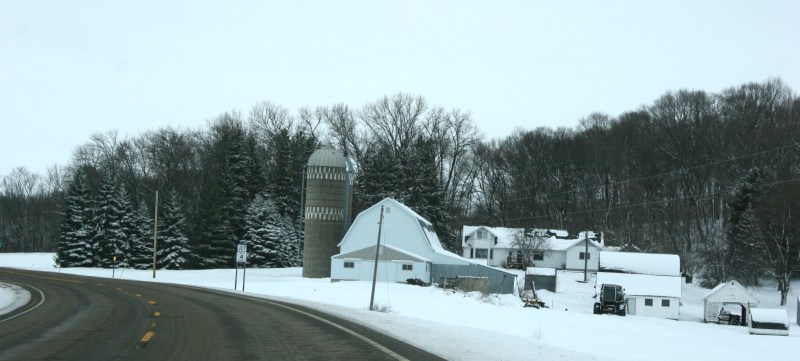
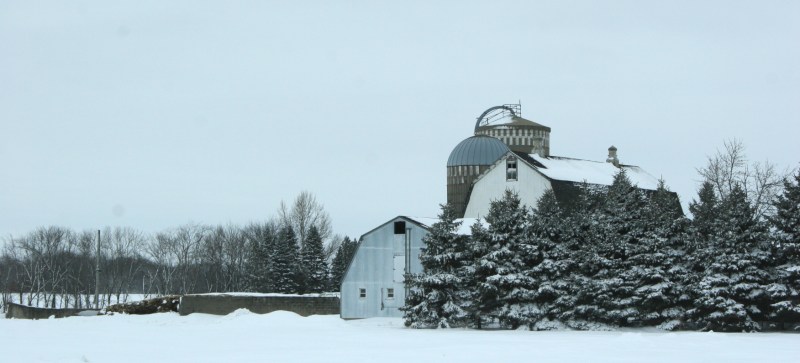
An iconic Wisconsin farm site photographed from Interstate 90 on February 15.


OH, WHAT A DIFFERENCE a few weeks make. I’m talking snow cover here. With temps rising into the 40s, even 50s in some places in Minnesota, and sun shining bright in the afternoons, the snow pack is diminishing.


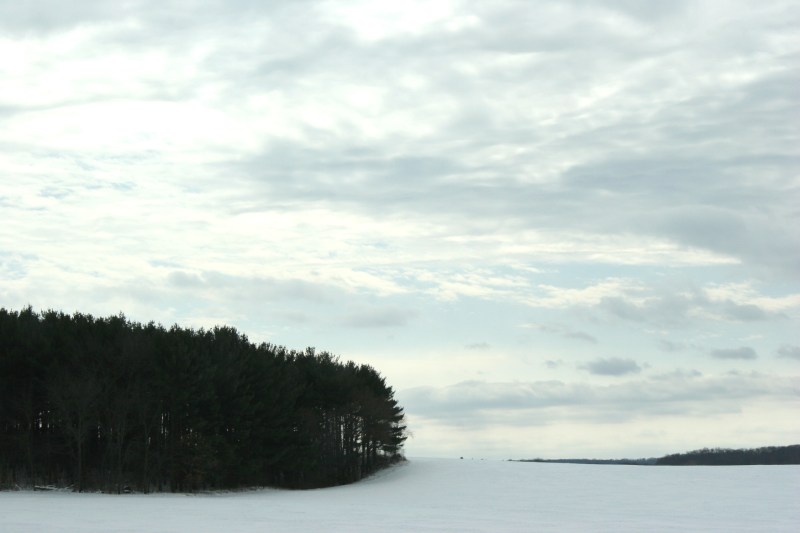
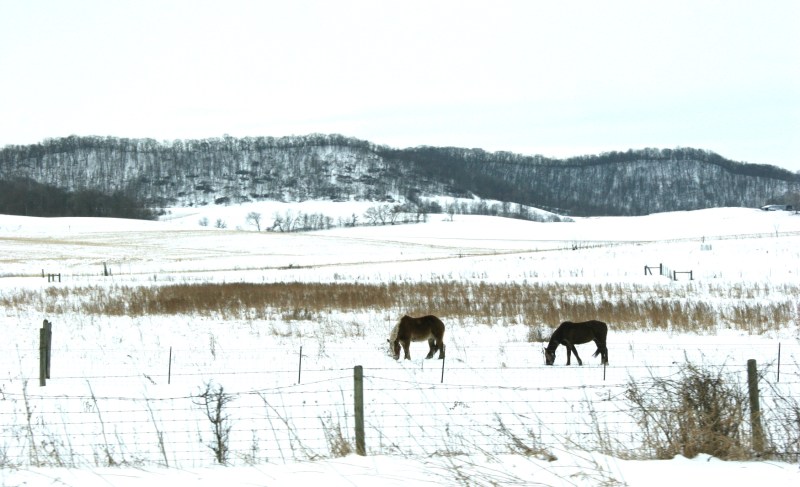
Photographed on February 15 while traveling along Interstate 90 in Wisconsin, this tree stand appears like an island in an ocean of snow.


I can now see patches of grass in my lawn, curbing along streets and indications that we are getting closer to spring. As a life-long Minnesotan, though, I recognize the potential for lots more snowfall, even into May.

But for now, we’re delighting in days that lean toward spring. Sixty degrees is forecast for this weekend. Imagine how that will facilitate snow melt. And lift spirits.


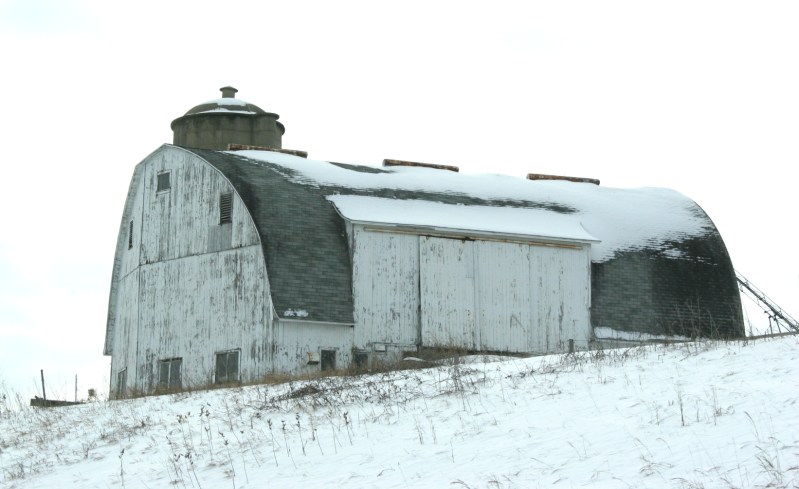
This hillside barn is located near Madison, in an area more urban than rural.


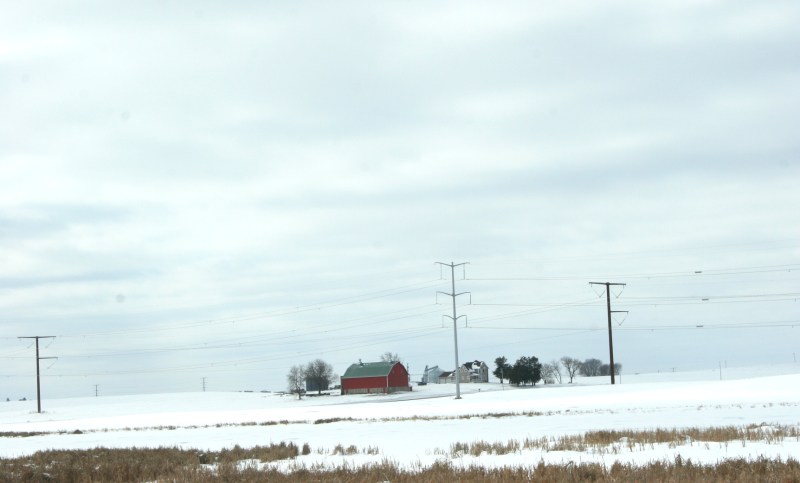
That all said, I’m finally getting around to sharing snowscape photos I took in mid-February while traveling along Interstate 90 in Wisconsin, eastbound toward Madison. Scenes along that route are becoming familiar to me now given the frequency of trips to visit our second daughter, her husband and our son in the capital city.


A pastoral scene along I-90 in southern Wisconsin.


Wisconsin, for all the jokes about beer, brats and cheese, and fan fanaticism for the Packers and Badgers, is a lot like Minnesota. Friendly folks. Diverse landscape. Mostly rural with just enough urban. Interesting. I’ve enjoyed exploring Madison from botanical gardens to art museums to a repurposed mill next to my son’s apartment building.


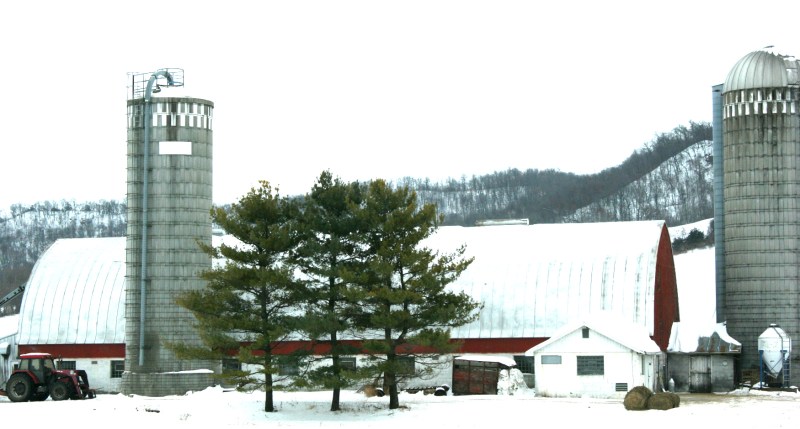
In the valley east of La Crosse, the length of this barn along I-90 impresses me.


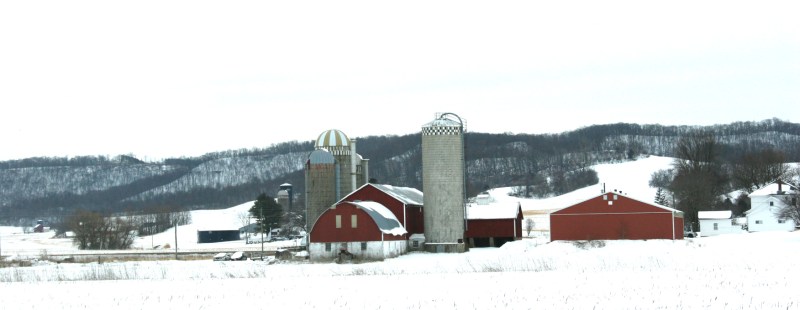
A picturesque farm site sits in the valley.


Another long barn.


With the exception of Rochester, Minnesota, and La Crosse, Wisconsin, the four-hour drive to Madison from Faribault takes us primarily through rural regions. I especially like the area east of La Crosse where high rolling hills border farm fields and farm sites in the valley. Hills and wide sky dwarf the farms, a strong visual that always impresses upon me our smallness in this vast universe.


This scene, especially, emphasizes our smallness.


Such are my thoughts as we travel. I never tire of looking at these rural scenes, often wishing we had time to follow backroads deep into the hills. We did once, years ago while vacationing, and nearly lost our way such are the twisting paths within those hills.


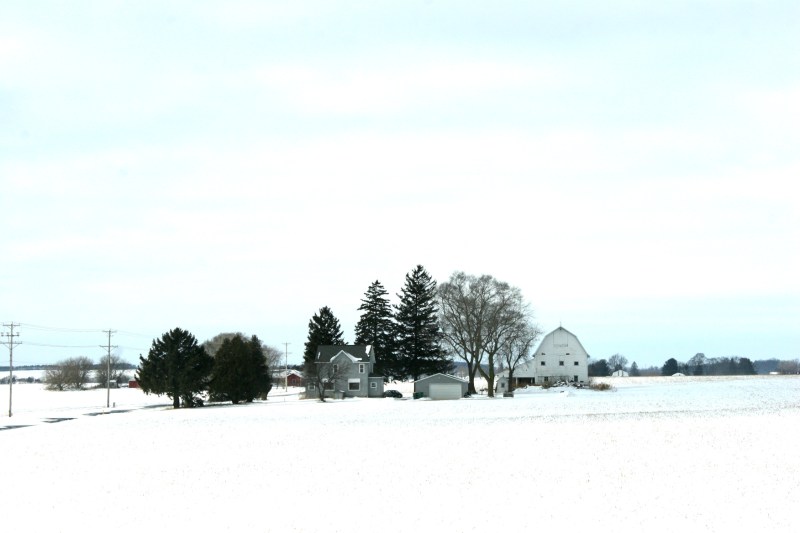
Nearing Madison, a traditional farmhouse and barn define this farm.


I digress. I expect if I was to photograph these sames scenes today, they would appear much different with snow no longer defining the landscape. What a difference only a few weeks make…

© Copyright 2020 Audrey Kletscher Helbling


Montgomery revisited, Part I February 26, 2020

Filed under: Uncategorized — Audrey Kletscher Helbling @ 11:15 AM
Tags: , , , , , , ,

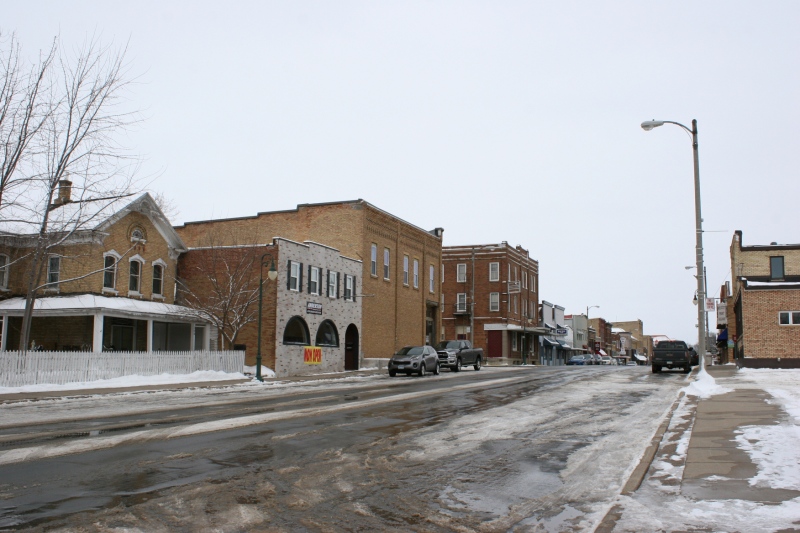
A section of downtown Montgomery, Minnesota, with its many historic buildings.


I DOUBT I’VE WRITTEN about any small Minnesota community more than I’ve written about Montgomery. Located within a half hour of my Faribault home, it’s a quick drive away. And Montgomery offers just enough to keep me returning.


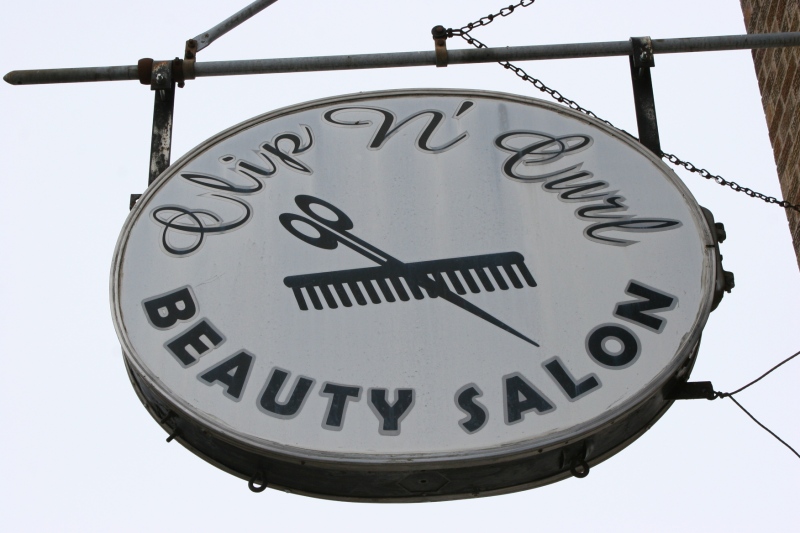
Signs always draw my eye, including this one. It’s simple, nostalgic…


Especially interesting is the downtown with eye-catching signage, aged buildings and home-grown shops.


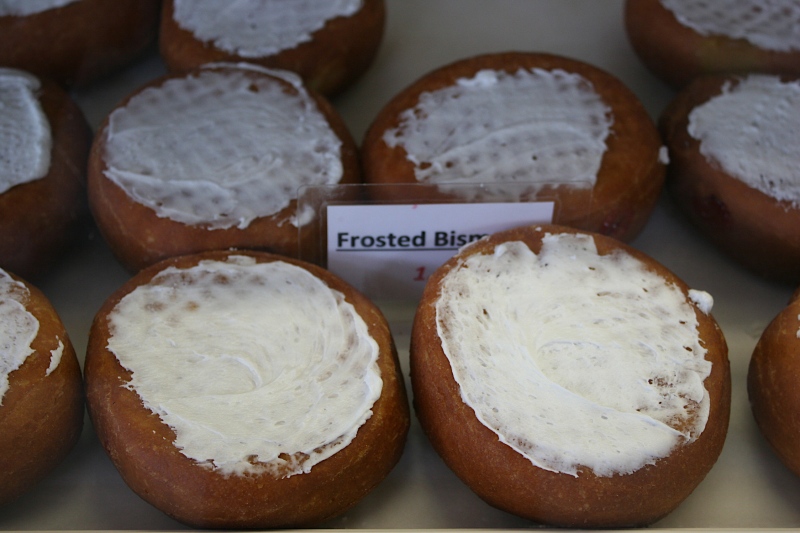
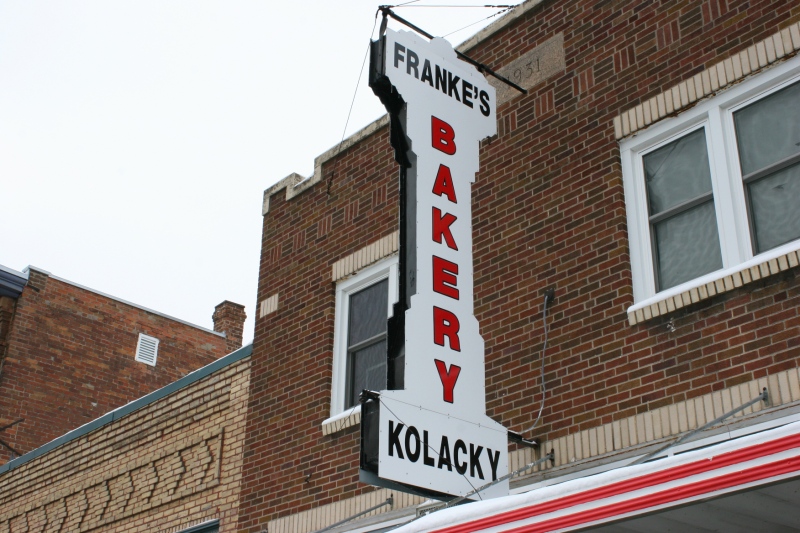
Among the sweet offerings at the long-time, popular Franke’s Bakery.


An old-fashioned bakery.


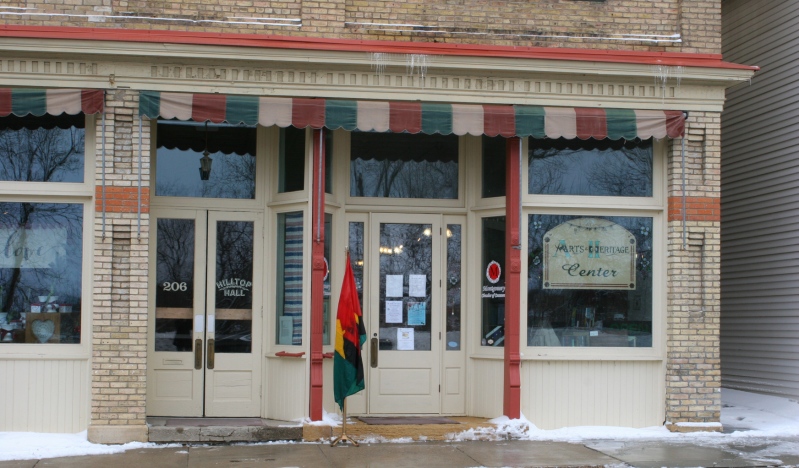
Outside the entry to the Montgomery Arts & Heritage Center located in Hilltop Hall.


A thriving Arts & Heritage Center.


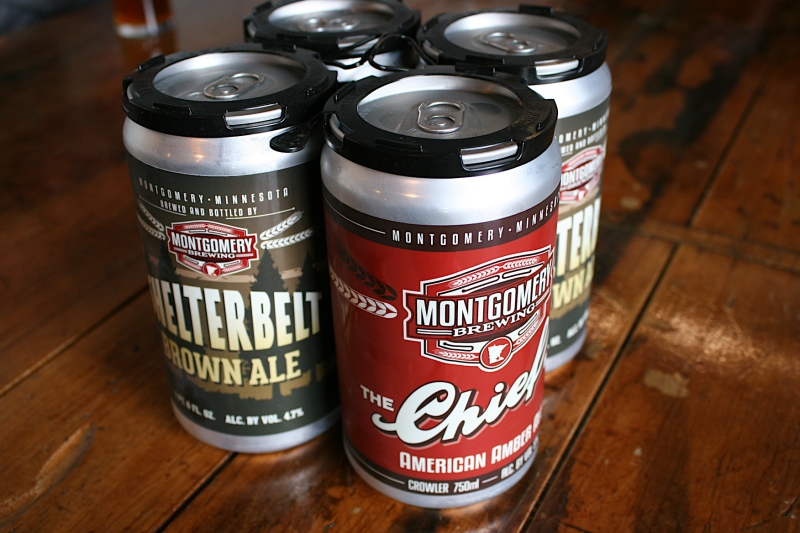
Beer to go at Montgomery Brewing.


A brewery with outstanding craft beers.


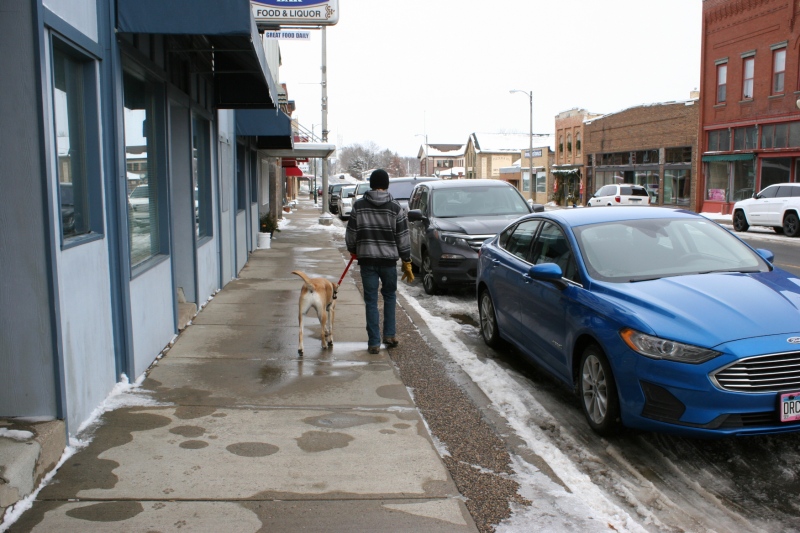
The friendly young man I met while photographing downtown. He paused to let me pet Buddy.


Friendly people.


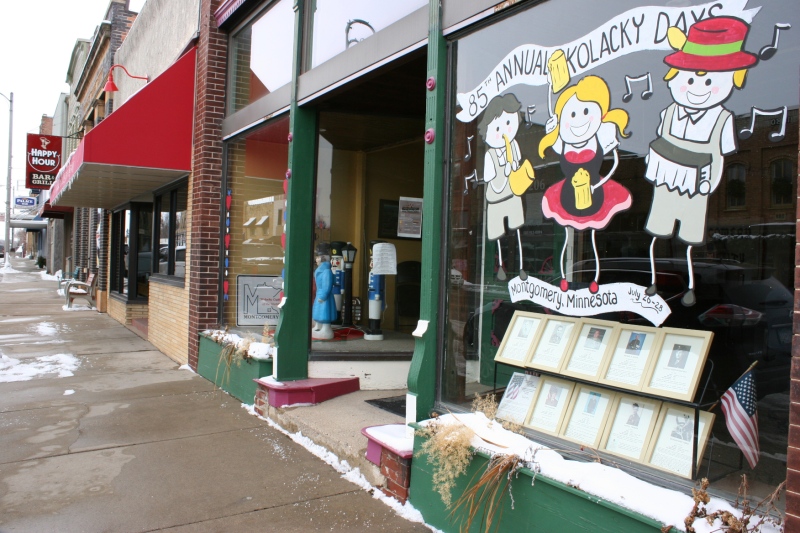
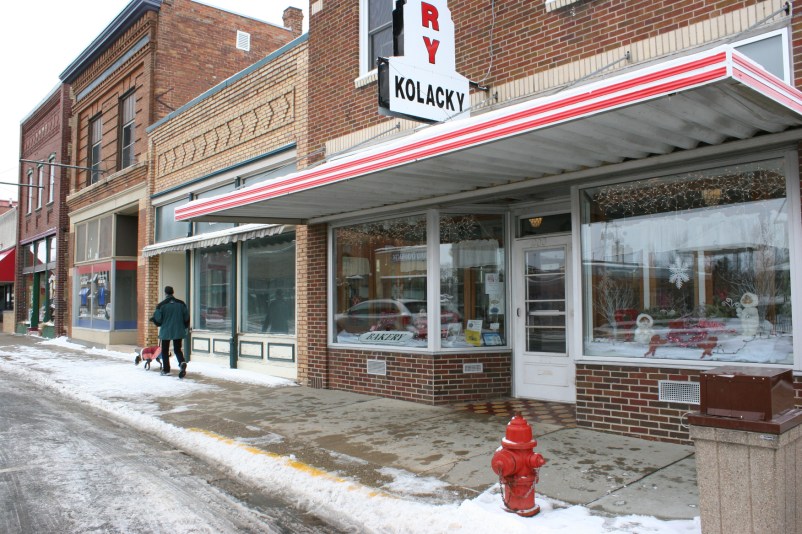
Everywhere downtown you’ll find signs promoting kolacky.


A deep appreciation for the area’s Czech heritage. Combine those and you have a small town that appeals to me.


Third-generation Franke’s Bakery is known for its kolacky.


I recognize that what interests me may not interest you. But there’s something to be said for small towns with a strong sense of identity and pride in that identity. For Montgomery, it’s the tag, “Kolacky Capital of the World.” The kolacky is a bun-like Czech pastry filled with a fruit or poppyseed filling. Risking the wrath of the Czech, I will tell you that it’s not a favorite of mine. I’d choose a doughnut before a kolacky. But then I am of German descent and was not raised in this area of Minnesota.


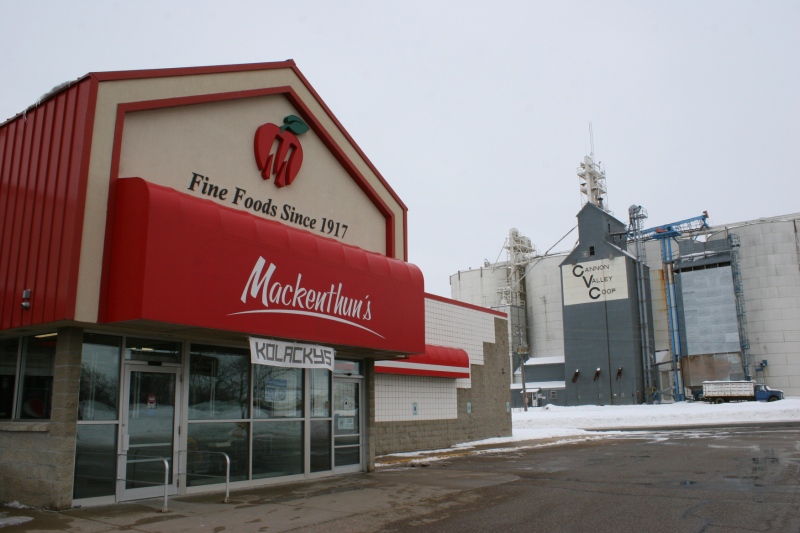
Stand in the grocery store parking lot and you can see the grain elevator in one direction, the brewery in another and the main street through downtown, too.


None of that matters really. What matters is that I like Montgomery. Unleash me with a camera in this town and I get excited about the photo ops, all the ways I can capture the essence of this place. If my creative work is anything, it has always been about defining place.


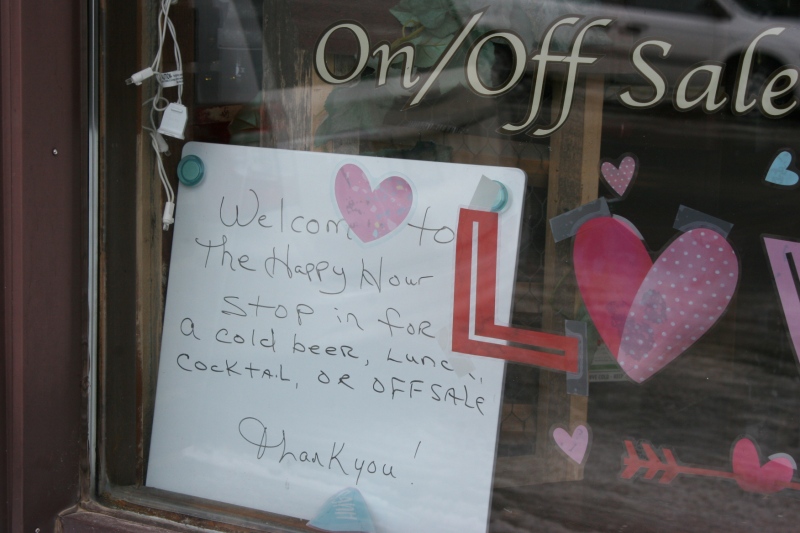
Spotted in the window of a downtown business. These handwritten signs give a place character.


I will always feel most comfortable in a rural town like Montgomery. I appreciate a place where I can view a grain elevator, spot handwritten signs on business doors and windows, chat it up with the locals, stop to pet a passerby’s dog and stand in the middle of Main Street to take a photo without worry of traffic.

Now that my photo essay about Montgomery has published in the March issue of Southern Minn Scene magazine, I am free to share more photos from my January day trip to this Le Sueur County community. Enjoy and watch for additional posts highlighting Montgomery as I, once again, define this place in images and words.

© Copyright 2020 Audrey Kletscher Helbling


Montgomery, Through a SoMinn Lens February 24, 2020

A scene outside Franke’s Bakery in downtown Montgomery, Minnesota, on a recent Saturday morning. Minnesota Prairie Roots file photo January 2020.


SEVERAL WEEKS HAVE PASSED since my last day trip to Montgomery, a small Minnesota town of some 3,000 about a 30-minute drive from my Faribault home.

Randy and I went to Montgomery specifically to view an exhibit of 1900s era photos of Native Americans by noted photographer Edward S. Curtis. The exhibit at the Montgomery Arts & Heritage Center closes this Saturday, February 29. You can learn more about that show by clicking here and reading a previous post.

My reason for writing about Montgomery today is to share my latest Through a SoMinn Lens photo essay column, “Day trip to Montgomery, Kolacky Capital of the World,” which just published in the March issue of Southern Minn Scene. To see the current issue of this free lifestyle, arts and entertainment magazine, click here.

As always, I am delighted to showcase a small Minnesota community well worth your visit. As time allows this week (I’m trying to complete other writing projects with deadlines), I will share more Montgomery photos with you. Enjoy!

And if you have any suggestions of small towns (or attractions) in southern Minnesota that I should visit, please pass along your ideas.

© Copyright 2020 Audrey Kletscher Helbling


Welcome to Wisconsin February 18, 2020

Filed under: Uncategorized — Audrey Kletscher Helbling @ 5:00 AM
Tags: , , , , , , , , , ,

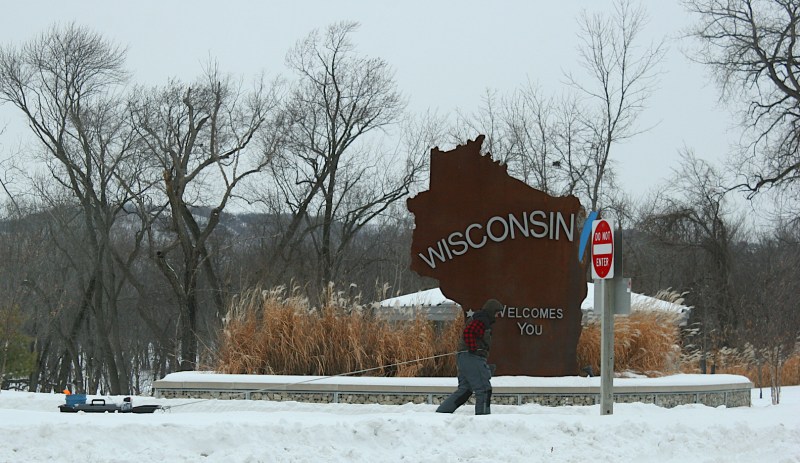
An ice fisherman photographed at the La Crosse, Wisconsin, rest stop.


I OFTEN WONDER, what do outsiders think? And, by outsiders, I mean those of you unfamiliar with a Midwest winter, specifically with the sport of ice fishing.

I mean, let’s say you’re from Miami or LA or Dallas and you’ve never seen a village of fish houses atop a frozen lake let alone vehicles driving onto and across the ice. For Minnesotans and Wisconsinites, scenes like this are simply part of our winters.

Or let’s say you pull off the interstate, like we did on Saturday along I-90 in La Crosse, Wisconsin, and you spot two guys loading fishing equipment onto a sled in a rest area parking lot. Randy and I saw exactly that.

The scene seemed so Midwest Norman Rockwell-like. Bucket and fishing gear atop a simple pull-behind sled. Fisherman layered in warm outdoor outerwear topping a red-and-black buffalo plaid flannel shirt. Paul Bunyan fashion at its finest.

As we exited the parking lot, I managed a photo. Iconic. A guy on his way to ice fish in the backwaters of the Mississippi River on a Saturday morning in mid-February. Love it.

TELL ME: Have you ever been ice fishing, or even observed an angler ice fishing? And, yes, I’ve fished through a hole in the ice on a frozen lake. Just not in recent years.

© Copyright 2020 Audrey Kletscher Helbling


Documenting rural Minnesota February 6, 2020


I OFTEN WONDER, as I travel past farm sites in southern Minnesota, how these places will look in 50, even 20, years.


Will once grand barns still stand? Will farmhouses be abandoned? Will corporate ag operations completely replace family farms?


Already the evolution is well underway. Many barns no longer hold livestock, serving instead as storage sheds. Rural houses are not so much farmhouses as dwellings for those working off the farm to supplement their farm income.


Independent farmers either quit, expand or try to hang on for one more year. Some have become innovative—diversifying, organizing, working together to grow and sell local.


The rural landscape is changing, shaped by markets and weather and operating costs and government regulations, issues that have always affected farming. Technology, too, now factors into agriculture.


Some 40-plus years removed from the farm, I’ve witnessed the changes from afar. None of my five siblings stayed on the farm, although two work in ag fields. I no longer have a direct link to the land. And because of that, my children and grandchildren are losing that generational connection to farming, to a way of life. This saddens me. They prefer city over country.


And so I continue to photograph, documenting with my camera lens the places of rural Minnesota. Therein I present a visual history, a memory prompt and an expression of appreciation for the land which shaped me.


FYI: This Saturday, February 8, from 1 – 4 p.m., embrace and celebrate locally-grown and crafted during Family Day at the Faribault Winter Farmers’ Market. In addition to vendors, you’ll find hands-on art activities for kids, games, healthy recipes and more. The market is located inside the Paradise Center for the Arts along Central Avenue in the heart of historic downtown Faribault.

These photos were taken last Saturday along Minnesota State Highway 21 on my way to Montgomery.

© Copyright 2020 Audrey Kletscher Helbling


In Montgomery: Historic photos of Native Americans by Edward Curtis January 31, 2020

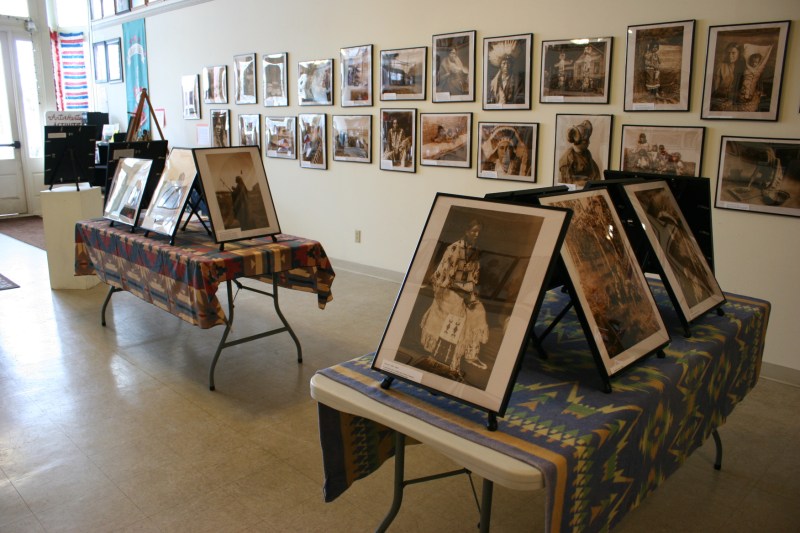
Prints of Edward Curtis photos now exhibited at the Montgomery Arts and Heritage Center.


BENEATH PORTRAITS OF KOLACKY DAYS queens, early 1900s era sepia-tone photos stretch along walls and grace tables in the narrow room. Prints of images taken by a man considered one of America’s greatest photographers. Edward S. Curtis.
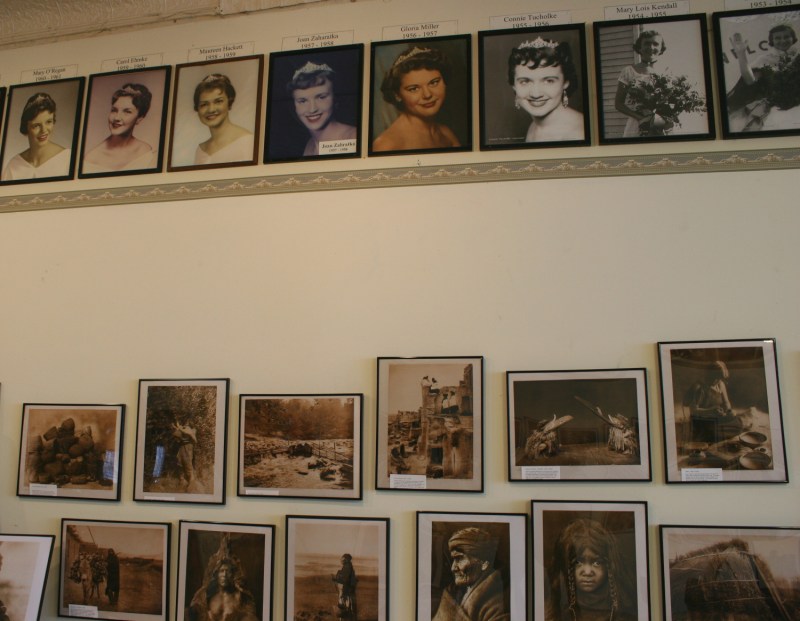
 

A permanent exhibit of Kolacky Days queen portraits hangs above the temporary exhibit of Edward Curtis photos of Native Americans.
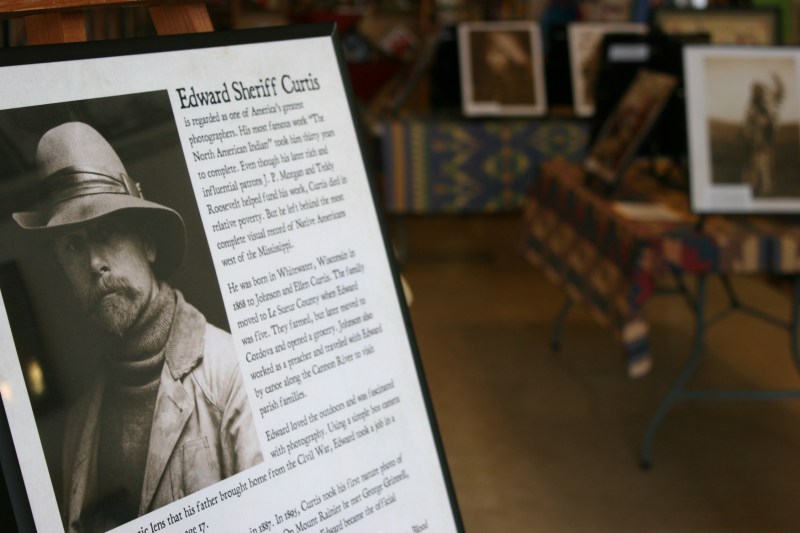
 

A photo of Edward Curtis with info about this noted American photographer.
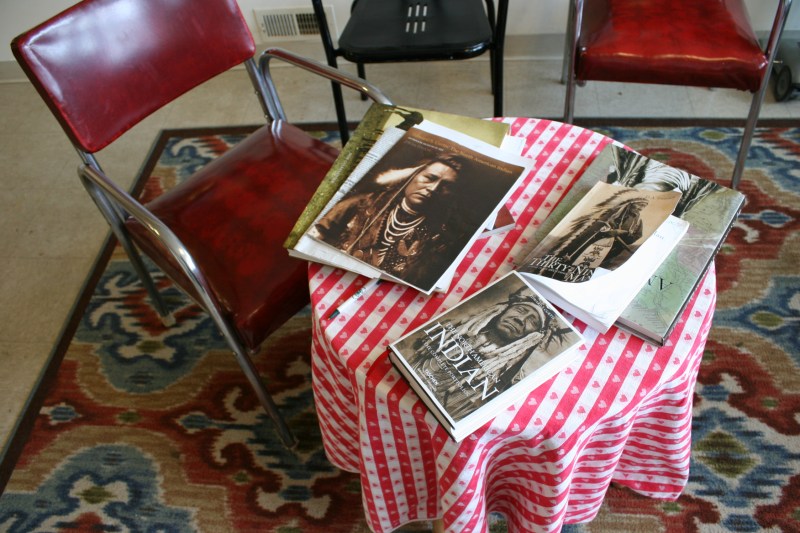
 

Visitors are welcome to sit and page through Edward Curtis books.


Despite his outstanding photographic reputation, Curtis was previously unknown to me. But no more. Recently I visited an exhibit of around 60 selected photos from his “The North American Indian” collection at the Arts and Heritage Center in Montgomery. His entire body of work encompasses 40,000 photos, many published in 20 volumes.
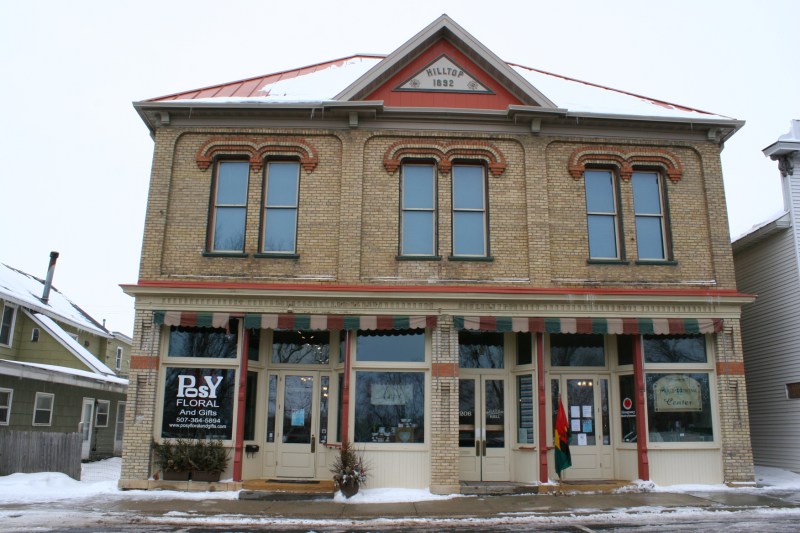
 

Historic Hilltop Hall houses the Montgomery Arts and Heritage Center on the right and a floral and gift shop on the left.


To see these photos, termed part of the “most complete visual record of Native Americans west of the Mississippi,” right here in rural Minnesota is such a gift. A $4,000 grant from the Carl and Verna Schmidt Foundation funded the exhibit in Montgomery, a community of some 3,000 just 20 miles northwest of Faribault.
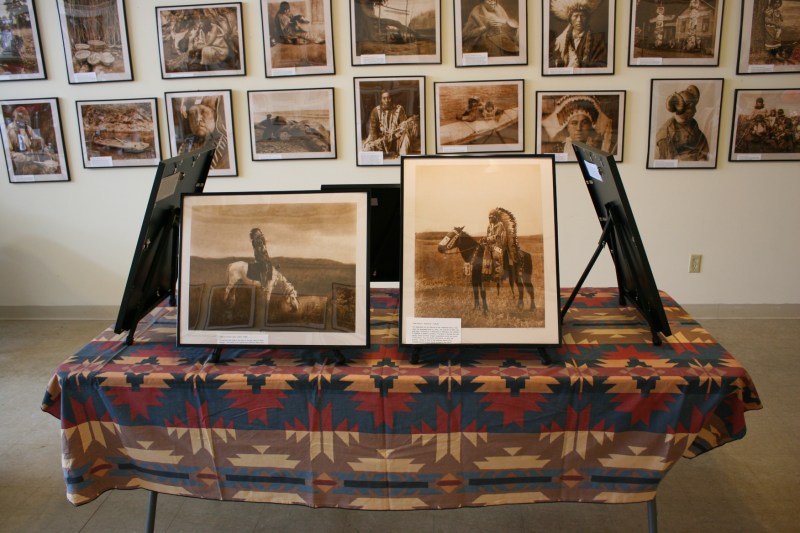
 

Edward Curtis photographed Native Americans of the west over a 30-year period.


Displaying Curtis’ photos here brings the photographer full circle back to Le Sueur County. At the age of five, he moved here with his parents from his native Wisconsin, eventually settling in Cordova. Here he grew up to appreciate the outdoors as he canoed with his preacher father along the Cannon River. By age 17, Curtis was working at a photography studio in St. Paul. In 1887, he moved to Seattle.
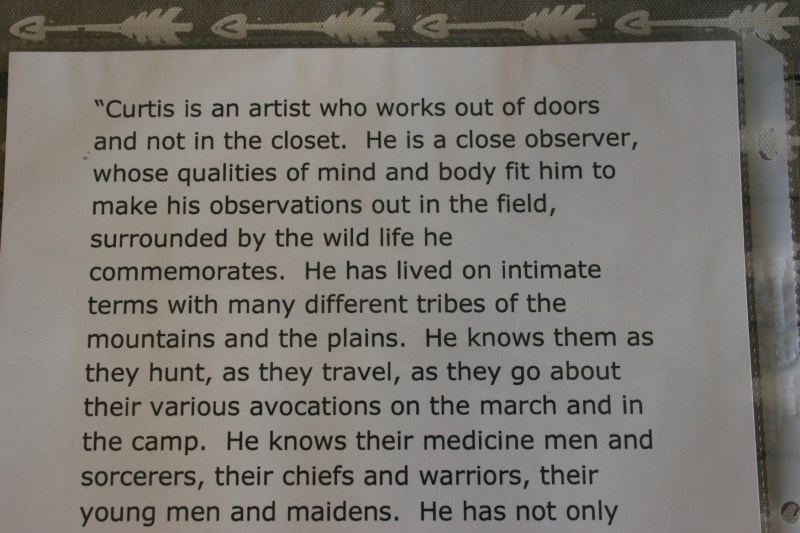
 

A snippet of a 1906 comment about Edward Curtis by President Theodore Roosevelt.


That’s the backstory of a photographer who earned the praise and financial support of President Theodore Roosevelt, who called Curtis a “close observer.” That is evident in the documentary photos of the Native Americans Curtis came to know well and to, clearly, value and love.
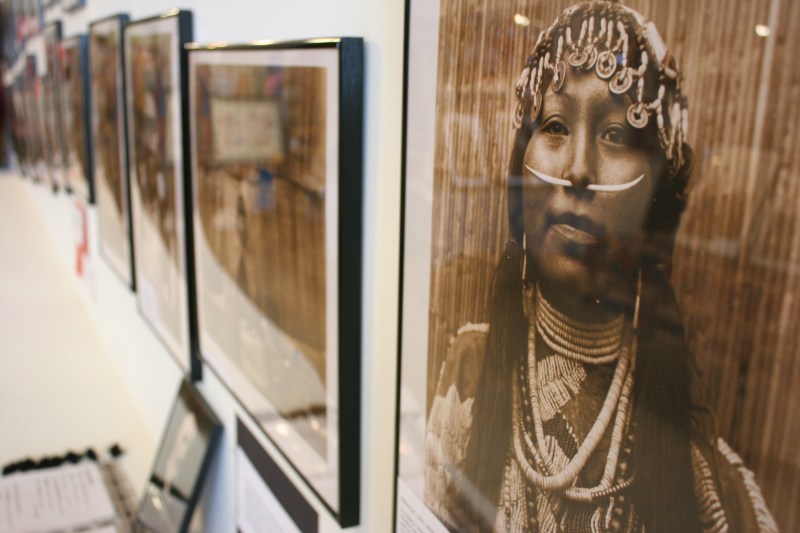
 

“Wishham girl,” 1910
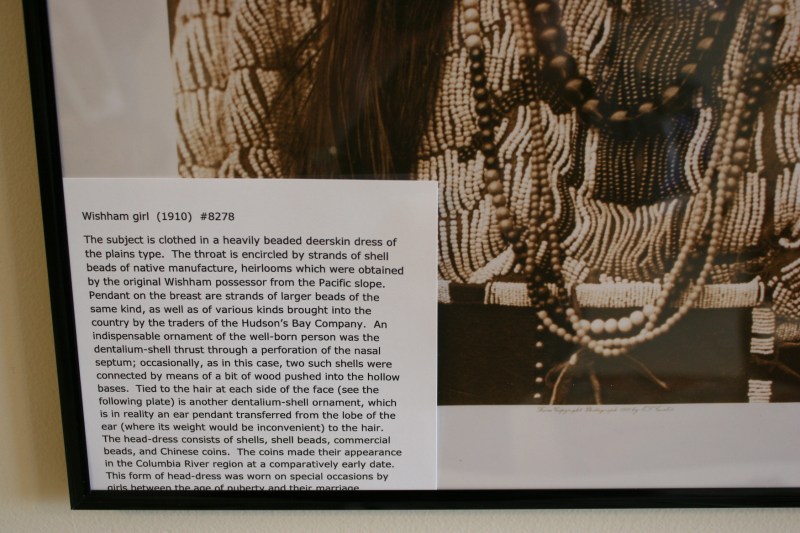
 

Text accompanies the “Wishham girl” photo.
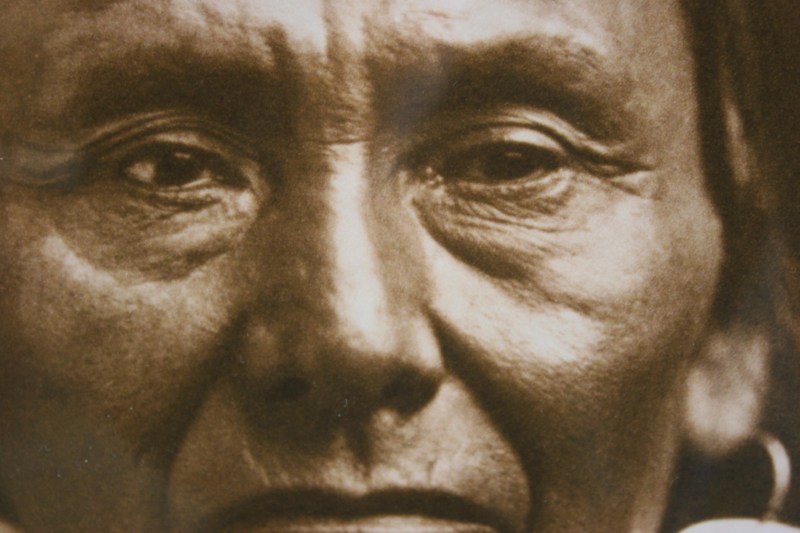
 

A portion of the portrait of “Chief Joseph– Nez Perce”, 1903


His portraits of western Native Americans document not only a culture, but also history and personalities. As I studied the photos, I admired faces weathered by wind and sun, steady strength in profiles, joy and sadness in eyes. I admired, too, the artistry of woven baskets, handcrafted pottery, curved canoes, feathered headdresses and detailed beadwork.
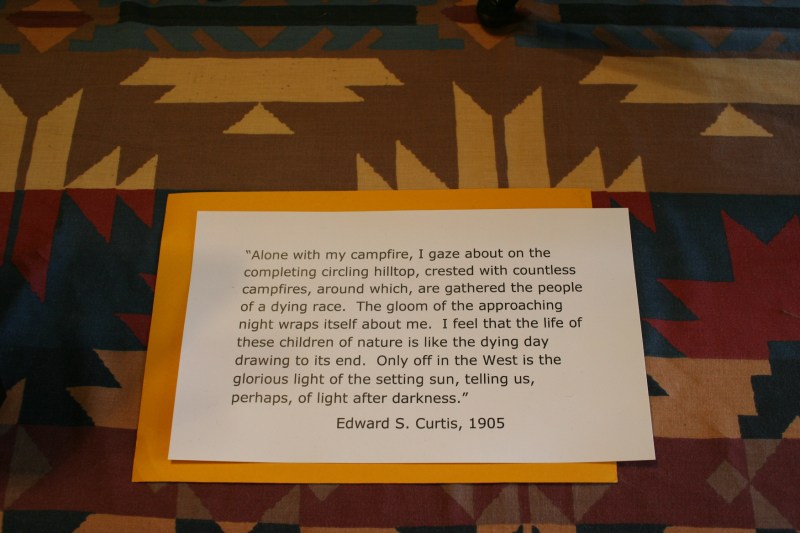
 

An insightful and beautiful quote by Edward Curtis.


I expect if I was to revisit this exhibit, I’d notice details I missed. There’s just so much to see, to take in, to appreciate, to contemplate. A culture. A people. A way of life. A history. A connection to nature.
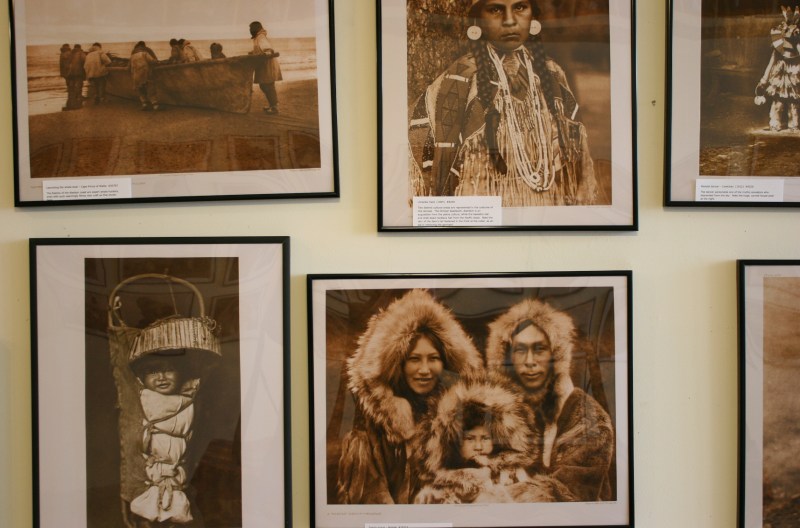
 

More photos from the exhibit.


I am grateful to long-ago photographers like Edward Sheriff Curtis for his efforts in connecting personally with his subjects, for caring and for documenting with his camera. His work is truly remarkable.
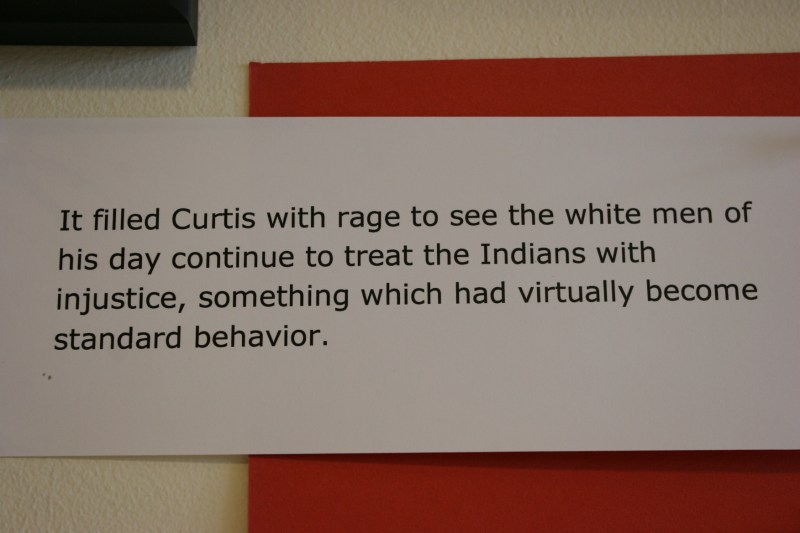
 

Info about Edward Curtis included in the show.


FYI: “The North American Indian” exhibit at the Montgomery Arts and Heritage Center continues until Saturday, February 29. The arts center is open from 2 – 5 pm Thursdays and Fridays and from 9 am – noon Saturdays and is located at 206 First Street North in downtown Montgomery, Minnesota.

© Copyright 2020 Audrey Kletscher Helbling


What I’m drawn to photograph in rural Minnesota January 7, 2020

Filed under: Uncategorized — Audrey Kletscher Helbling @ 5:00 AM
Tags: , , , , , , , , ,

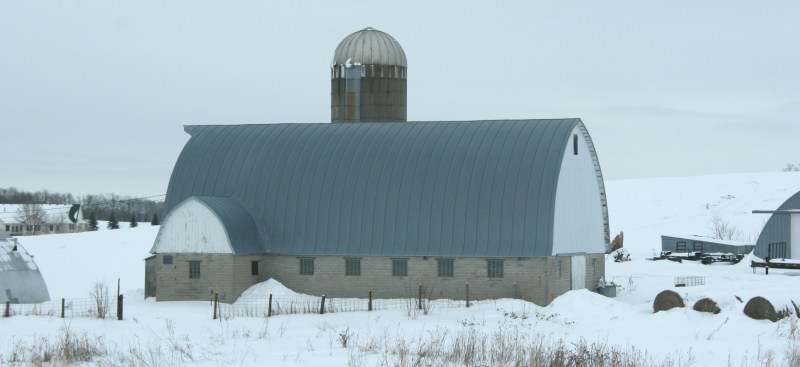
One of my favorite Minnesota barns is this especially well-maintained one along a back county road west of New Ulm.


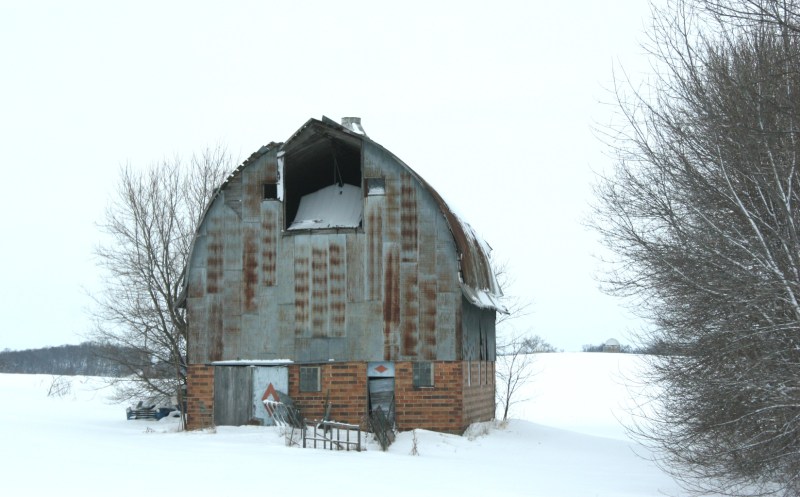
I FIND MYSELF, all too often in my on-the-road rural photography, focusing primarily on barns. My eyes gravitate toward these agricultural icons that I fear will vanish within the next 50 years, fallen to abandonment and/or replaced by nondescript cookie cutter metal polesheds. That saddens me. But it is the reality of the times, of the decline of the family farm.


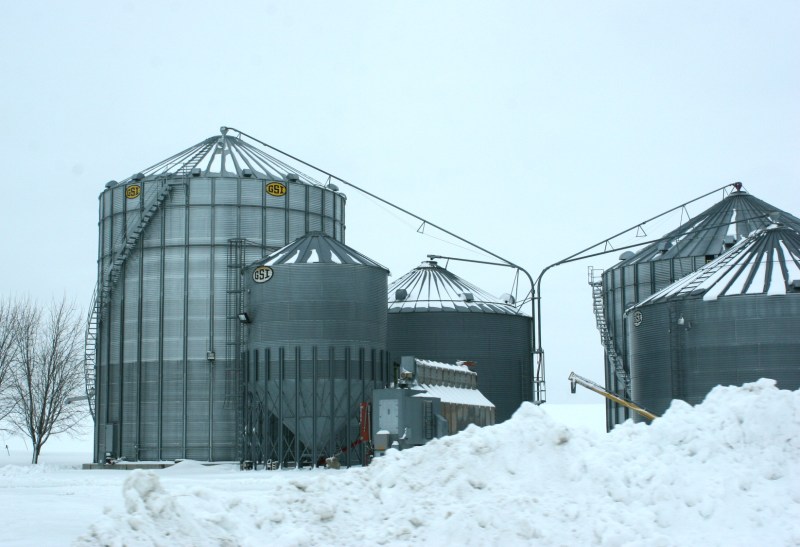
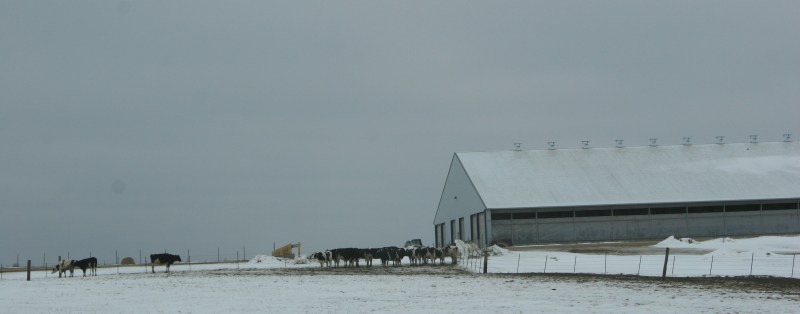
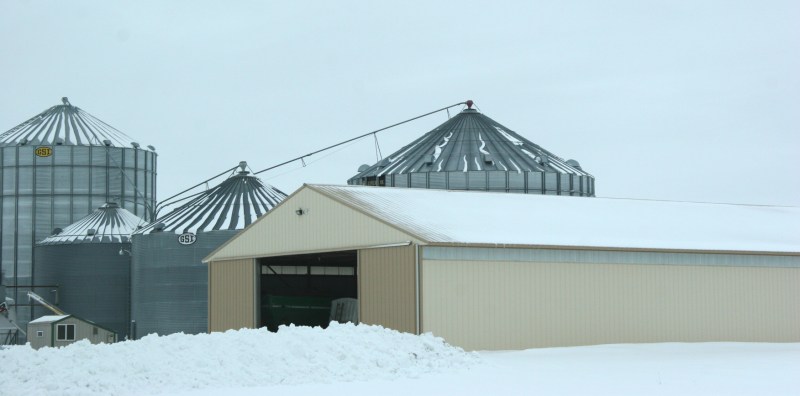
Massive polesheds have replaced traditional barns on some farms, including this one along Interstate 90 in southeastern Minnesota.


I will continue to photograph these beloved landmarks, symbols of a bygone era of farming. Barns hold personal value to me as a farmer’s daughter. I grew up working in the barn—feeding cows, bedding straw, shoveling manure, lugging pails of still warm milk from cow to bulk tank and much more.


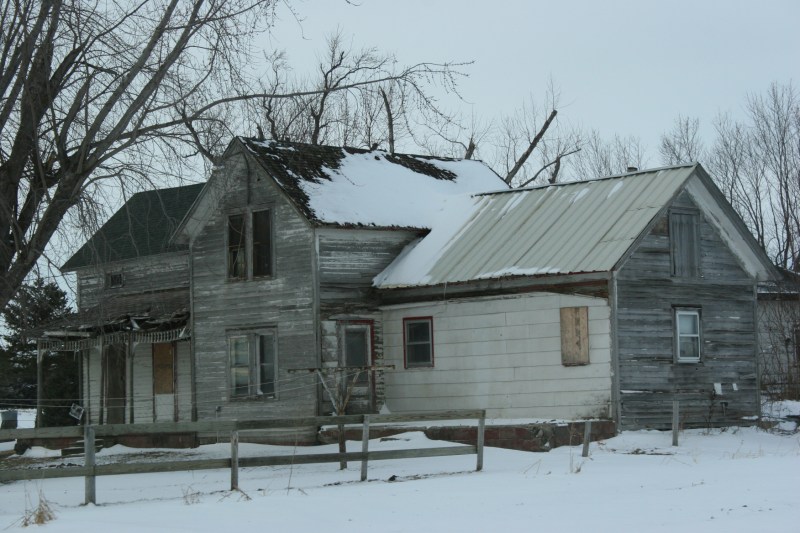
An abandoned farmhouse near Morristown, Minnesota.


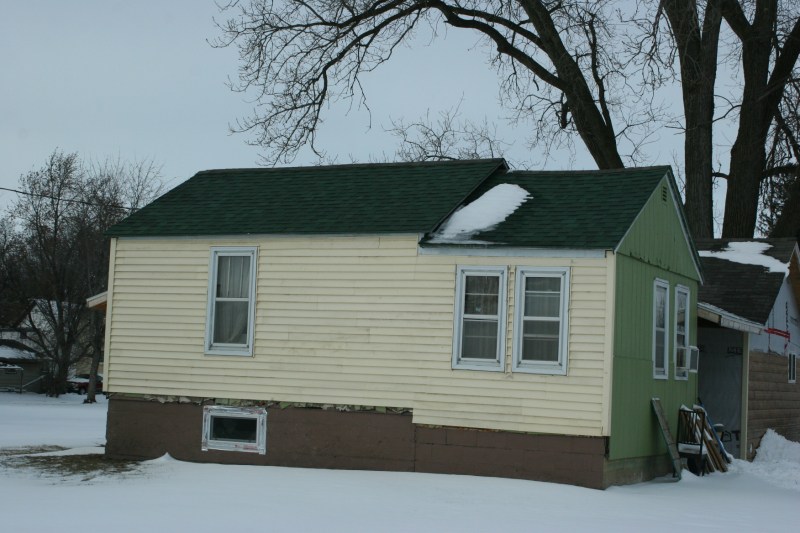
A tiny, colorful house in Morristown, Minnesota.


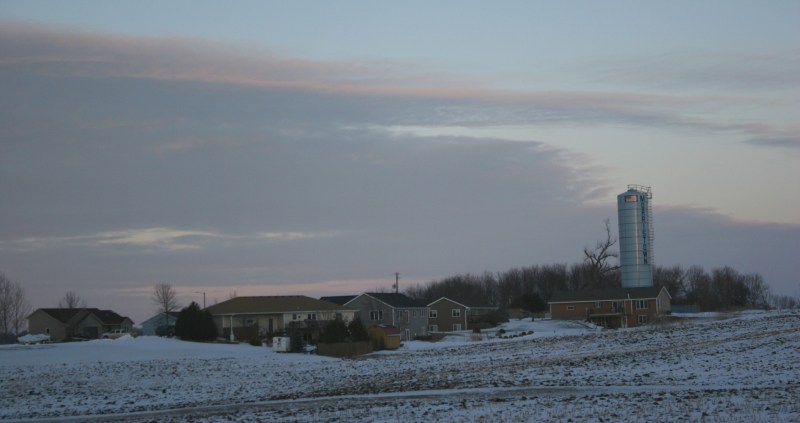
Just blocks away in Morristown, newer homes cluster in a housing development. A tornado hit this area in 2018, destroying and heavily damaging houses.


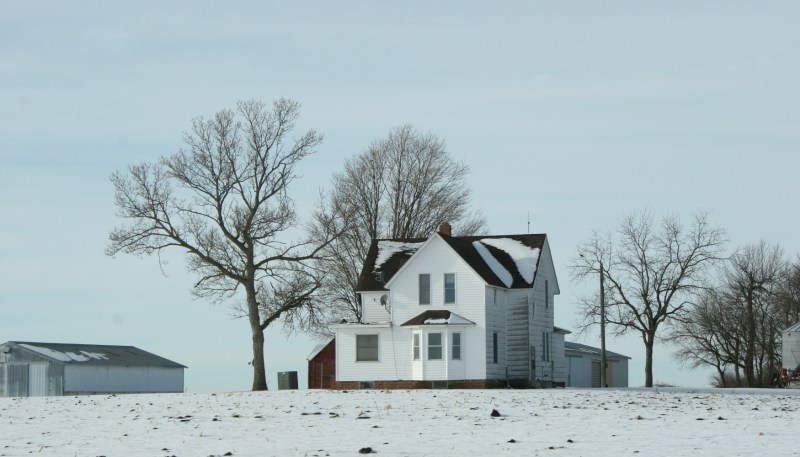
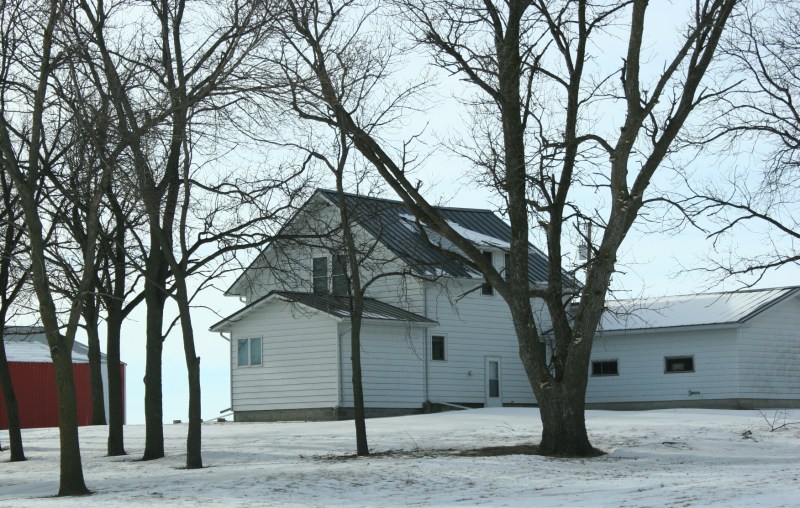
While documenting these centers of farm life, I’ve mostly neglected to photograph the homes of rural Minnesota. They vary from abandoned houses with broken windows to modern-day structures.


In southwestern Minnesota, an aged farmhouse so familiar to me.


It is the decades-old farmhouses that appeal to me most, no matter their conditions. My childhood home until my early teens was a cramped three-bedroom 1 ½-story house without a bathroom. A hulking oil burning stove in the living room heated the structure. A trap door in the kitchen opened to stairs leading to a dark dirt-floored cellar where salamanders lurked. Mom stashed the bounty of her garden in fruit jars lining plank shelves.


A southwestern Minnesota farmhouse.


I am thankful to have grown up in a minimalist house, in a poor farm family. We may have been poor materialistically. But our family was rich in love. I never realized until I became an adult that I was raised in near poverty. Because of that background, I’ve never needed the most, the best, the newest.


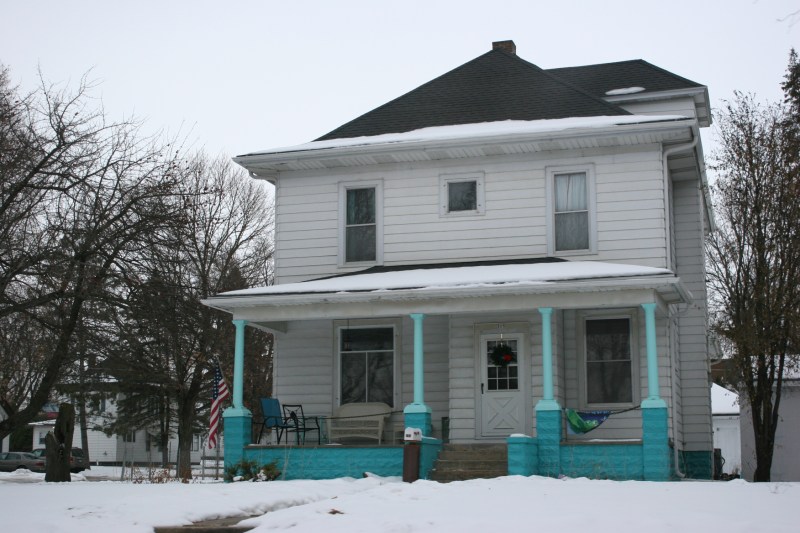
In Kenyon, Minnesota, a brilliant turquoise makes this house stand out.


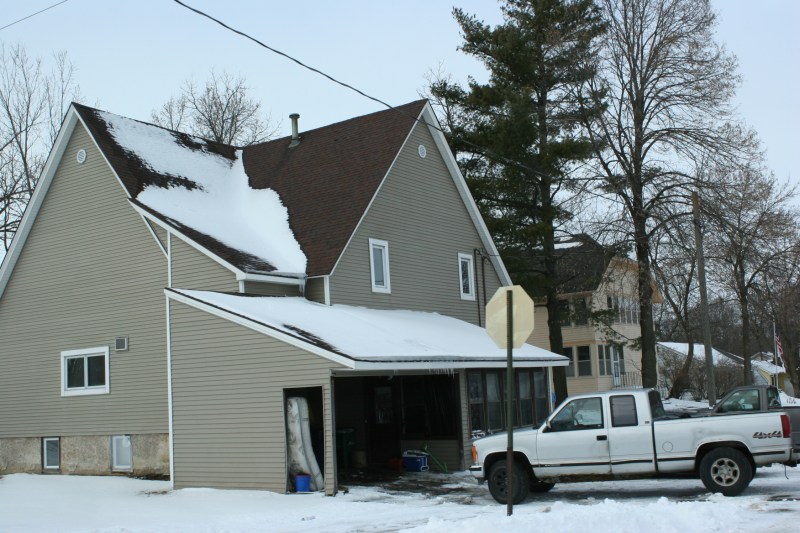
On recent road trips, I intentionally aimed my camera lens at houses. Both in small towns and in the countryside. These are not just houses. They are homes. Or memories of homes. Worthy of preserving with my camera as part of rural Minnesota history.


A home in the small town of Morristown, Minnesota.


THOUGHTS?

© Copyright 2020 Audrey Kletscher Helbling
 

A photo review of 2019 from Minnesota January 2, 2020

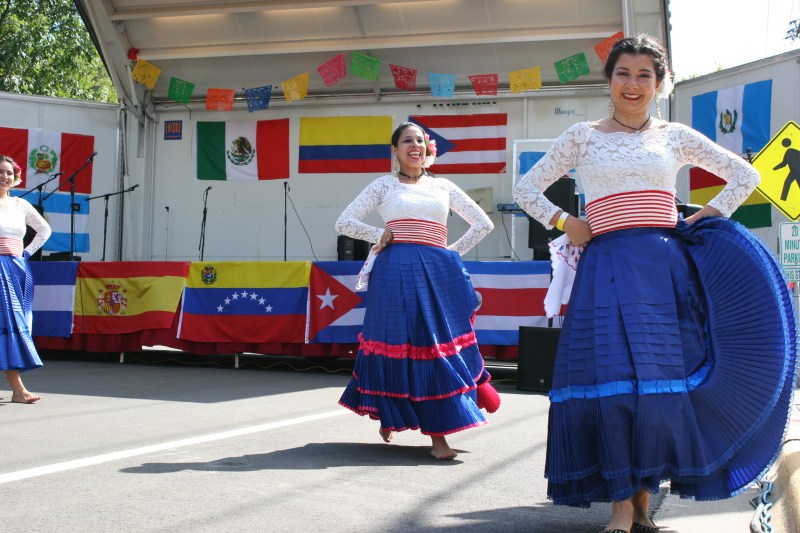
Dancers at an Hispanic Heritage Month event in Northfield. Minnesota Prairie Roots file photo September 2019.


BACK IN THE YEARS when I worked as a newspaper reporter and photographer, this week marked a time of looking back on the past year’s news stories and photos. I paged through back issues of the newspaper in search of the most significant local events in our coverage area. And then I compiled a year-in-review feature for the front page of the weekly. More often than not, the selected stories were ones of tragedy and heartbreak. Such is the nature of hard news. Please don’t blame the messenger. It is a mistake I still attempt to correct when people complain about the news. Writers do not cause/create the news.


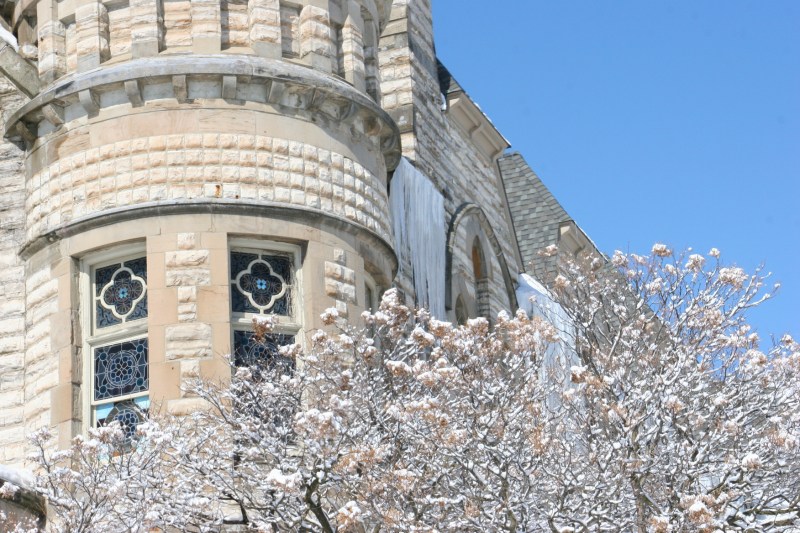
The tower of Shumway Hall at Shattuck-St. Mary’s School in Faribault is beautiful no matter the season. Minnesota Prairie Roots file photo March 2019.


All of that aside, this year I found myself once again compiling a year-in-review, this time for my monthly photo essay, Through a SoMinn Lens, publishing in the regional lifestyle magazine Southern Minn Scene. When the editorial calendar called for the January/February issue to focus on the past year, I knew immediately that I would ferret out photos from my files to represent each month of 2019.


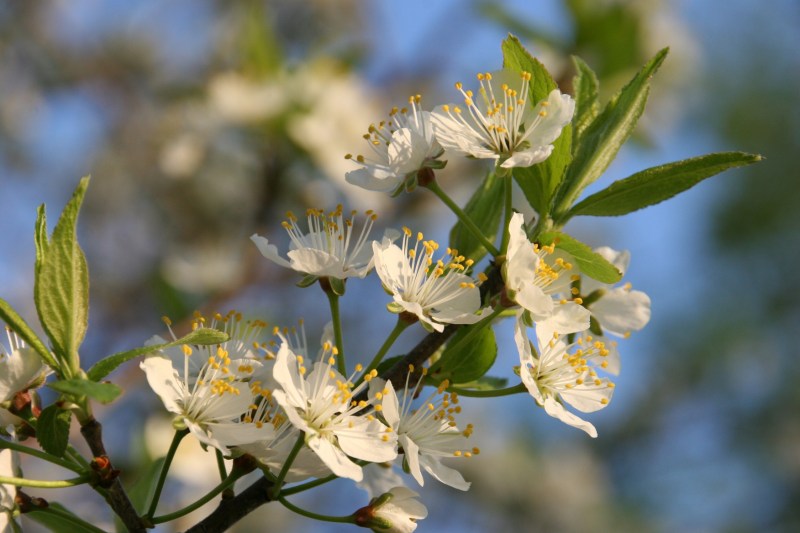
Spring blossoms along the Cannon Lake bike trail, rural Faribault. Minnesota Prairie Roots file photo May 2019.


That proved challenging and time-consuming as my files hold thousands of images. But I whittled down the selection, giving the editor options. The result is a mix of 21 photos with subjects ranging from personal to community celebrations, from art to nature…


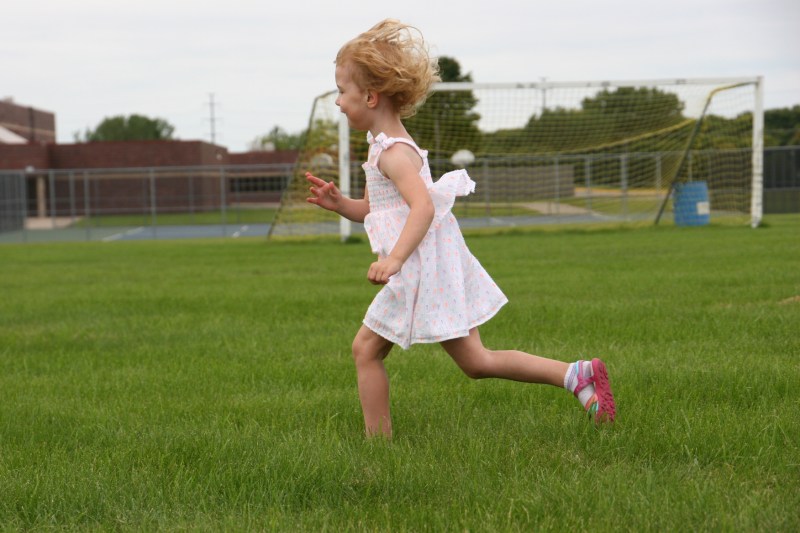
My granddaughter, Isabelle. Minnesota Prairie Roots file photo September 2019.


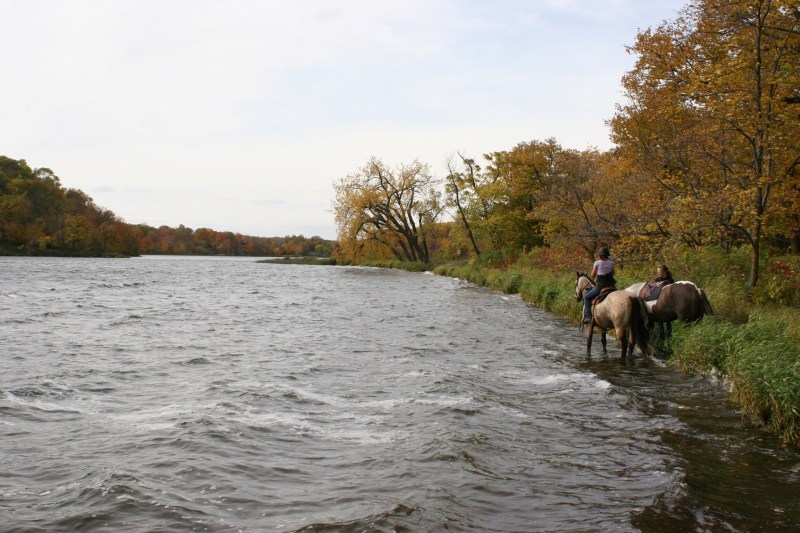
In my photography, I aim not to present instagrammable moments, but to show authenticity, to tell a story. My granddaughter running across a grassy field, her curls flying, her long legs pumping. Waves rippling across a lake and lapping at the hooves of horses. Dancers in colorful costumes showcasing their heritage.


These horseback riders led their horses to the lake for a quick drink of water at Maplewood State Park near Pelican Rapids. Minnesota Prairie Roots file photo October 2019.


These images represent my life, my world, my Minnesota. The places and people and experiences that were part of my 2019, that held importance in my life for a moment. Or more.

To view my photo essay, “Reflections on 2019 in images & words,” click here.

© Copyright 2019 Audrey Kletscher Helbling
 

On the road in southwestern Minnesota, a photo essay November 25, 2019

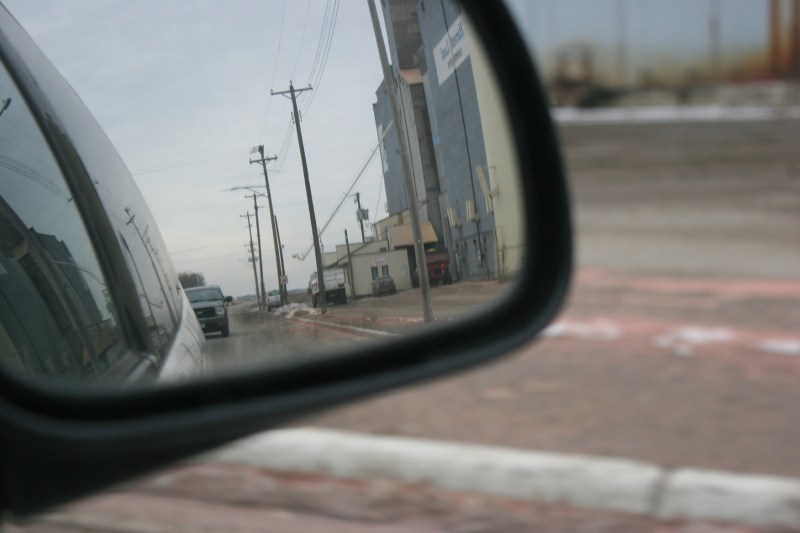
Sometimes I photograph scenes in the passenger side mirror, here the grain elevator in Morgan.


IF I STOPPED TO PHOTOGRAPH everything that grabbed my interest while on the road, I would never get anywhere. So I’ve learned to shoot on the fly—from the passenger seat and out the windshield or the side window. I set my camera’s shutter speed in sports mode (a fast speed to catch action) and then scan for photo ops.
Photographing in this style calls for a watchful eye, an ability to compose/frame a scene at a moment’s notice and a lot of luck. Factor in dirty/tinted windows and reflections and the challenge is even greater.
 

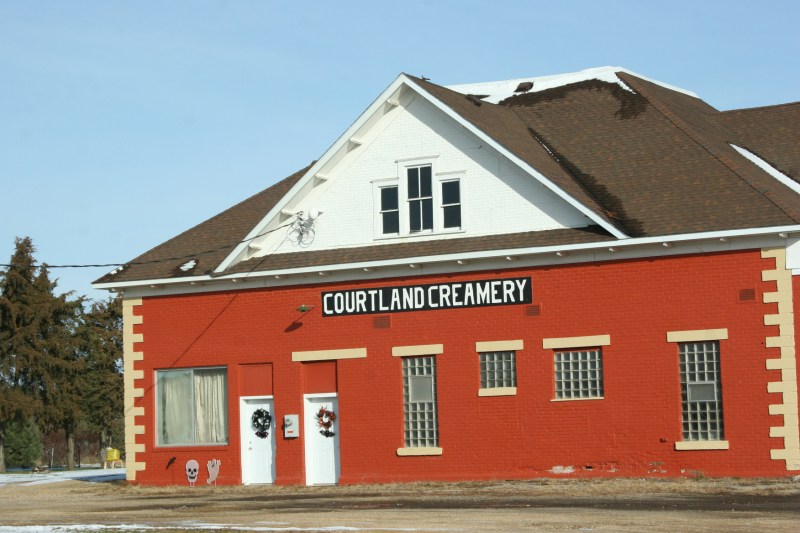
I often think, this creamery in Courtland would make a lovely brewery. I’m unsure of its use, but I think it’s a residence/apartments.


Still, I manage to capture plenty of images that I wouldn’t otherwise get.


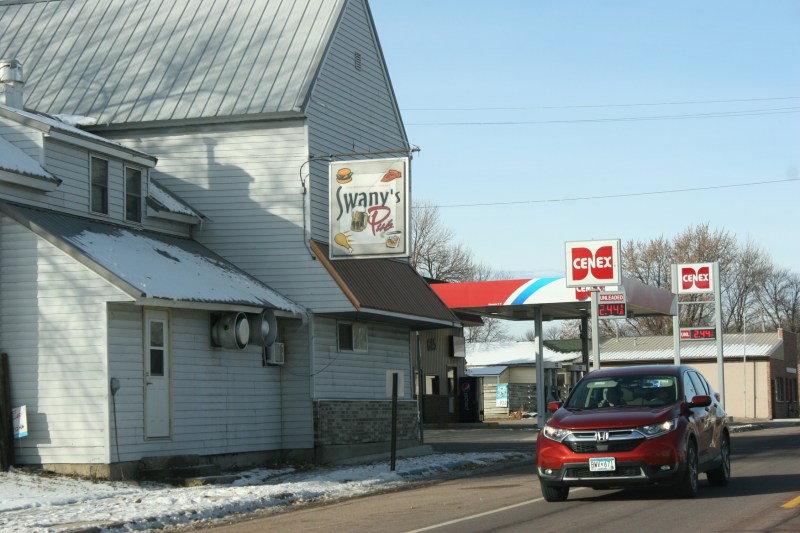
Courtlands’ Swany’s Pub, left, always draws my eye for the signage.


With that background, I take you on the road, westbound toward my native Redwood County. My photo tour begins about 1 ½ hours into this road trip, in Courtland, This small town is a pass-through point for busy US Highway 14. It’s also the home of my maternal forefathers. Not a lot changes in Courtland, although the Crow Bar burned down a few years ago and has since been rebuilt. It’s across the street from Swany’s Pub.


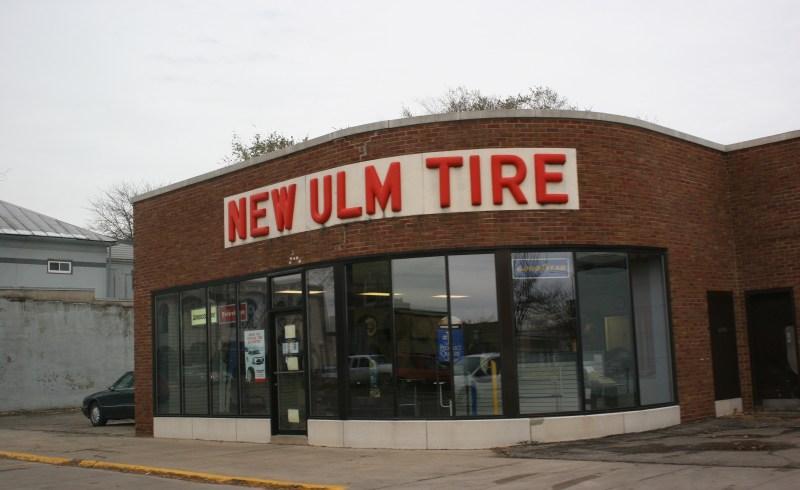
The curve of this tire shop draws my focus.


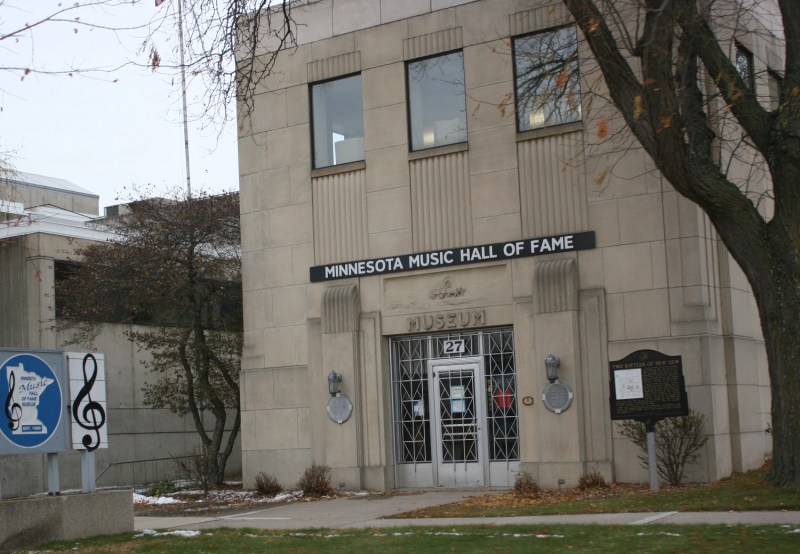
The Minnesota Music Hall of Fame in New Ulm, which I have yet to visit.


A billboard near New Ulm advertises Schell’s Brewery’s seasonal snowstorm beer.


Continuing west, New Ulm now requires driving through this long river town (due to a major road construction project on Highway 14). I love New Ulm, just not the time it takes to get through the city when you want to reach your destination quickly. The strong German heritage of this place, its natural beauty and a variety of attractions (including Schell’s Brewery) make me a fan of New Ulm.
 

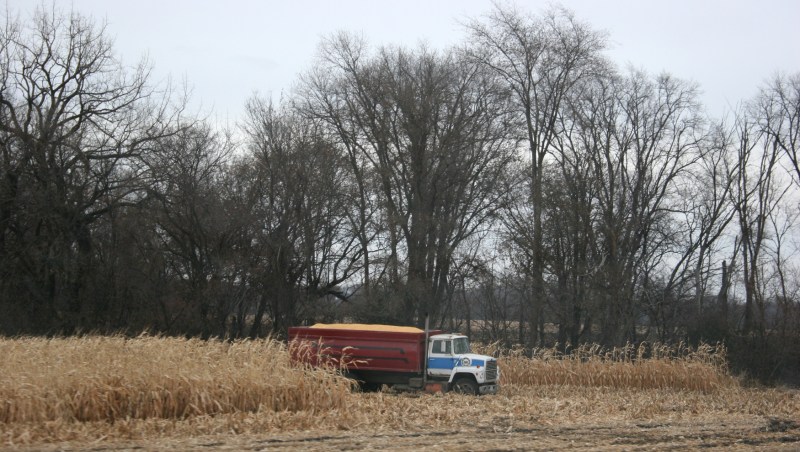
Harvest was in full swing during my most recent trip to southwestern Minnesota a few weeks ago. This is near New Ulm.


Once outside the seat of Brown County, the rural landscape continues on the long stretch of roadways to Morgan.


Driving through Morgan, a small farming community.


Waiting at the elevator in Morgan.


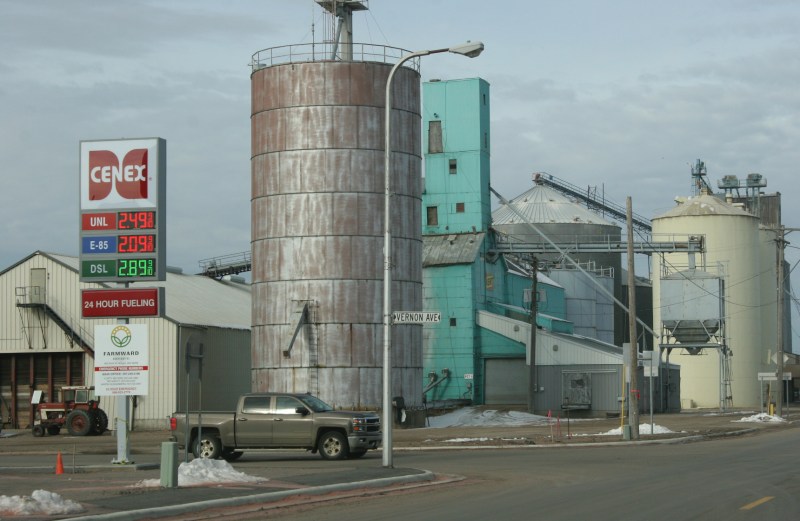
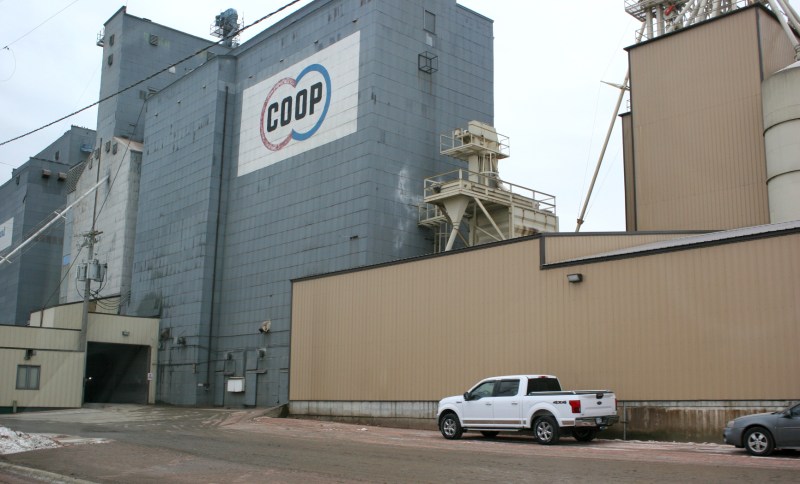
I photograph this co-op elevator nearly every time we drive through Morgan.


Now I’m back in Redwood County and the familiarity of grain elevators and small town Main Streets.


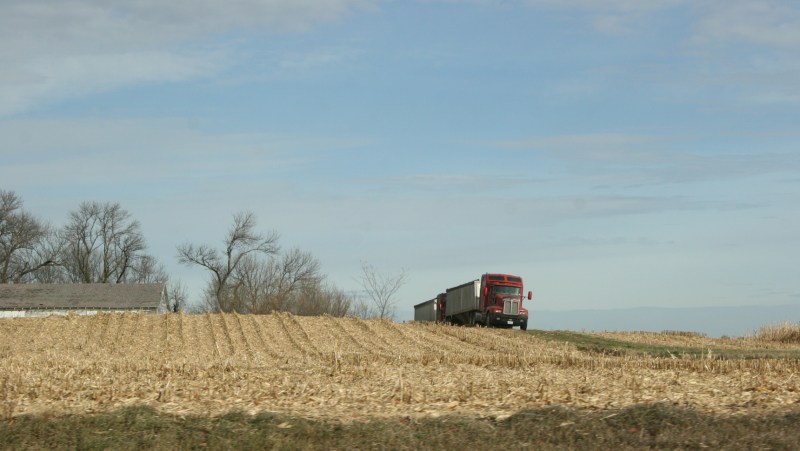
Near Redwood Falls, a grain truck in a cornfield.


Photographing breaks the boredom of too many miles between Morgan and Redwood Falls.


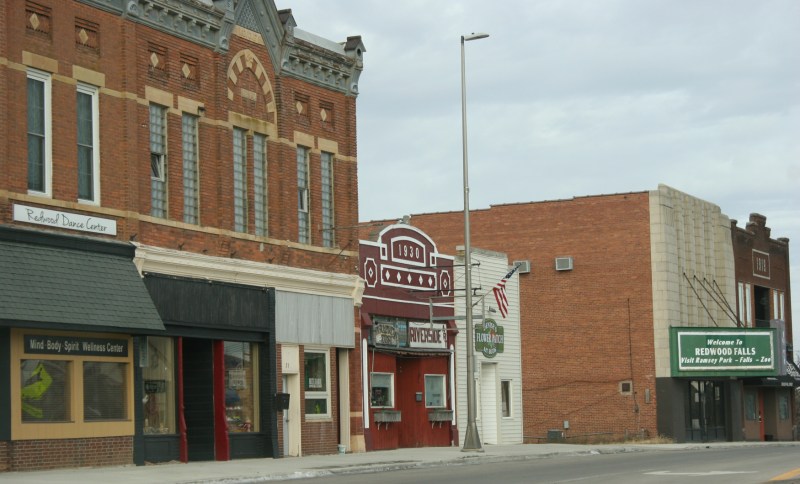
Driving through part of the business district in downtown Redwood Falls, Minnesota.


Redwood always brings out mixed emotions in me. I attended junior high here, the worst two years of my youth due to bullying in school. From both teachers and classmates. Yes, teachers. But Redwood also evokes some wonderful memories of visiting my maternal grandfather, of hiking in beautiful Alexander Ramsey Park (known as The Little Yellowstone of Minnesota) and buying fabric in the basement of the J.C. Penney’s store. I sewed most of my clothes as a teen.

As I photograph these places, I am documenting my life. Not always directly, but indirectly. And if not my life, then the lives and places of those who call southwestern Minnesota home.

© Copyright 2019 Audrey Kletscher Helbling