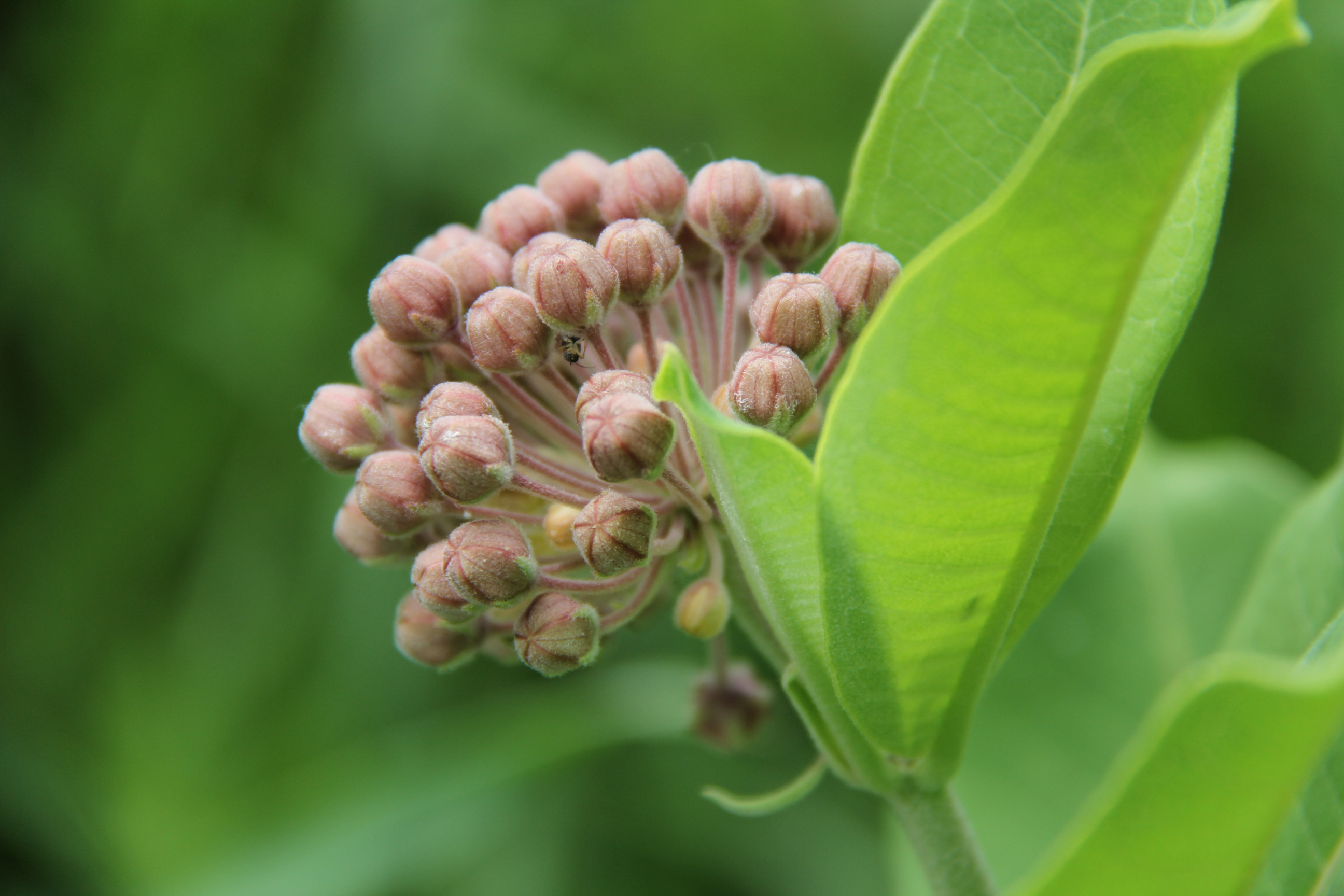
An unopened dusky milkweed brings a soft color into the prairie landscape.(Minnesota Prairie Roots copyrighted photo July 2023)
MID-SUMMER, AND THE MINNESOTA landscape is awash in color, despite the drought.
Walk the prairie or the woods. (Minnesota Prairie Roots copyrighted photo July 2023)
This is the season to get outdoors and explore. Walk the land. Through woods or across prairie. Around a city block or park or public garden. Along a river, upon a beach. Delight in the essence of Nature in all her summer glory.
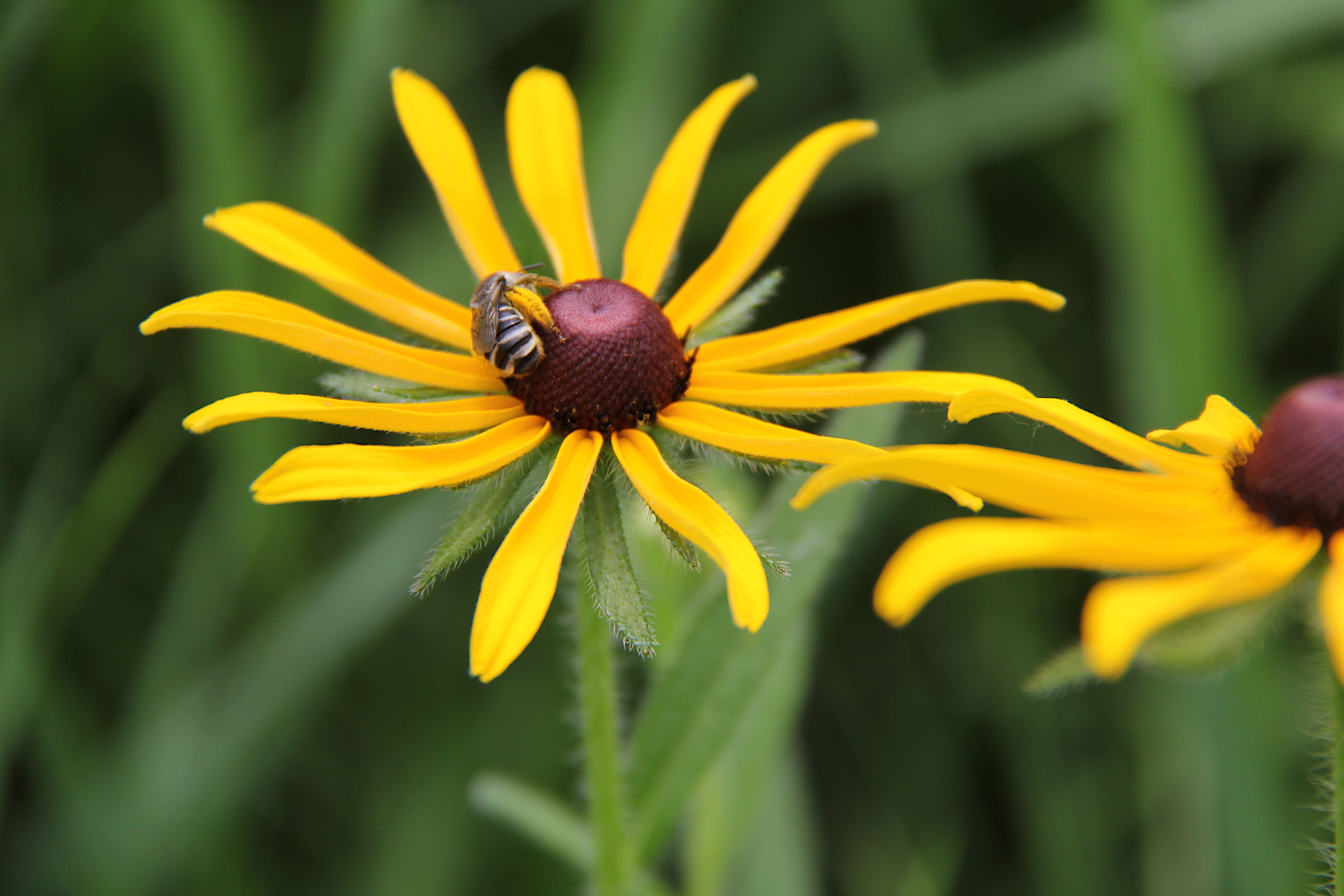
Black-eyed Susan. (Minnesota Prairie Roots copyrighted photo July 2023)
Flowers flush color.
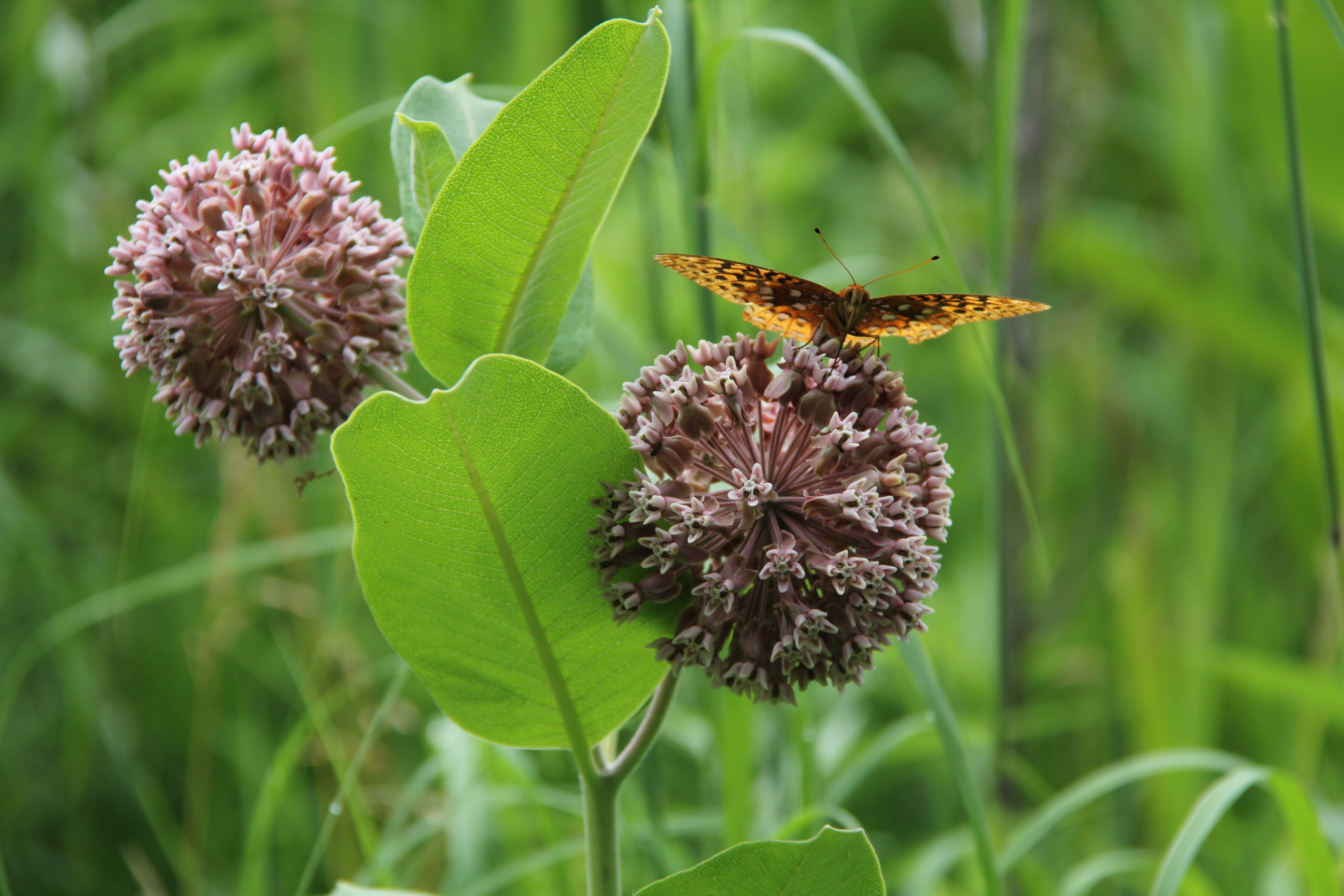
A butterfly feeds on a milkweed flower. (Minnesota Prairie Roots copyrighted photo July 2023)
Patterned butterflies flit, then pause to unfurl proboscis and drink of sweet floral nectar.
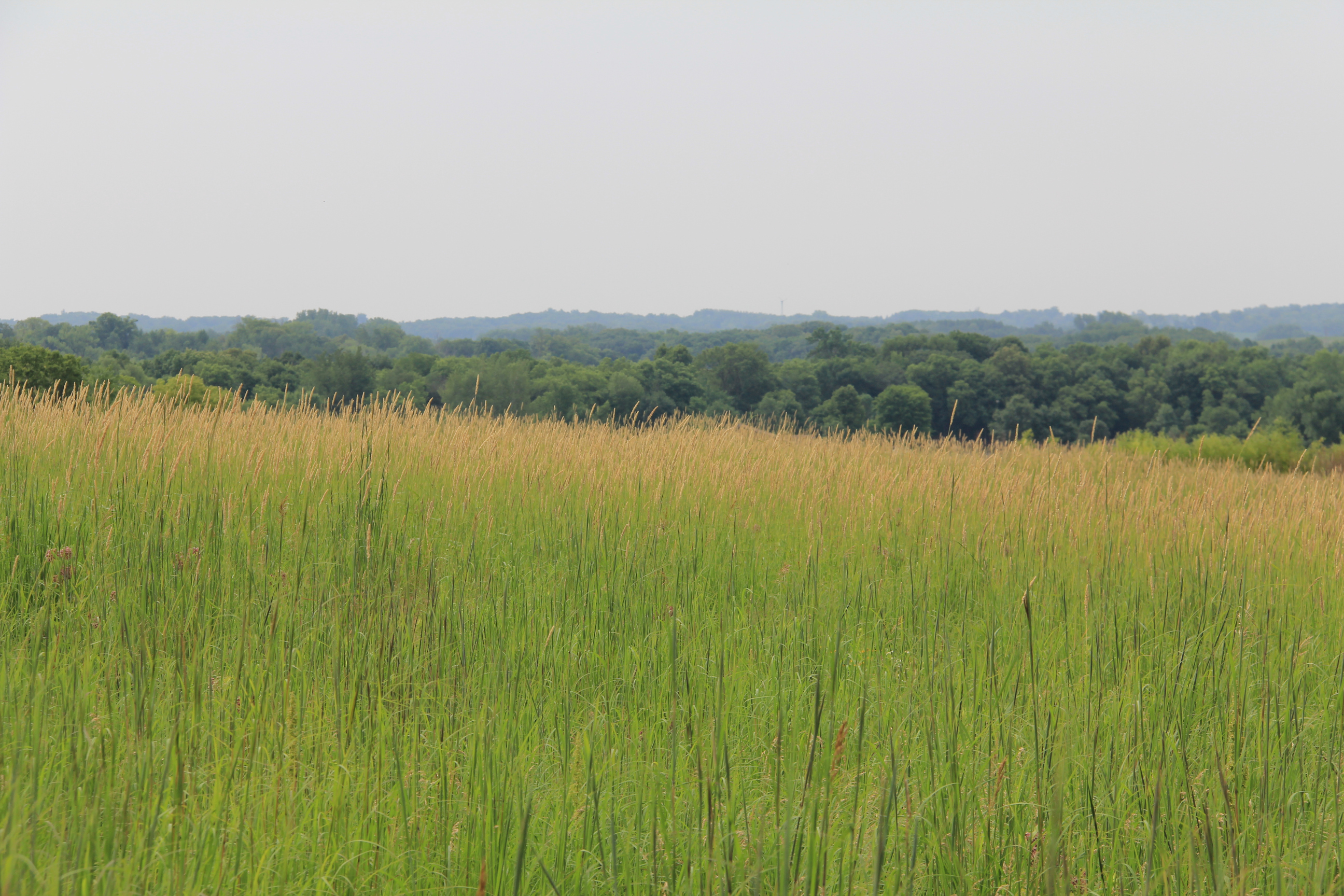
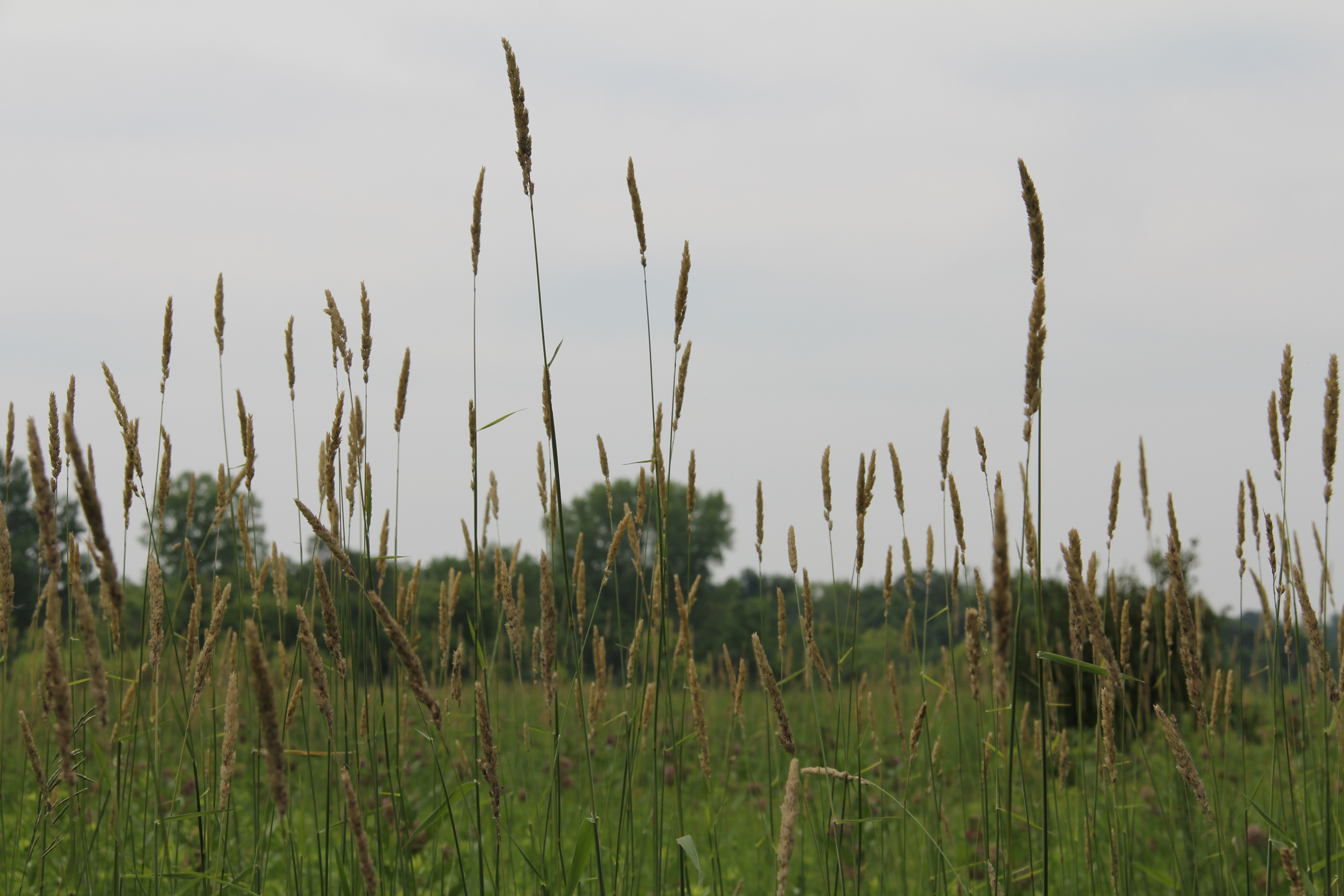
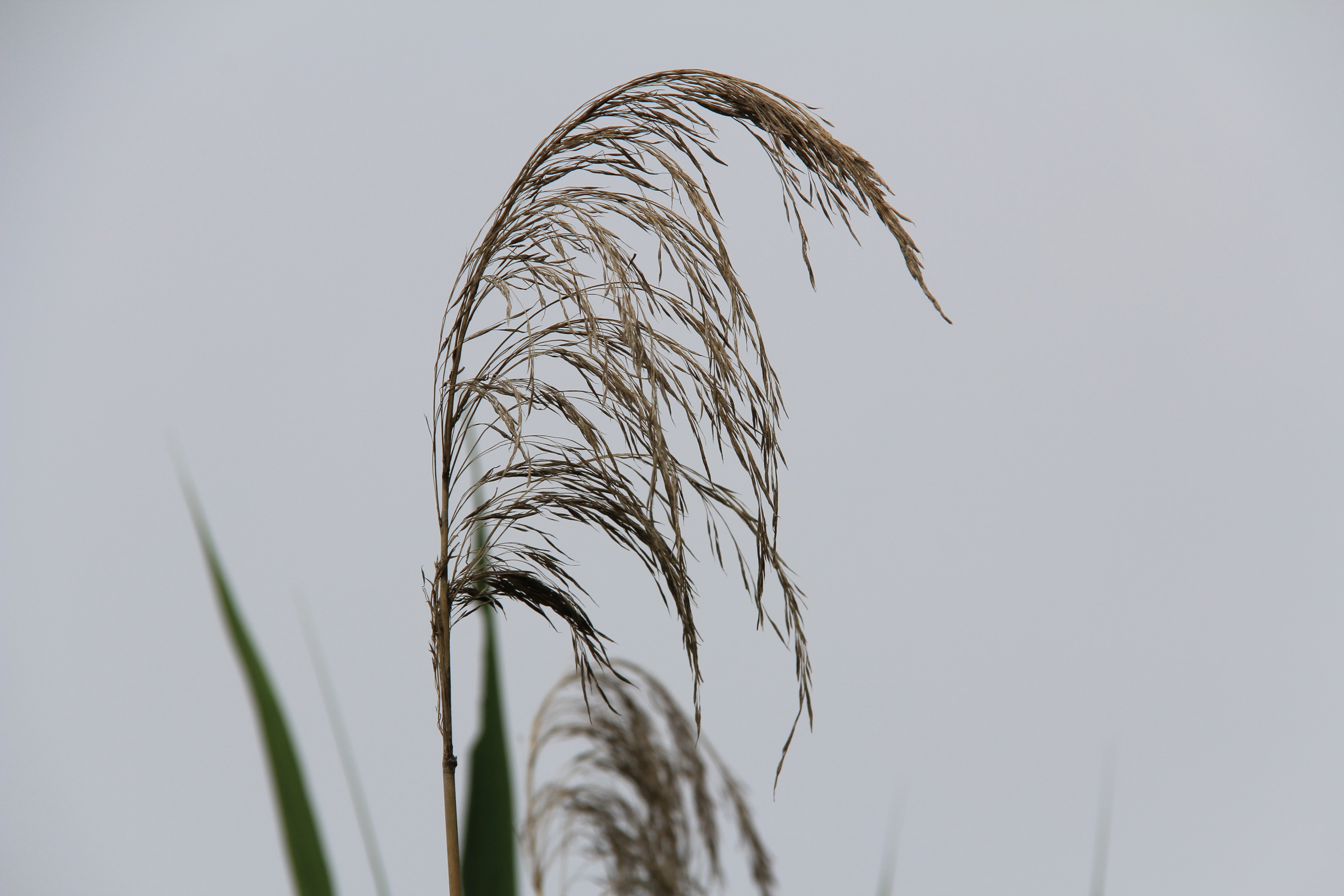
Prairie grasses. (Minnesota Prairie Roots copyrighted photo July 2023)
Long-stemmed grasses stretch toward the July sky.
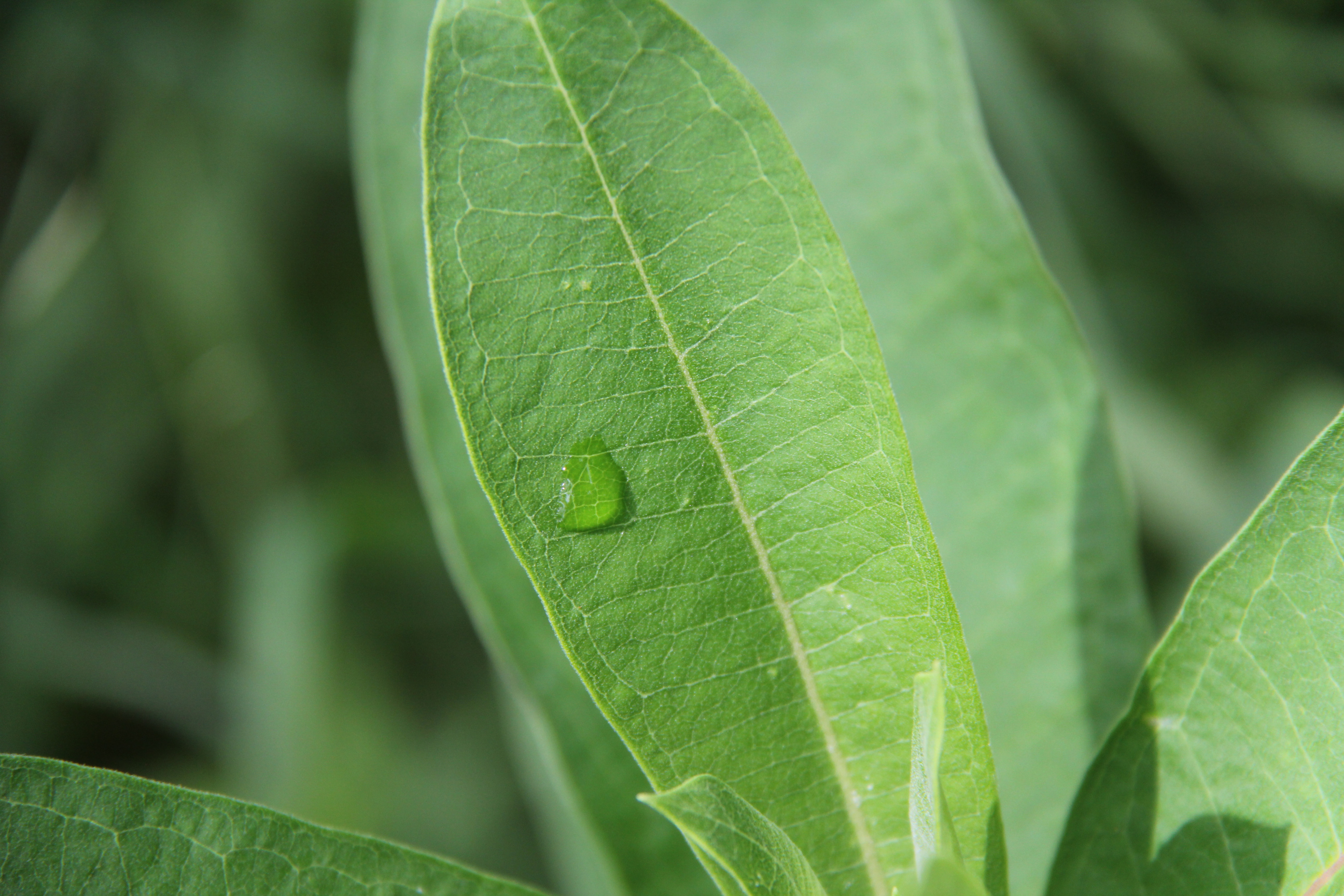
A solitary dewdrop on a milkweed leaf. (Minnesota Prairie Roots copyrighted photo July 2023)
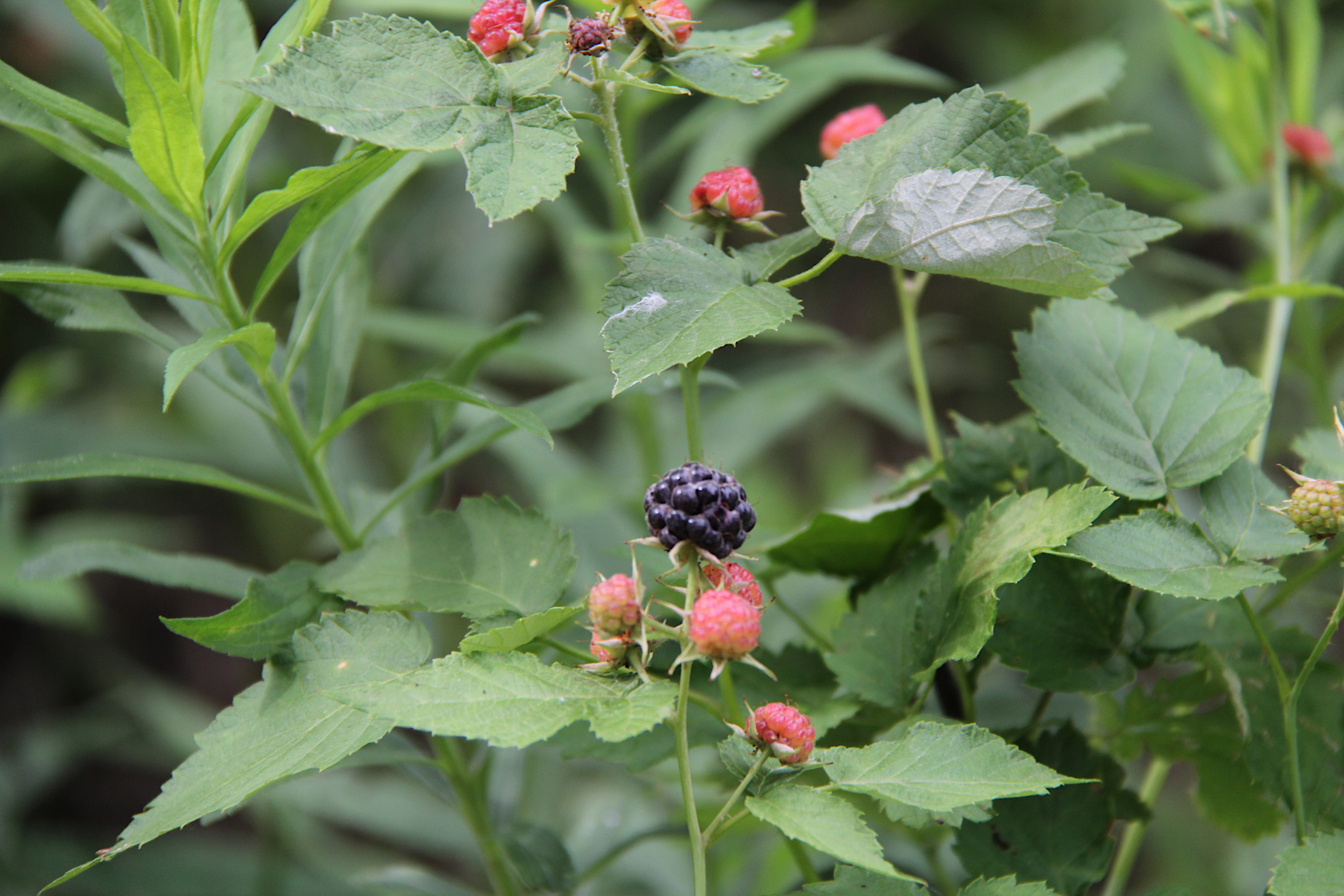
Wild raspberries. (Minnesota Prairie Roots copyrighted photo July 2023)
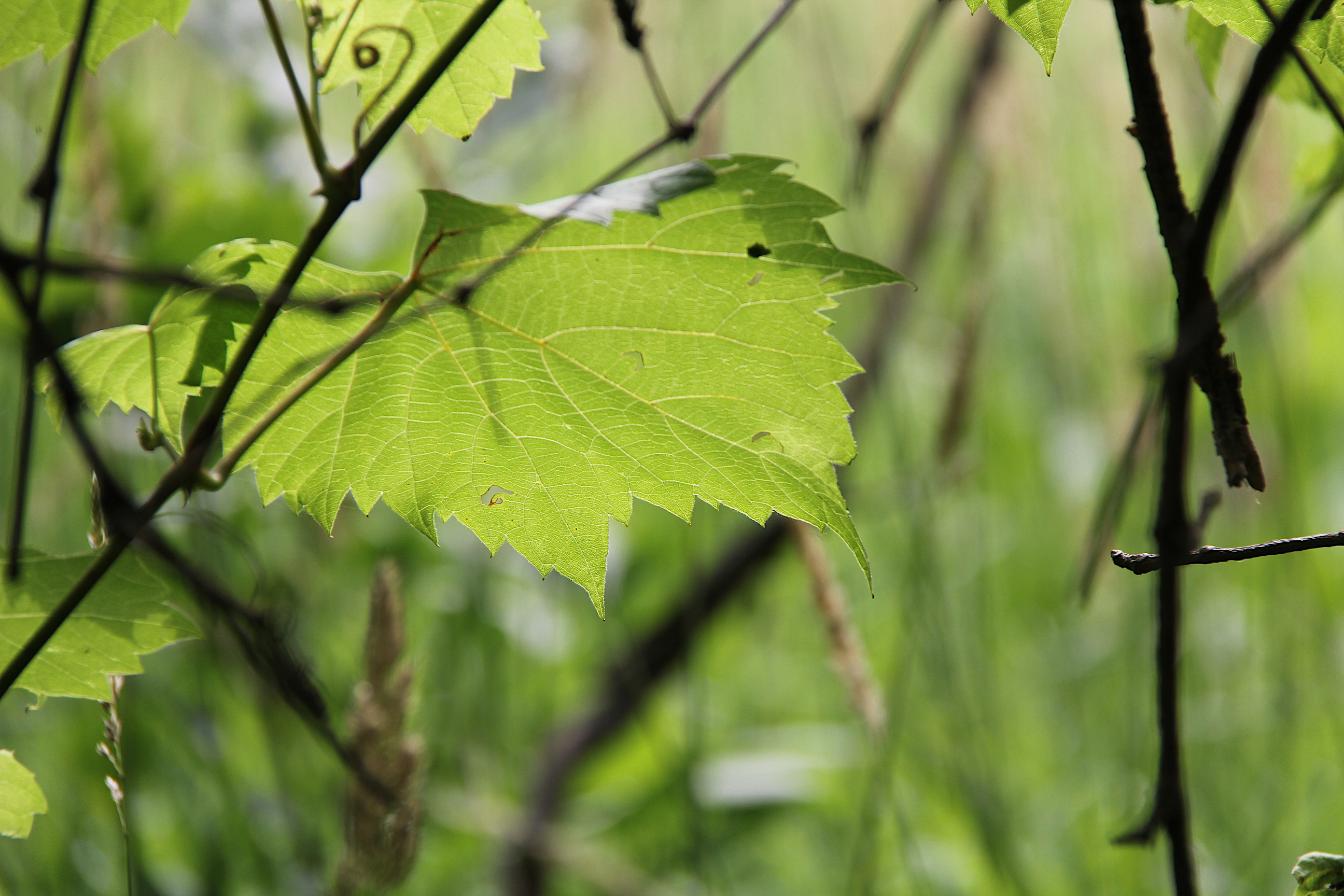
Veins run through the leaves of wild grapes. (Minnesota Prairie Roots copyrighted photo July 2023)
I tend to notice details, especially with camera in hand. And therein, in the part of the whole, is the beauty we often pass by in our hurried lives. I encourage you to slow your pace so as not to miss a solitary dewdrop, the texture of leaves, the deep purple of a plump wild raspberry.
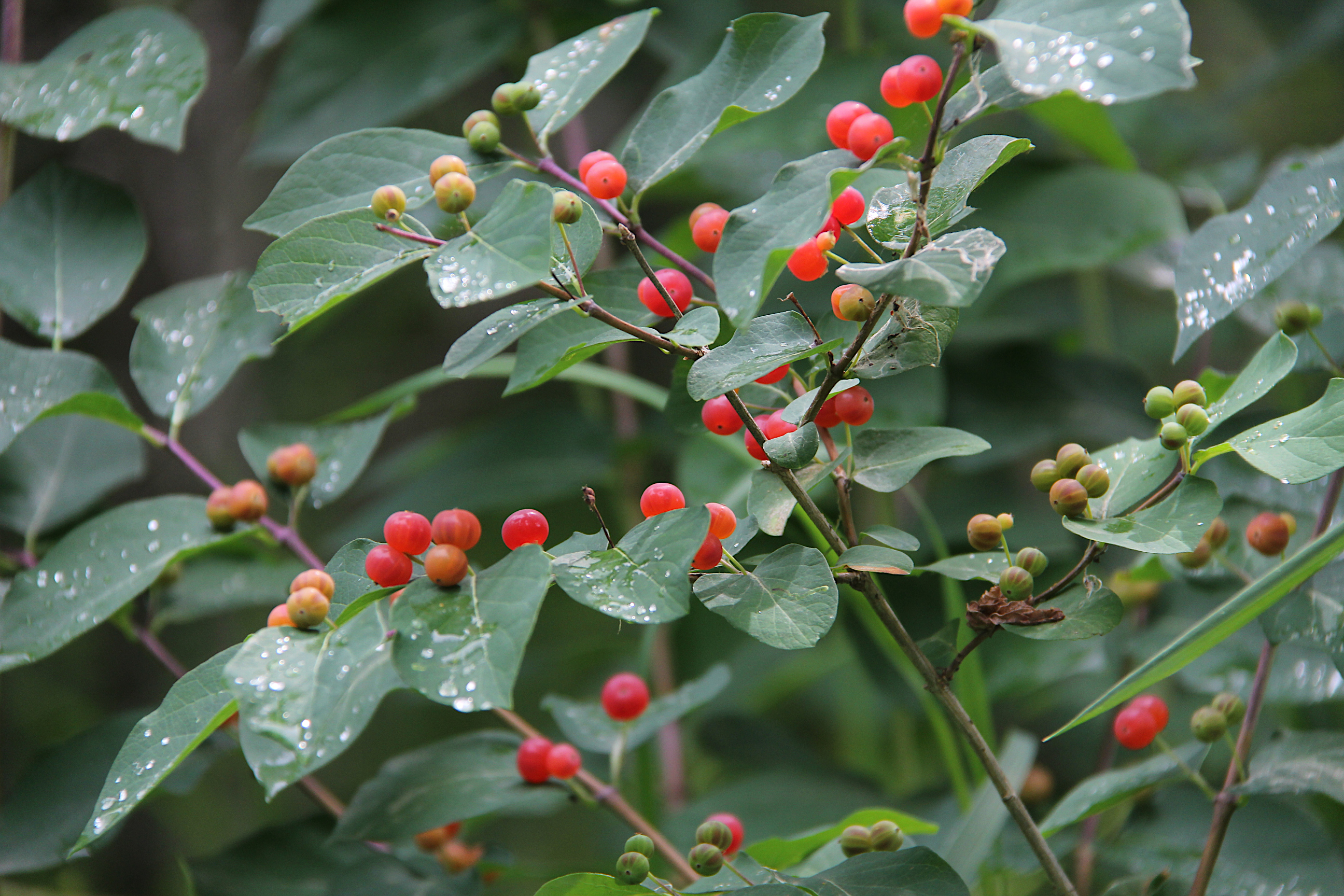
Bold berries jolt color into the greenery. (Minnesota Prairie Roots copyrighted photo July 2023)
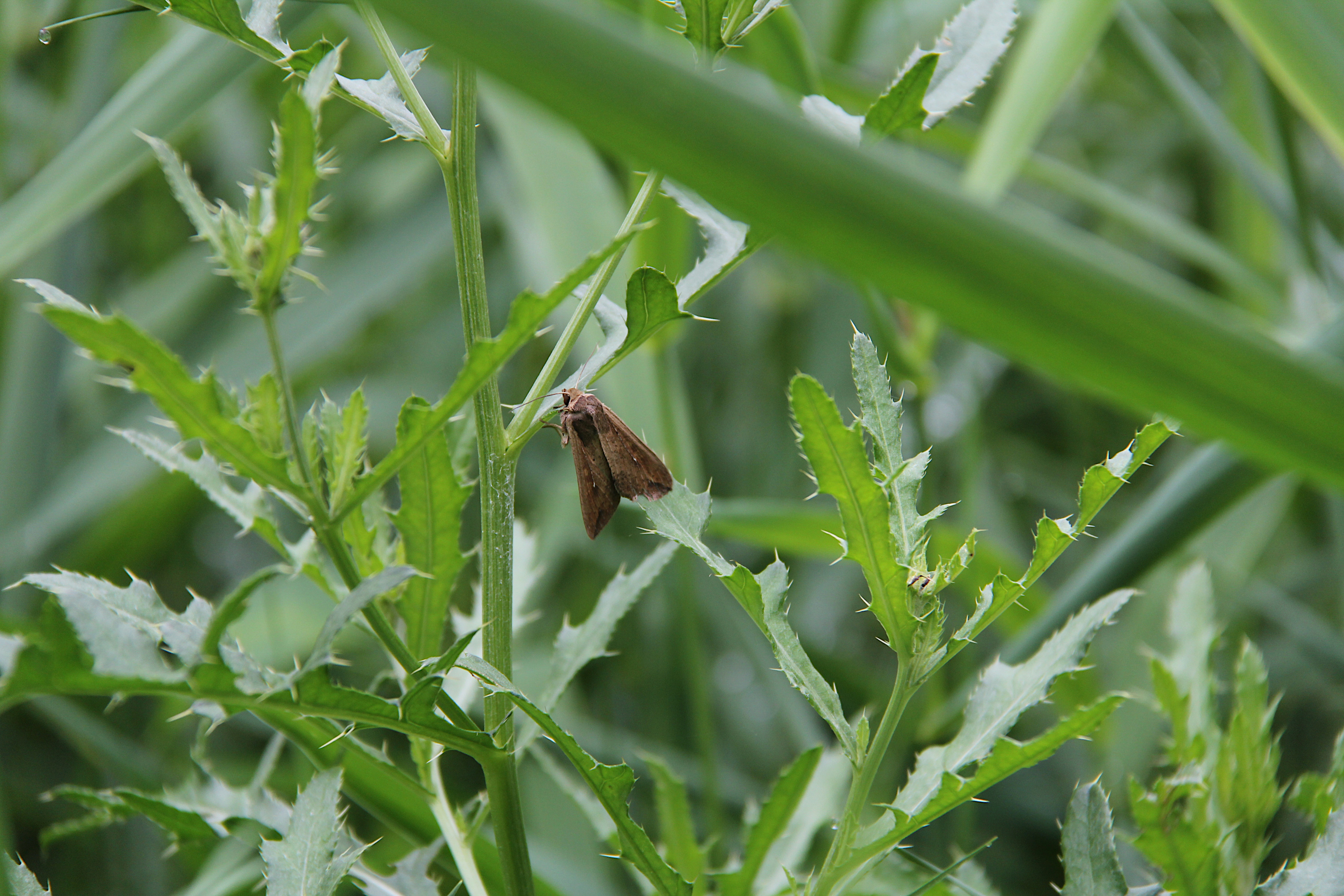
Moth upon thistle holds its own beauty. (Minnesota Prairie Roots copyrighted photo July 2023)
Notice the veins in bright red berries, the dusky moth among thistles, the way grass heads heavy with grain bend toward the earth.
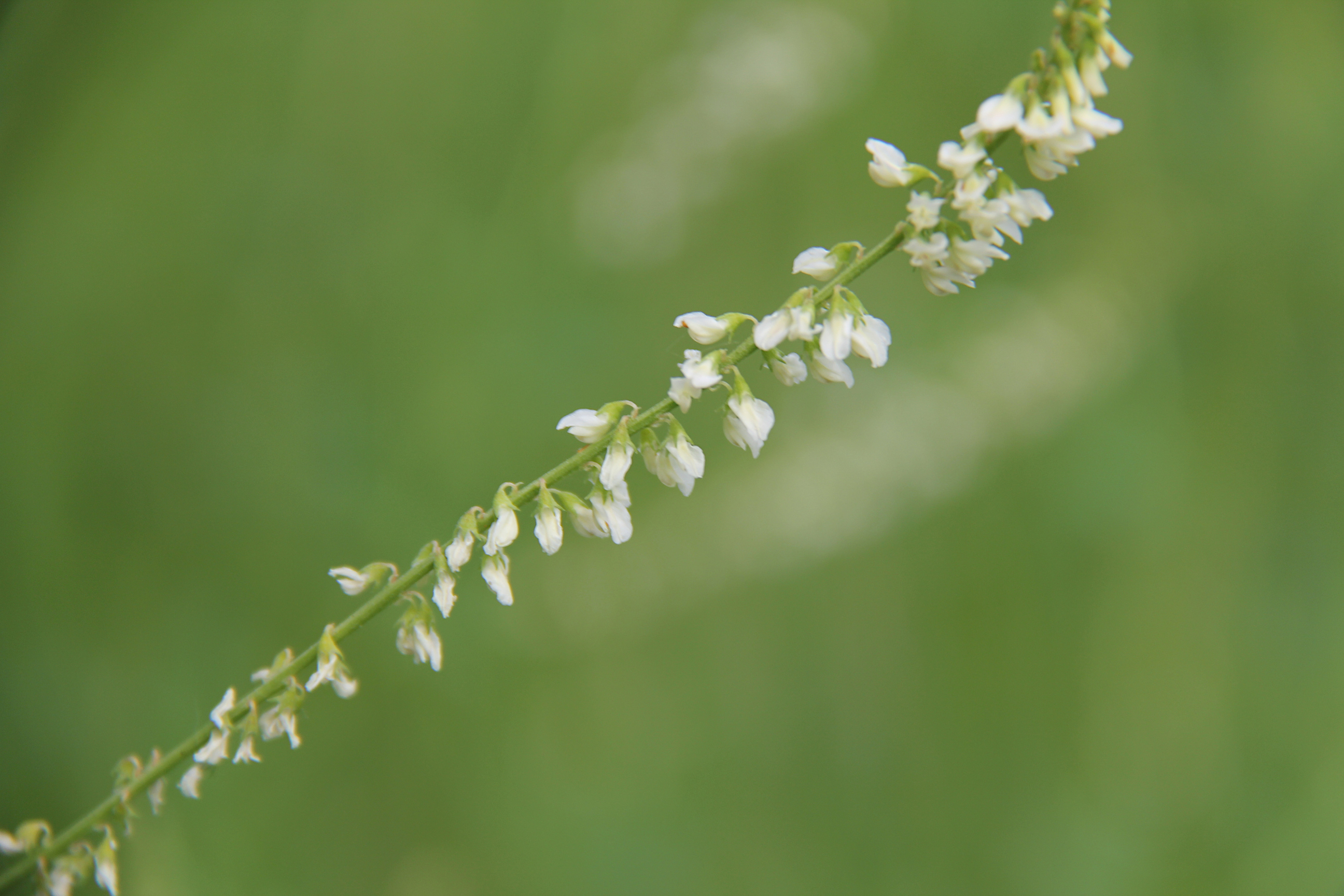
Unidentified white flower. (Minnesota Prairie Roots copyrighted photo July 2023)
From the daintiest of white blossoms laddering a stalk to the bold gold of a prairie wildflower, there is much to see, to appreciate, to embrace in these summer days.
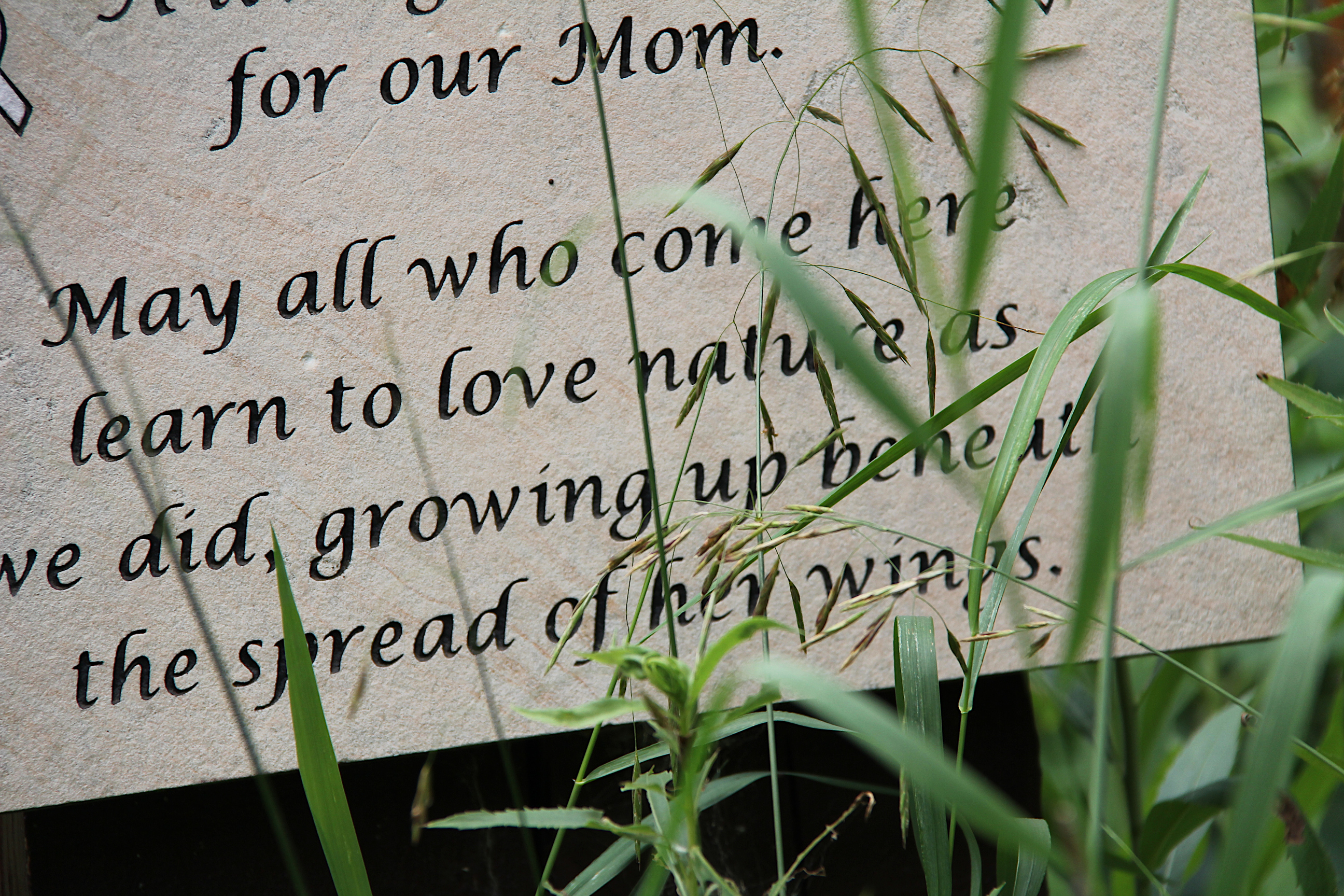
A nature-themed memorial at River Bend Nature Center, Faribault. (Minnesota Prairie Roots copyrighted photo July 2023)
Fill your eyes, your heart, your spirit, your mind with Nature’s beauty. Ride on the wings of the butterflies. Sway in the wind like blades of grass. Then settle, like a single dewdrop upon a leaf. Quiet. Filled with peace. Calmed in the presence of the land.
NOTE: All photos were taken recently at River Bend Nature Center, Faribault.
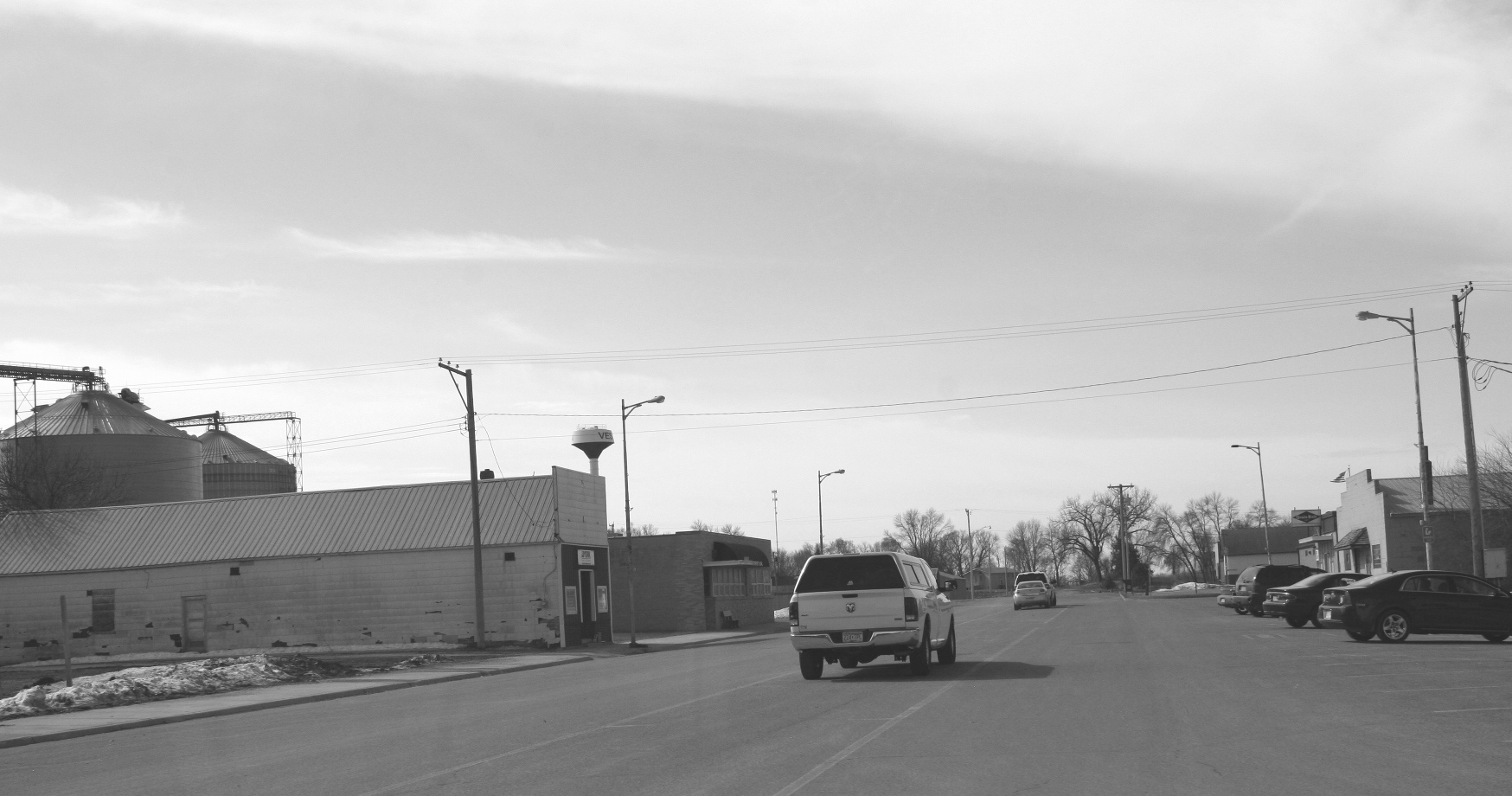
Downtown Vesta, Minnesota, photographed in 2018. (Minnesota Prairie Roots copyrighted file photo April 2018)
WHEN I READ A RECENT POST on the City of Vesta Facebook page, I knew I needed to share this story with you. It is a heartwarming story of kindness and gratitude that renews my faith in the goodness of humanity. And it is, too, a moment in which I feel overwhelming pride in my hometown.
Before I get to the referenced post, I expect many of you are wondering, “Where is Vesta?” I’ve found in my 41 years of living in southeastern Minnesota that most people have no clue. Vesta is west of Mankato, west of New Ulm, west of Redwood Falls. The small Redwood County farming community of around 320 sits along Minnesota State Highway 19 half way between Redwood and Marshall. It is the only town directly aside that highway for the 40 miles between the two larger cities.
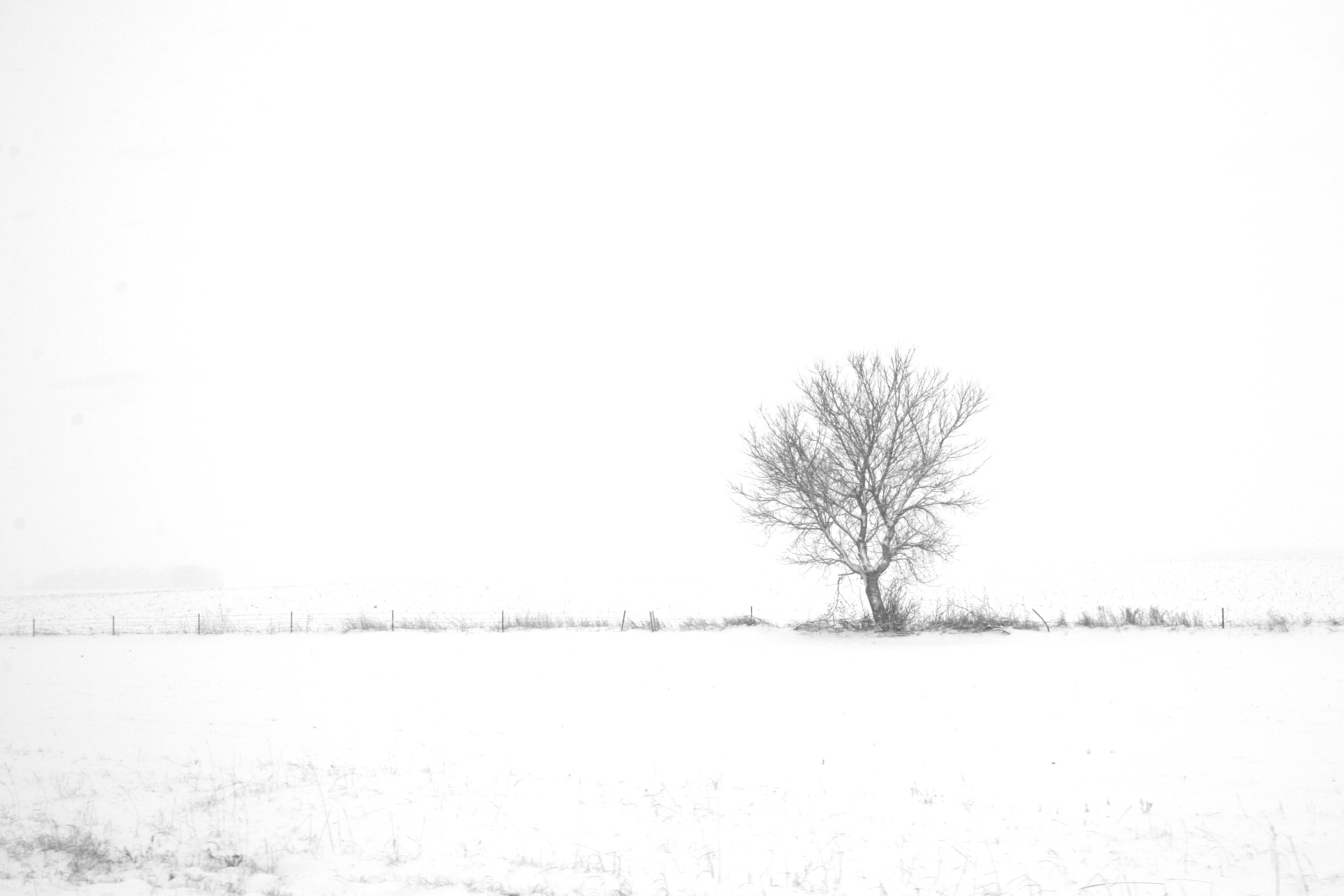
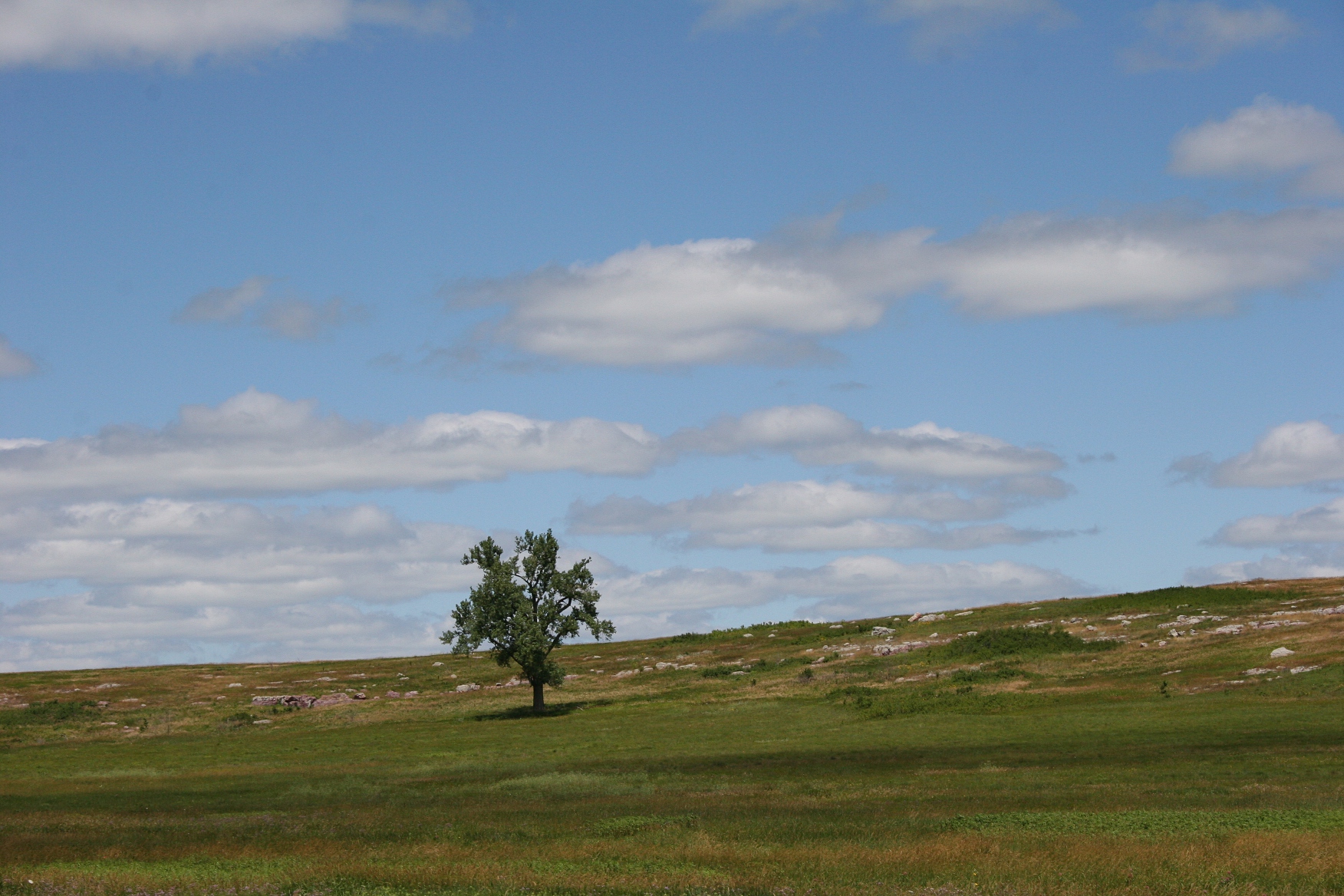
A lone tree along a fence line on the southwestern Minnesota Prairie. (Minnesota Prairie Roots copyrighted file photo March 2012)
Vesta is in the middle of the prairie, the windswept prairie. If a winter storm sweeps in with strong winds, then conditions quickly deteriorate to blizzard status. You don’t want to be caught on the road if that happens. It’s dangerous.
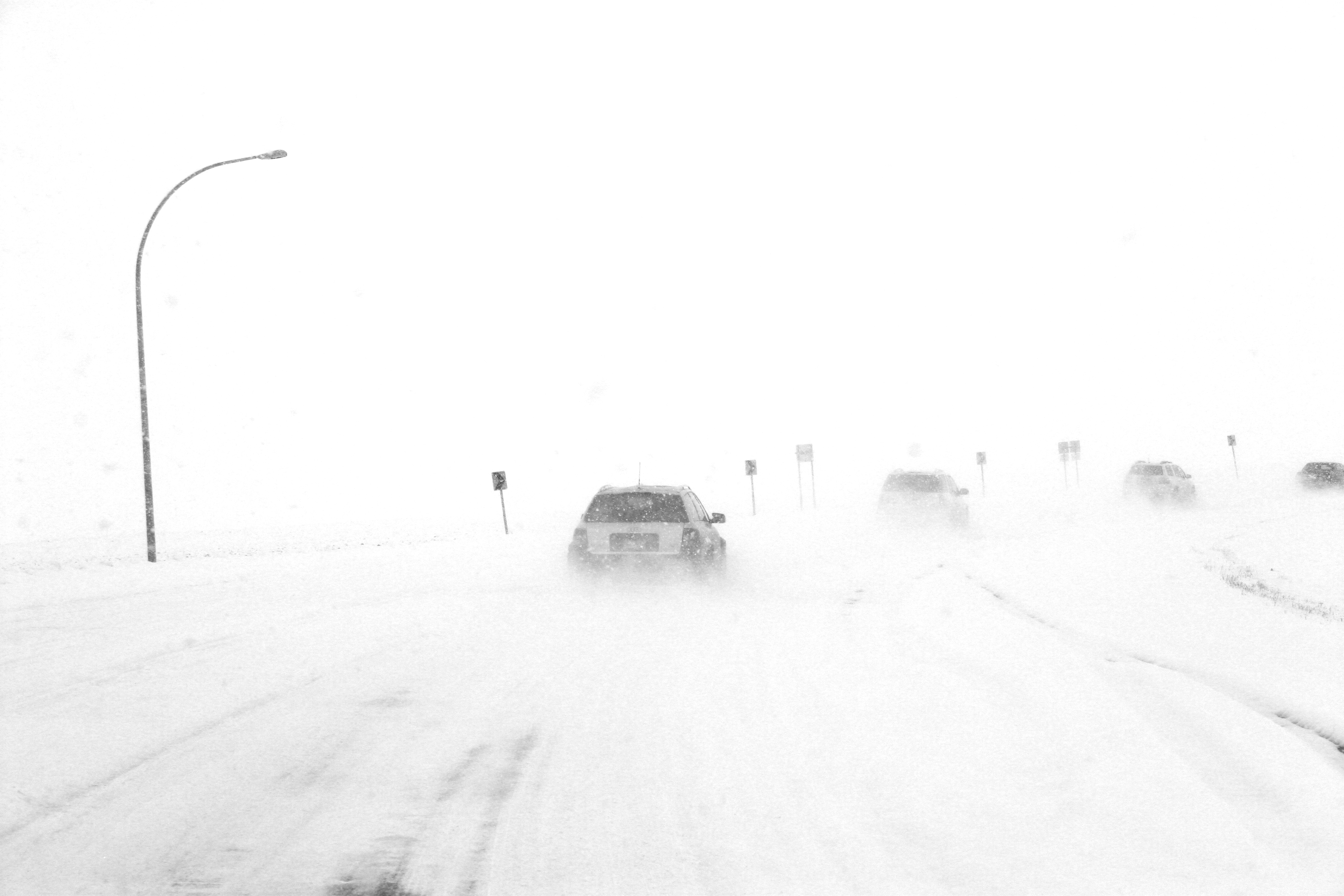
I shot this on the Minnesota Highway 19 curve just north of Vesta in March 2012. The recently-stranded motorist was at about this point on the highway, but in far worse weather conditions. (Minnesota Prairie Roots copyrighted file photo March 2012)
Recently, a motorist found herself in such dire conditions while driving Highway 19 toward Watertown, South Dakota, to visit grandchildren. Forty mph winds, blowing snow and zero visibility—to the point where she had to stop to see if she was still on the road some two miles from Vesta—resulted in a life-saving decision. She got off the highway at Vesta.
And that’s where this story begins to unfold into a story of generosity and kindness in my hometown. The first person she encountered was Dave and his buddy, out on four-wheelers. I knew exactly who she meant. Dave owns an auto body and repair shop in Vesta. He also plows snow for locals. When my mom was alive and still living in Vesta, it was Dave who cleared her snow. It was Dave who answered Mom’s calls for help with car issues. I always felt reassured that he was, in some ways, looking after her and so many other seniors.
I digress. Dave directed the recently-diverted motorist two blocks east to the community center, a designated shelter for stranded travelers. Upon arrival at the former Vesta Elementary School, the grateful traveler found the doors locked. So off she went to find someone, anyone, to let her inside. She noticed two trucks parked outside the grain elevator, which led her inside and directly to Vesta’s emergency coordinator. Jeremy drove home and got the key to open the shelter.
A plate of spaghetti, photo used for illustration purposes only. (Minnesota Prairie Roots copyrighted file photo July 2013)
Now if that was the end of the story, that would be a nice ending. But there’s more. The out-of-town guest got a tour of the community center and was also advised she could help herself to the spaghetti and chicken noodle soup in the fridge, watch TV in the work-out room and then sleep on a cot, pillows provided. She was also given the Wi-Fi password. Later the city clerk’s husband brought an extra blanket after the clerk stopped to ask if the shelter guest needed anything.
Now if that was the end of the story, that would be a nice ending. But there’s more. Soon town kids showed up, per a text sent by Jeremy that they could hang out in the community center during the blizzard. The way-laid motorist soon found herself in rousing games of dodge ball and kickball inside the gym where I played as a grade-schooler.
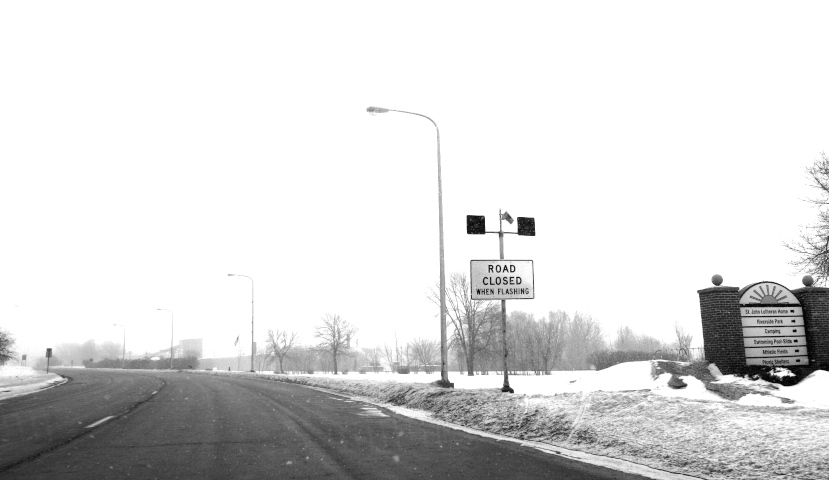
Road closed signs like this one near Springfield can be found along southwestern Minnesota highways, including highway 19. (Minnesota Prairie Roots copyrighted file photo March 2011)
Now if that was the end of the story, that would be a nice ending. But there’s more. Jeremy kept in touch, texting that the local bar was open if she wanted pizza. She was happy with the soup. The next morning the emergency coordinator texted again, notifying the overnight guest that roads had been plowed. He’d also reached out to the Marshall Police Department to assure that roads were open to motorists. Drive on a “closed” road and you risk a $750 fine. Jeremy went that extra mile to assure the woman could resume her journey to Watertown.
Her lengthy post to the City of Vesta Facebook page shows deep gratitude for all those who made her feel welcomed and safe in my hometown. She wrote: It was quite a night in the Vesta Community Center. Everyone’s kindness in this town was so timely and heartfelt that, rather than feeling like a stranded traveler, I felt like a VIP walking down a red carpet.
I am not surprised by the goodness of the folks in Vesta. This is small town southwestern Minnesota at its best. Caring, kind, compassionate, loving, welcoming. I’ve always felt embraced by the place of my roots, even decades after leaving. I understand this place. These will always be my people. My prairie people.
A Brandenburg bison photo hangs to the left and the photographer talks about his work in a video, right, inside the Brandenburg Gallery.(Minnesota Prairie Roots copyrighted file photo 2013)
OF ALL THE PHOTOGRAPHY—from general to portrait to sports to nature and wildlife—it is wildlife photography that most impresses me as particularly challenging. And now one of the best wildlife and nature photographers in the world, who happens to be a native of my beloved southwestern Minnesota prairie, has received National Geographic’s Lifetime Achievement Award. Luverne-born and raised Jim Brandenburg, today based in Ely in northern Minnesota, won that top honor. He’s so deserving. His photos are beyond any star rating.
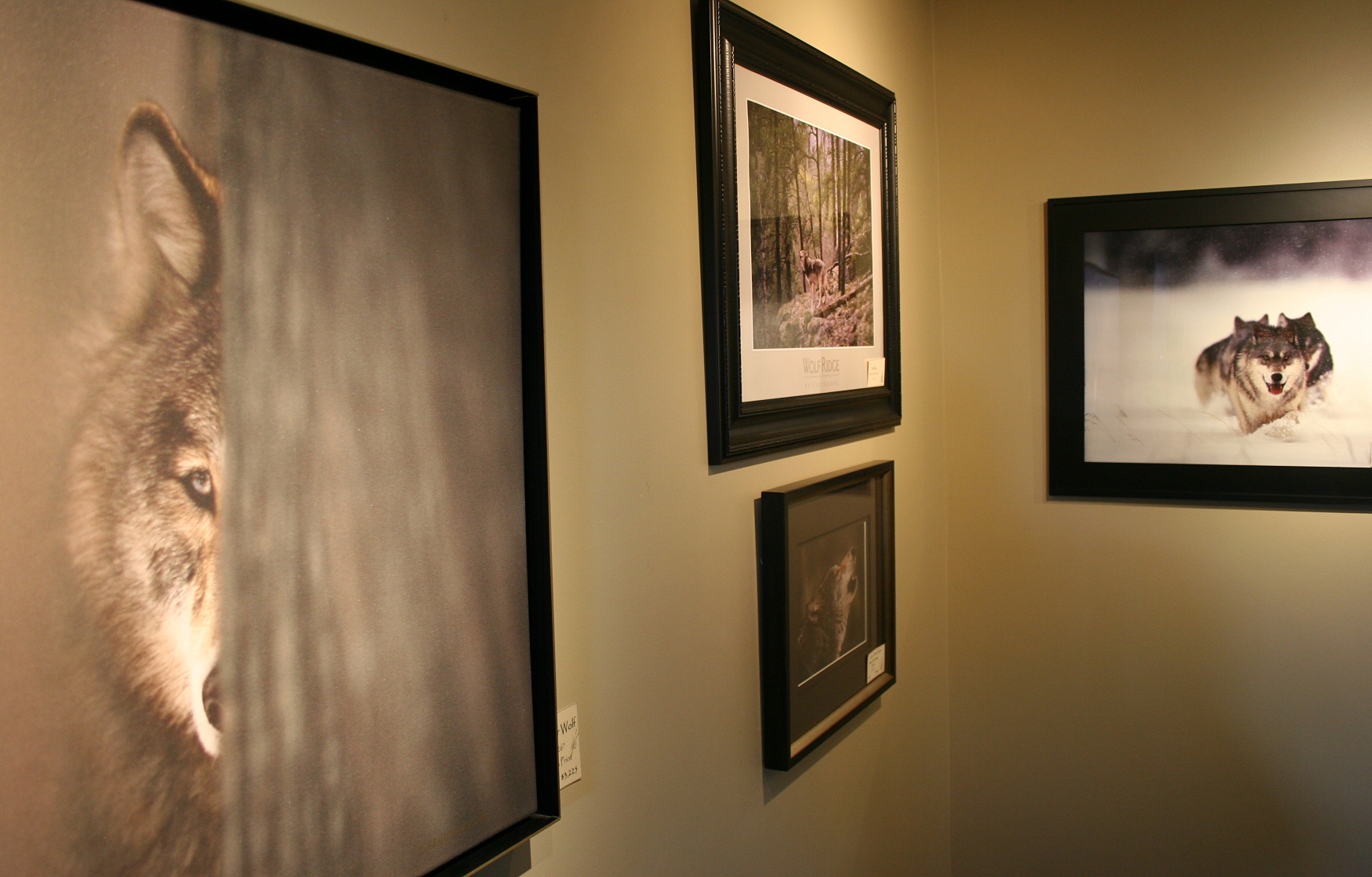
Brandenburg’s published books include “Brother Wolf–A Forgotten Promise.” He is known for his wolf photos, including these displayed in the Luverne gallery. (Minnesota Prairie Roots copyrighted file photo 2013)
Brandenburg joins only five other National Geographic photographers who’ve received this award. That he hails from the prairie, my homeland, makes me especially proud.
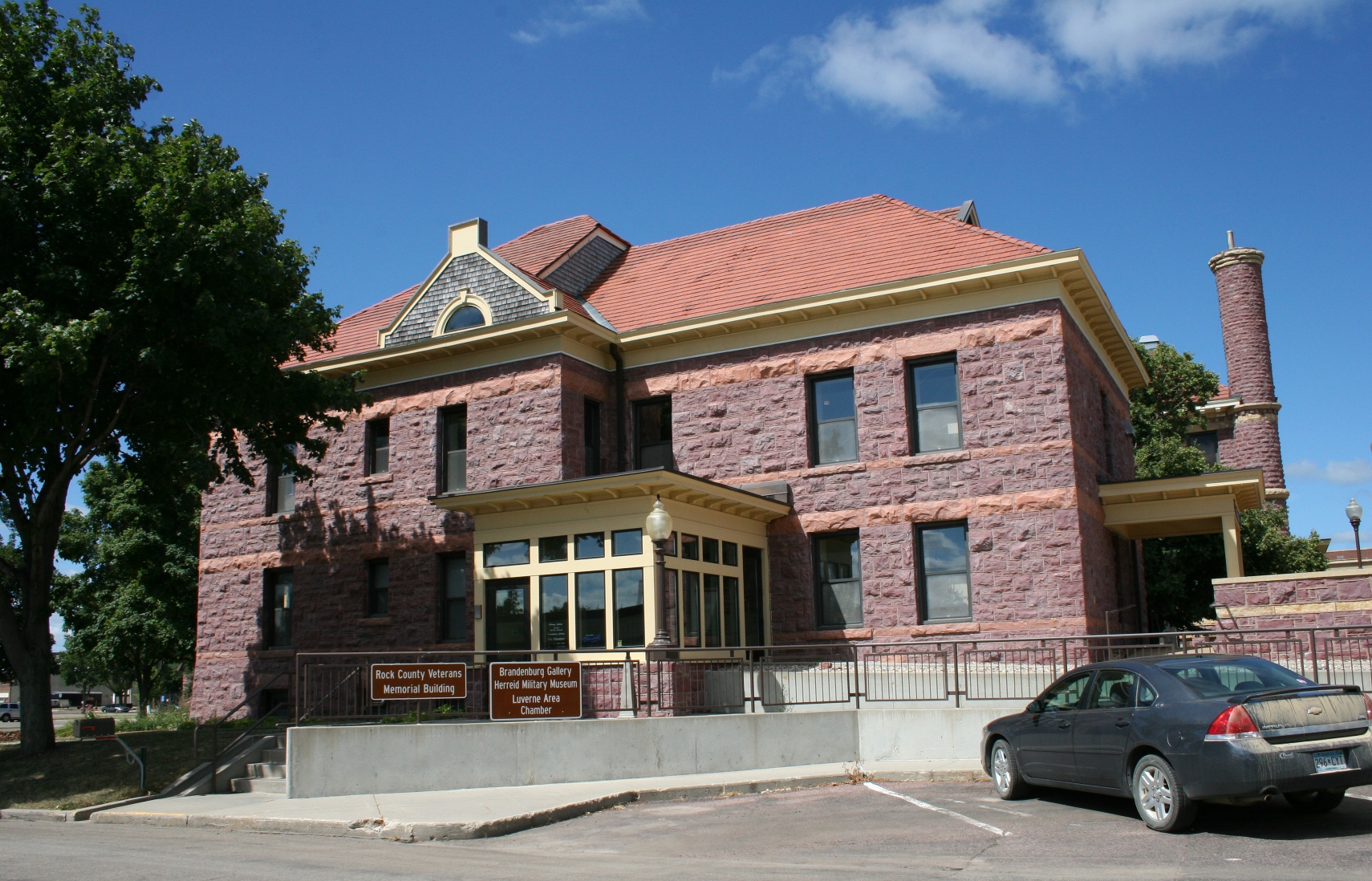
The entry to the gallery, located in the Rock County Courthouse square. (Minnesota Prairie Roots copyrighted file photo 2013)
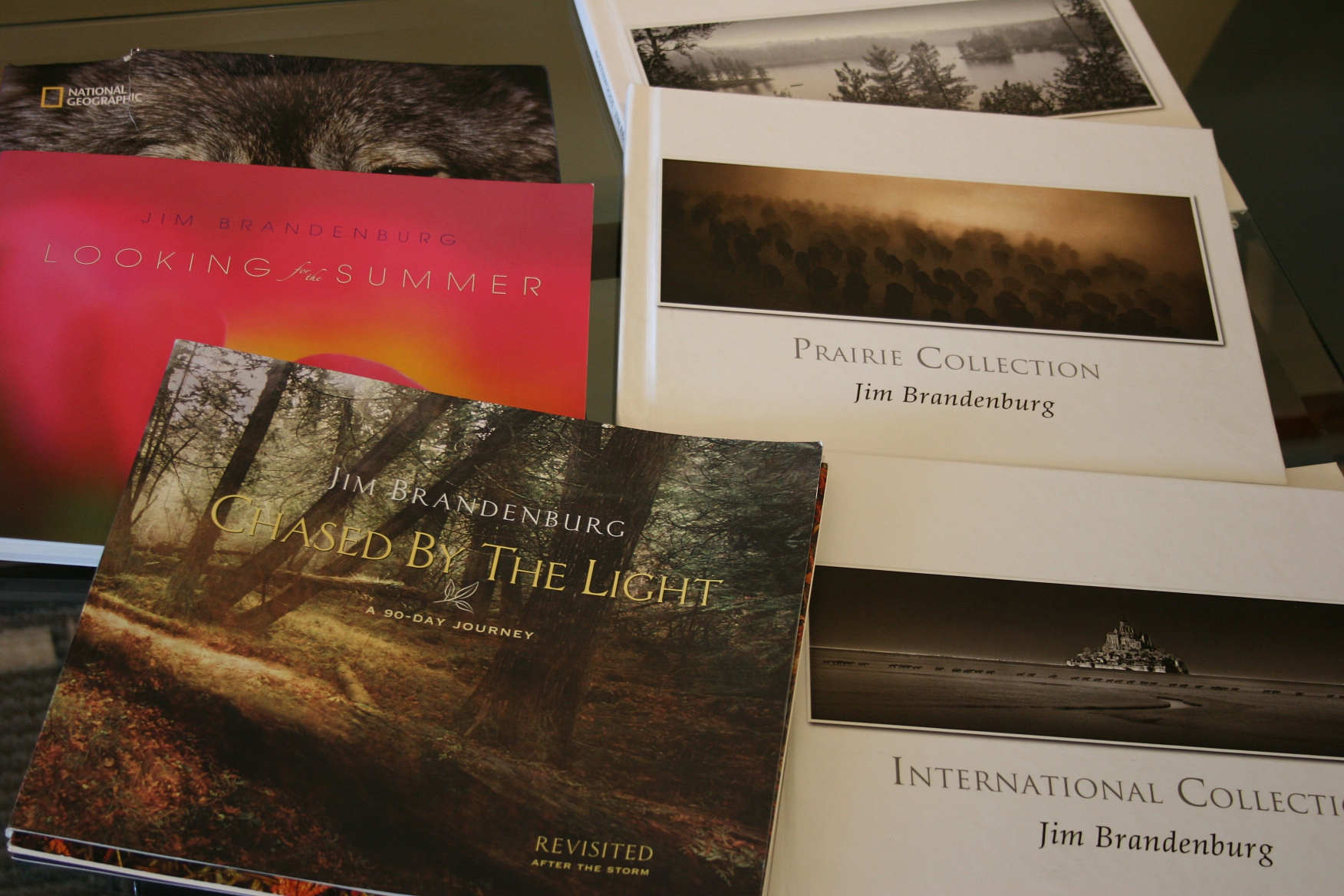
Some of Brandenburg’s photo books displayed in the Luverne gallery. (Minnesota Prairie Roots copyrighted file photo 2013)
I have no ambition to pursue wildlife photography. I don’t have the interest, talent, knowledge of the natural world or patience required for the craft. But I appreciate those who excel in this specialized photography and I can learn from them. Brandenburg has been honing his craft for some 50 years with National Geographic. He’s won countless awards, produced many books filled with his images.
In all of this, this world travel, this move from southern to northern Minnesota, from prairie to northwoods, he’s remained rooted to his roots. He established the Luverne-based Brandenburg Prairie Foundation with a mission “to educate, preserve and expand native prairie in southwest Minnesota.” Brandenburg’s Foundation and the U.S. Fish and Wildlife Service bought 800 acres of untilled prairie in Rock County some eight miles northwest of Luverne, where visitors can immerse themselves in tallgrass prairie. I regret not walking the Touch the Sky Northern Tallgrass Prairie National Wildlife Refuge during my 2013 visit to this area. I need to return.
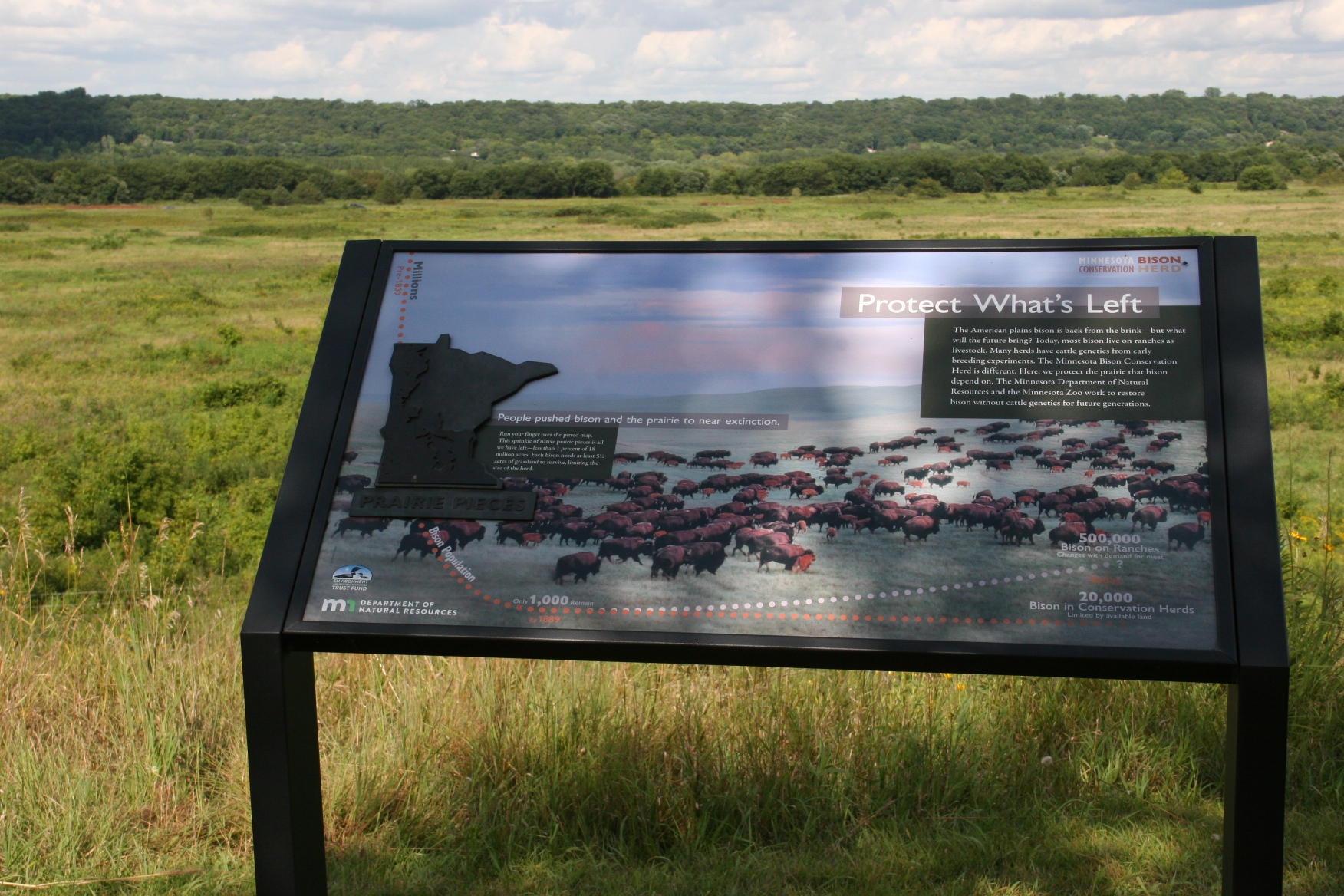
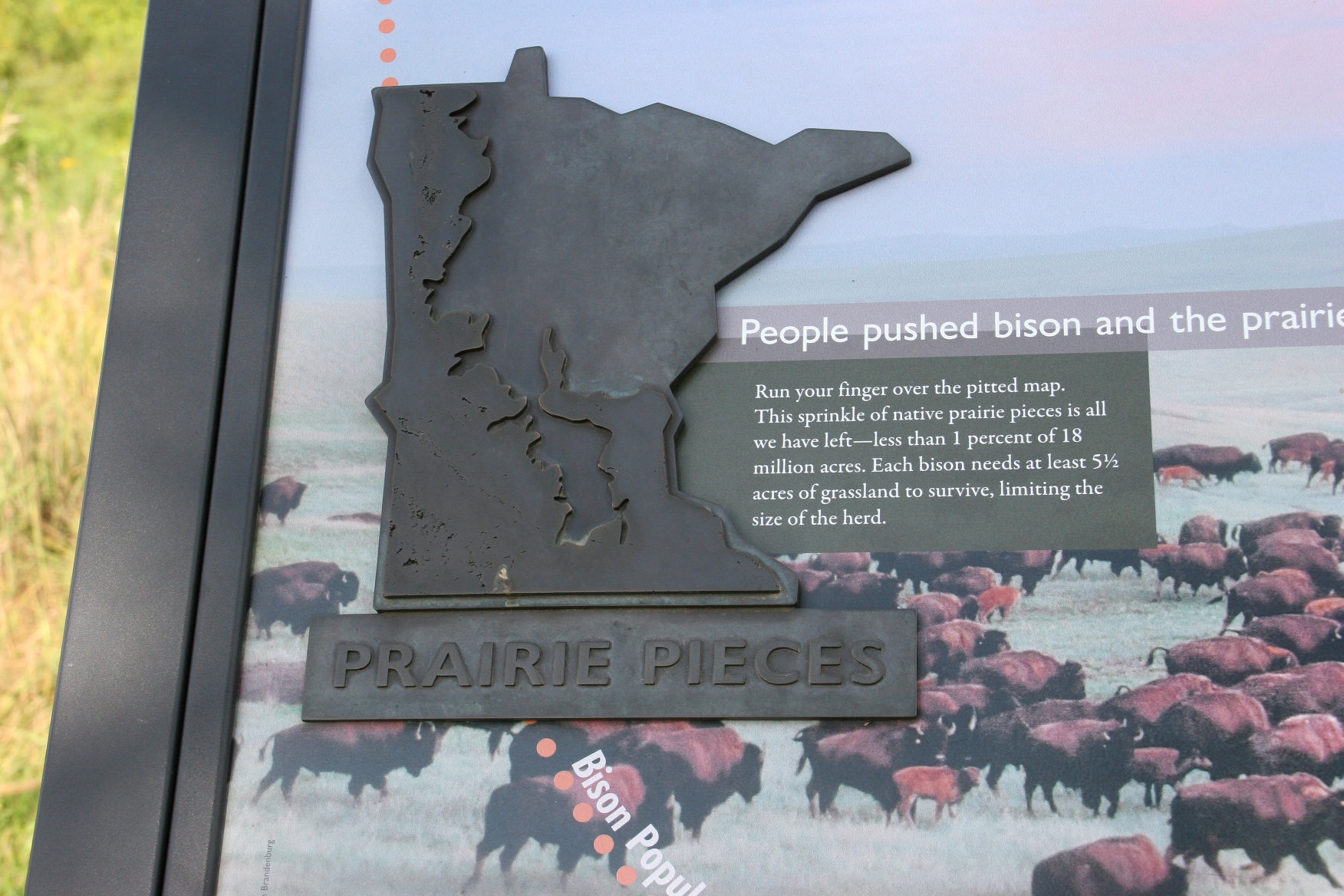
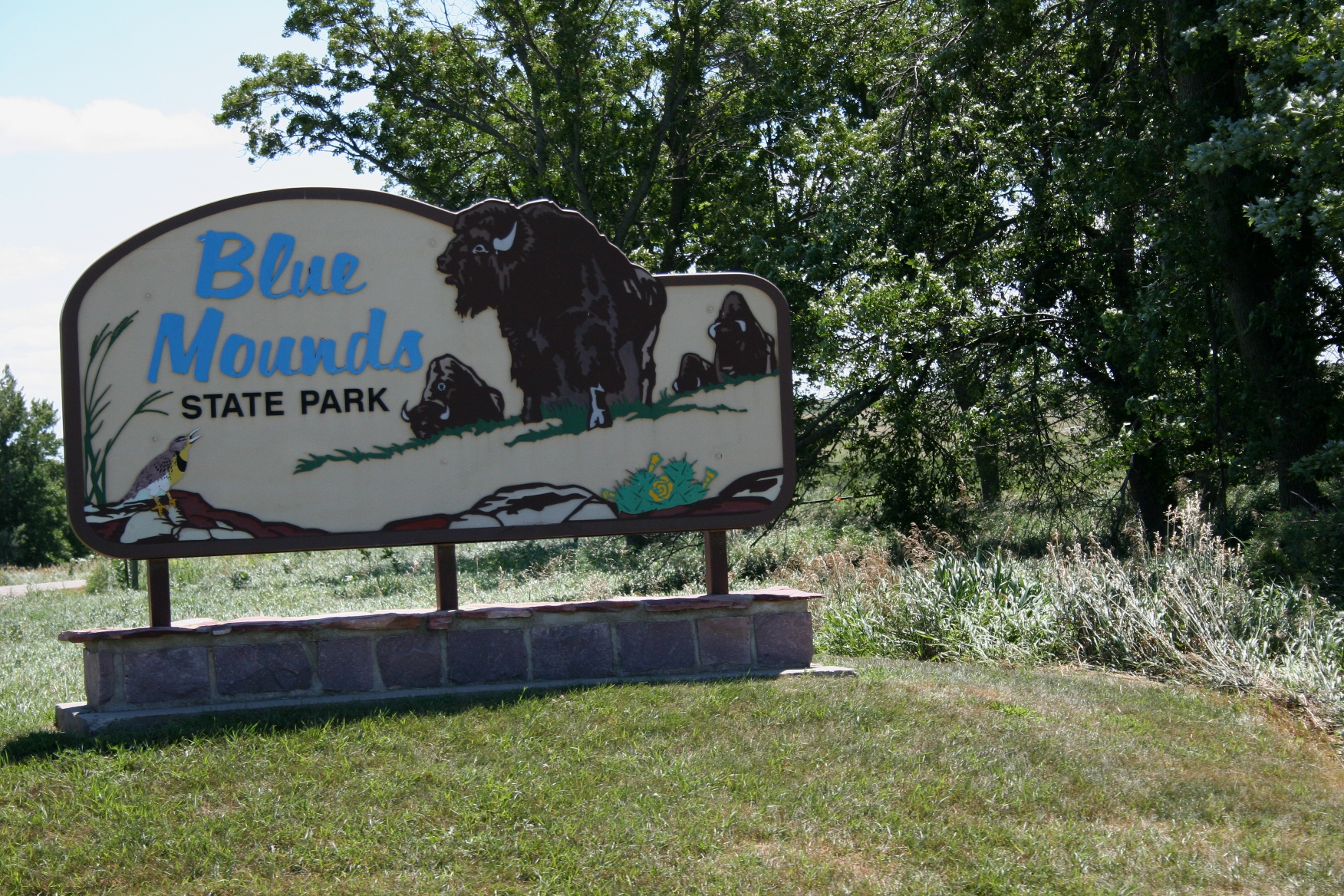
Hiking the path up and through the prairie grass at Blue Mounds State Park. (Minnesota Prairie Roots copyrighted file photo 2013)
I recognize that to many, this region of Minnesota seems desolate, lacking in beauty, just a place to get through when traveling. But for prairie natives like me, beauty is everywhere. In the wide sky. In sunsets so profoundly beautiful that they almost defy description. In farm sites set like islands among endless fields. In small towns and acres of corn. In prairie grasses swaying in the breeze. I can forever sing the praises of the prairie in refrains of howling wind and songbird and the silence of quiet.
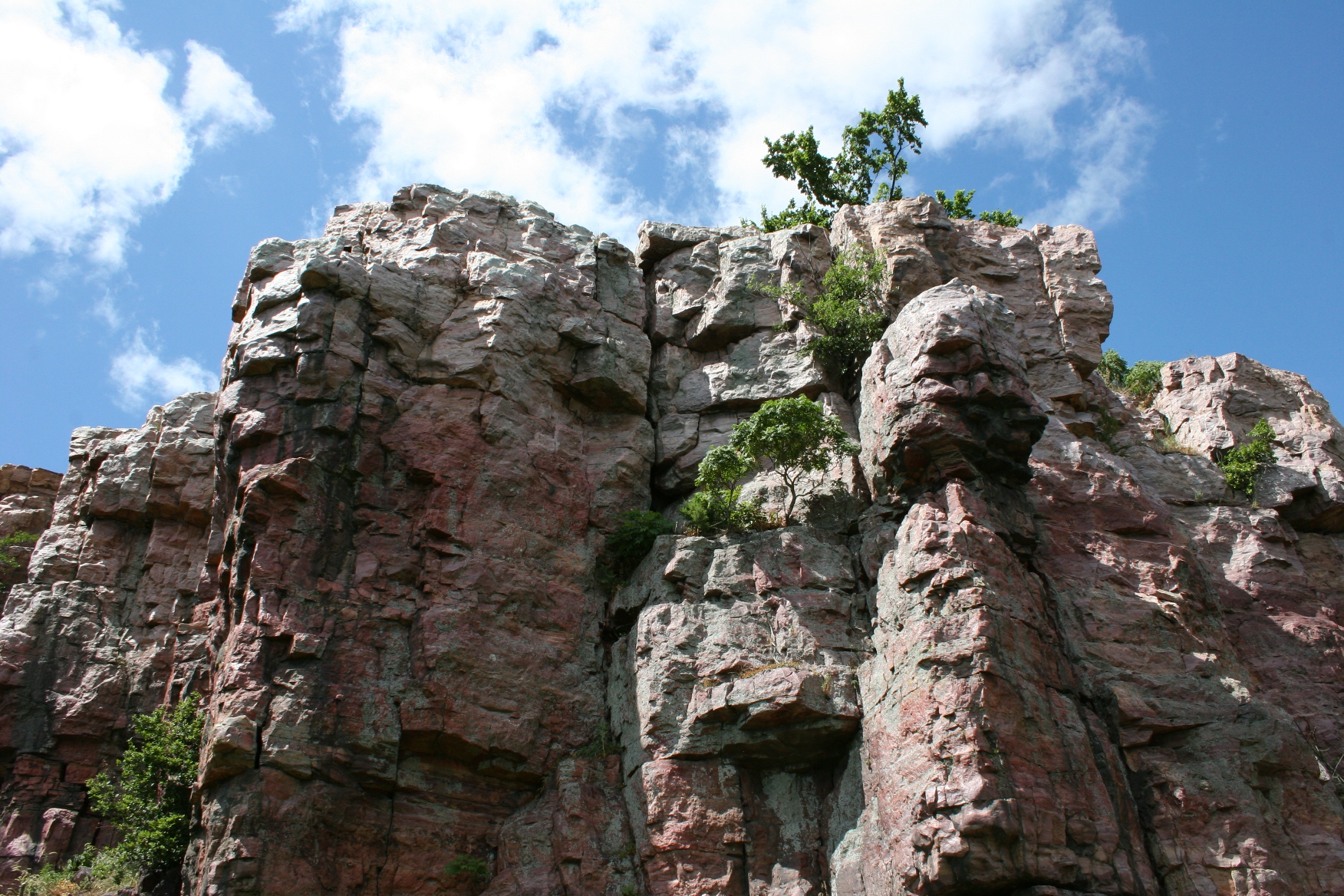
An impressive quarry wall of Sioux quartzite.(Minnesota Prairie Roots copyrighted file photo 2013)
Brandenburg, I expect, experienced all of these, even if his native Rock County differs from my home county of Redwood a bit farther to the north and east. Even on the prairie, landscapes vary. Near Luverne, at Blue Mounds State Park, cliffs of Sioux quartzite rise 100 feet above the plains. It’s amazing, unexpected in this place where prickly pear cacti also grow, where bison graze, where wildflowers bloom.
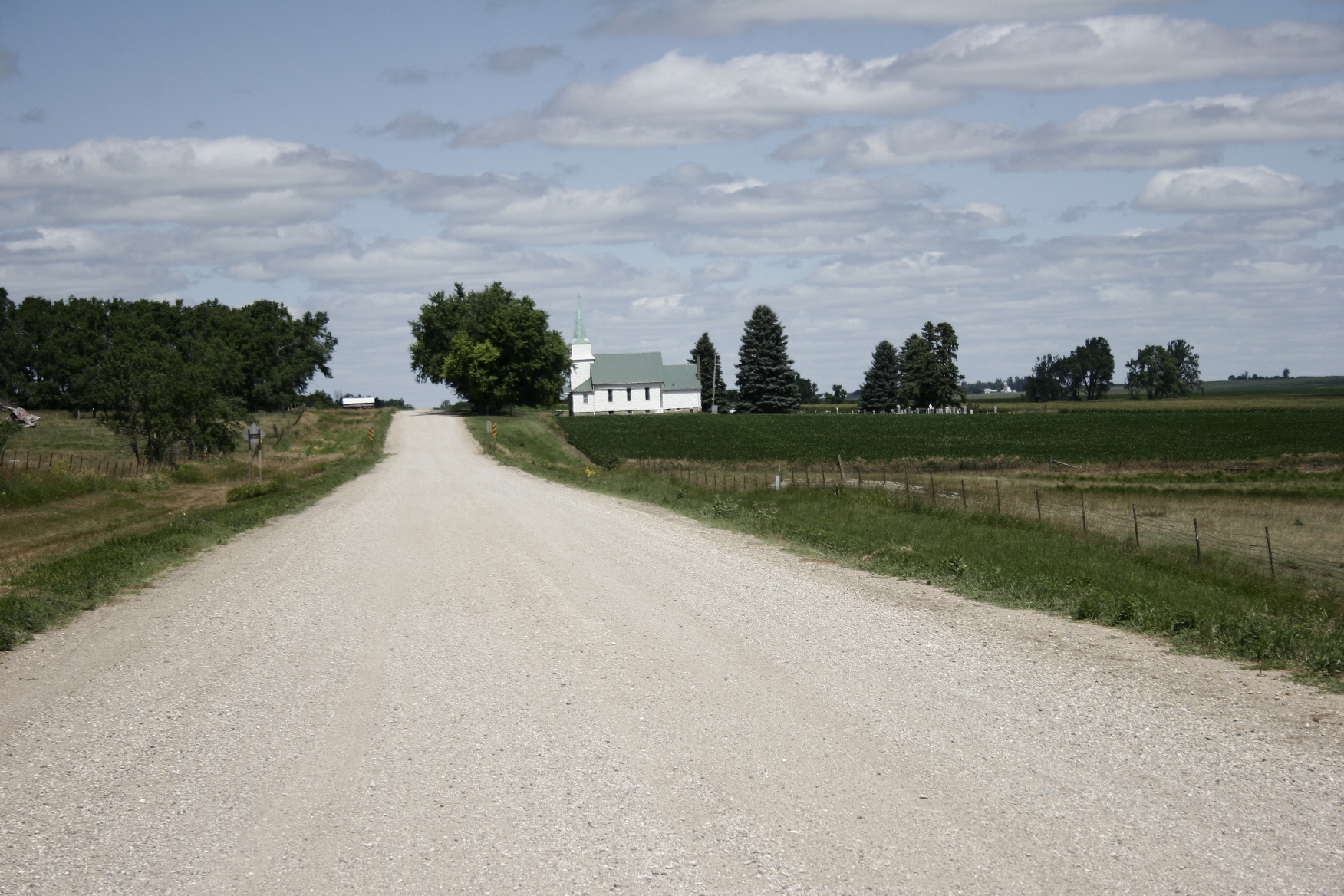
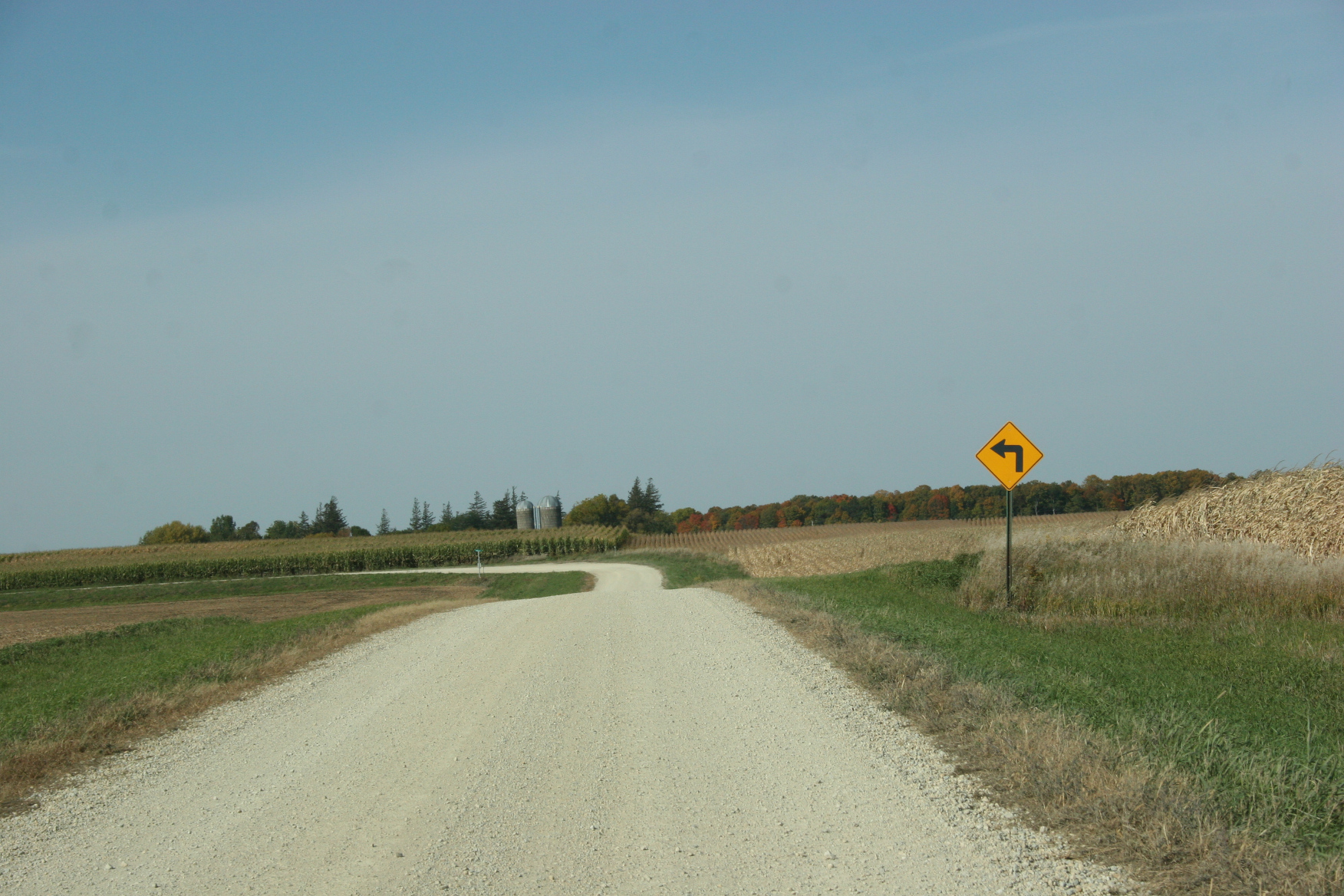
A gravel road around the state park passes a sheep pasture and country church. (Minnesota Prairie Roots copyrighted file photo 2013)
I encourage you, if you’ve never spent time in southwestern Minnesota, to do so this spring or summer. View the landscape through an appreciative lens that takes in every nuance, every detail. Notice the light. Feel the wind. Hear the quiet. Settle into the simplicity of this place that renews the spirit, that a world-class photographer called home. That I, too, once called home.
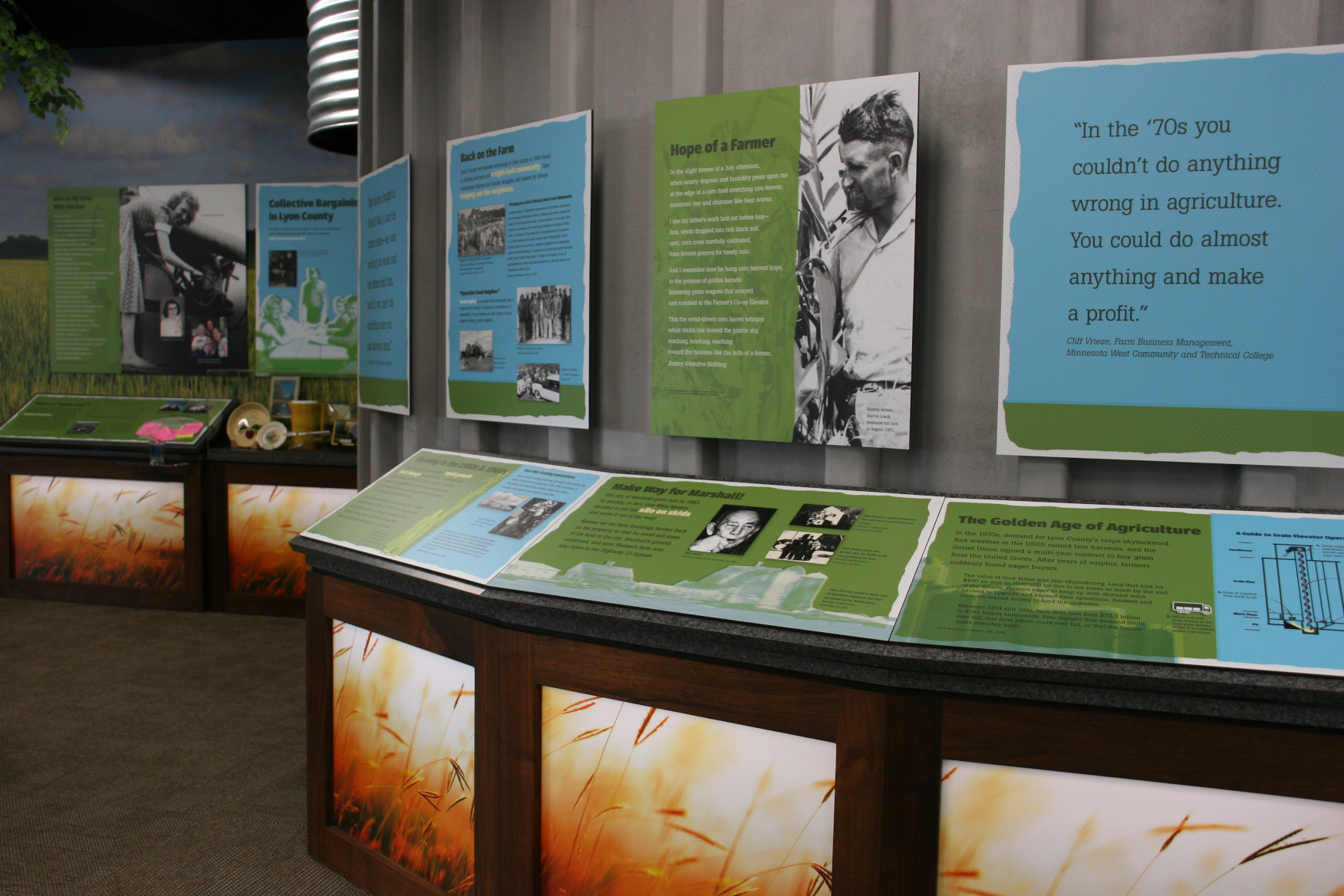
My “Hope of a Farmer” poem exhibited at the Lyon County Historical Society Museum. The exhibit also includes my poem, “Ode to My Farm Wife Mother.” (Minnesota Prairie Roots copyrighted file photo September 2022)
Randy Walker’s “Prairie Roots” sculpture defines the entrance outside the Red Baron Arena on Marshall’s east side at 1651 Victory Drive. (Minnesota Prairie Roots copyrighted photo September 2022)
My one regret is that Randy and I didn’t stay overnight, allowing more time to explore local sites without feeling rushed. Forty years have passed since I visited Marshall en route to the Black Hills on our honeymoon. The college and county seat town lies 20 miles to the west of my hometown, Vesta in Redwood County, and 140 miles from my current home in Faribault.
A serene country scene just north of Lamberton in southern Redwood County on the southwestern Minnesota prairie. (Minnesota Prairie Roots copyrighted file photo September 2013)
This area of Minnesota is the place of my roots. My prairie roots. It is the place of wide open space, expansive skies, small towns and endless acres of cropland.
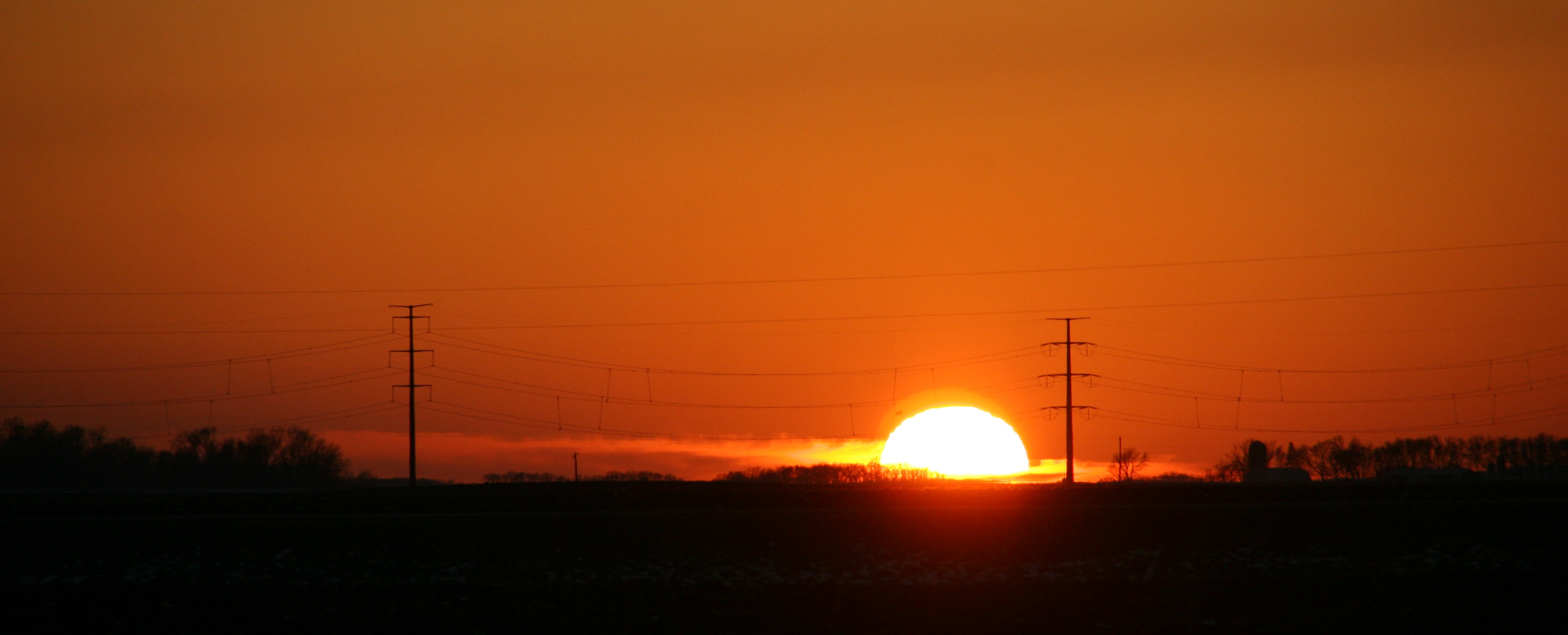
A prairie sunset photographed from Minnesota State Highway 67 between Redwood Falls and Morgan. (Minnesota Prairie Roots copyrighted file photo)
The land where I grew up inspired my blog name, Minnesota Prairie Roots. The name fits me as a person and a creative. The sparseness of the prairie taught me to notice details, to fully engage my senses. To appreciate the landscape and people. The vastness of the flat land and the star-flushed night sky and achingly beautiful sunsets. Here I connected to the land—bare feet upon dirt, bike tires crunching gravel, dirt etched into my hands from working the soil. Here I connected to the people—down-to-earth, hardworking, linked to the land.
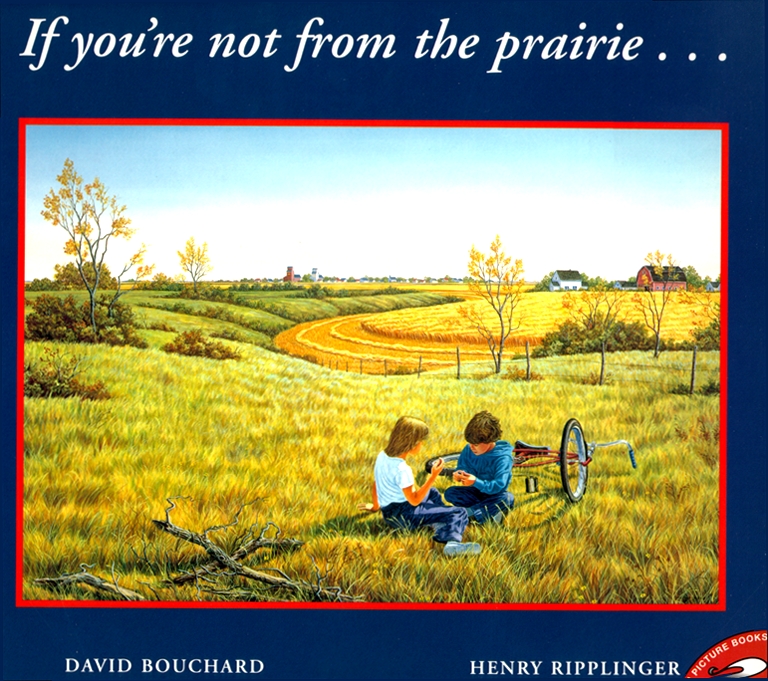
A favorite children’s picture book about the prairie gifted to me by my friend Kathleen.
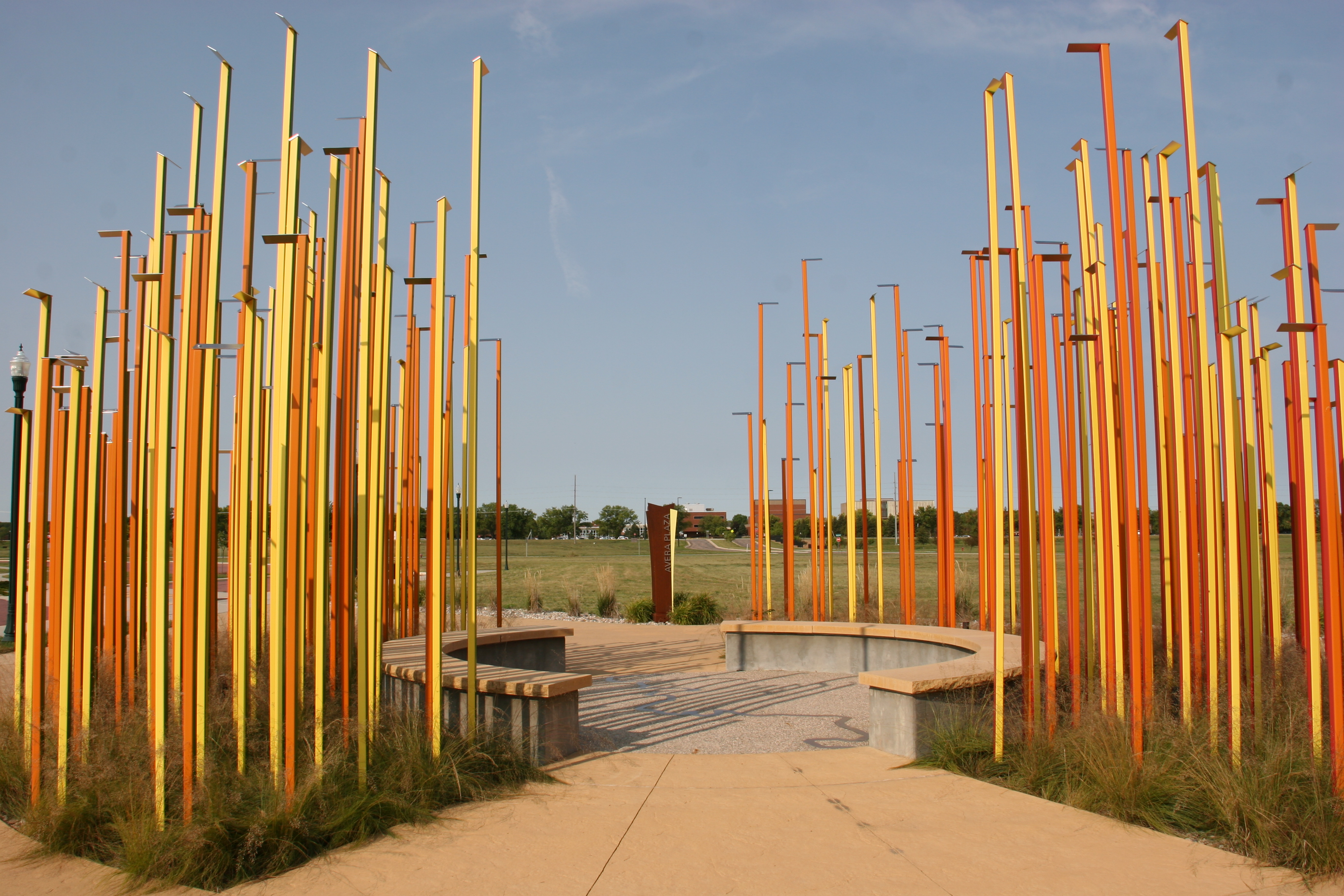
The tall grasses stretch to the prairie sky. The bent tops of the stems are also meant to resemble hockey sticks given the sculpture’s location outside the ice arena. (Minnesota Prairie Roots copyrighted photo September 2022)
Tall grasses are often associated with the prairie. Yet, those grasses were mostly missing from the landscape of my youth as cultivated crops covered the earth. But on our farm site, a sliver of unmown grass grew between granary and grove and gravel driveway, stretching high, stems bending in the wind. That Little House on the Prairie (Walnut Grove is 20 miles from Vesta) space opened summer afternoons to imaginative play. I hold many memories rooted in those tall grasses, in the prairie.
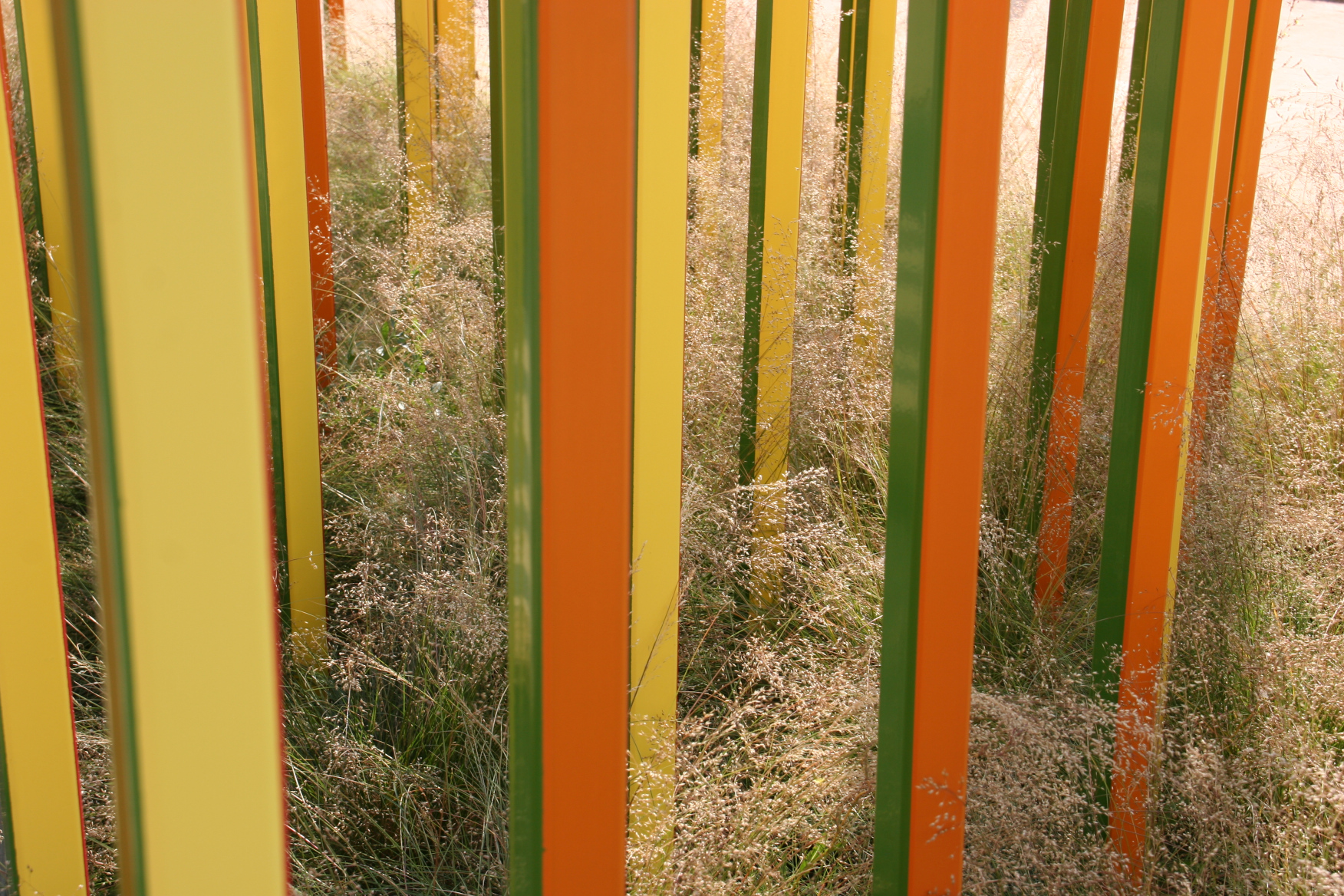
Depending on the time of day and viewing point, the steel grass stems showcase different colors. (Minnesota Prairie Roots copyrighted photo September 2022)
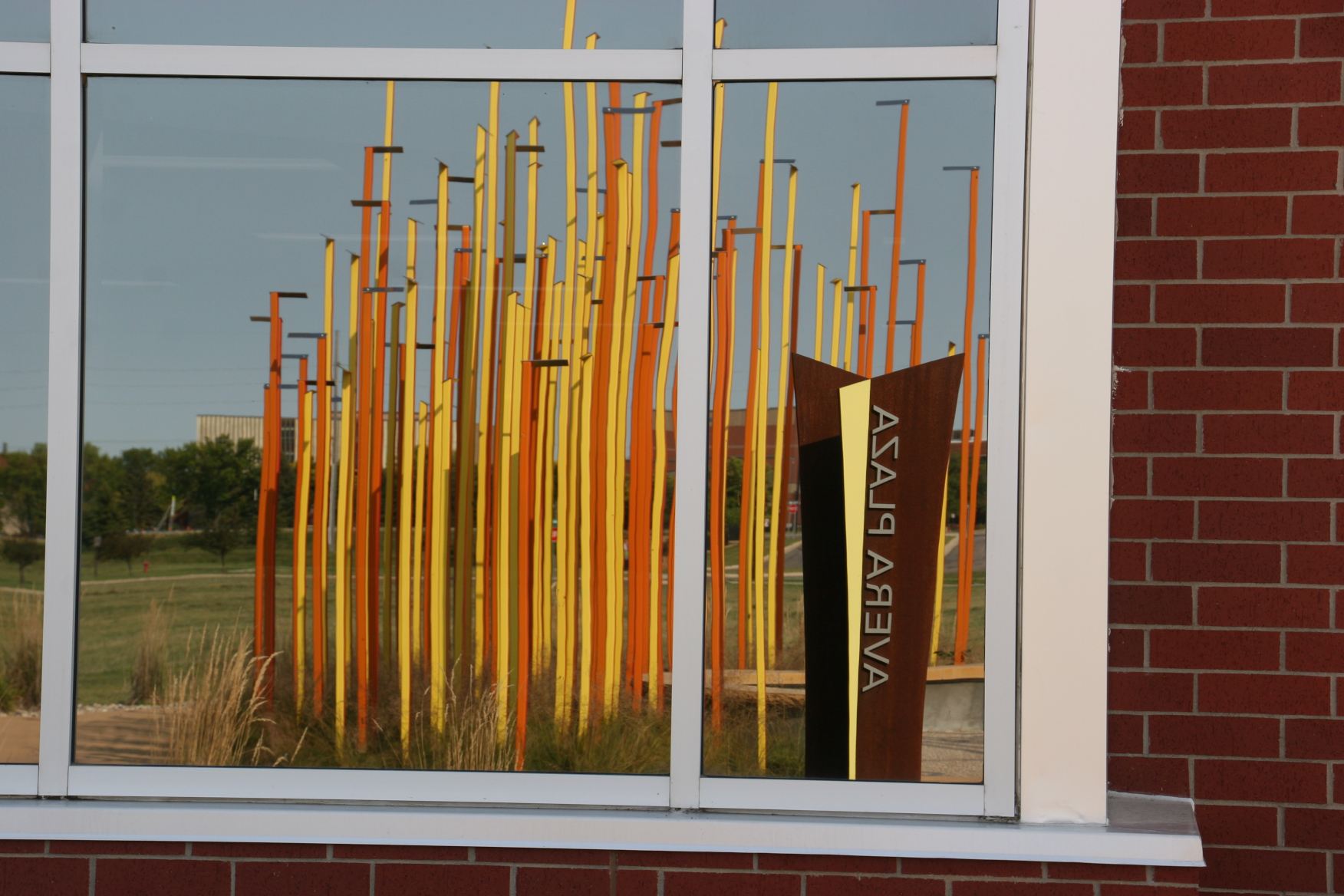
The sculpture reflected in an arena window. (Minnesota Prairie Roots copyrighted photo September 2022)
Just another view of the grass stems, emphasizing the orange and yellow hues. (Minnesota Prairie Roots copyrighted photo September 2022)
Prairie Roots. That name graces a public art sculpture outside the Red Baron Arena in Marshall. Minneapolis artist Randy Walker was commissioned by the City of Marshall in 2018 to create the sculpture reflecting the prairie landscape. I knew in advance of my September visit that I needed to see this artwork if time allowed. We made time. Walker used 210 painted steel poles to represent tall stems of grass, prairie grass. They are colored in hues of yellow, orange, red and green, reflecting seasonal changes and light.
Prairie grass grows within the sculpture. (Minnesota Prairie Roots copyrighted file photo September 2022)
And in between all those steel stems, prairie grass grows, thrives.
A grasshopper clings to a steel grass stem in the “Prairie Roots” sculpture. (Minnesota Prairie Roots copyrighted photo September 2022)
I even spotted a grasshopper on a steel stalk, taking me back decades to the hoards of grasshoppers that amassed and hopped through that patch of uncut grass on the farm.
Viewing the sculpture toward the field, this perspective shows the meandering course of the Redwood River in the Marshall area on the floor of the gathering space. (Minnesota Prairie Roots copyrighted photo September 2022)
Walker’s sculpture holds visual appeal against an expansive backdrop sky and open field (when viewing the art from the arena entrance outward). Via that perspective, I see the enduring strength of the prairie, and the immensity of land and sky, this place of my Minnesota prairie roots.
Please check back for more posts about my day trip back to southwestern Minnesota in September 2022.
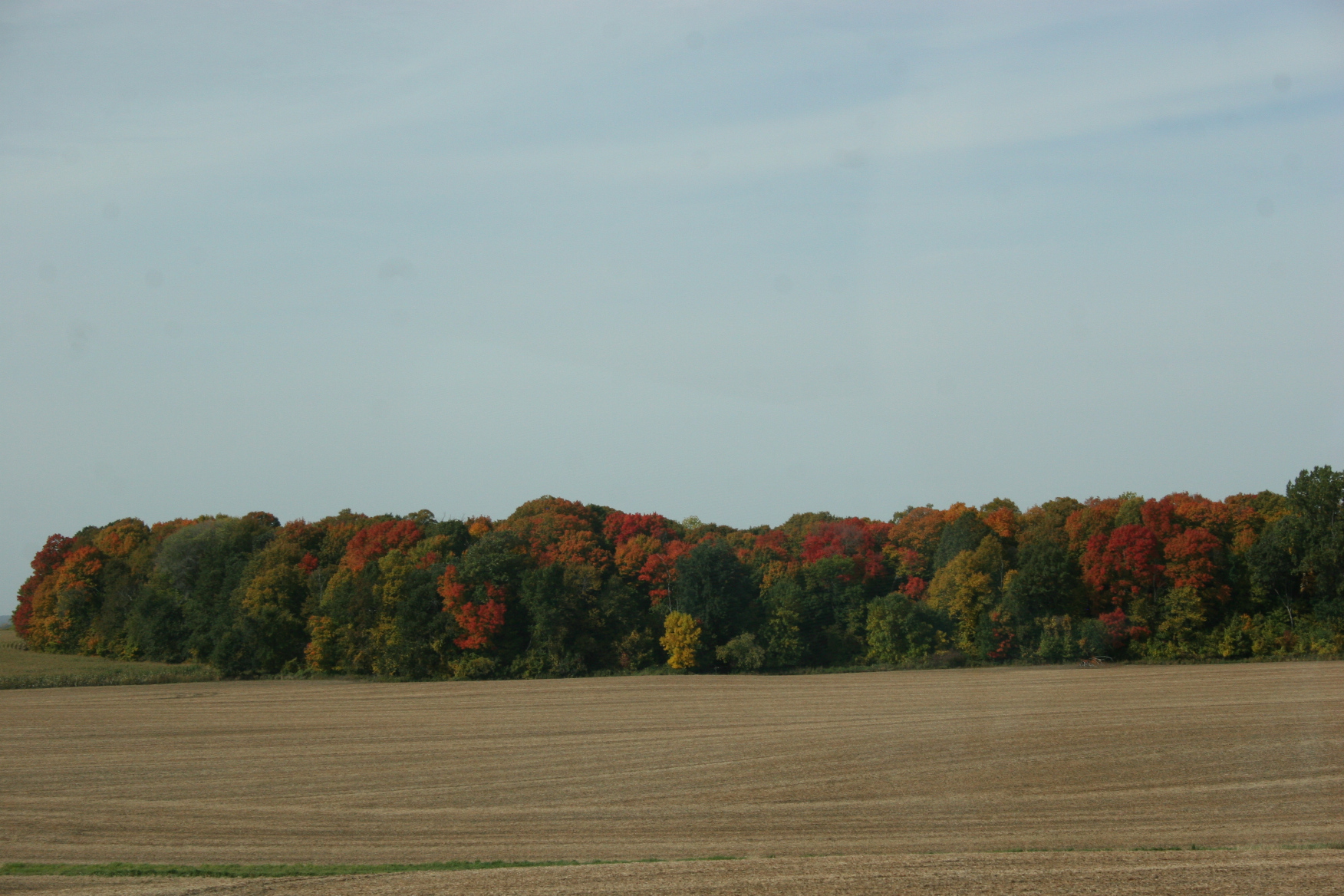
A stunning treeline along Cannon City Boulevard just outside Faribault city limits. (Minnesota Prairie Roots copyrighted photo October 2022)
ANOTHER DAY OF SUNSHINE and unseasonably warm temps here in southern Minnesota prompted Randy and me to once again hit the road in search of fall colors. This time we headed into eastern Rice County, following backroads in the Cannon City and Nerstrand areas with a lengthy stop at Valley Grove Churches.
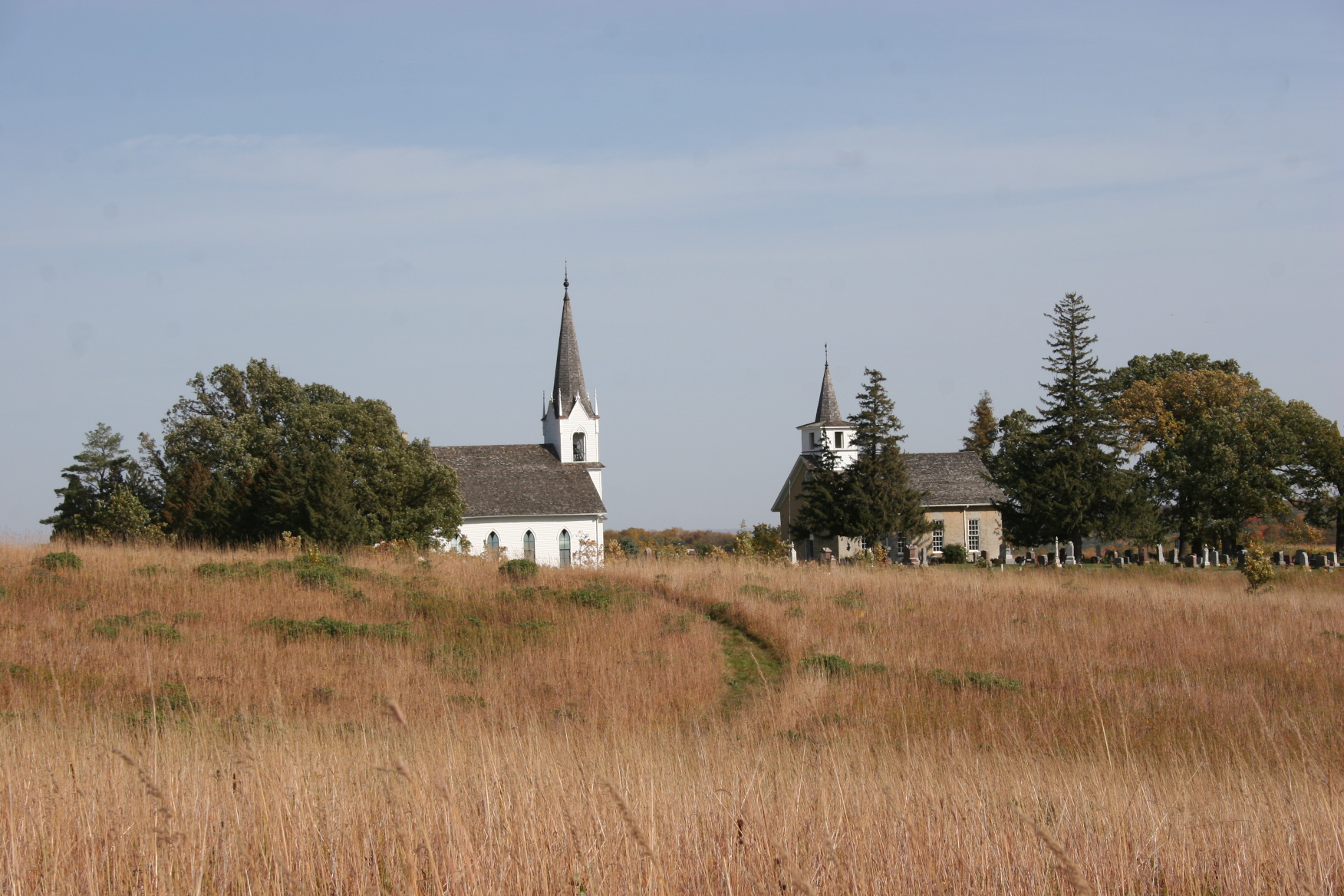
The historic Valley Grove churches,rural Nerstrand, photographed from the prairie. (Minnesota Prairie Roots copyrighted photo October 2022)
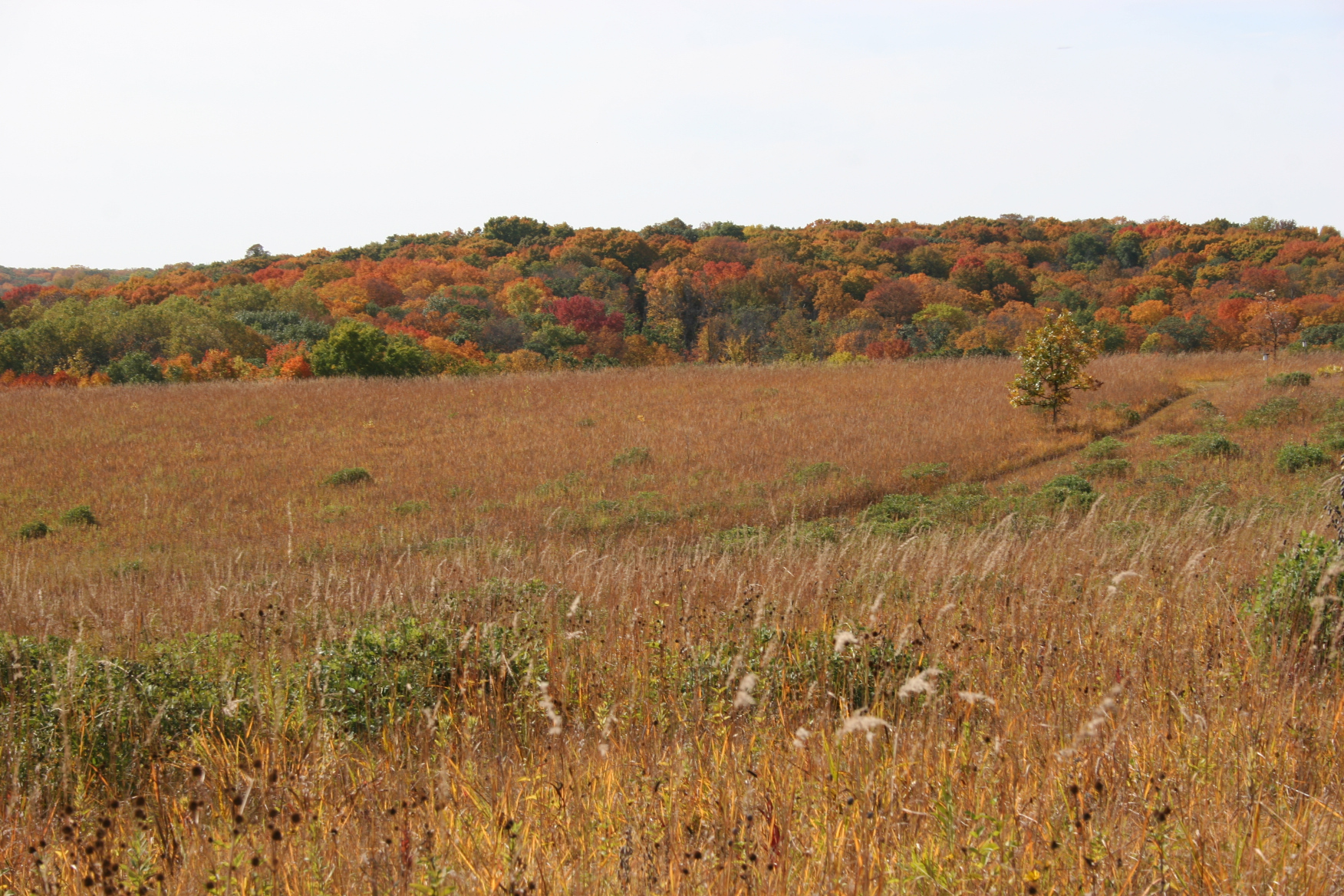
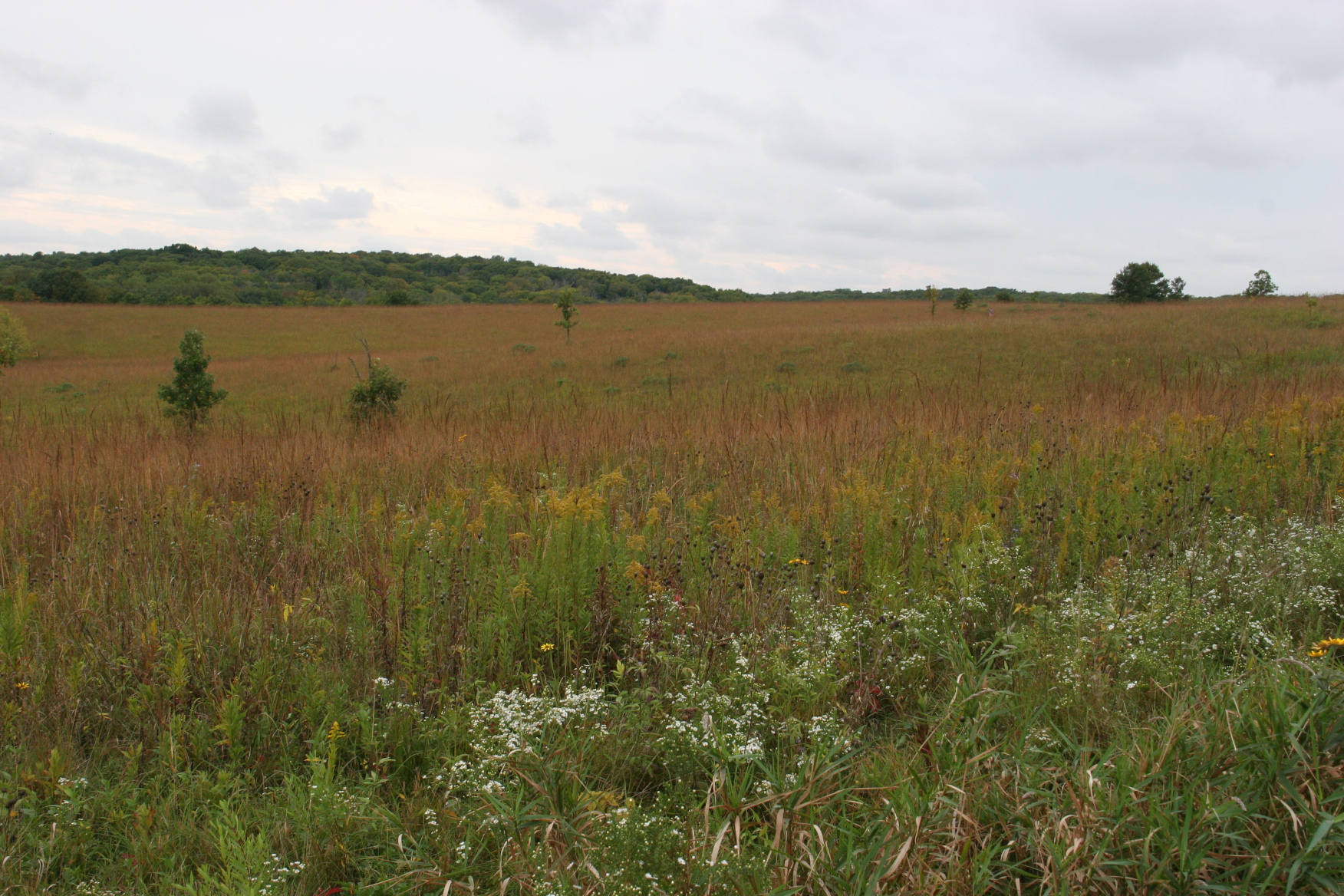
Immersed in the Valley Grove prairie, I viewed the Big Woods. (Minnesota Prairie Roots copyrighted photo October 2022)
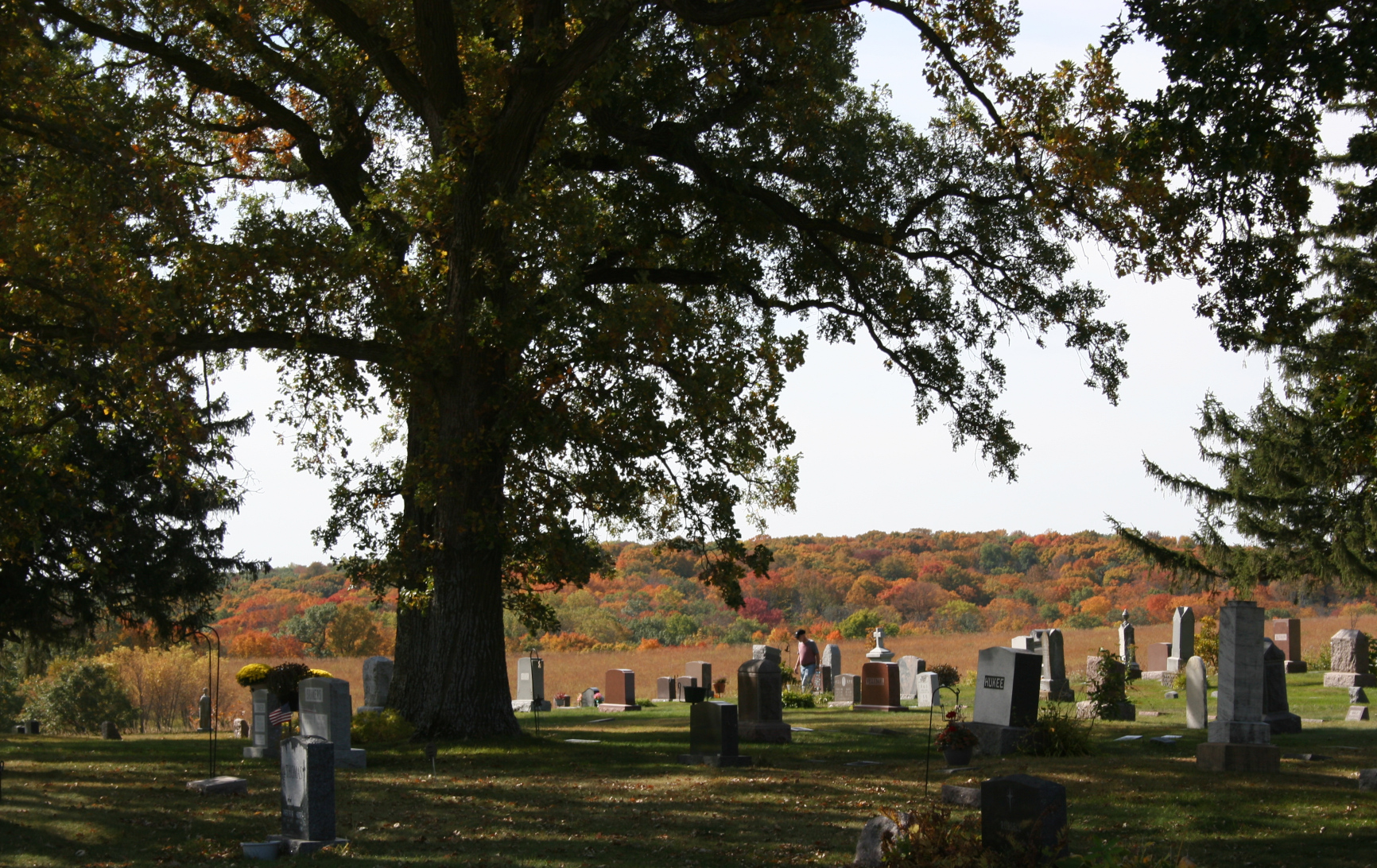
A spectacular view from the Valley Grove Cemetery right next to the churches. (Minnesota Prairie Roots copyrighted photo October 2022)
At those historic hilltop churches, we followed prairie trails until we reached the highest point. There we stood, impressed by the distant Big Woods treeline colored in the hues of autumn. Valley Grove is one of our favorite spots in any season, but especially when the leaves are morphing color.
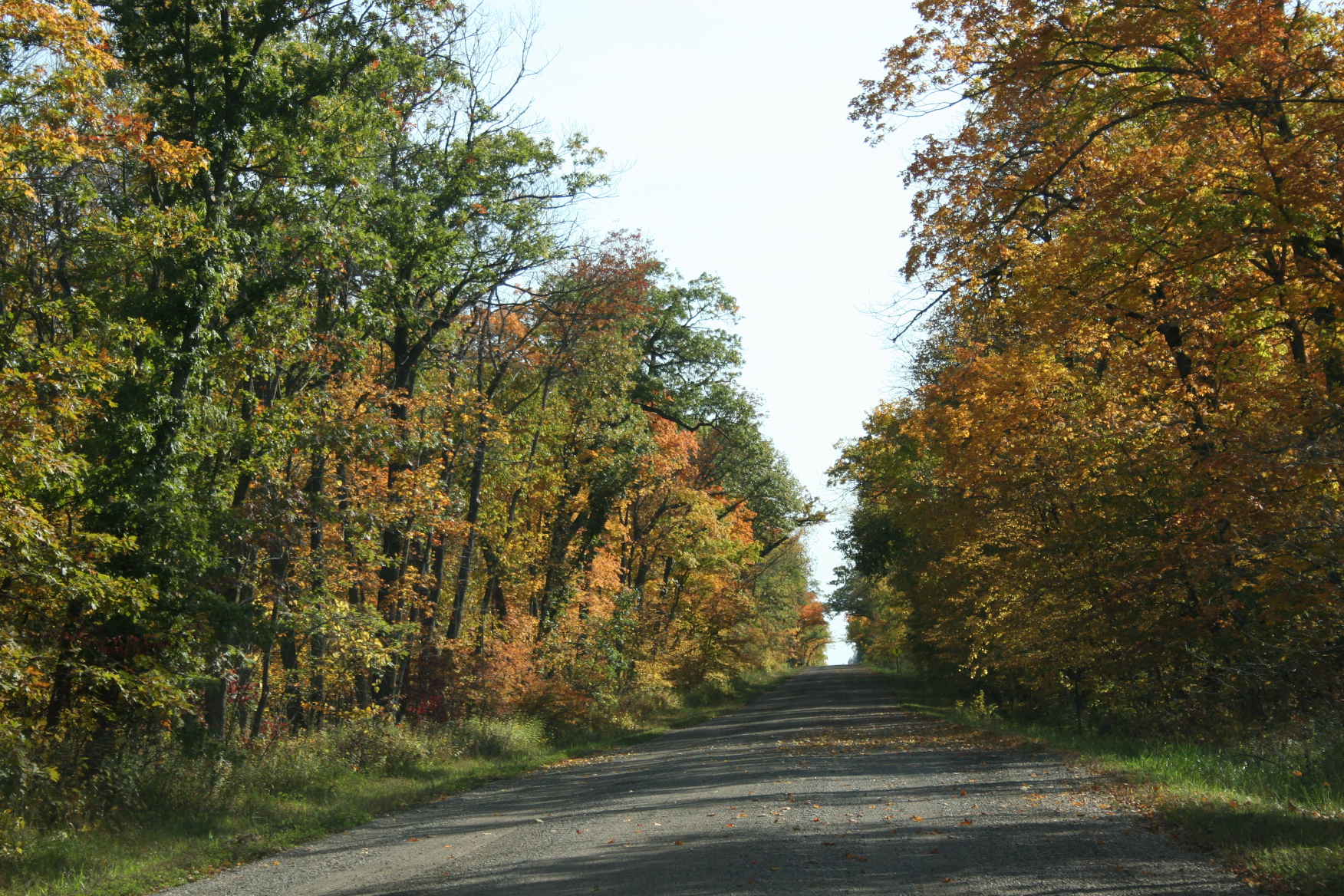
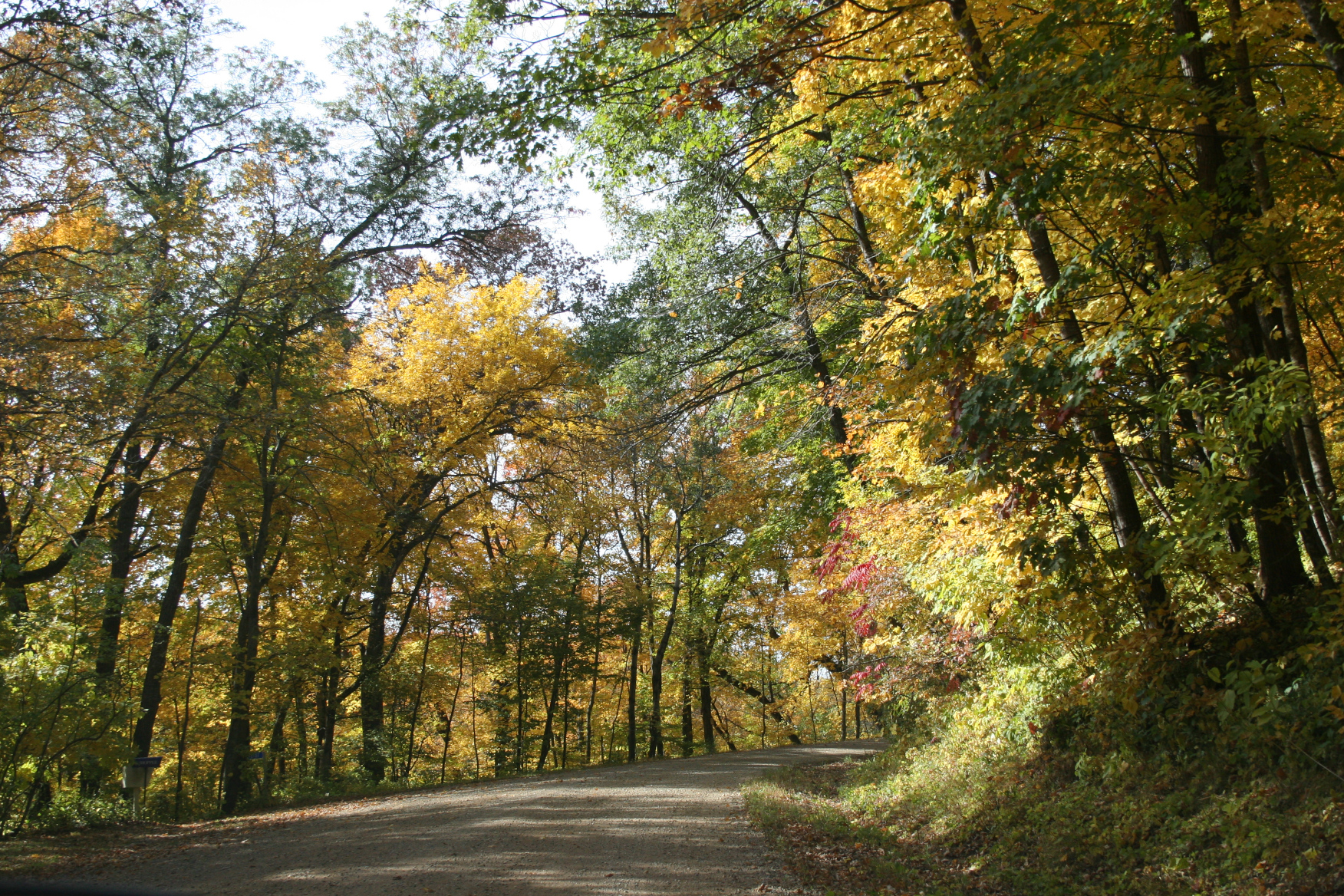
Driving through Nerstrand Big Woods. (Minnesota Prairie Roots copyrighted photo October 2022)
Our drive also took us on the road slicing through Nerstrand Big Woods State Park. We didn’t stop, simply enjoyed driving under a canopy of trees evolving in color. They have not yet reached their prime.
Driving through the woods on Farmer Trail. (Minnesota Prairie Roots copyrighted photo October 2022)
As always, Farmer Trail (off Falk Avenue) drew us in. This secluded road twists and turns among the maples and seems a well-kept secret. Thick woods edge the gravel road on both sides. I feel sheltered here, as if I’ve briefly entered some magical place.
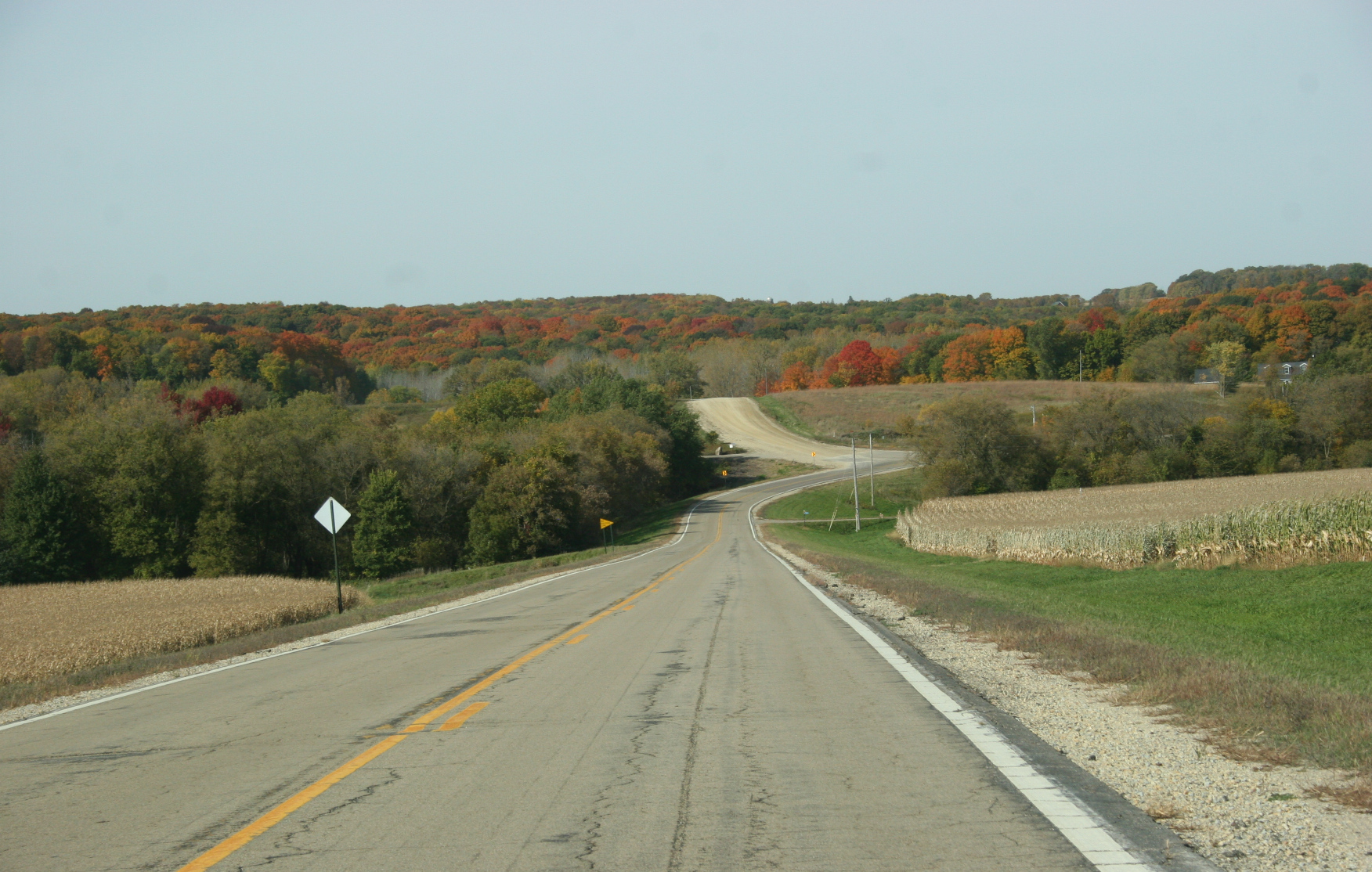
The rolling hills around Valley Grove are especially colorful. (Minnesota Prairie Roots copyrighted photo October 2022)
This time of year in southern Minnesota truly feels magical given the remarkable beauty found in trees shifting from green to yellows, reds, oranges and browns.
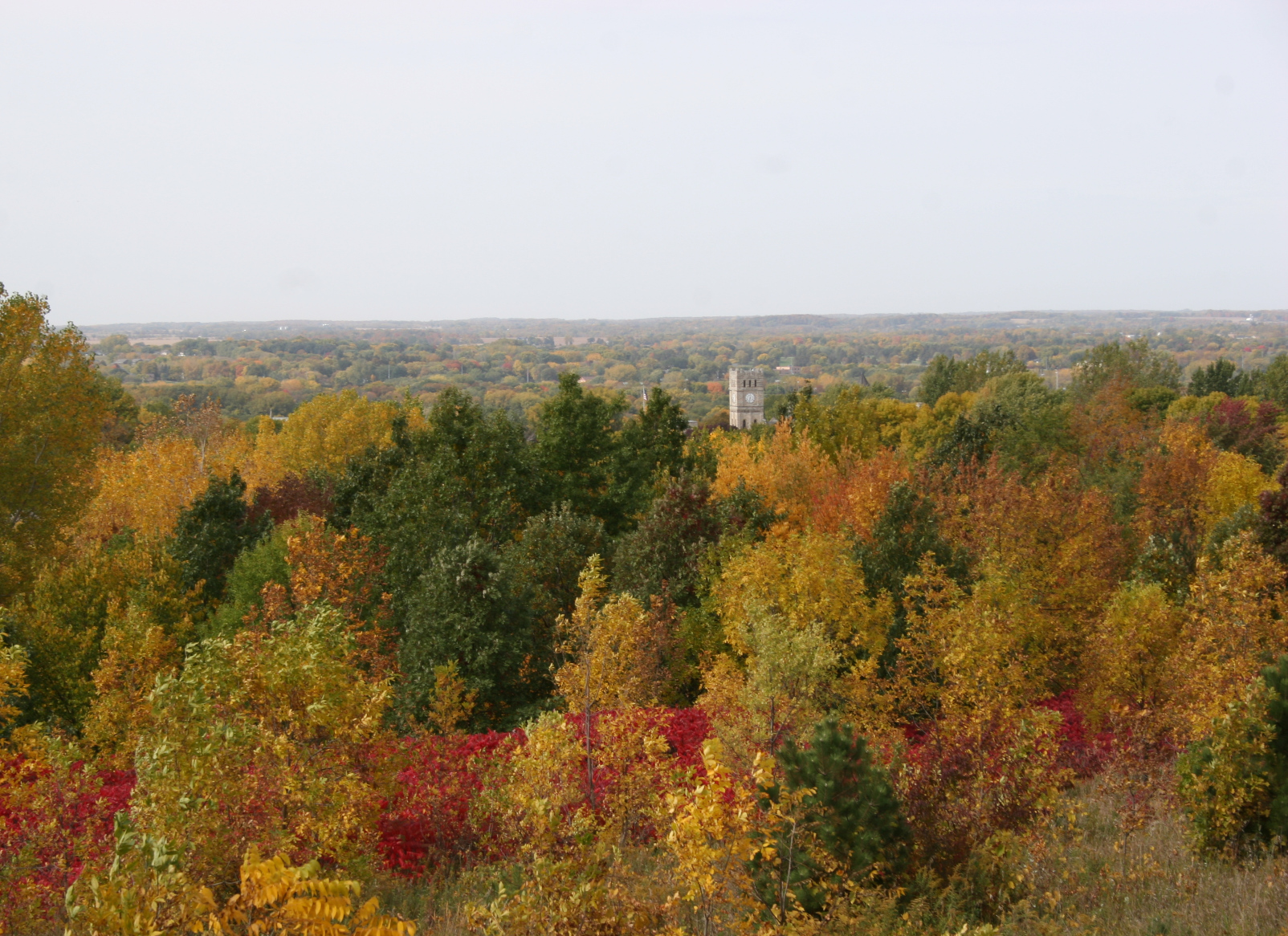
The view from City View Park is breath-taking. (Minnesota Prairie Roots copyrighted photo October 2022)
My community of Faribault is ablaze and still erupting with color. City View Park on the east side overlooks the city, offering a vista view. The Shattuck-St. Mary’s clock tower always focuses my eye when taking in the city below and beyond.
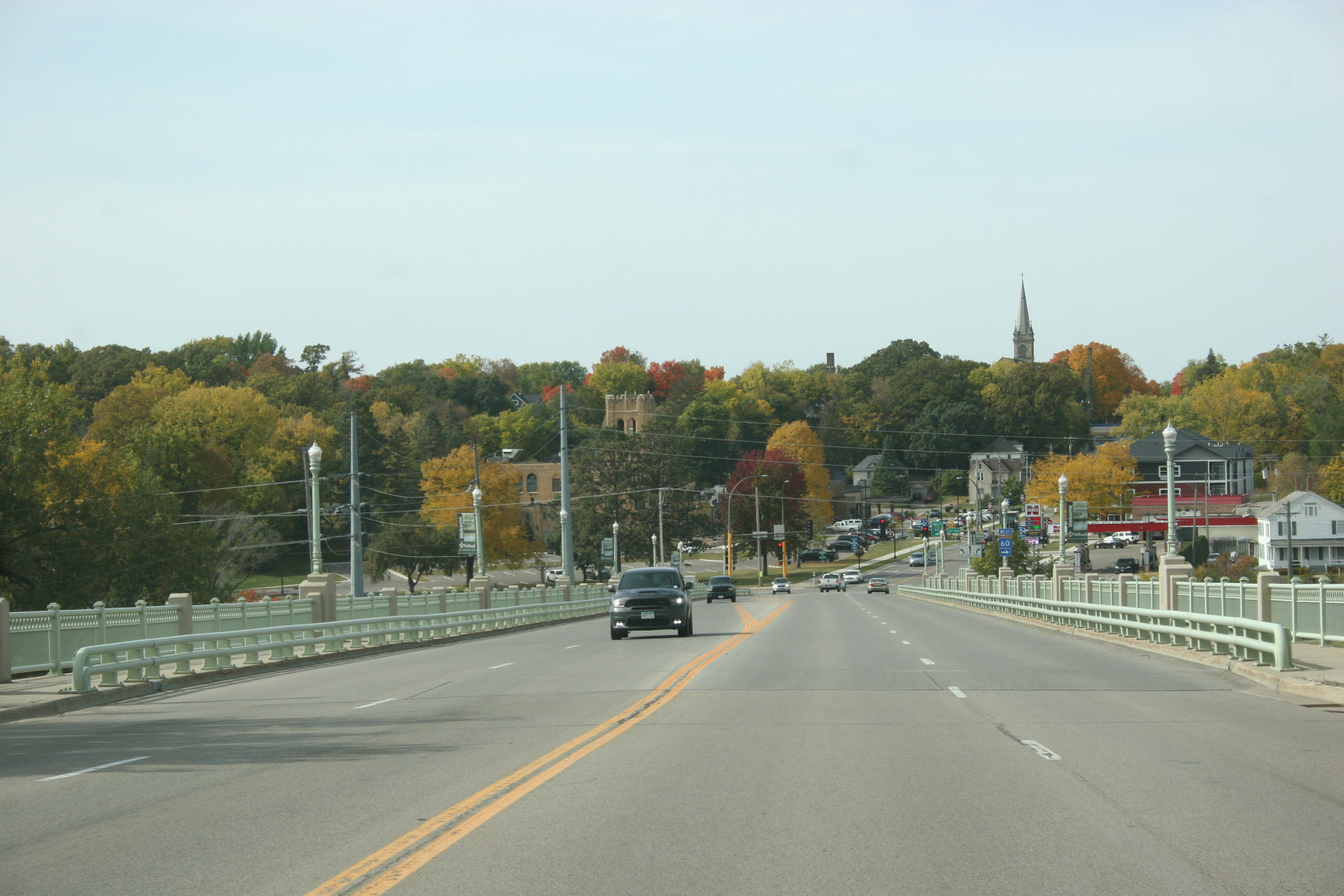
Crossing the viaductfrom Faribault’s east side, fall colors splash into the city landscape. (Minnesota Prairie Roots copyrighted photo October 2022)
Even traveling down the viaduct into downtown impresses in the autumn. There’s so much to see locally in autumn colors whether along a city street, an area lake, a back country road.
If there’s anything I want to impress, it’s that all of this—this autumn color spreading across the landscape—is right here in Faribault, in Rice County, in our backyard. I don’t know if everyone realizes that. I also want to impress that the days of autumn are fleeting. A cold front is moving in along with wind. Now is the time to get out there and view the fall colors, at least locally.
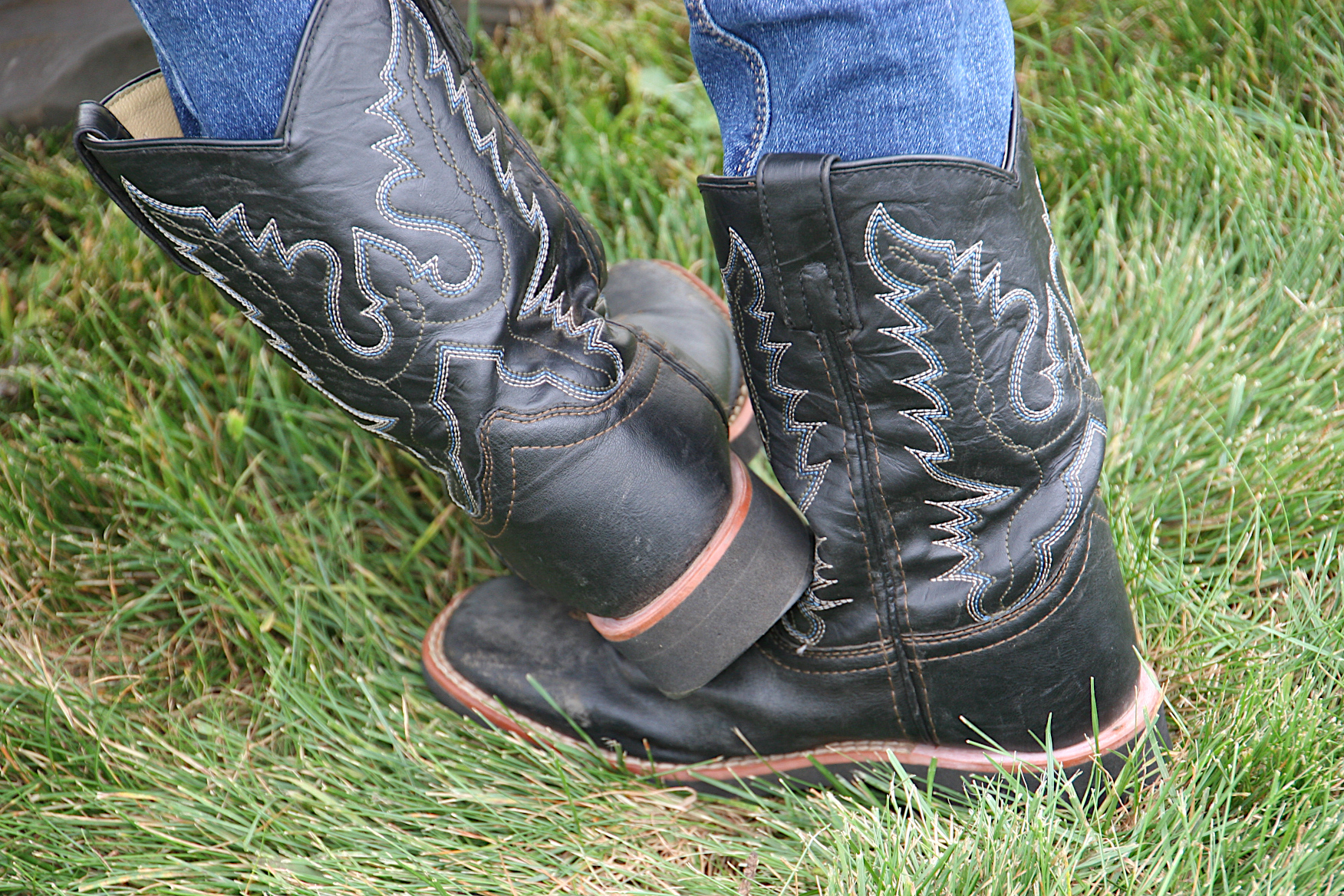
The young boy wearing these cowboy boots watched intently as Northfield artist David F. Allen worked on a painting of Valley Grove Church. The two talked about creating (the little guy likes to color) and about a newly-acquired pig named Pinky. (Minnesota Prairie Roots copyrighted photo September 2022)
IN TELLING A STORY, whether in images or words, details matter. Combined, details comprise the whole. And that’s the approach I take in creating.
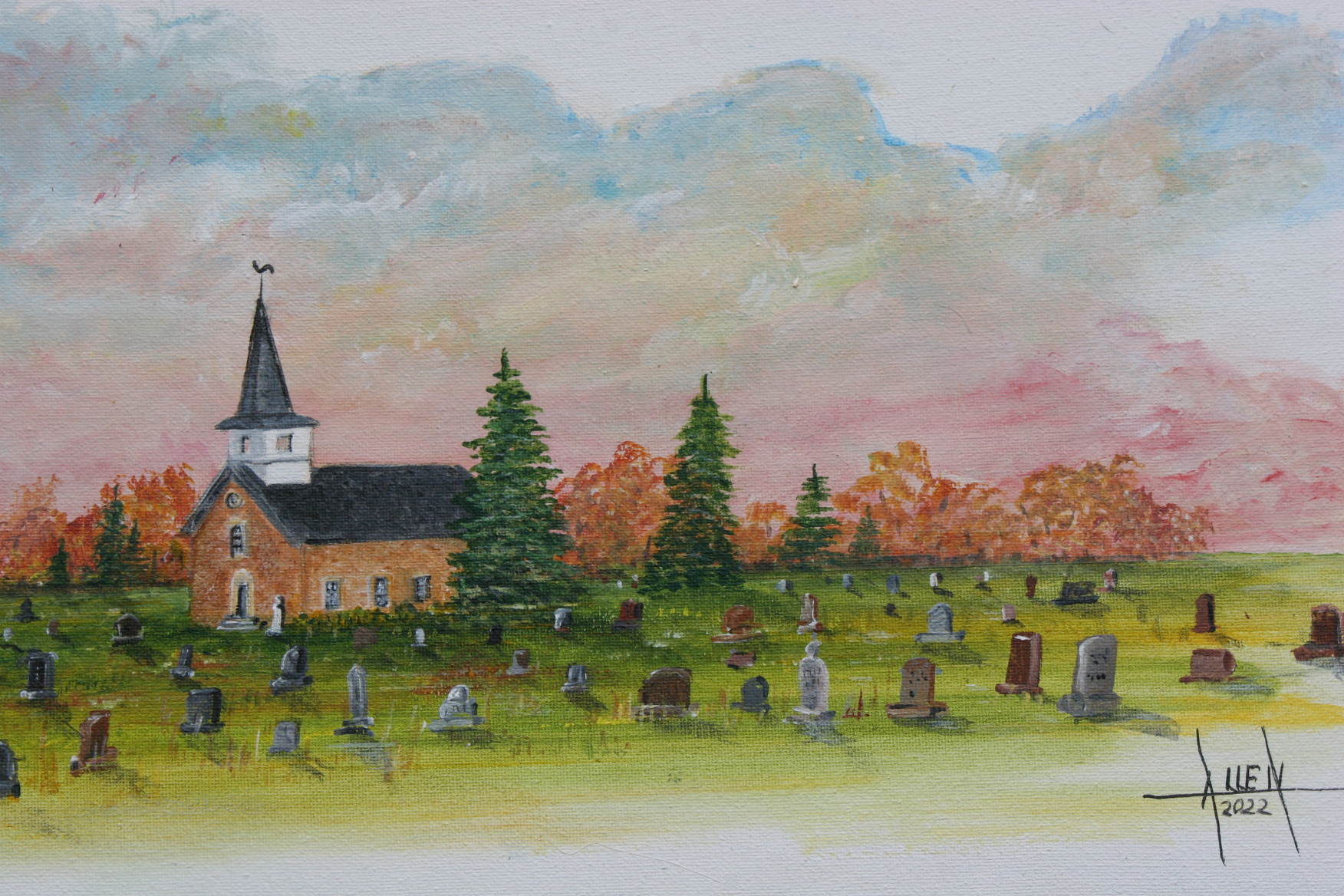
A painting of the 1862 Valley Grove stone church and cemetery by David F. Allen and for sale at the Social. (Minnesota Prairie Roots copyrighted file photo September 2022, photographed with the artist’s permission)
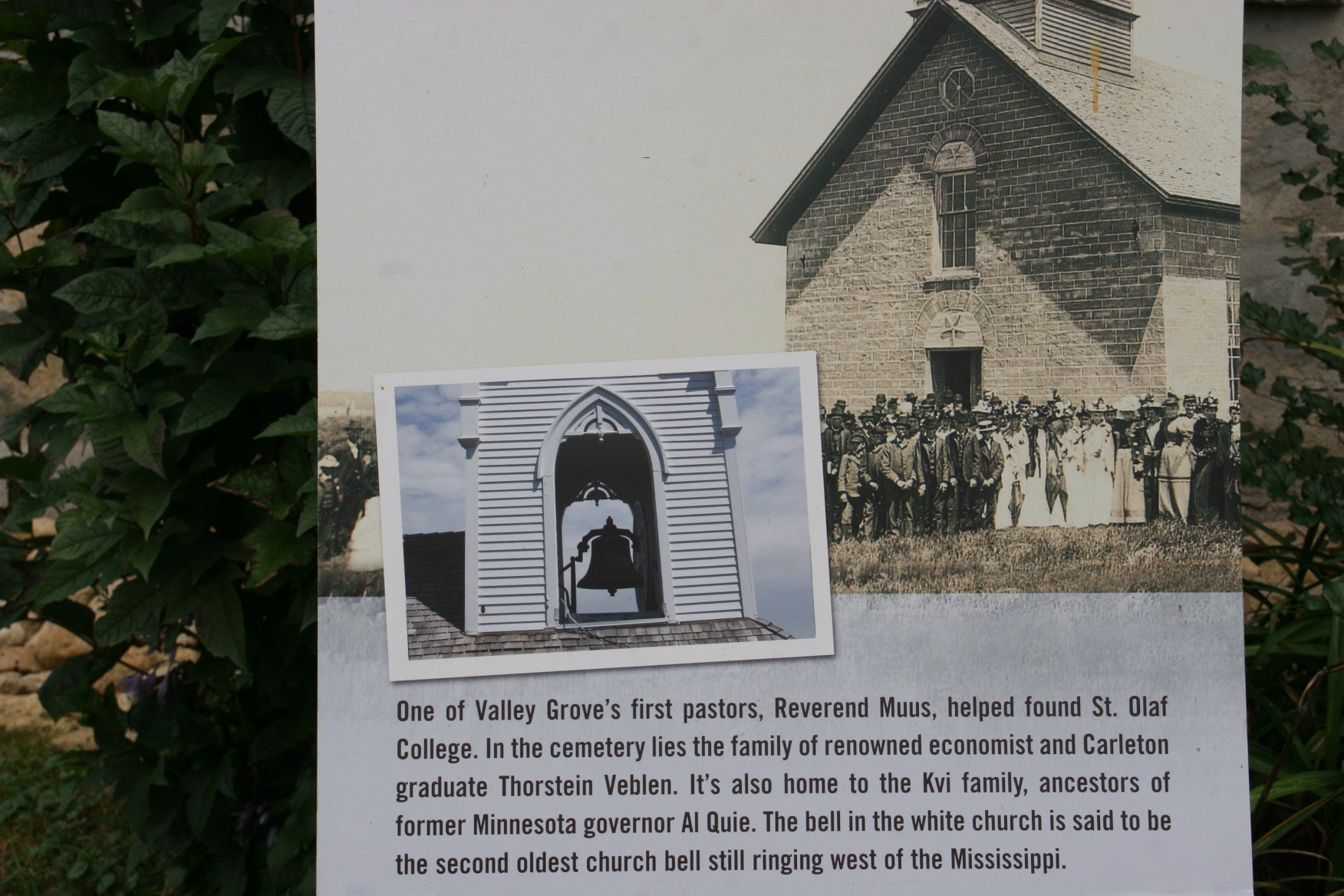
Panels placed alongsidethe stone church provided historical details. (Minnesota Prairie Roots copyrighted photo September 2022)
In the entry of the 1894 church, more historical info and photos. (Minnesota Prairie Roots copyrighted photo September 2022)
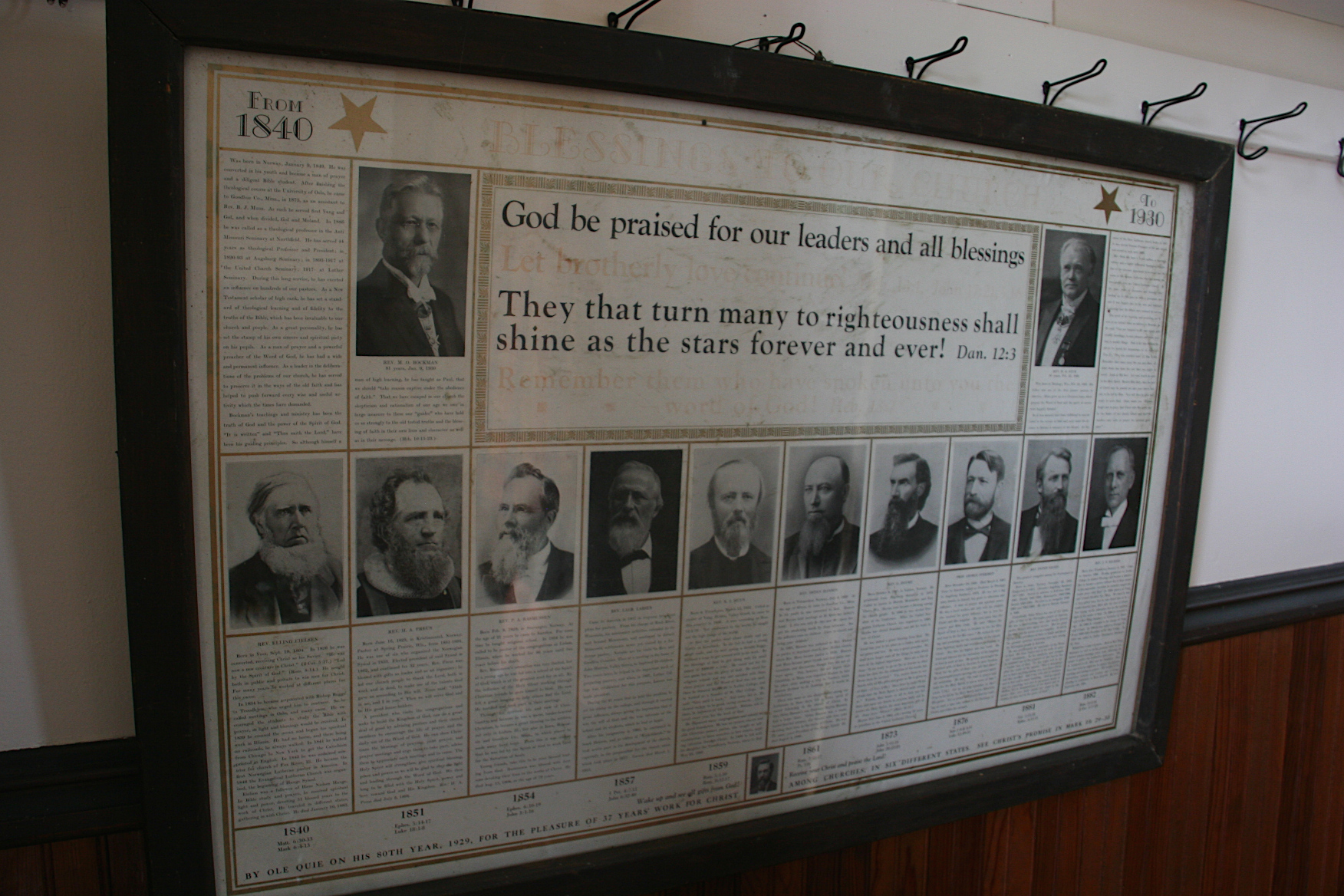
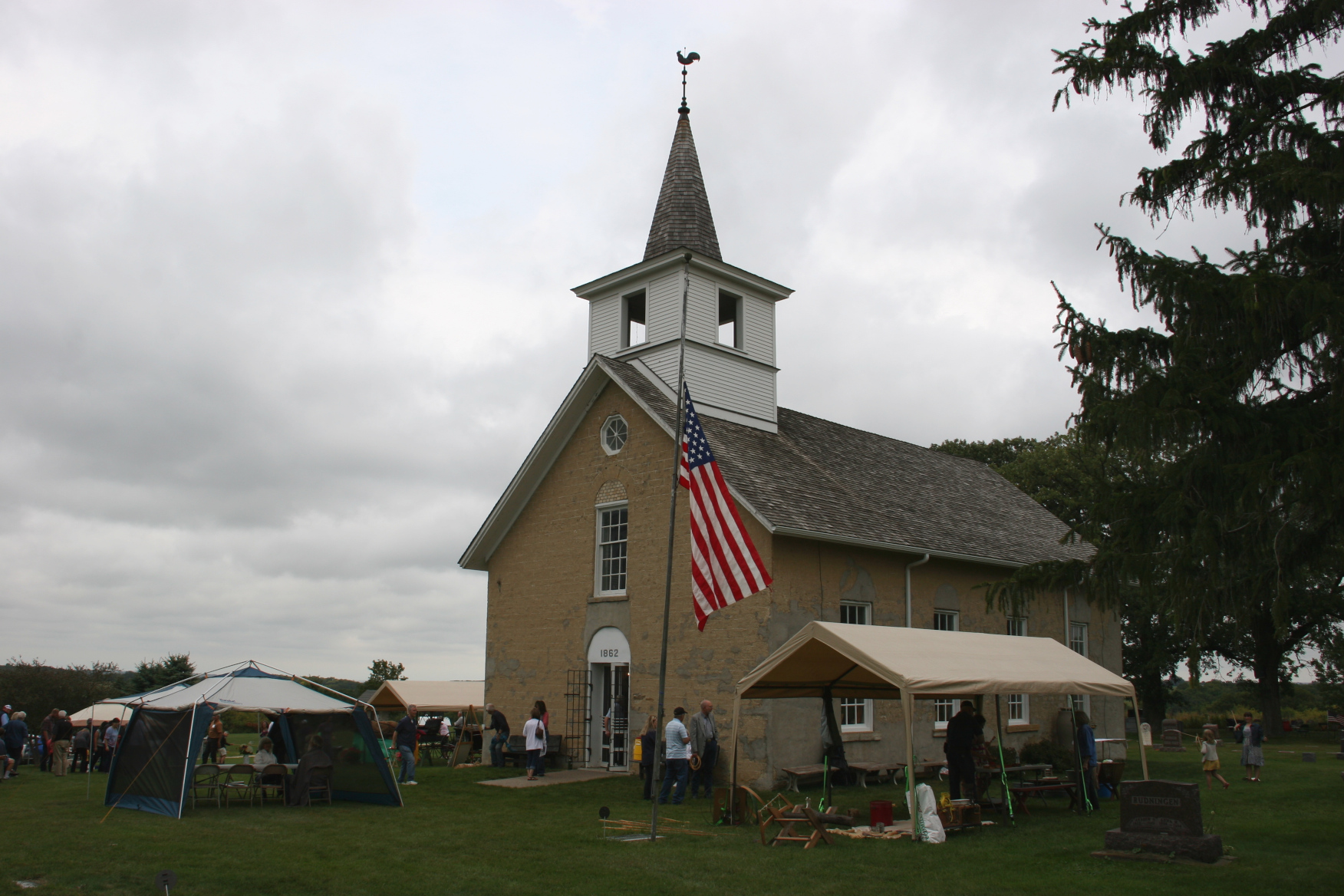
Recently I attended the Valley Grove Country Social in rural Rice County. This event, hosted by the Valley Grove Preservation Society, celebrates the history, heritage, land and people rooted to two hilltop Norwegian churches with adjoining cemetery and restored prairie. One of the first pastors here founded St. Olaf College in nearby Northfield.
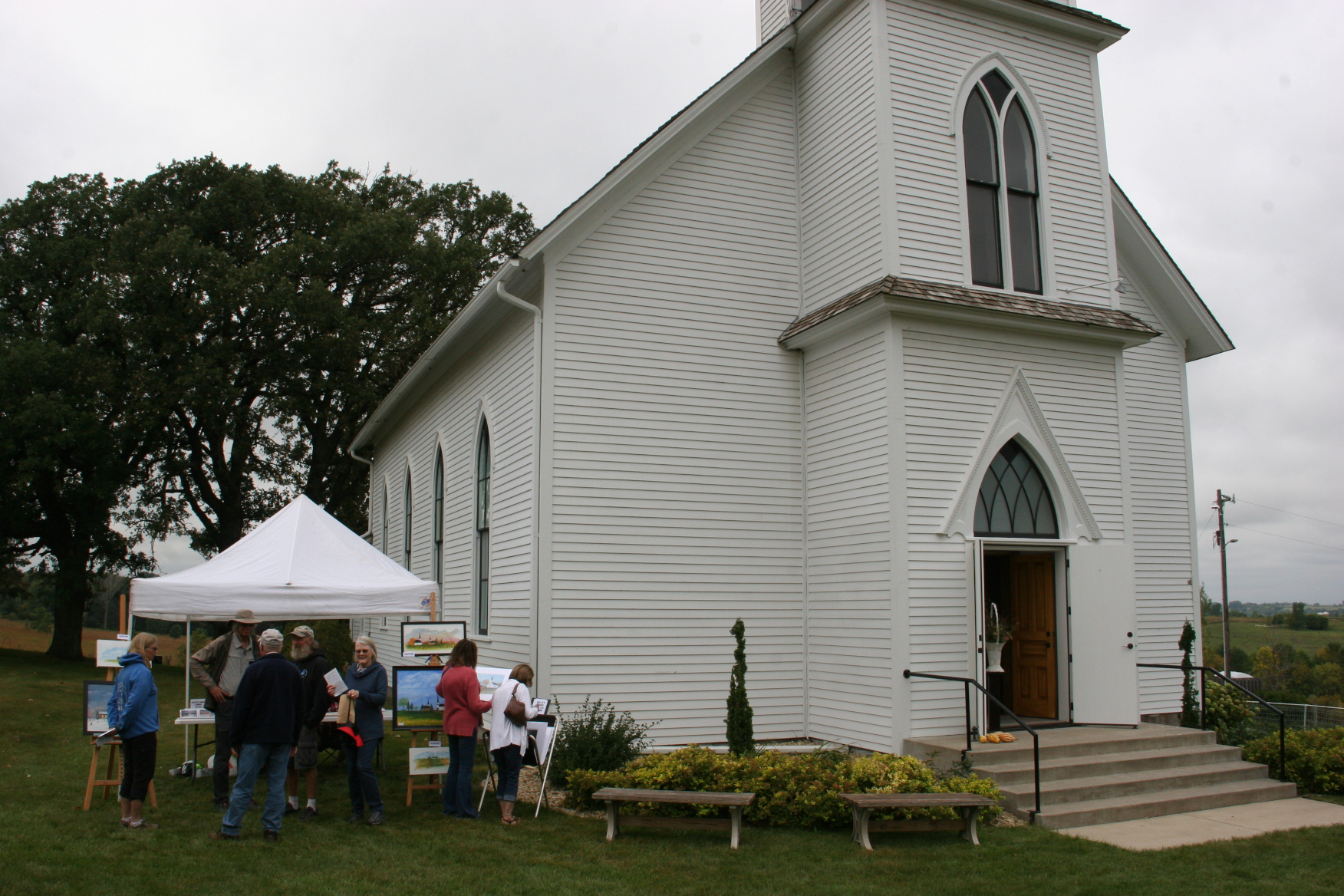
Folks gather outside the 1894 church to converse and to view the art of David F. Allen. (Minnesota Prairie Roots copyrighted photo September 2022)
Many people from my area hold this place dear and that shows in the upkeep of the 1862 stone church and the 1894 wood church rising high above a landscape of prairie, farm fields and wooded areas near Nerstrand Big Woods State Park.
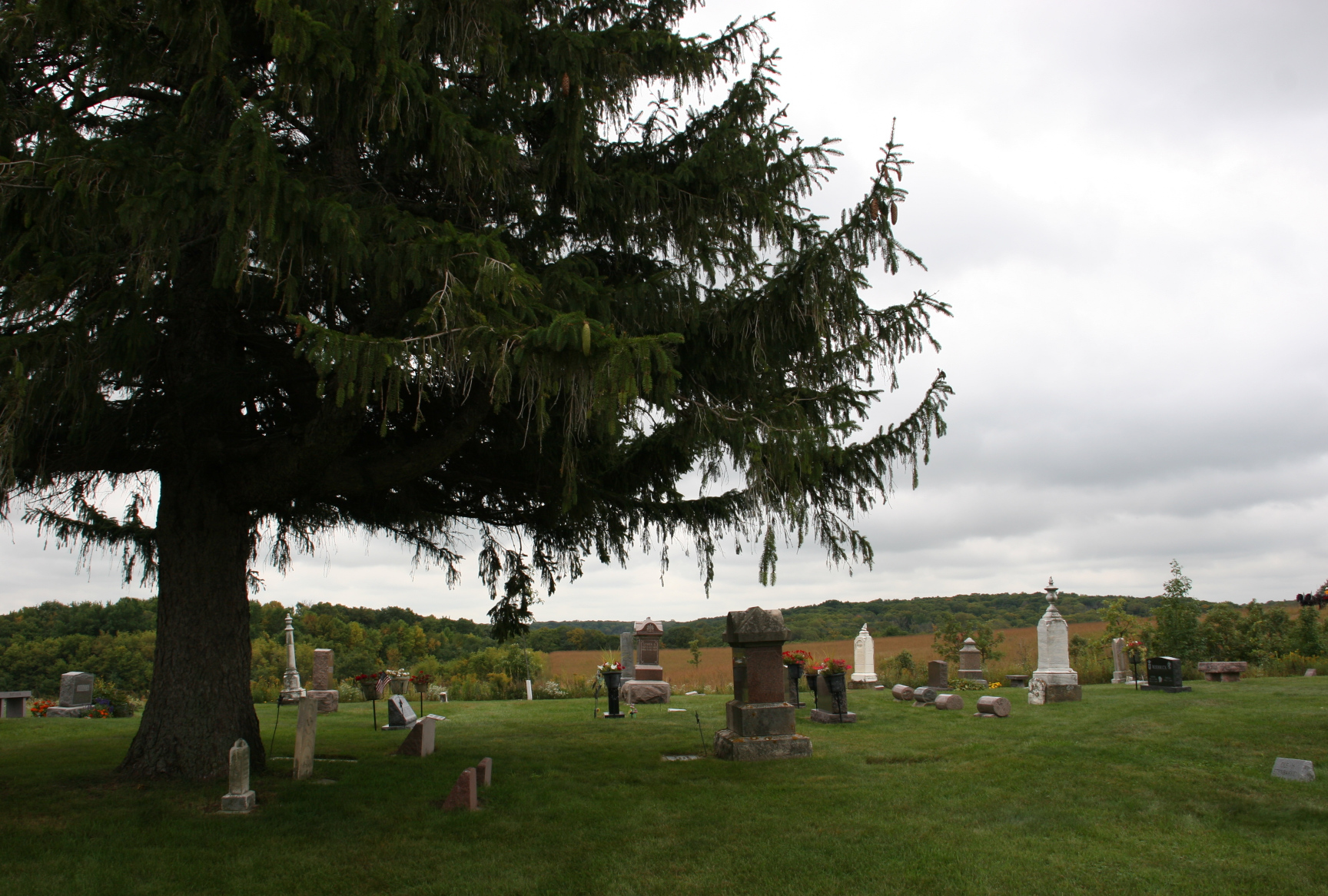
A section of the cemetery looking toward the rolling prairie land. The Social included tours of the cemetery and of the prairie. (Minnesota Prairie Roots copyrighted photo September 2022)
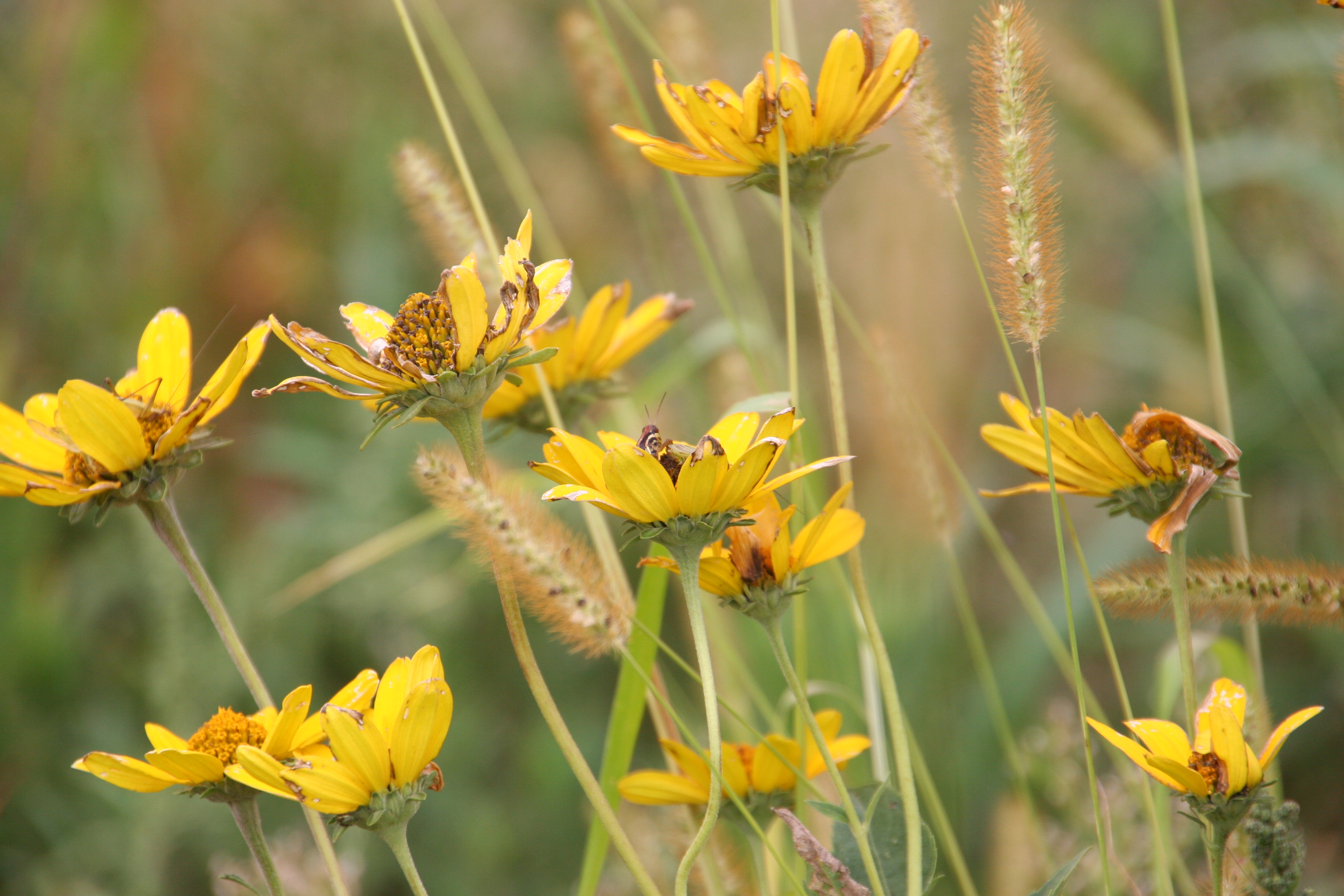
A prairie restoration project fills the prairie with wildflowers, grass and insects. (Minnesota Prairie Roots copyrighted photo September 2022)
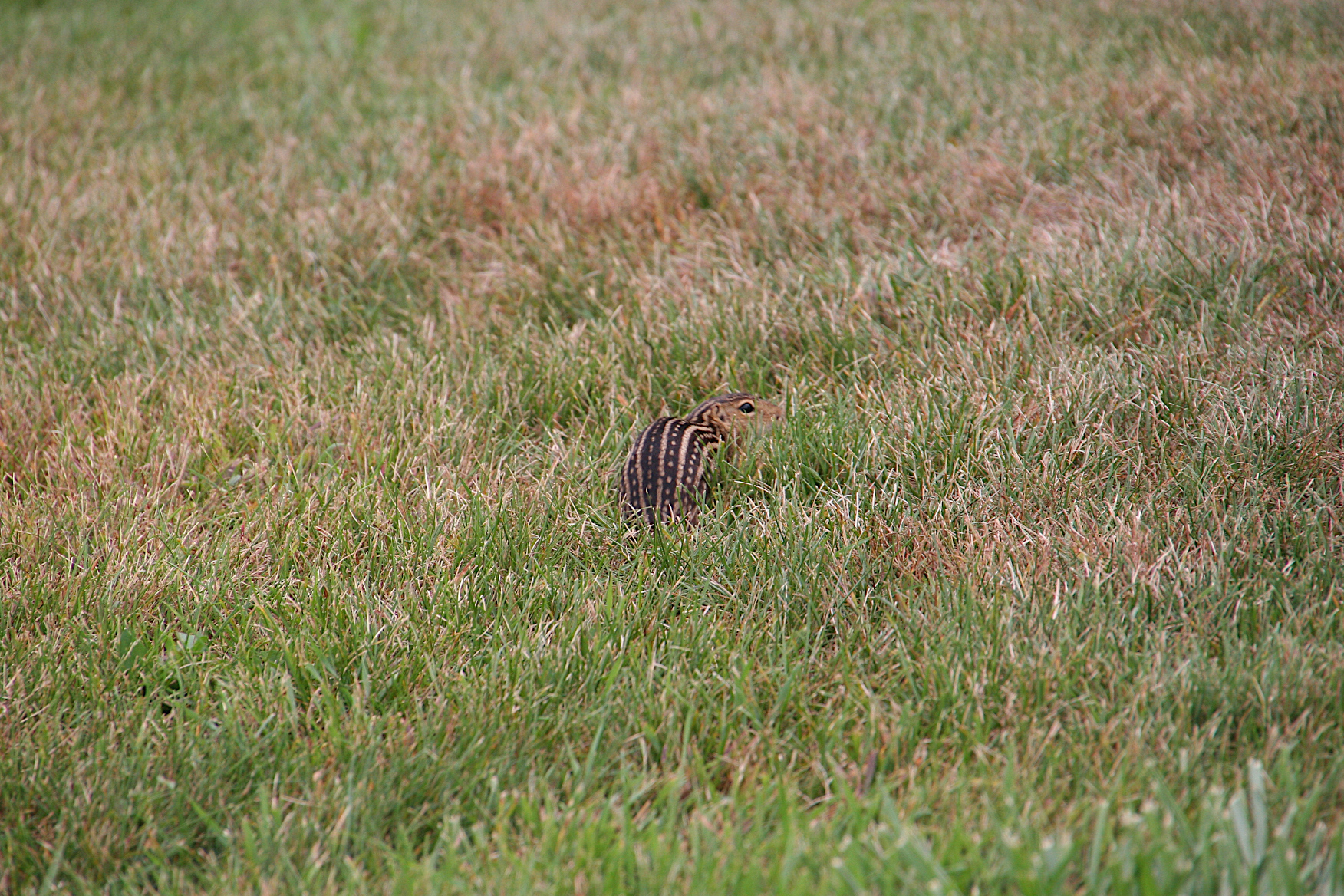
This striped gopher ran across the cemetery lawn before popping into a hole. (Minnesota Prairie Roots copyrighted photo September 2022)
I, too, despite no personal connection to Valley Grove, have come to hold this site dear. I appreciate the historic churches and cemetery and the surrounding landscape. And I also appreciate gatherings like the Country Social.
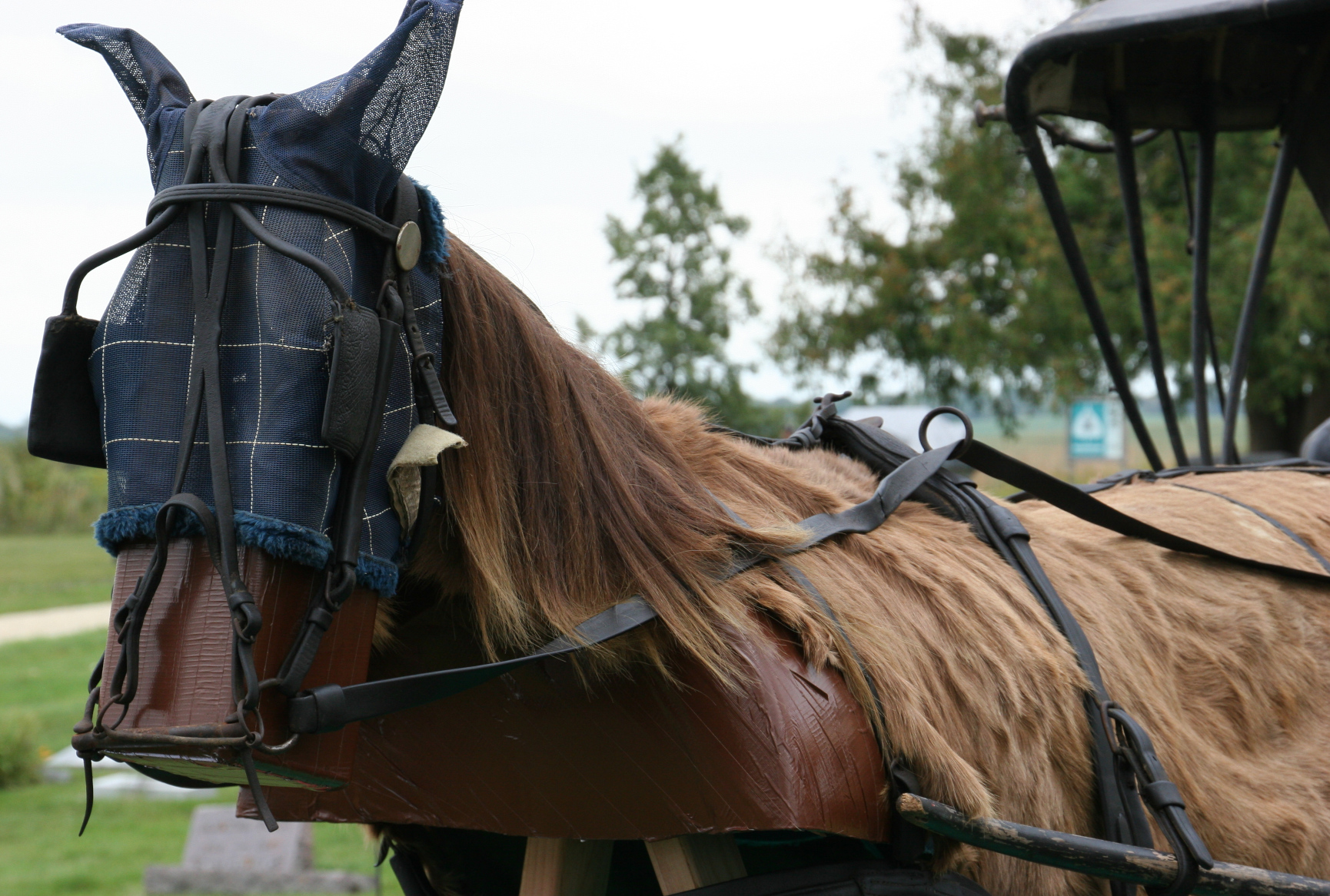
This prop horse harnessed to a buggy features a horse hide blanket. (Minnesota Prairie Roots copyrighted photo September 2022)
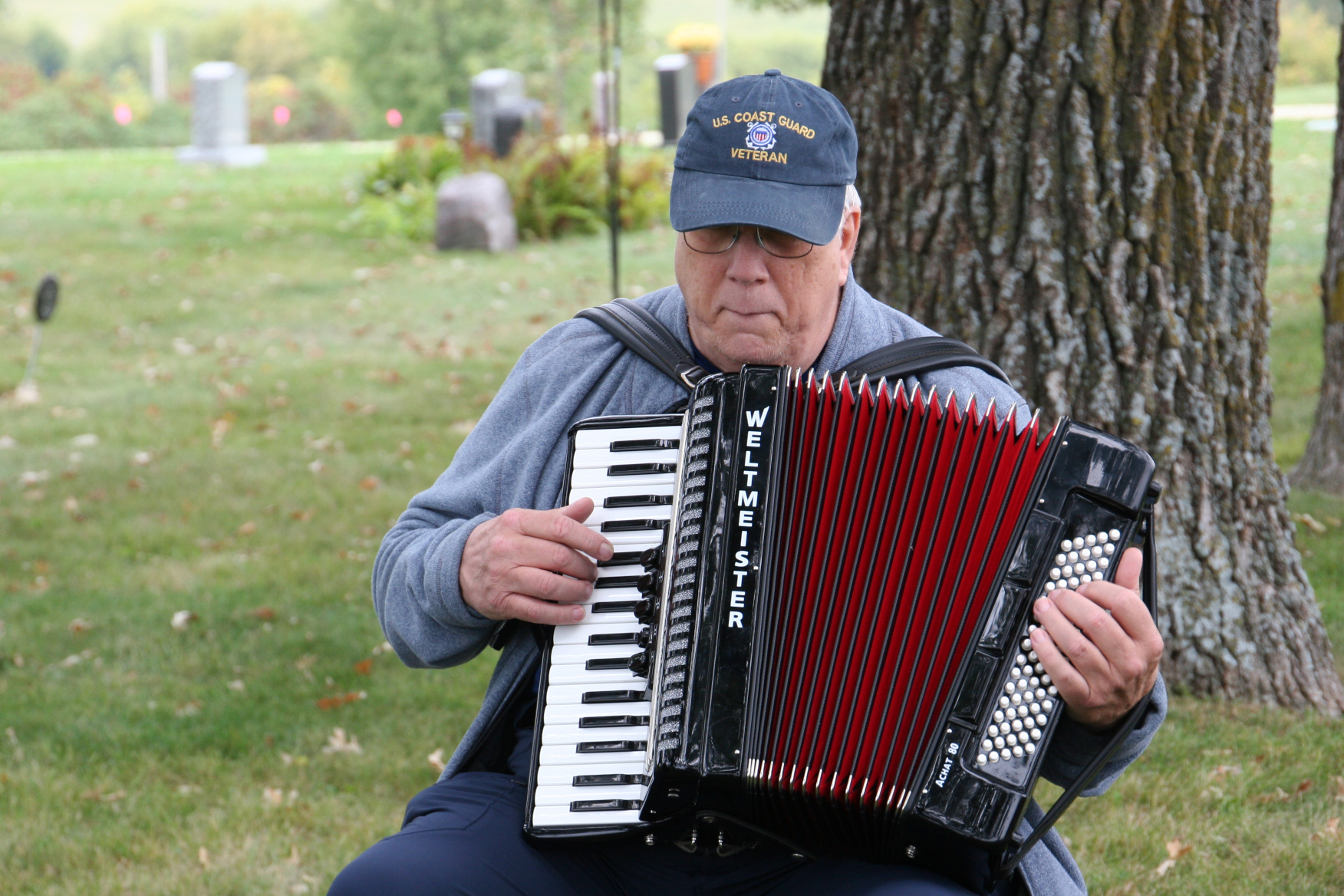
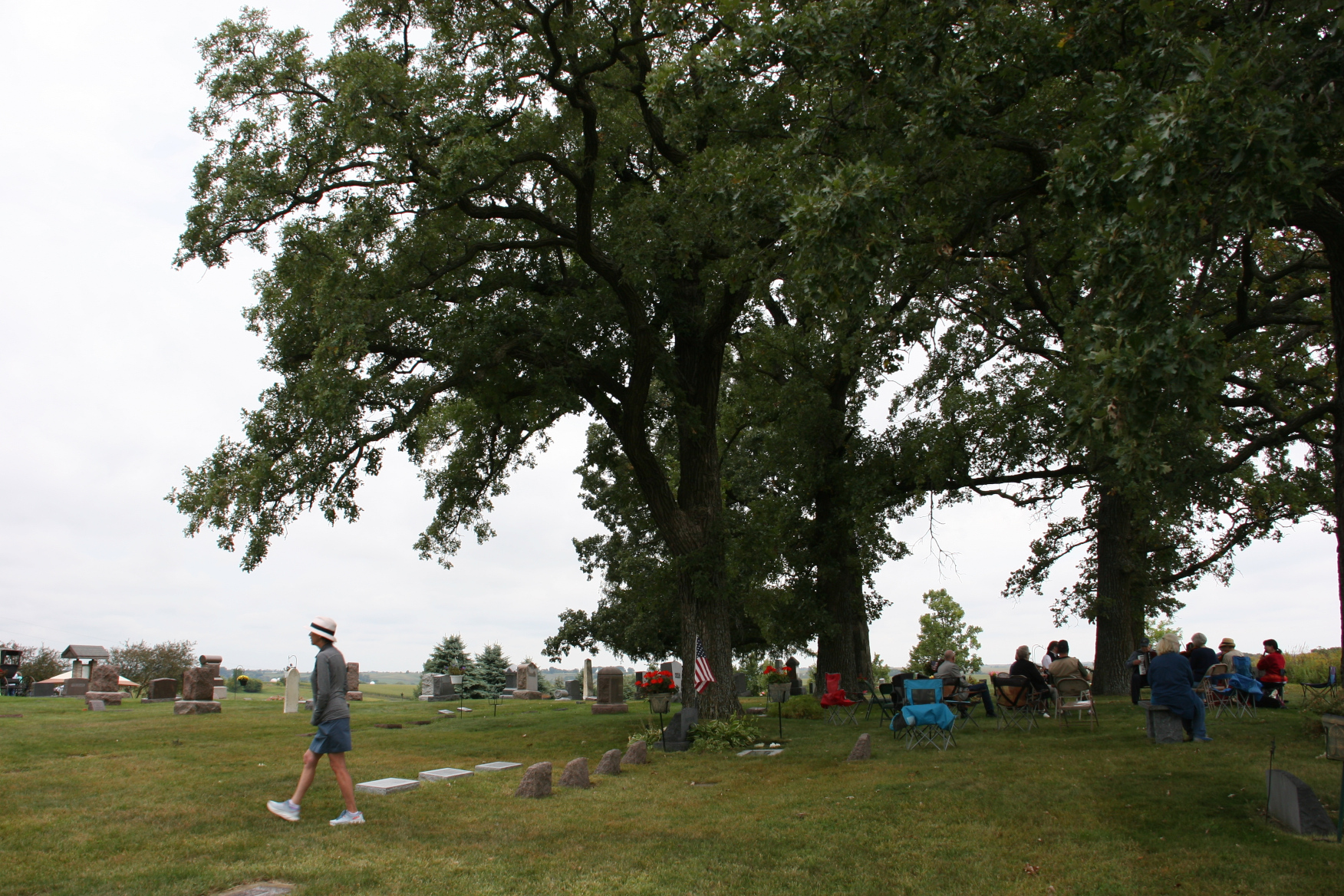
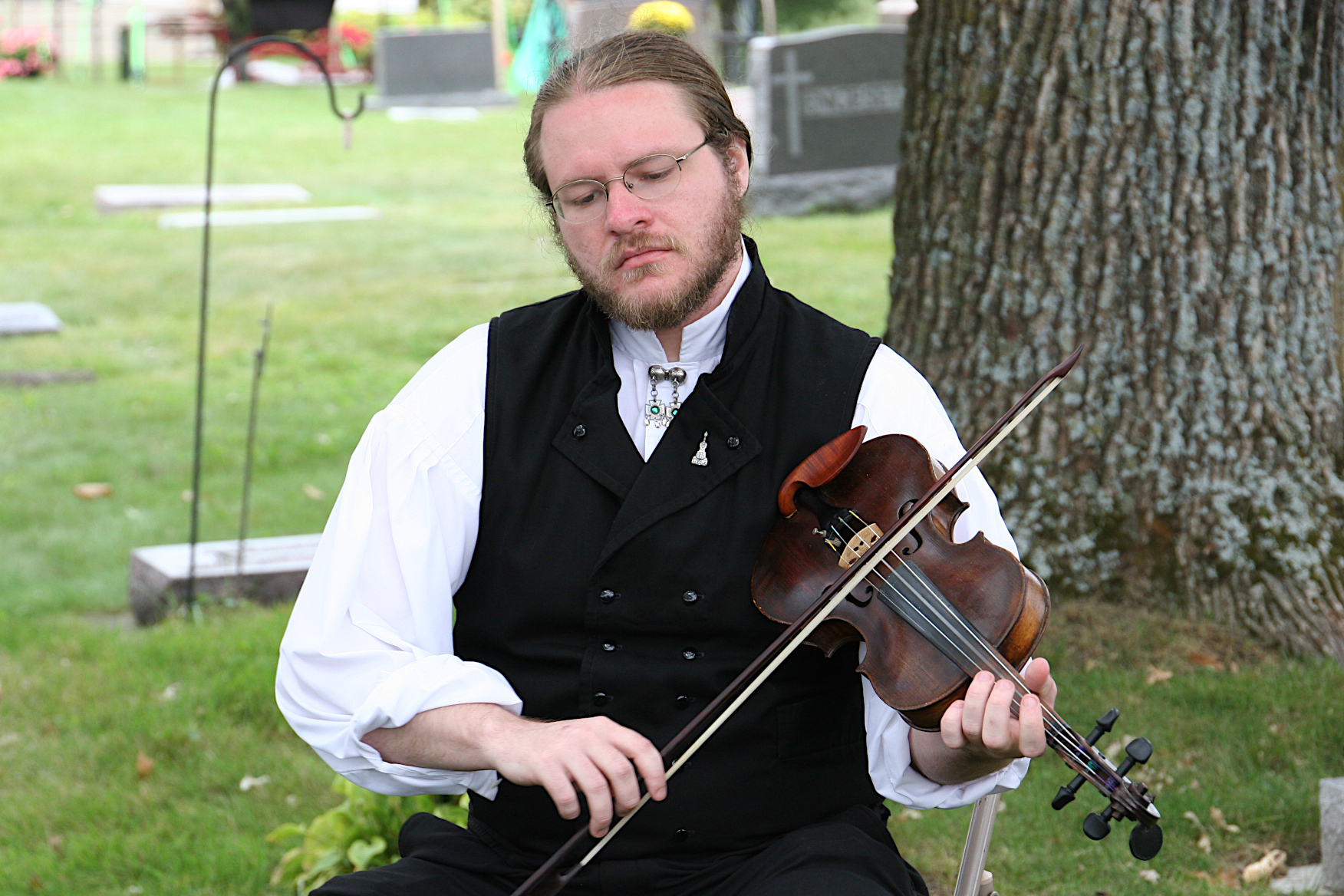
An accordion players plays with Hutenanny under the oaks in the cemetery. (Minnesota Prairie Roots copyrighted photo September 2022)
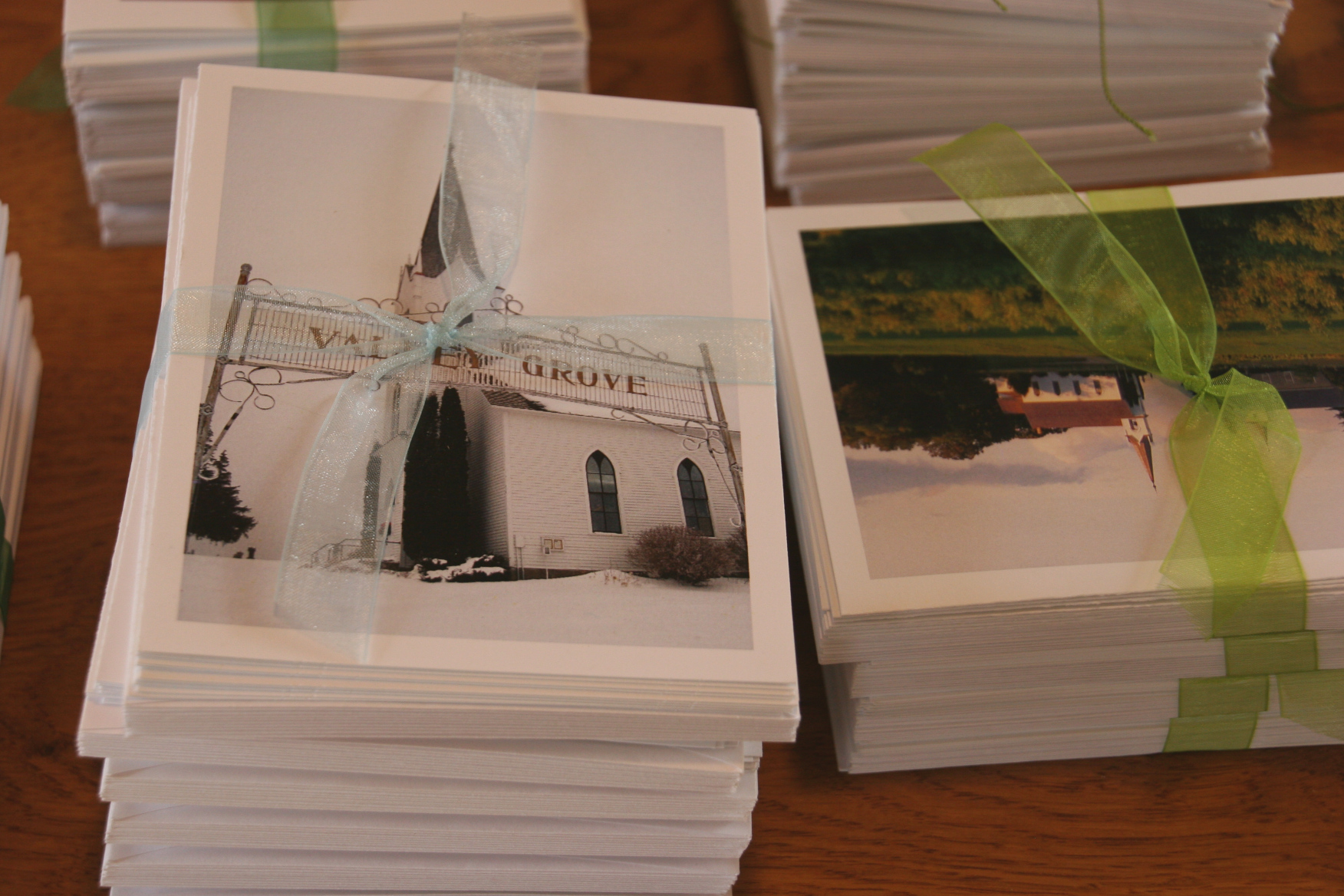
Ribbon-tied notecards for sale in the stone church. (Minnesota Prairie Roots copyrighted photo September 2022)
This Social showcases Valley Grove in a way that stretches beyond history, although that decidedly focuses the celebration. Music and art and hands-on activities weave into the all of it.
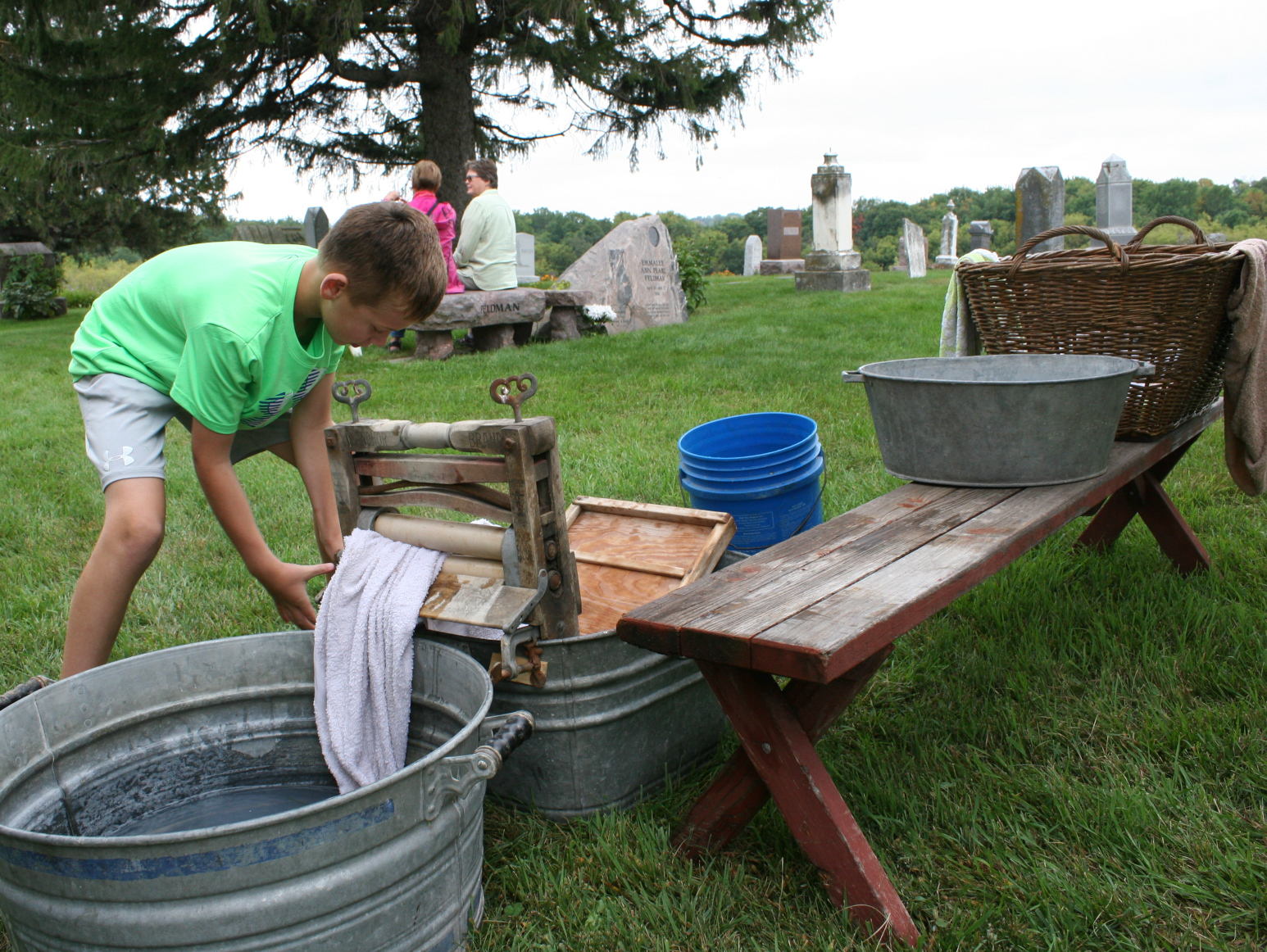
Doing laundry the old-fashioned way. (Minnesota Prairie Roots copyrighted photo September 2022)
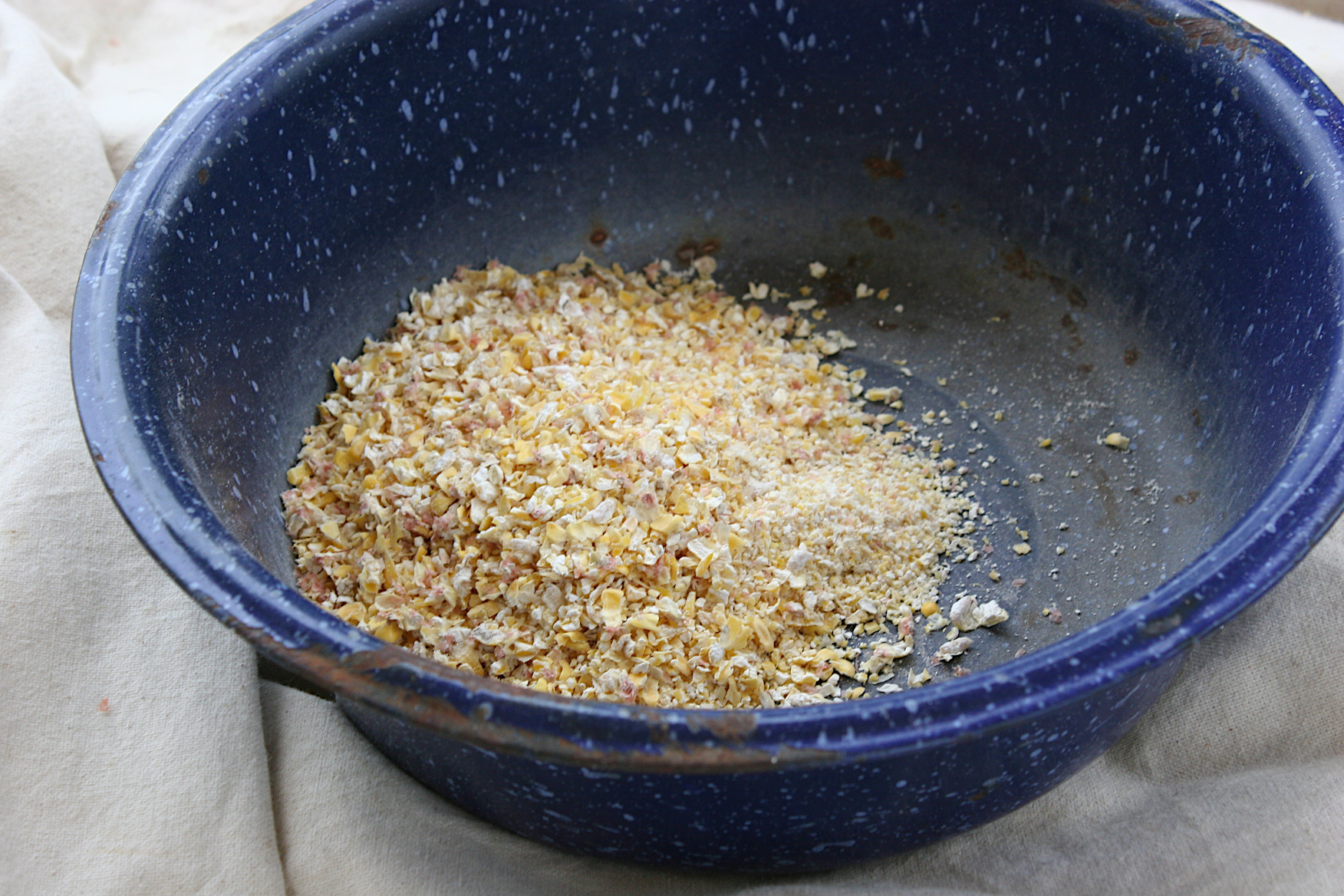
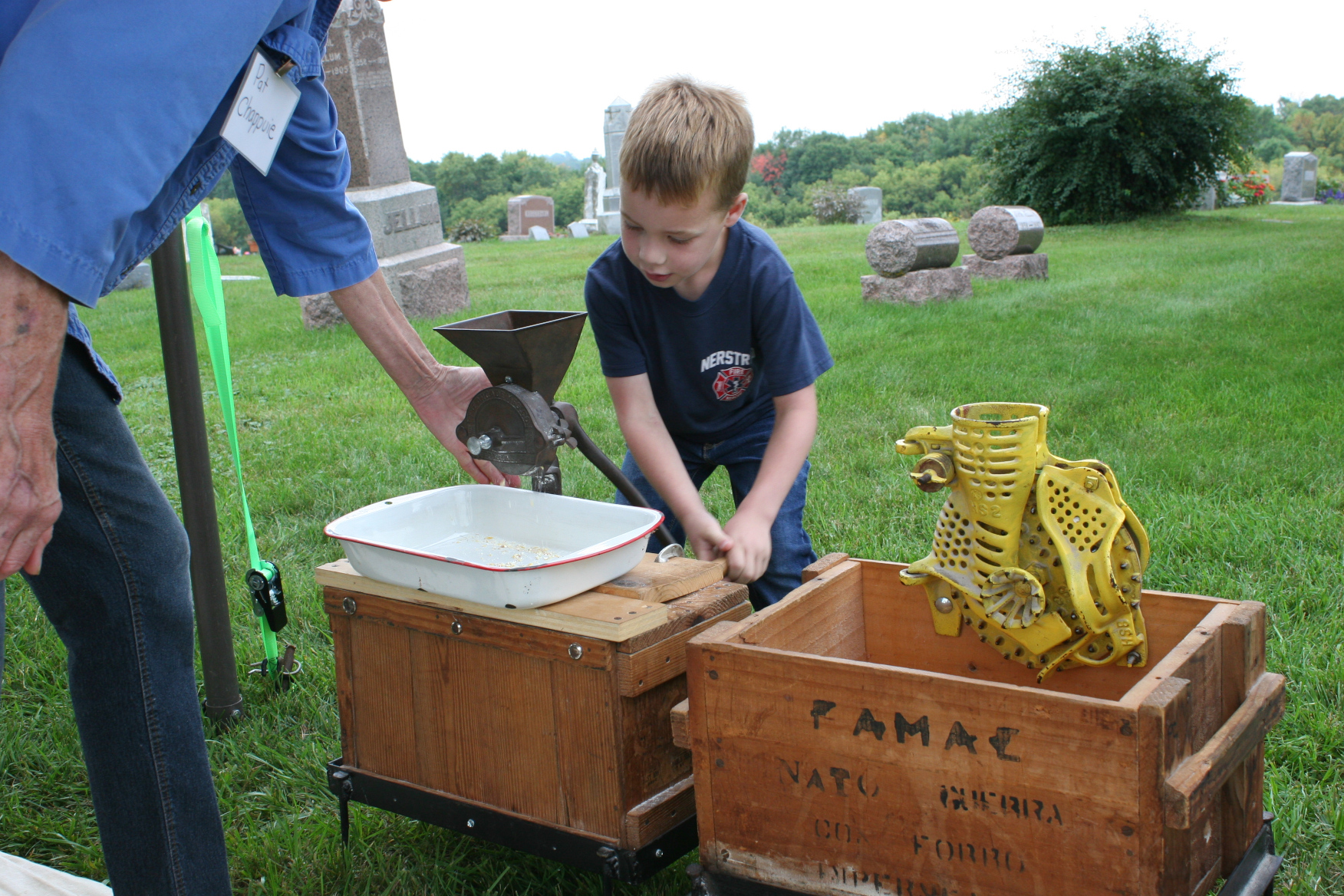
Corn ground at the Social. (Minnesota Prairie Roots copyrighted photo September 2022)
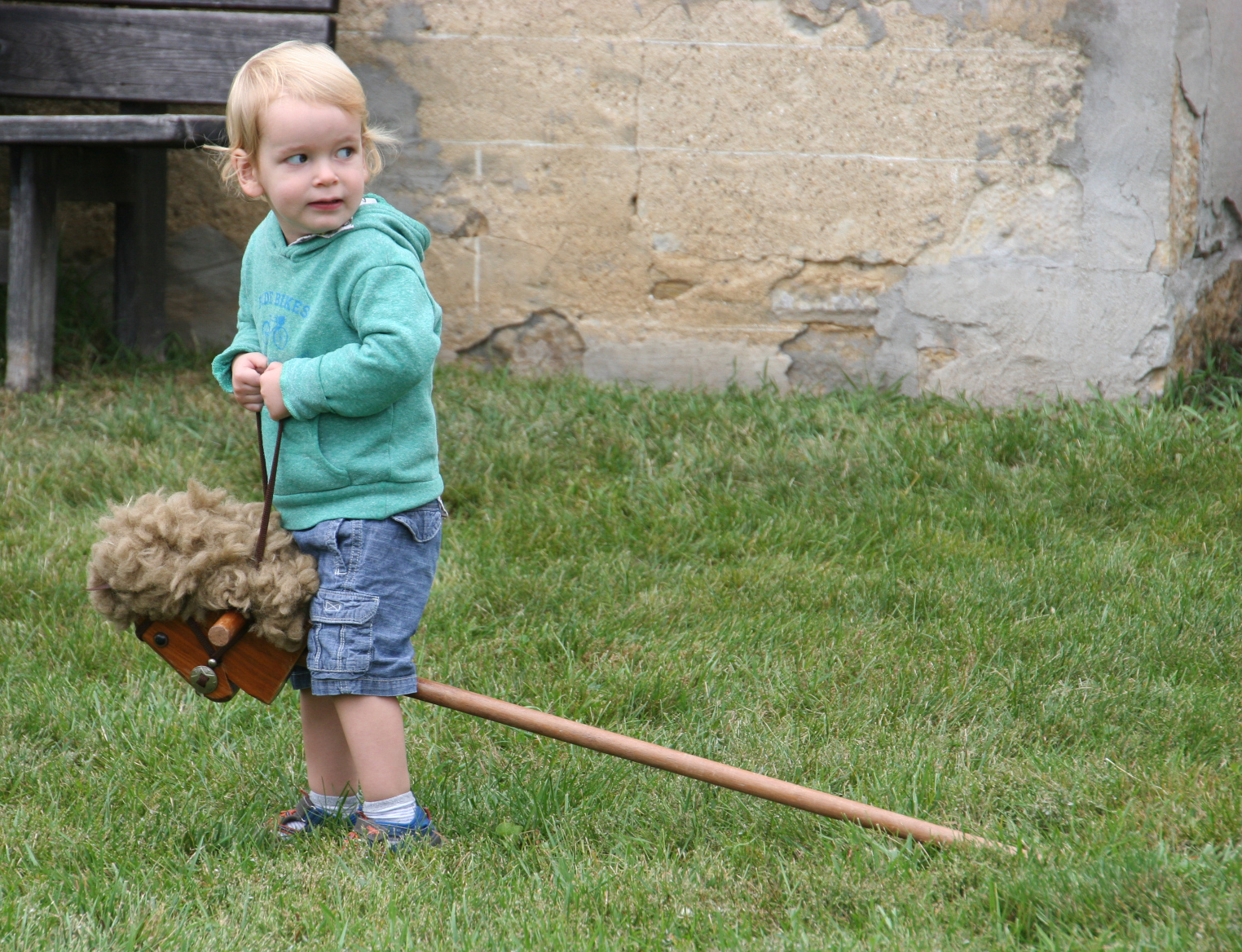
Toys like this stick horse were available for kids to use. (Minnesota Prairie Roots copyrighted photo September 2022)
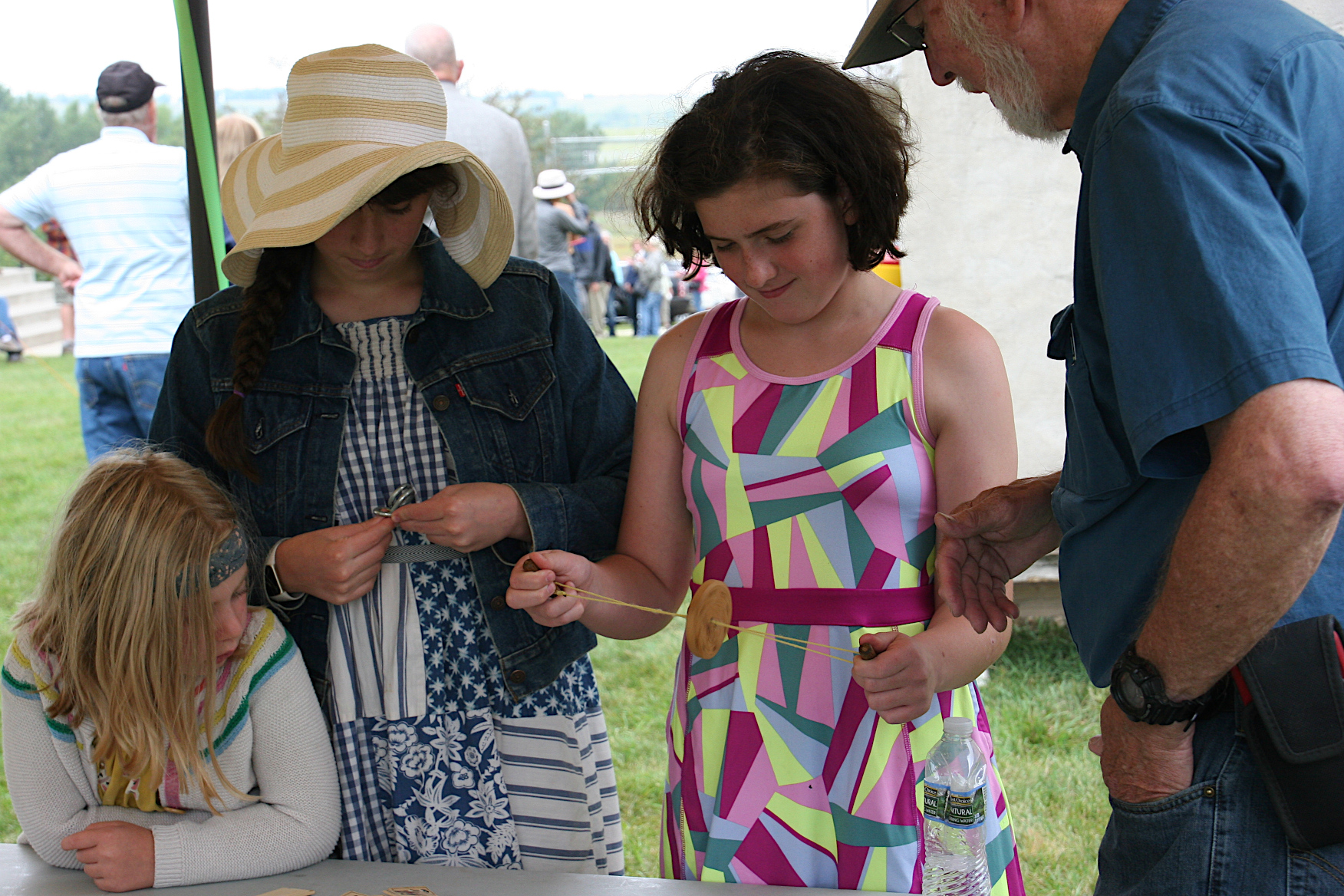
I love to see adults and youngsters engaging, conversing, teaching, learning. The younger generation will one day carry on with events like this and with the preservation of history and heritage at Valley Grove. So offering hands-on activities like rope-making, corn grinding, doing laundry, playing with yesteryear toys…is vital.
Musicians perform under the oaks while Social attendees listen and/ore explore the cemetery. (Minnesota Prairie Roots copyrighted photo September 2022)
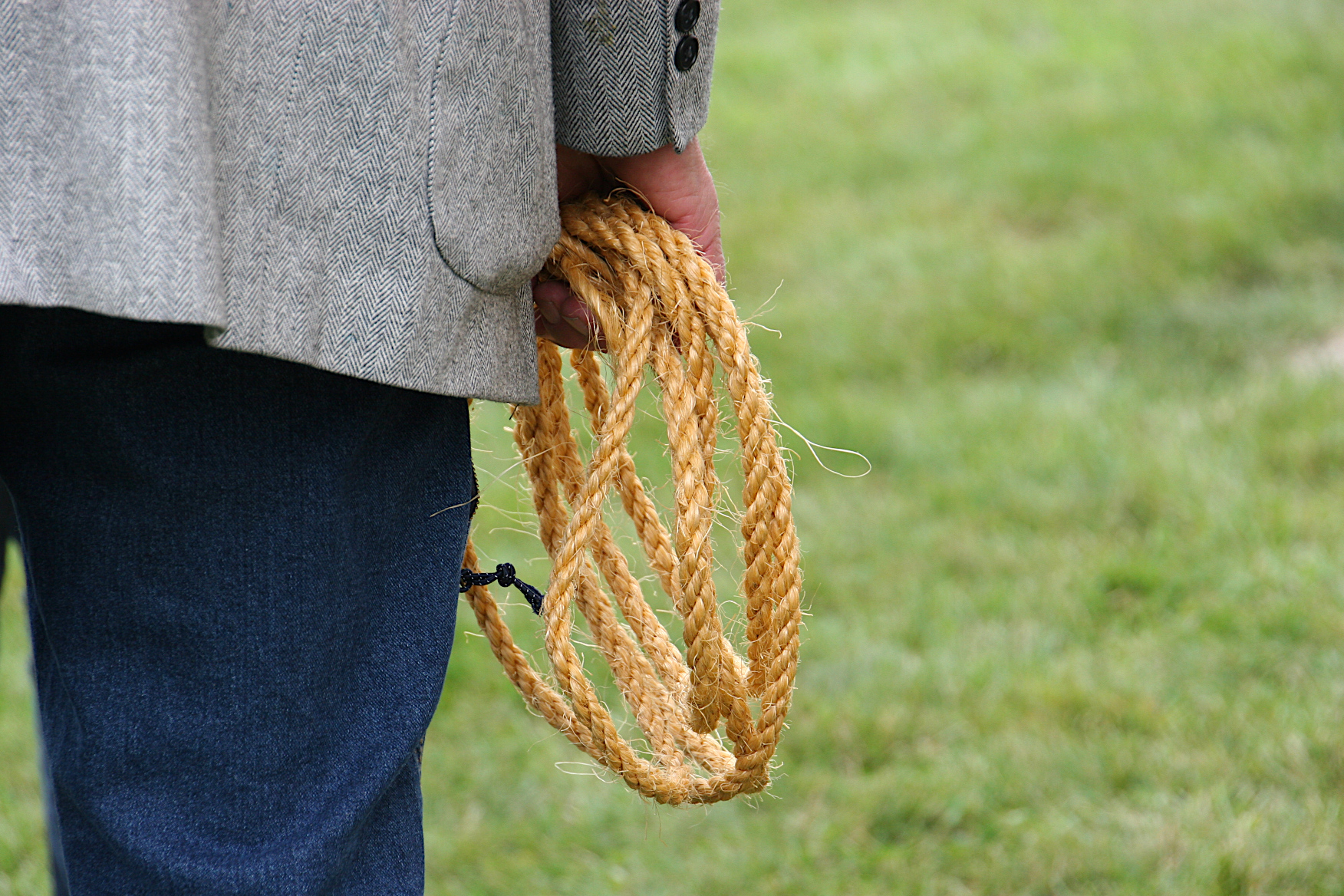
While I was persuaded to wind twine into a rope with Randy, I simply observed the other participatory activities. I prefer to meander unobtrusively (not always easy) with my camera, observing, documenting. I strive to tell a story that will encourage others to embrace events and places like Valley Grove. There’s so much right here in Rice County to explore and experience. We need to treasure that which is in our backyard. Just like the “eat local” movement, I say, “Explore local.”
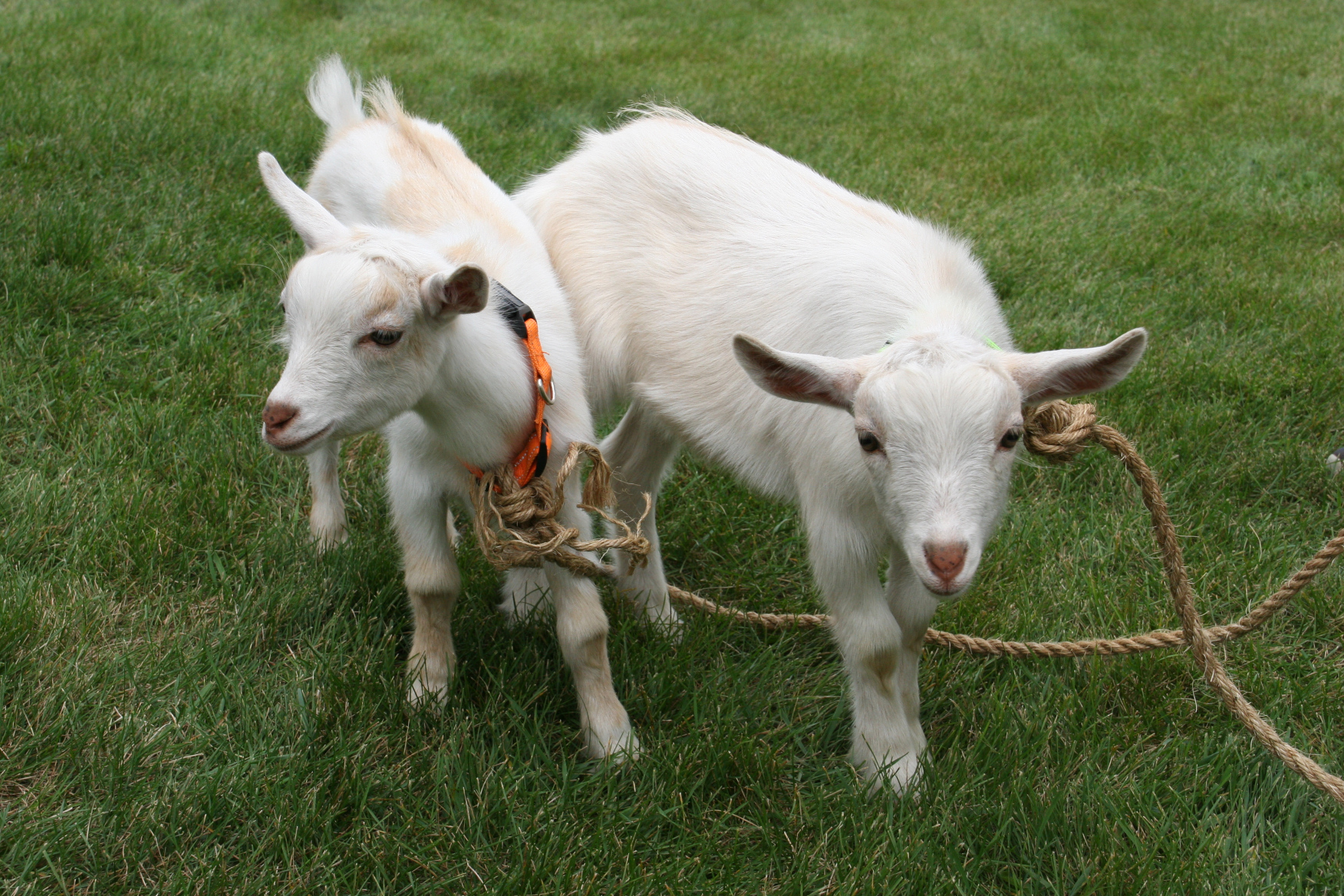
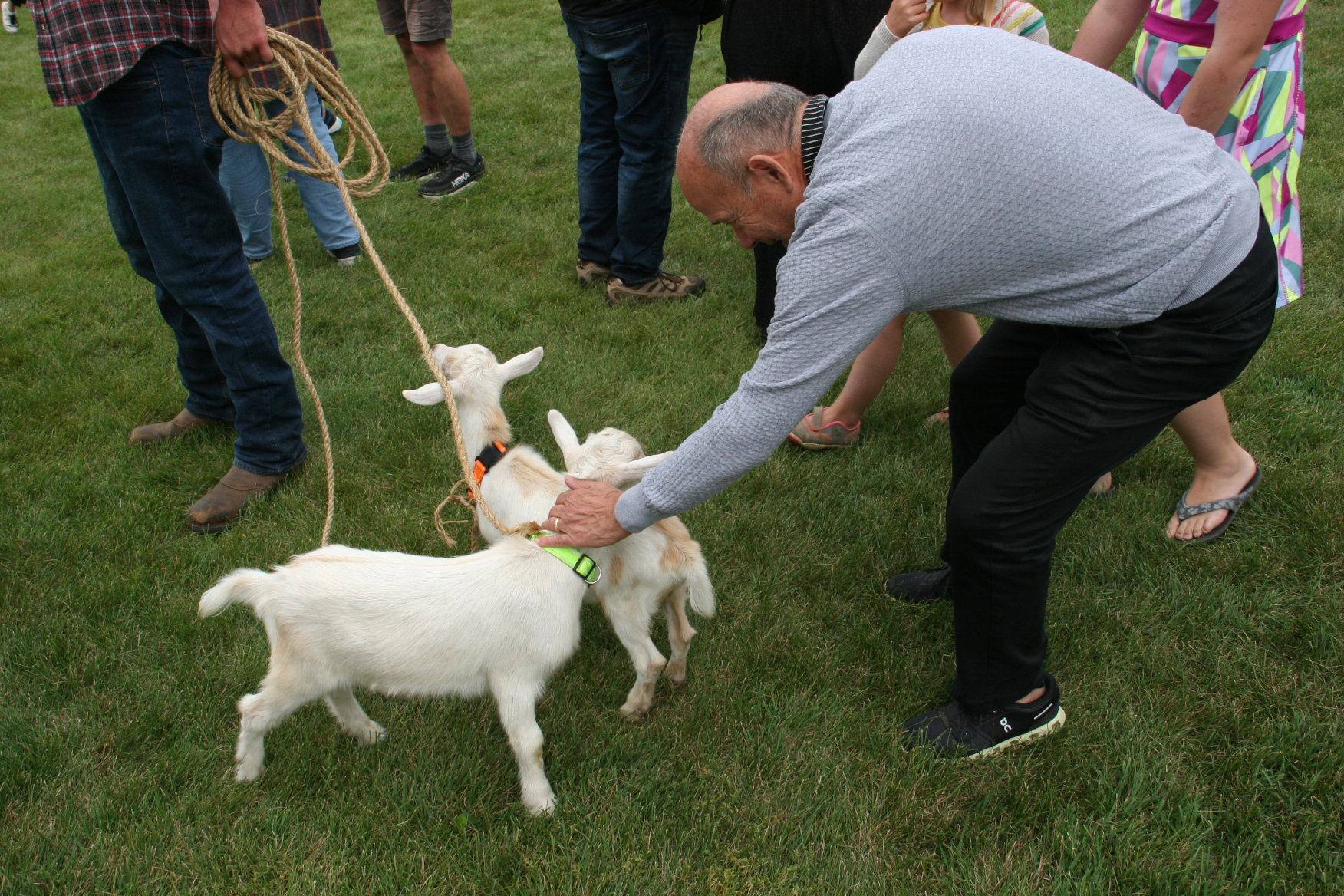
The goats drew lots of admirers as they wandered, tethered, with their owner. (Minnesota Prairie Roots copyrighted photo September 2022)
The kids’ tent, right, featured hands-on activities. (Minnesota Prairie Roots copyrighted photo September 2022)
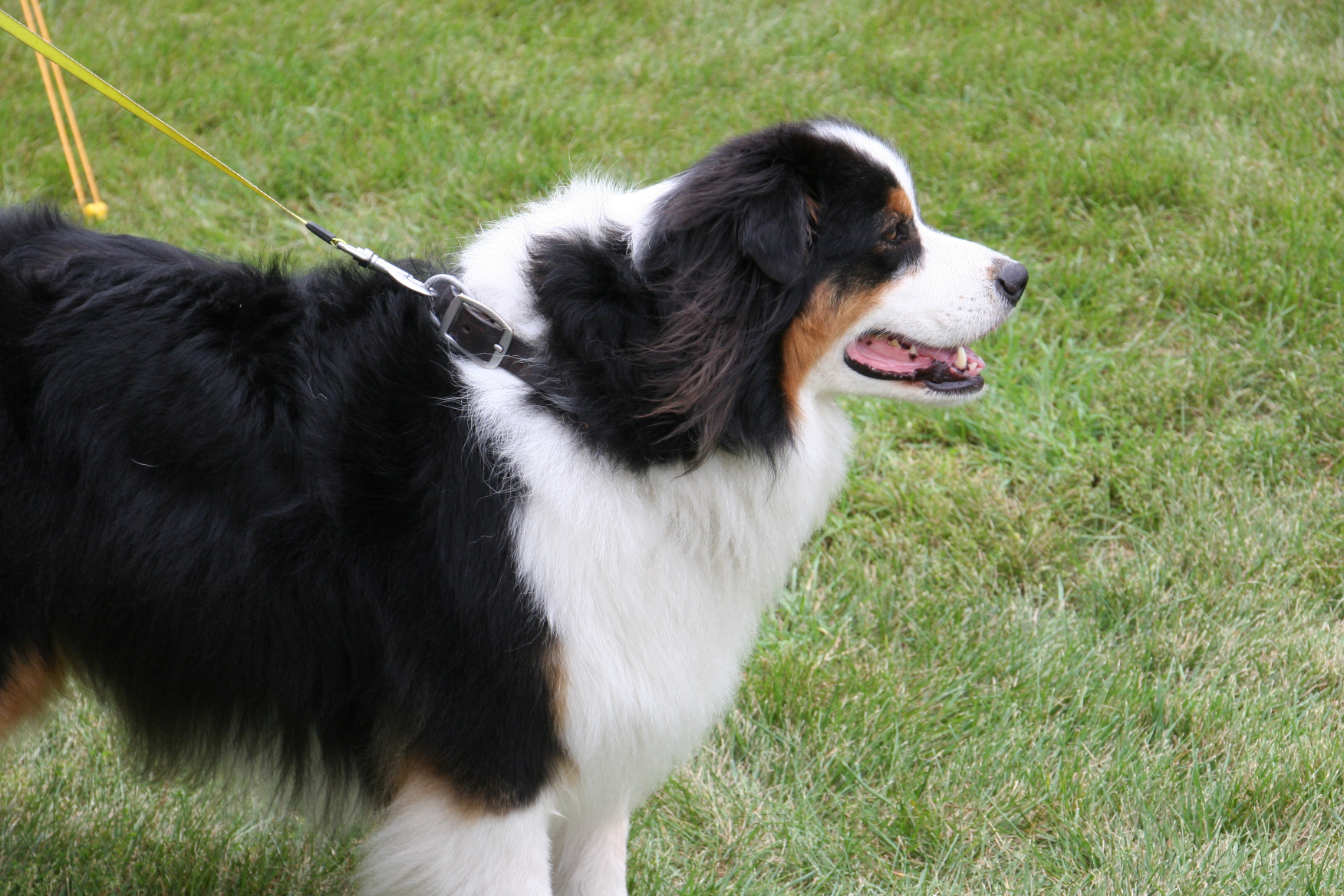
A leashed dog came with its owner. (Minnesota Prairie Roots copyrighted photo September 2022)
Much of what I feature here on my blog is local. And, if it isn’t, it’s rooted in my region. I value southern Minnesota, especially the small towns, the rural landscape, the people, the arts, the events…the all of it defining this place I call home.
TELL ME: What specific places and/or events do you appreciate where you live and which you feel go unnoticed by many locals?
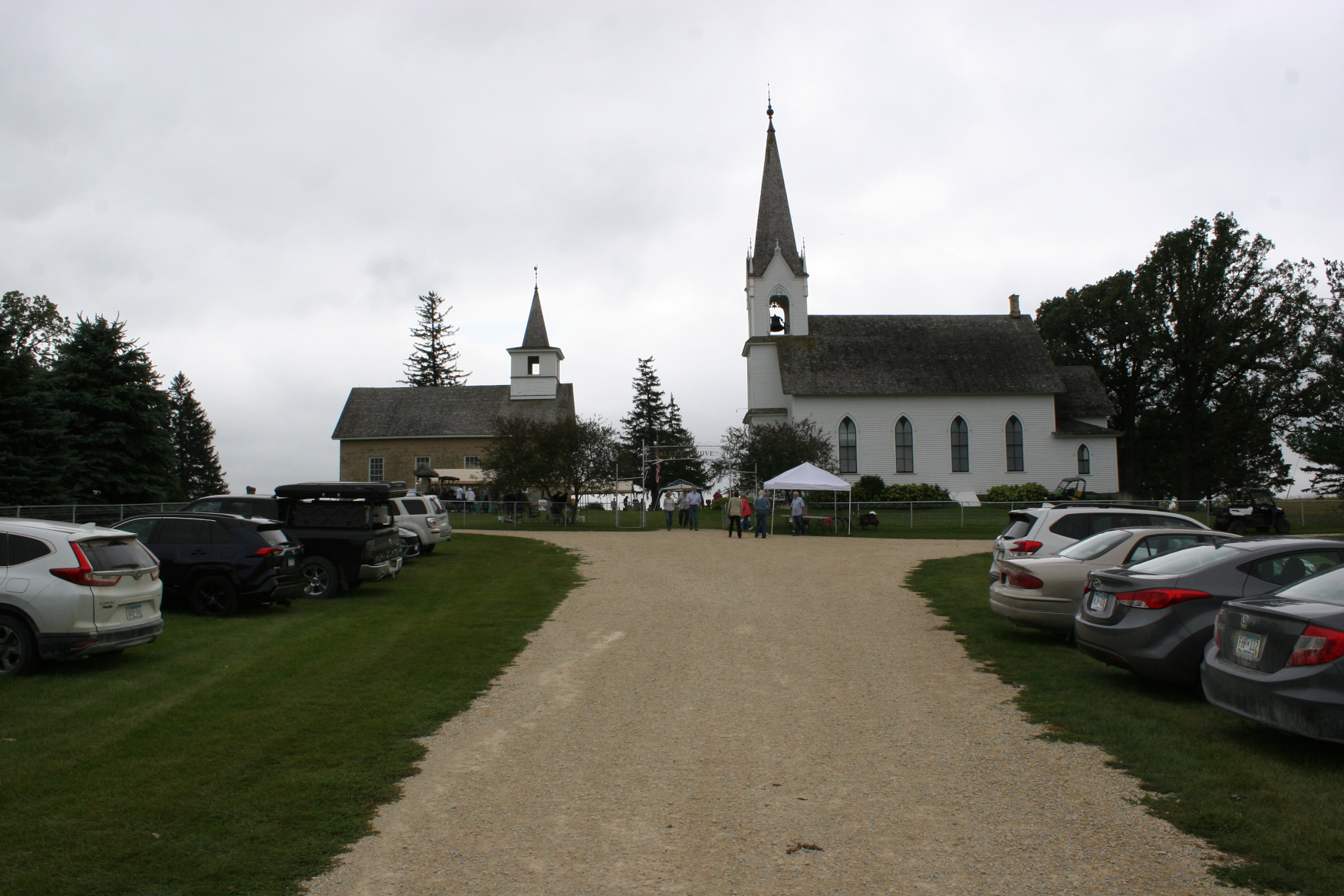
Vehicles line the gravel driveway leading to the hilltop Valley Grove churches, rural Nerstrand, during the September 18 Country Social. (Minnesota Prairie Roots copyrighted photo September 2022)
A COUNTRY SOCIAL EVOKES an essence of history, of community celebration, of activities that hearken to a bygone era. The Valley Grove Country Social held on Sunday afternoon high atop a hill near Nerstrand Big Woods State Park fits that and beyond. This site, the location of two historic churches and an adjoining cemetery, marks one of my favorite places in rural Rice County for its history, natural beauty and peace.
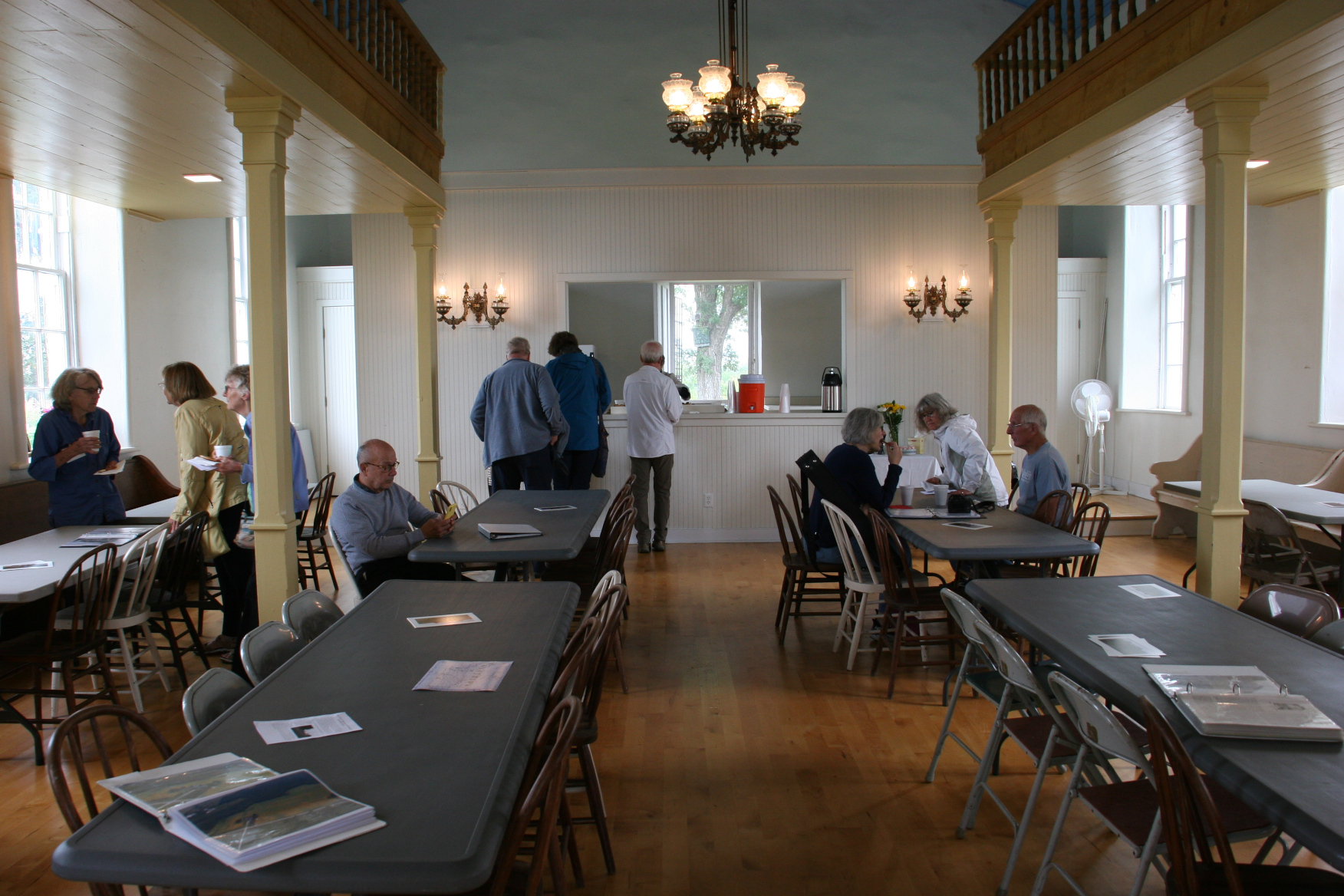
Inside the stone church, now used for fellowship, folks grab refreshments, converse and view historical information and art. (Minnesota Prairie Roots copyrighted photo September 2022)
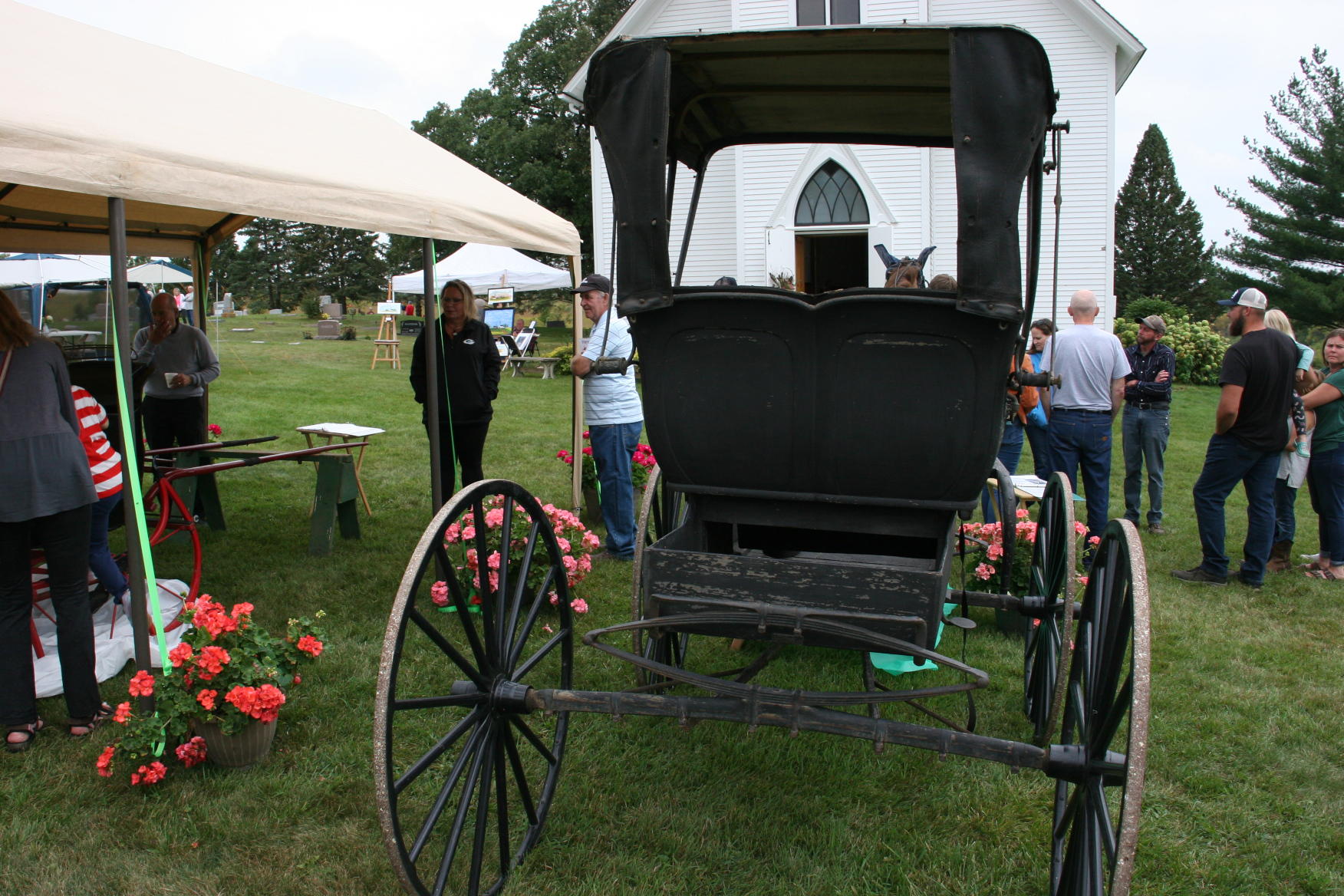
A vintage buggyadds another historic aspect to the Valley Grove Country Social. (Minnesota Prairie Roots copyrighted photo September 2022)
On this September afternoon, I delighted in an event that brings people together to celebrate Norwegian heritage and history, people and place, stories past and present, the arts, and, oh, so much more.
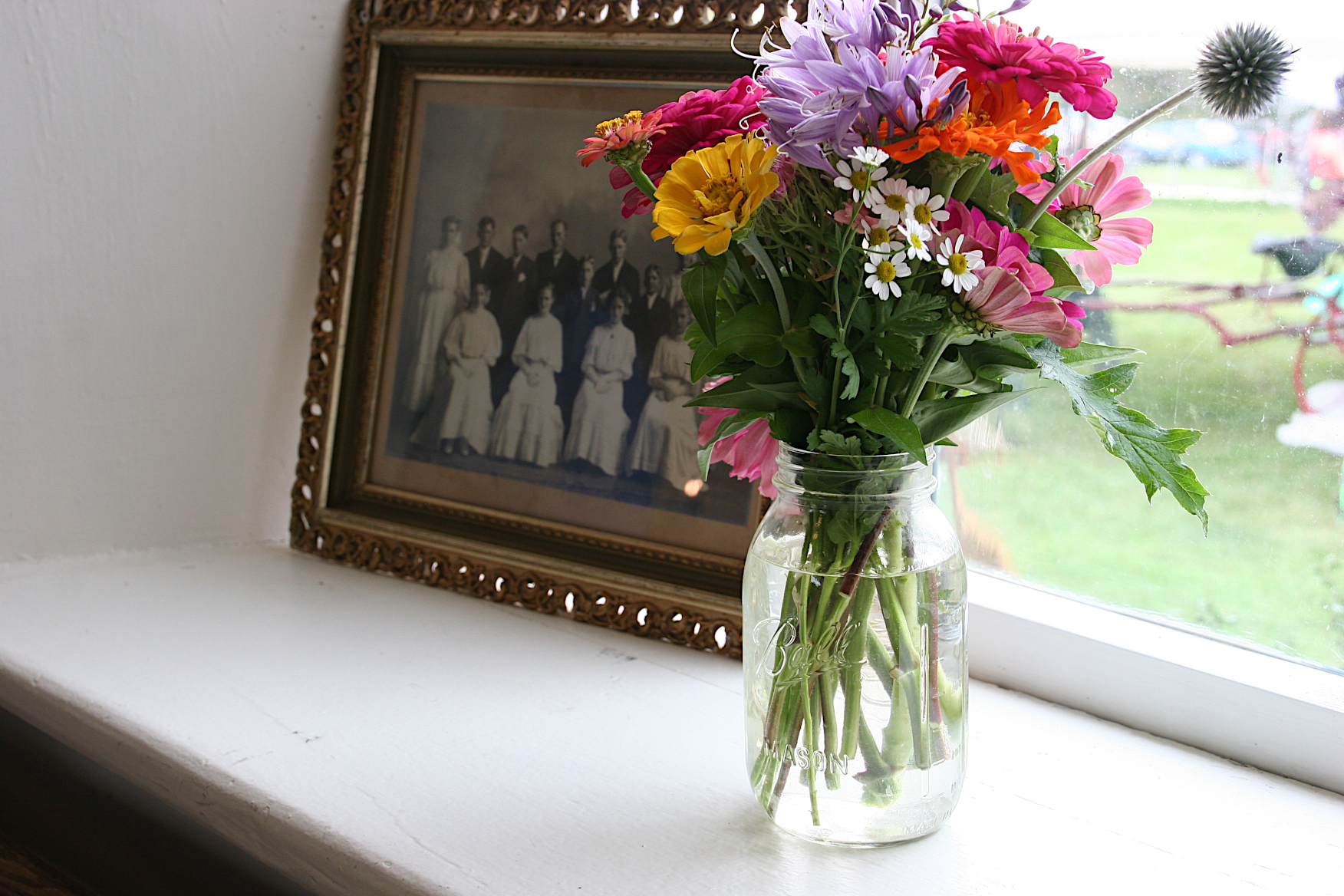
Bouquets and vintage photos edge window sillsin the oldest church. (Minnesota Prairie Roots copyrighted photo September 2022)
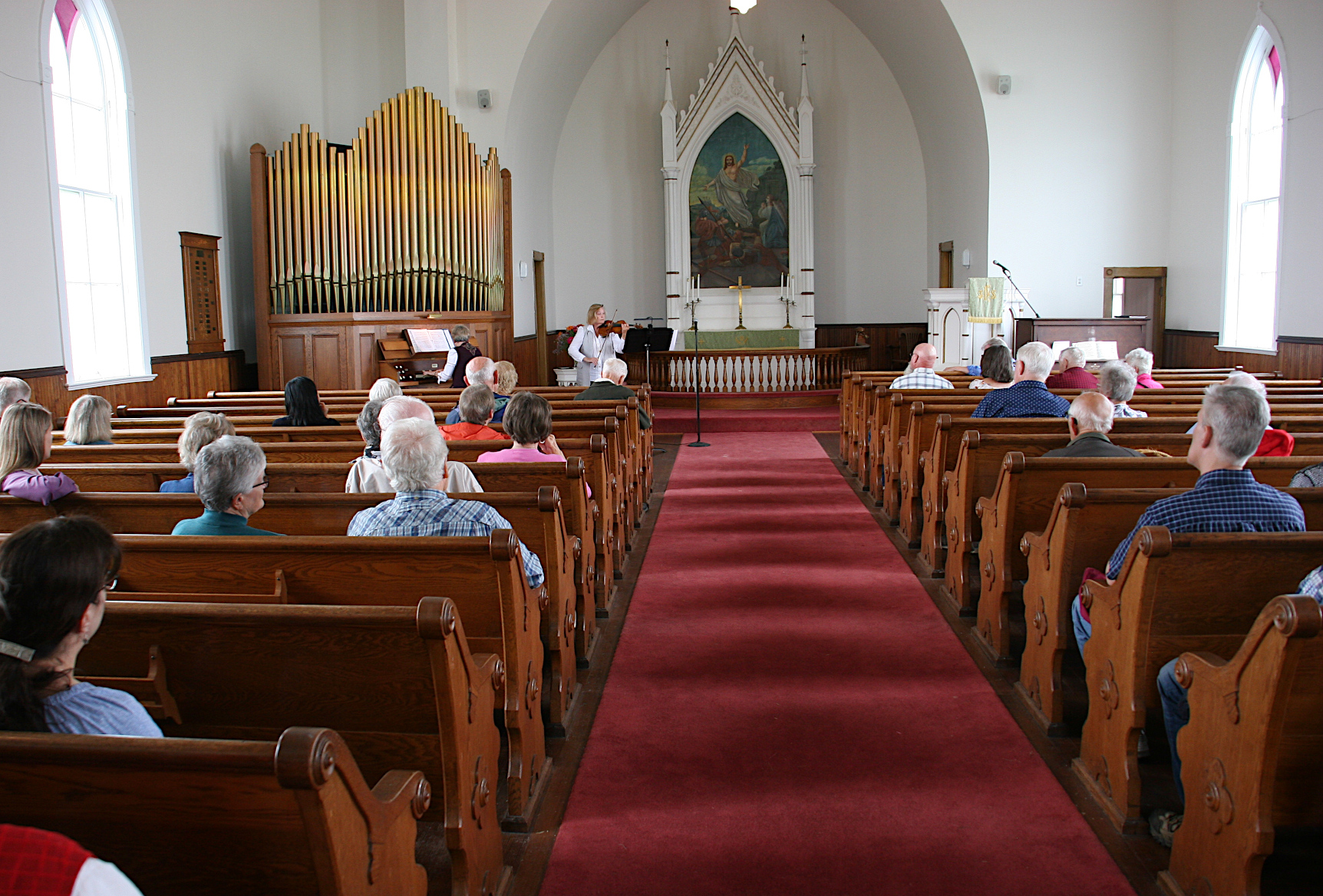
An organist and violinist play during a recital in the newer church. (Minnesota Prairie Roots copyrighted photo September 2022)
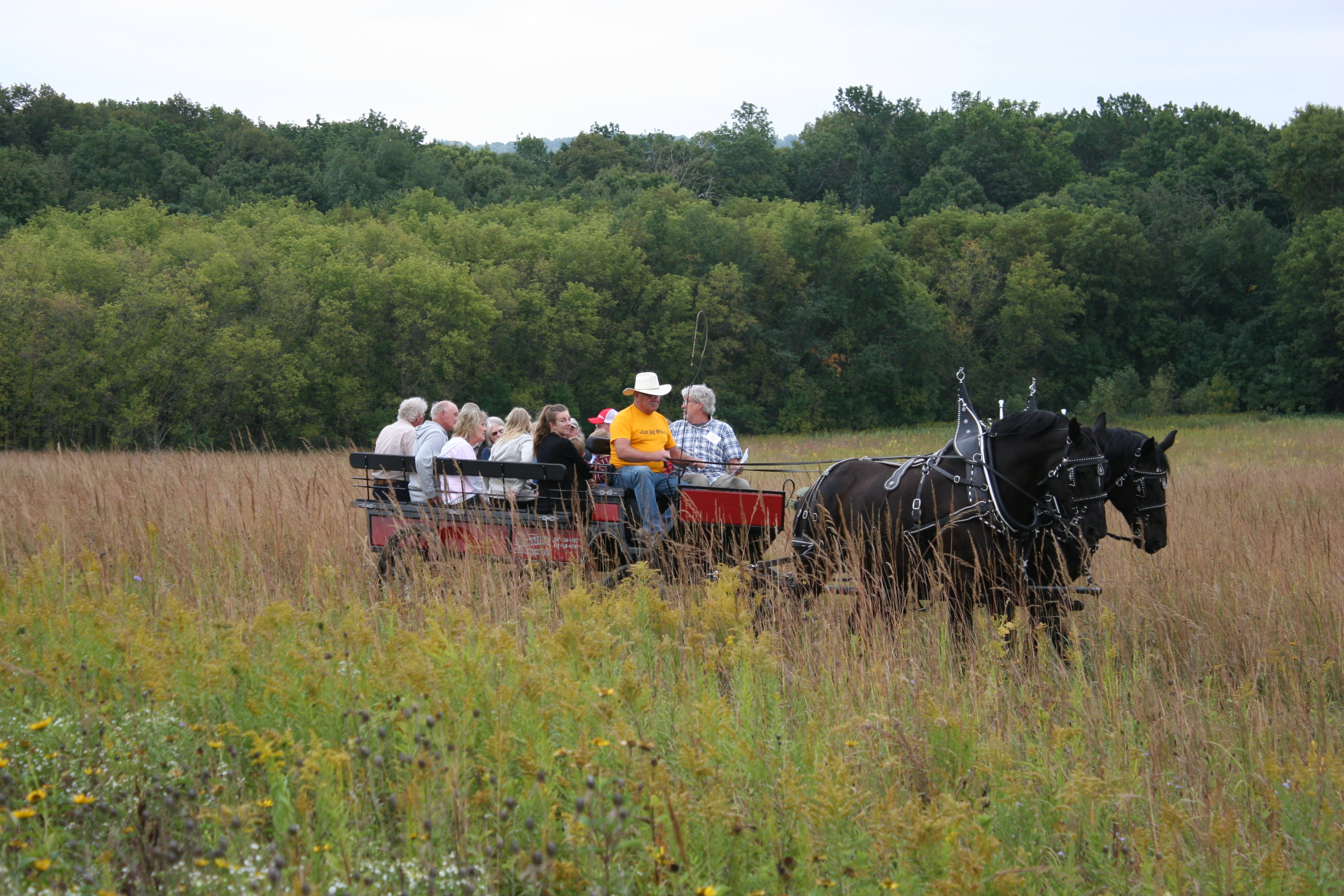
Horse-drawn wagon rides onto the prairie drew many passengers throughout the afternoon. (Minnesota Prairie Roots copyrighted photo September 2022)
Grinding corn as part of the hands-on learning opportunities. (Minnesota Prairie Roots copyrighted photo September 2022)
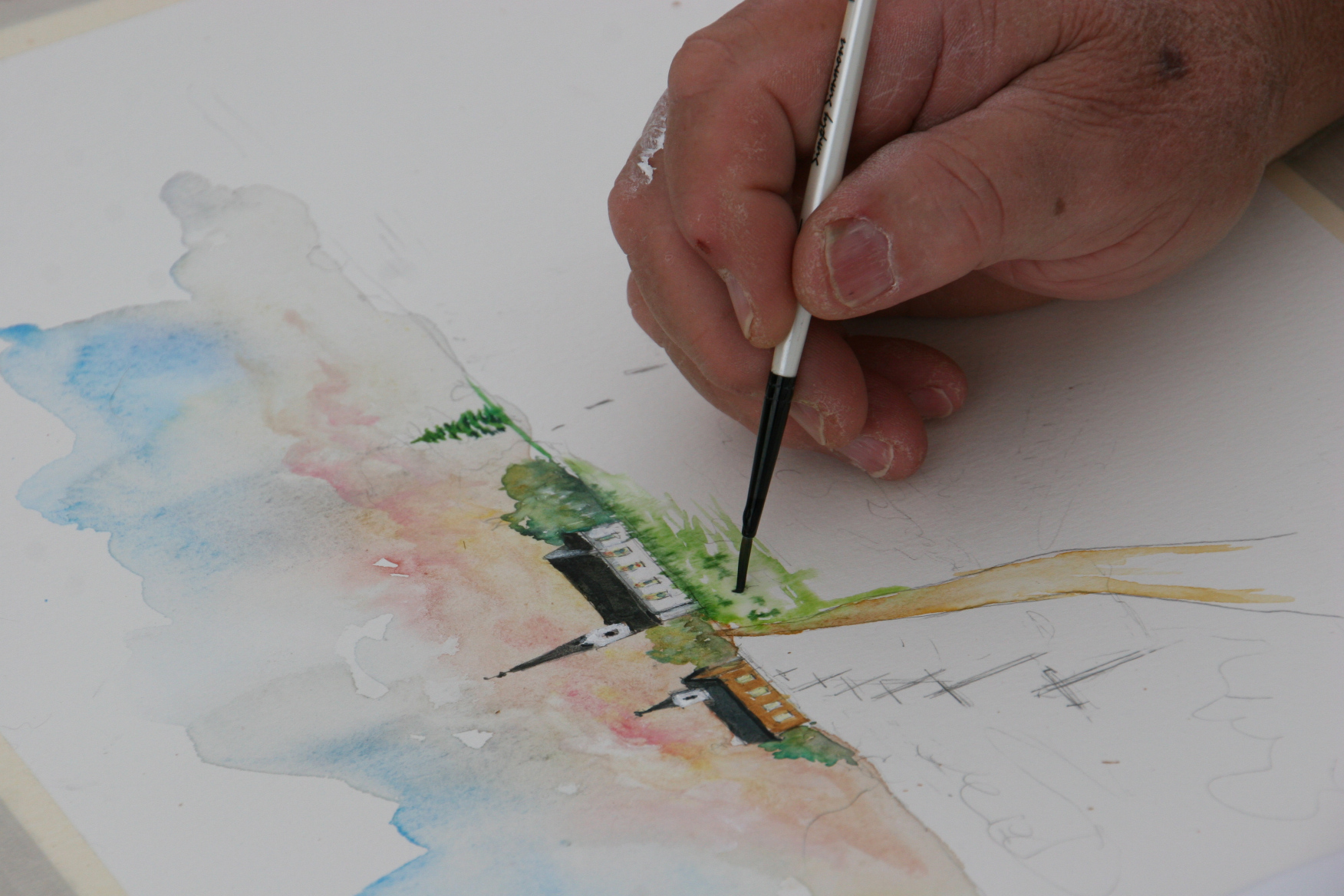
Northfield artist David Allen brought his brushes, watercolors and paper to paint on-site. (Minnesota Prairie Roots copyrighted photo September 2022)
From garden and prairie flowers tucked into Mason jars set atop window sills in the 1862 stone church to a recital inside the 1894 church to horse-drawn wagon rides to kids grinding corn to an artist painting, the scope of activities proved broad. There was something for everyone from the youngest to the eldest. Generations mingled, connected. One taught, the other learned.
From cemetery’s edge, the open prairie. (Minnesota Prairie Roots copyrighted photo September 2022)
Rope making, a nod to Valley Grove’s agrarian roots, was part of the Country Social. (Minnesota Prairie Roots copyrighted photo September 2022)
All ages were drawn to these two goats. (Minnesota Prairie Roots copyrighted photo September 2022)
To observe, to converse, to listen, to feel, to experience all of this imprints upon my soul gratitude for those who know this place, this Valley Grove, is worth preserving and sharing. Although I hold no personal connection here, I feel connected. It is my faith, my love of the land, especially the surrounding prairie and farmland, and the quiet of this remote rural location which cause me to feel comfortably at home, at peace.
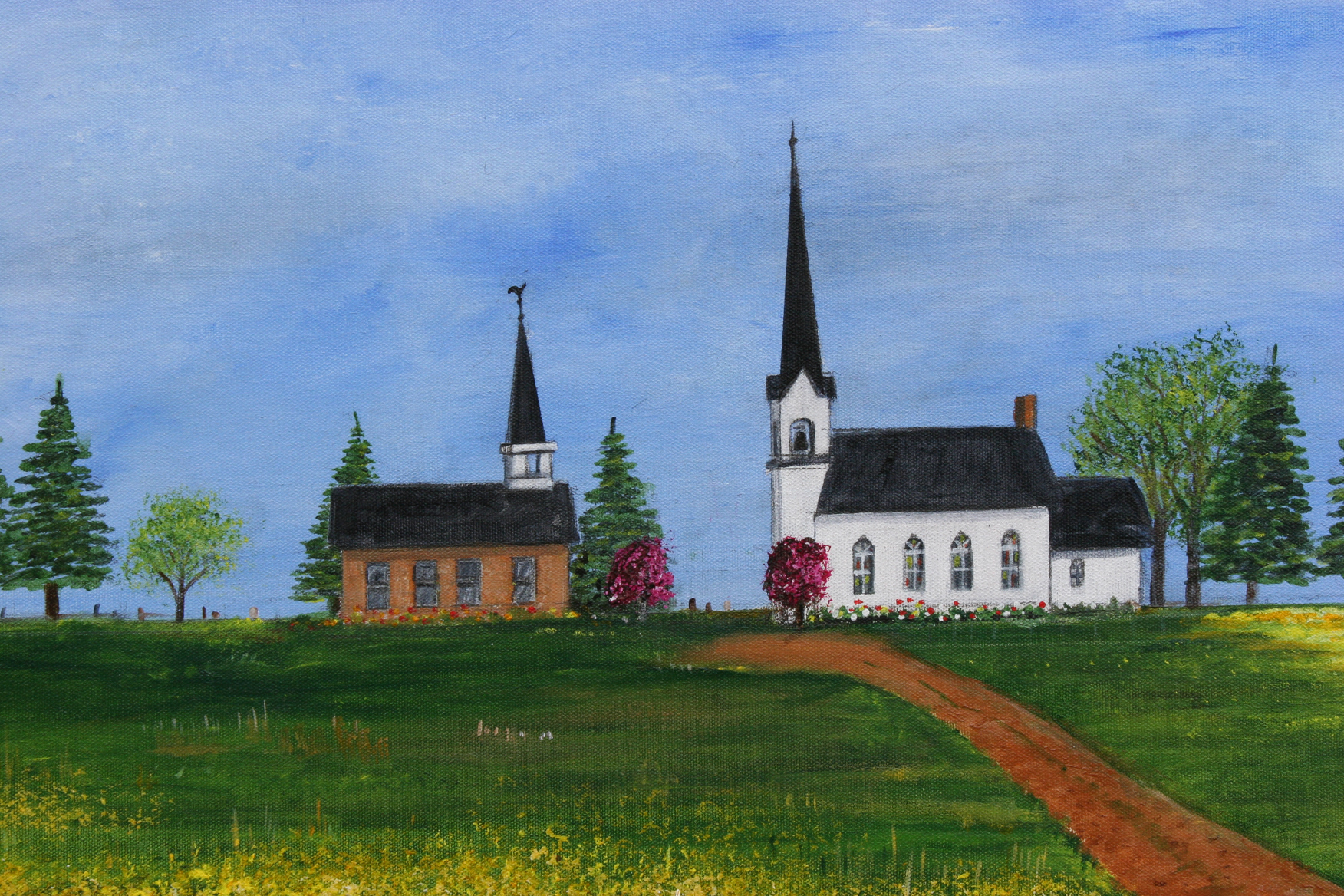
One of David Allen’s paintings of Valley Grove. (Minnesota Prairie Roots copyrighted photo September 2022)
If you’ve never visited Valley Grove and live near enough to tour, then do. I’ve been here many times to walk the cemetery and grounds, to hike through the prairie, even once sitting on the front steps of the wooden church for a picnic lunch. The churches are locked when not open for events or special services like a wedding or Christmas Eve worship.
A musician performs with the group Hutenanny under the oak trees in the cemetery.
Still, whether inside or outside the two churches, a sense of the past prevails. Gravestone after gravestone bears the names of Norwegian immigrants and their descendants. Study the markers and stories begin to emerge, whether real or imagined. I can only imagine the joys and sorrows shared here.
Toys of yesteryear were available to try. (Minnesota Prairie Roots copyrighted photo September 2022)
Valley Grove is about more than a place where historic churches stand next to a cemetery. It is a gathering spot for those who are celebrating, those who are grieving, those who are remembering and, on this afternoon of a Country Social, a place of connecting with community.
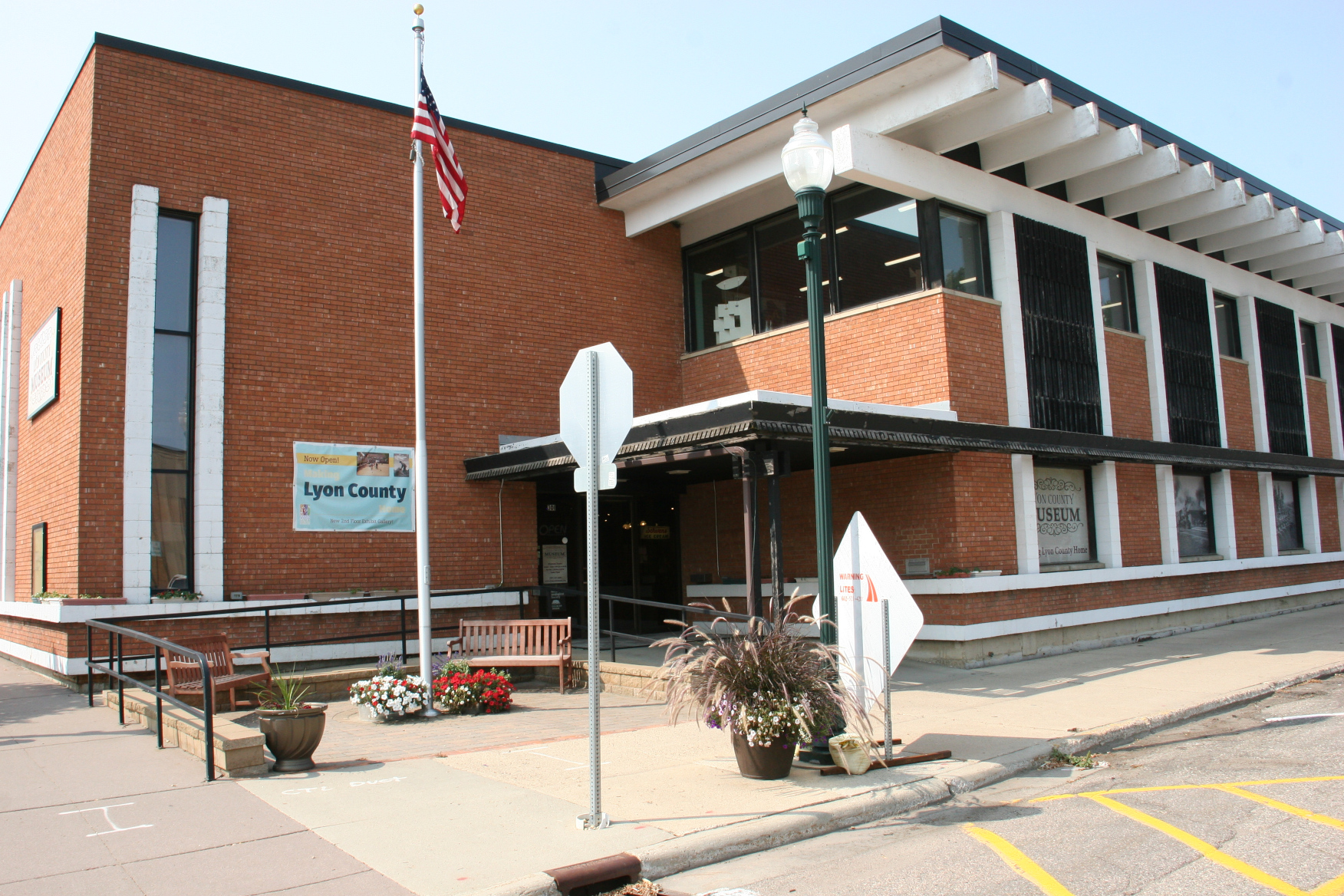
The sprawling Lyon County Historical Society Museum in the heart of downtown Marshall, across from the post office. (Minnesota Prairie Roots copyrighted photo September 2022)
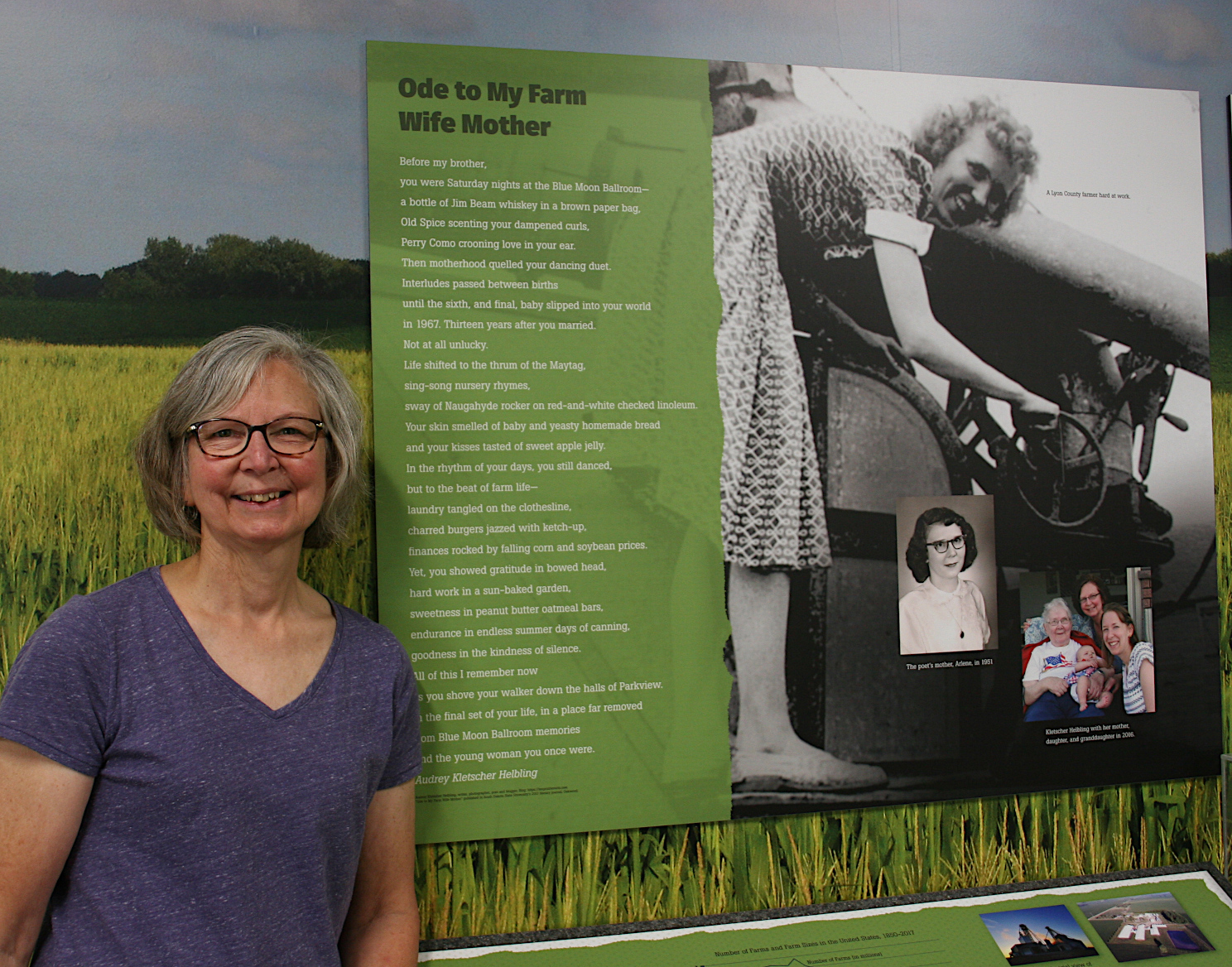
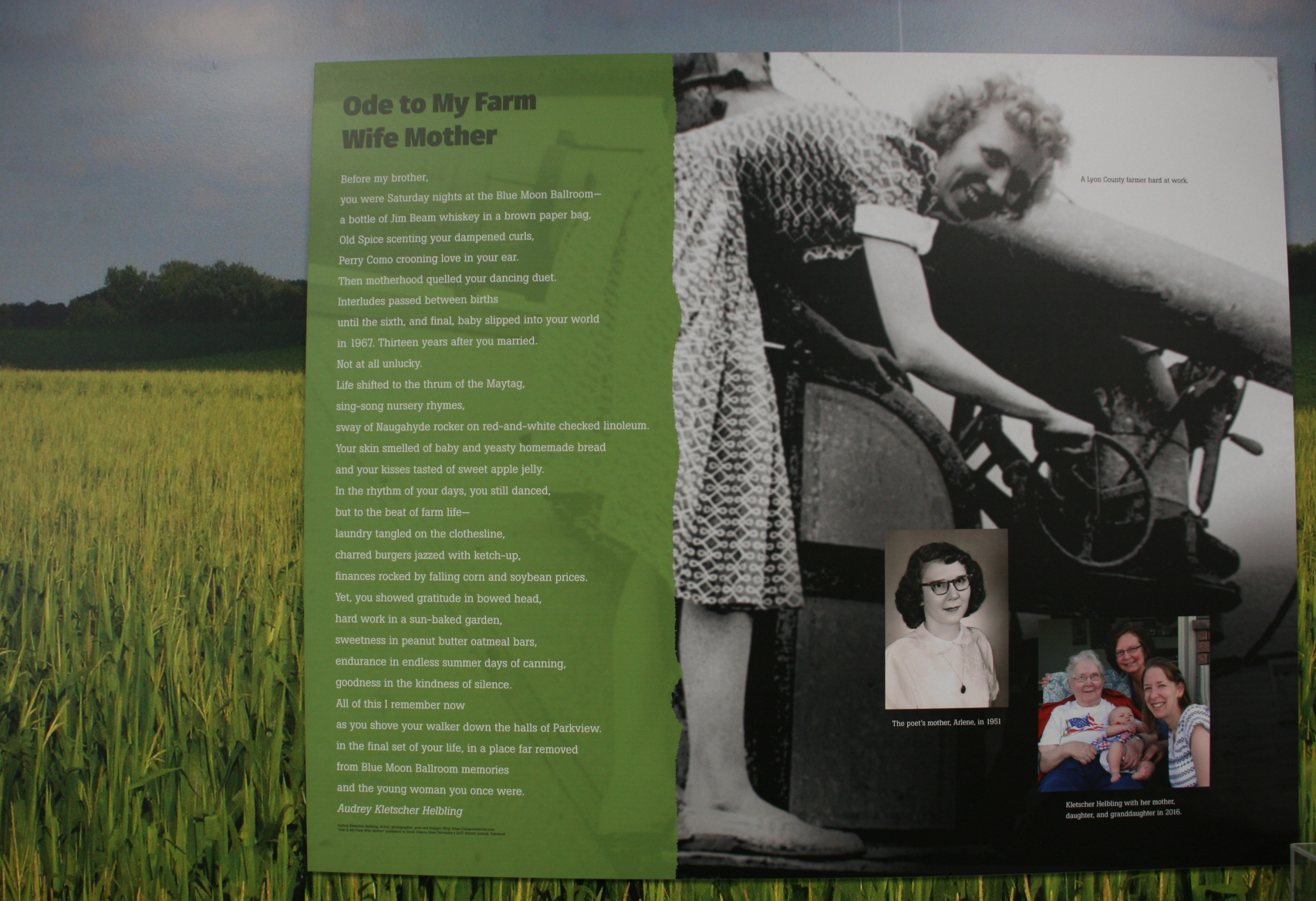
Me, photographed next to the panel featuring my poem, “Ode to My Farm Wife Mother.” My one regret is that my mom (pictured in two smaller photo insets) never saw this exhibit in person. She died in January. (Photo by Randy Helbling, September 2022)
To the far left is the panel featuring my poem, “Ode to My Farm Wife Mother.” In the center is my poem, “Hope of a Farmer.” (Minnesota Prairie Roots copyrighted photo September 2022)
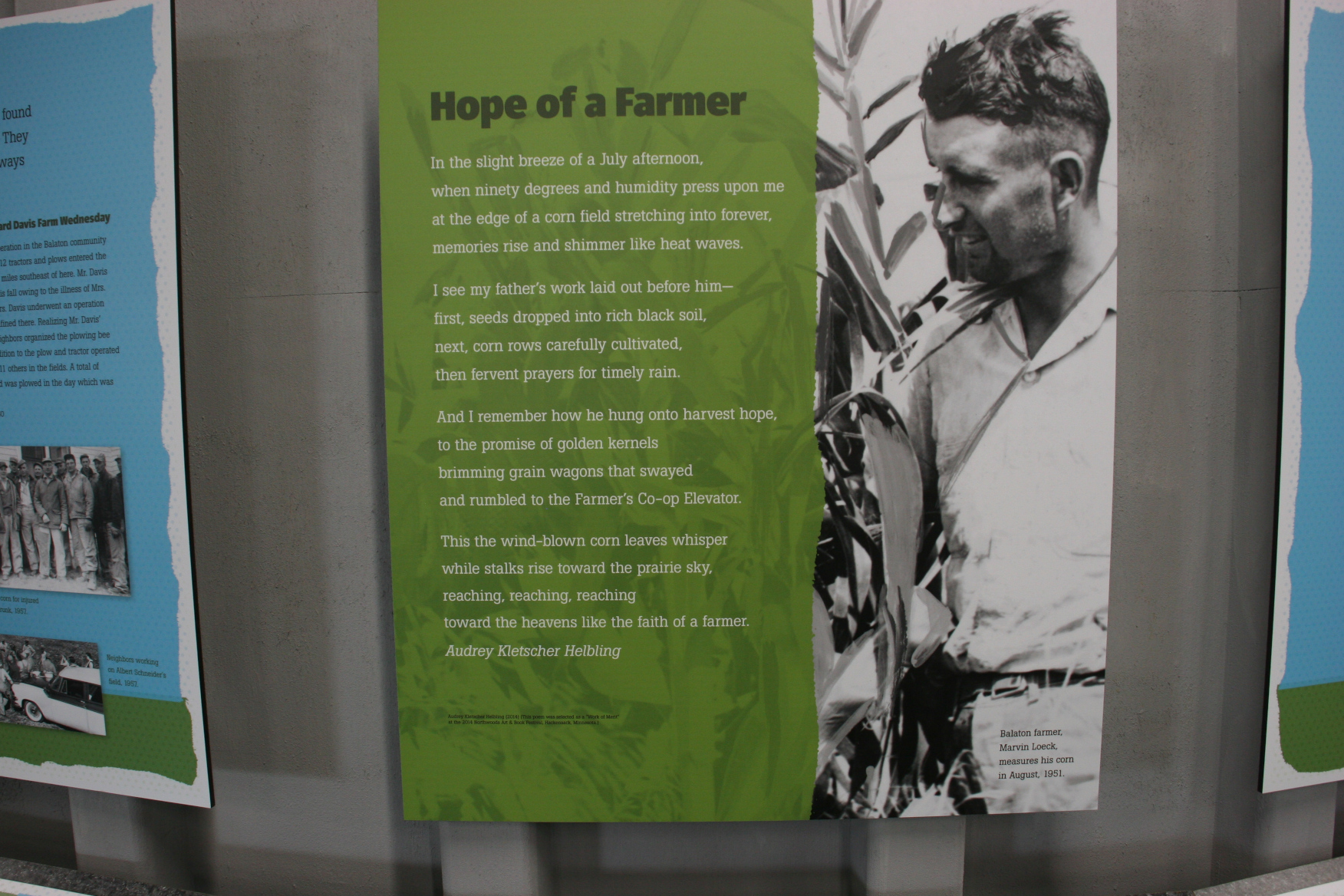
My poem, “Hope of a Farmer.” That is not my dad in the photo. (Minnesota Prairie Roots copyrighted photo September 2022)
The exhibit, which won a 2021 Minnesota History Award from the Minnesota Alliance of Local History Museums, opened in January of the same year. Finally, I got to Marshall last week. Up until my visit, I was unaware that two, not just one, of my poems are included. When I read the title “Hope of a Farmer,” I thought to myself, I wrote a poem with that title. And then, as I read, I realized this was my poem.
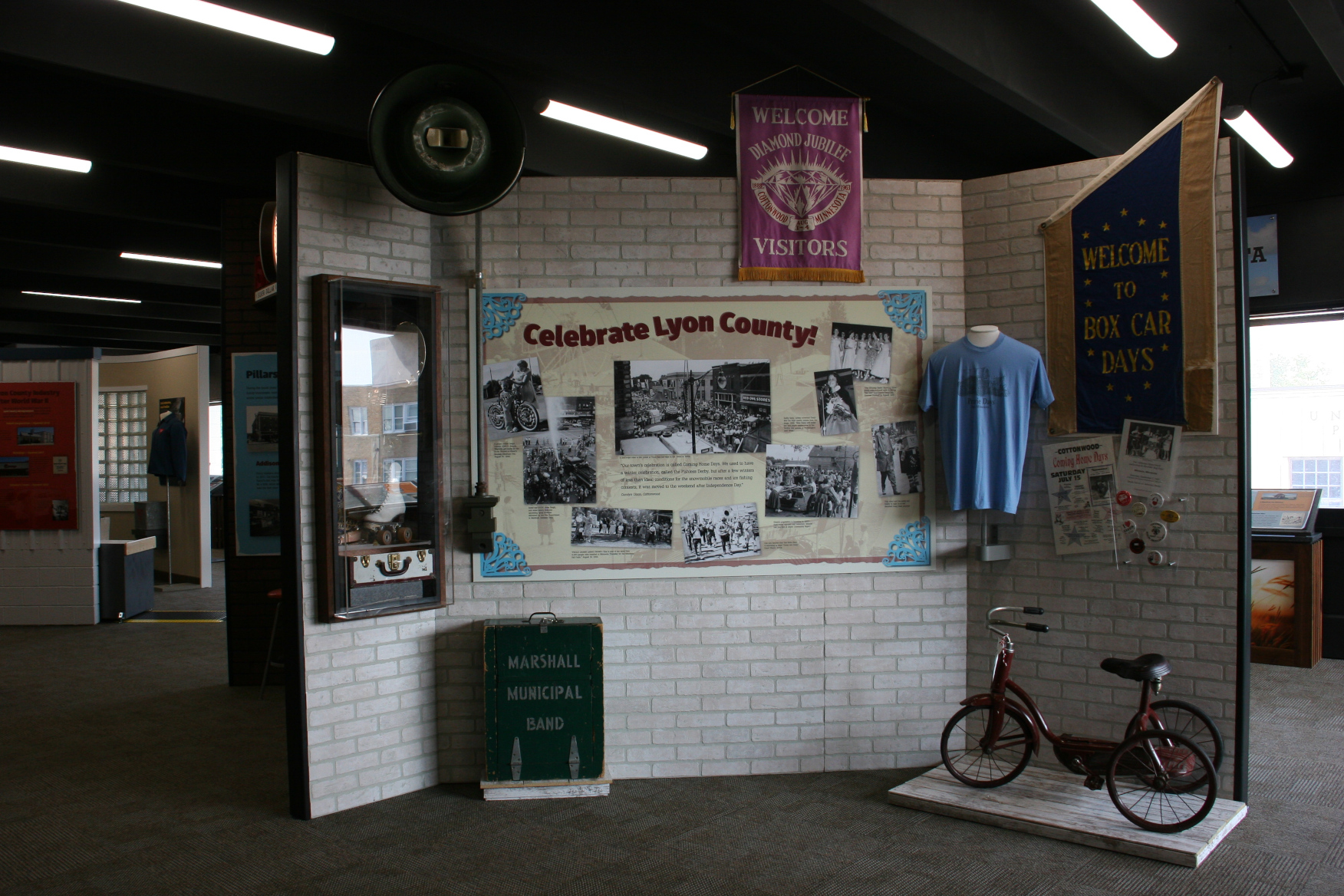
The second floor exhibit celebrates Lyon County in the award-winning exhibit, “Making Lyon County Home.” (Minnesota Prairie Roots copyrighted photo September 2022)
Now I’m doubly honored that my rural-themed poetry inspired by my farmer father and farm wife mother were chosen to be part of this outstanding exhibit focusing on the people, places, businesses, communities, activities, events, history and arts of Lyon County.
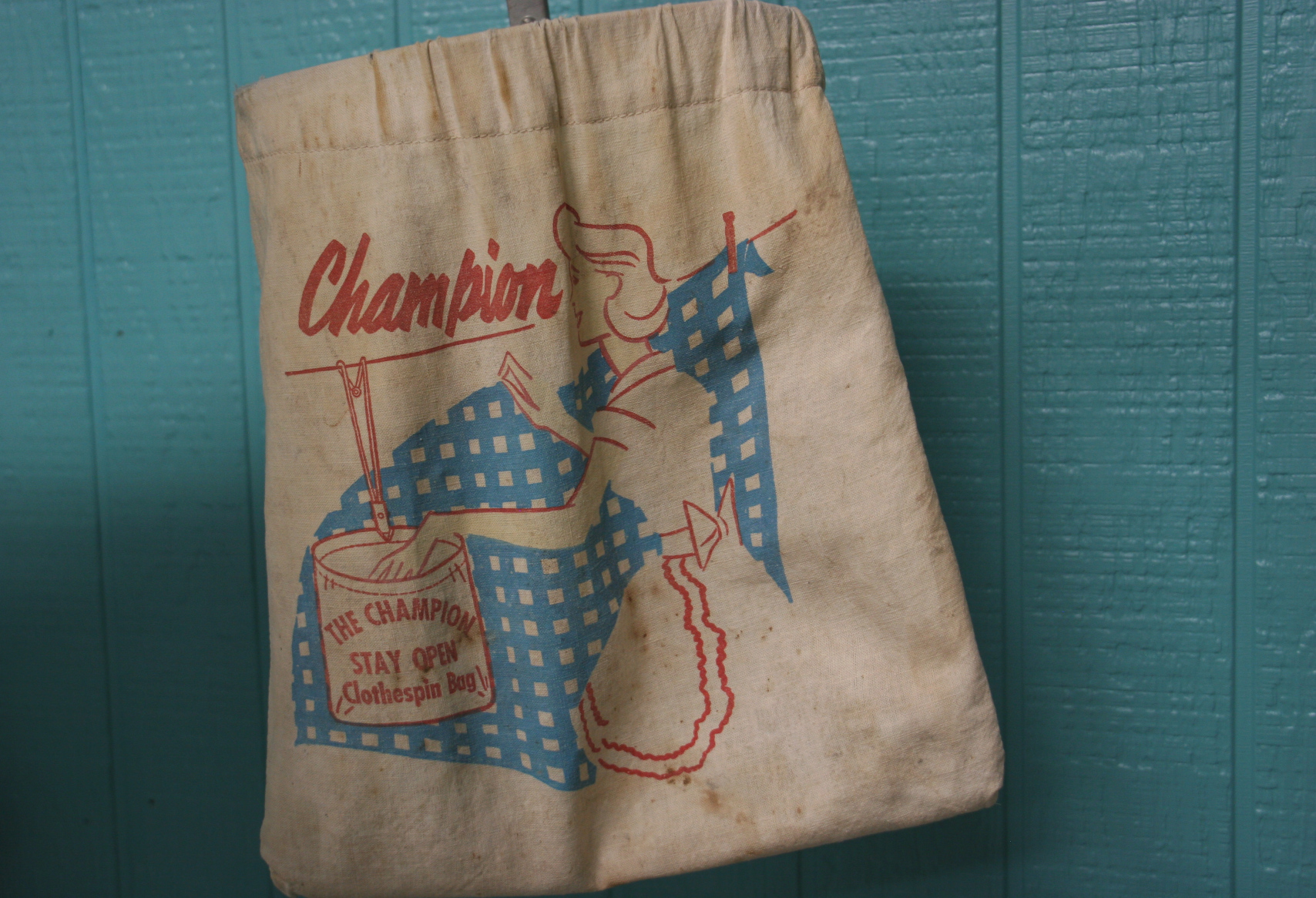
A clothes pin bag hangs in an exhibit space near my “Ode” poem, quite fitting. Visitors can turn a dial to generate “wind” blowing dish towels on a clothesline. (Minnesota Prairie Roots copyrighted photo September 2022)
finances rocked by falling corn and soybean prices.
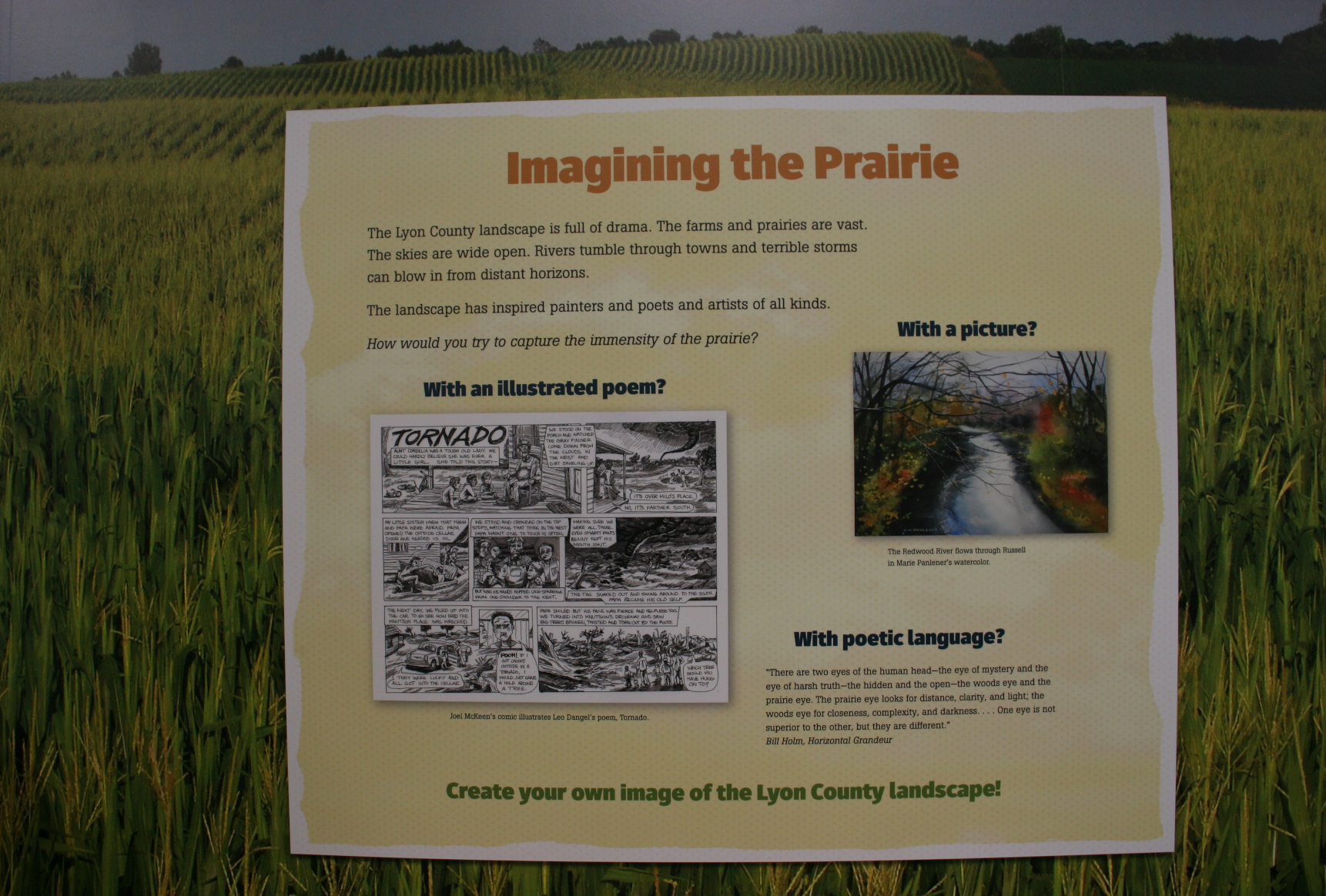
This panel honors literary and visual artists of the region. (Minnesota Prairie Roots copyrighted photo September 2022)
As I read the “Imagining the Prairie” informational panel, my gratitude to the LCHS staff, volunteers and Museology Museum Services of Minneapolis (lead contractor for the exhibit) grew. I appreciate that an entire panel focuses on the arts: The Lyon County landscape…has inspired painters and poets and artists of all kinds. I’ve long thought that as I see the prairie influence in my writing and photography. Farms, vast prairies, wide skies and tumbling rivers define the landscape of southwestern Minnesota.
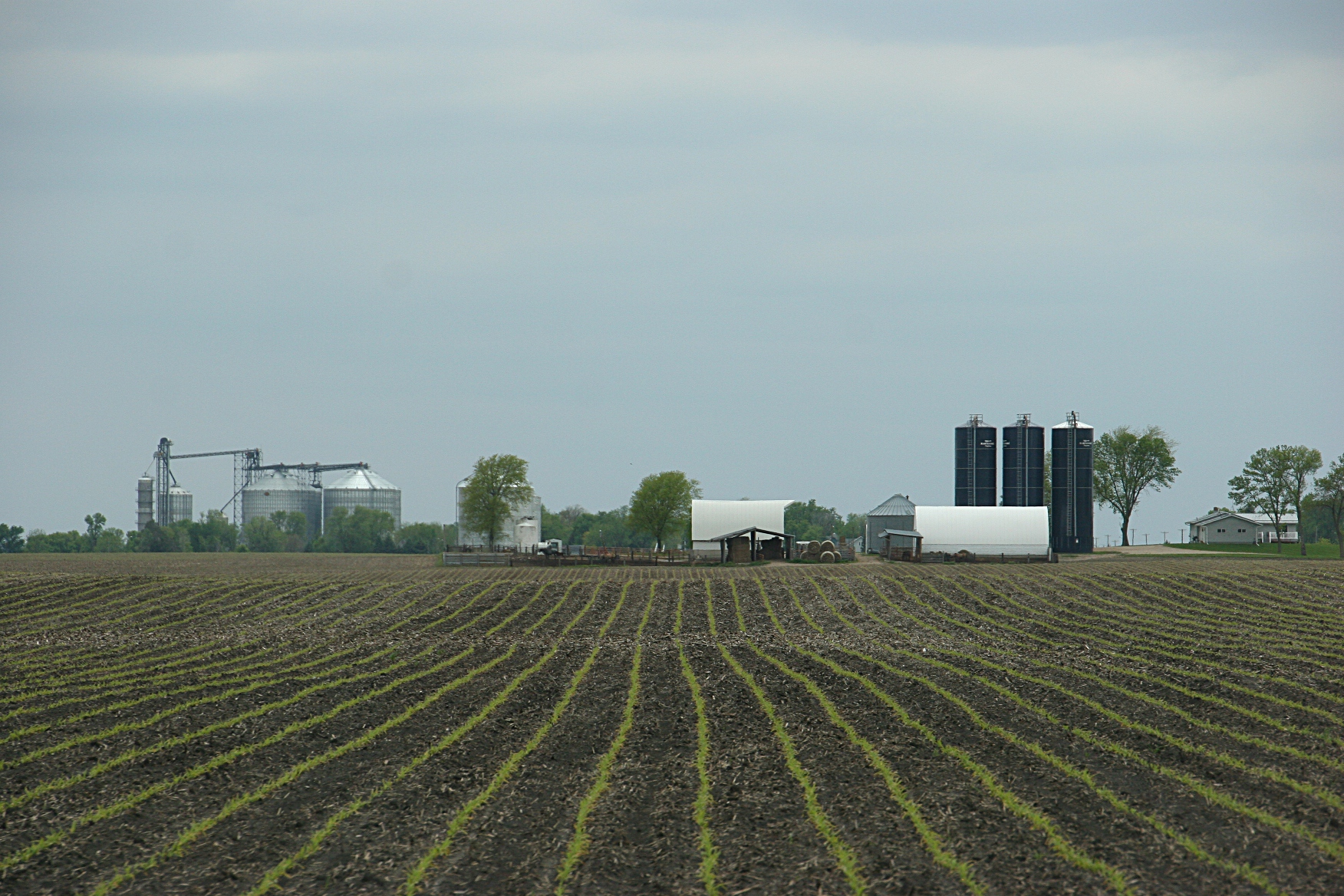
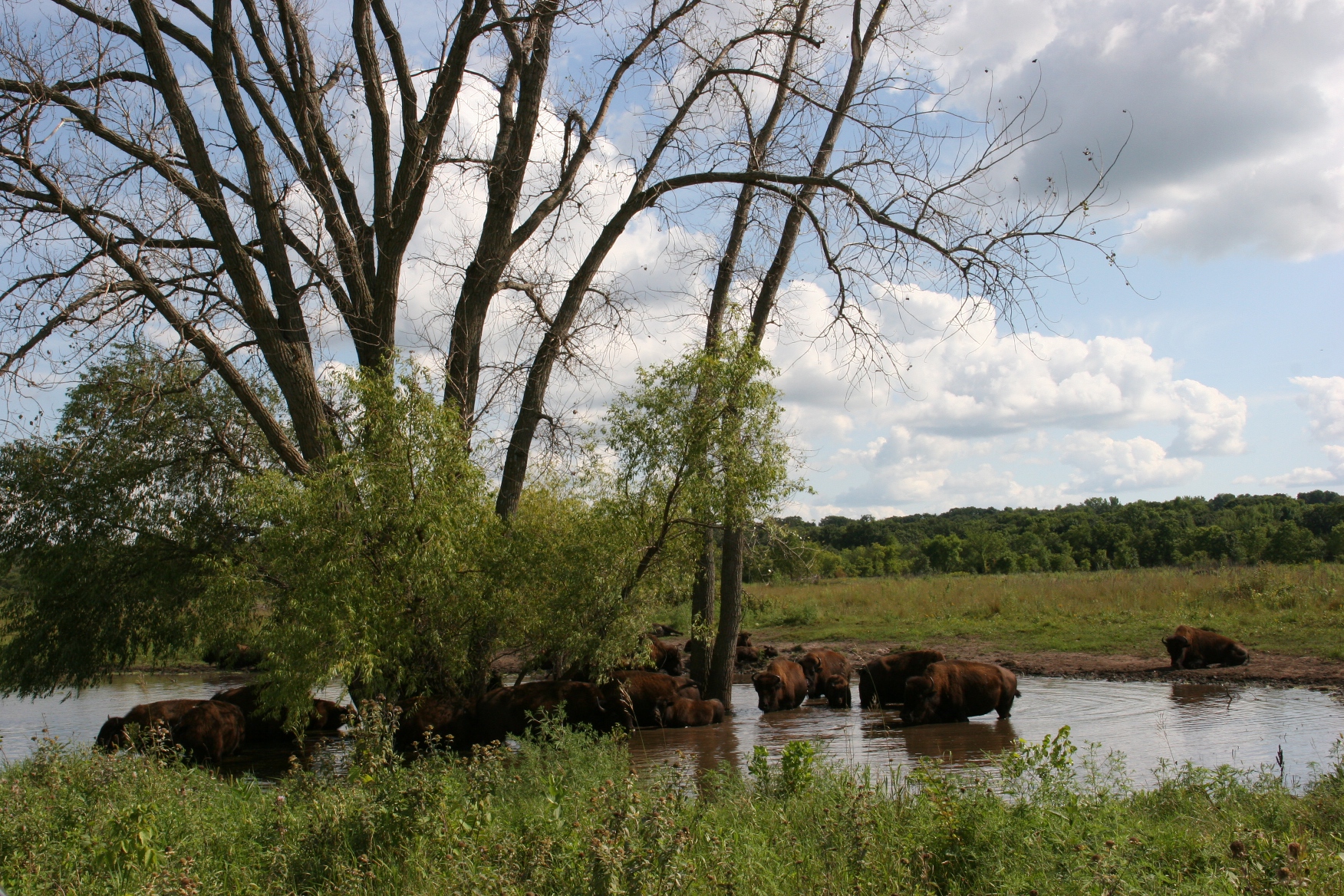
Corn rows emerge in a field near Delhi in southwestern Minnesota. (Minnesota Prairie Roots copyrighted file photo)
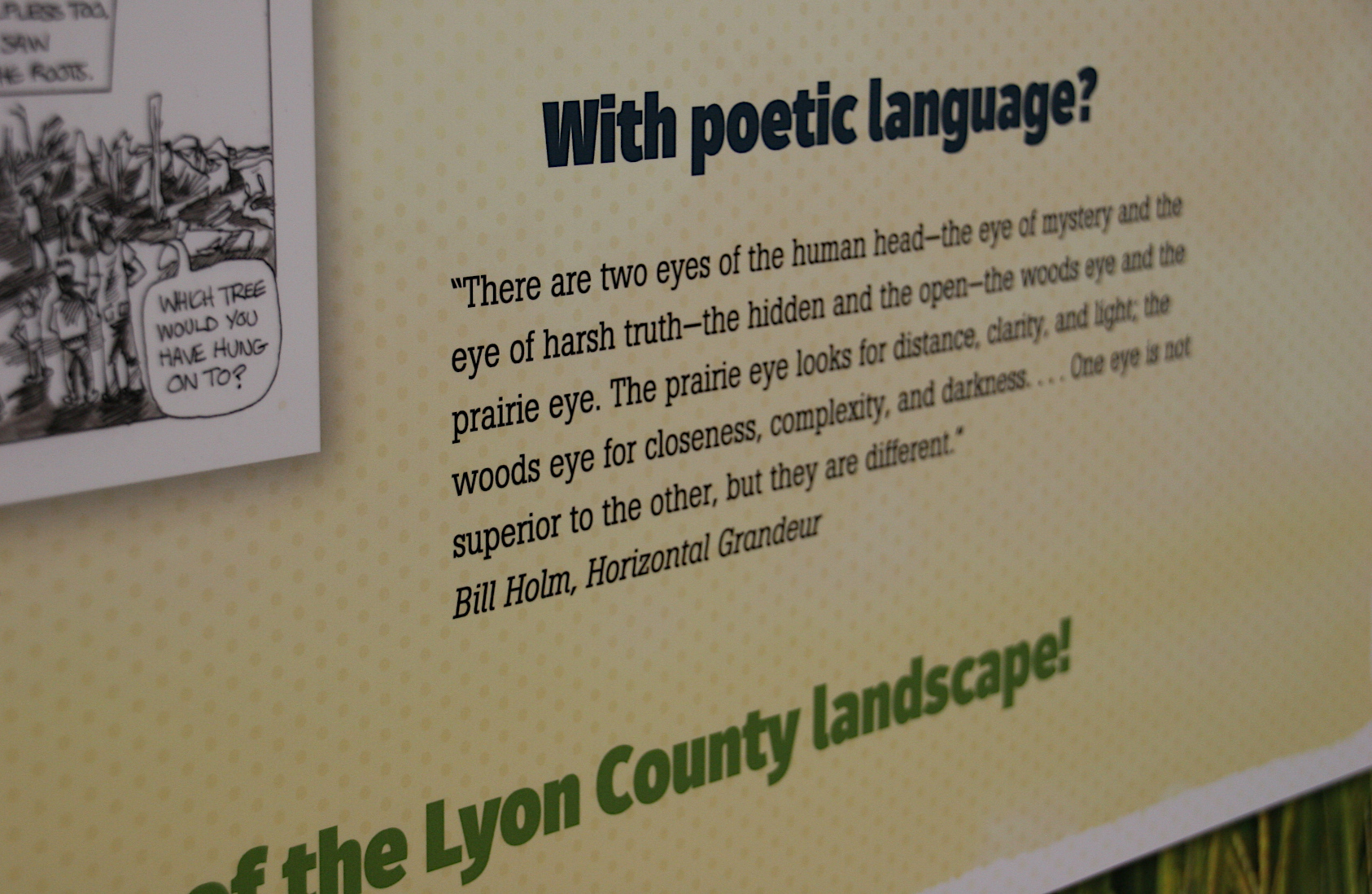
A fitting quote from Bill Holm. (Minnesota Prairie Roots copyrighted photo September 2022)
A quote from poet, essayist and musician Bill Holm of nearby Minneota, summarizes well the lens through which we prairie natives view the world and the creative process. The prairie eye looks for distance, clarity, and light…
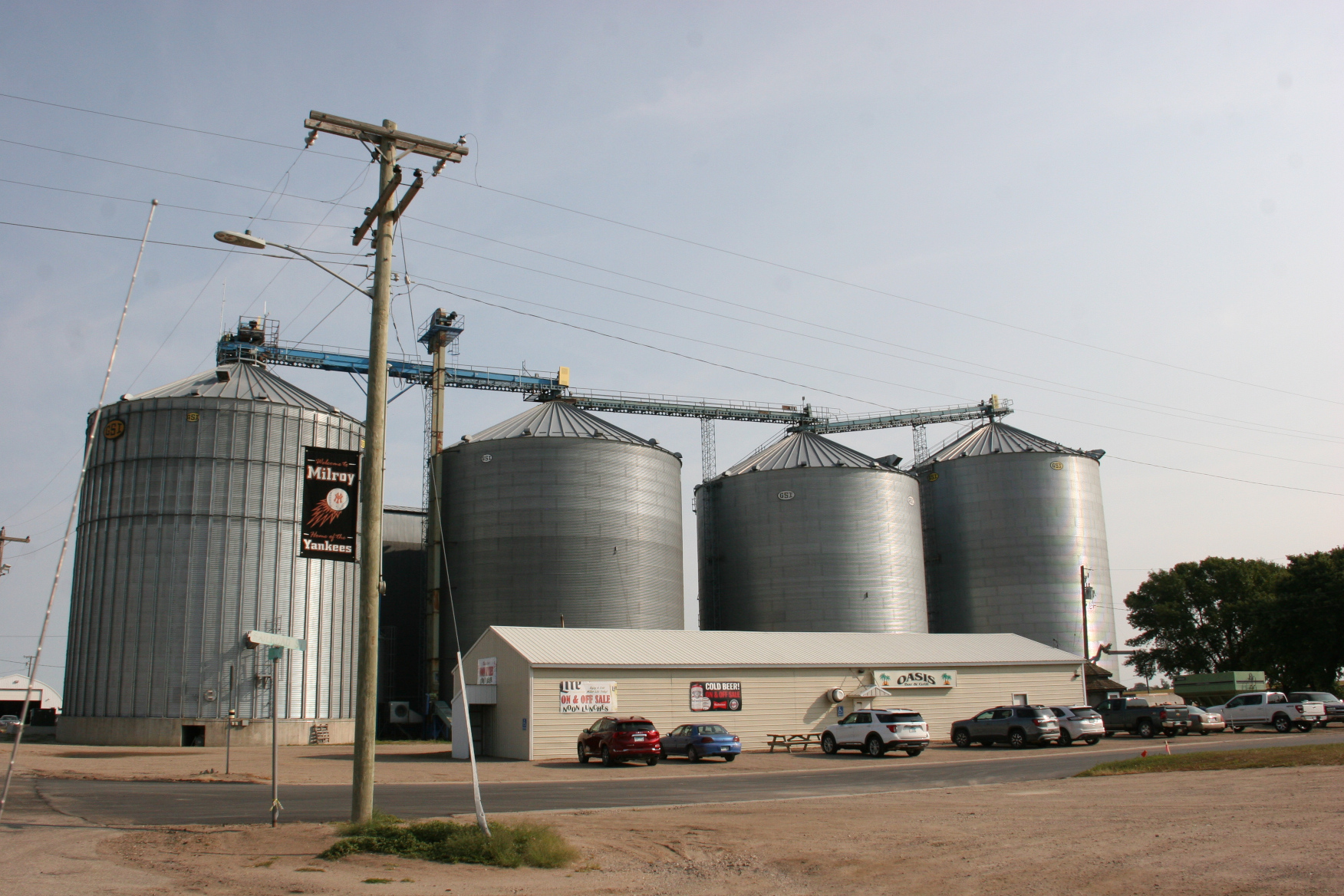
A grain complex and the Oasis Bar & Grill in Milroy, near Marshall. (Minnesota Prairie Roots copyrighted photo September 2022)
Holm, who died in 2009, was among southwestern Minnesota’s best-known writers, having penned poetry and multiple books such as his popular The Heart Can Be Filled Anywhere on Earth and Boxelder Bug Variations. His boxelder bug book inspired his hometown to host an annual Boxelder Bug Days, still going strong.
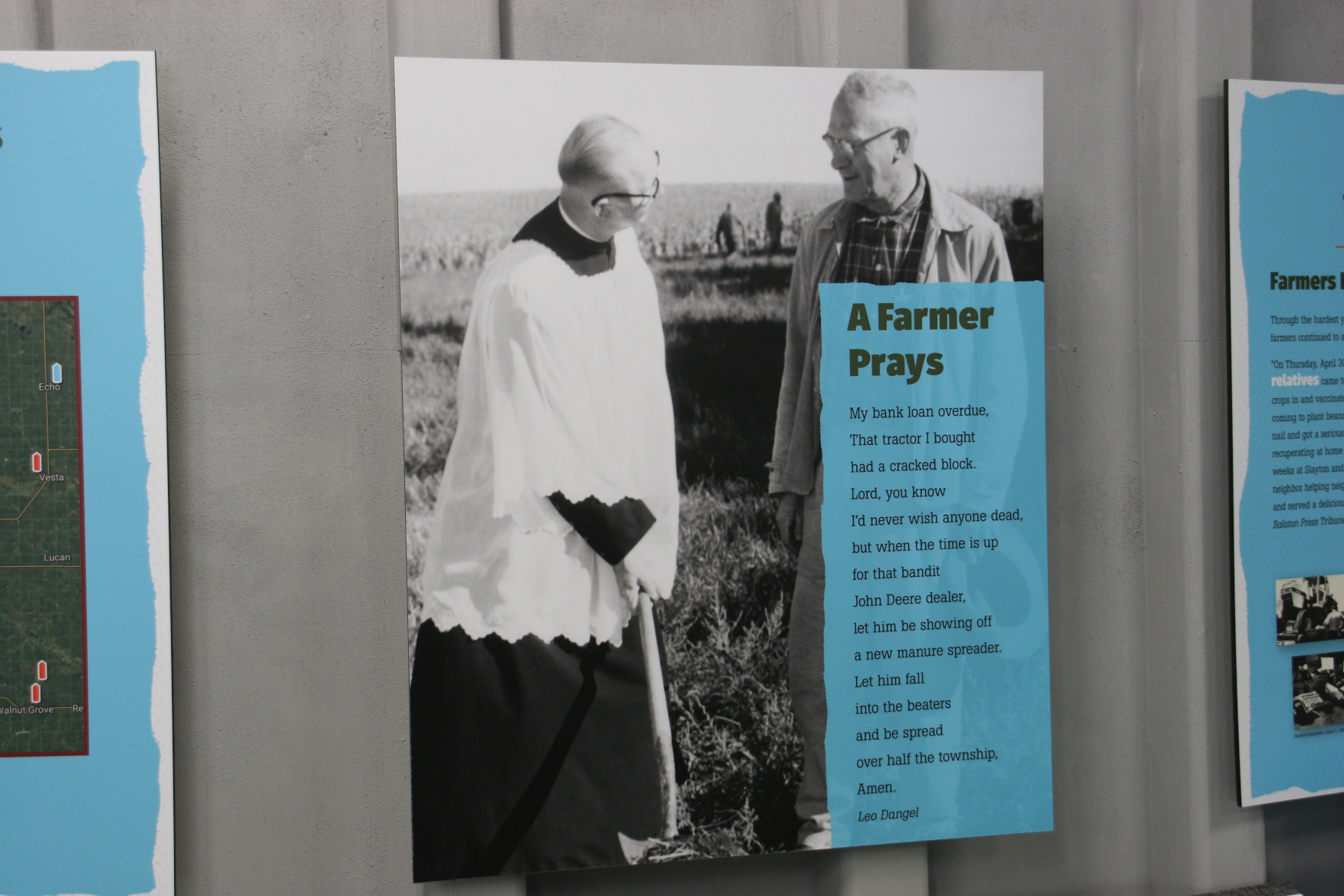
Poetry by Leo Dangel in the ag-focused part of the exhibit. (Minnesota Prairie Roots copyrighted photo September 2022)
To see my poems featured alongside the work of gifted writers like Holm and equally-talented poet Leo Dangel in the “Making Lyon County Home” exhibit was humbling. Dangel, who died in 2016, wrote six collections of poetry. The prairie and rural influence on his work show in the featured poems, “A Farmer Prays,” “A Clear Day,” and “Tornado.”
My poem honoring my mom… (Minnesota Prairie Roots copyrighted photo September 2022)
Both men taught English at Southwest Minnesota State University in Marshall, reaffirming their devotion to this rural region and to the craft of writing. The exhibit includes a section on the university, which opened in 1967 within 10 years of my leaving the area to attend college in Mankato. I sometimes wonder how my writing would have evolved had I stayed and studied on the prairie.
A serene country scene just north of Lamberton in southern Redwood County, which is right next to Lyon County. (Minnesota Prairie Roots copyrighted file photo)
When I returned to Marshall for the first time in 40 years, nothing about the town seemed familiar. Time has a way of changing a place. But when I reached the top floor of the county museum, saw my poems and began to peruse the “home” exhibit, I felt like I was back home. Back home on the prairie, among cornfields and farm sites and grain elevators and all those small towns that dot the landscape. Back home under a wide prairie sky with land stretching beyond my vision. Back home where I understand the people. Back home in the place that influenced my writing as only the prairie can for someone rooted here.
#
Please check back for more posts featuring the Lyon County Museum and the area.
MINNESOTA SEEMS, TO ME, a hotbed for writers. And five days ago we lost one of our most beloved, Howard Mohr. He was perhaps best-known for his wildly popular, at least in Minnesota, book, How to Talk Minnesotan: A Visitor’s Guide, published in 1987. The book was later updated and adapted into an equally popular musical.
Many years have passed since I read my copy of this entertaining, humorous, and, yes, truthful, summary of Minnesota life. In honor of Mohr, who died September 4 of Parkinson’s at Fieldcrest Assisted Living in Cottonwood, I pulled my book from the shelf and reread it.
A corn field in southwestern Minnesota. (Minnesota Prairie Roots copyrighted file photo)
That Mohr, 83, recently moved from his Lyon County farm home of 52 years to a facility called Fieldcrest seems especially fitting. He lived in farming country, my native southwestern Minnesota, the place of small towns defined by grain elevators and land defined by fields of corn and soybean. He understood the people and place of the prairie. So when I read the sentence in his book declaring the produce of Minnesota writers to be as valuable as a crop of soybeans and corn, I felt he nailed it.
A harvested field and farm site in my native Redwood County, Minnesota, where the land and sky stretch into forever. (Minnesota Prairie Roots copyrighted file photo)
I’ve long celebrated writers rooted in the prairie like Mohr, Bill Holm, Robert Bly, Frederick Manfred, Leo Dangel… My friend Larry Gavin of Faribault, too, poet and writer who studied under those writers and lived for 15 years on the prairie. Some shared their knowledge, their talents, by teaching at Southwest Minnesota State University in Marshall. That’s near Cottonwood. Mohr taught English at Southwest State. He also penned Minnesota Book of Days, How to Tell a Tornado (poetry and prose) and wrote for “A Prairie Home Companion,” also appearing on the show.
A serene country scene just north of Lamberton in southern Redwood County. (Minnesota Prairie Roots copyrighted file photo)
I’m most familiar with How to Talk Minnesotan. The content reflects my rural upbringing. The dairy and crop farm of my youth lies a mere 15 miles to the south and east of Cottonwood, thus rereading Mohr’s book is like traveling back home, a reminder of that which defines me as a native of rural Redwood County. Even after nearly 40 years of living in Faribault, in town, I still call the noon-time meal “dinner” and the evening meal “supper.” My adult kids don’t, so I/they, always clarify when invitations are extended to a meal. To me “lunch” will always come mid-afternoon or in the evening before guests leave.

This huge, hard-as-rock snowdrift blocked our Redwood County farm driveway in this March 1965 photo. I’m standing next to my mom in the back. (Minnesota Prairie Roots copyrighted file photo)
Mohr’s references to the noon whistle, Jell-O (once popular, not so much now) winter survival kits, snowbirds (those who leave Minnesota in the winter and return in the spring), hotdish (casserole), pancake feeds, seed corn caps, lutefisk, Lutherans, bullheads (smaller versions of catfish), the “long goodbye” all resonate. I especially understand his point that Minnesotans are obsessed with the weather. We are.
Bars made by Lutherans. ( Minnesota Prairie Roots copyrighted file photo)
Some 10-plus years ago, when my now son-in-law moved to Minnesota from Los Angeles after falling in love with my eldest daughter, I gifted him with Mohr’s How to Talk Minnesotan. I figured this would help him adjust to our language and state. Whether it did or didn’t, I don’t know. But Marc hasn’t moved back to his native California. And he never commented on Mohr’s statement that Californians struggle to adapt to life in Minnesota. Marc fits in just fine. I do recall, though, his comment on “bars,” a word with duo meaning here in our state. “Bars” are both a place to gather and drink alcohol and a baked or unbaked sweet treat (made with lots of sugar and often topped with chocolate) pressed or spread into a 9 x 13-inch cake pan.
Maybe I really ought to make a pan of bars, cut them into squares, plate and serve them with coffee for “a little lunch” as a way to honor Howard Mohr, writer, satirist, humorist. He yielded a mighty fine crop of writing.
FYI:I encourage you to read Mohr’s obituary by clicking here. Be sure to read the insightful and loving comments. And if you haven’t read How to Talk Minnesotan, do. If you’re Minnesotan, it will be a refresher course in our life and language. If you’re not from here, you’ll better understand us upon reading this guide.
Looking skyward at Mission Park, where slim, towering pines are prevalent. (Minnesota Prairie Roots copyrighted photo July 2022)
MISSION PARK IN MISSION TOWNSHIP, “a quiet place to be” north of Merrifield in the Brainerd lakes region, rates as a favorite hiking spot when I’m at the lake. The extended family cabin is conveniently located about two miles away.
At the end of a grassy trail, the woods open to a pollinator garden. (Minnesota Prairie Roots copyrighted photo July 2022)
I enjoy walking here along the 3/4-mile paved trail that winds primarily through the woods. Grassy paths are another option, but I typically keep to the hard surface, with one exception. That deviation is the grassy route leading to an open field Pollinator Habitat.
Milkweeds fill the prairie garden. (Minnesota Prairie Roots copyrighted photo July 2022)
A dragonfly clings to a stalk. (Minnesota Prairie Roots copyrighted photo July 2022)
I’ve always loved the dusky hue of the milkweed flower. (Minnesota Prairie Roots copyrighted photo July 2022)
Last trip to the cabin in early July, Randy and I discovered the field of milkweeds and other pollinator-attracting plants pulsing with dragonflies. I’ve always delighted in dragonflies—how they flit, their translucent wings beautiful to behold.
Dragonflies up close are a study in intricacy and beauty. (Minnesota Prairie Roots copyrighted photo July 2022)
But dragonflies also pause, giving photographers like me ample opportunity to photograph them up close. To see and capture details of webbed wings, of hairy legs, of bulging eyes…proves rewarding, amazing, wondrous. This insect is so intricate.
The lone Monarch caterpillar I spotted. (Minnesota Prairie Roots copyrighted photo July 2022)
I noticed, too, a chunky Monarch caterpillar descending a milkweed stalk. Milkweed is a host plant of the caterpillar which will eventually form a chrysalis and later emerge as a Monarch butterfly, now considered an endangered species.
A wide view of the Pollinator Habitat. (Minnesota Prairie Roots copyrighted photo July 2022)
Days later, I led the way back to the Pollinator Habitat to show my granddaughter, her little brother and parents the dragonfly haven. The insects were not as abundant and the crew was less than impressed, especially when Randy discovered a wood tick on his leg. Not a deer tick, but the common wood tick which I am quite familiar with as is Randy. We both grew up on farms and wood ticks were a natural part of our outdoor summer adventures.
Marc, left to right, Isaac and Randy head out of the woods. (Minnesota Prairie Roots copyrighted photo July 2022)
The six of us quickly exited the pollinator patch right after Randy’s revelation, which he should have kept to himself.
Every time I’m here, I discover a different fungi in the woods. (Minnesota Prairie Roots copyrighted photo July 2022)
I had hoped to walk along the paved trail to show everyone the massive orange mushroom I spotted previously. But, instead, we headed back to the park’s main recreational area.
The grandkids loved the new playground equipment. (Minnesota Prairie Roots copyrighted photo July 2022)
Mission Park offers plenty of play space for those who prefer to stay off grassy trails into the woods. Like new playground equipment.
A spacious pavilion among the pines, next to the playground, provides a place to gather. (Minnesota Prairie Roots copyrighted photo July 2022)
Other recreational options abound with several pickleball courts, disc golf, a ball field, tennis courts, horseshoe pits and volleyball courts. A pavilion offers shelter for outdoor dining. Noticeably missing are bathrooms. There are outhouses, though, with which I am also familiar having used one for the first 11 years of my life.
Thistles flourish in the Pollinator Habitat. (Minnesota Prairie Roots copyrighted photo July 2022)
I appreciate the forward thinking of the good folks of Mission Township who, in 1959, purchased 39 acres for $1 with the intent of maintaining the natural beauty of the land and making it available for recreational use.
Ferns, one of my favorite plants, grow wild in the woods. (Minnesota Prairie Roots copyrighted photo July 2020)
This “quiet place to be” has quickly become a favorite nearby place to explore whenever I’m at Jon and Rosie’s lake cabin.
Recent Comments