Minnesota Prairie Roots

Writing and photography by Audrey Kletscher Helbling

Part I from Pleasant Grove: About those pioneer women January 24, 2017

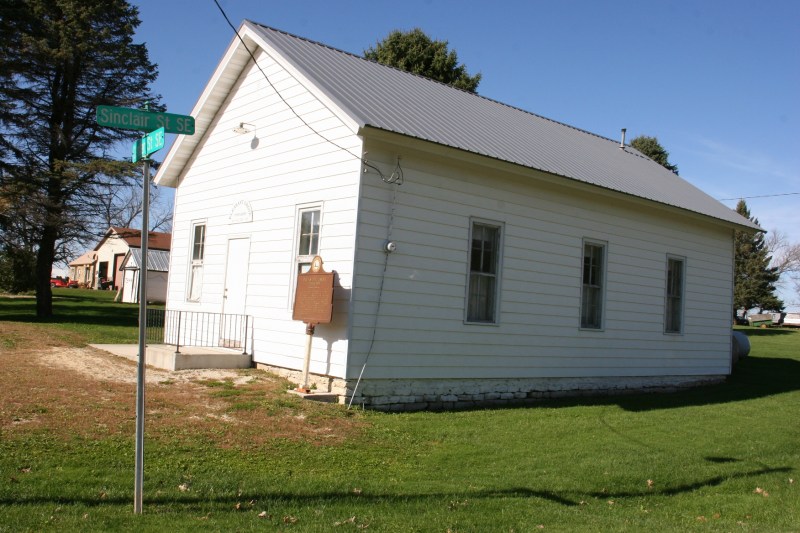
pleasant-grove-town-hall-99-historical-marker


I ALMOST CAN’T BELIEVE what I am reading:

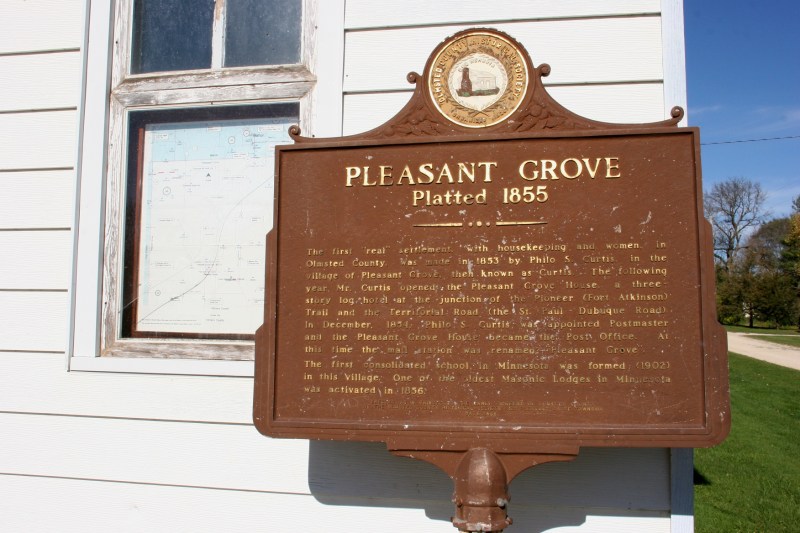
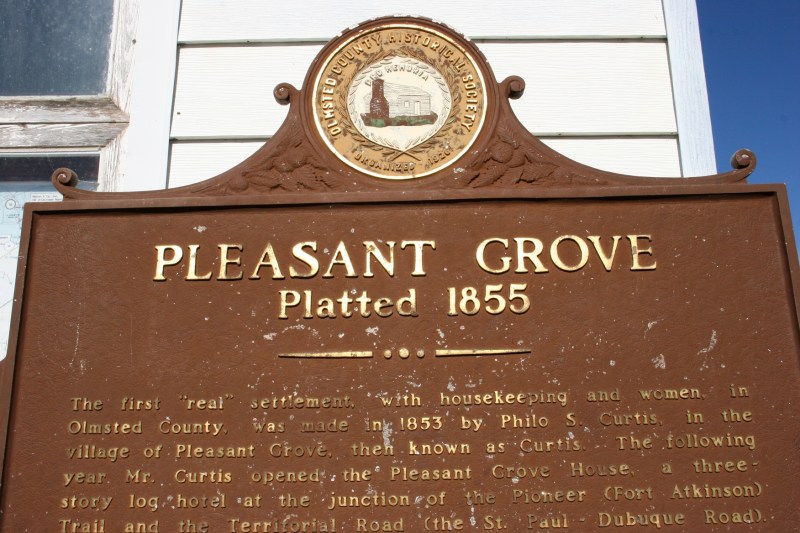
The first “real” settlement, with housekeeping and women, in Olmsted County was made in 1853 by Philo S. Curtis in the village of Pleasant Grove, then known as Curtis. The following year Mr. Curtis opened the Pleasant Grove House, a three-story log hotel at the junction of the Pioneeer (Fort Atkinson) Trail and the Territorial Road (St. Paul-Dubuque Road)…
 

pleasant-grove-town-hall-100-close-up-of-sign


Reread those first words: The first “real” settlement, with housekeeping and women


pleasant-grove-town-hall-98-side-view


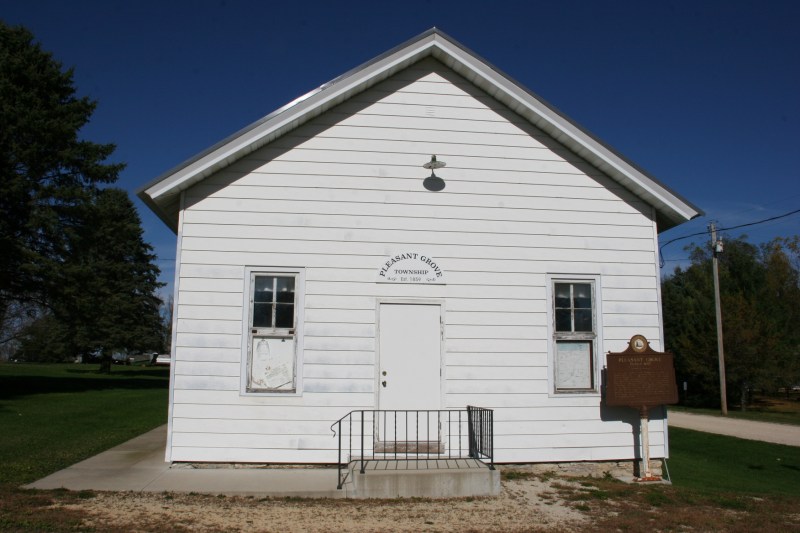
What exactly does that mean? The words are posted on a sign erected in 1966 (or maybe it was 1986 at the Pleasant Grove Town Hall; I can’t decipher the decade) by the Olmsted County Historical Society.
 

pleasant-grove-town-hall-102-ballot


Pleasant Grove, as I understand the historical marker, was the first settlement in this southeastern Minnesota County where women lived. And those women were tasked with housekeeping. (Maybe more?) Now there’s nothing wrong with either sex assuming household duties. But I’m bothered by the wording; as a woman, it just strikes me as wrong. This is, after all, 2017, not the mid 1800s. A woman ran for President. Women ran for office everywhere, even in Olmsted County. We can vote. We can march. Perhaps this could be written in a more positive way to honor the early pioneer women who settled here.
 

pleasant-grove-town-hall-103-front-of


And why were so many towns named after men? Did you catch that? Philo Curtis established the village, originally called Curtis. Thank goodness someone had the good sense to change the name to the much more pleasing Pleasant Grove.
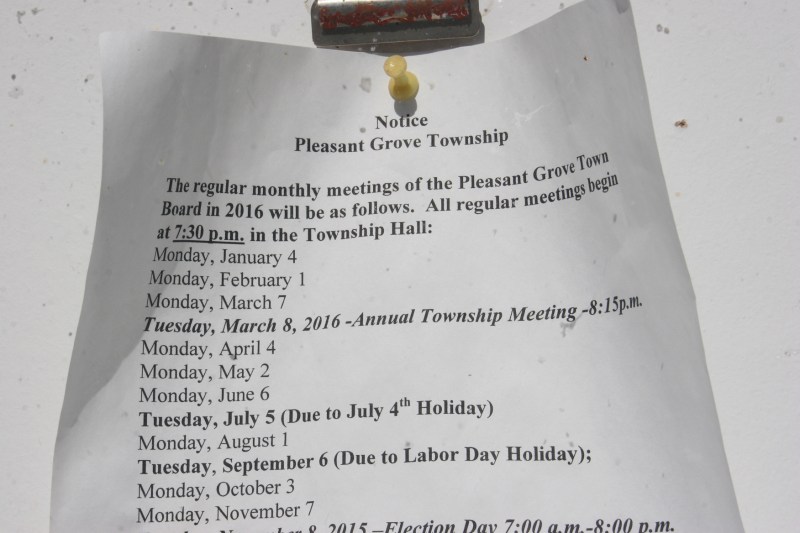
 

pleasant-grove-town-hall-101-meeting-notices


Now, if only someone would replace the weathered, nearly unreadable historical marker with something more pleasant.

TELL ME: What are your thoughts on the wording of this sign? Should it be changed? If so, what would you write? Or is it OK given the historical context?

FYI: Please check back as I bring you more discoveries from my stop in Pleasant Grove several months ago, well before winter arrived.

© Copyright 2017 Audrey Kletscher Helbling


A tree January 19, 2017

Filed under: Uncategorized — Audrey Kletscher Helbling @ 5:00 AM
Tags: , , , , , ,

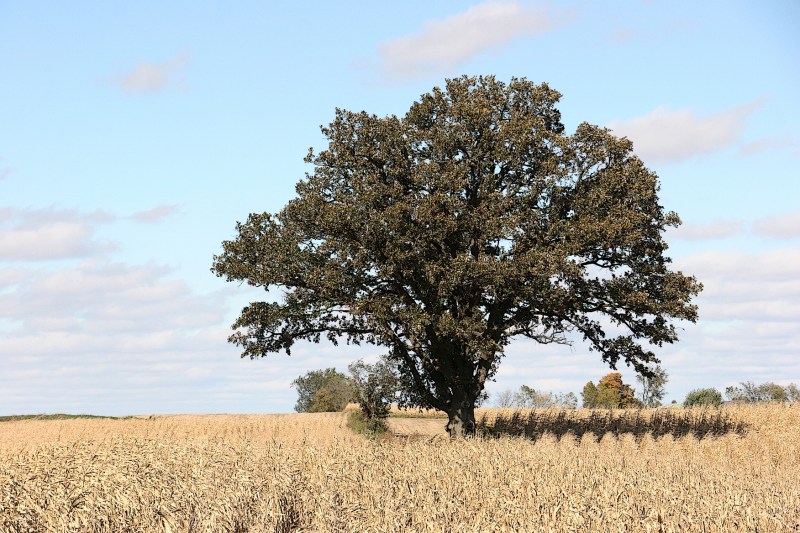
a-tree-in-a-corn-field


WHENEVER I SEE a lone tree in a field, I am grateful.

Grateful to the farmer who chose to leave it there rather than cut it down for a few more crop rows.

I am grateful for the farmer who sees beyond his pocketbook and respects the value of a tree.

Thoughts?

© Copyright 2016 Audrey Kletscher Helbling
Tree photographed on October 7, 2016, western Waseca County, Minnesota


My appreciation for small town hardware stores January 13, 2017

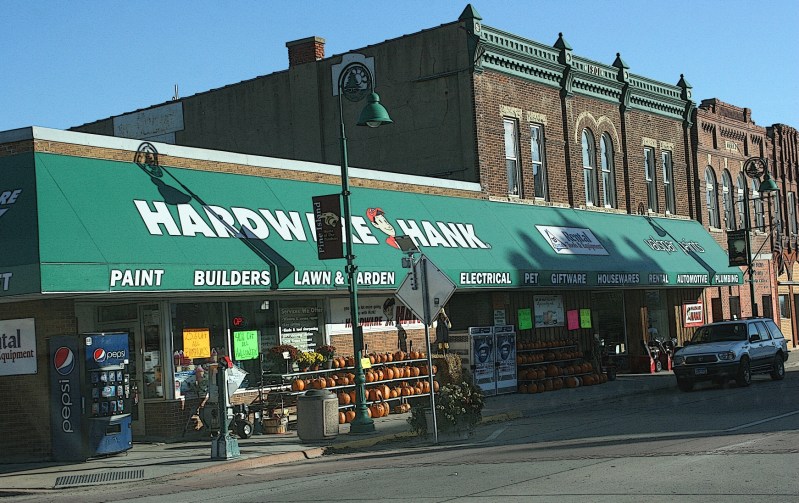
Hardware Hank, photographed in Pine Island in October.

Hardware Hank, photographed in Pine Island in October.

IF YOU GREW UP in rural Minnesota like I did, you likely hold fond memories of the local hardware store.

Two hardware stores once served my hometown of Vesta, a farming community on the southwestern Minnesota prairie. While I remember Joe Engel’s Hardware store as the place to buy rolls of perforated caps for my cap gun, my father shopped there, or a few doors down at Marquardt’s Hardware, for all his hardware needs. Like bulk nails and screws stashed in cubbies, the merchandise weighed and parceled into brown paper bags.

I remember, too, the worn wood floors, the narrow aisles, the old fashioned screen doors that banged shut.

To this day, I find myself drawn to the hardware stores that still exist in many small towns. They represent a connection to my past, to simpler days, to outstanding customer service, to a Main Street necessity. So I photograph them, usually the exteriors.

Nothing says "small town" like a hardware store, including this Hardware Hank in downtown Wabasha.

Nothing says “small town” like a hardware store, including Hill’s Hardware Hank in downtown Wabasha. Minnesota Prairie Roots file photo.

One of my hardware store images—that of Hill’s Hardware Hank in Wabasha—will soon become part of a renovated “Our World” gallery at the Minnesota Children’s Museum in St. Paul. The photo will grace signage for a mini town that includes a hardware store. Hill’s inspired the facade of the replica hardware store in which children can play. The updated exhibit opens this spring.

I am honored to have my photo displayed at the Minnesota Children’s Museum. I hope it inspires others to appreciate the value of hardware stores in rural Minnesota. They are as important today as they were when I was growing up in the 1960s. In Owatonna, Arrow Ace Hardware plans to relocate into a new and much larger space by next Christmas, more than doubling its size to some 11,000 square feet. That’s encouraging. There’s still great value in local hardware stores.

TELL ME: Do you shop in hardware stores? If yes, why? Are they still of value in today’s marketplace?  Or what are your hardware store memories? Let’s talk hardware stores.

© Copyright 2016 Audrey Kletscher Helbling


Abandoned in rural Minnesota January 12, 2017

Filed under: Uncategorized — Audrey Kletscher Helbling @ 5:00 AM
Tags: , , , , , ,

abandoned-house-truck-in-alma-city


SCENES LIKE THIS sadden me.

Why was this house abandoned? Did the owner fall ill or die? Or simply move to a better and more spacious home? Or did lack of finances factor into this abandonment? Or a personal crisis?

I wonder.

This scene in unincorporated Alma City in western Waseca County, rural Minnesota, is all too familiar. Houses that once sheltered families stand deserted, paint peeling, wood softening to a weathered grey.

What stories does this house hold? What memories were made here? Does anyone care that this house is no longer a home?

And what about that rusting truck? What routes did it travel? Back county roads, gravel roads, field drives? Perhaps to the hardware store, the grain elevator, a local cafe.

Who steered the wheel of this GMC? Perhaps a farmer or a retired farmer.

All these things I ask because my mind works that way. Inquisitive, ranging around thoughts, always wondering.

TELL ME: What short story would you write about this scene?

Note: This image was taken in October, well before winter arrived in Minnesota.

© Copyright 2017 Audrey Kletscher Helbling
 

Southwestern Minnesota: The place of my heart, in images & words December 6, 2016

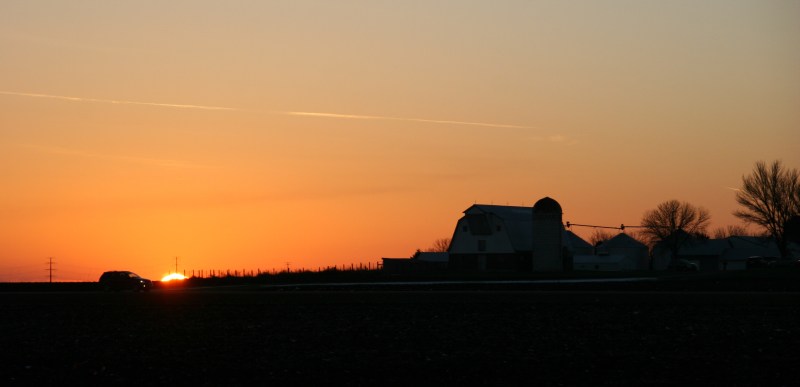
I shot this rural farmsite/sunset scene while traveling along Minnesota State Highway 67 between Redwood Falls and Morgan.

I shot this rural farmsite/sunset scene while traveling along Minnesota State Highway 67 between Redwood Falls and Morgan.

OFTENTIMES IT TAKES LEAVING a place to appreciate it.

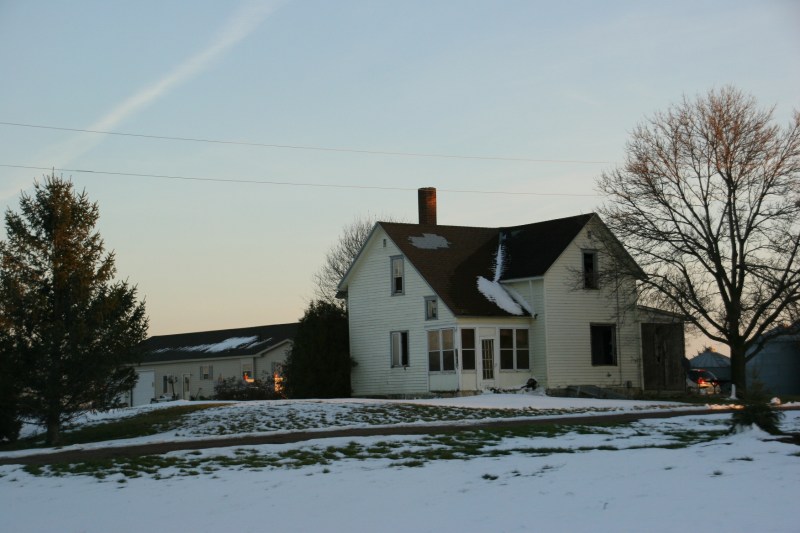
A farmhouse along Minnesota State Highway 19 in Redwood County near my hometown of Vesta.

A farmhouse along Minnesota State Highway 19 in Redwood County near my hometown of Vesta.

There are days when I miss my native southwestern Minnesota prairie with an ache that lingers. I long for wide open space and forever skies,

The grain elevator in Morgan.

The grain elevator in Morgan in eastern Redwood County.

for farm fields and familiar grain elevators,

This gravel road connects to Minnesota State Highway 19 between Vesta and Redwood Falls.

This gravel road connects to Minnesota State Highway 19 between Vesta and Redwood Falls.

for gridded gravel roads

A prairie sunset photographed from Minnesota State Highway 67 between Redwood Falls and Morgan.

A prairie sunset photographed from Minnesota State Highway 67 between Redwood Falls and Morgan.

and flaming sunsets. And quiet.

Sure, I could drive into the country here in southeastern Minnesota and see similar sites. But it’s not the same. This is not my native home, the place that shaped me. Although decades removed, I shall always call the prairie my home.

Minnesota State Highway 67, one of the roadways leading "home."

Minnesota State Highway 67, one of the roadways leading “home.”

With family still living in southwestern Minnesota, I return there occasionally. And that, for now, is enough. I drink in the scenery like gulping a glass of cold well water tasting of iron and earth. I am refreshed, renewed, restored.

This lone tree along Minnesota State Highway 19 near the Belview corner has been here as long as I can remember.

This lone tree along Minnesota State Highway 19 near the Belview corner has been here as long as I can remember.

I need to view the prairie, to walk the soil, to reclaim my roots. I need to see the sunsets, to breathe in the scent of freshly-mown alfalfa, to watch corn swaying in the breeze, to observe snow drifting across rural roadways, to feel the bitter cold bite of a prairie wind.

A farmer guides his John Deere tractor along Minnesota State Highway 67 near Morgan.

A farmer guides his John Deere tractor along Minnesota State Highway 67 near Morgan.

There are those who dismiss this region as the middle-of-nowhere. It’s not. It’s a place of community, of good hardworking people, of Saturday night BINGO and Sunday morning worship services. It’s lines at the grain elevator and fans packing bleachers at a high school basketball game. It’s acres of corn and soybeans in the season of growth and tilled black fields in the time between. This place is somewhere to those who live here. And to those of us who were raised here.

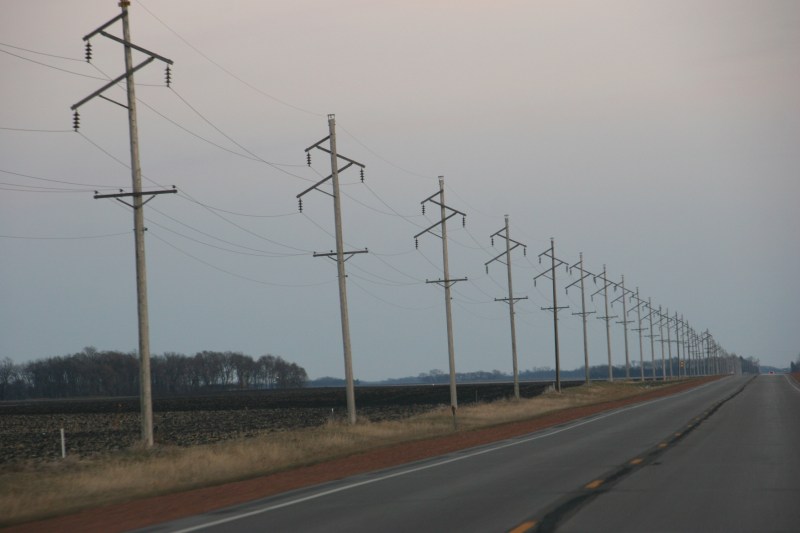
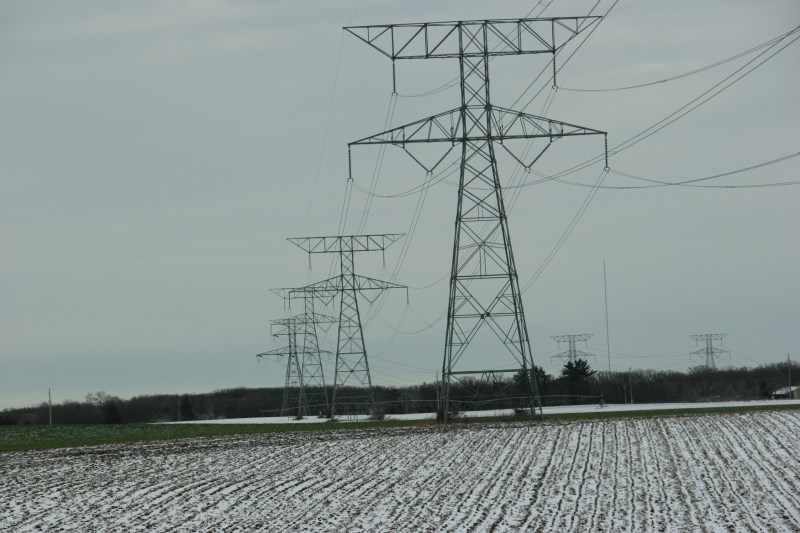
Every trip back along Minnesota State Highway 67, I am drawn to photograph the electrical lines that stretch seemingly into forever.

Every trip back along Minnesota State Highway 67, I am drawn to photograph the electrical lines that stretch seemingly into forever.

For me, this land, this prairie, shall always be home.

© Copyright 2106 Audrey Kletscher Helbling
 

In which I see that, yes, winter really has arrived in Minnesota November 22, 2016

Filed under: Uncategorized — Audrey Kletscher Helbling @ 9:08 AM
Tags: , , , , , , , , , , , ,
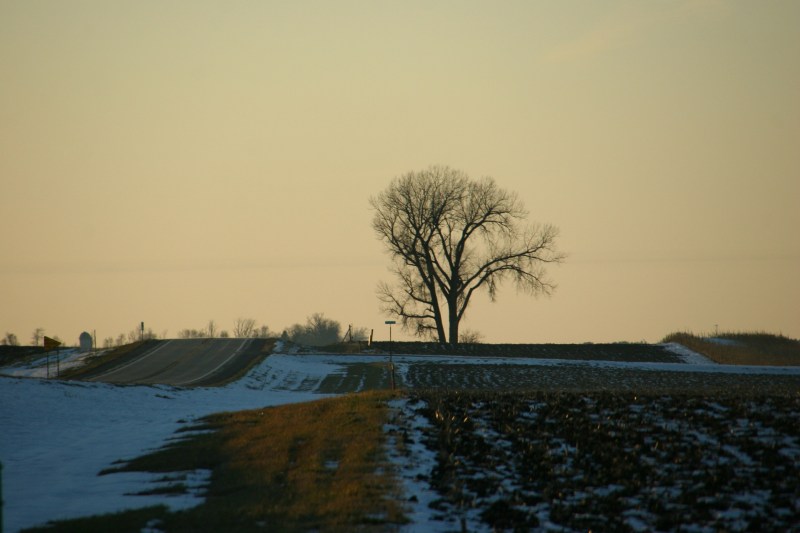
A scene along Minnesota State Highway 23 between Foley and St. Cloud on Sunday afternoon.

A scene along Minnesota State Highway 23 between Foley and St. Cloud on Sunday afternoon, after the sun emerged from grey skies.

THE FIRST SNOWFALL of the season always arrives with considerable hoopla here in Minnesota. As if we hadn’t seen snow that layers the ground in white.

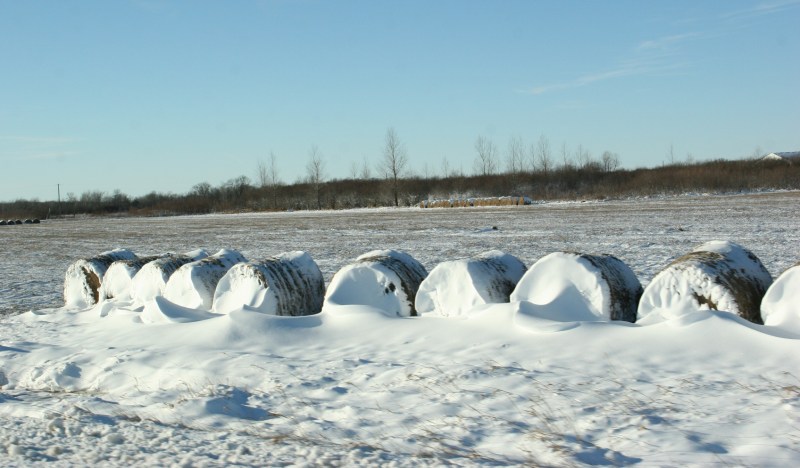
Round hay bales create a snow fence along Highway 23.

Round hay bales create a snow fence along Highway 23.

Last week, sections of my state got plenty of snow. We’re talking two feet in Leader in north central Minnesota. Mixed with high winds, blizzard conditions prevailed in many regions. Down here in the southeastern section? Only flurries. And I’m just fine with that.

Just outside of Monticello.

Just outside of Monticello.

Under grey skies on the flat land north of Monticello, snow dusts fields.

Under grey skies on the flat land north of Monticello, snow dusts fields.

However, a Sunday day trip 2.5 hours north and west of the metro took my husband and me into a snowy central Minnesota landscape.

Along Benton County Road 3 north of Gilman.

Along Benton County Road 3 north of Gilman, snow covers the rural landscape.

And, yes, I confess, I delighted in seeing snow-covered ground for the first time this winter season. There’s something about that initial snow that is magical and pure and, well, beautiful.

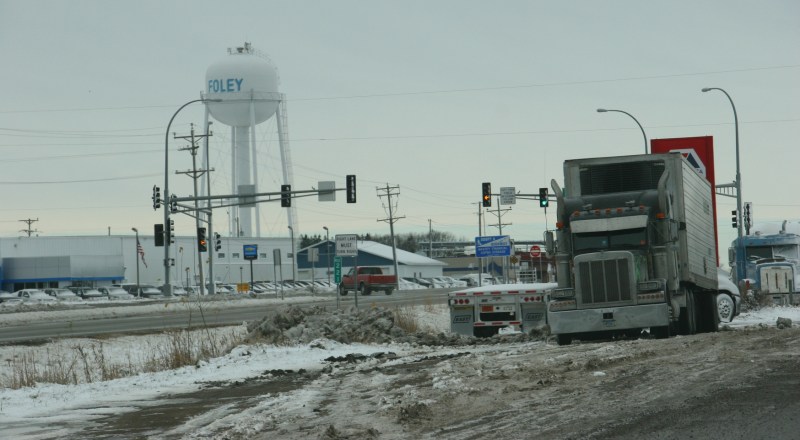
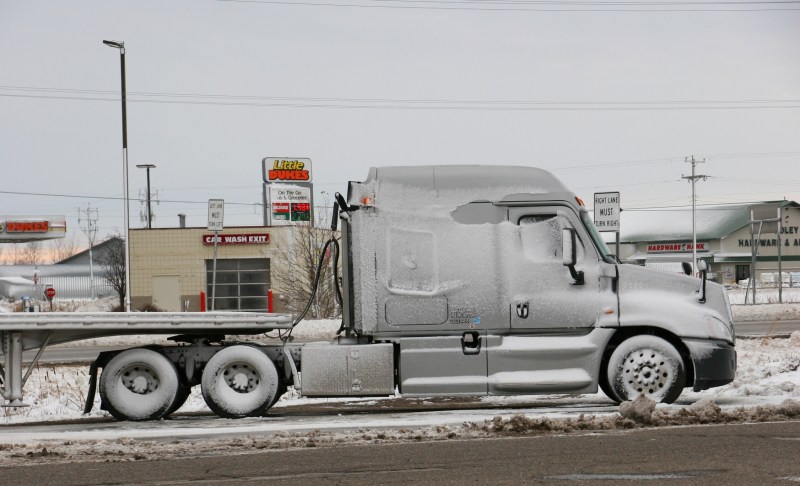
I snapped this wintry scene as we pulled into a convenience store/gas station in Foley.

I snapped this wintry scene as we pulled into a convenience store/gas station in Foley on Sunday afternoon.

This truck clearly has not moved in awhile.

This truck clearly has not moved in awhile.

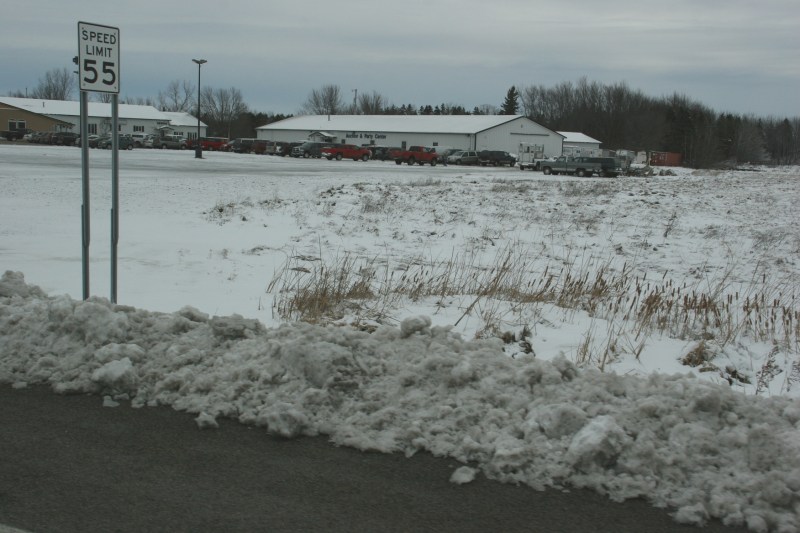
The heavy, wet snow is piled now along the roadside, here in Foley.

The heavy, wet snow is piled now along the roadside, here in Foley.

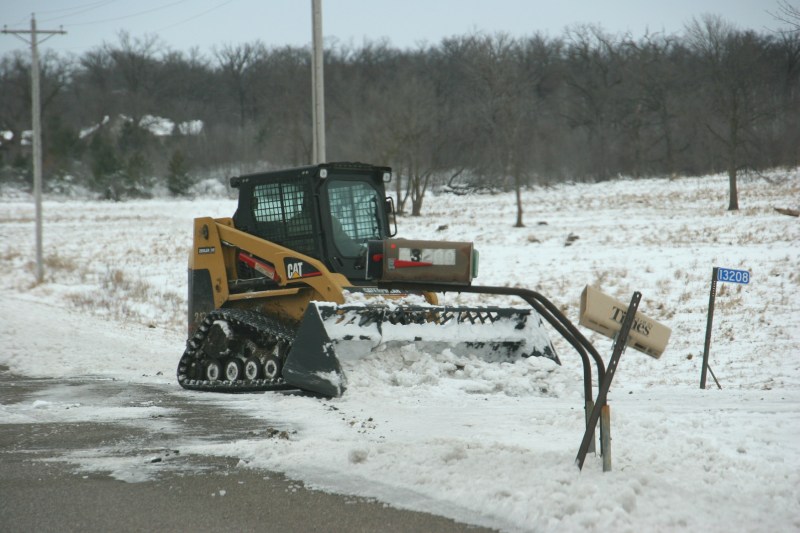
A rural resident cleans out the end of his driveway along Benton County Road 3.

A rural resident cleans out the end of his driveway along Benton County Road 3.

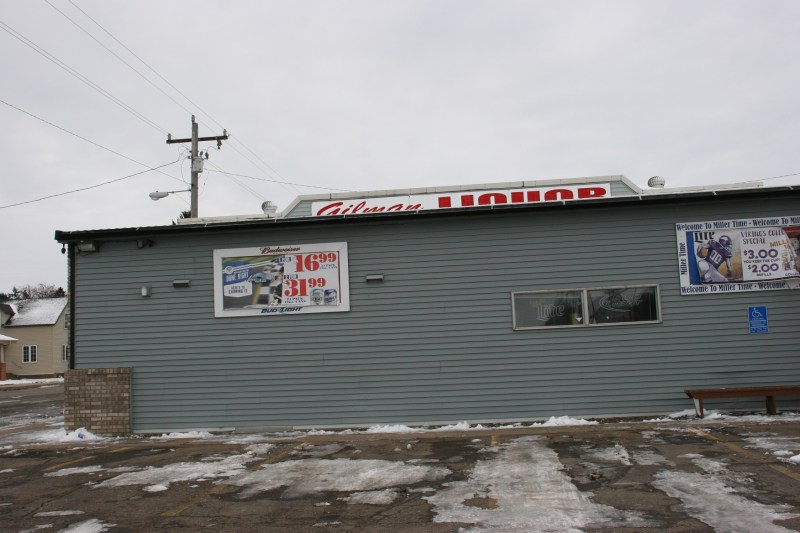
Some parking lots were treacherously icy, like this one where we turned our van around in Gilman.

Some parking lots are treacherously icy, like this one in Gilman.

As long as you don’t have to deal with the snow and ice. As long as roads are clear, which they were except for icy patches on Benton County Road 3 north of Gilman.

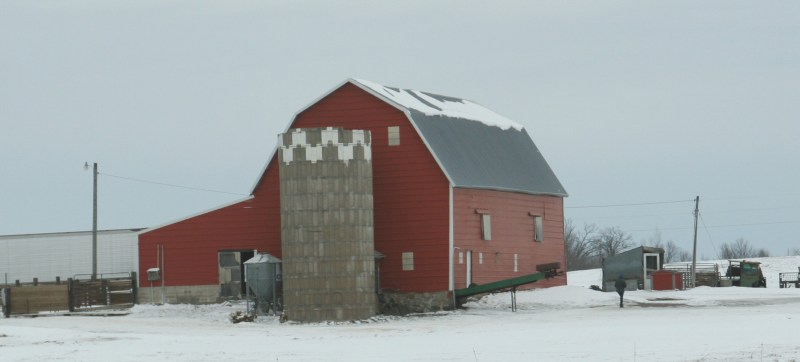
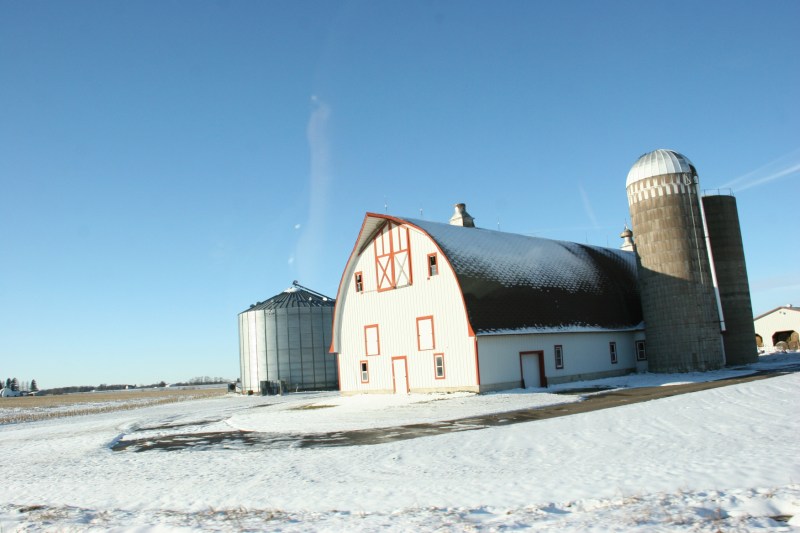
I especially appreciate the visual contrast of red barns, this one north of Gilman, against the white landscape.

I especially appreciate the visual contrast of red barns, this one north of Gilman, against the white landscape.

Everything always seems sharper, brighter on a white canvas.

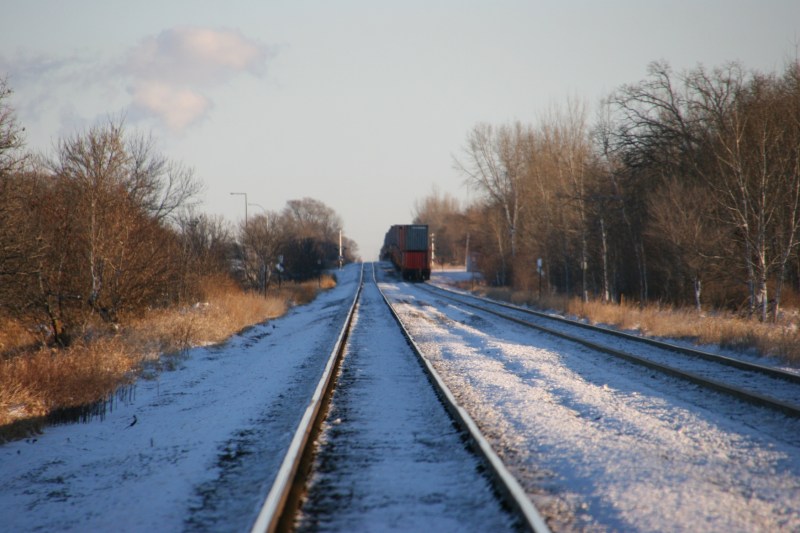
I photographed this train by the Minnesota State Correctional Facility in St. Cloud. It's heading for Clear Lake.

I photographed this train near the Minnesota State Correctional Facility in St. Cloud. It’s heading for Clear Lake.

Today brings a predicted wintry mix of precipitation to Minnesota. Rain mixed with snow, which likely will create slick roads. That type of winter weather is always unwelcome. But this is Minnesota. I should expect this.

I'm already waiting for spring, even though winter has just started. Here the same train I photographed in St. Cloud passes through Clear Lake as we all wait.

I’m already waiting for spring, even though winter has just started. Here the same train I photographed in St. Cloud passes through Clear Lake as we all wait.

But I don’t have to like it. And I don’t. Is it May yet? The novelty and excitement of seeing the first snowfall has apparently already faded for me.

© Copyright 2016 Audrey Kletscher Helbling
 

In Hayfield, Part I: Snapshots of a Minnesota farming community November 14, 2016

Filed under: Uncategorized — Audrey Kletscher Helbling @ 5:00 AM
Tags: , , , , , ,
I pulled this logo from The City of Hayfield, Minnesota, website.

I pulled this logo from The City of Hayfield, Minnesota, website.


HAYFIELD. EVEN THE NAME sounds rural. Hay. Field.


rural-mn-21-post-office-bins-in-hayfield


This Dodge County farming community of around 1,300 reminds me of my hometown, Vesta, a much smaller town of around 330 on the southwestern Minnesota prairie.


rural-mn-19-gently-used-items-window


Both are rooted in agriculture, most visually evident in the local grain elevators.


rural-mn-50-old-wagons


But it was the discovery of seemingly abandoned vintage grain wagons in Hayfield that drew my primary personal interest. I remember such wagons brimming with corn and soybeans. I remember hiding inside these empty cavities as my siblings and I played out the 1960s TV westerns we watched. Such memories.

Today I am drawn to explore small towns because they connect me to my past, to the place and the people that shaped me.


rural-mn-15-farm-repair-shop-in-hayfield


There’s something about a rural community that weaves people together through the commonality of living in the same intimate space. Lives crisscross in school hallways, in post offices, inside churches, at the bank, outside the grain elevator…in grocery stores (if a small town still has one, and Hayfield does).


hayfield-23-mia-pow-sign-on-legion


Most often, but not always, community pride runs strong. I see that in volunteer fire departments; in local Legions that, despite dwindling membership, remain open; in annual community festivals; and Friday night steak fries. Bingo, too.


rural-mn-53-hayfield-school-sign


And, especially, in the schools, if a small town is still fortunate enough to have its own school. And Hayfield does.

TELL ME: How do you define a small town and do you have a favorite?

© Copyright 2016 Audrey Kletscher Helbling
 

You know you’re in rural Minnesota when… November 3, 2016

Filed under: Uncategorized — Audrey Kletscher Helbling @ 5:00 AM
Tags: , , , , , , ,

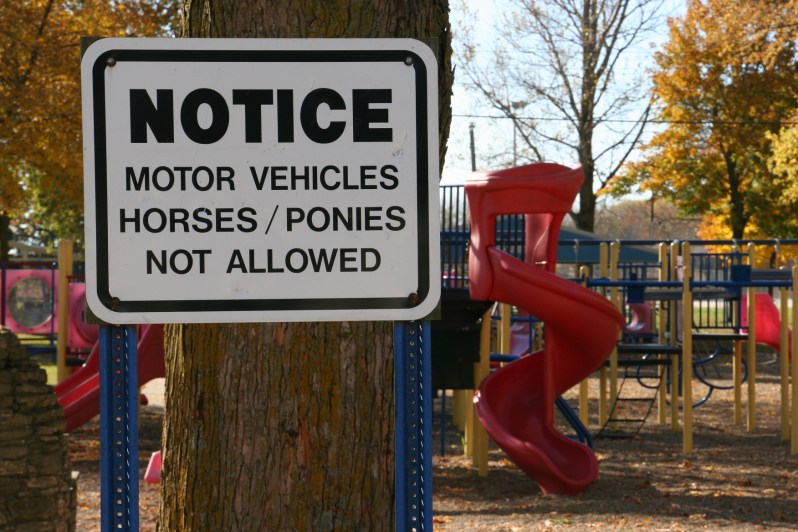
rural-mn-52-no-horses-or-ponies-sign


…you discover a sign like this at a city park.

I photographed this at Earl B. Himle Memorial Park in Hayfield, Minnesota, population around 1,300. Credit goes to my husband for spotting the sign.

Check back as I bring you a three-part series of posts from Hayfield.

© Copyright 2016 Audrey Kletscher Helbling
 

Observing the Minnesota harvest October 25, 2016

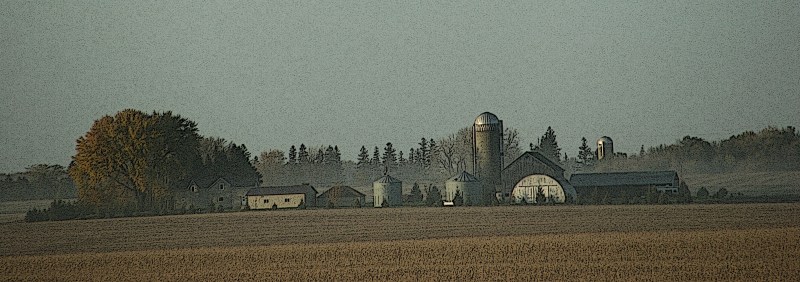
A farm site between Kenyon and Faribault.

A farm site between Kenyon and Faribault.

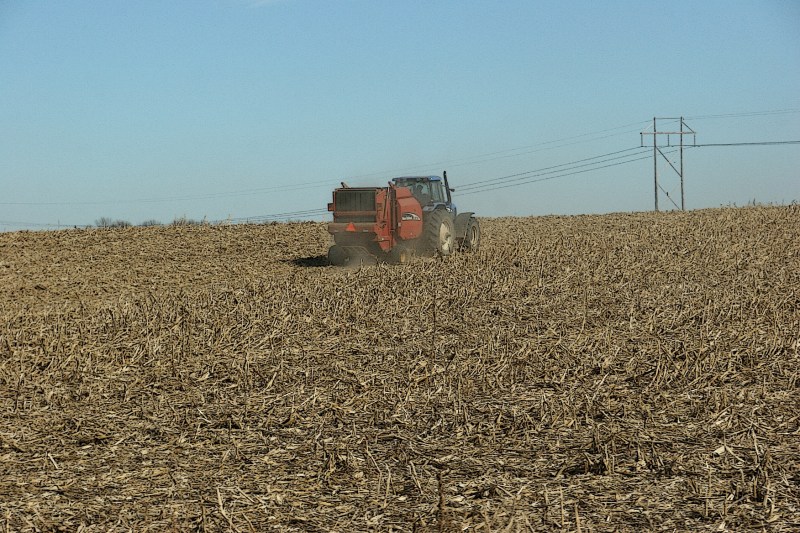
ALONG GRAVEL ROADS and across fields, farm machinery kicked up dust, shrouding rural southeastern Minnesota in pockets of hazy grey.

Somewhere southeast of rochester.

Somewhere southeast of Rochester.

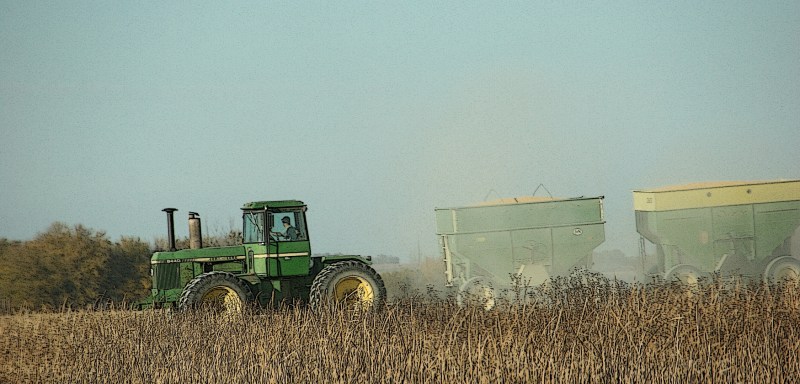
Dust sometimes trailed plumes behind tractors.

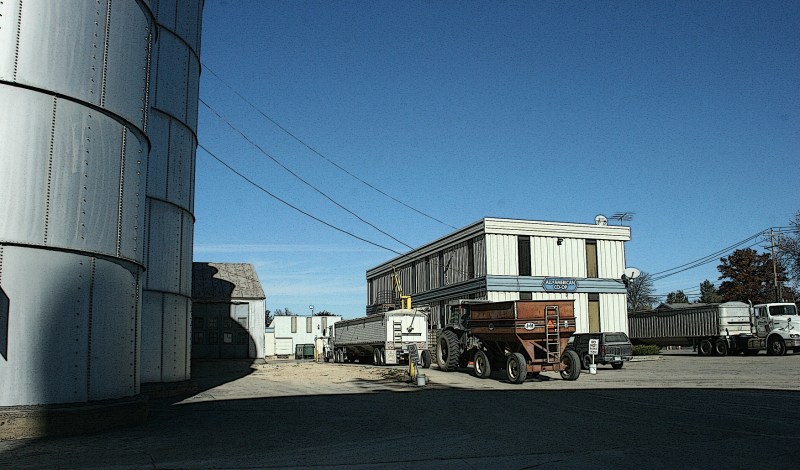
All American Co-op in Stewartville Saturday afternoon.

All American Co-op in Stewartville Saturday afternoon.

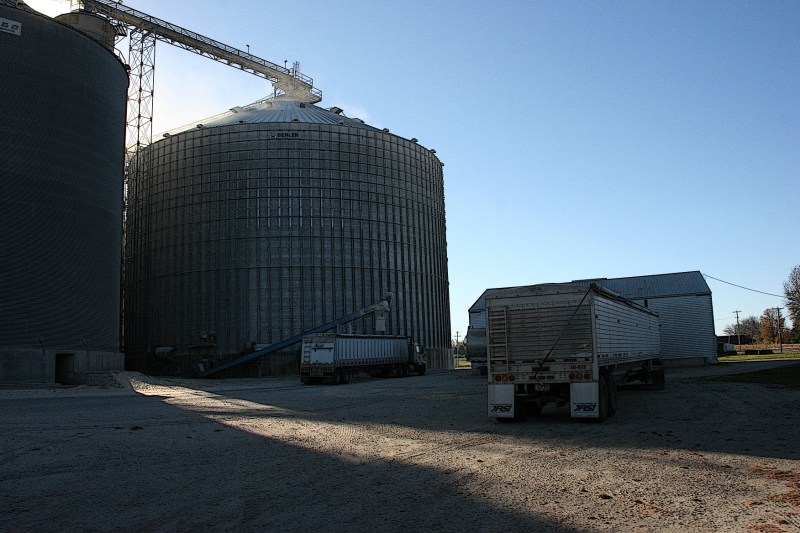
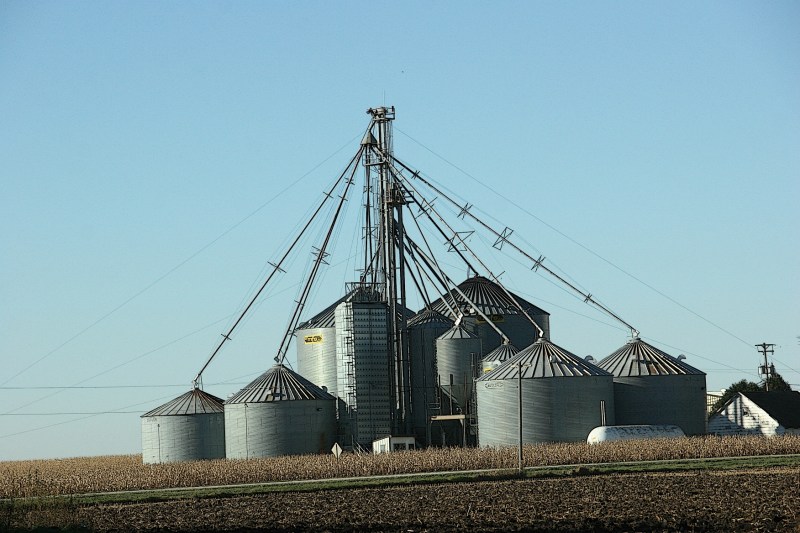
The elevator in Hayfield.

Grain bins in Hayfield.

In small towns, tractors pulling grain wagons and trucks loaded with corn or soybeans waited at local elevators.

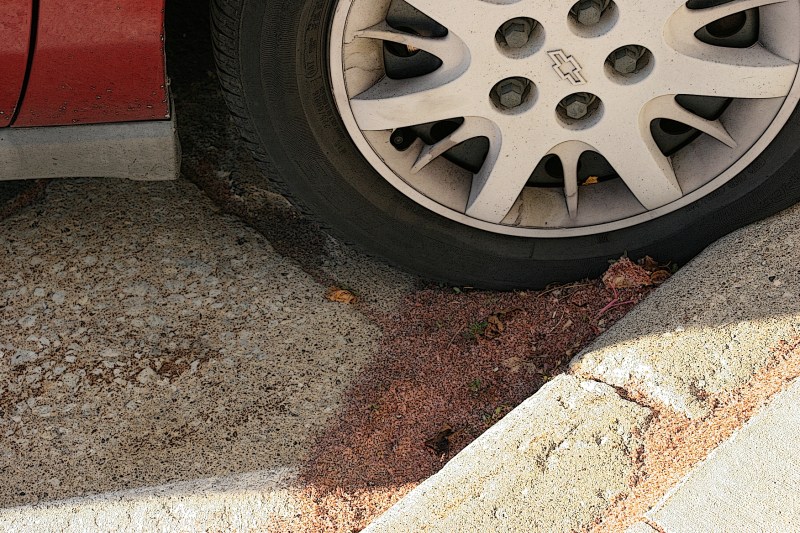
Bees wings accumulating along Main Street in Hayfield.

Bees wings (chaff from corn cobs) accumulate along Main Street in Hayfield.

And bees wings drifted, tinting Main Street and sidewalks red.

Near Root River County Park in Olmsted County.

Near Root River County Park in Olmsted County.

Near Wanamingo...

Near Wanamingo…

In township after township after township, I observed farmers gathering in the crops and working the land on Saturday. A good drying day. Sunshine and crisp temps. Perfect to finish the harvest.

A cluster of bins near Hayfield.

A cluster of bins by Hayfield.

A day trip drive this time of year requires patience as combines, trucks and tractors clog roadways, slowing traffic. But that’s OK. Sometimes we need to creep along, to simply appreciate this land and the farmers who plant, tend and gather in the crops.

© Copyright 2016 Audrey Kletscher Helbling
 

Thoughts & scenes along the Highway 14 detour October 5, 2016

TYPICALLY, ROAD CONSTRUCTION frustrates me. Unexpected delays and detours add to travel time and sometimes to distance.

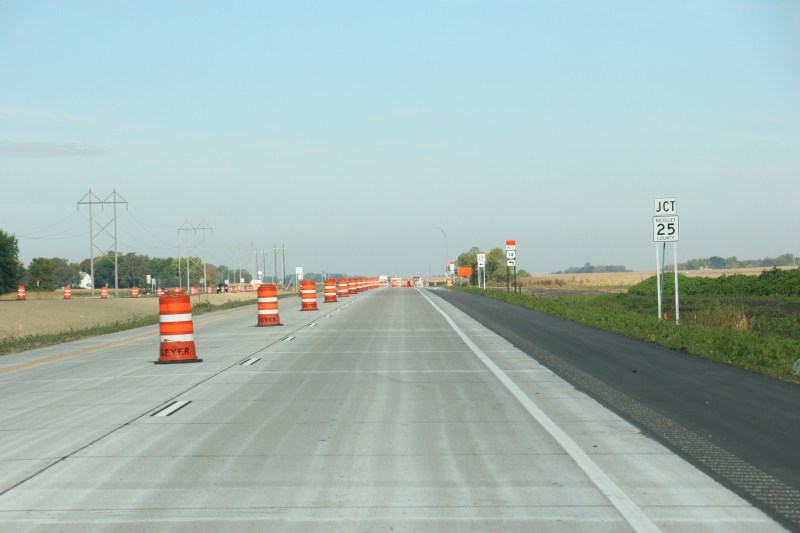
U.S. Highway 14 under construction between Mankato and Nicollet.

U.S. Highway 14 under construction between Mankato and Nicollet, nearing the detour.

But I welcome at least one major road project in southern Minnesota—the expansion of U.S. Highway 14 between Mankato and Nicollet in to a four-lane. This stretch rates as one of the most dangerous roadways in rural Minnesota. Traffic volume along the narrow highway is high. Passing is mostly difficult and dangerous.

The improvements are needed to make this a safer highway. If only the expansion would run all the way to New Ulm.

On the detour route.

The detour route took us through Nicollet County farm land,aiming for Courtland.

Traveling to southwestern Minnesota last Saturday, my husband and I steered away from the Highway 14 project by taking Minnesota Highway 99 between St. Peter and Nicollet. Except this time 99 was closed before we reached Nicollet and we were rerouted onto the official Highway 14 detour route.
 

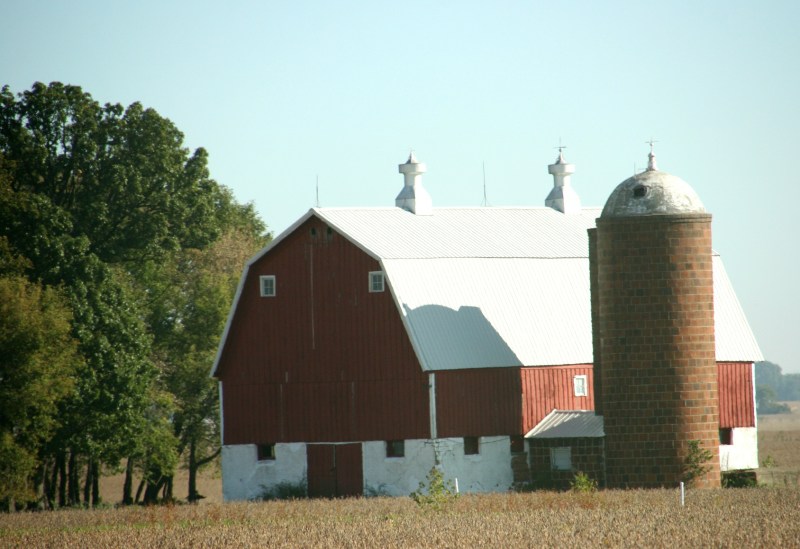
detour-43-red-barn


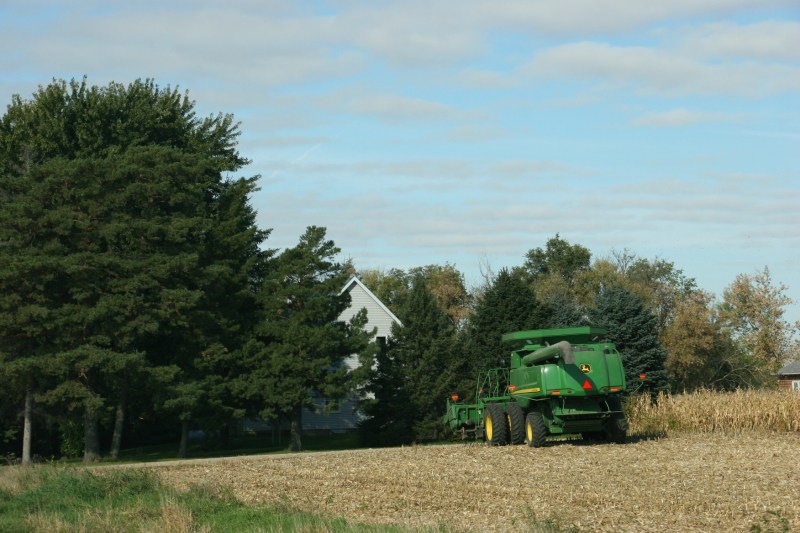
detour-51-john-deere-combine-in-field


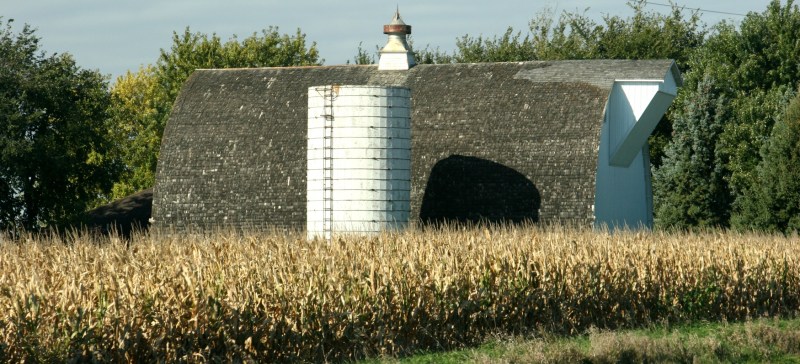
detour-49-barn-roof


detour-50-grain-bins


The detour added about 15 minutes to our drive time. But that was OK. I enjoy rural landscapes and passing places like Immanuel Lutheran Church and School, rural Courtland, the home congregation of my maternal ancestors.
 

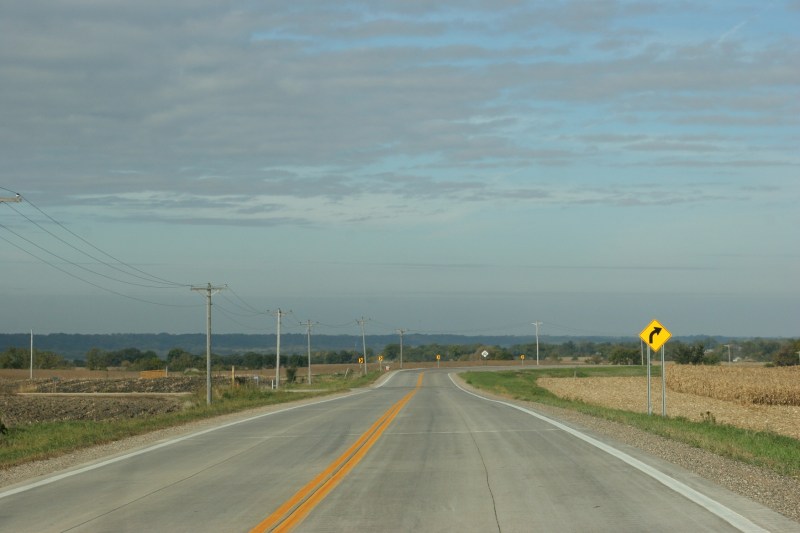
detour-53-nicollet-county-road-25


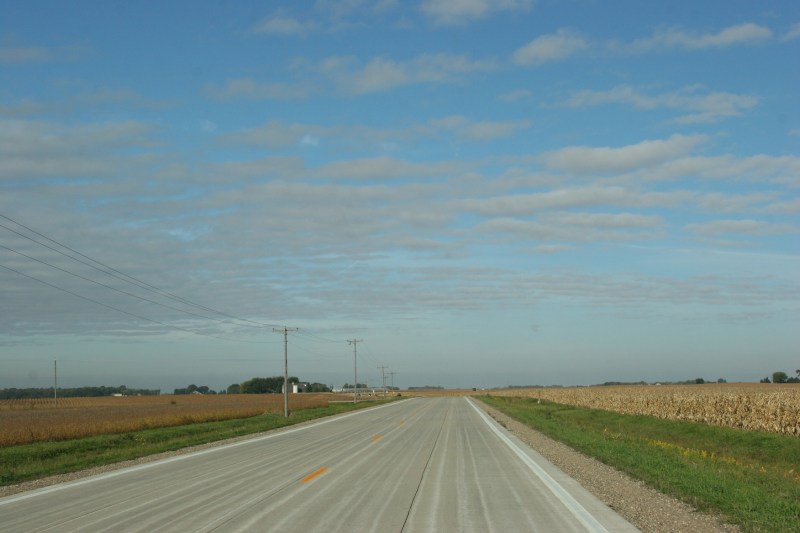
As we rounded Nicollet County Road 25 near its intersection with Highway 14, a spectacular view of the Minnesota River Valley unfolded before us. Vast blue sky striped with grey clouds butted the distant tree line. I could see for miles and miles and miles. It is not the mountains. But, still, the scene wrote lines of poetry before my prairie native eyes.

TELL ME: What are your thoughts on road construction, detours and/or dangerous roadways?

© Copyright 2016 Audrey Kletscher Helbling