Minnesota Prairie Roots

Writing and photography by Audrey Kletscher Helbling

Bricks, bins & bars in Elgin June 6, 2022

This unique, artsy “fence” is the first thing I noticed in downtown Elgin. Absolutely love the creative functionality of these repurposed doors. (Minnesota Prairie Roots copyrighted photo May 2022)

SMALL TOWNS, LIKE PEOPLE, have personalities. I’ve discovered that in my years of exploring rural regions. I can learn a lot about a place by simply walking through the heart of a community, even if I never enter a single business.

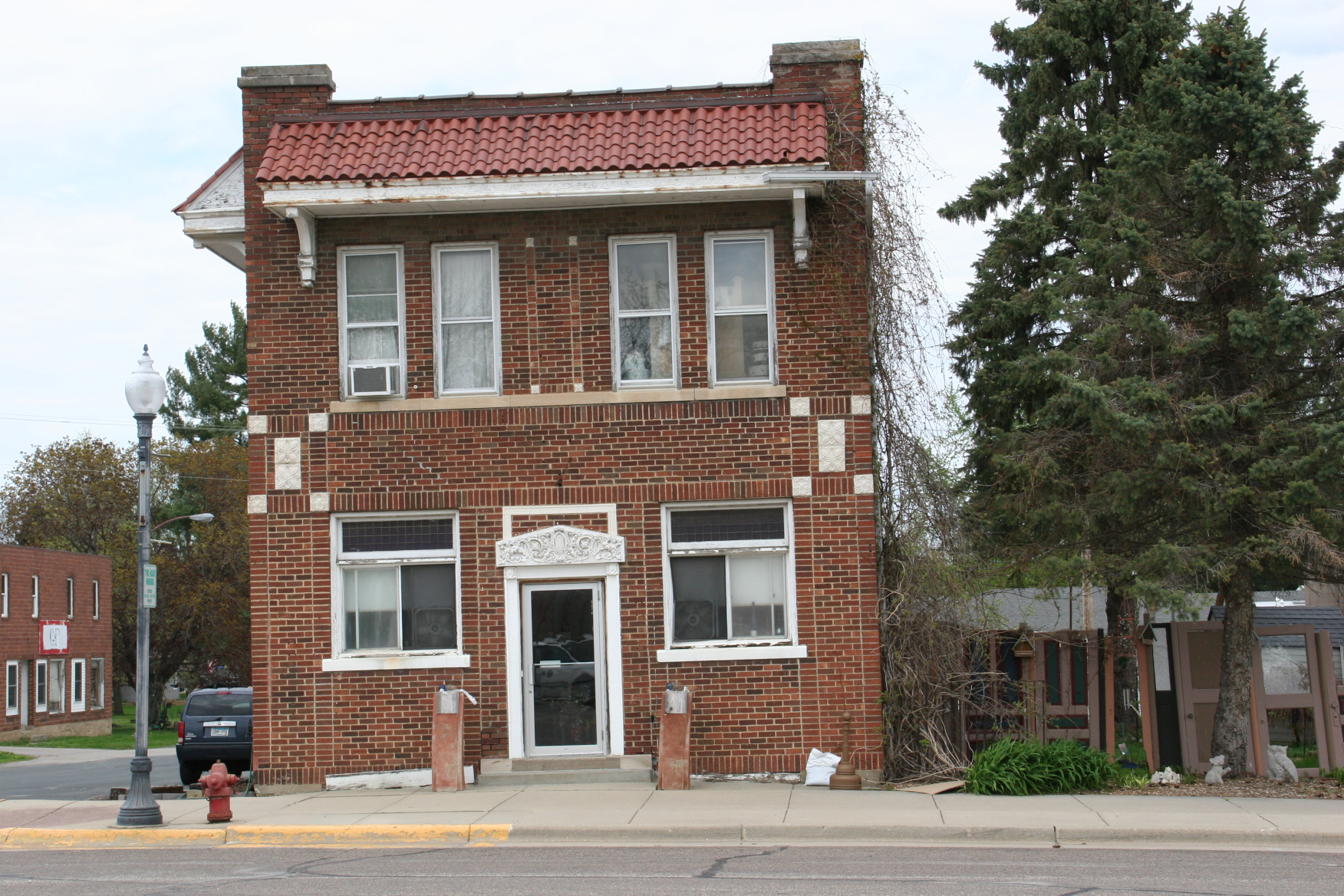
The door fence is to the right of this stately corner brick building with the lovely architectural details. (Minnesota Prairie Roots copyrighted photo May 2022)

On a recent day trip into Wabasha County in southeastern Minnesota, Randy and I stopped briefly in Elgin. Three words define my initial impression of the business district in this community of 1,090 just 20 minutes northeast of Rochester: bricks, bins and bars.

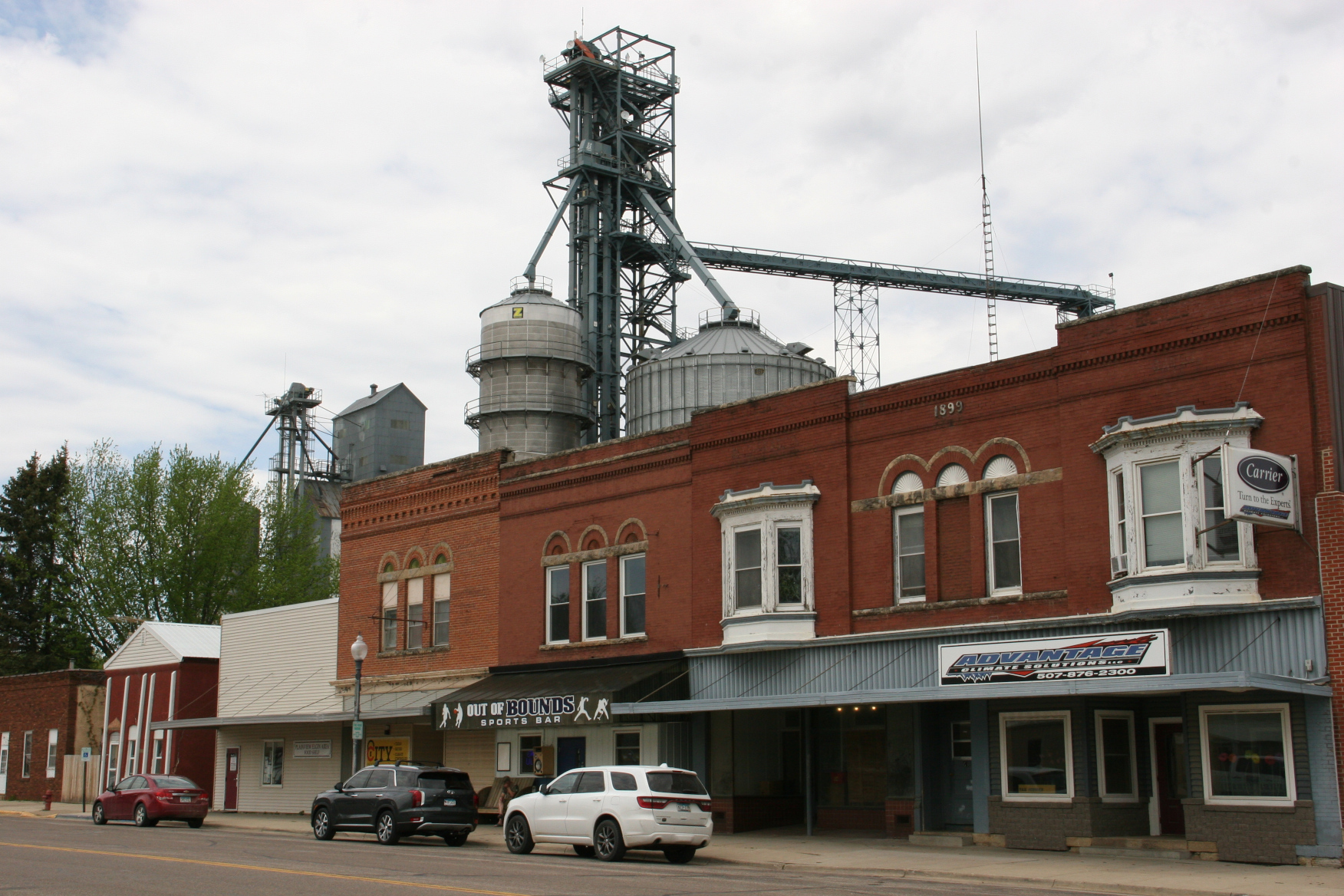
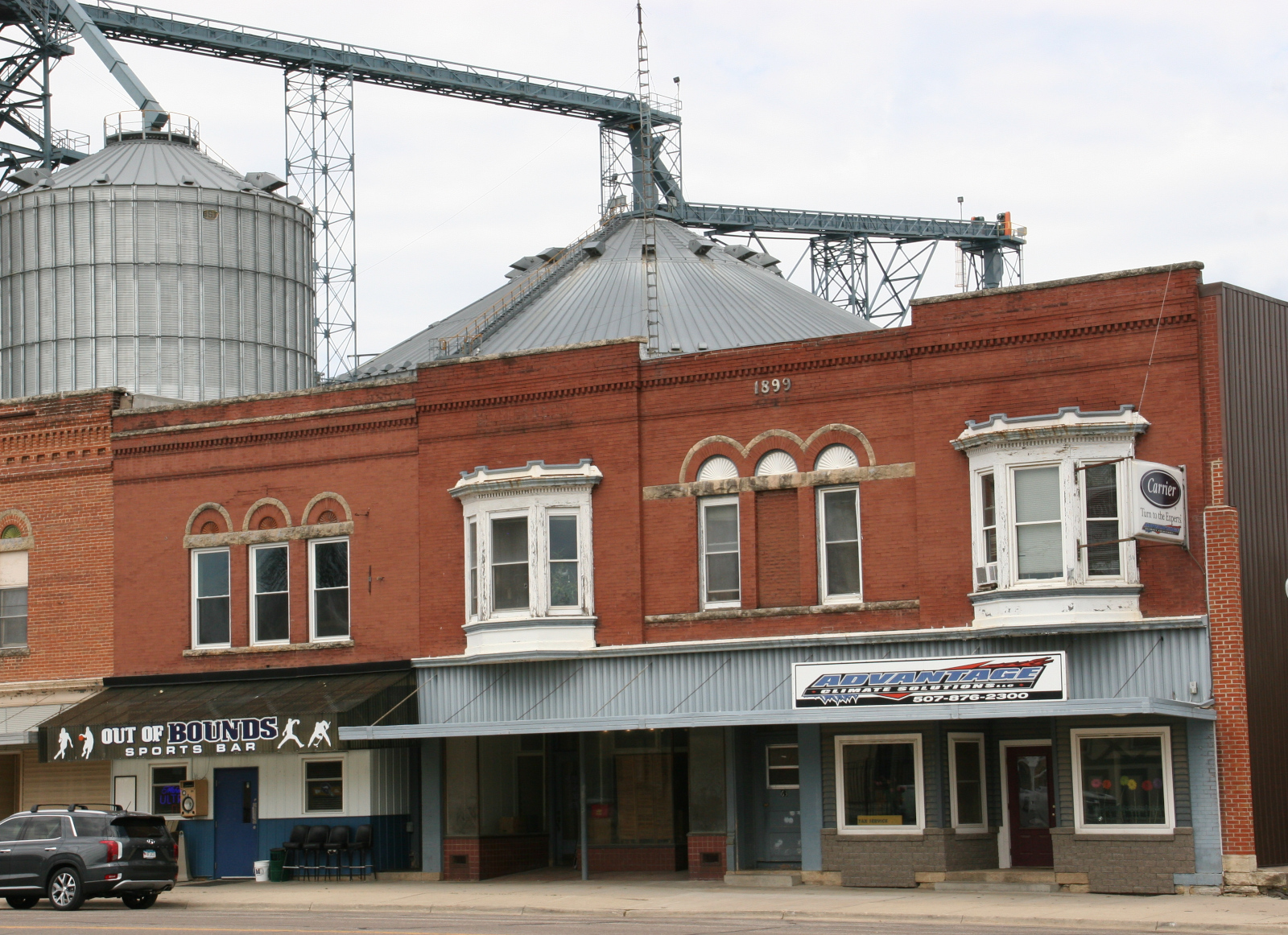
Beautiful brick buildings define downtown Elgin. (Minnesota Prairie Roots copyrighted photo May 2022)

Bricks reference the row of aged brick buildings I spotted along one side of the street. One dates to 1899. I see so much potential in these historic structures if the “updates” on ground level were removed to reveal the original. I recognize, though, that takes money. But, as one who appreciates aged buildings with good, solid bones, I would love to see these buildings restored to their historic selves. What an asset that would be to Elgin.

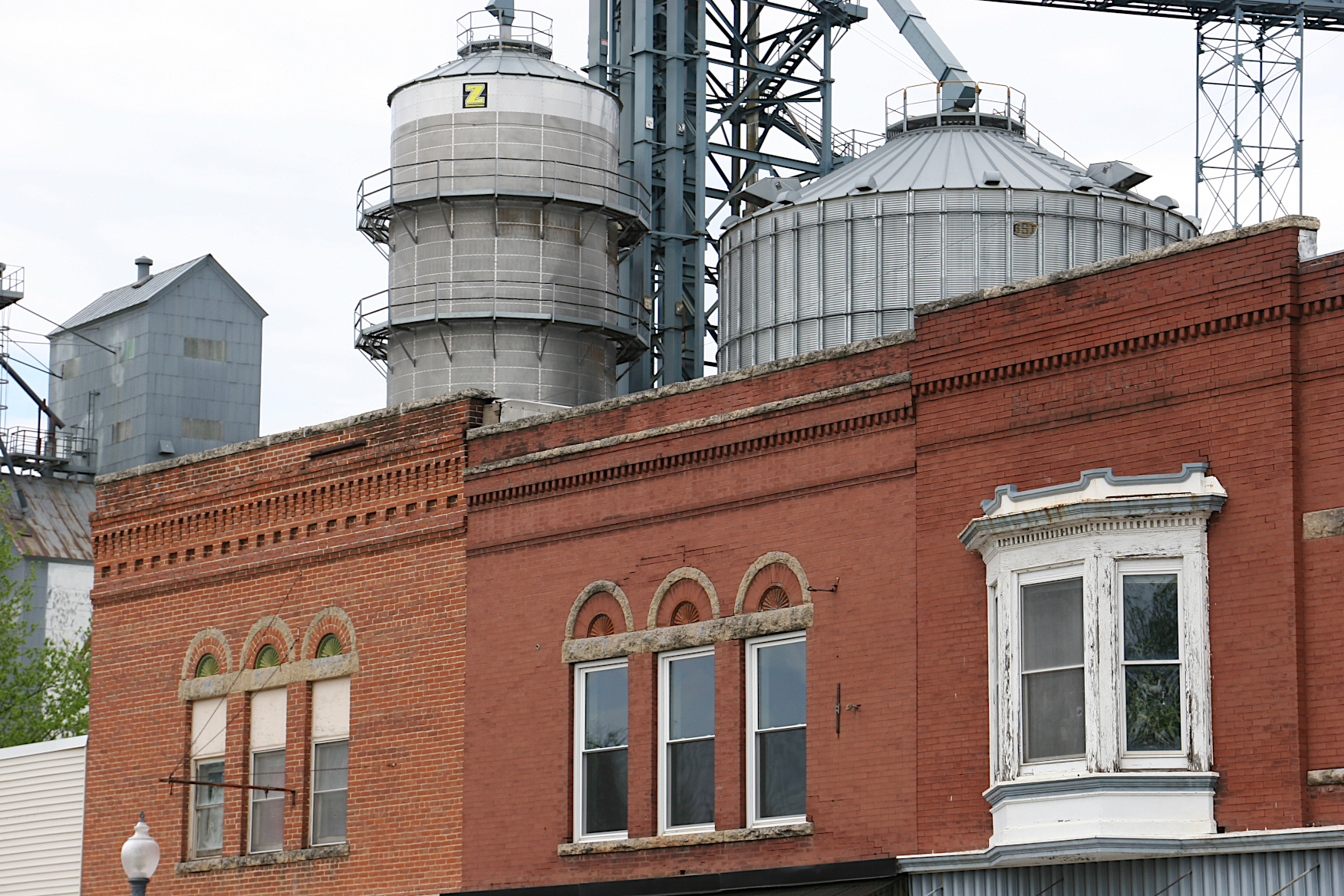
Behind those brick buildings, bins rise. (Minnesota Prairie Roots copyrighted photo May 2022)

Bins reference the mammoth grain bins back-dropping that row of brick buildings. This is most-assuredly a farming community, home to All-American Co-op. I especially appreciate the faded signage identifying the local ag business.

Identifying signage provides a vintage artsy backdrop. (Minnesota Prairie Roots copyrighted photo May 2022)

At one time, Elgin was also home to a creamery and milk service. The community honors its dairy heritage with Elgin Cheese Days, an annual small town festival slated this year for June 17-19. Events include a parade, carnival, tractor pull, burnouts, vendor and craft show, softball and volleyball tournaments, garage sales, music and the EMS Cheese Chase (walk/run). As these celebrations go, they are really reunions of those who once called this town home or still call this place home.

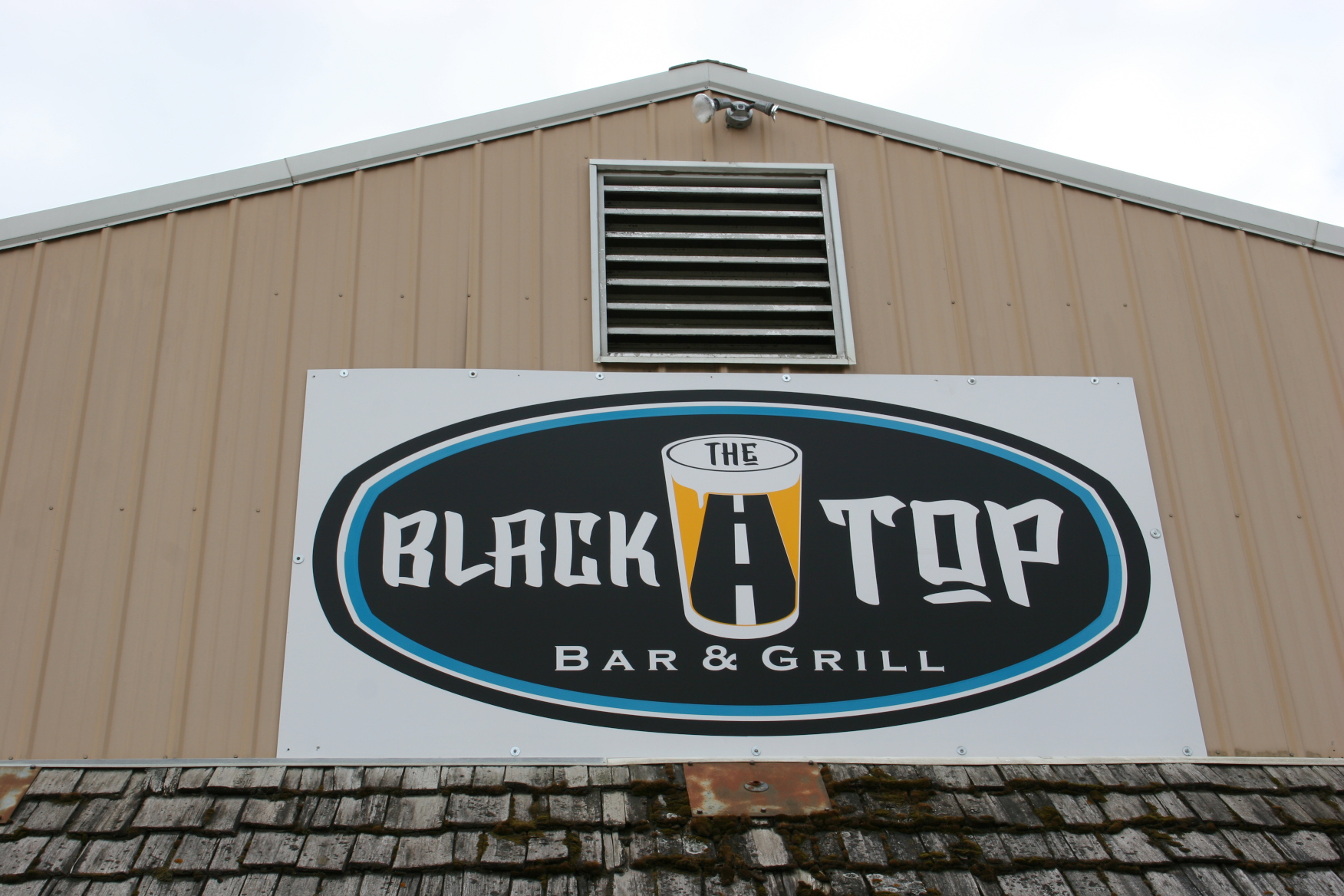
Bold signage for a place that welcomes everyone like family. (Minnesota Prairie Roots copyrighted photo May 2022)
To the left, Out of Bounds Sports Bar, “where everyone knows your name.” (Minnesota Prairie Roots copyrighted photo May 2022)
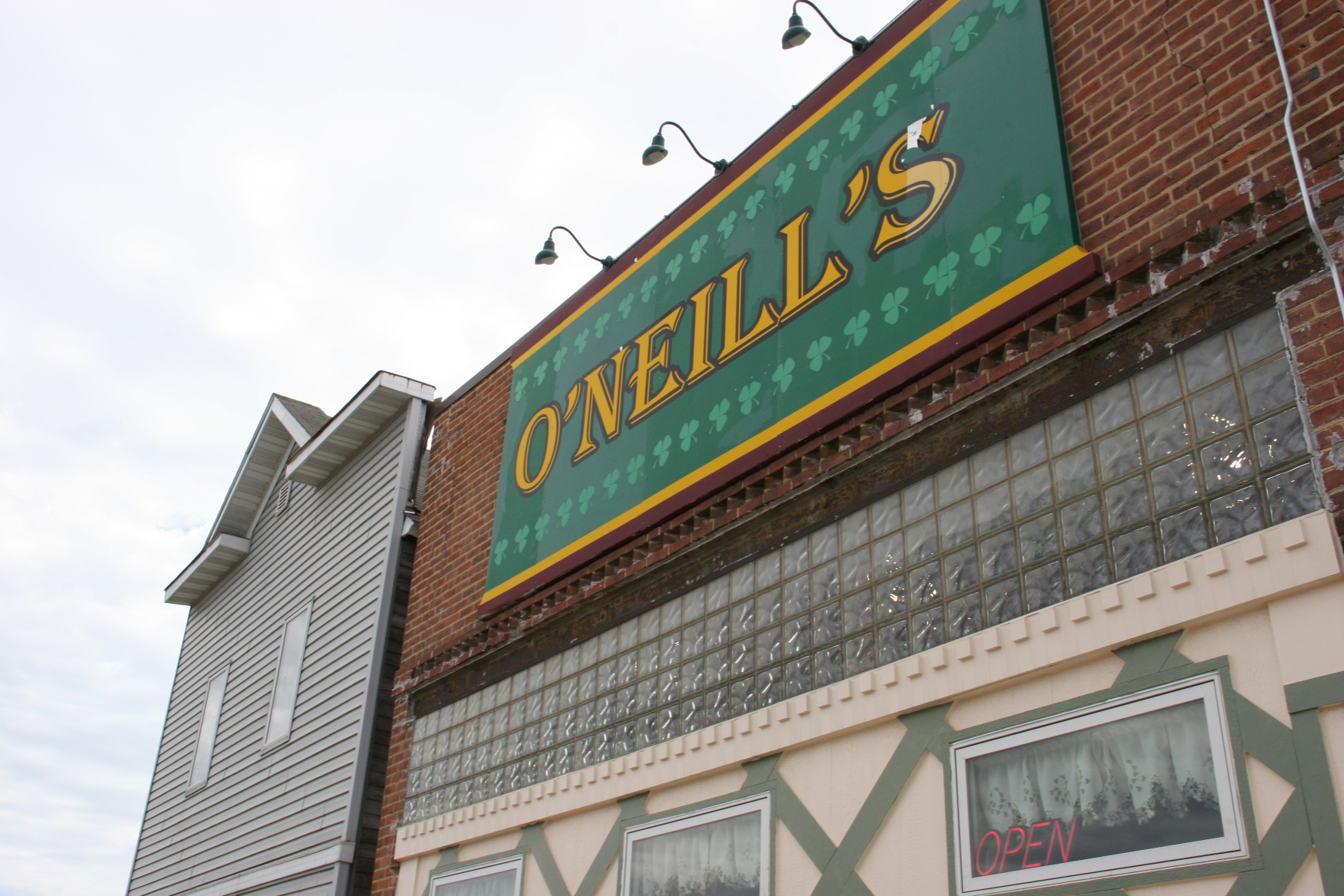
O’Neill‘s Pizza Pub serves more than pizza. There’s Irish whiskey, too, and a game room with classic games. (Minnesota Prairie Roots copyrighted photo May 2022)

I expect lots of commiserating will occur at the local bars. That’s the third “b” I noticed during my walk along the main street. Bars abound here. The BlackTop Bar & Grill. The Out of Bounds Sports Bar. And O’Neill’s Pizza Pub.

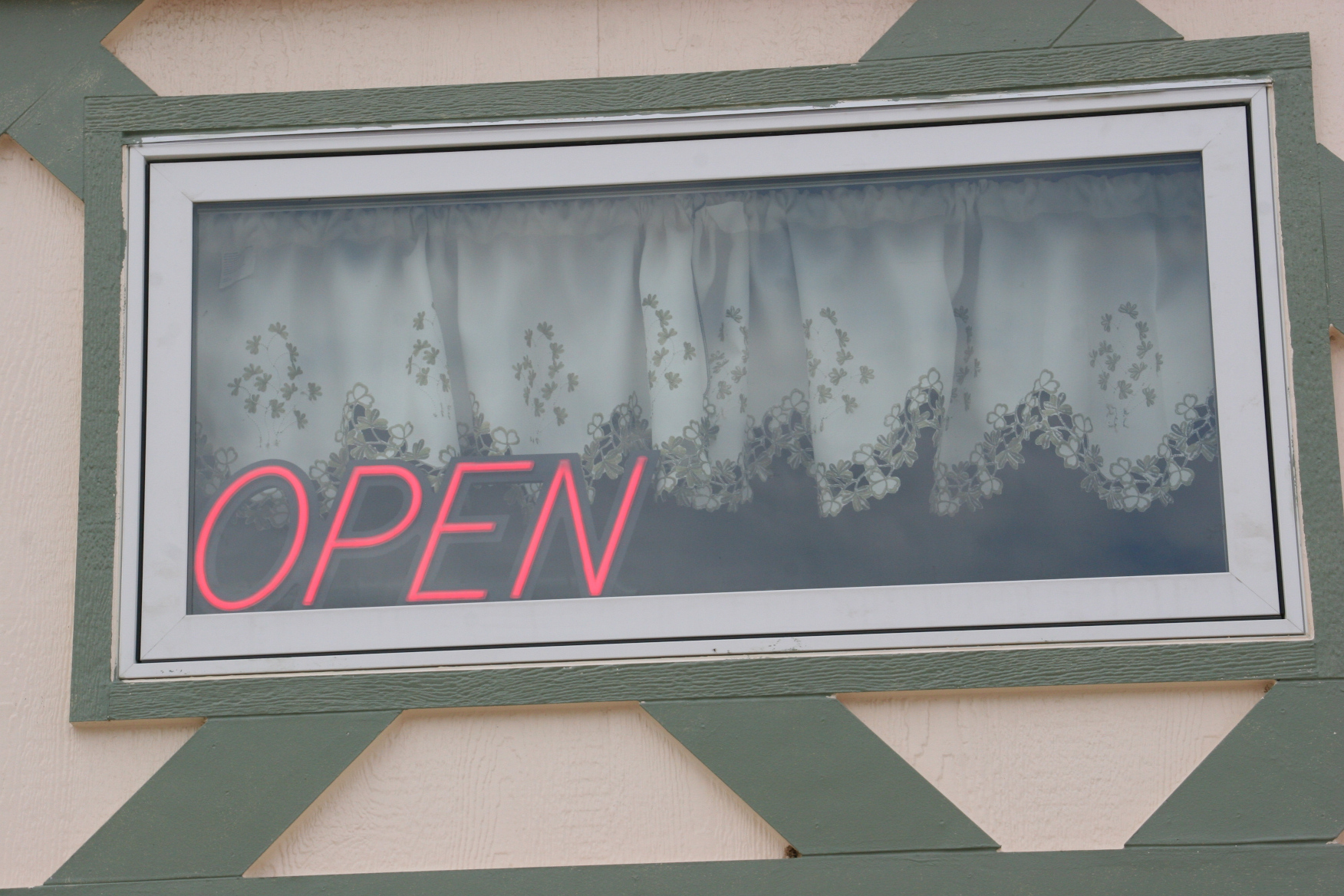
The pub is open. (Minnesota Prairie Roots copyrighted photo May 2022)

Although Randy and I didn’t patronize any of these places, I expect they are worth a stop for food and drink and conversation. As a group of cyclists told us, the bar they lunched at served up a mighty fine sandwich. We had packed a picnic lunch. Next time.

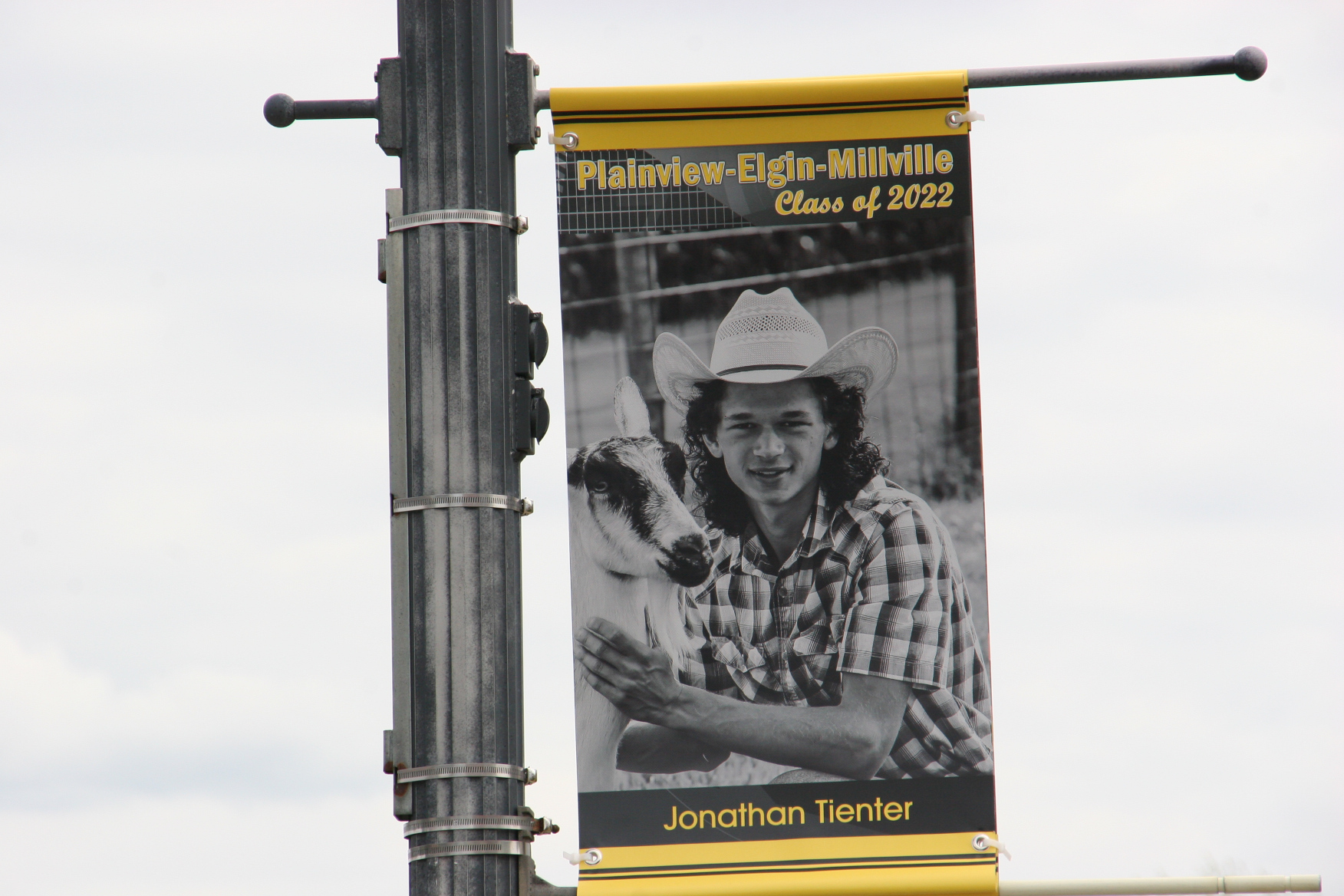
Banners feature students from the graduating class of 2022. (Minnesota Prairie Roots copyrighted photo May 2022)

Yes, we’ll return to Elgin to explore a bit more. Perhaps drive 1.5 miles south of town to pick up some cheese at Prairie Hollow Farm.

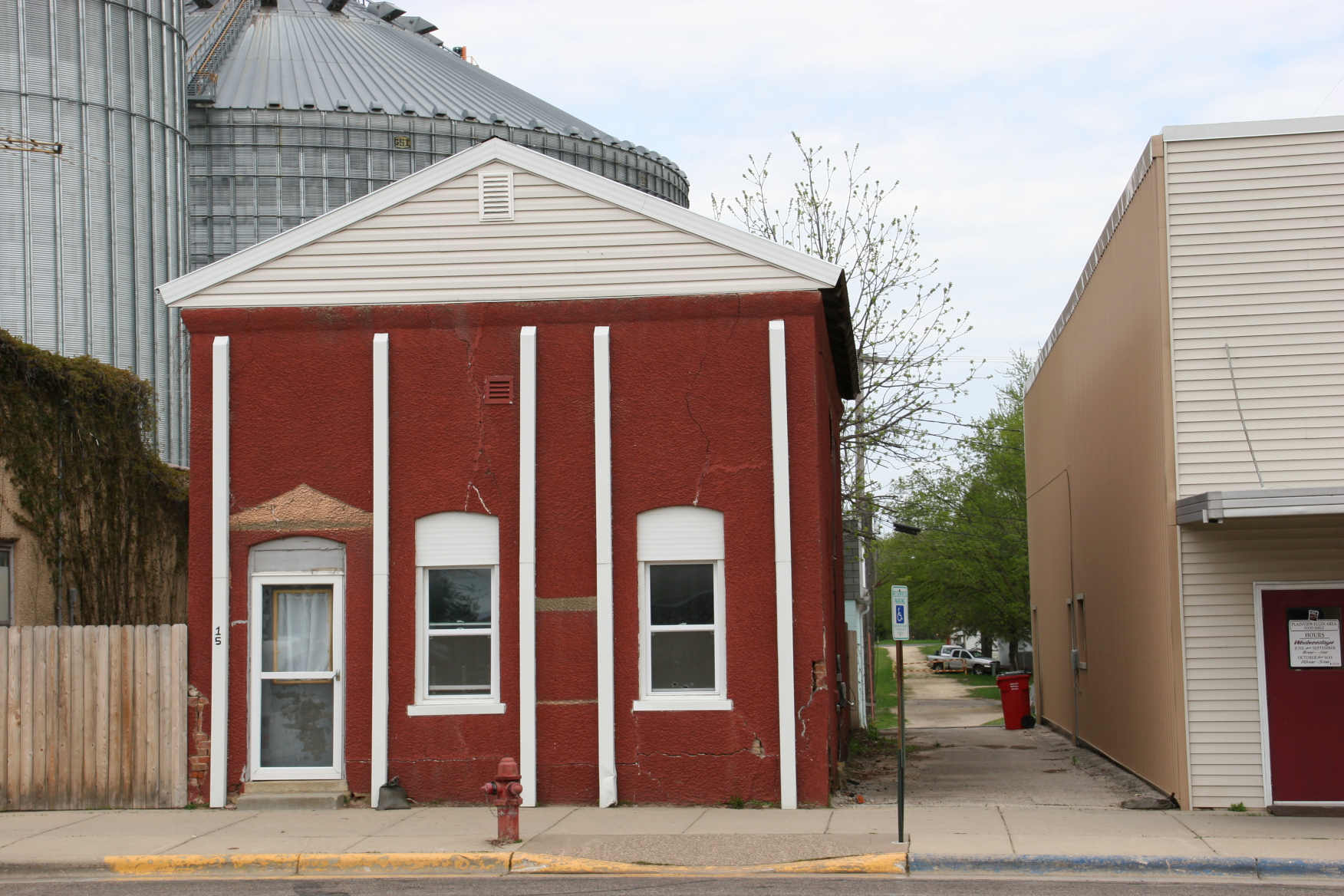
I wonder about the current use and history of this small building by the bins, by the alley. (Minnesota Prairie Roots copyrighted photo May 2022)

I know we missed a lot during our quick stop…

TELL ME: If you’re familiar with Elgin, what should I see/do next time I’m in town? I’m looking for any insider tips, things I might bypass because I’m unaware. Why should someone visit Elgin?

Please check back for another post from this community. And then it’s on to neighboring Plainview.

© Copyright 2022 Audrey Kletscher Helbling


At Potsdam: Reflections on a country church May 31, 2022

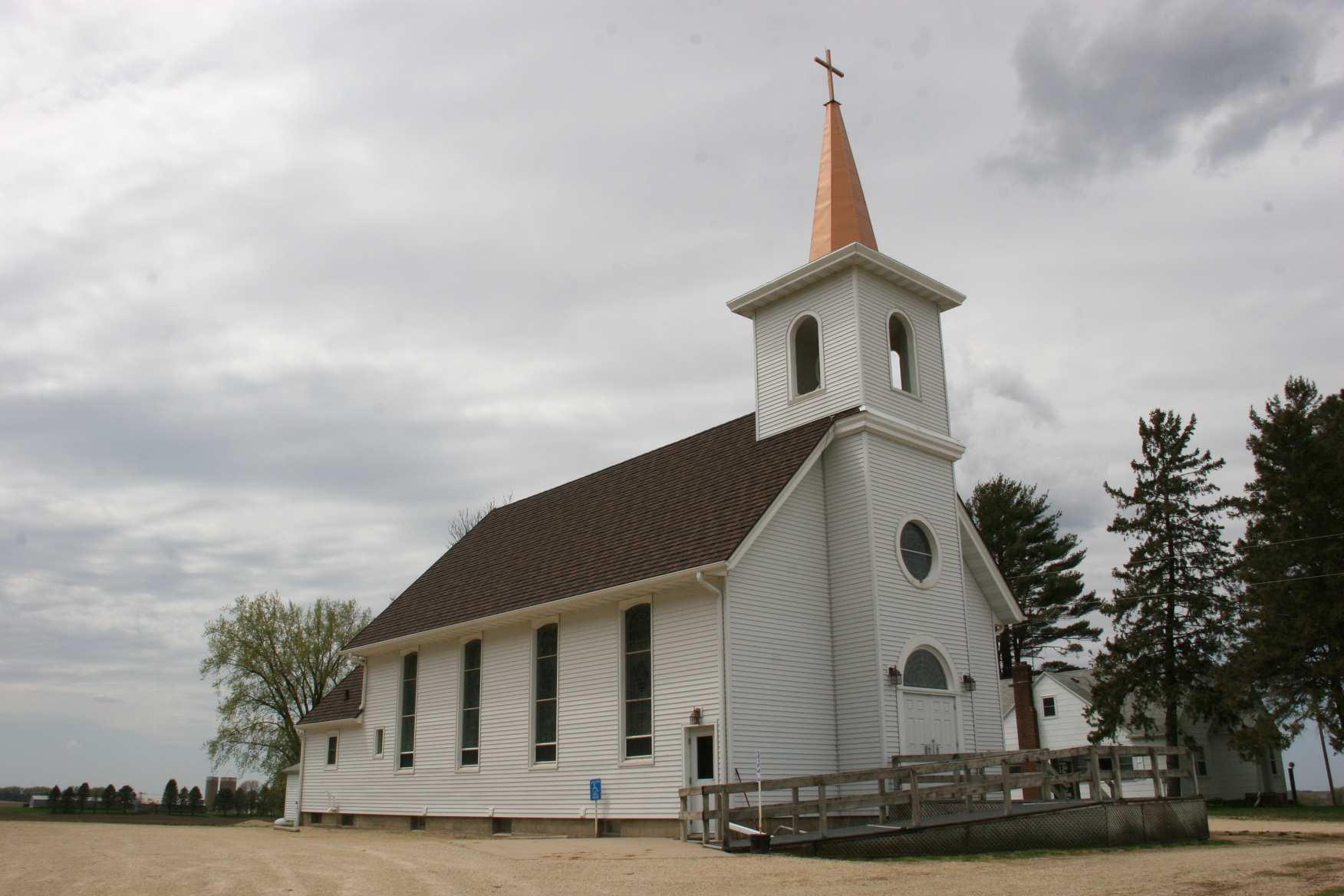
Immanuel Lutheran Church, Potsdam. (Minnesota Prairie Roots copyrighted photo May 2022)

NO MATTER HOW MANY country churches I discover, how many adjoining cemeteries I meander, my interest in these sacred places never wanes.

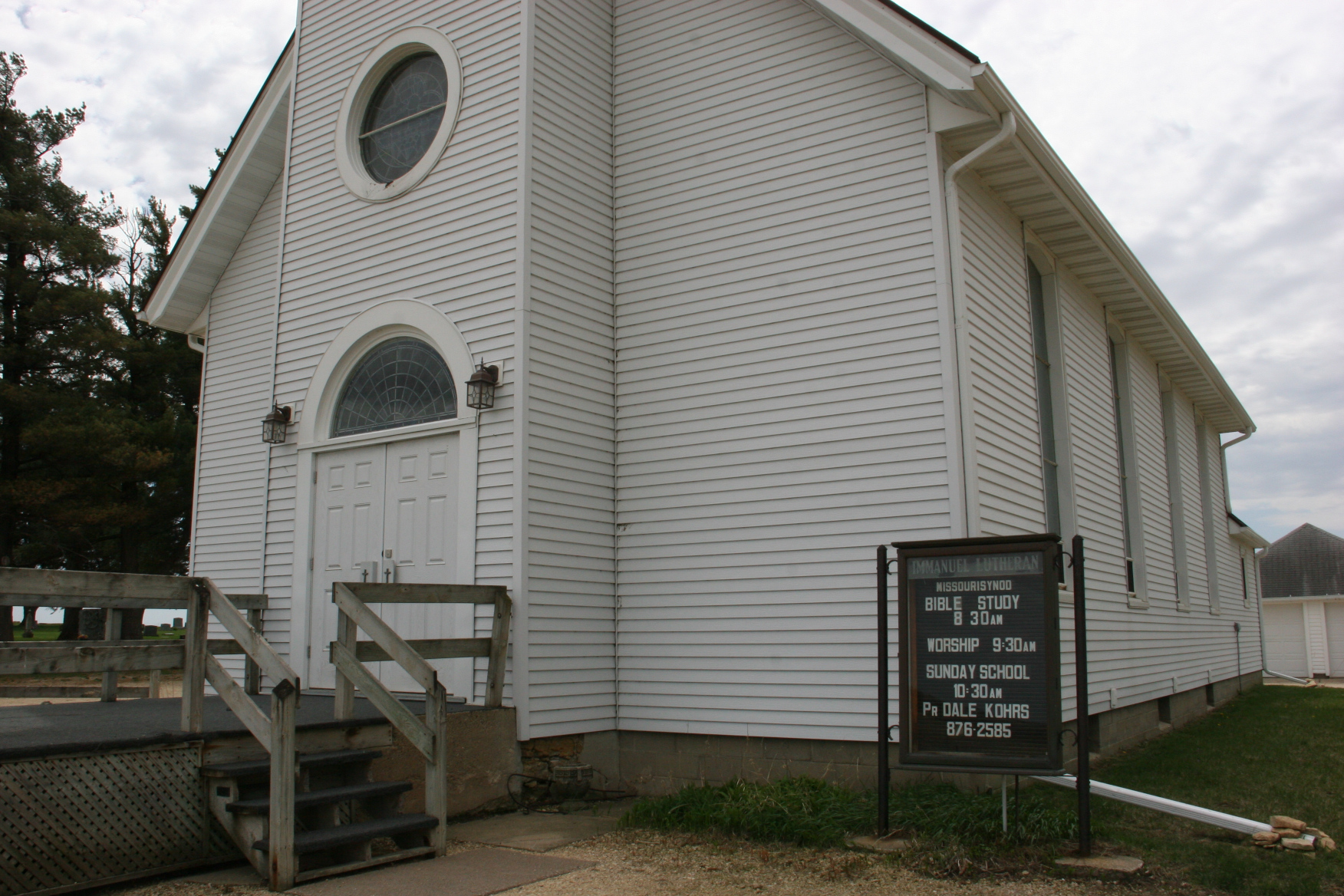
Detailed signage provides basic info about Immanuel Lutheran. (Minnesota Prairie Roots copyrighted photo May 2022)

On a recent day trip in southeastern Minnesota, Randy and I found Immanuel Lutheran Church of Potsdam, an unincorporated community close to Elgin. We bypassed it initially, then turned around to explore the church grounds along Minnesota State Highway 247.

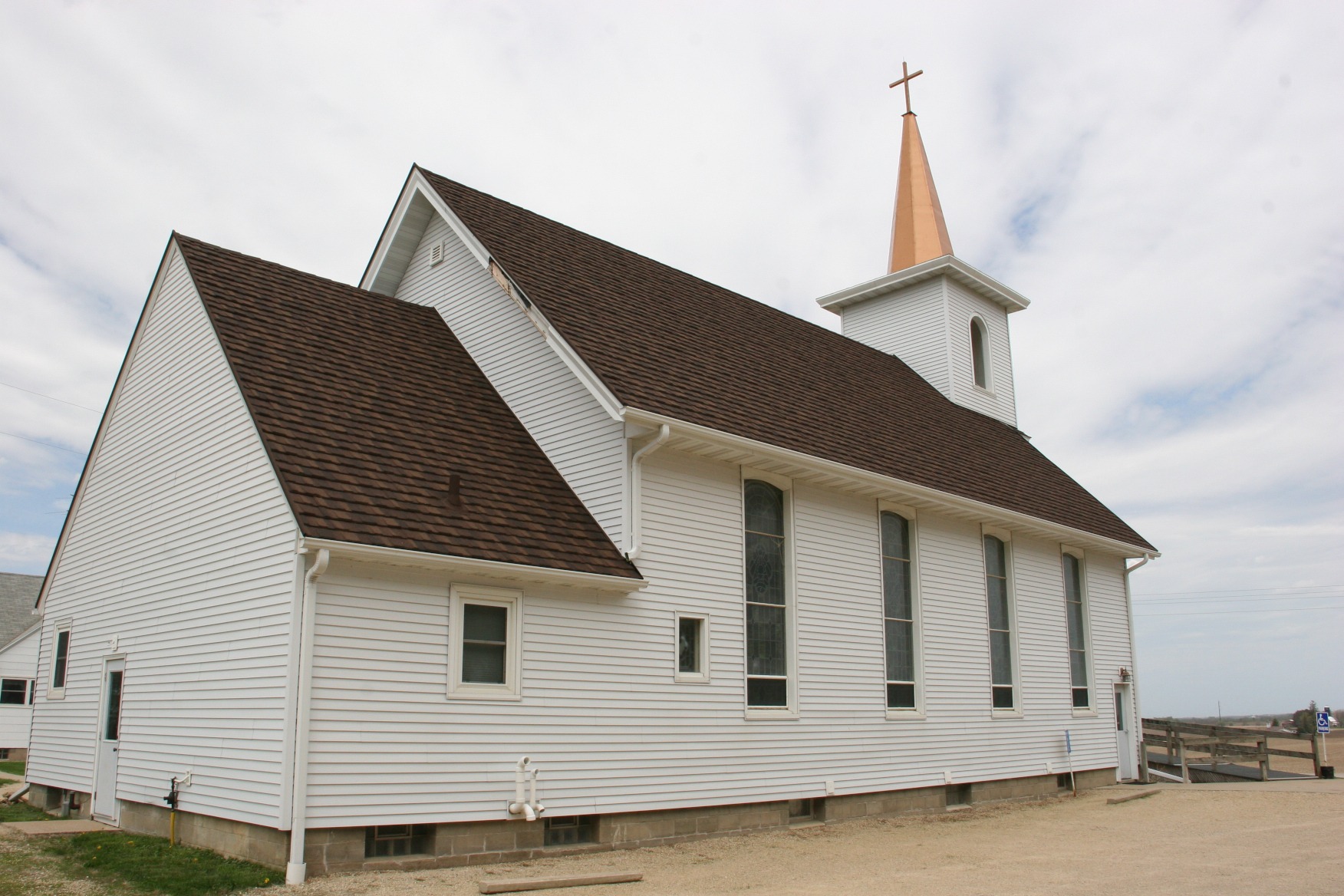
A back and side view of Immanuel. (Minnesota Prairie Roots copyrighted photo May 2022)

Immanuel fits the bucolic image of a rural church—constructed of wood painted white, cross-topped steeple, bell snugged inside tower, stained glass windows running the length of the sanctuary.

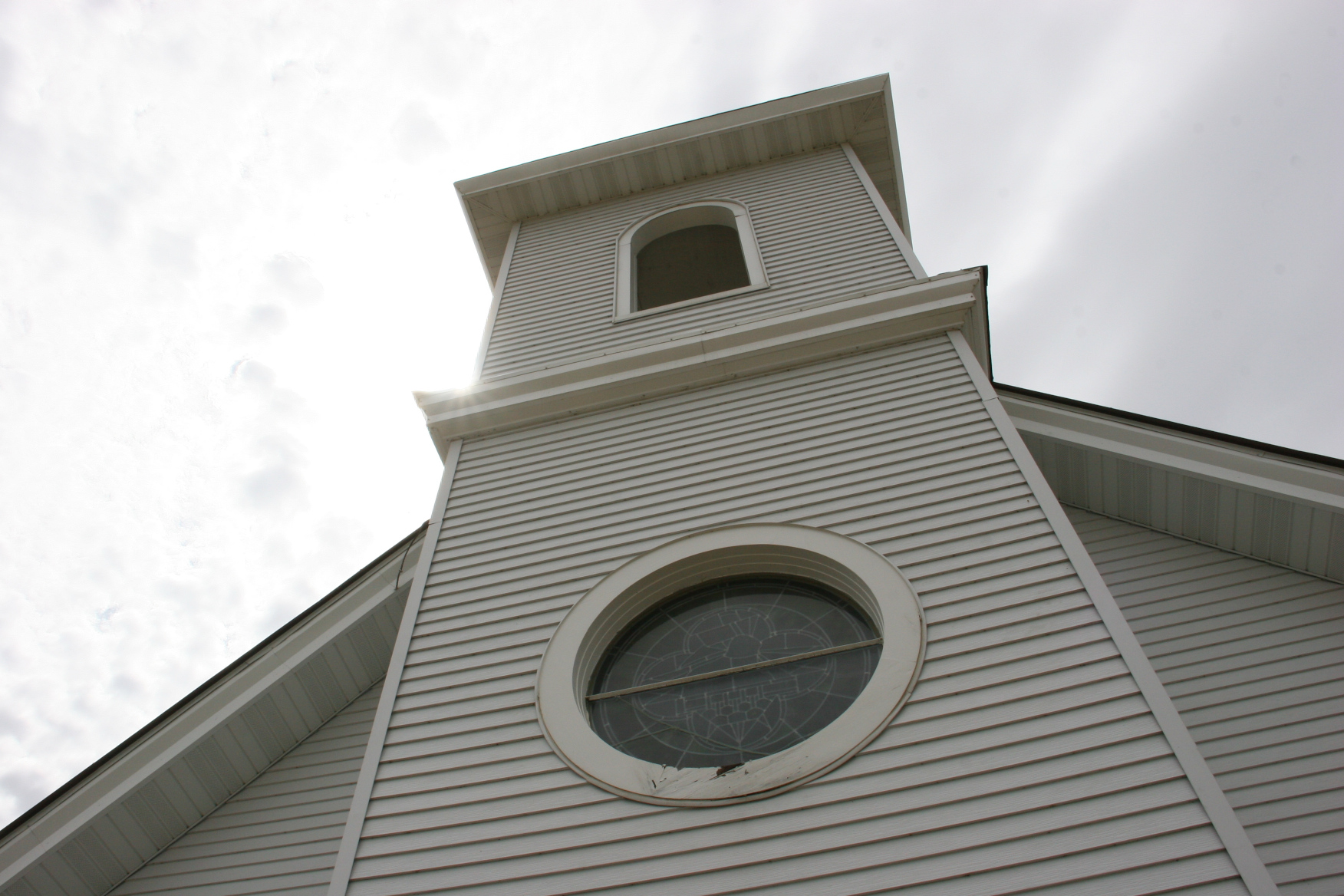
Looking up toward the bell tower. (Minnesota Prairie Roots copyrighted photo May 2022)

This church is especially well-maintained, not always the case in rural houses of worship with often dwindling congregations.

The locked front doors. (Minnesota Prairie Roots copyrighted photo May 2022)

I longed to get inside this Missouri Synod Lutheran Church, to view the sanctuary, to settle into a pew, to see the art therein, to experience the peace such a place holds. But, as I expected, the front doors were locked.

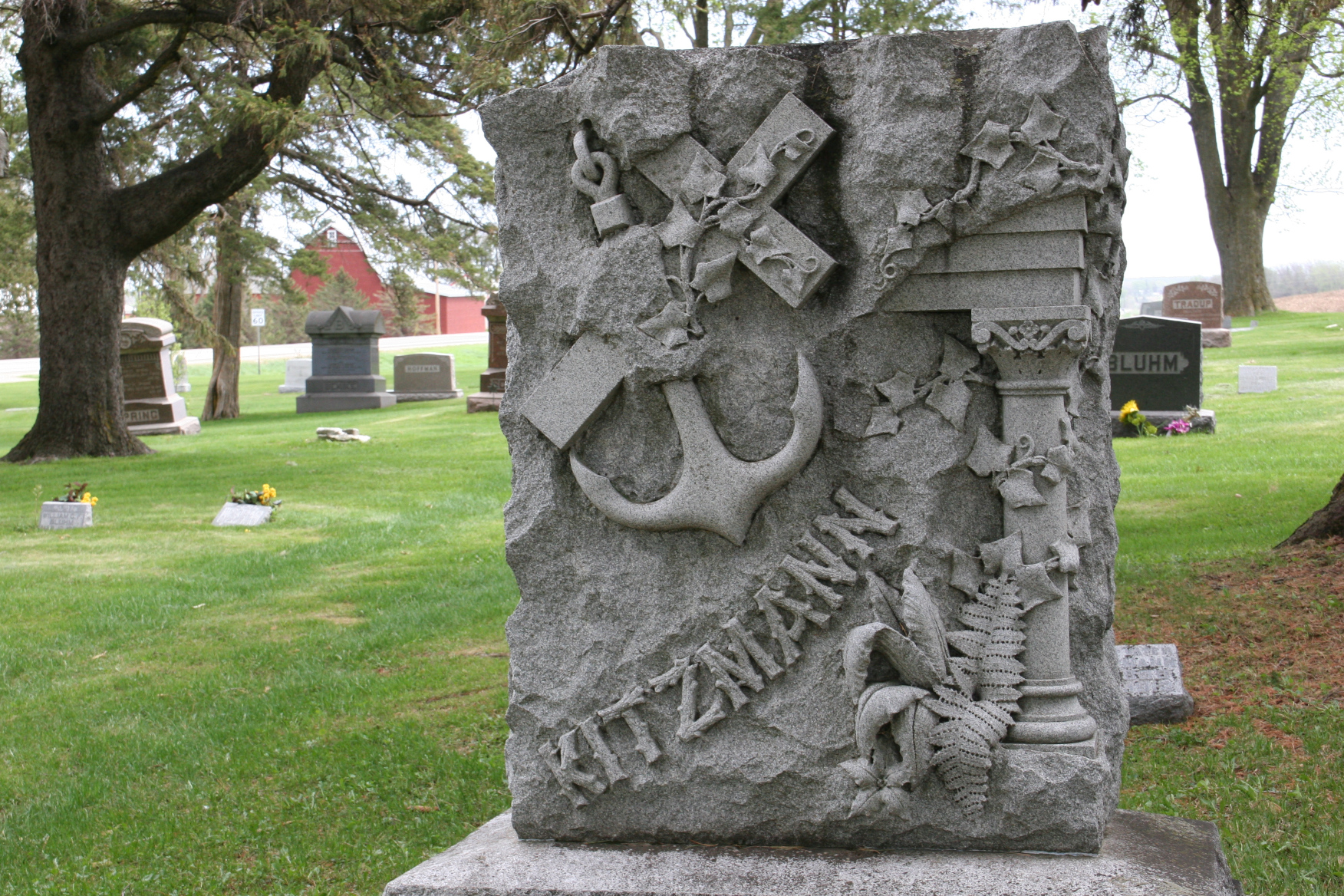
Across the highway, a red barn. In the cemetery, gray stones. (Minnesota Prairie Roots copyrighted photo May 2022)
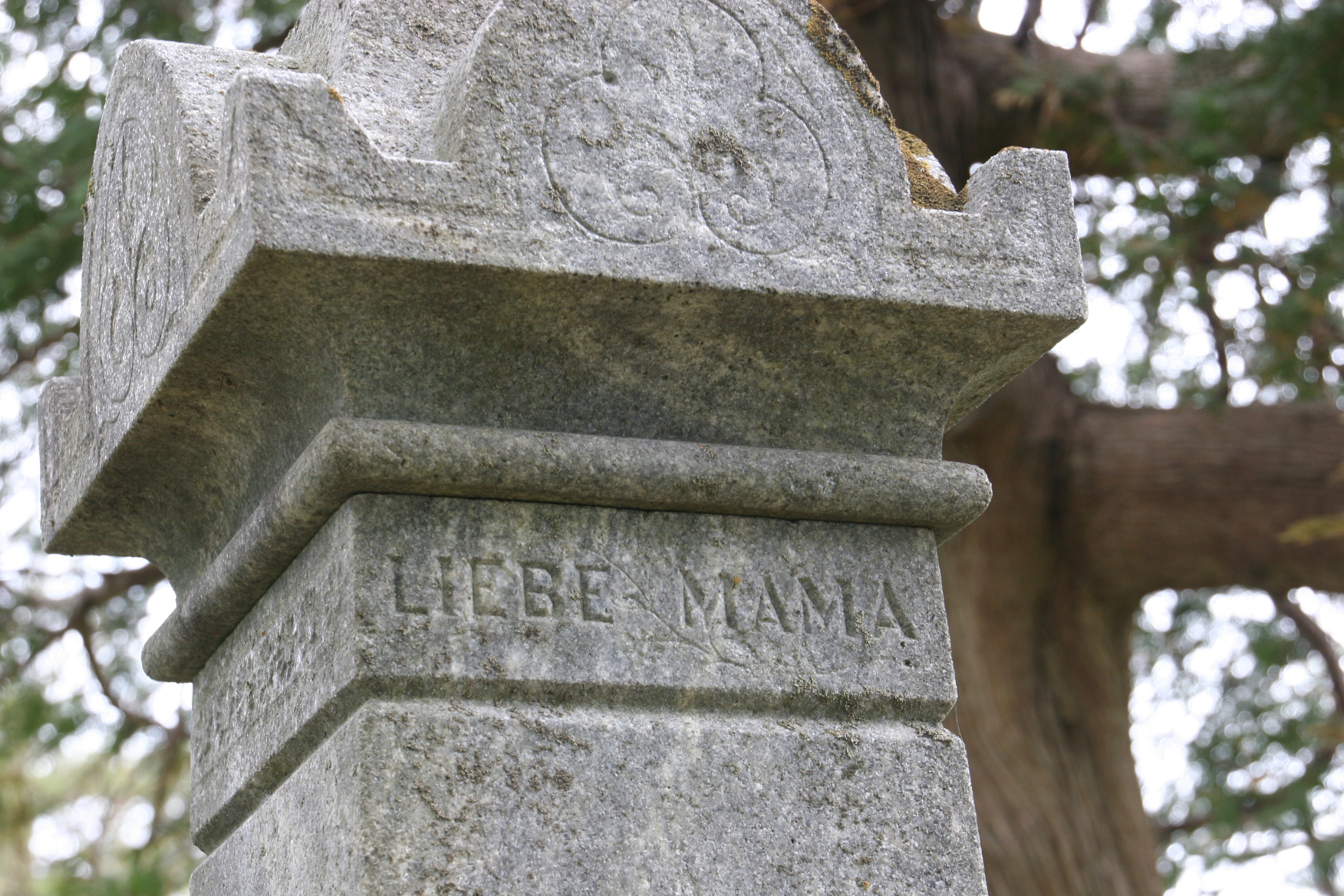
The German word “LIEBE” means love, found on a gravestone. (Minnesota Prairie Roots copyrighted photo May 2022)

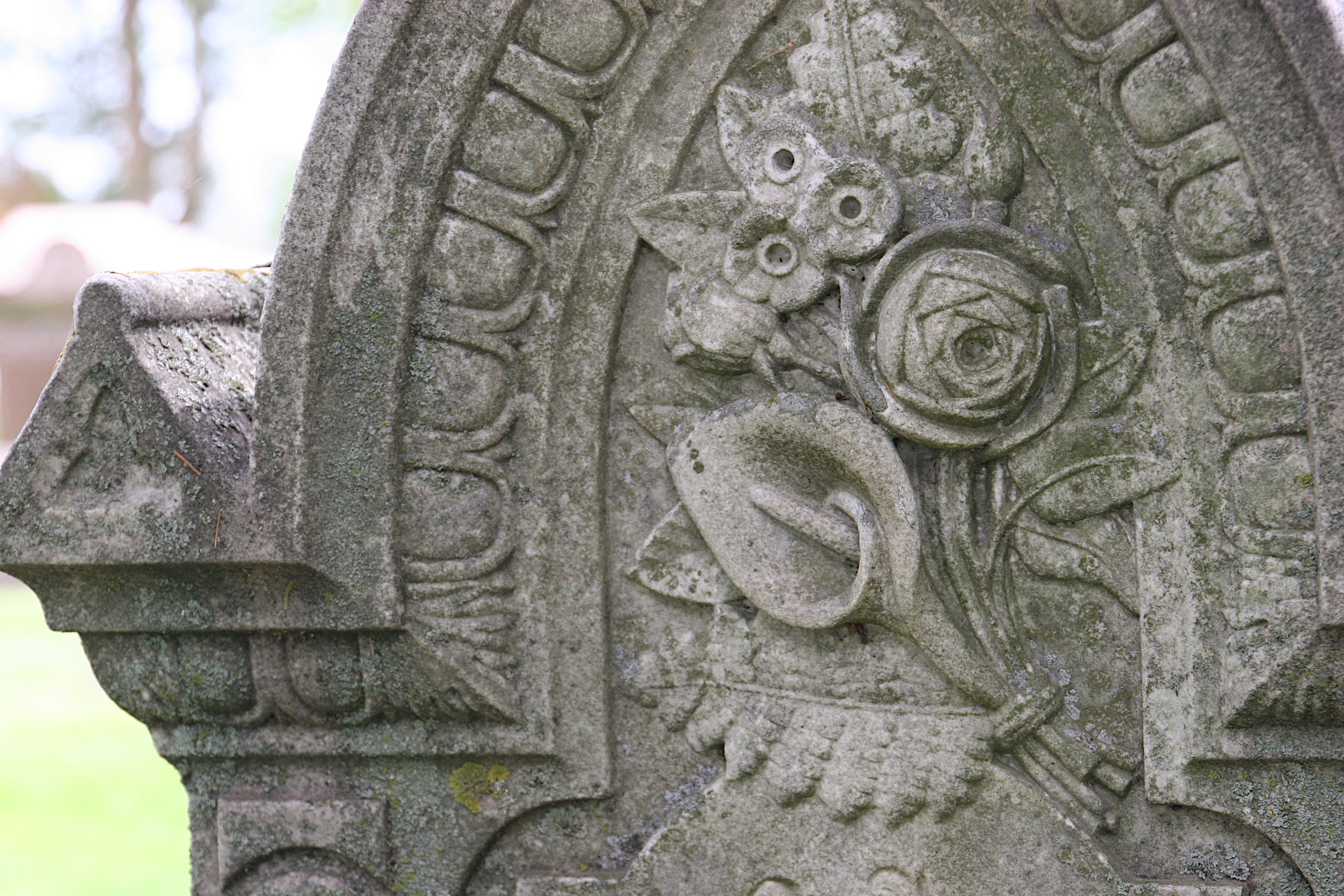
Beautiful flower art on an aged gravestone. (Minnesota Prairie Roots copyrighted photo May 2022)

So instead, I walked around the exterior, studying the details, bracing myself against the strong wind sweeping across this hilltop location. In the distance, twin silos rose on a farm site. Across the highway, a red barn contrasted with the gray of tombstones lodged under pines.

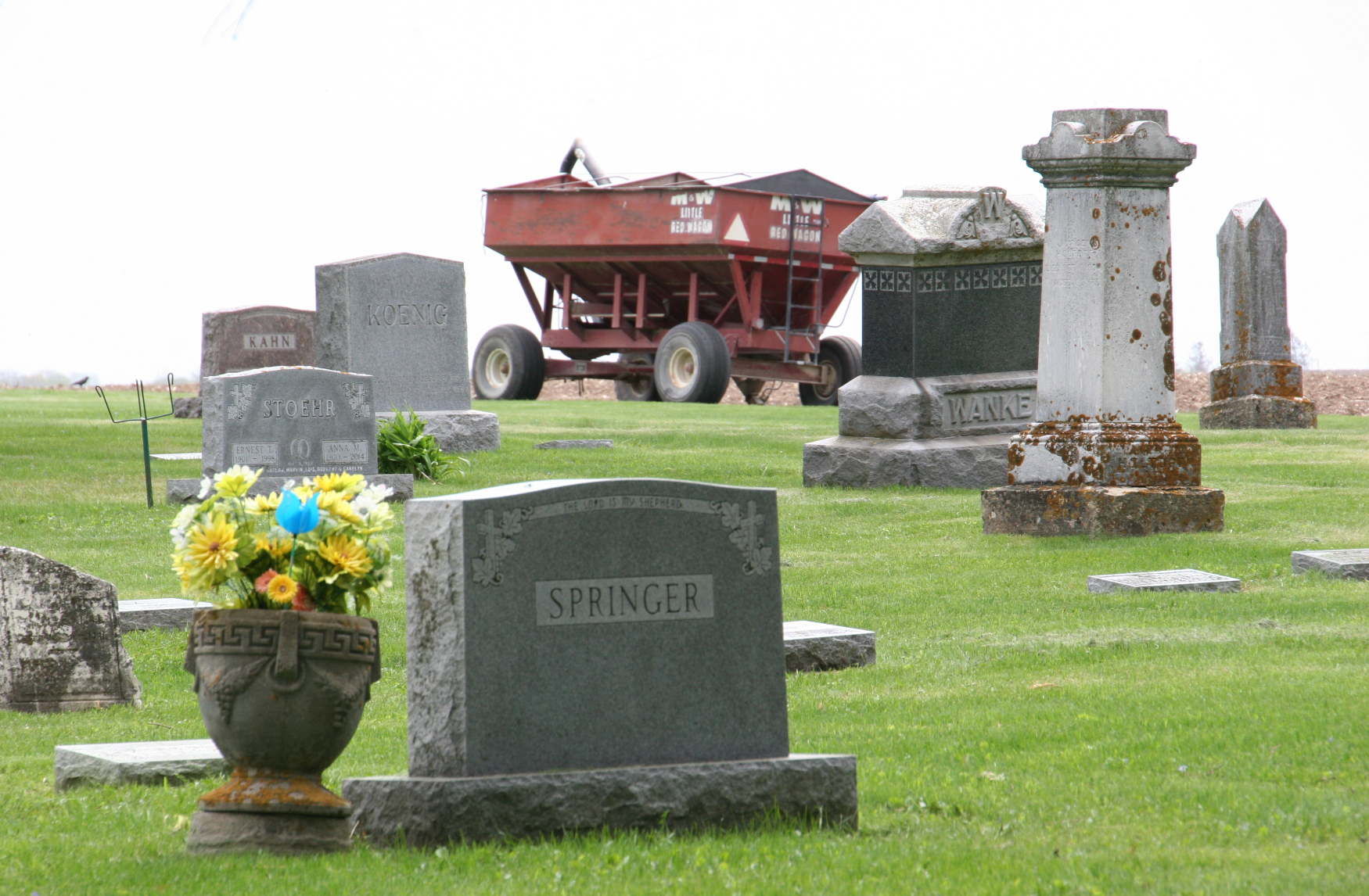
This is very much a farming area as noted by a farm wagon parked next to the cemetery on this Saturday and by the surrounding fields and farm sites. (Minnesota Prairie Roots copyrighted photo May 2022)

We briefly walked the cemetery, marveling at the early birth dates of some buried here—born in 1823, died in 1877. Clearly there are stories here of journeys across the ocean to America, then more travel westward to this land, this Minnesota. I expect those stories hold hardship and loss and struggles and, also, incredible strength, determination and resilience.

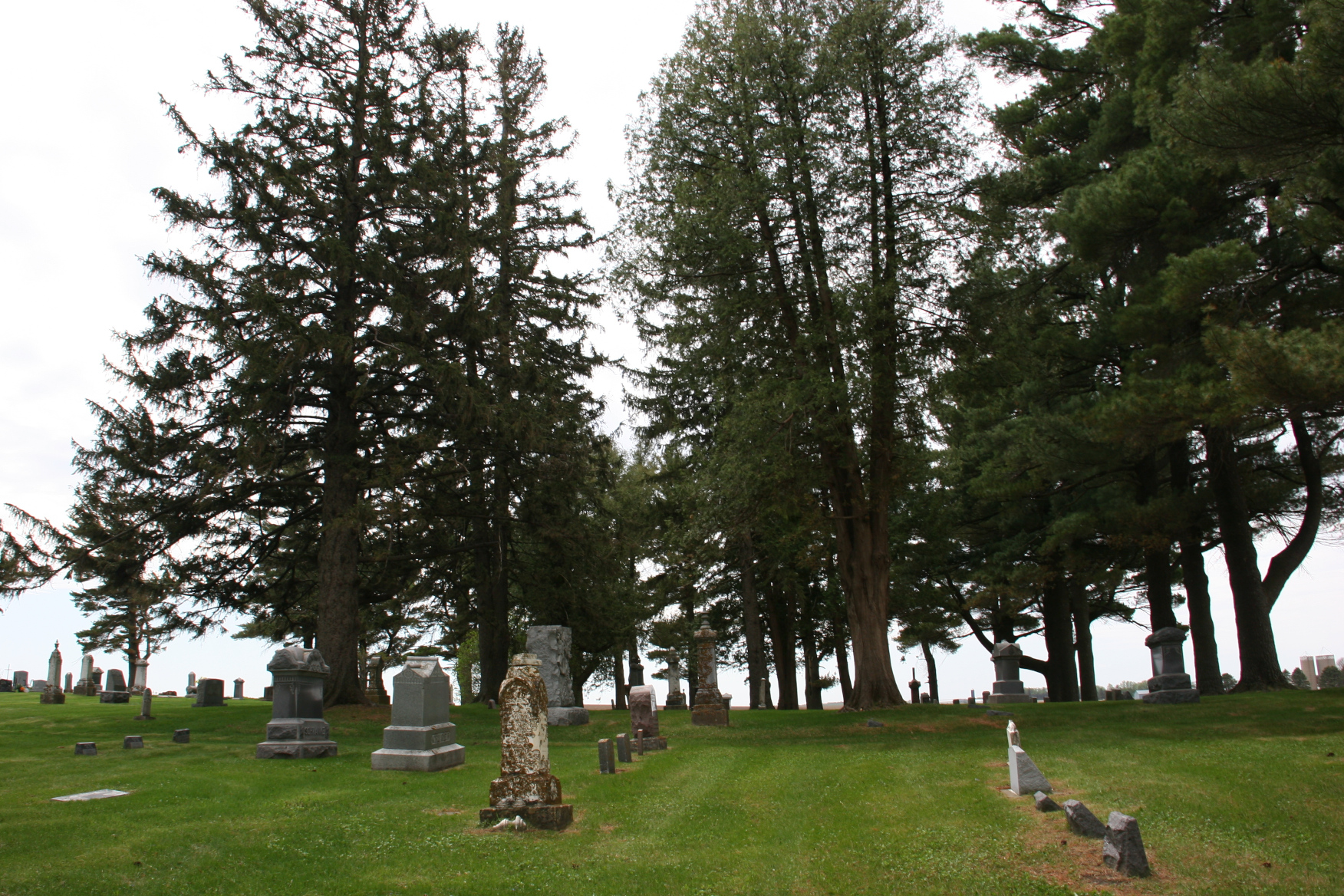
Pines tower over the cemetery. (Minnesota Prairie Roots copyrighted photo May 2022)

I claim no personal connection to anyone here. Yet, I feel a kinship in ancestors who left the Old Country. I feel, too, a kinship of faith. For it was faith which sustained many who left families an ocean away to forge a new life. Here they settled, built a church, planted pines. Here they gathered to celebrate and mourn. To pray and praise and plant hope upon the land.

© Copyright 2022 Audrey Kletscher Helbling
 

Borrowing bikes in Pine Island May 26, 2022

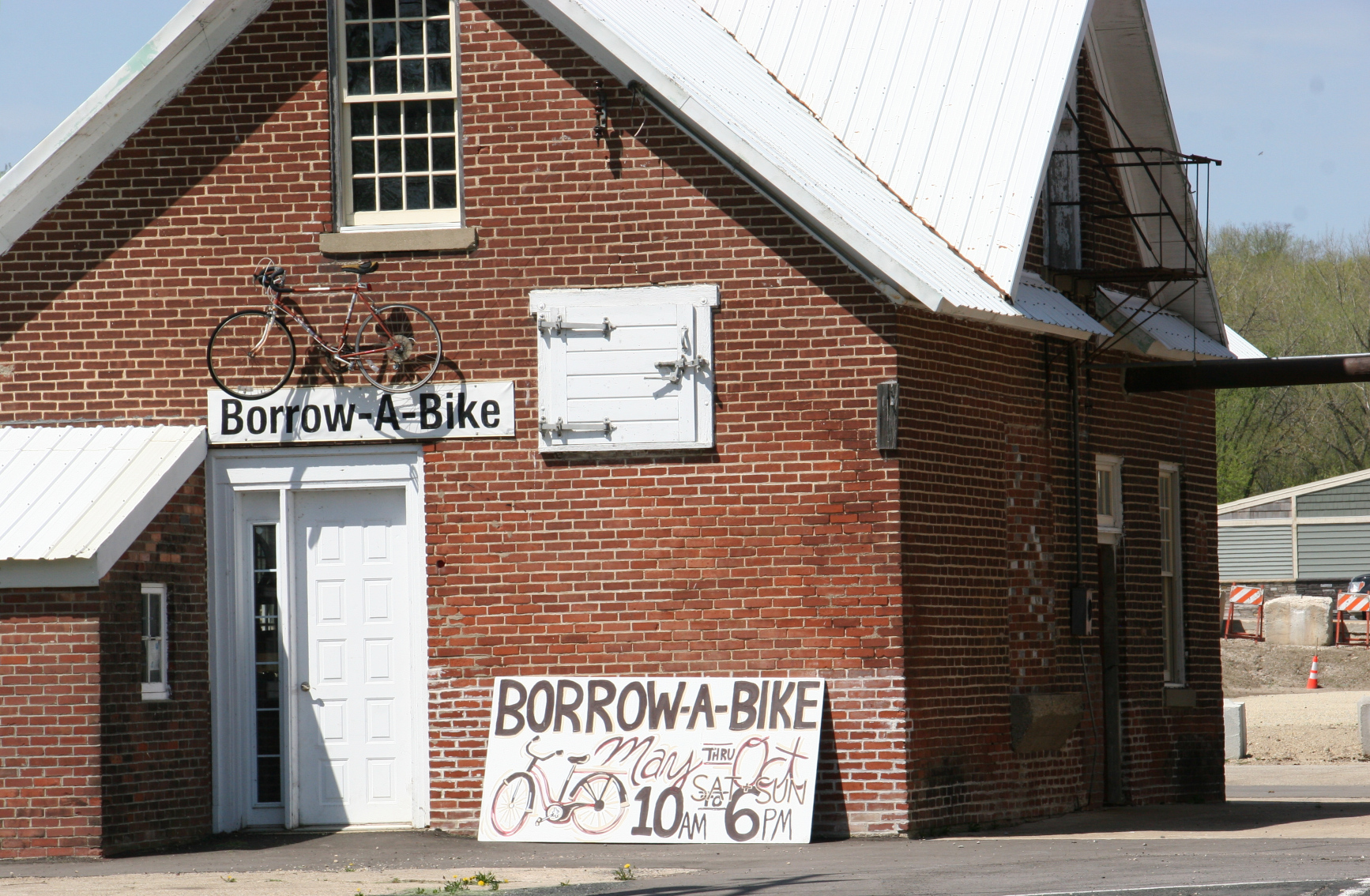
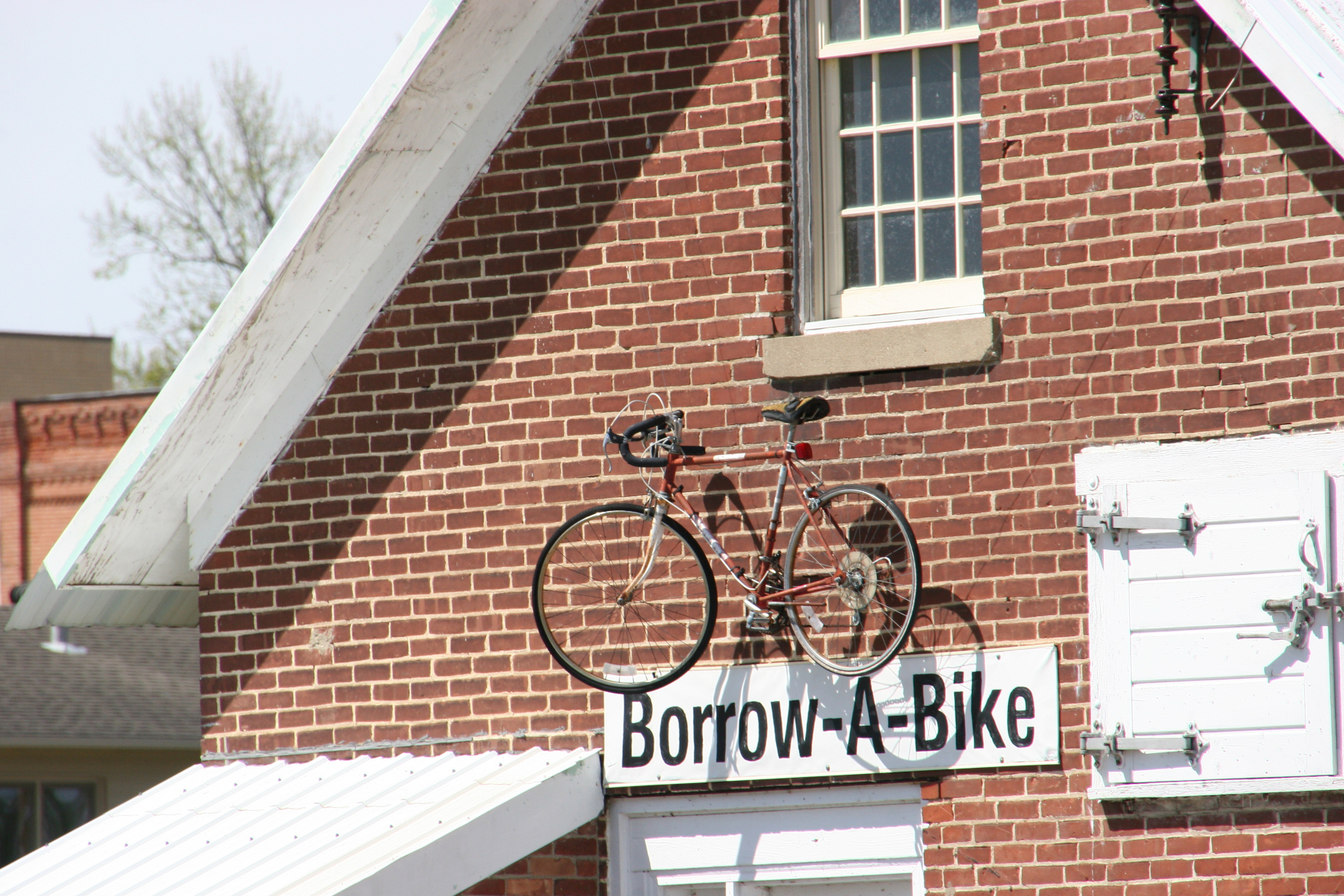
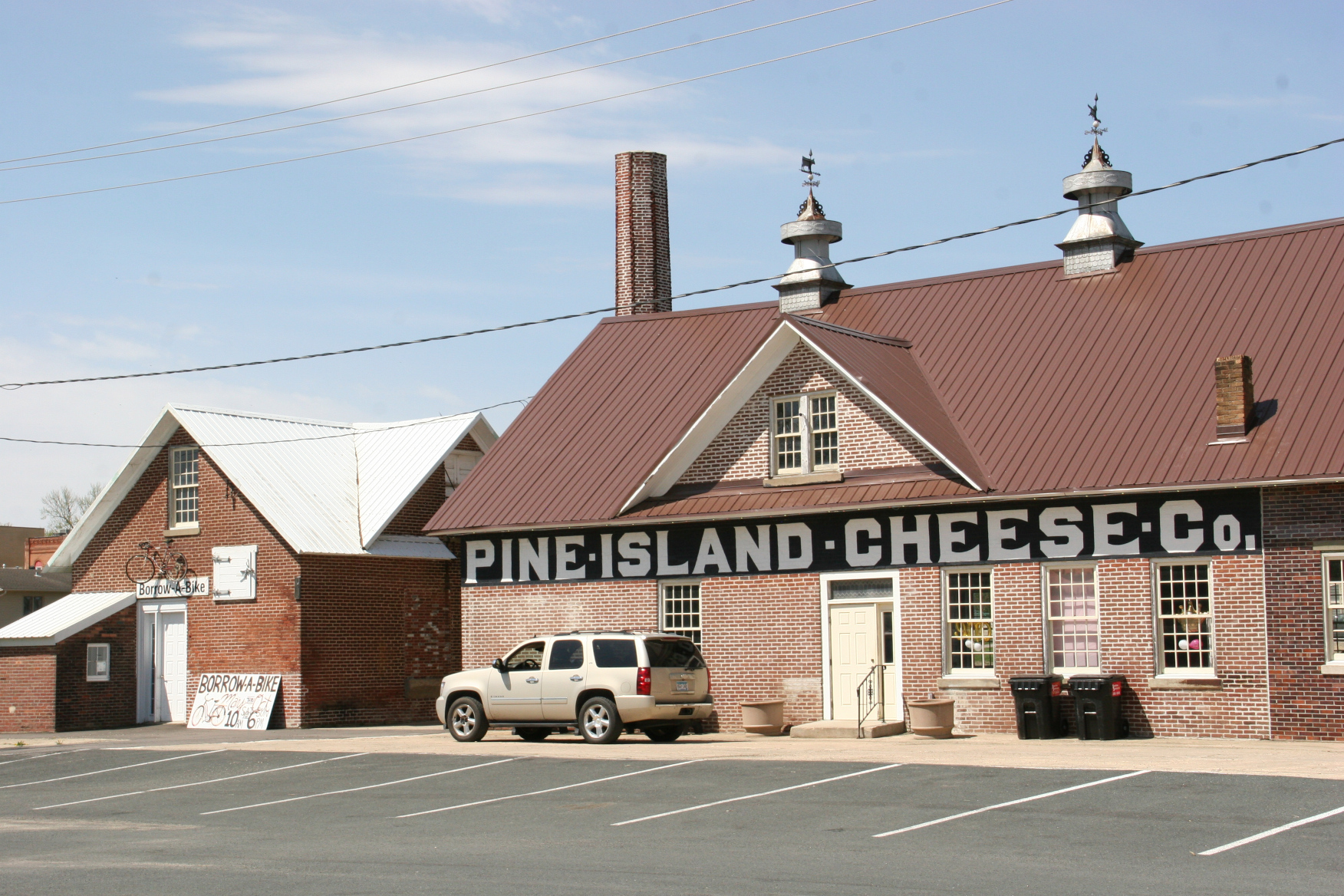
In Pine Island, site of the “Borrow-A-Bike program. (Minnesota Prairie Roots copyrighted photo May 2022)

NOTHING IN LIFE is free. How often have you heard or read that adage? I expect often enough to recognize that statement mostly always rings true.

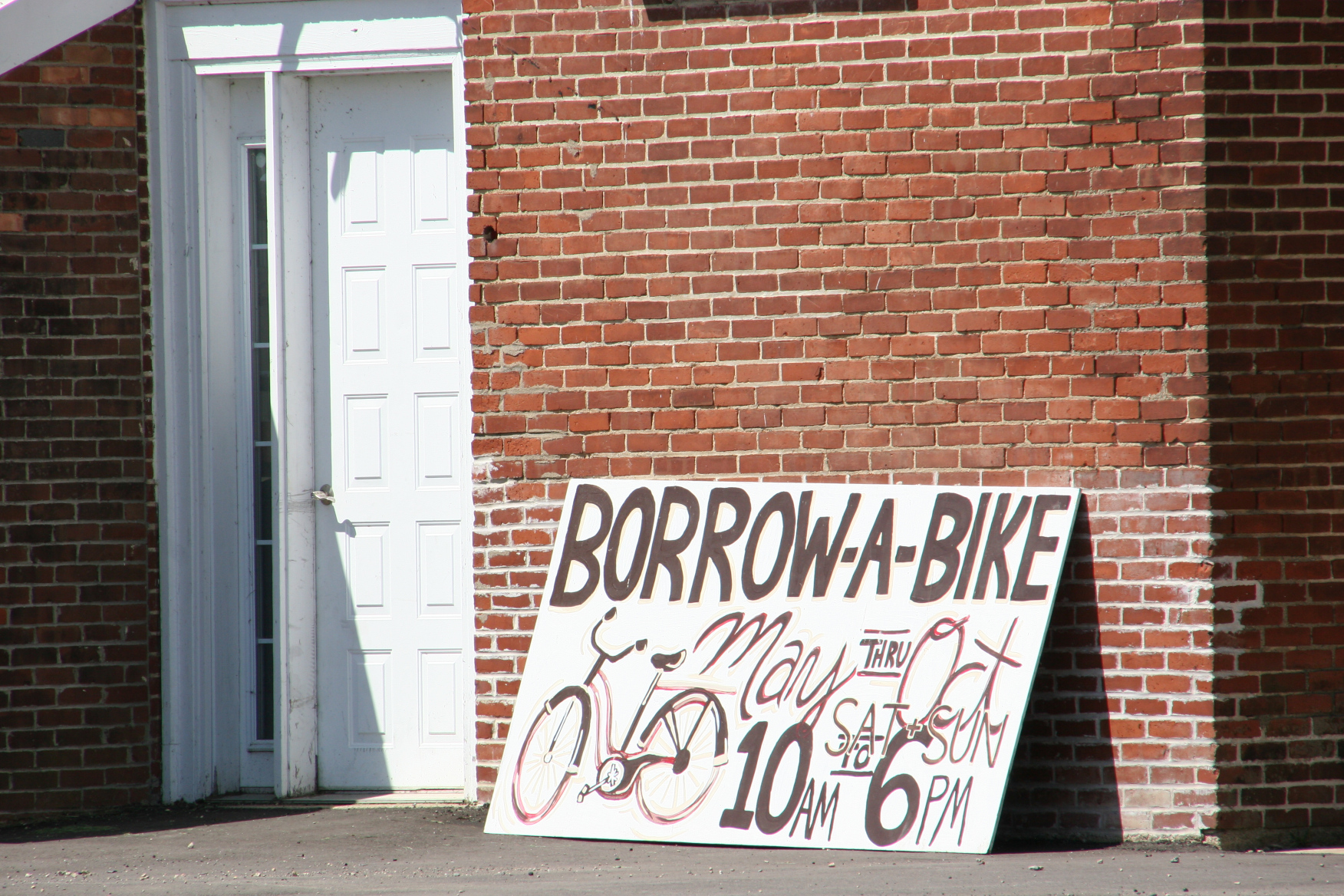
Details on borrowing a bike in Pine Island. (Minnesota Prairie Roots copyrighted photo May 2022)

But in the southeastern Minnesota community of Pine Island, located along busy US Highway 52 some 10 minutes north of Rochester, there is, indeed, something offered for free. And that’s the use of a bicycle to ride the Douglas State Trail.

The bike borrowing building is next to the parking lot at Trailhead City Park. (Minnesota Prairie Roots copyrighted photo May 2022)

When I recently photographed the Borrow-A-Bike signs posted on a lovely aged brick building by Pine Island Trailhead City Park, I assumed the bikes were available for rent, because, you know, nothing is free. Turns out I was wrong.

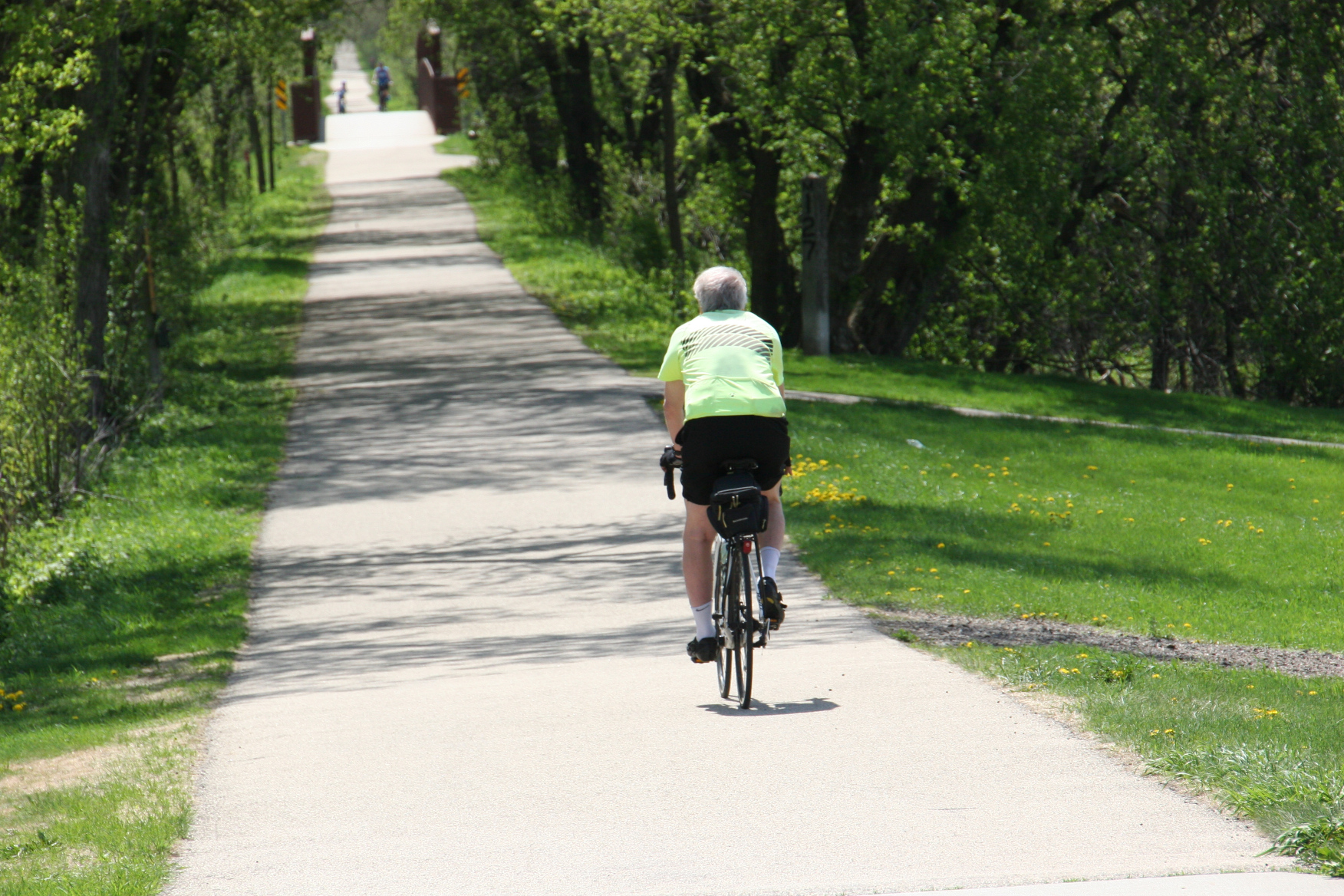
Biking the Douglas State Trail in Pine Island. (Minnesota Prairie Roots copyrighted photo May 2022)

Since 2009, the city has offered locals and visitors free usage of a fleet of bikes to ride the 12.5-mile paved recreational trail between Pine Island and northwest Rochester. The 70 donated, restored and maintained bikes are available in all sizes and even include some tandem bikes. Note that kids need signed authorization by a parent or guardian to borrow a bike and adults must register, sign a waiver, and grab a helmet before checking out a bike.

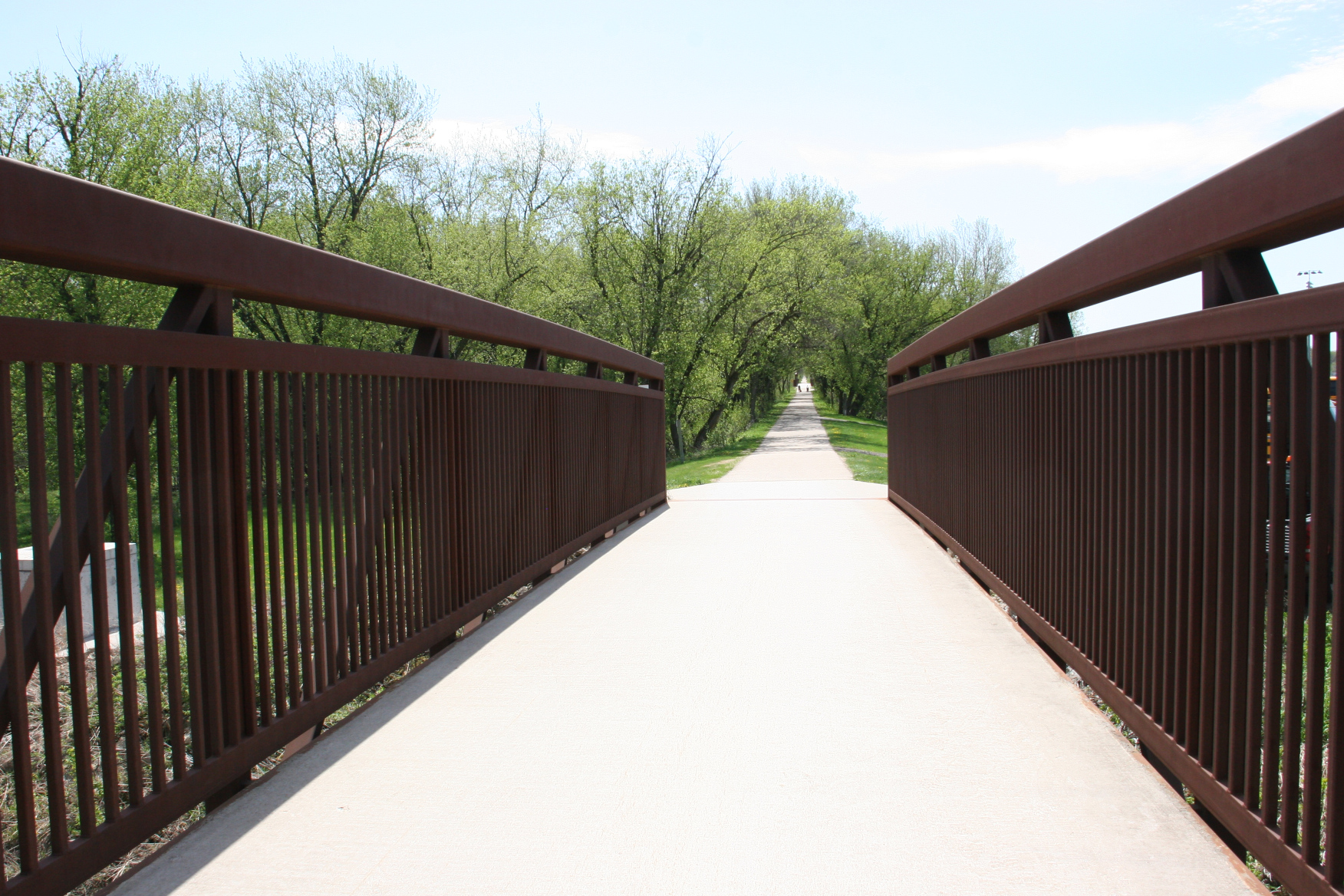
The trail bridge over the Zumbro River leads into the woods. (Minnesota Prairie Roots copyrighted photo May 2022)

Bikes are available from 10 am – 6 pm Saturdays and Sundays, May – October, or by appointment weekdays.

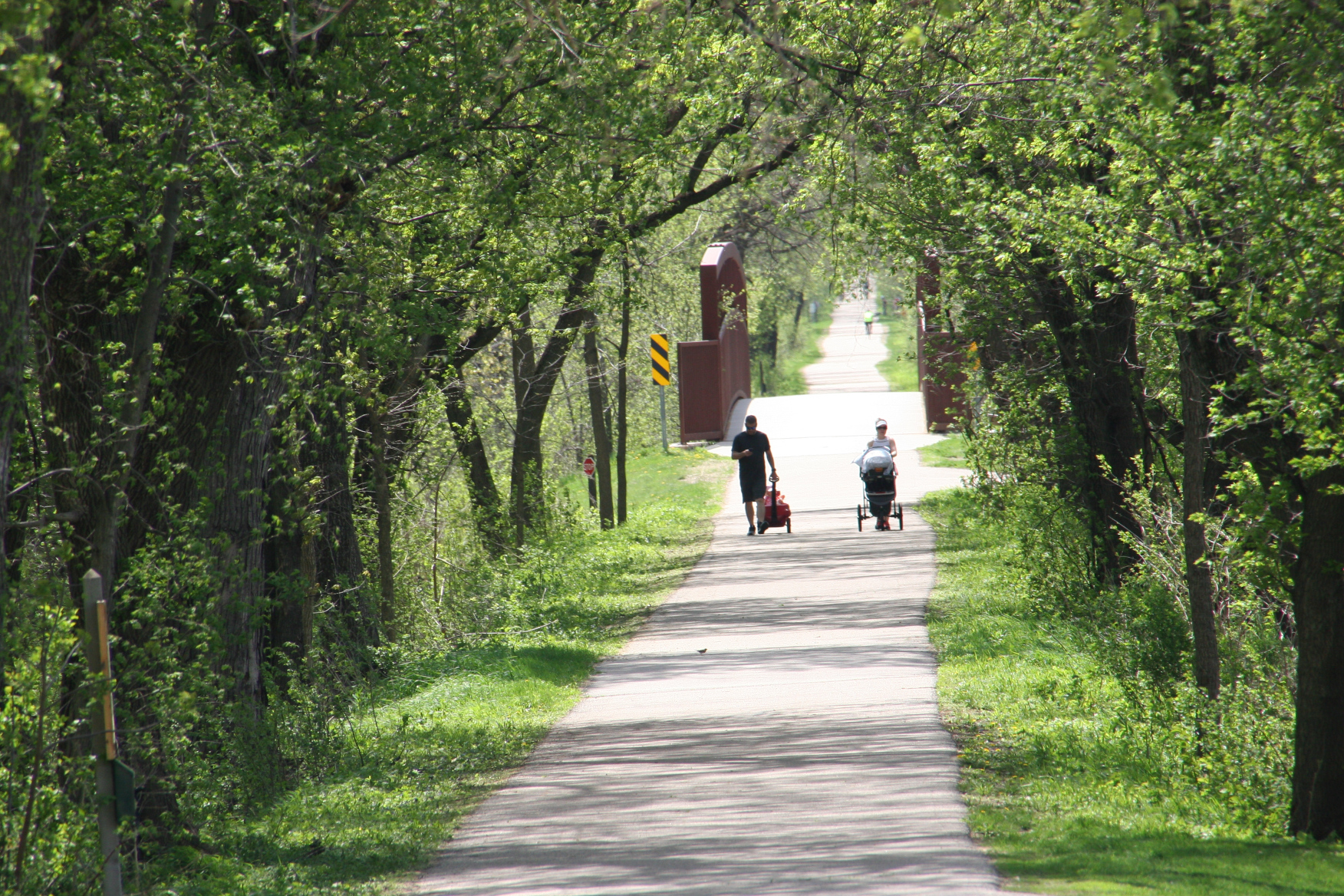
A family walks the Douglas State Trail in Pine Island. (Minnesota Prairie Roots copyrighted photo May 2022)

What a great idea to not only draw visitors to Pine Island, but also to encourage people to get outdoors, exercise and explore rural Minnesota.

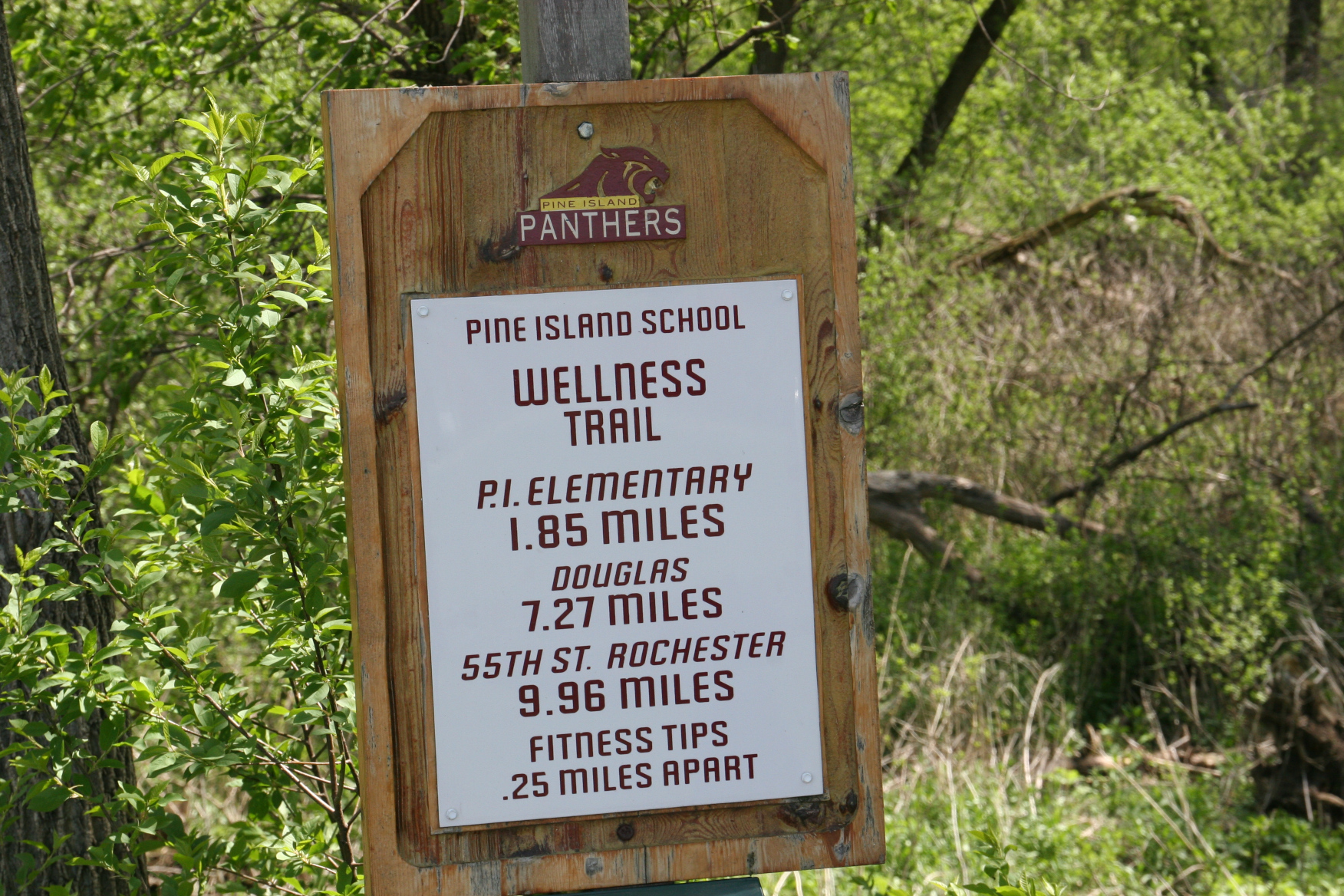
Douglas State Trail signage in Pine Island. (Minnesota Prairie Roots copyrighted photo May 2022)

The trail follows an abandoned railroad line past wooded areas, open countryside and along the Zumbro River with a half-way stopping point in the unincorporated community of Douglas in Olmsted County. Next trip to the area, I need to find Douglas.

The Pine Island Cheese Company name honors the community’s history in cheese and butter-making. The building is available for event rental from the city. (Minnesota Prairie Roots copyrighted photo May 2022)

This Borrow-A-Bike program is especially needed now with ever-rising gas prices and out-of-control inflation. Couples and families are seeking low-cost ways to enjoy time together and this offers that. Not everyone owns a bike. Not everyone can transport a bike/bikes. This program makes biking easy and accessible to all. Plus, it gets people outdoors and away from screens.

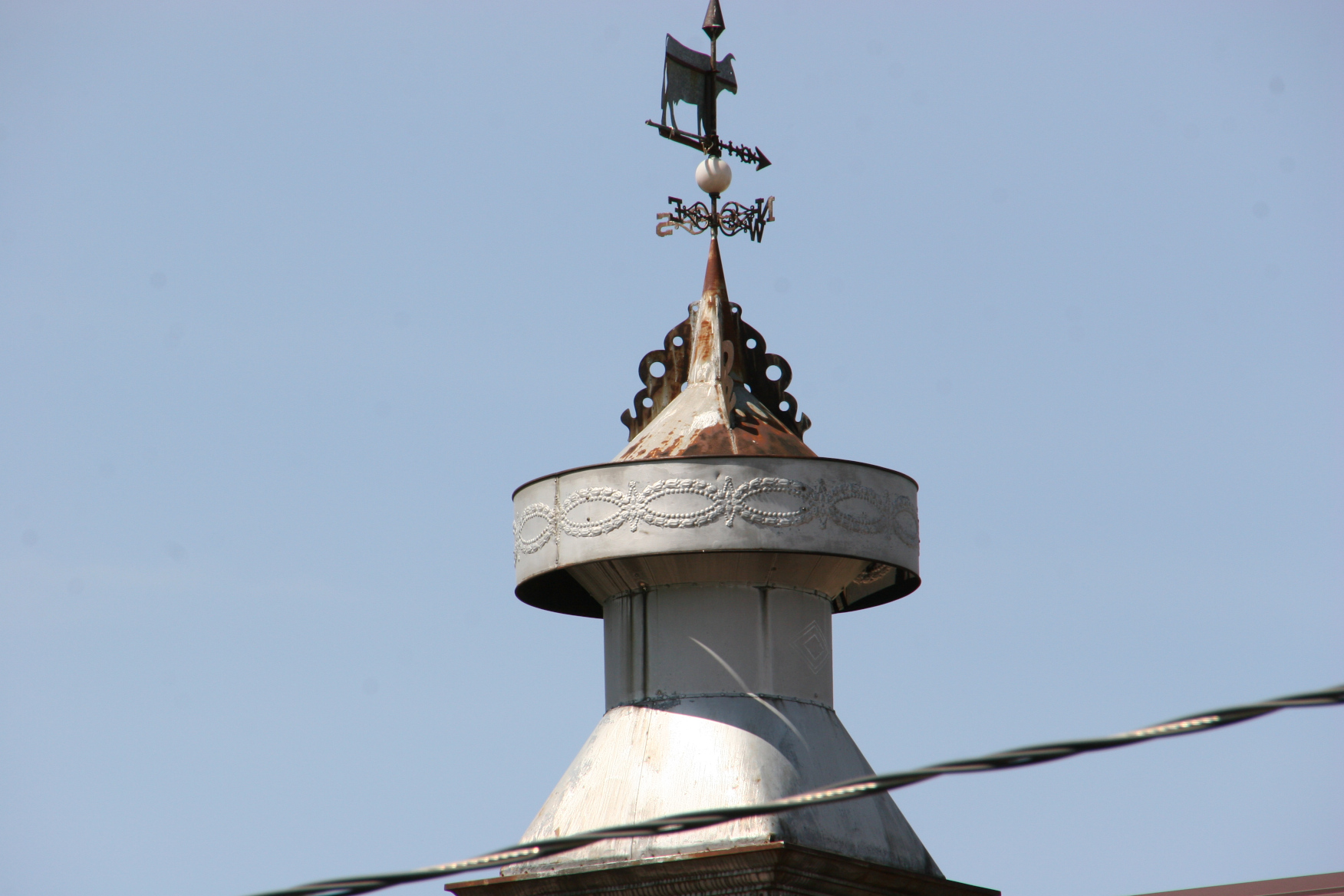
One of two cupolas atop the cheese company building in Pine Island. (Minnesota Prairie Roots copyrighted photo May 2022)

Nothing in life is free…until you find something that is—like Borrow-A-Bike in Pine Island.

FYI: Click here for more information about Borrow-A-Bike.

© Copyright 2022 Audrey Kletscher Helbling
 

Spring planting in Minnesota & why I care May 25, 2022

Filed under: Uncategorized — Audrey Kletscher Helbling @ 5:02 AM
Tags: , , , , , , , ,
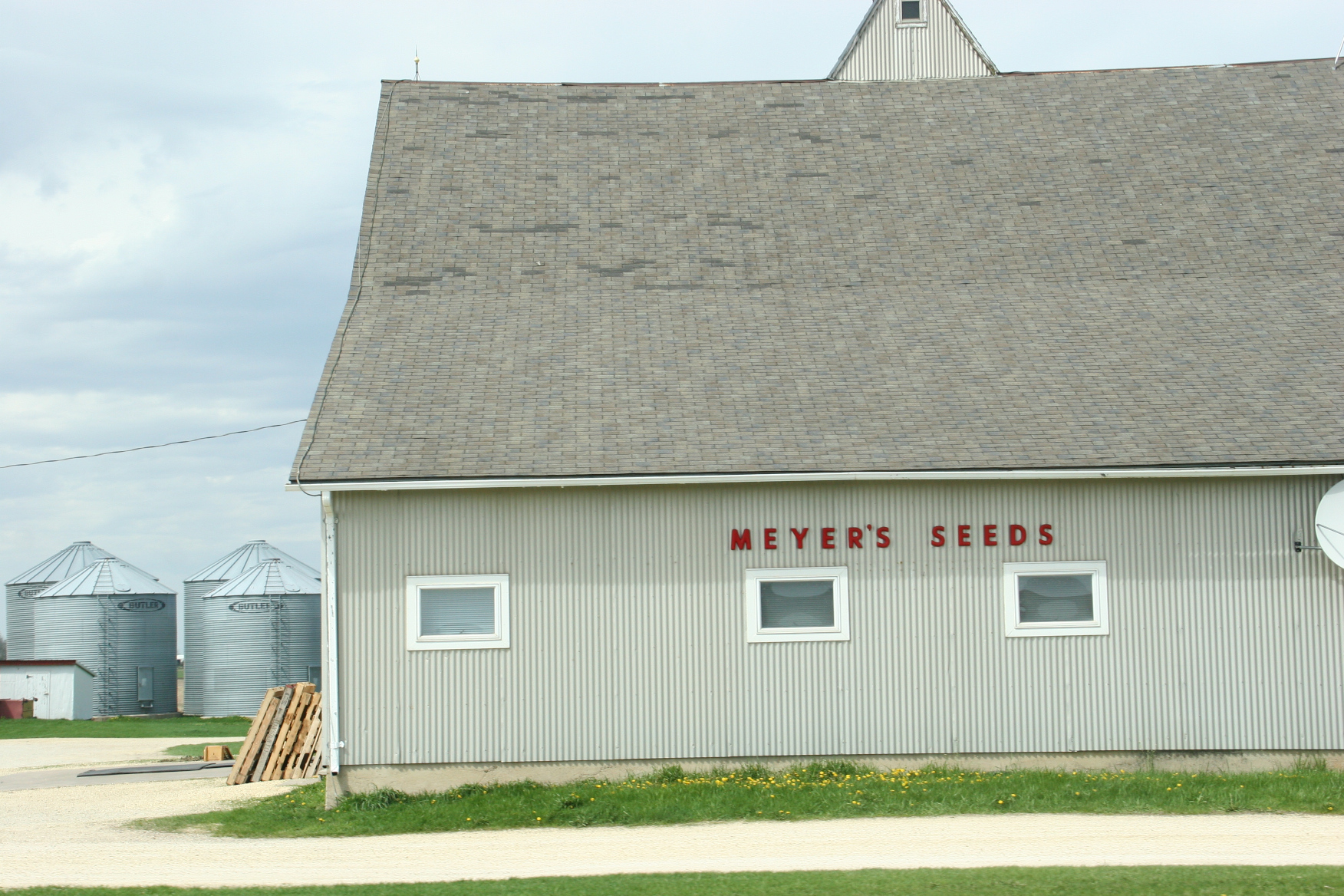
Seed source, rural Elgin, Minnesota. (Minnesota Prairie Roots copyrighted photo May 2022)

THE 2022 PLANTING SEASON has proven exceedingly challenging for Minnesota farmers. A late spring with unseasonably cold temps, coupled with too much rain, has delayed seeding of corn and soybeans.

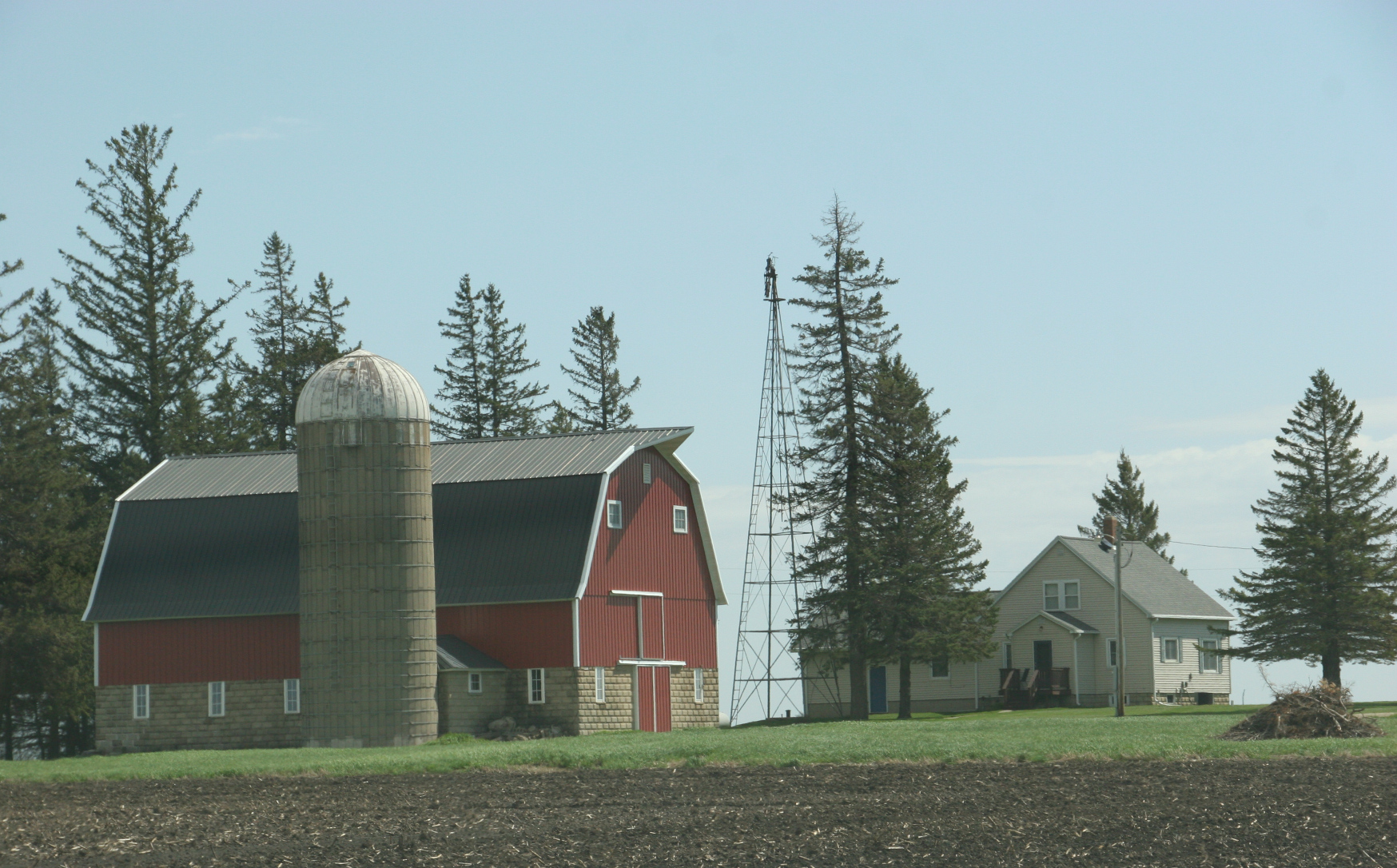
A picturesque farm site in southern Minnesota, field in the foreground. (Minnesota Prairie Roots copyrighted photo May 2022)

Some areas of our state have experienced widespread flooding, creating muddy conditions and lakes. Not exactly what farmers need in May. To add to that, destructive storms damaged or destroyed farm buildings and equipment, especially in the western region of Minnesota.

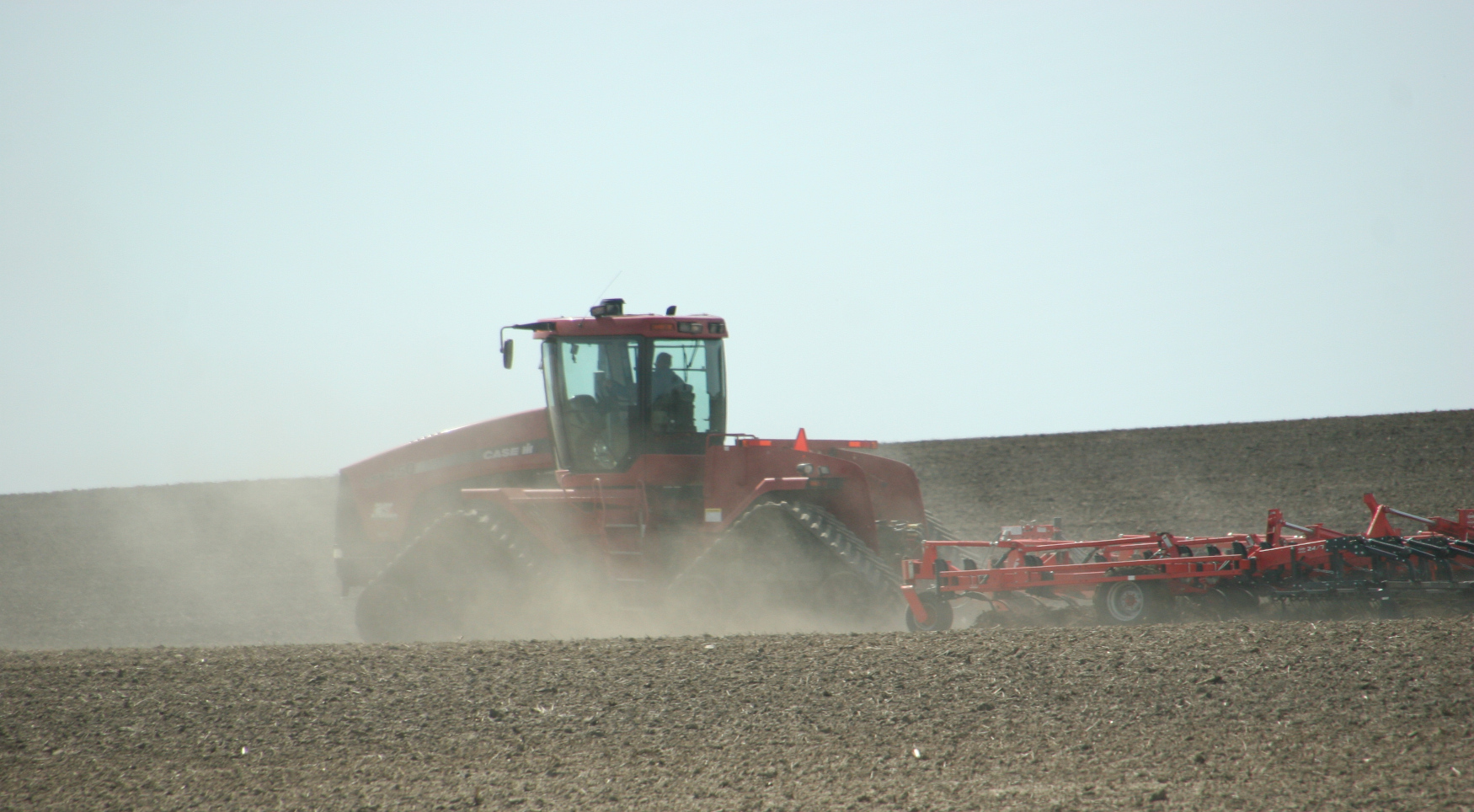
Soil type and topography (here on a hillside) affect tilling and planting, along with the biggest factor, weather. (Minnesota Prairie Roots copyrighted photo May 2022)

Corn planting data from the United States Department of Agriculture (updated every Monday) shows below average planting progress throughout the Midwest, West and in some states east of Illinois. In Minnesota, only 60 percent of the corn was planted as of May 23. That compares to 98 percent last year and a 5-year average of 86 percent. That puts into perspective the 2022 planting delays.

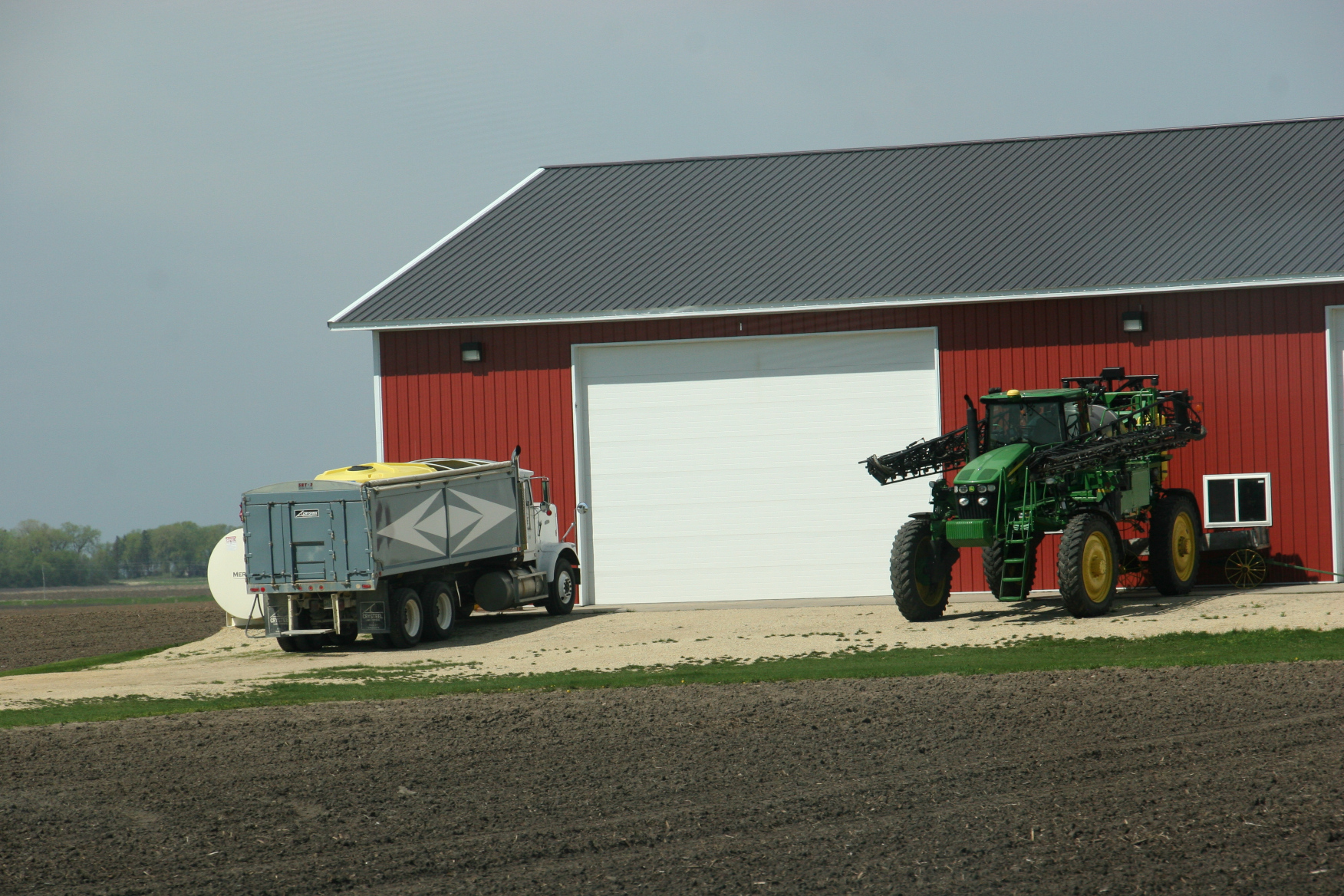
Equipment, outside a farm outbuilding, ready for spring field work. (Minnesota Prairie Roots copyrighted photo May 2022)

Yet, if you farm, you realize a stretch of good weather can quickly change everything for the good. Time will tell how this all plays out.

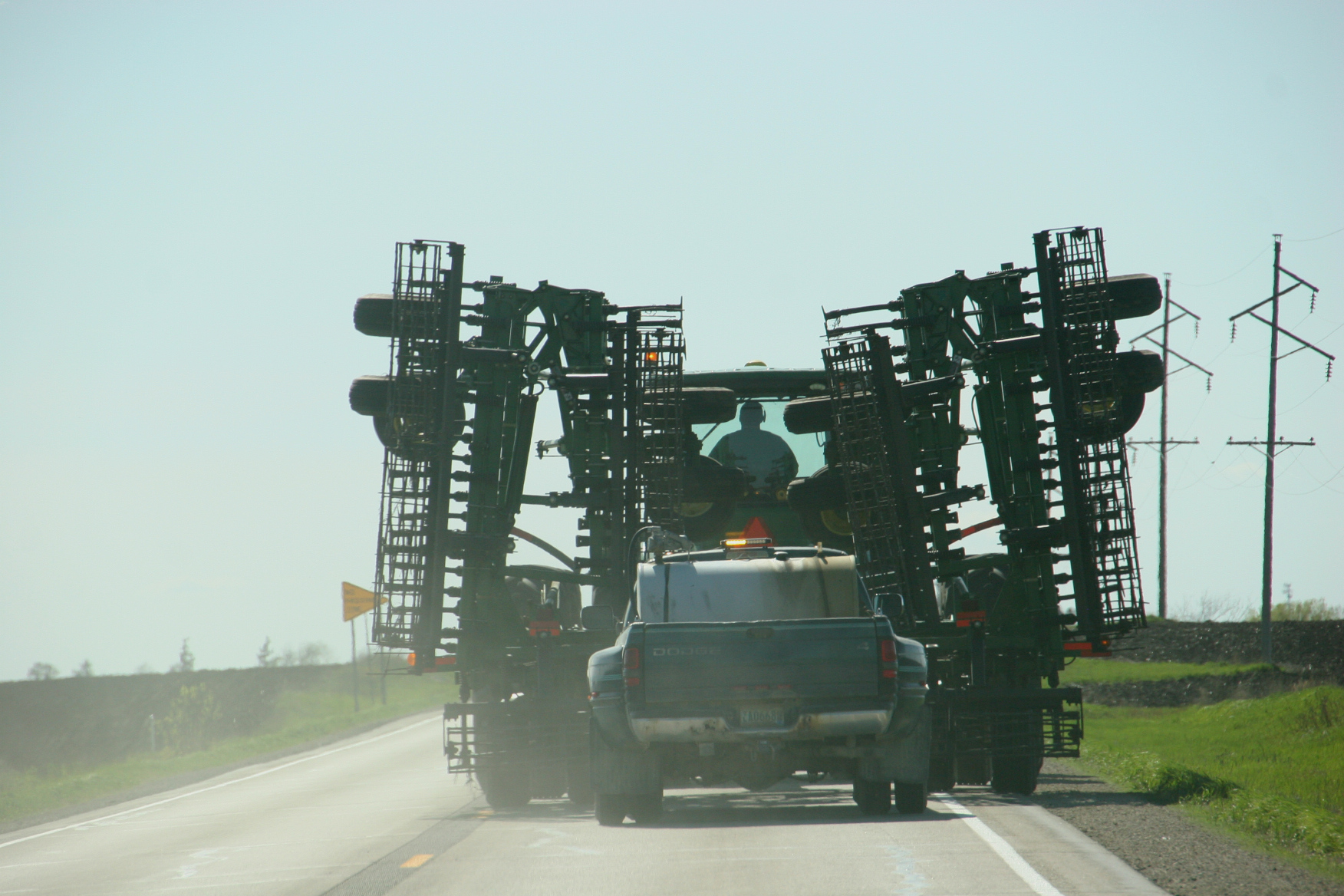
Following farm equipment on Minnesota State Highway 60. This is a common sight in spring which requires patience and caution by motorists. (Minnesota Prairie Roots copyrighted photo May 2022)

I find it interesting that, nearly 50 years removed from the farm, I still pay attention to spring planting, and, later, harvest. I have friends who farm. But, more than that, farming is part of my history, part of who I am, even as an adult decades distanced from living on the land. I am proud of my rural heritage. It shaped me. It grew me. I see that rural influence in my writing, my photography, in the places I value and, I suppose, even in the way I live my life.

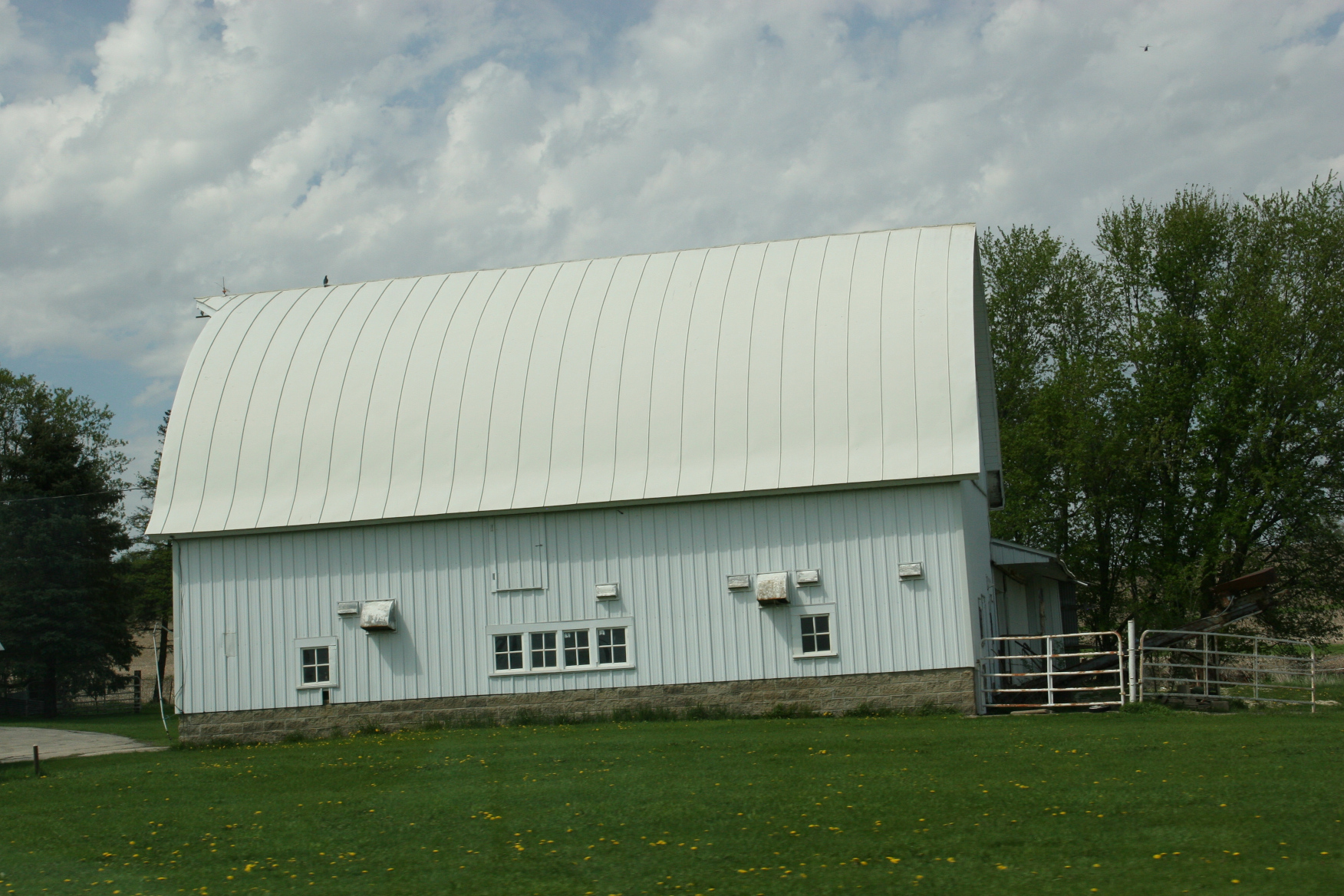
A well-kept barn in southern Minnesota. (Minnesota Prairie Roots copyrighted photo May 2022)

I am, and always shall be, honored to call myself a farm girl.

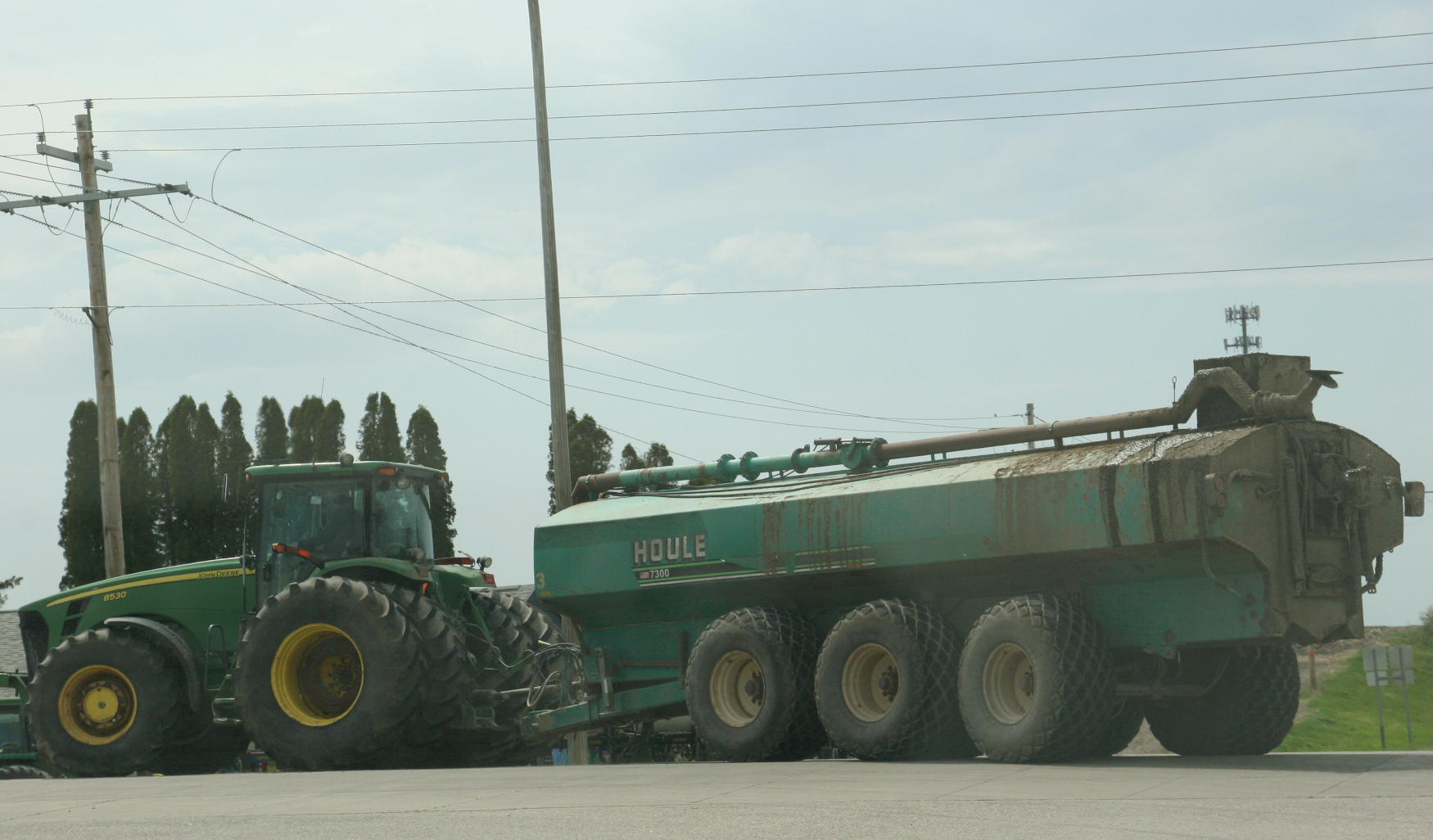
Another common sight on Minnesota roadways in the spring–a farmer hauling liquid manure to spread on fields. Not really anything you want to follow and I was thankful when the tractor turned. (Minnesota Prairie Roots copyrighted photo May 2022)

HOW ABOUT YOU? Did place shape you? I’d like to hear.

NOTE: I took these photos on May 14 in Goodhue, Olmsted, Rice and Wabasha counties in southeastern Minnesota. All images were taken through the passenger side windshield or side window while traveling on the roadway.

© Copyright 2022 Audrey Kletscher Helbling
 

Honoring the earth, past & present on Earth Day April 22, 2022

Filed under: Uncategorized — Audrey Kletscher Helbling @ 5:00 AM
Tags: , , , , , , , , ,
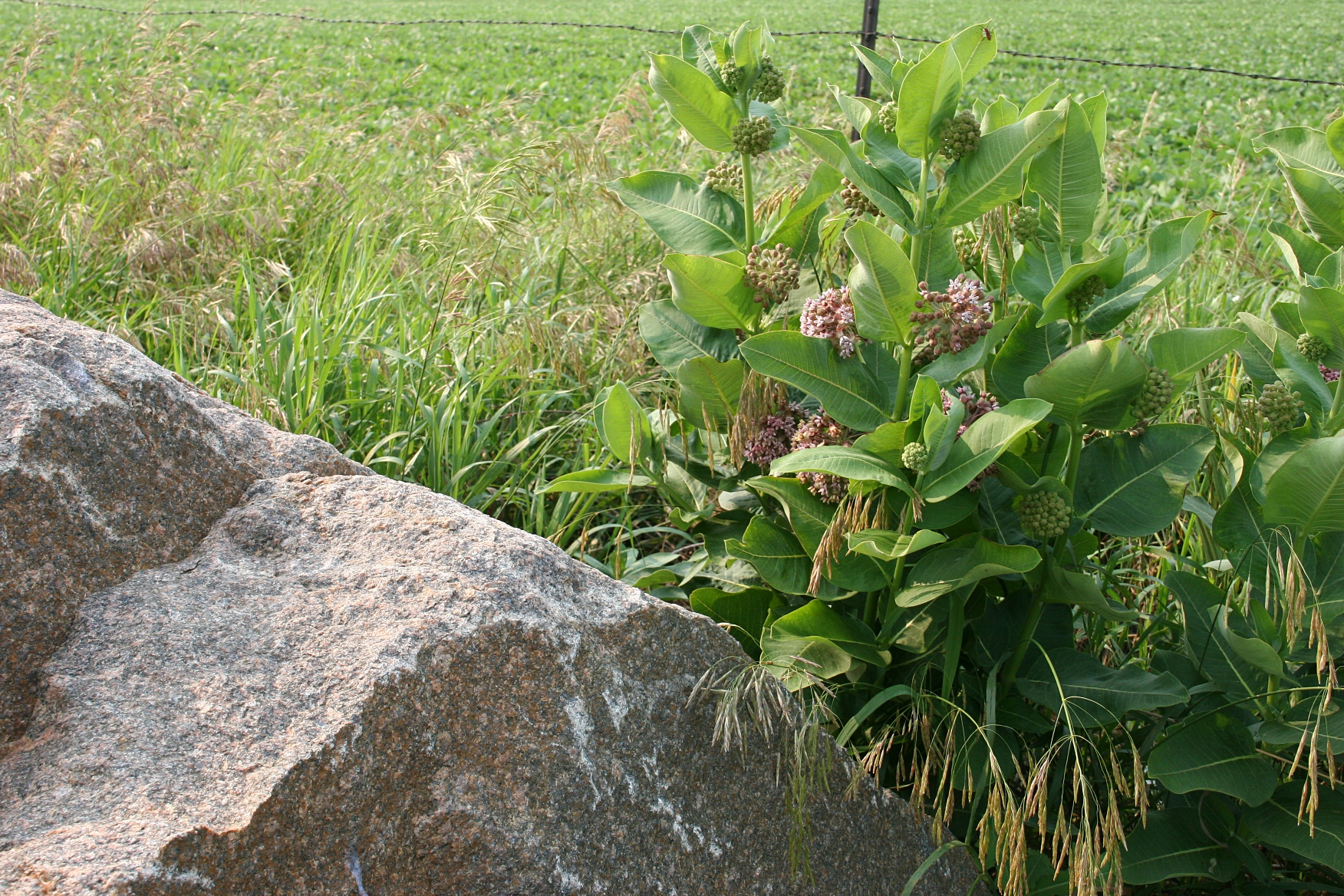
Monarch attracting milkweed grows next to a soybean field in southwestern Minnesota. Planting milkweed is one way to help the earth. (Minnesota Prairie Roots copyrighted file photo July 2015)

TODAY, APRIL 22, marks Earth Day, a day to focus on our planet, the environment and ways we, individually and globally, can protect both.

This day gives me pause to reflect on an event which began in 1970, when I was nearing young adulthood. I remember the anti-litter campaigns, the energy shortage and even Earth Shoes. Fifty-two years later, the focus has shifted to clean energy, Zero Waste and climate change.

But, taking it down to a personal level, what am I doing to honor the spirit and intent of Earth Day on a daily basis? Some examples follow. What are you doing?

WHEN I WORE FEED SACKS

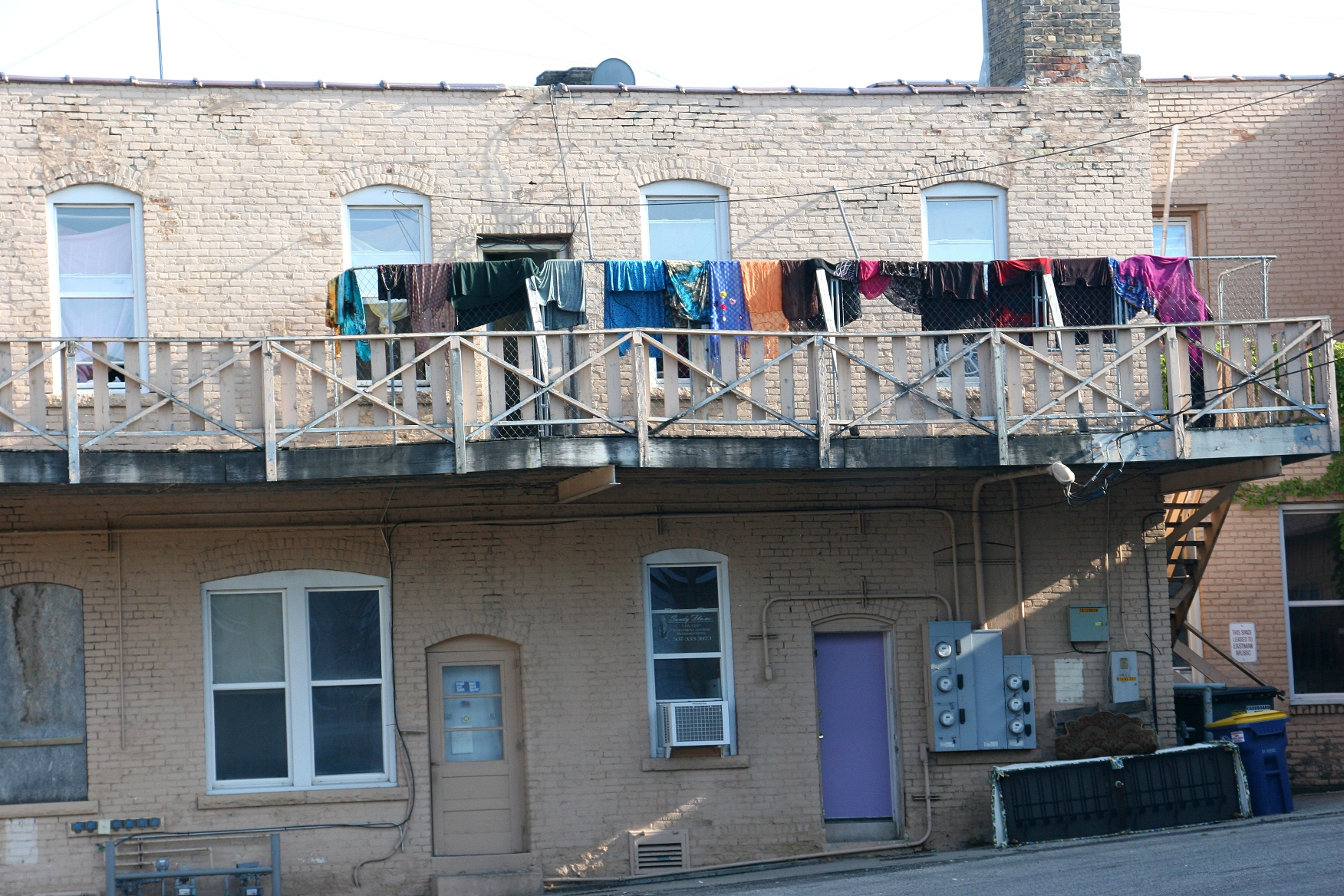
One of my all-time favorite images of laundry drying outside was taken on the back side of a building along Third Street N.E. in downtown Faribault, just across the alley from the post office. (Minnesota Prairie Roots copyrighted file photo July 2015)

I recognize that some of what I do is rooted in my past, where reuse was popular long before it became hip. For example, as a child I wore clothing stitched from feed sacks. Not all clothes, of course, but enough that I remember. Clothing was handed down the line from oldest to youngest siblings and sometimes among cousins. Whenever I got new clothes in my youth, they were either from the sales rack or sewn by my godmother or, later as a teen, by me. When I had children, most of their clothing came from garage sales. To this day, I dislike clothes shopping and gravitate to the discount rack. And, yes, I still occasionally buy second-hand. My approach to apparel is, I figure, earth-friendly.

Likewise when it comes to laundry, I either line dry outdoors or on a rack inside. To me hanging laundry isn’t a chore. I love the methodical rhythm of clipping laundry to the line early in the morning, then pulling it off when the sun has dried the clothes, towels, sheets… In the process, I’ve saved energy by not using my electric dryer.

SAVE THE BOWS, PLEASE, & THE CARDS

Examples of Christmas cards that were recycled into gift tags. (Minnesota Prairie Roots copyrighted file photo 2012)

I also save and reuse gift bags, tissue paper and ribbons/bows. Through the years, I’ve taken a lot of ribbing for that practice. But, frankly, I don’t care. Tossing those items seems wasteful to me. And I am simply following the example set by my mother who, Christmas to Christmas, saved and reused tissue, ribbons, bows and carefully-folded wrapping paper. (We didn’t get birthday gifts.) I don’t reuse paper. Mom’s reasons for reuse were not necessarily rooted in the environment, but rather in finances. Wrapping paper and all the embellishments cost money. She also saved Christmas cards, repurposing them as gift tags, something I also do.

BREAD BAGS & PEACH PAPER

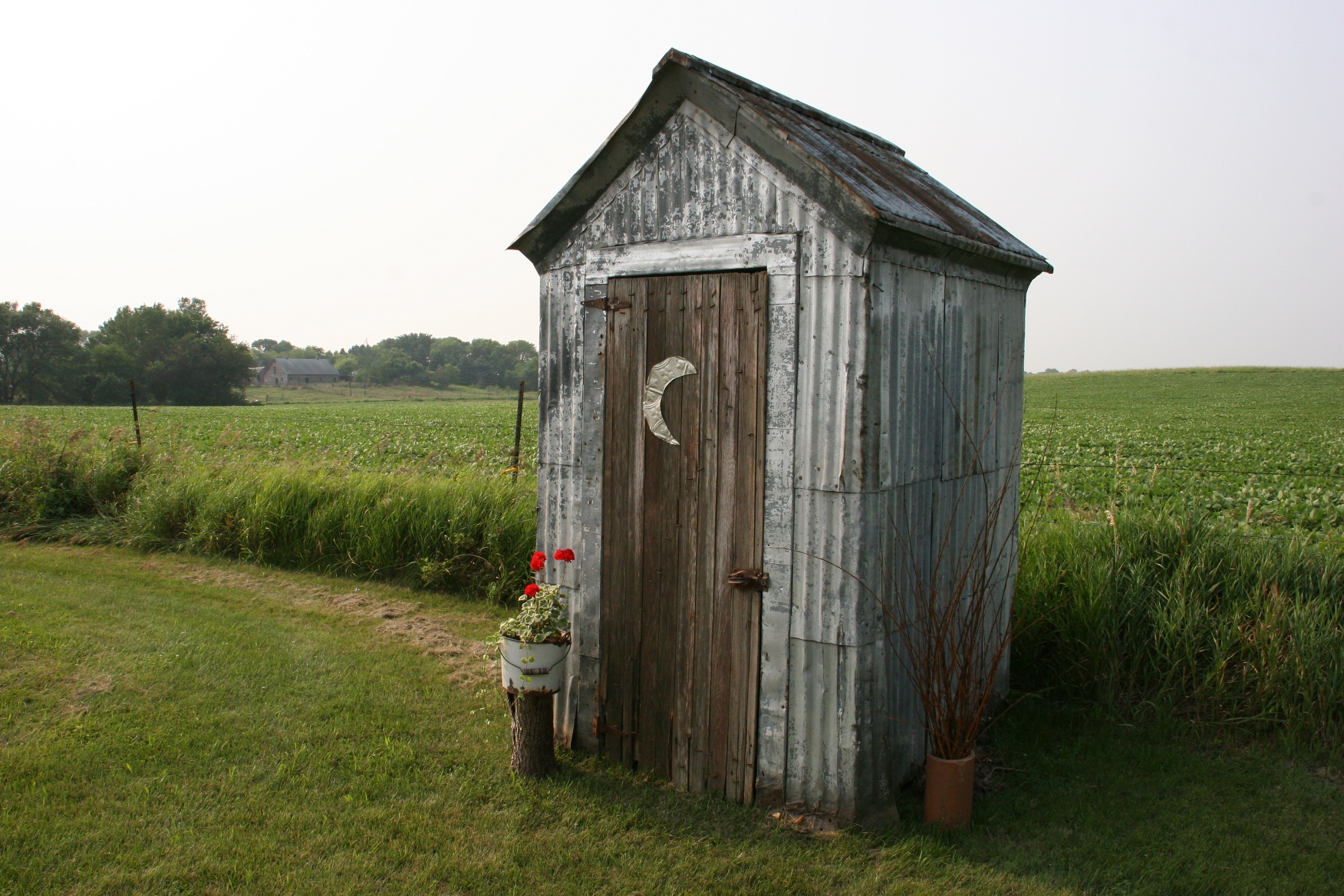
An outhouse repurposed as a storage shed on my middle brother and sister-in-law’s rural acreage near Lamberton. (Minnesota Prairie Roots copyrighted file photo 2015)

I also follow Mom’s example of washing and reusing plastic food storage bags. I don’t save bread bags, though. While growing up, I slid bread bags over my feet before slipping into boots. The bags kept my feet dry and warm, especially if my rubber boots leaked.

Thankfully I don’t need to repurpose the tissue from individually-wrapped crated peaches as toilet paper in the outhouse. Yes, I grew up using an outhouse in the warm weather months and a pot on the porch in the winter because our old farmhouse didn’t have a bathroom. I am quite appreciative of the small solo bathroom in my current house.

OLD IS JUST FINE WITH ME

A display at Reborn Home Furnishings, which recycles/upcycles/repurposes furniture. I discovered this shop during a visit to Luverne in southwestern Minnesota. (Minnesota Prairie Roots copyrighted file photo 2014)

The one other area in which I’ve really focused on reuse is furniture. I just counted all the furniture pieces in the six rooms on our main level. Of the 20 pieces, we’ve purchased only five new—the sofa, recliner, entertainment center and my office desk and chair. The dining room table and chairs came from two auctions 40 years ago. Other furniture either came from garage sales or from family. Even our bedroom ensemble—hideous 1950s blonde—is used. Not the mattress or boxspring. In the two second floor bedrooms, all of the furniture is second-hand.

RECYCLED ART, OH, HOW I LOVE THEE

Donated art fills a gallery at the Paradise Center for the Arts. The center hosts an annual Recycled Art Sale. (Minnesota Prairie Roots copyrighted file photo 2014)

And then there’s art. I love art and own a stash of it thanks to thrift stores, garage sales, the local recycled art sale and my mom. My “newest” pieces are “Jesus, the Good Shepherd” and “Jesus Knocks,” wedding gifts to my parents in 1954. Budget-friendly sources of art have allowed me to curate pieces I love in an earth-friendly way.

Now, I’d like to hear from you. How do you honor the spirit and intent of Earth Day in your daily life? Let’s learn from one another about ways we can reuse, repurpose, recyle, upcycle, reduce waste…

© Copyright 2022 Audrey Kletscher Helbling
 

Feeling especially valued as a Minnesota creative February 18, 2022

A serene rural scene just north of Lamberton in southern Redwood County, my home county, shows the roots of my creativity in the prairie. (Minnesota Prairie Roots copyrighted file photo October 2013)

I’VE ALWAYS SENSED within the artistic community an unwavering support of one another. A kinship in creativity. A connection sparked by the sheer act of creating, whether by words, by music, by paintbrush or pencil or camera or hands or…

Craig Kotasek crafted these letterpress print promo posters for his current show. (Minnesota Prairie Roots copyrighted photo February 2022)

And today I’m feeling especially valued by an artist I posted about just days ago—Craig Kotasek of Tin Can Valley Printing in Le Sueur. I wrote about his Letterpress Print Show at The Arts & Heritage Center of Montgomery (Minnesota). If you haven’t viewed that story yet, click here to read my insights into his work and to see his incredible letterpress artistry showcased in my photos.

Well, Craig heard about my post, followed up with an email to me and then posted the kindest/loveliest/nicest review of my work on his website (click here). I am not only humbled by his generous words, but by his detailed gratitude for Minnesota Prairie Roots. He clearly understands me, my artistic and journalistic passions, my love for small towns and rural Minnesota, and my desire to share my discoveries.

Craig is just one example of how generous this community of creatives.

When we create, we share part of ourselves with the world. I cannot imagine not creating. That comes from a southwestern Minnesota farm girl who grew up with minimal exposure to the arts. No music lessons. No art classes. No gallery shows. No community concerts. Nothing outside the basic core of required class courses in middle and high school.

A snippet of the land my father farmed, my middle brother after him, on the rural Vesta farm where I grew up. (Minnesota Prairie Roots copyrighted file photo April 2013)

But what I lacked in the arts I found in the prairie landscape. In the unrelenting wind. In sunsets bold and beautiful. In snowstorms that washed all color from the earth. In wild pink roses pushing through road ditch grass. In the earthy scent of black dirt turned by a plow. I took it all in, every detail in a sparse land.

And I read. Laura Ingalls Wilder, pioneer girl from Walnut Grove only 20 miles distant. Nancy Drew with her inquisitive mind. Whatever books I could find in a town without a library.

Today I feel grateful to live blocks from a library. I feel grateful to have access to the arts. You will find me often posting about creatives on this blog. Creatives like Craig Kotasek of Tin Can Valley Printing. He’s a gifted craftsman and artist specializing in letterpress printing. What a talented community of artists we have in rural Minnesota. I feel grateful to be part of that creative community.

© Copyright 2022 Audrey Kletscher Helbling
 

Rural reflections in the season of autumn November 22, 2021

Harvest in Monkey Valley near Kenyon. (Minnesota Prairie Roots file photo October 2021)

NOVEMBER MARKS A MONTH of transition from autumn to winter here in Minnesota.

A tree frames an abandoned silo and the remains of a barn in Monkey Valley. (Minnesota Prairie Roots copyrighted photo October 2021)

Trees stand against an often grey sky, brisk winds stripping the last of their leaves to bare branches. Nests crafted by squirrels high in treetops appear vulnerable, unsheltered, exposed to the elements while far below these busy oversized rodents munch on maple seeds, hide walnuts, prepare for winter. Their smaller cousins find their way into our aged house and garage, necessitating a daily check of the trap-line.

Harvesting corn in Monkey Valley. (Minnesota Prairie Roots copyrighted photo October 2021)

Harvest is done. Corn and soybeans reaped. A once lush rural landscape now looks drab, awash in muted earth-tones.

Endless acres of corn defined the landscape near Kenyon pre-harvest. (Minnesota Prairie Roots copyrighted photo October 2021)

For farmers, long days and nights in the field are but a memory. Stress and rush easing into a slower rhythm of life.

Spotted along a gravel road near Kenyon, grazing cattle. (Minnesota Prairie Roots copyrighted photo October 2021)

The early days of autumn hold such beauty in landscape, such promise in anticipation of harvest. I’ve always loved September and October. This autumn, particularly, in the unchanging season of COVID-19, I’ve needed to reconnect with the earth. To witness the harvest. To view farm sites. To follow back country gravel roads, dust trailing the van. To find peace.

A farm site in the ghost town of Aspelund. (Minnesota Prairie Roots copyrighted photo October 2021)

My appreciation for rural traces to my rural roots. I shall always feel gratitude for my 18 years on the farm. The southwestern Minnesota prairie shaped me as a writer and a photographer in that I noticed, still notice, details. The brutal slice of the winter prairie wind. The remarkable beauty of a flaming sun edging down. The taste of earth in potatoes dug from the garden. The sound of silence in hearing nothing. The unmistakable smell of harvest carried from combine to farmyard.

Just another view of the farm site in Monkey Valley. (Minnesota Prairie Roots copyrighted photo October 2021)

These farm memories I carry with me as autumn wanes, as November days move Minnesota toward winter. Harvest done.

#

NOTE: All of these photos were taken a month ago. The landscape looks much different now. Grey. Stark.

© Copyright 2021 Audrey Kletscher Helbling
 

Along Goodhue County Road 8, past fields, farms & ghost towns November 16, 2021

Just outside of Cannon Falls along Goodhue County Road 8, we stopped to admire the treeline and the gravel road winding toward it. (Minnesota Prairie Roots copyrighted photo mid-October 2021)

WHITE ROCK. Belle Creek. Hader. They are among the 60-plus ghost towns of Goodhue County. Places that once thrived, marked now only by signs along a road, a cluster of homes, perhaps a church or abandoned buildings.

Oh, lovely hues of autumn near Cannon Falls. (Minnesota Prairie Roots copyrighted photo mid-October 2021)

Yet, acknowledging their existence, as the Goodhue County Historical Society does with roadside signs, matters. Because these towns mattered to previous generations and still matter to those with connections to the likes of Aspelund, Burr Oak Springs, Crystal Springs, Eidsvold, Skyberg and so many more with names that hint at heritage and sound poetically beautiful.

Snugging CR 8, a well-kept barn. (Minnesota Prairie Roots copyrighted photo mid-October 2021)

On a road trip to Goodhue County a month ago, Randy and I followed County Road 8 east and then south of Cannon Falls back toward Faribault.

Clouds and trees and field along CR 8. (Minnesota Prairie Roots copyrighted photo mid-October 2021)

Our route took us past clusters of woods, some tinged in autumn hues.

Goodhue County Road 8 near Cannon Falls sweeps into the valley. (Minnesota Prairie Roots copyrighted photo mid-October 2021)

Soon the road curved and swept into the valley, rows of corn rolling across the landscape. Only groves of trees surrounding farm sites broke the vista of endless unharvested fields.

Somewhere between White Rock and Belle Creek, this farmyard drew my eye. (Minnesota Prairie Roots copyrighted photo mid-October 2021)

Sometimes those farmyards hugged the paved road and I caught a close-up glimpse of farms, some with aged weathered barns and outbuildings, others updated with modern equipment and structures.

Likely a former creamery in Belle Creek. (Minnesota Prairie Roots copyrighted photo mid-October 2021)

In Belle Creek, Randy and I noticed a white building, likely a former creamery. Creameries often graced these small settlements, a necessity for farmers who sold cream for butter-making.

In Belle Creek, a building with an unknown-to-us story. (Minnesota Prairie Roots copyrighted photo mid-October 2021)

Another building in Belle Creek left us guessing at its past life. Perhaps a general store. Then a dance hall. We could be way off…

Seeing cows in the countryside takes me back in time. (Minnesota Prairie Roots copyrighted photo mid-October 2021)
Near Hader, I spotted calves outside their huts. (Minnesota Prairie Roots copyrighted photo mid-October 2021)

Occasionally, we spotted cattle, cows, calves. Growing up on a dairy farm, I delight in seeing bovines, especially Holsteins. But rare are the small family farms today that still raise animals. Corporate and mega farms have mostly replaced that self-sufficient lifestyle. That’s reality.

Lots of sky and cornfields along CR 8 in Goodhue County. (Minnesota Prairie Roots copyrighted photo mid-October 2021)

Just like ghost towns, many farms have become, in some ways, ghost farms. They are but ghosts of the past. Ghosts of their former selves and purposes. I see that in decaying, empty buildings, especially barns. I see that in the absence of livestock. I see that in families who can no longer support themselves solely via the farm.

Farm after farm after farm defines this area of Goodhue County. (Minnesota Prairie Roots copyrighted photo mid-October 2021)

All of this is unsettling. But with time comes change. And with change must come acceptance and perhaps also an added historical appreciation for the past.

© Copyright 2021 Audrey Kletscher Helbling
 

A bit of Norway at a country church in the Sogn Valley November 10, 2021

A simple country church, Eidsvold Norwegian Methodist. (Minnesota Prairie Roots copyrighted photo October 2021)

WHENEVER I HAPPEN upon an aged rural Minnesota church, as I did recently in Leon Township south of Cannon Falls, I wonder about the immigrants who founded it. What are their stories? How did they feel living an ocean apart from their beloved homelands and families? I admire their strength. Their ability to board a ship and sail toward The Land of Opportunity.

A Norwegian name in the Eidsvold Church cemetery. (Minnesota Prairie Roots copyrighted photo October 2021)

Oftentimes, the very names of these country churches and the names of those buried in the churchyard cemeteries reveal roots and heritage.

A brief history of the church. (Minnesota Prairie Roots copyrighted photo October 2021)

The small white clapboard church Randy and I discovered on 70th Street in the Sogn Valley area was clearly founded by Norwegian immigrants. Eidsvold Norwegian Methodist Church banners a sign with a brief history. Founded in 1893. Also known as “Ring Church.” Built by Gulbrand Nilson. Last service in 1949.

My initial view of the Eidsvold Church. (Minnesota Prairie Roots copyrighted file photo October 2021)

An online search dates the congregation’s organization to 1860. Perhaps the signage date references building construction. I couldn’t find much other information other than parishioners originally meeting for worship in homes, a common practice.

My own great grandfather, Rudolph Kletscher, who immigrated to the US from Germany in 1885, eventually settling on a farm near my hometown of Vesta in southwestern Minnesota, opened his home for worship. A pastor from the Lutheran church in neighboring Echo led services for 8-9 families and in 1900 those German immigrants built St. John’s Lutheran Church in town.

For those brave souls settling in a new land, I expect their faith provided comfort, strength and hope. And a place to gather, to sing and pray in their mother tongue, to support one another, to socialize. To celebrate. Baptisms. Weddings. Confirmations. Christmas and Easter. And to mourn.

Marthina Ring’s unassuming marker. (Minnesota Prairie Roots copyrighted photo October 2021)

The final service held at Eidsvold, as noted on the church sign, was the funeral of Marthina Ring on April 11, 1949. I determined to find her grave marker and I did. It’s a small, unassuming stone engraved with her birth and death dates. Born March 7, 1865. Died April 6, 1949. Other Ring family stones are larger, more prominent. John Ring, I learned online, was a leading supporter of this church. I have no idea of his connection to Marthina.

Beautiful flowers grace the cemetery. (Minnesota Prairie Roots copyrighted photo October 2021)

This cemetery appears cared for with golden marigolds, red and pink geraniums and other annuals splashing color among the grey and brown tombstones.

Water at the ready… (Minnesota Prairie Roots copyrighted photo October 2021)

Jugs of water snugged against the church foundation show me that someone comes here regularly to water those plants.

A token of love left for a mother. (Minnesota Prairie Roots copyrighted photo October 2021)

And a painted stone placed atop a marker for Virginia Jacobson reveals how much she is missed. Has been missed since her 2006 passing.

The door into Eidsvold was padlocked. (Minnesota Prairie Roots copyrighted photo October 2021)

That this church and graveyard have not been abandoned here among the fields in the Sogn Valley pleases me. This land, this church building, this cemetery meant something to those long ago Norwegian immigrants. And that is to be valued. Cherished. Honored. Celebrated, even by those of us with no connection to Eidsvoll/Eidsvold, Norway.

#

IF YOU KNOW more about the Ring Church, please share. I welcome additional information. As is often the case at rural churches, I found the front door locked.

The Goodhue County Historical Society placed this historical interest sign at the ghost town of Eidsvold. The sign was erected to preserve the history of this former post office site and to recognize its historical contribution to the area. (Minnesota Prairie Roots copyrighted file photo 2010)

The Goodhue County Historical Society marks its ghost towns with road signs. In 2010, I photographed the above sign for Eidsvold, near County Road 30.

© Copyright 2021 Audrey Kletscher Helbling
 

On the backroads of Sogn Valley November 9, 2021

Along a backroad in the Sogn Valley, an aged barn and silo hug a curve on a gravel road. (Minnesota Prairie Roots copyrighted photo October 2021)

MINNESOTA’S DIVERSE LANDSCAPE inspires. From the vast prairie to the northwoods. From lakes to rivers. From hills to valleys. My home state, minus mountain ranges and ocean, is truly a beautiful place. We are so much more than cold and snow, as many non-residents equate with Minnesota.

The countryside near Nerstrand, on our way to Sogn Valley. (Minnesota Prairie Roots copyrighted photo October 2021)

Autumn, especially, showcases Minnesota’s natural beauty. This fall, Randy and I took many rural drives to immerse ourselves in the countryside and the season. We chose road trips over staying home and doing chores on the weekends. Our priorities change as we age. The work can wait. We recognize, too, the approach of winter. We felt an urgency, a need, to hit the road before the snow flies.

We drove through Nerstrand, past the grain elevator, on our way to the Sogn Valley. (Minnesota Prairie Roots copyrighted photo October 2021)

Often we choose a destination, this time Cannon Falls. But sometimes we simply head in a general direction, oversized Minnesota Atlas & Gazetteer available to guide us. We prefer paper maps to GPS. This trip, we aimed east toward Goodhue County, driving through the picturesque Sogn Valley.

The rolling countryside of the Sogn Valley provides a beautiful backdrop for farms. (Minnesota Prairie Roots copyrighted photo October 2021)

I love this rural region defined by farms and fields and winding gravel roads. Hills and river valleys and prairie intermingle and it’s all like poetry writing upon the land.

I delight in finding cows grazing deep in Sogn Valley. (Minnesota Prairie Roots copyrighted photo October 2021)
As a farmer’s daughter, I hold a fondness for aged barns, at one time the anchor of an agrarian life. I labored for years on my southwestern Minnesota childhood family dairy and crop farm, most of that time inside the barn. Or the silo.

Abandoned building, abandoned tractor in the Sogn Valley. (Minnesota Prairie Roots copyrighted photo October 2021)

Now, when I pass by barns weathering in abandonment, I feel overcome by sadness. I recognize that a way of life is vanishing. I understand and appreciate advances in agriculture while simultaneously grieving the loss of farm life as I knew it.

I worry about all the barns we are losing. They hold history. Stories. Memories. And they are falling in heaps of rotted wood.

Eidsvold Norwegian Methodist Church, rural Goodhue County. (Minnesota Prairie Roots copyrighted photo October 2021)

But, on this drive through the Sogn Valley, we happened upon a small country church that uplifted my spirits. Country churches and adjoining cemeteries rate as another draw for me deep into rural Minnesota. They are historically, poetically, spiritually and artistically relevant.

Along 70th Street in Goodhue County, on a small plot of land ringed by a row of trees and set among cornfields, Eidsvold Norwegian Methodist Church rises. The last service was held here in 1949. Yet, the aged clapboard structure remains. Important to someone. And on this Friday morning in mid-October, appreciated by me.

PLEASE CHECK BACK tomorrow as I take you on a tour around, but not inside (it was locked), Eidsvold church.

© Copyright 2021 Audrey Kletscher Helbling