Minnesota Prairie Roots

Writing and photography by Audrey Kletscher Helbling

West of Mankato August 23, 2017

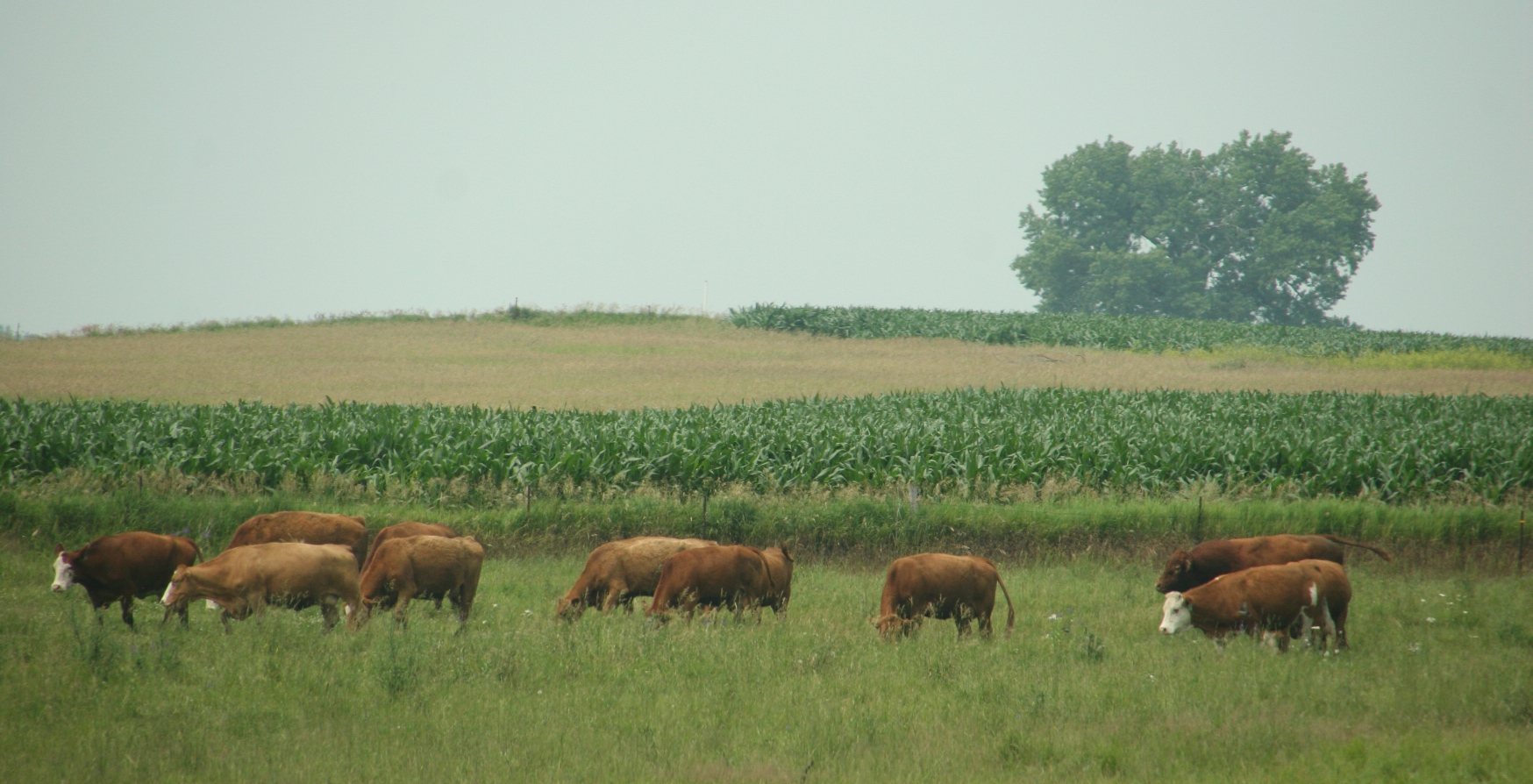
Cattle graze in a pasture along U.S. Highway 14.

Cattle graze in a pasture along U.S. Highway 14.


WHEN I TELL FELLOW MINNESOTANS I grew up on the southwestern Minnesota prairie, specifically near the small town of Vesta, I typically get a blank stare. So, when “Vesta” doesn’t register with them, I mention Marshall to the west and Redwood Falls to the east of my hometown. Both are county seats and fair-sized communities, in my opinion.


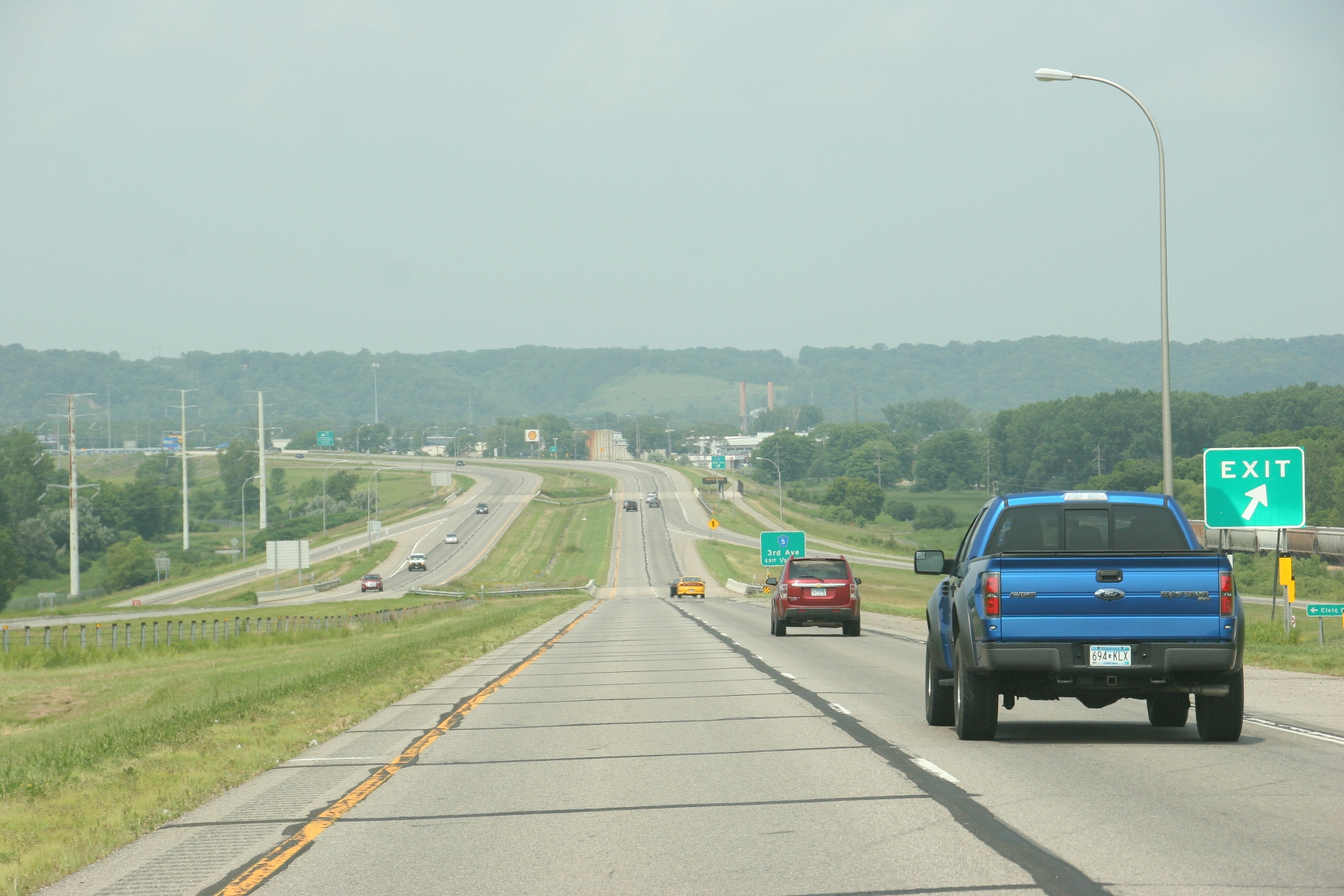
Driving on U.S. Highway 14 around Mankato traveling to southwestern Minnesota.

Driving on U.S. Highway 14 around Mankato traveling through southern Minnesota toward the prairie.


Even after dropping those two names, I still often get that quizzical look. It’s as if they have no idea there’s anything west of Mankato.


This barn along U.S. Highway 14 west of Sleepy Eye always catches my eye.

Gotta love this barn between Sleepy Eye and Springfield.


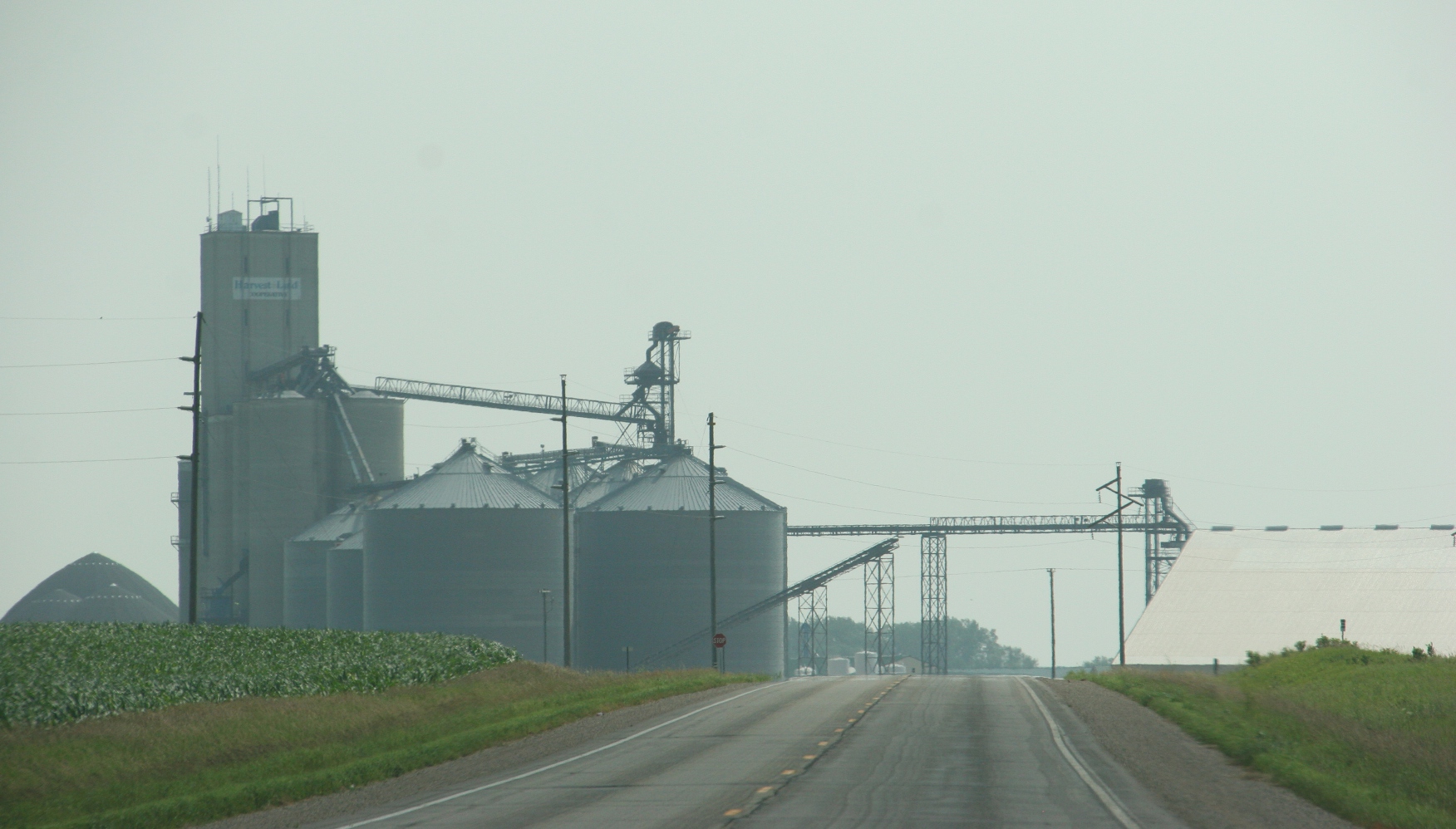
Grain storage along U.S. Highway 14.

Grain storage along U.S. Highway 14.


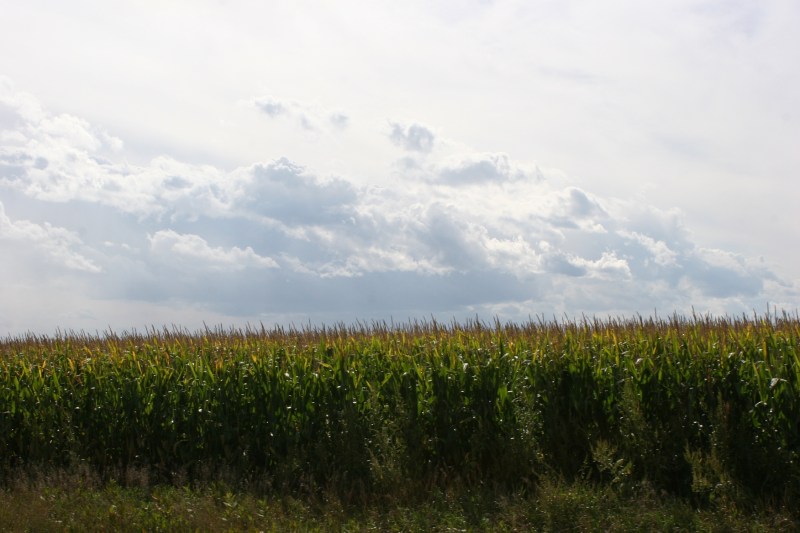
But there is. Lots. Land and sky and small towns and oddities and grain elevators, and corn and soybean fields stretching into forever. There are pitch-black skies perfect for star-gazing and sunsets so bold I sometimes wonder why I ever left this land.


There are so many well-kept barns along U.S. Highway 14, this one between Mankato and Nicollet.

There are so many beautiful old barns along U.S. Highway 14, this one between Mankato and Nicollet.


I understand beauty is in the eye of the beholder. I simply want others to see that this corner of Minnesota, just like the lakes and woods to the north and the rolling hills and rivers to the south and the Twin Cities metro, is lovely and quirky and interesting in a peaceful prairie way.


BONUS PHOTOS:

U.S. Highway 14 passes through many small towns, like Sleepy Eye where these guys were shopping for a car.

Shopping for cars in Sleepy Eye, one of many small towns along U.S. Highway 14 in southwestern Minnesota.


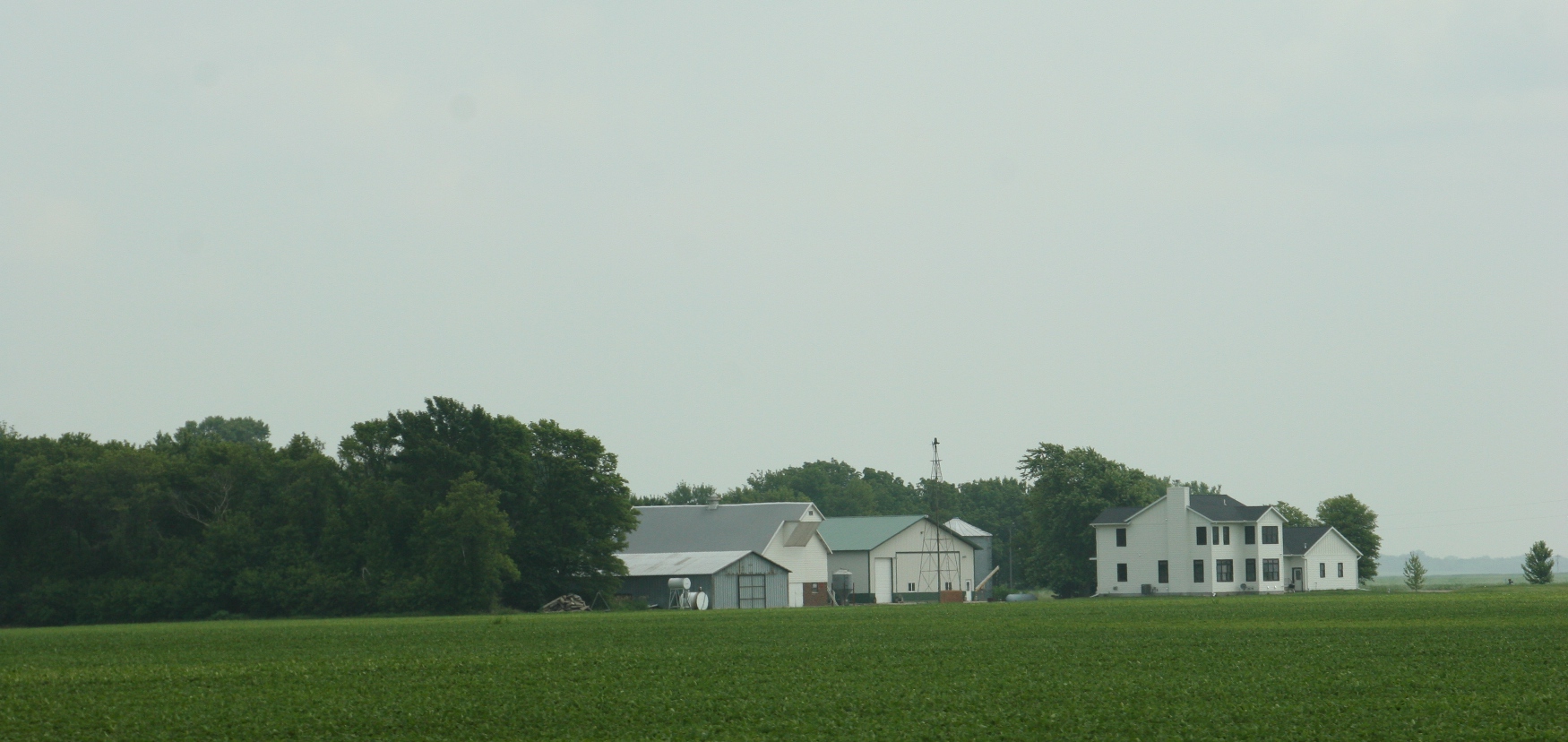
A farm site between Mankato and Nicollet.

A farm site between Mankato and Nicollet.


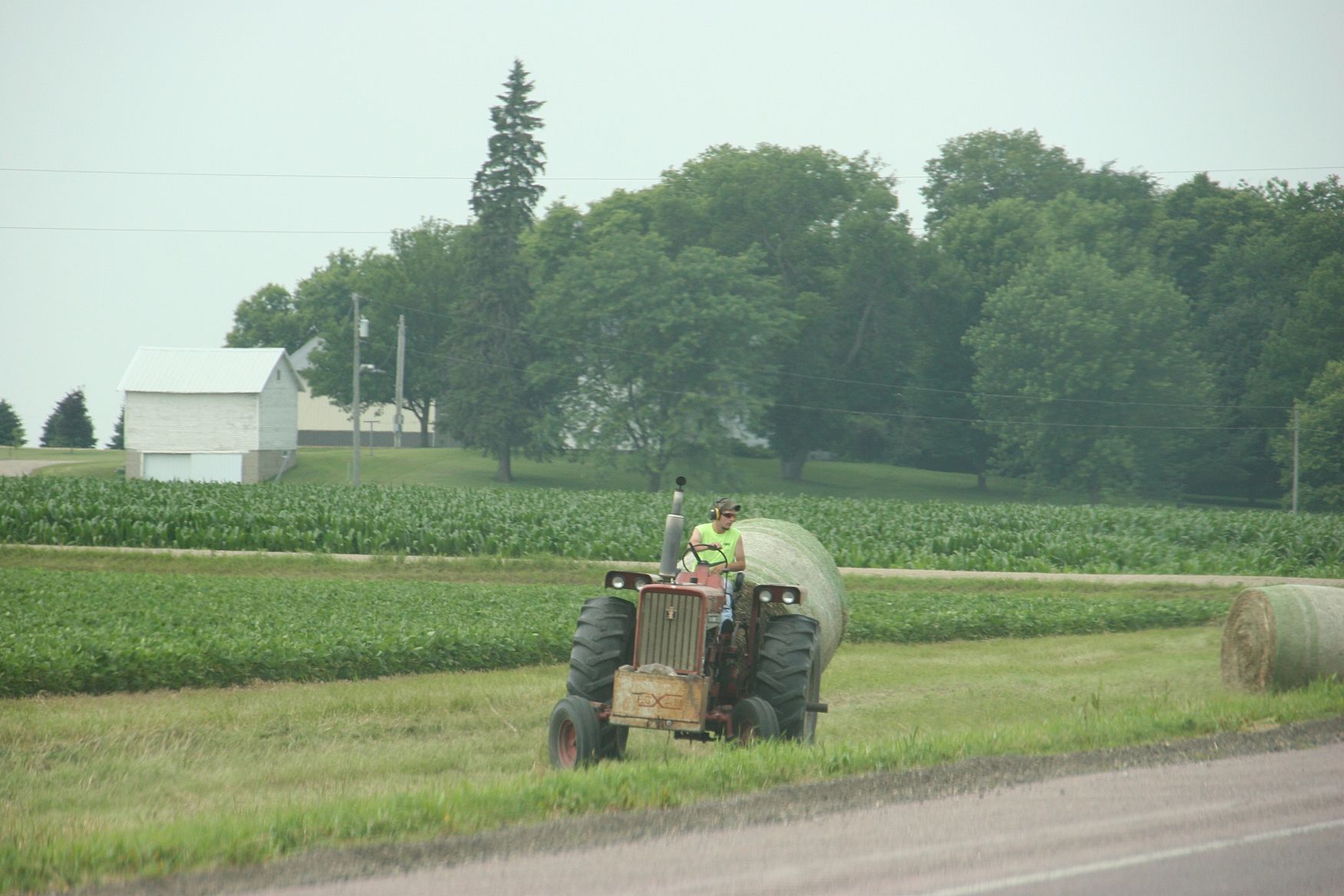
Baling the road ditch between Mankato and New Ulm.

Baling the road ditch between Mankato and New Ulm.


If you appreciate barns, this area of Minnesota offers plenty of barn gazing.

If you appreciate barns, this area of Minnesota offers plenty of barn gazing.


FYI: All of these photos are from my files and were taken along U.S. Highway 14 between Mankato and Lamberton. That would be west of Mankato.

© Copyright 2017 Audrey Kletscher Helbling


A quick stop in the Minnesota German city of New Ulm August 3, 2017

Domeier’s German Store, snugged into a residential neighborhood for decades, is a must-see German import shop in New Ulm.


NESTLED IN THE MINNESOTA RIVER Valley, New Ulm has long been one of my favorite Minnesota communities. I love not only the sweep and rise of the valley and hills, but also the vibe of this definitively German city.


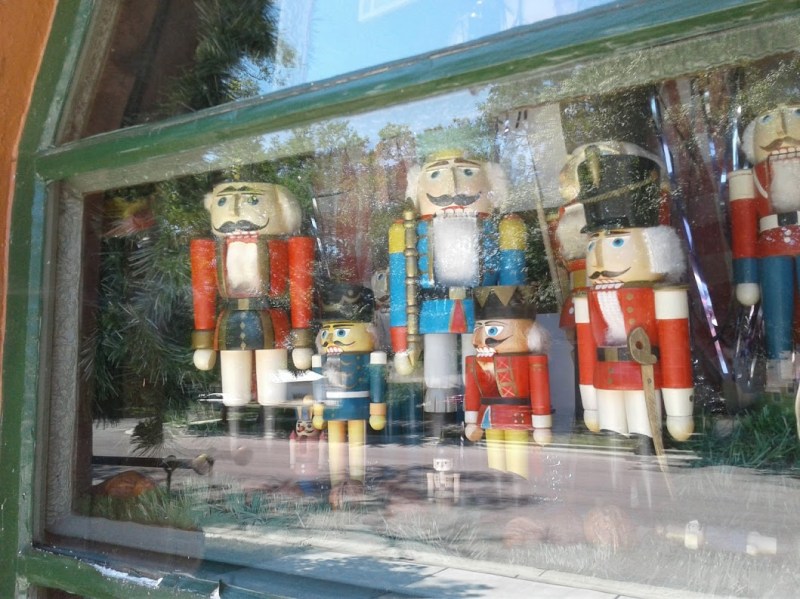
Nutcrackers peer out a window at Domeier’s.


My maternal family roots run deep in this region. Drop the surname Bode at the Guten Tag Haus in downtown New Ulm and a look of familiarity flashes across a clerk’s face. She knows the name. My ancestors settled just to the east in the farmland surrounding nearby Courtland.

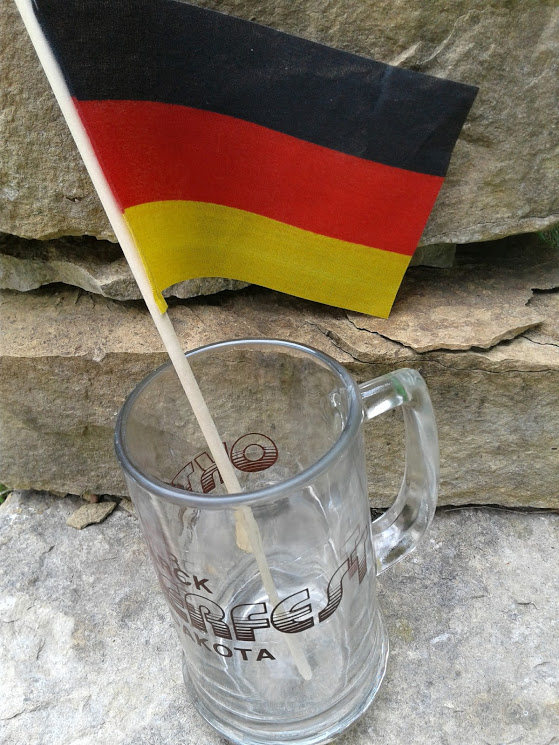
Last weekend en route to a wedding in southwestern Minnesota, Randy and I scheduled time in New Ulm to peruse a thrift store and two German gift shops. I was looking for ethnic items for an upcoming Helbling family reunion. We’re having an Oktoberfest theme to celebrate my in-laws’ heritage. The mini German flags I needed as accents for bouquets of flowers in steins were elusive given the community’s recent Bavarian Blast. I found one at a price I was willing to pay. I need six.


The thrift shop Oktoberfest bier mug from Bismarck is perfect given the Helblings settled (and still mostly live) in that region of North Dakota. I found the last remaining 99-cent cotton German flag at the Guten Tag Haus.


Still, we scored, among other items, two bier mugs at the MVAC Thrift Store, German chocolate mice at Domeier’s German Store and that coveted German flag at the Guten Tag Haus, some at Crazy Days bargain prices. Success.


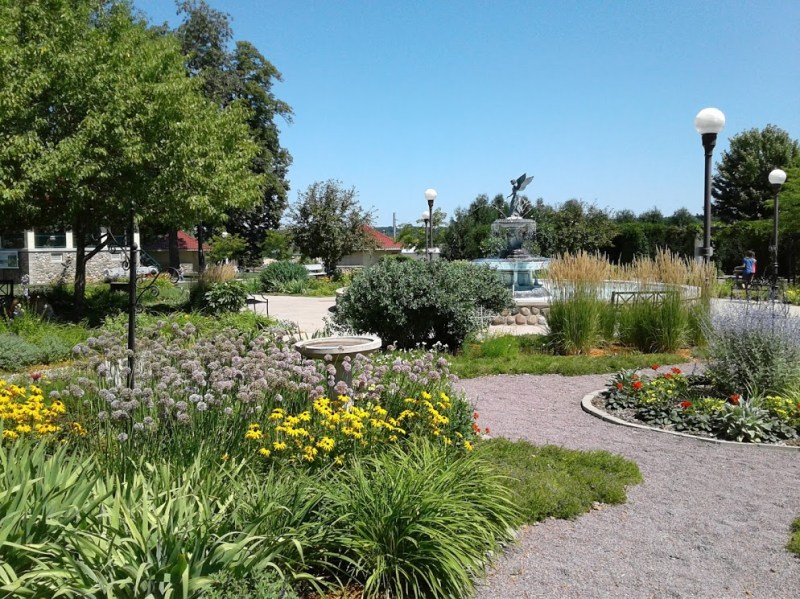
A snippet view of German Park.


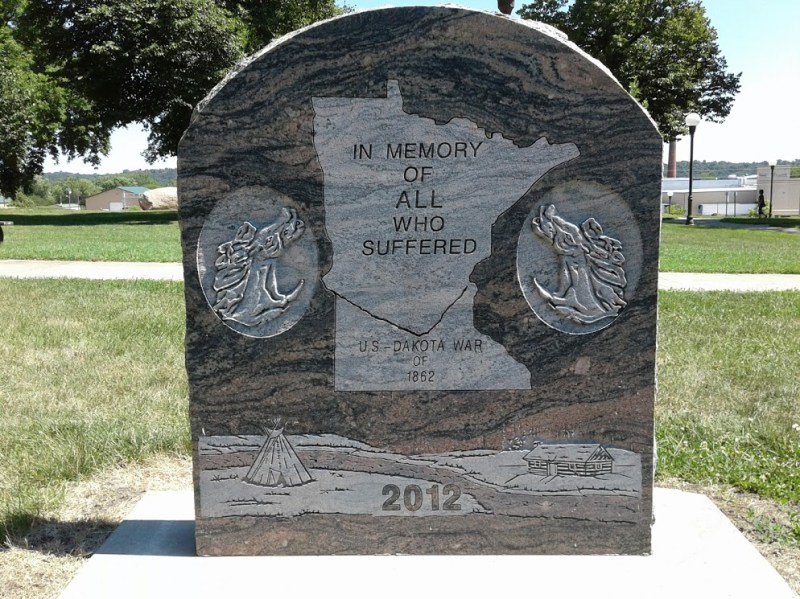
This monument in German Park honors those who suffered in the US-Dakota War of 1862 which was centered in southwestern Minnesota.


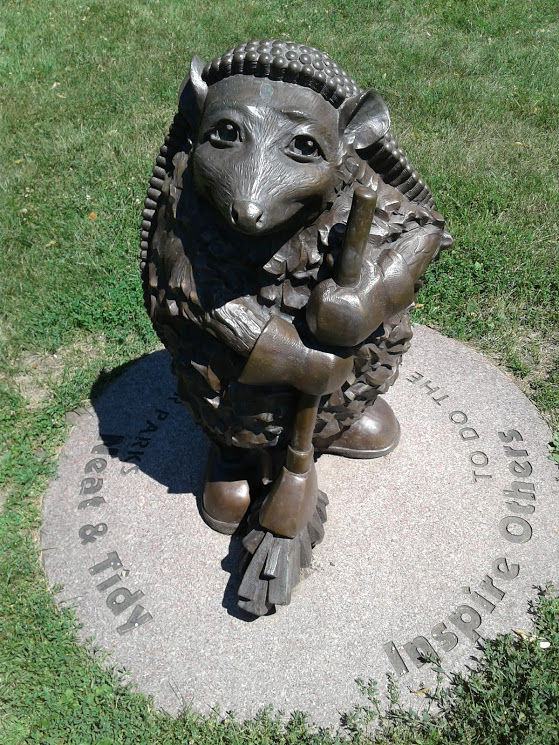
Nearby a whimsical sculpture reminds visitors to keep the park clean.


In between shopping, Randy and I stopped for a picnic lunch and a respite at the beautiful German Park a block from New Ulm’s main drag. Here a fountain centers lovely gardens and pieces of art.

Whenever I’m in New Ulm, I feel comfortably at home. Sure, my ancestral roots are in this region. But it’s more than that. This southwestern Minnesota community works hard to preserve and present its German heritage in a welcoming way. I love that about New Ulm.


FYI: Click here to read a 2015 photo rich post I published on beautiful German Park.

© Copyright 2017 Audrey Kletscher Helbling


Loving the settings & beer at these greater Minnesota breweries July 14, 2017

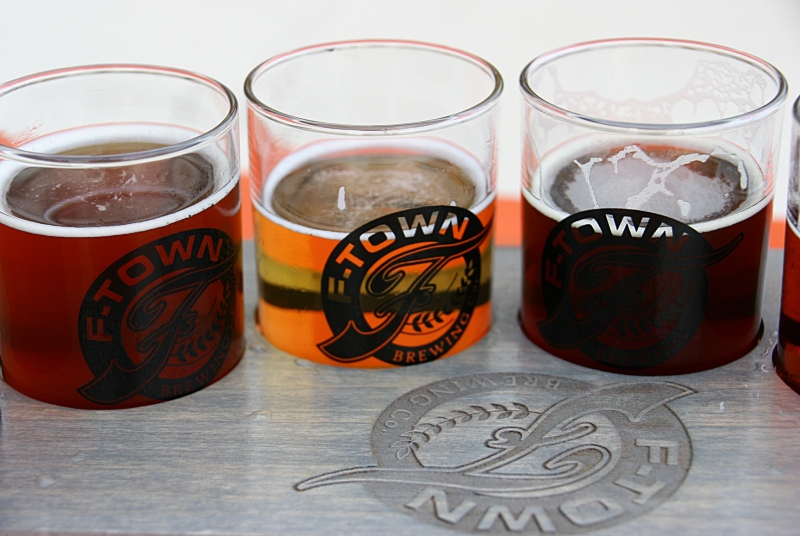
A flight of craft beer from F-Town Brewing in my community of Faribault. Minnesota Prairie Roots file photo.


FIVE YEARS AGO if anyone had suggested I would drink (and like) craft beer, I would have laughed. I was only the occasional have-a-beer-with-your-pizza or on a hot summer evening type of beer drinker. And at that, I drank whatever mass produced beer the husband had stocked in the fridge.

How my tastes have changed. I can no longer drink beer that flows by the gallons into bottles or cans inside a sprawling factory. Those beers taste like water to me. Rather, I’ve become a beer snob, preferring hoppy IPAs crafted at small breweries.

I’ll be the first to tell you my preference for craft beer developed over time as an acquired taste. But once acquired, I was hooked, enough so that I, along with my husband, seek out craft breweries. These specialty businesses are an experience, not just a place to try new beers.


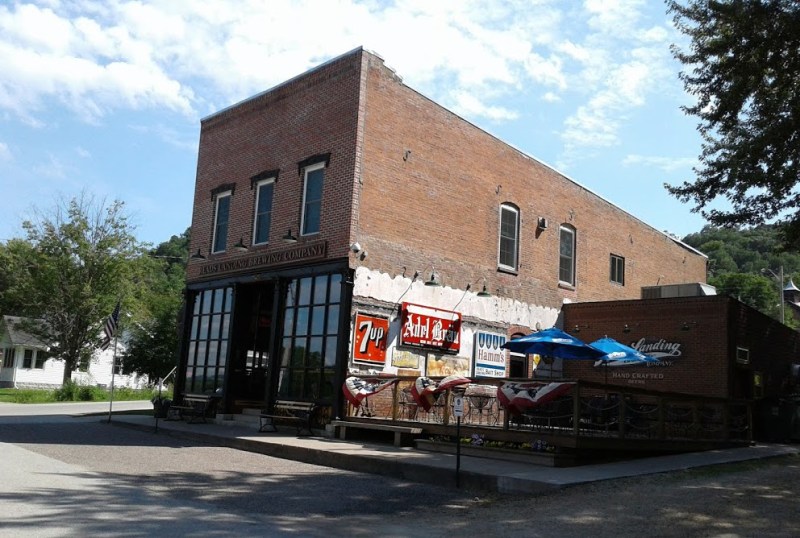
Reads Landing Brewing Company in Reads Landing, Minnesota.


Two recent road trips took us to Reads Landing Brewing Company (between Lake City and Wabasha) and to Imminent Brewing Company. They are distinctly different breweries, but both with excellent beer. And I don’t say that about every craft beer.

We almost missed the Reads Landing establishment in the same named unincorporated community along U.S. Highway 61 in southeastern Minnesota. The brewery sits at the base of a hillside, a train track away from the Mississippi River. Housed inside an historic 1870 former dry goods store, the setting hearkens to bygone days. As an appreciator of old buildings, I delighted in the location and the wide window view of the Mississippi.


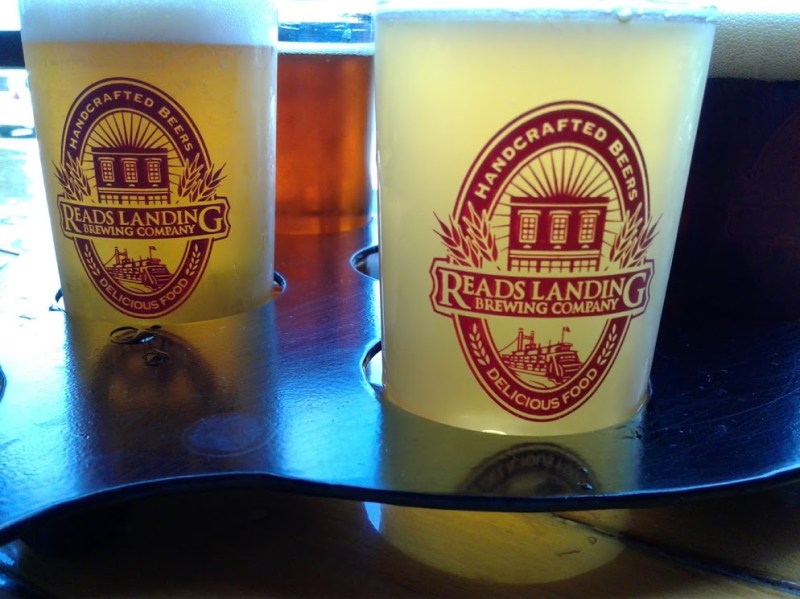
Randy and I shared a sampler flight of Reads Landing beer.


With the exception of slow service on a weekday afternoon when the place wasn’t overly busy, I rate Reads Landing Brewing highly. Randy and I settled onto high chairs at the front window for a perfect view of the river and a slow moving train. Then we waited and waited until the bartender/waiter finally got off the phone, noticed us and then made excuses for his lack of attention. Thankfully, the house-made beers in the sampler flight and accompanying Bavarian Style Soft Pretzel Sticks with homemade beer cheese and mustard dipping sauces compensated for the inattention and left us with a mostly good impression of this brewpub.

Of special note is the Cap’n Amber beer, a beer into which Cap’n Crunch cereal is incorporated in the mash. All of the beers were to our liking; we’d recommend this beer and brewery.


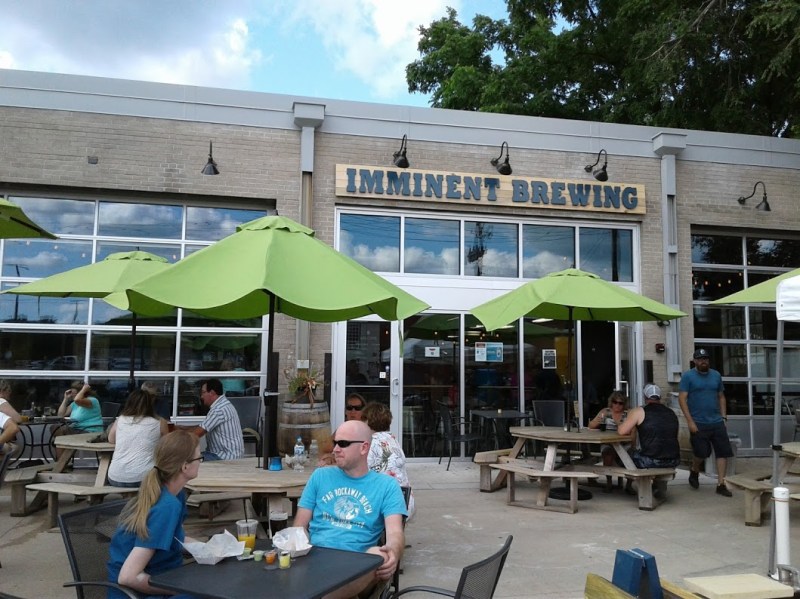
The patio outside Imminent Brewing Company in Northfield, Minnesota.


Farther inland to the north and east in the riverside college town of Northfield, we checked out the recently-opened Imminent Brewing. I love this place, declaring to Randy that this was my absolute favorite brewery. Located in a former National Guard Armory garage, the brewery has an industrial look and a welcoming vibe. There’s just something about this place that seems particularly comfortable for anyone from a blue collar worker to a college professor.

The brewery also features an expansive patio. And, bonus, food trucks. On this particular weekday evening, Randy and I enjoyed arepas from Noris Cuisine. We didn’t stick around for the live music.

We shared a flight sampler of simply superb craft beers. We’ll be back, given the location some 15 miles from our home.

And we’ll be checking out Tanzenwald, the other new brewery in Northfield, sometime soon.

TELL ME: Do you drink craft beer and/or visit craft breweries? Share your favorites.

© Copyright 2017 Audrey Kletscher Helbling


Second restored carnival car debuts in Faribault, birthplace of the Tilt-A-Whirl July 12, 2017

Signage and seating inside a restored Tilt-A-Whirl car installed in downtown Faribault in June 2015. Minnesota Prairie Roots file photo 2015.


SEVERAL BLOCKS FROM MY FARIBAULT home, laborers once built the iconic Tilt-A-Whirl and lesser-known amusement rides. Occasionally I spotted oversized bears, dragons and other animal-themed spin rides aboard flatbed trailers exiting the Frog Town neighborhood, location of Sellner Manufacturing.
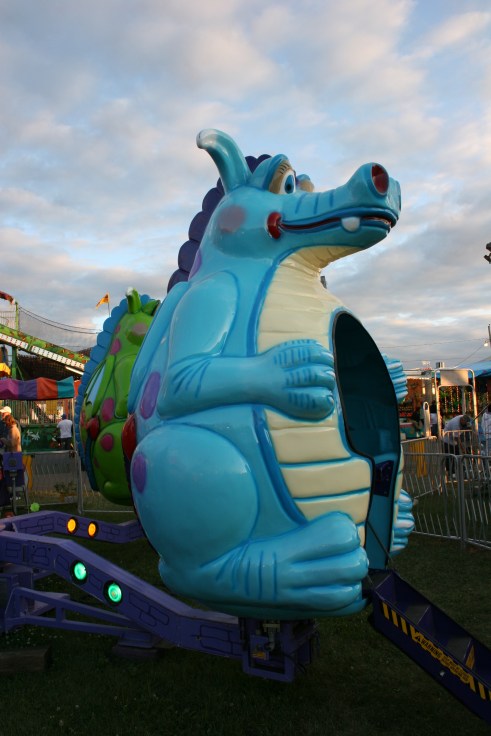
 

The Dizzy Dragon was once also made in Faribault. This ride and other versions of it are now built by Larson International, Inc. Minnesota Prairie Roots file photo.


There Herbert Sellner, inventor of the Tilt-A-Whirl, opened his manufacturing company. From 1926 until its sale to a Texas company in 2011, the business made carnival rides.
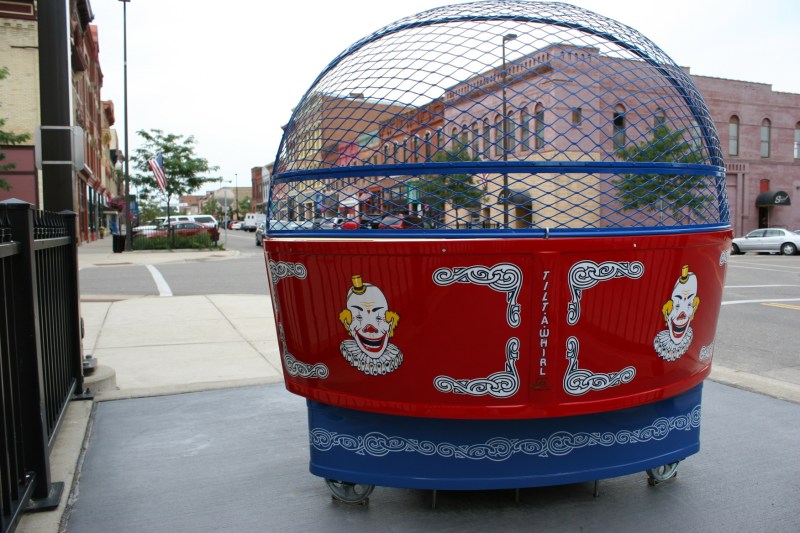
 

The 1950s Tilt-A-Whirl car faces north toward Central Avenue. Here’s the beautiful back. Minnesota Prairie Roots file photo 2015.


Often I wondered why Faribault didn’t promote the Tilt-A-Whirl. Next to the merry-go-round and the Ferris wheel, it’s likely the most recognized amusement ride spanning generations. The American made ride seemed a natural tourist draw to me. Today, thanks to the efforts of local businesswomen Tami Schluter (of the Historic Hutchinson House B & B) and Peggy Keilen (of Faribo Air Conditioning & Heating), there’s an increased awareness of the Tilt-A-Whirl’s origins in my southeastern Minnesota community.
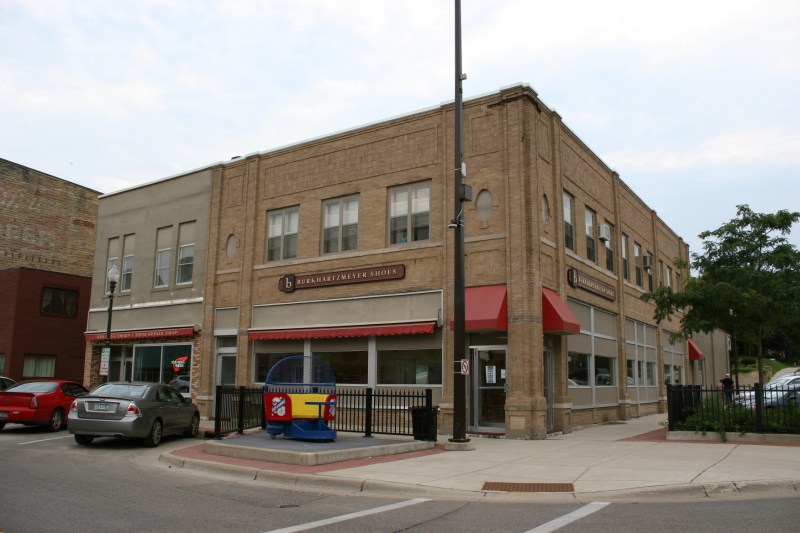
 

A restored 1950s vintage Tilt-A-Whirl has been permanently installed by Burkhartzmeyer Shoes in historic downtown Faribault. Minnesota Prairie Roots file photo 2015.


In August 2014, the pair unveiled a 1950s Tilt-A-Whirl prototype car restored by Rick’s Restoration of Las Vegas and placed next to Burkhartzmeyer Shoes in the heart of historic downtown Faribault.
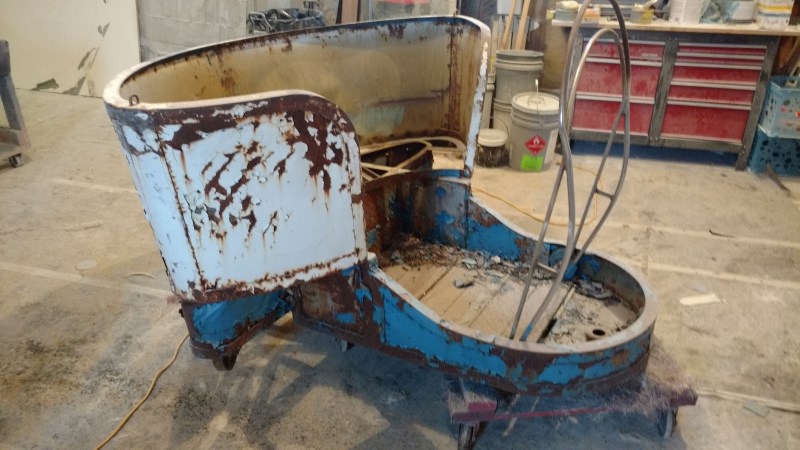
 

The second car, before restoration. Photo courtesy of Tami Schluter.


On Thursday, the two will celebrate the refurbishing of another Tilt-A-Whirl car donated by local Harley’s Auto Salvage.
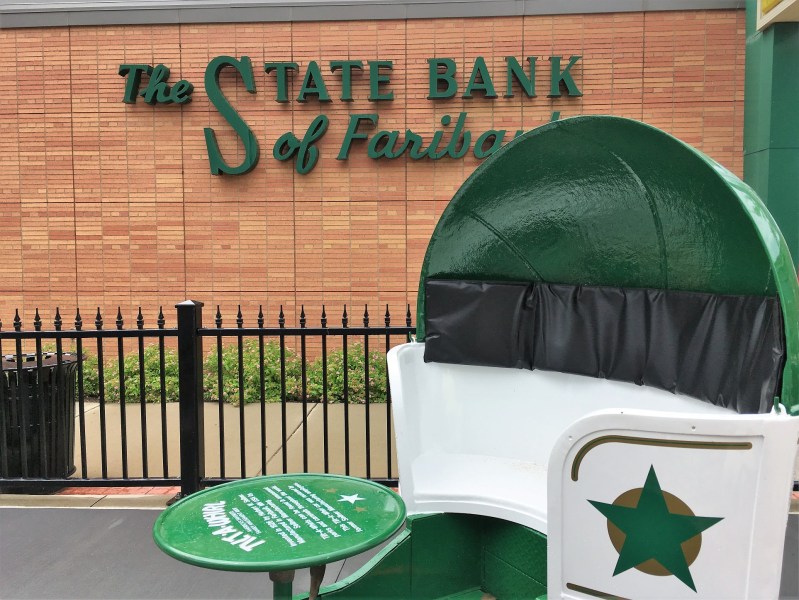
 

The restored car in place by the State Bank. Photo courtesy of Tami Schluter.


Dedication of that car will take place at noon in front of the State Bank of Faribault, 428 Central Avenue North.
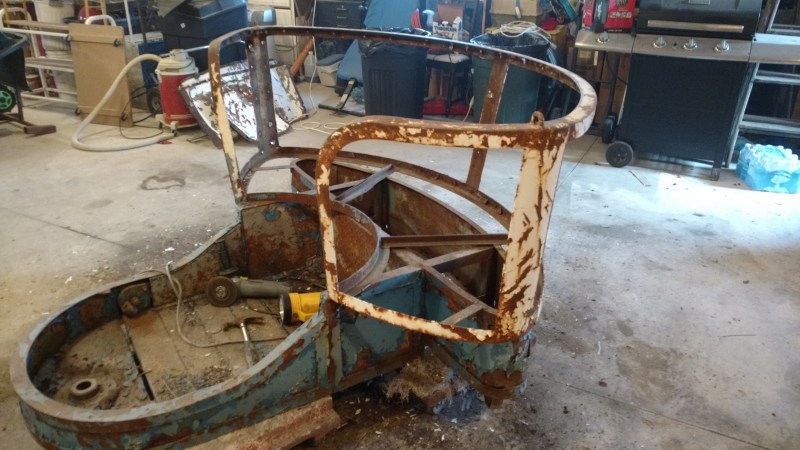
 

Under Dwight Henning’s hands, a work in progress. Photo courtesy of Tami Schluter.
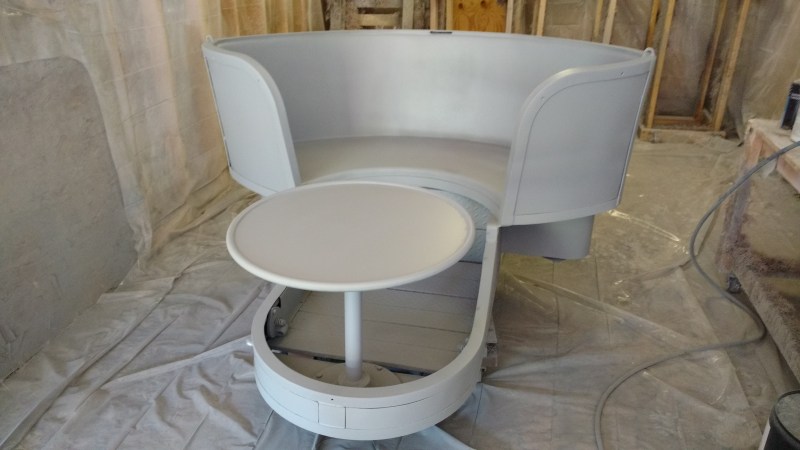
 

The reconstructed and primed car. Photo courtesy of Tami Schluter.
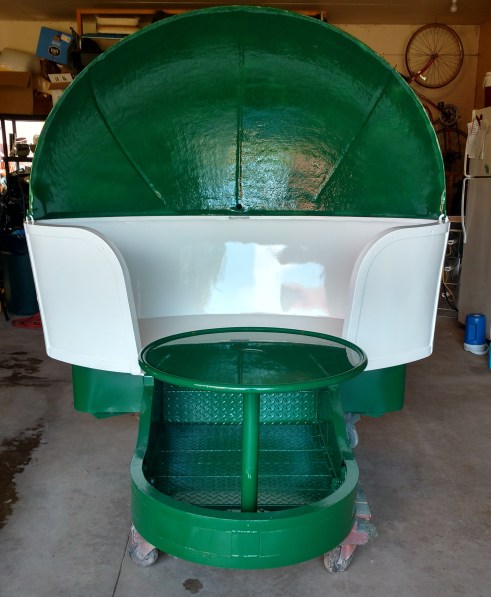
 

Nearly complete. Photo courtesy of Tami Schluter.


Unlike the first car, this car has been restored by former Sellner employees, Dwight Henning of Henning Fiberglass and Karen Bussert of Design Specialties. That involvement of a local craftsman and artist strengthens community pride and ownership, always a bonus with any project.


The first restored Tilt-A-Whirl car sits in downtown Faribault, outside a third-generation family shoe store. Minnesota Prairie Roots file photo 2015.


There are already hints of a third Tilt-A-Whirl restoration project. The first restored car has proven a photo op tourist attraction down at the shoe store. I expect the car by the bank to also draw attention, probably more, though, from locals than visitors. This car is not restored to vintage, but rather painted/decorated in green, white and gold, the State Bank’s colors. Green and white are also the public school colors of the Faribault Falcons.
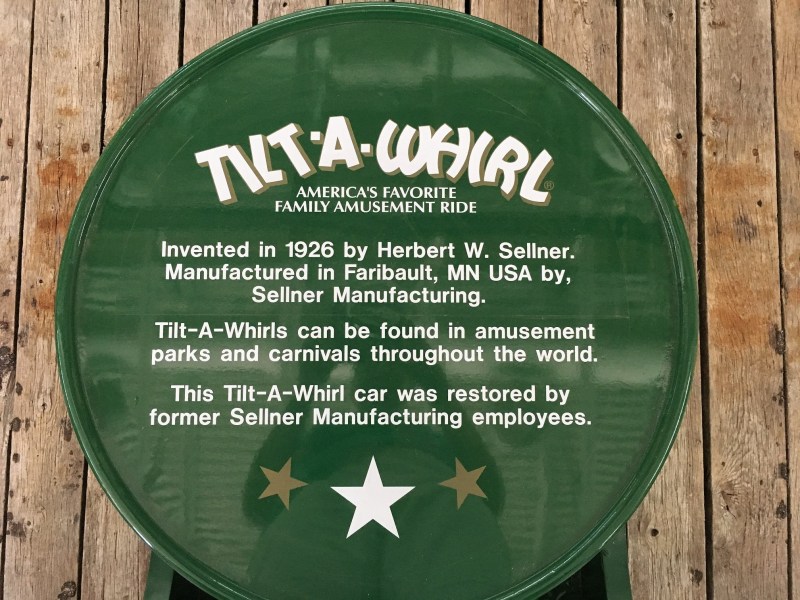
 

Historic info featured on the “table” of the latest restored Tilt-A-Whirl car. Photo courtesy of Tami Schluter.


Schluter and Keilen have worked tirelessly to bring these Tilt-A-Whirl cars to downtown Faribault. They’ve also gotten significant financial support and community backing. Still, it takes someone to initiate.
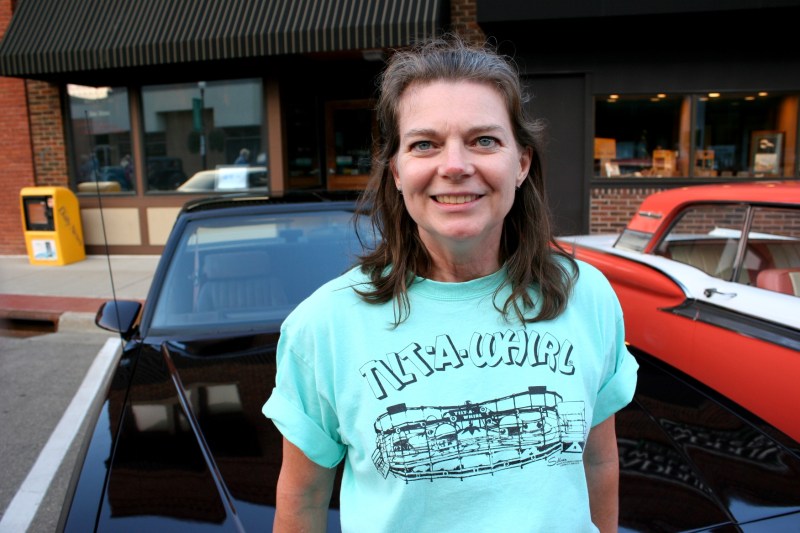
 

Karen Bussert creates Tilt-A-Whirl themed t-shirts like this one worn by Faribault native Janet Timmers at a Car Cruise Night. Minnesota Prairie Roots file photo.


I see additional potential here to expand upon what these two have started. For now I envision a seasonal pop-up mini museum showcasing the Tilt-A-Whirl in an empty downtown storefront and/or perhaps a kiosk that includes Tilt-A-Whirl t-shirts. Maybe the local F-Town Brewing Company could craft a beer named after this iconic ride. And, if I’m going to brainstorm here, I may as well dream big. I’d love to see an operating Tilt-A-Whirl find a permanent home in our historic downtown.

TELL ME: How can my community further promote the Tilt-A-Whirl as a tourist attraction? I’d love to hear your ideas.


The Mural Society of Faribault created and placed the Tilt-A-Whirl mural on the side of Jim’s Auto & Tire in downtown Faribault, Minnesota Prairie Roots file photo.


FYI: The Rice County Historical Society includes a small exhibit on Sellner Manufacturing. And a downtown mural features the Tilt-A-Whirl.

© Copyright 2017 Audrey Kletscher Helbling


Celebrating the Fourth of July for 125 years in North Morristown July 2, 2017

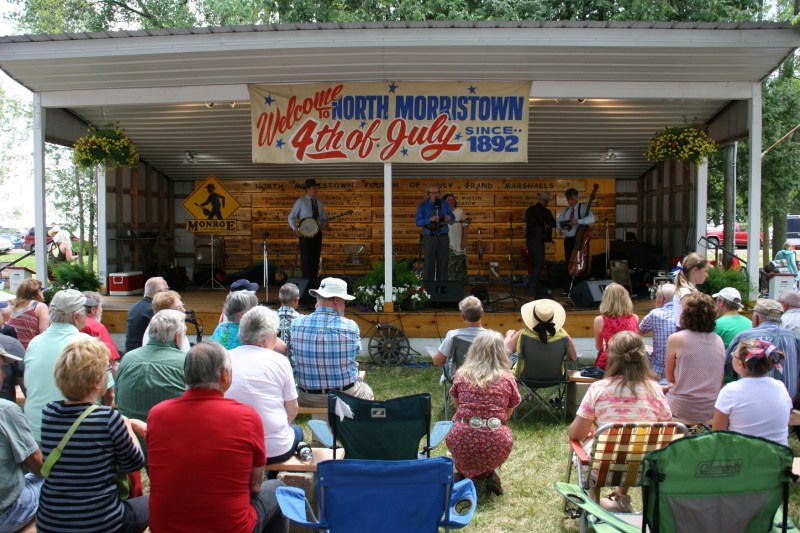
The popular bluegrass band, Monroe Crossing, performed twice at North Morristown in 2016. Minnesota Prairie Roots file photo 2016.


IN RICE COUNTY, the Fourth of July and North Morristown are synonymous. For in this rural spot of corn, soybean and alfalfa fields, farm sites, and a country church and school, folks gather every Independence Day to celebrate. This July Fourth marks 125 years of patriotic and family togetherness.


Vehicles line county roads leading to the festival grounds and also filled parking areas in this Minnesota Prairie Roots photo from July 4, 2016.


You won’t find North Morristown by looking for a water tower or anything that resembles a town. Rather, head northwest of Morristown to 10500 215th St. West and the festival grounds across the road from Trinity Lutheran Church and School, North Morristown.


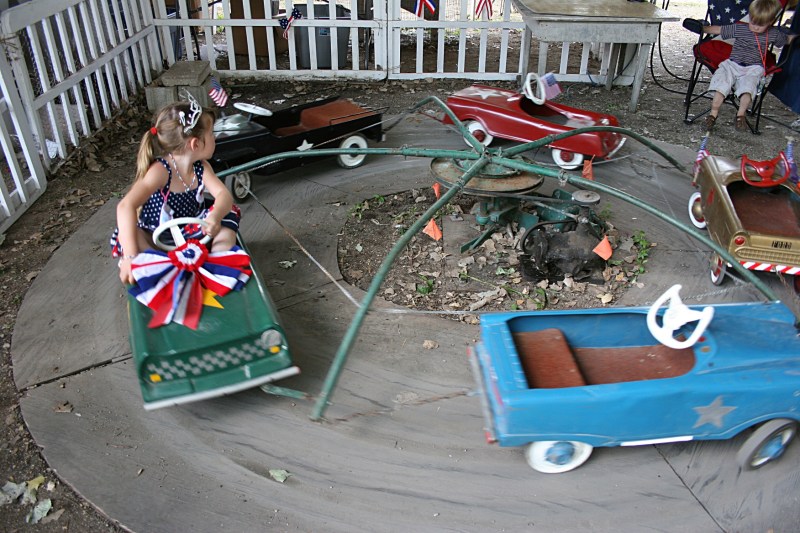
The vintage car ride for kids. Minnesota Prairie Roots file photo 2013.


Although I did not grow up in this part of Minnesota, I’ve lived here 35 years now and have celebrated many July Fourths at this rural location. I love the folksy simplicity of an event which began 125 years ago as a picnic. Today the celebration includes a 5K run/walk, parade, patriotic program, medallion hunt, silent auction, BINGO, musical performances (including the popular Twin Cities based Monroe Crossing), kids’ carnival style rides, fireworks shot over farm fields and more.


The homemade pies are a popular food choice. Buy your pie early for the best selection. Minnesota Prairie Roots file photo.


And then there are the food and beverages: homemade pies, fresh-squeezed lemonade, ice cream, pork sandwiches, burgers, beer and more. This food is basic country at its best, served by volunteers who work tirelessly to feed the masses.


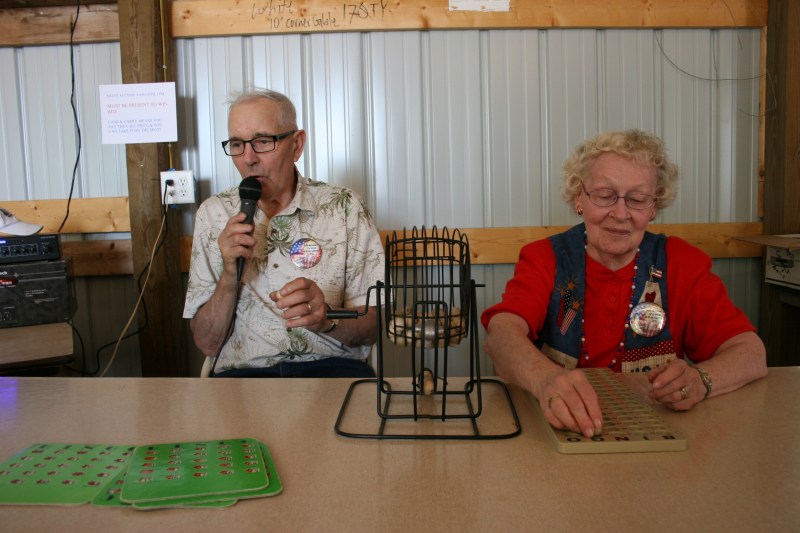
The bingo callers in 2013. I entered this image in a photo contest and won first place. Minnesota Prairie Roots file photo 2013.


Most who attend know each other. They either grew up here, married into a local family or have connections to the area. North Morristown on the Fourth of July is like a big family reunion. But even if you have zero connections to this place, you will feel comfortably welcome on the grassy, tree-filled festival grounds packed with friendly people.


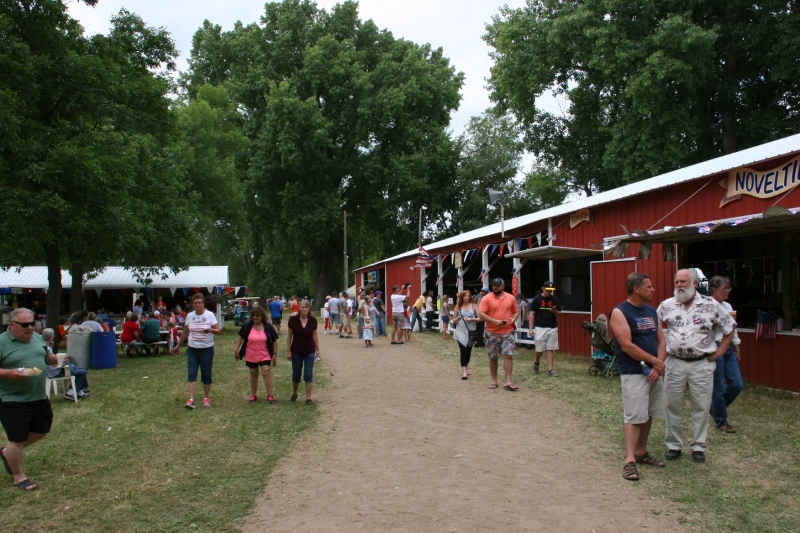
By late afternoon last July 4, the crowd began thinning a bit. Festivities began at 9 a.m. Minnesota Prairie Roots file photo 2016.


As much as I’d like to attend, I may not this year due to the crowds and uneven walking surfaces. A friend, who is one of the grand marshals of this year’s 10 a.m. parade, expressed disappointment upon learning of my shoulder fracture. He was apparently counting on me to photograph the day’s events as I have many times in the past. Sorry, Al.


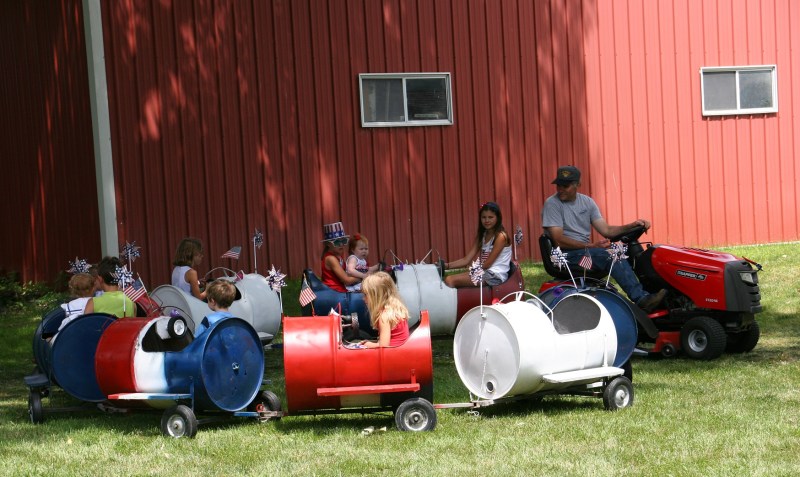
The old-fashioned barrel train draws lots of riders. Minnesota Prairie Roots file photo 2016.


Click here to view my previous coverage of North Morristown’s Fourth of July celebration. From my photographic perspective, you can see why this event has endured for 125 years. It doesn’t get much more grassroots basic Americana than North Morristown on the Fourth.

FYI: Click here to reach the North Morristown July Fourth Facebook page.

© Copyright 2017 Audrey Kletscher Helbling
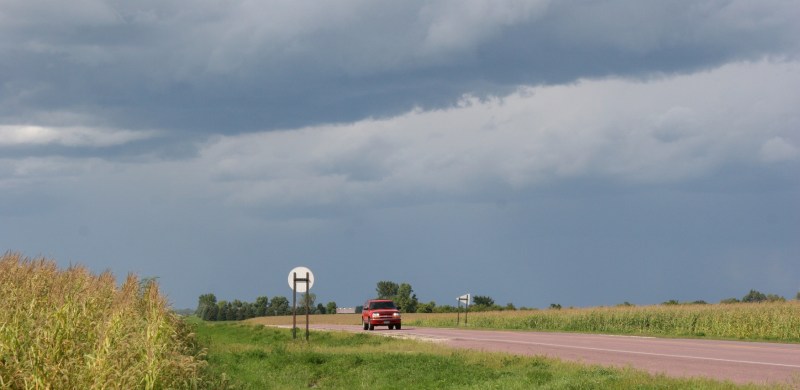
NOTE: I am taking a break from further blogging this week. Please check back because I’ll be back.


Dresbach & Dakota, that would be in Minnesota June 27, 2017

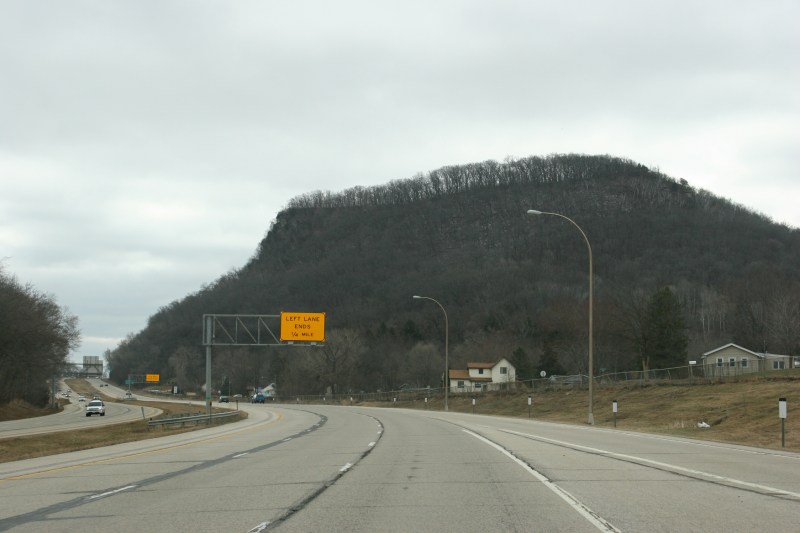
Following Interstate 90 along the Mississippi River bluffs in southeastern Minnesota.


IN THE MANY YEARS I’VE TRAVELED Interstate 90 along the Minnesota/Wisconsin border in southeastern Minnesota, I’ve never exited to explore Dresbach or Dakota.

That changed this past spring when Randy and I were returning from a day trip to La Crosse, Wisconsin. Time allowed for the pull off onto Riverview Drive which passes through unincorporated Dresbach and Dakota, population 323 or thereabouts.


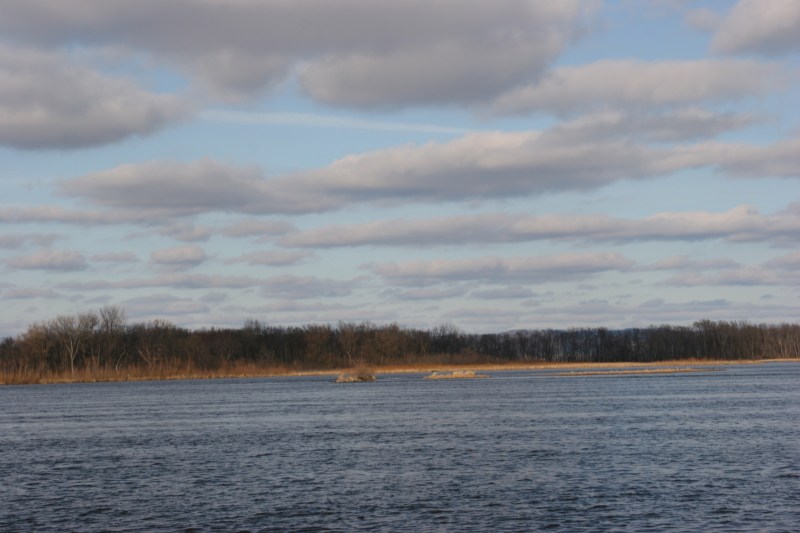
We pulled off Riverview Drive and curved the van to a small riverside park in Dresbach where I took this photo of the Mississippi.


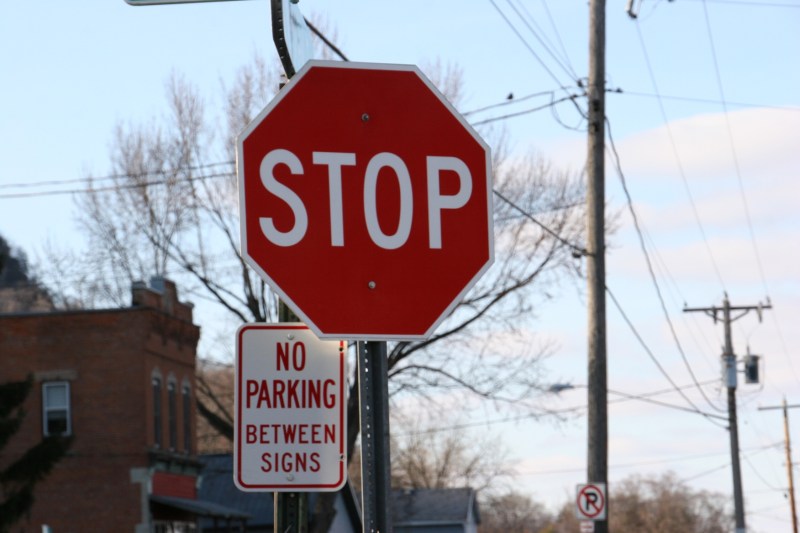
Traffic signs in Dresbach.


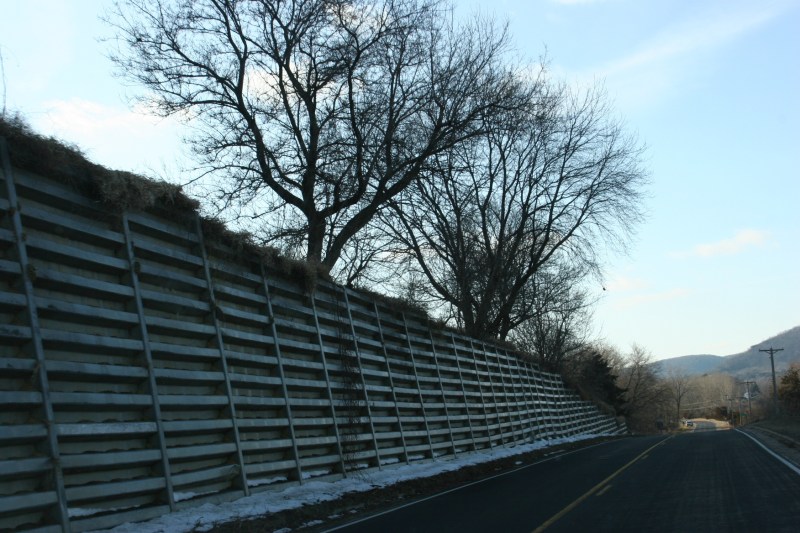
Leaving Dresbach, I noticed this lengthy, leaning retaining wall.


We did a drive through with thoughts of returning again to poke around more. Both villages sit along the western bank of the Mississippi River between La Crosse and Winona, in Minnesota. The river setting is scenic, beautiful, worthy of a second look when the weather warms and river traffic increases.


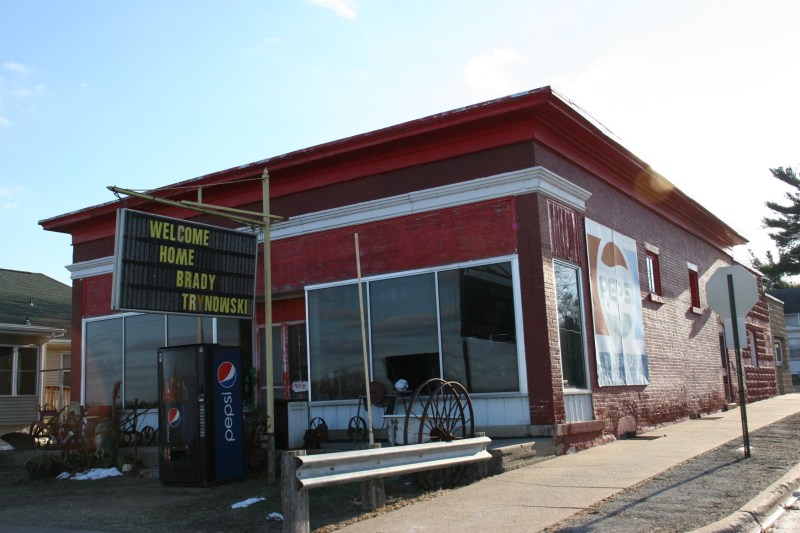
A welcoming sign outside a business in Dakota. That’s quite a name, Trynowski.


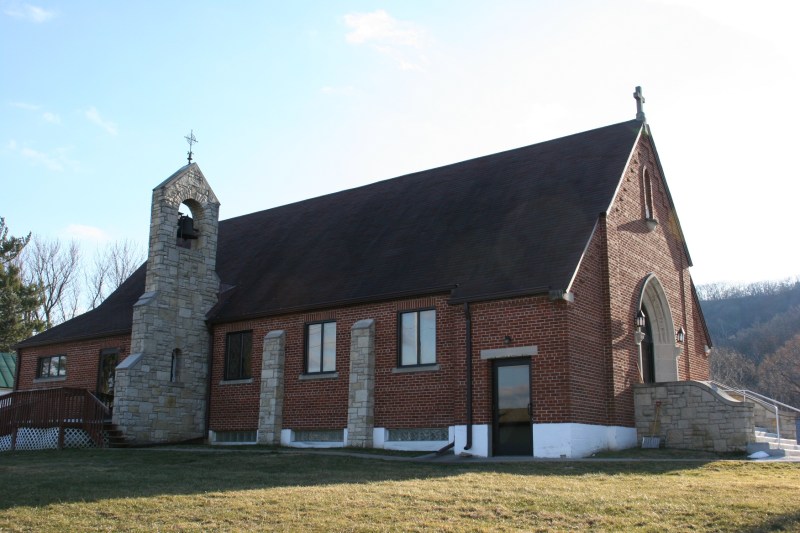
Holy Cross Church in Dakota.


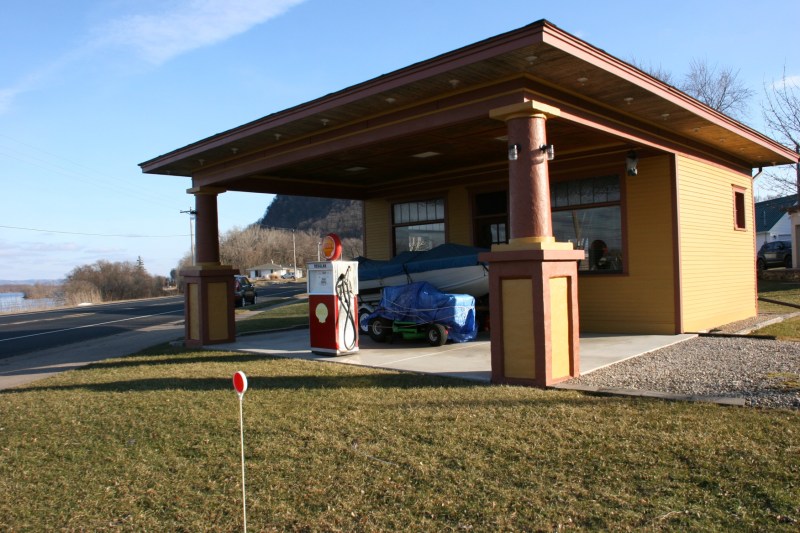
A well-preserved former corner gas station in Dakota that I found absolutely charming.


I snapped a few quick photos from the van and called it good. While both villages deserve more of my photographic study, this is a start.

TELL ME: Have you ever driven through/visited Dresbach or Dakota? If yes, what should I see the next time I’m in either community.

If anyone can provide information about any of the places photographed here, please share.

© Copyright 2017 Audrey Kletscher Helbling
 

Part III, outside the Paine: More from the gardens June 21, 2017

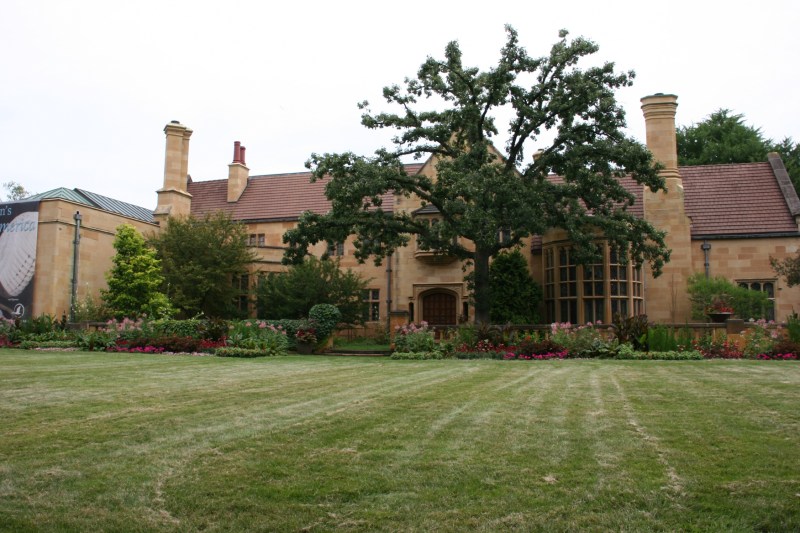
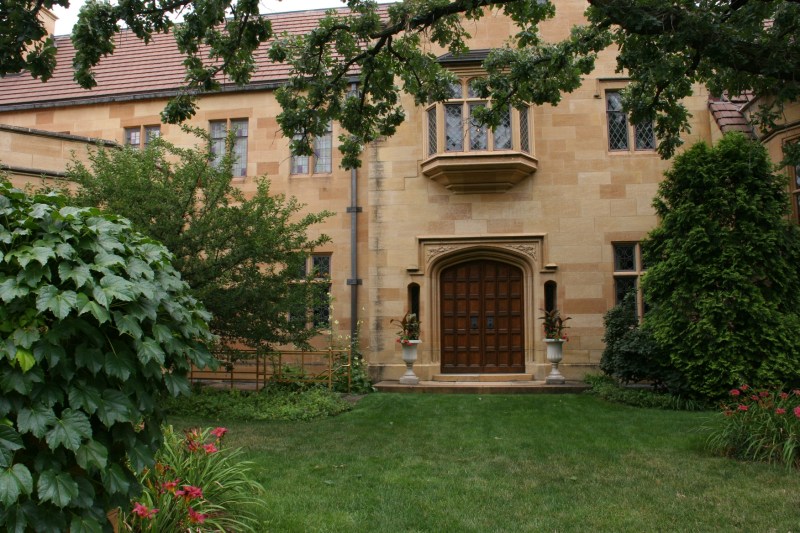
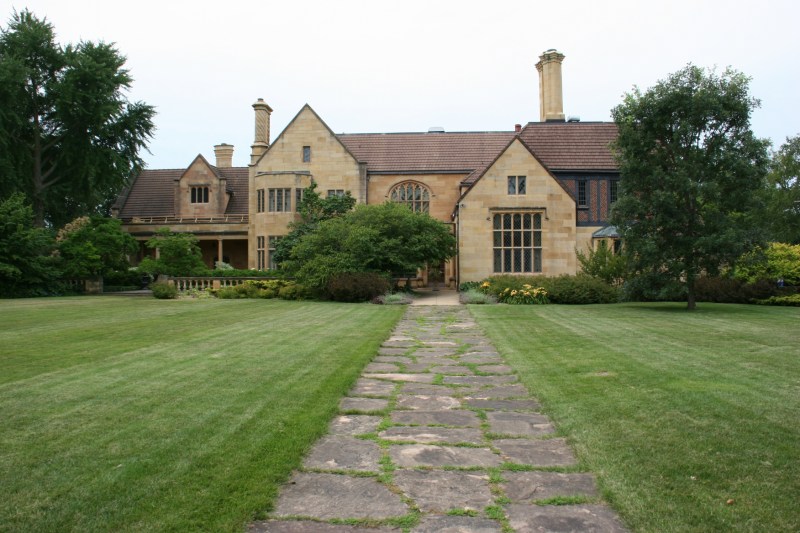
A lawn sweeps to the majestic front entry of The Paine.

A lawn sweeps to the majestic front entry of The Paine buffeted by the Evening Terrace. The public entry to the art center is to the left.

WHEN I TOUR an estate like The Paine Art Center and Gardens in Oshkosh, Wisconsin, my eyes lock on details. The heft of a door. The hue of a flower. The curve of a sculpture.

Massive doors define the entry.

Massive doors and architectural details define the entry.

The Paine presents many opportunities to embrace art. Natural and man-made. All connect to showcase an historic late 1920s mansion designed by Ithaca, New York architect Bryant Fleming. The English country house reflects three centuries of Tudor and Gothic styles all complemented by  beautiful gardens.


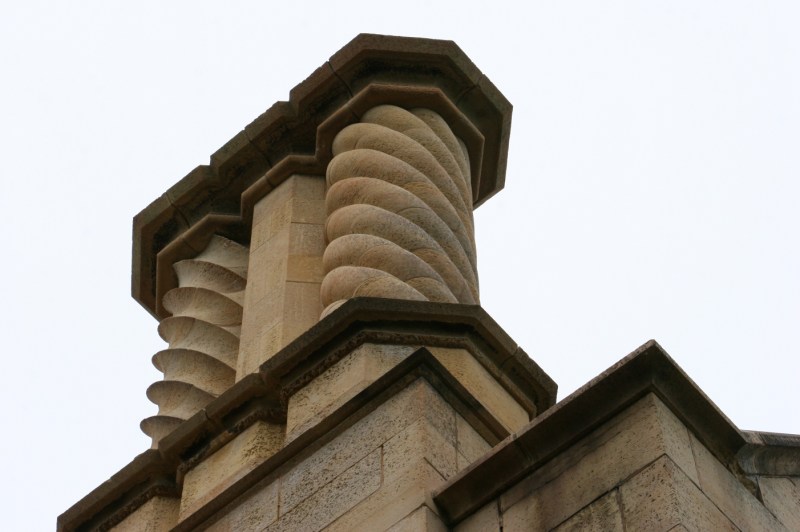
Details in architecture atop tne Kasota limestone walls.

Details in architecture and construction include the use of Kasota limestone.

Also noteworthy is the Minnesota connection to this Wisconsin site on the National Register of Historic Places. The home’s stonework is mostly Kasota limestone from southern Minnesota.

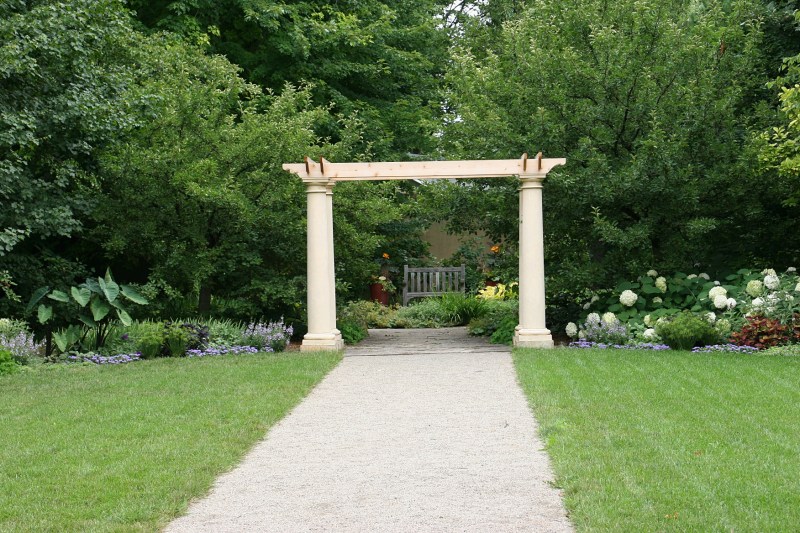
One of many garden "rooms."

One of many garden “rooms.”


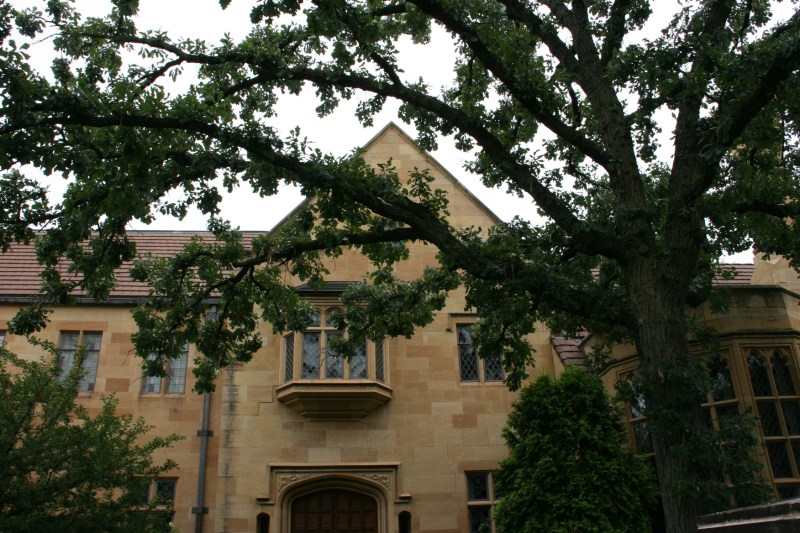
A majestic native oak graces the front yard.

A majestic native oak graces the front yard.


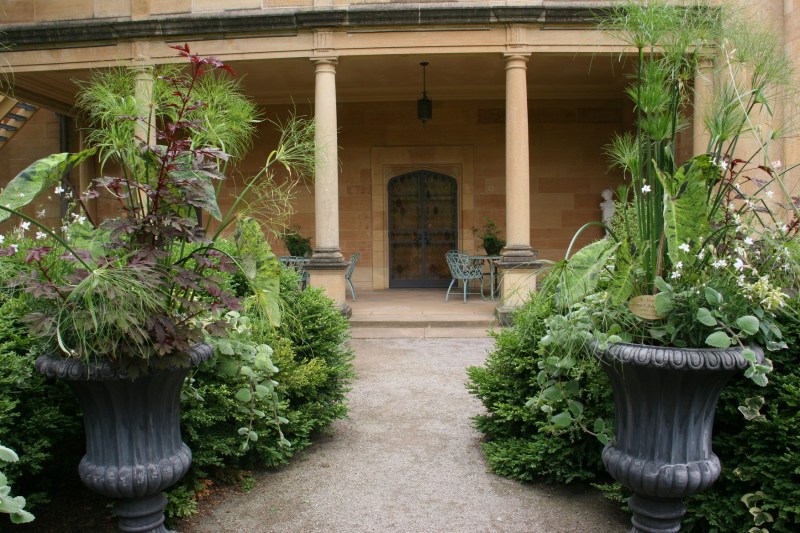
Lucious planters frame a path to the patio.

Stately planters and lush plantings frame a path to the Morning Terrace.

The gardens, likewise, mimic perennials, trees and shrubs hardy to Minnesota. Given the climate similarities between the two states, this is logical. Annuals and bulbs are also incorporated into The Paine gardens.

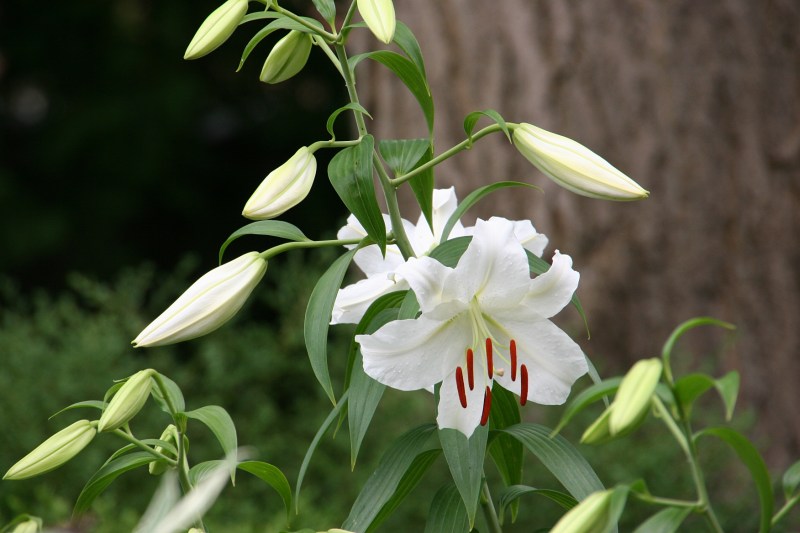
Lilies bloomed during my July 2016 visit.

Lilies bloomed during my July 2016 visit.

Flowers in bloom during my mid-summer 2016 visit differ from those blooming earlier or later. The estate landscape is like an evolving art gallery. There’s a certain visual appeal in that, in observing nature’s art always changing.

BONUS PHOTOS:

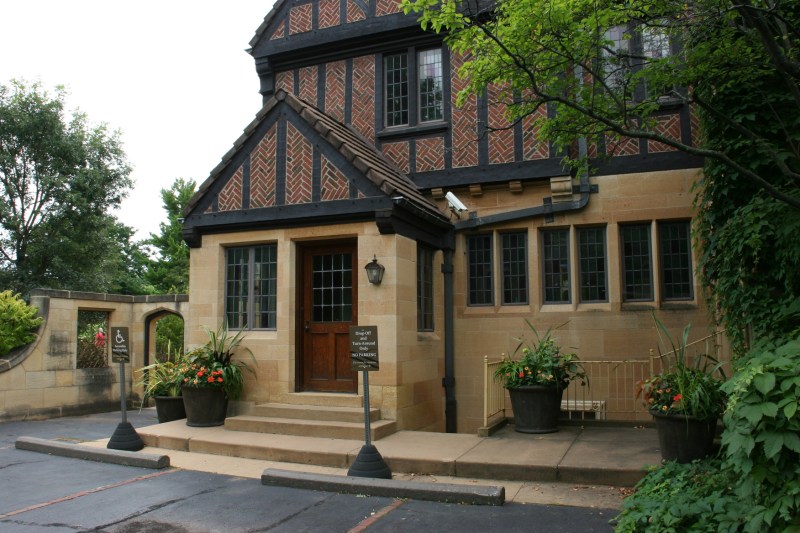
The public entry to The Paine Art Center.

The public entry to The Paine Art Center.


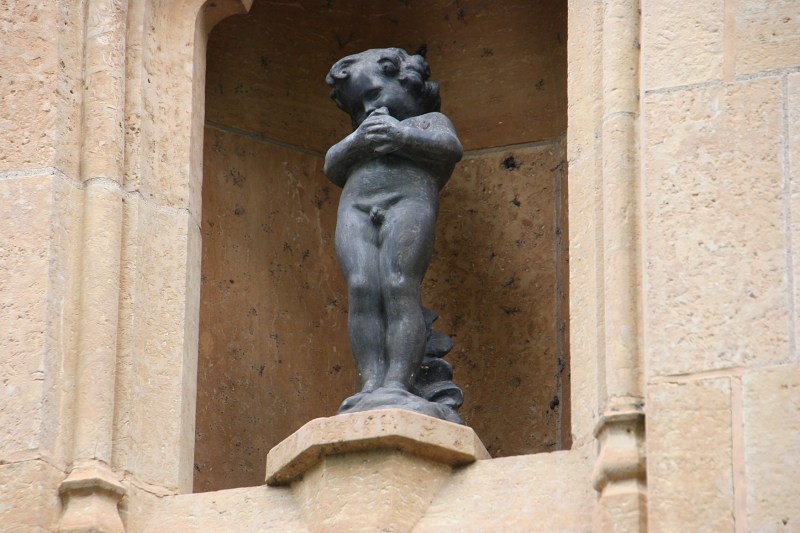
The first sculpture I spotted, near the entry.

The first sculpture I spotted, near the entry.


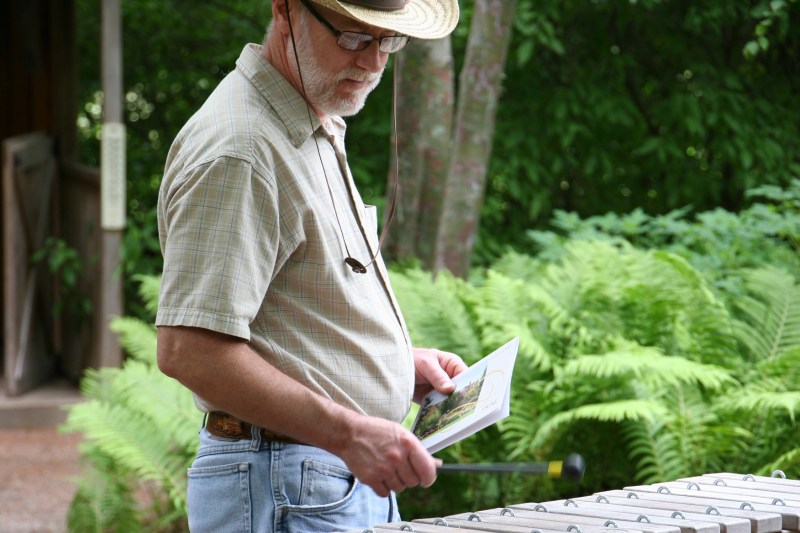
My husband, Randy, plays a xylophone in a garden.

My husband, Randy, plays a xylophone in The Children’s Field Station.


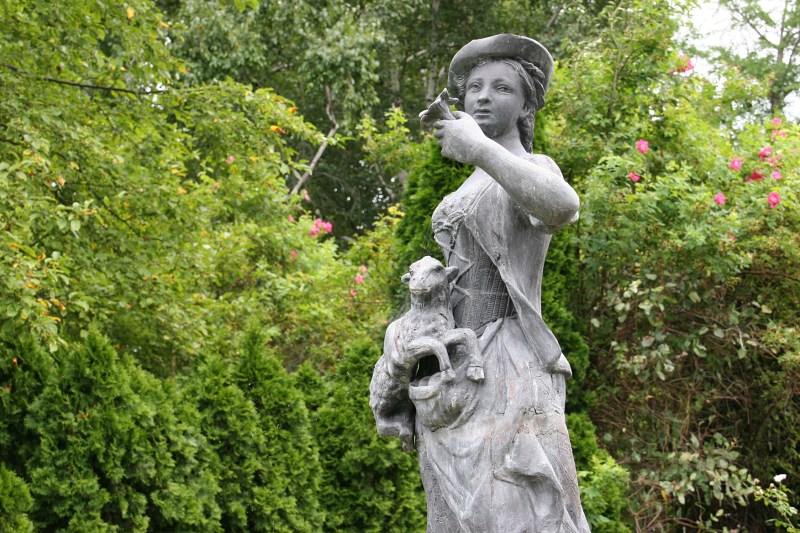
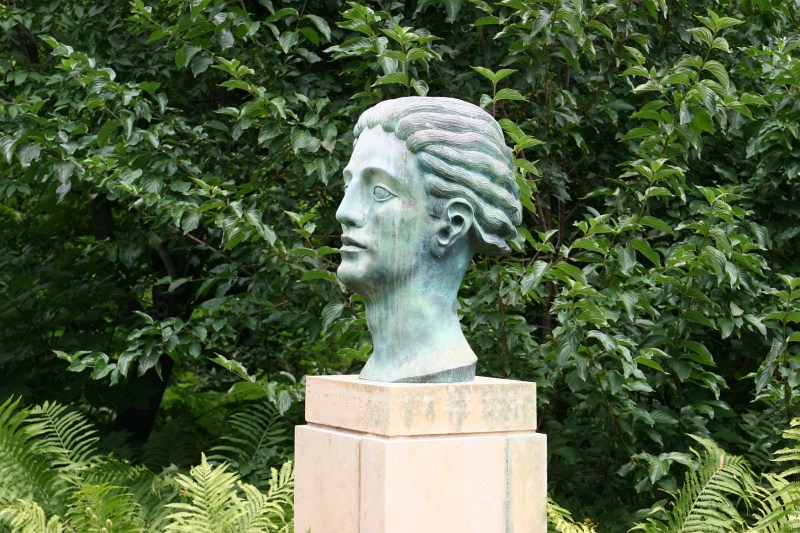
One of many graceful sculptures.

One of many graceful sculptures.

FYI: For more information about The Paine Art Center and Gardens, click here. Then click here to read my first post from inside The Paine. Next, click here to read Part I and then Part II of my gardens series.

© Copyright 2017 Audrey Kletscher Helbling
 

Part II, outside the Paine in Oshkosh: Ever-changing garden art June 20, 2017

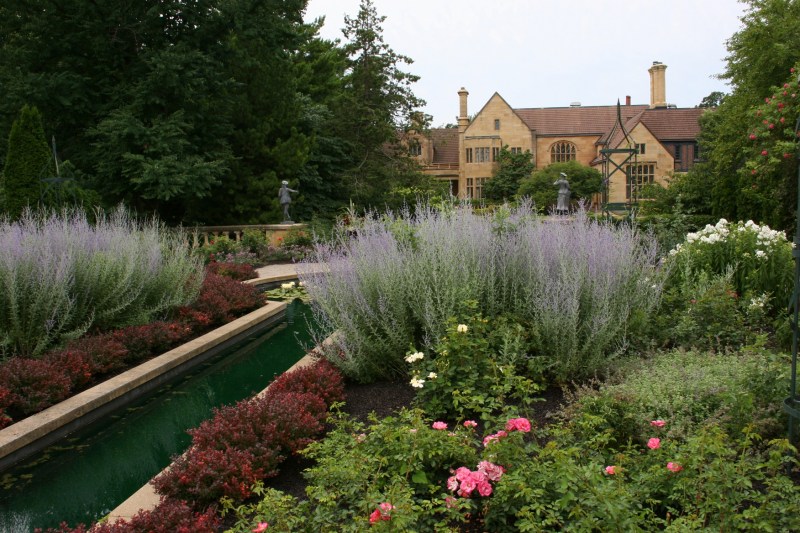
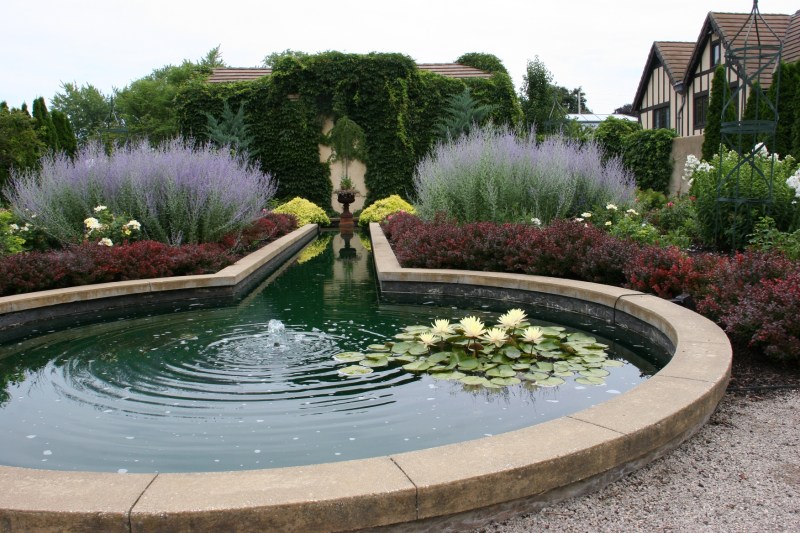
A view of The Paine Art Center from the reflecting pond garden located behind the historic 1920s mansion.

A view of The Paine Art Center from the reflecting pond garden located behind the historic 1920s mansion.

KALEIDOSCOPE. Even the word seems to hold a certain mystique. Rotate a kaleidoscope in your hand and the magic unfolds, there, before your eyes.

I’ve always loved looking into these tubes of mirrors and color that present ever-changing designs like a shifting gallery of art.


paine-gardens-113-garden-kaleidoscope


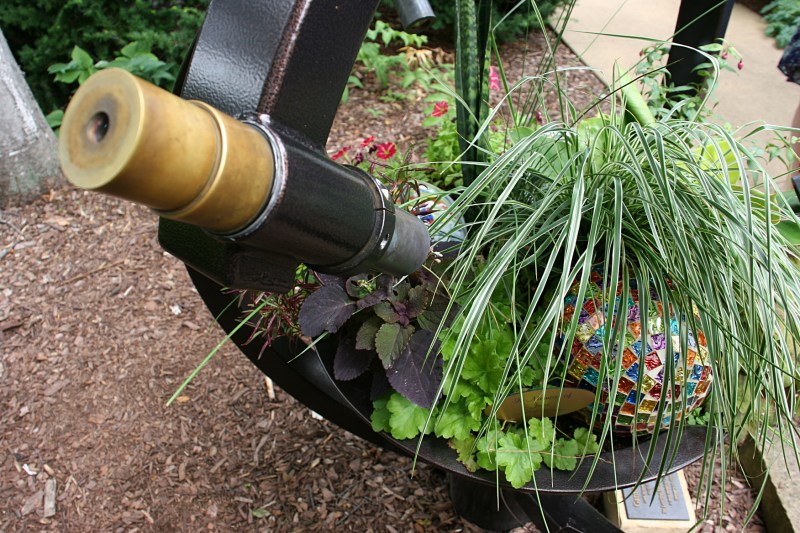
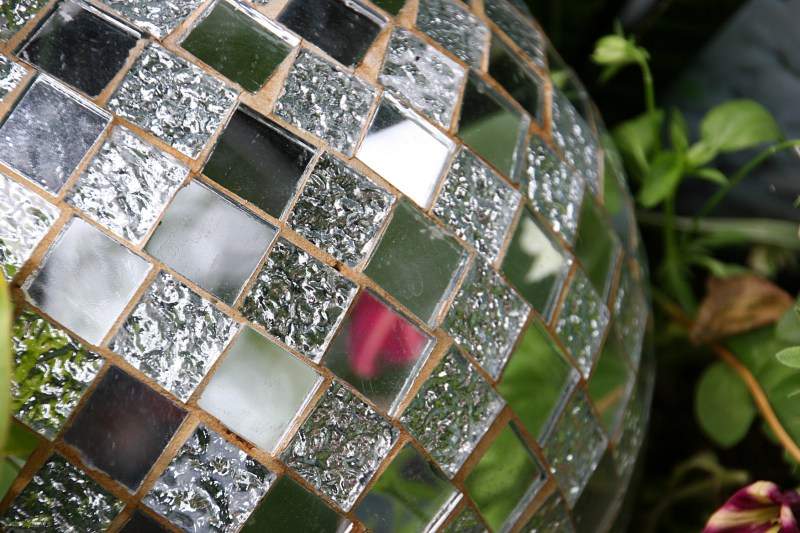
I’d never known the kaleidoscope as anything but a kid’s toy. But then I toured the gardens at The Paine Art Center in Oshkosh, Wisconsin, and discovered the garden variety of kaleidoscopes. These oversized and sturdy garden kaleidoscopes are comprised of a metal framework surrounding a bowl of plants and a ball. What a visual delight.


paine-gardens-113-kaleidoscope-ball


Robert C. Anderson, a Sturgeon Bay artist, crafted the garden kaleidoscopes at the Paine. These sculptures bring an interactive dimension to the gardens. I like that.

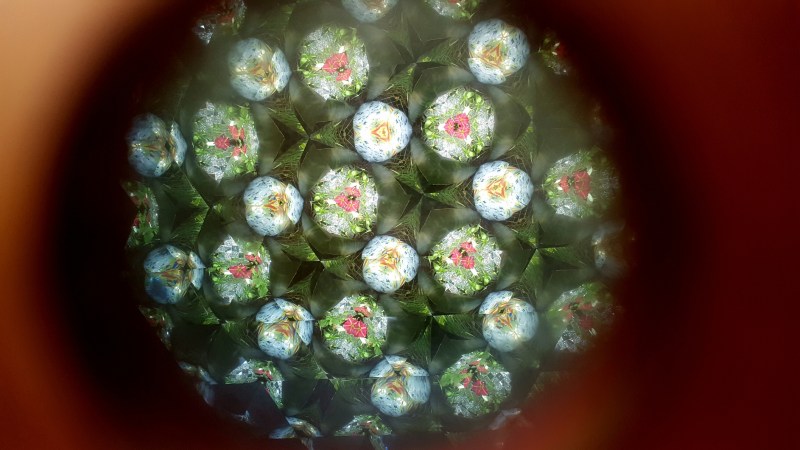
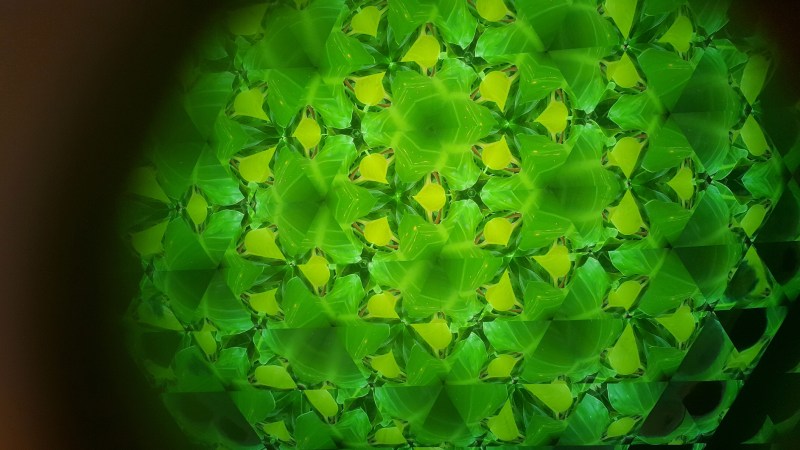
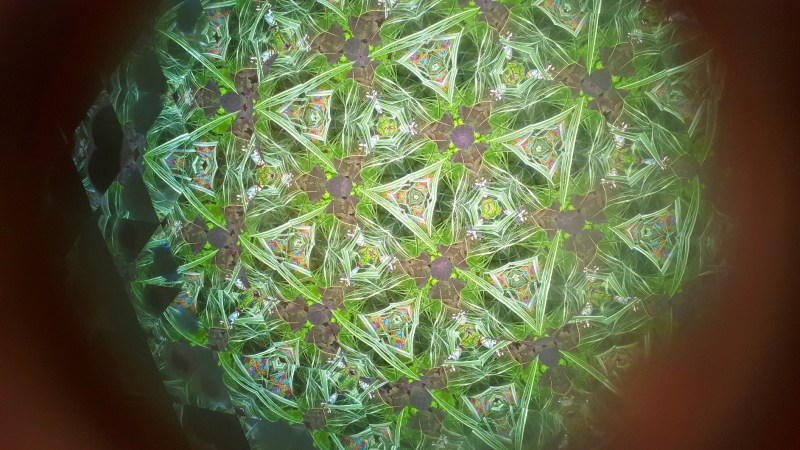
And because my daughter Miranda was able to photograph through the eye piece with her smartphone, you can see the art of a garden kaleidoscope:


paine-gardens-garden-kaleidoscope-1-copy


paine-gardens-kaleidoscope-2-copy


paine-gardens-kaleidoscope-3-copy


Beautiful, isn’t it?

TELL ME: Have you ever seen a garden kaleidoscope or other interactive piece of garden art that especially intrigued you? Click here to see my blogger friend Valerie’s photos of these from the Minnesota Landscape Arboretum.

FYI: Check back tomorrow for one final post from The Paine as we further explore the gardens. Click here to read my first garden post. And click here to read my first post from inside The Paine Art Center.

© Copyright 2017 Audrey Kletscher Helbling
Close-up kaleidoscope images by Miranda Boyd


Part I, outside the Paine in Oshkosh: Flowers and art and water June 19, 2017

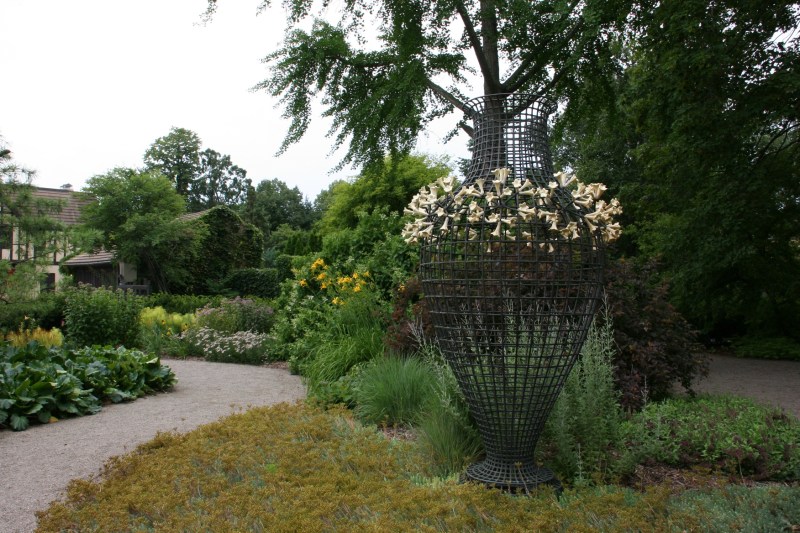
paine-gardens-116-wire-basket-sculpture


HEAT AND HUMIDITY PRESSED heavy upon me as I wandered the gardens of The Paine Art Center on a summer day in Oshkosh, Wisconsin. Yet, the heat didn’t stop me from appreciating the lush flowers and plants, the water features, the sculptures and more showcased on this estate.


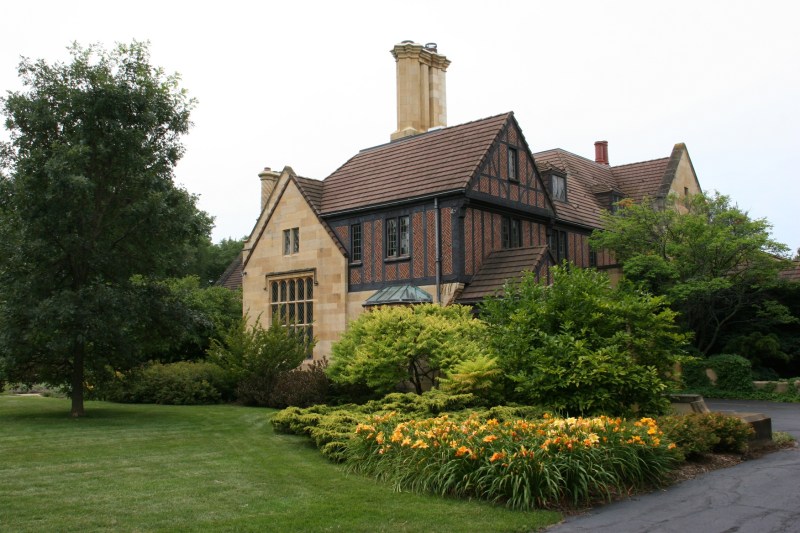
paine-gardens-106-side-view-with-gardens-in-foreground


It’s a lovely place, this late 1920s mansion and the landscape surrounding it. An episode of The Bachelor was filmed here in October.


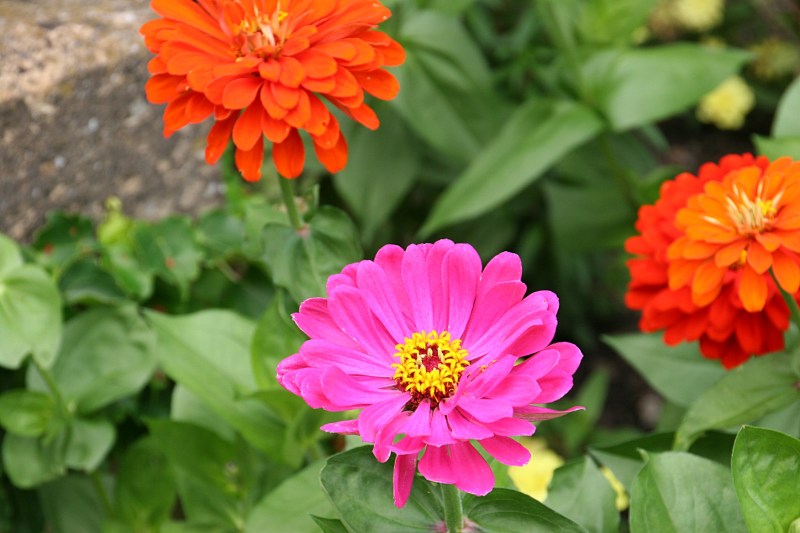
paine-gardens-120-zinnias


I realize most of you likely will never travel to eastern Wisconsin to tour The Paine. My second daughter lives in the area. So please join me on this walk around the grounds—a welcome visual summer respite for us dwellers of the North. And for those of you in other regions, I hope you, too, will appreciate the beauty of this estate once owned by Nathan and Jessie Paine of Wisconsin lumber business wealth.


A sweeping lawn stretches between the gardens and the rear of the late 1920s mansion.

A sweeping lawn stretches between the gardens and the rear of the late 1920s mansion.


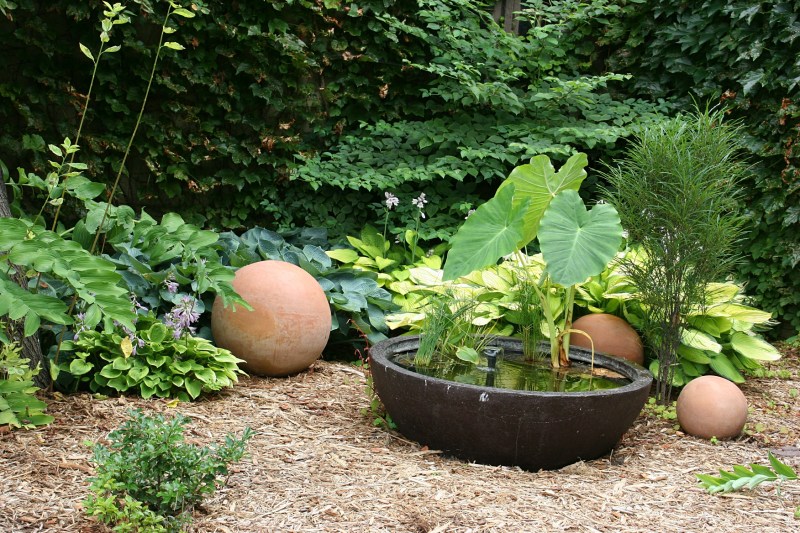
Sculptures, water features,plants and flowers all intertwine in the gardens.

Sculptures, water features, plants and flowers all intertwine in the gardens.


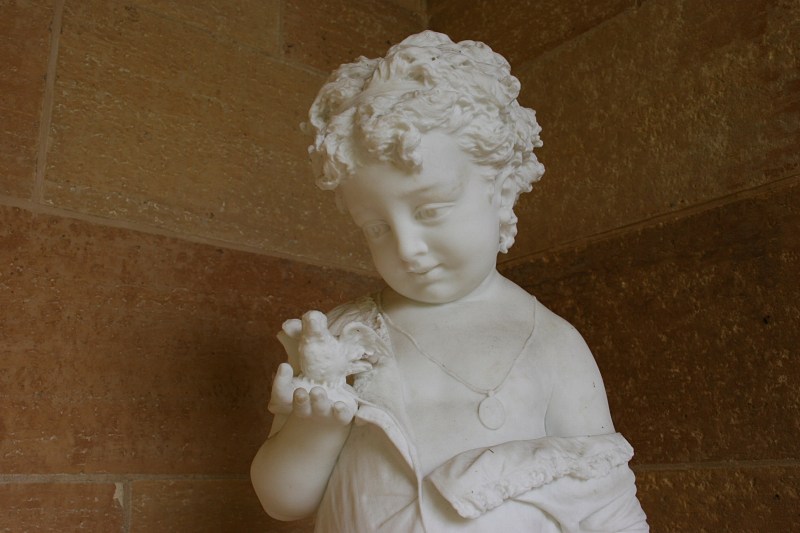
Italian master sculptor created this marble sculpture titled "Girl with a Bird."

Italian master sculptor created this marble sculpture titled “Girl with a Bird.”


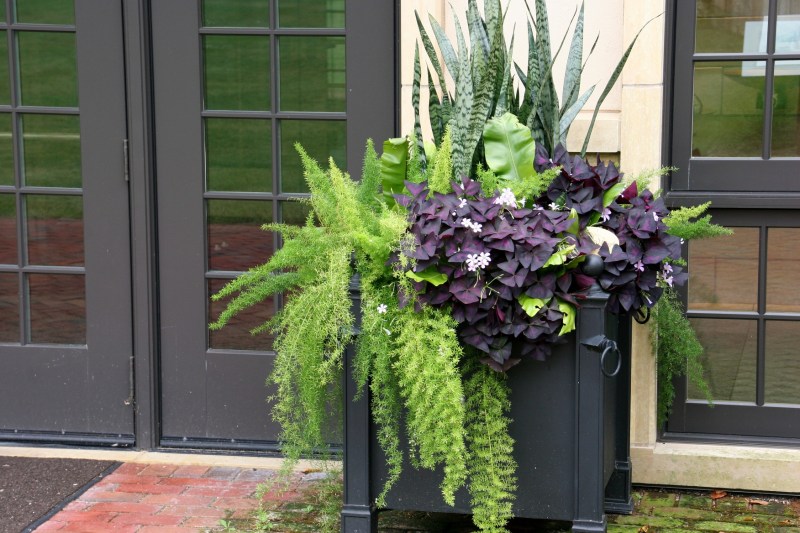
Artsy and beautiful planters abound, including this one outside the Carriage House.

Artsy and beautiful planters abound, including this one outside the Carriage House.


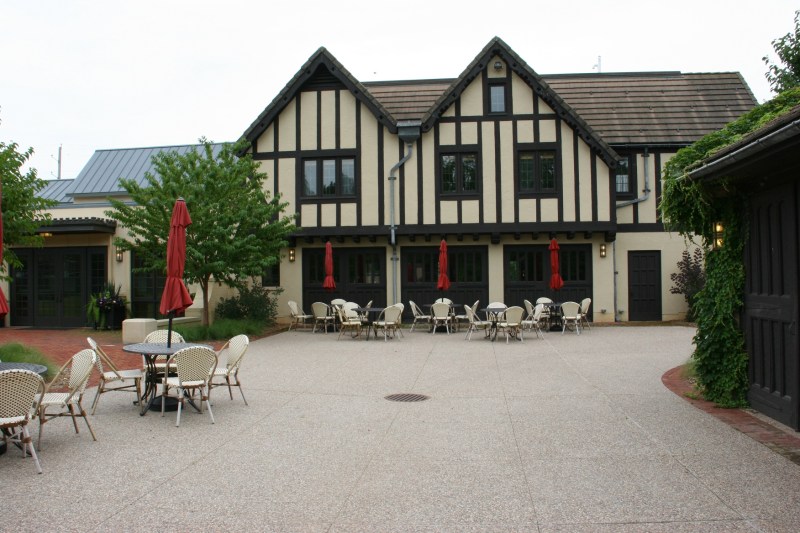
The Carriage House is available for rent, for events like wedding receptions.

The Carriage House is available for rent, for events like wedding receptions.


The showcase reflecting pond.

The showcase reflecting pond.


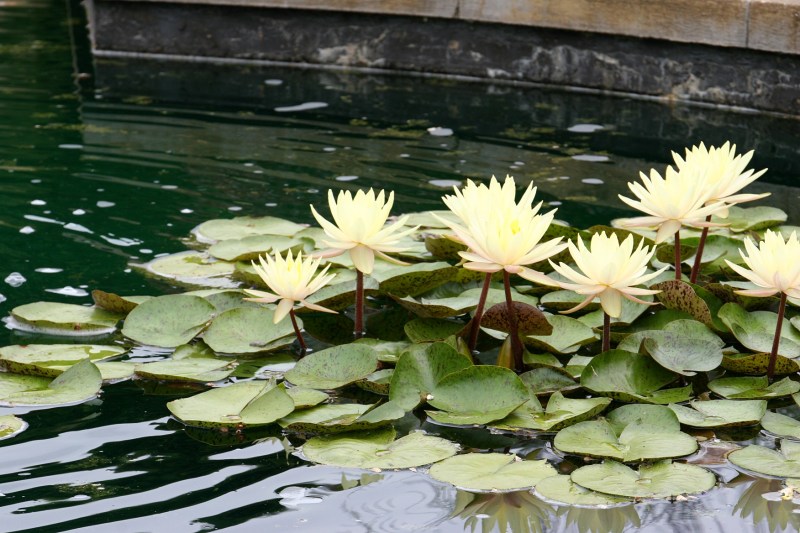
How lovely those lilies in the pond.

How lovely those lilies in the pond.


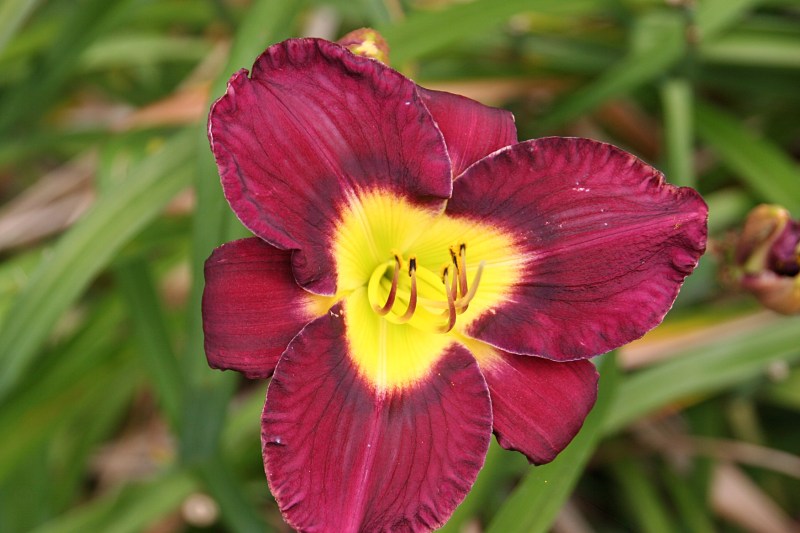
And how lovely the other lilies growing in the gardens.

And how lovely the other lilies growing in the gardens.


FYI: Because I have so many photos of the gardens, I will feature my images in two more posts. Click here to read my first post from inside this historic mansion.

Click here for more info about The Paine Art Center and Gardens.

© Copyright 2017 Audrey Kletscher Helbling
NOTE: These images were taken in July 2016.


Scenes from the road in Iowa June 8, 2017

Filed under: Uncategorized — Audrey Kletscher Helbling @ 5:00 AM
Tags: , , , , , , , ,

Westbound from Illinois into Iowa along Interstate 80. Minnesota Prairie Roots file photo May 2016.


IN IOWA EXISTS a comfortable familiarity for me. It’s not that I’ve explored much of this state, except the northern fringes. But Iowa feels like a friendly next door neighbor or cousin, the ruralness of this land creating an instant bond.


For in Iowa—the Iowa I’ve seen—the lay of the land, the length of the sky, the scenes of barns and fields and small towns connect to my rural southwestern Minnesota roots.


I feel at home in Iowa, the place that is often the butt of Minnesota jokes. Outside the Twin Cities metro and the lakes and woods of northern Minnesota, our landscape mostly duplicates that of our southern neighbor.


The world’s largest truck stop, with eight restaurants, a movie theater, dentist and much more, has been open near Walcott off I-80 in eastern Iowa since 1964.


It’s OK to admit you like Iowa. Some of my favorite trips have been to Iowa communities—Clear Lake, Mason City, Decorah, McGregor, Marquette and Dubuque. These towns possess character and hold natural and historic interest for me.


Iowa 80, the world's largest truck stop.

Iowa 80, the world’s largest truck stop.


You know you’re in America’s agricultural heartland when you see a billboard advertising Pioneer seed.


Sometimes we need to step outside our boxes of preconceived ideas about a place and simply explore. Leave the metro and drive a gravel road, stop in a small town, delight in the simplicity of a rural landscape. Iowa and many parts of Minnesota are more than the middle of nowhere. If we choose to slow down, we begin to notice the nuances that define a place, that make it worth our time to visit and to appreciate.


TELL ME: If you’ve traveled to Iowa, what community would you suggest visiting and why? Or, if you haven’t been there, tell me what a visitor should see in your state or country?

© Copyright 2017 Audrey Kletscher Helbling

NOTE: All images were taken in late May 2016 on a return trip from Minnesota to Boston.