Minnesota Prairie Roots

Writing and photography by Audrey Kletscher Helbling

The prairie part of Minnesota December 9, 2015

Filed under: Uncategorized — Audrey Kletscher Helbling @ 5:00 AM
Tags: , , , , , , ,
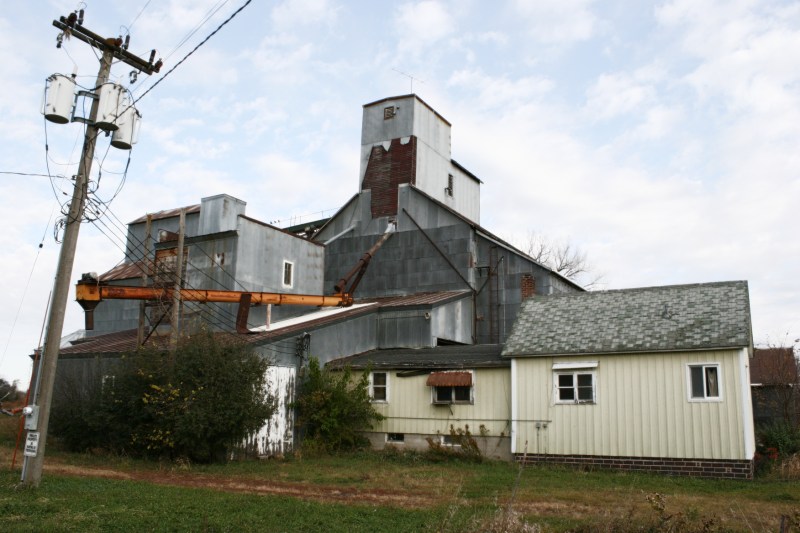
The grain elevator in Seaforth, in Redwood County, Minnesota, closed long ago.

The grain elevator in Seaforth, in Redwood County, Minnesota, closed long ago.

MINNESOTA IS MORE than the Twin Cities, St. Cloud, Rochester and Duluth. It’s also farms and small towns like Vesta, Sleepy Eye, Gaylord and St. James. I’ve lived in all of those rural areas and, for the past 33 years, in Faribault.

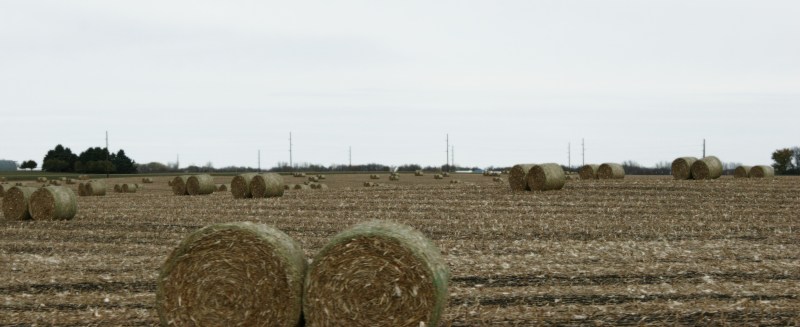
Cornstalk bales litter fields between Redwood Falls and Morgan.

Cornstalk bales litter fields between Redwood Falls and Morgan.

My husband was raised on a farm near Buckman in central Minnesota. Heard of it? Few people have. Likewise, not all that many Minnesotans know of Vesta, my hometown. Both communities are small—several hundred residents.

A vintage car travels eastbound along U.S. Highway 14 toward Nicollet.

A vintage car travels eastbound along U.S. Highway 14 toward Nicollet.

When folks ask where I grew up, I typically respond Vesta, bookmarked by “between Redwood Falls and Marshall.” If I get a blank look, I add “west of New Ulm.” If the geographic location still remains a mystery, I continue with “west of Mankato.” Then I usually see a flicker of recognition.

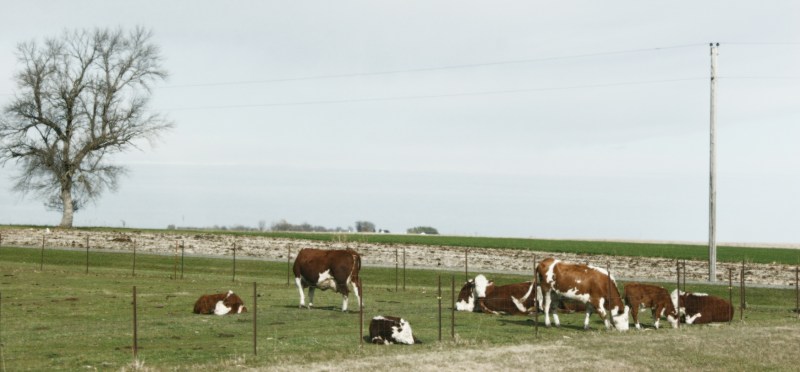
Occasionally you'll see cattle in a pasture. But mostly, farm land in southwestern Minnesota is used for crops like corn and soybeans.

Occasionally you’ll see cattle in a pasture. But mostly, farm land in southwestern Minnesota is used for crops like corn and soybeans.

My native southwestern Minnesota seems unappreciated by many who dismiss it as that boring prairie landscape en route to some place like Sioux Falls or the more distant destination of the Black Hills.

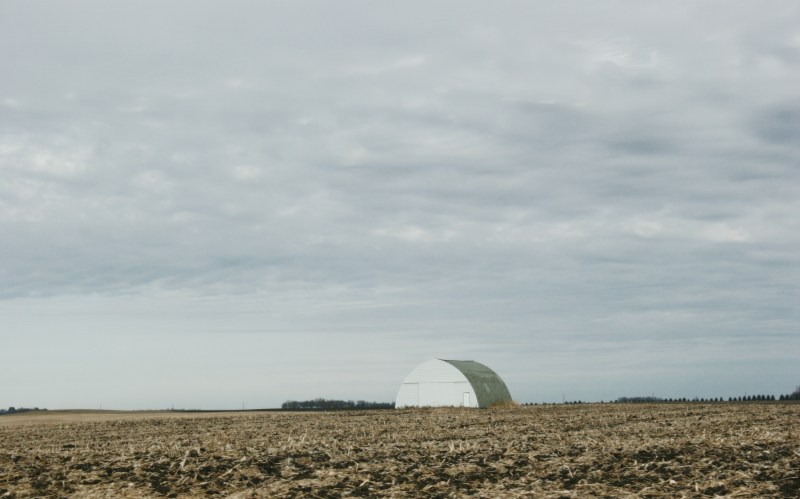
Fields and sky envelope a farm building just west of Wabasso.

Fields and sky envelope a farm building just west of Wabasso.

Appreciating the prairie, if you aren’t a native, takes a bit of effort. Wide skies and unhindered vistas can, I suppose, leave a landlocked city or hemmed-in by trees dweller feeling unsettled, untethered. There’s a sense of vulnerability and isolation on the prairie.

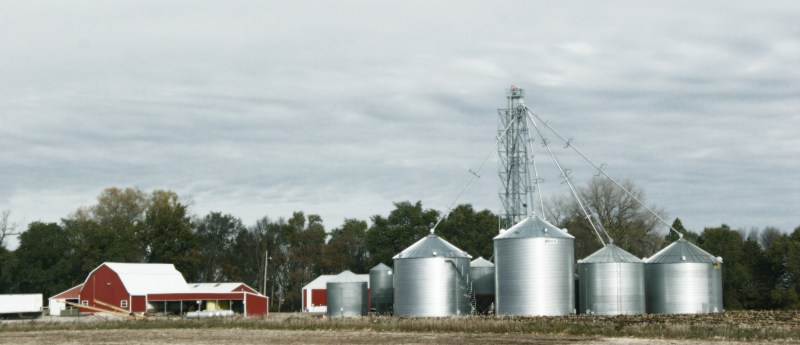
This farm site sits north of Lamberton in Redwood County.

This farm site sits north of Lamberton in Redwood County.

Land and sky overwhelm. Wind dominates. And for non-natives, that feeling of powerlessness within a landscape pushes away any thought of liking the prairie. Hurry. Power through the place. It’s just a bunch of farms and small towns and endless fields. But it isn’t. It is farm homes and red barns, grain elevators and water towers, corn and soybeans. Someone’s home. Someone’s land. Someone’s life. Someone’s livelihood. The prairie part of Minnesota. The place that shaped me as a person, a poet, a writer, a photographer. For that, I am grateful.

#

Note: All images were taken during my last visit “back home” in October and were edited to add a soft quality to the scenes.

© Copyright 2015 Audrey Kletscher Helbling


What makes a winning photo December 8, 2015

IT’S ALWAYS A THRILL, as a photographer, to be recognized for one’s work. It validates what I create with my camera and fuels my passion to continue pursuing photography.

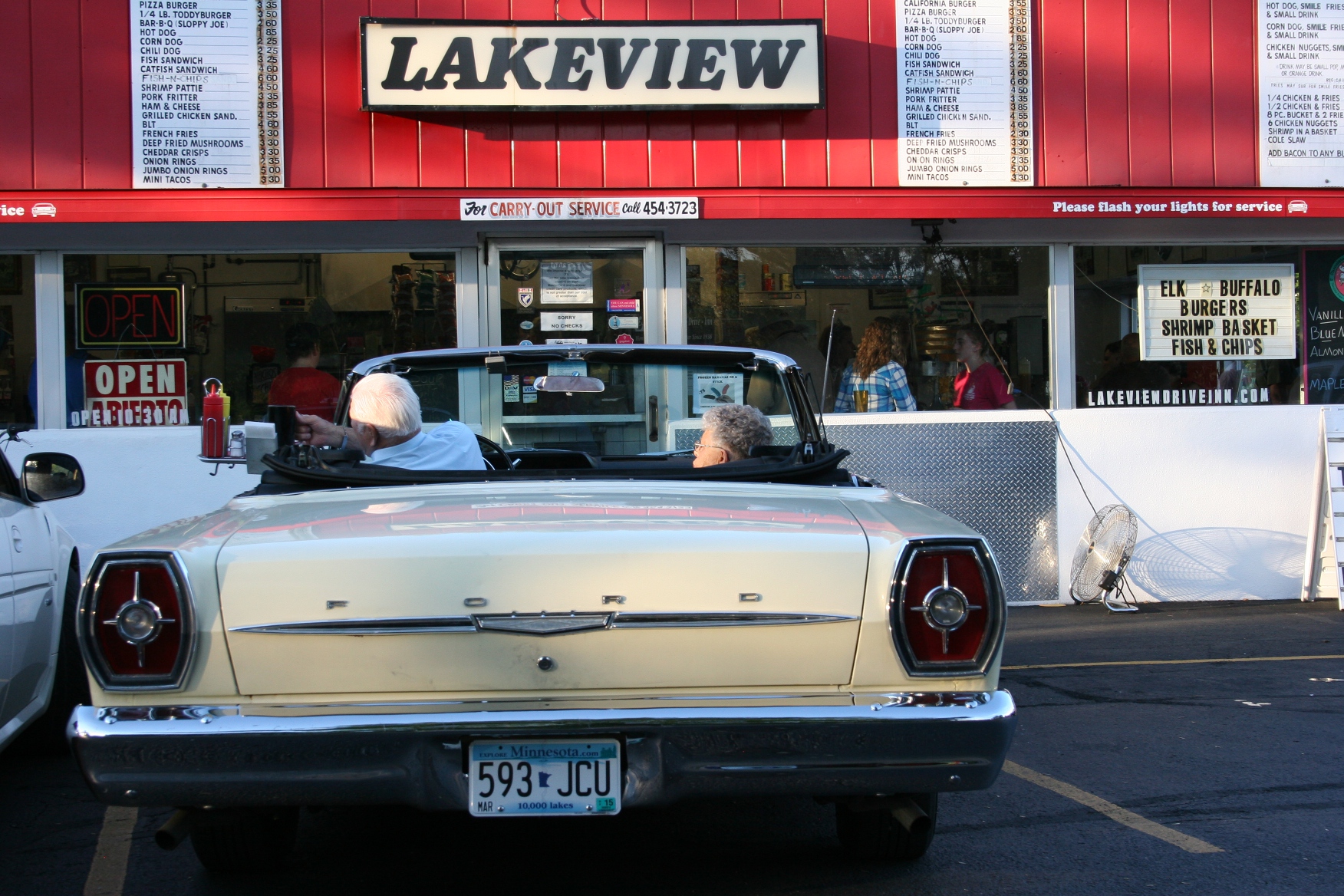
A few cars, some vintage, managed to sneak into the drive-in among all the tractors.

My winning photo: “A Dinner Date at the Lakeview Drive Inn”, Winona, Minnesota.

For the third time, a photo I entered in the National Mutual Benefit annual photo contest has placed. This year I earned honorable mention in the people category for my image, “A Dinner Date at the Lakeview Drive Inn.” I shot the scene in August 2014 at this iconic drive-in in the Mississippi River town of Winona, Minnesota. My husband and I were returning from a vacation to Iowa and Galena, Illinois, when we visited the Lakeview on a mid-week Farm Tractor Night.

Lighting—the golden hour of photography—was perfect. And the scene and setting were so iconic Americana that I was giddy about the photo possibilities. You just know as a photographer when photo ops abound.

I was familiar with the Lakeview, having dined there a few times while our eldest daughter attended nearby Winona State University. I’d also written and taken photos for a magazine feature story about this long-time eatery noted for its homemade root beer.

When I saw an elderly couple dining in their convertible, I framed the scene and clicked the shutter button. The result was a winning photo that captures a sweet moment in time and memories of yesteryear. Nostalgia.

Click here to see all of the winning photos in the 2015 National Mutual Benefit contest.

The bingo callers. My first place winning photo.

The bingo callers. My first place winning photo taken on July 4, 2013.

Last year I also entered a photo of an elderly couple to win first place in the people division of National Mutual’s photo contest for my “Fourth of July BINGO callers.” That scene was shot in 2013 at North Morristown. Again, I managed to recognize and snapshot a moment that is grassroots connective.

My first photo win, though, in a National Mutual contest came back in 2003 when I won first place in the scenery division for an image of a butterfly settled upon a daisy in my backyard. That was taken with my 35 mm film camera, before I owned my Canon DSLR. I’d show you that photo, too, except I have no idea where the print may be.

My new camera.

A mirrored self-portrait when I was trying out a different Canon earlier this year. I shoot with a Canon EOS 20D.

I love photography. Along with writing, it’s a creative outlet for me. But it’s also a source of income. Numerous people have found my work via this blog and purchased rights to use my images—on websites, in books, on annual reports, in magazines, as framed prints, in an educational app and more. I am pleased and thankful when others recognize and value my work. No, I do not give away my photos for credit and/or a link. Many people apparently think I do based on the numbers of inquiries offering that type of “payment.”

Email me at audrey at mnprairieroots.com if you are interested in purchasing digital rights to my images.

I use photography to tell a story in the most creative way I can. I am not a stand in the corner and shoot person. I squat and kneel and even lie on the ground if necessary to get the proper perspective. Sometimes I hold my camera above my head, aim the lens down and shoot. Other times I place the camera on the ground, tilt it up and click.

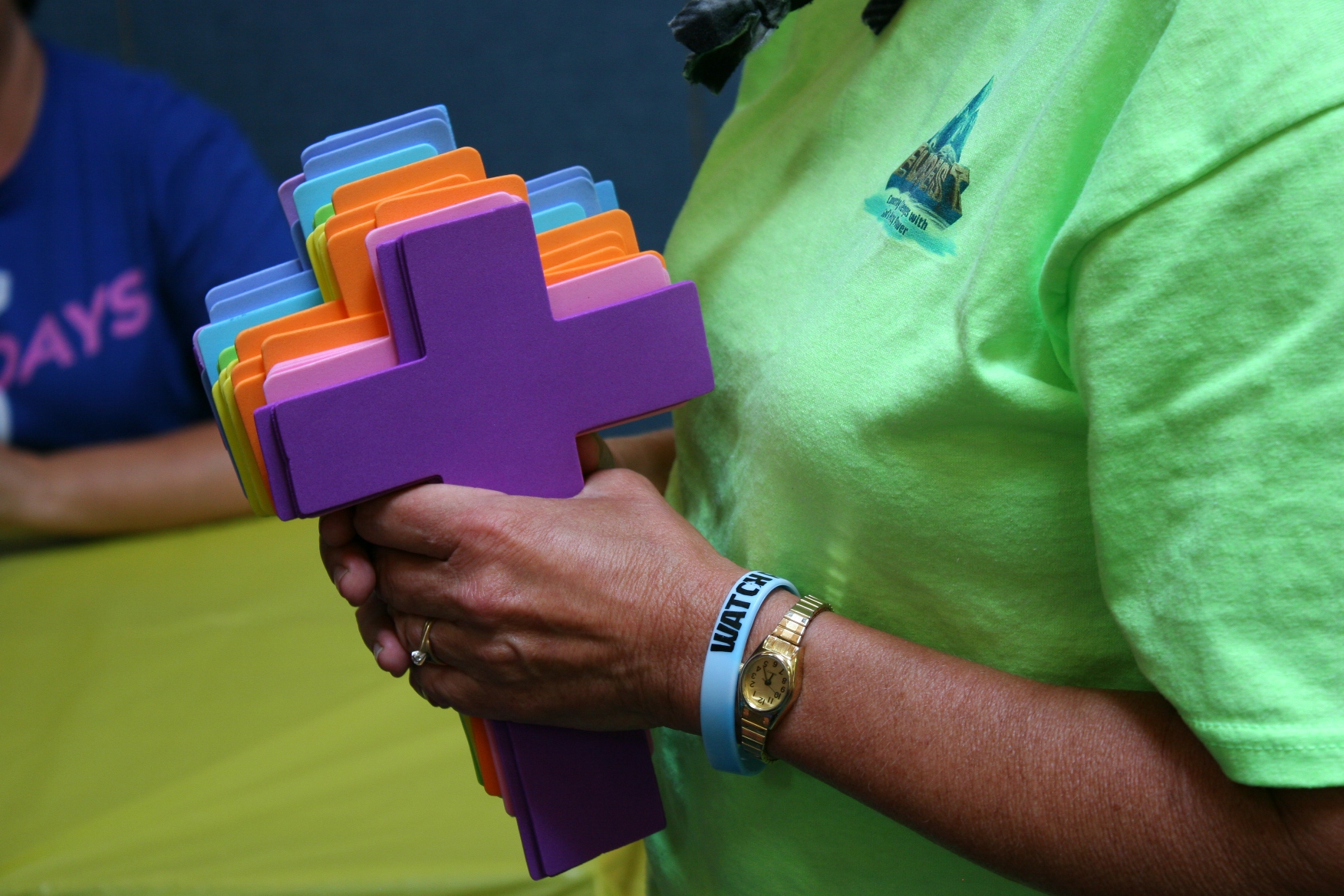
One of my favorite close-up VBS photos shows the VBS leader clutching crosses to be used in a craft project.

One of my favorite close-up VBS photos shows the VBS leader clutching crosses to be used in a craft project.

I shoot from afar and I shoot up close. During a stint of volunteering to photograph my church’s Vacation Bible School this summer, I took more than 1,000 photos in eight hours of work. And if anyone was expecting me to simply photograph obscure groups of kids, they were wrong. Sure, I snapped images of groups. But I also told the VBS story in detailed photos of hands and faces and other close-ups.

Many think taking good photos is all about the equipment. Yes, good equipment is nice. But it’s ultimately lighting, creativity, composition and observation skills (and sometimes luck) that lead to quality memorable images.

This quote by noted advertising and documentary photographer Elliott Erwitt summarizes well my thoughts on photography:

“Photography is an art of observation…I’ve found that it has little to do with the things you see and everything to do with the way you see them.”

I’ve been shooting long enough, first as a photojournalist (a necessity back in my days working as a small town newspaper reporter), to feel confident in my work, in my style. Thank you for appreciating me and my photography.

© Copyright 2015 Audrey Kletscher Helbling


Threads of tenacity, loyalty & quality weave through Faribault Woolen Mill book December 7, 2015

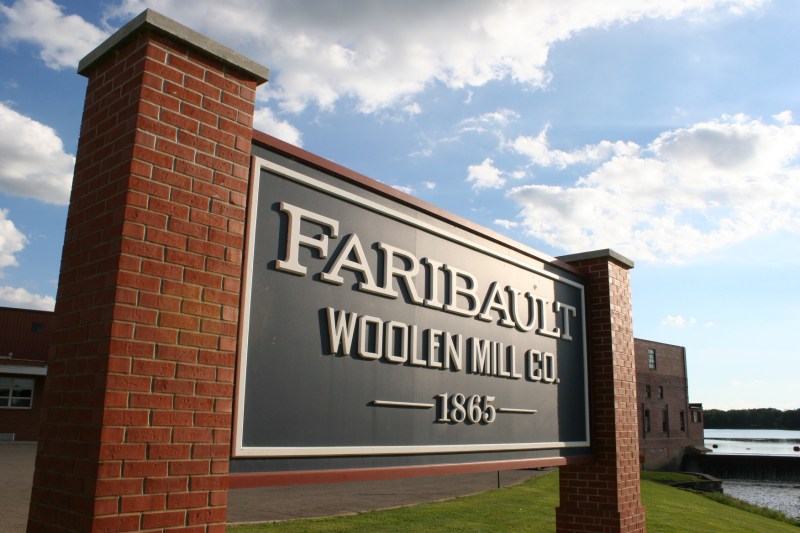
This sign marks The Faribault Woolen Mill, which sits along the banks of the Cannon River in Faribault, Minnesota.

This sign marks The Faribault Woolen Mill, which sits along the banks of the Cannon River in Faribault, Minnesota. Minnesota Prairie Roots file photo August 2015.

“DID YOU GUYS HAVE a tan mitten found yesterday?” customer Molly asked in a recent entry on the Faribault Woolen Mill Facebook page. She’d shopped at a mill overstock sale the day prior and lost a mitten knit by a family member. To Molly, it wasn’t about the mitten as much as the memory and love attached to it.

A mill employee asked Molly to send a photo to aid in the search. Whether the mitten has been found, I don’t know. But I view the mill’s response as a current day example of how this 150-year-old Faribault business cares like family.

Book cover by The History Press

Book cover by The History Press

That’s a recurring theme in a just-published book, Faribault Woolen Mill—Loomed in the Land of Lakes, by my friend, Faribault author Lisa M. Bolt Simons. Lisa cites numerous cases of the mill’s loyalty to Faribault and its employees. In 1961, for example, mill owners purchased a cabin near Bemidji for use by employees, customers and others. That appreciation goes both ways. Community residents and employees have remained fiercely loyal to the woolen mill. Many employees returned to work after the mill briefly closed. Employment longevity reaches into decades, up to sixty years for one mill employee, spotlighting a strong work ethic.

Appreciative customers exist world-wide. Lisa found an August 1966 mill retail store guest book entry notation that The Beatles (yes, those Beatles) visited. That seems unlikely, though, given the Beatles only Minnesota concert, at Met Stadium, happened in August of 1965. However, during eight months in 1966, nearly 2,000 people from 45 states and nine countries signed the mill guest book.
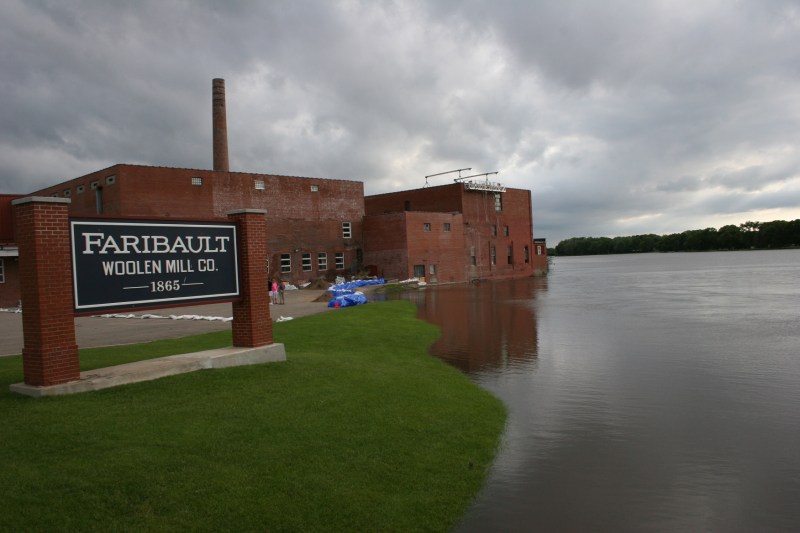
Sandbags protect the Faribault Woolen Mill from the rising Cannon River.

Sandbags protect the historic Faribault Woolen Mill from the rising Cannon River in June 2014. The mill is listed on the National Register of Historic Places. That designation in 2012 allowed the business to apply for, and receive, a $300,000 grant from the Minnesota Historical Society for mill restoration. This photo is published in black-and-white on page 96 of Lisa M. Bolt Simons’ book. Minnesota Prairie Roots file photo 2014.

Lisa’s 126-page book, published by The History Press, is packed with information that shows extensive research on her part to tell the complete story of Minnesota’s oldest manufacturer. Her bibliography runs four pages. I must note here that Lisa references my June 12, 2012, blog post, “Historic Faribault Woolen Mill Opens Store with Artsy Vibe,” in the preface. One of my photos is also published in her book.
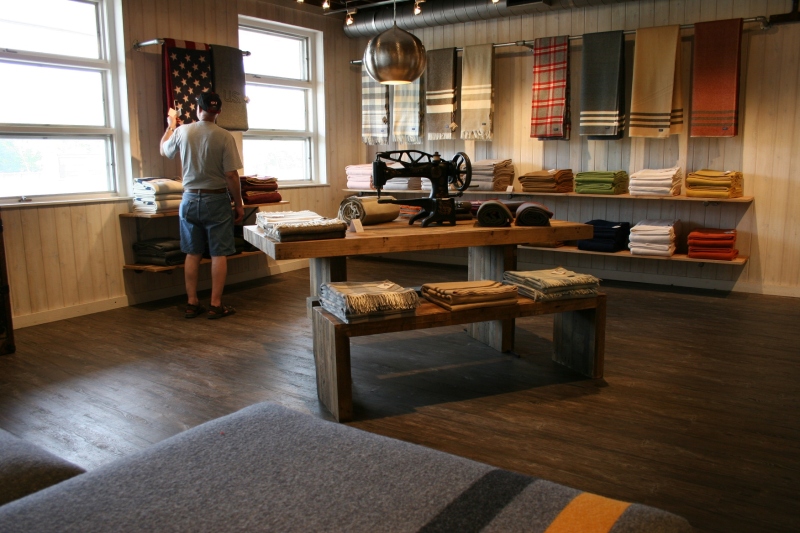
Perusing merchandise at the recently reopened Faribault Woolen Mill retail store.

Perusing merchandise at The Mill Store shortly after it opened in 2012. Minnesota Prairie Roots file photo.

Typically, I do not enjoy reading history. But I finished Lisa’s book in just a few days. It was that interesting. I didn’t grow up in Faribault. So, unlike natives, I didn’t know the history of the mill which started with the Klemers, a family ownership that extended into five generations. I didn’t know about the mill’s multiple locations, about the five fires. I didn’t know how close the mill came to closing during several economic down-turns. I didn’t know why the family sold to outside investors, a move that eventually resulted in the mill’s closure in 2009.

Lisa references public court documents that offer insights into the short-term closure. She also quotes employees who dealt with bounced paychecks and unpaid health insurance premiums. Her information confirms what my neighbor, a retired mill retail store employee, told me years ago.
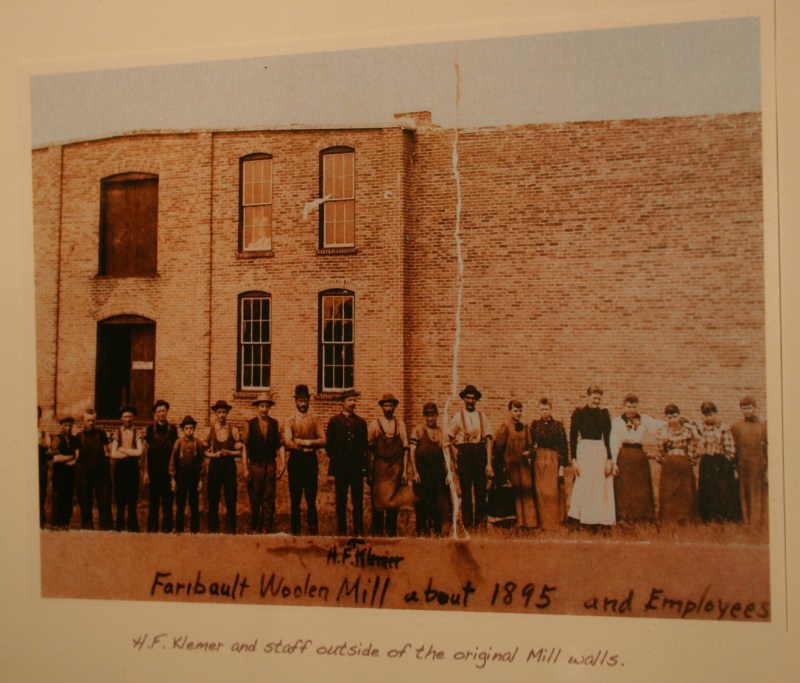
An historic photo from the mill, among those showcased in a mini wall of Woolen Mill history.

An historic photo from the mill, among those showcased in a mini wall of Woolen Mill history. Minnesota Prairie Roots file photo.

Through the challenges of fires, floods (in 2010 and 2014) and finances, the Faribault Woolen Mill survived with a tenacity that continues today under the ownership of Paul and Chuck Mooty and their leadership team. The cousins reopened the mill in 2011. A theme of endurance weaves throughout the book.

Crisp white cubbies, ever so perfect for showing off blankets/throws.

Crisp white cubbies, ever so perfect for showing off blankets/throws at The Mill Store. Minnesota Prairie Roots file photo 2012.

As it did from the beginning, the mill remains rooted in producing quality wool products, specializing in blankets that have warmed troops, hotel guests, airline passengers, newlyweds… Today you’ll find Faribault Woolen Mill products in boutiques and trendy places nation-wide, many of those notable locations listed in the book.
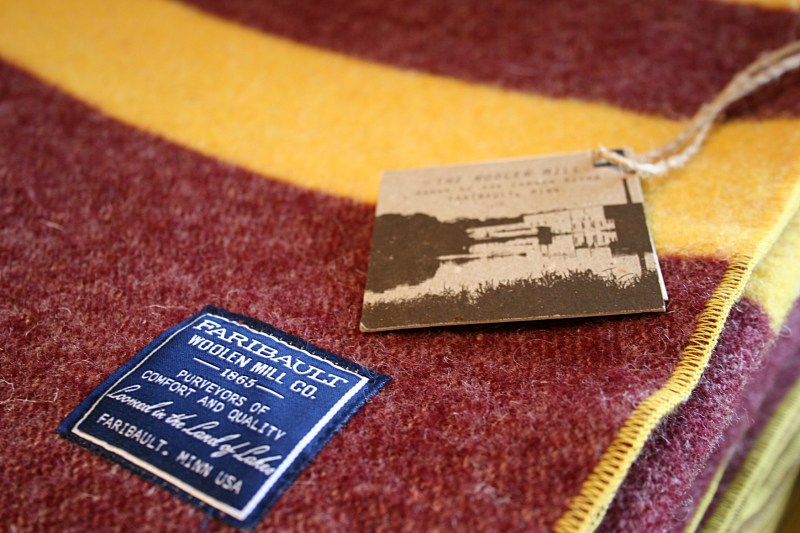
The mill's products are labeled as "Loomed in the Land of Lakes" by "Purveyors of Comfort and Quality." Minnesota Prairie Roots file photo 2012.

The mill’s products are labeled as “Loomed in the Land of Lakes” by “Purveyors of Comfort and Quality.” Minnesota Prairie Roots file photo 2012.

Because of Lisa’s book, I now hold a deeper appreciation of the Faribault Woolen Mill, one of the last vertical woolen mills in the U.S. I understand why locals value this business hugging the banks of the Cannon River. A quote from Jean Mooty, who restarted the retail store and is the wife of co-owner Paul Mooty, says it all: “The mill gets in your blood.”

Lisa M. Bolt Simons. Photo by Jillian Raye Photography.

Lisa M. Bolt Simons. Photo by Jillian Raye Photography.

FYI: The Mill Store, 1500 Second Avenue Northwest, will host “A Book, Beer + Blankets” book tour launch from 4 p.m. – 7 p.m. on Wednesday, December 9. Lisa will give a short presentation at 5:30 p.m. Faribault’s F-Town Brewery will offer beer tasting. And, of course, Faribault Woolen Mill products will be available for purchase.

(Note: I received a complimentary copy of Faribault Woolen Mill—Loomed in the Land of Lakes. The inclusion of my mill photo and references to me and my blog did not influence this unbiased and honest review of the book.)

© Copyright 2015 Audrey Kletscher Helbling
Book cover image by The History Press
Author portrait by Jillian Raye Photography

 

Kenyon native turns to writing children’s books after MS diagnosis December 4, 2015

WRITER DEBBIE ESTREM’S childhood parallels mine. We both grew up on farms—she near Kenyon in southeastern Minnesota and me 150 miles to the west in Redwood County. She, though, moved into town, unlike me.


It's Summertime Book Cover


Because of our similar upbringings, I understand her connection to and appreciation for the simple things in life. I see that focus and a strong rural Minnesota influence in her children’s picture books, especially in It’s Summertime, the first volume in a seasonal-themed series. An autumn book, A Time for Fall Fun, just published with the remaining two seasonal titles due to release in 2016.


Firefly book cover


Her other self-published picture books include Have you ever seen a firefly? and Sights at the Zoo.

Of the three books Debbie sent for possible review, I am focusing here on It’s Summertime. I feel most connected, memory-wise, to the content. Debbie writes from a child’s perspective, showcasing outdoor summer activities such as picnicking, swimming, biking, jumping rope, blowing bubbles and attending the county fair.

It’s refreshing to read a book like this that emphasizes mostly unstructured play and family togetherness. I’m all for kids playing on their own, using their imaginations in unscheduled, unorganized free time.

Debbie’s writing, paired with the art of New Jersey illustrator Kim Sponaugle, makes It’s Summertime a delightful book that is visually and nostalgically appealing. The artist, according to her website, “is known for her bright, colorful style and lovable character expressions that give her illustrations warmth and delight.” Her drawings of happy children transport me to the carefree days of my childhood, back to memories of playing hopscotch at Vesta Elementary School and savoring sugary mini donuts at the Redwood County Fair.

While Kim holds an art degree, Debbie’s educational background is in business. However, she started writing poetry in 2003 and turned to penning children’s picture books after being diagnosed with Multiple Sclerosis in 2010. Unable to continue working and volunteering, Debbie decided to focus on something positive. And for her, that was writing children’s picture books.

Kevin and Debbie Estrem in 2013. Photo courtesy of Debbie Estrem.

Kevin and Debbie Estrem in 2013. Photo courtesy of Debbie Estrem.

Ten percent of each book sale goes toward researching MS, specifically to the Colorado-Wyoming Chapter of the National Multiple Sclerosis Society. Debbie lives in Colorado Springs with her husband and childhood sweetheart, Kevin Estrem, who is retired from an Air Force career.


book cover


In Sights at the Zoo, Debbie weaves the topic of disabilities into the storyline, helping children to understand why someone uses a wheelchair, walker or other assistive device. The couple’s daughter, Cassi, whose first job out of college focused on researching the cause of MS, suggested her mother write the book. Having once used a cane and walker myself following hip replacement surgery, I appreciate this addition to the story. Debbie currently uses a wheelchair or motorized chair to get around.
This author is hoping, she says, that “discoveries are made for both the cause (of MS) and a cure in my lifetime.”


Fall book cover


IF YOU ARE INTERESTED in purchasing one of Debbie’s picture books, visit the Halo Publishing International website by clicking here.

© Copyright 2015 Audrey Kletscher Helbling

Book cover images courtesy of Debbie Estrem. Cover art by Kim Sponaugle.


In Kenyon: How a small town police chief connects via Facebook December 3, 2015

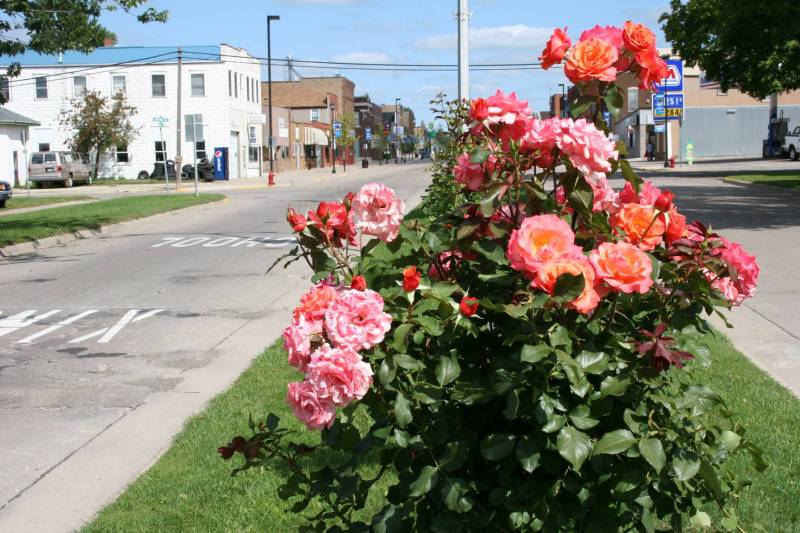
Kenyon's Boulevard of Roses cuts through Minnesota Highway 60.

Kenyon’s Boulevard of Roses cuts through Minnesota Highway 60. Minnesota Prairie Roots file photo.

ABOUT 15 MILES TO THE EAST of Faribault lies the town of Kenyon. Other than roses planted along the boulevard of Minnesota State Highway 60, Kenyon appears your typical southern Minnesota farming community. Hardware store. VFW. Restaurants. Grocery store. Municipal swimming pool. Police station.

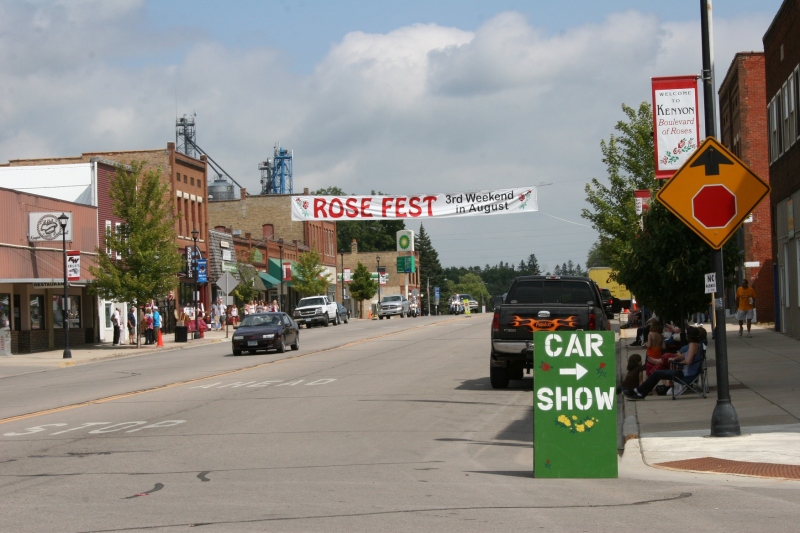
Kenyon, Minnesota, welcomes visitors to its recent Rose Fest.

Kenyon, Minnesota, welcomes visitors to its annual August Rose Fest. Minnesota Prairie Roots file photo.

But look a little closer, online closer, and you discover that things operate a little differently in Kenyon. Specifically in the police department. Police Chief Lee Sjolander, according to a recent story in the Kenyon Leader, “highlights the positive, human side of law enforcement with Facebook.”

And that he does, so I confirmed after checking out the Kenyon (MN) Police Department Facebook page penned by the Chief. With introspective, encouraging and uplifting words, often mixed with humor, this policeman shows care and compassion for those in his community of around 1,800.

Don’t just take my word for it. Read the Chief’s thoughts on thankfulness, safe driving, the challenges of his job and more. Read his encouraging words to a commenter who feels like an outcast. Read how his department is helping those in need at its annual Garage of Goodness, a give-away event set for noon to 4:30 p.m. December 5.

View the photos and read the stories in the Chief’s “My hands, my story” series.

Laugh at the postings in his “Life with my teenage daughter” series.

Cats roam the farm and kids chase after them.

Minnesota Prairie Roots file photo used for illustration only (not photographed in Kenyon).

See how he cares for wandering dogs and cats in Kenyon.

His posts get hundreds of likes.

In a day when law enforcement officers are less and less appreciated, it’s refreshing to see the support given to the Kenyon Police Department, to read the words of a police chief who cares deeply and passionately for those he serves.

#

Check back on Friday to read another story that originates in Kenyon.

© Copyright 2015 Audrey Kletscher Helbling


When health insurance costs become your biggest financial fear December 2, 2015

Insurance options and calculator - CopyI EXPECTED THE INCREASE. Yet, when I received notice of a $190 monthly hike in my health insurance premium, I reacted with shock. And anger. My new premium for an individual policy with a $6,550 deductible will be $602. Are you BLEEPING kidding me? That’s a 46 percent increase from my current $412/month premium. Plus, the deductible jumped $1,350 (from $5,200). For a “bronze” policy that basically offers only catastrophic coverage.

I decided to let the news simmer. Maybe time would ease the sticker shock, the worry about extracting more money from an already tight budget. Perhaps I would accept this as simply the way things are under the Affordable Care Act. That hasn’t happened. I’m still mad. There’s nothing affordable about my health insurance premium.

But anger doesn’t solve problems. I needed to make a decision and stop thinking that I could just as well drive down the highway and toss $7,224 out the window toward the offices of a company that advises me in its ad campaigns to Live Fearless with a Trusted Name. Really? The cost of health insurance is now my biggest financial fear.

The health insurance issue wasn’t going away. So I scheduled an appointment with our accountant (who also sells insurance for the aforementioned company) to discuss options. She is as upset as my husband and me about the escalating cost of health insurance.

In three columns on lined paper, she inked in the existing options—stick with my individual plan or choose one of two plans offered through my husband’s employer. We inquired about other plans, too, and I later followed up by visiting the MNsure website to compare plans. Since my husband’s employer offers health insurance, we can’t get a subsidy anyway and it would be minimal if we could.

We settled on a $3,500/person deductible company plan with a $723/person monthly premium. (With the Live Fearless company.) It made the most sense given the premium and deductible differences and the impact on our taxes (which is why we saw the accountant).

My husband’s employer pays half of his premium. That $361/month will help.

I will now pay $723/month rather than $412/month. My health insurance in 2016 will cost me $8,676 compared to $4,944 currently.

Add in another $204/month for our college son’s health insurance premium and our family will fork out $1,288/month for health insurance premiums in 2016. (Keep in mind that the employer will add $4,332 to the pot, pushing the total annual premium cost to $19,788) Affordable? No. But I suppose one could argue that, if we need to use our health insurance beyond our $3,500 deductibles (for my husband and me) and rack up substantial medical bills, we will consider the $15,456 we paid in 2016 premiums well spent.

Health insurance, for us and I suspect many, has become basically a catastrophic plan that keeps us from going to the doctor.

Thankfully, our home mortgage was paid off years ago. We have income. Both of us grew up in poor families, therefore are thrifty. Yet, at this stage in our lives nearing retirement, we shouldn’t have to worry about out-of-control, astronomical health insurance premiums.

Something has to give here. With so much of our income now going toward health insurance, we are not spending elsewhere. Or saving for retirement. Like our tightening family budget, the economy will feel the impact.

GO AHEAD, VENT. Tell me your health insurance woes. Solutions are welcome. I know my family is far from alone in facing these excessive health insurance costs.

Click here to read a related story published on MPR.

© Copyright 2015 Audrey Kletscher Helbling


A photographic farewell to the Red Wing Pottery salesroom December 1, 2015

Filed under: Uncategorized — Audrey Kletscher Helbling @ 5:00 AM
Tags: , , , , , , , , ,

EDITOR’S NOTE: Red Wing Pottery and Stoneware is closing its salesroom. According to a news release posted last week on the company’s website, owners Bruce and Irene Johnson are shuttering the store due to stress and pressure related to a lawsuit; threats against them, their family and the business; and more. You can read the complete statement by clicking here.

While the salesroom will remain open only through December 24, the company will continue to produce a limited number of Red Wing Pottery and Red Wing Stoneware pieces at the Stoneware facility. Those products will be available for purchase online.

I visited the store in October 2014 and drafted the following post in May 2015, planning to publish it as part of a series on Red Wing. I still intend to publish that series. Eventually. For now, this post stands alone:

A sign in The Pottery Store summarize

A sign in Red Wing Pottery summarizes the company’s history.

RED WING AND POTTERY. The two are synonymous in the Mississippi River town of Red Wing in southeastern Minnesota.

As far back as 1861, when German immigrant farmer John Paul created the first piece of stoneware from clay found on area land he intended to farm, pottery has been a part of Red Wing’s story.

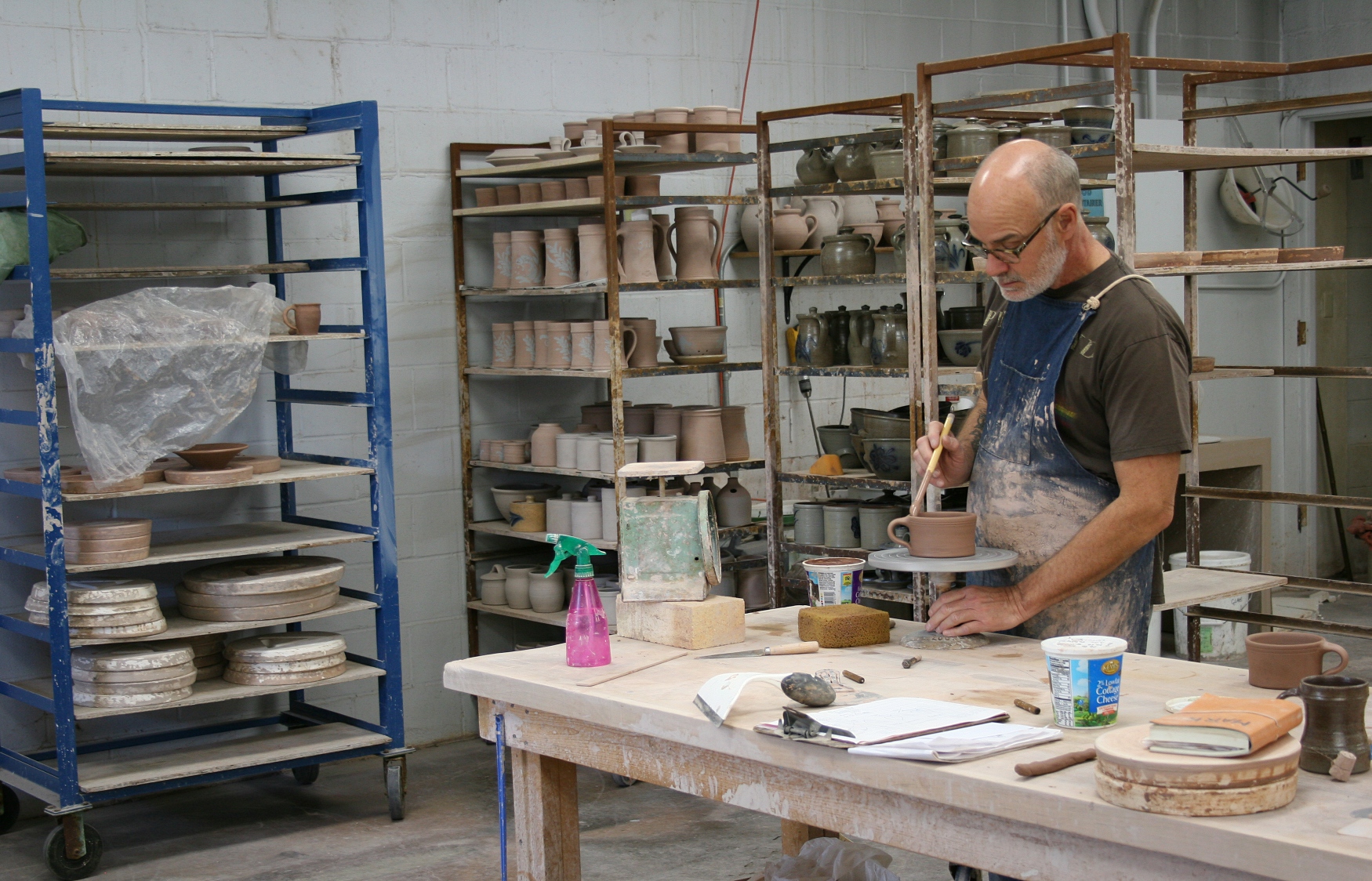
Potter Mark Connolly

Potter Mark Connolly

Today potters still shape clay into practical and beautiful works of art at Red Wing Stoneware & Pottery. Crocks, pitchers, mugs, bowls, commemorative pieces and much more are created by the hands of those devoted to this craft.

A large jug inside the pottery store lists chapters of the Red Wing Collectors Society.

A large jug inside the pottery store lists chapters of the Red Wing Collectors Society.

Signature Red Wing pottery has a passionate following with chapters of the Red Wing Collectors Society scattered throughout the country. They hold conventions and are serious about this Minnesota pottery. Check out the Society’s website, where experts will even answer your questions about Red Wing pottery for free.

This river town also boasts a new Pottery Museum of Red Wing and plenty of antique stores with Red Wing pottery.

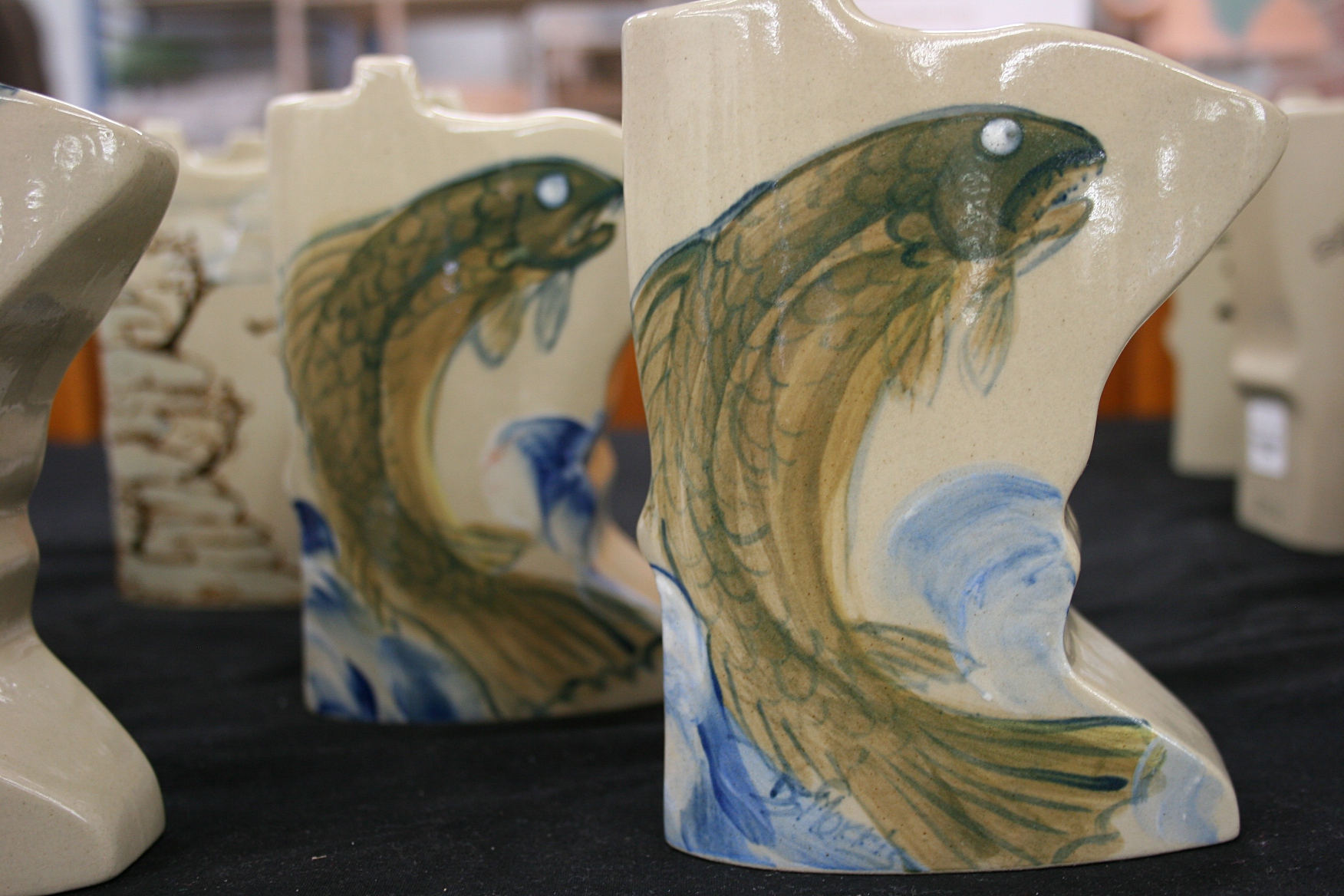
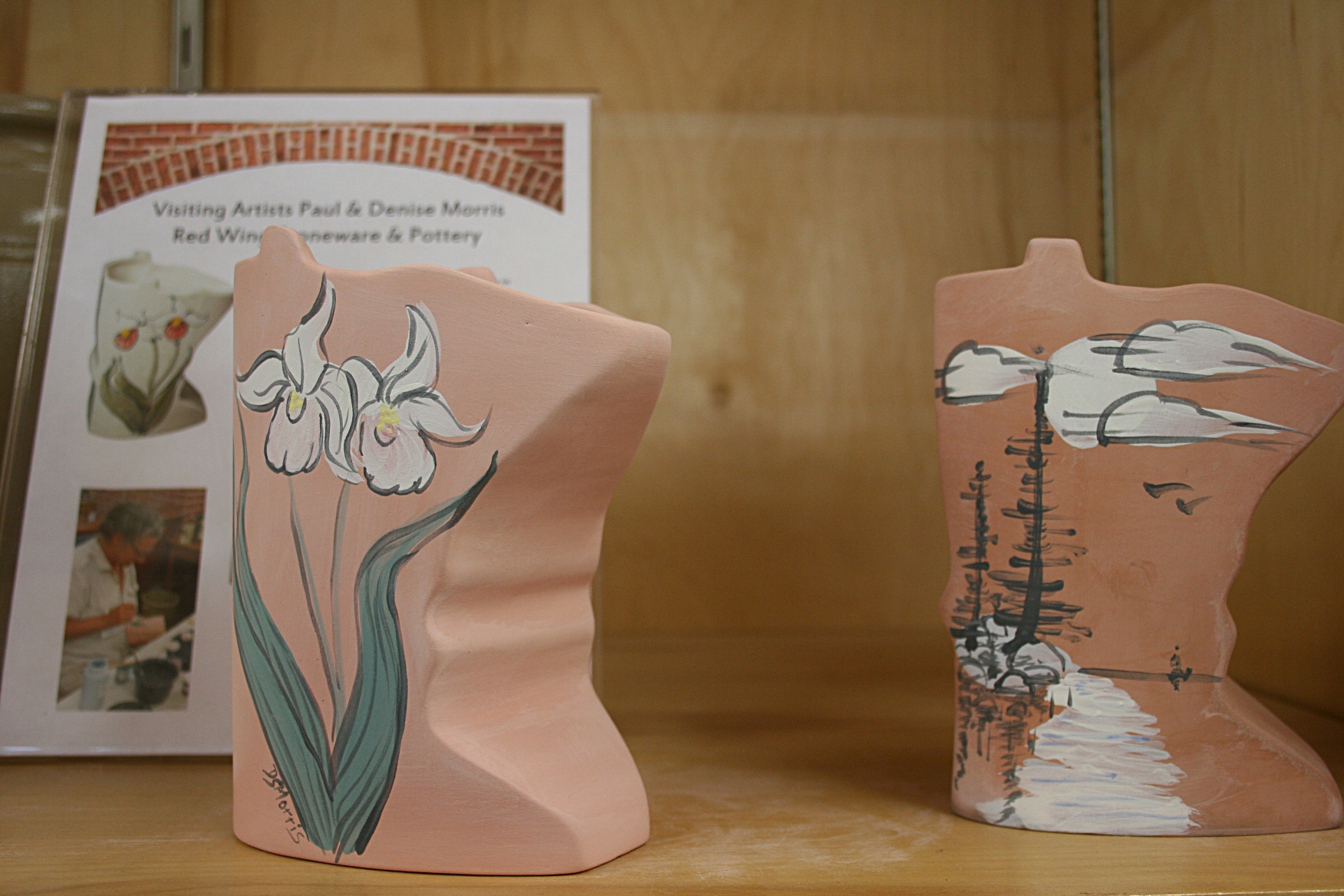
Visiting potters Paul and Denise Morris of Morris Pottery in Ogilvie created Minnesota-shaped pottery for the Red Wing company.

Visiting potters Paul and Denise Morris of Morris Pottery in Ogilvie created Minnesota-shaped pottery for the Red Wing company.

I love this Minnesota-made pottery. I’m not a collector, although I have a few pieces. There’s something about owning an aged crock or an artsy piece of Red Wing pottery that connects me to that German immigrant farmer, to this river town, to the land.

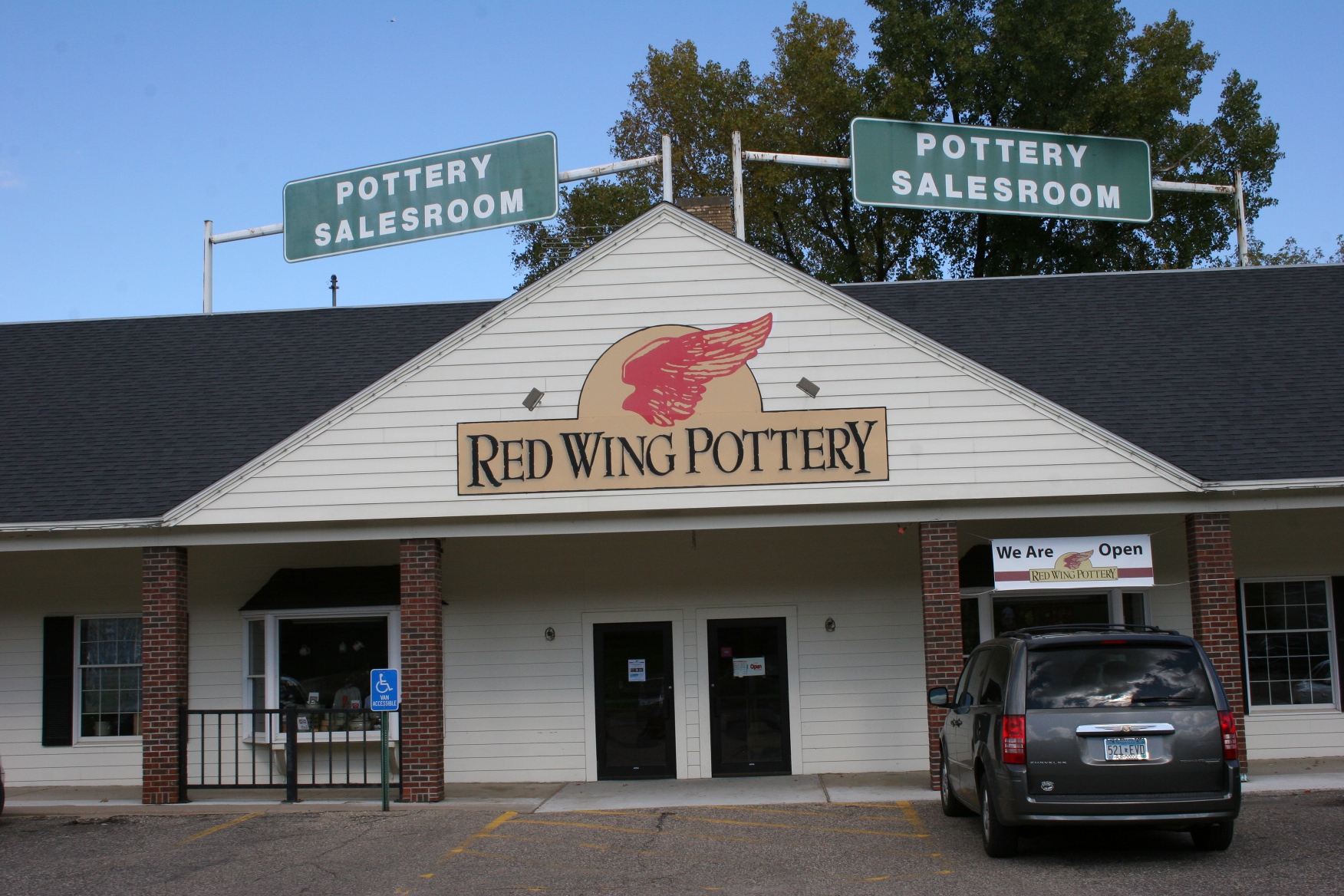
Red Wing Pottery on Old West Main.

Red Wing Pottery on West Main Street.

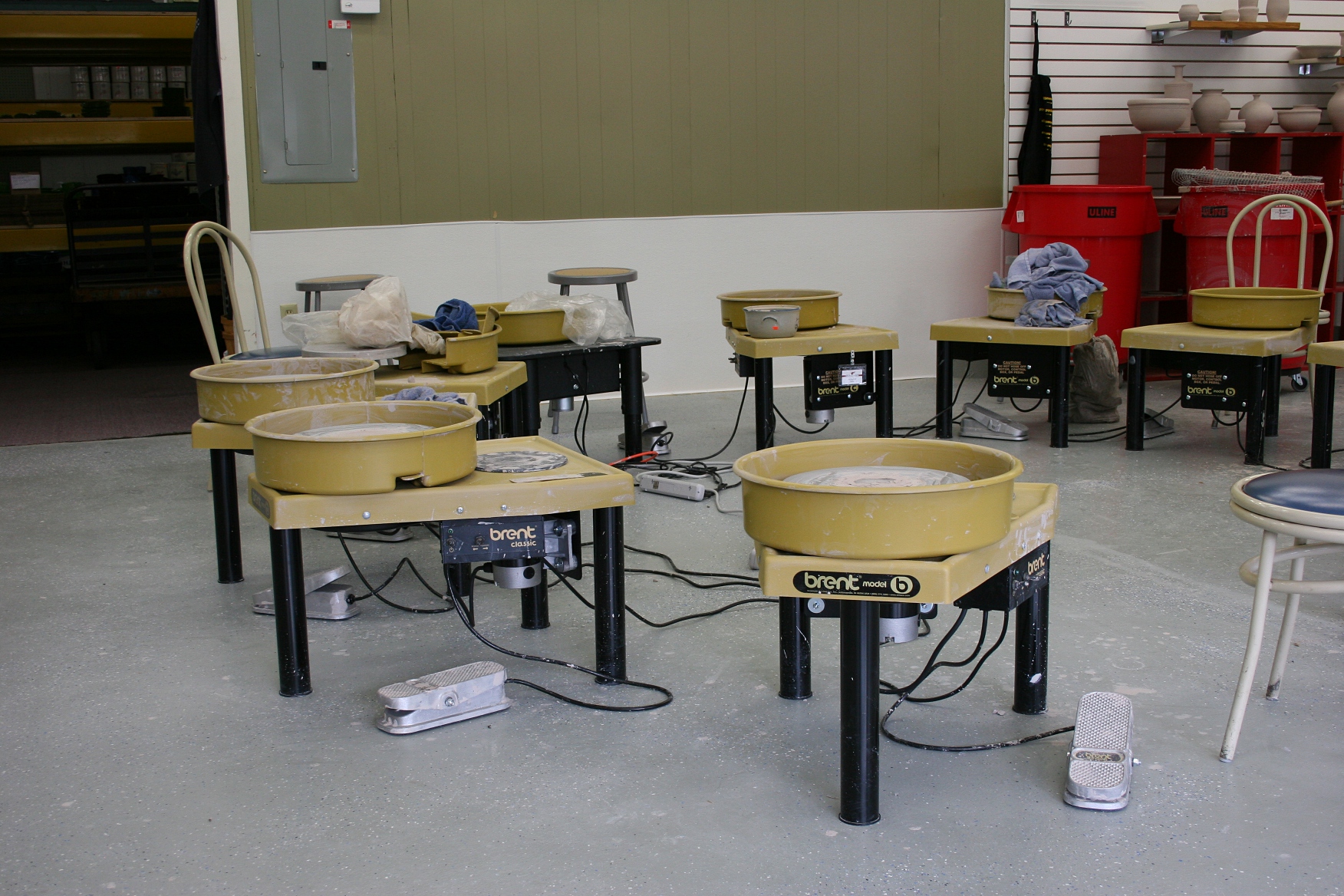
Join me now on a photographic walk through Red Wing Pottery on West Main Street. The company has a second location, Red Wing Stoneware, along U.S. Highway 61.

Potters were on their lunch breaks when I visited the store.

Potters were on their lunch breaks when I visited the store.

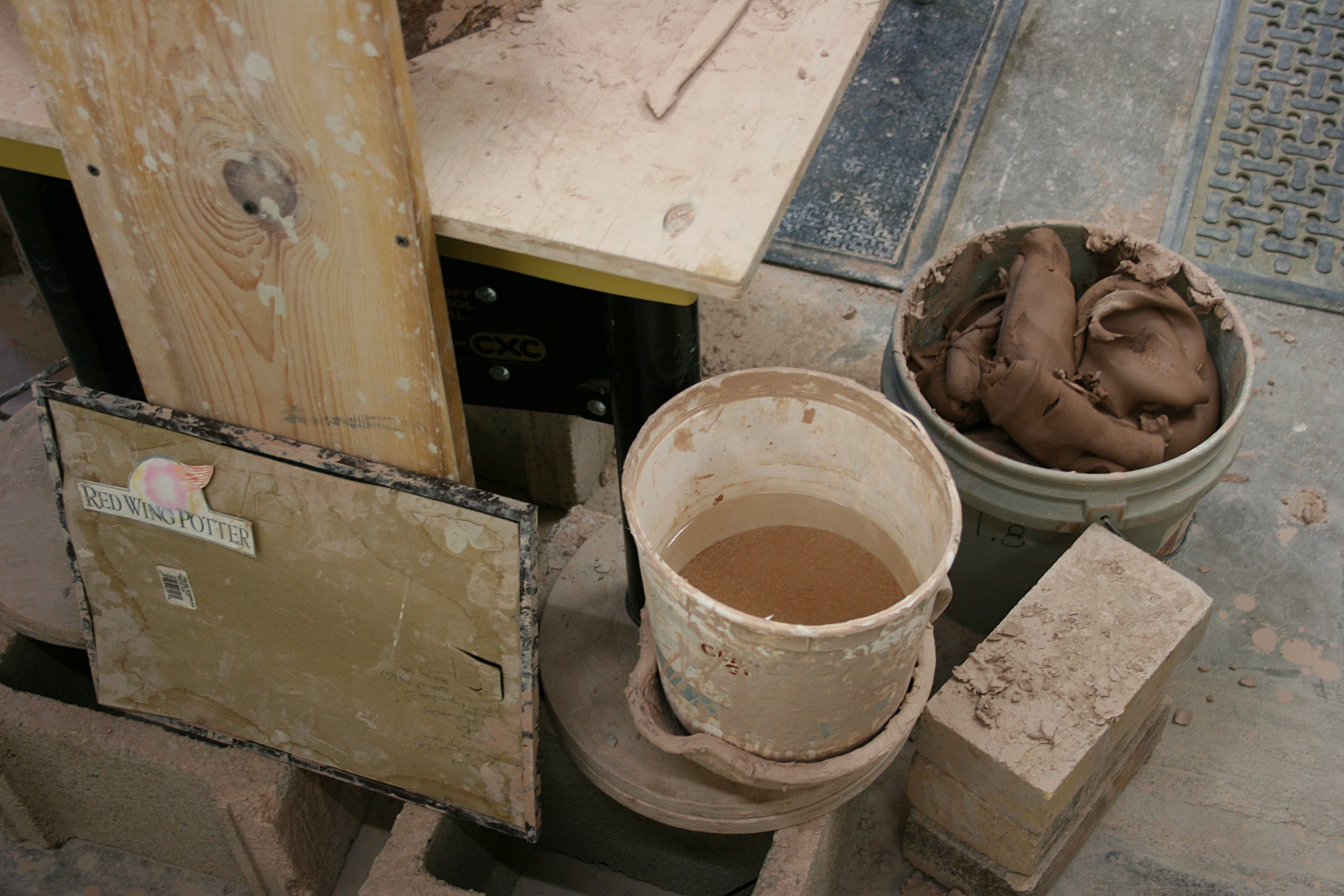
Water and clay.

Water and clay.

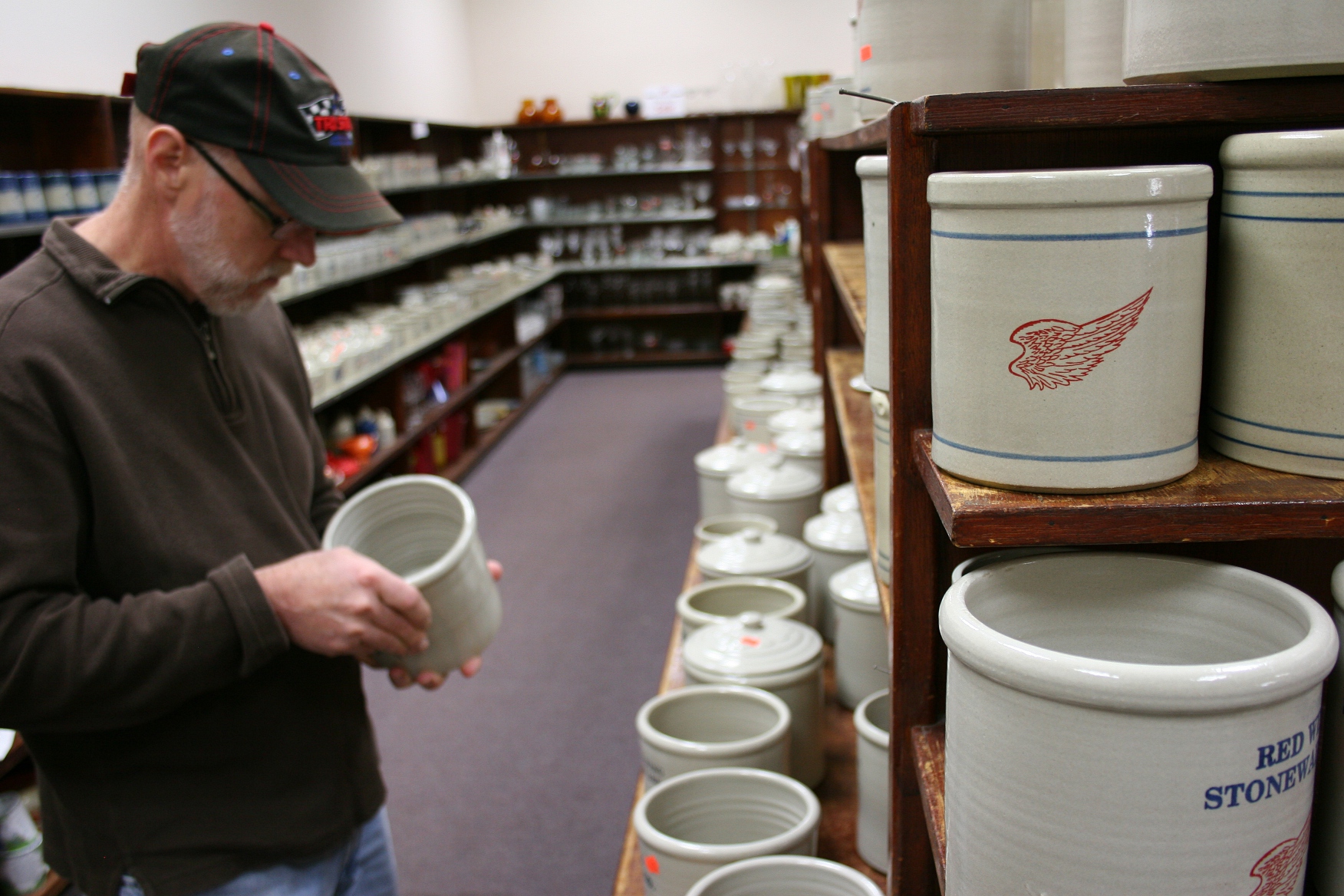
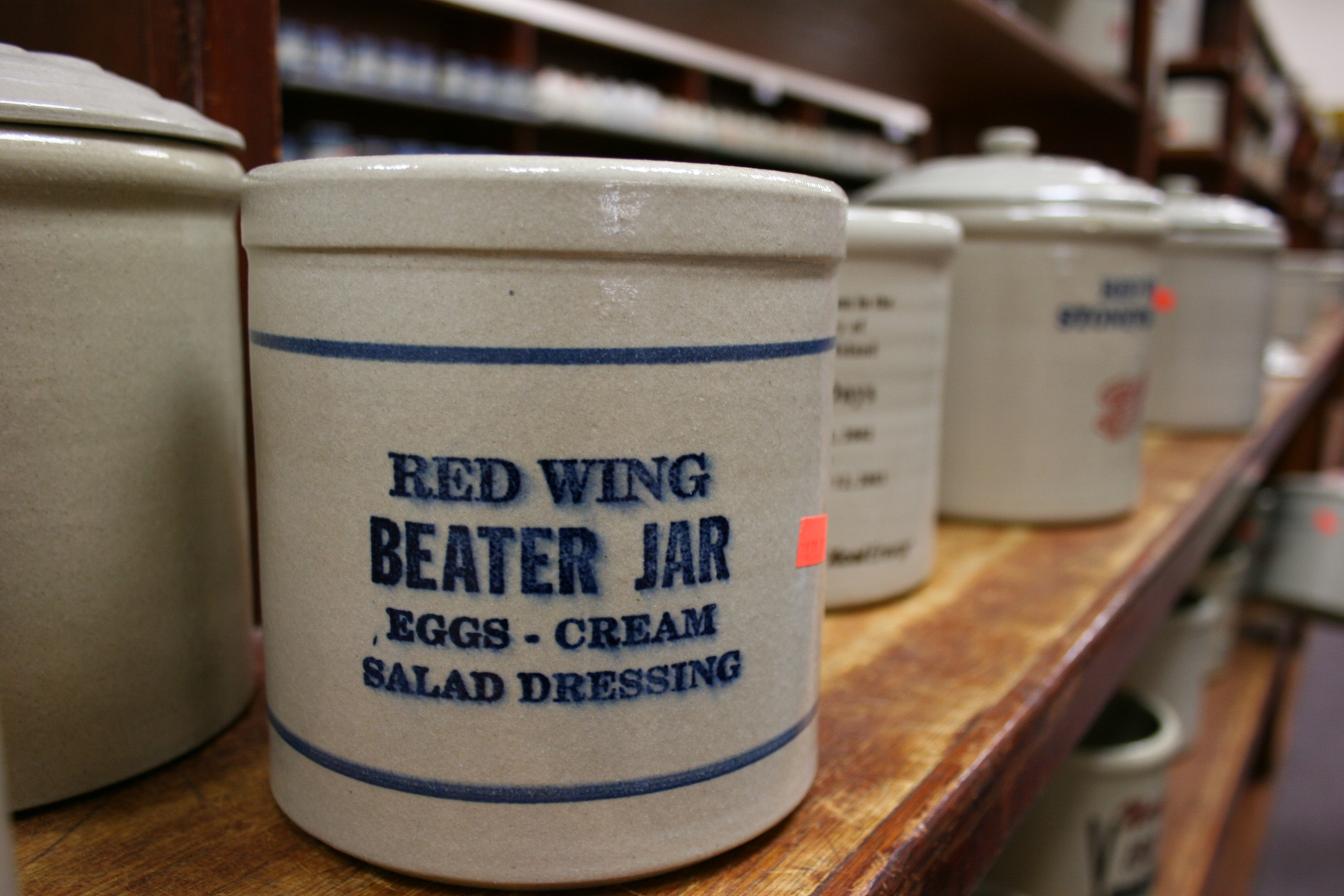
Classic Red Wing.

Classic Red Wing with the company’s signature logo.

My husband peruses pottery in the "seconds" section of the store.

My husband peruses pottery in the “seconds” section of the store.

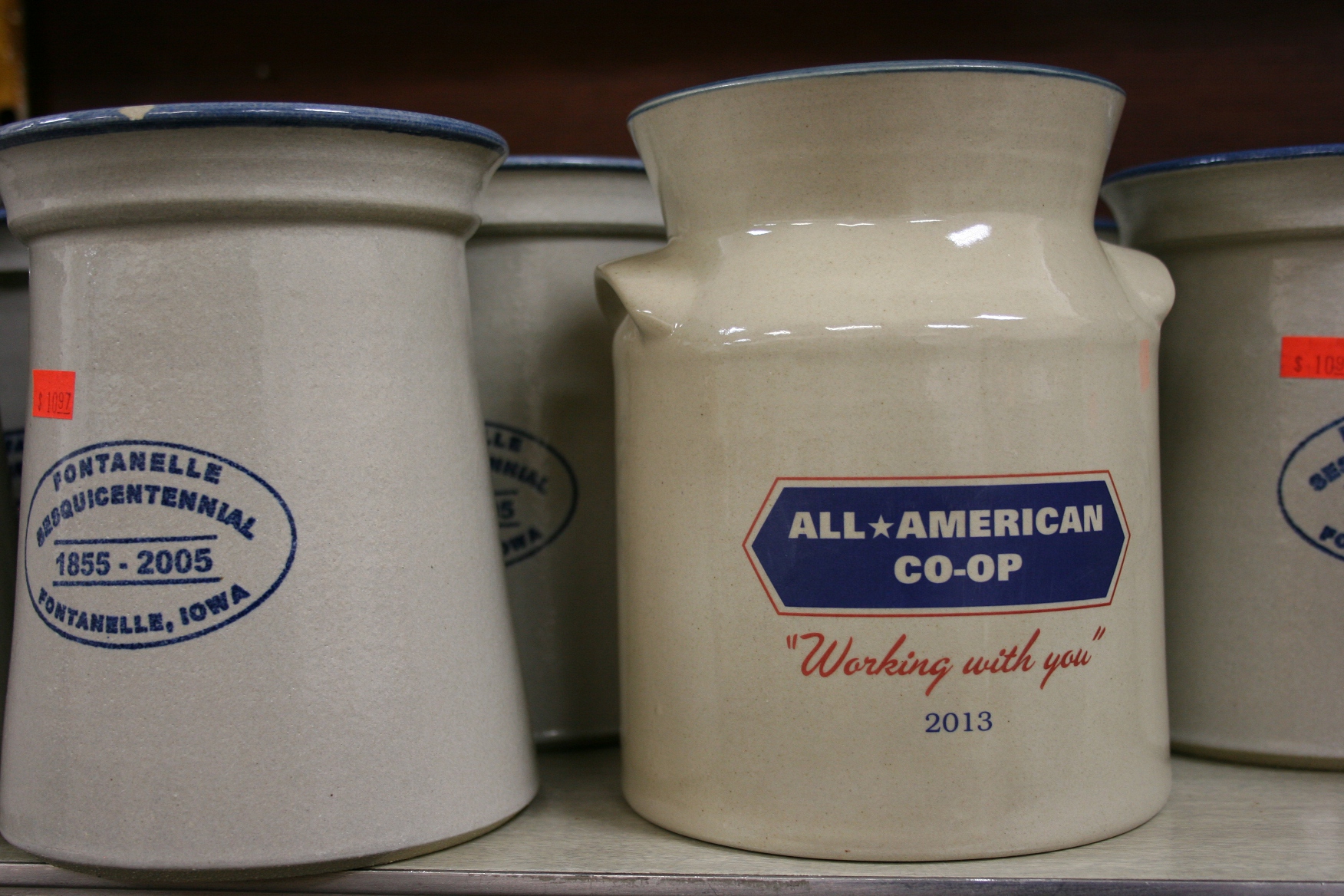
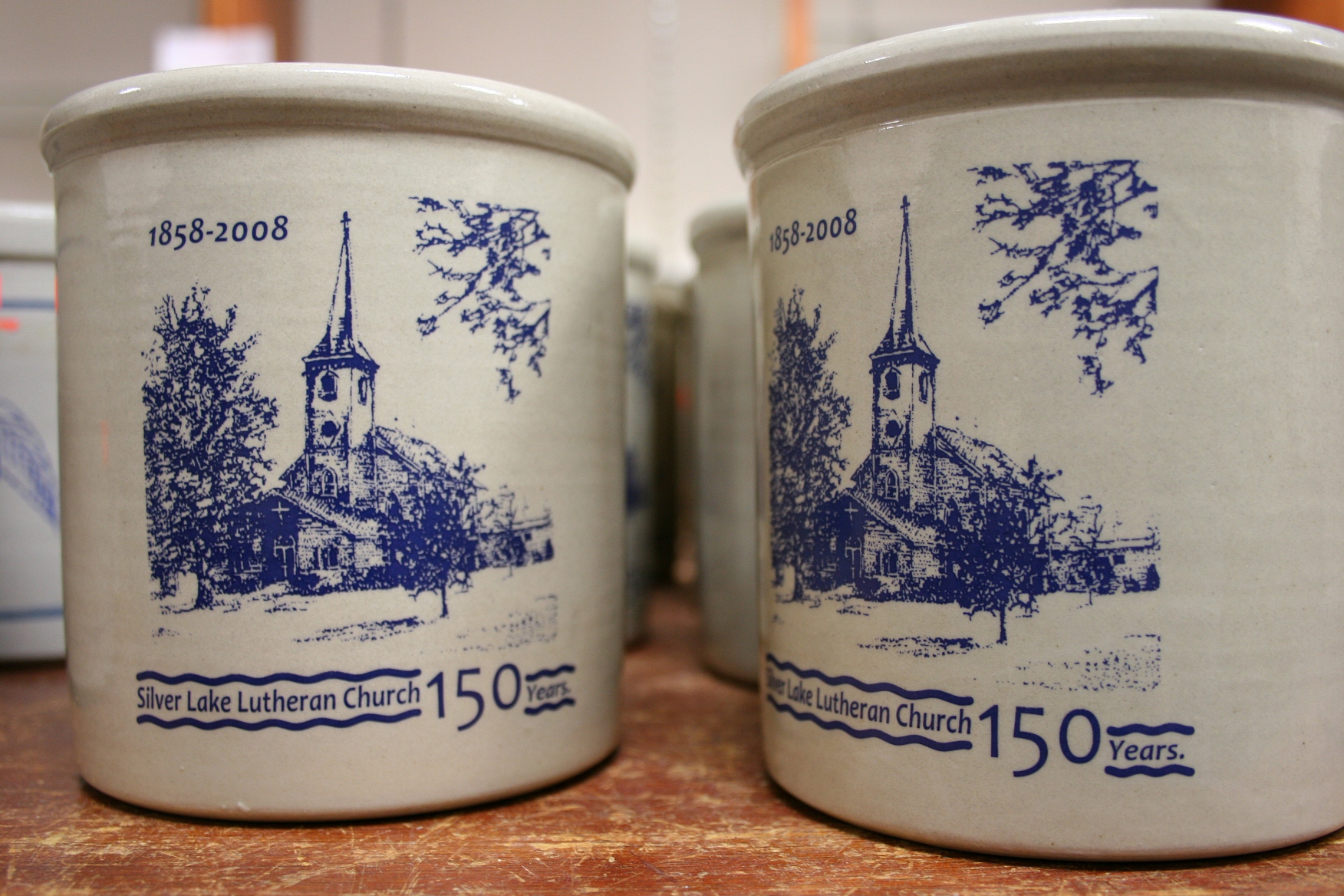
Commemorative items in the "seconds" area.

Commemorative items customized for customers.

More Morris Pottery art.

More Morris Pottery art.

More commemorative merchandise.

More commemorative merchandise.

Beautiful pottery.

Beautiful pottery.

In the "seconds" section.

In the “seconds” section.

Graceful with the signature Red Wing logo.

Graceful with the signature Red Wing logo.

© Copyright 2015 Audrey Kletscher Helbling


Driving toward Minneapolis & “a blazin’ ball of fire” November 30, 2015

Filed under: Uncategorized — Audrey Kletscher Helbling @ 5:00 AM
Tags: , , , , , ,
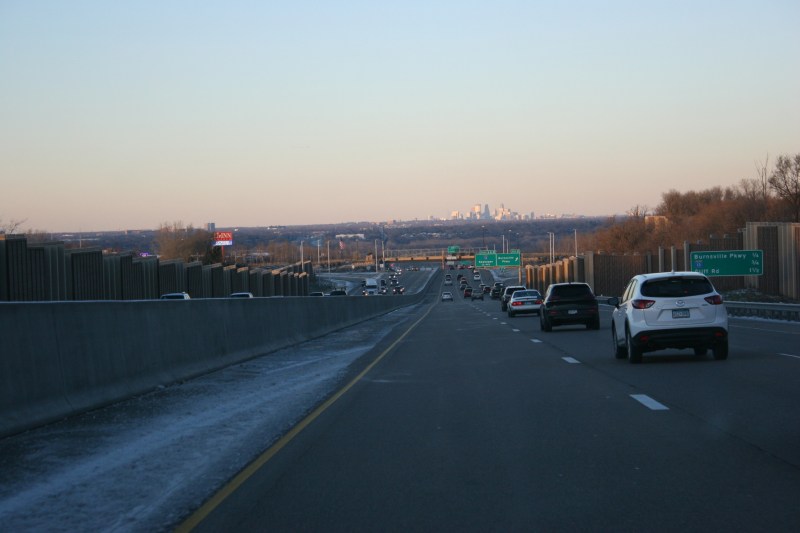
Along Interstate 35 in Burnsville.

Northbound along Interstate 35 in Burnsville.

DRIVING INTO AND AROUND downtown Minneapolis always makes for an interesting experience.

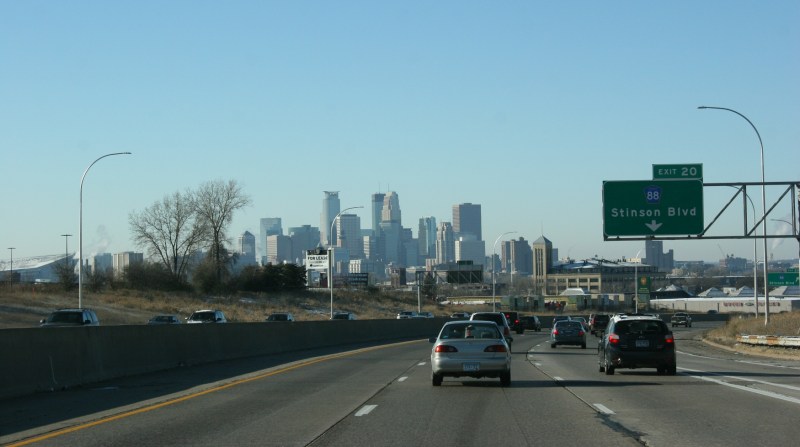
The Minneapolis skyline appears in the distance as we drive along Interstate 35 in Burnsville.

The Minneapolis skyline appears in the distance as we drive along Interstate 35 in Burnsville.

This trip late Black Friday afternoon—not to shop but to visit family in the north metro—did not disappoint. I noticed a businessman texting on his drive home in heavy traffic. I spotted a junker van with a padlock attached to the exterior driver’s door, at about the location of the lock. I don’t have photos to prove either because by the time I realized what I’d really seen, we’d bypassed both.

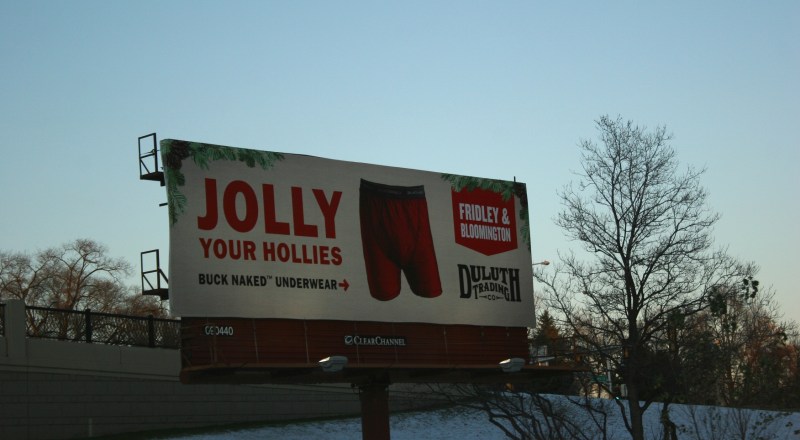
Duluth Trading Company's billboard along Interstate 35 in the south metro.

Duluth Trading Company’s billboard along Interstate 35 in the south metro.

However, I did not miss photographing a Duluth Trading Company billboard for Buck Naked Underwear. I find these ads amusing.

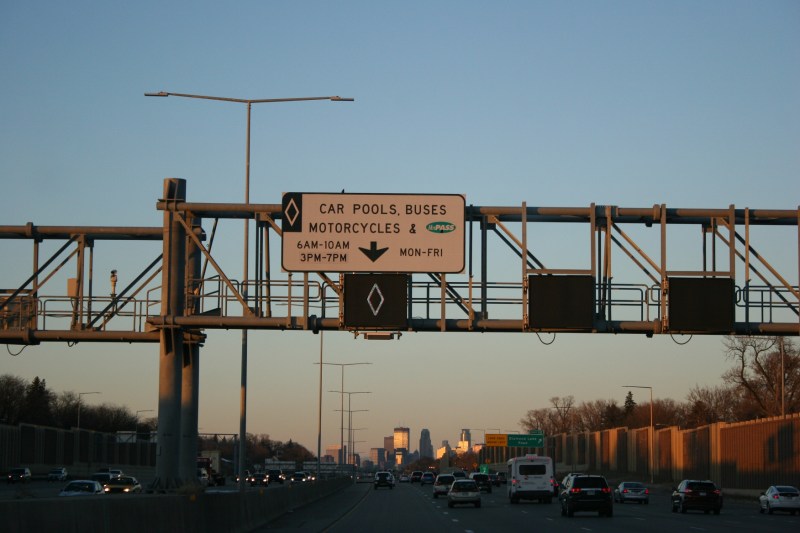
Signage for the "sane lane" nearing downtown Minneapolis.

Signage for the “sane lane” nearing downtown Minneapolis.

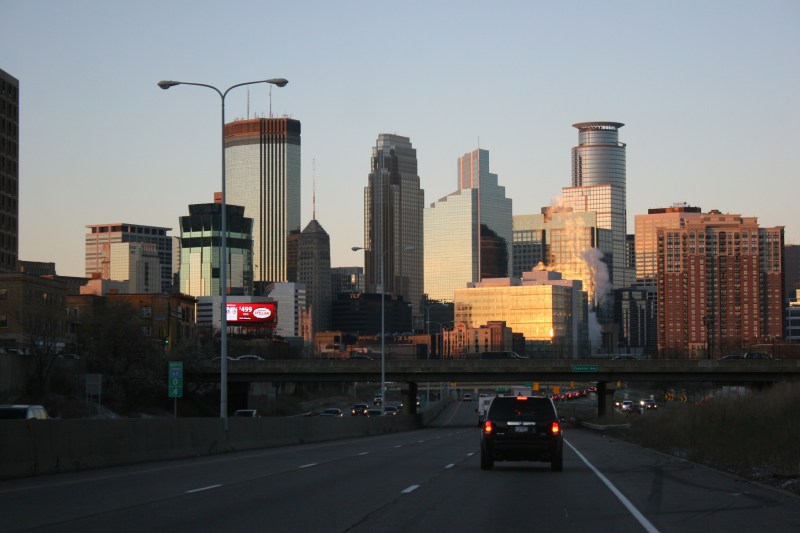
The blinding reflection of the sun.

The blinding reflection of the sun.

And I didn’t miss photographing the reflection of the setting sun off skyscraper glass blazing a blinding ball of fire into our eyes as my husband aimed our van toward downtown Minneapolis.

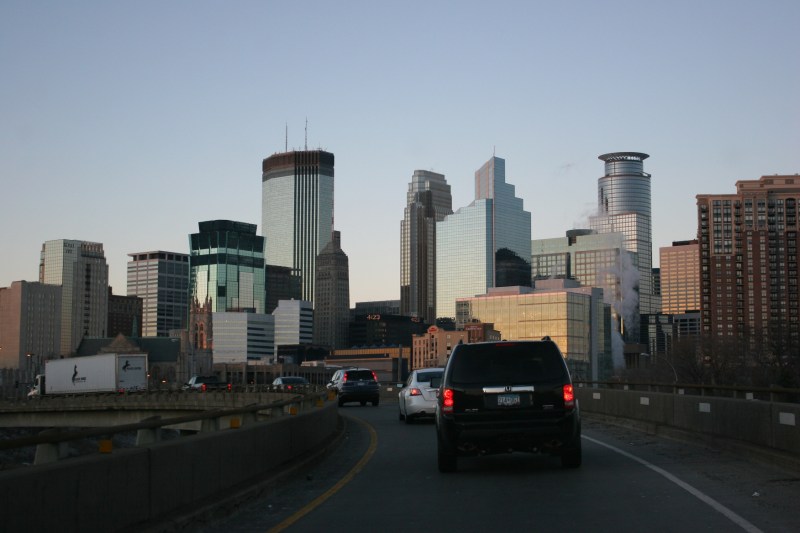
The Minneapolis skyline as the sun sets.

The Minneapolis skyline as the sun sets.

Creeping along in a congested area near downtown Minneapolis.

Creeping along in a congested area near downtown Minneapolis.

As traffic thickened, Randy remarked that he is thankful he does not need to deal with rush hour on a daily basis. But at least we were moving, albeit sometimes barely, and traffic volume was less due to the holiday weekend. The slow-down gave me time to study the Minneapolis skyline. I can identify only the Foshay Tower and the IDS Center; it’s been decades since I’ve been downtown.

Driving through the Lowry Hill Tunnel.

Driving through the Lowry Hill Tunnel.

Low light and a slow shutter speed created this effect inside the Lowry Tunnel.

Low light and a slow shutter speed created this effect inside the Lowry Tunnel.

And then we were curving and zooming through the Lowry Hill Tunnel, which always feels visually surreal, as if we are inside an auto racing video game.

That was Friday.

Driving toward downtown Minneapolis from the north.

Driving toward downtown Minneapolis from the north.

Saturday morning, after staying overnight with our eldest daughter and son-in-law, we headed back toward the city on our way home.

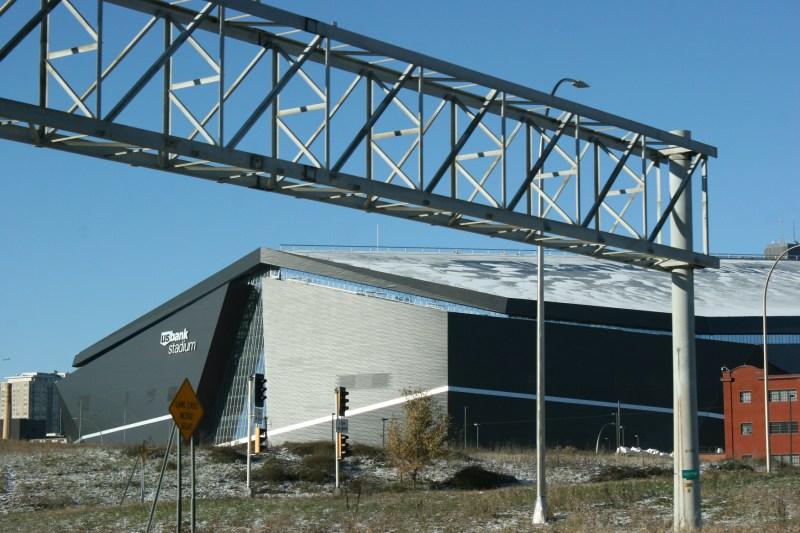
Behind the building in the foreground, you can see the pointed end of U.S. Bank Stadium.

Behind the buildings in the foreground, you can see the pointed end of U.S. Bank Stadium.

Another view of the stadium from the Interstate.

Another view of the stadium from the Interstate.

My focus was on the new U.S. Bank Stadium under construction in the heart of downtown Minneapolis. To me, it resembles a ship rising from the urban core. A Minnesota Vikings ship.

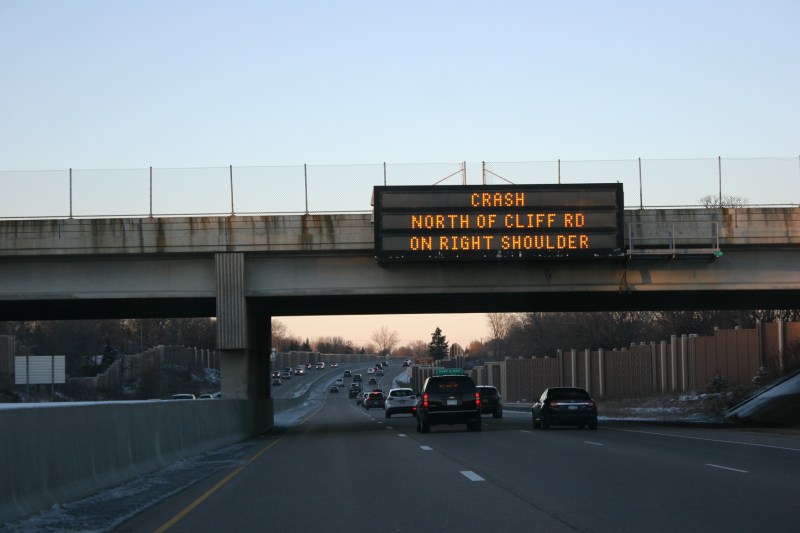
And so we drove south, clear sailing. No crashes. Light traffic. Out of the city. Back home to Faribault, fifty miles distant.

© Copyright 2015 Audrey Kletscher Helbling


Thanks for great friends, a grandbaby on the way & no more mice November 26, 2015

Filed under: Uncategorized — Audrey Kletscher Helbling @ 5:00 AM
Tags: , , , , , , , , ,
I created this Thanksgiving display in a stoneware bowl. My sister-in-law Rena created the Thanksgiving card.

I created this Thanksgiving display in a stoneware bowl. My sister-in-law Rena crafted the Thanksgiving card.

DURING THIS THANKSGIVING WEEK, thoughts naturally turn to, well, thankfulness.

Life has presented numerous challenges in recent years. But I still have many reasons to give thanks. Like most of you, the obvious food and shelter cannot be omitted from my list of blessings along with my family, my dear dear family.

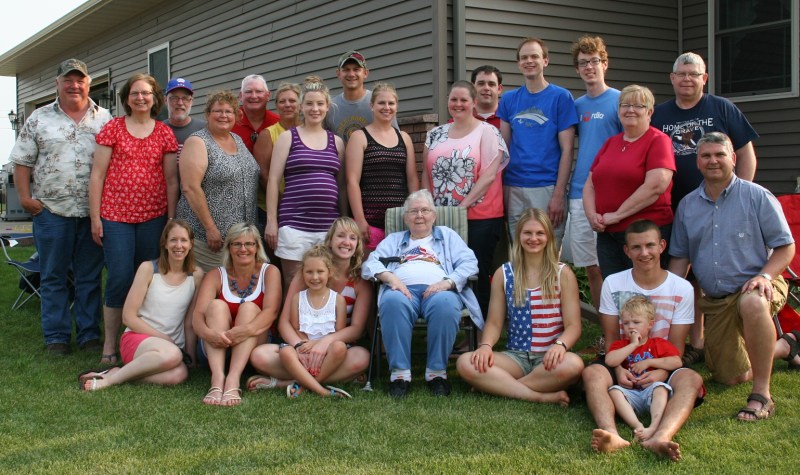
The extended Kletscher family poses for a photo on the Fourth of July. Seven are missing.

The extended Kletscher family poses for a photo on the Fourth of July 2015. Seven are missing. My nephew’s wife, in the purple-and-white striped shirt, gave birth to a daughter in August. Hattie joins two other great nieces, Sierra and Evelyn, born this year. What a blessing to have all of these new babies on both sides of the family. Minnesota Prairie Roots file photo 2015.

In five more months, my immediate family will grow in size as my eldest daughter and her husband welcome their first baby, my first grandbaby. Excited? Yes, you betcha.

I just know that my husband, Randy, will be a wonderful grandpa. He’s not the most demonstrative with words or emotions. But when it comes right down to it, he’s as good as they come. He works hard. He’s loyal and strong and smart. And funny. He makes me laugh. That is a blessing. Plus, he’s great with kids. Our 2 1/2-year-old nephew Landon, who moved a year ago to rural Faribault with his family, considers Randy one of his “papas” (aka grandpas).

And then there are those close friends… Honestly, these are the people who are here for me through the ups and downs of life. They don’t judge. They don’t criticize. Rather they listen and encourage. They pray and support and show care and compassion. Life would be a lot harder without them.

A snippet of the stained glass window in the balcony.

One of my favorite depictions of Christ, this one in a stained glass window at Trinity Lutheran Church, North Morristown. Minnesota Prairie Roots file photo.

Which brings me to my faith. Thank God for God.

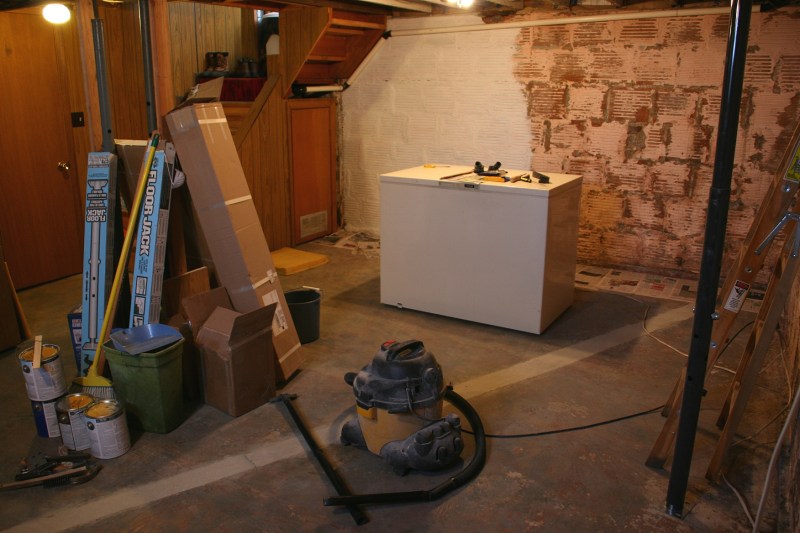
This photo from March shows the basement project in progress. We removed Styrofoam insulation and paneling from the clay tile walls. I then painted walls white. We also removed Styrofoam sheets from the ceiling and I painted the ceiling boards white. Later, we also removed the rest of the paneling from the stairway and surrounding area, replacing it with sheetrock. That, too, was painted white.

This photo from March shows the basement project in progress. We removed Styrofoam insulation and paneling from the clay tile foundation walls. We brushed and scraped loose concrete and paint from walls before washing with Borax and painting white. We also removed Styrofoam sheets from the ceiling. I painted the ceiling boards white. Later, we also removed the rest of the paneling from the stairway and surrounding area, replacing it with sheetrock. That, too, was painted white. Floors are now covered with carpet tile. We installed a Beaver waterproofing system and a sump pump. (Yes, eventually I’ll post more about this project.)

And thank God we finally finished our basement project after more than a year. (OK, the steps aren’t carpeted yet, but I’m still calling the project done.) We now have a waterproofed basement with white walls and ceiling. The clean industrial look. Gone are the mold, dark paneling and red carpet. Totes are now neatly organized on a corner shelving unit. But the best part of all—the absence of mice after we uncovered, and sealed, their entry point. Everyone knows the arrival of cold weather in Minnesota brings mice inside.

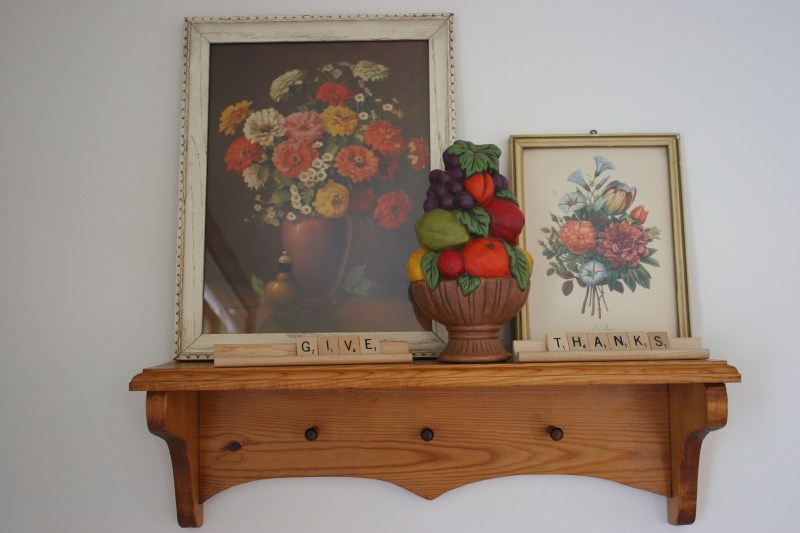
Given my love of words, I created this Thanksgiving display with thrift store art purchases and Scrabble letters.

Given my love of words, I created this Thanksgiving display in my dining room with thrift store art and Scrabble letters.

I’m not particularly fond of Minnesota’s cold and snowy months. But I am thankful to live in a state that embraces and supports the arts. In the past year, I’ve participated in three poetry readings, been published in two anthologies (poetry and creative nonfiction) and penned poems for a joint photo-poetry exhibit. All of these opportunities connect me to other writers. Minnesota truly is a great place to engage in all facets of the arts.

That's my post, labeled "Barn Memories," featured today on Freshly Pressed.

That’s my post, labeled “Barn Memories,” featured on November 30, 2013, on Freshly Pressed. Daily, WordPress editors highlight the best content from WordPress sites in a section now tagged “Discover.” My work has been showcased thrice on Freshly Pressed. Minnesota Prairie Roots file photo 2013.

I also count this blog as a major blessing. Through my writing and photography, I’ve connected with some pretty fantastic people both in person and online. And, as a blogging bonus, I’ve also sold photo rights to clients ranging from creative agencies to authors to an Austrian musician to a local funeral home and more. I’ve had an especially good year in photo sales, just at a time when the extra income is especially needed. (If you’re interested in buying rights to my photos, email me at audrey at mnprairieroots.com.)

Yes, I am thankful for you, dear readers. You are the best. Happy Thanksgiving!

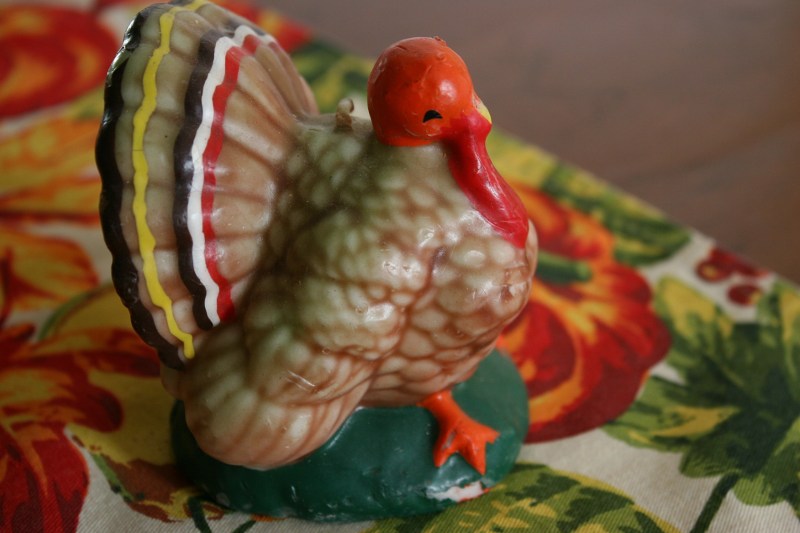
I purchased this vintage turkey candle several years ago in a Redwood Falls thrift store. The candle has never been lit and never will be.

I purchased this vintage turkey candle several years ago in a Redwood Falls thrift store. The candle has never been lit and never will be.

Read a related story on NPR about gratitude being good for the heart and soul. Click here.

This concludes my three-part “blessings” series.  Click here to read my first blessings post and then click here to read my second.

© Copyright 2015 Audrey Kletscher Helbling


Highway blessings in St. Peter November 25, 2015

Filed under: Uncategorized — Audrey Kletscher Helbling @ 5:00 AM
Tags: , , , , , ,

YOU’LL FIND IT in the gospels of Matthew, Mark and Luke. And in the Psalms:

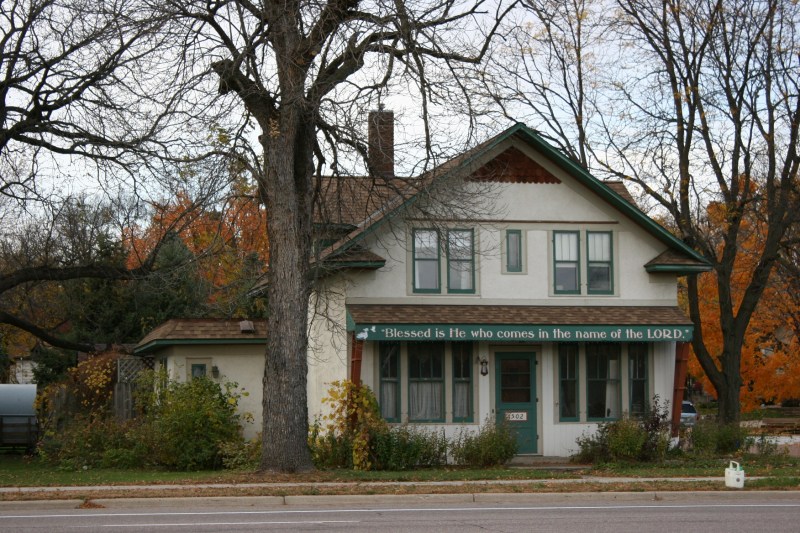
Blessed is He who comes in the name of the Lord.

Blessed is He who comes in the name of the Lord, St. Peter, MN.


You will also find this Scripture in St. Peter. The town. The words banner across the front of a house along South Minnesota Avenue/U.S. Highway 169 which slices right through the heart of this southern Minnesota community.

I know nothing about the house—whether it’s home or business or something else.

But I know that I appreciate the blessing of this bible verse upon travelers like myself passing through St. Peter.

If you are traveling this holiday, may your journey be safe.

#

Click here to read my first post in this three-part “blessings” series. Check back on Thanksgiving to read my personal list of blessings during the past year.

© Copyright 2015 Audrey Kletscher Helbling