Minnesota Prairie Roots

Writing and photography by Audrey Kletscher Helbling

The value of a greeting card July 11, 2018


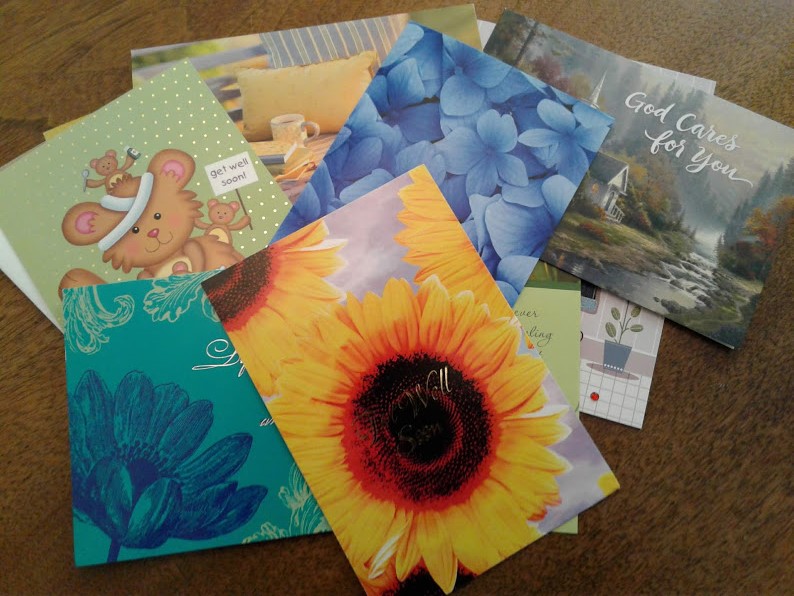
I RECOGNIZED THE GREETING CARD as a marketing strategy. Yet, I appreciated the personal touch extended by District One Hospital, Faribault.

Thank you for allowing us the opportunity to care for you read the card signed with personal wishes from four of my caregivers. I remembered only two of them. Anesthesia erases memories. Like an Etch A Sketch.

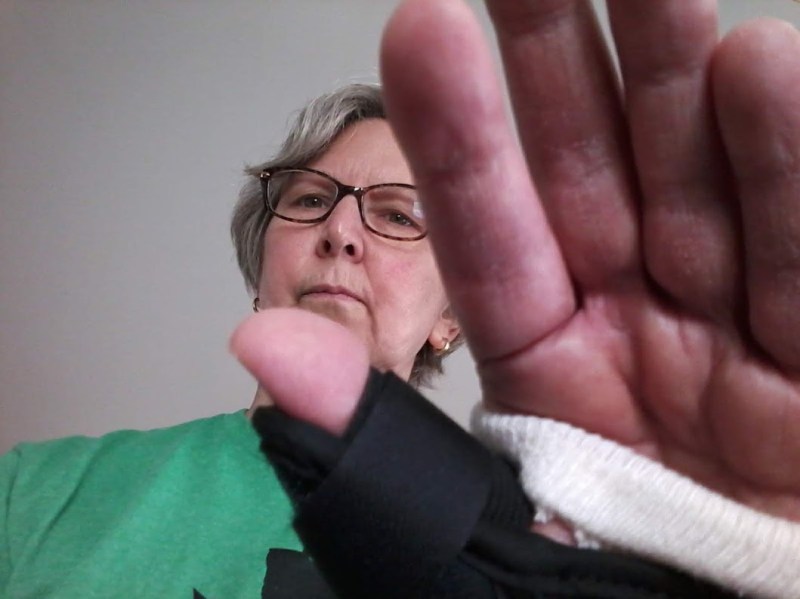
Sixteen days ago I underwent surgery to repair my broken left wrist with a plate held in place by 10 screws. That would be six more screws than I expected. But my broken radius was a bit of a jumbled mess or “looked like gravel,” as my surgeon said. He assessed my overall bone health as good, which I consider good for a woman my age. When you fall as I did, you’re gonna break a bone no matter what.

Back to that gratitude card from the hospital. It’s a nice gesture. Thoughtful. And smart PR. In a time when not everyone values a local hospital, such personal connections matter. I value having a hospital right here in my community. They’ve gotten plenty of my business through the years with three children born there and other surgeries. I appreciate that I have access to good medical care locally. I want to stay in my community, where I’ve often received care from people I know. There’s something to be said for that, for the comfort of familiar faces.

The handwritten wishes of three RNs and a nurse intern impressed me. Enough to write about it here.

Thoughts?

Copyright 2018 Audrey Kletscher Helbling


The not-at-all amusing topic of domestic violence June 22, 2018

Filed under: Uncategorized — Audrey Kletscher Helbling @ 5:00 AM
Tags: , , ,

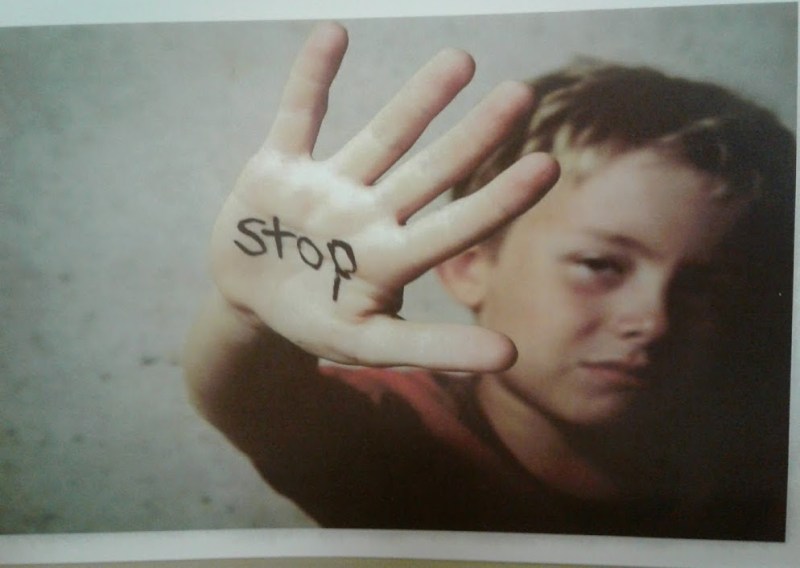
I took a photo of this photo at a domestic violence awareness event in Faribault. The word STOP and outstretched hand (exactly how I landed, palm down when I fell) hold double meaning as it relates to this post. Minnesota Prairie Roots file photo.


PERHAPS I’M MORE SENSITIVE than many people on the subject. But I have personal reasons for my feelings about domestic abuse. Many women who are friends or family have been directly or indirectly affected by domestic abuse or violence. Some of those victims are dead. Shot. Beaten. Attacked. Dead. (Click here. Here. Here. And here.

So when someone sees my broken left forearm, laughs and suggests that my husband assaulted me, I get angry. Inside. I try to react with words that are kind, yet clearly reveal that I am not amused. There is nothing even remotely funny about domestic violence or any violence against a human being.


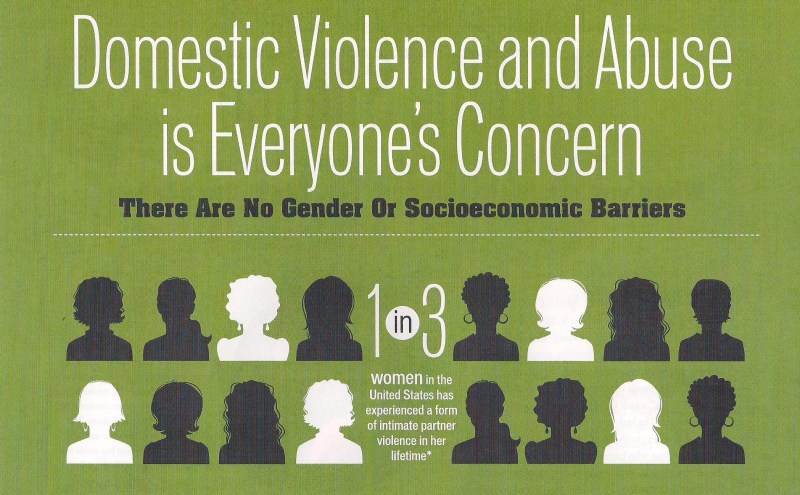
A snippet of a domestic violence poster published by the Lutheran Church, Missouri Synod. File image.


I understand the medical personnel who ask me to repeat the story of my fall. It’s their job to be aware of possible domestic violence, sometimes hidden by the victim. They need to look for inconsistencies in my story, especially since I fell and broke my right shoulder just a year ago (while at the hospital to donate blood).

But I want to state here, publicly, that my husband of 36 years has never abused me. Ever. To suggest that in jest offends me. I heard the “humorous” accusations last year against Randy and now I’m hearing them again. Not funny.


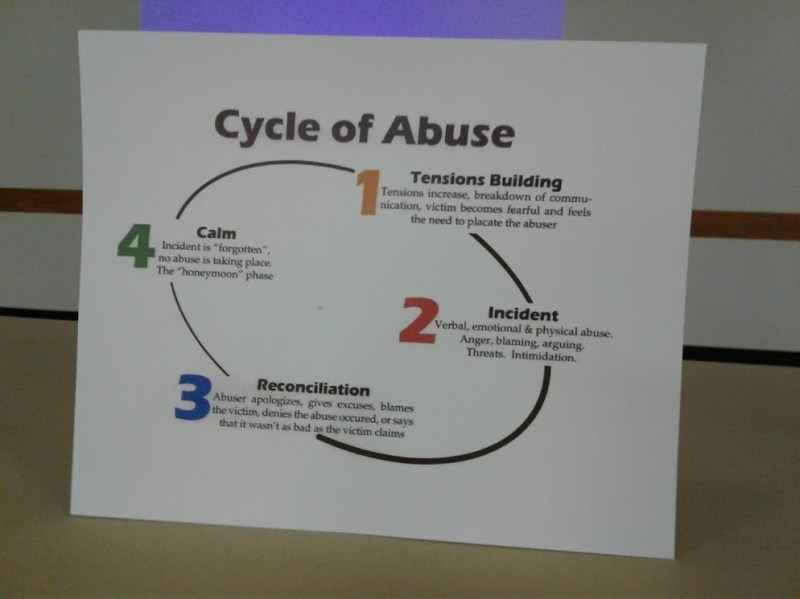
Domestic violence cycle of abuse as photographed at a local awareness event. Minnesota Prairie Roots file photo.


That said, if you sincerely suspect a friend or family member has been abused in any way, don’t ignore what your gut, your observations, are telling you. Seek professional advice at a women’s shelter or advocacy center so you can help. Likewise, I urge you, if you are an abuse victim, to seek help. You deserve to live a life free of any type of abuse.

There, I got that out.


© copyright 2018 Audrey Kletscher Helbling
 

First impressions of downtown Madison, Wisconsin June 11, 2018


AS SOMEONE WHO DOESN’T particularly like big cities, and I realize that term is relative, I like Madison. That surprised me.


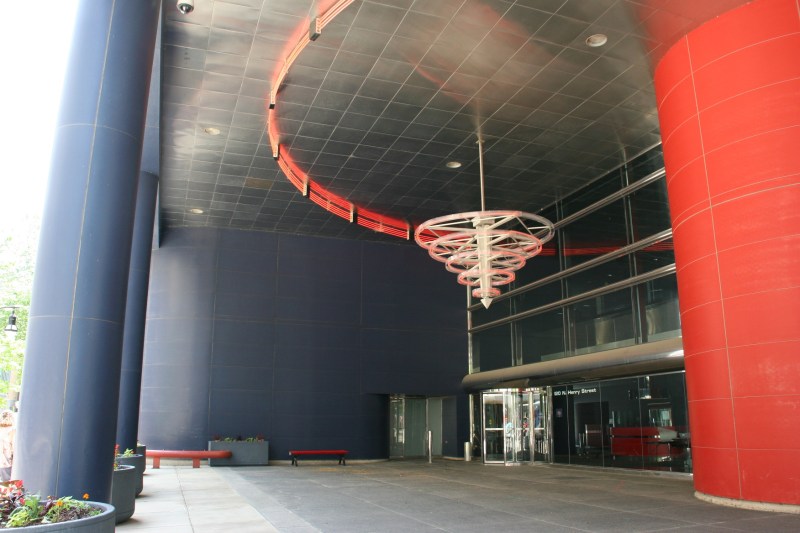
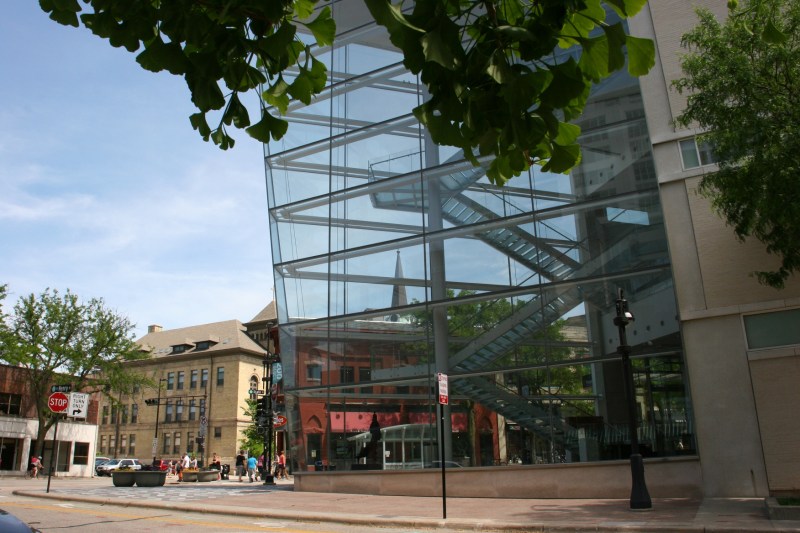
The modernistic entrance to the U.S. Federal Courthouse.


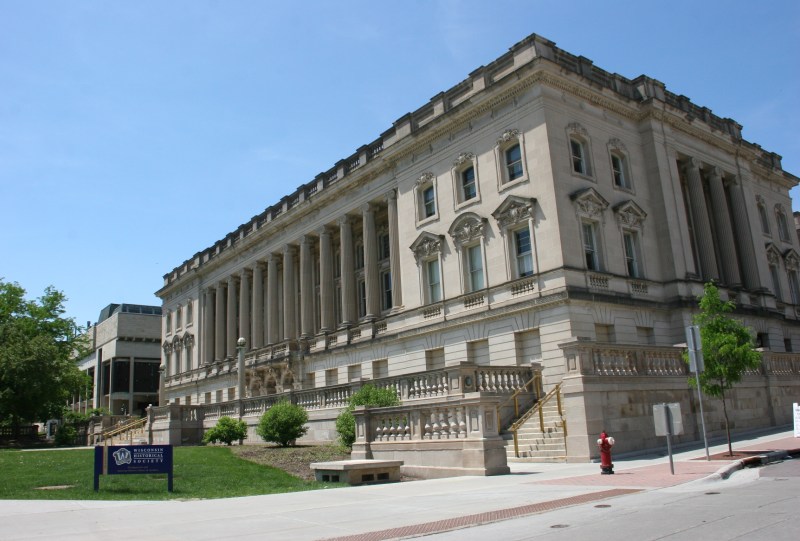
The Wisconsin Historical Society.


The Madison Museum of Contemporary Art.


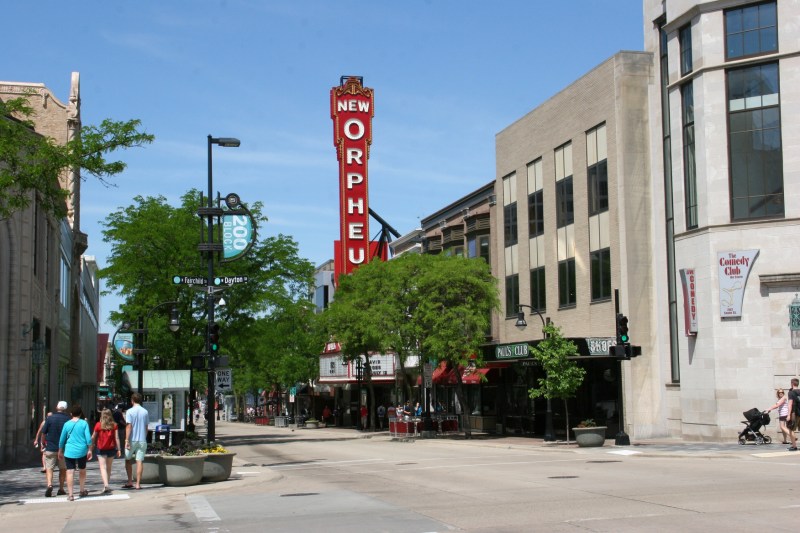
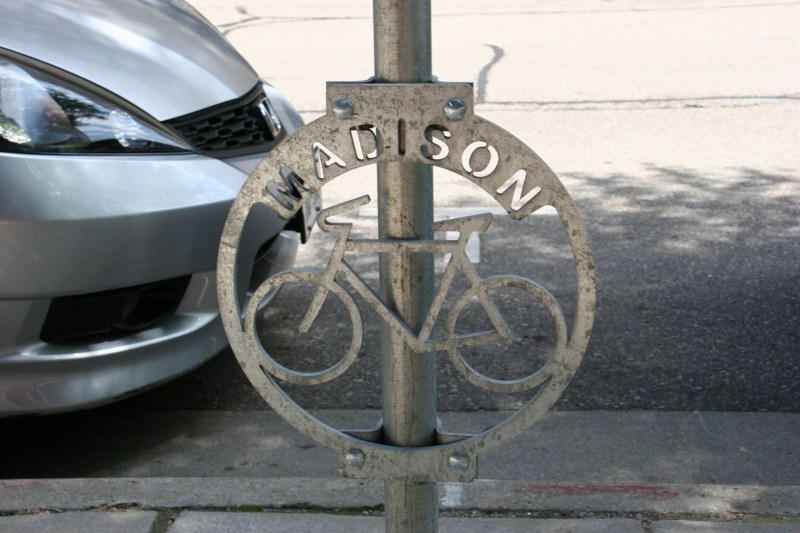
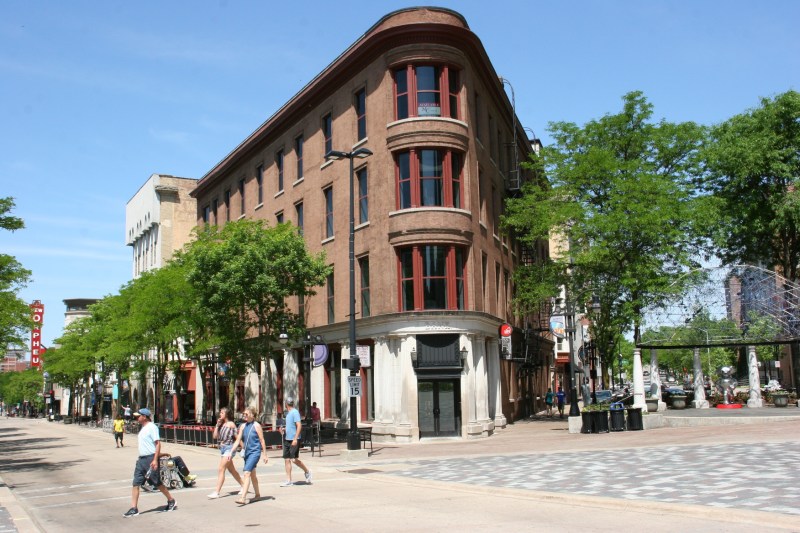
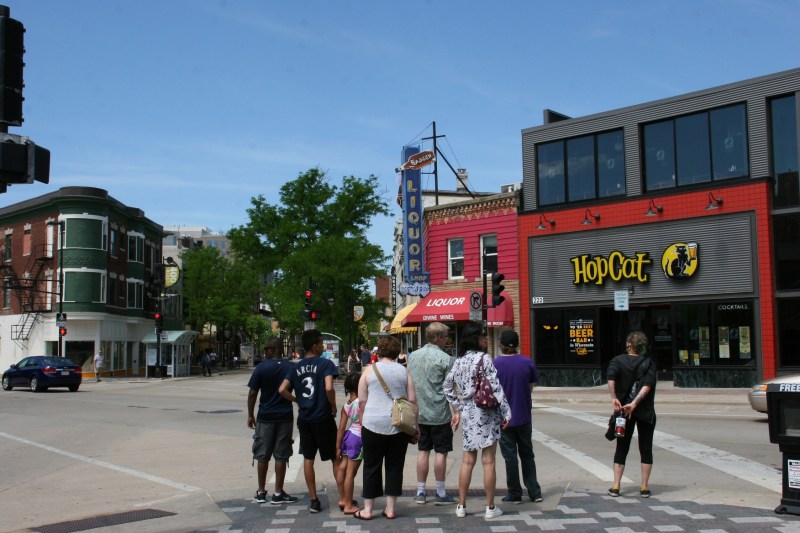
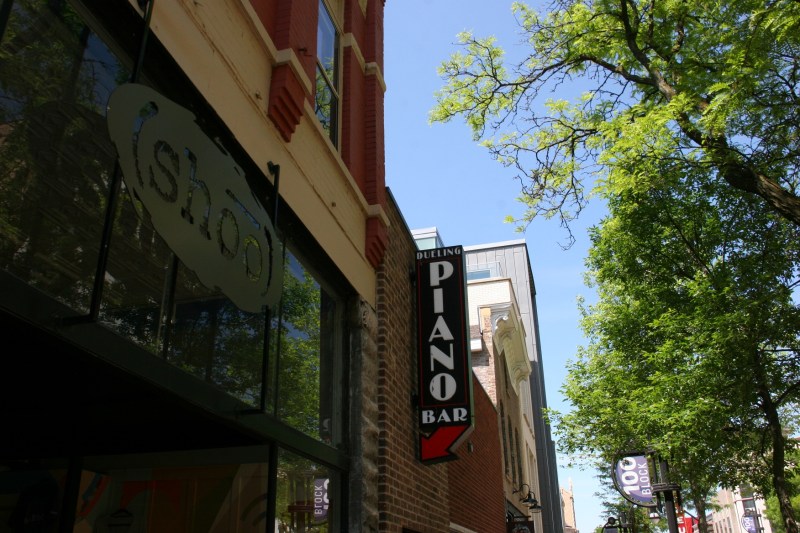
But on my recent first visit to Wisconsin’s capital city of 252,000-plus, I discovered a downtown that mixes historic and contemporary to create an energetic, yet small town inviting, vibe. Granted, I only spent an hour downtown and popped into only one shop on a Sunday morning. But that was enough for me to grasp a sense of place, a place I want to explore further.


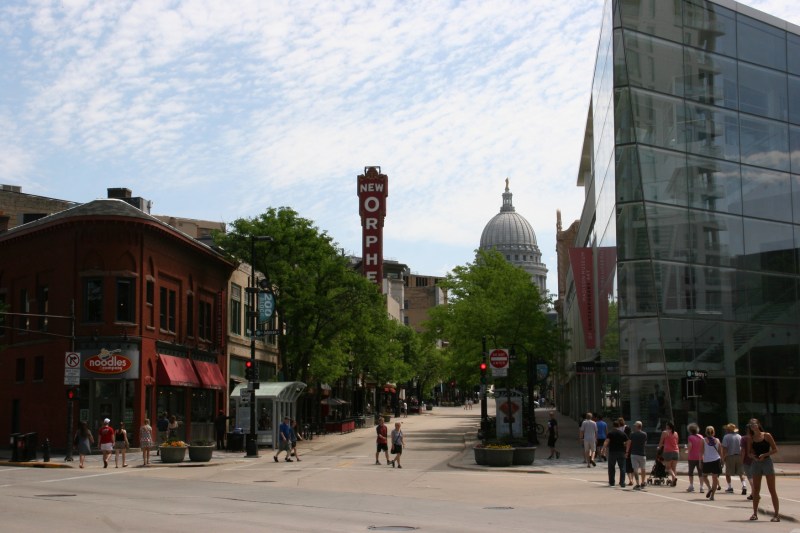
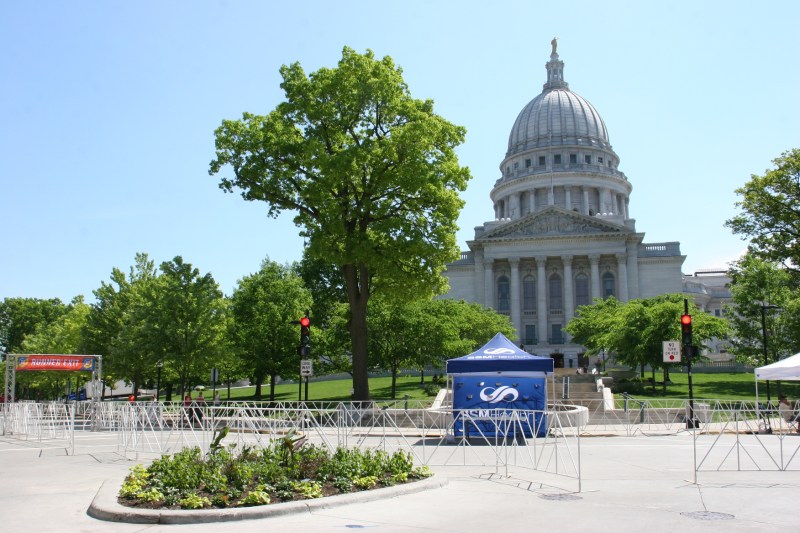
Looking toward the capitol.


This is a foot-friendly city with State Street, a pedestrian mall, stretching for blocks from the University of Wisconsin—Madison to the state capitol building. This is also a bike-friendly city. I noted, too, many restaurants with outdoor dining along tree-hugged streets. Madison visually impresses with its greenery seemingly everywhere.


With the exception of homeless people I observed alongside a building near the capitol, I never felt like I was in an overpowering-to-my-senses urban area.


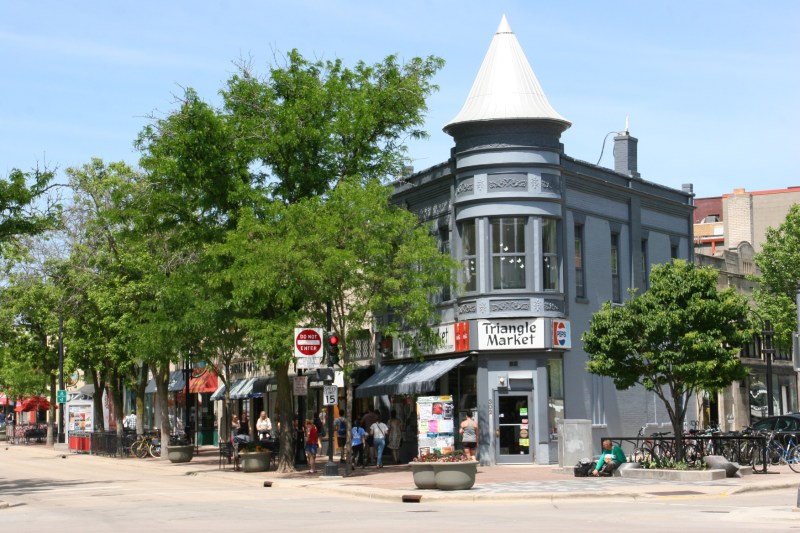
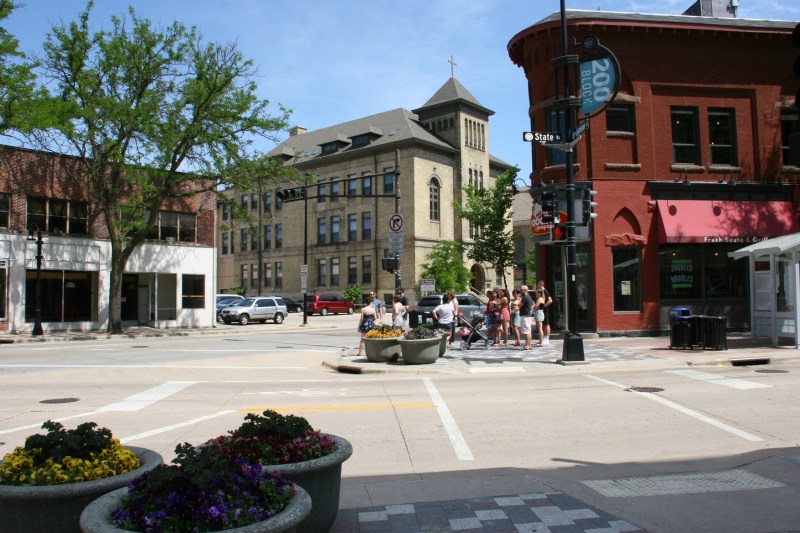
I felt, instead, like I was in greater Boston, which has the same smallish within a large metro area feel. Pie-slice street corners and angled buildings remind me of Porter and Davis Squares on the East Coast. Just less busy with pedestrians actually respectful of motor vehicle traffic.


Likewise, the packed, porch-fronted old houses of the downtown Madison area neighborhoods remind me of the old neighborhoods around Tufts University (where my son attended college) in Somerville and Cambridge, Massachusetts. I expect had UW-Madison been in session, I would have seen lots of college students in the heart of this city given the university’s downtown location.


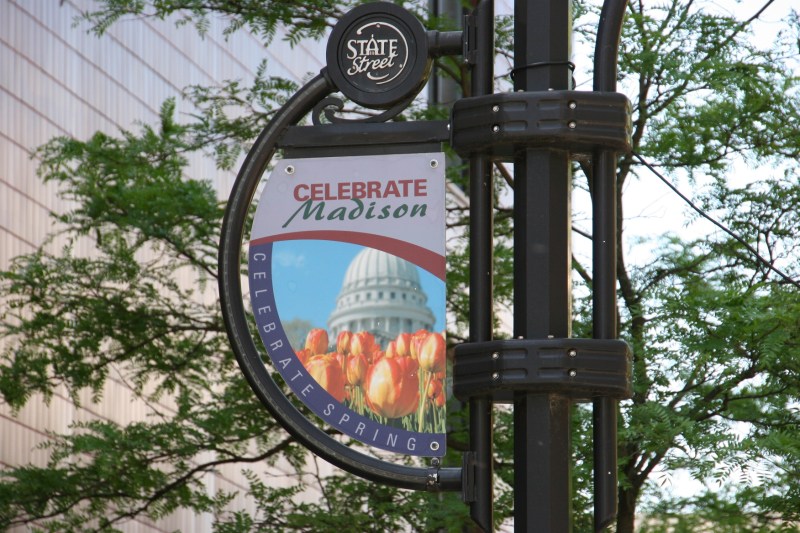
I found plenty to focus my attention. Architecture and signage always draw my interest and Madison offers visual variety in both.


After an hour-long tour through downtown with family, I determined that I need to return, to step inside the buildings, the places, that define the center of this capital city.


TELL ME: If you’ve been to Madison, what would you suggest I see on my next visit? Please check back for two more posts from Madison, including one on Bucky Badger craziness.

© Copyright 2018 Audrey Kletscher Helbling
 

The personal connection of war, decades after my dad left Korea May 26, 2018

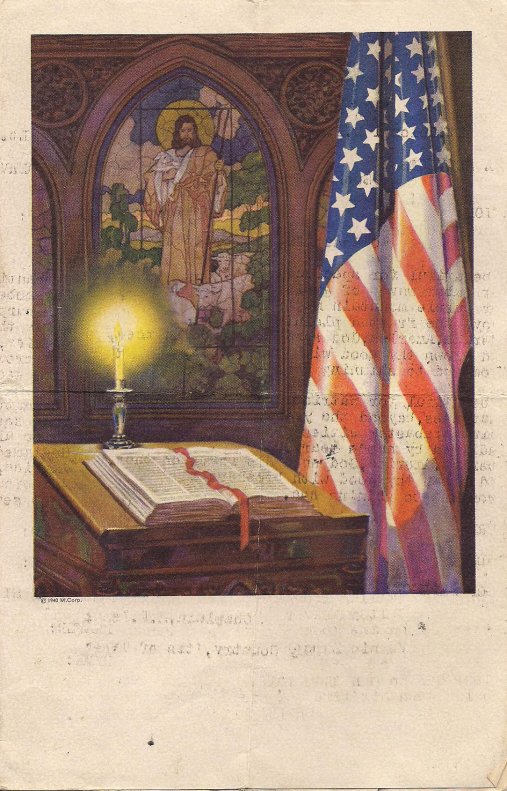
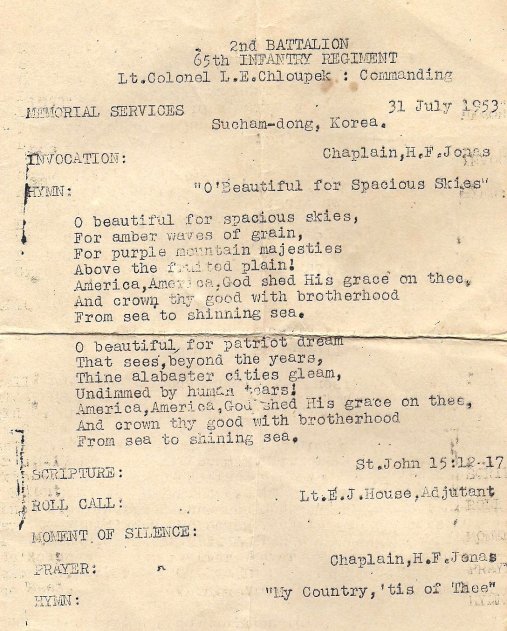
The cover of a July 31, 1953, memorial service folder from Sucham-dong, Korea.


WAR IS MORE THAN THE FLASH of a news story, a list of statistics, a row of flags marking graves.


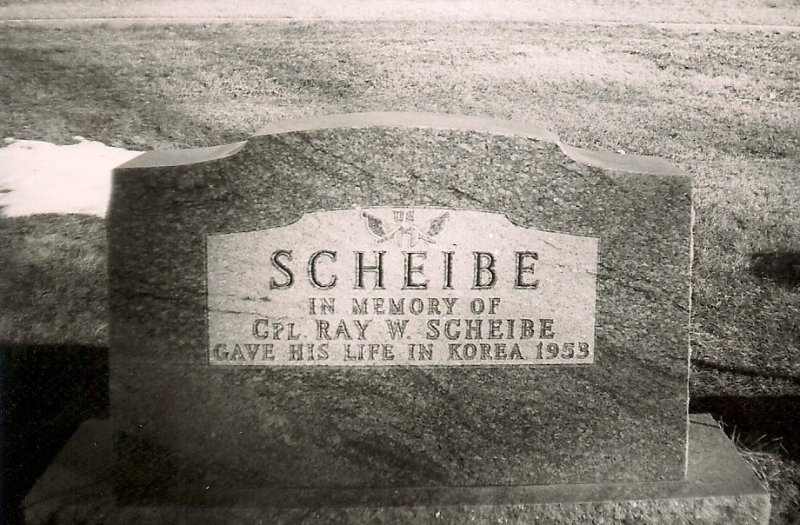
Photo by Sonny Nealon, Ray’s best friend in high school, Minnesota Prairie Roots file photo.


War is personal. War is a flag-draped coffin, a name upon a tombstone, grief for a loved one.


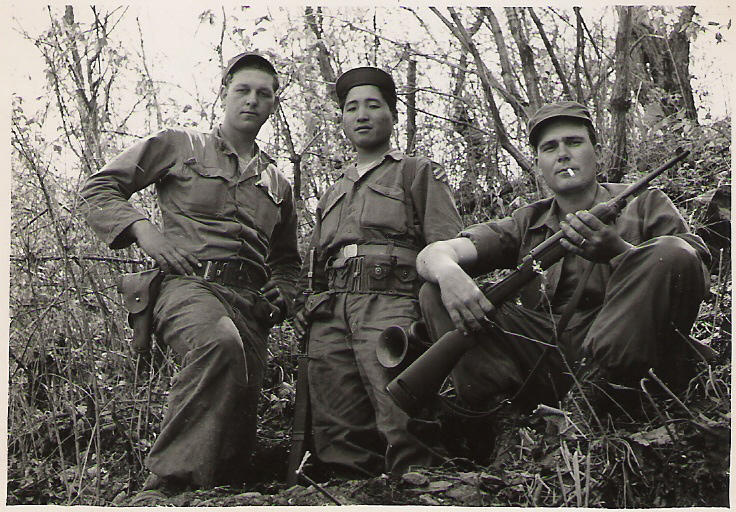
My father, Elvern Kletscher, left, with two of his soldier buddies in Korea.


I expect nearly every one of you could share a story of a family member who served in the Armed Forces, perhaps even gave his/her life for country.

This Memorial Day—between the travel and fun of the weekend—please reflect on the true meaning of this holiday. Remember those who died on battlefields or along roads or in trenches during too many wars.


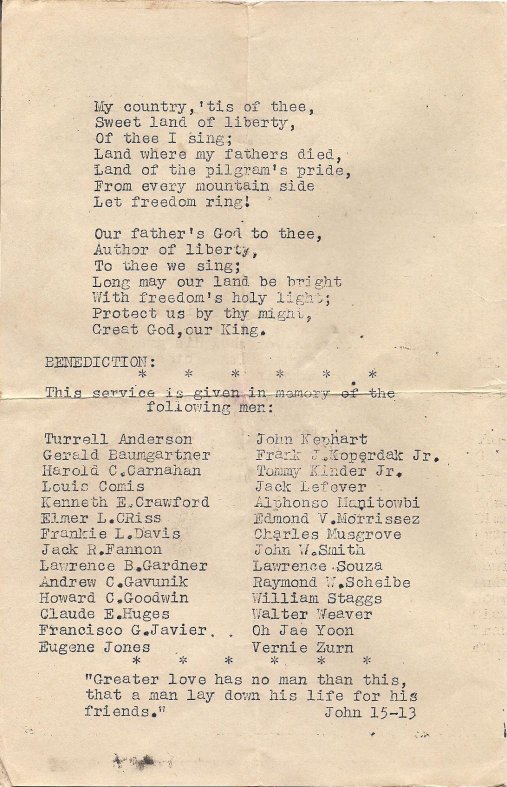
Page two of the 1953 memorial service bulletin from Korea.


I need look no farther than a brown shoebox. It holds the memorabilia of war, of my father’s time as an infantryman on the front lines during the Korean War. Among the photos and other items is a memorial service bulletin dated July 31, 1953, Sucham-dong, Korea. It lists the names of 28 men from the 2nd Battalion, 65th Infantry Regiment who died in service to country.


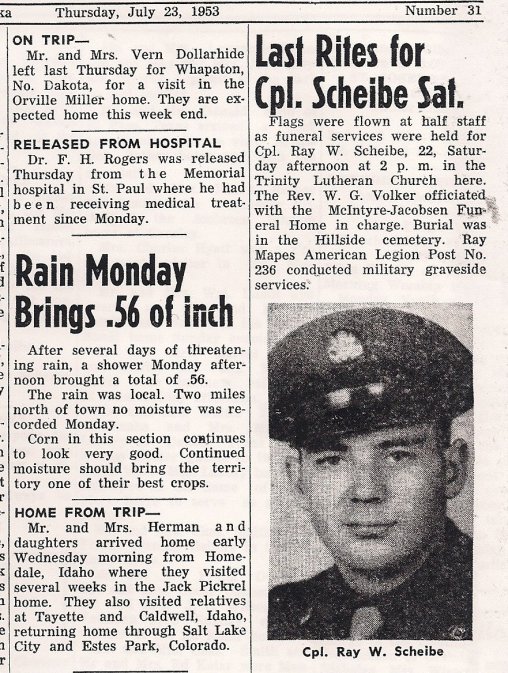
A story about Cpl. Ray W. Scheibe, published in the July 23, 1953, issue of The Wolbach Messenger.


Among those names, my dad’s Army buddy, Raymond W. Scheibe. Ray died the day before he was to return home to his wife and infant daughter. My heart breaks when I think of that, of my dad witnessing his friend’s death and then Ray’s family getting the awful news back in Nebraska. A young wife left a widow. A daughter never knowing her father. Grieving parents.


The third page of the memorial service bulletin my soldier dad carried home from Korea.


War is personal. To think that my dad saved this memorial service bulletin shows me the depths of his grief. He could have tossed the piece of paper after the service—after the singing of patriotic songs and reading of Scripture and prayer and roll call and a moment of silence. But he didn’t. He folded the now yellowed paper into quarters and carried it with him, across the ocean, across the country, back home to Minnesota.


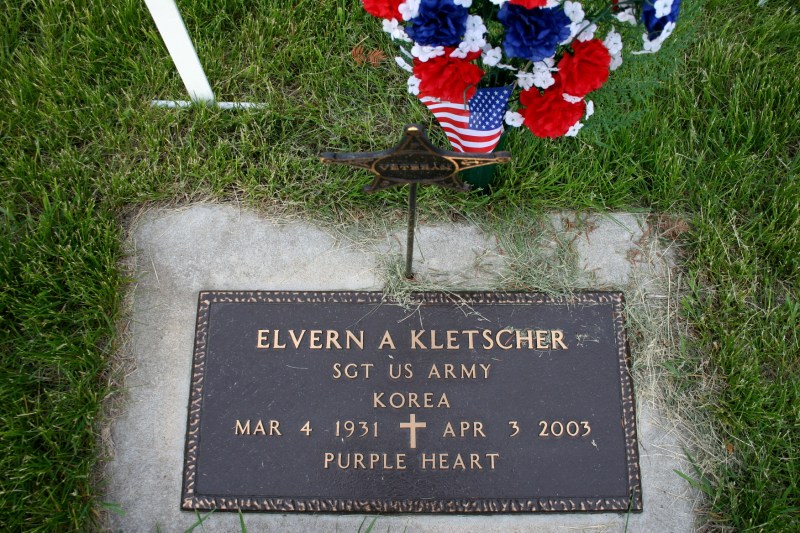
An in-ground marker honors my father, Elvern Kletscher, a Korean War veteran and recipient of the Purple Heart for wounds he suffered at Heartbreak Ridge in Korea. Minnesota Prairie Roots file photo.


Through that action, my father, dead 15 years now, honored his soldier-friend. He assured that the next generation, me, would remember. War is personal. War is a worn slip of paper saved for 65 years.

#

FYI: Many opportunities exist in the Faribault area to honor our veterans on Memorial Day. Here’s a partial list:

© Copyright 2018 Audrey Kletscher Helbling
 

The greening of Minnesota May 23, 2018

Filed under: Uncategorized — Audrey Kletscher Helbling @ 5:00 AM
Tags: , , , , , , , ,


ON A RECENT MAY MORNING, I stepped outside with my aged camera, a Canon EOS 20D DSLR. I hoped to photograph the cardinal I’d heard shrilling within hearing distance. But when I scanned the woods behind my house and the adjoining properties, no flash of red appeared. The sharp song, too, had ceased.


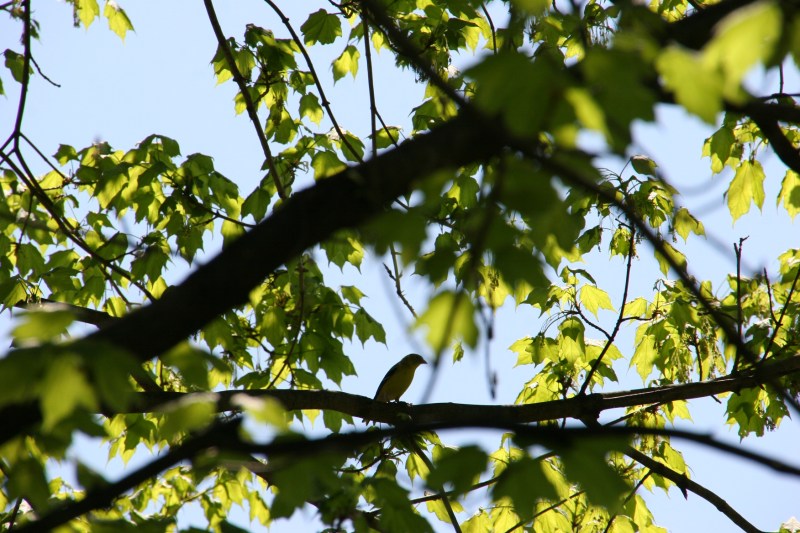
Instead, I spied a gold finch hidden among the branches of the backyard maple.


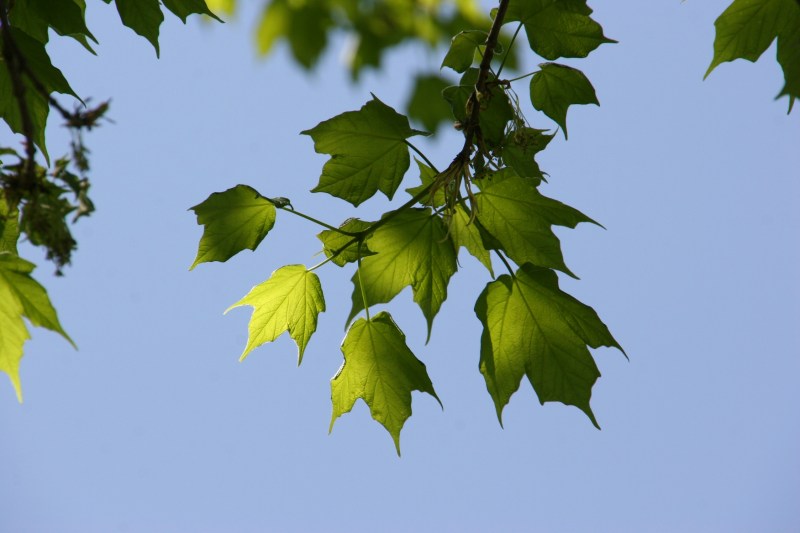
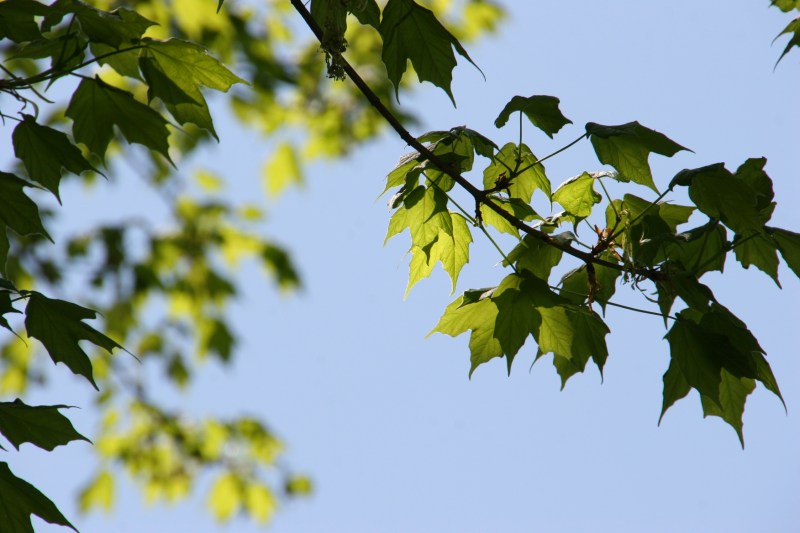
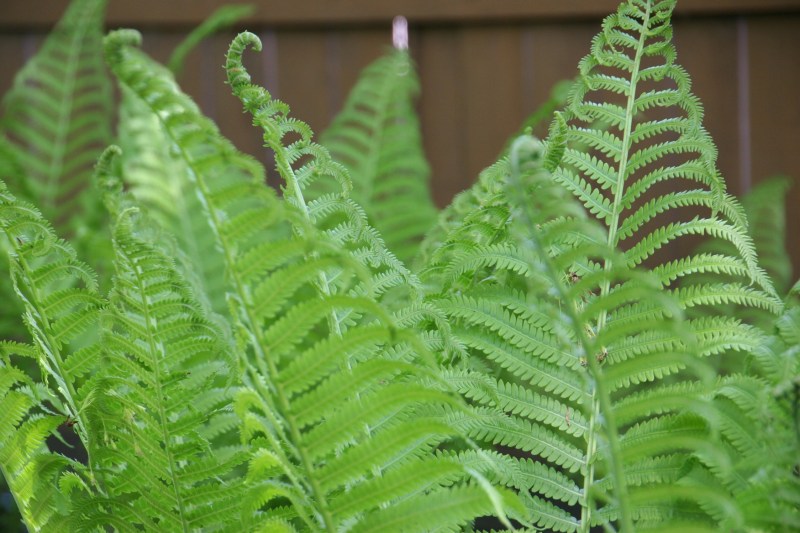
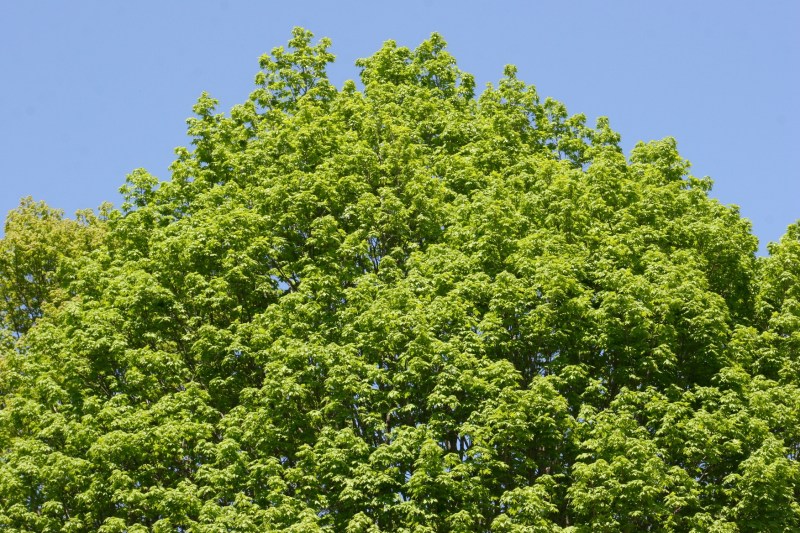
I noticed, too, the green of leaves, how the morning sun danced a rhythm of light.


No green seems greener than the green of Minnesota in spring. After months of enduring a monotone world of greys, black, browns and white, I need color. Spring gives me that.


The sky, too, seems bluer, asserting itself with a profound boldness.


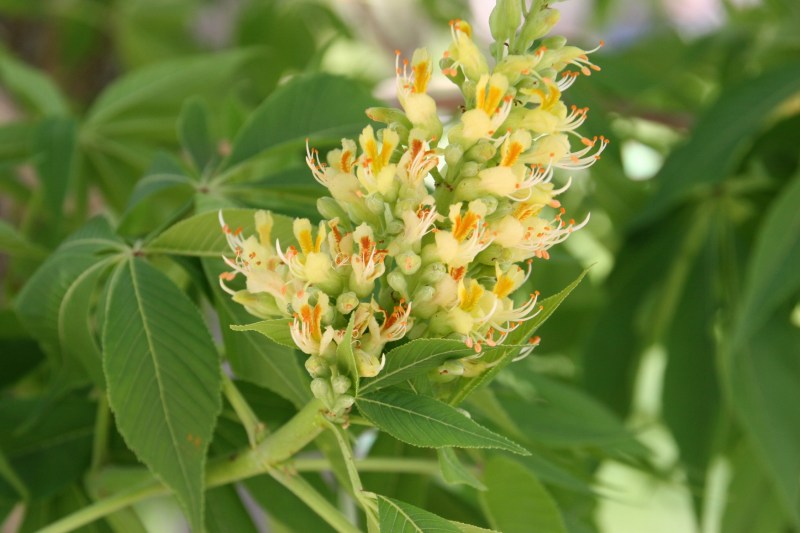
Yet, a softness remains in the landscape, in the unfurling of blossoms dancing in the wind in the light of spring.

© Copyright 2018 Audrey Kletscher Helbling
 

Hey, Faribault, can we stop & let kids cross the street? May 14, 2018

Filed under: Uncategorized — Audrey Kletscher Helbling @ 5:00 AM
Tags: , , , , , , , , , , ,

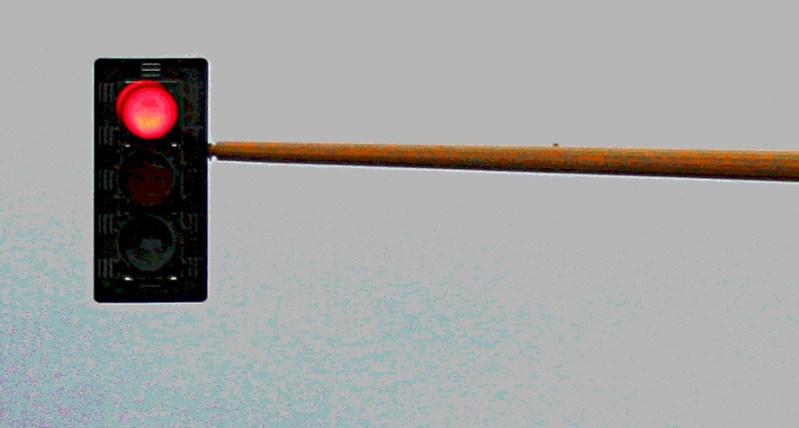
While there are no stoplights along the street referenced in this post, I use this illustration to make a point: Please stop for pedestrians. Minnesota Prairie Roots file photo.


I LIVE ON A BUSY STREET, an arterial route through Faribault that sees a high volume of traffic, especially during the morning rush hour, after school rush and evening rush. Laugh if you wish. But I’ve lived here long enough—nearly 34 years—to know. Good luck trying to pull from a side street or back out of your driveway onto Willow Street during those times of day. It’s nearly impossible.

That brings me to the issue I wish to discuss. Pedestrian traffic. What if you were a kid trying to cross this high traffic roadway to reach your bus stop or to walk to school or back home?

On a recent Thursday morning, I observed a teen a block away waiting for a lull in traffic so she could cross Willow Street. She waited and waited and waited. And then waited some more. Why wouldn’t anyone stop? It was clear she needed to cross given her poised position at the edge of the curb and at an intersection.


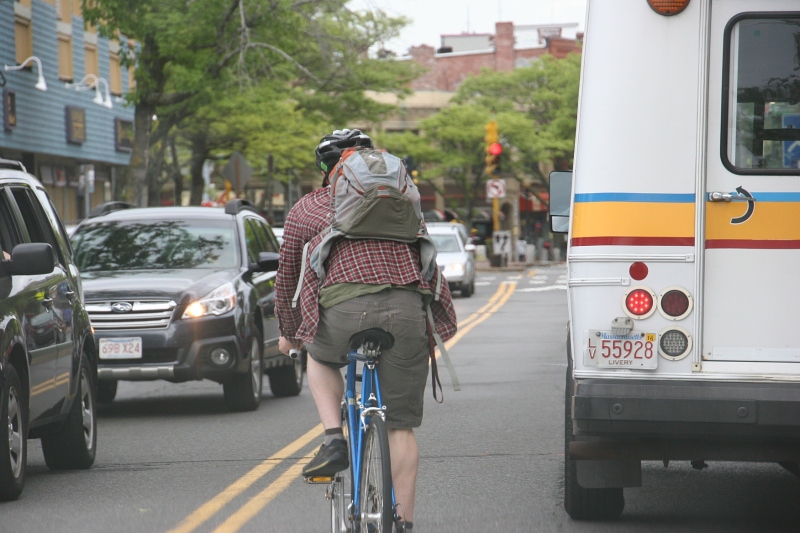
A biker squeezes around a bus in busy Davis Square. Minnesota Prairie Roots file photo May 2016.


If this was Boston, she would have stepped right into the traffic lane regardless of oncoming traffic, regardless of anything. I wouldn’t advise that. When visiting Davis Square two years ago, I waited for the light to turn green rather than disobey the traffic signal. All the other pedestrians swerved right around me, crossing against the light. Clearly I did not understand that pedestrians claim the streets of Boston. But Minnesota is not Boston. So we wait, yielding to motor vehicle traffic.

Even with a crosswalk law in place in Minnesota, I don’t see much change in drivers’ attitudes toward pedestrians. The Minnesota Safety Council notes key parts of that law, which you can read by clicking here. The Council suggests a common sense approach to determining when/if it’s safe to cross a roadway.

Common sense. As I watched a steady stream of vehicles pass the student hoping to get to school on time, I wondered if anyone would ever stop for her. Finally, a school bus stopped, a signal for southbound traffic to also stop. Finally, after five-plus minutes of waiting, she could be on her way.

There was a time when walking across Willow Street was a bit easier, a bit safer. Before an elementary school just blocks away closed, an overhead crosswalk sign with flashing yellow lights signaled drivers to slow down and stop for kids. Shortly after Garfield Elementary shuttered decades ago, that signage was removed. I’ve often wondered why given the many kids and other pedestrians who still attempt to get across this high traffic street.


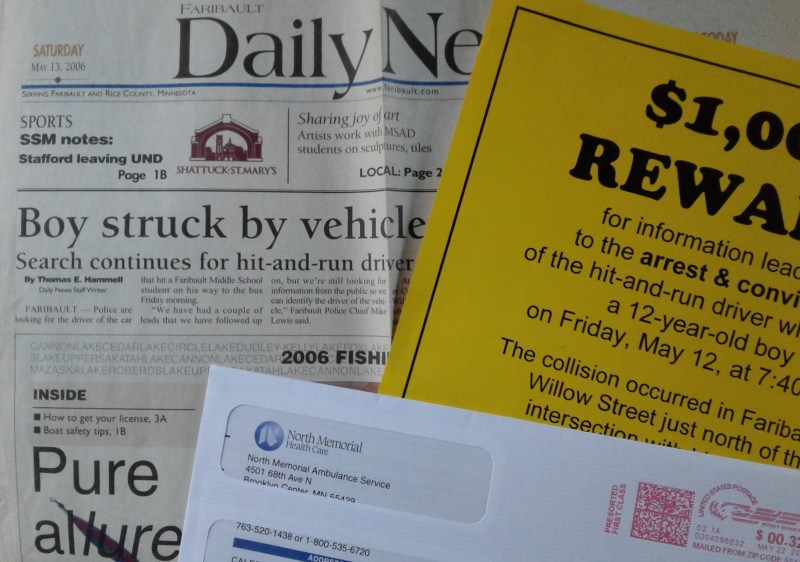
I have a personal reason for feeling strongly about this issue. In May 2006, my then 12-year-old son was struck by a car while crossing Willow Street on the way to his bus stop. He escaped with only minor injuries. Granted, he was crossing in the middle of a long block rather than in a crosswalk, not the best idea. Still the driver of the car that hit him never stopped and has never been found, despite multiple witnesses.

In the 12 years since, nothing has changed. The high volume of traffic remains. Kids still struggle to cross this busy roadway on their way to and from school. I suggest drivers in Faribault practice some Minnesota Nice, just like that school bus driver who realized that a teen waiting on a corner needed to cross the street on a Thursday morning.

FYI: Additionally, here are Pedestrian Safety tips from the Minnesota Safety Council. Click here.

Also click here to read about a Faribault student who was struck by a vehicle while crossing another busy city street on her way to school in October 2017. Lul was seriously injured.

© Copyright 2018 Audrey Kletscher Helbling
 

My thoughts on the prejudice that threads through my Minnesota community April 19, 2018

A photo and comment by a visitor posted at the “Selma to Montgomery: Marching Along the Voting Rights Trail” exhibit at St. Olaf College in 2015, used here for illustration only. Minnesota Prairie Roots file photo 2015.


TWELVE YEARS AFTER my then 12-year-old son was struck by a car while crossing the street to his school bus stop, my husband and I are still occasionally asked whether the driver in the hit-and-run has ever been found. The answer: No.

I’m OK with that. Caleb was not seriously injured and enough time has passed since the May 12, 2006, incident that my anger has subsided.

But now my anger has risen anew—not at the driver but rather at a recent comment made by an acquaintance. “Was it a Mexican?” the man asked of the unknown driver.


A chair placed before a Stephen Somerstein photo offers visitors a place to sit and contemplate in the “Selma” exhibit. Minnesota Prairie Roots file photo 2015.


How do you respond to something like that—something so totally ignorant and racist and uncalled for that it makes my blood boil to think that someone in this day—2018—would even think that, let alone speak it. Why that assumption? What led him to believe the driver was a “Mexican” versus a Caucasian or even a green alien from Mars?

I can’t tolerate this type of blatant racism. About Hispanics. About Somalians. About anyone. Just days ago I heard negative comments about Somalians as it relates to parking issues in Faribault’s downtown business district.


A St. Olaf College student/staffer studies an image of Dr. Martin Luther King Jr. at the “Selma” exhibit in April 2015. Minnesota Prairie Roots file photo 2015.


I didn’t grow up here. Once I was an outsider trying to fit into Faribault, where generations of families live, where many people are inter-related, where young people stay upon graduating from high school or return to after college. I’m not saying those are bad things. Faribault’s a wonderful place to live. But I suspect the hometown factor, the deep roots, may have something to do with the “was it a Mexican” type attitude some locals hold toward newcomers, especially those of color. There’s fear in the unknown, fear in change, fear in the prospect of a community becoming something different than it has always been.


Kids used markers to create flags from their native countries during the International Festival Faribault in August 2015. Minnesota Prairie Roots file photo used for illustration only.


Change oftentimes does not come easily. Yet, that’s no excuse for sweeping negative assumptions and racism. I am thankful for the efforts of many within Faribault who welcome newcomers. Like the Faribault Diversity Coalition and individuals who tutor, assist, teach, embrace immigrants and, yes, even welcome outsiders like me from Redwood County, Minnesota. I arrived here 36 years ago knowing only my new husband (also a non-native). It took awhile for me to fit in, to find my place here.

Today I consider Faribault home. I love this community and the many dear friends I’ve made here. But I don’t appreciate the underlying and sometimes overt prejudice I occasionally see and hear.

“Was it a Mexican?”

No, my son was struck by a blue 4-door Chevrolet Cavalier or Corsica. Driver unknown. Race unimportant.

#

ON THE SAME TOPIC:

I find especially notable a comment made by Faribault Public School Superintendent Todd Sesker during an “AM Minnesota” interview with Gordy Kosfeld on KDHL radio. During that Monday morning interview, Sesker discussed the issue of 400-plus students open-enrolling outside of the Faribault School District. The district plans to survey families and learn why these students are choosing to attend schools elsewhere.


The ever-changing/growing diversity of Faribault High School shows in this post commencement photo taken in May 2012. Minnesota Prairie Roots file photo 2012.


Sesker says, in part, “We know some of the rumors that are out there and some of the people that are complaining about our schools. We know about the cultural differences…”

“…the cultural differences…”

That tells me a lot.

According to 2018 enrollment by race/ethnicity data published on the Minnesota Department of Education website, more than half of the students in Faribault Public Schools are of a race/ethnicity other than White. Here’s the break-down on the three largest ethnic groups among the district’s 3,777 students, according to the MDE: 24.2 percent are Hispanic/Latino, 23.8 percent are Black/African American, and 47.4 percent are White.

I suggest you listen to the radio interview with Sesker by clicking here. Discussion on the open enrollment issue begins at about minute 13.


NOTE: All comments are moderated. Please be respectful in your comments and discussion. I reserve the right as author of this personal blog to decide whether or not to publish a comment.

© Copyright 2018 Audrey Kletscher Helbling
 

Of books & puzzles & loving my granddaughter April 3, 2018

Filed under: Uncategorized — Audrey Kletscher Helbling @ 5:00 AM
Tags: , , , , , , , ,


Grandpa and granddaughter work together on a puzzle in the morning light.


PAJAMA CLAD FEET SLAP against wood as Izzy runs to meet me in the sunshine of a Sunday morning. My smile widens as I scoop my granddaughter into an embrace, my arms and lips kissing her with love. Oh, what joy in the morning.

We are the only two up and I’m enjoying this solo time with Izzy. The evening before, it was three of us—Izzy, Grandpa and me—hanging out while her mom and dad enjoyed dinner and a concert.

Every time I see Isabelle, which is about once a month, she’s changed, grown and learned new words, new skills, new ways to make Grandma smile.


Books remain her great love. This visit, I read, among many other titles, Pat the Bunny, the same book I read to her mama decades ago. There’s something endearing about familiar words passed from generation to generation. There’s something remarkable, too, about the act of reading to someone you love. The closeness, the teaching moments, the interaction, the bonding over words and pictures imprints love. As I cuddle Izzy in the bend of my arm, her lean body pressed against me, I feel an overwhelming, nearly indescribable, love for this almost two-year-old.


When I watch my husband put puzzles together with his granddaughter, I experience the same. Likewise when I observe Izzy with her mom and dad, other grandparents and extended family. This little girl is loved by many from West Coast to East Coast and in between.


On this visit, Izzy demonstrates that she’s learning her letters and numbers. She’s got “o” down and the hoot of owls, a favorite for awhile. But now she loves Poppy, her new best friend from the movie “Trolls.” And she likes Elmo and Daniel the Tiger and Minnie Mouse and… She’s stringing words together, counting to five, learning her colors. She’s holding up two fingers to indicate that she will soon turn two.

I see the independent traits of a two-year-old emerging. I see, too, her endless energy. I swing Isabelle upward and back down just to hear her laugh. (There’s a reason I lift weights.) And I reread the same books just to make her happy. I am thankful I can be part of this growing, this learning, this loving. There’s nothing quite like being a grandma.

© Copyright 2018 Audrey Kletscher Helbling
 

The tough part about holidays for this mom April 2, 2018

Filed under: Uncategorized — Audrey Kletscher Helbling @ 5:00 AM
Tags: , , ,


MOST HOLIDAYS, NO MATTER how hard I try, I find myself envying families who can all be together. I know it’s juvenile thinking and I should be thankful for the times I have my three adult children (that always seems like such an oxymoron) under my roof for a holiday.

But if you’re a mom (or dad), and you’re honest, don’t you miss having every child you’ve birthed or adopted together with you, celebrating? OK, maybe it’s just me. But I miss the daughter who lives four hours away. And I miss the son who lives 1,400 miles away. And, when my eldest daughter and her family are with the other side of the family on the other side of the country, I miss them, too.

I’m getting better at accepting this as the way things are when your kids grow up and leave home. I’m adjusting. Connecting via technology helps. Randy and I have also found other ways to deal with the absence of our once nuclear family. On Thanksgiving, for example, we volunteered to deliver meals in our community. Last Easter we drove 2.5 hours to southwestern Minnesota to visit my mom in a care center. I can choose to be sad. Or I can choose to purposely give joy, thus receiving joy in return.

I’ve learned to delight in the once-a-year-occasion (maybe) that our family gathers in Minnesota. That last happened in August. Seven months ago. Too long. But at least we were together for a few days. Never mind that my son texted recently that he is changing his residency to Massachusetts, tangible evidence that he doesn’t plan to return to Minnesota to live anytime soon.

Then I think of the parents who have lost children and I have no reason, none, to feel sorry for myself.

This is life. I am reminded that, as parents, we are to give our kids roots and wings. Roots and wings. It sounds so poetic, so uplifting. But the reality is that sometimes I wish my kids had missed that flying part. Or at least landed closer to home.

TELL ME: Do you share any of my feelings? How do you cope with missing your kids on holidays? Or are you one of those “lucky” parents who always has your kids around for holidays?


Just for the record, I spent this Easter with my husband, oldest daughter, son-in-law and granddaughter. And it was wonderful.

© Copyright 2018 Audrey Kletscher Helbling
 

Mazeppa, not just another small Minnesota town, Part II March 29, 2018

A scene in downtown Mazeppa, photographed in October 2016.


SMALL TOWNS CONTINUE to hold my interest.


The former creamery in Mazeppa houses the city maintenance garage and also serves as a backdrop for historical art.


Therein I often find unexpected delights, but also decline. Most of these communities are not the places they once were with thriving businesses lining Main Street. You know the story.
 

Out for a walk in downtown Mazeppa, October 2016.


Still, these towns are home to life-long residents or kids who stuck around or newbies—folks looking for a quiet and affordable place to live within driving distance of jobs outside city boundaries.


People make a town. And if they’re lucky, locals still have places to gather for fish fries and beer and BINGO and a meal out. Gathering spots—restaurants, bars, schools, churches and more—provide that sense of community essential to small towns.


WD’s, destroyed by fire, was a community gathering spot.


I saw those communal places when I visited Mazeppa in October 2016 (although one—WD’s Bar & Grill recently burned to the ground).


Patriotism often runs strong in small towns. The presence of the well-kept American Legion Post 588 in the heart of downtown Mazeppa confirms that.


Mazeppa is a visual delight for a photographer. Signs crafted by local sign painter Mike Meyer give this southeastern Minnesota riverside community a signature artsy look. This is a town I remember.


A unique business in Mazeppa. The shop was closed when I was in town. Andy Denny builds banjos here.


That’s the thing, too, about small towns. They need an identity to draw visitors. A unique business or three. A historical site. A theater or other arts venue. A natural attraction.


The Maple Street Bridge crosses the north branch of the Zumbro River a block off Mazeppa’s Main Street.


How often have you sidetracked off a main highway or interstate, or even a county road, to drive through a small town, maybe even stop? Not that often, I expect. But you’re missing something by not doing so. You’re missing out on people and places and experiences that are grassroots America. Interesting. Yes, even that quintessential word “charming.” Perhaps vibrant or thriving. Maybe not. But still at their root essence, authentic.


BONUS PHOTOS:

Propped by Mike Meyer’s sign shop.


When I was in town in October 2016, work was being done on the original 1909 bank building, now housing the Mazeppa Area Historical Society. The exterior covering of the beautiful brick building traces back to the 1970s when the former People’s State Bank was “updated.”


In 1912, an addition was made to the bank building to house the local newspaper.


Signage on the side of the historical society building.


TELL ME about a favorite small town and why you appreciate the community.


© Copyright 2018 Audrey Kletscher Helbling