

IN MY EYES, he was Minnesota’s best-known photographer. Exceptionally talented. No one even comes close to matching the wildlife and nature photography of Jim Brandenburg. He died April 4 at the age of 79. Not only has Minnesota lost a creative icon, but so has the world. Brandenburg’s prolific work was featured in National Geographic Magazine, earning him the publication’s coveted Lifetime Achievement Award in 2023. His award-winning photos were widely-published internationally. He also published numerous books featuring collections of his photos.
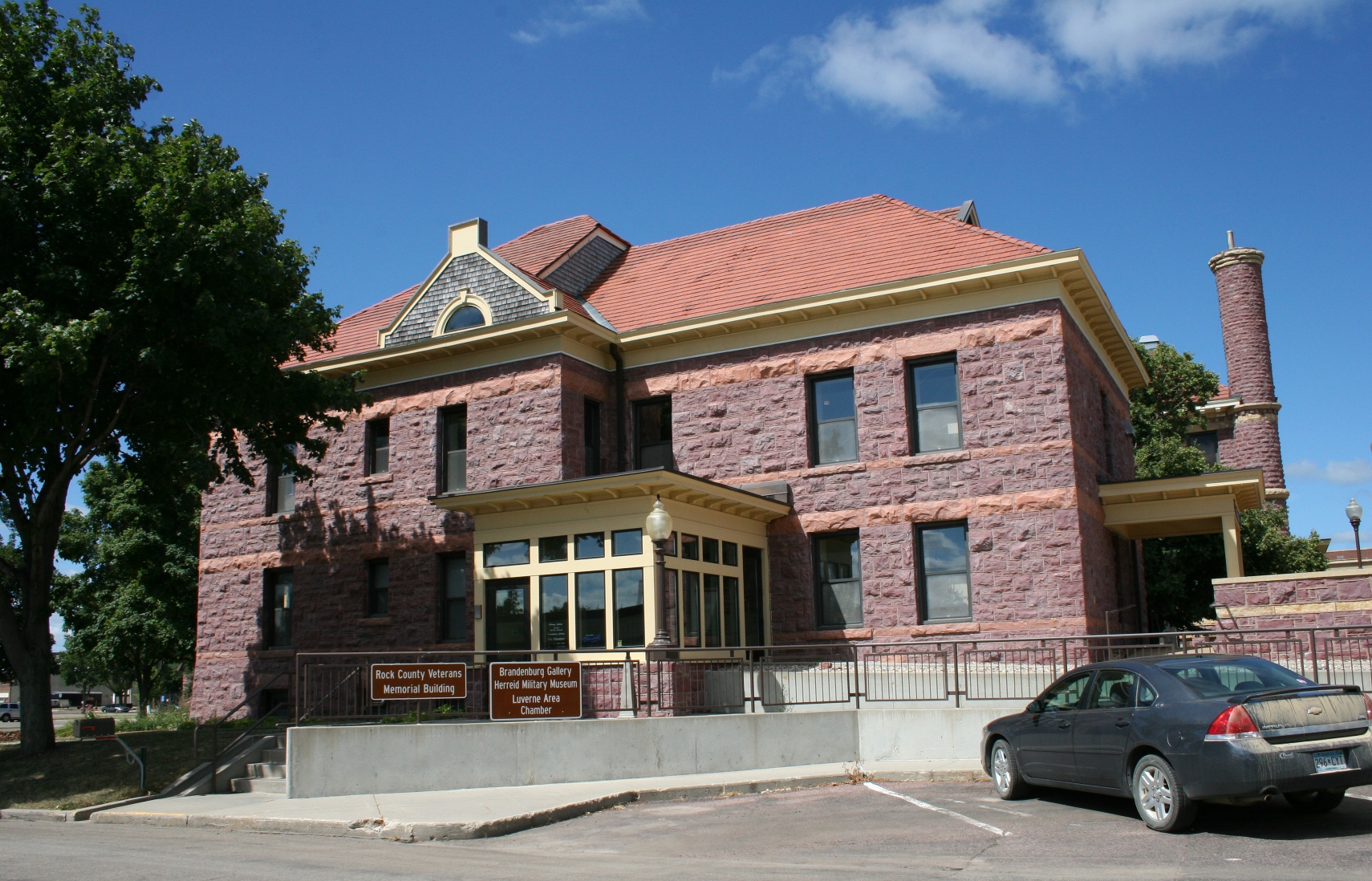
But there is perhaps one lesser-known place where Brandenburg’s images can be found. And that’s in the Brandenburg Gallery inside the historic Rock County Courthouse in his hometown of Luverne. That’s in the extreme southwestern corner of Minnesota. The prairie. My prairie.
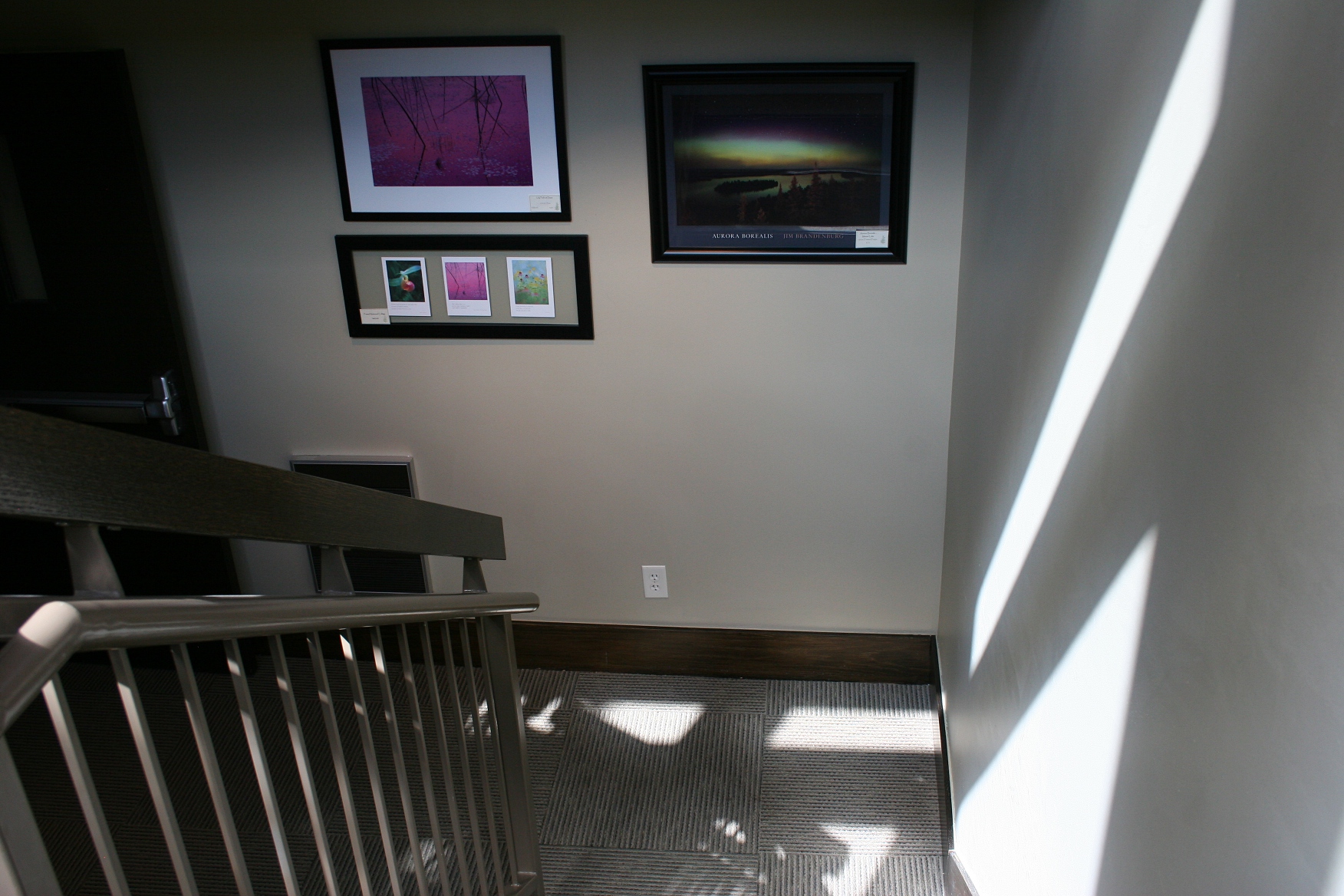
Eleven years ago I toured that gallery, studying and enjoying a sampling of Brandenburg’s images. Many in this collection are prairie-themed. Because I’m a photographer, I viewed his photos with a more focused perspective, noticing angles, light, background and all the components which come together in creating an outstanding image.
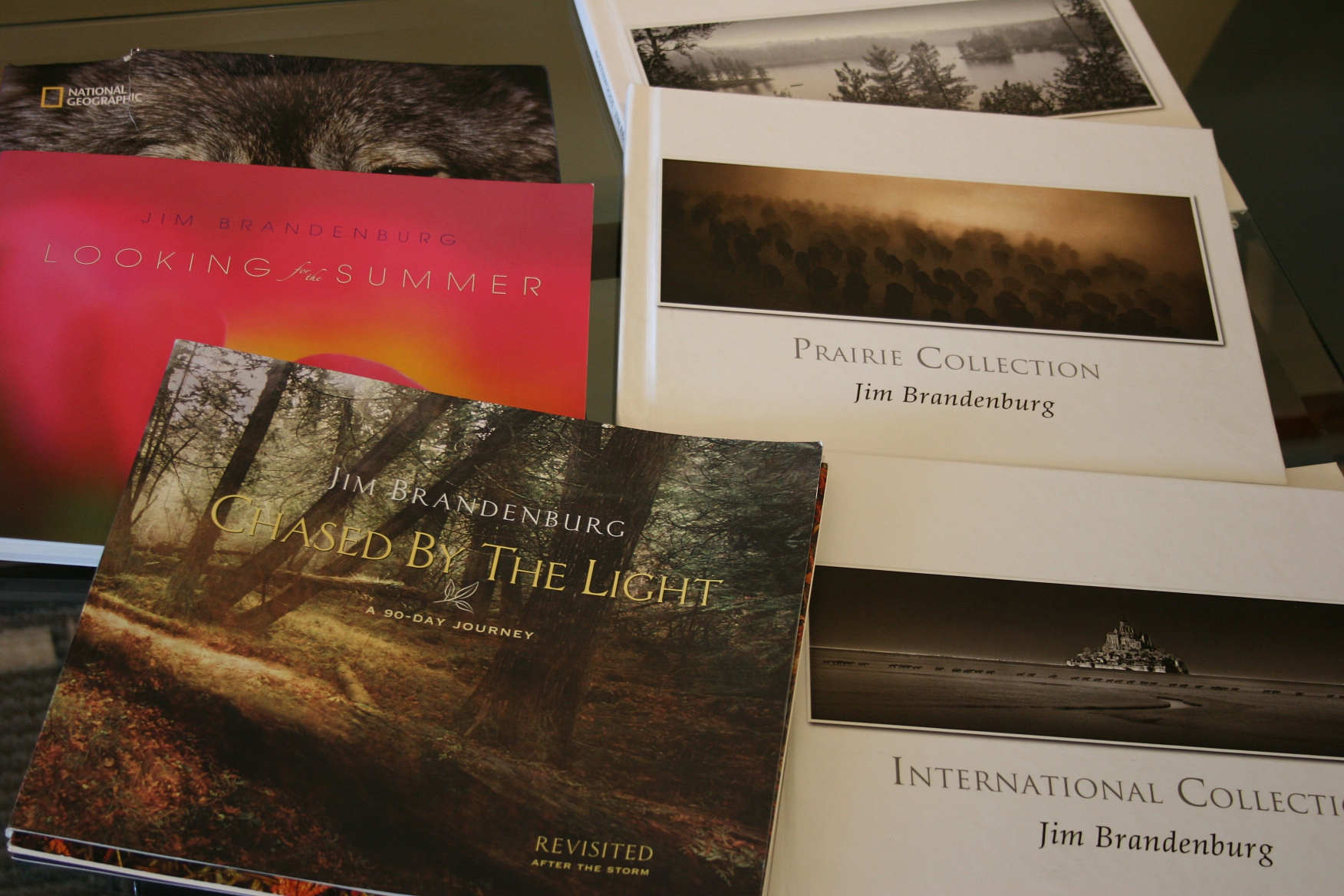
Every photographer understands that light is the very basic element to consider in shooting photos. Brandenburg challenged himself to take a single picture per day between the autumnal equinox and the winter solstice. The result is his collection of photos, Chased by the Light: A 90-Day Journey, a favorite of mine among his books.
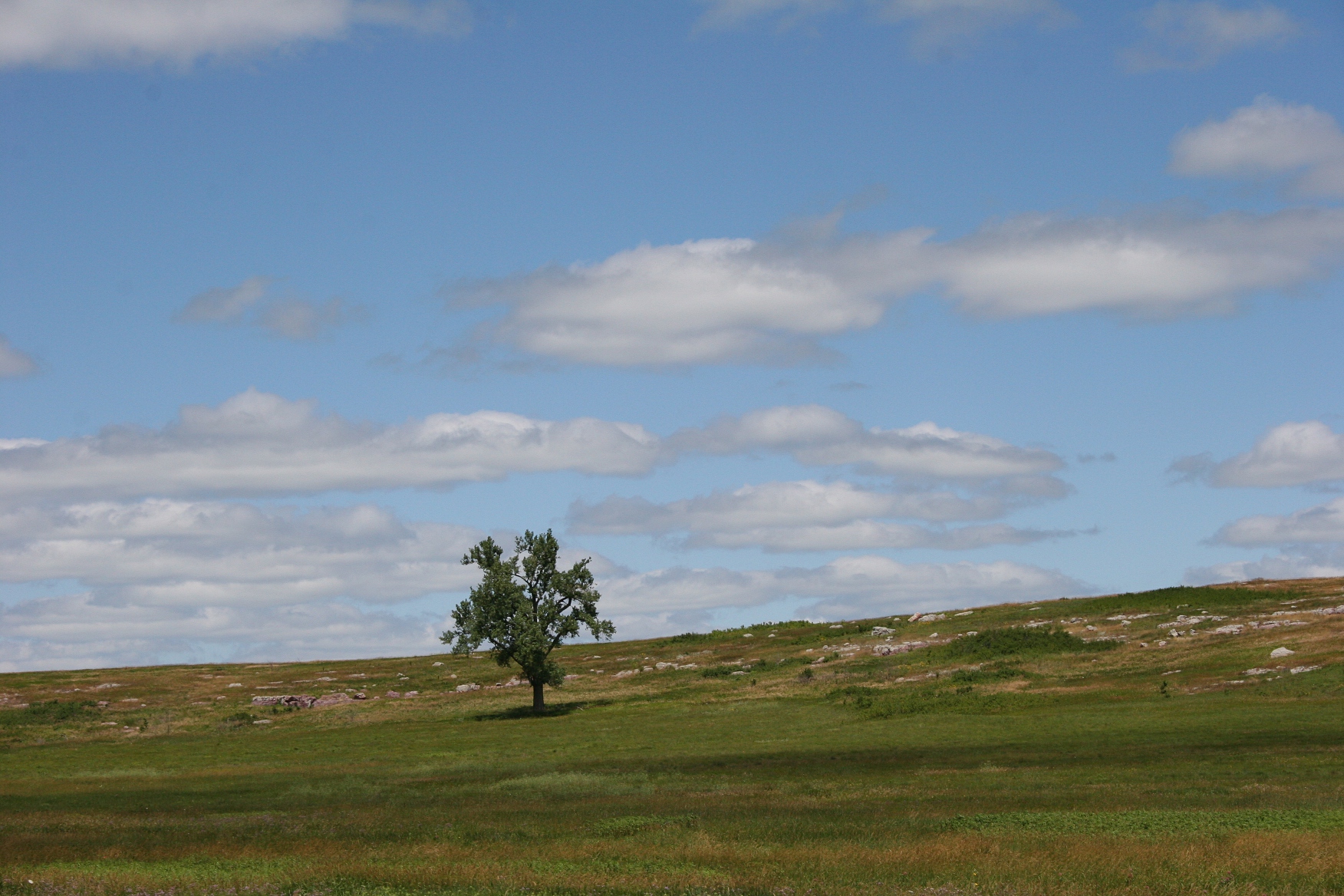
When I traveled to Luverne in 2013 to visit the Brandenburg Gallery and other attractions, including Blue Mounds State Park, I was returning to the wide open land and big skies of the prairie, the place that shaped me as a person, photographer and writer. The same can be said for Brandenburg. He loved the prairie and, in fact, established the Brandenburg Prairie Foundation aimed at southwest Minnesota native prairie education, preservation and expansion. His organization partnered with the U.S. Fish and Wildlife Service to purchase nearly 1,000 acres of untilled Rock County prairie, creating Touch the Sky Northern Tallgrass Prairie National Wildlife Refuge.
Those environmental efforts are revealing. Brandenburg cared deeply about the land, especially the prairie. After college, he returned to the prairie and worked as a picture editor at The Worthington Daily Globe. While there, he freelanced for National Geographic Magazine. And so his career developed until he became that homegrown photographer whose work so many worldwide grew to appreciate and love.
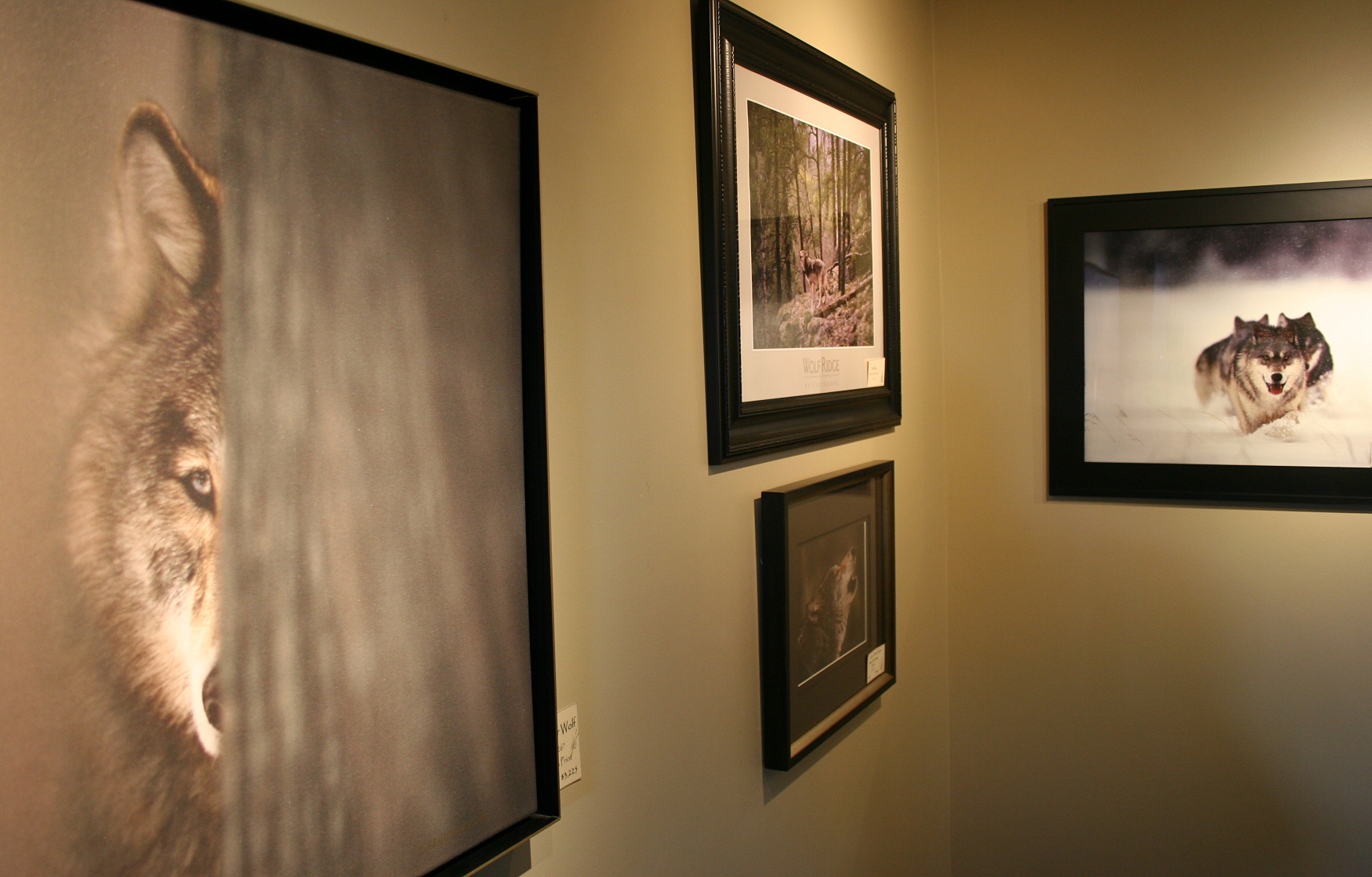
I admire photographers who excel in the craft. And Brandenburg certainly excels in wildlife photography, a specialized field that requires much more than understanding photo basics. Photographing wildlife requires incredible patience and knowledge of animals. I have neither. But when you look at a Brandenburg photo, it’s like you are right there up close with the subject. Perhaps a wolf—one of his favorite subjects. Or bison. You can see the deep respect Brandenburg holds for these creatures of the wild.
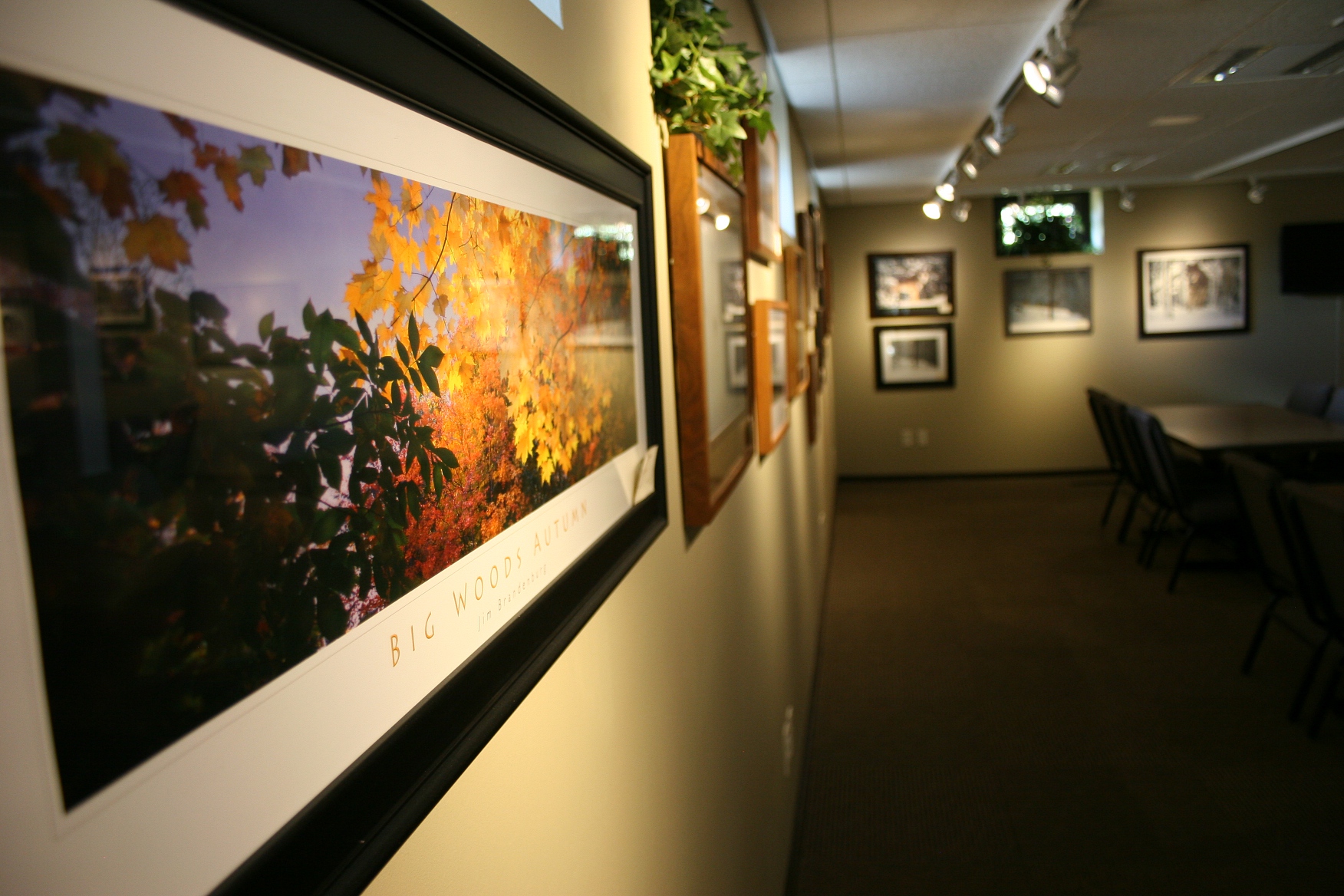
And then there’s landscape photography which, when done well, draws you into a scene and evokes an emotional response. Again, Brandenburg has this seemingly effortless ability to capture the essence of a place and connect it to his audience.
Minnesota has lost an incredibly gifted photographer. But Brandenburg’s legacy lives on in his work, a gift to all of us. And one place to find that is in the Brandenburg Gallery in Luverne. On my beloved prairie. On Brandenburg’s beloved prairie.
FYI: The Brandenburg Gallery, 213 E. Luverne St., is owned and operated by the Luverne Area Chamber of Commerce. It’s open from 8 a.m.-5 p.m. Monday-Friday and from 10 a.m.-5 p.m. Saturday. Admission is free. All photos featured in this post were taken with permission of the Brandenburg Gallery in 2013.
© Copyright 2025 Audrey Kletscher Helbling















 Minnesota Prairie Roots
Voices rise, past & present in Minnesota April 7, 2025
Tags: commentary, Congressman Brad Finstad, democracy, family legacy, farming, memories, Minnesota, opinion, Owatonna Town Hall, Rabbit Tracks, student newspaper, Town Hall, voices, Wabasso High School
I COME FROM A LONG LINE of engaged citizenry rooted in the rich dark soil of the southwestern Minnesota prairie. On that land, generations of my family used their voices and skills to create change, to make the place they called home a better place. My paternal great grandfather, Rudolph, started that engagement by helping found a Lutheran church in my hometown. Pre-building, congregants met in his farmhouse.
From that church to school boards to county boards, from elementary schools to high schools to college campuses and more, countless family members have served and continue to serve others by representing them, crafting policies, improving lives. I am proud of that legacy.
Now you might ask, what about you, Audrey? I, too, have served, but in a different capacity. I’ve never held a desire to lead, to run for elected office or even sit on a board. Rather, I’ve observed, used the written word to inform others. During my years working as a newspaper reporter, I covered endless county board, city council, planning and zoning board, school board, caucuses and other meetings. I learned a lot about how government does and doesn’t work during those many hours of scribbling notes, gathering quotes, writing news stories. I learned, too, that individual voices matter and are heard. And I shared that in my unbiased, balanced reporting.
Today I craft writing that is not straight news reporting, because I am no longer a newspaper reporter. Rather, my writing is personal and sometimes opinionated. My voice matters…as much as anyone’s.
While coming of age near the end of the Vietnam war, I began writing angsty poetry about the war. I purchased and wore a POW bracelet, a thick silver band that wrapped around my wrist. It was engraved with the name of an American soldier held as a prisoner of war. I also wrote the occasional opinion piece for my high school paper. Not about the war, but on other topics.
It was my dad, a dairy and crop farmer, who inspired me to voice my thoughts in the May 24, 1974, issue of my school paper, Rabbit Tracks. In an opinion piece titled “Farmers Develop Backbone of America,” teenage me wrote about low farm prices and how farmers were struggling to survive. I had witnessed my dad dumping milk down the drain during a nationwide protest by the National Farmers Organization. All these decades later, I more fully understand how difficult that must have been for Dad. He depended on income from milk sales to provide for our family. But he sacrificed and let his voice be heard in that NFO protest.
Sunday evening I listened to another farmer voice his thoughts, this time in the open mic part of a Town Hall meeting attended by hundreds in nearby Owatonna. He drove from Janesville to share concerns about how tariffs will negatively affect his farming operation via market loss, dropping crop prices and rising costs for everything from tractor parts to fertilizer and fuel. This farmer of 60-plus years pleaded with his Congressman, Representative Brad Finstad (a fourth-generation farmer who was invited but did not attend), to listen and to do something. It was a powerful and particularly emotional delivery.
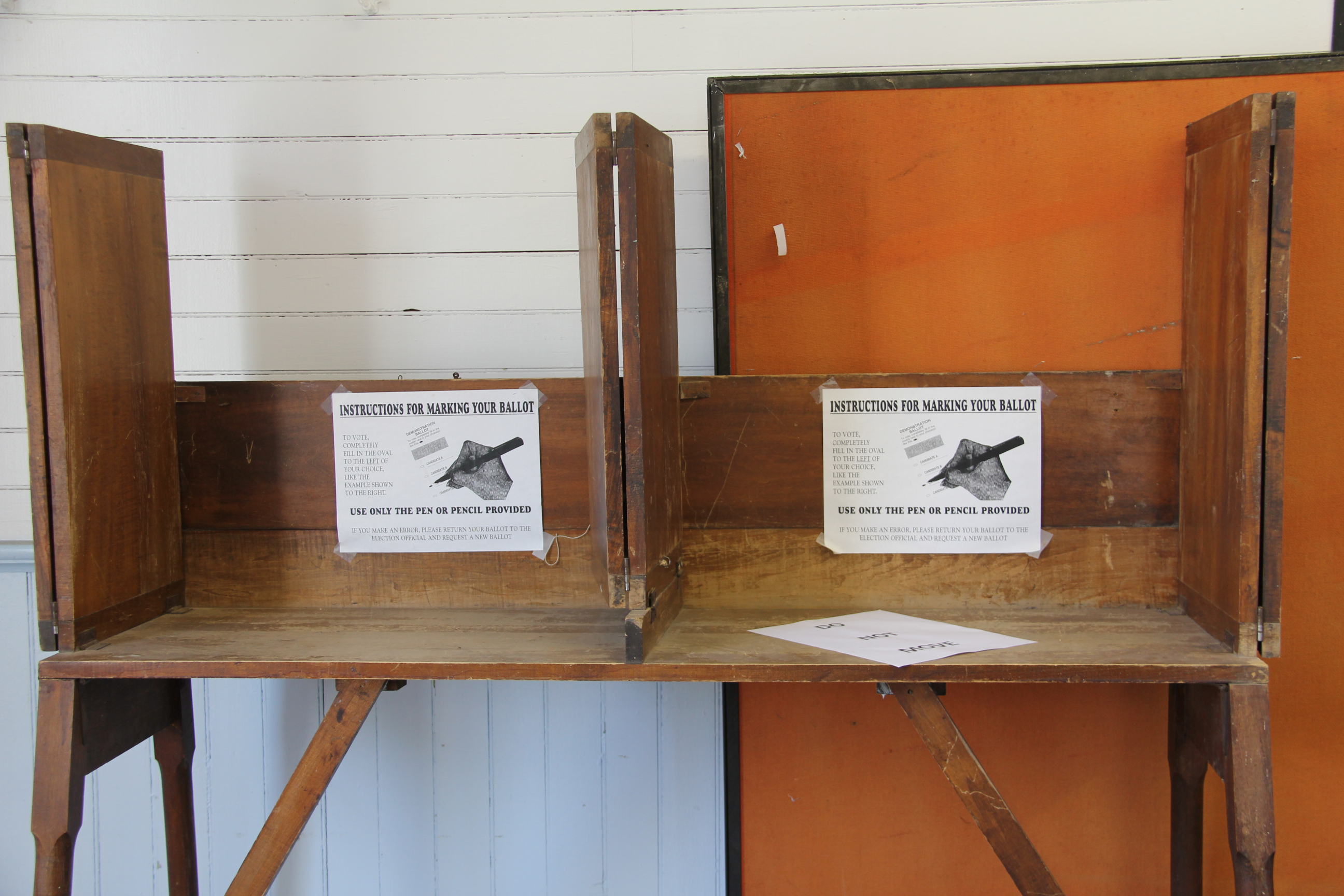
Emotions are running high right now across this country. I cannot imagine anyone who would disagree with that. We may disagree on policies, decisions and leaders. But we still—as of this writing—have a voice, even as efforts to suppress our voices continue. We can protest, like my 82-year-old uncle did on Saturday at the Minnesota State Capitol. We can attend town halls to learn, to speak, to let our voices be heard. We can contact our elected officials via phone and/or email and tell them what we think. We can engage. We can vote.
A long line of speakers and attendees of all ages addressed numerous topics from veterans’ issues to education to housing to healthcare to democracy and more at the Sunday Town Hall in respectful conversation. The common threads weaving through the event were a deep concern for what is happening in our country and to assure our voices are heard.
I leave you with this opinion piece published in the October 15, 1974, issue of my high school newspaper. An 11th grader wrote about posters she created and which students were defacing. Here’s Mary’s closing sentence in a letter to the editor titled “Keep Hands, Pens Off”: A lot of time and effort has been put into these signs and the least you can do is keep your hands off of them. If everyone is so anxious to write something on the wall, make your own posters. How applicable those words are to today.
#
NOTE: I welcome respectful conversation here. That said, I moderate all comments on this, my personal blog, and make the final decision on publishing comments.
© Copyright 2025 Audrey Kletscher Helbling