Minnesota Prairie Roots

Writing and photography by Audrey Kletscher Helbling

Of birthday gifts, baseball & card collecting April 10, 2025

My granddaughter’s 2024 birthday cake. (Minnesota Prairie Roots copyrighted file photo 2024)

RECENTLY, I WANDERED the aisles of a Big Box retailer searching for Pokemon cards. I needed a birthday gift for my granddaughter, who collects these popular trading and game cards. After walking aisle after aisle without success, I was about to give up. But then I spotted and flagged down a store employee who directed me toward the book section to the Pokemon and other cards.

I stood in front of the display scanning the packets, my eyes never landing on the word Pokemon. My frustration level was growing. I just wanted to be done with this seemingly fruitless search. I even asked a middle schooler to help me as he, too, perused the card merch. He directed me back to the toy aisles. Long story short, I eventually found the location of those coveted Pokemon cards on an end cap. The shelf was empty. There would be no new Pokemon cards for Izzy to add to her collection.
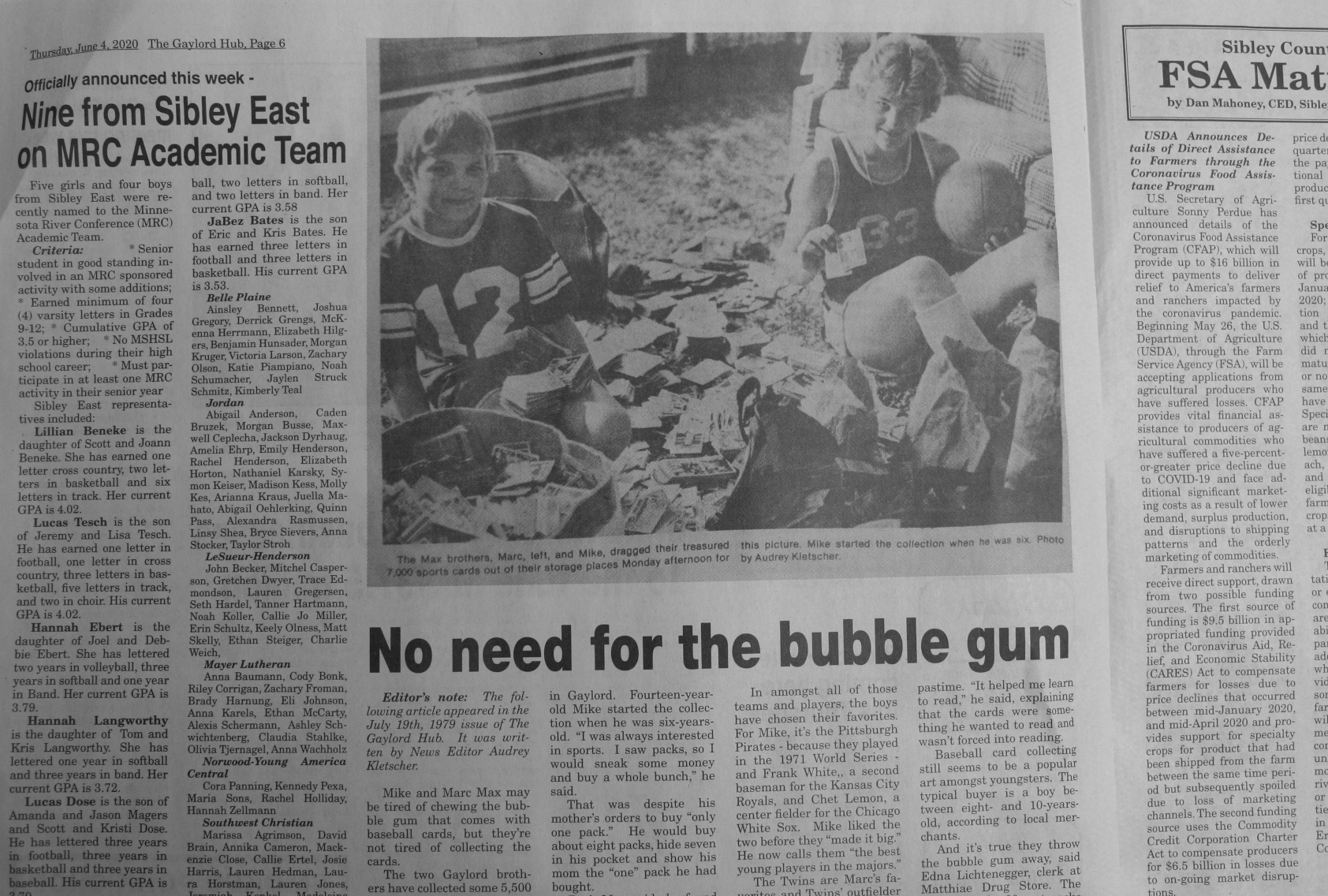
A feature I wrote in 1979 about brothers Mike and Marc Max and their collection of 7,000 sports cards was republished in the June 4, 2020, issue of The Gaylord Hub. I worked there as a newspaper reporter. Mike Max went on to become the sports director and anchor at WCCO-TV. (Minnesota Prairie Roots copyrighted file photo)

Kids have been collecting forever. Maybe not Pokemon cards, but something. Rocks. Beanie Babies. Stickers. Back in the 1960s, I collected “Lost in Space” trading cards featuring the popular sci-fi TV show. I have a few of them tucked away somewhere.
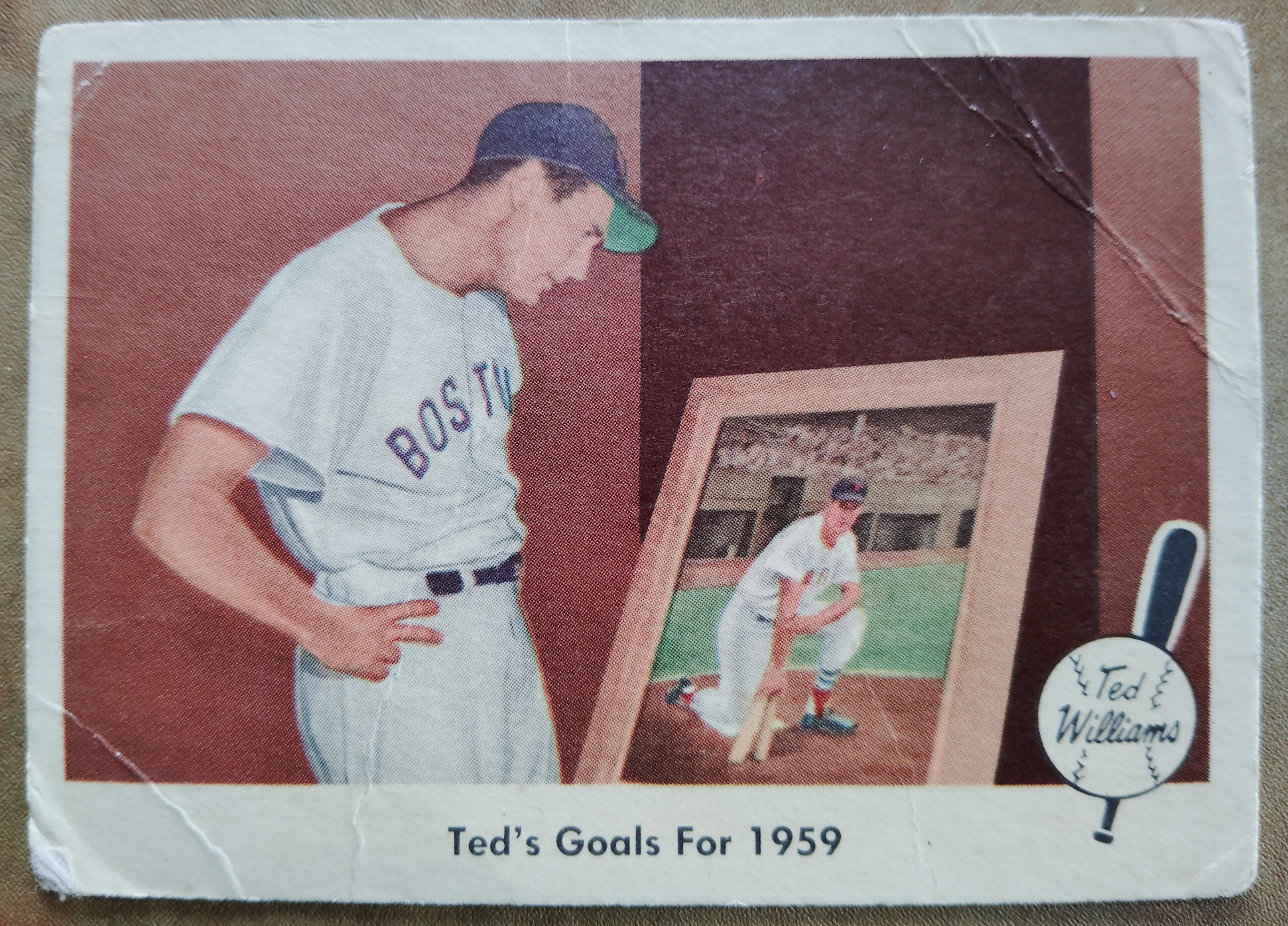
My 1959 Ted Williams baseball trading card, #80. (Minnesota Prairie Roots copyrighted photo April 2025)

My brothers, though, collected baseball trading cards, which were once packaged with bubblegum. They valued the cards more than the gum. I have a baseball card, too. A 1959 Ted Williams, card #80 of 80. He was a left fielder for the Boston Red Sox and 1966 Baseball Hall of Fame inductee. I checked its value with a top end price of $89. But with creased corners, my Williams card is nowhere near that valuable.

(Promo courtesy of The Cathedral of Our Merciful Saviour)

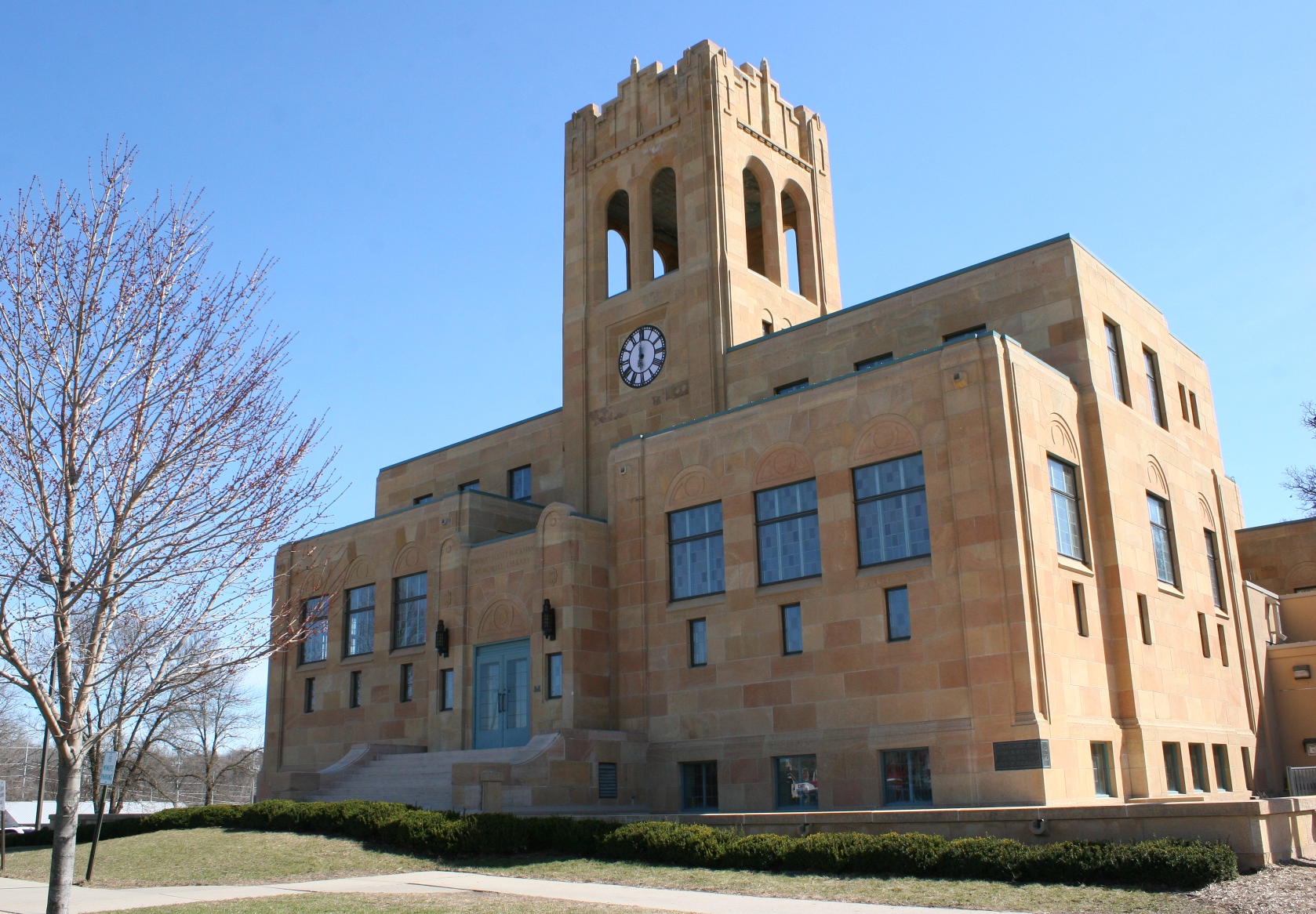
Some cards are, though. And if you’re a collector, you know. This weekend, there’s an opportunity to source sports cards and memorabilia locally at the 2nd annual Sports Card Show from 9 a.m.-4 p.m. Saturday, April 12, at the Cathedral of Our Merciful Saviour, 515 Second Ave. N.W., Faribault. The towering historic Cathedral is easy to find near downtown and across from Central Park.
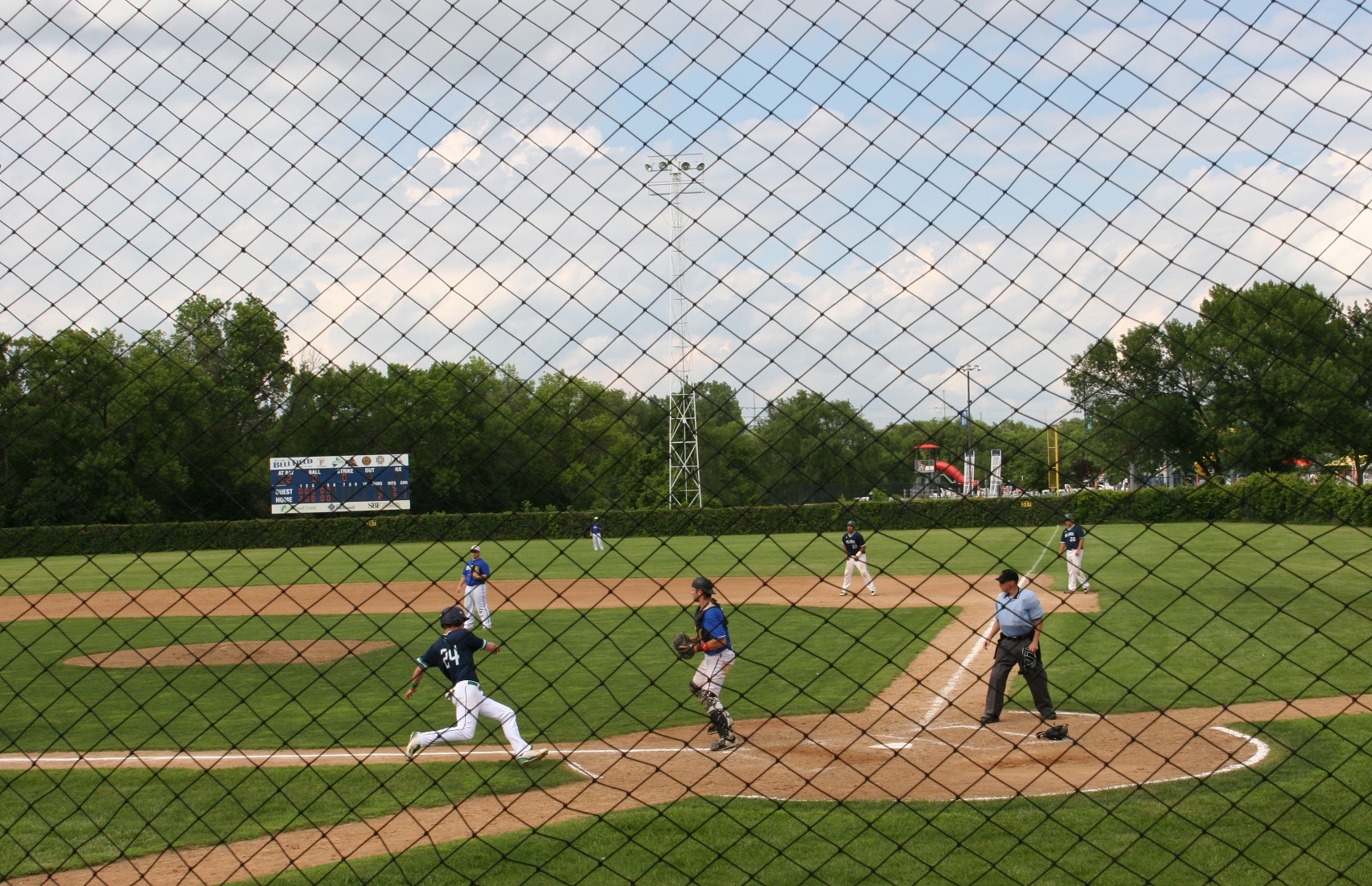
A Montgomery Mallard races toward home plate during a baseball game at Bell Field, Faribault. (Minnesota Prairie Roots copyrighted file photo)

Vendors will be setting up shop for the public to browse, trade and/or buy sports collectibles and memorabilia, according to show organizers. That’s from vintage to modern and includes autographed collectibles. I expect there to be a good turnout at the event as interest in sports and in sports merchandise remains as high as ever.

Ball and glove. (Minnesota Prairie Roots copyrighted file photo)

How well I remember my older brother, Doug, listening to Minnesota Twins games on his transistor radio back in the sixties. How well I remember playing softball in the farmyard on summer evenings after the chores were done, used disc blades serving as bases. Doug always insisted on being Harmon Killebrew or Tony Oliva. There was no arguing with him. How well I remember the play-by-play action my brothers gave of our games. How well I remember the mini wooden souvenir baseball bat that lay atop Doug’s dresser. There was no touching that collectible.
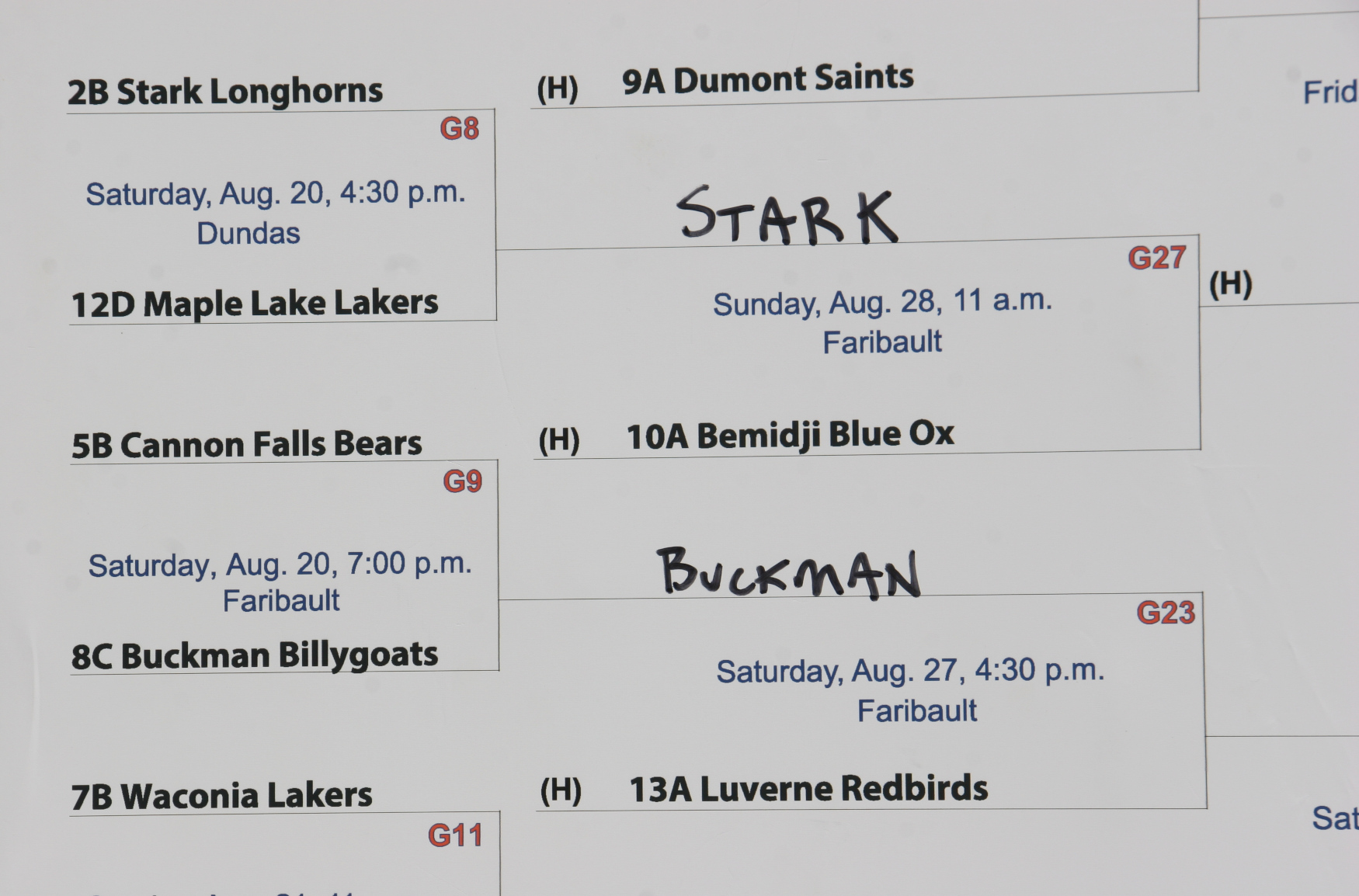
Brackets posted at Bell Field, when Faribault hosted the state amateur baseball tournament in 2022. (Minnesota Prairie Roots copyrighted file photo 2022)

All these decades later, I have minimal interest in baseball (except when my husband’s hometown ball team, the Buckman Billygoats, played in the state amateur baseball tournament). Many people, though, enjoy America’s favorite past-time and all that comes with it—like card collecting. Now, if you had a “Lost in Space” trading card, I’d be interested.

© Copyright 2025 Audrey Kletscher Helbling


In celebration of public libraries & all they offer April 9, 2025

Buckham Memorial Library, Faribault, Minnesota. (Minnesota Prairie Roots copyrighted file photo)

I LOVE LIBRARIES for the most basic reason. Books. I love to read. And, for me, Buckham Memorial Library, only blocks from my home, is my go-to source for reading materials.

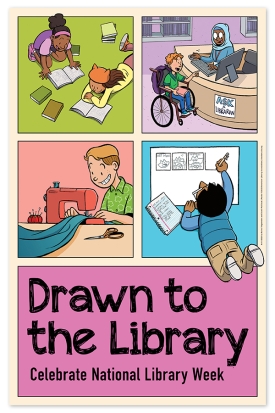
(National Library Week promo sourced online)

The week of April 6-12, National Library Week, I’ve been celebrating public libraries and all they offer. And that’s well beyond books. Libraries have evolved from a shushed setting of a stern librarian sitting behind a desk to warm and welcoming community spaces. I so appreciate the way libraries connect and grow community. I value the vast and varied services and programming they offer.

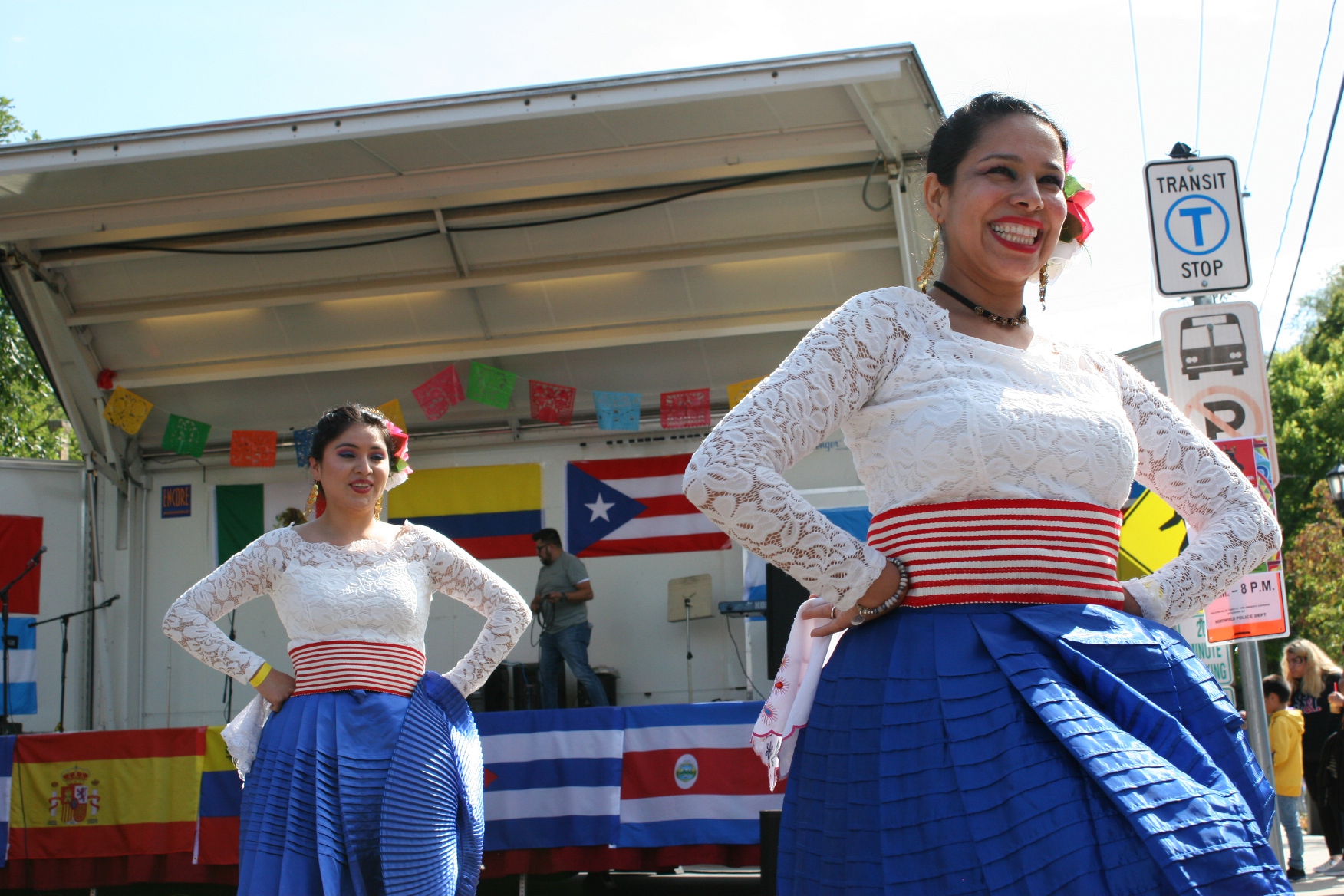
Dancers at a previous Hispanic Heritage Month event in Northfield, Minnesota. (Minnesota Prairie Roots copyrighted file photo September 2019.

Through the years, I’ve enjoyed many author talks in the Great Hall at Buckham. I’ve even participated myself in a poetry reading and a local authors event. Likewise, I’ve attended author talks at the public library in neighboring Owatonna. In Northfield, I’ve gone to a Hispanic Heritage Month celebration. I’ve checked books out from both those nearby libraries and from all over Minnesota through the inter-library loan system. Almost any book is available to me with only the click of my keyboard and mouse. You’ll even find my writing in books available at the library. That includes This Was 2020: Minnesotans Write About Pandemics and Social Justice in a Historic Year, an award-winning book published by the Ramsey County Public Library.

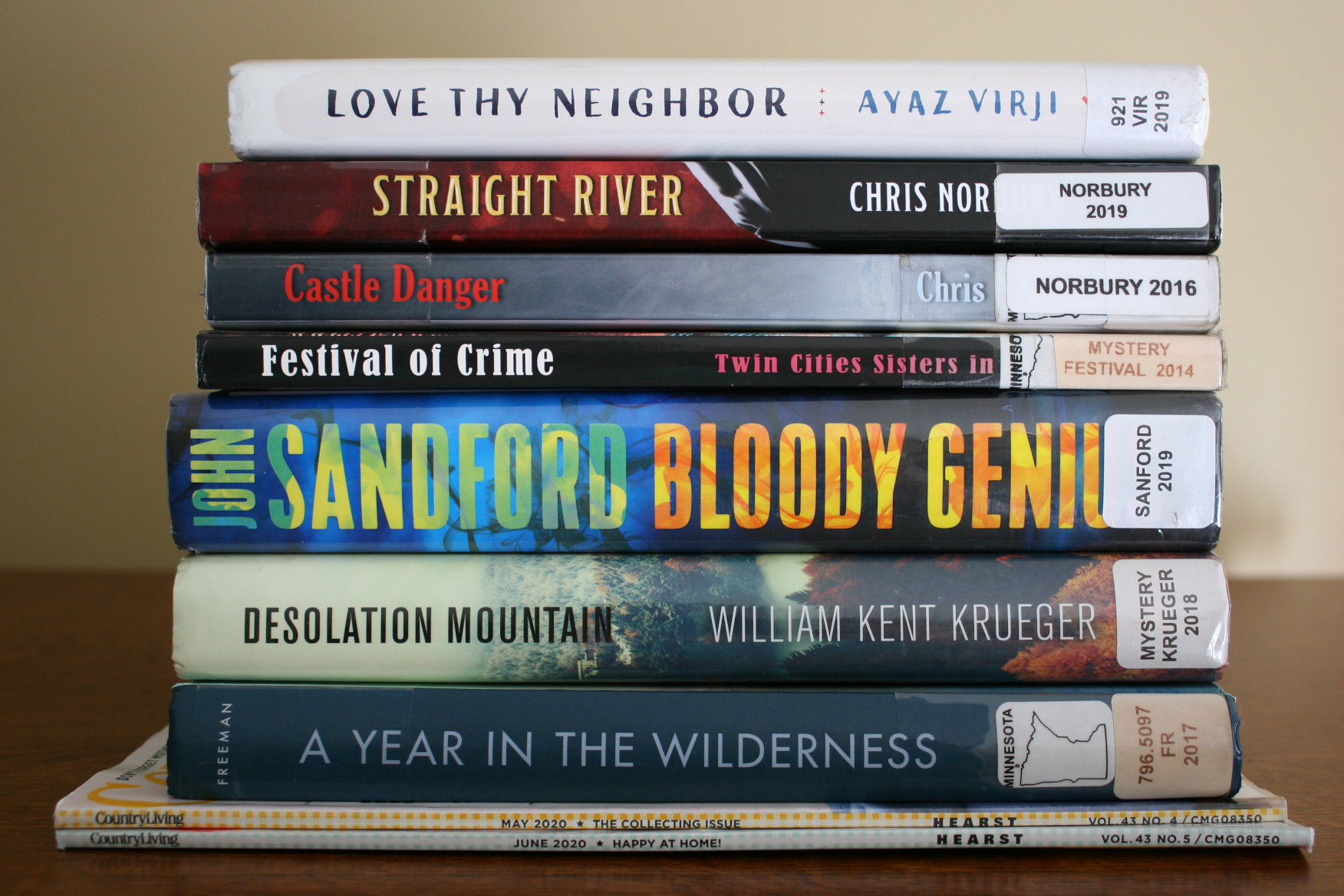
Books and magazines I checked out from the Northfield Library in the past. (Minnesota Prairie Roots copyrighted file photo)

If I didn’t have access to books through libraries, I would struggle. Many evenings I settle into the recliner and read. Reading is an escape for me and a source of information. That I have the freedom to walk into a library and choose a book is not something I take for granted. As a child, I didn’t have easy access to books given my small rural Minnesota community did not have a library. And now, as public and school libraries face book bannings and funding cuts, I hold even more dear the freedom to choose books from the shelves of a well-stocked library.

Sunflowers burst color into the library garden where flowers and vegetables are grown for the community. (Minnesota Prairie Roots copyrighted file photo)

I can also choose a whole lot more like movies and music CDs. My library also offers Adventure Kits which hold yard games, hobby-focused items (for bird watching, cake decorating, rockhounding, etc) and more. There are 3D printer labs, a Makerspace, ukulele lessons, art and gardening classes (even a community garden), a seed library, free state park passes… The list goes on and on.

This information was posted in a display at my library several years ago. (Minnesota Prairie Roots copyrighted file photo)

Libraries truly are hubs for learning, and not just from books, magazines and newspapers.

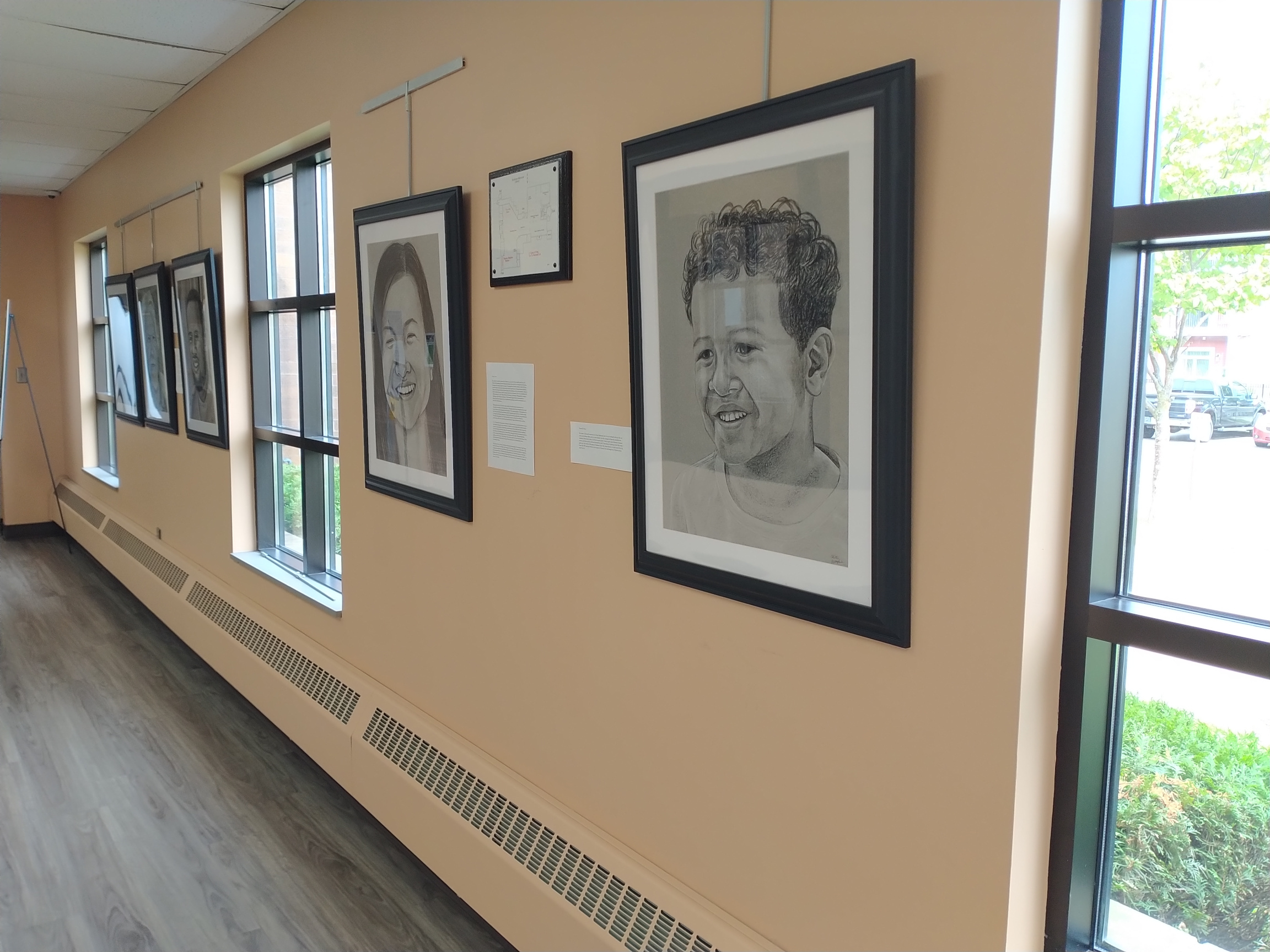
Immigrant portraits by a local artist were displayed in the library corridor. (Minnesota Prairie Roots copyrighted file photo 2023)

Occasional art exhibits in the hallway linking my library to the Faribault Community Center also teach me. Currently, the traveling exhibit “Testify: Americana Slavery to Today” spans that space. It’s an informative and emotion-evoking panel display of photos and information that left me deeply touched and near tears. In the past, I’ve viewed portraits of immigrants and second-generation immigrants by local artist Kate Langlais as part of her “I Am Minnesota” project. Creating an art gallery in a corridor that would otherwise serve as simply a functional connector between two buildings seems a wise use of space.

My poem, “Funeral during a Pandemic,” is published in this book available for check out at my local library and other Minnesota libraries. (Minnesota Prairie Roots copyrighted file photo)

Libraries truly are about connecting. Connecting us to stories, knowledge, information and ideas. Connecting us to each other. Young parents gather in libraries for storytime. Youth meet in my library for pizza and book discussions. The library brings music and other entertainment to the community for kids. Years ago, my son learned to yo-yo from Dazzling Dave, a national yo-yo master. Dave is still teaching Faribault kids to yo-yo during summertime library programming.

The best book I’ve ever read on the craft of writing. It’s the only Stephen King book I’ve ever read because I don’t like his genre of books. (Book cover sourced online)

My son, who now works in software research and development, taught himself to code by checking out thick books on coding from the library. And that was in junior high. I’ve checked out books on writing and photography to grow my skills. But mostly, simply reading improves my writing.

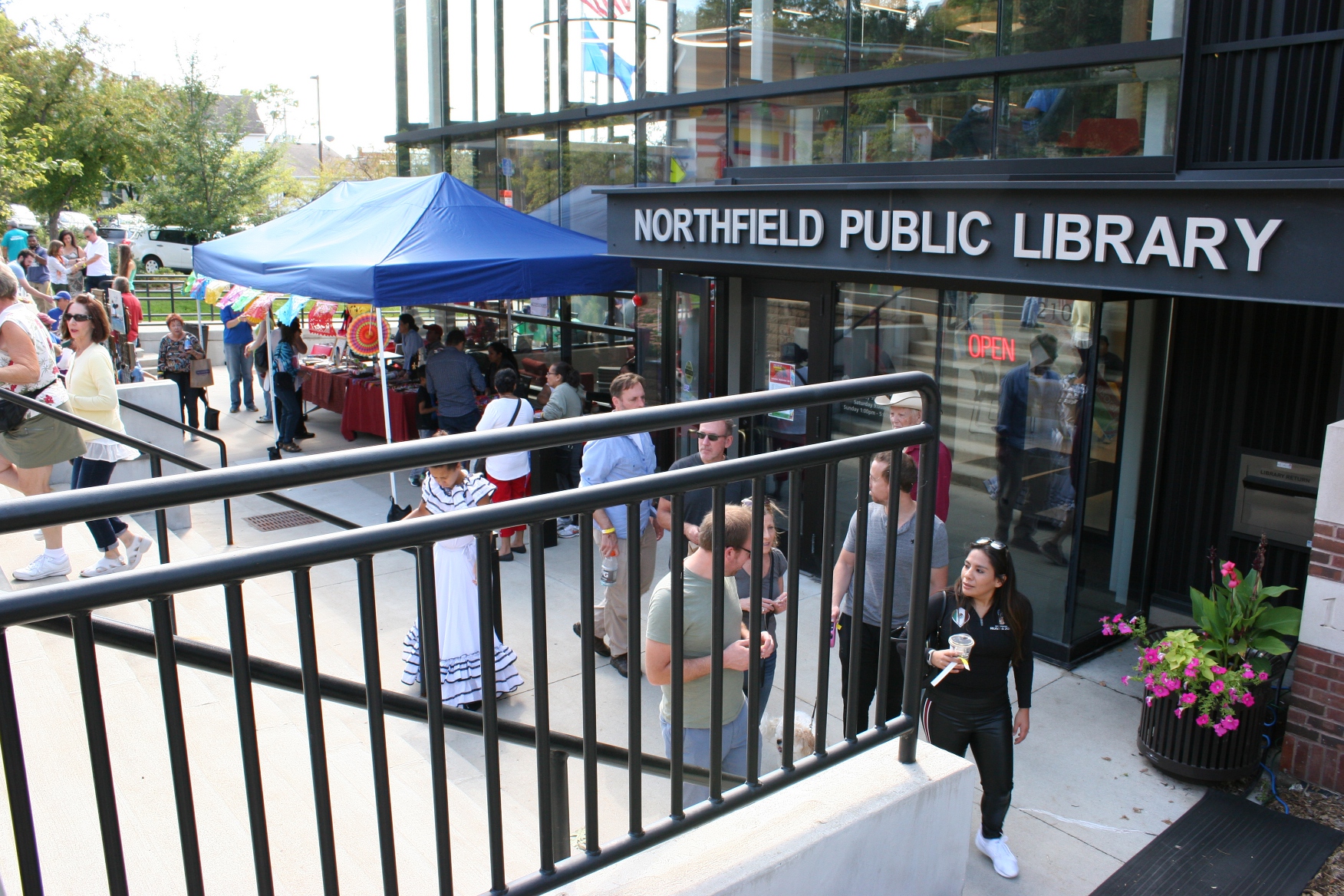
Outside the Northfield Public Library during a past Hispanic Heritage Month celebration. (Minnesota Prairie Roots copyrighted file photo)

I could go on and on about how much libraries offer and how much I value, appreciate and love them. So much draws me to the library. “Drawn to the Library” themes National Library Week. Whether the library in my community or one in a nearby city or a Little Free Library in a front yard, libraries are vital to our communities, to our country, and to me personally. They are an open and (mostly) uncensored place to access knowledge, to widen our world, to connect and grow community.

© Copyright 2025 Audrey Kletscher Helbling
 

A tribute to internationally-known Minnesota wildlife photographer Jim Brandenburg April 8, 2025

A bison photo by Jim Brandenburg hangs to the left and the photographer talks about his work in a video, right, inside the Brandenburg Gallery. (Minnesota Prairie Roots copyrighted file photo 2013)

IN MY EYES, he was Minnesota’s best-known photographer. Exceptionally talented. No one even comes close to matching the wildlife and nature photography of Jim Brandenburg. He died April 4 at the age of 79. Not only has Minnesota lost a creative icon, but so has the world. Brandenburg’s prolific work was featured in National Geographic Magazine, earning him the publication’s coveted Lifetime Achievement Award in 2023. His award-winning photos were widely-published internationally. He also published numerous books featuring collections of his photos.

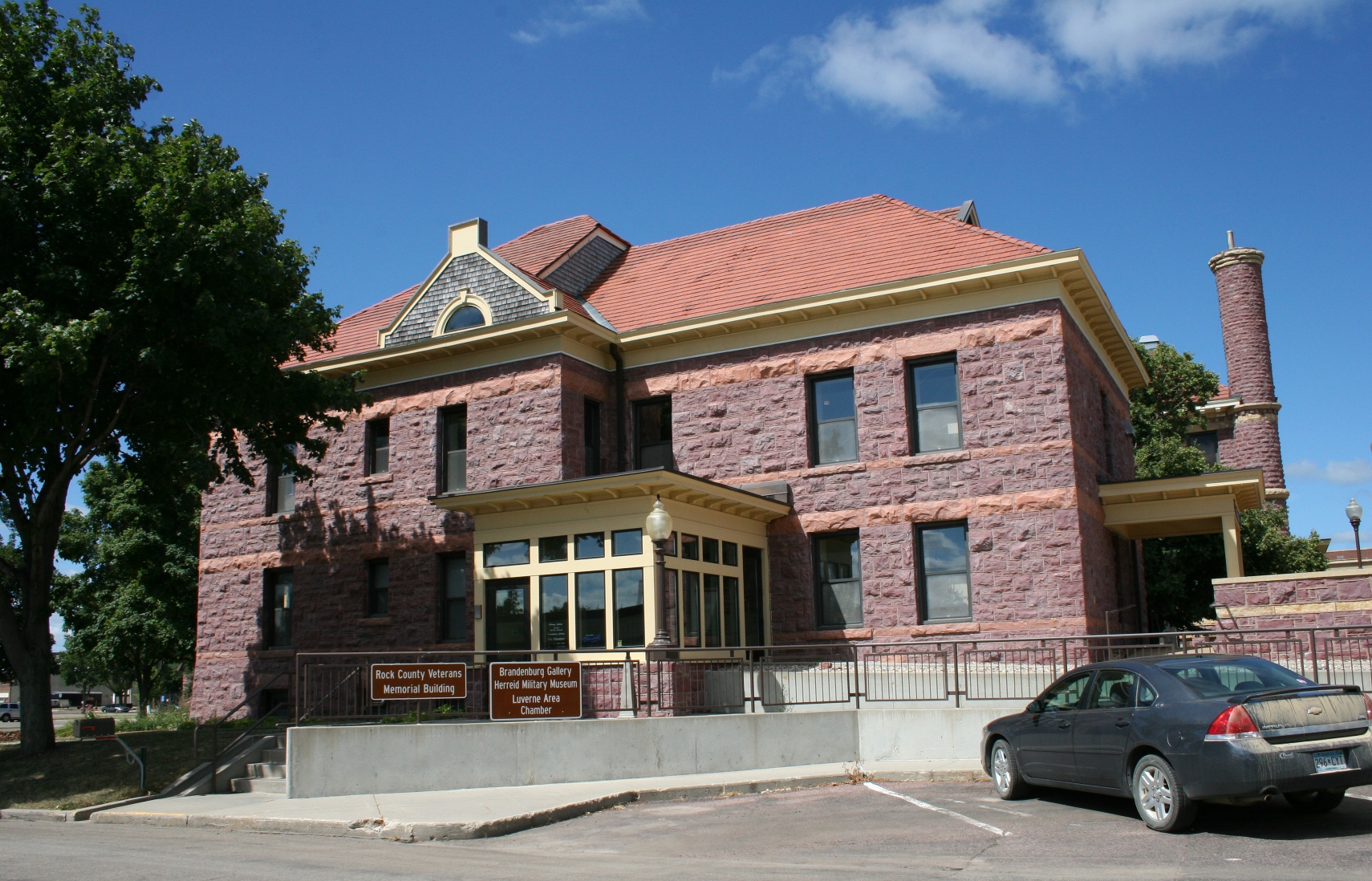
The entry to the Brandenburg Gallery, located in the Rock County Courthouse square. (Minnesota Prairie Roots copyrighted file photo 2013)

But there is perhaps one lesser-known place where Brandenburg’s images can be found. And that’s in the Brandenburg Gallery inside the historic Rock County Courthouse in his hometown of Luverne. That’s in the extreme southwestern corner of Minnesota. The prairie. My prairie.

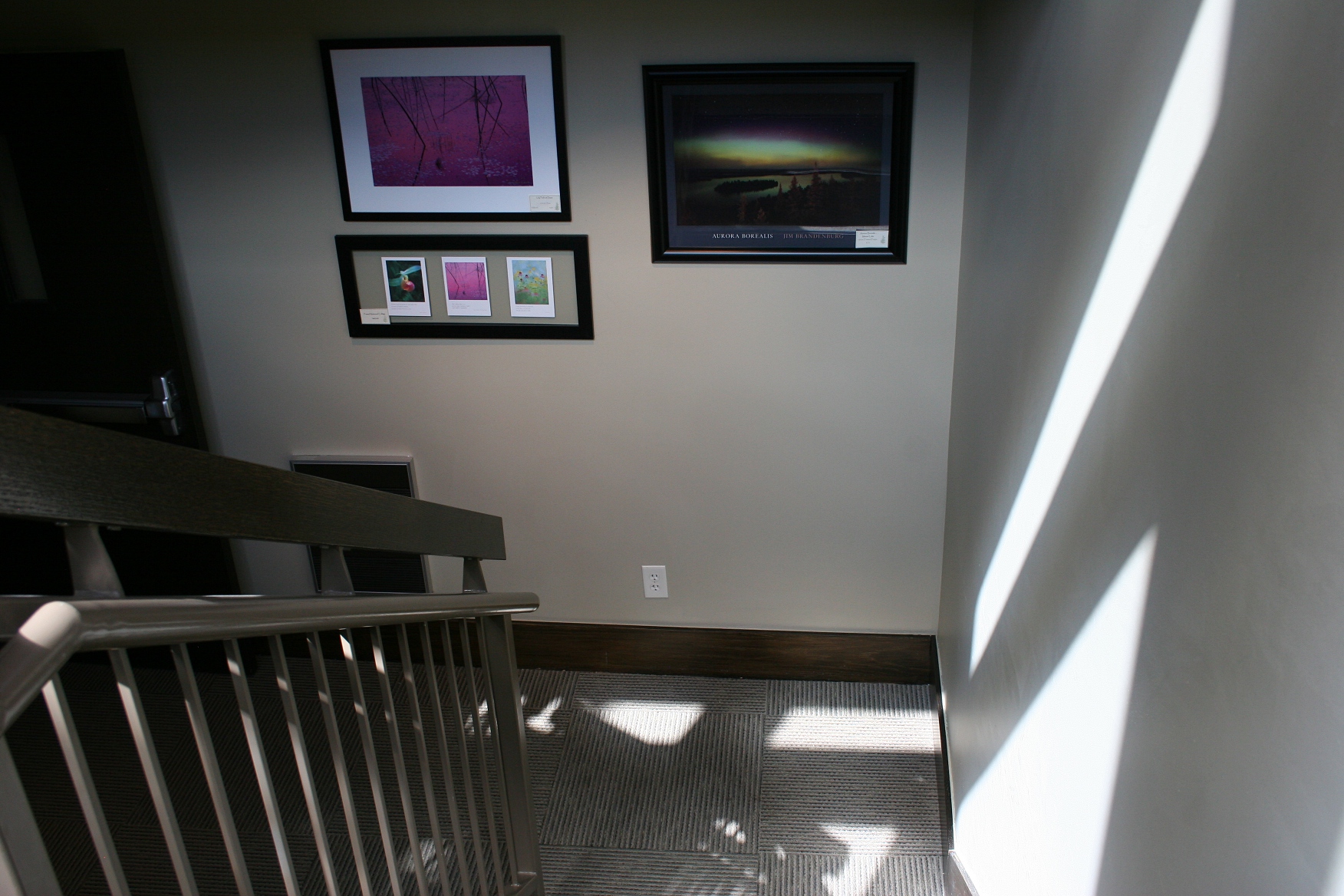
Light plays upon walls, floors and Brandenburg photos in a stairway display. (Minnesota Prairie Roots copyrighted file photo 2013)

Eleven years ago I toured that gallery, studying and enjoying a sampling of Brandenburg’s images. Many in this collection are prairie-themed. Because I’m a photographer, I viewed his photos with a more focused perspective, noticing angles, light, background and all the components which come together in creating an outstanding image.

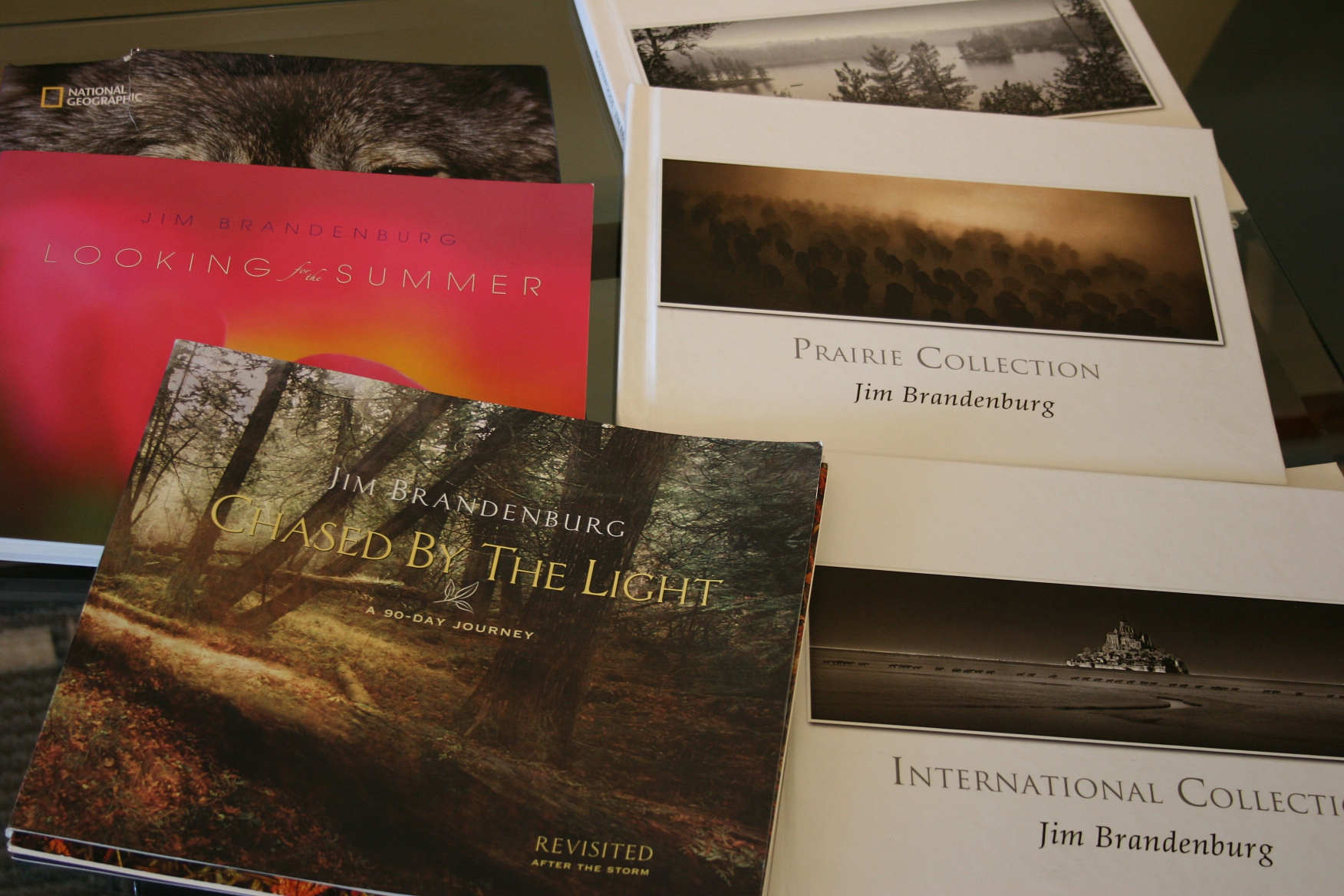
Some of Brandenburg’s photo books. (Minnesota Prairie Roots copyrighted file photo 2013)

Every photographer understands that light is the very basic element to consider in shooting photos. Brandenburg challenged himself to take a single picture per day between the autumnal equinox and the winter solstice. The result is his collection of photos, Chased by the Light: A 90-Day Journey, a favorite of mine among his books.

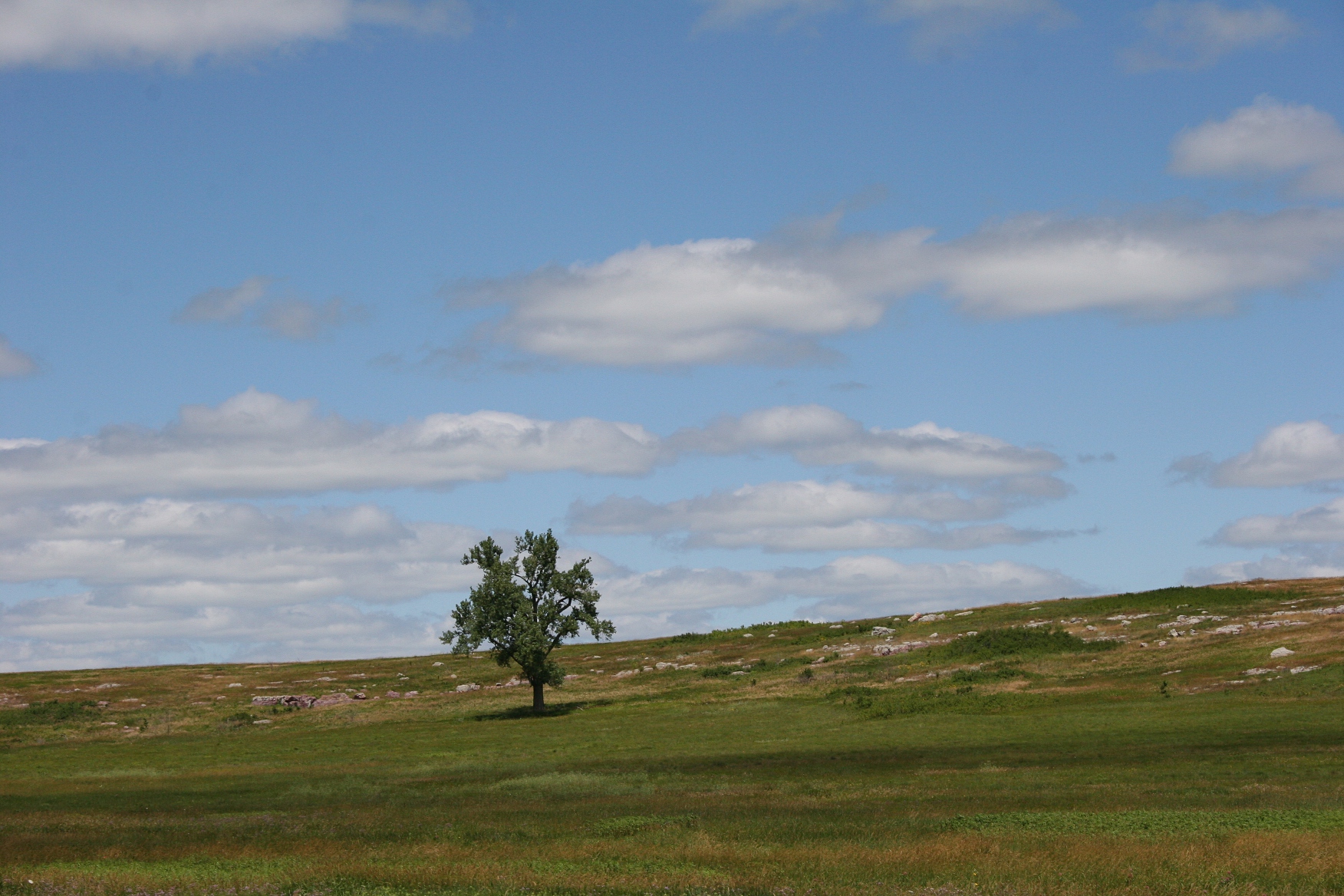
Beautiful natural scenery on the prairie near Blue Mounds State Park. The part of the prairie where I grew up is not rocky like this and is a bit further north. (Minnesota Prairie Roots copyrighted file photo 2013)

When I traveled to Luverne in 2013 to visit the Brandenburg Gallery and other attractions, including Blue Mounds State Park, I was returning to the wide open land and big skies of the prairie, the place that shaped me as a person, photographer and writer. The same can be said for Brandenburg. He loved the prairie and, in fact, established the Brandenburg Prairie Foundation aimed at southwest Minnesota native prairie education, preservation and expansion. His organization partnered with the U.S. Fish and Wildlife Service to purchase nearly 1,000 acres of untilled Rock County prairie, creating Touch the Sky Northern Tallgrass Prairie National Wildlife Refuge.

Those environmental efforts are revealing. Brandenburg cared deeply about the land, especially the prairie. After college, he returned to the prairie and worked as a picture editor at The Worthington Daily Globe. While there, he freelanced for National Geographic Magazine. And so his career developed until he became that homegrown photographer whose work so many worldwide grew to appreciate and love.

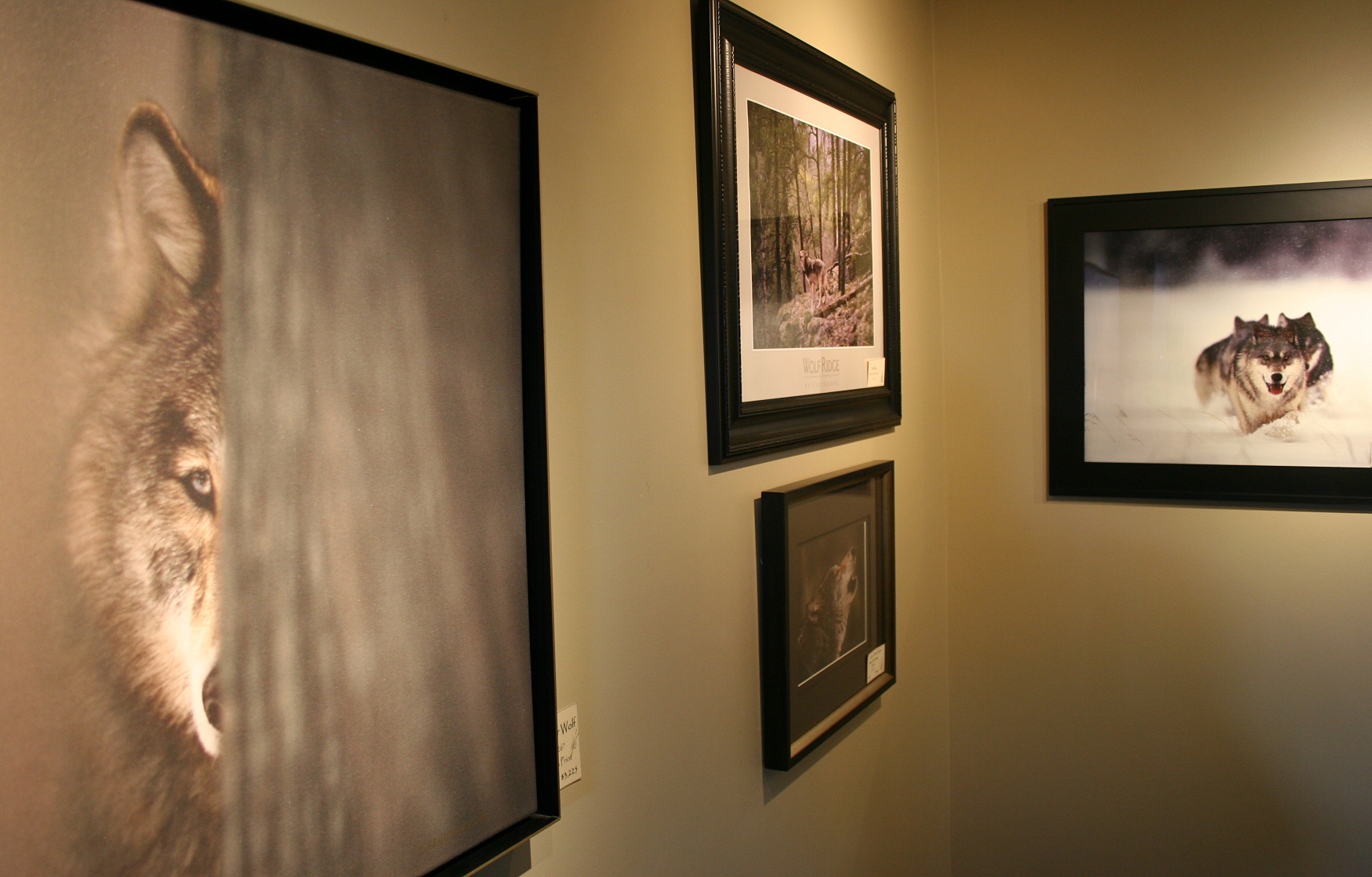
Wolf photos displayed in the Brandenberg Gallery. Brandenburg’s published books include Brother Wolf–A Forgotten Promise. (Minnesota Prairie Roots copyrighted file photo 2013)

I admire photographers who excel in the craft. And Brandenburg certainly excels in wildlife photography, a specialized field that requires much more than understanding photo basics. Photographing wildlife requires incredible patience and knowledge of animals. I have neither. But when you look at a Brandenburg photo, it’s like you are right there up close with the subject. Perhaps a wolf—one of his favorite subjects. Or bison. You can see the deep respect Brandenburg holds for these creatures of the wild.

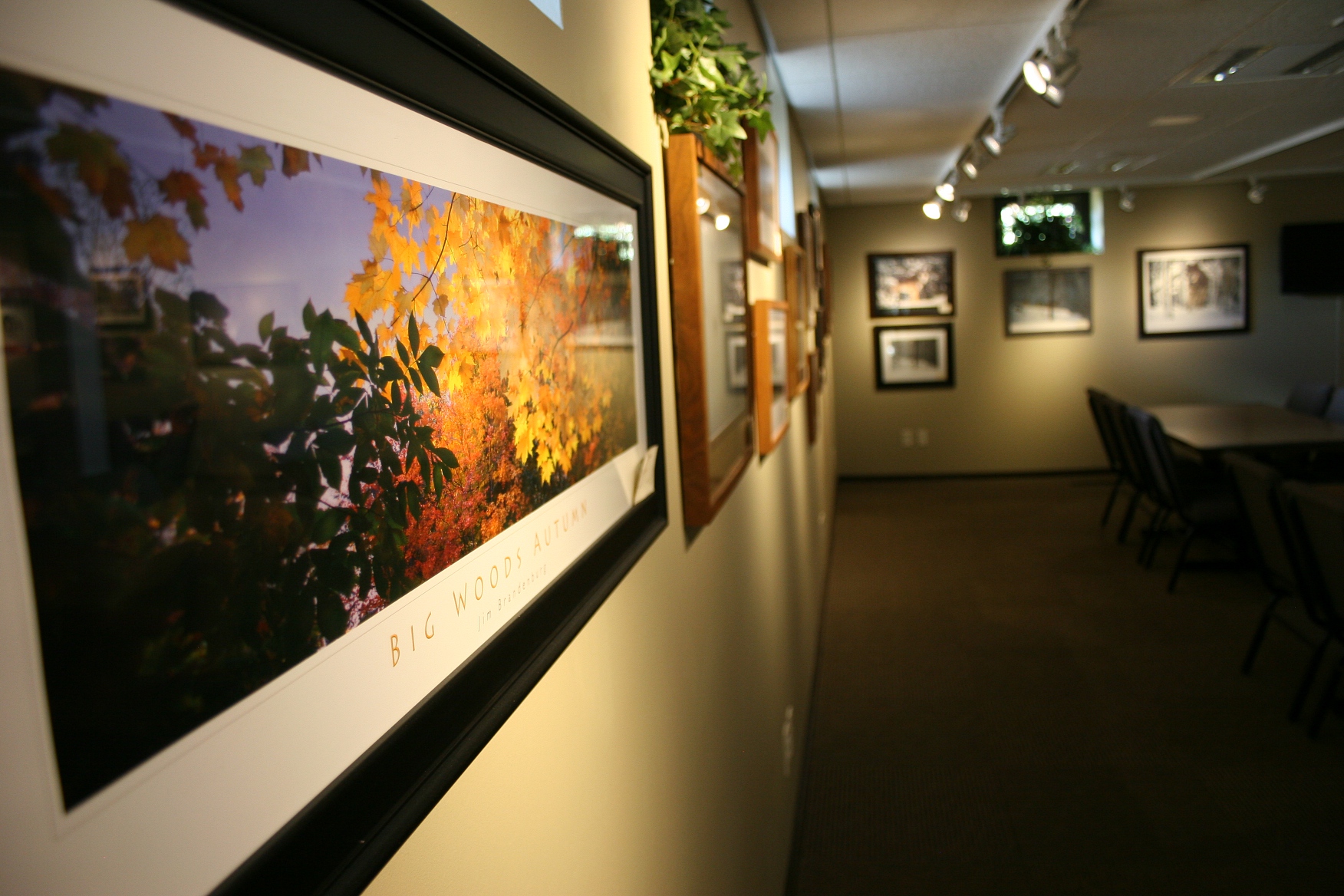
A familiar scene to me, autumn leaves photographed in the Big Woods of Minnesota, within 20 miles of my home and showcased in the Brandenburg Gallery. (Minnesota Prairie Roots copyrighted file photo 2013)

And then there’s landscape photography which, when done well, draws you into a scene and evokes an emotional response. Again, Brandenburg has this seemingly effortless ability to capture the essence of a place and connect it to his audience.

Minnesota has lost an incredibly gifted photographer. But Brandenburg’s legacy lives on in his work, a gift to all of us. And one place to find that is in the Brandenburg Gallery in Luverne. On my beloved prairie. On Brandenburg’s beloved prairie.

FYI: The Brandenburg Gallery, 213 E. Luverne St., is owned and operated by the Luverne Area Chamber of Commerce. It’s open from 8 a.m.-5 p.m. Monday-Friday and from 10 a.m.-5 p.m. Saturday. Admission is free. All photos featured in this post were taken with permission of the Brandenburg Gallery in 2013.

© Copyright 2025 Audrey Kletscher Helbling
 

Voices rise, past & present in Minnesota April 7, 2025

Corn rows emerge in a field near Delhi in my native southwestern Minnesota prairie. (Minnesota Prairie Roots copyrighted file photo)

I COME FROM A LONG LINE of engaged citizenry rooted in the rich dark soil of the southwestern Minnesota prairie. On that land, generations of my family used their voices and skills to create change, to make the place they called home a better place. My paternal great grandfather, Rudolph, started that engagement by helping found a Lutheran church in my hometown. Pre-building, congregants met in his farmhouse.

My grandfather, Henry Kletscher, served as school board clerk when Vesta Elementary School was built in the late 1950s. I attended school here. (Vintage photo from my collection)

From that church to school boards to county boards, from elementary schools to high schools to college campuses and more, countless family members have served and continue to serve others by representing them, crafting policies, improving lives. I am proud of that legacy.

Now you might ask, what about you, Audrey? I, too, have served, but in a different capacity. I’ve never held a desire to lead, to run for elected office or even sit on a board. Rather, I’ve observed, used the written word to inform others. During my years working as a newspaper reporter, I covered endless county board, city council, planning and zoning board, school board, caucuses and other meetings. I learned a lot about how government does and doesn’t work during those many hours of scribbling notes, gathering quotes, writing news stories. I learned, too, that individual voices matter and are heard. And I shared that in my unbiased, balanced reporting.

Today I craft writing that is not straight news reporting, because I am no longer a newspaper reporter. Rather, my writing is personal and sometimes opinionated. My voice matters…as much as anyone’s.

An opinion piece I wrote in 1974 for my high school newspaper. (Minnesota Prairie Roots copyrighted photo April 2025)

While coming of age near the end of the Vietnam war, I began writing angsty poetry about the war. I purchased and wore a POW bracelet, a thick silver band that wrapped around my wrist. It was engraved with the name of an American soldier held as a prisoner of war. I also wrote the occasional opinion piece for my high school paper. Not about the war, but on other topics.

Dad farmed, in the early years with a John Deere and Farmall and IH tractors and later with a Ford. (Photo by Lanae Kletscher Feser)
A photo of my dad, Elvern Kletscher, taken in 1980. (Photo from my collection)

It was my dad, a dairy and crop farmer, who inspired me to voice my thoughts in the May 24, 1974, issue of my school paper, Rabbit Tracks. In an opinion piece titled “Farmers Develop Backbone of America,” teenage me wrote about low farm prices and how farmers were struggling to survive. I had witnessed my dad dumping milk down the drain during a nationwide protest by the National Farmers Organization. All these decades later, I more fully understand how difficult that must have been for Dad. He depended on income from milk sales to provide for our family. But he sacrificed and let his voice be heard in that NFO protest.

Spring planting in Minnesota will soon be underway. (Minnesota Prairie Roots copyrighted file photo)

Sunday evening I listened to another farmer voice his thoughts, this time in the open mic part of a Town Hall meeting attended by hundreds in nearby Owatonna. He drove from Janesville to share concerns about how tariffs will negatively affect his farming operation via market loss, dropping crop prices and rising costs for everything from tractor parts to fertilizer and fuel. This farmer of 60-plus years pleaded with his Congressman, Representative Brad Finstad (a fourth-generation farmer who was invited but did not attend), to listen and to do something. It was a powerful and particularly emotional delivery.

This was one of the many signs displayed at the Sunday Town Hall in Owatonna. Organizers rightly guessed that Congressman Brad Finstad would not attend. He was also invited to a recent Town Hall in Faribault, but did not show. (Minnesota Prairie Roots copyrighted photo April 2025)

Emotions are running high right now across this country. I cannot imagine anyone who would disagree with that. We may disagree on policies, decisions and leaders. But we still—as of this writing—have a voice, even as efforts to suppress our voices continue. We can protest, like my 82-year-old uncle did on Saturday at the Minnesota State Capitol. We can attend town halls to learn, to speak, to let our voices be heard. We can contact our elected officials via phone and/or email and tell them what we think. We can engage. We can vote.

(Minnesota Prairie Roots copyrighted file photo)

A long line of speakers and attendees of all ages addressed numerous topics from veterans’ issues to education to housing to healthcare to democracy and more at the Sunday Town Hall in respectful conversation. The common threads weaving through the event were a deep concern for what is happening in our country and to assure our voices are heard.

The beginning of Mary’s letter to the editor, penned in 1974 for Rabbit Tracks. The headline is so fitting for 2025. (Minnesota Prairie Roots copyrighted photo April 2025)

I leave you with this opinion piece published in the October 15, 1974, issue of my high school newspaper. An 11th grader wrote about posters she created and which students were defacing. Here’s Mary’s closing sentence in a letter to the editor titled “Keep Hands, Pens Off”: A lot of time and effort has been put into these signs and the least you can do is keep your hands off of them. If everyone is so anxious to write something on the wall, make your own posters. How applicable those words are to today.

#

NOTE: I welcome respectful conversation here. That said, I moderate all comments on this, my personal blog, and make the final decision on publishing comments.

© Copyright 2025 Audrey Kletscher Helbling
 

Celebrating poetry during April, National Poetry Month April 3, 2025

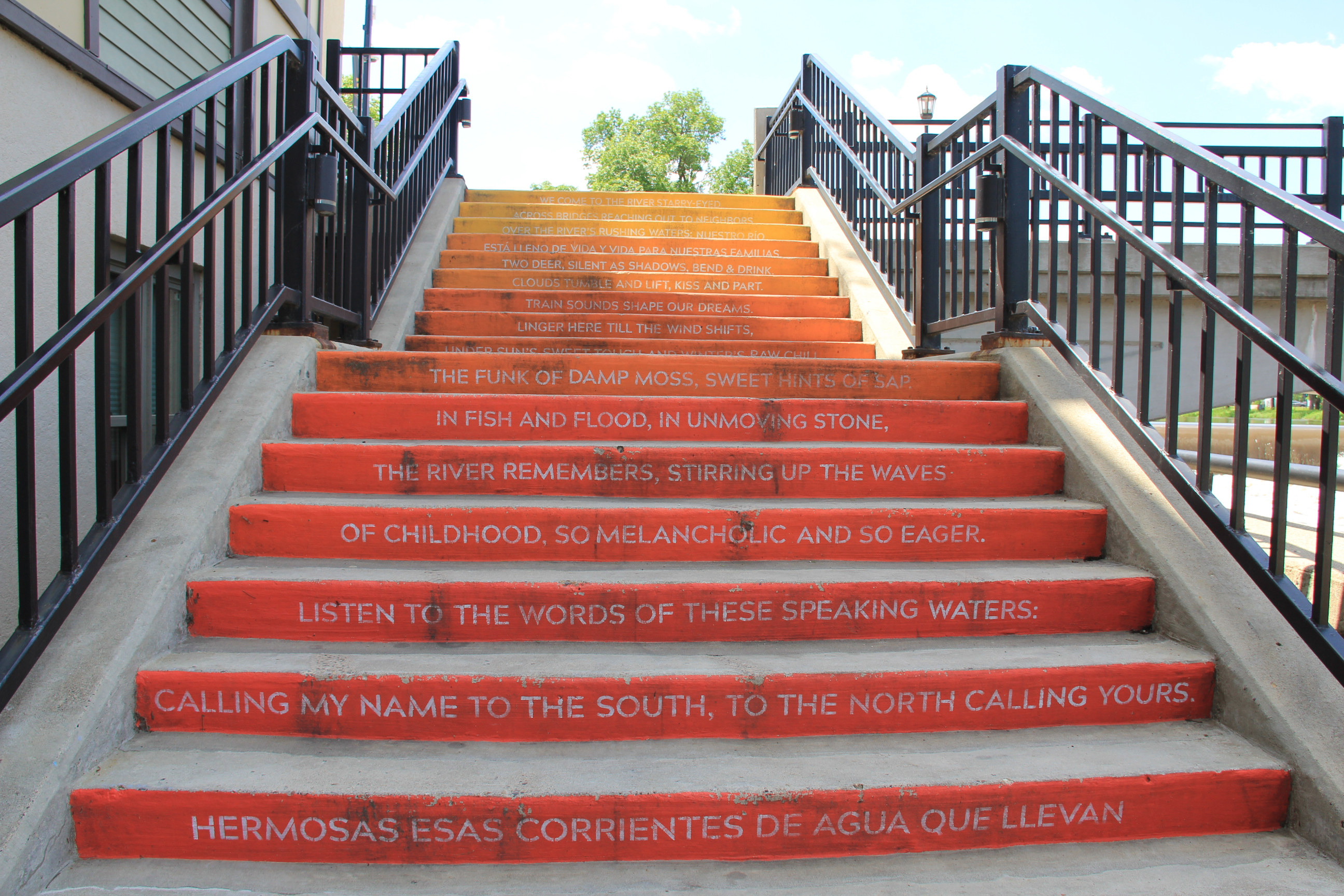
The Riverwalk Steps Poem alongside the Cannon River in the heart of downtown Northfield. (Minnesota Prairie Roots copyrighted file photo)

I FEEL FORTUNATE to live in an area of Minnesota which values poetry. Some 20 minutes away in Northfield, poems imprint upon concrete throughout the city as part of the long-time Sidewalk Poetry Project. Along the Riverwalk, a poem descends steps. In the public library, a poem graces the atrium.

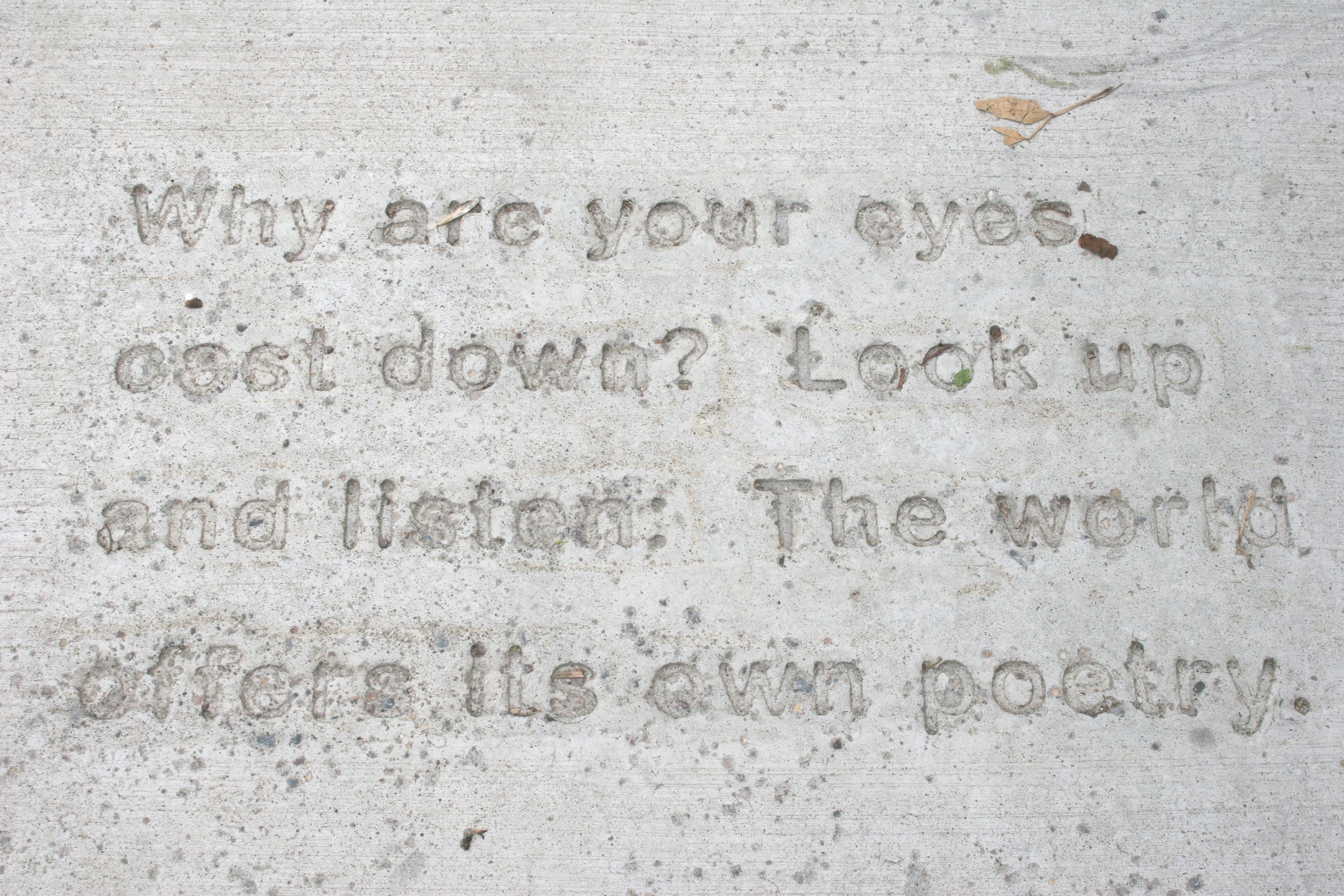
Sidewalk poetry in downtown Northfield carries a powerful message. (Minnesota Prairie Roots copyrighted file photo)

But that’s not all in Northfield. This city of some 21,000 has a poet laureate, currently Russ Boyington, who fosters poetry, organizes and publicizes poetry events, and leads an especially active community of wordsmiths. These are published poets, serious about the craft.

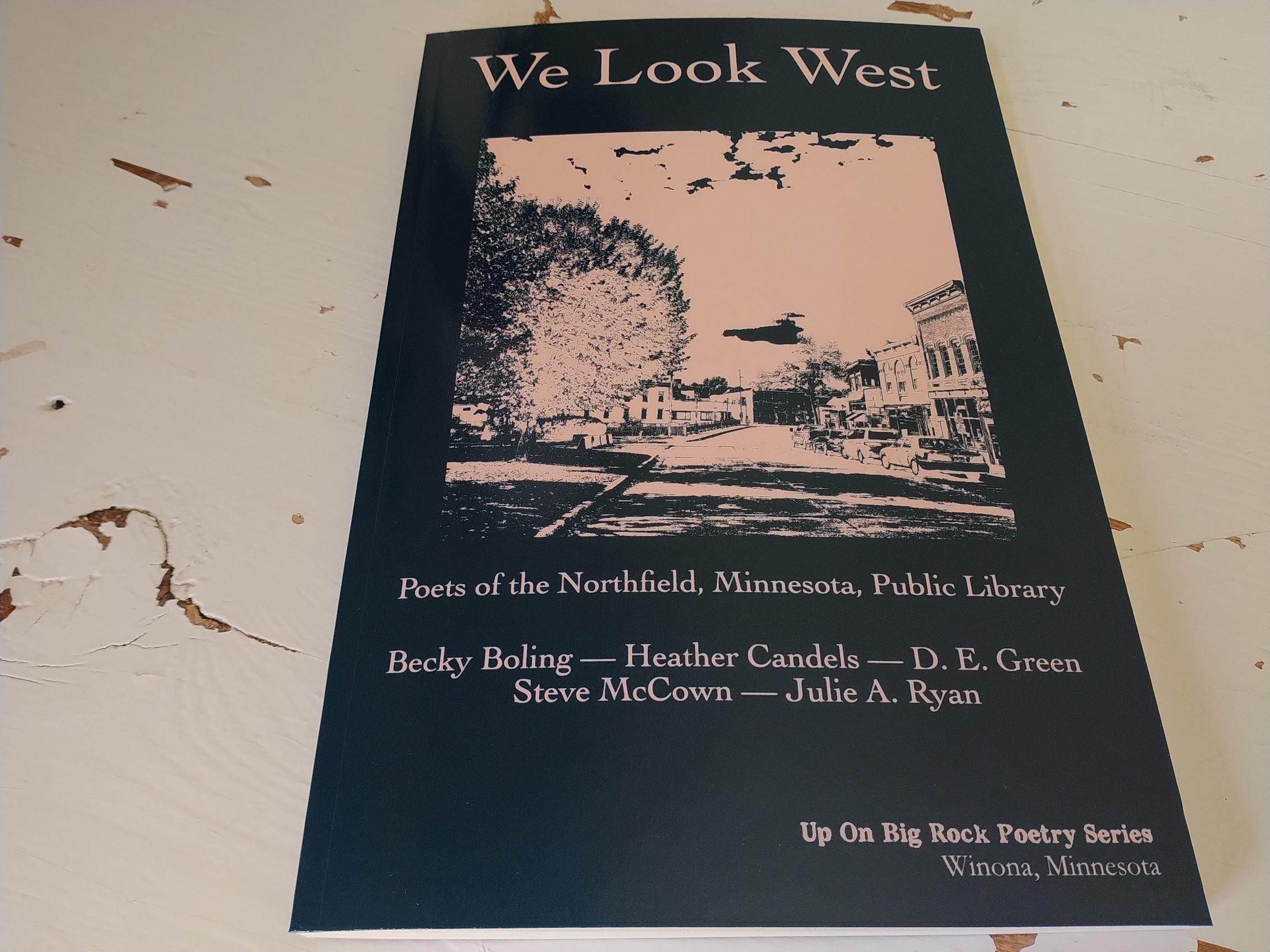
This anthology published in 2024. (Minnesota Prairie Roots copyrighted file photo)

Five seasoned Northfield poets recently collaborated to publish a collection of their work in We Look West. Even if you think you don’t like poetry, you will find something in this anthology which resonates. These poets take the reader through the seasons of life with humorous, sad, nostalgic, reflective and introspective poems. This anthology is especially fitting for anyone closer to the sunset, than the sunrise, of life.

A serene country scene just north of Lamberton in southern Redwood County on the southwestern Minnesota prairie. (Minnesota Prairie Roots copyrighted file photo)

April, National Poetry Month, marks a time to celebrate poets like those in Northfield and beyond. In my own community of Faribault, we have an especially gifted poet, Larry Gavin, a retired high school English teacher and writer. He’s published five collections of his work. Larry writes with a strong sense of place, his poems reflective of his love of nature, of the outdoors. A deep love of the prairie—he attended college, then lived and worked for a while in my native southwestern Minnesota—connects me to this remarkable poet. Plus, Larry has the rich voice of a poet, which makes listening to him read his poems aloud an immersive, joyful experience.

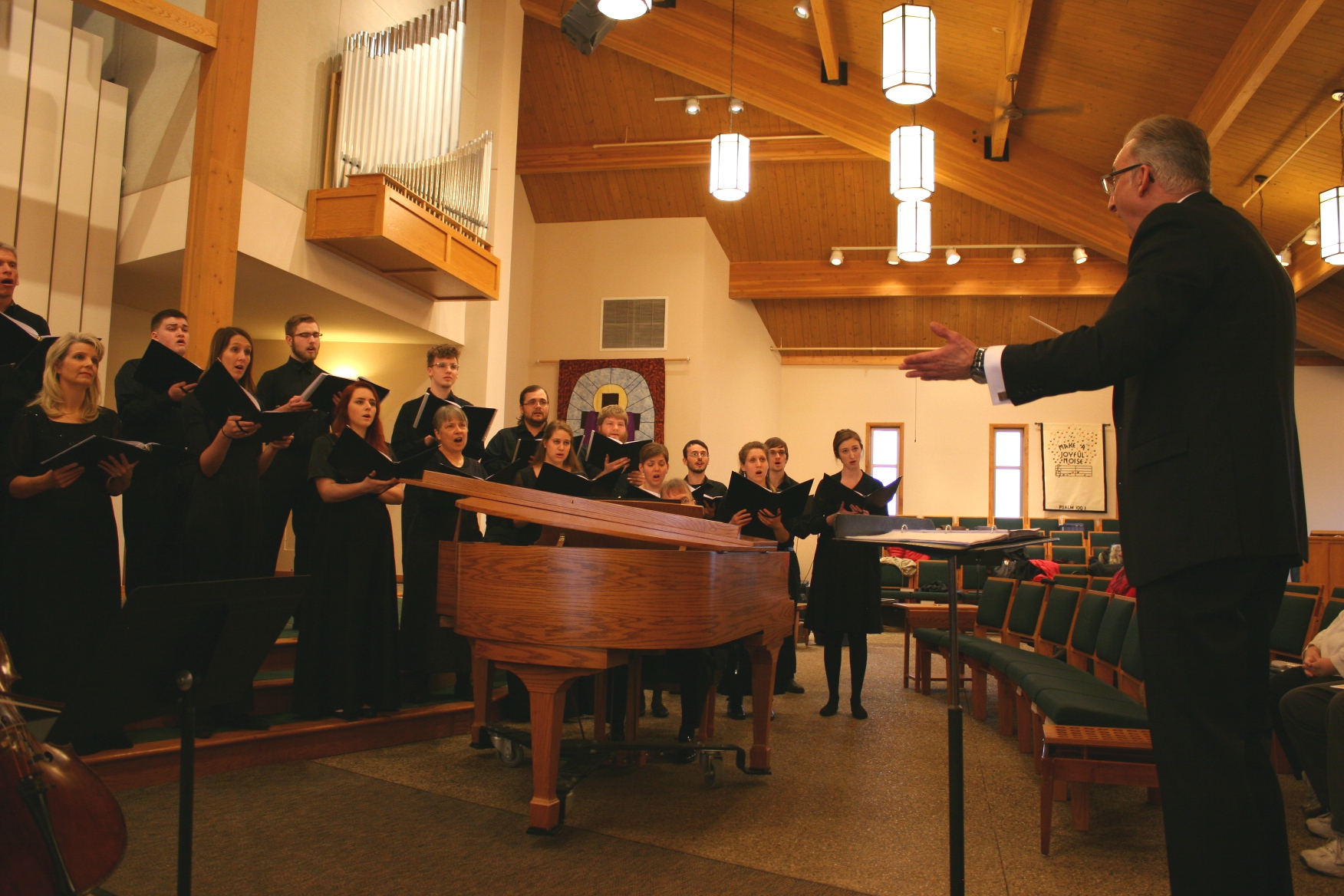
A chamber choir, directed by composer David Kassler, performs artsongs written from poems in 2017, mine included. (Minnesota Prairie Roots copyrighted file photo)

I, too, write poetry and am a widely-published poet, although certainly not as much as many other Minnesota poets. From anthologies to a museum, from the Mankato Poetry Walk & Ride to poet-artist collaborations, billboards and more, my poems have been out there in the public sector. Perhaps the most memorable moment came when a chamber choir performed my poem, “The Farmer’s Song,” during two concerts in Rochester in 2017. David Kassler composed the music for the artsongs.

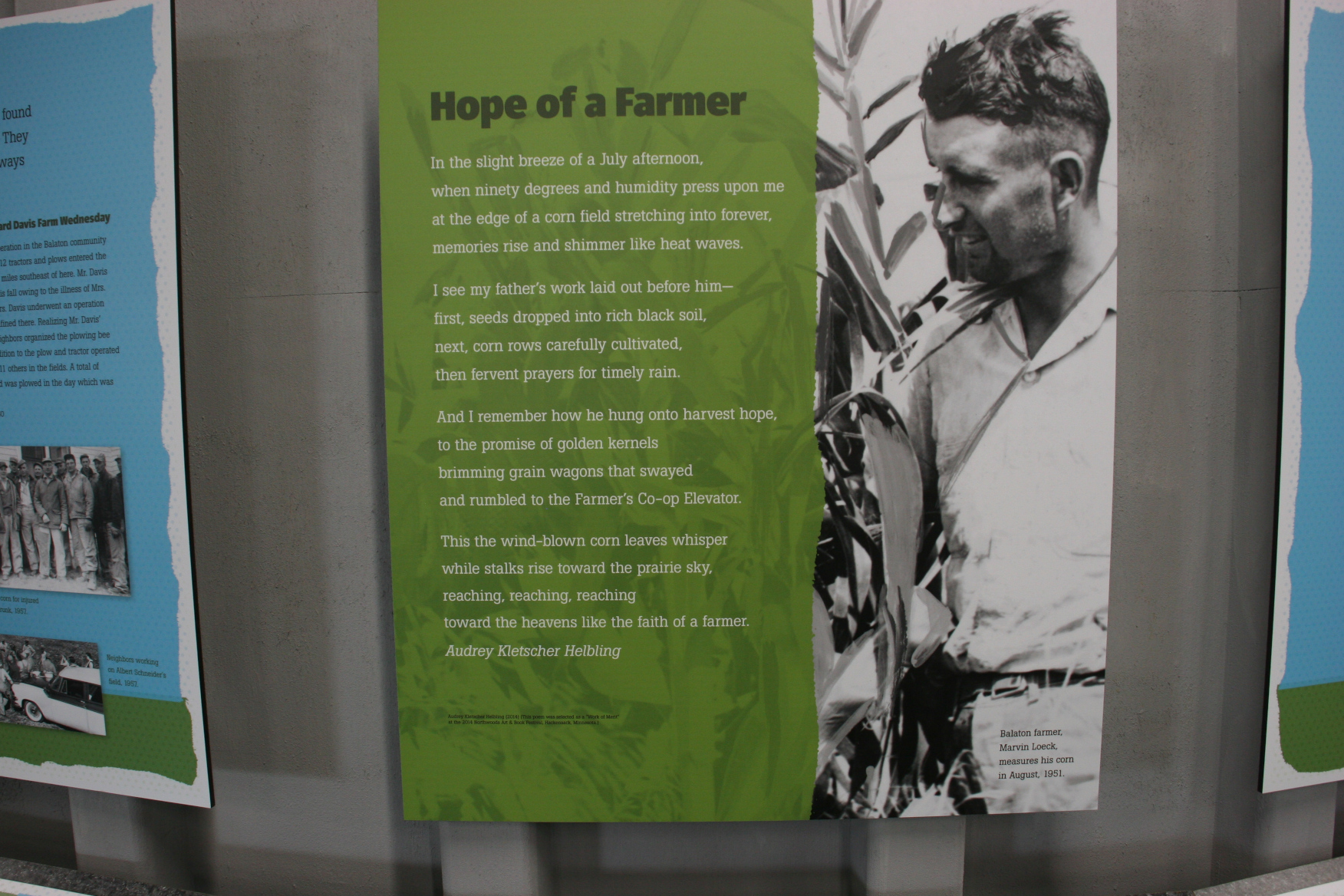
Two of my rural-themed poems are included in an exhibit, “Making Lyon County Home,” at the Lyon County Historical Society Museum in Marshall. (Minnesota Prairie Roots copyrighted file photo)

Poetry has, I think, often gotten a bad rap for being stuffy, difficult, too intellectual and unrelatable. And perhaps it was all of those at one time. Butt that’s not my poetry. And that’s not the poetry of Larry Gavin or of the five We Look West Northfield poets or most poets today. The poetry I read, write and appreciate is absolutely understandable, rich in imagery and rhythm, down-to-earth connective.

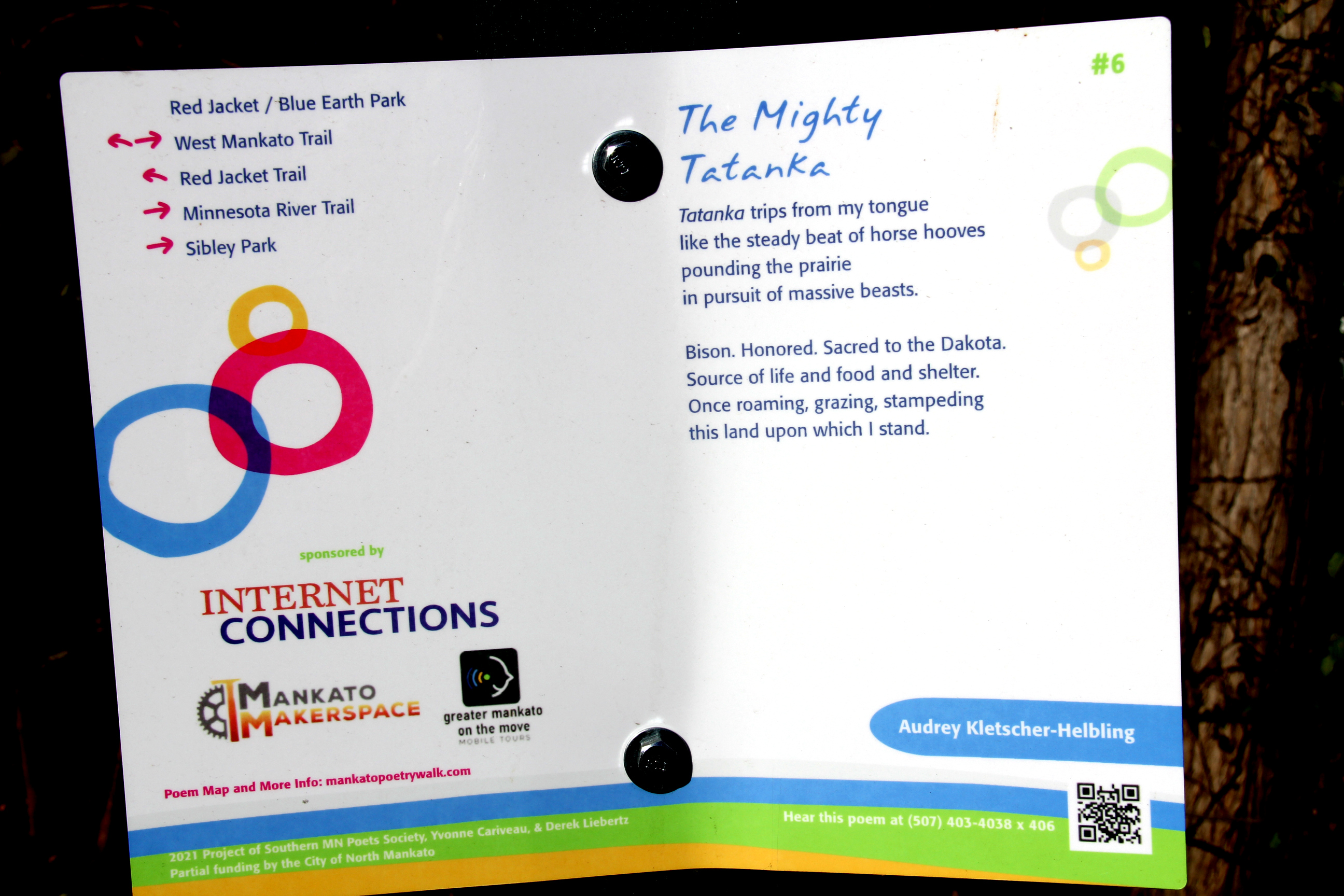
My most recent poem selected for the Mankato Poetry Walk & Ride. Poets must follow character and line limits in writing these poems. This is a competitive process. (Minnesota Prairie Roots copyrighted file photo)

When I write poetry, I visualize an idea, a place, a scene, a memory, an emotion, then start typing. The words flow, or sometimes not. Penning poetry is perhaps one of the most difficult forms of writing. Every word must count. Every word must fit the rhythm, the nuances of the poem in a uniquely creative way.

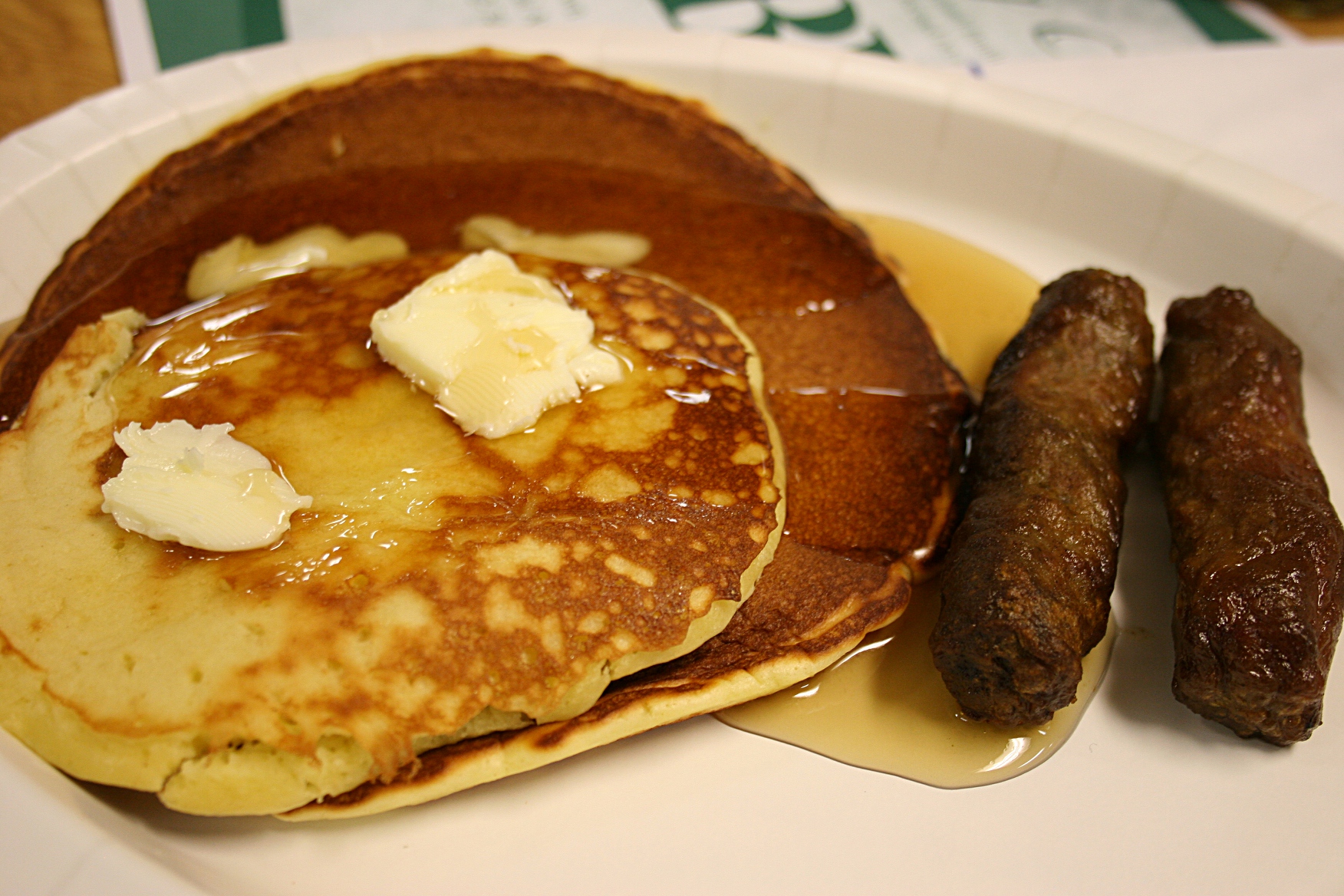
Not the pancakes Grandpa made, but the pancakes and sausages made at the annual Faribault Lions Club Pancake Breakfast. (Minnesota Prairie Roots copyrighted file photo)

One of my most recent poems, “Pancakes with Grandpa,” was inspired by an exchange between my husband, Randy, and our grandson Isaac, then four. It was printed in Talking Stick 32—Twist in the Road, an anthology published in 2023 by northern Minnesota based Jackpine Writers’ Bloc. It’s a competitive process to get writing—poetry, fiction and creative nonfiction—in this collection.

So, in celebration of National Poetry Month, here’s my pancake poem, penned by a poet who doesn’t particularly like pancakes.

Pancakes with Grandpa

Batter pours onto the hot griddle,

liquid gold spreading into molten circles

molded by the goldsmith.

The collectors eye the coveted coins

that form, bubble, solidify

in the heat of the electric forge.

Appetite fuels imagination

as Grandpa’s coins fire

into golden brown pancakes.

Piled onto a plate, peanut butter spread,

syrup flowing and a nature lesson

in maple tree tapping.

The four-year-old forks the orbs.

“Peanut butter pancakes make me happy!”

he enthuses to the beaming craftsman.

© Copyright 2025 Audrey Kletscher Helbling
 

From Wisconsin: A book about food, friendship, family, love, trauma & place April 2, 2025

(Book cover sourced online)

I FOUND THE BOOK in the new fiction section of my local public library, the place where I discover reading materials that grow me, stretch me, teach me, and, yes, entertain me. The Funeral Ladies of Ellerie County by Claire Swinarski fits all four of those categories. I love this book. Underline love.

I did not expect this reaction when I randomly pulled the novel from the shelf, drawn by its catchy title printed in a colorful font, drawn by the simple cover art of a lakeside Northwoods cabin. I do, indeed, judge a book by its covers, front and then back synopsis. These covers hit all the marks for me, someone who appreciates stories rooted in rural. Stories that are simple, yet complex. Stories that make me think, that tap into my empathy, that move me. Stories that are strong in place.

(Book cover sourced online)

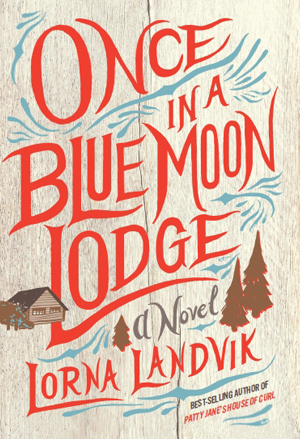
In some ways, this book reminds me of the writing of Minnesotan Lorna Landvik, author of the popular Patty Jane’s House of Curls, The Tall Pine Polka, Once in a Blue Moon Lodge and more, most of which I have read. But the author of The Funeral Ladies of Ellerie County hails from neighboring Wisconsin, which is similar to Minnesota, but different.

These are what we call bars (the kind you eat) in Minnesota and Wisconsin. Maybe elsewhere. (Minnesota Prairie Roots copyrighted file photo)

At the heart of this story are the funeral ladies, a group of long-time friends who prepare meals for mourners at St. Anne’s Catholic Church. Casseroles—not hotdish as we call casseroles in Minnesota—concocted with canned cream soups. Shredded beef. Peanut butter bars. Pies made with Door County cherries. Food for the body and soul. This reminded me of the Reception Committee in my childhood home church on the southwestern Minnesota prairie. That group of Lutheran women prepared funeral hotdishes comprised of hamburger, pasta, a vegetable and assorted canned cream soups with salt and pepper for seasoning. The recipes are published in the 1985 St. John’s Anniversary Cookbook. The covers of that cookbook have fallen off my tattered copy. A cookbook is central to Swinarski’s novel.

The point here is that The Funeral Ladies of Ellerie County is absolutely relatable for me. I felt comfortably at home with the story initially, even when I learned of a heartbreaking scam involving main character Esther Larson. That shapes the story. Then the story-line focus shifts from friendship, faith and family to tough topics after a Food Network star and his children arrive to bury his estranged wife in her hometown.

Mental health gets attention in this book. (Minnesota Prairie Roots copyrighted file photo)

Without revealing too much of the plot, know that family relationships, love and trauma weave into this novel. That trauma is post traumatic stress disorder, experienced by paramedic Cooper Welsh after participating in a holiday parade interrupted by a deadly shooting. In real-life, six people died in November 2021 when a driver plowed his SUV into a Christmas parade in Waukesha, Wisconsin, killing six and injuring many others. I expect Swinarski patterned her fictional tragedy loosely after this event or the many other mass shootings this country experiences.

I appreciate that the author, even in this fictional account of such violence and its personal aftermath, writes with authenticity. As a reader, I felt emotionally invested. I was rooting for Cooper and for those who love him. Swinarski doesn’t just touch on PTSD. She dives into it head on, writing in her acknowledgments that she talked to individuals dealing with PTSD to craft Cooper’s life story. That research shows.

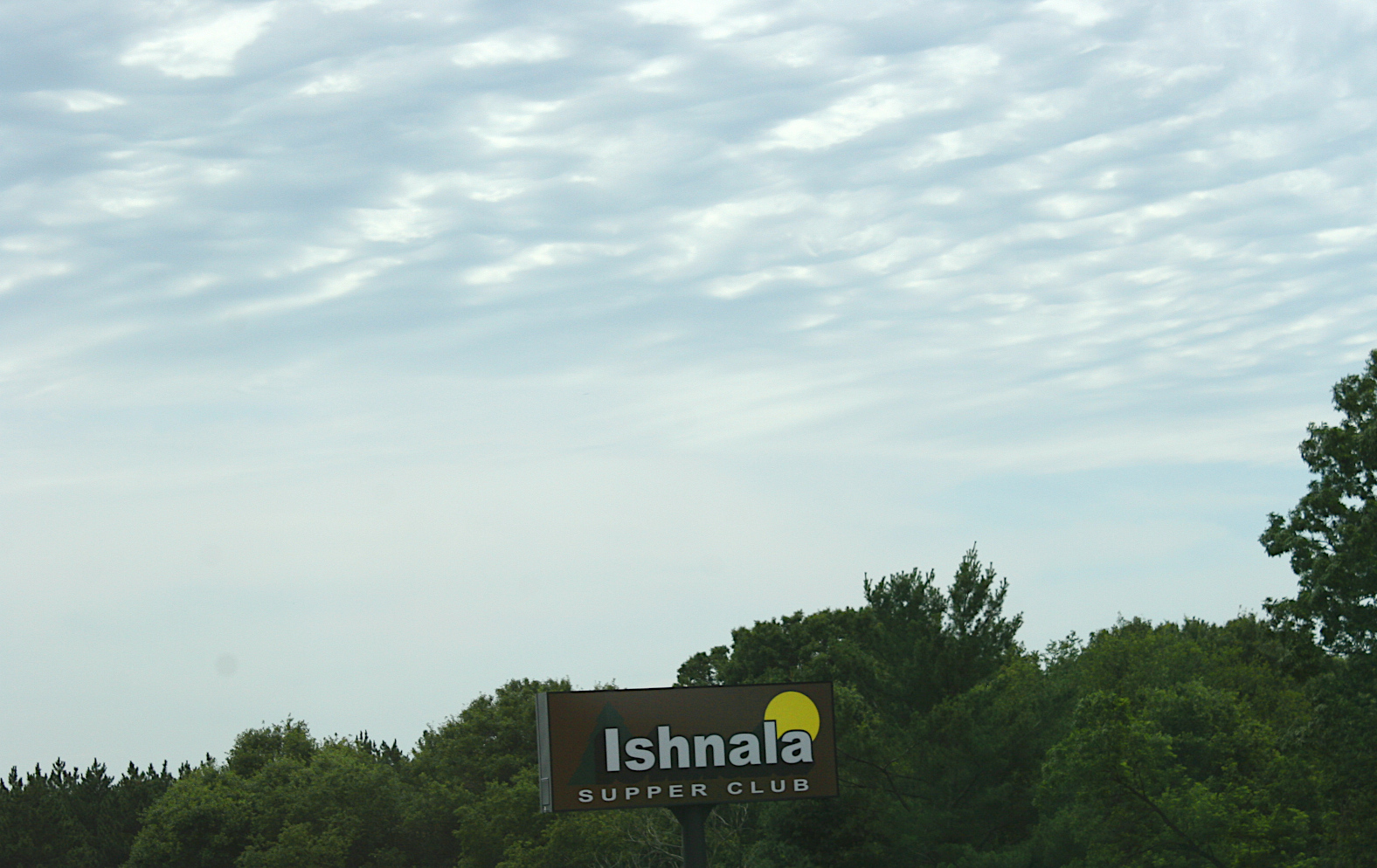
A sign along the interstate advertises Ishnala Supper Club in Lake Delton near the Wisconsin Dells. (Minnesota Prairie Roots copyrighted file photo)

She writes, too, in an authentic Wisconsin voice with a strong sense of place. Noodles in chili (yes, it’s a thing in Wisconsin). Beer not wine. Brandy old-fashioneds, Wisconsin’s signature drink. Supper clubs. And eating at the popular Wisconsin-based fast food chain, Culver’s.

There are so many reasons to love The Funeral Ladies of Ellerie County. Even if you’re a Lutheran from Minnesota who eats hotdishes, not casseroles.

© Copyright 2025 Audrey Kletscher Helbling
 

An April 1 commentary about candy, but not really April 1, 2025

Filed under: Uncategorized — Audrey Kletscher Helbling @ 6:00 AM
Tags: , , , , , , , ,
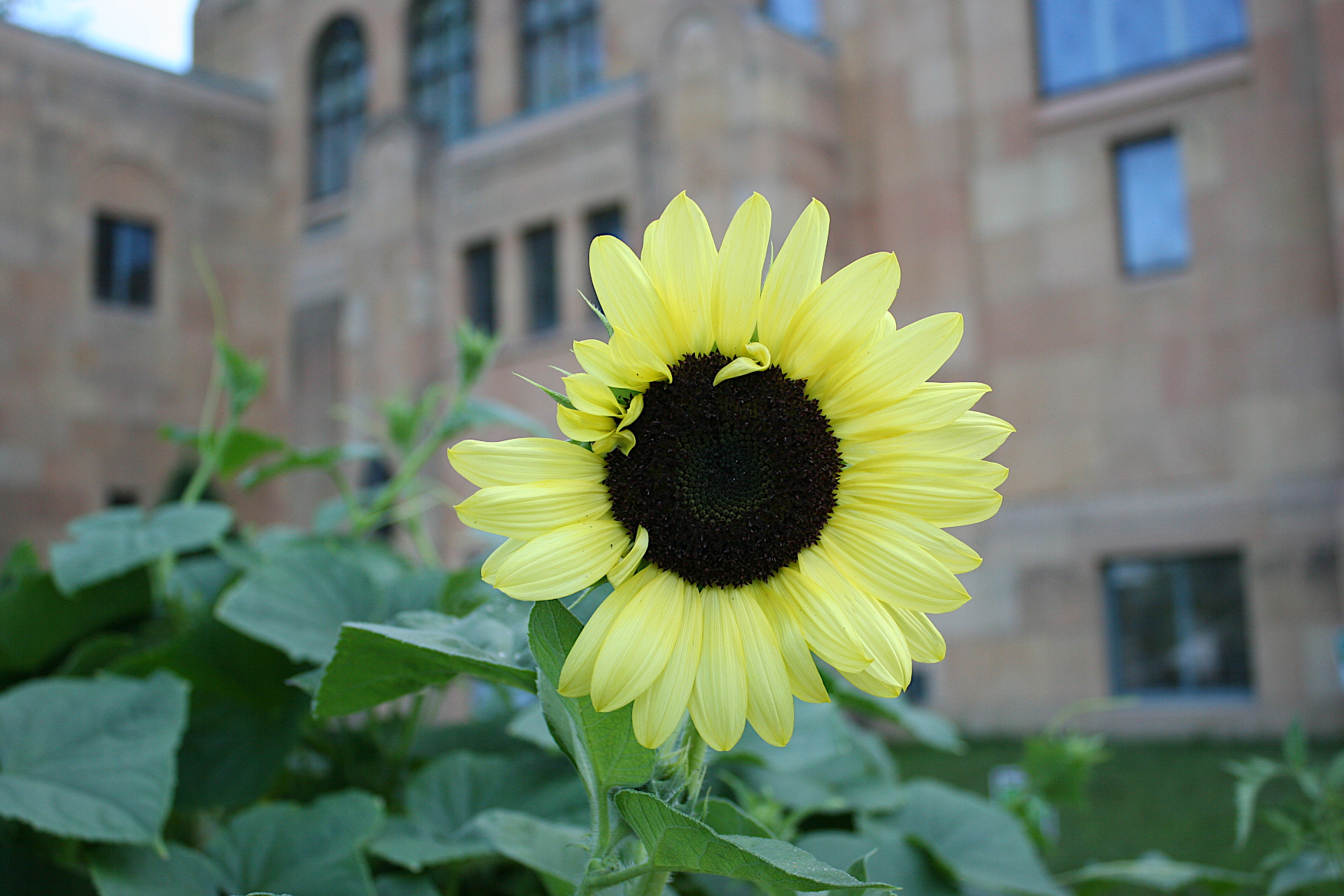
Lots of jelly beans and other candy were sold in a Minnesota shop I visited years ago. (Minnesota Prairie Roots copyrighted file photo used for illustration only)

ONCE UPON A TIME in The Land of Plenty, there lived a ruler who, before he took office, declared that he would be king for a day, or some such wordage. He relished power and absolute control with the zeal of a kid unleashed in a candy store. Except even kids in a candy shop realize they can’t devour every piece of sticky taffy, every morsel of chocolate, every jelly bean in sight. Their stomachs would hurt. And they would soon be barfing all over the kingdom.

But the narcissistic leader, who promised to make the country the best it had ever been (because he craved praise and power), apparently did not understand this about consuming too much candy. Or he didn’t care. Once in office, the-man-who-would-be-king gathered his team, granting unfettered powers to one of them in particular. He pulled out his guidebook and magical pen and scrawled his signature across endless pieces of paper imprinted with orders to create an even more wonderful and efficient Land of Plenty, at least in his eyes. Such was his insatiable desire for adoration, domination and control. His plan to become king for a day extended well beyond a day into mindless infinity.

Candy galore in another Minnesota candy shop. (Minnesota Prairie Roots copyrighted file photo used for illustration only)

He proposed acquiring more land to add to his empire, focusing his efforts on the countries of Adanac and Dnalneerg, both of which wanted nothing to do with him, understandably so. But that didn’t stop the ruler from obsessing on the topic, for he was a determined man. Do this. Do that. Say this. Say that. Toss out an endless stream of threats and vitriol and perhaps some of it would stick like gum to the bottom of a shoe.

On and on it went. Each day something new. More taxes, which he called “tariffs” and a good thing for his subjects. He advised those who farmed the land to “have fun.” He fooled no one (OK, maybe some too many) with his spin on tariffs. Mass firings, deportations, funding cuts, closures and more (too many actions to count really) happened daily under the ruler’s authoritarian hand.

If anyone protested, spoke up or voiced opposition, the ruthless leader worked to quiet them. There were street snatchings and threats. Intimidation. Disrespect. Denial. Deflection. Distraction. Lies. Verbal attacks. He used all sorts of tactics to create fear, to suppress anyone who disagreed with him, his team and his/their words and actions. That included bullying the printers, lawyers and judges of the land, calling them all sorts of derogatory names. He threatened to come after them, to silence them, to show them who held the power. Sometimes he succeeded, sometimes not.

In this fictional story, chocolates are banned from candy shops. (Minnesota Prairie Roots copyrighted file photo used for illustration only)

Yet, one plan appealed to the unsuspecting masses. And that was the opening of more candy stores, with promises to give away millions, perhaps even billions, of pounds of candy. To qualify, subjects needed only to sign an irrevocable loyalty pledge, which seemed reasonable on the surface. But there’s always the fine print. They would need to agree with the mighty ruler’s ideology and actions or risk losing four years of a free candy supply or, worse yet, be locked up for rebellious attitudes or other so-called subversive acts. If the subjects looked even closer at the fine print, they would see that candy shops were forbidden from carrying chocolate. Surely that would be the deal breaker for most because, well, who doesn’t love chocolate? All candy, in fact, was to be colorless.

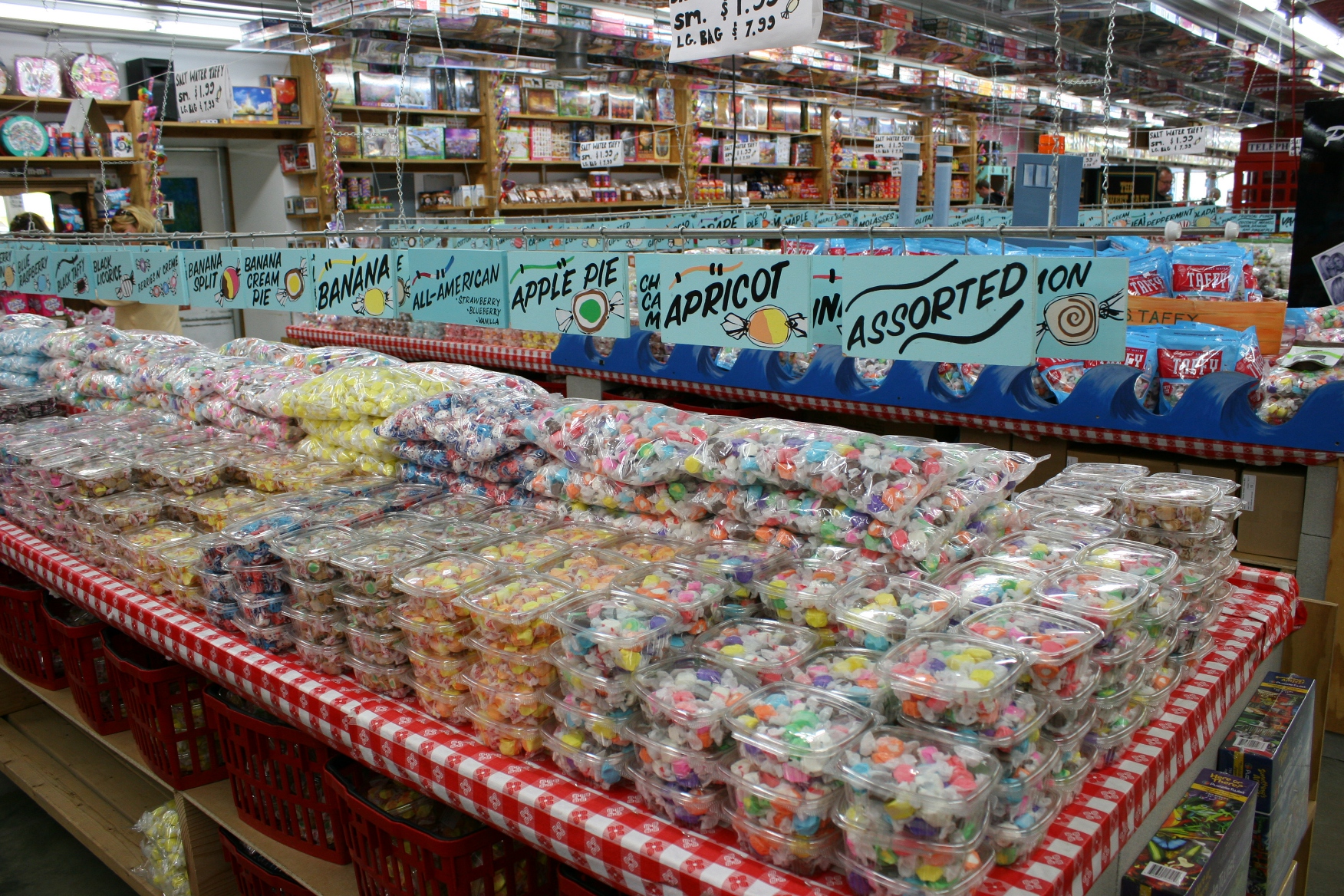
Nearly endless flavors of taffy and candy are sold in this mega Minnesota candy shop. (Minnesota Prairie Roots copyrighted file photo used for illustration only)

But most failed to read the fine print, so focused were they on a four-year supply of free candy. Such a sweet deal. They trusted that the ruler had their best interests in mind. He didn’t. Even kids understand that too much candy can cause a tummy ache that leaves them regretting their selfish gluttony.

This, my friends, is no April Fool’s Day joke.

#

FYI: While this short story is written as fiction, it is (as is most fiction) rooted in truth. It is also a commentary, a way for me to use my voice. Whether you agree or disagree with the content is your prerogative and right. Just note, though, that this is my personal blog and that I moderate all comments and have the final say in those I choose to publish or not.

© Copyright 2025 Audrey Kletscher Helbling


Outside on a “summer” day with the grandkids in southern Minnesota March 29, 2025

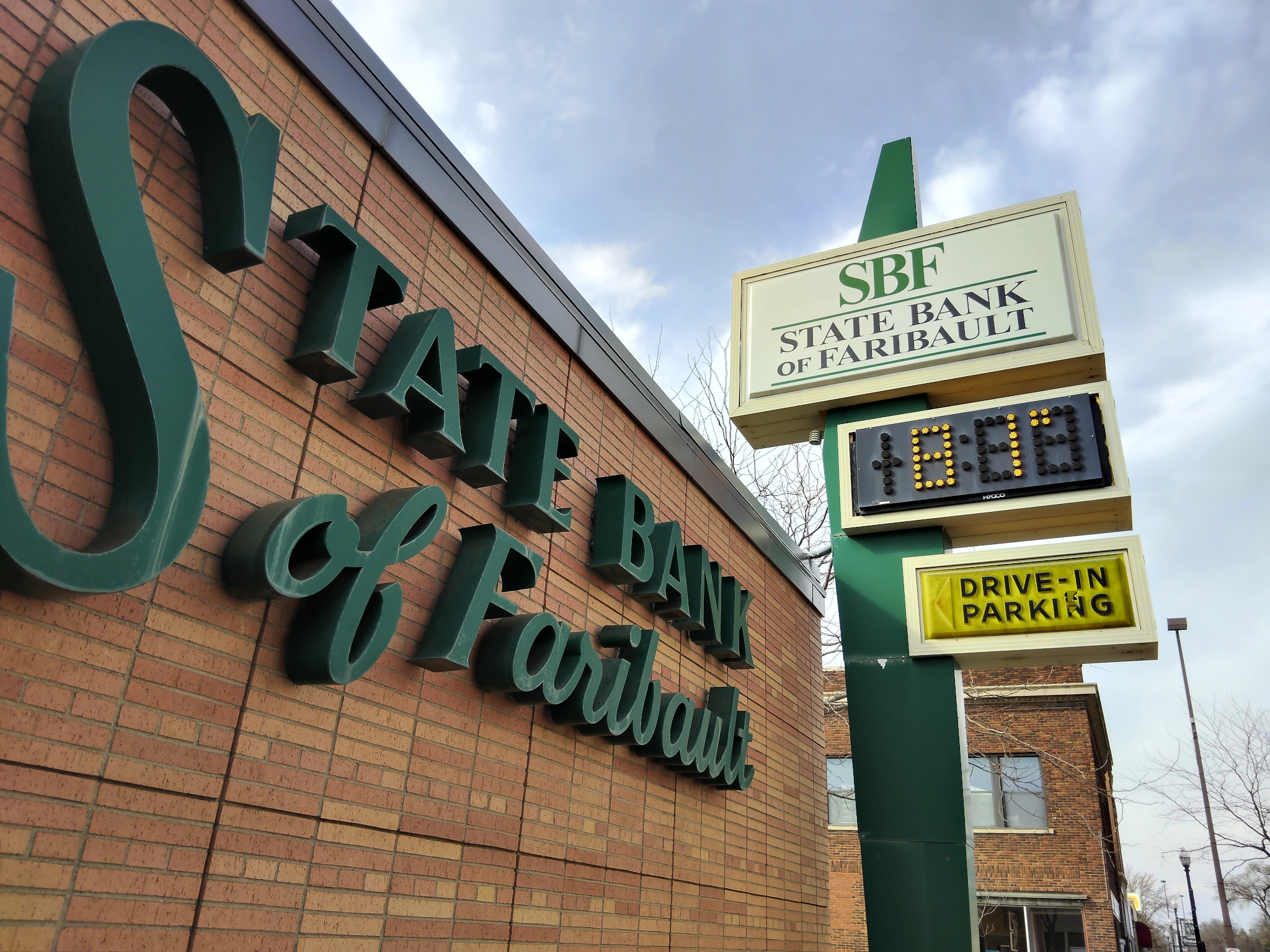
This photo taken at 4 p.m. Friday, March 28, shows the unusually high March temperature in Faribault. (Minnesota Prairie Roots copyrighted photo March 2025)

TWENTY-FOUR HOURS AGO, the temperature registered 81 degrees on the State Bank of Faribault sign in our historic downtown. At 4 p.m. Saturday, the temp read 38 degrees. That’s a 43-degree plunge. Such is the fickle nature of weather in southern Minnesota. One day summer. The next day winter.

Let’s talk that one day of summer. The two oldest of our three grandkids were here for a sleep-over Thursday into Friday afternoon. We took full advantage of the unseasonably warm temps with lots of time outdoors. Who wants to stay indoors when the sun is shining, the breeze is blowing and it feels like summer? None of us.

So out we went Friday morning, first to hang laundry on the clothesline, which didn’t interest Izzy, almost nine, and Isaac, six, quite as much as I had hoped. “We have a dryer,” Izzy informed me as she handed me clothespins. So does Grandma. But Grandma prefers hanging laundry outdoors, under the sky, under the sun, in the wind.

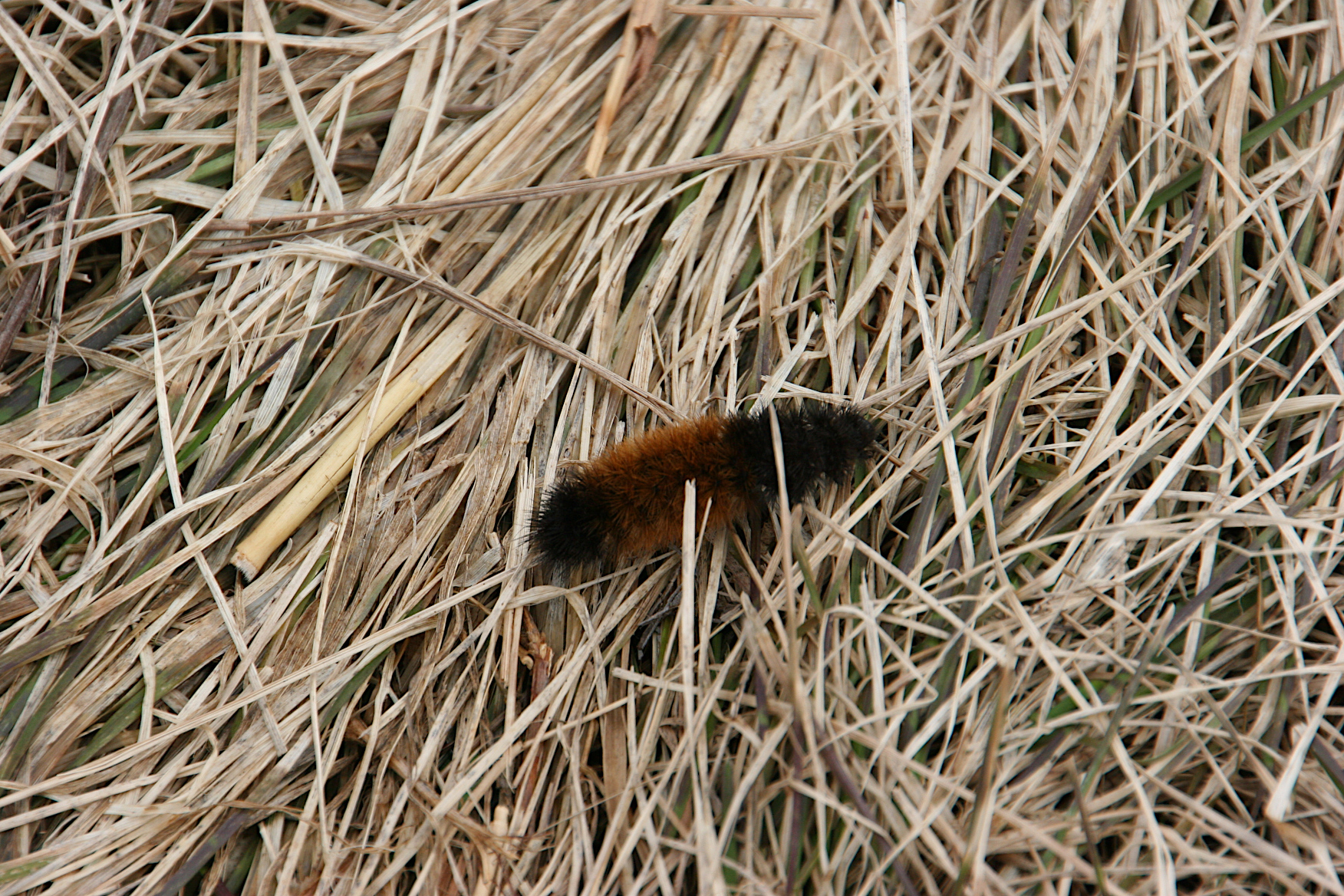
This looks just like the caterpillar found in our backyard on Friday morning. (Minnesota Prairie Roots copyrighted file photo)

A CATERPILLAR, SQUIRRELS, BRAMBLES & A ROCK

Time outdoors led to discoveries, like the woolly caterpillar Izzy found in the backyard and which she insisted was poisonous. I insisted it was not while using a dried maple leaf and a piece of bark to move the fuzzy ball to a safe place in a flowerbed. She worried and warned that I was not to touch the poisonous caterpillar. “Izzy, it’s not poisonous,” I repeated. I’m not sure she believed me.

We noted all the holes dotting the backyard, spots where squirrels dug for hidden walnuts. Empty shells littered the dormant lawn.

The previous evening, Grandpa led Izzy and Isaac up the hill through the woods behind our house. It’s a bit of a climb past fallen branches and brambles. But they were adventurous, determined to make it to the top, to Wapacuta Park. There they found the playground equipment rather scary—Grandpa concurred—but a gigantic rock a whole lot of fun as they scampered atop it. This is the same mammoth rock their mom, aunt and uncle climbed as kids. Life come full circle.

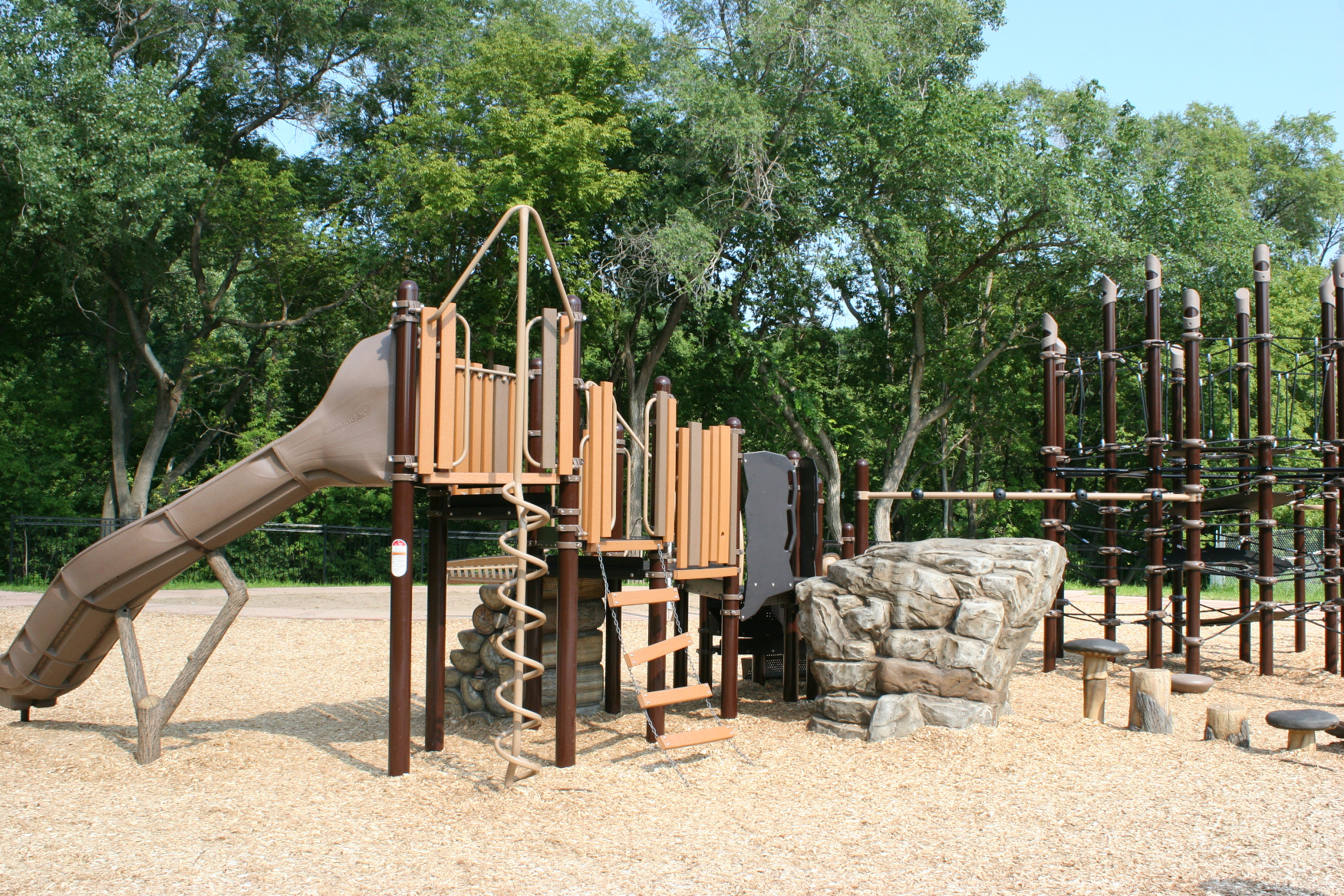
The Fleckenstein Bluffs Park playground. (Minnesota Prairie Roots copyrighted file photo)

TIME TO PLAY & TIME TO ASK SERIOUS QUESTIONS

Late Friday morning we headed to Fleckenstein Bluffs Park near downtown to a playground the kids found much more to their liking. Another rock (albeit fake) to climb, a towering climbing apparatus, musical instruments, sand diggers, mini spinning seats and more, including fossils imprinted in the fake rocks.

We spent time, too, on an overlook above the Straight River. There the grandparents had to answer questions about homelessness given the blue tent pitched alongside the river. “Why do they live in a tent?” Sometimes adults don’t have all the answers. But we tried. Izzy worried that the police were coming to arrest those living in the tent when she saw a cruiser driving down the bike trail. No, Izzy, they’re not going to arrest them.

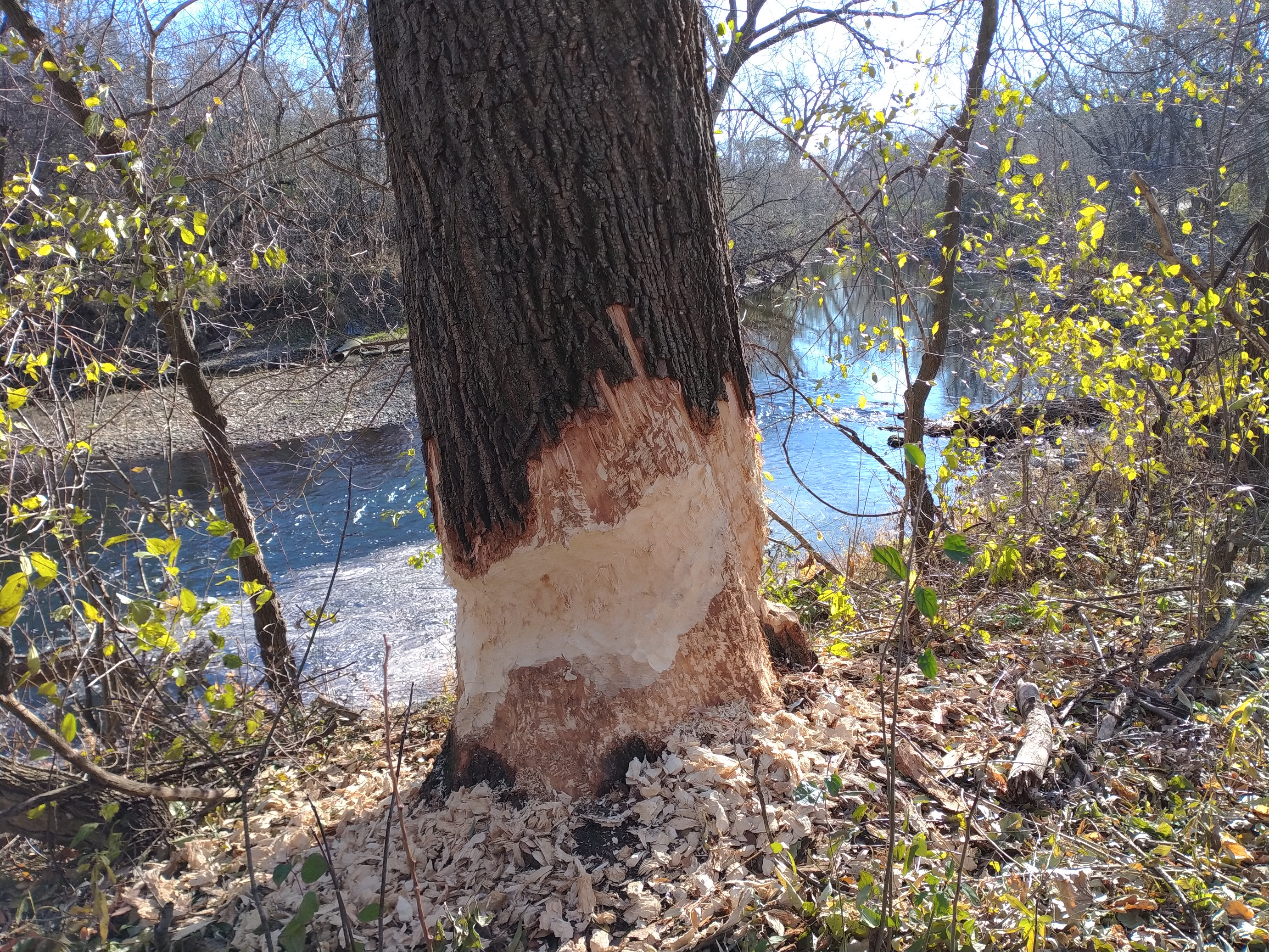
Beavers have given up chewing on this tree along the Straight River, we discovered during a walk on Friday. (Minnesota Prairie Roots copyrighted file photo)

BEAVERS, GEESE, A HERON & MEMORIES

And so we followed the Straight River Trail, noting trees chewed by beavers, a sandbar in the river, chimes on an apartment balcony clinking in the wind, a pair of geese moving from land to river, a magnificent blue heron flying low above the water…then those geese again, swimming.

Izzy stopped to pluck stones from alongside the trail, dropping them into an empty yogurt cup she’d brought with her. We walked sometimes hand-in-hand, Isaac and Grandpa well ahead of us, also clasping hands. This time together in the outdoors is the stuff of memories, of learning, of connecting with nature.

This used bookshop in Faribault is a must-stop when the grandkids visit. (Minnesota Prairie Roots copyrighted file photo)

DRAGONS, TORNADOES & THE BIG WIDE WORLD

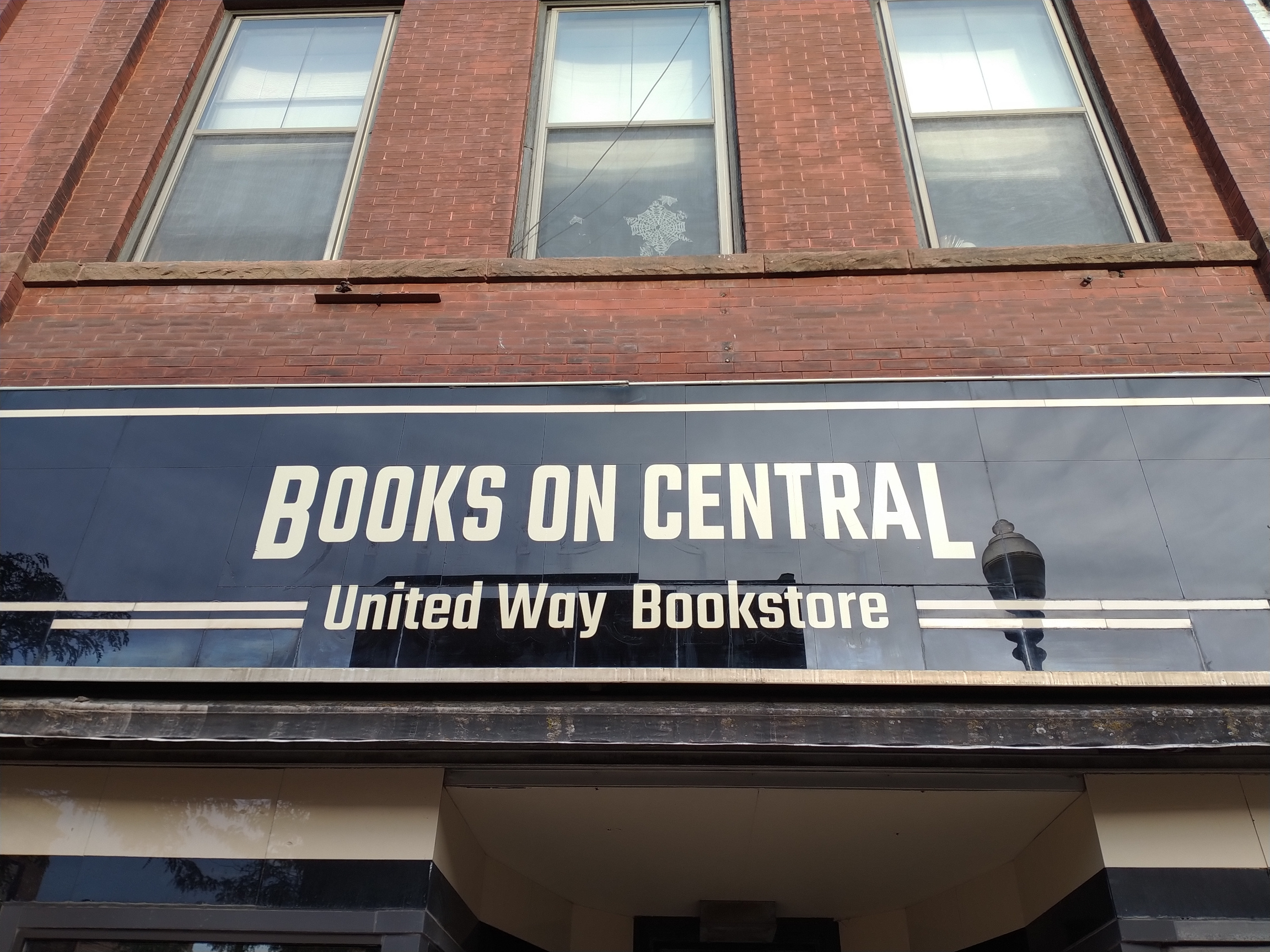
On the drive home, we stopped at Books on Central, a used bookstore run by the Rice County Area United Way. We like to take the kids there whenever they are in town. Izzy found a fantasy book about dragons she’s read, but wanted to own. And a nonfiction book about tornadoes. Isaac was looking for atlases. Jeanne, who volunteers at the bookshop, found two, as yet unprocessed, atlases in the back room. Isaac was happy, promptly sitting down to page through the books. We also chose a book for their baby cousin, Everett, in Wisconsin.

And so that was our day together. A time of laundry hanging, backyard observing, playing, walking and enveloping ourselves in nature. But above all, it was time for us as grandparents to be with our beloved grandchildren, simply enjoying an unseasonably warm late March day in southern Minnesota, “poisonous caterpillar” and all.

© Copyright 2025 Audrey Kletscher Helbling
 

Showcasing the creativity of student artists March 27, 2025

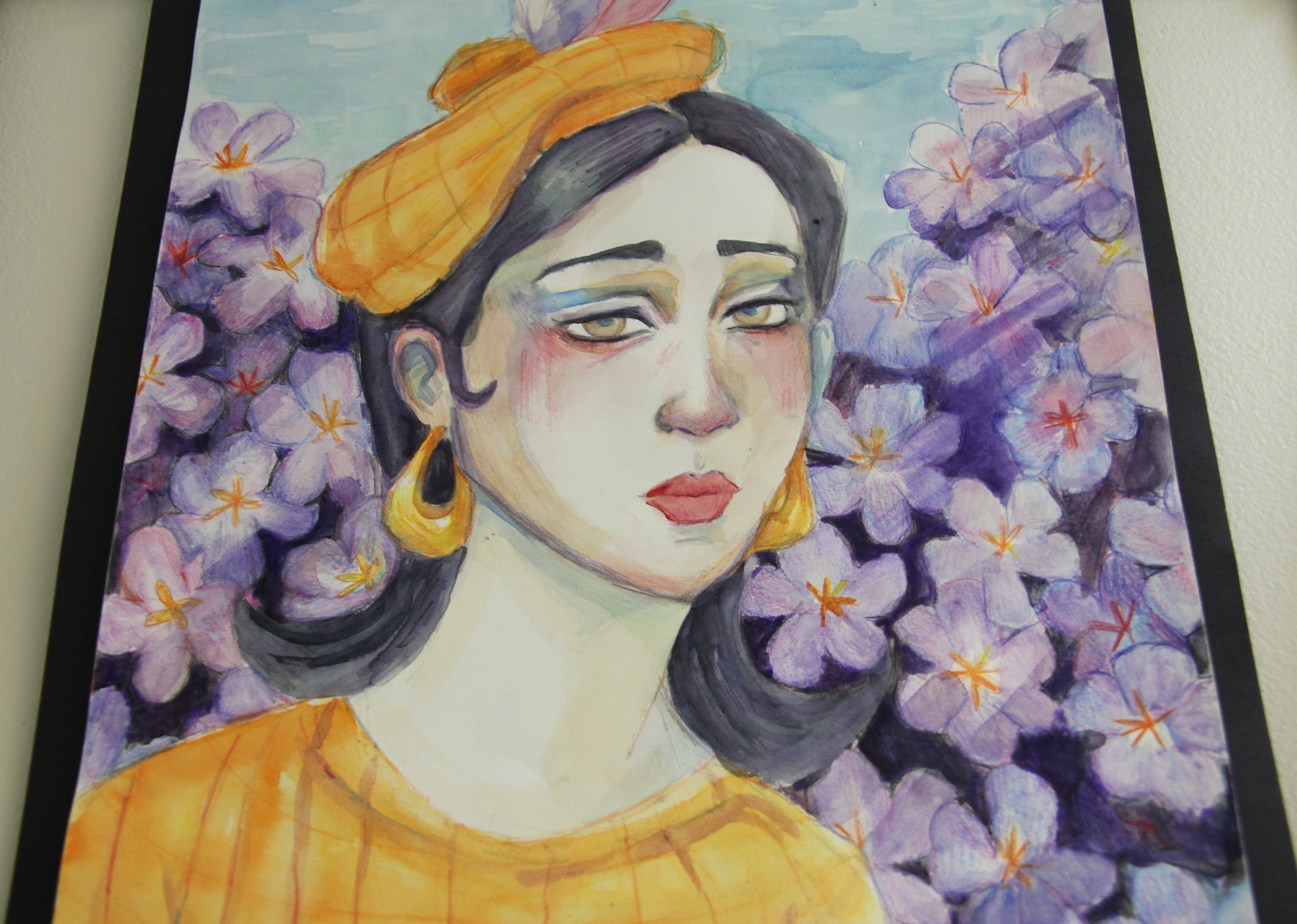
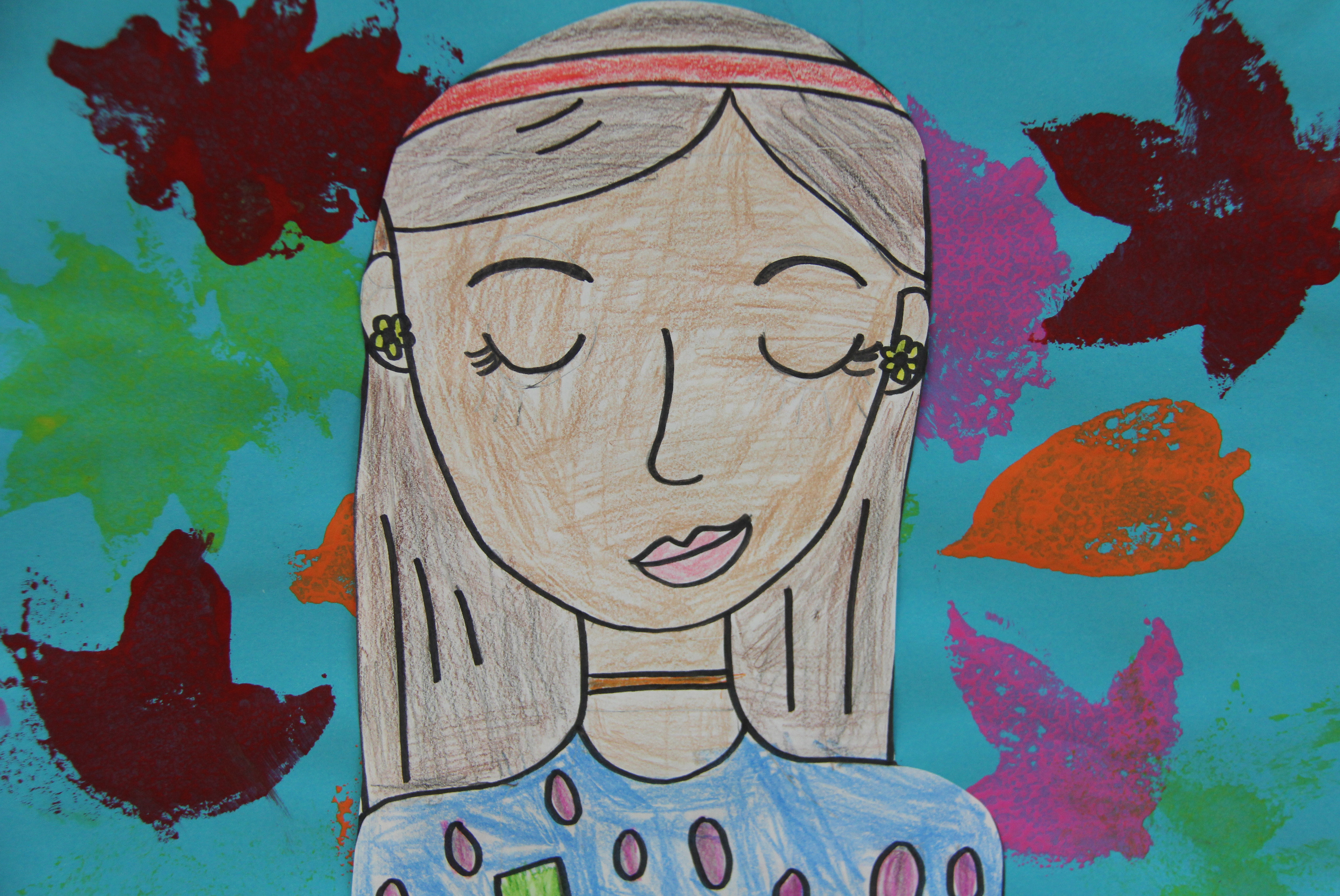
This hauntingly beautiful portrait by Alaina, a Faribault High School 10th grader, is included in an art exhibit showing at the Paradise Center for the Arts, Faribault, until April 12. (Minnesota Prairie Roots copyrighted photo March 2025)

EVEN NOW, MANY DECADES LATER, I can still picture the art I created in grade school and junior high school. A rug woven from strips of fabric. A cat crafted from a spray painted 7-UP bottle and Styrofoam. A swan painted on glass. A girl created with scrap fabric and yarn glued onto burlap. A color wheel painted on paper. A small bowl shaped from clay. If only I still had that artwork which holds the work of my hands, the memories of youth. And if only I could step back in time, I would take art classes in high school. I didn’t and really have no idea why.

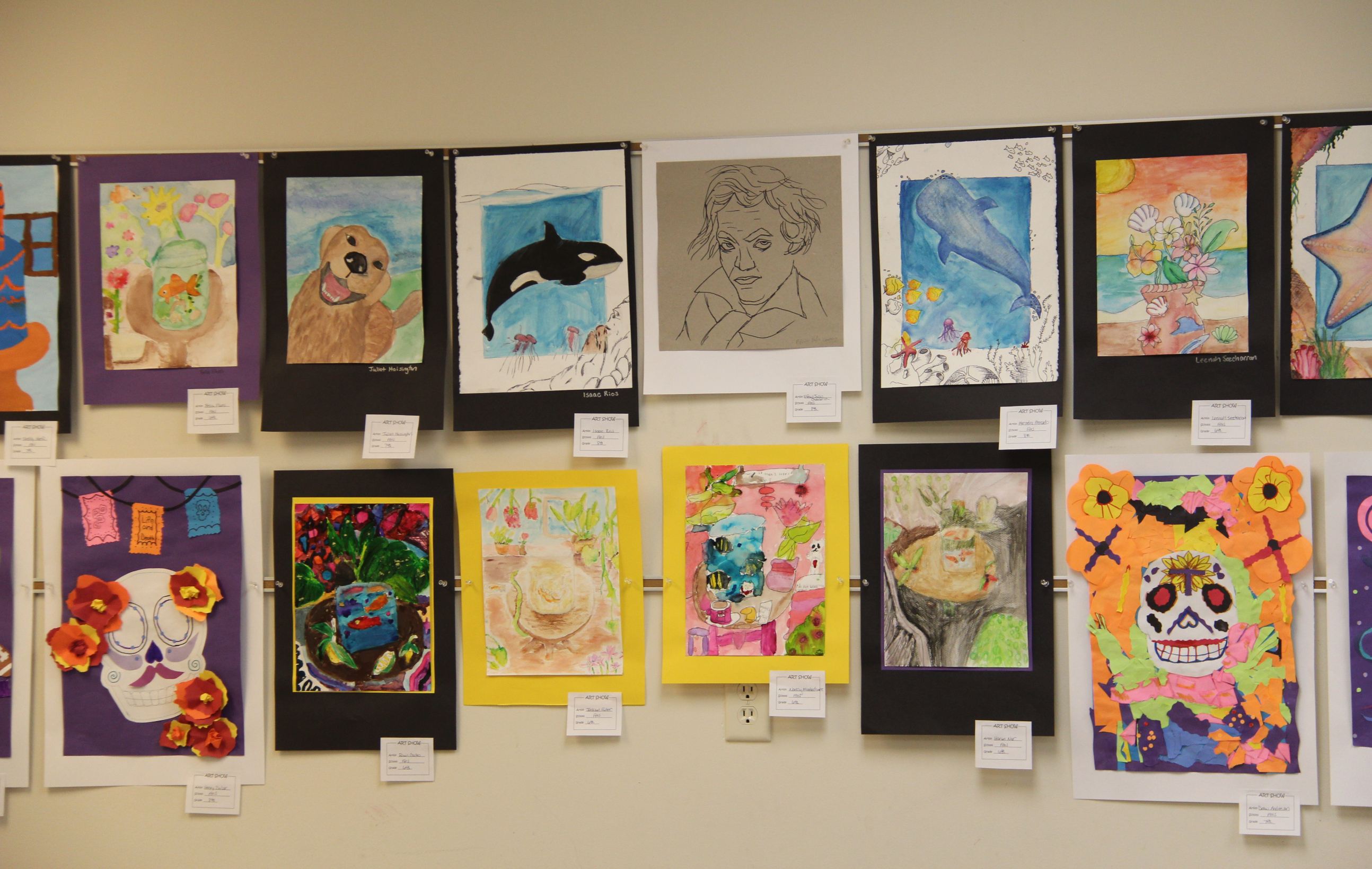
Student art covers walls along hallways and inside a room on the second floor of the Paradise. (Minnesota Prairie Roots copyrighted photo March 2025)
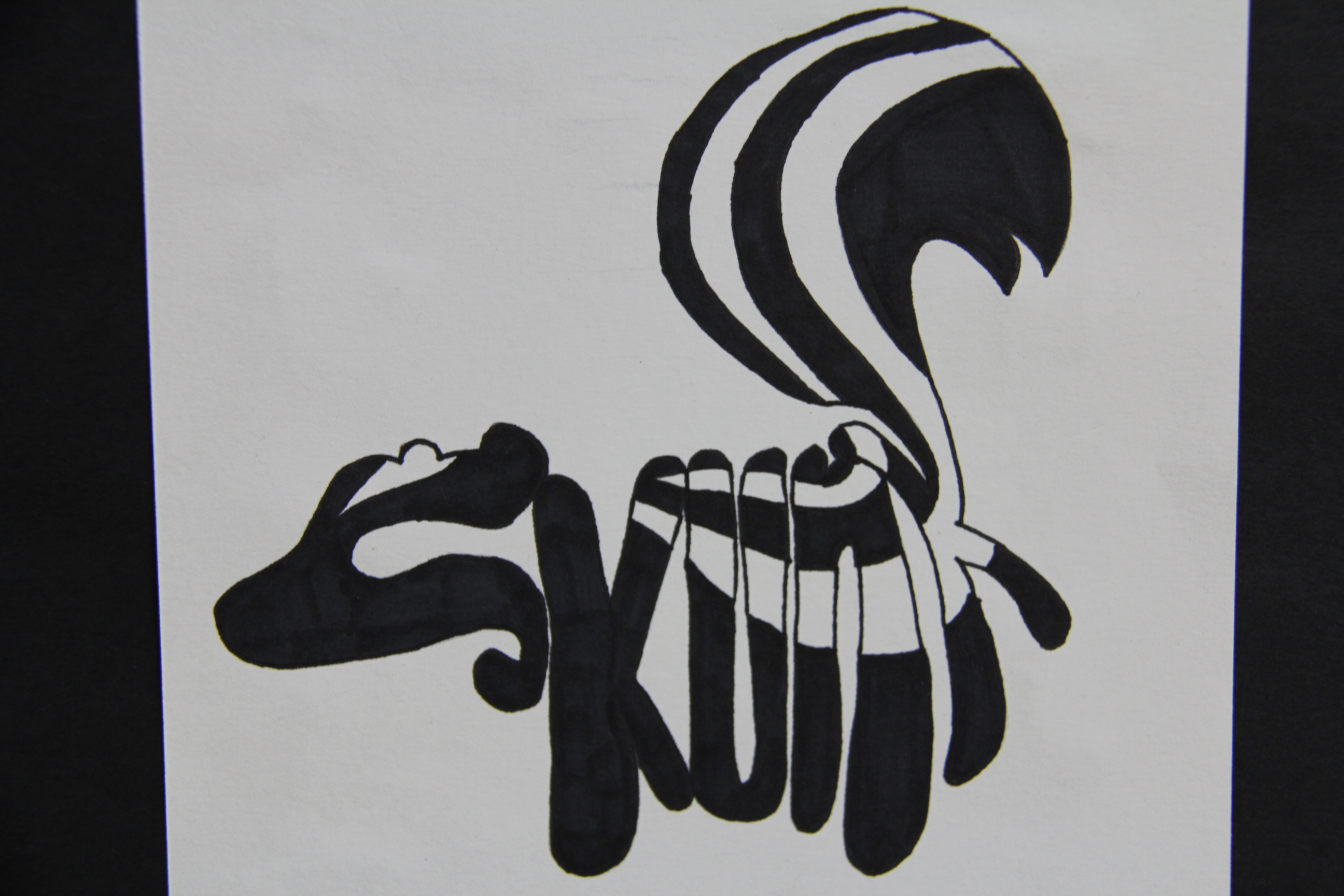
Love this bold graphic of a skunk by WEM senior Clara. (Minnesota Prairie Roots copyrighted photo March 2025)
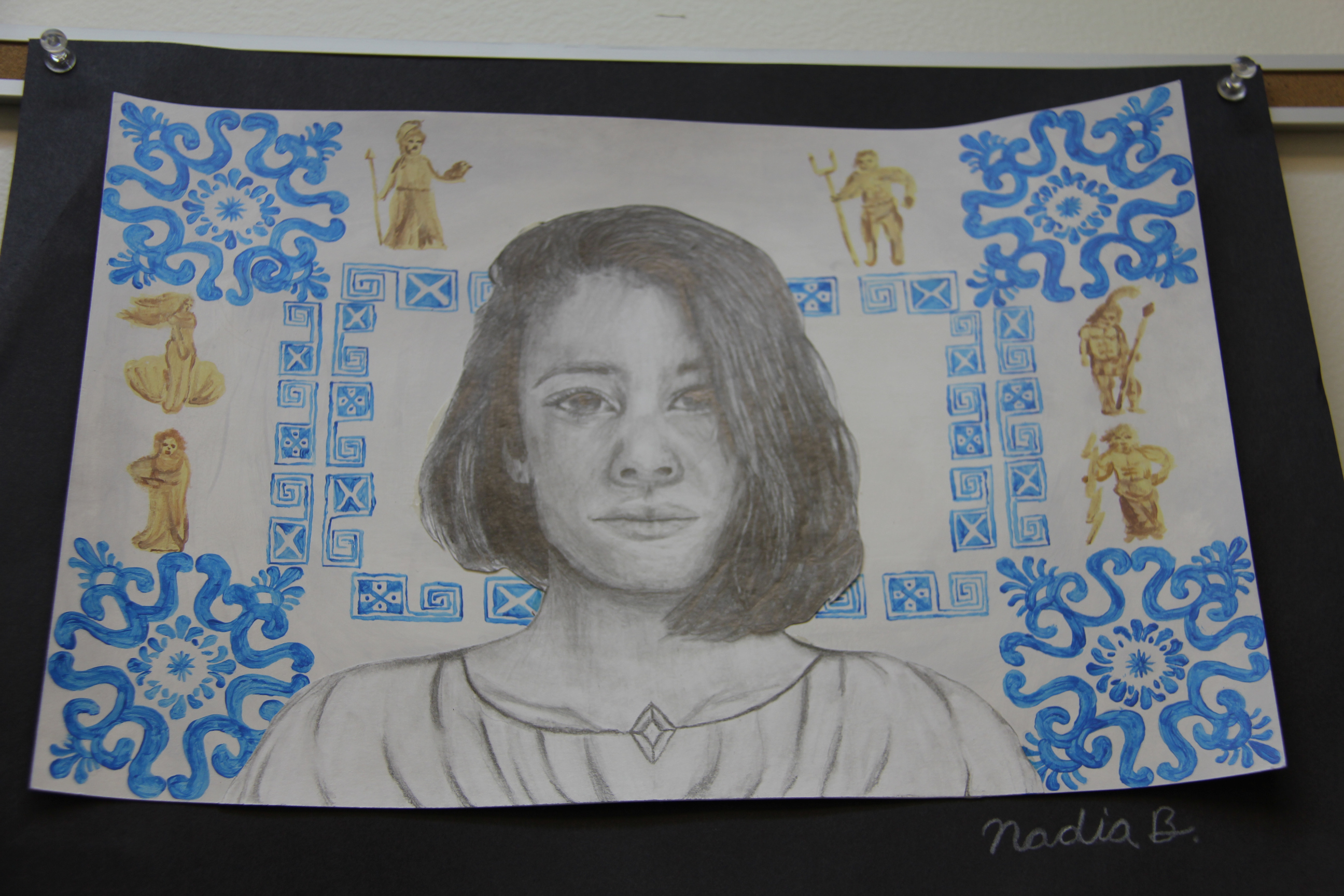
Faribault High School senior Nadia created this portrait. (Minnesota Prairie Roots copyrighted photo March 2025)

Today students seem to have more opportunities in the arts and more opportunities to get their work out there to the public. One example is the Area Student Art Show which opened in early March and closes April 12 at the Paradise Center for the Arts in Faribault. Students from Jefferson Elementary School, Faribault Middle School and High School, the Faribault Area Learning Center, Cannon River STEM School, Bethlehem Academy and Waterville-Elysian-Morriston Schools (WEM) have art in the 2025 exhibit.

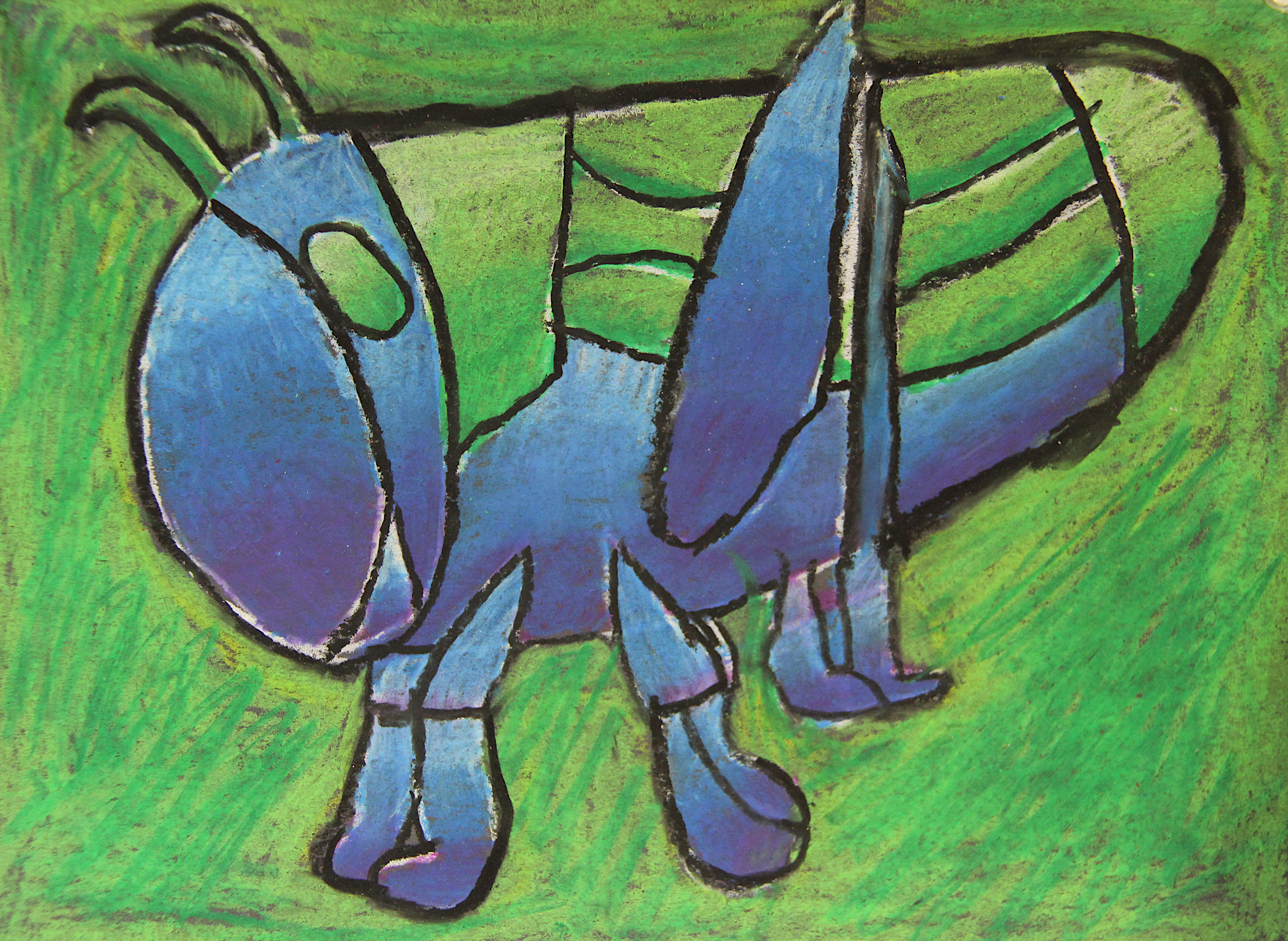
I can envision this grasshopper by WEM fourth grader Mathea in a children’s picture book or on a t-shirt. (Minnesota Prairie Roots copyrighted photo March 2025)

Each year I am amazed at the art these talented students from kindergarten to 12th grade create. It is remarkable really. I expect some will, post school, pursue art either for enjoyment or professionally. At least I hope they do. I see the possibilities to work in design, marketing, photography, teaching, fashion, even book illustrating…

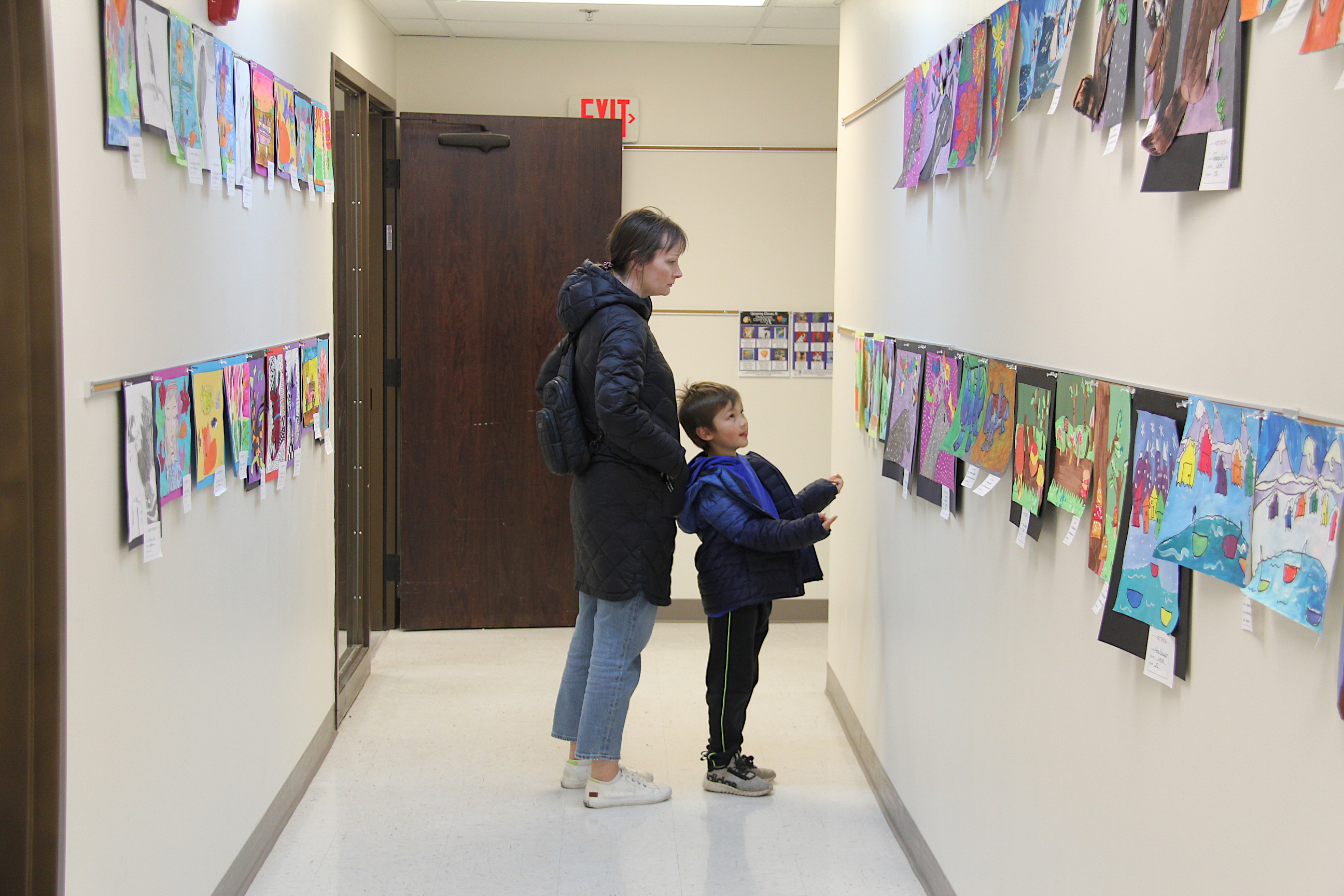
Edwin and his mom view the student art. (Minnesota Prairie Roots copyrighted photo March 2025)
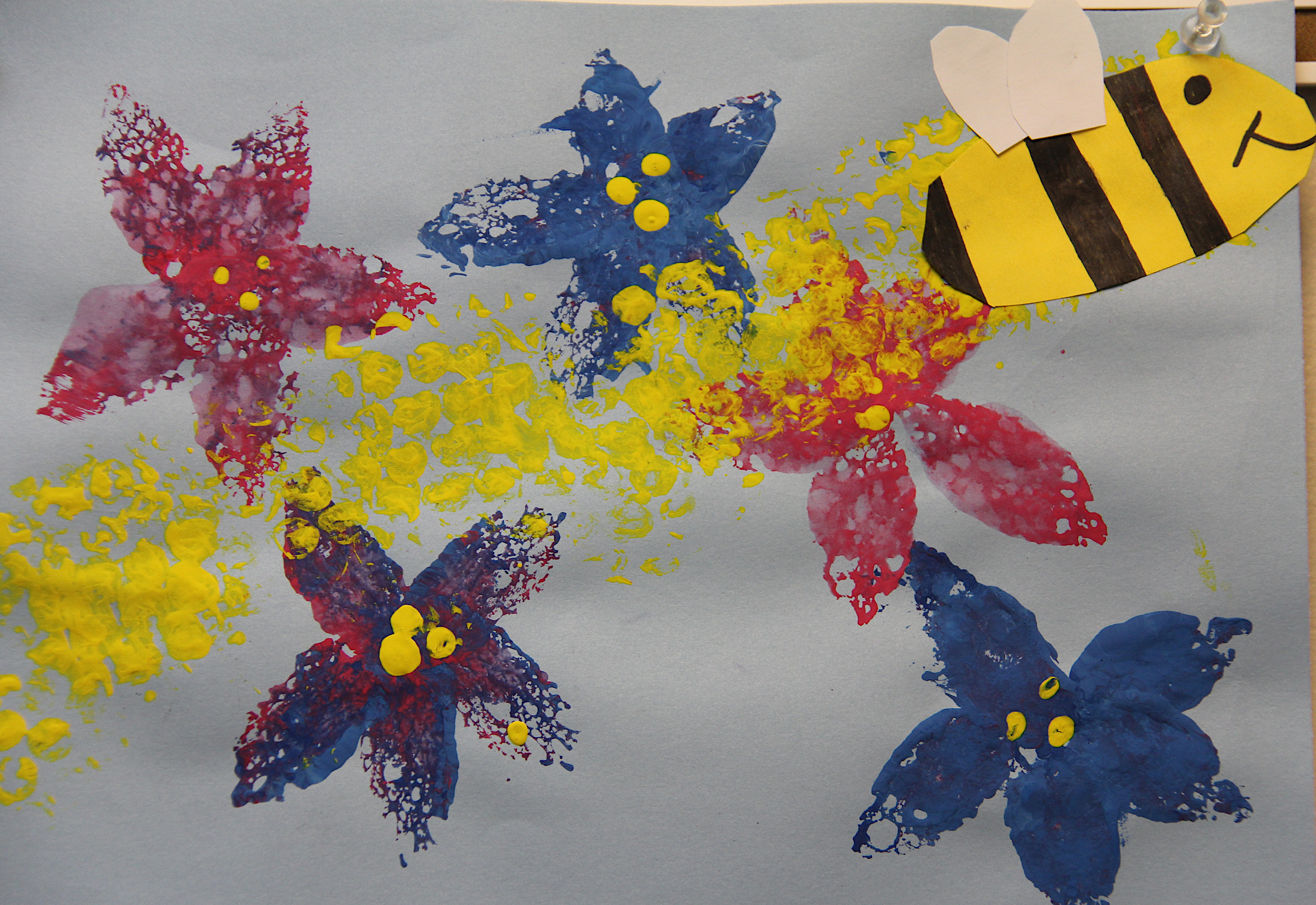
Edwin’s bee art. (Minnesota Prairie Roots copyrighted photo March 2025)

When I view the artwork of students from these seven southern Minnesota schools, I see a passion for art fueled perhaps by their own inner desire to create, but also by parents and teachers who foster creativity. I watched and listened as WEM kindergartner Edwin and his mom found his bee art and then artwork created by classmates. Edwin was clearly proud of his art as was his mom. I loved that they drove over to Faribault from the Waterville area just to see the student exhibit. That’s sending a strong message to Edwin, that what he created matters.

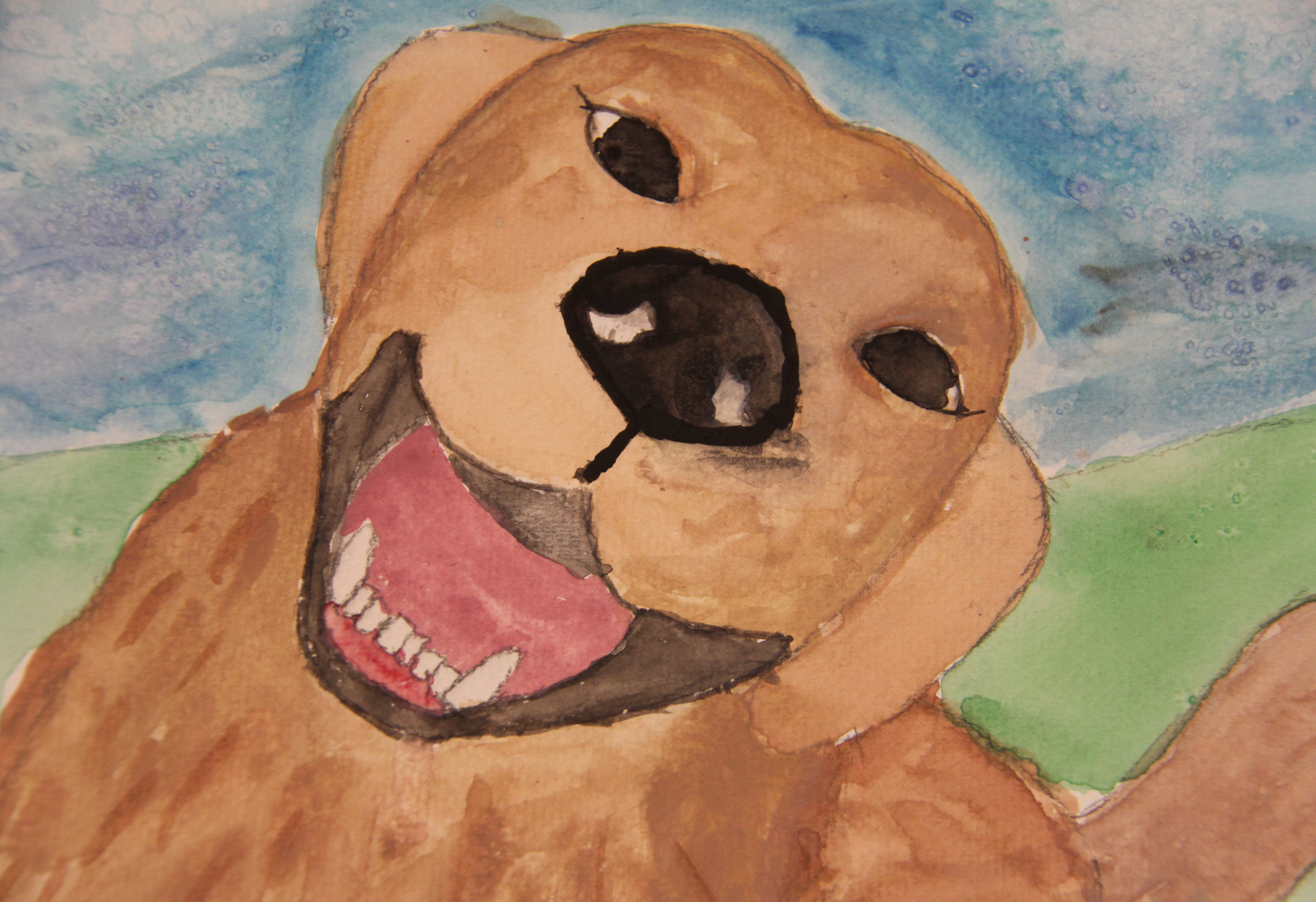
This dog portrait by Faribault Middle School seventh grader Juliet simply makes me smile. (Minnesota Prairie Roots copyrighted photo March 2025)

And I think that’s part of the reason the annual Area Student Art Show rates as one of my favorite exhibits at the Paradise. It’s important to encourage students in the arts. Oftentimes, it seems athleticism is valued and the arts are not. All of us are not athletic. I am raising my hand high on that statement. Not all of us care much about sports. I am raising my hand high on that statement also. Yes, sports have their place and value. I’m not saying they don’t. But so do the arts.

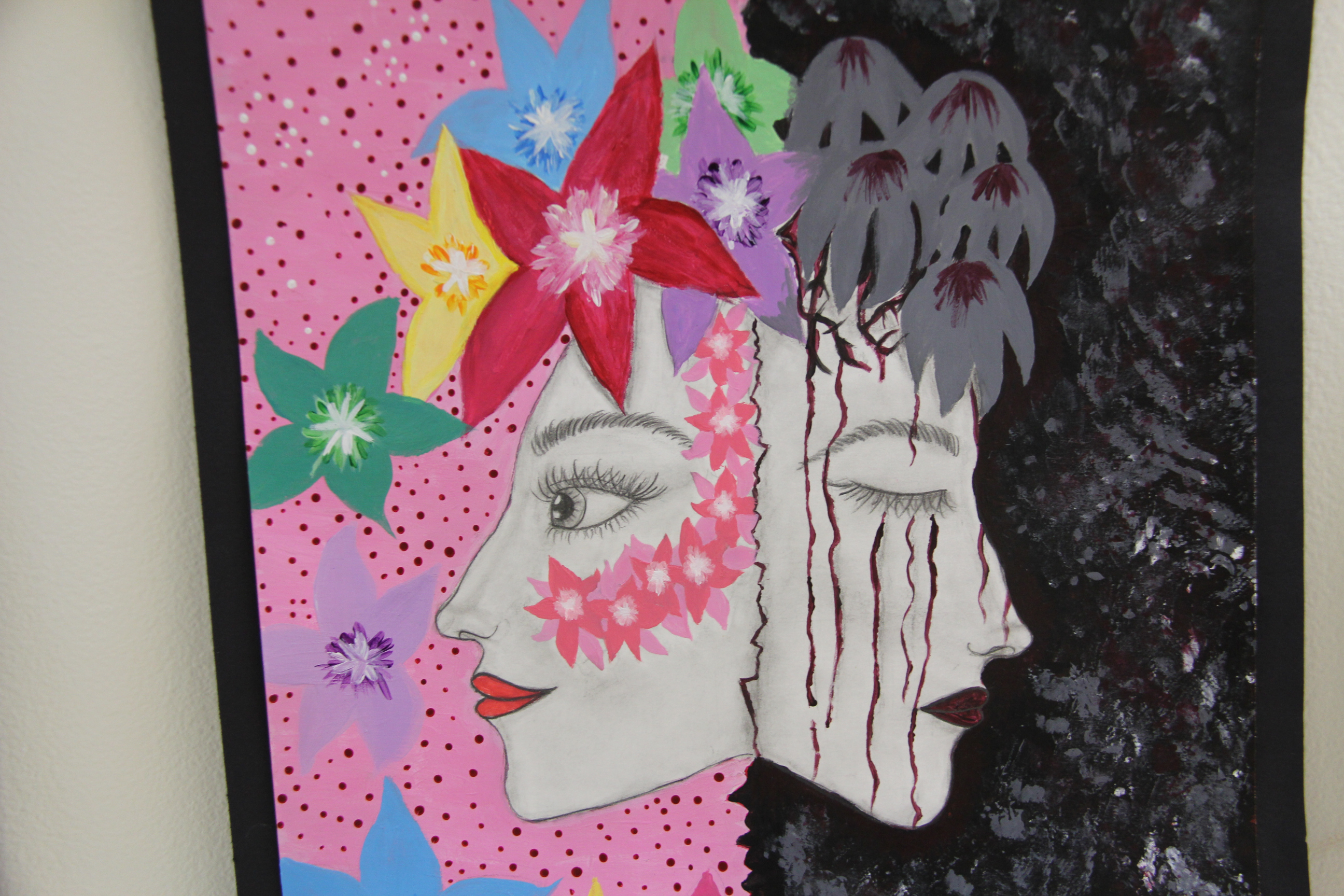
An especially creative and emotional portrait by FHS senior Isabella. (Minnesota Prairie Roots copyrighted photo March 2025)

I truly am in awe of this student art exhibit. The portraits, especially, impress me. And to think most of these artists are still in high school or younger.

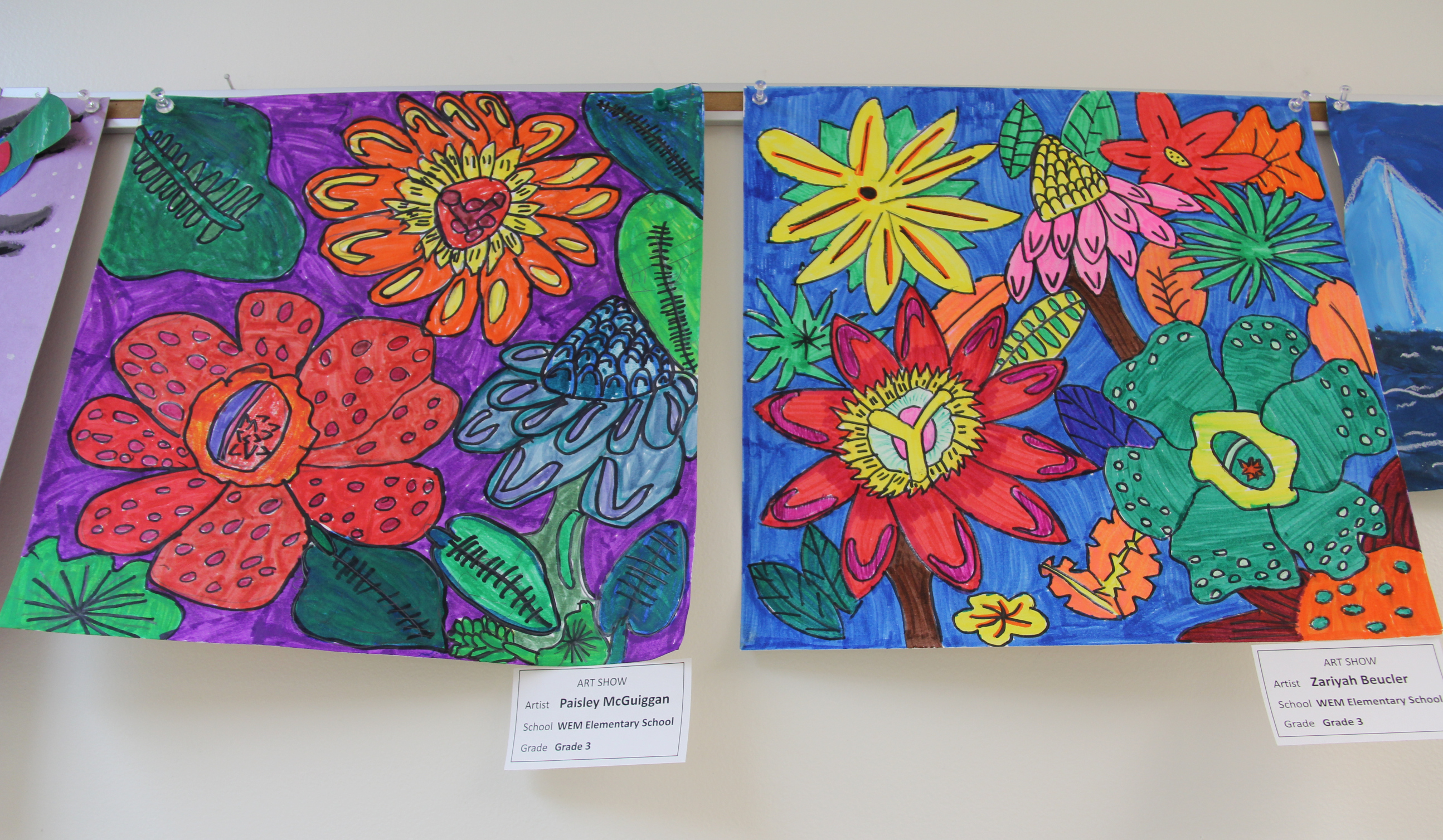
WEM third grader Paisley created the floral art on the left while her classmate Zariyah created the floral on the right. (Minnesota Prairie Roots copyrighted photo March 2025)

But I am equally as impressed by the vivid florals, the animals, the abstracts, the still lifes, the landscapes, insects and much more.

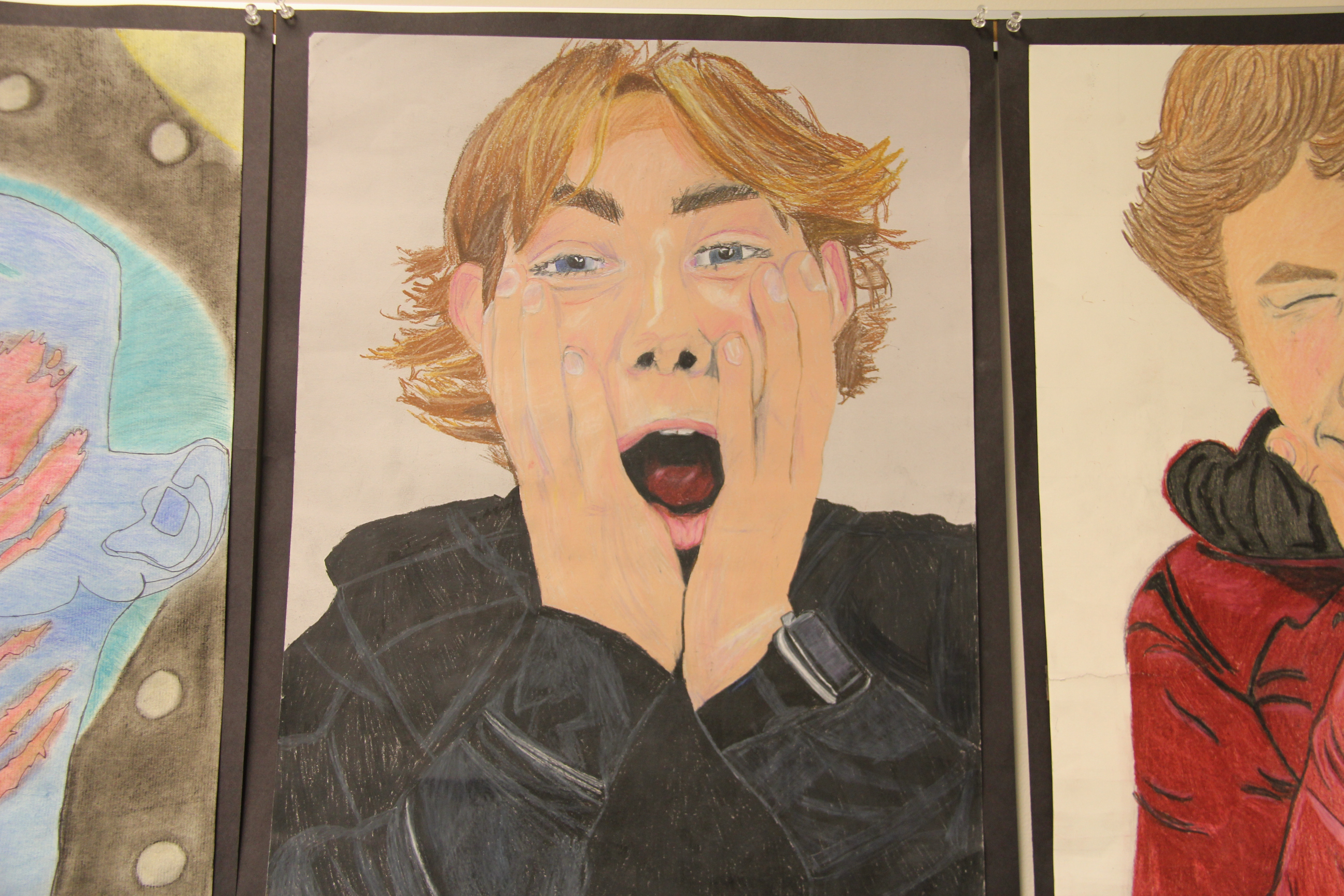
WEM 11th grader Noah created an especially expressive portrait. (Minnesota Prairie Roots copyrighted photo March 2025)

There are no cats crafted from 7-UP bottles. No swans painted on glass. No woven rugs. But there exists in each work of art the element of creativity. To create is to put yourself out there, to share something with the world, to show that, hey, I made this. I matter. My art matters.

Jefferson Elementary School second grader Julissa drew this portrait. Amazing talent at such a young age. (Minnesota Prairie Roots copyrighted photo March 2025)

FYI: In addition to the Paradise Center for the Arts in Faribault, other area art centers are hosting exhibitions of student art in celebration of National Youth Art Month in March. Those include shows at the Owatonna Arts Center until March 30, the Waseca Art Center until April 18 and The Arts & Heritage Center of Montgomery until May 17. Art featured in this post is only a small sampling of the wonderful student art showcased at the Paradise during this exhibit.

© Copyright 2025 Audrey Kletscher Helbling. Photographed with permission of the Paradise Center for the Arts. Student artists retain copyrights to their work.


Oh, sweet baby boy, how I love you March 26, 2025

Filed under: Uncategorized — Audrey Kletscher Helbling @ 6:00 AM
Tags: , , , , , , , , ,
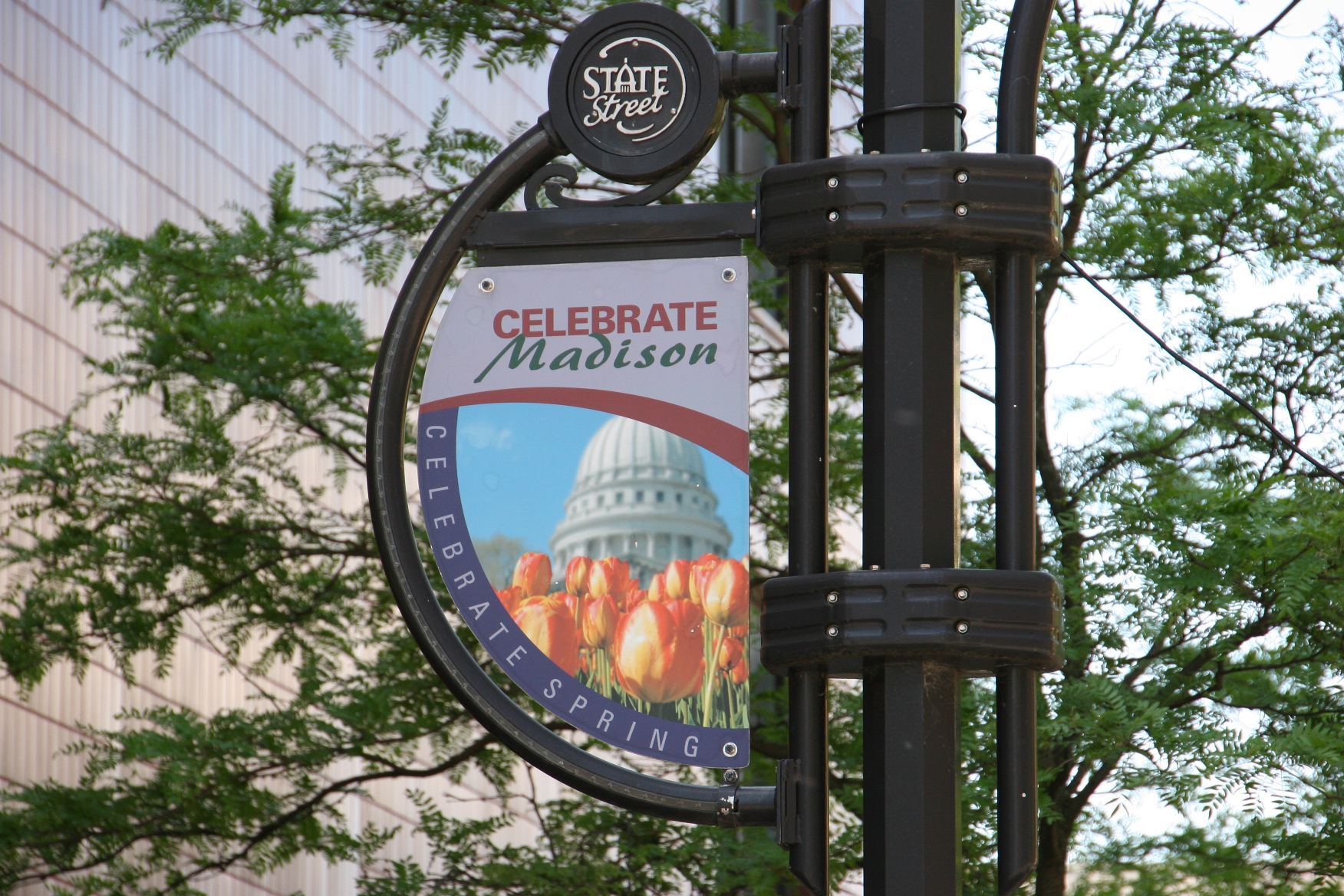
A banner in downtown Madison, Wisconsin, shows the state capitol. I love Madison with its lakes, green space, bike trails, etc. (Minnesota Prairie Roots copyrighted file photo)

FOR WEEKS, RANDY AND I wanted to drive the four hours to Madison, Wisconsin, to visit our second daughter and her family. But each time, one of us was sick with or recovering from a cold. We were not about to make the trip until we were both fully healthy. Last weekend we were.

Friday morning we packed, loaded the van, then hit the road, crossing the Mississippi River into Wisconsin at La Crosse. That marks about the half-way point from Faribault to Madison. By early afternoon we’d arrived at our daughter and son-in-law’s home in the capital city.

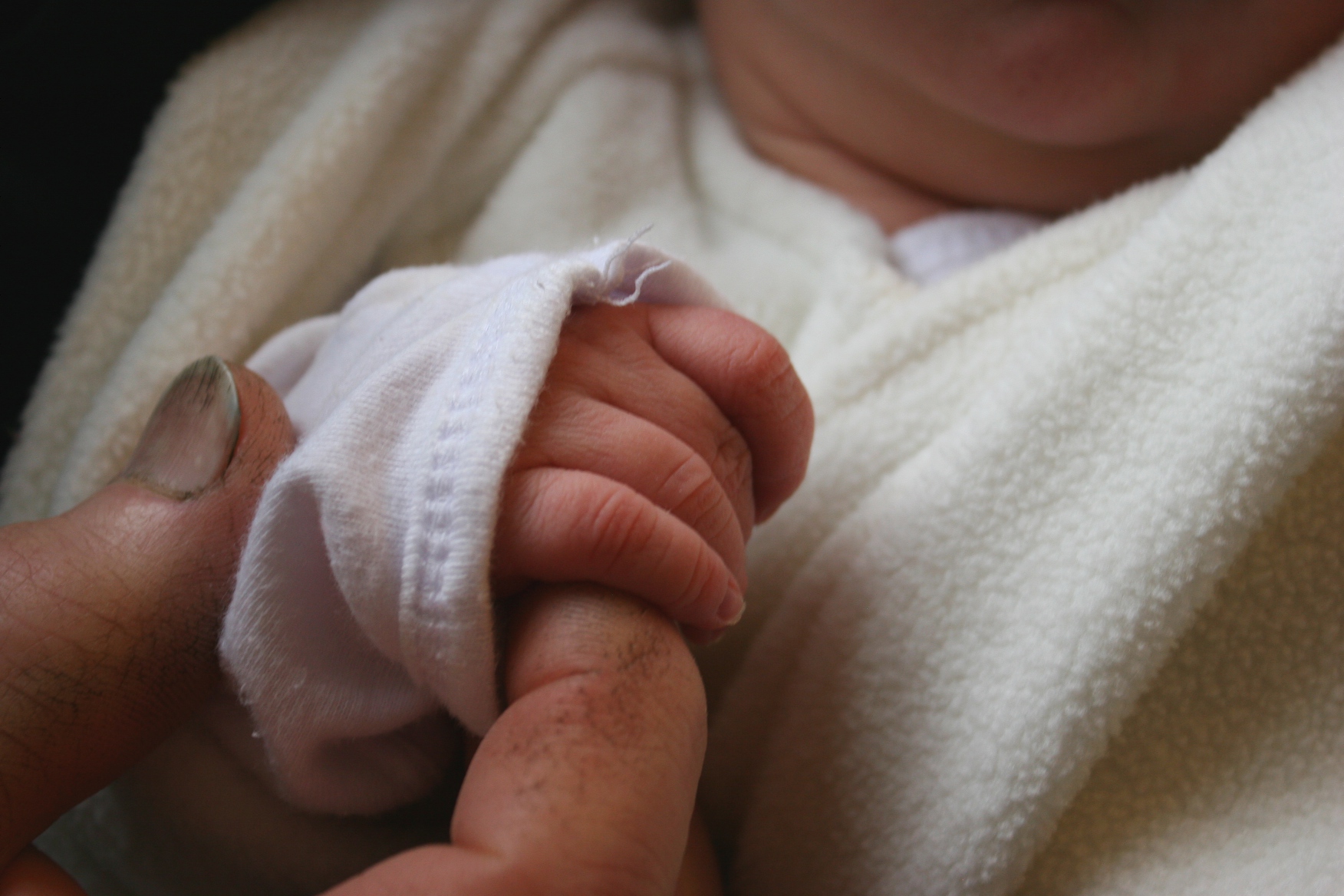
Holding Grandpa’s finger. This is not Everett’s hand, but that of our eldest grandson, now in kindergarten. Photo used for illustration only. (Minnesota Prairie Roots copyrighted file photo)

I couldn’t exit the van fast enough. I wanted to see my grandson. Everett was born in mid-January and I’ve only seen him once in person since then. Video chats and photos filled the gap. But they are not the same, as we all know.

That sweet baby boy, who was an even 10 pounds at birth, now weighs nearly 17 pounds. He’s filled out. He’s smiling, cooing, interacting. And this grandma couldn’t have been happier. I watched him, cuddled him, played with him, read to him, talked to him, kissed him, rocked him, fed him, burped him, rubbed his tummy… Randy and I sent the parents out on a dinner date so they could have time alone together and we could have time alone with our grandson.

There’s nothing quite like spending time with a baby, especially a dear one, to make you forget about all the craziness happening in the world. And we know there’s plenty of chaos and reasons to feel concerned on multiple levels right now. I needed to be with Everett…to calm my spirit, to distract me, to remind me of love, of peace, of hope for the future.

In the days I spent with Everett, we bonded, grew our love for one another, gazed into each other’s eyes. Precious precious moments that I hold now in my memory, in my heart. I miss him so much already.

I called him sweet baby, darling boy, my love, all terms of endearment that carried a heart full of love.
(Book cover sourced online)

When I read It’s Hard to Be a Baby, a picture book written by Cheryl B. Klein and illustrated by Juana Medina, to Everett, his mama and I laughed. Babies have no idea, none, how difficult it is to be an adult sometimes. I’m thankful they don’t. But I suppose babies do struggle occasionally when we adults can’t figure out why they’re crying. Are they hungry, cold, tired, in need of a diaper change, bored…? None of us have quite figured out why Everett is so enamored with the living room ceiling fan. It’s not even turning. Yet he smiles broadly and coos every time he sees that fixture. It makes him so happy.
I love watching my second daughter with her son. Miranda’s a natural. So loving and tender, deeply in love with this baby who nearly cost her her life. She experienced severe postpartum hemorrhaging after Everret’s difficult birth. He was big; she is not. Miranda needed blood transfusions. A team of doctors and other medical staff at UnityPoint Health-Meriter Hospital in Madison worked to stop the bleeding and save her. I shall be forever grateful to them. This was a reminder that, yes, there can be complications and women can still die during childbirth.
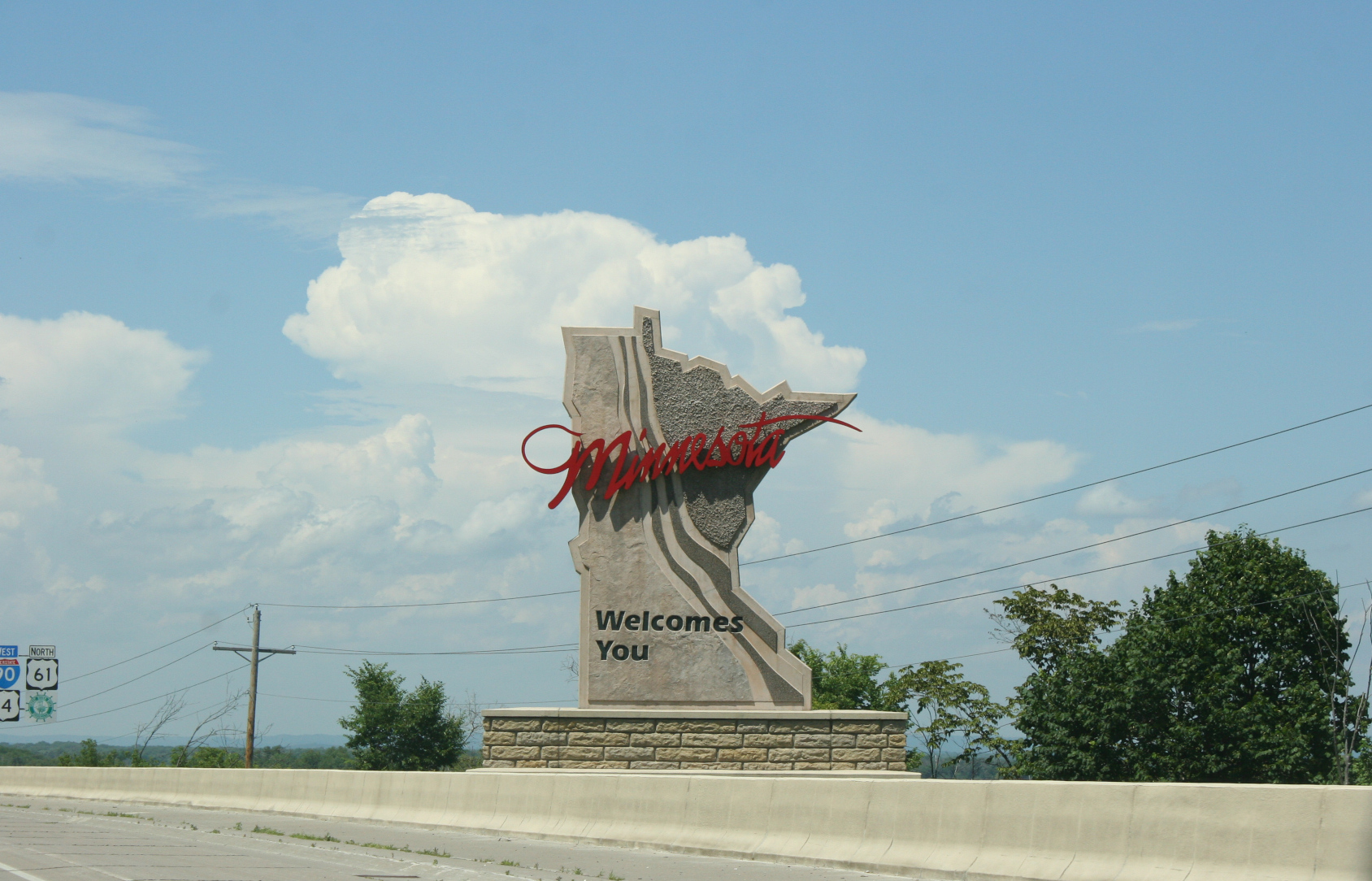
Located at the entry point to Minnesota near La Crosse, Wisconsin. (Minnesota Prairie Roots copyrighted file photo)

Since Miranda became a mom, I feel, too, a strengthening of our relationship in this shared experience of motherhood. I’m the mother of three, the grandmother of three. Two of my grandkids live only 35 minutes away. But not Everett, and that’s hard. So I whispered in his ear, “Move closer to Minnesota.” Then I turned to ask my daughter, “Did you hear that?” She did.

© Copyright 2025 Audrey Kletscher Helbling