Minnesota Prairie Roots

Writing and photography by Audrey Kletscher Helbling

A look back, a look ahead: How school shapes us, expands our world September 6, 2023

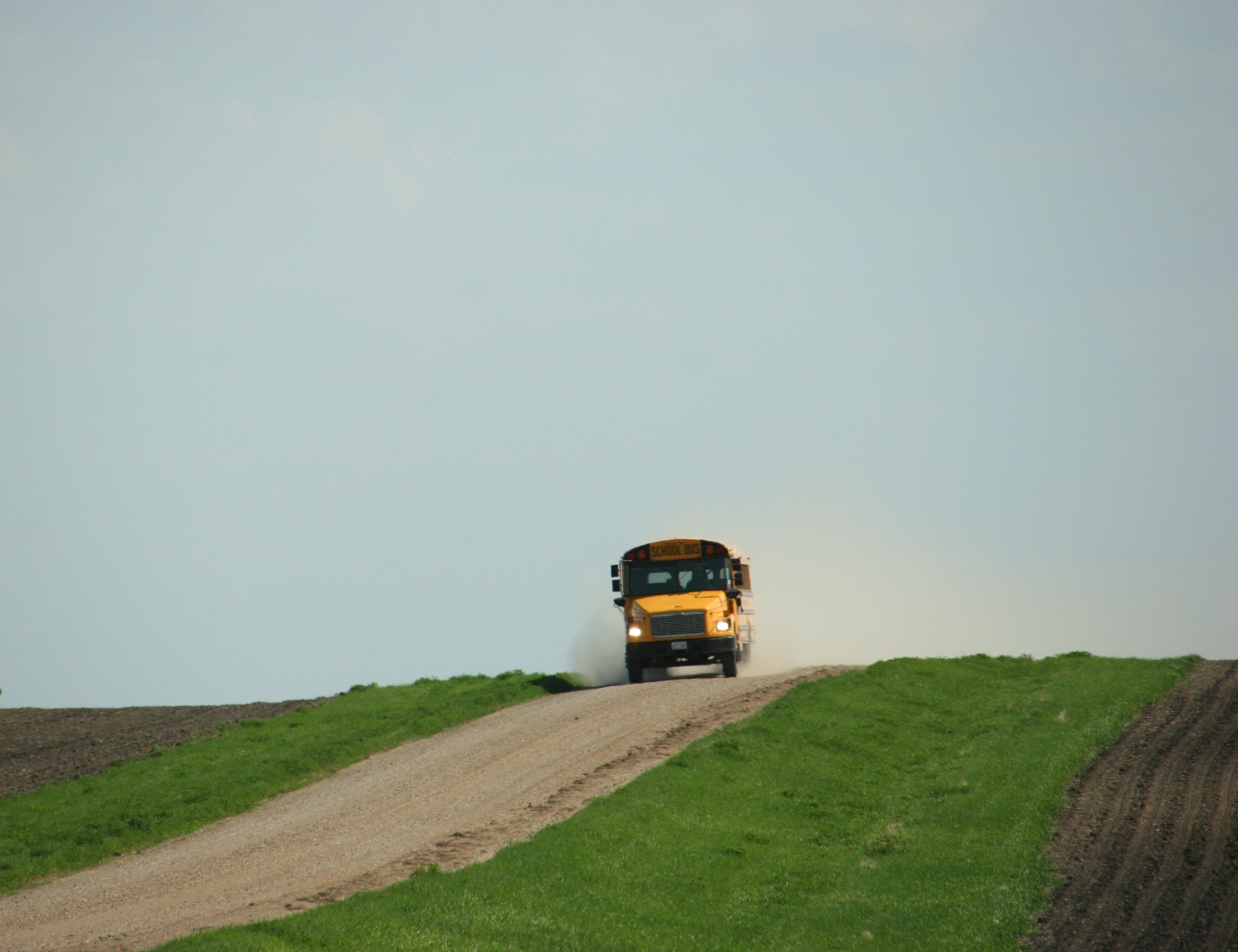
A bus follows a back country road near Morgan in southwestern Minnesota. (Minnesota Prairie Roots copyrighted file photo May 2018)

SHE WANTS TO SAVE the earth. It’s a lofty and noble goal for my granddaughter, who started second grade on Tuesday. Each year, on the first day of school, her mom documents basics about Isabelle on a small chalkboard. That includes a response to “What I want to be when I grow up.” This year Izzy aims to be an environmentalist. As a first grader, her professional goal was becoming a game designer. And on the first day of kindergarten, she wanted to own a toy store and also be a mom.

It’s interesting how Izzy’s interests evolve as she ages, as she grows her world and knowledge and connections with others. The possibilities are endless for her generation. I hold such hope in these young people, just beginning their formal educations.

And I hold hope, too, when I see a photo of Izzy and three neighborhood friends waiting at their urban bus stop. “Smart, Brave, Beautiful” banners Bethel’s tee. What a reaffirming message. For all of them. And how reaffirming that they are of differing ethnicity, their skin tones varied and, indeed, beautiful.

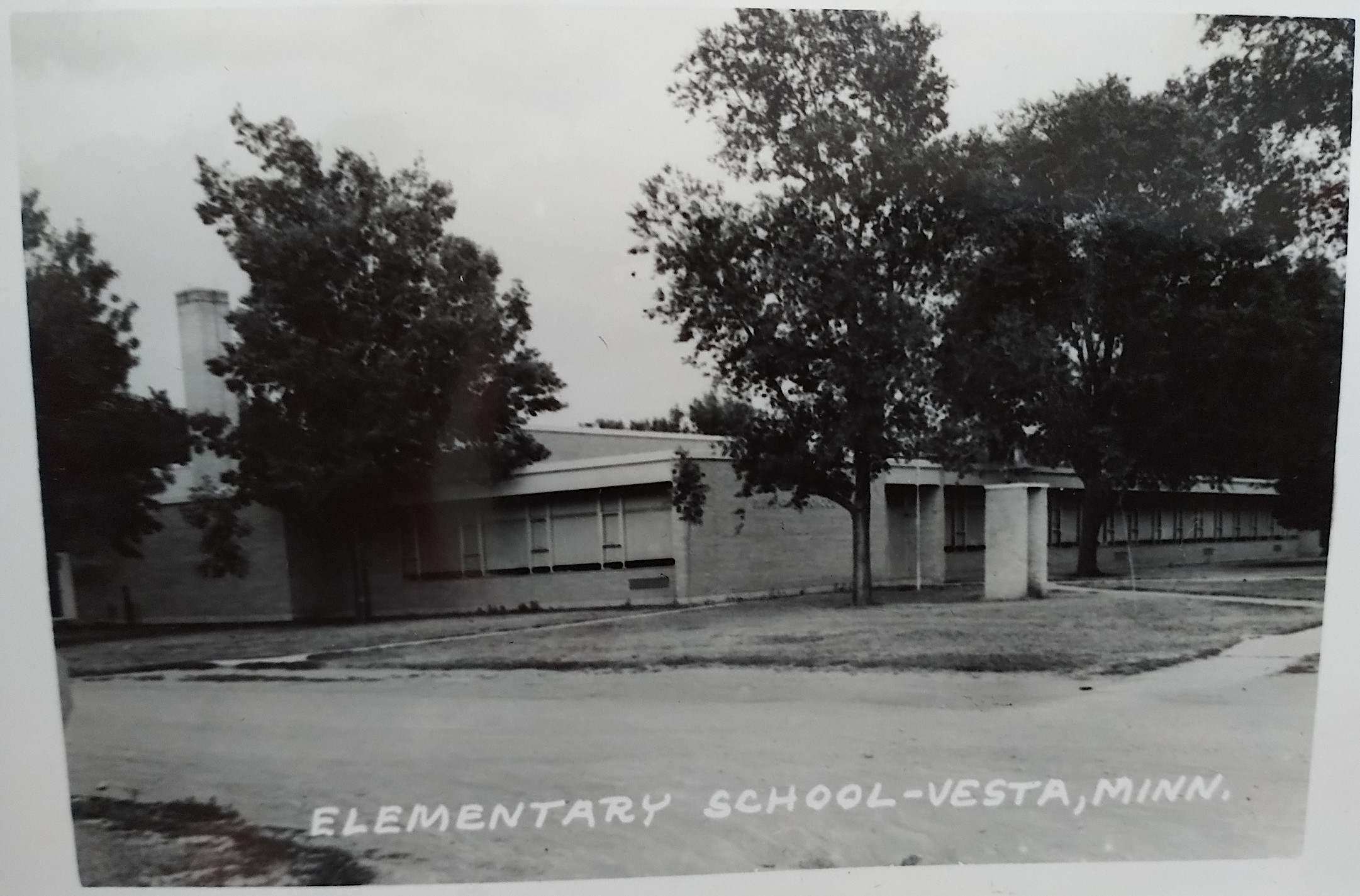
My elementary school, circa 1960s, located in Vesta in Redwood County. The school closed decades ago. (Photographer unknown; photo sourced from my personal photo album)

Sixty years have passed since I was a second grader in a small southwestern Minnesota elementary school, where my paternal grandfather served on the school board. My classmates and I were mostly farm kids, all white. We wrote in “Big Chief” lined tablets which today would not, should not, fly. Attitudes differed in the 1960s. Words like diversity, respect and environmentalist were not part of our everyday vocabulary.

A serene country scene just north of Lamberton in southern Redwood County. (Minnesota Prairie Roots copyrighted file photo September 2013)

But words, overall, held my interest all those decades ago. I have Mrs. Kotval to thank for sparking my love of words, of reading, and eventually of writing. Each day after lunch, she read to her third and fourth graders from “The Little House” and other chapter books. Through the writing of Laura Ingalls Wilder, who lived many years earlier in nearby Walnut Grove, I began to appreciate the nuances of the prairie. And I learned the importance of descriptive, detailed writing. Wilder engaged all of her senses to describe the prairie and life thereon in her series of wildly popular books. With her love of the natural world, this writer unknowingly documented the environment for me, my children and for my second grade granddaughter, today an aspiring environmentalist.

Early on, I aspired to be an elementary school teacher. But that changed as I grew my world, my knowledge, my connections. Words focused my passion. Unlike most of my elementary school classmates, I loved penmanship—letters and words flowing in script across the pages of my penmanship book. I loved spelling. I loved reading, even in a school and town without a library and thus with limited access to books. And by high school, that love of words expanded to writing.

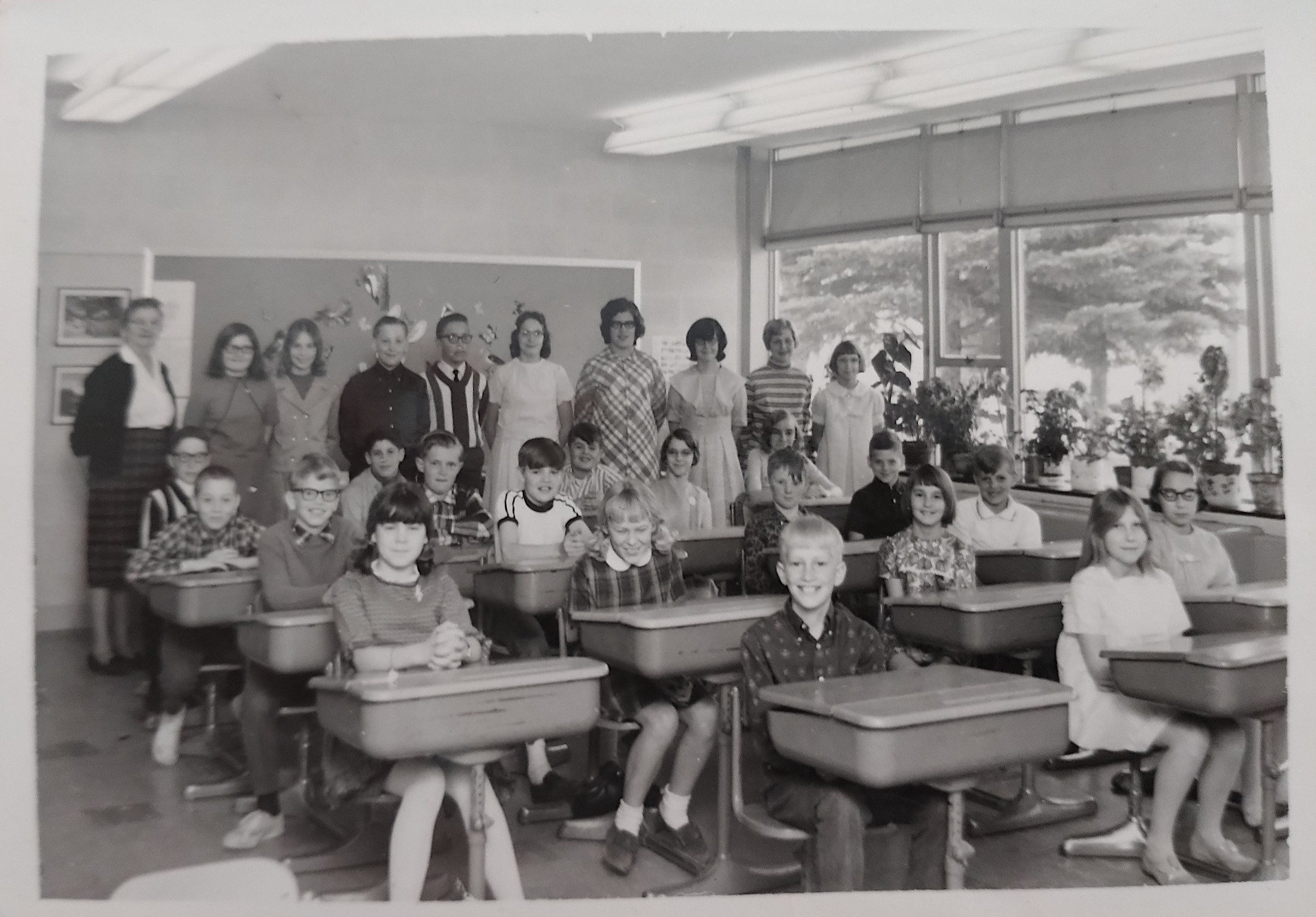
Fifth and sixth graders at Vesta Elementary School in the late 1960s. I’m in the back row, far right, next to the windows. (Photographer unknown; photo sourced from my personal photo album)

I want to pause here and stress the importance of passionate teachers in fostering students’ interests. From Mrs. Kotval reading to her students after lunch to junior high English teacher Mrs. Sales teaching me all the parts of grammar to high school teacher Mr. Skogen requiring students to keep journals, their influence on me and my eventual career was profound. I would go on to earn a college degree in mass communications, leading to a career as a journalist, writer, poet and photographer.

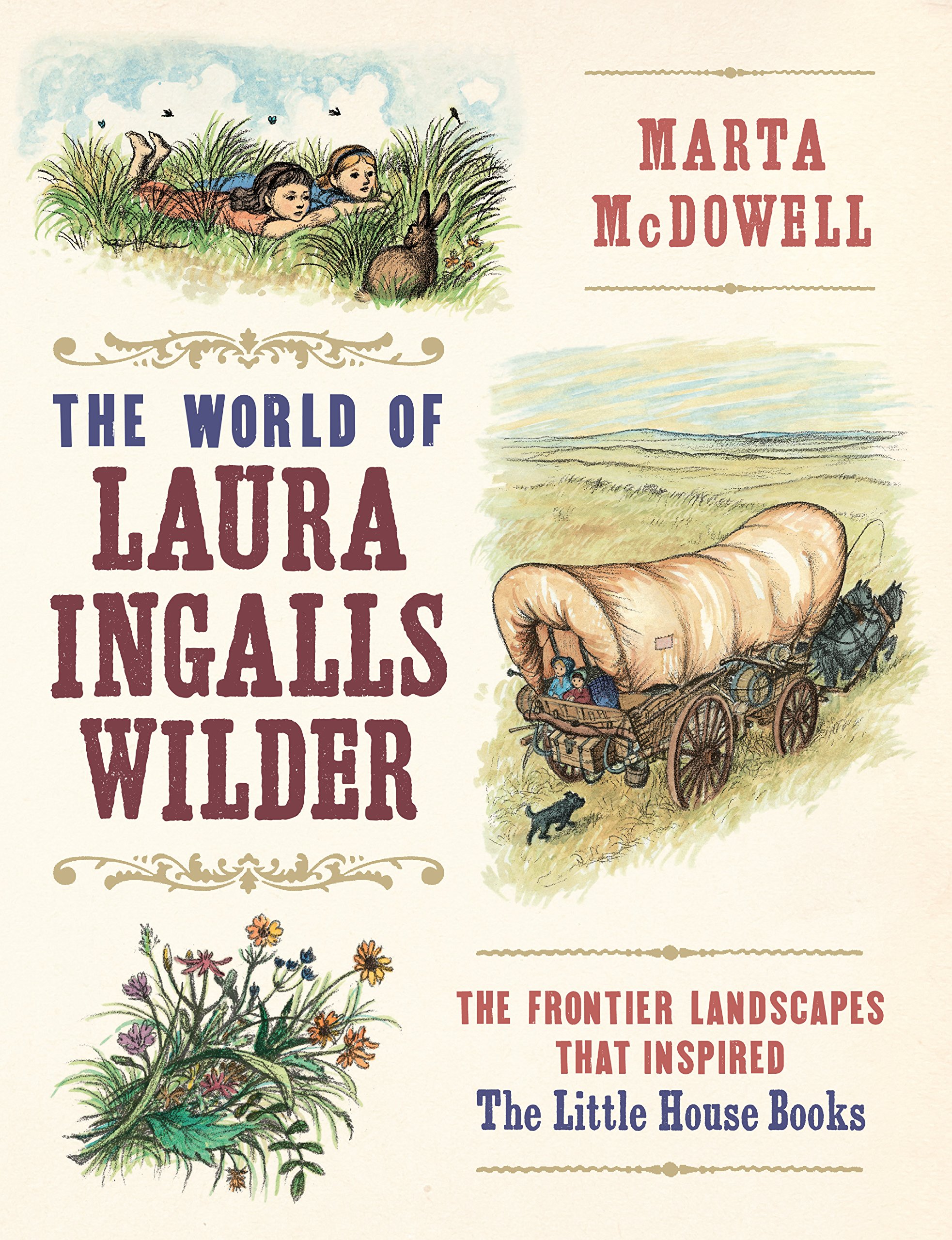
That brings me full circle back to Laura Ingalls Wilder, who early on influenced my detail-rich writing and photographic styles. In 2017, I became professionally connected to the author via “The World of Laura Ingalls Wilder—The Frontier Landscapes That Inspired The Little House Books.” Author Marta McDowell chose three of my photos (including one of prairie grasses at sunset) to illustrate her 396-page book documenting Wilder’s life and relationship to her environment. Perhaps some day my granddaughter will open the pages of McDowell’s book and find the photos taken by her grandmother. Whether Isabelle becomes an environmentalist or something vastly different, I expect she will always care about the earth and her role in saving it.

© Copyright 2023 Audrey Kletscher Helbling
 

Connecting with my new neighbors via “Amazing Africa: A to Z” May 15, 2023

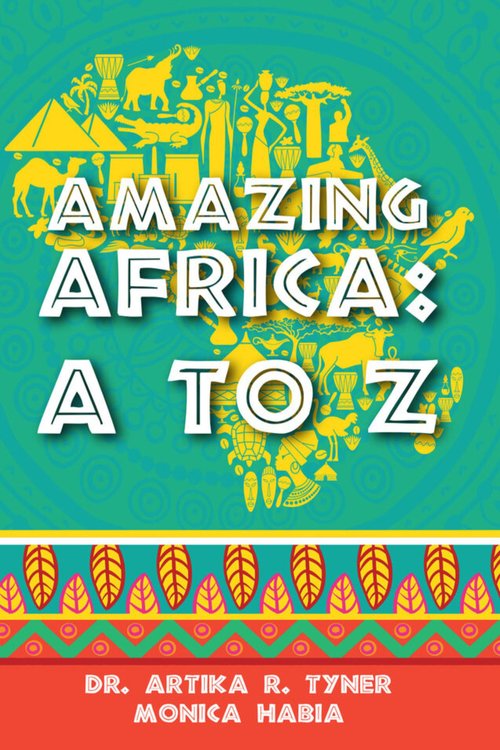
(Book cover credit: Artika Tyner’s website)

BUSY PATTERNS. Bold hues. Strong images and words. All define Amazing Africa: A to Z, a children’s picture book co-authored by Minnesotan Dr. Artika Tyner and Ghanaian Monica Habia and illustrated by Reyhana Ismail of the UK.

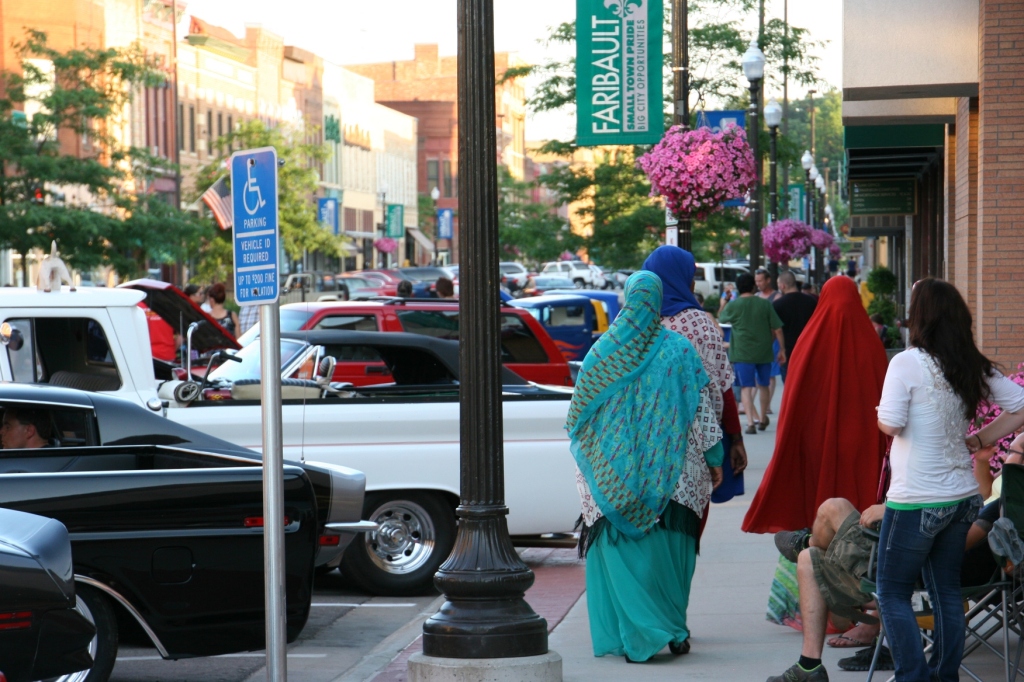
Somalians are very much a part of the Faribault community, photographed here at a Downtown Car Cruise Night. (Minnesota Prairie Roots copyrighted file photo)

For a community like mine, with a sizable Somali population, this book proves a natural draw. I always appreciate learning more about my new Faribault neighbors from the east African country of Somalia. The more we know about each other, the more comfortable and connected we feel. Disconnect and conflict often arise from lack of knowledge, fear of the unknown and differences. Differences in dress, food, language, culture, faith.

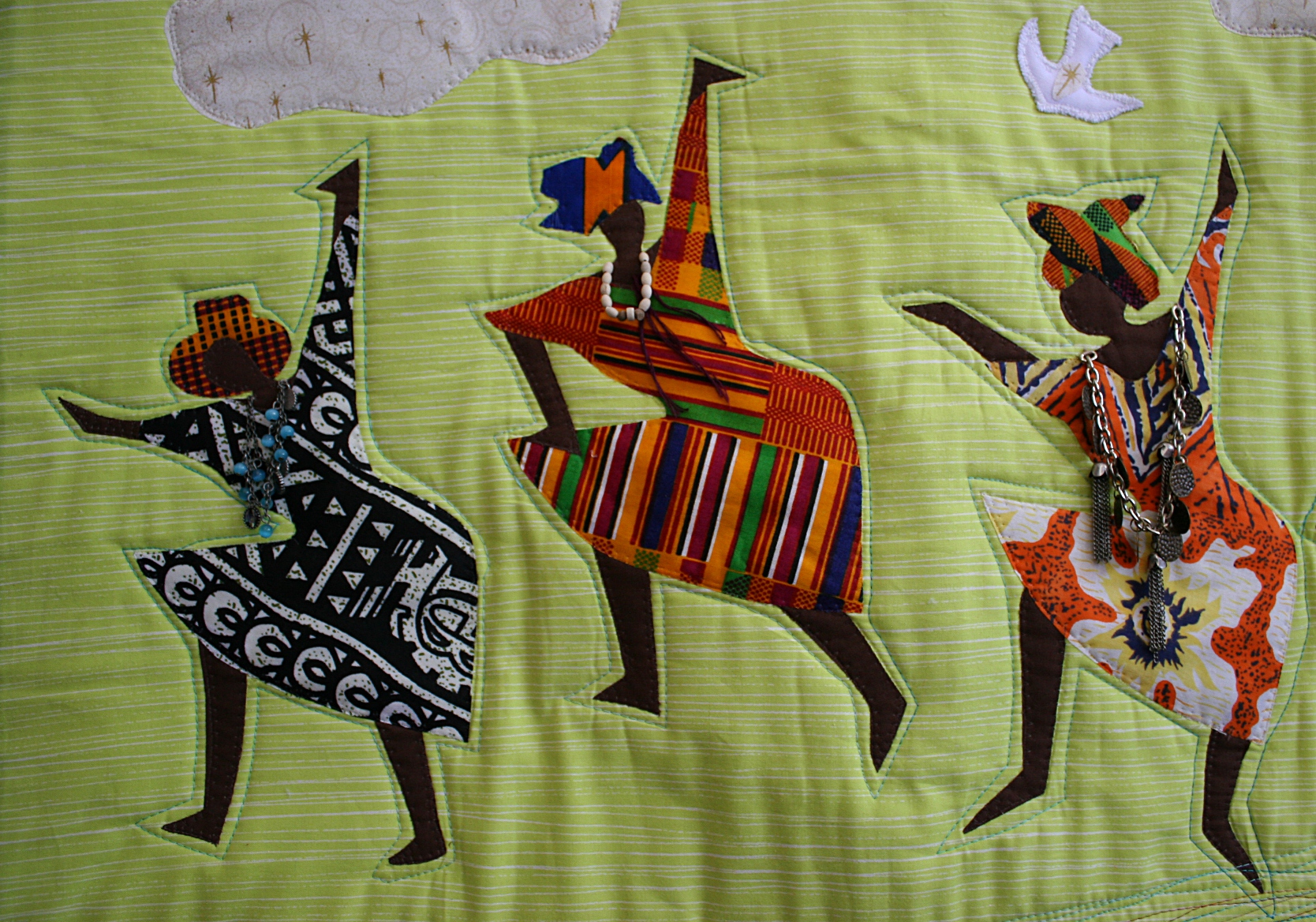
Nigerian-themed quilt art by my friend Susan Griebel. The fabric is from the collection of her mother-in-law, Margaret Griebel. Margaret’s husband was a Lutheran missionary in Nigeria, where the family lived. (Minnesota Prairie Roots copyrighted file photo)

This book bridges differences via facts and art that carries a signature African style of intense patterns and colors. With every new bit of information, with every turn of the page, I feel more and more connected to this continent of 54 countries. For example, the word hospitality, chosen to represent the letter “H” in this alphabet book, strikes me as exactly what I hope for in Faribault. Africans believe no one is an island; rather everyone is part of the community, the text reads in part. Two clasped hands visually reinforce that belief.

Lul Abdi shows off beautiful wood crafts from Kenya and Somalia at a past International Festival Faribault (Minnesota Prairie Roots copyrighted file photo)

Events like the Faribault Diversity Coalition’s summer International Festival Faribault and now occasional public talks by immigrants and others are ways we join hands and grow community. I’ve seen the art of my neighbors from Africa. I’ve heard the music, tasted the sambusa, admired colorful clothing… Faribault’s newest residents add a depth and richness to my southern Minnesota city.

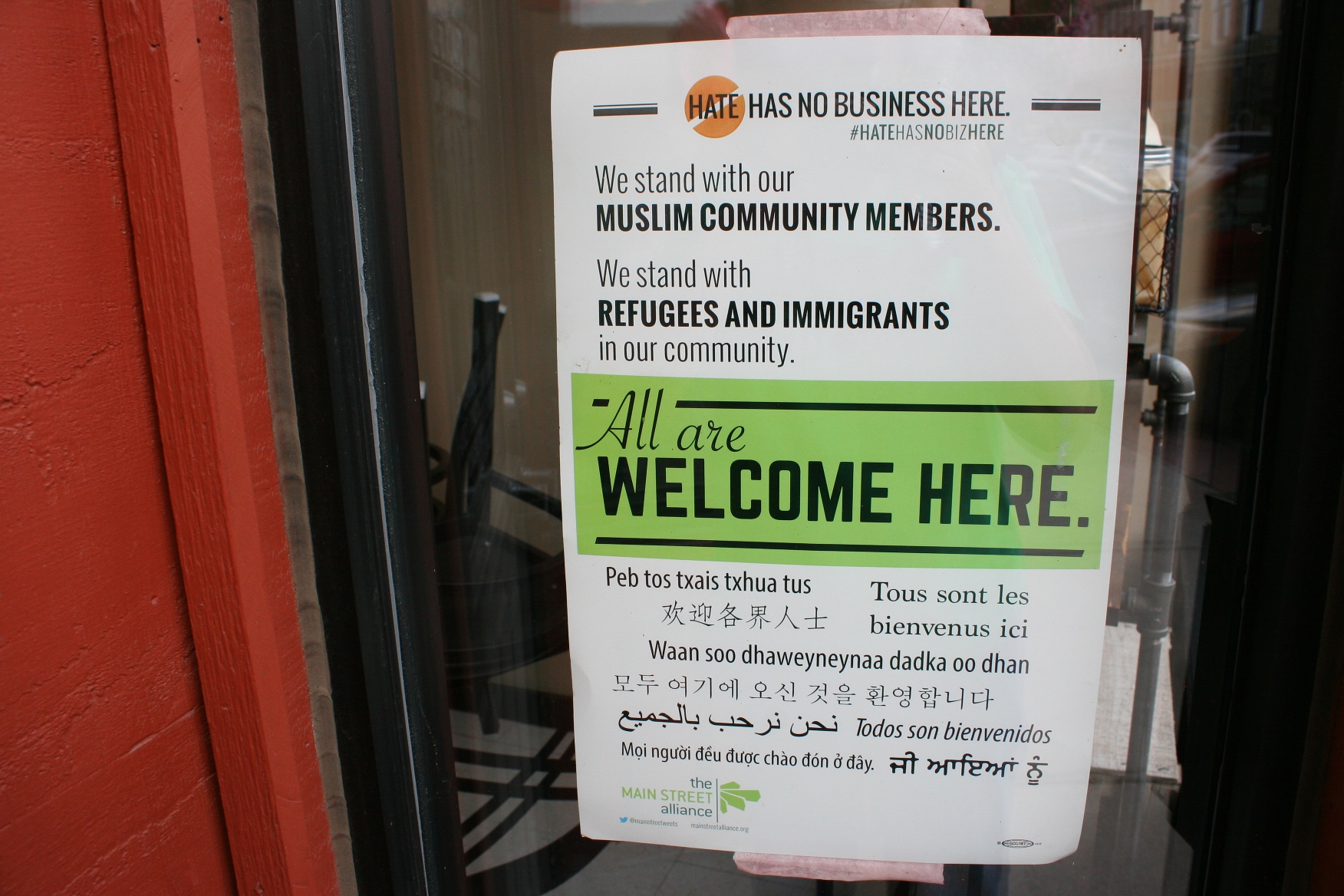
A sign posted in a downtown Faribault business storefront window several years ago. (Minnesota Prairie Roots copyrighted file photo)

Consider African proverbs, chosen in Amazing Africa: A to Z to represent the letter “P.” These wise sayings span cultures. The authors include this powerful Swahili proverb, among several, at the end of the book: “Unity is strength, division is weakness.” If only we all read and take those words to heart. I firmly believe that we, as individuals and as community, need to be here for one another. We truly are stronger when not divided.

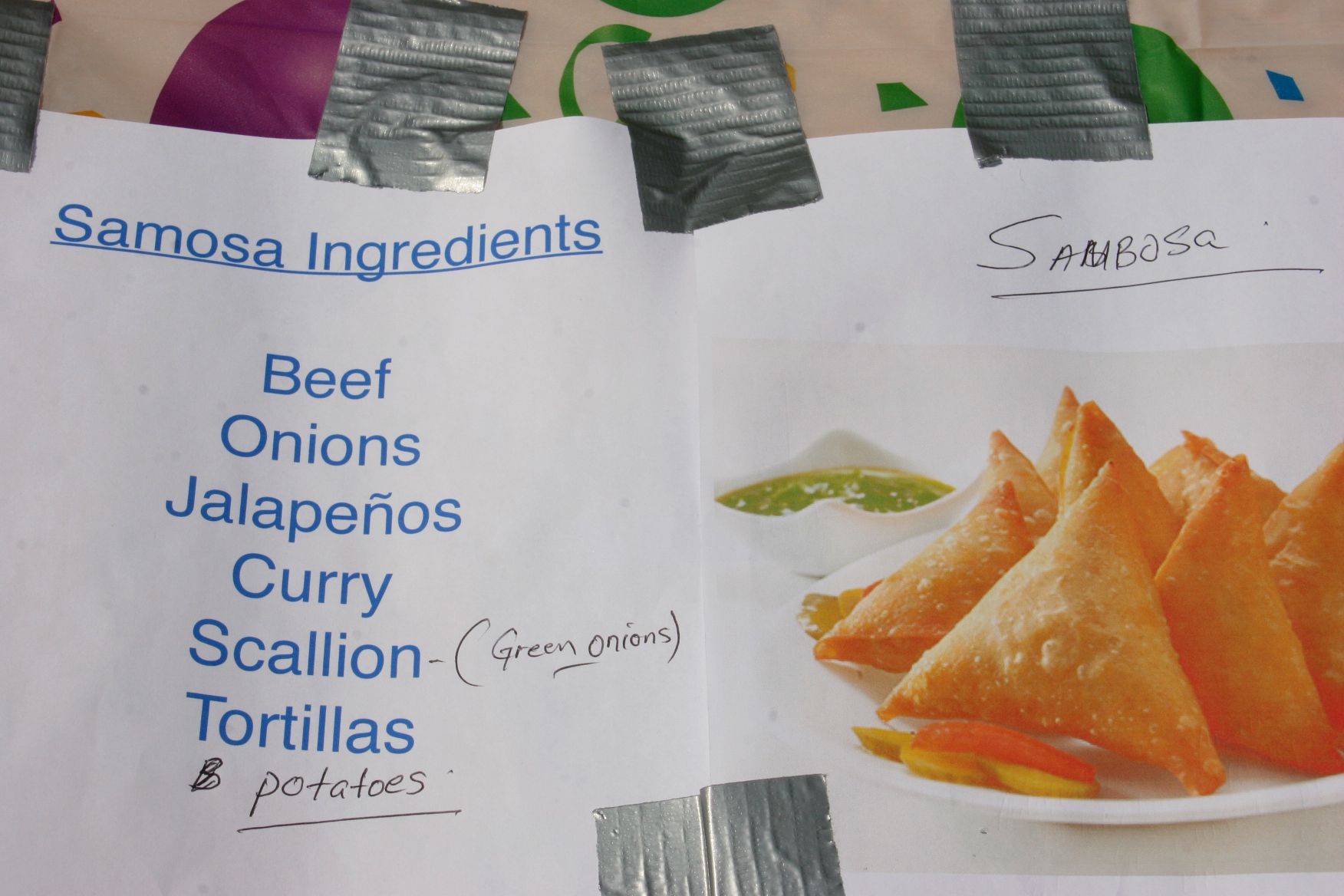
A sign lists Somali food sold at a past International Festival Faribault. (Minnesota Prairie Roots copyrighted file photo)

As I read of 1,000 languages spoken throughout Africa, I think of the Somalians now living in my community. Many have overcome war, poverty and other unimaginable challenges to settle in Minnesota. And now they must also overcome language barriers and resentment. If only we would all pause for a moment and remember that, for most of us Minnesotans, English was not the native tongue of our immigrant forefathers. Mine spoke German. Others spoke Norwegian, French, Dutch…

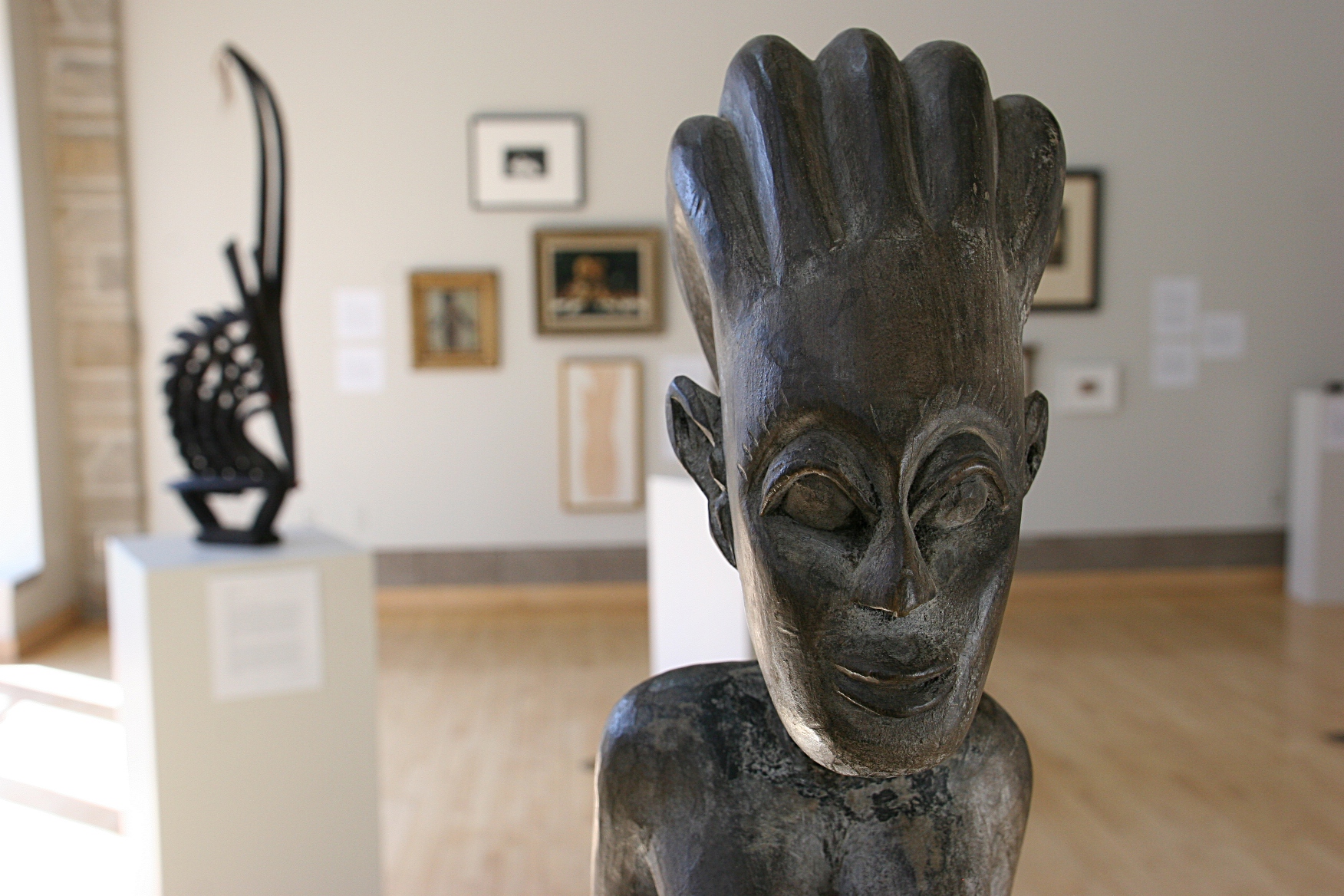
A wood sculpture from Africa, artist unknown, and titled “Seated Maternity Figure.” Exhibited at St. Olaf College, Northfield, in 2015. (Minnesota Prairie Roots copyrighted file photo April 2015)

I certainly can’t pronounce all of the words published in this book about Africa. Words like Uhuru, Yamoussoukro, Ugali and more. But I can appreciate the beauty of language, the way these words speak the rhythm of the continent of Africa.

Bisa Butler inspired art created by fourth grader Ilwad and exhibited at a Student Art Show in Faribault. Butler is an award-winning African American textile artist. (Minnesota Prairie Roots copyrighted file photo March 2023)

Africa is the story of slavery, of dancing, of the world’s largest waterfall, of greatness, of so much richness and depth. You’ll find that, see that, read that in Amazing Africa: A to Z.

FYI: Dr. Artika Tyner, co-author of this book (and many others) and also a motivational speaker, educator and attorney, will speak on her journey towards justice from 6-7 pm Tuesday, May 16, at Buckham Memorial Library, Faribault. She is part of the Southeastern Libraries Cooperating 2023 Minnesota Author Tour. In her work, she focuses on racial and economic justice and social change. Tyner founded the nonprofit, Planting People Growing Justice Leadership Institute.

I previously reviewed Tyner’s children’s book, Justice Makes a Difference—The Story of Miss Freedom Fighter, Esquire. To read that book review, click here.

© Copyright 2023 Audrey Kletscher Helbling


Reflecting on a Faribault first on this, MLK Day January 16, 2023

I took this photo of a St. Olaf College student watching a video in an exhibit, “Selma to Montgomery: Marching Along the Voting Rights Trail,” in 2015. Dr. Martin Luther King Jr is shown in this frame. (Minnesota Prairie Roots copyrighted file photo April 2015)

TODAY, THE DAY WE HONOR Civil Rights activist Dr. Martin Luther King Jr with celebrations and a federal holiday, seems fitting to share my excitement over the election of Adama Youhn Doumbouya to the Faribault City Council. Elected in November and just recently taking office, the Liberian-born immigrant becomes the first person of color to serve on the Council in a city chartered on April 9, 1872.

I expect Dr. King, who advocated tirelessly for equality and human rights, would be proud. I feel not only pride, but also gratitude in knowing that Doumbouya will bring a new young voice (he was born in 1987) and perspective to my ever-changing city.

This is my all-time favorite award-winning photo showing diversity in Faribault. I shot this image at the 2012 International Festival in Central Park where kids gathered to break a piñata. (Minnesota Prairie Roots copyrighted file photo 2012)

Today’s Faribault is vastly different from the Faribault of the past, even of recent decades. It is decidedly more diverse in skin tones, religion, culture, customs, dress, language and more. Admittedly, those who have moved here from places like Somalia, Sudan and Mexico have not always been welcomed. Racism exists. Sometimes subtle, sometimes blatant. I wish that wasn’t true, but it is.

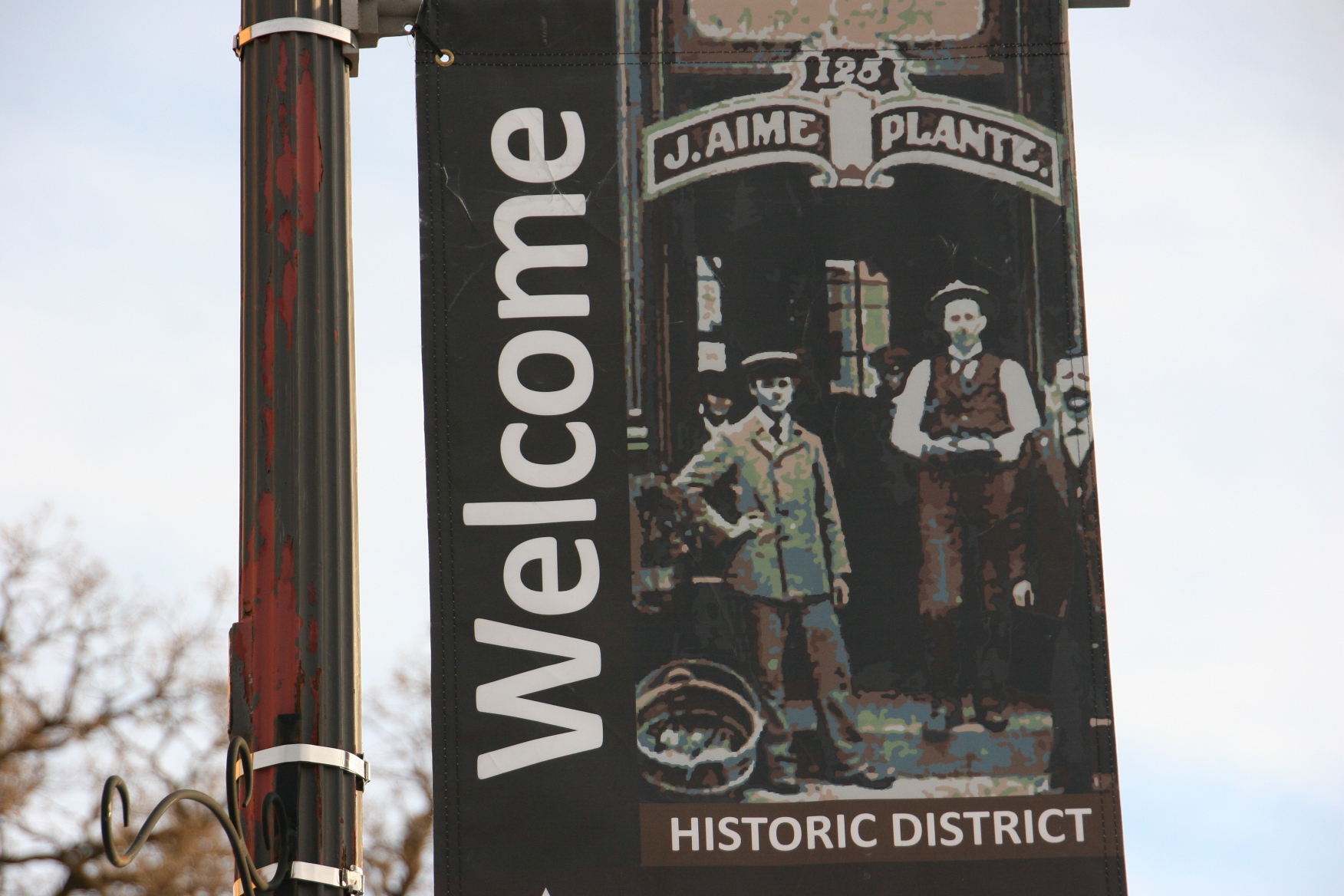
Faribault is a city rich in immigrant history. This banner hangs in the downtown historic district. (Minnesota Prairie Roots copyrighted file photo 2019)

In the context of this evolving, diverse Faribault, it’s important to remember that nearly all of us (with the exception of indigenous peoples) are descendants of immigrants. Too often we forget that. Our forefathers landed in America, then Minnesota, with dreams. Faribault’s newly-elected councilman, who witnessed civil war in his home country along the west coast of Africa, landed in New York City in 2013 with dreams.

Visitors could photograph themselves at the 2015 “Selma” exhibit at St. Olaf College and express their thoughts. (Minnesota Prairie Roots copyrighted file photo 2015)

Although I’m not privy to Doumbouya’s personal dreams, I’ve read his backstory published in a Faribault Daily News feature. After moving to Minnesota, he worked at a meat-packing plant in Austin, south of Faribault near the Iowa border. He served on the Austin Planning Commission. Eventually, he pursued a college degree, earning a Bachelor of Science degree in urban and regional studies. He moved to Faribault in 2020, owns a home here.

That’s a nutshell summary of the background Doumbouya brings to city government. Responses to a Q & A published pre-election revealed a candidate eager to serve his community. Eager to advocate for affordable housing, transportation and inclusive workforce development. Eager, too, to improve city infrastructure and technology for residents and businesses. Eager to focus also on economic development. I’m confident he will work hard on those goals of improving life and expanding opportunities in Faribault.

This image from a 2015 Downtown Faribault Car Cruise Night shows the diversity in my city. (Minnesota Prairie Roots copyrighted file photo 2015)

It took a long time—going on 151 years—for my city to get here, to the point of a person of color serving on the City Council. It took time, too, for social justice activist Dr. Martin Luther King Jr. to make progress towards equality and human rights for all. As we approach the 55th anniversary of King’s assassination on April 4, 1968, in Memphis, much work remains to be done.

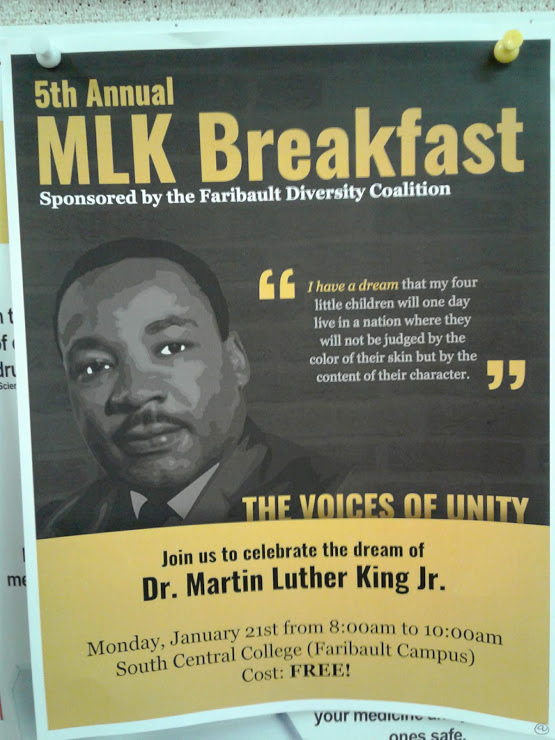
A promo for the MLK Breakfast in Faribault. (Credit: Faribault Diversity Coalition)

The same can be said in Faribault. But I see progress. I see progress in the election of Doumbouya to the City Council. I see progress via the efforts of the Faribault Diversity Coalition, which today hosts its ninth annual MLK Breakfast and has also started a recent Speaker Series. I see progress in personal connections and communication and caring attitudes. Faribault’s future is as limitless as our dreams.

© Copyright 2023 Audrey Kletscher Helbling

Note: Adama Youhn Doumbouya’s photo is not included on the City Council website page, leaving me without an image to share here.


Learning about my Somali neighbors via a new children’s book December 7, 2022

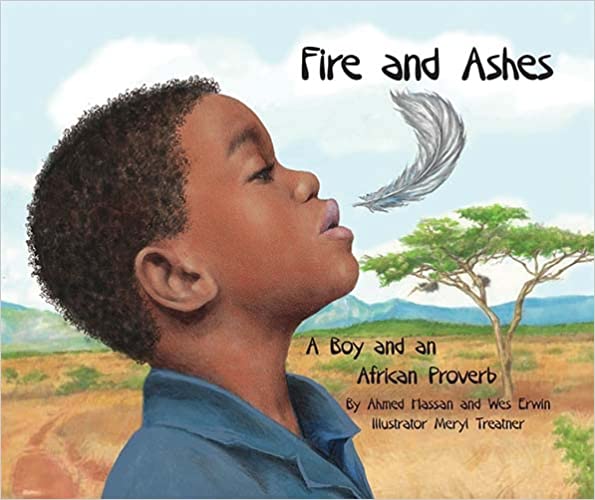
LIVING IN A MINNESOTA community with a sizable Somali population, I was excited to read the recently-published children’s picture book Fire and Ashes—A Boy and an African Proverb co-authored by Minnesotans Ahmed Hassan and Wes Erwin. Why? It’s important for me to learn about my new neighbors, their homeland, their culture, their experiences before resettling in Faribault. Reading books is one way to gain insights.

Fire and Ashes, even though a book geared toward children, is an enlightening read for adults, too. I found myself fully-engaged in the story of young Warfa, a refugee from Somalia who experienced unimaginable trauma. His trauma flares when he works on a school assignment—creating a poster about himself. I can almost feel my tummy hurting, my head spinning, my heart racing right along with Warfa as he relives terrifying moments in Africa. That includes witnessing the violent death of a neighbor. (Because of that, children should read this story with an adult.)

Award-winning children’s book illustrator Meryl Treatner reinforces the story line with art so realistic that I felt like I stepped into Africa and then into Warfa’s American classroom. I could almost smell the flowery scent of the acacia tree, feel the threat in a shadowy figure, hear Warfa’s uneven breathing.

It is Warfa’s grandma who helps her “little lion” deal with his anxiety via an African proverb and practical visualization and breathing techniques. Proverbs are used in many cultures to effectively teach, to pass along wisdom. The co-authors of Fire and Ashes, both licensed counselors, wrote this book not only to share a proverb, to tell Warfa’s story, but also to shine a light on mental health and self-care. The book includes authors’ notes and a link to additional supportive resources.

There are so many reasons to appreciate Fire and Ashes. The book gives readers like me a glimpse into atrocities experienced by my new neighbors. This book gives insights into culture. And for those who have endured any type of trauma, whether young like Warfa or two generations older, this book opens the door to discussion and then to healing, to an understanding that memories are ashes, not fire.

FYI: Fire and Ashes—A Boy and an African Proverb is available for check-out at Buckham Memorial Library in Faribault and the Lanesboro Public Library, local requests only. I hope other libraries in the 11-county Southeastern Libraries Cooperating system add this book to their collections. This book, published by The Little Fig, is the first in a series focusing on African proverbs. I’d recommend purchasing Fire and Ashes for your personal library or as a gift.

© Copyright 2022 Audrey Kletscher Helbling
 

When We Say Black Lives Matter February 8, 2022

A must-read book.

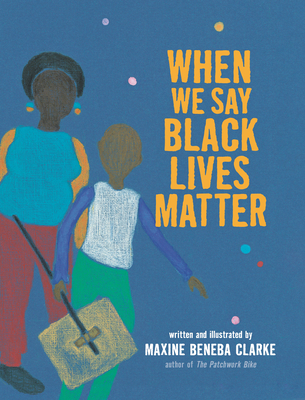
WHEN I STOPPED at Buckham Memorial Library on Saturday morning to pick up Valentine’s Day-themed books for a visit with the grandchildren, I left with a more important book. I discovered When We Say Black Lives Matter, written and illustrated by Maxine Beneba Clarke, among the new children’s picture books.

The award-winning Australian writer, poet and artist has crafted a story from the perspective of a Black child’s parents explaining why Black Lives Matter. It’s a powerful telling written in words kids can understand, yet with a depth that touches the adults who read this book. The illustrations in watercolor pencil and collage enhance/complement the text in ways that strengthen the message, as all book art should.

The love-filled words reflect on past and present injustices, on strength and song, on Black voices that matter. Just like Black Lives Matter.

I encourage you to read this picture book. The insights it offers are important. Especially now, as protests continue in Minnesota over yet another fatal shooting of a young Black man by police. Simultaneously, the federal trial of three former Minneapolis police officers charged with violating the rights of George Floyd during his May 2020 arrest (and subsequent death) continues. February also marks Black History Month.

Another must-read book.

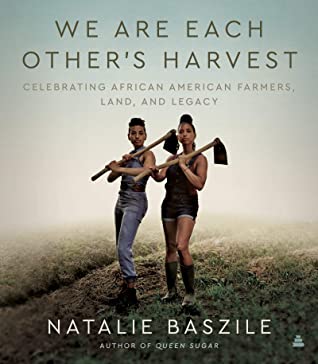
I encourage you to read a second book, which I also found at my library. I’m about a third of the way into We Are Each Other’s Harvest—Celebrating African American Farmers, Land, and Legacy. It’s a collection of stories by Natalie Baszile, author of award-winning Queen Sugar (which I now must read). The book is exactly as its title states, about Black farmers, their past and present connection to the land and the challenges they face. I’m learning a lot. As someone who grew up in rural southwestern Minnesota surrounded only by other White people, I need to read books like these to broaden my understanding about the challenges of being Black in America. Past and present. Because I grew up with a strong connection to the land, these stories really resonate.

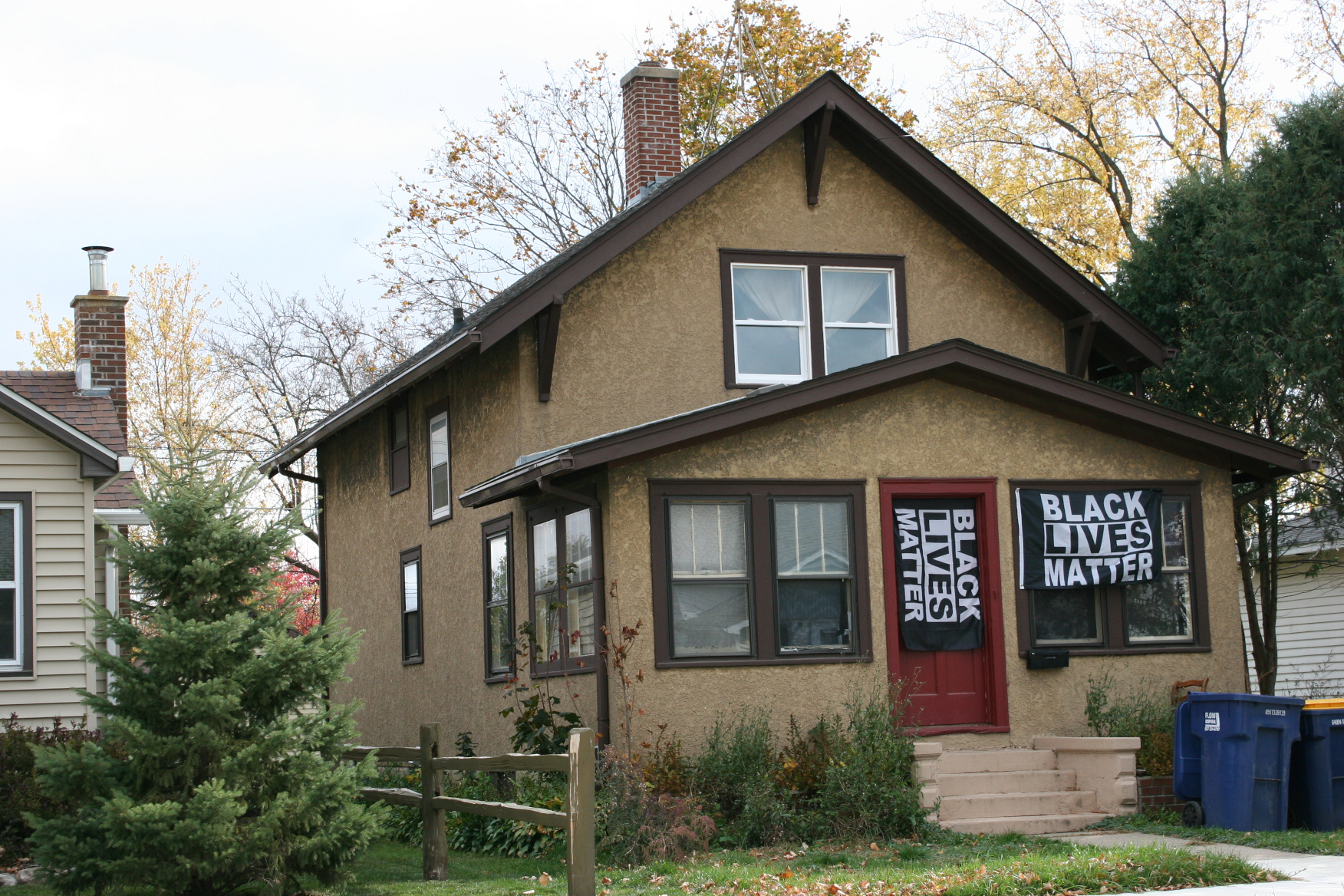
It’s refreshing to see signs like this in small town Minnesota. I photographed this in October 2020 in Kenyon, MN. (Minnesota Prairie Roots file photo)

Although I never got around to reading Clarke’s picture book to my grandchildren (we ran out of time), I will tell you that Isabelle and Isaac are growing up in a diverse neighborhood. Izzy’s kindergarten class also includes classmates of assorted skin tones and backgrounds. Not just White, Lutheran/Catholic, German/Scandinavian like her maternal grandparents. I appreciate that diversity in the lives of these little people whom I love beyond measure. When they see their classmates and/or playmates, they don’t see color. They see friends.

#

TELL ME: Have you read either of these books? What similar books do you recommend I read? I’d love to hear.

© Copyright 2022 Audrey Kletscher Helbling
 

Celebrating Faribault’s diversity at international fest July 10 July 8, 2021

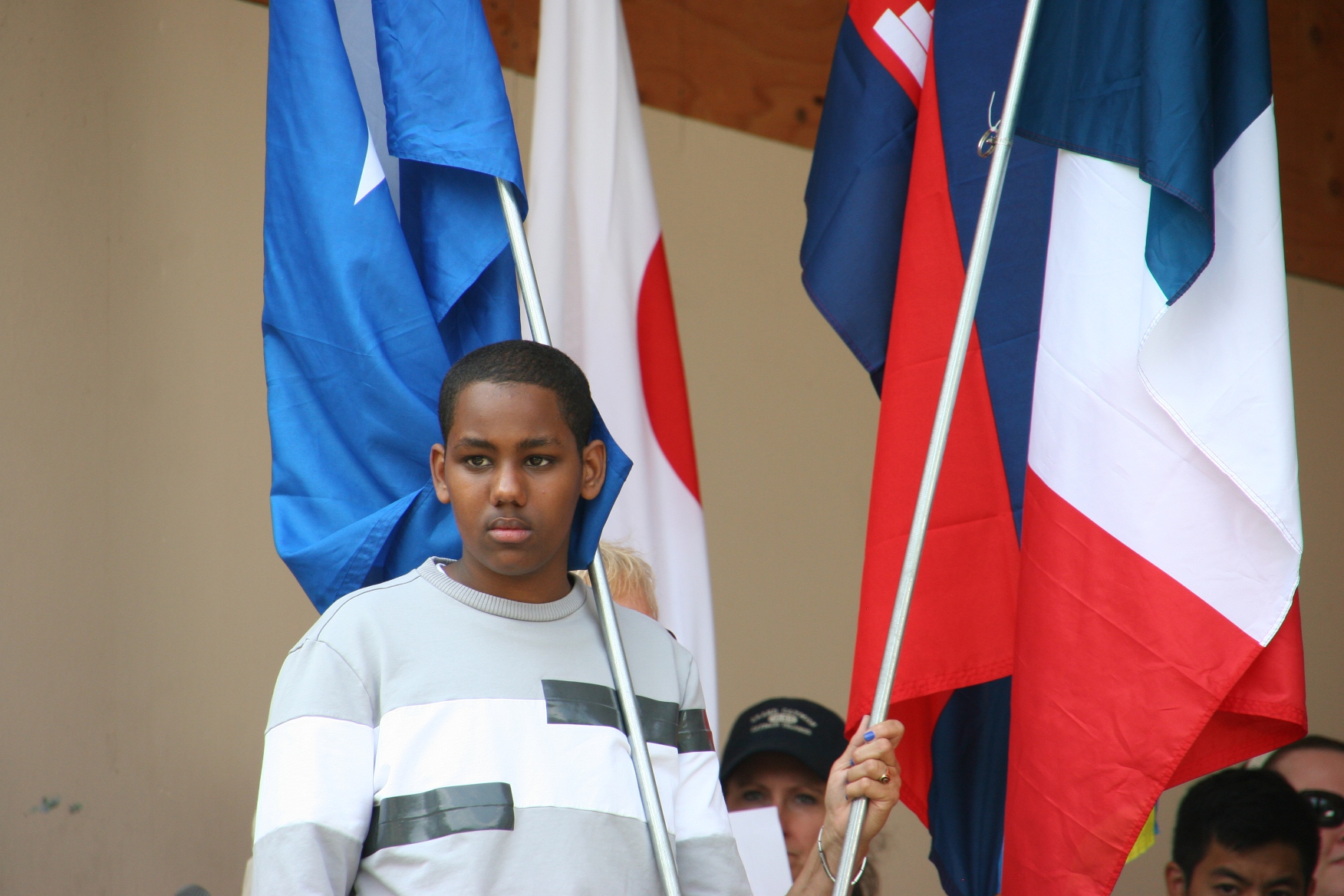
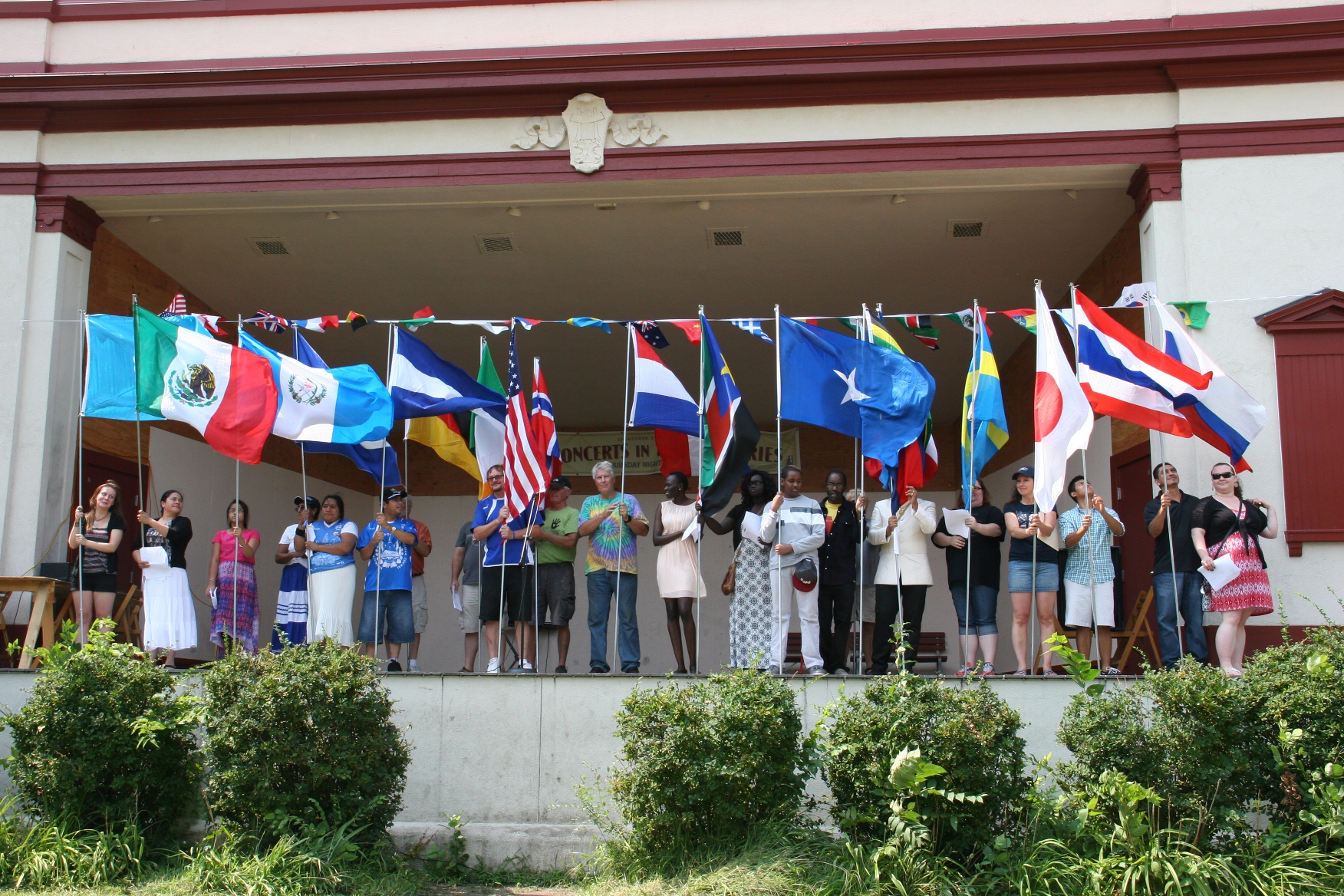
Flags representing the many countries from which Faribault residents came are displayed at a past International Festival Faribault. Minnesota Prairie Roots file photo.

DECADES AGO, in high school and then in college, I studied the German language. I grew fluent in the native tongue of my forefathers. I felt a sense of accomplishment as my skills advanced. I decided I would major in German in college, until I determined journalism would be a better path. I’ve never regretted that decision because I love words, no matter the language.

My second daughter, though, pursued a foreign language major, earning her college degree in Spanish (much more practical than German) and then becoming a Spanish medical interpreter. Until the pandemic ended that career.

Friends, Nimo Abdi, a sophomore at Faribault High School, left, and Nasteho Farah, a senior when I photographed them in 2012 at the International Festival. Minnesota Prairie Roots file photo.

I share this to lay the foundation for my personal appreciation of other cultures. I’ve never traveled internationally and not all that much domestically, so I welcome the opportunity to experience other countries and cultures locally. From 10 am – 4 pm this Saturday, July 10, diverse cultures focus the 16th annual International Festival Faribault in Central Park.

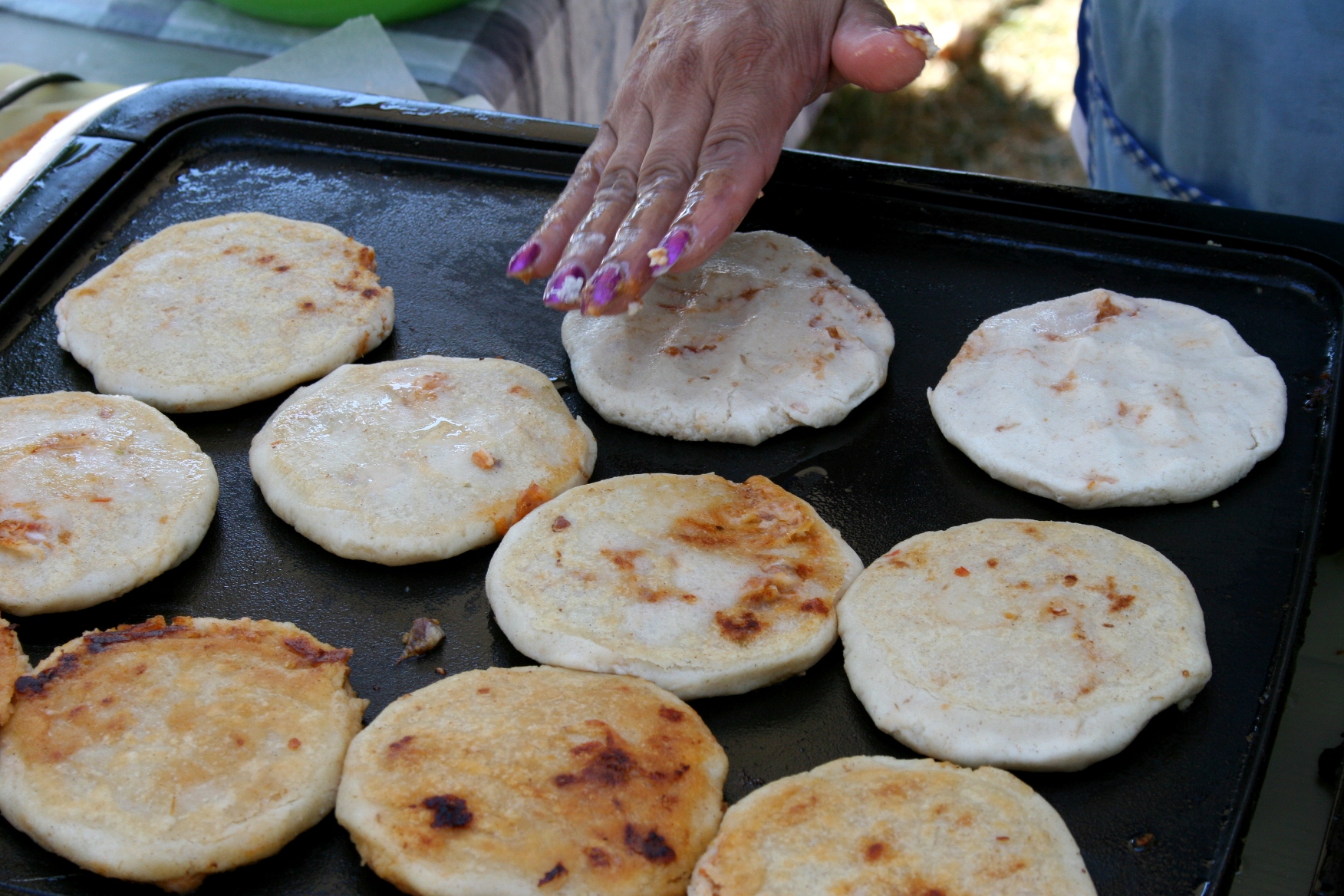
Pupusas served at the 2011 International Festival. Minnesota Prairie Roots file photo.
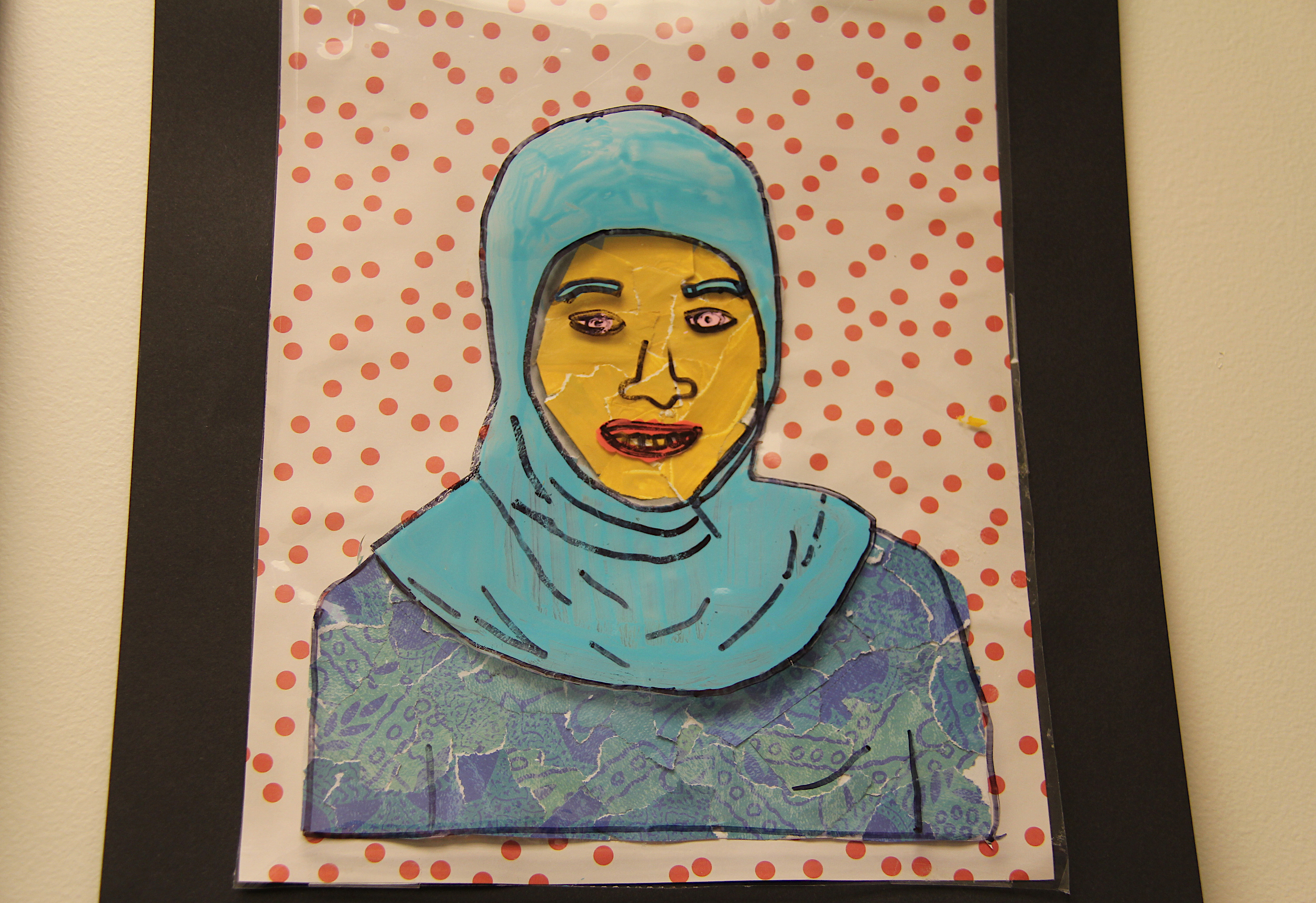
Cambodian art at the 2015 fest. Minnesota Prairie Roots file photo.
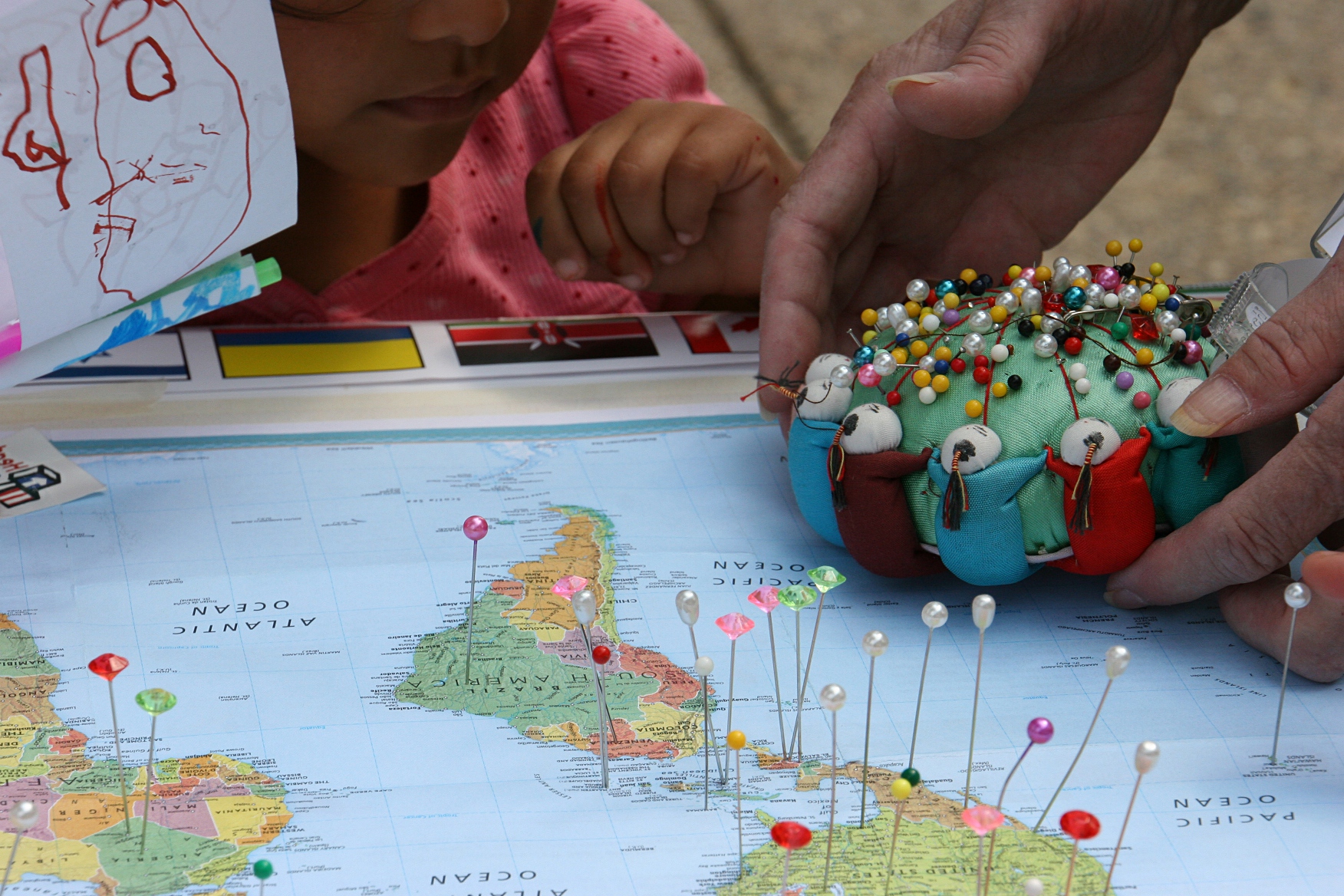
Attendees marked a world map with their countries of origin during a previous festival. Minnesota Prairie Roots file photo.

The fest is promoted as “a global bazaar-style event featuring food, music, dance, presentations and goods from around the world.” I’ve attended several times, although not recently, and always enjoyed this Neighbor Meeting Neighbor celebration. Many of those participating in the fest are local residents, shopkeepers and vendors.

This sculpture of Alexander Faribault trading with a Dakota trading partner stands in Faribault’s Heritage Park near the Straight River and site of Faribault’s trading post. Faribault artist Ivan Whillock created this sculpture which sits atop a fountain known as the Bea Duncan Memorial Fountain. Minnesota Prairie Roots file photo.

Faribault truly is an ethnically diverse community with a size-able immigrant population and with long-time residents rooted in many countries. Founding father Alexander Faribault, for example, was of French-Canadian and Dakota heritage. Our newest residents come from places like war torn Somalia.

A recently-completed mural in downtown Faribault, LOVE FOR ALL, celebrates our city’s diversity. Minnesota Prairie Roots file photo 2021.

While we’ve struggled in the past to accept one another, I feel like things are settling, that we are beginning to celebrate our differences and recognize the value of those differences.

Downtown Faribault during a Car Cruise Night in 2015 reflects our diversity. Minnesota Prairie Roots file photo.

Newcomers to Faribault are here to stay. They live, work and play here. Attend school. Own businesses. And that’s reason to celebrate. We are a stronger community because of our diversity.

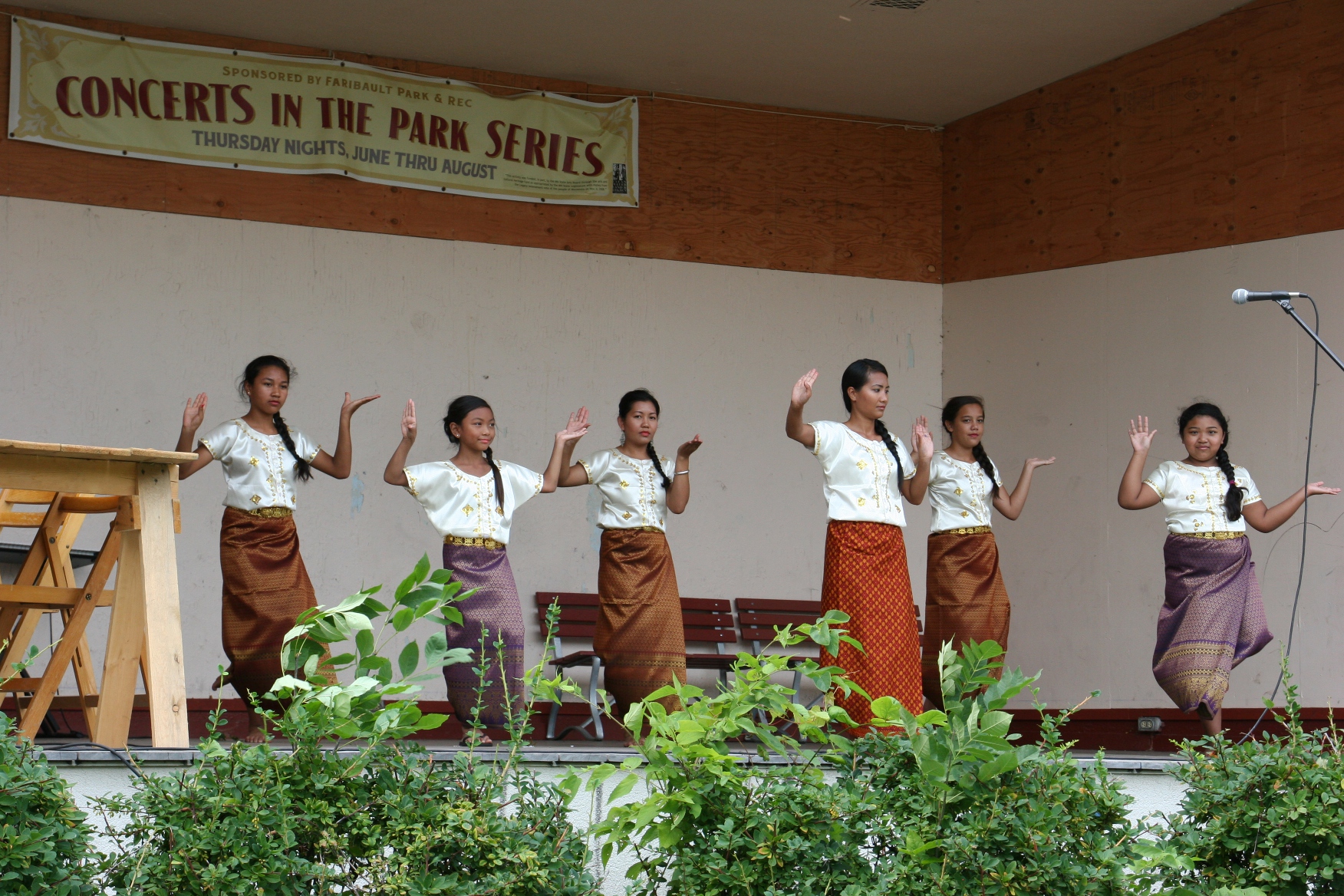
Cambodian dancers. Minnesota Prairie Roots file photo 2015.
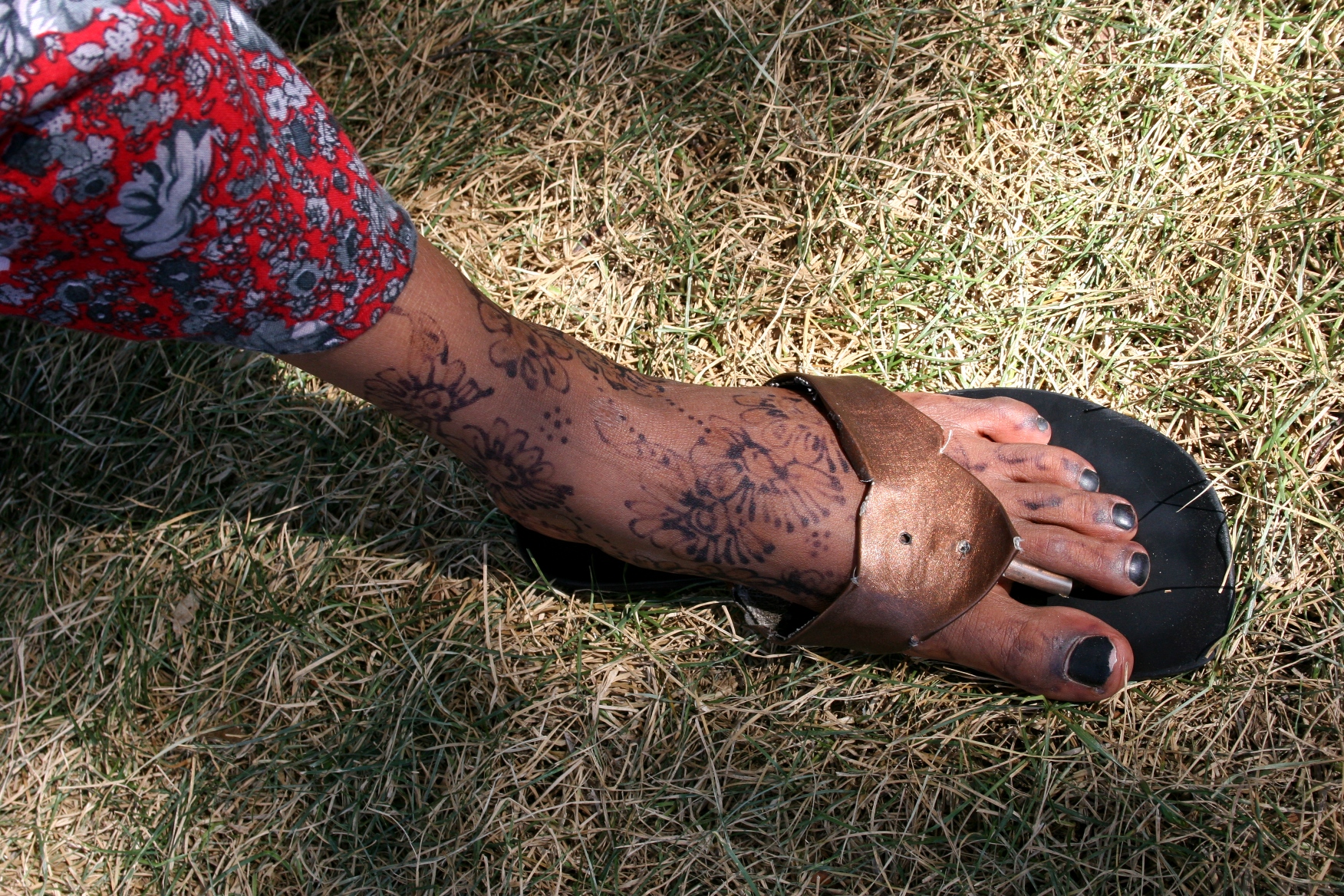
A young girl’s henna stained foot, photographed at the 2011 fest. Minnesota Prairie Roots file photo.
A little girl stands on the opposite side of the group of children waiting to swing at the pinata. Minnesota Prairie Roots file photo.

I encourage locals and people from out of town to attend Saturday’s International Festival Faribault. International dancers, music, a flag ceremony, arts and crafts, kids’ activities (including the popular pinata breaking), henna and food from around the world will be among the offerings. Perhaps someone will represent the German heritage by serving sauerkraut and brats or pumping out polkas on an accordion…

© Copyright 2021 Audrey Kletscher Helbling
 

Faribault’s newest mural reflects love, diversity June 16, 2021

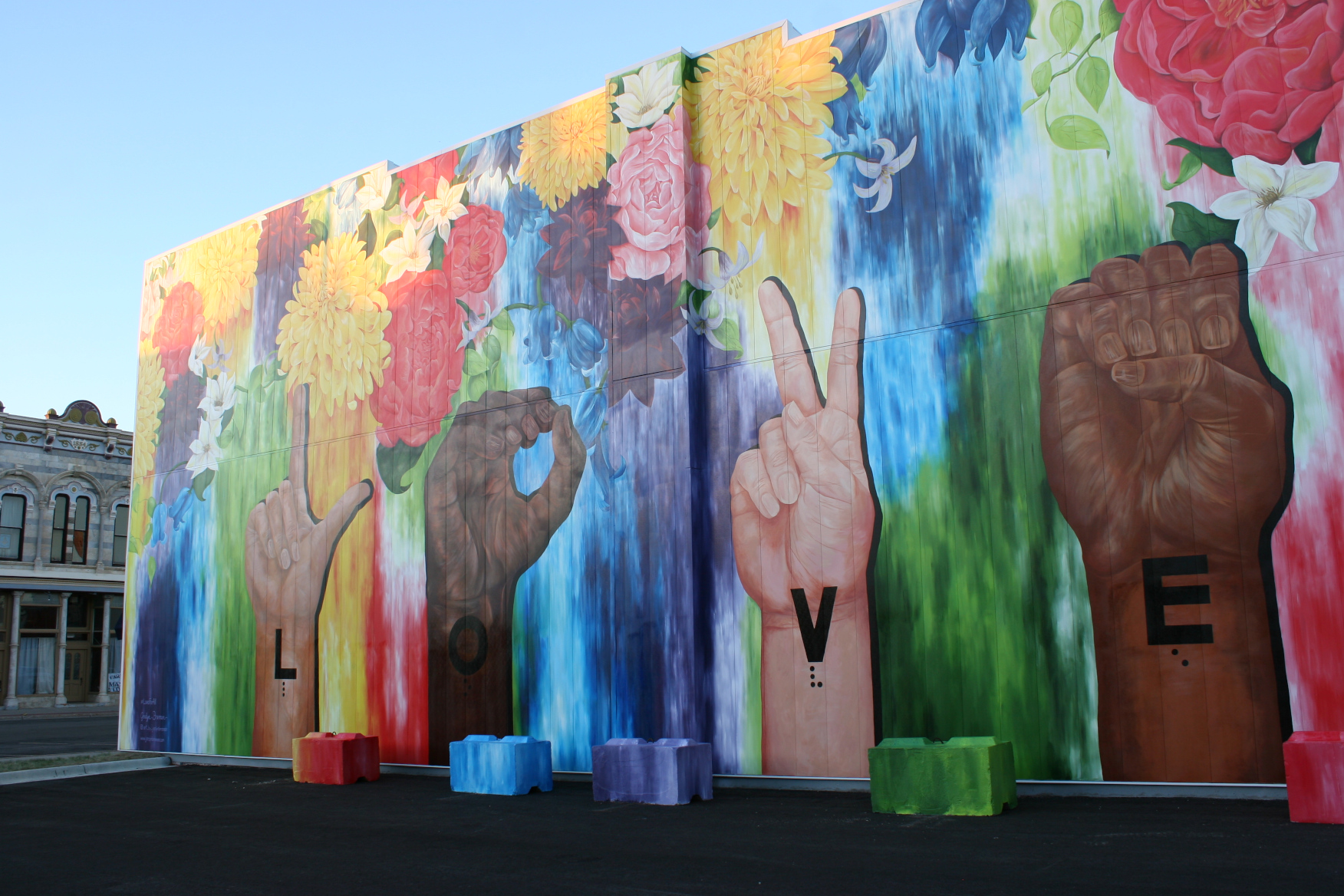
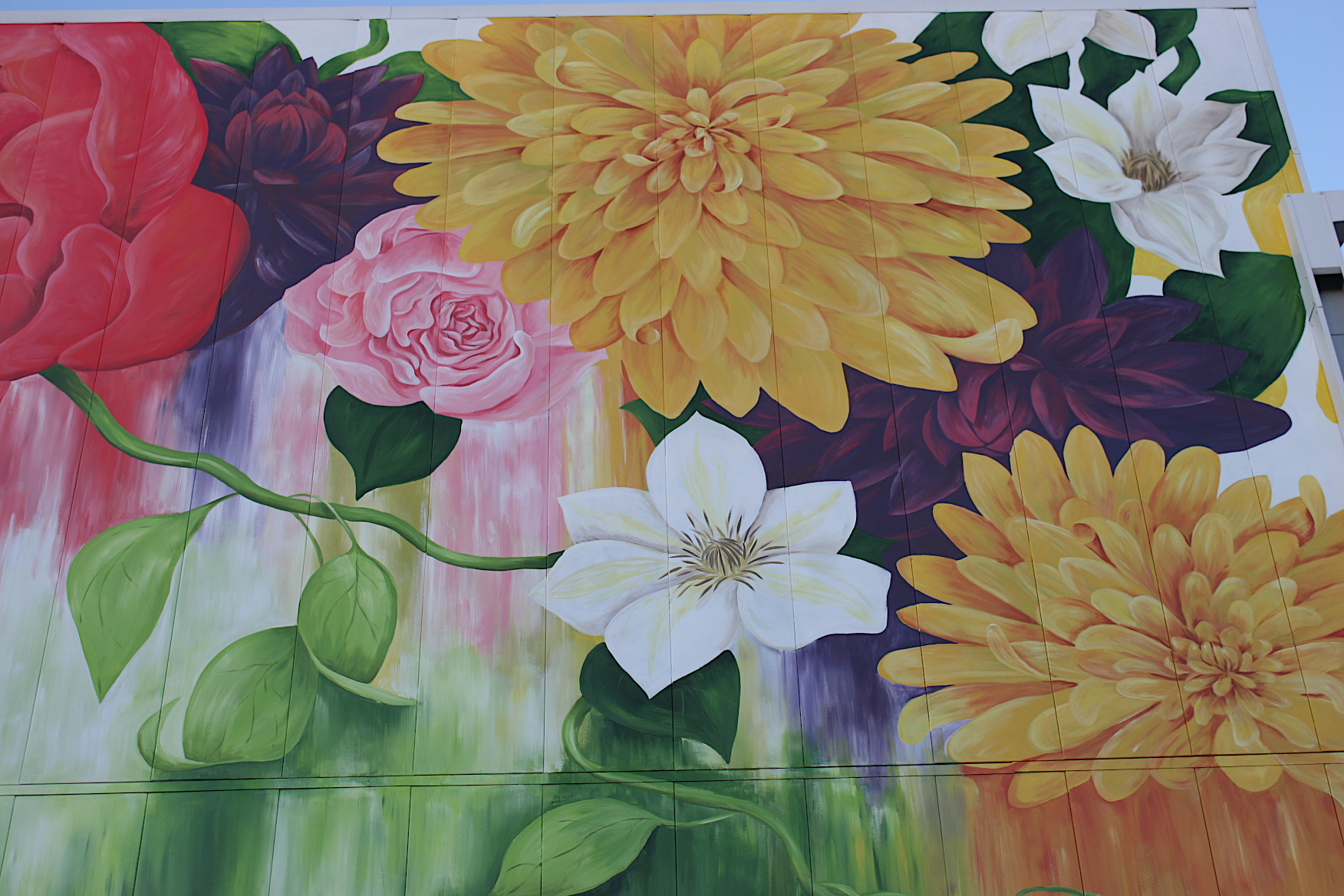
“LOVE FOR ALL” created by Jordyn Brennan. MN Prairie Roots copyrighted photo.

THE POWER OF VISUAL ART can’t be underestimated. It heals. Uplifts. Infuses joy. Creates a sense of peace. Brings people together. And so much more.

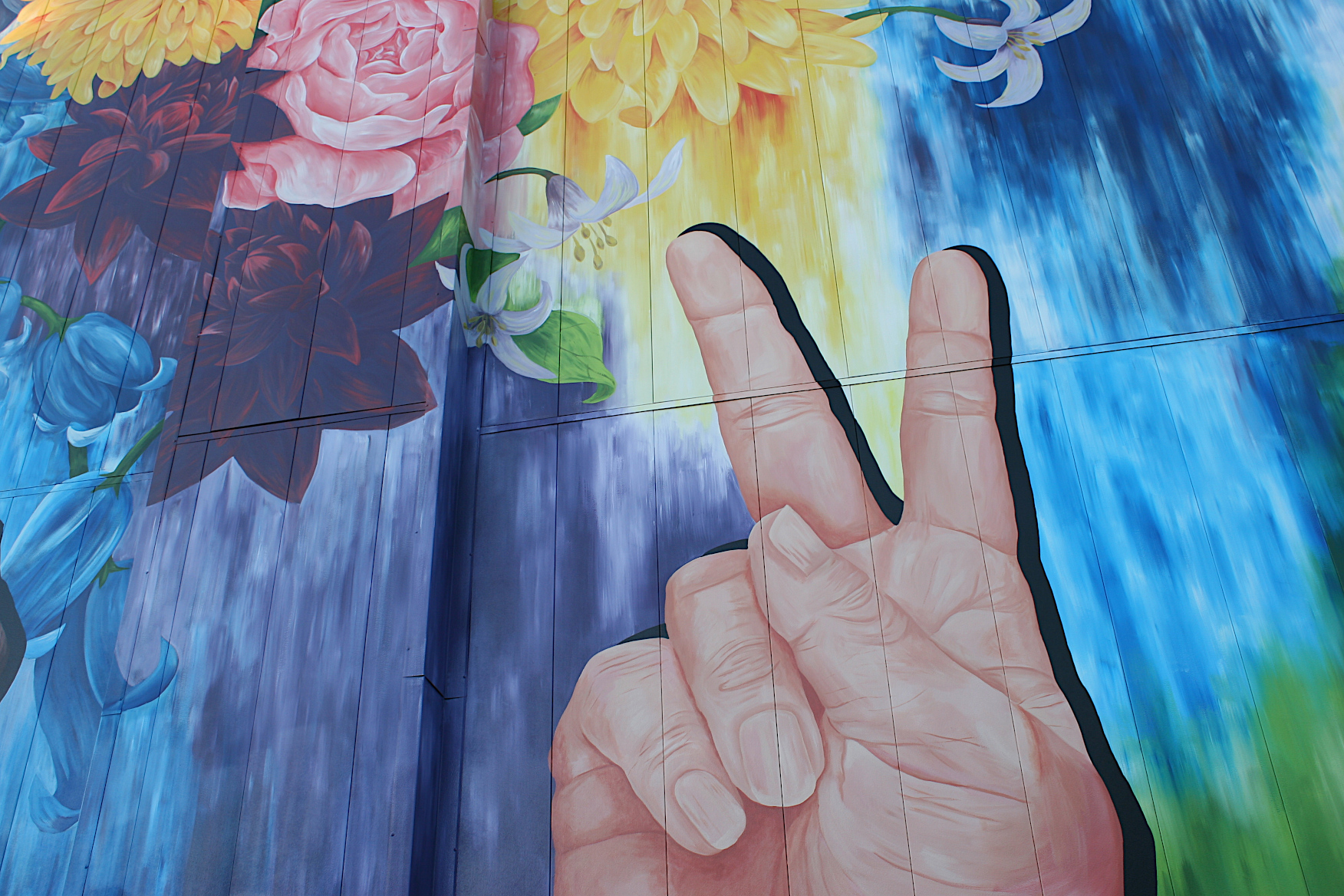
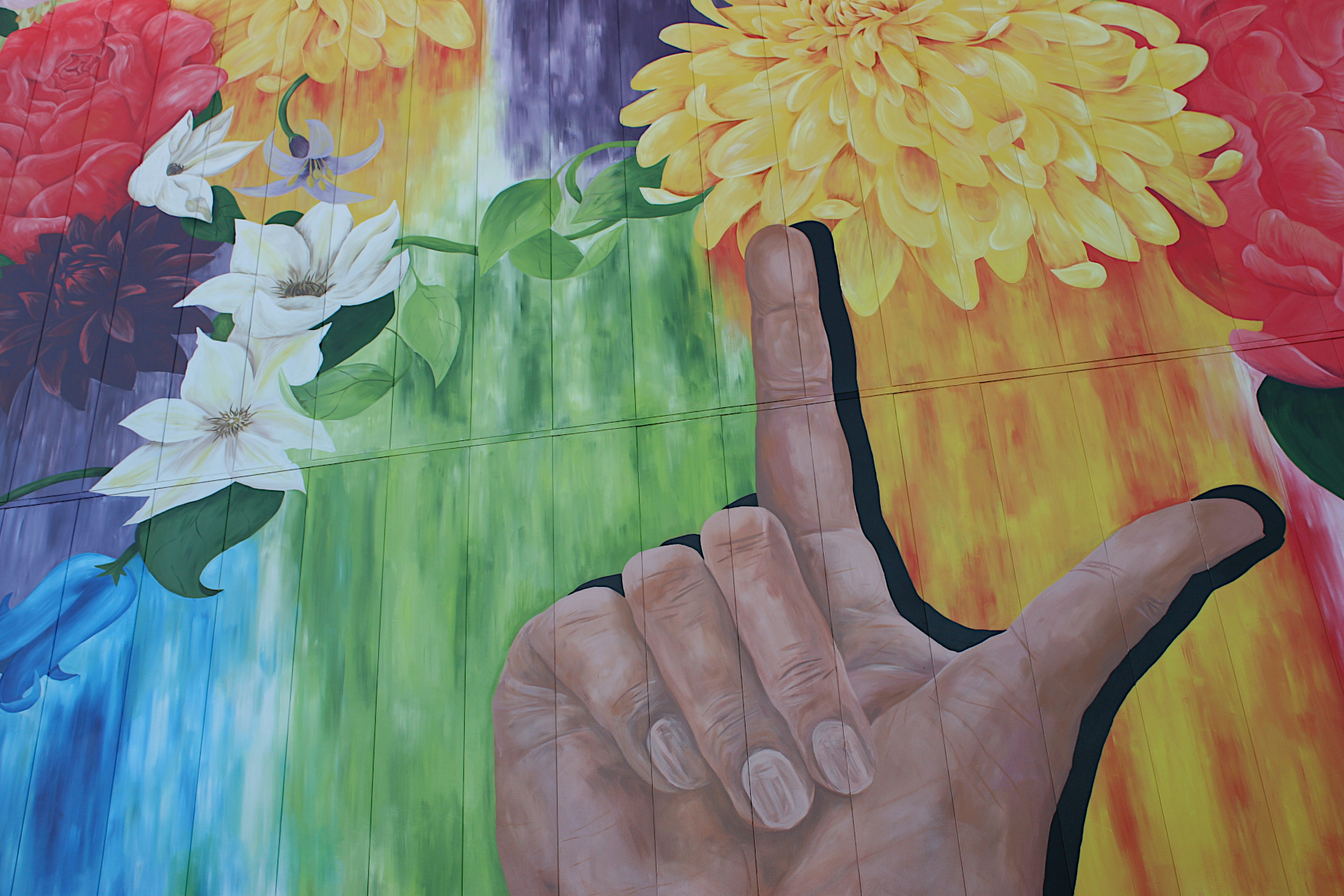
The ASL symbol for “v” and the peace symbol. MN Prairie Roots copyrighted photo.

In Faribault, “LOVE FOR ALL,” a just-finished mural designed and painted by Minneapolis artist Jordyn Brennan, shows the positive power of art in a way that reflects my southern Minnesota community. Yet, the mural’s universal theme of love appeals to everyone.

Jordyn Brennan signed her “LOVE FOR ALL” mural. MN Prairie Roots copyrighted photo.

I love this 85-foot by 35-foot mural which sprawls across the side of a building (and next to a city-owned parking lot) at the corner of First Avenue NW and Third Street NW in the heart of downtown Faribault. The City of Faribault commissioned Brennan to create the public art. It will be celebrated this week during Faribault Heritage Days with a ceremony at 3:30 pm Thursday, June 17, at the mural site. Guest speakers include city officials, representatives from the Minnesota State Academies for the Deaf and Blind and Faribault Main Street, and the artist.

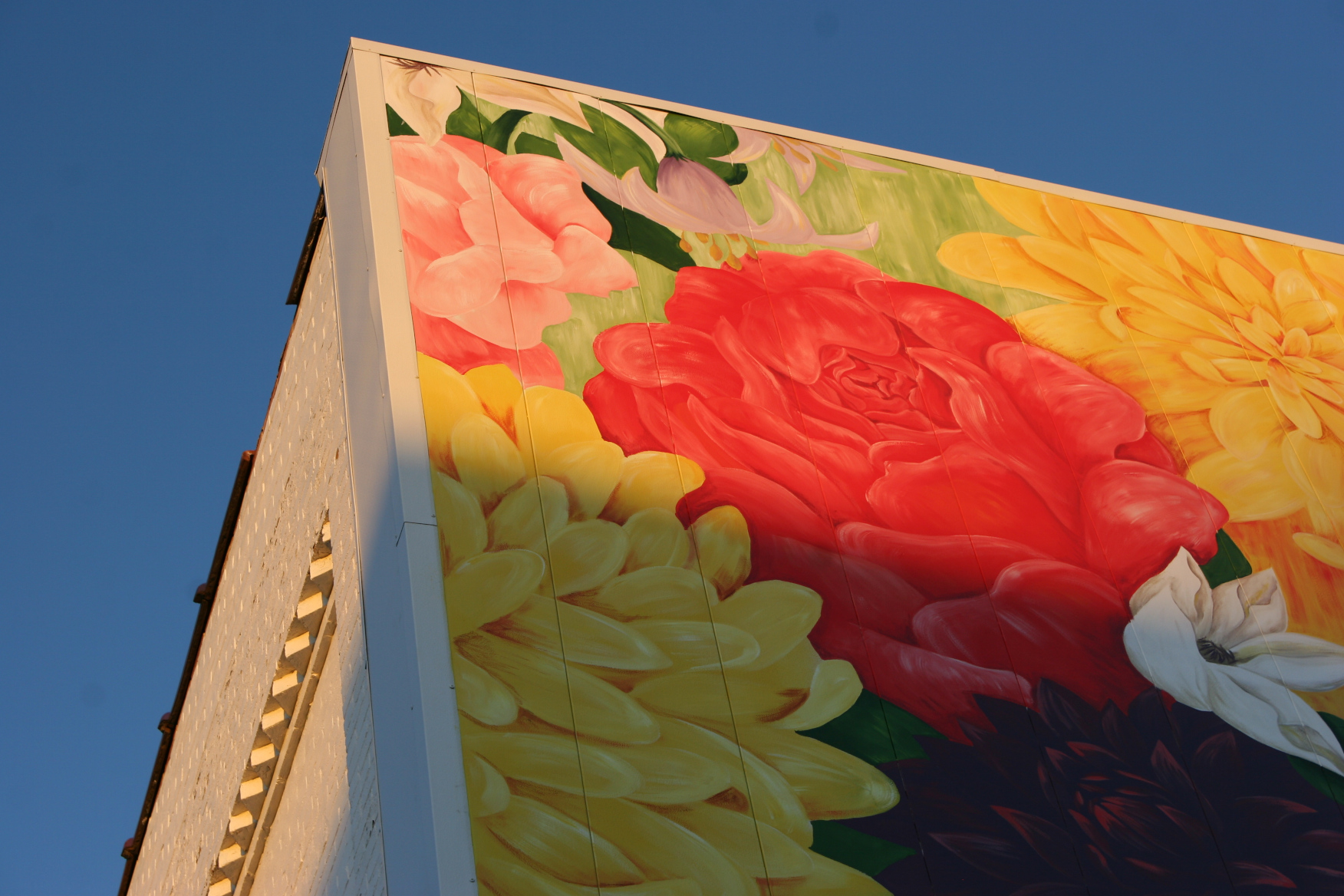
The setting sun shines on the northwest corner of the mural. MN Prairie Roots copyrighted photo.

When I say I love this mural, I should explain, right? I love the vivid hues defining this art. To look at “LOVE FOR ALL” simply makes me happy. And who doesn’t need to feel happy after these past difficult 14 months-plus of living in a pandemic?

LOVE in assorted colors and languages. MN Prairie Roots copyrighted photo.

But beyond that basic appreciation, I value the message of an inclusive Faribault. Mine is a diverse community. Diverse in culture and ethnicity. Diverse, too, in that deaf and blind students come here from all over Minnesota to attend the Minnesota State Academies for the Deaf and Blind. Some of their families live here. A global student population also attends Shattuck-St. Mary’s School, an historic private boarding and day school on Faribault’s east side.

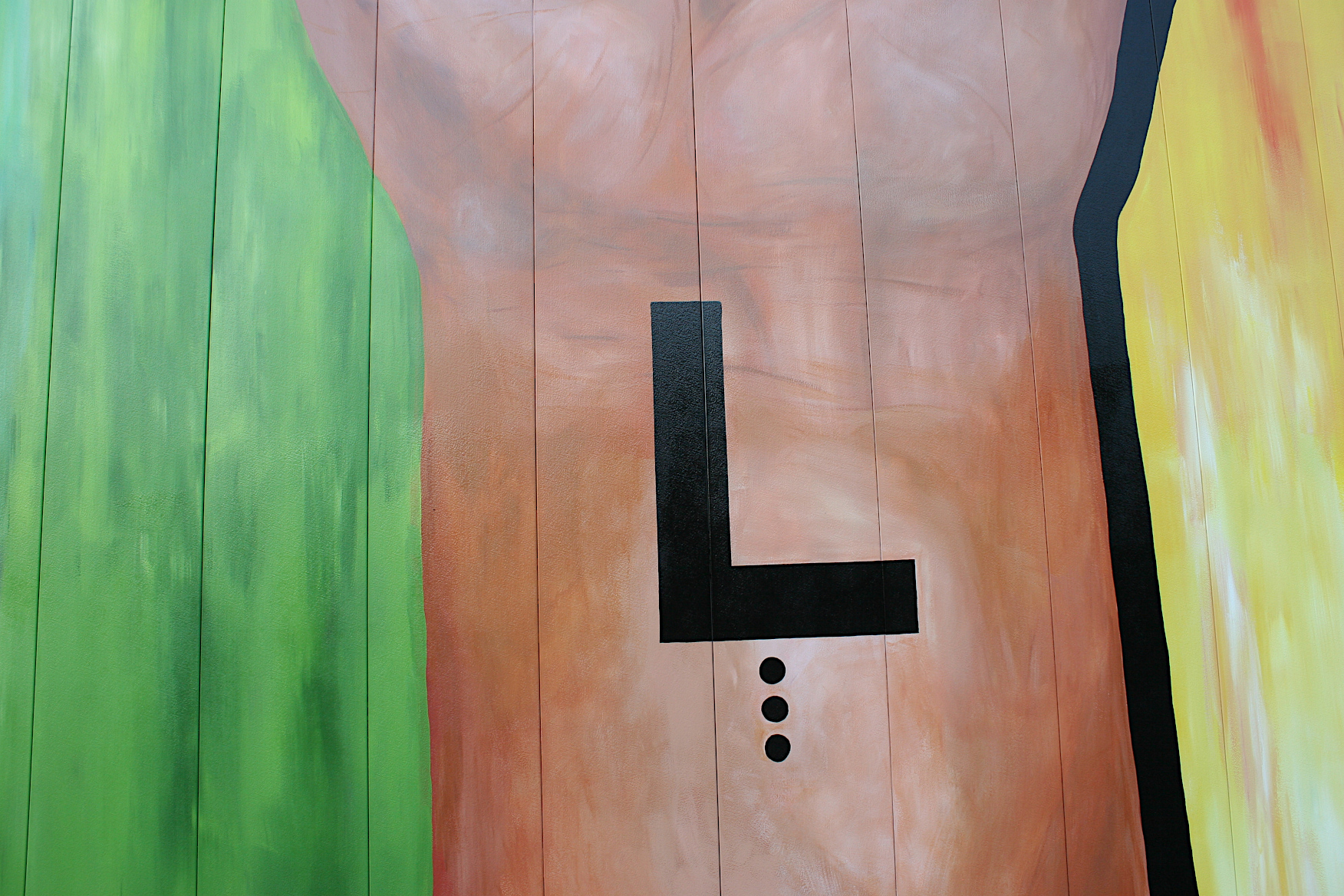
The three dots below the L are L in Braille. MN Prairie Roots copyrighted photo.

The artist took those facets of Faribault and incorporated them into her artwork. You’ll see that in the hands communicating love in American Sign Language with the Braille spelling below. The hands are painted in varied skin tones.

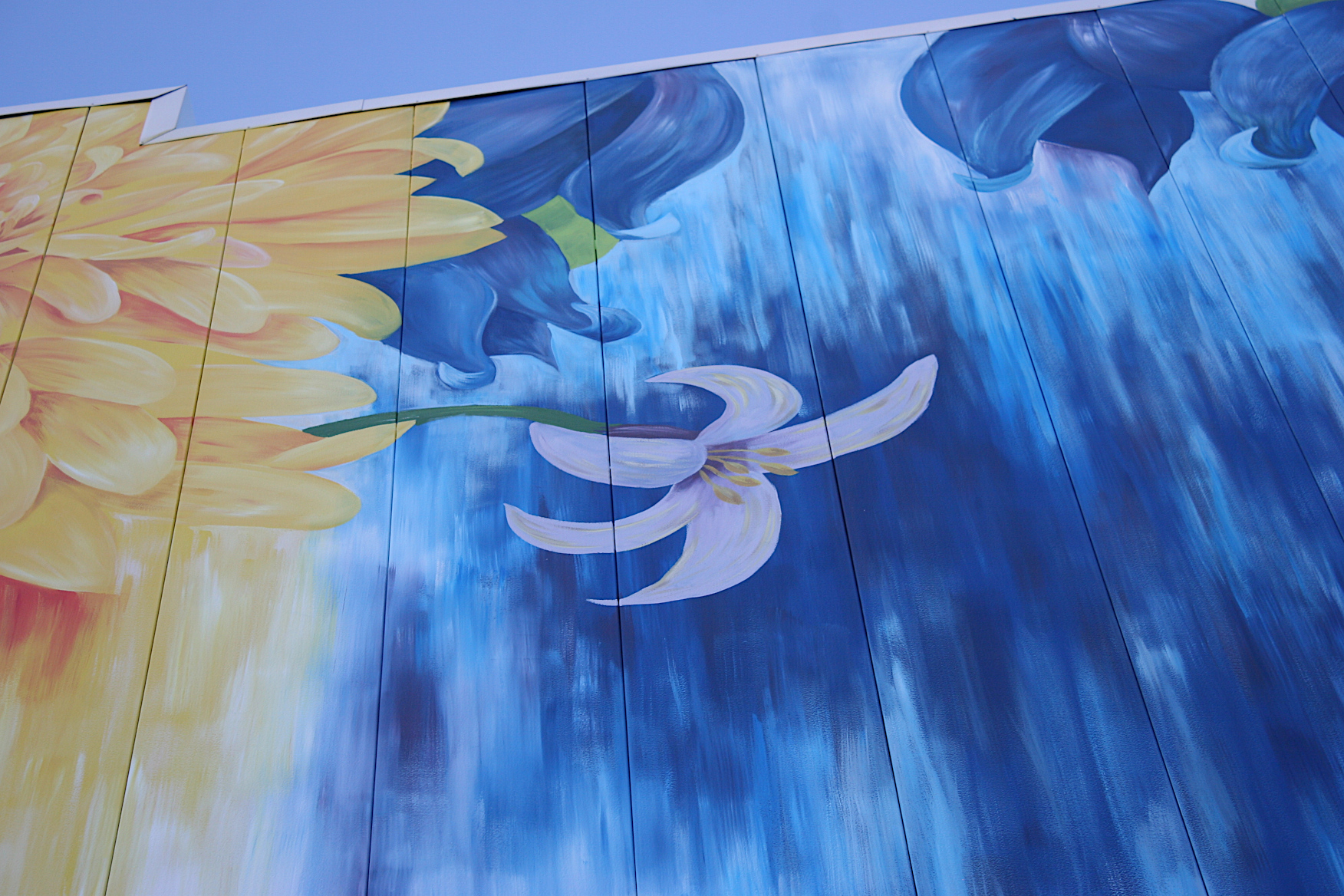
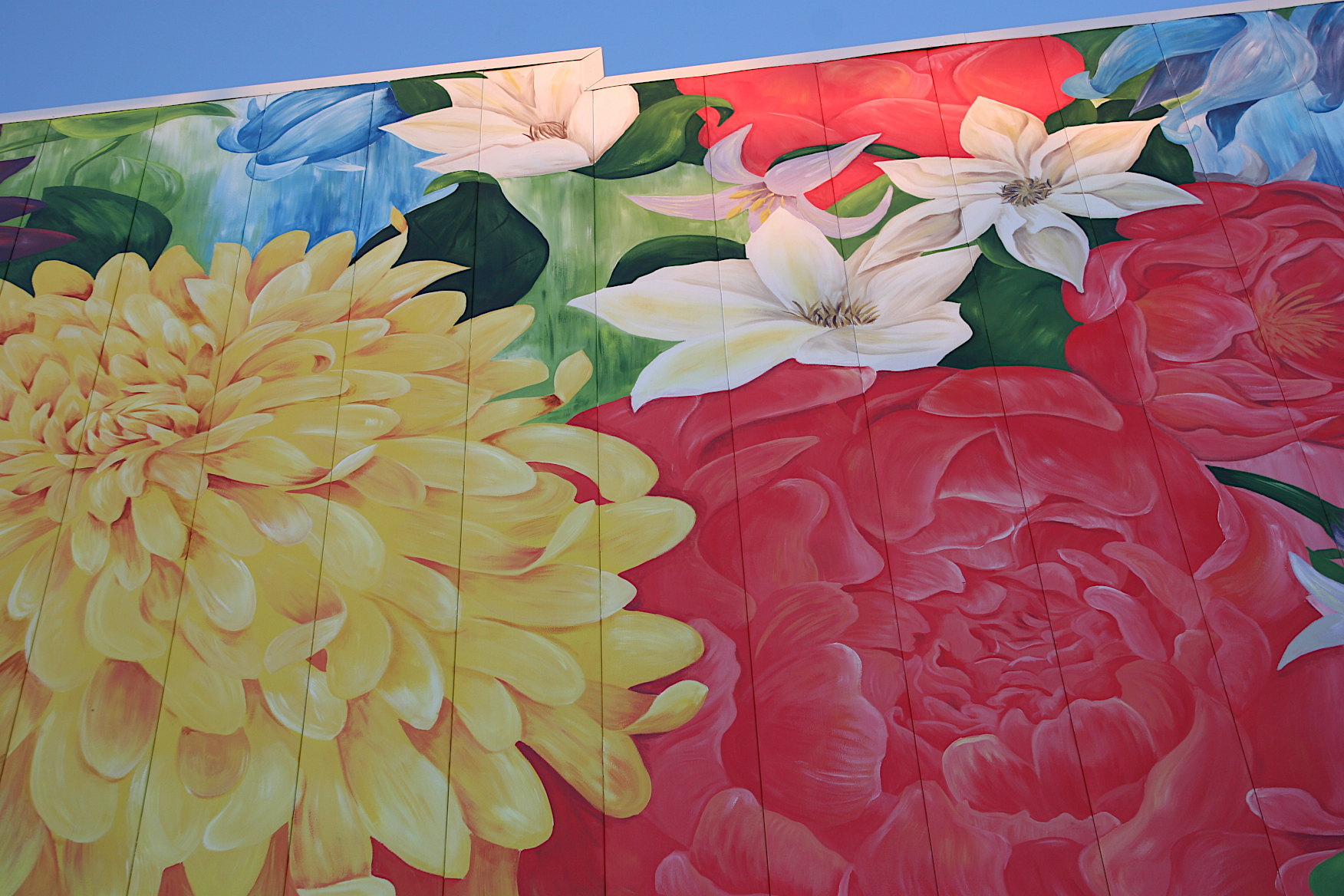
Mums, peonies and clematis. MN Prairie Roots copyrighted photo.

The rare Dwarf Trout Lily. MN Prairie Roots copyrighted photo.

Faribault’s noted flowers. MN Prairie Roots copyrighted photo.

And then, above those hands, flowers bloom. Not just any flowers, but mums, peonies, clematis and the Dwarf Trout Lily, all reflective of Faribault’s rich floral history. Read the backstory on that in my initial post about the mural by clicking here.

Painted concrete blocks distance vehicles from the mural. MN Prairie Roots copyrighted photo.

I feel incredibly grateful to live in a community which values art, including outdoor public art. Many historic-themed murals grace our downtown as do murals on the alley-side of The Upper East Side (213 Central Avenue) and the Second Street Pocket Garden.

The letter L in ASL. MN Prairie Roots copyrighted photo.

As a creative and a member of this diverse place I’ve called home for 39 years, I celebrate this newest piece of art. I hope it sparks conversations, creates a strong sense of community and positivity, and reminds all of us that art is powerful. And so is love.

© Copyright 2021 Audrey Kletscher Helbling
 

Mankato’s emerging massive mural represents diversity & more November 18, 2019

Filed under: Uncategorized — Audrey Kletscher Helbling @ 5:00 AM
Tags: , , , , , , , ,


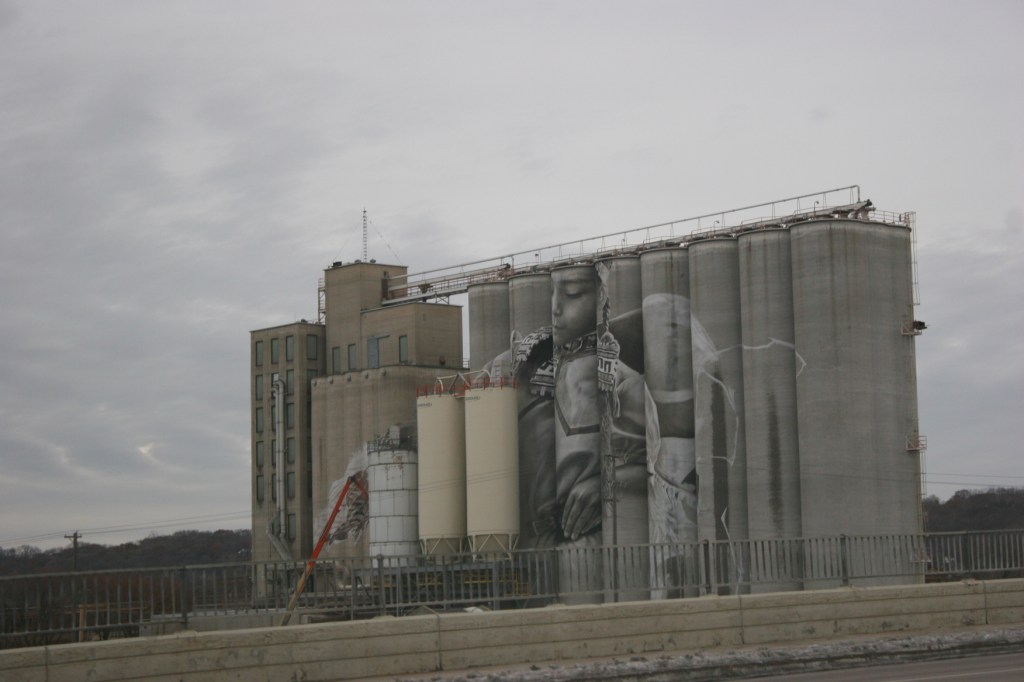
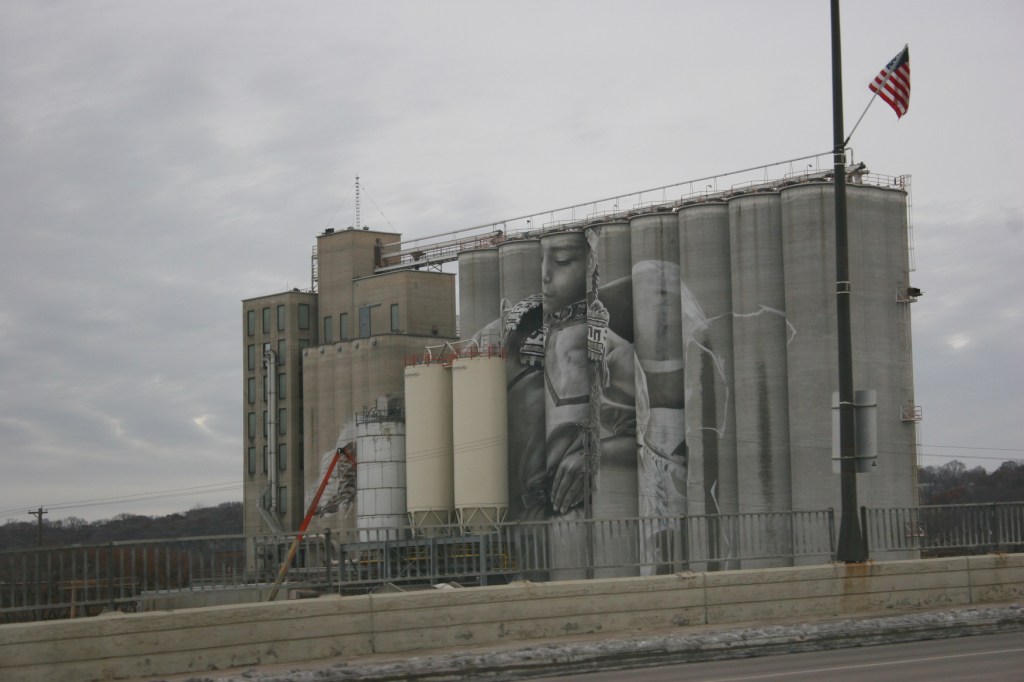
THE ARTWORK CAUGHT ME by surprise as I looked across the Minnesota River toward the grain towers dominating the riverside skyline in Old Town Mankato.


One of many sculptures in Mankato and North Mankato that change yearly as part of the city’s sculpture walk.


Yet, the presence of an evolving mural in this arts-centric southern Minnesota city didn’t surprise me. Mankato is a community rich in public art from poetry to sculptures. It is one of the qualities which draws me back to this place where I graduated from college in 1978 with a degree in mass communications and a minor in English.


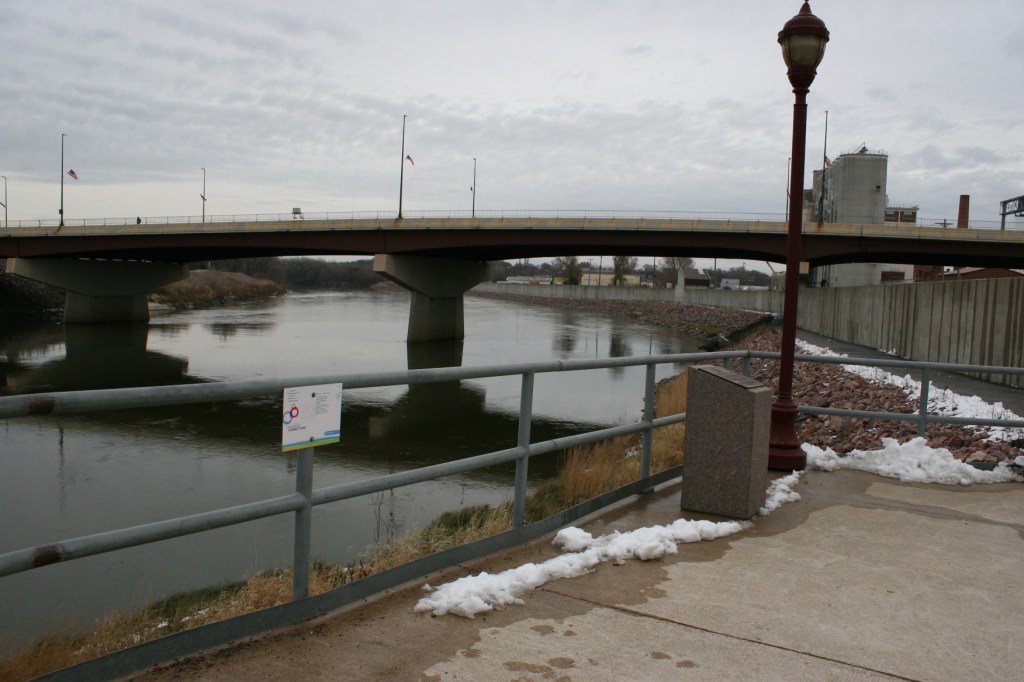
My poem, River Stories, attached to a railing along the Minnesota River Trail. In the background are the Ardent Mills silos and the bridge from which I photographed the in-progress mural.


This time I arrived in town to view my latest poem selected as part of The Mankato Poetry Walk & Ride. Spotting the in-progress mural on the 135-foot high Ardent Mills grain silos was a bonus find. I snapped a few quick frames while crossing the Minnesota River bridge and then while heading onto U.S. Highway 169. Only too late did I notice public viewing areas along the roadway.


Upon my arrival home, I researched the $250,000 project by Australian artist Guido van Helten. Although specifics of the mural design are elusive, the art will represent diversity and more. I saw that in the image of a young Dakota boy already painted onto the towering canvas. This region holds a rich Native Peoples heritage, making the art particularly powerful.


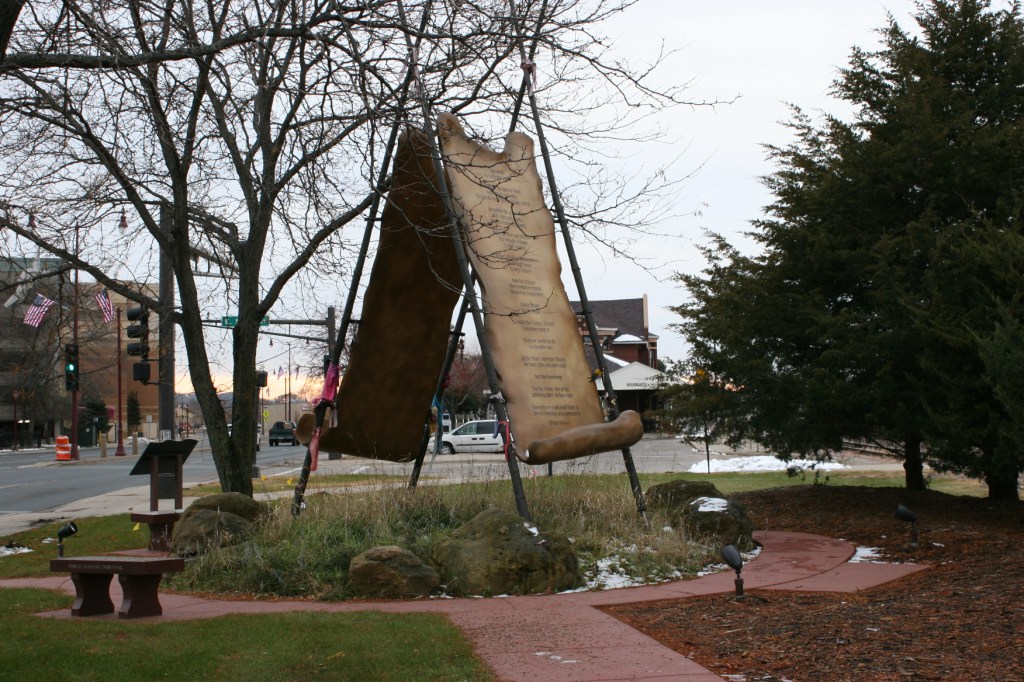
“Forgive Everyone Everything” themes this art in Reconciliation Park. Names of the 38 Dakota who were hung at this site in 1862 are inscribed thereon along with a prayer and a poem.


Having grown up some 80 miles to the west, in a region between the Upper and Lower Sioux Indian Communities, I’m aware of the strong Dakota history and also of The U.S.-Dakota Conflict of 1862. Within blocks of the Ardent Mills silos, Reconciliation Park honors 38 Dakota tried and hung by the U.S. government following that war. The healing continues.


This latest public art represents so much—history, culture, diversity and a coming together of peoples. And today, more than ever, we need that sense of community, of understanding that no matter our backgrounds or the color of our skin or our history, we are simply people who need one another.

© Copyright 2019 Audrey Kletscher Helbling


The positive steps toward embracing diversity in Faribault January 18, 2019

Filed under: Uncategorized — Audrey Kletscher Helbling @ 5:00 AM
Tags: , , , , , , ,

I took this photo, reflecting Faribault’s diversity, during a downtown event several years ago. Minnesota Prairie Roots file photo.


FARIBAULT IS A COMMUNITY EVOLVING. Changing as our population diversifies and we are no longer a place of mostly European and Scandinavian peoples. Rather, my southeastern Minnesota city is now home to people of many colors. We are increasingly diverse.


1960s vintage art that represents, to me, the colorful and beautiful diversity of my community. Minnesota Prairie Roots file photo.


An article published last week in the Faribault Daily News stated that from 2010 to 2018, the population of students of color in the Faribault School District increased from 25 percent to 55 percent. That’s a remarkable change in just eight years.


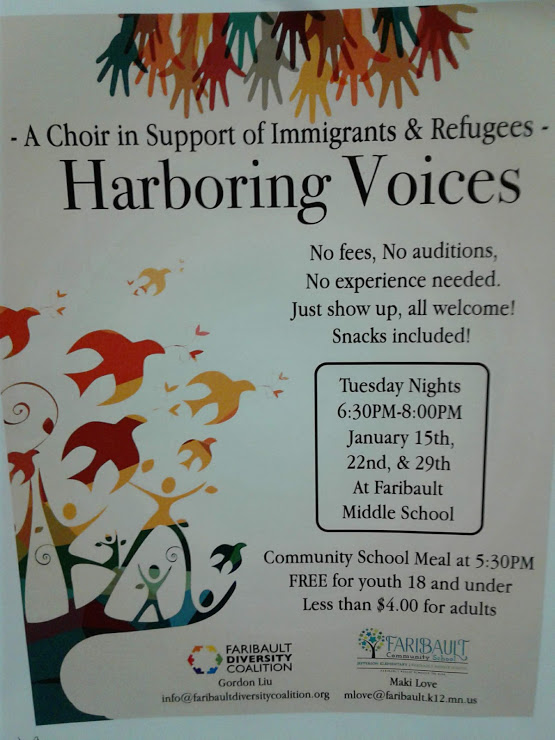
Faribault Community School is hosting two more Harboring Voices Choir evenings on January 22 and 29. Led by St. Olaf College students, the gathering gives adults and kids an opportunity to sing together in a community setting.


Equally as remarkable is the shift I’ve noticed in attitudes, in efforts to welcome our newest families. I’m hearing fewer negative comments about Somalis, Hispanics and other immigrants. I’m not saying those attitudes don’t still exist. It’s just that I don’t hear that animosity as much or sense such strong resentment toward these newcomers.

Why the change?


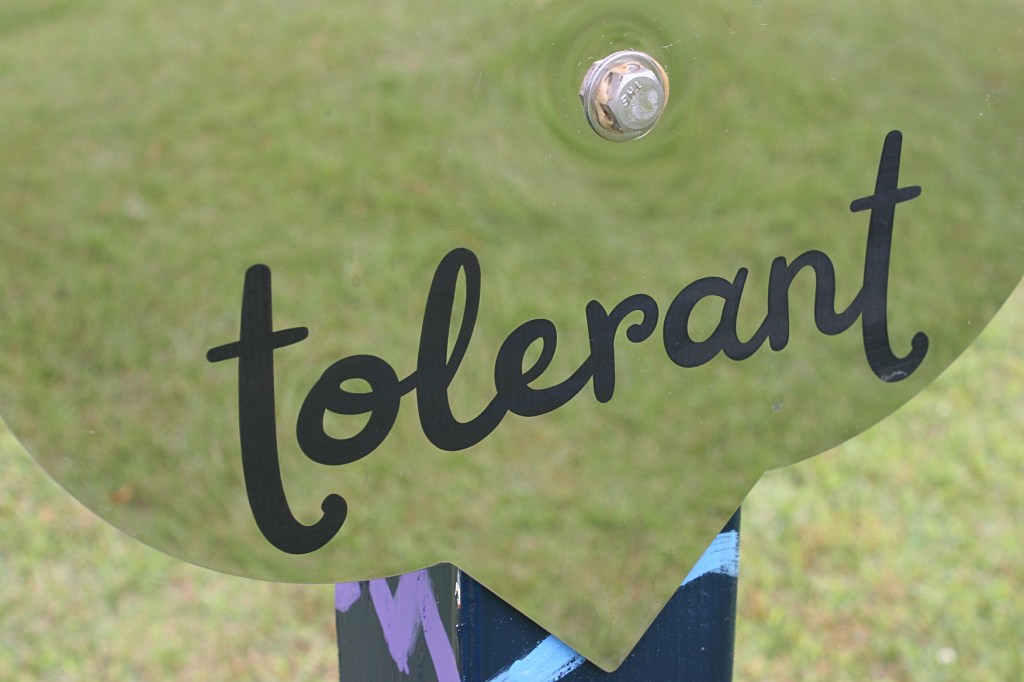
One of the virtues highlighted as part of The Virtues Trail Project. Minnesota Prairie Roots file photo August 2018.


After time, people become more accepting as they adjust and as newcomers assimilate into the fabric of Faribault. I think much of that can be attributed to the kids, who see their classmates as classmates and friends, not defined by their skin color.


This notice is posted, among the one above and the one below, on a community bulletin board at Buckham Memorial Library, Faribault.


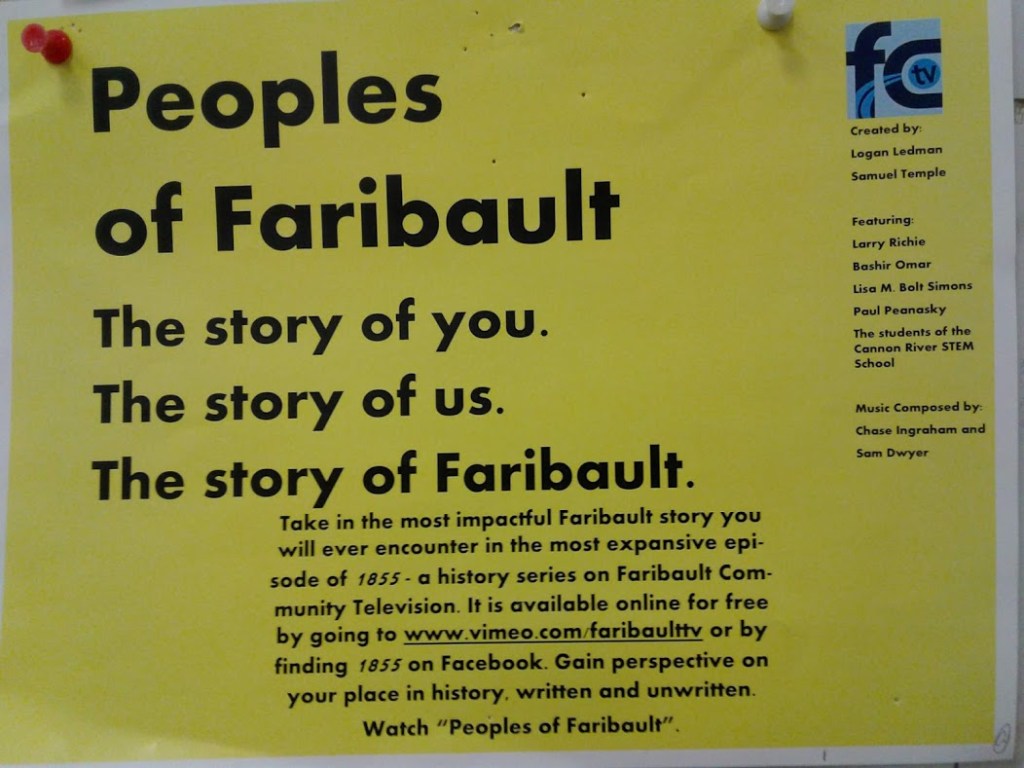
But adults have also made concerted efforts to help locals and newcomers accept one another. The Virtues Project Faribault, the Faribault Diversity CoalitionFaribault Community School and the creators of 1855, a local history series on Faribault Community Television, are all making a difference. I am grateful for their efforts.


Faribault celebrates MLK Day on Monday as noted in this notice posted at the library.


My great grandparents emigrated from Germany to America. They faced challenges in language, culture and more. It’s important to remember our immigrant roots. But no matter our ethnicity, our language, our culture, our skin color, we are all just people…with hopes and dreams. And voices.

© Copyright 2019 Audrey Kletscher Helbling

 

International Festival showcases, celebrates the many cultures of Faribault September 28, 2018

The diversity of Faribault as photographed at a downtown car show several years ago. Minnesota Prairie Roots file photo.


DIVERSE. MY COMMUNITY OF FARIBAULT fits that label with a multi-cultural population. We are a place of European descendants, of Hispanics, of Somalis, of African Americans, of Asians and more. A place of peoples descended from immigrants and a place of peoples who are new immigrants.

The Faribault Diversity Coalition celebrates the cultures of our southeastern Minnesota city at the free 2018 International Festival from 10 a.m. – 3 p.m. this Saturday at the Washington Recreation Center, 117 Shumway Avenue.


Attendees mark a world map with their countries of origin at a past International Festival.


Through food, dance, music, art, games and more, our cultural differences will be highlighted, celebrated, embraced.


At a past International Festival, I sampled this spicy Somali food and loved it. Minnesota Prairie Roots file photo.


While I can’t attend this year’s fest, I have in the past. It’s a great opportunity to meet others, to engage in conversation, to learn about other cultures. And to sample food. Vendors will serve ethnic foods like Somali sambusas, Cambodian egg rolls and culturally-themed cupcakes. Food lends itself to kickstarting conversations and connecting cultures.
 

A flag ceremony featured national anthems and information about the countries from which Faribault residents have originated at a previous fest. Minnesota Prairie Roots file photo.


The Diversity Coalition’s Passport Project, funded with an Artists on Main Street grant, debuts at the fest. FDC Director Gordon Liu terms it a mini cultural museum—with quick facts, basic phrases and a brief history of selected countries—to be displayed in the FDC storefront window.


Photo courtesy of Samuel Temple.


High School students Samuel Temple and Logan Ledman, who produce the 1855 history series for local public cable TV, will show their documentary “Peoples of Faribault” and then stick around for a Q & A. I’ve watched that show and recommend it to anyone who truly cares about understanding the cultures of my community.

There’s much to be gained from attending an event like the International Festival. It is an opportunity to learn, to break down walls built over differences in language, dress, culture, faith and more. When those barriers are broken, then we begin to see each other as simply people. People who happen to live in this place we call Faribault. Our home.

© Copyright 2018 Audrey Kletscher Helbling