Minnesota Prairie Roots

Writing and photography by Audrey Kletscher Helbling

West of Mankato August 23, 2017

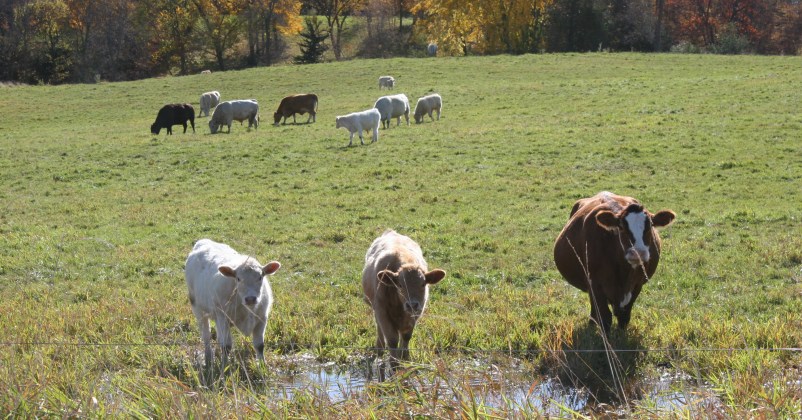
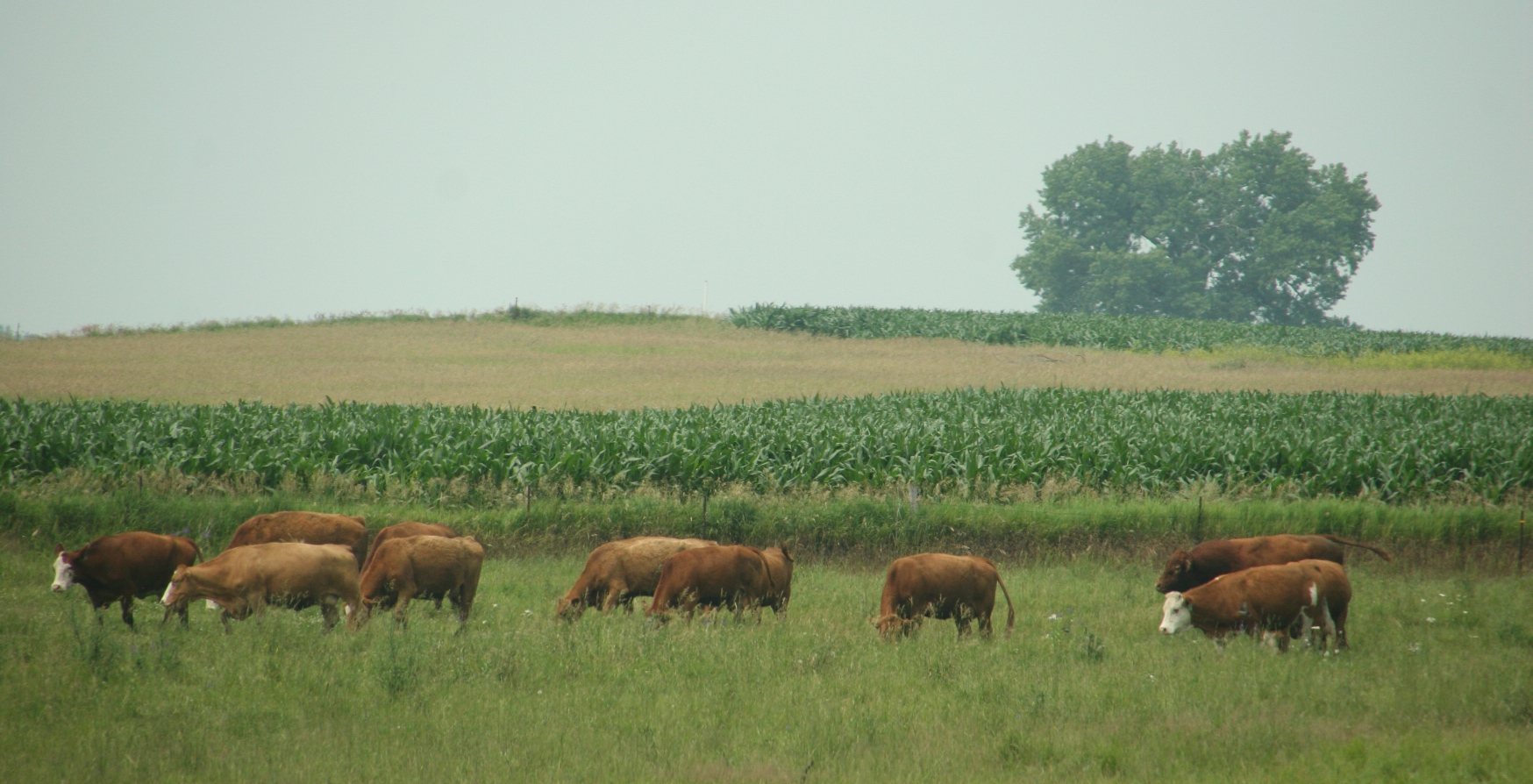
Cattle graze in a pasture along U.S. Highway 14.

Cattle graze in a pasture along U.S. Highway 14.


WHEN I TELL FELLOW MINNESOTANS I grew up on the southwestern Minnesota prairie, specifically near the small town of Vesta, I typically get a blank stare. So, when “Vesta” doesn’t register with them, I mention Marshall to the west and Redwood Falls to the east of my hometown. Both are county seats and fair-sized communities, in my opinion.


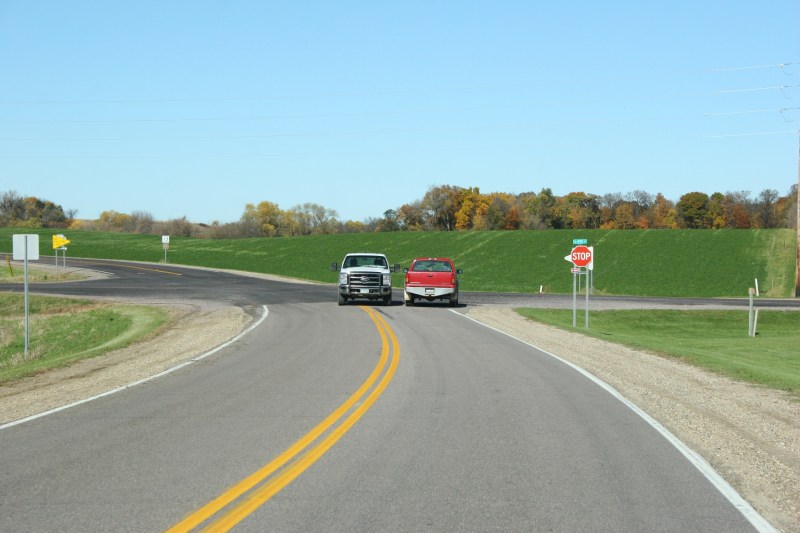
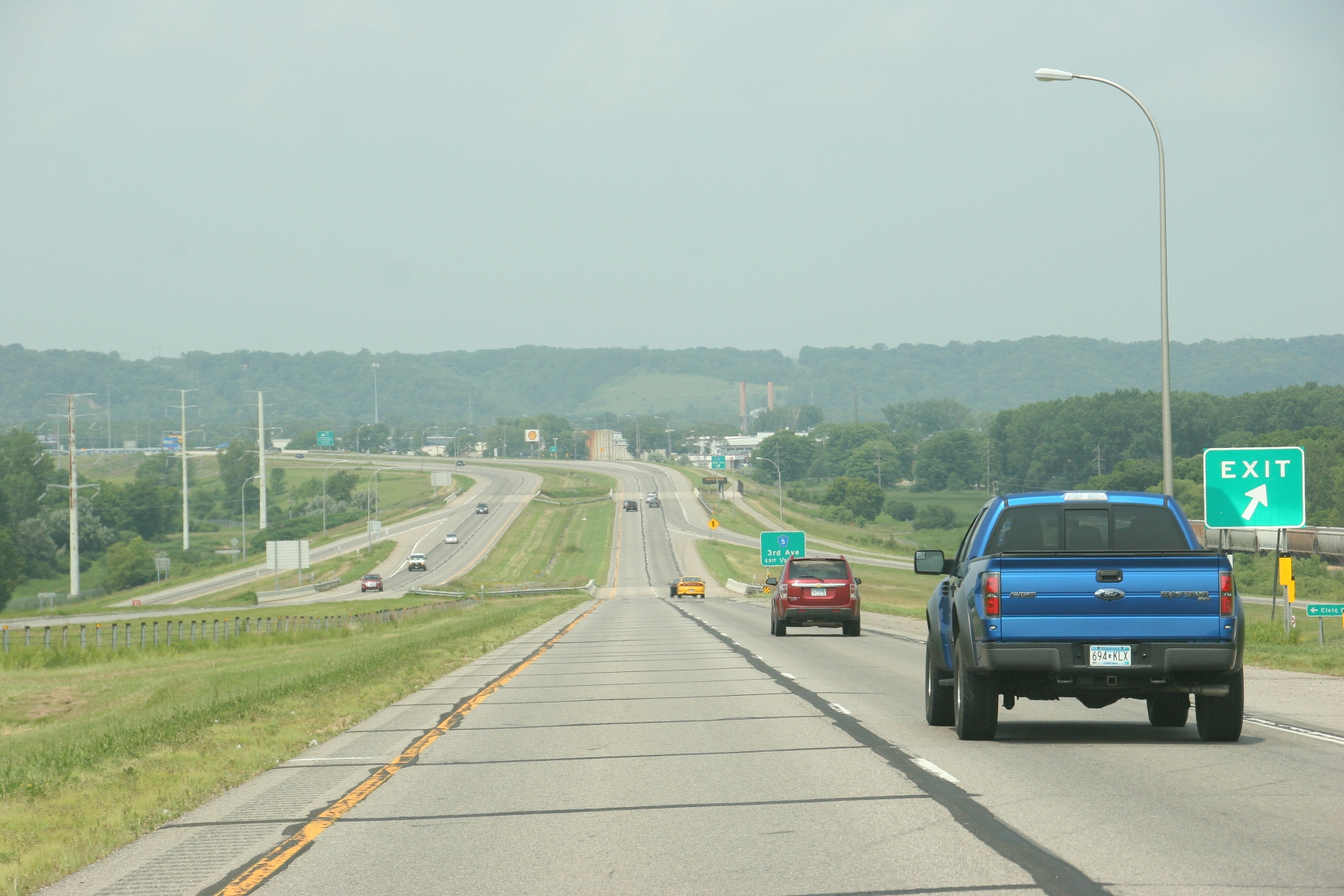
Driving on U.S. Highway 14 around Mankato traveling to southwestern Minnesota.

Driving on U.S. Highway 14 around Mankato traveling through southern Minnesota toward the prairie.


Even after dropping those two names, I still often get that quizzical look. It’s as if they have no idea there’s anything west of Mankato.


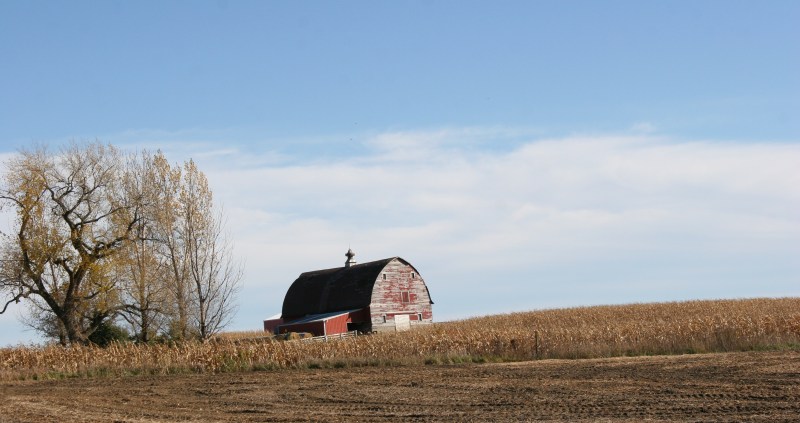
This barn along U.S. Highway 14 west of Sleepy Eye always catches my eye.

Gotta love this barn between Sleepy Eye and Springfield.


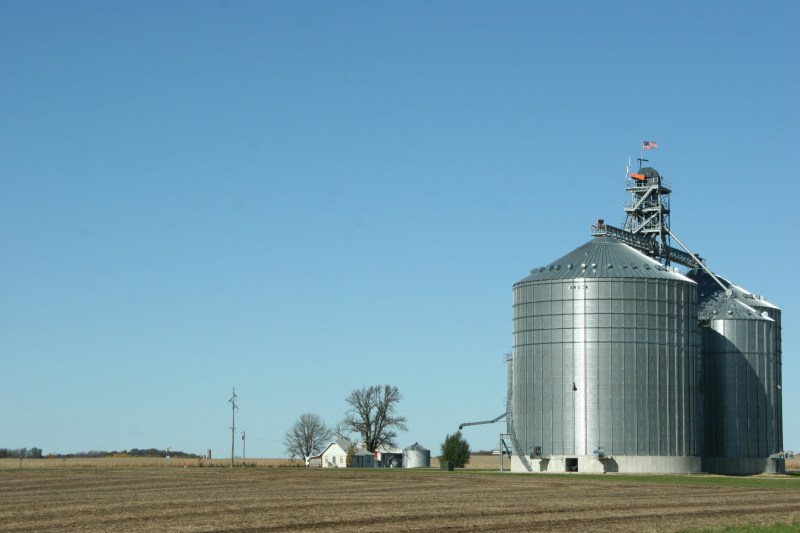
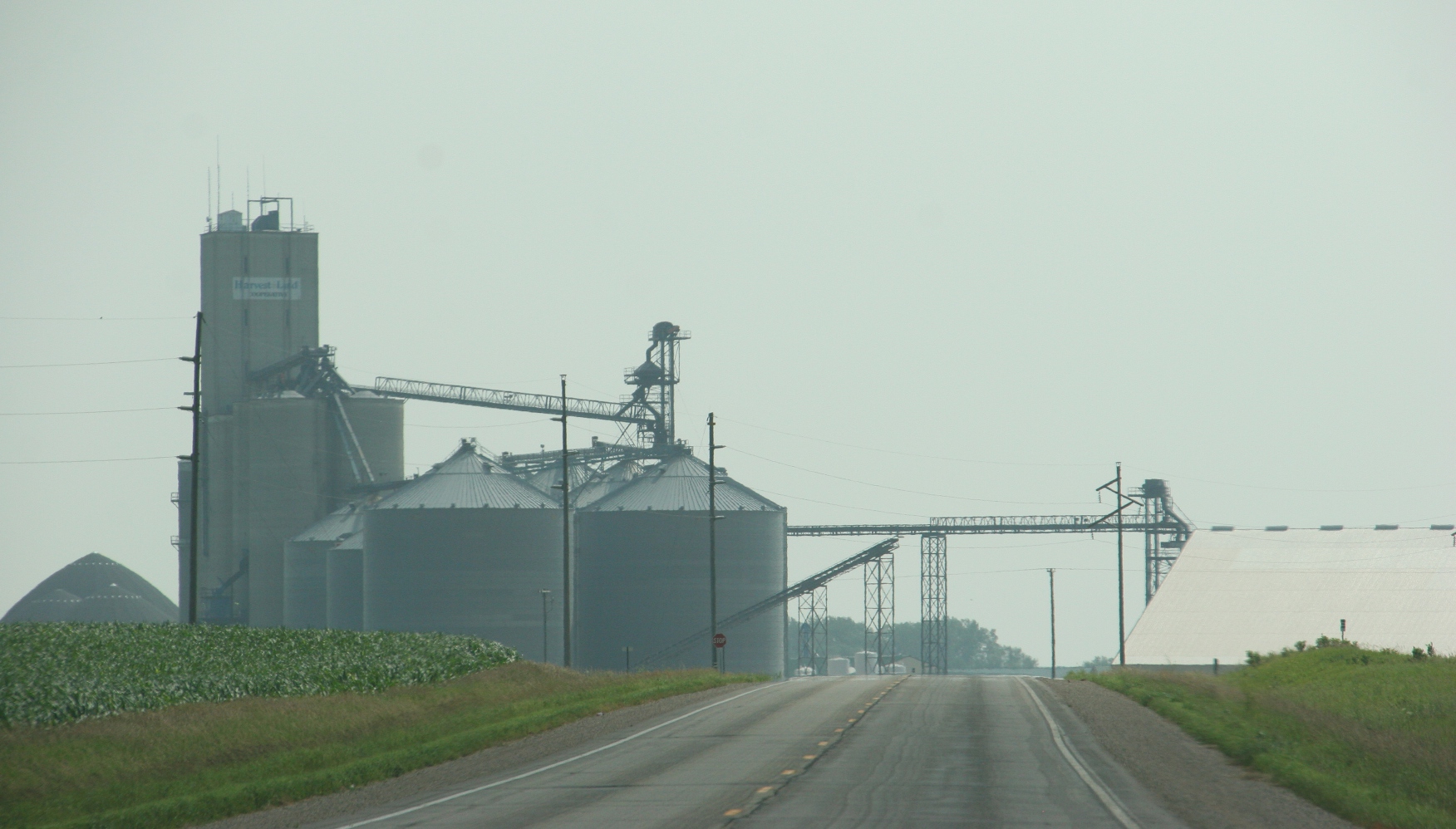
Grain storage along U.S. Highway 14.

Grain storage along U.S. Highway 14.


But there is. Lots. Land and sky and small towns and oddities and grain elevators, and corn and soybean fields stretching into forever. There are pitch-black skies perfect for star-gazing and sunsets so bold I sometimes wonder why I ever left this land.


There are so many well-kept barns along U.S. Highway 14, this one between Mankato and Nicollet.

There are so many beautiful old barns along U.S. Highway 14, this one between Mankato and Nicollet.


I understand beauty is in the eye of the beholder. I simply want others to see that this corner of Minnesota, just like the lakes and woods to the north and the rolling hills and rivers to the south and the Twin Cities metro, is lovely and quirky and interesting in a peaceful prairie way.


BONUS PHOTOS:

U.S. Highway 14 passes through many small towns, like Sleepy Eye where these guys were shopping for a car.

Shopping for cars in Sleepy Eye, one of many small towns along U.S. Highway 14 in southwestern Minnesota.


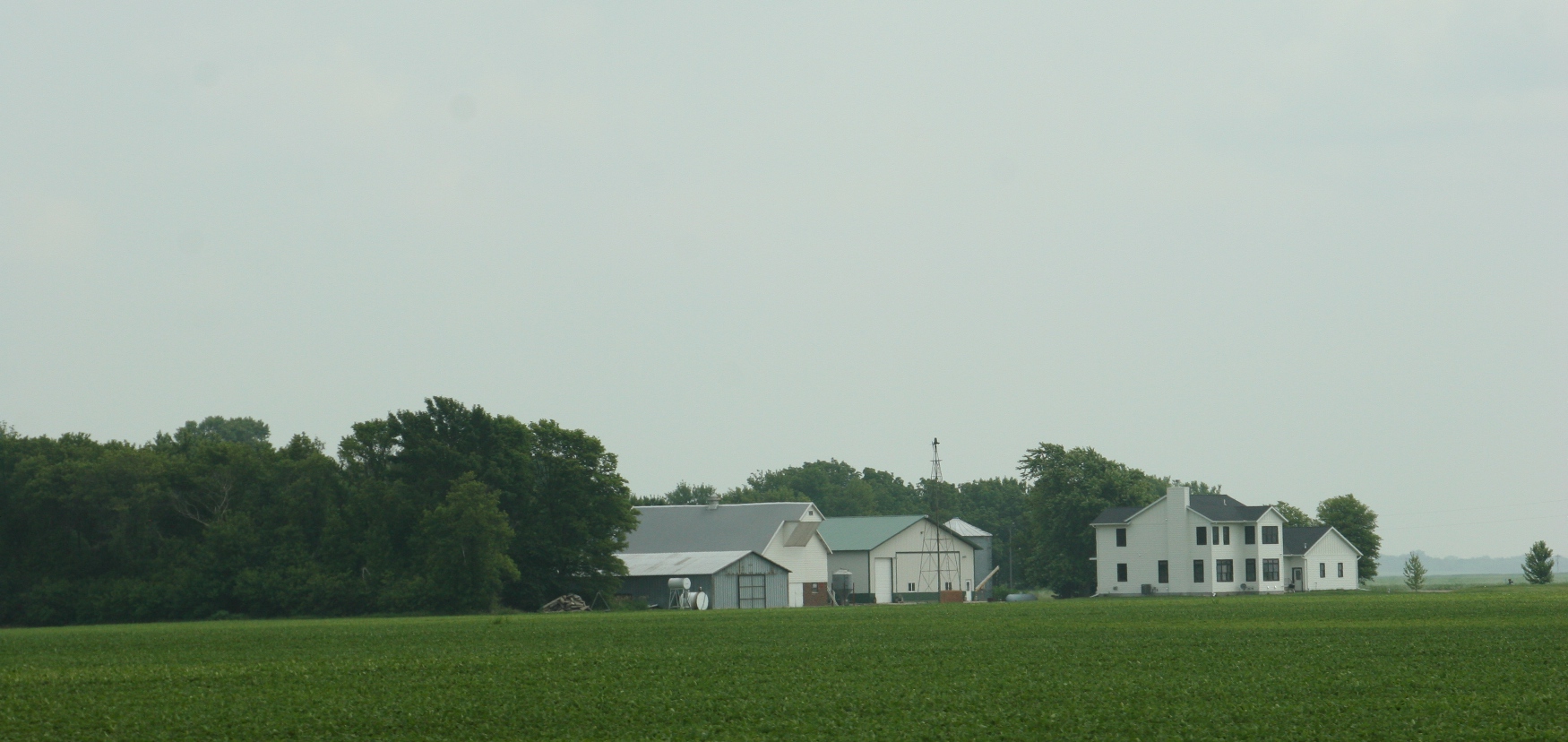
A farm site between Mankato and Nicollet.

A farm site between Mankato and Nicollet.


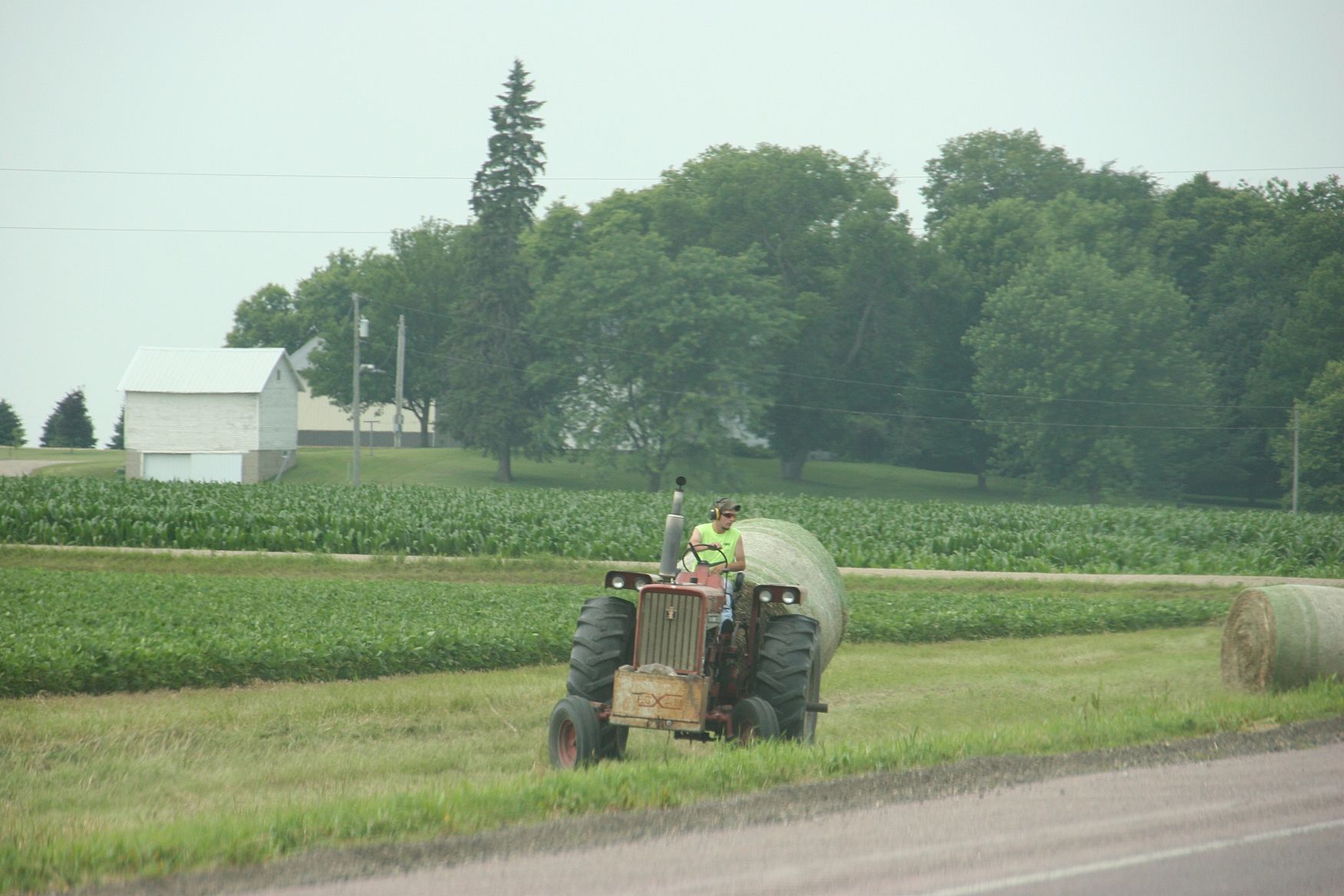
Baling the road ditch between Mankato and New Ulm.

Baling the road ditch between Mankato and New Ulm.


If you appreciate barns, this area of Minnesota offers plenty of barn gazing.

If you appreciate barns, this area of Minnesota offers plenty of barn gazing.


FYI: All of these photos are from my files and were taken along U.S. Highway 14 between Mankato and Lamberton. That would be west of Mankato.

© Copyright 2017 Audrey Kletscher Helbling


Spring in southeastern Minnesota May 10, 2017

Filed under: Uncategorized — Audrey Kletscher Helbling @ 5:00 AM
Tags: , , , , , , , ,


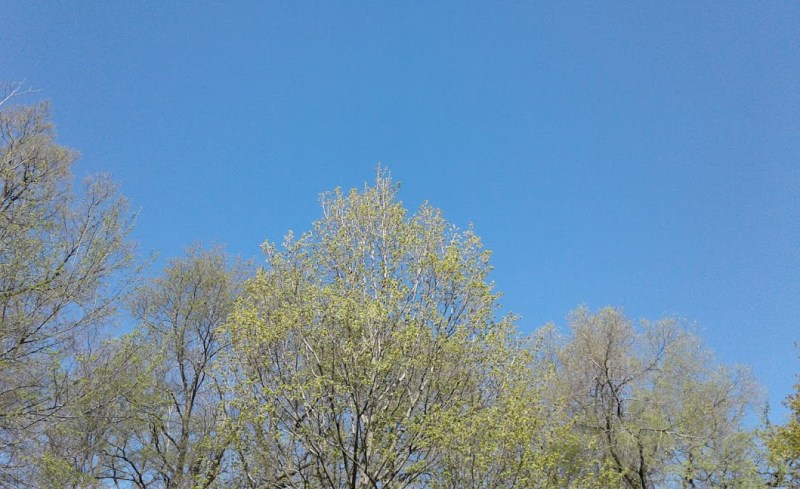
THESE ARE GLORIOUS DAYS in Minnesota. This May. This month when the landscape morphs from greys and browns into the vibrant greens of spring.


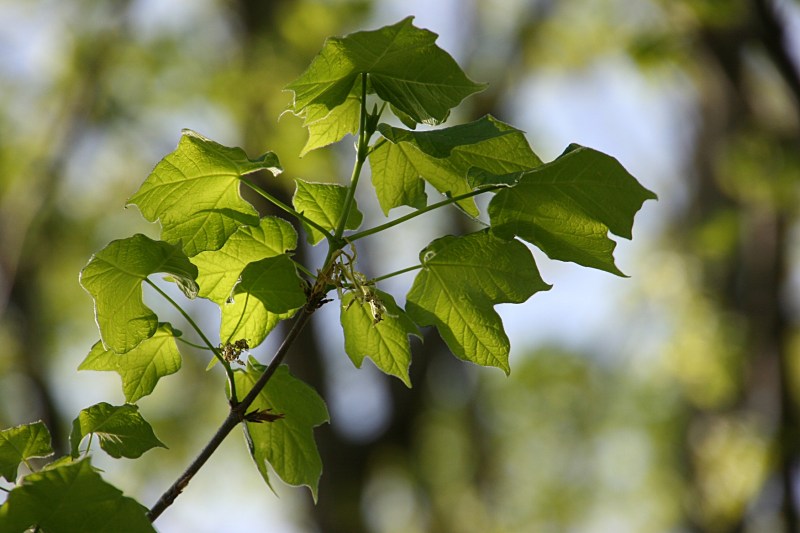
Leaves unfurl a canopy of green.


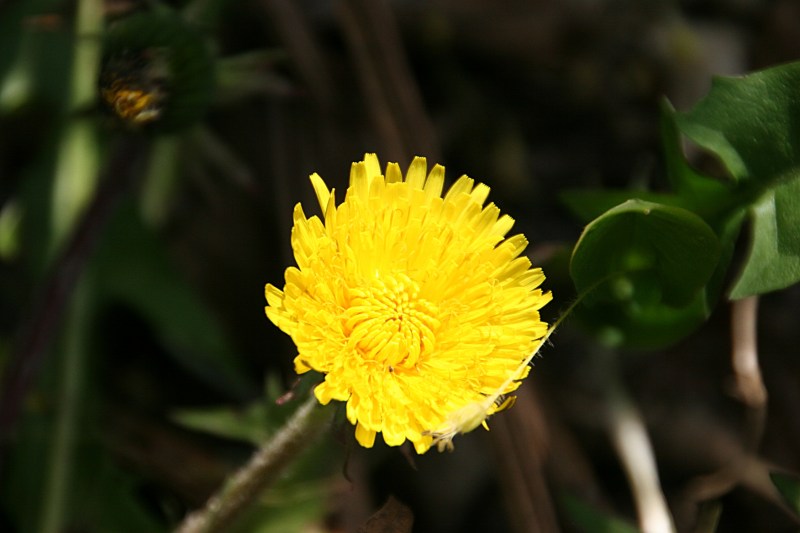
Lawns grow lush and sprout crops of dandelions.


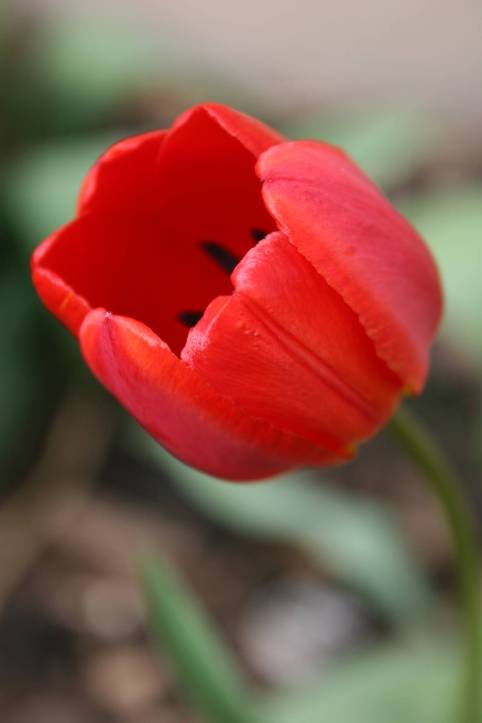
Tulips pop bold colors like exclamation marks in flowerbeds.


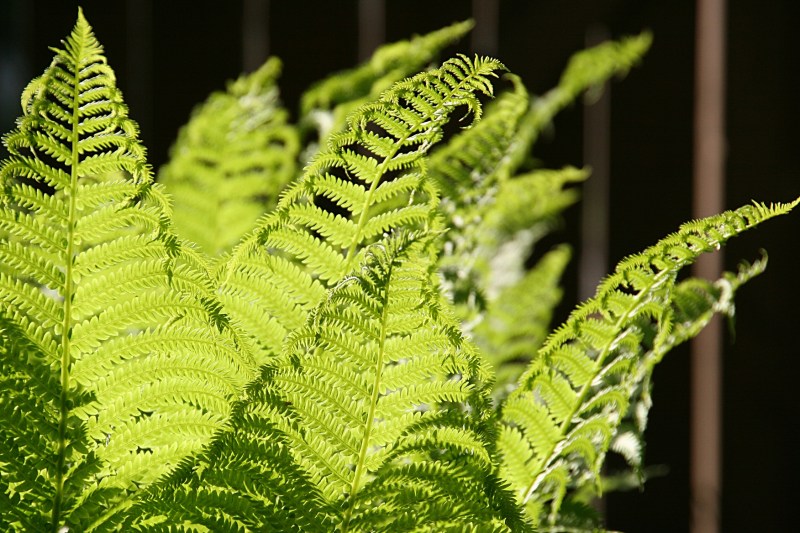
Coiled fiddleheads unwind into feathery ferns dancing in cool spring breezes.


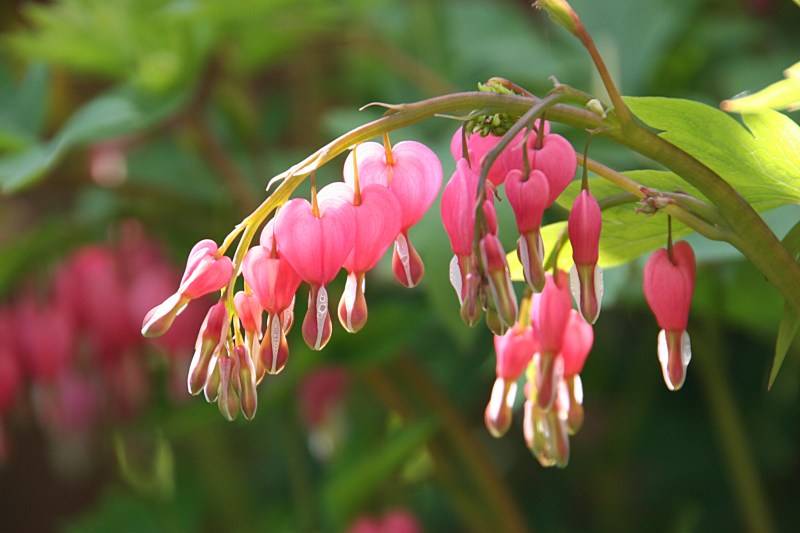
Bleeding hearts awaken, pushing new growth from stems dangling dozens of pink hearts. Hearts of love and hope and the beating of spring. All of this I see as if for the first time, although 60 springs have passed since I was born a Minnesotan.


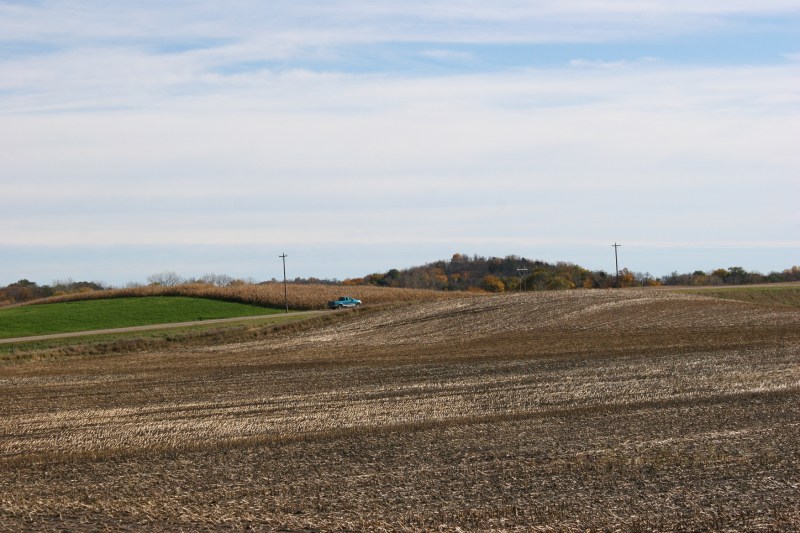
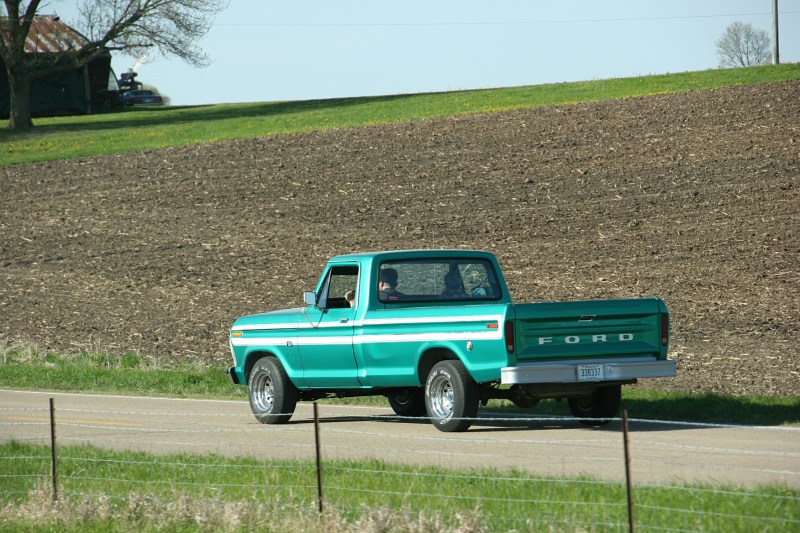
In the countryside, I watch a blue green Ford pick-up truck tool along an Interstate frontage road between strips of greening road ditches.


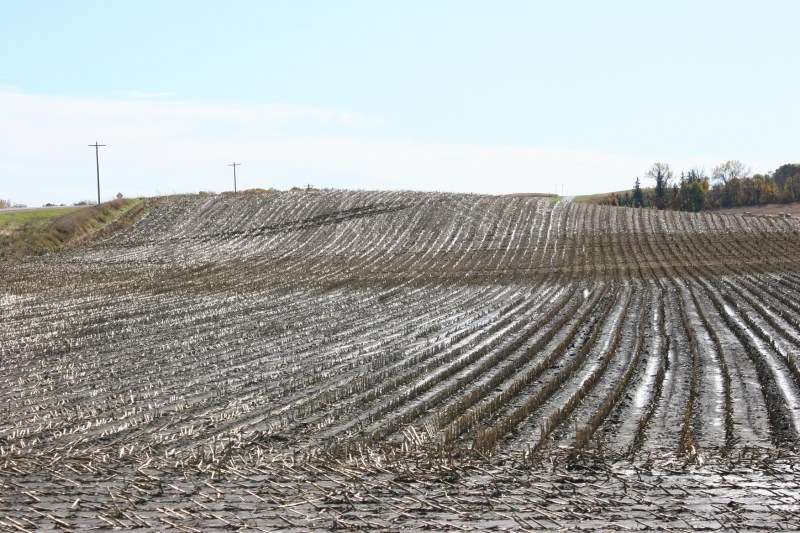
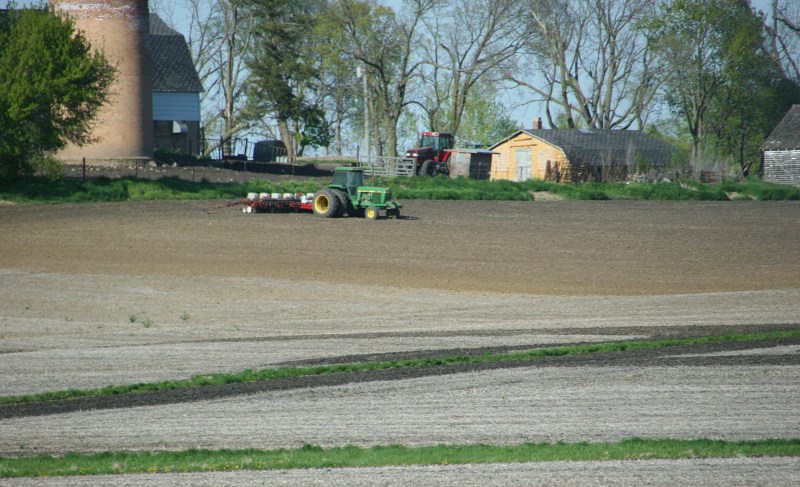
I observe, too, farmers working the land. Soon shoots of green will emerge from black soil as corn and soybean seeds erupt in new growth.

This is the season of newness in Minnesota, when anything seems possible. And perhaps it is.


TELL ME: How do you view and react to spring, wherever you may live?

© Copyright 2017 Audrey Kletscher Helbling


Published in Oakwood: My latest rural-rooted poem honors my farm wife mom April 28, 2017

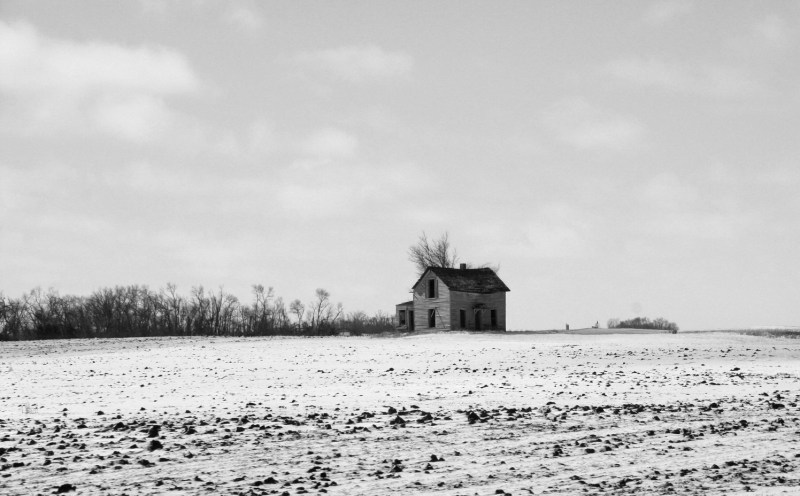
An abandoned farmhouse along Minnesota State Highway 19 east of Vesta, my hometown. The house is no longer standing. This image represents my rural heritage and looks similar to the house I called home for the first 11 years of my life. Minnesota Prairie Roots file photo.


MORE THAN 40 YEARS removed from the farm, my creative voice remains decidedly rural, especially in the poetry I write.

My latest published poem, “Ode to My Farm Wife Mother,” honors the woman who raised me, alongside my father, on a southwestern Minnesota dairy and crop farm. My parents were of good German stock, a hardworking couple who believed in God, in family and in the land. I carry that heritage with me, ever grateful for my rural upbringing.
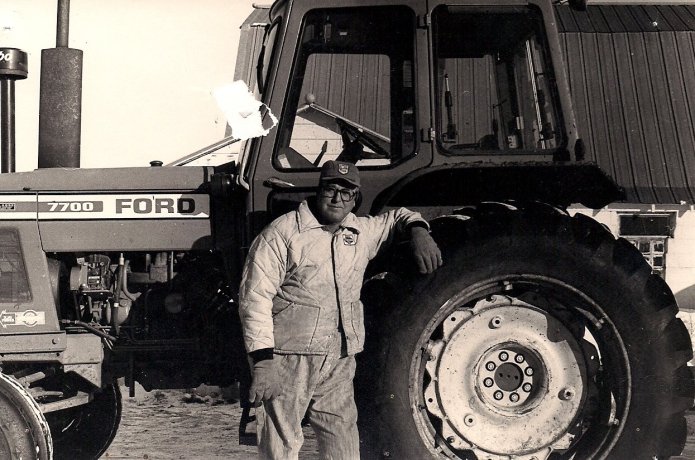
 

Dad farmed, in the early years with a John Deere and Farmall and IH tractors and later with a Ford. (Photo by Lanae Kletscher Feser)

A photo of my dad, Elvern, taken in 1980.


Life in rural Minnesota in the 1960s and 1970s was hard. I see that now from the perspective of an adult. My dad worked long hard hours in the barn milking cows and equally long hard hours in the fields. Farming was much more labor intensive then.
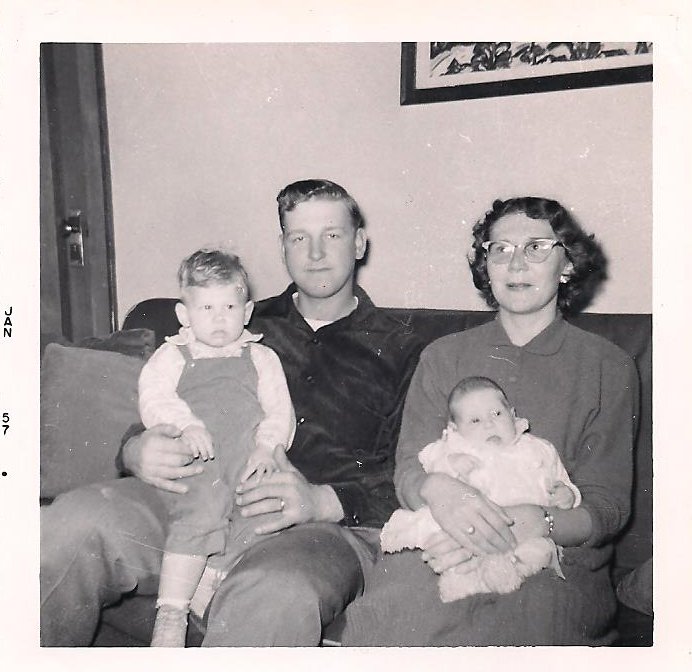
 

The only photo I have of my mom holding me. My dad is holding my brother, Doug.


Likewise, my mom’s job of caring for our family of eight required long hard hours of labor. She tended a large garden, preserved fruits and vegetables to stock the freezer and cellar shelves, baked bread from scratch, washed clothes with a wringer washer, did without a bathroom or telephone or television for many years, and much more.


My parents, Vern and Arlene, on their September 25, 1954, wedding day.


Sometimes I think how much easier my mother’s life would have been had she not married my dad and stayed at her town job in Marshall.
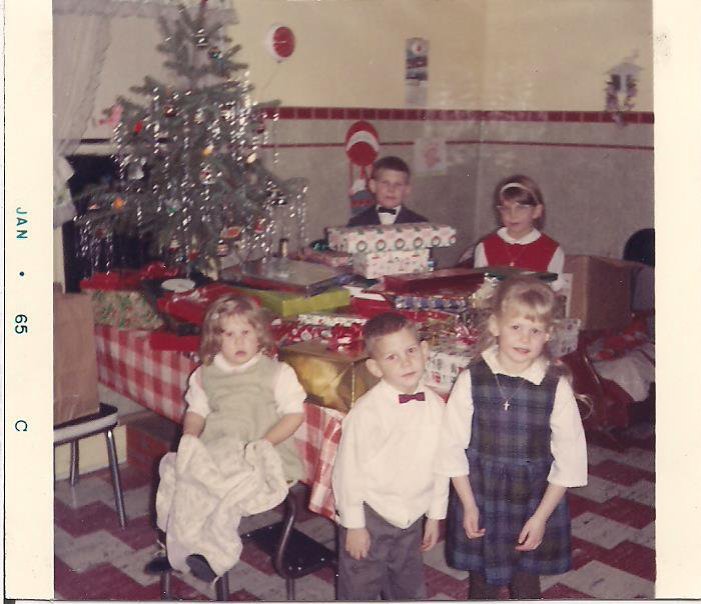
 

Our family Christmas tree always sat on the end of the kitchen table, as shown in this Christmas 1964 photo. That’s me in the red jumper with four of my five siblings. I write about this red-and-white checked floor in my poem.


But then I remind myself of how much family means to my mom and I could not imagine her life without any of her six children. She centered us, grounded us, taught us kindness and gratitude, instilled in us a loving and compassionate spirit.
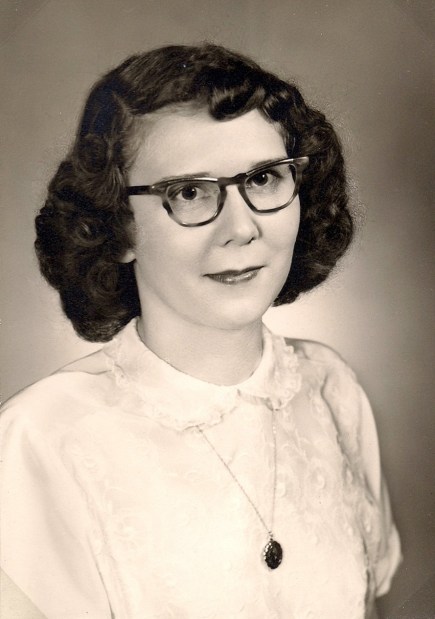
 

Arlene’s 1951 graduation portrait.


She has always been mom to me, a mother now nearing age 85. But there was a time when she was Arlene, not somebody’s wife, somebody’s mother. There was a time when she and my dad danced away a Saturday night in a southwestern Minnesota dance hall. They met at a dance.
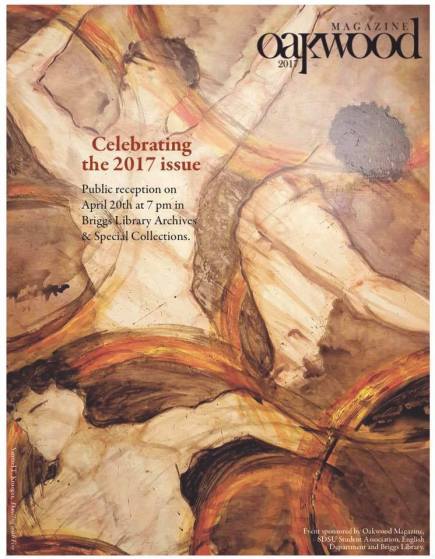
 

The promo for Oakwood 2017 features “Dancing with Fire,” the art of Samuel T. Krueger. Promo image courtesy of Oakwood.


Those thoughts inspired me to write “Ode to My Farm Wife Mother,” published last week in South Dakota State University’s literary journal, Oakwood. I am honored to have my poem selected for inclusion with the work of other writers and artists from the Northern Great Plains. It’s a quality publication that represents well those of us who call this middle-of-the country, often overlooked place, home.


Ode to My Farm Wife Mother

Before my brother,
you were Saturday nights at the Blue Moon Ballroom—
a bottle of Jim Beam whiskey in a brown paper bag,
Old Spice scenting your dampened curls,
Perry Como crooning love in your ear.

Then motherhood quelled your dancing duet.
Interludes passed between births
until the sixth, and final, baby slipped into your world
in 1967. Thirteen years after you married.
Not at all unlucky.

Life shifted to the thrum of the Maytag,
sing-song nursery rhymes,
sway of Naugahyde rocker on red-and-white checked linoleum.
Your skin smelled of baby and yeasty homemade bread
and your kisses tasted of sweet apple jelly.

In the rhythm of your days, you still danced,
but to the beat of farm life—
laundry tangled on the clothesline,
charred burgers jazzed with ketch-up,
finances rocked by falling corn and soybean prices.

Yet, you showed gratitude in bowed head,
hard work in a sun-baked garden,
sweetness in peanut butter oatmeal bars,
endurance in endless summer days of canning,
goodness in the kindness of silence.

All of this I remember now
as you shove your walker down the halls of Parkview.
in the final set of your life, in a place far removed
from Blue Moon Ballroom memories
and the young woman you once were.

                                         #
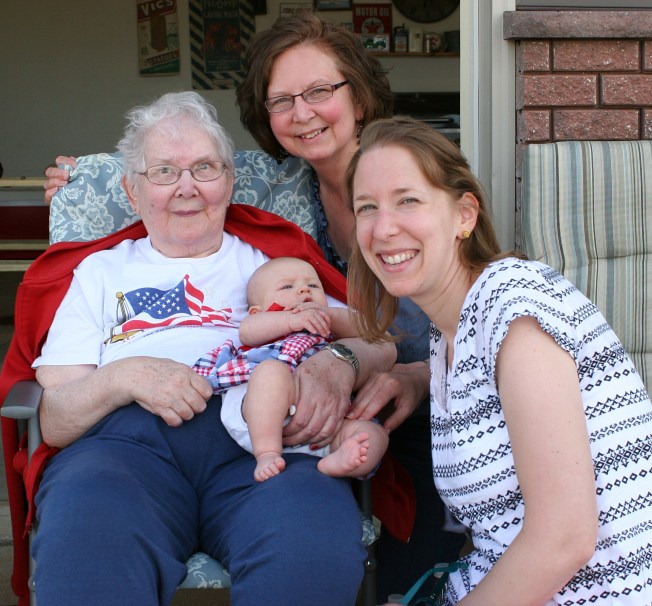
Four generations: Great Grandma Arlene, Grandma Audrey, mother Amber and baby Isabelle, all together for the first time in July 2016 in rural southwestern Minnesota. Minnesota Prairie Roots file photo 2016.


I took some liberties with my poem. I doubt my mom ever drank whiskey. But back in the day, folks brought booze bottles in brown paper bags to dances for set-ups. She didn’t dance in the Blue Moon Ballroom, although one once stood in Marshall. Arlene went to dances in Ghent, in a dance hall whose name eludes me. Blue Moon sounds more poetic. But the rest of the poem is factual right down to the Naugahyde rocker and my mom shoving her walker down the hallways of Parkview.

FYI: You can view my poem on page 78 of Oakwood, found online by clicking here. My bio is published on page 89, listed among the other 40 contributors’ bios. I am grateful to SDSU in Brookings for the opportunity to be part of this magazine which showcases the creative voices of Plains writers and artists. I shall always feel proud of my rural upbringing, the single greatest influence on me as a poet, a writer, a photographer.

Copyright 2017 Audrey Kletscher Helbling


In concert from Rochester: “The Farmer’s Song” & six other poems April 1, 2017


IT IS MY PLEASURE to present to you a video that includes “The Farmer’s Song,” my poem performed last weekend at two concerts in Rochester.

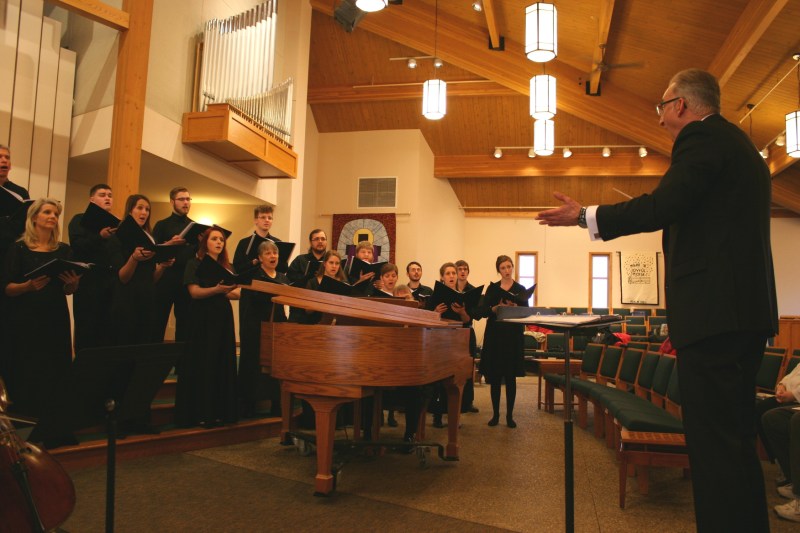
Click here to listen to a Choral Song Cycle by David Kassler on Texts of Minnesota Poets. I read my poem at about 39 minutes followed by a Chamber Choir singing “The Farmer’s Song” with cellist and pianist accompaniment. This concert was held at Good Shepherd Lutheran Church.

To Rochester composer David Kassler and to all of the musicians, thank you for this gift of an artsong. Fueled by your musical passions and talents, you took my poem and crafted a moving tribute to the Minnesota farmer I remember. To share my rural roots in this way has been a truly joyful experience. And to be in the company of six other gifted poets was also an honor.

Thank you.

The Farmer’s Song

Out of rote he follows the path from house to barn,
from barn to shed, steel-toed boots beating a rhythm
upon the earth, into this land which claims his soul.

He reaches for the paint-chipped handle,
his grease-stained fingers connecting with worn metal
like hammer to nail in the movements of his day.

Farming defines the lyrics of his life written upon hands
that have measured yields, directed tractors, pitched manure,
stroked calves, performed seasons of backbreaking labor.

Inside the shed, as he latches wrench to bolt,
he ponders the final verses of his years, the songs he’ll sing
when age frays his memory, grips his hands in a hallelujah chorus.


FYI:  If you are a choral conductor interested in having this music performed by your ensemble. please contact David Kassler. He will work with you. Like Kassler, I would love to see these artsongs reach an even broader audience.

Click here to read my initial blog post about the concert.

A special thank you also to Park Rapids-based The Jackpine Writer’s Bloc for originally publishing “The Farmer’s Song” in the anthology In Retrospect, The Talking Stick, Volume 22.

© Copyright 2017 Audrey Kletscher Helbling


Barn memories February 28, 2017

Filed under: Uncategorized — Audrey Kletscher Helbling @ 5:00 AM
Tags: , , , , , , , , , ,

barn-85-barn-fence


MY APPRECIATION FOR and fascination with aged barns remains strong, steadfast, unwavering. That interest springs from childhood years of laboring in a southwestern Minnesota dairy barn.


barn-15-barn-2-silos


As the second oldest in a family of six children, I was tasked early on with doing chores alongside my eldest brother. Dad needed the help and I never resented it. I only resented that my brother would steal the silage I’d tossed down from the silo. I suppose I can’t blame him. He had to carry silage across two gutters and a barn aisle to feed cows on the east side of the barn. I had only to step outside the silage room door to distribute chopped and fermented corn on the west side. But still.


barn-84-farmhouse


Often I told my dad I wanted to be a farmer when I grew up. He never encouraged it. But I loved working in the barn—maybe not the scraping manure part so much. Yet I always preferred farm work to anything Mom wanted me to do in the house.


barn-80-barn-silo


So I pushed a wheelbarrow down the barn aisle, then scooped shovels full of ground feed before stanchions. I hoisted myself into the haymow to throw down bales of hay and straw. I shook apart straw with a pitchfork, separated alfalfa with gloved hands. I carried pails of milk, washed buckets, mixed milk replacer, fed milk and pellets to hungry calves…

I hold memories of Point of Law booming from WCCO, of hot urine splashing from a cow’s behind, of frothy milk poured into the bulk tank, of a yellow jackknife stuffed inside my pants pocket, of cats clustering around a battered hub cap brimming with still warm milk.


barn-81-barn-w-green-patched-roof


My dad was right. I never became a farmer, pursuing journalism instead. Only one brother farmed for awhile. He’s still in an ag-related industry as is my oldest brother. The rest of us, well, we left the farm. But I like to think that we’ve truly never left in the sense of a deep-rooted attachment to the place that shaped each of us. I write and photograph from a rural perspective. Another sister works as a floral designer. My youngest brother is an attorney in the Twin Cities metro, but maintains his connection to southwestern Minnesota through deer and pheasant hunting.

We were raised as the sons and daughters of a farmer. That remains, as part of our past and as part of who we became.

TELL ME: Did your childhood influence your direction in life, including career choices, where you lived/live, etc.?

FYI: These photos were taken in rural Rice County and in the Jordan/Prior Lake areas, not in my native southwestern Minnesota. This post honors my farmer father, Elvern Kletscher, who would have celebrated his birthday this week. He died 14 years ago in early April 2003.

© Copyright 2017 Audrey Kletscher Helbling
 

A tree January 19, 2017

Filed under: Uncategorized — Audrey Kletscher Helbling @ 5:00 AM
Tags: , , , , , ,

a-tree-in-a-corn-field


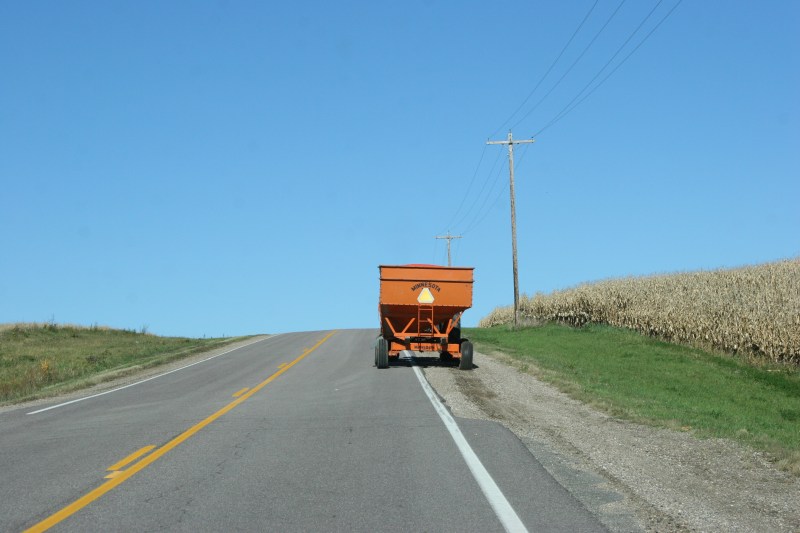
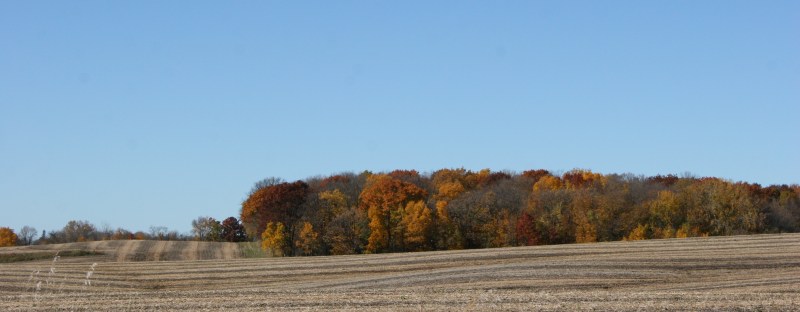
WHENEVER I SEE a lone tree in a field, I am grateful.

Grateful to the farmer who chose to leave it there rather than cut it down for a few more crop rows.

I am grateful for the farmer who sees beyond his pocketbook and respects the value of a tree.

Thoughts?

© Copyright 2016 Audrey Kletscher Helbling
Tree photographed on October 7, 2016, western Waseca County, Minnesota


Another option for shopping local: the Faribault Winter Farmer’s Market December 15, 2016

Bluebird Cakery in historic downtown Faribault is decorated for the holidays.

Bluebird Cakery in historic downtown Faribault is decorated for the holidays.

UPDATE, 1:50 PM Friday: Because of the winter storm, the Faribault Winter Farmers’ Market will be closed on Saturday. Instead, the market will be open from noon to 4 p.m. on Wednesday, December 21.

LOCALLY-GROWN/MADE has been trending for awhile. Know what you’re buying. Know the source. Know the farmer, the craftsman, the artisan.

Downtown Faribault last Saturday afternoon, here looking south on Central Avenue.

Downtown Faribault last Saturday afternoon, here looking south on Central Avenue.

This time of year, especially, we’re encouraged to shop local.

downtown-faribault-171-farmers-market

In my community of Faribault, it’s easy to buy local, direct from the hands of those who raised or grew or crafted. And nowhere is that more grassroots possible than at the Faribault Winter Farmers’ Market.

The musicians' list of holiday songs and music.

The musicians’ list of holiday songs and music.

New to Faribault’s holiday shopping scene, the market fills the cozy lobby of the Paradise Center for the Arts, 321 Central Avenue, in our historic downtown. Vendors offer jams, breads, cupcakes, horseradish, apples, maple syrup, beef, soap and more. I dropped by last Saturday afternoon to check out the winter market, recognizing sellers from the summer market in Central Park.


downtown-faribault-165-musicians-at-farmers-market


The mood was festive with a duo performing holiday tunes in a side meeting room/mini gallery. In the main gallery and in the gift shop, local art was available for purchase as part of the arts center’s Holly Days.


downtown-faribault-170-farmers-market


With the market winding down for the day, vendors had time to visit and personally promote their offerings. I sampled mango jelly on a saltine cracker. Randy sampled apples and bought a bulging bag of juicy Pzazz, an open-pollinated Honeycrisp cross. We love this apple, unheard of by us until the purchase from Apple Creek Orchard. We talked horseradish making with another vendor.


snowing-in-faribault-the-cheese-cave-at-night-copy


Earlier that day we shopped local across the street at our favorite cheese shop, The Cheese Cave. There Randy bought a wheel of St. Pete’s Select blue cheese and a chunk of a special edition Smoked St. Mary’s Grass-Fed Gouda, both made and aged in Faribault caves.


Faribault's Central Avenue from Fourth Street south.

Faribault’s Central Avenue from Fourth Street south.


I am fortunate to live in a community where local is valued, where good folks tend and harvest crops, where the bounty of the earth and of hands is shared at the farmers’ market and beyond.

TELL ME: What can you find that is locally-grown/made in your community?

FYI: The Faribault Winter Farmers’ Market is open this Saturday, December 17, from 1 – 4 p.m.

© Copyright 2016 Audrey Kletscher Helbing


Recommended Minnesota reads December 5, 2016

THIS TIME OF YEAR, when daylight fades too early into evening darkness, when I want nothing more than to stay indoors cozied against the Minnesota cold, I find myself gathering books. Stashing, stacking, sequestering them in my home.

And then I read, snugged into a corner of the reclining sofa that no longer reclines (unless the husband yanks on the redneck handle he’s improvised to replace the broken pull). I tuck into a fleece throw in hues that linger autumn.

Then I read. Of mystery in prose and poetry. Of fictional places. Of memories. Words wrapping stories around me. Writers writing so I can read. Of their experiences. Of their imaginations. Of their struggles and joys and moments.

Often I choose to read local, a subconscious decision tracing to my years writing book reviews for a now-defunct Minnesota magazine. But I am also drawn to Minnesota writers because of the connection I have to them. We are, or were, of this place, of these people.

In honor of Minnesota reads, I direct you to these books:


under-minnesota-skies


Under Minnesota Skies: John and Dorothy Hondl Family History and Farm Memories, penned by sisters Bernadette Hondl Thomasy and Colleen Hondl Gengler, is promoted as a family memoir of farm life in the 1940s-1960s that reflects on Czech and German heritage. The farm referenced in the book sits near Owatonna and has been in the Hondl family since 1881.

I can relate to much of the book’s content. The hard work and joys of farm life. Making hay. Filling silo. Tending livestock. This memoir, too, prompts long-forgotten memories of licking Gold Bond Stamps, of the South St. Paul Stockyard, of listening to WCCO 8-3-0, of driving tractor, of yearning for books.

Turning the pages of Under Minnesota Skies is like flipping the pages of a photo album detailing rural life. Except in words. Email the authors at kbthomasy at aol.com or dcgeng at frontiernet.net to purchase an autographed copy. Or buy the book at Little Professor Book Center in Owatonna or online at amazon.


ts-book-cover-2016


Voices: Past & Present, The Talking Stick Volume 25, is an eclectic collection of writing by Minnesota authors, or those with a strong Minnesota tie. Published by the northern Minnesota Jackpine Writers’ Bloc, this anthology includes 139 poems, 26 pieces of creative nonfiction and 20 works of fiction from 118 writers. So a good sampling of Minnesota talent.

Getting published in this book is a competitive process. Two of my poems, “Confessions in a Grocery Store Parking Lot” and “Prairie Garden Memories” are among the works printed in this 25th anniversary edition. Order on amazon.


farm-country-christmas


Finally, anyone interested in rural life, should read the books penned by prolific husband and wife team Gordon and Nancy Fredrickson of Lakeville. The pair offer children’s picture books in their “A Farm Country” and “If I Were a Farmer” series. They have also written American Farm Heritage and poetry volumes for adults.

The Fredricksons’ books truly are a tribute to the rural way of life. These books can be purchased on the authors’ website, via amazon or at these Minnesota locations: Secret Attic in Northfield; The Old Hotel, New Market; and Bongards Cheese Shop, Bongards.

TELL ME: What local books have you read? What local books are you purchasing as Christmas gifts?

© Copyright 2016 Audrey Kletscher Helbling
 

Observing the Minnesota harvest October 25, 2016

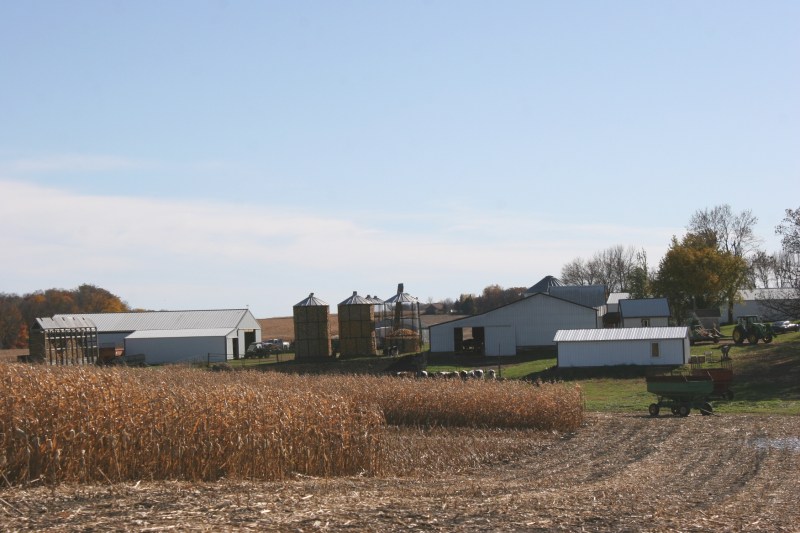
A farm site between Kenyon and Faribault.

A farm site between Kenyon and Faribault.

ALONG GRAVEL ROADS and across fields, farm machinery kicked up dust, shrouding rural southeastern Minnesota in pockets of hazy grey.

Somewhere southeast of rochester.

Somewhere southeast of Rochester.

Dust sometimes trailed plumes behind tractors.

All American Co-op in Stewartville Saturday afternoon.

All American Co-op in Stewartville Saturday afternoon.

The elevator in Hayfield.

Grain bins in Hayfield.

In small towns, tractors pulling grain wagons and trucks loaded with corn or soybeans waited at local elevators.

Bees wings accumulating along Main Street in Hayfield.

Bees wings (chaff from corn cobs) accumulate along Main Street in Hayfield.

And bees wings drifted, tinting Main Street and sidewalks red.

Near Root River County Park in Olmsted County.

Near Root River County Park in Olmsted County.

Near Wanamingo...

Near Wanamingo…

In township after township after township, I observed farmers gathering in the crops and working the land on Saturday. A good drying day. Sunshine and crisp temps. Perfect to finish the harvest.

A cluster of bins near Hayfield.

A cluster of bins by Hayfield.

A day trip drive this time of year requires patience as combines, trucks and tractors clog roadways, slowing traffic. But that’s OK. Sometimes we need to creep along, to simply appreciate this land and the farmers who plant, tend and gather in the crops.

© Copyright 2016 Audrey Kletscher Helbling
 

Autumn, Southern Minnesota’s season of harvest & hope October 4, 2016

Filed under: Uncategorized — Audrey Kletscher Helbling @ 5:00 AM
Tags: , , , , , , , , , ,
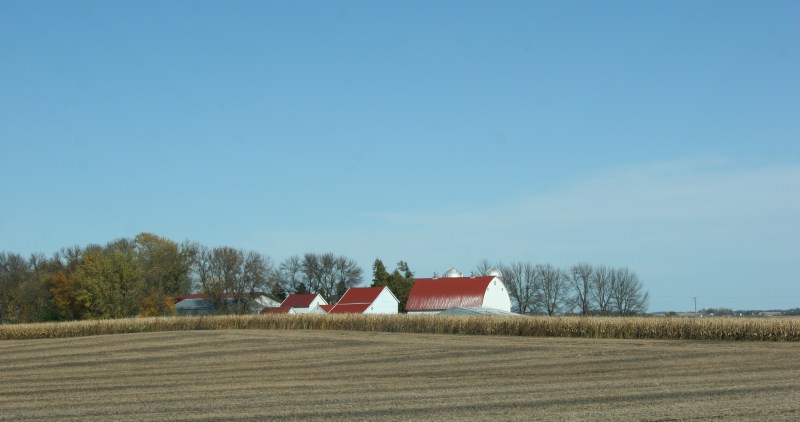
Somewhere between Morgan and New Ulm, in the middle of prime Minnesota farm land.

Somewhere between Morgan and New Ulm, in the middle of prime Minnesota farm land early Saturday evening.

HARVEST. That word holds the seasons of a farmer’s hope.

A partially-harvest cornfield between New Ulm and Morgan.

A partially-harvest cornfield between New Ulm and Morgan.

From spring planting to summer growth to autumn ripening, a farmer focuses on the outcome—a yield that brims with golden corn and soybeans.
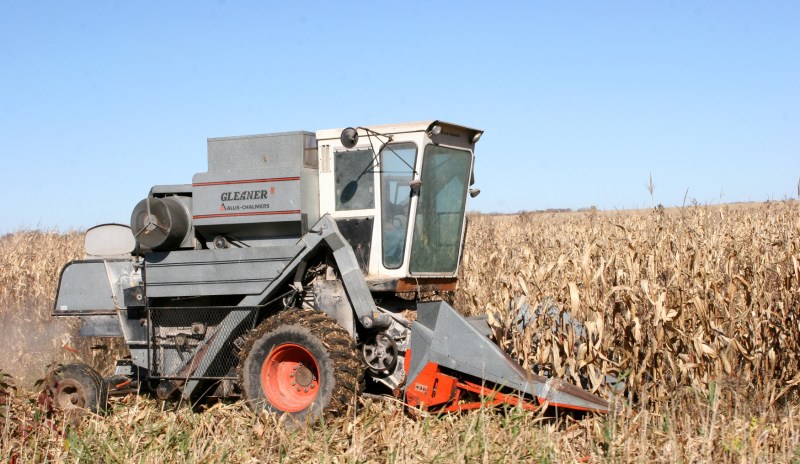
Harvesting between St. Peter and Nicollet.
Harvest equipment sits in a cornfield west of St. Peter.

Through months of looking toward the skies, of weathering too much or too little rainfall, of watching heat shimmer waves across fields, of tending and waiting, a farmer anticipates this season of harvest.

Driving west on Minnesota State Highway 99 toward Le Center.

Driving west on Minnesota State Highway 99 toward Le Center.

On a day trip Saturday from the southeastern to the southwestern side of Minnesota—through Rice, Le Sueur, Blue Earth, Nicollet, Brown and Redwood counties and back—I observed the harvest. Minimal on the eastern side, which has been flooded with too much recent rainfall, but in full swing in the counties of Brown and Redwood.

Combing beans near New Ulm.

Combining beans near New Ulm.

Farmers worked the land, dust enveloping combines.

A red grain truck jolts color into a field near New Ulm.

A red grain truck jolts color into a field near New Ulm.

North of Belview, trucks await the harvest.

North of Belview, trucks await the harvest.

Parked outside the elevator in Morgan.

Parked outside the elevator in Morgan.

Farming communities like Morgan are busy with harvest.

Farming communities like Morgan are busy with harvest.

Grain trucks idled in fields and barreled down county roads toward local elevators

Near Courtland.

Near Courtland.

Grain bins near Waterville.

Grain bins near Waterville.

or homestead grain bins.

Driving into Courtland.

Driving into Courtland.

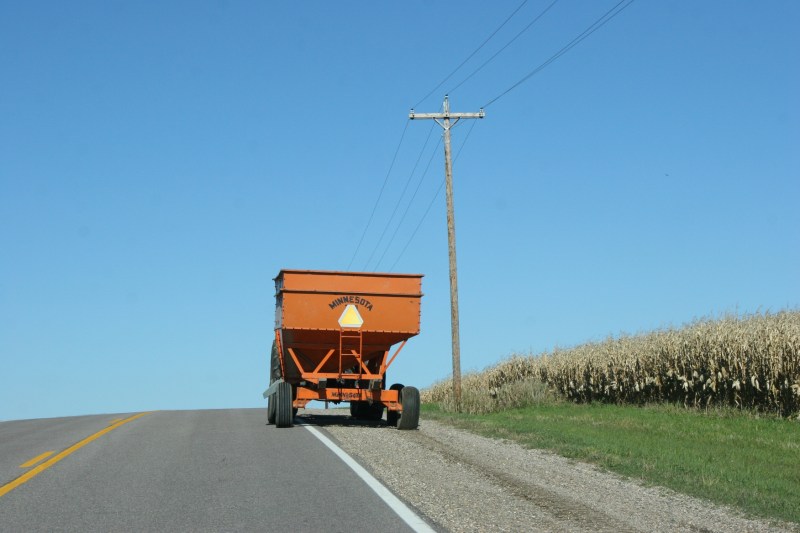
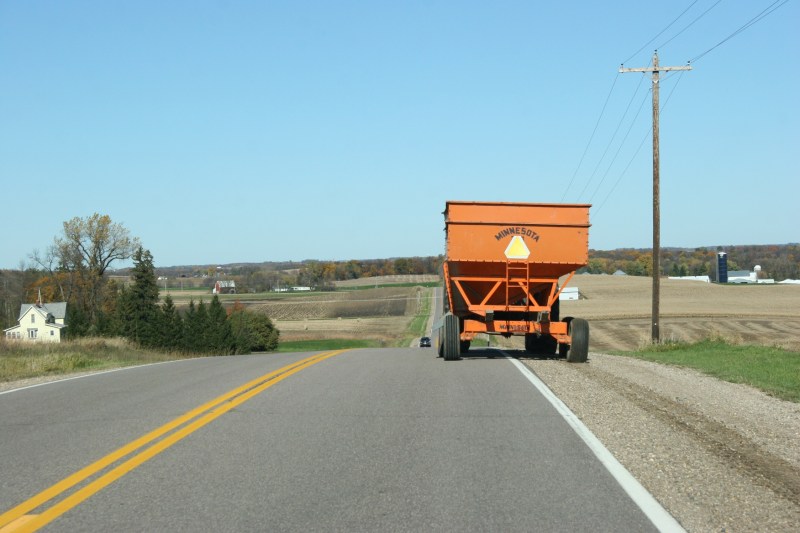
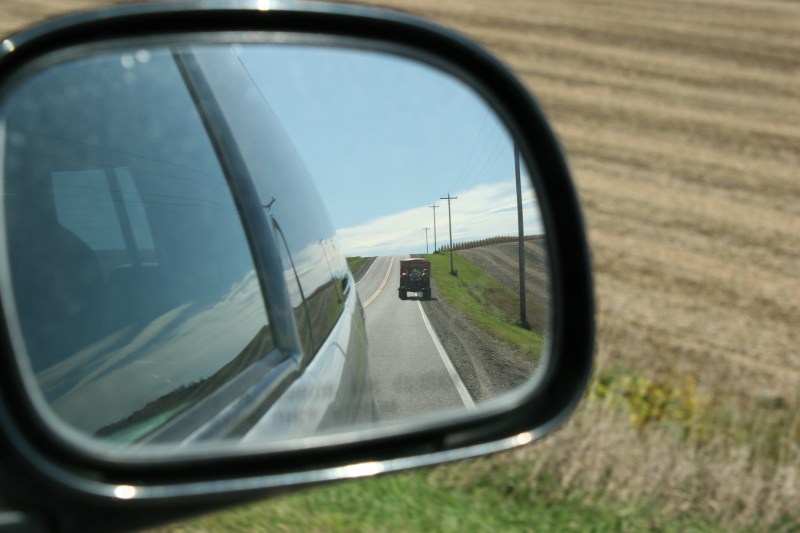
This time of year, motorists need to be watchful of slow-moving farm equipment.

This time of year, motorists need to be watchful of slow-moving farm equipment.

Harvest started west of St. Peter.

Harvest started west of St. Peter.

The landscape crawled with tractors and combines and trucks, farmers at the wheels, guiding the crops toward harvest.

White among fields of golden crops.

A harvested field against a farm site backdrop of white.

And I observed it all. No longer an intimate part of this process as I once was so many decades ago on my Redwood County childhood farm, I am still connected to this season by the memories that trace deep within me.

West of New Ulm, grain wagons sit in a field.

West of New Ulm.

Harvest still holds me in hope.

© Copyright 2016 Audrey Kletscher Helbling